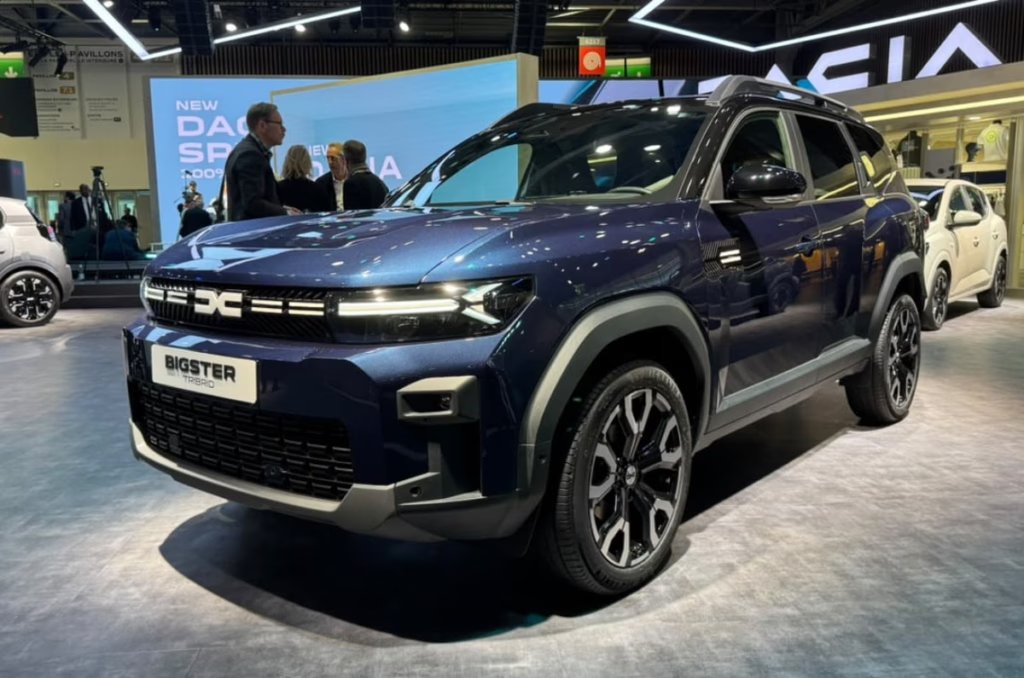
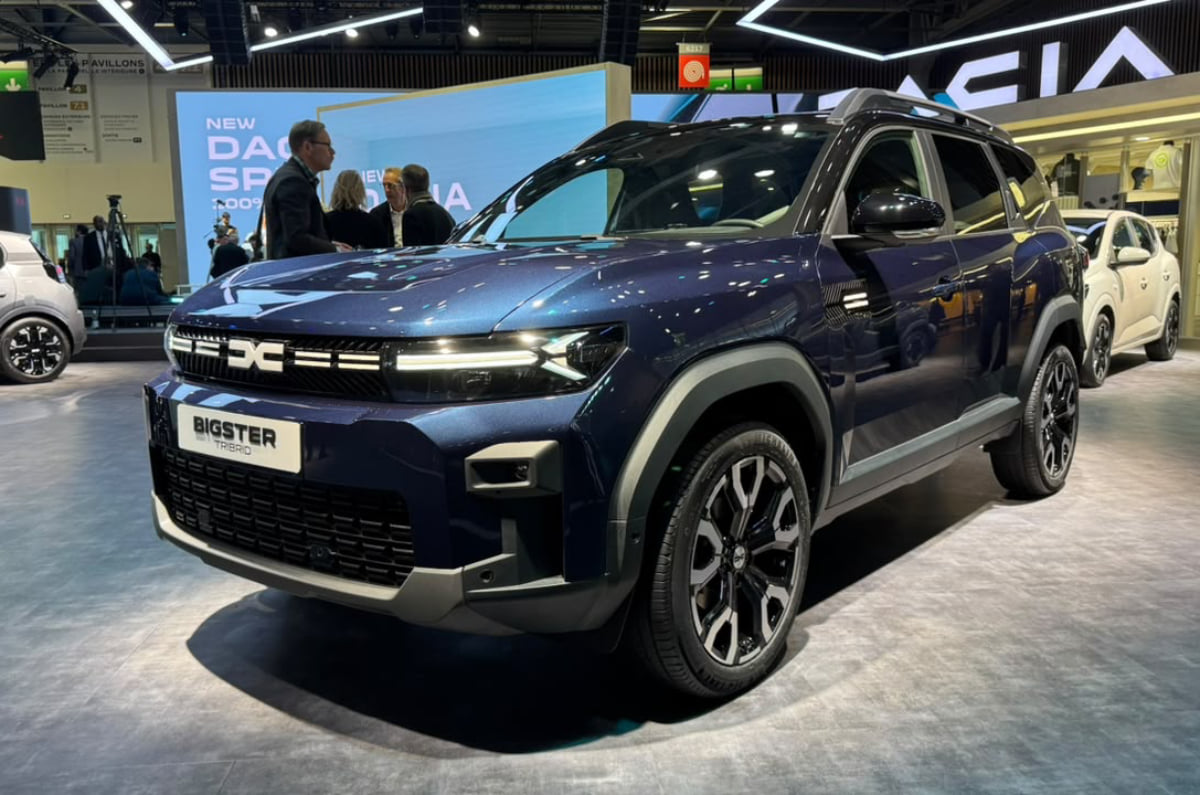
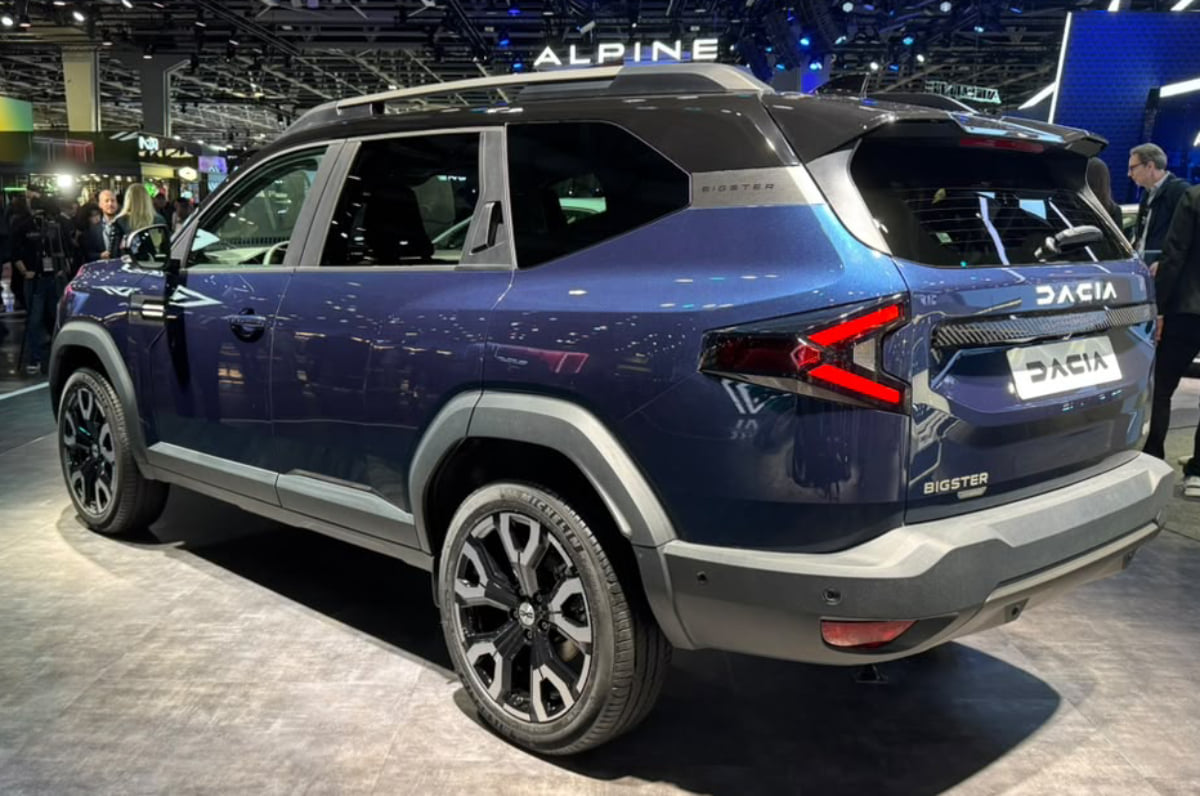
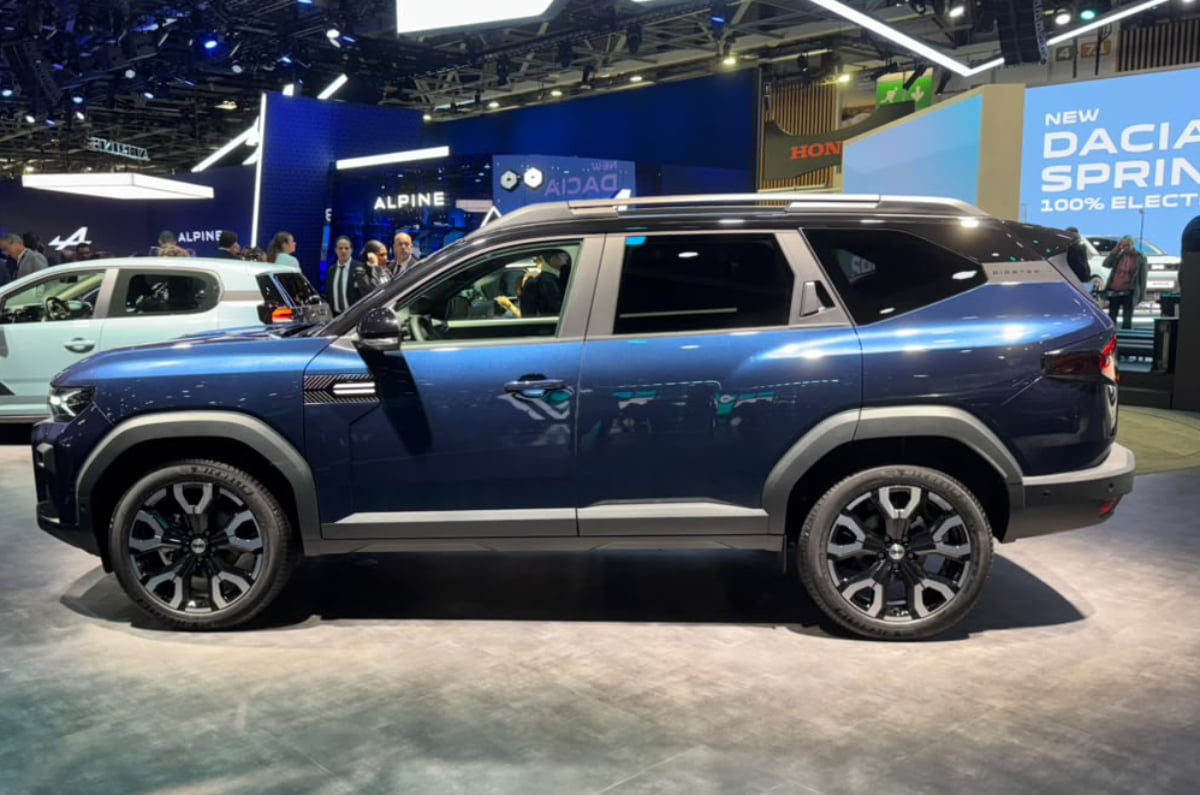
The Dacia Bigster, which is expected to come to India as a Renault in 2027, was showcased at the 2026 Paris Motor Show. The three-row SUV is expected to be positioned as a larger alternative to the Renault Duster, with turbo-petrol and strong-hybrid powertrain options. The hybrid system is set to debut in India in the Duster on October 17, 2026.
Dacia Bigster: Powertrain
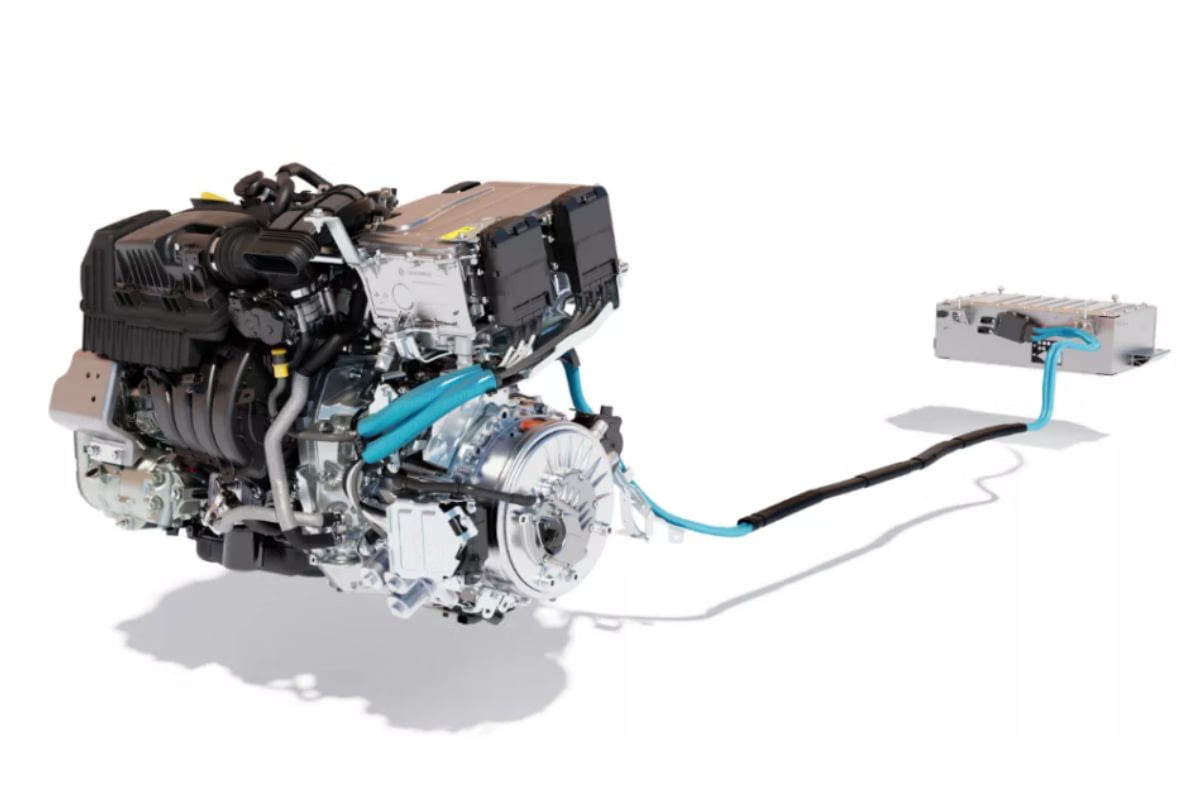
Renault strong hybrid E-Tech 160hp powertrain.
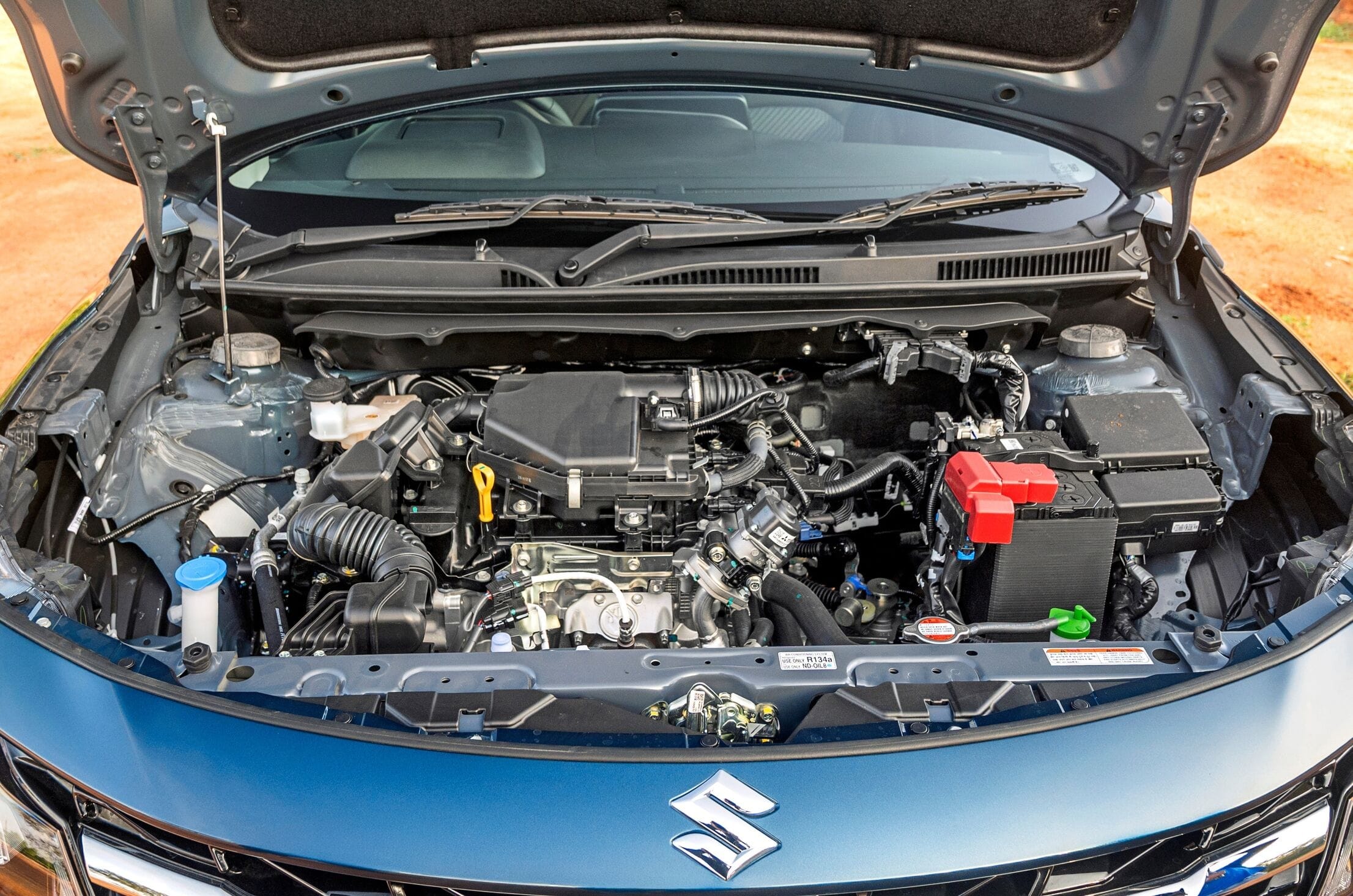
The India-bound Bigster is expected to get 1.3-litre turbo-petrol and 1.8-litre strong-hybrid powertrain options. The latter will make its India debut in the Renault Duster later this week.
In the Duster hybrid, the 1.8-litre naturally aspirated petrol engine works with two electric motors and a 1.4kWh battery to produce a combined 160hp and 172Nm. The system uses a multi-mode automatic gearbox with fixed gear ratios. Since this is a strong-hybrid setup, the battery does not require charging via an external source, and it charges while the vehicle is being driven. Renault claims the Duster hybrid can cover up to 80 percent of city driving in electric mode.
The Bigster is expected to use the same hybrid setup, though its power and torque figures could differ due to its larger size.
Dacia Bigster: Exterior
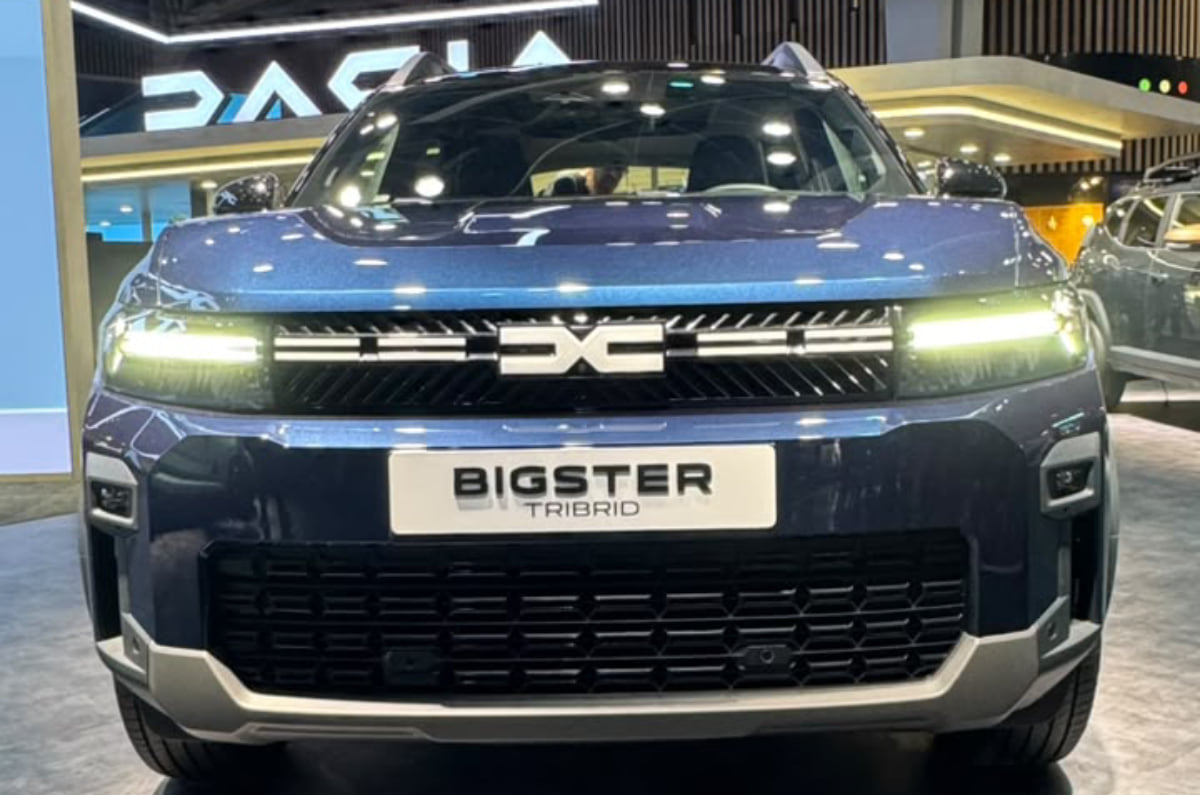
The Bigster is 230mm longer overall than the India-spec Duster, with a 45mm longer wheelbase and much of the added length at the rear overhang. The European Dacia Bigster features a chunky front skid plate, rugged-looking front and rear bumpers, and LED daytime running lights.
Like the India-spec Duster, the India-bound Bigster is expected to get revised styling compared to its Dacia counterpart, including changes to the grille and bumpers. The India-spec Duster gets connected tail-lamps, unlike the European Dacia Duster, which has separate units.
Dacia Bigster: Interior and layout
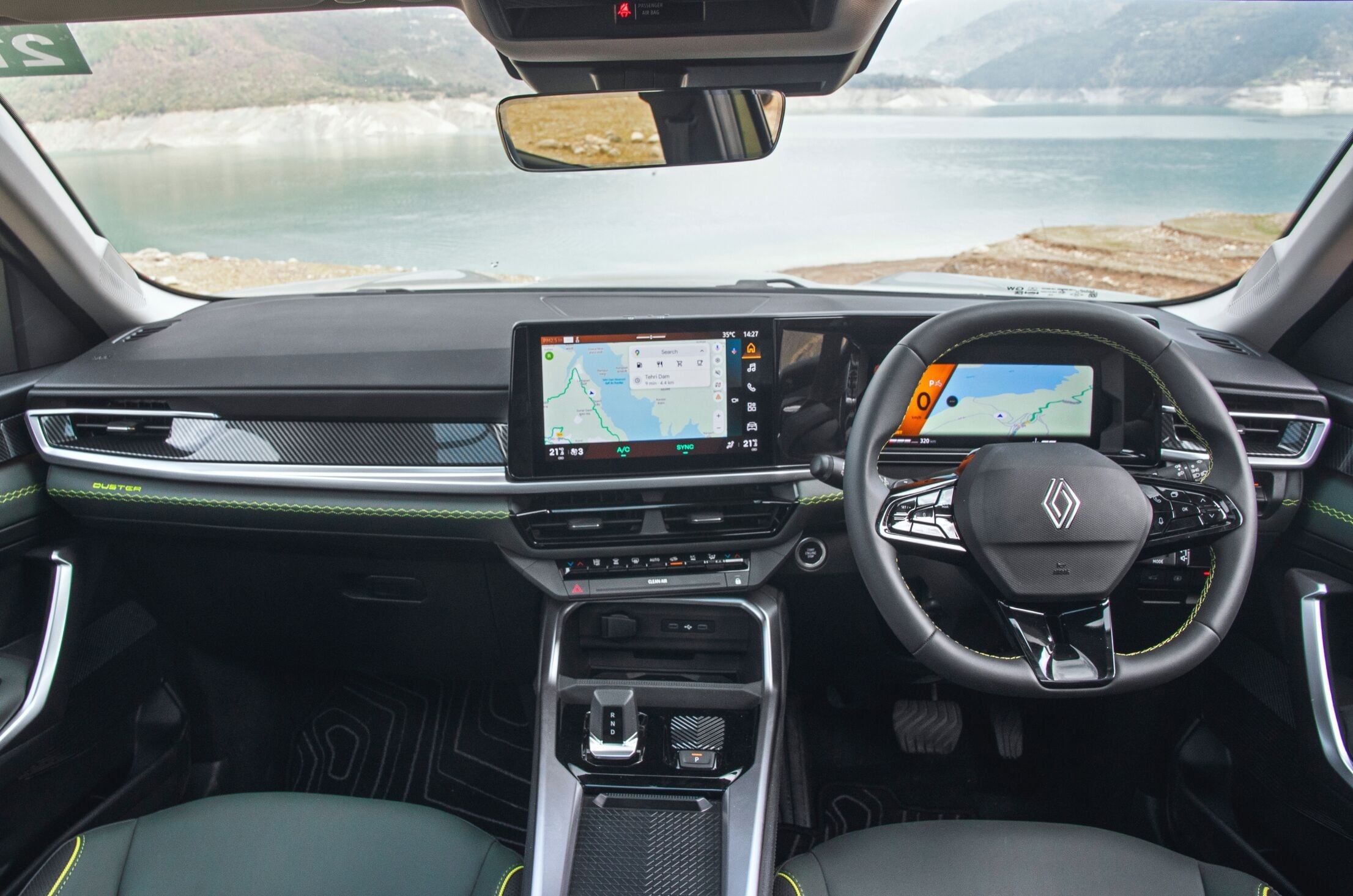
Renault Duster interior image used for representation only.
The India-bound Bigster is expected to be a seven-seater with three rows. Its cabin layout is expected to be similar to that of the new Renault Duster, with additional features likely for the larger SUV. The Duster gets a 10.1-inch touchscreen infotainment system, a 10.25-inch digital instrument cluster, dual-zone climate control and a wireless phone charger.
Dacia Bigster: India launch and rivals
The Renault-badged Bigster is expected to arrive in India in 2027. It will sit above the Duster in Renault’s SUV line-up and is expected to compete with three-row SUVs such as the Hyundai Alcazar, Mahindra XUV 7XO and MG Hector Tomahawk range.
A Nissan version of the three-row SUV has also been spotted testing in India.
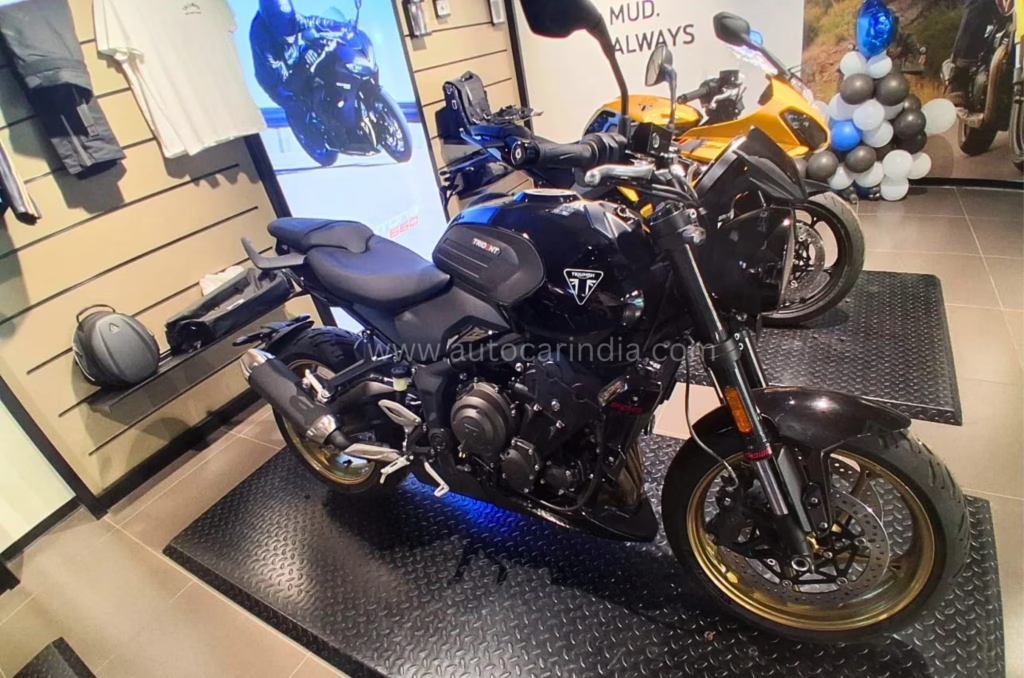
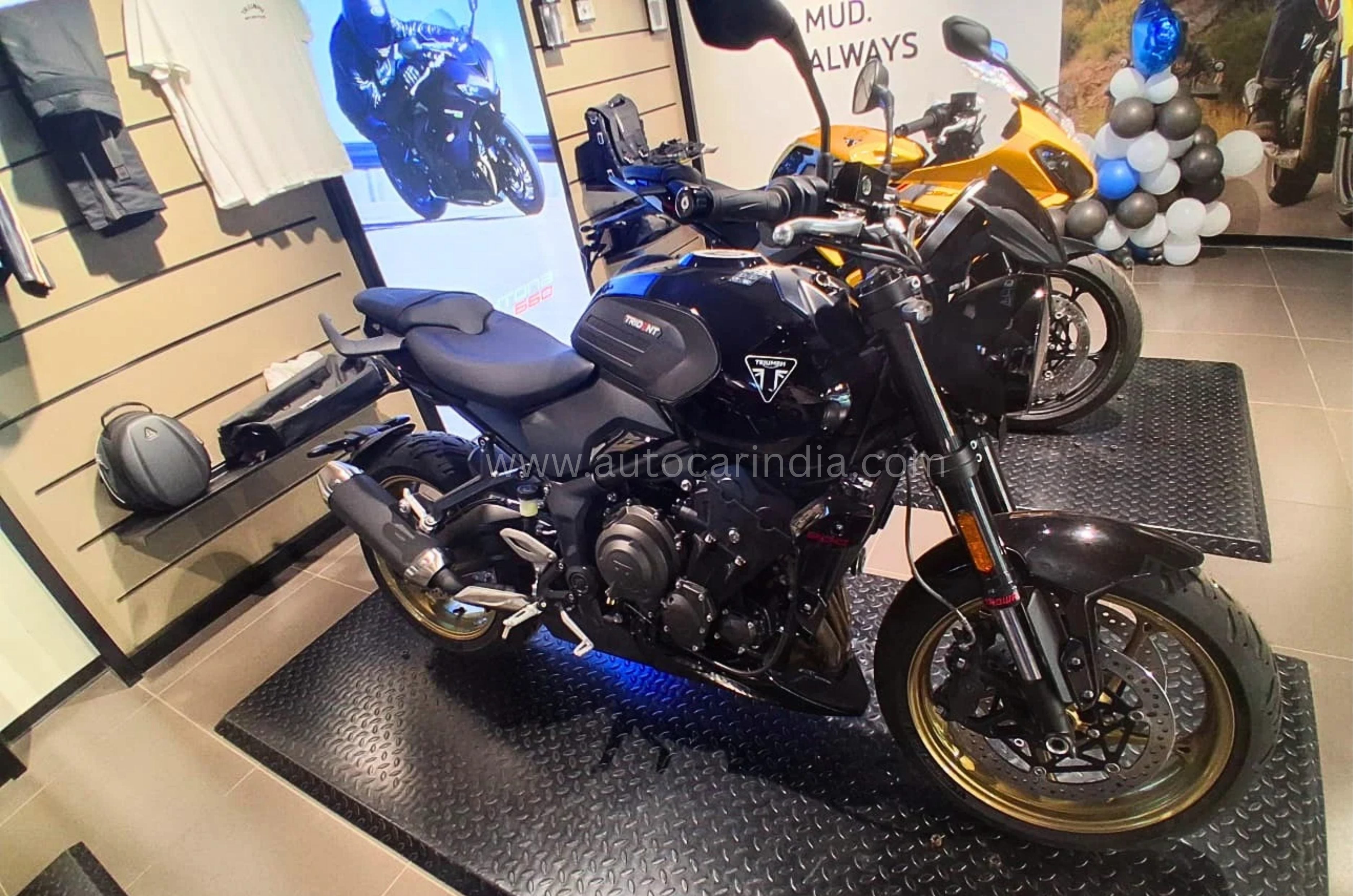
The Triumph Trident 800 appears to have quietly made its way to India. While the bike is yet to appear on Triumph India’s website and the company has made no launch announcement, select dealerships have confirmed to us that they have limited stock of the model, which debuted globally late last year.
Triumph Trident 800 price goes up to Rs 11.10 lakh (ex-showroom), depending on colour
Powered by a 798cc inline-triple producing 115hp and 84Nm
Gets a 6-axis IMU, cornering ABS, traction control and cruise control
Triumph Trident 800 India price and details
The Trident 800 is based on the same platform as the Tiger Sport 800
Unveiled last October, the Trident 800 is a new middleweight naked that sits above the Trident 660 in Triumph’s lineup. It is powered by the 798cc inline-triple from the Tiger Sport 800, producing 115hp at 10,750rpm and 84Nm at 8,500rpm.
The chassis comprises a steel perimeter frame, a Showa 41mm SFF-BP USD fork and a monoshock. Electronics include a six-axis IMU enabling lean-sensitive cornering ABS and traction control, three riding modes (Road, Sport and Rain), cruise control and Bluetooth connectivity for the 3.5-inch TFT display.
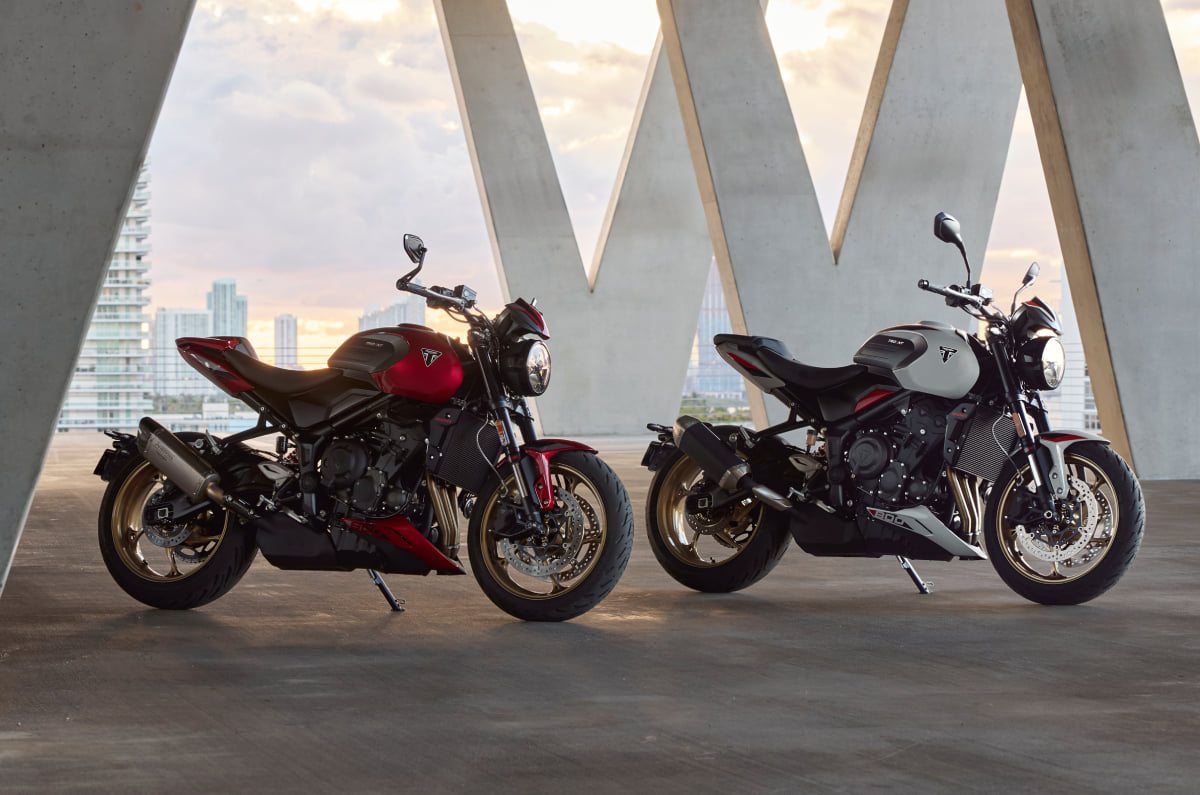
Of the three colour options – Jet Black, Ash Grey and Carnival Red – the black variant is priced at Rs 10.95 lakh, while the other two cost Rs 11.10 lakh (ex-showroom, India). At this price point, the Trident 800 is about Rs 10,000 more expensive than the Street Triple R in our market. While their performance figures are comparable on paper, the Trident is 9kg heavier, largely down to its steel perimeter frame, compared to the aluminium twin-spar unit on the Street Triple R. The latter also gets fully adjustable suspension and a larger 5-inch TFT display, compared to the 3.5-inch unit on the Trident 800.
It’s worth noting that not all the dealerships we contacted confirmed having stock, so availability may vary. We’d recommend checking with your nearest Triumph dealership before making the trip.
TVS has updated its premium 110cc commuter, the Radeon just in time for the festive season. This update comprises all-LED lighting along with new colour options. The prices now range from Rs 67100 to Rs 73100 ex-showroom, Delhi. We are still awaiting confirmation from TVS if the previous model and the updated model will be on sale simultaneously. Compared to the previous model, the price of the base variant has increased by Rs 1,250, while the top-spec Disc variant is now Rs 7,500 cheaper.
Now gets all LED lighting
Powered by the same 110cc engine as before
Front disc brake only on top Digi-disc variant
2026 TVS Radeon: What’s new?
Gets all LED lighting and new colour schemes
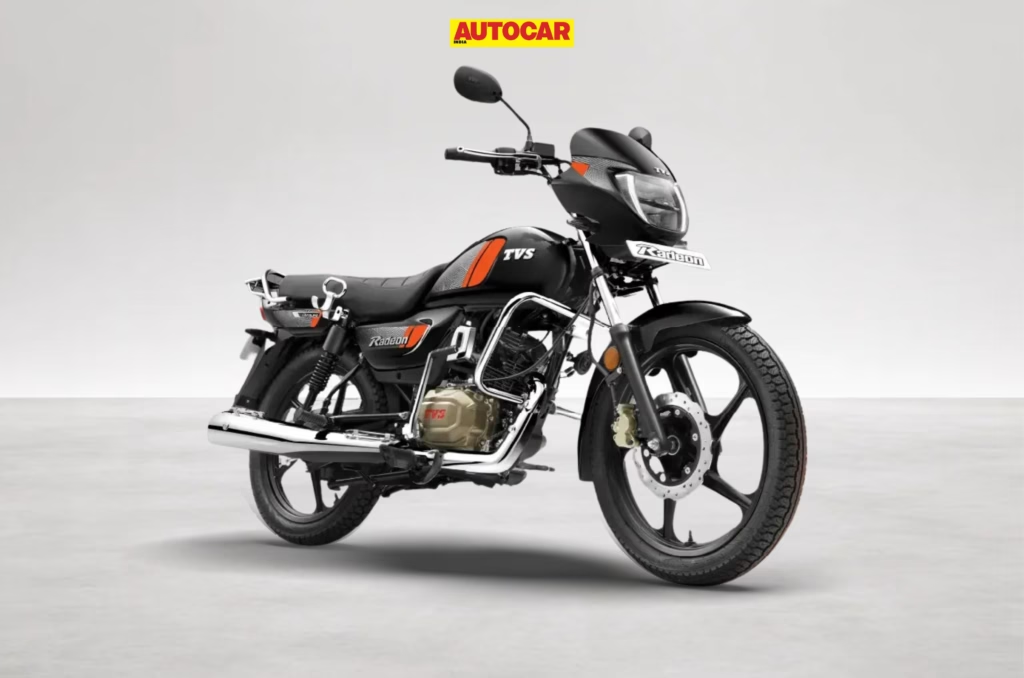
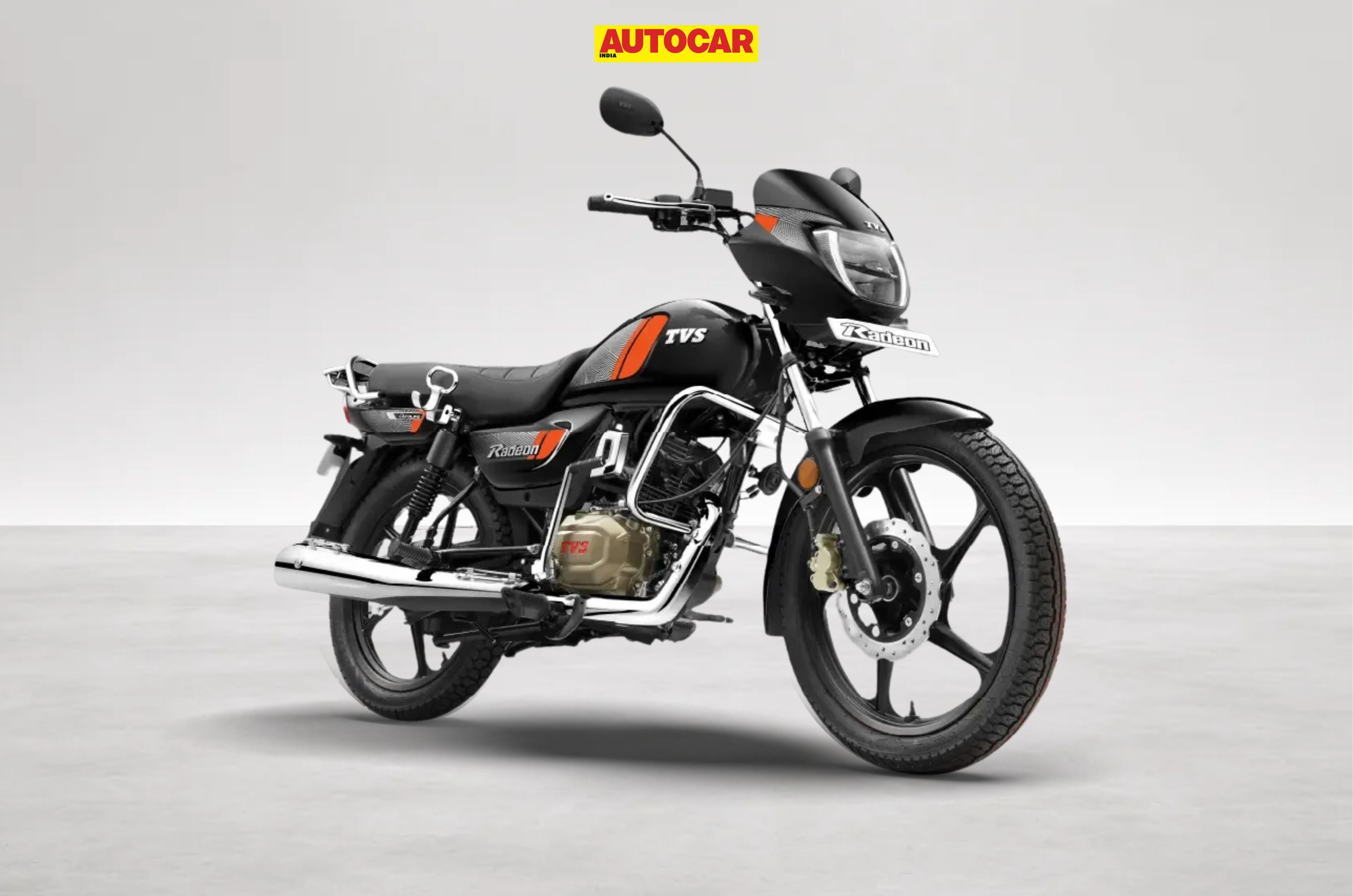
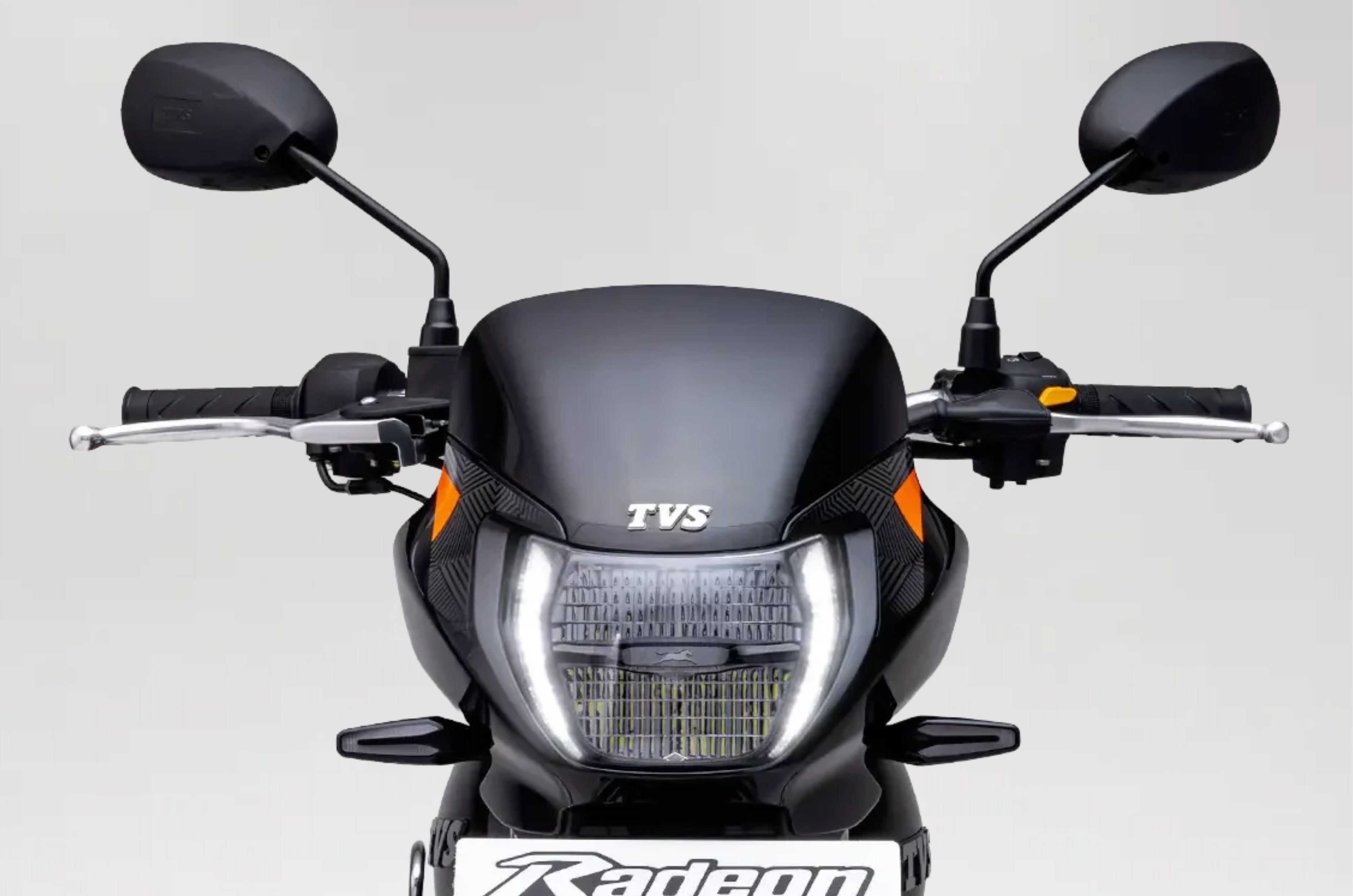
The revised model gets an all new LED headlight with a signature DRL, new LED tail light and LED turn indicators, which are standard across all three variants (Base, Digi-Drum and Digi-Disc). It retains the same design silhouette as before. Now to match the updated aesthetics of the motorcycle it features a new set of colour options. The base variant is offered in Black & Blue and Black & Red colour options. The Digi-Drum variant is available in Black & Red, Black & Orange and Red & Black DT, and the top Digi-Disc variant comes in two colour options Black & Orange and Red & Black DT.
With this update the prices have also been revised, now the prices start from Rs 67100 for the base variant, Rs 70100 for the Digi-Drum and Rs 73100 for the top Digi-Disc variant. The rest of the motorcycle remains the same as before. It continues to be powered by the 110cc air-oil cooled engine, which makes 8hp and 8.7Nm of torque, paired with a 4-speed gearbox, similar to the other motorcycles in its segment.
The TVS Radeon stands out as one of the more premium offerings in its segment by offering features like all-LED lighting, USB charging, colour-digital instrument cluster, and an optional disc variant. By comparison the Honda Livo (Rs 80330 to Rs 82897) offers Japanese reliability at a premium price, and Bajaj offers better ride quality on its CT 110X (Rs 74930) and the Platina 110 (Rs 75797). As a whole package the Radeon brings more features to the table at an aggressive pricing compared to its rivals, which is its strong point in typical TVS fashion.
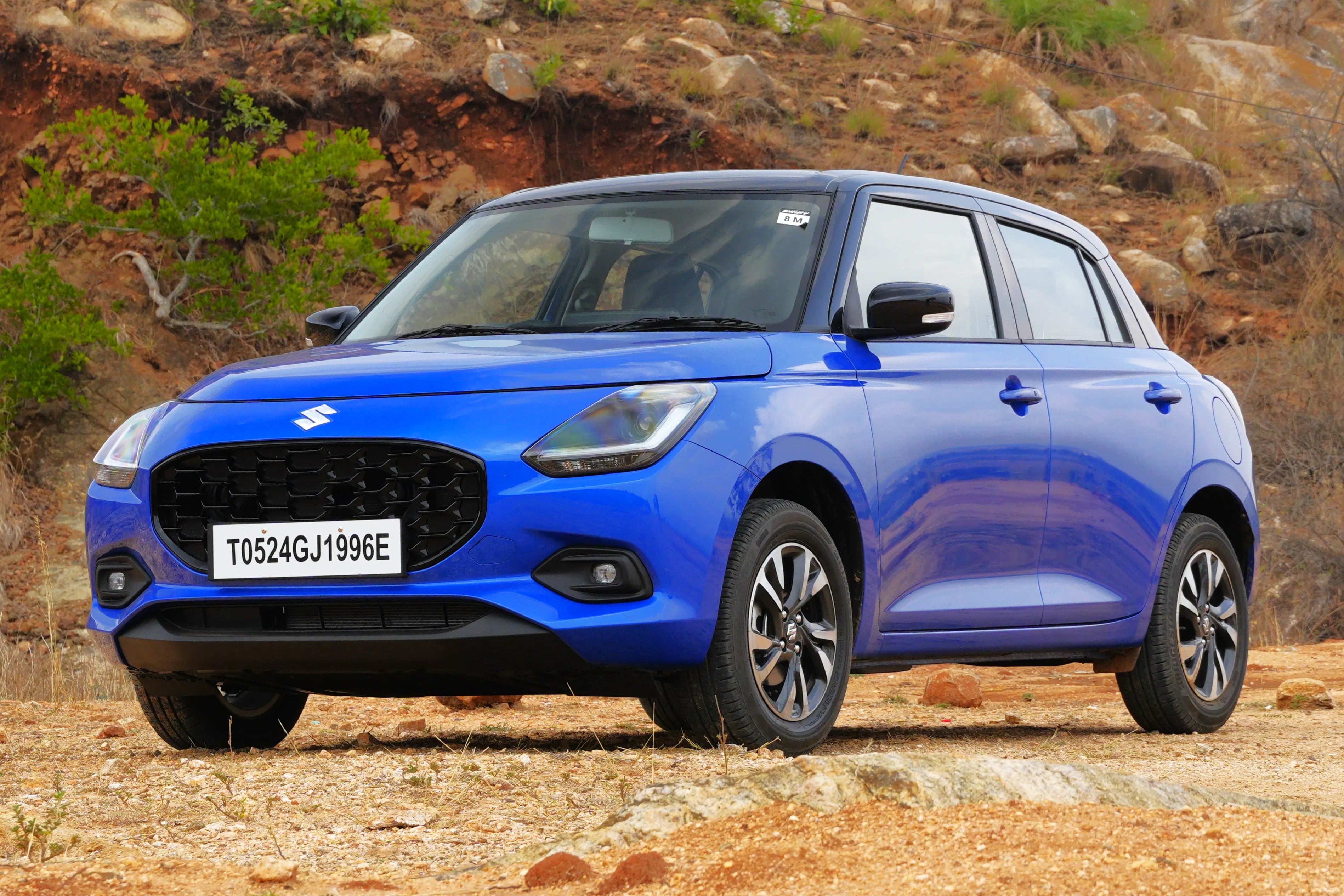
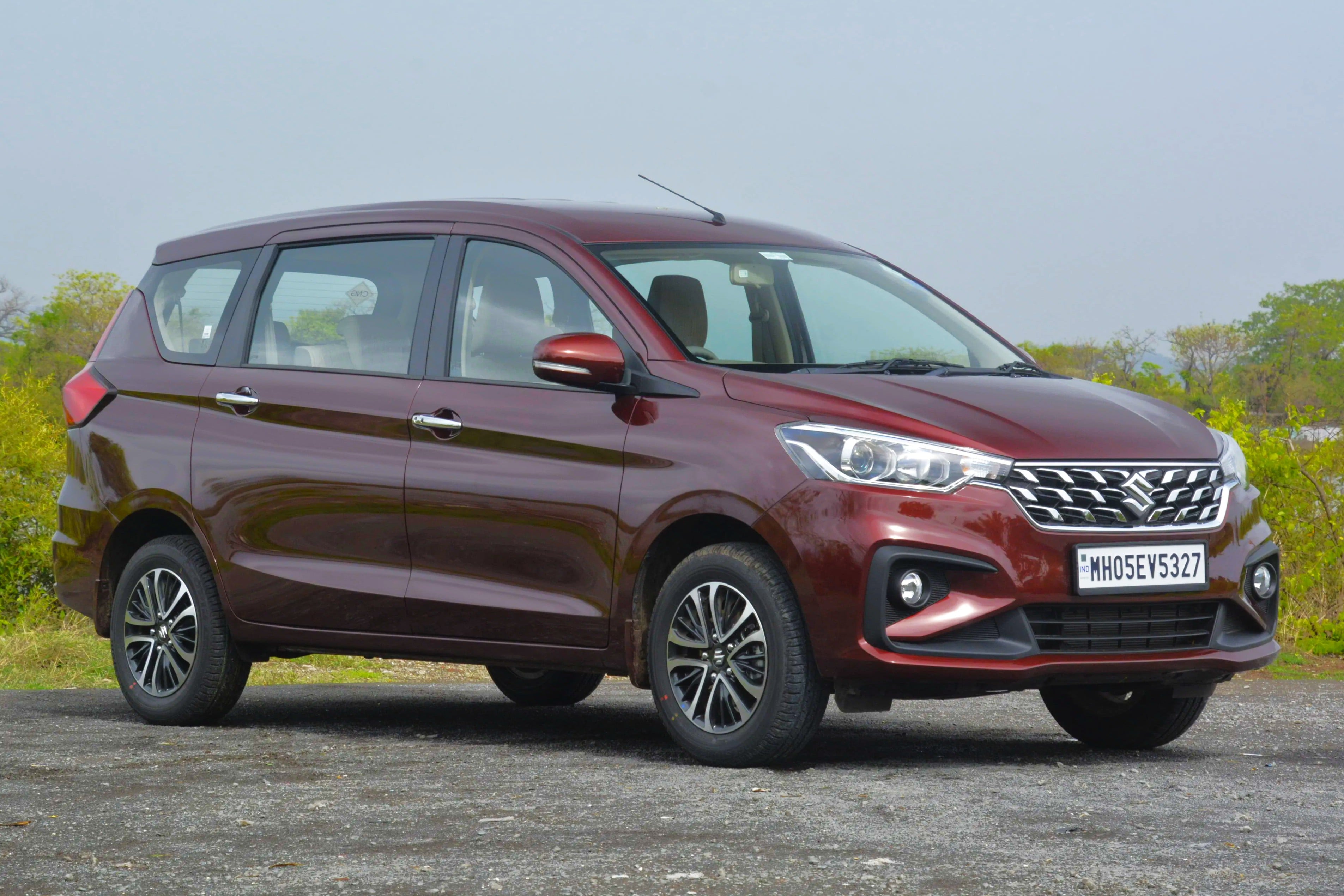
September 2026 saw the Maruti Suzuki Baleno top the best-selling cars list with 25,392 units dispatched, a 93 percent increase year on year. The Tata Nexon and Punch ranked second and third, respectively, with over 20,000 units each. Combined dispatches of the top 10 models rose 15.5 percent to 1,91,332 units. Maruti Suzuki had six models on the list, followed by Tata Motors with two, and Hyundai and Mahindra with one each.
Top 10 best-selling cars in September 2026
Rank
Model
Sep 2026 sales (units)
Aug 2026 sales (units)
Sep 2025 sales (units)
MoM change (%)
YoY change (%)
1
Maruti Baleno
25,392
15,376
13,173
+61
+93
2
Tata Nexon
20,456
18,431
22,573
+11
-9
3
Tata Punch
20,333
21,320
15,891
-5
+28
4
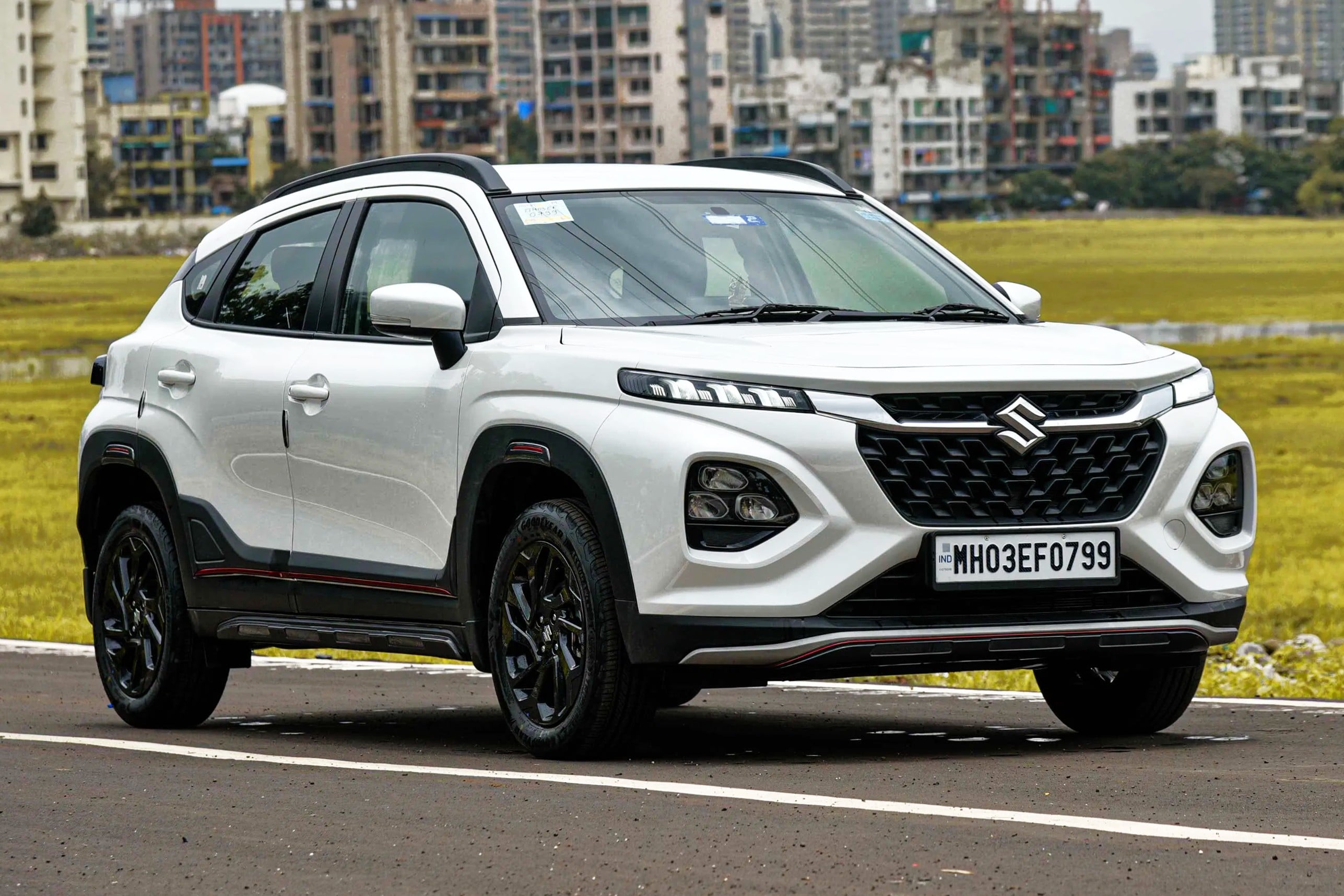
Maruti Fronx
19,282
18,730
13,767
+3
+40
5
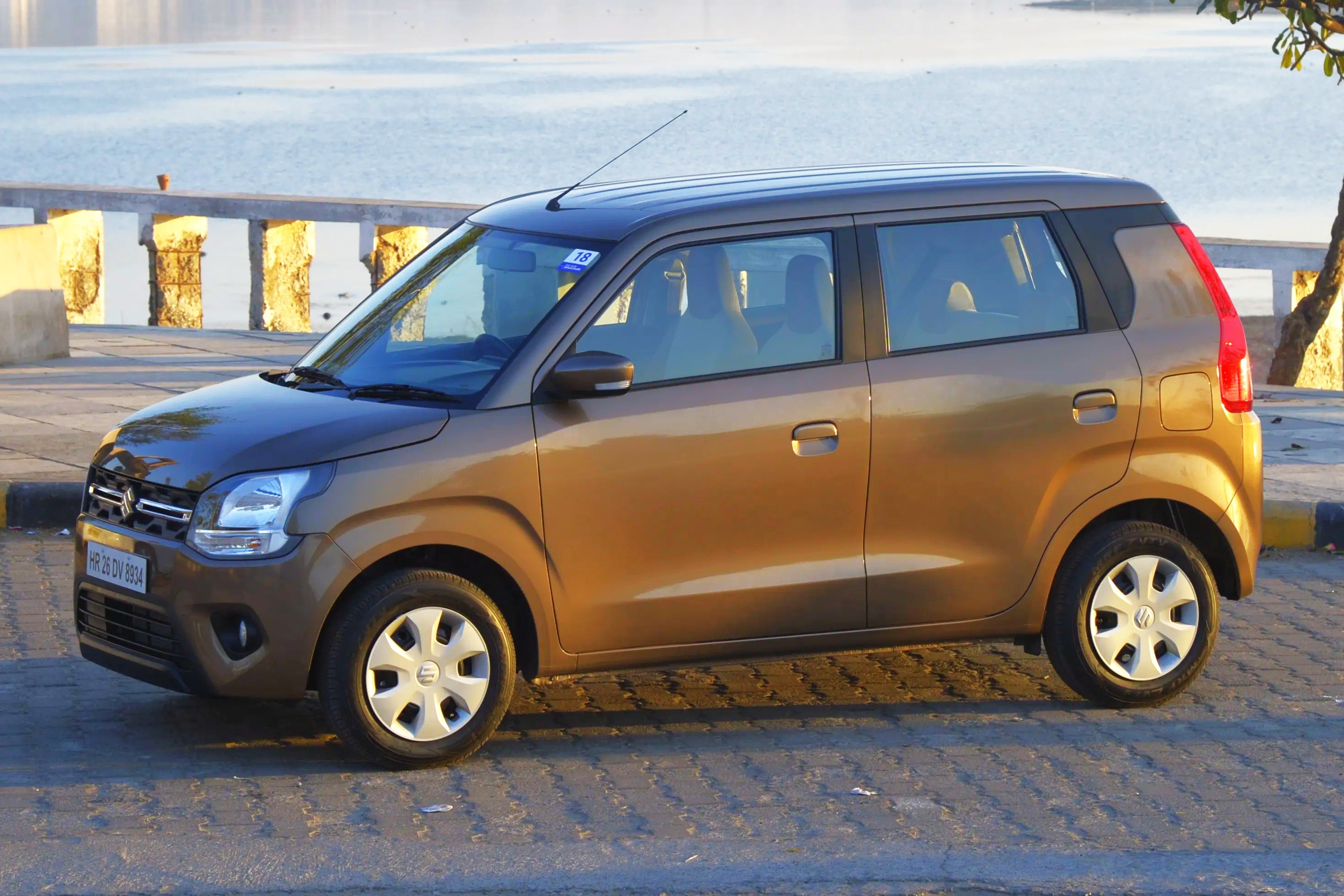
Maruti Wagon R
18,835
20,180
15,388
-7
+22
6
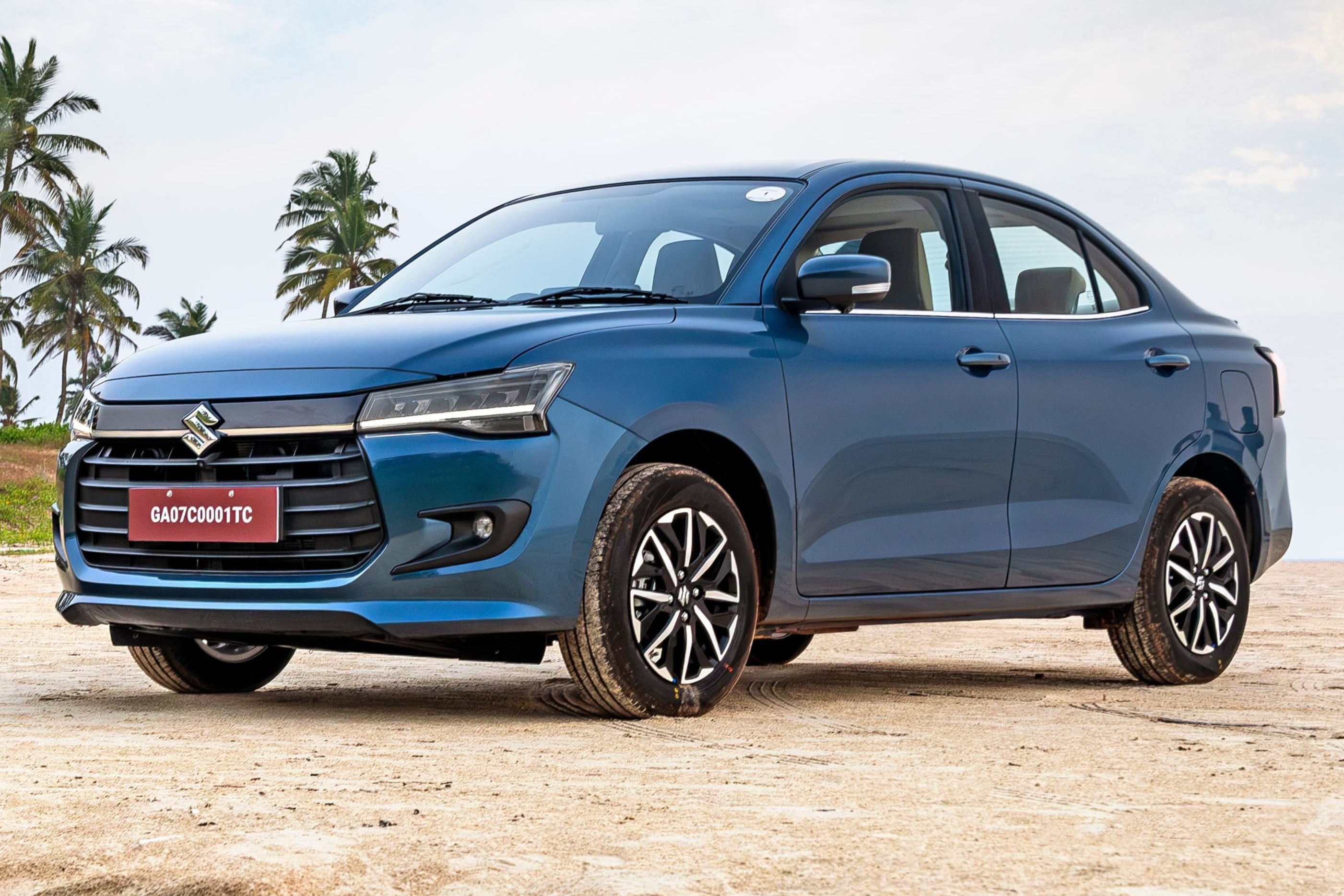
Maruti Dzire
17,754
18,418
20,038
-4
-11
7
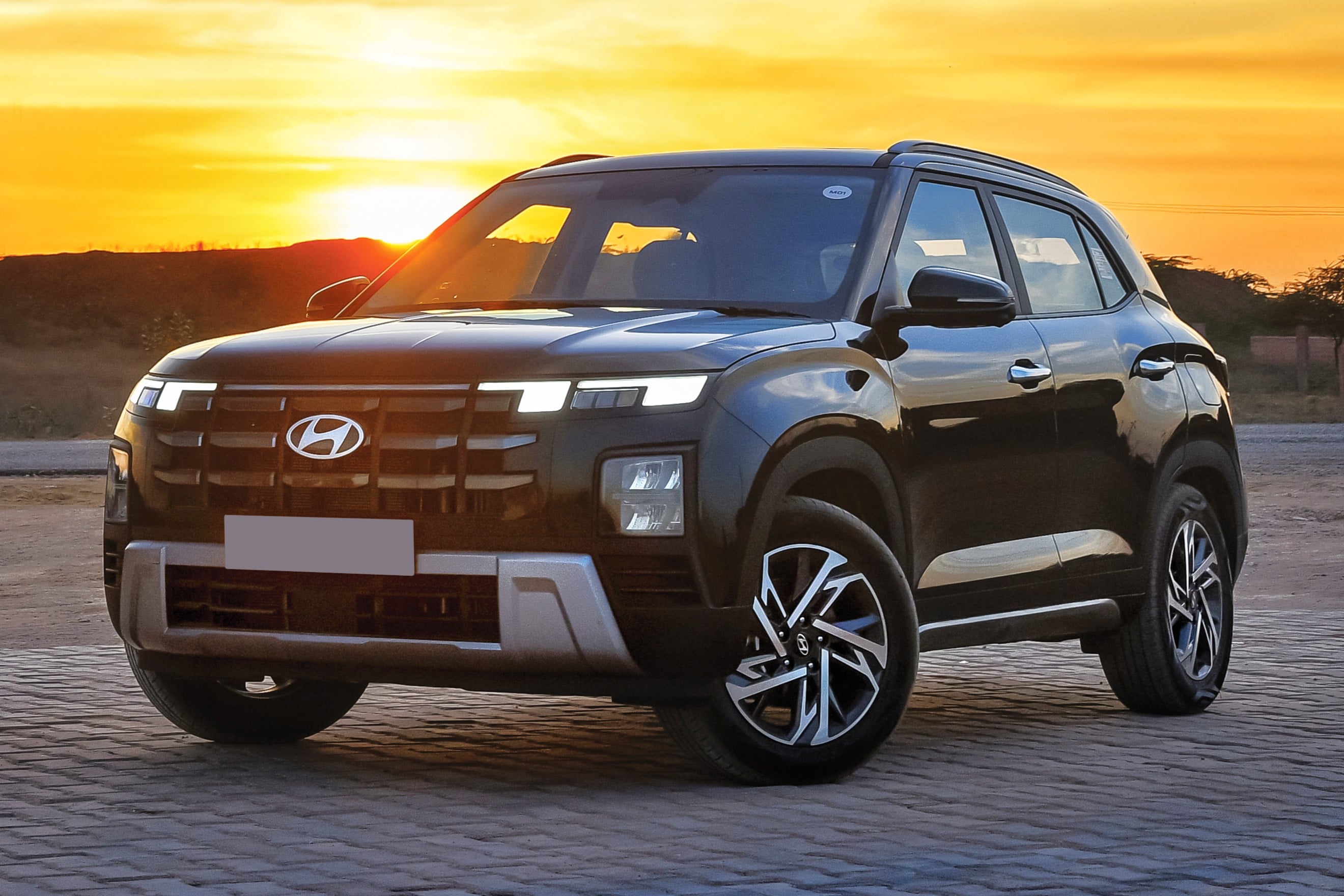
Hyundai Creta
17,657
16,288
18,861
+8
-6
8
Maruti Swift
17,399
19,832
15,547
-12
+12
9
Mahindra Scorpio
17,313
15,576
18,372
+11
-6
10
Maruti Ertiga
16,911
18,516
12,115
-9
+40
1. Maruti Suzuki Baleno
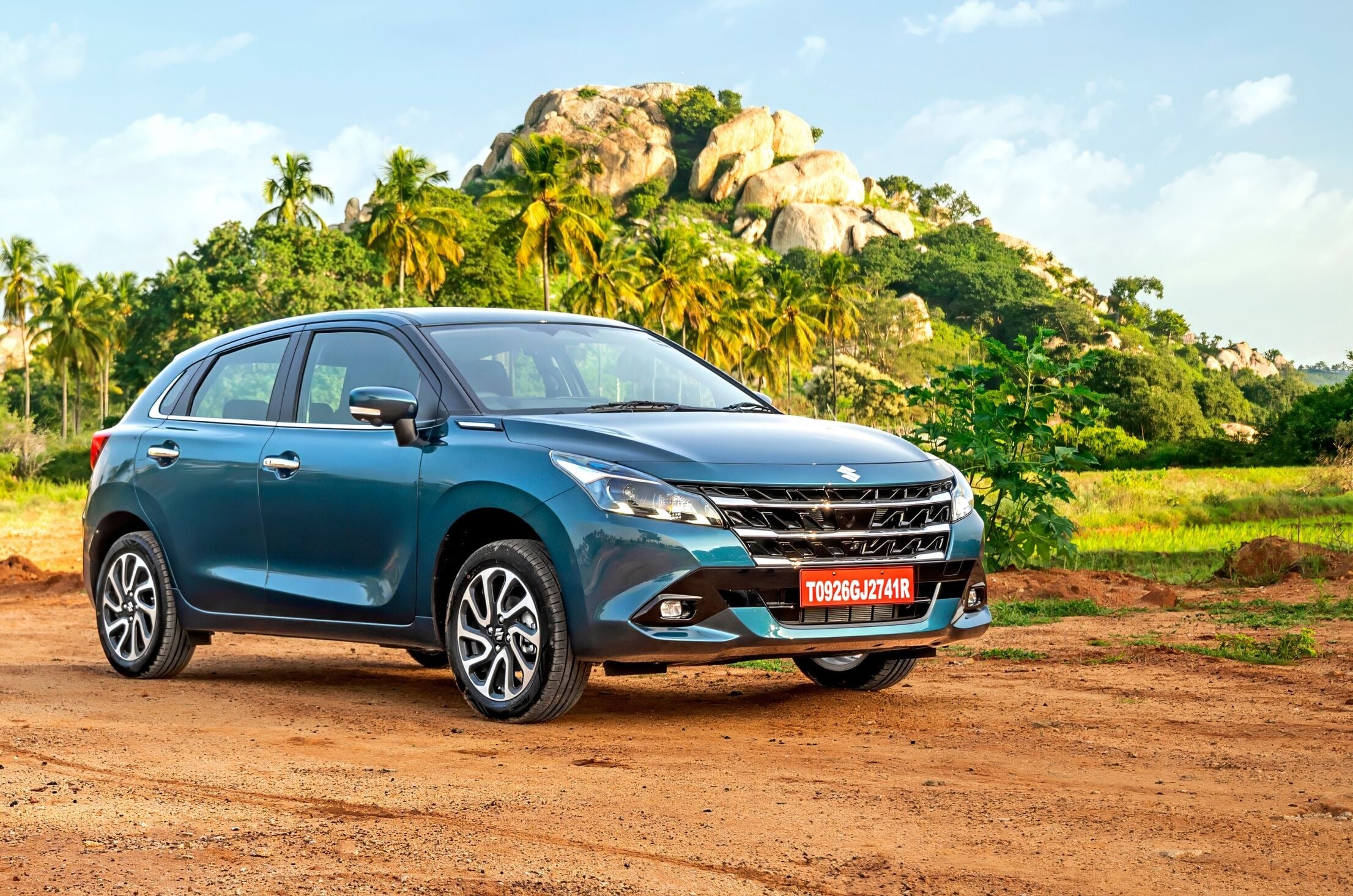
The Maruti Suzuki Baleno topped the September 2026 sales rankings with 25,392 units, compared with 13,173 units in September 2025. Its dispatches increased 93 percent year on year, the highest growth rate among the 10 models. The premium hatchback recently received a facelift and is sold through Maruti Suzuki’s Nexa dealership network. It rivals the Hyundai i20, Tata Altroz and Toyota Glanza. The Baleno is priced between Rs 5.99 lakh and Rs 9.99 lakh.
2. Tata Nexon
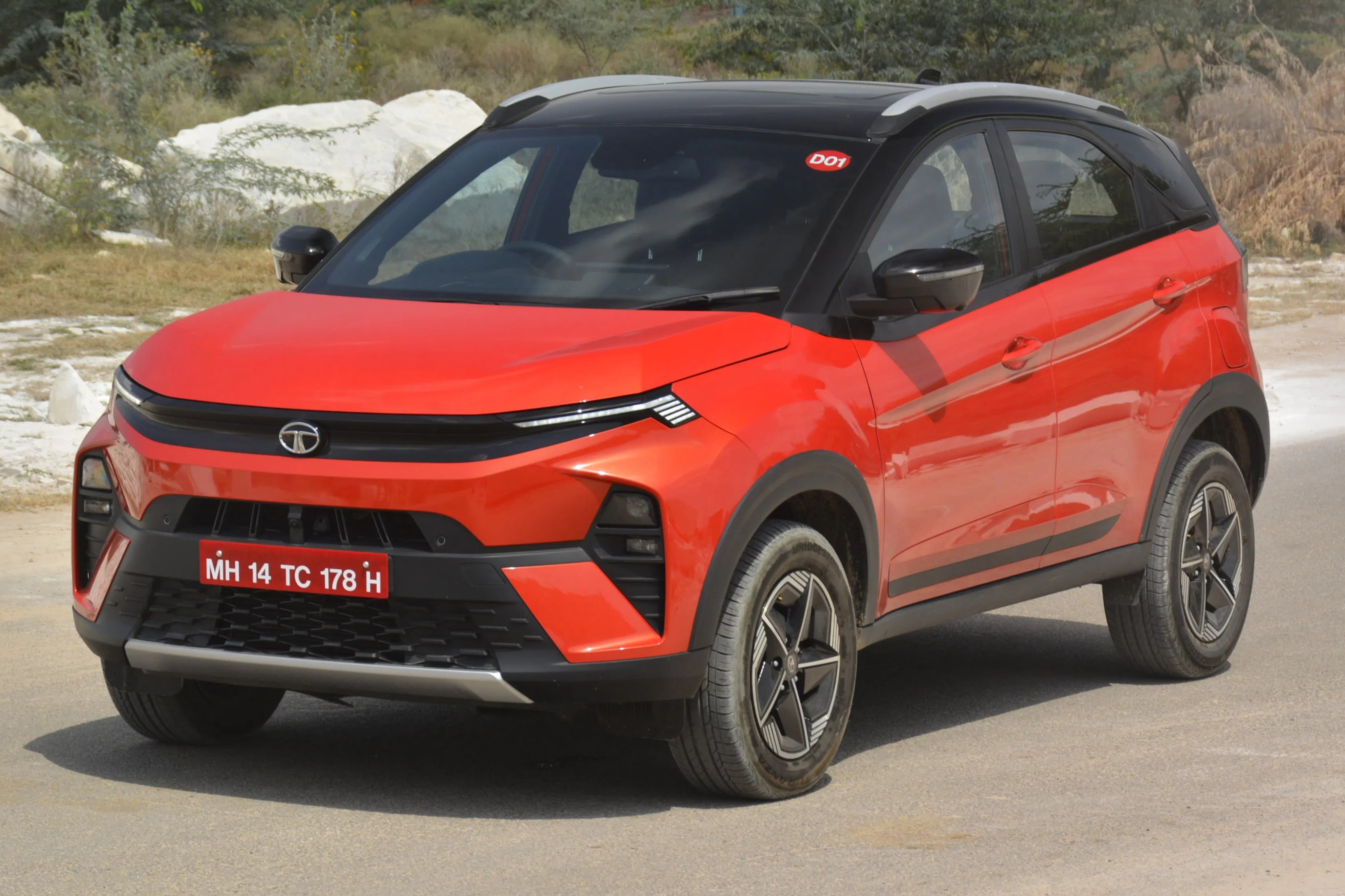
The Tata Nexon, including the Nexon EV, recorded 20,456 units in September 2026, down 9 percent from 22,573 units in the same month last year. It finished second, just 123 units ahead of the Punch. The Nexon is available with petrol, diesel, CNG and electric powertrains. It rivals the Maruti Suzuki Brezza, Hyundai Venue, Kia Sonet and Mahindra XUV 3XO and is priced from Rs 7.40 lakh to Rs 14.52 lakh for the ICE powered Nexon, while the Nexon EV starts at Rs 12.49 lakh and goes up to 17.89 lakh.
3. Tata Punch
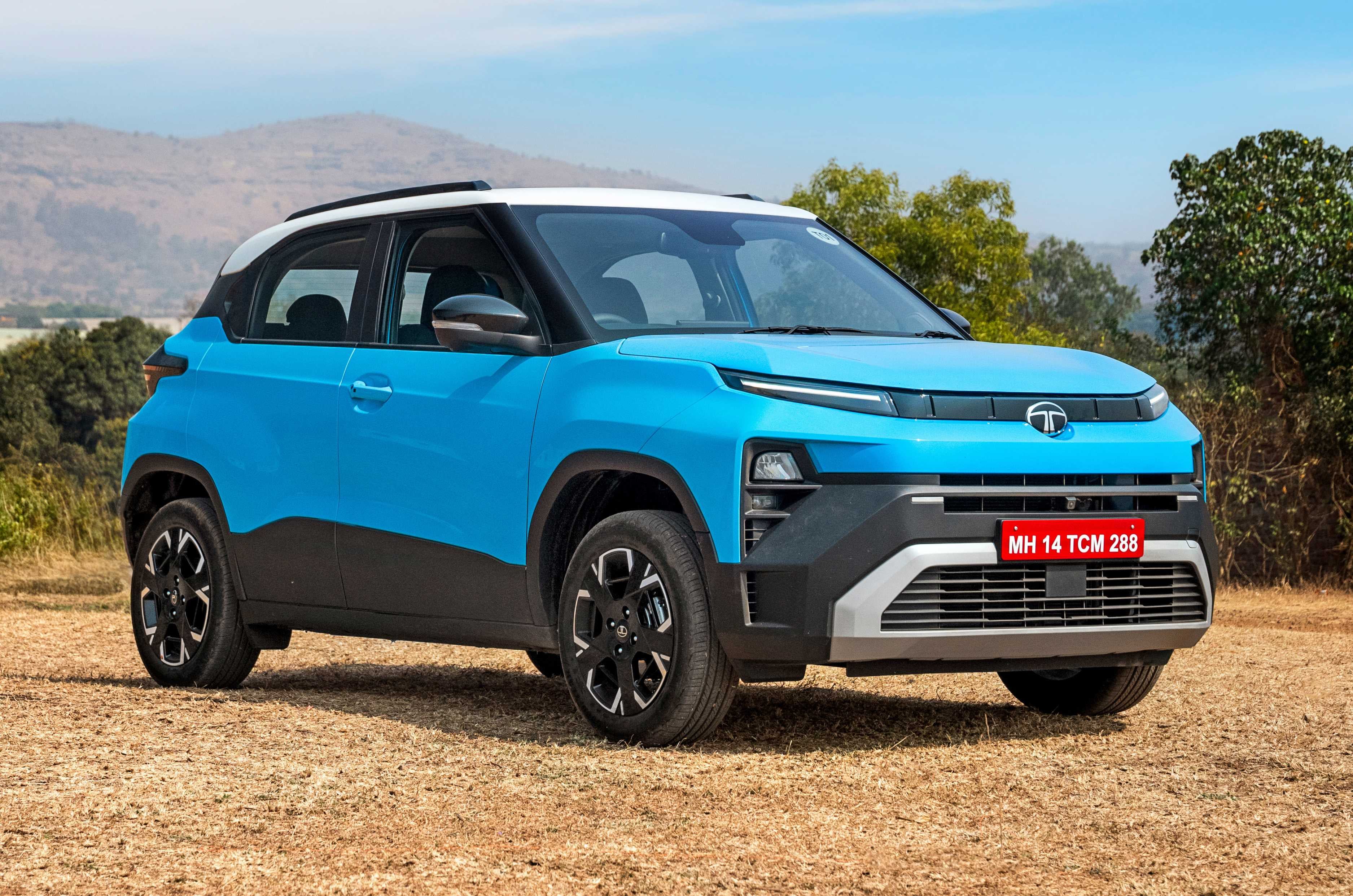
The Tata Punch, including the Punch EV, recorded 20,333 units in September 2026, up 28 percent from 15,891 units a year earlier. It ranked third in the overall list, with the Nexon finishing narrowly ahead. Tata’s smallest SUV is offered with multiple powertrain options, while its compact dimensions and ride-and-handling balance remain key strengths. The Punch rivals the Hyundai Exter and Citroen C3 and is priced from Rs 5.75 lakh to Rs 10.77 lakh. The Punch EV meanwhile is priced from Rs 9.79 lakh to Rs 12.99 lakh.
4. Maruti Suzuki Fronx
The Maruti Suzuki Fronx ranked fourth in September 2026 with 19,282 units, compared with 13,767 units in September 2025. Its dispatches increased 40 percent year on year. The Fronx’s crossover styling, comfortable cabin and fuel-efficient powertrains continue to support demand, although it lacks some popular features. It rivals the Nissan Magnite and Renault Kiger and is priced between Rs 6.85 lakh and Rs 11.84 lakh.
5. Maruti Suzuki Wagon R
The Maruti Suzuki Wagon R recorded 18,835 units in September 2026, up 22 percent from 15,388 units in the same month last year. It finished fifth in the rankings. Its spacious cabin, ease of driving and low running costs remain key strengths, although its light build and limited highway ability are drawbacks. The Wagon R rivals the Tata Tiago and Citroen C3 and is priced between Rs 4.99 lakh and Rs 7.24 lakh.
6. Maruti Suzuki Dzire
The Maruti Suzuki Dzire recorded 17,754 units in September 2026, down 11 percent from 20,038 units in September 2025. It ranked sixth and was the only sedan in the top 10. Strong fleet demand, fuel efficiency and a well-balanced ride and handling setup continue to support the compact sedan’s volumes. The Dzire rivals the Hyundai Aura, Honda Amaze and Tata Tigor and is priced between Rs 6.31 lakh and Rs 9.41 lakh.
7. Hyundai Creta
The Hyundai Creta, including the Creta Electric, recorded 17,657 units in September 2026, a 6 percent decline from 18,861 units in the year-ago month. It was the only Hyundai model in the top 10, finishing seventh. A roomy cabin, multiple powertrain options and a long feature list continue to attract buyers, although the top variants are expensive and some interior plastics could be better. The Creta rivals the Kia Seltos, Maruti Suzuki Grand Vitara, Toyota Urban Cruiser Hyryder, Honda Elevate and Tata Sierra. It is priced between Rs 10.91 lakh and Rs 20.14 lakh.
8. Maruti Suzuki Swift
The Maruti Suzuki Swift recorded 17,399 units in September 2026, up 12 percent from 15,547 units a year earlier. It finished eighth and was one of three Maruti Suzuki hatchbacks in the top 10. Its high fuel efficiency, light controls and easy-to-drive nature continue to support demand, although the top variants are priced close to the more premium Baleno. The Swift rivals the Hyundai Grand i10 Nios and Tata Tiago and is priced between Rs 5.84 lakh and Rs 8.74 lakh.
9. Mahindra Scorpio
The Mahindra Scorpio, combining the Scorpio N and Scorpio Classic, recorded 17,313 units in September 2026. This was down 6 percent from 18,372 units in September 2025, placing it ninth. The Scorpio nameplate remains popular for its strong engines, rugged character and off-road ability. However, the third-row seating is cramped and the luggage area is not particularly practical. The Scorpio N rivals the Tata Safari, Hyundai Alcazar and Mahindra XUV 7XO and is priced from Rs 13.69 lakh to Rs 25.49 lakh.
10. Maruti Suzuki Ertiga
The Maruti Suzuki Ertiga completed the top 10 with 16,911 units in September 2026, up 40 percent from 12,115 units in the same month last year. It was the sixth Maruti Suzuki model in the rankings. The Ertiga continues to hold the title of India’s highest-selling MPV. Its practical cabin, strong fuel efficiency and value-for-money positioning attract both private and fleet buyers, although it misses out on some features offered by rivals. It is priced from Rs 8.90 lakh to Rs 13.04 lakh and rivals the Kia Carens and Toyota Rumion.
Best OnlyFans Ranking: A Practical Guide to Choosing the Top Creators
1. Understanding the OnlyFans Landscape
OnlyFans has grown from a niche subscription service into a global marketplace where creators of all types can monetize exclusive content. The platform is open to artists, fitness coaches, chefs, and many other professionals, each leveraging a personalized fan base for recurring income. Because the ecosystem is so diverse, newcomers often wonder how to identify the most successful creators and whether those rankings matter for their own strategy.
In practice, the best onlyfans ranking reflects a blend of audience size, earnings consistency, engagement rates, and niche relevance. By studying these factors, you can gauge which creators set realistic standards and which tactics are worth emulating. This understanding forms the foundation for any decision‑making process on the platform.
2. How Rankings Are Determined
Rankings typically aggregate public metrics such as subscriber count, monthly earnings, post frequency, and interaction levels (likes, comments, direct messages). Some third‑party tools also factor in growth trends and audience demographics to provide a more nuanced picture. While raw numbers are important, qualitative aspects like brand consistency and content quality heavily influence long‑term ranking stability.
Most reputable rankings use algorithms that assign weighted scores to each metric. For example, subscriber count might carry a 30 % weight, while engagement averages account for 25 %. Understanding this methodology helps you interpret a ranking position beyond just a headline number.
3. Top Criteria for Evaluating OnlyFans Creators
When you compare creators, focus on the following criteria:
Audience size and growth rate: A large, steadily expanding subscriber base indicates market demand.
Engagement quality: High comment and message volumes show a loyal, interactive community.
Content diversity: Regularly varied media (photos, videos, live streams) keeps fans interested.
Monetization tactics: Use of paid messages, tip menus, and subscription tiers indicates revenue optimization.
Brand consistency: Cohesive visual style and messaging help maintain fan trust.
By scoring each creator against these benchmarks, you can build a personalized ranking that aligns with your business needs.
4. The Current Best OnlyFans Ranking – Who Leads the Pack
Based on publicly available data from the last quarter, the following creators consistently appear at the top of the best onlyfans ranking. They excel across the criteria discussed above and set industry standards for content strategy, pricing, and fan interaction.
Creator
Monthly Subscribers
Average Earnings (USD)
Primary Niche
Key Strength
Alice Blaze
125,000
$780,000
Fitness & Lifestyle
High‑volume live workouts
Nova Noir
98,000
$620,000
Adult Entertainment
Personalized video requests
Chef Marco
47,000
$210,000
Culinary Arts
Exclusive recipe bundles
These creators illustrate how different niches can dominate the ranking when they master the fundamental metrics of subscriber growth and fan engagement.
5. Features and Benefits of High‑Performing OnlyFans Accounts
Top‑ranked creators typically leverage a robust set of platform features. Automated subscription reminders, drip‑feed content schedules, and integrated payment processing reduce administrative overhead while maximizing revenue.
Benefits include predictable cash flow, deeper fan relationships, and the ability to scale content production without sacrificing quality. By using the dashboard analytics, successful creators can identify peak posting times and adjust pricing tiers to capture maximum willingness to pay.
6. Pricing, Payouts, and Monetization Strategies
Pricing is a delicate balance between perceived value and market competition. Most top creators set a base subscription between $15‑$30, then offer premium bundles, pay‑per‑view content, and tip incentives. Seasonal promotions—such as limited‑time discounts or exclusive holiday bundles—can boost subscriber acquisition without long‑term price erosion.
Payouts on OnlyFans are processed weekly, with a standard 20 % platform fee. Creators should plan for tax obligations and reserve a portion of earnings for reinvestment in equipment, marketing, or content upgrades.
7. Setting Up for Success – Step‑by‑Step Guide
Getting started on OnlyFans doesn’t require a degree in digital marketing, but a systematic approach helps you replicate the practices of the best onlyfans ranking leaders.
Create a professional profile: Use high‑resolution photos, a concise bio, and clear content categories.
Define pricing tiers: Start with a modest base price, then add premium options as your library grows.
Develop a content calendar: Plan at least three posts per week, mixing photos, videos, and live streams.
Engage daily: Respond to messages, run polls, and thank top fans to boost loyalty.
Analyze performance: Use the built‑in dashboard to track subscriber growth and adjust strategies.
Following these steps positions you to climb the ranking ladder while maintaining a sustainable workflow.
8. Common Pitfalls and How to Avoid Them
Even the most dedicated creators encounter obstacles. Below are frequent mistakes and practical solutions:
Inconsistent posting: Set automated reminders or batch‑create content to maintain a steady flow.
Over‑pricing early on: Test lower price points first; you can increase rates once you have proven value.
Neglecting fan feedback: Conduct regular surveys and adjust content based on direct requests.
Ignoring platform policies: Review OnlyFans terms to avoid content removals or account suspensions.
By proactively addressing these issues, you minimize churn and protect your position in the best onlyfans ranking.
9. Frequently Asked Questions
Is the best onlyfans ranking reliable for newcomers?
While rankings provide a useful snapshot of top performers, they should be combined with your own niche analysis. Use them as benchmarks, not absolute rules.
How long does it take to appear in the ranking?
Most creators see measurable movement within three to six months of consistent effort, provided they follow best practices for content and engagement.
Can I improve my ranking without increasing prices?
Yes. Enhancing engagement, offering exclusive experiences, and optimizing posting times can boost your score even with stable pricing.
Free OnlyFans Creators: Practical Guidance for Safe and Effective Use
Understanding the Concept of Free OnlyFans Creators
OnlyFans is widely known as a subscription‑based platform where creators share exclusive content behind a paywall. However, a growing segment of the community offers free content—these are commonly referred to as free onlyfans creators. Their approach varies: some provide a limited portion of their library for free to attract new fans, while others keep the entire channel open without charging.
The motivation behind offering free content can include building a larger audience, cross‑promoting other paid platforms, or simply sharing hobby‑related material. From a user perspective, free onlyfans creators give an opportunity to explore niche interests without an upfront financial commitment.
Legal and Ethical Considerations
Before engaging with any free content on OnlyFans, it is essential to understand the platform’s terms of service and the legal framework governing adult‑oriented media. OnlyFans requires all creators to verify their identity and age; similarly, users must be 18 years or older.
Distributing copyrighted material without permission remains illegal, even if the content is available for free. Ethical consumption means respecting the creator’s licensing choices and avoiding redistribution of their work outside the platform.
How to Identify Legitimate Free Content Sources
Not every “free” link you encounter is trustworthy. Below are practical steps to verify legitimacy:
Check the creator’s profile for a verified badge and clear biography.
Read recent comments and follower interactions to gauge authenticity.
Look for direct links from the creator’s official social channels (Twitter, Instagram, TikTok).
Use OnlyFans’ built‑in search filters for “Free” or “Free Trial” tags.
When a creator promotes free access through third‑party websites, exercise caution. Those sites often host phishing scripts or malicious downloads.
Key Features and Benefits of Using Free OnlyFans Creators
Free onlyfans creators provide several tangible benefits that can be useful for both casual browsers and power users:
Cost‑Effective Exploration: Test different content styles before committing to a paid subscription.
Community Building: Access to a larger, more diverse fan base that can foster interaction.
Content Variety: Many free creators specialize in niches such as fitness tutorials, cooking demos, or artistic modeling.
These features align with business‑oriented goals as well—marketers can monitor trends, while content curators can benchmark what resonates without investing in premium accounts.
Step‑by‑Step Setup and Access Process
Getting started with free onlyfans creators is straightforward. Follow these steps to ensure a smooth experience:
Create an OnlyFans account using a valid email address and secure password.
Complete the age verification process by uploading a government‑issued ID.
Navigate to the search bar and enter “free onlyfans creators” or specific niche keywords.
Review the profile details and click “Subscribe for Free” where available.
Adjust notification settings to stay updated on new posts without excessive alerts.
Once subscribed, you can access the creator’s dashboard, view posts, and interact through comments or private messages according to the creator’s preferences.
Common Use Cases and Best‑Fit Scenarios
Understanding when free onlyfans creators add real value helps you decide where to invest your time:
Skill Development: Artists seeking modeling references can follow free photographers.
Market Research: Brands analyzing audience engagement trends without paying for premium data.
Personal Entertainment: Users looking for hobby‑specific content—like cooking tutorials—without subscription fees.
Each scenario benefits from the platform’s built‑in analytics, allowing creators to measure fan interaction and refine their offerings.
Limitations, Risks, and Safety Tips
While free content is appealing, it comes with inherent limitations. Free onlyfans creators often limit upload frequency, reduce video quality, or restrict exclusive features such as direct messaging.
Potential risks include exposure to spam, phishing attempts, or low‑quality media. To mitigate these issues, follow best practices:
Enable two‑factor authentication on your OnlyFans account.
Never share personal payment details unless you decide to upgrade to a paid subscription.
Report any suspicious activity directly to OnlyFans support.
Comparison Table: Free vs. Paid OnlyFans Creators
Aspect
Free OnlyFans Creators
Paid OnlyFans Creators
Cost to User
No subscription fee
Monthly subscription required
Content Volume
Limited or occasional posts
Regular, extensive uploads
Exclusive Features
Often restricted (no private messages)
Full access to messages, polls, custom requests
Interaction Level
General comments only
Direct communication and personalized content
Risk Profile
Higher chance of low‑quality content
Typically higher production standards
Frequently Asked Questions (FAQ)
Can I download free OnlyFans content?
Downloading content directly from OnlyFans is prohibited by the platform’s terms of service unless the creator explicitly enables a download feature. Attempting to circumvent this rule can result in account suspension.
Is it safe to share my payment information for a free subscription?
Free subscriptions usually do not require payment details. If a creator asks for payment information during a “free” trial, verify the legitimacy of the request through official OnlyFans channels before proceeding.
How can I support a free creator without paying?
Engaging with their posts, leaving positive comments, and sharing their profile on social media are effective ways to increase visibility. Many creators also accept tips through external platforms like PayPal or cryptocurrency.
For a quick way to start exploring trustworthy free content, visit the free onlyfans best portal, which aggregates verified profiles and provides up‑to‑date guidance.
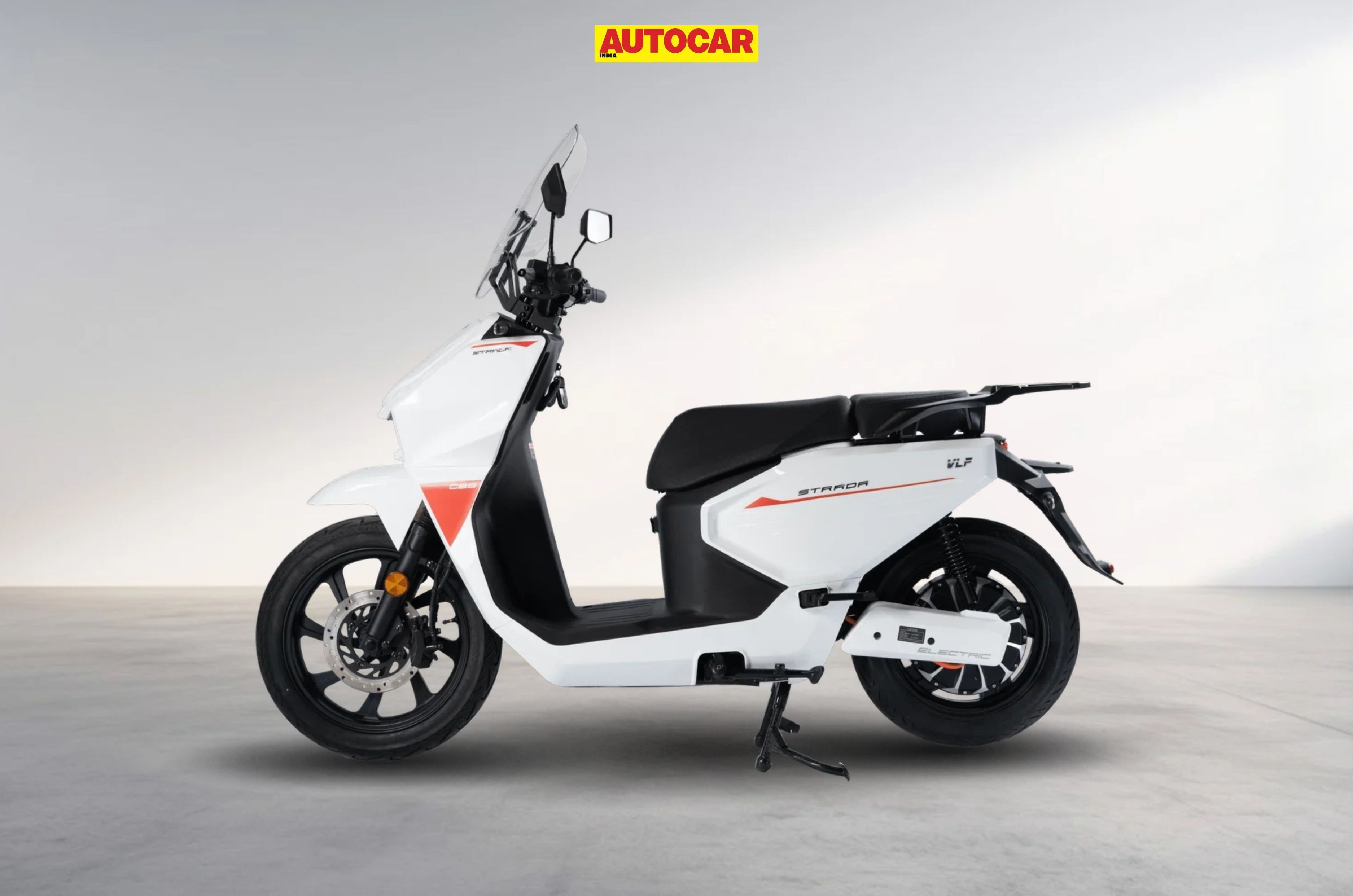
VLF (or Velocifero) is a brand with Italian heritage but manufactures its scooters in Zhejiang, China. Kolhapur-based Motohaus brought VLF to India in 2024 and manages sales and service in the country. The company has introduced a new electric scooter named Strada in two variants, priced at Rs 1.20 lakh and Rs 1.55 lakh, meant to replace the Tennis, its first launch in India.
City variant has a 2.16kWh removable battery
Max variant has two removable units with 4.32kWh total capacity
Rated top speed is 85kph in the top Sport ride mode
Bookings are open for Rs 999 for the City and for Rs 1,999 for the Max
VLF Strada details
Two variants and a shared 4.8kW BLDC motor
The Strada has two variants, City and Max, both of which share a BLDC, hub-mounted motor with 4.8kW peak power and 34Nm of peak torque; rated power is 3kW. The base City variant has a single 2.16kWh removable LFP battery, and the Max variant doubles that to two batteries with a total capacity of 4.32kWh. Both the motor and the battery units are rated for IP67 ingress protection. There are three ride modes on offer: Eco, City and Sport. Depending on the ride mode, the top speed varies as well. Eco tops out at 45kph, City at 65kph and Sport at 85kph.
The IDC range is 130km for City and 250km for Max. VLF claims the single battery system can charge from 20-100 percent in three hours, and the same takes six hours for both batteries. The company hasn’t specified the charging speed to achieve these times, nor has it mentioned the wattage of the bundled charger. We’re currently awaiting clarifications on the same.
VLF has designed the Strada with a sporty look, but the scooter’s dimensions should make it accessible to most people. It has a split-seat configuration with a seat height of 780mm without compromising on the ground clearance, which is a healthy 175mm. VLF has listed the kerb weight of the scooter at a surprisingly light 98kg, and this is likely for the City variant with the smaller battery pack. The Max variant should weigh notably more. Front and rear suspension units are par for the course, with a 31mm telescopic fork and a preload-adjustable twin shock.
Tyre size is an area where the Strada stands out, quite literally, with a 16-inch front wheel and a 14-inch rear. In the scooter segment, most options tend to stick to 10-14-inch tyres, and therefore this is certainly an interesting move from VLF. Larger tyre sizes are associated with more stable rides as well, so it remains to be seen how the Strada does on that front. Stopping the scooter are a 240mm front disc and a 220mm rear disc. There’s no ABS, but a combined braking system (CBS) is standard.
Features include a 5-inch TFT display, all-LED lighting with dual-projector headlights, an integrated windshield, a keyless ignition system and an integrated luggage rack. There are four colour options on offer: Carbonio Black, Luna White, Titanio Grey and Urbano Silver. VLF also showcases pictures of a pannier mounted on the rack, so it’s likely that an accessory line-up is on the cards.
Priced at Rs 1.20 lakh for the City variant and Rs 1.55 lakh for the Max variant, the VLF Strada is a rival to established models such as the TVS iQube 2.2 (Rs 1.16 lakh), TVS Orbiter V1 (Rs 1.01 lakh), Chetak C2501 (Rs 99,802), Ather Konarc (Rs 99,999) and Vida VX2 Go 2.2 (Rs 99,999). VLF Strada is already available on Motohaus’s Indian website, with bookings open for Rs 999 for City and Rs 1,999 for Max.
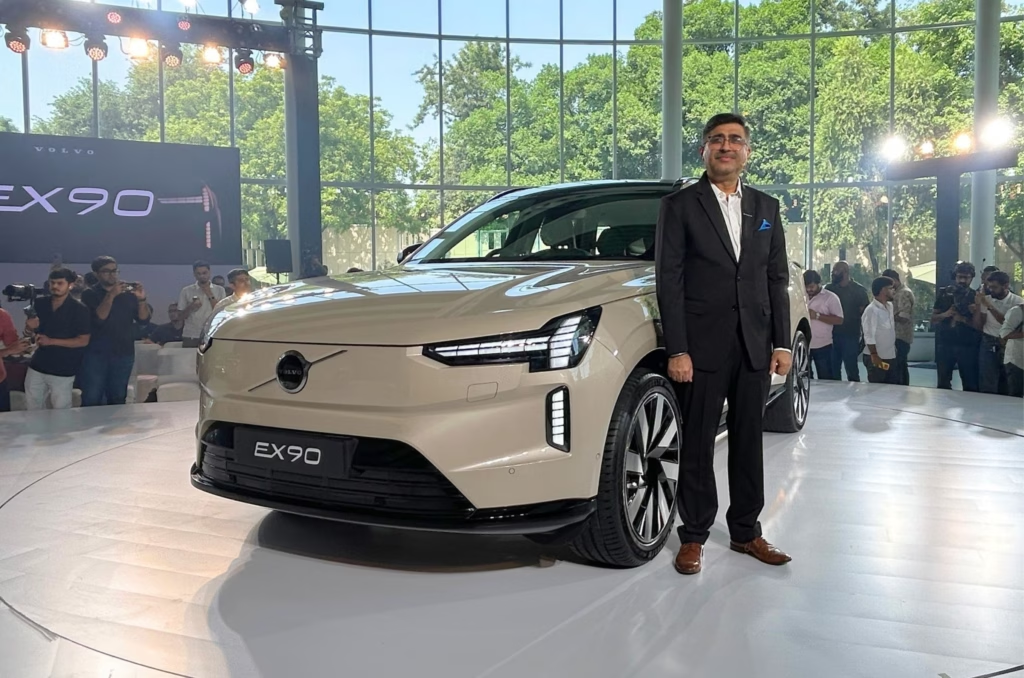
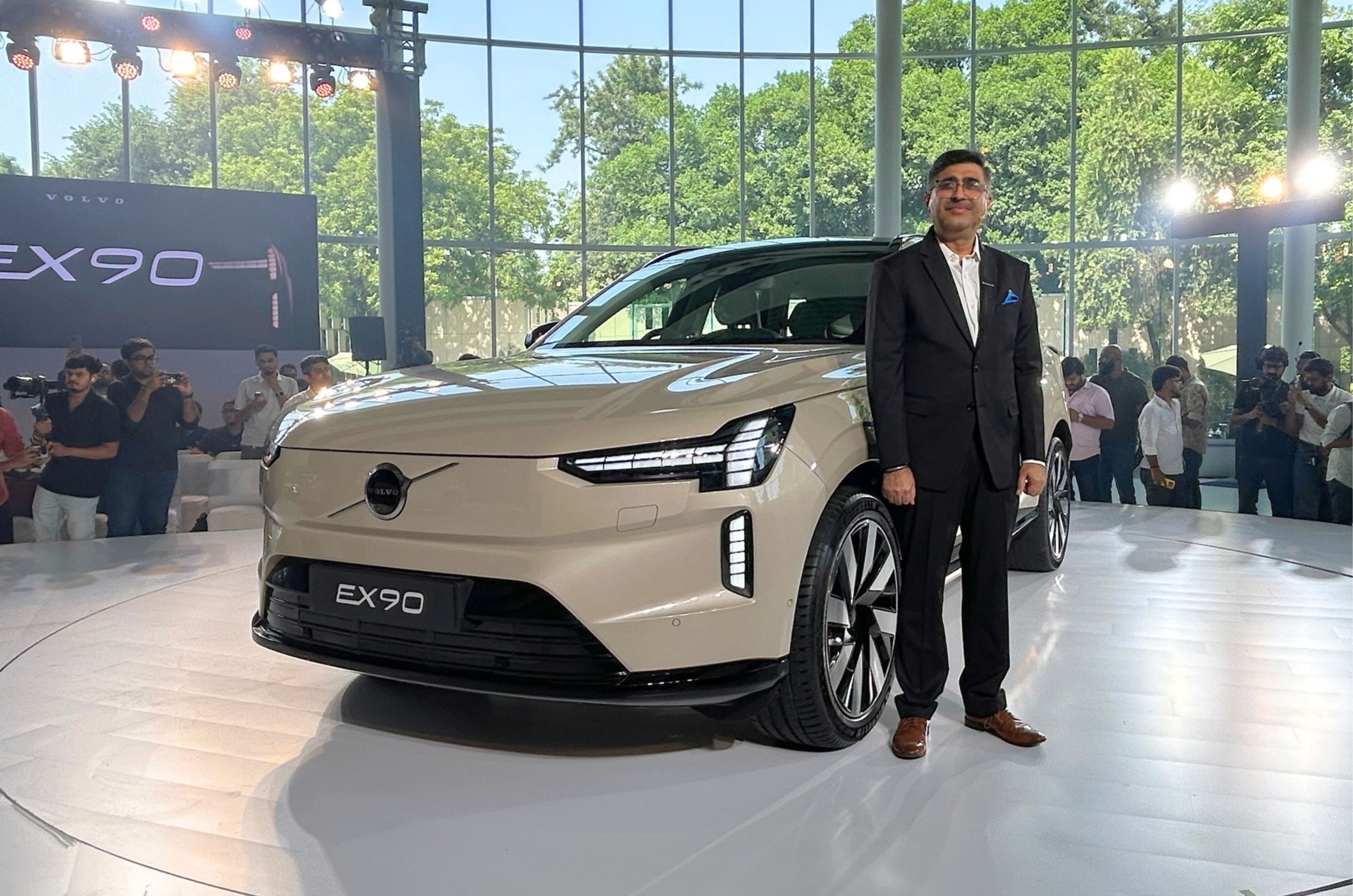
Volvo India has launched the EX90 electric SUV at Rs 1.26 crore as the Swedish carmaker’s new range-topper. The EX90 is Rs 27.2 lakh more expensive than its combustion-powered equivalent, the XC90. However, that’s on account of the EX90 being much more modern and tech-loaded than the XC90, the current generation of which has been around for more than a decade.
As part of an introductory offer for bookings placed before 31 December, 2026, Volvo will bundle an 11kW home charger, a 3-year service package, and assured buyback scheme (65 percent / 3 years) for every EX90 buyer.
Volvo EX90 battery and range
The EX90 is available with a sole 106kWh battery pack powering a dual-motor all-wheel drive setup. Combined output is 456hp and 670Nm, which is good for a claimed 0-100kph time of 5.5 seconds and a top speed of 180kph. The WLTP-rated range is 625km, and in our EX90 review, the SUV returned an efficiency of roughly 5.5km/kWh, which translates to a real-world range of around 580km.
As for charging, an 11kW AC wallbox takes approximately 11 hours for a full charge. Thanks to its 800-volt SPA2 architecture, the EX90 can also charge at up to 350kW from a DC source, at which speed a 10 to 80 percent top-up takes just 22 minutes.
Volvo EX90 exterior design
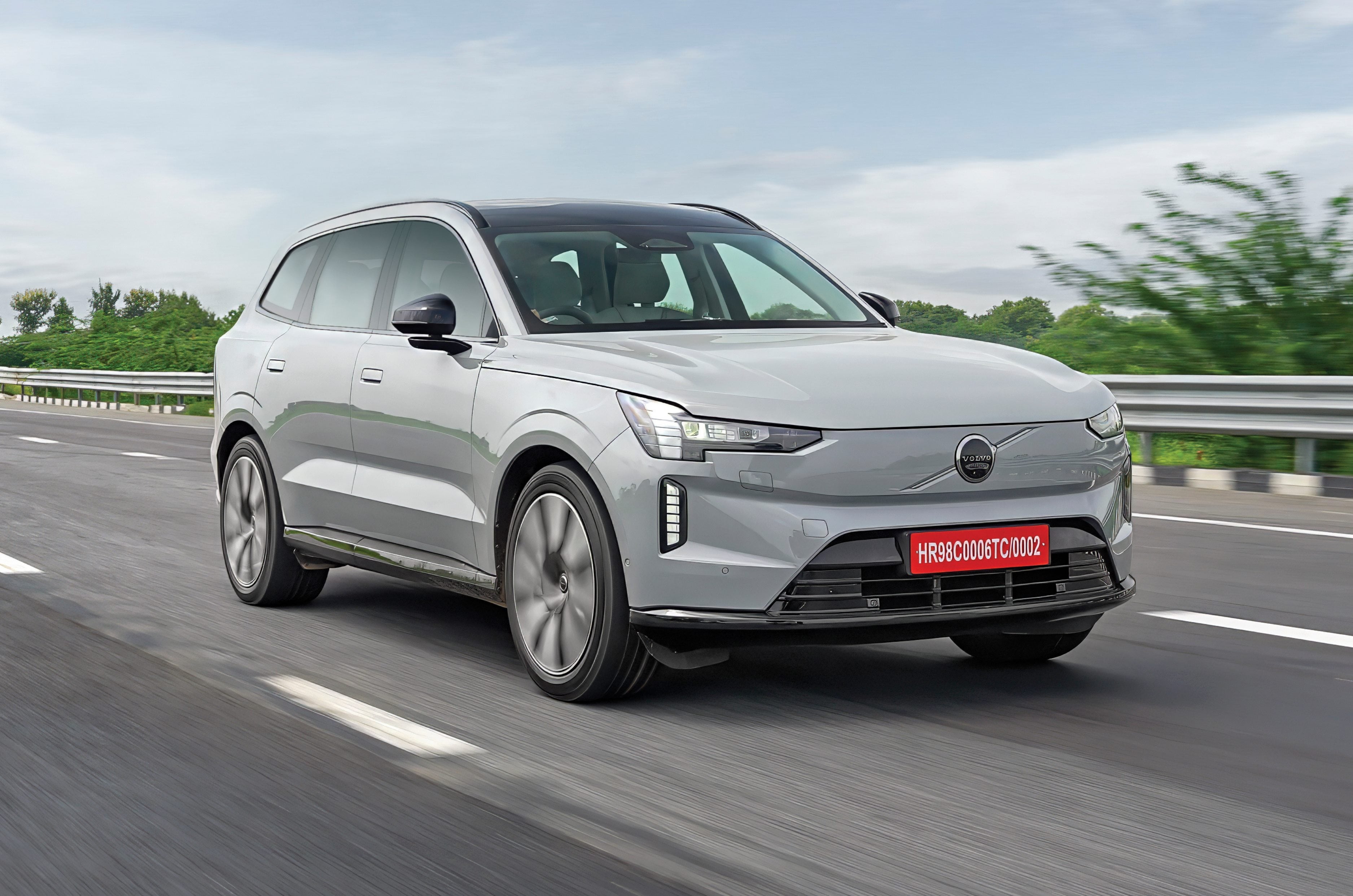
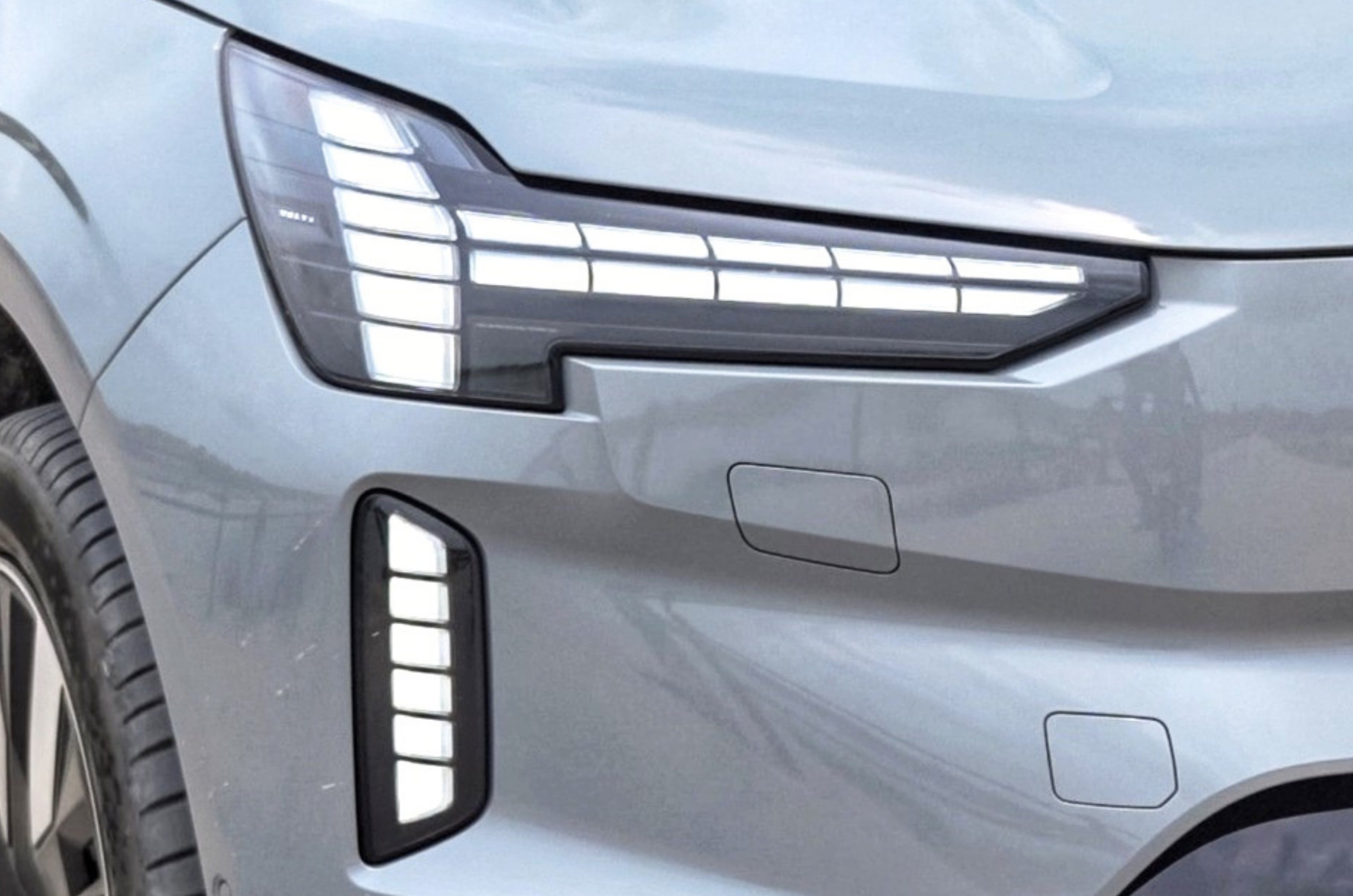
On the outside, the EX90 carries forward Volvo’s hallmark minimalistic styling, but with some new-age touches. The front end gets T-shaped LED headlamps with pixel-like DRL signatures, below which sit slim, vertically oriented fog lamps. There’s no grille on the fascia, only the Volvo emblem in the centre and a trapezoidal air dam lower down.
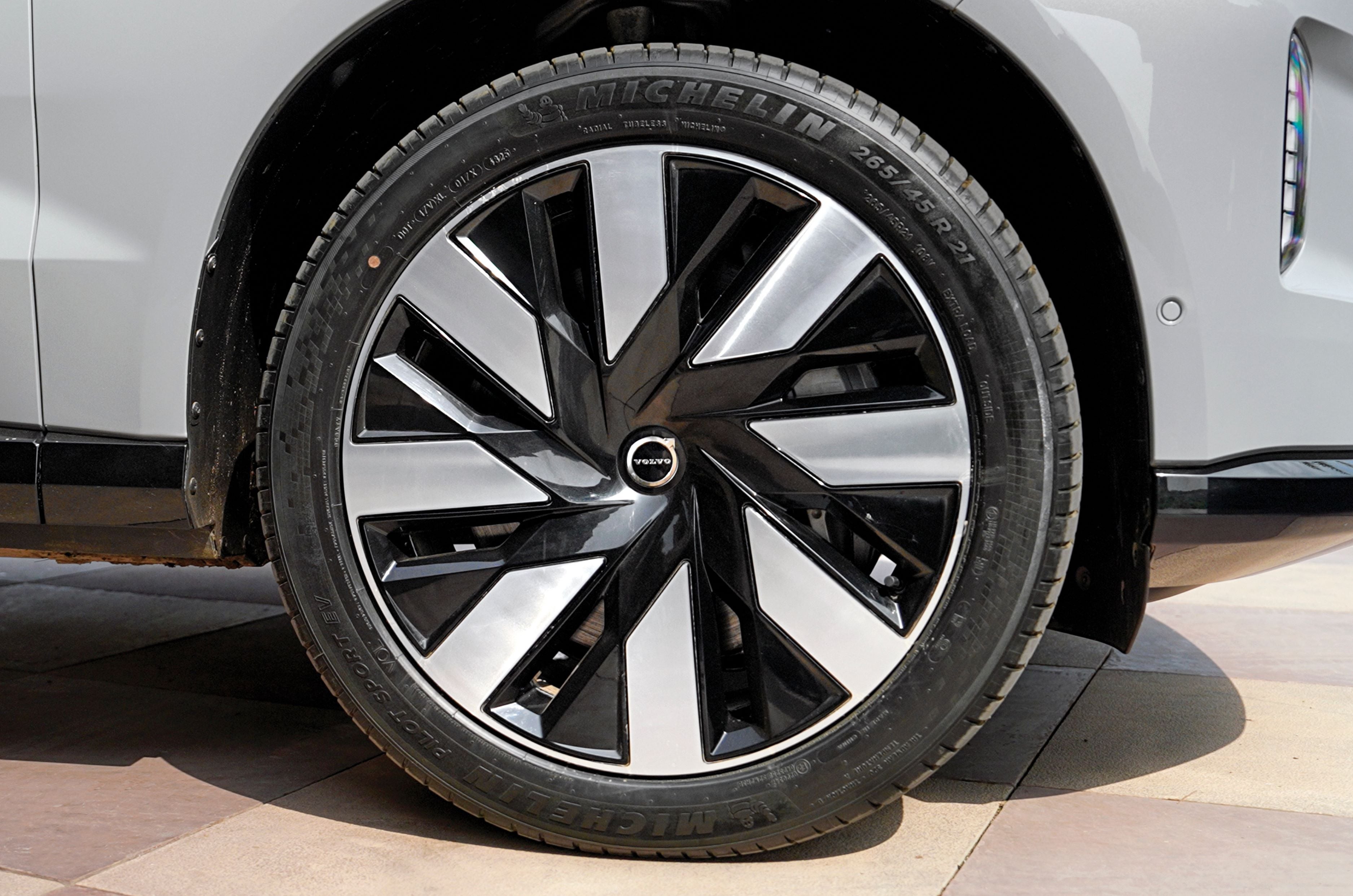
The side profile is clean and upright, with a 2,985mm wheelbase, 21-inch alloy wheels as standard, and a 210mm ground clearance. Air suspension is standard fit on the EX90 too, allowing you to raise the ground clearance to a maximum of 250mm.
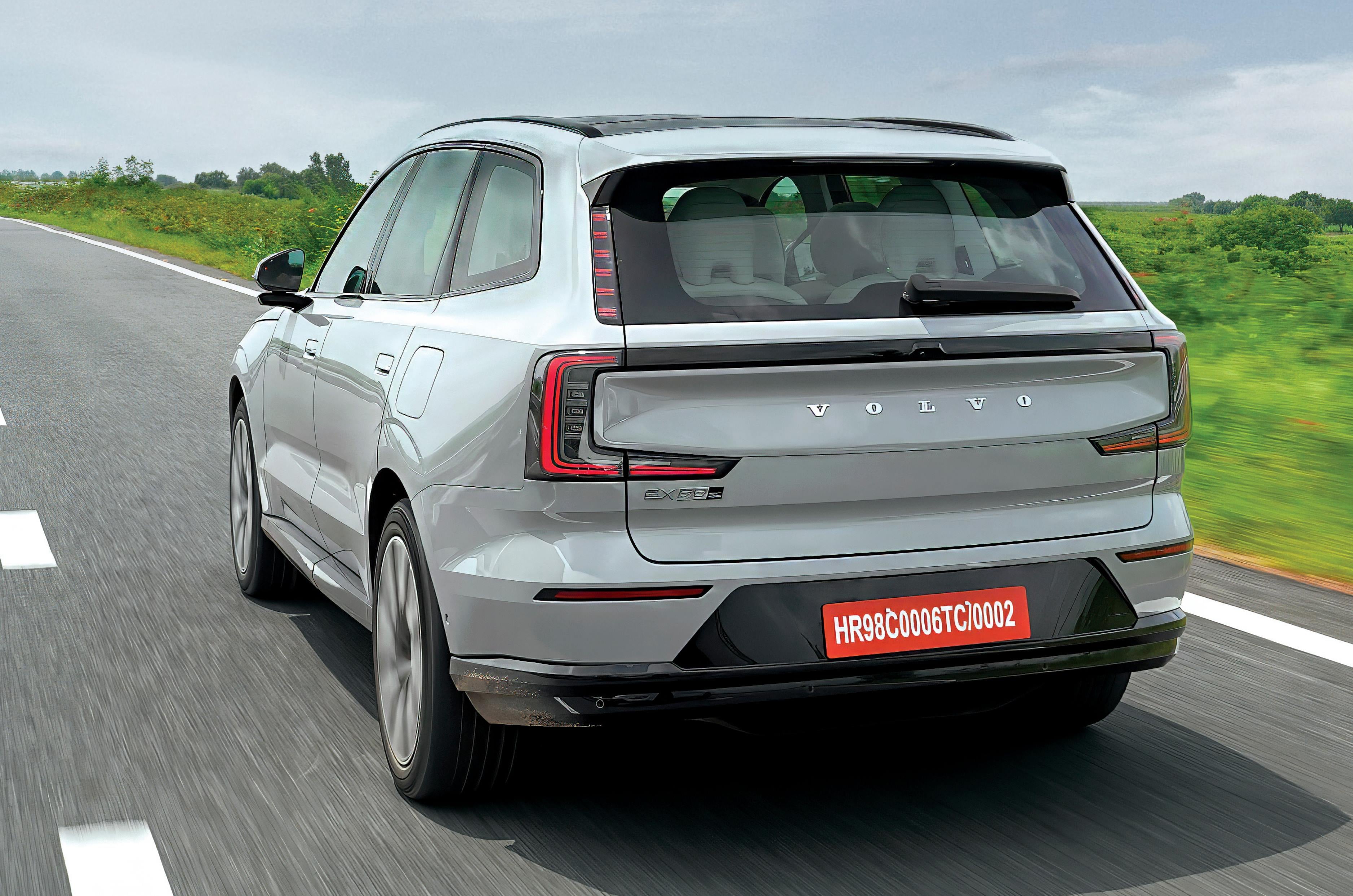
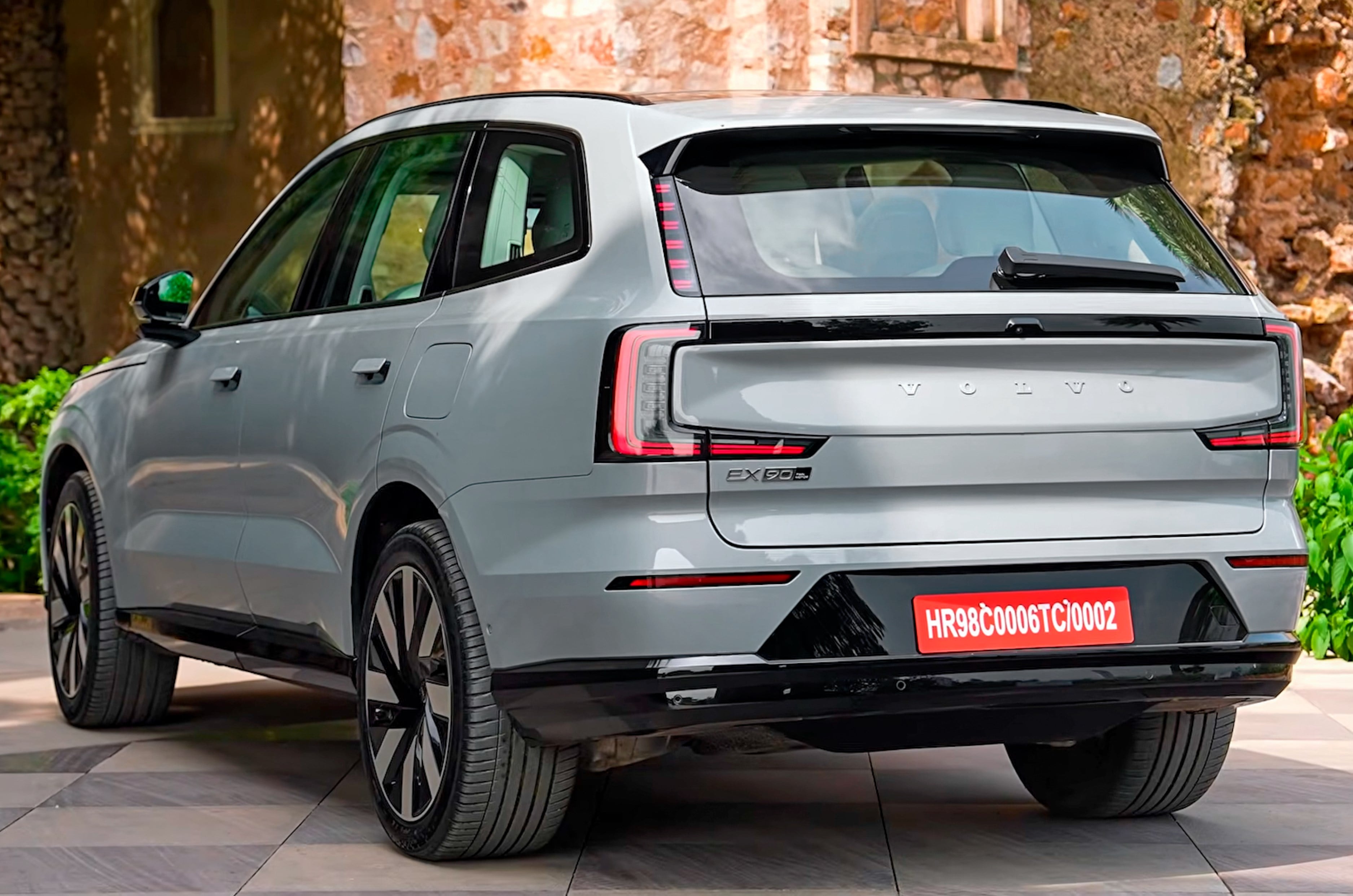
At the back, the EX90 features C-shaped LED tail-lamps connected by a black strip, along with LED arrays flanking the rear windscreen. A Volvo wordmark sits proud in the centre of the bootlid, and the bumper has a neat and discreet design. Colour options for the EX90 comprise Crystal White, Denim Blue, Mulberry Red, Onyx Black, Sand Dune, and Vapour Grey.
Volvo EX90 interior and features
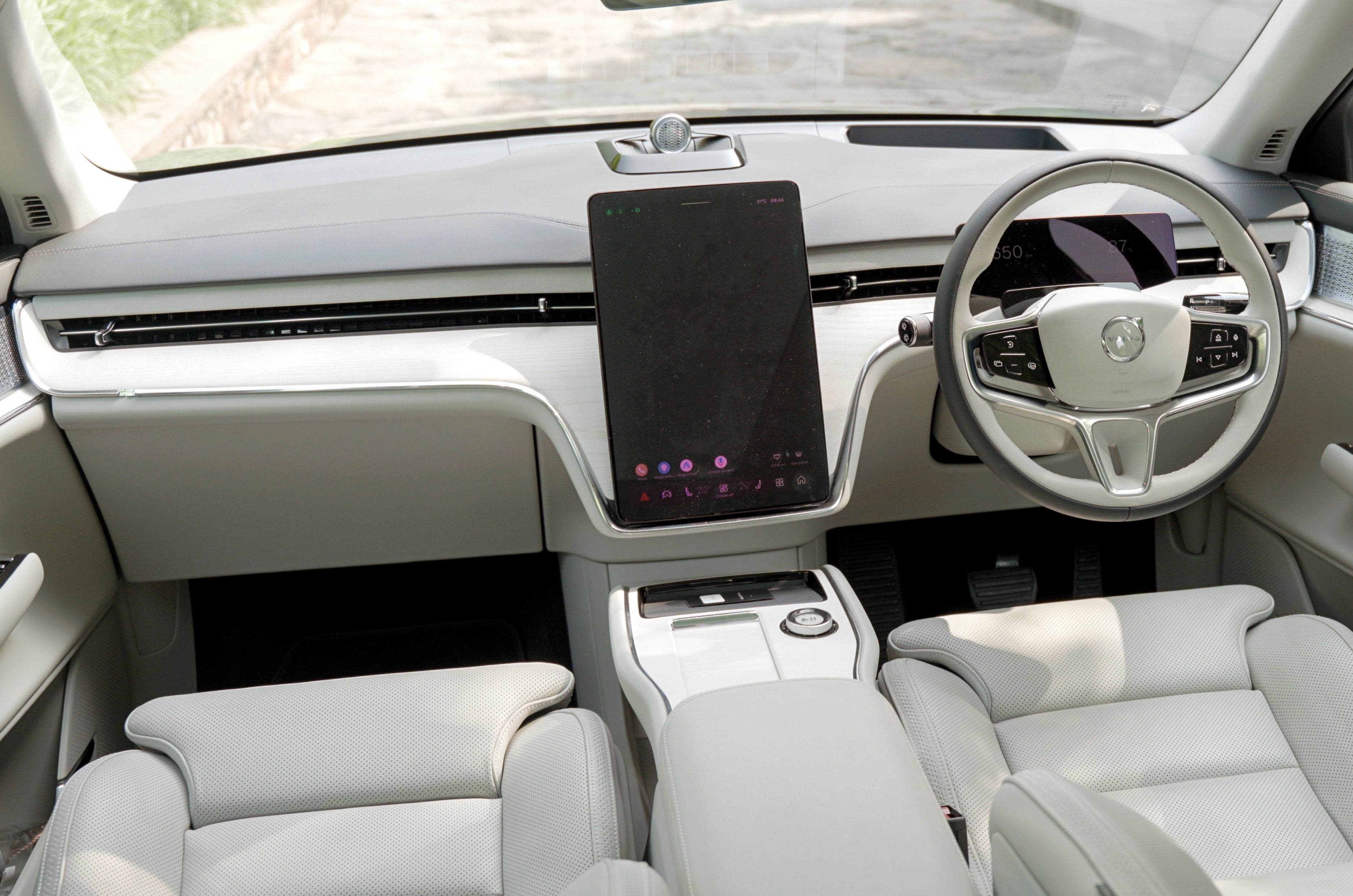
Volvo’s minimalist design philosophy extends to the EX90’s cabin, with a clean dashboard layout that incorporates rich two-tone Nappa leather upholstery, a three-spoke steering wheel, brushed aluminium trim pieces, a huge 14.5-inch vertically oriented infotainment touchscreen, and a slimmer 9-inch driver’s display. Physical controls are a rare sight in the cabin, as most of the in-car functions have been folded into the central touchscreen.
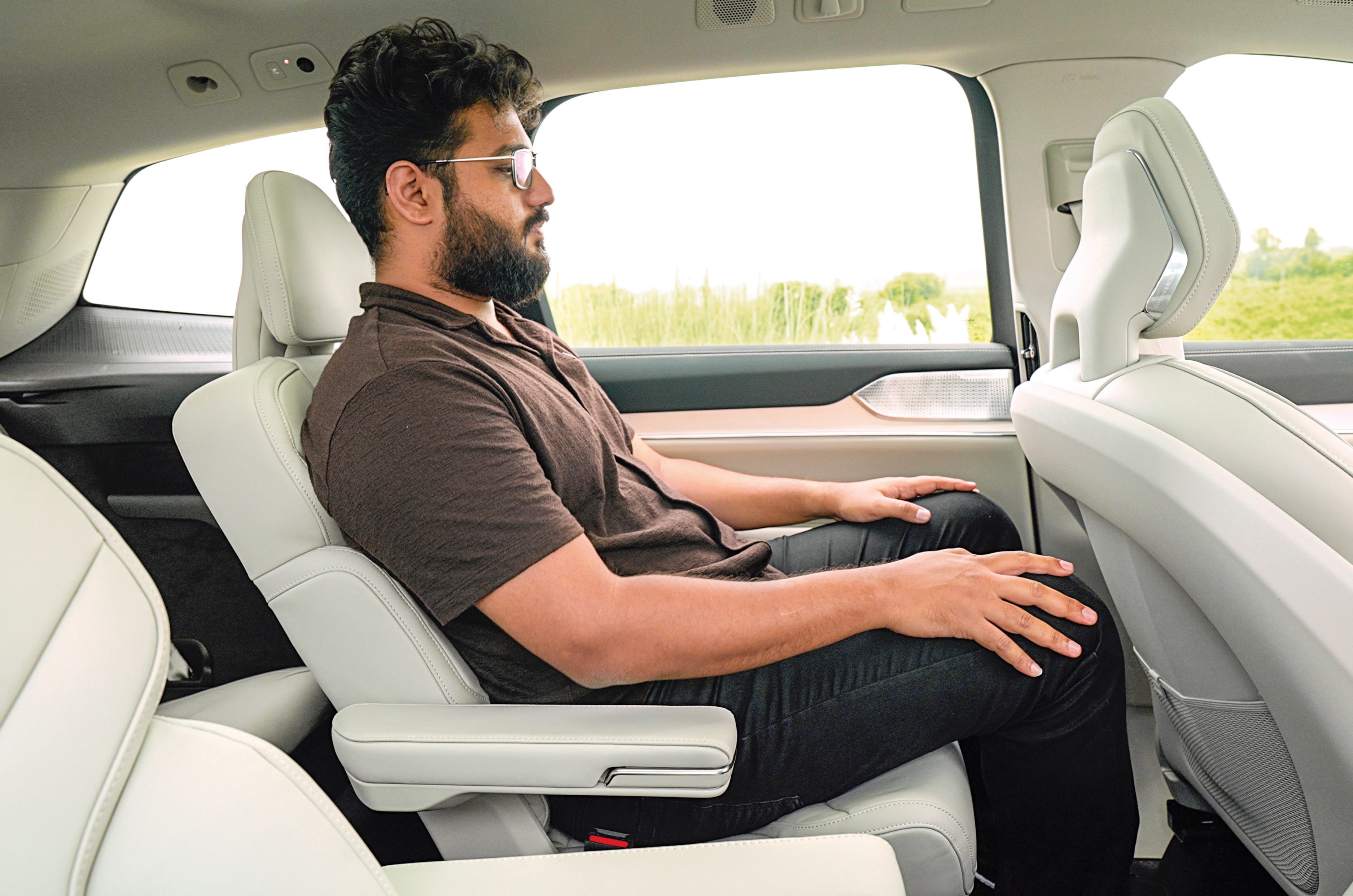
As noted previously, the India-spec EX90 is offered solely as a 6-seater with second-row captain’s chairs that slide and recline. There’s good space and comfort for second-row occupants, but these captain’s chairs don’t get the electrical adjustment, ventilation, heating, and massage functions that the front seats do. There are no sunshades for the rear windows, either, but you do get a large panoramic sunroof with switchable transparency.
Coming to the third row, access is easy by way of the space between the captain’s chairs (they don’t fold down, though). Once you’re there, however, the space on offer is best-suited to kids, or adults on short drives. Boot space is rated at 324 litres with the third row up, and if you fold that down, the capacity increases to 690 litres. You get a 46-litre frunk as well.
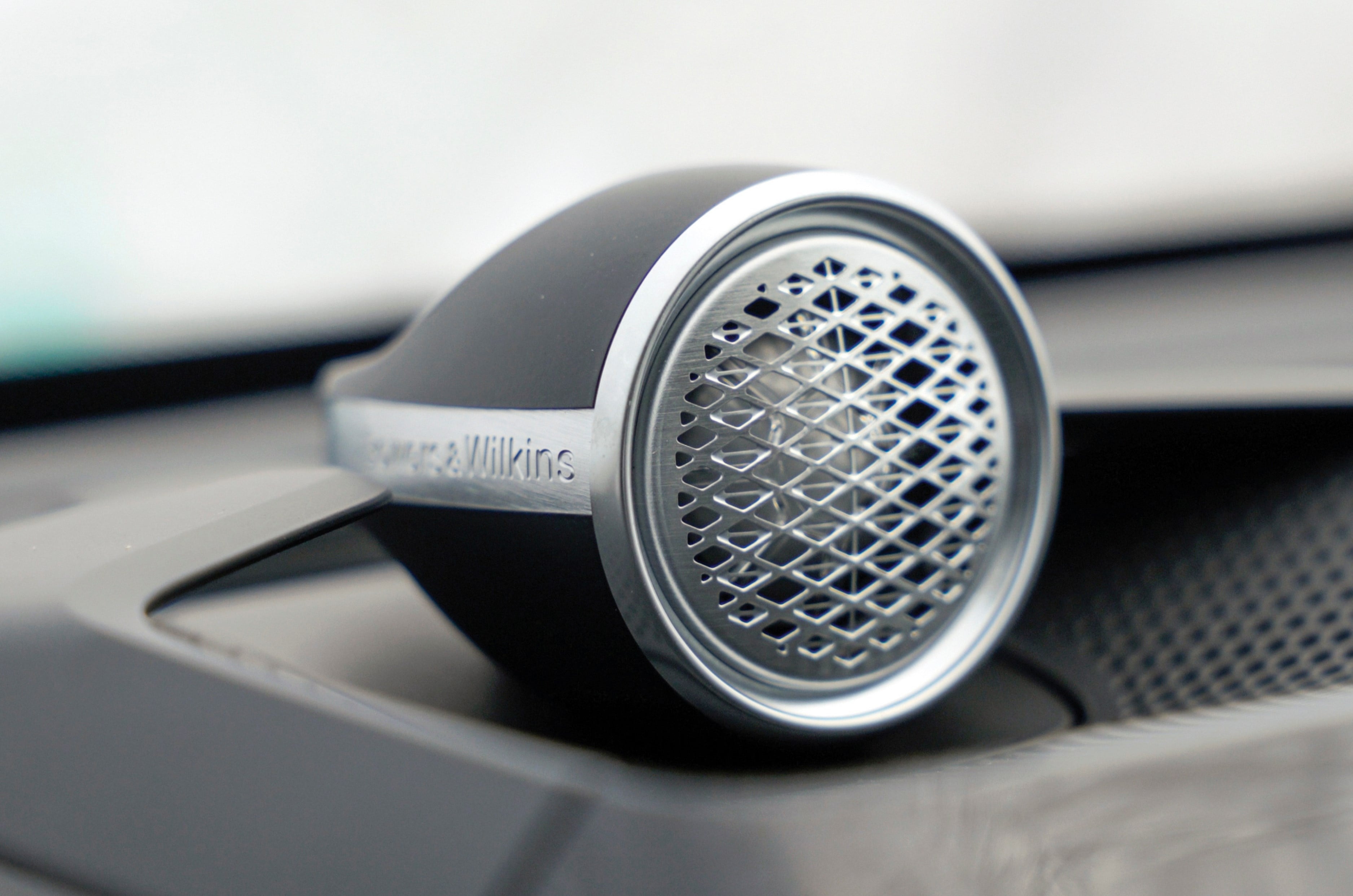
In addition to the features mentioned above, the EX90 comes packed with four-zone climate control, a 25-speaker Bowers & Wilkins sound system, configurable ambient lighting, 9 airbags, an ADAS suite, wireless Apple CarPlay and Android Auto, a 360-degree camera, auto park assist, a digital key, a wireless charging pad, a cabin air purifier, and more.
The Volvo EX90 rivals electric luxury SUVs like the Mercedes-Benz EQS SUV 580 and Kia EV9, which are priced at Rs 1.49 crore and Rs 1.30 crore, respectively. With its Rs 1.26 crore price tag, the EX90 undercuts both of its chief rivals.
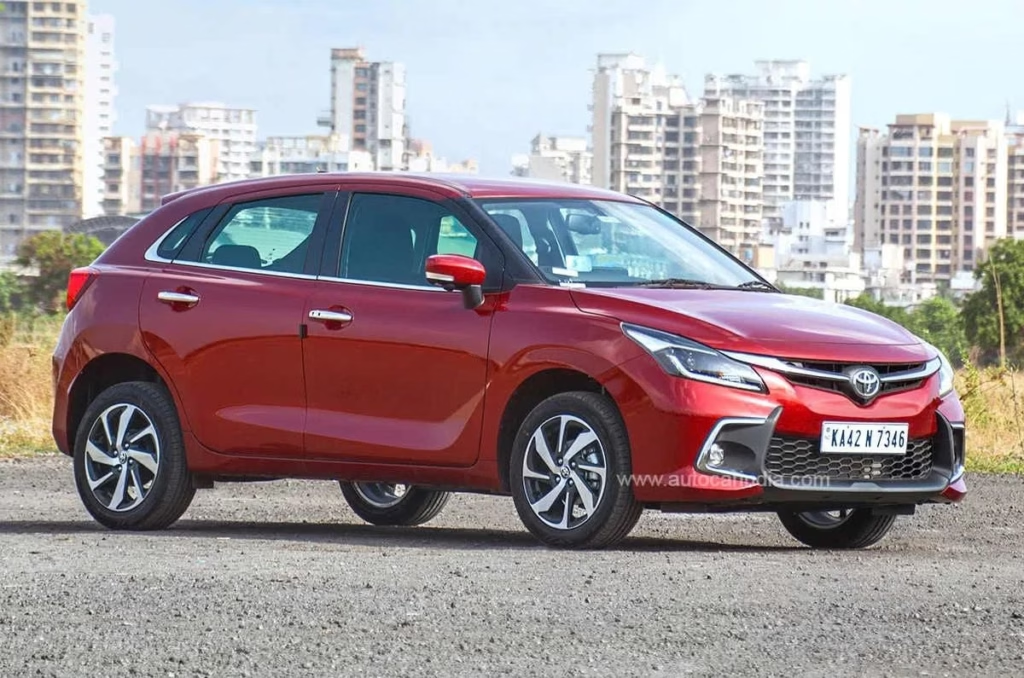
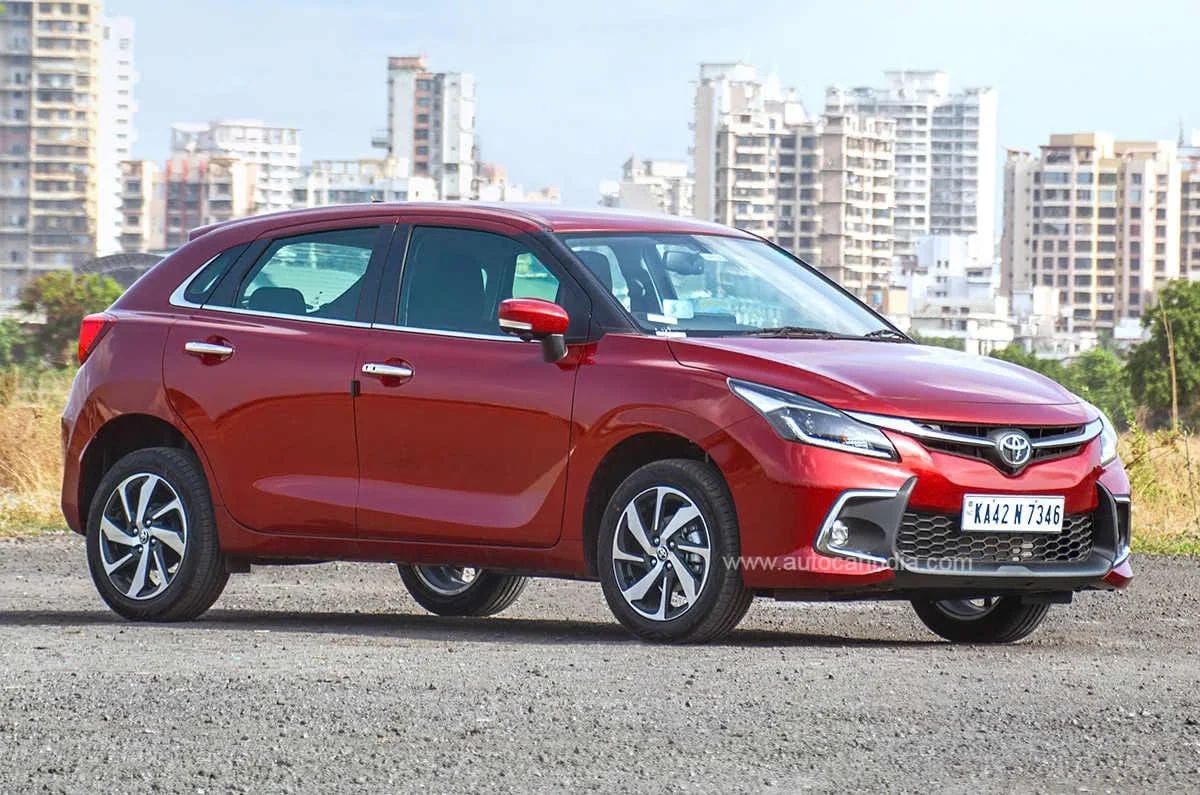
Toyota is all set to launch the Glanza facelift on October 14, 2026, about a month after the launch of the 2026 Maruti Suzuki Baleno facelift. The Japanese automaker has released an official teaser, giving us a glimpse of the upcoming premium hatchback’s design. Here’s what you can expect from the 2026 Toyota Glanza facelift.
1. What will the 2026 Toyota Glanza facelift look like?
Official teaser shows the hatchback sporting a thoroughly revised front fascia
While the Japanese automaker is yet to fully reveal the 2026 Glanza facelift, the teaser gives us a decent glimpse of this hatchback’s front fascia. Understandably, there are some similarities between the upcoming Glanza and the updated Maruti Baleno. Like the latter, most of the changes to the outside are to be focused up front. This starts with the Toyota logo, which has been moved from the grille to the leading edge of the bonnet.
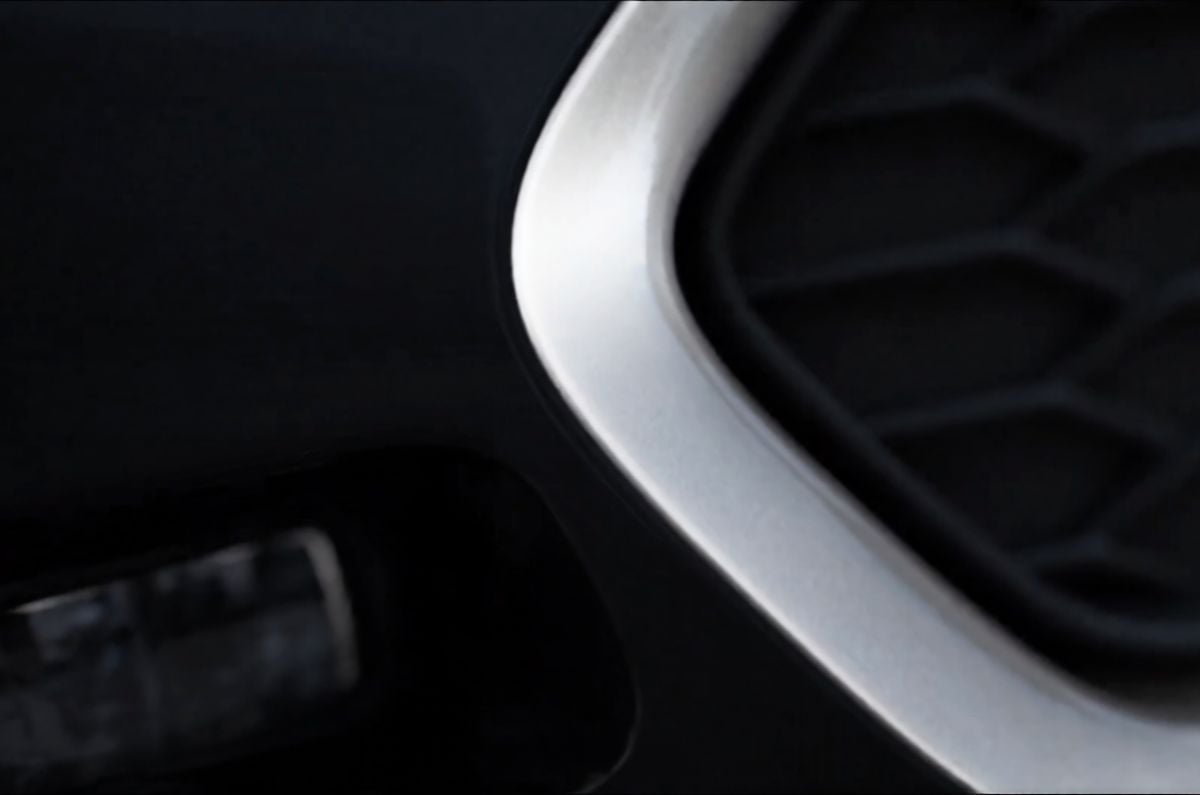
Another noticeable design cue on the front fascia of this facelift is the shiny garnish that extends down into the revised bumper. The circular fog lamps of the outgoing model have now been replaced by rectangular units, while the revised air-intake sports a hexagonal pattern. The 2026 Toyota Glanza facelift could also get an ADAS unit at the front like the updated Baleno. There could be new colour options, with dimensions of the upcoming Glanza facelift unlikely to change.
2. How different will the interior of the Toyota Glanza facelift be?
Cabin is likely to retain the familiar layout of the outgoing model
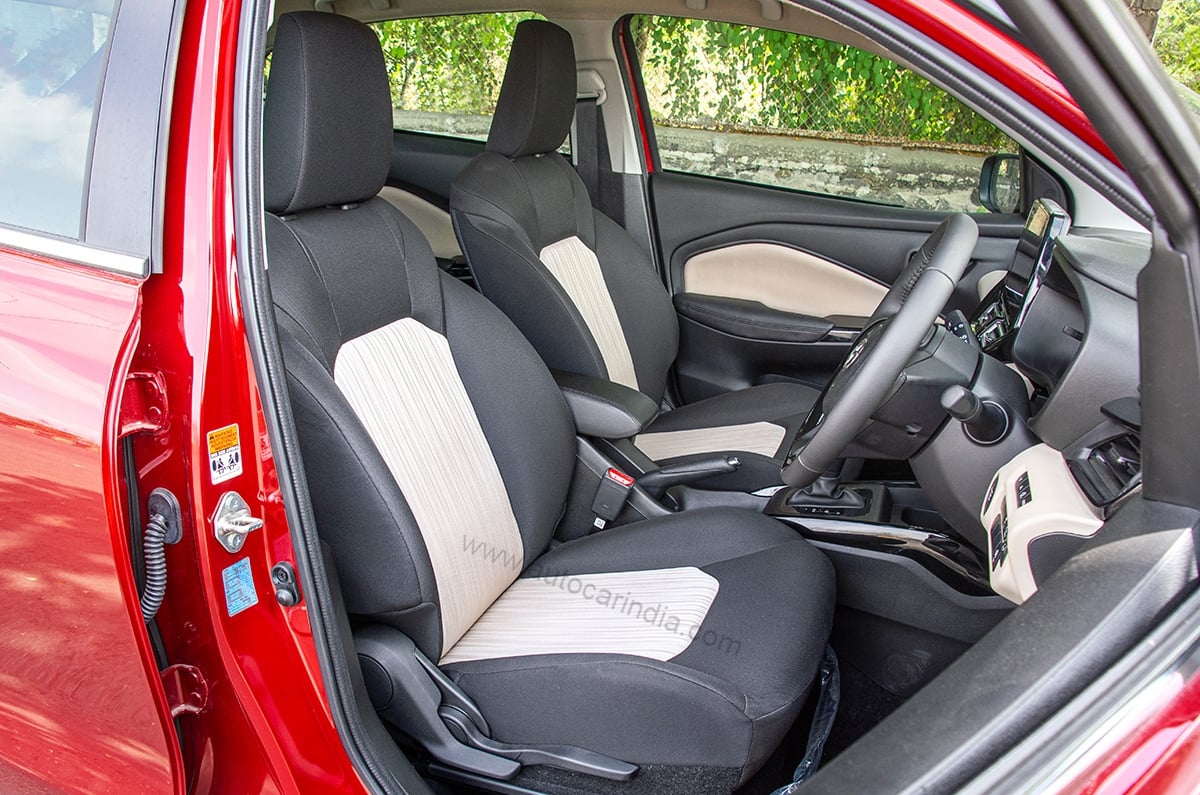
Pre-facelift Toyota Glanza’s interior shown for representational purposes.
Like the updated Baleno, the interior design and layout of the 2026 Toyota Glanza facelift are also expected to stay largely unchanged. This means that we can expect to find the same layered dashboard, plenty of physical switchgear, and a dash-top infotainment screen as in the pre-facelift model. What could be new are additional buttons on the steering wheel, tied to the expected ADAS feature.
3. What features are expected with the 2026 Toyota Glanza facelift?
Highlights with update could include Level 2 ADAS and ventilated front seats
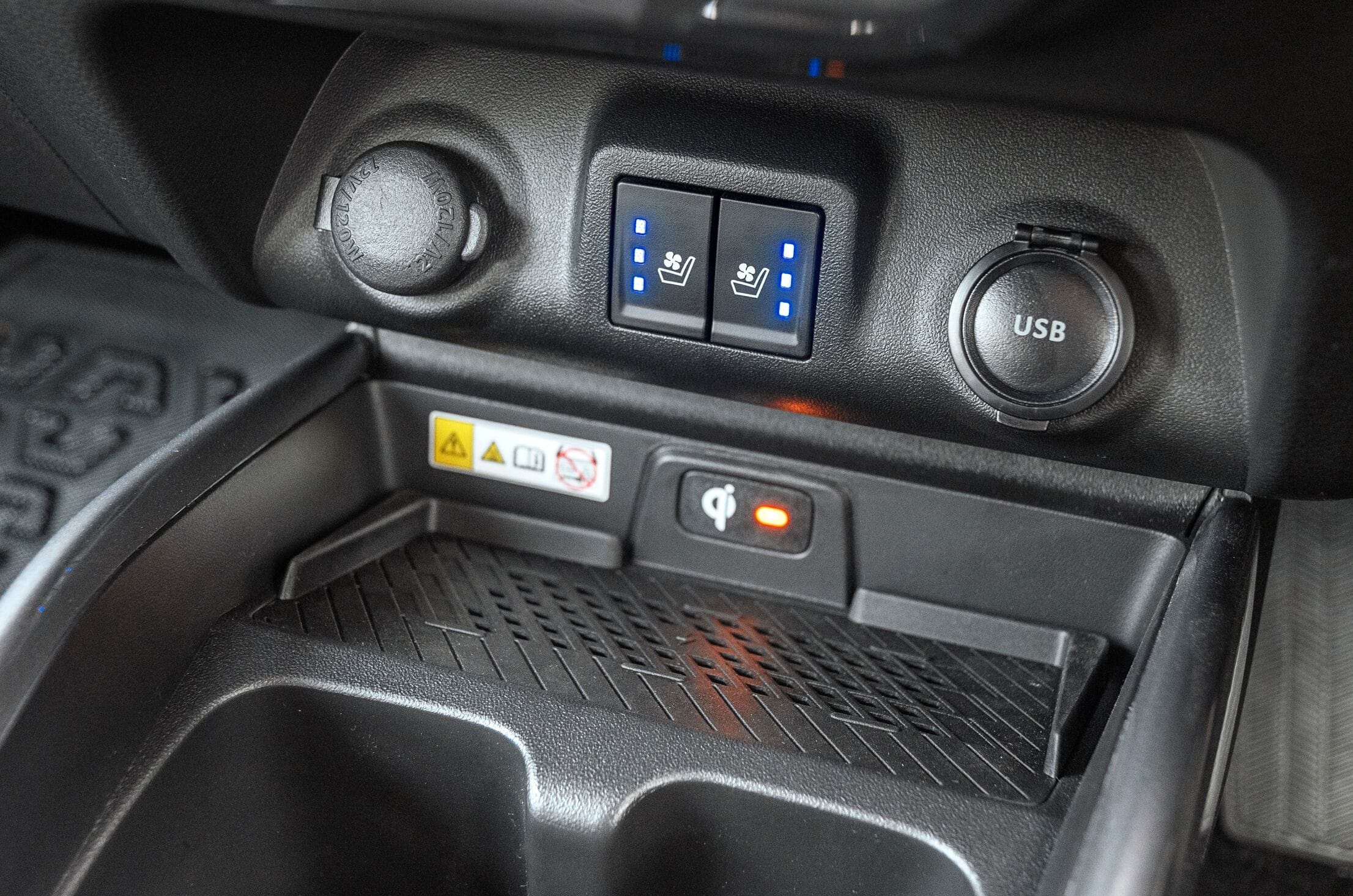
Toyota could introduce the 2026 Glanza facelift with the set of new features that the updated Maruti Baleno received. This means niceties like ventilated front seats, a wireless charging pad with cooling, and an upgraded audio system could be made available on top trims. Features like the 9-inch touchscreen, automatic climate control and connected car tech are to be carried over.
The feature set is expected to be similar to that of the updated Maruti Baleno.
The upcoming Glanza facelift’s safety add-ons are likely to include Level 2 ADAS (advanced driver assistance systems) and a tyre-pressure monitoring system (TPMS). Like with the updated Baleno, the former’s functionalities would include adaptive cruise control with auto-emergency braking and lane-keep assist. Other safety features like the 360-degree camera, head-up display, hill-hold assist, stability control and 6 airbags could be retained as well.
4. What engine and gearbox will the Toyota Glanza facelift use?
A three-cylinder petrol engine is expected to replace the outgoing four-cylinder unit
A major change with the 2026 Toyota Glanza facelift is expected under the bonnet. The 1.2-litre four-cylinder K-series petrol engine from Maruti is to be replaced by the brand’s newer 1.2-litre three-cylinder Z-series unit. In the updated Baleno, this mill produces 83hp and 112Nm – down from 90hp and 113Nm developed by the older four-cylinder engine.
Powertrain options are expected to be the same as the 2026 Maruti Baleno.
Gearbox options are expected to remain the same, which means a 5-speed manual or a 5-speed AMT (automated manual transmission). Similar to the outgoing Glanza, the facelift is also expected to be available in CNG variants. The output figures for the Glanza CNG facelift could be comparable with its Maruti counterpart, where the output is 70hp and 102Nm. Fuel efficiency is expected to improve over the outgoing model, which for reference is rated at between 22.35kpl and 22.94kpl.
5. What is the expected price of the 2026 Toyota Glanza facelift?
The updates could lead to a bump in price over the outgoing model
Considering the feature additions and design updates, the upcoming Toyota Glanza facelift could be priced higher than its predecessor. For reference, the outgoing Glanza is priced between Rs 6.73 lakh and Rs 9.99 lakh (ex-showroom). The Toyota Glanza facelift will continue to compete against the Maruti Suzuki Baleno, Tata Altroz and Hyundai i20.
Following the Elevate facelift, Honda’s next launch for India will be the all-new 0 Alpha electric SUV – the brand’s first all-electric vehicle for our market. Honda is expected to reveal the official name later this year and also perhaps showcase the production-spec model before it goes on sale by early 2027. Ahead of its launch, a heavily camouflaged prototype of 0 Alpha SUV has recently been spied testing on our roads.
India-built model planned for global markets, including Japan
To be manufactured at the Tapukara plant in Rajasthan
No technical details available as of yet
Honda 0 Alpha SUV spied: what to expect?
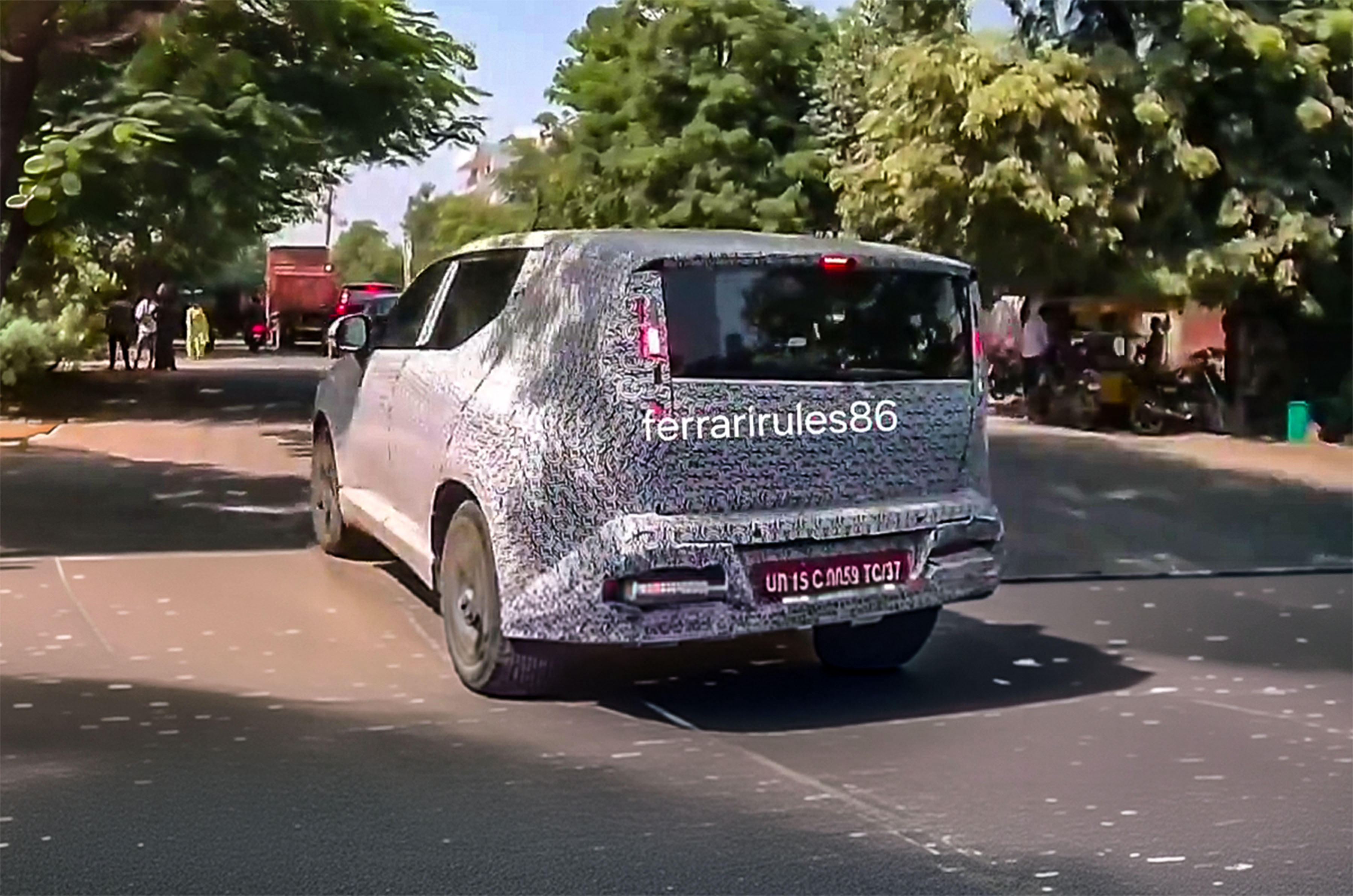
The Honda 0 Alpha was first preview by a concept about exactly a year ago at the Japan Mobility Show 2025. And looking at these camouflaged spy shots, the radical shape doesn’t seem to have changed at all. It looks nothing like any existing Honda, with the characteristic design element being the near-vertical rear end with a thick C-pillar area, almost reminiscent of an MPV. It gets a large rear windscreen that’ll likely be wrapped around by an LED light bar, while the lower section gets a protruding bumper and is expected to feature a diffuser like element.
Image Credit: Ferrarirules86 via X.
At the debut of the concept, Honda had said the design was already near production-ready, so much of the details, including the lighting signatures and the glass panels could be seen on the final model. The front ‘grille’ area is expected to sport an illuminated Honda logo and a charging port, framed on the side and above by the headlights.
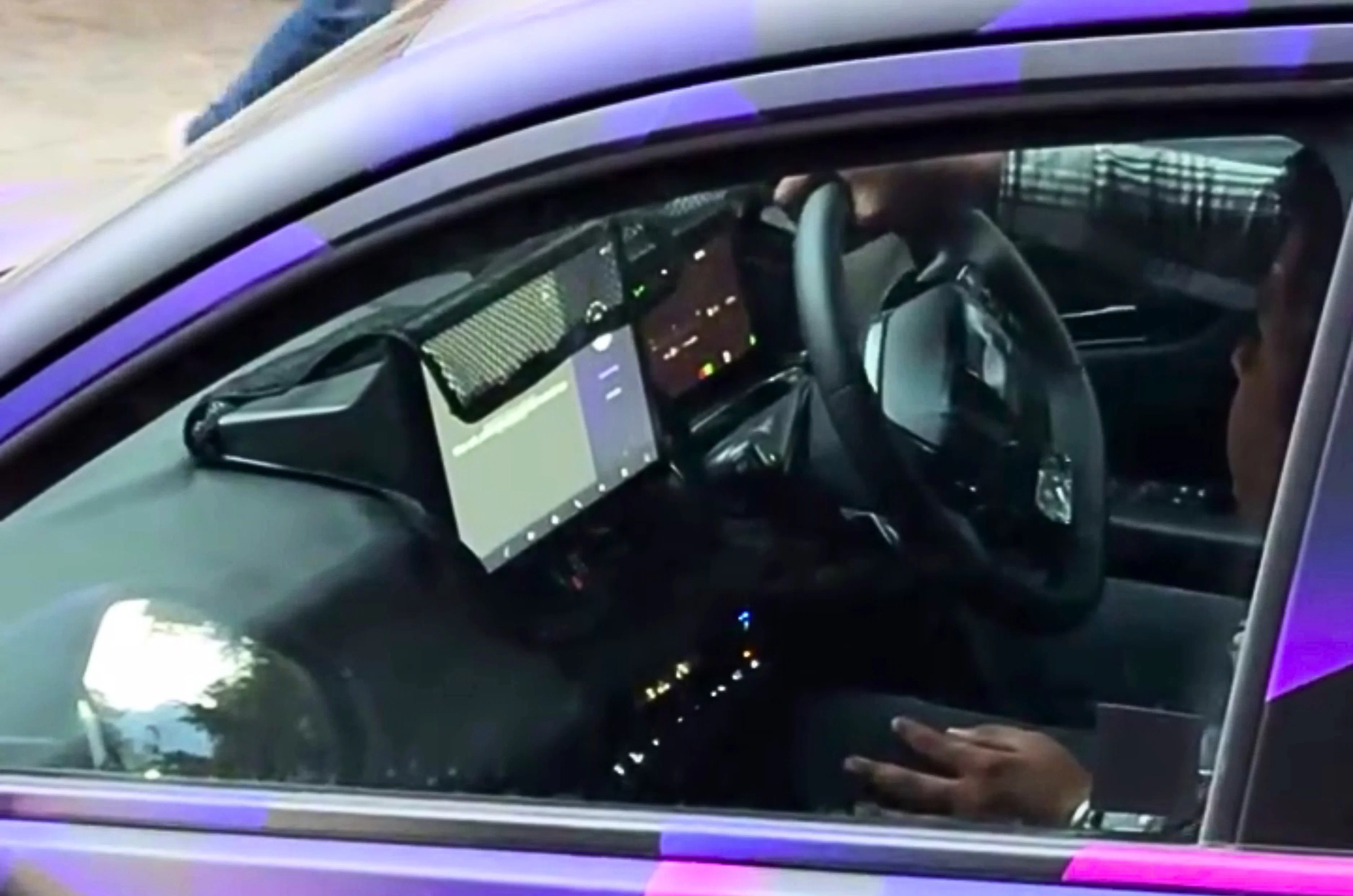
A previous sighting of a camouflaged test mule has also given us a look at the interior of the upcoming electric SUV. The most prominent element in the cabin is a massive central infotainment touchscreen mounted atop the dashboard. To its right sits a much smaller digital driver’s display, ahead of which there’s a three-spoke flat-bottomed steering wheel with paddleshifters for regeneration. The 0 Alpha’s interior incorporates an array of buttons on the centre console, seemingly for functions such as climate control and ventilated seats.
Image Credit: pxrtth.gpt via Instagram
The Honda 0 Alpha SUV is expected to have a wheelbase of about 2700-2800mm, with the priority being maximising interior space. The upright rear tailgate also hints at good luggage space and interior room.
Honda 0 Alpha technical details
Technical details on the 0 Alpha are quite scarce at the moment, but the brand has previously confirmed that it will be offered with two battery pack options. Both will be LFP batteries, likely ranging in the size of 65kWh-75kWh units. At launch, the Honda 0 Alpha SUV is expected to use a single-motor, front-wheel-drive layout.
The upcoming electric SUV will be manufactured in India, with Honda’s Tapukara plant in Rajasthan expected to serve as the production base. It’s expected to go on sale by early 2027, with India and Japan among the initial markets. The 0 Alpha will rival electric midsize SUVs such as the Mahindra BE 6, MG ZS EV, Hyundai Creta Electric, Tata Sierra EV, Maruti Suzuki e Vitara and Toyota Urban Cruiser Ebella.