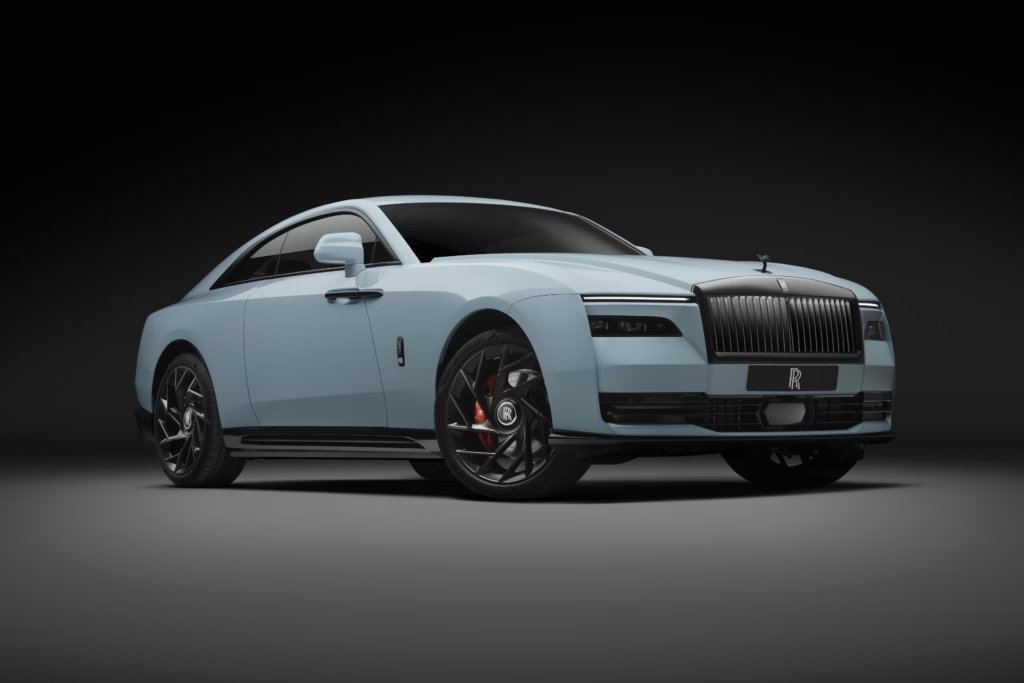
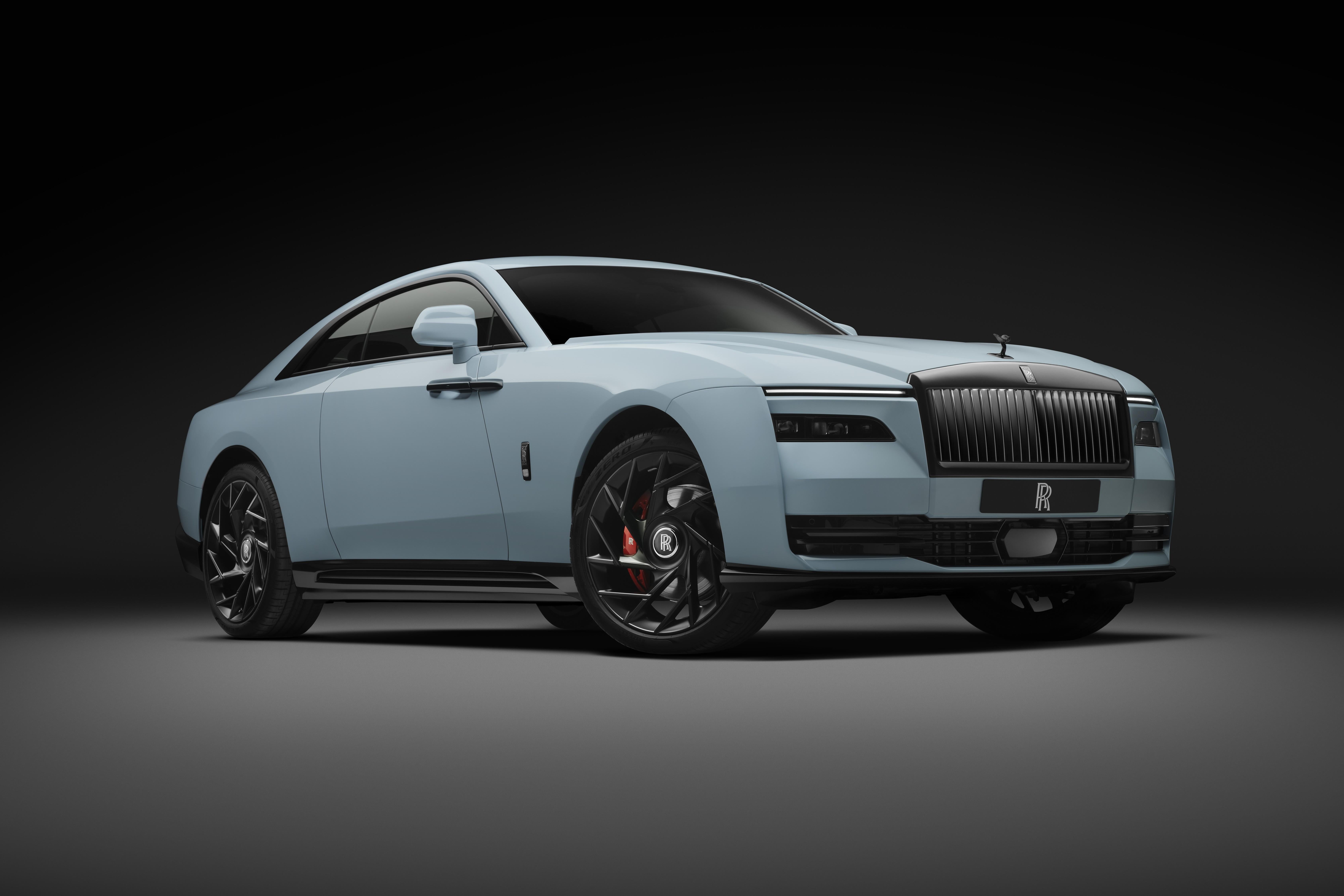
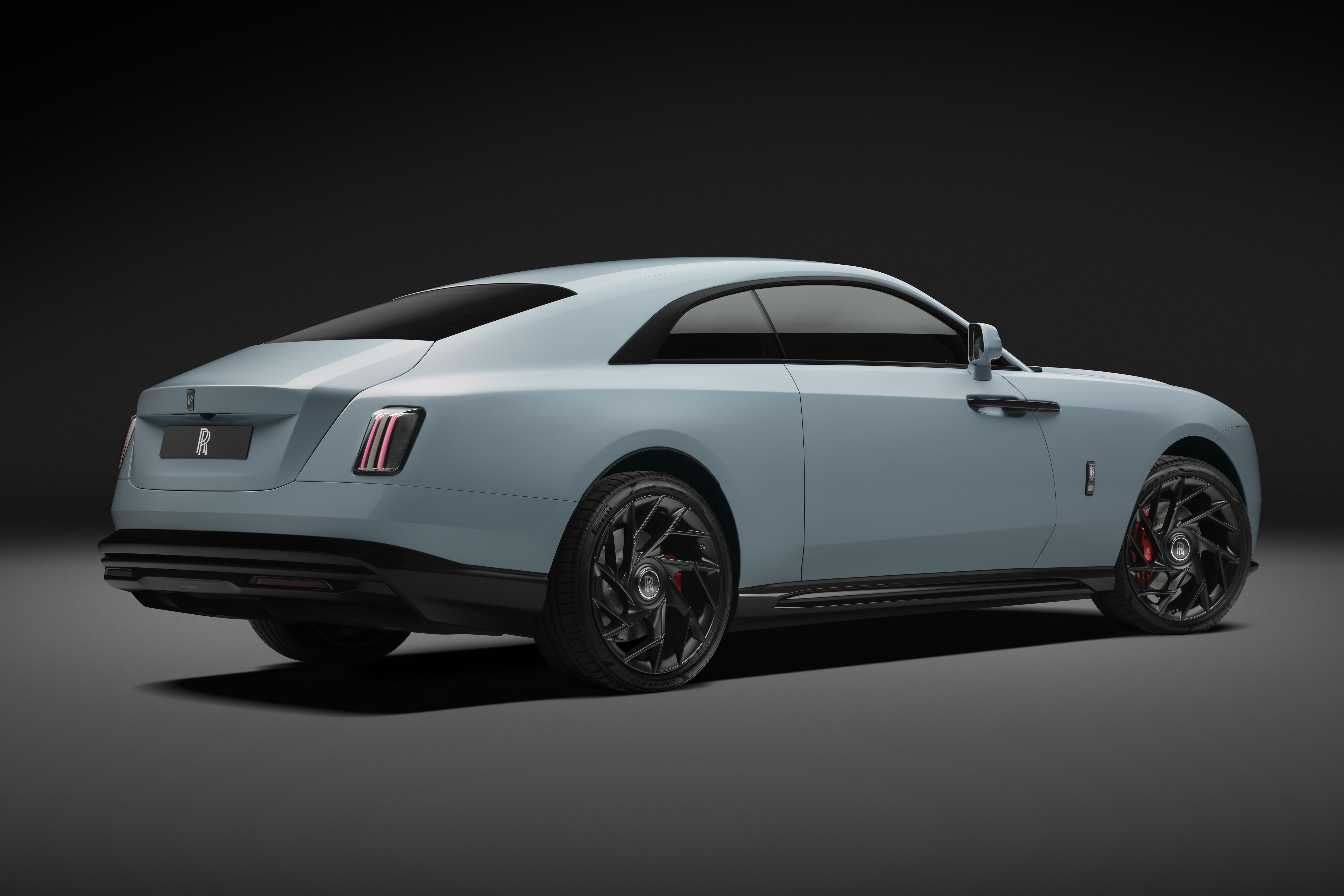
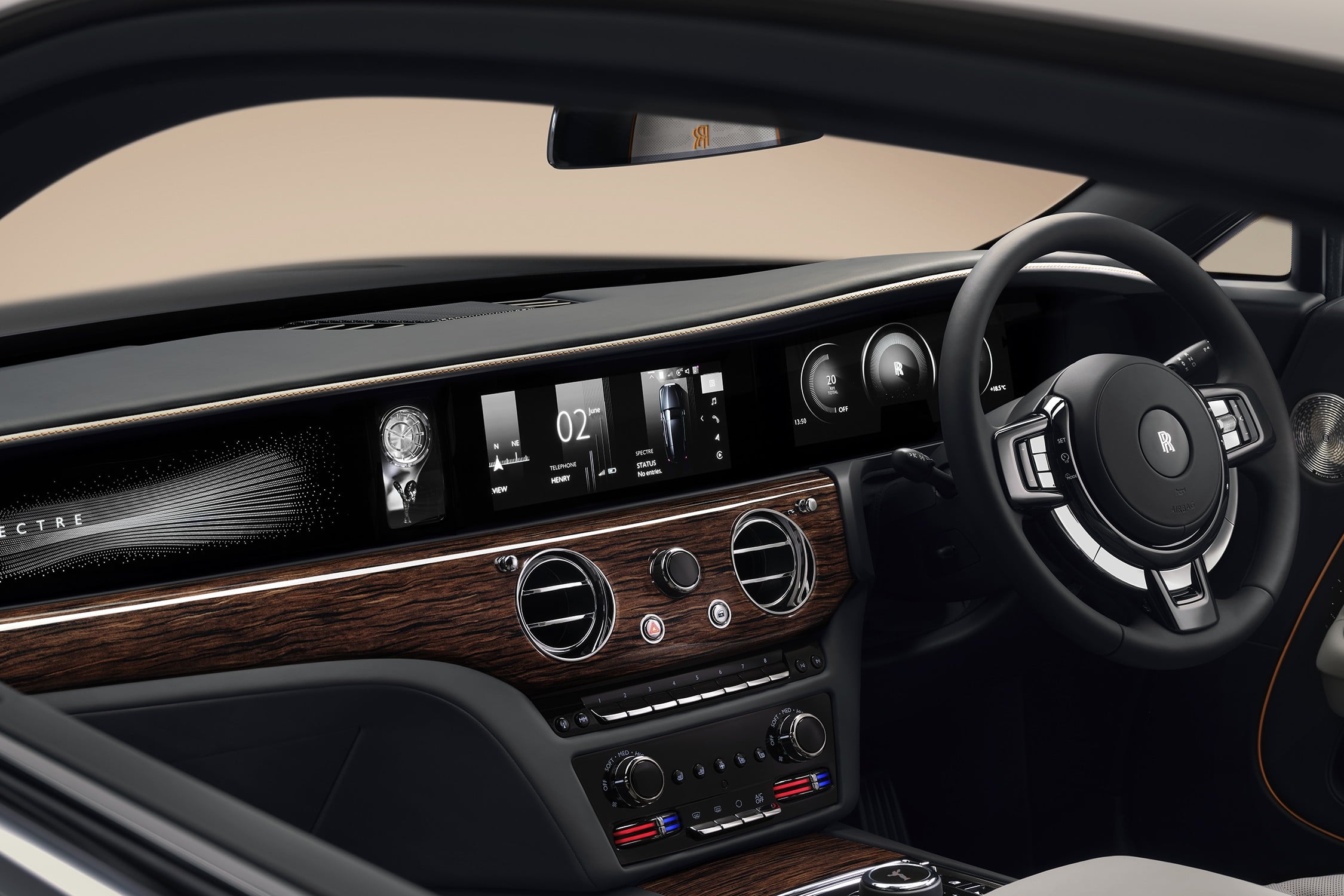
The MG Hector Tomahawk PHEV was launched recently in India as the first mass-market car with a plug-in-hybrid (PHEV) powertrain. It gets a 1.5-litre naturally aspirated engine and a 20.5kWh battery pack powering an electric motor. This PHEV system has a total output of 198hp and 230Nm. The Hector Tomahawk PHEV is offered in two variants: Exclusive and Essence. It gets six monotone colour options, including Celadon Blue, Turquoise Green, Pearl White, Shadow Gold, Aurora Silver, and Starry Black, among which Celadon Blue and Turquoise Green are also available with a white roof.
At its 2026 CEO Investor Day, Hyundai formally announced that it will bring next-gen versions of the Creta midsize SUV and i10 hatchback to India before 2030. We’ve known for quite some time that a new-gen Creta is in the works – test mules have been spied in India too – and we even reported on the next-gen i10’s launch timeline back in 2024.
Next-gen Hyundai Creta
The new Creta is likely to ride on the same K3 platform that underpins the second-gen Kia Seltos. Test mules of the next-gen Creta indicate that the SUV will grow in size and sport boxier proportions, while the interior is expected to get a fresh design, Hyundai’s new Pleos Connect infotainment interface, and an enhanced feature set.
Under the bonnet, the new Creta is anticipated to carry over the existing model’s 115hp 1.5-litre naturally aspirated petrol, 160hp 1.5-litre direct-injection turbo-petrol, and 116hp 1.5-litre diesel engines, along with their respective gearbox options. In addition to those, Hyundai is likely to introduce a strong-hybrid powertrain for the next-gen Creta, which could be based on the 1.5-litre naturally aspirated petrol engine.
Third-gen Hyundai Creta test mule. Image credit: Raspberry via Autospy.net
We expect the third-gen Creta to launch sometime in 2027, possibly in the second half of the year. The current-gen Creta was first launched in 2020 and received a major facelift in 2024. However, with the recent barrage of all-new midsize SUV rivals like the Tata Sierra, Renault Duster, Nissan Tekton, and the aforementioned second-gen Seltos, the Creta is due a generational update.
Next-gen Hyundai i10
Details are scarce about the next-gen i10, but hatchback could make the switch to a new platform. Thorough redesigns for the exterior and interior, along with a bolstered list of features, are expected. As for engine options, the new i10 is expected to use the current model’s 1.2-litre naturally aspirated engine, which is available in 83hp petrol and 69hp CNG guises. Manual and AMT gearbox options are also anticipated to be retained.
Current Hyundai Grand i10 Nios. Image used for representation only.
According to our prior report, the next-gen i10 is likely to launch in India by late 2027, which would mark a gap of around eight years following the arrival of the current Grand i10 Nios in 2019. More significantly, the next-gen i10 will reinforce Hyundai’s presence in the small-car segment, which has seen renewed interest following the 2025 GST cuts.
Mini has launched its ‘Mod My Mini’ official vehicle customisation program in India for both the Cooper and Countryman models. Available to both new and existing customers, the customisation option offers a range of bespoke upgrades, spanning original accessories, signature paints and decals. It also lets customers modify parts like the roof, mirror caps, spoilers and brake callipers.
Over 100 classic Mini shades and multiple exclusive thematic decals are on offer
2.5 million unique combinations are possible with the customisation program: Mini
The carmaker claims that with over 100 classic Mini shades, multiple exclusive thematic decals and original accessories, a total of 2.5 million unique combinations are possible. All official decals installed through the programme come backed by a 24-month warranty from the date of installation.
“We firmly believe that no two Minis on the road should look the same, which is why the ‘Mod My Mini’ program puts the design canvas directly into the hands of our owners,” Hardeep Singh Brar, President and CEO, BMW Group India, said. Interested customers can contact their nearest Mini dealer to explore the full range of options and check part availability.
The Maruti Brezza and Tata Nexon are among the bestselling compact SUVs in the Indian market. While the former received a comprehensive update that introduced cosmetic changes, more features and a powerful new turbo-petrol engine, the latter continues to attract consumers with a wide choice of powertrains. If you are looking to buy a compact SUV, we compare the Brezza’s top-spec ZXi+ trim and the Nexon Fearless+ PS to find out which offers better value for money.
Explore full specs, features and a price breakdown in our Brezza vs Nexon comparison.
Maruti Brezza vs Tata Nexon: Dimensions
Brezza is taller, while Nexon has a bigger boot
Maruti Brezza vs Tata Nexon: Dimensions
Maruti Brezza
Tata Nexon
Difference
Length (mm)
3,995
3,995
–
Width (mm)
1,790
1,804
-14
Height (mm)
1,685
1,620
+65
Wheelbase (mm)
2,500
2,498
+2
Ground clearance (mm)
198
208
-10
Boot space (litres)
328
382
-54
Only the length of both models is identical. Beyond that, the Brezza is taller and has a slightly longer wheelbase than the Nexon. On the other hand, the Nexon is wider, rides higher off the ground and has a larger boot.
The Brezza ZXi+ is available only with the naturally aspirated petrol automatic and turbo-petrol manual powertrains. On the other hand, the Nexon Fearless+ PS offers a wide range of options: a turbo-petrol manual and automatic, a diesel manual and automatic, and a CNG manual. As for their turbo-petrol engines, the torque is identical, but the Nexon’s larger mill delivers more power.
Maruti Brezza vs Tata Nexon: Exterior features
Nexon offers some feel-good features like welcome/goodbye animations
Maruti Brezza vs Tata Nexon: Exterior features
Maruti Brezza
Tata Nexon
Headlights
LED projector
LED projector
Tail-lights
LED
Connected LED
Welcome/goodbye animations
No
Yes
Sequential turn indicators
No
Yes
Daytime running lamps (DRLs)
Yes
Yes
Fog lamps
LED
LED
Wheels
16-inch
16-inch
Outside rearview mirrors (ORVMs)
Electrically adjustable, auto-folding
Roof rails
Yes
Yes
Rear wiper, washer
Yes
Yes
Colour options
Monotone and dual-tone
Dual-tone
Both the Brezza and Nexon are similarly equipped on the exterior, with LED light setups, DRLs, fog lamps, electrically adjustable and auto-folding ORVMs and 16-inch alloy wheels. However, the Nexon gets some fancier features such as welcome/goodbye animations for the light setups, along with sequential turn indicators. As for colour options, the Nexon is limited to dual-tone schemes, whereas the Brezza offers monotone options as well.
Maruti Brezza vs Tata Nexon: Interior features
Brezza not as well equipped as Nexon
Maruti Brezza vs Tata Nexon: Interior features
Maruti Brezza
Tata Nexon
Instrument cluster
Analogue dials with MID
10.25-inch display
Infotainment screen
10.1-inch
10.25-inch
Head-up display
Yes
No
Android Auto, Apple CarPlay
Wireless
Wireless
Sunroof
Single-pane
Panoramic
Audio system
6-speaker Arkamys Surround Sense
9-speaker JBL
Climate control
Automatic
Automatic
Rear AC vents
Yes
Yes
Driver seat adjustment
Manual
Manual
Front seat ventilation
Yes
Yes
Seat upholstery
Leatherette
Leatherette
Wireless phone charger
Yes
Yes
Air purifier
Yes
Yes
Connected car tech
Yes
Yes
Rear centre armrest
Yes
Yes
Rear sunshade
No
Yes
Ambient lighting
64-colour
No
60:40 split folding seat
Yes
Yes
Apart from multi-colour ambient lighting and a head-up display, the Brezza’s overall interior equipment falls short of the Nexon’s. The latter comes packed with features such as a digital driver’s display as opposed to analogue dials on the former, a panoramic sunroof, a slightly larger infotainment screen, more speakers and rear window sunshades.
Maruti Brezza vs Tata Nexon: Driving tech
Brezza misses out on drive modes
Maruti Brezza vs Tata Nexon: Driving tech
Maruti Brezza
Tata Nexon
Drive modes
No
Eco, City and Sport
Paddleshifters
Yes
Yes
Cruise control
Yes
Yes
While paddleshifters and cruise control are available on both models, drive modes are offered only with the Nexon.
Maruti Brezza vs Tata Nexon: Safety features
Brezza comes equipped with more advanced safety tech
Maruti Brezza vs Tata Nexon: Safety features
Maruti Brezza
Tata Nexon
BNCAP rating
5 stars
5 stars
Blind-spot warning
Yes
No
Safe-exit warning
Yes
No
Rear cross-traffic alert
Yes
No
Airbags
6
6
Camera setup
360-degree
360-degree
Parking sensors
Front and rear
Front and rear
Disc brakes
Front only
Front only
Tyre-pressure monitoring system
Yes
Yes
Interior rearview mirror (IRVM)
Auto-dimming
Auto-dimming
Hill-hold assist
Yes
Yes
ESC
Yes
Yes
Both the Brezza and Nexon have achieved a 5-star BNCAP crash-safety rating and are equally matched in terms of offering a basic safety kit, along with features such as a 360-degree camera and front parking sensor. But only the former comes with advanced safety systems such as rear cross-traffic alert and blind-spot and safe-exit warnings.
Maruti Brezza vs Tata Nexon: Price and verdict
Brezza’s more affordable, but Nexon’s powertrain range is hard to ignore
Maruti Brezza vs Tata Nexon: Prices
Maruti Brezza
Tata Nexon
NA petrol AT
13.54
–
Turbo petrol MT
11.16
12.34
Turbo petrol AT
–
12.55
Turbo diesel MT
–
13.45
Turbo diesel AMT
–
14.10
CNG MT
–
13.30
Comparing only the turbo-petrol manual powertrain, which is common to both, the Brezza is Rs 1.18 lakh more affordable than the Nexon. Notably, the Brezza ZXi+ NA petrol automatic costs almost a lakh rupees more than the Nexon Fearless+ PS turbo-petrol automatic. This is due to the higher tax on the 1.5-litre unit powering the Brezza. Moreover, the Nexon has a Fearless+ A PS trim that sits above the Fearless+ PS trim and brings Level 2 ADAS, but it is limited to the turbo-petrol automatic.
When it comes to choosing between the two, we’d recommend the Tata Nexon. Though the Brezza’s ZXi+ trim starts at a more affordable price point and is backed by Maruti’s widespread and hassle-free service experience, the Nexon’s multiple powertrain options are simply hard to ignore. Additionally, the Tata comes with more bells and whistles than the Maruti, and that’s why it’s our pick.
Mercedes-Benz has revealed the long-wheelbase version of the GLE SUV, called the GLE L, at the 2026 Chengdu Auto Show in China. Currently built in China, the Mercedes-Benz GLE L has a 120mm longer wheelbase than the standard-wheelbase model and is offered with two turbo-petrol engine options.
Engine options include 2.0L 4-cyl turbo-petrol and 3.0L 6-cyl turbo-petrol mills
Gets a boss mode feature that tilts the front passenger seat by 10.91 degrees
Also features new rear seat entertainment screens and a China-specific AI assistant
Mercedes-Benz GLE L: All you need to know
Gets a new boss mode and rear entertainment screens
What’s new is a boss mode feature, which tilts the front passenger seat by 10.91 degrees for enhanced rear-seat comfort. Mercedes states that this feature is derived from the more opulent Maybach GLS. The GLE L also gets new rear seat entertainment screens and an indigenous AI assistant.
Offers two turbo-petrol engines, which are the same as the standard-wheelbase model
Mercedes-Benz will offer the GLE L in two trim levels: 350 L 4Matic and 450 L 4Matic, with the same turbo-petrol engine options as the standard-wheelbase model. The ‘350’ has a 2.0-litre four-cylinder turbo-petrol engine producing 258hp and 400Nm, while the ‘450’ has a 3.0-litre inline-six turbo-petrol engine that produces 381hp and 560Nm. Both the engines are available with a 45V mild-hybrid assist and are mated to a 9-speed automatic transmission that sends power to all four wheels (AWD).
Notably, the standard-wheelbase GLE is also offered in a ‘580’ version with a 537hp, 4-litre twin-turbo V8, a plug-in-hybrid ‘450e’, and two diesel versions: 350d and 450d.
Everything else is similar to the standard-wheelbase model
Save for the additional wheelbase and redesigned alloy wheels, there is no difference in how the Mercedes-Benz GLE LWB looks compared to the standard-wheelbase model. It continues with a gloss-black grille with a chrome surround and a plethora of tristar elements, and the same dual-barrel headlights with tristar-shaped LED DRLs. The rear design is also identical, with wraparound taillights sporting triangular LED elements, joined by a black trim and dual exhaust tips.
The interior design of the China-spec GLE L is identical to the standard-wheelbase SUV. It features three 12.3-inch screens on the dashboard, one each for the instrumentation, infotainment and front passenger entertainment, and a 3-spoke steering wheel with touch-enabled buttons and physical rocker and roller toggles.
There is no word from Mercedes-Benz about the long-wheelbase GLE’s India launch. The manufacturer offers the E-Class and the V-Class in their respective long-wheelbase avatars in the country. Moreover, there is a growing interest in long-wheelbase cars in the luxury segment, which could make the GLE L an interesting proposition in India. Interestingly, the GLE’s prime rival, the BMW X5, is slated to launch in India in 2027 in a long-wheelbase avatar.
MG Motor India has launched the Hector Tomahawk EV in India as the brand’s contender for the electric midsize SUV segment. In this space, the 5-seat version of the Hector Tomahawk EV rivals the Tata Harrier EV, Mahindra XEV 9e, Vinfast VF7, and BYD Atto 3. Let’s have a look at how MG’s latest SUV stacks up against its peers on paper.
MG Hector Tomahawk EV 5-seater vs rivals: dimensions
Tallest in its segment, and one of the longest
Hector Tomahawk EV
Harrier EV
XEV 9e
VF7
Atto 3
Length (mm)
4,745
4,607
4,789
4,550
4,455
Width (mm)
1,850
1,922
1,907
1,893
1,875
Height (mm)
1,770
1,740
1,694
1,596
1,615
Wheelbase (mm)
2,810
2,741
2,775
2,840
2,720
Wheel size (inches)
18
18-19
19
19
17-18
Boot space (litres)
610
502*
663
537
440
Frunk space (litres)
N/A
35-67
150
N/A
N/A
*Measured till roof instead of parcel tray.
The Hector Tomahawk EV is the second-longest SUV in its segment, falling behind the XEV 9e by only 44mm. That said, the Hector Tomahawk EV extracts a longer wheelbase from its length than the XEV 9e does, but even so, it’s behind the VF7 by a margin of 30mm. The MG electric SUV is the narrowest among its rivals, but edges past all of them on height front. It also claims a 230mm ground clearance, but this is measured at the battery.
Coming to luggage space, the Hector Tomahawk EV has the second-largest boot here, though it doesn’t get a frunk like the Harrier EV and XEV 9e do. At 18 inches, the Hector Tomahawk EV’s alloy wheel sizes are also competitive by segment standards, though the XEV 9e and VF7 offer 19-inchers.
MG Hector Tomahawk EV 5-seater vs rivals: battery and motor
Battery size fits right between those of Harrier EV and XEV 9e
Hector Tomahawk EV
Harrier EV
XEV 9e
VF7
Atto 3
Battery size (kWh)
69.2
65 / 75
59 / 79
59.6 / 70
49.92 / 60.48
Electric motor setup
Single, front
Single, rear / Dual, front and rear
Single, rear
Single, front / Dual, front and rear
Single, front
Power (hp)
204
238 / 313
231 / 286
177 / 204, 353
204
Torque (Nm)
310
315 / 504
380
250 / 310, 500
310
Gearbox
1-speed AT
1-speed AT
1-speed AT
1-speed AT
1-speed AT
Drive layout
FWD
RWD / RWD, AWD
RWD
FWD / FWD, AWD
FWD
Claimed 0-100kph time (seconds)
8.2
6.3 (AWD)
6.8 (79kWh)
9.1 / 8.5 (FWD), 5.8 (AWD)
7.9 / 7.3
Under the skin, the Hector Tomahawk EV comes fitted with a sole 69.2kWh battery pack. At that capacity, it fits quite well between the ones offered by the Harrier EV and XEV 9e, comes very close to the top-spec unit of the VF7, and outsizes both of the Atto 3’s battery options. The Hector Tomahawk EV’s battery powers a sole front-mounted electric motor, making for a front-wheel drive layout. Rivals like the Harrier EV and VF7 can be had with all-wheel drive, and the XEV 9e is purely rear-wheel drive.
In terms of output, the Hector Tomahawk EV perfectly matches the Atto 3 and the 70kWh FWD version of the VF7, but significantly behind the XEV 9e and Harrier EV. Higher-powered versions of the Mahindra and Tata SUVs claim sub-7-second 0-100kph times, while the Hector Tomahawk EV’s acceleration figure slots between those of the Atto 3 and VF7.
MG Hector Tomahawk EV 5-seater vs rivals: range and charging
Range is on the lower end of the segment, and charging times are the highest
Hector Tomahawk EV
Harrier EV
XEV 9e
VF7
Atto 3
Battery capacity (kWh)
69.2
65 / 75
59 / 79
59.6 / 70
49.92 / 60.48
Drive layout
FWD
RWD / RWD, AWD
RWD
FWD / FWD, AWD
FWD
MIDC range (km)
517
538 / 627 (RWD), 622 (AWD)
542 / 656
438 / 532 (FWD), 510 (AWD)
468 / 521
7.2kW AC charging time (hours)
12.5
9.3 / 10.7
8.7 / 11.7
–
8.0 / 9.5-10
11.2kW AC charging time (hours)
–
–
6 / 8
–
–
DC charging time (minutes)
35 (90kW)
25 (100kW) / 25 (120kW)
20 (140kW) / 20 (180kW)
24 (100kW) / 28 (110kW)
50 (88kW)
Coming to range, the Hector Tomahawk EV carries the lowest MIDC figure when compared with similarly-sized batteries offered by rivals. In fact, even the 60.48kWh Atto 3 and the smaller-battery versions of the Harrier EV and XEV 9e boast higher range figures than that of the Hector Tomahawk EV. The MG SUV also claims the longest AC charging time, more than even the 75kWh and 79kWh variants of the Harrier EV and XEV 9e, respectively.
MG Hector Tomahawk EV 5-seater vs rivals: price
Substantially cheaper than top-spec variants of competitors
Price range (Rs, lakh)
Hector Tomahawk EV
23.00 (16.99 w/ BaaS)
Harrier EV*
21.69-29.19
XEV 9e*
21.90-29.35
VF7
22.99-28.09
Atto 3
24.99-34.49
*Prices exclusive of home charger and installation costs.
The 5-seat configuration for the Hector Tomahawk EV is available only in the top-spec Essence variant, and is priced at Rs 23 lakh. This makes the Hector Tomahawk EV much more affordable than the equivalent top-spec versions of its rivals, with the Atto 3 commanding the highest premium at over Rs 11 lakh – the BYD SUV is retailed via the CKD route in India and thereby attracts higher taxation.
It’s also worth noting that MG offers the Hector Tomahawk EV with a segment-first battery-as-a-service (BaaS) scheme. This knocks off an additional Rs 6 lakh from the sticker price, and introduces a battery rental fee of Rs 4.9/km that is to be paid on a monthly basis. At the BaaS price, the Hector Tomahawk EV competes with electric SUVs of a segment below and even undercuts a lot of them, making for stellar value.
MG has launched the Hector Tomahawk PHEV as the first mass-market plug-in-hybrid (PHEV) car in India, priced from Rs 25.70 lakh (ex-showroom). It is offered in two trims: Exclusive and Essence, and like other MG cars, it is equipped with a plethora of modern-day features. If you are interested in the MG Hector Tomahawk PHEV, which variant should you choose? Let us find out.
MG Hector Tomahawk PHEV powertrain options and prices
Both Hector Tomahawk PHEV variants get the same 1.5L engine and 20.5kWh battery
The MG Hector Tomahawk PHEV is offered with a 1.5-litre naturally aspirated petrol engine producing 102hp and 125Nm. It gets a 20.5kWh battery pack powering an electric motor producing 201hp and 237Nm. The battery pack has an indicative claimed range of 115km, and combined with the petrol engine, it could have a total range of around 1,100km. Both the Exclusive and Essence variants are offered with the same powertrain.
*Rs 3.2 per km is charged as the battery rental fee for the battery-as-a-service (BaaS) scheme.
MG Hector Tomahawk PHEV variant-wise features
Exclusive
Price: Rs 25.70 lakh (or Rs 21.79 lakh + Rs 3.2 per km with BaaS)
Automatic LED projector headlights
LED taillights
LED DRLs
Rear LED fog lamps
Illuminated MG logo at the front
18-inch alloy wheels
ORVM-mounted turn indicators
Glass antenna
Roof rails
Rear spoiler
Chrome finish on window beltline and door handles
Black body cladding on side and wheel arches
Brown and grey interior
Blue ambient lighting
12.8-inch touchscreen infotainment system
6-speaker sound system
Wireless Android Auto and Apple CarPlay support
8.8-inch digital driver’s display
Panoramic sunroof
6-way powered driver’s seat
4-way powered co-driver’s seat
Ventilated front seats
Powered tailgate
50W wireless phone charger
Leatherette seat upholstery
Leatherette materials on steering wheel and door pads
Drive modes: Eco, Normal, Sports, Custom
Rain-sensing wipers
PM2.5 air filter
Push-button start/stop
Powered ORVMs
Steering-mounted audio controls
Tilt and telescopic adjustable steering column
Cruise control
2nd row features: 60:40 split, seat recline, one-touch tumble, centre armrest with cupholders
3rd row features: 50:50 split
USB Type-A and Type-C chargers in 1st and 2nd rows
All four power windows with one-touch up/down and anti-pinch functions
Rear wiper and washer
Pet mode, Nap mode and Camp mode
Connected car technology
6 airbags
360-degree camera with under-bonnet and wheel views
Digital rearview monitor
Reverse parking sensors
All four disc brakes
Electronic parking brake with auto hold
TPMS
Front and rear defogger
ISOFIX child seat anchors
Hill hold control
Traction control
ESP
ABS+EBD
Essence (features over Exclusive)
Price: Rs 27.80 lakh (or Rs 23.89 lakh + Rs 3.2 per km with BaaS)
15.6-inch touchscreen infotainment system
10-speaker Infinity sound system
Rear window sunshades
Driver’s seat memory and welcome/exit retract functions
V2L, V2V and V2H charging support
Level-2 ADAS
Auto-dimming IRVM
Front parking sensors
256-colour ambient lighting
Red brake callipers
Sequential turn indicators
Which MG Hector Tomahawk PHEV variant should you buy?
We recommend the entry-spec Essence variant, as it is offered with a lot of modern-day features like a 12.8-inch touchscreen infotainment system, a panoramic sunroof, a powered tailgate and a 360-degree camera. It also costs Rs 2.10 lakh less than the top-spec Essence, making it the more value-for-money Hector Tomahawk PHEV variant.
CNG cars are no longer considered budget options like before. Today, they are offered across multiple body styles and price points and even with automatic gearboxes. Moreover, with manufacturers now offering good features across the line-up, along with dual-tank or underbody CNG tank setups that free up boot space, these cars now don’t feel like a compromise made for lower running costs. Here, we have listed the best CNG cars under Rs 10 lakh that you can buy.
1. Maruti Suzuki Dzire CNG
Price: Rs 8.11 lakh-Rs 9.11 lakh
The Maruti Dzire is powered by a 1.2-litre 3-cylinder engine that produces 70hp and 102Nm of torque in the CNG spec. While performance is adequate for everyday driving, the Dzire really impresses with its great ride quality and tidy handling manners. The cabin is spacious, and with CNG available on the mid-spec VXi and ZXi trims, most features are covered, too. The Dzire gets a single large CNG tank in the boot but still offers some usable space.
2. Maruti Suzuki Baleno CNG
Price: Rs 7.77 lakh-Rs 8.67 lakh
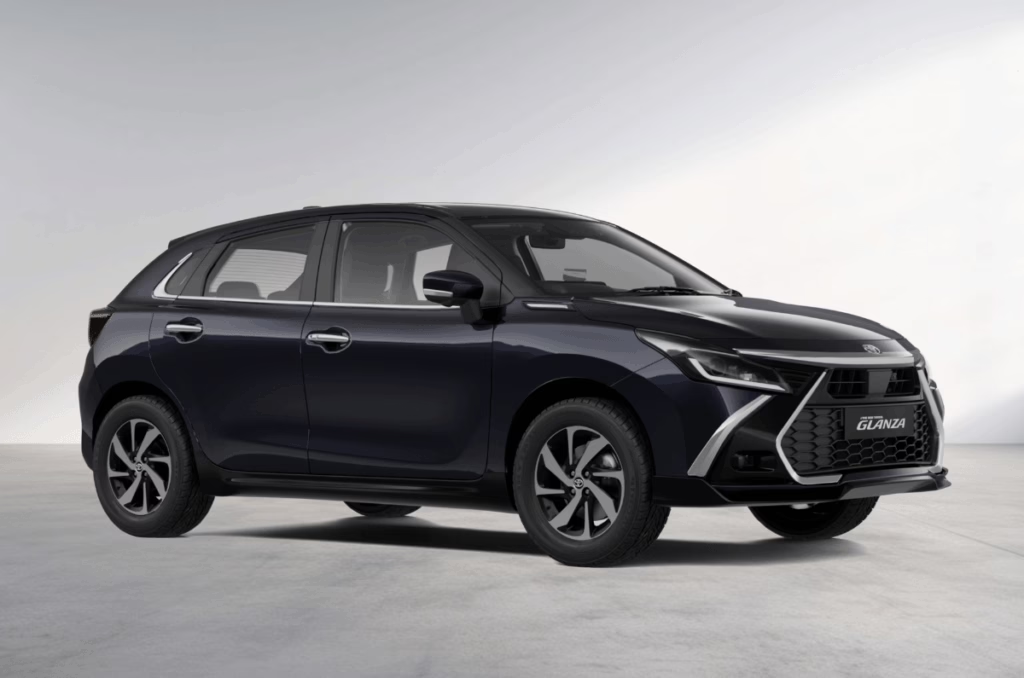
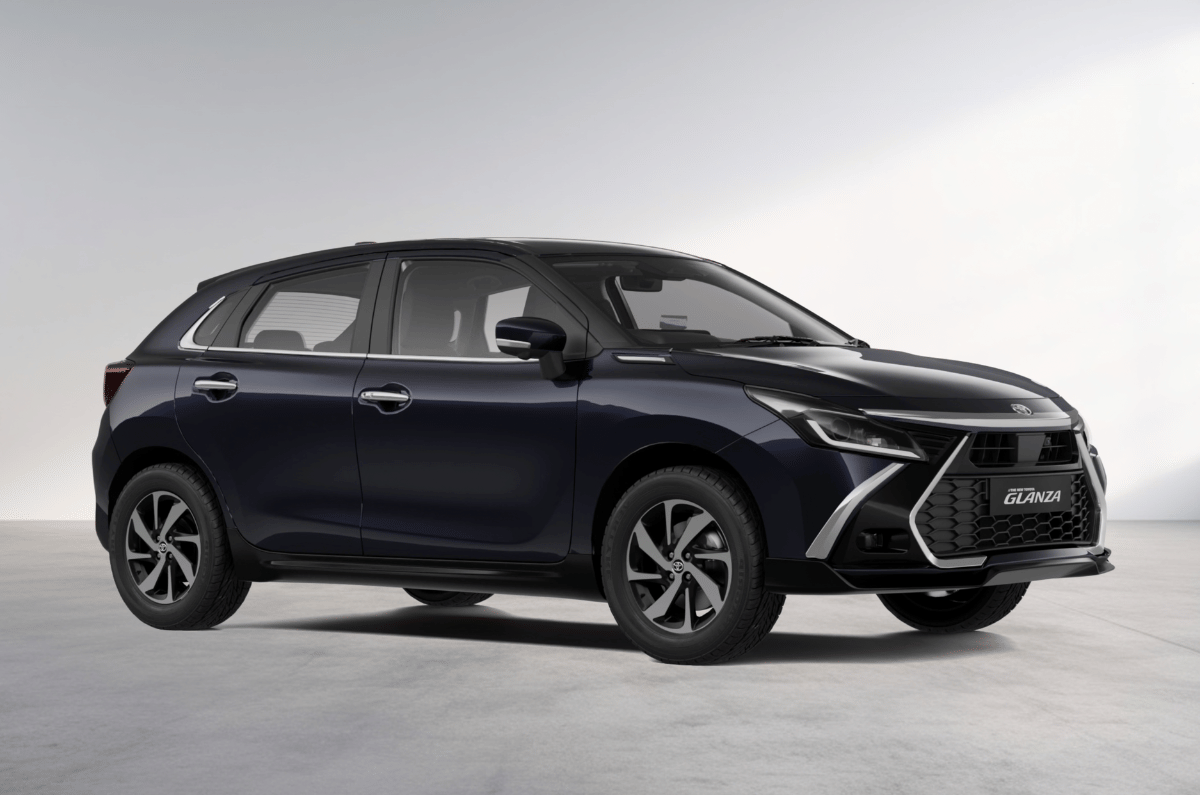
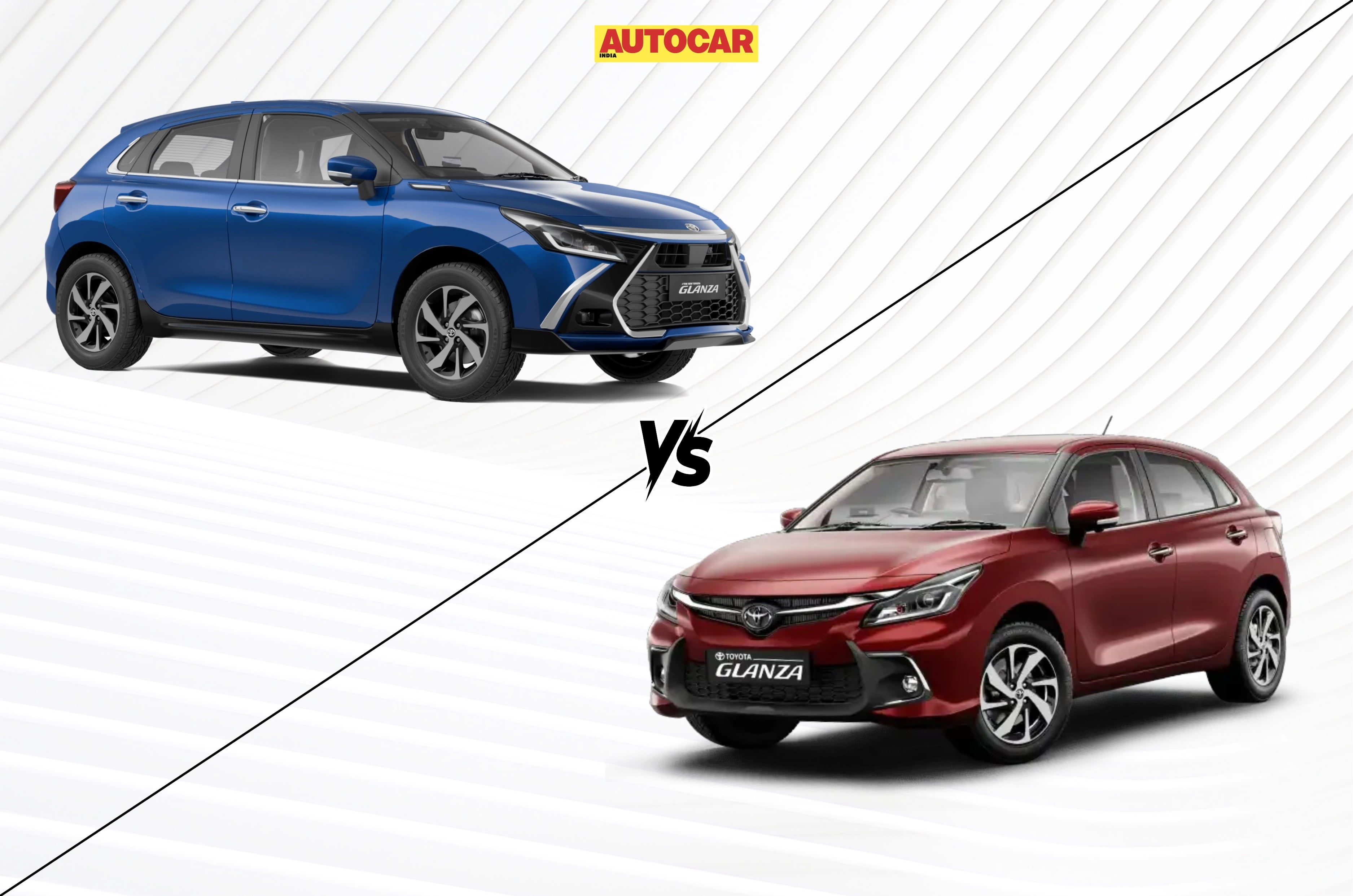
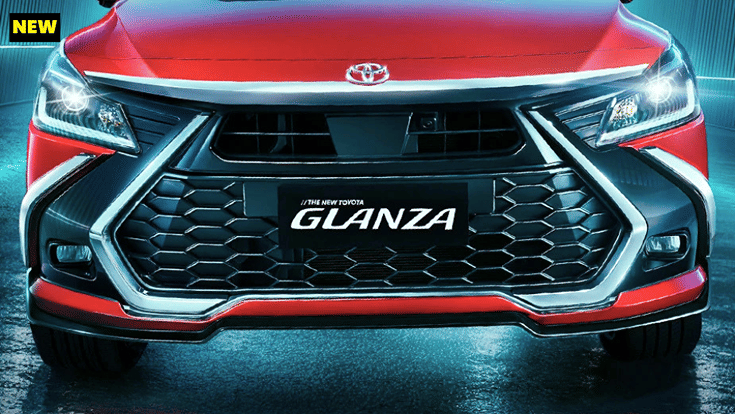
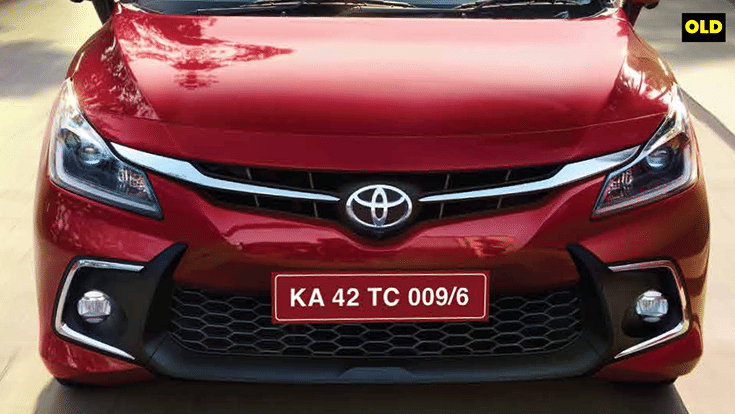
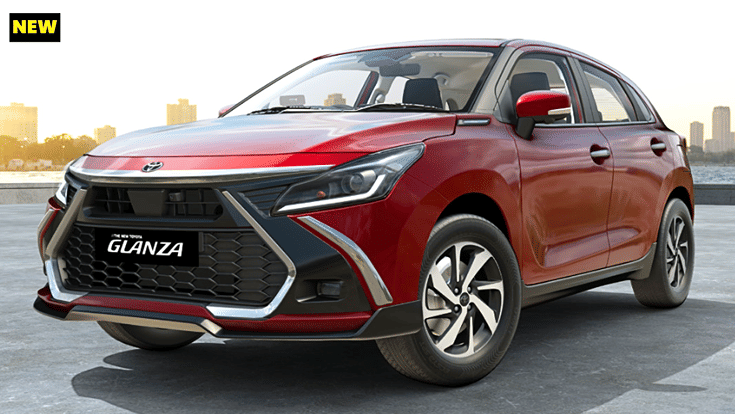
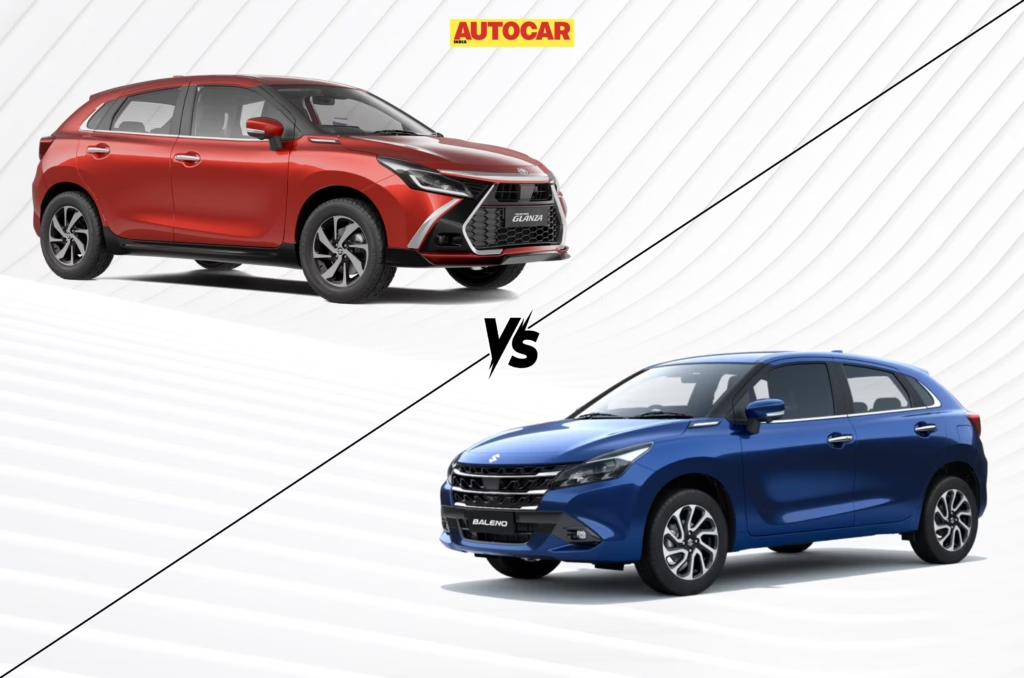
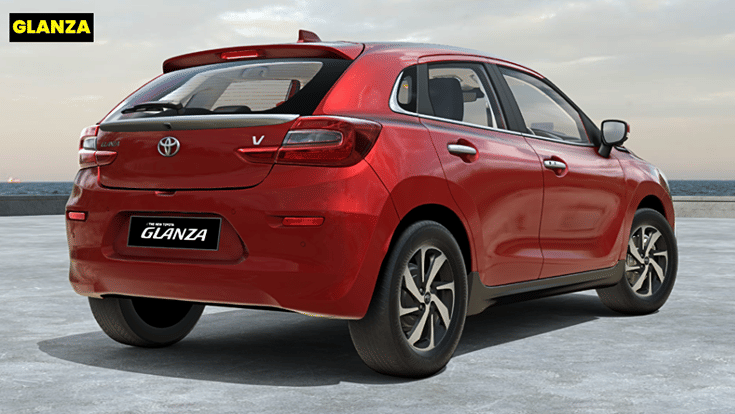
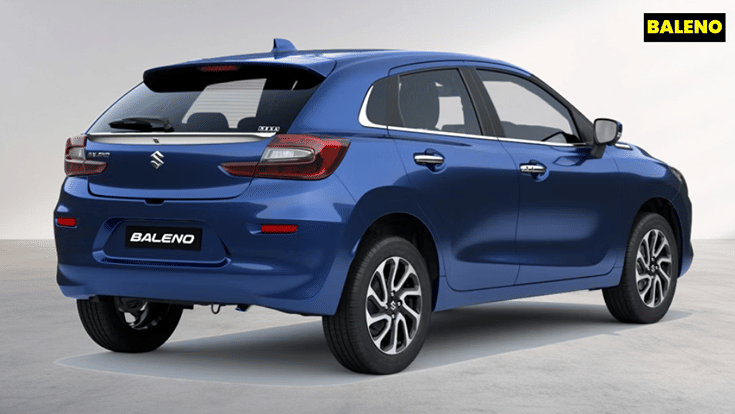
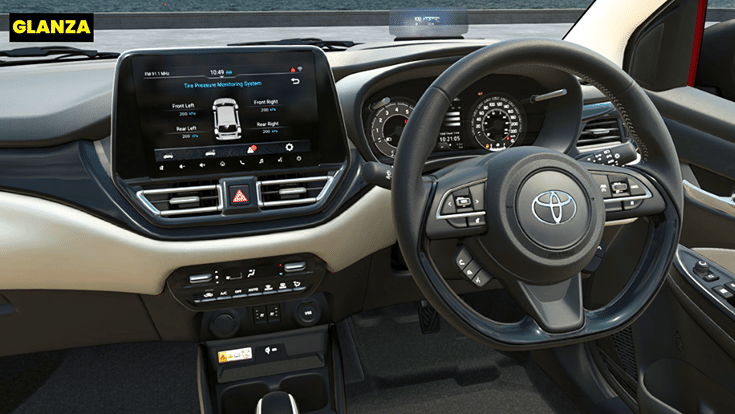
The Maruti Baleno uses a 1.2-litre 4-cylinder engine that develops 78hp and 98Nm of torque in the CNG spec. It’s a smooth, refined and efficient CNG powertrain. Like on the Dzire, CNG is available on the mid-spec Delta and Zeta trims that come reasonably well equipped. This car, too, has a very spacious cabin, although its boot space is compromised by a single large CNG tank. One can also consider its Toyota twin, the Glanza, which, too, is available with CNG on the equivalent mid-spec S and G trims.
3. Hyundai Exter CNG
Price: Rs 6.99 lakh-Rs 9.42 lakh
The Hyundai Exter has a 1.2-litre 4-cylinder engine that produces 69hp and 95Nm of peak torque. It has a wide spread of CNG variants, with top trims being particularly well equipped. The Exter also gets twin CNG tanks that don’t take up too much boot space, and its smooth engine and compact dimensions make it very user-friendly. However, interior space isn’t as good as some other cars here.
4. Tata Punch CNG
Price: Rs 6.80 lakh-Rs 10.67 lakh
The Tata Punch uses a 1.2-litre 3-cylinder engine that produces 73hp and 103Nm of torque in CNG mode. The Punch CNG is the only one on this list to offer an AMT gearbox. It’s also the best-equipped CNG model here, with a wide spread of variants, but the top ones are quite expensive. Performance is just about adequate, but ride and handling are good, and twin CNG tanks leave usable boot space.
5. Nissan Gravite CNG
Price: Rs 6.59 lakh-Rs 8.94 lakh
The Nissan Gravite is powered by a 1.0-litre 3-cylinder engine. However, since the CNG kit on the Gravite is a dealer-level fitment and has not been homologated, specific power and torque figures aren’t available. The Gravite’s real USP is its excellent packaging and flexible 7-seat configuration. As the CNG kit comes as a dealer fitment, it can be had on all trims. The Gravite is, however, not as well equipped as some other models here; the performance is quite dull, and the twin CNG tanks in the boot leave no usable space.
The Hyundai Creta has built its reputation on a spacious cabin, a long list of features and a wide choice of powertrains. The current model is offered with a 1.5-litre naturally aspirated petrol, 1.5-litre diesel and 1.5-litre turbo-petrol engine, with multiple gearbox options across the range. However, it isn’t without its shortcomings. Here are three reasons to consider the Creta and two reasons why you may want to look elsewhere.
Pros
1. Spacious and comfortable interior
The Creta’s cabin is one of its strongest points, particularly for buyers who regularly carry passengers. There is good legroom in the rear and enough width for three adults to sit across the bench. The rear seat also gets a reclining backrest, an armrest, sunshades and neck pillows, while two USB Type-C ports are available for charging.
The front seats are comfortable and the large glasshouse provides good all-round visibility. With a manageable 4.3m length and light steering, the Creta is also easy to use in the city.
2. Feature-packed
The Creta is among the better-equipped SUVs in its class. Depending on the variant, equipment includes a 10.25-inch touchscreen, 10.25-inch digital driver’s display, panoramic sunroof, ventilated front seats, powered driver’s seat, dual-zone climate control, an air purifier, 360-degree camera and Bose audio system. Higher variants also get Level 2 ADAS, including features such as adaptive cruise control, lane keep assist and autonomous emergency braking. The Creta also offers connected-car features and retains physical controls for the air-conditioning, making frequently used functions easy to operate without relying entirely on the touchscreen.
3. Wide powertrain lineup
The Creta offers one of the widest powertrain choices in the midsize SUV segment. It is available in 27 variants, with three engines to choose from: a 115hp 1.5-litre petrol, a 160hp 1.5-litre turbo-petrol and a 116hp 1.5-litre diesel. Depending on the engine, buyers can choose from a six-speed manual, CVT, six-speed torque convertor automatic or seven-speed dual-clutch automatic.
There is also the sportier N Line for buyers looking for a more performance-focused Creta. Combined with the choice of engines, gearboxes and trims, the range caters to a broad mix of requirements.
Cons
1. Some cabin plastics could be better
While the Creta’s cabin looks modern and its materials have generally pleasing textures, the quality of some of the plastics falls short of the best in the segment. There are no soft-touch materials on the dashboard and the fit and finish isn’t Hyundai’s best, with the gloss finish on the centre console also appearing uneven in places.
There are a few other minor shortcomings too. The rear centre passenger does not get a headrest, while the front armrest is not adjustable for length.
2. Top versions are pricey
The Hyundai Creta’s top-spec versions are priced up to Rs 20.11 lakh (ex-showroom). For comparison, the Renault Duster tops out at Rs 18.49 lakh, while the Skoda Kushaq goes up to Rs 18.99 lakh. That puts it Rs 1.62 lakh above the Duster and Rs 1.12 lakh above the Kushaq, making the top-spec Creta a relatively expensive proposition compared with some of its similarly sized alternatives.
The Maruti Suzuki Dzire and Honda Amaze are two of the most affordable sedans in India, priced at around Rs 10 lakh (ex-showroom). Both the top-spec Dzire ZXi+ and Amaze ZX offer a 1.2-litre engine with similar specifications and a similar feature suite, albeit with a couple of segment-only amenities. But what should you choose? We find out.
Maruti Dzire vs Honda Amaze: Dimensions
Sizes are almost similar, but the Amaze offers a slightly larger boot
Maruti Dzire vs Honda Amaze: Dimensions and other specifications
Maruti Dzire
Honda Amaze
Difference
Length (mm)
3,995
3,995
–
Width (mm)
1,735
1,733
+2
Height (mm)
1,525
1,500
+25
Wheelbase (mm)
2,450
2,470
-20
Ground clearance (mm)
163
172
-9
Boot space (litres)
382
416
-34
The Maruti Suzuki Dzire and Honda Amaze have similar dimensions, but the Amaze has a 34-litre larger boot space, which enables it to carry a backpack more than the Dzire. Moreover, unlike the Dzire, which gets a fixed rear seatback, the Amaze’s rear seat can be folded to accommodate more luggage if needed.
Maruti Dzire vs Honda Amaze: Powertrain
Dzire’s 3-cylinder engine offers higher fuel economy than the Amaze’s 4-cylinder unit
Maruti Dzire ZXi+ vs Honda Amaze ZX: Powertrain options
Dzire ZXi+
Amaze ZX
Engine
1.2-litre 3-cyl petrol
1.2-litre 4-cyl petrol
Power (hp)
82
90
Torque (Nm)
112
110
Transmission
5MT | 5AMT
5MT | CVT
Claimed mileage (kpl)
24.79 | 25.71
18.65 | 19.46
The major difference in the powertrains of the two compact sedans is the number of cylinders: 3 in the Dzire’s naturally aspirated engine and 4 in the Amaze’s. The Honda Amaze produces 8hp more than the Dzire, but 2Nm less. In our real-world experience, we found that the Amaze’s engine loves to be revved. It has weak low-end performance, especially under 2,000rpm, but offers a strong mid-range. The Dzire’s engine, on the other hand, has a crisp throttle response and offers strong low-end torque.
Both sedans get a 5-speed manual transmission, but the Dzire offers a 5-speed AMT while the Amaze has a CVT. The Dzire’s AMT, in our real-world experience, has a prominent lag while shifting gears, which hampers the overall drive experience. The Amaze’s CVT is better in this regard and offers smoother shifts, but has a rubberband effect, something that is generally associated with CVTs.
It is the fuel efficiency where the Dzire really shines, offering an additional 6.14kpl and 6.25kpl claimed fuel efficiency over the Amaze’s manual and automatic transmission options, respectively.
Maruti Dzire vs Honda Amaze: Exterior
Both compact sedans get all-LED lighting, powered ORVMs, and 15-inch wheels
Maruti Dzire ZXi+ vs Honda Amaze ZX: Exterior
Dzire ZXi+
Amaze ZX
Headlights
LED
Projector LED
Taillights
LED
LED
DRLs
LED
LED
Front fog lamps
LED
Projector LED
Wheels
15-inch
15-inch
Powered ORVMs
Yes
Yes
Sharkfin antenna
Yes
Yes
Both the top-spec Maruti Dzire ZXi+ and Amaze ZX are offered with all-LED lighting, 15-inch dual-tone alloy wheels, and powered outside rearview mirrors (ORVMs).
Maruti Dzire vs Honda Amaze: Interior, features
Dzire has a sunroof and a larger infotainment system, but Amaze offers paddle shifters
Maruti Dzire ZXi+ vs Honda Amaze ZX: Interior and features
Dzire ZXi+
Amaze ZX
Instrument cluster
Analogue dials with MID
Part-digital with 7-inch MID
Infotainment screen
9-inch
8-inch
Android Auto, Apple CarPlay
Wireless
Wireless
Audio system
6-speaker
6-speaker
On-board navigation
Yes
No
Sunroof
Single-pane
No
Wireless phone charger
Yes
Yes
Climate control
Automatic with rear vents
Paddle shifters
No
CVT only
Cruise control
Yes
Yes
Seat upholstery
Fabric
Fabric
Steering wheel adjustment
Tilt, telescopic
Tilt
Driver seat adjustment
Manual
Manual
Co-driver’s seat adjustment
Manual
Manual
Rear window sunshade
No
No
The top-spec Maruti Dzire is offered with a single-pane sunroof, a segment-only feature, and a larger 9-inch touchscreen infotainment system compared to the 8-inch unit on the Honda Amaze. The Dzire’s steering column also allows for telescopic adjustments. However, the Amaze offers paddle shifters with the CVT, which is missing on the Dzire AMT, and gets a larger multi-information display (MID) on the instrument cluster than the Dzire.
Maruti Dzire vs Honda Amaze: Safety
Dzire offers a 360-degree camera, while Amaze offers Level-1 ADAS
Maruti Dzire ZXi+ vs Honda Amaze ZX: Safety features
Dzire ZXi+
Amaze ZX
BNCAP rating
5 stars
5 stars
Airbags
6
6
ADAS
No
Level-1
Camera setup
360-degree
Rear, LaneWatch
Parking sensors
Rear
Rear
Electronic parking brake
No
No
Disc brakes
Front wheels only
Front wheels only
TPMS
Yes
Yes
IRVM
Day/night adjustable
Rear wiper, washer
No
No
Hill hold assist
Yes
Yes
ESC
Yes
Yes
While both the Maruti Dzire and Honda Amaze have a 5-star Bharat NCAP crash safety rating, there are a couple of changes in the safety suite of both sedans. The Amaze ZX offers Level-1 advanced driver assistance systems (ADAS), a segment-only feature, while the Dzire offers a 360-degree camera system. The Amaze gets a traditional rear camera and a LaneWatch camera mounted on the left ORVM. Other safety features are the same on both sedans.
Maruti Dzire vs Honda Amaze: Prices
The top-spec Dzire is more affordable than the Amaze
Maruti Dzire ZXi+ vs Honda Amaze ZX: Variant-wise ex-showroom price
Dzire ZXi+
Amaze ZX
Difference
Petrol MT
Rs 8.96 lakh
Rs 9.39 lakh
– Rs 43,000
Petrol AMT
Rs 9.41 lakh
Rs 10 lakh
– Rs 59,000
Both manual and automatic versions of the top-spec Maruti Dzire ZXi+ are more affordable than the fully-loaded Honda Amaze ZX. At a lower price point, the Dzire offers a fuel-efficient engine that also offers good low-end torque, it offers a customer-favourite sunroof and a 360-degree camera, making it feel more complete than the top-spec Amaze.