Volkswagen ID. Tiguan revealed with up to 600km range

Volkswagen ID. Tiguan revealed with up to 600km range
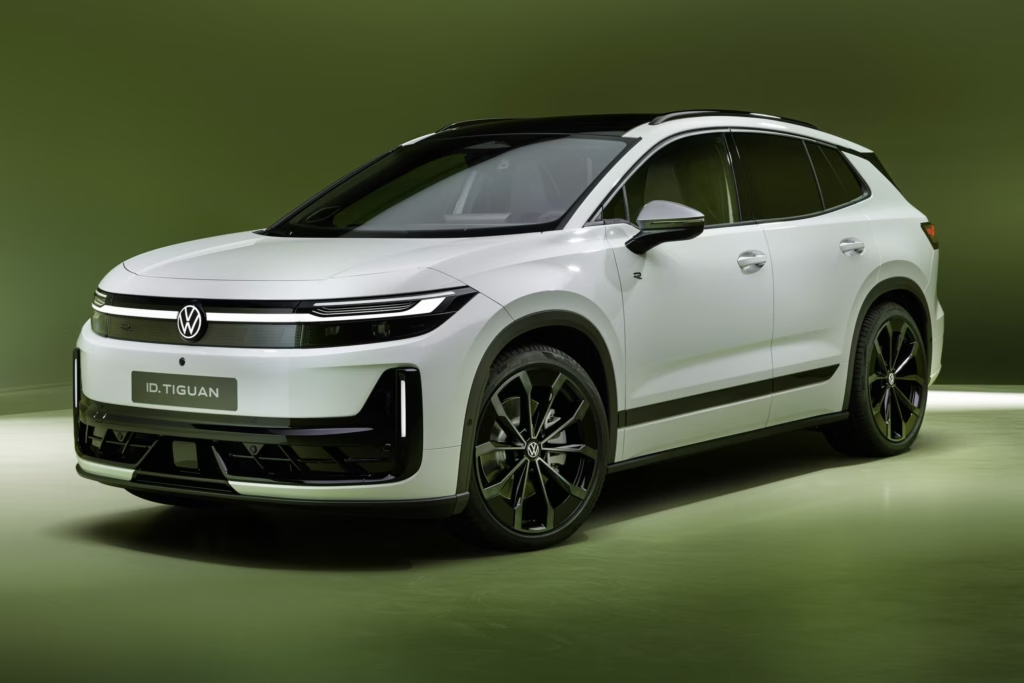
Volkswagen ID. Tiguan front quarter static

Volkswagen has revealed the ID. Tiguan for the European market. Slated to launch in 2027, the ID. Tiguan is a successor to the ID. 4 and ID. 5, says Volkswagen. The eSUV will be offered with 58kWh and 77kWh battery packs in RWD and AWD layouts. The ID. Tiguan will continue to sell alongside the ICE-powered Tiguan in global markets. 

Volkswagen ID. Tiguan Exterior

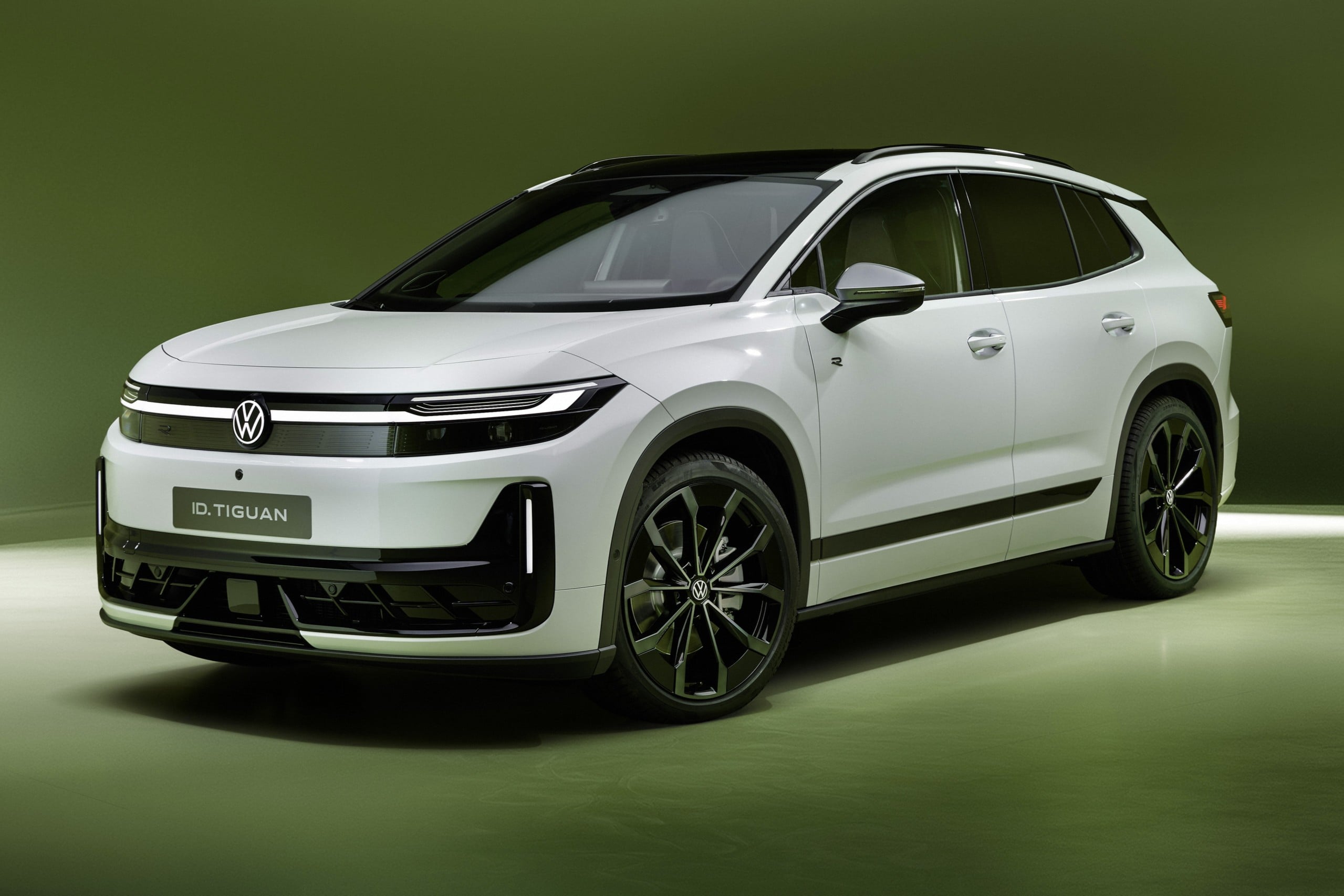
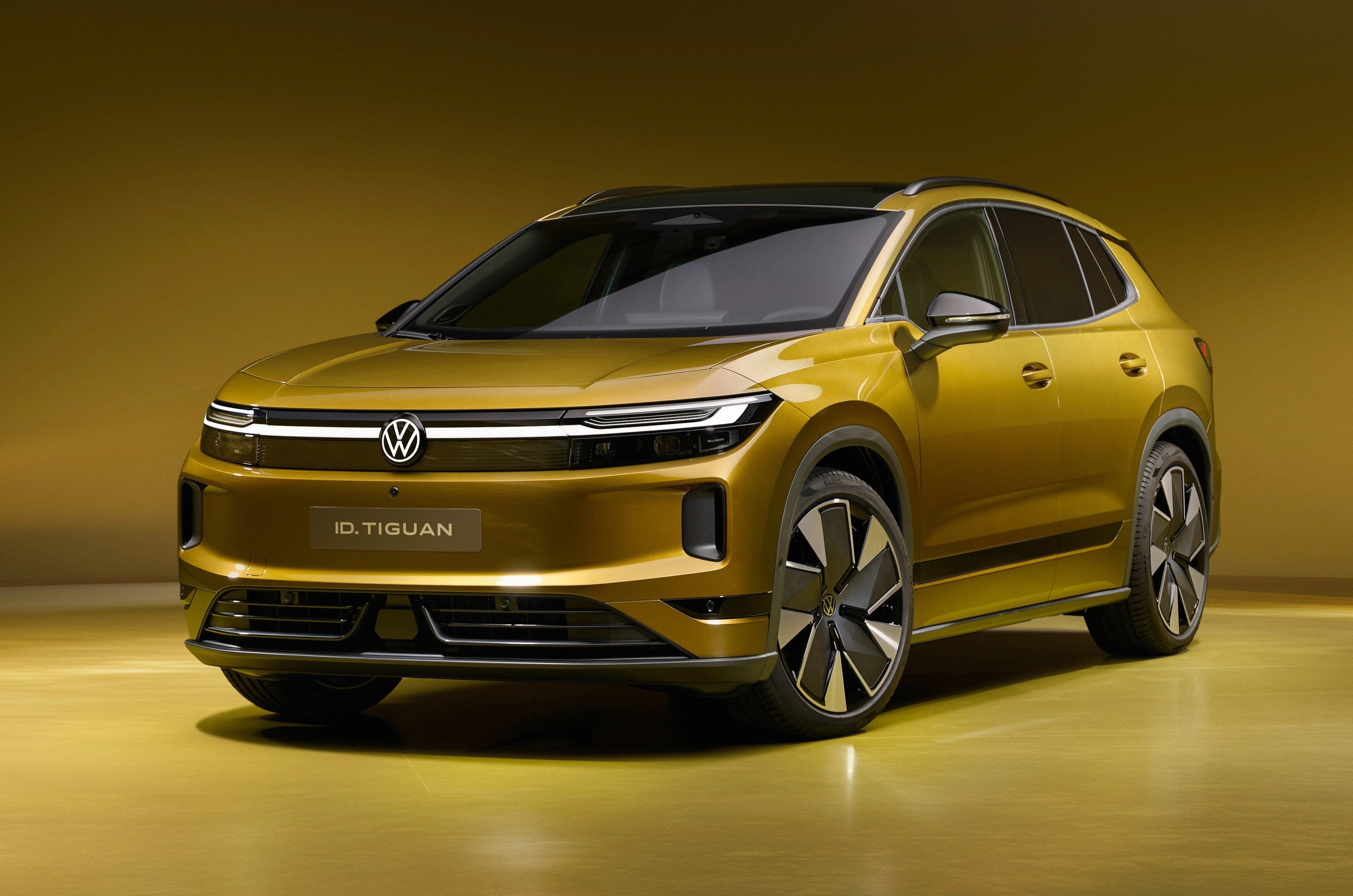
The ID. Tiguan is underpinned by the MEB+ platform and gets the brand’s ‘Pure Positive’ design language. Additionally, the brand says it has given the ID. Tiguan a more SUV-like design as opposed to the crossover-esque look of the ID. 4 and 5. LED headlamps, connected LED DRLs, and an illuminated logo are encased in a black trim. 

Volkswagen ID. Tiguan. Interior and features

All-black theme, triple screen setup and powered, ventilated front seats 

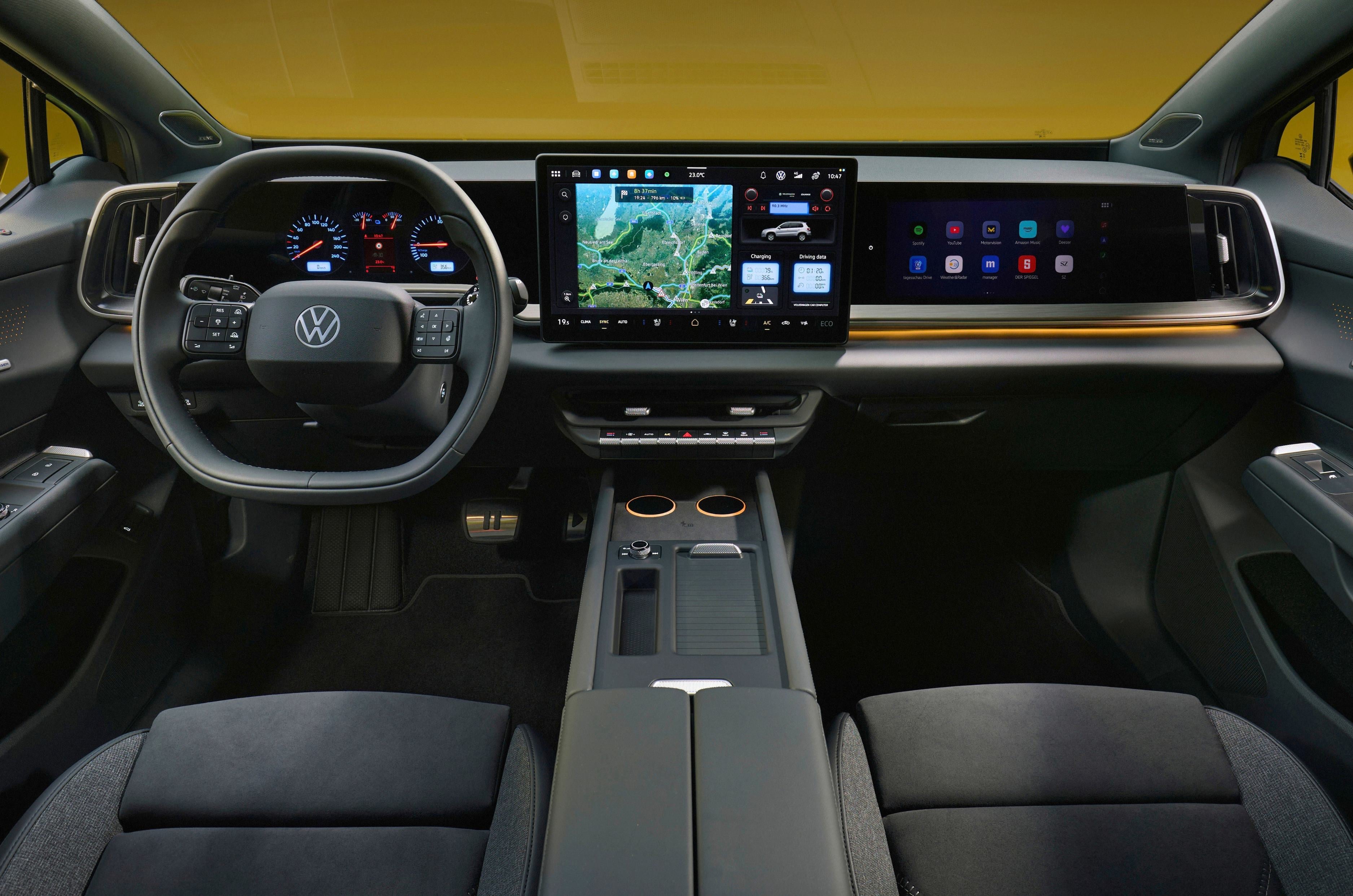
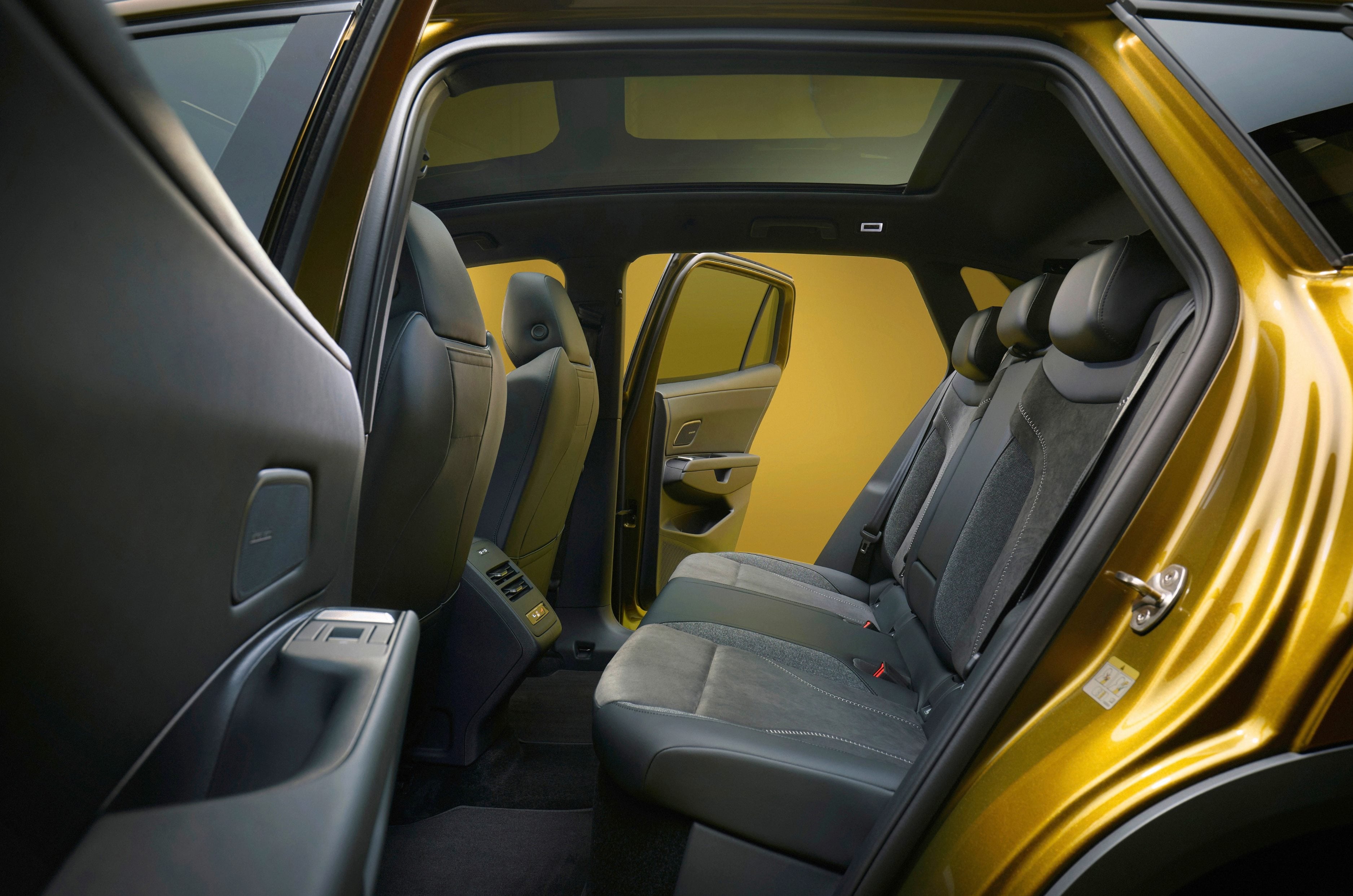
Inside, the ID. Tiguan gets an all-black theme with silver accents. Flanking the layered dashboard is a triple-screen setup, which is surrounded partly by silver trim. You get physical buttons for HVAC controls, and the high-set centre console comes with cubbyholes. There’s also a two-spoke steering wheel with a plethora of physical buttons, and behind it is a digital driver’s display with themes displaying dials from older VW models.

The Tiguan will be sold in four trim levels, namely, Trend, Life, Style, and R-Line. Niceties include a 15-inch infotainment system, 10-inch digital driver’s display, 12-inch passenger screen, an ADAS suite, powered front seats with memory, massage, and ventilation functions, Harmon Kardon sound system, panoramic sunroof, a wireless phone charger, connected car tech, ambient lighting, and V2L functionality.

Volkswagen ID. Tiguan powertrains

Up to 299hp, RWD and AWD options 

The ID. Tiguan will be offered with 58kWh and 77kWh battery packs. The former is paired solely with a rear-mounted motor producing 190hp. The larger 78kWh battery pack is available in RWD and AWD layouts, producing 286hp and 299hp, respectively. The carmaker forecasts a WLTP range of up to 600km. Additionally, Volkswagen claims a towing capacity of up to 2 tonnes depending on the battery pack chosen. However, charging speed support and time details remain under wraps. 

JAS Tensei and Honda NSX: the reimagining vs the original

JAS Tensei and Honda NSX: the reimagining vs the original
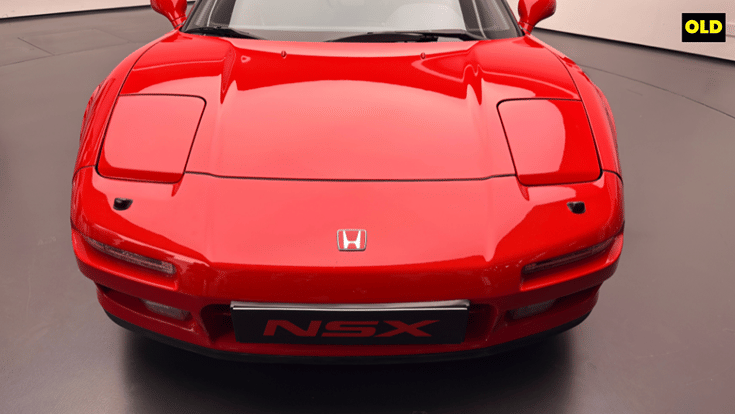
JAS Tensei vs Honda NSX comparison

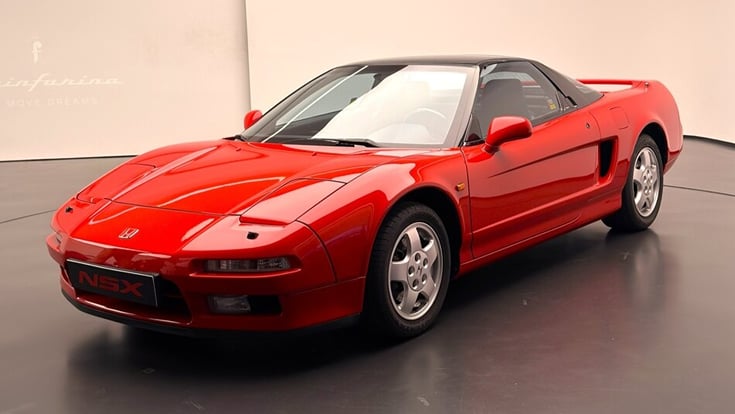
Four decades ago, Honda embarked on a quest to prove that a mid-engined, rear-wheel-drive sports car can be just as, or more performant than a V8-powered Ferrari (specifically, the 348), while being comfortable, reliable, relatively easy to drive, and more affordable. From this ambitious mission, the first-generation Honda NSX (shorthand for New Sportscar eXperimental) was born, making its global debut at the Chicago Auto Show in 1989. Production of the NSX commenced in 1990 and lasted till 2005.

The NSX made history as the first production car to use an all-aluminium spaceframe chassis. It also received inputs from F1 champions Ayrton Senna and Satoru Nakajima during its development, enabling a driving experience that was almost universally acclaimed. Such was the glory of the first-gen NSX, that it was officially inducted into the Toyota Automotive Museum in 2021 – even one of Honda’s biggest rivals couldn’t ignore how great the masterpiece that the NSX was.

jas tensei
honda nsx
 

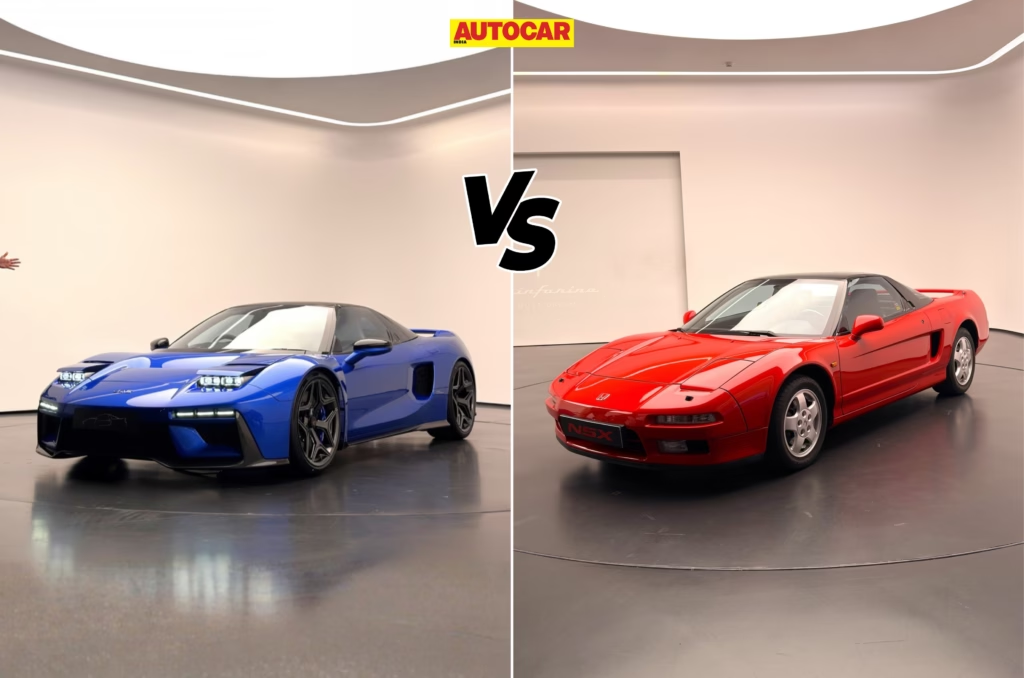
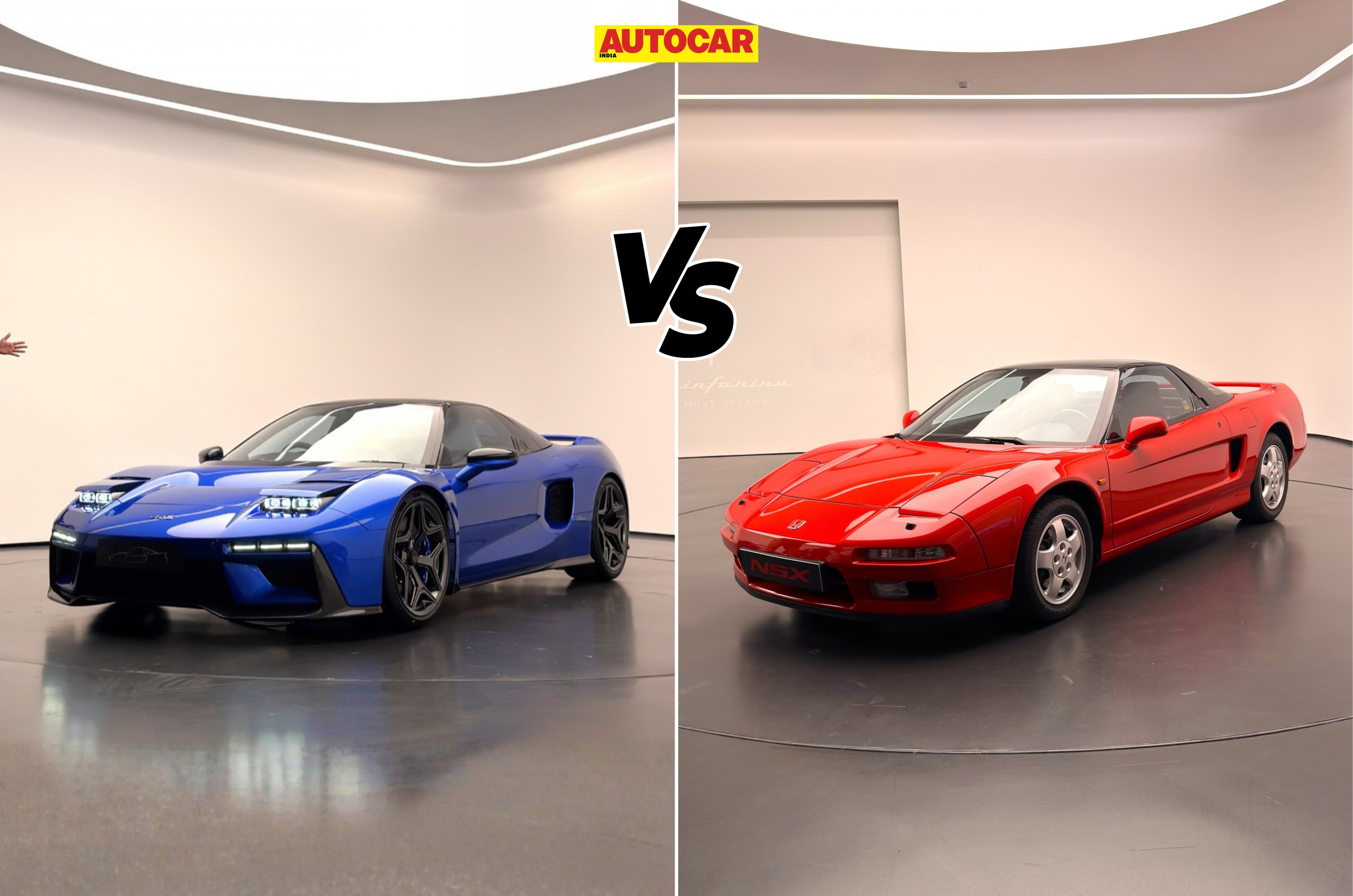
L: JAS Tensei | R: Honda NSX Gen 1

Throughout its 15-year production run, several revisions and editions (Type S, NSX-R, NSX-T, and more) of the first-gen NSX were launched. It sold over 18,000 units in total and cemented itself as one of the most iconic performance cars to come out of the Land of the Rising Sun. A second-gen NSX was launched in the mid-2010s as a bleeding-edge supercar with a mid-engined, hybrid all-wheel-drive powertrain. However, the new NSX was not received as well as its predecessor was, selling under 3,000 units globally until its discontinuation in 2022.

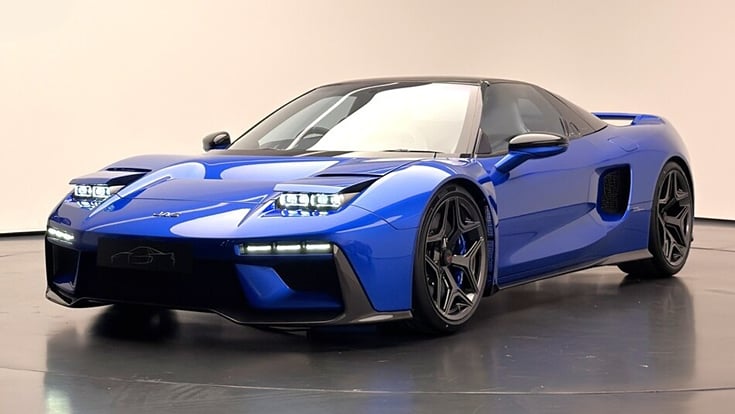
Roughly four decades after the first-gen NSX’s birth, JAS Motorsport (Honda’s racing partner since 1998) has paid tribute to the original sports car with the Tensei. The name roughly translates to “rebirth” in Japanese, which is apt given that the Tensei uses the first-gen NSX as its base and re-imagines it with modern materials, design philosophies, and technologies – along with a new carbonfibre body styled by Pininfarina. With that in mind, let’s take a look at how the JAS Tensei compares to the Honda NSX.

JAS Tensei vs Honda NSX engine and gearbox

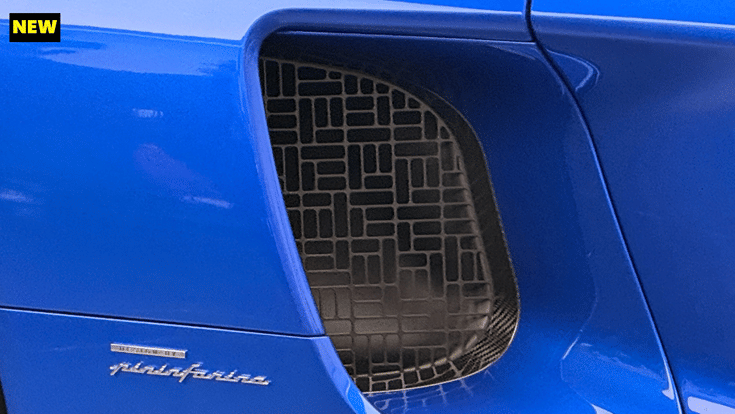
jas tensei side vent
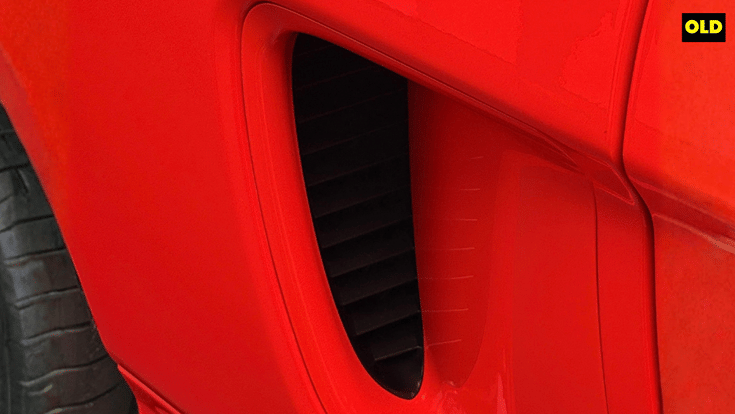
honda nsx side vent
 

The Tensei forgoes the turbocharging and electrical assistance seen on modern performance cars in favour of a refreshingly old-school 3.5-litre naturally aspirated V6, which is a fair bit larger than the 3.0-litre naturally aspirated V6 (codename: C30A) that powered the first-gen NSX – a 3.2-litre V6 (codename: C32A) was used in later model revisions. JAS Motorsport teamed up with British motorsport engineering specialist Judd Power to thoroughly re-engineer the Tensei’s V6, with upgrades like a billet crankshaft, forged lightweight pistons and connecting rods, individual throttle bodies, better cooling, revised ignition and engine management systems, new headers, and a more visceral-sounding exhaust system.

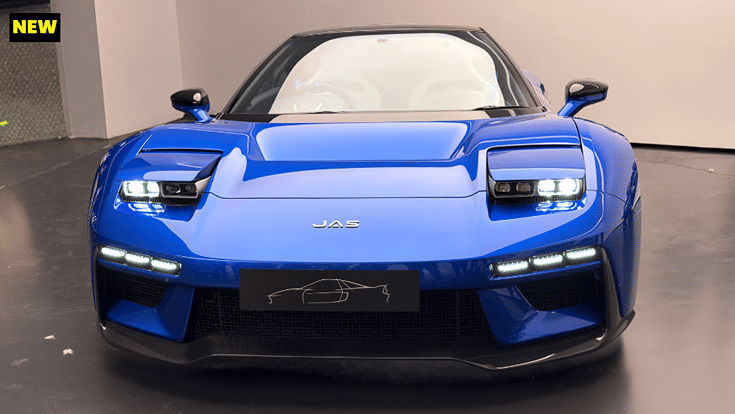
jas tensei front
honda nsx front
 

Thanks to those mechanical changes, the Tensei develops 420hp and 350Nm, which is up 146hp and 65Nm over the first-gen NSX’s 274hp and 285Nm output. Even when compared to the later-lifecycle C32A-powered NSXs powered by the 3.2-litre V6, the Tensei is more powerful by 126hp and 45Nm. The Tensei’s engine also has a higher 8,500rpm redline, while the NSX’s V6s could spin to a maximum of 8,000rpm. A 6-speed manual is the only gearbox available for the Tensei, while the C30A-powered NSX models came with a 5-speed unit only. However, a 6-speed manual was introduced alongside the NSX’s C32A engine from 1997 onward.

JAS Tensei vs Honda NSX exterior design

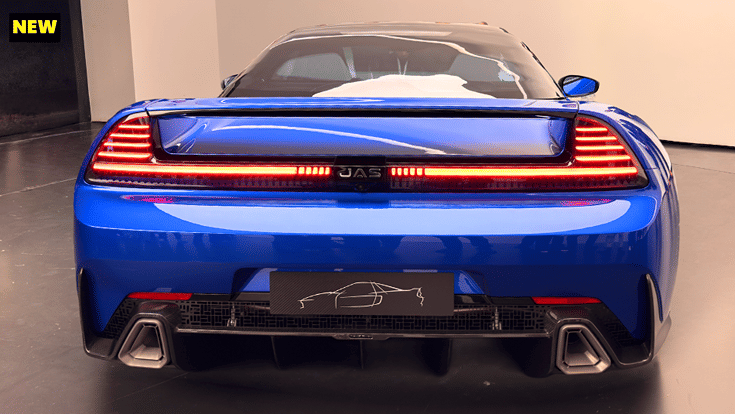
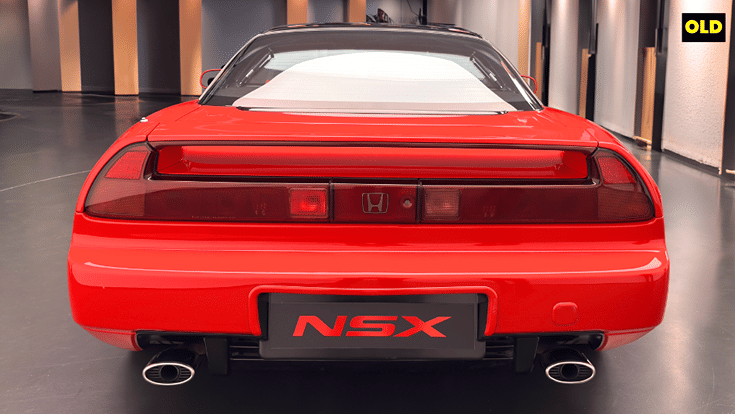
jas tensei rear
honda nsx rear
 

As mentioned earlier, the Tensei has a completely new Pininfarina-designed carbonfibre body with a slightly longer wheelbase and wider tracks. The Tensei retains many of the NSX’s core styling elements, such as the long and low stance, pop-up headlamps (which look very cool), side intakes, B-pillar door handles, integrated rear spoiler, wide L-shaped tail-lamps, and dual-exhaust tips.

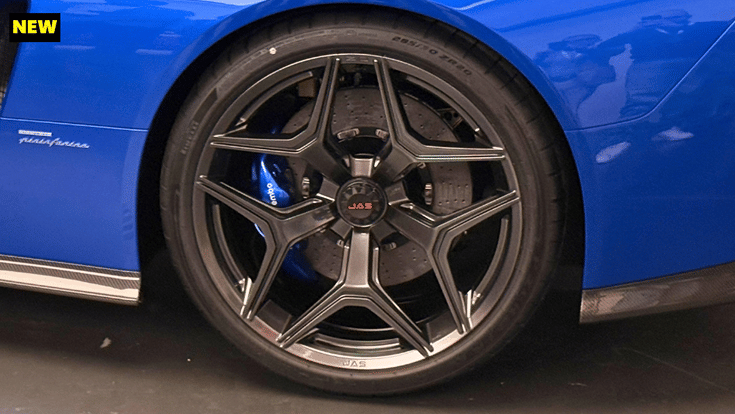
jas tensei wheels
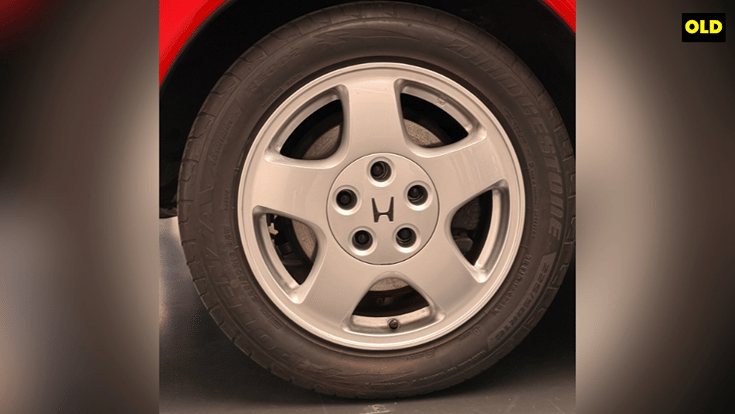
honda nsx wheel
 

However, the Tensei sets itself apart with modern touches like LED lighting up front, with segmented DRLs on either side, larger front air intakes accentuated by a full-width carbonfibre splitter, larger wheels (19 inches front, 20 inches rear), bigger side intakes, a slatted 3D LED treatment for the tail-lamps, longer and more svelte ORVMs, hexagonal exhaust tips, a rear diffuser, and a sportier design for the rear bumper.

JAS Tensei vs Honda NSX interior

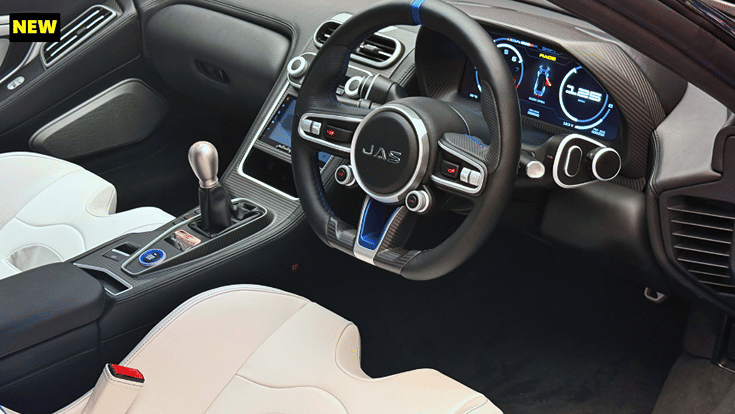
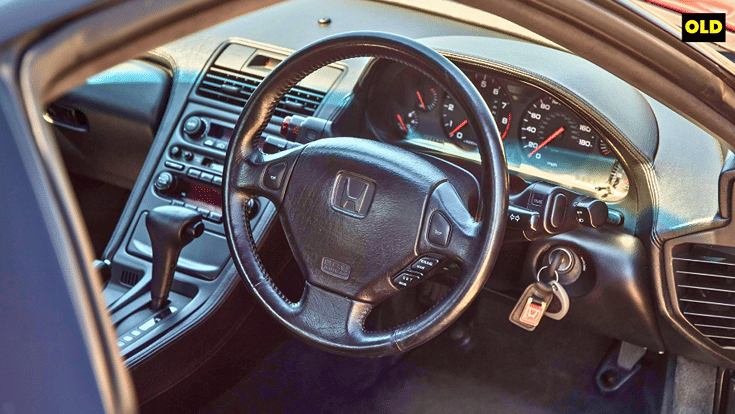
Inside, the Tensei features the same F16-inspired layout as that of the NSX, but a lot else has changed here. For one, the steering wheel looks much more modern, with a redesigned three-spoke design, a flat bottom, a 12 o’clock marker, and a circular hub. The instrument cluster is fully digital instead of analogue like in the NSX, but JAS Motorsport has retained the large stalk that incorporates cruise control and lighting functions.

jas tensei interior
honda nsx interior
 

The Tensei’s centre console has been thoroughly revised too, with an oval housing for the central air vents, a raised hub for the AC controls, a modestly-sized touchscreen and an open storage space. Lower down, the central tunnel sports a chunky gear lever with a titanium knob, a row of buttons on the passenger side, the engine start/stop button, and an electronic parking brake button – no pull-type handbrake here, like you get in the NSX.

Only 35 examples of the JAS Tensei will be built, priced at €880,000 (Rs 9.55 crore) a pop, before options.


Honda Elevate facelift vs Hyundai Creta: Top-spec trims compared 

Honda Elevate facelift vs Hyundai Creta: Top-spec trims compared 
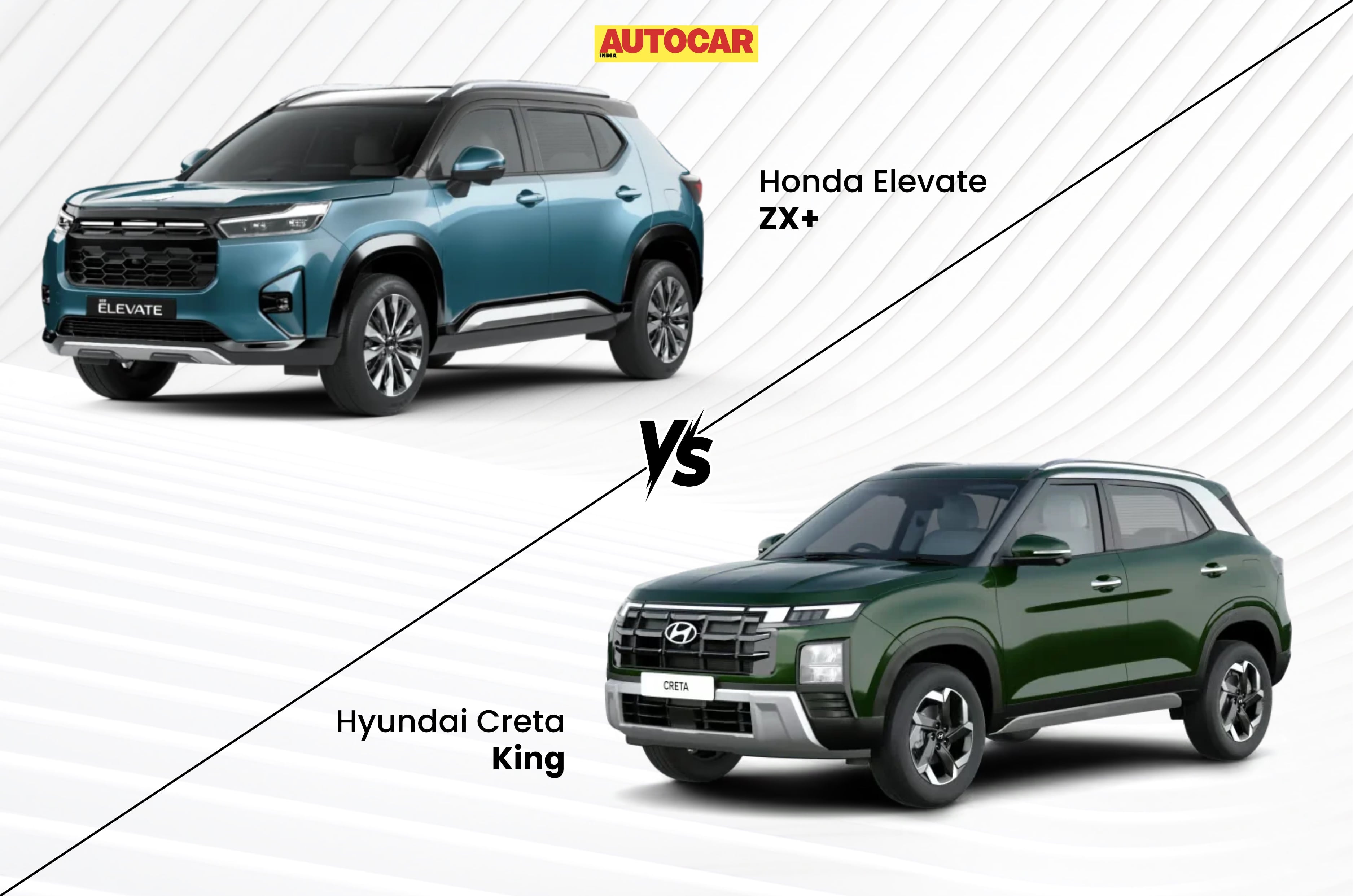
Elevate vs Creta

The Honda Elevate has received its first major lifecycle update in 2026. It gets cosmetic upgrades, minor interior tweaks, and much-needed feature enhancements. But is it enough to help it stand against the segment-reigning champ, the Hyundai Creta? For this comparison, we’ve chosen the Elevate’s and Creta’s top ZX+ and King trims, respectively. 

For full specs, features, and a price breakdown, check our Elevate vs Creta comparison.

Honda Elevate facelift vs Hyundai Creta: Dimensions

Elevate outclasses the Creta on several dimensions

Honda Elevate facelift vs Hyundai Creta: Dimensions


Honda Elevate facelift  

Hyundai Creta

Difference

Length (mm)

4,312

4,330

-18

Width (mm)

1,790

1,790

–

Height (mm)

1,650

1,635

+15

Wheelbase (mm)

2,650

2,610

+40

Ground clearance (mm)

220

190

+30

Boot space (litres)

458

433

+25

Except for length, the Elevate pips the Creta on other dimensions. It’s taller by 15mm, gets a 40mm longer wheelbase, and rides much higher off the ground by 30mm. Additionally, the Elevate also has a 25-litre larger boot than the Creta’s. Both SUVs have identical width.

Honda Elevate facelift vs Hyundai Creta: Engine specifications

Creta offers more diverse powertrains than the Elevate

Honda Elevate facelift vs Hyundai Creta: Engine specifications 

Engine specifications 

Honda Elevate facelift 

Hyundai Creta 

Engine options

Naturally aspirated petrol

Naturally aspirated petrol | Diesel | Turbo-petrol

No. of cylinders

4

4 | 4 | 4

Displacement 

1.5-litre

1.5-litre | 1.5-litre | 1.5-litre

Power (hp)

120 

115 | 116 | 160

Torque (Nm)

145

144 | 250 | 253

Gearbox 

6MT/CVT

6MT/CVT | 6MT/6AT | 7DCT

Claimed efficiency (kpl)

15.31/16.61

17.40/17.70 | 21.80/19.10 | 18.2 

The Elevate facelift continues to be powered by only a 1.5-litre 4-cylinder naturally aspirated petrol engine, as its predecessor. Compared to the Creta’s naturally aspirated petrol unit, it develops slightly higher power figures, but Hyundai claims to deliver higher fuel efficiency. Both SUVs pair this engine with a 6-speed manual or a CVT gearbox. The Creta’s top King trim additionally offers a diesel and a direct-injection turbo-petrol engine. Manual and automatic gearboxes are offered on the former, whereas the latter is automatic only.

Honda Elevate facelift vs Hyundai Creta: Exterior features

Elevate gets fog lamps, whereas the Creta gets larger 18-inch wheels

Honda Elevate facelift vs Hyundai Creta: Exterior features


Exterior features

Honda Elevate facelift 

Hyundai Creta 

Headlamps

LED

LED

LED DRLs

Segmented LED

Connected LED

Puddle lamps

No

Yes

Tail lamps

Connected LED

Connected LED

Fog lamps

LED

No

Wheel sizes

17-inch

18-inch

Rear spoiler

Yes

Yes

Electric adjust/fold ORVMs

Yes

Yes

Sharkfin antenna

Yes

Yes

Roof rails

Yes

Yes

Powered tailgate

No

No

Colour

Monotone and dual-tone 

Monotone, dual-tone and matte finish

On the outside, the Elevate comes with LED fog lamps over the Creta. However, the latter is the only one here with puddle lamps, larger 18-inch wheels, and matte-finish paint choices. Meanwhile, neither model offers a powered tailgate, unlike some rivals. 

Honda Elevate facelift vs Hyundai Creta: Interior features

Creta gets a lot more feel-good features over the Elevate

Honda Elevate facelift vs Hyundai Creta: Interior features


Honda Elevate facelift 

Hyundai Creta 

Ventilated seats

Front and rear

Front only

Sunroof

Single-pane

Panoramic

Infotainment screen size

10.1-inch 

10.25-inch 

Digital driver’s display

7-inch TFT with analogue dials

10.25-inch 

Wireless Apple CarPlay, Android Auto

Yes

Yes

Powered driver seat

8-way

8-way with memory

Powered co-driver seat

4-way

8-way 

Boss mode

No

Yes, powered

Reclining rear seats

No

Yes

Air Purifier

Yes

No

Auto AC

Single-zone

Dual-zone

Rear AC vents

Yes

Yes

Seat upholstery

Leatherette

Leatherette

Wireless phone charger

Front only

Front and rear

Audio system

8-speaker

8-speaker Bose audio

60:40 split rear seats

Yes

Yes

USB Type-C ports (front/rear)

1x front, 2x rear

1x front, 2x rear

Rear armrest

Yes

Yes

Connected car tech

Yes

Yes

Rear window sunshade

No

Yes

Ambient lighting

Yes

Yes

Leatherette inserts on the dashboard

Yes

No

Cooled glovebox

No

Yes

While Honda has made an attempt to bolster the Elevate’s equipment list by adding segment-only rear seat ventilation and powered and ventilated front seats, it still isn’t enough to outclass the Creta. The Creta gets niceties like a larger panoramic sunroof, a fully digital driver’s display, more electric adjustment for the front seats, driver seat memory, powered boss mode, dual-zone climate control, reclining rear seats, rear window sunshades, an additional wireless charger at the rear, and a cooled glovebox over the Elevate. 

Honda Elevate facelift vs Hyundai Creta: Driving Features 

Drive and traction modes found only on the Creta

Honda Elevate facelift vs Hyundai Creta: Driving Features 

Driving Features 

Honda Elevate facelift  

Hyundai Creta

Drive modes

No

Eco, Normal, Sport (AT only)

Traction modes

No

Snow, mud, sand (AT only)

Paddle Shifters

Yes

Yes

Cruise Control

Adaptive

Adaptive

Both the models come equipped with driving features like adaptive cruise control and paddle shifters. But dedicated drive and traction modes are available only on the Creta’s automatic versions.

Honda Elevate facelift vs Hyundai Creta: Safety Features

Honda Elevate facelift vs Hyundai Creta: Safety Features 

Safety features

Honda Elevate facelift 

Hyundai Creta 

Airbags

Six

Six

Parking sensors

Front and rear

Front and rear

Camera setup

360-degree

360-degree

Dash cam

No

Yes

Electronic parking brake with auto hold

Automatic only

Yes

ADAS

Level 2

Level 2

TPMS

Yes

Yes

Hill start assist

Yes

Yes

Disc brakes (Front/Rear)

Yes (Rear automatic only)

Yes

ESC

Yes

Yes

Auto-dimming IRVM

Yes

Yes

On the safety front, both SUVs are neck and neck with basic safety equipment and advanced features like a Level 2 ADAS suite, 360-degree camera, and front parking sensors. However, the Creta gets a factory-fitted dashcam that the Elevate misses out on. Additionally, features like rear disc brakes and an electronic parking brake with auto hold are standard on the Creta but its limited to automatic versions on the Elevate. Notably, neither SUV has been tested by the BNCAP for crash safety performance.

Honda Elevate facelift vs Hyundai Creta: Prices and verdict

Honda Elevate facelift vs Hyundai Creta: Prices (Rs lakh)


Honda Elevate facelift

Hyundai Creta

Petrol MT

16.89

17.27

Petrol CVT

18.30

18.68

Diesel MT

–

18.92

Diesetl AT

–

19.80

Turbo-petrol DCT

–

19.91

Considering like-for-like naturally aspirated petrol variants, the Elevate facelift is Rs 38,000 more affordable than the Creta. When it comes to recommending one between these SUVs, it’s the Hyundai we’d pick. While it does command a premium over the Elevate, the added features on offer are justified for its price. Additionally, one cannot ignore the diverse powertrain options that the Creta brings to cater to different driving needs. 

All prices are ex-showroom, India

JSW Combat to debut on December 3

JSW Combat to debut on December 3

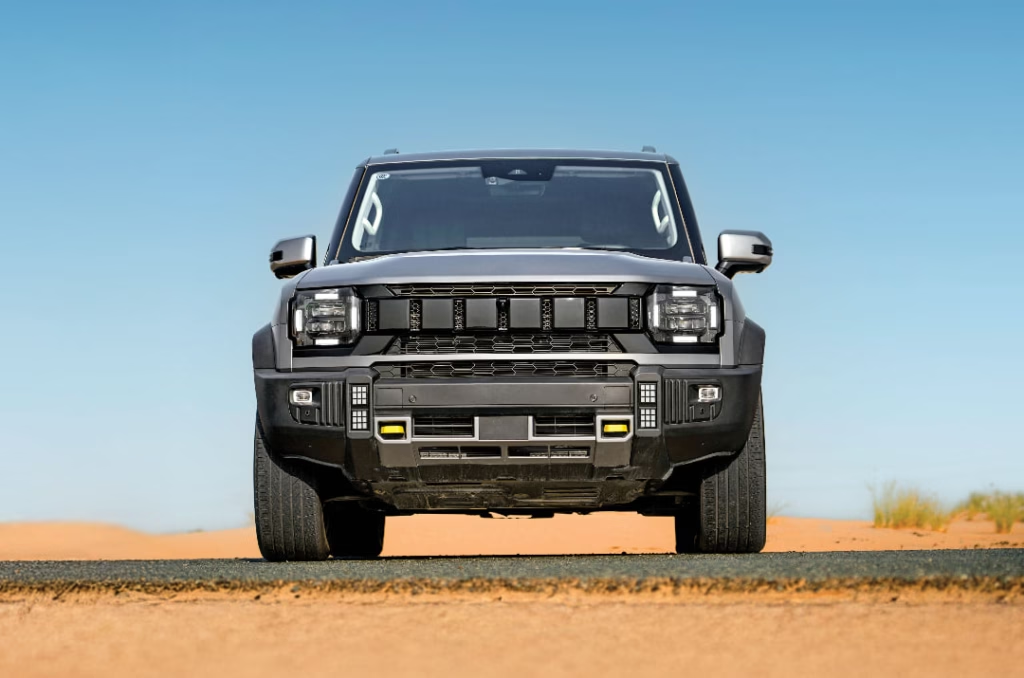
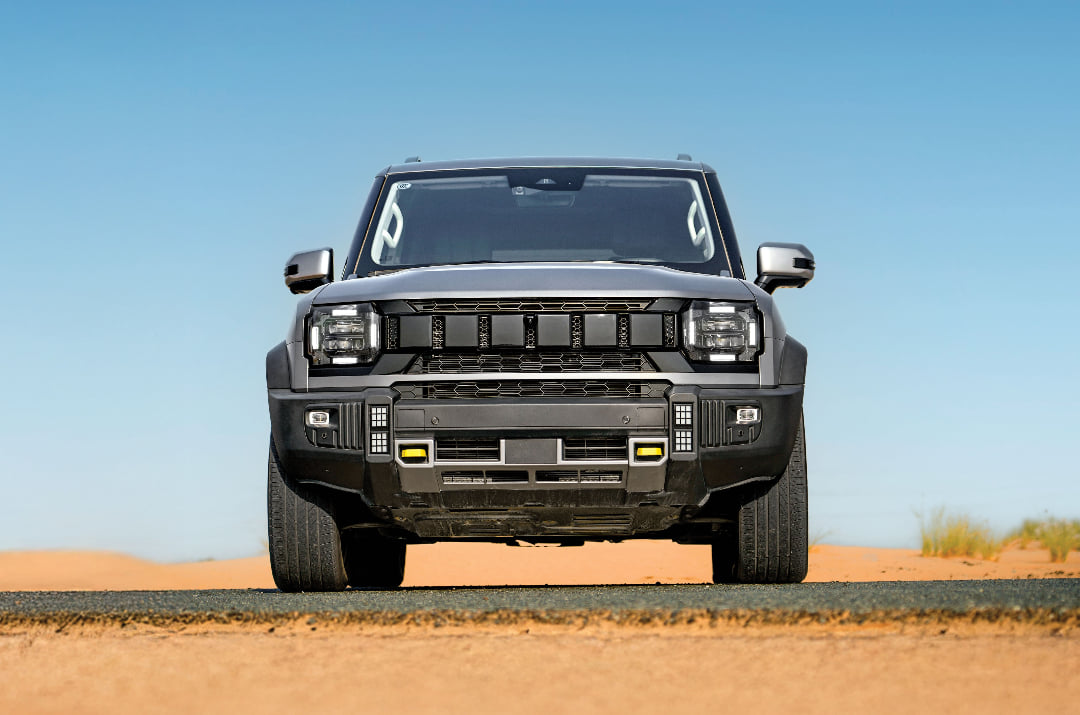
JSW Motors will unveil the Combat SUV on December 3, marking its entry into India’s automotive market as a fresh standalone brand. This follows our exclusive report in September, which revealed the Combat name for the upcoming SUV based on the Jetour T2. The JSW Combat will be a 5-seater plug-in-hybrid SUV expected to be assembled at the manufacturer’s Chhatrapati Sambhajinagar (previously Aurangabad) facility.

JSW Combat: All you need to know

Will produce 360hp, 610Nm and have a claimed total range of 1,100km

The internationally available Jetour T2 has multiple plug-in hybrid (PHEV) powertrain options. The India-spec JSW Combat is expected to feature a 1.5-litre direct-injection turbo-petrol engine, an 18.4kWh battery and two electric motors driving the front wheels (FWD). Paired with a 3-speed dedicated hybrid transmission (DHT), the system produces a combined output of 360hp and 610Nm of torque. It offers a claimed all-electric range of 90km on the NEDC cycle, while the combined range with a full fuel tank is rated at up to 1,100km.
Save for new badges and slight revisions, the overall design is likely to be the Jetour T2’s

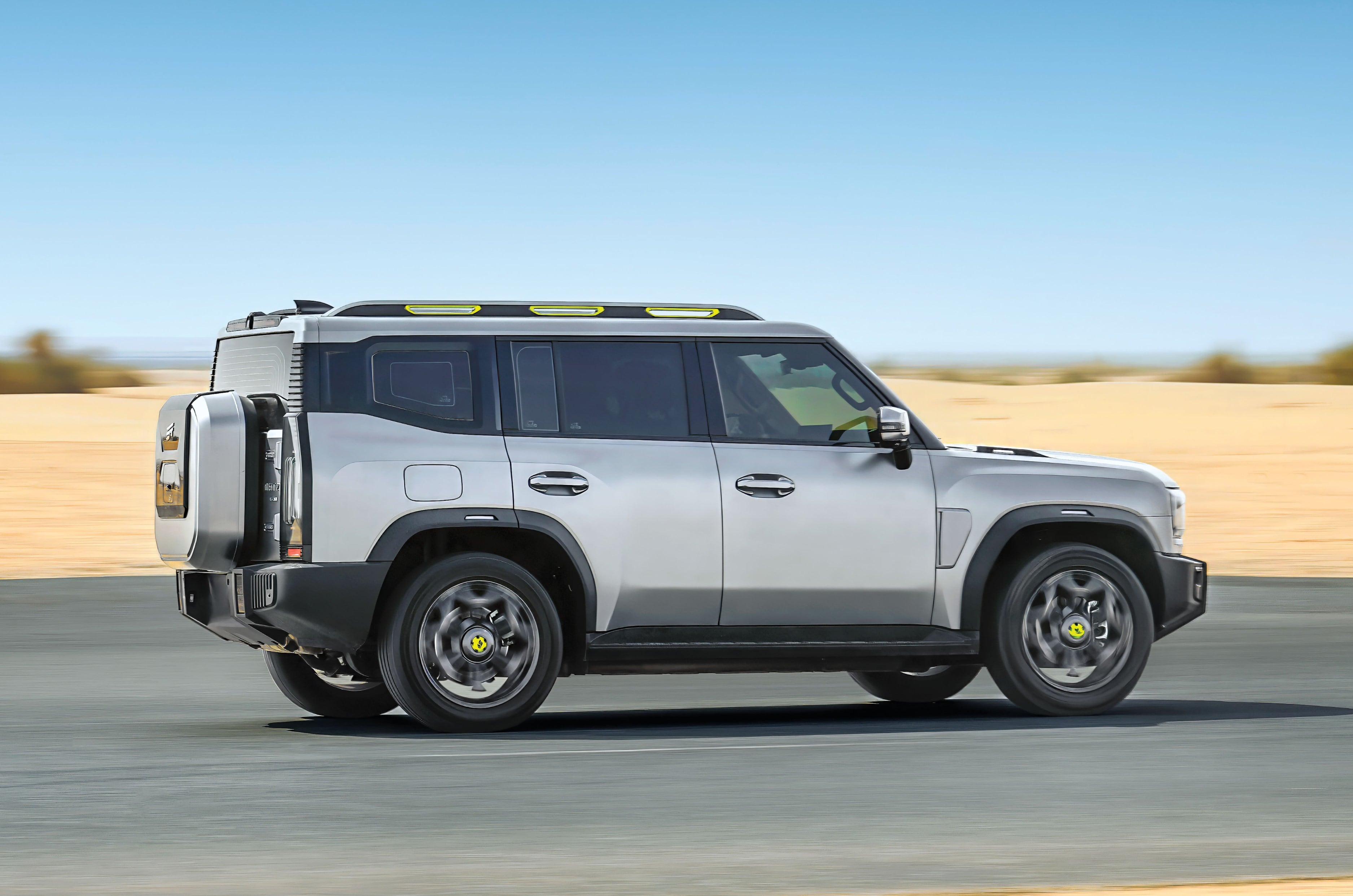
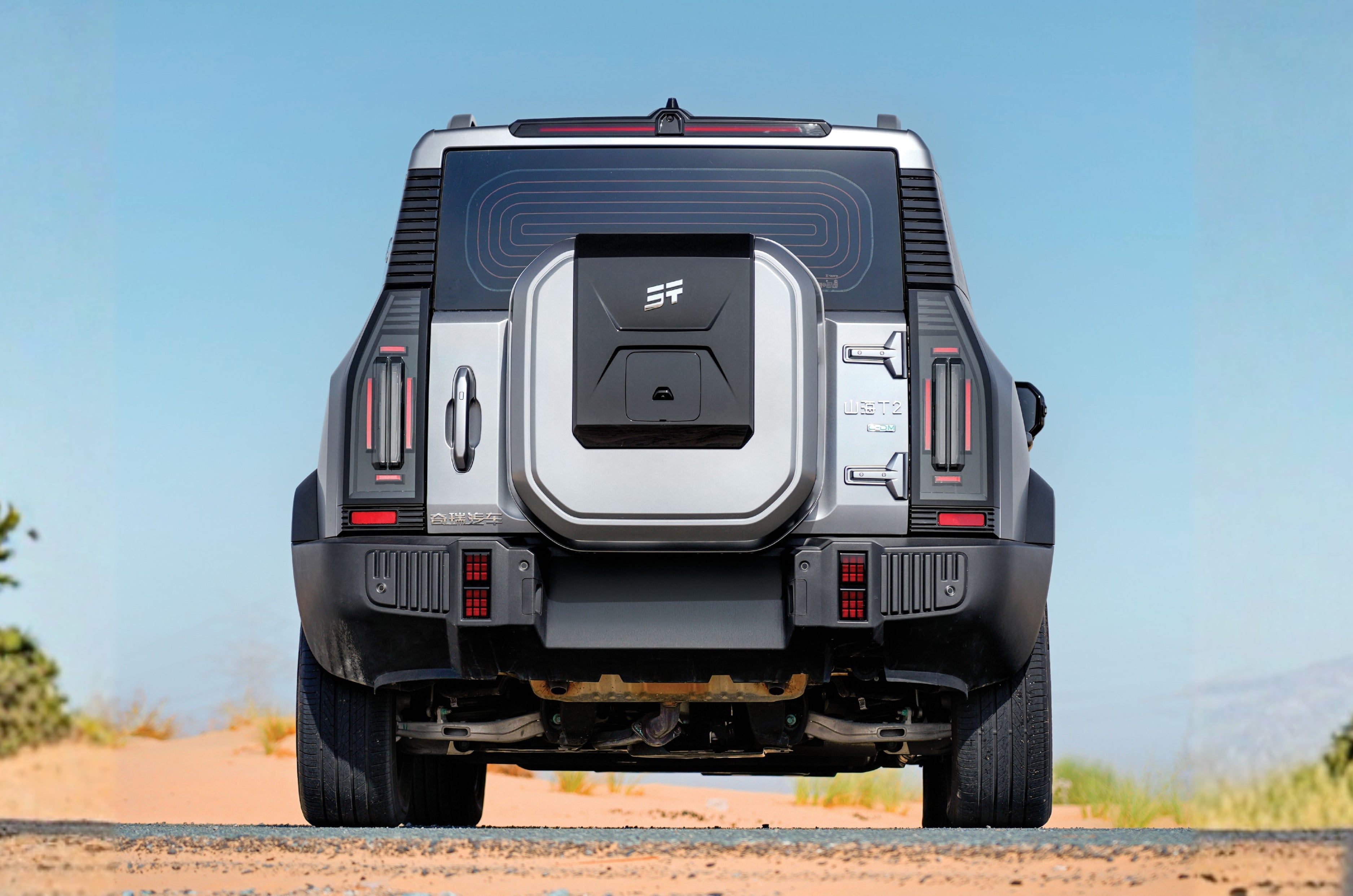
The JSW Combat is expected to have a similar design to the Jetour T2, but previous spy shots suggest slightly revised headlights and front and rear bumpers. A new ‘Combat’ badge is likely to replace the ‘Jetour’ at the front. Along with a boxy silhouette, what is expected to be retained are the 20-inch alloy wheels, generous cladding on the wheel arches, roof rails with neon green design elements, a spare wheel mounted on the boot door, and vertically oriented LED taillights.

The Jetour T2 recently received a facelift internationally, but the numerous spy shots in India reveal JSW Motors will be offering the pre-facelift model in the country. 

Skoda to debut Epiq Sportline at Paris Motor Show

Skoda to debut Epiq Sportline at Paris Motor Show
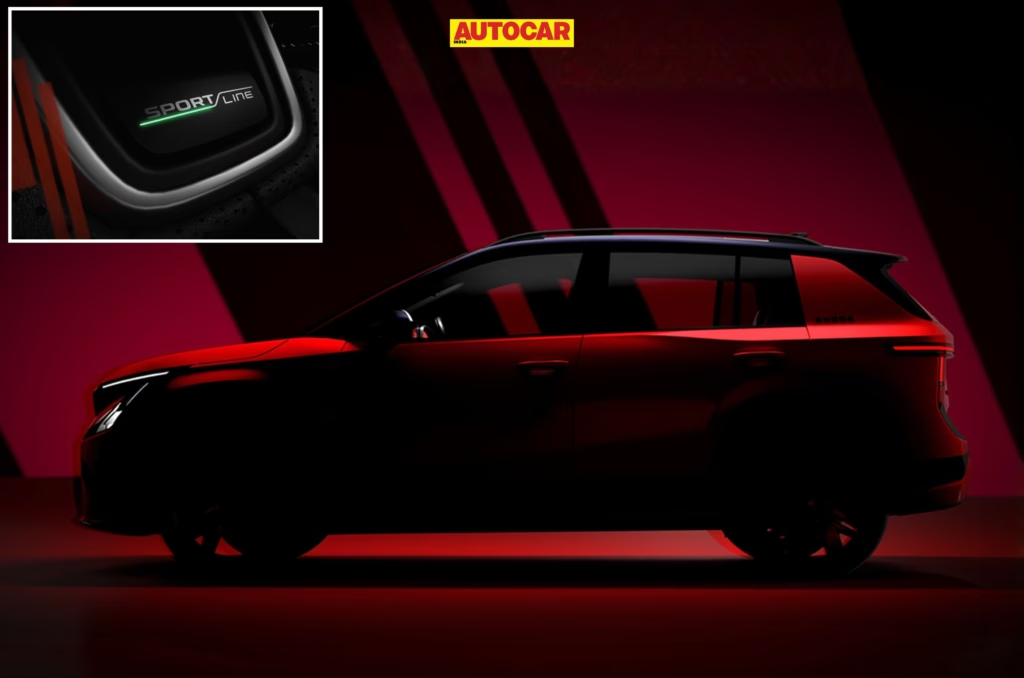
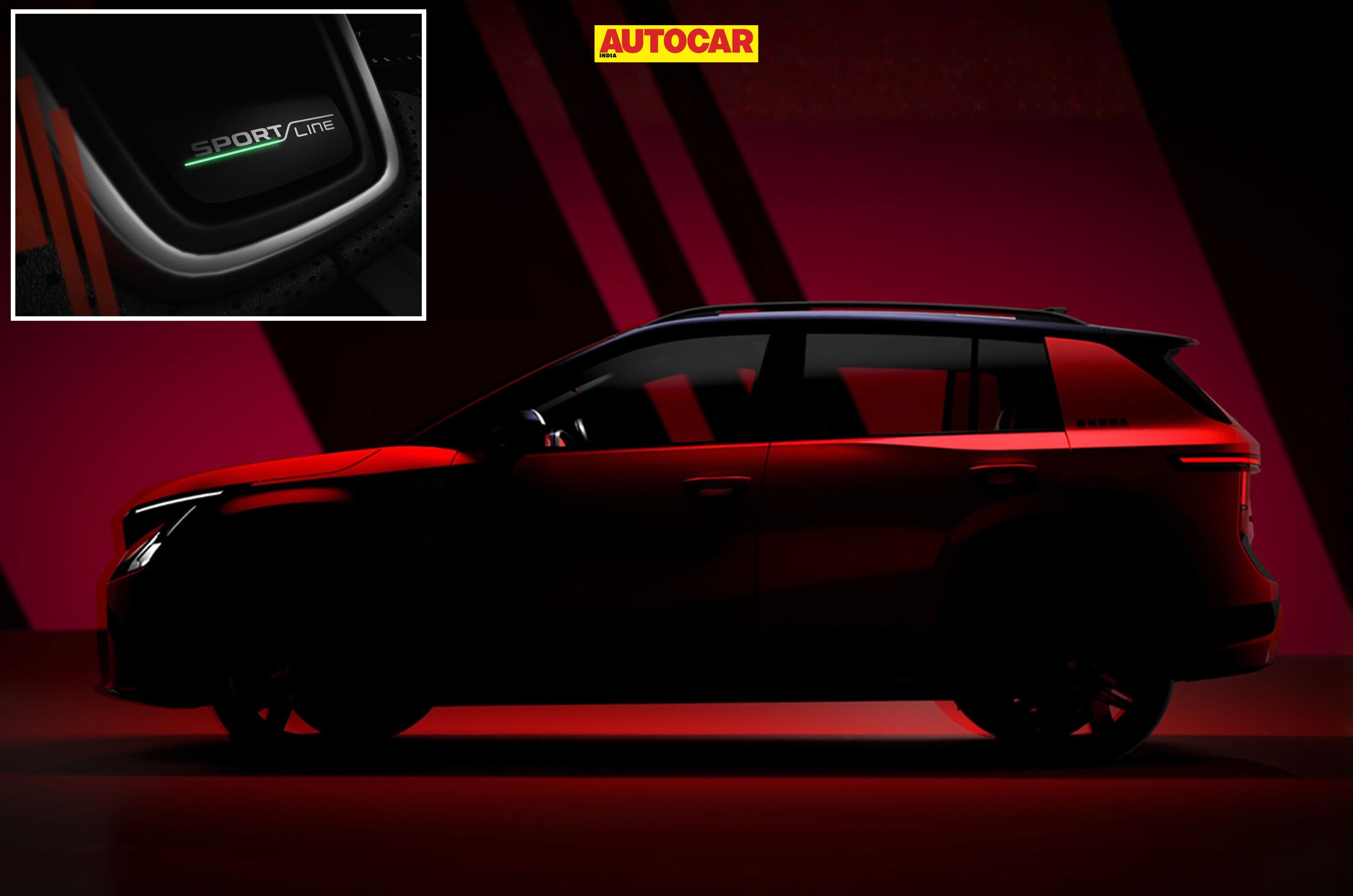
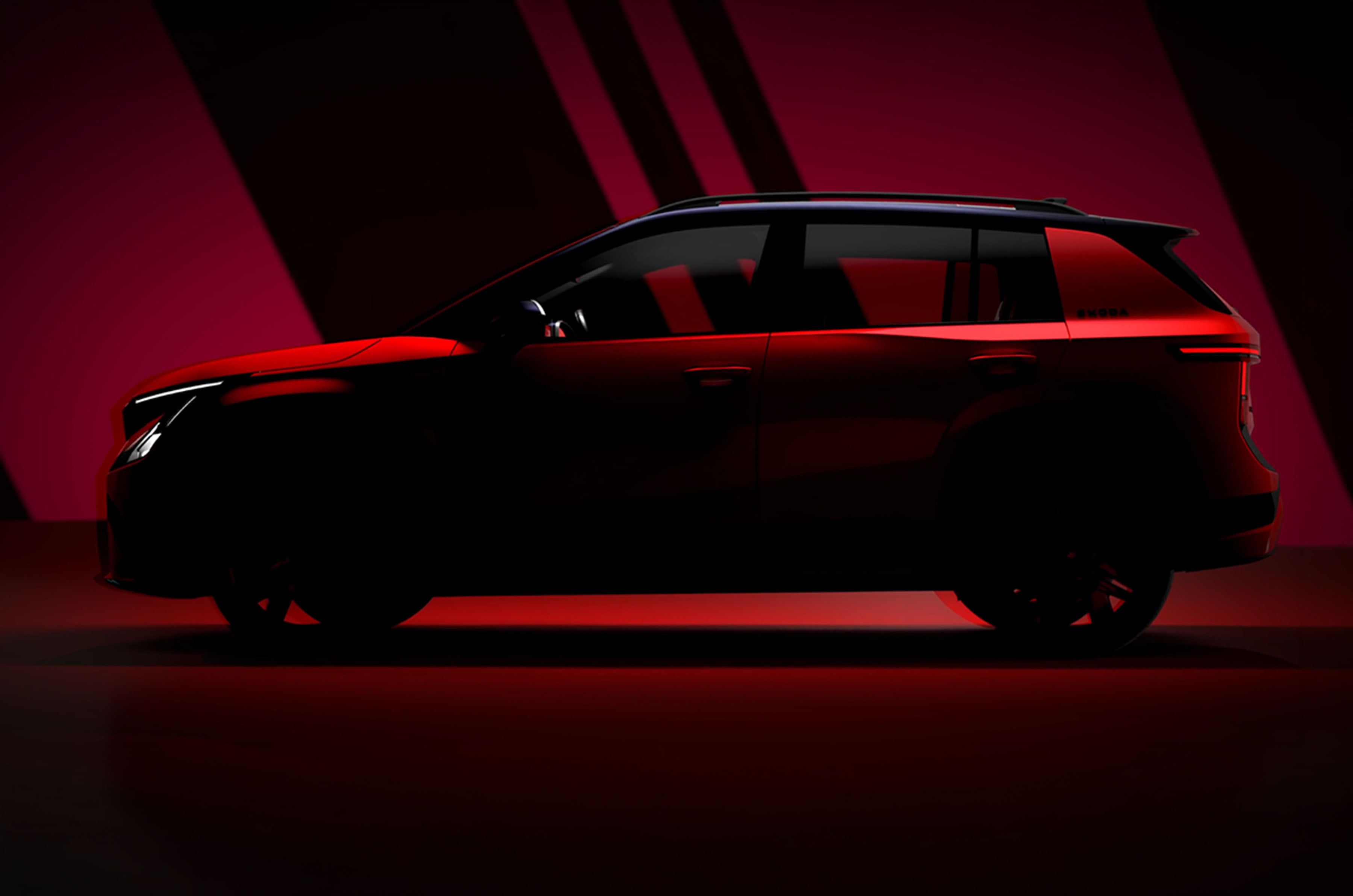
Skoda Epiq Sportline

Skoda will debut a new Sportline variant of the Epiq, the brand’s smallest EV, at the Paris Motor Show 2026. The Epiq Sportline will be the prime attraction at Skoda’s stall alongside 14 other models that the brand plans to showcase at the upcoming motor show. As with other Sportline models, one can expect the Epiq Sportline to sport a blacked-out exterior and interior theme. The Paris Motor Show will be held from October 13 to 18. 

  1. Epiq Sportline to be Skoda’s hero car at Paris Motor Show 
  2. Expected to come with blacked-out exterior and interior theme 
  3. Skoda Peaq Tour De France, 130 RS to also be showcased at Paris Motor Show 

Skoda Epiq Sportline: what to expect?

Skoda’s official teaser doesn’t reveal much about the Epiq Sportline, but if other Sportline models from the brand’s portfolio are anything to go by, expect the Epiq Sportline to get several blacked-out cosmetic enhancements. The blacked-out treatment can extend to the alloy wheels, ORVMs, front and rear bumpers and perhaps to the roof as well. On the inside, it will likely come draped in all-black upholstery with contrast re stitching, and perhaps a dark-themed dashboard as well. A few feature additions could also be part of the package. 

The Epiq is the brand’s most affordable EV and is based on Volkswagen Group’s MEB+ platform. It’s available with two battery pack options – 38.5kWh and 55kWh – with front-mounted motors (FWD). There are three variants on offer: 35, 40 and 55. The 35 and 40 variants, equipped with the 38.5kWh battery, develop 116hp and 135hp, respectively, while the torque is the same 267Nm for both. The top-spec Epiq 55, meanwhile, comes with the 55kWh pack and produces 211hp and 290Nm.

The Sportline variant could be offered with the top-spec 55 version. Coming to claimed range figures, Skoda cites 310km for the 38.5kWh battery and 440km for the 55kWh unit. 

What else is Skoda showcasing at the Paris Motor Show?

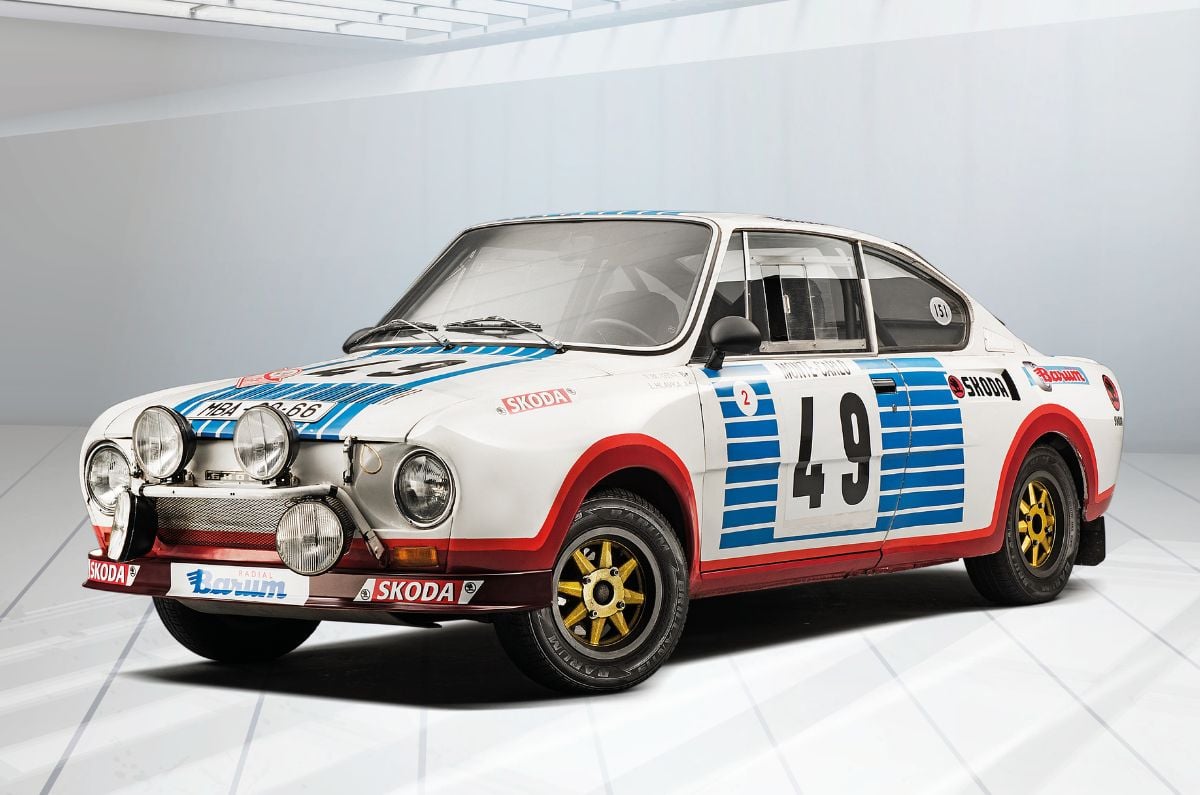
Skoda will be showcasing its full range of new EVs at the upcoming Paris Motor Show, which means the Elroq and the Peaq will also be display. Other key displays will include the iconic Skoda 130 RS, which was one of the most successful rally and racing cars in Europe in the late 1970s and early 1980s. During its active career, this beautifully designed two-door coupe collected countless laurels on tracks at home as well as abroad. 

Skoda 130 RS

Also on display will be the Peaq Tour de France ‘Red Car’. Based on the Peaq Sportline, it serves as a specially modified mobile command center for the Tour de France multi-stage bicycle race. Equipped with six antennas, warning beacons and a refrigerator stocked with champagne hidden inside, the so-called Red Car is a symbol of the entire Tour de France.

Kia introduces assured buyback programme for locally produced cars

Kia introduces assured buyback programme for locally produced cars
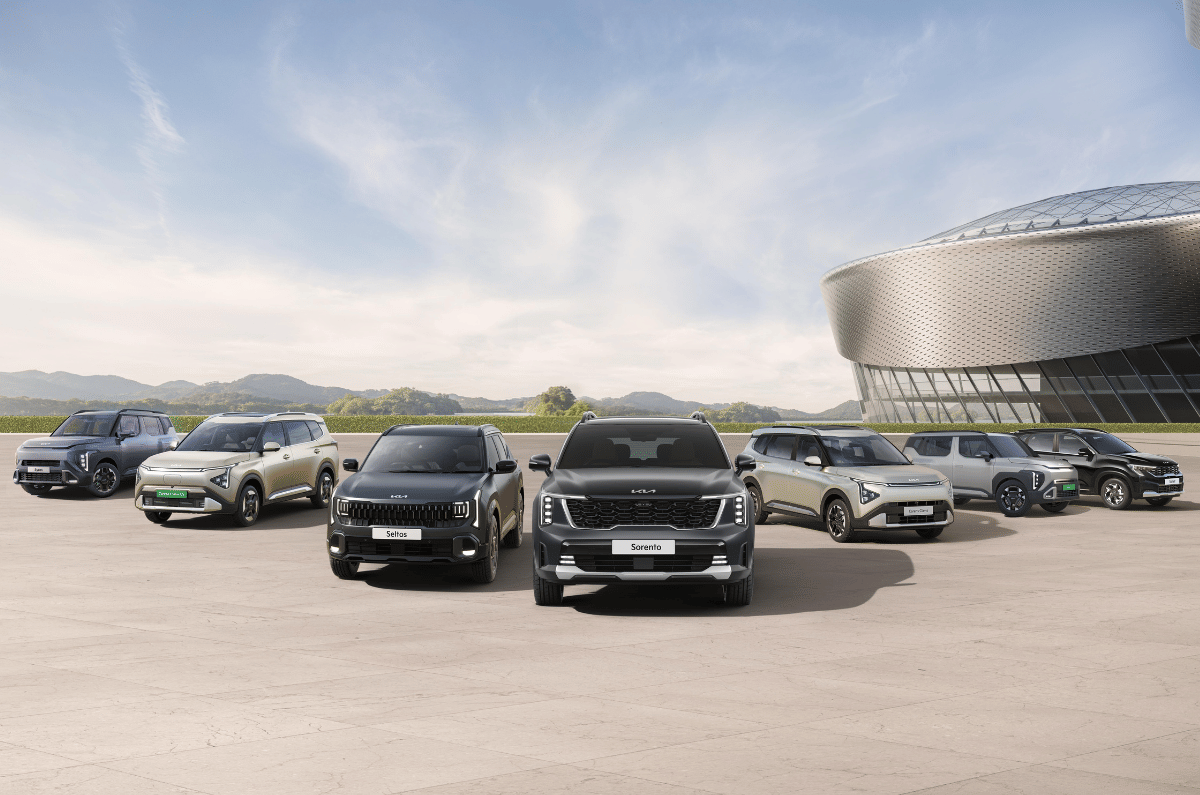
Kia introduces buyback programme for locally produced cars

Kia India has now expanded its assured buyback programme to more locally produced cars, including the Sorento, Seltos, Sonet, Carens Clavis, Carens and Syros; the locally-assembled Carnival is not covered under this programme. Notably, the Syros EV has been available with such a programme since its July launch. The buyback programme covers all powertrain options offered by these vehicles, including petrol, CNG, diesel, hybrid and electric. Those opting for the programme can avail an assured residual value of up to 75 percent for ICE and up to 70 percent for EV models in three years, subject to terms and conditions.

Kia assured buyback programme details

ModelPrice range (Rs lakh)
Sonet7.45-13.89
Syros8.42-15
Carens11.12-12.12
Seltos11.25-21.57
Carens Clavis11.39-21.79
Syros EV13.5-20
Carens Clavis EV18.04-25
Sorento27.99-38.49

The programme offers tenure options of three, four and five years for ICE models, and three and four years for EVs. Depending on the tenure, annual running limits like 10,000km, 15,000km and 20,000km are available, with the maximum capped at up to 1,00,000km over the ownership period.

It will be offered through authorised Kia dealers and customers may enroll at the time of vehicle purchase. At the end of the selected tenure, customers may avail the assured buyback value in accordance with the programme agreement and relevant terms and conditions.

Ex-showroom prices mentioned above are as on October 9, 2026.

2026 TVS Apache RTR 310 Variants Updated

2026 TVS Apache RTR 310 Variants Updated
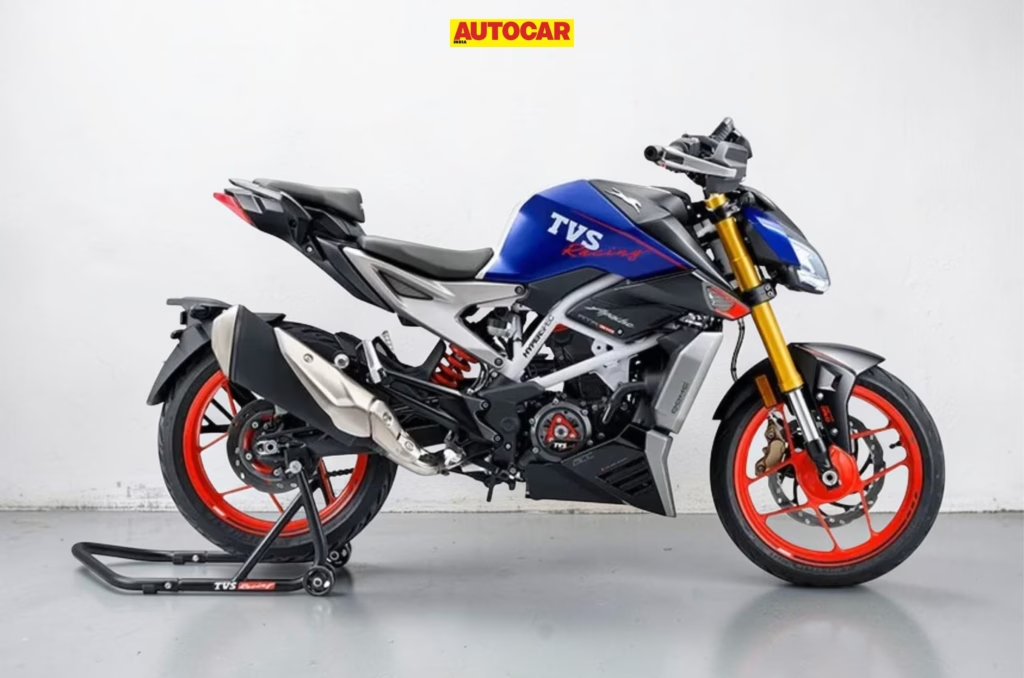
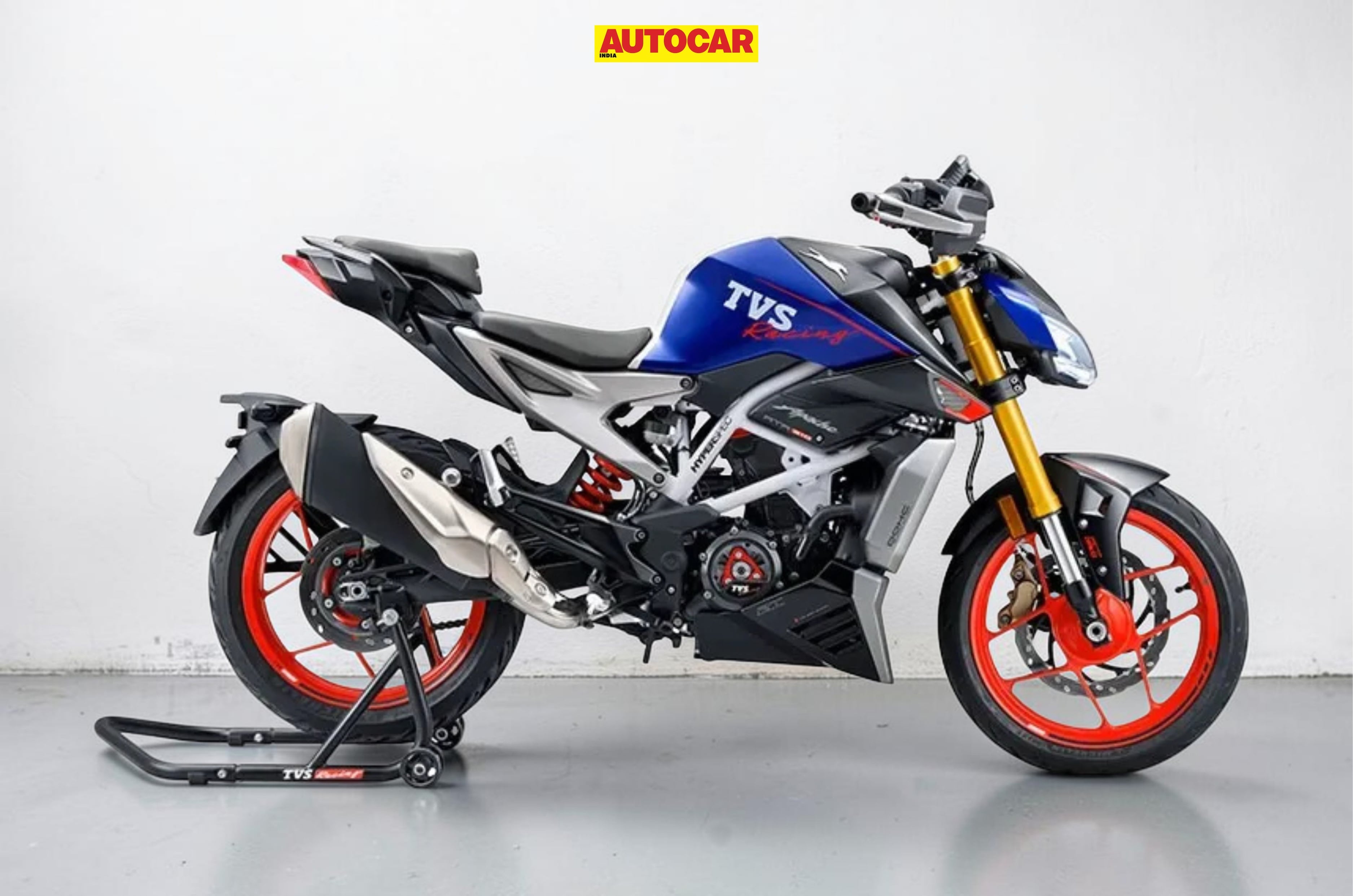
An indoor render showing the TVS Apcahe RTR 310 Sepang Blue colour

TVS has brought changes to its flagship streetfighter, the Apache RTR 310, just in time for the festive season. These revisions primarily focus on making the variant line-up simpler. Current prices range from Rs 2.3 lakh to Rs 2.97 lakh (ex-showroom, Delhi).

  1. Top variant discontinued
  2. Base now split into variants without quickshifter and with quickshifter
  3. BTO variants remain on sale

2026 TVS Apache RTR 310: Variant changes   

Sepang Blue colour, earlier reserved for BTO variants, now available on Base 

Earlier, the 2026 RTR 310 was offered in Base (Rs 2.4 lakh), Top (Rs 2.57 lakh), BTO Dynamic Kit (Rs 2.75 lakh) and BTO Dynamic Pro Kit (Rs 2.85 lakh) variants. TVS has now discontinued the Top variant, and split the base variant into ‘Base without quickshifter’ and ‘Base’ with quickshifter. The prices now start at Rs 2.3 lakh for the Base without quickshifter variant, which is only available in the Arsenal Black colour.

As for the next step up, the Base variant is available in four colour options: Arsenal Black and Fury Yellow for Rs 2.47 lakh, Fiery Red for Rs 2.52 lakh and Sepang Blue for Rs 2.57 lakh. The Sepang Blue was previously available only on the BTO variants and now costs Rs 10,000 more than the base black and yellow colours. Other special editions that are also offered on the base variant include the Black Diamond Edition (Rs 2.49 lakh) and the range-topping Anniversary Edition (Rs 2.97 lakh). As for the BTO variants, prices may change depending on the kit and colour.

The rest of the motorcycle remains the same as before. It continues to be powered by the 312cc reverse-inclined single-cylinder liquid-cooled engine producing 35.6hp and 28.7Nm of torque, paired with a 6-speed gearbox. Depending on the variant, the equipment list comprises adjustable suspension, cornering traction control, cornering ABS, TPMS, cruise control, and more.

All prices are ex-showroom, Delhi.

2026 Toyota Fortuner Leader Edition launched at Rs 36.51 lakh

2026 Toyota Fortuner Leader Edition launched at Rs 36.51 lakh
2026 Toyota Fortuner Leader Edition launched

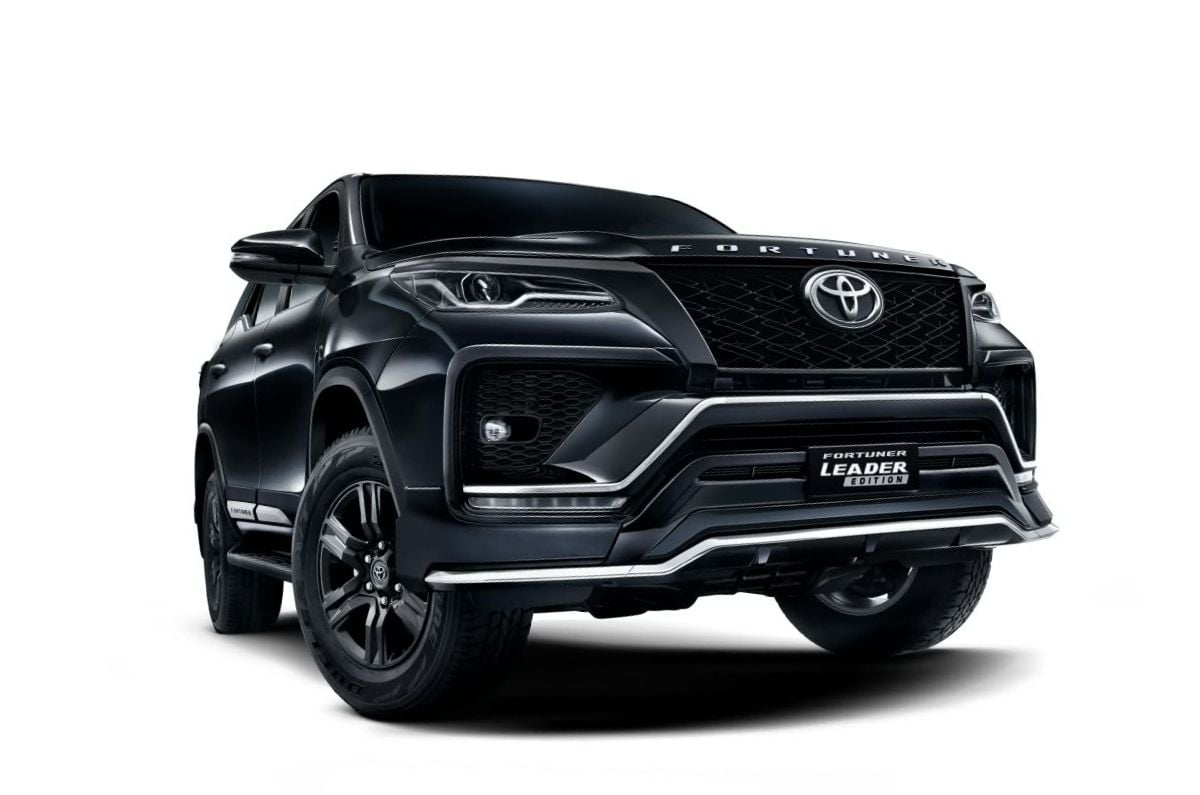
Toyota has launched the 2026 Fortuner Leader Edition. The manual variant is priced at Rs 36.51 lakh and the automatic at Rs 38.72 lakh (both ex-showroom). This special edition brings cosmetic changes to the exterior and interior, but is otherwise mechanically unchanged over other 4×2 (two-wheel drive) versions of the Fortuner. Bookings will open on October 12, 2026. There have been Leader Editions of the Fortuner in 2024 and 2025, though these arrived as dealer-level options.

Télécharger 1xbet 2026 : aperçu et options

Guide pratique pour télécharger 1xbet 2026 et profiter de toutes ses fonctionnalités

Pourquoi choisir 1xbet en 2026 ?

En 2026, 1xbet reste l’une des plateformes les plus riches en offres de casino et de paris sportifs. Avec des milliers de jeux, un live casino dynamique et une interface multilingue, le site séduit aussi bien les débutants que les joueurs expérimentés. La licence de jeu délivrée par les autorités de Curacao garantit une certaine conformité, même si les joueurs français doivent vérifier la disponibilité locale.
Au-delà du catalogue, le principal atout est la vitesse des paiements : les dépôts sont instantanés, les retraits peuvent parfois être traités en quelques minutes, surtout via les méthodes de paiement locales comme Carte Bancaire, PayPal ou Skrill. Le welcome bonus généreux et les promotions hebdomadaires ajoutent un côté très attractif pour qui démarre sur la plateforme.

Prérequis avant de télécharger 1xbet 2026

Avant de vous lancer dans le téléchargement, assurez‑vous que votre appareil répond aux exigences : Android ≥ 5.0, iOS ≥ 11 ou un ordinateur avec un navigateur moderne (Chrome, Firefox, Edge). Une connexion Internet stable est indispensable pour éviter les interruptions pendant l’installation.

Vous devez également créer un compte joueur. La procédure de registration est rapide, mais la verification d’identité (KYC) sera demandée avant le premier retrait. Préparez une pièce d’identité, un justificatif de domicile et, si possible, un justificatif de paiement pour accélérer le processus.

Guide pas‑à‑pas pour télécharger l’application 1xbet 2026 sur Android

Le fichier d’installation n’est pas disponible sur le Play Store, il faut passer par le site officiel :

  • Ouvrez le navigateur de votre téléphone et rendez‑vous sur le site 1xbet.
  • Cliquez sur le bouton « Télécharger l’app Android ». Le fichier .apk démarre alors le téléchargement.
  • Avant d’installer, autorisez les sources inconnues dans les paramètres de sécurité.
  • Une fois le fichier téléchargé, choisissez « Installer ». L’application se lance automatiquement.
  • Connectez‑vous avec vos identifiants ou créez un nouveau compte si vous êtes nouveau.

Après l’installation, vous pouvez activer les notifications pour ne rien manquer des promos et des instant payouts. Pensez à mettre à jour régulièrement l’app afin de bénéficier des dernières corrections de sécurité.

Guide pour iOS et appareils Apple

Les utilisateurs d’iPhone ou d’iPad doivent passer par l’App Store ou le site mobile : Apple impose une vérification plus stricte, mais le processus reste simple.

  • Ouvrez Safari et accédez à la page officielle 1xbet.
  • Appuyez sur « Télécharger l’app iOS ». Vous serez redirigé vers l’App Store.
  • Installez l’application comme n’importe quelle autre app.
  • Lancez l’app, connectez‑vous ou créez votre compte.
  • Activez Touch ID/Face ID pour un accès rapide et sécurisé.

Le mobile experience sous iOS est fluide, avec des graphismes adaptés à l’écran Retina et une navigation intuitive dans le live casino et le sports betting.

Installation sur PC et utilisation via navigateur

Si vous préférez jouer depuis votre ordinateur, aucun téléchargement n’est nécessaire ; la version web est complètement fonctionnelle. Cependant, certains joueurs installent un client léger pour un accès plus rapide.

PlateformeMéthode de téléchargementAvantagesInconvénients
AndroidAPK depuis le site officielApplication native, notifications pushAutorisation de sources inconnues
iOSApp StoreIntégration sécurisée, mises à jour automatiquesMoins de personnalisation du client
PC (Web)Aucun téléchargementCompatibilité tous navigateurs, aucun risque d’infectionPerformance légèrement inférieure aux apps natives

Quel que soit votre choix, assurez‑vous que votre navigateur supporte les dernières versions de HTML5 et JavaScript pour profiter pleinement du live casino et des paris en temps réel.

Configuration du compte et premiers dépôts après le téléchargement

Une fois l’application ou le site chargé, la première étape est de compléter votre profil. Sous registration, indiquez vos coordonnées, choisissez un mot de passe solide et activez la double authentification (2FA) pour renforcer la security.

Pour le dépôt, plusieurs deposit methods sont acceptés : Carte Bancaire, PayPal, Skrill, Neteller et virement bancaire. La plupart offrent un instant payout pour vos jeux de casino, tandis que les retraits peuvent prendre 1 à 3 jours ouvrés selon la méthode.

Avant de miser, consultez le welcome bonus. En 2026, 1xbet propose souvent 100 % de bonus jusqu’à 200 €, accompagné d’une condition de wagering requirements de 30x. Lisez bien les petits caractères : la mise doit être réalisée sur les jeux de casino standards pour que le bonus soit libéré.

Pour confirmer la validité de votre coupon, vous pouvez vérifier un numéro de coupon 1xbet avant de finaliser votre inscription.

Sécurité, support et jeu responsable sur 1xbet 2026

Le site utilise le chiffrement SSL 256 bits, ce qui protège vos données personnelles et financières. La licensed casino est soumis à des audits réguliers afin d’assurer l’équité des jeux, même si le label de la licence n’est pas européen.

En cas de question, le customer support est disponible 24 h/24 via chat en direct, e‑mail et téléphone. Les réponses sont généralement rapides, mais les heures de pointe peuvent entraîner de légers délais.

Le responsable du jeu responsable propose des outils comme le self‑exclusion, les limites de dépôt et les rappels de temps de jeu. Activez ces options dès la création du compte pour jouer de façon safe play et éviter les mauvaises surprises.

Astuces pour optimiser votre expérience mobile en 2026

Pour profiter au maximum des promotions, activez les notifications push et consultez régulièrement la section « Offres du jour ». Les bonus de dépôt varient souvent selon le jour de la semaine.

Utilisez une connexion Wi‑Fi stable plutôt que les données mobiles pour éviter les latences pendant les parties de live casino. Si vous jouez aux paris sportifs, le flux vidéo des matchs en direct fonctionne mieux avec une bande passante élevée.

Enfin, pensez à mettre à jour votre système d’exploitation et votre application 1xbet dès qu’une mise à jour est disponible. Cela garantit non seulement de nouvelles fonctionnalités, mais également des correctifs de sécurité essentiels pour le mobile app.

Harley-Davidson Road King ST expected in 2027

Harley-Davidson Road King ST expected in 2027
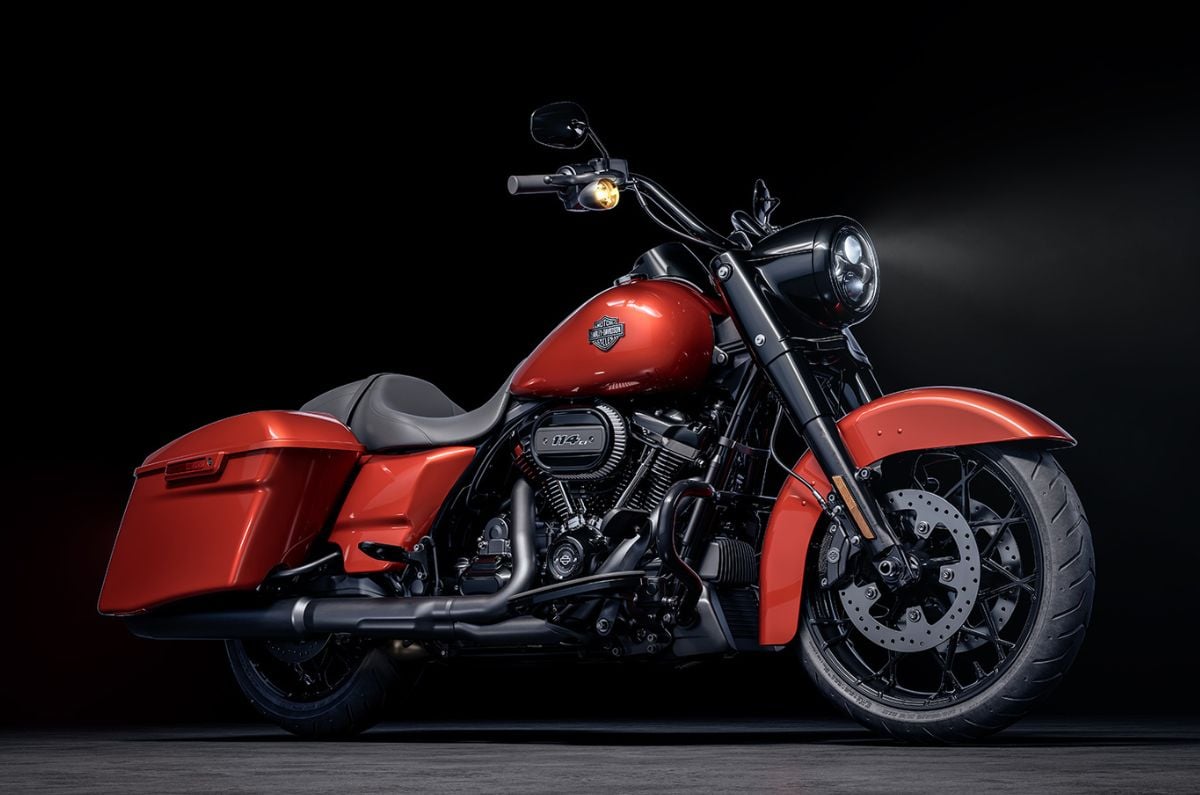
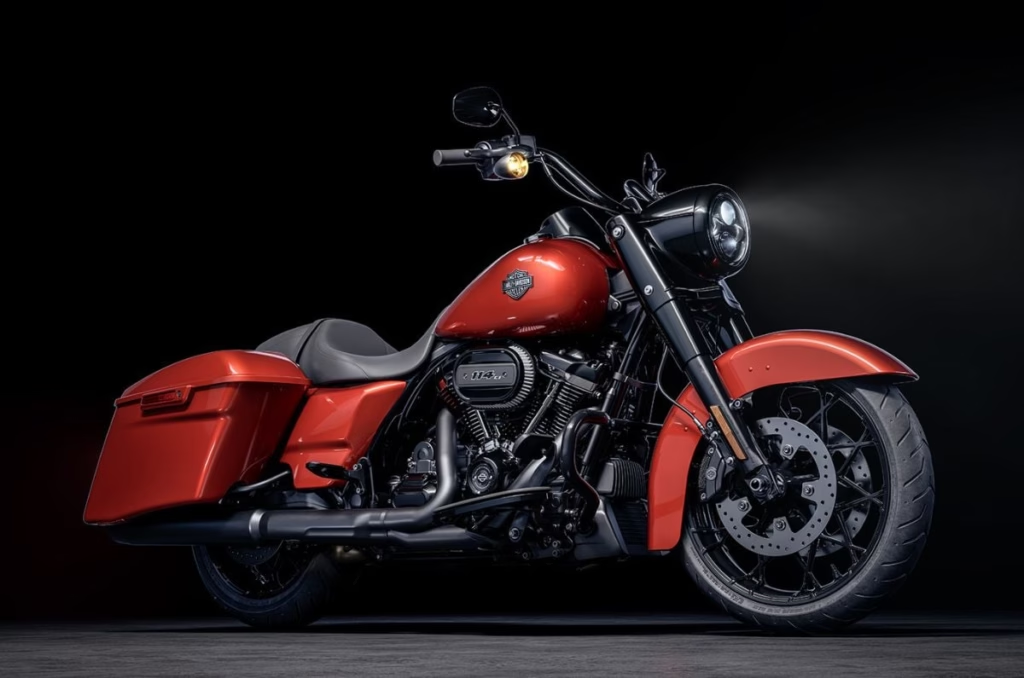
Harley-Davidson Road King Special front right quarter profile.

Harley-Davidson has had a dearth of its performance focused ST models lately, with the US website currently offering only two, the cruiser Low Rider and the adventure tourer Pan America 1250. It looks like the American company is fixing that next year, with three more models expected to add to the line-up. We believe the models to be the Road King ST, Road Glide ST and Street Glide ST, all of which fall under the ‘Grand American Touring’ category. Currently, Harley-Davidson sells the latter two exclusively in CVO (Custom Vehicle Operations) guise.

  1. Besides Road King ST, four other Harleys are expected for 2027
  2. The ST could be powered by the Milwaukee-Eight 117 engine

Road King ST set to arrive in 2027: What else can we expect?

More powerful than the 2025 Road King, and ‘sporty’ suspension

A brief untangling of Harley-Davidson’s nomenclature before we get back to the motorcycles. ST refers to Softail frame which essentially means that these motorcycles are performance-oriented, with more powerful engines and a more sophisticated suspension setup compared to their non-ST counterparts. As for CVO, it is more intense than your average factory custom program. CVO models are usually very limited in number, and get exclusive part upgrades, beautiful material finishes and colour schemes that ‘regular’ Harleys don’t get. The American manufacturer is also known to have tested new accessories and colour schemes via this program, before rolling it out at a larger scale since the program’s debut in 1999.

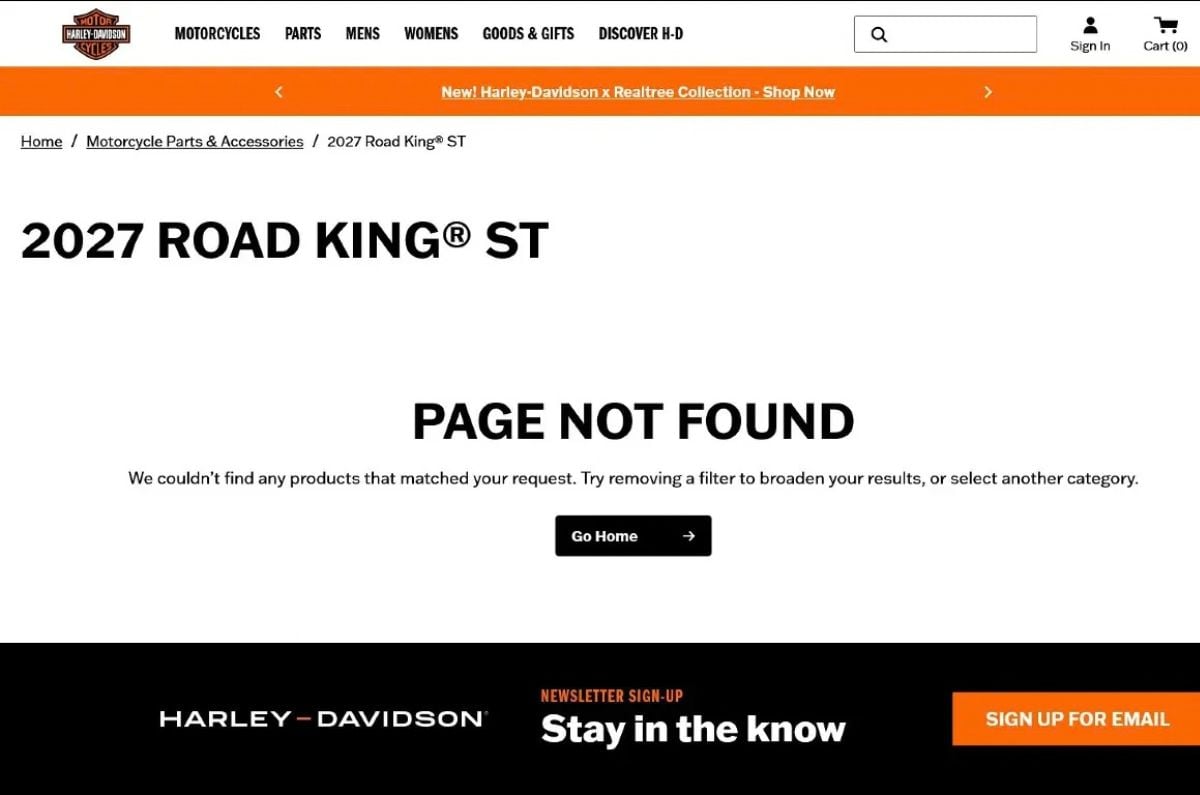
Harley-Davidson's accessory page for the 2027 Road King ST (since taken down).
Harley’s accessories page for the 2027 Road King ST. Image courtesy: Motorcycle.com

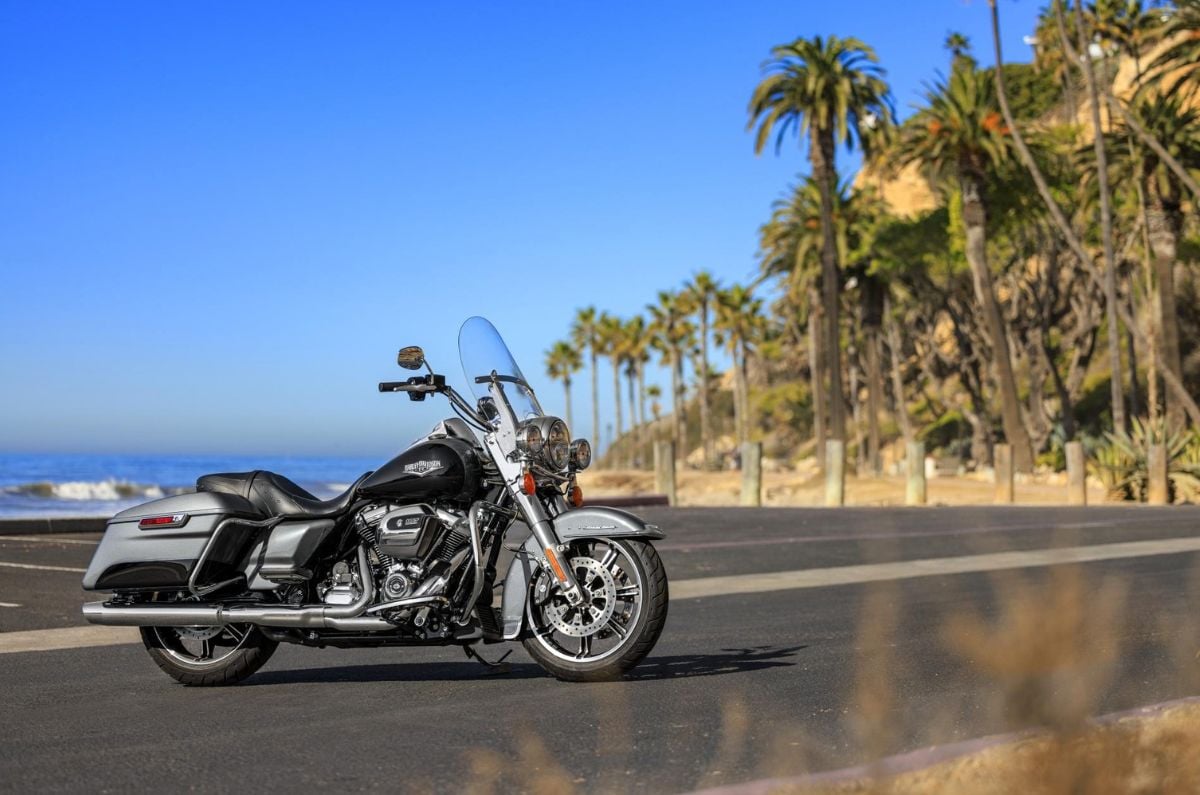
The Road King ST is expected to find its way onto the lineup next year, thanks to Harley-Davidson creating an accessories page for it (which has now been taken down). While we have no idea what any of these motorcycles will look like, thanks to the accessories pages, we know that the Road Glide ST and the Street Glide ST will also be available in non-CVO guise next year. The last time this happened was in 2023, before H-D rolled out its current touring platform. The Road King was last seen in 2025 in Special guise, when it was powered by the Milwaukee-Eight 114 engine and came equipped with side cases but no windshield (as shown in the picture above). The regular Road King was last seen in 2022, powered by the Milwaukee-Eight 107 engine, with side cases as well as a windshield.

Harley-Davidson Road King 2022
Harley-Davidson Road King in 2022

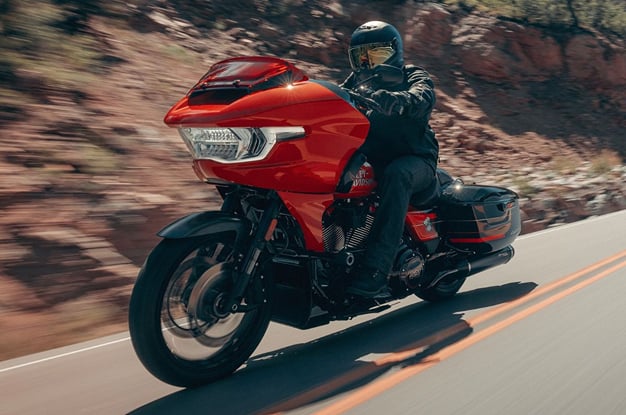
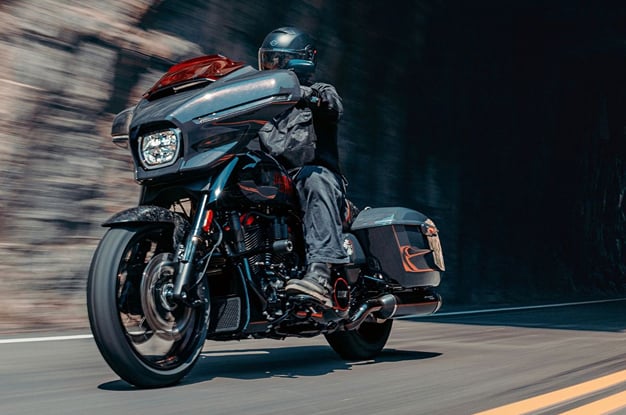
We expect the Road King ST to run on the Milwaukee-Eight 117 engine, similar to most of Harley’s other touring models. Typical for ST motorcycles, we expect all three models to have more performance-focused suspension and braking setups. For context, the CVO versions of the Road Glide and Street Glide motorcycles are powered by even more powerful Milwaukee-Eight 121 engines. The non-CVO Road Glide and Street Glide will also likely lose out on their carbon components (a CVO exclusive), besides getting downgraded to a slightly lower powered engine, which could be the same Milwaukee-Eight 117.

2026 CVO Road Glide
2026 CVO Street Glide
 

CVO Road Glide vs CVO Street Glide


The fact that Harley-Davidson has started working on the website pages likely indicates that these motorcycles are slated to arrive soon, more than likely with new colour options as well. Alongside the three motorcycles above, H-D has also set up accessory pages for other non-CVO models as well, such as the Deadwood and the Super Glide, tacitly indicating that they too are going to enter the market soon.

Source: Motorcycle.com