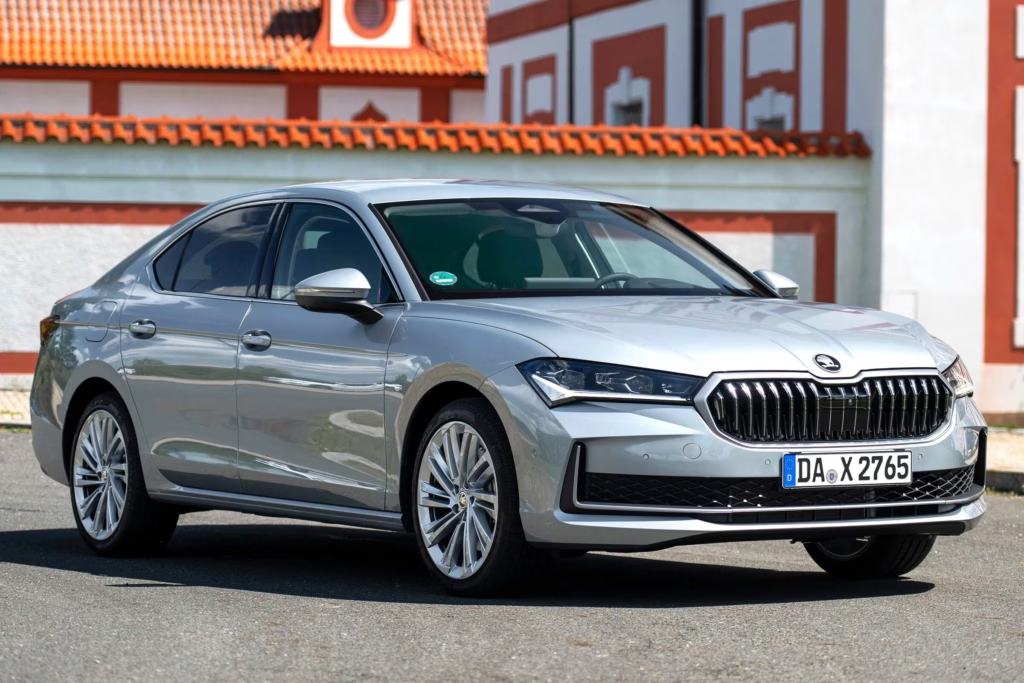
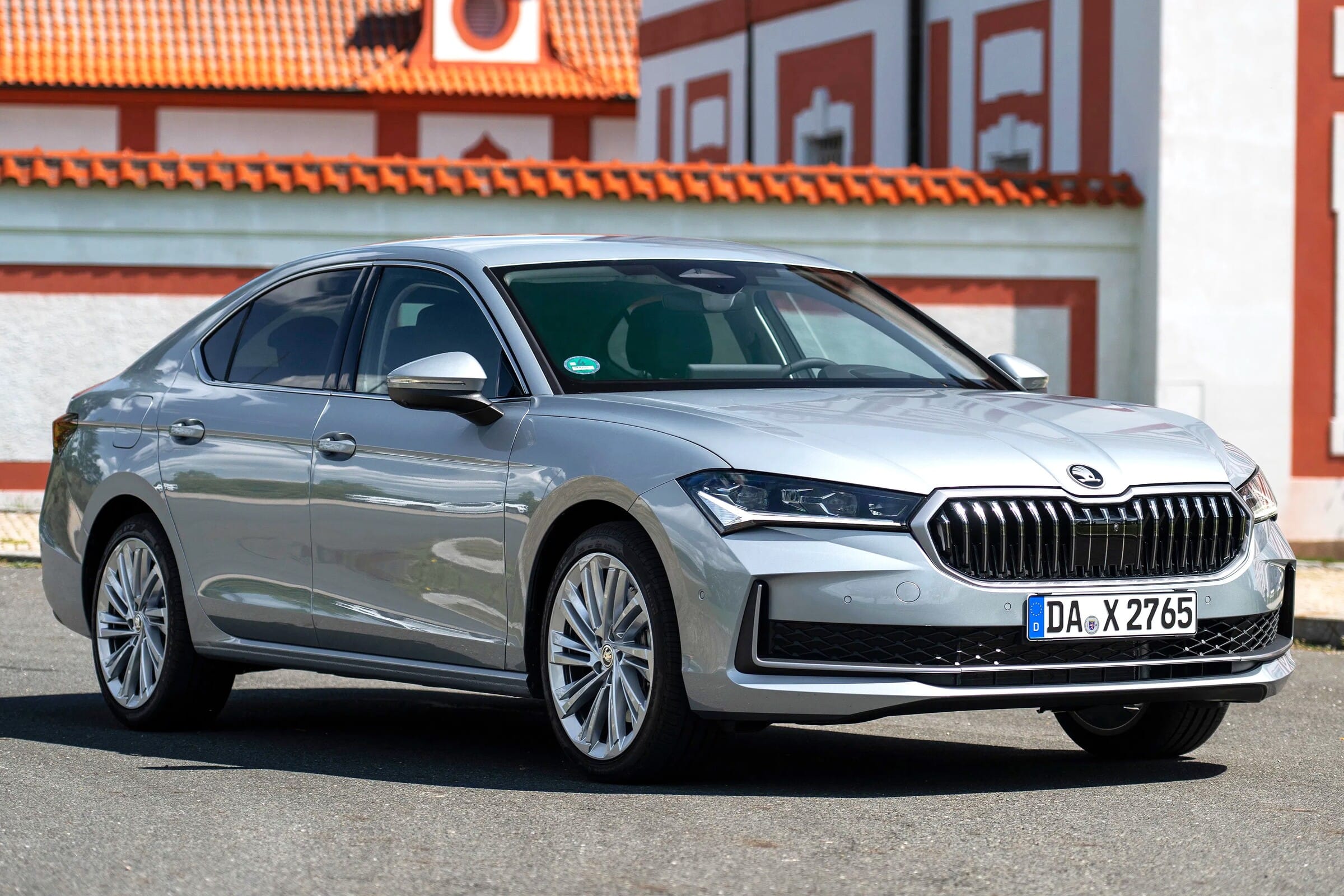
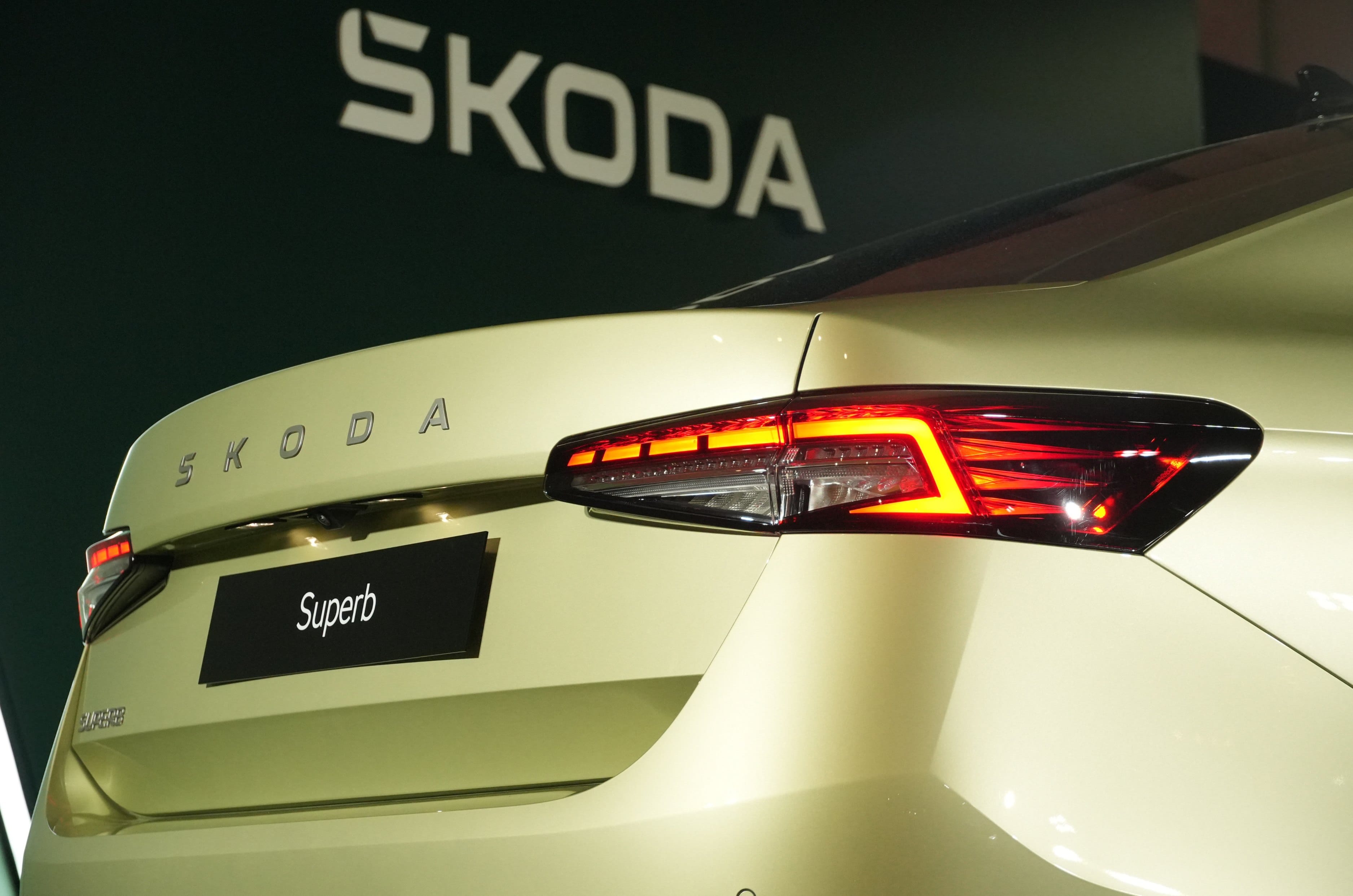
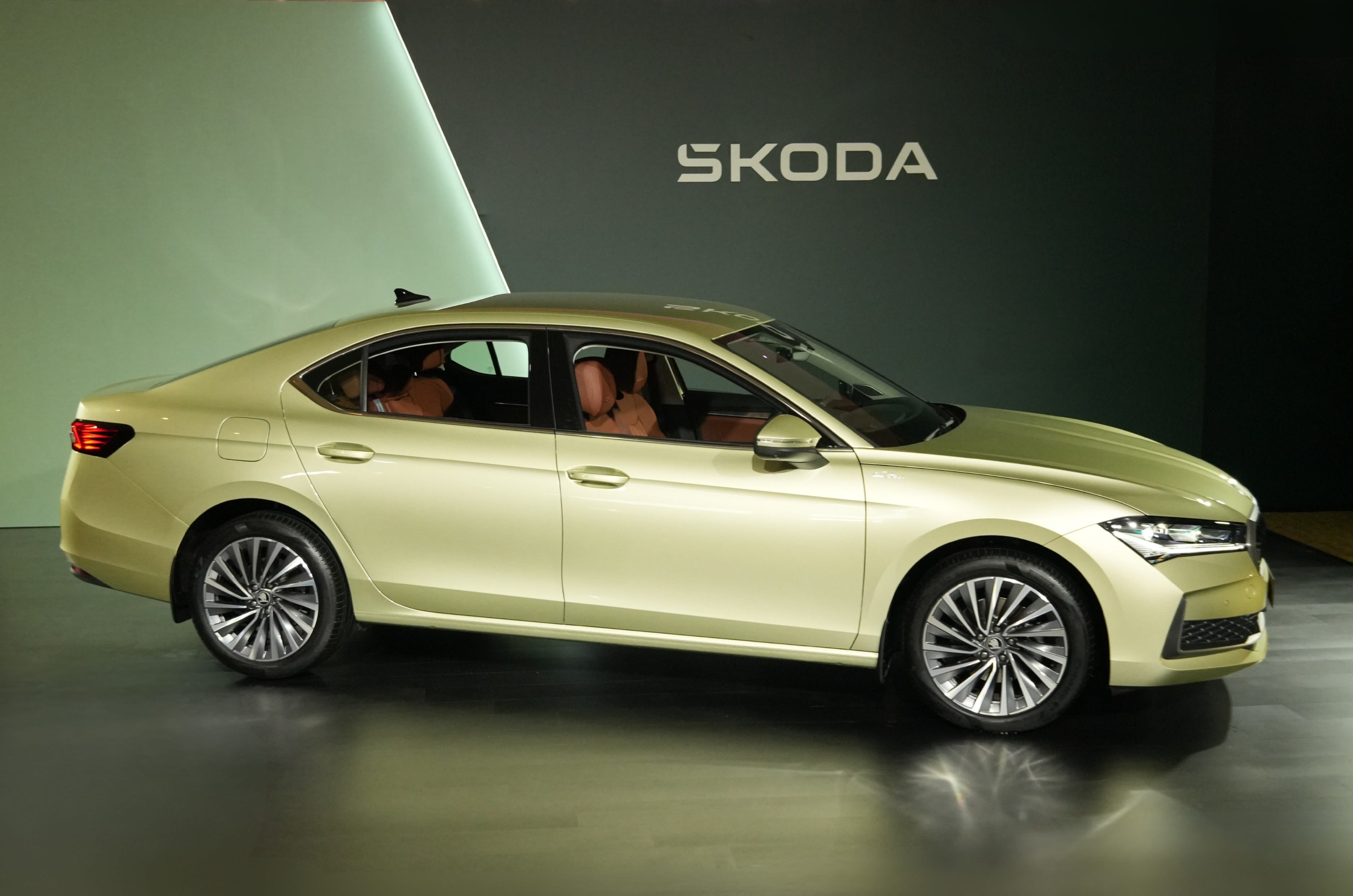
Skoda is evaluating the discontinuation of its flagship sedan, the Superb, amid a larger cost-reduction effort by the Volkswagen Group – the conglomerate aims to halve the number of models it sells within the next decade. First introduced in 1934, the Superb nameplate was originally used for a full-size luxury car made by Skoda up until 1949. Skoda revived the Superb nameplate in 2001 for its flagship sedan, which is now in its fourth generation and has sold over 1.6 million units to date worldwide.
Skoda Superb might end up on the chopping block
In a recent media interaction (reported on by Autocar UK), Skoda CEO Klaus Zellmer said it’s “not a given” that it wouldn’t shrink its model line-up in the future. This is despite the fact that the Czech carmaker reported its most profitable H1 numbers yet in 2026 – €16 billion in revenue and an 8.5 percent return on sales.
Zellmer hinted that Skoda’s sedan and estate line-up could be subject to reductions due to fading buyer interest in these body styles. “The big question is going forward: saloons and limousines and combis [estates] are not on the rising path. The [next-gen SSP] platform caters for wiggle room to go up to Superb dimensions. We’re currently looking into whether we still need the full monty, or whether we will have a smart way to cover both segments and target groups,” he said.
The fourth-gen Superb is offered as both a sedan and an estate, while the Octavia sits below it and has sold nearly 8 million units over its 30-year tenure. Zellmer said the “Octavia has led its segment since 2016,” giving the carmaker a strong seller that increasingly overlaps with the Superb in terms of size and practicality. Therefore, Skoda is examining whether it needs two models covering these buyers or whether a single model could serve both groups more efficiently.
Interestingly, the fourth-gen Superb is set to launch in India as a fully-imported model sometime during the first half of 2027. The Superb will also mark the return of diesel power for Volkswagen Group’s India portfolio, as the sedan will come equipped with a 150hp 2.0-litre TDI engine.
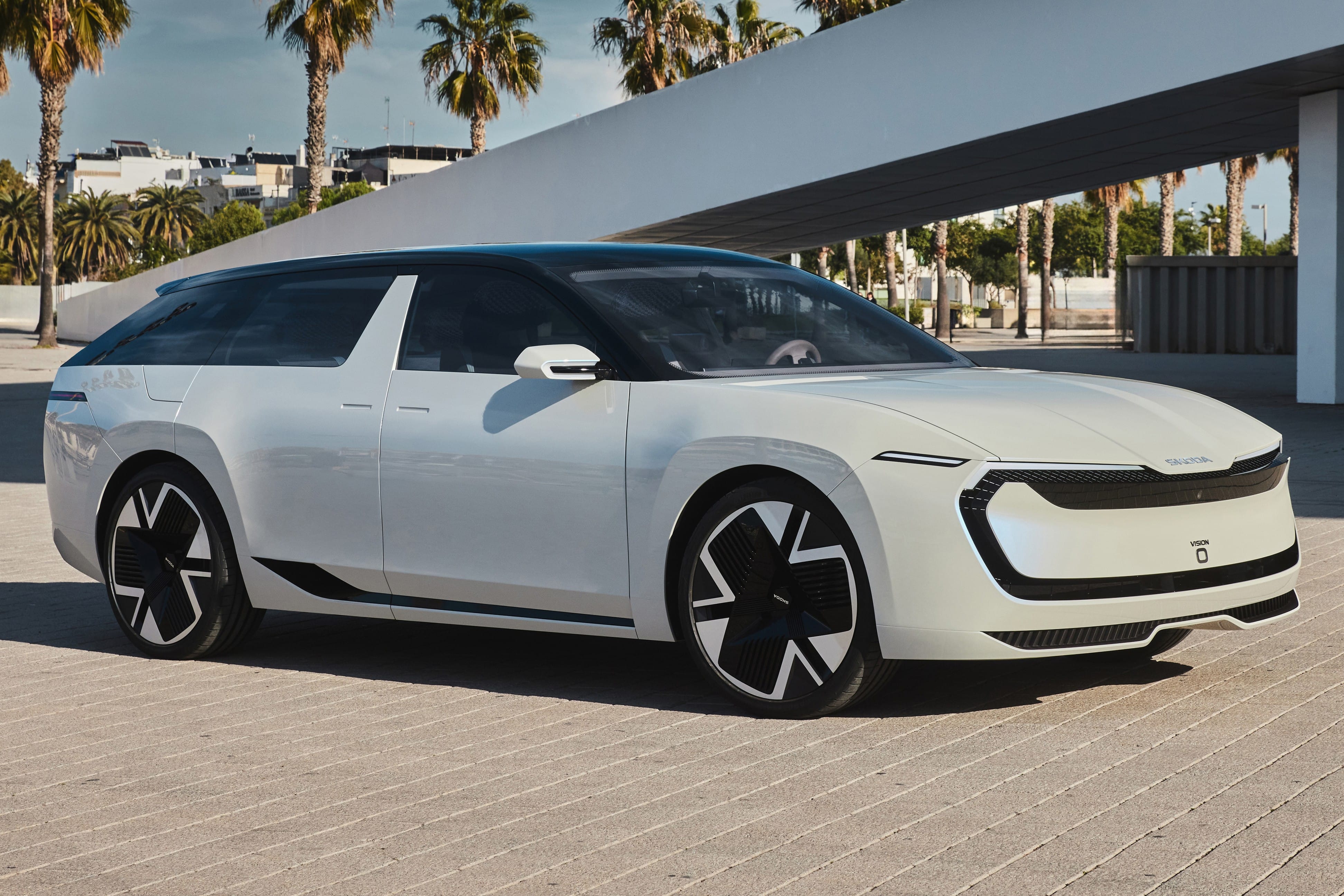
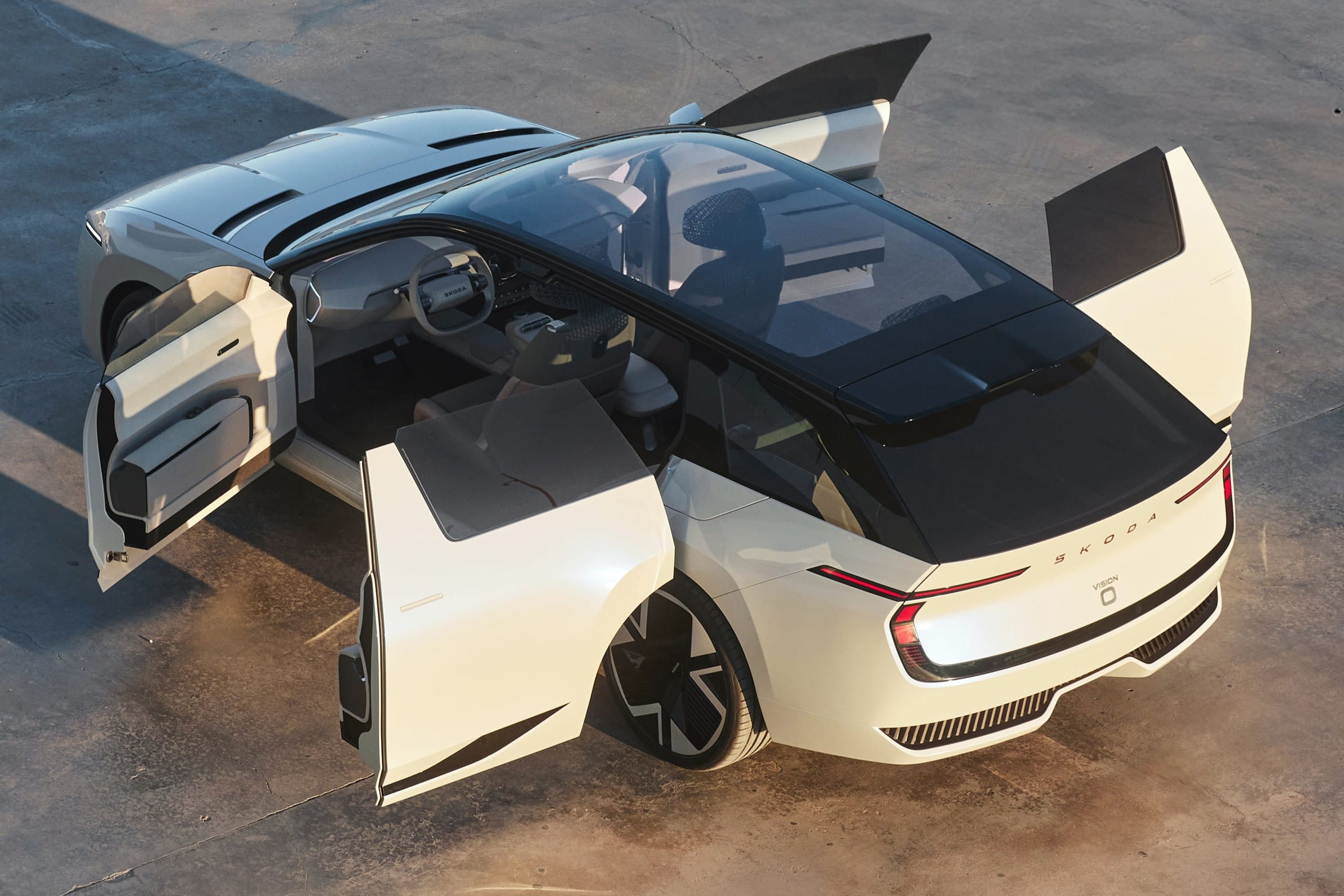
Could the production-spec Vision O replace the Superb?
Skoda’s Vision O concept, which was unveiled in 2025 and previews the next-gen Octavia, provides a possible indication of how the carmaker could consolidate its future estate offerings. The 4,850mm-long concept previews the next-generation Octavia as an electric estate, and is 152mm longer than the current Octavia Combi (4,698mm) and just 52mm shorter than the Superb Combi (4,902mm).
This could enable the next-gen Octavia to move upmarket and provide the space and practicality currently offered by the Superb, thus allowing Skoda to axe the latter nameplate. That said, Skoda has not confirmed if the production-spec Vision O will replace the Superb. The concept’s production version is expected to land by the end of the decade and will use the Volkswagen Group’s next-gen SSP architecture.
Skoda is also keeping its options open on powertrains in light of slowing EV adoption, with Zellmer stating that the carmaker’s current model line-up is the largest in its history as a result of “catering for a market still divided between combustion drivetrains and electric vehicles, and everything in between such as mild hybrid, full hybrid, plug-in hybrid.” To that end, a range-extender hybrid setup is being considered for the production-spec Vision O. The EV sales downturn may prompt Skoda to extend the lifespan of its ICE-powered models as well.
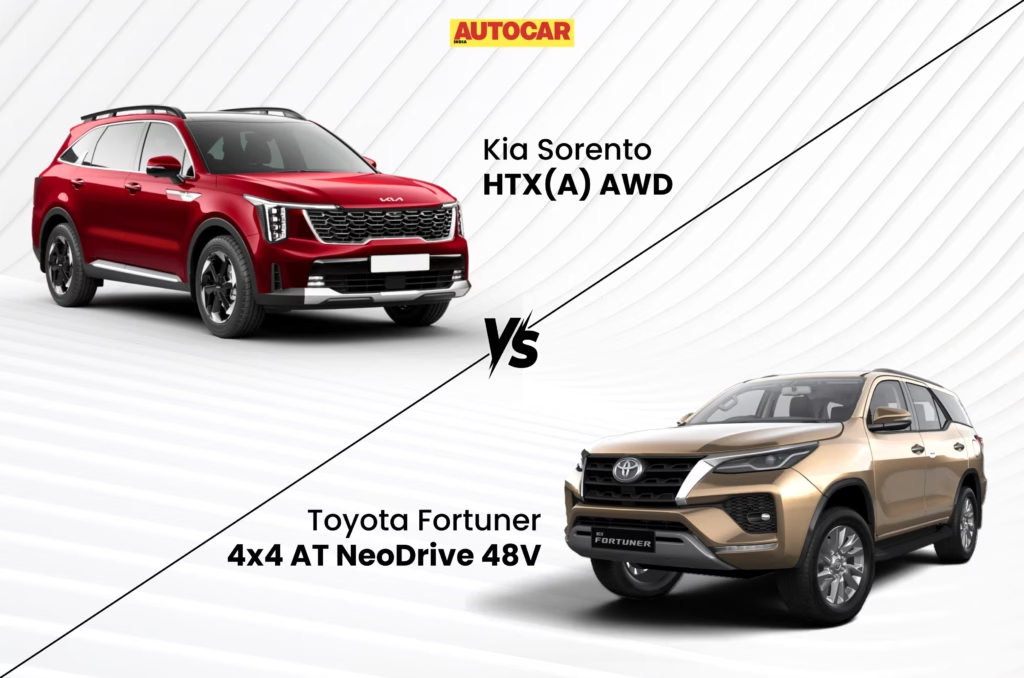
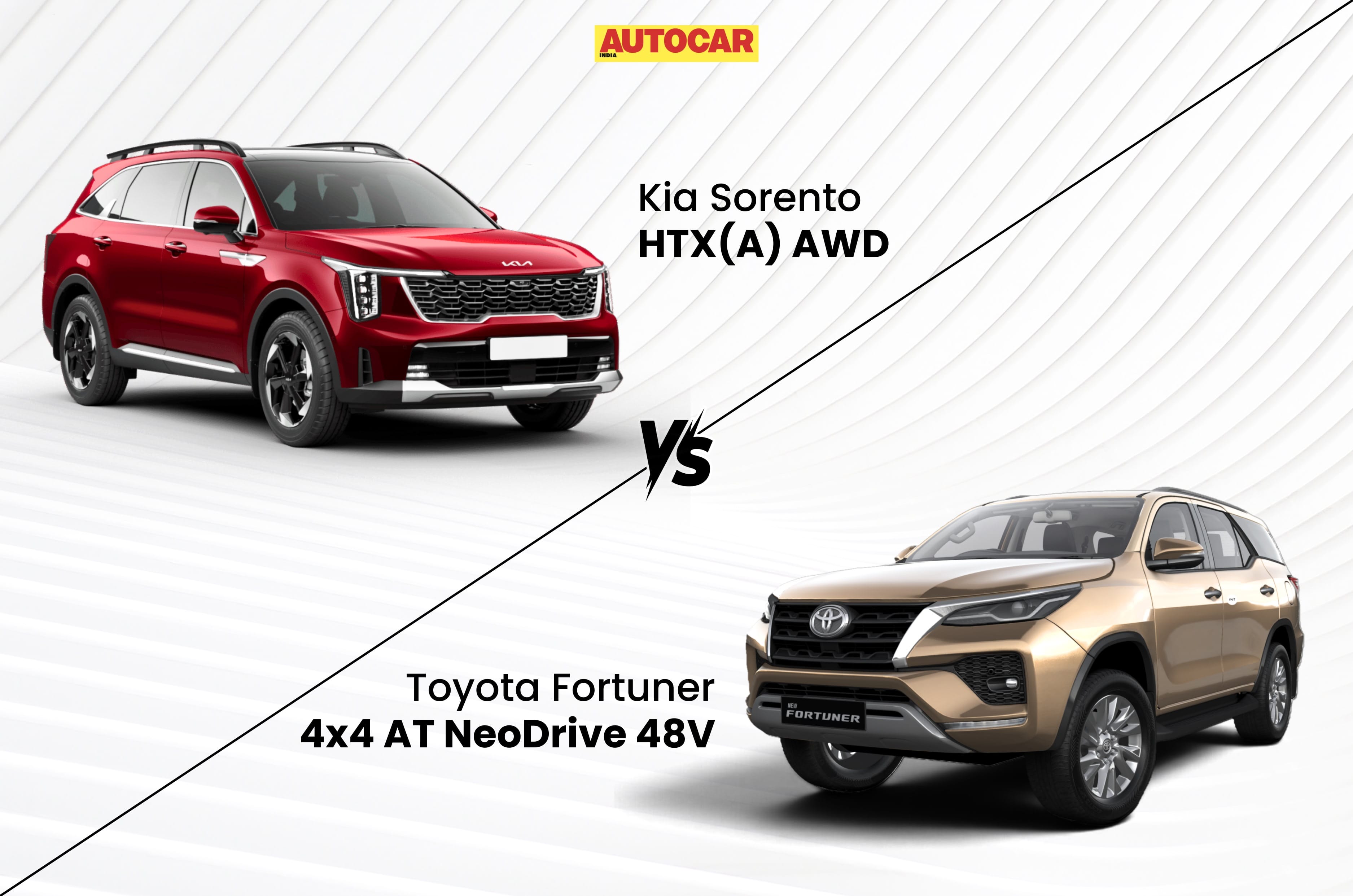
The Kia Sorento is now on sale in India as the Korean carmaker’s flagship ICE-powered SUV. It contends in the three-row premium SUV segment, directly rivalling the likes of the monocoque-based Skoda Kodiaq, Volkswagen Tayron, and Jeep Meridian. Additionally, the Sorento’s pricing overlaps with that of the ladder-frame-based Toyota Fortuner, which is one of the most popular SUVs in the Rs 30 lakh-50 lakh price bracket.
While the Fortuner isn’t as up-to-date or premium as the Sorento is, the Toyota SUV has accrued a reputation for toughness, reliability, and off-road prowess. Below, we’ve put together the top-spec diesel variants of the Sorento and Fortuner – the HTX(A) and 4×4 AT NeoDrive 48V, respectively – to see which one delivers more bang for your buck.
Kia Sorento vs Toyota Fortuner: Top-spec variant dimensions
Sorento is longer and wider, while Fortuner is taller
Sorento HTX(A)
Fortuner 4×4 AT NeoDrive 48V
Length (mm)
4,815
4,795
Width (mm)
1,900
1,855
Height (mm)
1,785
1,835
Wheelbase (mm)
2,815
2,745
Seating capacity
6/7
7
Wheel size (inches)
19
18
The Sorento is just 20mm longer than the Fortuner overall, but the Kia SUV’s wheelbase is 70mm longer. It’s also 5mm wider than the Fortuner, comes with larger wheels, and even offers a 6-seat layout with second-row captain’s chairs. However, the Fortuner does claw back some points on the height front, sitting 50mm taller than the Sorento.
Kia Sorento vs Toyota Fortuner: Top-spec diesel variant powertrains
Syros EV is quicker, e Vitara claims higher range and has a bigger battery
Sorento HTX(A)
Fortuner 4×4 AT NeoDrive 48V
Engine
2.2-litre, 4 cyls
2.8-litre, 4 cyls
Power (hp)
193
204
Torque (Nm)
442
500
Gearbox
8-speed DCT
6-speed AT
Mild hybrid system
No
Yes, 48V
Drive layout
FWD, AWD
AWD
The Fortuner undoubtedly has a larger and more powerful diesel engine than that of the Sorento, that too paired with a 48-volt mild hybrid system for functions like torque assist under load, engine start/stop, and brake energy recuperation. On the other hand, the Sorento comes with an 8-speed gearbox instead of a 6-speed one, which could enable better fuel efficiency on the highway. The top-spec Sorento diesel variant also offers a front-wheel drive layout for buyers who don’t need the enhanced go-anywhere capabilities afforded by all-wheel drive.
Kia Sorento vs Toyota Fortuner: Top-spec diesel variant exterior features
Sorento offers sequential indicators and more colours, while Fortuner gets more lighting
Sorento HTX(A)
Fortuner 4×4 AT NeoDrive 48V
LED auto headlamps
Yes
Yes
Front LED fog lamps
Yes
Yes
Rear fog lamps
No
Yes
LED tail-lamps
Yes
Yes
Puddle lamps
No
Yes
Roof rails
Yes
Yes
Powered ORVMs
Yes
Yes
Sequential indicators
Yes
No
Powered tailgate
Yes
Yes
Rear spoiler
Yes
Yes
Colour options
8, monotone
5, monotone
In this department, both SUVs are fairly well matched. The Sorento is uniquely equipped with sequential indicators, while the Fortuner is the only one here to offer rear fog lamps and puddle lamps. As for colour options, both are sold in monotone finishes only, with the Sorento offering two more than the Fortuner does.
Kia Sorento vs Toyota Fortuner: Top-spec diesel variant interior features
Sorento easily takes the win here
Sorento HTX(A)
Fortuner 4×4 AT NeoDrive 48V
Infotainment screen
12.3-inch
8-inch
Instrument cluster
12.3-inch digital
Analogue w/ MID
Heads-up display
Yes
No
Sunroof
Panoramic
No
Wireless charger
Yes
No*
Powered front seats
Yes
Yes
Ventilated front seats
Yes
Yes
Second-row ventilation
Yes
No
Dual-zone climate control
Yes
Yes
Ambient lighting
Yes
No
Sound system
12-speaker Bose
11-speaker JBL
Apple CarPlay & Android Auto
Wireless
Wired
Connected car tech
Yes
Yes
IRVM
Digital
Auto-dimming
Rear centre armrest
Yes
Yes
Sliding, reclining rear seats
Yes
Yes
*Available as an optional accessory.
The Sorento is majorly ahead of the Fortuner in terms of creature comforts. The Kia SUV has larger screens, a big sunroof, more speakers, wireless phone connectivity, rear-seat ventilation, ambient lighting, a fully digital IRVM, and more.
Kia Sorento vs Toyota Fortuner: Top-spec diesel variant driving features
Sorento gets more drive modes, adaptive cruise control, and auto park assist
Sorento HTX(A)
Fortuner 4×4 AT NeoDrive 48V
Drive modes
4
3
Terrain modes
3
6
Auto park assist
Yes
No
Paddle shifters
Yes
Yes
Cruise control
Adaptive
Yes
While the Sorento gets one additional drive mode (Eco, Sport, Smart, Normal) over the Fortuner (Eco, Normal, Sport), the latter signals its off-road focus by offering two more terrain modes (Mud, Sand, Rock, Dirt, Deep Snow) than the Kia SUV (Snow, Mud, Sand) does. However, the Sorento ups the convenience ante by including a smart park assist function, as well as adaptive cruise control, which can automatically adjust the car’s speed.
Kia Sorento vs Toyota Fortuner: Top-spec diesel variant safety features
Sorento packs several more safety features than the Fortuner does
Sorento HTX(A)
Fortuner 4×4 AT NeoDrive 48V
ADAS
Yes
No
Airbags
10
7
ABS w/ EBD
Yes
Yes
ESC
Yes
Yes
Hill hold control
Yes
Yes
TPMS
Yes
No*
360-degree camera
Yes
No*
Parking sensors
Front, rear, side
Front, rear
Built-in dashcams
Yes
No
Electronic parking brake
Yes
No
Rain-sensing wipers
Yes
No
ISOFIX child seat anchors
Yes
Yes
Disc brakes
Front, rear
Front, rear
*Available as an optional accessory.
Much like interior features, it’s a square win for the Sorento on the safety front. It not only packs side parking sensors and three more airbags over the Fortuner, but gets features completely missing from the Toyota SUV, like Level 2+ ADAS, rain-sensing wipers, an electronic parking brake with auto-hold, a tyre pressure monitoring system, a 360-degree camera, built-in dual-channel dashcam, and more.
Kia Sorento vs Toyota Fortuner: Top-spec diesel variant prices
Sorento is more affordable despite all the additional features
Sorento HTX(A)
Fortuner 4×4 AT NeoDrive 48V
Price (Rs, lakh)
38.49-38.69
43.12
Not only is the top-spec Sorento diesel much more feature-packed than the Fortuner, it’s cheaper by around Rs 4.5 lakh as well. The Fortuner is nearly a decade old, and it shows when compared to a more modern car like the Sorento. If you primarily drive on paved roads and want your car to be packed with bells and whistles, the Sorento is the obvious choice. However, if off-roadability, power, and outright durability are your main concerns, there’s still some merit in buying a Fortuner.
Citroen has expanded the powertrain lineup on the Aircross X and Basalt X models, making the turbocharged engine more affordable while also extending the naturally aspirated engine to higher-spec trims of both models. Citroen has also updated the eC3X electric hatchback with some additional range along with introducing new flexible EMI options for all three models. Let’s look at all the updates in closer detail.
Citroen Basalt X, Aircross X powertrain lineup expanded
Until now, both the Aircross X and the Basalt X got the 110hp, 1.2-litre 3-cylinder turbocharged petrol engine from the mid-spec Plus trim onwards. This latest update now makes it available on the base trim, bringing down the price of the turbocharged variant by Rs 1.50 lakh and Rs 1.58 lakh on the Aircross X and the Basalt X respectively.
At the same time, the 82hp, naturally aspirated version of the same engine has now been extended to the top Max trim, offering buyers a more affordable engine option but with all the bells and whistles of the top trim. Notably, the naturally aspirated petrol engine can also be had in CNG-spec on any trim, although Citroen hasn’t revealed exact specifications or prices of the CNG variants.
Aircross X variants
Price (ex-showroom)
Basalt X variants
Price (ex-showromm)
You
Rs 8.89 lakh
You
Rs 8.55 lakh
Turbo You 7-seat
Rs 10.49 lakh
Turbo You
Rs 9.99 lakh
Plus
Rs 9.99 lakh
Plus
Rs 9.99 lakh
Turbo Plus
Rs 11.99 lakh
Turbo Plus
Rs 11.57 lakh
Max 5-seat
Rs 11.62 lakh
Turbo AT Plus
Rs 12.82 lakh
Turbo Max 5-seat
Rs 12.42 lakh
Max
Rs 11.34 lah
Turbo Max 7-seat
Rs 13.35 lakh
Turbo Max
Rs 12.62 lakh
Turbo Max AT 5-seat
Rs 14.14 lakh
Turbo AT Max
Rs 13.89 lakh
Turbo Max AT 7-seat
Rs 14.52 lakh
The base-spec You trim of both models also get a Comfort Edition package. This adds an ambient lighting package, a 10.25-inch touchscreen and beige leatherette upholstery from the higher trims for an additional Rs 20,000.
Citroen eC3 X updated with more range
Alongside the Aircross X and Basalt X’s expanded powertrain lineup, the eC3 X now offers up to 330km of MIDC claimed range, up from 325km. Citroen says this has been achieved by using the energy more effectively, likely through a software update.
eC3 X variant
Price (ex-showroom)
Live
Rs 11.99 lakh
Live (O)
Rs 12.35 lakh
Shine
Rs 13.26 lakh
The eC3 X is now also available under the BaaS program, under which the ex-showroom price starts at Rs 6.99 lakh and Rs 2.26 is charged per km of usage.
New EMI options introduced for all models
To make these new variants more accessible, Citroen is also offering a step-up finance scheme with loan tenures of up to seven years, which lowers EMI outflow in the initial years compared to a regular loan structure. Under this scheme, EMIs start from Rs 9,999 for the BasaltX range and Rs 10,555 for the AircrossX range in the first year. The EMI amounts are applicable for the first year of the step-up finance scheme considering 20 percent down payment.
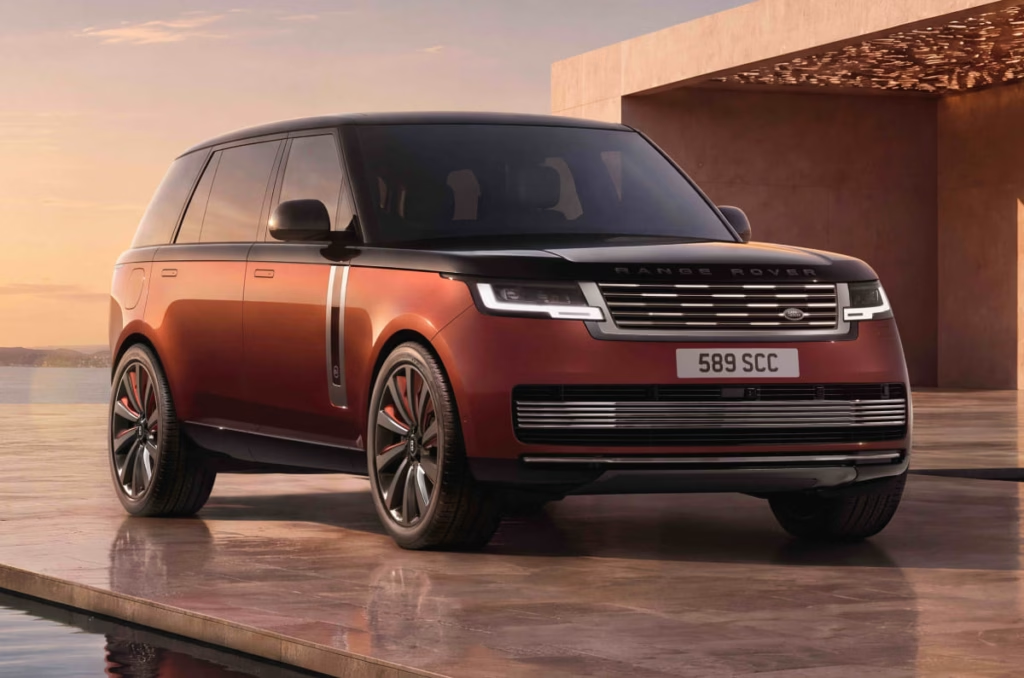
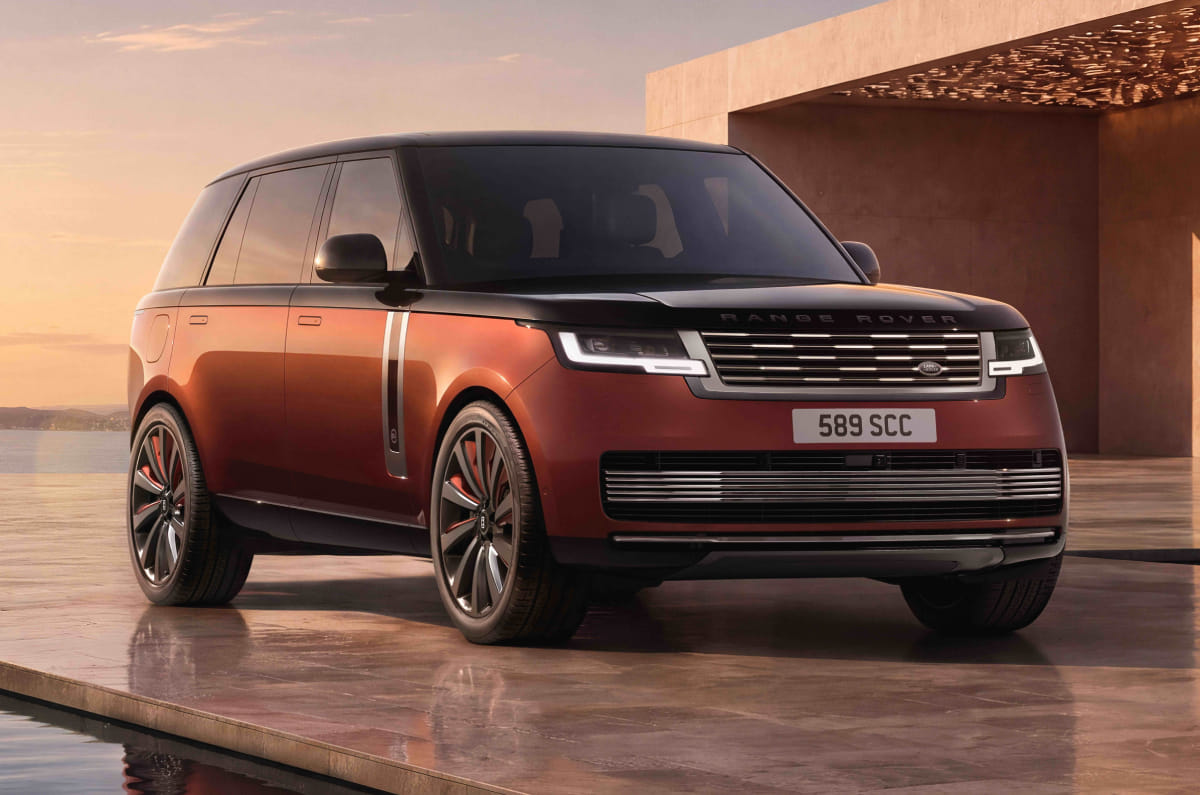
Range Rover has introduced a new Duo-Tone Fade paint finish through its Bespoke service. It uses two exterior colours that gradually blend from the roof and bonnet into the body sides and rear. The finish is available exclusively for the Range Rover SV. Range Rover has not announced a specific price for the paint option.
Range Rover SV Bespoke paint options
Four Duo-Tone Fade combinations are available: Velvet Depths, Sunstone Lustre, Ashen Amaranthine and Nacre Allure. Each is paired with a dual-tone interior.
Velvet Depths combines Obsidian with Sunrise Copper, while Sunstone Lustre pairs Obsidian with Tourmaline Brown. Ashen Amaranthine combines Obsidian with Amethyst, and Nacre Allure uses Obsidian with British Racing Green.
The finish is created using multiple layers of paint. The base colour is applied first, followed by the second colour, which is then blended into the base to create the fade. The process involves hand preparation and precision application, with the materials and colour combinations tested for compatibility.
Range Rover SV: What is it?
The Range Rover SV is the performance-focused version of the Range Rover and is available with both petrol and electric powertrains. The petrol version uses a 4.4-litre twin-turbo V8 mild-hybrid producing 537hp and 750Nm, while the electric version has a claimed range of up to 600km.
The SV gets features including a 13.1-inch infotainment touchscreen, 13.7-inch digital driver’s display, 13.1-inch rear entertainment screens, heated steering wheel, powered rear sunblinds, four-zone climate control, head-up display, ambient lighting, 360-degree camera and air purifier. All seats are electrically adjustable and get heating, ventilation, massage and memory functions.
Range Rover also offers the SV Bespoke service, which allows customers to customise the exterior and interior of their SUV.
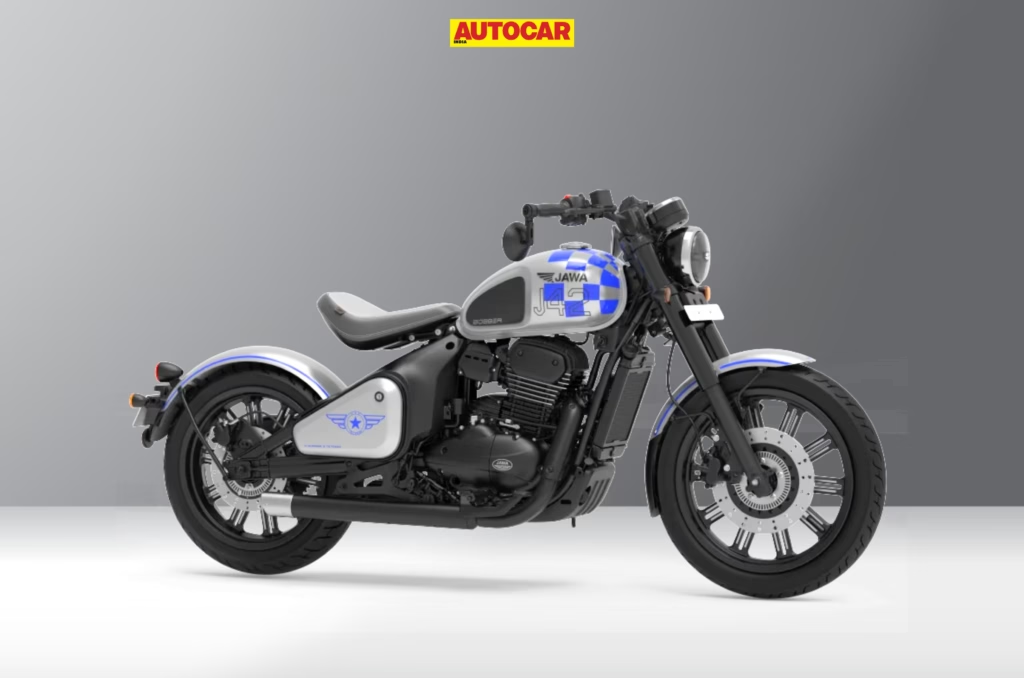
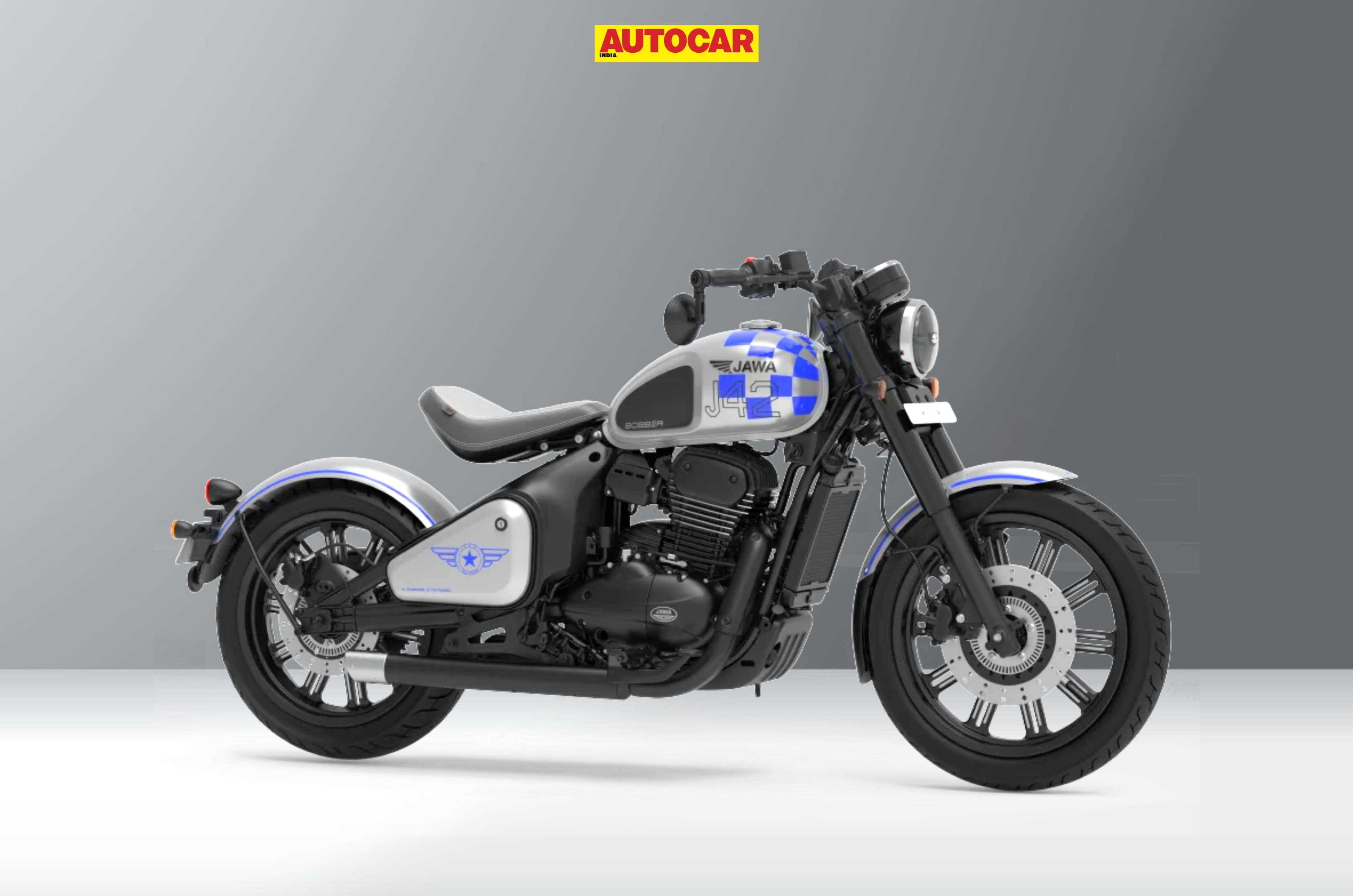
Classic Legends has expanded its Global Chess League-inspired All Stars trim to the Jawa 42 Bobber, with Anand Mahindra unveiling the bike at the Global Chess League 2026. The Jawa 42 Bobber All Stars Edition is priced from Rs 2.09 lakh (ex-showroom, Delhi) and is available in five colour options.
Gets five colour options with exclusive graphics
Mechanically unchanged from the standard 42 Bobber
Jawa All Stars 42 Bobber price and details
The bike is available in five colour options, with prices varying depending on the colour
The All Stars Edition of the Jawa 42 Bobber introduces cosmetic changes only, with the bike continuing to be powered by the same 334cc, liquid-cooled, single-cylinder engine that produces 29.9hp at 7,500rpm and 30Nm at 5,500rpm.
The All Stars trim has now been applied to two Jawa models – the 42 FJ, which was launched last month at Rs 2.02 lakh, and now the 42 Bobber. For the 42 Bobber, five colour options will be available, with prices ranging from Rs 2.09 lakh to Rs 2.20 lakh depending on the colour.
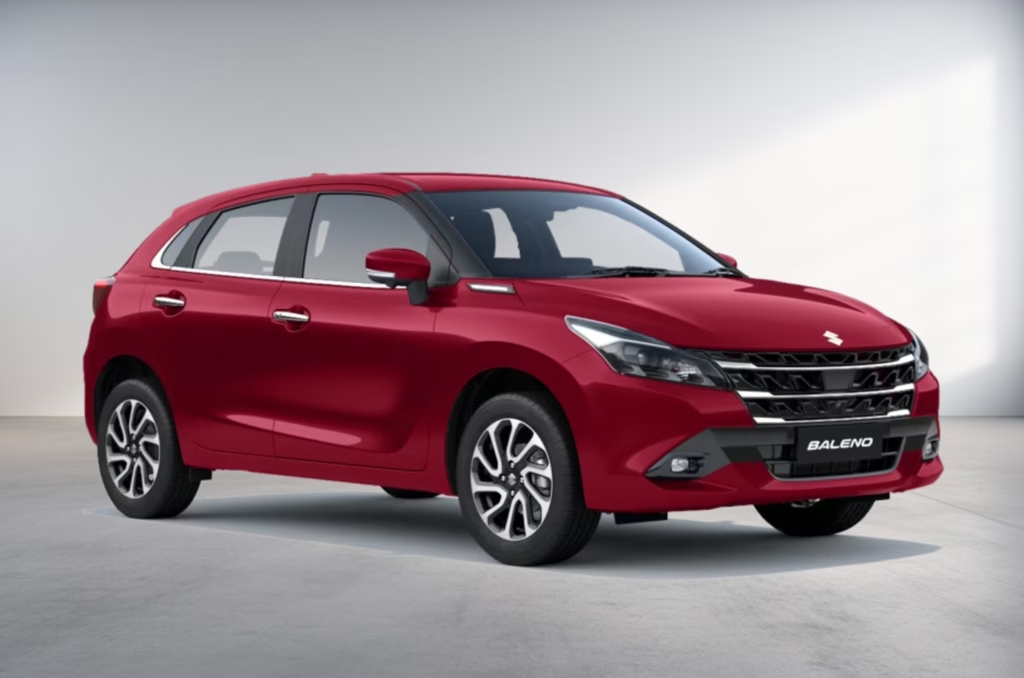
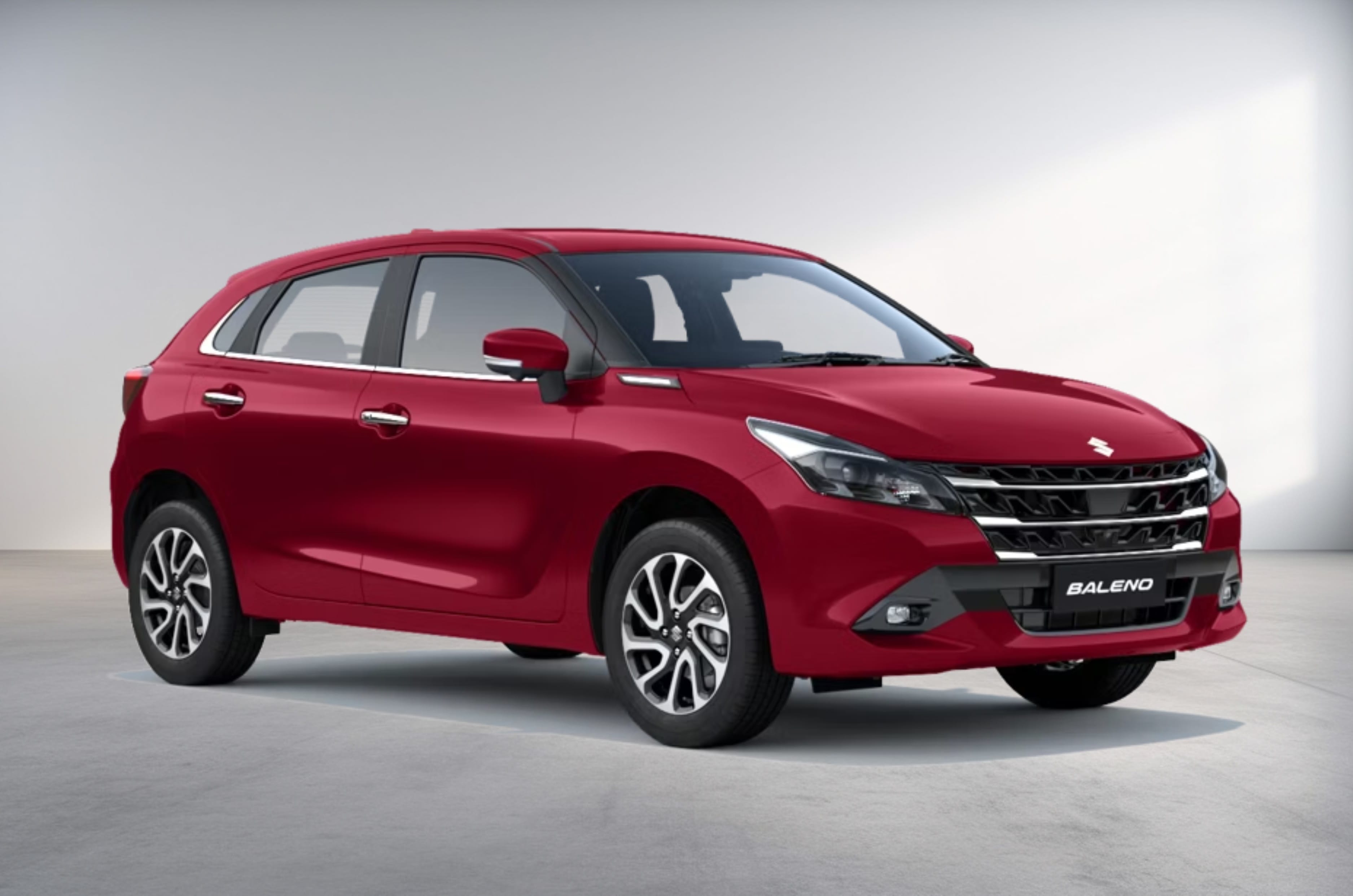
Maruti Suzuki has introduced a more fuel efficient petrol engine with the 2026 Baleno facelift. The previously on offer 1.2-litre, 4-cylinder naturally-aspirated engine (K12N) has been replaced by the brand’s 1.2-litre, 3-cylinder motor (Z12E), which also does duty in models like the Swift and Dzire.
New Maruti Baleno fuel efficiency figures
2026 Maruti Baleno facelift
Pre-facelift Maruti Baleno
Difference
Petrol MT (kpl)
23.80
22.35
1.45
Petrol AMT (kpl)
24.77
22.94
1.83
CNG MT (km/kg)
33.61
30.61
3
The Baleno petrol-manual version now returns 1.45kpl more than before, while the AMT sees an improvement of 1.83kpl. The Baleno CNG sees the biggest improvement, with an increase of 3km/kg.
What’s interesting is that Maruti has achieved these improvements despite the new Baleno being relatively heavier than the outgoing version. The new Baleno petrol-MT has a maximum kerb weight of 985kg, which is 30kg more than the older petrol-MT’s 955kg. Similarly, the petrol-AMT is now 30kg heavier at 990kg, compared to the previous version’s 960kg. Meanwhile, the new Baleno CNG-MT weighs 1,055kg, which is 20kg more than the outgoing version’s 1,035kg.
New Maruti Baleno powertrain specs
2026 Maruti Baleno facelift
Pre-facelift Maruti Baleno
Engine
3 cylinder, 1.2L petrol | CNG
4 cylinder, 1.2L petrol | CNG
Power (hp)
83 | 70
90 | 77.5
Torque (Nm)
112 | 102
113 | 98.5
Transmission options
5MT or 5AMT | 5MT
5MT or 5AMT | 5MT
While the K12N engine had four cylinders, the new Z12E motor used in the facelifted hatchback has one cylinder less. It has been tuned to deliver better fuel efficiency, as reflected in the claimed figures. The Z12E engine is also relatively down on peak outputs. Power is down by 7hp in petrol mode and 7.5hp in CNG mode, while torque is down by 1Nm in petrol mode and 3.5Nm in CNG mode. Transmission options remain the same.
The new Maruti Baleno is priced from Rs 6.10 lakh, ex-showroom. The carmaker has not announced the full variant-wise pricing at the time of writing.
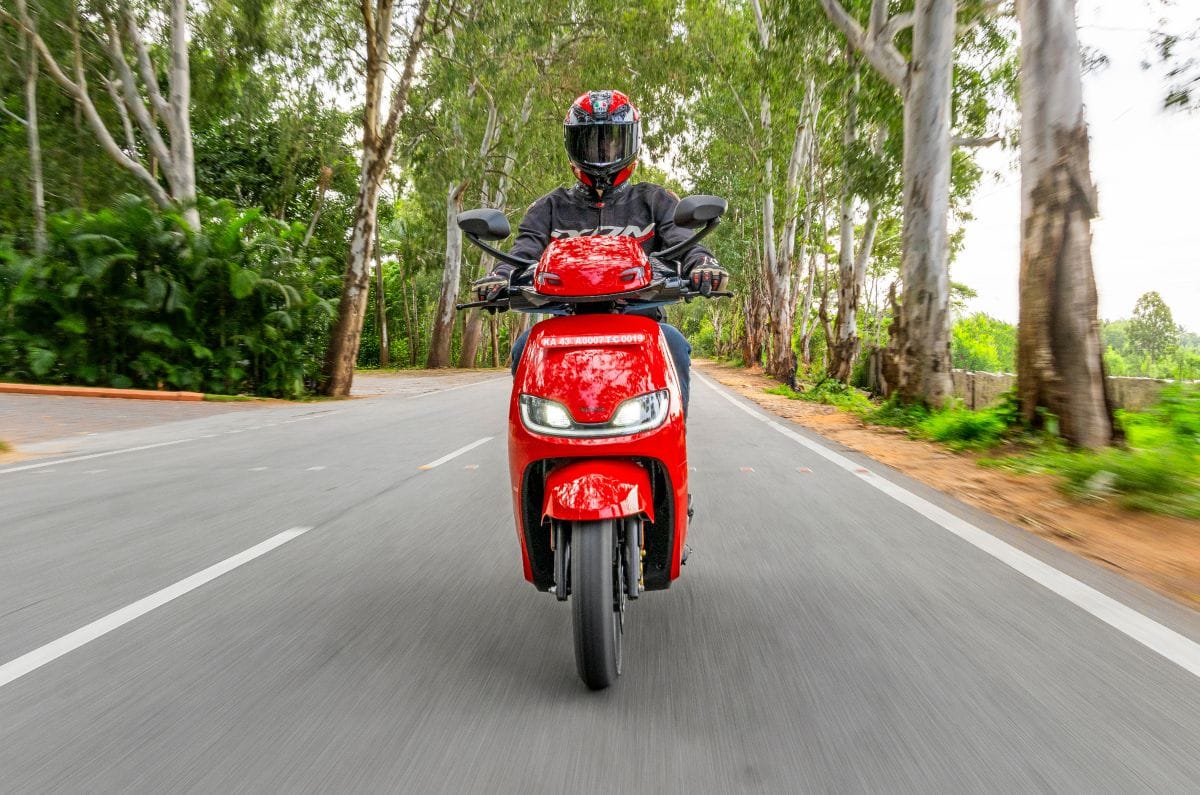
The Simple Wave is an interesting proposition in the increasingly crowded electric scooter space. Its rounded, smooth looks certainly grab attention and, as we found out, it is comfortable, spacious and offers brisk performance. There’s plenty to like here, so let’s dive right in.
Simple Wave Design and quality – 8/10
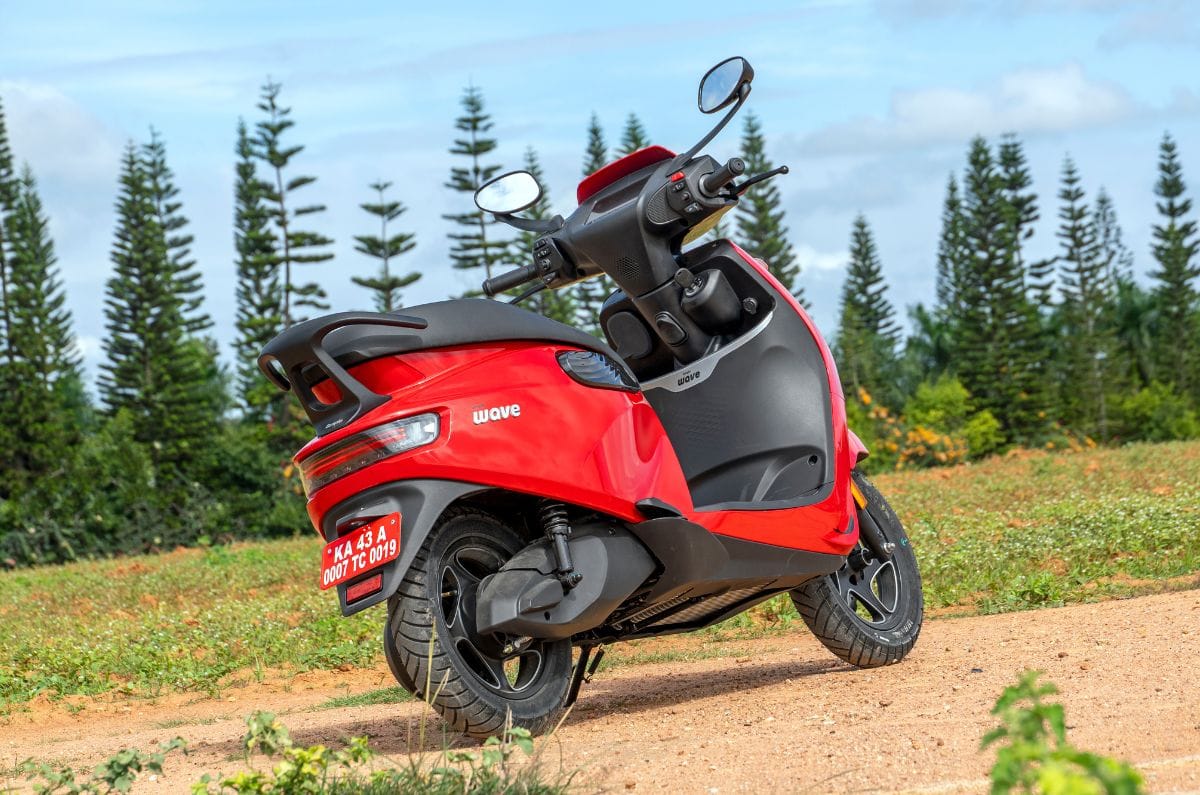
Looks unique and features many chassis changes over the One
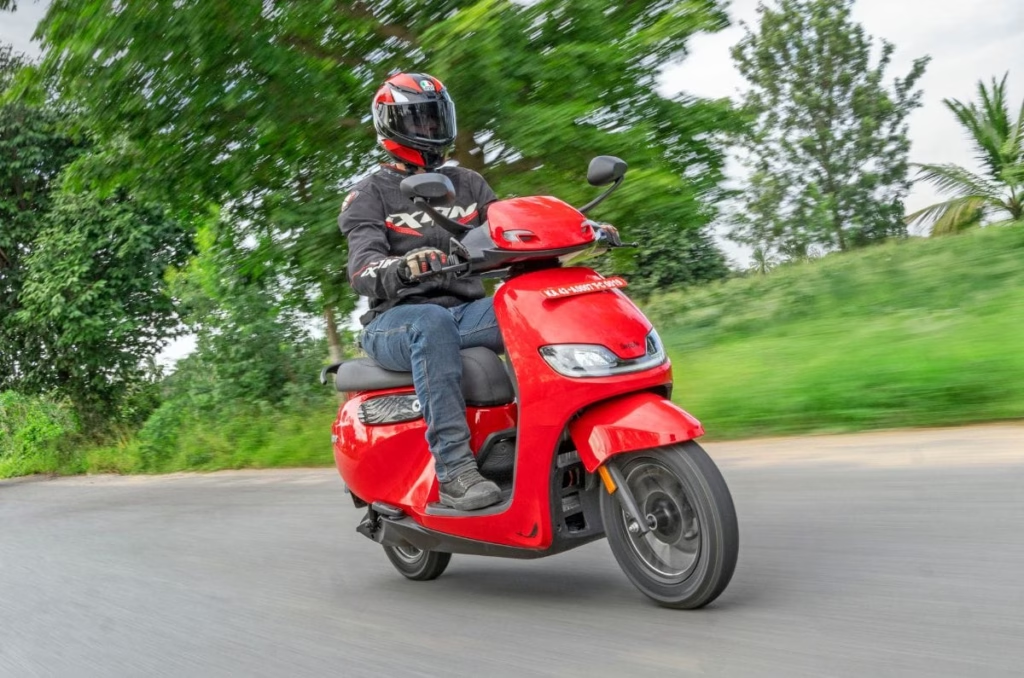
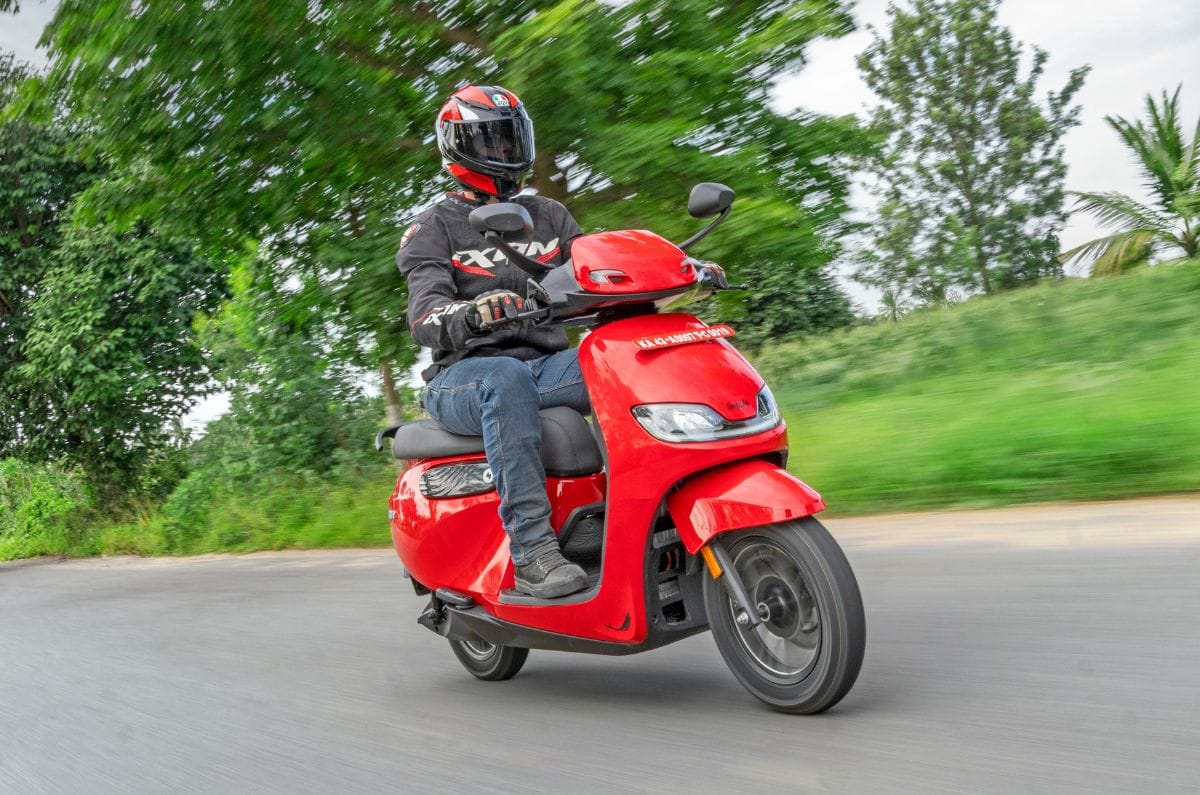
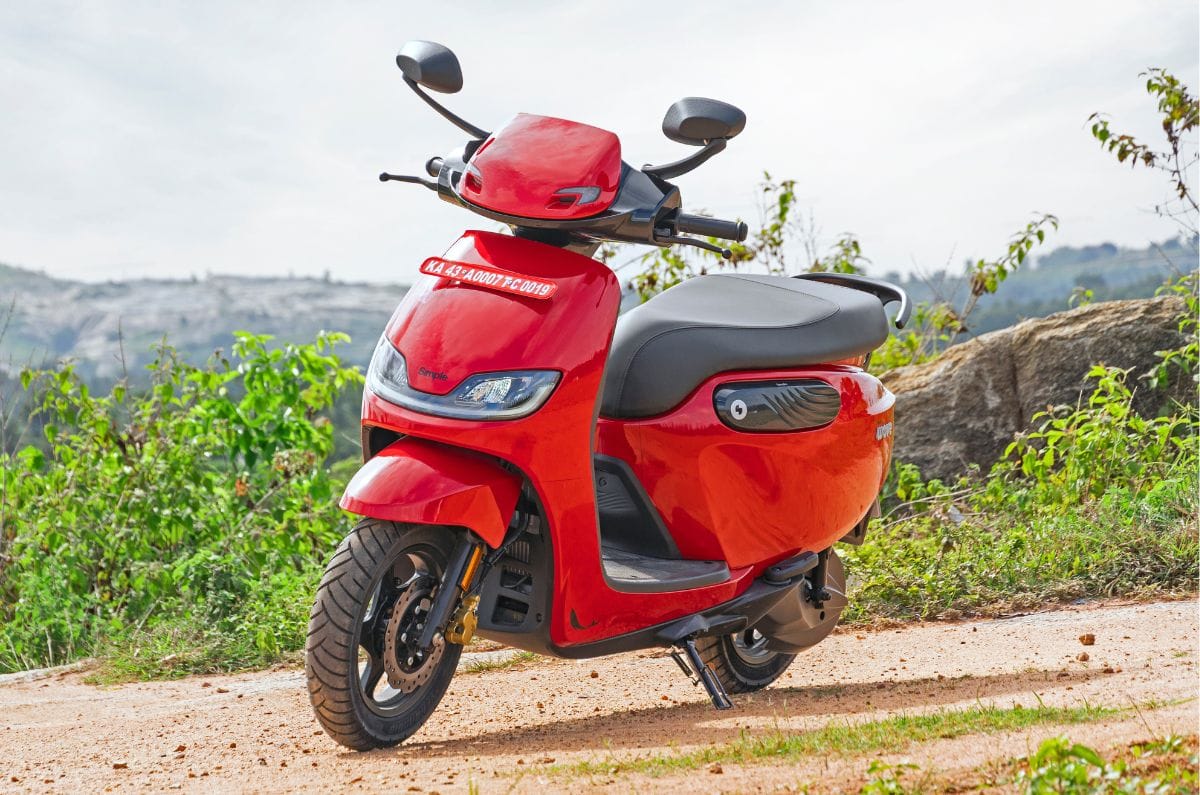
Design is subjective, of course, but the Wave looks good to my eyes with its smooth, rounded edges and distinctive silhouette. It’s got a good level of finish too, and the brighter colour options – red and blue – help it stand out. Simple has designed the Wave as a more accessible, family-oriented scooter, without making it look or feel built down to a cost.
It has a quirky design and surely stands out, especially in the brighter colour options.
Compared to the sporty Simple One, the Wave’s chassis is quite different. The rear subframe has been reworked to accommodate the bigger boot and twin shocks (which replace the One’s monoshock). The Wave also uses a simpler, more cost-effective tubular swingarm instead of the cast unit on the One.
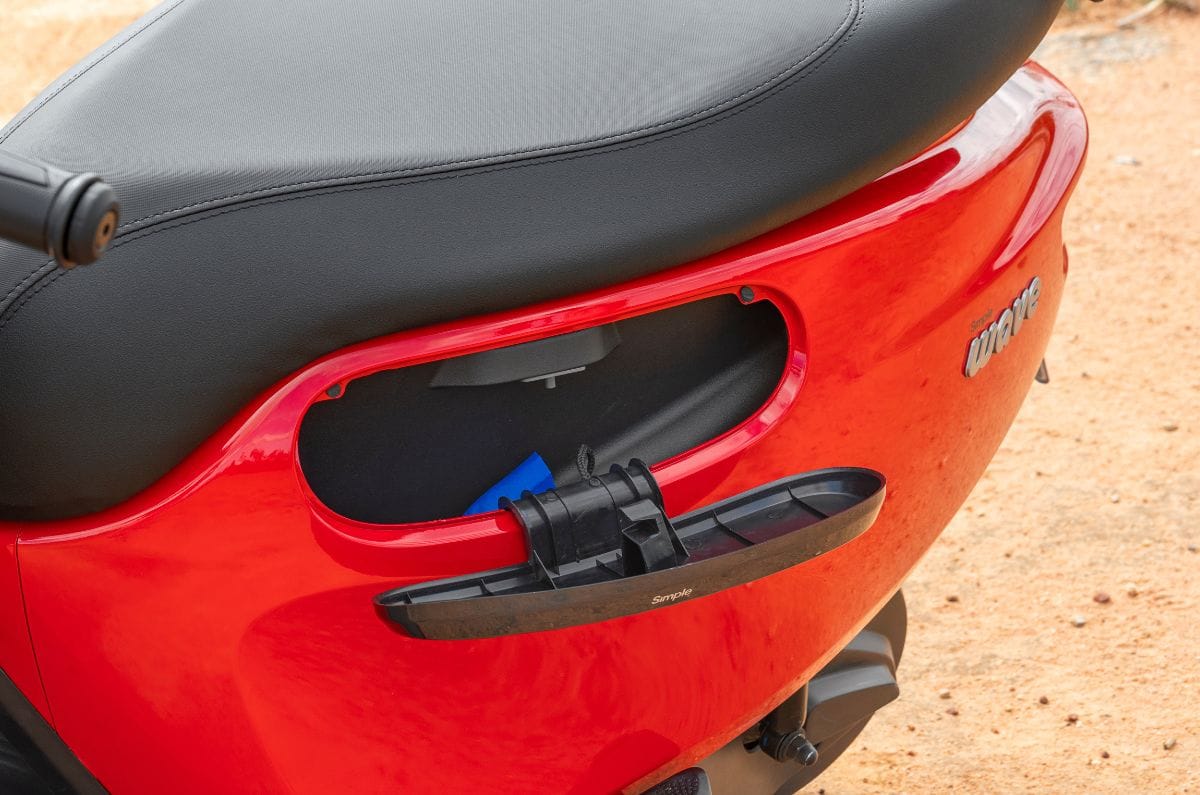
Lockable and weatherproof 4L“Pill” storage cubbies are a thoughtful touch, RH cubby is an accessory.
Simple Wave Ergonomics and comfort – 9/10
Offers a supple ride and ample space for two people
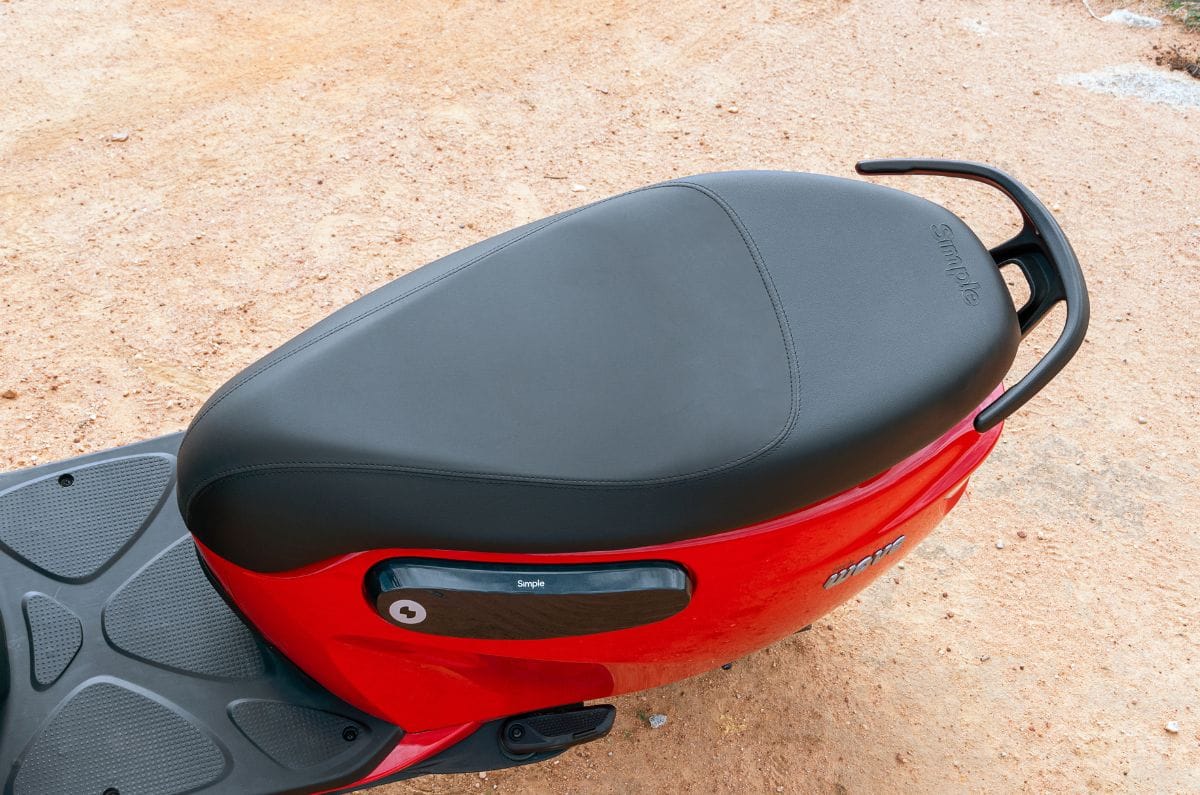
The differences only get more pronounced once you sit on the Wave. Its seat is long, wide and will easily accommodate two full-size adults, while its relatively low 775mm seat height makes it friendly for shorter riders.
That low seat height is no accident either; Simple took feedback from customers who had the One and incorporated it into the Wave. This is why the Wave also has a lower handlebar to make it more approachable for shorter and female riders. This has a trade-off, however. Taller riders will find the handlebar fouls their knees during tight, lock-to-lock U-turns.
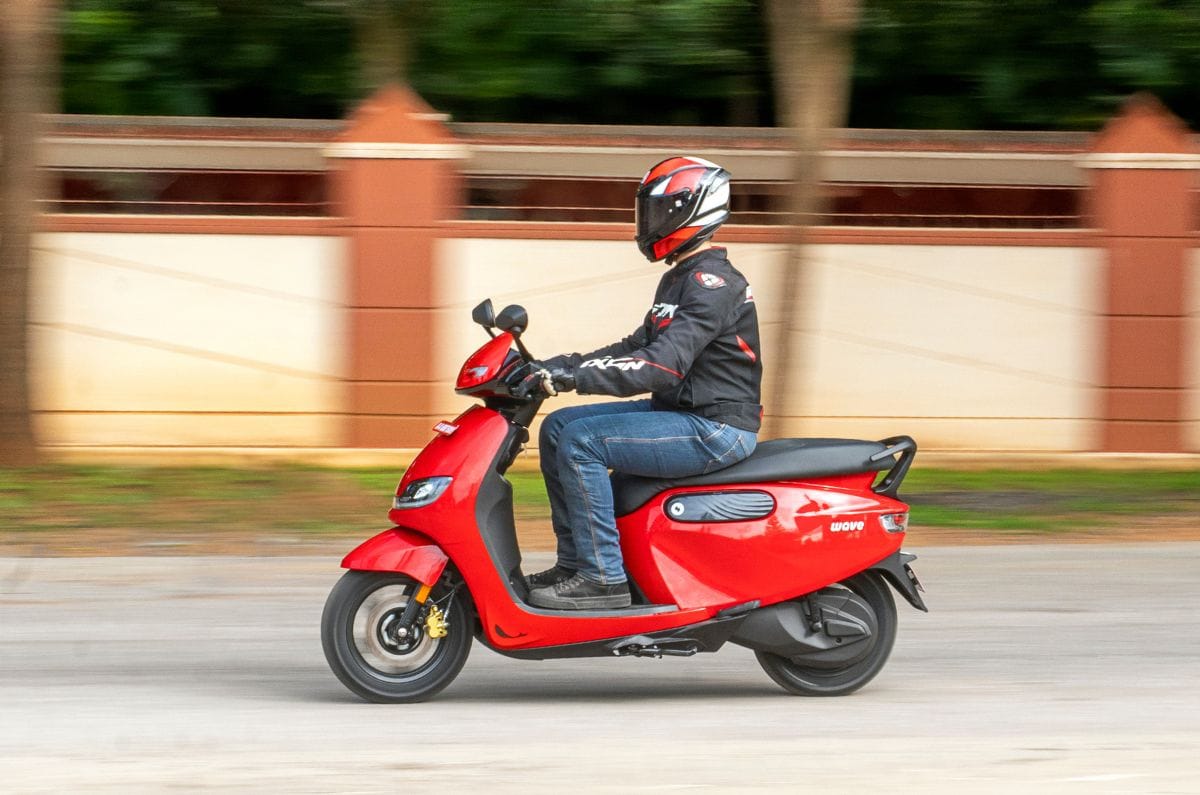
Riding position is spot-on and ride comfort too is excellent.
Other than that, the Wave is rather sorted ergonomically. Ride comfort is excellent for a scooter, and that isn’t a surprise given that the Simple One itself was quite comfortable. The Wave builds on that with a composed and plush ride that suits its intended role.
Depending on the variant, the Wave weighs between 121-128kg with the 3.7kWh TFT variant provided to us sitting roughly in the middle of that range (124.5kg). We found the Wave handled predictably, without any unwelcome surprises, feeling stable and sure-footed without compromising agility expected of a scooter.
Spacious, well-paded seat can comfortably seat 2 full-size adults.
Simple Wave Performance and range – 9/10
Performance is more than sufficient, Eco mode truly usable
Like the One, the Wave offers really brisk performance, but still feels approachable enough for everyday use. The 3.7 version gets three riding modes – Eco, Ride and Sport – and both Ride and Sport offer more than enough performance for everyday use, which isn’t really a surprise. In Ride the top speed is 75kph, whereas Sport takes it up to 90kph (speedo-indicated, not actual).
The real surprise, however, is Eco mode. Yes, it feels duller than the other two modes, but it isn’t crippled in the way Eco modes on other EVs. The Wave can still get up to around 50-55kph quite respectably and overtake traffic, making Eco genuinely usable even on faster roads or in a big city.
It handles predictably and surefootedly in all scenarios.
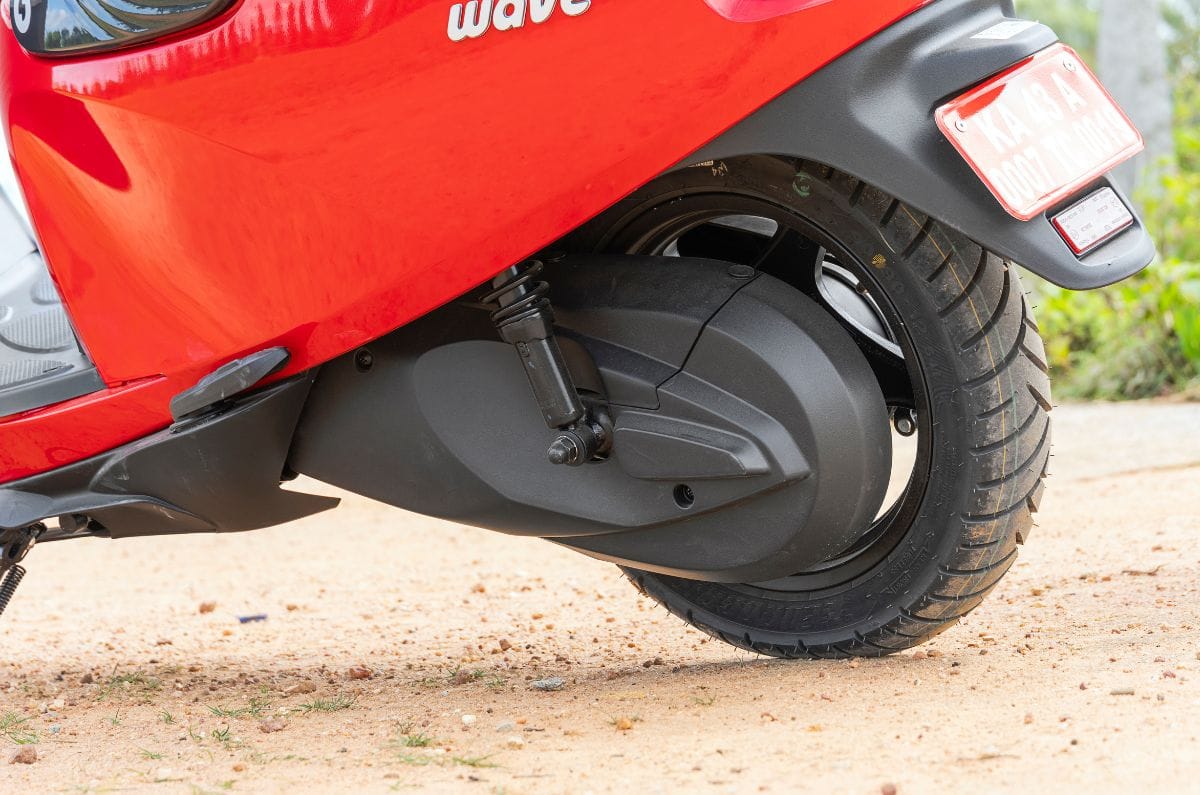
Given that the Wave uses the same motor as the OneS making 6.4kW and 52Nm, this performance is no surprise. However, on the Wave, the motor drives the rear wheel via a chain drive, not a belt as seen on the One models.. While a chain will be more maintenance-intensive than a belt, replacing it should be more affordable. Simple has worked to reduce powertrain noise with measures such as a rubber-damped sprocket, but there is still some motor noise. However, it’s much quieter than an Ather Rizta or 450, although far from dead silent like an Ather Konarc or TVS iQube.
Another welcome change to the One is the throttle response. Unlike the older One models we tested, where the scooter could continue accelerating briefly after the throttle was closed, the Wave’s accelerator behaves much more intuitively. It also gets traction control, although the throttle calibration is so smooth, you’re unlikely to need it in dry conditions but it will be a useful safety net in the wet.
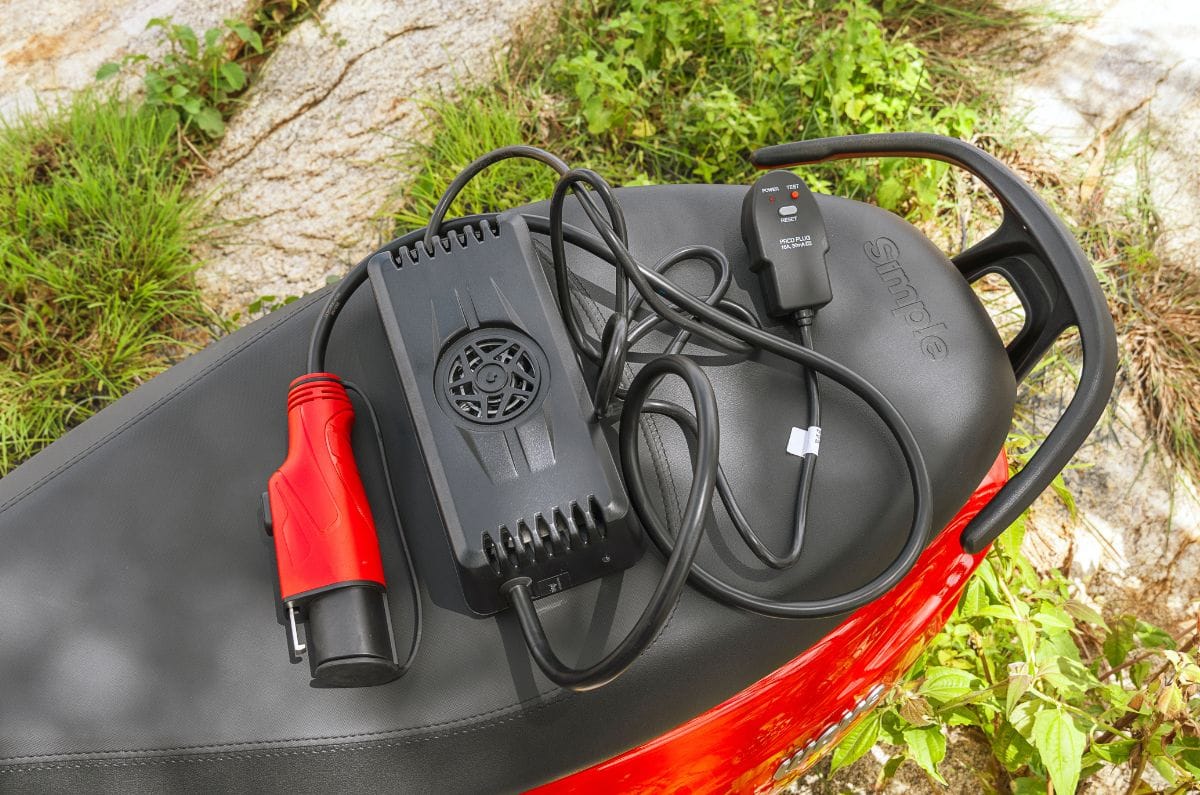
Fast 750W charger is standard on all variants.
Powering the Wave are four battery packs, depending on the variant you choose: 2.2kWh, 2.7kWh, 3.7kWh and 5kWh. The IDC ranges Simple claims are 110km, 132km, 171km and 243km, respectively. The first two use LFP (Lithium Ferrous Phosphate) chemistry, while the larger batteries use NCA (Nickel Cobalt Aluminium) cells.
The range indicator also appears to be quite trustworthy although we’ll reserve final judgement on real-world range until we can conduct a full test back in Mumbai. What is also nice is that all variants of the Wave come with a fast 750W charger which enables a pretty quick 0-80 percent claimed charging time of 3hr30min on the 3.7kWh version we were riding.
The standard warranty on the Wave is three years/30,000km, with five years/50,000km and 15 years/2 lakh km extended options also available. The price of these optional longer warranties has not been shared with us.
The Wave’s motor feeds power to the rear wheel via a chain, not a belt like on the One.
Simple Wave Features – 9/10
Massive 63L boot and Pill storage cubbies are very useful
While range without sacrificing usable performance is surely valuable on an EV, practicality is an important consideration as well. Storage is one of the Wave’s big strengths. There’s a useful front cubby, while the two “Pill” storage boxes on either side of the body panels are particularly nifty allowing you quick access to essentials you may need to reach for without having to get off the scooter. Each offers 4 litres of lockable weatherproof storage; the left one is standard, while the right is an accessory.
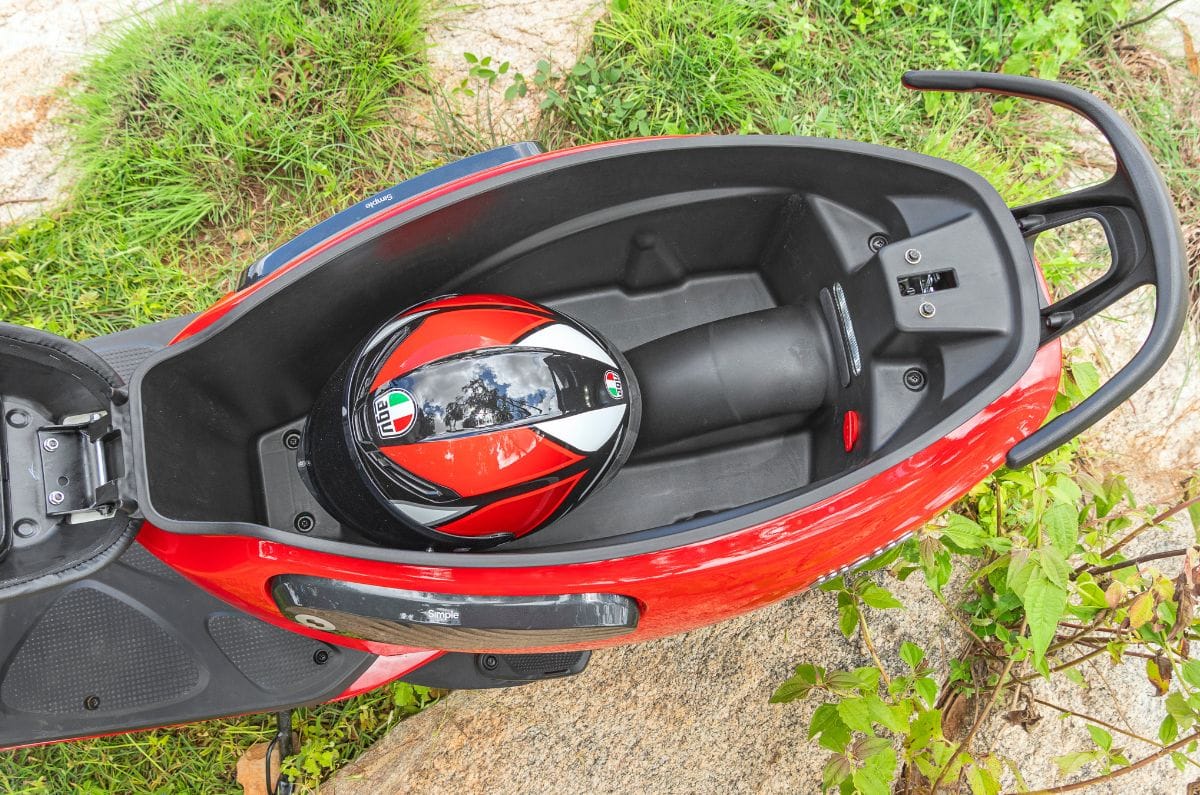
An undoubtedly big USP on the Wave is its cavernous 63L boot, the largest on any Indian scooter to date.
What is also an undoubtedly big USP on the Wave is its cavernous 63 litre boot, which is the largest on any Indian scooter to date. This should prove to be more than enough for everyone in the family! That being said, 63 litres is an enormous number and while this boot is undoubtedly big, I’m do find myself struggling to comprehend how it is nearly 50 percent bigger than the already cavernous 43 litre boot in the River Indie.
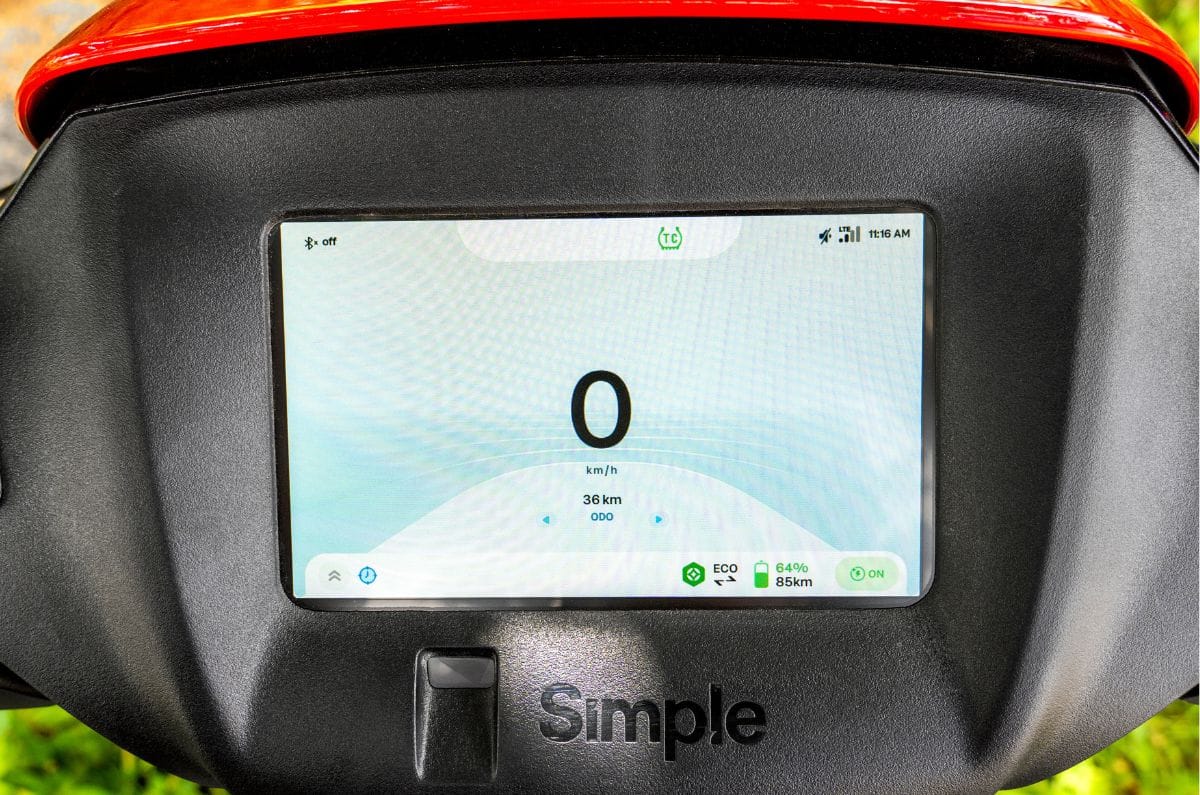
There’s plenty of technology too, including hill hold, drop-safe functionality, theft alerts and Bluetooth connectivity to your phone via the app. The TFT-equipped versions bring even more tech, while the brake-lock clasp is a small but useful touch.
TFT display is well laid-out and has a lot of tech but misses touch functionality.
Simple Wave Price and verdict – 8/10
Scooter has a lot of strengths but is pricey; company yet to prove itself
There isn’t a lot to dislike about the Wave as a scooter. It’s comfortable, spacious, well finished and quick enough to serve its intended purpose very well. However, for all its accomplishments, the Wave doesn’t come cheap. Sure, the Rs 1.10 lakh starting price is tempting, but as you climb the variants ladder, the Wave gets seriously expensive, topping out at Rs 1.90 lakh (ex-showroom, Bengaluru). That said, Simple is one of the few brands offering the option of a 5kWh battery in the family e-scooter space, which is commendable.
However, more than pricing, the bigger issue is that the company is yet to properly scale up its dealer network and establish an aftersales network that delivers the premium experience a buyer will expect after shelling out the money Simple is asking for. The Wave is a good product, but customers paying a premium for an electric scooter will expect not just a solid product but also dependable after-sales support.
The Wave has a lot of strengths but Simple is yet to prove itself in the market.
Ultimately, the Wave’s biggest challenge is that it comes from a start-up that has made plenty of big promises and statements over the past five years but still has a lot to prove. Its dealer network remains minuscule compared with the big players, and long-term reliability still remains unknown.
There’s a lot for Simple to do, but the good news is that the Wave is a genuinely likeable product. If the company can iron out the business side of things, the Wave has the potential to catapult Simple from just another niche start up to a much bigger player. Of course, doing so is a huge challenge and not an overnight process. Simple has a long road ahead of it, but the good news is that it finally has a convincing product to aid in that journey.
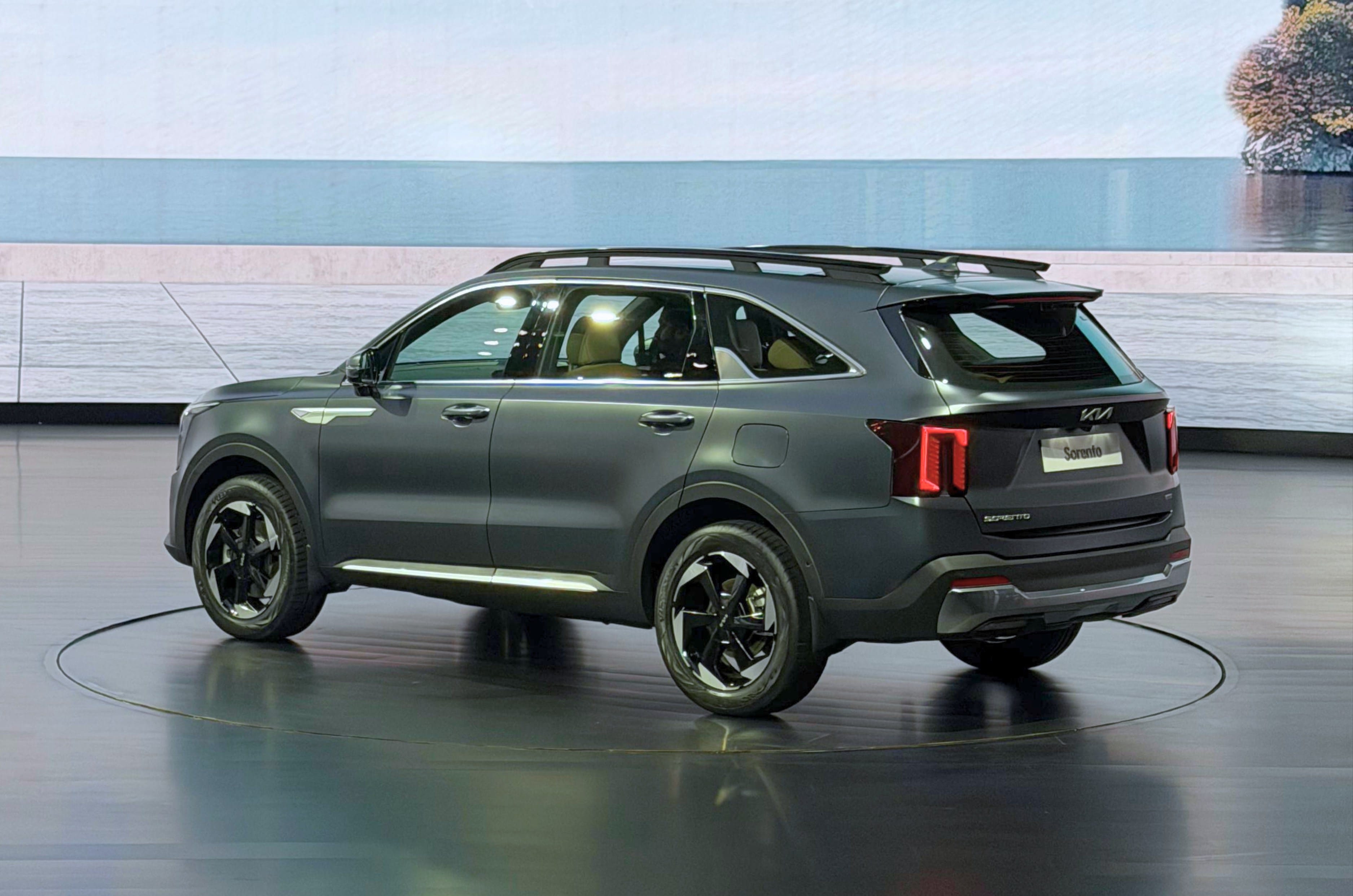
Kia has a new flagship ICE SUV in India in the form of the Sorento. The Korean carmaker has thrown quite a lot at it, offering it with a wide variant lineup with strong-hybrid and diesel engines, front wheel drive and all-wheel drive configurations, and both 6- and 7-seater configurations. In the executive SUV space, the Sorento finds itself in the company of the Skoda Kodiaq, Volkswagen Tayron and Jeep Meridian, and uniquely, it’s the only one to come with a strong-hybrid powertrain. If you have your eyes set on the Sorento, here’s everything you need to know about Kia’s latest three-row SUV.
1. What’s the price range of the Kia Sorento?
2026 Kia Sorento variant-wise prices (in Rs lakh, introductory, ex-showroom)
Diesel 7-str
Diesel 6-str
Strong-hybrid 7-str
Strong-hybrid 6-str
HTE
27.99
–
29.49
–
HTE(O)
29.49
–
30.99
–
HTK
32.49
32.69
33.99
34.19
HTK(A)
33.49
33.69
34.99
35.19
HTX (AWD)
37.49
37.69
38.99
39.19
HTX(A) (AWD)
38.49
38.69
39.99
40.19
The Kia Sorento is priced between Rs 27.99 lakh and Rs 40.19 lakh (ex-showroom), and is available in as many as 20 different variants. More specifically speaking, the diesel range starts at Rs 27.99 lakh and goes up to Rs 38.69 lakh for the top-spec AWD variant. Meanwhile, the strong-hybrid range is priced from Rs 29.49 lakh and Rs 40.19 lakh (ex-showroom).
On-road prices for the Sorento hybrid range between Rs 37.68 lakh and Rs 51.30 lakh in Delhi. Meanwhile, the diesel’s on-road price in Delhi ranges between Rs 35.81 lakh and Rs 49.42 lakh (ex-showroom). Do note on-road prices can vary depending on the city.
2. What powertrains are available with the Kia Sorento?
The Sorento is available with two powertrain options – a 1.6-litre turbo-petrol strong hybrid and a 2.2-litre diesel engine. In the turbo-petrol strong hybrid version, the combustion engine produces 180hp and 265Nm while an electric motor produces an additional 65hp and 264Nm. Kia has, however, not revealed the battery size or the combined total output for this powertrain. The diesel, meanwhile, produces 193hp and 442Nm. The Sorento is, in fact, just one of two SUVs in this segment to offer a diesel engine, while the strong-hybrid is its novelty.
Both powertrains are offered only with an automatic gearbox – 6-speed AT for the strong-hybrid and 8-speed DCT for the diesel. Both also get the option of front-wheel drive and all-wheel drive. Kia has, however, not revealed specific fuel efficiency figures for either powertrain yet.
3. How big is the Kia Sorento
Kia Sorento vs rivals: Powertrain options
Kia Sorento
Volkswagen Tayron
Skoda Kodiaq
Jeep Meridian
Length (mm)
4,815
4,792
4,758
4,769
Width (mm)
1,900
1,866
1,864
1,859
Height (mm)
1,785
1,665
1,679
1,698
Wheelbase (mm)
2,815
2,789
2,791
2,782
Ground clearance (mm)
TBC
TBC
192
214
Wheel size (inch)
18-19
19
18
18
The Sorento is the largest SUV in its segment in every parameter, which lends it quite an imposing stance on the road. It also has the longest wheelbase in its class, and offers the option 18-inch and 19-inch alloy wheels, depending on the trim. For
4. What are the exterior and interior colour options available on the Sorento?
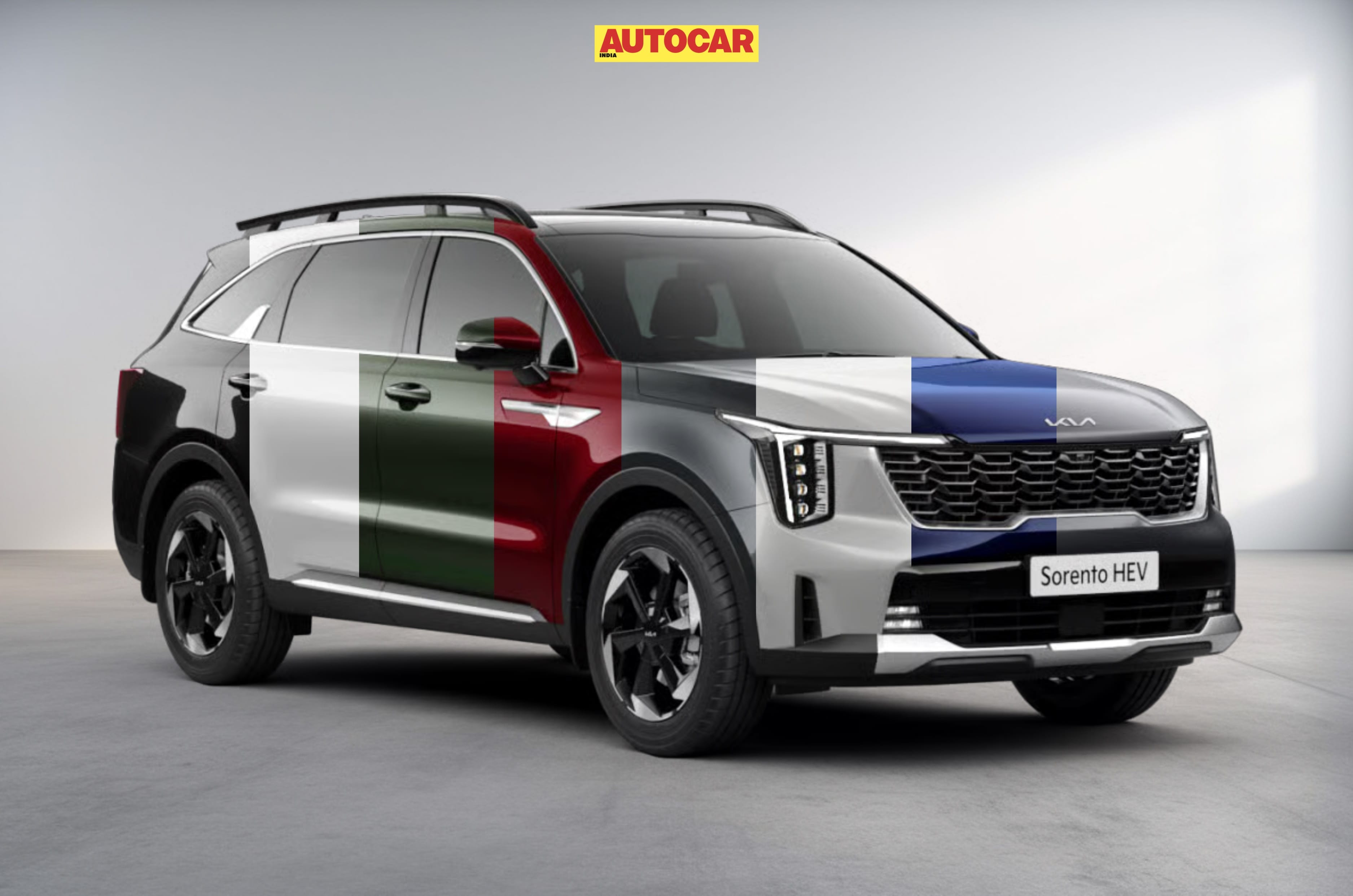
The Kia Sorento is offered with eight exterior colour options, including Aurora Black Pearl, Glacier White Pearl, Magma Red, Ivory Silver, Gravity Grey, Imperial Blue, Pewter Olive, and Dark Gun Metal. Among these, the Dark Gun Metal colour is offered on the top-spec HTX and HTX(A) trims, while all other options are available across the range.
On the inside, Kia is offering two colour schemes: Smoky Black and Grey, and Premium Black and Olive Brown. The former is offered with the lower-spec HTE, HTK, HTE (O), HTK(A) trims, while the latter is available with the higher-spec HTX and HTX(A) trims.
5. What are some of the standout features on the Sorento?
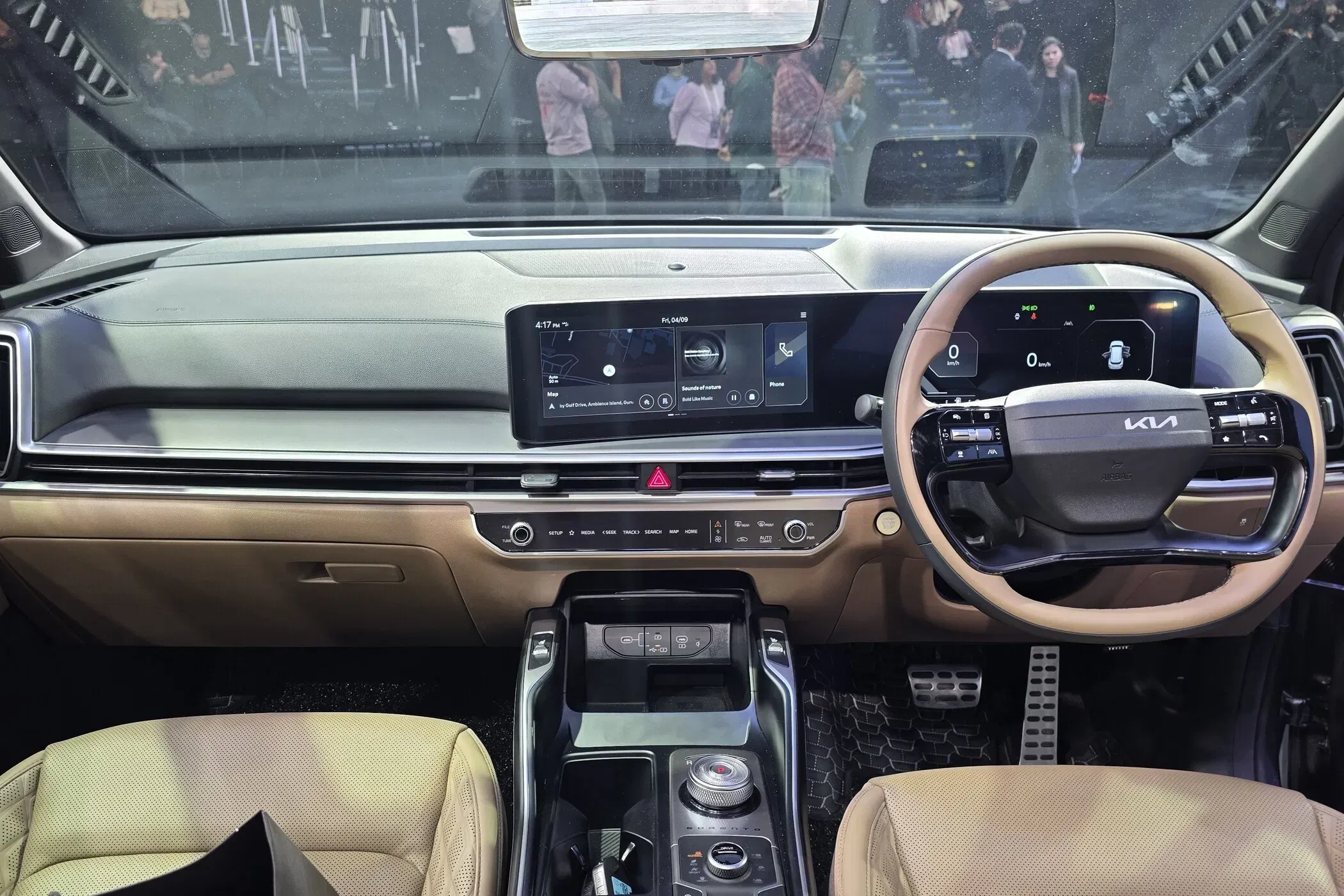
Like most Kia, the Sorento is absolutely loaded to gills, with the India-spec model even debut some features for the Sorento nameplate globally. There are two 12.3-inch screens for instrumentation and infotainment, the front seats are ventilated, have 10-way power adjustability and offer adjustable lumbar support. The co-driver’s seat has a boss mode to extend the middle-row space. The middle-row seats can be electronically folded, and the 6-seater version further offers middle-row seat ventilation.
Other features include a 12-speaker Bose sound system, a panoramic sunroof, dual-zone climate control, a head-up display (HUD) and a powered tailgate. Real-time generative AI is a first for any Sorento available globally. Safety features include 10 airbags, a digital inside rearview mirror (IRVM), a 360-degree camera, auto parking assistance, front and rear dashcams, a tyre-pressure monitoring system (TPMS) and Level 2+ advanced driver assistance systems (ADAS).
6. Which variant of the Kia Sorento should you buy?
With over 20 variants to choose from, the Sorento stretches a very wide price band across both its powertrain options. However, we’d recommend the mid-spec HTK variant which offers the most for your money. It misses out on the AWD system, but packs all the niceties such as the dual 12.3-inch screens, 12-speaker Bose sound system, 360-degree camera with blind-spot monitor, 64-colour ambient lighting, 19-inch alloys, leatherette upholstery, panoramic sunroof, powered tail gate, ventilated front seats and more.
It does miss out on a digital IRVM, HUD, more electronic adjustment levels for the front seats, ventilated second-row seats and boss mode but none of these is a deal breaker. However, if you are on a budget, the one-over-base HTE(O) is the best value-for-money variant, offering a decently equipped feature suite for its price.
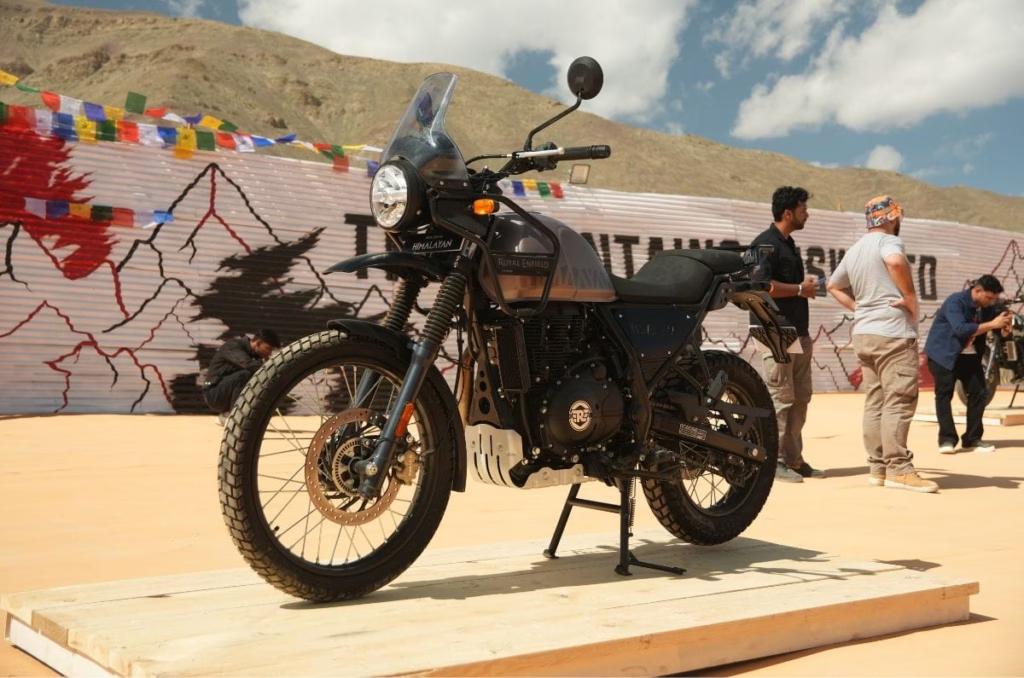
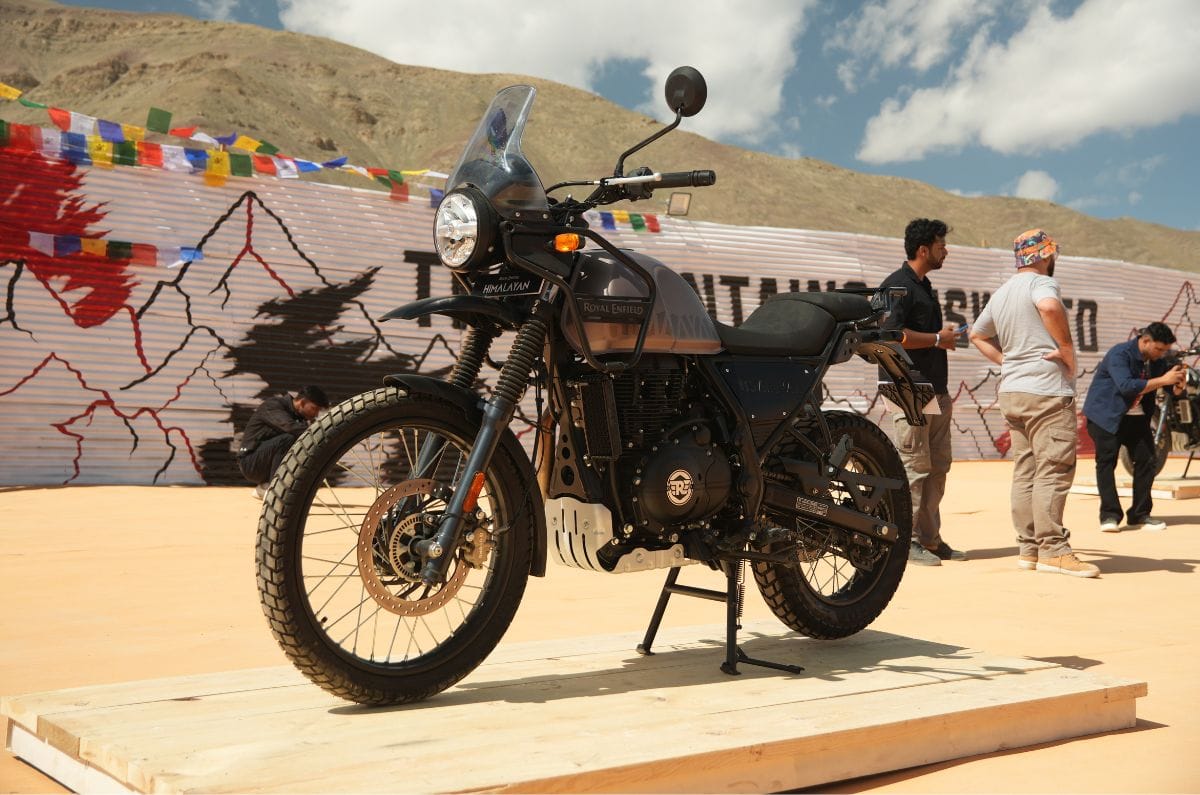
Royal Enfield has finally launched the Himalayan 440 at their Himalayan Basecamp event in Ladakh. As expected, the Himalayan 440 uses the same engine as the Scram 440, but offers three, completely new colour options and different wheel and suspension setup.
Compared to the original Himalayan, the new 440 gets an upgraded engine from the Scram 440, making 25.4hp of power and 34Nm of torque; an improvement of 0.9hp and 2Nm over the 411’s unit. Royal Enfield has achieved this with a 3mm larger bore than the 411.
The new ADV shares the new 6-speed transmission and the 15-litre fuel tank with the Scram 440 as well, making highway stints less effortful, but there doesn’t appear to be a slipper clutch; a feature that’s becoming increasingly common across Royal Enfield’s line-up. Brakes are also the same as the Scram 440, with a 300mm front disc with two piston floating calipers, and 240mm rear disc with a single piston floating caliper. Dual-channel ABS is standard, and the rear ABS can be turned off at will.
Over and above these upgrades, the Himalayan 440 gets different colour options from the Scram 440: Mustang Brown, Nela White, and Sela Black. There’s no price difference between the colours; they all share the same Rs 2.29 lakh price (ex-showroom, Chennai)
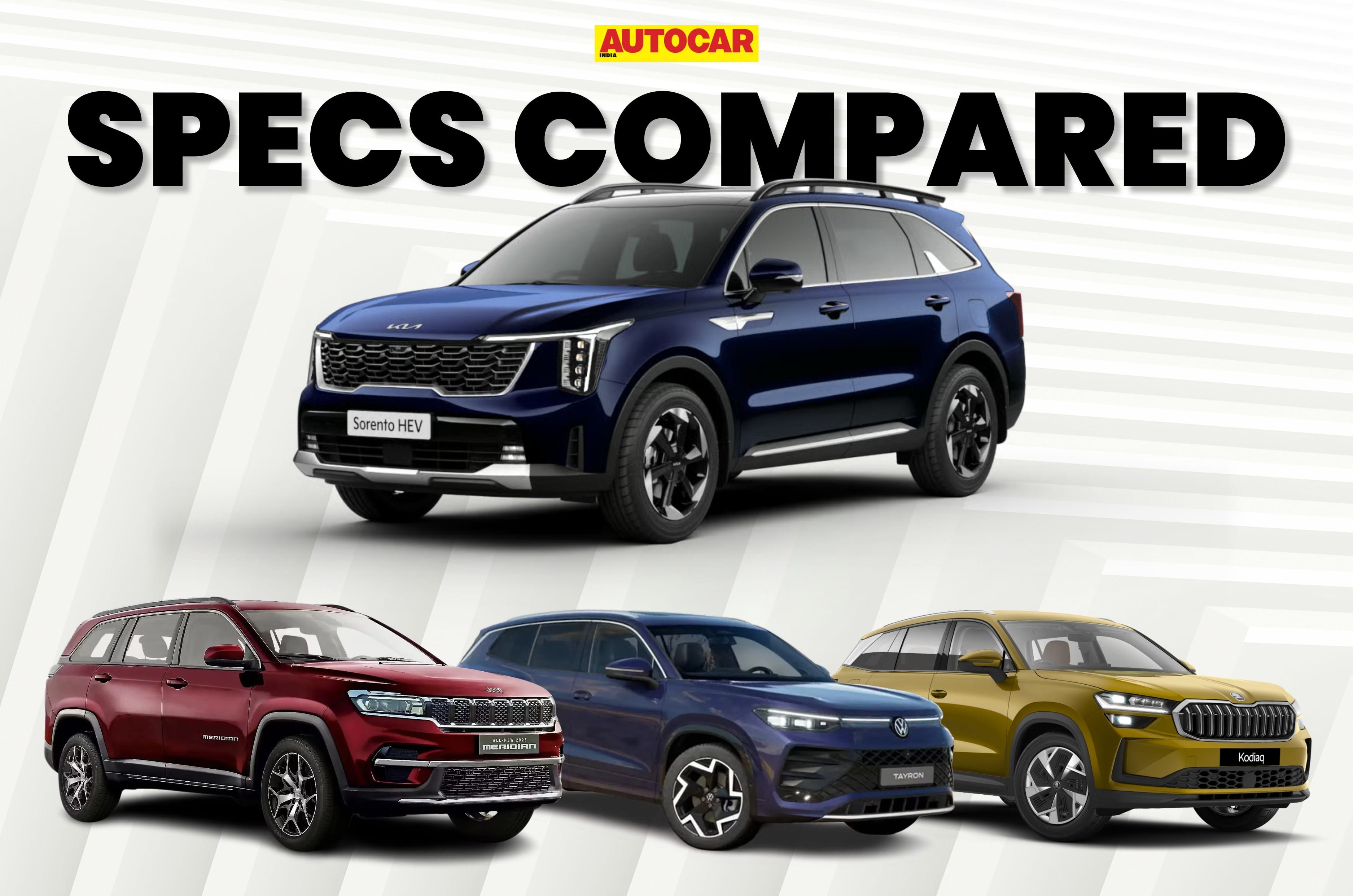
With the launch of the Sorento, Kia India has forayed into the premium three-row SUV segment. It sits on Kia’s N3 platform and sits above the Seltos in the brand’s portfolio in India. In this article, we compare the Sorento’s on-paper specifications and price against rivals including the Jeep Meridian, Volkswagen Tayron, and the Skoda Kodiaq.
Kia Sorento vs rivals: Dimensions
Sorento’s dimensions are the highest in its class
Kia Sorento vs rivals: Powertrain options
Kia Sorento
Volkswagen Tayron
Skoda Kodiaq
Jeep Meridian
Length (mm)
4,815
4,792
4,758
4,769
Width (mm)
1,900
1,866
1,864
1,859
Height (mm)
1,785
1,665
1,679
1,698
Wheelbase (mm)
2,815
2,789
2,791
2,782
Ground clearance (mm)
TBC
TBC
192
214
Wheel size (inch)
18-19
19
18
18
Height (mm)
1,785
1,665
1,679
1,698
By a fair margin, the Kia Sorento is the largest SUV in its class in every dimension. Additionally, it’s the only SUV here to come with both 18 and 19-inch wheels; the Tayron comes with 19-inch wheels as standard, but the Kodiaq and Meridian come with smaller 18-inch rims.
Kia Sorento vs rivals: Powertrain options
Only the Sorento gets petrol and diesel engines
Kia Sorento vs rivals: Powertrain options
Kia Sorento
Volkswagen Tayron
Skoda Kodiaq
Jeep Meridian
Engine
1.6 strong-hybrid | 2.2 turbo-diesel
2.0 turbo-petrol
2.0 turbo-petrol
2.0 turbo-diesel
Engine power (hp)
180 | 193
204
204
170
Torque (Nm)
265 | 442
320
320
350
E-motor power (hp)*
65
–
–
–
E-motor torque (Nm)*
264
–
–
–
Transmission
6AT | 8DCT
7DCT
7DCT
6MT / 9AT
Drive layout
FWD/AWD | FWD/AWD
AWD
AWD
FWD / 4WD
*E-motor exclusive to Sorento strong-hybrid
The Kia Sorento is the only SUV in the segment to offer a strong-hybrid petrol engine alongside a diesel engine. On the other hand, the rest of the models here are powered by either a petrol or a diesel engine. Secondly, depending on the variant, the Sorento gets either an FWD or an AWD layout; the Kodiaq and Tayron get AWD as standard, and the Meridian offers a segment-only 4WD layout apart from an FWD option.
Comparing petrol-powered models, the Sorento, Kodiaq, and the Tayron utilise a direct-injection turbo-petrol mill. But only the Sorento’s unit is paired with a strong-hybrid system here. Until Kia confirms the combined power output figures of the Sorento hybrid, it’s the Kodiaq and Tayron with the highest power output, and they’re both powered by the same engine.
Taking diesel power into consideration, the Sorento’s slightly larger unit delivers much higher output figures in comparison to the Meridian. Meanwhile, the Meridian is the only SUV here to offer a manual gearbox, while the rest of the SUVs here come solely with an automatic gearbox.
Kia Sorento vs rivals: Prices
Sorento is the second most affordable in its class
Kia Sorento vs rivals: Prices
Kia Sorento
Volkswagen Tayron
Skoda Kodiaq
Jeep Meridian
Price (Rs Lakh)
27.99 – 40.39
41.99 – 47.74
36.99 – 46.99
23.33-37.92
The Sorento’s Rs 27.99 lakh starting price makes it the second most affordable SUV after the Jeep Meridian. Like the Meridian, the Sorento is heavily localised, helping its price range be on par with rivals here. On the other hand, the CKD-built Kodiaq and Tayron begin at a higher price point, with the latter’s top-end variant being the most expensive here.
Notably, a core difference between the SUVs is the seating configurations on offer. Depending on the variant chosen, the Meridian, Kodiaq, and Tayron come with either a 5- or a 7-seat configuration. But the Sorento gets a 7-and 6-seater configuration, with segment-only captain chairs for the latter option.