Skoda planning to export Kylaq to Europe powered by 1.5 TSI engine

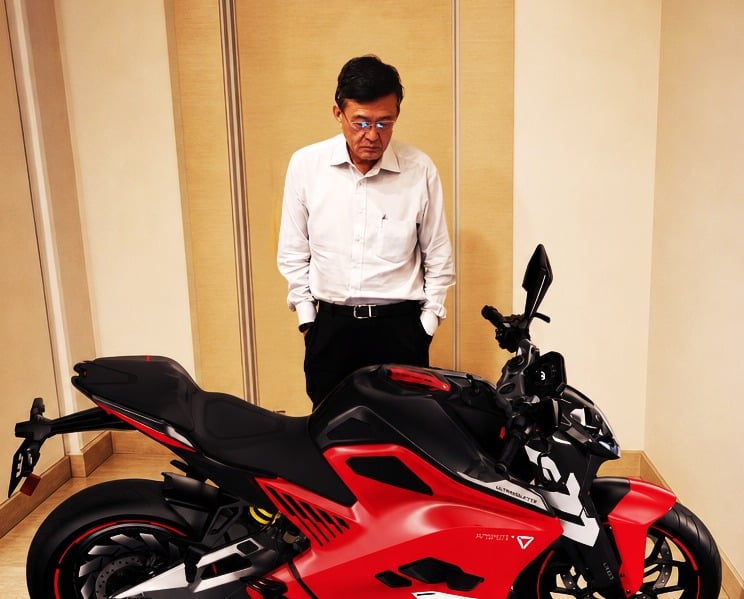
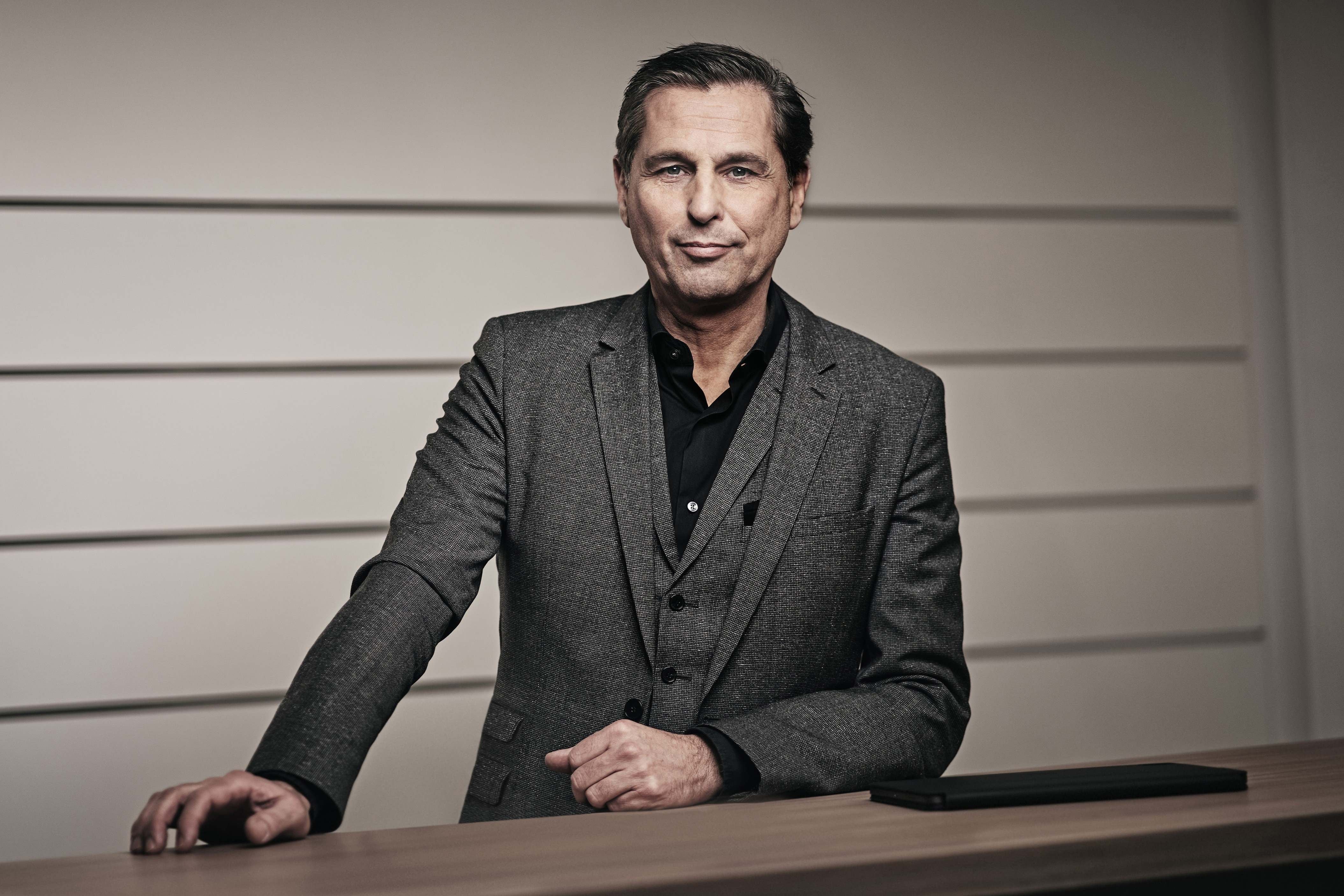
skoda kylaq next to ceo klaus zellmer

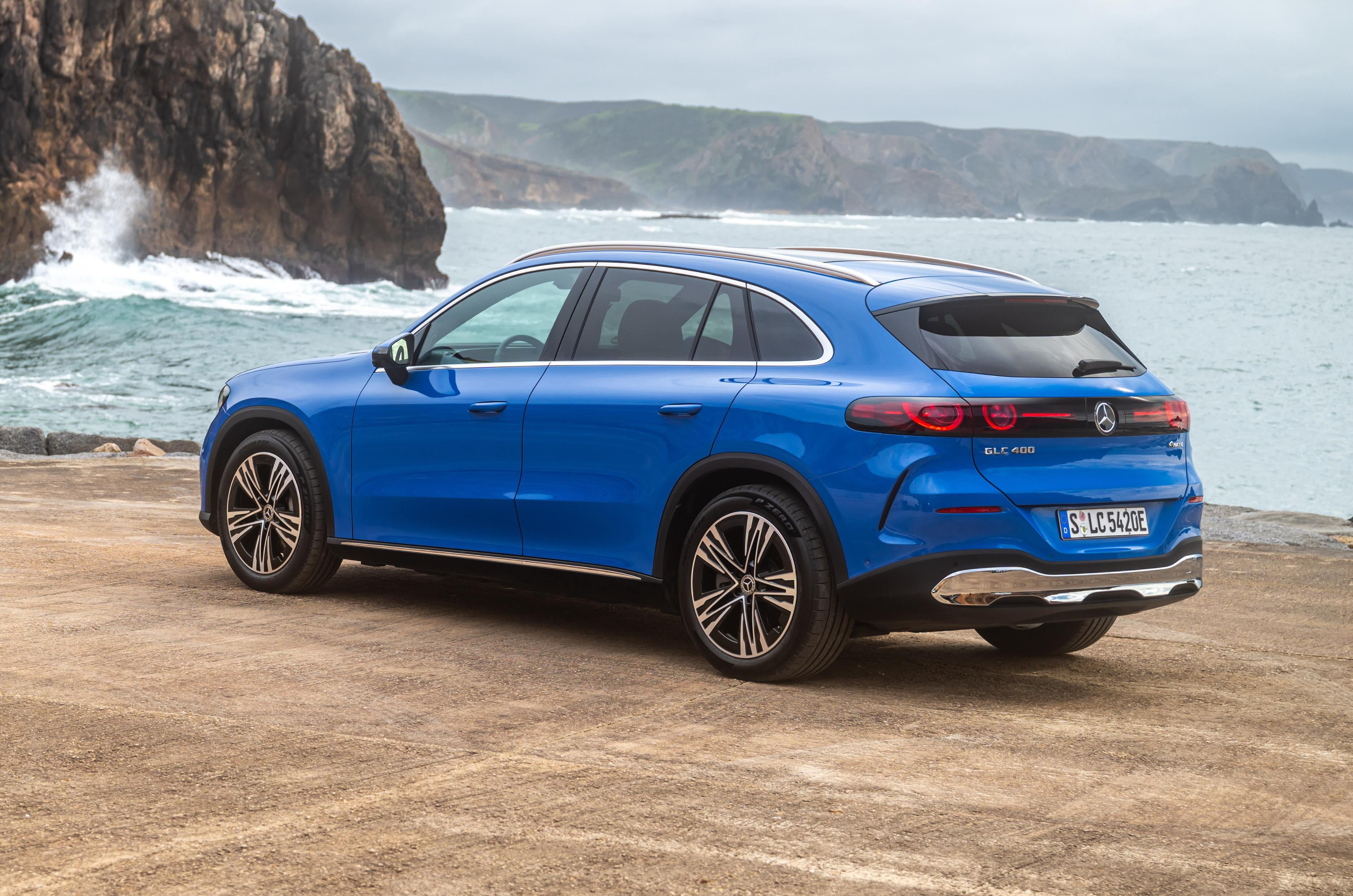
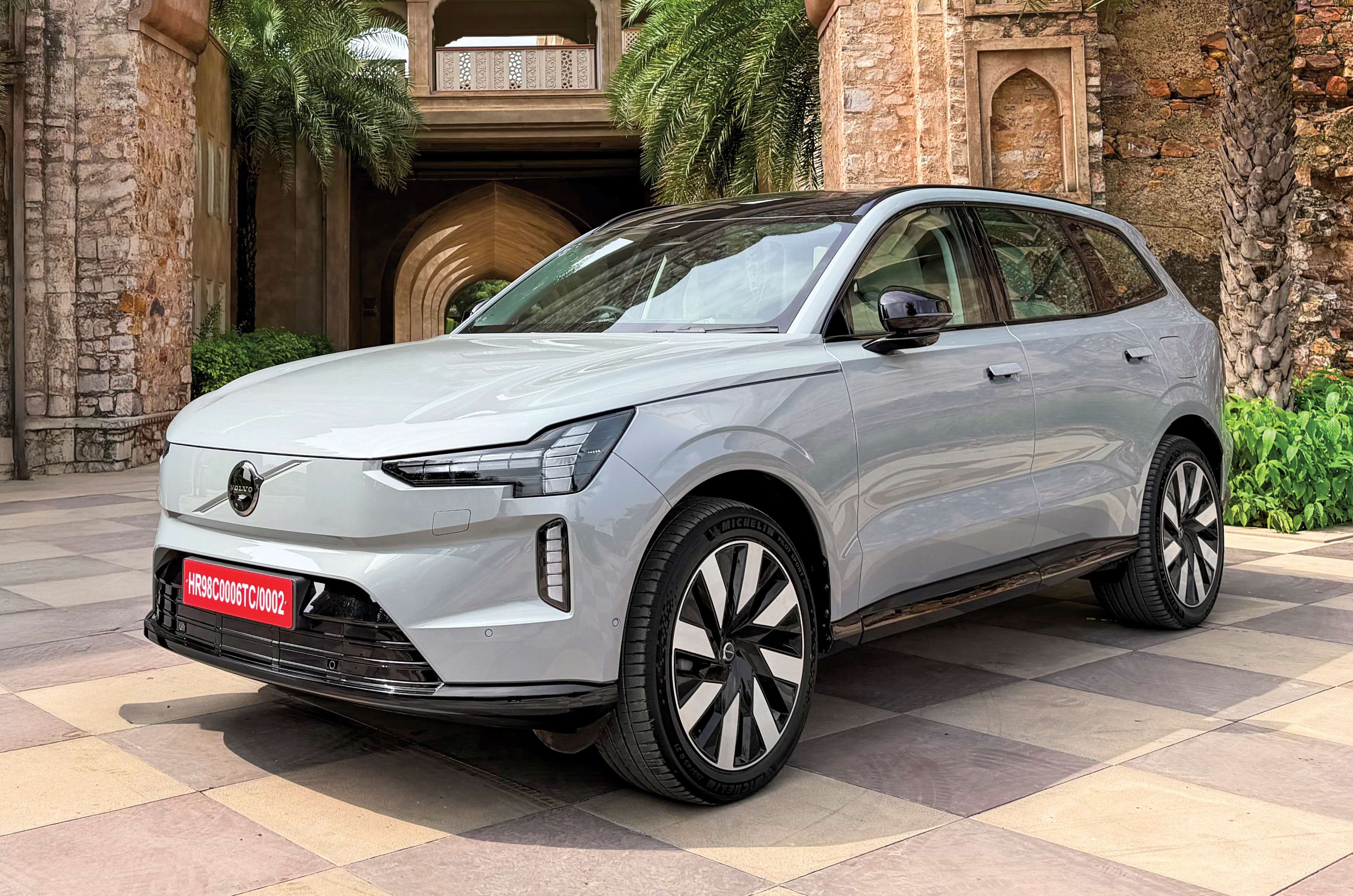
Skoda is considering exporting the made-in-India Kylaq to the European market as a crossover alternative to the Fabia hatchback. Launched here at the tail-end of 2024, the Kylaq is the third Skoda model to come out of Skoda-VW’s ‘India 2.0’ strategy and the Czech carmaker’s smallest SUV to date. While the Kylaq is designed specifically for the Indian market, Skoda feels the compact SUV carries enough pedigree and appeal for European customers.

Autocar India’s recent Pune to Prague drive, a 19,000km cross continent drive that covered several European countries, including the Czech Republic, the brand’s home country, established the Kylaq as a product that could blend in well in some of Skoda’s key markets. “We’re looking into a possibility or an opportunity to bring Kylaq to Europe, but there are a lot of barriers, a lot of homologation questions,” Skoda CEO Klaus Zellmer told us after the conclusion of the cross-continent Kylaq road trip.

1.0 TSI or 1.5 TSI for the Euro-spec Kylaq?

We reported about Kylaq’s export plans to Europe in June 2026 issue of the Autocar India magazine.

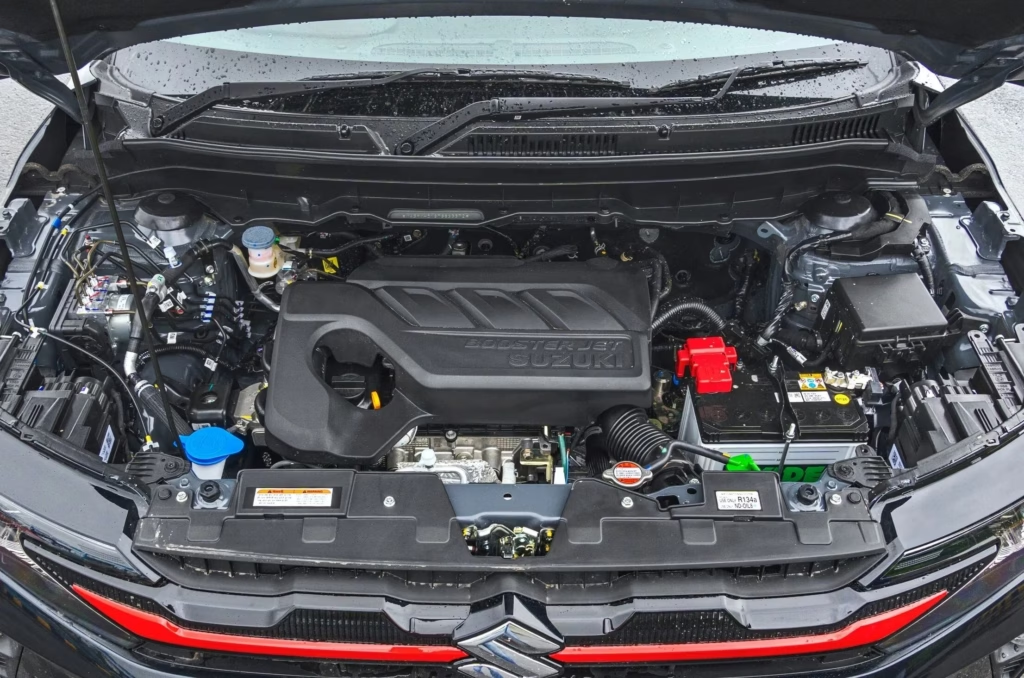
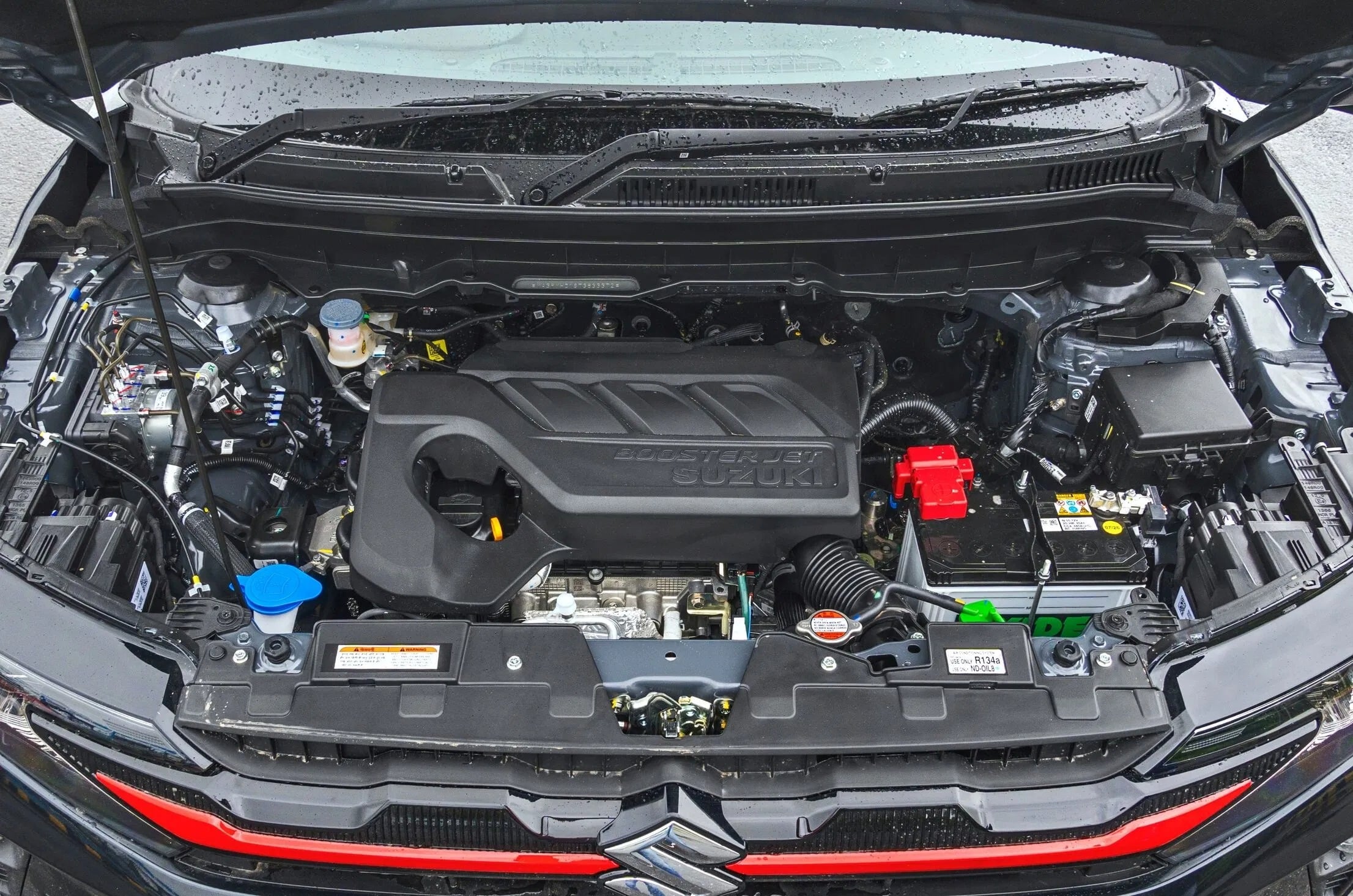
In India, the Kylaq is powered solely by the locally manufactured 115hp 1.0-litre 3-cyl direct-injection turbo-petrol engine (1.0 TSI), which can be had with either a 6-speed manual or 6-speed automatic. For Europe, however, Skoda might equip the Kylaq with the 1.5-litre 4-cyl direct-injection turbo-petrol mill (1.5 TSI) seen in the Slavia and Kushaq, paired to a 7-speed DCT.

The 1.5 TSI engine is used in Skoda’s other models and is already Euro 7 compliant making it the logical choice for export markets. However, from a cost perspective the 1.0 TSI is more attractive as it is a three-cylinder unit and is locally produced. However, the 1.0 TSI does not meet Euro 7 standards and upgrading it to the latest emission standards will call for significant upfront investment which will impact the overall cost of the Kylaq for exports.

If Skoda decides on the 1.5 TSI the export version of the Kylaq, it will likely be in a lower 115hp state of tune to help meet the Euro 7 targets. In fact, the Kylaq 1.5 TSI could be offered in two states of tune for the European market, but its not clear what the other power output of the engine would be.

Beyond emission regulations, the Kylaq would have to meet Europe’s safety, security and other homologation requirements that would again add to the cost of the vehicle.

India-EU FTA and weak rupee helps Kylaq’s export business case

The incoming India-EU FTA, in conjunction with the depreciating rupee against the euro, makes a strong case for exporting the Kylaq to Europe. Piyush Arora, the MD of Skoda Auto Volkswagen India Private Limited (SAVWIPL), said that the India-EU FTA will “open up opportunities” for SAVWIPL across all of its business verticals, including CBU imports, components, fully developing new models for India, and exporting cars to the European market.

A final decision has not been taken. However, a European programme would mark a significant step for Skoda Auto Volkswagen India by moving the country’s role beyond developing and manufacturing vehicles for India and other emerging markets to supplying a product to the carmaker’s home region.

With inputs from Hormazd Sorabjee

KTM RC 490 and RC 790 confirmed to be in development

KTM RC 490 and RC 790 confirmed to be in development

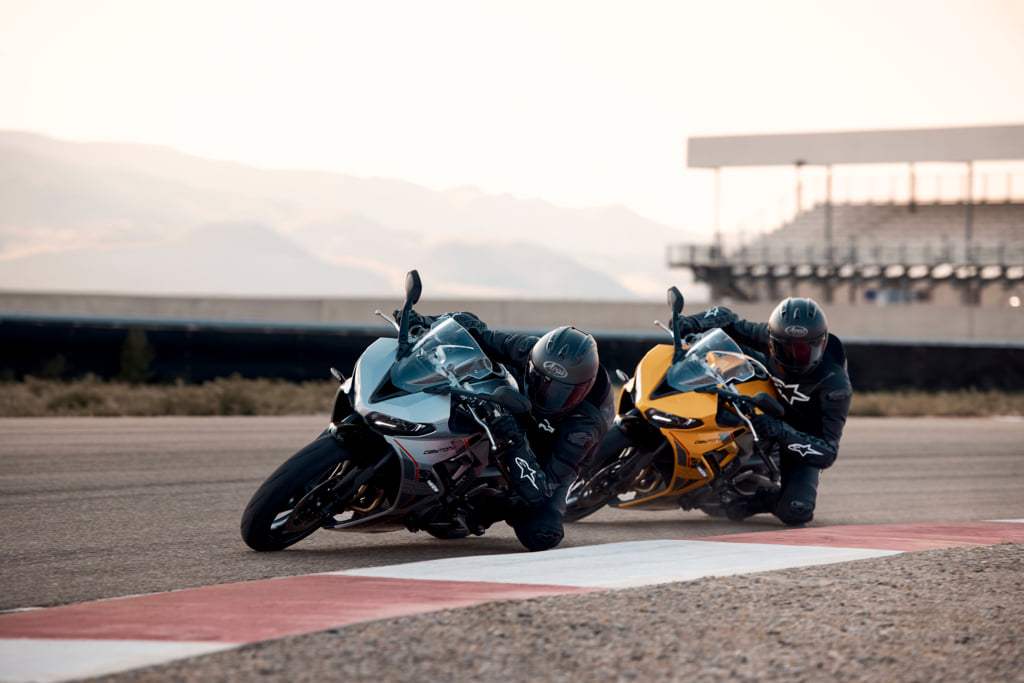
“Where is the Gen-3 Duke-based RC 390?” has been a pressing question in many people’s minds. While we still wait to hear about the 390, we now know that there’s an RC 490 and a 790 coming, according to KTM CEO Gottfried Neumeister in a recent interview.

  1. RC 490 to be based on a new platform not shared with China-exclusive RC 450
  2. RC 790 should share a lot with the freshly updated KTM 790 Duke

KTM RC 490 and RC 790: What do we know so far?

While it sounds closer to RC 450, RC 490 will be based on a different platform

“We definitely want to extend our RC [supersport] line-up; the 990 was first, and we’ll have a 790 and a 490, like other brands with mid- and lower-class presence and in a segment that is growing,” were his exact words, which tell us two things.

One, there will be not one but two new RC motorcycles, and two, the absence of the 390 could mean that KTM intends for the 490 to be the new entry-level supersport in global markets at least.

Based on previous information, we know that this 490 will not be the same as the China-exclusive RC 450. It will be a new platform, jointly developed by Bajaj and KTM and will likely be derived from the current 390 LC4c platform. It’s reported to use a twin-cylinder engine, with its smoothness likely to be the big differentiator. There’s no official launch timeline as yet.

Ever since the 390 Duke was updated to Gen 3 in mid-2023, KTM fans have been anticipating the update to reach the RC 390 as well. However, that hasn’t happened yet, and the latest RC 390 sold in India still uses the older LC4 373cc engine.

For the RC 790, however, we have a blueprint to look at in the recently revealed 790 Duke. Traditionally, Dukes serve as a precursor to RCs; if that continues to be the case here, the upcoming RC 790 should share the updated LC8c platform and the parallel twin-cylinder engine that makes a similar, if not the exact same, 104hp and 87Nm of torque. However, the power delivery will likely be different to account for the RC’s high-revving nature.

At this point, it’s worth mentioning that KTM had recently launched the 990 RC R, followed by the track-focused 990 RC R Cup. These are currently the newest supersport motorcycles in the Austrian manufacturer’s global portfolio.

Audi India boss confirms 3 new launches by 2027

Audi India boss confirms 3 new launches by 2027

After years on the sidelines, Audi India is finally in attack mode. The next 12 months will see a barrage of all-new metal. First comes the third-generation Q3 this month, followed by the A5 in February 2027 and then the recently unveiled Q9 flagship SUV by the second half of 2027. “Three models in less than 12 months’ time,” confirms Balbir Singh Dhillon, head of Audi India.

The crucial detail is not the cadence but the sourcing. These will not be costly completely built-up (CBU) imports but will be assembled at the Skoda Auto Volkswagen Group plant in Chhatrapati Sambhajinagar. Model-to-model replacement, as Dhillon points out, needs little fresh capital because the heavy lifting was done years ago. “To be successful in India, you have to make in India,” he says. “Irrespective of any FTA, we will still make in India. That will remain the core strategy.”

Let’s take a close look at what to expect from each model:

Audi Q3 

Launch: August 2026, estimated price: Rs 50 lakh

Audi Q3

A big leap over the second-gen model in tech and styling, the third-gen Q3 was revealed last June. It is available in petrol, diesel and plug-in hybrid options in overseas markets, but in India, it’ll have a 204hp, 2.0 turbo-petrol paired with a 7-speed dual-clutch and standard Quattro all-wheel drive. The AWD will give it an edge over the BMW X1 and Mercedes-Benz GLA. Expected in both SUV and Sportback body styles, the Q3 will ride on 18-inch alloys and should get a spare under the boot floor. Kit is expected to include an 11.9-inch digital driver’s display, a 12.8-inch touchscreen, three-zone auto AC and a large sunroof.

Audi A5

Launch: February 2027, estimated price: Rs 60 lakh

Audi A5

Revealed in 2024 and updated with hybrid powertrains last year, the A5 will replace the ageing A4 in Audi India’s line-up. Based on the new Premium Platform Combustion (PPC) architecture, it is larger than the A4 and shares its high-tech interior with newer Audis like the Q6 e-tron, including an optional 10.9-inch passenger-side touchscreen display. India is expected to get the same 204hp, 2.0 turbo-petrol engine and 7-speed dual-clutch transmission as the Q3, though only in front-wheel-drive form. While overseas markets also get a 265hp Quattro variant, it isn’t expected for India. 

Audi Q9 

Launch: H2 2027, estimated price: Rs 1.40 crore-1.50 crore

Audi Q9

The Q9 sits above the Q7 and Q8, at the very top of the range and is Audi’s new flagship. It’s also the first time Audi has used the ‘9’ designation, and with the A8 gone, this three-row giant is now the standard-bearer for the brand. At more than 5.3 meters in length, this isn’t a stretched Q7; it’s a class-size jump that finally gives Audi a genuine rival to the Mercedes-Benz GLS and BMW X7, a fight it has sat out for far too long. It will get a sole engine option in India: a 3.0-litre V6 petrol producing 367hp and 550Nm, driving all four wheels through an 8-speed automatic. Sadly, there will be no diesel engine option for India. 

Network expansion to compliment new launches 

Hardware alone will not do it. The retail network is being rebuilt in parallel. “Today we have 29 showrooms. By the end of next year, we’ll be at 40,” says Dhillon, with virtually every existing outlet currently torn up for conversion to Audi’s global ‘progressive’ showroom format. The new locations alone, he reckons, will contribute a quarter of the planned growth. Add a thriving Audi Approved Plus used-car operation, which now sells one pre-owned car for every new one and sits on a database of 20,000 pre-owned buyers ripe for upgrade, and the machinery for a volume push is in place.

The stated ambition is bold. “Today we are at about 8, 9 percent market share. I want to double it to maybe reach 18 to 20 percent in the next three to five years,” says Dhillon. In volume terms, that means more than doubling sales to cross 10,000 units within three years, outpacing the luxury market that is itself expected to grow. 

For the first time in years, Audi India has a genuine arsenal: a fresh Q range from Q3 to Q9, a striking new sedan, a rebuilt network and a loyal customer base waiting to be rewarded. There will still be gaps in the product lineup, but the intent is there, and this opening salvo is just the start of an offensive built to sustain itself, with future products already being hatched, many of them aimed squarely at those very holes in the line-up. 2027 promises to be a turning point. It’s game on for Audi.

JSW Group and Skoda-VW manufacturing joint venture MoU expected within 2 months

JSW Group and Skoda-VW manufacturing joint venture MoU expected within 2 months

Skoda Auto Volkswagen India and the JSW Group are in the final stages of discussions for a manufacturing joint venture, we have learned. The two companies are likely to sign a non-binding memorandum of understanding (MoU) within the next two months. The proposed venture is currently being discussed as a 51:49 joint venture, with the JSW Group expected to hold the majority stake.

Emails seeking comments were sent to Skoda Auto Volkswagen India and the JSW Group on Tuesday, but neither company responded till the time of publishing. Autocar Professional, our sister publication, understands senior global executives from Skoda Auto and Volkswagen are expected to visit India in the second fortnight of August. The proposed alliance with the JSW Group is expected to be among the key subjects on the agenda as the two sides work towards signing the non-binding MoU.

Equity infusion could fund EV development

The proposed partnership comes as Skoda Auto Volkswagen India prepares its next round of investments in electrification and localisation. The equity infusion from the JSW Group is expected to fund the development and localisation of electric vehicles and support future product programmes.

A large part of the investment is expected to go towards vehicles based on the India Main Platform (IMP), Volkswagen Group’s EV architecture for India. The IMP is derived from the China Main Platform (CMP), allowing the group to use an existing EV architecture and adapt it to Indian regulations, the local supplier base and localisation requirements.

The platform is expected to underpin multiple electric SUVs for the Skoda and Volkswagen brands over the next few years. Higher localisation will be key to bringing down costs and reducing dependence on imports. The scope of discussions goes beyond manufacturing. We understand that the sales and marketing operations across the group’s brands are also part of the talks. A few years ago, the sales organisations of Skoda, Volkswagen, Audi, Porsche and Lamborghini were integrated with the manufacturing business under Skoda Auto Volkswagen India. This has also brought the premium brands within the scope of the discussions.

JSW’s broader automotive strategy

For the JSW Group, the proposed venture is part of a broader effort to build an integrated automotive business across passenger vehicles, commercial vehicles, batteries, manufacturing and exports. Unlike JSW MG Motor India, the proposed Skoda Auto Volkswagen venture will have no Chinese participation, allowing the group to further de-risk its automotive business from China-linked partnerships. We understand the alliance will also help diversify JSW Group’s passenger vehicle operations while creating a Make in India manufacturing base serving both domestic and export markets by leveraging Volkswagen Group’s global production and distribution network. The proposed India-EU Free Trade Agreement is also expected to strengthen the business case for exports from India to Europe over the longer term, making exports an important part of the proposed alliance.

The partnership also fits into the group’s wider automotive plans. JSW already has its joint venture with MG, has set up JSW Motors as a separate passenger vehicle business for products outside the MG alliance, operates JSW Greentech for buses and commercial vehicles, and is investing in cell manufacturing and localisation. The group is looking to connect these businesses with its existing strengths in steel, paints and energy, creating greater vertical integration across its automotive operations.

Localisation of some models being studied

We understand the alliance will also look to leverage manufacturing assets across the JSW Group wherever feasible. This includes the JSW Motors facility at Sambhaji Nagar, formerly Aurangabad, where higher localisation of products such as the Skoda Kodiaq and select Audi models is being evaluated. The aim is to improve localisation levels while making better use of the group’s existing manufacturing footprint.

The alliance is also evaluating the localisation of the next-generation Kodiaq platform. If approved, it could underpin a locally manufactured three-row SUV positioned in the Mahindra XUV 7XO segment. Localising the platform would allow Skoda Auto Volkswagen to compete in one of the country’s largest SUV segments with significantly higher local content.

Following the signing of the non-binding MoU, the two sides are expected to finalise the equity structure, including the shareholding pattern, before moving towards definitive agreements and the required approvals. The discussions are currently centred on a 51:49 joint venture, with the JSW Group expected to hold the majority stake.

With inputs from Ketan Thakkar.

JSW MG ‘Hector Hawk’ SUV to launch on August 28

MG Hector Hawk

JSW MG Motor India will launch its new SUV on August 28. Expected to be called the Hector Hawk, it will be the first model based on the company’s new ADAPT platform and will be offered with both battery electric (EV) and plug-in hybrid (PHEV) powertrains. 

  1. EV version expected with a 69.2kWh battery pack
  2. PHEV likely to offer up to 125km electric-only range
  3. Likely to rival the Mahindra XEV 9S and XUV 7XO

JSW MG Hector Hawk: what to expect

Wuling Starlight EV. Image used for representative purposes only. 

The Hector Hawk is based on the Wuling Starlight 560 sold in international markets which measures 4.7m in length, 1.85m in width and 1.7m in height. The car has been spied testing on our roads with spy shots revealing rectangular LED headlamps with LED daytime running lamps (DRLs) at the top and bottom, a blanked-off grille (expected to be the EV version), wraparound LED tail-lamps, a roof-mounted spoiler and a charging port on the left rear fender. 

Wuling Starlight 560’s dashboard shown for representative purposes only. 

Inside, the SUV is expected to feature a minimalist dashboard with an 8.8-inch digital instrument cluster and a 12.8-inch touchscreen infotainment system. Other expected features include a panoramic sunroof, powered and ventilated front seats, a 50W wireless phone charger, a 6-speaker sound system and automatic climate control with rear AC vents.

The safety suite could have 6 airbags as standard, a tyre-pressure monitoring system (TPMS), hill-hold assist, an electronic parking brake, a rear parking camera with sensors and advanced driver assistance systems (ADAS).

Powertrains and platform

Wuling Starlight PHEV. Image used for representative purposes only. 

The EV version is expected to get a 69.2kWh battery pack paired with a 201hp, 310Nm front-mounted electric motor, offering a CLTC-claimed range of 530km. The PHEV version is expected to combine a 1.5-litre petrol engine with a 20.5kWh battery pack and an electric motor, offering a total output of 195hp and 230Nm and an all-electric range of 125km.

Strong hybrid powertrain based on ADAPT

The Hector Hawk will be the first model in India based on MG’s ADAPT platform, which supports battery electric, plug-in hybrid, range-extender and strong-hybrid powertrains. JSW MG has confirmed that it will initially focus on EVs and PHEVs.

In MG’s India lineup, the Hector Hawk is expected to be positioned above the current Hector. The EV version is likely to rival the Mahindra XEV 9S, while the PHEV is expected to take on the Mahindra XUV 7XO and Tata Safari.

Ather’s Phase 2 expansion could happen sooner if EV demand persists: Tarun Mehta

Ather EL scooter being assembled on production line in factory

Ather Energy is exploring whether to accelerate the second phase of its upcoming Aurangabad manufacturing facility as demand for electric scooters continues to outpace expectations, with the company saying its planned capacity could come under pressure if current growth trends persist.

The company’s co-founder and CEO, Tarun Mehta, said the company has begun considering an earlier rollout of Phase 2 after a sharp rise in demand in recent months. He added that the recently completed Rs 2,500-crore fund raise gives the company the flexibility to move ahead with the expansion without waiting for Phase 1 to mature.

  1. EL platform based family scooter to launch on August 29
  2. EL production to initially begin from Hosur, before shifting to Aurangabad
  3. Ather’s electric bike still quite a ways away

Aurangabad Plant to Add 5 Lakh Units Annual Capacity

The comments come as Ather prepares to commission the first phase of its Aurangabad, or AURIC, manufacturing facility in a couple of months.  The company currently manufactures electric scooters from its Hosur plant, which has an annual production capacity of 4.2 lakh units. Mehta said the facility is now operating at almost full utilisation following steady production ramp-up during the first quarter.

Once the Aurangabad plant comes live, it will add another 5 lakh units of annual capacity, taking Ather’s total manufacturing capacity to 9.2 lakh units a year. He added that the Aurangabad facility is progressing as planned, with the assembly line already installed, the paint shop under trial and warehouse and utility work nearing completion ahead of commercial operations later this year. However, Mehta said even that may prove insufficient if the current pace of demand continues.

“GoLive of Auric will take our total capacity up from 4.2 lakh units to 9.2 lakh units later this calendar year. But we believe demand is ramping up very fast. 9.2 lakh units per annum is only 77,000 units a month. We believe on current demand trajectories, even this may be tight in the coming quarters. Which is why I think we were lucky here when we took Aurangabad land. We took a larger land capacity and we had always planned for Auric phase two,” he said.

EV Demand Outpaces Supply

Demand has risen sharply over the past few months, according to the company, resulting in supply constraints across several markets. Mehta said dealer inventories have fallen from 14 days to just three days, while some dealerships have temporarily stopped accepting fresh pre-orders because waiting periods have stretched to around two months or more. The company estimates it could have retailed another 13,000 to 15,000 scooters every month if sufficient production capacity had been available.

“There are 50,000 pre-orders, despite the fact that in many states now, our dealers are no longer even accepting new pre-orders, because the waiting times are now hitting two months or even higher. The underlying demand we strongly believe is very, very high,” Mehta said. “We believe today that of the 30,000 units that we retail average in Q1, we could have probably sold an incremental 13,000 to 15,000 units extra every month.”

New EL Scooter Platform Set to Launch on August 29

Ather expects demand to receive another boost with the launch of its first new scooter based on its brand-new EL platform on August 29. Production of the vehicle has already begun at the Hosur plant, homologation has been completed and high-volume trials are underway.

Initially, production will continue from Hosur before gradually shifting to Aurangabad as the new facility ramps up. The company plans to scale manufacturing capacity for the EL platform to about 60,000 units a month across the two plants. The EL platform will underpin multiple future scooter models and forms part of Ather’s strategy to expand production and meet rising demand for electric scooters.

Ather electric bike still at least 2 years away

Even as it prepares to debut a fresh onslaught of new products based on its EL platform, Ather Energy has no plans to enter the electric motorcycle segment in the near term. According to Ather Energy co-founder and Chief Executive Officer Tarun Mehta, the company’s strategy is to first concentrate on rolling out products based on its new EL platform before entering the electric motorcycle space.

“At this point, we are focused on the EL platform and getting at least the first, maybe two products, maybe another product out on it in the next year,” Mehta said to investors. Ather had earlier said it is developing a dedicated motorcycle platform, codenamed Zenith, alongside its EL scooter architecture. The comments indicate that Ather is now taking a measured approach towards a segment that is still at an early stage of adoption.

“Motorcycles are starting to look interesting. But Ather may not be the pioneer this time. We may watch the market. We want to see how consumers respond, which segments show a willingness and an interest towards the segment before we make our maiden launch here,” Mehta said.

He added that an electric motorcycle from Ather is not expected anytime soon. “So this, I would say, more than a year away, for sure. Probably two years plus.” he said. The company’s strategy comes at a time when India’s electric two-wheeler market continues to be led by scooters, while electric motorcycles account for only a miniscule share of overall EV sales.

Royal Enfield has begun sales of its Flying Flea C6 electric motorcycle on a small scale, while startups including Ultraviolette, Revolt and Oben are expanding their presence. Other legacy players like Bajaj Auto and Hero MotoCorp are also developing their own electric motorcycle platforms, although a debut from either brand is still some time away. Ather, however, plans to observe how the market evolves before committing resources to the category.

What to expect from the BMW 7 Series, i7 facelift ahead of launch

BMW 7 series

BMW’s flagship 7 Series and i7 luxury sedans are set to receive a mid-lifecycle facelift in India with refreshed styling, a comprehensively redesigned cabin, and upgraded petrol, diesel and electric powertrains. This mid-cycle update also introduces interior elements from BMW’s upcoming Neue Klasse models, including the new Panoramic iDrive display and rhomboidal infotainment touchscreen. With bookings now open ahead of their launch, here’s everything you need to know.

1. What will the BMW 7 Series and i7 facelift look like?

Sharper styling with subtle design revisions

The facelift retains the overall silhouette of the current 7 Series but introduces several styling changes. Up front, it gets a redesigned illuminated kidney grille and revised split LED headlamps. The slim upper lighting elements house the daytime running lights, while the main headlamp units sit lower down in the bumper.

Viewed from the side, the 7 Series continues its clean and elegant design. It retains flush-fitting door handles that blend neatly into the bodywork. BMW has also introduced a new alloy-wheel design with the facelift. Another interesting detail is the embossed ‘7’ on the B-pillar, which becomes visible when both doors on the same side are opened. 

At the rear, slimmer tail-lamps extend further into the tailgate and feature smoked lenses with chrome detailing, while the bumper has been redesigned with a diffuser-style insert.

2. What’s new in the interior of the BMW 7 Series and i7 facelift?

Redesigned dashboard with BMW’s latest Panoramic iDrive

The biggest changes are inside. The facelift introduces BMW’s new Panoramic iDrive, replacing the conventional digital instrument cluster with a full-width projection display at the base of the windscreen. It works alongside a new 17.9-inch central touchscreen and a 14.6-inch front passenger display, both running the latest BMW Operating System X which supports over-the-air updates, wireless Apple CarPlay and Android Auto, and features improved voice controls. 

BMW has also introduced a new four-spoke steering wheel and a redesigned ambient lighting system that spans the width of the dashboard, extends to the rear speaker grilles and features additional lighting behind the front seats.

As standard, the seats come with electric adjustment, heating, ventilation, massage, lumbar support and heated armrests. The front passenger seat can also slide fully forward to create additional legroom for the passenger seated behind. 

Rear-seat entertainment has also been upgraded. The Theatre Screen, optional in international markets, is now a 31.3-inch 8K touchscreen that supports video calls, streaming and gaming. The displays integrated into the rear doors have also been updated, allowing passengers to reposition the Theatre Screen, adjust its viewing angle and control other cabin functions. BMW has also revised the automatic doors with better-positioned open and close buttons.

3. Which powertrain options will the BMW 7 Series and i7 Lci get?

Petrol, diesel and electric powertrains receive updates

The facelifted 7 Series continues with 3.0-litre inline-six petrol and diesel mild-hybrid engines, both paired with an 8-speed automatic gearbox and all-wheel drive.  The 740i develops 400hp and 580Nm, up by 19hp and 60Nm, while the 740d now makes 313hp and 670Nm, an increase of 27hp and 20Nm over the outgoing model. 

The all-electric i7 also receives updates. The i7 xDrive50 replaces the earlier eDrive50 and now gets dual-motor all-wheel drive along with a larger 112.4kWh battery, replacing the earlier 101.7kWh unit. Output rises to 455hp and 660Nm. The range-topping i7 M70 xDrive also benefits from the larger battery, with outputs increasing to 680hp (from 650hp) and up to 1,100Nm (from 1,015Nm).

4. Will BMW launch the plug-in hybrid 7 Series in India

Yet to be confirmed

BMW i7 60 xDrive

Internationally, the 7 Series facelift is also available with plug-in hybrid powertrains, including the 750e xDrive and M760e xDrive. It remains to be seen whether BMW will introduce either variant in India, especially since its key rival, the new Mercedes-Benz S-Class, is already available with a plug-in hybrid powertrain.

5. How much will the BMW 7 Series and i7 facelift cost?

Prices expected to increase slightly

The current BMW 7 Series is priced at Rs 1.85 crore (ex-showroom) for both the petrol and diesel variants, while the i7 is priced between Rs 2.10 crore and Rs 2.58 crore. Given the additional technology, revised styling and powertrain upgrades, BMW is expected to increase prices slightly for both models.

6. Which cars will the BMW 7 Series and i7 facelift rival?

The 7 Series ‘LCI’ facelift will continue to rival the Mercedes-Benz S-Class in the flagship luxury sedan segment. Meanwhile, the i7 will compete with electric luxury sedans in the same price bracket.

7. When will the BMW 7 Series and i7 facelift launch in India

Bookings are now open

BMW i7 60 xDrive

BMW has started accepting bookings for the 7 Series and i7 facelift through its dealerships across India, with customers also able to register their interest via the BMW India website. The company is yet to announce an official launch date, although the refreshed luxury sedans are expected to arrive in the coming months.

International-spec BMW 7 Series shown for representative purposes only.

Gold Silver Price Today: सोना ₹900 सस्ता हुआ, चांदी का ₹1800 बढ़ा भाव

Gold Silver Price Today: राष्ट्रीय राजधानी दिल्ली में सोमवार को सोने की कीमत में ₹900 प्रति 10 ग्राम की गिरावट दर्ज की गई। ऑल इंडिया सर्राफा एसोसिएशन के मुताबिक, 24 कैरेट शुद्धता वाला सोना अब ₹1,47,400 प्रति 10 ग्राम पर आ गया है। पिछले कारोबारी सत्र में इसका भाव ₹1,48,300 प्रति 10 ग्राम था।

सोना क्यों हुआ सस्ता?

HDFC Securities के सीनियर कमोडिटी एनालिस्ट सौमिल गांधी के मुताबिक, अंतरराष्ट्रीय बाजार में सोने की चाल सुस्त रही। वहीं, रुपये की मजबूती का भी घरेलू कीमतों पर असर पड़ा। इसी वजह से सोना सीमित दायरे में कारोबार करता रहा और कीमतों में गिरावट आई।

चांदी में लौटी तेजी

सोने के उलट चांदी की कीमत में ₹1,800 प्रति किलो की तेजी आई। अब चांदी ₹2,26,500 प्रति किलो पर पहुंच गई है। पिछले कारोबारी सत्र में इसका भाव ₹2,24,700 प्रति किलो था।

Lemonn Markets Desk के रिसर्च हेड गौरव गर्ग के अनुसार, अमेरिकी डॉलर में कमजोरी और कच्चे तेल की कीमतों में गिरावट के बाद निवेशकों ने चांदी में खरीदारी बढ़ाई। इससे चांदी के दाम मजबूत हुए।

अंतरराष्ट्रीय बाजार में क्या रहा हाल?

अंतरराष्ट्रीय बाजार में स्पॉट गोल्ड मामूली बढ़त के साथ 4,048.89 डॉलर प्रति औंस पर कारोबार कर रहा था। वहीं, चांदी भी हल्की तेजी के साथ 57.97 डॉलर प्रति औंस पर पहुंच गई।

Kotak Securities की कमोडिटी रिसर्च AVP कायनात चैनवाला के मुताबिक, ईरान पर नए हमले की योजना रद्द होने के बाद भू-राजनीतिक तनाव कुछ कम हुआ है। इससे कच्चे तेल की कीमतों में नरमी आई और कीमती धातुओं को थोड़ा सहारा मिला। साथ ही, डॉलर में कमजोरी ने भी सोना और चांदी को सपोर्ट दिया।

इस हफ्ते इन आंकड़ों पर रहेगी नजर

Mirae Asset Sharekhan के हेड ऑफ कमोडिटीज प्रवीण सिंह का कहना है कि तेल की कीमतों में 5% से ज्यादा गिरावट के बावजूद सोने में बड़ी तेजी नहीं दिख रही है। इसकी वजह यह है कि इस हफ्ते अमेरिका के कई अहम आर्थिक आंकड़े जारी होने वाले हैं। निवेशकों की नजर फिलहाल इन्हीं आंकड़ों पर टिकी है।

MCX गोल्ड पर एक्सपर्ट की राय

LKP Securities के वाइस प्रेसिडेंट (कमोडिटी और करेंसी रिसर्च) जतीन त्रिवेदी का कहना है कि फिलहाल MCX पर सोने की कीमतें सीमित दायरे में कारोबार कर रही हैं। इसकी वजह अमेरिका-ईरान के बीच फिलहाल कोई नया तनाव नहीं होना, कच्चे तेल की कीमतों में नरमी और डॉलर का कमजोर होना है।

अब आगे सोने की चाल कैसी रहेगी

जतीन त्रिवेदी के मुताबिक, अब सोने की चाल फेडरल रिजर्व के रेट संकेत और अमेरिका के रोजगार से जुड़े अहम आंकड़ों के हिसाब से चलेंगी। उनका मानना है कि तकनीकी रूप से निकट भविष्य में MCX Gold ₹1,42,000 से ₹1,45,000 प्रति 10 ग्राम के दायरे में कारोबार कर सकता है।

(एजेंसी इनपुट के साथ)

PPF Rules: पीपीएफ में पैसा लगाते समय ये 5 गलतियां न करें, वरना आपके रिटर्न पर सीधा असर पड़ेगा

Disclaimer: यहां मुहैया जानकारी सिर्फ सूचना के लिए दी जा रही है। यहां बताना जरूरी है कि मार्केट में निवेश बाजार जोखिमों के अधीन है। निवेशक के तौर पर पैसा लगाने से पहले हमेशा एक्सपर्ट से सलाह लें। मनीकंट्रोल की तरफ से किसी को भी पैसा लगाने की यहां कभी भी सलाह नहीं दी जाती है।

Asian Markets: एशिया बाजारों में दबाव, कोस्पी 3% टूटा, निक्केई 1.5% नीचे, क्रूड ऑयल में नरमी

Asian Markets: सोमवार को एशिया बाजारों में दबाव देखने को मिल रहा है। कोस्पी 4 फीसदी तो निक्केई 3 फीसदी नीचे है। निक्केई करीब 1.42 फीसदी की गिरावट के साथ 63,545.00 के आसपास दिख रहा है। वहीं, स्ट्रेट टाइम्स में 0.03फीसदी की कमजोरी दिखा रहा है। ताइवान का बाजार 1.02 फीसदी चढ़कर 43,558.34 के स्तर पर कारोबार कर रहा है। जबकि हैंगसेंग 0.09 फीसदी की बढ़त के साथ 25,909.00 के स्तर पर नजर आ रहा है। वहीं, कोस्पी 3.25 फीसदी टूटा है। वहीं शंघाई कम्पोजिट 0.61 फीसदी की बढ़त के साथ 3,807.37 के स्तर पर दिख रहा है।

वॉल स्ट्रीट

रविवार शाम को अमेरिकी स्टॉक फ्यूचर्स में बढ़त देखी गई क्योंकि निवेशक जुलाई की रोज़गार रिपोर्ट और अगस्त के पहले हफ़्ते में आने वाले कई कंपनियों के नतीजों (अर्निंग्स कैलेंडर) पर नज़र बनाए हुए थे। डॉव जोन्स इंडस्ट्रियल एवरेज फ्यूचर्स में लगभग 200 अंक या 0.4% की बढ़त हुई, जबकि S&P 500 फ्यूचर्स 0.5% ऊपर चढ़े। नैस्डैक-100 फ्यूचर्स ने बेहतर प्रदर्शन किया और 0.8% की बढ़त हासिल की।

वॉल स्ट्रीट ने शुक्रवार का सत्र सकारात्मक रुख के साथ समाप्त किया; डॉव जोन्स 276.97 अंक या 0.53% बढ़कर 52,485.03 पर बंद हुआ। S&P 500 में 0.7% की बढ़त के साथ यह 7,489.72 पर पहुंचा, जबकि नैस्डैक कम्पोजिट 1% चढ़कर 25,373.85 पर बंद हुआ।

शुक्रवार को प्रमुख अमेरिकी इंडेक्स के रिकॉर्ड स्तर के करीब बंद होने के बाद, अब निवेशक यह देख रहे हैं कि क्या हालिया तेज़ी को बढ़ावा देने वाले कारक बाज़ार में आगे भी बढ़त बनाए रखने में मदद करेंगे।

कच्चे तेल की कीमतें

अमेरिकी राष्ट्रपति डोनाल्ड ट्रंप द्वारा ईरान के खिलाफ़ नियोजित सैन्य हमले को रद्द करने और सोमवार से ईरान के साथ नई बातचीत शुरू करने की घोषणा के बाद तेल की कीमतों में गिरावट आई।

अक्टूबर डिलीवरी के लिए ब्रेंट क्रूड शुरुआती एशियाई कारोबार में 7.3% तक गिर गया, जबकि जुलाई में इसमें लगभग 25% की तेजी आई थी , जो मार्च के बाद से इसकी सबसे बड़ी मासिक बढ़त थी। इस बीच, वेस्ट टेक्सास इंटरमीडिएट (WTI) क्रूड 81 डॉलर प्रति बैरल के स्तर से नीचे आ गया।

अमेरिका-ईरान युद्ध

अमेरिकी राष्ट्रपति डोनाल्ड ट्रंप ने रविवार को एयर फ़ोर्स वन में कहा कि उन्होंने ईरान पर बड़े पैमाने पर होने वाले सैन्य हमले को रद्द कर दिया है। ऐसा उन्होंने सऊदी अरब समेत मध्य-पूर्व के प्रमुख सहयोगियों के कहने पर किया, जिन्होंने अमेरिका से कूटनीतिक समाधान खोजने का आग्रह किया था। उन्होंने कहा कि यह ऑपरेशन इस शर्त पर रद्द किया गया कि होर्मुज जलडमरूमध्य (Strait of Hormuz) को फिर से खोलने के लिए जल्द समझौता करने की कोशिशें जारी रहेंगी, साथ ही उन्होंने सभी पक्षों से बातचीत में तेज़ी लाने को भी कहा।

आज सोने की कीमत

अमेरिकी राष्ट्रपति डोनाल्ड ट्रंप के यह कहने के बाद कि सोमवार को ईरान के साथ फिर से बातचीत शुरू होगी, सोने की कीमतों में थोड़ी बढ़ोतरी हुई। इससे उम्मीद जगी कि लंबे समय से चल रहे इस टकराव में कोई समाधान निकलने से ऊर्जा-जनित महंगाई को कम करने में मदद मिल सकती है।

जुलाई में 1% की बढ़त के बाद सोने का कारोबार $4,070 प्रति औंस के आसपास हुआ; फरवरी के बाद यह सोने में पहली मासिक बढ़त थी।

हालिया बढ़ोतरी के बावजूद, पांच महीने से ज़्यादा समय पहले शुरू हुए अमेरिका-ईरान टकराव के बाद से सोने की कीमत में 20% से ज़्यादा की गिरावट आई है। ऊर्जा की ऊंची कीमतों ने महंगाई की चिंताएं बढ़ा दी हैं, जिससे यह उम्मीद बढ़ गई है कि ब्याज दरें लंबे समय तक ऊंची बनी रह सकती हैं,जो सोने जैसी बिना रिटर्न वाली संपत्तियों के लिए एक नकारात्मक बात है।

Stock Market Live Update: बाजार लगाएगा आज तेजी की छलांग, गिफ्ट निफ्टी दे रहा गैप-अप ओपनिंग के संकेत

Honda ADV160 expected price and launch timeline

Honda ADV160 expected price and launch timeline

Honda pulled a bunch of surprises at its recent event with a 10-model onslaught comprising both updated and all-new models. While the motorcycles and scooters were only unveiled at the event, we now have clear information on when the brand intends to launch its debutant maxi-scooter in India and at what price.

  1. ADV160 to go on sale in the third quarter of 2026
  2. Expected price around Rs 1.70 lakh-Rs 1.80 lakh
  3. E85-compliant maxi-scooter to rival the upcoming Yamaha NMAX 155

ADV160 launch timeline: What to expect?

E85 compliance adds about 5 to 6 percent to the production cost of the ADV160

The ADV160 is slated to go on sale in the Indian market in the third quarter of this year, between September and October 2026. It is expected to be priced between Rs 1.70 lakh and Rs 1.80 lakh. This makes it considerably  more expensive than similarly sized maxi-scooters such as the Hero Xoom 160 (Rs 1.43 lakh ex-showroom), Yamaha Aerox 155 (Rs 1.45 lakh to Rs 1.48 lakh ex-showroom) and the soon-to-be-launched Yamaha NMAX 155

However, it’s worth bearing in mind that while the others are E20-compliant, Honda’s ADV160 is a flex-fuel maxi-scooter capable of running on ethanol blends ranging from E0 to E85. This, in itself, adds about 5-6 percent to the production cost compared to similar E20-compliant models. The ADV160 will be manufactured in India and exported to other markets.

The ADV160 is also more generously equipped, featuring a TFT display and a more powerful 157cc, liquid-cooled engine that produces 16.3hp and 14.9Nm of torque. The scooter rides on a telescopic fork and twin rear shock absorbers, with a 14-inch front and 13-inch rear wheel setup. It weighs 133kg, has a seat height of 780mm, ground clearance of 165mm, and an 8.1-litre fuel tank.