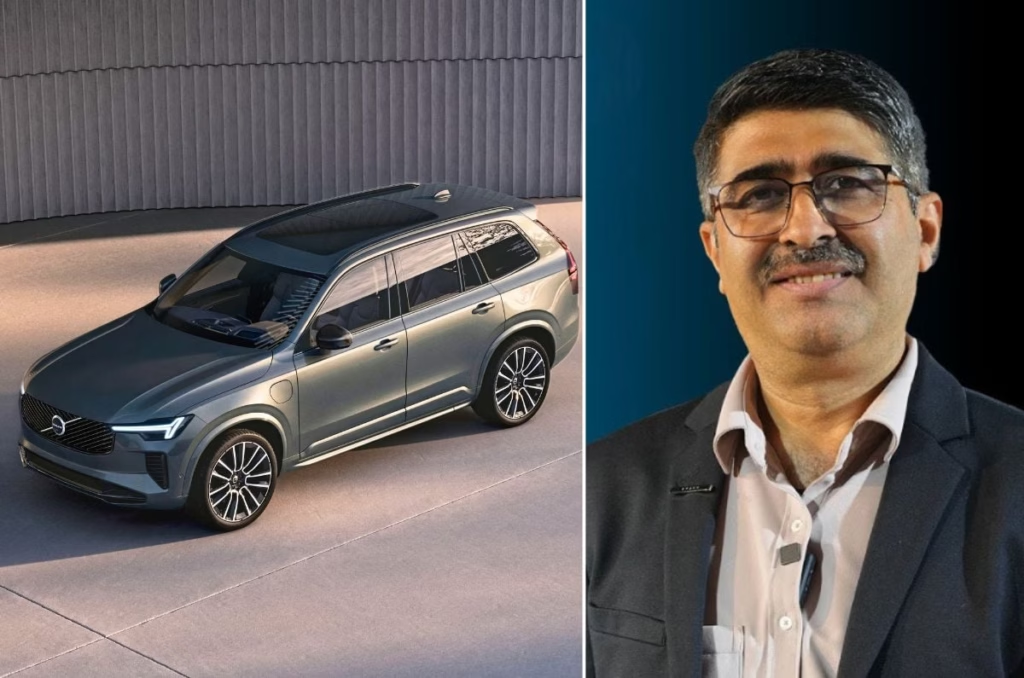
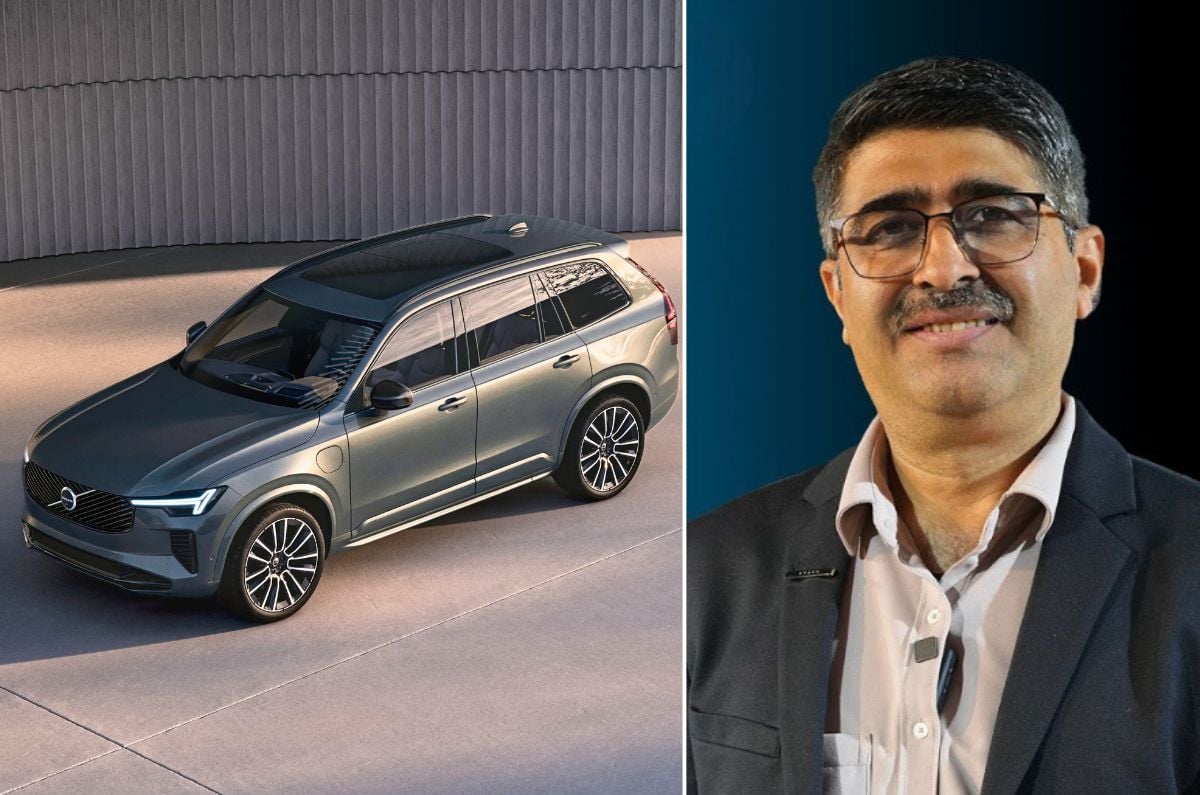
Tata Motors announced Tata.cars as the new retail name for its passenger vehicle (PV) division on Thursday. Both internal combustion engine (ICE) and electric vehicle (EV) models will now come under Tata.cars umbrella brand. Tata.ev will continue as a sub-brand under the wider Tata.cars brand. This new identity will progressively appear across showrooms, digital touch points, after-sales and service operations, and marketing communications.
Tata.ev to continue as a sub-brand under Tata.cars
Tata Motors Passenger Vehicles to remain as the registered legal entity
New principal colour and typeface are a part of the new identity
That said, the company’s legal identity and corporate structure remain unchanged. Tata Motors Passenger Vehicles will continue to be the registered legal entity for statutory filings, manufacturing plants, official contracts and regulatory obligations.
Tata Motors said the new identity formalises how Indian customers already refer to its passenger vehicles as “Tata cars”. “In many ways, Tata.cars is an identity that India has given us. Today, we formally embrace it,” said Shailesh Chandra, Managing Director, Tata Motors Passenger Vehicles and Tata Passenger Electric Mobility. “The Tata name carries our heritage, our values and the trust earned over generations, while Tata.cars gives our passenger vehicle business a distinct, modern and future-facing expression,” he added.
Vivek Srivatsa, Chief Commercial Officer, Tata Passenger Electric Mobility, said the transition would also introduce a new visual and sensory system built around a design philosophy called Parallel Pathways. It includes Ambition Blue as the principal colour, a bespoke typeface called Parallel Display and a new sonic identity. Tata Motors will also begin updating its dealerships over the next few months with redesigned interiors and a new stainless-steel facade featuring louvred panels.
The new brand system has been designed to work across products, technologies, customer experiences and markets. While customers will increasingly encounter Tata.cars across sales and service channels, corporate and regulatory references will continue under Tata Motors Passenger Vehicles.
Kawasaki has revealed the 2027 W230 with a new Ebony colour option, replacing the Metallic Matte Dark Green that the bike was available with in 2026. The update is purely cosmetic, with no mechanical, feature or price changes accompanying the new colour in global markets. A single colour option is offered, as was the case with the outgoing scheme.
New Ebony colour replaces Metallic Matte Dark Green
No mechanical changes; 233cc air-cooled single continues unchanged
2027 Kawasaki W230 details
The W230 is powered by the same engine as the KLX230
The W230 is powered by a 233cc air-cooled single-cylinder engine producing 18hp at 7,000rpm and 18.6Nm at 5,800rpm, paired with a 6-speed gearbox. Suspension is handled by a conventional telescopic fork at the front and twin shock absorbers at the rear, sticking with the retro theme of the bike. Braking hardware includes disc brakes at both ends – a 265mm front and 220mm rear.
With a kerb weight of 143kg, the W230 is a relatively lightweight motorcycle and perhaps one of the lightest in its class. That, along with a low 745mm seat height, makes the W230 an incredibly accessible motorcycle for most riders, even those just getting started out.
Unfortunately, the Kawasaki W series in India hasn’t had much of an impact in terms of sales. The W800 was previously available in our market, as was the India-made Kawasaki W175. While the MY24 W175 is still listed on the Kawasaki India site, it’s highly unlikely there’s any stock of that bike left, given that several other models in Kawasaki India’s lineup are now MY27 units.
Kawasaki has long considered India a key manufacturing hub for its smaller-displacement retro models, and while plans for the W230 in India have not been confirmed by Kawasaki, the modern classic segment it targets has seen significant growth here, including the ever-growing popularity of models like the Classic 350 and the more recently revealed Honda CB500.
Appears to have a 19 front-17 rear tubed spoke wheels
Spotted testing with Pirelli MT60 tyres
Most likely to launch in LatAm markets first
Proper dual-sport design
With an up-swept exhaust and a tall stance
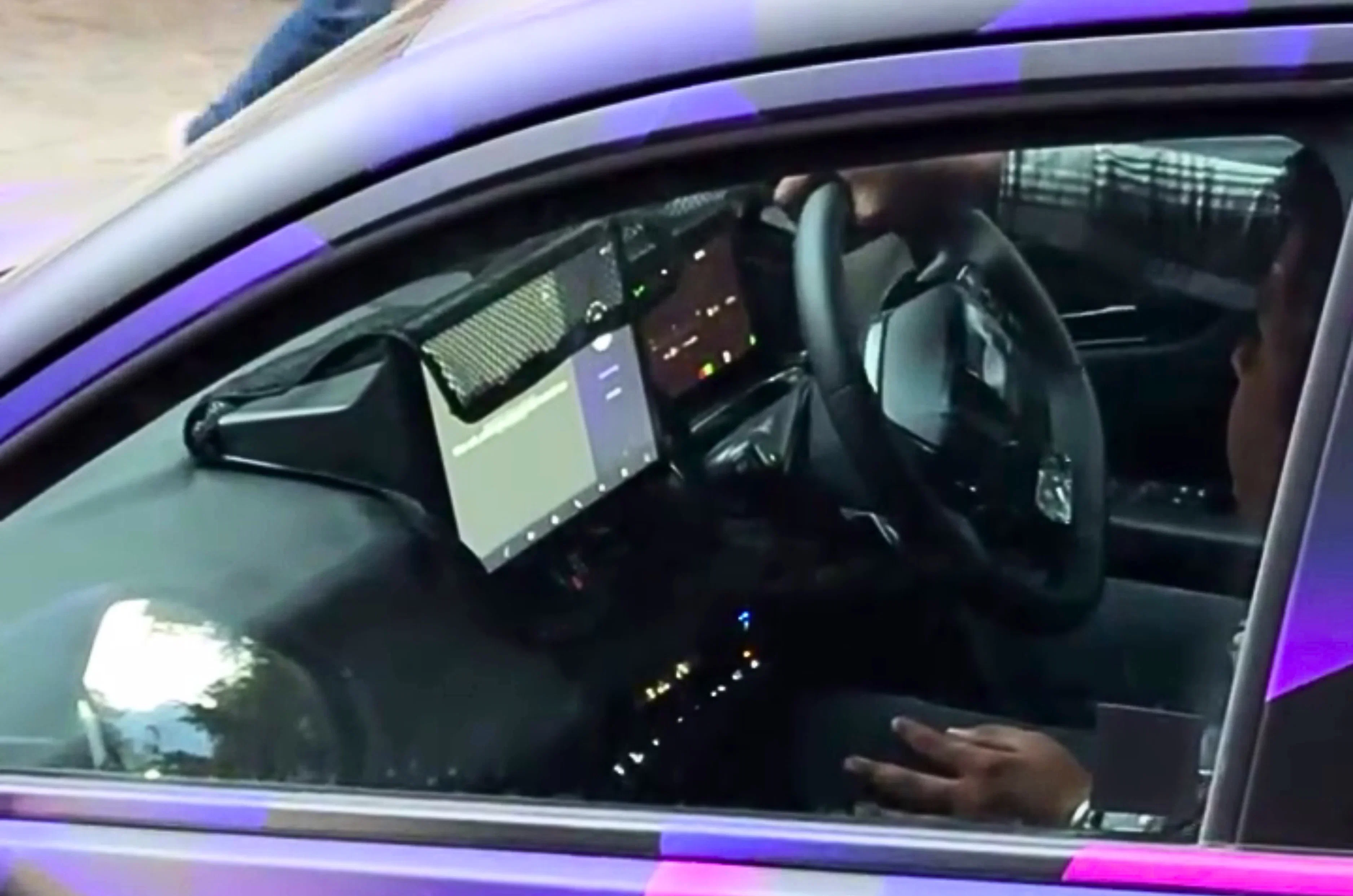
This image gives us a detailed look at a few important things on the motorcycle. We can see a TFT instrument cluster that appears similar to the unit that debuted on the Pulsar N160 S and SS, supporting Google Maps mirroring on the latter. The next detail we can see is the multi-functional switch cube on the left side of the handlebar, presumably to access and navigate through the features the motorcycle will offer. For perspective, some of the brand’s more recent launches like the N160 SS come with modern day features like ride-by-wire which enables rider aids like three ride modes, traction control, and a new crawl function to make riding in traffic easier, and we could see those features on this upcoming dual sport as well.
Being an adventure motorcycle, it understandably has long travel suspension, although exact details are unknown at the moment. The other noteworthy thing is that the motorcycle appears to sport Pirelli MT 60 tyres, but it’ll likely wear different tyres in India to keep the prices affordable. Engine details are still unknown, but as we’d reported earlier it’ll likely be sub-300cc.
The Indian off-road motorcycle market has popular choices like the Hero Xpulse 210 and the Kawasaki KLX230, as well as the KTM 390 Enduro R in the 400cc class. We also have the upcoming Honda XR300 L and XR300 Rally. In an interview with Brazilian media, Bajaj’s Executive Director for the country, Waldyr Ferreira hinted at a launch in the local market towards the end of the year. The timeline for an Indian launch hasn’t been confirmed so far.
Gold Price Today: दिल्ली के सर्राफा बाजार में सोमवार, 24 अगस्त को सोने की कीमत 5 महीने से ज्यादा के ऊंचे स्तर पर पहुंच गई। 24 कैरेट वाला सोना ₹900 बढ़कर ₹1,64,400 प्रति 10 ग्राम हो गया। शुक्रवार को इसका भाव ₹1,63,500 प्रति 10 ग्राम था।
5 महीने के हाई पर सोना
ऑल इंडिया सर्राफा एसोसिएशन के मुताबिक, सोना आखिरी बार इस स्तर के आसपास 9 मार्च को था। उस समय इसका भाव ₹1,64,300 प्रति 10 ग्राम था।
सोने में तेजी के पीछे वैश्विक बाजार में मजबूत संकेत और सुरक्षित निवेश की मांग को अहम वजह माना जा रहा है। अमेरिका और ईरान के बीच बढ़ते तनाव ने भी निवेशकों की चिंता बढ़ाई है।
चांदी भी लगातार तीसरे दिन चढ़ी
चांदी की कीमत में भी सोमवार को तेजी रही। यह लगातार तीसरा कारोबारी सत्र था, जब चांदी महंगी हुई। इसकी कीमत ₹3,500 बढ़कर ₹2,53,500 प्रति किलो हो गई।
पिछले सत्र में चांदी ₹2,50,000 प्रति किलो पर बंद हुई थी। यह स्तर आखिरी बार 17 अप्रैल को देखा गया था, जब चांदी ₹2,53,000 प्रति किलो पर थी।
कमजोर डॉलर से मिला सोने को सहारा
Lemonn Markets Desk के रिसर्च हेड गौरव गर्ग ने कहा कि घरेलू बाजार में सोने की तेजी के पीछे कमजोर अमेरिकी डॉलर और सुरक्षित निवेश की मांग बड़ी वजह रही। अमेरिका-ईरान तनाव बढ़ने से निवेशकों का रुझान सुरक्षित एसेट्स की तरफ बढ़ा है।
अंतरराष्ट्रीय बाजार में भी सोने की कीमत बढ़ी। स्पॉट गोल्ड 42.45 डॉलर यानी करीब 1% बढ़कर 4,646.54 डॉलर प्रति औंस पर पहुंच गया। वहीं चांदी करीब 69 डॉलर प्रति औंस पर स्थिर रही।
अब महंगाई पर होगी नजर
विश्लेषकों के मुताबिक सोने की अगली चाल सिर्फ भू-राजनीतिक तनाव से तय नहीं होगी। अब महंगाई और अमेरिकी फेडरल रिजर्व के रुख पर भी बाजार की नजर रहेगी।
Kotak Securities की AVP Commodity Research कायनात चेनवाला के मुताबिक, ईरान तनाव के कारण अगर कच्चे तेल की कीमतें बढ़ती हैं, तो फेडरल रिजर्व के सामने महंगाई को लेकर चुनौती बढ़ सकती है। बाजार यह देखेगा कि फेड इस बढ़ोतरी को अस्थायी मानता है या इससे महंगाई का बड़ा जोखिम पैदा होता है।
Disclaimer: यहां दी गई जानकारी सिर्फ सामान्य जागरूकता के लिए है। किसी भी निवेश, लोन, टैक्स, बीमा या दूसरे वित्तीय फैसले लेने से पहले संबंधित एक्सपर्ट्स से सलाह जरूर लें। मनीकंट्रोल किसी भी फाइनेंशियल प्रोडक्ट या सर्विस की सिफारिश नहीं करता।
Rawdon Glover has worked with the JLR group for over thirteen years and took charge as Managing Director three years ago. From the sidelines of our first drive with the Jaguar Type 01, we speak to Glover, who tells us about Jaguar’s new direction, taking risky decisions, core markets and upcoming products.
Why the major shift in the positioning of Jaguar?
Putting Jaguar back on a firm footing for the next 90 years is the main job. And if you look at the task, it’s brand management where sometimes you need small incremental changes. But if you look at today’s technical changes, competitive context, how the brand was performing globally and a host of factors, what was called for was a big shift. That requires you to be bold and confident.
Why go for a radical and polarising design?
We’re ok with polarising. If you look at our history, it was bold evolutions, for example the XJS, the spiritual successor to the E-Type. It would have been easy to say let’s just make a modern example of the E-Type, but that’s not what we did, and if you look back at reviews, it was applauded for its dynamics and refinement, but the design was seen as polarising. Now it’s a design icon. So, I’d rather have four out of ten absolutely love the car, rather than have everyone go – yeah, it’s ok.
Isn’t going all-electric a massively risky move?
The EV landscape is evolving rapidly, many new brands are coming in, and I believe one will crack the EV glass ceiling, so why not Jaguar? So we ripped up the EV rulebook because, in the luxury space, it wasn’t working. So it’s not designed as an EV without an engine and a really cab-forward layout. But it’s about presence and performance, and to deliver the level of performance and refinement, electric is best.
Would the car sit above the XJ in terms of price? All of the vehicles coming off this platform would be between GBP 1,20,000 and GBP 1,50,000. We see a white space at the top end of the premium segment, but underneath established luxury players. That’s where we want to be, and with this vehicle what you get is the stature, the presence, the drama of those uber-luxury brands at the top end of the premium price point.
What are the core markets, and how does India figure in the plan?
We used to sell in 130 markets, but we’ll narrow this to just eight or nine, with 85 percent of the volume. North America will remain a large part, China will become important, and the UK, Germany and some Nordics, where they have really embraced EVs, will be the mainstay. Then in markets like the Middle East and India, which have been small, we think we can really break into them now. The retail would, of course, still be through the existing JLR network.
FTAs do not favour EVs, so is the 01 capable of being locally assembled?
Manufacturing this outside of the UK is not currently in the plan. All production will be built out of Solihull, so all exports to other markets will be CBUs, but that doesn’t rule out local production outside UK. As you know, the geopolitical situation is so fluid at the moment, but in time we could consider production elsewhere.
Is there a more chauffeur-driven offering from Jaguar coming?
The 01 is unashamedly driver-focussed, it has four comfortable seats, but it’s a four-door GT, not a four-door sedan designed as a luxury chauffeur-driven car. There will be other vehicles off this platform that will share the same design language, but will have a distinct personality and target different groups, and they would be accessible to a wider audience. So, yes absolutely, there will be a chauffeur-driven-focused model from Jaguar.
Would an SUV body style be part of the portfolio?
What you shouldn’t expect from us is a high-sided Jaguar that is a Range Rover competitor. We already have the best SUV on the planet, and part of the house of brand’s strategy is to differentiate the brands. All I can say, for now, is that you can expect a variety of vehicles from us, and there will be vehicles slightly higher positioned, but all will drive like a Jaguar.
How has it been working with Tata Motors?
Unwavering is the word. There is nobody more dedicated and passionate about our success than the shareholders, and that’s an incredibly privileged position to be in. It puts a little pressure, but having somebody like PB Balaji come onto our board is great. He’s been on the journey with us, he understands it inside and out, and for him, Jaguar is personal. It’s important to our chairman and even was to Ratan Tata. I was reading stories about Ratan Tata driving about in his father’s XK120, so it’s really important to Tata that Jaguar wins. In all my interactions with the board, there is never talk of tempering ambitions, it’s always, just go for it.
Rawdon Glover has worked with the JLR group for over 13 years and took charge as Managing Director 3 years ago. From the sidelines of our first drive with the Jaguar Type 01, we speak to Glover, who tells us about Jaguar’s new direction, taking risky decisions, core markets and upcoming products.
Why the major shift in the positioning of Jaguar?
Putting Jaguar back on a firm footing for the next 90 years is the main job. And if you look at the task, it’s brand management where sometimes you need small incremental changes. But if you look at today’s technical changes, competitive context, how the brand was performing globally and a host of factors, what was called for was a big shift. That requires you to be bold and confident.
Why go for a radical and polarising design?
We’re ok with polarising. If you look at our history, it was bold evolutions, for example the XJS, the spiritual successor to the E-Type. It would have been easy to say let’s just make a modern example of the E-Type, but that’s not what we did, and if you look back at reviews, it was applauded for its dynamics and refinement, but the design was seen as polarising. Now it’s a design icon. So, I’d rather have four out of ten absolutely love the car, rather than have everyone go – yeah, it’s ok.
Isn’t going all-electric a massively risky move?
The EV landscape is evolving rapidly, many new brands are coming in, and I believe one will crack the EV glass ceiling, so why not Jaguar? So we ripped up the EV rulebook because, in the luxury space, it wasn’t working. So it’s not designed as an EV without an engine and a really cab-forward layout. But it’s about presence and performance, and to deliver the level of performance and refinement, electric is best.
Would the car sit above the XJ in terms of price? All of the vehicles coming off this platform would be between GBP 1,20,000 and GBP 1,50,000. We see a white space at the top end of the premium segment, but underneath established luxury players. That’s where we want to be, and with this vehicle what you get is the stature, the presence, the drama of those uber-luxury brands at the top end of the premium price point.
What are the core markets, and how does India figure in the plan?
We used to sell in 130 markets, but we’ll narrow this to just eight or nine, with 85 percent of the volume. North America will remain a large part, China will become important, and the UK, Germany and some Nordics, where they have really embraced EVs, will be the mainstay. Then in markets like the Middle East and India, which have been small, we think we can really break into them now. The retail would, of course, still be through the existing JLR network.
FTAs do not favour EVs, so is the 01 capable of being locally assembled?
Manufacturing this outside of the UK is not currently in the plan. All production will be built out of Solihull, so all exports to other markets will be CBUs, but that doesn’t rule out local production outside UK. As you know, the geopolitical situation is so fluid at the moment, but in time we could consider production elsewhere.
Is there a more chauffeur-driven offering from Jaguar coming?
The 01 is unashamedly driver-focussed, it has four comfortable seats, but it’s a four-door GT, not a four-door sedan designed as a luxury chauffeur-driven car. There will be other vehicles off this platform that will share the same design language, but will have a distinct personality and target different groups, and they would be accessible to a wider audience. So, yes absolutely, there will be a chauffeur-driven-focused model from Jaguar.
Would an SUV body style be part of the portfolio?
What you shouldn’t expect from us is a high-sided Jaguar that is a Range Rover competitor. We already have the best SUV on the planet, and part of the house of brand’s strategy is to differentiate the brands. All I can say, for now, is that you can expect a variety of vehicles from us, and there will be vehicles slightly higher positioned, but all will drive like a Jaguar.
How has it been working with Tata Motors?
Unwavering is the word. There is nobody more dedicated and passionate about our success than the shareholders, and that’s an incredibly privileged position to be in. It puts a little pressure, but having somebody like PB Balaji come onto our board is great. He’s been on the journey with us, he understands it inside and out, and for him, Jaguar is personal. It’s important to our chairman and even was to Ratan Tata. I was reading stories about Ratan Tata driving about in his father’s XK120, so it’s really important to Tata that Jaguar wins. In all my interactions with the board, there is never talk of tempering ambitions, it’s always, just go for it.
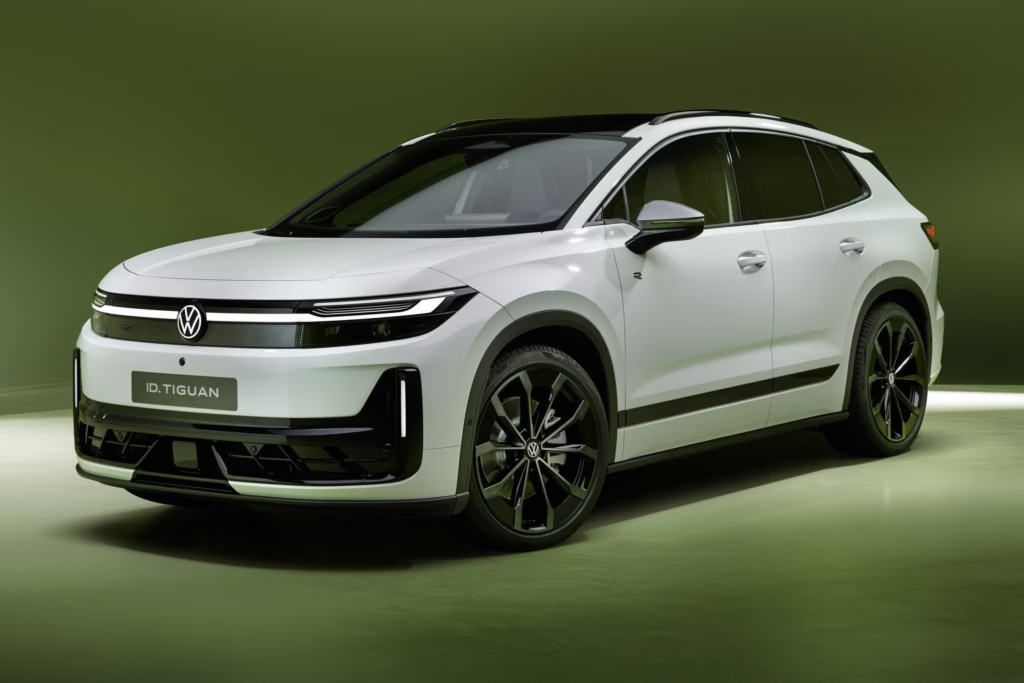
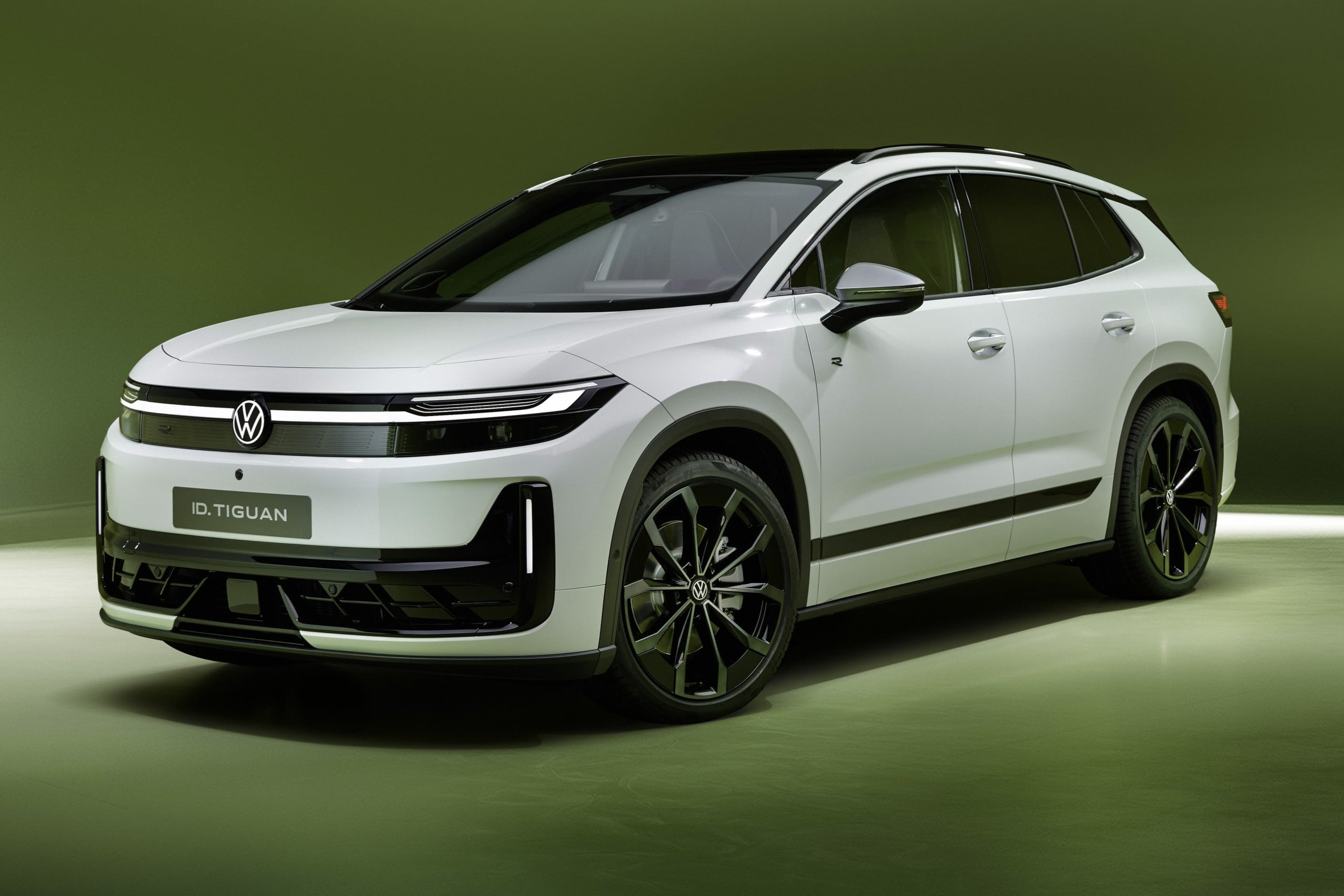
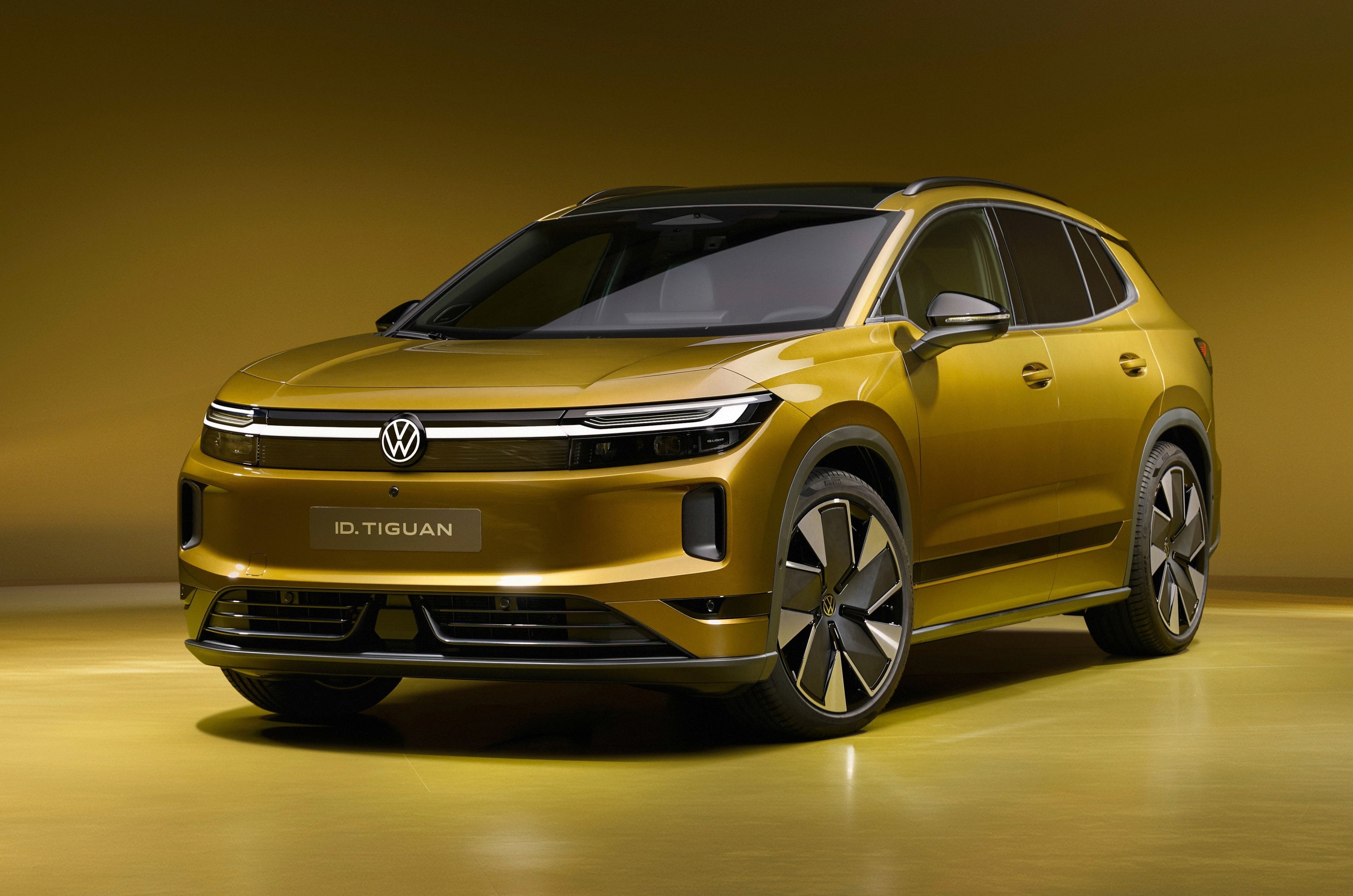
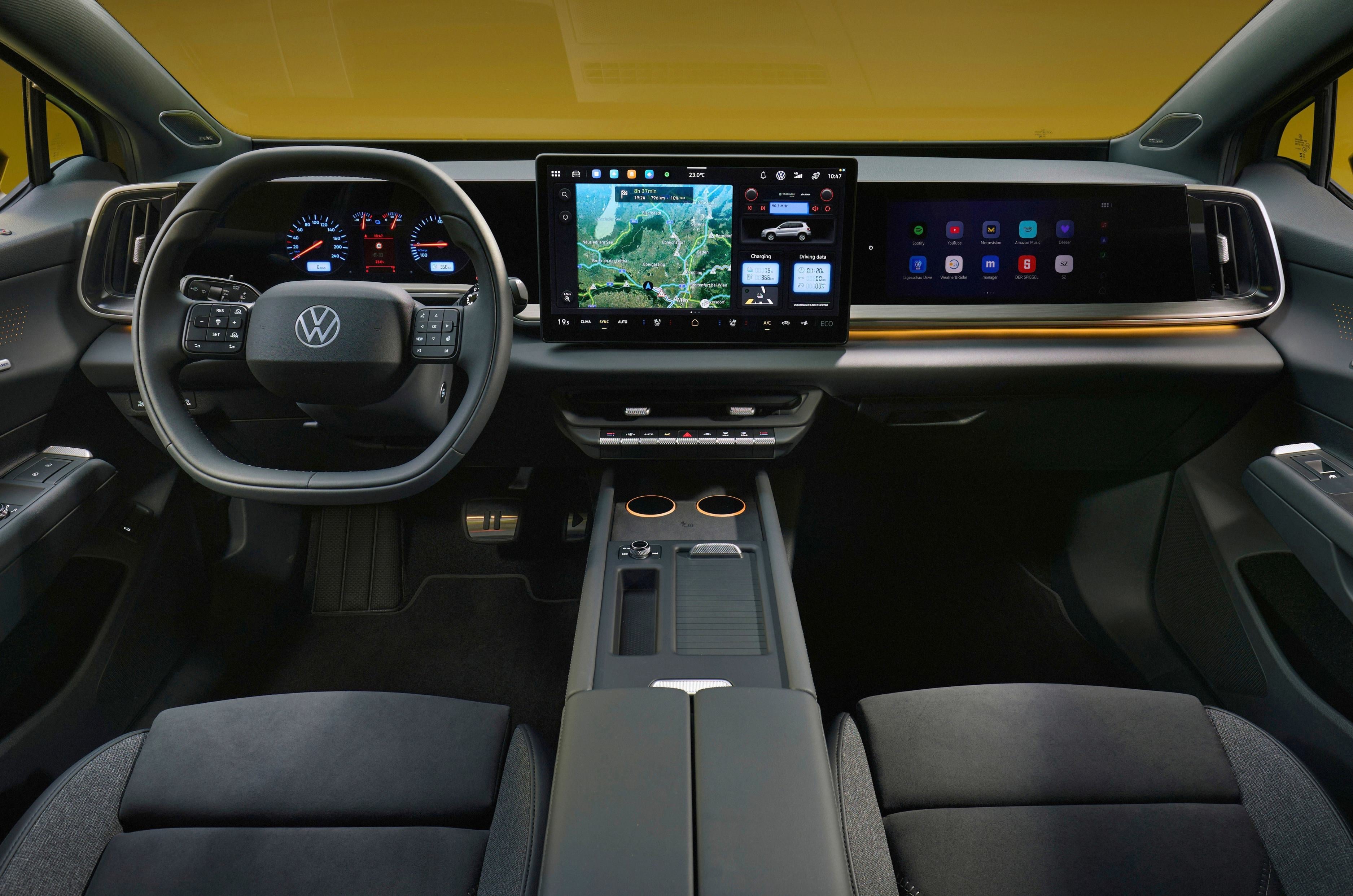
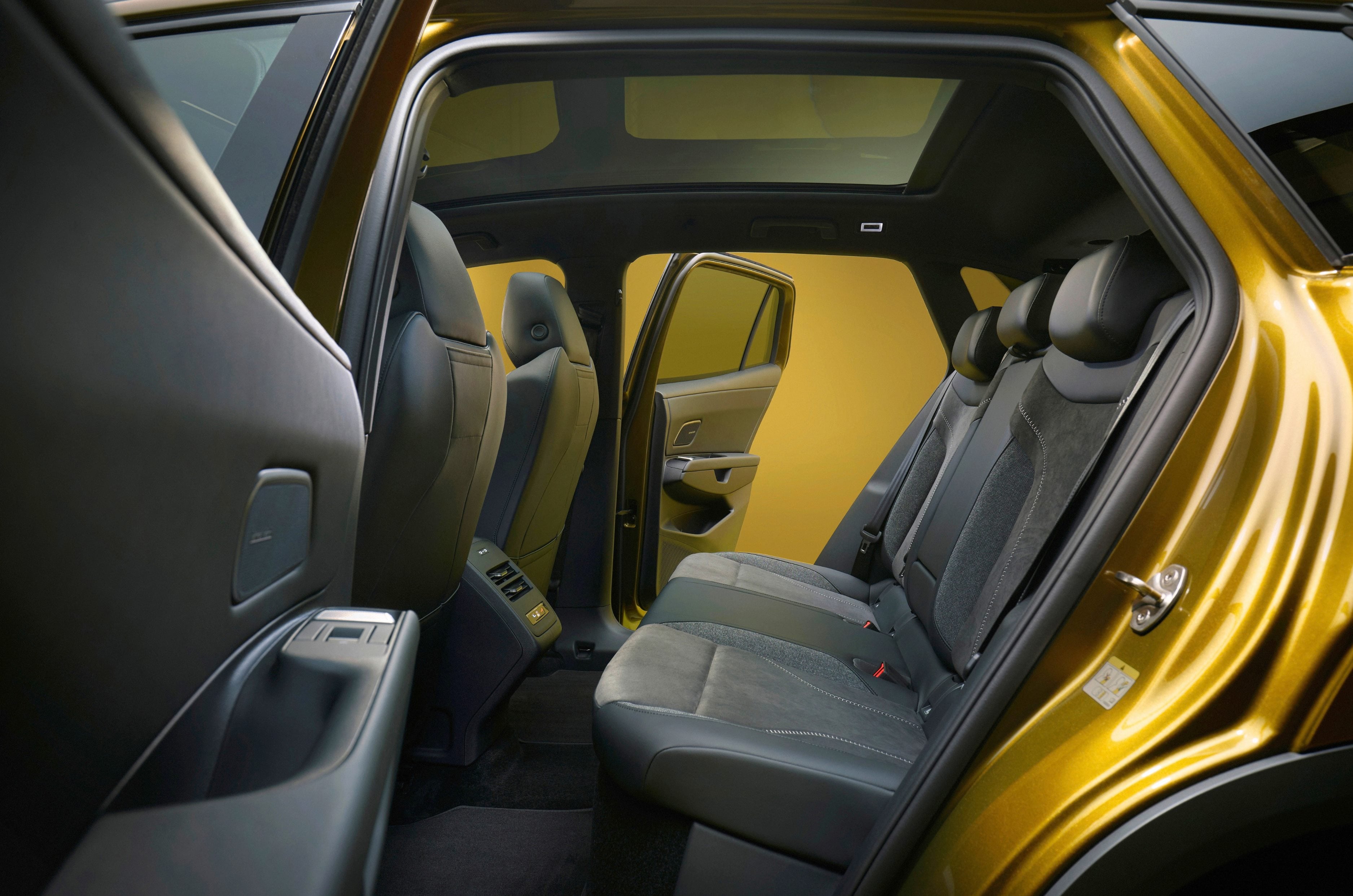
Volkswagen is preparing for a much bigger push in India, with the company reviewing its broader product, powertrain and investment plans. While a locally produced compact SUV has already been confirmed for launch next year and is expected to drive volumes, the brand is also looking at the India-EU free trade agreement (FTA) as an opportunity to bring select niche models from its global portfolio here.
“FTA has been announced in Europe. It is a huge opportunity to bring a certain sort of niche models to widen the portfolio for the consumer to offer some exciting models every now and then, which is great,” Member of the Board of Management of Volkswagen AG and CEO of Volkswagen Brand Thomas Schafer told us. He did not reveal which models could be on the cards, but said the company is taking a long-term view and will study market conditions over the next few months before making a decision.
VW’s renewed focus for India
Schafer’s India visit comes as Volkswagen reviews its global business strategy amid geopolitical tensions, changing trade policies and a growing move towards regional manufacturing. “So, globally, we see almost like a decoupling. You have a geopolitical situation and the old business model where everything’s focused on Europe, and then you export to other markets is long gone. At the same time, you have a very different dynamic in China than in the US, which is putting import duties on Europe under certain attacks. So, in that game, you have to change your business model; you have to adapt it. And that’s what we’re busy doing,” he added.
This shift could benefit India. Along with the growing domestic market, Volkswagen sees India as an important hub for engineering, IT and R&D. “We will focus a lot on India going forward. Not only because the market is exciting and growing and creating more opportunity for the future, but also the sort of knowledge base that you have here in India,” he said.
Volkswagen also sees exports as an important way to build scale out of India. The company already exports vehicles made in the country to more than 40 markets, with Mexico being one of the major markets that imports vehicles from India. “So, exports are an important part of our business, and we will always strengthen that going forward,” he said. For the upcoming compact SUV, export potential could also help boost volumes and strengthen the business case.
More powertrains can be offered at the right time
Volkswagen’s current portfolio comprises cars powered by turbo-petrol engines, even as CNG and diesel remain in demand and EVs are gaining momentum. “So, what is clear is, in the long run, there will be strong electrification, especially also in India…You see it accelerating, probably driven by the conflict in the Middle East and the oil situation,” he said.
At the same time, he clarified that be it flex-fuel, CNG, diesel or EV, the brand has the technology already on sale in certain parts of the world. “We have flex-fuel, super strong in South America for years; we have CNG, diesel and EVs, it’s all there…When it’s the right time to localise it, we will localise it,” Schafer said.
The challenge, he said, is deciding when and how to use each powertrain technology. “The dynamics in India and the market shift have been quite significant even in the last couple of months. So, to be honest, we haven’t concluded our planning on that, but the good thing is that we have it and we can deploy it if and when it is the right situation,” he stated. Volkswagen is also evaluating its next-generation models and newer platforms, but these plans are still under consideration.
Cost remains a major hurdle for VW in India
Cost has been one of Volkswagen’s biggest challenges in India. Schafer said the company has spent the past few years working on two key areas: ensuring that its products retain the core characteristics of the Volkswagen brand while simultaneously reducing the cost base. “We worked over the last four years very focused on the cars that we bring to the market now are through and through Volkswagen in terms of quality, brand fit. And, yes, our cost base is traditionally high because we are very much focused on Europe and especially Germany,” he added.
India, he said, will play an important role in Volkswagen’s efforts to reduce costs, especially through more cost-effective development and manufacturing. “Part of the programs that’s been in the media over the last, especially two years, has been reducing our cost base, developing more in more cost-efficient places like in India very much, but also shifting production from high-cost locations into lower-cost locations,” he said.
Volkswagen is now working on its next set of products, investment plans and powertrain options for India. With India becoming an increasingly important part of its global strategy, there is plenty to look forward to from the brand in the coming years.
Yamaha appears to be preparing a higher-spec version of its retro-styled XSR900. An XSR900 SP has surfaced in US regulatory filings, pointing to the possibility of a new performance-focused variant of the 890cc neo-retro motorcycle.
XSR900 SP name appears in Yamaha’s US NHTSA filings
Expected to share the 117.4hp CP3 engine with the standard XSR900
Could borrow premium suspension and braking hardware from the MT-09 SP
Yamaha XSR900 SP: what the filings reveal
The XSR900 SP has appeared in vehicle identification number (VIN) filings submitted by Yamaha to the US National Highway Traffic Safety Administration (NHTSA). The documents list both a standard XSR900 SP and a California-spec version, indicating that Yamaha is preparing the model for the 2027 model year.
The filings show that the XSR900 SP will use Yamaha’s 890cc, three-cylinder CP3 engine, with a peak output of 117.4hp. This is identical to the output listed for the standard XSR900, as well as the MT-09, Tracer 9 and R9 in the same documentation. This suggests that the SP variant will focus on chassis and equipment upgrades rather than additional engine performance.
XSR900 SP could get MT-09 SP hardware
While Yamaha has not revealed the equipment list for the XSR900 SP, the motorcycle’s relationship with the MT-09 SP gives a strong indication of what could change.
The MT-09 SP gets DLC-coated front forks, an Öhlins rear shock, Brembo Stylema brake calipers and additional electronic features over the standard MT-09. Yamaha could bring similar upgrades to the XSR900 SP, giving the neo-retro motorcycle a more premium chassis and braking package.
There is one caveat to the filings. The latest NHTSA documents list the XSR900 SP but do not mention the XSR900 GP, while separate California Air Resources Board (CARB) documents for the 2027 XSR900 range list the XSR900 GP but not the SP. This could be down to an error in one of the filings or the documents being updated at different times.
The VIN information does, however, point towards the XSR900 SP being a new variant rather than simply the XSR900 GP being introduced in another market. The SP gets a different VIN prefix from the existing XSR900 GP, further strengthening the case that Yamaha is developing the model.
There is no word yet on when Yamaha will officially reveal the XSR900 SP or which overseas markets will receive it.
Yamaha R2 to launch in India next week
Closer to home, Yamaha is preparing to launch the much-anticipated R2 in India on August 27. The company has already opened pre-bookings for the motorcycle at Rs 10,000, ahead of its official debut.
The R2 is expected to sit above the R15 in Yamaha’s Indian line-up and is being developed and manufactured in India for both domestic sales and exports. Yamaha has yet to reveal its complete specifications, but the motorcycle is expected to use a larger-capacity single-cylinder engine than the R15.
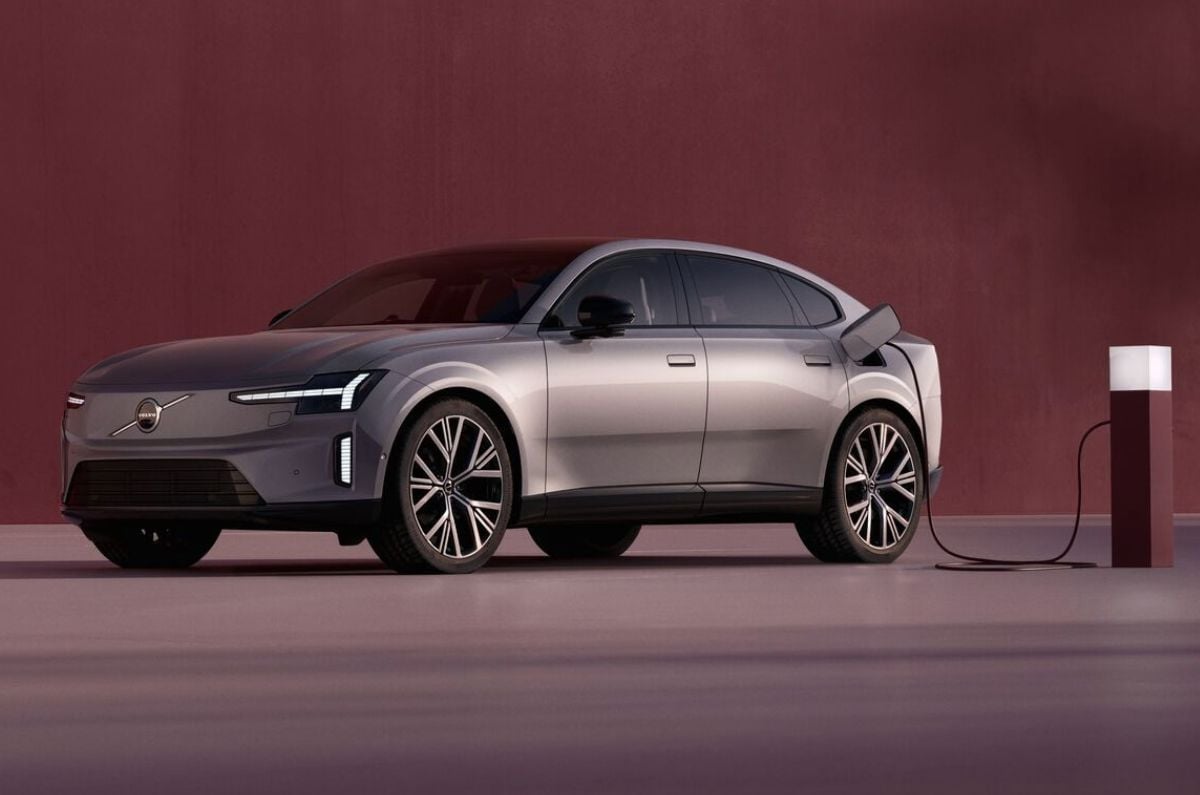
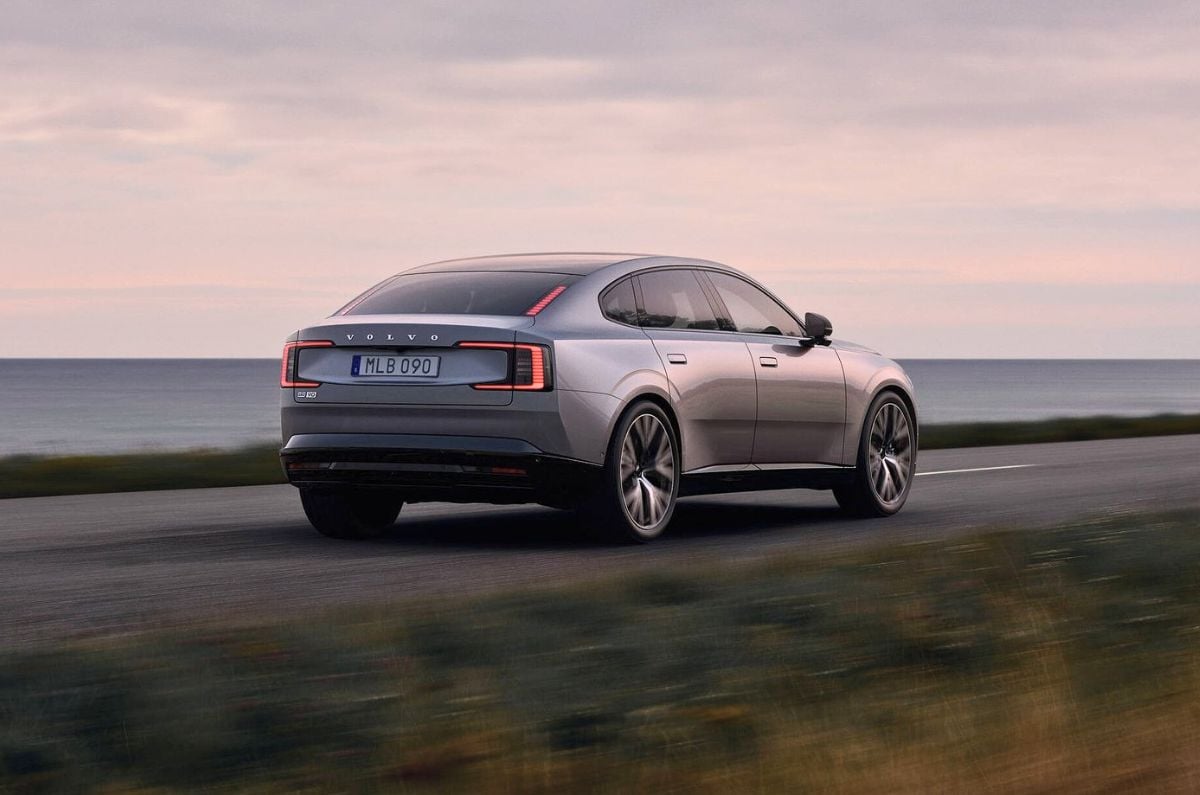
Volvo has confirmed that it will launch two new EVs, the EX90 SUV and the ES90 sedan, in India on October 12, 2026. The EX90 and ES90 will serve as Volvo’s flagship electric offerings for the Indian market. Notably, the ES90 will mark Volvo India’s return to the luxury sedan space, following the discontinuation of the S90 in June 2025. The EX90 is expected to rival the likes of the Mercedes-Benz EQS and Kia EV9, while the ES90 is likely to go up against the BMW i5.
Volvo EX90, ES90 battery and range
Identical 92kWh RWD and 106kWh AWD powertrains
The EX90 and ES90 are both underpinned by Volvo’s SPA2 platform, which features as 800V electrical architecture. In global markets, both EVs can be had in 92kWh (Single Motor) and 106kWh (Twin Motor) guises. In 92kWh spec, the EX90 and ES90 get a single rear-mounted motor (RWD) outputting 333hp and 480Nm. Meanwhile, the 106kWh battery option is split into Twin Motor and Twin Motor Performance variants, developing 456hp/670Nm and 680hp/870Nm, respectively.
For the EX90, 0-100kph comes up in a claimed 6.6 seconds for the 92kWh, 5.3 seconds for the 106kWh Twin Motor, and 4 seconds for the Twin Motor Performance. The ES90 Twin Motor is slightly slower from 0-100kph at 5.4 seconds, but mirrors the EX90 for the other variants.
As for WLTP range, the EX90 92kWh is rated at 565km, while the Twin Motor and Twin Motor Performance trims manage 608km and 602km, respectively. Meanwhile, the ES90’s WLTP range is certified at 664km for the 92kWh variant and 696km for the 106kWh versions.
Coming to charging speeds, both the EX90 and ES90 can utilise up to 350kW DC charging, and take 22 minutes for a 10-80 percent charge across all variants.
Volvo EX90, ES90 exterior design
Look quite different compared to the XC90 and S90
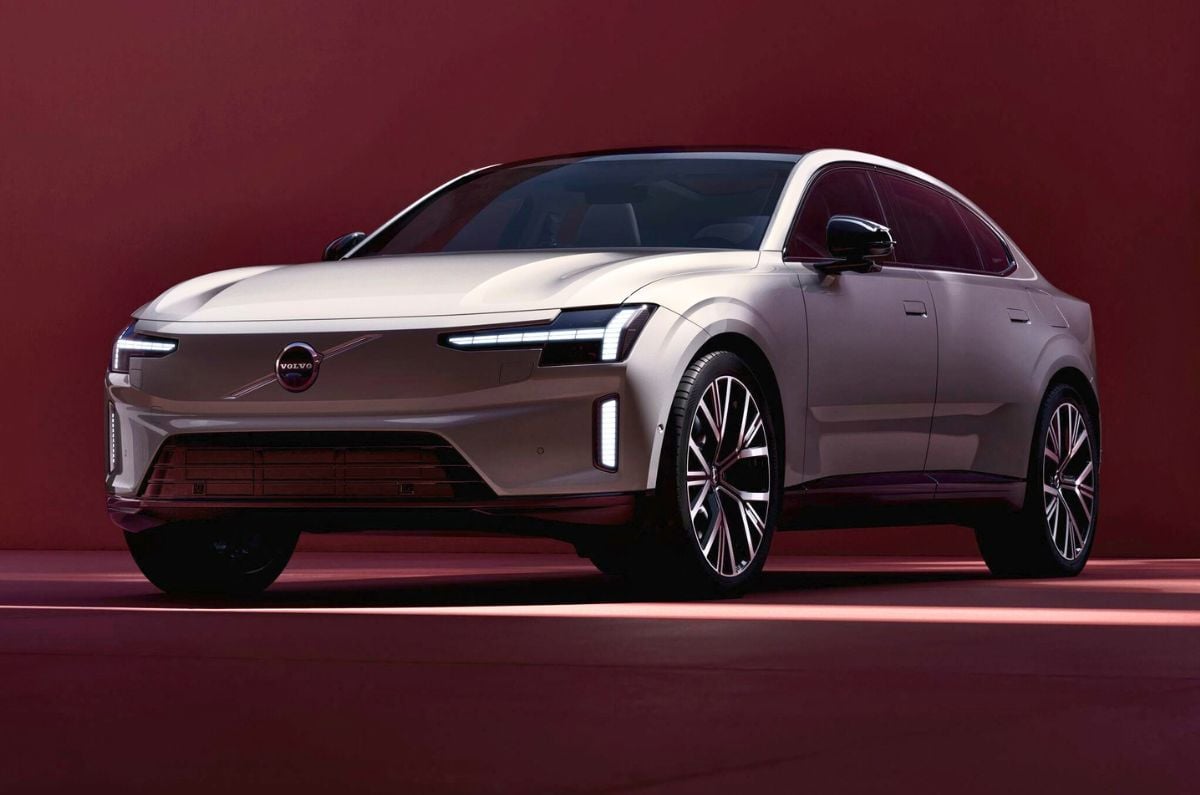
Measuring 5,037mm in length, 1,964mm in width, 1,744mm in height, and 2,985mm in wheelbase, the EX90 is dimensionally similar to the XC90, but sports a distinct design. Up front, the EX90 has sleeker T-shaped headlamps with pixel-like ‘Thor’s Hammer’ DRL signatures, below which sits a pair of slim vertically-arranged fog lamps. The Volvo badge is placed front and centre on the grille-less fascia, with a discreet air dam underneath. A LiDAR sensor can also be spotted on the leading edge of the roof.
The side profile of the EX90 is cleanly-styled, with a prominent shoulder line and gently rising glass area, and there’s not much in the way of body cladding– Volvo claims a drag coefficient of 0.29Cd. 20-inch alloy wheels are fitted as standard, with 21- and 22-inchers optionally available. Over to the rear, the EX90 gets C-shaped LED tail-lamps with an additional vertical row of brake lights flanking the rear windscreen. Other styling elements of note include a sizable roof spoiler and a Volvo wordmark on the bootlid.
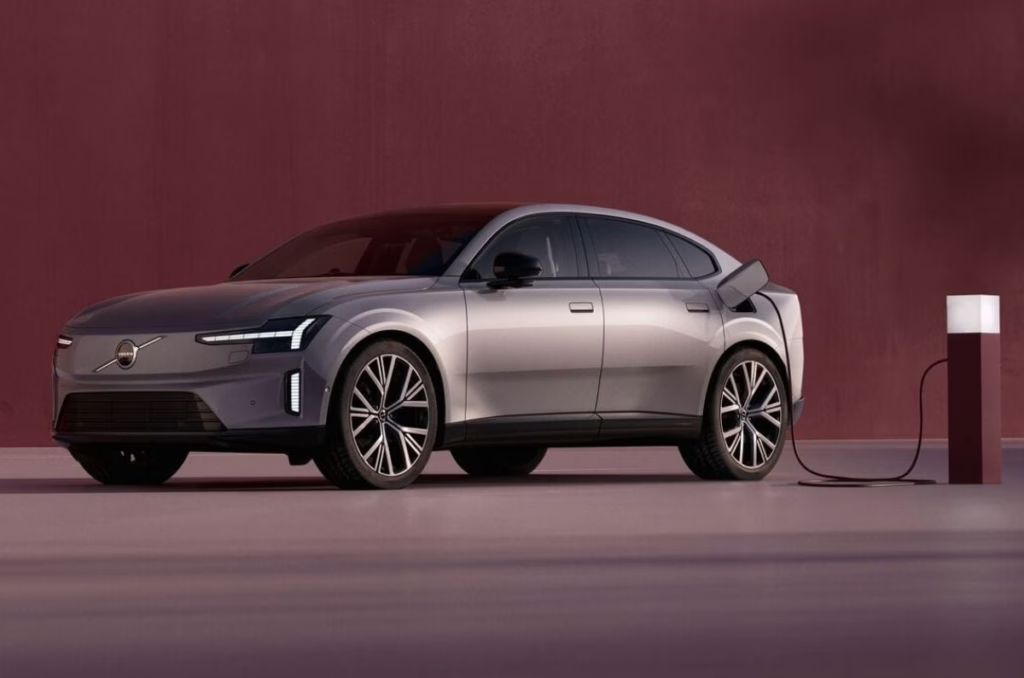
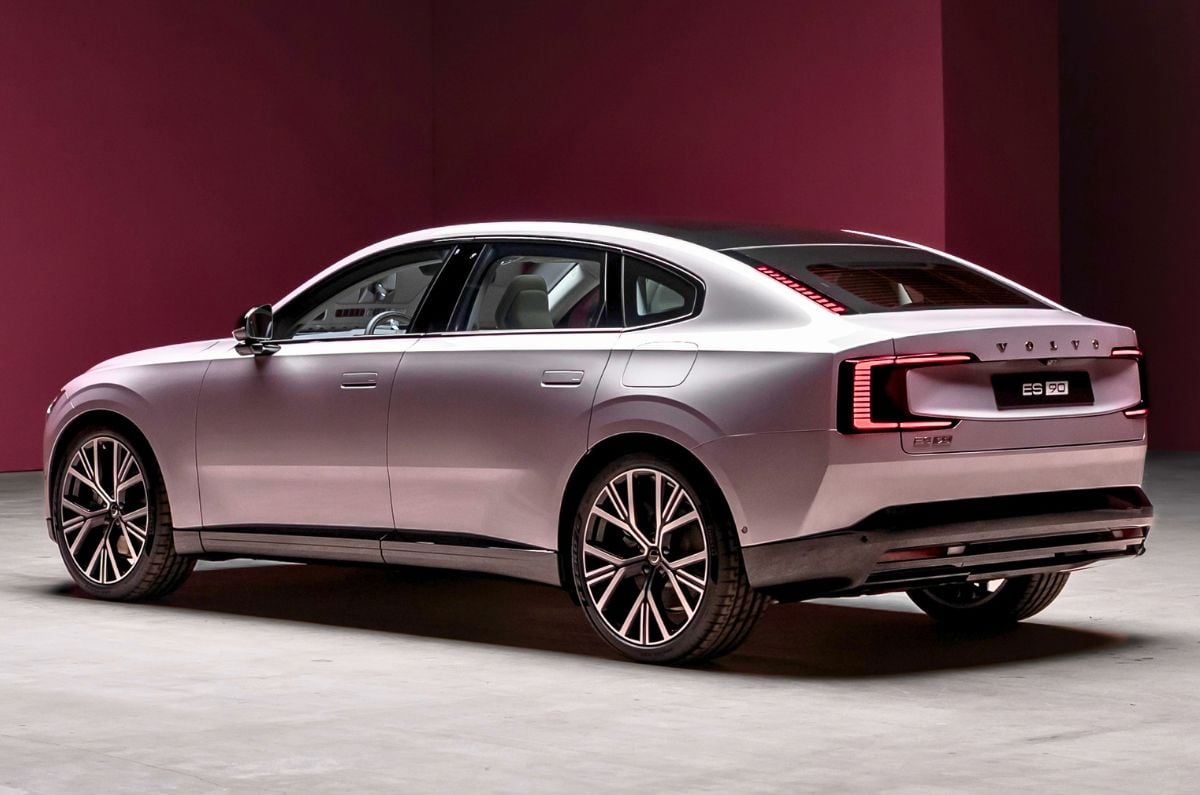
Coming to the ES90, it adopts very similar styling cues to the EX90, like the Thor’s Hammer DRLs, vertical fog lamps, grille-less fascia, brake lights around the rear windshield, Volvo wordmark on the bootlid, gloss black bumpers and skirts, and more. However, the ES90 sets itself apart with slightly reshaped headlamps and tail-lamps, different alloy wheel designs (sizes range from 20 to 22 inches), and of course, its sedan form factor.
Thanks to its more low-slung proportions, the ES90 sports a drag coefficient of 0.25, which makes it the most aerodynamic Volvo car to date.
Volvo EX90, ES90 interior and features
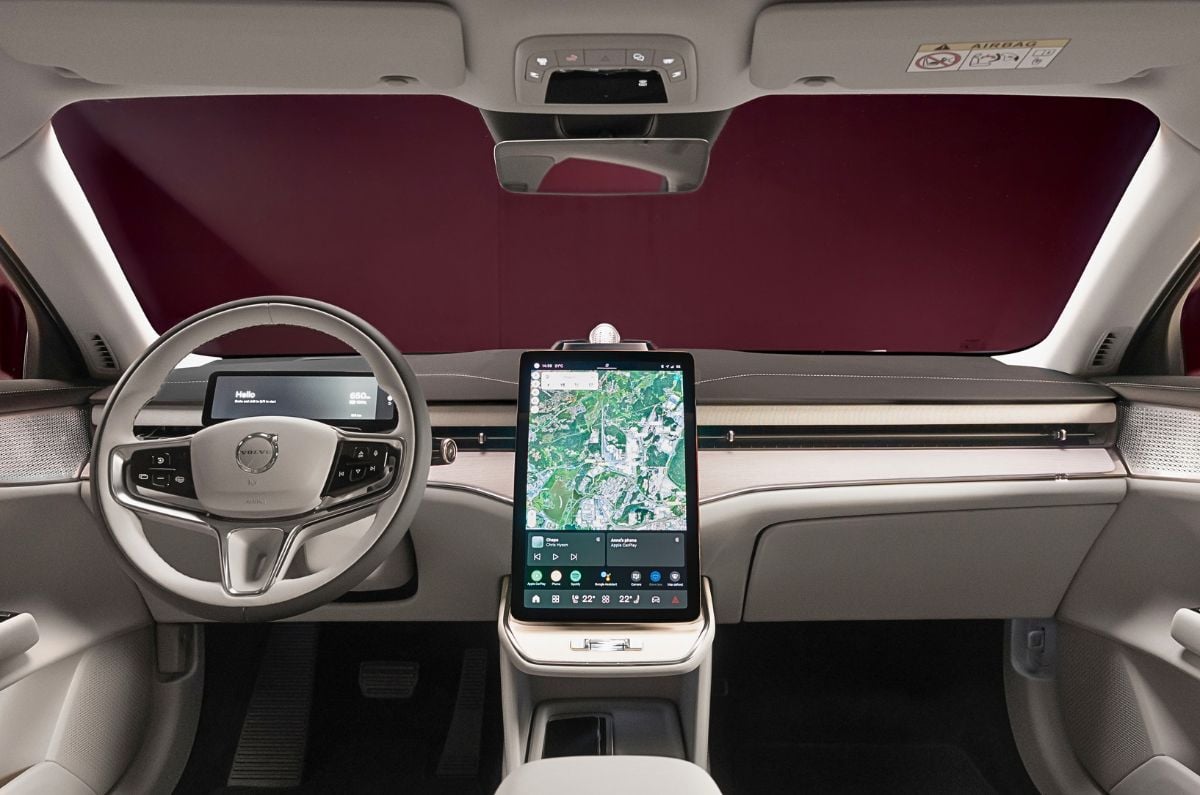
14.5-inch infotainment touchscreen sits front and centre on the dash
Inside, the EX90 and ES90 are very similar in terms of dashboard layout. Both get a minimalistic dashboard dominated by a 14.5-inch Google-based portrait touchscreen that incorporates much of the in-car functionality– physical controls are few and far between. There’s also a floating centre console, a three-spoke steering wheel with a neat layered design, a slim 9-inch digital driver’s display, and a 13.2-inch heads-up display.
The area between the portrait screen and centre console, however, differs between the two. The EX90 has a split design with a more open cubby, whereas the ES90 has a more enclosed storage space with two buttons underneath the touchscreen.
While the ES90 is a 5-seater, the EX90 is a 7-seater as standard, with certain variants offering a 6-seat configuration with captain’s chairs for the second row. In some markets, Volvo even offers a 4-seater version of the EX90 with a rear centre console that integrates a refrigerator, rivalling the likes of the Mercedes Maybach EQS SUV. Boot space is pegged at up to 384 litres with all three rows up for the EX90 and 424 litres for the ES90. The EX90 additionally gets a 45-litre frunk, while the ES90 features a 27-litre space.
As for creature comforts, both EVs pack a 5G connection to aid OTA updates, a digital key, ambient lighting, four-zone climate control, a cabin air purifier, a wireless charging pad, a 360-degree camera, powered front seats, a panoramic glass roof, a Bose sound system, connected car tech, auto park assist, Level-3 ADAS, V2L functionality, and lots more. The EX90 is touted to be Volvo’s safest car to date, holding 5-star crash safety ratings from Euro NCAP and NCAP. The ES90, however, is yet to be crash-tested by an NCAP agency.
Stock Market Rally: अमेरिकी बॉन्ड मार्केट में नरमी, एशियाई बाजारों में रौनक और निचले स्तर पर खरीदारी के चलते घरेलू स्टॉक मार्केट में भी आज काफी चहल-पहल दिख रही हैं। शुरुआती कारोबार में ही सेंसेक्स 585 प्वाइंट्स उछल पड़ा तो निफ्टी भी 24200 के पार पहुंच गया। ब्रोडर लेवल पर भी अच्छी रौनक है और निफ्टी मिडकैप 100 और निफ्टी स्मॉलकैप 100 में आधे-आधे फीसदी से अधिक की बढ़त है। अब इक्विटी बेंचमार्क इंडेक्सों की बात करें तो फिलहाल 09:40 AM पर सेंसेक्स (Sensex) 554.30 प्वाइंट्स यानी 0.72% की बढ़त के साथ 77,463.98 और निफ्टी 50 (Nifty 50) 127.30 प्वाइंट्स यानी 0.53% के उछाल के साथ 24,205.60 पर है। शुरुआती कारोबार में ही सेंसेक्स 585.11 प्वाइंट्स चढ़कर 77,494.79 और निफ्टी 147.15 प्वाइंट्स बढ़ककर 24,225.45 तक पहुंच गया था।
Stock Market Rally: ये है वजह
अमेरिकी बॉन्ड मार्केट में नरमी
अमेरिका के ट्रेजरी डिपार्टमेंट ने लॉन्ग टर्म बॉन्ड्स का बायबैक बढ़ाने का चौंकाने वाला फैसला किया तो लॉन्ग टर्म वाली ट्रेजरी बॉन्ड्स की यील्ड्स अचानक नीचे आ गई। इससे स्टॉक मार्केट में बहार छा गई। अमेरिकी ट्रेजरी डिपार्टमेंट ने सरकारी डेट बायबैक को कम से कम दोगुना करने का ऐलान किया है। इस ऐलान से 30-साल का ट्रेजरी बॉन्ड की फटाक से गिरकर 5.26% से 5.18% और 10-साल का ट्रेजरी यील्ड 4.68% से 4.63% पर आ गया। इसके नीचे आने से भारत जैसे एमर्जिंग मार्केट में निवेश और आकर्षक हो गया।
आईटी सेक्टर का मजबूत सपोर्ट
सेक्टरवाइज मार्केट को सभी सेक्टर का मजबूत सपोर्ट मिल रहा है और सबसे अधिक आईटी सेक्टर का। सिर्फ निफ्टी आईटी में ही फिलहाल 1% से अधिक बढ़त है मेटल, फार्मा, पीएसयू बैंक और प्राइवेट बैंक के निफ्टी इंडेक्सेज में आधे-आधे फीसदी से अधिक की बढ़त है।
एशियाई बाजारों में रौनक
भारतीय स्टॉक मार्केट को अधिकतर एशियाई बाजारों में रौनक से सपोर्ट मिला है। दक्षिण कोरिया का कोस्पी 6% से अधिक, इंडोनेशिया का जकार्ता कंपोजिट, जापान का निक्केई 225 और हॉन्ग कॉन्ग का हैंग सैंग 1% से अधिक उछल पड़ा। थाईलैंड के सेट कंपोजिट में आधे फीसदी की बढ़त है। हालांकि सिंगापुर के स्ट्रेट टाइम्स और ताइवान के ताइवान वेटेड में करीब आधे-आधे फीसदी की गिरावट है।
निचले स्तर पर खरीदारी
एक कारोबारी दिन पहले स्टॉक मार्केट की भयंकर मारकाट में आईटीसी, एचडीएफसी बैंक, एचयूएल, डाबर इंडिया, आईआरएफसी, यूपीएल, आईआरबी इंफ्रा, एसबीआई फंड्स मैनेजमेंट जैसे दिग्गजों समेत 100 से अधिक स्टॉक्स एक साल के रिकॉर्ड निचले स्तर पर आ गए थे। इसका फायदा निवेशकों ने उठाया जिससे भाव मजबूत हुए।
डिस्क्लेमर: यहां मुहैया जानकारी सिर्फ सूचना के लिए दी जा रही है। यहां बताना जरूरी है कि मार्केट में निवेश बाजार जोखिमों के अधीन है। निवेशक के तौर पर पैसा लगाने से पहले हमेशा एक्सपर्ट से सलाह लें। मनीकंट्रोल की तरफ से किसी को भी पैसा लगाने की यहां कभी भी सलाह नहीं दी जाती है।