Mercedes-Benz will launch the updated Maybach S-Class in India on October 5. The facelift brings styling and technology updates, along with more personalization options and changes to the powertrain range. With the launch just around the corner, here’s everything you need to know about the new Maybach S-Class.
What exterior changes does the new Maybach S-Class get over the S-Class?
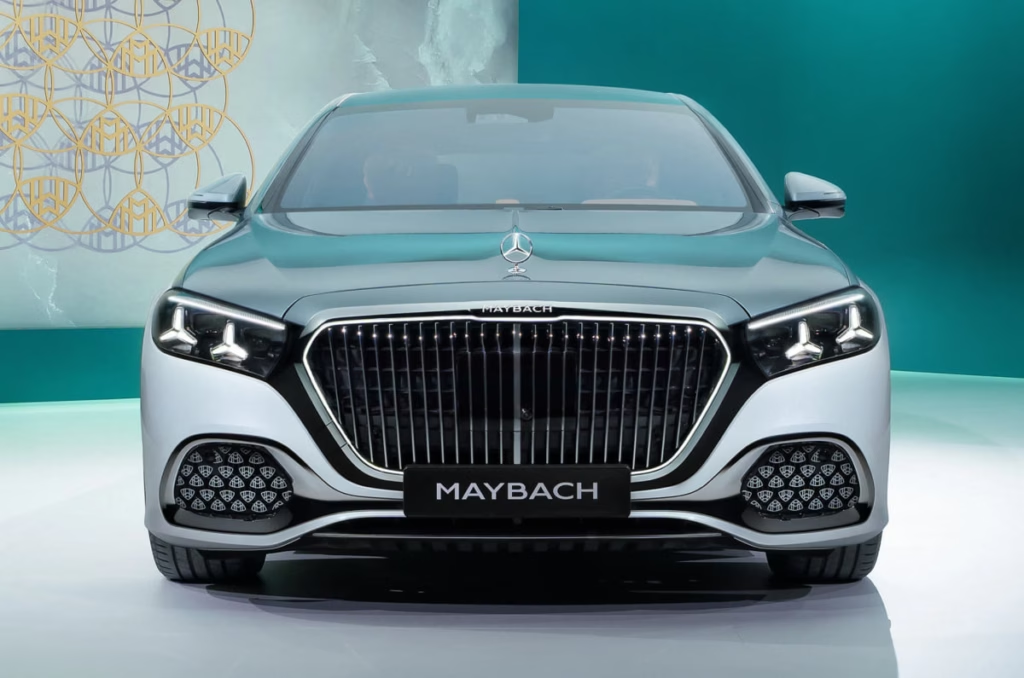
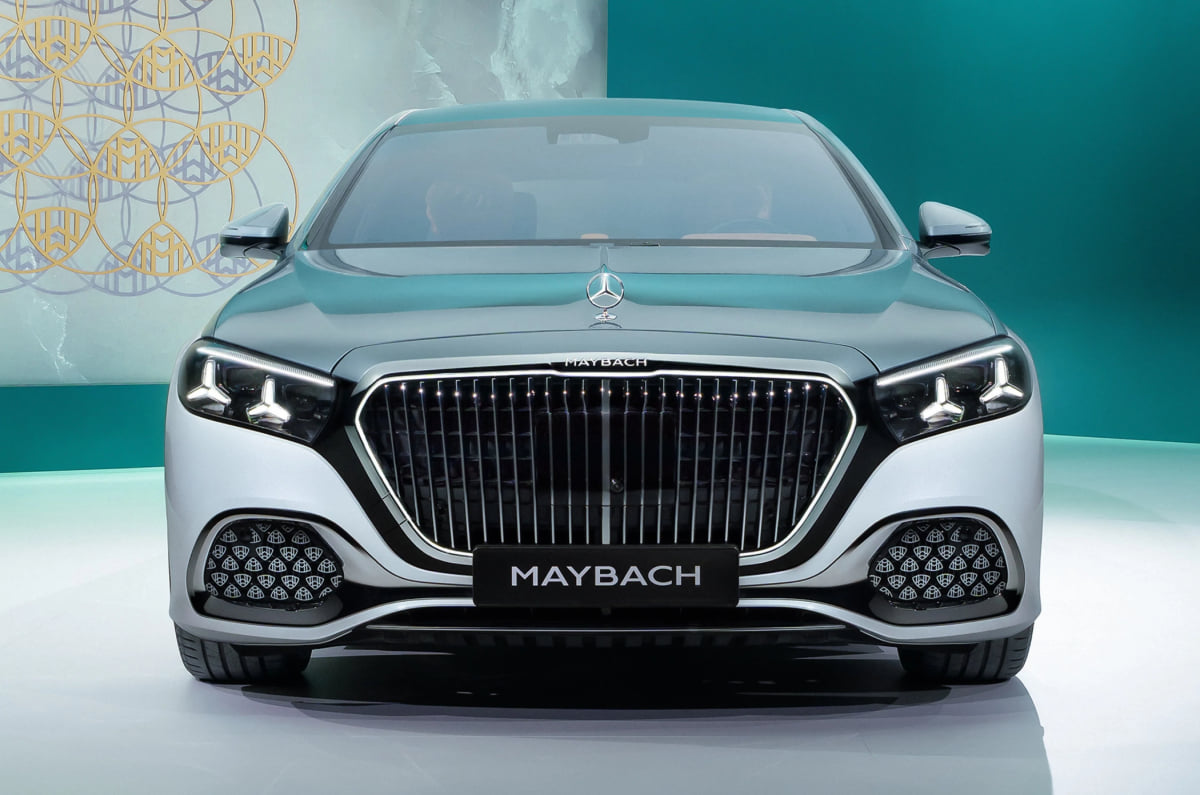
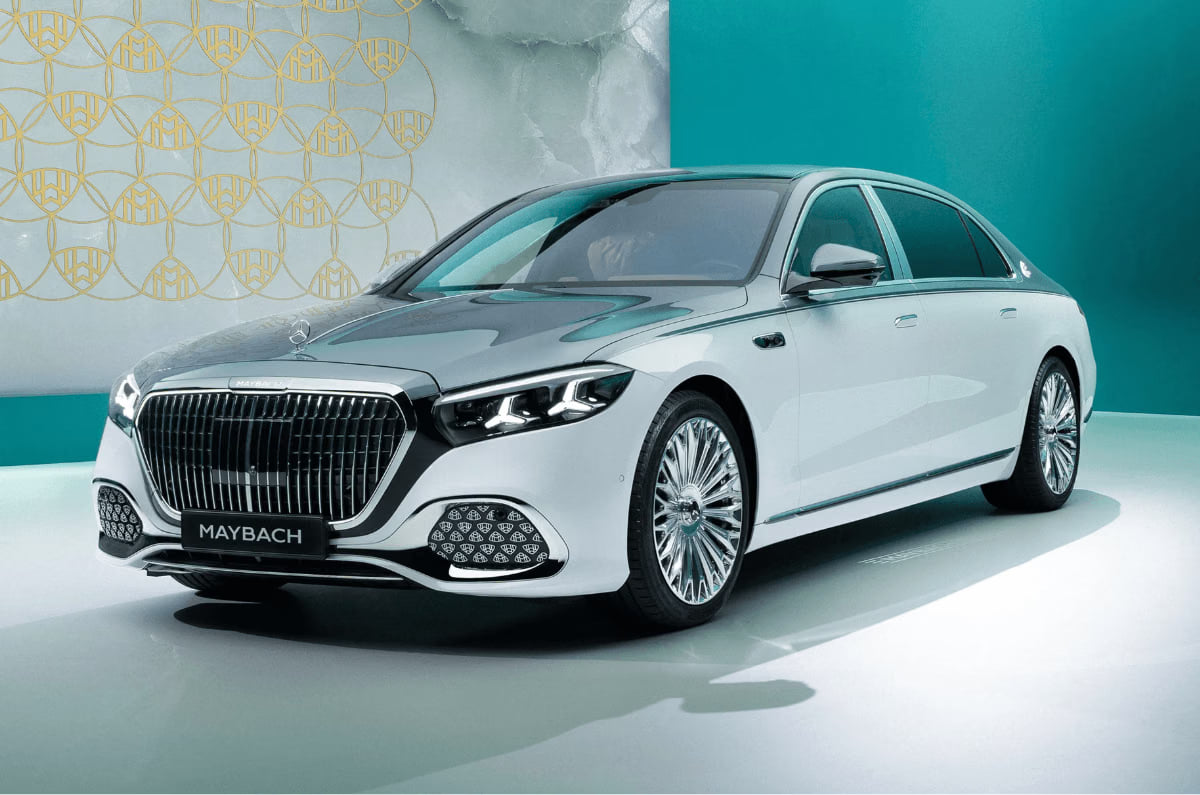
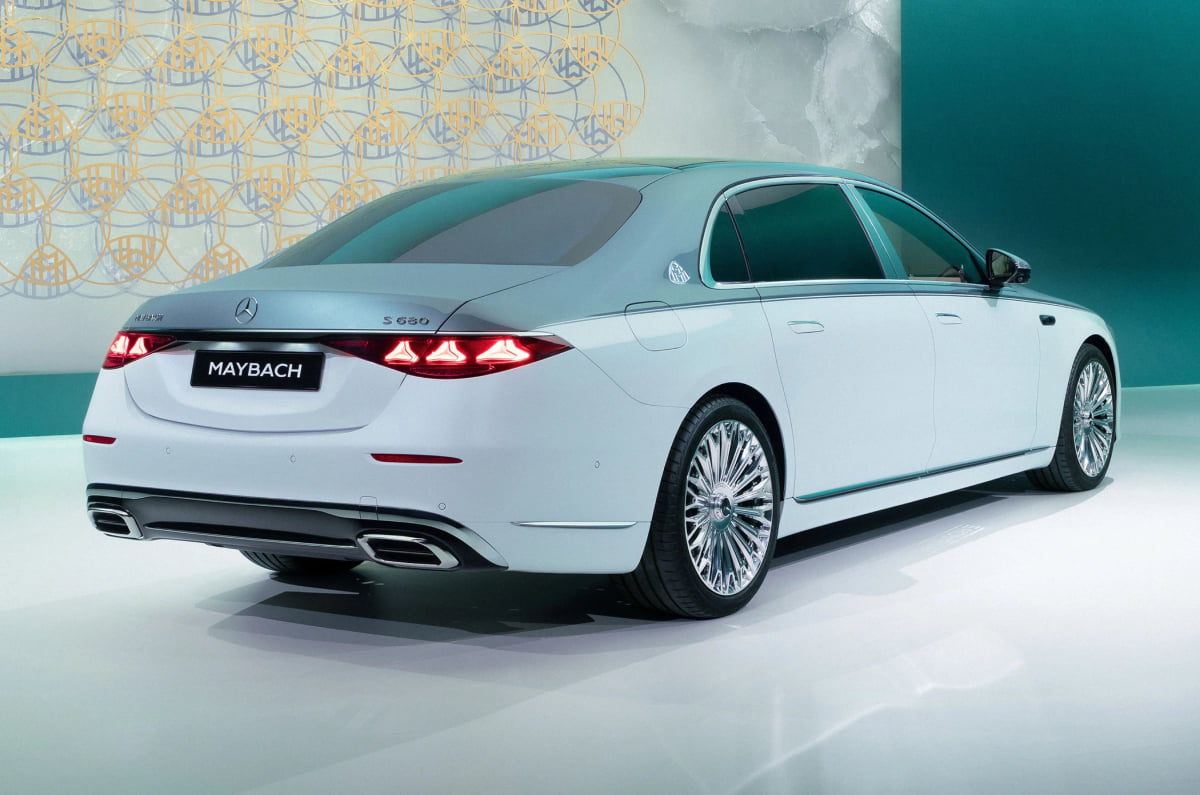
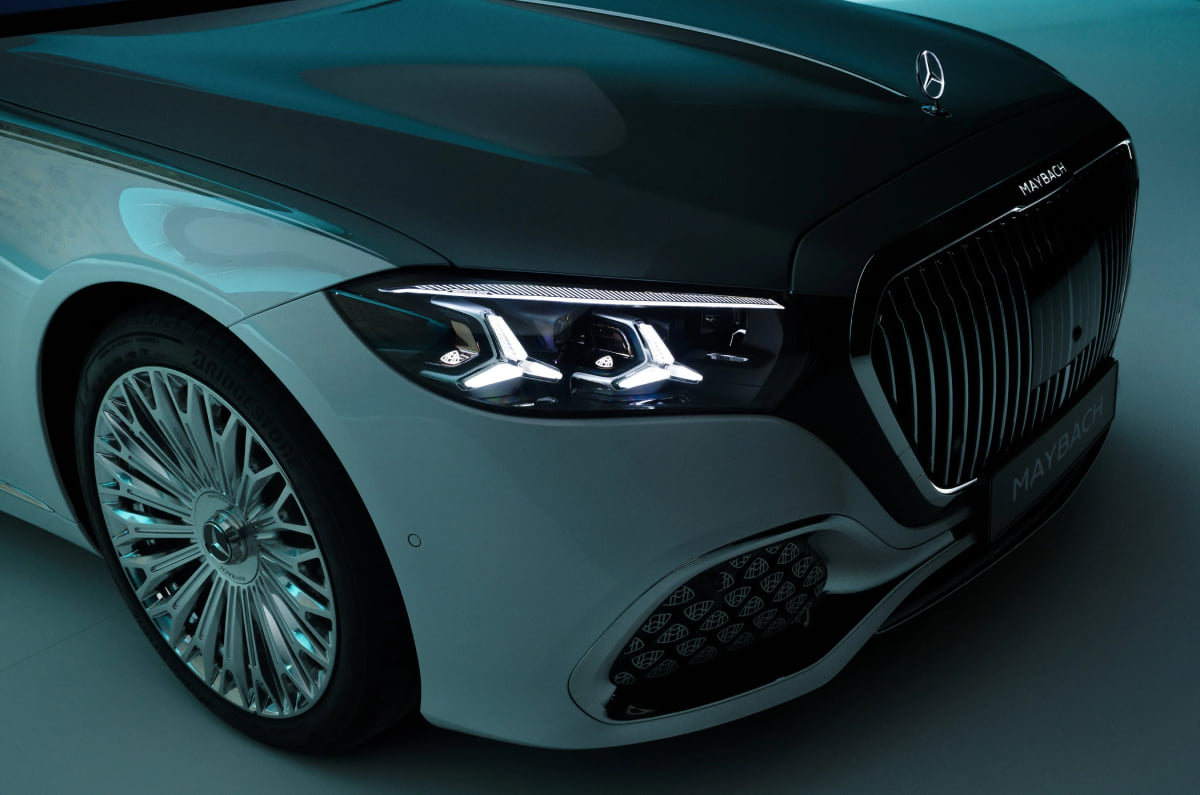
The Maybach S-Class gets the larger illuminated grille seen on the updated S-Class, but with Maybach-specific vertical slats and an illuminated ‘Maybach’ wordmark above them. It also gets an illuminated Mercedes star on the bonnet, LED headlights with three-pointed-star DRLs and rose gold embellishments featuring the Maybach logo instead of the techie blue accents on the standard S-Class. There are also tiny Maybach logos in the lower air-dam mesh, an illuminated Maybach logo on the D-pillar and the same three-pointed-star LED signature for the tail-lamps as the standard S-Class.
The Maybach is 180mm longer than the long-wheelbase S-Class. It is also available with new 20- and 21-inch forged alloy wheels, which feature a counterweighted Mercedes logo that stays upright as the wheels turn. The carmaker says every Maybach S-Class gets some options from its Manufaktur personalization range, which now includes more exterior colours and two-tone paint combinations.
What are the key interior and feature highlights of the Maybach S-Class?
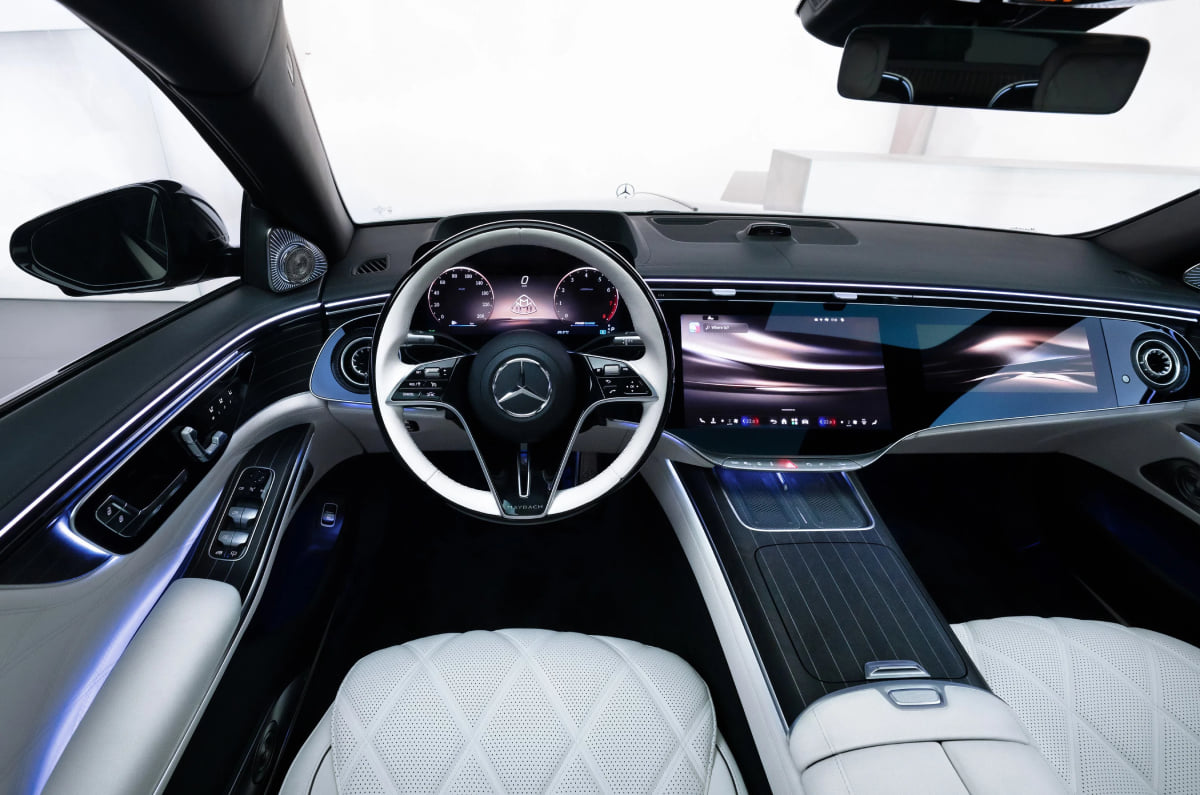
The cabin of the Maybach S-Class, like the standard S-Class gets a Superscreen-style layout comprising a 12.3-inch digital instrument cluster, a 14.4-inch central touchscreen and a 12.3-inch passenger display. The car also uses a new E&E architecture with four ‘supercomputers’ that run the entire car, from the screens to the safety features to the driving dynamics.
As on the outside, Mercedes has expanded the choice of extended leather upholstery and added new upholstery colours. For the first time on a Maybach, buyers can also specify leather-free vegan upholstery with its own unique design.
What changes have been made to the rear-seat experience of the Maybach S-Class?
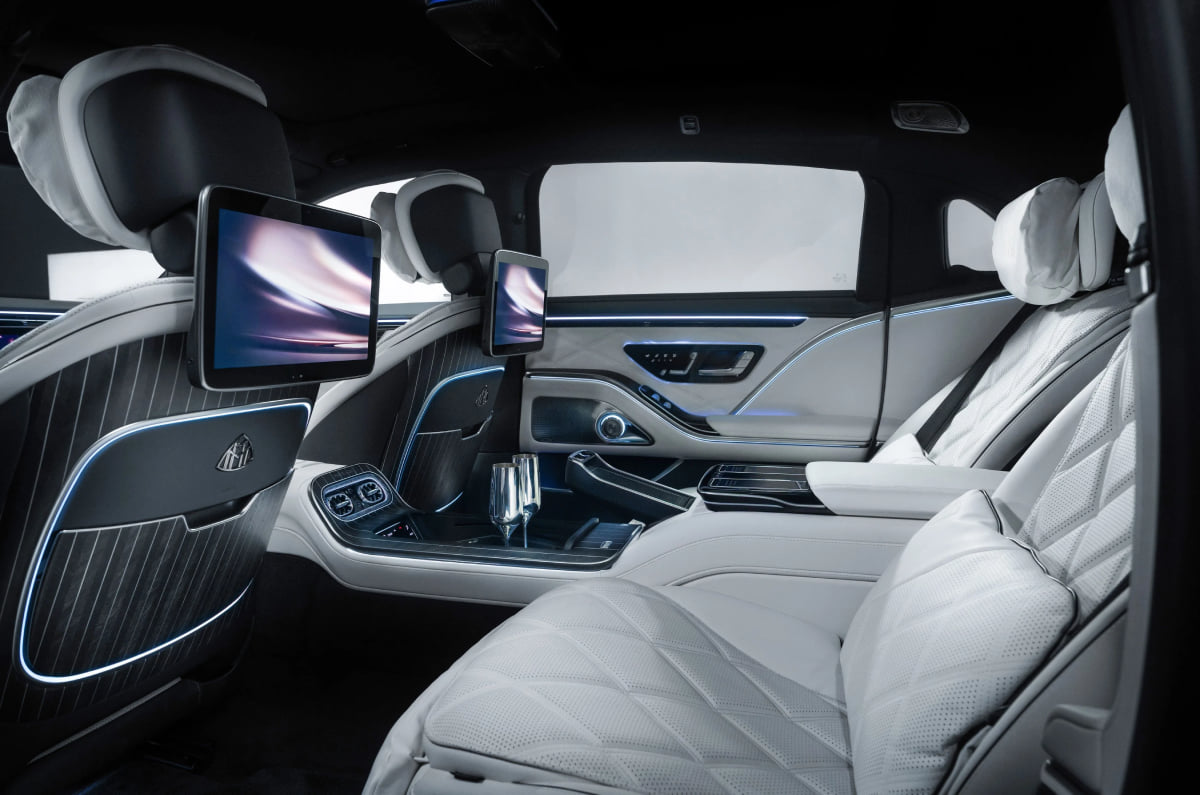
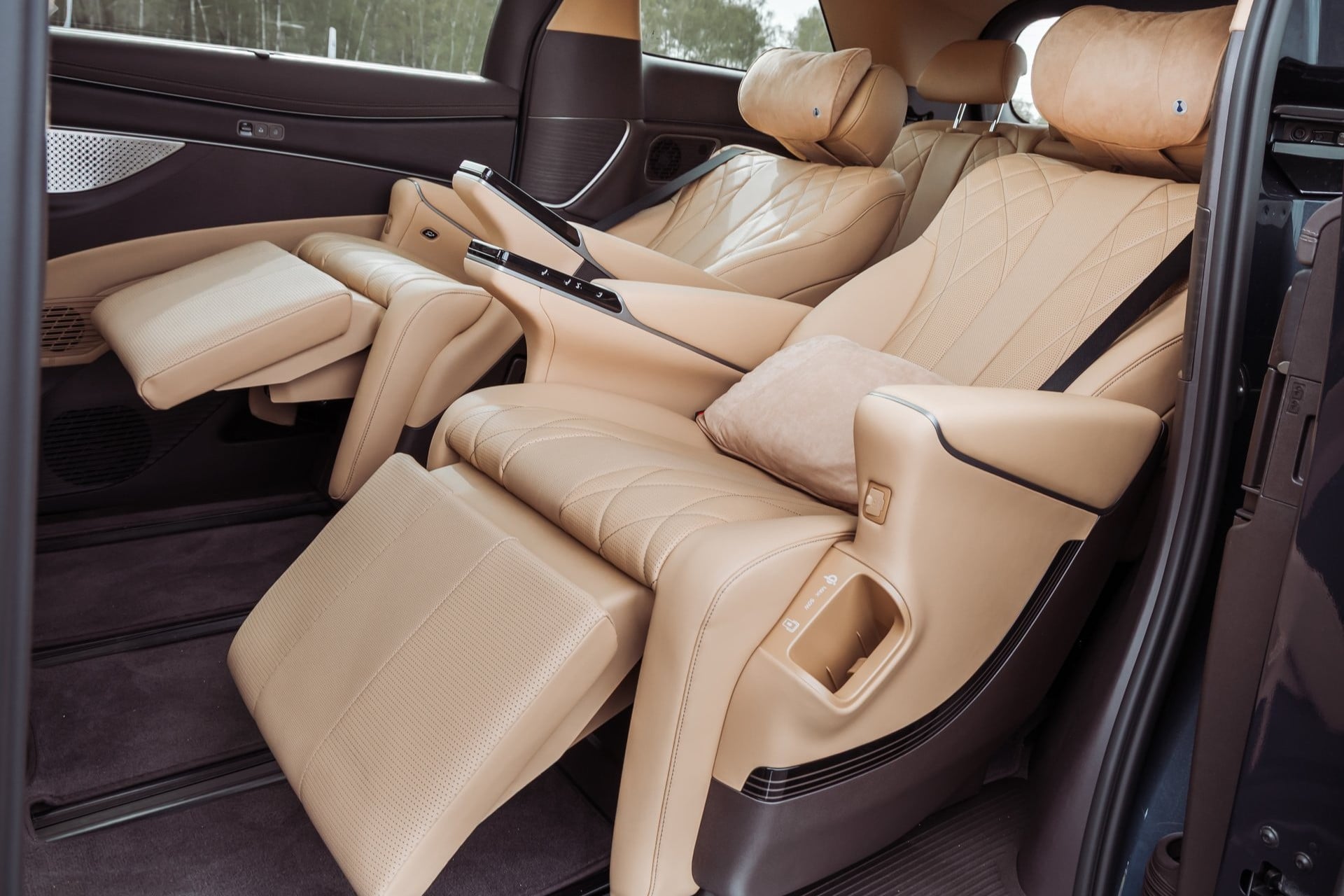
The rear seats now recline up to 43 degrees, compared with 38 degrees in the standard S-Class. They are also heated, ventilated and equipped with massage functions. The previous tablet controller has been replaced by two individual smartphone-style remotes for operating the car’s functions. There is also a Maybach drive mode that makes the suspension even softer.
What engine options are available internationally on the Maybach S-Class, and which one will India get?
Internationally, the Maybach S-Class is offered with petrol and plug-in hybrid powertrains. The S 580 gets a 4.0-litre V8 with a flat-plane crank, producing 537hp and 750Nm. Some markets also get the S 580e plug-in hybrid, which combines a 3.0-litre inline-six with a 163hp electric motor and a 22kWh battery. Total output is 585hp and 750Nm, with an electric-only range of up to 98km. The top-spec S 680 gets either a V12 or a more powerful V8 depending on the market.
In India, we are likely to get the 612hp, 850Nm version of the S 580’s 4.0-litre V8.
What is the Maybach S-Class Night Series?
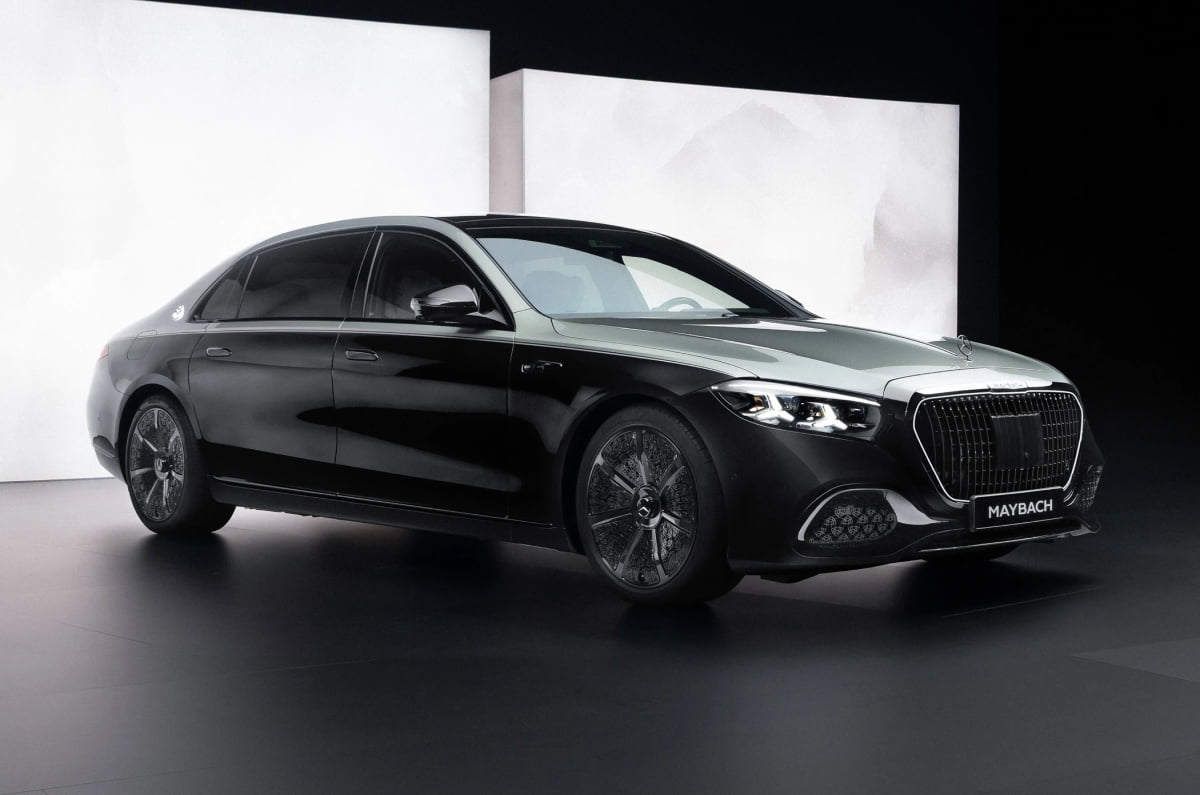
The Night Series is a darker-themed version of the Maybach S-Class. It gets darker exterior and interior colours, while chrome elements are replaced with dark chrome. It also gets a different set of aero-efficient black wheels adorned with dozens of Maybach logos.
How much will the new Maybach S-Class cost in India
The outgoing Maybach S 580 is currently priced at Rs 2.87 crore, ex-showroom, before options. Like the outgoing model, the updated Maybach S-Class is also expected to be locally assembled in India. The updated model is expected to cost more, with the price likely to be north of Rs 3 crore.
Aston Martin has delayed the launch of its first electric car to 2033 or later, with CEO Adrian Hallmark saying the company no longer has a fixed launch date. Speaking to our sister publication Autocar UK, Hallmark said, “We only need BEVs to be compliant for legislative reasons [in certain markets] just before 2035,” adding that the timing “could be 2035, it might be 2033”. He described Aston Martin as “not BEV deniers but BEV delayers”, and said the company will be “predominantly ICE-based” until 2035.
Aston Martin EV launch delayed again
Aston Martin’s EV plans have been pushed back several times. The company had previously targeted 2025, later moved the launch to 2026, and subsequently indicated that its first EV would arrive by 2030. The latest timeline moves it into the 2033-35 window.
Hallmark said the change reflects the pace at which EV demand and legislation are evolving. He said they are “changing way faster than any car company can cope with”, making it difficult for Aston Martin to set a firm launch date. “I’m not going to give an absolute date, because it’s imprecise. It could be 2035, it might be 2033, but it’s in that three-year-window. It’s not 2031,” Hallmark added.
The latest delay follows comments from executive chairman Lawrence Stroll in 2024 that EV demand at Aston Martin’s price point was lower than expected. At the time, the company had outlined plans for four EVs based on a dedicated architecture, spanning a GT, SUV, crossover and mid-engined supercar.
Lucid technology to underpin future EVs
Aston Martin has an agreement with Lucid for EV technology and has a partnership with current engine supplier Mercedes-Benz. Hallmark said the delay will give the company more time to assess how the technology develops before making major investments.
“Because we delayed, by the time we activate that deal, the technology that we will get is totally different to what we signed up the original contract for,” Hallmark said. He added that “looking at BEVs in the future, even if [we launch our first in] 2033, we’ve got three years where we can keep looking, keep thinking and keep evaluating different technologies and how they’re changing, and the markets and the legislation. And it’s only then that we would need to kick off investment. So today we’ve got very low-level investment, but it’s research and study, not even single-digit millions of investment.”
V8 and V12 engines to continue
Aston Martin Vantage’s 665hp V8
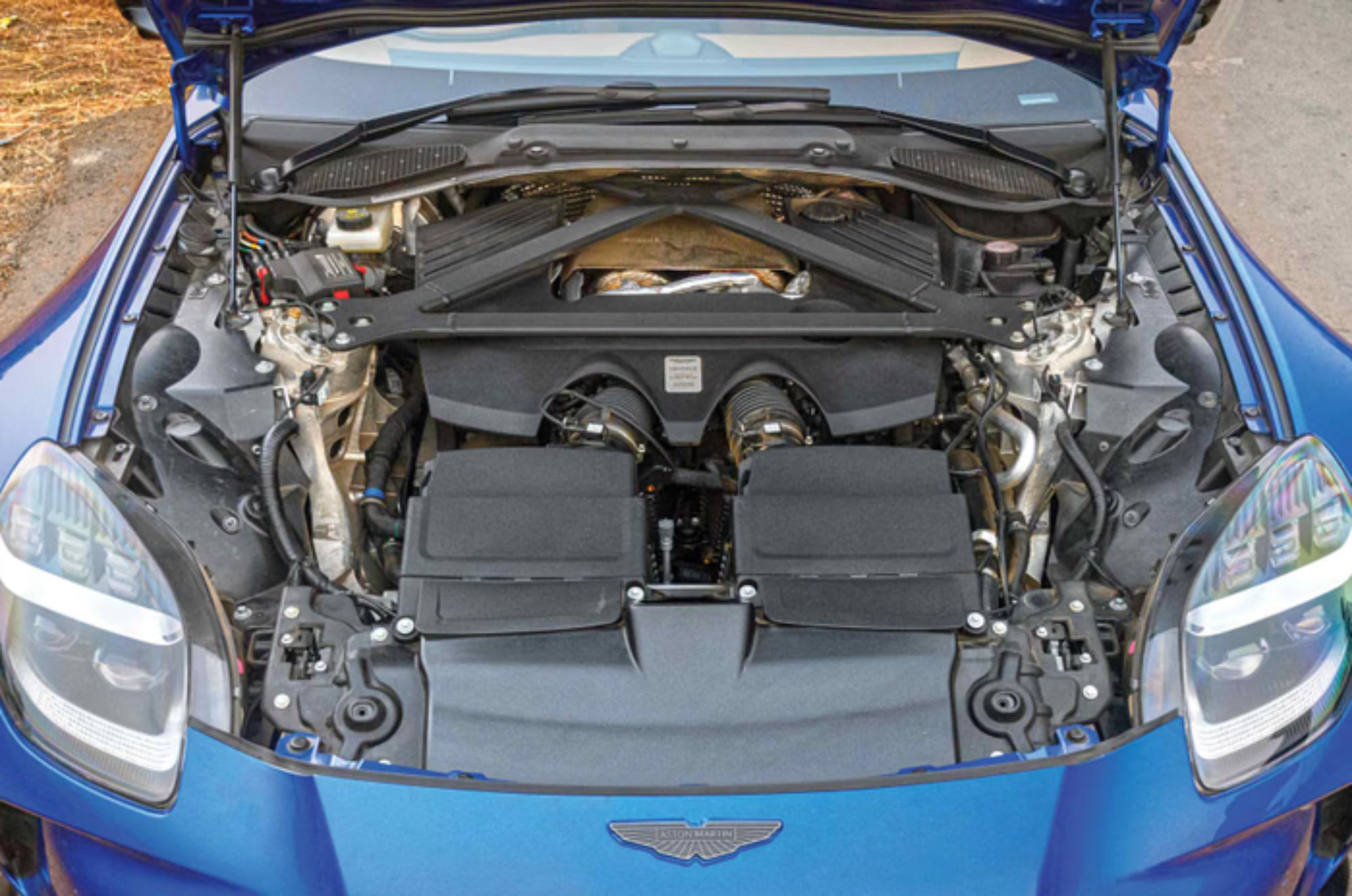
Aston Martin plans to continue offering combustion-engined cars well into the 2030s. Hallmark said the company has a roadmap to keep both its V8 and V12 engines compliant through at least 2035. “We have a roadmap to keep the bigger and smaller engines alive and compliant all the way through to the end of that period,” Hallmark said.
This extends the approach outlined by Stroll in 2024, when he said Aston Martin would continue making combustion-engined cars for as long as regulations allowed. The company had also increased its investment in plug-in hybrid technology as its EV plans were pushed back. Stroll had said Aston Martin had “decided to invest very heavily in PHEVs” – technology, he said, that would “play out for a long while and we will have an extensive offering”.
However, the latest strategy is different from that earlier plan. Hallmark said Aston Martin will use hybridisation, but “probably not” plug-in hybrid systems because of their added weight. “There would be hybridisation,” Hallmark said. “Probably not plug-in, because we don’t need it; we don’t need the 200kg penalties.”
Hallmark said “between 2030 and 2035 everything will be replaced” in Aston Martin’s product line-up, adding that “the attributes, performance and quality of the vehicles will take them up a level”. He also confirmed that Aston Martin will continue with the Valhalla hypercar, hinting that “there might be a derivative of it that has a different roof”. The company is investing in the Valhalla platform for future low-volume special edition models, he said.
Rapide E never entered production
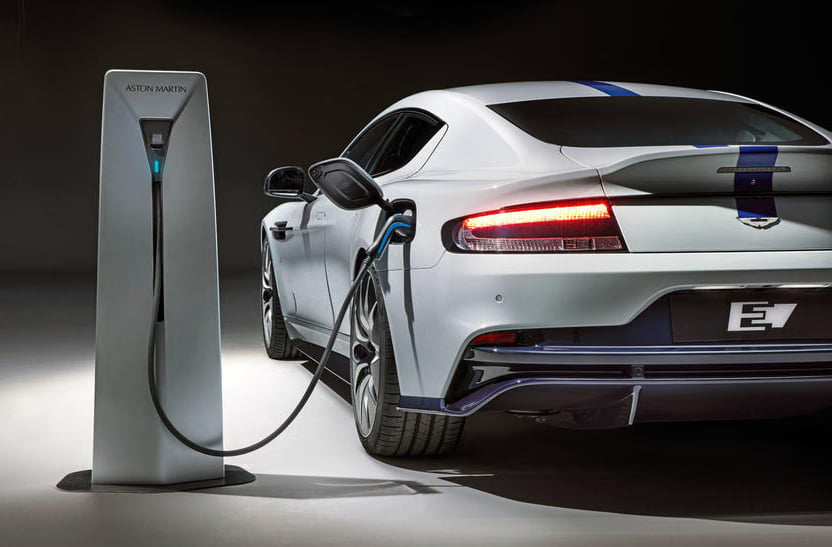
Aston Martin had planned to build 155 examples of the Rapide E, which was revealed as an electric four-door in 2019, but the production programme was cancelled before customer cars were built. The project was instead turned into an electrification research project, rather than being sold to customers. The Rapide E used an 800V battery and two electric motors with a combined target output of more than 610hp and 950Nm.
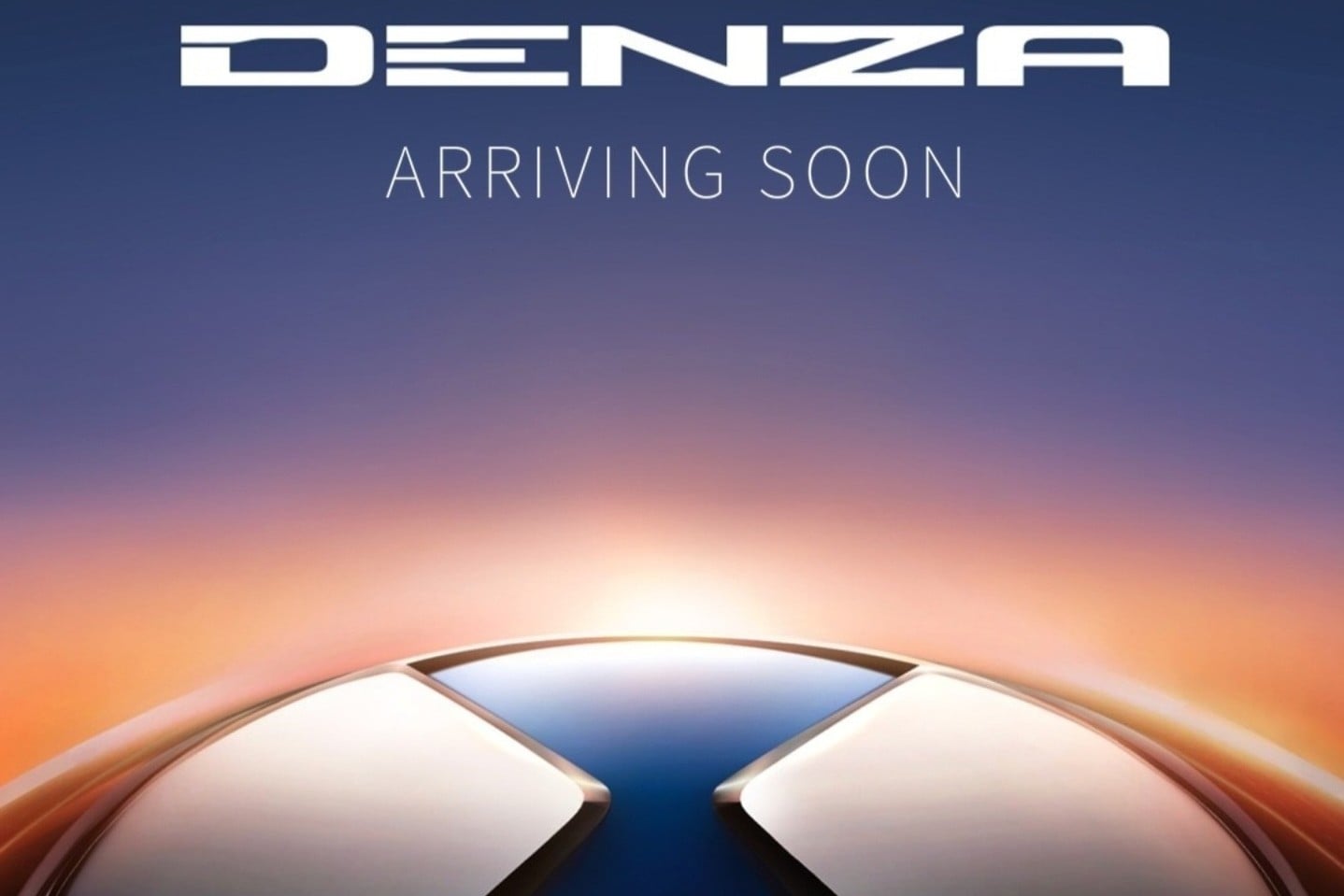
Denza, the luxury brand of Chinese carmaker BYD, has announced its India entry by way of a recent social media post. This confirms our prior report on BYD bringing Denza to the Indian market in the coming months. The report also contained details surrounding Denza’s first pair of models for India.
BYD Denza India entry announcement
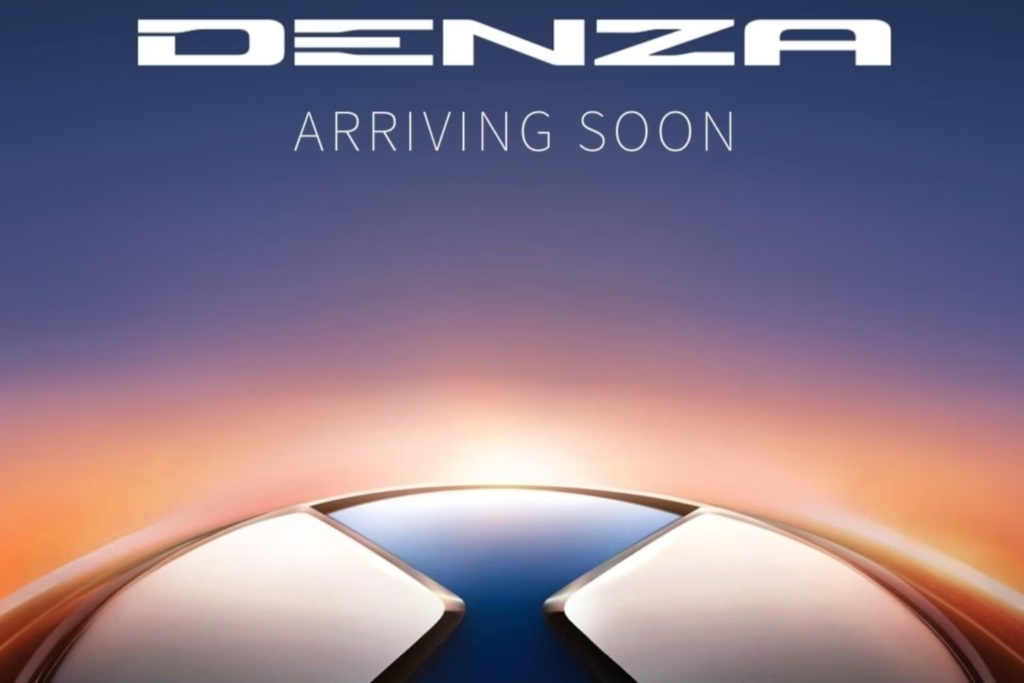
A recent social media post from Denza India shows the brand’s blue-and-silver hourglass-esque logo with “Arriving soon” written above. The caption adds that Denza is set to introduce a “sophisticated, high-performance EV experience” to the Indian market, which sounds par for the course for the brand. Denza models will be positioned above those offered by BYD, particularly above the Rs 80 lakh price point.
Denza was founded in 2010 as a joint venture between BYD and Mercedes-Benz Group. By 2024, Mercedes-Benz Group relinquished its shares in Denza entirely and transferred ownership to BYD. As it stands, Denza operates in markets like Southeast Asia, China, Australia, Europe, and Latin America, offering luxury and performance EVs and plug-in hybrids.
Which Denza cars are coming to India
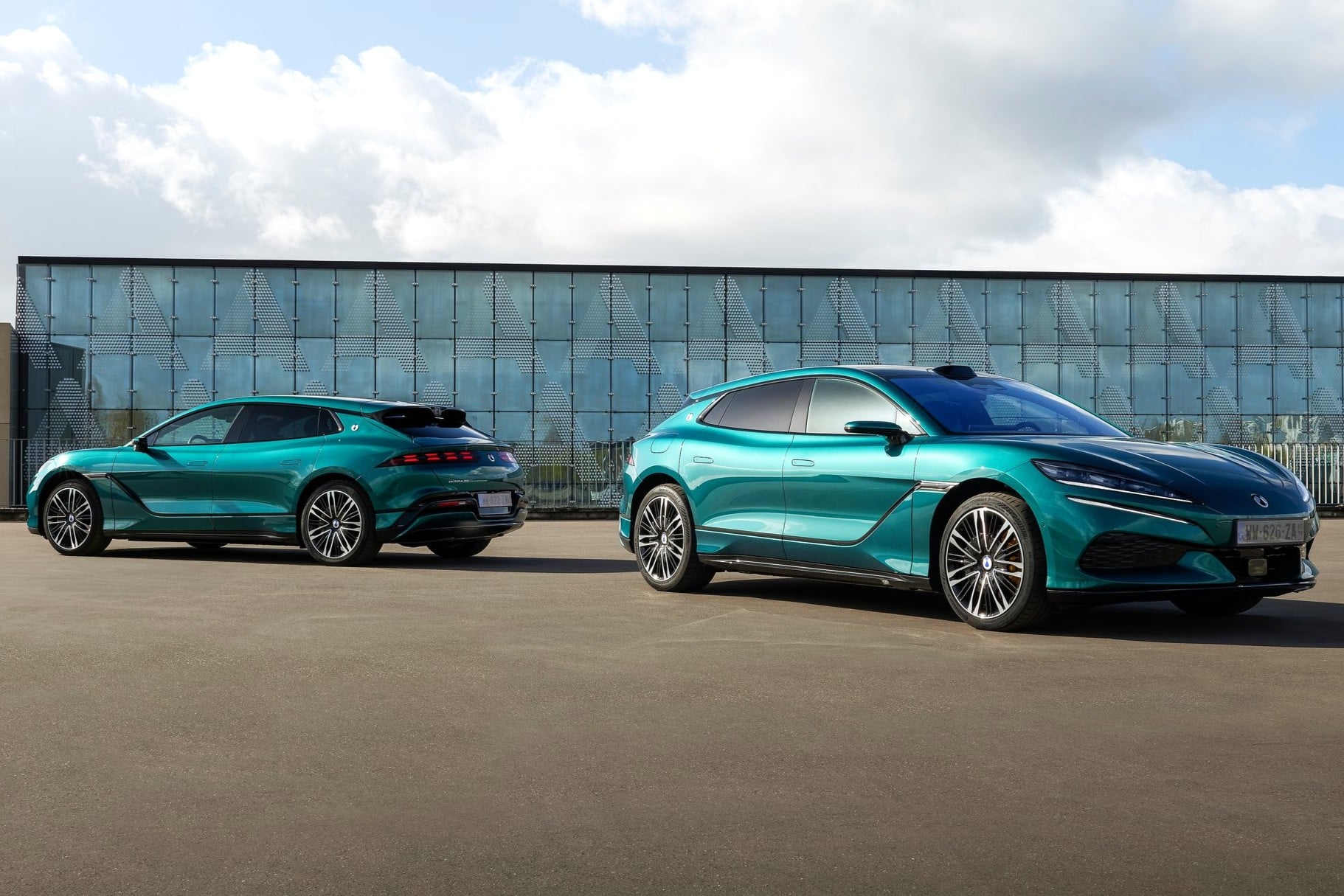
Z9 GT
The Denza Z9 GT is a four-door shooting brake, which will make it the only one of its kind in the Indian market. It comes with a massive 122.5kWh battery pack powering a trio of electric motors that produce 1,156hp, sent to all four wheels. 0-100kph comes up in a claimed 2.7 seconds, and the top speed is rated at 270kph. The Z9 GT delivers a WLTP-rated range of 600km, and can be charged at up to a whopping 1,500kW – at this wattage, the battery takes just nine minutes for a 10 to 97 percent charge.
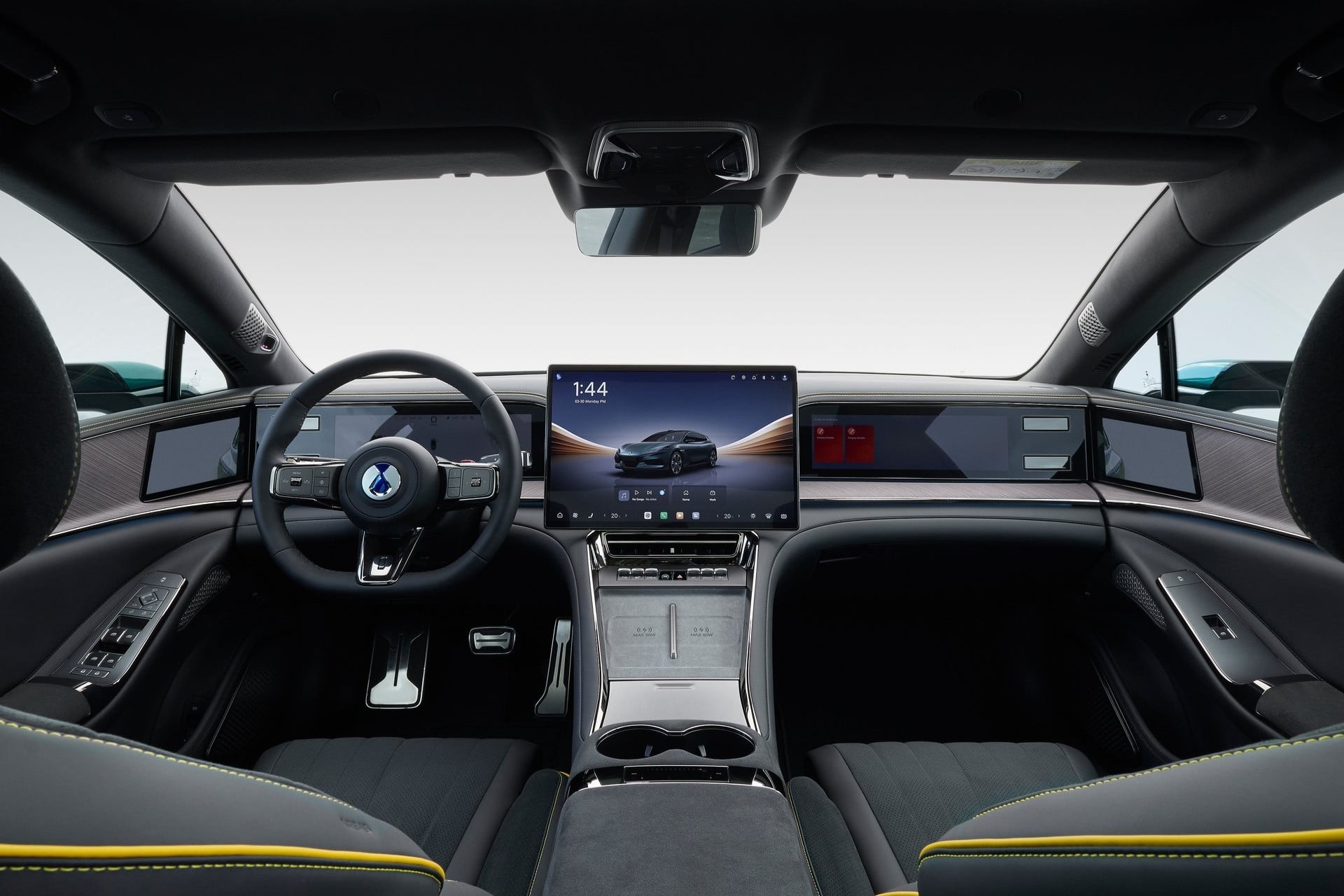
Rear-wheel steering is also part of the package, and enables cool features like the ‘crab walk’, where the Z9 GT can move sideways, and ‘Compass Turn 360°’, which can perform a full rotation of the car akin to the Mercedes G-Class Electric’s G-Turn function. Inside, the Z9 GT offers a triple-screen setup on the dashboard, along with two screens that project a feed of the outside cameras. Other notable features include Level 2+ ADAS, full leather upholstery, a 20-speaker Devialet sound system, powered, heated, ventilated, and massaging front seats, and more. Pricing for the Z9 GT is expected to land in the Rs 1.2 crore-1.5 crore range.
D9
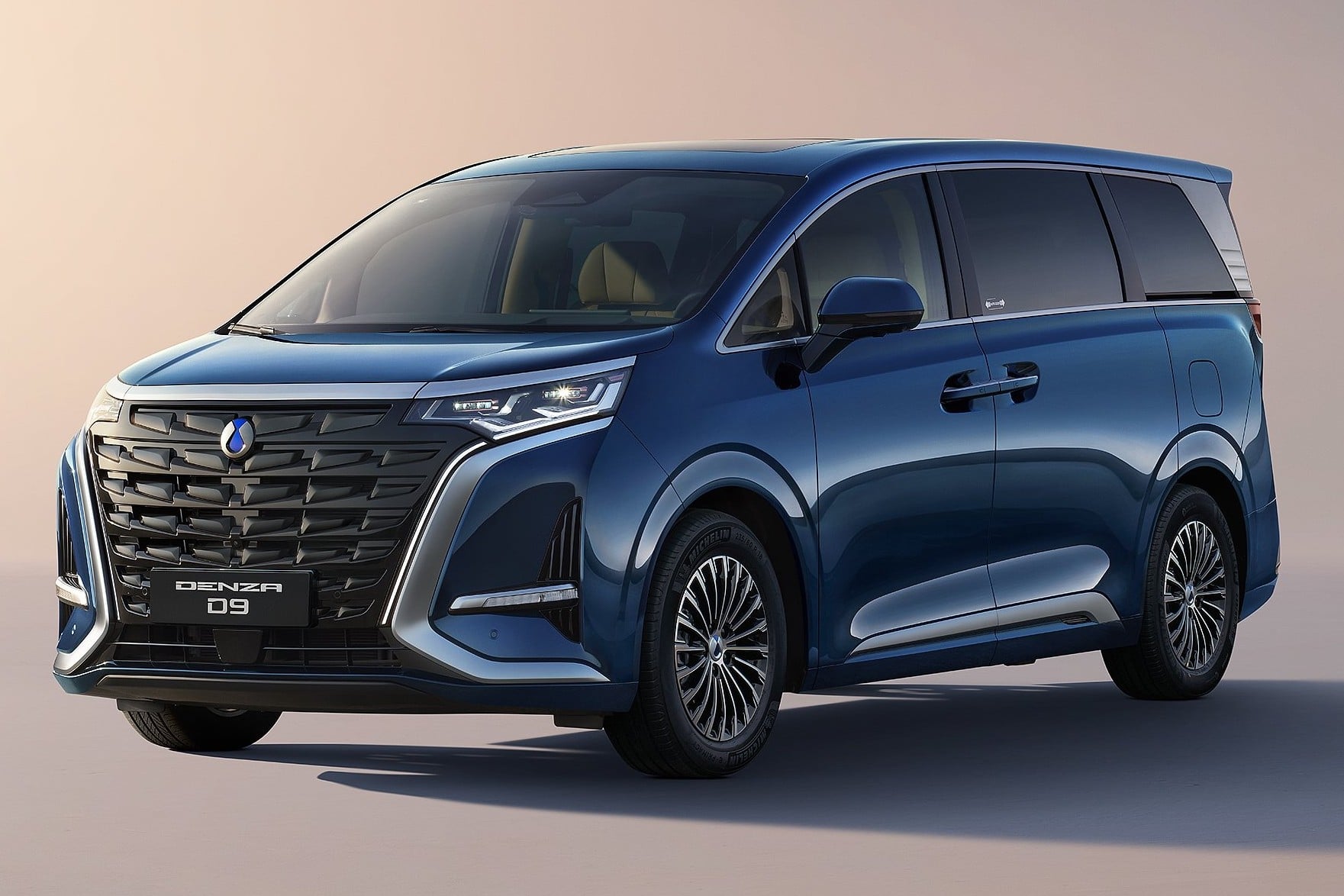
Rounding off the duo is the Denza D9, a large luxury MPV that will take on the likes of the MG M9 and Toyota Vellfire. The India-spec D9 is likely to get a 103kWh battery pack with a front-mounted motor outputting 313hp and 360Nm. WLTP range for the D9 is 520km, and it can be charged at up to 200kW DC.
Inside, there’s a 2+2+3 seating layout, which means you get second-row captain’s chairs with electrical adjustment, heating, ventilation, and massage functions. Three-zone climate control, powered thigh extenders, a Dynaudio sound system, full leather upholstery, ambient lighting, and more are also part of the equipment list. Expect the D9 to be priced at around Rs 90 lakh, placing it between the M9 and Vellfire.
Stock Markets Holiday: शेयर बाजारों में शुक्रवार यानी 2 अक्तूबर को कारोबार नहीं होगा। बीएसई और एनएसई दोनों बंद रहेंगे। इसकी वजह यह है कि 2 अक्तूबर को गांधी जयंती है। इस मौके पर राष्ट्रीय अवकाश होता है। इसका मतलब है कि सभी सरकारी ऑफिसेज, प्राइवेट ऑफिसेज, आरबीआई, बैंक आदि में छुट्टी होती है।
तीन दिन बाद बीएसई और एनएसई 5 अक्तूबर को खुलेंगे
प्राइवेट बैंक, सरकारी बैंक, क्षेत्रीय ग्रामीण बैंक, कोऑपरेटिव बैंक और विदेशी बैंकों की भी सभी शाखाएं बंद रहेंगी। चूंकि, शेयर बाजारों में हर हफ्ते सिर्फ पांच दिन कारोबार होता है, जिससे इस बार गुरुवार यानी 1 अक्तूबर इस हफ्ते का अंतिम कारोबारी दिन था। अब शेयर बाजार यानी BSE और NSE 5 अक्तूबर को खुलेंगे।
कमोडिटी एक्सचेंज एमसीएक्स में भी 2 अक्तूबर को रहेगी छुट्टी
कमोडिटी एक्सचेंज MCX भी गांधी जयंती के मौके पर बंद रहेगा। कमोडिटी एक्सचेंज में सुबह और शाम दोनों ही सत्रों में कारोबार नहीं होगा। इसका मतलब है कि एमसीएक्स में भी कारोबार की शुरुआत 5 अक्तूबर यानी सोमवार को होगी। उस दिन दोनों ही सत्रों में एक्सचेंज में सामान्य कामकाज होगा।
20 अक्तूबर को भी दशहरा के मौके पर बंद रहेंगे शेयर बाजार
शेयर बाजार इस महीने दशहरा के मौके पर भी बंद रहेंगे। इसका मतलब है कि 20 अक्तूबर यानी मंगलवार को भी बीएसई और एनएसई में कारोबार नहीं होगा। 2 अक्तूबर को बैंकों और दूसरे वित्तीय संस्थानों में छुट्टी होने से चेक की क्लियरिंग भी नहीं होगी। हालांकि, नेट बैंकिंग सुविधाएं उपलब्ध रहेंगी। बैंकों के एटीएम भी छुट्टी के दिन खुले रहेंगे।
हफ्ते के अंतिम कारोबारी दिन भी शेयर बाजारों में बड़ी गिरावट
शेयर बाजारों में 1 अक्तूबर को भी गिरावट देखने को मिली। Sensex 0.8 फीसदी यानी 570 अंक गिरकर 71,909 पर बंद हुआ। Nifty 0.9 फीसदी यानी 198 अंक गिरकर 22,421 पर क्लोज हुआ। आईटी छोड़कर निफ्टी के सभी सेक्टर सूचकांकों में गिरावट आई। ऑटो इंडेक्स 3 फीसदी गिरा। इसमें बजाज ऑटो में 6 फीसदी गिरावट का बड़ा हाथ रहा। M&M का शेयर भी 2.4 फीसदी गिरकर बंद हुआ।
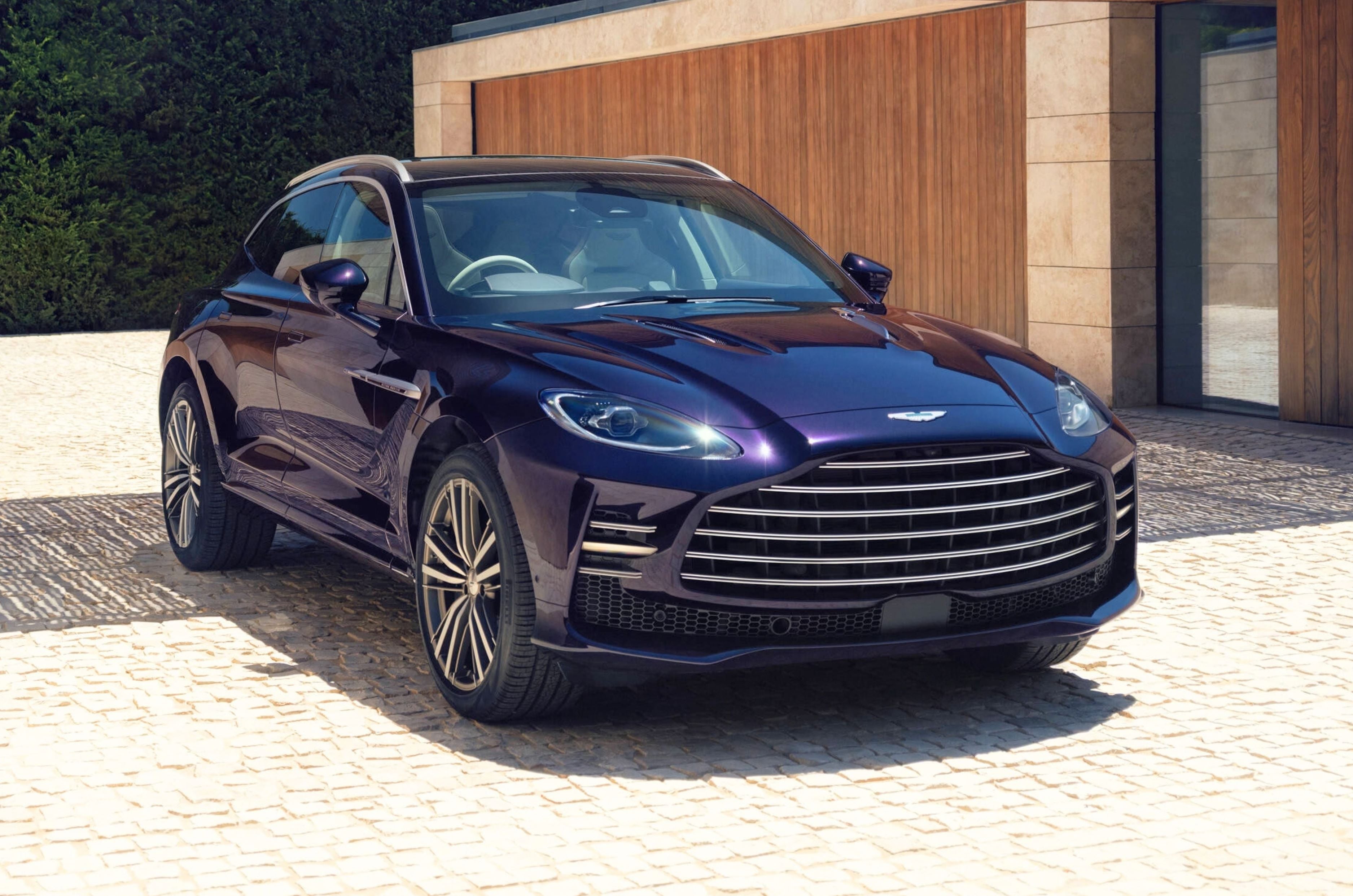
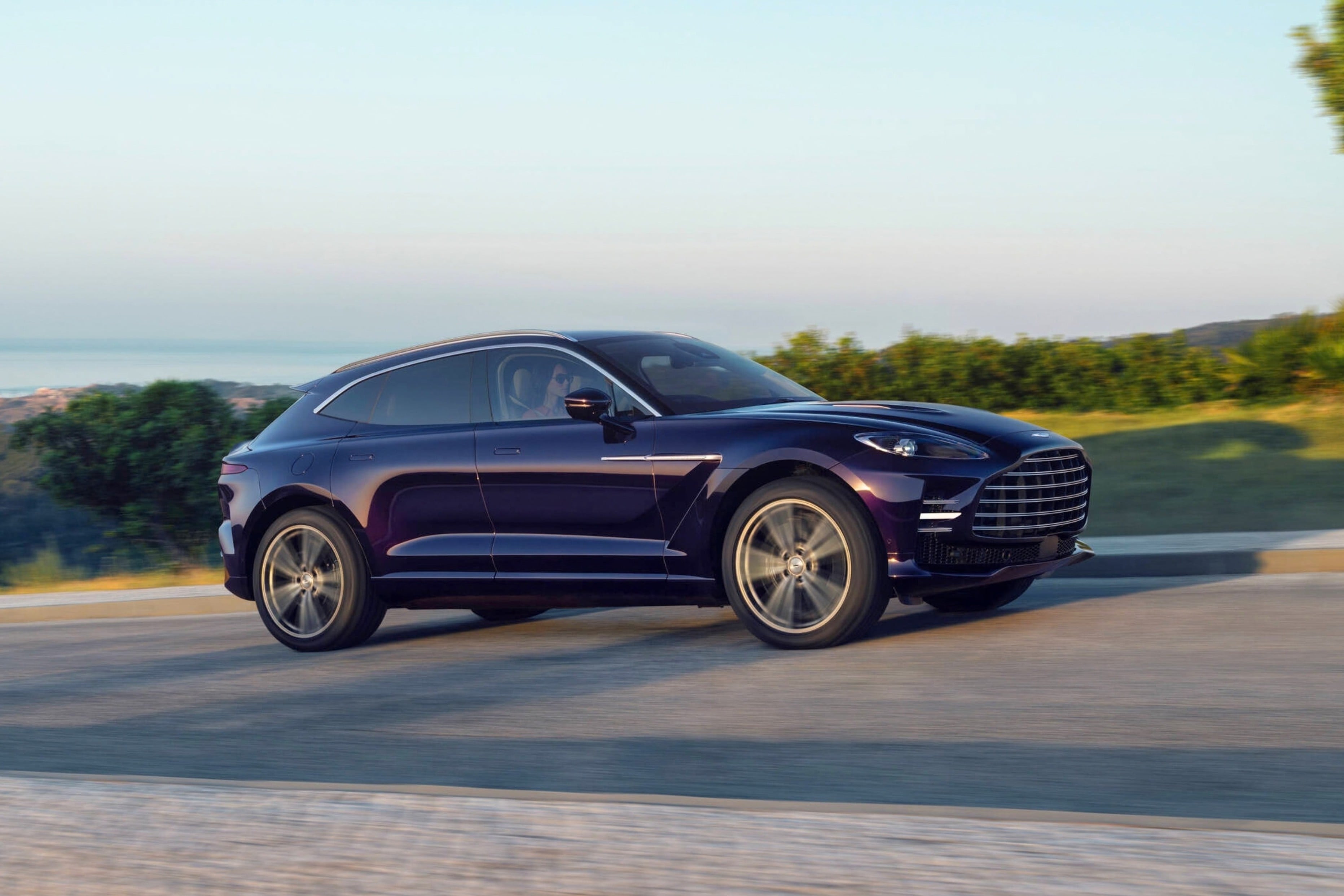
Aston Martin has added a new ‘GT’ variant to the DBX line-up. Positioned alongside the sportier DBX S variant, the GT places a much greater emphasis on luxury and comfort. Deliveries for the DBX GT commence in Q4 2026 across global markets.
Aston Martin DBX GT powertrain and performance
Under the bonnet, the GT retains the DBX S’s 4.0-litre twin-turbo V8 with no changes, which means an output 727hp and 900Nm. Also carried over from the DBX S is a 9-speed automatic gearbox that sends power to all four wheels, making for an identical 0-100kph time of 3.1 seconds (claimed) and a rated top speed of 310kph.
That said, Aston Martin has made subtle mechanical tweaks to reflect the DBX GT’s more comfort-oriented trappings. The throttle pedal and gearbox have been retuned to operate more smoothly, while the suspension has been revised to deliver a more pliant ride on bad roads. A pair of dampers has also been added between the body and rear sub-frame to keep movement in check, and the exhaust gets a dedicated tune that is touted to produce a “cleaner, richer tone.”
Aston Martin DBX GT exterior design
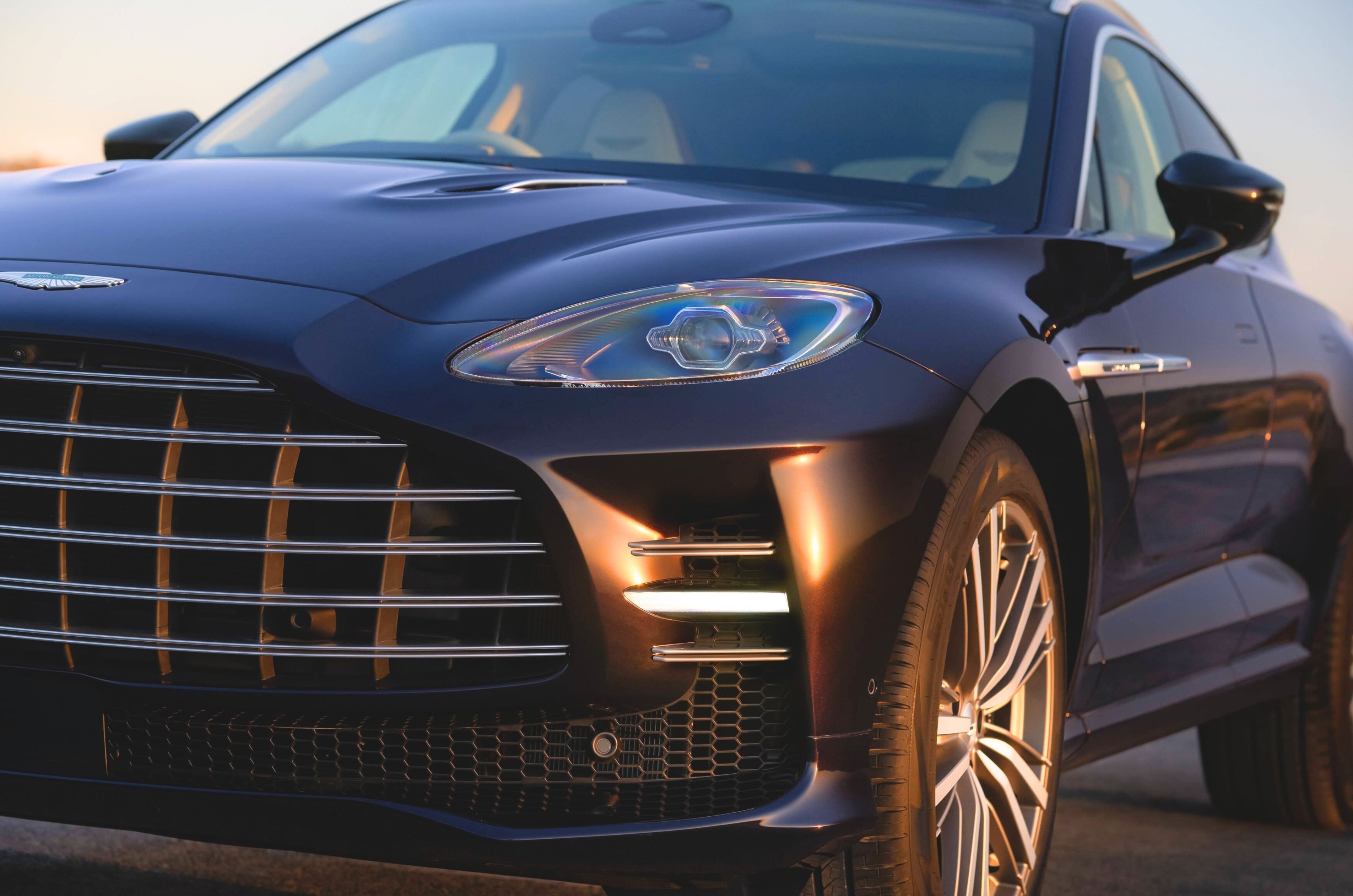
On the outside, the DBX GT features more polished styling elements. Up front, the bumper has a body-coloured finish and a cleaner look (no red accents like in the DBX S), while the redesigned grille gets horizontal slats instead of a mesh design.
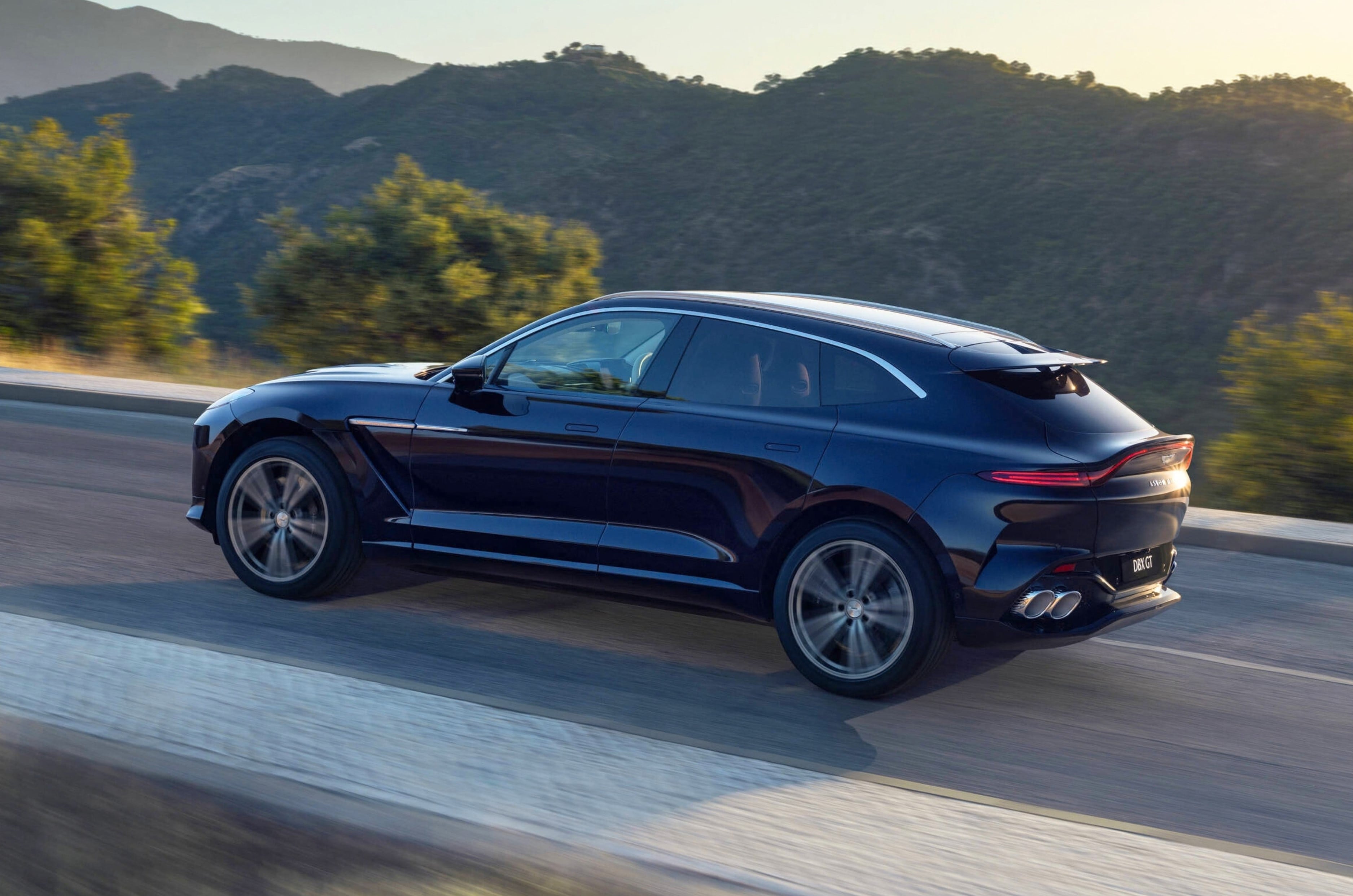
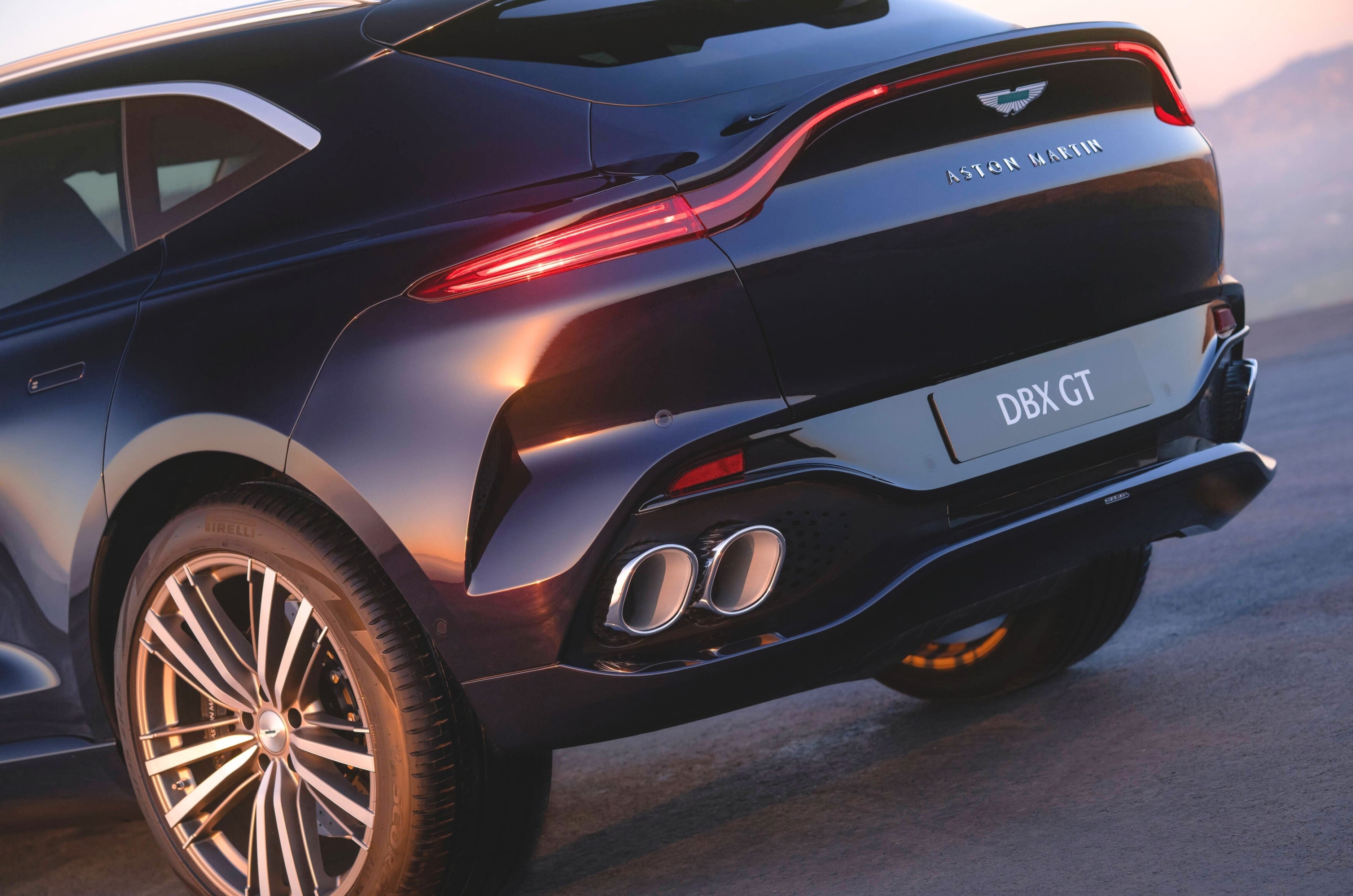
Over to the side, the two-piece side strakes are finished in satin silver, and there are new 22-inch alloy wheels as standard – 23-inchers are available as an optional extra. The side sills are also body-coloured in the DBX GT as well, and so is the rear diffuser. Speaking of the rear, the only change here is a new quad-exhaust setup where the tips are aligned horizontally.
Aston Martin DBX GT interior
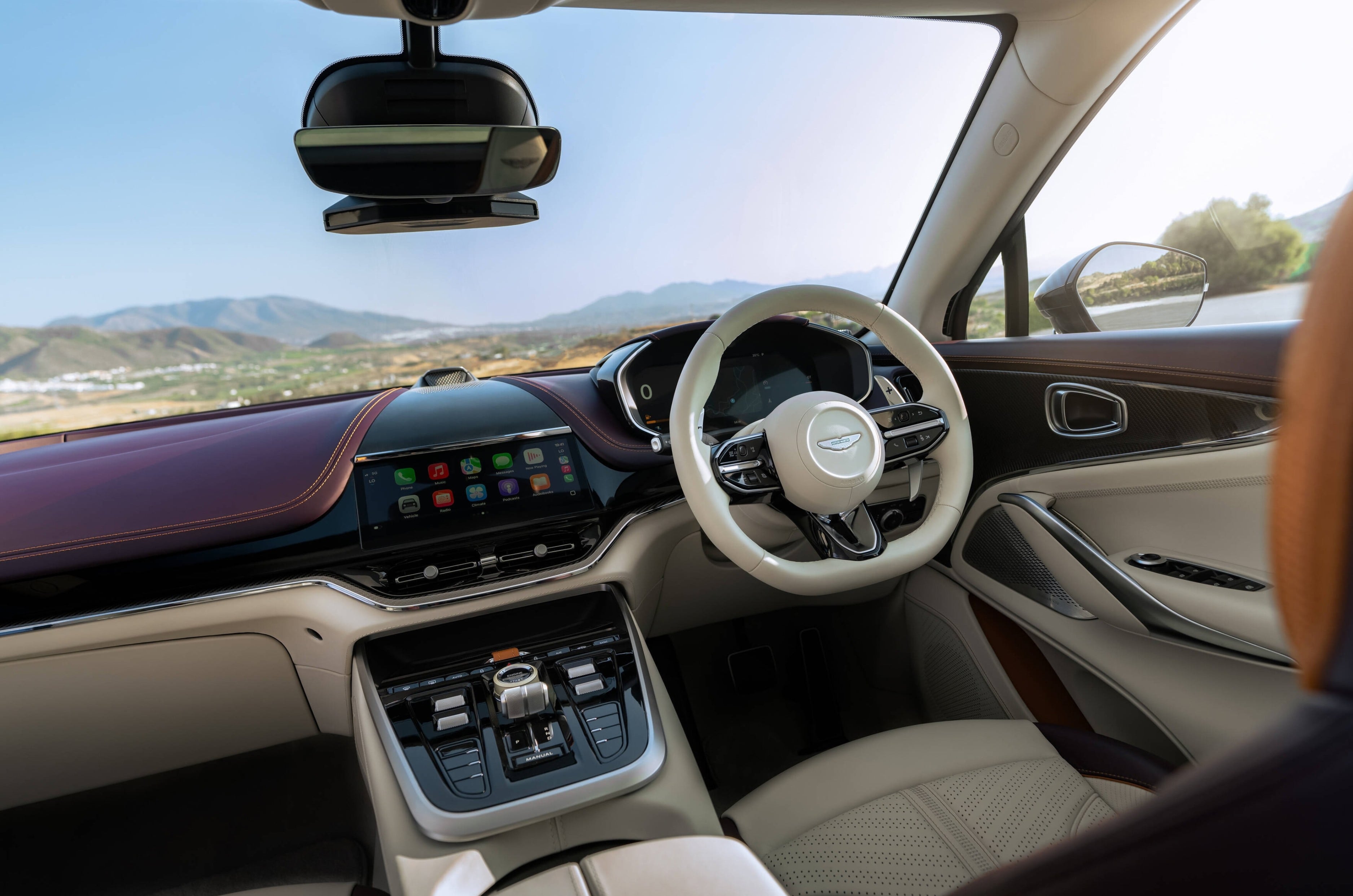
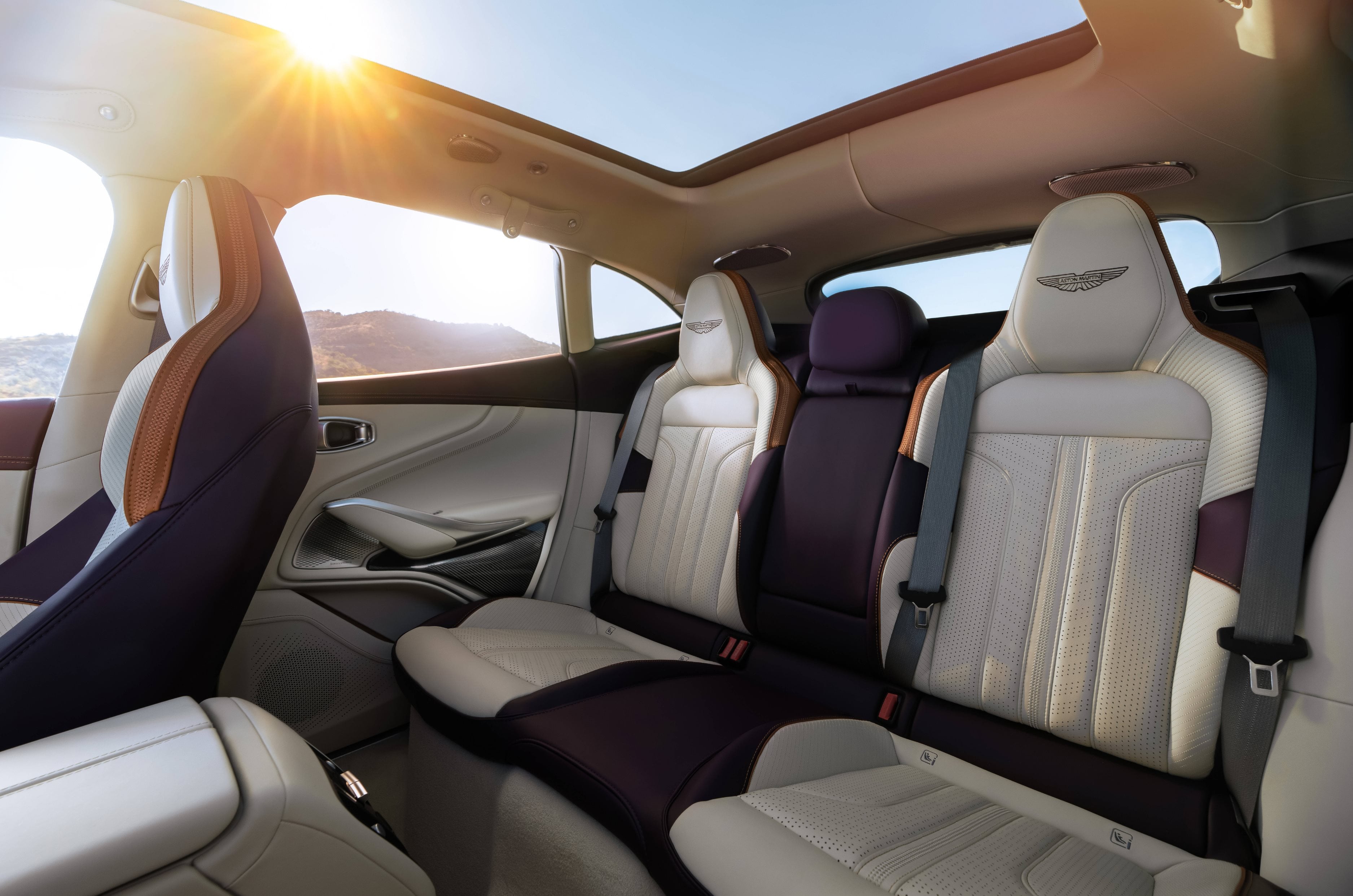
The interior layout of the DBX GT sees no major changes, but there are some updates to enhance comfort and opulence. For one, the seats are decked out in a new leather upholstery and get slightly thicker memory-foam cushions. Aston Martin has used more premium materials for the interior trim, such as anodised metal for the drive mode selector and surrounding rotary controls, as well as deep pile carpets. Buyers can, of course, choose from a plethora of colour schemes and interior upholstery options.
Sound deadening and window lamination have also been upgraded to better isolate occupants from the outside world. To bring in more natural light and increase the sense of airiness in the cabin, the DBX GT is equipped with a fixed panoramic glass roof as standard.
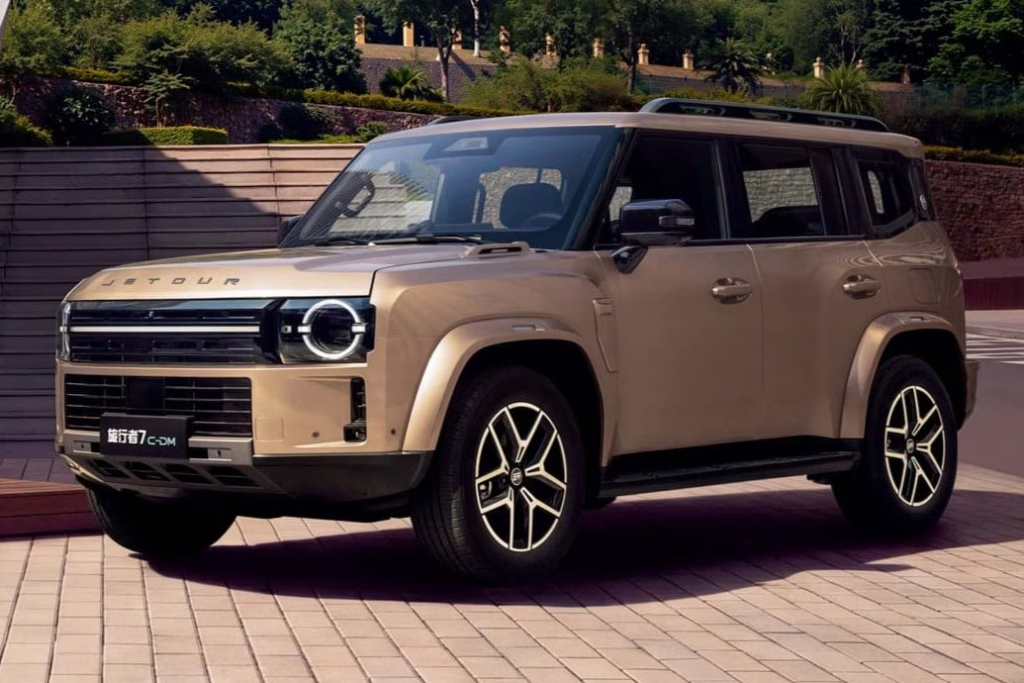
A facelifted version of the Jetour T2 has been launched in global markets. The Jetour T2 facelift was first unveiled in August at the Chengdu Motor Show in China, and gets some design revisions, more features, and powertrain tweaks. Interestingly, this updated iteration went on sale not long before the launch of the pre-facelift Jetour T2 under the JSW Combat name in India.
Jetour T2 facelift exterior design
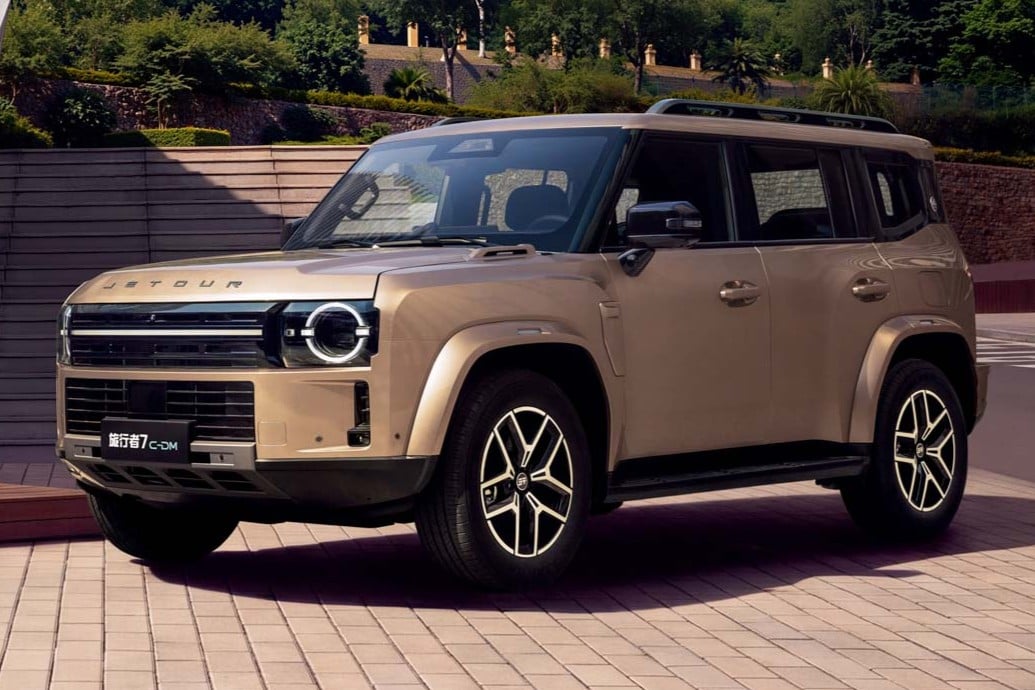
The updated Jetour T2 retains the prior version’s boxy proportions, but with a few notable styling updates. Most of these are up front, such as circular DRLs in the headlamps, a new grille housing an LED strip, and a much cleaner front bumper. The Jetour wordmark has also been relocated from the grille to the leading edge of the bonnet.
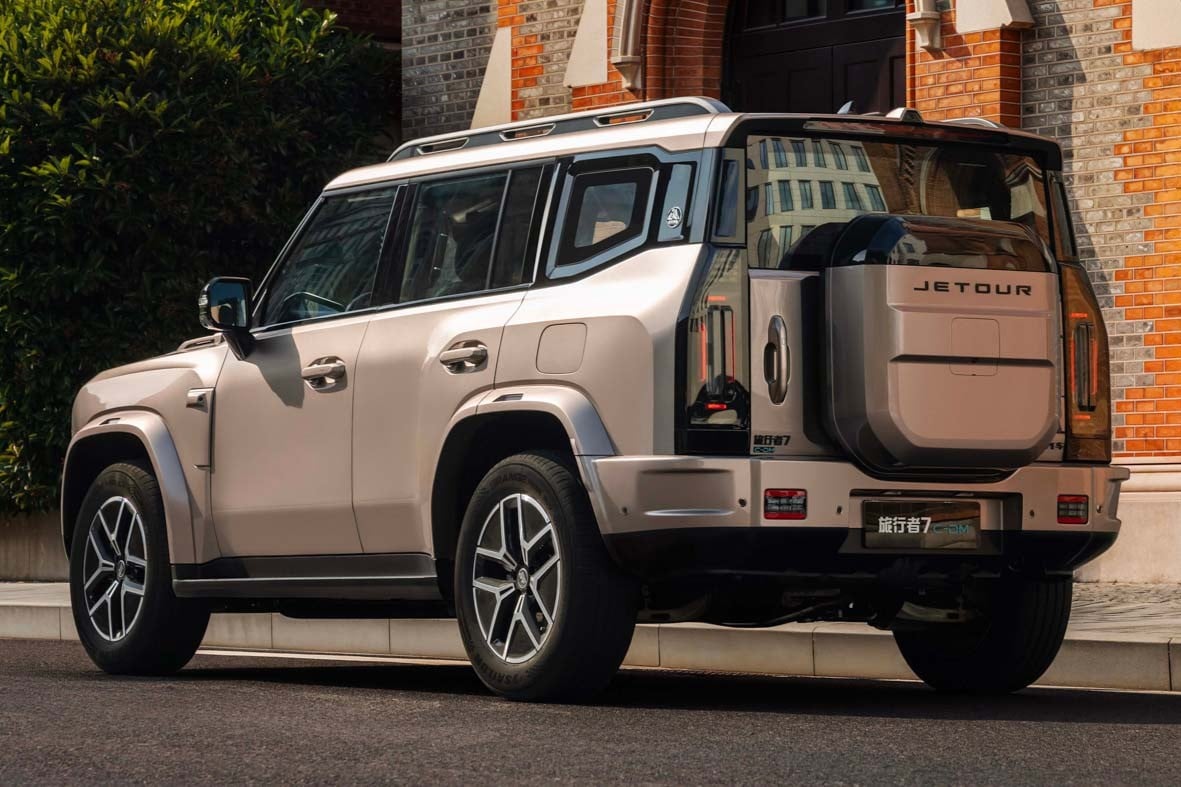
Over to the side, the Jetour T2 facelift gets new alloy wheel designs, as well as body-coloured wheel arches. The rear end sees some revisions too, particularly a cleaner bumper design, an updated spare wheel cover with a Jetour wordmark, and a discreet roof spoiler.
Jetour T2 facelift interior and features
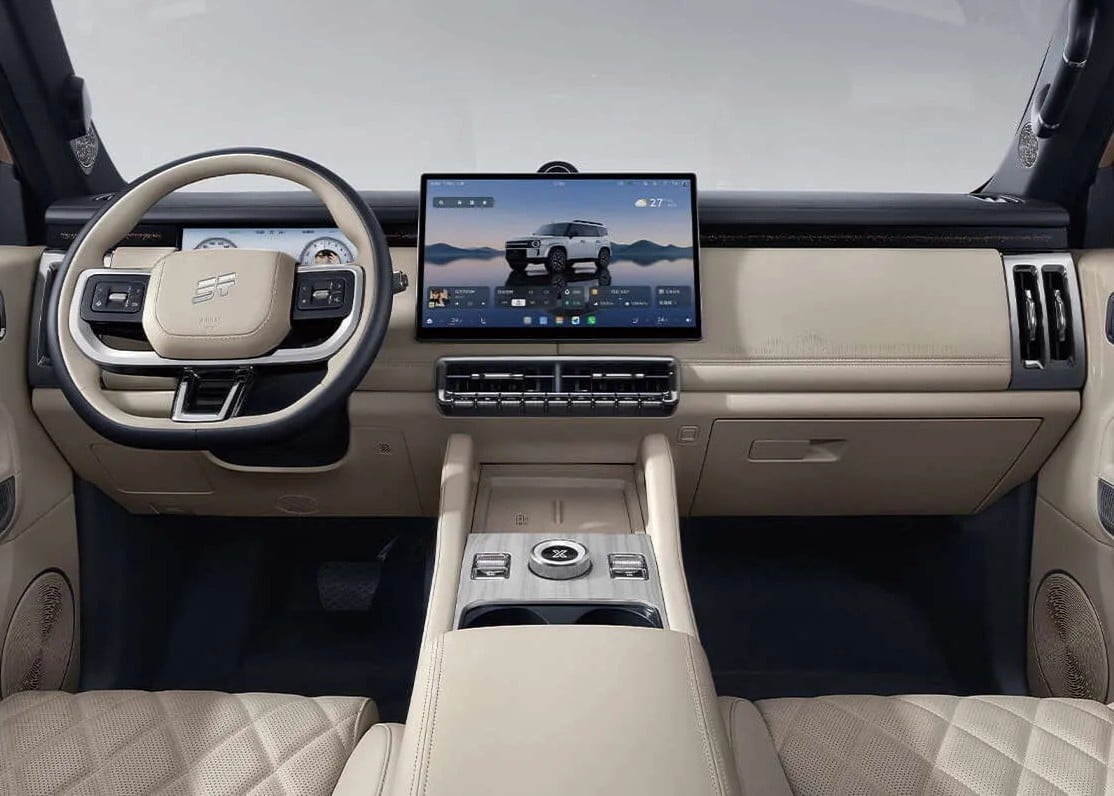
Inside, the Jetour T2 facelift takes on a more premium slant than its predecessor. The beige colour scheme lends the cabin an airier vibe, the seats are upholstered in quilted leatherette, and the dashboard looks to be fitted with leatherette trim – the open storage space in front of the co-driver looks to be closed-off in the facelifted model. There’s also a new three-spoke flat-bottomed steering wheel, and the AC vents have fresh designs too.
The 10.25-inch digital driver’s display and 15.6-inch infotainment touchscreen remain unchanged in size, but the latter is now powered by a stronger Qualcomm Snapdragon 8255 chip that allows for the integration of a new voice-controlled AI assistant. Other notable features include 10-way powered front seats with a massage function, dual wireless charging pads, a 23-speaker sound system, an ADAS suite, and 256-colour ambient lighting.
Jetour T2 facelift powertrains
The Jetour T2’s powertrain offerings vary widely by market, but looking at the China-spec model, the facelifted version continues to offer a 184hp 1.5-litre four-cylinder turbo-petrol engine in the base variant. This mill is paired with a 7-speed dual-clutch automatic that sends power to the front wheels. All other petrol variants of the facelifted Jetour T2, meanwhile, get a 254hp 2.0-litre turbo-petrol engine with the same 7-speed DCT and AWD. A big change here is that the top-spec petrol variant comes with an 8-speed automatic gearbox instead.
As for the plug-in hybrid (PHEV) variants of the Jetour T2 facelift, the 156hp 1.5-litre turbo-petrol engine has been retained, but the dual electric motors have been replaced by a single unit that develops 307hp and 330Nm. The 3-speed dedicated hybrid transmission (DHT) is now a 1-speed unit as well. These updates have been made in the interest of efficiency, as even with a slightly smaller 26.61kWh battery pack, the facelifted Jetour T2 PHEV manages a WLTP-certified 108km pure-electric range – up by 8km. There’s a larger 45.12kWh battery pack on offer too, which bumps the rated pure-electric range to 173km – an increase of 11km over the prior 43.24kWh unit.
Is the Jetour T2 facelift coming to India
As noted previously, the pre-facelift Jetour T2 PHEV is set to launch in India in the coming months as JSW Motors’s debut model, the Combat. Since JSW Motors has been extensively testing the pre-facelift Jetour T2, it’s quite unlikely that the facelifted version will make it here in the short term. As it stands, JSW Motors has yet to even communicate the launch date of the Combat, and recent media reports allege that the carmaker has pushed its debut from the festive season to mid-December.
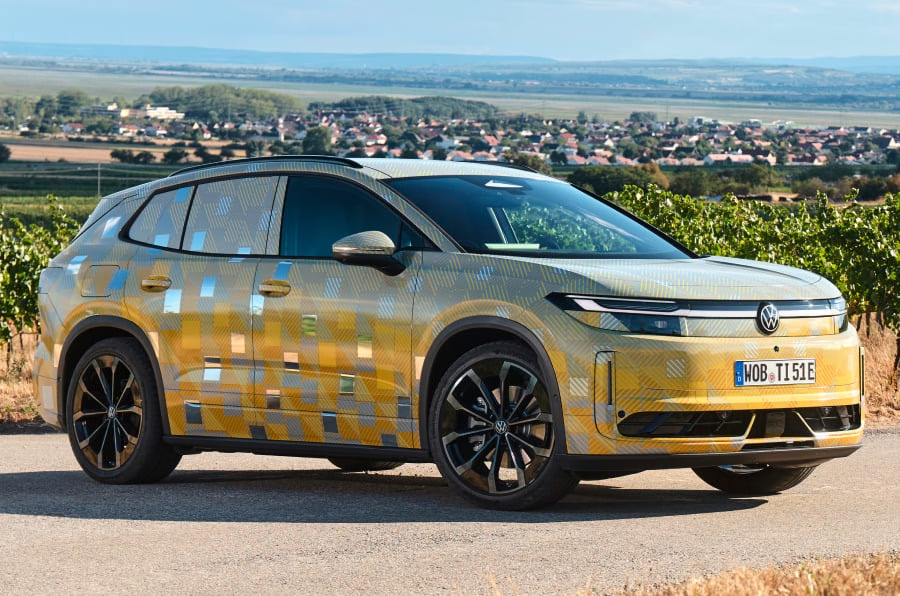
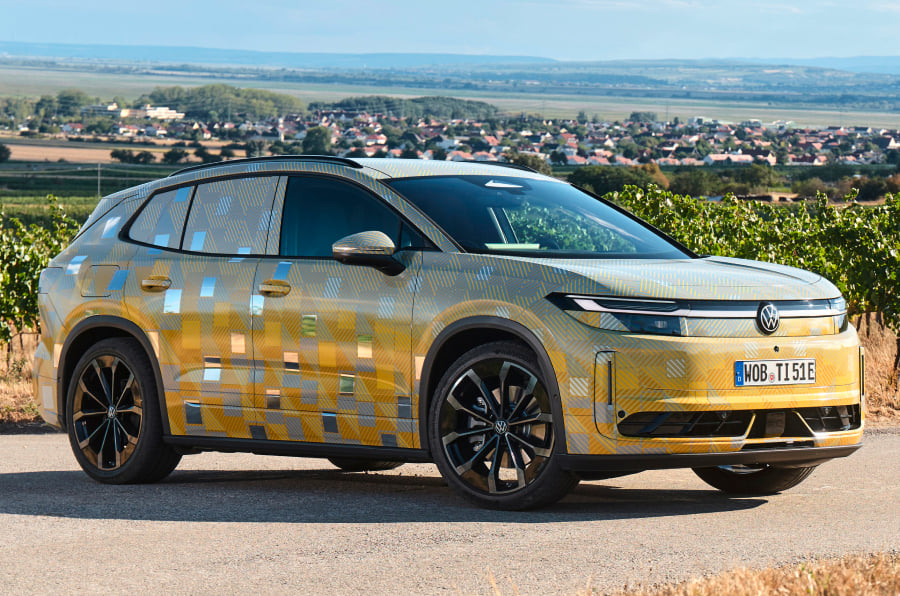
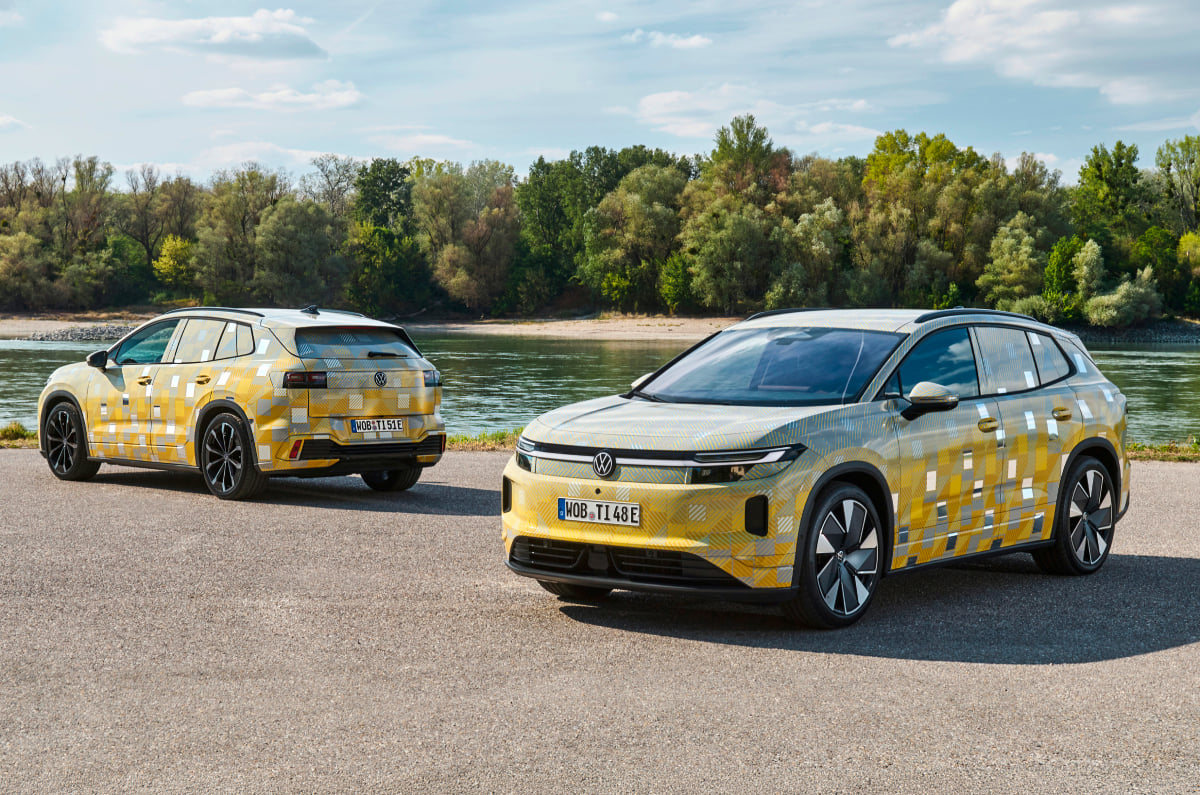
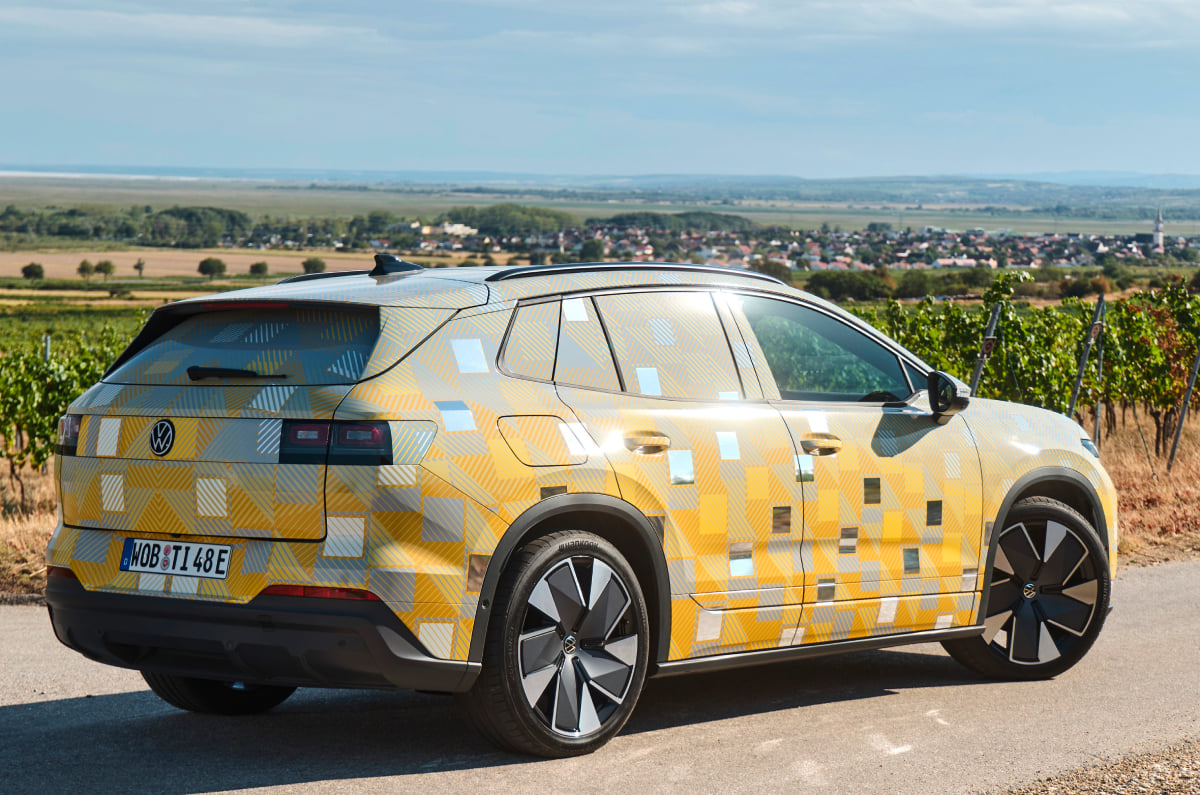
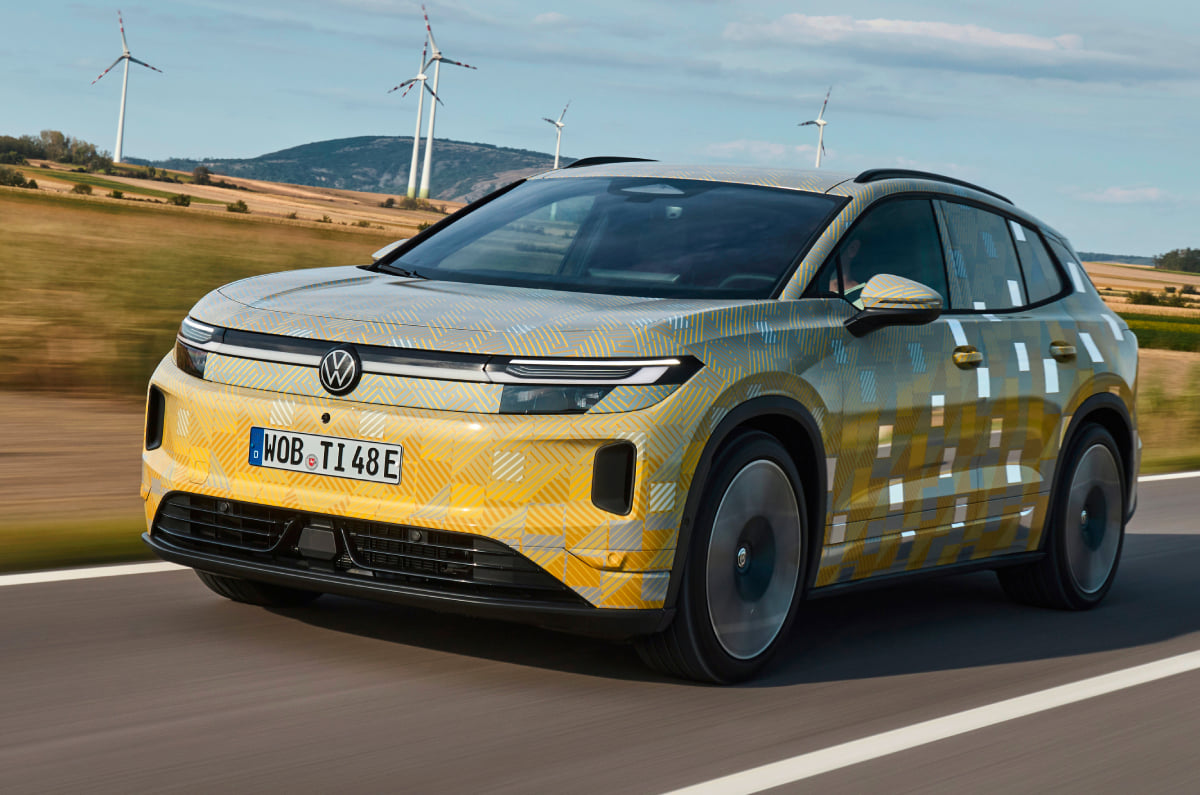
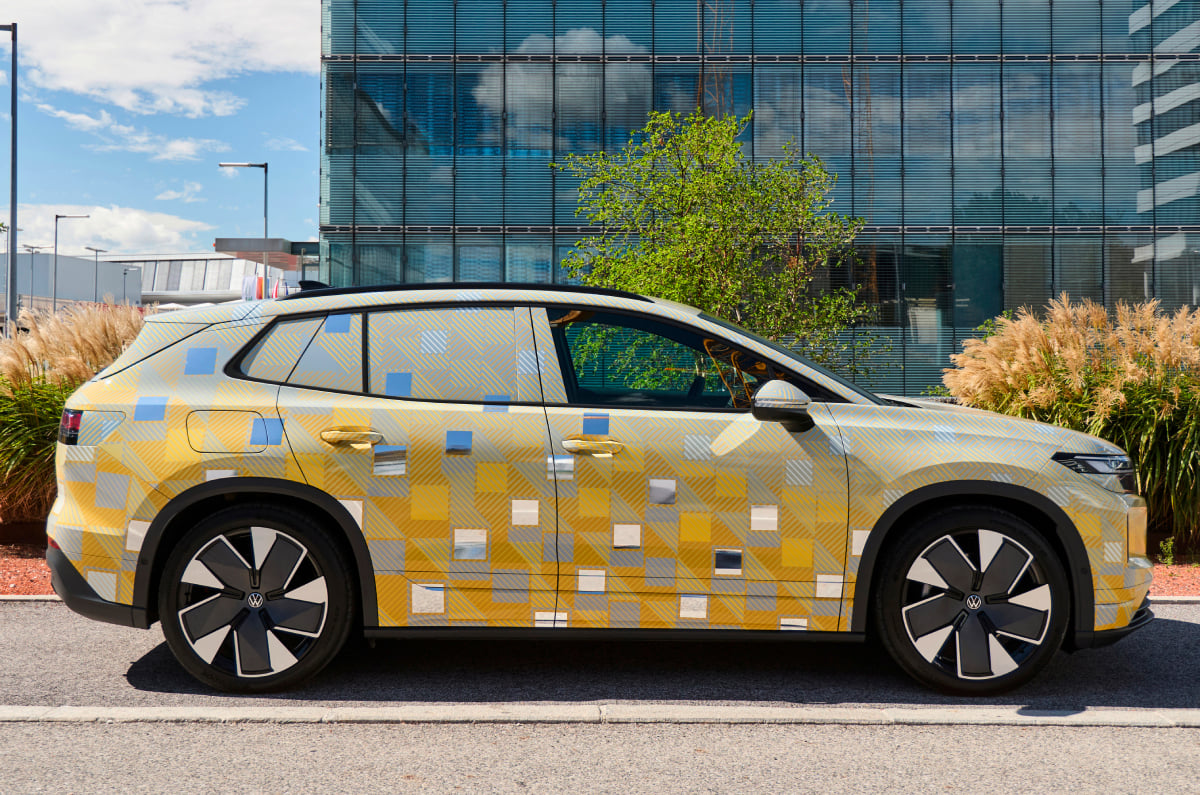
Volkswagen will unveil the all-electric ID Tiguan in early October, with the SUV set to reach international markets in early 2027. The new model will join the existing Tiguan, which will continue to be offered with combustion and hybrid powertrains globally. The ID Tiguan will replace the ID 4 and ID 5 in Volkswagen’s electric SUV range.
ID Tiguan will succeed the ID 4 and ID 5
New electric SUV gets a more spacious interior
Expected to retain 58kWh and 77kWh battery packs
Volkswagen ID Tiguan design and dimensions
The ID Tiguan will get a completely new exterior look, with slimmer headlights and a new rear light design. It will also be available with alloy wheels sized up to 21 inches. The SUV is 44mm longer than the ID 4, which should provide more space inside the cabin. For reference, the ID 4 is 4,584mm long, 1,852mm wide and 1,639mm high, with a 2,765mm wheelbase.
Volkswagen has not revealed the full interior yet, but it says the ID Tiguan will have a more spacious cabin and new technology. The cabin is also expected to bring back physical controls for some functions, including buttons on the steering wheel and a separate set of controls on the dashboard.
Volkswagen ID Tiguan battery and range expectations
The ID Tiguan will be based on Volkswagen’s MEB+ platform, which also underpins the ID Polo and Skoda Epiq. The SUV is expected to retain the 58kWh lithium-iron-phosphate and 77kWh nickel-manganese-cobalt battery options from the ID 4, with the smaller battery likely in the entry-level version and the 77kWh pack in the Pro and dual-motor Pro 4Motion variants.
For reference, the ID 4’s 58kWh battery has a claimed WLTP range of up to 364km, while its larger 77kWh battery offers between 512km and 572km, depending on the version. Power outputs across the ID 4 range span 170-340hp, depending on the battery, motor and variant.
Volkswagen has yet to confirm the final specifications for the production-spec ID Tiguan, including the claimed range and peak output figures.
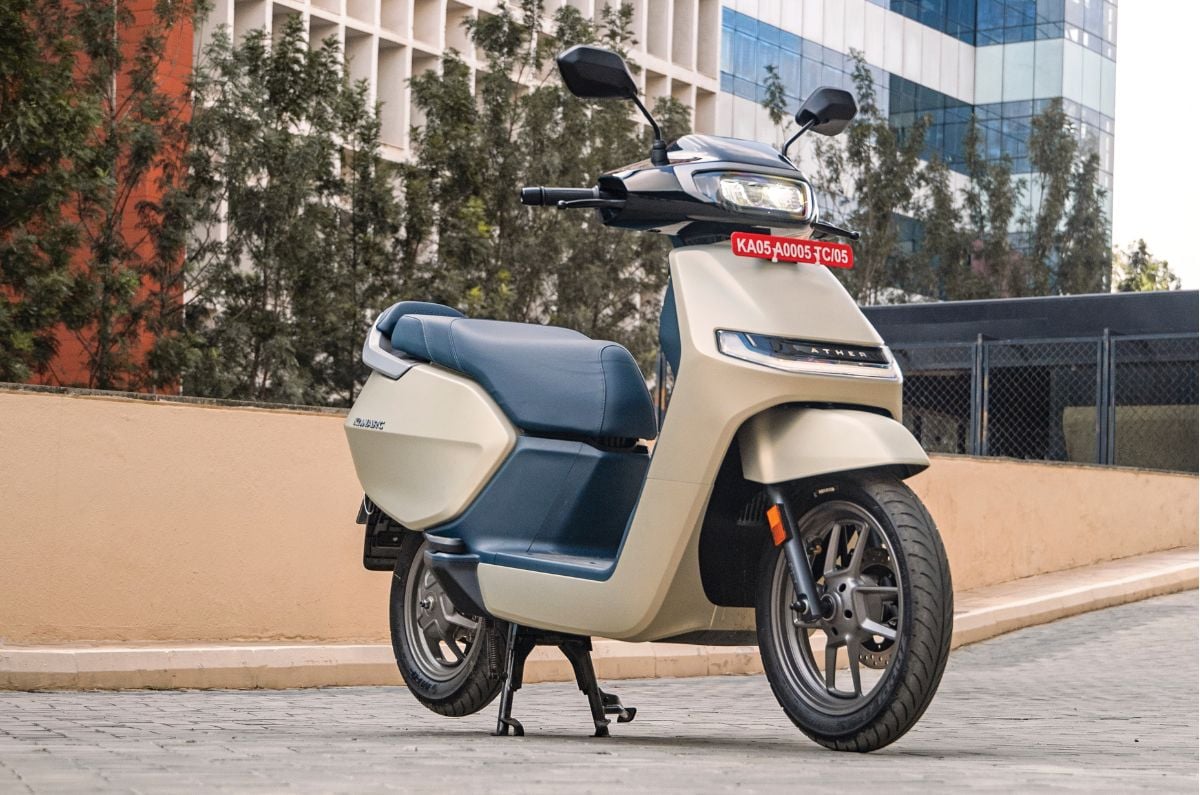
Bengaluru-based EV maker Ather expects its newly launched Konarc electric scooter to drive more than half of its sales over the next two years. The company is positioning Konarc as a key product in its attempt to take electric scooters mainstream, with the focus less on taking customers from rival EV makers and more on converting buyers who would otherwise remain with internal-combustion engine scooters.
Konarc has five variants, four of which are priced close to the Rizta
Manufacturing and availability set to ramp up after the festive season this year
Konarc is expected to make (Ather) EVs mainstream
Konarc has higher profit margins than Rizta despite a lower price
“The role of Konarc is to take EVs mainstream, which, by definition, means that we’re looking at weaning people away from ICE,” said Ather’s chief business officer Ravneet Phokela. “This is not about getting market share from somebody else. It’s really about getting share from the ICE world.” For these customers, he added, Ather first needs to address fundamental considerations around comfort, safety and battery life before features and technology become the differentiators.
Despite a lower starting price of Rs 99,999, the Konarc also has better margins than the Rizta, according to Phokela. It is currently available in five variants (three S and two Z), with four positioned around price points similar to the Rizta’s. Ather has moved from an aluminium chassis for the 450/Rizta to a tubular steel chassis on the Konarc and from a two-stage belt transmission to a gearbox. The charger and motor controller have also been combined into a single unit.
The EL platform has allowed Ather to incorporate learnings from the 450 platform that couldn’t be introduced into that architecture. Phokela described the 450 platform as appropriate for the performance-oriented 450 but “overkill” for the family-focused Rizta, which had to use the existing architecture to meet its development timeline. The EL platform, in contrast, was conceived from the outset as a simpler architecture with a fundamentally lower cost structure.
Konarc is currently being supplied only in parts of North India, with Ather yet to open bookings across central and southern markets. Ather expects this constraint to ease after its new manufacturing facility is commissioned in December, although Phokela said it would take a few months thereafter to ramp up production. More markets are expected to be added progressively as supplies improve. The supply situation has also led Ather to pause showroom expansions for now. It currently has around 750 outlets, with expansion expected to gather pace again after the festive period. Over the next 18-24 months, Phokela sees around 2,000 stores as a target while maintaining that expansion will be calibrated to ensure dealers remain viable and profitable.
With inputs from Mukul Yudhveer Singh and Stephen Raj Antony
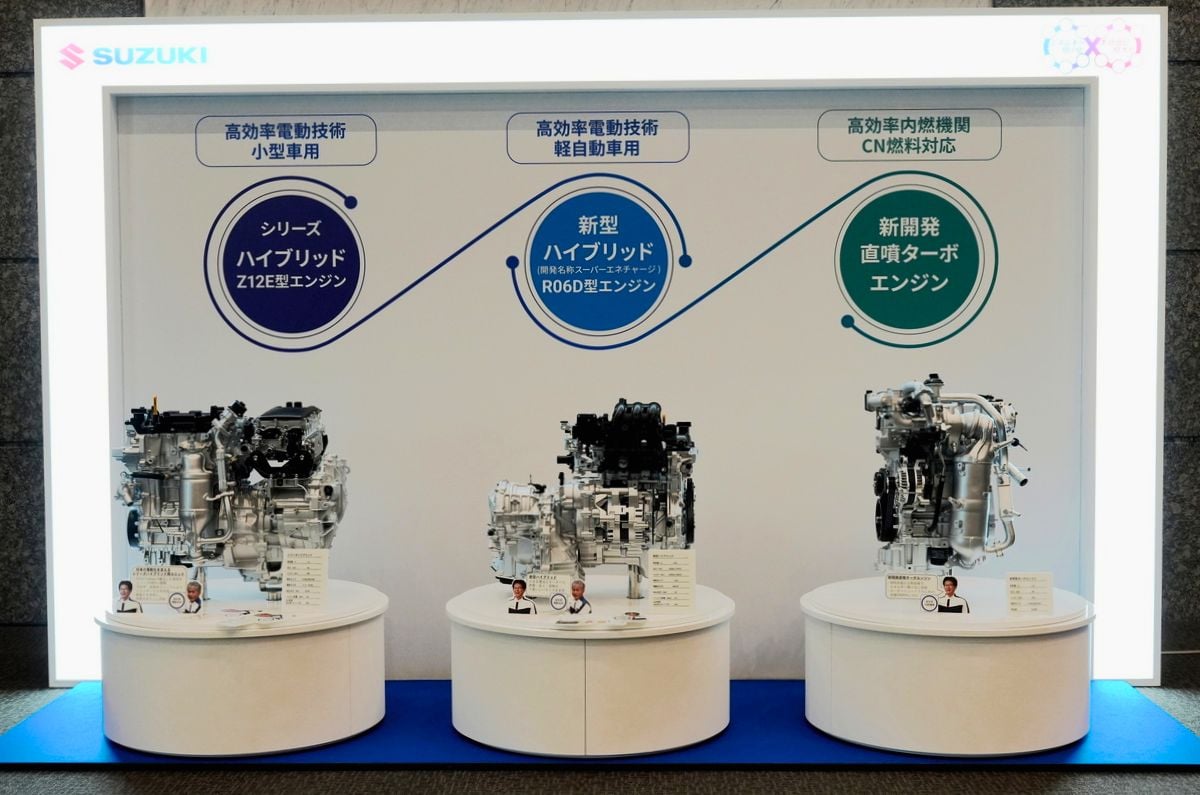
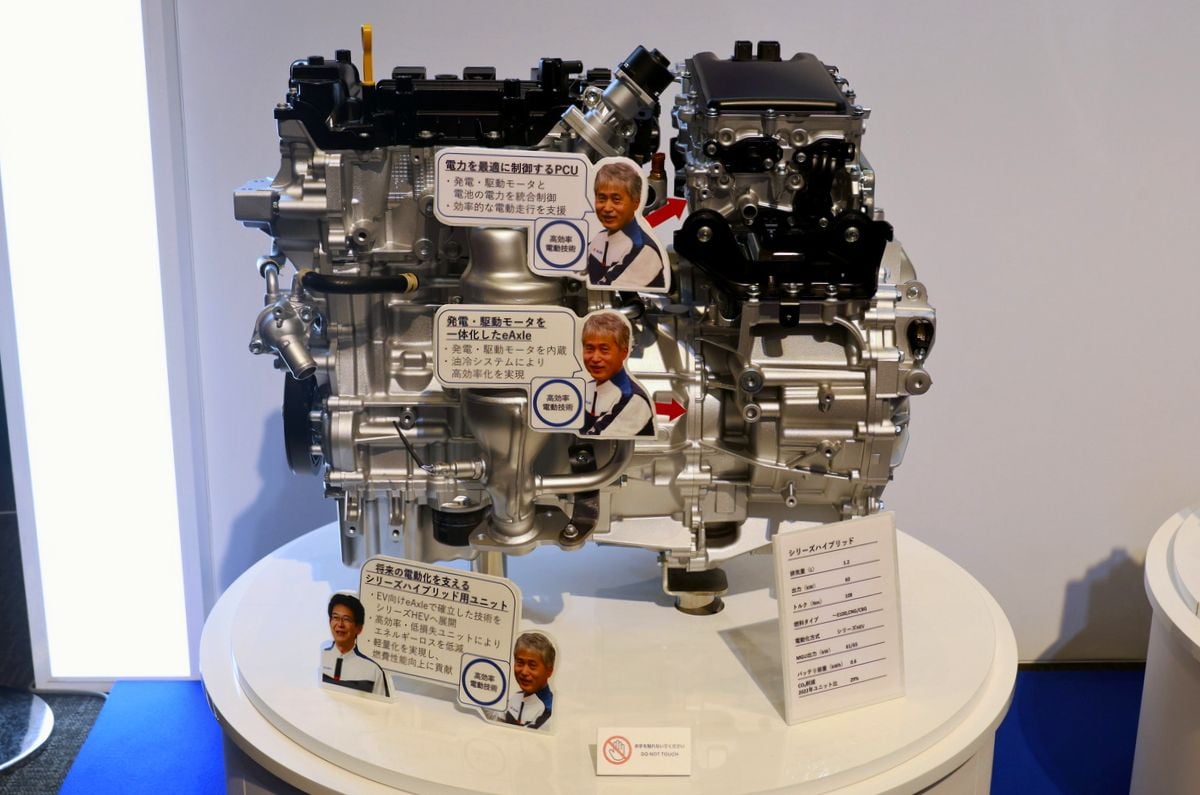
Suzuki recently revealed plans to develop a new direct-injection turbocharged (DITC) engine for growth markets, including India, as part of its ‘Technology Strategy 2026: Looking 10 Years Ahead’ roadmap. The manufacturer has also revealed specifications for a 1.2-litre 3-cylinder turbo-petrol engine prototype in Japan, which is being developed for compatibility with E100, CNG (compressed natural gas) and CBG (compressed biomethane gas). While not confirmed by the manufacturer, this engine is likely to eventually be offered in India.
1.2-litre turbo-petrol engine prototype produces up to 126hp and 230Nm
This engine is being developed to achieve up to 40 percent thermal fuel efficiency
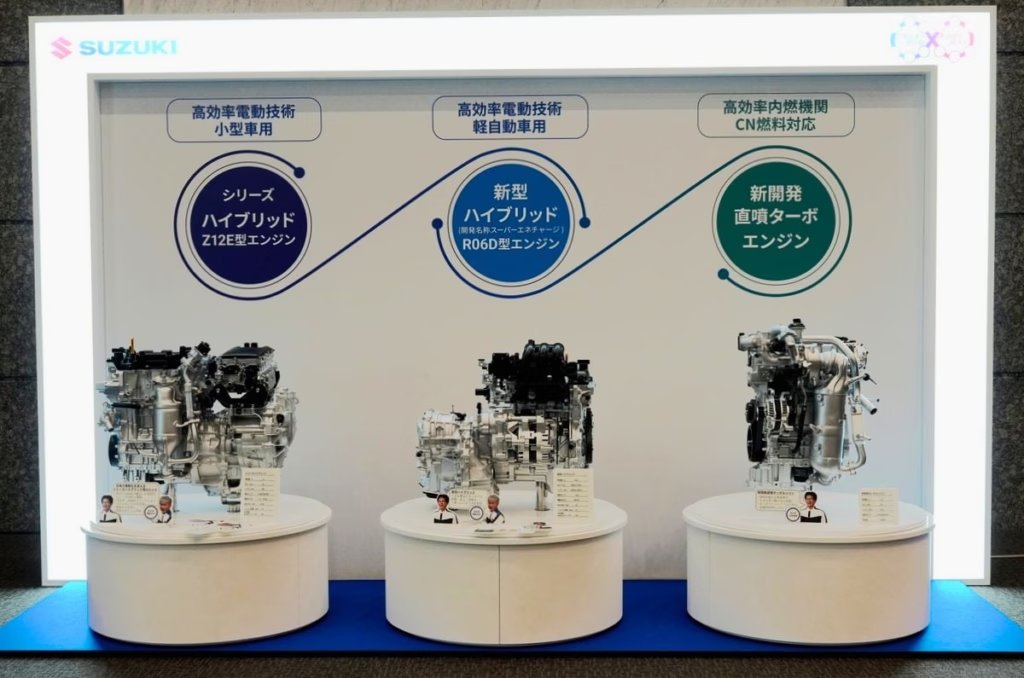
Alongside the turbo-petrol engine, Suzuki has also showcased a series-hybrid powertrain based on the Z12E 3-cylinder engine and a smaller 0.66-litre engine for kei cars. Specifications of a 1.5-litre direct-injection turbo-petrol engine were also revealed.
Suzuki’s new engine prototypes: More details
1.2-litre 3-cylinder turbo-petrol engine is based on Z12E, as per a media report
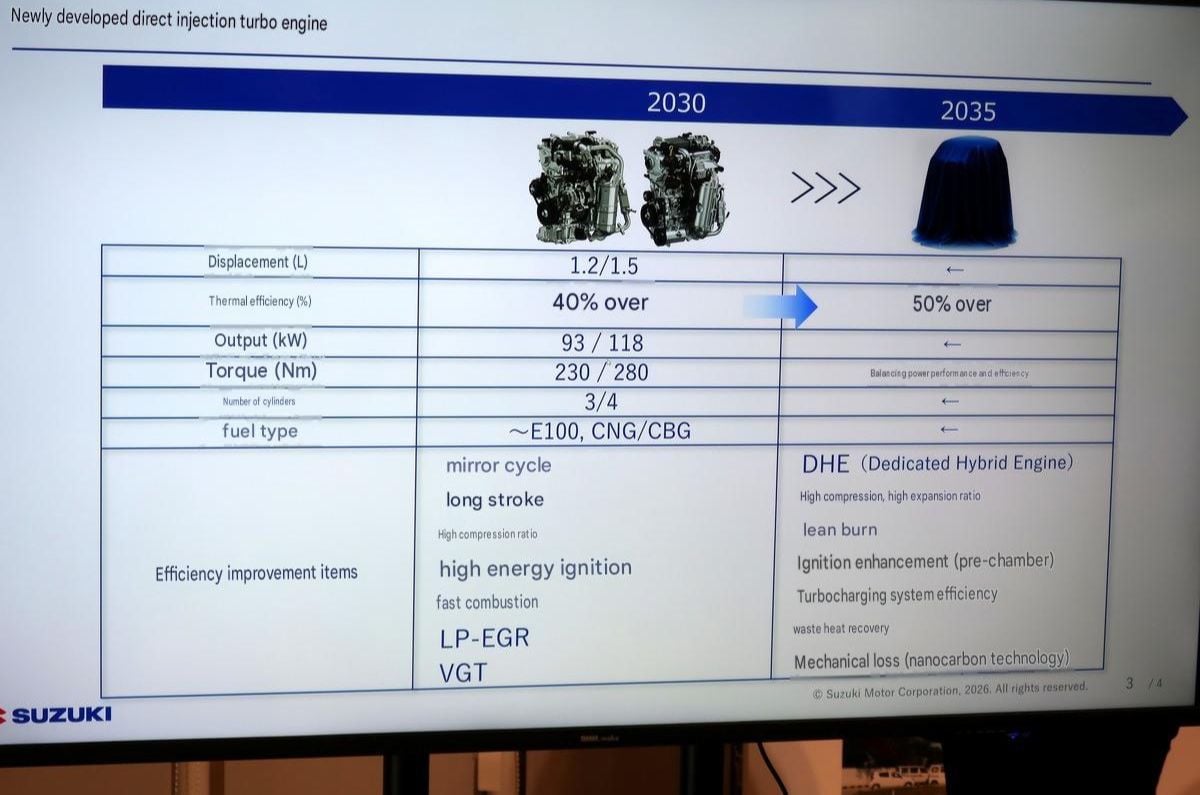
Image source: Autocar Japan (text translated into English)
The showcased prototype is a 1.2-litre direct-injection turbo-petrol engine, aimed at producing up to 126hp and 230Nm, with thermal fuel efficiency targeted at up to 40 percent at launch and up to 50 percent by 2035. The engine is being developed for compatibility with E100 (100 percent ethanol), CNG and CBG.
According to a report by Japan’s MotorFan, the engine is based on Suzuki’s Z12E 3-cylinder unit and features a variable-geometry (VG) turbocharger and a water-cooled intercooler. The Z12E is offered in a naturally aspirated avatar in the Swift, Baleno and Dzire. While not confirmed by the manufacturer, the new turbocharged engine could eventually be offered in sub-4m cars in India.
Z12E engine to also form the basis of a series-hybrid powertrain
Suzuki is also developing the 1.2-litre Z12E 3-cylinder engine for use in a series-hybrid powertrain. In this setup, the engine generates electricity, while an electric motor drives the wheels. The system uses two motors – one for generating electricity and another for driving the wheels. In this application, the Z12E engine produces up to 82hp and 108Nm, while the generator motor has a maximum output of 83hp and the drive motor produces up to 88hp. The system uses a 0.6kWh battery.
Series hybrid system combining a 1.2L engine and two electric motors. (Image source: Autocar Japan)
Suzuki is also considering combining this series-hybrid system with its new 1.2-litre direct-injection turbo-petrol engine in a future plug-in hybrid setup. The proposed combination could deliver a total system output of up to 177hp.
1.5-litre turbo-petrol engine and a 0.66-litre engine (for kei cars) also in development
As per Autocar Japan, Suzuki is also developing a 1.5-litre 4-cylinder, aimed at producing up to 160hp and 280Nm. Like the smaller 1.2-litre engine, the 1.5-litre turbo-petrol engine is also being developed for compatibility with E100, CNG and CBG fuels.
Suzuki also showcased a smaller 0.66-litre 3-cylinder engine in Japan. The engine is being developed in both naturally aspirated and turbocharged forms for kei cars.
Notably, all the engines showcased by Suzuki are designed for transverse-mounted, front-wheel-drive (FWD) vehicles, with no mention of powertrains for longitudinally mounted, rear-wheel-drive (RWD) models such as the Jimny. However, powertrains for RWD models are also understood to be under development and could be revealed at a later date.
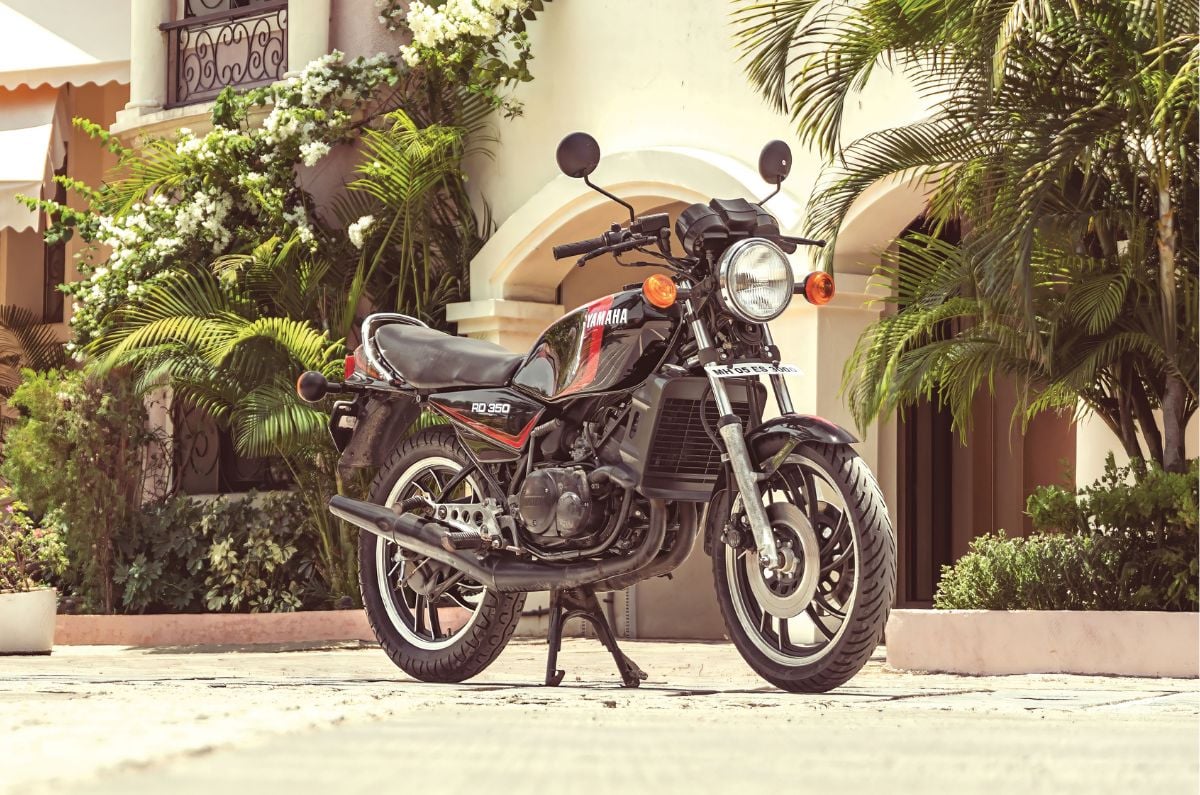
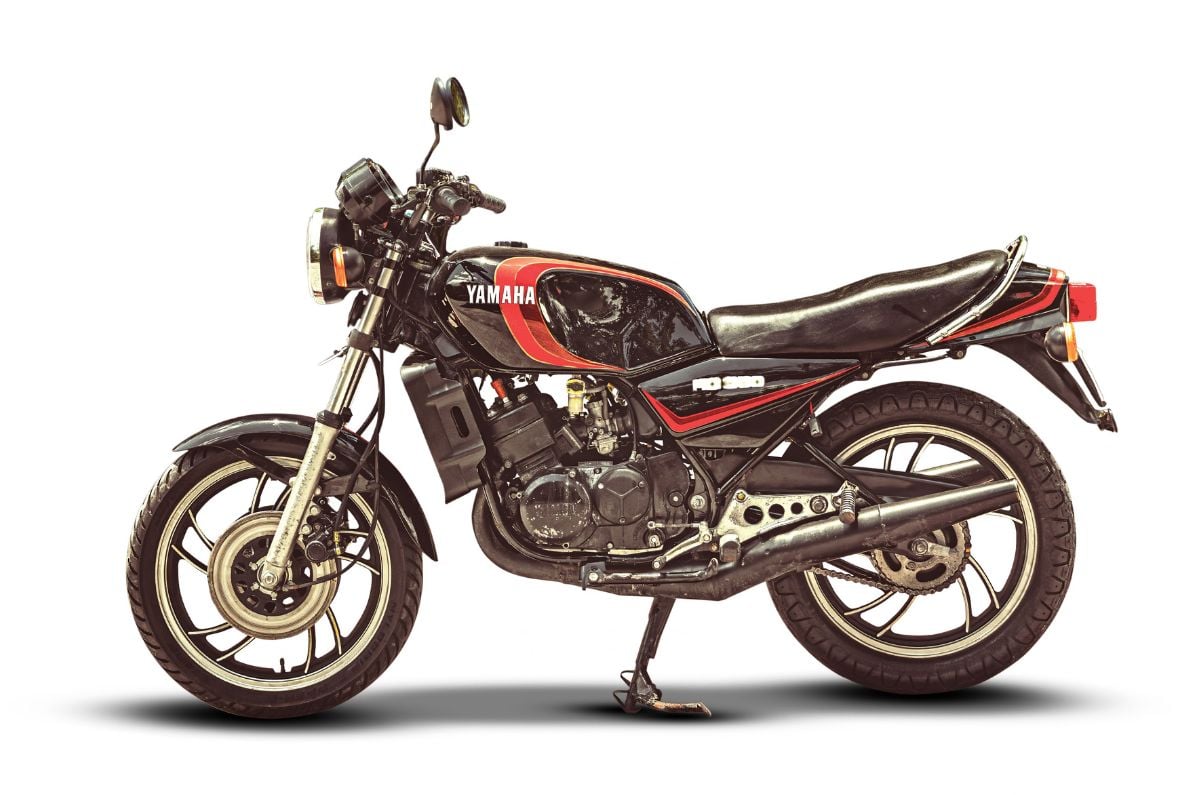
When most Indians picture a Yamaha RD350, a bike that looks like a UJM (Universal Japanese Motorcycle) with an air-cooled, twin-cylinder motor comes to mind. This was the bike on sale in India in the ‘80s via the Escorts licensing agreement, and it cemented Yamaha’s reputation as a maker of seriously fast motorcycles. However, during the same era, in global markets, there was a completely different bike being sold bearing the RD350 nameplate, crucially with an LC suffix (informally) attached to it. This version was never officially sold in India and packed a more powerful liquid-cooled motor, a sportier chassis and very different styling. What you see here is that very bike and, as you’ll read, this is quite a different animal to the air-cooled RD.
Genesis
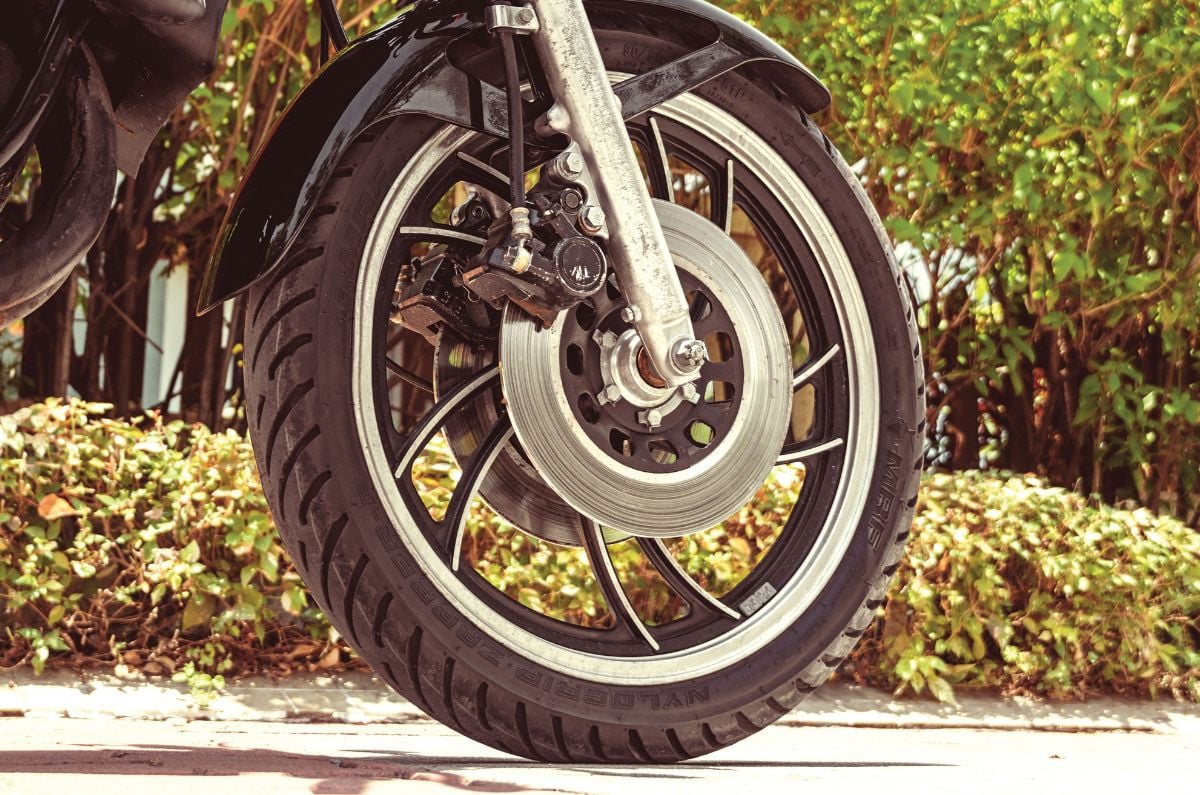
At the end of the air-cooled RD’s lifecycle, Yamaha must have realised that while it was undoubtedly violently quick, it was also like wielding a double-edged sword – the rider could get hurt when putting its power down. Taming such a ferocious engine would simply need more sophistication from the chassis. To achieve that, the LC moved from the air-cooled bike’s archaic chassis to a new one that was actually inspired by Yamaha’s TZ350 racer of the era. This was complete with monoshock rear suspension and lighter cast alloy wheels, which also brought in the convenience of tubeless tyres.
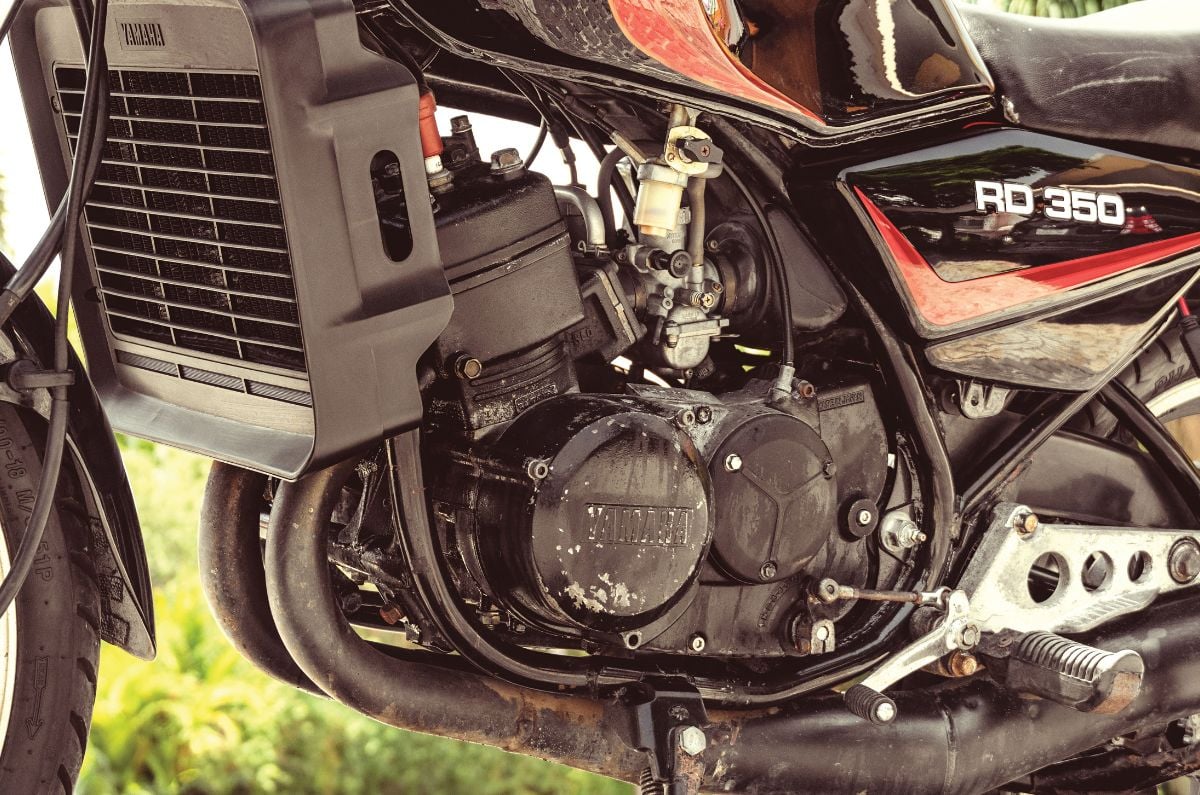
The LC suffix in its name stands for liquid cooling, and Yamaha moved to this more modern architecture to extract more output from the 347cc twin-cylinder motor. Plus, with liquid cooling, you have tighter tolerances and better reliability even when you keep pushing the performance envelope – which a lot of people back in the day did, because the LC was a common sight on racetracks overseas owing to its relative affordability.
Water-cooled twin needs revs to make power, but once you do so, you better hold on!
Over the years, there were subsequent versions that made more power courtesy of YPVS (Yamaha Power Valve System), and at one point, there was even a fully faired version. This very example is from 1980 and is one of the earliest ones from the LC’s lifecycle. Introductions made, now it’s time to get down to business – what is it like riding this nearly half-a-century-old bike?
Forward Progress
Today, this bike might be 46 years old, but it honestly doesn’t feel ancient like the air-cooled RD does in many respects. However, on both RDs, the star of the show is the vociferous and powerful engine. Once you find an empty road, it is monumental fun to chase the 9,500rpm redline, grab another gear and repeat this grin-inducing cycle. Blasting past 100-120kph is very easy and the performance that the ‘Elsie’ has to offer feels much stronger than the roughly 45-50hp output its engine can make at its peak in stock form.
Now, the three words “at its peak” are very important ones here because the bottom end is very dull and weak, and the engine vehemently protests being below 4,000rpm! Perhaps it was just this bike, but anything below 3,000rpm required constant clutch slipping, and the engine really didn’t like being there. Above that threshold, you’ll make quick progress, although the real fun is to be had between 6,000rpm and the 9,500rpm redline.
This is a trait demonstrated by pretty much every two-stroke machine, no matter its displacement, architecture or cylinder count, so this isn’t a criticism, more a personality trait you need to work your way around. In fact, I’d wager that the way the LC pulls in the top three and a half thousand revs is so hard that it feels like even some current-day 60hp machines will be left in the dust.
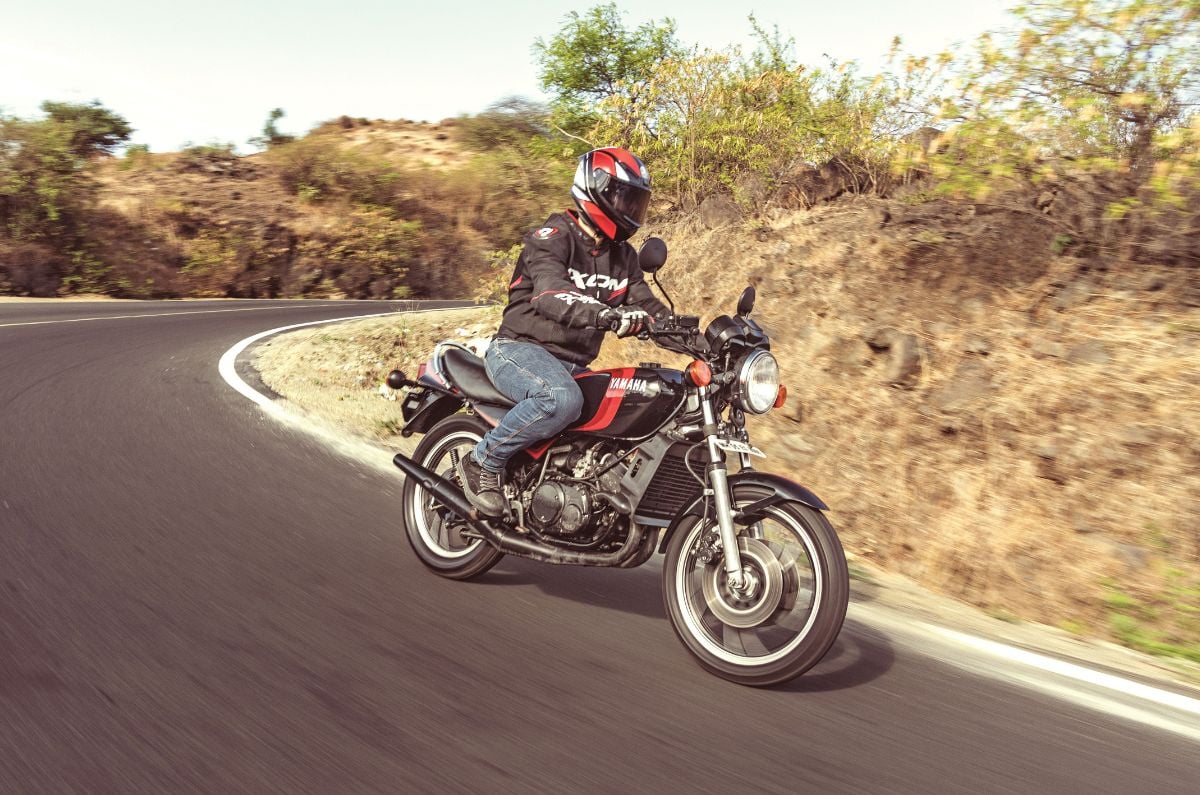
It is pleasantly well-behaved around a corner for a near 50 year old bike.
Another reason you’ll very much want to keep the revs up is the high-pitched banshee howl it has for an exhaust note. The sound emanating from its twin upswept pipes when the revs are high and you’ve got the throttle pinned is a thing of real beauty! It’s real childlike fun to listen to a 2-stroke motor roar its heart out, and this twin belts out an awesome soundtrack, one that – sadly – no longer exists today.
In the past, I have had the pleasure of riding an air-cooled RD350, and while the violent nature of the engine and its rather heavy clutch pull are also present here, the LC’s ride and handling are a pleasant surprise! Since the LC’s frame was inspired by the TZ350 racebike (but was unique and road-biased), you actually had decent handling to somewhat effectively wield the firepower on tap. It doesn’t feel as delightfully taut as a similarly sized modern machine, but it also doesn’t feel like a horse-drawn carriage when you take a corner at speed.
Another very welcome surprise was that the LC provided surprisingly good ride comfort. Over the few bad roads we encountered through the course of our shoot, it kept me reasonably comfortable. Truthfully, the one facet that feels woefully out of place here is the weak binders. The LC’s twin disc brakes are an upgrade on the air-cooled RD’s single disc (India-spec ones came with an even weaker front drum brake to cut costs), but the stopping force still feels more like a suggestion than a direct order.
Feeble brakes will instil the fear of God in you.
Intangible Special Sauce
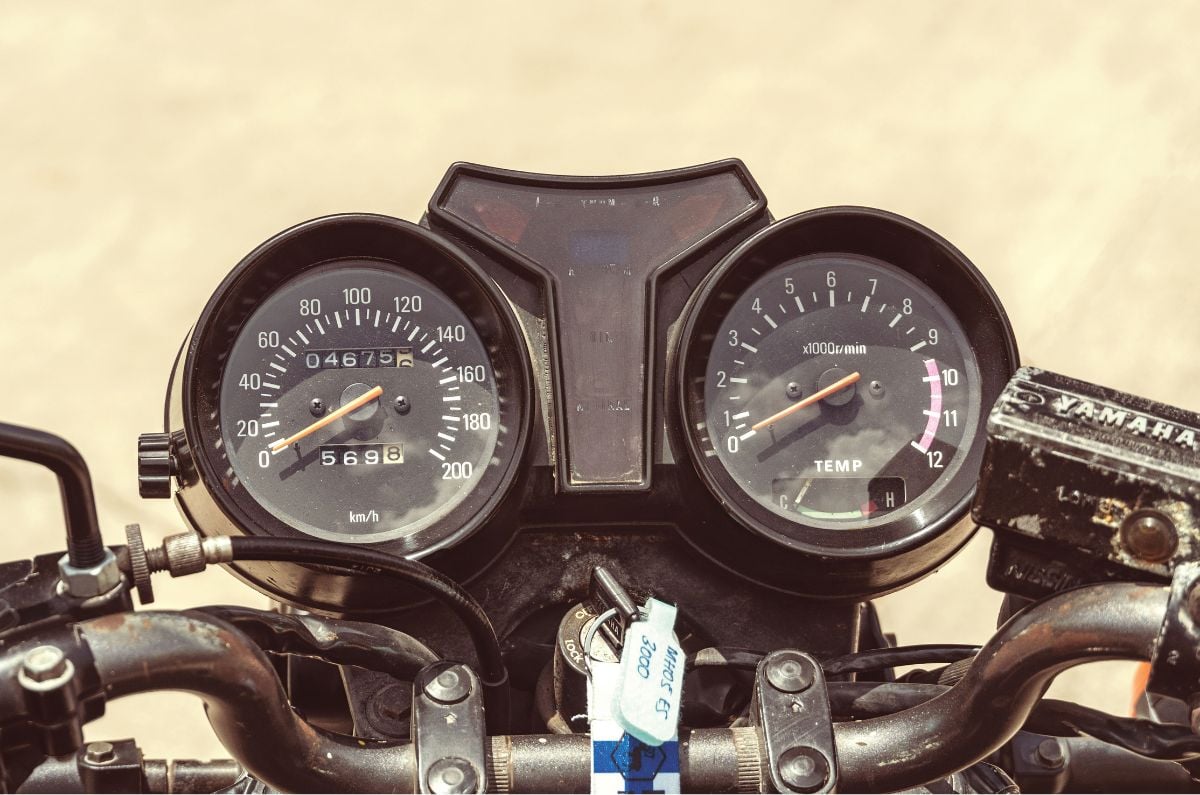
But this is not a review, and I’m not here to evaluate this bike – I’m here to experience it, and what an experience it has been! I’ve said this before and I’ll say it again, from the rider’s POV, it’s so refreshing and heartwarming to see two honest-to-goodness physical needles circling around in this day and age, and no TFT can come close to a set of analogue gauges.
Twin-pod analogue clocks a very refreshing sight today.
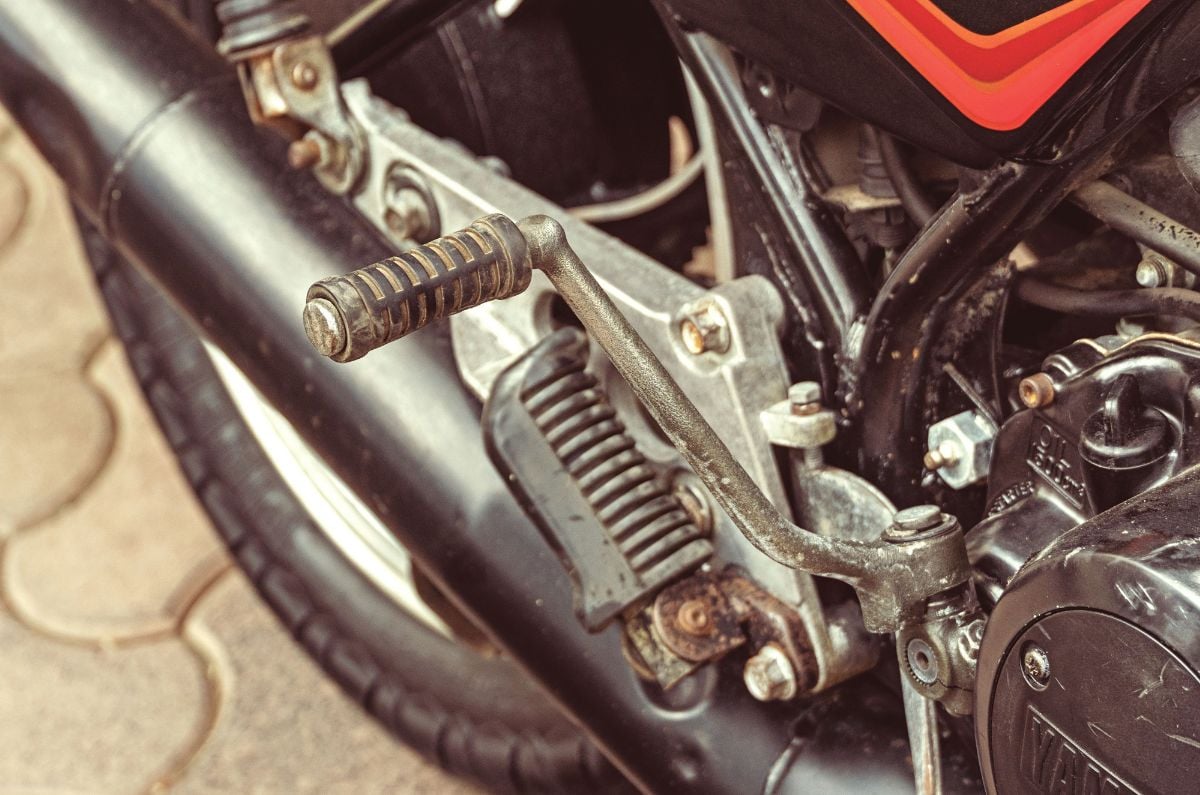
This was a raw, unadulterated machine before electronics and rider aids, so to keep yourself upright, you had to be both sensible and skilled. Of course, there’s no electric start here, and you’ll need to use your leg to start the motor, with a good old-fashioned swift kick! Speaking of, one quirk the LC had was that the rider’s footrest needed to be folded inward to make room for the kick lever to go down fully.
Rider footrest needs to be folded to kickstart the motor.
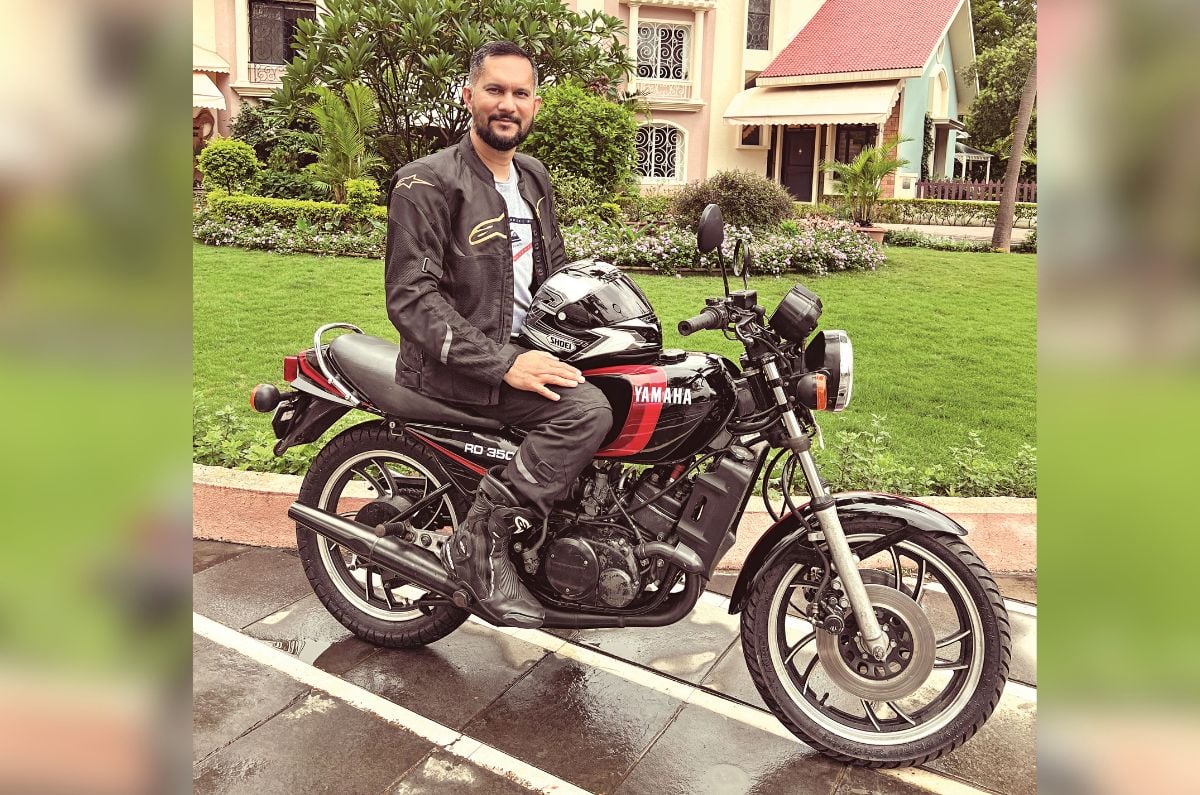
Yes, these are some areas where the LC very obviously feels its age, but today, even a single-cylinder 2-stroke machine is a rare sight, let alone a twin, and this liquid-cooled one is rarer than hen’s teeth because it was never officially sold in India. This bike was a private import back in the day (one of a single-digit handful), and currently it is in the custody of a very kind and gracious friend of mine who let us have it for a day!
Big props to the owner, Leo Noronha, for letting us have his ‘Elsie’ for a day.
One rather funny way the LC feels its age is that even though it was considered a properly sporty machine for its time, it’s actually not a hard-edged, uncompromising machine. The rider isn’t hunched over the ‘bar, there’s a flat seat, which will seat a pillion comfortably without them feeling like they’re perched precariously on the first floor, and it even has a centre stand!
I think somewhere along the way, racetrack performance, bragging rights for how much horsepower your machine has, and the latest gizmos and gadgets trumped rider involvement and real-world practicality, which seems like motorcycling may have veered off course.
Nevertheless, for one very happy morning, I got to tick off one of my bucket list riding dreams. This proverbial hero lived up to my expectations and how! Yes it’s old, yes it can be a bit cantankerous and temperamental at times, yes it pollutes the air a little too much and yes, it’s expensive to own and maintain, but all of those drawbacks pale in the face of the joy you’ll feel when you start riding!
This particular example is maintained at Kumar Auto Works in Andheri, Mumbai.
This isn’t a machine built to tick any boxes or fill a clearly demarcated role, and its only purpose is to put a smile on the rider’s face. All said and done, the RD350LC is an extinct breed in today’s ever-so-strict times, and as motorcyclists, we should ensure that bikes like these continue to survive and be enjoyed rather than just being relegated to a footnote in the history books.