BMW reportedly puts its upcoming G-Class, Defender rival on ice

bmw x5 off-road

BMW’s luxury off-roader project, codenamed G74, has reportedly failed to receive final internal approval and is on hold due to changing global market conditions. The rugged luxury SUV was purported to be BMW’s rival to the Mercedes-Benz G-Class and Land Rover Defender, but it’s now uncertain whether it will ever reach production.

Market pressures prompt BMW to re-evaluate product portfolio
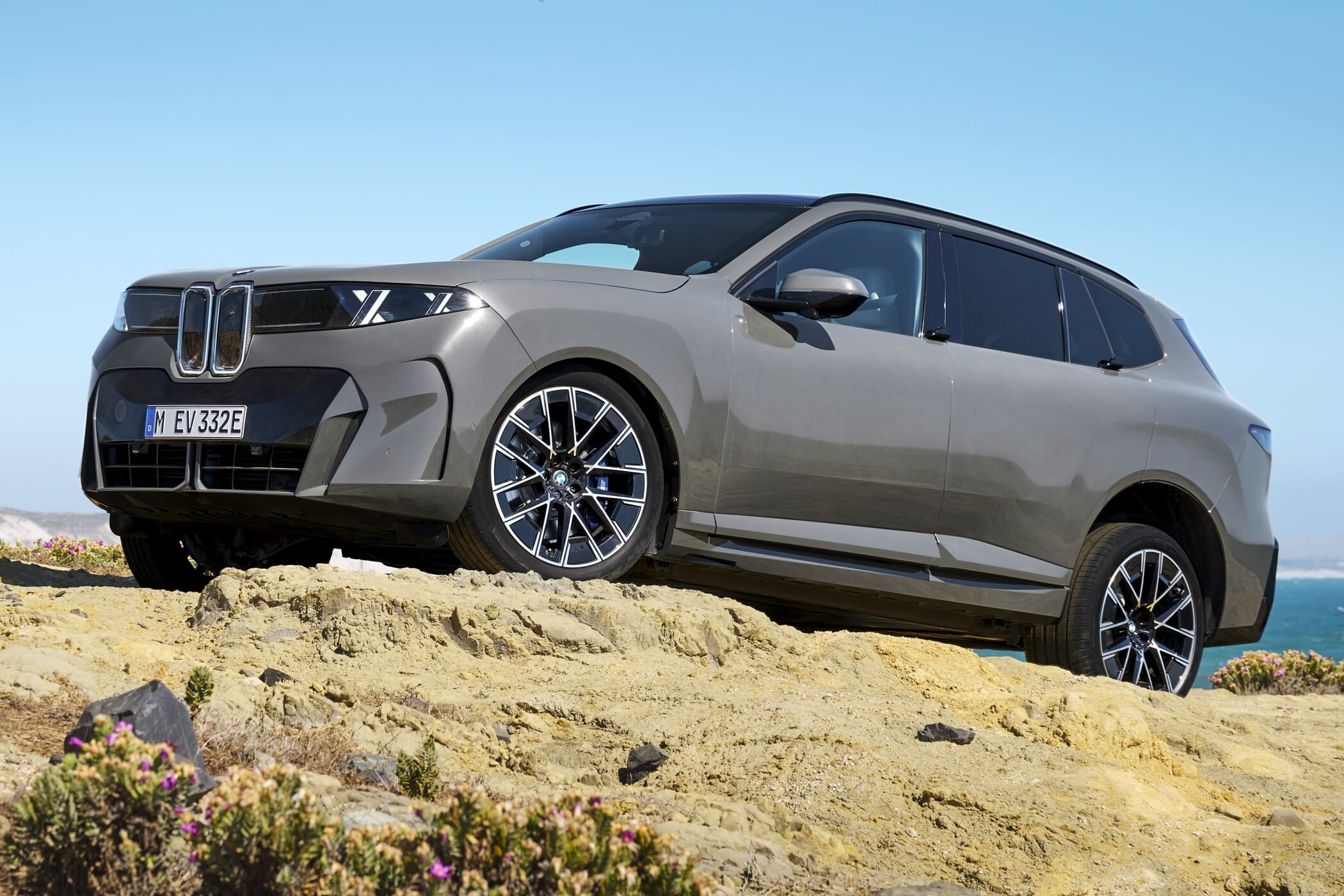
Fifth-gen BMW X5. Image used for representation only.

According to recent media reports, one of the reasons behind the G74 project’s halt is concern over the size of the luxury off-roader segment relative to the investment required to develop a dedicated model. BMW is also adopting a more disciplined approach to its model portfolio in light of increasing competition in markets like China, as well as tariffs, trade barriers, currency fluctuations, tightening emissions regulations in Europe, and broader geopolitical uncertainty.

Speaking after the company’s second-quarter financial results, CEO Milan Nedeljković said BMW is re-evaluating which technologies, model variants, and powertrains it will need in the coming years instead of assuming existing development programmes remain viable. “In all these areas, we are taking significant steps and increasing the pace. For example, we are once again reviewing which technologies, model variants and drivetrains we will need in the future. In addition, we are looking at where new partnerships could make economic and technological sense,” he noted.
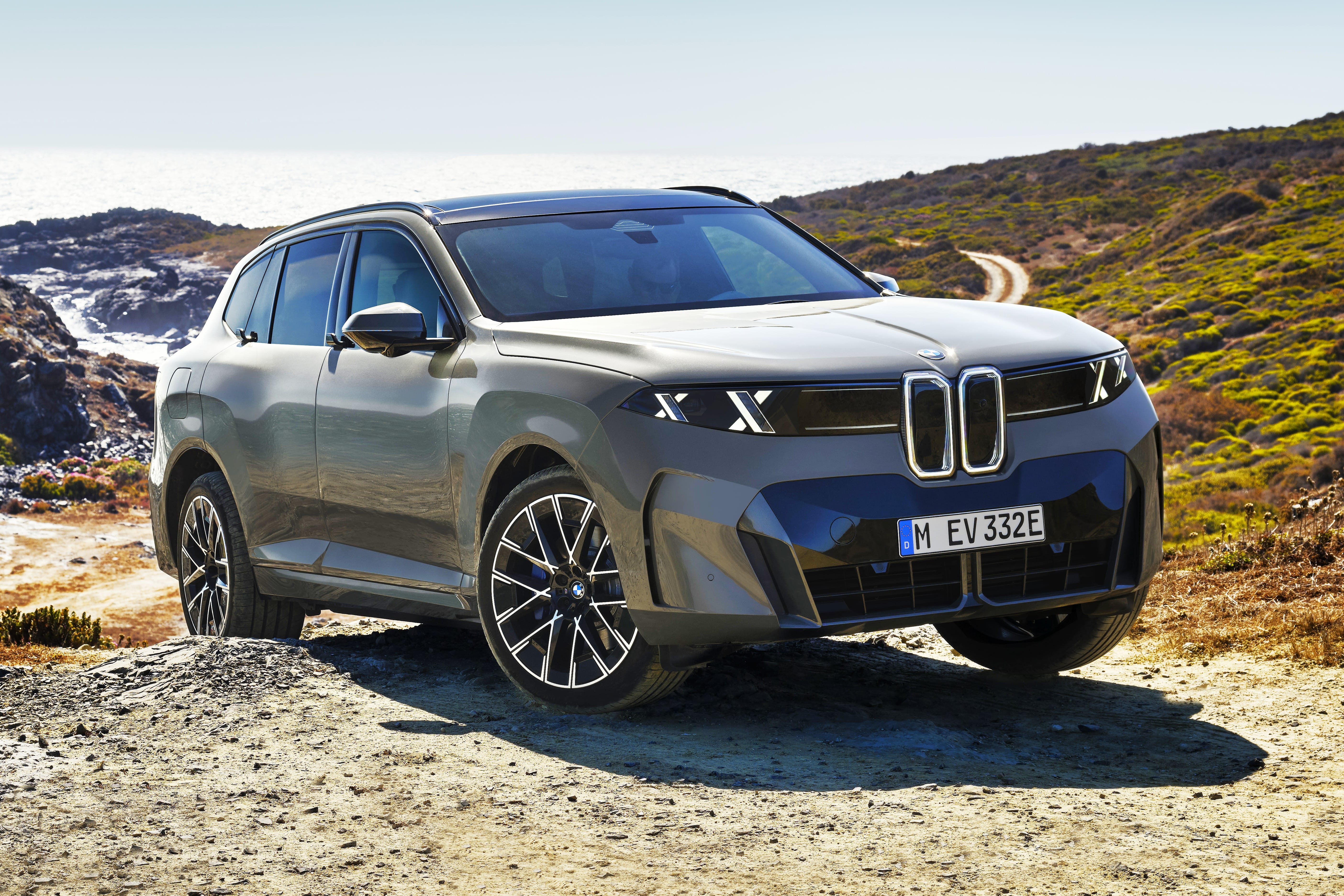
Fifth-gen BMW X5. Image used for representation only.

Nedeljković highlighted the rapid deterioration of market conditions in China as a key concern for the portfolio review. He said Chinese manufacturers are increasingly expanding into Europe, Latin America, and other global markets, creating additional competitive pressure. Although Nedeljković did not mention the G74 directly, insiders claim the off-road SUV has already become one of the first casualties of BMW’s ongoing product review.

The G74 was reportedly targeting a 2029 launch, and sources say BMW can still approve or cancel projects up to around 18 months before production begins. BMW has not officially confirmed the cancellation of the G74 yet, and since the project is currently on hold rather than permanently scrapped, there remains scope for it to return if market conditions improve.

Everything we know about the BMW G74 off-road SUV
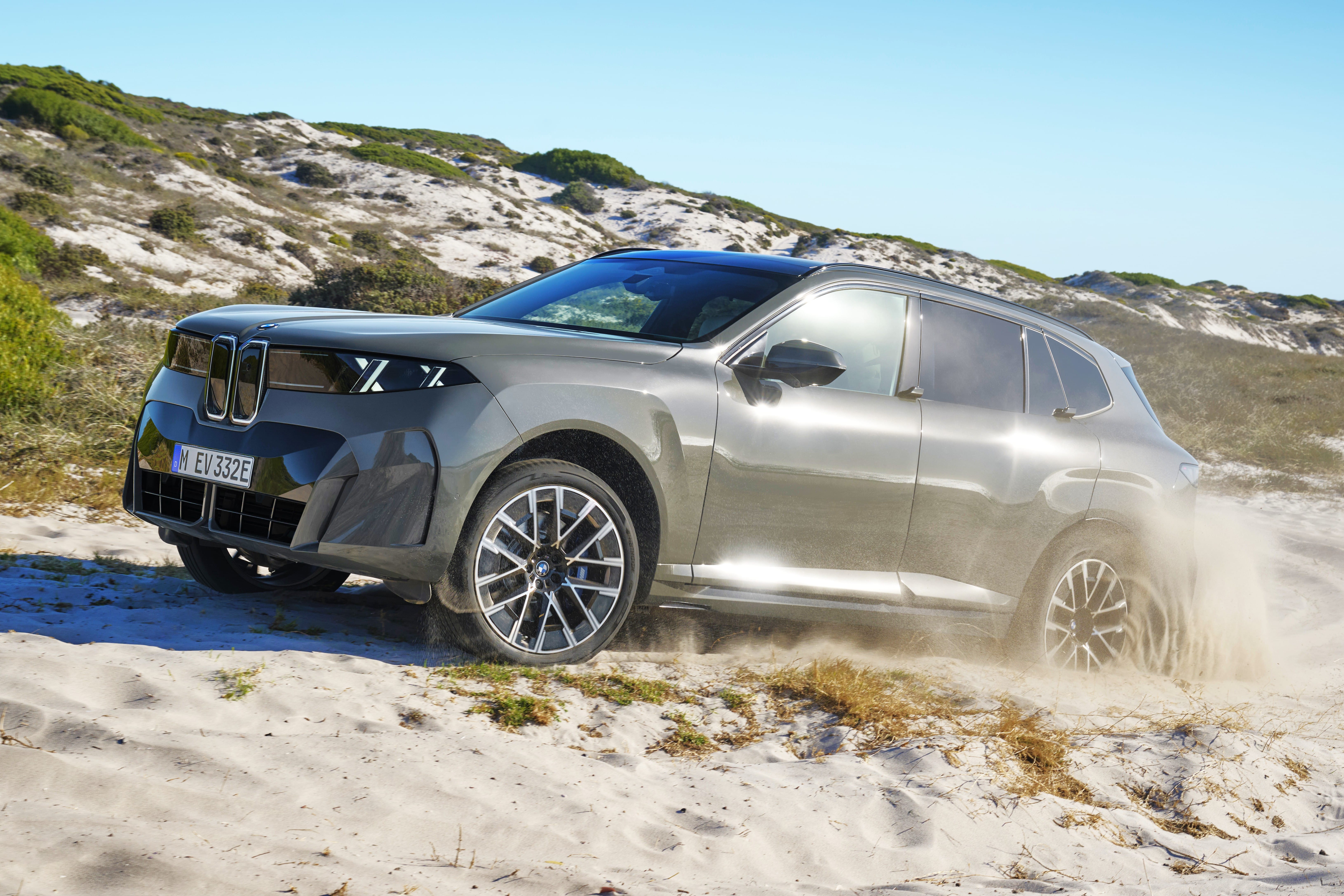
Fifth-gen BMW X5 design document. Image used for representation only.

While BMW never officially confirmed the existence of the G74 project, reports over the past few years suggested the carmaker was developing a purpose-built off-road SUV to rival the G-Class and Defender. In reference to the luxury off-roader segment, a senior BMW manager told Autocar UK in 2025: “We’re aware of the market potential [of such a vehicle]. It’s more than just discussions. We have been planning this for a while. It will definitely need an internal combustion engine.” Earlier this year, BMW M boss Frank van Meel even added to the speculation by stating he ‘wouldn’t say no’ to an off-road SUV fettled by the performance division.

The G74 project was expected to be underpinned by a heavily-modified derivative of the existing CLAR platform, which also underpins the fifth-gen BMW X5. This would have allowed the G74 to be offered with multiple powertrain options, including plug-in hybrid and fully electric, and the SUV’s production was ostensibly planned for BMW’s Spartanburg plant in South Carolina.
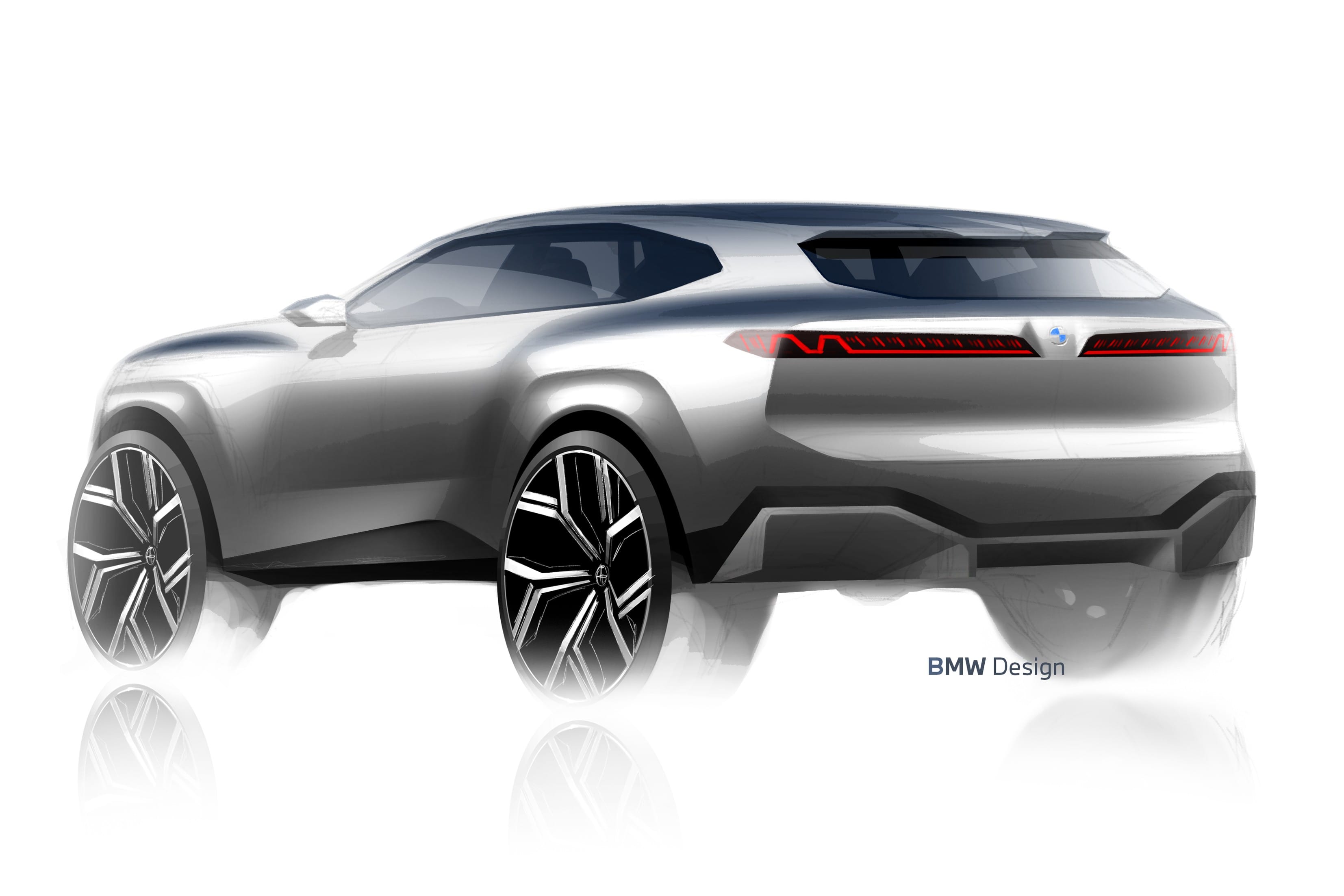
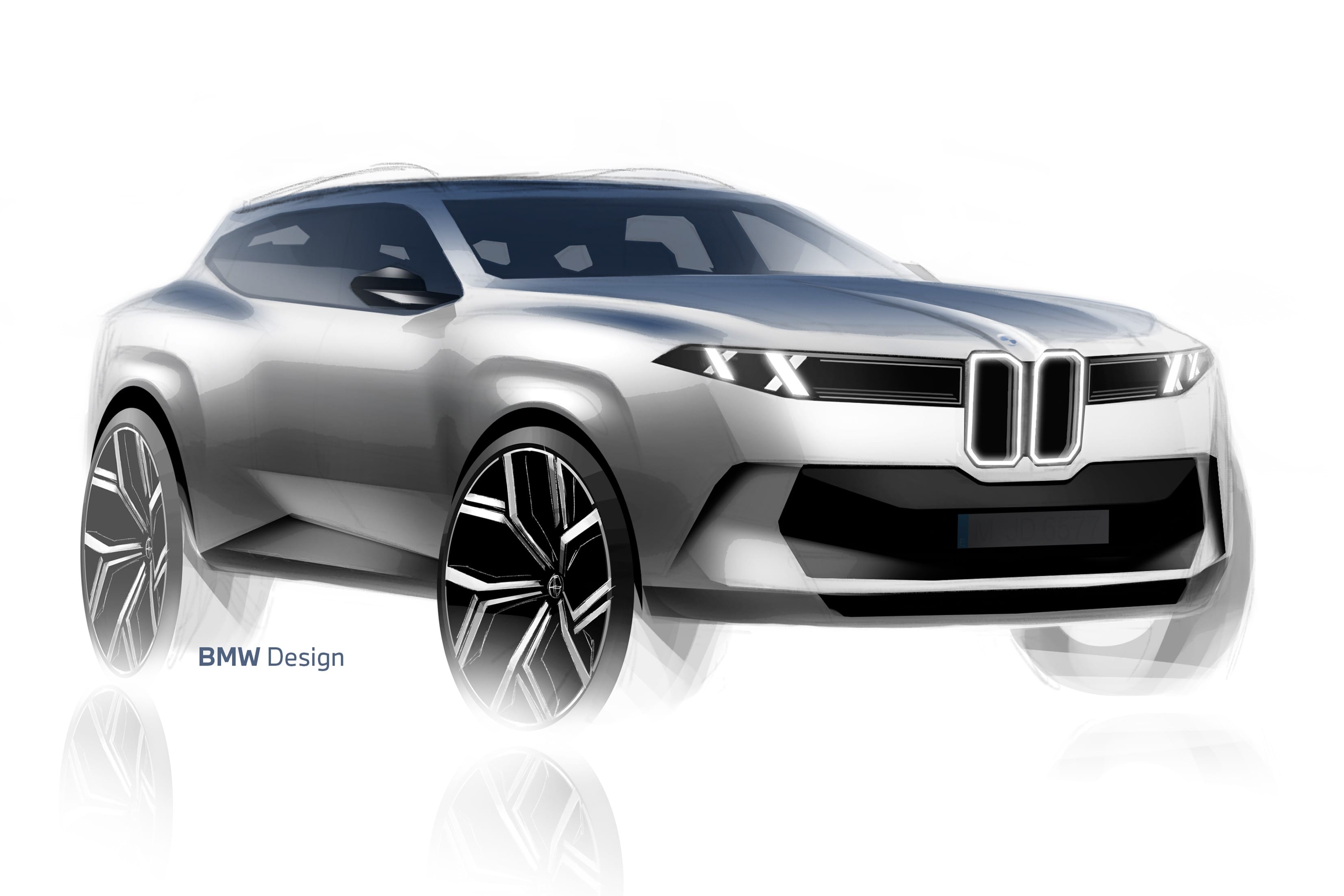
Fifth-gen BMW X5 design document. Image used for representation only.

Reports suggest the BMW G74 was designed with a 7-seat layout in mind, while the exterior featured a rugged iteration of the Neue Klasse design language and a bootlid-mounted spare wheel. The SUV was even mooted to be christened the X8, and serve as a spiritual successor to the BMW XM, which is expected to be discontinued in 2028.

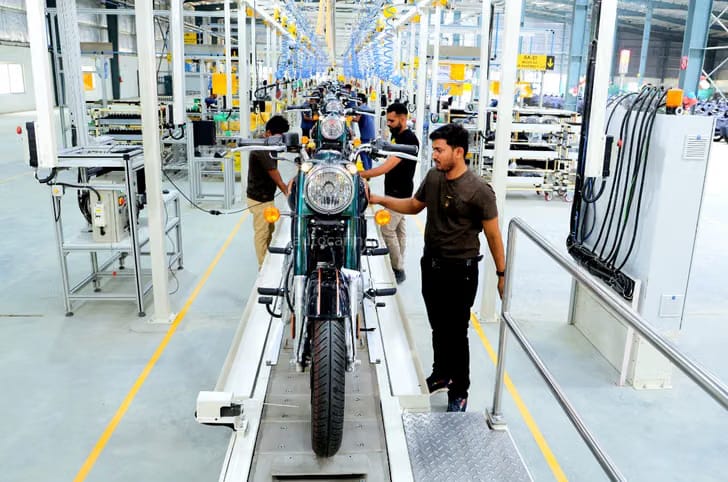
Royal Enfield targets 2.45 million unit production capacity by 2030

RE Factory

Royal Enfield has outlined an ambitious manufacturing and international expansion plan following a strong Q1 FY27 performance, with capacity targeted at 2.45 million units per year by FY30 and a CKD assembly plant in Indonesia under active consideration. The announcements were made by Eicher Motors MD and Royal Enfield CEO B Govindarajan during the company’s Q1 FY27 investor call.
  1. Royal Enfield to expand capacity from 1.5 million to 2.45 million units by FY30
  2. Rs 1,225 crore approved for Phase 1 of new Andhra Pradesh greenfield plant
  3. Indonesia CKD plant decision expected this quarter 

Royal Enfield capacity expansion plans

Brownfield expansion at Cheyyar to take capacity to 2 million by FY28

Royal Enfield currently has an annual manufacturing capacity of around 1.5 million motorcycles across four production units in Cheyyar and Chennai in Tamil Nadu – up from 50 percent utilisation in FY20 to 90 percent in FY26. The first module of the brownfield expansion at Cheyyar is now operational, with daily production crossing 5,000 units. The remaining phases are expected to be completed by FY28, taking total capacity to 2 million units annually.

Beyond that, Eicher Motors’ board has approved an investment of Rs 1,225 crore for the first phase of a new greenfield manufacturing facility in Andhra Pradesh. This addition is expected to contribute a further 4.5 lakh units of annual capacity and bring Royal Enfield’s total manufacturing footprint to 2.45 million units by FY30. The combined brownfield and greenfield expansion represents a capacity increase of over 60 percent from current levels.

Indonesia CKD plant could be set up at faster pace due to low local content requirements

On the international front, Royal Enfield is actively evaluating a CKD assembly plant in Indonesia after finding that exports from its existing Thailand CKD plant are still subject to import quotas of around 10,000 units per year – despite the ASEAN trade framework. Govindarajan said the company had identified a local assembler in Indonesia and that a decision on setting up a CKD operation there was expected during the current quarter. He noted that Indonesia’s local content requirements are relatively low, which could allow a CKD facility to come online quickly. However, he cautioned that a luxury tax of around 140 percent would remain even with local assembly, and the key benefit being the removal of the import quota restriction.

Royal Enfield currently operates seven CKD assembly units across Argentina, Bangladesh, Brazil (two units), Colombia, Nepal and Thailand, with a combined annual assembly capacity of 150,000 units. Indonesia would be the eighth. The company is also evaluating a CKD plant in Mexico following higher import tariffs there. Overseas revenue crossed Rs 1,000 crore for the first time in Q1 FY27, accounting for around 15 percent of total revenue, led by strong growth in Brazil and other Latin American markets.

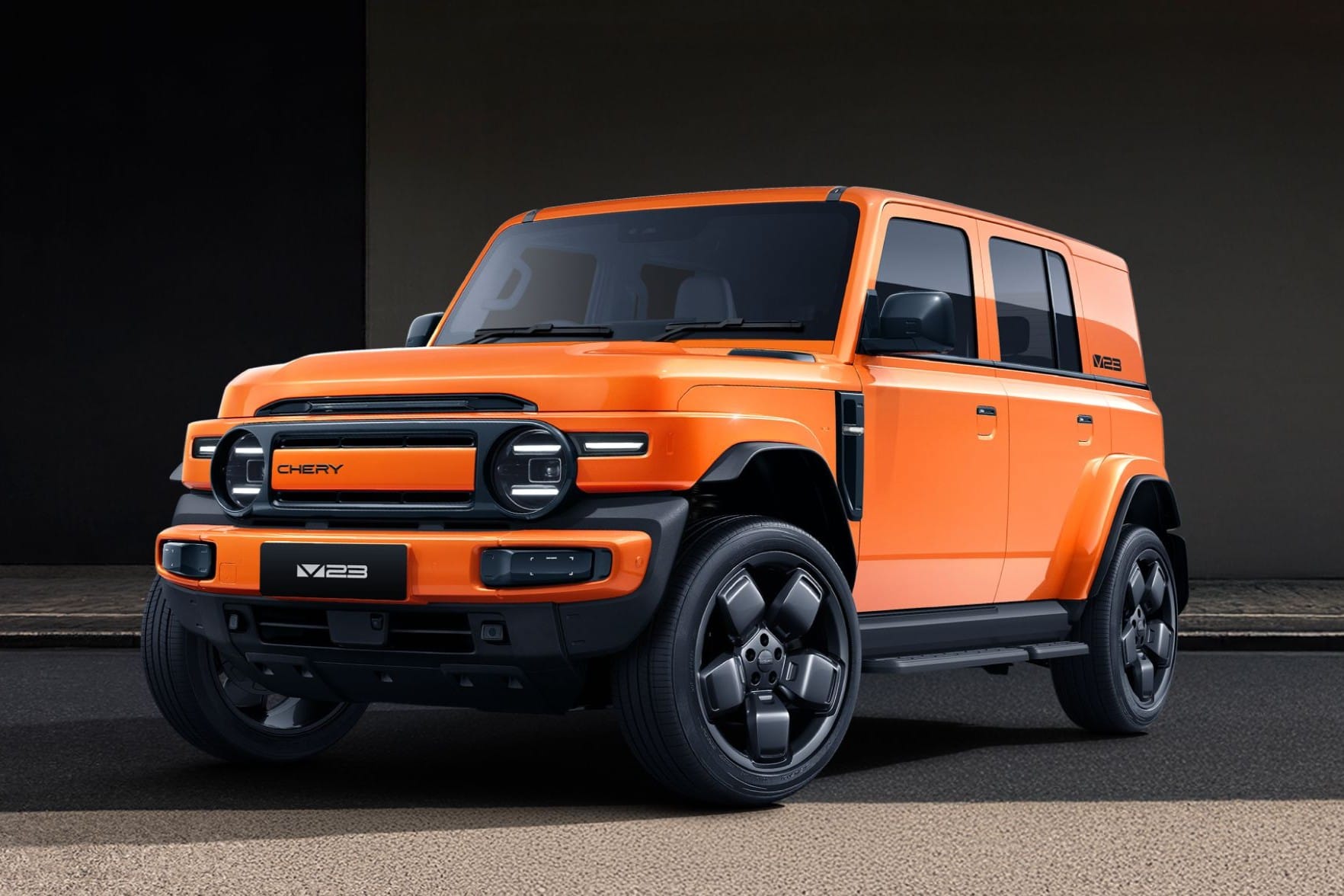
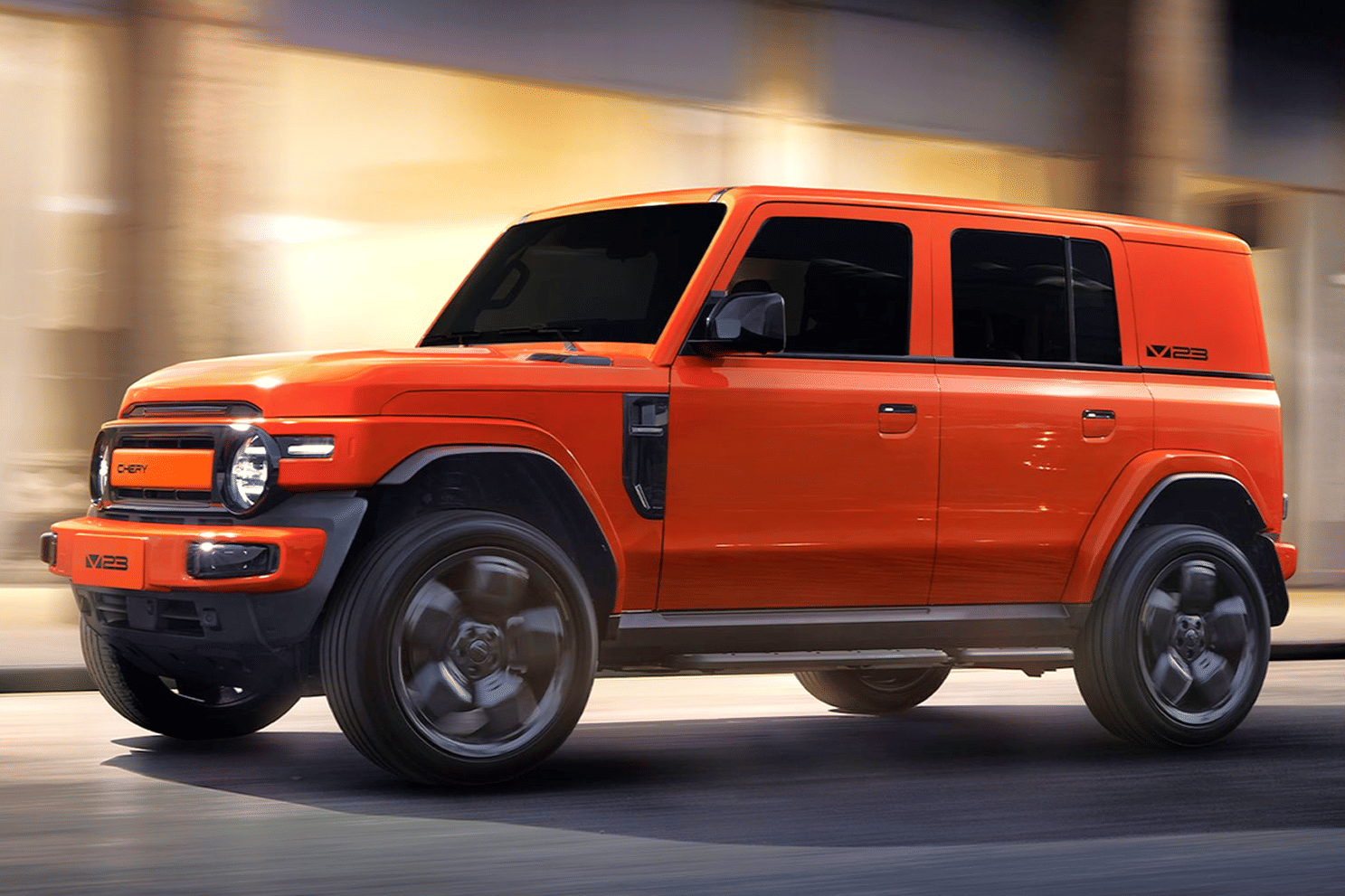
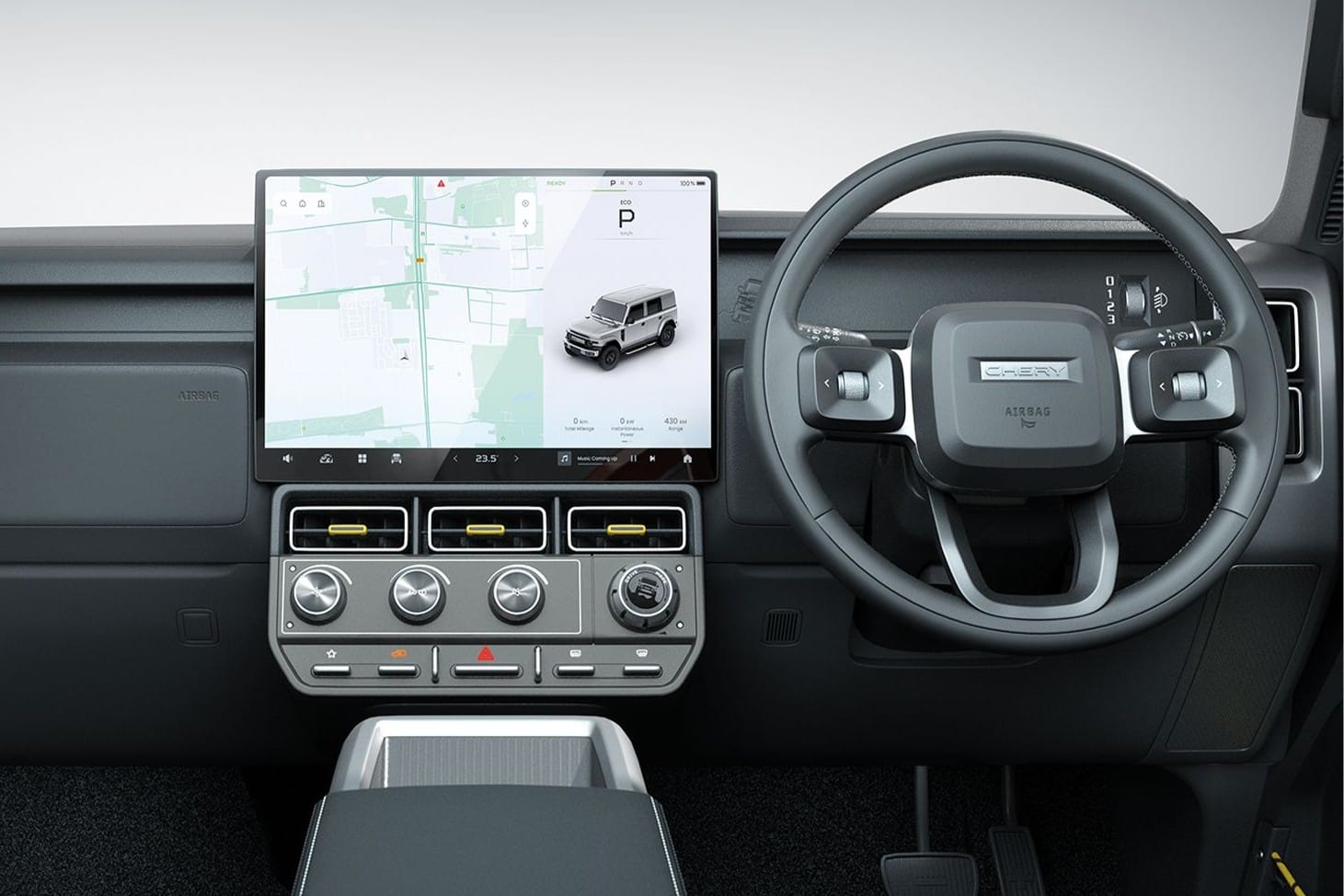
JSW Motors’ Chery iCar V23-based electric SUV to offer AWD

Chery iCar V23

JSW Motors’ third model, an electric SUV based on the Chery iCar V23, is expected to be sold with a dual-motor all-wheel drive powertrain in India, per our sources. This EV will be the first mass-market electric off-roader in India, and its closest rival will be the Mahindra Thar Roxx, which is ICE-powered, but also a 5-door off-road-focused SUV. We even reported previously that JSW’s iCar V23-based EV may be priced under Rs 20 lakh (ex-showroom).

JSW Motors’ iCar V23-based electric SUV: Powertrain

In global markets, the dual-motor AWD version of the iCar V23 packs an 81.76kWh NMC battery pack with an NEDC-certified range of 430km. Combined output is pegged at 211hp and 292Nm, which makes for a rather brisk 0-100kph time of 7.5 seconds (claimed). Top speed is rated at 140kph. The global-spec iCar V23 also supports up to 6.6kW AC and 104kW DC charging speeds.

JSW Motors’ iCar V23-based electric SUV: Exterior and interior

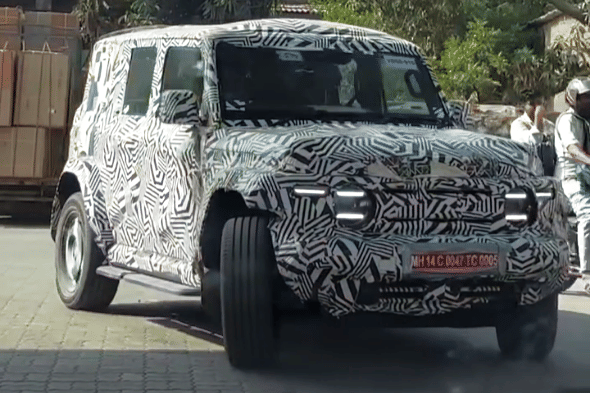
Credit: @torqueculturee via Instagram

Test mules of JSW’s iCar V23-based EV have been spotted on Indian roads on several occasions, hinting at a very similar design to that of the global model. For reference, the global-spec iCar V23 measures 4,220mm in length, 1,915mm in width, and 1,845mm in height, with a wheelbase of 2,735mm. It also has an unladen ground clearance of 210mm.

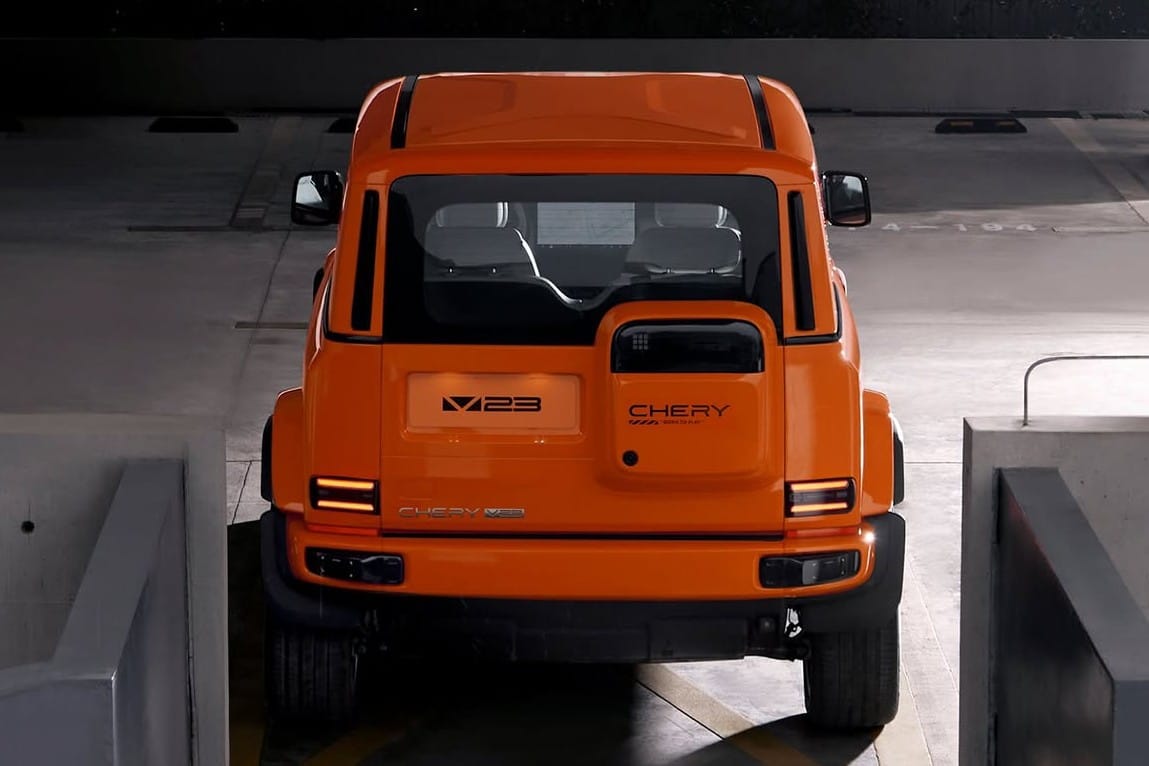
Size-wise, then, the iCar V23 slots between the Maruti Jimny and Thar Roxx. Styling highlights for the iCar V23 include butch and boxy proportions, muscular bumpers, flared and squared-off fenders, 21-inch alloy wheels, circular LED headlamps, low-set rectangular tail-lamps, and a bootlid-mounted spare wheel.

Inside, the iCar V23 sports a minimalist dashboard layout, comprising a massive 15.4-inch infotainment touchscreen, a three-spoke steering wheel, and two rows of physical controls on the centre console. As for features, the global-spec iCar V23 packs wireless Apple CarPlay and Android Auto, a 540-degree camera, six drive modes, ADAS, powered and ventilated front seats, V2L functionality, a digital key, a 7-speaker sound system, and more.

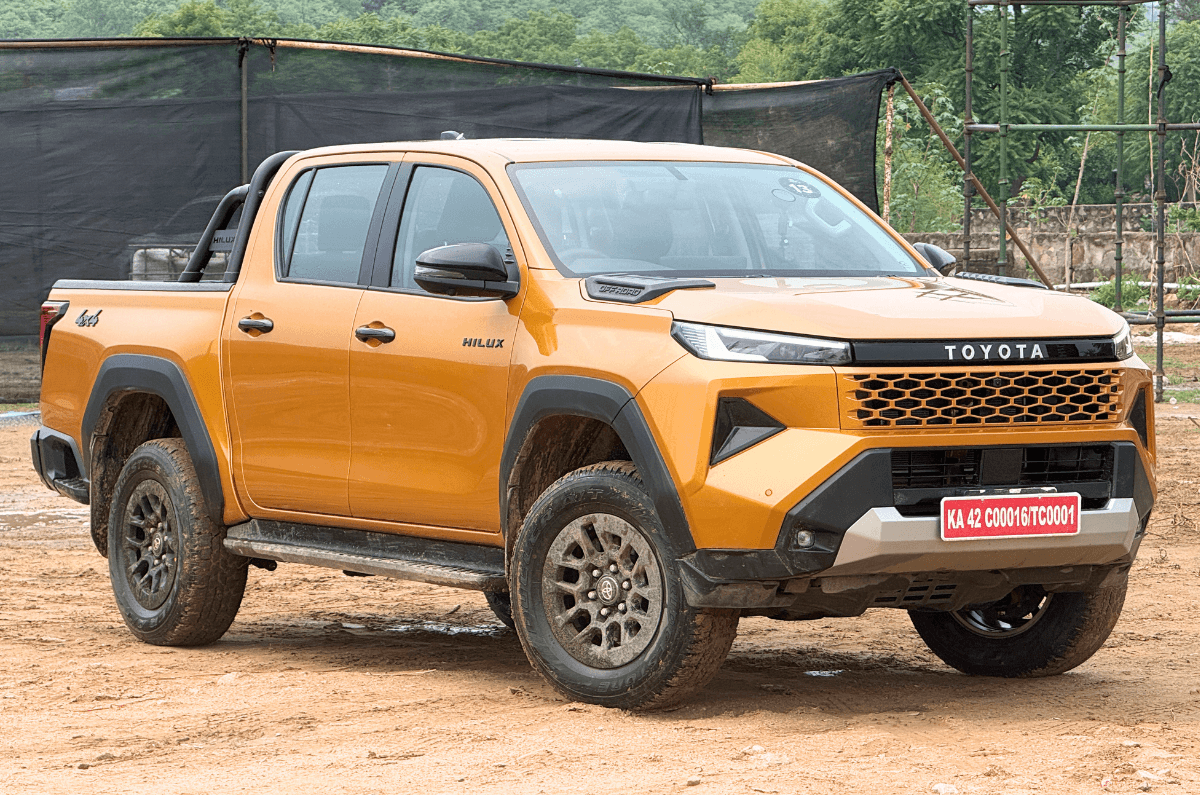
2026 Toyota Hilux exterior image gallery

2026 Toyota Hilux

The ninth-generation Toyota Hilux has been launched in India, priced between Rs 31.99 lakh and 36.69 lakh, ex-showroom. Compared to the outgoing generation of the pickup truck, the new model gets updated front and rear profiles. In fact, it’s design looks inspired of the Toyota’s Tacoma pickup truck sold in international markets.

Under the hood, however, the new Hilux carries over the tried-and-tested 2.8-litre turbo-diesel mill, producing 204hp and 500Nm. Transmission duties are handled by a 6-speed torque-converter automatic unit, which is now standard across the range; a manual gearbox is no longer an option. Also, both two-wheel-drive and four-wheel-drive configurations are on offer. 

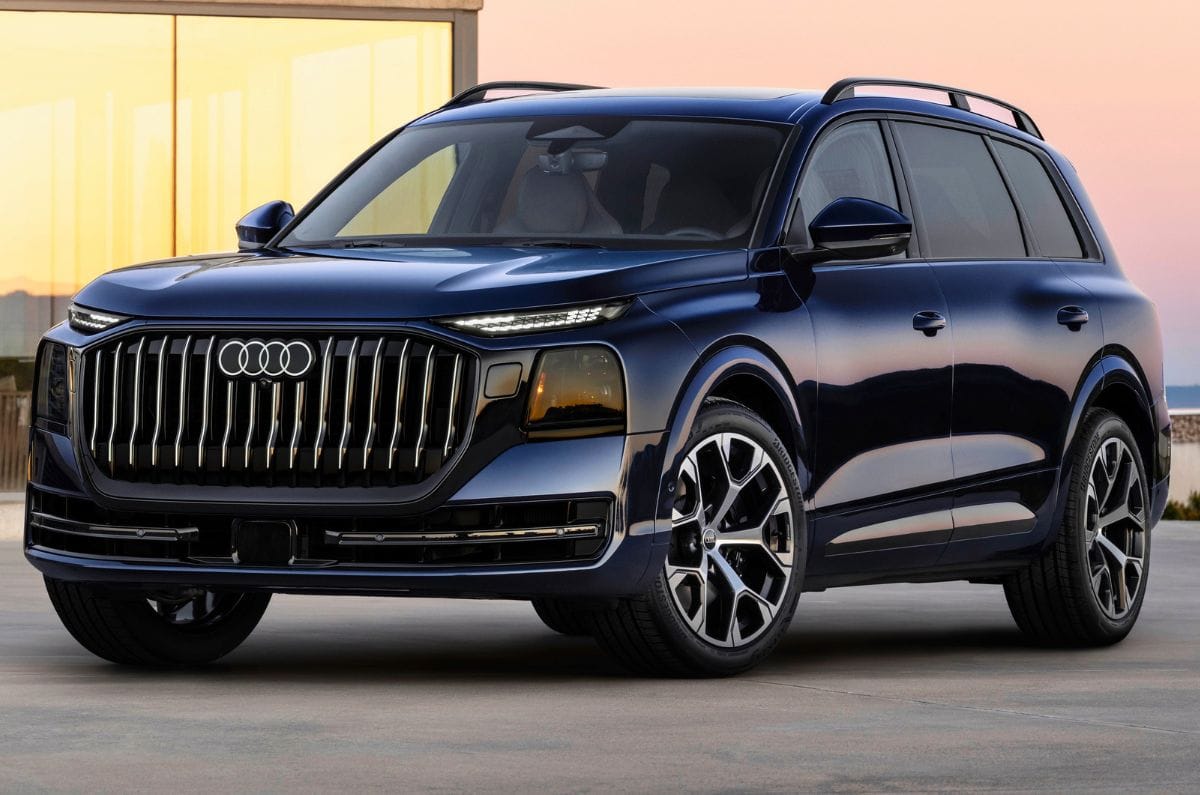
Audi Q9, SQ9 exterior image gallery

Audi Q9 front quarter static image

Audi has revealed its new flagship SUV for international markets – the Q9, which sits above the Q7 and Q8 SUVs. With the Q9, Audi has used the ‘9’ number for the first time. The German manufacturer is offering this full-size SUV as a rival to the Mercedes-Benz GLS and BMW X7. The Audi Q9 looks imposing with a huge grille, numerous vertical illuminated slats and an illuminated logo. It gets Digital Matrix LED headlights and curved digital OLED taillights. It is offered with wheel sizes ranging from 20 to 23 inches. A sportier Q9 is also on offer with a more powerful engine and some design changes that make it look more elegant and Audi-like.

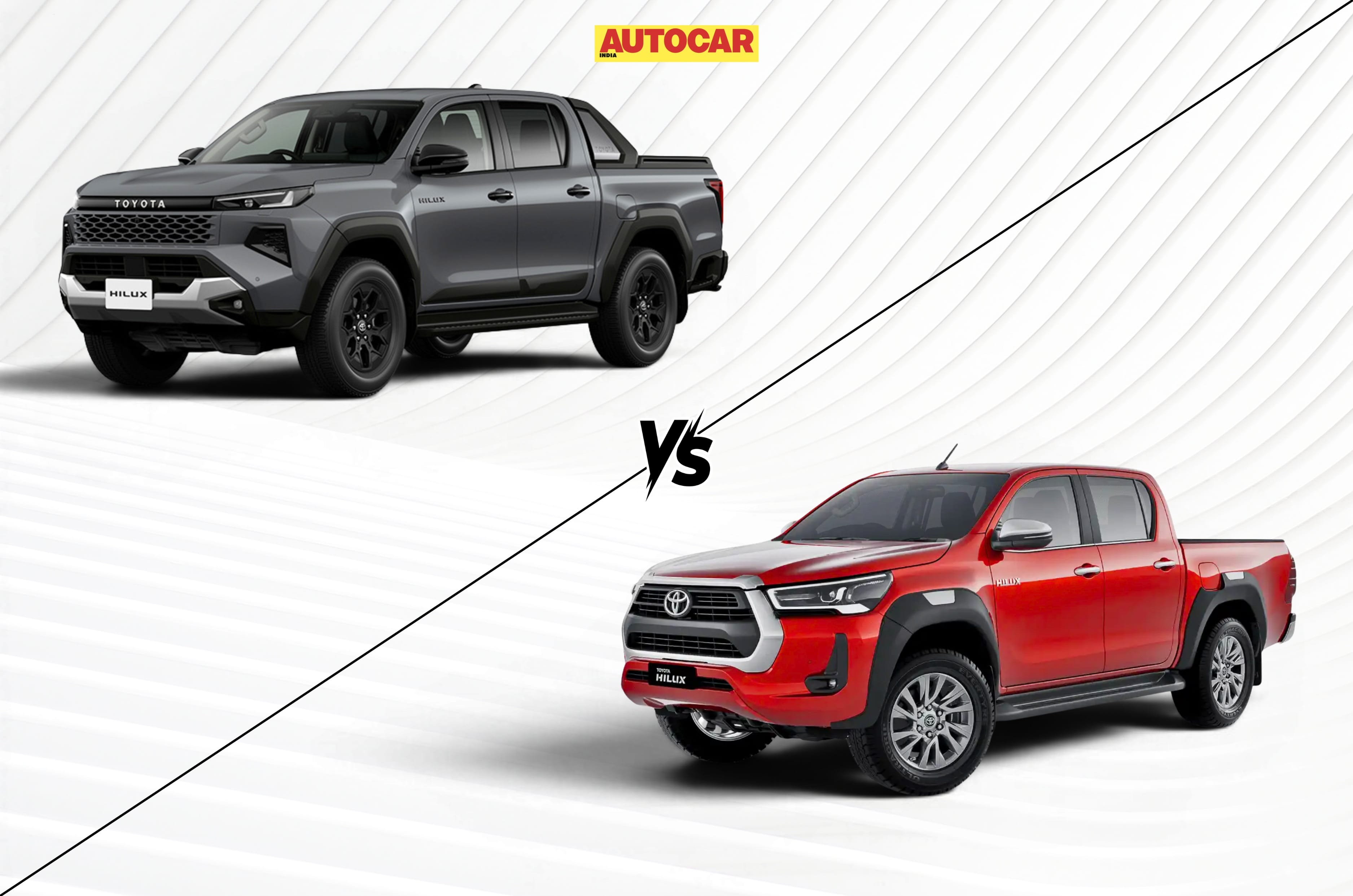
Toyota Hilux new vs old: Differences explained

Toyota Hilux new vs old

After a series of teasers, Toyota has finally launched the ninth-generation Hilux in India. Replacing the eighth-generation pickup truck that was launched in March 2022, the new model gets several design changes and feature upgrades. Here’s a detailed look at how the new Toyota Hilux compares with its predecessor.

Toyota Hilux new vs old: Exterior design

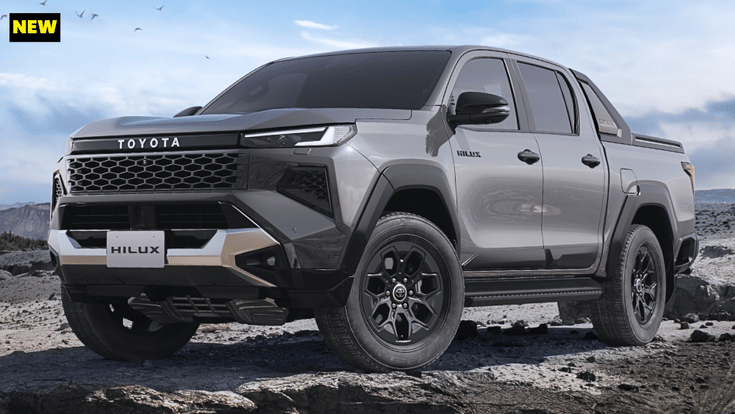
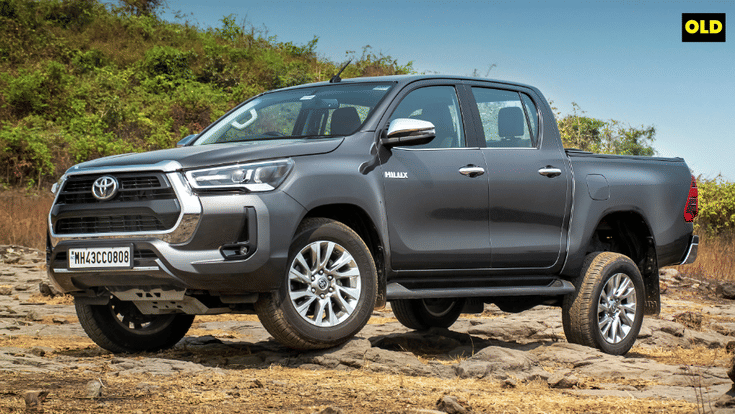
Compared to the outgoing Hilux, the the new model gets a sharper and more rugged design, drawing inspiration from the brand’s Tacoma pickup truck. At the front, it features slimmer LED headlights with integrated daytime running lamps, joined by a gloss-black strip with ‘TOYOTA’ lettering in the centre; the outgoing model opted for the Toyota logo.

Toyota Hilux new
Toyota Hilux old
 

The grille is now squarer and features a more angular honeycomb-mesh pattern. The bumper gets large black inserts on either side, while the lower section has a more aggressive design with pronounced creases, wide air intakes, a silver skid plate and LED fog lamps.

Toyota Hilux new
Toyota Hilux old
 

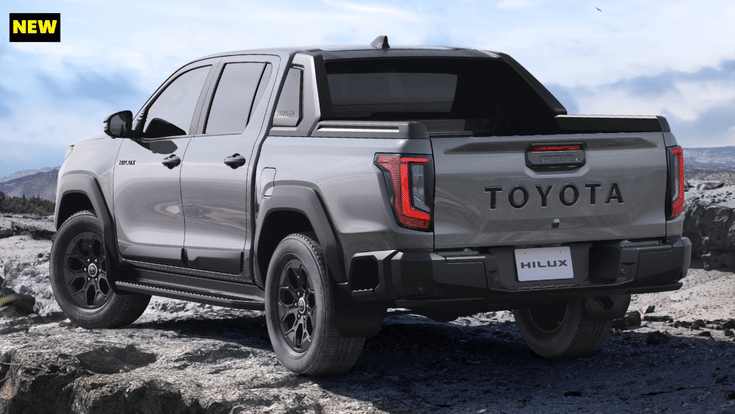
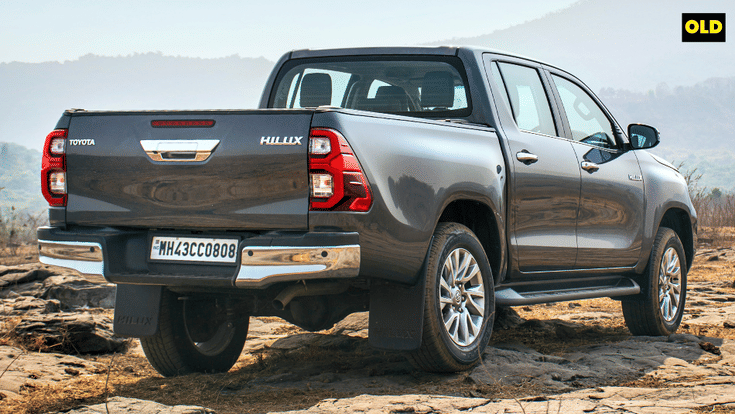
Its side profile is relatively cleaner than the front, and the ‘HILUX’ badges continue to be placed on the front doors. The alloy wheel size has gone down from 18 inches to 17 inches unchanged, and they have a new design and a blacked-out finish, instead of silver. The wheel arch cladding is slightly slimmer, and the outside rear-view mirrors and door handles are finished in black. Notably, there is a new small side step at the rear to get access to the truck bed.

Toyota Hilux new
Toyota Hilux old
 

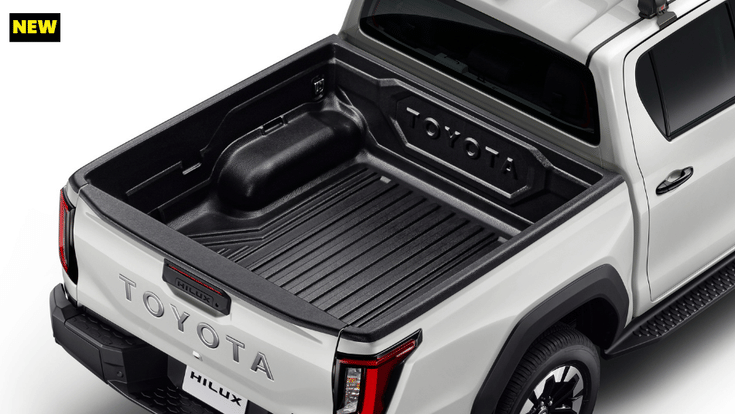
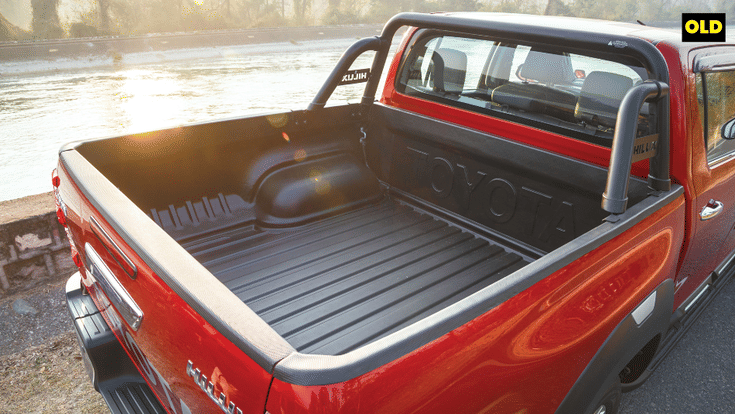
At the rear, the new Hilux opts for C-shaped LED tail-lights instead of the earlier model’s B-shaped units. Like at the front, the tailgate gets large ‘TOYOTA’ lettering. The tailgate handle is also finished in black, while the chunky rear bumper continues to feature an integrated step for easier access to the truck bed.

Toyota Hilux new vs old: Interior features

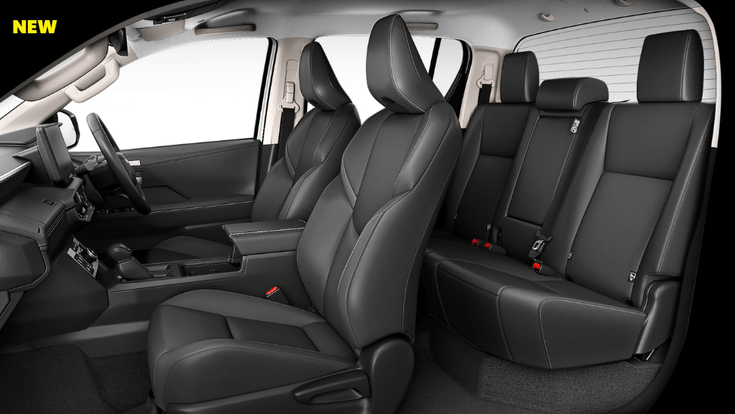
Toyota Hilux new
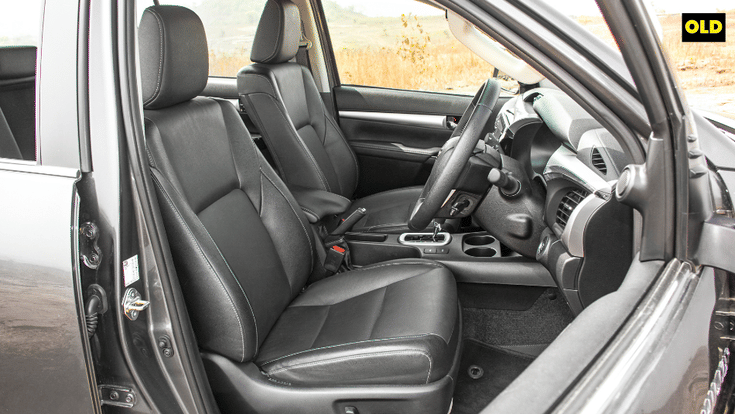
Toyota Hilux old
 

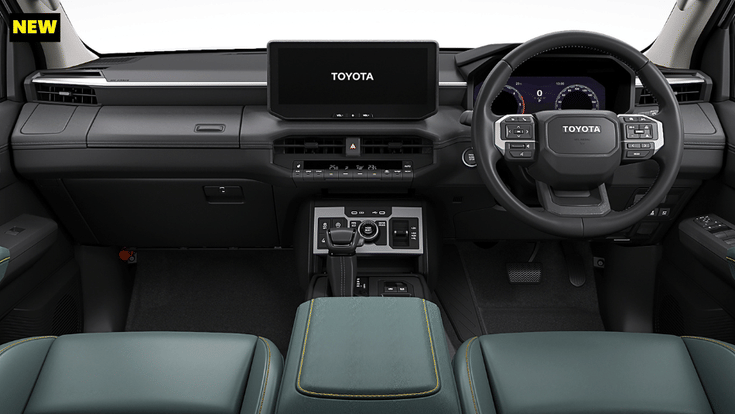
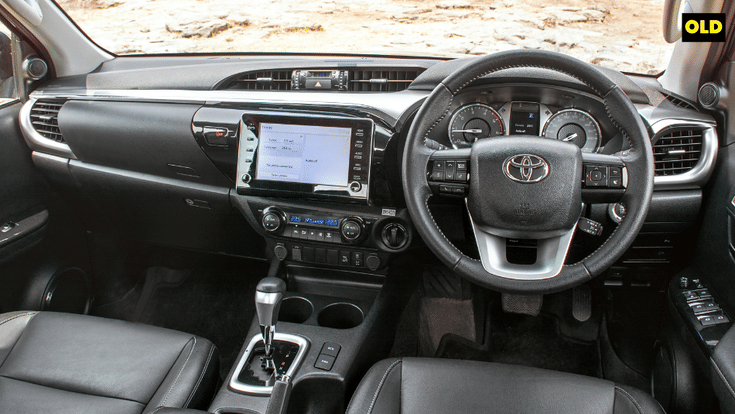
With a chunky 3-spoke steering wheel with physical buttons, a digital driver’s display and a 12.3-inch touchscreen infotainment system, the new Hilux has a more modern cabin than the outgoing model; the previous model had an analogue driver’s display and a smaller, 8-inch touchscreen unit. Thankfully, the new-gen Hilux offers a plethora of physical controls on the centre console. For controlling the climate inside the car, Toyota has used simple rotary dials, unlike the international-spec Hilux, which gets a more premium-looking horizontal row of buttons.

Toyota Hilux new
Toyota Hilux old
 

Some new features on the ninth-generation Toyota Hilux include a standard wireless charger, and wireless Apple CarPlay and Android Auto (on the top-spec trim). As before, safety features like 7 airbags, ABS and ISOFIX child seat mounts are on offer. An ADAS suite is still missing though.

Toyota Hilux new vs old: Powertrain

The new-gen model is based on the same IMV platform as the outgoing Hilux, and retains the 2.8-litre diesel engine that produces 204hp, 500Nm. Transmission duties are handled by a 6-speed torque-converter automatic, which is not standard across the range; a manual gearbox choice is no longer on offer. Also, both two-wheel drive and four-wheel drive options are on offer. However, the 48V mild hybrid system offered with the Hilux in some markets is not offered in India.

Toyota Hilux new vs old: Price

The outgoing Toyota Hilux was offered only with four-wheel drive, in manual and automatic forms, and was priced between Rs 35.3 lakh and Rs 36 lakh, ex-showroom. The new Hilux, however, is now available with both two-wheel drive and four-wheel drive options, widening its appeal. Prices range from Rs 31.99 lakh to Rs 36.69 lakh. Despite the updates the new Hilux brings along, Toyota has priced the new Hilux rather attractively.

Maruti sees CNG moving beyond value buyers as demand spreads across segments

Maruti CNG sales

Maruti Suzuki believes factory-fitted CNG vehicles have entered a new phase of growth, with demand expanding well beyond traditional value-conscious buyers to include customers in higher-priced segments.

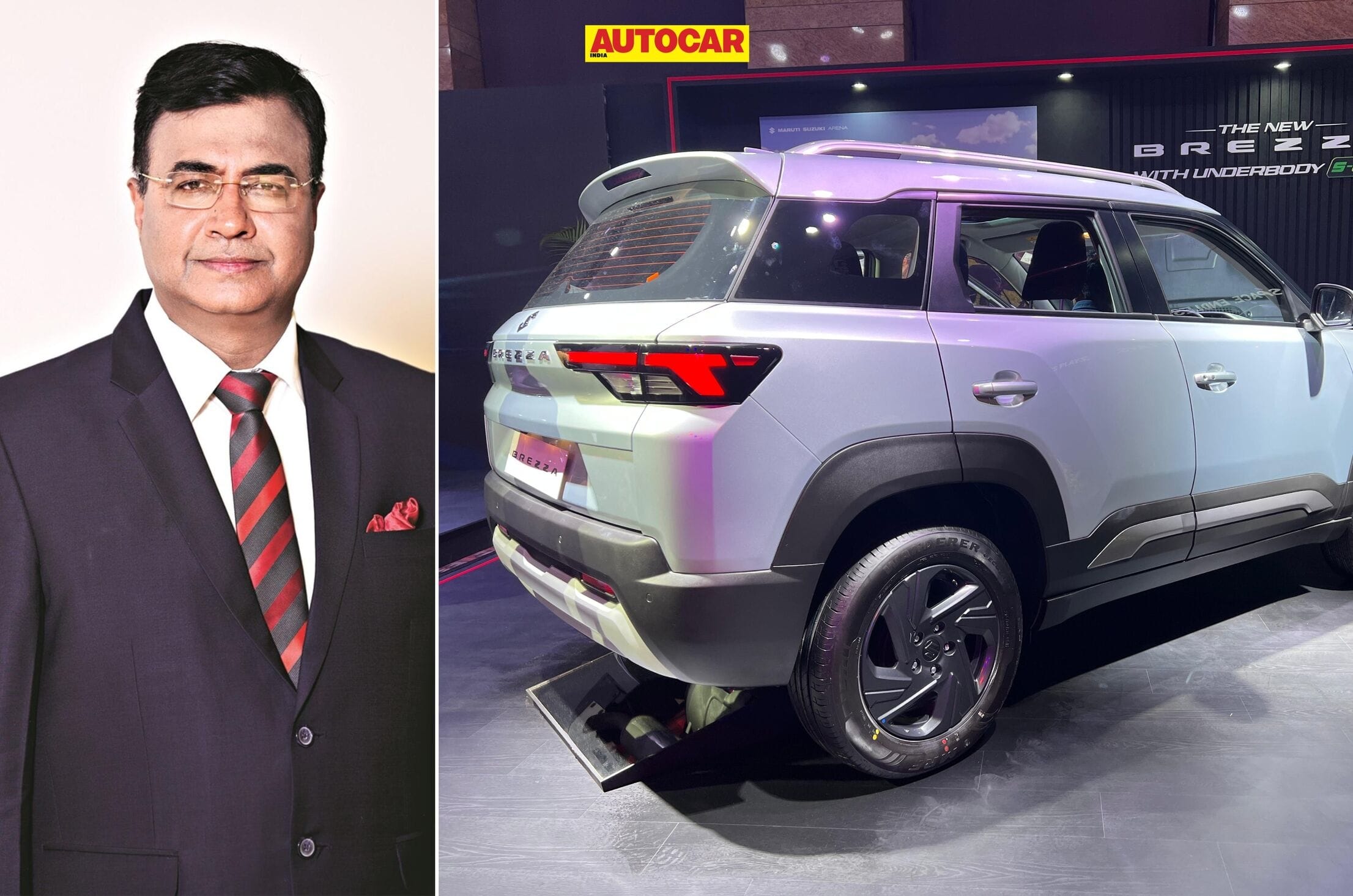
Speaking to Autocar India, Partho Banerjee, Senior Executive Officer, Sales & Marketing, Maruti Suzuki India, said CNG is no longer being chosen only for lower running costs. Improvements in vehicle packaging, performance, and overall convenience have made it a mainstream choice across a wider demographic.

CNG not seen as a compromise anymore, says Banejee

“Earlier, if a customer was opting for CNG, the perception was that he was trying to reduce the running cost. Now, with the underbody CNG, the profile of customers is changing. It has become an aspirational product,” Banerjee said.

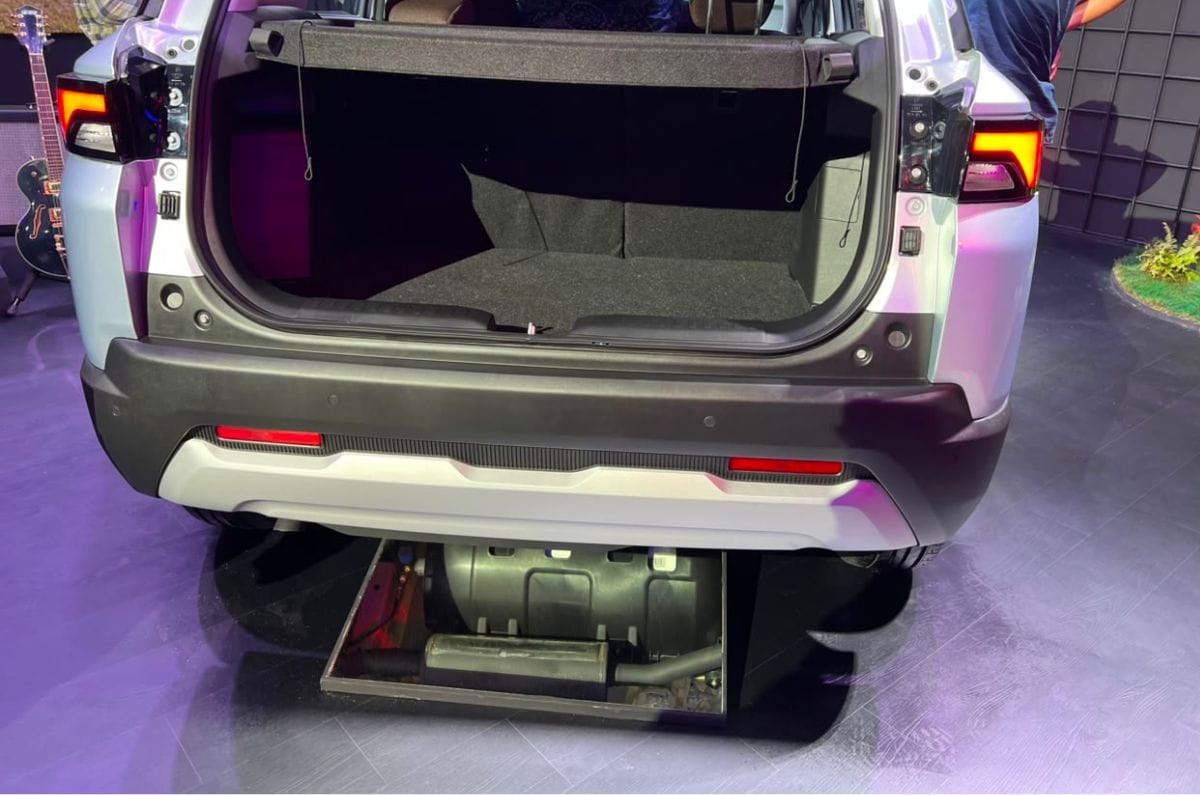
A key driver has been the introduction of the underbody CNG tank, which frees up boot space while maintaining the driving experience. According to Banerjee, customers no longer feel they are making a compromise by choosing CNG over conventional fuels.

Maruti’s underbody CNG kit have helped improve practicality of its CNG vehicles. 

“You do not feel a difference when you drive it. You are not losing boot space and at the same time you are reducing your total cost of ownership,” he said.

Nearly 50 percent of overall Victoris demand is for CNG

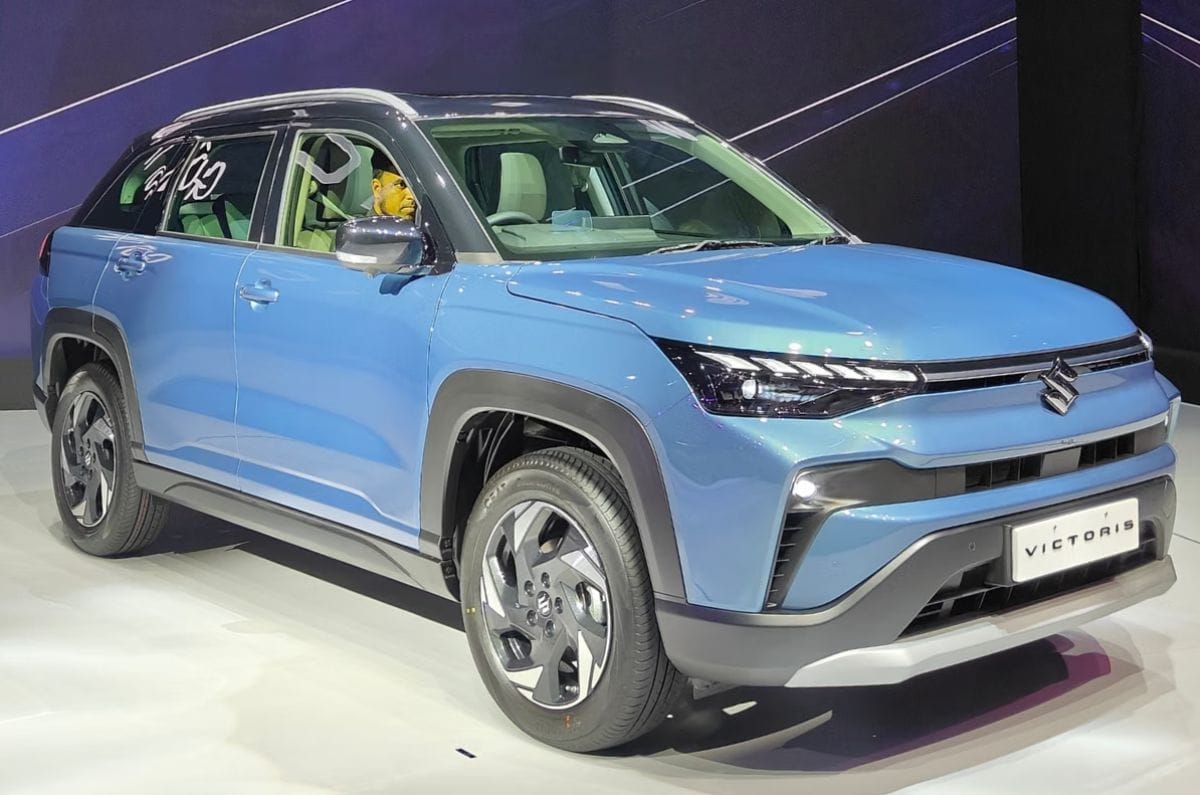
Maruti says the response has been particularly strong for the Victoris midsize SUV, where nearly 50 percent of overall demand is now driven by the CNG variant.

“The acceptance of underbody CNG in Victoris has been phenomenal. We are not able to meet the demand. Almost 50 percent of the vehicles now are having underbody CNG,” Banerjee said.

The Victoris currently outsells its Nexa sibling, the Grand Vitara. 

The surge in interest comes as India’s overall passenger vehicle market sees rapid adoption of alternate fuels. CNG-powered passenger vehicles crossed the 10-lakh annual sales milestone, accounting for nearly 22 percent of total domestic PV sales and cementing CNG as the country’s second-largest fuel choice.

Maruti targets 9 lakh CNG vehicle sales in current fiscal

To capitalize on this momentum, Maruti Suzuki – which currently holds a portfolio of 15 factory-fitted CNG models – is targeting 9 lakh CNG vehicle sales in the current fiscal, representing a 30 percent growth year-on-year. This follows a strong first-quarter performance where CNG dispatches surged 58 percent to reach 2.2 lakh units.

The company is also seeing demand emerge in non-traditional pockets where CNG refuelling infrastructure is still developing. Banerjee cited dealer feedback suggesting that buyers in expanding markets are securing CNG models ahead of local station rollouts, opting to run on petrol in the interim.

He added that greater awareness around fuel price volatility and expanding CNG infrastructure are supporting the shift. “If the product meets customer expectations, offers good drivability, lower running costs and the infrastructure is improving, there is no harm in switching from petrol to CNG,” Banerjee said.

Land Rover Discovery Sport production to end in 2026

Land Rover Discovery Sport

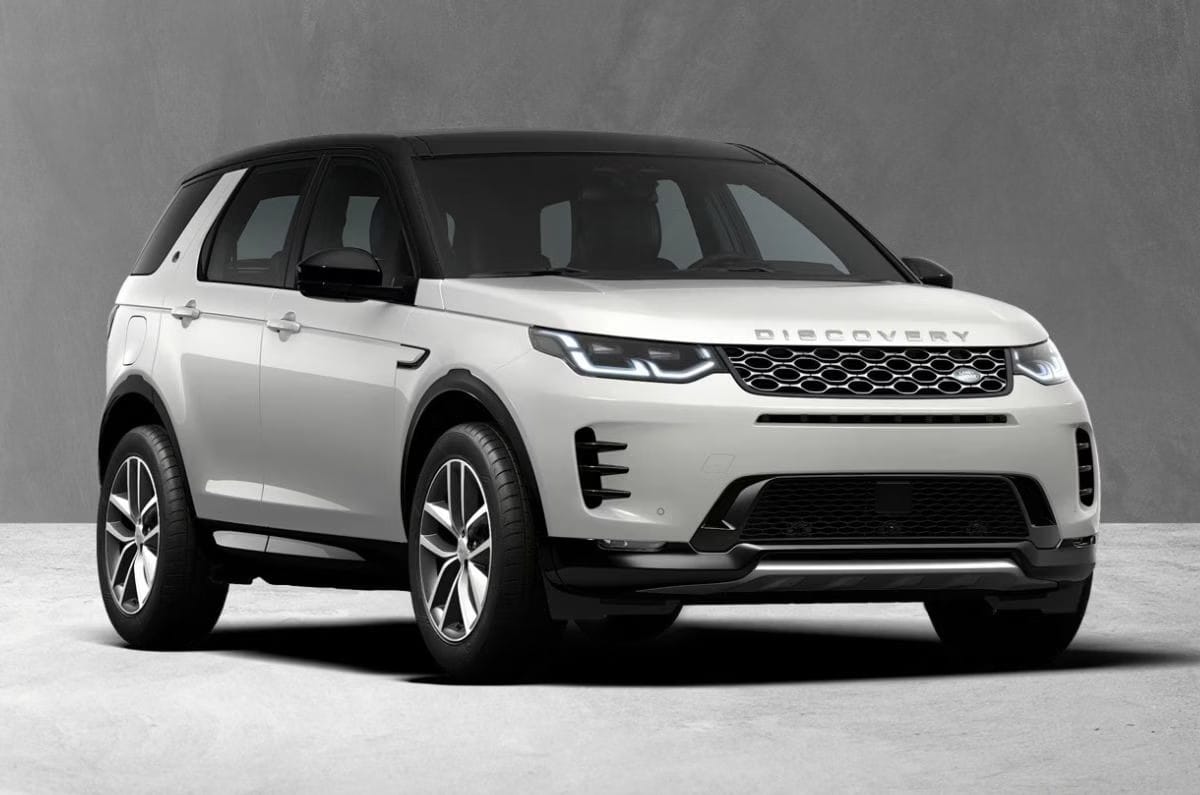
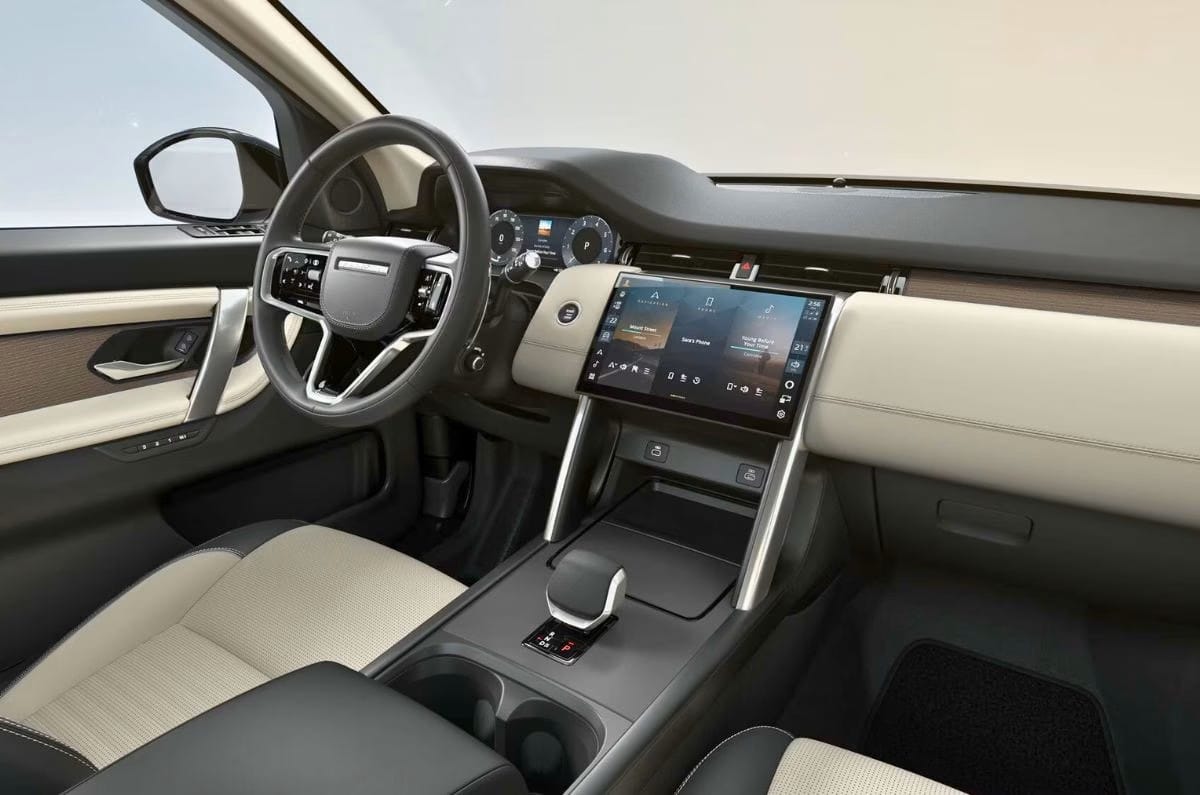
Land Rover will end production of the Discovery Sport in December 2026, bringing the entry-level SUV’s 11-year production run to a close. The model remains configurable as of now, but factory orders have already ceased in several European markets, including France, Germany and Spain.

Speaking to Autocar UK, a JLR spokesperson confirmed the timeline, saying production will end in December 2026 as part of the model’s normal lifecycle, with manufacturing already being phased out in selected markets.

  1. Discovery Sport was JLR’s best-selling model in 2016
  2. EU GSR2 safety rules contributed to the SUV’s retirement
  3. Range Rover GT expected to replace it on the Halewood plant production line

Discovery Sport sales declined sharply in recent years

The Discovery Sport was launched in 2015 as a replacement for the Freelander, and became JLR’s best-selling model in its first full year on sale, with more than 122,000 units sold globally in 2016. It received a facelift in 2020, introducing a revised platform and interior, but demand has fallen significantly since then. 

In 2025, JLR sold less than a tenth of the Discovery Sport’s 2016 volume, making it the company’s lowest-selling model. It was followed by the full-size Land Rover Discovery, which is also expected to be phased out as it approaches 10 years since its debut.

GSR2 rules contribute to Discovery Sport’s exit

The Discovery Sport’s withdrawal from several European markets coincides with the introduction of the European Union’s updated General Safety Regulation 2 (GSR2) requirements, which mandate additional safety systems not fitted to the SUV.

While JLR updated its newer models to comply with the regulations, the report states that upgrading the ageing Discovery Sport was likely not commercially viable given its stage in the product lifecycle. Porsche recently took a similar approach by ending production of the ICE Macan rather than updating it to meet the new rules.

Range Rover Evoque and Velar to remain on sale

The Discovery Sport’s retirement raised questions about the future of the closely related Range Rover Evoque, which is built alongside it at JLR’s Halewood plant in the UK. However, Range Rover Managing Director Martin Limpert told Autocar UK that the company has no immediate plans to discontinue the Evoque.

Limpert said JLR’s current focus is on launching the electric Range Rover and Range Rover Sport, while continuing to support the Evoque and Velar with updates and special editions. He added that the brand has a loyal customer base for both models and cannot renew every product simultaneously.

Range Rover GT

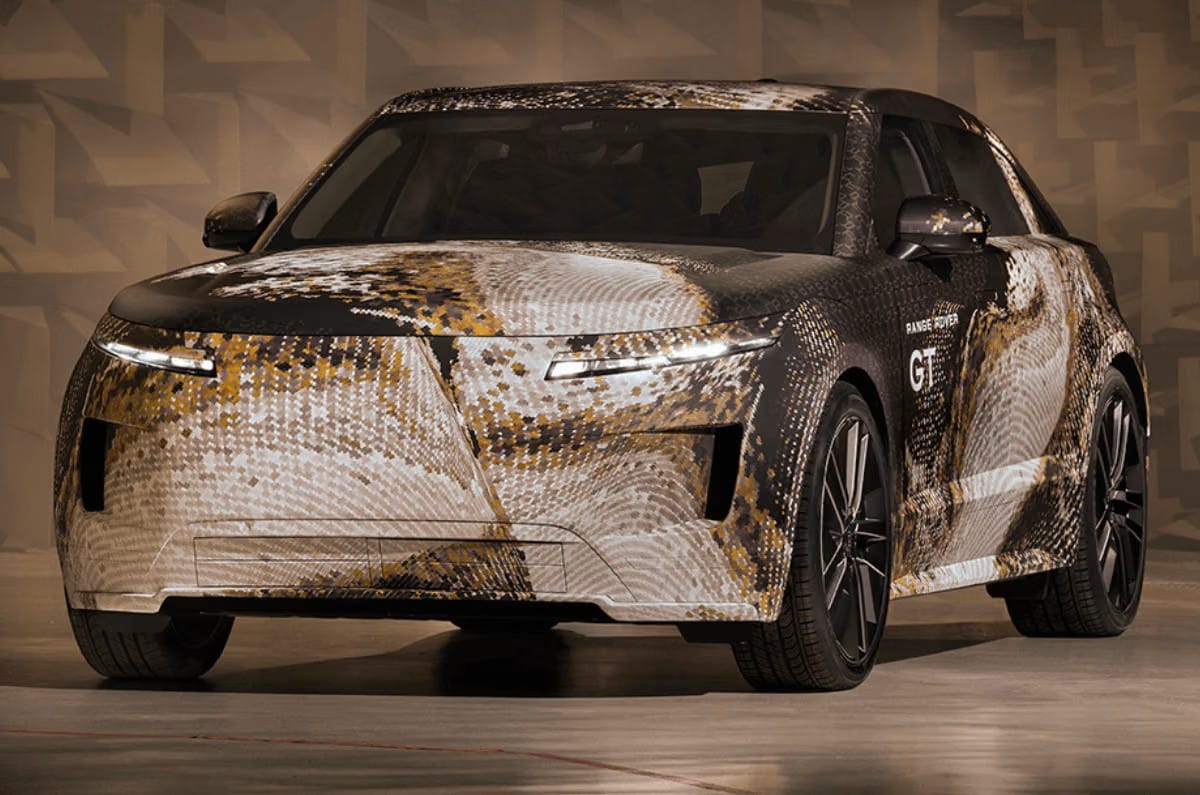
According to the report, the Discovery Sport’s retirement is expected to free up production capacity for the upcoming Range Rover GT, an all-electric grand tourer based on JLR’s new EMA architecture. The Evoque could remain in production until the Land Rover Defender Sport arrives next year, although JLR has not confirmed a replacement for the Discovery Sport.

All we know about the Honda XR300L and XR300 Rally

All we know about the Honda XR300L and XR300 Rally

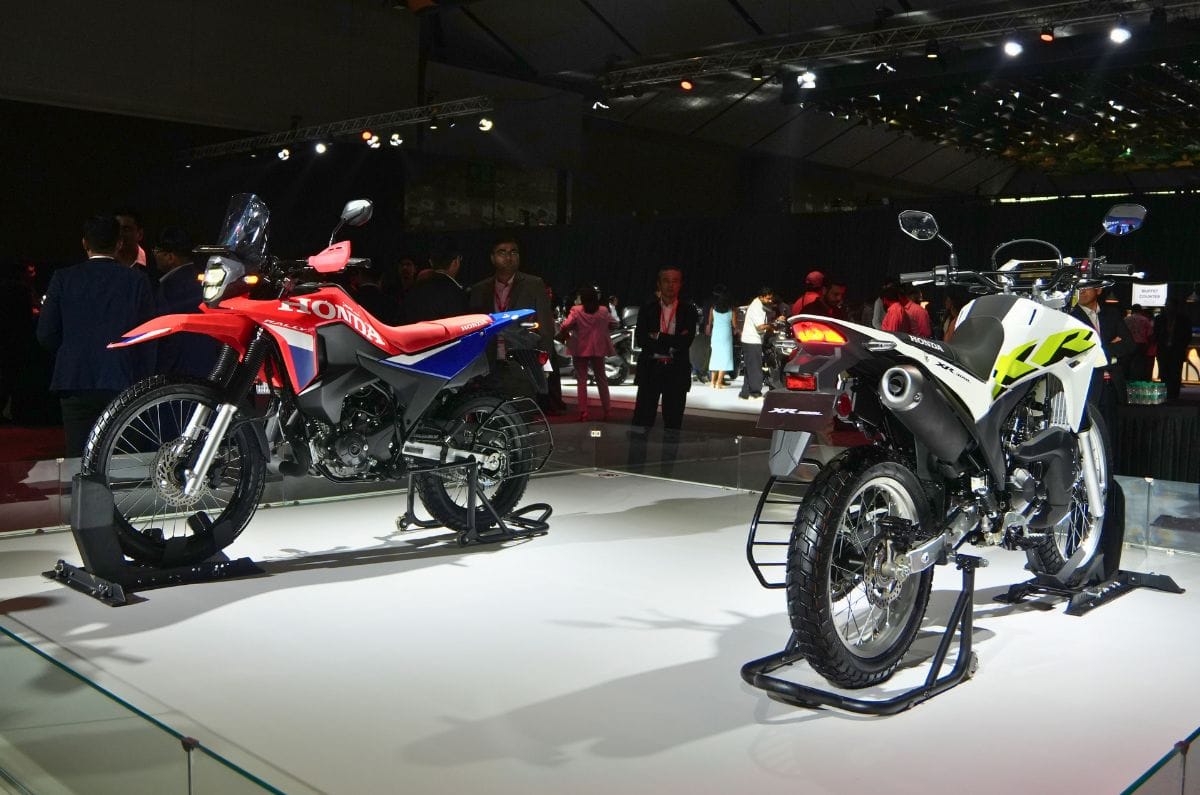
The small-capacity adventure motorcycle segment in India has never been more competitive, and understandably so, given how well these bikes suit our riding conditions. While Honda has long had capable dual-sport motorcycles in its global portfolio, it never offered one in our market. That has now changed with the announcement of the XR300L and XR300 Rally. The brand is yet to reveal full specifications, but a combination of what is visible on the bikes and Honda’s existing global lineup gives us a good idea of what to expect. Here’s everything we know so far.

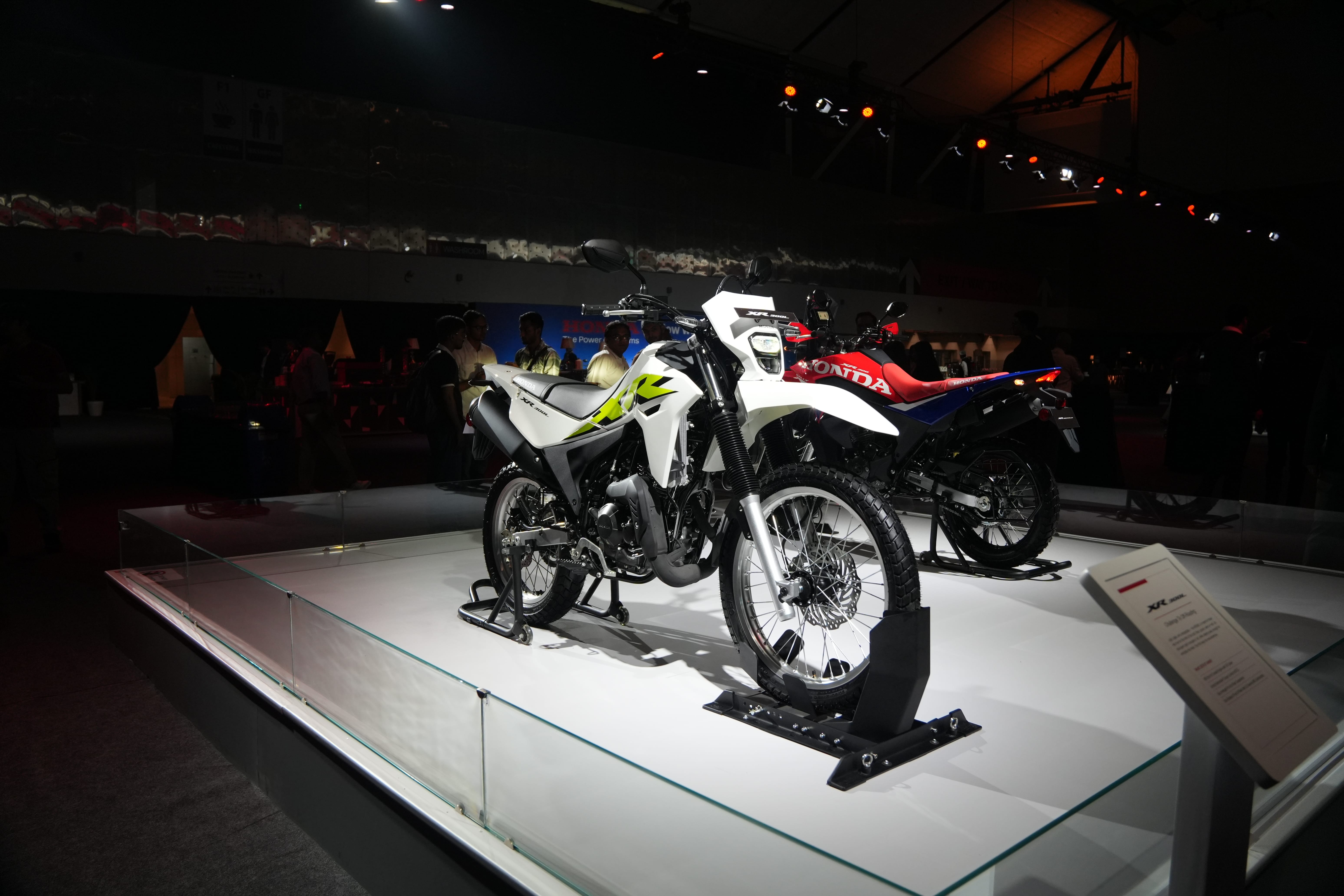
Honda XR300L

Engine is likely related to the CB300F, and Honda already sells an XR300L in South America

Visually, the engine on the India-spec XR300L appears closely related to the 293cc unit found in the CB300F. Additionally, Honda already sells an XR300L in South American markets such as Brazil and Colombia, and that motorcycle also uses a 293cc engine. If the India-spec bike uses the same motor, it is likely to produce around 24.3hp at 7,500rpm and 26.5Nm at 5,750rpm.

Interestingly, the Brazilian-spec XR300L is Flex Fuel-compatible, allowing it to run on either petrol or ethanol. While Honda has not confirmed whether the India-spec motorcycle will feature the same capability, it would make sense given the increasing focus on ethanol-blended fuels in India.

The South American XR300L is certified only to Euro 3 emissions standards, which could explain why the India-spec bike features noticeably different exhaust routing. The stricter emissions regulations here are likely to require revised exhaust architecture and engine tuning, even if the underlying engine remains the same. The bodywork also differs slightly from the South American model.

The bike sold in Brazil and Colombia uses a telescopic fork with 221mm of wheel travel and a rear monoshock with 227mm of travel. While Honda has not confirmed the India-spec motorcycle’s suspension figures, we could expect to see similarly impressive figures. The bike also rides on a 21-inch front and 18-inch rear wheel combo – a setup also seen on the India-spec bike.

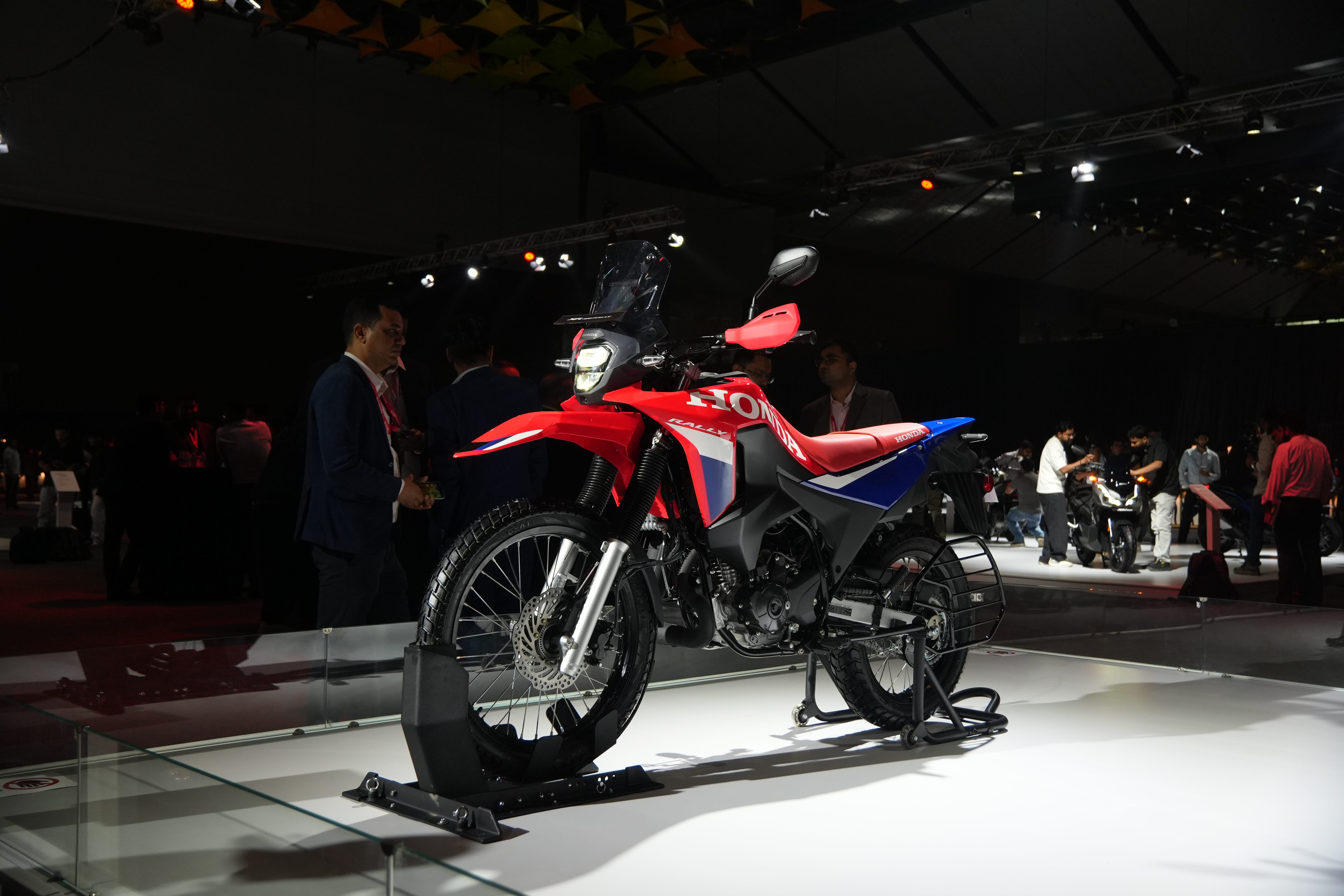
Honda XR300 Rally

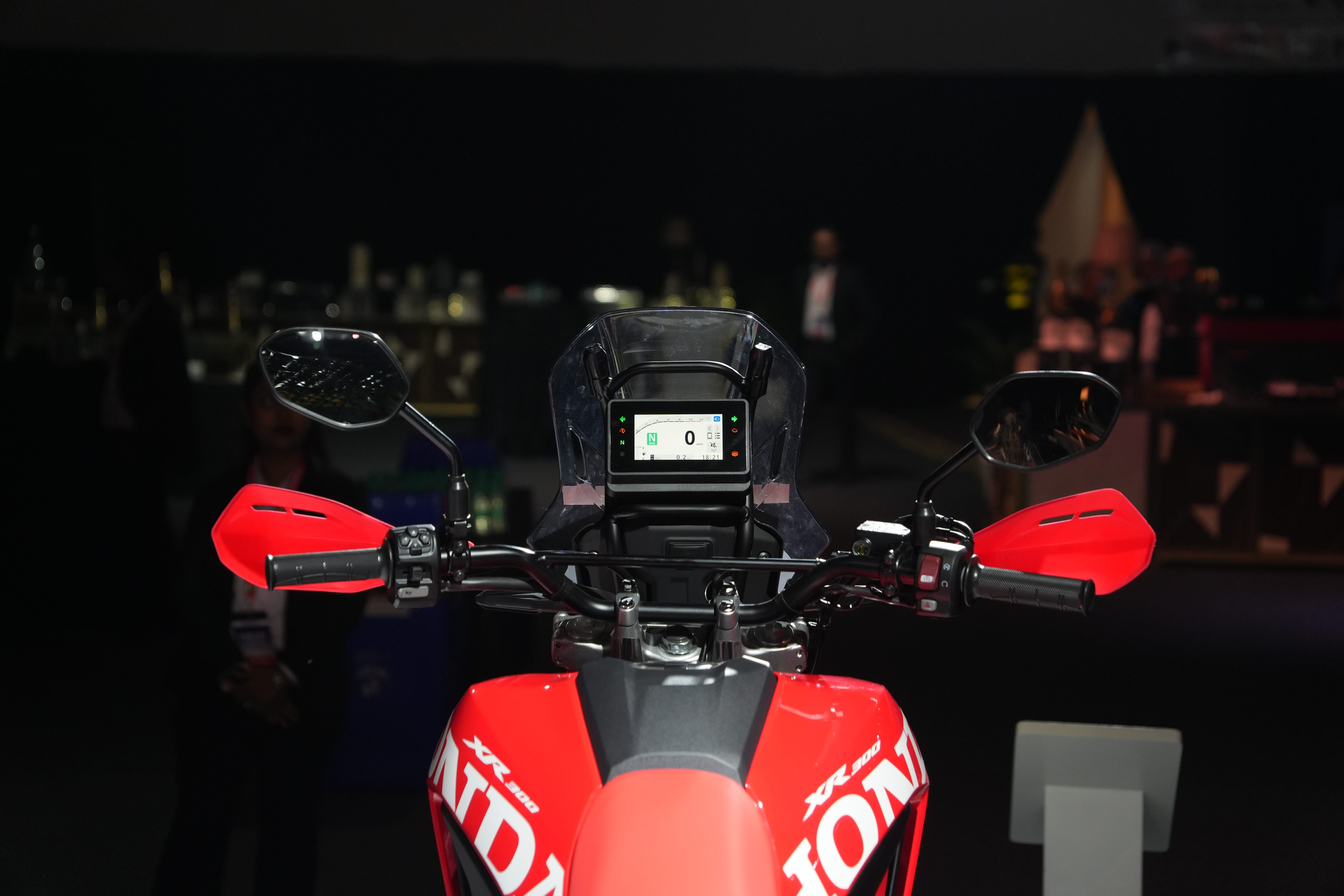
Gets a larger fuel tank, taller windscreen and TFT display over the XR300L

The XR300 Rally is expected to share its engine and core mechanical package with the XR300L, while adding equipment better suited to long-distance touring. Confirmed additions include a larger fuel tank (capacity yet to be revealed), a 5-inch TFT display that we’ve already seen on several Honda motorcycles in India, and more comprehensive switchgear to access its additional functions. A taller windscreen, knuckle guards and unique bodywork are also part of the package. The Rally also appears to use a different tyre tread pattern, although wheel and tyre sizes are expected to remain unchanged.

If the relationship between the global CRF300L and CRF300 Rally is anything to go by, the XR300 Rally is also likely to feature a slightly taller seat height, a marginal reduction in ground clearance and a small increase in kerb weight owing to its larger fuel tank.

For now, that’s all we know. Honda is yet to announce pricing or full specifications for either motorcycle, but with both bikes now officially unveiled, a launch over the coming months is imminent. Local manufacturing should also allow Honda to price them competitively. For reference, the arch rivals to these bikes, the Kawasaki KLX230 and Hero Xpulse 210 cost Rs 2.19 lakh and Rs 1.67-1.76 lakh, respectively.

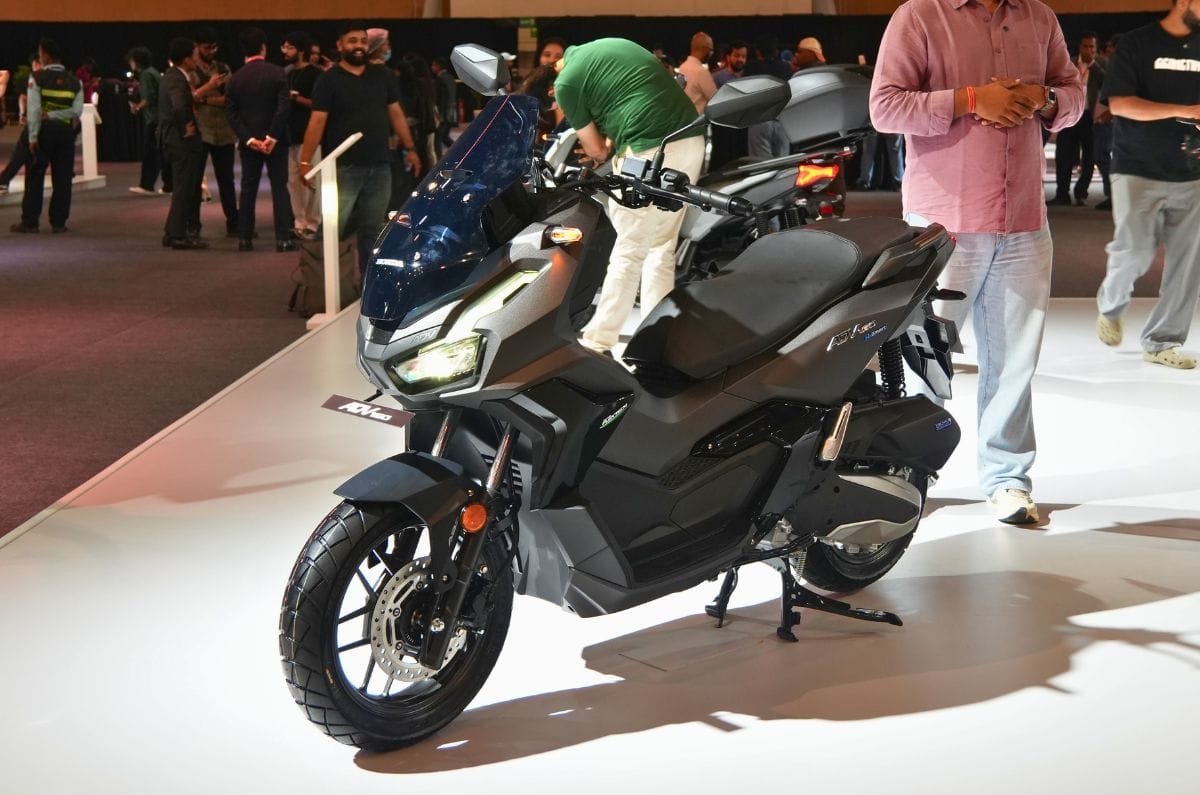
Honda ADV160 maxi-scooter image gallery

Honda ADV160 front three quarter

Honda has unveiled the ADV160 for the Indian market, signalling its intent to compete in the growing premium maxi-scooter segment. It features sharp, angular bodywork, a tall adjustable windscreen, a stepped seat, generous body cladding and dual-purpose styling cues that set it apart from conventional maxi-scooters. Powering the adventure styled maxi-scooter is a 157cc, liquid-cooled, single-cylinder engine producing 16.3hp and 14.9Nm, paired with a CVT transmission. Interestingly, these output figures are marginally higher than those of the ADV160 sold in several overseas markets. The India-bound model also surprised with an E85-compatible flex-fuel engine, making it the first flex-fuel scooter to be showcased in India. Other highlights include a 5-inch TFT display, traction control, keyless ignition, an adjustable windscreen, USB Type-C charging and 27 litres of underseat storage. Honda is yet to announce the ADV160’s launch timeline and pricing.