Suzuki confirms updated SV650 for 2027

Suzuki confirms updated SV650 for 2027
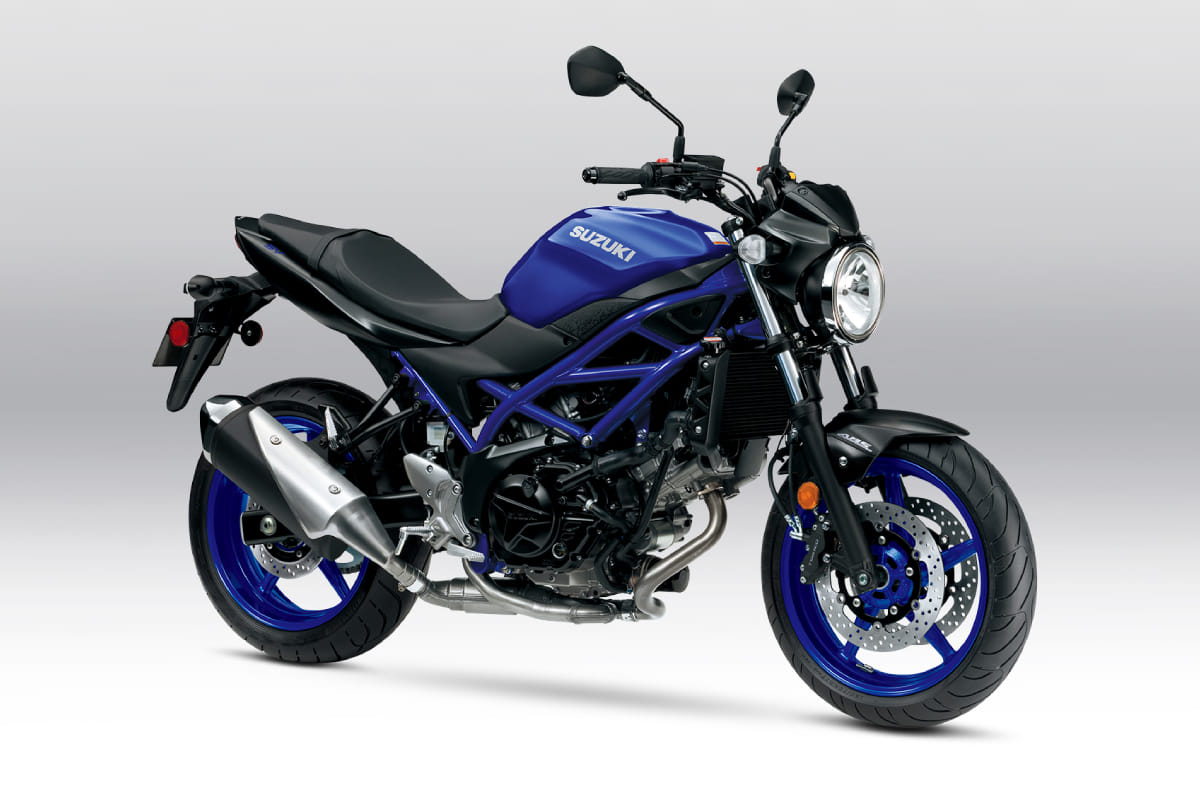
2026 Suzuki SV650 shown for representation purposes.

The Suzuki SV650 is set for a significant update for 2027, confirmed via a California Air Resources Board (CARB) certification. The update brings with it a new version of the 645cc V-twin engine that debuted on the SV-7GX earlier this year, while also signalling the SV650’s return to European markets, where the current model had been discontinued due to Euro5+ regulations.

  1. 2027 Suzuki SV650 confirmed via CARB certification
  2. Will share the updated 645cc V-twin engine with the SV-7GX
  3. Expected to return to European markets; EICMA reveal anticipated in November

2027 Suzuki SV650: What the certification reveals

Ride-by-wire, traction control and a quickshifter expected alongside the new engine

Reports note that the CARB filing identifies the new model with the code SV650RQM7, where the M7 is understood to indicate a 2027 model year, while the RQ designation has been used for Suzuki street bikes. Since the SV650 is being added to the SV-7GX’s existing certification, it will share the same engine and emissions control hardware, which should also allow Suzuki to reintroduce the model to European markets. For reference, on the SV-7GX, the 645cc V-twin makes peak output figures of 73.4hp and 64Nm.

We could also see some of the other features from the SV-7GX make their way onto the updated SV650. These include a ride-by-wire throttle, riding modes, traction control, a bidirectional quickshifter and a 4.2-inch TFT display. Whether the chassis, suspension or styling will also see any changes remains unclear.

The SV650 is a fairly popular model overseas, but it was never officially sold in our market. However, we did get access to the same powerplant in the now-discontinued V-Strom 650. Whether the updated SV650 could change that remains to be seen.

For the global market, the filing for the 2027 model year in the US suggests that we could see a global unveiling later this year, perhaps at EICMA, where Suzuki unveiled the SV-7GX for the first time at last year’s edition.

Source: Motorcycle.com
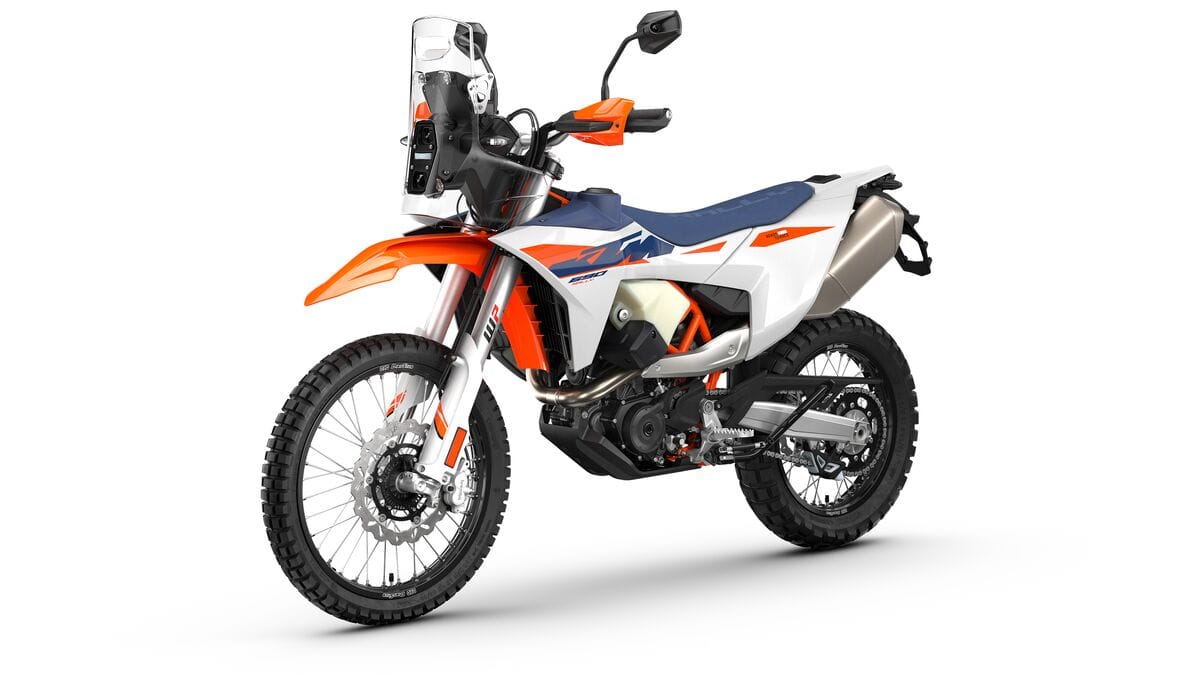
2027 KTM 690 Rally Image Gallery

2027 KTM 690 Rally Image Gallery
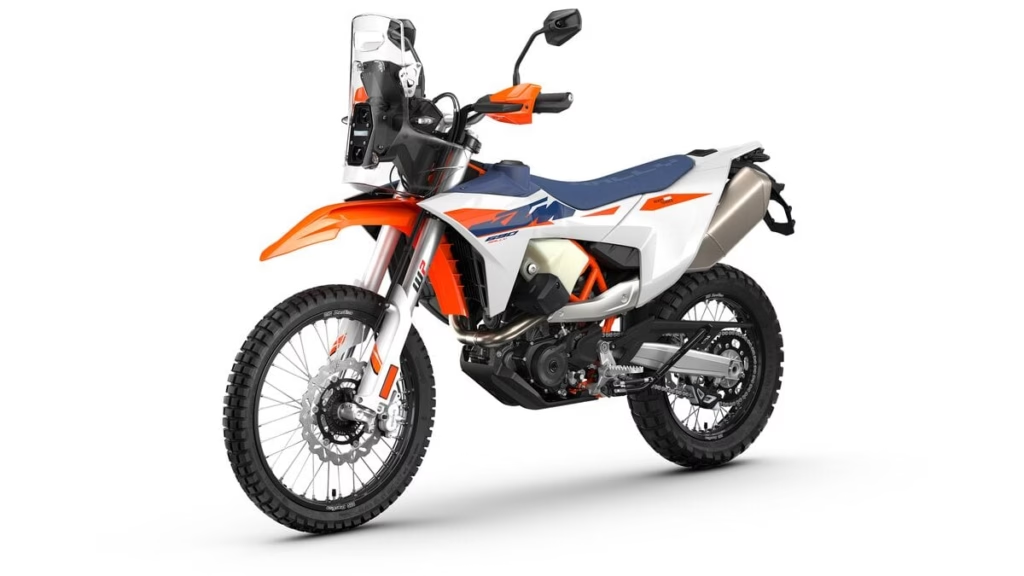
An inside studio render of the KTM 690 Rally showing the front left three quarters of the bike.

KTM has just updated the 690 Rally in Europe that inspired the Adventure line. Headlined as the spiritual successor to the famed 640 Adventure, the 690 Rally is built on an existing platform shared by the 690 Enduro R and the 690 SMC R, but KTM has given it some extras to make it take on tougher trails, and for longer. The 690 Rally gets the same 693cc LC4 single-cylinder liquid-cooled mill with 79hp and 73Nm of torque. It also has the same 4.2-inch TFT instrument cluster, two standard ride modes (Street and Off-Road) with an optional Rally mode, an up-and-down quickshifter and fully adjustable front and rear suspension.

Starting with the biggest change, there are two auxiliary front-mounted 3.5-litre fuel tanks for a combined 7 litres of capacity, which, paired with the rear-mounted 13-litre fuel tank, take the Rally’s total fuel tank capacity to a substantial 20 litres. KTM has also given riders the ability to choose which tank(s) the motorcycle will draw fuel from, to play with the front-rear bias based on the complexity of the trails.

It’s highly unlikely the 690 Rally heading to India anytime soon. For Europe, it is being built at KTM’s Mattighoffen factory and the company has said that it’ll start reaching dealerships in October. Prices are unknown, as is the exact list of markets where the 690 Rally is heading.

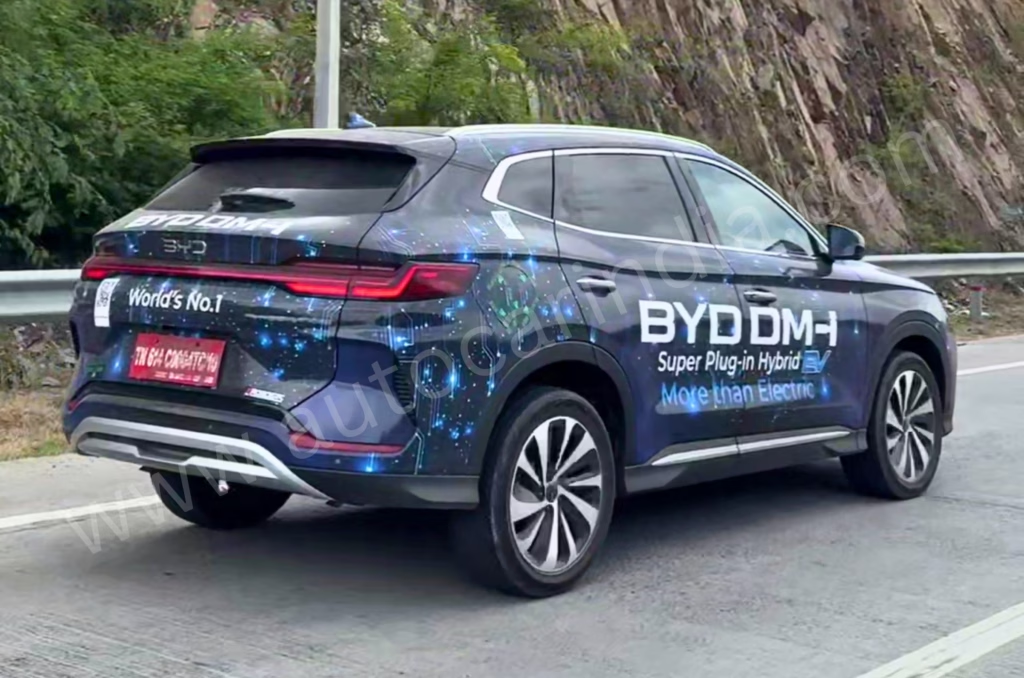
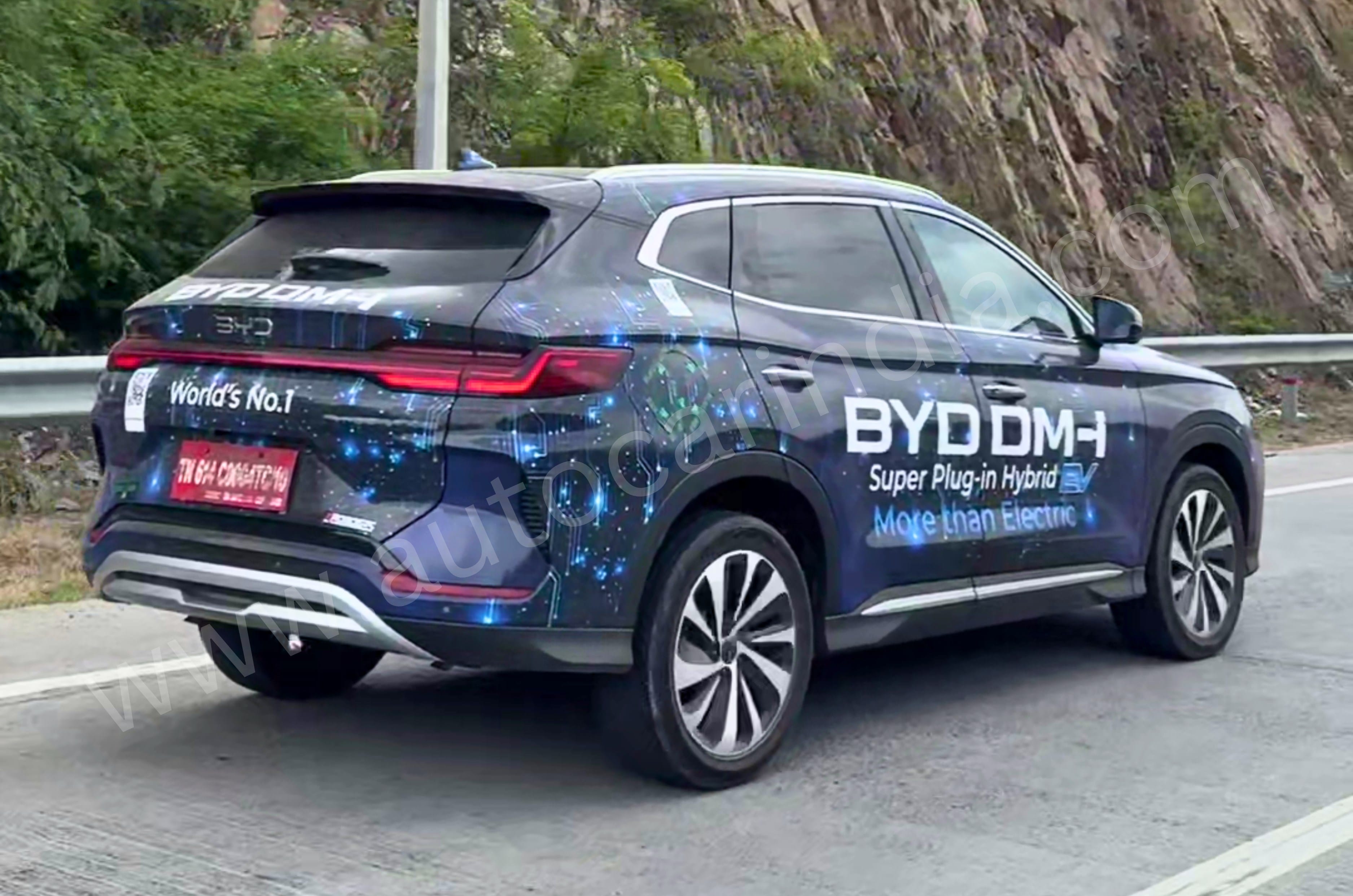
BYD Seal U plug-in hybrid SUV spotted range-testing in India

BYD Seal U plug-in hybrid SUV spotted range-testing in India
BYD Seal U plug-in hybrid SUV spotted range testing in India

The BYD Seal U plug-in hybrid SUV was spied range-testing by ElecTree ahead of launch this year. The Seal U will be BYD’s first plug-in hybrid electric vehicle (PHEV) in India, and it will expand the carmaker’s lineup beyond EVs. The Seal U is a Mahindra XEV 9e-sized 5-seater vehicle, measuring 4,775mm long, 1,890mm wide and 1,670mm tall, and has a 2,765mm wheelbase. It is also called the Sealion 6 in certain markets.

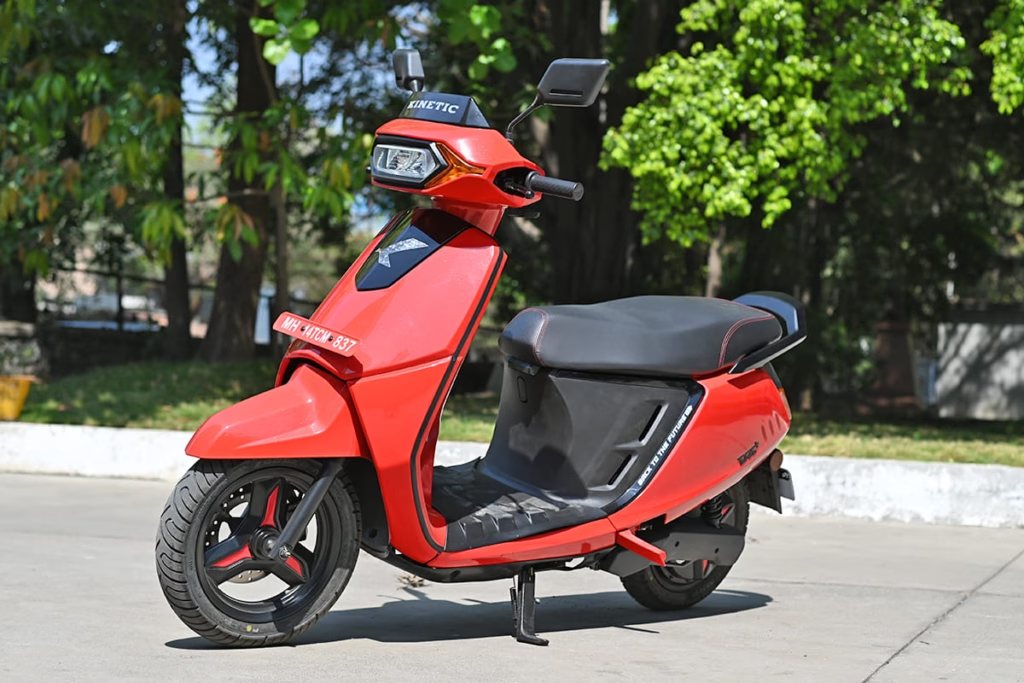
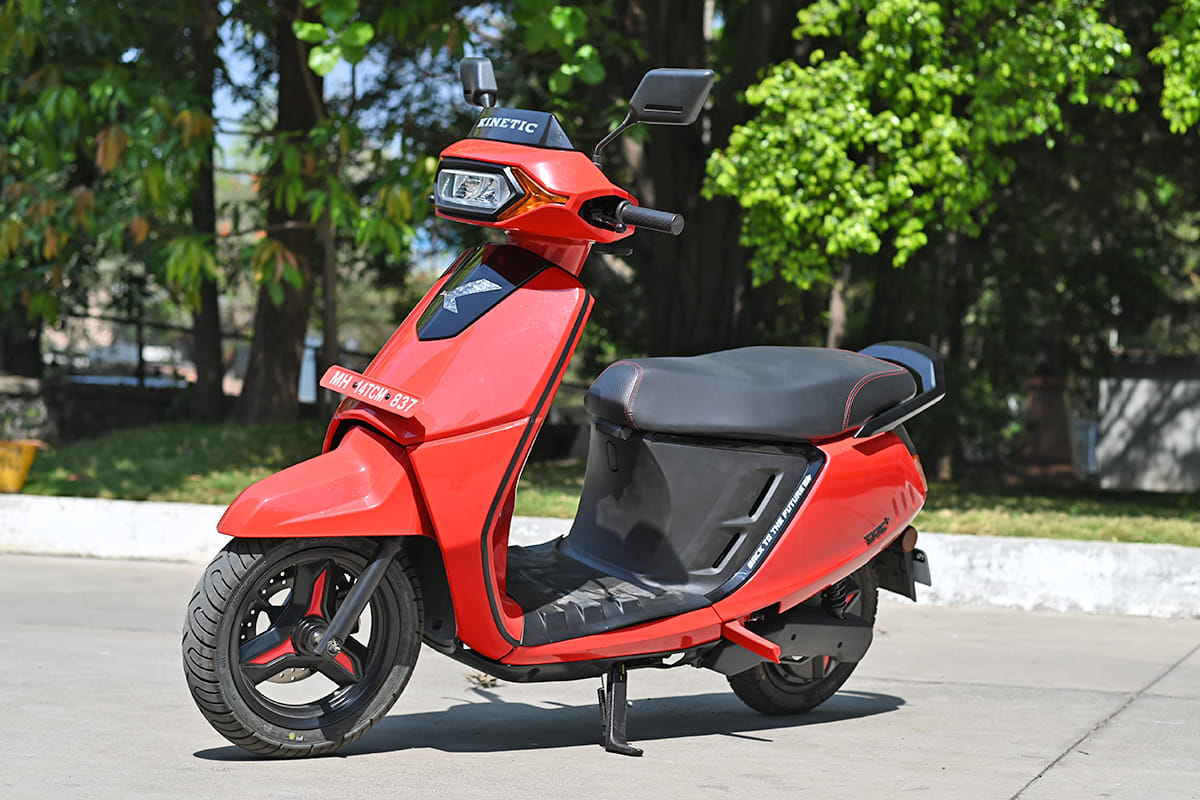
Kinetic DX range gets bigger batteries, up to 132km range

Kinetic DX range gets bigger batteries, up to 132km range

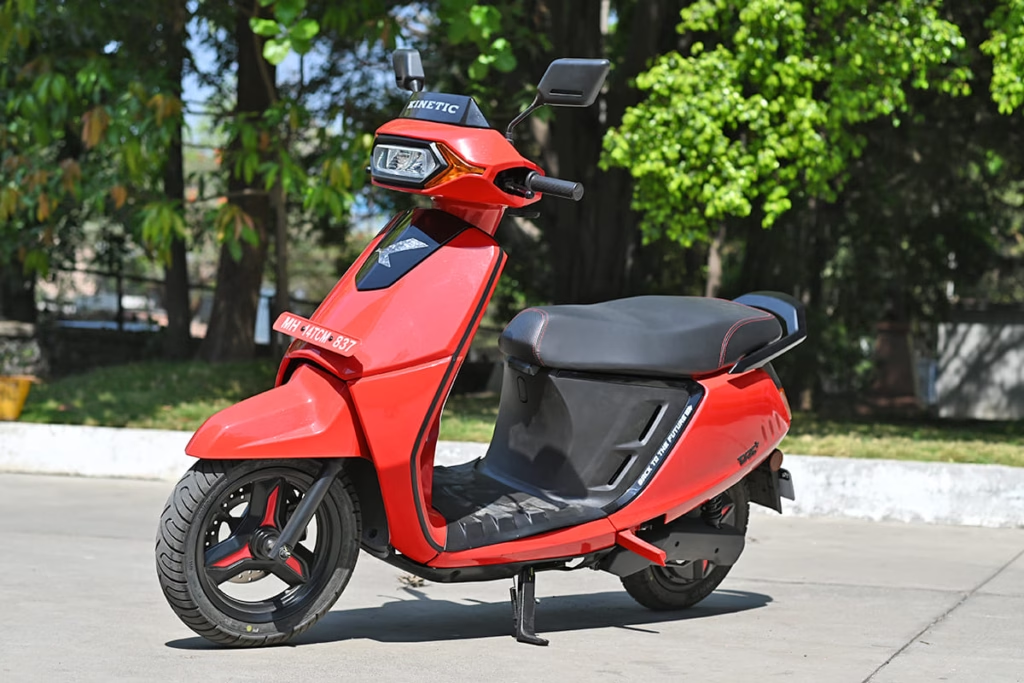
Kinetic has expanded its DX electric scooter line-up with larger battery options, giving the DX a new 3kWh variant and the DX+ a 3.1kWh version. The latter gets a claimed 132km IDC range, up from 105km on the existing DX+, while both new versions will be sold alongside the existing 2.6kWh models.

  1. DX 3kWh costs Rs 1.19 lakh; DX+ 3.1kWh is priced at Rs 1.28 lakh
  2. DX+ range rises from 105km to 132km IDC
  3. The new DX+ uses a 3.8kW motor, down from 4.8kW on the existing version

Kinetic DX range gets bigger batteries

DX+ gets more range

The new DX+ 3.1kWh gets a claimed 132km IDC range, with Kinetic estimating 105-110km in real-world use. The new version uses a 3.8kW hub-mounted motor, compared with 4.78kW on the existing DX+ 2.6kWh. It also loses the Turbo riding mode, retaining Range and Power modes.

The DX 3kWh is priced at Rs 1.19 lakh, compared with Rs 1.11 lakh for the existing DX 2.6kWh. Kinetic has not yet disclosed the range or motor output for the new 3kWh DX. The new versions are additions rather than replacements and Kinetic’s current website lists both the 2.6kWh and larger-battery versions of the DX and DX+.

This comes shortly after the brand revealed that it is also evaluating overseas markets for the DX, with Turkey, Nepal, Sri Lanka, Bangladesh, Kenya, Nigeria and Egypt on the company’s list. The export plans give the DX a wider market to target as Kinetic adds more range-focused versions to its electric scooter line-up.

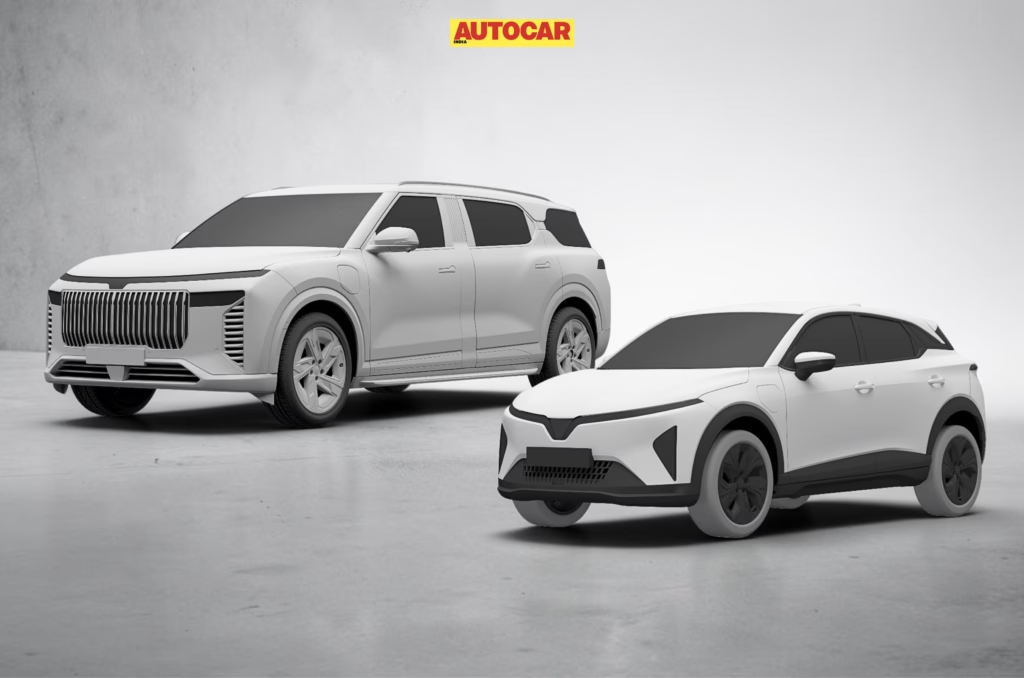
Vinfast VF6, VF9 facelift previewed with India design patent

Vinfast VF6, VF9 facelift previewed with India design patent

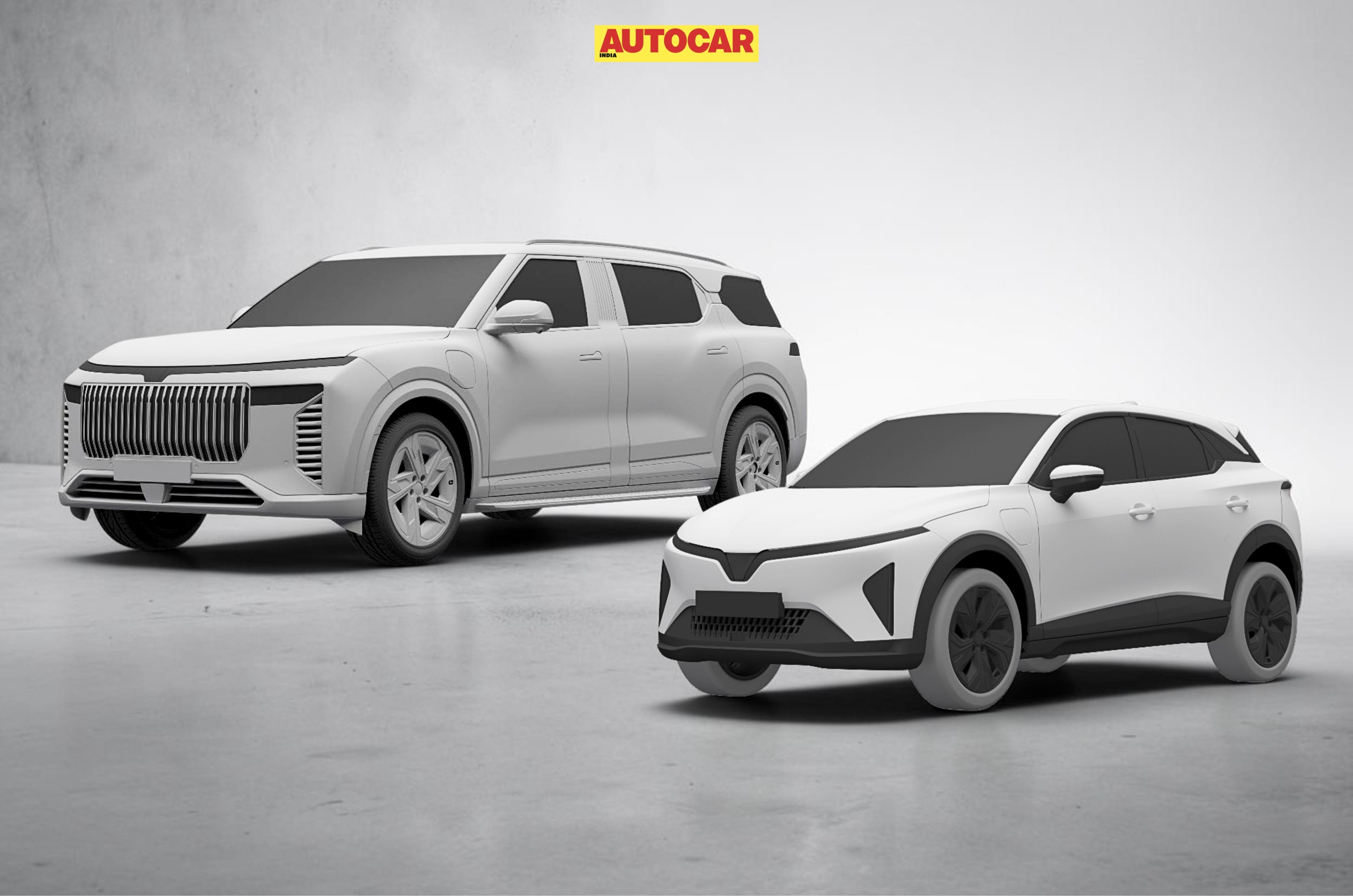
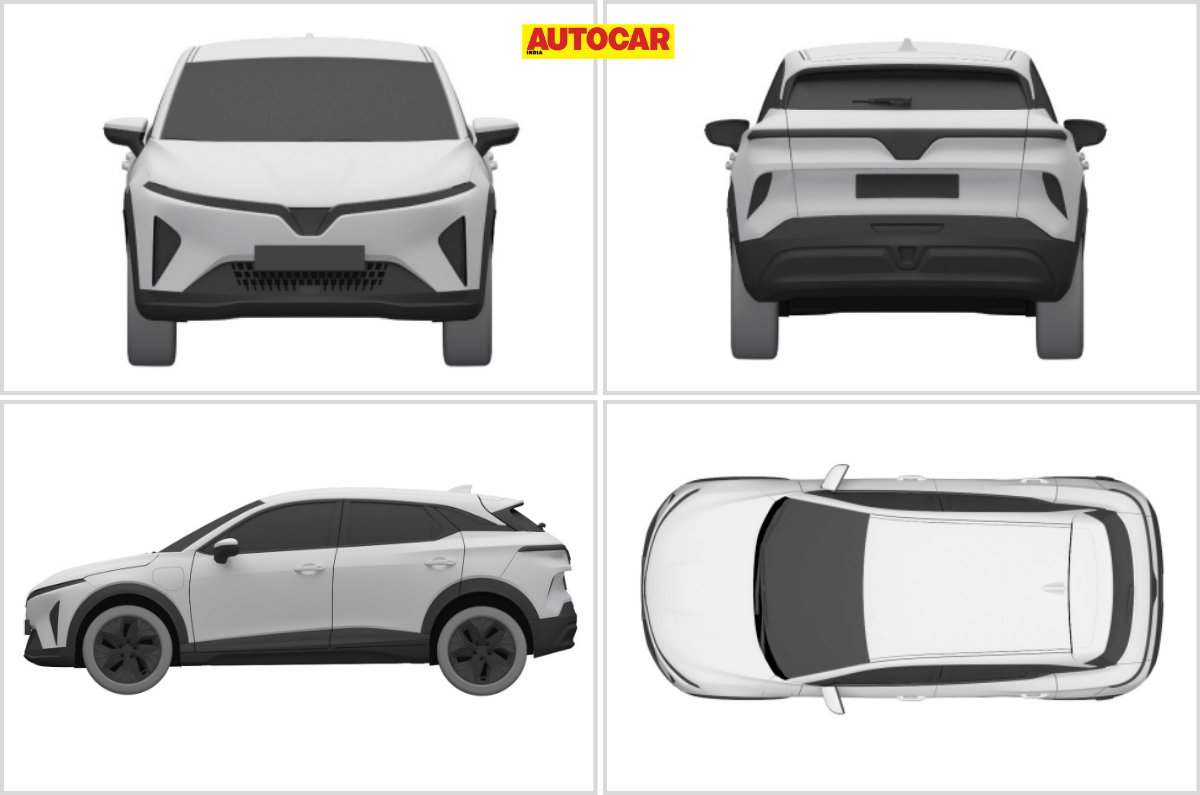
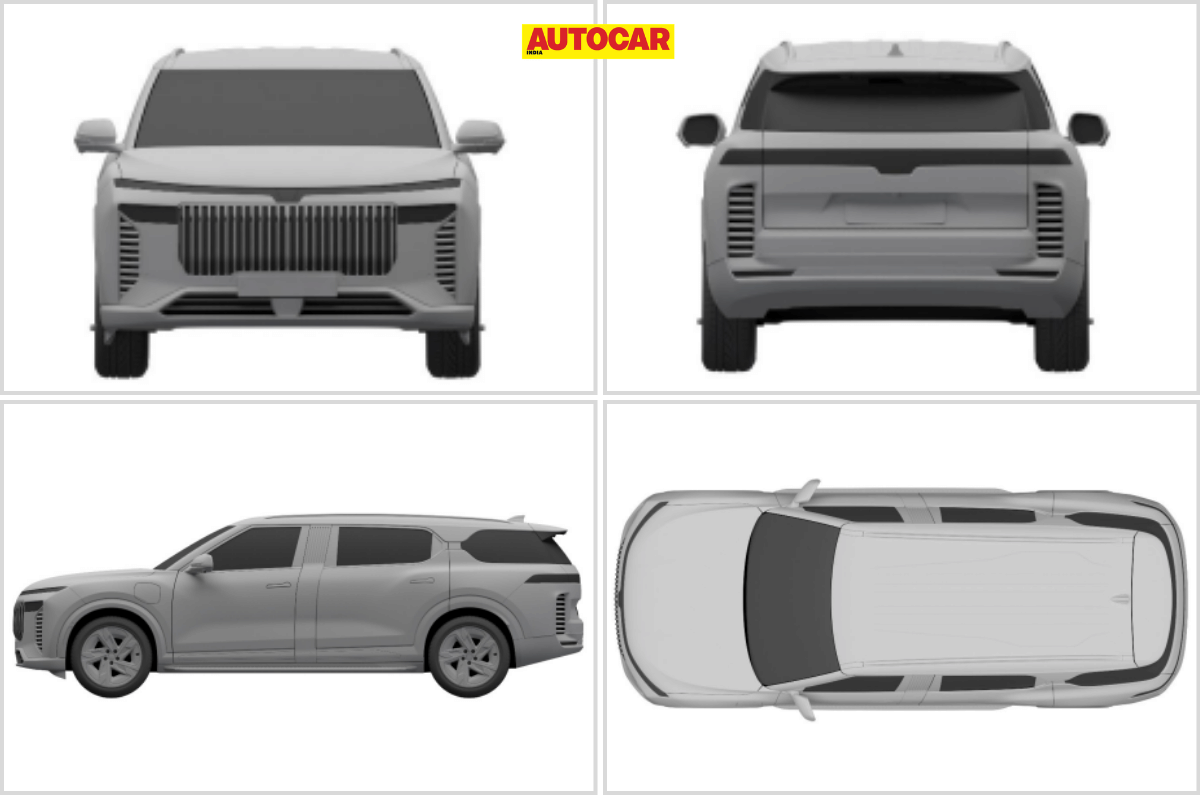
Vinfast has filed design patents for the VF6 and VF9 facelifts in India, offering a glimpse of the exterior design of the two electric SUVs. The patents suggest that the facelifted VF6 could get new lighting elements. More notably, Vinfast has also patented the VF9 in India, even though the flagship electric SUV is not currently sold here. While there is no confirmation of an India launch, the design patent filing could indicate that Vinfast is considering bringing the facelifted VF9 to the country.

  1. VF6 facelift sports new lighting elements and redesigned alloy wheels
  2. Facelifted VF9 includes a redesigned front end with vertical grille slats

Vinfast VF6 facelift

Redesigned housings for headlights, and rear turn indicators and reverse lamps can be seen

One of the most noticeable changes to the VF6 facelift in the design patents is the lighting. The headlight looks sleeker and appears to feature vertically stacked lighting elements, while the LED light bars at the front and rear seem largely unchanged. The lighting elements underneath the taillight bar, which houses the turn indicators and reverse lamp, appear to be redesigned. The bumpers also look similar to those on the current model, although the facelift could get redesigned 18-inch alloy wheels.

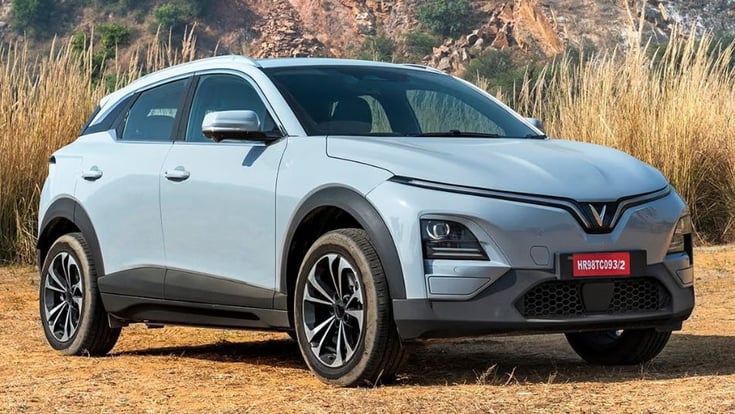
Vinfast VF6 front quarter static image
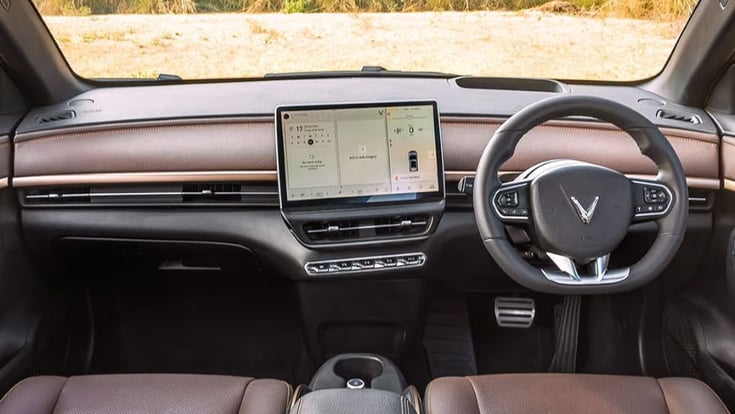
Vinfast VF6 dashboard mage
 

Current VF6’s exterior and interior design.

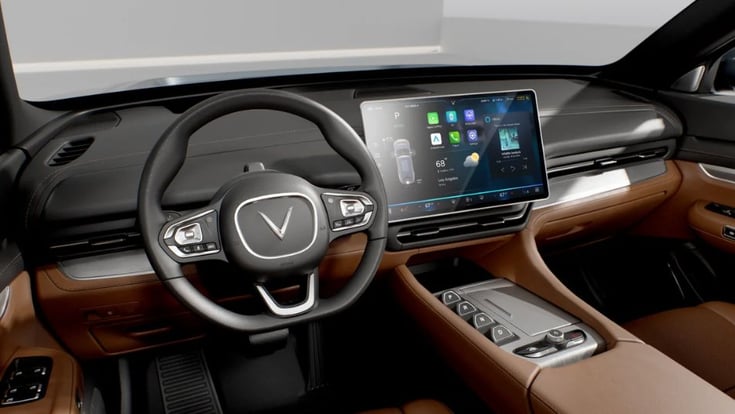
The design patent does not reveal the interior or any other changes to the specifications. The current VF6 features a 12.9-inch touchscreen infotainment system, an 8-speaker sound system, a head-up display (HUD) for instrumentation, 8-way powered driver’s seat, ventilated front seats and dual-zone automatic climate control with rear vents. Safety equipment includes Level 2 ADAS, ISOFIX child-seat anchorages and a 360-degree camera with blind-spot monitoring.

The current Vinfast VF6 is available with a 59.6kWh battery pack powering either a 177hp or 204hp front axle-mounted (FWD) electric motor. It has a claimed range of up to 468km.

Vinfast VF9 facelift

Gets a lot of vertical slats in the front and rear

The Vinfast VF9 facelift gets a redesigned front end, with the familiar full-width LED light signature sitting above a larger grille with vertical slats. The headlights appear lower and more recessed, while the bumper gets prominent vertical air intakes. At the rear, the bumper gets new vertical detailing, while the tailgate and LED light signature remain largely unchanged. A new multi-spoke alloy-wheel design also appears to be part of the update, although the overall side profile remains unchanged.

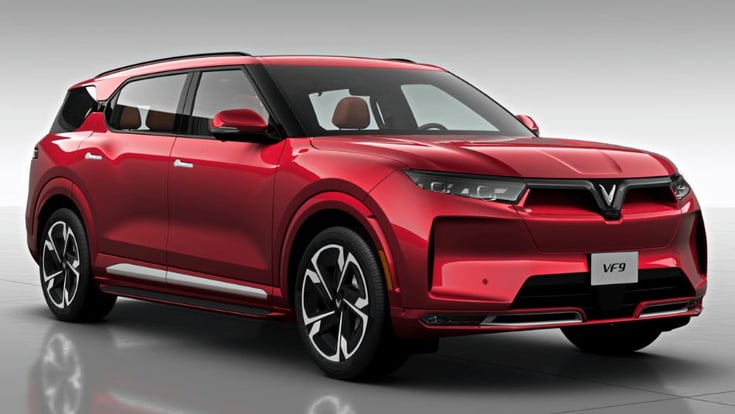
Vinfast VF9 front quarter static image
Vinfast VF9 dashboard mage
 

Current US-spec VF9’s exterior and interior design.

In the international markets, the VF9 gets a three-row cabin with six- and seven-seat layouts, with the former featuring second-row captain’s chairs. Features include a 15.6-inch touchscreen, HUD, ventilated and massaging front seats, panoramic sunroof, dual-zone automatic climate control and a 13-speaker sound system. It gets a 123kWh battery pack paired with dual electric motors producing 402hp and 620Nm. It has an all-wheel-drive (AWD) setup and a WLTP-claimed range of up to 626km.

The VF6 is already on sale in India, and it could come with a facelift in the coming times. However, there is no official confirmation regarding the same. It could command a premium over the current model’s Rs 18.19 lakh to Rs 20.09 lakh price range.  As mentioned earlier, Vinfast has not officially confirmed whether the VF9 will be launched in India, but if it does, it could be priced at around Rs 50 lakh.

Prices are ex-showroom, India. 

Two-wheeler retail sales up 19.7 percent in August

Two-wheeler retail sales up 19.7 percent in August

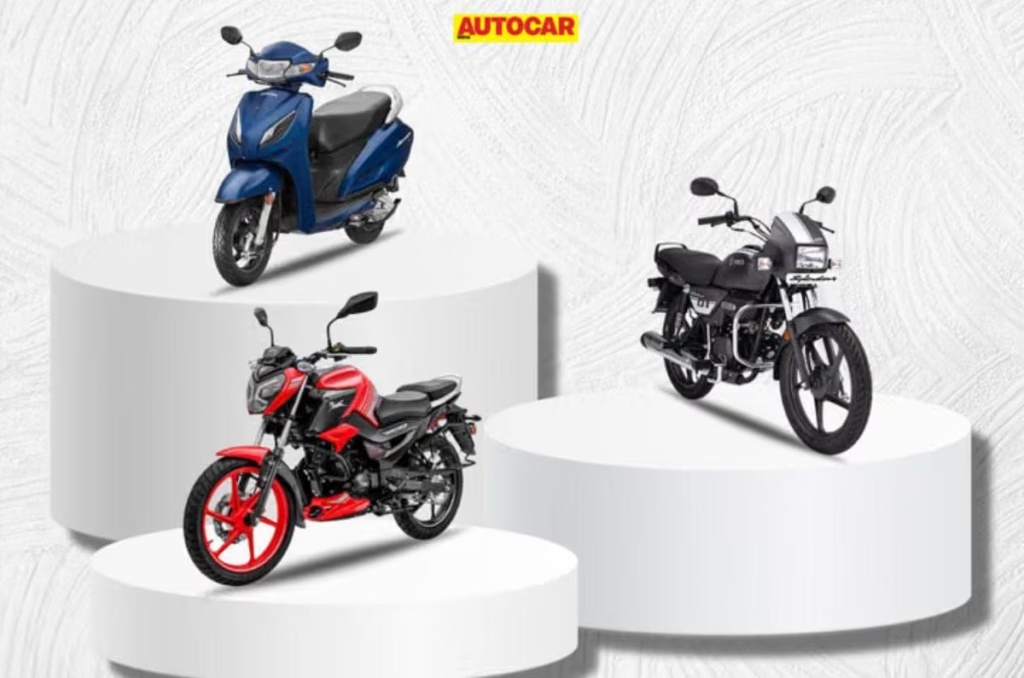
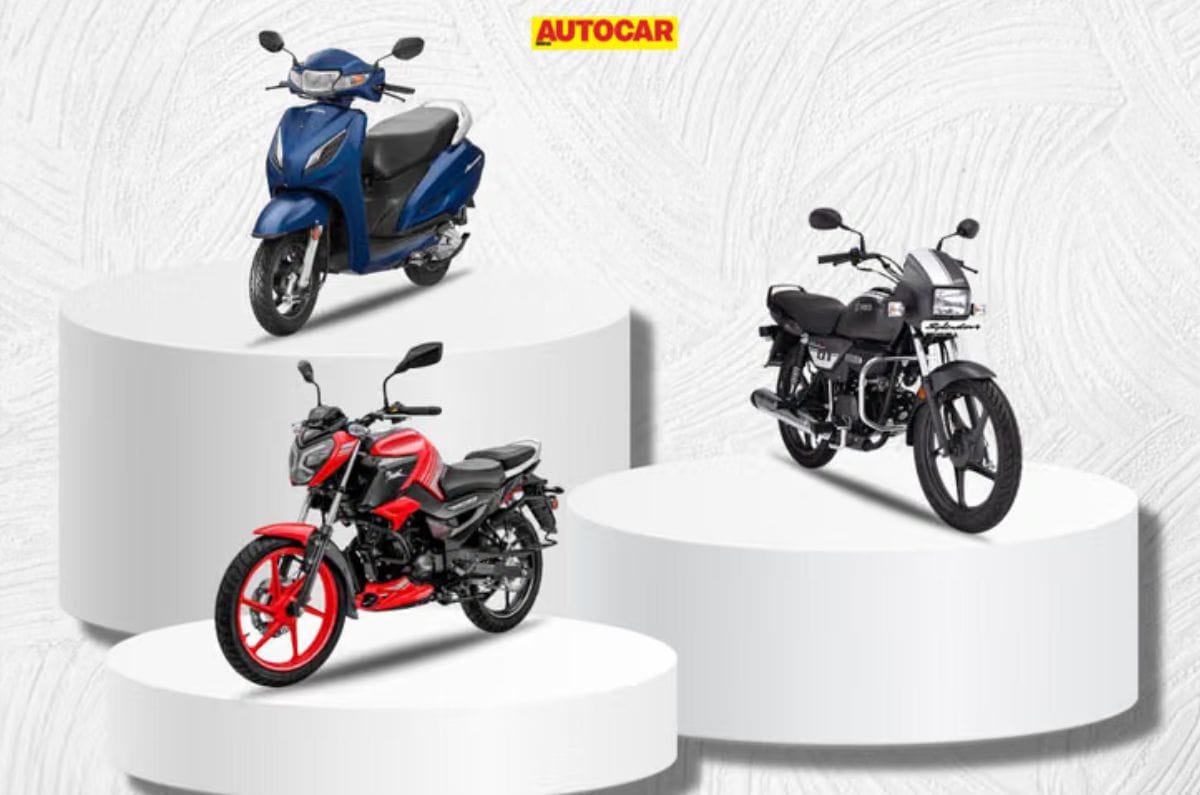
Two-wheeler retail sales in India rose 19.69 percent year on year to 17,14,610 units in August 2026, according to the Federation of Automobile Dealers Associations (FADA). The segment recorded its highest-ever August sales, although volumes declined 5.70 percent from July, when dealers retailed 18,18,289 two-wheelers. August 2025 sales stood at 14,32,537 units.

  1. Retail sales reach 17.15 lakh units, highest for an August
  2. Share of EVs in two-wheeler sales crosses 10 percent in a non-festive month
  3. Honda leads the market as dealers turn optimistic ahead of the festive season

FADA attributed the strong year-on-year growth to healthy rural demand and improved affordability following the GST 2.0 rollout. The month-on-month decline was attributed to the seasonal monsoon slowdown, rainfall in some regions and the inauspicious Shravan/Aadi period.

Rural two-wheeler retail grew 20.25 percent year on year in August, slightly ahead of the 19.07 percent growth recorded in urban markets. Compared with July, however, two-wheeler sales fell 6.85 percent in rural areas and 4.38 percent in urban centres.

EVs accounted for 10.68 percent of total two-wheeler retail sales in August, up from 7.66 percent a year ago. The share of electric models was 11.24 percent in July. FADA noted that August was the first non-festive month in which EVs comprised over 10 percent of two-wheeler sales.

As for fuel type, petrol continued to dominate the two-wheeler market with an 89.23 percent share, while CNG and LPG models together accounted for 0.08 percent.

Honda Motorcycle and Scooter India remained the largest two-wheeler OEM in August with a 26.09 percent market share, retailing 4,47,342 units. Hero MotoCorp was second with 4,13,996 units and a 24.15 percent share, while TVS Motor Company sold 3,53,746 units and had a 20.63 percent share.

Bajaj Auto retailed 1,57,149 two-wheelers, giving it a 9.17 percent share, followed by Suzuki Motorcycle India with 1,04,217 units and a 6.08 percent share. Royal Enfield recorded 94,448 units and a 5.51 percent share.

Among the electric-focused manufacturers listed separately by FADA, Ather Energy sold 28,757 units and had a 1.68 percent share, while Ola Electric registered 13,852 units and a 0.81 percent share. Greaves Electric Mobility, River Mobility and BGauss recorded 8,613, 5,141 and 4,845 units, respectively.

With the festive season approaching, FADA expects two-wheeler demand to strengthen in September. Rural cash flows and late-season rainfall remain key factors that could influence sales, while the continued shift towards alternative powertrains is expected to support the market.

Dealer sentiment for September remains positive, with 67.09 percent of dealers expecting growth, 27.35 percent expecting a flat market and 5.56 percent anticipating de-growth. For the September-November period, 81.62 percent of dealers expect the market to grow.

With inputs from Eshisha Java

Bharat NCAP 2.0 to come into effect from October 2027: Gadkari

Bharat NCAP 2.0 to come into effect from October 2027: Gadkari

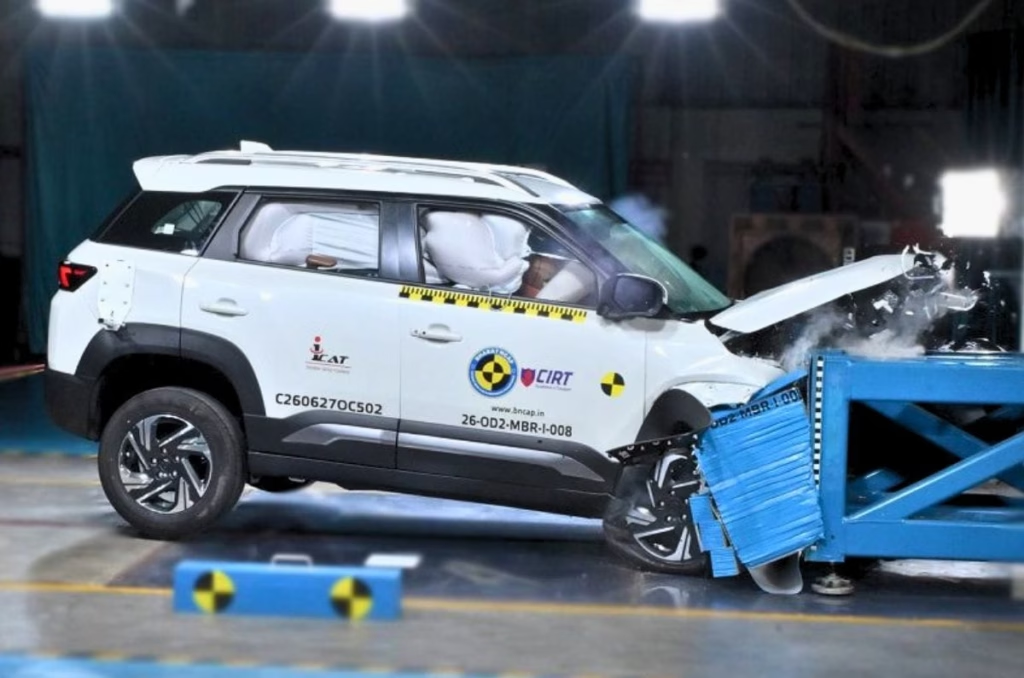
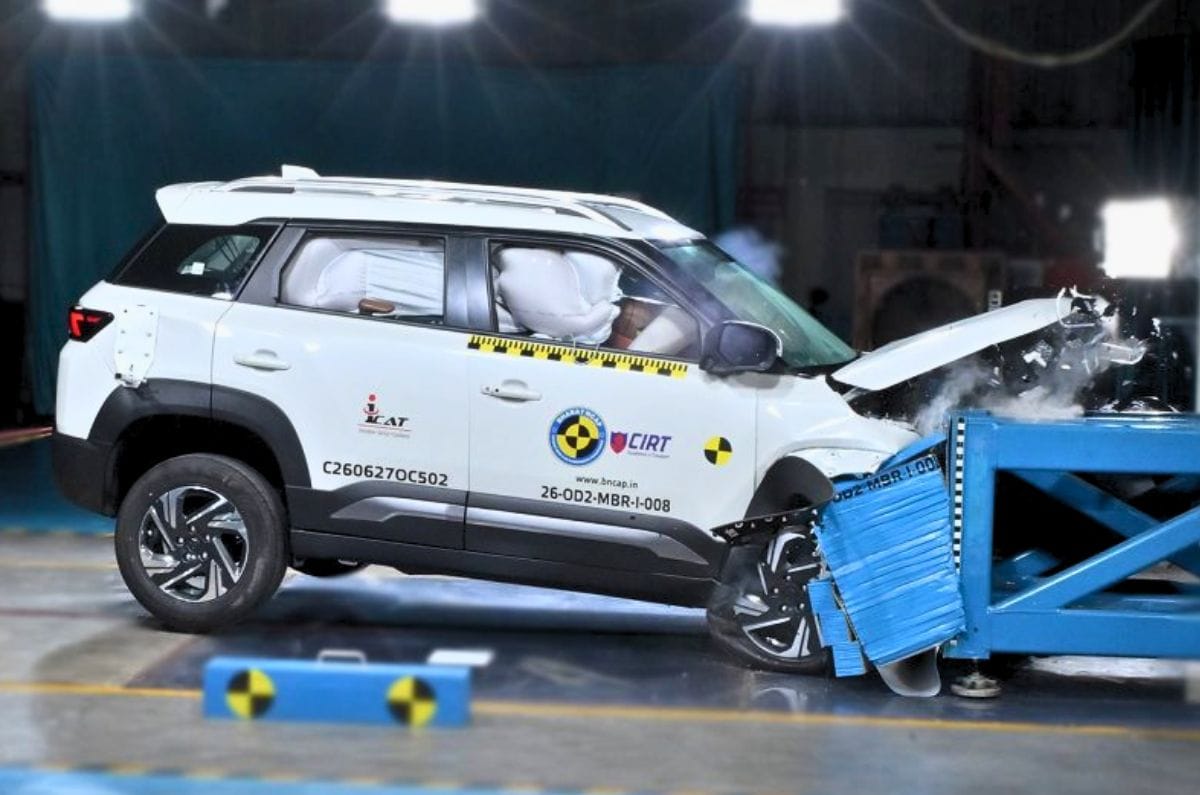
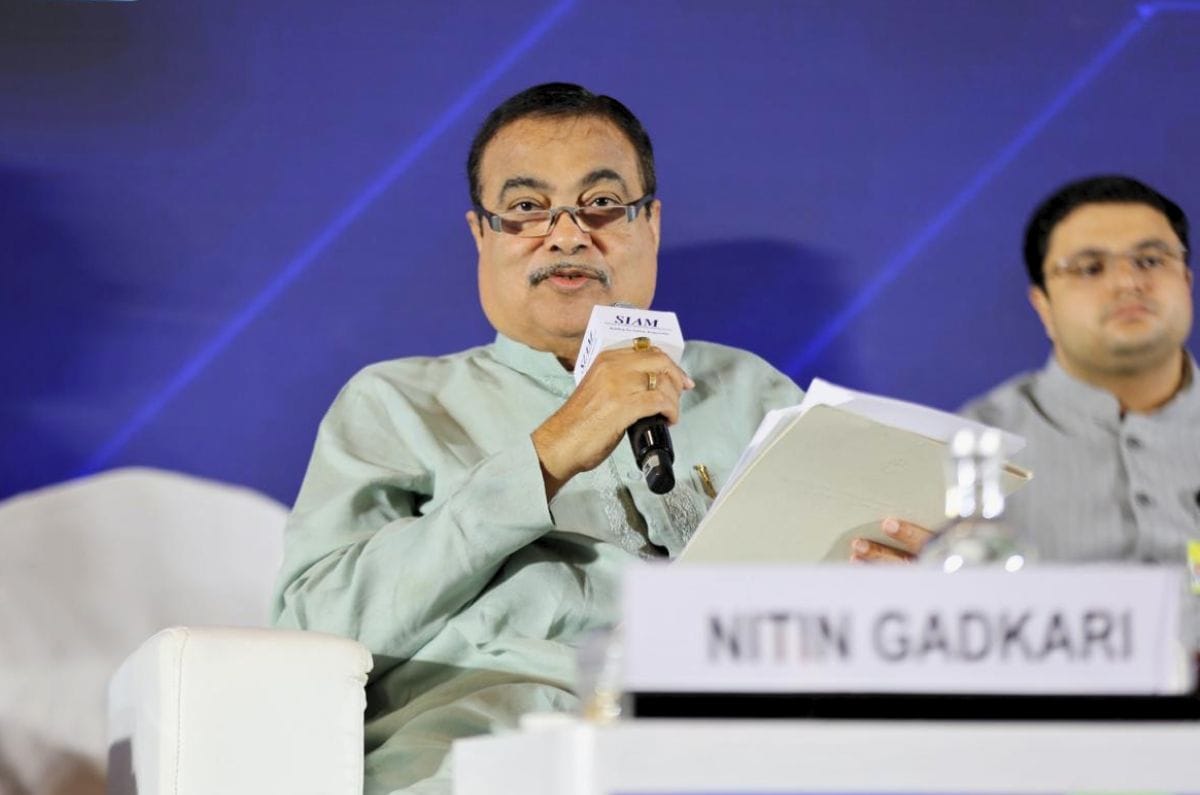
At the 66th SIAM Annual Convention, Union Minister of Road Transport and Highways, Nitin Gadkari, revealed that the government is preparing for the second phase of Bharat NCAP that’s set to take effect from October 2027. The new phase of the BNCAP, Gadkari said, is planned to broaden the vehicle assessment programme to areas such as crash avoidance, pedestrian safety and post-crash response.

  1. Entire crash chain will be evaluated, expanding beyond occupant protection
  2. Gadkari invited manufacturers to submit suggestions based on global safety practices

Bharat NCAP 2.0 plans: What was revealed?

“Entire crash chain” to be evaluated with the Bharat NCAP 2.0 programme 

“We are going ahead with making Bharat NCAP 2. This is a very important program [which will be] valid from October 2027,” said Gadkari while addressing the SIAM convention. The next phase is expected to assess a wider range of safety parameters. “We are going to evaluate the entire crash chain,” he added while identifying three broad areas – avoiding a crash, pedestrian protection, and post-crash evacuation and care – rather than focusing only on how vehicles protect occupants during a crash.

Image source: @siamindia on X

The ministry will also look at new safety technologies available globally as well as solutions being developed by Indian start-ups. Gadkari also invited vehicle manufacturers to submit suggestions based on their research, technical experience and safety practices followed in other markets “If you have any good suggestions, don’t hesitate, come to us”, he said.

Notified draft rules from MoRTH in November 2025 proposed 100-point evaluation criteria

In November 2025, MoRTH proposed new rules for the next phase of Bharat NCAP under AIS-197 (Revision 1), aimed at making the car safety testing programme more detailed and stricter. Under the proposed system, cars would receive a score out of 100 based on five areas: crash protection (55 points), protection for pedestrians and other vulnerable road users (20 points), safe driving features (10 points), accident avoidance technology (10 points), and post-crash safety (5 points).

The requirements for a 5-star safety rating would also become tougher. From 2027, a car would need to score at least 70 out of 100 to receive 5 stars, while from 2029, the minimum score would increase to 80 points.

The proposal also calls for more crash tests. In addition to the existing tests, cars would have to undergo a 50kph full-width frontal crash test, a 32kph oblique pole impact test and a 50kph rear-impact test. The speed of the existing side-pole test would also increase from 29kph to 32kph. Another major change is that cars would need to offer curtain airbags and electronic stability control (ESC) as standard to qualify for a star rating.

Kinetic Watts & Volts eyes seven overseas markets

Kinetic Watts & Volts eyes seven overseas markets

Kinetic Watts & Volts (KWV) is evaluating seven international markets as the Pune-based electric two-wheeler maker looks to expand beyond India. Turkey, Nepal, Sri Lanka, Bangladesh, Kenya, Nigeria and Egypt are currently being assessed, with KWV studying local regulations, customer requirements, electric two-wheeler demand and potential distribution partners.

  1. International expansion to cover markets across Europe, South Asia and Africa
  2. Makarand Joshi appointed to lead KWV’s international business development
  3. Company plans to add 40 more exclusive showrooms in India

Kinetic EV international expansion plans

It has also issued 150 LOIs to prospective dealership partners.

KWV currently sells the Kinetic DX and DX+ electric scooters in India, with the range positioned around accessible urban mobility. The company is now looking to identify markets and distribution partners that can support its next phase of growth overseas.

KWV has appointed Makarand Joshi as head of international business development to lead its overseas plans. Joshi has more than two decades of experience in developing overseas markets for Indian automotive products, with experience across Asia, the Middle East, Europe and Africa. His background includes two-wheelers, commercial vehicles and tractors, as well as international distribution and market-entry strategies.

Ajinkya Firodia, Vice Chairman and Managing Director, Kinetic Watts & Volts, said the company’s products had been designed with a broad range of markets in mind. He added that the momentum of its domestic business had allowed KWV to begin laying the groundwork for international expansion. The company is yet to confirm which of the seven markets it will enter or provide a timeline for its overseas launch.

KWV’s international plans come as it continues to build its presence in the Indian market. The company currently has 45 exclusive showrooms and expects another 40 outlets to become operational within the next two months. It has also issued 150 Letters of Intent (LOI) to prospective dealership partners.

With inputs from ANGITHA SURESH

Kawasaki Z650 S, Z900, and Z900 SE get new colours for 2027

Kawasaki Z650 S, Z900, and Z900 SE get new colours for 2027
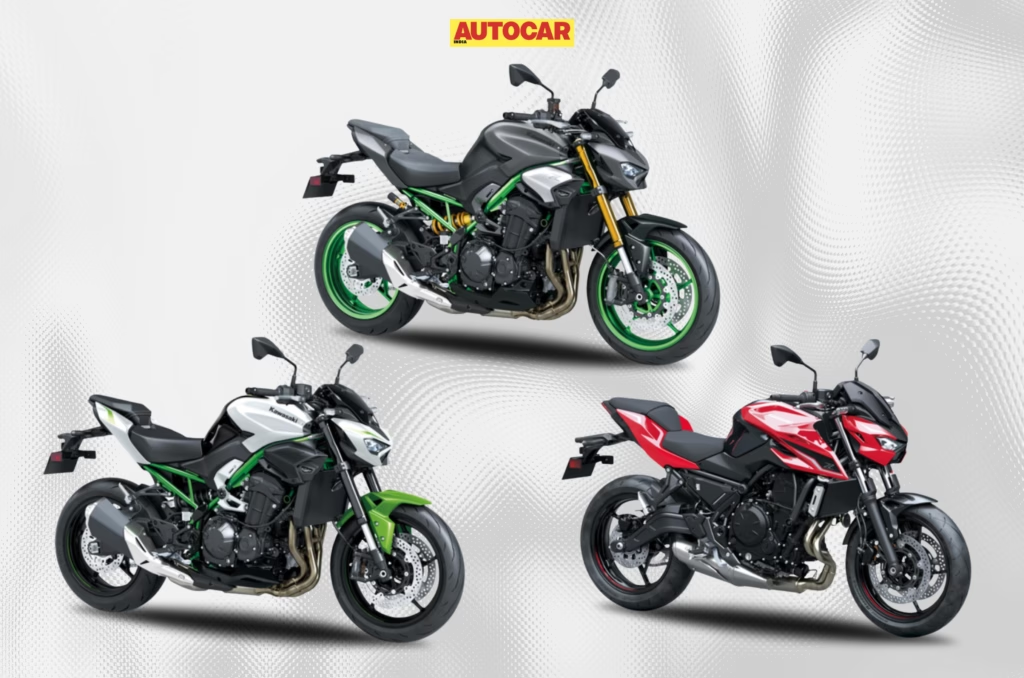
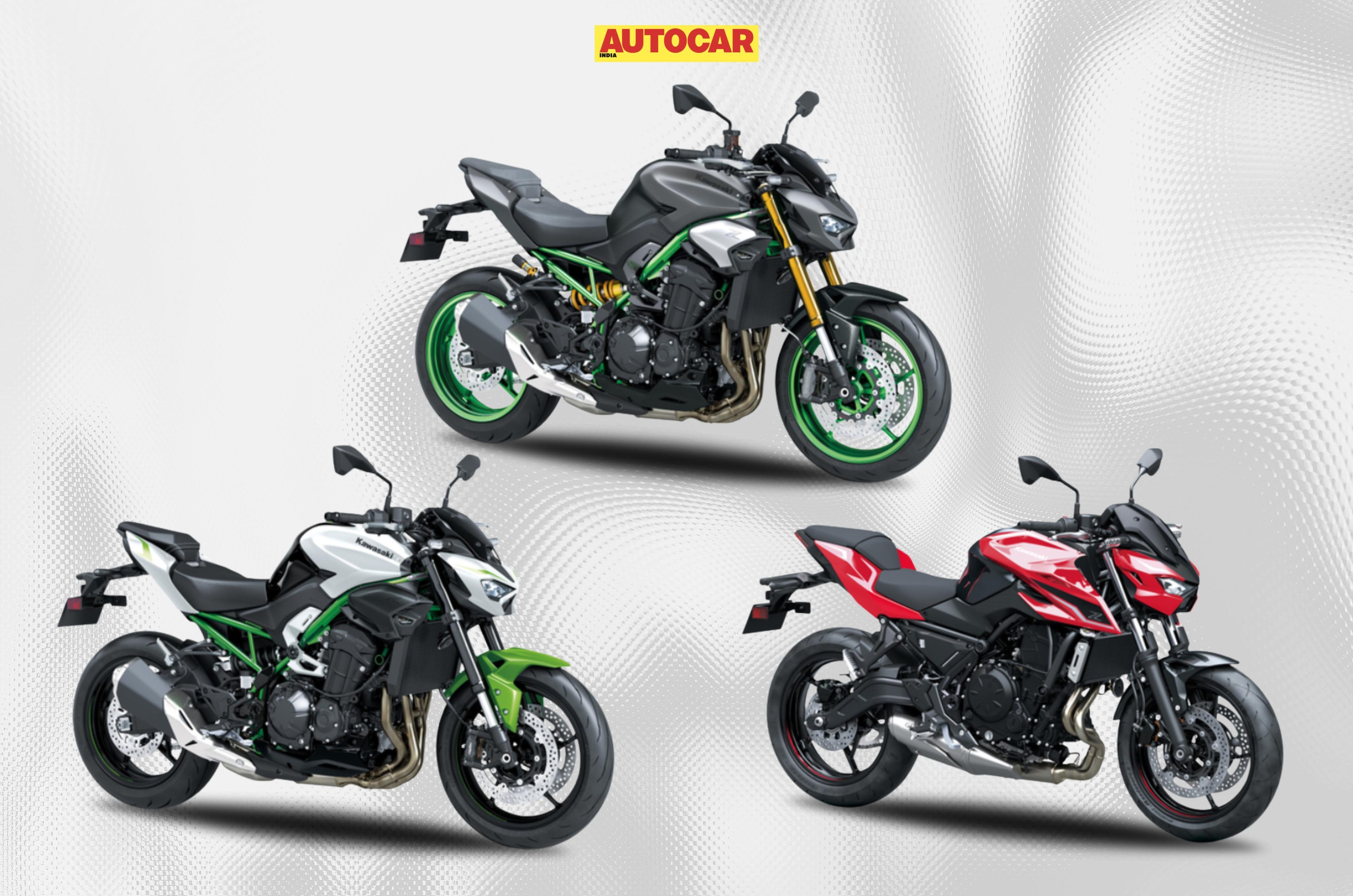
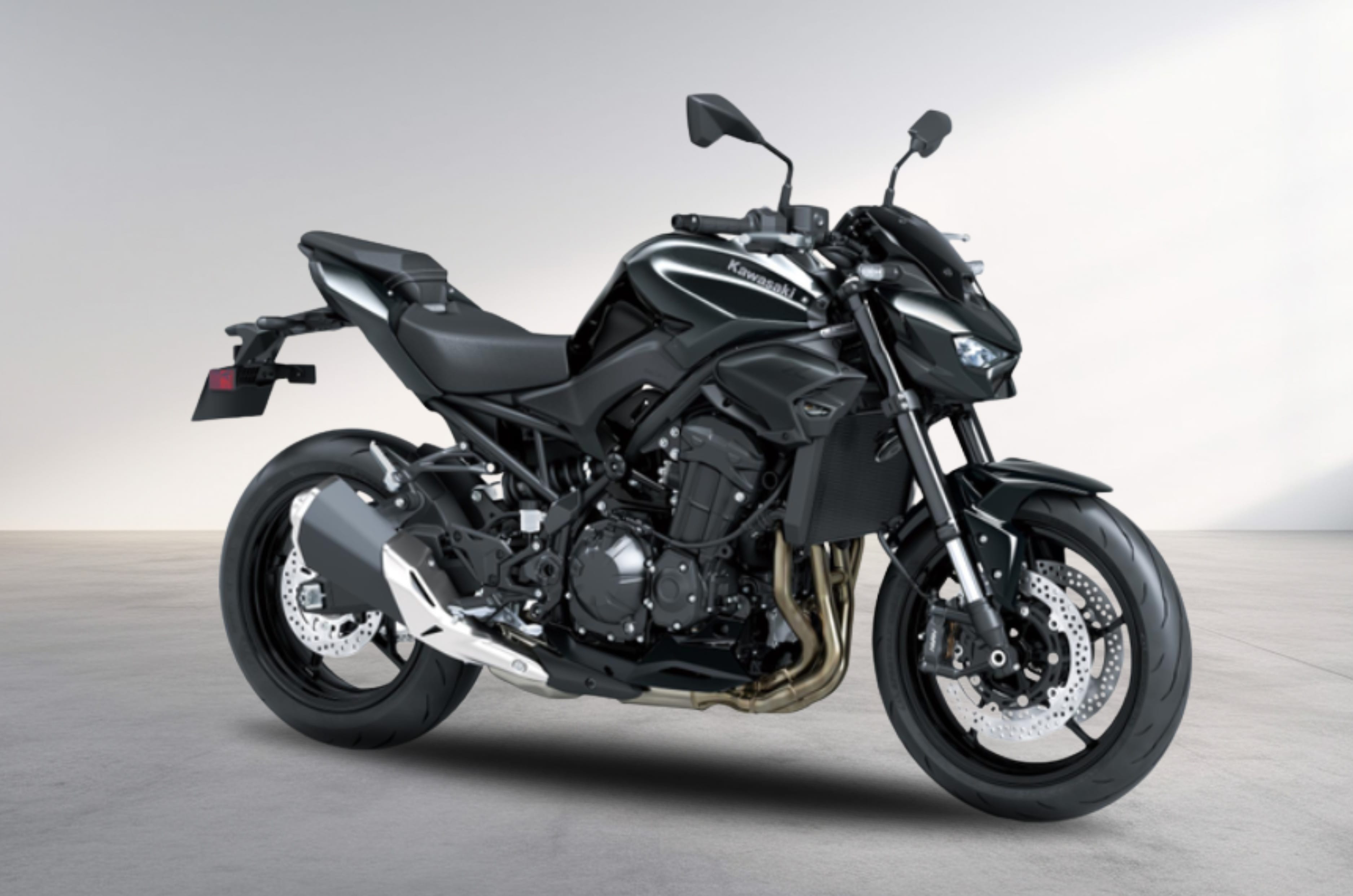
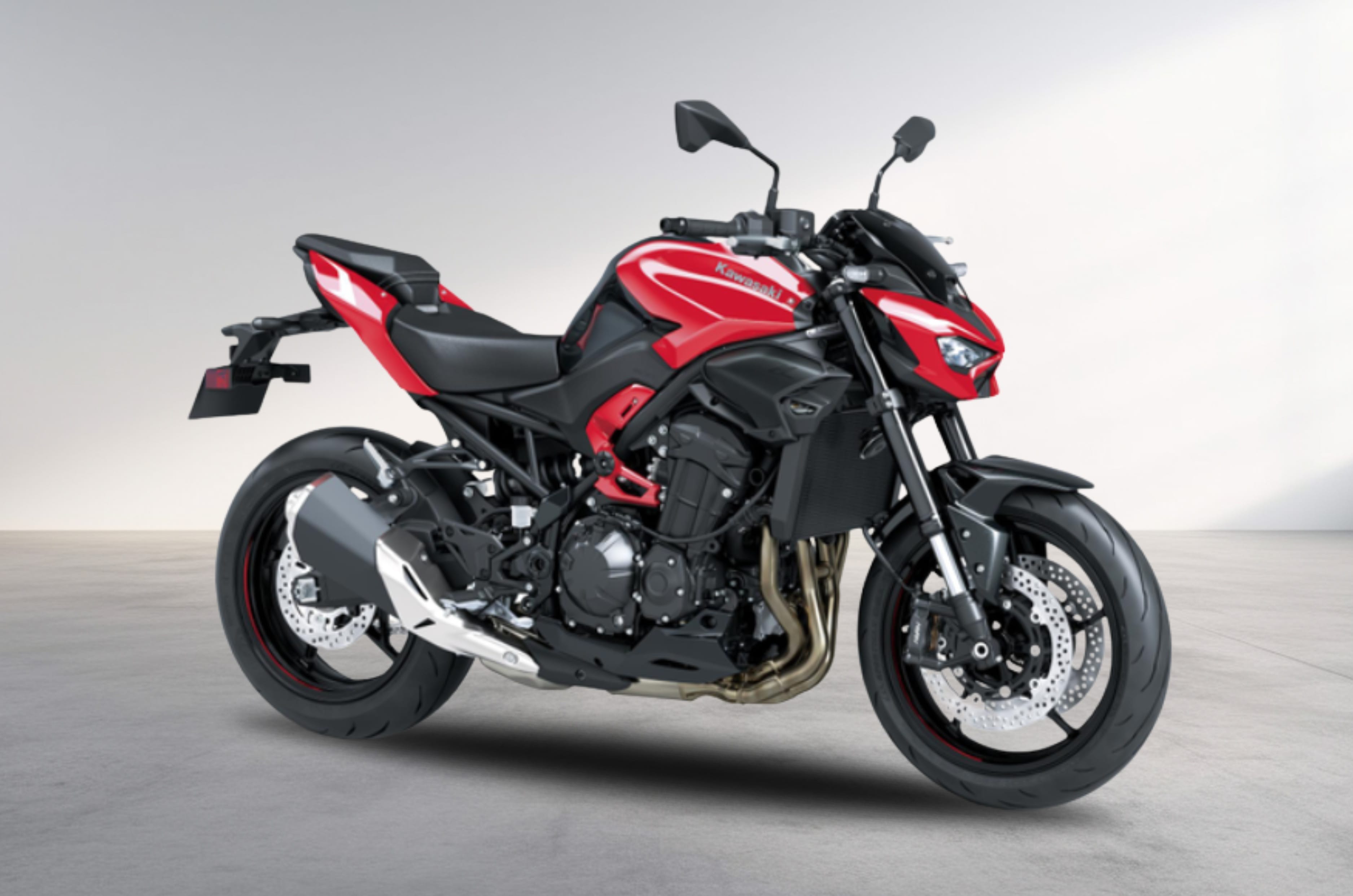
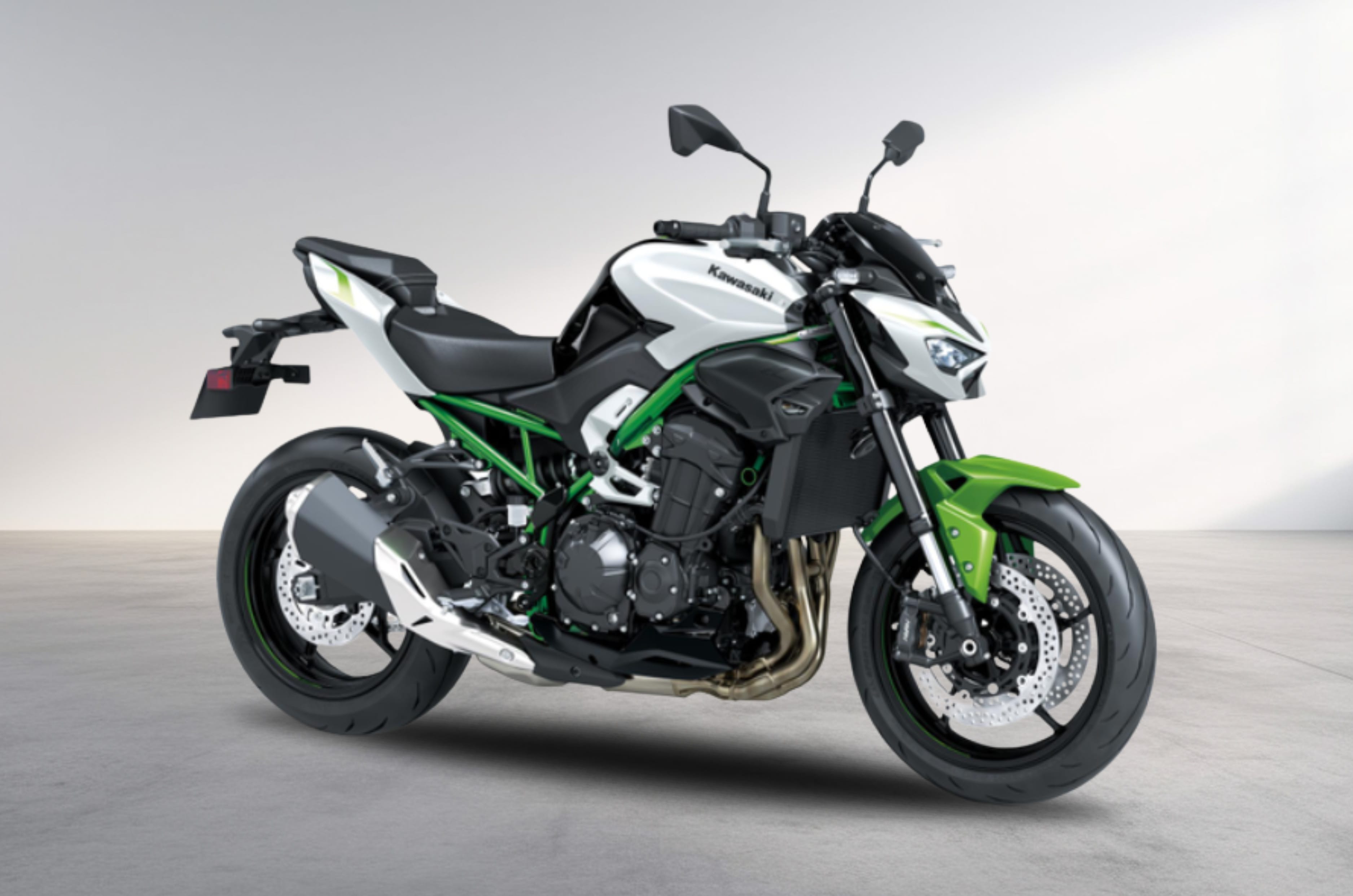
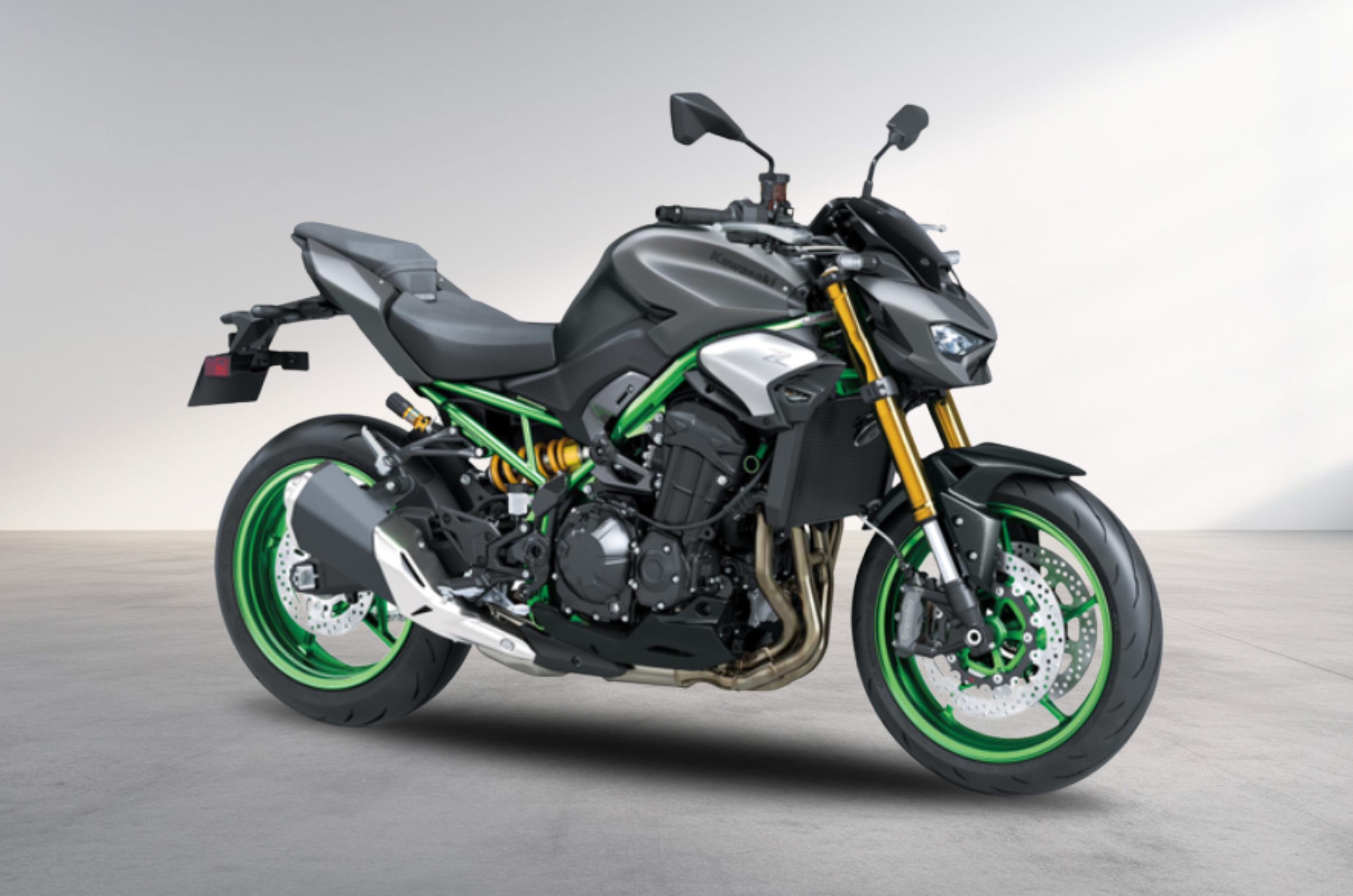
Studio render showing one new colour each on the Kawasaki Z900 SE, Z900, and Z650 S

Thinking of Kawasaki immediately brings their signature lime green coloured motorcycles to mind and that’s intentional. After all, it’s the colourway we most associate with the brand, but the truth is that the bikes are available in other colourways too, as we’ve just seen with the 2027 versions recently introduced in Europe.

  1. In Europe, the only available Z650 is the Z650 S that looks similar to Z900
  2. India gets the Z650 and Z900 but not the Z900 SE

What’s new on the Z line-up for 2027?

New colour options but mechanically unchanged

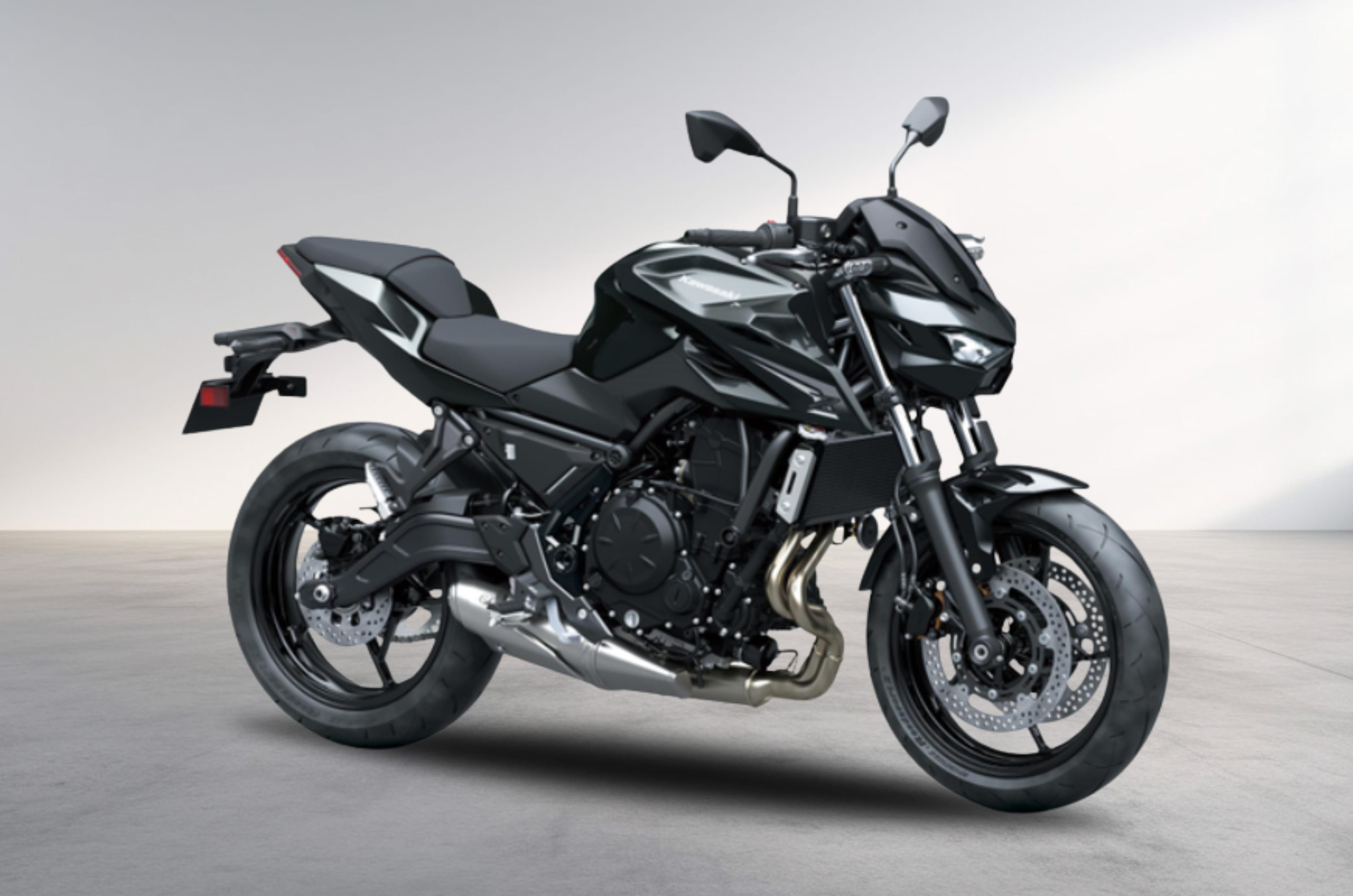
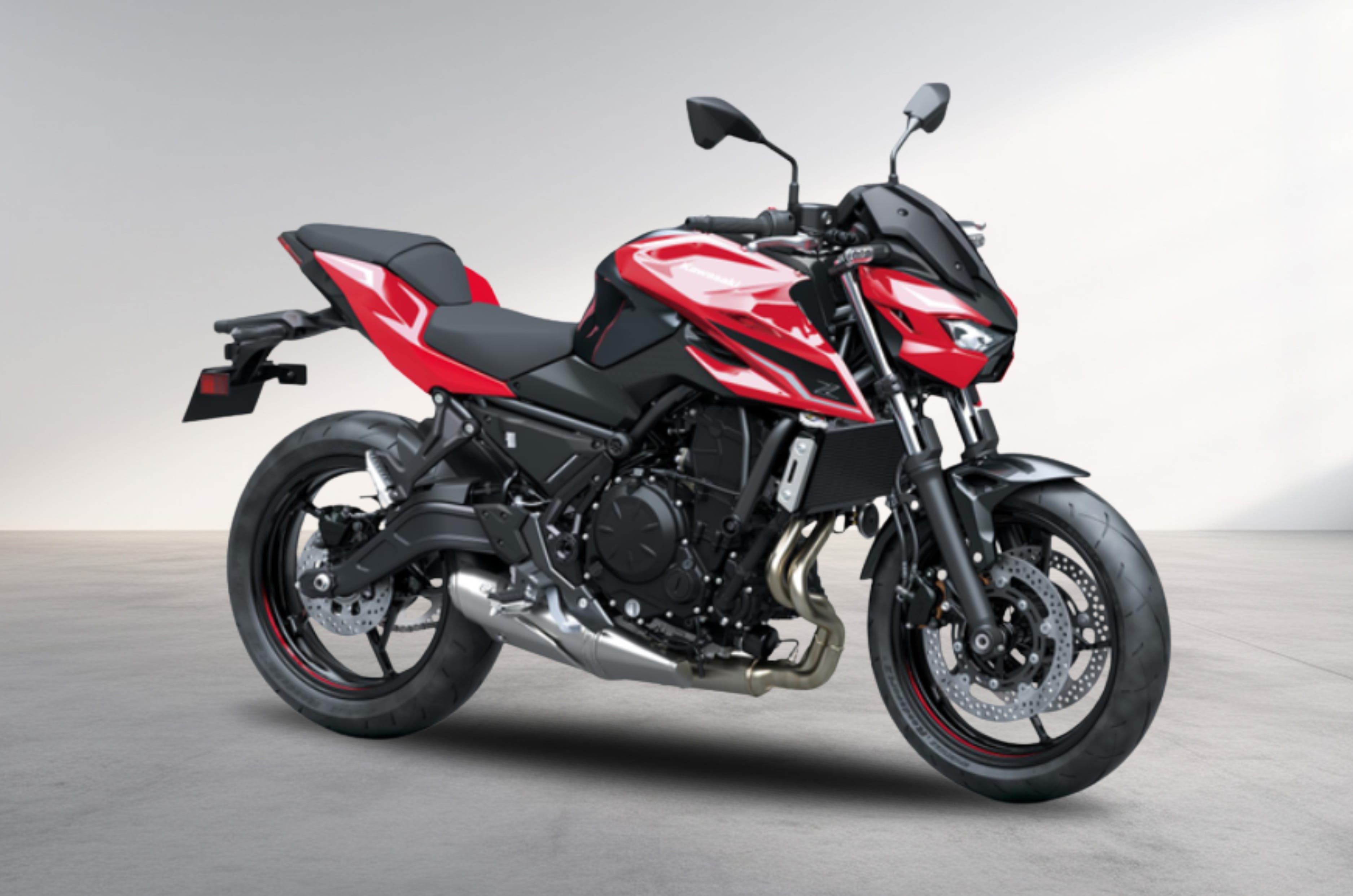
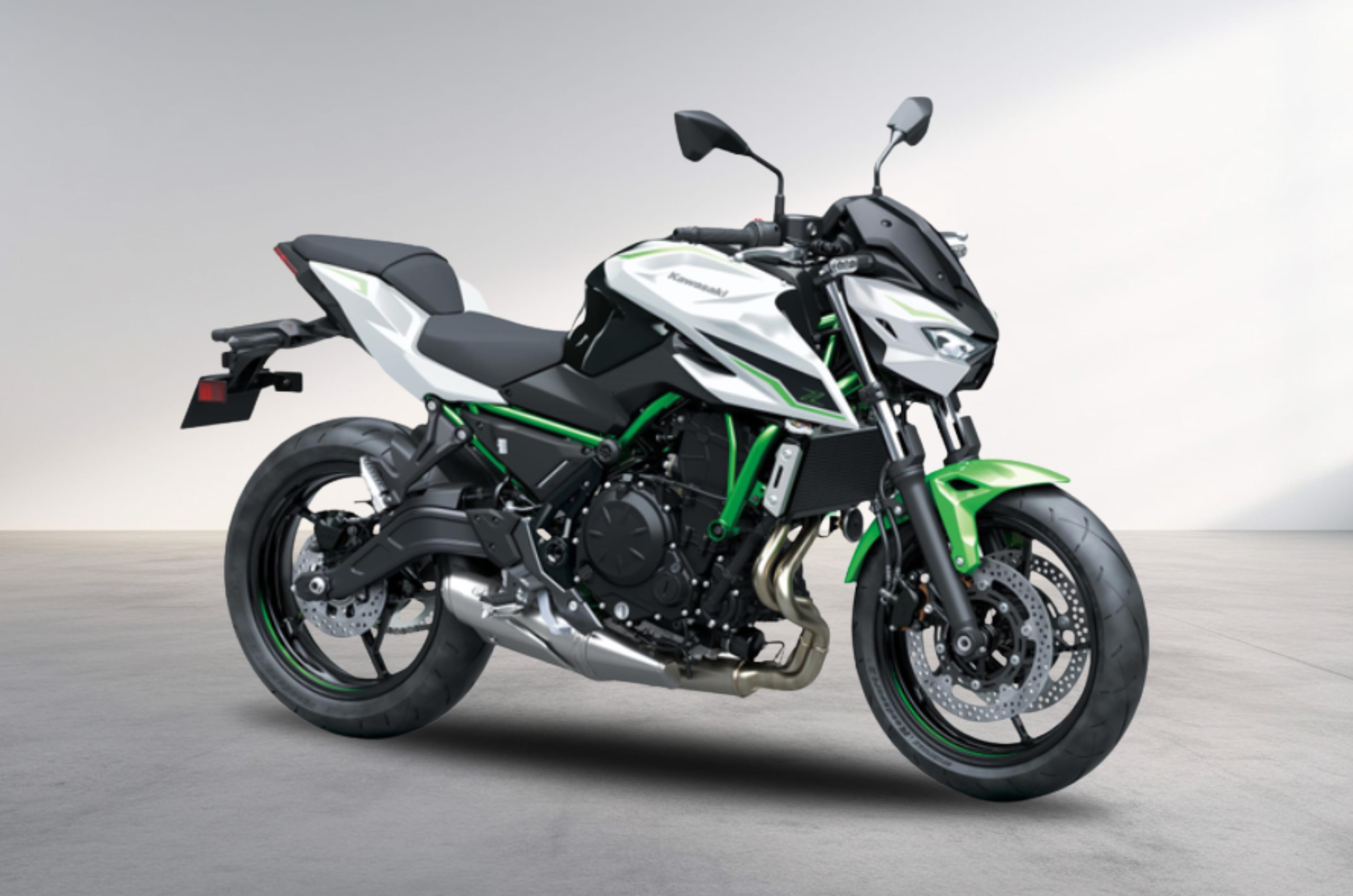
Kawasaki Europe had revealed the Z650 S in late 2025 destined for Europe. The model brought the Z650 platform closer in styling to the Z900, and also introduced revised ergonomics with a wider handlebar and repositioned footpegs. In most European markets, the Z650 and Z650 S coexist, whereas in markets like India and the USA, the standard Z650 continues to be the sole offering. For 2027, the Z650 S gets three new colours in Europe: Black, Red, and White with green highlights. For reference, in India, the regular Z650 is offered in a single Black colour.

Kawasaki Z650 S in Black colour
India does not get the Z650 S; so far unclear if it’s headed here
Kawasaki Z650 S in Red colour
Kawasaki Z650 S in White colour with green highlights

Indian Kawasaki fans do have access to the updated Z900 that debuted here in 2025, but in a Black with gold highlights and the signature Green. For 2027, the Europe version of the Z900 has now gained three new colours: Black (sans gold highlights), Red, and White with green highlights. The Z900 SE gets a new Gray colour with a green frame and green wheels, and upgrades the brakes to Brembo and suspensions to Öhlins from the standard Z900.

Kawasaki Z900 in Black colour
Indian Z900 gets a similar colour, with a gold frame
Kawasaki Z900 in Red colour
Kawasaki Z900 in White colour with green highlights
Kawasaki Z900 SE in Gray colour with a green frame and green wheels
Exclusive colour to the Z900 SE; also exclusive are the Brembo brakes and Öhlins front and rear suspensions

Beyond the new suite of colours, both motorcycles remain identical to the 2026 counterparts which was also the case for the Ninja 500 and 500 SE. At the time of writing, Kawasaki hasn’t revealed anything about these colours coming to the Indian version of the Z900, or when the Z650 S will show up here, if at all.

Updated Hero Mavrick 440 spotted with USD fork and a TFT cluster

Updated Hero Mavrick 440 spotted with USD fork and a TFT cluster
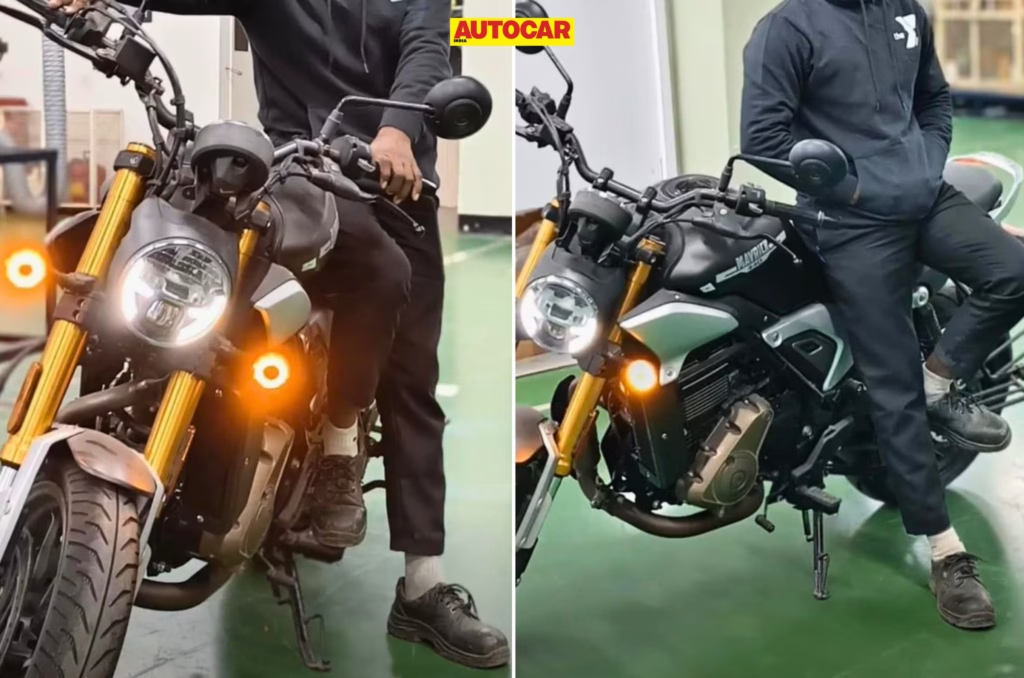
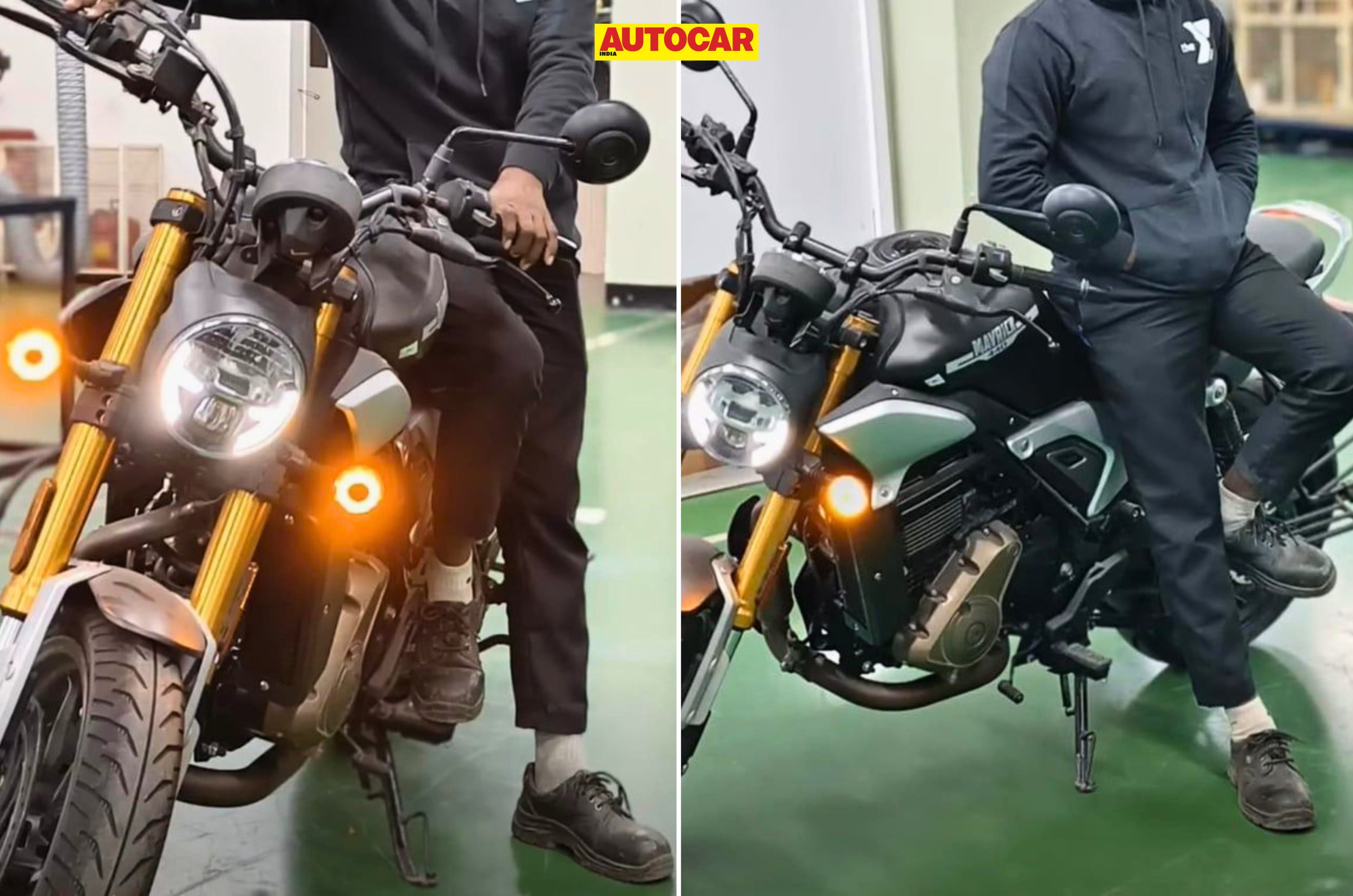
Inside image of the updated Hero Mavrick 440 showing the USD fork and back of the new TFT instrument cluster

Hero Mavrick 440 was the brand’s flagship product at launch, both in terms of price and features. It shared the engine and the platform with the original Harley-Davidson X440 but stuck to a conventional telescopic fork and a simpler LCD instrument cluster. Hero discontinued the Mavrick in India in early 2025, although it continues to be sold as Hunk 440 in the overseas markets. Now, an updated version of the Mavrick 440 has been spotted.

  1. Besides the USD fork and the TFT cluster, likely to get ride by wire
  2. Expected to retain the 440cc engine and the design

Hero bringing Mavrick 440 back in India

The Mavrick was discontinued in early 2025

A social media user has posted a picture of an updated Mavrick 440 with two of the major concerns addressed. First, the conventional right side up (RSU) telescopic fork has been swapped for an upside down (USD) fork. And the instrument cluster has been upgraded to a TFT one, presumably the same one as the Harley-Davidson X440 T, which shares the same platform. With the update, the X440 T got two ride modes and traction control. It remains unclear if the Mavrick 440 will get those extra features too.

The engine likely remains unchanged with the same air- and oil-cooled 440cc single-cylinder mill with 27hp and 38Nm of torque. Nothing on the design front appears to have been updated in any way either. At launch, the Mavrick 440 started at Rs 1.99 lakh, going up to Rs 2.24 lakh for the top variant (both prices ex-showroom, Delhi). With these additional features, the price would have gone up if Hero was planning to relaunch the bike in India. However, we believe that this bike is destined for export markets only, and Hero won’t be launching it here any time soon.

Image credit: xtremeAnkit (Reddit)