What Brazil’s 50-year ethanol experiment tells us

What Brazil’s 50-year ethanol experiment tells us
E20 fuel in Brazil

The forced introduction of E20 has set social media ablaze, with outraged car and bike owners complaining bitterly of damage to their vehicles and a drop in fuel efficiency. The anger isn’t irrational. The efficiency drop is real and, going by Autocar India’s own tests, larger than the figures the government itself has acknowledged. 

But while there’s no debate over the mileage penalty, the bigger fear is long-term damage to the vast majority of cars on our roads that are not E20-compliant. It’s a worry fanned by social media and by the way the government has handled the concern. Field trials conducted by the Automotive Research Association of India (ARAI) before the rollout reportedly found no major compatibility issues even in legacy vehicles. 

However, that report has never been made public, which has only deepened suspicion among car and bike owners. Most damaging of all was the Society of Indian Automobile Manufacturers (SIAM) formally flagging alarming levels of contamination in a letter it was later forced to publicly withdraw. Crucially, SIAM’s concern was contaminated fuel carrying worrying levels of chlorine, not the blend itself. That distinction has been lost in the noise, and it sits at the heart of the confusion, even panic, among customers fearing the worst.

So, is E20 the menace it is being made out to be, or is fuel contamination the bigger issue? The fact is, there is no workshop epidemic yet, though sceptics will argue it’s only a matter of time before engines start giving trouble. What social media is amplifying right now is the theoretical damage of a higher blend. That doesn’t make the concerns baseless, since long-term effects take years to show, but the truth is that panic and outrage are currently running well ahead of the evidence. Which makes it worth studying the one country that actually has the evidence, gathered over 50 years: Brazil.

The Brazil experience

If you think India’s leap from E10 to E20 was abrupt, consider what happened there. In November 1975, squeezed by the oil crisis and desperate to protect its foreign currency reserves, the Brazilian government launched Proalcool and shoved its motorists in at the deep end. “The blends with gasoline started at 20 percent. It went very soon up to 30 percent, and it was imposed by the government,” says Peter Gilbert, head of Operational Marketing and Customer Tech Services at Infineum Brazil, a fuel and lubricant additive specialist company whose business, it should be said, depends on ethanol-blended fuels working well. 

The documented history broadly bears him out, with one point worth noting: there was a brief low-blend ramp-up with E10, but that lasted roughly two to three years against the five decades of E20 and above since. Compare that with India, which took nearly two decades from its 2003 blending programme to reach E10. And like India, Brazil never kept an escape hatch. “There was no E0 when E20 was introduced,” says Gilbert, and there is none today: the mandated blend has since climbed through 25, 27 and 30 percent, and since August this year, all pumps in Brazil, including the super-premium ones, dispense E32.

But what is telling is the kind of cars running around on E20 in the late 1970s. Back then, cars were mainly carburetted with no fuel injection, no closed-loop control and no lambda sensors – machinery far cruder than even the oldest E10-era car on Indian roads today. So what broke?

According to Gilbert, remarkably little that could be pinned on E20 itself. “There weren’t any major issues reported,” he says. “There were issues related to the materials of the fuel system, the gaskets and the rubbers used at that time, but that has changed.”

His colleague Leandro Benvenutti, Infineum’s product manager for Latin America, says the trouble in 1970s and 1980s Brazil came almost entirely from dedicated alcohol cars running pure hydrous ethanol (E100), not from petrol cars on E20. “Everything we can remember from that time is related to these alcohol vehicles, not to the gasoline vehicles using E20,” he says. Carburettor corrosion, clogged jets, perished hoses and O-rings: all of it, in their experience, traced back to E100. “If there were problems in the other [non-flex fuel] vehicles, they were really not important at all.”

A caveat both experts volunteer: 1970s Brazil is not 2020s India, and the comparison is not like-for-like. “It’s difficult to correlate to vehicles today,” Gilbert admits. What the Brazilian record offers is not proof that nothing will go wrong here, but a large, long-running natural experiment in which the E20-specific damage everyone feared did not show up.
So what about India’s E10 cars?

Asked what he’d tell a worried Indian owner running an E10-era car on E20, Benvenutti replies, “There is no reason for panic. We don’t expect any immediate impact.” Note the word immediate. The honest answer regarding the long term is unknown, and to their credit, neither of Infineum’s experts pretends otherwise. Over years, rubber components in cars whose materials weren’t specified for E20 may embrittle sooner, and Benvenutti concedes older cars and motorcycles “may see issues with time”. But complicating the issue is attribution – what is due to ethanol and what is not. Rubber parts perish with pure petrol, too. 

Benvenutti recalls his father’s flex-fuel car whose fuel hose dried out and leaked after years of use. “Was that really caused by the ethanol, or was that something going to happen anyway after five or ten years?” If there is a cost to owners, in other words, it is most likely a shortened life for cheap parts such as hoses, gaskets and O-rings rather than failures of expensive ones. “The risk for the metal components, the hard components like valves, injectors and pumps, is much lower if you maintain this product within spec,” explains Gilbert. That last clause matters, and we’ll revisit it.

On material margins, Benvenutti is careful not to overclaim. He believes manufacturers build in buffers. “If I am developing an engine, I would prefer to keep some buffer,” he remarks but adds that he is not a materials specialist and that the buffer may mean a component lasting eight years instead of 10. Whether every manufacturer selling in India engineered that headroom is a question only the manufacturers can answer.

Calibration is key

The more concrete near-term issue isn’t corrosion. It’s calibration. E20 carries less energy per litre, so the engine management system must inject more fuel to keep the mixture correct. Most closed-loop systems that have been around since the move to BS-II fuel-injection in 2000 should easily adapt, but if an older car’s injectors or fuel-trim maps run out of adjustment range, the mixture runs lean. The tell-tale? “Probably the most impactful result will be a light on your cluster. You will see the malfunction indication light on,” says Benvenutti. If your check engine light comes on after the switch to E20, that’s your car telling you it can’t fully compensate. Whether yours will is a manufacturer-by-manufacturer, even model-by-model chance.

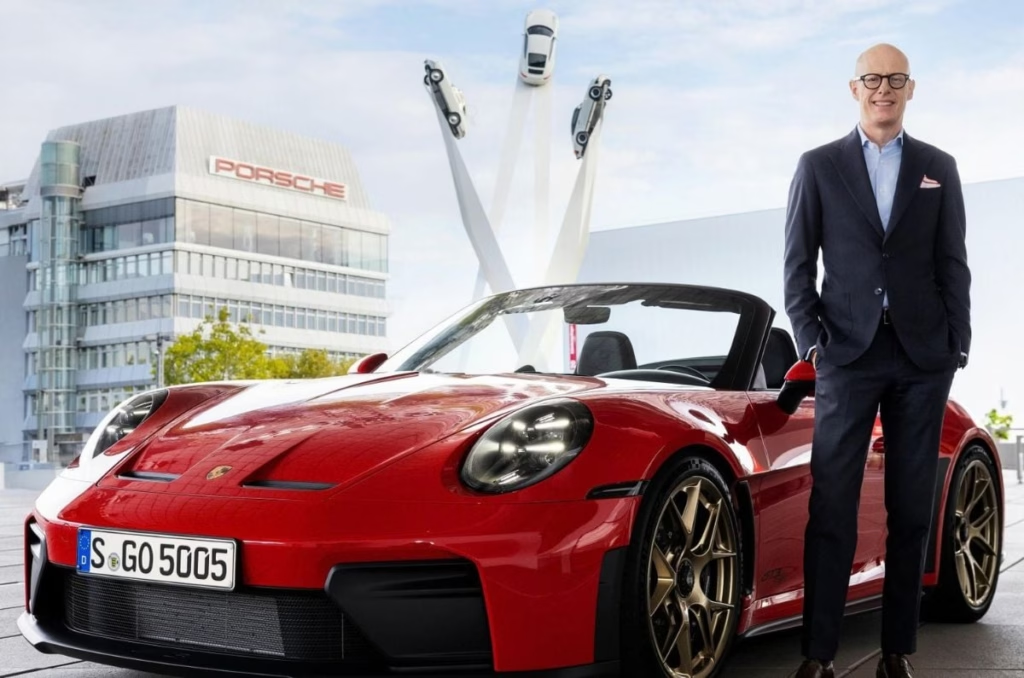
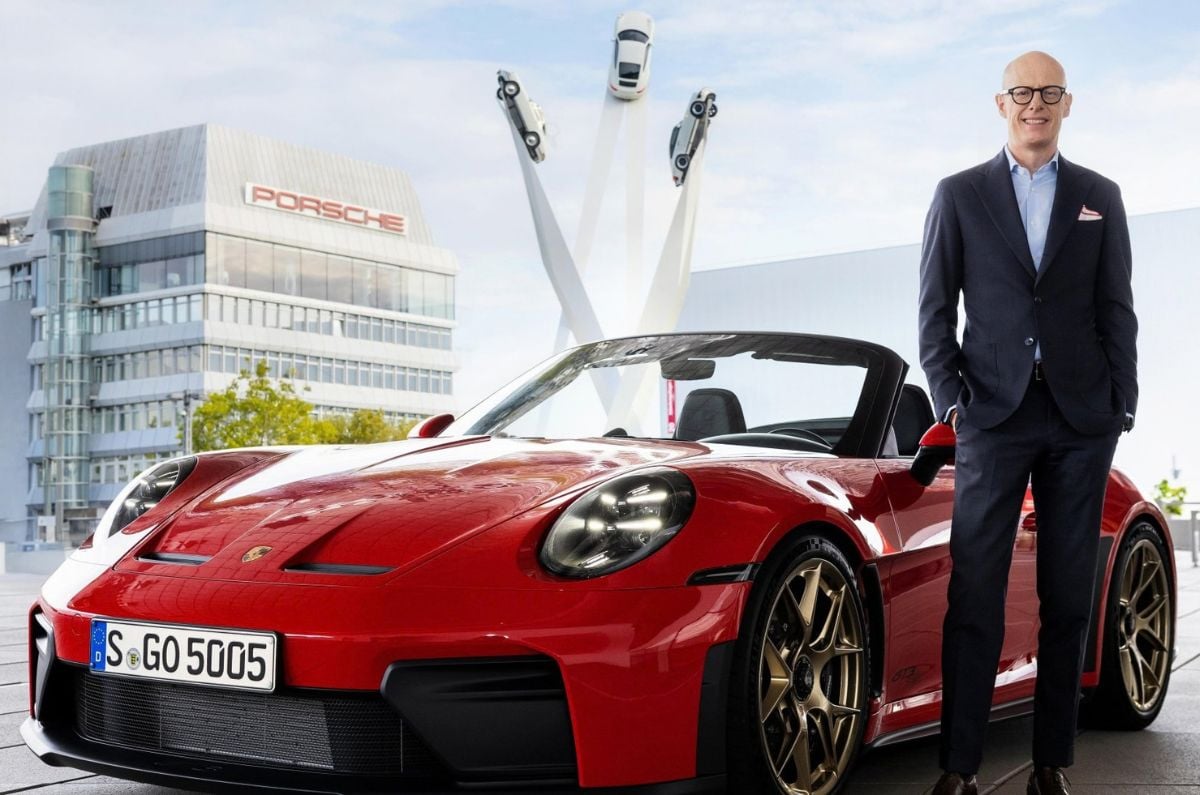
Then there is Brazil’s import experience, which is genuinely striking and even reassuring. European and Japanese cars homologated for E10 markets are sold in Brazil and run on E30, now E32, every day. “I haven’t seen any report on issues with those engines,” says Gilbert. And there is no exemption at the top of the market. With no E0 sold anywhere in the country, every Ferrari, Lamborghini and Porsche in Brazil fills up on E32; even the super-premium pumps dispense it. Ask whether a supercar owner can escape the blend, and the answer is emphatic. “No way,” says Benvenutti. 

Low volumes are no excuse to offer a special blend, unlike in India, where supercars have the safety net of a high-priced E0 premium fuel. Benvenutti points out that even a manufacturer bringing in a handful of sports cars must ensure the car is fit for the market’s fuel. “I would not imagine any OEM bringing one unit and selling it if that’s not prepared for that market.” The one genuine weak spot he flags concerns independent, grey-market imports, which arrive exactly as built for the European or Japanese market with no local adaptation. Much of ethanol’s impact is based on anecdotal data rather than any controlled study, but it is decades of anecdotes across millions of cars, from hatchbacks to hypercars.

How much evidence of ethanol impact is there?

Enough of it to take seriously. Start with a fact that rarely features in the Indian debate: Brazil is not a country of new cars. Punishing taxes on new vehicles and tight credit mean Brazilians hold on to their cars for a long time, and the tax system actively rewards them for doing so. Most states have long exempted the oldest cars from the annual IPVA vehicle tax, and a constitutional amendment now makes that exemption national for anything 20 years or older. The result, as per the Brazilian auto components association Sindipeças, is a fleet averaging over 11 years old, with 7.3 million vehicles past 16 years and some 220,000 past 25. Every one of them fills up on E27-to-E32 petrol because nothing else is sold. No doubt, much of this ageing fleet is flex-fuel, engineered from birth to drink anything up to E100, so their survival may seem overplayed, but only up to a point. 

Flex-fuel technology arrived in Brazil only in 2003 with the Volkswagen Golf, which means the country’s first two and a half decades on E20-and-higher blends were served entirely by ordinary petrol cars, and the earliest of those were designed for no ethanol whatsoever; the blend was simply imposed on them, which is exactly what’s happening in India today. The cars that predate the flex era and the imported non-flex cars still running on E32 haven’t seen a trend of ethanol casualties. There is no scrapyard full of ethanol victims; the old cars are still on the road.

Then there’s the formal testing. Before Brazil raised its mandate from E27 to E30 in August 2025, a working group under the country’s Ministry of Mines and Energy ran durability tests on vehicles representative of the national fleet. ANFAVEA, Brazil’s association of vehicle manufacturers (the counterpart to our SIAM), reported that the tests showed no adverse effects on engine durability or performance, with one telling condition attached: provided fuel quality standards are met. Independently, a year-long University of Nebraska-Lincoln study ran E30 in ordinary non-flex-fuel state government vehicles in the US and found no adverse effects either. None of this is a guarantee for every ageing car in India, but it is consistent, multi-source evidence that corroborates Infineum’s findings.

The dangerous C word 

So is the all-clear justified? Only conditionally, and the condition is the same one ANFAVEA attached: clean fuel made and blended to specification. And this is where India’s real problem appears to lie. If genuine damage is occurring in Indian fuel systems, the evidence points not to the ethanol blend but to what’s riding along with it: chloride contamination picked up during the production process and from storage tanks. SIAM’s now-withdrawn letter reported chloride levels of up to 500 ppm in samples from vehicle tanks and 350 ppm at retail outlets, figures the petroleum ministry has vehemently contested. Ministry officials say their own testing found high chlorine levels at just two pumps and that plastic sample containers had corrupted some tests and thrown up false readings. Yet, even a fraction of SIAM’s figures would dwarf the 3 ppm the ministry itself treats as the acceptable ceiling. 

Also, 3 ppm is only a guideline. India has yet to mandate BIS limits for chloride in fuel ethanol – something Brazil has enforced by law at 1 ppm for years. Chlorides corrode fuel pumps, injectors and valves regardless of whether a car was designed for E10 or E20, which is precisely why blaming the blend misdiagnoses the disease. The Brazilian experience, in short, largely acquits ethanol. It says nothing to acquit the fuel quality actually coming out of Indian pumps, and fixing that is a question of standards and enforcement, not of retreating to E10. 

The E20 debate, now thoroughly political, will no doubt rage on: the government and its agencies on one side, and on the other, opposition parties and a swarm of influencers and social media experts riding the outrage for popularity and views, but few of them have bothered to put an independent expert on record. The good thing is that science and first-hand experience – Brazil’s, in this case – take no sides. And that’s the side we are on.

Maruti Fronx hits 2 lakh-unit export milestone in record time

Maruti Fronx hits 2 lakh-unit export milestone in record time
Maruti Fronx export

The Maruti Fronx has crossed 2 lakh exports from India in under 38 months, the fastest time for an SUV, as per the Society of Indian Automobile Manufacturers (SIAM). Exports of the Fronx began in June 2023, and it hit the 1 lakh-unit milestone in just about 25 months after that in July 2025, which is also the quickest time for an SUV. Maruti Suzuki manufactures the Fronx at its Hansalpur plant in Gujarat, and it is exported to nearly 90 countries.

“Since FY24-25, the Fronx has been India’s number one exported passenger vehicle…Sustained focus on exports has earned the Company the number one position in passenger vehicle exports from India…All three of India’s top exported passenger vehicles in Q1 FY26-27 were from Maruti Suzuki. The growing export volumes year-on-year are a strong endorsement of the reliability and appeal of the Company’s products across global markets,” Maruti Suzuki MD and CEO Hisashi Takeuchi said

Maruti Suzuki exports in recent years

Maruti Suzuki exports in recent years

Maruti Suzuki exported 3.95 lakh passenger vehicles in 2025, its highest-ever tally in a calendar year and over 21 percent more than in 2024. It also remained India’s biggest passenger vehicle exporter for the fifth year in a row, sending 18 models to more than 100 countries. Its exports from India have largely grown over the years. Shipments jumped by more than 140 percent in 2021 compared to 2020, before growth slowed to 28 percent in 2022. The rise was even smaller in 2023, at just over 2 percent. Exports picked up again in 2024, growing by a little over 21 percent, and continued at a similar pace in 2025. Like the Fronx, the e Vitara electric SUV is also built at the Hansalpur facility, and its exports started last year.

EPF Retirement Investment: रिटायरमेंट के बाद नियमित कमाई के लिए EPF का पैसा कहां लगाएं? एक्सपर्ट्स से जानिए

EPF Retirement Investment: कई सैलरीड कर्मचारी रिटायरमेंट के समय Employees’ Provident Fund (EPF) में काफी अच्छा खासा पासा जमा कर लेते हैं। लेकिन जैसे ही सैलरी बंद होती है, असली चुनौती शुरू होती है। सवाल यह होता है कि इस पैसे को लंबे समय तक कैसे चलाया जाए। क्या पूरा पैसा EPF में ही रखा जाए या महंगाई से बचने के लिए कुछ हिस्सा बाजार से जुड़े निवेश में लगाया जाए? कितना जोखिम लेना सही होगा? और एकमुश्त रकम से नियमित आय कैसे बनाई जाए?

अगर आपके पास EPF में बड़ा कॉर्पस है, तो रिटायरमेंट के बाद लक्ष्य सिर्फ पैसे को सुरक्षित रखना नहीं होता। जरूरी यह भी है कि यह पैसा आने वाले वर्षों में आपके खर्चों को पूरा करने के लिए काम करता रहे।

रिटायरमेंट के बाद EPF पर ब्याज कैसे मिलता है

रिटायरमेंट के बाद EPF पर मिलने वाले ब्याज को लेकर अक्सर उलझन रहती है। Kustodian Life के फाउंडर कुणाल काबरा बताते हैं कि EPF नियमों के मुताबिक- 58 साल को आधिकारिक रिटायरमेंट उम्र माना जाता है। रिटायरमेंट के बाद EPF में योगदान बंद हो जाता है, लेकिन बैलेंस पर कुछ समय तक ब्याज मिलता रहता है।

नियम दो तरह से लागू होते हैं। अगर कोई व्यक्ति 58 साल की उम्र में रिटायर होता है, तो उसके EPF बैलेंस पर तीन साल तक यानी 61 साल की उम्र तक ब्याज मिलता है। लेकिन अगर कोई 58 साल से पहले रिटायर होता है, तो उसे ब्याज सिर्फ 58 साल की उम्र तक ही मिलेगा। इसका मतलब है कि 58 साल एक तरह से कट-ऑफ उम्र है। तीन साल तक ब्याज मिलने का फायदा तभी मिलता है, जब रिटायरमेंट आधिकारिक उम्र यानी 58 साल पर हो।

इसे उदाहरण से समझिए

अब मान लीजिए कि अगर कोई 57 साल में रिटायर होता है, तो उसे ब्याज 60 साल तक मिलेगा। अगर कोई 55 साल में रिटायर होता है, तो ब्याज 58 साल तक मिलेगा। यहां तक कि अगर कोई 45 साल में रिटायर होता है, तब भी ब्याज केवल 58 साल तक ही मिलेगा।

आमतौर पर EPF पर मिलने वाली ब्याज दर करीब 8 प्रतिशत के आसपास रहती है, लेकिन यह ब्याज इन्हीं तय सीमाओं के भीतर मिलता है। यहां तक कि अगर कोई व्यक्ति 58 के बाद भी काम करता रहे, तब भी नए EPF योगदान आम तौर पर बंद हो जाते हैं। ब्याज 61 साल की उम्र तक ही सीमित रहता है। इसी वजह से एक्सपर्ट मानते हैं कि रिटायरमेंट के बाद केवल EPF पर निर्भर रहना पर्याप्त नहीं होता।

फिक्स्ड इनकम का इंतजाम जरूरी

रिटायरमेंट के बाद सुरक्षित निवेश वाले हिस्से में भी केवल एक साधन पर निर्भर रहना सही नहीं माना जाता। Master Capital Services में वेल्थ मैनेजमेंट की AVP आकांक्षा शुक्ला कहती हैं कि EPF मुख्य रूप से बचत जमा करने का साधन है, न कि रिटायरमेंट में नियमित आय देने वाला साधन।

इसलिए रिटायरमेंट के बाद बचत को इस तरह व्यवस्थित करना जरूरी होता है कि उससे नियमित आय मिलती रहे। उदाहरण के तौर पर Senior Citizens’ Savings Scheme (SCSS) अपेक्षाकृत ज्यादा और स्थिर आय दे सकती है। वहीं बैंक फिक्स्ड डिपॉजिट भी अपनी सादगी और तय रिटर्न की वजह से कई लोगों की पसंद बने रहते हैं, खासकर उन लोगों के लिए जो मासिक आय चाहते हैं।

इसके अलावा डेट म्यूचुअल फंड पोर्टफोलियो में लचीलापन और लिक्विडिटी जोड़ सकते हैं। एक्सपर्ट्स के मुताबिक, इनके जरिए जरूरत के मुताबिक समय-समय पर पैसे निकालना आसान हो सकता है।

रिटायरमेंट में भी इक्विटी की भूमिका

कई रिटायर्ड लोगों को लगता है कि इक्विटी से पूरी तरह दूर रहना सुरक्षित रहेगा। लेकिन ऐसा करने से एक और जोखिम पैदा हो सकता है। समय के साथ महंगाई आपकी खरीद क्षमता को कम कर सकती है।

आकांक्षा शुक्ला के मुताबिक, बढ़ती औसत उम्र और महंगाई को देखते हुए रिटायरमेंट पोर्टफोलियो में इक्विटी की भूमिका अब धीरे धीरे जरूरी होती जा रही है।

आमतौर पर 15 से 20 प्रतिशत तक इक्विटी निवेश, खासकर लार्ज-कैप, इंडेक्स या हाइब्रिड फंड के जरिए, पोर्टफोलियो को लंबे समय में बढ़ने में मदद कर सकता है। यहां मकसद बहुत ज्यादा रिटर्न कमाना नहीं होता, बल्कि यह सुनिश्चित करना होता है कि आपका कॉर्पस समय के साथ खत्म न हो।

सही एसेट एलोकेशन क्यों जरूरी है

रिटायरमेंट के बाद पोर्टफोलियो का संतुलन बहुत महत्वपूर्ण होता है। इससे एक तरफ नियमित आय मिलती रहती है और दूसरी तरफ महंगाई से भी बचाव होता है।

आकांक्षा शुक्ला के अनुसार अगर किसी के पास करीब 3 करोड़ रुपये का कॉर्पस है, तो निवेश को चार हिस्सों में बांटना एक सामान्य रणनीति हो सकती है। इसमें EPF और अन्य फिक्स्ड इनकम साधन, डेट निवेश, इक्विटी और एक छोटा इमरजेंसी फंड शामिल हो सकता है। असल में यह डिस्ट्रीब्यूशन कुछ इस तरह हो सकता है:

  • 40 से 50 प्रतिशत फिक्स्ड इनकम
  • 30 से 35 प्रतिशत डेट निवेश
  • 15 से 20 प्रतिशत इक्विटी
  • और एक छोटा इमरजेंसी फंड

एकमुश्त रकम से नियमित आय कैसे बनाएं

रिटायरमेंट के समय मिलने वाली बड़ी रकम को सही तरीके से निवेश करना जरूरी होता है। Arihant Capital Markets की CEO Wealth स्वाति जैन के अनुसार, पूरी रकम एक साथ निवेश करने की बजाय Systematic Transfer Plan (STP) का इस्तेमाल किया जा सकता है।

इसमें पैसा पहले कम जोखिम वाले डेट या लिक्विड फंड में रखा जाता है और फिर 6 से 12 महीनों के दौरान धीरे धीरे इक्विटी या हाइब्रिड फंड में ट्रांसफर किया जाता है। इससे बाजार के उतार चढ़ाव का जोखिम कम हो जाता है।

नियमित आय के लिए Systematic Withdrawal Plan (SWP) भी बेहतर तरीका हो सकता है। इसमें निवेश से तय अंतराल पर एक निश्चित रकम निकाली जाती है, जिससे नियमित कैश फ्लो बना रहता है।

एक्सपर्ट्स सलाह देते हैं कि एक से दो साल के खर्च के बराबर रकम सुरक्षित निवेश में रखी जाए, ताकि बाजार गिरने के समय मजबूरी में पैसे निकालने की जरूरत न पड़े। इसके बाद SWP के जरिए नियमित आय बनाई जा सकती है।

रिटायरमेंट में सुरक्षित निकासी कितनी हो

स्वाति जैन के मुताबिक, इसके लिए बकेट रणनीति अपनाना इस्तेमाल हो सकता है। इसमें छोटे समय की जरूरतों के लिए डेट निवेश से SWP किया जाता है और लंबी अवधि की ग्रोथ के लिए इक्विटी में निवेश रखा जाता है।

एक्सपर्ट्स आम तौर पर 4 से 5 प्रतिशत सालाना निकासी को सुरक्षित मानते हैं। यानी अगर किसी के पास 3 करोड़ रुपये का कॉर्पस है, तो वह सालाना लगभग 12 से 15 लाख रुपये निकाल सकता है। यह दर आम तौर पर 20 से 25 साल तक टिकाऊ मानी जाती है, बशर्ते पोर्टफोलियो संतुलित बना रहे। अगर शुरुआती वर्षों में इससे ज्यादा पैसा निकाला जाए, तो भविष्य में कॉर्पस जल्दी खत्म होने का खतरा बढ़ सकता है।

PPF Maturity Rules: 15 साल पूरे होने पर भी मत निकालें पीपीएफ का पैसा! अपनाए ये आसान ट्रिक

Disclaimer: मनीकंट्रोल.कॉम पर दिए गए सलाह या विचार एक्सपर्ट/ब्रोकरेज फर्म के अपने निजी विचार होते हैं। वेबसाइट या मैनेजमेंट इसके लिए उत्तरदायी नहीं है। यूजर्स को मनीकंट्रोल की सलाह है कि कोई भी निवेश निर्णय लेने से पहले हमेशा सर्टिफाइड एक्सपर्ट की सलाह लें।

All you need to know about the upcoming MG Hector Tomahawk

All you need to know about the upcoming MG Hector Tomahawk

MG India is gearing up to unveil its upcoming SUV, the Hector Tomahawk, on August 26, 2026. It will be the first MG model in the country to be based on the new ADAPT architecture, which supports both electric and hybrid powertrains. Here’s everything you need to know about the upcoming MG Hector Tomahawk ahead of its debut.

Will the MG Hector Tomahawk be an EV or a PHEV?

MG will offer it as an EV first, followed by a PHEV version later

MG will debut the Hector Tomahawk in its all-electric avatar on August 26, followed by a PHEV version in the coming months. 

What is the expected price of the MG Hector Tomahawk?

Hector Tomahawk is expected to be competitively priced like other MG models

Like other MG models, the Hector Tomahawk is expected to be sold at a competitive price. The EV version could be priced between Rs 18-25 lakh, serving as an alternative to the Kia Carens Clavis EV and Mahindra XEV 9S, while the PHEV version is expected to be priced between Rs 20-30 lakh, as a rival to the Mahindra XUV 7XO and Tata Safari. 

Is the Hector Tomahawk an electric version of the existing MG Hector?

The upcoming Hector Tomahawk is completely unrelated to the existing Hector 

Although the upcoming MG Hector Tomahawk carries the ‘Hector’ name, it is not related to the existing MG Hector. The Hector Tomahawk EV is based on the Wuling Starlight 560 SUV and uses the company’s new ADAPT platform, which supports EVs as well as hybrid powertrains, including range-extender EVs, plug-in hybrids, and strong hybrids. In contrast, the existing MG Hector is based on the Baojun 530 SUV, which is also sold as the Chevrolet Captiva in international markets. 

What is the real-world range of the MG Hector Tomahawk?

EV could offer up to 500km range; PHEV could offer over 1,000km

Wuling Starlight 560 EV (left) and PHEV (right).

The MG Hector Tomahawk’s specifications have not been revealed yet, but it is expected to share its mechanical components with the Wuling Starlight 560 SUV, on which it is based. Hence, the Hector Tomahawk EV is expected to have a 69.2kWh battery paired with a 201hp electric motor mounted on the front axle. The setup is claimed to deliver a 530km range under the CLTC testing cycle, which could translate to a real-world range of around 450-500km.

The Hector Tomahawk PHEV is expected to use a 1.5-litre naturally aspirated petrol engine paired with a 20.5kWh battery. This setup produces a combined output of 195hp and 230Nm on the Wuling Starlight 560, with an electric-only CLTC range of 125km. With the petrol engine included, the total range exceeds 1,000km.

What will the MG Hector Tomahawk SUV look like?

Exterior and interior design are expected to be similar to the Wuling Starlight 560

Image source: @punekar__nikhil on Instagram

Numerous spy shots and teaser videos have given us a glimpse of the MG Hector Tomahawk’s design, which will closely resemble the Wuling Starlight 560. At the front, it will feature rectangular projector LED headlights with LED DRL strips above and below them, connected by a gloss-black panel with illuminated elements. The EV will get a blanked-off grille, while the PHEV could feature air inlets. The SUV will also get black wheel-arch cladding and 18-inch wheels. At the rear, wraparound LED taillights will mirror the design of the front DRLs. The India-spec model will, however, get new alloy wheels, some decals on the C-pillar and new logos. 

Wuling Starlight 560’s dashboard is shown for representative purposes only. 

Inside, the Tomahawk is expected to have a minimalist dashboard with a free-standing 8.8-inch digital driver’s display, a 12.8-inch touchscreen infotainment system and a 2-spoke steering wheel. It is unlikely to get physical controls for the air-conditioning. The SUV will offer seven seats with leatherette upholstery. Expected features include a panoramic sunroof, powered and ventilated front seats, a wireless phone charger, six airbags as standard, an electronic parking brake, a rear parking camera with sensors and ADAS.

Bajaj, TVS drive 33 percent rise in India’s motorcycle exports

Bajaj, TVS drive 33 percent rise in India’s motorcycle exports

India exported 1.81 million motorcycles between April and July 2026, up 33 percent from the same period last year, according to SIAM data. Motorcycles accounted for 86 percent of India’s 2.10 million two-wheeler exports during this period.

  1. 1.81 million motorcycles exported between April and July
  2. Bajaj and TVS account for 76 percent of exports
  3. TVS exported over 85,898 more 125cc motorcycles than Bajaj

Bajaj, TVS lead India’s motorcycle exports

Bajaj Auto and TVS Motor Company together accounted for 1.38 million motorcycle exports, or 76 percent of the total. Much of the demand is concentrated in the 100-125cc segments, which accounted for 1.22 million units, or 68 percent of all motorcycle exports.

Bajaj Auto exported 8,54,991 motorcycles between April and July, up 48 percent year on year. Its 100-110cc exports nearly doubled to 378,941 units, while 110-125cc exports rose 36 percent to 229,677 units.

Africa has been a major growth driver for Bajaj, with the company reporting that its African retail volumes doubled in Q1 FY2027. The Boxer 125 Heavy Duty has been one of the key models behind this growth, particularly in Nigeria. Bajaj has also seen strong demand in Latin America, with Brazil retail volumes rising 50 percent in Q1.

TVS exports rise 31 percent

TVS Motor exported 529,041 motorcycles in the first four months of FY2027, up 31 percent. This was 35,509 units more than its domestic motorcycle sales during the same period.

Its 100-110cc exports, comprising models such as the Sport and Star City, rose 54 percent to 156,308 units. The 125cc category grew 27 percent to 315,575 units, with the Star City 125, sold as the HLX 125 in overseas markets, being a major contributor. TVS exported 85,898 more 125cc motorcycles than Bajaj during the period.

India’s motorcycle exports could cross 5 million

India exported a record 4.47 million motorcycles in FY2026. The 1.81 million units shipped in the first four months of FY2027 already represent 40.5 percent of that figure.

At the current monthly run rate of around 4.53 lakh motorcycles, India could export approximately 5.44 million motorcycles in FY2027, taking annual exports beyond the 5-million mark for the first time.


Is Hero bringing the Impulse back?

Is Hero bringing the Impulse back?
New Hero dual-sport motorcycle

Hero MotoCorp has filed a design patent for a new dual-sport motorcycle, with some details indicating that the model could enter a segment the brand last played in with the Impulse.

  1. Air-cooled engine with kickstarter visible in the patent drawings
  2. Carburettor suggests it could also be for export markets
  3. Disc brakes at both ends with what looks like long-travel suspension

New Hero dual-sport motorcycle: What the patent reveals

Design cues drawn from existing Hero models across different segments

The new motorcycle in the patent filing has an air-cooled engine with no oil-cooler, suggesting that it will likely be a smaller-capacity powerplant displacing somewhere in the 150-200cc range, well below the liquid-cooled Xpulse 421 that’s currently under development. The images also reveal that the engine will feature a kickstarter, but it’s safe to assume that an electric starter will also be present. If this is indeed a small-capacity engine as we suspect, the Impulse moniker could even be in contention for a revival. 

While this means the new model could sit close to the existing XPulse 200 4V and XPulse 210, the overall profile appears slimmer, and the potentially smaller engine could also make it lighter and easier to handle.

The overall silhouette and tank shrouds also bear a closer resemblance to the old Impulse than to the current XPulse range. Lighting elements seem to be drawn from existing Hero models – the tail lamp resembles the unit on the Xtreme 125R and XPulse 210, while the headlight is similar to the Xtreme 160R and now-discontinued Passion Pro 110 XTEC unit. Other visible elements include a raised front mudguard and a high-mounted exhaust, a telescopic fork and monoshock suspension setup, and disc brakes at both ends.

However, there is one aspect that is a little puzzling. In the images, we can see what looks like a fuel tap on the left side of the engine and a choke knob on the left handlebar – both indicating a carburetted setup. It’s highly unlikely that it would comply with our country’s emission norms, so the bike in this specific form could be intended for export markets where carburetted engines are still permitted.
That said, other details suggest a different version of the bike seen here could make it to India. Regulatory requirements like the front number plate and a saree guard are both visible, suggesting Hero could also be designing the bike with the local market in mind.

There’s little other information right now, but we’ll update this story as we learn more. A patent filing also doesn’t necessarily mean that the bike will go on sale in the near future. In terms of confirmed upcoming products from the brand, we can expect the production-ready Xpulse 421 to make its official debut at EICMA 2026.

E3 Electric opens its first store in Bengaluru

E3 Electric opens its first store in Bengaluru

E3 Electric.AI – the newest entrant in India’s growing electric 2-wheeler market has opened its doors to customers at its first flagship experience centre in Koramangala, Bengaluru, spanning over 2,500 square feet offering sales, service and spares backup under one roof. Along with this, the brand has also highlighted its expansion across the country. 

  1. The flagship store spans over 2,500sq. ft.
  2. E3 Electric.AI currently has three models on offer
  3. 6 more stores in Bengaluru and 100 more stores planned across India in the current financial year.

E3 Electric.AI to open 6 more stores in Bengaluru

This startup currently has three models on sales – C1, C1X, C2

While this flagship store is situated in Koramangala, Bengaluru, E3 says that there are six more stores opening in Bengaluru in the coming months, although a clear timeline hasn’t been provided. In addition to that, the brand also plans to expand in Mysuru as part of its Karnataka expansion.

In terms of its pan-India expansion, the brand aims to open about 100 stores in 90 markets during the current financial year. With a similar ethos as the first store – customer-first and experience-led.

As for the products on offer, this Bengaluru based startup has 3 models on offer – C1, C1x and C2. The entry-level Trion C1 uses a removable 2.3kWh LFP battery, while the C1x and C2 get larger, fixed 3kWh LFP units. 

The Trion rides on 14-inch wheels, which are larger than those on most electric scooters currently on sale in India.

All you need to know about the Mahindra Scorpio Lifestyler

All you need to know about the Mahindra Scorpio Lifestyler
Mahindra Scorpio Lifestyler front quarter static

The Mahindra Scorpio Lifestyler will join the pickup truck segment upon its launch sometime before April 2027. Based on the Scorpio N SUV’s ladder-frame platform, Mahindra’s new pickup truck will simply carry the ‘Lifestyler’ moniker in markets abroad. While the automaker is yet fully disclose most of this car’s details, it has confirmed a starting price of under Rs 19.79 lakh (ex-showroom). So, if you’re awaiting the Mahindra Scorpio Lifestyler, here are some important points to keep in mind.

1. Does the Mahindra Scorpio Lifestyler’s design reflect its name?

There’s enough visual drama here to draw in buyers wanting a lifestyle pickup truck

Mahindra Scorpio Lifestyler front

An upright and boxy silhouette, a squared-off front fascia, rugged-looking body cladding, deep wheel wells and of course, a sizeable bed – the Mahindra Scorpio Lifestyler has all basic ‘pickup truck’ design aspects covered. Backing its ‘lifestyler’ suffix visually are three avatars as shown during the model’s reveal. There’s the Valley Edition that’s finished in Artemis Grey, Reef Edition with an Aquareef colour, and a Trail Edition that sports the so-called Sahara Beige colour scheme. Each of these get their own unique exterior decals and badging.

While there are some visual cues that this is the Scorpio N’s platform sibling (such as the ‘Scorpio’ badging at the top of the front grille), the Lifestyler pickup has several design cues that are unique to it. One of these is the prominent Double Cab body and a short bed at the back, which appears to be shorter than the one found on the Hilux. The headlamps are sleeker and more intricately styled units with a different LED DRL pattern. Depending on the avatar chosen, the chunky front bumper of the Scorpio Lifestyler can be had with an integrated bullbar, whilst vertically aligned fog lamps are available too.

Mahindra Scorpio Lifestyler rear quarter

The top portion of the boxy-looking grille is finished in black and gets orange reflector elements, which match the orange tow hooks placed either side of a bash plate. The lower portion of the grille features large squares arranged in a mesh pattern. This design is mirrored on the rear bumper, which also features static reflectors on the sides and an integrated footstep that’s lit for better visibility in the dark. There are large C-shaped DRLs, LED tail-lamps, plus ‘Mahindra’ and ‘Lifestyler’ branding on the tailgate. The Scorpio Lifestyler also gets roof rails and side steps, and a kinked rear windowline.

2. How is the interior of the Mahindra Scorpio Lifestyler?

The interior of this pickup truck combines modern with rugged quite well

The squircle steering of the Mahindra Scorpio Lifestyler looks busy with its assortment of physical buttons and scroll wheels. Placed behind this on the dashboard is a fully digital instrument cluster with a multi-information section in the centre. In the middle of the dash is a large portrait-oriented touchscreen, flanked by vertically arranged central air-con vents. Placed below this screen are some physical switchgear, with the centre pedestal home to a few more important controls and cupholders.

Mahindra Scorpio Lifestyler Reef Edition interior

The upright design of the dashboard with its flat top, along with the large door handles and pillar-integrated grab handles, add to the rugged appeal of this interior. The Reef Edition gets a blue & black dual-tone interior with white stitching, while the Valley Edition features a brown & black theme with brown and white stitching. As for the Trail Edition, its cabin sports contrasting yellow stitching. The interior of the Scorpio Lifestyler also includes leatherette and satin silver trim, plus some chrome detailing.

3. What are some of the features of the Mahindra Scorpio Lifestyler?

The Scorpio Lifestyler is to be well-equipped with several modern conveniences and safety gear

Mahindra Scorpio Lifestyler Valley Edition interior

Some of the kit that the Mahindra Scorpio Lifestyler is expected to offer include dual-zone automatic climate control with rear vents, powered front seats, a powered sunroof, push-button start, an electronic parking brake with auto-hold, drive/terrain modes, a premium audio system, wireless Apple CarPlay & Android Auto, and wireless phone charging. On the safety front, there will be multiple airbags, electronic stability control, hill-start assist, hill-descent control, surround-view cameras and a tyre-pressure monitoring system.

4. What engine and gearbox options will the Mahindra Scorpio Lifestyler offer?

The Scorpio Lifestyler is expected to offer buyers both petrol and diesel powertrains

Mahindra Scorpio Lifestyler front quarter static

Powering the Mahindra Scorpio Lifestyler are likely to be a choice of two engine options: a mHawk 2.2-litre diesel and an mStallion 2.0-litre direct-injection turbo-petrol engine, which are the same units found under the bonnet of the Scorpio N SUV. The exact output of these powerplants will be revealed closer to the launch of this pickup. Meanwhile, transmission choices could include a 6-speed manual and a 6-speed torque-converter automatic. With a starting price of under Rs 19.79 lakh (ex-showroom), the Mahindra Scorpio Lifestyler will find itself positioned closer to the Isuzu D-Max rather the more expensive Toyota Hilux.

Also read

What to expect from Skoda Slavia facelift ahead of launch tomorrow?

Which variant of the Mahindra BE 6 Sporteq should you buy?

Opinion: Why India needs a small car assault

Opinion: Why India needs a small car assault
Citroen AMI, Honda Super N, Renault 5, Nissan Micra.

The CAFE 3 norms are just eight months away. Things will certainly get tighter and tougher for automakers, in terms of upping the number of clean power options as well as light-weighting their current brawn-ish SUVs. If one has to bring a 30 percent reduction in fleet-average performance and move from MIDC to WLTP test results, an automaker has very little leeway in terms of just about making it. 

As a product planner, I would seriously take this as an opportunity to bring the focus back onto the entry-level small car. In fact, all product planners should be doing the same, irrespective of what your current portfolio is. The policymakers are sending out a clear message to the Indian automobile industry – relook and revive the small car, for you have neglected it for quite some time now!

And why not? It’s not just for developing markets; look at the developed world too. The otherwise ostentatious European is seriously evaluating the small car once again. Even the more aware and conscious American is. Japan has always been a ready reference for all. Tomorrow’s car buyer is going frugal and smart once again. Going back to the basics. Without compromising on comfort and features. And the automakers have prepared themselves for such times. Some started almost a decade ago, with varying outcomes, but the efforts have been commendable and great teachers on how to approach the future. 

The Citroën Ami. The Fiat Topolino and Multiplina. The Renault 5 and its hot hatchback cousin, the Alpine A290. The Nissan Micra. The Smart For2. The Honda Super N. The Microlino and Microletta. And I have not even gone into what the Chinese have launched over the last 12 months. 

This is the attack of the “minors”. Electric. Power-packed. Feature-rich. Head-turning looks. Both microcars as well as conventional entry-level little runabouts. They are not cheap-looking, frugally engineered, cost-compromised, low-on-status offers that one never wants. They are clean, conscious and very cool. They cater to the sceptical youth and the wizened elder alike.

For years, Japan and Europe have been the homes of such cars. It is time India takes over that role. And it makes perfect business sense too. If we are to increase car penetration and grow the market to a size even half of that of China, given our consumption power, there is no other way but to make the entry-level car the hero of the script. Whether electric, CNG or hybrid. It is the responsibility of brands like Maruti Suzuki, Hyundai, Toyota, Tata and Honda to make this happen. Only then will we create a mature and sustainable market with a rich and robust pipeline of two-wheeler owners who will want to look up!

Mahindra Scorpio Lifestyler pickup truck unveiled

Mahindra Scorpio Lifestyler pickup truck unveiled
Mahindra Scorpio Lifestyler

Mahindra has pulled the covers off its long-awaited lifestyle pickup truck based on the 2023 Global Pik Up concept, christening it the Scorpio Lifestyler. Underpinned by the same body-on-frame chassis as that of the Scorpio N, the Scorpio Lifestyler will butt heads with the Toyota Hilux and Isuzu D-Max V-Cross in India. The pickup truck will be sold in several global markets too, where it’ll drop the ‘Scorpio’ branding and just be known as the Lifestyler.

Prices for the Mahindra Scorpio Lifestyler are confirmed to start below Rs 19.79 lakh (ex-showroom) in India, with launch pegged by April 2027. The Scorpio Lifestyler would therefore undercut its rivals significantly, both of which start above Rs 25 lakh.

Mahindra Scorpio Lifestyler exterior design

Up front, the Scorpio Lifestyler has high-set LED headlamps with L-shaped DRL signatures, a wide honeycomb-patterned grille with chrome accents, and a ‘Scorpio’ wordmark on the leading edge of the bonnet. Underneath, there’s a muscular skid plate bearing ‘Mahindra’ lettering, a meshed air dam, and vertically oriented LED fog lamps.

Over to the side, the Scorpio Lifestyler features a double-cab configuration, and gets dual-tone alloy wheels shod in off-road tyres, chunky side cladding, roof rails, and a kinked beltline. The rear end of the Scorpio Lifestyler is characterised by vertically oriented LED tail-lamps housing C-shaped DRLs, which flank a large ‘Mahindra’ wordmark molded into the bootlid. Below, the bumper looks similarly rugged to the one up front.

Mahindra Scorpio Lifestyler interior and features

Inside, the Scorpio Lifestyler is much more upmarket than its rugged exterior suggests. The dashboard prominently sports a portrait-oriented infotainment touchscreen flanked by AC vents, below which there’s a climate control panel and various physical controls. Ahead of the driver sits a three-spoke steering wheel and a digital driver’s display, while the transmission tunnel features lots more physical controls. In terms of creature comforts, the Scorpio Lifestyler is likely to pack wireless Apple CarPlay and Android Auto, dual-zone climate control, connected car tech, terrain modes, and more.