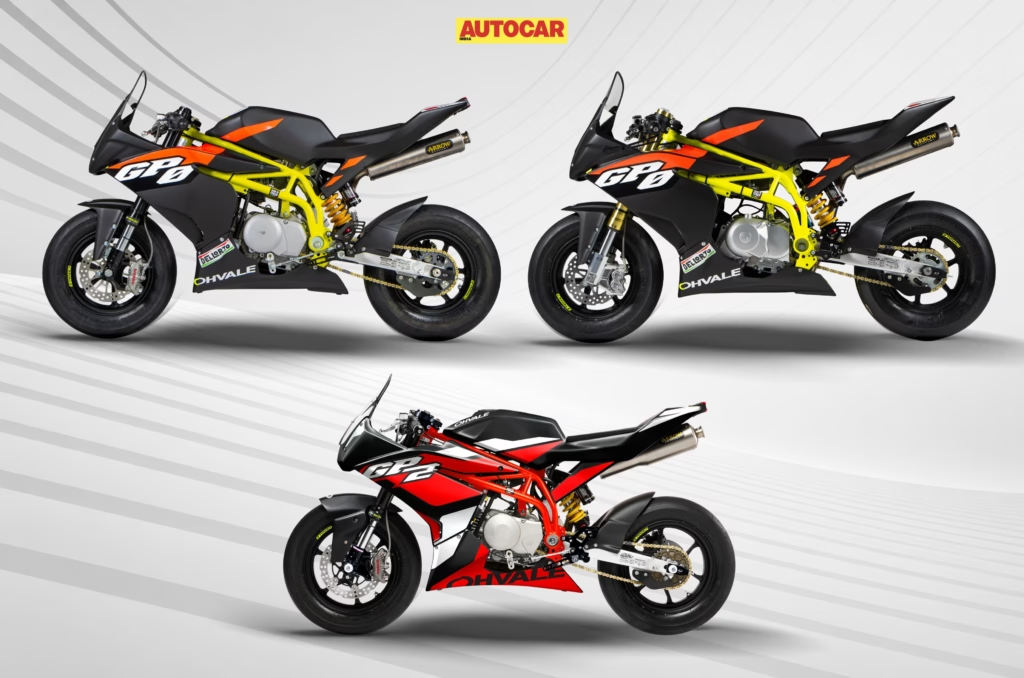
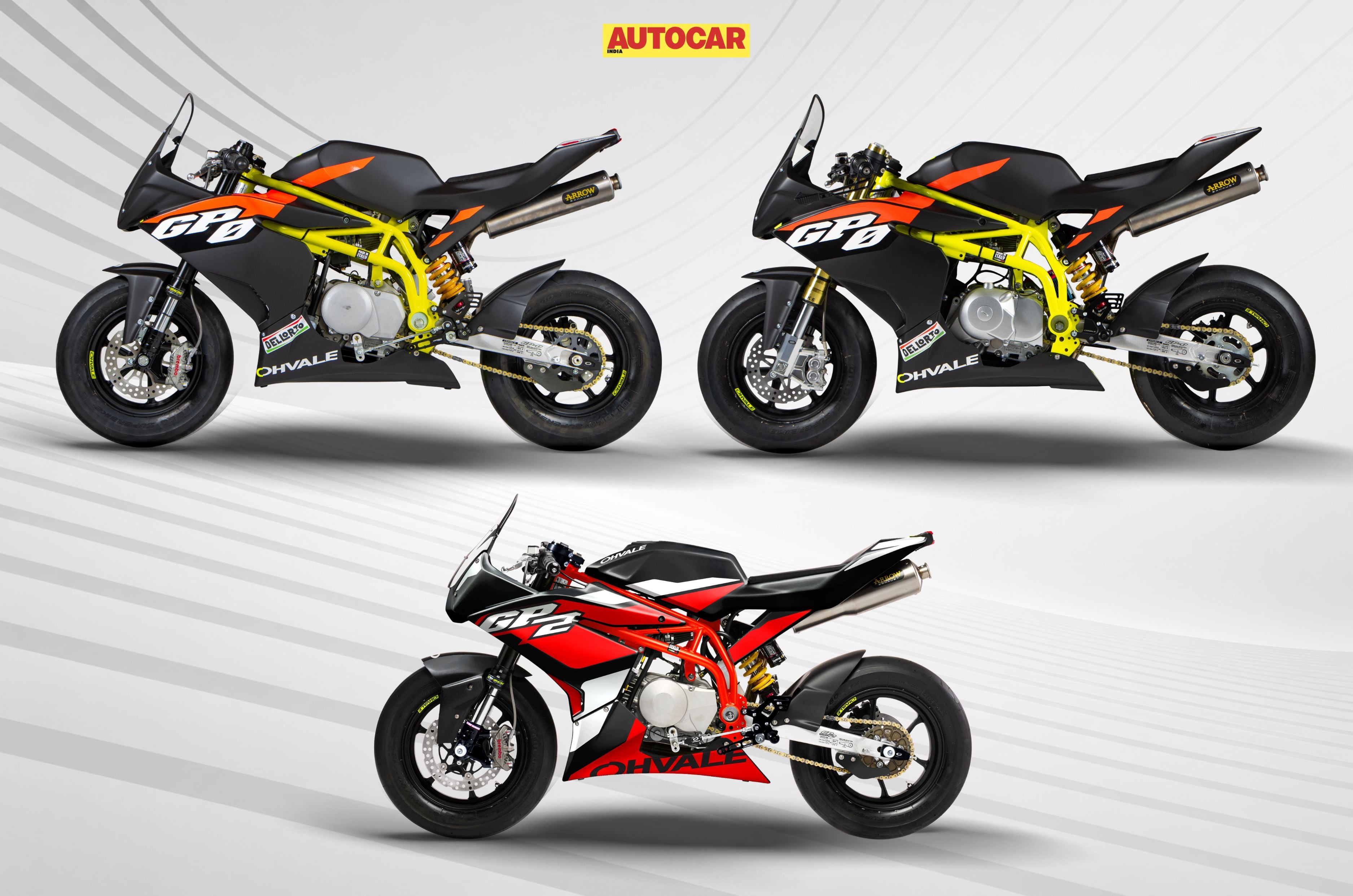
Bengaluru-based House of Machines (HOM) – the official re-seller for KYT Helmets and Alpinestars in India – has brought another Italian brand to India. Ohvale motorcycles is a brand that specialises in building race bikes, meant for circuit riding and practicing. With the aforementioned partnership, HOM has brought three Ohvale motorcycles to India, with a starting price of Rs 7.30 lakh. The motorcycles are for track-riding only, and are not street-legal.
Ohvale has brought three motorcycles in four variants, topping out at Rs 12.75 lakh
The performance and feature-set is track- and racing-focused
Ohvale GP Motorcycles: Who are they for?
Racing-focused motorcycles built with budding talent in mind
Internationally, Ohvale Motorcycle has a four-vehicle portfolio: GP-0, GP-2, GP-5, and GP-7. Of which, the company has brought the GP-0 and GP-2 to India with three engine sizes. The GP-0 is the entry-level version with each successive version stepping up capabilities and rider’s presumed skills from there. Currently, the GP-7 forms the summit of the Ohvale line-up and the Indian website lists this motorcycle with a 250cc, single-cylinder, liquid-cooled engine but it does not have a price just yet.
We got prices and full specification lists for the GP-0 110 Automatic, GP-0 160 4-Speed, and GP-2 190 4-Speed motorcycles. First off, all three motorcycles have 4-stroke, single-cylinder, air-cooled engines; but despite having modern architectures otherwise, all three motorcycles have carburettor-aided fueling and not fuel injection. The GP-0 110 Automatic has a 106.7cc engine, the GP-0 160 has a 155.5cc engine, and the GP-2 190 has a 187.18cc engine. As the name implies the GP-0 110 has an automatic 4-speed gearbox, with the other two motorcycles driven by manual 4-speed gearboxes.
Except for the GP-2, the other two motorcycles run on 10-inch front and rear rims with Pirelli Diablo slicks as default. However, all three share a steel trellis frame, aluminium swingarm and an Arrow under-seat exhaust system. The standard variants get full adjustability for the rear suspension, with the race variants extending full adjustability to the 35mm USD fork as well. All three bikes also get front and rear disc brakes, with the race variants upgrading the calipers to Brembo and a 10mm larger rotor on the GP-2 190. The GP-2 190 gets a larger 180mm rear disc, with the others getting a 155mm rear disc. The headlining spec for all three motorcycles is their unbelievably low dry weight numbers. The GP-0 110 weighs 67kg, GP-0 160 weighs 65kg, and GP-2 190 weighs 71kg. Ohvale has achieved this with liberal use of fibreglass for the fairings, and a 3.5-litre fuel tank. The GP-2 190’s Race variant exclusively gets a slipper clutch and a quickshifter besides the other differences mentioned above.
The GP-0 110 Automatic Standard costs Rs 7.30 lakh. The GP-0 160 Race steps up to Rs 9.50 lakh. Up next is the GP-2 190 Standard at Rs 9.90 lakh, with the top of the line GP-190 Race coming in at Rs 12.75 lakh. Once again, none of these motorcycles is street-legal so this should be the final price you pay the dealership to bring one of these home. HOM aims to bolster the Indian motorsport scene with these tailor-made race motorcycles for children, enabling them to learn, practice, and enter competitons quicker.
Honda is slated to launch the Elevate facelift on October 6. This will be the first mid-life update for the Honda mid-size SUV, which was introduced in 2023. The brand has also shared teasers and commenced pre-bookings of the upcoming SUV for Rs 21,000. Ahead of its launch, here’s all that you can expect from the Honda Elevate facelift.
What will the Honda Elevate facelift look like?
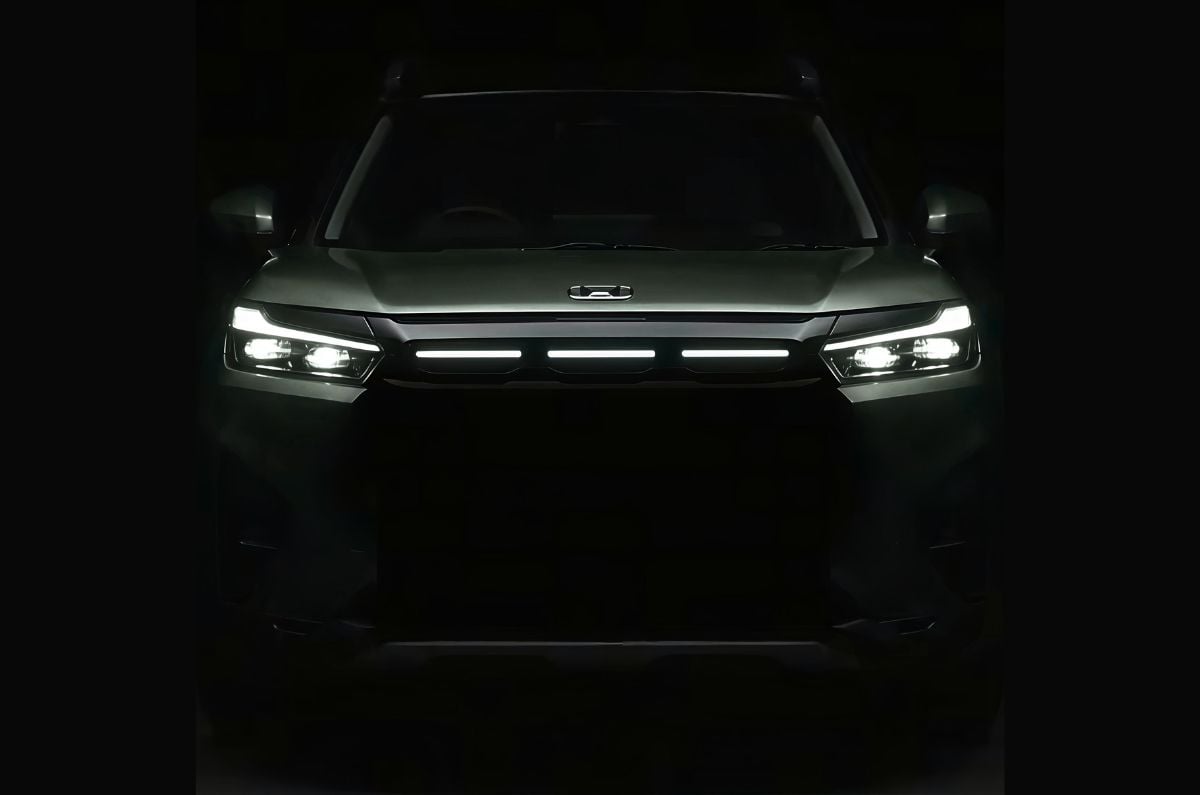
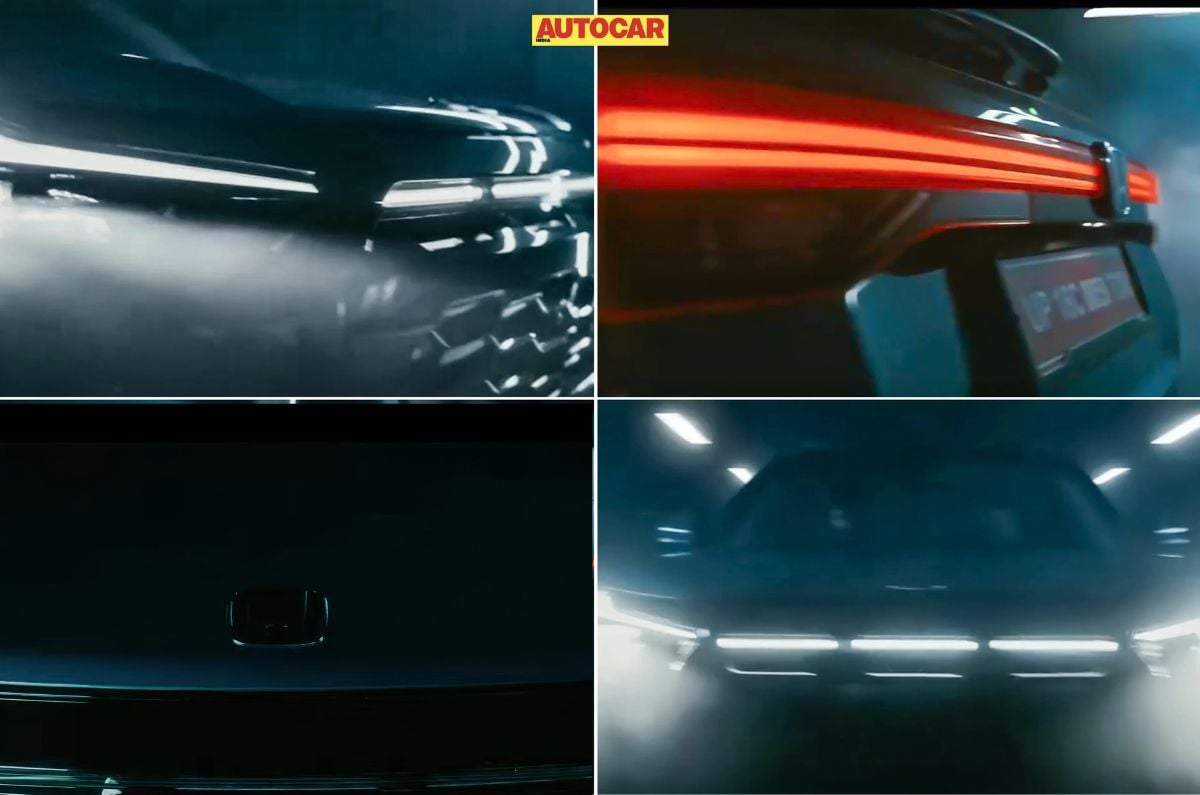
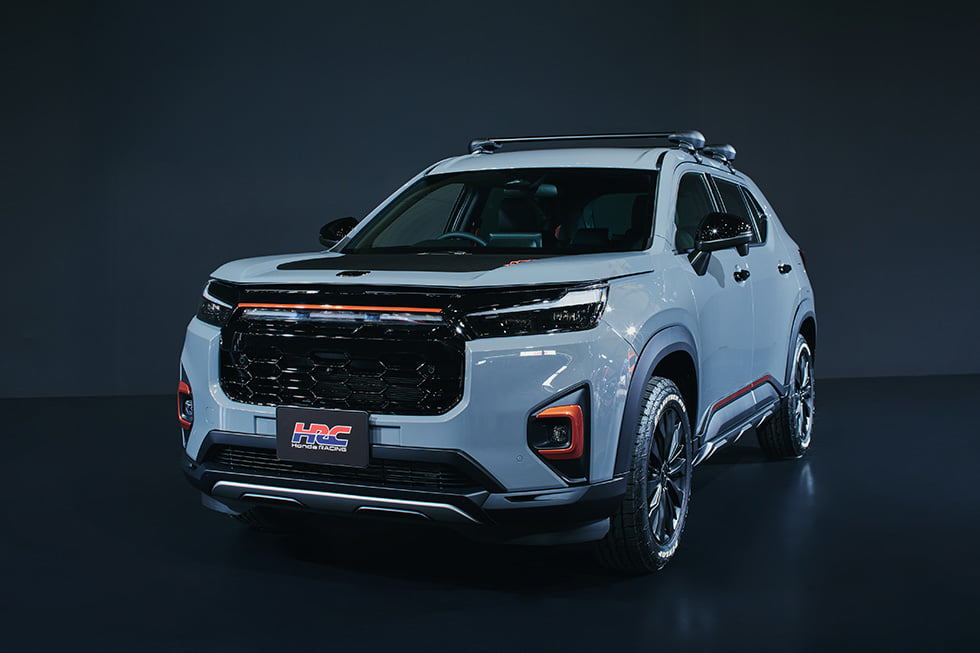
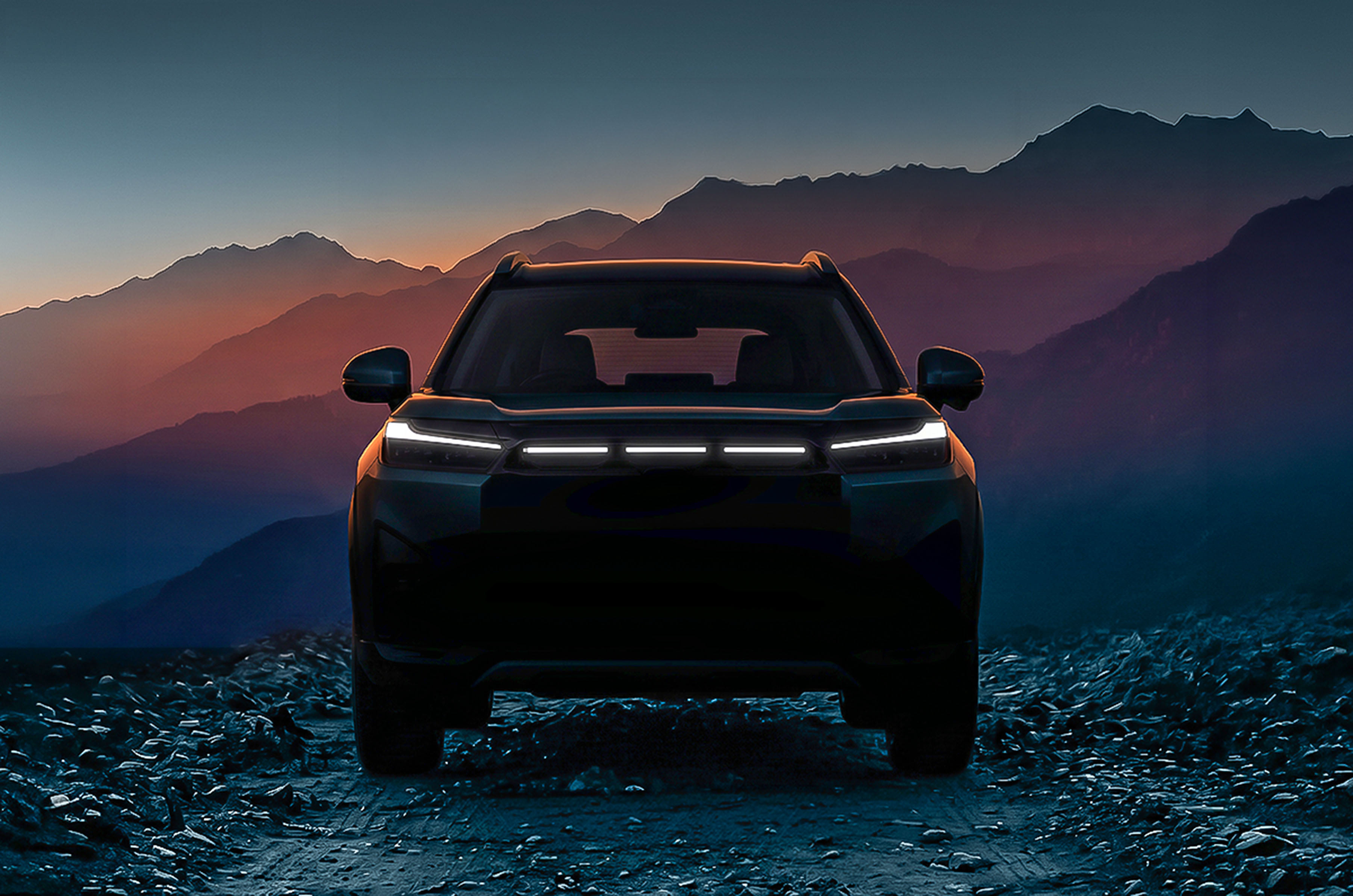
Teaser videos of the Honda Elevate facelift hint toward a bolder look for the SUV. At the front, the LED headlamps are connected by segmented LED DRLs; the gloss black grille gets a honeycomb pattern, and the Honda badge has been repositioned to the bonnet. Additionally, the H-shaped chrome element above the grille now sports a black finish. At the rear, the LED tail-lamps get a connected treatment. Meanwhile, the 17-inch alloy wheels appear to carry the same design as before.
Interestingly, the new design elements on the Elevate facelift look closely similar to the WR-V TrailSport HRC Concept. For those who didn’t know, the India-made Elevate is sold in Japan as the WR-V, and the TrailSport HRC Concept was revealed earlier this year at Tokyo Auto Salon 2026.
What will the Honda Elevate facelift interior look like?
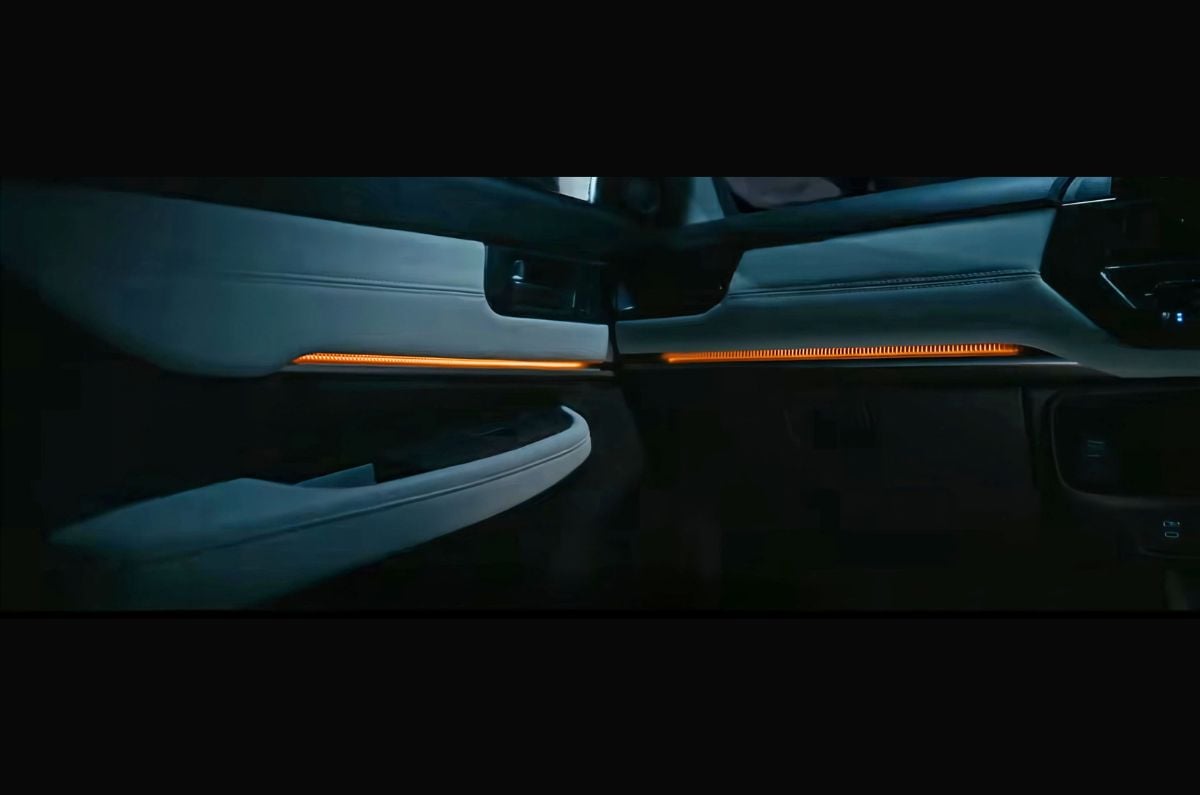
Honda has provided a small glimpse of the Elevate facelift’s dashboard, hinting at more soft-touch leatherette trim on the dashboard. Expect minor revisions to the Elevate facelift’s overall cabin layout, along with new upholstery and trim materials. Like the current version, Honda could offer the interior in two themes, namely white and black; brown and black.
Will the Honda Elevate facelift get new features?
The current Elevate misses out on some feel–good features that rivals offer. Honda is likely to fix this with the facelift. Expect new goodies like powered and ventilated front seats, dual-zone climate control, panoramic sunroof, rear sunblinds, and updated graphics for the infotainment system to come on the Elevate facelift. Teasers also reveal the presence of an ambient lighting system, which is an optional accessory for the current model. Meanwhile, features like a wireless phone charger, part-digital infotainment system, lane-watch camera system, wireless Apple CarPlay and Android Auto, 8-speaker sound system, and Level 2 ADAS suite will be retained.
Will the Honda Elevate facelift powertrains be retained from the current version?
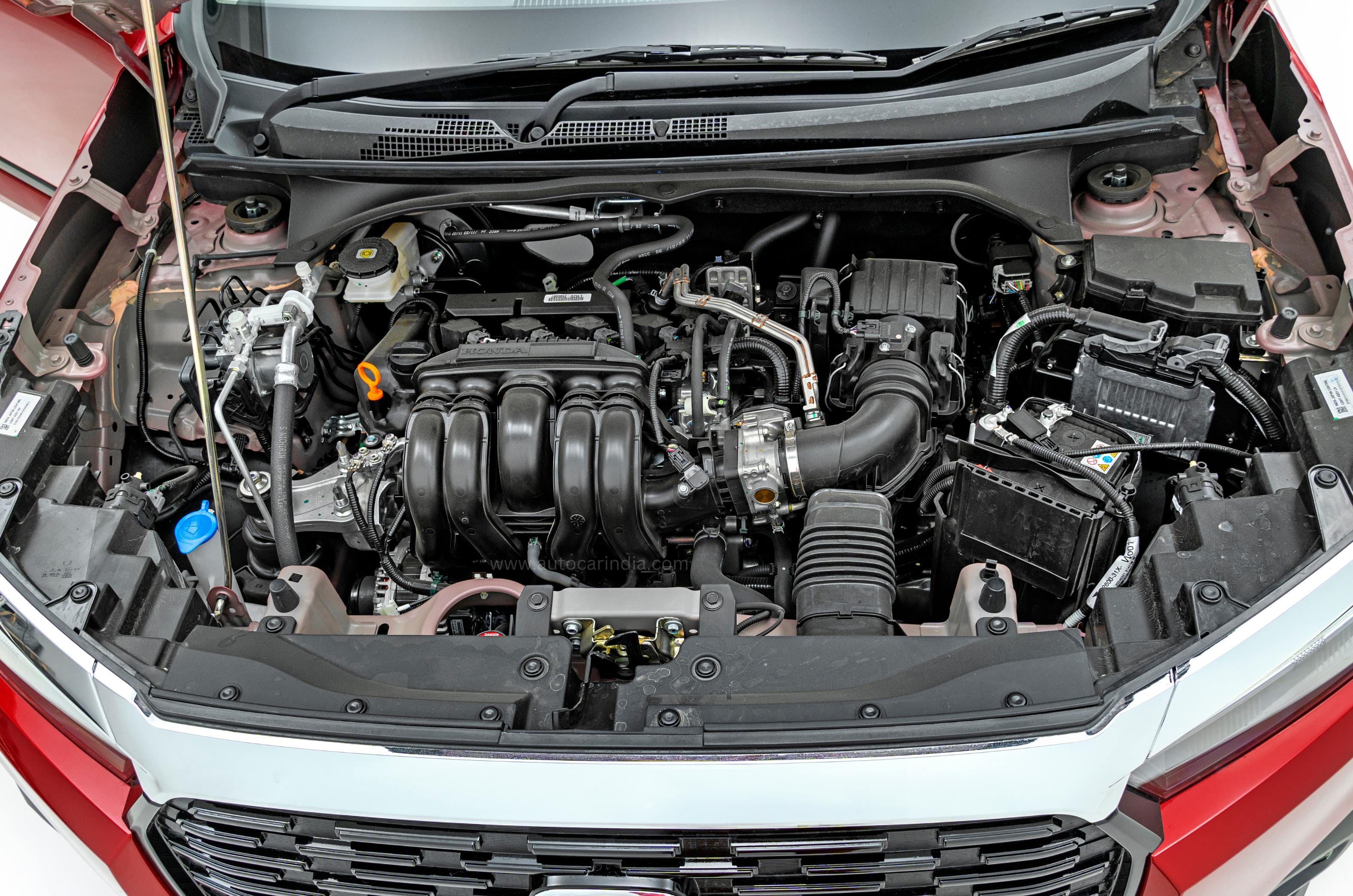
Current Elevate engine bay used for representation.
Yes, the Elevate facelift is highly likely to continue with the same powertrain options as the current model. This includes a single 1.5-litre, 4-cylinder, naturally aspirated petrol engine producing 121hp and 145Nm. Power is sent to the front wheels via a 6-speed manual or a 7-step CVT. Additionally, a dealer-fitted CNG kit can also be paired with this engine in manual guise for select variants. On the other hand, it is unlikely that the City’s strong-hybrid powertrain could make it to the Elevate facelift.
What is the expected price of the Honda Elevate facelift?
It’s worth noting that the current Elevate begins at a higher starting price than its rivals, ranging from Rs 11.88 lakh to Rs 16.36 lakh. With the facelift, the prices are expected to be slightly dearer for the Honda SUV. It will continue to take on rivals like the Hyundai Creta, Skoda Kushaq, Volkswagen Taigun, Kia Seltos, Tata Sierra, Maruti Grand Vitara and Victoris.
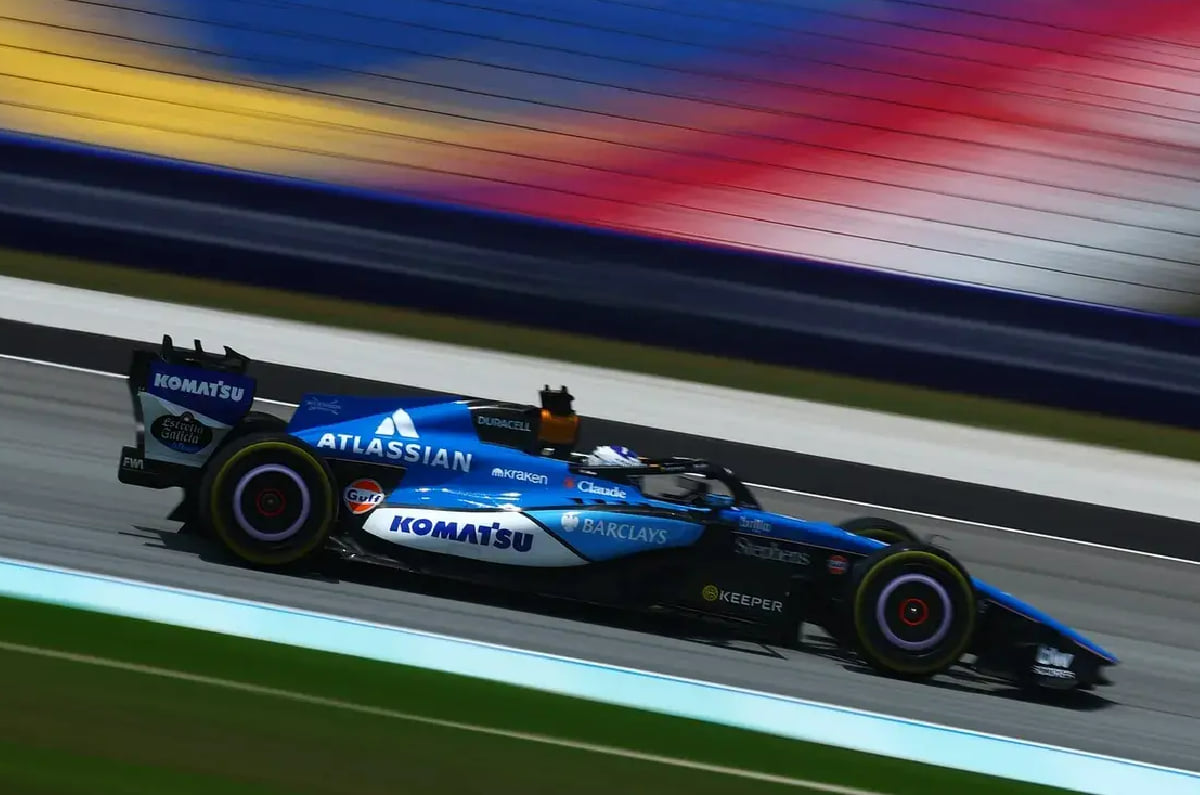
Following a rules overhaul, the 2026 F1 pecking order has been shaped significantly by the development race playing out behind the scenes.
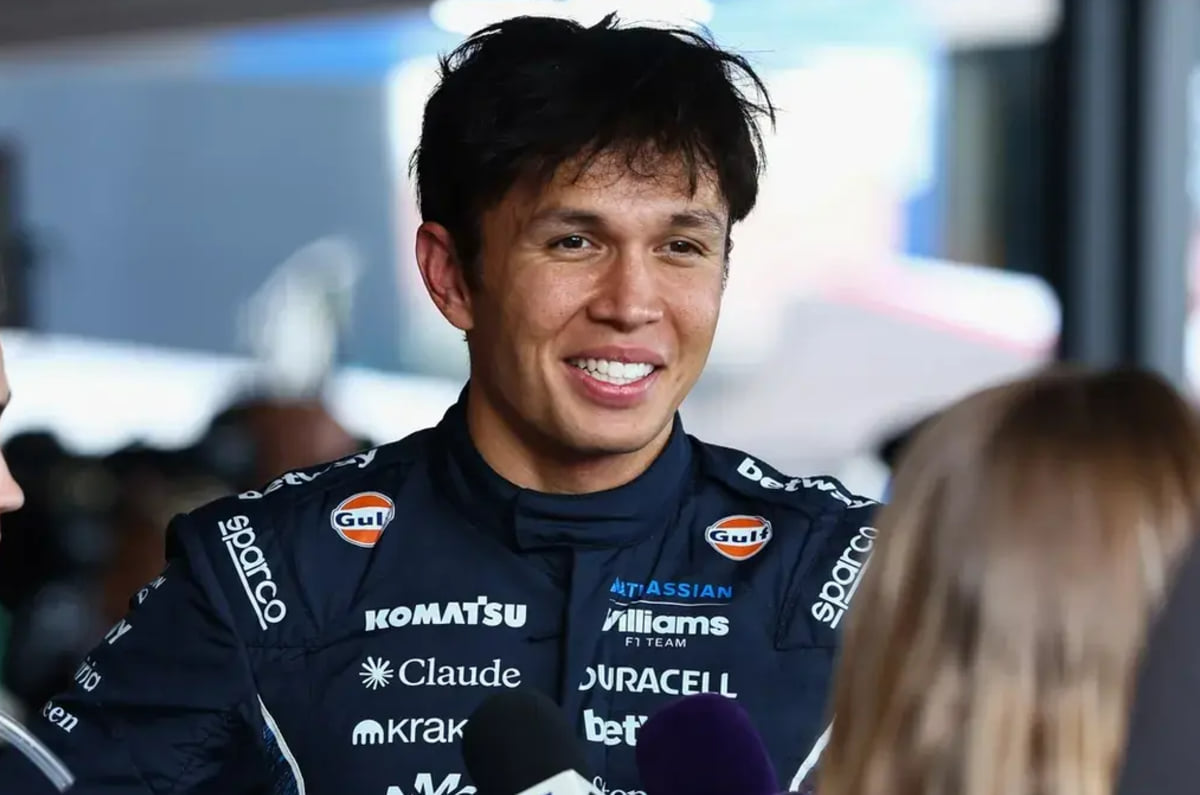
Speaking to media, including Autocar India, ahead of the Bahrain GP in Malaysia, Atlassian Williams F1 Team driver Alex Albon says the rate of development is faster than he’s ever seen before in his career. But rather than keeping pace, the team has decided to stop bringing upgrades this year and put its resources into building a stronger car for 2027.
Alex Albon on F1 2026 development war
In previous years, upgrade packages typically delivered a few hundredths of a second. But with teams still trying to understand the 2026 rules, McLaren boss Andrea Stella reckoned upgrades this year can deliver gains of two to three tenths of a second.
“We’re seeing a huge difference. Even when I think about when the regulations changed in 2022, teams are just getting better at becoming more efficient with bringing upgrades to the car,” Albon said, adding that he believes the rate at which teams are progressing is “at least 3x of last year”.
The $215 million cost cap means teams have adopted varying strategies for how to roll out these upgrades. Ferrari has been quite aggressive with rolling out chassis upgrades. Atlassian Williams, on the other hand, focused most of its resources on bringing one major upgrade package to Round 15 at Azerbaijan. The team has struggled with an overweight car and other performance issues in the first half of the 2026 season. The Azerbaijan upgrade package looked to address these issues and it appears to be a step in the right direction, delivering the team’s very first Q3 appearance of the season back at Baku.
Albon points out that the biggest is in the mid-field. “Last year and previous years that I remember my experience in Formula 1, it was always only the top three or four teams that were capable of achieving four or five big upgrades a season. And now you’re actually getting midfield teams very close to achieving the same amount of development rate,” he shared.
“So, yes, it’s been partly also why as a team we’ve been struggling a little bit, because we are now maybe at a similar pace to last year, which obviously is not enough.”
Atlassian Williams F1 Team switches focus to 2027
Atlassian Williams currently stands ninth overall in the teams’ championship, ahead of Aston Martin and Cadillac. When asked about the team’s targets for the rest of the season, Albon said, “Truthfully, this year, we have calculations of our own development rate versus the top teams and the midfield teams. We know which rate we need to be at to be able to overtake them.”
But the team has decided to sacrifice its 2026 development to deliver a stronger car next year. “We know where we need to be starting next year at Race 1, which is the most important. The best way we can arrive to Race 1 next year competitive is to focus on next year. And that means not bringing upgrades for the rest of the year. That means all the simulator work that we’re doing behind the scenes is now focused on next year’s car.” Albon stated,
“We need to be very ambitious and very aggressive with the rate at which we’re going to develop the car next year because the speed at which teams are able to progress is higher than ever.
Albon: Antonelli, Hamilton’s driving style better suited to new cars
Albon also shared that this year’s cars, with a near 50:50 split between combustion and electric power, have forced him to rethink his own driving style. “I’ve had to change quite a lot,” he said. “I think it’s been the single biggest change for me personally to adapt to a different set of regulations.”
He points to two main factors – the cars are now smaller and the tyres have changed significantly. “I think a lot of the drivers who push [at corner] entries – so if you think famously, someone like Lewis [Hamilton], I think Kimi [Antonelli] does a very similar thing – they’re being rewarded. I think it’s complicated, but basically, it’s because the rear tyres are not as strong this year as they were in previous years, relative to the front tyres,” Albon explained.
“The other thing is obviously the deployment, which a lot of the deployment is down to the drivers – the way the driver downshifts and upshifts. Also, the way the driver brakes and the biggest factor is the way the driver goes on throttle.”
As for adapting his own driving style to suit the new cars, Albon said, “I wouldn’t say it was conscious. In the very beginning, it was very difficult to understand. It was very against my personal driving style. We’re in October now, I only just feel like I’m starting to feel natural in driving a car, which is a lot longer than it takes.”
Punjab Politics: पंजाब से एक हैरान करने वाला मामला सामने आया है। आम आदमी पार्टी (AAP) के विधायक सुखवीर सिंह मैसरखाना ने शनिवार (3 अक्टूबर) को अपनी पार्टी के नेतृत्व और पंजाब सरकार पर आरोप लगाया कि वे उनके निर्वाचन क्षेत्र के कुछ सरकारी स्कूलों में शिक्षकों की कमी की समस्या का समाधान नहीं कर रहे हैं। हालांकि, इसके कुछ देर बाद ही मैसरखाना को पार्टी से बाहर कर दिया गया। आम आदमी पार्टी ने मैसरखाना के आरोपों को खारिज करते हुए उन्हें कथित तौर पर पार्टी विरोधी गतिविधियों और अनुशासनहीनता के आरोप में निलंबित कर दिया।
इससे पहले, पंजाब के बठिंडा जिले की मौर विधानसभा सीट से विधायक सुखवीर सिंह मैसरखाना (Maur AAP MLA Sukhveer Singh Maiserkhanal) ने फेसबुक पर कहा कि शिक्षकों की कमी से जुड़ी उनकी शिकायत का समाधान नहीं होने से परेशान होकर उन्होंने सोशल मीडिया का सहारा लिया। पंजाब में आप सरकार के तहत स्कूली शिक्षा के क्षेत्र में उपलब्धियों के पार्टी के दावों पर सवाल उठाते हुए विधायक ने आरोप लगाया कि जमीनी स्तर पर स्थिति इसके बिल्कुल विपरीत है।
टीचर्स की कमी का उठाया था मुद्दा
सुखवीर सिंह मैसरखाना ने एक इमोशनल वीडियो जारी कर पंजाब सरकार पर राज्य के सरकारी स्कूलों में टीचरों की कमी को दूर करने में नाकाम रहने का आरोप लगाया था। रूंधे गले से AAP विधायक ने कहा कि उनका बेटा भी सरकार के ‘उत्कृष्ट विद्यालय’ में पढ़ता है, जहां शिक्षकों की कमी है। उन्होंने दावा किया कि सत्तारूढ़ दल के विधायकों में वह अकेले ऐसे विधायक हैं, जिनके बच्चे सरकारी स्कूल में पढ़ते हैं। विधायक ने दावा किया कि पार्टी नेतृत्व के सामने यह मुद्दा उठाने के बाद उन्हें बताया गया कि मुख्यमंत्री ने उन्हें बुलाया है। उन्होंने दावा किया, “लेकिन उन्होंने मुझसे मुलाकात नहीं की। मैं आखिर कब तक इसे बर्दाश्त करूंगा? मैंने पार्टी का क्या बिगाड़ा है?”
‘मैं थक गया हूं, शिक्षकों की मांग करते-करते’
इंडियन एक्सप्रेस के मुताबिक, AAP विधायक ने कहा कि वह लगातार सरकार और पार्टी नेतृत्व से स्कूलों में शिक्षक उपलब्ध कराने की अपील करते रहे, लेकिन उनकी बात नहीं सुनी गई। उन्होंने कहा कि उन्होंने दिल्ली के पूर्व डिप्टी सीएम मनीष सिसोदिया को बताया था कि उनके बच्चे सरकारी स्कूल में पढ़ते हैं और वहां भी पर्याप्त शिक्षक नहीं हैं। उन्होंने सवाल किया कि अगर सरकारी स्कूलों की स्थिति नहीं सुधरी तो चुनाव के समय सरकार जनता से वोट कैसे मांगेगी।
अब पार्टी पंजाब चुनाव में टिकट नहीं देगी?
AAP विधायक ने कहा कि उन्हें पता है कि आगामी चुनाव में पार्टी उन्हें टिकट नहीं देगी। मैसरखाना ने कहा, “लेकिन मैं लोगों के लिए लड़ता रहूंगा।” विधायक ने कहा कि उन्होंने अपनी शिकायत पार्टी के शीर्ष नेतृत्व तक पहुंचाई, लेकिन उसका कोई समाधान नहीं हुआ। उन्होंने कहा, ‘‘मुझे बताइए कि मैं कहां गलत हूं।’’ मैसरखाना ने आशंका जताई कि उनके खिलाफ FIR दर्ज की जा सकती है।
विधायक के इस तरह खुलकर नाराजगी जताने के बाद आप की पंजाब इकाई के महासचिव हरचंद सिंह बरसट ने कहा कि मैसरखाना को तत्काल प्रभाव से पार्टी से निलंबित कर दिया गया है। AAP विधायक के बयान का हवाला देते हुए प्रदेश BJP ने कहा कि उनकी स्थिति ने राज्य में सत्तारूढ़ पार्टी के शिक्षा क्रांति के दावे की पोल खोल दी है।
शिक्षा मंत्री ने आरोपों को बताया ‘राजनीति से प्रेरित’
पंजाब के शिक्षा मंत्री हरजोत सिंह बैंस ने इस मामले में विधायक के आरोपों को ‘राजनीति से प्रेरित’ बताया है। उन्होंने कहा कि मैसरखाना के विधानसभा क्षेत्र में 90 प्रतिशत से अधिक शिक्षक पद भरे हुए हैं। मंत्री के मुताबिक, रामनगर स्थित School of Eminence में 30 स्वीकृत पदों के मुकाबले 25 शिक्षक कार्यरत हैं। जबकि स्कूल में करीब 580 स्टूडेंट हैं। यानी सरकार और विधायक की ओर से स्कूल में शिक्षकों की स्थिति को लेकर अलग-अलग दावे सामने आए हैं। इस घटनाक्रम ने पंजाब में सरकारी स्कूलों में शिक्षकों की उपलब्धता, AAP सरकार के शिक्षा सुधारों और पार्टी के भीतर असहमति को लेकर नई राजनीतिक बहस छेड़ दी है।
AAP suspends Maur MLA Sukhveer Singh Maiserkhanal from party over his remarks on shortage of teachers in schools.
He is the only MLA in Punjab who sends his children to Govt school. https://t.co/2q7Ei3hcHV
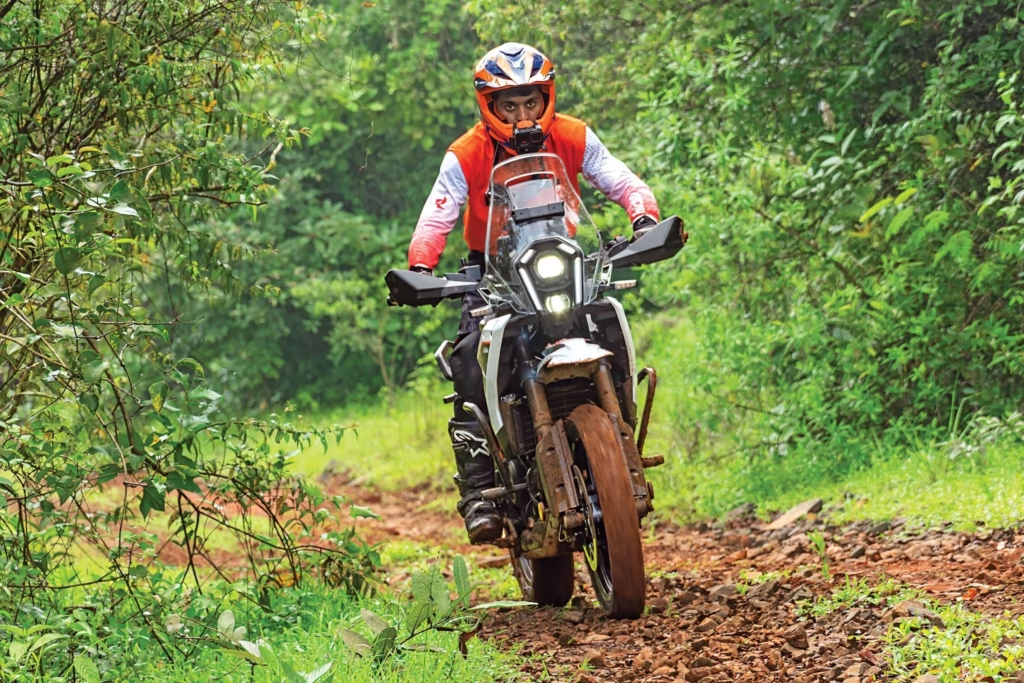
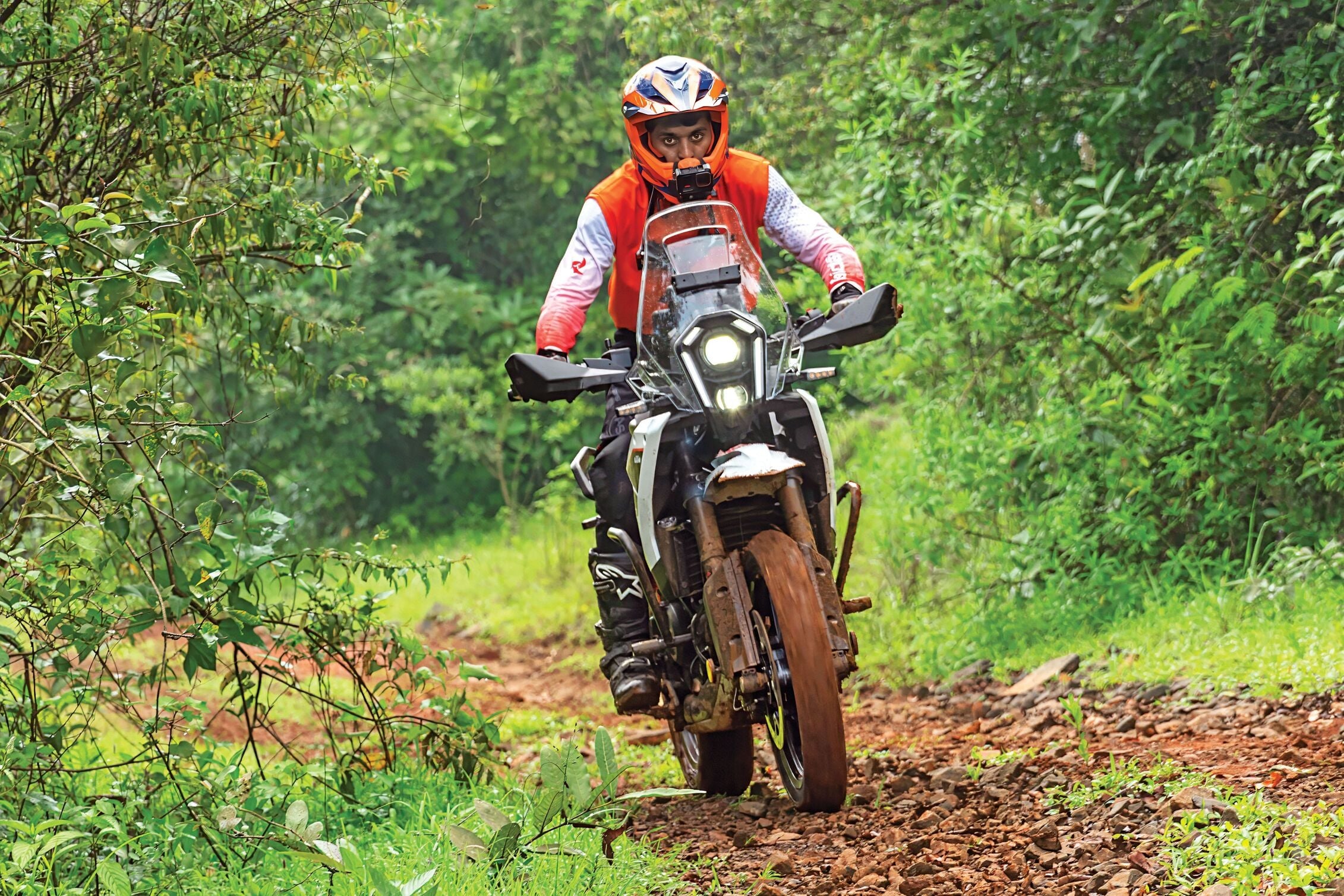
Rally raids are as much about navigation, endurance and mechanical knowledge as they are about riding ability. KTM’s Adventure Rally Extreme is designed to give customers a taste of all that, with the added attraction of having 2018 Dakar winner Matthias Walkner at the event. It brought together 31 riders, including KTM customers and six media personnel. Customers paid a very reasonable Rs 5,000 to participate, which covered the event setup and meals. The day was split into four stages, each designed to test a different aspect of rally raid riding.
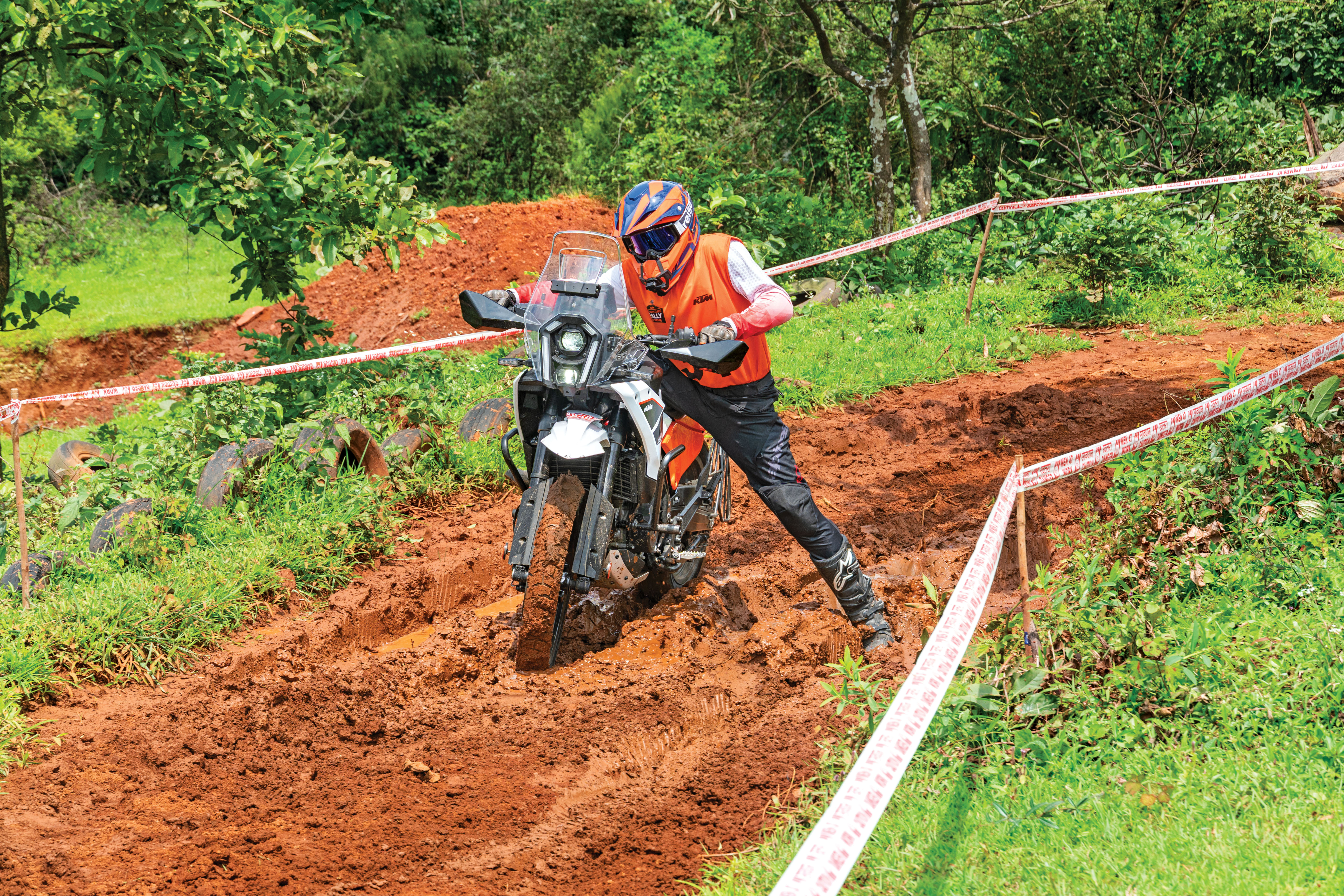
We started with a prologue, where we were timed around a short course featuring jumps, technical turns and a particularly slushy section. The results determined our starting positions for the following stage. I was riding the 349cc KTM 390 Adventure, but because it was a box-fresh new unit, it wouldn’t allow me to switch off traction control and ABS. That meant I wasn’t permitted to start, but KTM’s technicians quickly sorted the issue, and I was able to get going. The course was challenging but enjoyable, and I did get stuck in the mucky section towards the end. Although my timing still put me in P5.
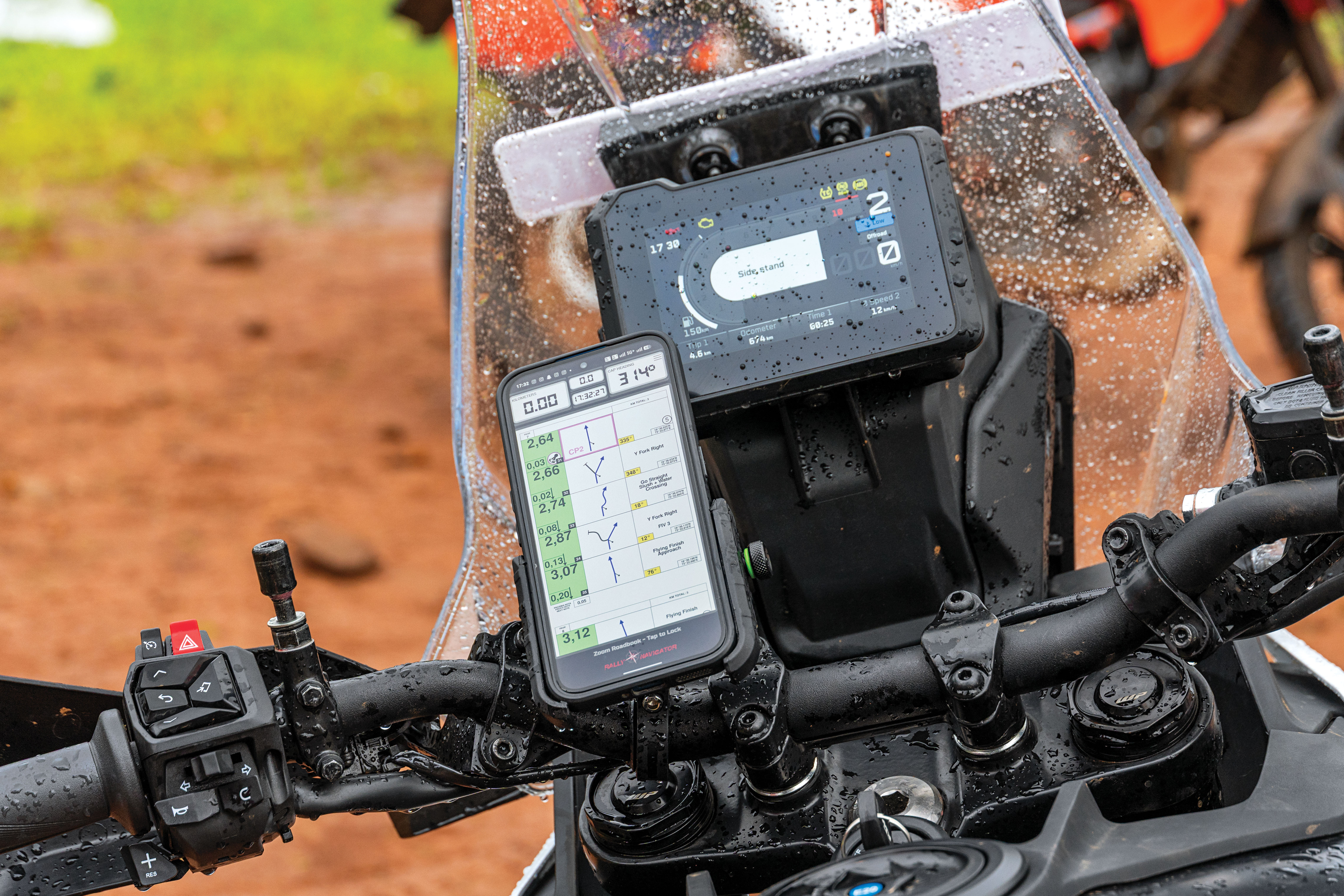
The second stage was roadbook navigation. We were given a digital roadbook on our phones and had to find our way around a 3.5km course as quickly as possible. Taking a wrong turn could easily leave you lost, while steep descents and slippery terrain made things even more complicated after the rain.
It took a while to get comfortable with the navigation, but once I understood how to read the roadbook, the challenge became more about maintaining momentum and staying on the motorcycle. After the finish, I was surprised to see a time of around 32 minutes. I knew that couldn’t be right, so I checked my action-camera footage. It showed that I had completed the course in roughly 20 minutes, so I raised this issue with the timing team, who rechecked their records and acknowledged the error.
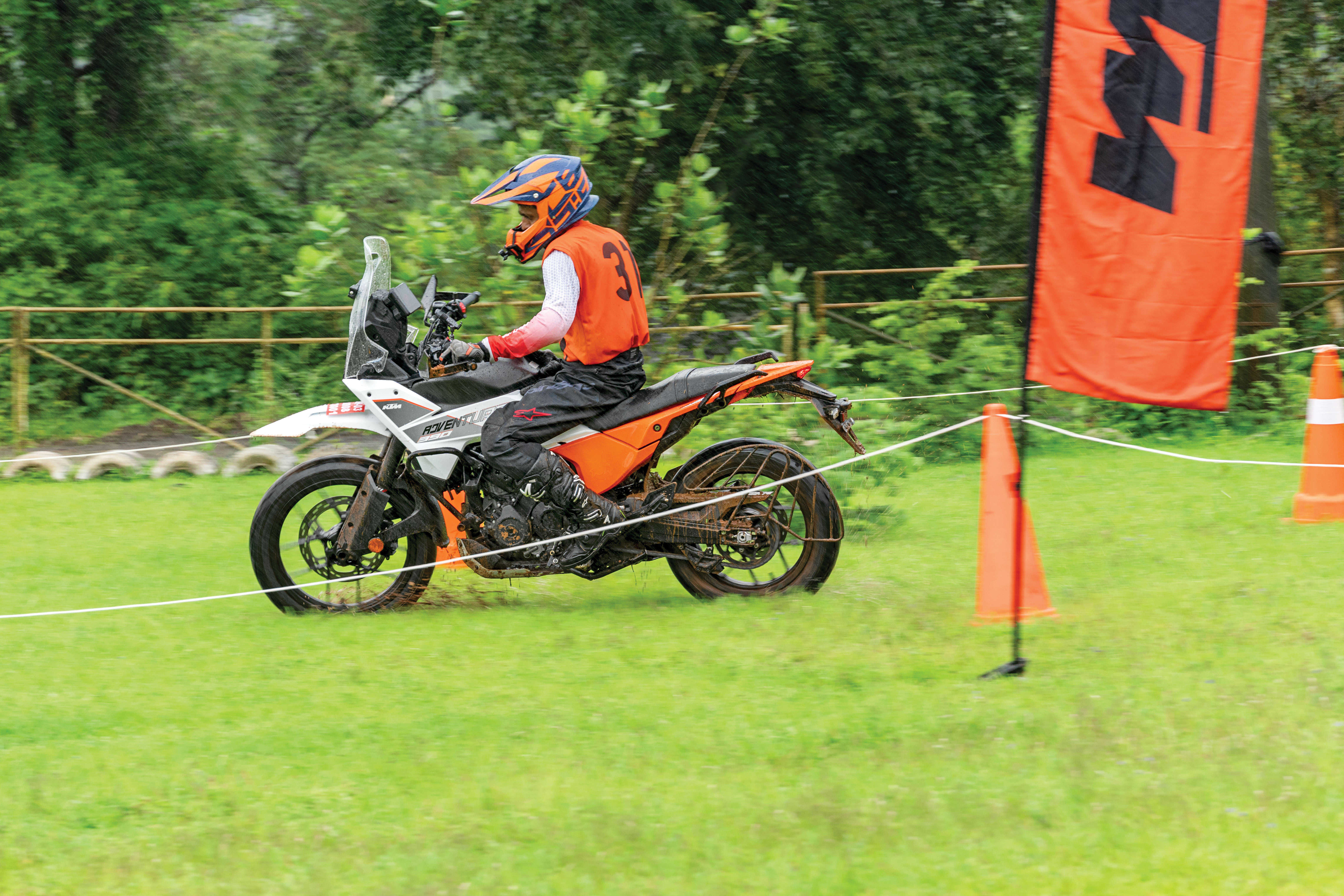
The third stage was simulating riding with a disability, where our gear levers were removed and the motorcycles were locked in second gear. We then had to negotiate a technical course across slippery grass using only one hand, with the left hand preferred, so that riders could continue to modulate the clutch. The rules were simple: put a foot down or use the other hand and you incurred a penalty.
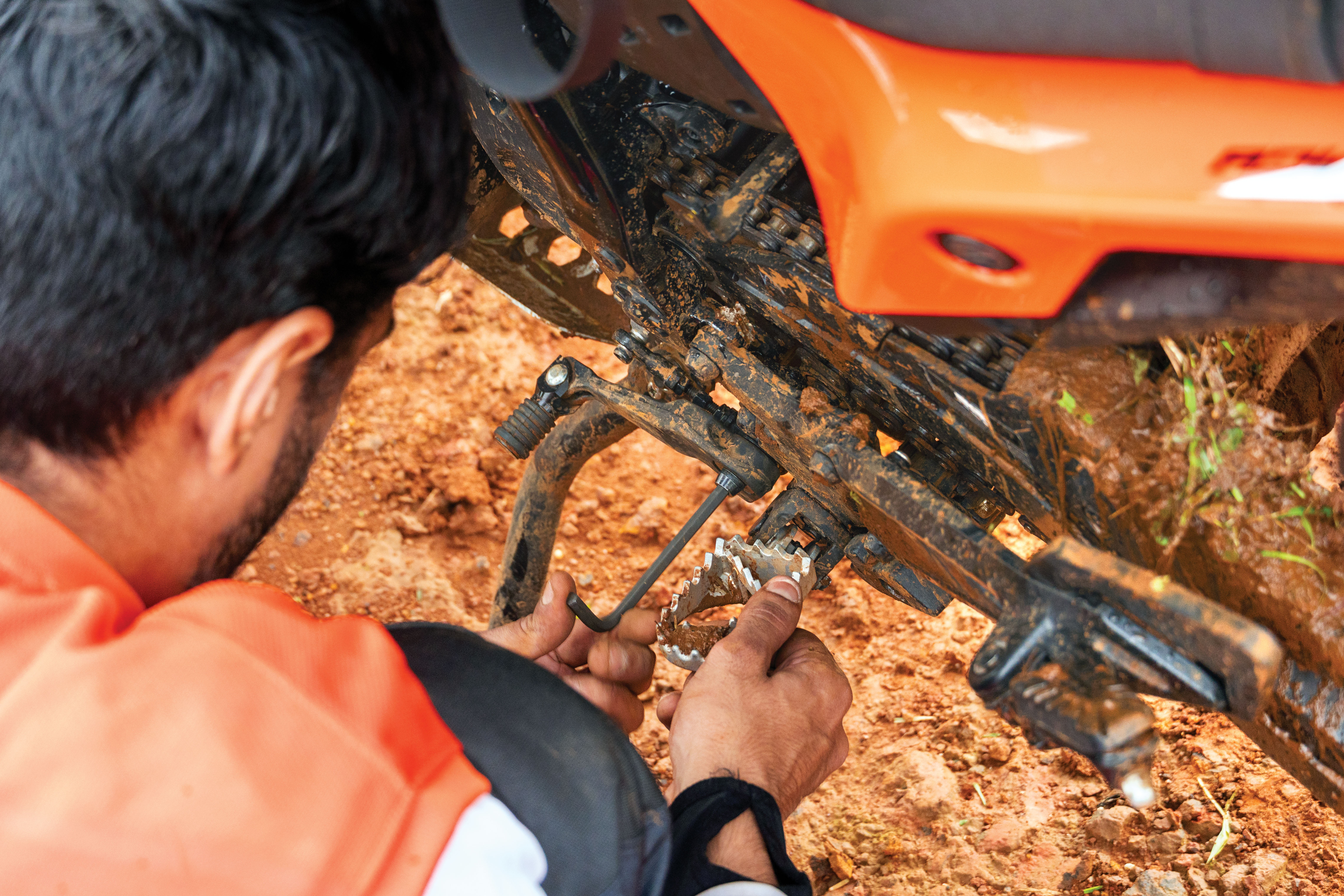
The final challenge moved away from riding and focused on mechanical ability. We first had to refit the gear lever before removing and reinstalling the air filter. This demonstrated an important part of a rally raid competition: being able to work on your motorcycle quickly when you’re tired, dirty and out on the trail.
At the end of the day, the timings from all four stages were added together to determine the overall standings, with the top three riders receiving awards. It was a fitting conclusion to an event designed to replicate the competitive nature of a rally raid.
Overall, the experience was enjoyable and offered a good introduction to what a rally raid competition demands. But, there were a few areas that could have been handled better. The event was scheduled to start early, but registration delays and the subsequent process of lining motorcycles up according to their numbers pushed everything back by 2 hours.
There was also the question of Matthias Walkner’s involvement. While his riding demonstration was impressive and he did help out with a few tips and tricks, this came after the two main riding stages. Given that the event was promoted around his presence, some participants expressed their expectation to have had more opportunities to learn directly from the Dakar winner during the stages themselves.
Still, at Rs 5,000, the event offered a worthwhile taste of a rally raid race. From navigating with a roadbook and tackling difficult terrain to riding with restrictions and carrying out basic mechanical work, it provided a glimmer of insight into just how demanding the discipline can be. For me, finishing P5 overall was a satisfying way to cap the day, and the event certainly left me with a better idea of what to expect before taking on a proper rally.
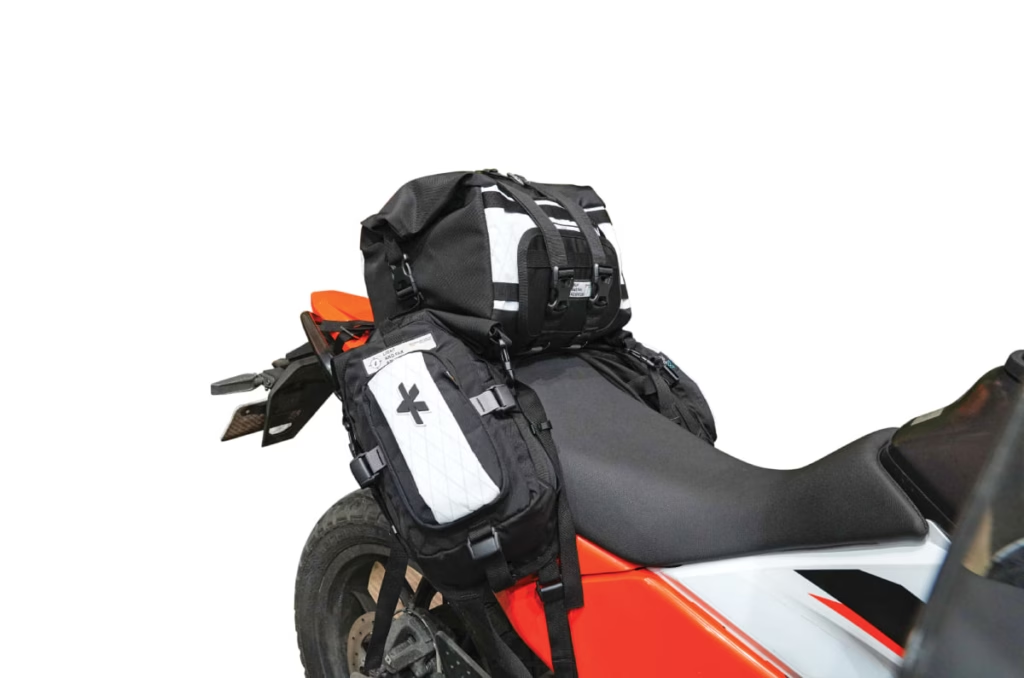
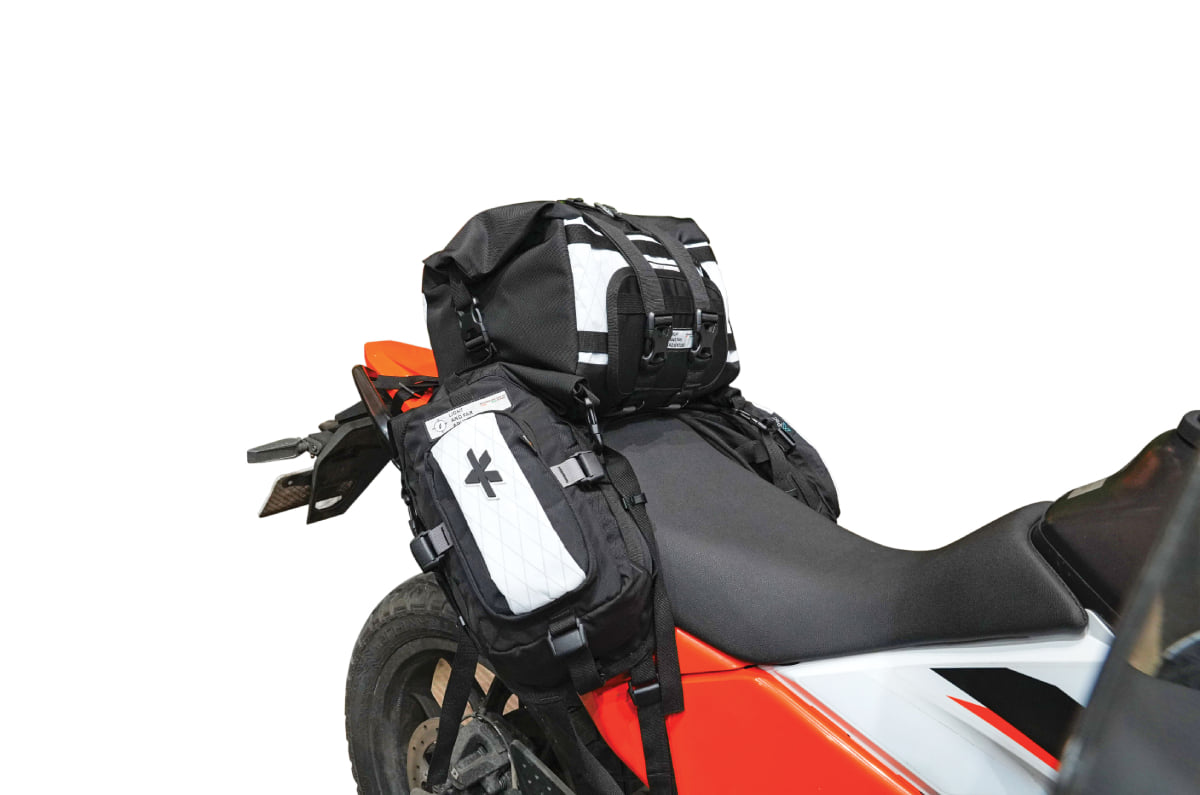
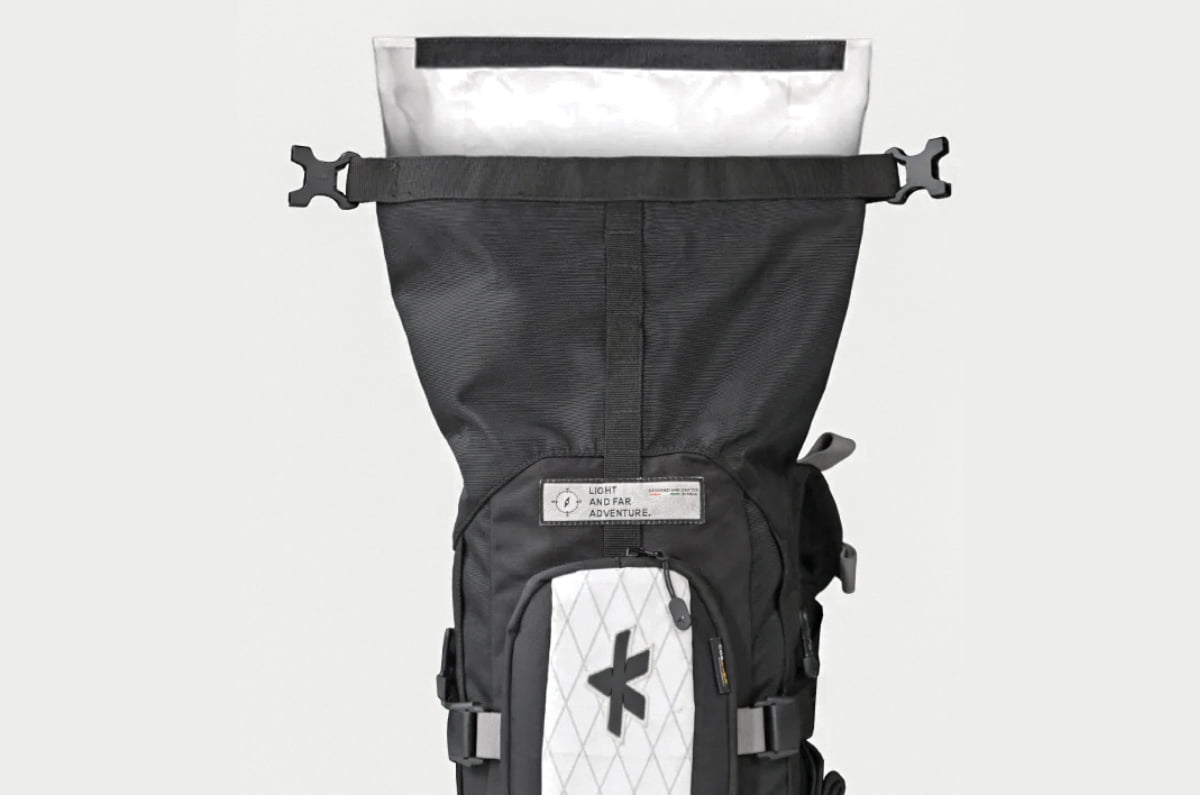
Tailbags offer plenty of storage but also make a bike look bulky and take up space around a rider. The Viaterra LFA Enduro Rackless Saddlebags, paired with the LFA Tailbag, take a compact, modular approach, and I particularly like how sleek the setup is. This Enduro version offers 16 litres of total storage, with a 7-litre main compartment and a 1-litre external pocket on each side.
The LFA Tailbag is a separate addition that has 15 litres of storage and can also be used independently. This makes it quite a versatile system. The rackless saddlebags sit neatly on either side, keeping the luggage close to the motorcycle. This gives the bike a cleaner appearance while keeping the luggage relatively unobtrusive. For riders who don’t want to fit a permanent luggage rack or a large tailbag, this setup makes a lot of sense.
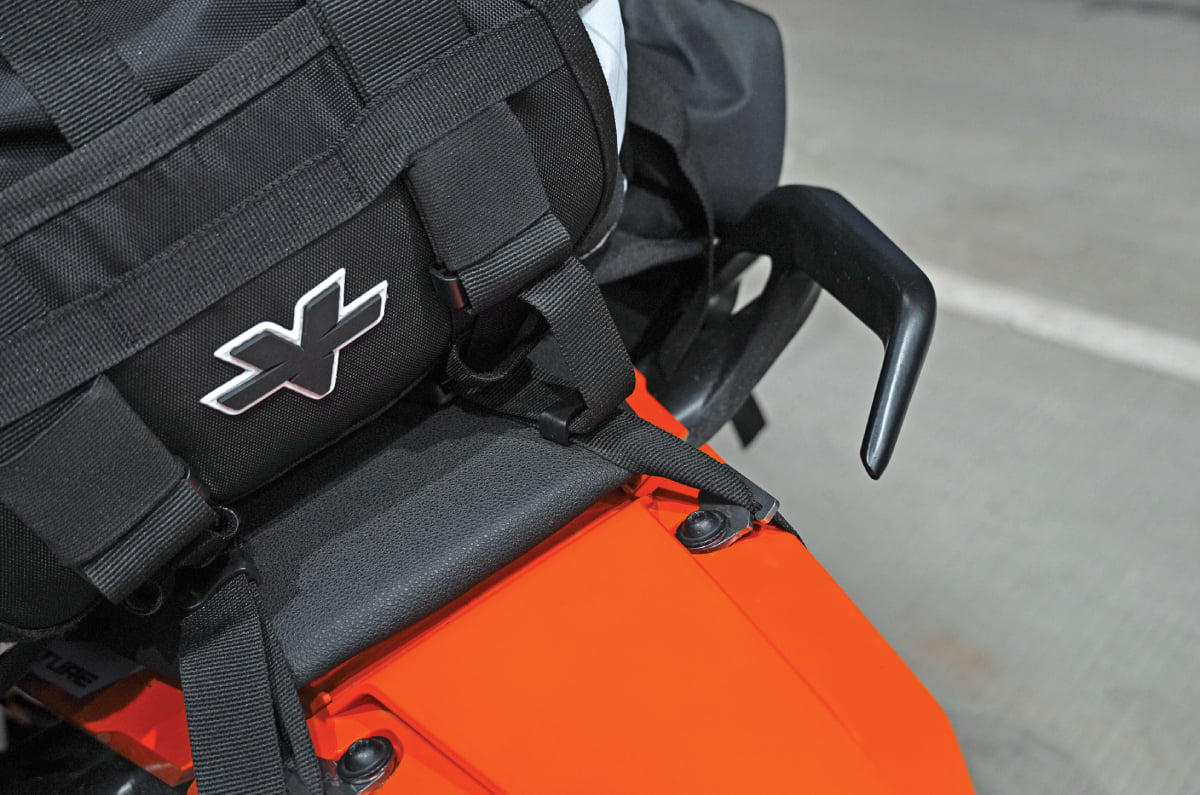
The mounting process was also straightforward. Supplied hook straps make the process simple, and once you know where each strap needs to go, getting the luggage on and off doesn’t take too long.
The tailbag did initially give me some cause for concern. Its straps pass through loops on the bag to secure it, but it doesn’t directly connect to the side bags or the Holster. I wondered how well this arrangement would hold up over a long ride, but those concerns quickly disappeared. The bag stayed secure throughout a recent 1300km ride, but I did notice that it could move around slightly forward and backward. That movement isn’t necessarily a major drawback. I suspect some of it is intentional, allowing the system to accommodate riders of different sizes and riding positions. I was also able to sit comfortably while wearing a backpack, without the tailbag getting in the way. That said, a Velcro attachment on the Holster or clips connecting the tailbag directly to the saddlebags could give it an even more secure feel.
The capacity of the Enduro saddlebags and tailbag was more than enough for a four-day tour. The tailbag fit all my clothes, while one saddlebag carried a pair of sneakers and some smaller items. The other was dedicated to my tool kit, puncture repair kit and portable tyre inflator. This meant I knew exactly where everything was and could easily access what I needed on the go.
Waterproofing worked well as the bags dealt with heavy prolonged rain without any water getting in.
After almost 1,300km, this proved to be a practical touring setup. They look sleek, are easy to mount, stayed secure, and offer solid waterproofing. Overall, this is a well-thought-out modular luggage solution for riders who want useful capacity without turning their motorcycle into a fully loaded touring machine.
Dubai Crown Prince met Smit Machchhar: फ्लाईदुबई फ्लाइट के ‘हीरो’ भारतीय पायलट कैप्टन स्मित मच्छार से दुबई के क्राउन प्रिंस और संयुक्त अरब अमीरात (UAE) के उप प्रधानमंत्री हमदान बिन मोहम्मद अल मकतूम ने शनिवार (3 अक्टूबर) को मुलाकात की। इस मुलाकात की तस्वीरें सोशल मीडिया पर शेयर करते हुए अल मकतूम ने भारतीय हीरो की जमकर तारीफ की है। मच्छार ने उस समय असाधारण साहस और सूझबूझ का परिचय दिया था, जब उनके ओमानी को-पायलट ने फ्लाईदुबई के प्लेन को उड़ान के दौरान उन पर चाकू से हमला कर दिया था। गंभीर रूप से घायल होने के बावजूद मच्छर ने विमान को सुरक्षित रखने और यात्रियों की जान बचाने में अहम भूमिका निभाई थी।
क्राउन प्रिंस ने अस्पताल में मच्छर से मुलाकात की, जहां वह हमले के बाद स्वास्थ्य लाभ ले रहे हैं। मुलाकात के बाद हमदान बिन मोहम्मद ने कहा कि कैप्टन मच्छर ने साहस, जिम्मेदारी और मानव जीवन के प्रति देखभाल की सर्वोच्च भावना का प्रदर्शन किया है। उन्होंने कहा कि UAE के नेतृत्व और देश की ओर से मच्छर को पूरा सम्मान और प्रशंसा दी जाती है।
‘हमें गर्व है कि वह हमारी टीम का हिस्सा हैं’
दुबई के क्राउन प्रिंस ने कैप्टन मच्छर की तारीफ करते हुए कहा कि उन्हें गर्व है कि वह UAE की टीम का हिस्सा हैं और अब वह देश की कहानी का भी हिस्सा बन चुके हैं। उन्होंने कहा कि मच्छर का साहस उस भावना को दर्शाता है, जिसके लिए UAE जाना जाता है करुणा, शांति और मानव जीवन की रक्षा…। 30 सितंबर को फ्लाईदुबई की फ्लाइट FZ1073 के कॉकपिट में हुई हाथापाई के दौरान वे घायल हो गए थे।
बोइंग 737 मैक्स 8 विमान दुबई इंटरनेशनल एयरपोर्ट से तेल अवीव जा रहा था, तभी उसे सऊदी अरब के तबुक की ओर मोड़ दिया गया। शेख हमदान ने आतंकी घटना के दौरान यात्रियों की सुरक्षा के लिए मच्छार की हिम्मत, जिम्मेदारी की भावना और बहादूरी की तारीफ की। शेख हमदान ने कहा कि स्मित मच्छार ने बेहद हिम्मत, जिम्मेदारी और लोगों की जान की परवाह दिखाई। उन्होंने UAE के नेतृत्व की ओर से भी पायलट की तारीफ की और उन्हें देश के लिए गर्व का जरिया बताया।
UAE के राष्ट्रपति के सलाहकार ने की स्मित मच्छार की प्रशंसा
संयुक्त अरब अमीरात (यूएई) के राष्ट्रपति के एक वरिष्ठ सलाहकार ने भारतीय कैप्टन स्मित मच्छार की शुक्रवार को प्रशंसा करते हुए कहा कि उनके साहसिक कदमों ने एक गंभीर आतंकवादी घटना के दौरान बड़ी दुर्घटना को होने से रोक दिया। ‘गल्फ न्यूज’ के अनुसार, यूएई के राष्ट्रपति के राजनयिक सलाहकार अनवर गर्गाश ने X पर लिखा, “फ्लाईदुबई के भारतीय पायलट स्मित मच्छार अत्यधिक प्रशंसा के पात्र हैं। उन्होंने एक गंभीर आतंकवादी घटना और संभावित बड़ी त्रासदी का सामना करते हुए साहस और जिम्मेदारी का परिचय दिया।”
गर्गाश ने एक पोस्ट में कहा, “सबसे कठिन परिस्थितियों में दिखाई गई उनकी पेशेवर दक्षता और नैतिक दृढ़ता उन्हें सच्चा नायक बनाती है।” उन्होंने कहा कि भविष्य में चरमपंथ और आतंकवाद की संभावित घटनाओं से निपटने के लिए सतर्कता जरूरी है। उन्होंने साथ ही इस हमले को लेकर साजिश के सिद्धांतों को बढ़ावा देने के खिलाफ आगाह किया। फ्लाईदुबई का विमान सऊदी अरब के तबुक में उतरा था। वहां एक अस्पताल में प्राथमिक जांच के बाद मच्छार को आगे के इलाज के लिए अबू धाबी ले जाया गया।
34 हजार फीट की ऊंचाई पर हुआ था हमला
यह घटना फ्लाईदुबई की फ्लाइट FZ1073 में हुई थी। विमान दुबई इंटरनेशनल एयरपोर्ट से इजरायल के तेल अवीव जा रहा था। विमान में करीब 180 लोग सवार थे। बताया गया है कि विमान जब सऊदी अरब के हवाई क्षेत्र के ऊपर करीब 34,000 फीट की ऊंचाई पर उड़ रहा था, तभी ओमानी नागरिक कट्टरपंथी को-पायलट ने कैप्टन स्मित मच्छार पर हमला कर दिया।
हमले में कैप्टन गंभीर रूप से घायल हो गए। लेकिन इसके बावजूद उन्होंने स्थिति को संभालने और विमान में सवार लोगों की सुरक्षा सुनिश्चित करने के लिए अपनी जिम्मेदारी निभाई। वह फ्लाइट के कॉकपिट का दरवाजा खोलने में कामयाब रहे जिससे यात्रियों को हमलावर को काबू में करने का मौका मिला। विमान में 174 यात्री सवार थे। स्मिट की वजह से विमान सुरक्षित रूप से सऊदी अरब में उतरा, जहां अधिकारियों ने को-पायलट को हिरासत में ले लिया।
हमले के बाद विमान में अफरा-तफरी की स्थिति पैदा हो गई थी। इसके बावजूद कैप्टन मच्छार ने कॉकपिट को सुरक्षित करने और विमान पर कंट्रोल बनाए रखने में महत्वपूर्ण भूमिका निभाई। बाद में विमान की सऊदी अरब में इमरजेंसी लैंडिंग कराई गई। इस घटना के बाद UAE समेत कई देशों की एजेंसियां मामले की जांच कर रही हैं। UAE के अधिकारियों ने कैप्टन मच्छर के साहस और पेशेवर रवैये की सार्वजनिक रूप से सराहना की है।
During a visit to Captain Smit Machchhar… the flydubai pilot who embodied the highest degrees of courage, responsibility, and care for human life.
From us, and from the leadership of the nation, he has our full appreciation and praise.
मच्छार ने शुक्रवार को प्रधानमंत्री नरेंद्र मोदी से कहा कि उन्होंने ठान लिया था कि वह विमान में सवार लोगों की जान नहीं जाने देंगे। हवा में को-पायलट के हमले के बाद भी उनमें जितनी भी ताकत बची थी, उसी के सहारे उन्होंने विमान को सुरक्षित बचा लिया। पीएम मोदी ने यूएई के एक अस्पताल में भर्ती मच्छार से फोन पर बात की।
Jr NTR: एक बार फिर से जान्हवी कपूर को ‘देवरा’ फिल्म के उनके गाने ‘चुट्टामल्ले’ के एक परेशान करने वाले AI-जनरेटेड वीडियो के जरिए निशाना बनाया गया, जिसमें वह जूनियर NTR के साथ नजर आई थीं। वायरल हो रहा यह AI वीडियो एक्ट्रेस के लुक का मॉर्फ्ड वर्जन है, जिसे डिजिटल रूप से बदलकर ऐसे अश्लील सीन बनाए गए हैं जो ओरिजिनल गाने का हिस्सा कभी नहीं थे।
जूनियर NTR ने X पर ऐसे भद्दे वीडियो बनाए जाने की कड़ी आलोचना की और साफ कहा कि वह इसके खिलाफ कानूनी कार्रवाई करेंगे। उन्होंने लिखा, “यह दिमागी रूप से बीमार लोगों का घिनौना और बेशर्मी वाला काम है। जिस देश में महिलाओं को मां और देवी के रूप में पूजा जाता है, जहां ‘मातृदेवो भव’ सिर्फ एक कहावत नहीं बल्कि हमारी संस्कृति का हिस्सा है, वहां कुछ लोग इतने नीचे गिर गए हैं कि वे AI का इस्तेमाल करके किसी महिला का बेहद अपमानजनक तरीके से अनादर कर रहे हैं। AI का इस्तेमाल करके ऐसी घिनौनी चीज बनाना शब्दों से परे शर्मनाक है।”
उन्होंने आगे कहा, “इस मॉर्फ्ड ‘चुट्टामल्ले’ वीडियो के पीछे जो घटिया लोग हैं, मैं उनमें से किसी को नहीं बख्शूंगा। इसे बनाने वालों और इसे फैलाने वालों के खिलाफ मैं हर संभव कानूनी कार्रवाई करूंगा। कृपया ऐसे कंटेंट को न देखें, न शेयर करें और न ही उस पर कोई प्रतिक्रिया दें। आज यह किसी और के साथ हुआ है। कल यह आपकी मां, बहन, पत्नी या बेटी के साथ भी हो सकता है।”
Disgusting, Sick and Shameless.
In a land that worships women as mothers and goddesses, where “Matrudevo Bhava” is not just a phrase but a part of our culture, some people have fallen so low that they are using AI to disrespect a woman in the most degrading way possible. Using AI to create something this vile is shameful beyond words.
To the scumbags behind this morphed Chuttamalle video, I will not spare any of you. I will take every possible legal action against those who created it and those who are spreading it.
Please do not watch, share or engage with such content. Today it is someone else. Tomorrow, it could be your mother, sister, wife or daughter.
This is a serious issue, and I urge all the state governments and the Government of India to act strongly and bring in strict regulations against the misuse of AI.
एक्टर ने अपनी बात खत्म करते हुए कहा, “यह एक गंभीर मुद्दा है और मैं सभी राज्य सरकारों और भारत सरकार से अपील करता हूं कि वे AI के गलत इस्तेमाल के खिलाफ सख्त कदम उठाएं और कड़े नियम बनाएं।”
देवरा के बारे में
‘चुट्टामल्ले’ एक रोमांटिक गाना है, जो मुख्य किरदारों के बीच की केमिस्ट्री को दिखाता है। यह गाना जंगल और समुद्र बीच के शानदार बैकग्राउंड पर फिल्माया गया है और इसे जान्हवी कपूर द्वारा निभाए गए फीमेल लीड किरदार के नजरिए से दिखाया गया है। इसे अनिरुद्ध रविचंदर ने कंपोज़ किया है और रामाजोगाया शास्त्री ने लिखा है। शिल्पा राव ने अपनी आवाज दी है और बोस्को मार्टिस ने कोरियोग्राफी की है। ‘चुट्टामल्ले’ तमिल, हिंदी, कन्नड़ और मलयालम भाषाओं में रिलीज किया गया था।
इस फिल्म में जूनियर एनटीआर के साथ जान्हवी कपूर, सैफ अली खान, प्रकाश राज, श्रीकांत मेका, टॉम शाइन चाको और नारायण जैसे कई बड़े कलाकार शामिल थे। यह फिल्म 27 सितंबर, 2024 को सिनेमाघरों में रिलीज हुई थी। इस फिल्म में जूनियर एनटीआर ने दोहरी भूमिका निभाई है – देवरा और वरधा दोनों की। जसुधा आर्ट्स के बैनर तले बनी इस फिल्म को साराजू हरि कृष्णा और सुधाकर मिक्किलीनेनी ने प्रोड्यूस किया था और नंदमुरी कल्याण राम ने इसे पेश किया था। यह फिल्म तेलुगु, तमिल, मलयालम, कन्नड़ और हिंदी सहित कई भाषाओं में रिलीज हुई थी।
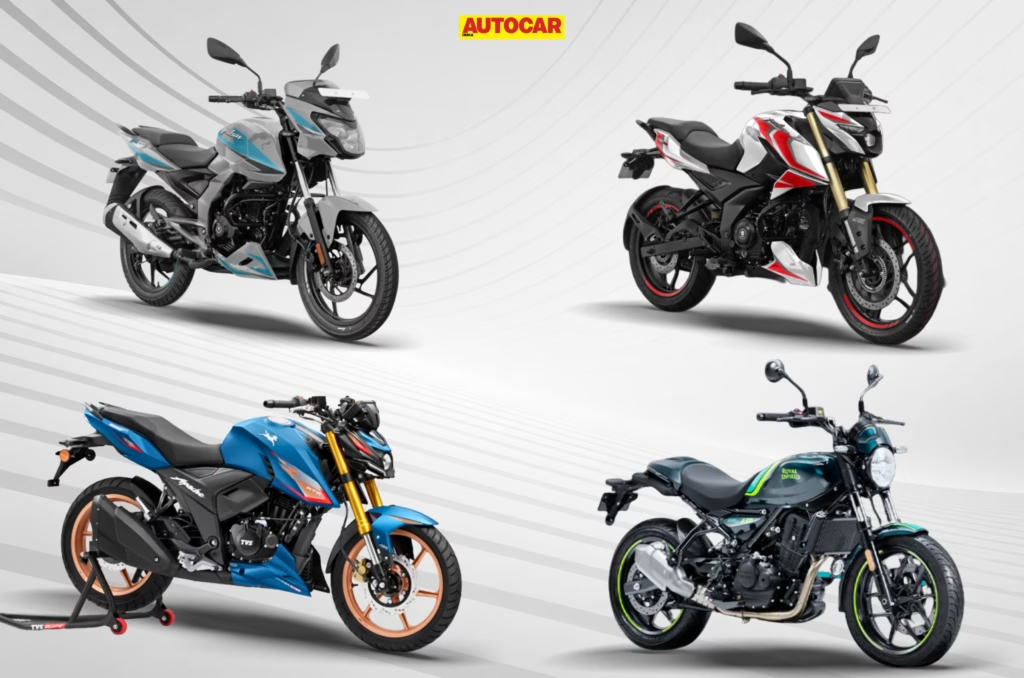
Navigation has been one of the major challenges for every aspiring motorcyclist. Unfortunately, major smartphone OS manufacturers don’t deem us profitable enough to solve it for us; but, our OEMs might have a smarter solution for that, by way of Google Maps mirroring. Today, you can buy a motorcycle for as low as Rs 1.04 lakh and still be able to navigate your way through your city, or wherever your heart takes you. Speaking of, let’s start with that very motorcycle.
All prices mentioned are ex-showroom, Delhi for the specific variant with Google Maps mirroring feature.
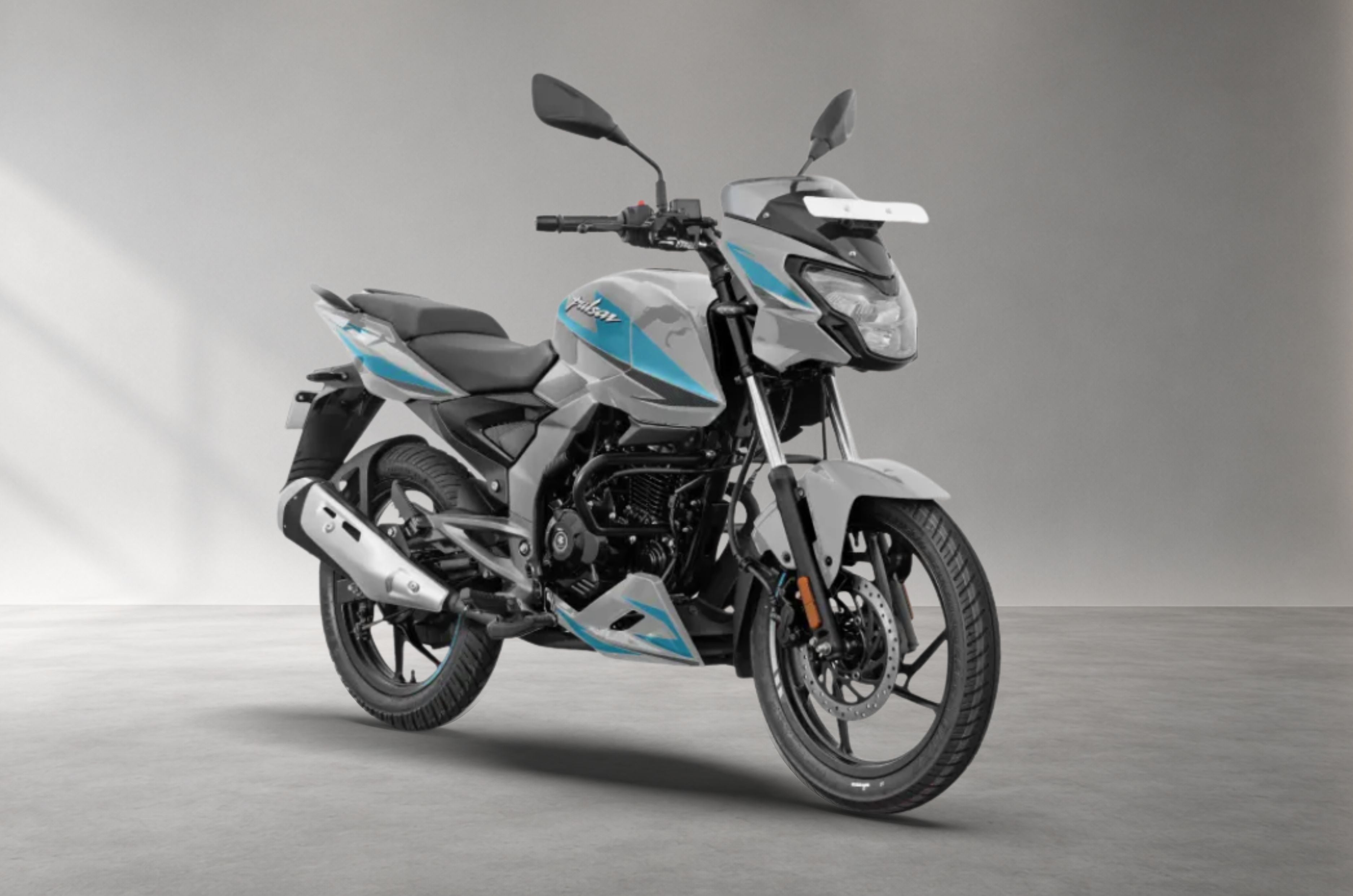
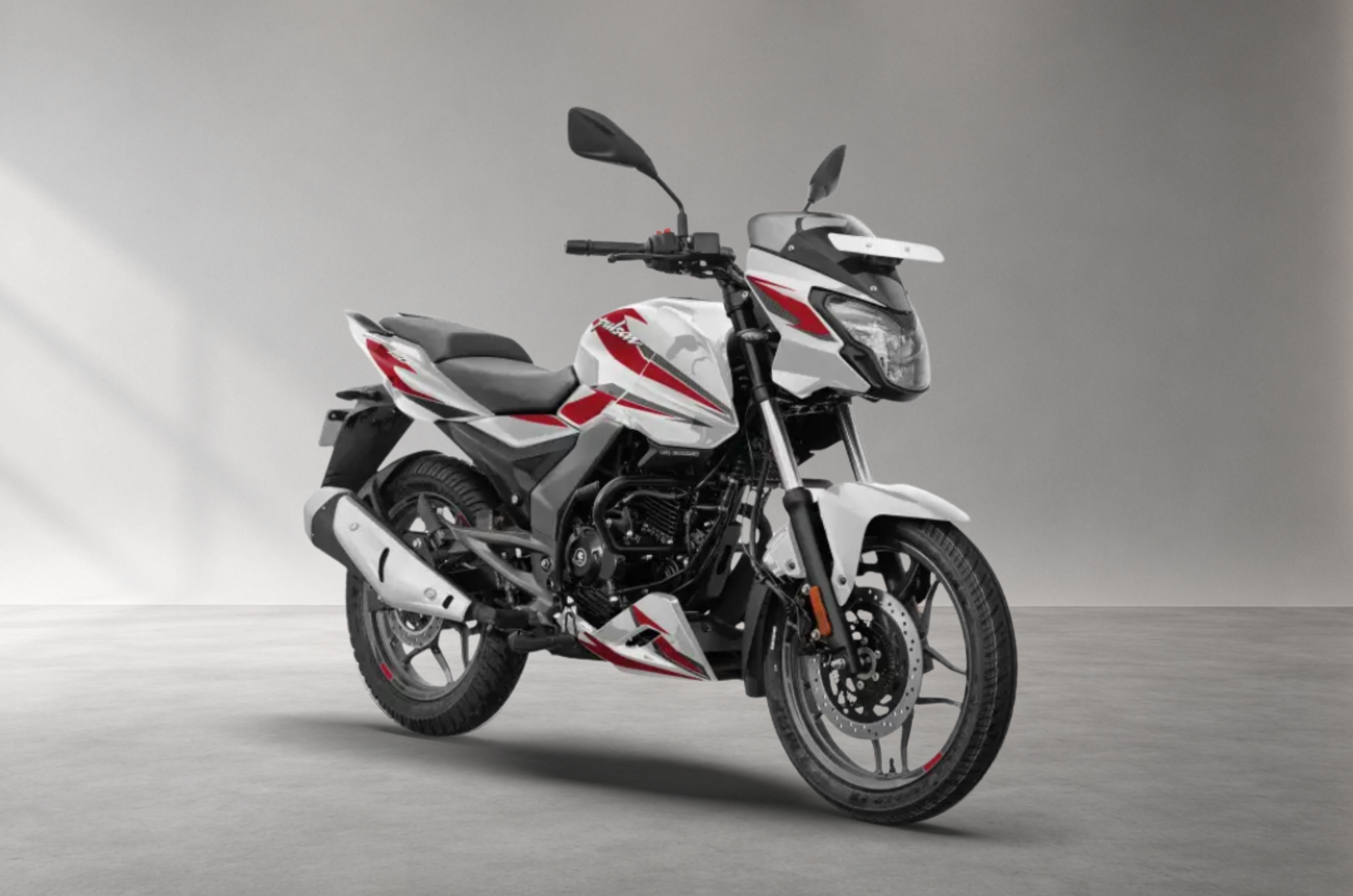
Bajaj Pulsar 125
Rs 1.04 lakh
Bajaj had comprehensively upgraded the classic Pulsar 125 with many changes and a whole slew of features, including Google Maps mirroring on the top-most Split Seat variant. Besides that, you get a 124.58cc engine with 12.1hp and 11.4Nm, a front disc brake, and three ride modes. A decent choice if you mostly commute in the city, but if you find yourself on the open roads on every chance you get, look at the bigger brother.
Bajaj Pulsar 150
Rs 1.29 lakh
Admittedly, Rs 25,000 isn’t a small step-up in this price range. However, besides retaining the same feature-set and silhouette, on the Pulsar 150 you get a larger 149.5cc engine with 14.1hp and 14.1Nm, which should make highway stints seem less stressful on you and the motorcycle; and saying that you have the Pulsar 150 has a better ring to it, but that’s a subjective opinion. If Bajaj isn’t your brand of choice, though, we have another Indian manufacturer known for pushing the envelope on features.
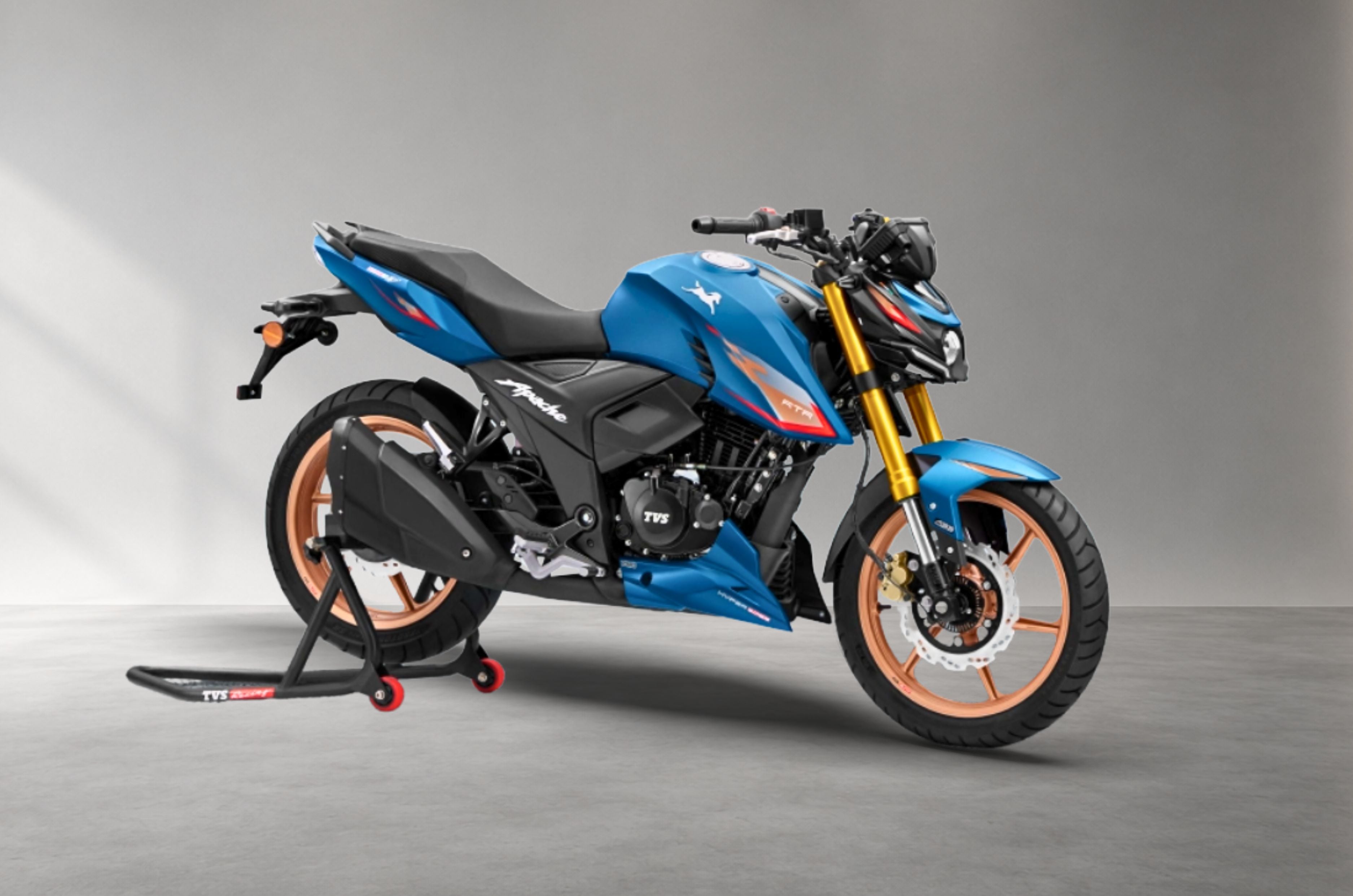
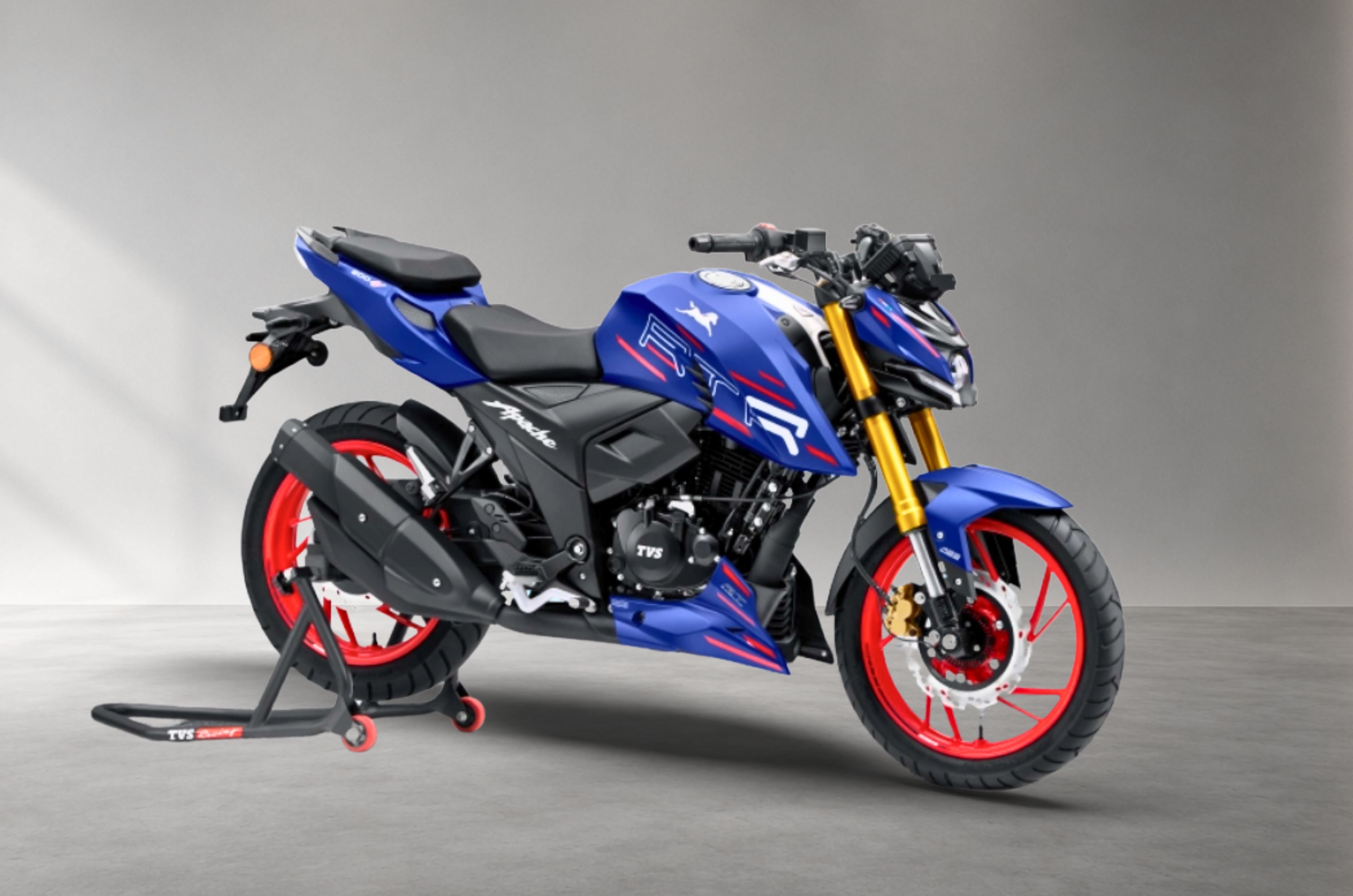
TVS Apache RTR 160 4V
Rs 1.41 lakh
TVS has made the Apache series synonymous with features over the past few years, so of course it responded to Bajaj upgrading the classic Pulsars. Its best-selling Apache RTR 160 4V now also has a TFT display that supports Google Maps mirroring. TVS, in its usual fashion, turns things up a notch by offering even more power from its 159.7cc engine (17.55hp and 14.73Nm) and a whole lot more features like dual-channel ABS, traction control, a slipper clutch, more premium design, etc., That’s quite a bit more for Rs 12,000 over the Pulsar 150 but if you wonder whether Bajaj has a similar offering, fret not.
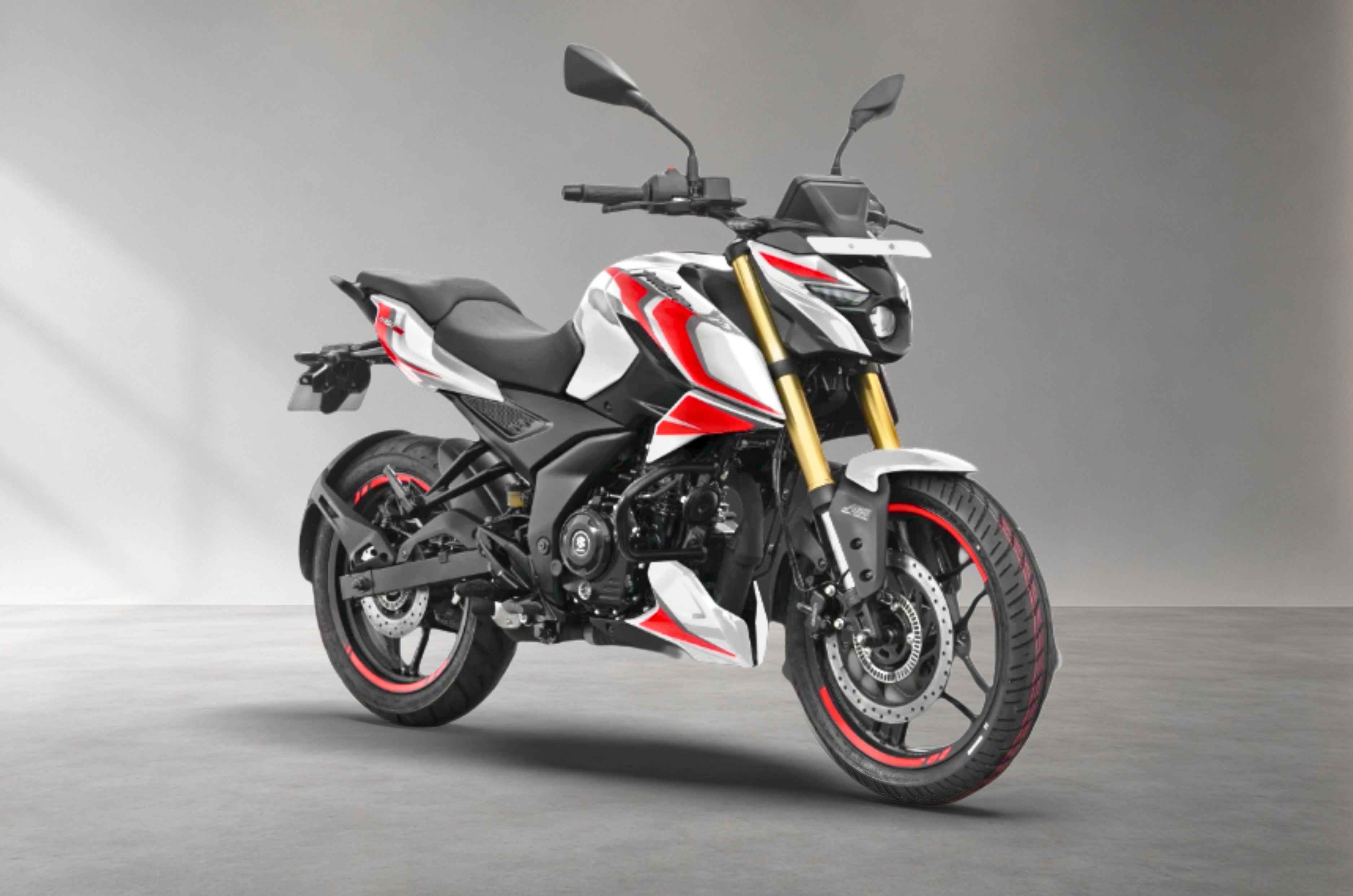
Bajaj Pulsar N160 SS
Rs 1.43 lakh
This is the first motorcycle on which Bajaj debuted the new 5-inch TFT screen with Google Maps mirroring. It’s since been extended to other Pulsars. Over the Pulsar 150, the N160 SS offers a bigger 164.9cc engine with 18.5hp and 14.4Nm (directly sparring with the RTR 160 4V), ride-by-wire, traction control, one extra ride mode, a slipper clutch, and a more modern design that may suit your preferences better. The N160 SS also offers dual-channel ABS as standard. If you feel like you’re done with the 150-160cc class, the next upgrade is closer than you think.
TVS Apache RTR 200 4V
Rs 1.50 lakh
The Apache RTR 200 4V has now been relegated to getting the “et al” treatment from TVS so now it is almost too close to the RTR 160, one might say. However, it retains the bigger 197.75cc engine with close to 21hp and 17.25Nm. The only other feature that still remains exclusive to the 200 is the preload-adjustable USD fork that TVS brought back, with the recent update. Worth paying Rs 7,000 extra You decide, but if you are somehow not satisfied with the value on offer, the next motorcycle wears value-for-money as a badge of honour on its sleeve.
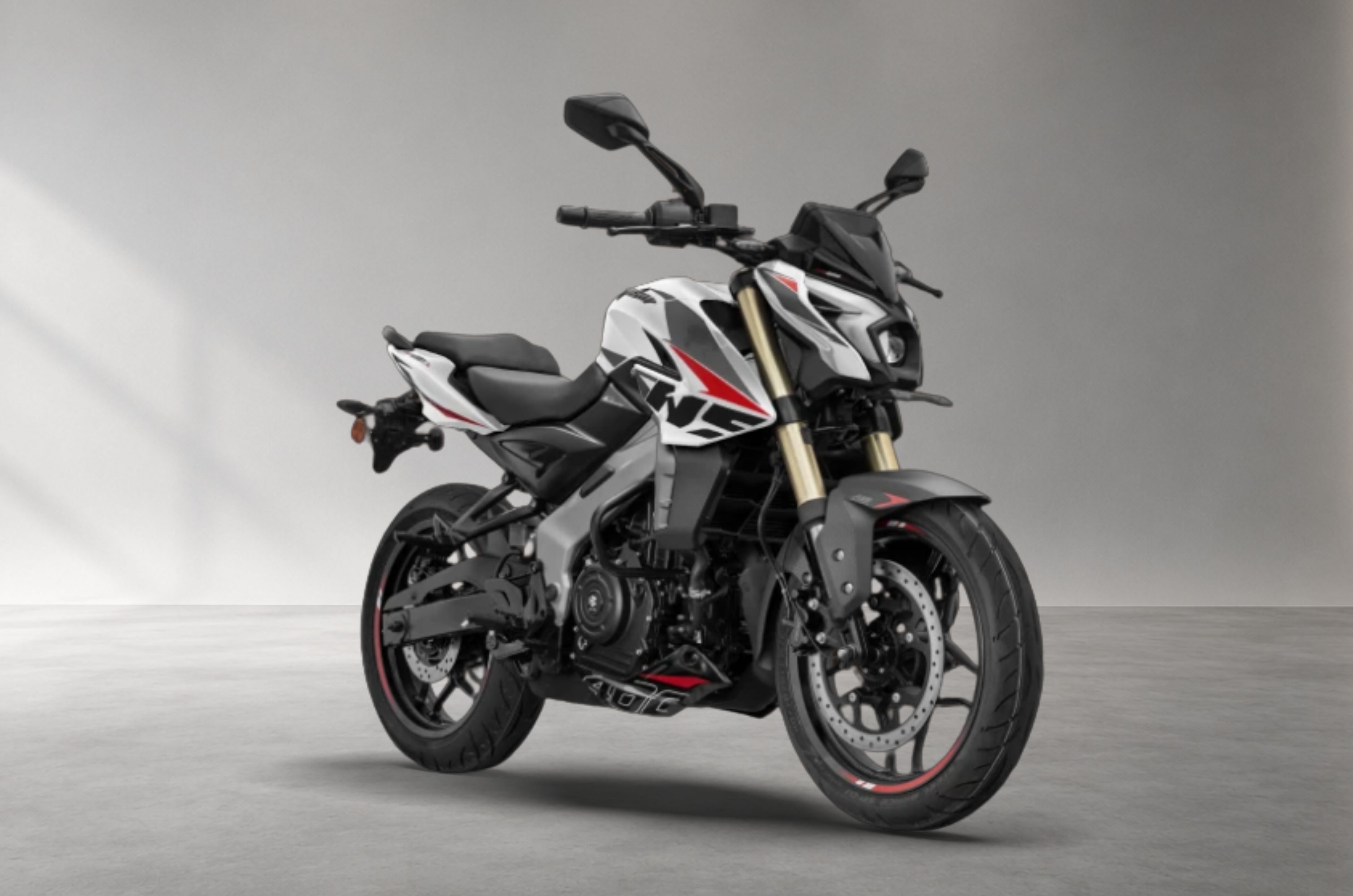
Bajaj Pulsar NS400Z
Rs 1.90 lakh
Bajaj’s downsized 349cc Pulsar NS400Z has gone down in price again, and the company gave it the same TFT unit as on the other Pulsars just two days ago; and we might see it in even more of their motorcycles soon. Anyway, the NS400Z gives you a steep jump in power with 40.6hp and 33Nm. It retains the feature-set from the N160 SS as-is with power and torque as its biggest differentiation from almost every other motorcycle on this list. If you’re in a phase of your life where you’re on long rides more often than commutes, you might prefer the next motorcycle more.
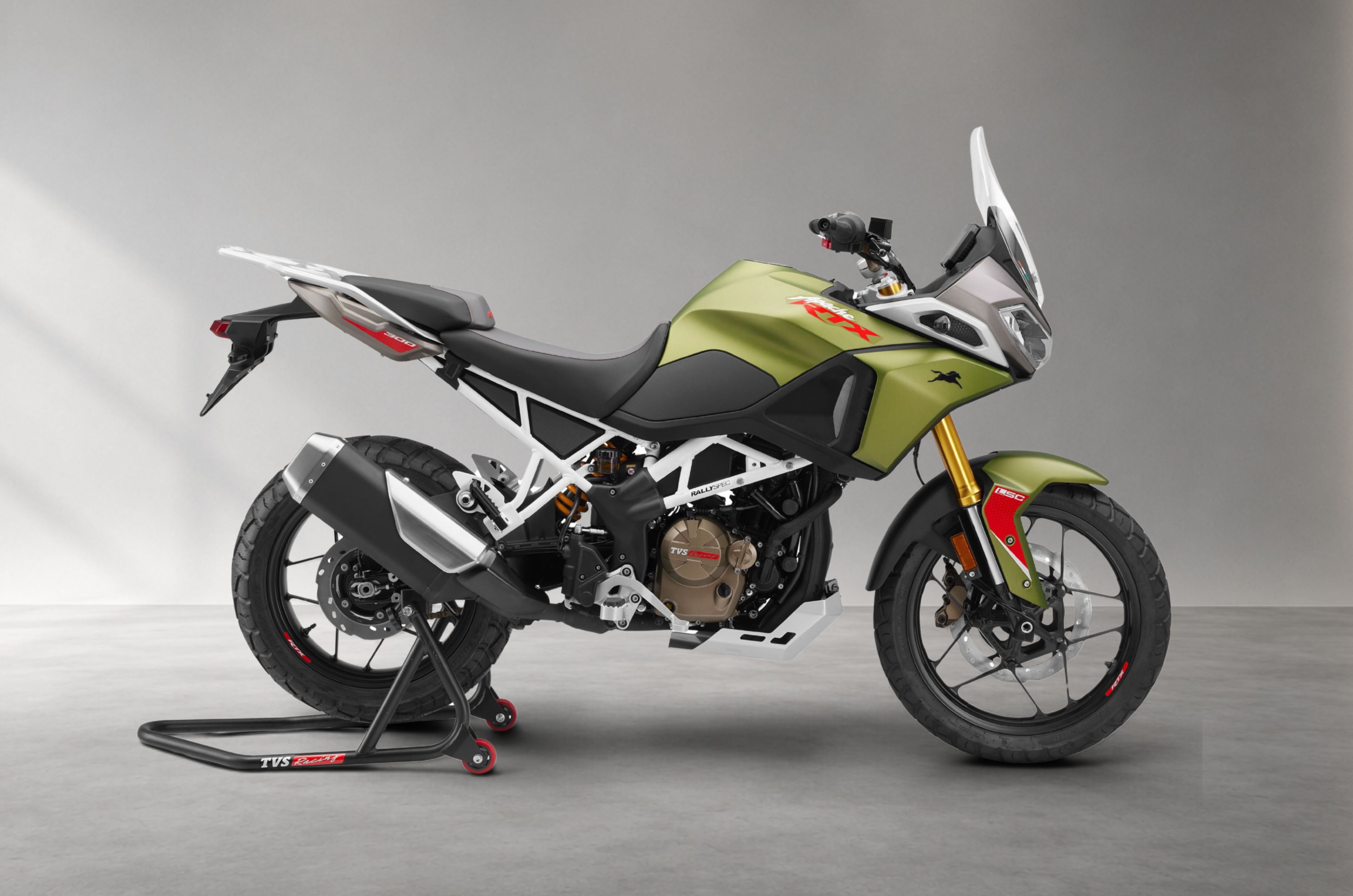
TVS Apache RTX 300
Rs 2.19 lakh
TVS’s first adventure tourer popularised the feature in question a year ago, offering it on the top and BTO variants. Compared to the NS400Z, you get a smaller 299.1cc engine with 36hp and 28.5Nm. However, the Apache RTX 300 is no slouch in features in any other way, matching the NS400Z on every feature on offer. If you’re an experienced motorcyclist who’d like to tune your ride more minutely, stepping up to the BTO variant at Rs 2.39 lakh might be worth it, considering it gives your adjustable suspension on both ends. If none of these sound exciting enough for you, maybe see if the last one does the trick.
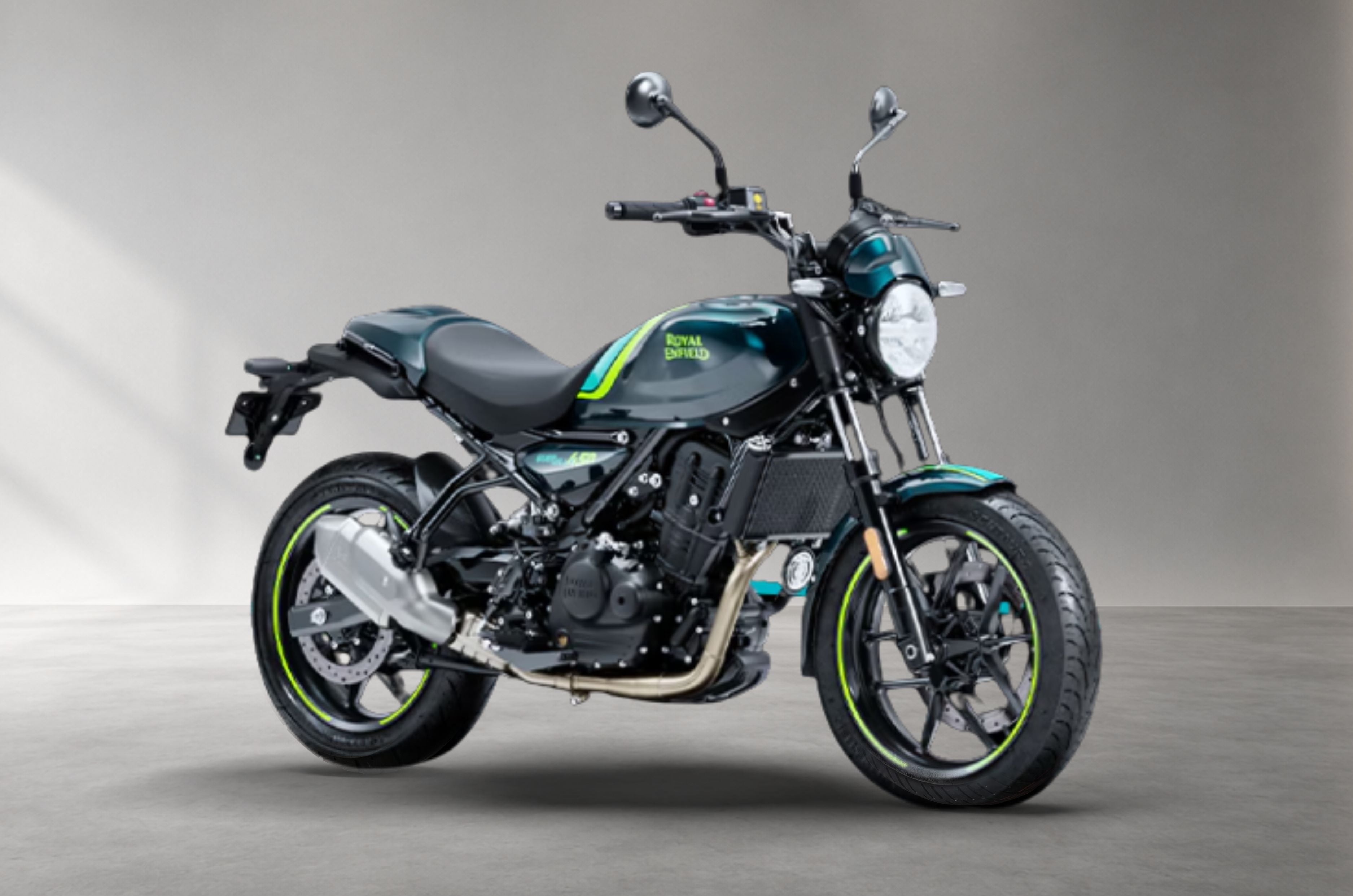
Royal Enfield Guerrilla 450
Rs 2.51 lakh
Royal Enfield introduced a new 4-inch TFT display with the Himalayan 450 that could project Google Maps powered navigation onto it, making the Chennai-UK based manufacturer technically the first to have figured this solution out. If you didn’t know this already, pressing and holding the M button on your Guerrilla 450 (and the Himalayan and Bear 650) will change the dials to the ‘digital’ look. After that, connecting your smartphone to the Royal Enfield app and starting navigation will make the whole map show on your display.
Getting back to the Guerrilla 450 itself, it’s Royal Enfield’s take on a sport-naked. Similar to most motorcycles on this list, its primary purpose isn’t touring, but when has that ever stopped the determined? The Guerrilla also has a 450cc engine that doles out 40.02hp and 40Nm, making it the most powerful motorcycle on this list. It goes toe-to-toe with the other motorcycles in terms of the features on offer, although most of the additional price is for its extra power (and the 40 percent GST of course).
That concludes the list of motorcycles under Rs 3 lakh with Google Maps mirroring, for now. We expect Bajaj to extend the same TFT display to even more of their portfolio in the near future. TVS might respond to that in their own, unique way so this list is all but guaranteed to grow even more in the near future. It’s one more significant hurdle removed for a motorcyclist, and every meaningful step counts.
The Sorento is a big bet for Kia India, and you can tell. Six trims, two powertrains, front- and all-wheel drive, six or seven seats and 32 versions in all. This is not a toe in the water exercise but a full-blooded dive into the deep end of the executive SUV pool. More than that, it is a case study in how to launch a product in India, because Kia has got the basics right before it has even started talking about features.
Start with the powertrains, which for this class of SUV could hardly be better judged. There is a strong 2.2-litre diesel for diesel die-hards and there are still plenty of those. And then there is a 1.6-litre turbo-petrol strong hybrid whose timing couldn’t be more perfect. Petrol prices are climbing, E20 has quietly eaten into real-world efficiency, and buyers want diesel-like running costs from a smooth, quiet powertrain without lying awake worrying about diesel’s long-term future. The Sorento hybrid is pitched squarely at that anxiety.
The strategy behind the car is just as interesting. This fourth-generation (MQ4) Sorento arrives in India towards the end of its global life cycle. It is still a current product, but one due to be replaced internationally next year, while India will carry on with this one. That is actually a very smart move. A car this late in its life has its development costs largely amortised, and Kia India can bring some of the tooling here, which slashes the investment.
And this is a properly localised car, not a screwdriver job. The body is stamped and welded at Kia’s Anantapur plant, and the dashboard and seats are made here too. That is what makes the Rs 27.99 lakh starting price possible. The catch is that localisation on this scale only pays off with volume, and Kia wants to sell around 40,000 Sorentos a year. That is a big number for a Rs 30-40 lakh SUV. Can it get there?
Kia Sorento exterior design and engineering
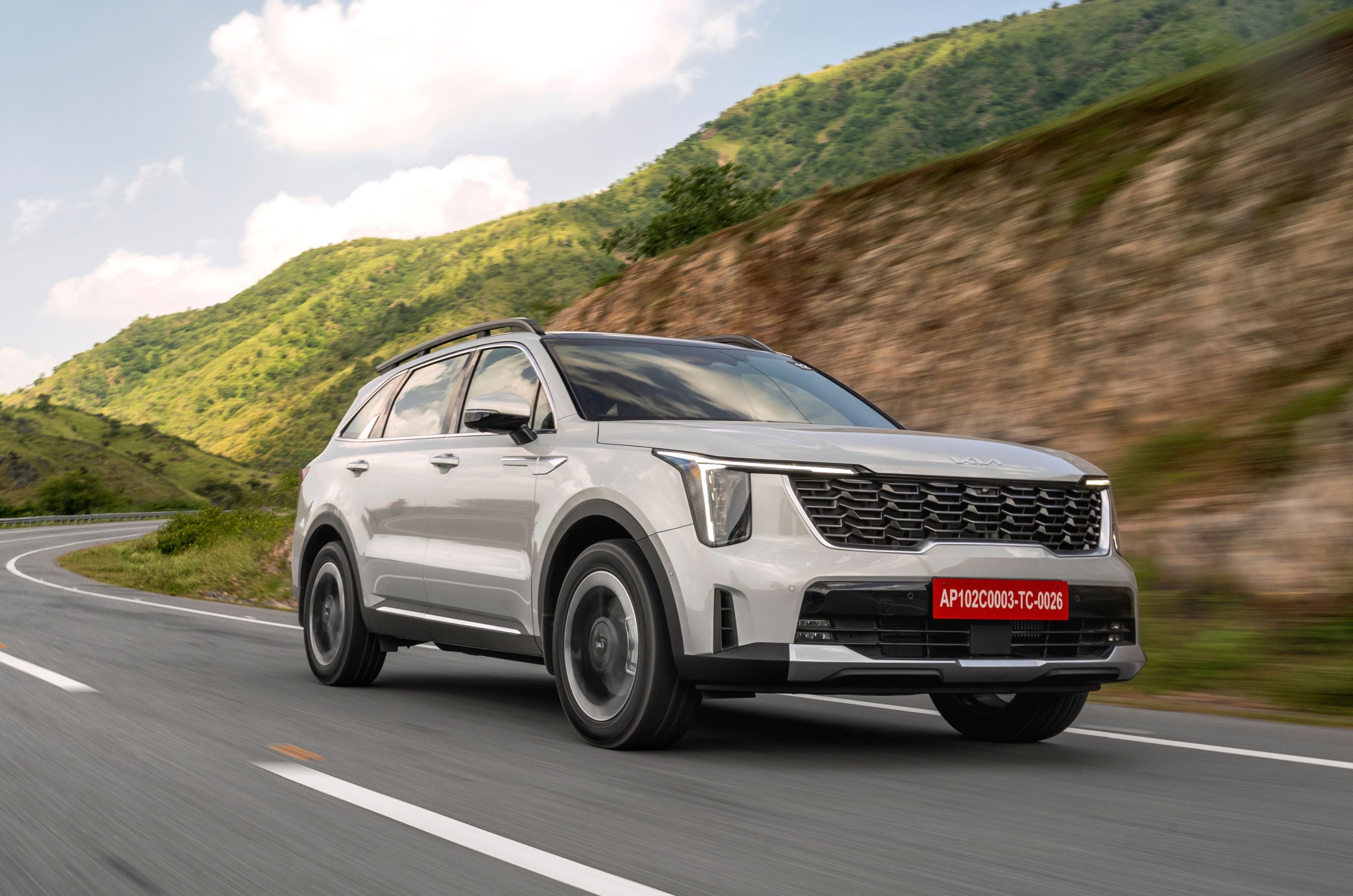
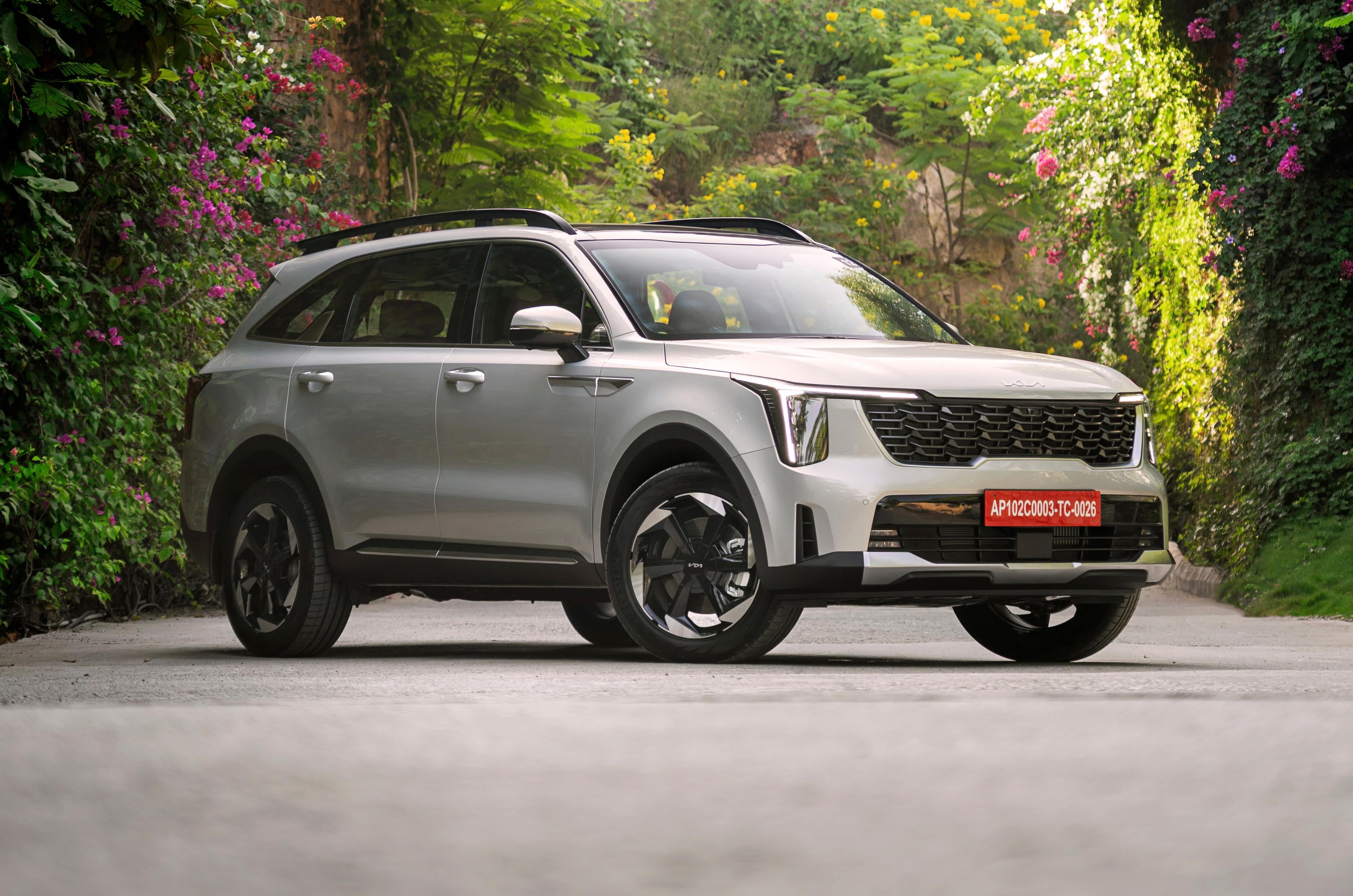
Based on the gen 4 Sorento, it carries over the older and more palatable design language.
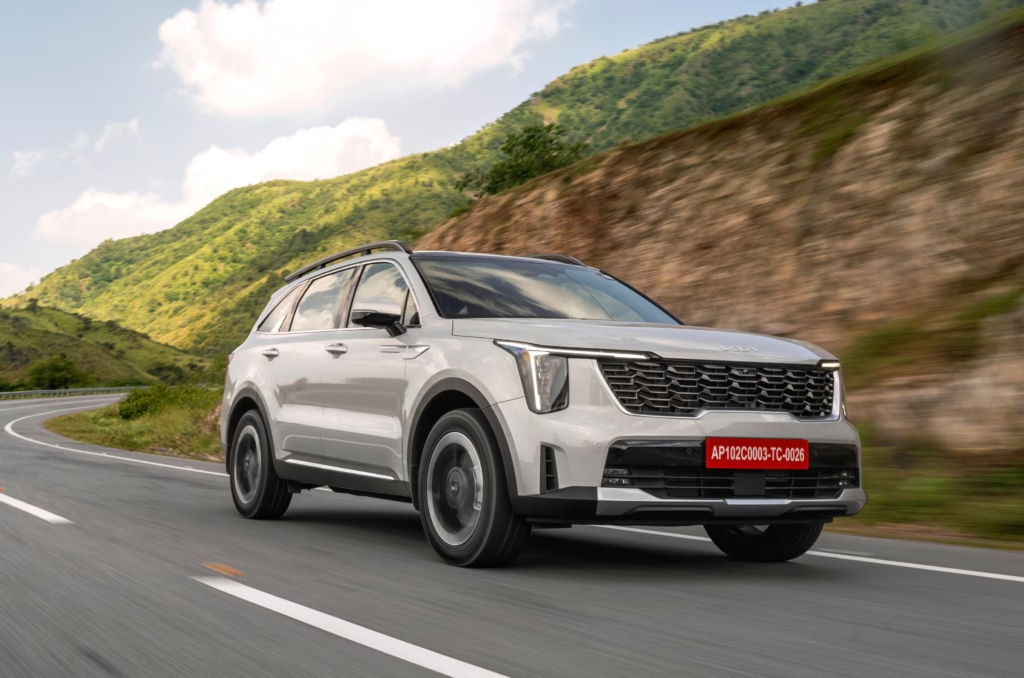
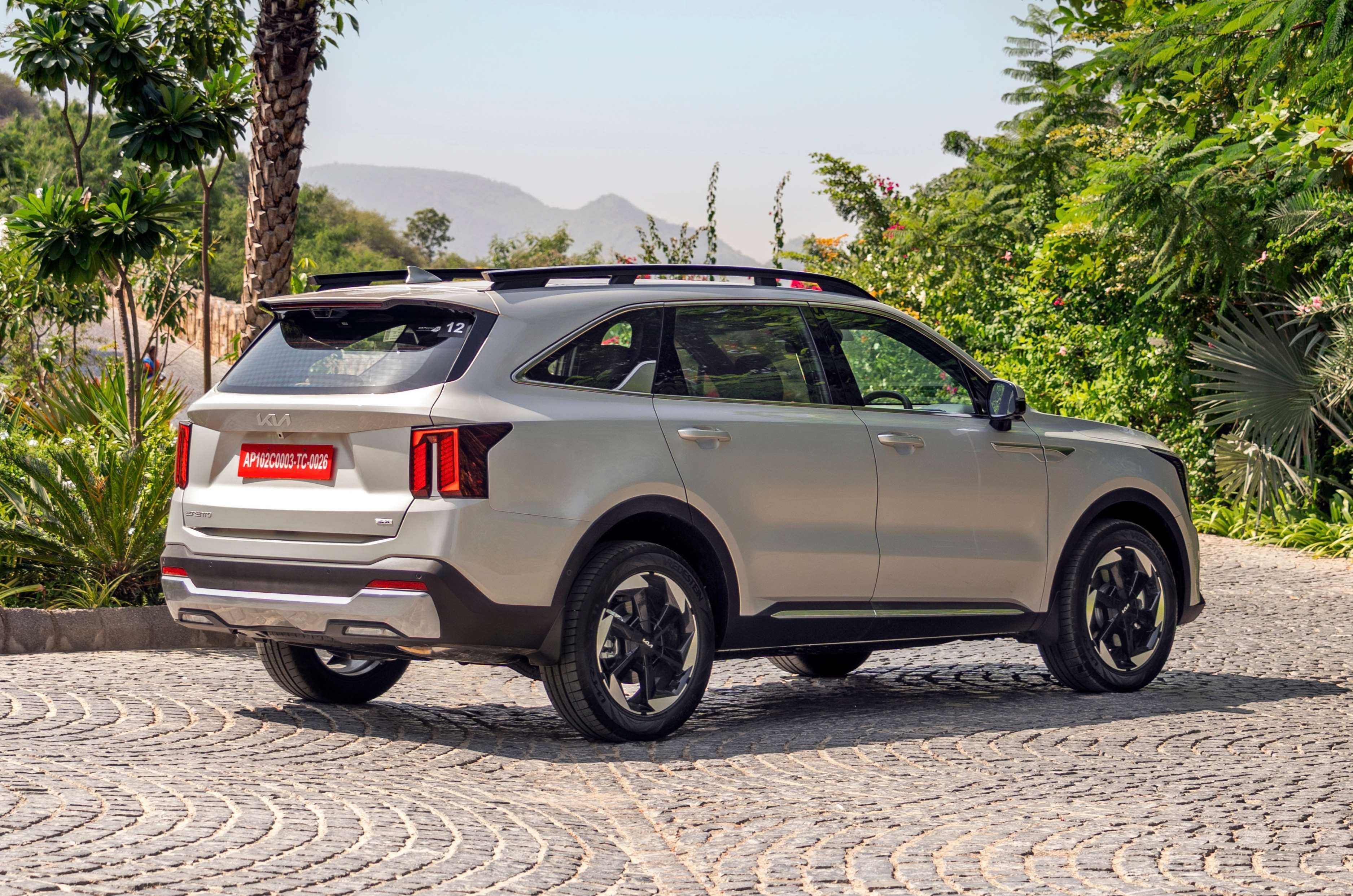
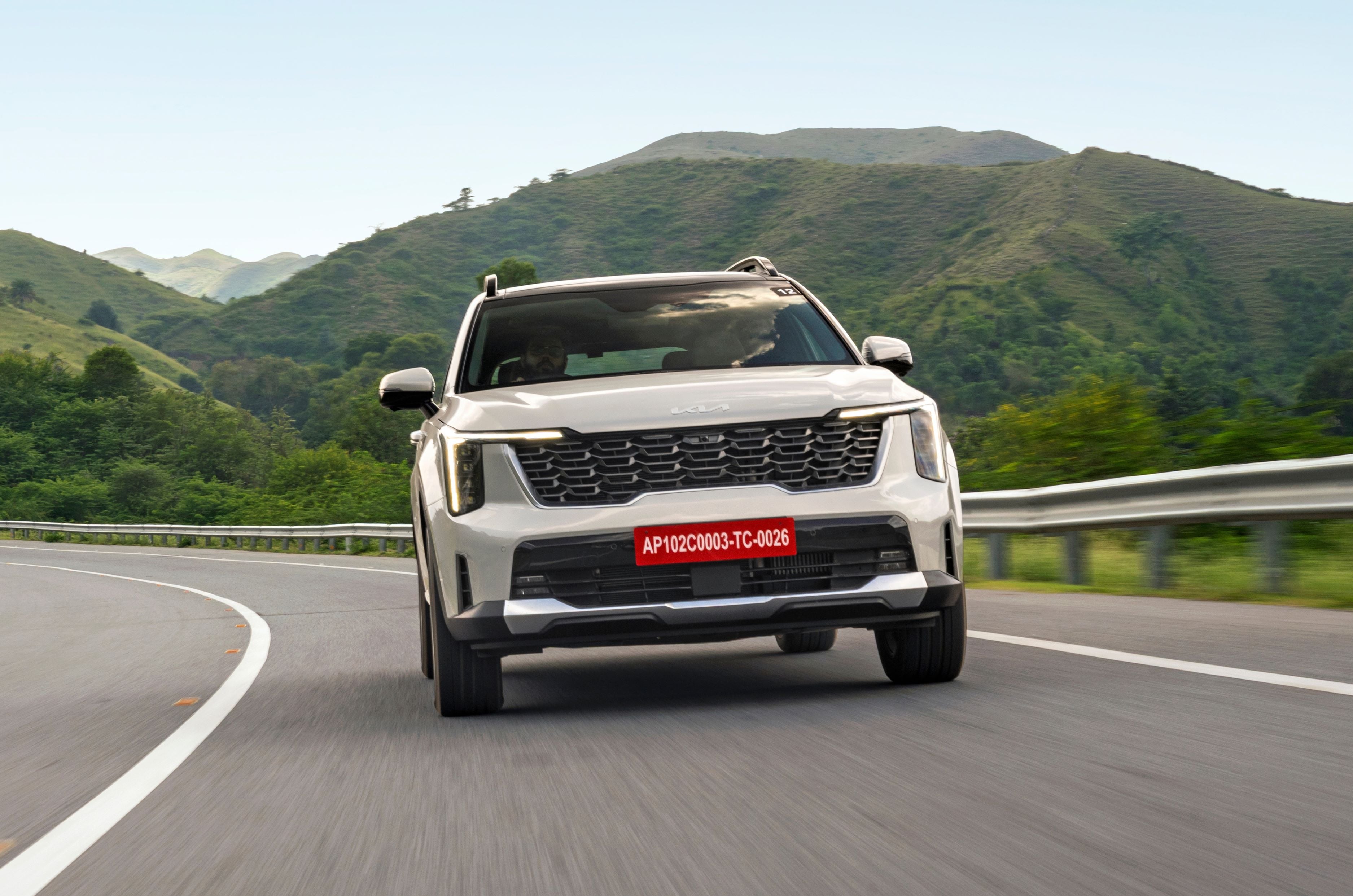
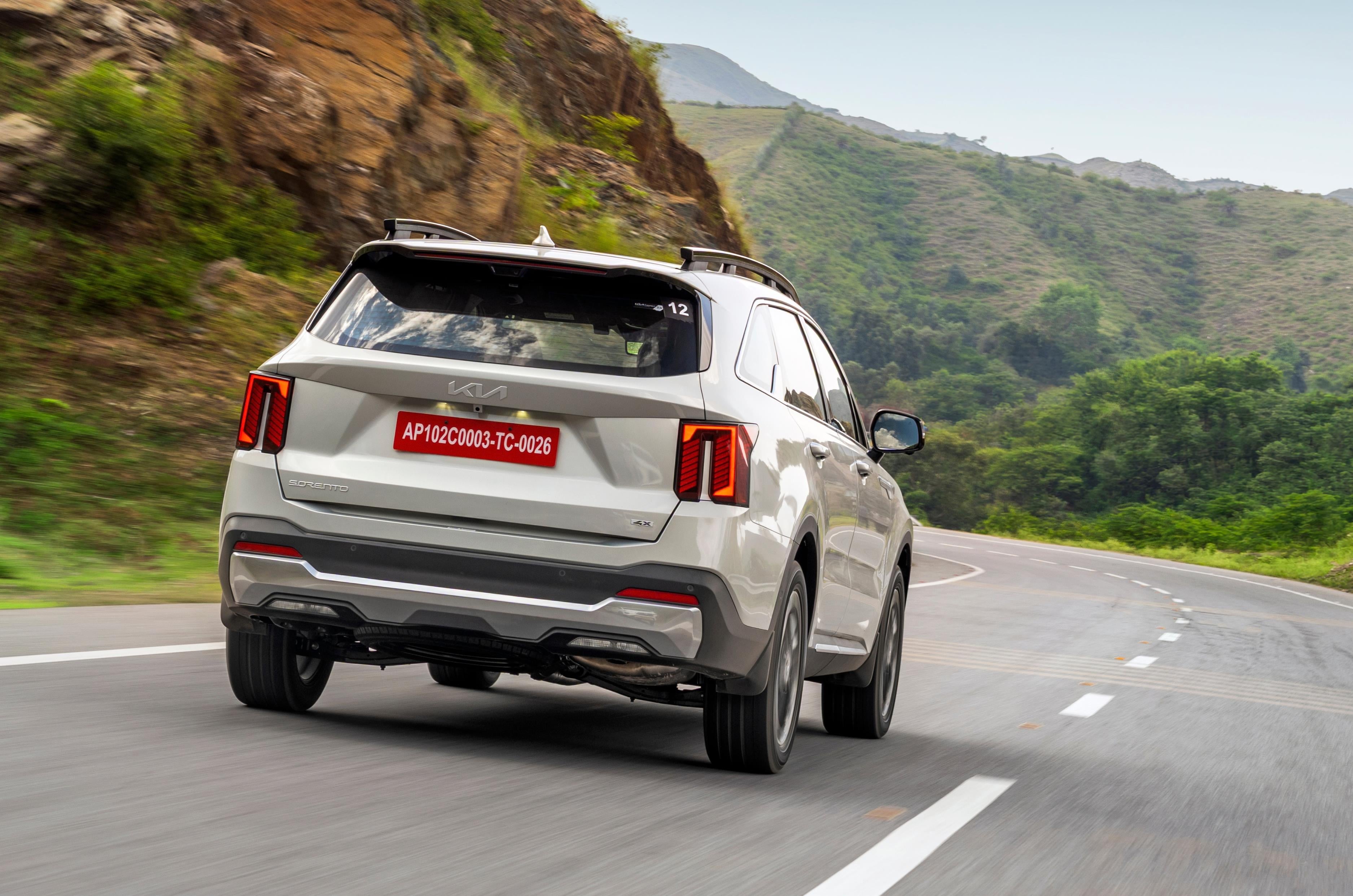
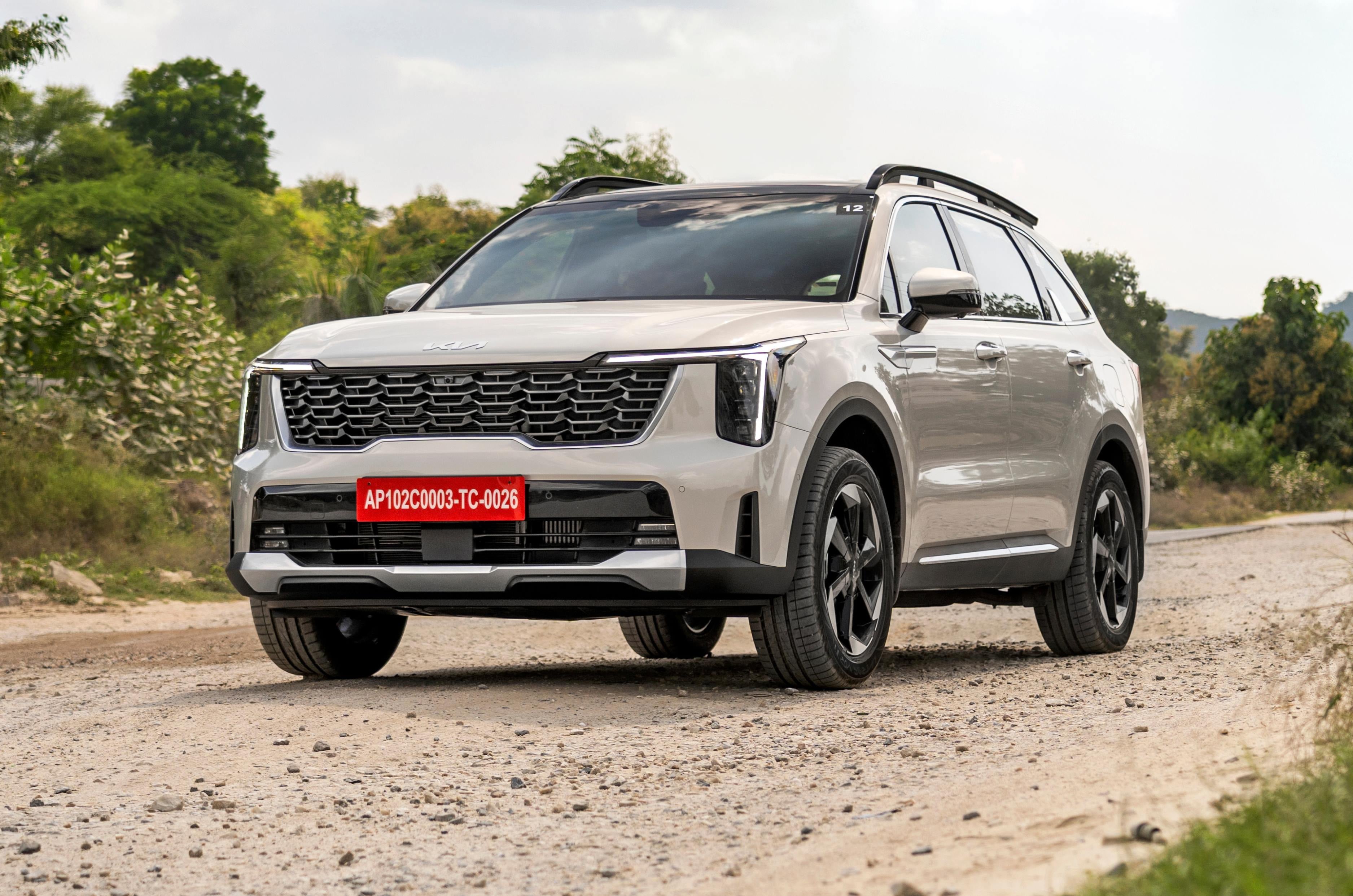
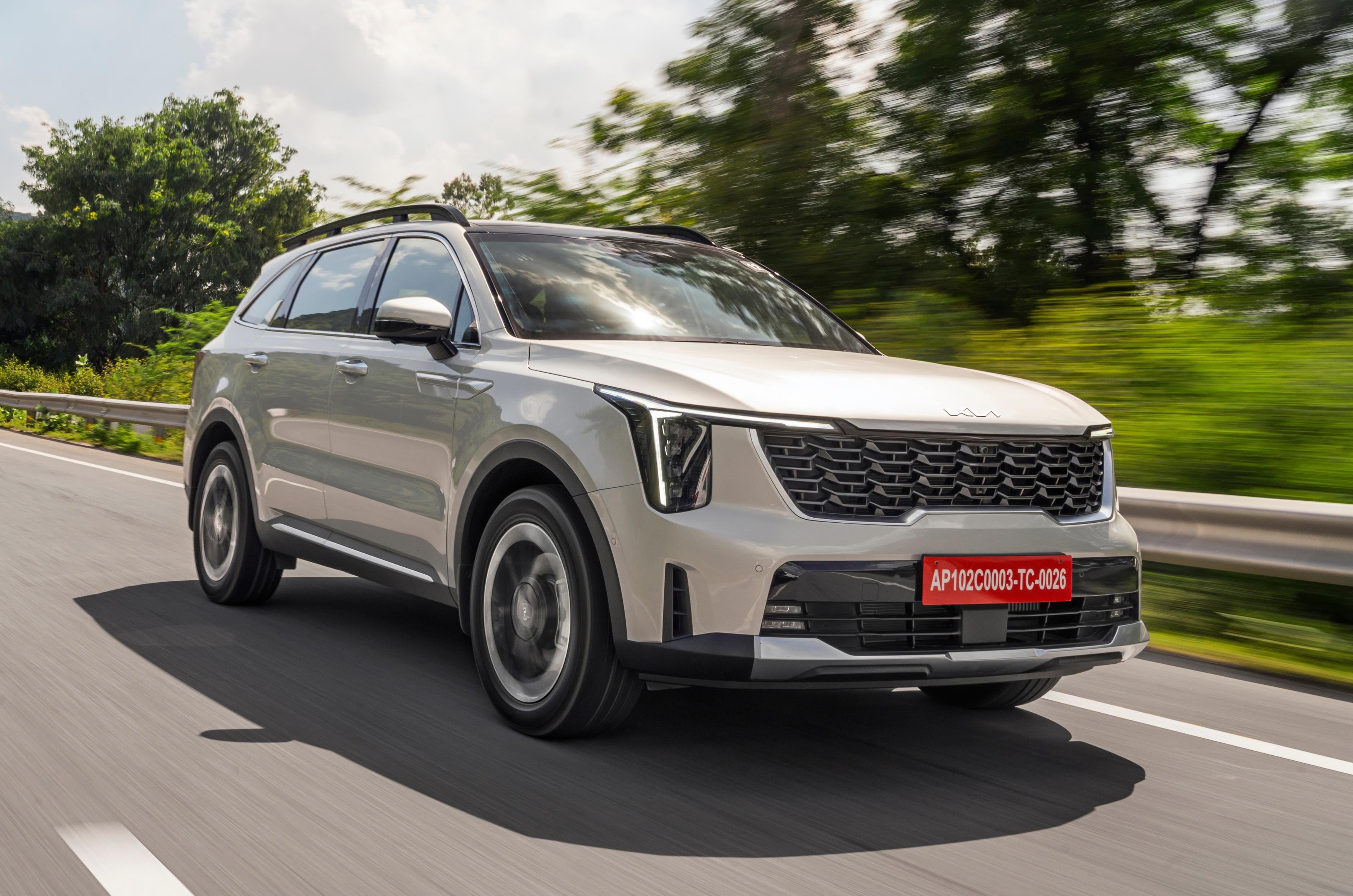
The Sorento sits on Hyundai-Kia’s MQ4 platform, the freshest architecture in its class, and it has already had a mid-life update to keep it looking current. The 2024 facelift brought the nose in line with the design language Kia kicked off with the EV9, so you get vertically stacked LED headlights, Y-shaped daytime running lamps and an aggressive looking bumper with wide intakes. At the back are L-shaped wraparound tail-lamps, and thankfully no light bar stretched across the tailgate.
Beats the rivals in length, width, and wheelbase.
Kia’s stated aim was a more technical, precise look, one meant to signal tight build quality and engineering sophistication. It is a trick the German premium brands have used for years, and Kia has clearly taken a leaf out of their book. The Sorento looks crisp and expensive rather than flashy, and is likely to age well too.
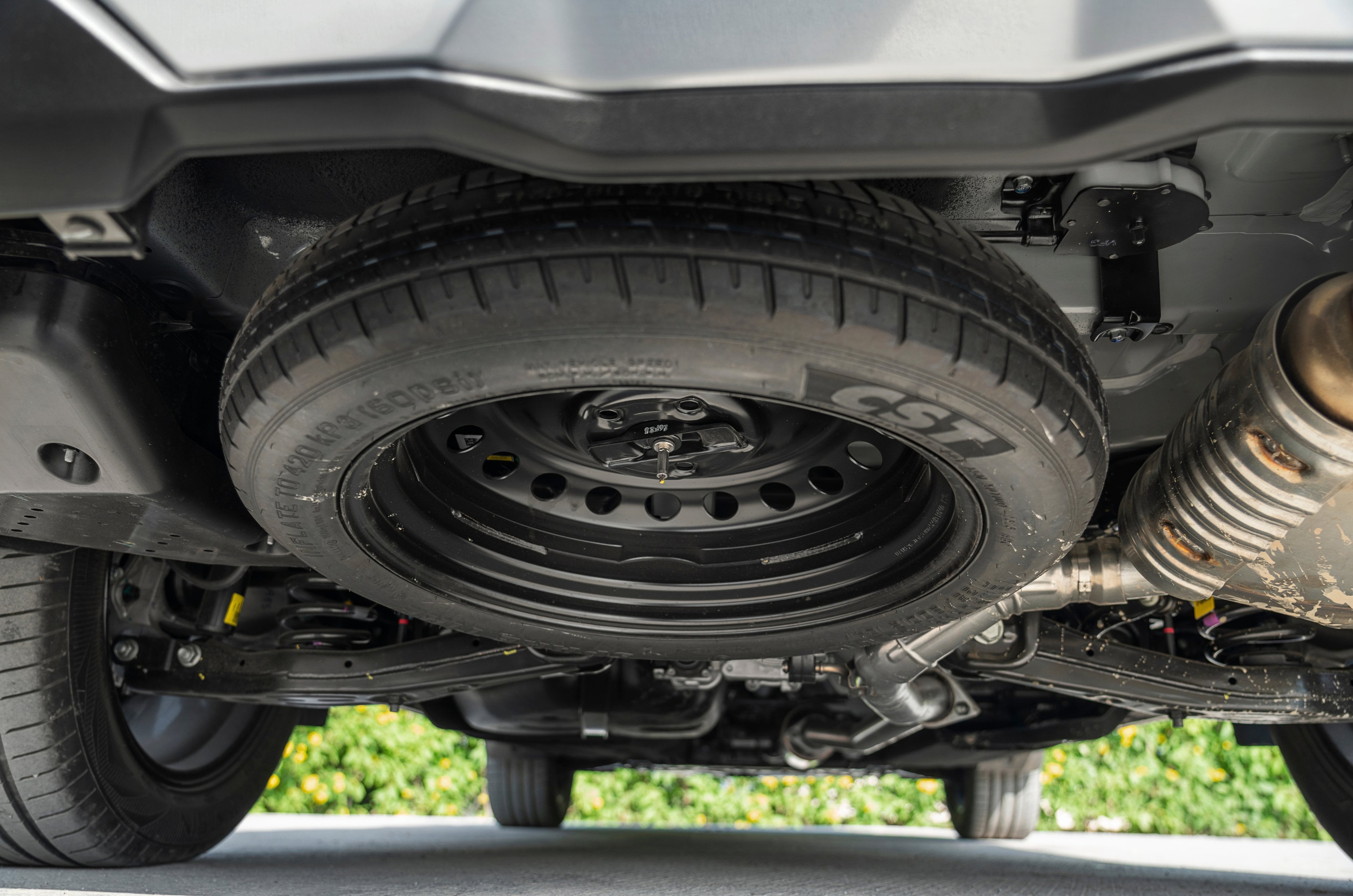
Spare wheel mounted under the floor frees up room in the boot.
What it does not have is brute presence. Despite being the longest, widest and tallest SUV in its segment, at 4,815mm long, 1,900mm wide and 1,785mm tall on a 2,815mm wheelbase, it does not loom in your mirrors the way a Fortuner does. The sloping roofline at the rear softens the silhouette and lends it a hint of crossover, and some will see it as a big Seltos rather than a junior Land Cruiser. Clearly this is not an SUV that looks like it can bully its way through traffic.
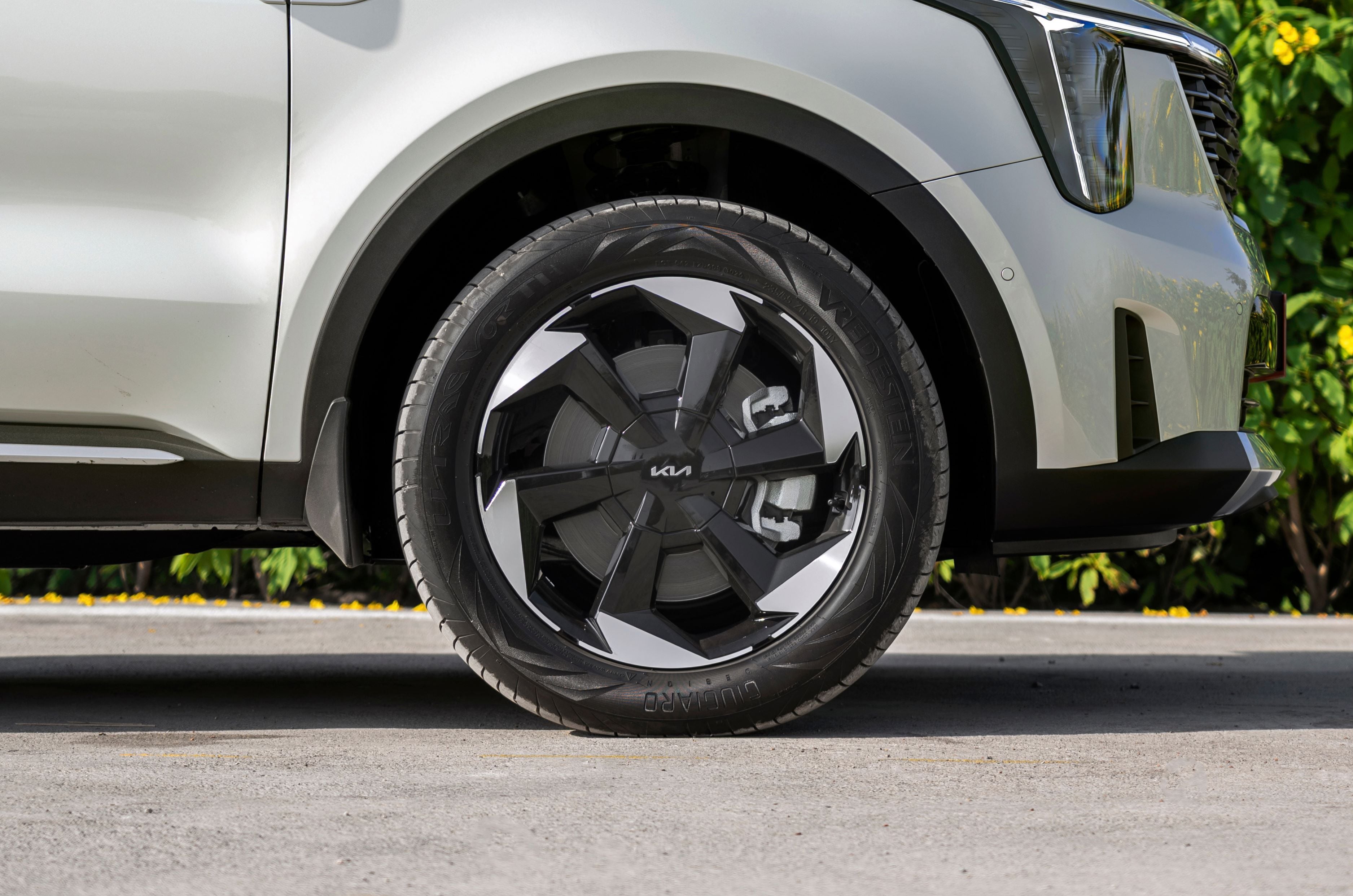
A more unique design could’ve been used for the 19-inch alloys.
The 19-inch dual-tone alloys could have been more distinctive, too an effect exaggerated by the chunky 235/55 R19 tyres. Those tall sidewalls, though, are not a styling misstep so much as an engineering choice, and they play a big part in how this car rides. More on that later.
Kia Sorento interior space and comfort
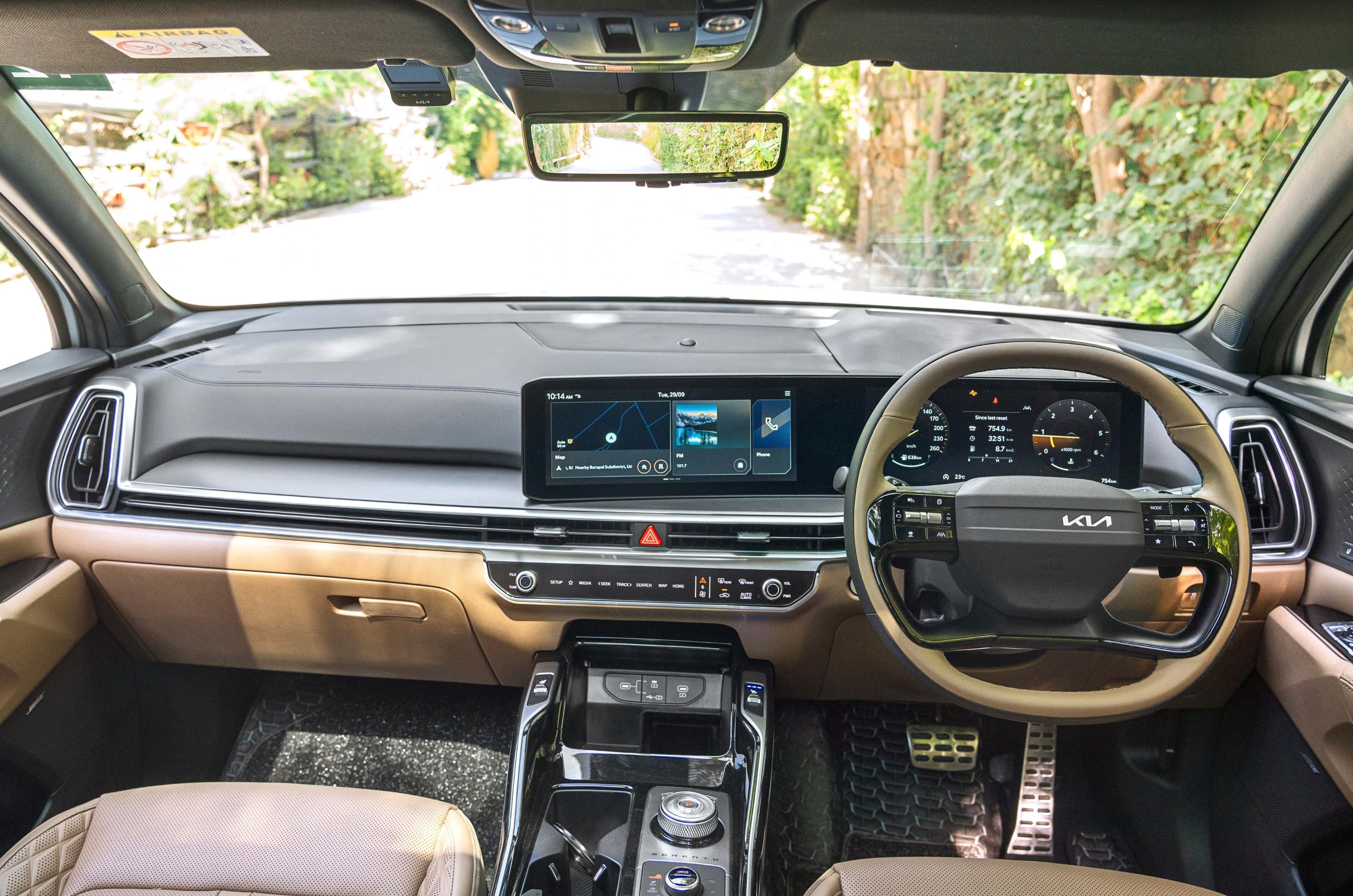
Clutter-free dashboard with solid build and plush feel.
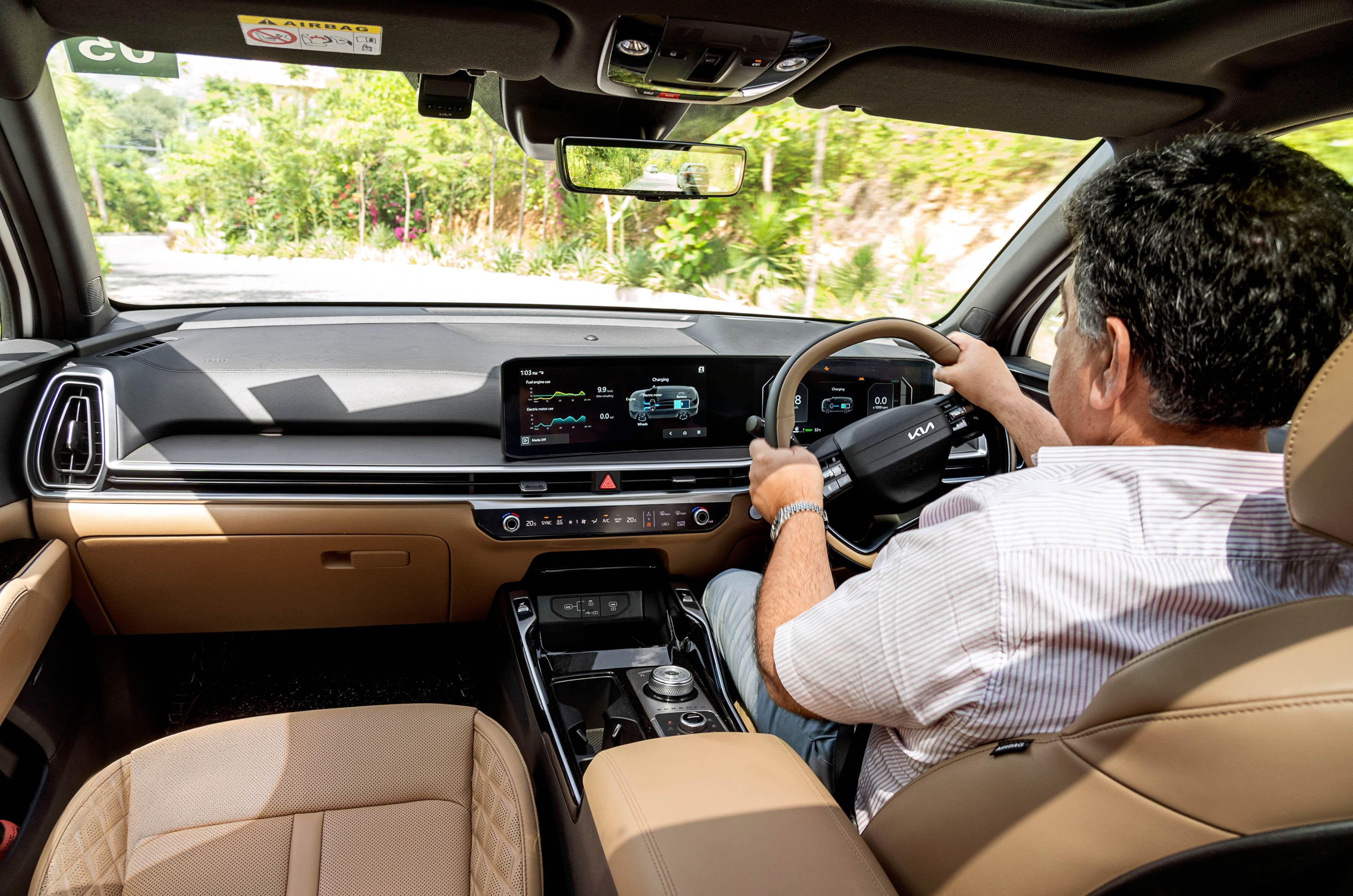
If the exterior is quietly effective, the cabin is where Kia has truly aced it. The Sorento offers a mix of quality, equipment and ergonomics that nothing at this price can match. Soft-touch materials cover everything you are likely to touch, including the spots where your knee rests against the centre console. There is a healthy count of physical buttons, and they click with a precision that feels engineered rather than sourced. The knurled finish on the rotary drive selector and the switchgear adds a tactile richness you normally pay German money for.
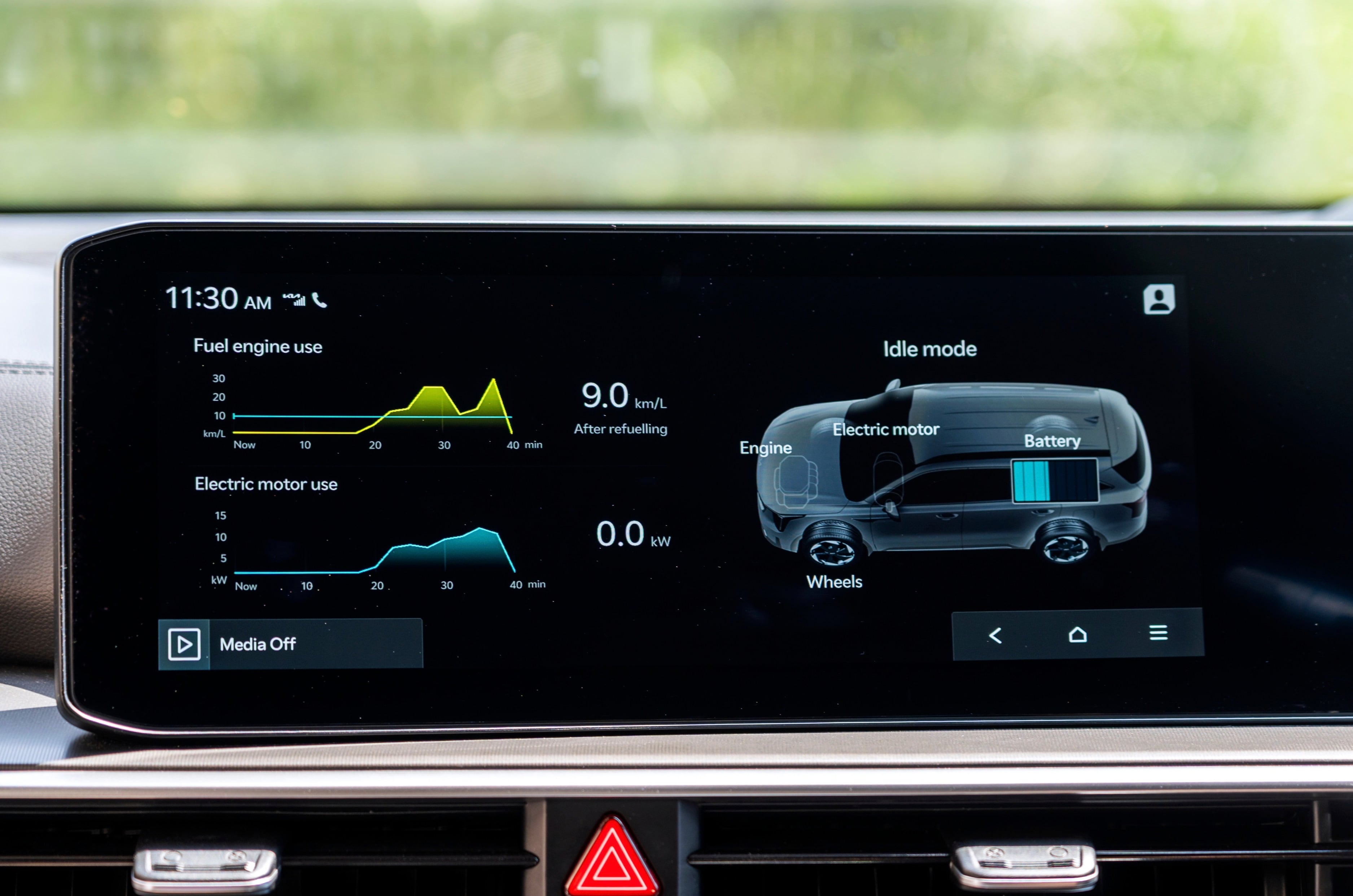
Hybrid variant gets exclusive data for power flow and efficiency.
As with its Hyundai cousins, the real ace is the software. The 12.3-inch infotainment system is logically laid out, menus are where you expect them to be, and getting to a feature takes a tap or two rather than a treasure hunt. Kia has also kept the climate controls off the main screen. They live on a touch-sensitive bar below it, with scrollers and a button that toggles the bar between air-con and infotainment shortcuts. It is a clever, space-saving solution, though you will occasionally find it in the wrong mode just when you need it.
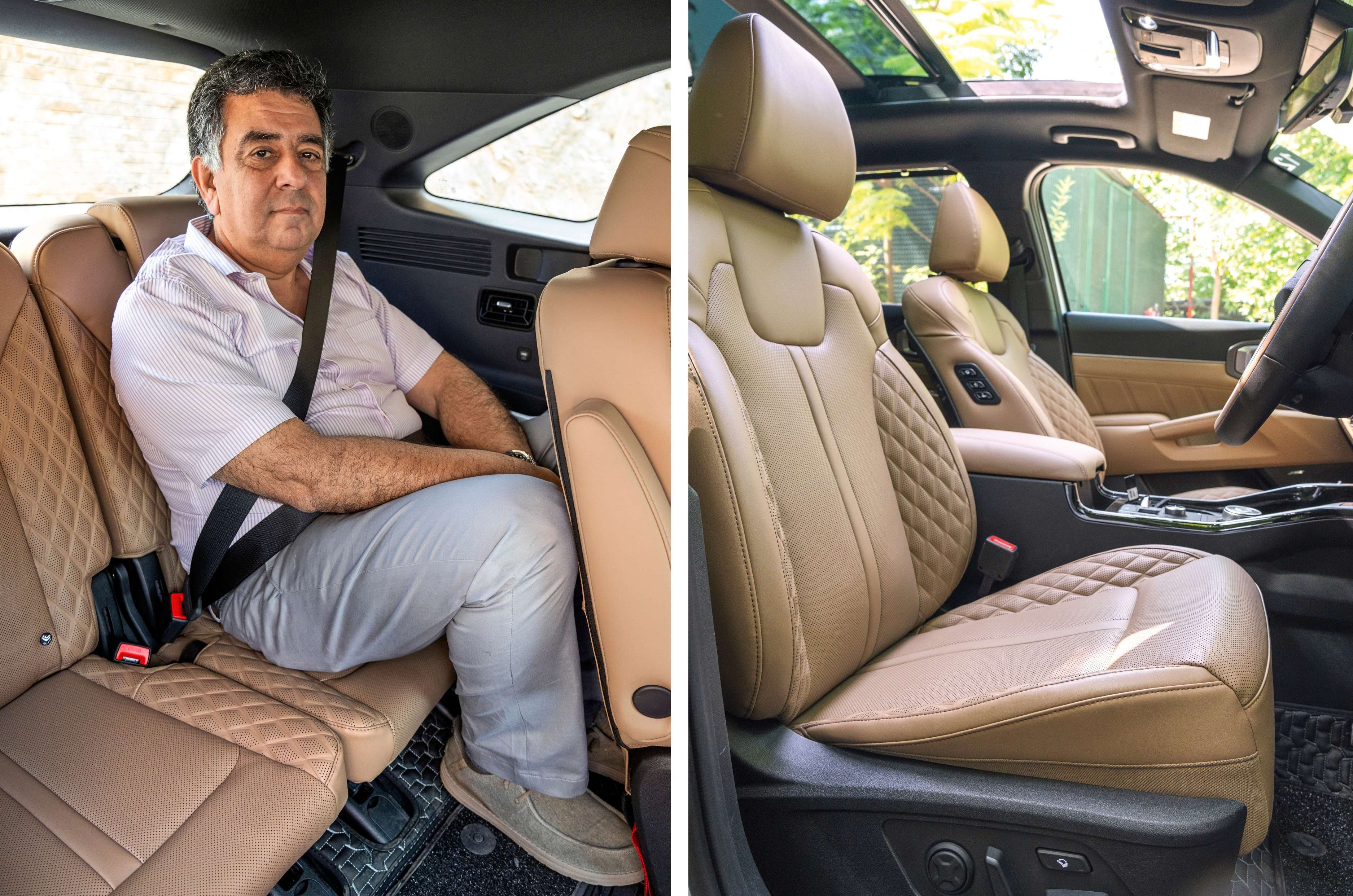
L: Third row seat placed on floor results in knees-up seating; best for children. R: Broad, supportive and well-cushioned front seats are electric and also get ventilation.
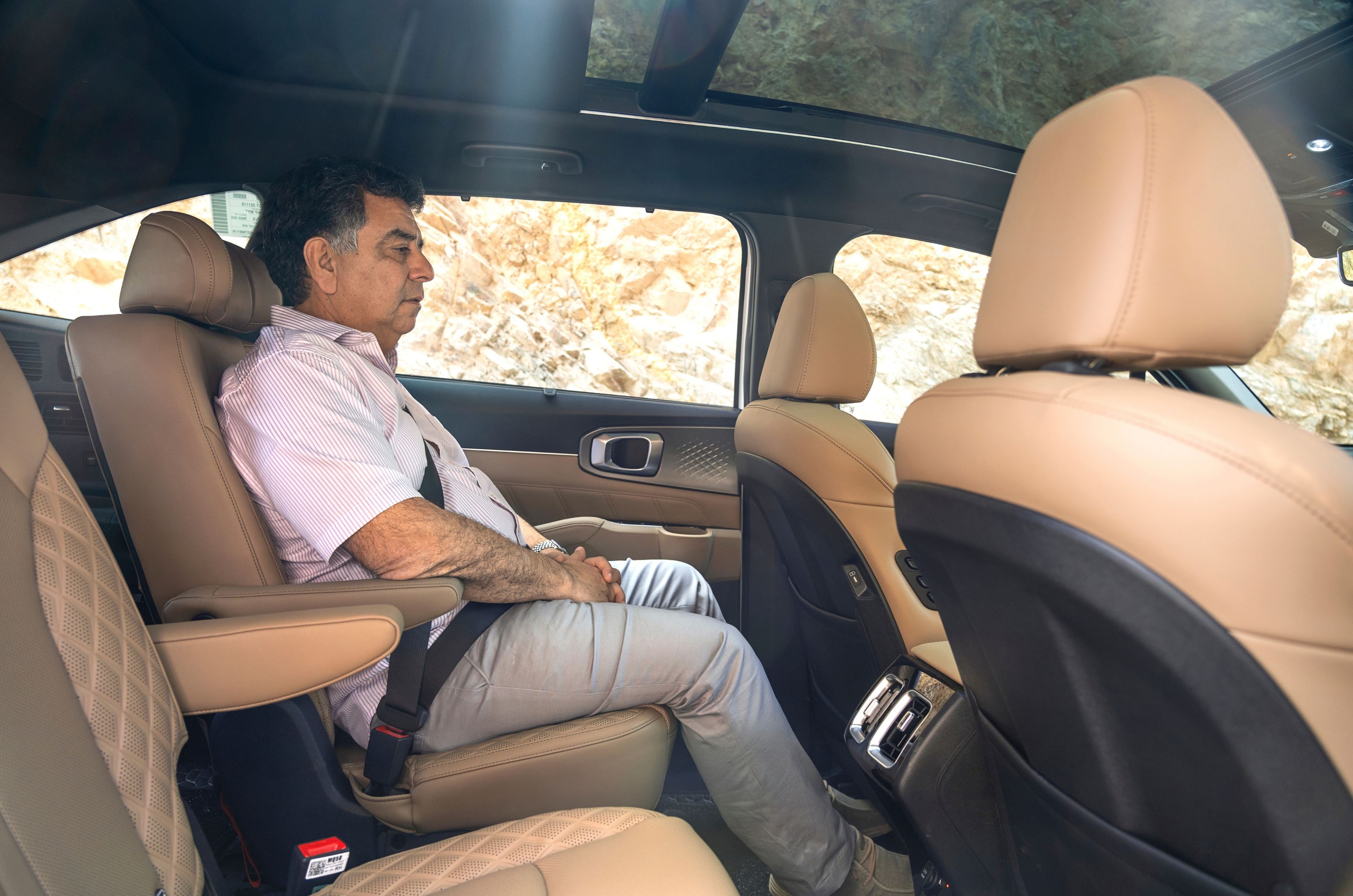
The front seats are fully powered, with 10-way adjustment, lumbar support and ventilation, and the passenger seat gets a boss mode so whoever sits behind can push it forward. Coming to the third row, access is easy. You can either walk through the gap between the captain chairs or press a button on the seat, which electrically slides and tilts it forward. Once there, the news is mixed. Legroom is better than you expect, but the seat base is mounted almost flat on the floor, so there is no under-thigh support and your knees point at the roof. Treat it as a space for children or short hops. At least the third row gets its own blower controls and USB ports.
Spacious middle-row with ventilated and adjustable captain chairs; bench seat version also available.
One of the Sorento’s highlights, however, is the second-row experience. Our test car was the top HTX with six seats, and its second-row captain chairs are ventilated too, a rarity in this class. They are the best seats in the house. There is lots of legroom, a commanding view out and good under-thigh support, comparable to the Innova Hycross’s middle-row captain chairs, though the Toyota seats you a touch higher. A neat detail is the cupholder moulded into the door, up near the handle, where it is actually easy to reach.
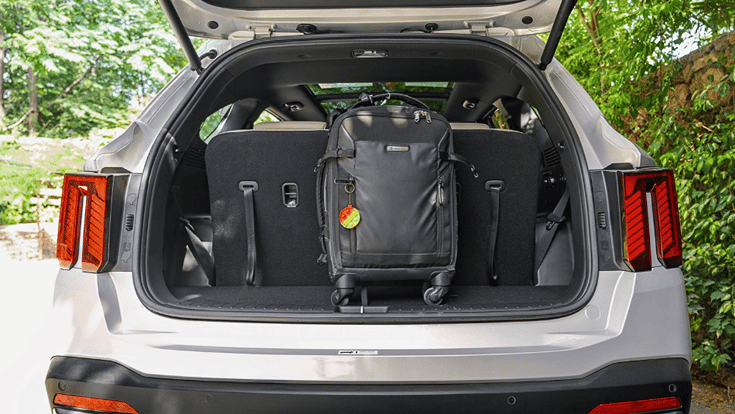
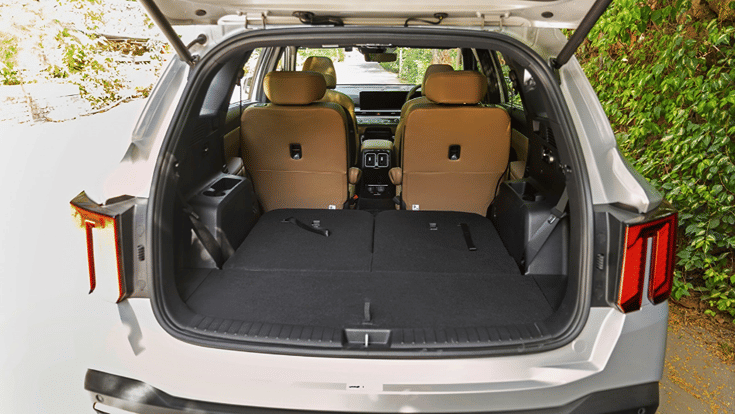
With all three rows up, the boot is a modest 179 litres; fold the third row and that grows to 813 litres. A full-size spare is welcome, but it is slung under the body, which is not the most convenient place to reach. Overhead, the massive panoramic roof floods the cabin with light and adds to the sense of space.
Kia Sorento features and technology
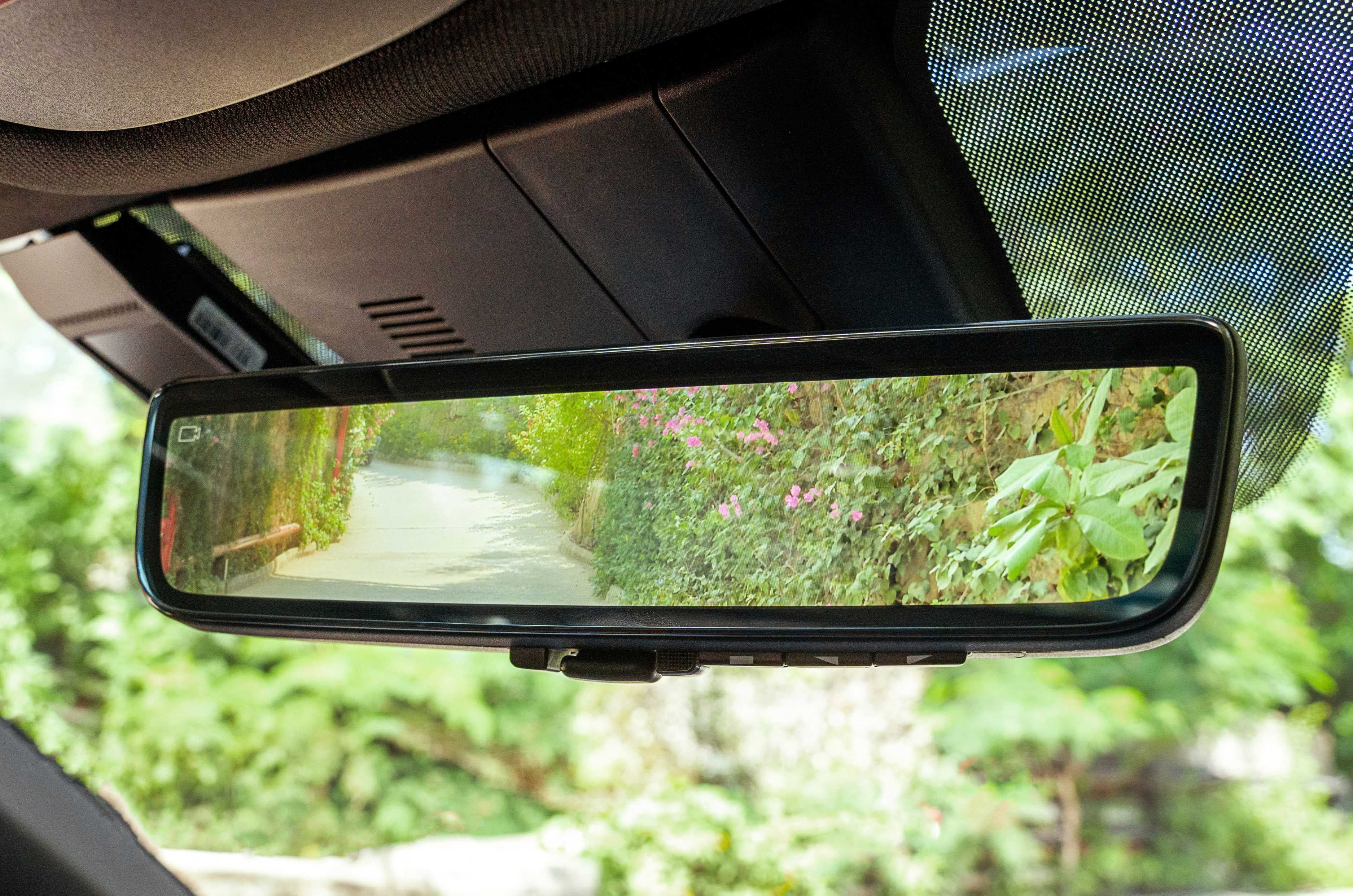
Digital IRVM offers excellent resolution and can be adjusted for level and brightness.
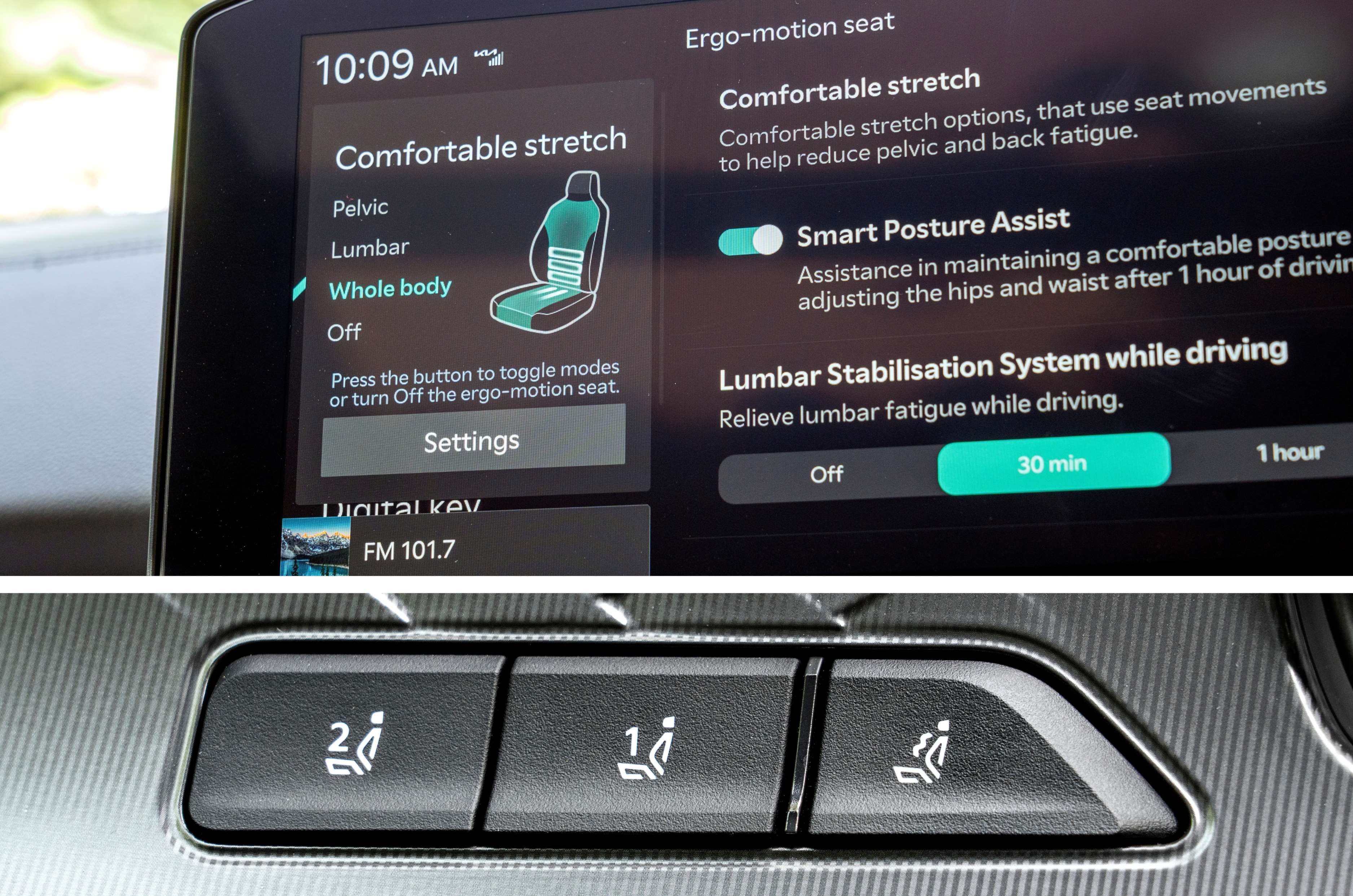
The equipment list is huge. In addition to the aforementioned 12.3-inch touchscreen, powered front seats, ventilated captain’s chairs, and panoramic sunroof, the Sorento comes packed with a 12.3-inch digital driver’s display, a head-up display, a 12-speaker Bose system, dual-zone climate control, a powered tailgate, rear-window sunshades, 64-colour ambient lighting and a digital rear-view mirror that flips back to a conventional one at the turn of a knob. The driver’s seat even gets an ‘ergo-motion’ mode that simulates a massage function by shifting the contours around.
Ergo mode for driver seat acts like a massage by moving the contours to avoid a stiff back on a long trip.
Safety is just as thorough, with 10 airbags, a 360-degree camera, front and rear dashcams, remote parking assist, TPMS and Level 2+ ADAS on the (A) trims. There is even real-time generative AI, a first for any Sorento globally.
Kia Sorento performance and refinement
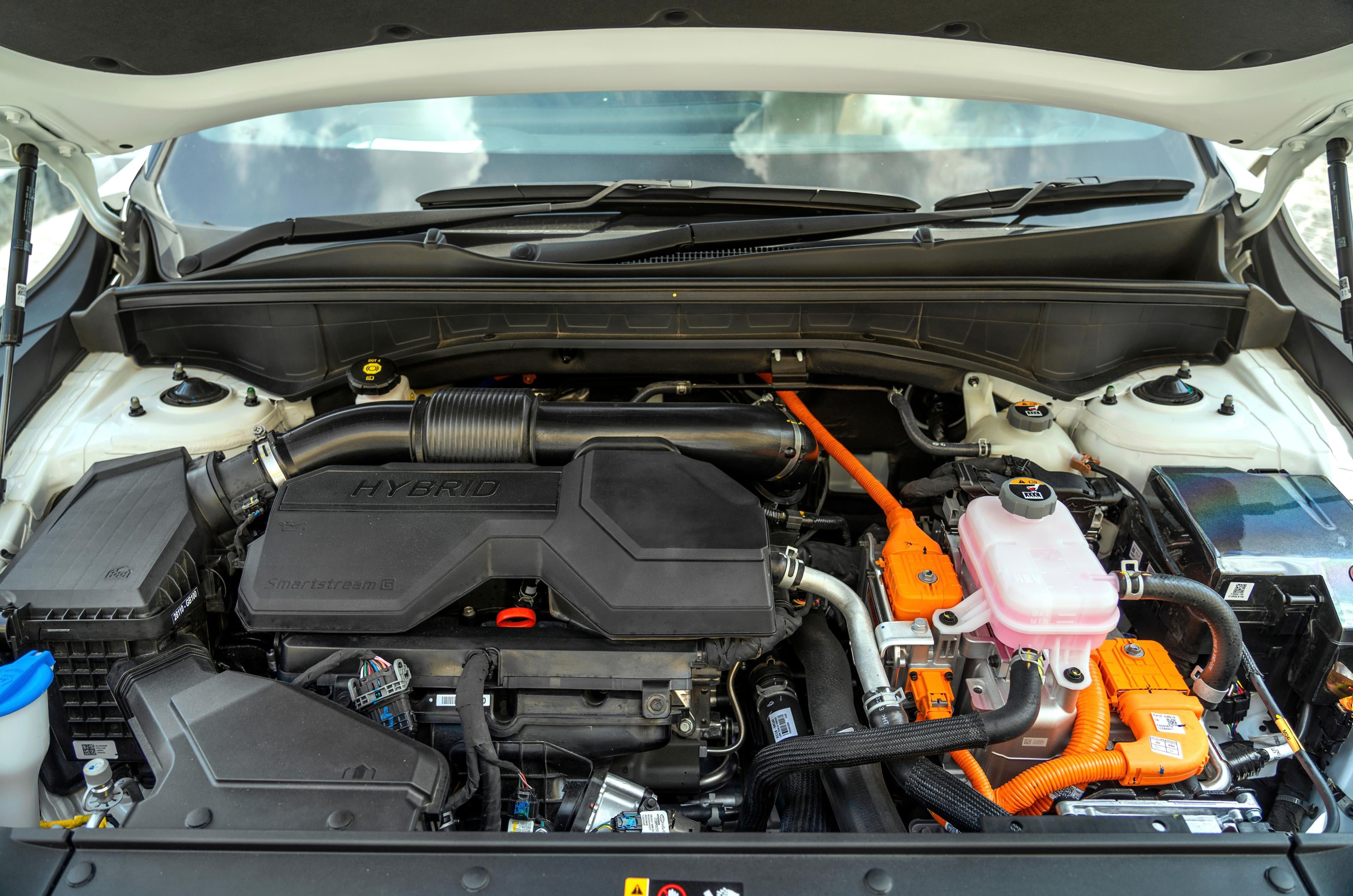
1.6-litre turbo-petrol engine paired with an electric motor and 6-speed torque converter automatic.
First up, the hybrid. Its 1.6-litre turbo-petrol makes 180hp and 265Nm, and the electric motor adds 65hp and 264Nm. The combined figure rating is 230hp and 380Nm of torque You can tell this the hybrid is the one for the city the moment you pull away, because the response is instant. It is well mated to the 6-speed torque-converter automatic, and the handover from electric to petrol power is close to seamless.
Hybrid variant is smooth in the city but gets noisy on the highway especially during overtakes.
The 1.49kWh battery lets it run in EV mode for a decent stretch at crawling speeds, and in stop-go traffic the hybrid makes eminent sense. Power delivery is refined, seamless and relaxing, and efficiency should be strong; The limitation is the motor itself. With only 65hp to shift a car weighing over two tonnes, it cannot do the heavy lifting on its own, so when you want to make quick progress the engine kicks in early. Push hard on the highway and the four-cylinder gets noisy and starts to run out of steam.
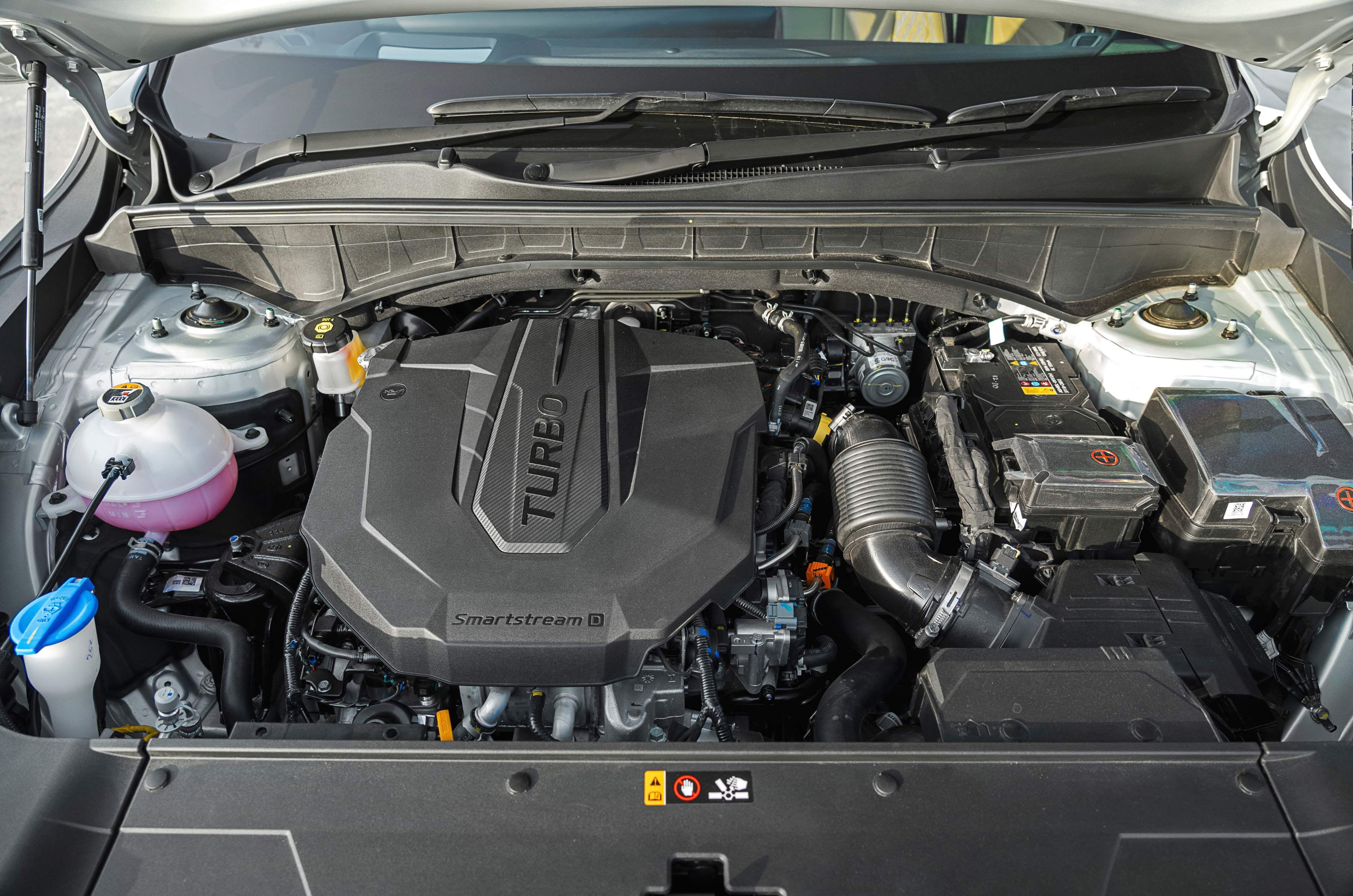
2.2-litre diesel engine makes 193hp mated to an 8-speed DCT and is the same unit seen on the Carnival.
Which is where the diesel comes in. The 2.2-litre is familiar from the Carnival, but it feels a lot sprightlier in the lighter Sorento. Its 193hp and 442Nm arrive in a strong, linear surge, and this is a fantastic, long-legged cruiser. Settle into eighth gear on an open highway and it simply lopes along, the engine barely working. It is also more tractable at low speeds than you might expect, pulling cleanly at part throttle from very low revs, so it can double as a city car, although its low-end response does not come close to the hybrid’s. It’s only when you floor it to dart through traffic that you experience a bit of hesitation, and its hear that you can use the paddle shifts to be in the right gear at the right time of the 8-speed DCT which comes as a pleasant surprise.
The diesel‘s strong torque and effortless cruising makes it perfect for long trips.
Rather than the snappy, slightly jerky shifts typical of dual-clutch boxes, this DCT slurs its changes almost like a torque converter, which adds to the smoothness of the whole package. The reason is that it is a wet-clutch unit, which also bodes well for durability in Indian traffic. The diesel is quite refined for the most part and its only when pushed hard that it gets audible and takes on a gruff note.
Both get drive modes; You can play with the Eco, Normal, Sport and Smart (or auto) modes in the diesel which alters the power delivery. In Sport, the throttle response is sharper and the default mode we liked whilst in Eco you can feel the response a bit dulled down. The Sorento Hybrid gets just Eco, Sport and Smart modes and in Eco mode EV running is prioritised. In addition, the AWD versions get Snow, Sand and Mud terrain modes which we didn’t a get chance to fully experience.
Kia Sorento mileage
In terms of fuel efficiency, the hybrid is rated at a highly frugal 19.60kpl with front-wheel drive and 17.70kpl with AWD, while the diesel returns 17.66kpl and 15.79kpl respectively on the Indian test cycle. In real-world city driving the gap between the hybrid and diesel could be bigger, depending on traffic. On long cross-country runs, though, with extended stints of cruising in high gears, the diesel could well be the more frugal of the two.
Kia Sorento ride and handling
The Sorento’s ride comfort is simply outstanding, and it comes as a pleasant surprise. That’s because Kias have traditionally been stiffer sprung than their Hyundai cousins, but here Kia has clearly prioritised comfort over sportiness, and the suspension is on the soft side. The way it smothers bad roads at speed is remarkable. Around Udaipur, where several stretches are properly broken, we never once had to lift off for a bad patch. The car just soaked it up and kept going.
Ride quality is segment best and it is unfazed over broken roads.
The isolation it gives its passengers is shockingly good, and those tall-sidewall tyres deserve part of the credit. They do a fine job of rounding off sharp jolts and filtering out the high-frequency shocks that a suspension alone cannot fully absorb. At highway speeds there is a bit of body movement on the undulating bits but its not disconcerting and both versions feel stable and planted at high speeds, which matters in a car this tall.
Our HTX test cars came with AWD as standard. We did not get a chance to test its off-road ability properly, but on dirt roads it felt sure-footed and secure. A proper off-road test will reveal how capable the all-wheel-drive system, though we doubt owners will really want to test the Sorento’s off-road capability.
Steering is light but lacks consistency and sharpness of European rivals.
The steering is less impressive. There is a dead zone around the straight-ahead position, and it does not feel as fluid or progressive as its European rivals’. The Volkswagen Tayron and Skoda Kodiaq are both dynamically sharper. One reason is because the Sorento rides taller too, as ground clearance has been raised from the global car’s 176mm to 208mm, and there is a touch of body roll when you push hard through corners.
But that misses the point. On balance, the Sorento’s ride and handling are superbly judged for the people who will buy it. Kia has done a fine job of understanding what a premium SUV buyer in India wants, and it has tailored the car accordingly.
Kia Sorento price and verdict
As a package, the Sorento hits it out of the park; rivals have a lot of catching up to do.
If the product does not win you over, the pricing certainly will. A starting price of Rs 27.99 lakh has set the cat amongst the pigeons, putting the Sorento within striking distance of the Mahindra XUV 7XO. And with its size, features and overall polish, the Sorento will not just nibble at the top end of the 7XO’s pie but with the Hybrid could also tempt a few Innova Hycross buyers. As for the Volkswagen Tayron and Skoda Kodiaq, the Sorento makes them look overpriced and underequipped.
The lower and mid variants are exceptional value. The top-end HTX, at Rs 37.49-40.19 lakh depending on fuel and seating, is pricey by comparison, around Rs 5 lakh more than an equivalent HTK, because it comes with AWD as standard. Here Kia has missed a trick. An HTX with two-wheel drive, a few lakh cheaper, would have been a far easier sell to the many buyers who want all the features and ventilated rear seats but will never leave the tarmac. That however is a small quibble that Kia can easily correct.
The lasting impression is that the Sorento feels premium, bordering on luxury. It is fantastically equipped, it rides beautifully, and it offers a choice of two powertrains that are each right for a distinct type of buyer. Most of all, it fits what the Indian SUV buyer actually wants with uncanny precision. Will Kia hit its target of 40,000 sales a year? That could be a tall order. But what there is no doubt about is that Kia has built another winner.