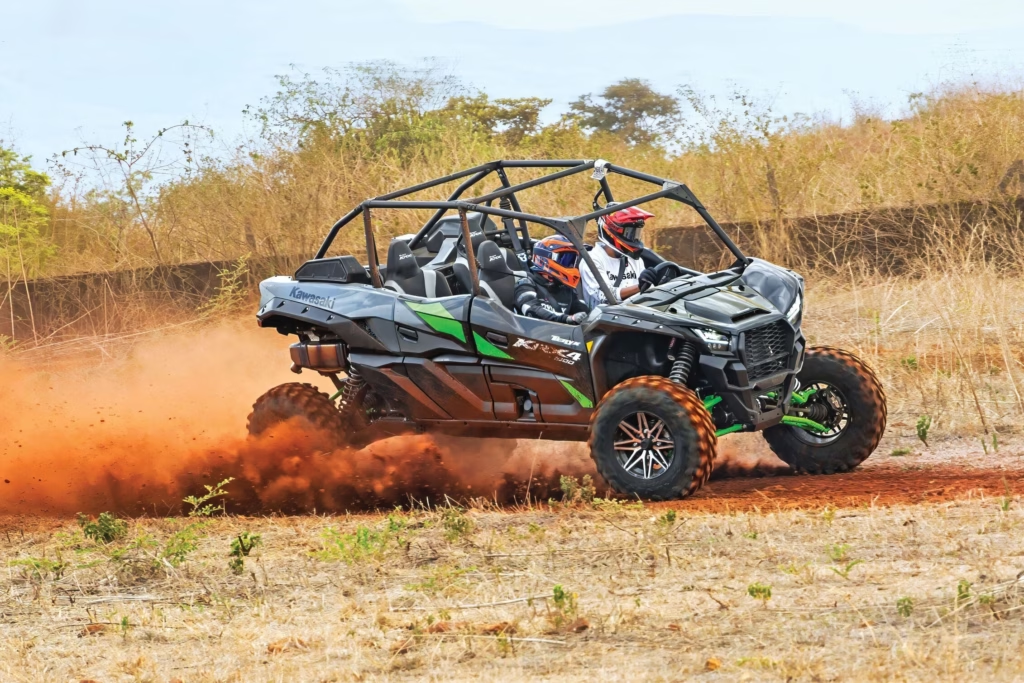
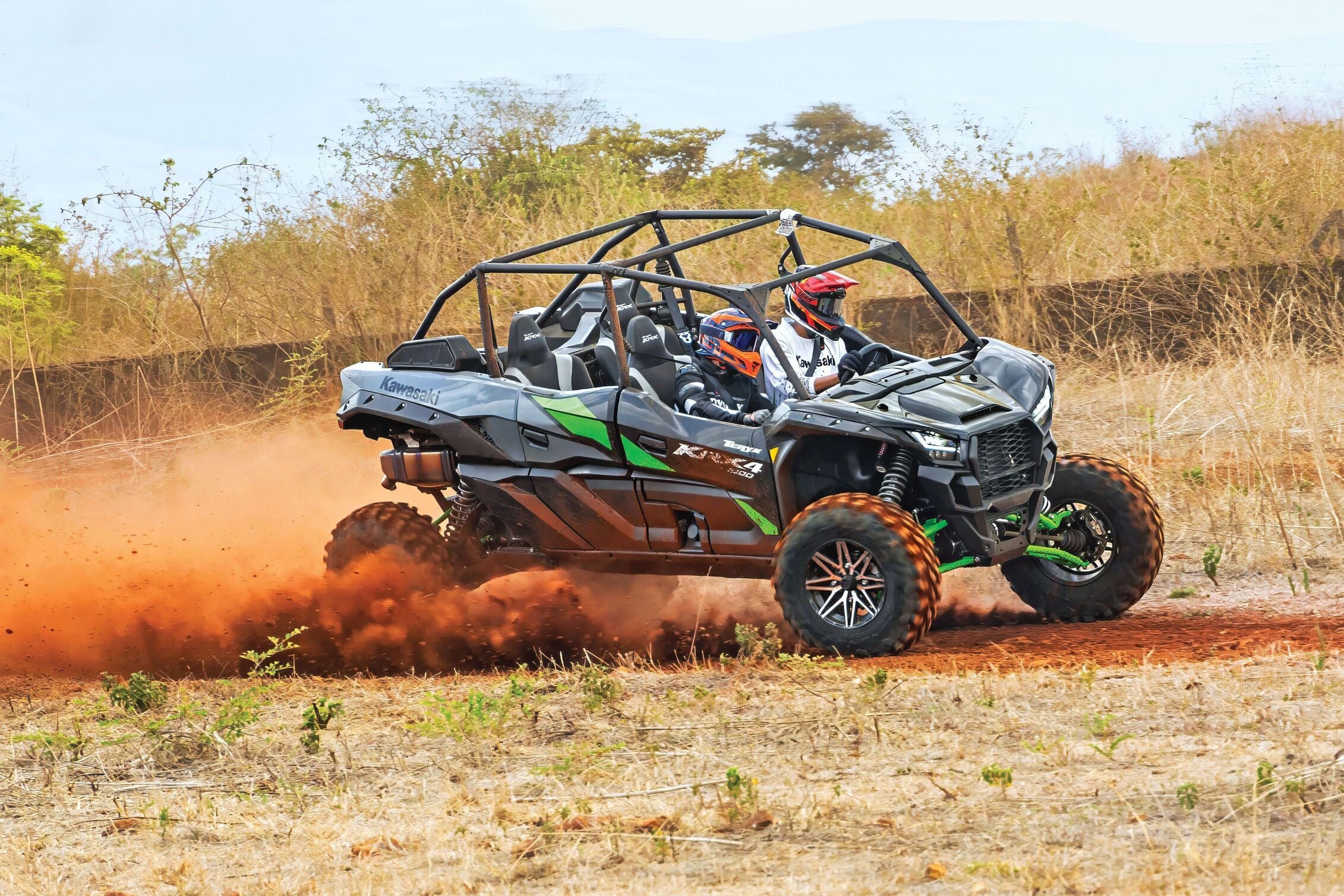
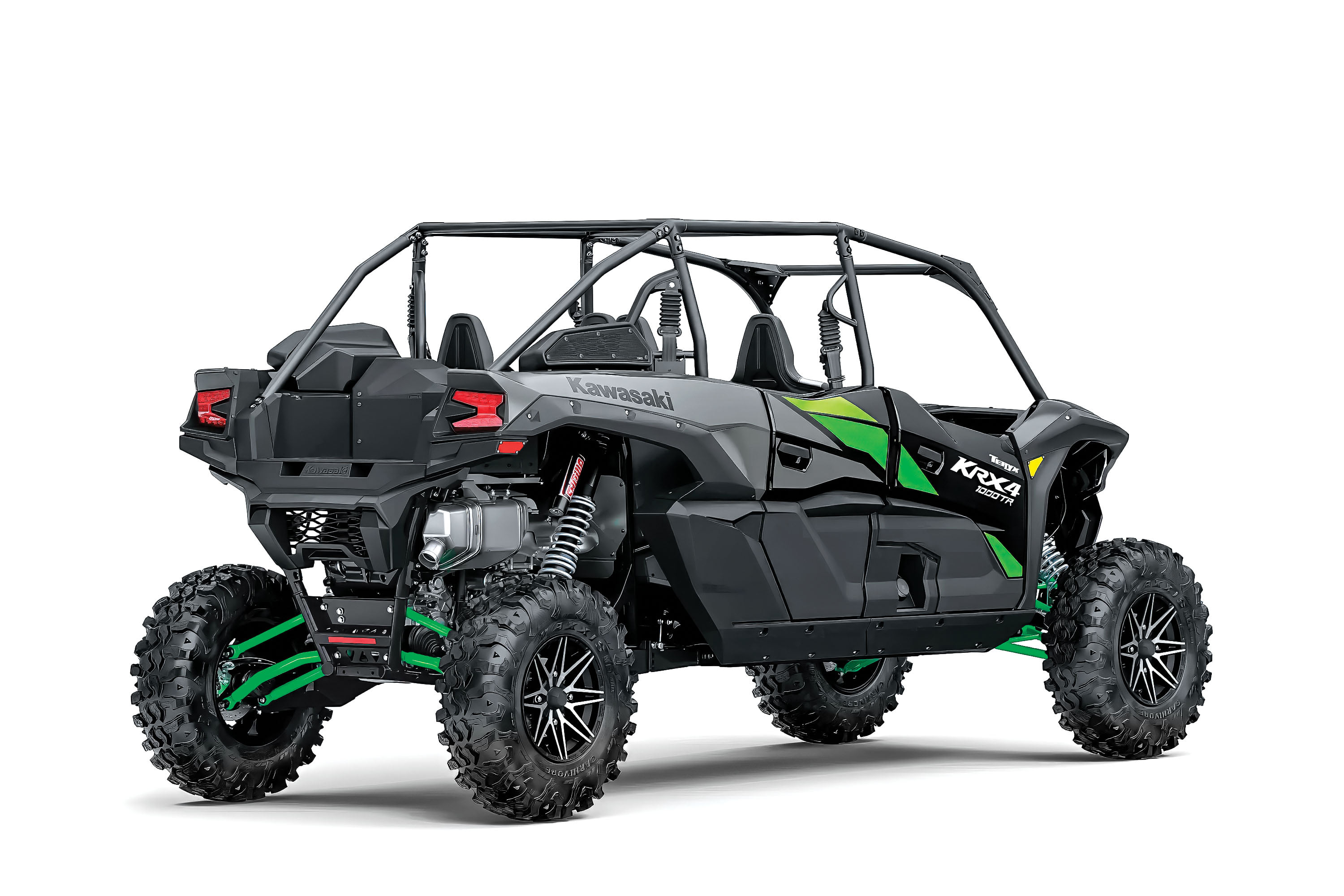
Kawasaki has officially brought its range of side-by-side vehicles (SxS) to India, and it’s a line-up that caters to vastly different applications. At one end are workhorses designed for agriculture, utility duties and passenger transport, while at the other are machines built purely for adventure. The range includes the Teryx 4 H2, Teryx KRX 1000, Teryx KRX4 1000, Ridge Crew and Mule Pro-FXT 1000 LE. We got the opportunity to spend a short time behind the wheel of the Teryx KRX4 1000, a four-seat performance-focused buggy designed to tackle the roughest of terrain.
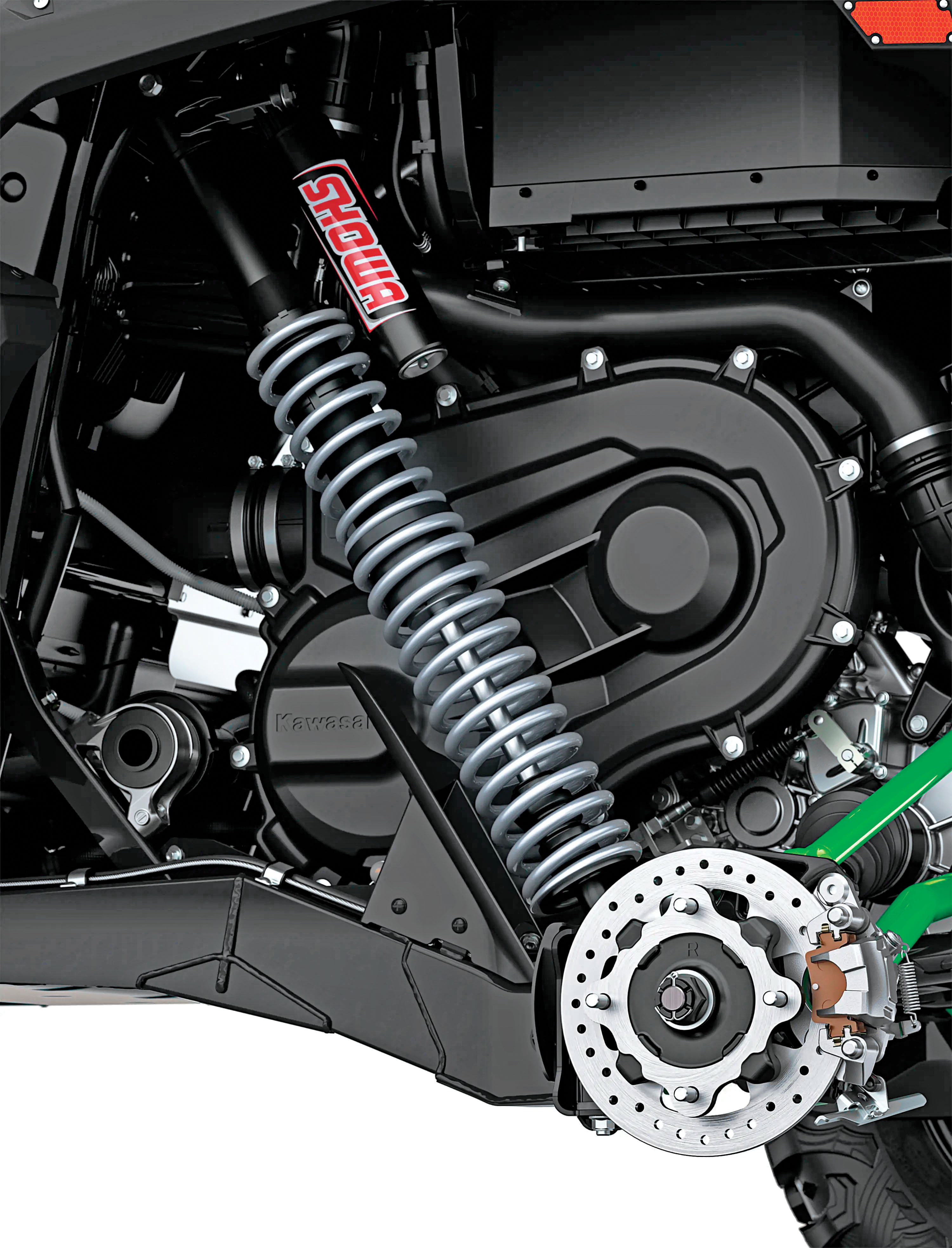
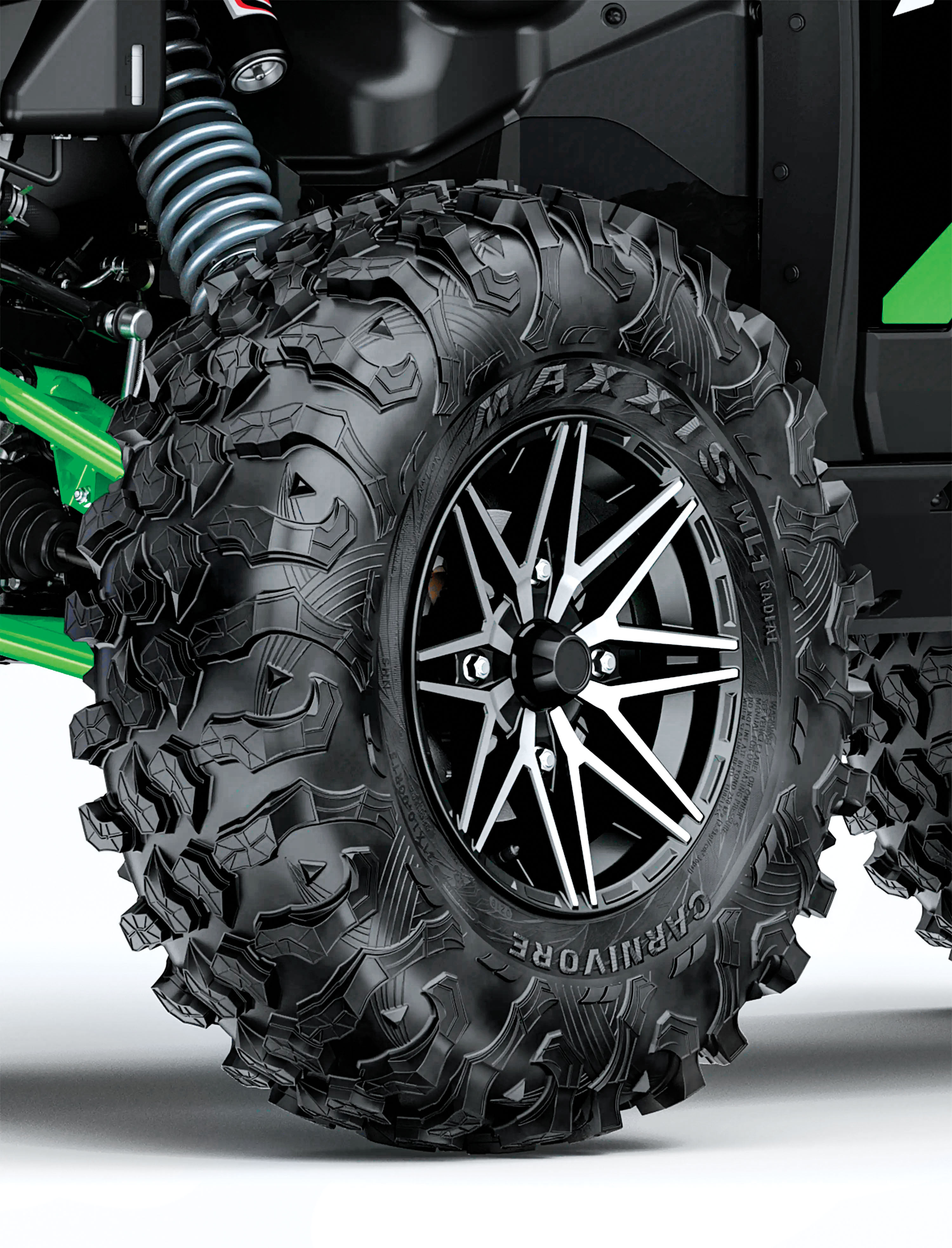
Think of it as an oversized, highly capable off-road buggy. Power comes from a 999cc parallel-twin engine producing 110hp at 8,300rpm and 102Nm at 7,000rpm. It rides on 15-inch wheels wrapped in chunky Maxxis Carnivore tyres, gets long-travel Showa suspension with adjustable damping, Electric Power Steering (EPS), selectable two- and four-wheel drive, and a CVT transmission. So, on paper, it has all the ingredients required for serious off-road exploration.
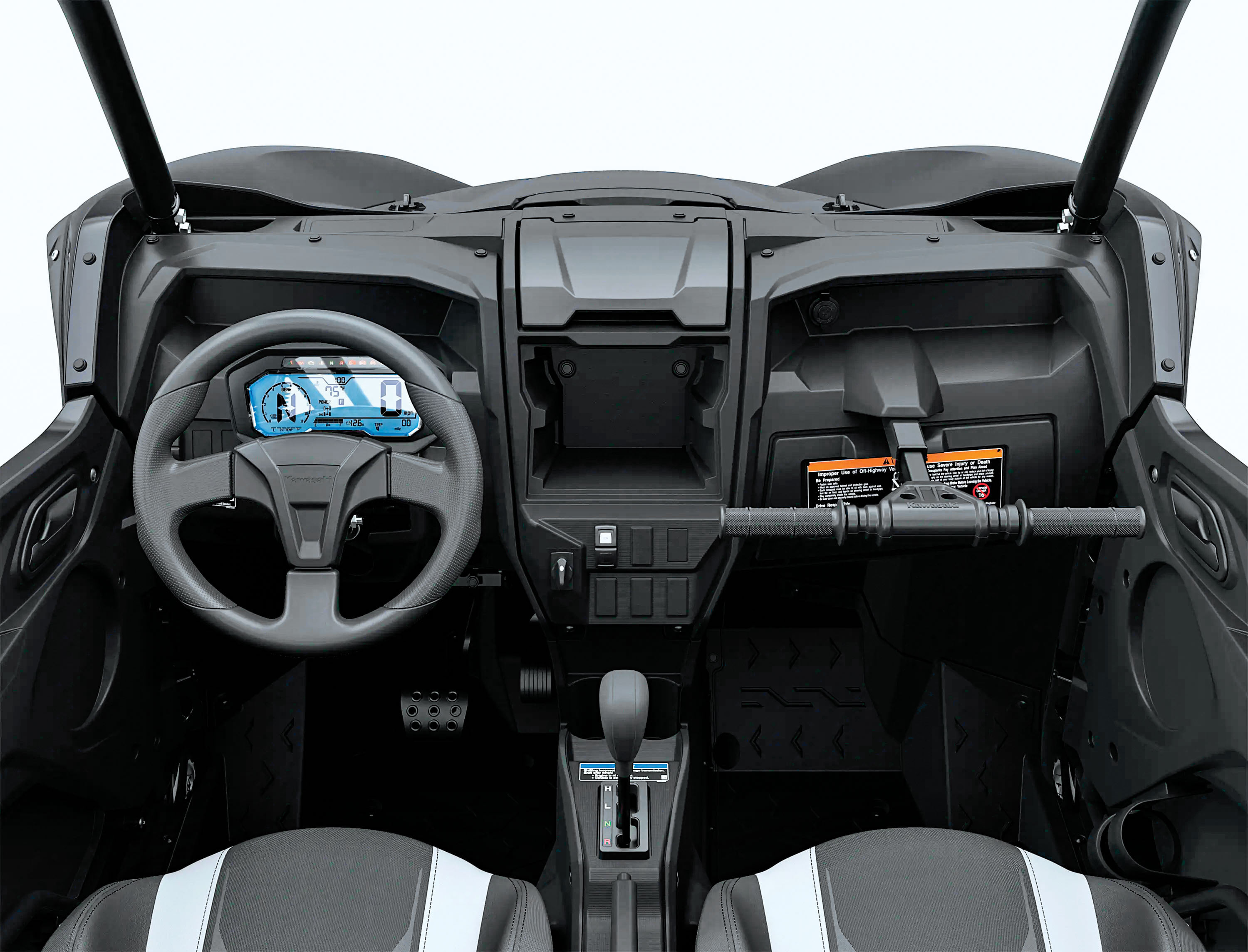
Hoseable interiors that don’t mind getting dirty.
Our short drive took place on the course at Pro Dirt Adventure, and my allocated two laps weren’t much, but they were enough to understand what makes the KRX4 such an interesting machine. The first thing to note is that it is a left-hand-drive vehicle, but it’s not street legal anyway, so on dirt trails and farms, this is ok. The CVT transmission keeps things simple, select High, Low or Reverse, choose between 2WD or 4WD, release the brake and you’re off. Given the steep climbs, descents and loose surfaces on the course, I kept it in 4WD throughout.
Initially, the KRX4 creeps forward gently, but push the throttle pedal harder and it suddenly comes alive once it hits the mid-range rpms. The acceleration isn’t neck-snapping, but it is strong enough to make the buggy feel lively. The CVT keeps the power flowing smoothly and removes the stress of gear changes or stalling, allowing you to focus entirely on picking your line.
Showa long-travel suspension to tackle the roughest of terrain.
What impressed me the most, however, wasn’t the engine. It was the suspension. The amount of abuse this chassis can absorb is remarkable. Mounds that would stop a bona fide SUV are dismissed with ease. It simply plows through and carries on. I also got the chance to ride as a passenger while one of the lead drivers tackled a rocky section that looked completely impossible from the outside. Large boulders that would have most drivers second-guessing their route barely seemed to faze the buggy. It constantly gives you the impression that you’re nowhere near its limits. The Maxxis Carnivore tyres deserve equal credit. Designed specifically for aggressive off-road terrain, they claw into loose dirt with confidence. Of course, because the cabin is completely open, every burst of throttle also means mud, dirt and stones are being flung towards the occupants. It’s all part of the experience, and oddly enough, it adds to the fun.
One section of the course featured a small jump where you could really commit to the throttle. The KRX4 launched cleanly, landed with complete composure and simply carried on as if nothing had happened. It’s difficult not to come away impressed by just how confidence-inspiring the suspension package is.
15-inch wheels with chunky Maxxis tyres.
That said, the motorcycle-oriented track did expose one limitation. The hairpin corners were simply too tight for something this large. During my first lap, I actually had to reverse a couple of times just to negotiate the sharpest turns. With more seat time, experienced drivers would no doubt learn to slide it through these corners, but as a newcomer, there was always the thought of tipping it over if I got my steering or throttle inputs wrong. The learning curve, however, is surprisingly short. By the beginning of my second lap, I already felt significantly more comfortable. I carried more speed, trusted the suspension more and found myself driving much more naturally. It’s one of those machines that becomes less intimidating with every passing minute.
The Teryx KRX4 1000 has the raw, playful nature of riding an enduro motorcycle, but combines it with the ease, security and practicality of four wheels. You’re strapped into a proper roll cage, splashing through mud, climbing impossible-looking terrain and jumping over obstacles that would stop most vehicles in their tracks. It feels familiar to anyone who enjoys off-road motorcycles, while also offering an entirely different perspective on the same adventure.
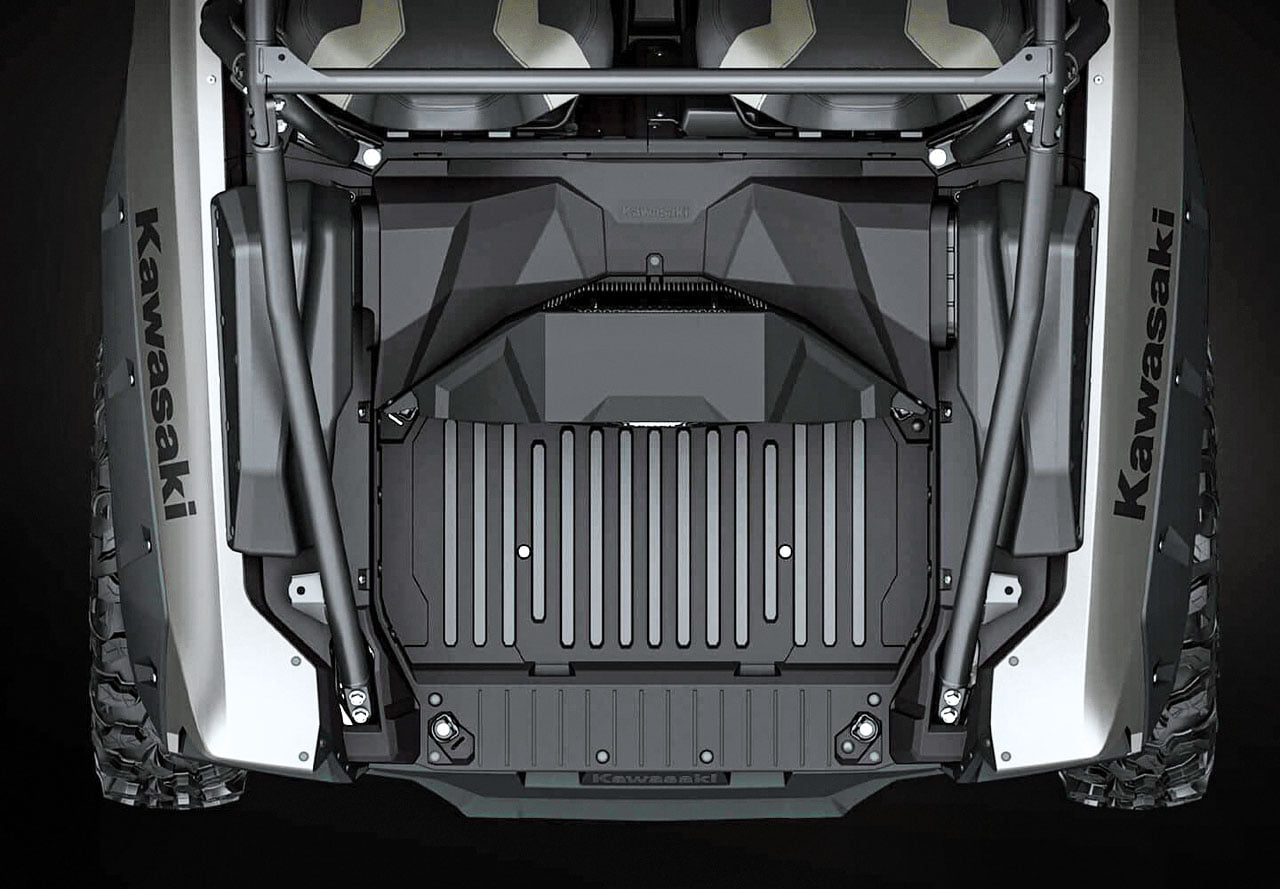
Storage space for when you aren’t going full send.
Of course, ownership in India won’t be entirely straightforward. These side-by-sides aren’t road legal, so they’ll largely live at private properties, farms or dedicated off-road parks. There’s also the issue of fuel. Since they aren’t E20-compatible, sourcing the right petrol in remote locations, exactly where owners are likely to use them, could require a bit of planning. Kawasaki says it will support customers with maintenance, but the logistics of ownership are certainly something prospective buyers will need to consider.
Then comes the price. Kawasaki’s side-by-side range starts at Rs 38 lakh and stretches all the way to Rs 78.90 lakh, firmly placing these machines in niche territory, with this model costing Rs 52.9 lakh. The Teryx KRX4 1000 isn’t something you buy because you need it. You buy it because it unlocks a type of adventure that few other machines can offer. After just two laps, I walked away wanting more, and after experiencing it, I can only imagine how wild the 250hp supercharged Teryx 4 H2 must feel like.
Only recently, I made the sweeping and somewhat heavy-handed statement that EVs have taken the excitement out of speed. That once you’ve done one ballistic acceleration run in an EV, you’ve done them all, and without a roaring engine, vibrations pulsating through the wheel and gearshifts jolting you in the small of your back, it all feels a bit sanitised. Well, as it turns out, all an EV needs to solve this conundrum is… even more power.
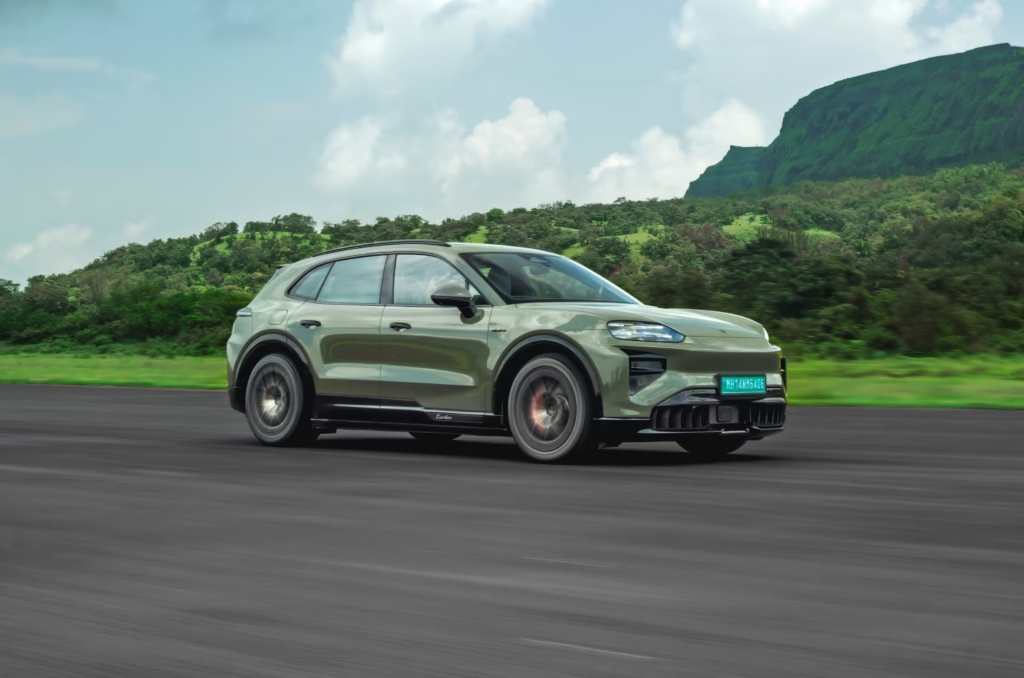
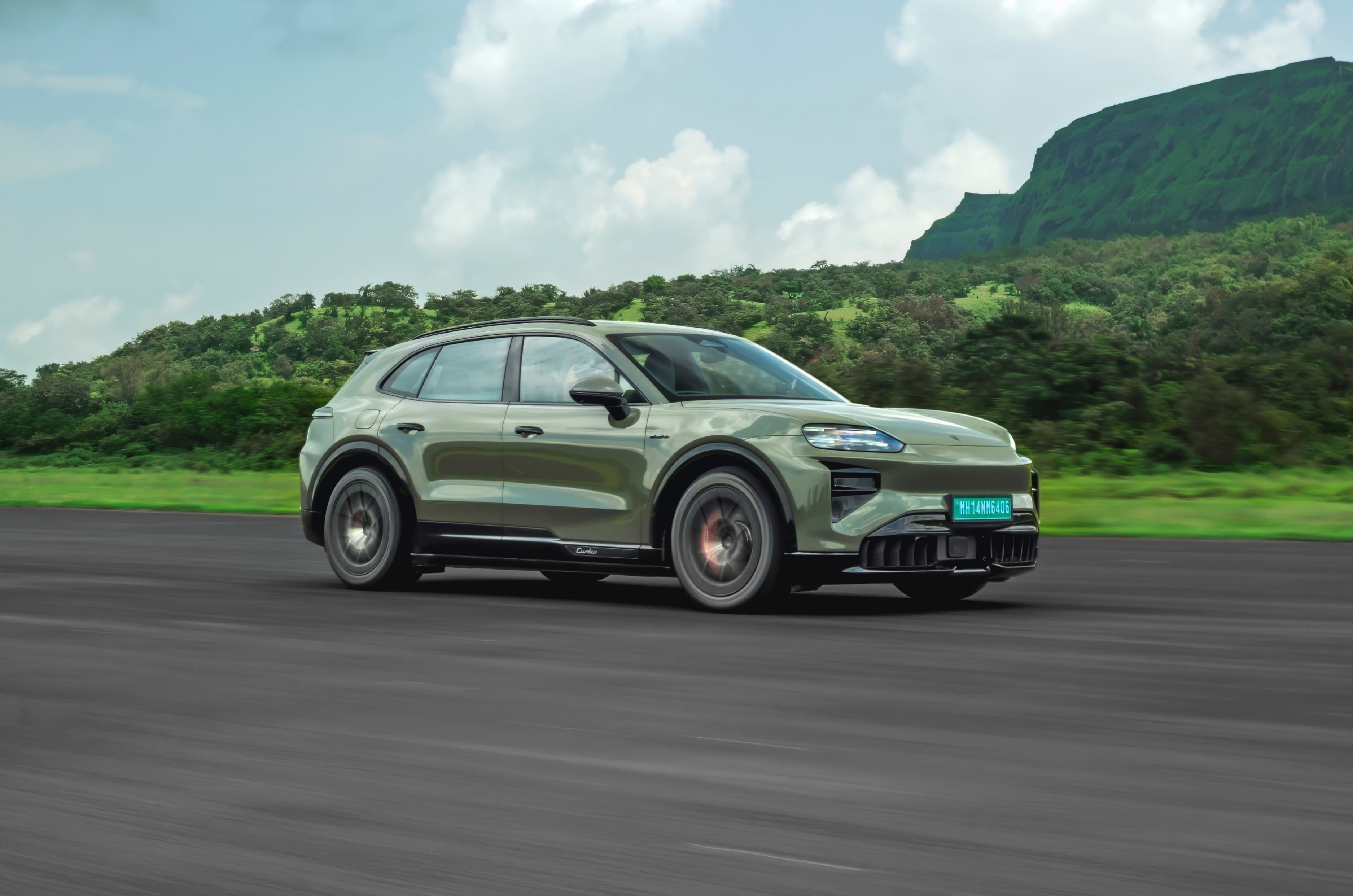
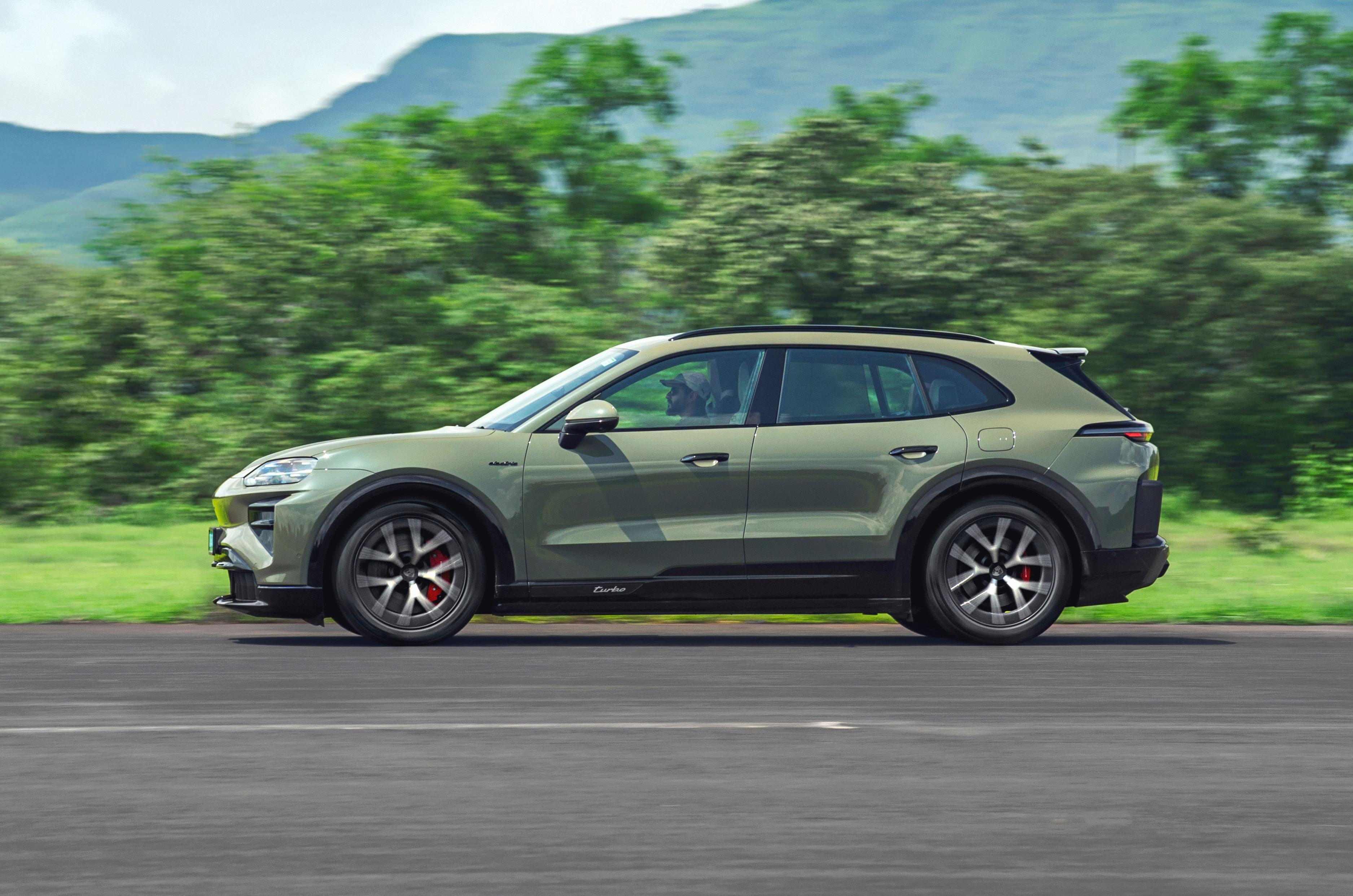
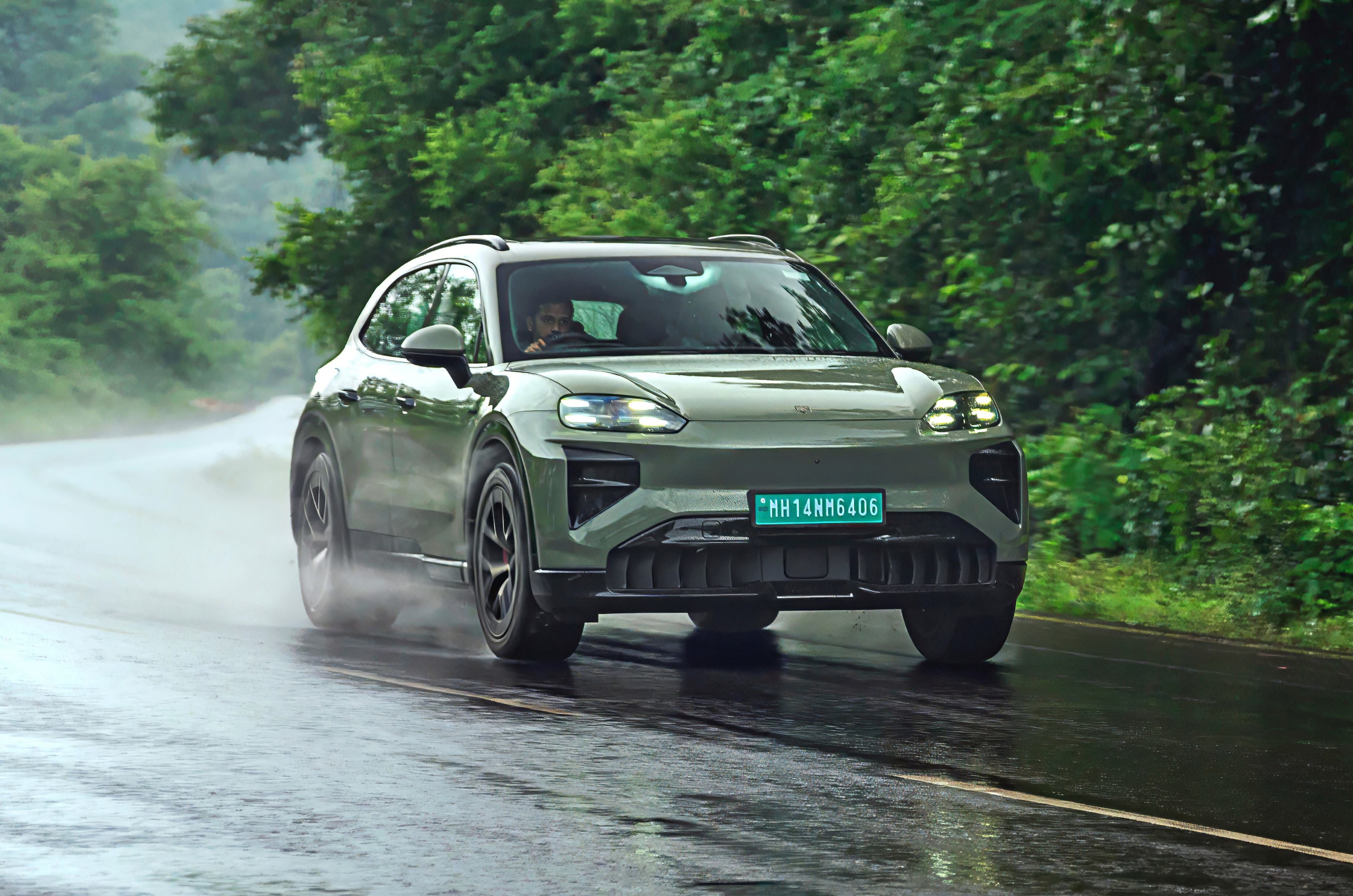
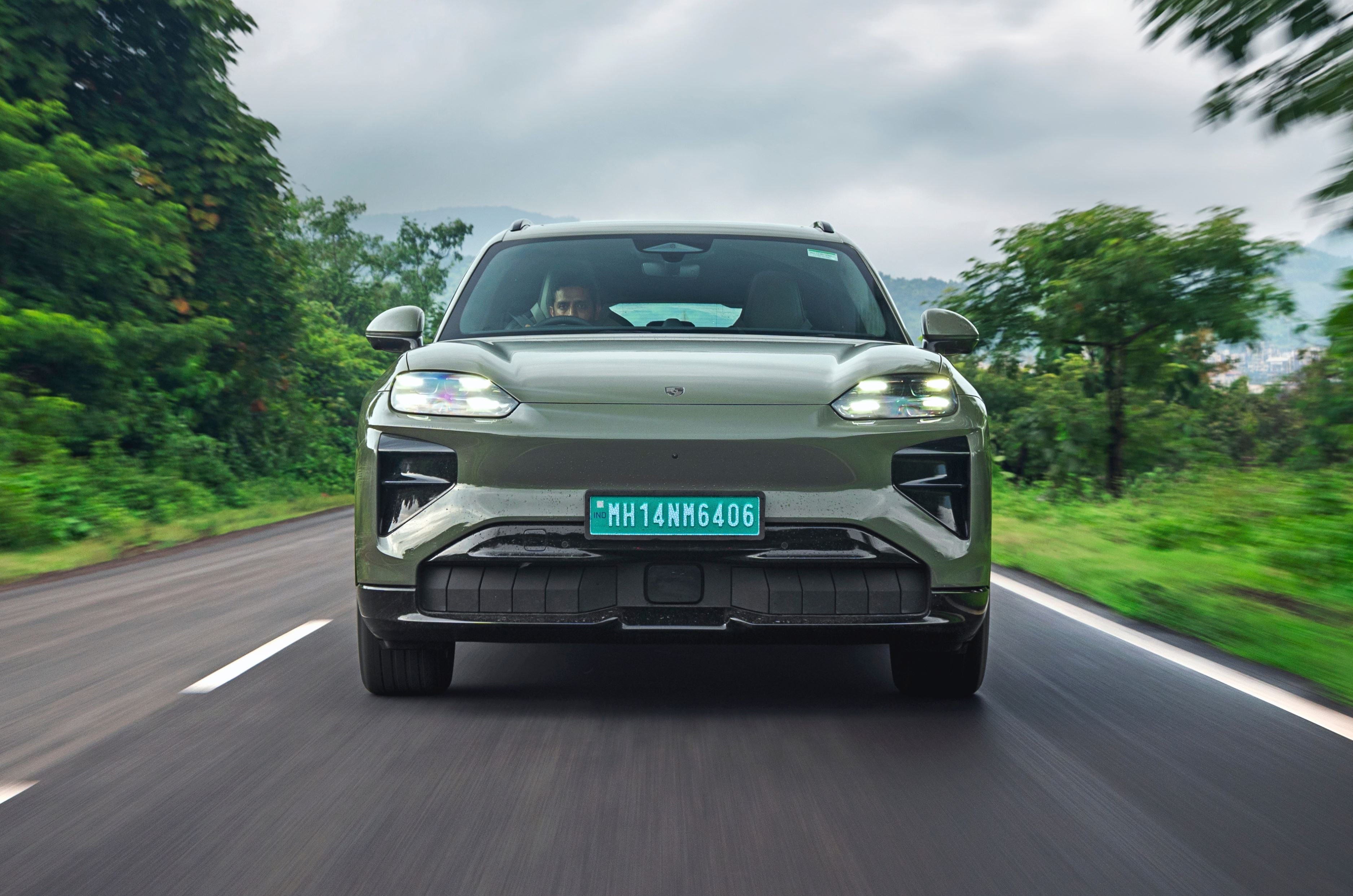
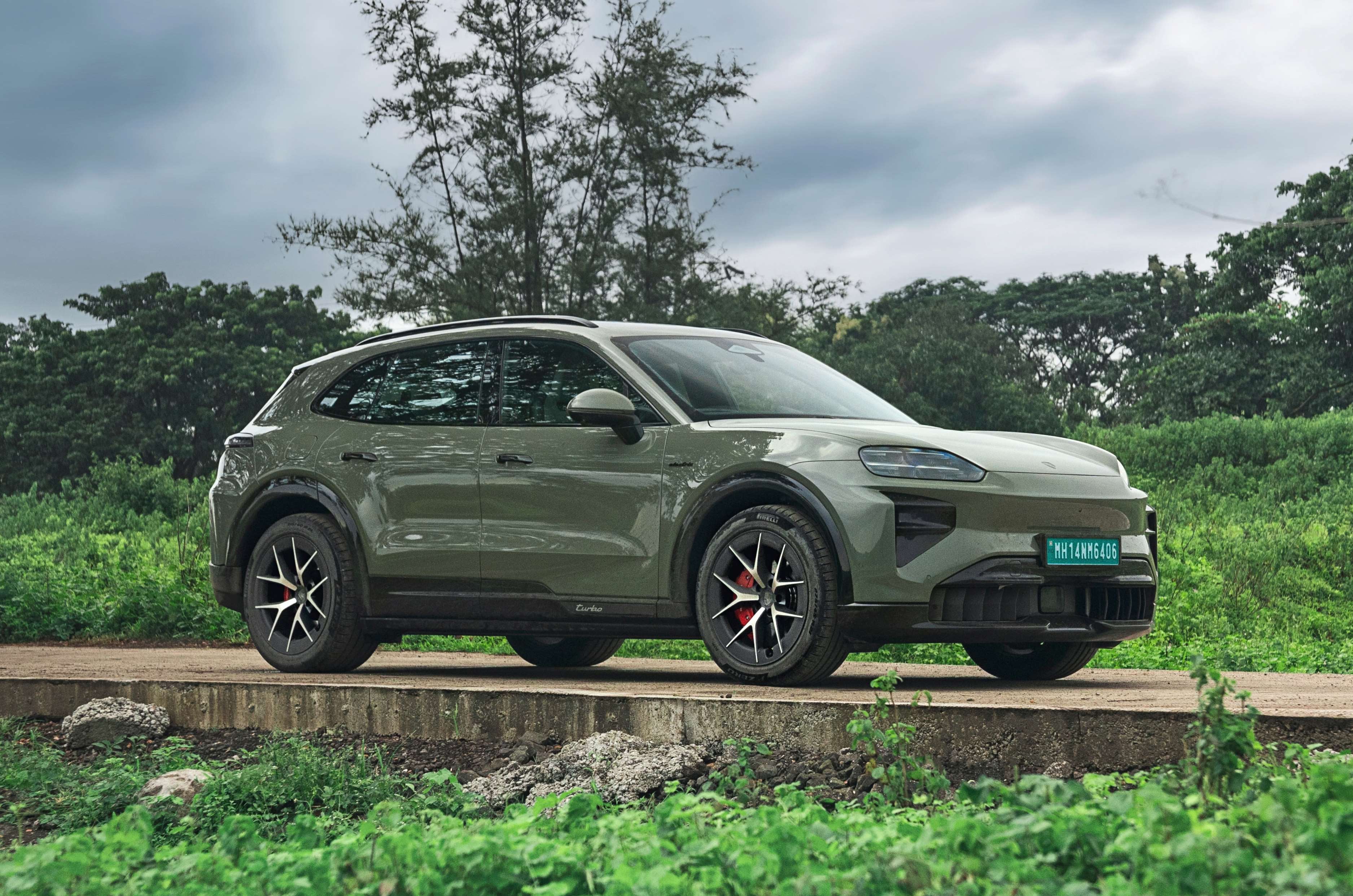
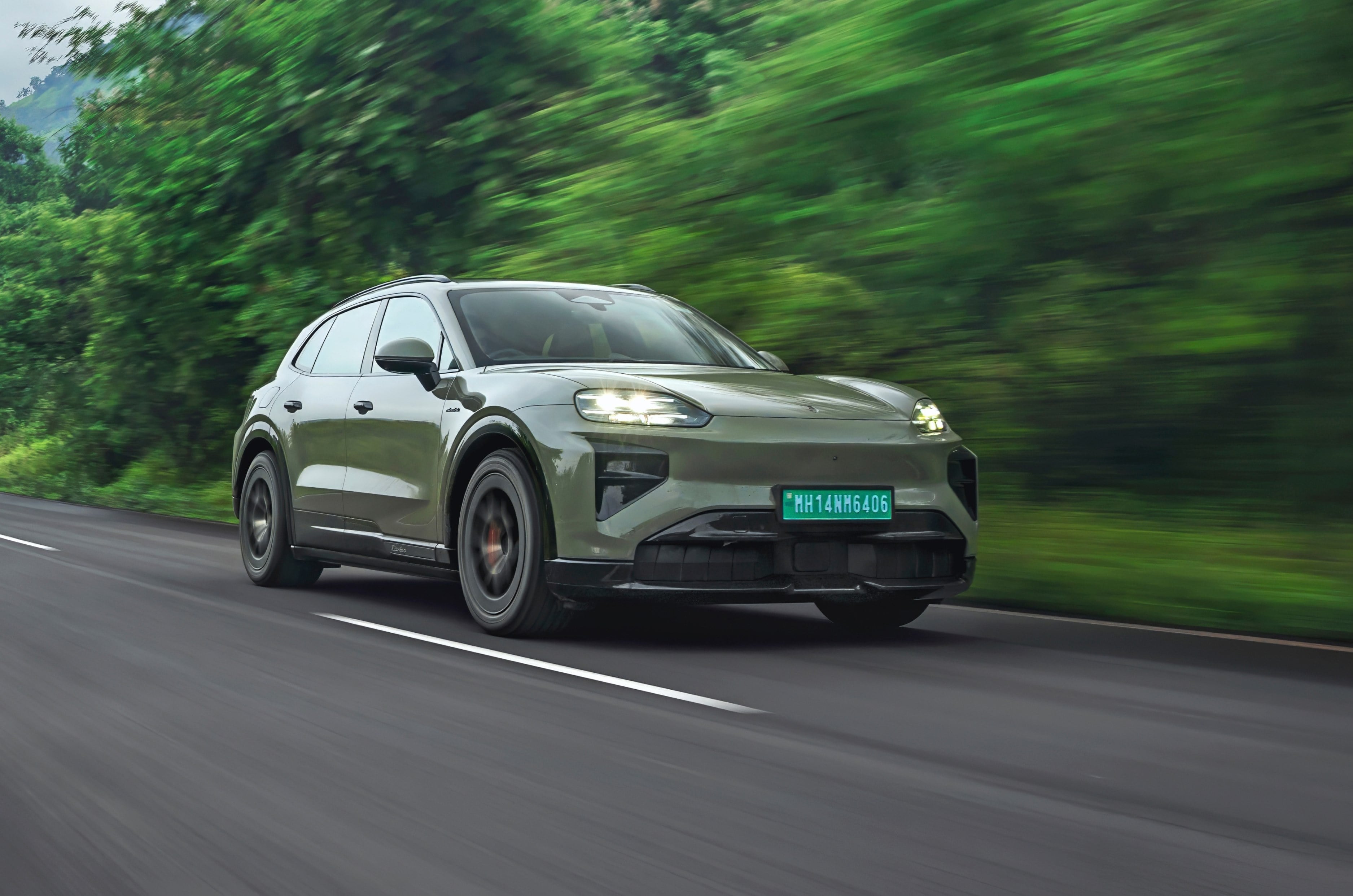
Remember when 1,000 horsepower was the sort of million-dollar pipe dream that we thought we’d only ever see on bedroom posters or YouTube videos? Well, it’s not that insane a proposition anymore, and in fact, three cars on sale in India have crossed the fabled 1,000hp mark. Two are ultra-exotic supercars that cost north of Rs 10 crore – the 1,015hp Lamborghini Revuelto and 1,050hp Ferrari Testarossa. And the third is this, the 1,156hp Porsche Cayenne Turbo Electric – a full Maruti Brezza more powerful than those Italian supercars – and yours for a fraction of the price, at Rs 2.28 crore.
That’s not a lot of money for what is the most powerful car ever to go on sale in India, and that raises a somewhat existential question. Have they gone too far?
2026 Porsche Cayenne Turbo Performance – 10/10
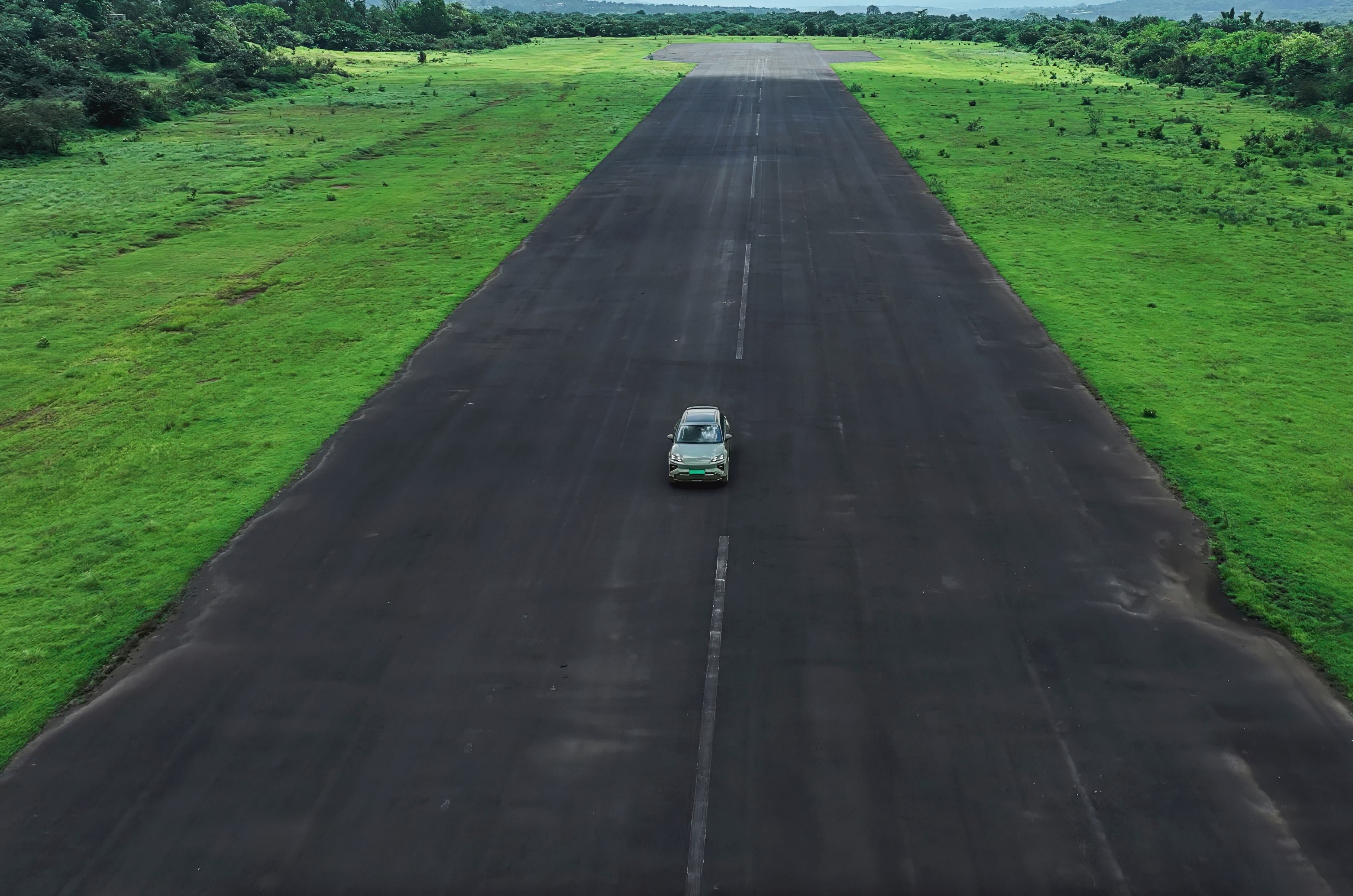
I have the Aamby Valley airstrip rolled out like a red carpet in front of me, perhaps the only place other than a race track where unlocking this hyper-SUV’s full accelerative potential is possible, and I’m about to let it rip. The process is familiar and simple enough. Twist the mode dial to Sport Plus, hold the brake with your left foot and mash the accelerator until it says ‘Launch Control Activated’. Up until this point, it’s nowhere near as dramatic as something with a four-digit power output has any right to be. The electronic sound it makes to signify all the power swelling up is gentle, and it doesn’t even give you any feedback through the pedals. Things are disconcertingly calm for what’s about to happen. I let go of the brake.
The nose lurches upwards and points to the sky like a fighter jet leaving an aircraft carrier, as the huge SUV squats onto its rear axle. It’s in this gut-twisting moment that I realise Porsche India hasn’t specified the Active Ride Control option on this car, which I’m told suppresses this issue by force-tilting the car forward, Power deployment is brutally efficient initially, with barely a chirp from the tyres and not a single of those 1,500 newton metres wasted off the line. But then I notice the nose start to go light and weave from left to right. I steady the wheel as the speed continues to build. With no engine weighing down the front axle and so much rearward lean, there is a frightening lack of traction from the front wheels at speed.
Never before has launching a car attacked so many sections of my body. It’s usually just the abdomen; a really fast car will wind you. Right now, my neck is straining as the head restraint is too far back, my cheeks are starting to ache like I’ve been pretending to find someone’s jokes funny for an hour, there’s a weird pressure coursing through my arms and legs, and my eyes are starting to water as they dart around in their sockets, not knowing what to focus on. Oh, and I’ve been winded well and good.
I’ve launched dozens of really, really fast cars down this very runway, but I don’t recall the scenery ever passing by so quickly. I can’t get a frame of reference so I glance down at the speedo. Two hundred and a blurry something; that’s way more than I expected to see and it’s climbing too fast. This doesn’t compute; it’s usually at this speed that I think about braking. But we aren’t even at the halfway mark yet; how? Brave face on, I keep my foot in. 230, 250, 27- wait, the brochure said it maxes out at 260. It lied. Then suddenly the braking point flashes by and I jump onto the wide pedal. All those forces reverse their polarity as the big Cayenne squirms down to a halt, still well clear of the end of the runway. Let’s do it again!
2026 Porsche Cayenne Turbo: Real-world acceleration test
Speed
Time (in seconds)
20kph
0.45
40kph
0.94
60kph
1.45
80kph
1.96
100kph
2.52
120kph
3.18
140kph
4.01
160kph
4.96
180kph
6.12
200kph
7.47
220kph
9.06
240kph
10.92
260kph
13.20
And it will do it again, and again, and again. Because if there’s one thing we’ve learnt about Porsches over the years, it’s that they’re engineered to perform repeatedly and consistently. The dual-motor Turbo has been certified to deliver a 2.5sec 0-100kph time; our VBOX confirmed the same several times over. But eventually, as the battery SOC dipped below 75 percent, the times started to go up, a tenth of a second at a time.
The biggest victim of the repeated runs, however, were the brakes – even for mammoth 420mm discs, arresting 2.7 tonnes is no joke, and soon their squeal was louder than their bite. I don’t usually advocate for carbon ceramic brakes on SUVs, but perhaps this is the one time Porsche India should have shelled out for the Rs 13.5 lakh option.
2026 Porsche Cayenne Turbo: Real-world braking test
80-0kph distance
23.47 metres
80-0kph time
2.08 seconds
2026 Porsche Cayenne Turbo ride comfort and handling – 8/10
However, by the twenty-seventh-or-so sprint down the runway, the car seldom missing a beat and the excitement never waning, my body decided it had taken enough of a beating. From longitudinal g-forces, at least; the lateral attack was yet to come. So we waved goodbye to the gentleman in the tower, who’s probably used to seeing much slower-moving traffic on the runway, and made our way back to reality via the twisting roads leading down to Lonavala.
It’s been a few years since I’ve come to our old stomping ground of Tiger Point and its surrounding twisties, and I can’t think of a nicer car to reacquaint myself with my favourite corners in. Muscle memory kicks in as I enter the first, fast right-hander. I lean in instinctively, but then the car starts to lean too; unexpected. It does the same on the next left, and right, and once again I start to wish they specified that Active Ride Control option. Porsche engineers are usually among the best at taming big mass, but perhaps they’ve finally met their match.
On its standard air springs and adaptive dampers, the Cayenne Turbo displays a disappointing amount of body roll, exacerbated only by the enthusiasm from the motors that begging you to push it harder. The steering too is encouraging, what with the small-diameter wheel and the fact it’s as sharp and direct as you expect. Here, too, I will say that rear-axle steering would have added a welcome extra degree of agility, but once again, Porsche India hasn’t ticked the option. It can still link together a series of corners with greater alacrity than most other big SUVs, but for the first time in recent memory, I’m not feeling that distinct Porsche magic at my fingertips.
Through the narrow and bustling streets of Lonavala, I’m starting to explore the other end of this SUV’s capability spectrum. And that’s just the beauty of EVs, isn’t it? One minute you’re clocking 0-200kph in 7.4 seconds, the next you’re ambling silently through a school zone. Like the best of them, it’s refined, smooth and incredibly easy to modulate, and you could be forgiven for forgetting there’s 857hp at your behest (the full 1,156 only comes with launch control). One spec deficiency I’m glad for right now, however, is the choice of more sensible 21-inch wheels rather than the optional 22s. They don’t look as nice, but they’re soaking up the harsh hits from the rutted road beneath me.
2026 Porsche Cayenne Turbo range, battery and charging – 7/10
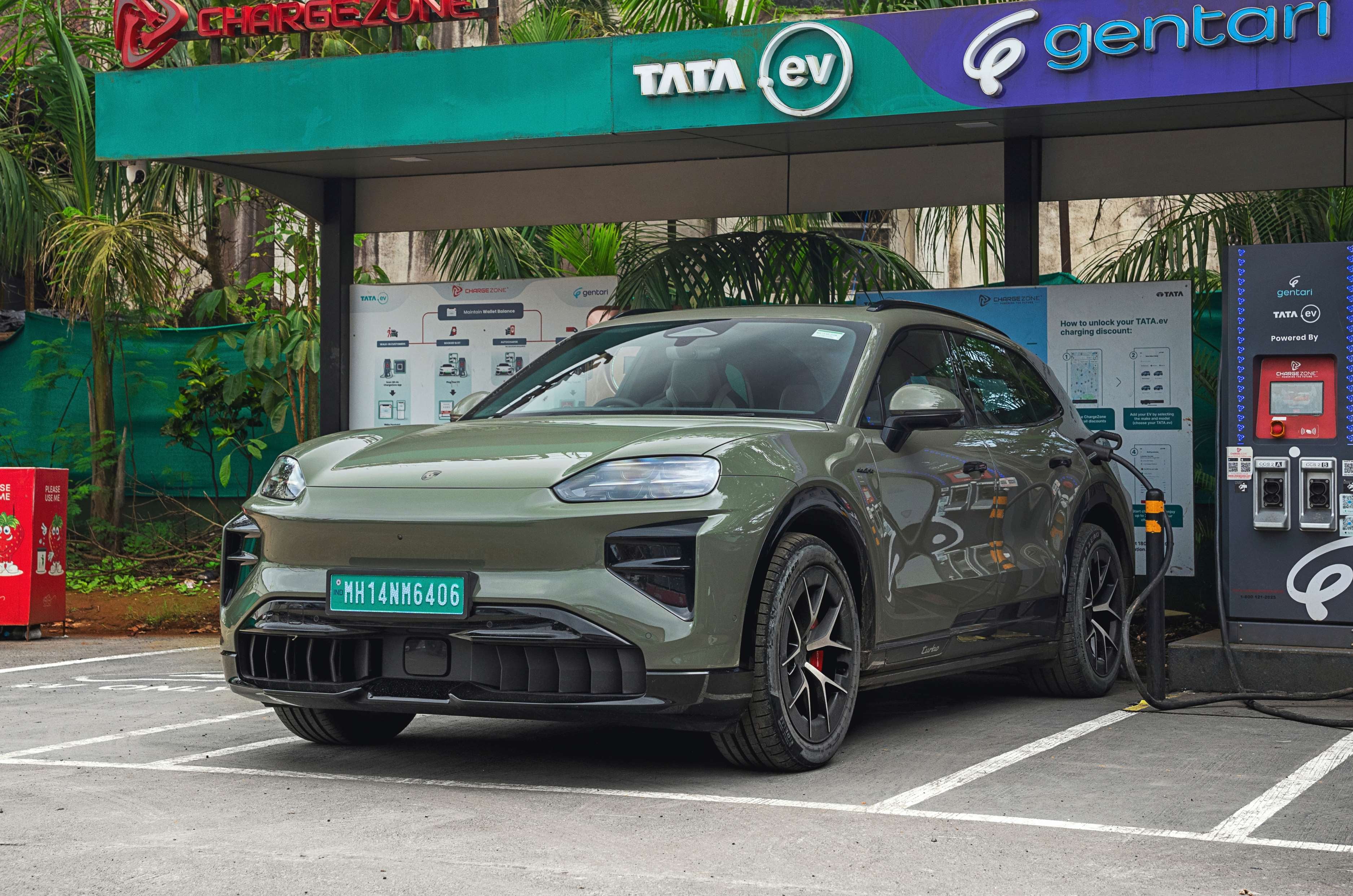
Between racing repeatedly down the runway and then trying to extract that Porsche spice in my favourite corners, I’ve reached Lonavala city with around 20 percent left in the 113kWh tank- er, pack? The Cayenne Turbo is rated at 623 kilometres on the WLTP cycle, so the ‘real’ real-world range should be far more palatable than this; to obliterate such a large chunk in such a short time requires the prolonged buffoonery I just subjected it to. Probably best to find a place to plug in soon, and grab some lunch while I’m at it. On a mythical 400kW plug, the Cayenne can be charged from 10-80 percent in just 16 minutes, but on a rainy Wednesday at a hill station, the best we can do is 60kW, so it’ll take much longer.
Today is a study in why India is far from ready for full EV adoption. Apart from ICE cars parked in charging spaces, malfunctioning plugs, unfathomable apps and an absent mobile network, we were also waylaid by two power cuts.
2026 Porsche Cayenne Turbo features and safety – 9/10
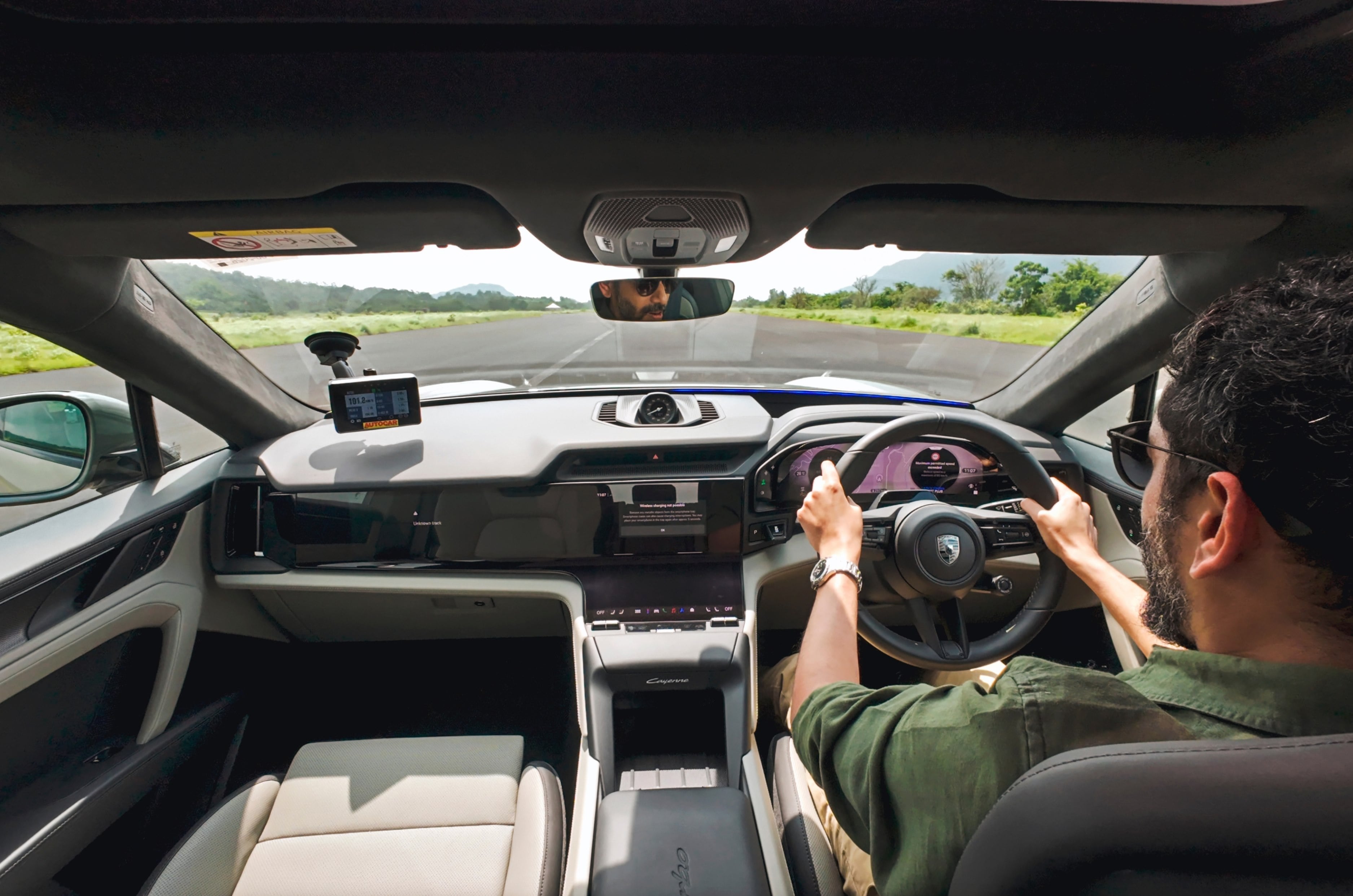
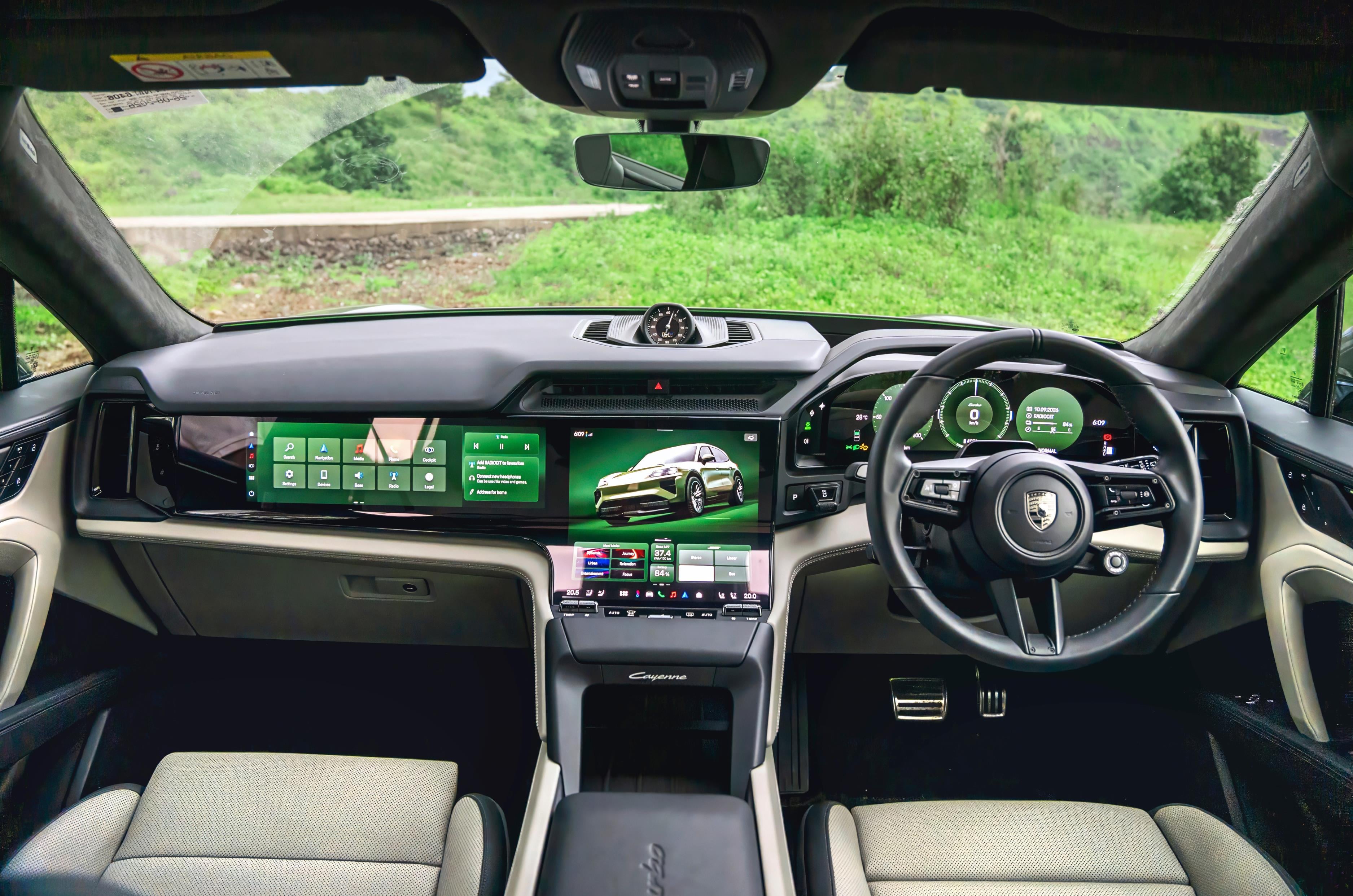
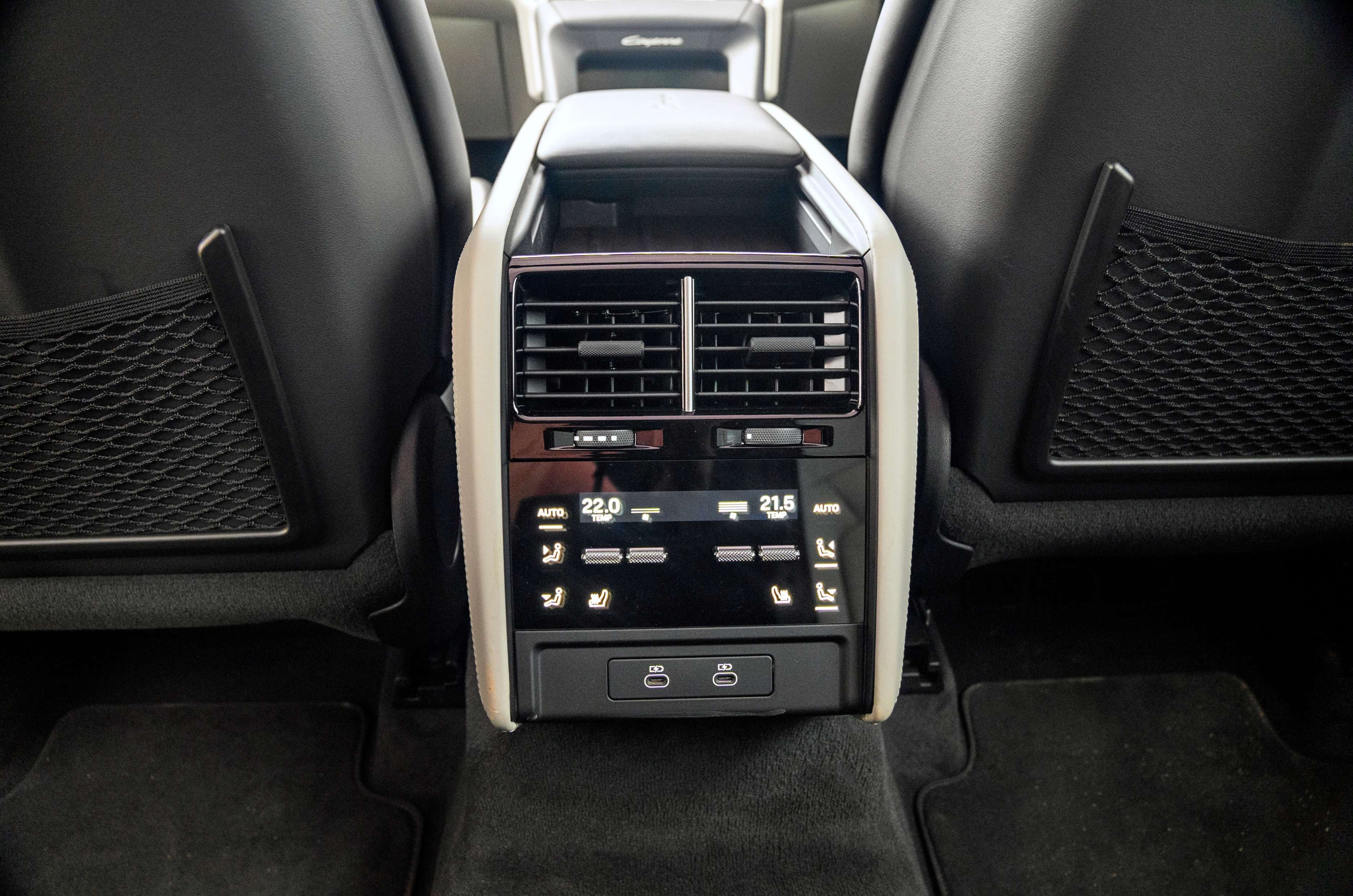
On the upside, all this gave me a chance to have a play around with the Cayenne’s new and tech-heavy interior. The passenger screen is a Rs 2 lakh option I would not tick, but the centrepiece is the cascading curved touchscreen. It looks gimmicky but actually functions really well, the bottom half of the ‘bend’ housing the major functions, while the more upright top functioning as the display. The AC vents are adjusted from the touchscreen sadly, but otherwise there are plenty of physical controls.
There’s no shortage of features here and you can add even more from the options list. For instance, the panoramic sunroof is standard, but there’s no sunshade. Instead, you can option an electrochromic function that masks out the glass in sections.
2026 Porsche Cayenne Turbo interior space and comfort – 8/10
Functionality comes first in a Porsche, and you can see that in the compact but tactile steering wheel, the clear dial-style driver’s display and the sporty ergonomics. In fact, despite all the tech, this feels instantly like a Porsche from behind the wheel.
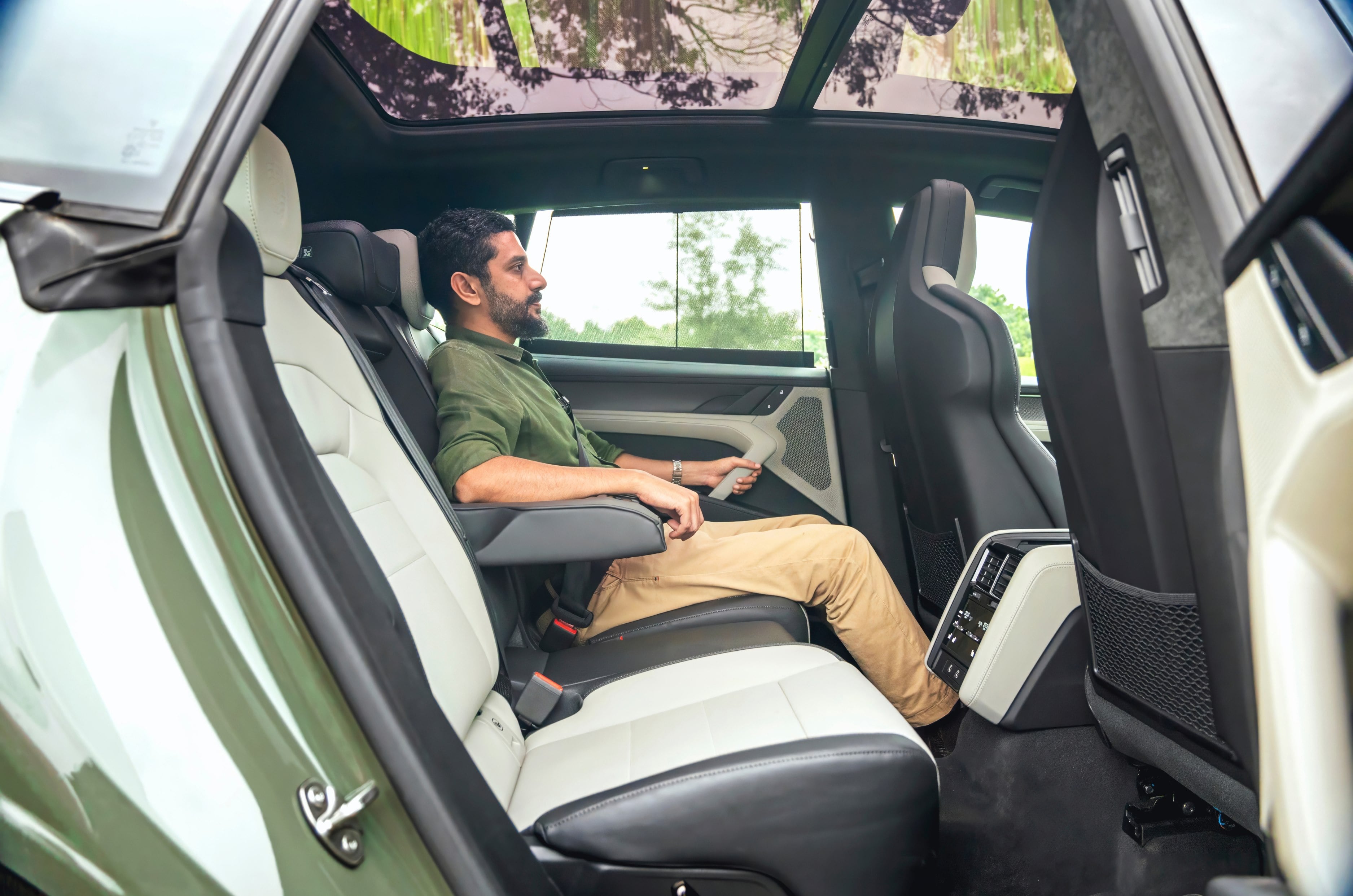
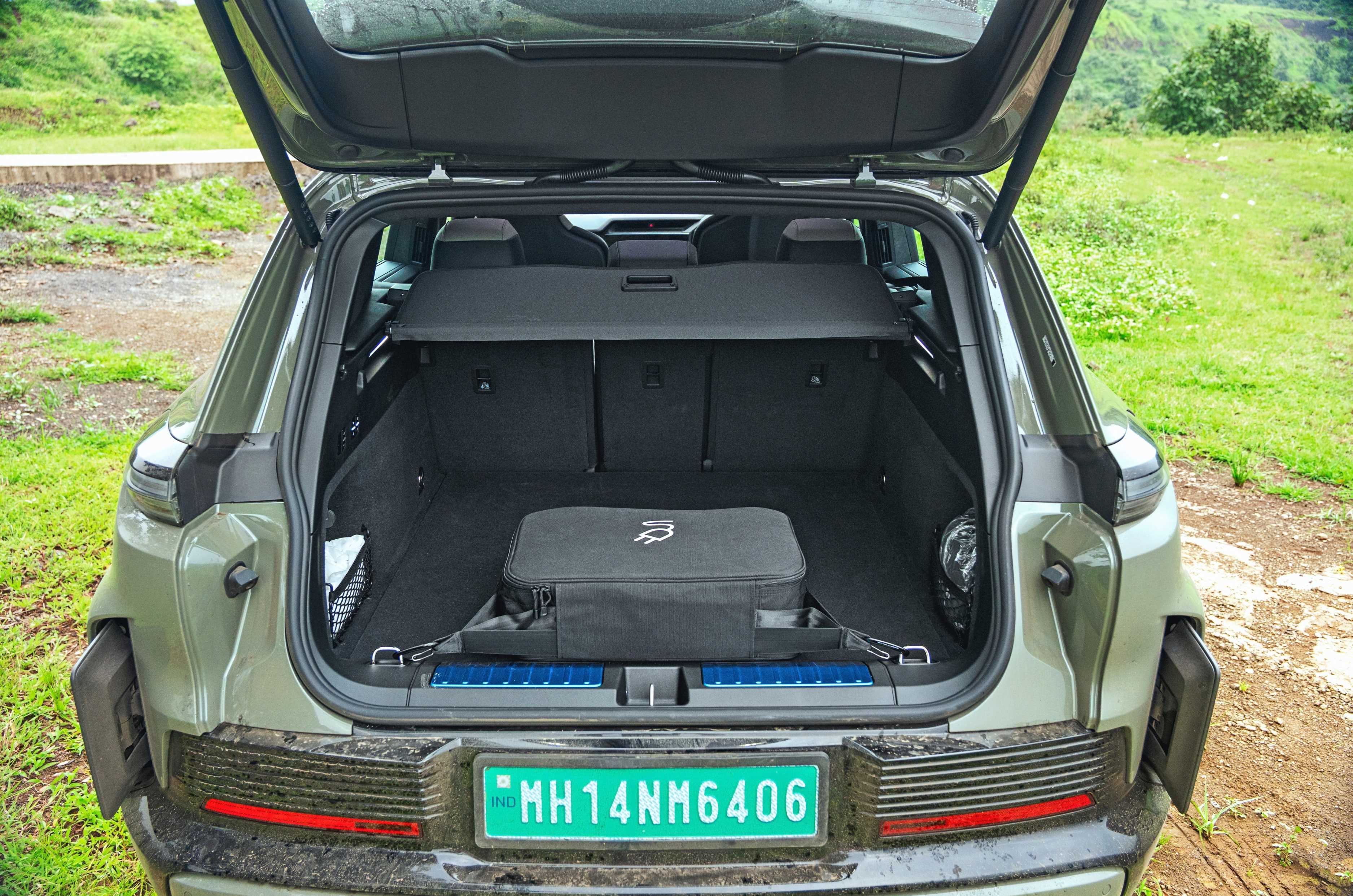
This is easily the most spacious Porsche yet, though, with the huge 3,023mm wheelbase liberating massive seating room, as well as a huge 747-litre boot and 90-litre frunk. It’s well equipped, it’s luxurious, it’s sporty; it’s almost hard to fault here.
2026 Porsche Cayenne Turbo exterior design and engineering – 7/10
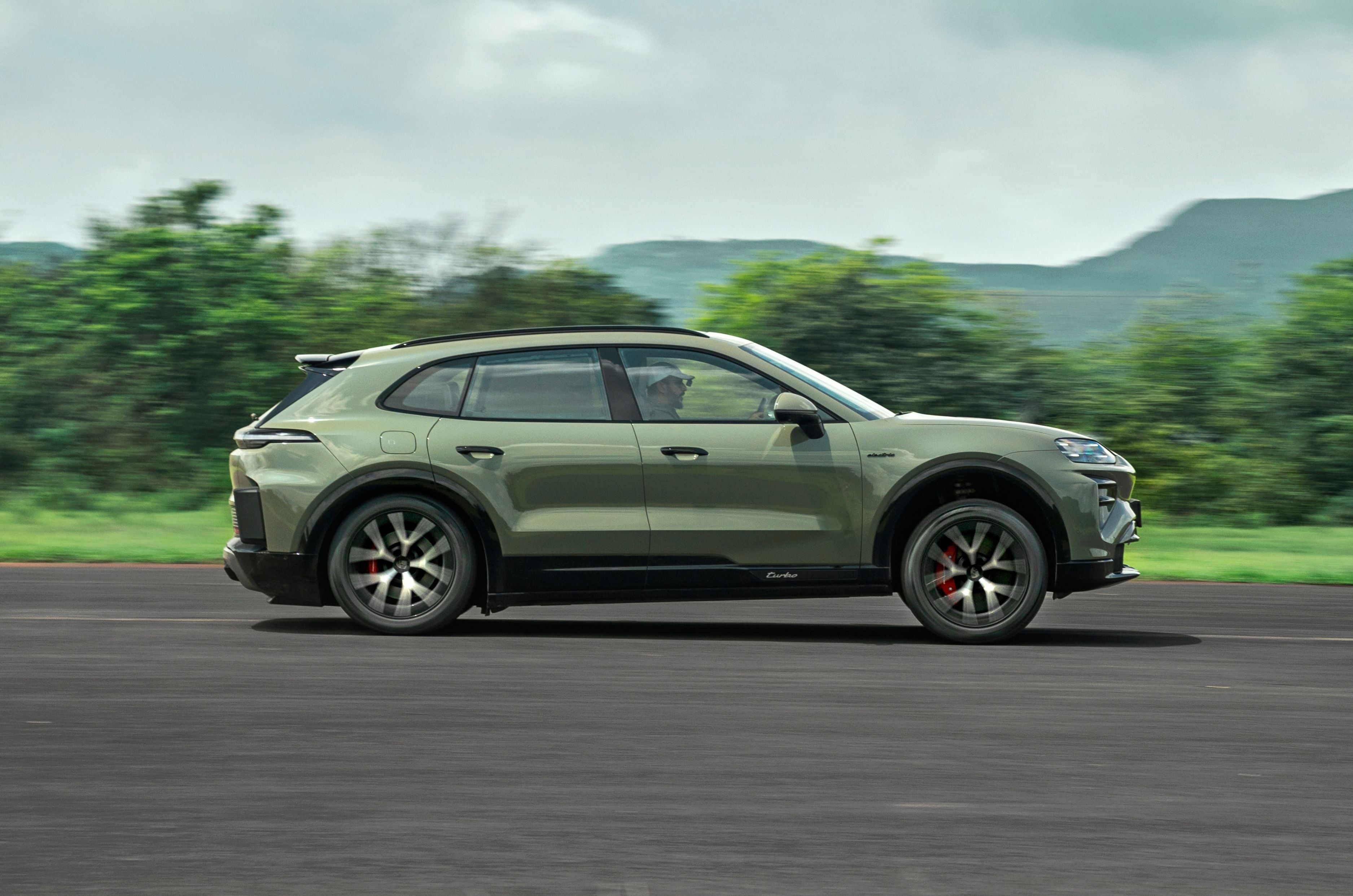
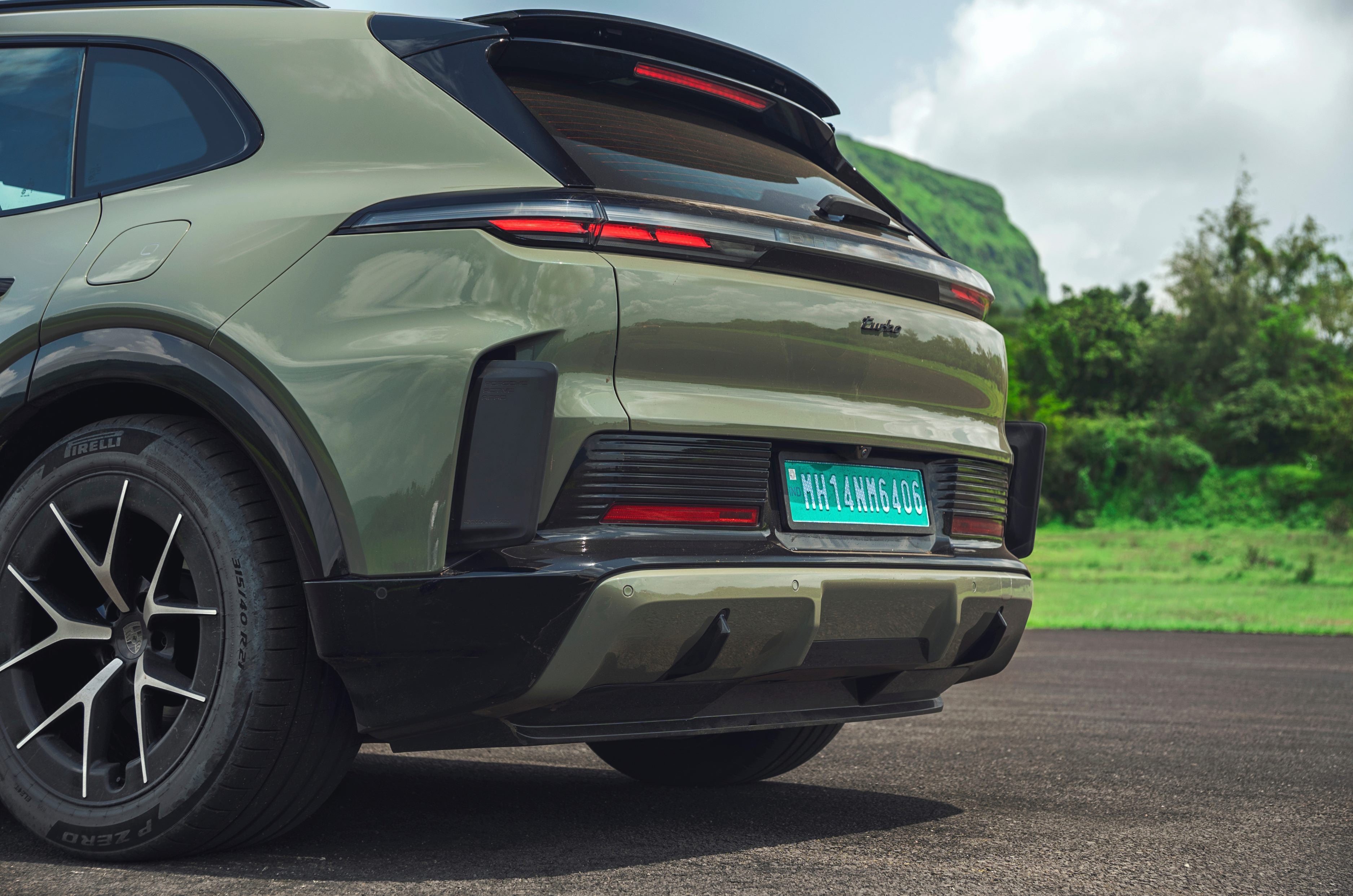
I’m less convinced by the exterior, though. It certainly has size on its side; this is the largest Porsche ever, a fact exaggerated by its slim headlamps and tail-lamps. Even the gigantic 21-inch wheels look a size down against the mass of bodywork. They’ve worked around it with plenty of contrast black details, and there are lots of cool details, like the active aero vanes up front and the flaps that extend from the rear bumper to reduce drag at speed. They’ve even got the GPS co-ordinates of Porsche’s wind tunnel embossed into them.
However, it’s also this size that works against it, as the proportions make it look bulky and a bit ungainly. This might be fine most big luxury SUVs, but in a Porsche, there’s a certain visual agility that’s missing.
2026 Porsche Cayenne Turbo price and verdict – 9/10
Is it wrong that for a car with such eye-watering headline figures, it’s the slow cruise back home that I appreciate the most? Having been pulverised by the acceleration in the morning, I’m happy to let the ventilated 18-way seats soothe my back, as my favourite tunes stream through 14 Bose speakers and adaptive cruise control keeps an Expressway pace.
Because it’s an EV, you can switch quite easily between its two personalities, and because it’s a Porsche, it does both reliably as many times as you need it to. Some of that special sauce has been lost along the way, and the smaller Macan Electric does a much better job in this regard, but I’d argue the Cayenne has an even greater breadth of ability. It’s easy to launch India’s most powerful car to stratospheric speeds, but it’s even easier to forget that you can, and perhaps that’s its biggest triumph
कभी पहले ही Demo Lecture में कह दिया गया था “आप Teacher नहीं बन सकते।”
आज वही Sanjay Appan लाखों Students के Favourite Professor हैं।
Mumbai की Chawl से शुरू हुआ सफर,
Call Centre और Bank की Jobs से होते हुए Classroom और फिर Instagram तक पहुँचा। आज 2.2 Million Followers हैं,
हजारों Students हैं और Sanjay Appan Academy के जरिए उन बच्चों तक भी Education पहुँचाने की कोशिश है
जो सिर्फ पैसों की वजह से आगे नहीं पढ़ पाते।
संजय ने अपने सफर से एक बात साबित की –
आप कहाँ से आते हैं, ये मायने नहीं रखता।
आप क्या कर सकते हैं, ये मायने रखता है।
@sanjay_appan
[Sanjay Appan journey from chawl to professor, Sanjay Appan academy, Storyteller Teacher, teacher who teaches through storytelling, Gen Z Favourite teacher]
Chawl से 2.2M Followers तक | Sanjay Appan की कहानी | Influencer Teachers
Maruti Suzuki’s hatchback sales grew 41 percent in the first half of FY2026-27, while SUV sales increased 56 percent, according to Partho Banerjee, senior executive officer, marketing and sales, Maruti Suzuki. Speaking during the company’s half-yearly sales briefing, Banerjee said, “It is not a one-month wonder.”
Maruti has attributed part of the recent improvement in volumes to the GST rate changes introduced in September last year. The company said the lower tax burden has supported demand for smaller cars.
Small cars continue to see demand
Maruti’s entry hatchback sales grew 86 percent in H1 FY27, while mid-hatchback sales increased 40 percent. Overall hatchback sales were up 41 percent during the period. “Month after month it is happening. In the first half of FY27, Maruti’s entry hatchback sales grew 86 percent, mid-hatches by 40 percent and overall hatchback sales by 41 percent. Mini-car sales have also grown 39.8 percent in September,” said Banerjee.
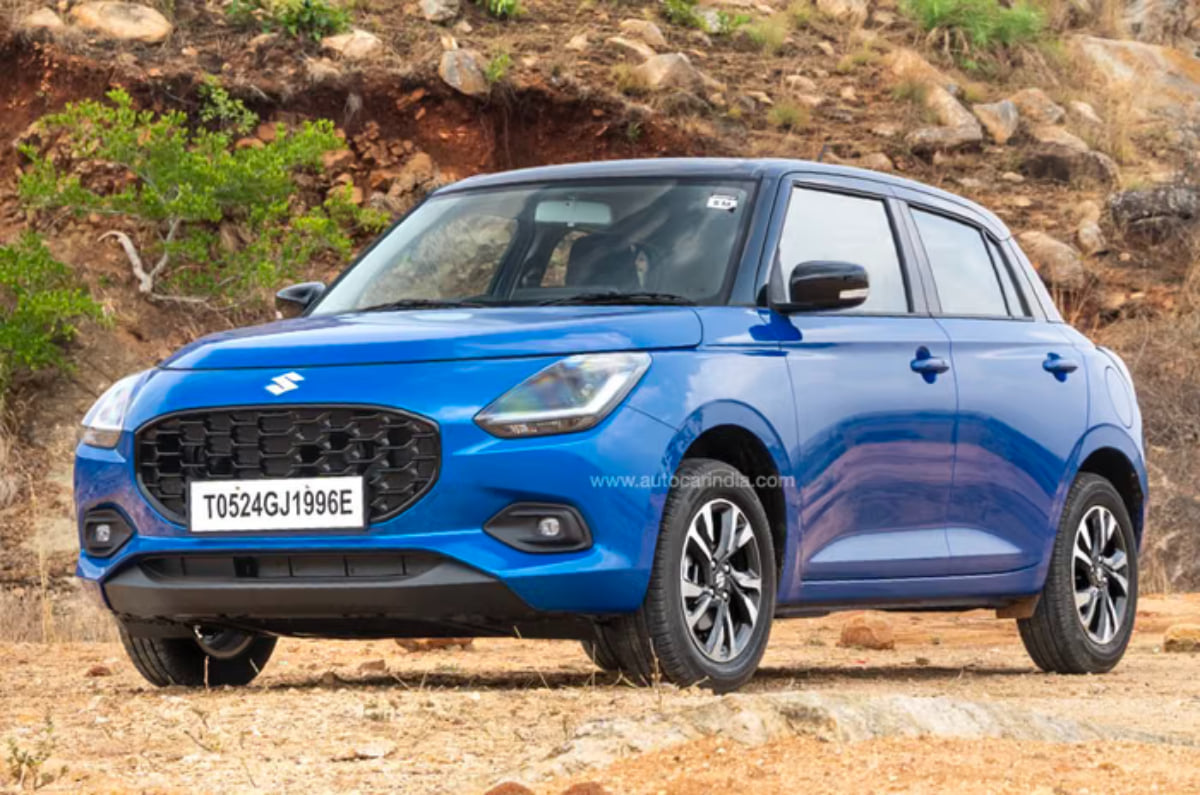
Maruti’s mini, small and mid-hatchback segments recorded 91,887 units in September 2026, up 24 percent year on year. The mini segment comprises the Alto, S-Presso and Celerio, while the small hatchback segment includes the WagonR, Swift and Dzire. The mid-hatchback segment includes the Baleno. “When everyone was talking about only the SUVs, the hatch has also grown by 41 percent. There is a huge set of customers who are appreciating the other form factors also, be the hatches, be the sedans,” Banerjee said.
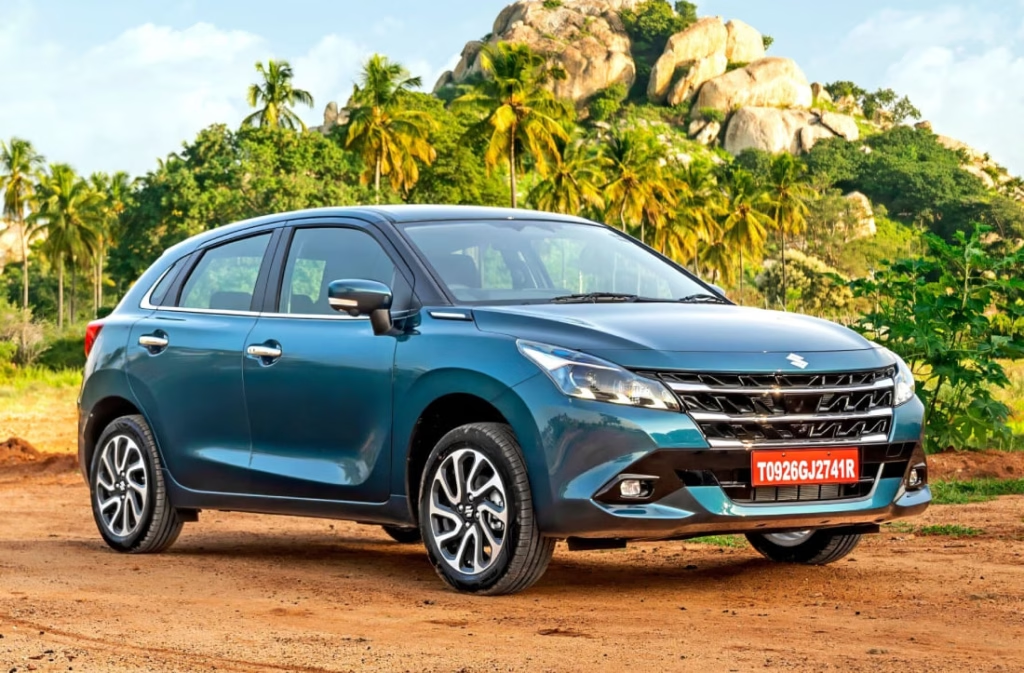
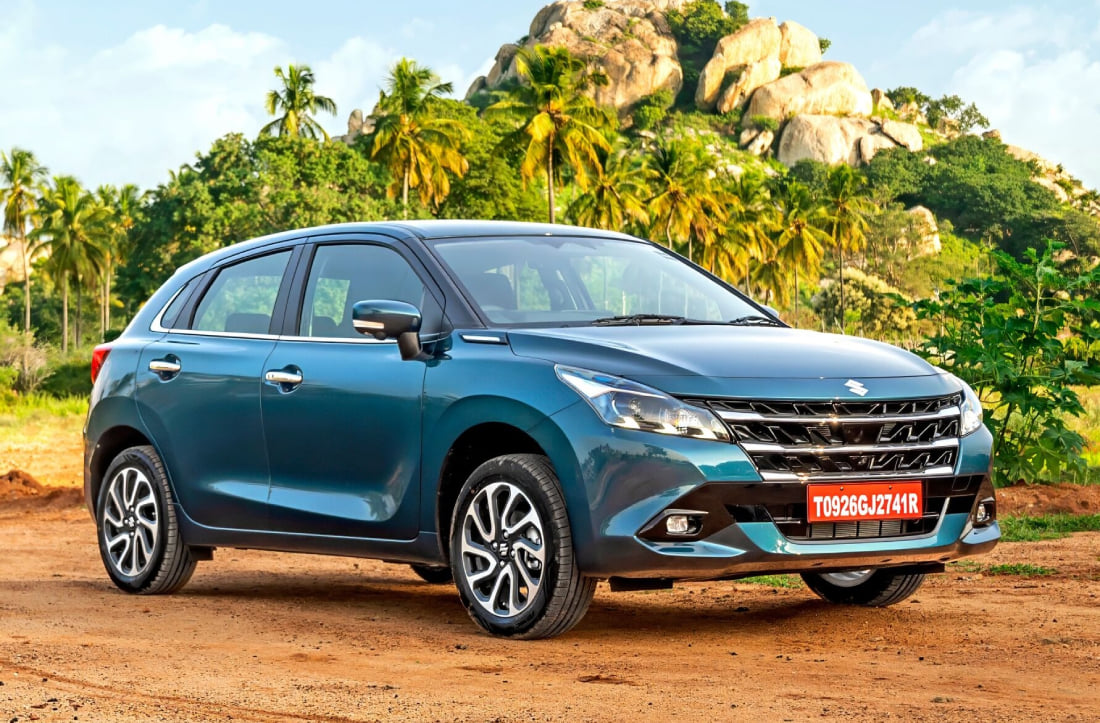
The refreshed Baleno recorded 25,000 units in its first month on sale, according to Maruti. The Dzire remained the company’s best-selling model in H1 FY27 despite supply constraints, while the Swift continues to record monthly volumes of around 80,000-90,000 units, according to the company.
Maruti sees strong SUV growth
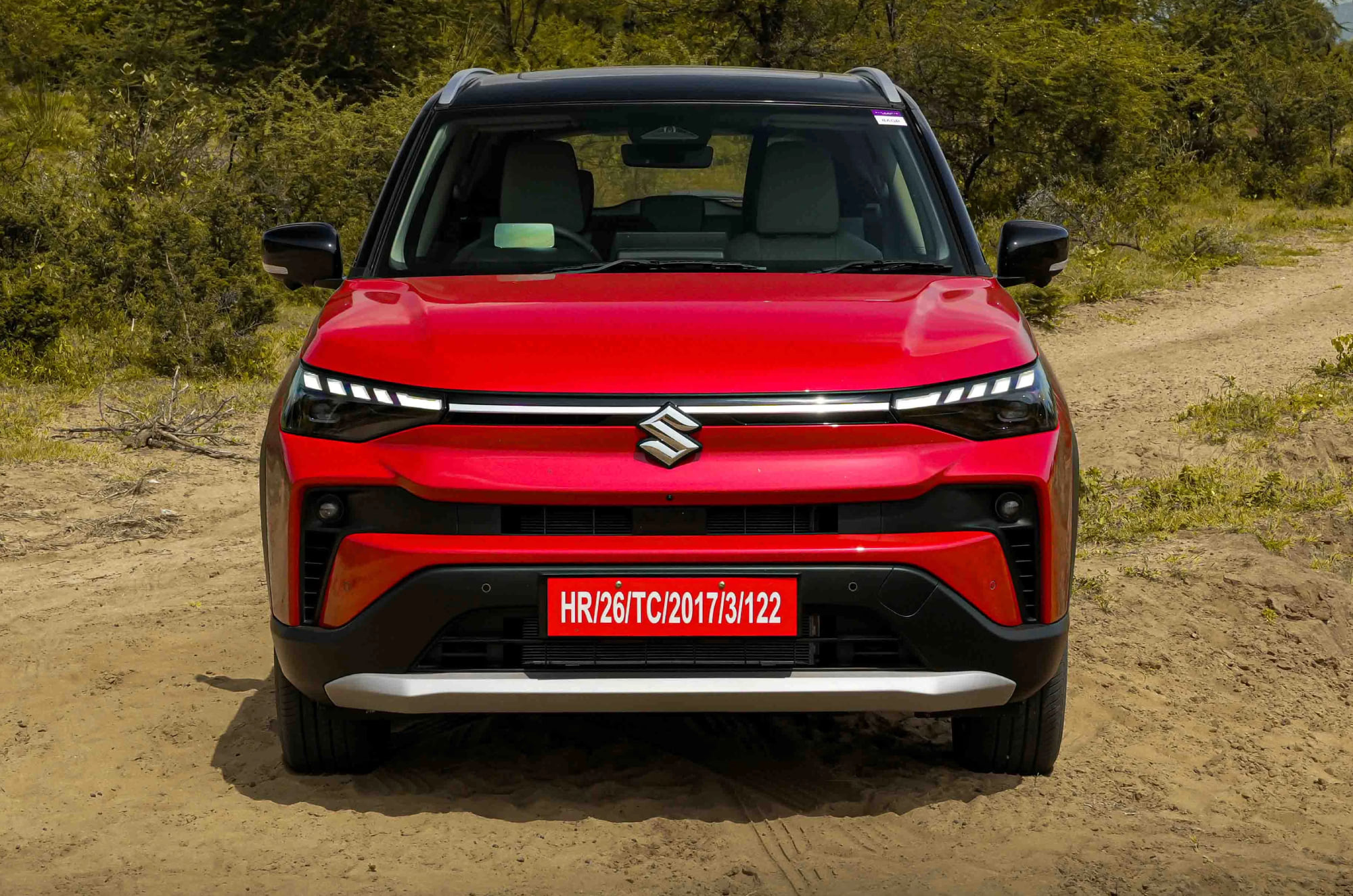
Maruti’s SUV sales increased 56 percent in H1 FY27, with the company selling around 56,000 SUVs per month during the period. Its SUV line-up currently includes the Brezza, e Vitara, Fronx, Grand Vitara, Invicto, Jimny and Victoris.
SUVs now account for around 57 percent of India’s passenger vehicle market. Maruti’s overall domestic sales reached 11 lakh units in the first half of FY27, while its Q2 domestic sales of 5,65,201 units were the company’s highest for any quarter.
The company attributed part of the improvement in overall volumes to stronger supplies from its newly commissioned plant. The SUV segment has also become a larger part of Maruti’s sales mix as demand for the body style has increased across the market.
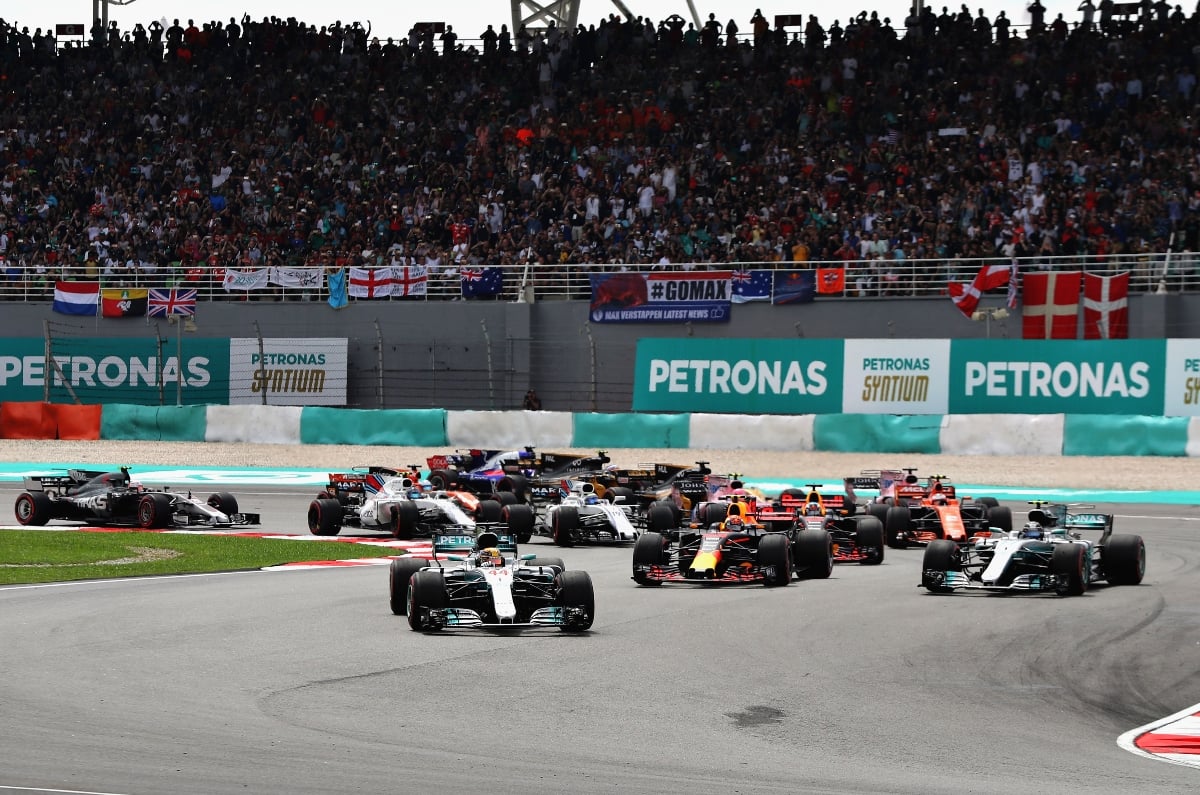
Formula 1 is returning to Malaysia for the first time in nine years this weekend. But there’s a twist – the event will be held as the Bahrain GP, with the Middle Eastern kingdom funding the race.
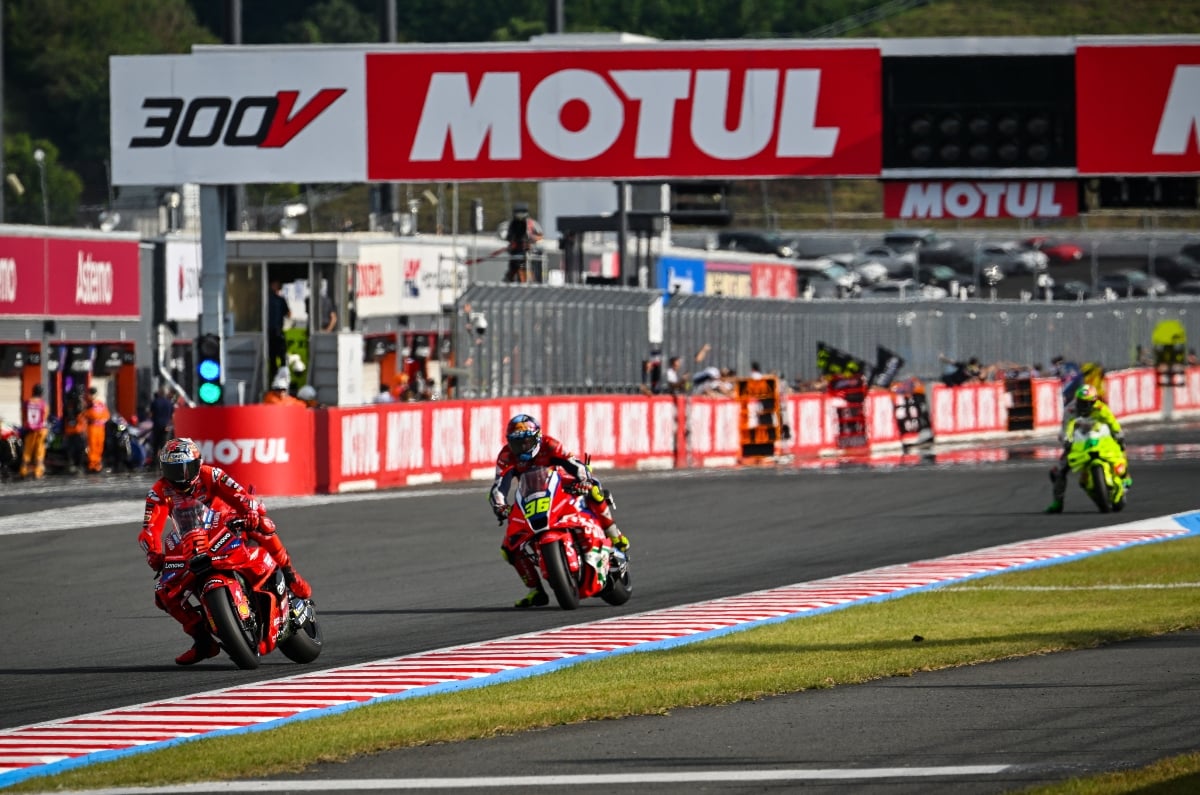
MotoGP is also on this weekend, with the title battle continuing at Japan. Here is your complete guide on when and where to tune in from India:
F1 Bahrain GP in Malaysia schedule
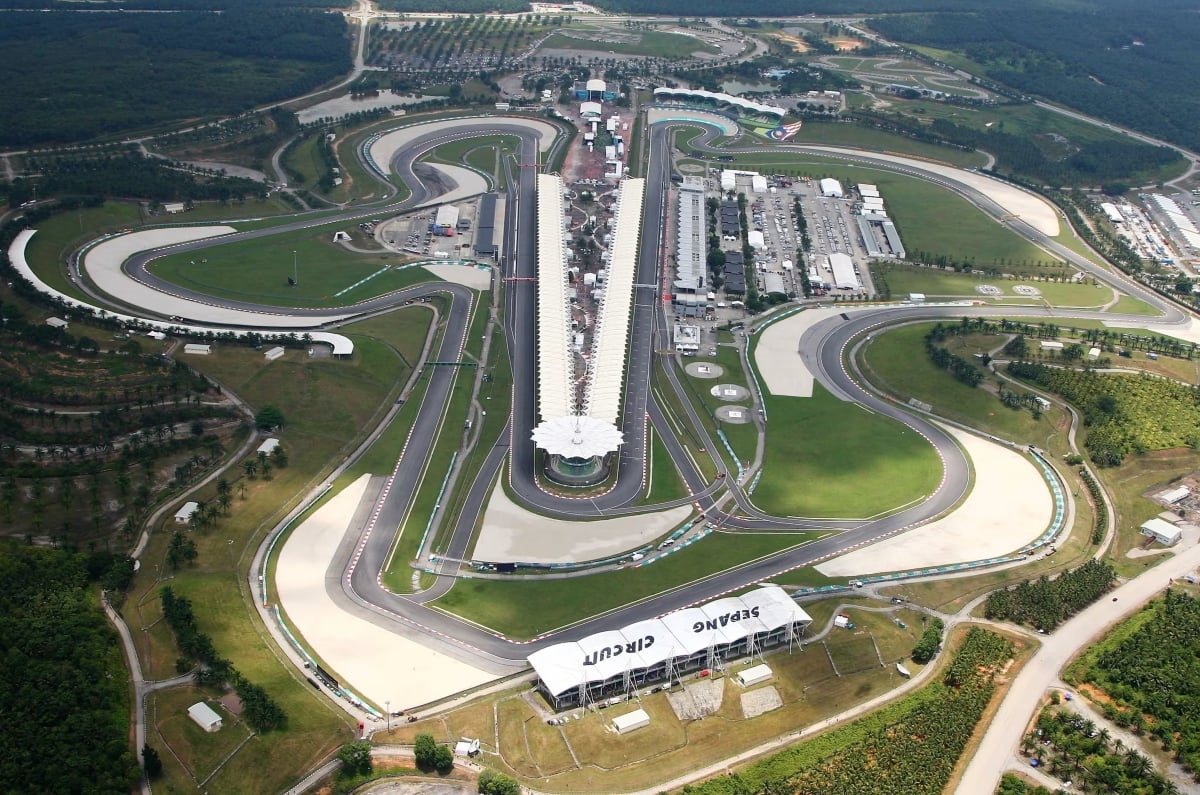
Following the postponement of the Bahrain GP due to the escalating conflict in the Middle East, the fan-favourite Sepang International Circuit in Malaysia has stepped in to host the race.
F1 last raced at Sepang back in 2017, and more than half of the current grid has never raced at the venue. Combine this with potential rain over the weekend, the race could throw up some unexpected results.
Current championship leader Mercedes will also be bringing an upgrade package to Malaysia. After a strong Azerbaijan GP win, George Russell will be hoping to build that momentum and chip away at his teammate Kimi Antonelli’s lead, which currently stands at 66 points.
F1 Bahrain GP in Malaysia: Where to watch?
All sessions will be streamed live on the FanCode and F1 TV apps.
2026 F1 Bahrain GP in Malaysia IST schedule
Date
Day
Session
Time
October 2
Friday
FP1
10am
October 2
Friday
FP2
1:30pm
October 3
Saturday
FP3
10am
October 3
Saturday
Qualifying
1:30pm
October 4
Sunday
Race
12:30pm
MotoGP Japanese GP schedule
42 points cover the top three in the MotoGP standings. Jorge Martin holds on to the overall lead, but reigning champion Marc Marquez is just 12 points behind in second place. Marco Bezzecchi also remains in title contention, but he’s 42 points off the lead. Behind him is Pedro Acosta, who has emerged as a late threat with five consecutive top five finishes. The KTM rider even secured his maiden win last time out at Austria.
The Japanese GP will also see Maverick Vinales returning to racing action. The KTM Tech3 rider hasn’t raced since the German GP in July after undergoing corrective shoulder surgery.
MotoGP Japanese GP: Where to watch?
All sessions will be streamed live on FanCode. Fans in India can also catch the live TV broadcast on Eurosport.
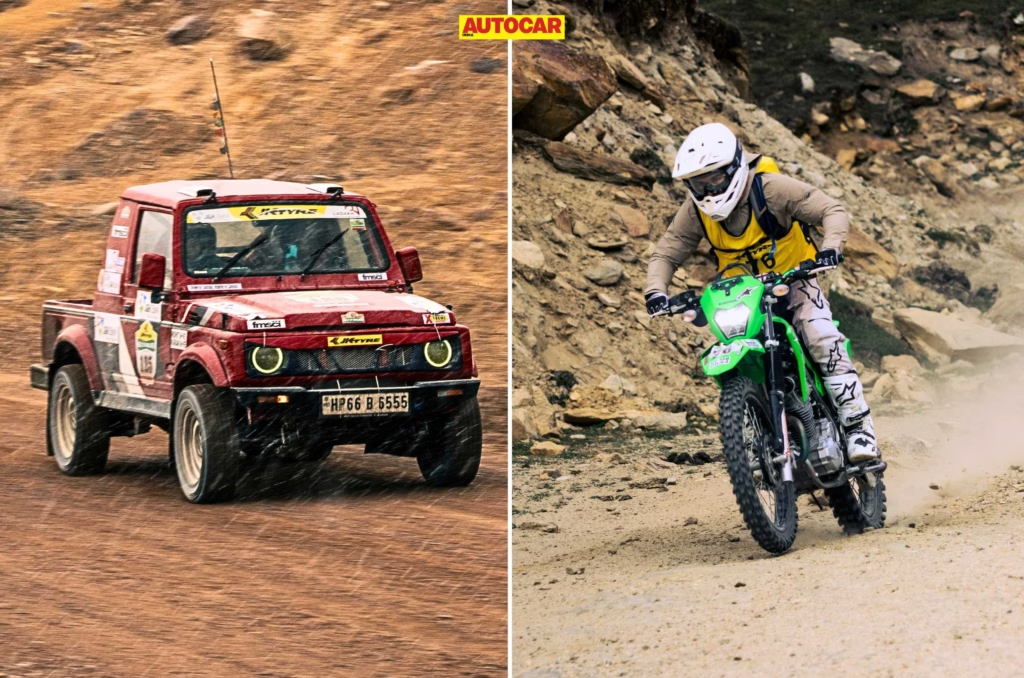
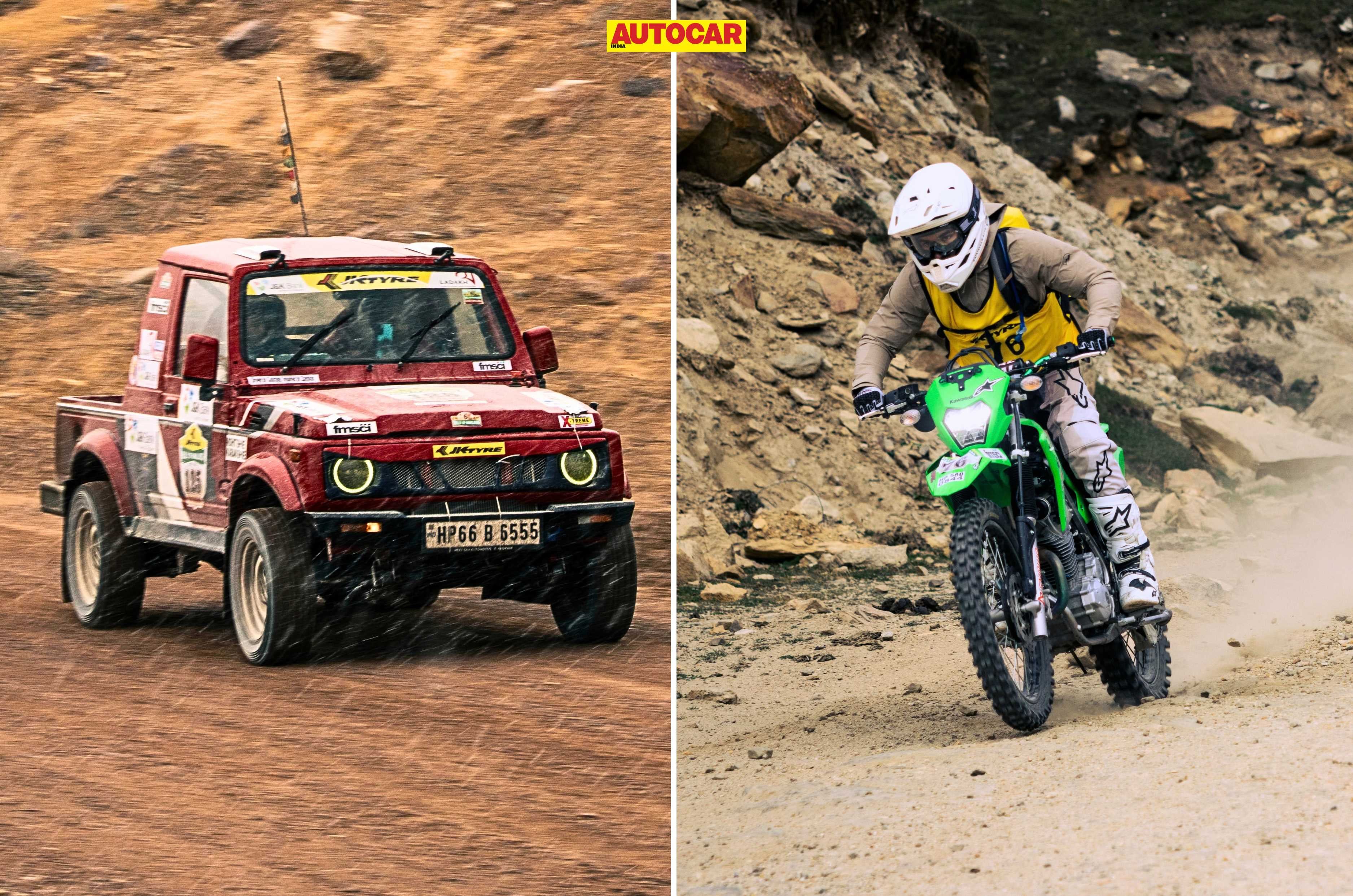
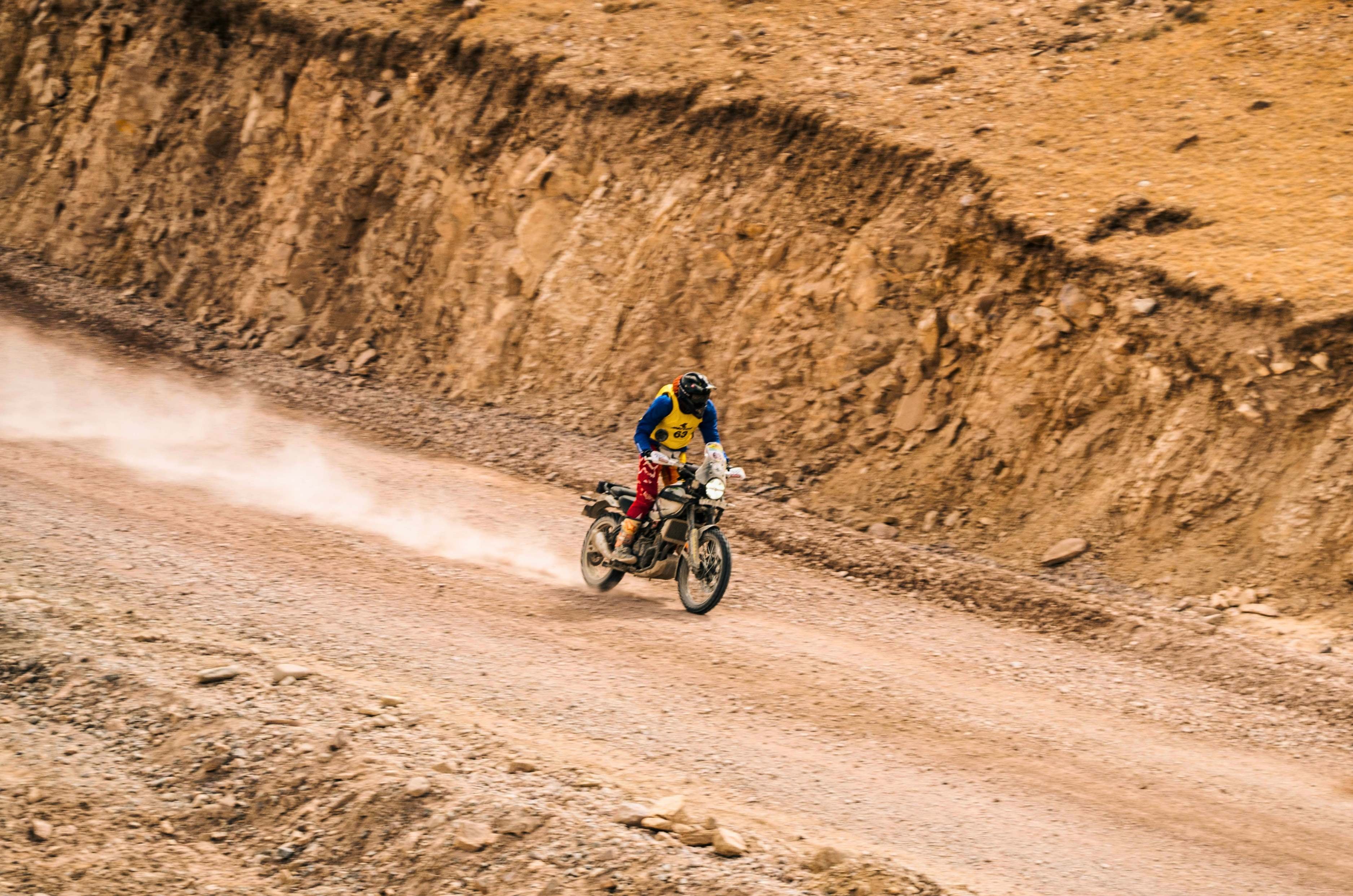
The 6th edition of the JK Tyre Rally of Himalayas saw Rajiv Yadav and Dhritimaan Singh take the top honours in the Extreme and Moto categories, respectively, while Soham Hazra finished on top in the TSD (Time, Speed and Distance) category. The cross-country rally raid, organised by Himalayan Xtreme Motorsports and Adventure X Fusion Tribe, saw nearly 130 participants across Moto, Extreme and TSD categories competing for four days across the unforgiving Himalayas.
6th Edition saw nearly 130 participants across two and four-wheeler categories
Route traversed through Manali, Lahaul-Spiti and Zanskar
2026 Rally of Himalayas: participants and route
The two-wheeler Moto category featured 80 riders while the four-wheeler Extreme category had 29 competitors and the TSD category had 20 competitors. Notably, there were women participants in all three categories, including one female rider in the Moto class, two female drivers in the Extreme class and four in the TSD class. Participants were also of varying ages, ranging from rookies to veterans and also included private teams and even Army teams.
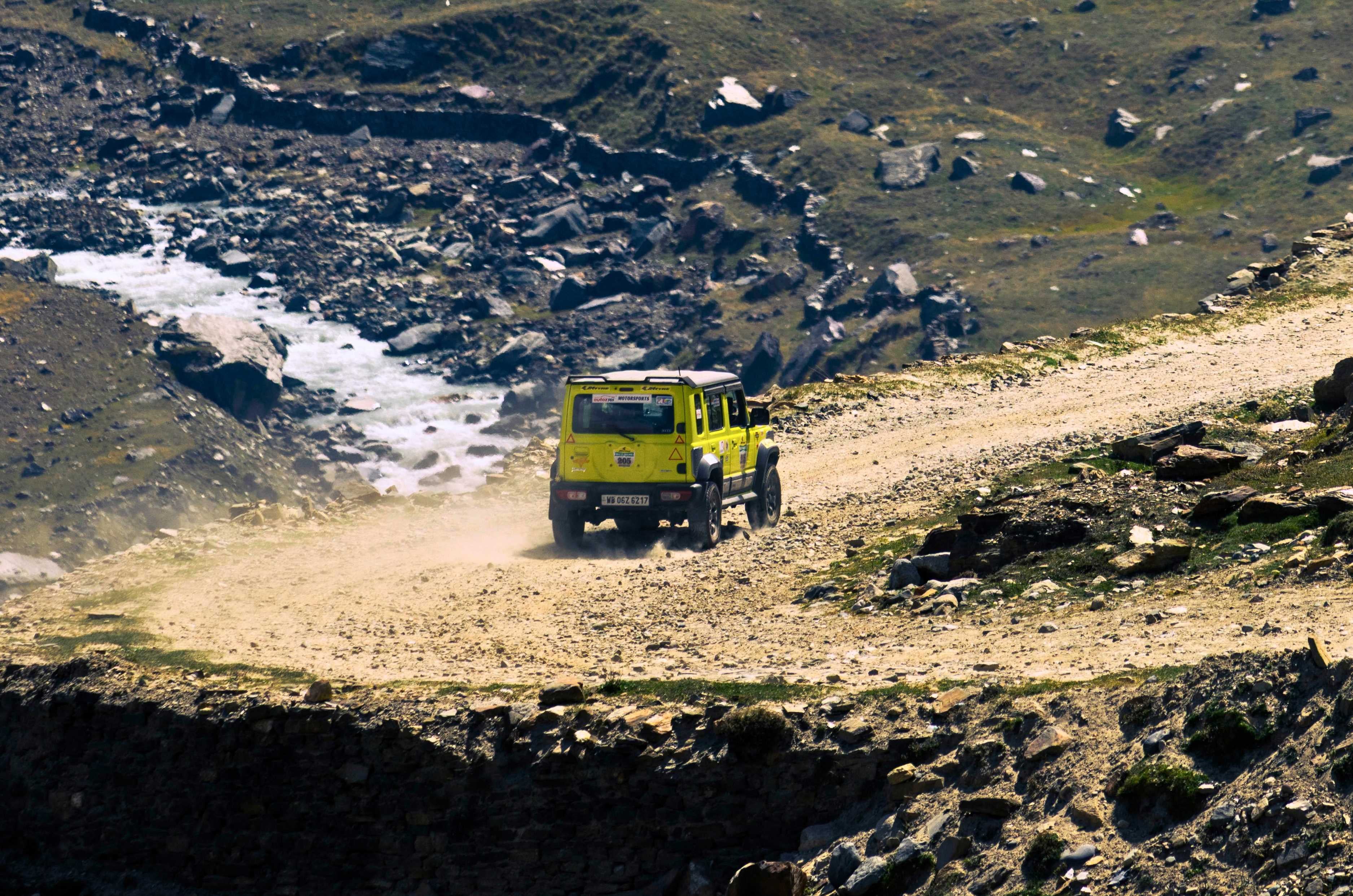
A notable highlight of this year’s rally was that it took participants to the Zanskar region for the first time. Flagging off from Manali, the route took competitors through Kaza, Jispa, and Kunzum La, before culminating in Padum, Zanskar, on September 30.
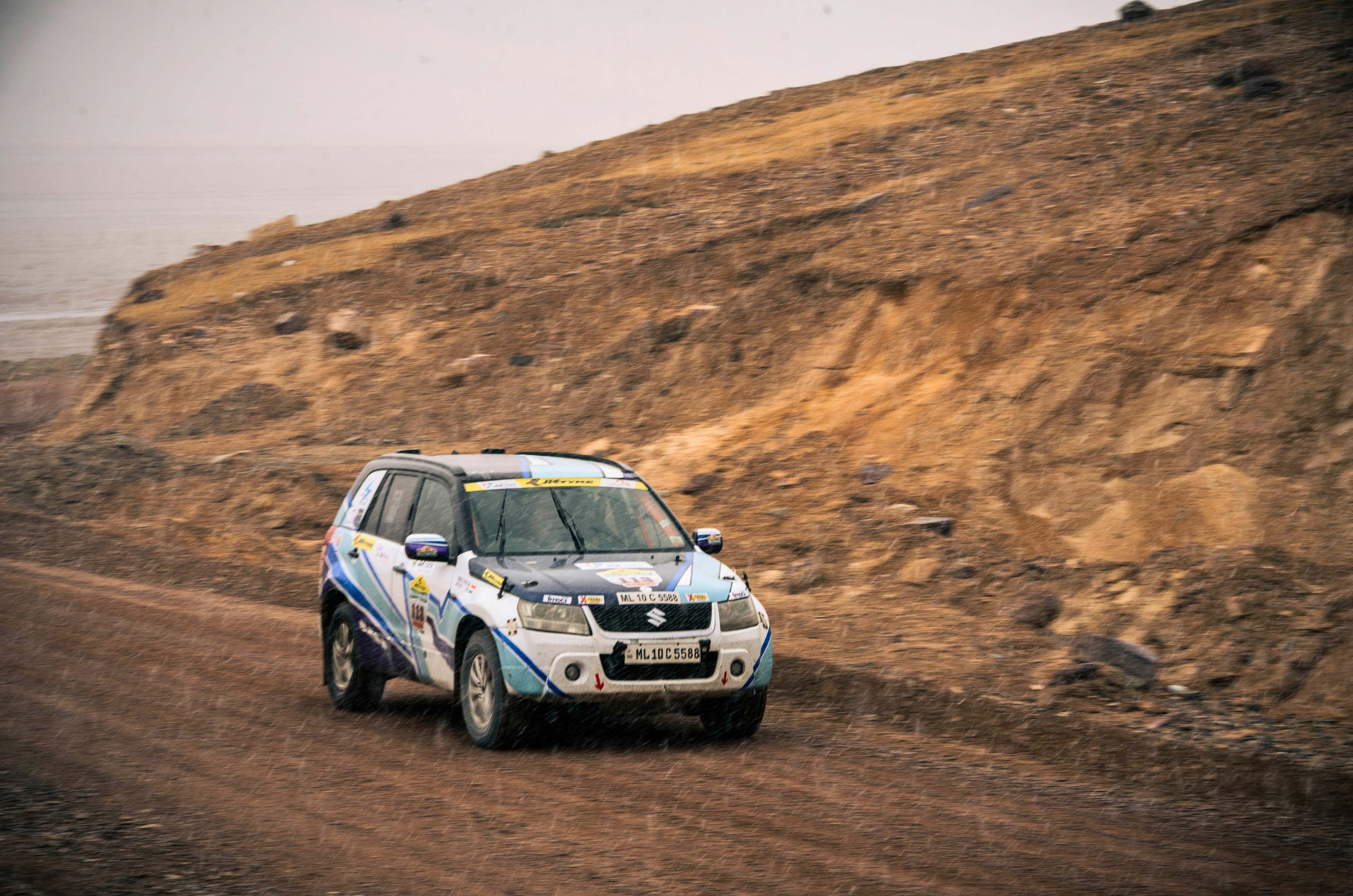
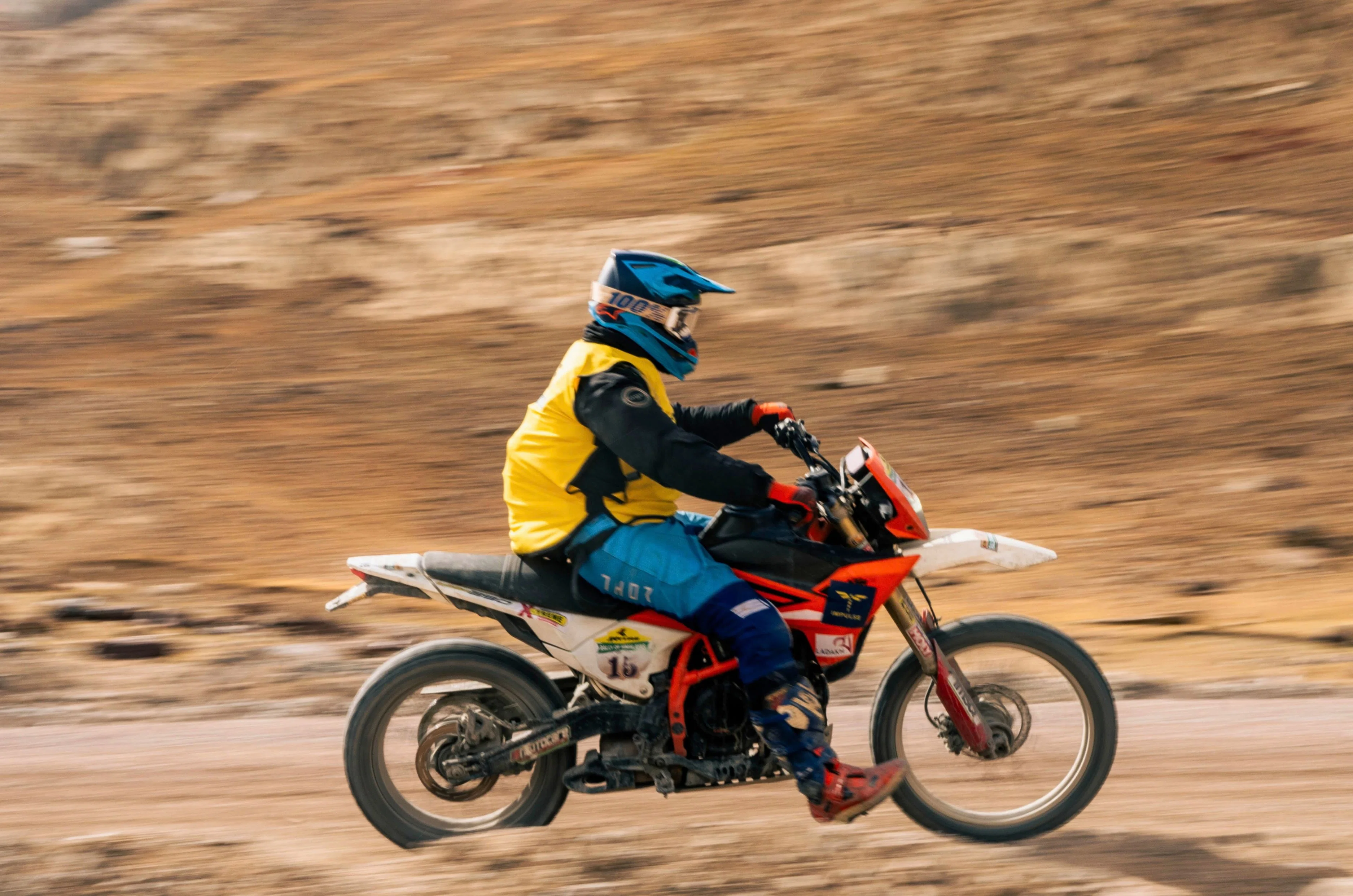
Not surprisingly, rally-prepped Maruti Gypsys were the mainstays in the four-wheeler Extreme category, while a couple of Hiluxes, first-gen Suzuki Grand Vitaras and even a first-gen Duster were in attendance. Despite the challenging terrain of the Himalayas, there were participants even competing in a Volkswagen Polo and a Honda Brio. Meanwhile, the two-wheeler Moto category saw participants bring along Kawasaki KLXs, Royal Enfield Himalayans, KTM 390 Enduros and of course, plenty of Hero Xpulses.
2026 Rally of Himalayas as it unfolded
On Day 1, Rajiv Yadav, competing in the Extreme category, took the lead in the early stages, although local competitor Aaryak Rana remained closed behind during the initial phase. Day 1 featured a 72-km gravel stage that was subsequently run in the reverse direction on Day 2. The format required the driver and riders to adapt braking points, turn-in timing and pacing strategies to a familiar route approached from a different direction.
By the end of Day 2, over a dozen competitors in the Extreme category were already out due to mechanical failures, including Lakhpa Tsering, the 2015 Raid de Himalaya winner. That’s testimonial of how much the rider and drivers were tested of their skill, stamina and split-second decision making at every stage of the rally.
Following the reverse stage, the rally’s momentum shifted towards Daksh Gill, who delivered strong performances over the next two stages, beginning with the reverse Losar to Gramphu stage. From there, the competition advanced towards Shinku La, with the route climbing to elevations of more than 16,500 feet.
The rally then moved into the Zanskar Valley, where the desert-like landscape led to what was arguably the most exhilarating phase of the rally. Daksh Gill reached speeds of up to 200kph across the region’s vast and high-altitude terrain. The rally concluded in Padum, marking the culmination of more than four days of demanding competition across some of the most challenging terrain in the Himalayas.
Category Winners and Podium Highlights:
Xtreme (Four-wheel)
Winner: Rajiv Yadav / Rohit Gowda
Runner-up: Aaryak Rana / Aditya Sharma
Second Runner-up: Daksh Gill / Virender Kashyap
Moto (2-Wheel)
Winner: Dhritimaan Singh
Runner-up: Happy Verma
Second Runner-up: Nitish Bharadwaj
TSD (2-Wheel)
Winner: Soham Hazra / Nirav Mehta
Runner-up: Santosh HM / Prakash Muthusamy
Second Runner-up: Chandra Mouli / Sri Sakthi Kumar N
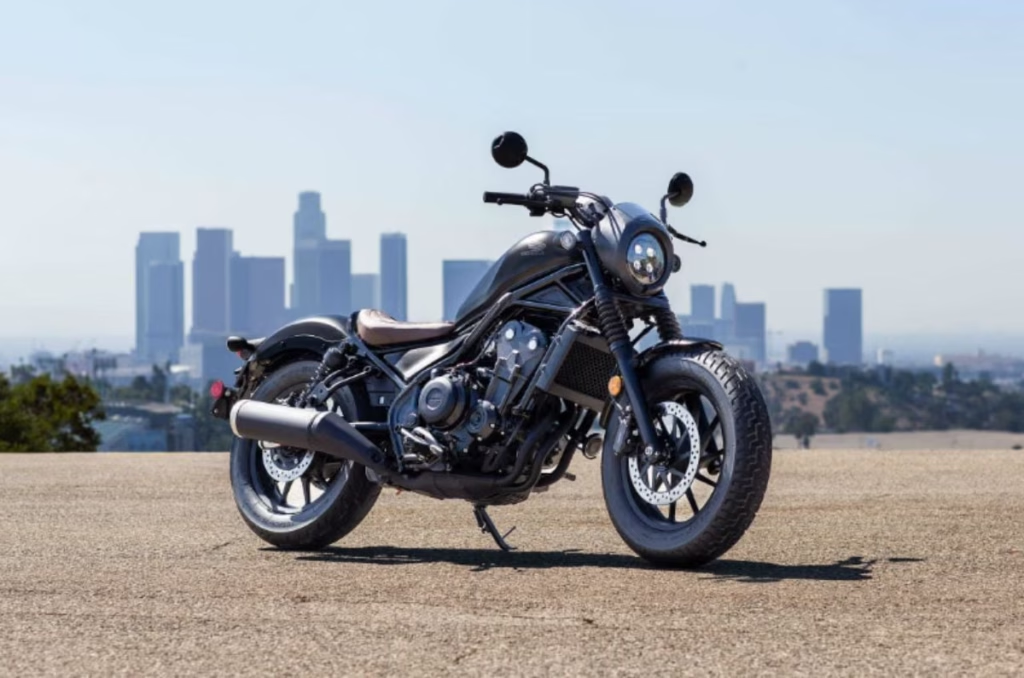
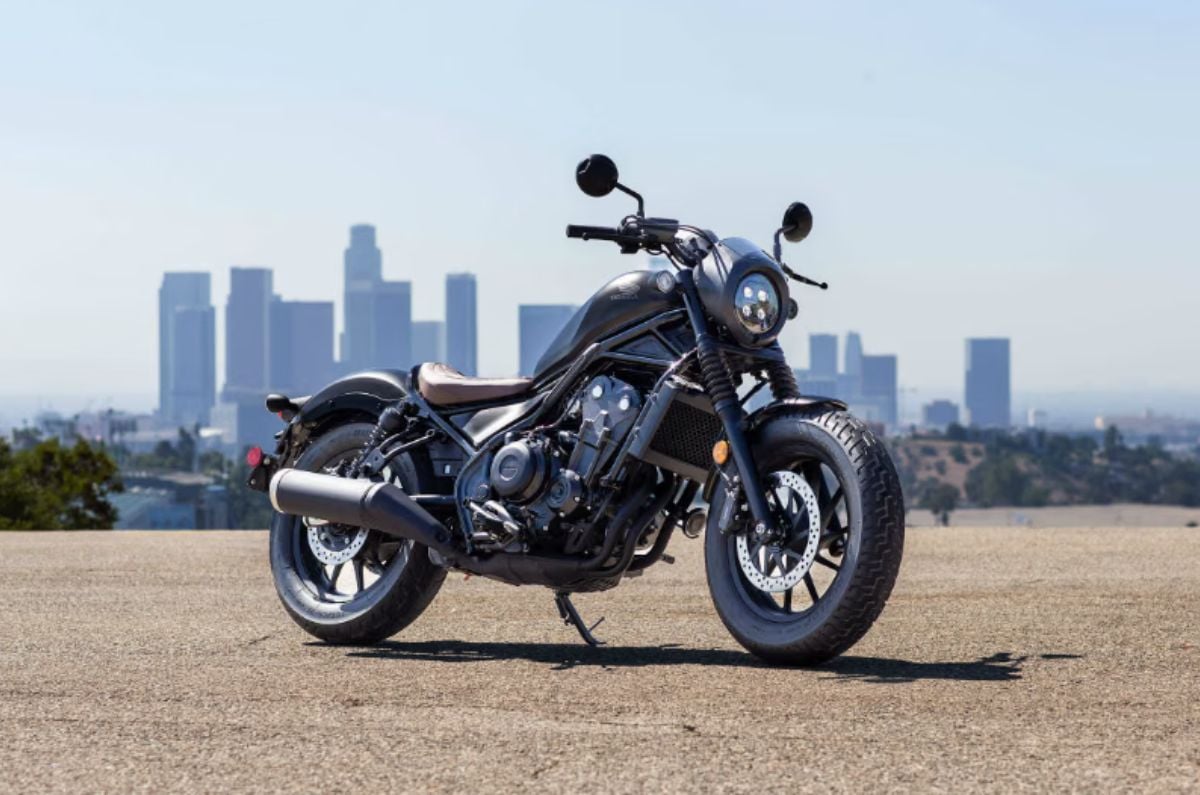
Honda has issued a recall for Rebel 500 models manufactured between April and August 2025. The company believes that the handle-lock fixing nut on the motorcycles built in this period may not have been tightened to the correct specification during assembly. In some cases, this could lead to the screw getting loosened, affecting the steering movement. Honda says as of 30 September 2026 no related incidents have been reported in India.
Honda will replace the handle-lock fixing nut for free, irrespective of warranty status.
BigWing dealerships will reach out to customers to schedule the replacement.
Rebel 500 owners can check if their vehicle is affected using their VIN.
Honda Rebel 500 Recall Campaign
What to do if you own an affected model?
The Indian recall campaign is a part of Honda’s global one. The Japanese manufacturer has sold 96 Rebel 500s manufactured during that period in India; and although no related incidents have been reported in India yet, as a precautionary measure, it will replace the handle-lock screw on all affected motorcycles for free, irrespective of the bike’s warranty status.
The campaign will begin on November 1, 2026 at authorised Honda BingWing dealerships. Representatives will reach out to customers via phone/SMS/email to inform them about the campaign and schedule the replacement. Any Rebel 500 owner who’d like to be sure about their own motorcycle can check the same by entering their VIN (Vehicle Identification Number) on the recall campaign section on Honda’s website. If they do own an affected motorcycle, Honda encourages them to reach out to their nearest BigWing dealership to schedule an appointment.
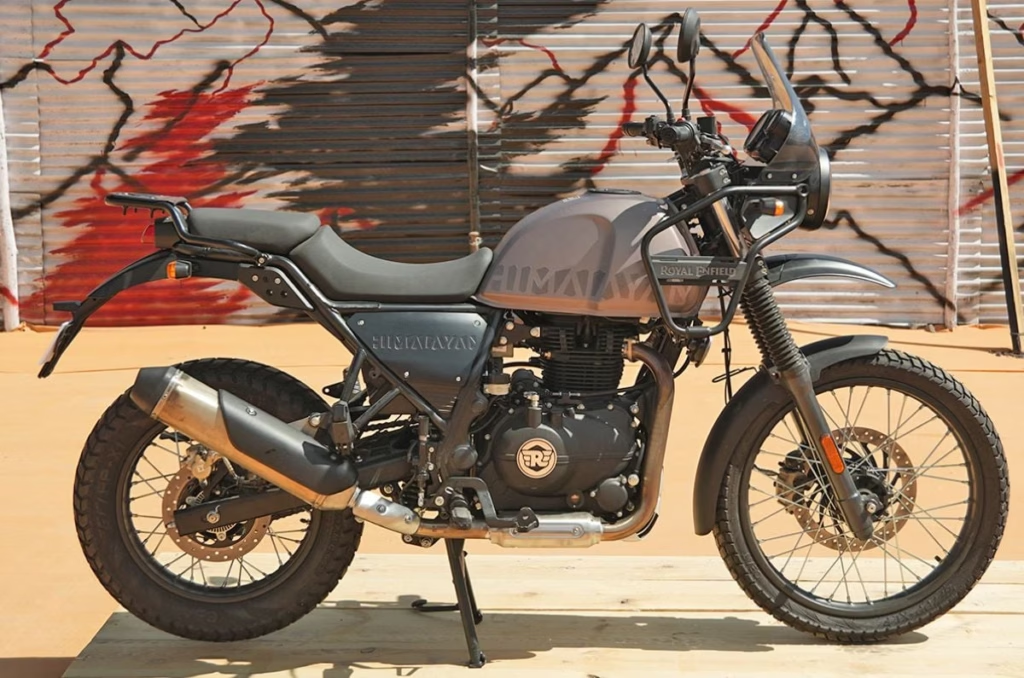
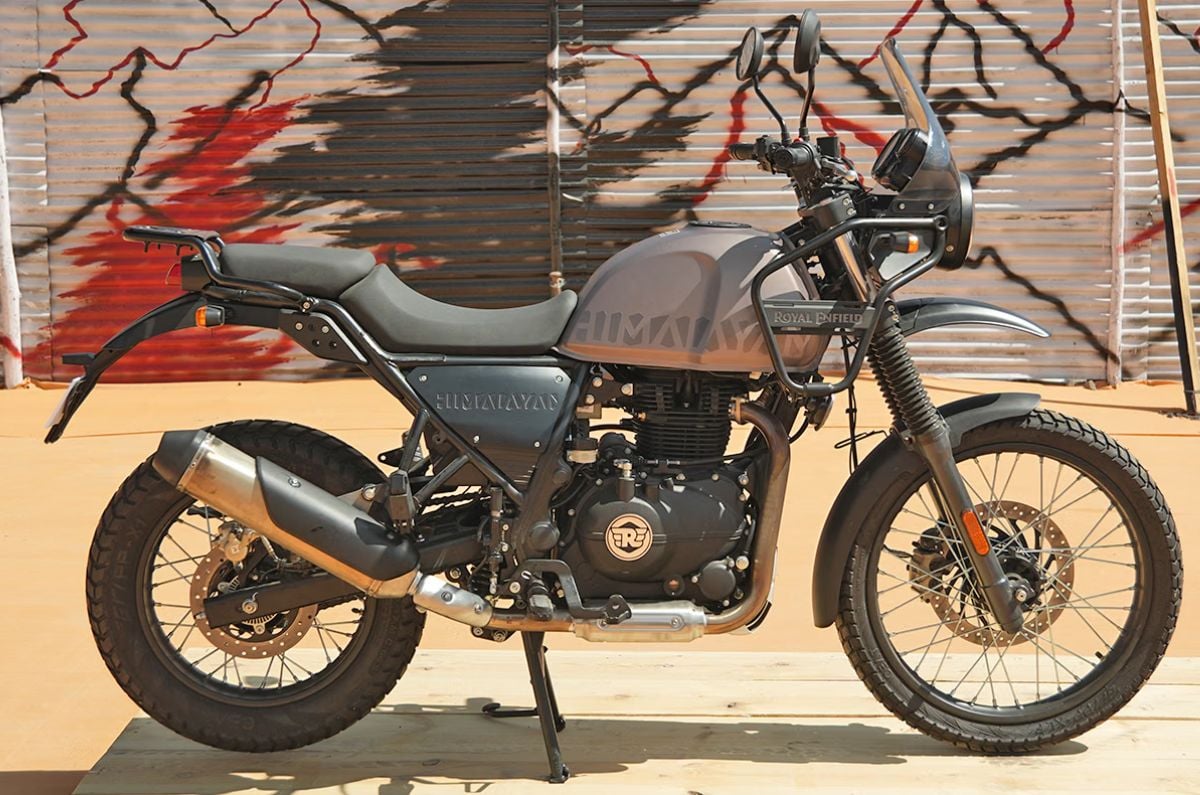
Royal Enfield had launched the Himalayan 440 – with the 411 design and the Scram 440’s engine – on September 2. It was priced at Rs 2.29 lakh, surprisingly reasonable considering the new GST rules, and the fact that the Himalayan 411 at the time of its discontinuation was selling for Rs 2.23 lakh. Cut to now, Royal Enfield says it’s closing the bookings for the motorcycle for the foreseeable future as demand has exceeded the brand’s initial projections.
Himalayan 440 shares its platform with the Scram 440
No word as to when pre-bookings will be reopened
Royal Enfield Himalayan 440: What’s the story so far?
The old-new motorcycle appears to be a bigger hit than expected
To recap, the Himalayan 440 shares the same engine as the Scram 440, making 25.4hp and 34Nm. It also gained a sixth gear (was missing on the 411) from the Scram too. Royal Enfield brought back the motorcycle due to sustained demand from admirers of the original Himalayan; as well as for people who prefer a simpler machine compared to the Himalayan 450. Clearly, the company was right in gauging the demand, but apparently had underestimated said demand.
The Chennai and UK based manufacturer says that the response for the product has been far more than they anticipated and they have already sold out six months worth of stock for its new entry-level adventure tourer. Hence, new bookings for it are being closed for the moment with the brand focusing on prioritising existing deliveries. In a statement, Royal Enfield has mentioned that it is working on scaling up production to meet current demand and that bookings will re-open once that additional capacity is achieved.
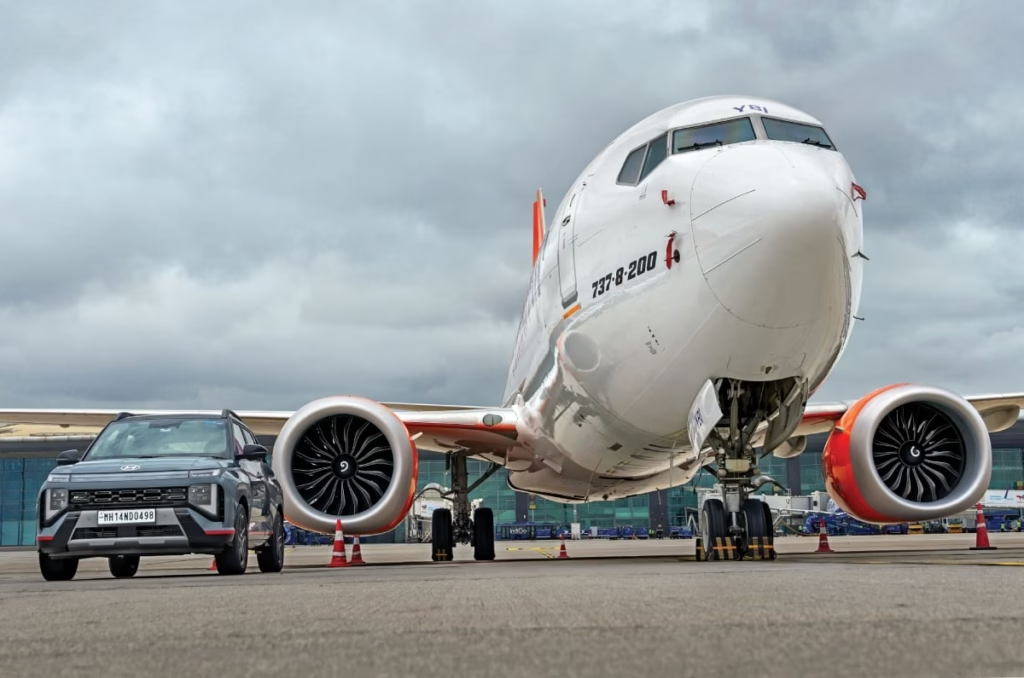
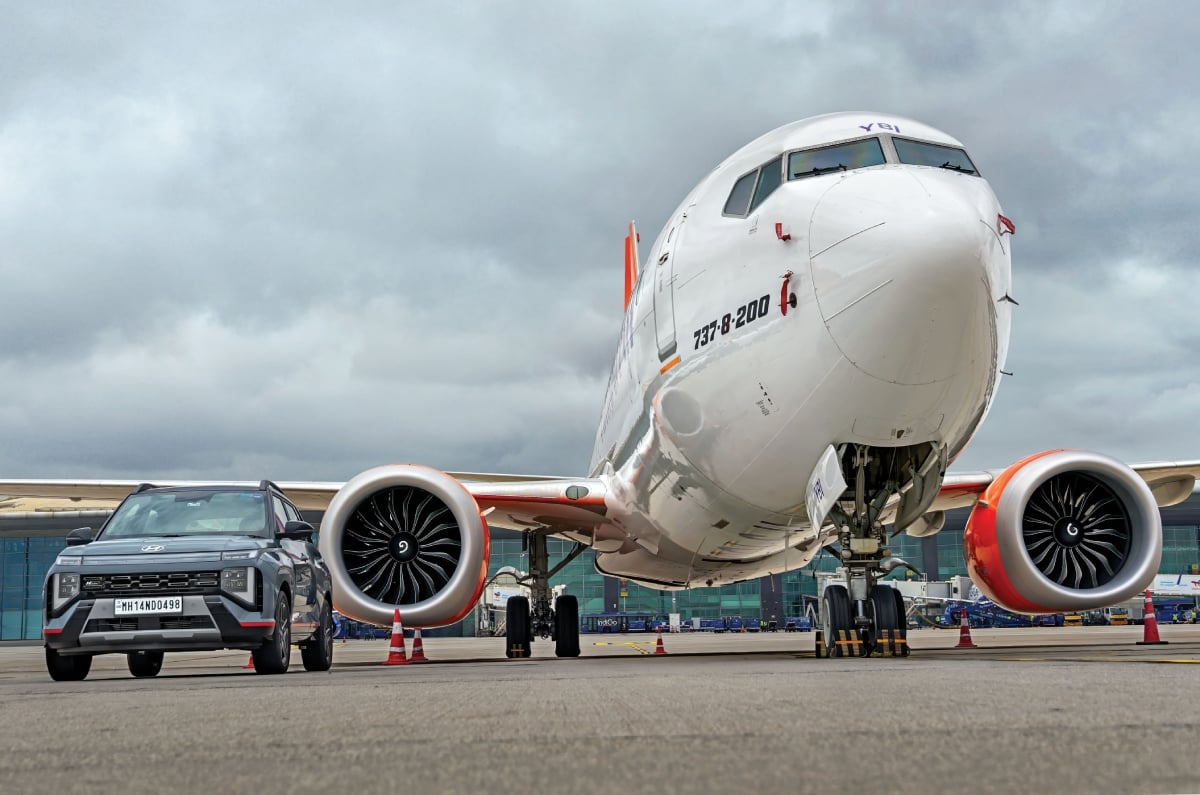
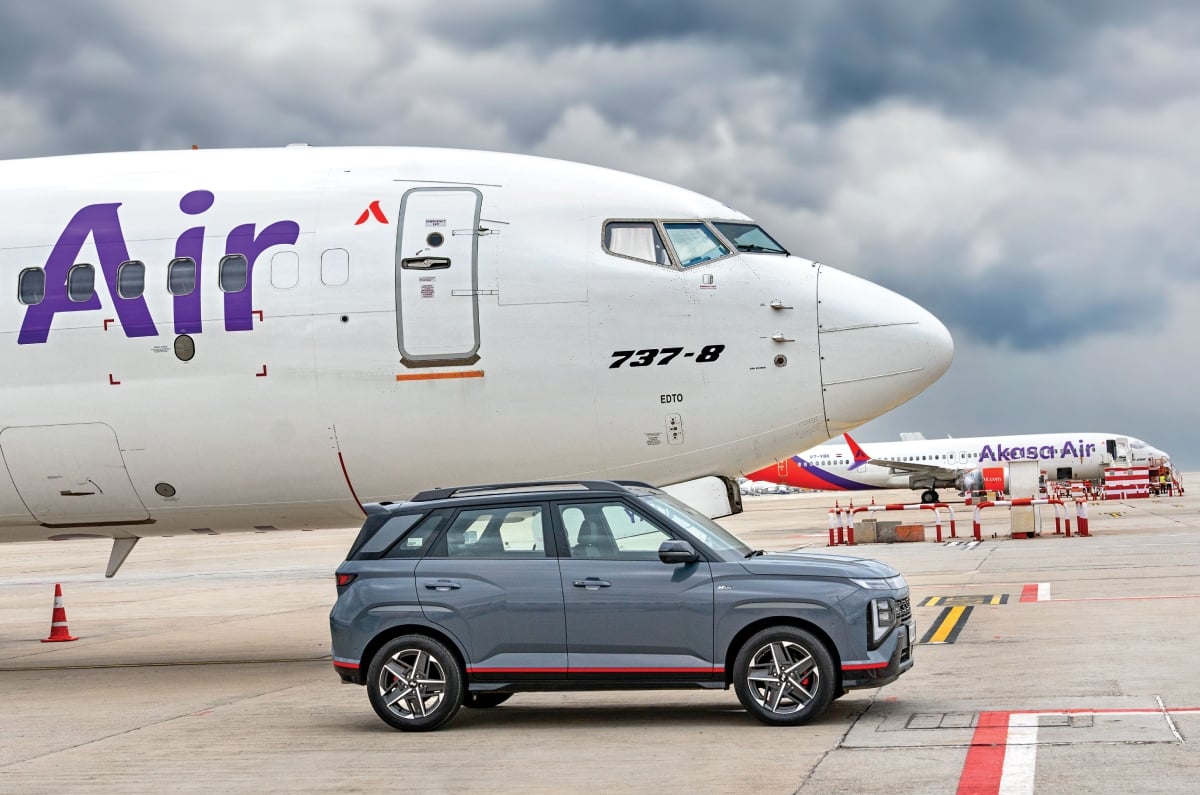
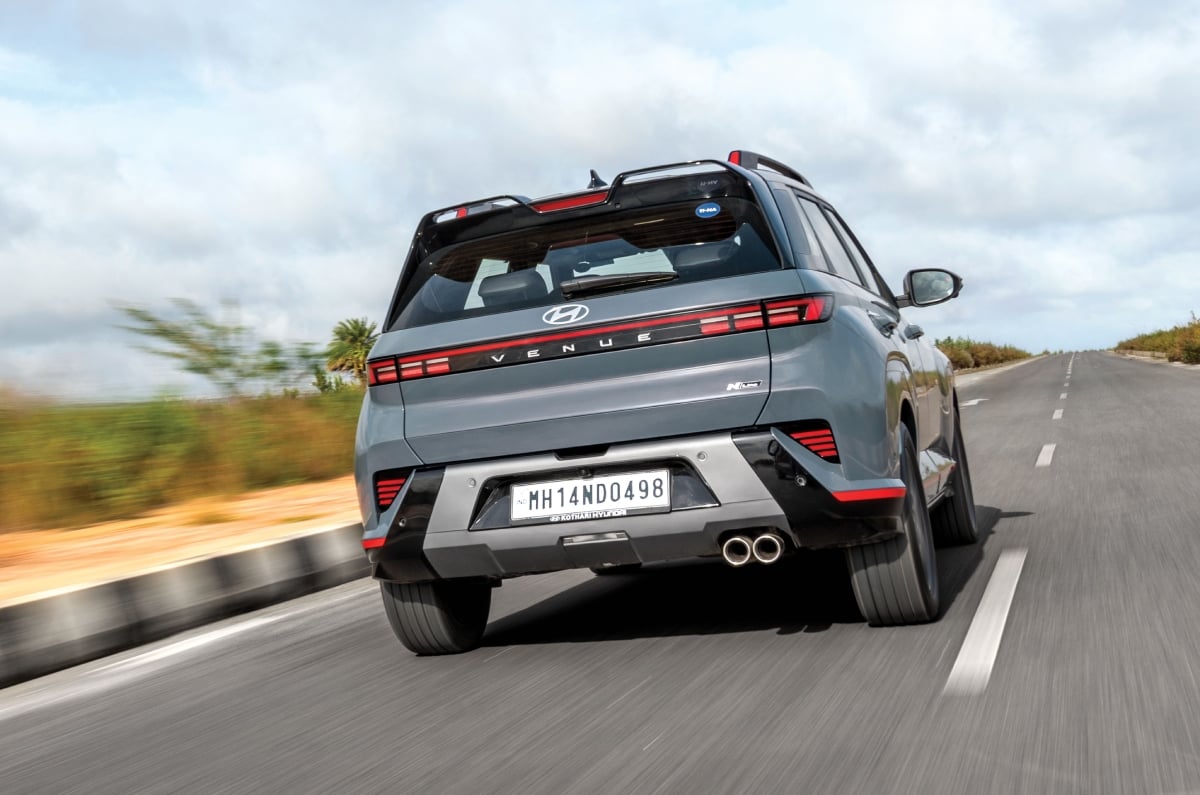
A Hyundai Venue N Line runs down a well-lined access road, its sensors alive. Off to the left overhead, an Akasa Boeing 737 Max makes its way down gracefully, flaps extended, ready to land. Both machines are bristling with technology that allows them to operate with a degree of independence once unthinkable. The car can keep itself within a lane, regulate speed in relation to the car ahead, and brake in emergencies. The aircraft can fly itself across continents, execute complex routes, and even land in zero visibility. Welcome to the new world where machines are self-aware and can operate for long stretches on their own.
Today, we dive deep into tech and compare how Advanced Driver Assistance Systems (ADAS), found in modern cars like the Hyundai Venue work, and juxtapose them against how advanced autopilot systems on airliners like the Boeing 737 Max function. Want to know how this Hyundai Venue senses lane markings, what it picks up, how it processes the data, makes a decision and executes a steering manoeuvre to keep the car within the lane, or how aircraft like the Boeing 737 Max are programmed to fly themselves and how they can even land automatically? Read on; there’s plenty of fascinating tech ahead.
Sensor fusion
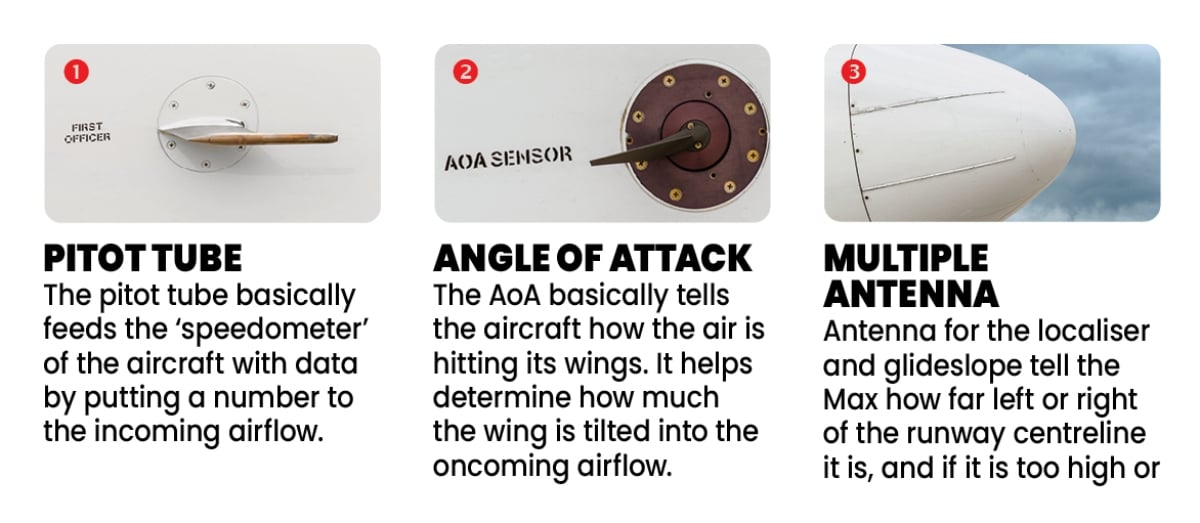
Walk around the attractive-looking Akasa 737 Max, now one of forty-three, and you notice the nose of the aircraft bristling with sensors. It’s from where a vast majority of the data for the Autopilot is collected. Showing me around and explaining things is Captain Svetlana from Akasa. First up, the speed sensors – elbow-shaped pitot tubes that stick out at an angle. This tube helps measure the airflow and, hence, the speed of the aircraft. For accuracy, this speed data is correlated with the static port, mounted flush on the side of the aircraft, which measures the real atmospheric pressure at the height the aircraft is flying.
Then there’s the AOA or Angle Of Attack sensor that basically tells you how the air is hitting the wings or how much the wing is tilted into the oncoming airflow. This is essential to know just how much lift the wing is making and how close the aircraft is to stall.
Then, inside the nose cone, apart from the weather radar, are antennas for the localiser and glideslope. Both pick up radio beams sent from transmitters positioned near the runway. The localiser tells the aircraft how far left or right of the runway centreline it is, and the glideslope tells if the aircraft is too high or too low. Together, they give the aircraft a complete three-dimensional picture of the ideal path to the runway. They feed data to the Instrument Landing System (ILS) and are what lets a 737 Max line up and descend precisely even when visibility is poor.
Further back are a pair of TCAS antennas, one on the belly and one on the top. They listen for nearby transponders (that also help flightradar24 funtion) to keep the aircraft clear of traffic.
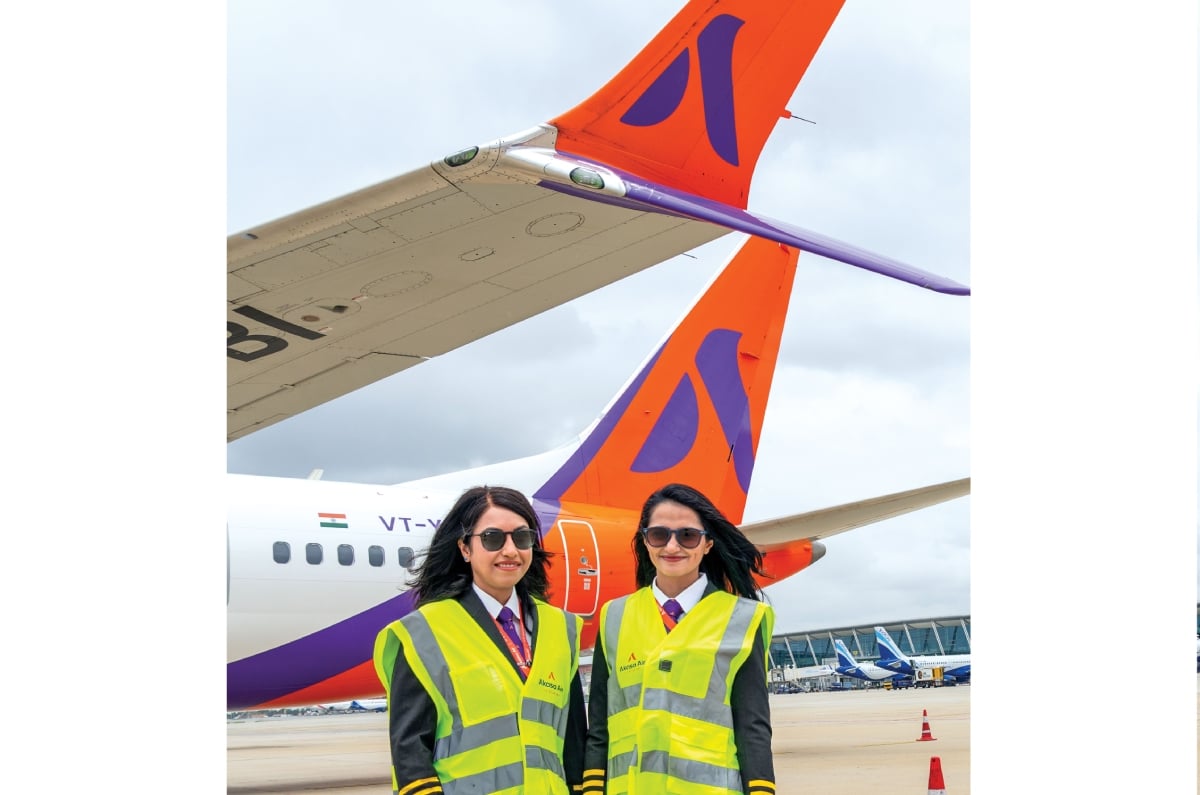
Capt. Svetlana and Capt. Sanaya help us get to grips with how the autopilot on the 737 Max functions.
Positioning is done with the help of a GPS antenna on the roof. Another system, known as the Inertial Reference System, uses laser gyroscopes bolted to the airframe to sense every turn the aircraft makes. It uses accelerometers that sense every change in speed. A computer fuses the two, continuously tracking exactly how far and in which direction it’s travelled from a known starting point, which is set by the pilots at the gate.
Road and track
Though this is a high-tech and complex system, functionality is slick and smooth.
Now swap the open skies for chaotic tarmac. Here, the Venue N Line’s ADAS Level 2 suite runs off far fewer sensors or data points. The difference, however, is that the car actually ‘sees’ what is ahead, correlating data from the radar and the high-resolution camera into a single picture. Sensor fusion is essential on both the 737 and the Venue. What’s different is that the reactions of the car have to be immediate, and that means Smart Sense on the Venue not only has to process gigabytes of data every second, it also has to be ready with, say, a braking solution in milliseconds, just in case that petulant biker cuts across the Venue’s nose.
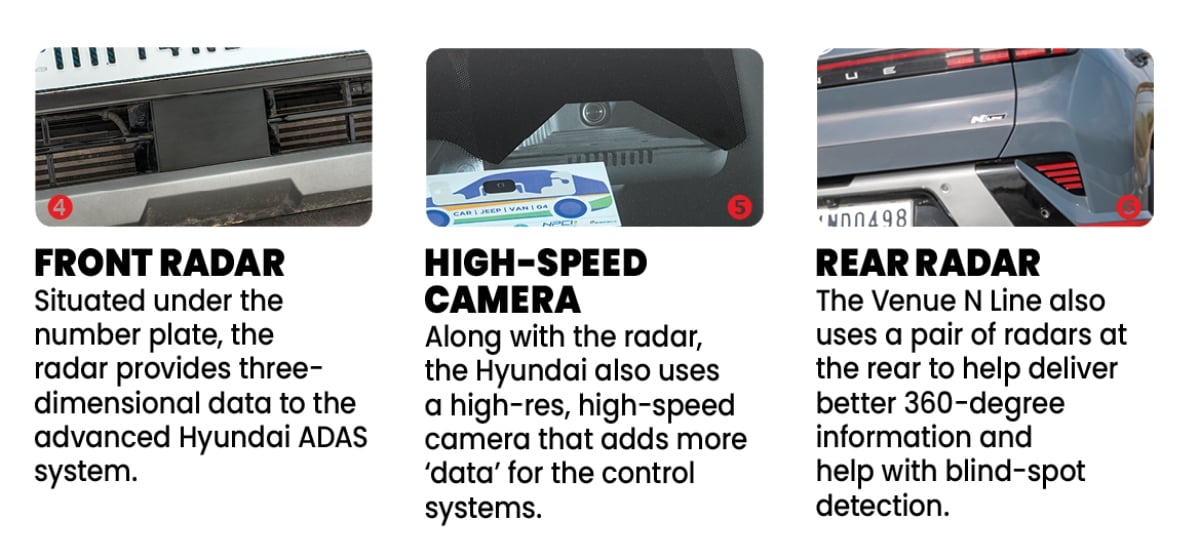
One of the primary sensors is the radar. Located behind the black square plastic panel under the number plate up front, it acts as a measuring tape, constantly tracking the exact distance and closing speed of the car ahead. Similar to a fruit bat, the radar sends out bursts of high-frequency radio waves (or chirps) that vary between 10,000-50,000 bursts per second. Just as important is how quickly the data is processed and passed on, which provides enough sharpness and resolution to differentiate between shapes ahead. This data is used by the Forward Collision-Avoidance Assist (FCA) to stop the Venue often before human reflexes can even respond to danger. In addition, the system uses a pair of rear-mounted radars, ultrasonic sensors and parking and proximity cameras for a more secure 360-degree ‘picture’.
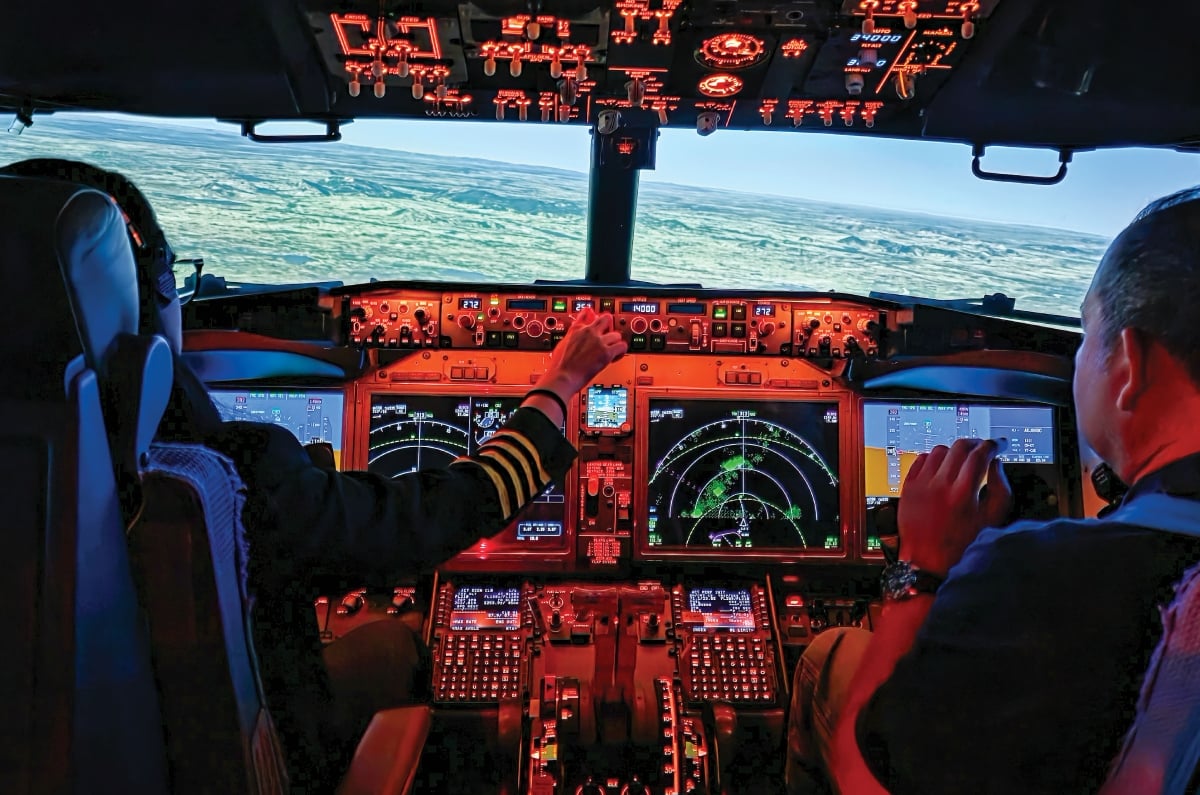
Captain Sanaya adjusts the heading knob in the sim, the aircraft reacts in real time without disengaging the system.
The other important data source is a high-resolution, high-speed camera at the top of the windshield. While its primary job is to look for lane markings and obstacles, it also works along with the radar up front, sharing the workload. The camera, for example, sees every detail but lacks depth perception (or 3D vision), and a radar tracks distance but cannot see the same amount of detail as the camera. The camera sends data via a special, automotive application-optimised CMOS sensor, similar to the one on your Sony mirrorless camera that also has a high dynamic range (for bright lights). Hyundai’s system can even detect faded lines with its edge-detection, texture-tracking, and colour-reading systems. Hyundai’s SmartSense also integrates Artificial Intelligence (AI) and Machine Learning. So, instead of using rigid “if-then” decision-making software, it uses embedded neural networking to interpret real-time sensor data.
Together, these systems form a nervous system that feeds into the car’s brain, which then nudges the steering, modulates throttle, or applies brakes. Unlike aviation, redundancy is limited. A sensor failure usually hands control back to the driver, who remains the ultimate fallback.
Steering wheels and yokes
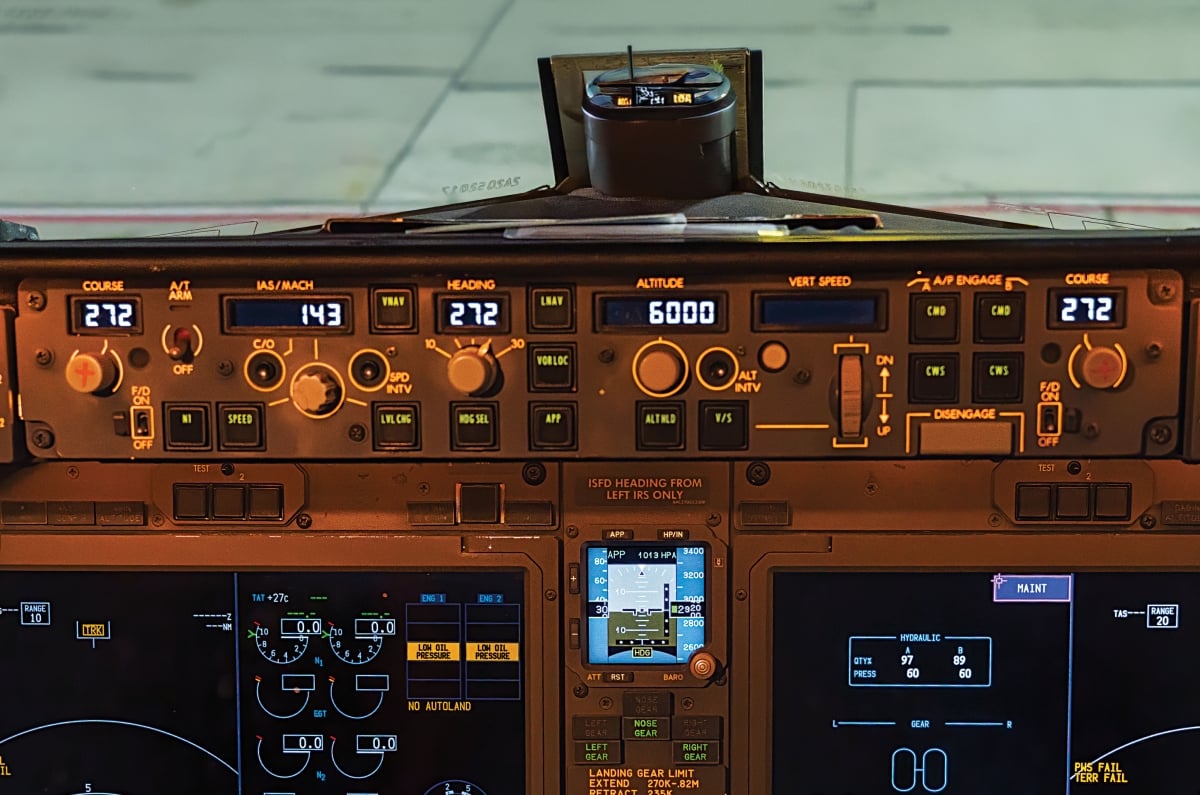
Hit ‘A/P Engage’ on mode control panel to activate autopilot; course, speed, heading and altitude are also adjustable here.
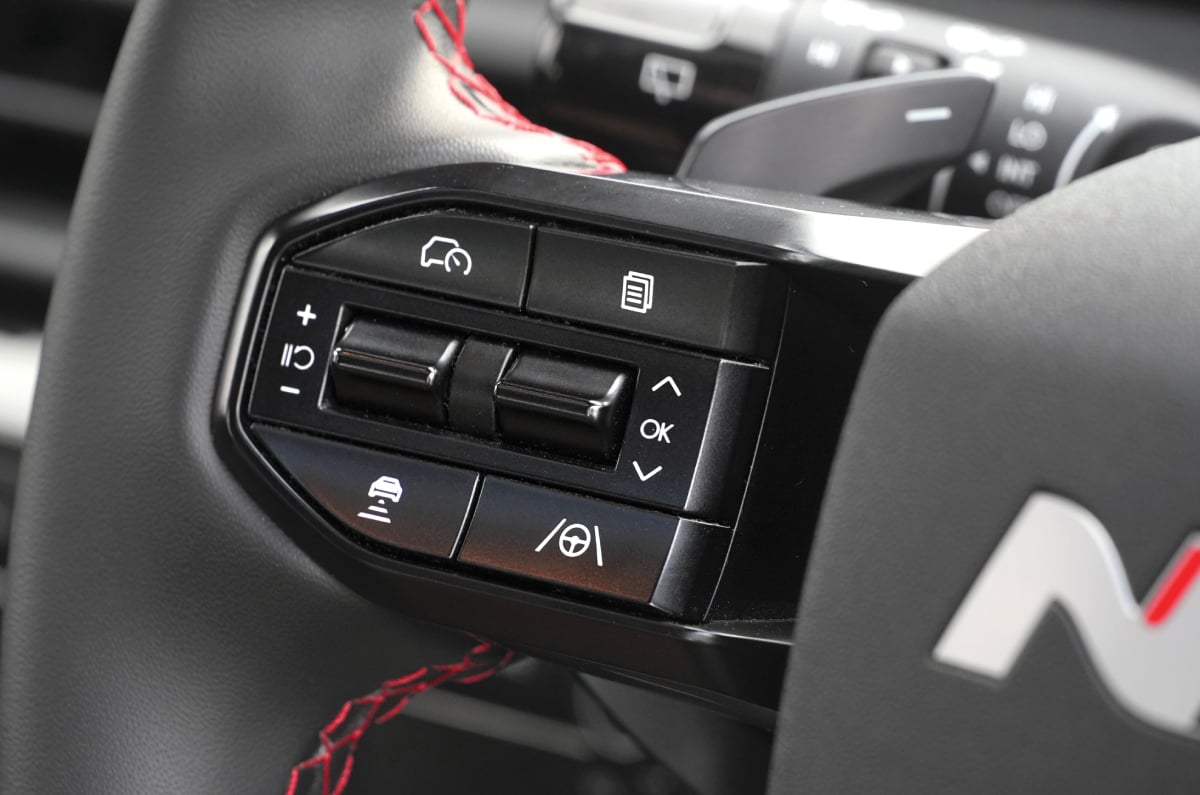
Once behind the wheel of the Venue, engaging the ADAS is seamless. You need to be above 30kph and on a well-lined road. To engage the system, you have to zoom into the left spoke of the steering wheel. Here you find the four buttons that help activate and operate the system. The first activates the Smart Cruise Control, the second allows you to increase or decrease the speed you want to run at, the third helps you set the desired safe distance to the car ahead and the fourth activates Lane Keep Assist (LKA).
Tyre pressure essential here too.
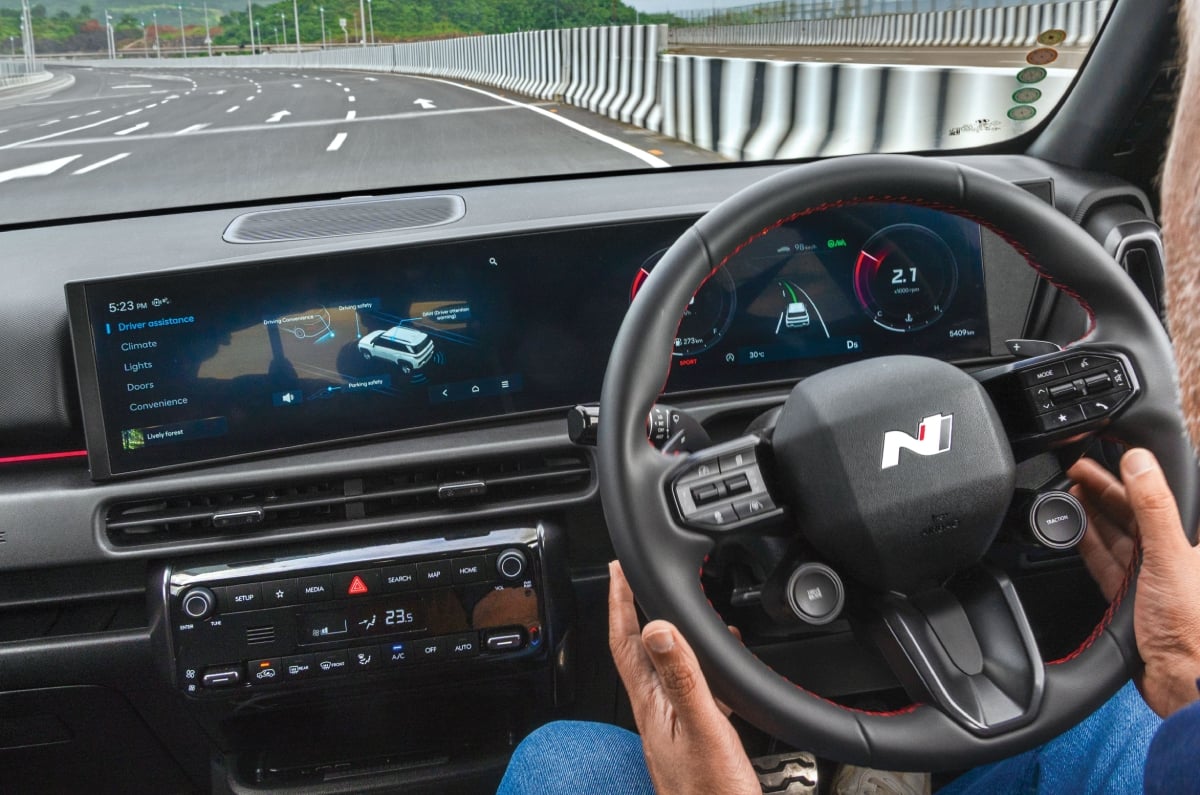
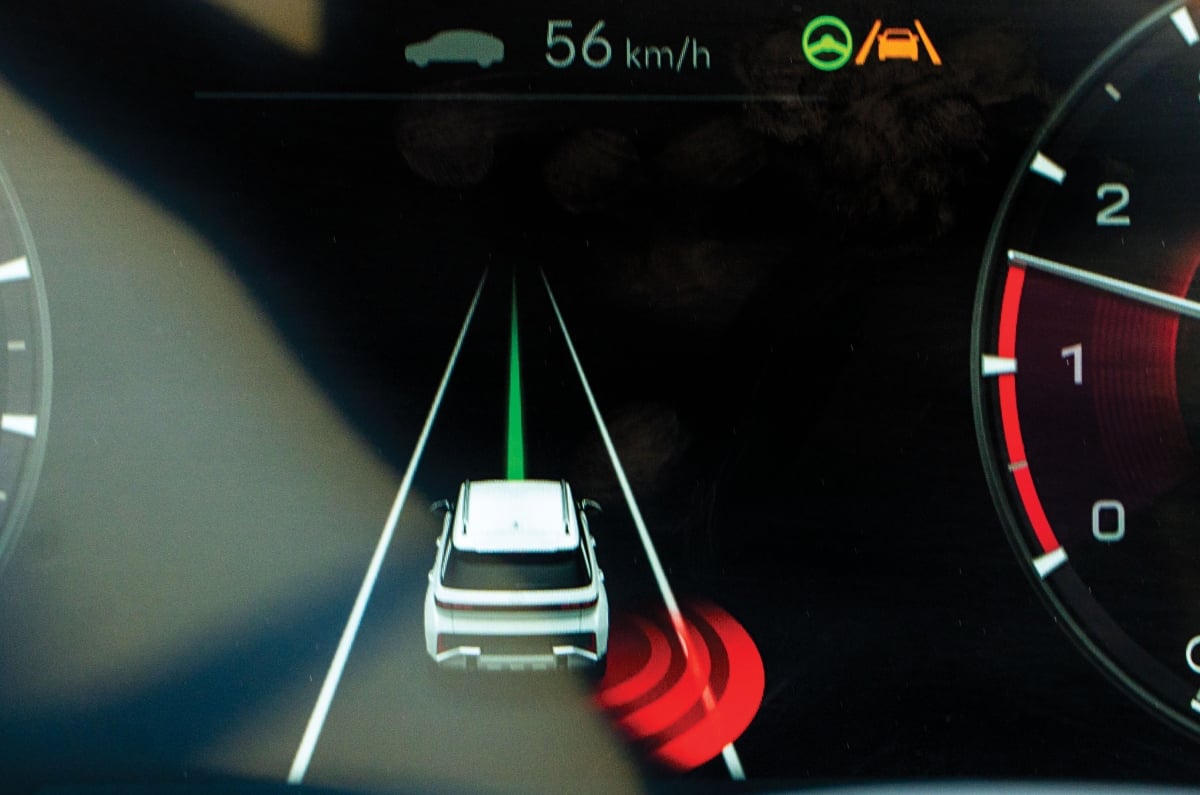
Activating LKA for me comes first, and you do this when you are running in a lane on a well-marked road. You know the system is engaged when the green steering icon lights up on the instrument panel and the car icon shows it running between the lines. Then you engage the smart cruise control and set the speed you want to run at, stepping off the accelerator simultaneously. The display on the instrument cluster lights up with the speed set, and you also get a horizontal bar showing the distance to the car ahead; which can be adjusted by the button with the distance icon.
Unseen by the driver and passengers in the car, the camera immediately begins scanning lane markings, and radar modules measure the distance to the vehicle ahead. The steering wheel then nudges itself gently to follow curves, while the throttle and brakes modulate to maintain speed and distance. The system makes split‑second decisions to help keep you out of harm’s way.
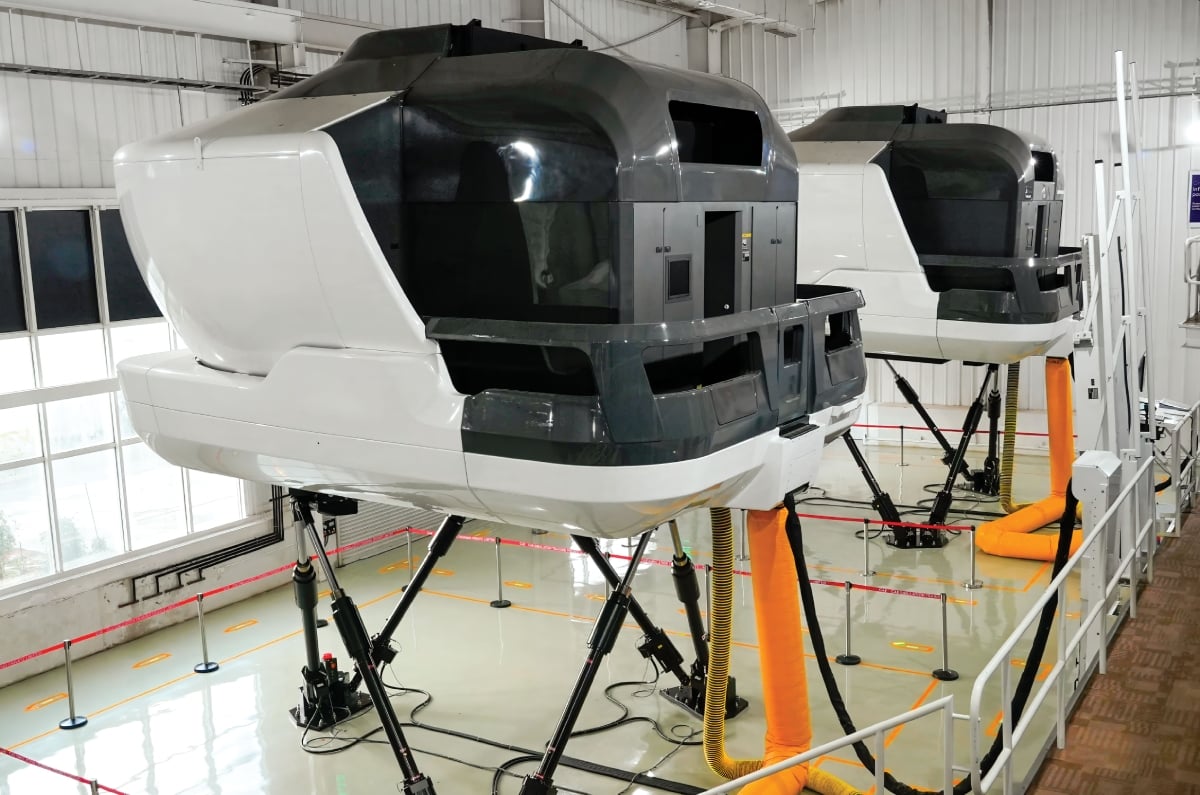
We took the assistance of the full-fledged 737 Max simulator that pilots train on to help us understand the systems better.
Climbing into the Akasa Boeing 737 Max cockpit is an immediate sensory overload. Hundreds of buttons, switches, levers and dials just overwhelm you. They are ahead of you, to your left, your right, and even above. There are, in fact, so many switches, buttons and dials above, I have to duck-walk in. And I’m not exactly Joel Garner or Kareem Abdul-Jabbar. Once seated, I slide the seat to the left and forward by depressing a lever, no powered seats here. And forget about comparing screen size, this is a proper ‘glass cockpit’ with wall-to-wall screens. My feet rest on the pedals that work the rudder in the tail, and ahead of me is Boeing’s famous yoke; unlike a regular joystick, you bank by turning the semi-circular bit of the ‘wheel’.
In contrast to our chaotic driving environment, the autopilot in the 737 Max operates on different principles. The environment is structured and regulated. There are no sudden jaywalkers or rogue bikers at thirty‑five thousand feet. So, unlike the Venue, the 737 doesn’t use optical cameras to see where it’s going. It doesn’t need to look for lanes or lines at 800kph. Instead, it relies on a combination of GPS, Inertial Reference Systems, antennas and sensors in the aircraft’s nose and cheek to get a fix on the exact heading, speed and altitude.
Driver’s display shows detailed ADAS information.
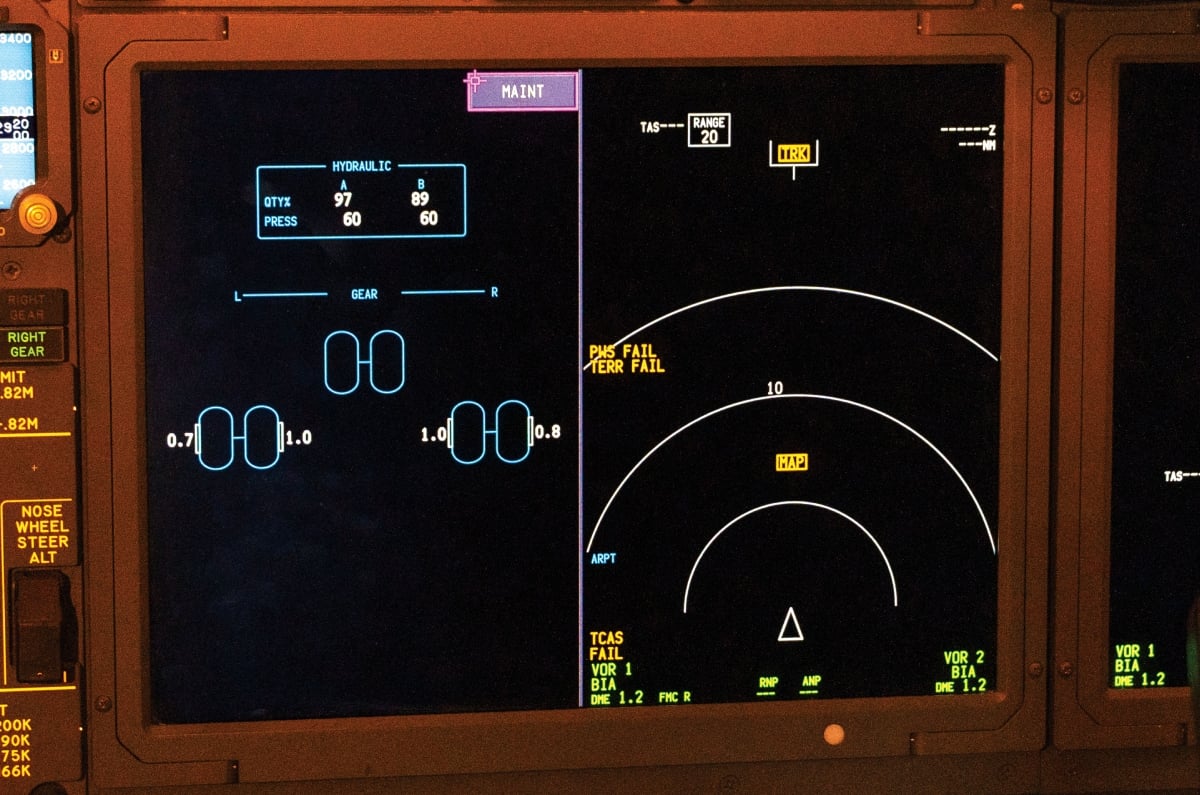
After taking a good look at the real cockpit and understanding some of the controls that help initiate the autopilot sequence, we shift to a full-scale moving platform simulator used to train airline pilots around the world. The cockpit is identical, down to the last detail, and here we have Captain Sanaya Chothia to help us conduct a simulated flight. Can’t help noticing, the 737 also has a tyre pressure monitor; of course, it does.
First up, a full-bore take off in the sim, Capt. Sanaya working the rudder pedals to keep the aircraft running down the centre line. Wow, this feels real, the sound, the visuals, the motion all combined. What a thing! After climbing out, we take a quick look at the sequence used to initiate the autopilot, most of the steps done on the long horizontal panel that sits between the pilots, directly in their line of vision. The first step involves checking if the auto throttle is engaged, and then all the pilot needs to do is press a single button on the autopilot panel. Unlike ADAS, the route the aircraft has to take is already pre-programmed into the navigation computer, a fairly long and detailed process. The speed, the height, the course, the heading, everything. And the autopilot just follows this.
The buttons that initiate ADAS are all placed here.
Once the system is initiated, the throttles move on their own, adjusting thrust; the yoke makes deliberate corrections and the screens display the aircraft banking smoothly along its GPS track. As the flight progresses, pilots can keep the aircraft on autopilot and make plenty of alterations to the route, either to avoid weather, get a more direct route or as directed by Air Traffic Control. There are knobs on the panel to alter course, speed, heading and altitude, with even the rate of descent and ascent adjustable.
We even execute an autoland, where the aircraft lands itself. The Instrument Landing System frequency is first inputted into the Multi-Mode navigation panel, the final approach course is set for the runway on the Mode Control or autopilot panel (272 for runway 27 in this case), and then the APP or approach mode is selected once the aircraft is positioned correctly. Doing this arms the localiser and glideslope systems that, as we’ve mentioned earlier, have their sensors in the nose cone. Seeing the aircraft adjust, manoeuvre, manage its path, height and distance, and land itself is an eye-opener. What an incredible piece of technology!
Level 2 ADAS on the Hyundai Venue N Line integrates data from all its sensors for a smooth, seamless drive.
What’s fascinating is that both systems have boundaries. In aviation, autopilot is trusted to fly for hours, even land. Pilots monitor, manage and intervene when necessary, but the system is designed to shoulder the bulk of the workload. Take offs, however, are always manual. In cars, ADAS is an assistant with a much narrower scope. It reduces fatigue, takes a load off the driver and adds a safety net, but ultimately the driver is always on call at short notice and is the one in control.
Sharing the workload
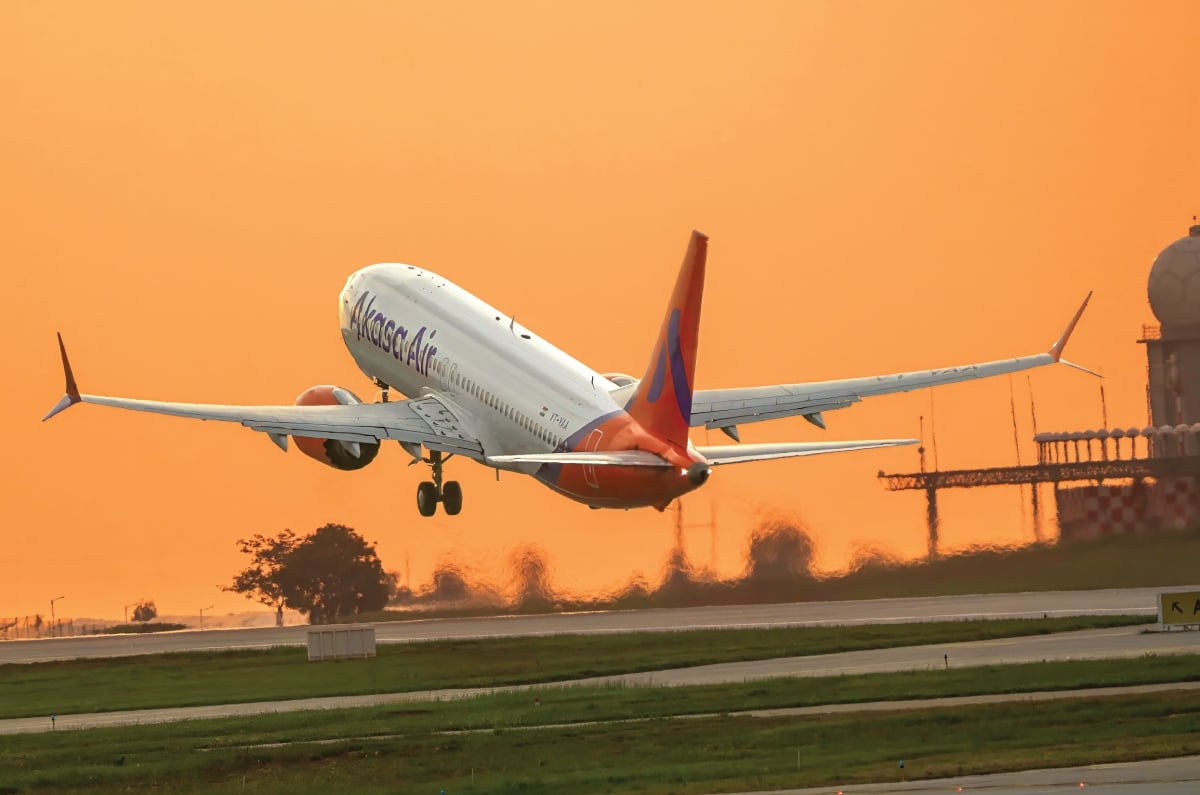
Modern aircraft like this Akasa 737 Max can get onto autopilot soon after take off.
Similar in execution but very different in how they function, ADAS and Autopilot both overlap but also exist in isolation. One is designed to keep you from bumping into a hatchback on the Western Express Highway, while the other is designed to guide an 80-tonne metal tube across oceans. Both are glimpses into a future where machines will shoulder more of the burden of control and blow us away with the technology on offer. But for now, if you step into an aircraft, know that while autopilot may be doing a bulk of the flying, a pilot is always watching, and when you engage ADAS to ease your commute, keep your eyes on the road, your hands on the wheel.
DDA Housing Scheme in Delhi: दिल्ली विकास प्राधिकरण यानी DDA ने राष्ट्रीय राजधानी में घर खरीदने की योजना बना रहे लोगों के लिए एक नई स्कीम शुरू की है। ‘जनता आवास योजना फेज-2’ के तहत 209 EWS फ़्लैट्स के लिए आवेदन शुरू हो गए हैं। इन फ़्लैट्स की कीमत लगभग ₹34.86 लाख से 35.50 लाख रुपये के बीच है। हालांकि, बेस प्राइस के अलावा GST और दूसरे लागू होने वाले चार्ज भी लग सकते हैं। इसलिए, आवेदन करने से पहले कुल लागत और स्कीम की शर्तों को समझना जरूरी है। आइए जानते हैं कि यह योजना क्या है और इसकी शर्तें क्या हैं।
कहां मिलेंगे ये फ्लैट
DDA की यह योजना दिल्ली के रोहतक रोड इलाके में झाखिरा फ्लाईओवर के पास स्थित प्रगति-1 ग्रुप हाउसिंग प्रोजेक्ट से जुड़ी है। इस योजना के तहत EWS कैटेगरी के कुल 209 फ्लैट्स उपलब्ध कराए जा रहे हैं। फ्लैट लेने के इच्छुक लोगों को आवेदन करने से पहले लोकेशन और प्रोजेक्ट से जुड़ी जानकारी भी देख लेनी चाहिए।
फ्लैट की कीमत क्या है?
इन फ्लैट्स की कीमत लगभग ₹34.86 लाख से 35.50 लाख रुपये के बीच बताई जा रही है। यह कीमत फ्लैट के हिसाब से अलग-अलग हो सकती है। इसके अलावा, GST और दूसरे लागू होने वाले चार्ज भी देने पड़ सकते हैं। इसलिए, खरीदारों को सिर्फ बेस प्राइस के आधार पर अपना बजट तय नहीं करना चाहिए कुल लागत का हिसाब लगाना जरूरी है।
कौन कर सकता है आवेदन
इस योजना में आवेदन के लिए आवेदक की उम्र कम से कम 18 साल होनी चाहिए। आवेदक का भारतीय नागरिक होना जरूरी है। योजना EWS कैटेगरी के लिए है, इसलिए परिवार की सालाना आय 10 लाख रुपये से ज्यादा नहीं होनी चाहिए।आवेदन के लिए PAN कार्ड और अपने नाम का बैंक अकाउंट होना भी जरूरी है। इसके अलावा पात्रता से जुड़े जरूरी दस्तावेज और आय प्रमाण से संबंधित शर्तों को पूरा करना होगा।
आवेदन शुल्क कितना है?
इस DDA स्कीम के लिए आवेदन करने हेतु ₹2,500 का रजिस्ट्रेशन शुल्क आवश्यक है। यह शुल्क वापस नहीं किया जाएगा। इसलिए, आवेदन करने से पहले अपनी पात्रता और दस्तावेजों की जांच करना आवश्यक है।
कैसे होगा फ्लैट का आवंटन?
इन फ्लैट्स का आवंटन ‘पहले आओ-पहले पाओ’ के आधार पर नहीं होगा। योग्य आवेदकों के बीच कंप्यूटराइज्ड ड्रॉ के जरिए फ्लैट का आवंटन किया जाएगा। इसका मतलब है कि आवेदन करने मात्र से फ्लैट मिलना तय नहीं है। पात्र आवेदकों में से ड्रॉ के जरिए चयन किया जाएगा।
आय प्रमाणपत्र की तारीख भी जरूरी
आवेदकों को आय और EWS स्टेटस से जुड़े दस्तावेजों की तारीखों पर भी ध्यान देना चाहिए। इस स्कीम के तहत, आय या EWS सर्टिफिकेट 7 दिसंबर, 2026 को या उससे पहले जारी किया गया होना चाहिए। इसलिए, पुराने या गलत तारीख वाले दस्तावेज़ों के साथ आवेदन करने से पहले स्कीम की शर्तों और नियमों को ध्यान से पढ़ना जरूरी है।
आवेदन से पहले इन बातों का रखें ध्यान
अगर आप इस स्कीम के तहत अप्लाई करने के बारे में सोच रहे हैं, तो सिर्फ फ्लैट की कीमत के आधार पर ही फैसला न करें। सबसे पहले GST और दूसरे लागू होने वाले चार्ज समेत कुल लागत को समझें। इसके अलावा, सालाना पारिवारिक आय, उम्र, PAN, बैंक अकाउंट की जानकारी और EWS कैटेगरी से जुड़े डॉक्युमेंट्स के मामले में अपनी पात्रता (eligibility) की जांच कर लें।
DDA ने अप्लाई करने की प्रक्रिया को ऑनलाइन कर दिया है। इच्छुक आवेदक DDA की ऑफिशियल वेबसाइट और संबंधित ई-सर्विसेज के जरिए स्कीम के बारे में पूरी जानकारी पा सकते हैं और अपना एप्लीकेशन जमा कर सकते हैं। अप्लाई करने से पहले नियम और शर्तें पढ़ना जरूरी है, क्योंकि पात्रता की शर्तों को पूरा न करने या जरूरी डॉक्युमेंट्स न होने पर आपके एप्लीकेशन पर बुरा असर पड़ सकता है।