
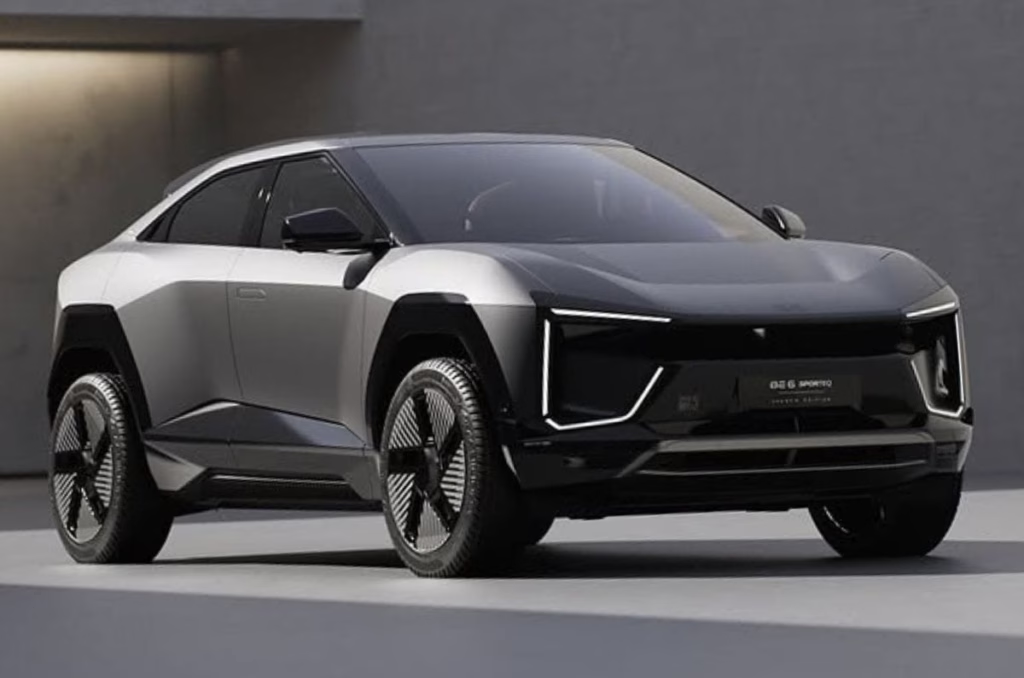
6 updates Mahindra BE 6 Sporteq gets over its predecessor

6 updates Mahindra BE 6 Sporteq gets over its predecessor
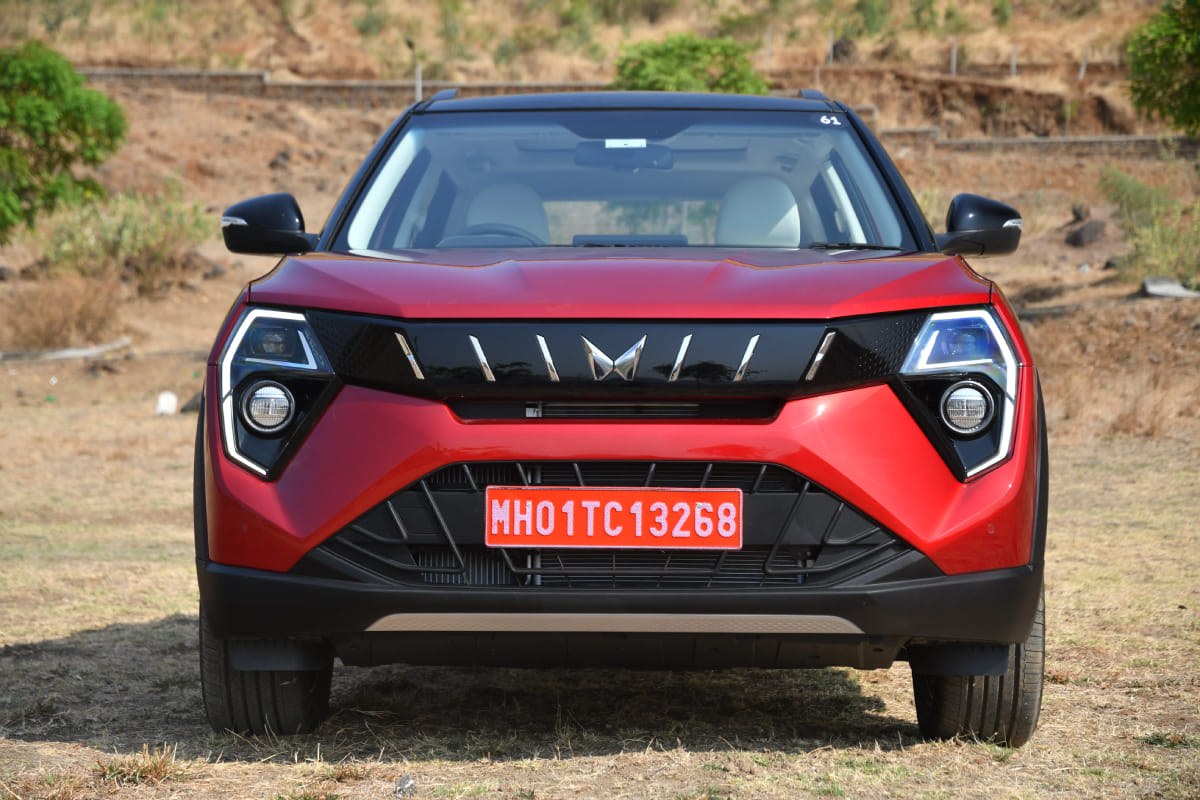
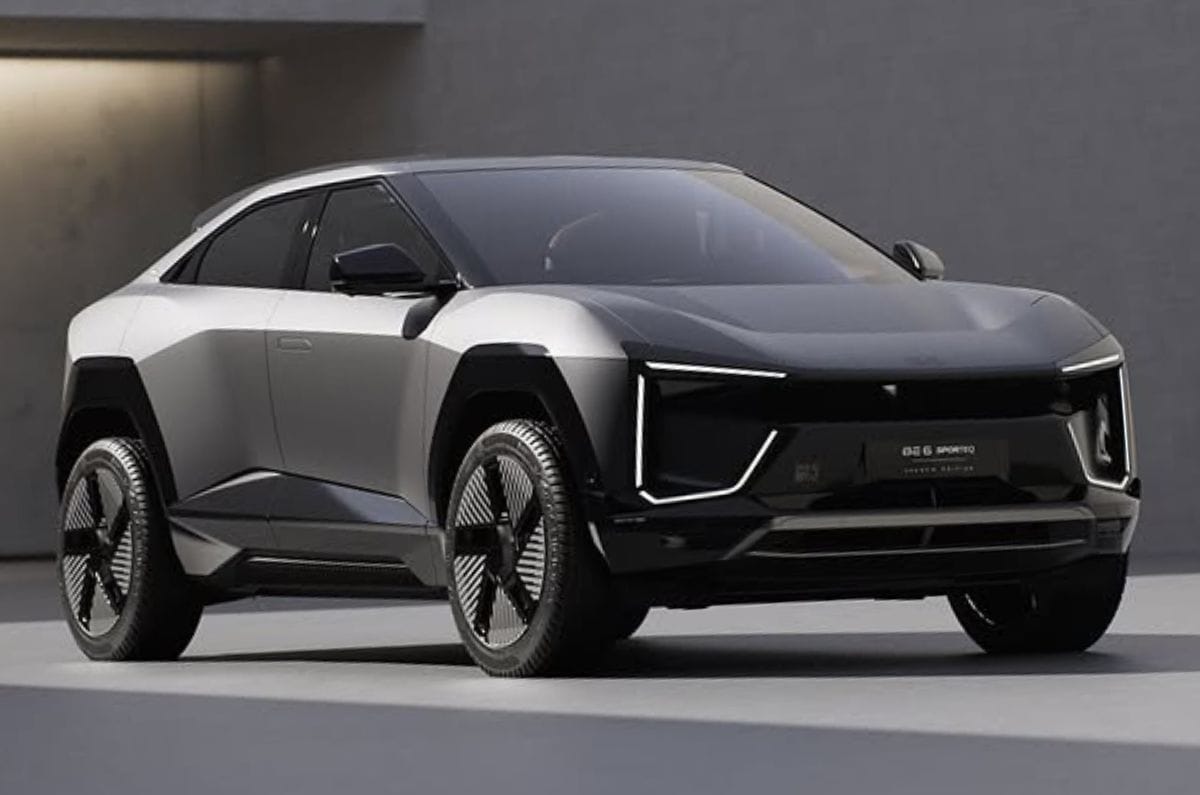
2026 Mahindra BE 6 Sporteq front quarter static

Mahindra launched the 2026 BE 6 recently, adding the ‘Sporteq’ moniker and pricing it from Rs 19.45 lakh to Rs 26.95 lakh (ex-showroom). Along with a new name, Mahindra has also introduced some updates to the midsize electric SUV to keep it modern in the segment. Here’s a detailed list of these updates:

New 70kWh battery pack

New battery pack offers 651km range and is mated to a 241hp rear motor
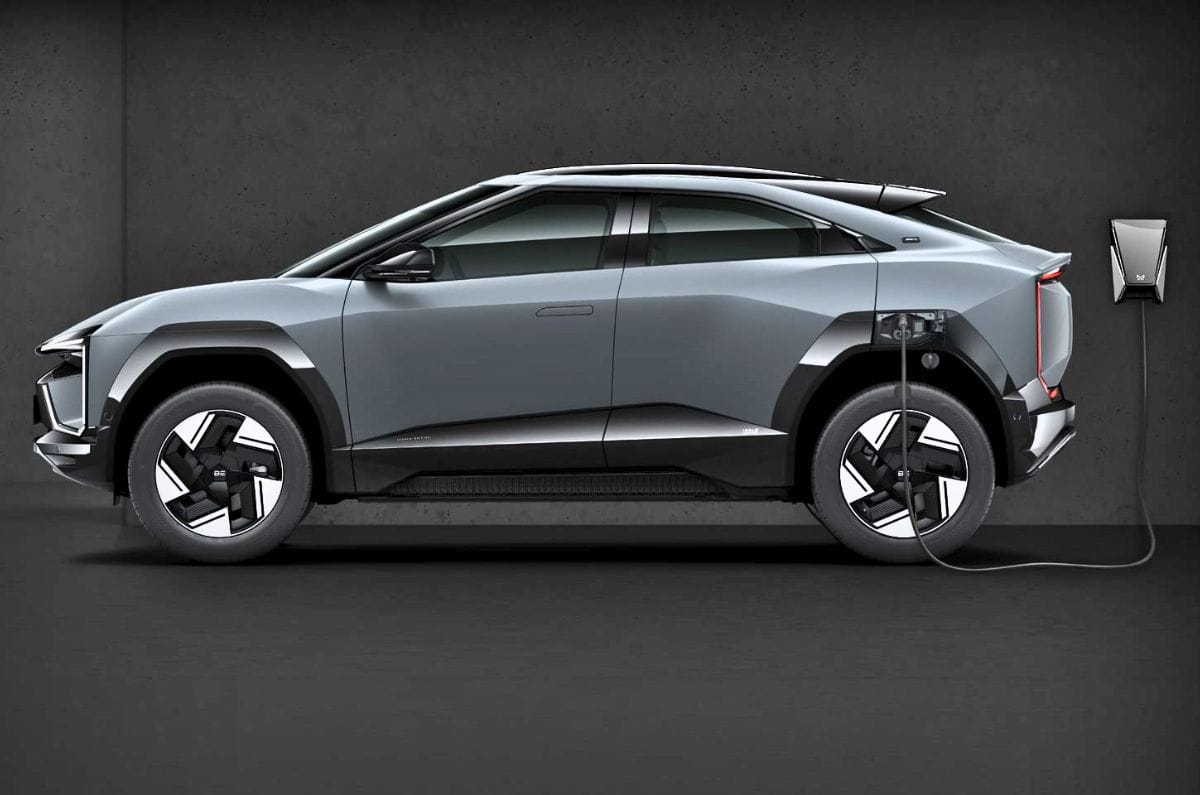
The 2026 Mahindra BE 6 Sporteq gets a new 70kWh battery pack in addition to the previously available 59kWh and 79kWh batteries. This new 70kWh battery offers an ARAI-claimed range of 651km and a rear-axle-mounted (RWD) electric motor that produces 241hp and 360Nm. It supports a 7.2kW AC, a 11.2kW AC and a 160kW DC charger. The DC fast charger recharges the battery pack from 20-80 percent in a claimed 20 minutes.

Mahindra is offering the 70kWh battery with the Three and Three+ trims, priced at Rs 22.95 lakh and Rs 23.95 lakh, respectively (ex-showroom). 

Battery-as-a-Service (BaaS) scheme

Battery rental scheme makes the 59kWh battery variants Rs 8 lakh more affordable

Along with a new battery, Mahindra is also offering the BE 6 with a battery-as-a-service (BaaS) scheme, which is also a first for the brand. However, the BaaS scheme is offered only with the 59kWh battery pack available in the One and Two trims. The battery rental scheme essentially lowers the BE 6’s initial price by Rs 8 lakh, but requires a monthly subscription fee for the battery. Here are the details:

Mahindra BE 6 battery-as-a-service (BaaS) price vs standard price


Standard price

BaaS price*

Difference^

One

Rs 19.45 lakh

Rs 11.45 lakh + Rs 3.75/km

– Rs 8 lakh

Two

Rs 20.95 lakh

Rs 12.95 lakh + Rs 3.75/km

– Rs 8 lakh

Notes: BaaS scheme requires a minimum monthly payment of Rs 6,750, calculated assuming usage of 60km per day and an 8-year battery loan, as per Mahindra’s terms and conditions. The price difference calculated above is on the initial price and does not include the BaaS scheme’s battery subscription charges.

Triple-screen setup on dashboard

Offers an additional third screen for the front passenger now
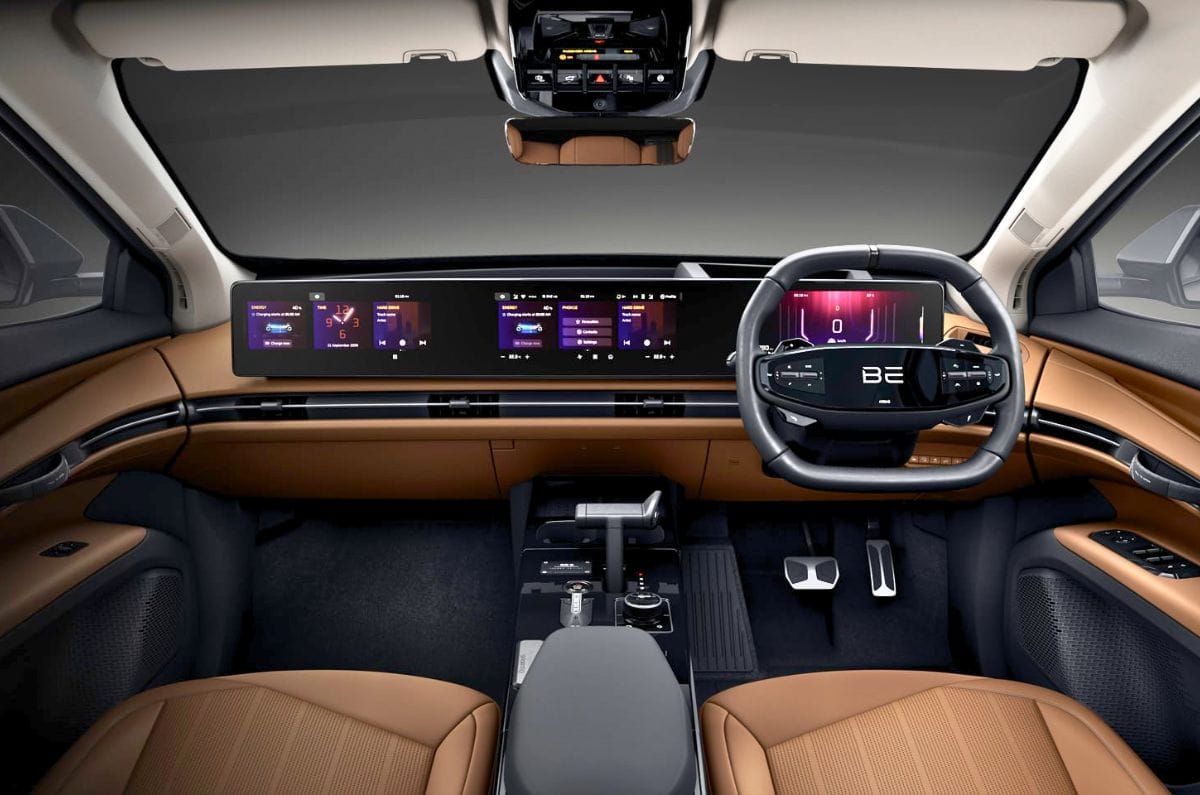
The 2026 update also brought a major redesign to the BE 6’s dashboard, now offered with an additional 12.30-inch screen for the front passenger, in addition to the similarly sized digital driver’s display and touchscreen infotainment system. The new front passenger display also removed the halo-like design element connecting the dashboard to the centre console, allowing the addition of two cupholders on the centre console, something that was sorely missing on the older model.

Mahindra is offering a triple-screen setup on all trims of the BE 6 Sporteq except the base-spec One and the sportier Formula E editions. 

Redesigned Formula E edition

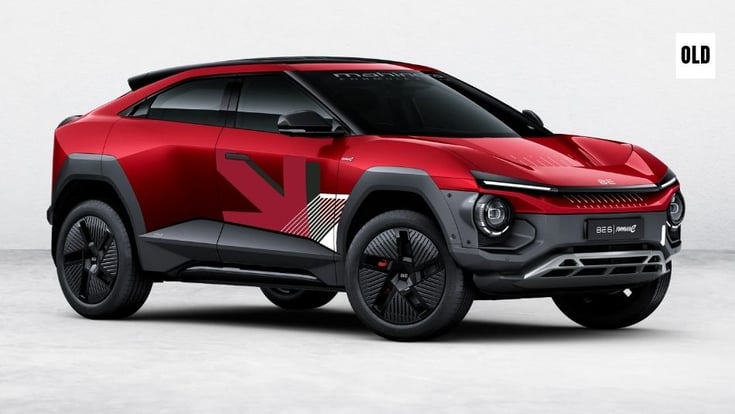
The 2026 Formula E Freedom looks nothing like the older Formula E edition
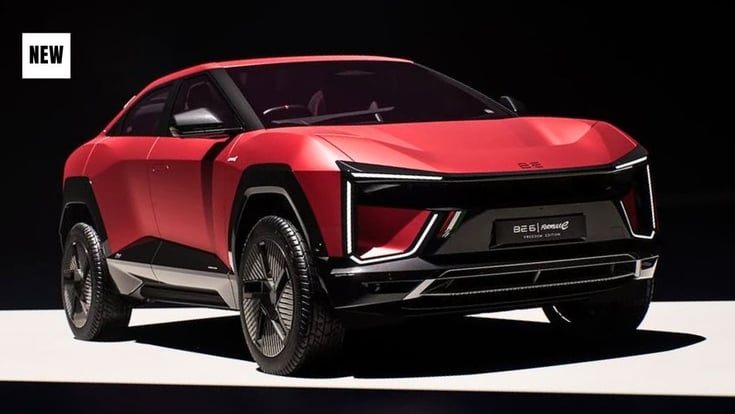
2026 Mahindra BE 6 Formula E Freedom Edition
2026 Mahindra BE 6 Formula E Edition
 

With the 2026 update, Mahindra has also rejigged the exterior design of the Formula E edition. Unlike the previous model, which had a different fascia from the standard model with circular-shaped LED headlights and a revised bumper, the 2026 Formula E Freedom edition gets the same design as the standard BE 6 Sporteq, with some Formula E badges and FIA decals. Moreover, the Formula E edition is only offered with the older model’s dual-screen dashboard and a halo design element for a sporty appeal.
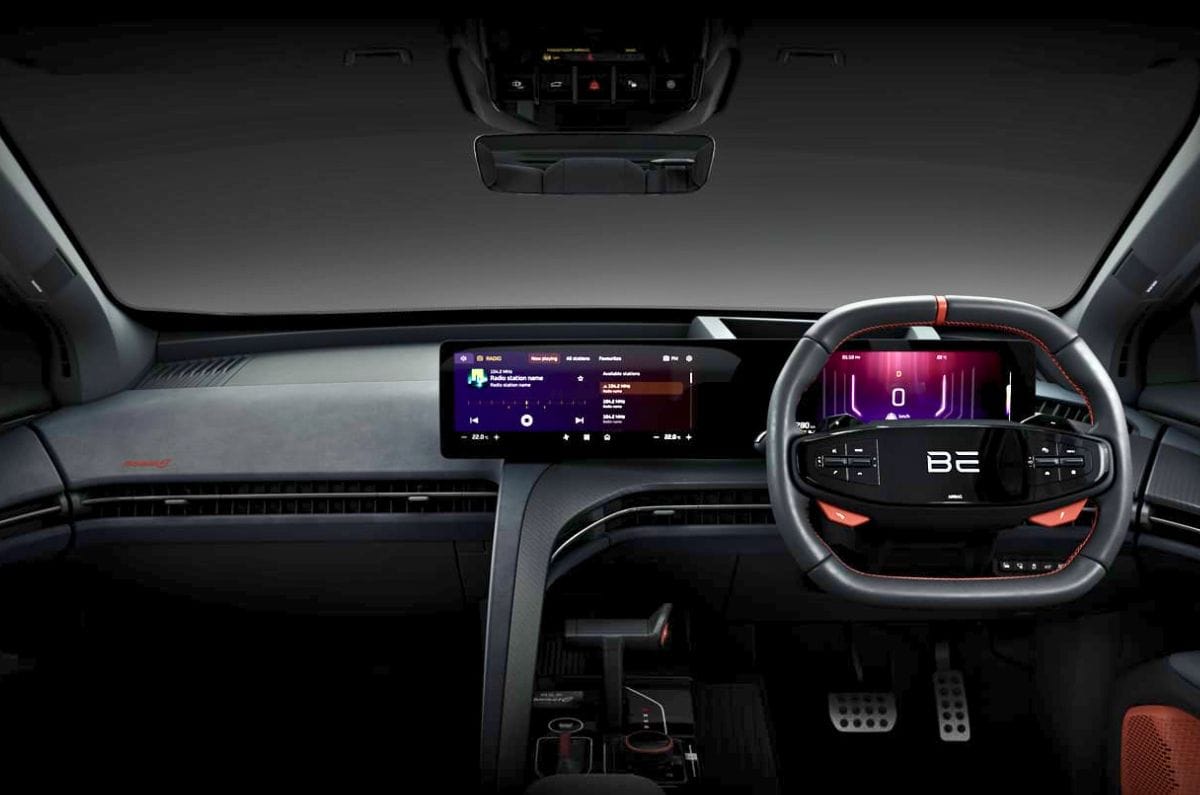
Mahindra is offering the 2026 Formula E edition at the Three and Four trim levels, priced at Rs 24.45 lakh and Rs 26.95 lakh, respectively (ex-showroom).

Fresh exterior and interior colours

Both the BE 6 Sporteq and Formula E edition get new colour themes
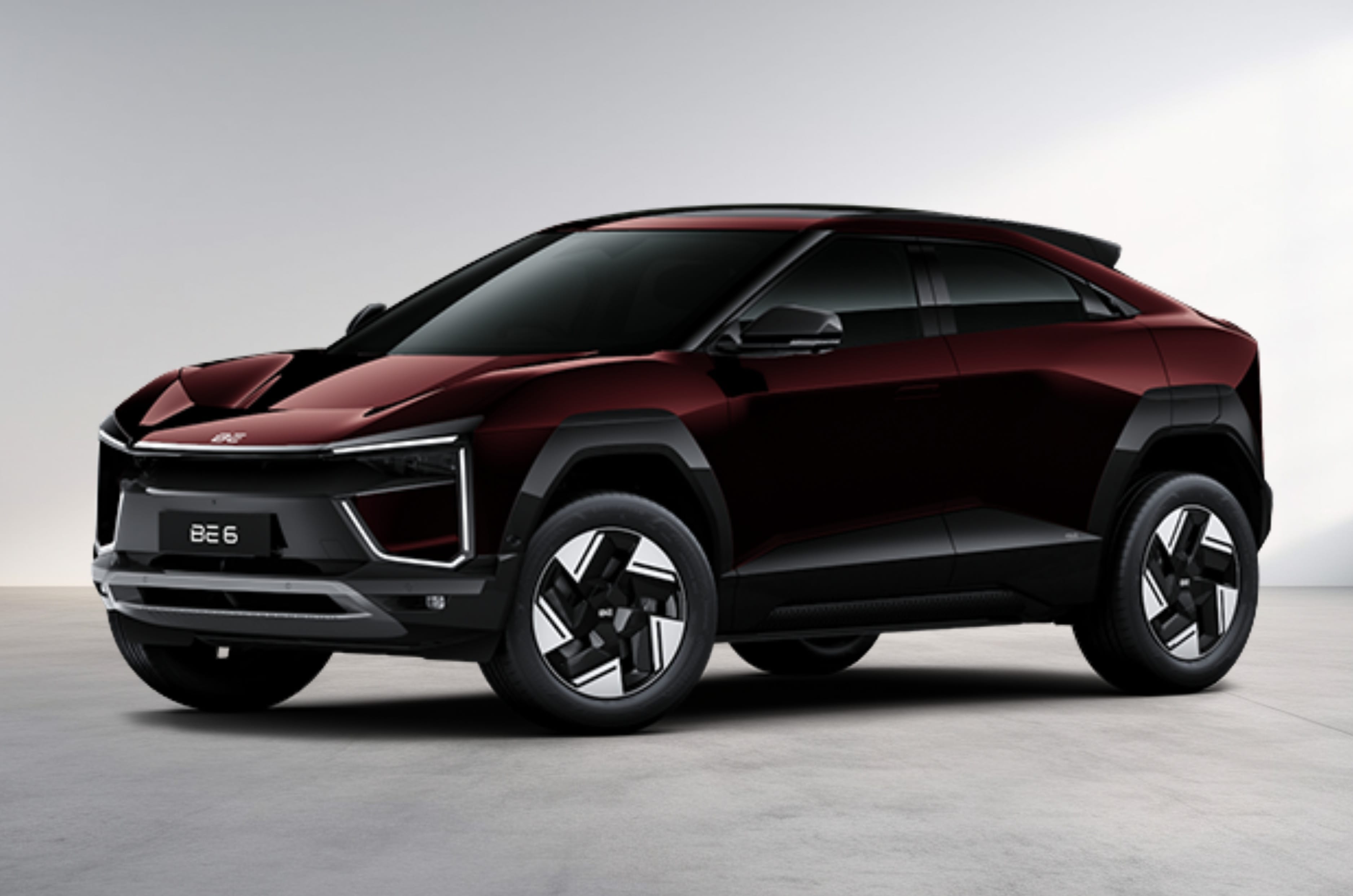
Mahindra BE 6 Sporteq Ruby Velvet exterior colour.

The 2026 Mahindra BE 6 Sporteq is being offered with fresh exterior and interior colour options. It is available in a new ‘Ruby Red’ exterior theme and new Racing Tan and Black interior hues for the Two, Three, Three+ and Four trims. The base-spec One is offered with the same Sage Green and Grey theme as before. A Sporteq Launch Edition, based on the fully loaded Four trim, is also available, which offers a new Graphite Storm exterior paint and Racing Tan interior theme. 
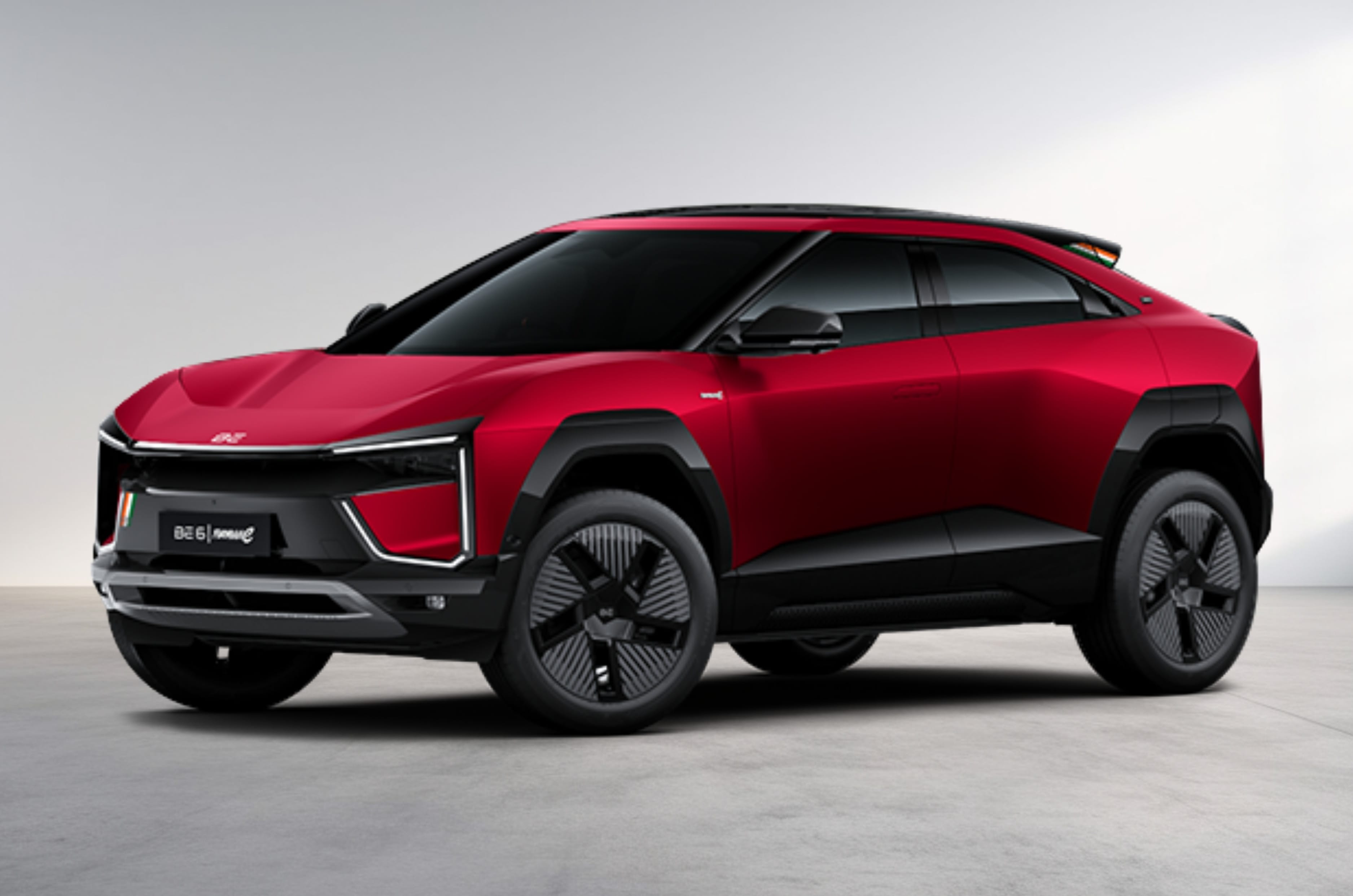
Mahindra BE 6 Formula E Freedom edition Rosso Impulso exterior colour.

While the 2026 BE 6 Formula E edition is offered with a new Rosso Impulso exterior hue, the all-black interior with orange elements for contrast is the same as the outgoing model.

New ‘TEQ’ suite

The suite enables Gemini-based interactions, unlocks additional drive modes and Revive functionalities

Another addition to the BE 6 Sporteq is the new ‘TEQ’ suite, which Mahindra says is designed to make the vehicle more intuitive, engaging, secure and responsive to individual customer needs. At its core is a Gemini-based AI conversation assistant that allows natural voice interactions for functions such as vehicle controls, navigation and music. The suite also introduces a Karaoke mode, along with support for Dolby Vision and Dolby Audio.
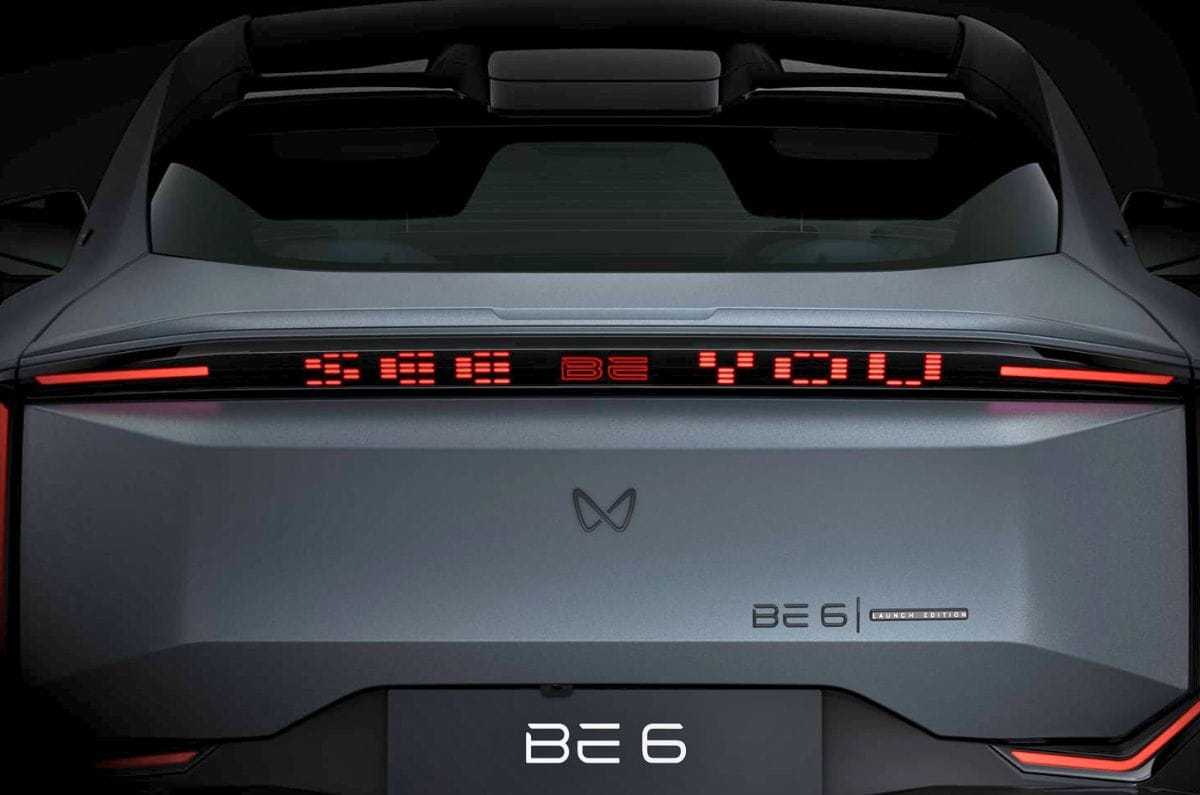
The TEQ suite also adds several performance and convenience features, including Custom Drive Mode, Drift Mode and an acceleration boost mode for the Formula E Freedom Edition, which enables a claimed 0-100 kph time of 6.44 seconds. It also includes Revive and Revive SOS, which can provide additional range even after the battery has run out. Another new feature is ‘TEQ_xting’, which lets owners display personalised messages on the vehicle’s tailgate.

The Mahindra BE 6 Sporteq is priced from Rs 19.45 lakh to Rs 26.95 lakh (ex-showroom), and it rivals the Hyundai Creta Electric, Tata Sierra EV, Tata Curvv EV, MG ZS EV, Maruti Suzuki e Vitara and Toyota Ebella.

Prices are ex-showroom, India, and do not include a wall charger or its installation cost.
Opinion: Why India needs a small car assault

Opinion: Why India needs a small car assault
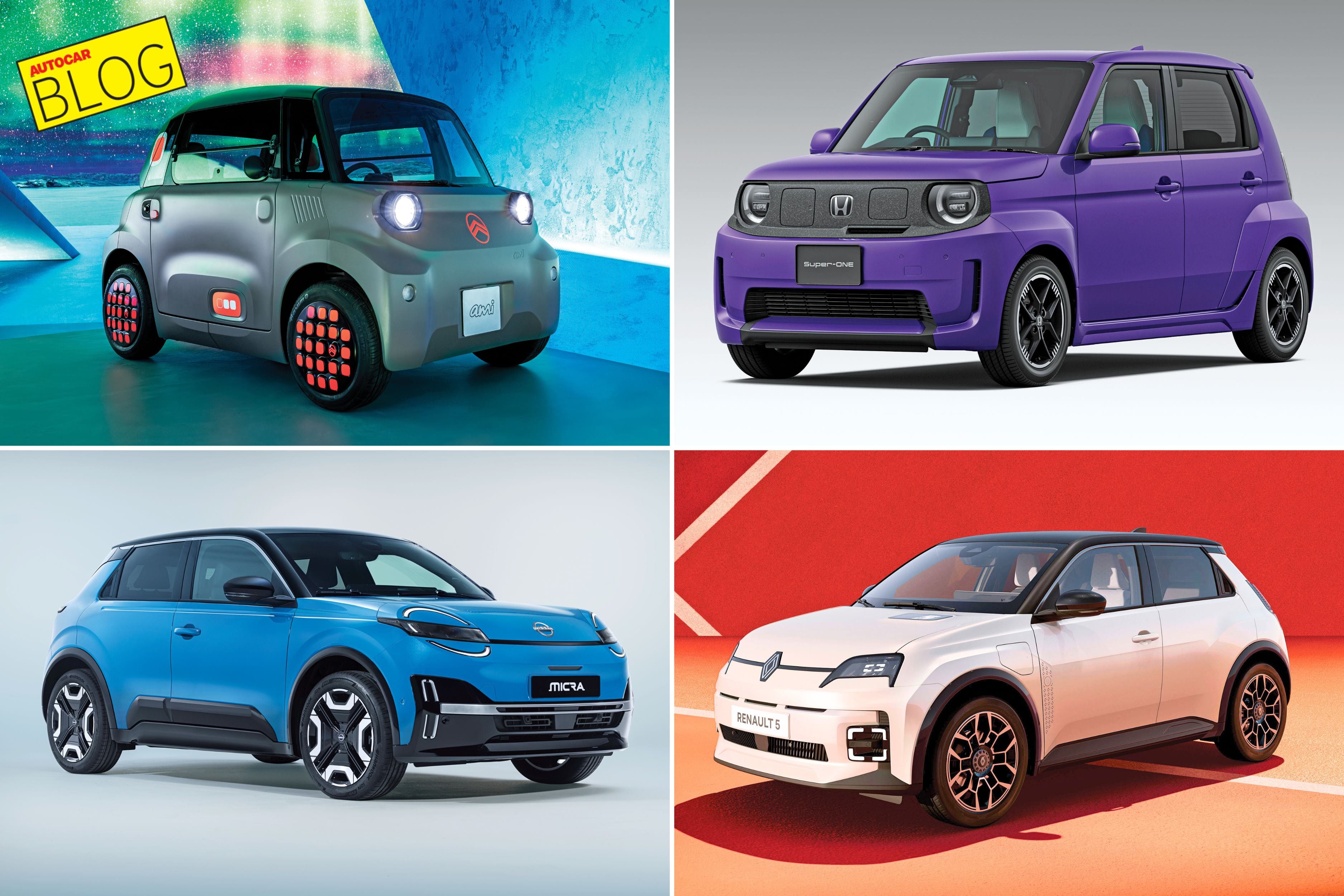
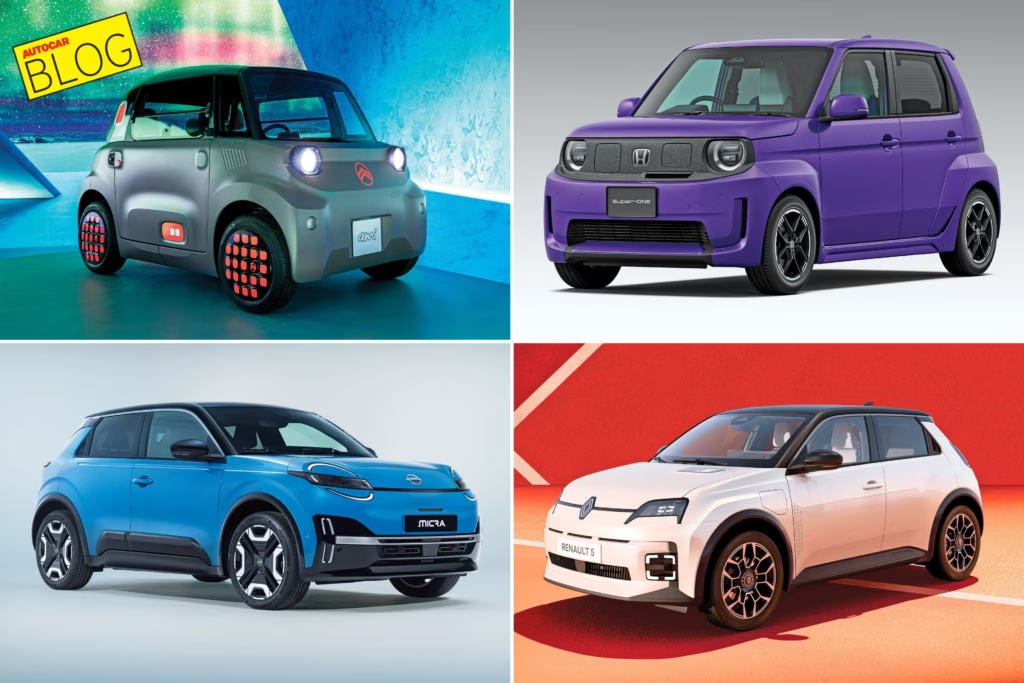
Citroen AMI, Honda Super N, Renault 5, Nissan Micra.

The CAFE 3 norms are just eight months away. Things will certainly get tighter and tougher for automakers, in terms of upping the number of clean power options as well as light-weighting their current brawn-ish SUVs. If one has to bring a 30 percent reduction in fleet-average performance and move from MIDC to WLTP test results, an automaker has very little leeway in terms of just about making it. 

As a product planner, I would seriously take this as an opportunity to bring the focus back onto the entry-level small car. In fact, all product planners should be doing the same, irrespective of what your current portfolio is. The policymakers are sending out a clear message to the Indian automobile industry – relook and revive the small car, for you have neglected it for quite some time now!

And why not? It’s not just for developing markets; look at the developed world too. The otherwise ostentatious European is seriously evaluating the small car once again. Even the more aware and conscious American is. Japan has always been a ready reference for all. Tomorrow’s car buyer is going frugal and smart once again. Going back to the basics. Without compromising on comfort and features. And the automakers have prepared themselves for such times. Some started almost a decade ago, with varying outcomes, but the efforts have been commendable and great teachers on how to approach the future. 

The Citroën Ami. The Fiat Topolino and Multiplina. The Renault 5 and its hot hatchback cousin, the Alpine A290. The Nissan Micra. The Smart For2. The Honda Super N. The Microlino and Microletta. And I have not even gone into what the Chinese have launched over the last 12 months. 

This is the attack of the “minors”. Electric. Power-packed. Feature-rich. Head-turning looks. Both microcars as well as conventional entry-level little runabouts. They are not cheap-looking, frugally engineered, cost-compromised, low-on-status offers that one never wants. They are clean, conscious and very cool. They cater to the sceptical youth and the wizened elder alike.

For years, Japan and Europe have been the homes of such cars. It is time India takes over that role. And it makes perfect business sense too. If we are to increase car penetration and grow the market to a size even half of that of China, given our consumption power, there is no other way but to make the entry-level car the hero of the script. Whether electric, CNG or hybrid. It is the responsibility of brands like Maruti Suzuki, Hyundai, Toyota, Tata and Honda to make this happen. Only then will we create a mature and sustainable market with a rich and robust pipeline of two-wheeler owners who will want to look up!

Indian carmakers had flagged concerns about E20 fuel contamination: Reuters

Indian carmakers had flagged concerns about E20 fuel contamination: Reuters

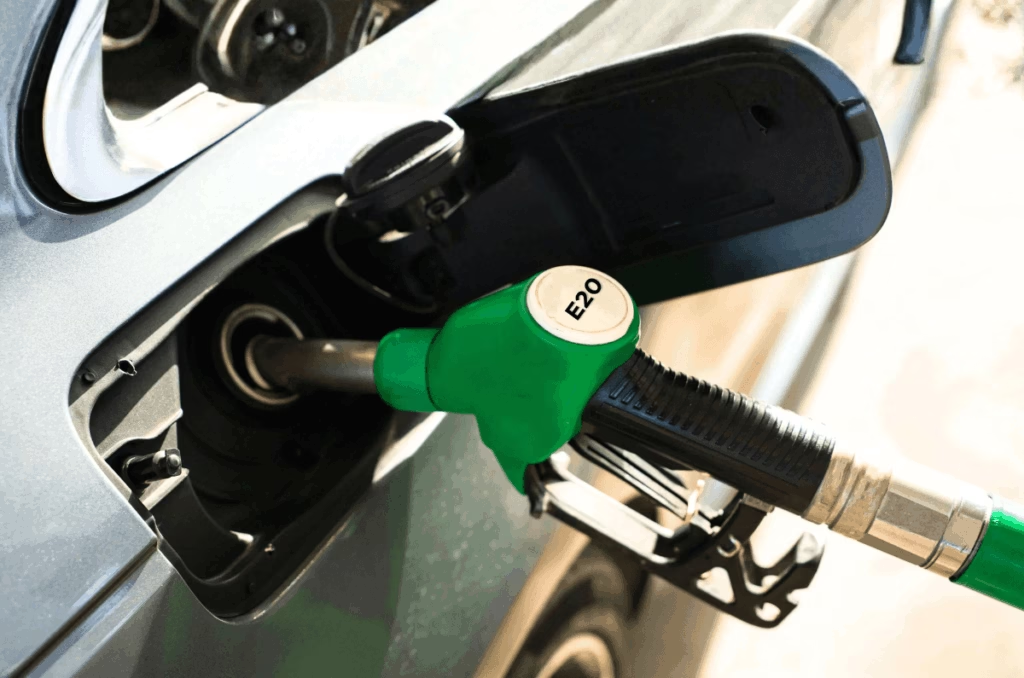
Earlier this month, several media reports said the Society of Indian Automobile Manufacturers (SIAM) had urged the government to introduce mandatory chloride limits in fuel standards after high levels of chloride and moisture were found in E20 petrol. SIAM later withdrew the communication, saying some of the figures mentioned in it needed further verification.

The government has been trying to address growing concerns around E20 with support from the industry. Oil marketing companies (OMCs) have rejected claims of widespread E20 fuel contamination after conducting tests across the country. Brands such as Toyota, Maruti Suzuki and Hero MotoCorp have also publicly backed the E20 programme.

However, separate communications between industry executives investigated by Reuters show that earlier, Maruti Suzuki, Tata Motors and Mahindra had privately raised concerns about contamination in E20. The data compiled by these carmakers was the most extensive fuel testing since E20 was officially rolled out nationwide last year. Their emails reveal that the carmakers were concerned about contaminants such as chloride and moisture in the fuel, which they said were affecting vehicles, even as they publicly supported the government’s E20 rollout.

Data flags high chloride contamination, moisture content

The data reviewed by Reuters shows that the three automobile manufacturers had carried out detailed testing by collecting more than 250 fuel samples from petrol pumps across 21 states and Union Territories over a year. The tests found high chloride levels in many samples from 18 states, along with high moisture content. Interestingly, the emails reviewed by Reuters did not raise any concerns about the authenticity of the data. 

StateNumber of samplesChloride (ppm)
Uttar Pradesh361.2-175
Maharashtra3110-357
Delhi/NCR281.4-420
Tamil Nadu271.3-24.0
Kerala241.0-2.2
Punjab201.9-110
Karnataka151- 2.2
Rajasthan146.0-570
Madhya Pradesh114.1-550

Source: SIAM via Reuters.

The data showed chloride levels of 6 to 570 parts per million (ppm) in Rajasthan, 1.4 to 420ppm in New Delhi and 10 to 357ppm in Maharashtra. The government’s permissible limit is 3ppm.

High chloride levels in the fuel can corrode vehicle components, while high moisture content can cause a vehicle to stop working immediately after refuelling, SIAM had stated earlier. In group emails exchanged between Maruti, Tata, Mahindra and SIAM, a senior Maruti executive raised concerns about the high chloride readings and said the matter had even been privately discussed with the Ministry of Petroleum on July 26.

Moisture levels found 333 percent above limit

Additionally, the same data showed moisture levels of up to 13,000ppm in Andhra Pradesh and 12,500ppm in Uttar Pradesh, against the government’s permissible limit of 3,000ppm. The exact cause of the contamination is not known. However, SIAM said in its now-withdrawn letter that it had seen an increase in chloride levels since E20 was introduced and asked the government to direct OMCs to identify the root cause.

When asked about the private emails, SIAM told Reuters that the data was meant only for internal circulation, discussion and validation, and had been collected by a very small number of automakers. SIAM added that the communication was withdrawn because the testing basis and sample size were not enough to support firm conclusions and that it had been sent accidentally. The organisation stated further that it plans to conduct a proper scientific study.

As for the high moisture levels, SIAM’s letter said the cause could be poor maintenance of underground storage tanks and pipelines at petrol pumps.

Carmakers raise concerns over vehicle failures

In a July 26 email, a senior Maruti official said that current fuel injectors can tolerate a maximum chloride level of 1ppm, and keeping it below 1ppm in E20 would be in accordance with international standards and discussions with the petroleum ministry. Same is in line with discussion held with the petroleum ministry, he stated.

Meanwhile, a senior Mahindra official wrote that organic chloride was responsible for the rapid vehicle failures in recent times and could damage engines just within 200km. The executive said that most cases reported immediately after refuelling were due to organic chloride and added that Mahindra had “strong evidences” from fuel samples collected at retail outlets. Mahindra later said the conclusions drawn from its executive’s emails were “completely baseless and incorrect”. The company said the industry data was limited and preliminary and that it did not see any issues with E20. 

What does the government say?

The Ministry of Petroleum and Natural Gas did not respond to requests for comment made by Reuters. Petroleum Minister Hardeep Singh Puri said on Friday that OMCs had started “rigorous testing” at retail outlets to check for contamination two weeks before SIAM’s letter was received. According to Puri, only four cases of contamination had been found. OMCs, as mentioned earlier, said that their extensive testing had found no reason for alarm over fuel contamination.

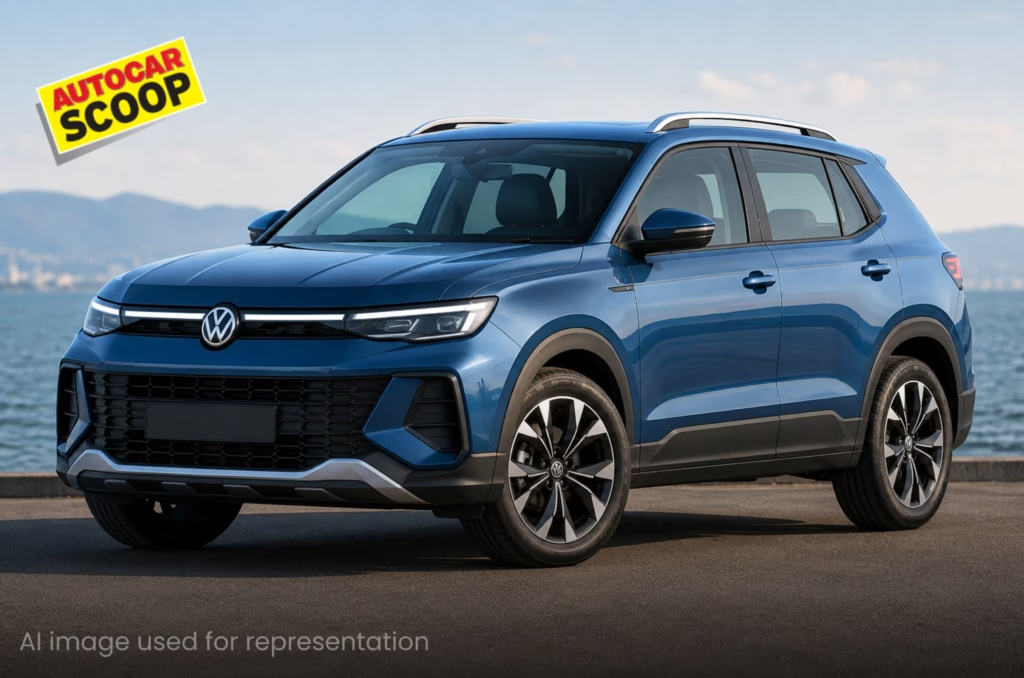
Volkswagen Kylaq-based compact SUV confirmed for India

Volkswagen Kylaq-based compact SUV confirmed for India
Volkswagen compact SUV India launch details

Volkswagen has been working on its version of the Skoda Kylaq, which we first reported on six months ago. Volkswagen India has now secured global approval for the project, which is estimated to cost around 25 million euros (Rs 275 crore). The green light paves the way for Volkswagen’s re-entry into India’s high-volume sub-four-metre vehicle market, which the brand had exited following the discontinuation of the Ameo compact sedan and Polo hatchback.

  1. VW compact SUV to share powertrain options with Kylaq 
  2. Differentiation will come in the form of design, features and positioning 
  3. Will mark VW’s return to the sub-4m space since the discontinuation of Polo 

Volkswagen compact SUV: what to expect?

The programme will mark an important step in a broader expansion of Volkswagen’s India portfolio, allowing the brand to reach customers in segments below the Taigun and Virtus.

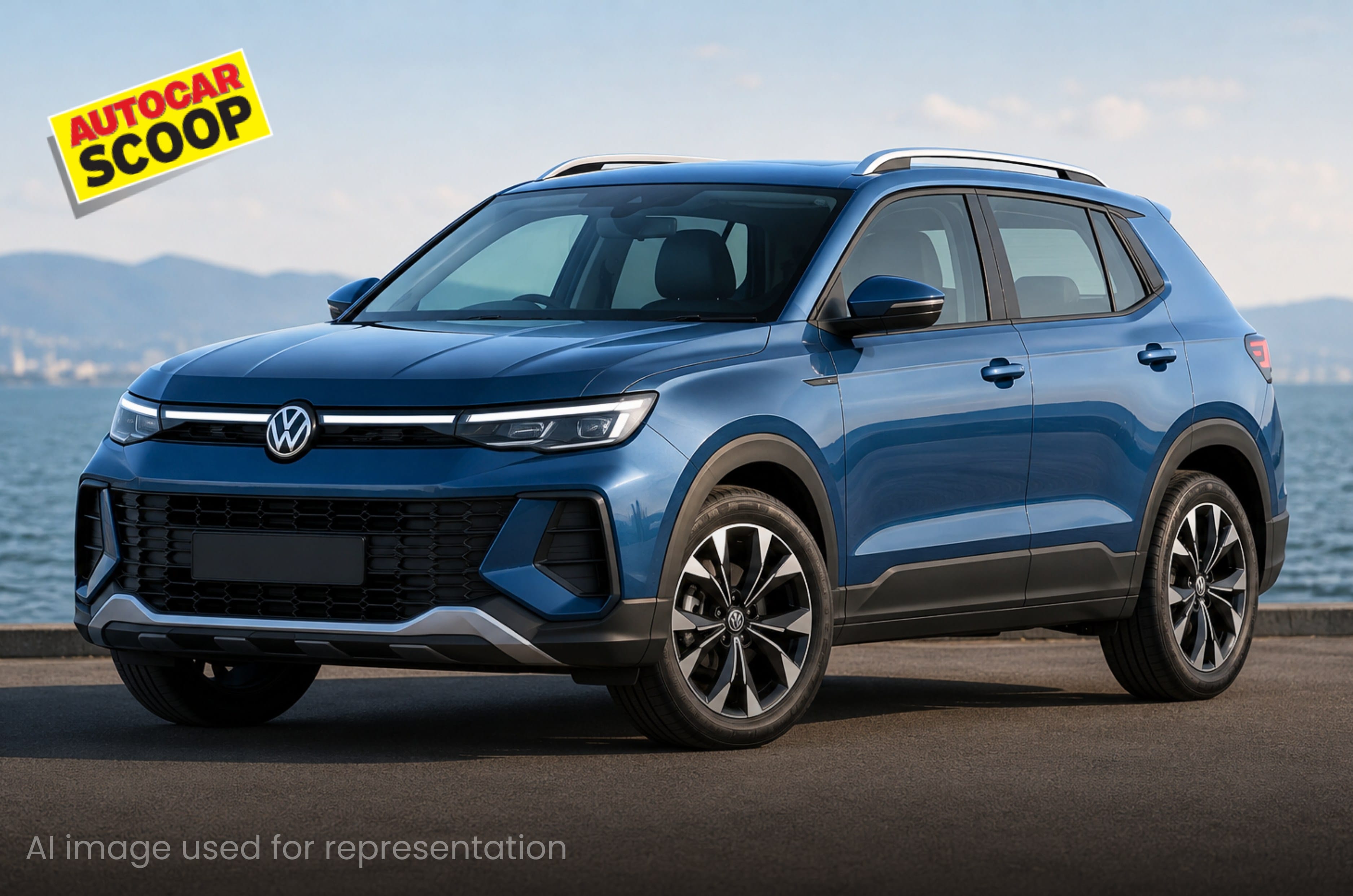
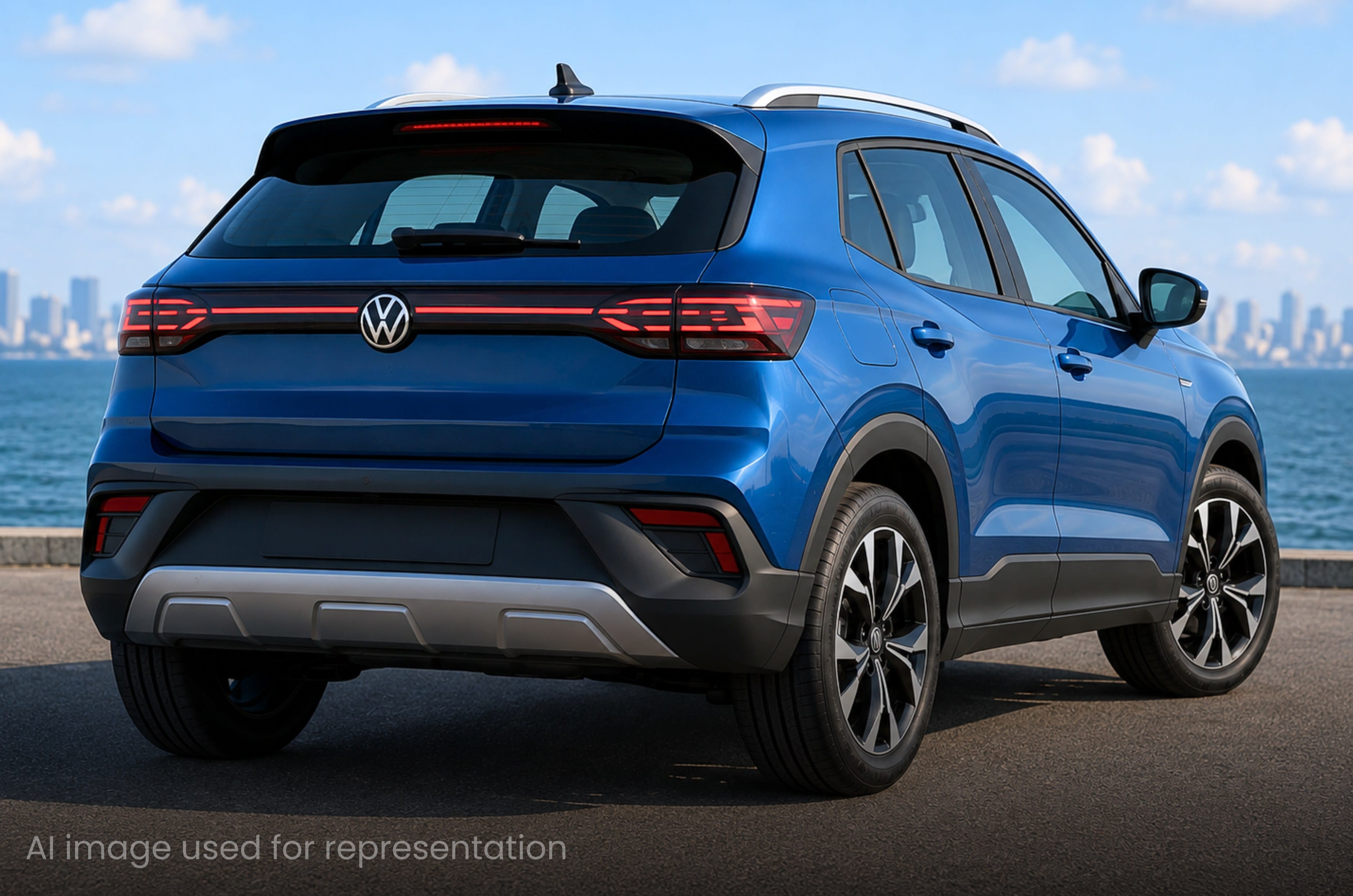
The new compact SUV will essentially be a badge-engineered version of the Kylaq, but will receive substantial design changes to give it a distinct Volkswagen identity. The differentiation is expected to extend to the exterior, interior, features and positioning.

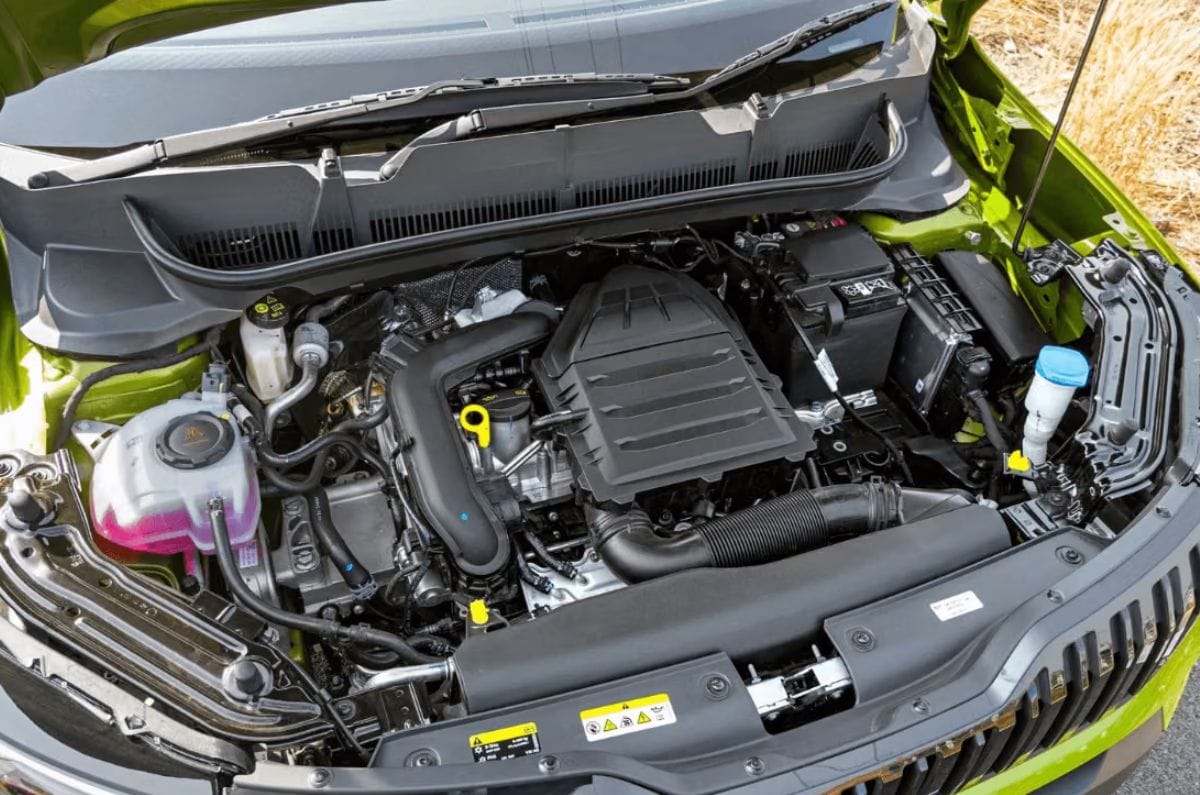
The 1.0-litre TSI engine will be shared with the Kylaq

It will use the same 1.0-litre TSI petrol engine as the Kylaq, paired with manual and automatic gearbox options. At launch, the Volkswagen compact SUV will get an 8-speed automatic transmission rather than the 6-speed automatic currently offered on the Kylaq. The Kylaq, however, is also expected to receive the 8-speeder with its next update.

It’s unclear what the compact SUV will be named upon launch, but Volkswagen already sells the Tera in the Brazilian market that’s closely related to the Skoda Kylaq. It remains to be seen what it will be called here in India. Prices can be expected to range between Rs 8-13 lakh (ex-showroom). 

Scope of the compact SUV segment 

The model will give Volkswagen access to one of India’s largest vehicle categories. The broader sub-four-metre SUV market, comprising compact and micro-SUVs, currently generates monthly sales of around 1.1 lakh units. The category accounts for around 30 percent of India’s passenger vehicle sales and more than half of utility vehicle volumes. Its growth has been supported by hatchback buyers moving to SUVs, the drastic reduction of GST from 28 percent to 18 percent last year on cars meeting prescribed length and engine-capacity limits, and the availability of multiple powertrain options.

The market is led by Tata Motors with the Punch and Nexon, followed by Maruti Suzuki with the Fronx and Brezza. Sister brand Skoda too has grown significantly after the launch of the Kylaq last year, further underscoring the need for a compact SUV in VW’s portfolio. 

This will mark VW’s return to the compact SUV space since the Polo was discontinued in 2022. 

Volkswagen’s locally produced portfolio is currently limited to the Taigun and Virtus, both positioned above the compact vehicle market. The Kylaq-based SUV will lower the entry point to the Volkswagen brand and give it access to a substantially larger customer base.

Additional volumes from the compact SUV could also improve capacity utilisation at Skoda Auto Volkswagen India’s Chakan plant and deliver better economies of scale, helping lower costs for both Volkswagen and Skoda.

Yokohama launches Geolandar X-CV tyre range

Yokohama launches Geolandar X-CV tyre range
Yokohama

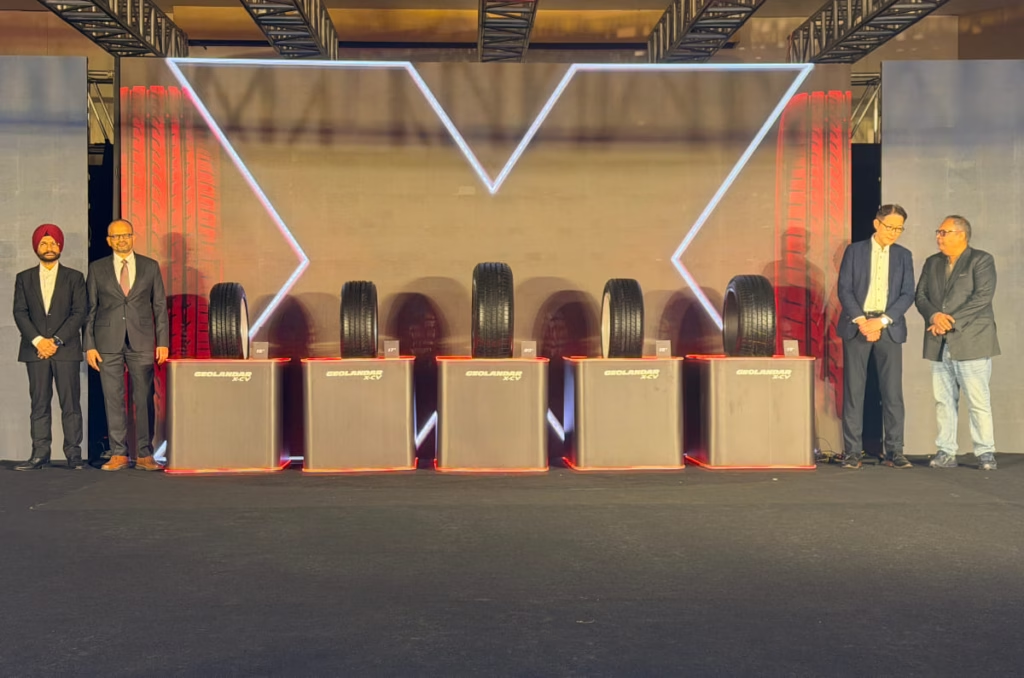
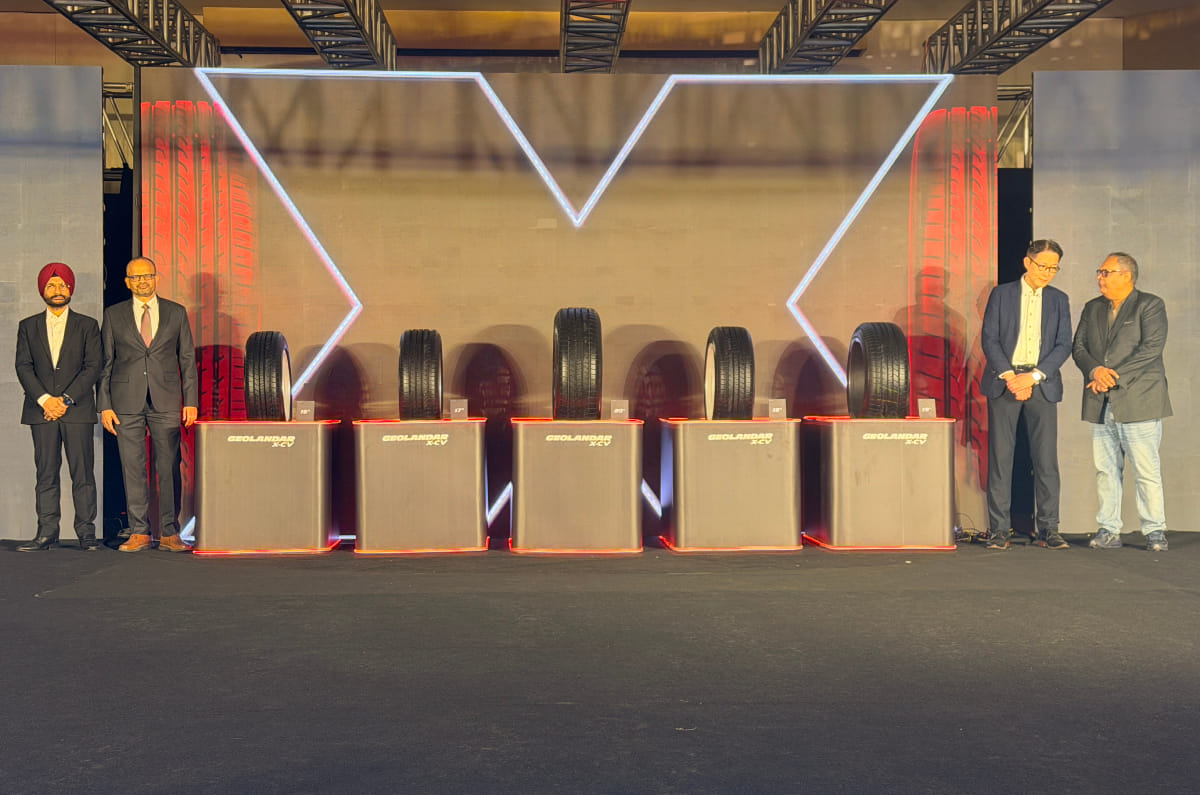
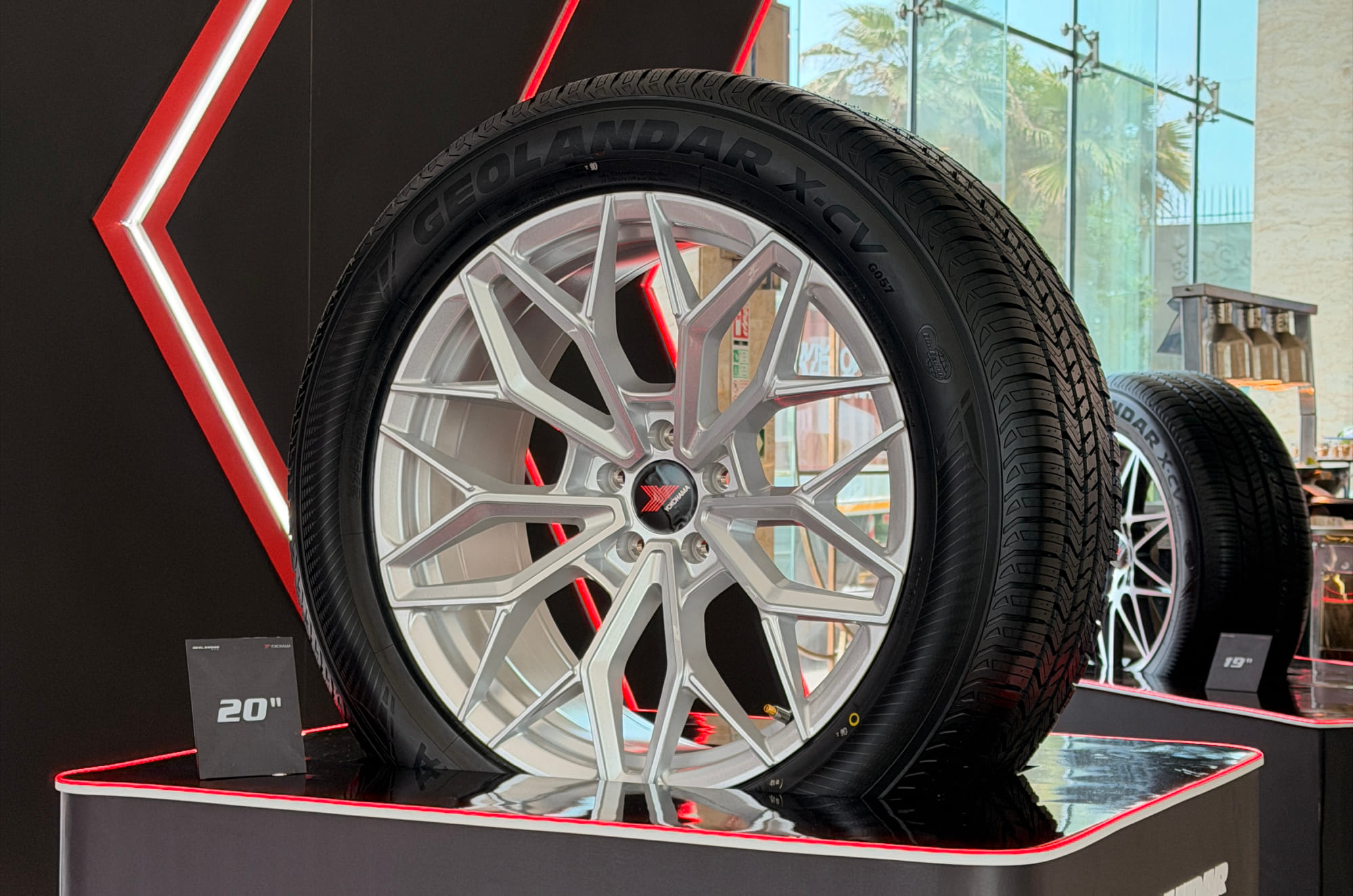
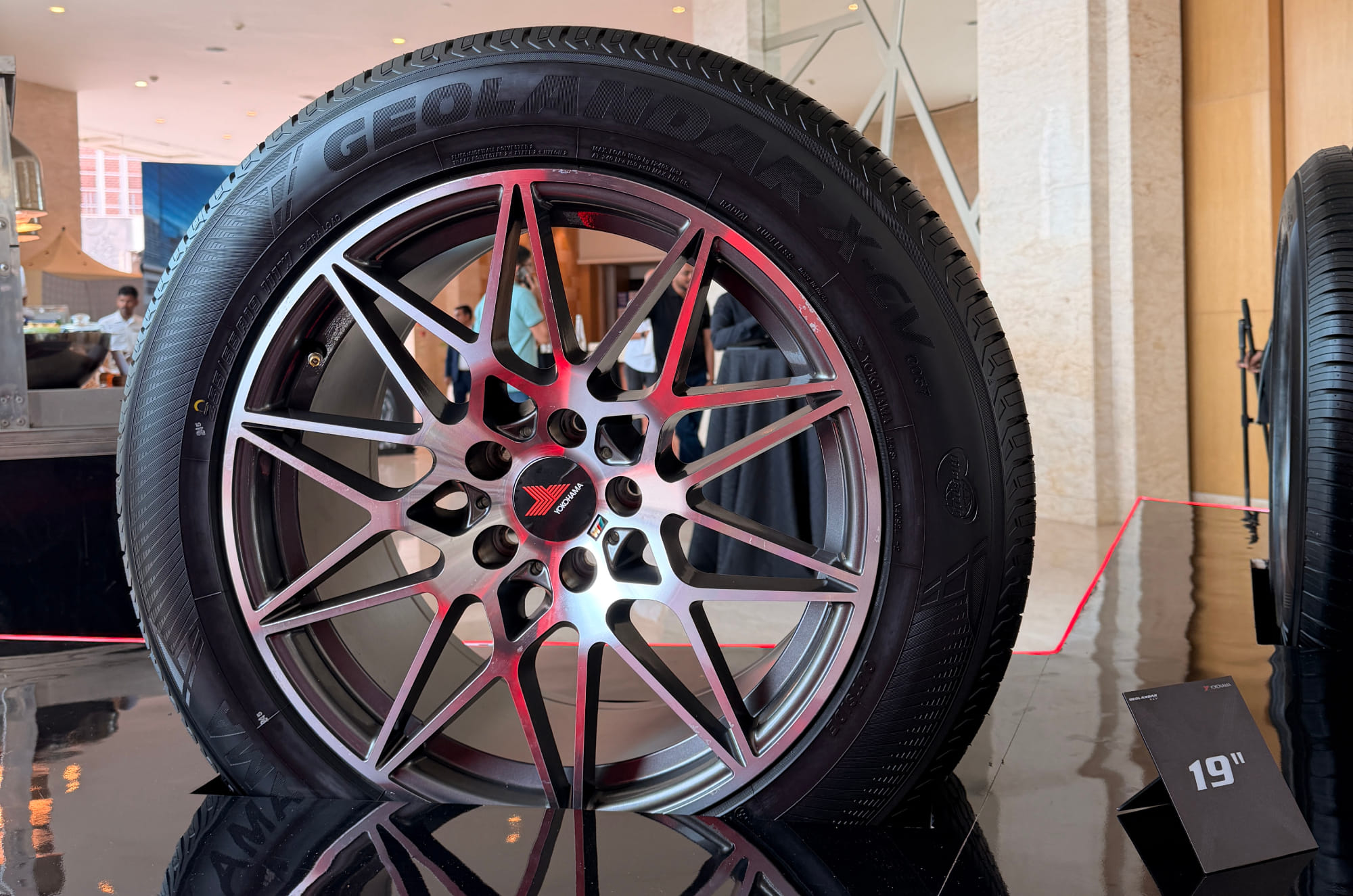
Yokohama India has launched the Geolandar X-CV tyre range for crossover and premium SUVs. Originally developed for larger luxury SUVs, the locally manufactured Geolandar X-CV is now being offered in 16-inch wheel sizes for the first time, expanding its reach to compact and midsize SUVs. The range will eventually be available in 32 sizes spanning 16 to 20 inches, with 17 sizes available immediately and the remaining 15 sizes set to be introduced over the next two to three months. Yokohama claims the new tyre delivers 20 percent better wet grip and 10 percent longer tyre life than its conventional tyre, based on the company’s internal testing.

  1. Available in 32 sizes from 16-20 inches
  2. Claimed 20 percent better wet grip and 10 percent longer tyre life
  3. 17 sizes available now; remaining to follow 

Yokohama Geolandar X-CV: what does it fit?

The Geolandar X-CV has been developed for a wide range of crossover and premium SUVs. Yokohama says it is suitable for compact and midsize models such as the Maruti Suzuki Brezza, Kia Sonet, Tata Nexon EV, Harrier EV, Mahindra XUV700 and Kia Seltos, while also catering to luxury SUVs including the BMW X5, Porsche Cayenne, Volvo XC90, Mercedes-Benz GLS, Audi Q7 and Range Rover models.

Yokohama Geolandar X-CV: features

According to Yokohama, the Geolandar X-CV has been developed to meet the requirements of crossover SUVs and electric vehicles. It features an asymmetric tread pattern, four wide circumferential grooves, Micro Silica compound, 2D and 3D sipes, five-pitch variation technology, a reinforced two-ply sidewall and a full nylon cover. The company says these technologies are designed to improve wet grip, cornering stability, braking performance, wear characteristics, durability, high-speed stability and cabin refinement.

The tyre is also EV-compatible, with its construction designed to handle the higher weight and instant torque characteristics of electric SUVs while maintaining durability and driving refinement. The Geolandar X-CV will be available from August 2026 through Yokohama Club Network outlets and select authorised dealers, with a no-cost EMI offer available at launch.

Mahindra Thar Roxx gets up to Rs 1.20 lakh discount in August 2026

Roxx

Mahindra is offering discounts across much of its ICE line-up in August 2026. The Thar Roxx and Scorpio N receive the highest benefits among the brand’s mainstream SUVs this month, while offers are also available on the Scorpio Classic, Thar, XUV 3XO, Bolero Neo and Bolero Neo Plus. Offers are valid until August 31 and may vary depending on the region, dealer and stock availability.

Disclaimer: Offers may vary by region, dealer, stock availability and customer eligibility. Please check with your nearest authorised Mahindra dealership for exact details.

Mahindra Scorpio N discounts in August 2026

Up to Rs 1.25 lakh off

The Scorpio N is available with benefits of up to Rs 1,25,000. These include a cash discount of Rs 1,00,000 and accessories worth Rs 25,000. These discounts apply to existing pre-facelift stock available with dealers.

The Scorpio N is priced between Rs 13.69 lakh and Rs 25.49 lakh (ex-showroom). It rivals the Tata Safari and Thar Roxx. It impresses with its smooth petrol and diesel engines and off-road capability, although the third-row seats and luggage space are not great.

Mahindra Thar Roxx discounts in August 2026

Up to Rs 1.20 lakh off

The Thar Roxx receives benefits of up to Rs 1.20 lakh this month. This comprises a cash discount of Rs 92,000 along with a ceramic coating package worth Rs 28,000. Priced between Rs 12.52 lakh and Rs 23.52 lakh, the Thar Roxx rivals the Force Gurkha 5-door and serves as a more practical alternative to the three-door Thar. It combines the Thar’s off-road capability with a more practical cabin, better refinement and stronger road manners.

Mahindra Scorpio Classic discounts in August 2026

Up to Rs 75,000 off

Mahindra is offering benefits of up to Rs 75,000 on the Scorpio Classic. The offer comprises a cash discount of Rs 50,000 and accessories worth Rs 25,000. Priced between Rs 13.37 lakh and Rs 17.40 lakh, the Scorpio Classic continues to appeal with its refined diesel engine and rugged character, although it lacks the features and driving sophistication of newer rivals.

Mahindra Thar discounts in August 2026

Up to Rs 50,000 off

The three-door Thar is available with a cash discount of up to Rs 50,000 this month. Priced between Rs 10.32 lakh and Rs 18.00 lakh, the Thar rivals the Force Gurkha and Maruti Suzuki Jimny. It offers great  off-road capability and is offered with refined and punchy petrol and diesel engine options, although luggage space is limited and access to the rear seats can be cumbersome.

Mahindra Bolero Neo and Bolero Neo Plus discounts in August 2026

Up to Rs 45,000 off

The Bolero Neo and Bolero Neo Plus receive cash discounts of up to Rs 45,000. The Bolero Neo is priced between Rs 8.99 lakh and Rs 10.79 lakh, while the Bolero Neo Plus costs Rs 11.39 lakh to Rs 12.49 lakh. Both SUVs are built to withstand rough roads and heavy use, although they are not as refined or as well equipped as newer compact SUVs.

Mahindra XUV 3XO discounts in August 2026

Up to Rs 40,000 off

The XUV 3XO is available with a cash discount of up to Rs 40,000 this month. Priced from Rs 7.79 lakh to Rs 15.04 lakh (ex-showroom), the XUV 3XO rivals the Maruti Brezza, Tata Nexon, Hyundai Venue, Kia Sonet, Skoda Kylaq and Nissan Magnite. It offers strong petrol and diesel engines along with a feature-rich cabin, although its boot is smaller than several rivals.

All prices are ex-showroom, India.

मारुति सुजुकी 4 बायोगैस प्लांट बनाएगी, ₹561 करोड़ के निवेश से किसानों को भी फायदा होगा

Maruti Suzuki Biogas Plant: देश की सबसे बड़ी पैसेंजर व्हीकल कंपनी मारुति सुजुकी अब बायोगैस पर बड़ा दांव लगाने जा रही है। कंपनी 561 करोड़ रुपये के निवेश से पहले चरण में 4 बायोगैस प्लांट लगाएगी। इसका मकसद अपने मैन्युफैक्चरिंग प्लांट्स में स्वच्छ और रिन्यूएबल एनर्जी का इस्तेमाल बढ़ाना है।

खारखोदा प्लांट से होगी शुरुआत

पहले चरण में हरियाणा के खारखोदा प्लांट में 10 टन प्रतिदिन (10 TPD) क्षमता का बायोगैस प्लांट लगाया जाएगा। इसके FY27 में शुरू होने की उम्मीद है। पूरी क्षमता पर पहुंचने के बाद यह प्लांट फैक्ट्री की करीब 20% गैस जरूरत पूरी करेगा।

कंपनी ने मानेसर प्लांट में भी बायोगैस क्षमता 0.2 TPD से बढ़ाकर 0.7 TPD कर दी है। यहां से हर साल करीब 3.6 लाख स्टैंडर्ड क्यूबिक मीटर बायोगैस बनने की उम्मीद है। इस प्लांट में खाने का बचा हुआ कचरा, नेपियर घास और धान का पुआल इस्तेमाल होता है। जरूरत पड़ने पर गोबर भी मिलाया जा सकता है।

FY31 तक बड़ा लक्ष्य

मारुति सुजुकी के चेयरमैन आर. सी. भार्गव ने कहा कि पहले चरण में चार बायोगैस प्लांट लगाए जाएंगे। इसके बाद तकनीक और अनुभव के आधार पर इस क्षेत्र में और बड़ा निवेश किया जाएगा।

कंपनी का लक्ष्य FY31 तक हर दिन 20 टन से ज्यादा बायोगैस का इस्तेमाल करना है। कंपनी ने हंसलपुर प्लांट में भी प्राकृतिक गैस की जगह करीब 10% ऊर्जा जरूरत बायोगैस से पूरी करनी शुरू कर दी है।

किसानों को भी होगा फायदा

आर. सी. भार्गव का कहना है कि भारत को नेट जीरो लक्ष्य हासिल करने के लिए कई तरह की तकनीकों की जरूरत होगी। बायोगैस स्थानीय संसाधनों से बनाई जा सकती है। इससे आयातित CNG पर निर्भरता कम होगी। साथ ही यह पूरी तरह स्वच्छ ईंधन है।

उन्होंने कहा कि बायोगैस बनाने के बाद बचने वाली जैविक खाद खेतों की उपज बढ़ाने में मदद करेगी। इससे मिट्टी की गुणवत्ता भी सुधरेगी। फसल जलाने की जरूरत कम होगी। प्रदूषण घटेगा। किसानों की आय बढ़ेगी। खेती में मशीनों का इस्तेमाल भी बढ़ेगा।

सरकार भी दे रही है बढ़ावा

Maruti Suzuki पिछले दो साल से भारतीय कृषि अनुसंधान संस्थान (IARI), पूसा के साथ इस क्षेत्र में काम कर रही है। कंपनी का कहना है कि शुरुआती नतीजे उत्साहजनक रहे हैं।

इसी बीच केंद्र सरकार ने 6 अगस्त को GOBARdhan योजना को मंजूरी दी है। 23,731 करोड़ रुपये की यह योजना FY27 से FY36 तक चलेगी। इसका मकसद गोबर, कृषि अवशेष, जैविक कचरे और दूसरे बायोमास से कंप्रेस्ड बायोगैस (CBG) बनाना है। इससे स्वच्छ ऊर्जा को बढ़ावा मिलेगा और ग्रामीण इलाकों में आय के नए अवसर भी बनेंगे।

Stocks to Buy: ये 5 स्टॉक 40% तक रिटर्न दे सकते हैं, एक्सपर्ट्स ने दांव लगाने की सलाह दी

Disclaimer: यहां मुहैया जानकारी सिर्फ सूचना के लिए दी जा रही है। यहां बताना जरूरी है कि मार्केट में निवेश बाजार जोखिमों के अधीन है। निवेशक के तौर पर पैसा लगाने से पहले हमेशा एक्सपर्ट से सलाह लें। मनीकंट्रोल की तरफ से किसी को भी पैसा लगाने की यहां कभी भी सलाह नहीं दी जाती है।

क्लीन एनर्जी पर मारुति का बड़ा दांव! 4 नए बायोगैस प्लांट पर ₹561 करोड़ खर्च करेगी कंपनी, जानिए RC भार्गव का मास्टरप्लान

Maruti Suzuki Biogas Plant Investment: देश की सबसे बड़ी पैसेंजर व्हीकल निर्माता कंपनी मारुति सुजुकी इंडिया अपनी मैन्युफैक्चरिंग फैसिलिटीज की ऊर्जा जरूरतों को पूरा करने के लिए रिन्यूएबल एनर्जी पर बड़ा दांव लगाने जा रही है। कंपनी के चेयरमैन आरसी भार्गव ने शेयरधारकों को जानकारी दी है कि मारुति सुजुकी चार बायोगैस प्लांट लगाने के लिए ₹561 करोड़ का निवेश करेगी।

आरसी भार्गव ने मारुति सुजुकी की FY26 वार्षिक रिपोर्ट में बताया कि बोर्ड ने पहले चरण में ₹561 करोड़ की लागत से 4 बायोगैस प्लांट शुरू करने की मंजूरी दे दी है। इसके बाद प्रक्रिया और तकनीक की गहरी समझ बनने के बाद कंपनी बायोगैस के उत्पादन और वितरण में और भी भारी-भरकम राशि का निवेश करेगी।

खरखौदा और मानेसर प्लांट में तेजी से बढ़ रहा काम

मारुति सुजुकी ने अपनी उत्पादन इकाइयों को हरित ऊर्जा से संचालित करने की दिशा में ठोस कदम उठाए हैं। पहले चरण के तहत खरखौदा संयंत्र में 10 टन प्रति दिन क्षमता वाला बायोगैस प्लांट स्थापित किया जाएगा। यह प्लांट FY27 में चालू होने की उम्मीद है और अपनी पूरी क्षमता पर पहुंचने के बाद यह प्लांट की कुल गैस आवश्यकता का लगभग 20% हिस्सा पूरा करेगा।

कंपनी ने अपने मानेसर प्लांट की बायोगैस क्षमता को 0.2 TPD से बढ़ाकर 0.7 TPD कर दिया है। इससे सालाना लगभग 3.6 लाख स्टैंडर्ड क्यूबिक मीटर बायोगैस का उत्पादन होने की उम्मीद है। मानेसर में फूड वेस्ट, नेपियर घास और धान के पुआल का उपयोग किया जाता है, साथ ही गोबर के इस्तेमाल का भी प्रावधान है।

गुजरात के हंसलपुर प्लांट में प्राकृतिक गैस की जगह बायोगैस का इस्तेमाल शुरू कर दिया गया है, जिससे लगभग 10% ऊर्जा जरूरतें पूरी हो रही हैं। कंपनी का लक्ष्य FY31 तक रोजाना 20 टन से अधिक बायोगैस का उपयोग करने का है।

सीएनजी का विकल्प और किसानों की आय में इजाफे का विजन

आरसी भार्गव ने बायोगैस के व्यापक फायदों को रेखांकित करते हुए कहा कि भारत को नेट जीरो लक्ष्य हासिल करने के लिए मल्टीपल टेक्नोलॉजीज का इस्तेमाल करना होगा। बायोगैस स्थानीय संसाधनों से बड़ी मात्रा में तैयार की जा सकती है। यह आयातित सीएनजी का विकल्प बनेगी, जो शून्य आयात सामग्री के साथ पूरी तरह से स्वच्छ और नवीकरणीय ईंधन है।

फसल के अवशेषों का उपयोग बायोगैस में होने से पराली जलाने की समस्या से राहत मिलेगी, जिससे पर्यावरण साफ रहेगा और मिट्टी के सूक्ष्मजीवों को नुकसान नहीं पहुंचेगा। बायोगैस उत्पादन के दौरान मिलने वाला उप-उत्पाद खेतों की उर्वरता और उत्पादकता बढ़ाएगा।

कृषि अवशेष और गोबर की बिक्री से किसानों की आय बढ़ेगी और कृषि के यंत्रीकरण को बढ़ावा मिलेगा। इसके लिए कंपनी पिछले दो वर्षों से पूसा स्थित भारतीय कृषि अनुसंधान संस्थान (IARI) के साथ काम कर रही है।

सरकार की GOBARdhan योजना से मिलेगा बूस्ट

केंद्रीय मंत्रिमंडल ने 6 अगस्त को ₹23,731 करोड़ के कुल परिव्यय के साथ GOBARdhan योजना को मंजूरी दी है। यह योजना FY27 से FY36 तक लागू की जाएगी, जिसका उद्देश्य कंप्रेस्ड बायोगैस (CBG) को भारत के भविष्य के ऊर्जा मिश्रण का प्रमुख हिस्सा बनाना है।

सरकार को उम्मीद है कि इस योजना से घरेलू बायोगैस उत्पादन में लगभग 10 गुना बढ़ोतरी होगी और इस सेक्टर में निजी निवेश को बढ़ावा मिलेगा। मारुति सुजुकी का यह निवेश इस दिशा में एक बड़ा कॉर्पोरेट कदम माना जा रहा है।

Buying a used Maruti XL6: What to look out for

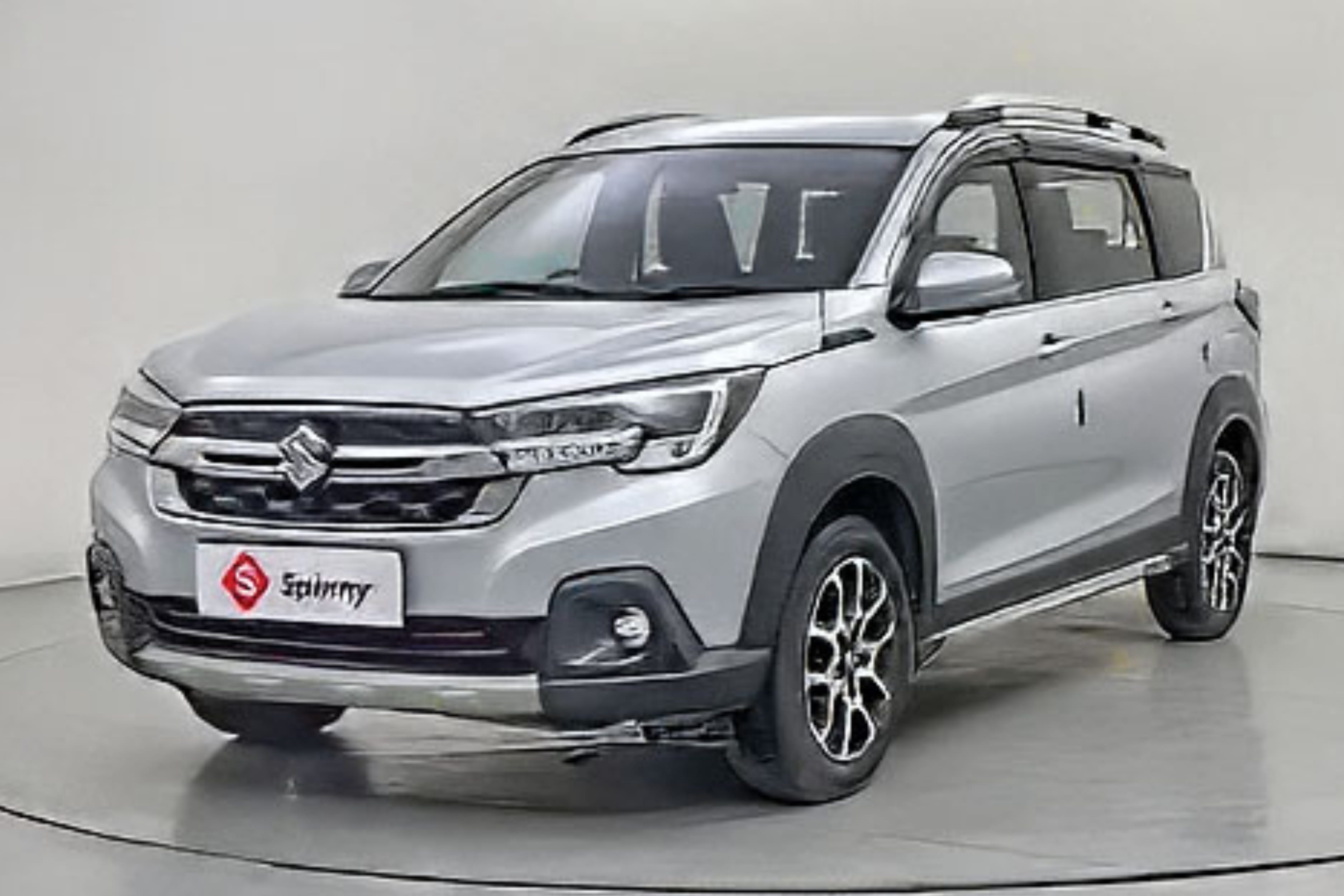
Maruti XL6

GOOD FOR: Spacious cabin, easy to drive

LOOK OUT FOR: Suspension wear, infotainment issues

A more premium 6-seat alternative to the venerable Ertiga MPV, the Maruti XL6 has been on sale since 2019 and received a substantial update in 2022. Being a comfortable, practical and easy-to-drive MPV, the updated Maruti XL6 is worth considering as a used buy. Here’s all you need to know.

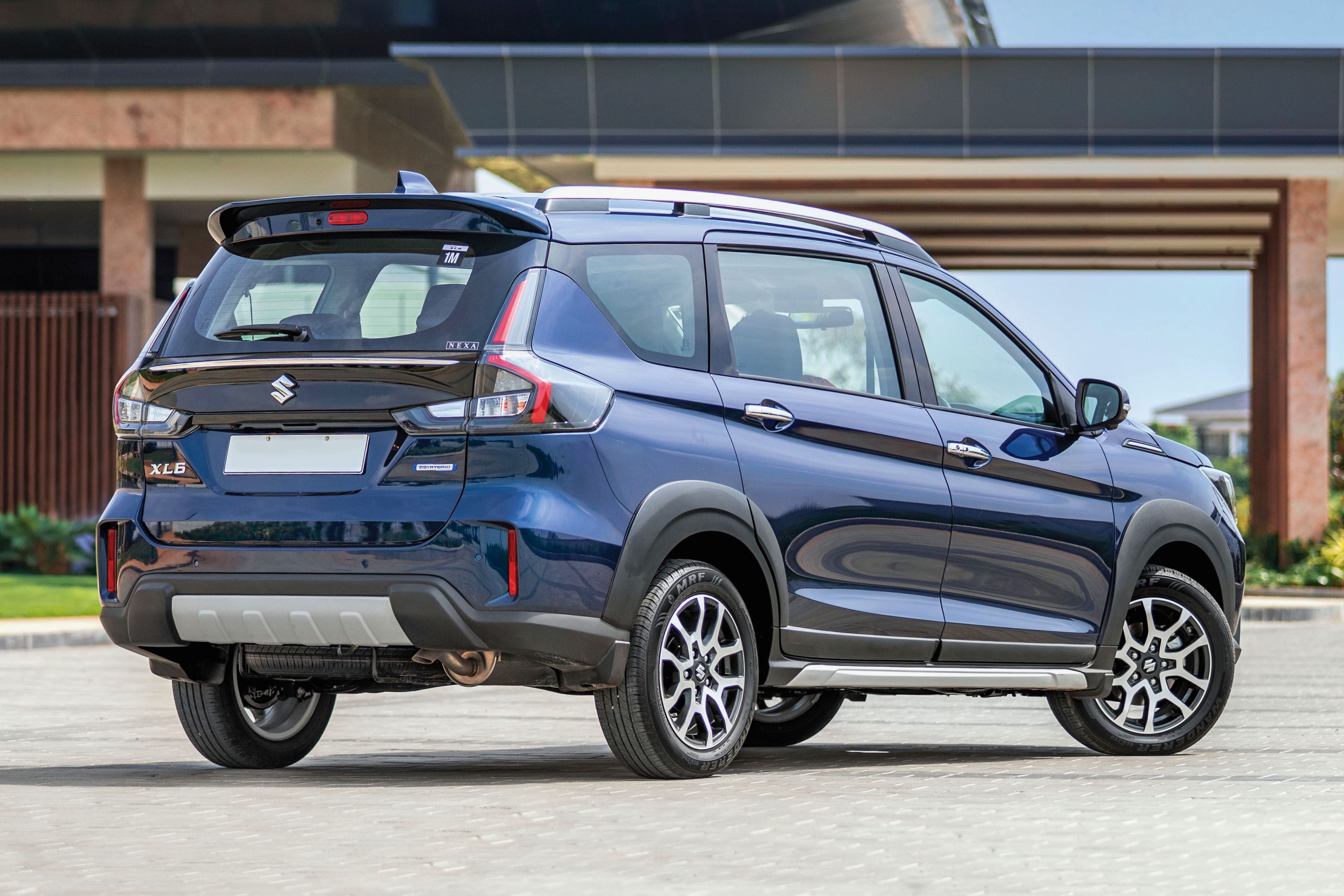
In terms of cosmetics, not much changed for the XL6 when it got an update in 2022. It got a mildly updated grille with more chrome, a new chrome bar on the tailgate, new 16-inch dual-tone alloy wheels and tweaked tail-lights with smoked clear lens effect. It also got new dual-tone colour options – silver, brown and red – with a contrasting black roof.

Check out used Maruti XL6 models.

Maruti Suzuki XL6 powertrain and mileage

Petrol and CNG powertrains;  up to 20.97kpl claimed mileage

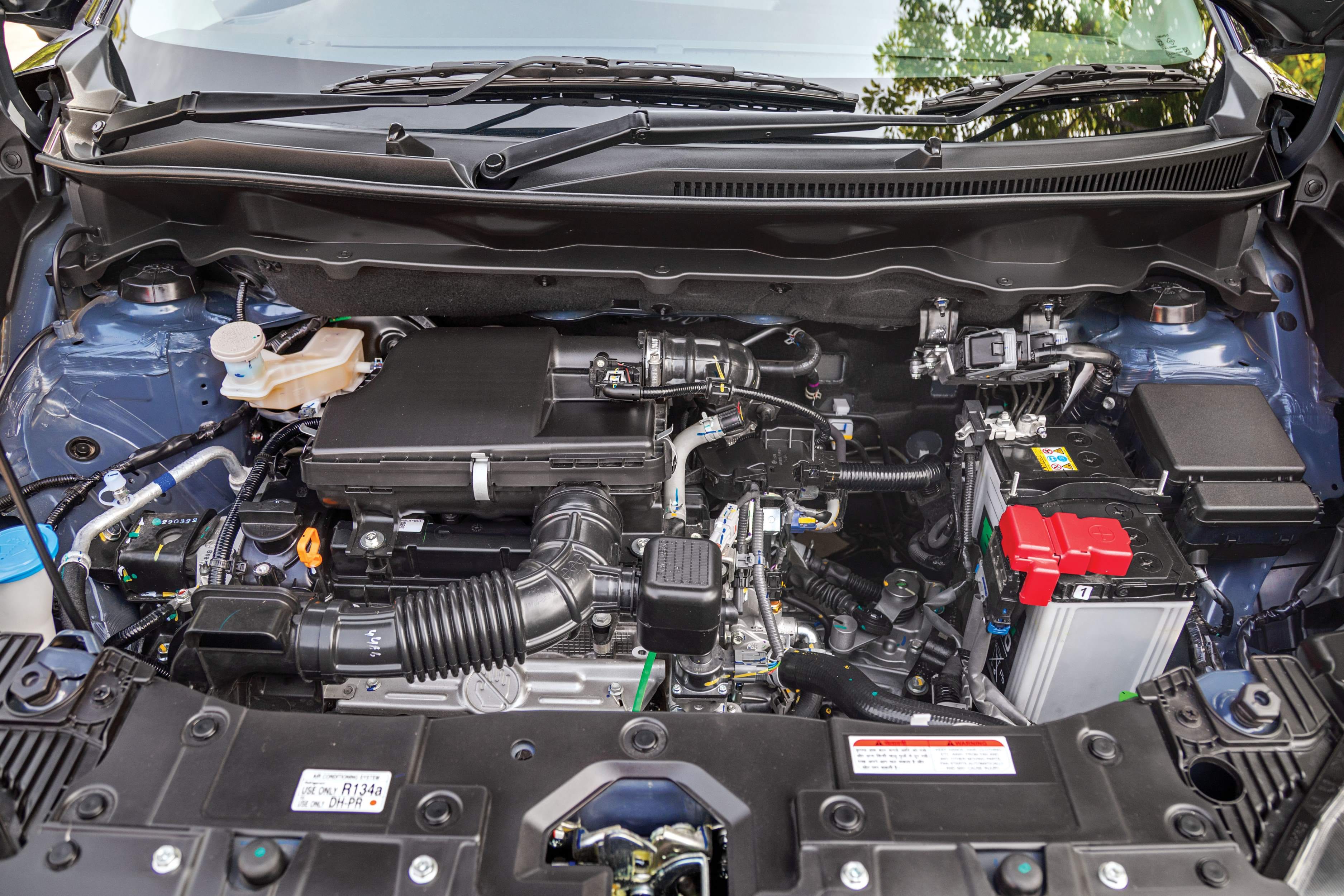
The biggest change was under the hood, with the XL6 receiving Maruti’s then-new 1.5-litre DualJet petrol engine, with two injectors per cylinder, which put out 103hp and 136.8Nm. The other big highlight was the new 6-speed torque converter automatic gearbox with paddle shifters, replacing the older 4-speeder. The standard 5-speed manual gearbox was carried over as is. It also featured Maruti’s mild-hybrid technology with an integrated starter generator and start-stop technology. The updated XL6 has a claimed fuel efficiency of 20.97kpl with the manual gearbox and 20.27kpl with the auto.

Later in 2022, Maruti launched the XL6 CNG, which was offered in a single Zeta variant and cost about Rs 95,000 more than the equivalent petrol variant. Powered by the same 1.5 engine, it put out a lower 88hp and 121.5Nm in CNG mode, and 101hp and 136Nm in petrol mode, and came paired with the 5-speed manual only. Maruti claimed that the XL6 CNG had a fuel efficiency of 26.32km/kg.

The petrol manual is ideal for most users, as it’s easy to drive, efficient and will be the most affordable to buy. Those with most of their running within the city can opt for the automatic for greater convenience, while high-mileage users will benefit from the CNG’s low running costs.

Maruti Suzuki XL6 variants and features

7-inch touchscreen, ventilated front seats, 360-degree camera, and more

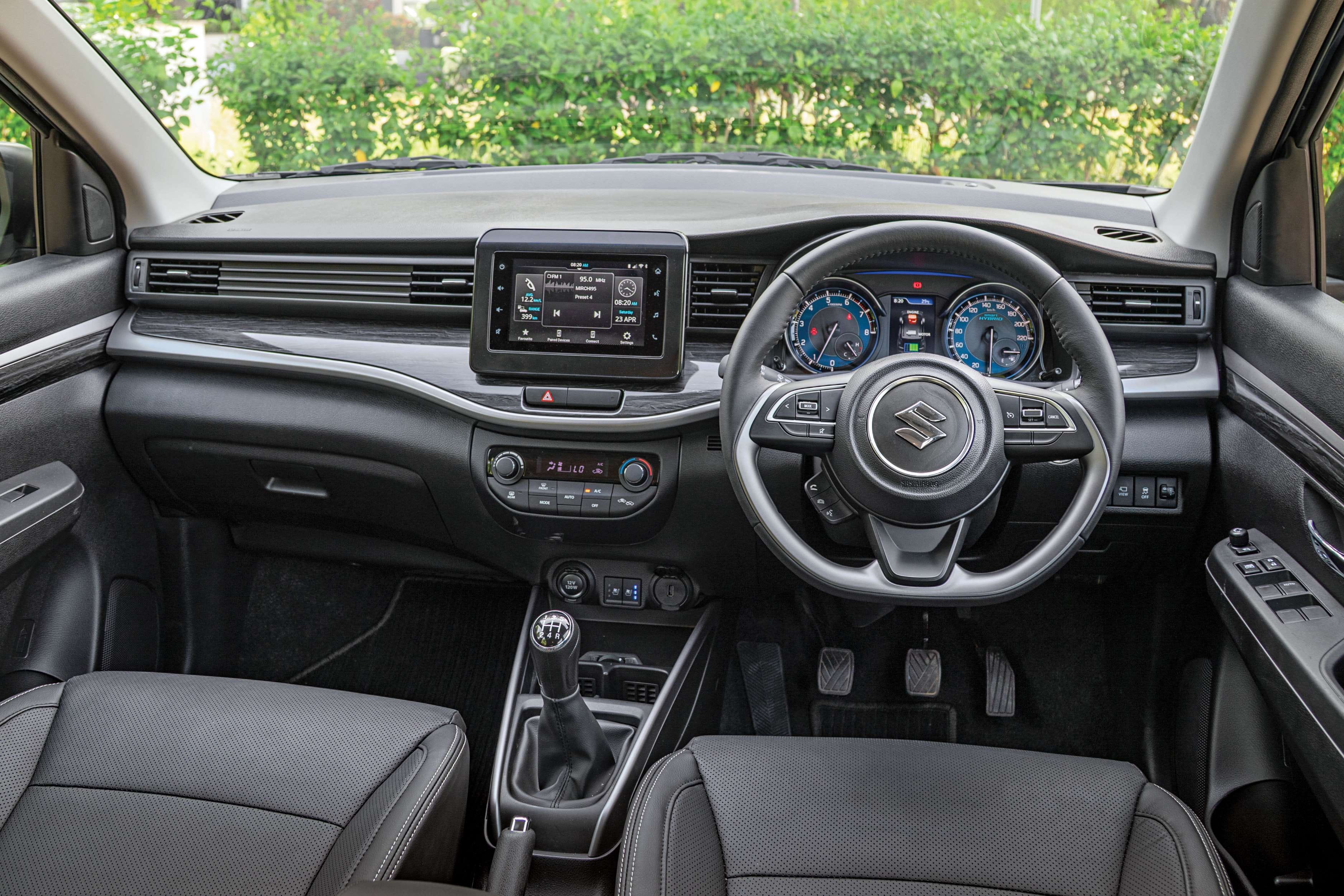
As for variants, there’s three on offer – Zeta, Alpha and Alpha+. The range-topping Alpha+ packs in features like a 7-inch touchscreen infotainment with Android Auto and Apple CarPlay compatibility, auto climate control, leatherette upholstery, LED lights, 360-degree camera, ventilated front seats, connected car tech, cruise control, tyre pressure monitor, traction control and much more. All variants come well equipped, and features like the touchscreen and cruise control are offered right from the base Zeta variant, so choose the one that best fits your budget. 

XL6 aftersales details

Being a Maruti product, the XL6 is a proven and reliable MPV that’s also easy to maintain. Spare parts are readily available and affordable, while Maruti’s widespread service network throughout India gives you peace of mind. It’s also worth going for an example that has an extended warranty package, and the XL6’s great resale value also means you’ll recoup a considerable amount when you sell it later on. 

What to look out for in a used Maruti Suzuki XL6

Suspension wear

Since the XL6 is a family car, it’s bound to be subjected to heavy loads from time to time. Hence, it’s worth checking out the condition of the suspension. Listen for any noises that come from the suspension, or check if it crashes excessively over bumps and ruts, as these are signs of worn-out suspension bushings. This is not an expensive fix, however. 

Infotainment issues

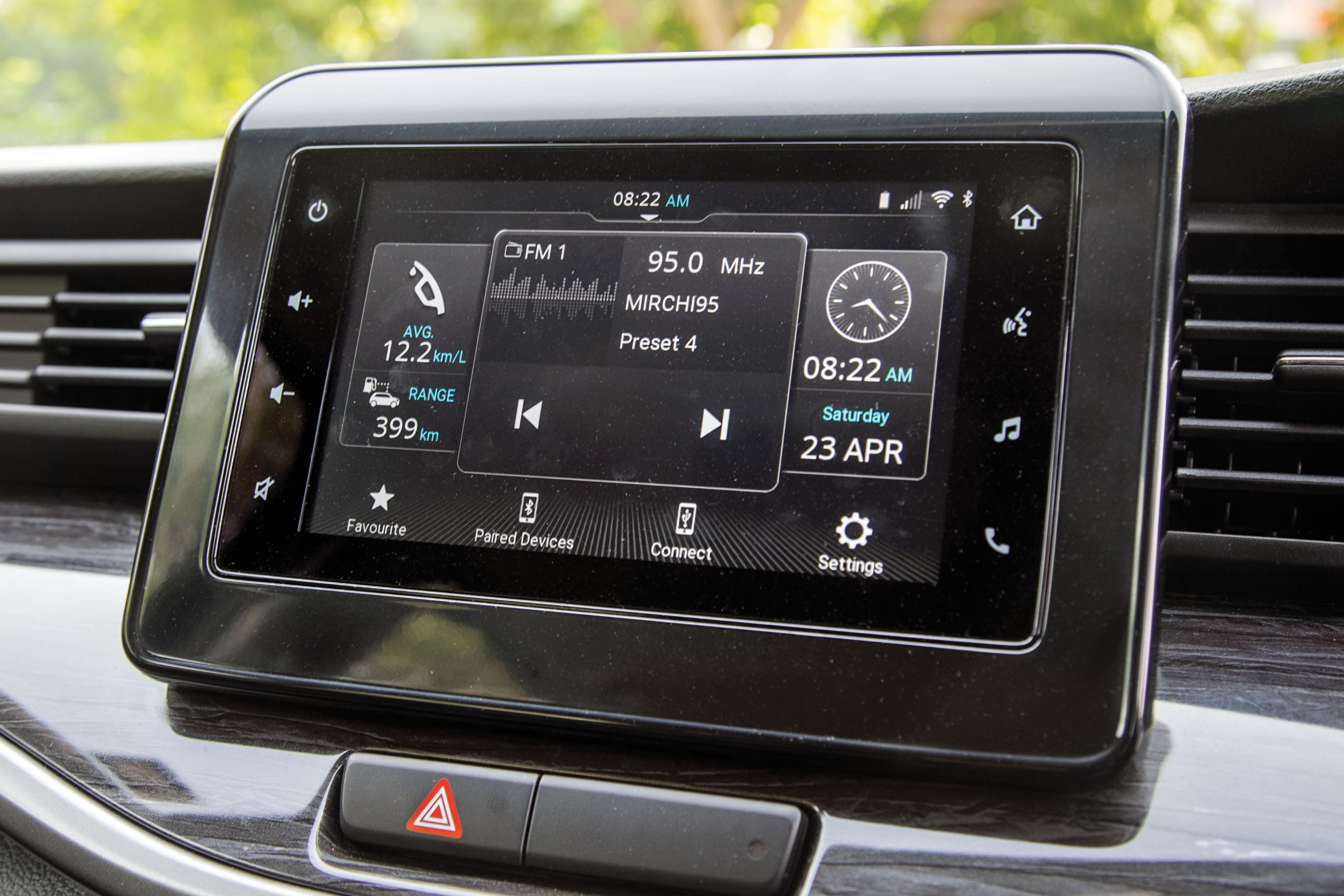
Owners have faced issues with the XL6’s SmartPlay Pro 7-inch infotainment system, like Apple CarPlay/Android Auto disconnections, screen freezing and the display getting stuck. Before purchasing, check that it functions smoothly, pairs up with your phone easily and that the system’s software is up to date.

Potential defect in front seatbelts

XL6 units manufactured between November 2 and November 28, 2022 were recalled by Maruti Suzuki to rectify a possible defect in one of the child parts of the height-adjuster assembly of the front seatbelts, which could lead to seat belt disassembly. Replacement of the faulty part was done free of charge, so make sure this has been taken care of if you’re looking at a car from this time frame.

Second-hand Maruti Suzuki XL6 price and resale value

Rs 8 lakh-12 lakh

The XL6 is still on sale, and being a Maruti, it commands very good value in the resale market. However, refrain from spending over Rs 12 lakh, irrespective of the variant and mileage, as you’d be better off buying a new one. What’s nice, though, is that you’ll also be able to recover a good chunk of your investment once you go on to sell it.

Maruti Suzuki XL6 fact file

Years produced 2022-present
Price when new Rs 11.29 lakh-14.55 lakh (ex-showroom, India)
Engine 4 cyls, 1462cc, petrol / 4 cyls, 1462cc, petrol+CNG
Power 103 / 88hp
Torque 136.8 / 121.5Nm
Boot space 209-692 litres

Maruti Suzuki Victoris S-CNG review: A Sensible Choice

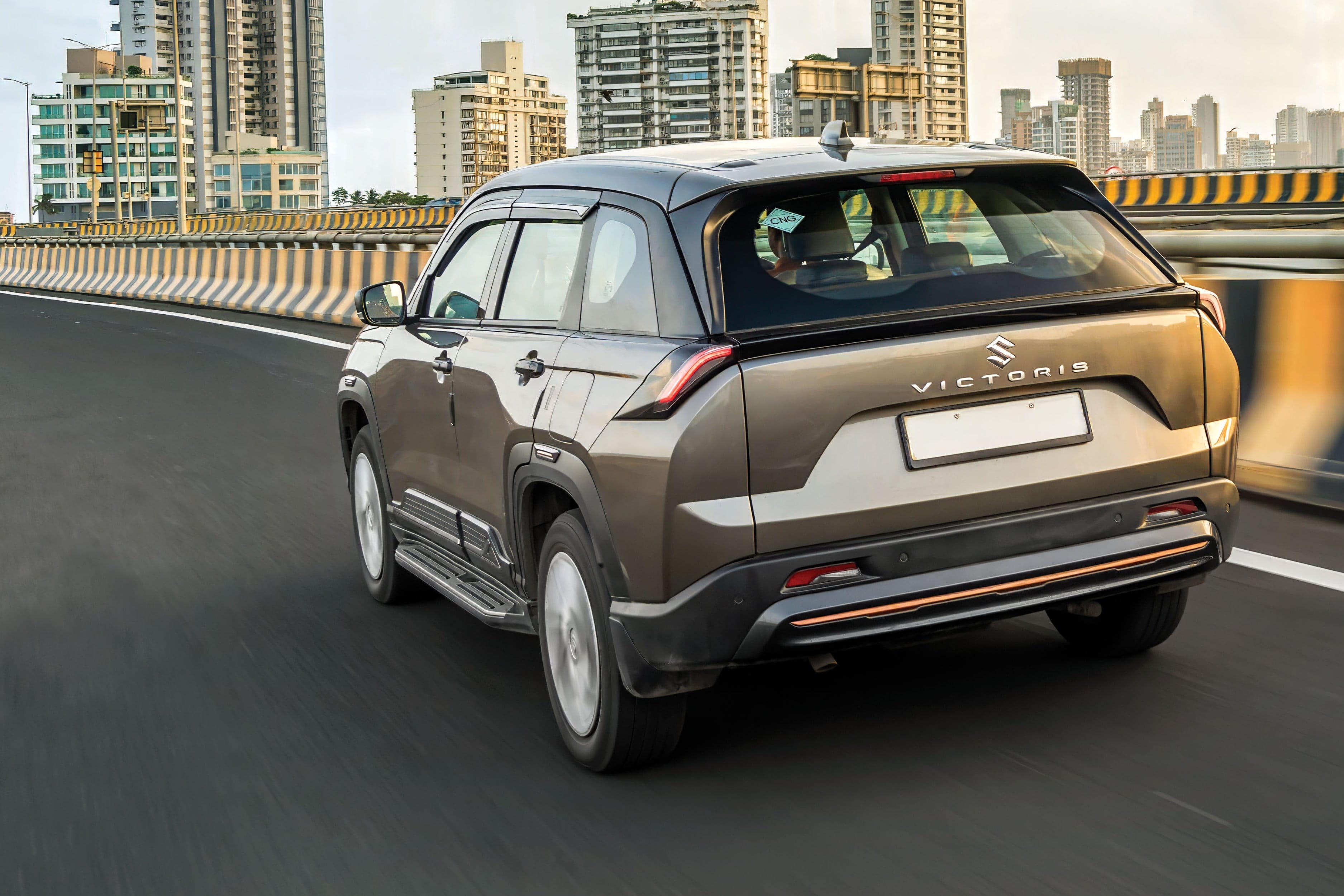
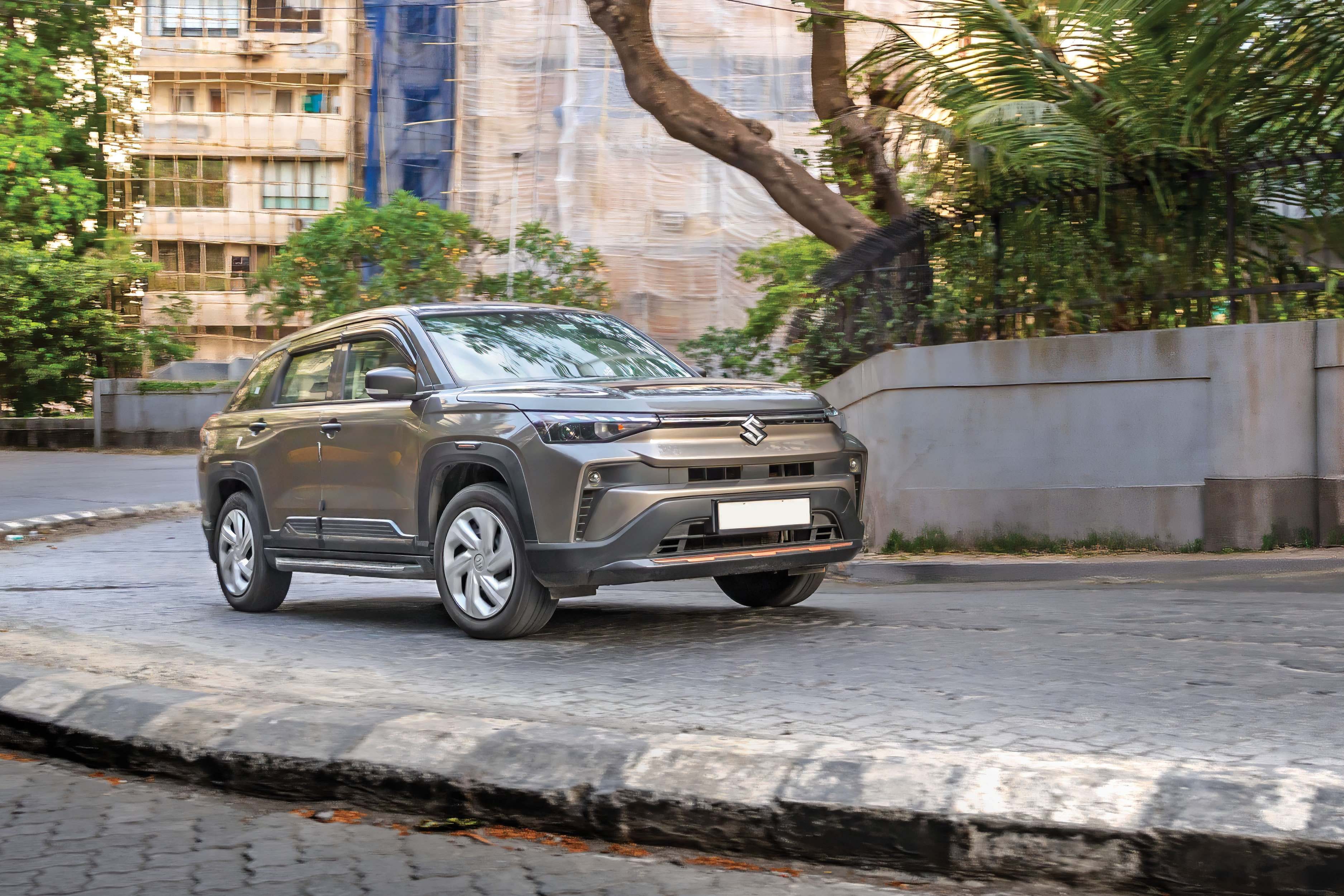
Maruti Suzuki Victoris S-CNG

Maruti offers buyers a wide range of powertrain options with the Victoris – a 1.5-litre petrol engine paired with either a manual or automatic transmission, an all-wheel-drive automatic, a strong hybrid, and a CNG version. Interestingly, nearly one in every two Victoris buyers opts for the CNG variant. To understand the reason behind its popularity, we put it through our real-world tests.

Maruti Suzuki Victoris S-CNG engine performance – 7/10

City drivability is good; efficiency is impressive.

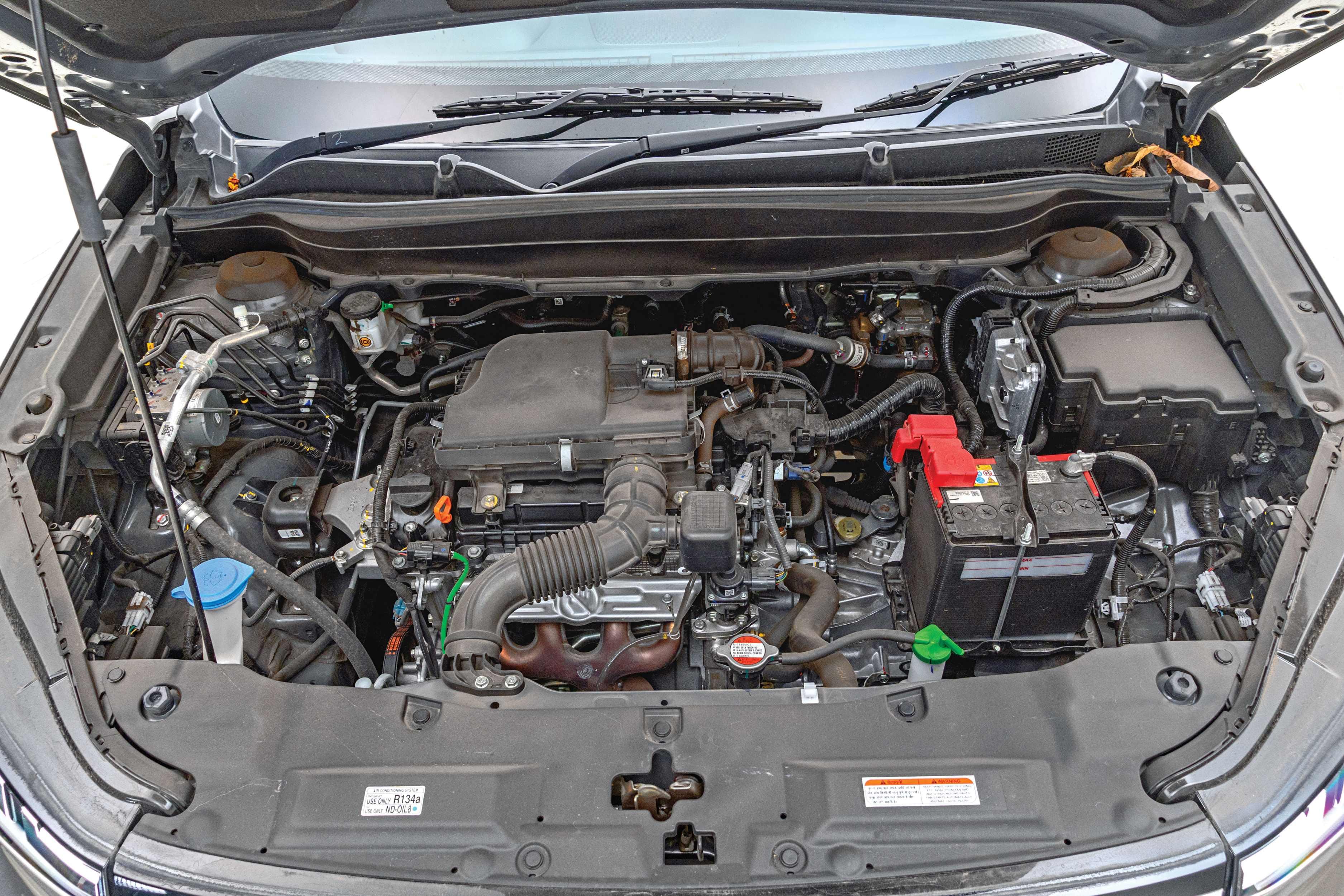
Powered by a 1.5-litre four cylinder engine, the Victoris produces 88hp and 122Nm when running on CNG. While those figures may appear modest on paper, the good news is that the engine feels responsive right from the outset, and overall driveability remains impressive. It is more than capable of keeping pace with city traffic, and up to about 80kph, with the engine spinning below 3,000rpm, there is enough performance on tap to satisfy most users. You do need to be mindful of being in the right gear, and occasionally, you may find yourself revving the engine harder for a quick overtake. On that note, Maruti’s 5-speed manual gearbox remains one of the best in the business, offering precise shifts and a light, effortless action. The clutch is also light, making the Victoris CNG particularly easy to drive.

Maruti Suzuki Victoris S-CNG acceleration times 
 CNGPetrol 
Speed (Kph)Time (Sec)Time (Sec)
201.33 
1.32
403.283.22
606.31 
5.79 
809.88 
8.87 
10015.14 
13.43 
12023.44 
19.56 

That said, performance isn’t effortless, and when it comes to quick overtakes, you’ll need to work the engine harder. But it is only then that the difference between petrol and CNG modes becomes noticeable. In petrol mode, the engine feels freer and more eager to rev, whereas in the CNG mode, it feels slightly more restrained. To put things into perspective, the Victoris accelerates from 0-100kph in 15.14 seconds in CNG mode, making it 1.7 seconds slower than in petrol mode. Performance also tapers off noticeably beyond 100kph, regardless of which mode you are in.

Maruti Suzuki Victoris S-CNG rolling acceleration 
Speed (Kph)Time (Sec)Time (Sec)
20-80kph 
(3rd gear)
16.1415.98 
40-100kph 
(4th gear) 
22.4518.92

Maruti Suzuki Victoris S-CNG mileage – 9/10

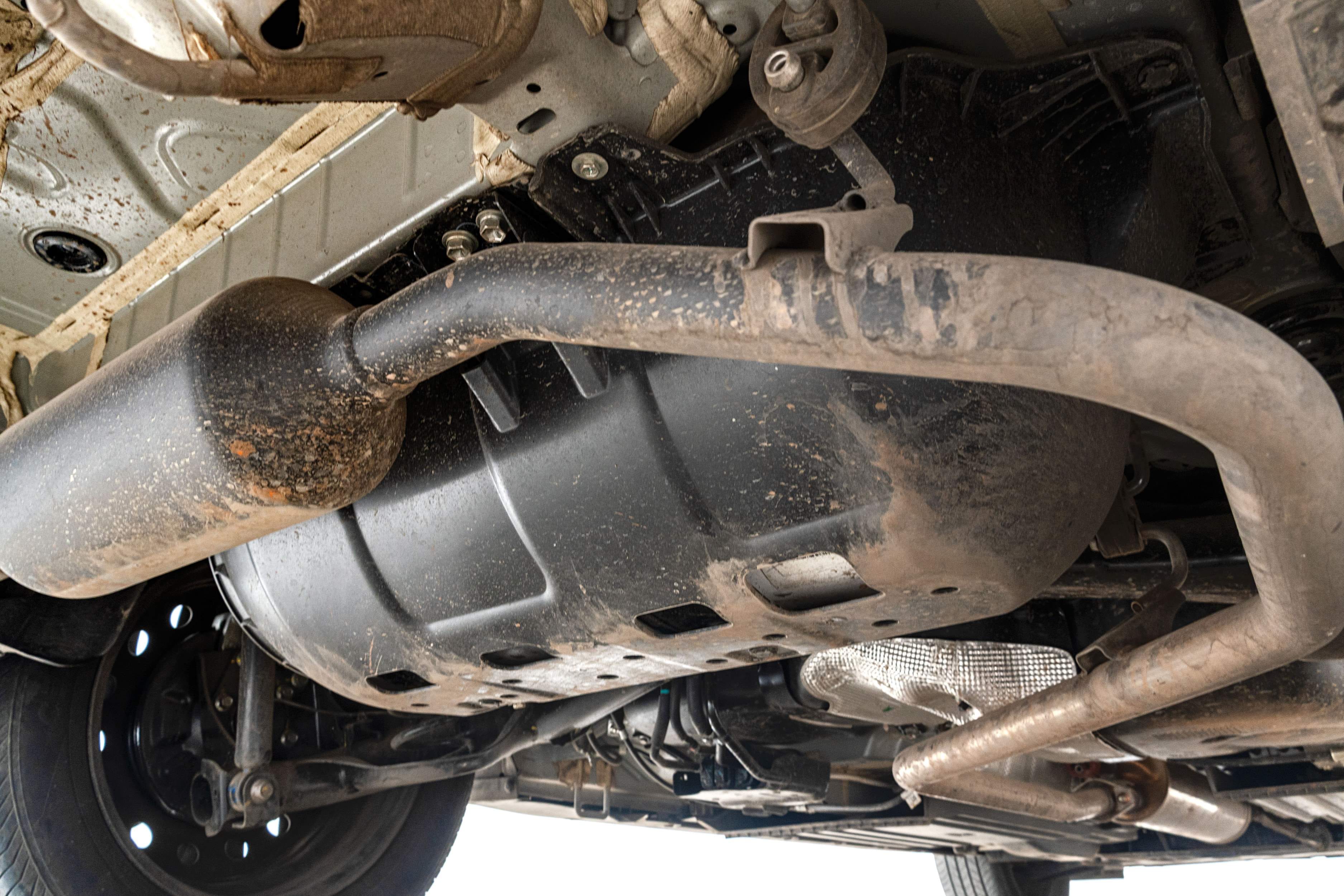
Under-floor CNG tank occupies spare tyre space.

Owners, however, will certainly appreciate this SUV’s efficiency. In our tests, the Victoris CNG delivered 18km/kg in the city and 26km/kg on the highway. The latter figure is particularly impressive, coming close to Maruti’s claimed fuel-efficiency figure of 27.02km/kg.

Maruti Suzuki Victoris S-CNG tested fuel efficiency 
City 18km/kg 
Highway 26km/kg

Its 55-litre CNG tank, mounted beneath the vehicle, can typically hold between 7.4kg and 8kg of gas, depending on ambient conditions and pump pressure. Based on our findings, owners can expect an average real-world driving range of around 180km on a full CNG fill.

Maruti Suzuki Victoris S-CNG ride comfort and handling – 8/10

You’ll need to work its engine harder on hilly terrain or to make quick highway overtakes.

Shifting focus to other aspects, the Victoris inspires confidence on almost every kind of road thanks to its well-sorted underpinnings and expertly judged suspension setup. It feels tough and robust in the way it smothers small undulations and absorbs even sharp road shocks with ease. Even when driven at higher speeds, this Maruti remains composed, riding flat without unnecessary body movements.

Maruti Suzuki Victoris S-CNG features and safety – 8/10

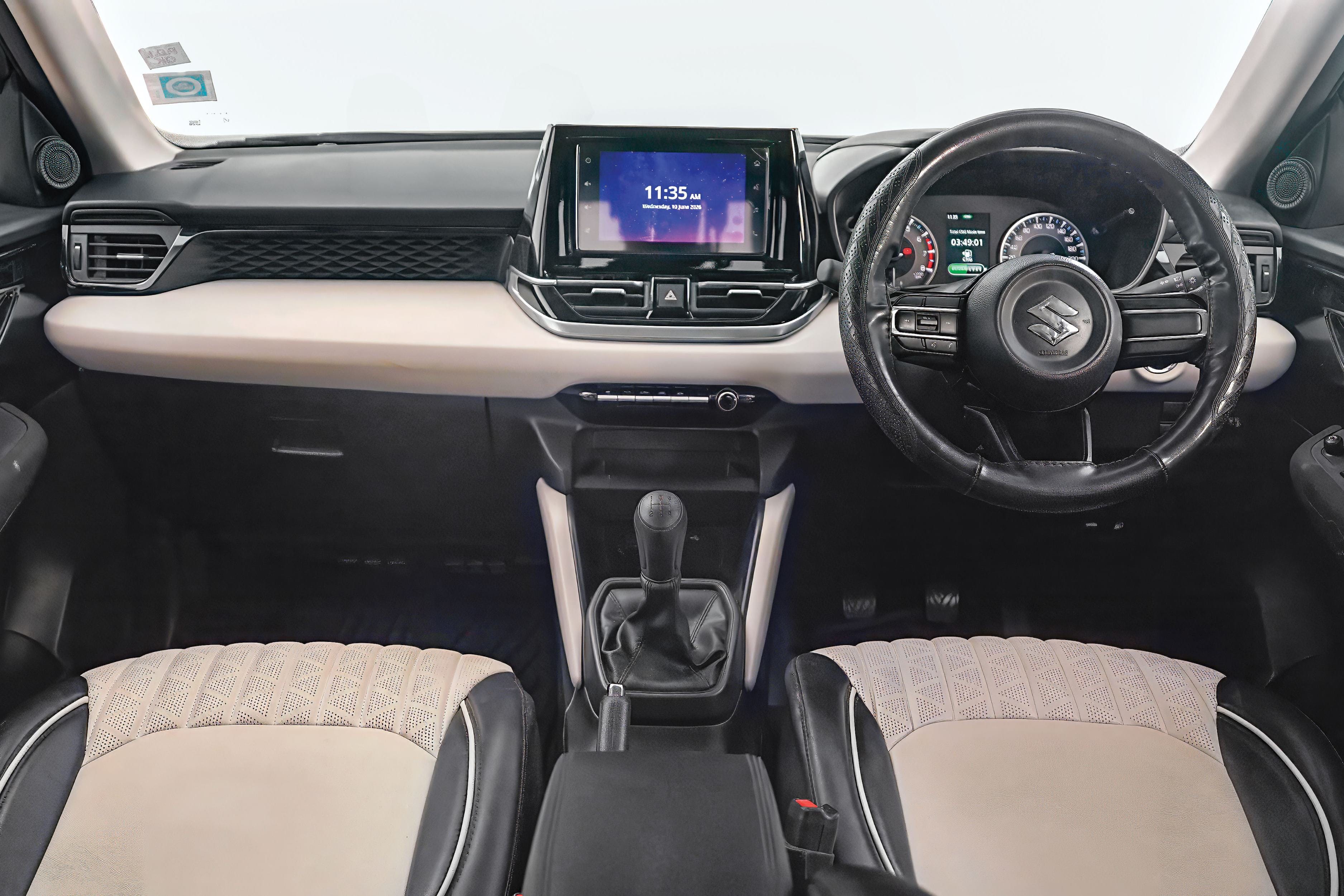
Pleasing dual-tone interiors with generous standard equipment.

As for safety, six airbags, ESP, ABS with EBD and all the essential modern safety features come as standard. Notably, the entry-level LXI variant represents excellent value for money. Priced at Rs 11.5 lakh, it comes equipped with keyless entry, push-button start, automatic climate control, a 7-inch touchscreen with wireless Android Auto and Apple CarPlay, and projector headlamps, among other notable features.

Maruti Suzuki Victoris S-CNG boot space – 8/10

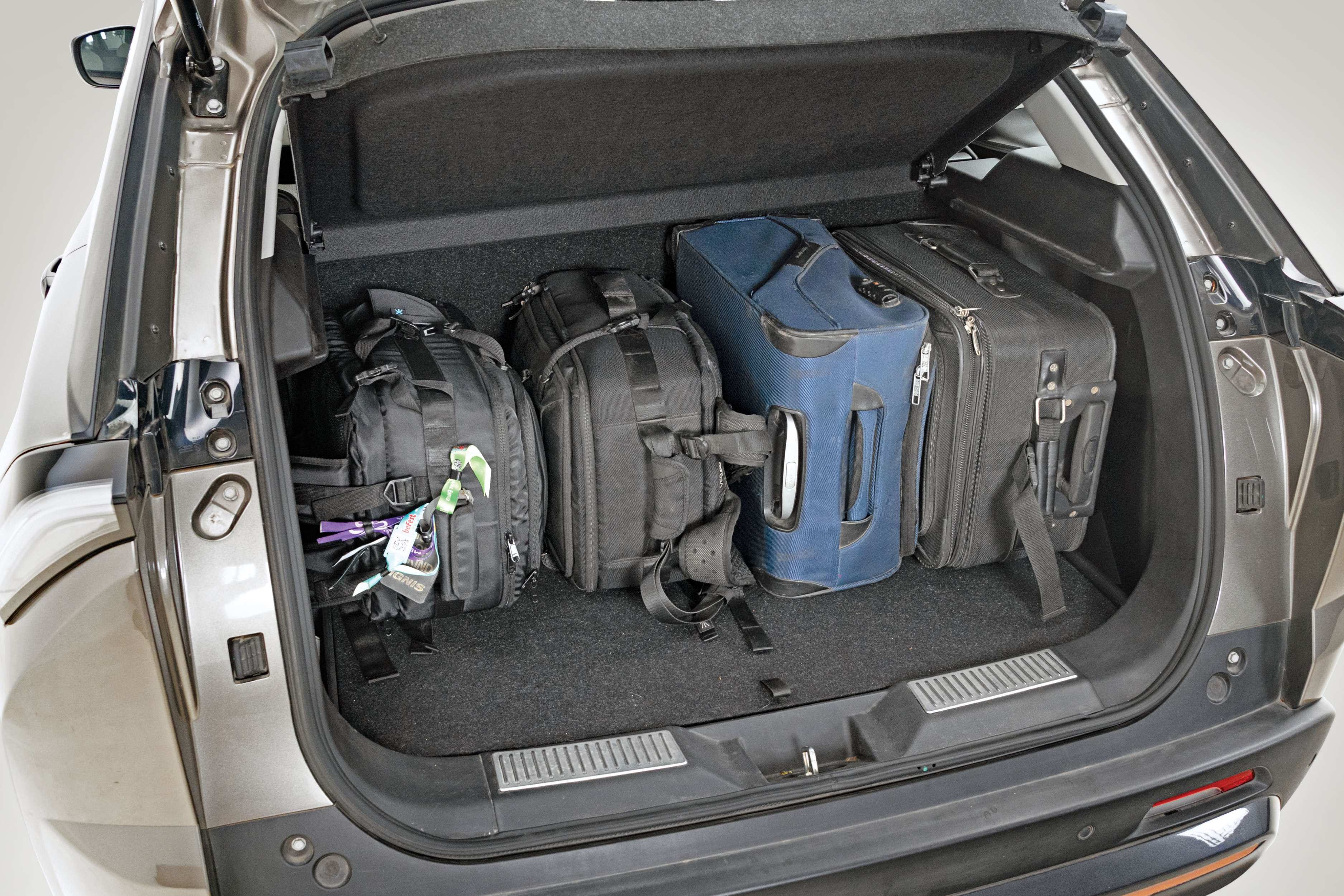
With the under-floor CNG tank, boot space is good.

Maruti has also cleverly packaged the Victoris’ CNG tank beneath the boot floor, which means luggage space remains identical to the petrol version, making it just as practical. The only compromise is the absence of a spare tyre, with CNG variants making do with a tyre inflator kit instead.

Maruti Suzuki Victoris S-CNG verdict- 8/10

It is an efficient, sensible, value-for-money SUV.

In summary, the Victoris is a sensible, efficient and genuinely value-for-money midsize SUV. For buyers with high running requirements who want to keep fuel costs in check, the CNG version is the obvious choice. The drivability is good, the efficiency is excellent, and although it costs around Rs 1 lakh more than an equivalent petrol version, the significantly lower running costs should allow owners to recover that premium over time.