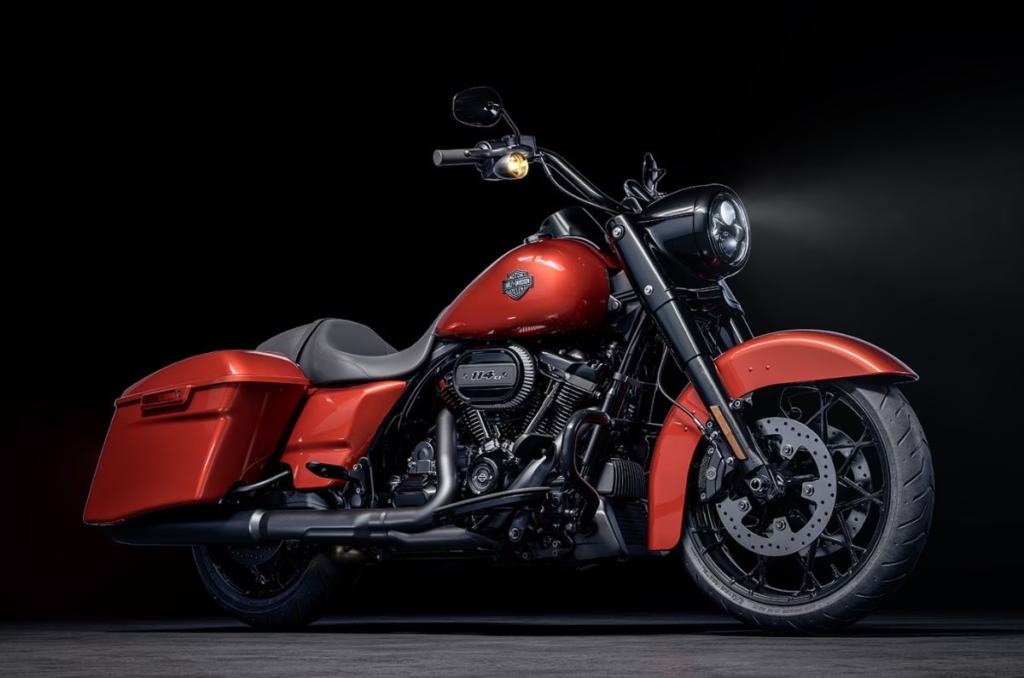
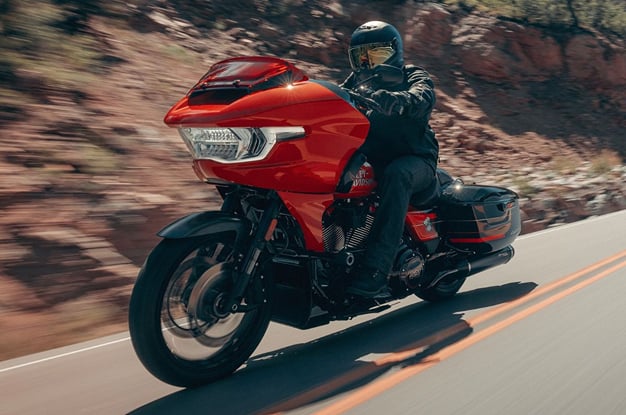
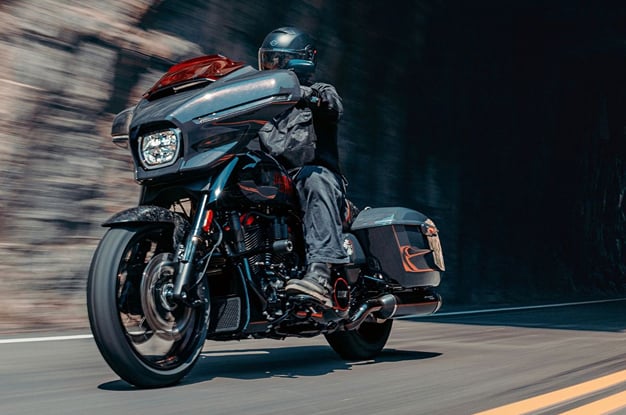
Harley-Davidson has had a dearth of its performance focused ST models lately, with the US website currently offering only two, the cruiser Low Rider and the adventure tourer Pan America 1250. It looks like the American company is fixing that next year, with three more models expected to add to the line-up. We believe the models to be the Road King ST, Road Glide ST and Street Glide ST, all of which fall under the ‘Grand American Touring’ category. Currently, Harley-Davidson sells the latter two exclusively in CVO (Custom Vehicle Operations) guise.
Besides Road King ST, four other Harleys are expected for 2027
The ST could be powered by the Milwaukee-Eight 117 engine
Road King ST set to arrive in 2027: What else can we expect?
More powerful than the 2025 Road King, and ‘sporty’ suspension
A brief untangling of Harley-Davidson’s nomenclature before we get back to the motorcycles. ST refers to Softail frame which essentially means that these motorcycles are performance-oriented, with more powerful engines and a more sophisticated suspension setup compared to their non-ST counterparts. As for CVO, it is more intense than your average factory custom program. CVO models are usually very limited in number, and get exclusive part upgrades, beautiful material finishes and colour schemes that ‘regular’ Harleys don’t get. The American manufacturer is also known to have tested new accessories and colour schemes via this program, before rolling it out at a larger scale since the program’s debut in 1999.
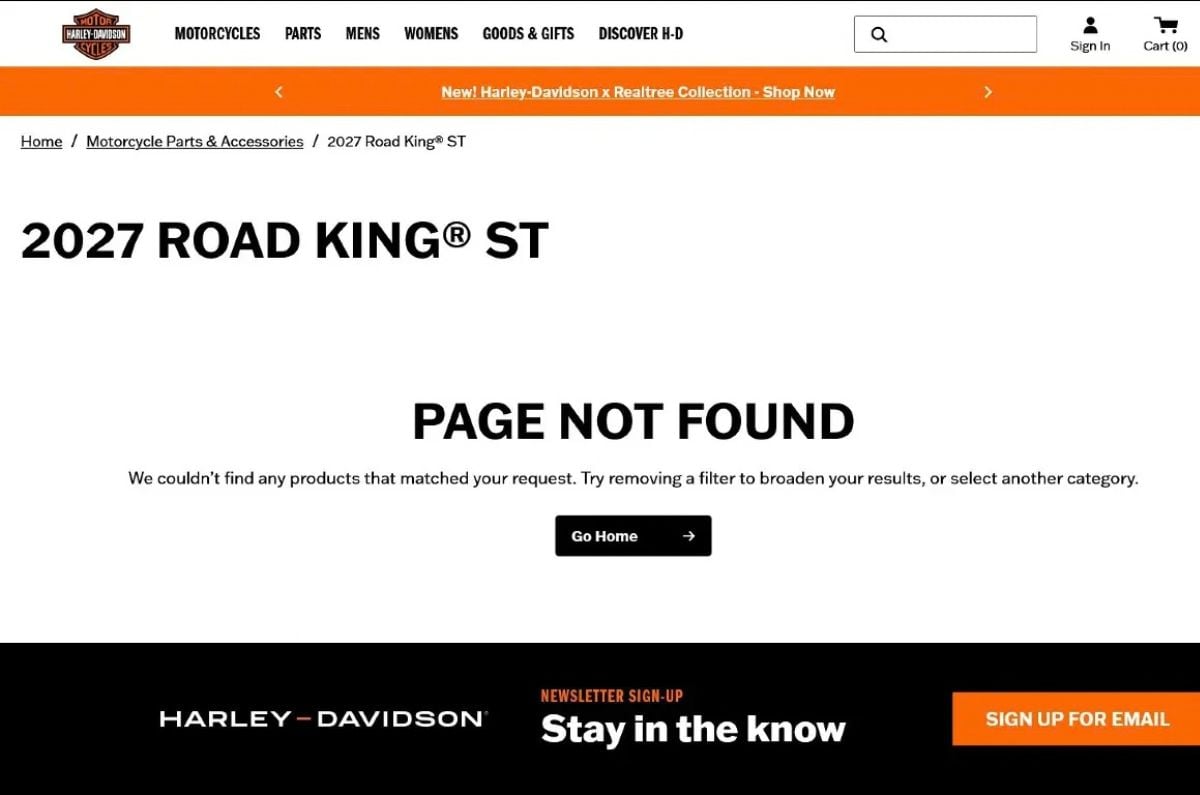
Harley’s accessories page for the 2027 Road King ST. Image courtesy: Motorcycle.com
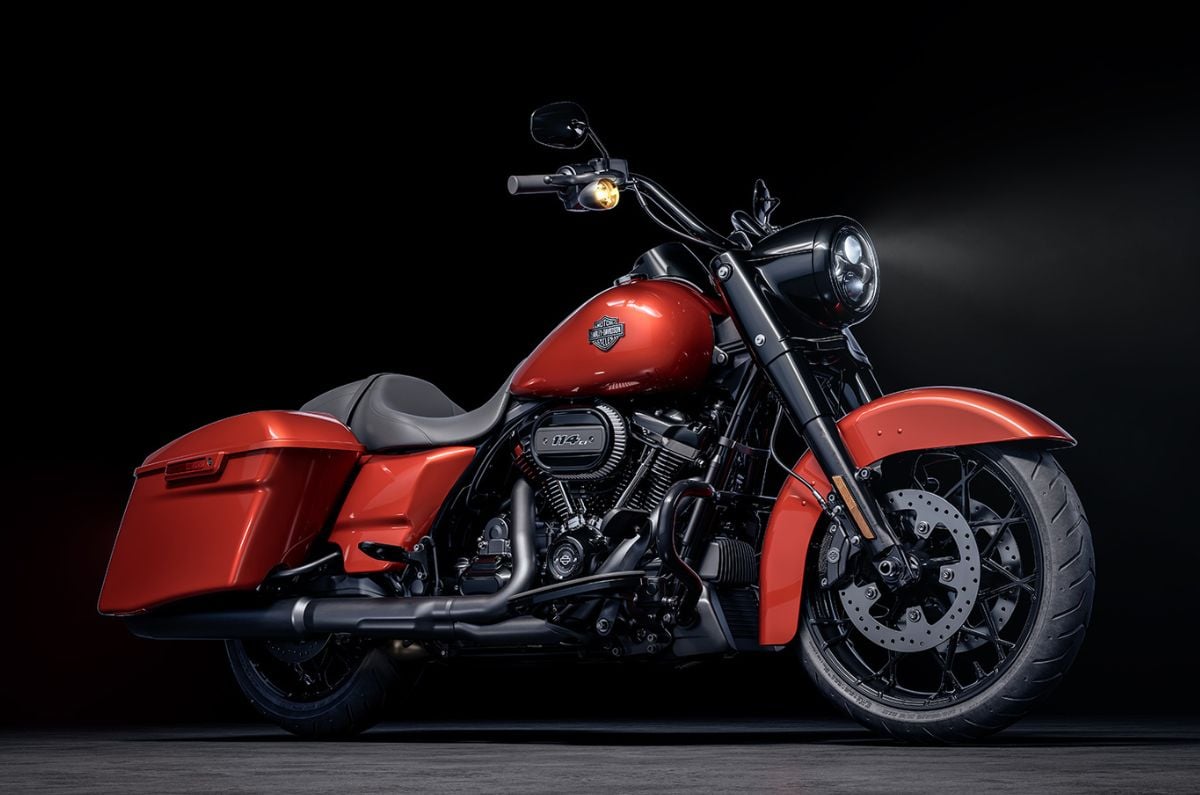
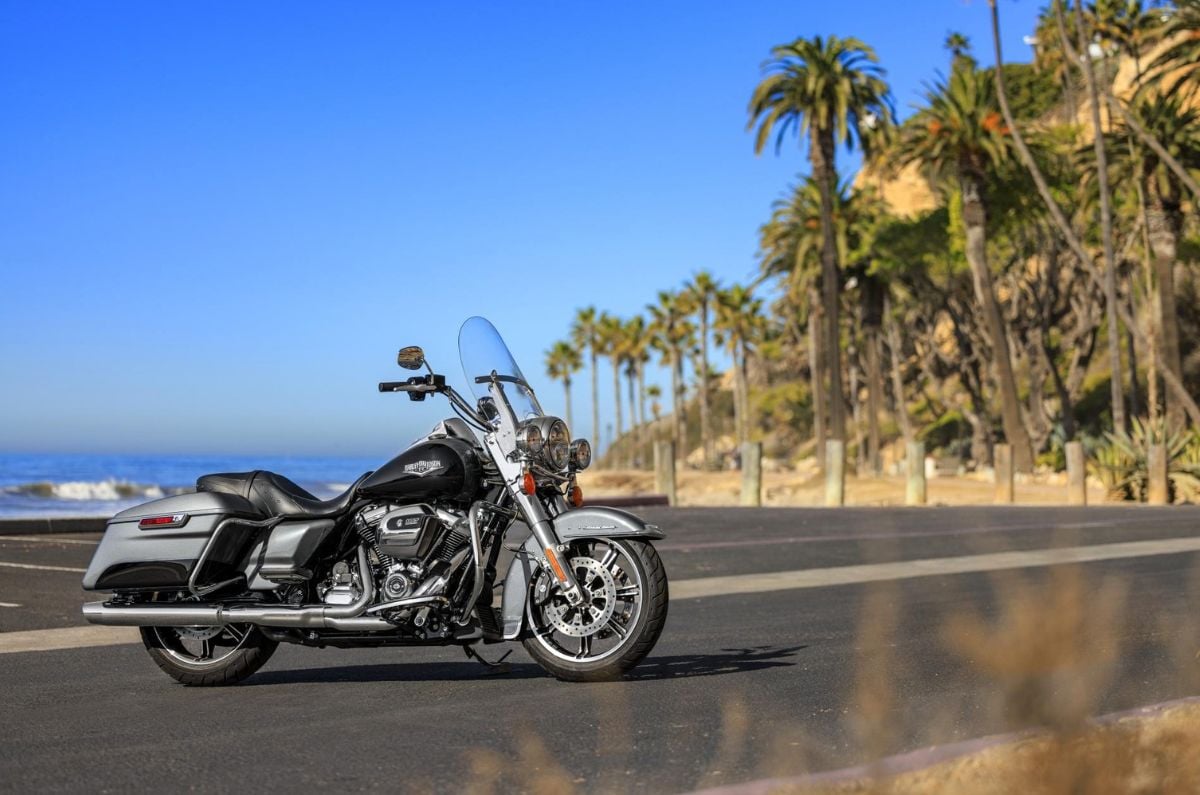
The Road King ST is expected to find its way onto the lineup next year, thanks to Harley-Davidson creating an accessories page for it (which has now been taken down). While we have no idea what any of these motorcycles will look like, thanks to the accessories pages, we know that the Road Glide ST and the Street Glide ST will also be available in non-CVO guise next year. The last time this happened was in 2023, before H-D rolled out its current touring platform. The Road King was last seen in 2025 in Special guise, when it was powered by the Milwaukee-Eight 114 engine and came equipped with side cases but no windshield (as shown in the picture above). The regular Road King was last seen in 2022, powered by the Milwaukee-Eight 107 engine, with side cases as well as a windshield.
Harley-Davidson Road King in 2022
We expect the Road King ST to run on the Milwaukee-Eight 117 engine, similar to most of Harley’s other touring models. Typical for ST motorcycles, we expect all three models to have more performance-focused suspension and braking setups. For context, the CVO versions of the Road Glide and Street Glide motorcycles are powered by even more powerful Milwaukee-Eight 121 engines. The non-CVO Road Glide and Street Glide will also likely lose out on their carbon components (a CVO exclusive), besides getting downgraded to a slightly lower powered engine, which could be the same Milwaukee-Eight 117.
CVO Road Glide vs CVO Street Glide
The fact that Harley-Davidson has started working on the website pages likely indicates that these motorcycles are slated to arrive soon, more than likely with new colour options as well. Alongside the three motorcycles above, H-D has also set up accessory pages for other non-CVO models as well, such as the Deadwood and the Super Glide, tacitly indicating that they too are going to enter the market soon.
Vijay Deverakonda का Ranabaali लुक सिर्फ एक किरदार नहीं…
इसके पीछे छिपा है Rayalaseema के उस दौर का इतिहास, जब सूखे और भुखमरी ने लाखों जिंदगियां तबाह कर दी थीं।
1876–78 का Great Famine सिर्फ प्राकृतिक आपदा की कहानी नहीं थी। इसके पीछे उस दौर की नीतियों और भूख से जन्मे विद्रोहों की भी कहानी है।
कुछ इतिहास किताबों में दर्ज होते हैं, और कुछ लोगों की यादों में जिंदा रहते हैं।
क्या आपको स्कूल में इस इतिहास के बारे में कितना पढ़ाया गया था?
[Vijay Deverakonda Ranabaali real story, Rayalaseema famine history, Vijay Deverakonda new movie, Vijay Deverakonda and Rashmika Mandanna, History of India]
Market View : ग्लोबल मार्केट में बिकवाली का असर भारतीय इक्विटी इंडेक्स पर भी पड़ा। US बॉन्ड यील्ड में तेजी और इंटरनेशनल क्रूड ऑयल की कीमतें बढ़कर $102 प्रति बैरल से ऊपर पहुंचने के कारण बेंचमार्क निफ्टी 52-हफ्ते के नए निचले स्तर पर आ गया। FII द्वारा घरेलू शेयरों की भारी बिकवाली और RBI द्वारा ब्याज दरों में और बढ़ोतरी की आशंका से भी लोकल इन्वेस्टर्स में घबराहट है,क्योंकि ऊंची ब्याज दरों से लॉन्ग-टर्म ग्रोथ की संभावनाओं पर बुरा असर पड़ेगा। इसके चलते 8 अक्टूबर को भारतीय इक्विटी इंडेक्स में भारी गिरावट देखी गई और निफ्टी 22,250 के स्तर से नीचे आ गया। सेंसेक्स 1,045.46 अंक यानी 1.44% गिरकर 71,593.24 पर बंद हुआ,जबकि निफ्टी 371.25 अंक यानी 1.64% गिरकर 22,231.80 पर आ गया।
जियोजित इन्वेस्टमेंट्स में हेड ऑफ़ रिसर्च,विनोद नायर का कहना है कि घरेलू बाजार में आज भारी बिकवाली का दौर जारी रहा। RBI की सख़्त पॉलिसी का असर उन सेक्टर्स पर पड़ा जो ब्याज दरों में बदलाव के प्रति संवेदनशील हैं, जिससे शॉर्ट-टर्म वैल्यूएशन मल्टीपल्स में बदलाव आया। FII की लगातार निकासी,बॉन्ड यील्ड में बढ़ोतरी और रुपये की गिरती कीमत ने इस दबाव को और बढ़ा दिया।
इसके अलावा,कच्चे तेल की कीमतों में वोलैटिलिटी,जो लगातार $100 के स्तर से ऊपर बनी हुई हैं,देश की अर्थव्यवस्था के लिए एक चुनौती बनी हुई हैं। अच्छे हाई-फ़्रीक्वेंसी डेटा से मजबूत घरेलू अर्थव्यवस्था का पता चलता है, जबकि ब्याज दरों में और बढ़ोतरी की संभावना इक्विटी वैल्यूएशन को दबाए हुए है।
मार्जिन से जुड़ी चिंताओं और टैक्टिकल प्रॉफ़िट बुकिंग के बीच मिड-कैप और स्मॉल-कैप शेयरों में सुस्ती रही। आगे बाज़ार का फोकस अब Q2 अर्निंग्स सीज़न पर है,जहां डिमांड की स्थिरता और इनपुट कॉस्ट को संभालने के बारे में मैनेजमेंट की कमेंट्री शॉर्ट-टर्म के लिए बाजार की दिशा तय करेंगी।
रेलिगेयर ब्रोकिंग के SVP-रिसर्च,अजीत मिश्रा का कहना है कि गुरुवार को बाजार में भारी बिकवाली का दबाव देखा गया और बाजार लगभग 1.5 फीसदी नीचे आ गया। कमजोर शुरुआत के बाद बेंचमार्क इंडेक्स ज्यादातर समय दबाव में रहे और अंत में दिन के निचले स्तर के करीब बंद हुए। बाजार में चौतरफा बिकवाली रही।
सेक्टर के लिहाज से देखें तो बिकवाली हर तरफ थी। मेटल, रियल्टी और एनर्जी सेक्टर में सबसे ज़्यादा गिरावट देखी गई,जबकि IT एकमात्र ऐसा सेक्टर था जिसने कुछ हद तक मजबूती दिखाई।
ब्रॉडर मार्केट में और भी तेज बिकवाली हुई इससे मिडकैप और स्मॉलकैप दोनों इंडेक्स 2% से ज्यादा गिरे। इससे साफ पता चलता है कि बाजार में जोखिम लेने से बचा जा रहा है और बाजार का दायरा (मार्केट ब्रेड्थ) कमजोर हो रहा है।
घरेलू और ग्लोबल मैक्रो चिंताओं का बाजार के सेंटीमेंट पर भारी असर रहा। RBI के रेपो रेट को 25 bps बढ़ाकर 5.50% करने और ‘कैलिब्रेटेड टाइटनिंग’ (सोच-समझकर सख्ती) की ओर रुख करने के फैसले से वित्तीय हालात के और सख्त होने की चिंता बढ़ गई है। साथ ही,भू-राजनीतिक तनाव और सप्लाई से जुड़ी चिंताओं के बीच ब्रेंट क्रूड की कीमत $102–103 प्रति बैरल के स्तर से ऊपर चली गई। जबकि US 10-वर्षीय ट्रेजरी यील्ड 5.3% के आसपास ऊंचे स्तर पर बनी हुई है। TCS के तिमाही नतीजों से पहले सावधानी का माहौल और IT सेक्टर में घबराहट ने भी बाजार पर असर डाला।
तकनीकी तौर पर,मामूली सुधार (पुलबैक) के बाद निफ़्टी ने एक बार फिर अप्रैल 2026 के निचले स्तर 22,182.55 को टेस्ट किया है जो मौजूदा ढांचे में और कमजोरी का संकेत है। अगर यह स्तर निर्णायक रूप से टूटता है तो बाजार 21,700–22,000 के जोन की ओर जा सकता है।
ऊपर की तरफ़,22,400 का स्तर तत्काल रेजिस्टेंस का काम कर सकता है और उसके बाद 22,700–22,800 अगला बड़ा रेजिस्टेंस हो सकता है। मौजूदा गिरावट के दौर में इंडेक्स के नए निचले स्तर बनाने और बाजार के दायरे में तेजी से गिरावट के कारण,निकट भविष्य के लिए सतर्क रहने की ज़रूरत है।
बाजार में अपनी पोजीशन उसी हिसाब से बनानी चाहिए और हेज्ड अप्रोच (जोखिम कम करने वाला तरीका) अपनाना चाहिए, खासकर इसलिए क्योंकि अर्निंग सीजन के दौरान बाजार में उतार-चढ़ाव बढ़ने की संभावना है।
LKP सिक्योरिटीज में सीनियर टेक्निकल एनालिस्ट रूपक डे का कहना है कि इंडेक्स में गिरावट जारी रही और यह पिछले सेशन के निचले स्तर से भी नीचे चला गया। पूरे सेशन के दौरान मंदड़ियों का दबदबा बना रहा और तेजड़ियों को कोई राहत नहीं मिली।
चाहे वह आवरली चार्ट हो या वीकली चार्ट, इंडेक्स क्रिटिकल मूविंग एवरेज से नीचे बना हुआ है। यह लगातार बनी कमजोरी का संकेत है। हालात निराशाजनक लग रहे हैं और यह माहौल कुछ और दिनों तक ऐसा ही बना रह सकता है।
RSI बेयरिश क्रॉसओवर में है और ओवरसोल्ड जोन में बना हुआ है। निचले स्तर पर निफ्टी के लिए 22180 पर सपोर्ट है। इसके नीचे जाने पर इंडेक्स में और गिरावट आ सकती है और यह 22000 के स्तर तक जा सकता है। ऊपर की तरफ 22350 पर रेजिस्टेंस है।
डिस्क्लेमर: मनीकंट्रोल.कॉम पर दिए गए विचार एक्सपर्ट के अपने निजी विचार होते हैं। वेबसाइट या मैनेजमेंट इसके लिए उत्तरदाई नहीं है। यूजर्स को मनी कंट्रोल की सलाह है कि कोई भी निवेश निर्णय लेने से पहले सर्टिफाइड एक्सपर्ट की सलाह लें।
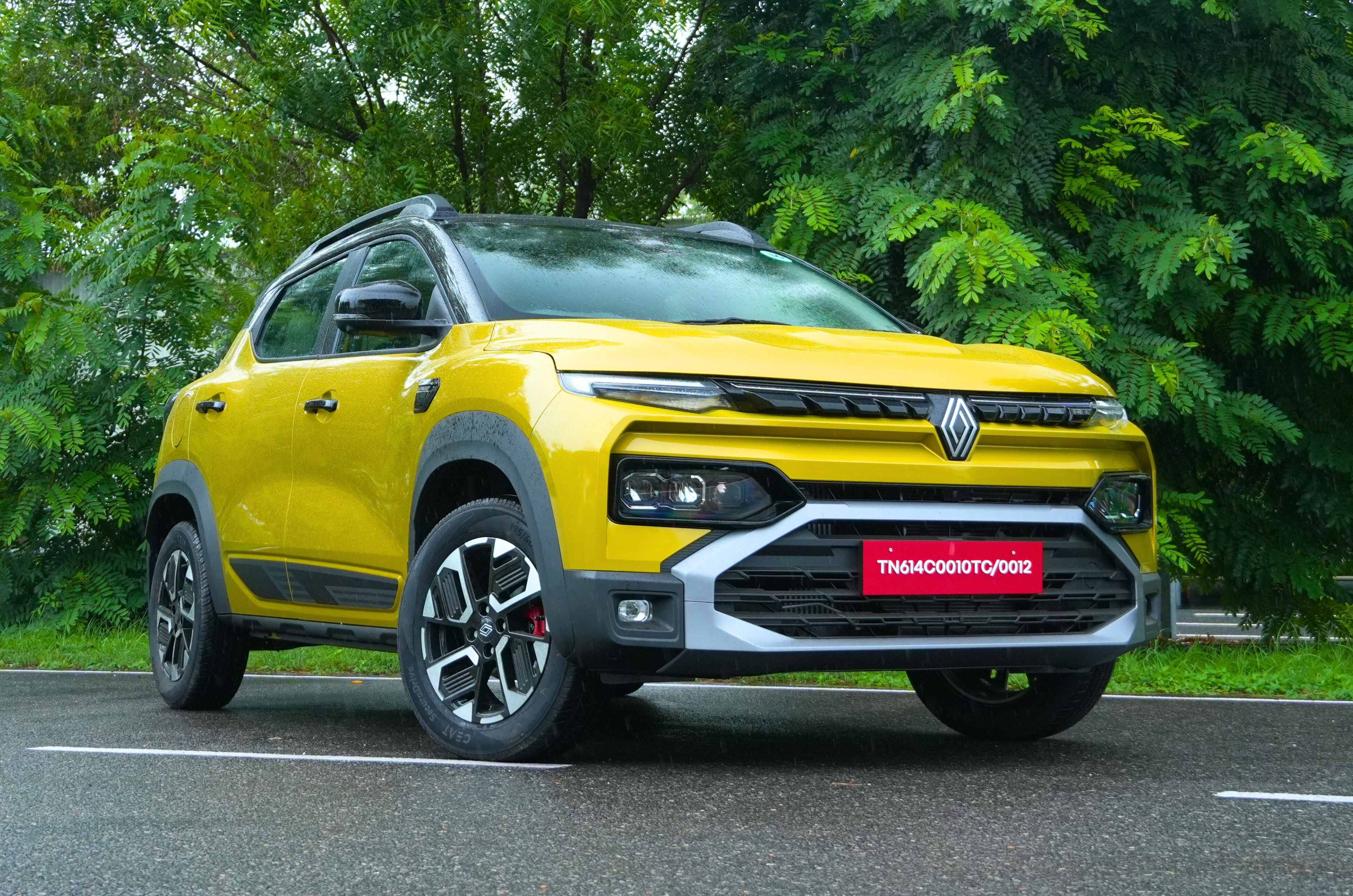
Renault India has announced offers applicable on its cars in October. The Renault Duster is available with the highest benefits this time, followed by the Kiger and Triber. These include cash discounts, exchange and loyalty benefits, as well as corporate offers. Let us now take a closer look at them.
Disclaimer: Offers/benefits may vary by city and are subject to stock availability. Buyers are advised to check with their local dealer for exact figures. Customers can also check out Renault India’s official website for further details.
Renault Duster offers in October 2026
Benefits of up to Rs 2.1 lakh
The Renault Duster gets benefits of up to Rs 2.1 lakh this month. Its Techno+ and Iconic trims get a cash offer of up to Rs 50,000. Exchange benefits of up to Rs 1.1 lakh are available on these variants as well, while the Evolution and Adventure trims get up to Rs 50,000. For a Duster-to-Duster exchange, the benefit rises to Rs 1.5 lakh on the Techno+ and Iconic trims and Rs 1 lakh on the Evolution and Adventure. Customers can also avail loyalty benefits of up to Rs 10,000 and AMC on all trims of the Duster upon submission of required loyalty proofs.
The Duster is priced between Rs 10.49 lakh and Rs 18.49 lakh, and rivals the Hyundai Creta, Kia Seltos and Tata Sierra, among others.
Renault Kiger offers in October 2026
Benefits of up to Rs 65,000
For the Renault Kiger VIN 2026 models, customers can avail benefits of up to Rs 65,000. Cash and exchange offers of up to Rs 25,000 each are available on the Evolution+, Techno and Emotion trims. Like the Duster, customers can even claim loyalty benefits of up to Rs 10,000 and an AMC on all Kiger trims, subject to submission of the required loyalty proofs. A corporate discount of up to Rs 5,000 is also on offer.
Prices for the Kiger start at Rs 5.81 lakh and go up to Rs 10.40 lakh. Rivals include Nissan Magnite, Hyundai Venue, Maruti Brezza, Tata Nexon and more.
Renault Triber offers in October 2026
Benefits of up to Rs 55,000
Benefits of up to Rs 55,000 are on offer with the Renault Triber. Select variants get a cash benefit of up to Rs 25,000 and an exchange benefit of up to Rs 25,000. An additional corporate discount of up to Rs 5,000 is also available with the compact MPV.
The Triber is priced between Rs 5.80 lakh and Rs 9 lakh, ex-showroom, and competes with its badge-engineered sibling, the Nissan Gravite.
Ex-showroom prices mentioned above are as on October 8, 2026.
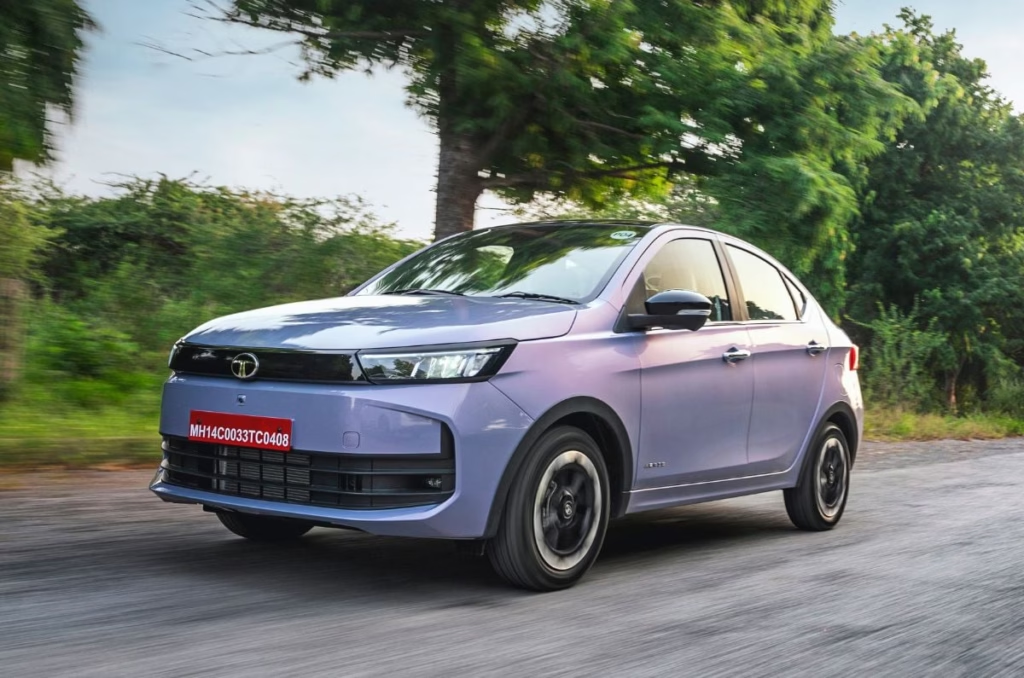
The Tata Aeris may be a new name, but its roots lie in the Tigor, which has enjoyed considerable popularity since 2017 for its distinctive styling, practical cabin, comfortable ride and decent powertrains. The Aeris builds on that foundation with a sharper design, a more upmarket cabin and an even more generous equipment list while retaining the same basic mechanical package underneath. Having already driven the iCNG version, we now get behind the wheel of the petrol Aeris to see how it fares as an everyday sedan.
Tata Aeris petrol performance and refinement – 7/10
The petrol engine gives it slightly better cruising capability than the CNG
3-cylinder engine is so-so on refinement and sounds coarse when revved hard
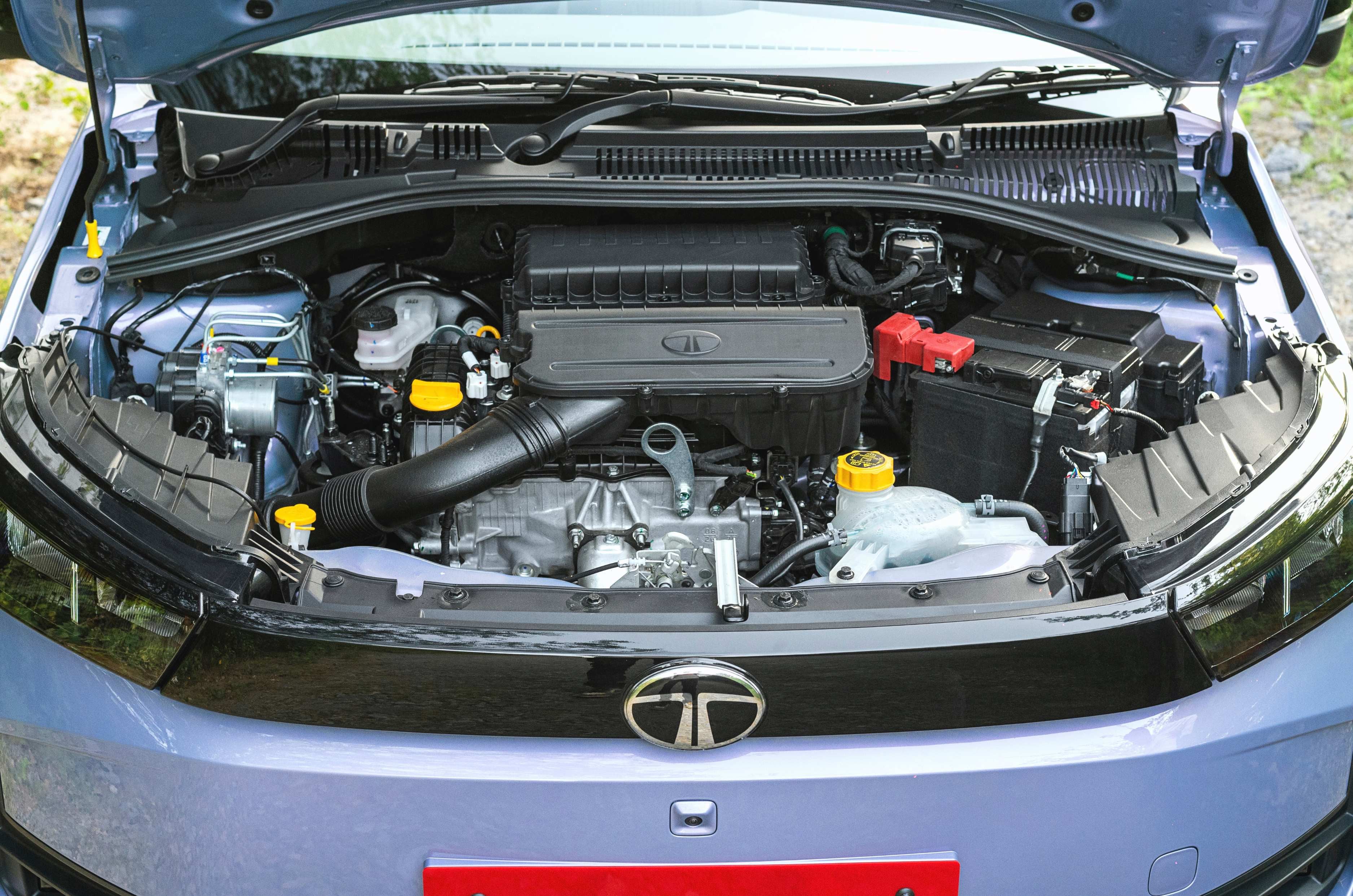
The Tata Aeris comes with a 1.2-litre 3-cylinder naturally aspirated engine that produces 86hp and 113Nm in its petrol guise and is offered with a choice between a 5-speed manual and a 5-speed automated manual transmission (AMT). The three-cylinder engine isn’t the smoothest in the segment, while the sound insulation also has room for improvement. There are noticeable vibrations at idle and low speeds, though these settle down once you’re on the move. However, they make a comeback beyond 2,500rpm, accompanied by a coarse engine note that can get intrusive and tiring on longer high-speed drives.
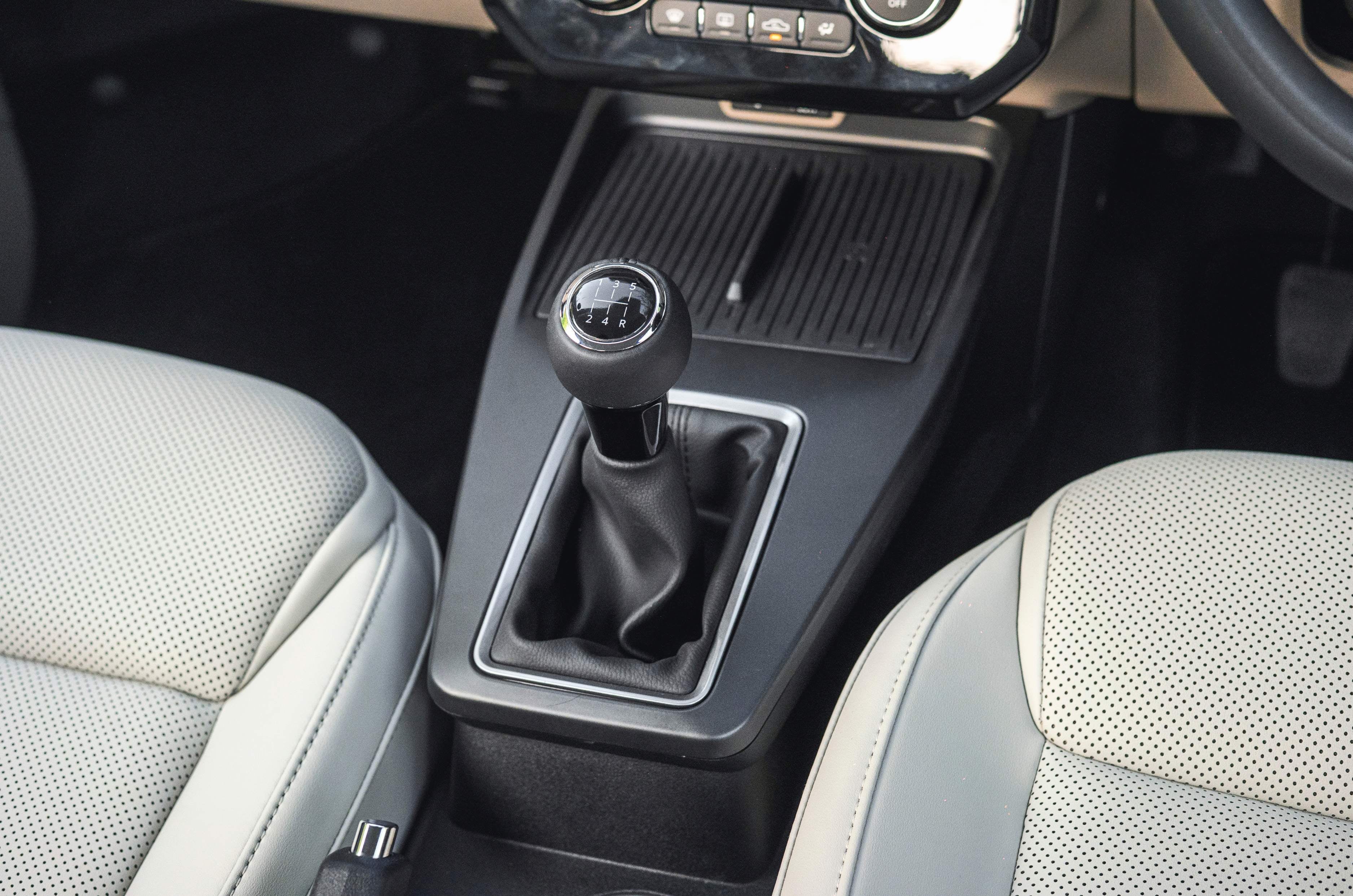
Manual lever looks premium for the price, offering short throws and defined gear gates.
The petrol version’s output figures are 10hp and 16Nm higher than the CNG version, which may look modest on paper, but the difference is discernible out on the road. We drove the petrol-powered Aeris with a 5-speed manual gearbox and noticed it offers short shift throws and well-defined gear gates. While it is not the slickest gearbox compared to its Maruti, Honda and Hyundai rivals, it is still a step up from the Tigor’s in terms of smoothness.
Aeris’ petrol version feels adequate for the city and is fine for gentle highway cruises too.
The performance in city speeds is adequate, and the powertrain is peppy enough for everyday driving. The clutch is light and has a predictable bite point, meaning you do not strain your left foot even in bumper-to-bumper traffic. There’s a dead pedal too, but it feels narrower than what we would have liked.
It is fairly quick to reach 80kph, but takes some time to reach triple-digit speeds. However, the petrol-powered Aeris maintains these speeds with relative ease, which makes it a decent highway cruiser. Unlike the CNG, the Aeris petrol does not feel out of breath when overtaking, and as long as you are in the right gear, it maintains good momentum.
AMT adds convenience for city drives but doesn’t like being rushed; the manual gearbox is easy to use.
We got a taste of the AMT during our earlier stint with the Aeris iCNG, when we switched to petrol mode, and found that the gearbox offered reasonable acceleration with measured inputs. Push the accelerator aggressively, though, and the typical AMT hesitation became evident, meaning overtakes need to be planned well. The AMT also gets a creep function, which comes in handy in bumper-to-bumper traffic.
All of this makes the AMT a good option for city driving, but for high-speed highway cruising, we recommend the manual gearbox, which offers greater control and a more engaging experience. That said, opting for the manual in the city is not a compromise either.
Tata Aeris petrol ride comfort and handling – 8/10
It allows for a confident drive at both low and high speeds
Like other Tata offerings, ride quality is one area where the Aeris excels. It takes broken roads in its stride, with the suspension absorbing rough patches well and keeping most surface irregularities from filtering into the cabin. The 170mm ground clearance is also adequate for tackling large speed breakers without much concern. That said, the CNG version has an edge in this department, thanks to its 14-inch steel wheels with taller sidewalls, which offer a more cushioned ride than the 15-inch alloys on the top-spec petrol version. Notably, lower Aeris trims get 14-inch wheels.
Well-tuned suspension keeps the Aeris comfortable and confident on all roads.
At high speed too, the suspension stiffens enough to keep the Aeris composed through quick lane changes, without feeling floaty. On the highways, it remains stable and inspires confidence at higher speeds. The steering, however, could do with more precision, as it feels slightly vague around the centre. While it weighs up nicely as speeds rise, a sharper response around the centre would have further enhanced the Aeris’ high-speed confidence.
Tata Aeris petrol mileage and efficiency
We expect the Aeris petrol to have similar fuel efficiency as the Tiago
Tata has yet to reveal the official fuel-efficiency figures for the petrol-powered Aeris. But it gets the same powertrain as the pre-facelift Tiago we tested in 2022. In that test, it returned 13.30kpl in the city and 16.60kpl on the highway. The Aeris could have similar fuel efficiency. However, we will be able to give you a more definitive assessment once we put the Aeris through our standard fuel-efficiency tests.
Tata Aeris petrol exterior design and engineering – 8/10
Has a sleeker and more modern exterior design and comes with LED lights all around
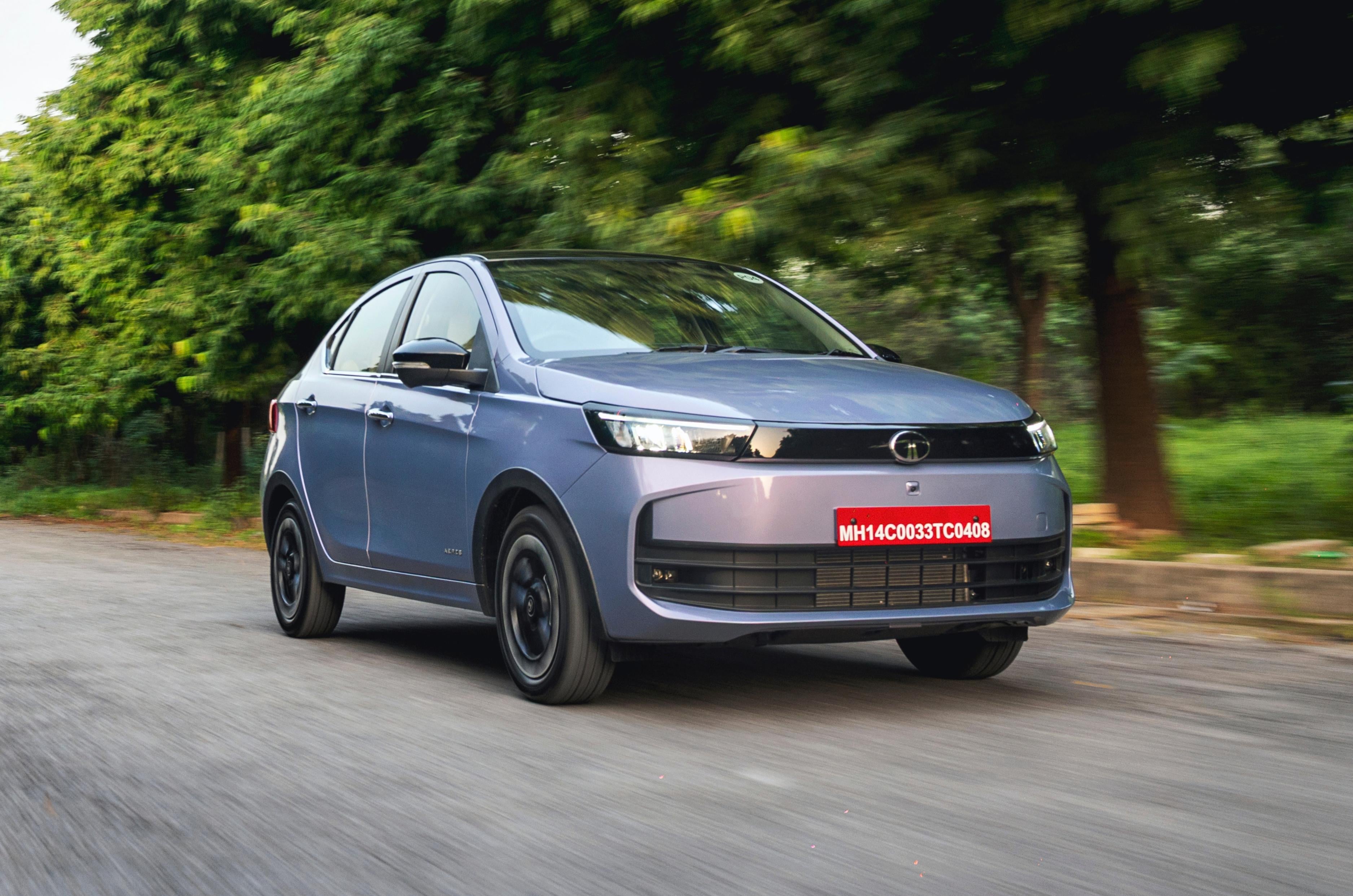
Save for the new bumper, the fascia is similar to the Tiago’s and looks very modern.
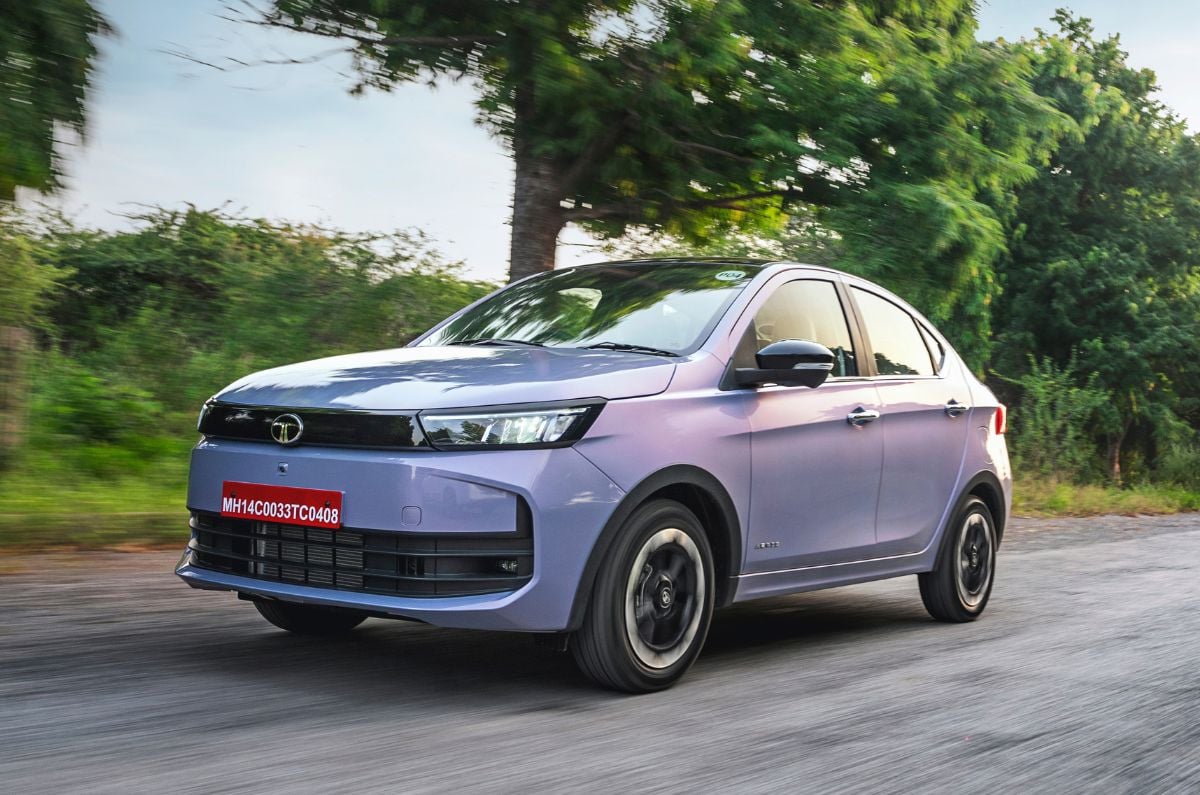
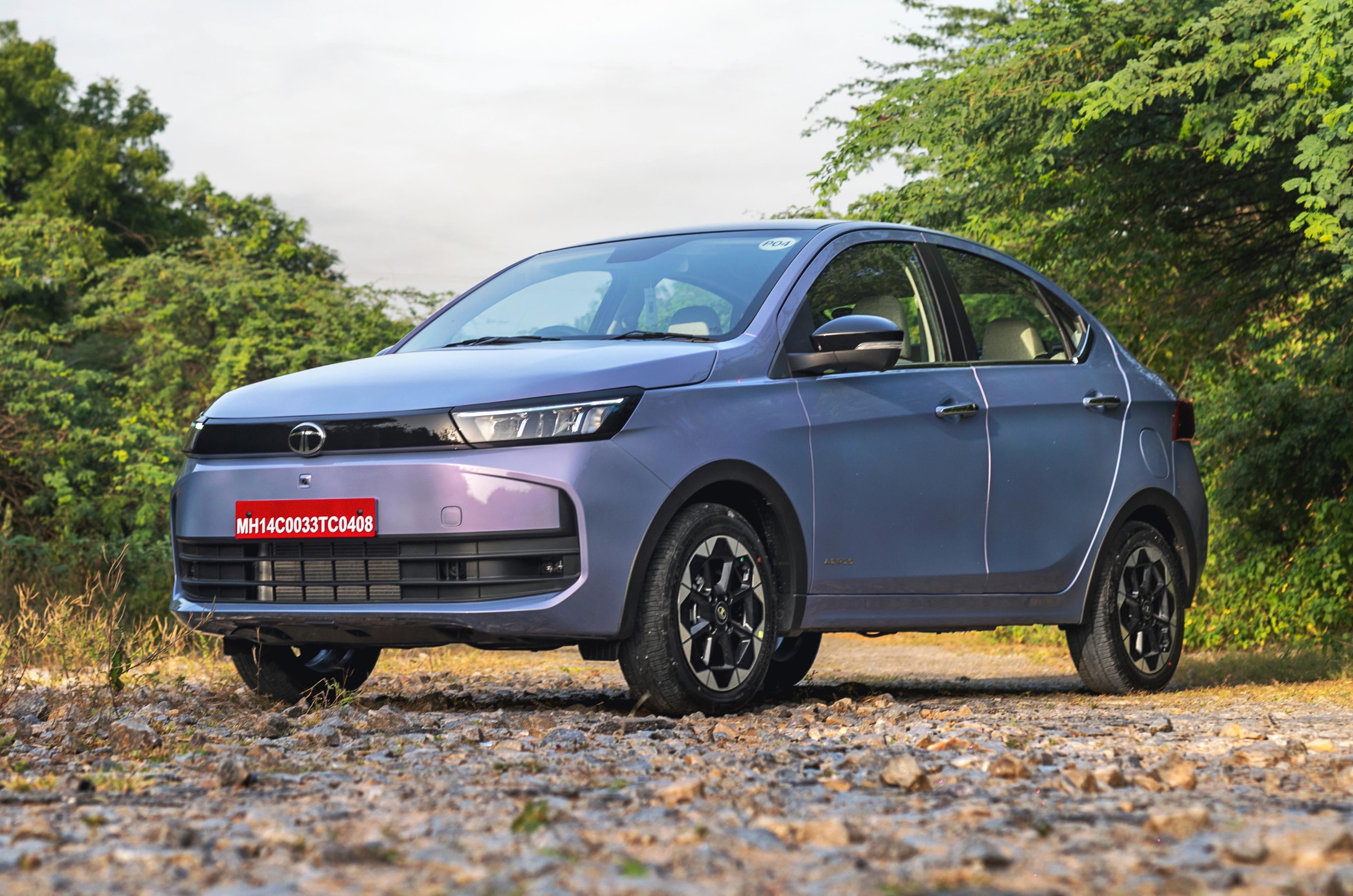
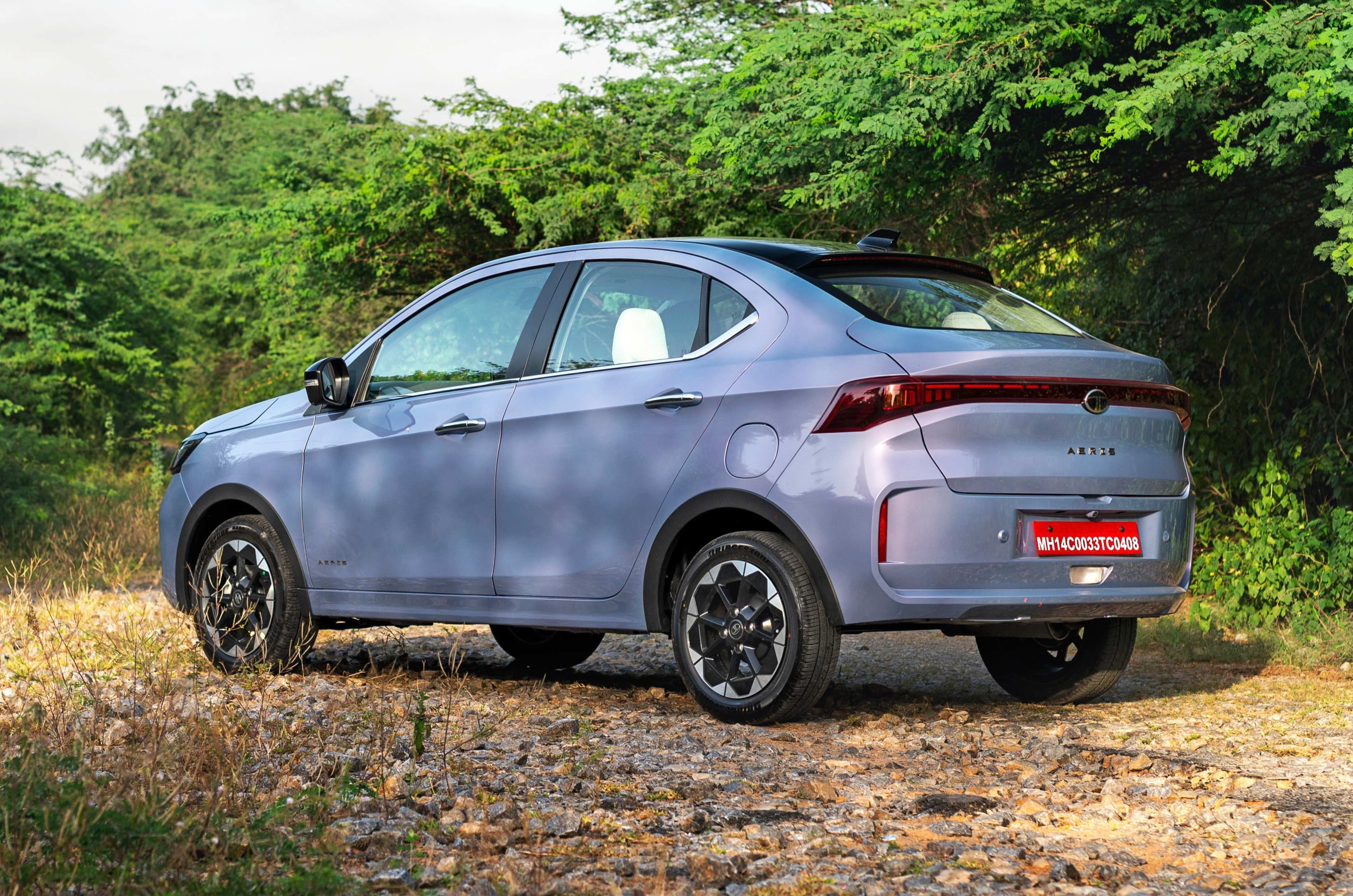
The Tata Aeris looks sleeker than before, with its design now closely aligned with the Tiago hatchback, something we have seen previously with the Tigor. Another factor that could work in the Aeris’ favour is Tata’s decision to offer it exclusively to private buyers, while retaining the Xpres, the fleet version of the Tigor, for commercial customers. This should help the Aeris steer clear of the ‘taxi’ tag often associated with rival compact sedans.
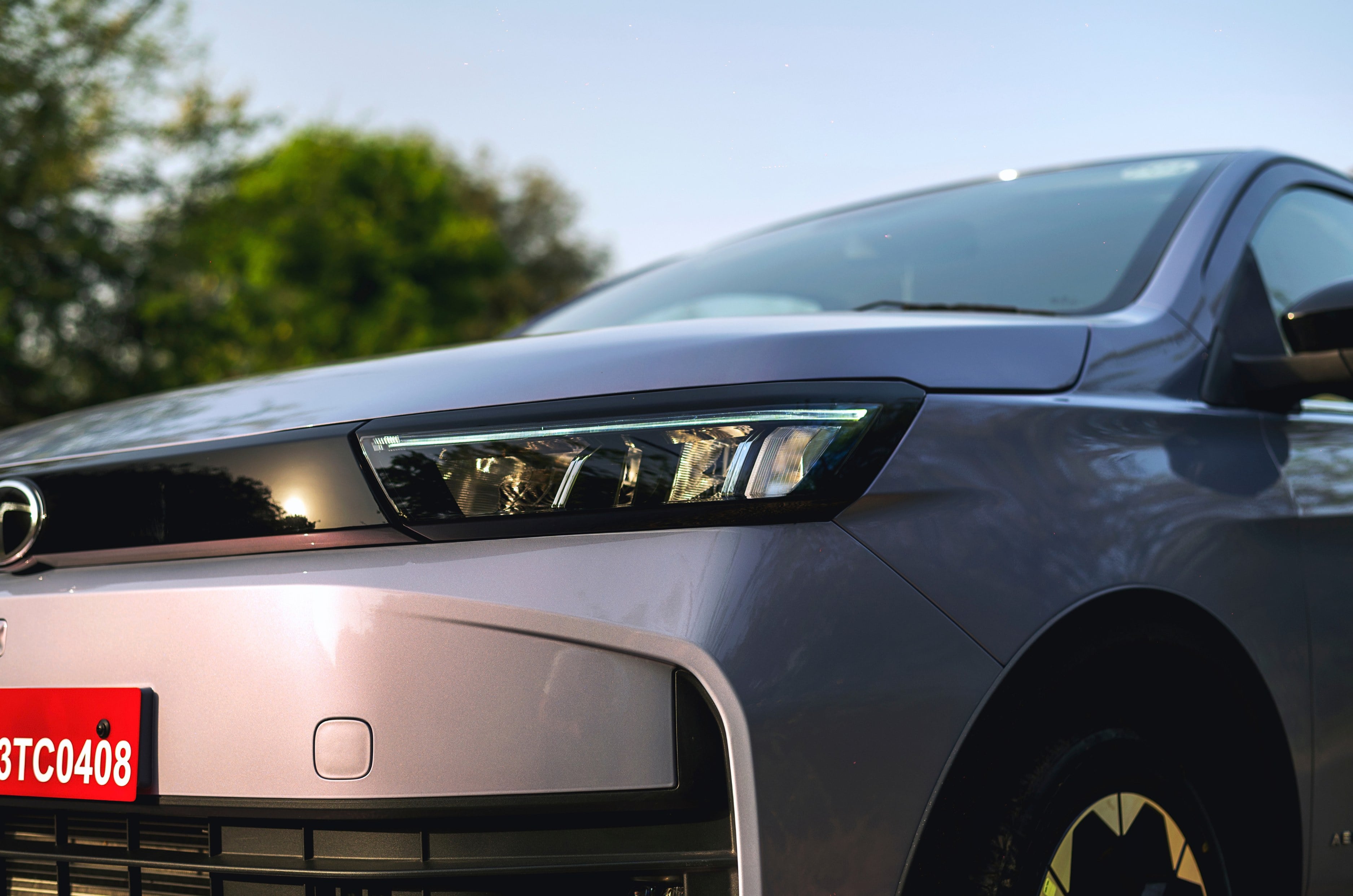
LED headlights with LED DRLs, which are connected by a black trim, make it look sleeker.
Up front, the new clamshell bonnet leads into slim LED headlights with thin LED DRL strips integrated into them. The headlights are connected by a gloss-black trim. The front bumper is also new, featuring wider air intakes and LED fog lamps, a welcome upgrade over the Tigor’s halogen units.
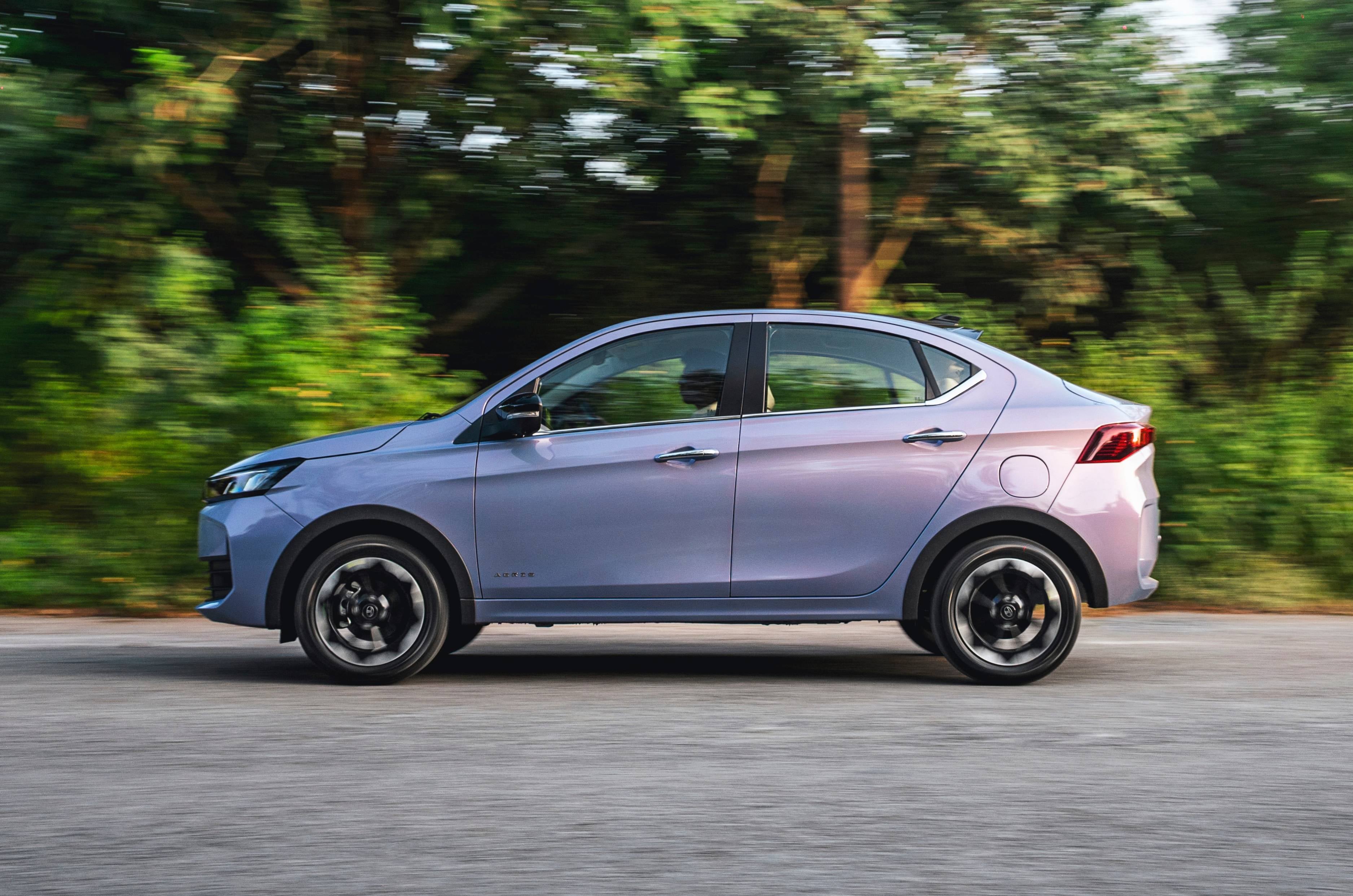
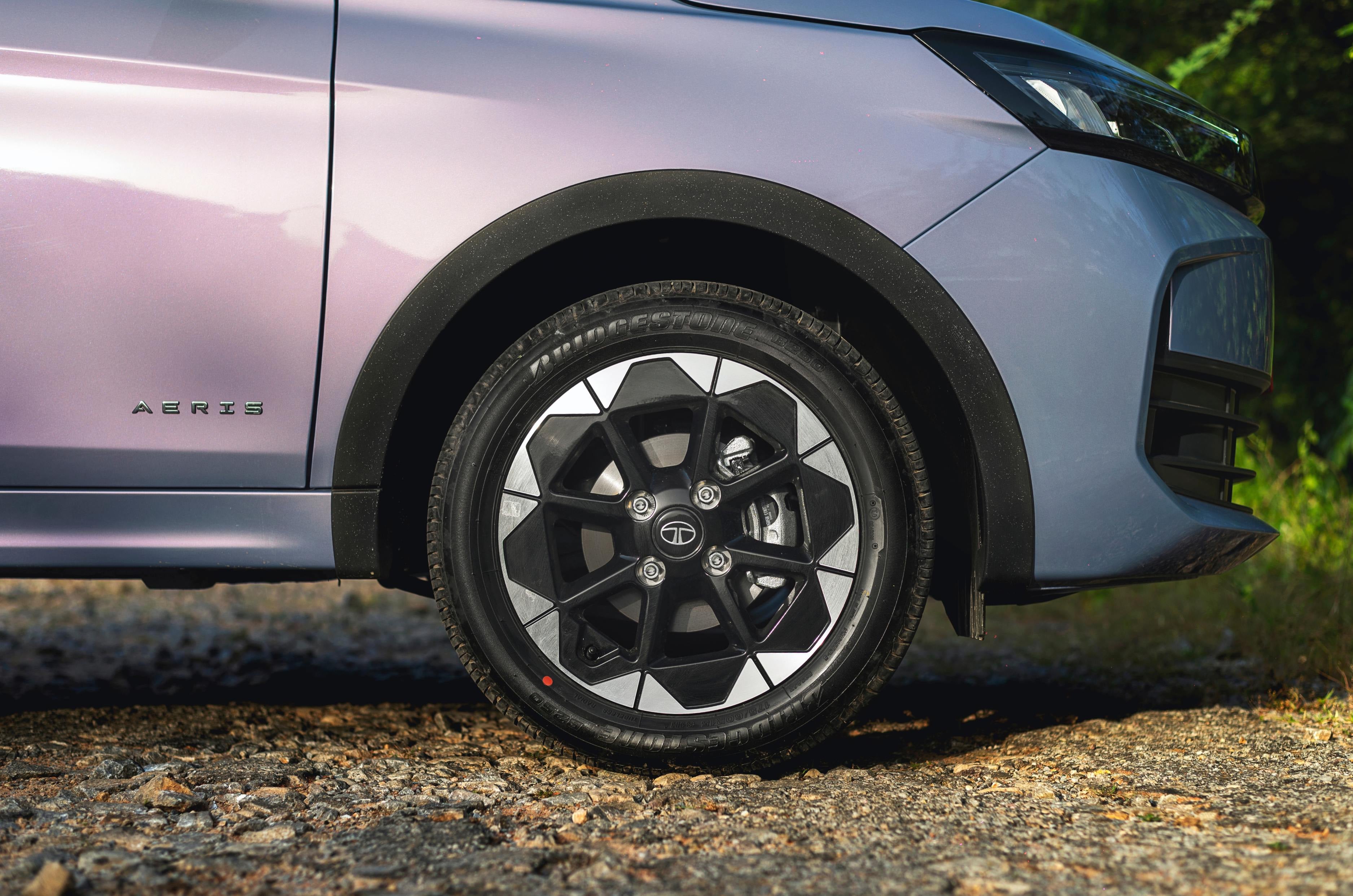
Top versions get 15-inch alloy wheels; 14-inch wheels on other variants appear undersized.
In profile, the 15-inch dual-tone alloy wheels fill the wheel arches nicely, and their contrasting finish looks particularly appealing when the Aeris is on the move. The wheel arches get slim cladding, which Tata says is made from recycled materials and features a distinctive speckled texture. Like the Tigor, the Aeris also gets chrome door handles and a chrome strip along the window line, adding some contrast to the otherwise clean design.
Fastback-like roofline remains a distinctive design element.
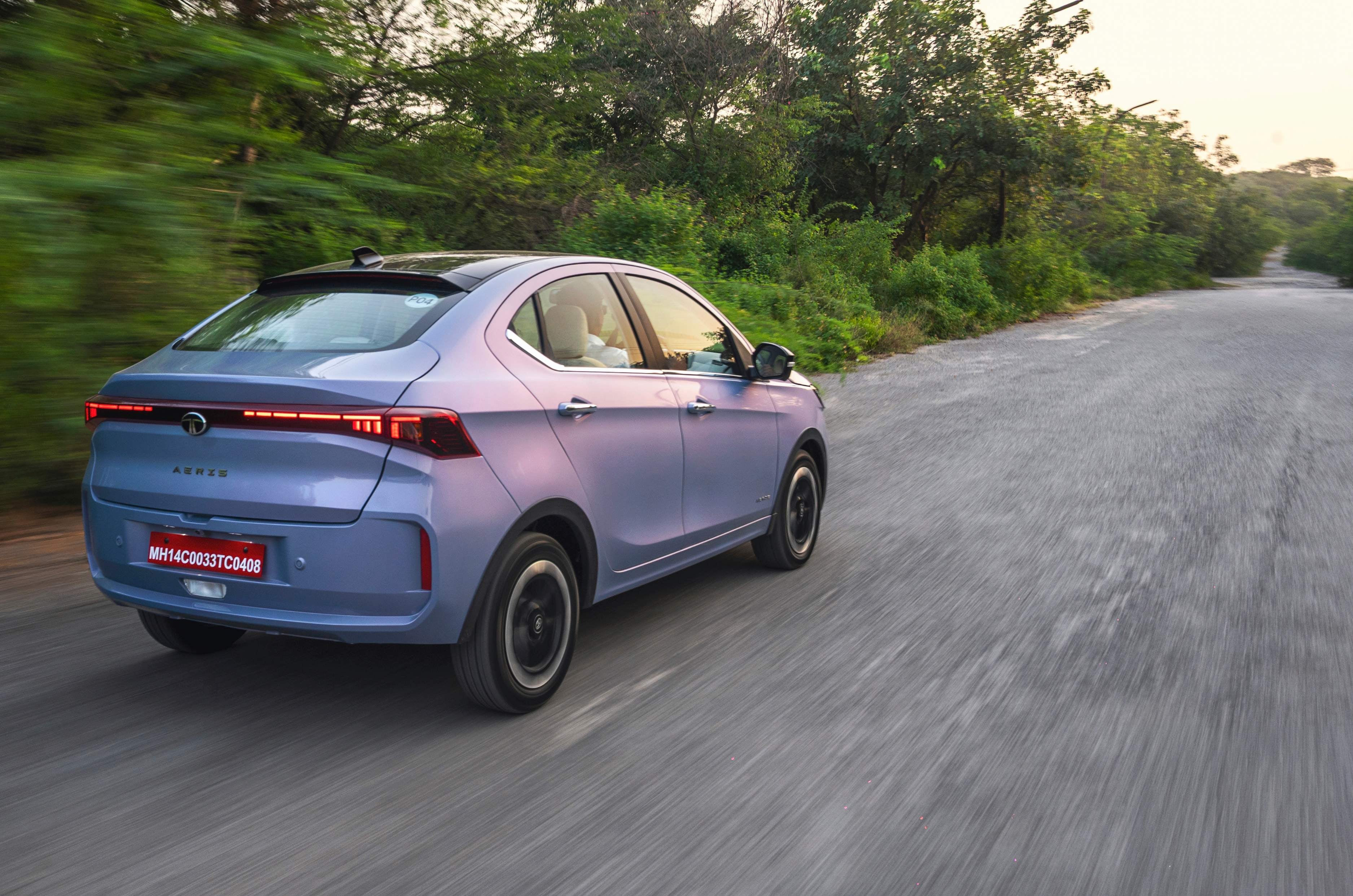
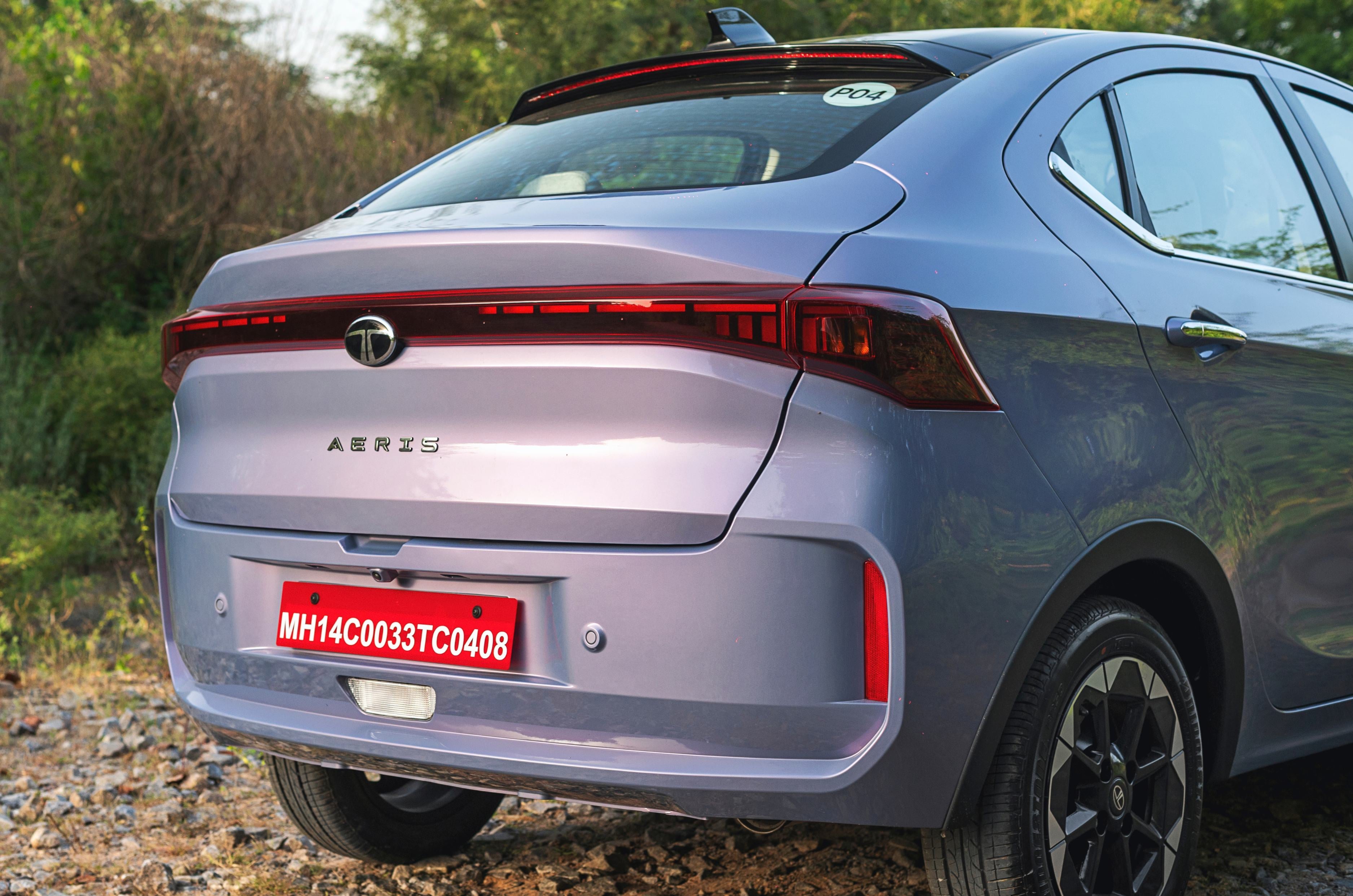
The coupe-like, tapering roofline remains unchanged from the Tigor, and continues to make the Aeris’ overall design cohesive. At the rear, the new taillights give the sedan a more modern appearance, while the red trim connecting them visually makes the Aeris appear larger than it is. The rear bumper is cleanly styled, with the reverse light neatly positioned in the centre.
The Aeris measures 3,995mm in length, 1,684mm in width and 1,532mm in height, and has a 2,450mm wheelbase.
Tata Aeris petrol interior space and comfort – 8/10
Beige theme makes the interior feel airy, and everything is nicely laid out in the cabin
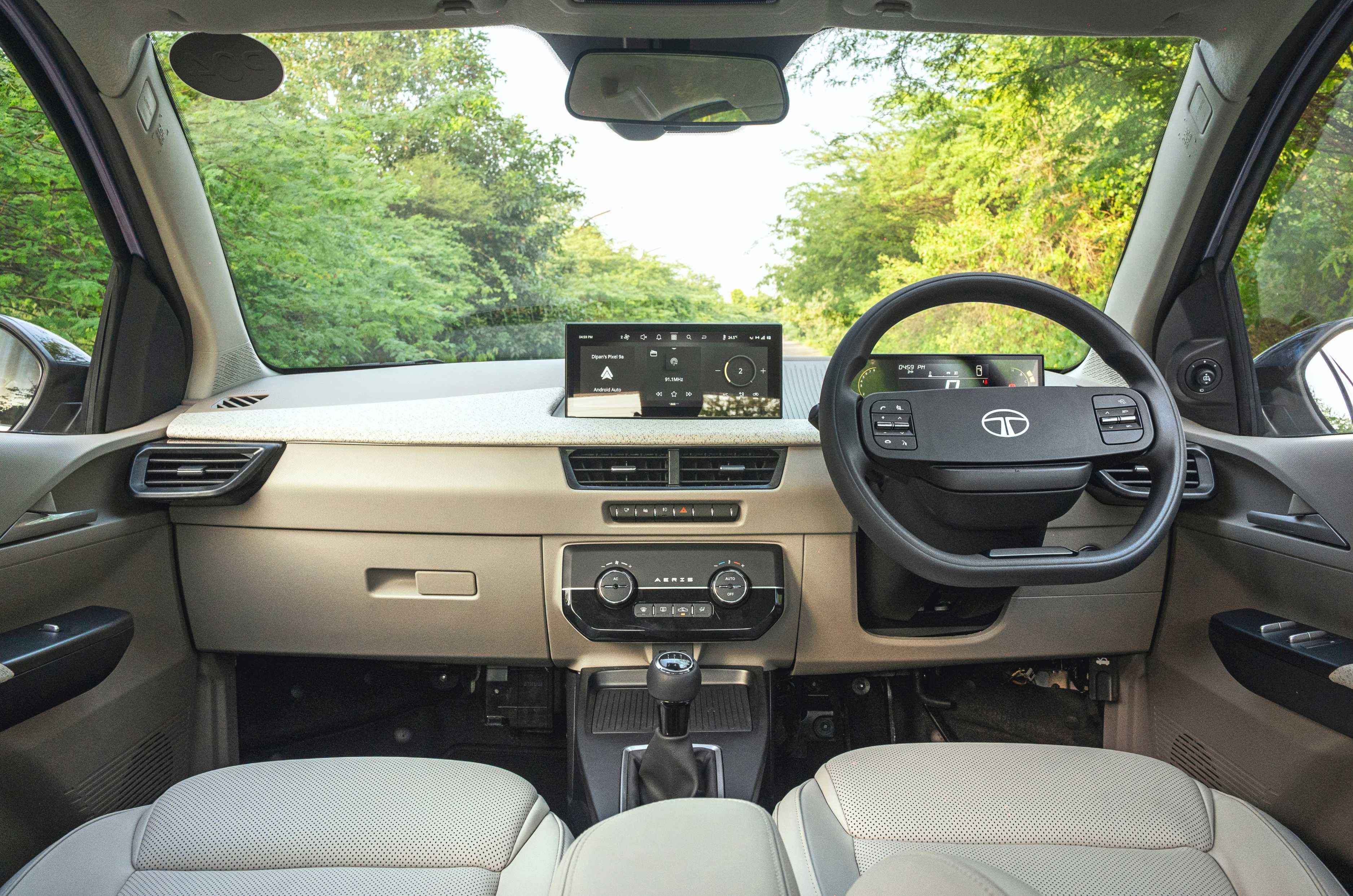
Beige theme lends the cabin an airy feel; dashboard is neatly laid out.
The Aeris’ interior is neatly laid out and looks fairly modern. The cabin gets a beige colour scheme, which makes it feel airy and gives the sedan a greater sense of space. However, the light shade could prove difficult to keep spick and span, especially with regular use.
The dashboard houses a 10.25-inch infotainment touchscreen, a free-standing semi-digital instrument cluster and a revised two-spoke steering wheel. The latter retains physical buttons and, thankfully, does away with the scratch-prone gloss-black finish seen on the Tigor. The door handles look floating like the Sierra and feel sturdy. Lower down, Tata has retained rotary dials and physical buttons for the climate control. They feel solid and do not come across as flimsy.
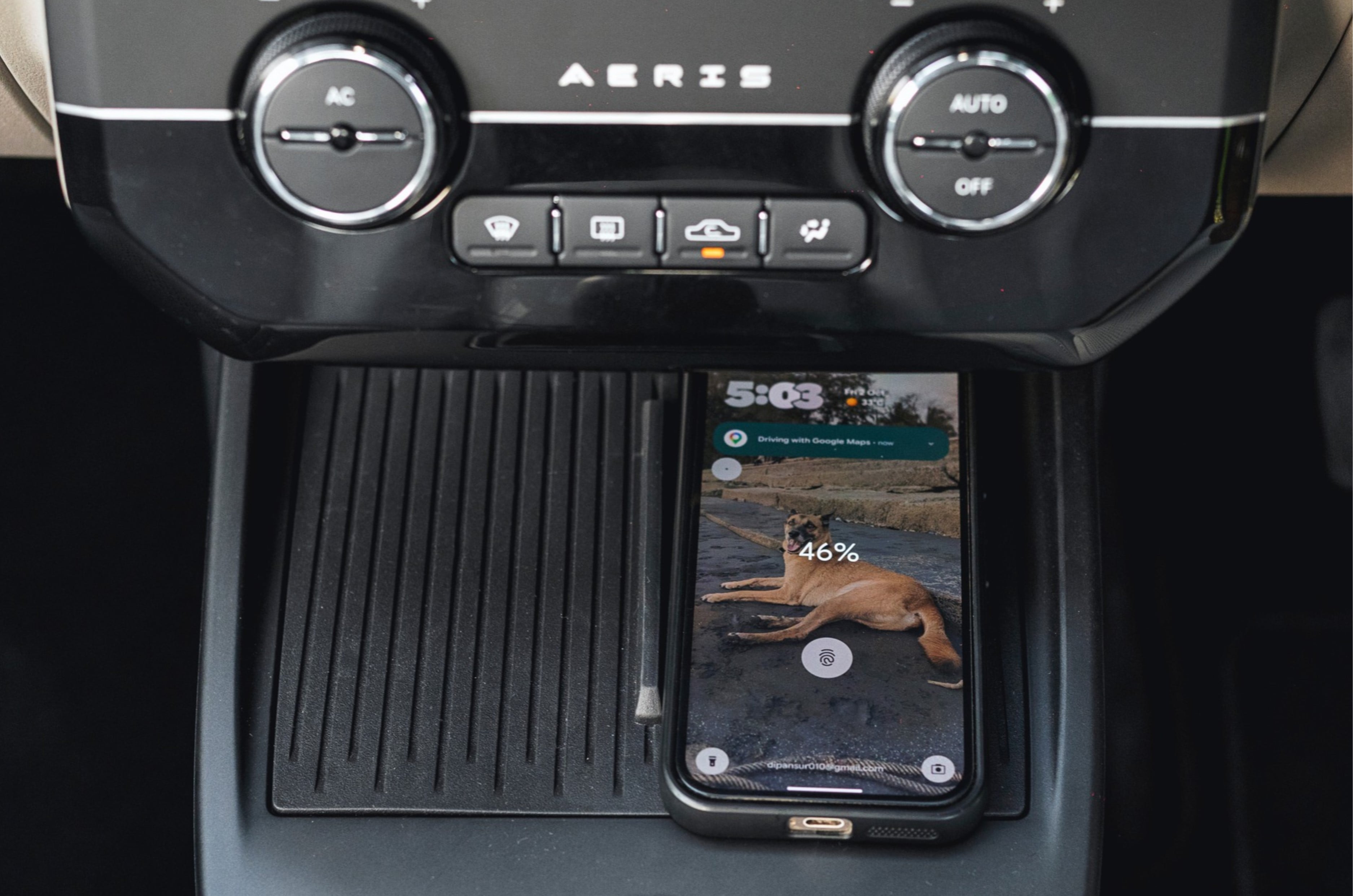
The wireless charger works well but tends to make the phone hot during prolonged use.
The centre console has been thoroughly redesigned and looks neat. The manual gear lever looks premium and feels good to hold, while the AMT gets a rotary dial that also feels solid and operates seamlessly. Two rubberised phone holders on the console keep phones from sliding around, and the top-spec Accomplished trim offers wireless charging in one slot. The centre console also gets two cupholders and a leatherette-wrapped centre armrest with integrated storage space underneath.
The rear seat offers good kneeroom and legroom, while headroom can be tight for taller passengers.
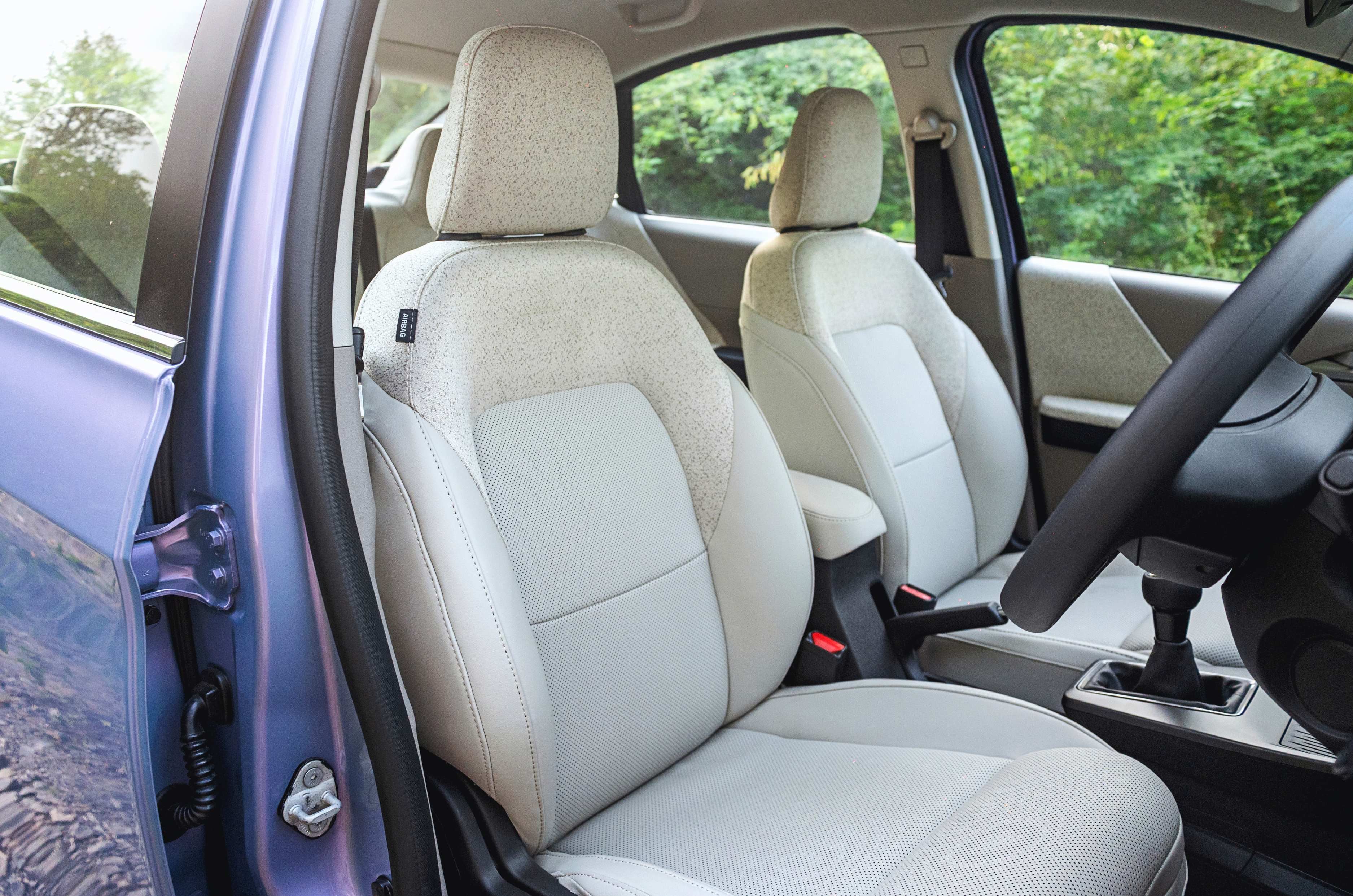
Tata offers part-leatherette upholstery and has revised the cushioning and bolstering, ensuring comfort even on long journeys. They also get a segment-first ventilation function. The rear seats are comfortable too, with good legroom and kneeroom, although headroom is a little tight for passengers over six feet tall. Under-thigh support is adequate.
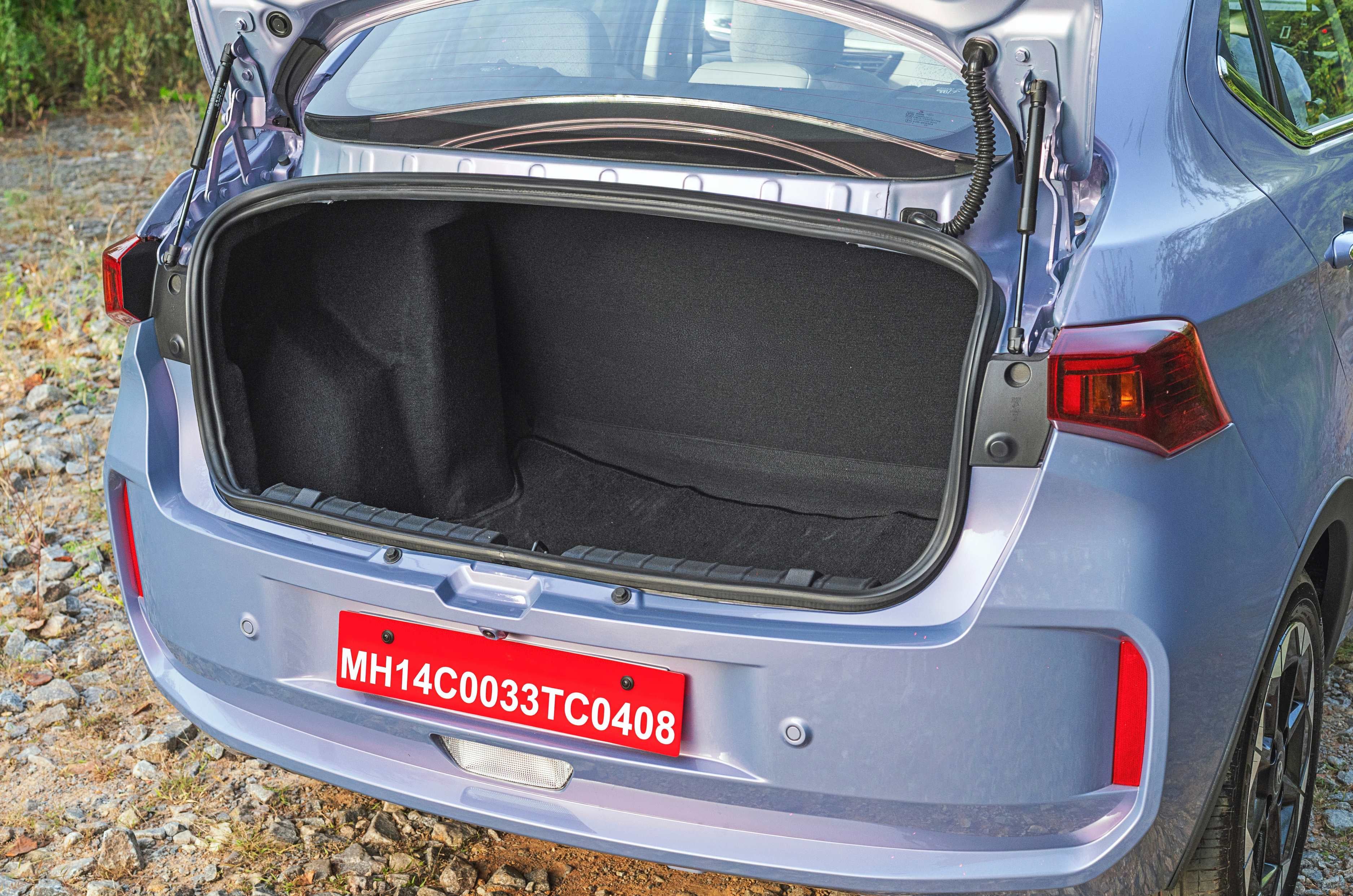
The 419-litre boot is handily large, but the aperture makes loading tricky. Struts free up more usable space.
The Aeris offers 419 litres of boot space, marginally more than the Amaze’s 416 litres and comfortably ahead of the Dzire’s 382 litres and Aura’s 402 litres. The boot itself is large and can swallow a substantial amount of luggage. The use of mechanical struts instead of conventional hinges is a clever touch, as they do not eat into the available boot space. Despite the large boot, the Aeris gets a 14-inch underbody-mounted spare wheel, which is always more promising than a puncture repair kit.
Tata Aeris petrol features and safety – 9/10
Loaded with features to the brim, most of which are well integrated
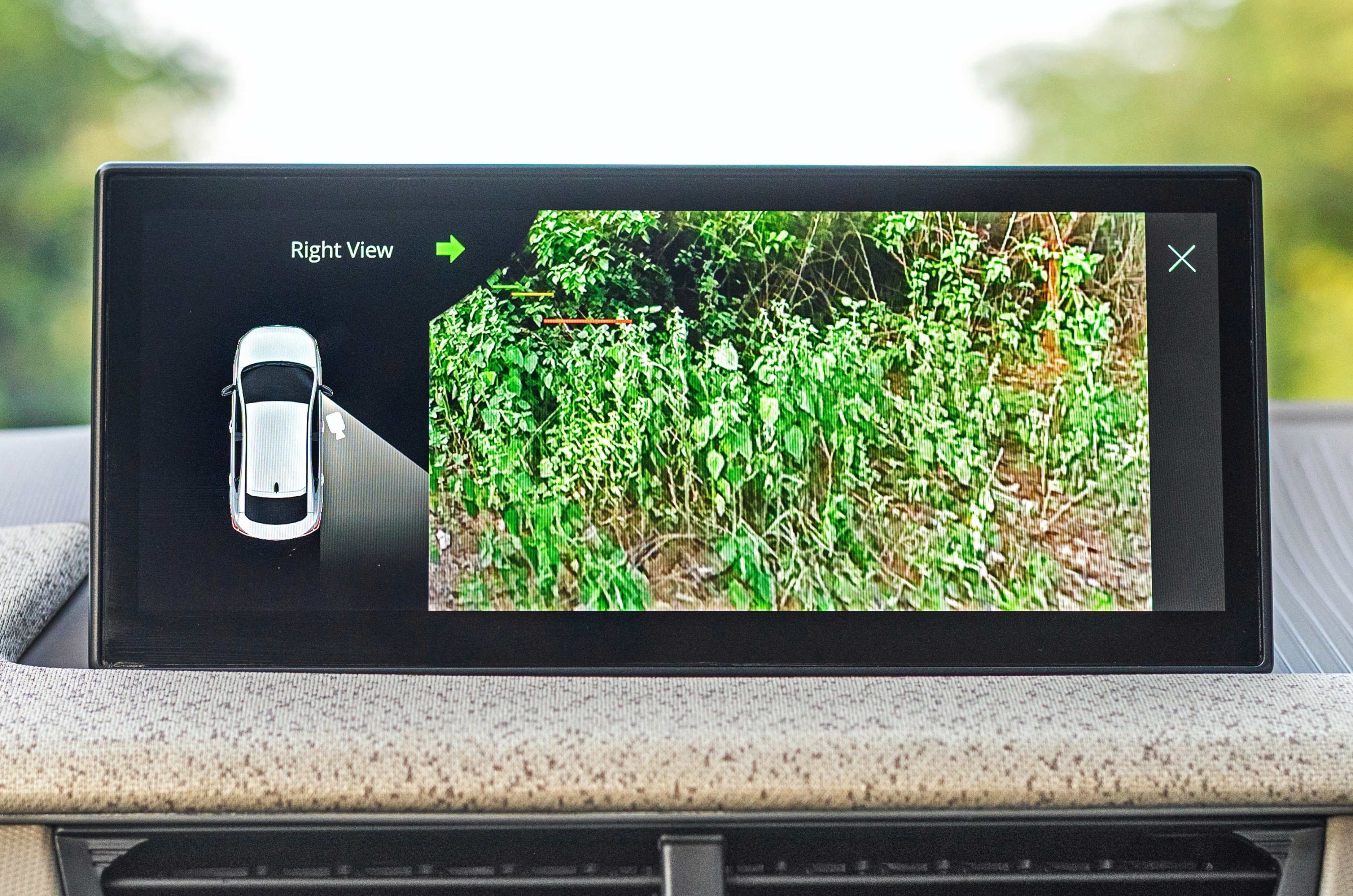
Blind-spot monitor is very useful but takes up the full screen and hides the map display.
Like other Tata cars, the Aeris is packed with features. The 10.25-inch infotainment touchscreen is slick to use and remains responsive even when navigating through multiple menus. It also displays the 360-degree camera feed, which is lag-free, although the image quality isn’t the best. Tata has also added a new DVR function that allows the surround-view cameras to record the car’s surroundings, ensuring you do not shell out extra for a dashcam. The infotainment screen automatically switches to the blind-spot monitor when indicators are used, which is useful. However, this can be annoying when you are using navigation, although there is an option to disable the view completely.
Revised cushioning and bolstering, and a new ventilation function on the front seats improve overall comfort.
The front-seat ventilation function works well too. During our time with the car, it proved effective at keeping us cool in Faridabad’s near 40deg C ambient temperature. However, the infotainment screen or driver’s display shows nothing when the ventilation is on or the level is adjusted, which can be a little inconvenient.
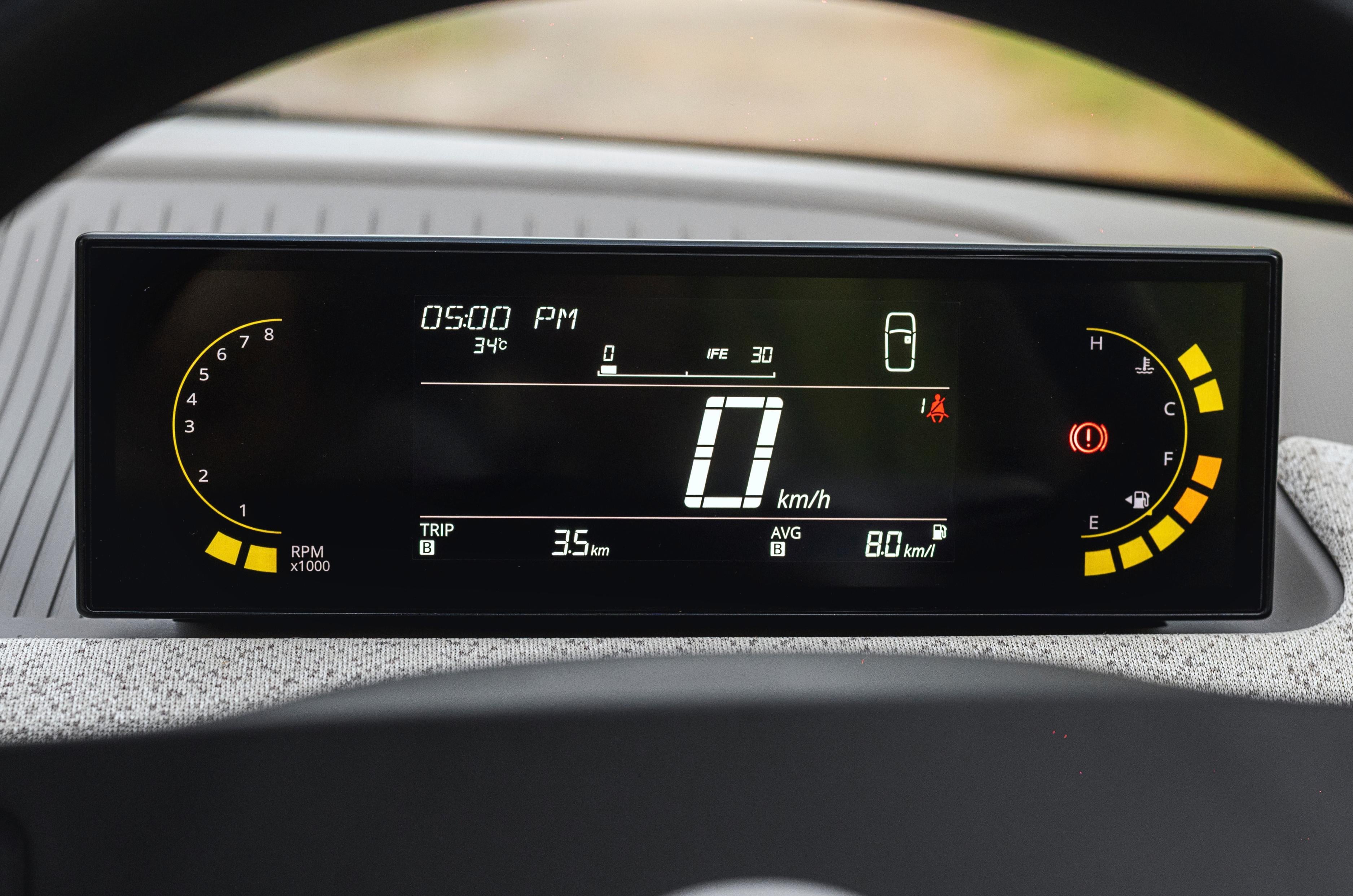
Part-digital Instrument cluster includes screen flanked by rev counter and fuel gauge.
The instrument cluster itself is fairly basic, with analogue dials for the fuel level and rev counter, while a digital display handles the speed and other general information. Depending on the steering wheel’s tilt angle and the driver’s seating position, some of this information can occasionally be obscured.
The four-speaker, two-tweeter audio system is a step down from the Tigor’s four-speaker, four-tweeter setup, although sound quality remains good enough for the segment. The rear seats lack pressure sensors, meaning the seat-belt warning will sound until the belts are fastened.
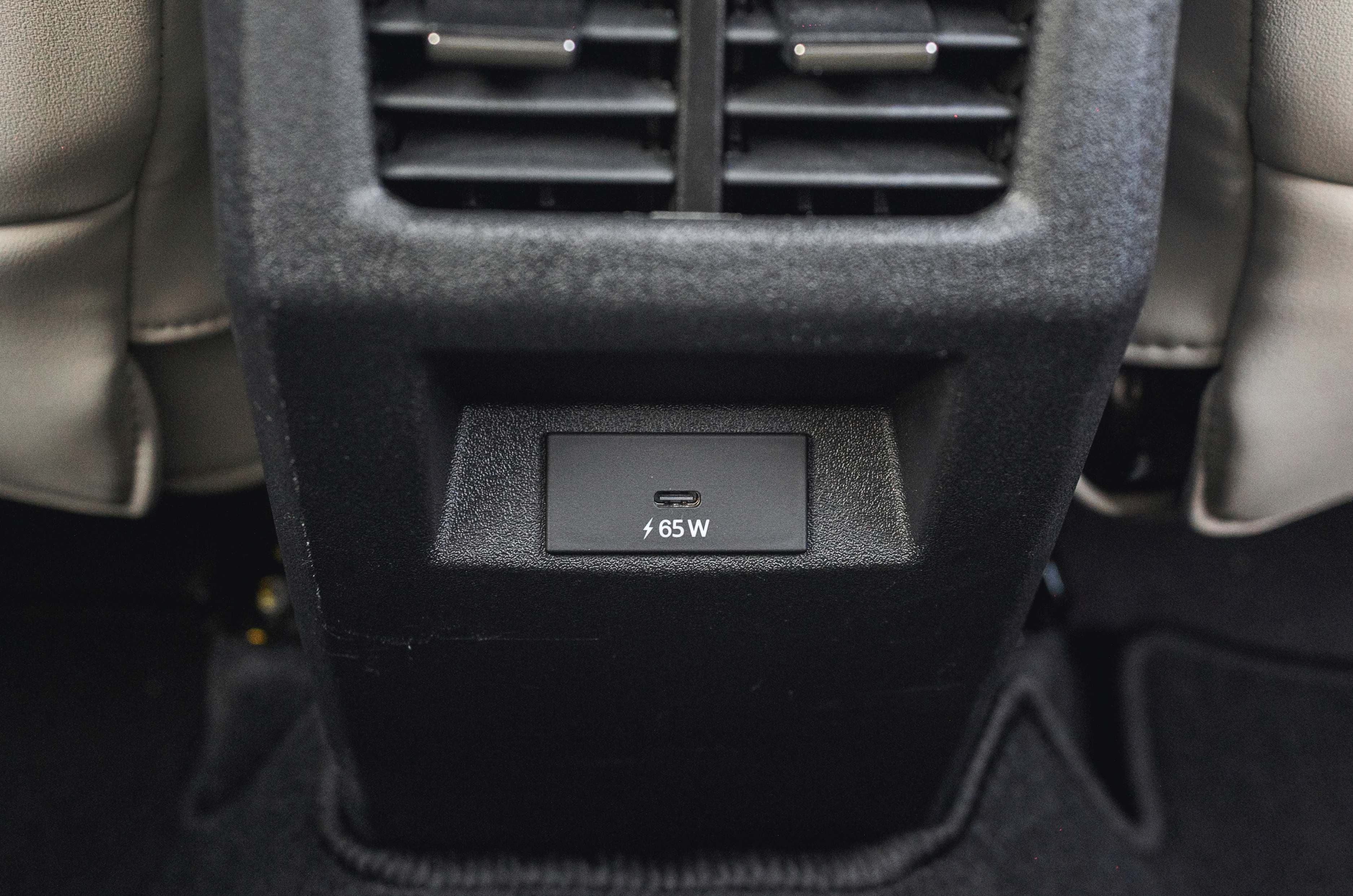
AC vents and a 65W Type-C charging port are among the additions at the back.
On the safety front, the Aeris gets six airbags, Isofix child-seat anchorages for the rear seats, rear parking sensors and three-point seat belts with reminders for all occupants as standard. Higher variants add a 360-degree camera, a day/night inside rear-view mirror, rain-sensing wipers, a rear defogger, a tyre pressure monitoring system (TPMS) and ESP with traction control. The pre-facelift Tigor scored four stars in Global NCAP testing in 2020, but a Bharat NCAP test for the Aeris is due.
Tata Aeris petrol value for money and verdict – 8/10
A well-rounded compact sedan, with the petrol engine making it more versatile
Priced from Rs 5.29 lakh, it offers strong value in a segment where affordability matters.
The Tata Aeris is a much more appealing proposition than the Tigor it replaces. Its fresh design, well-equipped cabin, generous boot and comfortable ride make it easy to live with, while the petrol engine gives it enough performance for both city and high-speed highway cruising. The manual gearbox is light and easy to use, while the AMT is better suited to relaxed city driving than enthusiastic highway use. The long list of features adds further appeal to the package.
There are some shortcomings too, including a coarse engine and poor cabin insulation. However, the Aeris’ biggest strength is its pricing. The petrol variants are priced from Rs 5.29 lakh to Rs 8.74 lakh (ex-showroom), and it undercuts rivals by a fair margin, making a strong case for itself in a segment where value for money remains a key consideration.
वॉशिंगटन: अमेरिका में पढ़ रहे भारतीय छात्रों को बड़ा झटका लग सकता है। ट्रंप प्रशासन ने विदेशी छात्रों के लिए काम से जुड़े नियमों में बड़ा बदलाव प्रस्तावित किया है। अमेरिकी गृह सुरक्षा विभाग (DHS) ने वैकल्पिक व्यावहारिक प्रशिक्षण (OPT) के तहत काम करने वाले अंतरराष्ट्रीय छात्रों के लिए 70,000 डॉलर की फीस प्रस्तावित की है। हालांकि, यह शुल्क सीधे छात्रों से नहीं, बल्कि उन संस्थानों से लिया जाना प्रस्तावित है जो छात्रों के OPT की सिफारिश करते हैं।
पहली बार OPT के लिए 70,000 डॉलर, नवीनीकरण पर 30,000 डॉलर
प्रस्ताव के तहत किसी एफ-1 वीजा वाले छात्र के लिए पहली बार OPT की सिफारिश करने पर संबंधित संस्थान को 70,000 डॉलर का शुल्क देना होगा। इसके बाद OPT के प्रत्येक नवीनीकरण या अगली सिफारिश पर 30,000 डॉलर का शुल्क प्रस्तावित है। फिलहाल OPT आवेदन की फीस इससे काफी कम है।
क्या है OPT?
OPT एक ऐसा कार्यक्रम है जिसके तहत एफ-1 वीजा पर अमेरिका में पढ़ने वाले अंतरराष्ट्रीय छात्रों को अपनी पढ़ाई से जुड़े क्षेत्र में काम करने का मौका मिलता है। सामान्य तौर पर छात्र स्नातक की पढ़ाई पूरी करने के बाद एक साल तक काम कर सकते हैं, जबकि पात्र विज्ञान, प्रौद्योगिकी, इंजीनियरिंग और गणित (STEM) की डिग्री वाले छात्रों को अतिरिक्त दो साल का OPT मिल सकता है।
DHS ने क्यों लिया यह फैसला?
DHS का कहना है कि प्रस्तावित शुल्क का उद्देश्य वीजा कार्यक्रम में धोखाधड़ी और दुरुपयोग को रोकना, आव्रजन व्यवस्था की निगरानी मजबूत करना और अमेरिकी कर्मचारियों की सुरक्षा करना है। विभाग ने OPT को कम लागत वाली विदेशी श्रम व्यवस्था के रूप में इस्तेमाल किए जाने की चिंताओं का भी उल्लेख किया है।
भारतीय छात्रों पर भी पड़ सकता है असर
अमेरिका में बड़ी संख्या में भारतीय छात्र विज्ञान, प्रौद्योगिकी, इंजीनियरिंग और गणित जैसे क्षेत्रों में पढ़ाई करते हैं। ऐसे में अगर यह प्रस्ताव लागू होता है, तो विश्वविद्यालयों और अंतरराष्ट्रीय छात्रों से जुड़े रोजगार पर इसका असर पड़ सकता है। उच्च शिक्षा से जुड़े संगठनों ने भी आशंका जताई है कि इतनी बड़ी फीस से अमेरिका में पढ़ाई और पढ़ाई के बाद नौकरी करने के लिए आने वाले विदेशी छात्रों की संख्या प्रभावित हो सकती है।
अभी लागू नहीं हुआ है प्रस्ताव
यह शुल्क अभी लागू नहीं हुआ है। प्रस्ताव पर जनता से टिप्पणियां मांगी जाएंगी और इसके बाद DHS अंतिम फैसला लेगा। प्रस्ताव को कानूनी चुनौती मिलने की संभावना भी जताई गई है।
अगर यह प्रस्ताव अंतिम रूप से लागू होता है, तो अमेरिका में पढ़ाई के बाद नौकरी करने की योजना बना रहे भारतीय समेत विदेशी छात्रों और उन्हें OPT के जरिए काम पर रखने वाले संस्थानों के लिए यह बड़ा बदलाव होगा। इससे छात्रों की पढ़ाई के बाद अमेरिका में नौकरी पाने की प्रक्रिया और उससे जुड़ी लागत पर असर पड़ सकता है।
Stock Market Fall: ट्रेजरी यील्ड में बढ़ोतरी और जियोपॉलिटिकल अनिश्चितता जैसी चुनौतियों से जूझ रहे शेयर मार्केट को रेपो रेट में बढ़ोतरी ने और झटका दिया। इसके आसार पहले से ही थे लेकिन आरबीआई ने महंगाई के अपने आउटलुक को भी बढ़ाया तो इससे मार्केट पर दबाव बढ़ाया। इंट्रा-डे में आज सेंसेक्स 384 प्वाइंट्स टूट गया तो निफ्टी भी फिसलकर 22500 के नीचे आ गया। ब्रोडर लेवल पर भी बिकवाली का खासा दबाव है और निफ्टी मिडकैप 100 और निफ्टी स्मॉलकैप 100 में आधे-आधे फीसदी से अधिक की गिरावट है।
अभी की बात करें तो फिलहाल 09:40 AM पर सेंसेक्स (Sensex) 339.85 प्वाइंट्स यानी 0.47% की गिरावट के साथ 72298.85 और निफ्टी 50 (Nifty 50) भी 113.05 प्वाइंट्स यानी 0.50% की गिरावट के साथ 22,490.00 पर है। इंट्रा-डे में सेंसेक्स 384.47 प्वाइंट्स गिरकर 72,254.23 और निफ्टी भी 127.30 प्वाइंट्स टूटकर 22,475.75 तक आ गया था।
Stock Market Fall: ये है वजह
बॉन्ड यील्ड में उछाल
लंबी अवधि की ट्रेजरी यील्ड में फिर से बढ़ोतरी शुरू होने से महंगाई और बढ़ते कर्ज को लेकर चिंताएं फिर से बढ़ गईं हैं। इसने पूरे एशियाई मार्केट में दबाव बना दिया, जिसकी आंच घरेलू स्टॉक मार्केट में भी महसूस हुई।
कच्चे तेल में उबाल
खाड़ी और स्ट्रेट ऑफ होर्मुज में जहाजों पर बढ़ते हमलों ने पश्चिमी एशिया से सप्लाई को लेकर चिंताएं फिर से बढ़ा दी हैं। इस चिंता के बीच ग्लोबल ऑयल बेंचमार्क ब्रेंट क्रूड उछलकर प्रति बैरल $102 के पार पहुंचा तो इसकी आंच में मार्केट झुलस गया।
विदेशी निवेशकों की लगातार नवें दिन बिकवाली
FIIs ने लगातार नवें कारोबारी दिन बुधवार 8 अक्टूबर को ₹6,121.37 करोड़ के नेट शेयर बेचे। इससे बाजार में दबाव बना हुआ है।
Sensex की एक्सपायरी
आज सेंसेक्स के डेरिवेटिव कॉन्ट्रैक्ट्स यानी F&O (फ्यूचर्स एंड ऑप्शंस) की वीकली एक्सपायरी है, जिसका असर मार्केट पर दिख रहा है।
Repo Rate में बढ़ोतरी पर मेटल-रियल्टी सेक्टर में दबाव
आरबीआई ने रेपो रेट में लंबे समय बाद फिर से बढ़ोतरी की और इसे 5.25% से बढ़ाकर 5.50% किया तो लगातार दूसरे दिन इसकी आंच ऑटो, मेटल और रियल्टी सेक्टर में महसूस हुई। मेटल और रियल्टी सेक्टर के निफ्टी इंडेक्स तो 1-1% से अधिक टूट गए तो निफ्टी ऑटो आधे फीसदी से अधिक कमजोर हुआ है। बैंकिंग और फार्मा सेक्टर में भी बिकवाली का दबाव है। वहीं निफ्टी आईटी में 1% से अधिक बढ़त है।
महंगाई बढ़ने की आशंका
आरबीआई ने ग्रोथ के अनुमान को बढ़ाया है तो महंगाई के भी अनुमान को बढ़ा दिया, जिससे मार्केट पर दबाव बढ़ा। महंगाई को लेकर आरबीआई ने कमजोर मॉनसून, अल-नीनो की स्थिति और तेल की कीमतों में उतार-चढ़ाव से पैदा होने वाले सप्लाई-साइड रिस्क की तरफ इशारा किया। आरबीआई ने वित्त वर्ष 2027 के लिए खुदरा महंगाई यानी CPI के अनुमान को 5% से बढ़ाकर 5.2% कर दिया। दूसरी तिमाही के अनुमान को 4.7% से बढ़ाकर 4.9%, तीसरी तिमाही के लिए 5.9% से 6% और चौथी तिमाही के लिए 5.5% से 5.7% कर दिया। वित्त वर्ष 2028 की पहली तिमाही के लिए भी अनुमान 5.3% से बढ़ाकर 5.6% कर दिया गया है।
टेक्निकल आउटलुक
एनरिच मनी के CEO पोनमुडी आर का कहना है कि रेपो रेट में बढ़ोतरी और महंगाई बढ़ने की आशंकाओं ने मार्केट पर दबाव बनाया है। उनका कहना है कि जब FII का निवेश स्थिर नहीं हो जाता या US ट्रेजरी यील्ड कम नहीं हो जाती,तब तक घरेलू इक्विटी में और बिकवाली का जोखिम बना रह सकता है। पोनमुडी के मुताबिक निफ्टी के लिए 22,750-22,800 का लेवल तत्काल रेजिस्टेंस जोन है। अगर निफ्टी लगातार 22,800 के ऊपर बना रहता है तो ही यह 23,000 की तरफ रिकवरी में मदद कर सकता है। नीचे की तरफ 22,500 तत्काल सपोर्ट लेवल है। अगर यह लेवल टूटता है तो इंडेक्स 22,400-22,200 तक जा सकता है। जब तक निफ्टी 22,800 के नीचे ट्रेड कर रहा है, तब तक शॉर्ट-टर्म टेक्निकल आउटलुक में सावधानी बरतने की जरूरत है।
डिस्क्लेमर: मनीकंट्रोल.कॉम पर दिए गए सलाह या विचार एक्सपर्ट/ब्रोकरेज फर्म के अपने निजी विचार होते हैं। वेबसाइट या मैनेजमेंट इसके लिए उत्तरदायी नहीं है। यूजर्स को मनीकंट्रोल की सलाह है कि कोई भी निवेश निर्णय लेने से पहले हमेशा सर्टिफाइड एक्सपर्ट की सलाह लें।
टूटा हाथ, नंगे पैर और कंधों पर परिवार की जिम्मेदारी—सिर्फ 5 साल का अर्जुन रोज़ लॉलीपॉप बेचता है। सुबह स्कूल, फिर काम… छोटी-सी उम्र में अर्जुन ने हालात से लड़ना सीख लिया है।
उसकी कहानी बताती है—हौसला उम्र नहीं देखता।
अगर आप अर्जुन की मदद करना चाहते हैं, तो 98311 63153 पर संपर्क कर सकते हैं।
5-Year-Old Arjun Sells Lollipops With a Broken Hand, Barasat West Bengal, Childhood Struggles
Asian Market : अमेरिकी बाजारों में गिरावट के बाद 8 अक्तूबर को एशियन शेयर मार्केट में भी बिकवाली देखने को मिल रही है। क्रूड की ऊंची कीमतों ने महंगाई की आशंकाओं को हवा दी और निवेशकों ने एक बार फिर टेक्नोलॉजी शेयरों की बिकवाली की। MSCI के एशिया पैसिफिक इंडेक्स में 0.3% की गिरावट आई, जिसमें जापान और दक्षिण कोरिया सबसे आगे रहे। जापान का निक्केई 225 इंडेक्स 1.12% गिरा, जबकि व्यापक टॉपिक्स (Topix) इंडेक्स में 1.42% की गिरावट दर्ज की गई। दक्षिण कोरिया के कोस्पी (Kospi) में 0.56% की गिरावट आई और हैंग सेंग फ्यूचर्स ने हांगकांग में 0.6% की गिरावट के साथ खुलने का संकेत दिया। चीन के मुख्य बाजार छुट्टी के बाद फिर से खुले।
सैमसंग इलेक्ट्रॉनिक्स के शेयरों में उतार-चढ़ाव देखा गया। चिप बनाने वाली इस प्रमुख कंपनी ने रिकॉर्ड मुनाफा दर्ज किया, लेकिन ब्लूमबर्ग के अनुसार, नतीजे विश्लेषकों के अनुमान से कम रहे।
वॉल स्ट्रीट ने बाजार का रुख तय किया। महंगाई की चिंताएं फिर से उभरने के कारण S&P 500 और नैस्डैक 100 दोनों में 0.2% की गिरावट आई, और फिलाडेल्फिया सेमीकंडक्टर इंडेक्स 1.2% नीचे आ गया।
भारत में, GIFT निफ्टी (जो यह बताता है कि देश का शेयर बाजार दिन के कारोबार के लिए कैसे खुलेगा ) ने गिरावट के साथ शुरुआत का संकेत दिया, जिससे 50-स्टॉक वाला इंडेक्स पूरे सप्ताह के लिए नुकसान में जा सकता है।
कच्चे तेल की बढ़ती कीमतें निवेशकों के लिए स्थिति को मुश्किल बना रही हैं क्योंकि वे महंगाई का दबाव बढ़ाती हैं, ठीक उसी समय जब अमेरिकी फेडरल रिजर्व अपनी नीति को सख्त कर रहा है। पिछले महीने, केंद्रीय बैंक ने 2023 के बाद पहली बार ब्याज दरों में बढ़ोतरी की थी।
फेड की सितंबर की बैठक के मिनट्स (कार्यवृत्त) से पता चला कि सभी 19 अधिकारियों ने बेंचमार्क दर की टारगेट रेंज को 3.75%-4% तक बढ़ाने का समर्थन किया, जो जुलाई 2023 के बाद पहली बढ़ोतरी थी। अमेरिकी नीति निर्माताओं ने अर्थव्यवस्था के मजबूत होने के संकेत मिलने के बाद यह कदम उठाया। अधिकारियों ने वित्तीय स्थितियों की भी समीक्षा की। कई लोगों ने कहा कि लंबी अवधि के अमेरिकी ट्रेजरी यील्ड (बॉन्ड पर मिलने वाला रिटर्न) बढ़ने के बावजूद, स्थितियां अभी भी विकास के अनुकूल थीं क्योंकि शेयरों में तेजी आई थी और कॉर्पोरेट बॉन्ड स्प्रेड कम बने हुए थे। जापानी येन 158 प्रति डॉलर के आसपास स्थिर रहा और 0.1% बढ़कर 157.92 पर पहुंच गया। मीटिंग के मिनट्स से यह भी पता चला कि जुलाई के आखिर में येन को सपोर्ट करने के लिए किए गए इंटरवेंशन में अमेरिका की भूमिका फेड ने अपने फंड का इस्तेमाल करके नहीं, बल्कि US ट्रेजरी डिपार्टमेंट ने निभाई थी।
ऑफशोर युआन 6.7020 प्रति डॉलर पर लगभग स्थिर रहा।
इस बीच, जियोपॉलिटिकल रिस्क और सप्लाई में रुकावट की वजह से तेल की कीमतों में बढ़ोतरी हुई। ब्रेंट क्रूड 1% बढ़कर लगभग $101.20 प्रति बैरल हो गया। यह बढ़ोतरी एक रिपोर्ट के बाद हुई जिसमें कहा गया था कि व्हाइट हाउस ने पेंटागन से ईरान के खिलाफ स्ट्राइक के ऑप्शन तैयार करने को कहा है, जिन्हें मिडटर्म इलेक्शन से पहले अंजाम दिया जा सकता है। वेस्ट टेक्सास इंटरमीडिएट 0.9% बढ़कर $89.09 प्रति बैरल हो गया।
(डिस्क्लेमर: मनीकंट्रोल.कॉम पर दिए गए विचार एक्सपर्ट के अपने निजी विचार होते हैं। वेबसाइट या मैनेजमेंट इसके लिए उत्तरदाई नहीं है। यूजर्स को मनी कंट्रोल की सलाह है कि कोई भी निवेश निर्णय लेने से पहले सार्टिफाइड एक्सपर्ट की सलाह लें।
Surashree Karekar को जन्म के अगले ही दिन छोड़ दिया गया था 5 साल बाद उसे एक परिवार ने Adopt किया।
लेकिन 13 की उम्र में पापा चले गए। और जब माँ के साथ जिंदगी फिर से संवरने लगी… तो TB ने उन्हें भी छीन लिया।
ज़िंदगी ने उसे दो बार अनाथ किया।
लेकिन आज वो अपने सपने के पीछे बढ़ रही है ज़िंदगी को सकारात्मक तरीके से जी रही है।
क्योंकि माँ बाप हमारे साथ नहीं है, पर उनके सपने हमेशा हमारे साथ चलते हैं।
[daughter loses both parents story, father daughter emotional story, adopted daughter inspirational story, never give u]