बेंगलुरु का नाम आते ही अक्सर ट्रैफिक जाम, महंगे किराए, खराब इंफ्रास्ट्रक्चर और लंबे सफर की बातें होने लगती हैं। लेकिन करीब डेढ़ साल से कर्नाटक की राजधानी में रह रहे चेन्नई के एक शख्स ने शहर की ऐसी तस्वीर सामने रखी है, जिसे अक्सर चर्चाओं में जगह नहीं मिलती। उन्होंने रोजमर्रा की जिंदगी से जुड़ी कई छोटी-छोटी चीजें गिनाईं, जिन्होंने उन्हें बेंगलुरु का मुरीद बना दिया।
ट्रैफिक और समस्याओं के बीच दिखीं शहर की अच्छी बातें
Reddit पर एक पोस्ट के जरिए इस शख्स ने लिखा कि बेंगलुरु को लेकर लोगों की कई शिकायतें जायज हैं, लेकिन शहर में ऐसी कई सुविधाएं भी हैं जिनकी लोग अक्सर अनदेखी कर देते हैं।
अपने पोस्ट में उन्होंने बेंगलुरु की तुलना चेन्नई से करते हुए बताया कि शहर की कुछ सामान्य-सी लगने वाली चीजें उनकी रोजमर्रा की जिंदगी को काफी आसान और बेहतर बनाती हैं।
मोहल्लों के छोटे पार्क बने पसंदीदा ठिकाने
बेंगलुरु के बड़े और मशहूर पार्कों की चर्चा तो खूब होती है, लेकिन इस चेन्नई निवासी को शहर के छोटे BBMP पार्क खास तौर पर पसंद आए।
उन्होंने बताया कि रिहायशी इलाकों के बीच बने इन छोटे पार्कों में पेड़, हरियाली और बैठने की जगह होती है। उनके लिए ये सिर्फ घूमने की जगह नहीं, बल्कि रोज की जिंदगी का हिस्सा बन चुके हैं।
₹80 का खाना याद आया तो पुरानी यादें ताजा हो गईं
बेंगलुरु की Darshini और Udupi फूड कल्चर भी उन्हें काफी पसंद है। खासतौर पर कम कीमत में साफ-सुथरा शाकाहारी खाना मिलने की सुविधा ने उनका ध्यान खींचा।
उन्होंने अपने इंटर्नशिप के दिनों को याद करते हुए बताया कि उस समय महज ₹80 में मिलने वाला Udupi मील उनके लिए काफी मददगार साबित होता था। उनके मुताबिक, कम बजट में पेट भरने के लिए ऐसे विकल्प किसी राहत से कम नहीं थे।
Weekend Trip के लिए बेंगलुरु की लोकेशन शानदार
शहर की भौगोलिक स्थिति भी उन्हें पसंद आई। उन्होंने कहा कि बेंगलुरु से तमिलनाडु, केरल, आंध्र प्रदेश और गोवा की ओर जाना आसान है।
खास तौर पर KSRTC बस कनेक्टिविटी को उन्होंने बेहद उपयोगी बताया। उनके मुताबिक, शहर में रहने वालों के लिए आसपास के राज्यों तक पहुंचने के कई सुविधाजनक विकल्प मौजूद हैं।
₹30 की बस राइड ने खींचा ध्यान
उनकी सबसे दिलचस्प बातों में से एक बेंगलुरु की बस सेवा को लेकर थी। उन्होंने 500-सीरीज बसों का जिक्र करते हुए बताया कि Outer Ring Road की ओर जाने के लिए उन्हें अक्सर AC बस मिल जाती है। जहां उनके कुछ साथी कैब या बाइक टैक्सी का सहारा लेते हैं, वहीं वह करीब ₹30 में बस से ऑफिस पहुंच जाते हैं। उनके मुताबिक, इसमें surge pricing जैसी परेशानी भी नहीं होती।
IT और पब्स से आगे भी है Bengaluru
चेन्नई के इस शख्स ने शहर के मंदिरों और पारंपरिक बाजारों का भी जिक्र किया। उनका कहना था कि बेंगलुरु को अक्सर IT कंपनियों, कैफे और पब्स के लिए जाना जाता है, लेकिन शहर का एक पारंपरिक और सांस्कृतिक पक्ष भी है। उनकी पोस्ट का मकसद भी इसी दूसरे पहलू को सामने लाना था। उन्होंने लोगों से शहर की समस्याओं के साथ-साथ उसकी अच्छी चीजों पर भी ध्यान देने की अपील की।
Reddit पर लोगों ने भी की तारीफ
पोस्ट सामने आने के बाद कई Reddit यूजर्स ने इस सकारात्मक नजरिए की सराहना की। एक यूजर ने इसे बेंगलुरु की तारीफ से जुड़ी दुर्लभ पोस्ट बताया। कुछ लोगों ने शहर के मौसम और शाम की सैर का जिक्र किया, जबकि दूसरे यूजर्स ने KSRTC की कनेक्टिविटी को लेकर सहमति जताई। एक यूजर ने तो यहां तक कहा कि यही वह बेंगलुरु है, जिसे वह भी पसंद करता है। कुल मिलाकर, यह पोस्ट बेंगलुरु की उन छोटी-छोटी खूबियों पर रोशनी डालती है, जो बड़े ट्रैफिक जाम और महंगे किराए जैसी चर्चाओं के बीच अक्सर नजरों से ओझल हो जाती हैं।
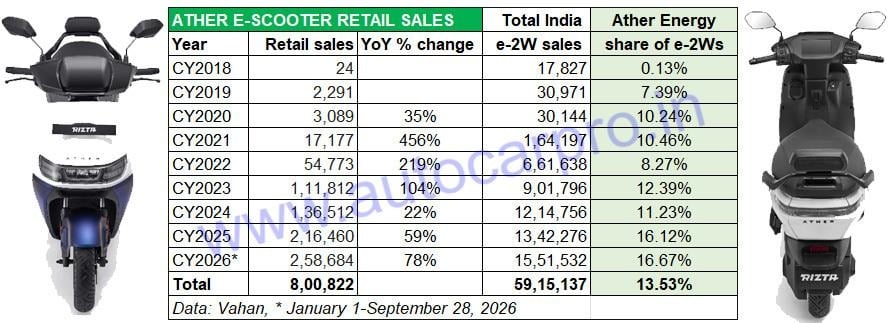
Ather has become the fourth Indian electric two-wheeler manufacturer to attain cumulative retail sales (customer deliveries) of over 8 lakh units. As per the data available on the Vahan portal, the Bengaluru-based company crossed the milestone on September 28, 2026.
Ather has delivered 4.75 lakh scooters since January 2025
217 units of the Konarc sold in its first month
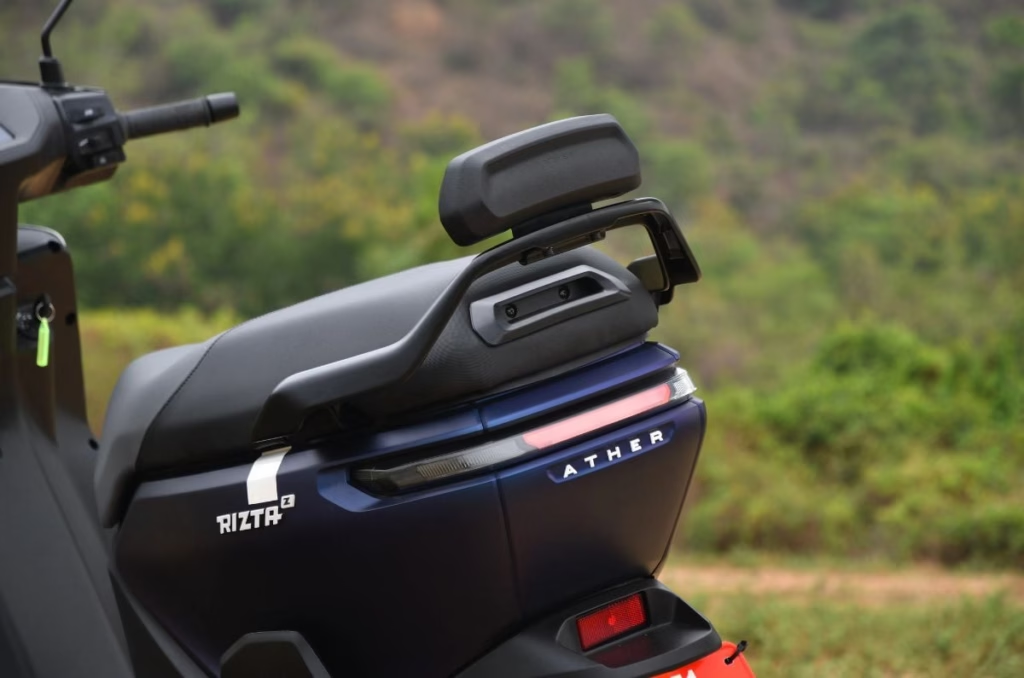
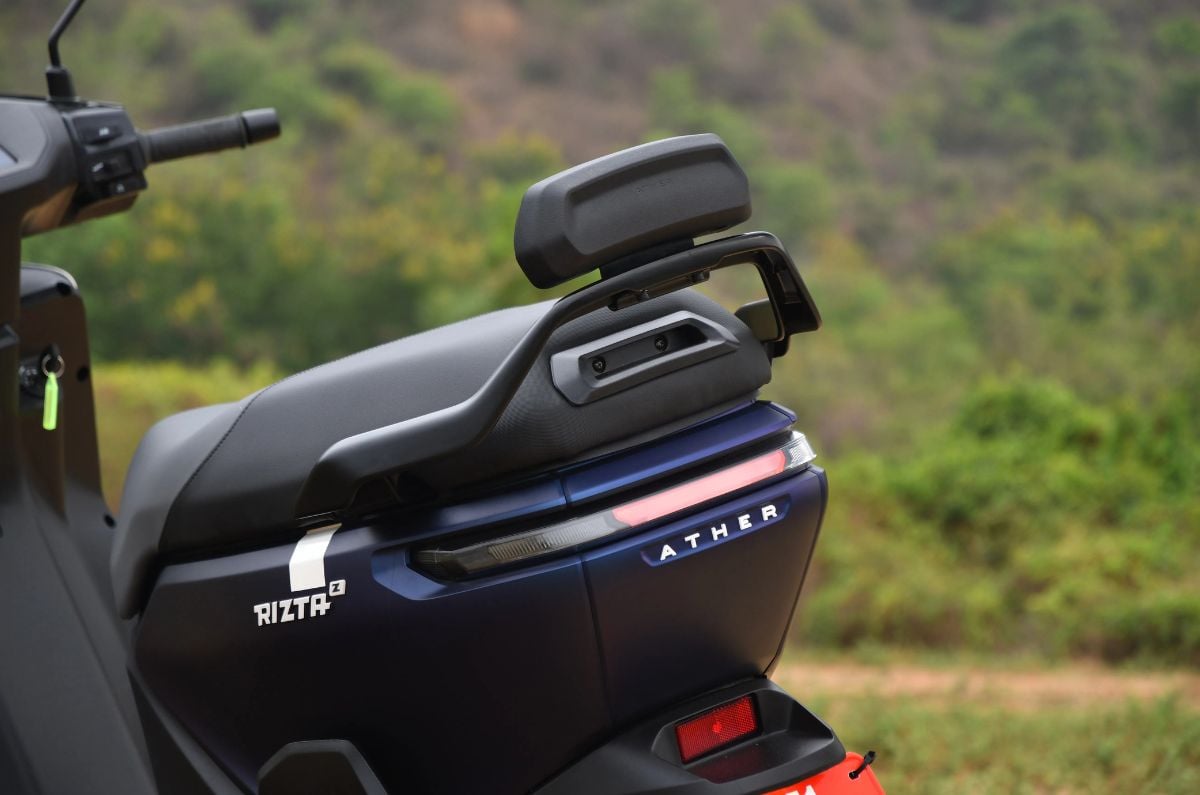
Rizta currently leads Ather’s sales, but Konarc is expected to eat into it
Ather is the fourth Indian e2W maker to cross 8 lakh units in sales
59 percent of its sales came since 2025
Other EV manufacturers to sell over 8 lakh scooters are Ola, TVS and Bajaj via Chetak. While Ola crossed 10 lakh sales in March this year, TVS raced past Ola in August to become India’s second EV manufacturer to sell 10 lakh scooters. Bajaj crossed the 8 lakh sales milestone in June. Except Ola, the other three manufacturers mentioned above have maintained a steady pace of growth so far.
As the retail statistics reveal, Ather’s growth has taken off in the past four years, with sales accelerating since 2025. Between January 2025 and September 28, 2026, Ather delivered 4.75 lakh scooters, which means that 59 percent of the brand’s total sales have come in the past 21 months, led by its flagship, the Rizta family e-scooter. The company launched Konarc on August 29.
In 2023, when Ather’s retail sales crossed the 1 lakh mark, its market share jumped to 12 percent. In 2024, it clocked 1.36 lakh units and an 11 percent market share. Ather achieved its highest-ever monthly sales in March this year with 36,633 units. It also crossed the 30,000-unit sales mark four times in the past year (since October 2025).
In August, Ather dispatched 29,694 e-scooters to its dealers across India. This marked the third-highest monthly wholesales for the company after June and July, respectively. While the Rizta accounted for 76 percent of those sales and the 450 series 23 percent, the new Konarc sold 217 units in its first month.
The Konarc strategically targets the mainstream mass-market scooters like the TVS iQube, Orbiter, Bajaj Chetak, Hero Vida VX2, Simple Wave and the new Ola S1 Z. It will likely take some sales away from the Rizta. However, Ather appears to be fine with that since the Konarc gives it a higher margin than the Rizta, as per chief business officer Ravneet Phokela. Rather than competing with existing e-scooters, Ather will try to convince more ICE scooter owners to buy the Konarc instead, Phokela had added. With its momentum, Ather could end the year with total sales of 3.5 lakh units.
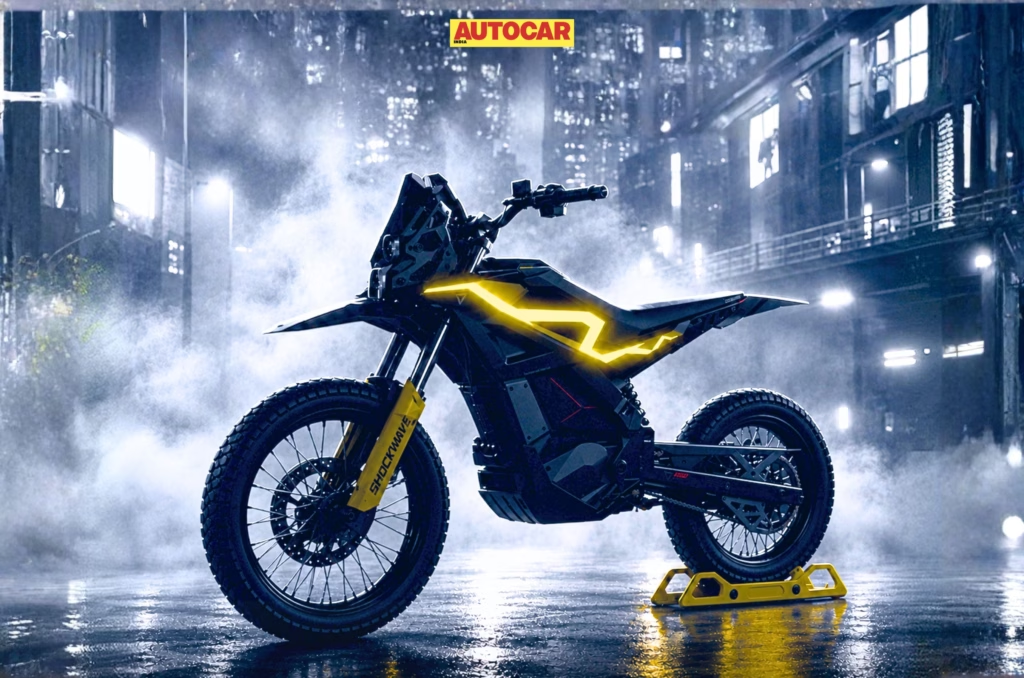
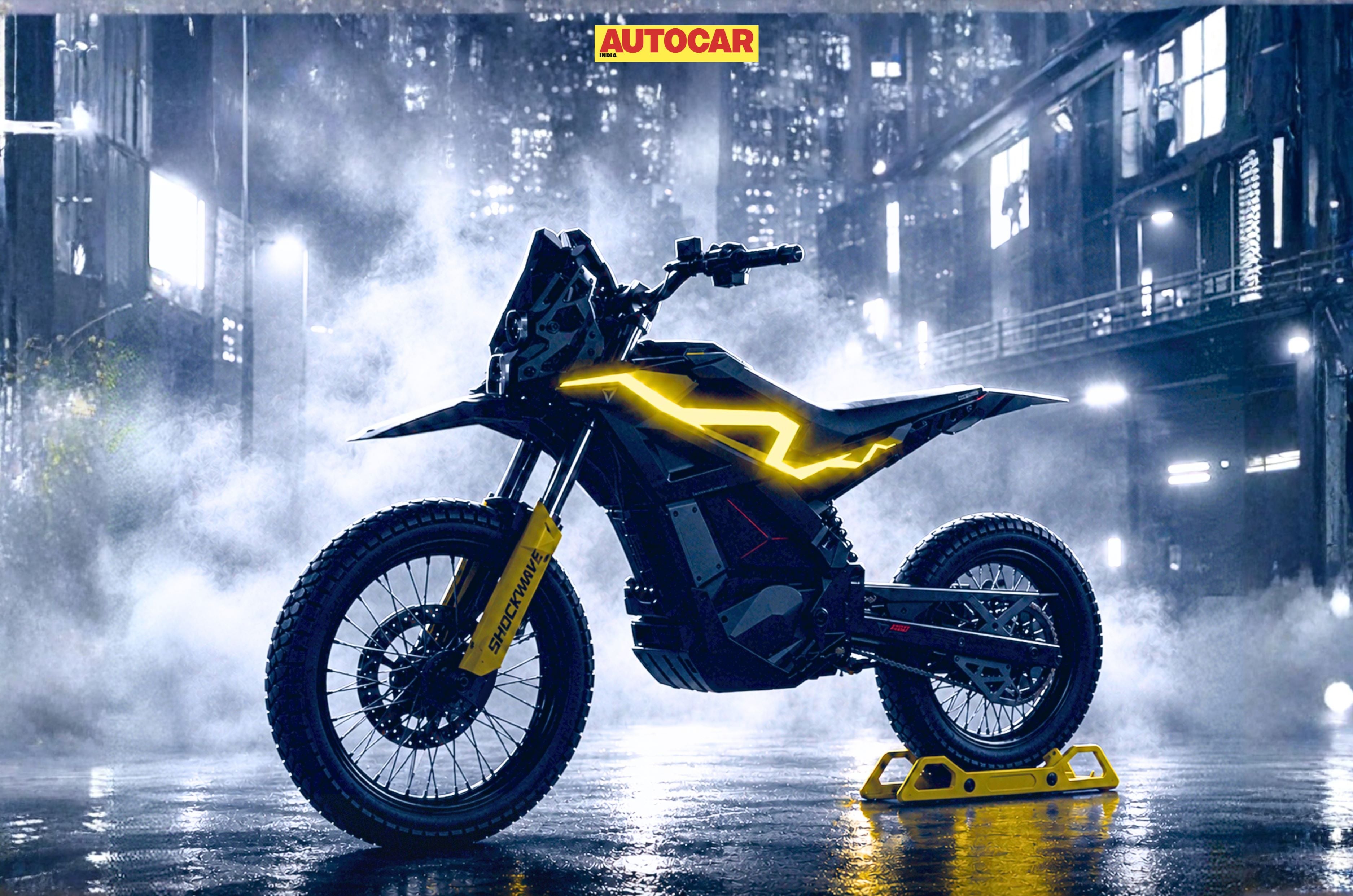
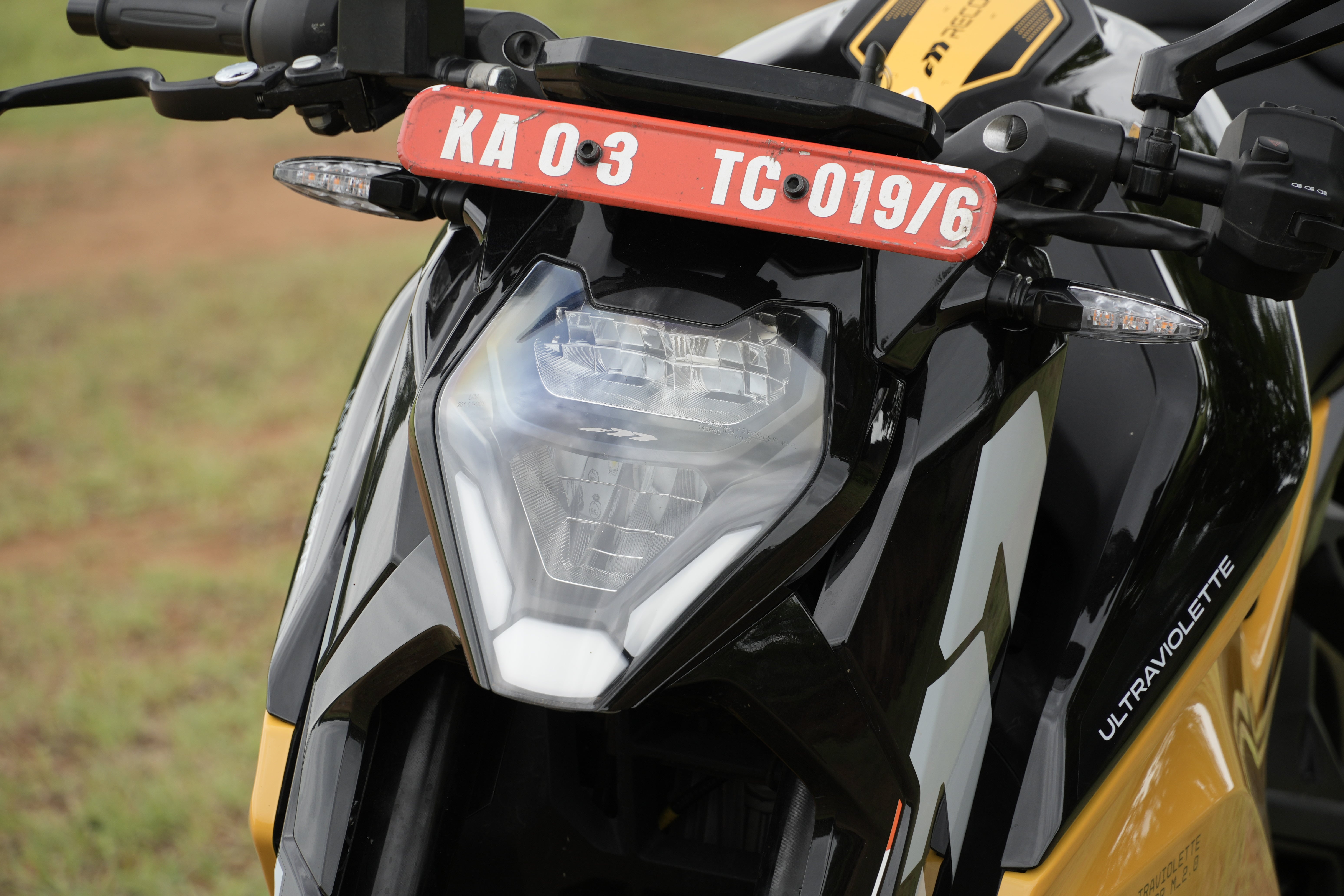
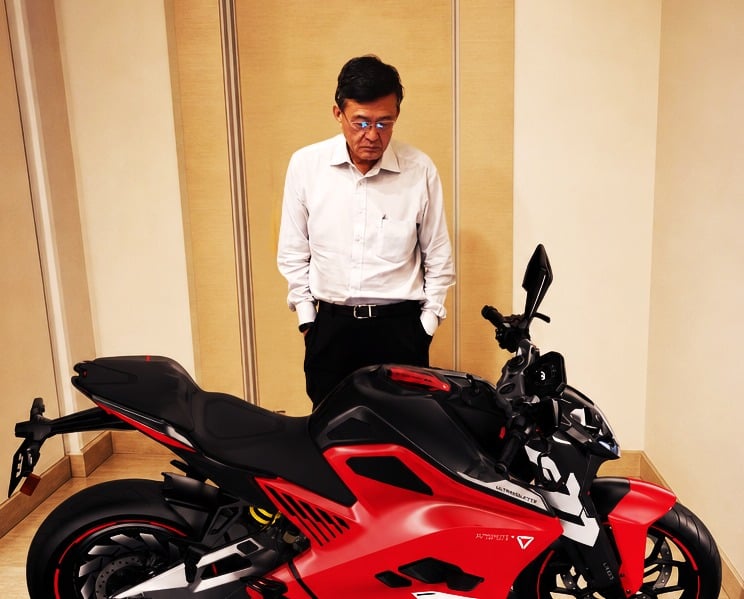
Bengaluru-based EV maker Ultraviolette Automotive has announced that its upcoming Shockwave ‘funduro’ motorcycle will use a new 100V architecture. In June, we reported that the Tesseract e-scooter, the brand’s first product to be confirmed to use a 100V architecture instead of the 60V architecture on the F77, was delayed. Now, Ultraviolette has mentioned both vehicles will launch by Q1 of 2027.
All prices mentioned are ex-showroom, Bengaluru.
Shockwave and Tesseract were first revealed in March 2025, with a promised Q1 2026 delivery at the time
The underlying architecture has changed since then
Full specs and final prices for both are yet to be revealed
Ultraviolette Shockwave and Tesseract
Both the vehicles have changed markedly since the 2025 reveal
To recap, Ultraviolette had first launched the Shockwave and the Tesseract in March 2025 and at that time, deliveries for the Tesseract started at Rs 1.20 lakh – which has now become Rs 1.45 lakh, and the Shockwave started at Rs 1.50 lakh and has now become Rs 1.75 lakh. Both were supposed to launch in the quarter of 2026, but have been delayed. Ultraviolette finally cracked a solution by way of a new 100V architecture on the Tesseract, and they have now confirmed that the Shockwave will also use the same architecture. The revised delivery timeline is now Q1 2027. With a 20.4hp power from the 6kWh battery pack, the Tesseract was rated for an IDC range of 261km. The Shockwave made up to 14.5hp (its battery capacity is yet to be revealed) and an IDC range of 165km. Both vehicles were intended for different use cases, and garnered plenty of attention with their impressive spec-sheets and prices.
With the announcement, Ultraviolette has mentioned that manufacturing for the Shockwave is currently underway at their existing plant in Hosur, and that it will be available in both single- and dual-seat variation. Narayan Subramaniam, co-founder and CEO of Ultraviolette, claims that the move to the new architecture is an important step in realising their EV vision. Full spec-sheets for both vehicles are still awaited, with the company promising to reveal more details close to the launch. However, with all the changes both the vehicles have gone through since the unveil, it’s likely that they’ll carry a higher price tag when they become available for purchase.
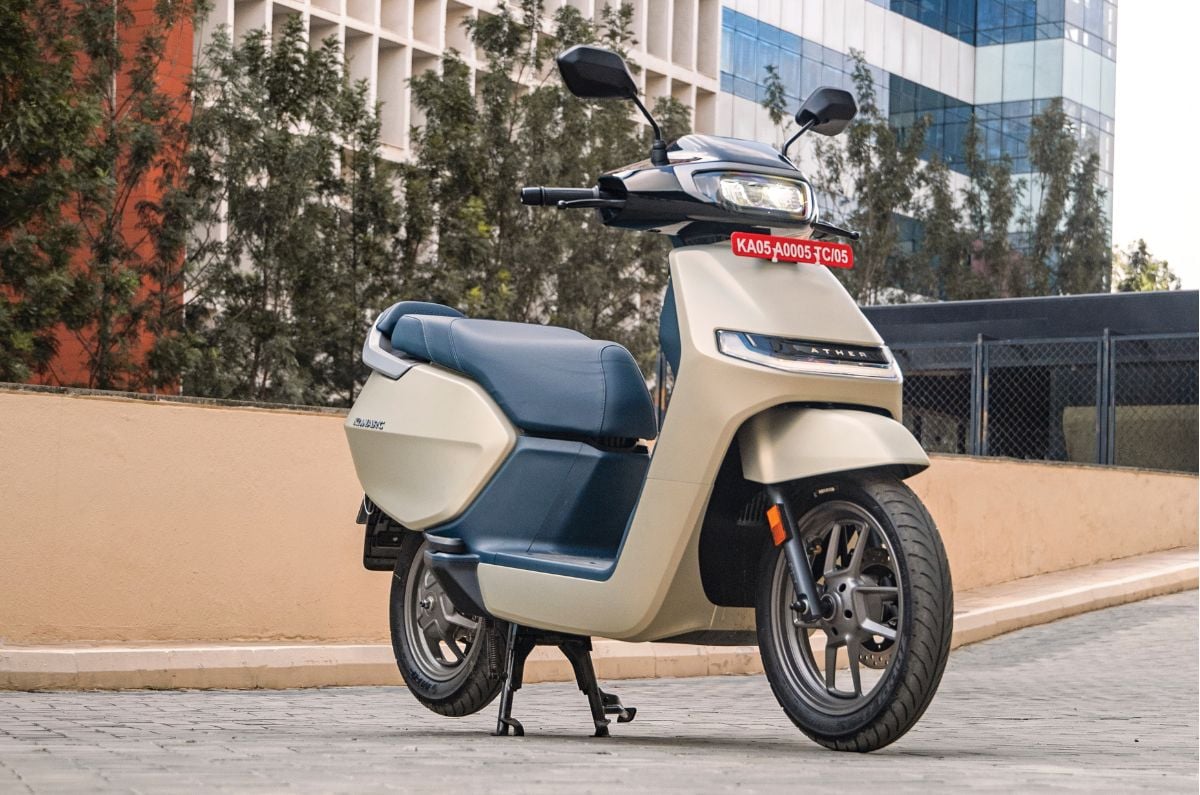
Bengaluru-based EV maker Ather expects its newly launched Konarc electric scooter to drive more than half of its sales over the next two years. The company is positioning Konarc as a key product in its attempt to take electric scooters mainstream, with the focus less on taking customers from rival EV makers and more on converting buyers who would otherwise remain with internal-combustion engine scooters.
Konarc has five variants, four of which are priced close to the Rizta
Manufacturing and availability set to ramp up after the festive season this year
Konarc is expected to make (Ather) EVs mainstream
Konarc has higher profit margins than Rizta despite a lower price
“The role of Konarc is to take EVs mainstream, which, by definition, means that we’re looking at weaning people away from ICE,” said Ather’s chief business officer Ravneet Phokela. “This is not about getting market share from somebody else. It’s really about getting share from the ICE world.” For these customers, he added, Ather first needs to address fundamental considerations around comfort, safety and battery life before features and technology become the differentiators.
Despite a lower starting price of Rs 99,999, the Konarc also has better margins than the Rizta, according to Phokela. It is currently available in five variants (three S and two Z), with four positioned around price points similar to the Rizta’s. Ather has moved from an aluminium chassis for the 450/Rizta to a tubular steel chassis on the Konarc and from a two-stage belt transmission to a gearbox. The charger and motor controller have also been combined into a single unit.
The EL platform has allowed Ather to incorporate learnings from the 450 platform that couldn’t be introduced into that architecture. Phokela described the 450 platform as appropriate for the performance-oriented 450 but “overkill” for the family-focused Rizta, which had to use the existing architecture to meet its development timeline. The EL platform, in contrast, was conceived from the outset as a simpler architecture with a fundamentally lower cost structure.
Konarc is currently being supplied only in parts of North India, with Ather yet to open bookings across central and southern markets. Ather expects this constraint to ease after its new manufacturing facility is commissioned in December, although Phokela said it would take a few months thereafter to ramp up production. More markets are expected to be added progressively as supplies improve. The supply situation has also led Ather to pause showroom expansions for now. It currently has around 750 outlets, with expansion expected to gather pace again after the festive period. Over the next 18-24 months, Phokela sees around 2,000 stores as a target while maintaining that expansion will be calibrated to ensure dealers remain viable and profitable.
With inputs from Mukul Yudhveer Singh and Stephen Raj Antony
Guwahati Bengaluru IndiGo flight: गुवाहाटी से बेंगलुरु जा रही इंडिगो की फ्लाइट 6E 6542 में सवार यात्रियों को लैंडिंग के दौरान असामान्य स्थिति का सामना करना पड़ा। रविवार को केम्पेगौड़ा इंटरनेशनल एयरपोर्ट पर लैंडिंग के दौरान विमान तेज हवाओं की चपेट में आ गया। इससे लैंडिंग के दौरान विमान का पिछला हिस्सा रनवे से टकरा गया। गनीमत यह रही कि इस घटना में यात्री और क्रू सदस्यों को कोई नुकसान नहीं पहुंचा है।
एयरलाइन ने बताया कि गुवाहाटी से बेंगलुरु जा रही इंडिगो की फ्लाइट दूसरे प्रयास में सुरक्षित लैंड करने में सफल रही। यह घटना रविवार को केम्पेगौड़ा इंटरनेशनल एयरपोर्ट पर लैंड करते समय हुई। गुवाहाटी-बेंगलुरु इंडिगो फ्लाइट को लैंडिंग के लिए पहले अप्रोच के दौरान “असामान्य रनवे कॉन्टैक्ट” का सामना करना पड़ा। एयरक्राफ्ट ने लैंड करने की दूसरी कोशिश करने से पहले अपने पहले अप्रोच के दौरान एक गो-अराउंड किया था। इसके बाद लैंडिंग के दौरान, एयरक्राफ़्ट का पिछला हिस्सा रनवे के कॉन्टैक्ट में आ गया। इंडिगो ने एक बयान में कहा, “सभी कस्टमर और क्रू सुरक्षित हैं और सुरक्षित रूप से उतर गए हैं।”
एयरलाइन ने कहा कि यह घटना तेज हवा के मौसम के दौरान हुई और स्टैंडर्ड ऑपरेटिंग प्रोसीजर के तहत सभी संबंधित अधिकारियों को सूचित कर दिया गया था। एयरलाइन ने कहा कि एयरक्राफ्ट का अभी मेंटेनेंस चेक चल रहा है और जरूरी मंजूरी मिलने के बाद ऑपरेशन फिर से शुरू हो जाएगा। ऑपरेशन में रुकावट से बचने के लिए बाद की बेंगलुरु-कोयंबटूर सेवा के लिए एक दूसरे विमान का भी इंतजाम किया गया था। इंडिगो के प्रवक्ता ने कहा, “हमेशा की तरह, हमारे कस्टमर और क्रू की सुरक्षा हमारी सबसे बड़ी प्राथमिकता है।”
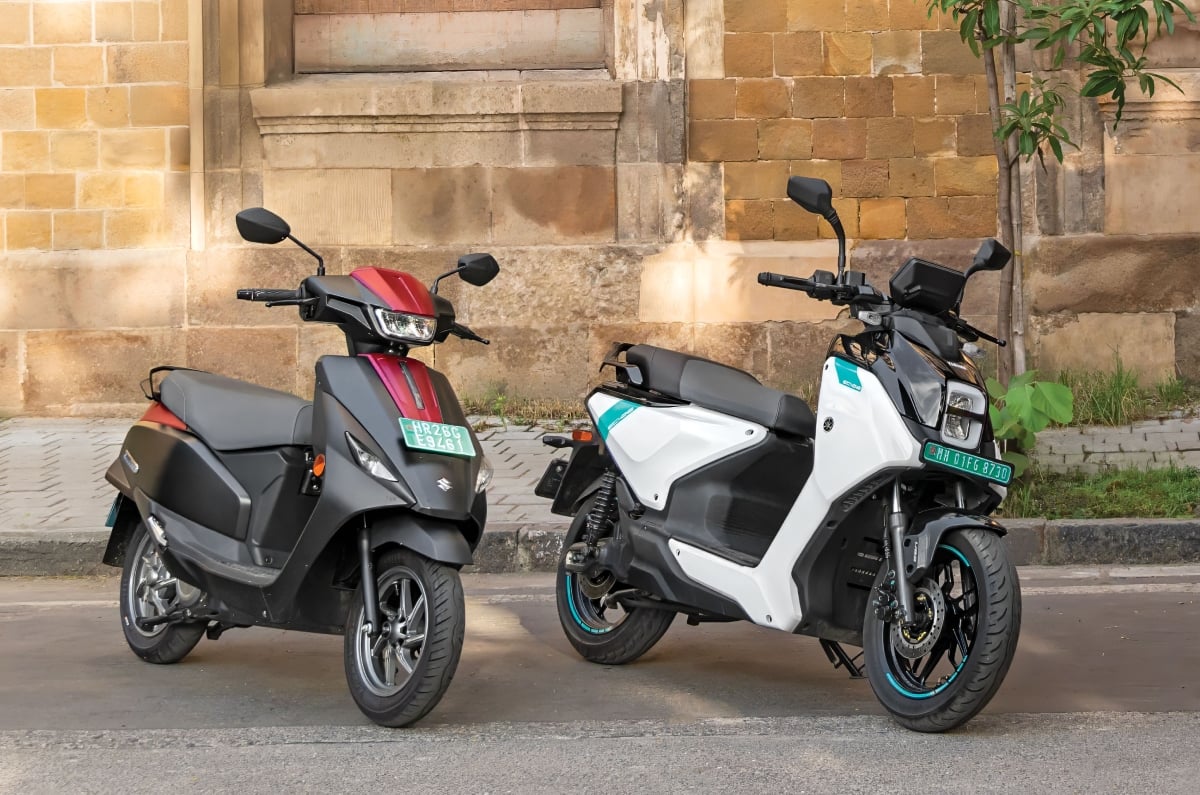
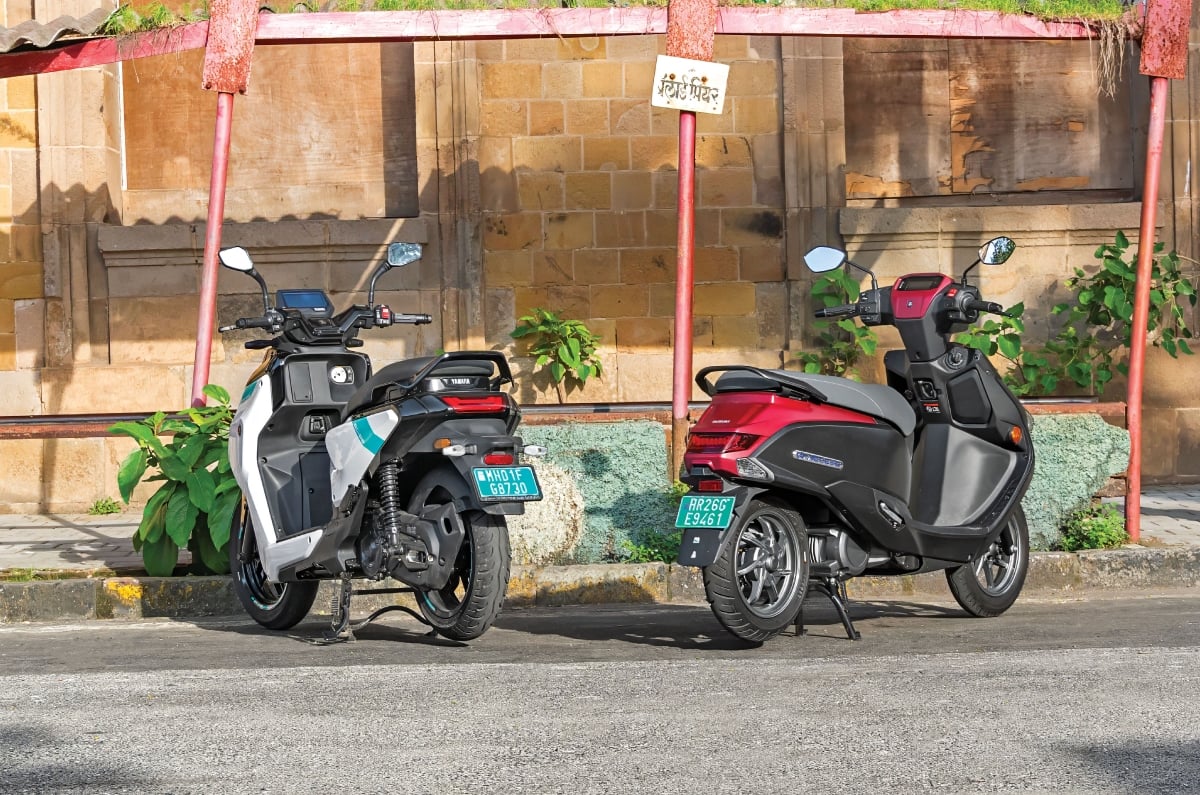
While the Indian manufacturers have been quick to capitalise on the EV boom, the Japanese have been rather more measured in their approach. Honda arrived in 2025 with not one but two in-house electric scooters, though both had unique limitations that prevented them from succeeding.
Suzuki, like Honda, chose to develop its own platform from scratch, but its e-Access appears expensive for what it offers. Yamaha, meanwhile, took a markedly different route for its more affordable offering and partnered with an Indian startup. The EC-06 is, in essence, a more expensive River Indie in sharper clothes.
So if you’ve been waiting for a Japanese e-scooter, you now have two choices, but like their very different inceptions, both also offer you two very different flavours of electric scooter. The question, then, is which one deserves your money – and whether either deserves it over the competition.
Not hiding in plain sight
Subtle, these scooters are not. Both take distinctly left-field approaches to styling and will stand out from the crowd. Over the fortnight we spent with them, the EC-06 consistently drew more positive attention thanks to its chunky, squared-off proportions. The e-Access found its niche too, though its double duck-bill nose, flowing front panels with a contrastingly boxy tail make it more of an acquired taste.
Yamaha EC-06
Suzuki e-Access
Kerb weight
132kg
122kg
Seat height
770mm
765mm
Underseat storage
24.5 litres
17 litres
Ground clearance
145mm (laden)
160mm (unladen)
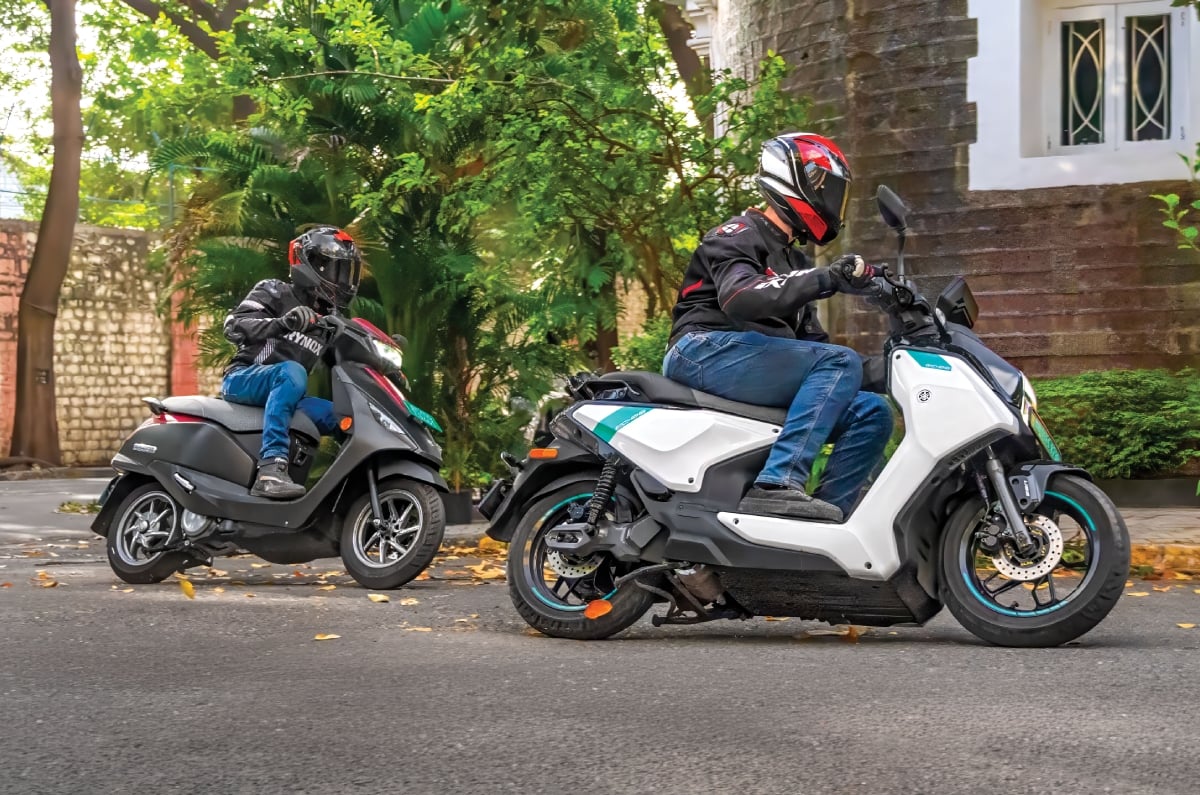
Climb aboard and their personalities diverge further still. The e-Access feels more like a conventional scooter. Despite its compact dimensions, it never feels cramped, even for taller riders, while its 765mm seat height makes it instantly approachable for shorter ones.
The EC-06, by comparison, feels a size larger. Its riding triangle is noticeably roomier, which taller riders will appreciate in a segment that seldom caters to them. Yet, with a friendly 770mm seat height, it remains fairly unintimidating for shorter riders. In fact, tall riders will want a higher seat.
Different strokes
The riding experience of both also reflects two very different engineering philosophies. The 122kg e-Access feels exceptionally light on its feet; whether wheeling it around a parking space or flicking it into a bend, it responds eagerly – actually, a bit too eagerly. Some of that can be attributed to Suzuki mounting the battery pack vertically beneath the seat, a decision that, as you will read further on, has implications elsewhere too.
Yamaha EC-06
Suzuki e-Access
Battery capacity / chemistry
4kWh / NMC
3.072kWh / LFP
Motor
Permanent Magnet Synchronous
Permanent Magnet Synchronous
Power
6.7kW
4.1kW
Torque
26Nm
15Nm
Like the latest Burgman, its ride also errs towards the firmer side rather than the plush feel of a TVS iQube. It isn’t uncomfortable by any means, but it is something worth paying attention to on a test ride. Taller riders will also discover the Suzuki’s compactness during full-lock U-turns, where their knees will foul the handlebar.
On the flip side, the EC-06 is relatively heavier and slower to steer, but it’s a small tradeoff. That’s because its larger 14-inch wheels lend it greater stability at faster speeds and also help it dismiss broken roads with admirable composure. Its absorptive suspension also factors in here, though particularly sharp impacts can provoke a slight judder in the fork.
E-Access has the more flighty, energetic demeanour, whereas the EC-06’s handling is more sure-footed.
The Yamaha’s seat, however, leaves quite some room for improvement. Its forward-sloping shape constantly makes you slide forward, necessitating frequent shuffling about. The padding is also too soft, and after just 30 minutes or so, you find yourself sinking into the seat pan. This results in a gradually more knees-up riding position, which might sound like a trifling problem at first but one that becomes increasingly apparent over longer journeys.
Neither one gets ABS, which feels like quite an egregious oversight considering their price points. Nevertheless, the Yamaha’s brakes inspire greater confidence because they are powerful without being overly aggressive, and its wider tyres also provide better traction. The Suzuki’s brakes, conversely, are almost too sharp. On Mumbai’s slippery concrete roads, they demand a more measured touch when coming to a halt quickly.
Not that you’ll often rely heavily on them. That’s partly down to the well-calibrated regenerative braking system and partly because the e-Access’ performance is quite unremarkable. Not only is it much slower than the EC-06, but it also feels noticeably less eager than the petrol-powered Access. It’s perfectly usable in the city, but on faster roads, overtakes require planning. Unsurprisingly, the Yamaha feels considerably livelier. It accelerates with genuine enthusiasm in its top Power mode, the regenerative braking is seamlessly calibrated in all 3 modes (Standard and Eco being the other two) and, despite using chain drive, its drivetrain is remarkably silent – akin to a hub-mounted motor.
Feel Good (?) Features
Build quality on both is reassuringly solid and exactly what one expects from the Japanese. At these prices, however, there are a few omissions that are difficult to overlook.
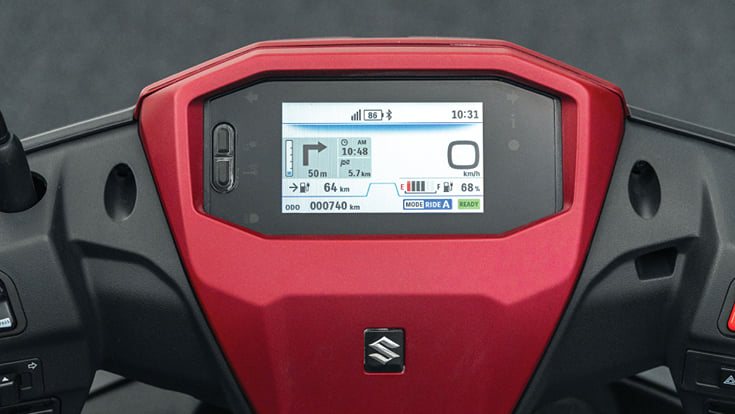
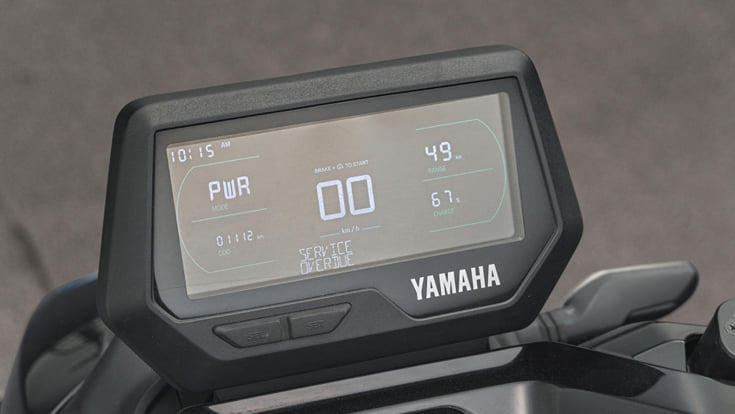
The e-Access employs the same TFT display found on the ICE Access 125 and Burgman, both of which cost substantially less. Yamaha, meanwhile, supplies only the slower 480W charger, despite the considerably more affordable River offering a faster 750W unit as a Rs 3,000 option.
Same TFT as ICE Access; EC’s negative LCD is simpler but well laid out.
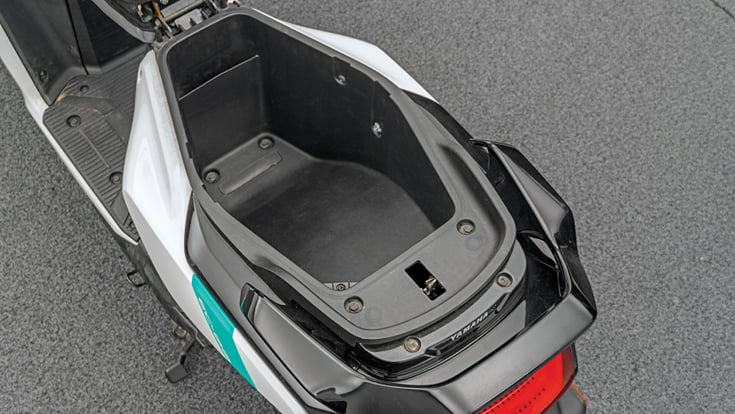
The EC-06 also sacrifices a lot of storage compared to the Indie. Its 24.5-litre under-seat boot is far short of the latter’s enormous 43-litre boot and trails established rivals such as the iQube, Rizta and Chetak. The River’s lockable 12-litre glovebox has been omitted too, though Yamaha has used this to reposition the charging port to a more convenient location.
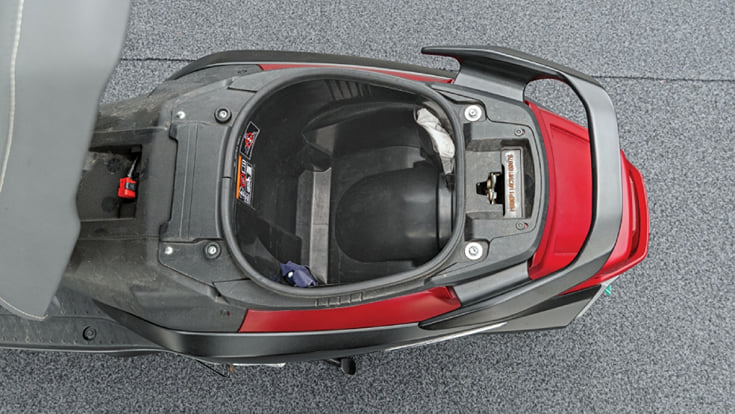
e-Access’ 17L boot far too small and oddly shaped; Yamaha’s 24.5L boot is more usable but not segment-leading.
If the Yamaha’s storage is merely average, the Suzuki’s is positively outclassed. The battery’s position beneath the seat results in just 17 litres of bootspace – roughly half what you’ll find on rivals like the Rizta and Chetak. In fact, even the ICE Access 125 offers you quite a bit more storage space. The e-Access’ boot is also shaped quite awkwardly, and unless the charger’s cables are folded with almost Victorian precision, it simply refuses to fit.
Range Rovers?
An electric scooter ultimately needs to deliver one thing above all else – promising range to reduce your running costs. In Ride A mode, which delivers full performance and max regen, the e-Access covered a little over 88km in our range test. Given its smaller 3kWh battery and its use of safer, but less energy-dense, LFP chemistry, the result is respectable in isolation; however, compared to the market’s front-runners, it falls far short.
Yamaha EC-06
Suzuki e-Access
0-40kph
3.46s
4.94s
0-60kph
6.82s
11.93s
Roll-on Acceleration
20-50kph
3.31s
5.46s
30-70kph
7.34s
17.01s
50-80kph
10.96s
–
Our test on the EC-06 was conducted in its middle Standard mode, which retains full performance but softens throttle response compared to Power mode. It covered 114km, comfortably exceeding the distance initially predicted. Both scooters deserve praise here, as their range indicators proved refreshingly honest, not indulging in optimistic guesswork.
Yamaha EC-06
Suzuki e-Access
60-0kph
22.87m
24.64m
Using Eco mode will naturally extend the range on both, though with reduced acceleration and lower top speeds. Thankfully, neither becomes painfully slow. Even in Eco, both climb flyovers and keep up with city traffic without reducing themselves to rolling roadblocks.
While the Yamaha’s range is undoubtedly more impressive, its charging time is a rather different story. The supplied 480W charger requires a glacial ten hours to replenish a flat battery. Meanwhile, the Suzuki’s 600W unit requires around six hours to do the same, although its battery pack is also smaller.
One thoughtful detail both manufacturers deserve credit for is the inclusion of a dedicated charger bag. It is a small touch, but one that should help protect the charger from spending years rattling around inside the boot.THE BIGGER PICTURE
Judged purely against each other, the result is straightforward – the EC-06 clearly wins. It offers superior performance, greater comfort, longer range and also costs much less than the e-Access.
Yamaha EC-06
Suzuki e-Access
Price (ex-showroom, Bengaluru)
Rs 1.71 lakh
Rs 1.92 lakh
However, if you zoom out and look at the broader market, the context changes. At Rs 1.71 lakh, the Yamaha is hardly inexpensive, and the Suzuki, which is knocking on the door of Rs 2 lakh, is even worse off. When proven alternatives from TVS, Ather, Bajaj, Vida and River offer similar or even superior alternatives for substantially less money, the Japanese appear more like fringe players and less like mainstream contenders.
There will undoubtedly be a small demographic of buyers for whom a Japanese badge carries enough cachet to justify this big premium. However, for the rest of us, the more keenly priced and proven homegrown contenders are the better bet.
Bengaluru based EV manufacturer, Ultraviolettehad recently announced plans for a new manufacturing facility in Hosur, to increase production capacity up to 5 lakh units a year. The company has now received USD 85 million in a new funding round. The additional capital and the new factory is expected to boost the manufacturing of its current products, the F77 (Mach 2 and Superstreet), X-47, and development of upcoming platforms and products.
The USD 85 million funding was led by Deep Tech Fund Yali Capital and TDK Ventures
New Hosur plant expected to increase production capacity up to 5 lakh units a year
Ultraviolette currently has the means to build battery architecture ranging from 48V to 400V
Ultraviolette plans expansion in India and abroad
Four new products and US entry planned for next year
Currently, Ultraviolette operates in India and 20 European countries. With the fresh round of investment, the company has targeted an US market entry next year, alongside key markets in Latin America and Southeast Asia. The USD 85 million funding round was led by Deep Tech Fund Yali Capital and TDK Ventures and investment from Lip-Bu Tan, Chief Executive Officer of Intel, Chairman of Walden International and Advisor to Ultraviolette, alongside the company’s current and long-term investors. UV says the new and continued support from the investors will help scale production of its current portfolio as well as upcoming products.
The investment will also help with the development of UV’s next generation of models. The company currently boasts technical capabilities to build battery architecture spanning 48V to 400V which it says allows for engineering platforms catering to different needs. Its current list of investors include Zoho Corporation, TVS Motors, and Qualcomm Ventures. Besides India, UV currently operates across Europe including Germany, France, Spain, Portugal, the UK, Belgium, Netherlands, Italy, Switzerland and Hungary.
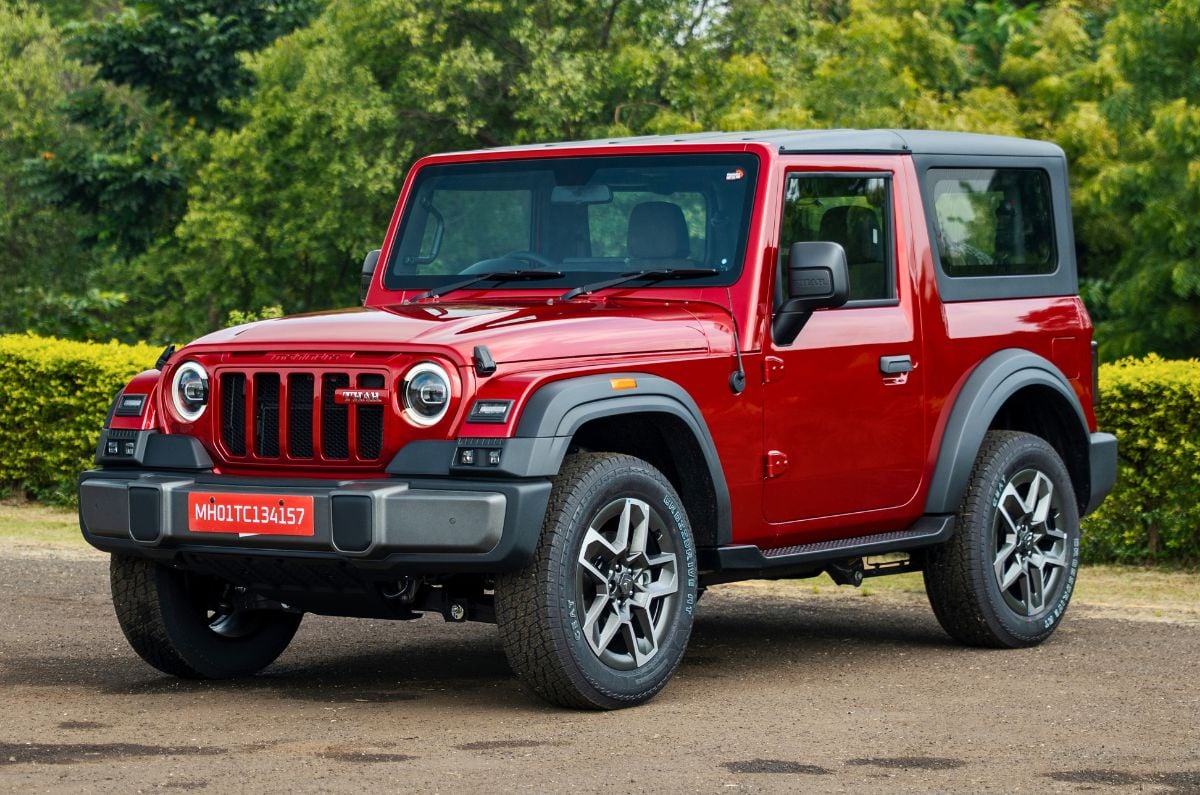
Mahindra recently launched the facelifted Thar, now called the Thar OG, with introductory prices ranging from Rs 10.32 lakh to Rs 18.99 lakh (ex-showroom). It is being offered in three trims: AXT, LXT and ZXT. With the new Thar OG, Mahindra has introduced a new-gen platform, a revised suspension and steering setup, more powerful engines, fresh exterior design elements and a more premium interior.
In case you want to know how much you need to pay to get your hands on one, here are the Mahindra Thar OG’s on-road prices across major Indian cities. Do note that deliveries of the Thar OG will commence from October 11.
Mahindra Thar OG on-road prices
On-road Thar OG prices range from Rs 11.56 lakh to Rs 23.36 lakh in major cities
Mahindra Thar OG on road price in major Indian cities (in Rs, lakh)
Note: On-road prices may vary based on city-specific registration charges and other cost components, including insurance, FASTag and RTO fees. Please check with your nearest Mahindra dealership for exact figures.
Among the major cities mentioned, the Mahindra Thar OG’s on-road price is the lowest in Chandigarh. Kolkata comes next, followed by Delhi and Mumbai. The prices are the highest in Bengaluru, and compared to Chandigarh, the 1.5-litre diesel MT (AXT) costs Rs 1.14 lakh. RWD-AT versions of the 2.0-litre turbo-petrol engine and 2.2-litre diesel engine cost an additional Rs 1.77 lakh and Rs 1.54 lakh, respectively. The top-spec 4WD-AT versions of the turbo-petrol and diesel engines cost an additional Rs 1.95 lakh and Rs 2.09 lakh, respectively, in Bengaluru compared to Chandigarh.
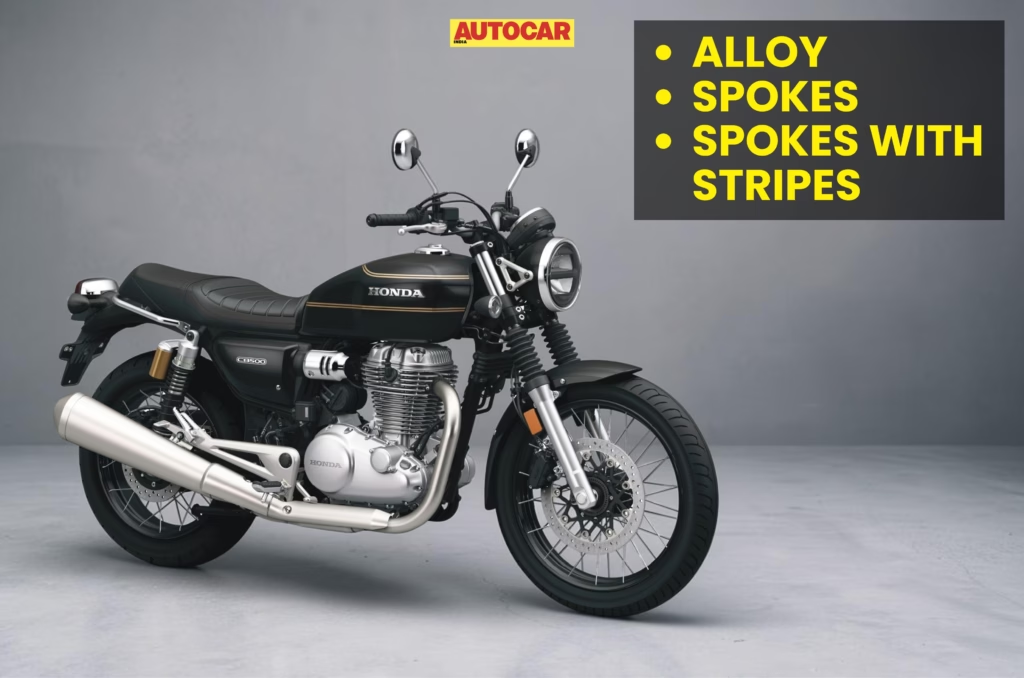
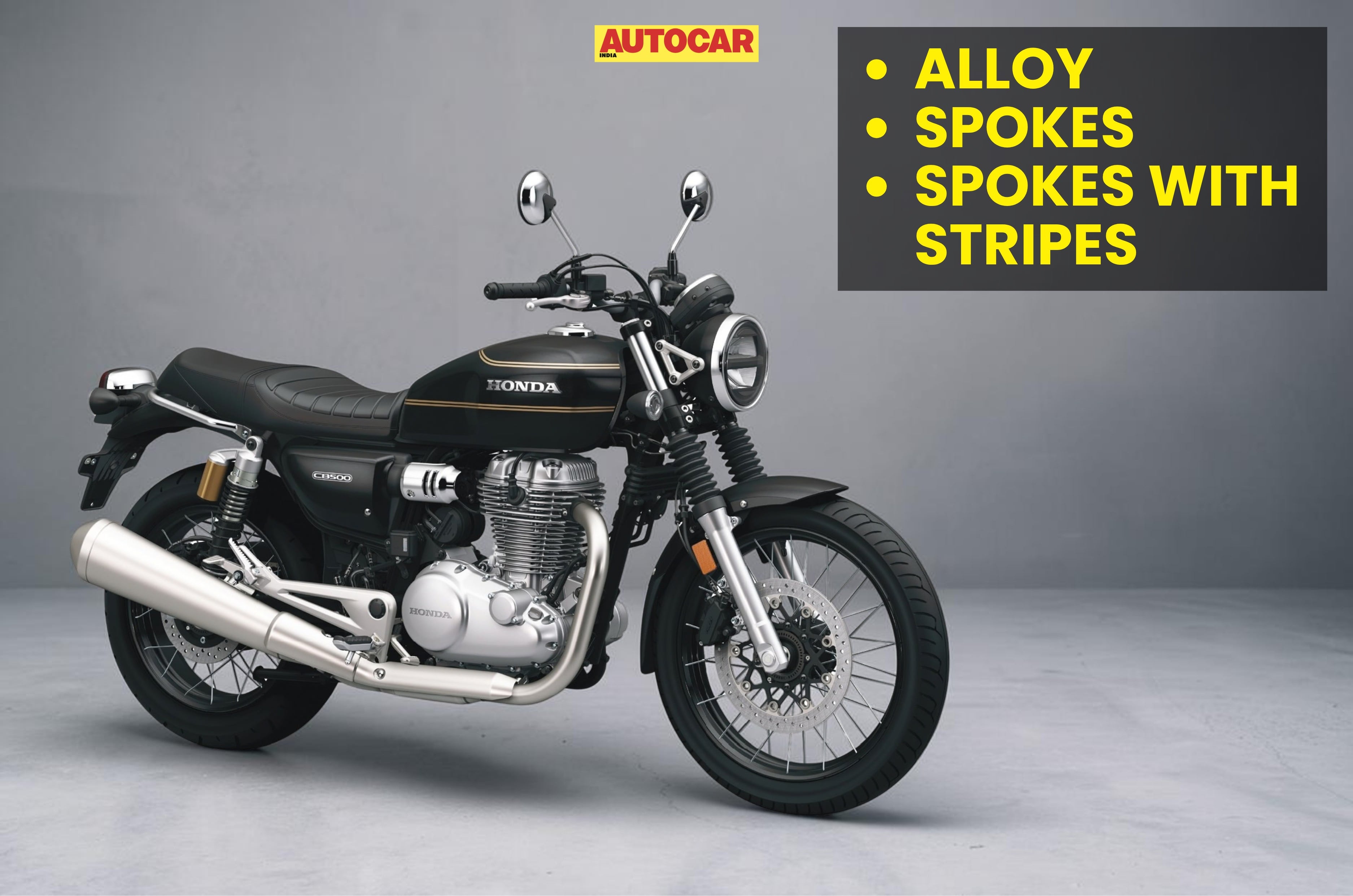
The Honda CB500 is the brand’s largest air-cooled, single-cylinder motorcycle in India, powered by a 501cc air- and oil-cooled engine producing 28hp and 43.3Nm. It is available in three variants, with the differences coming down to wheel type and colour options. While Honda has revealed prices for each variant, it has also said that the bikes will only go on sale in the coming months. Here’s a breakdown of each variant, along with a note on when each will be available.
Honda CB500 variant breakdown
CB500 Alloy
The base CB500 Alloy is the entry point into the range and, as the name suggests, uses alloy wheels. It is available in two colour options – black and grey – and will be the first of the three variants to arrive, with detailed configurations and full specifications to be revealed in Q3 FY2027. This means sometime between October and December this year, with deliveries commencing shortly after. The CB500 Alloy is priced at Rs 2.75 lakh.
CB500 Spoke
The CB500 Spoke steps up to cross-spoke tubeless wheels in place of the alloy wheels on the base variant and will be available in two metallic-finish solid paint options – silver and red. Full specifications for this variant will be available in Q4 FY2027 (January to March), with deliveries following shortly after. The CB500 Spoke is priced at Rs 3 lakh.
CB500 Spoke with Stripes
The range-topping CB500 Spoke with Stripes retains the cross-spoke tubeless rims of the mid variant and will be available in the same Peak Black colourway as the alloy-wheel variant, but with exclusive pinstripes on the fuel tank, making it the most visually distinctive of the three. Like the Spoke variant, it will be available in Q4 FY2027. The CB500 Spoke with Stripes is priced at Rs 3.02 lakh.
All three variants share the same 501cc air- and oil-cooled engine, Honda Selectable Torque Control (HSTC), a slipper clutch, an analogue-digital instrument console with Honda RoadSync connectivity, and all-LED lighting.
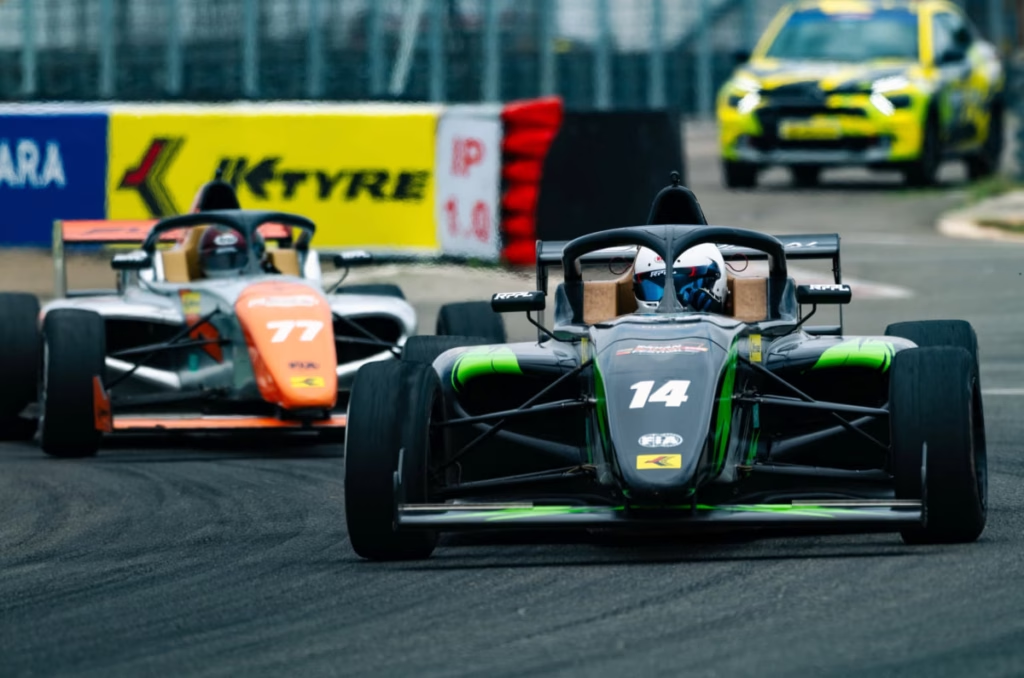
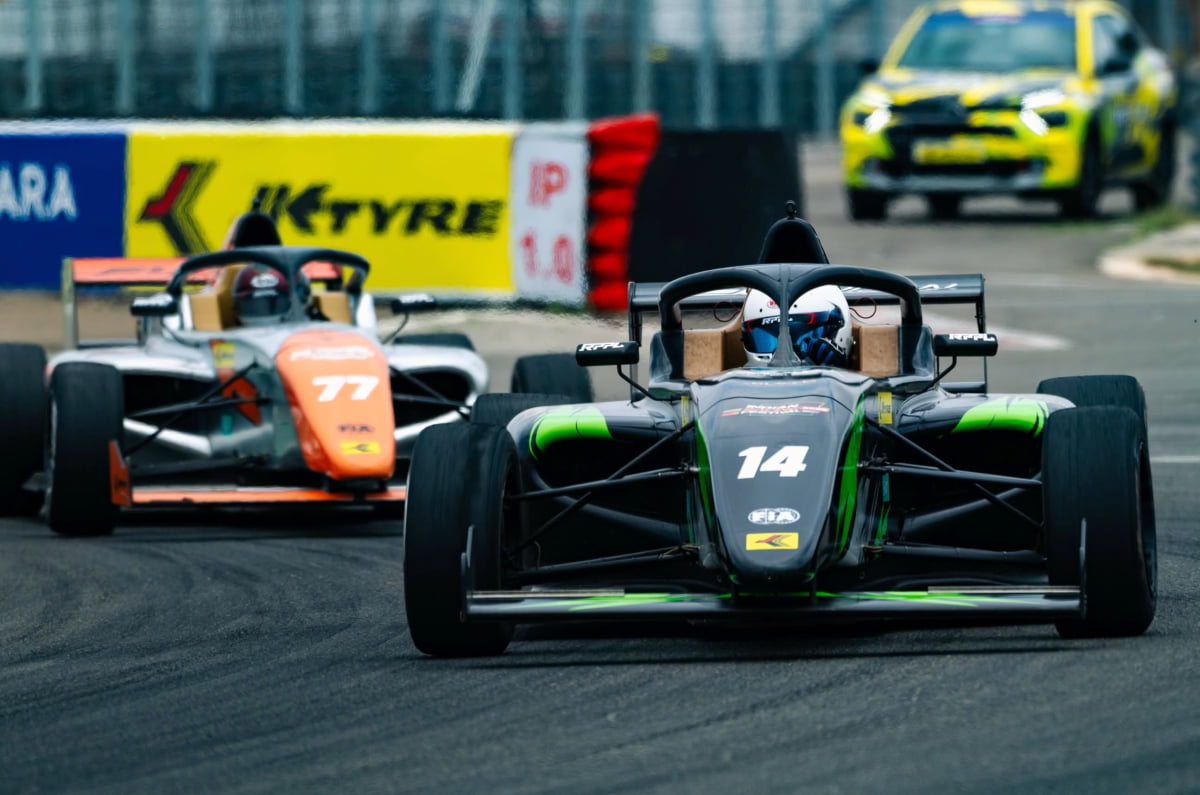
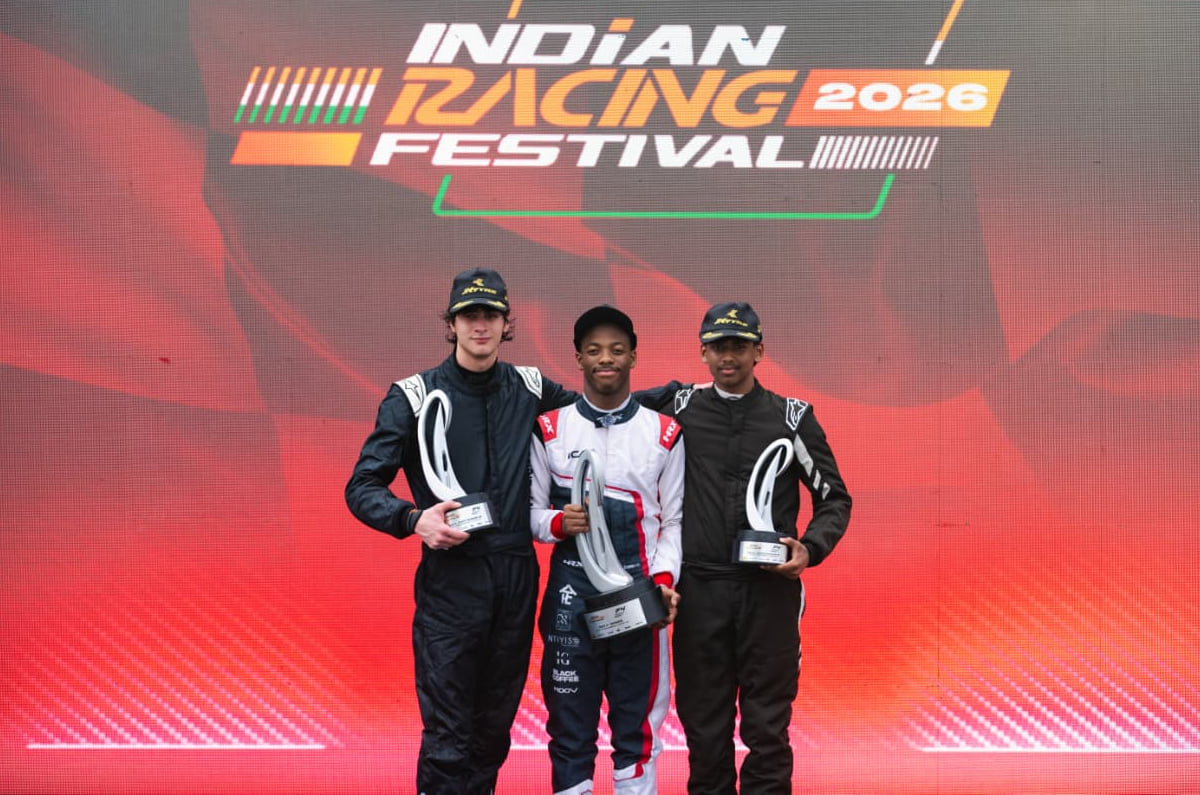
Goa Aces JA Racing’s Luviwe Sambudla clinched two race wins at Round 2 of the F4 Indian Championship, held at Kari Motor Speedway. Hyderabad Blackbirds’ Bhuvan Bonu also won a race, becoming the first Indian winner this season.
Sambudla is now just five points behind Sambudla in the standings
Next round at Madras International Circuit
F4 India Round 2: Goa Aces JA Racing, Hyderabad Blackbirds win races
Starting from pole position, Sambudla took a lights-to-flag victory Race 1. The race was interrupted by a safety car after Mathias Alexander Forland made contact with Sai Aditya. Nevertheless, Sambudla held on to the lead after the re-start and even went on to set the fastest lap of the race. Aris Kyriakou finished second, while Speed Demons Delhi’s Ntiyiso Mabunda secured his first podium of the season in third.
Bonu converted reverse-grid pole position to victory in Race 2. He was followed by Mahlori Mabunda, but the Godspeed Kochi driver was handed a five-place grid penalty and dropped to P7 as a result. This promoted Speed Demons Delhi’s Ntiyiso Mabunda to second place, while Kyriakou completed the podium.
Sambudla retired from Race 2 after contact with Kolkata Royal Tigers’ Aaron Mehta at Turn 1. But he bounced back in Race 3, clinching his third win this season. Kyriakou finished second, followed by Kolkata Royal Tigers’ Swarnav Das.
2026 F4 India standings
Kyriakou held a 13-point lead after the opening round, also held at Kari Motor Speedway. Despite not winning a single race in Round 2, he holds on the overall lead, but Sambudla has now closed the gap to just five points. Bonu is third overall, 42 points behind Kyriakou.
F4 India will next head to the Madras International Circuit for Round 3 on October 23-25.