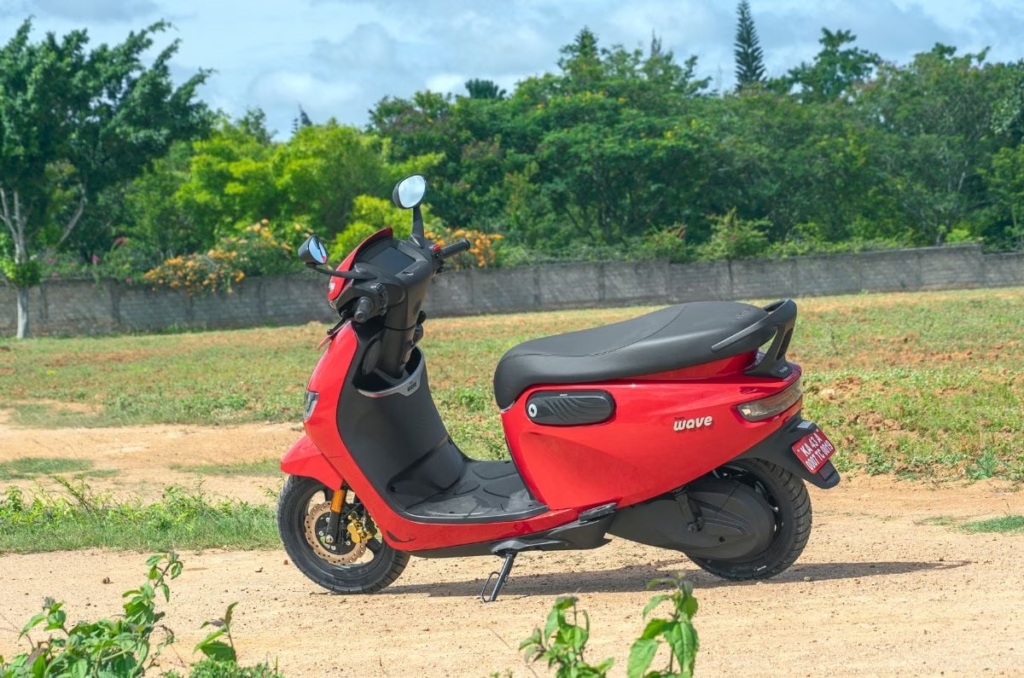
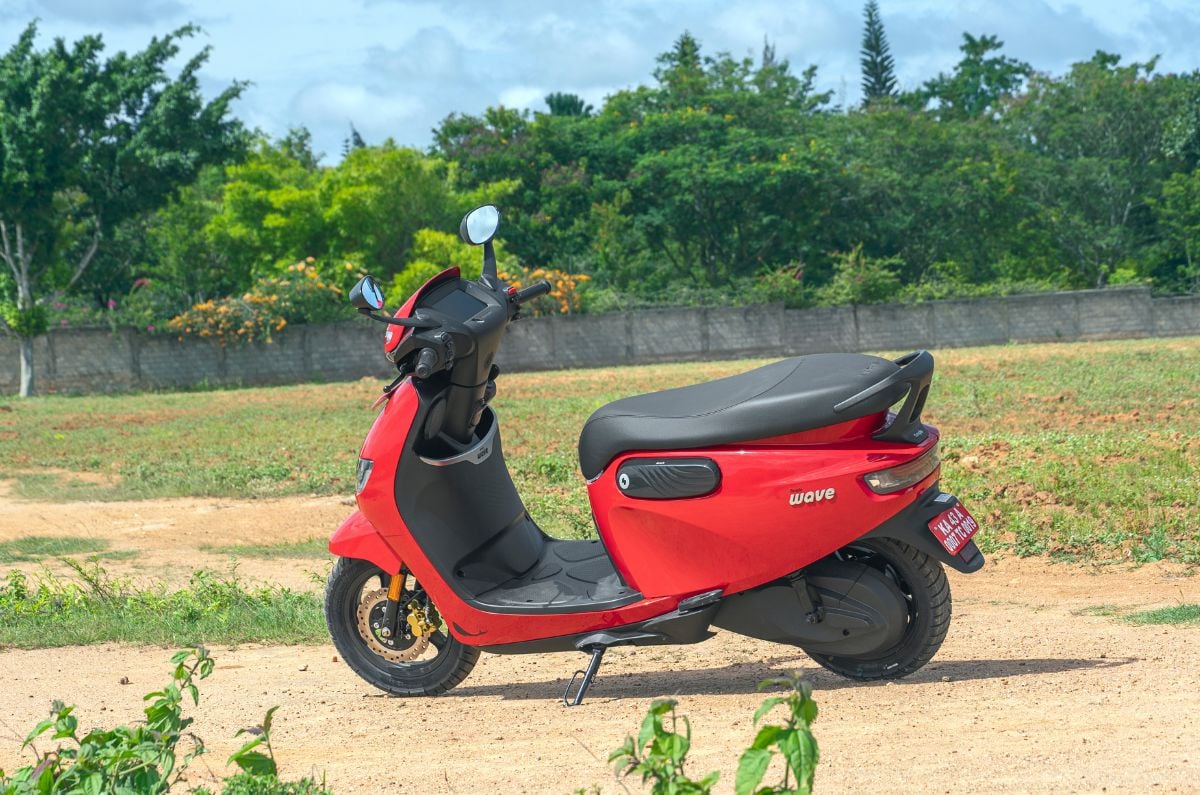
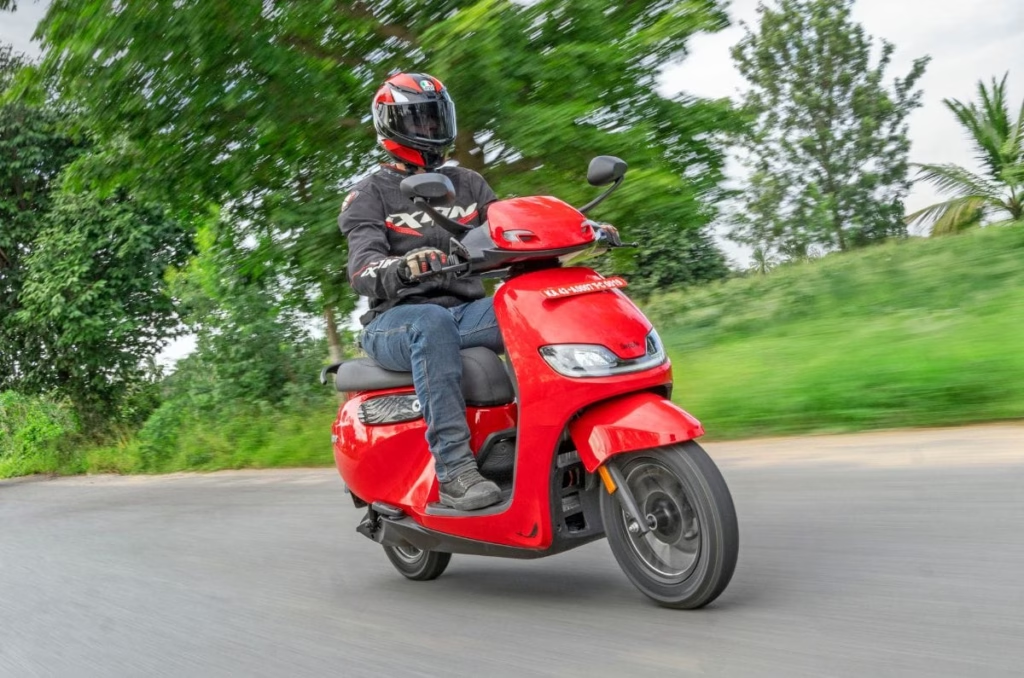
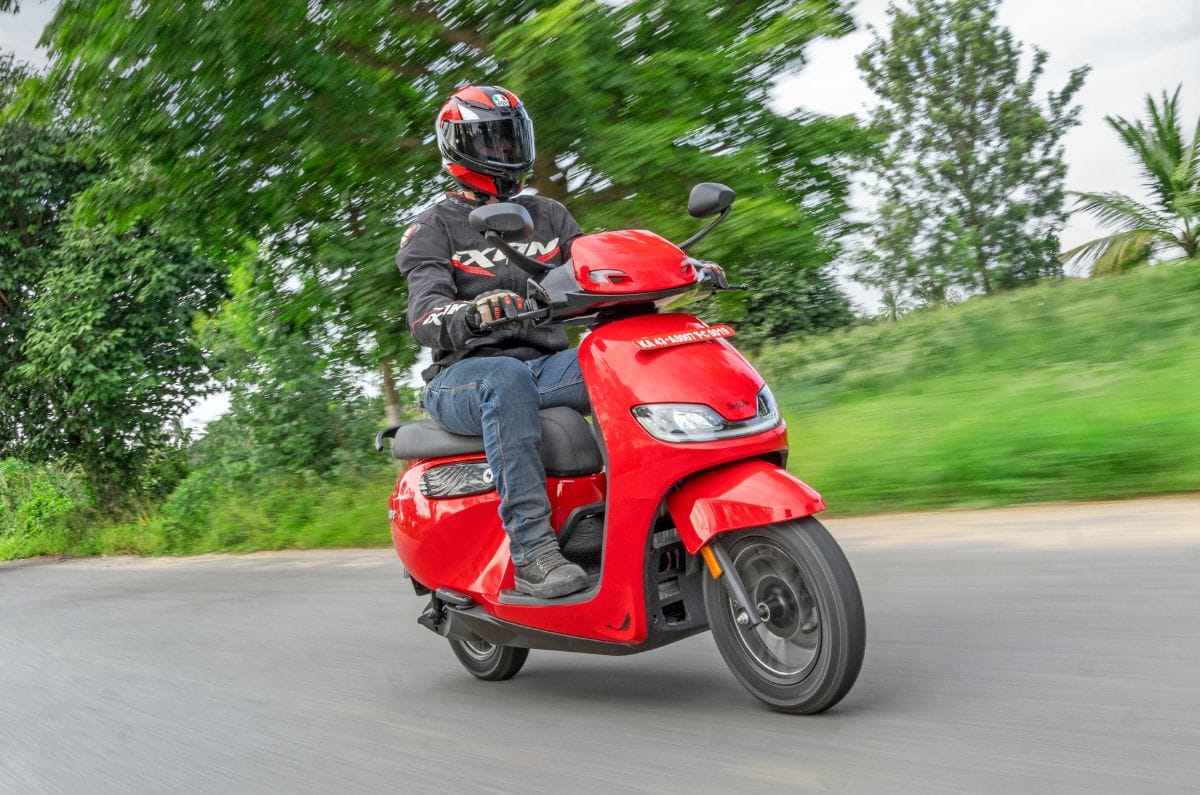
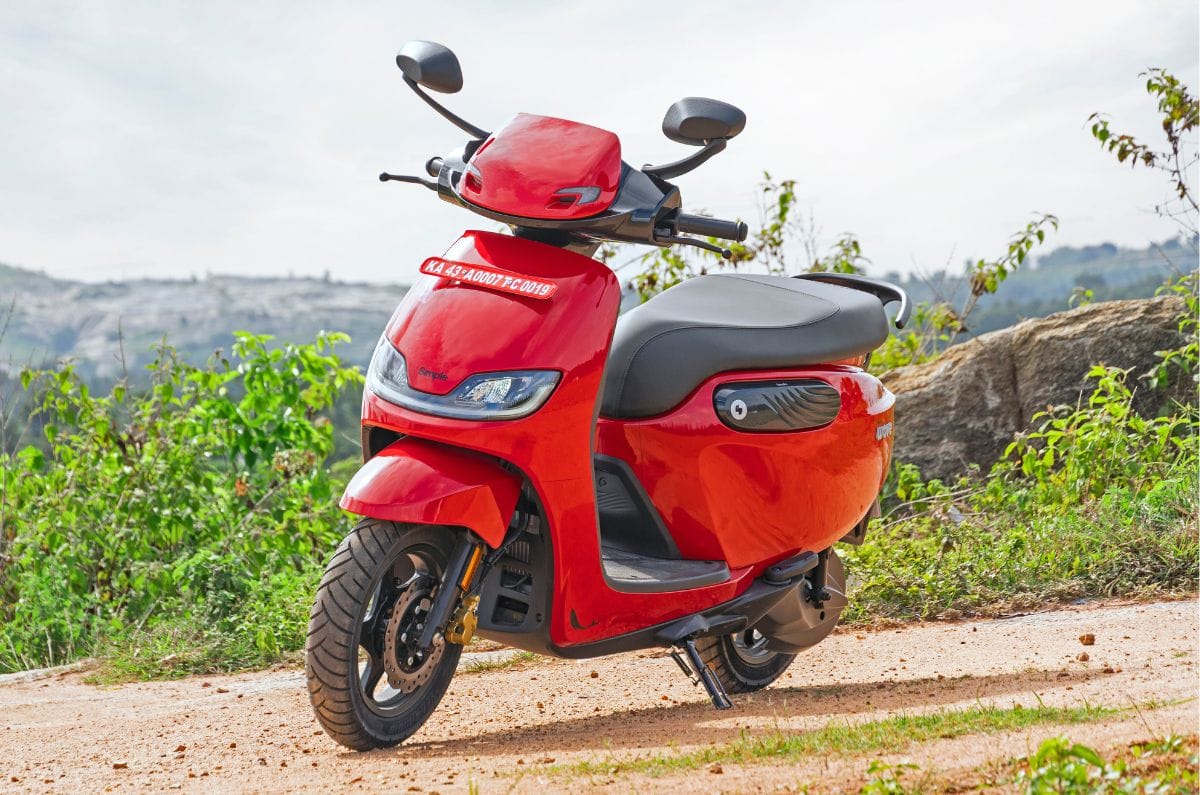
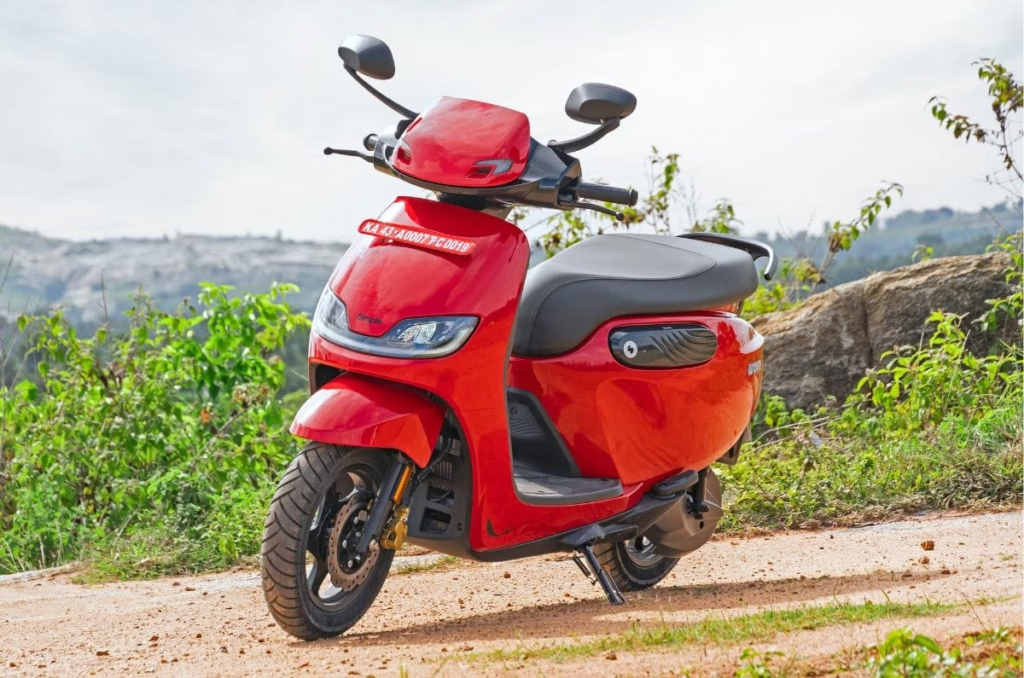
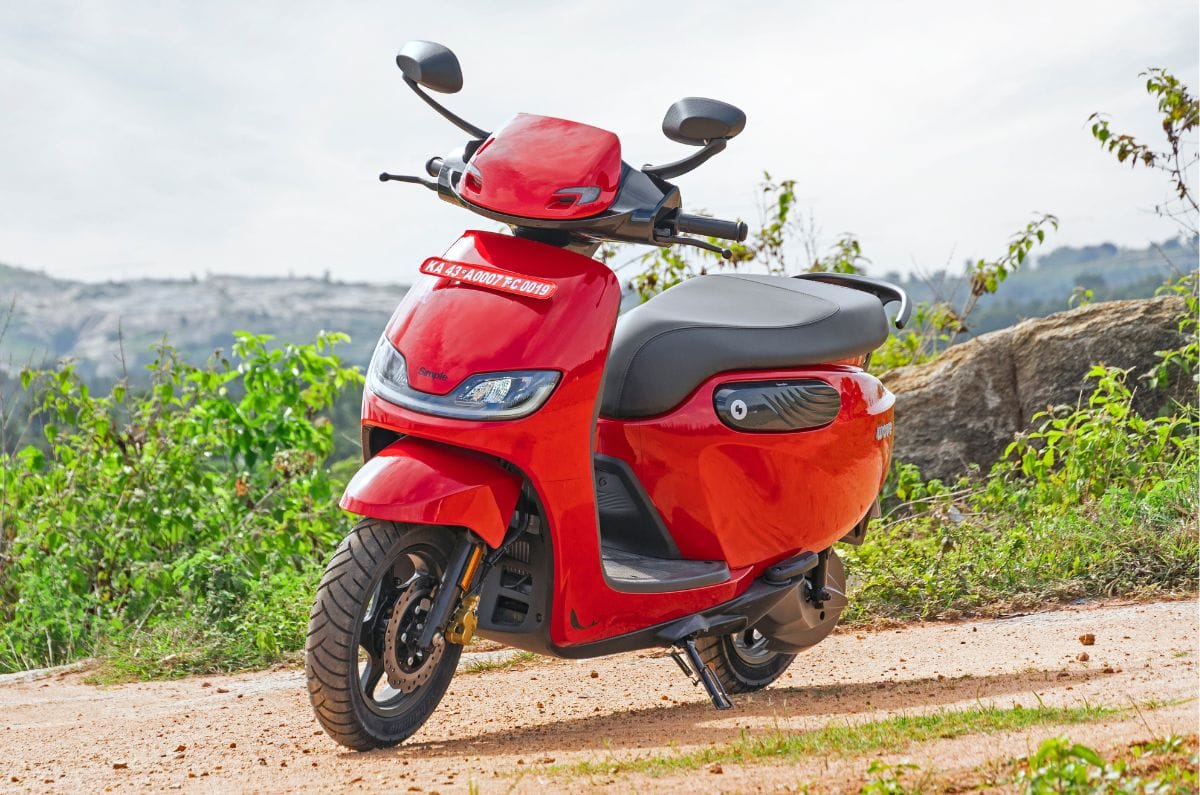
The Simple Wave is the family scooter from the Bengaluru-based startup. It offers a claimed IDC range of up to 243km, and Simple is looking to position it as a mass-market scooter compared to its sharp, performance-focused offerings, the One and One S.
The Wave is available in four variants as per the battery capacity. The base Wave S is offered in two battery capacities: 2.2kWh and 2.7kWh, with 110km and 132km of IDC range, respectively. The middle variant, Wave, has a 3.7kWh battery and 171km of IDC range, whereas the top Wave + variant has a 5kWh battery and is claimed to go 243km on a single charge, offering the highest range in its segment.
Dimensions-wise, compared to the One range, seat height has been lowered by 5mm to 775mm and ground clearance has been increased by 3mm to 175mm. The base Wave S weighs 124.5kg, the Wave weighs 121kg, and the Wave + weighs 128kg. The Simple Wave’s prices start at Rs 1.10 lakh (ex-showroom, Bengaluru), we’ve added all the prices below for easy reference. The company has announced that deliveries will commence on September 25.
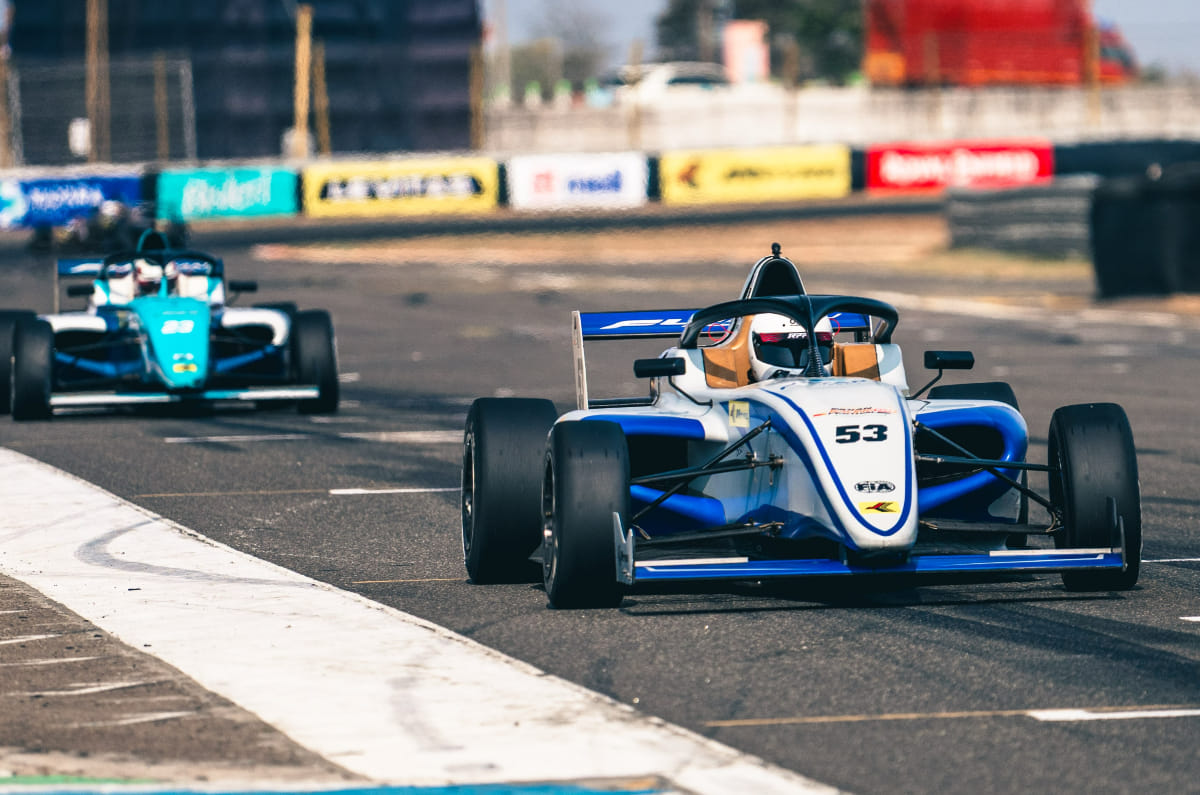
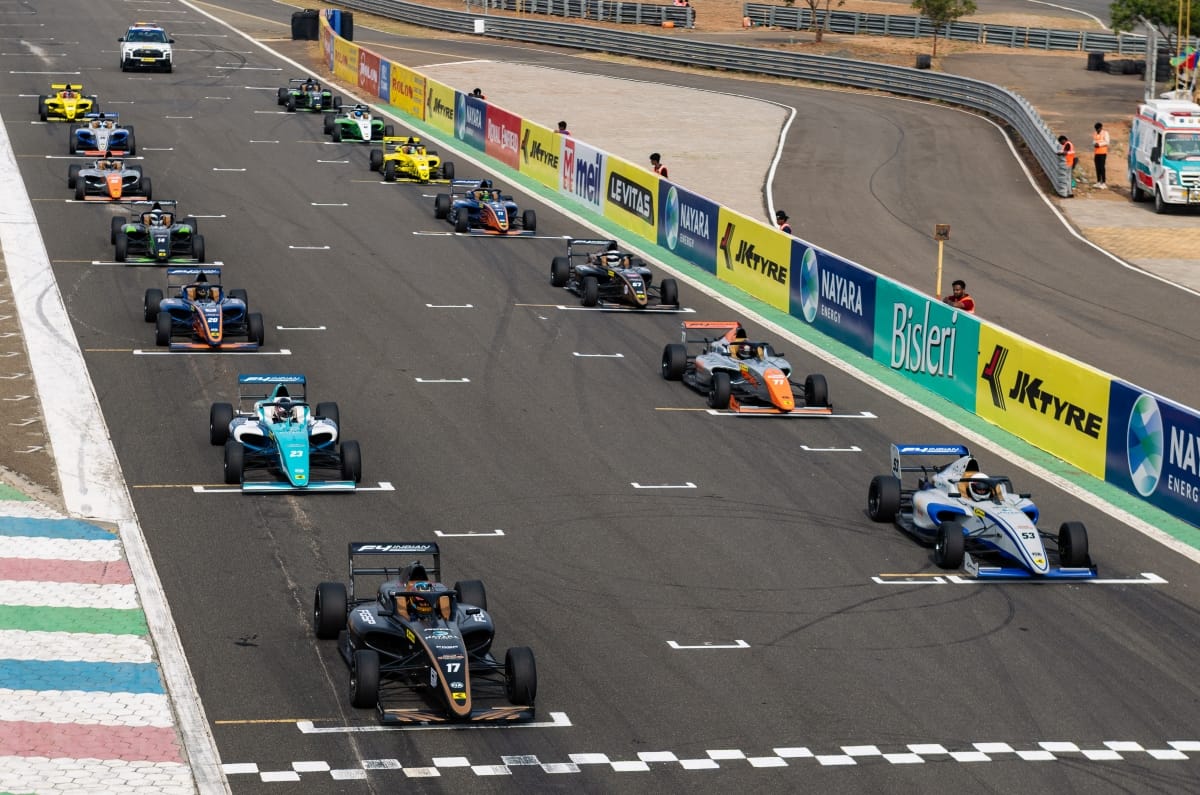
The 2026 Indian Racing Festival kicked off at Coimbatore’s Kari Motor Speedway. The opening round, held from September 12-13, hosted the F4 Indian Championship and Royal Enfield Continental GT Cup. The Indian Racing League, meanwhile, will get underway later in October with a shorter four-round calendar that concludes at the new Navi Mumbai street circuit.
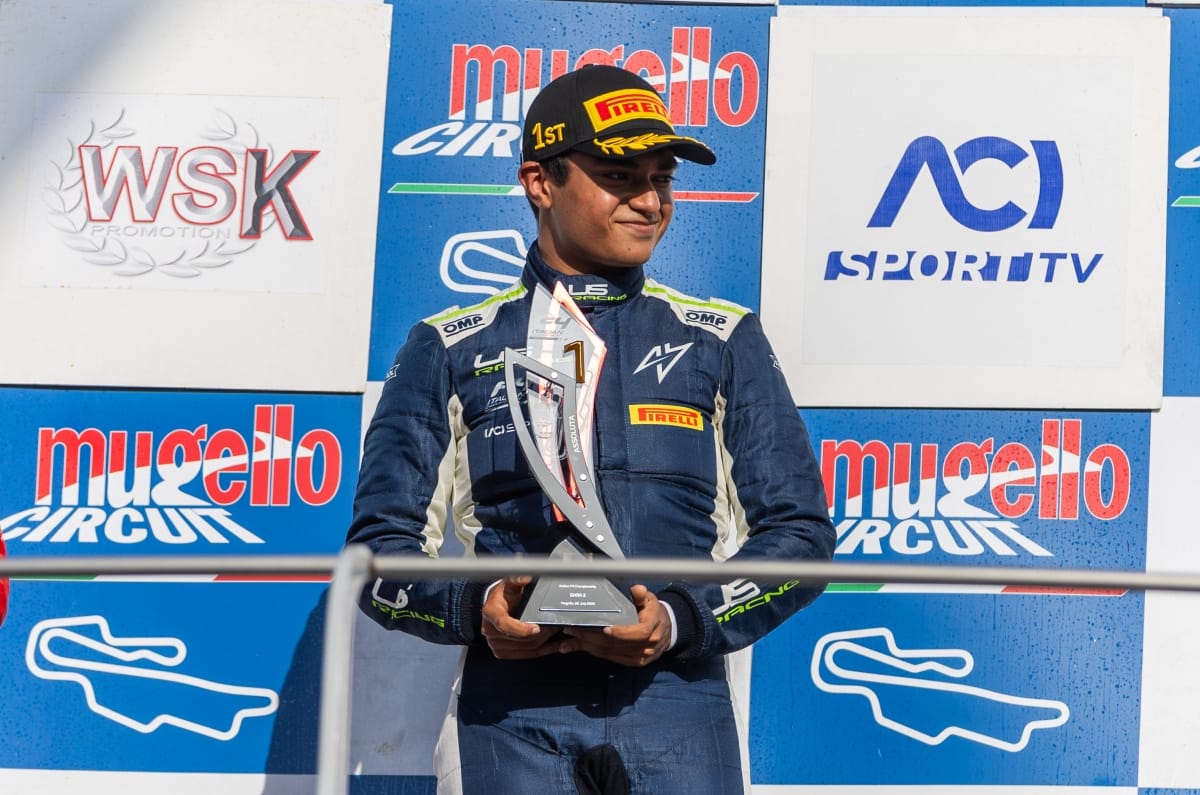
Kichcha’s Kings Bengaluru’s Aris Kyriakou made an impressive start to the season, finishing on the podium in all three F4 India races and even winning Race 3. Over in the Royal Enfield Continental GT Cup, Senthil Kumar took a clean sweep, winning all three races in the Professionals category.
Kyriakou finished on the podium in all three F4 India races
Kumar takes clean sweep in Continental GT Cup Pro
2026 F4 India Round 1
The F4 Indian Championship gives drivers the opportunity to earn valuable Super Licence points, which are needed to compete in F1. As a result, the championship has been attracting rising talent from around the globe and this year’s grid features drivers representing eight different countries.
After starting from eighth on the grid, Goa Aces JA Racing’s Luviwe Sambudla pulled off an incredible recovery drive in Race 1. He moved into podium contention by Lap 4. A mid-race Safety Car then bunched up the pack, and the South African driver went on to claim victory 2.245 seconds ahead of Kyriakou.
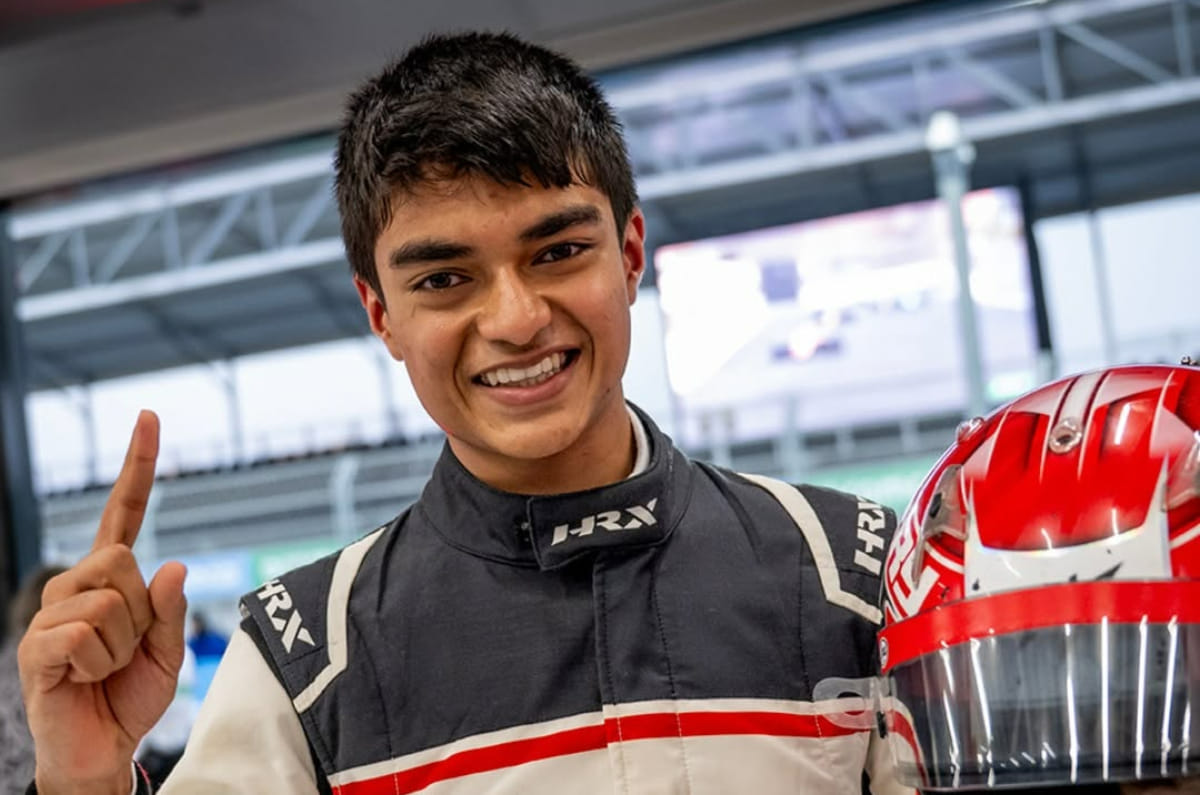
In Race 2, Goa Aces JA Racing’s Aryan Narola converted pole position into victory. He fended off pressure from Kyriakou to win by a margin of just 0.624 seconds. This result also makes the 15-year-old the second-youngest race winner in the championship’s history.
After two back-to-back podium finishes, Kyriakou finally bagged victory in Race 3 after keeping Mahlori Mabunda at bay. The Australian driver’s consistent run in Round 1 sees him take the overall lead, 13 points ahead of Sambudla. Mehta is third overall, six points behind Sambudla.
F4 India Race 1 results
1. Luviwe Sambudla (Goa Aces JA Racing) 2. Aris Kyriakou (Kichcha’s Kings Bengaluru) 3. Aaron Mehta (Kolkata Royal Tigers)
F4 India Race 2 results
1. Aryan Narola (Goa Aces JA Racing) 2. Aris Kyriakou (Kichcha’s Kings Bengaluru) 3. Swarnav Das (Kolkata Royal Tigers)
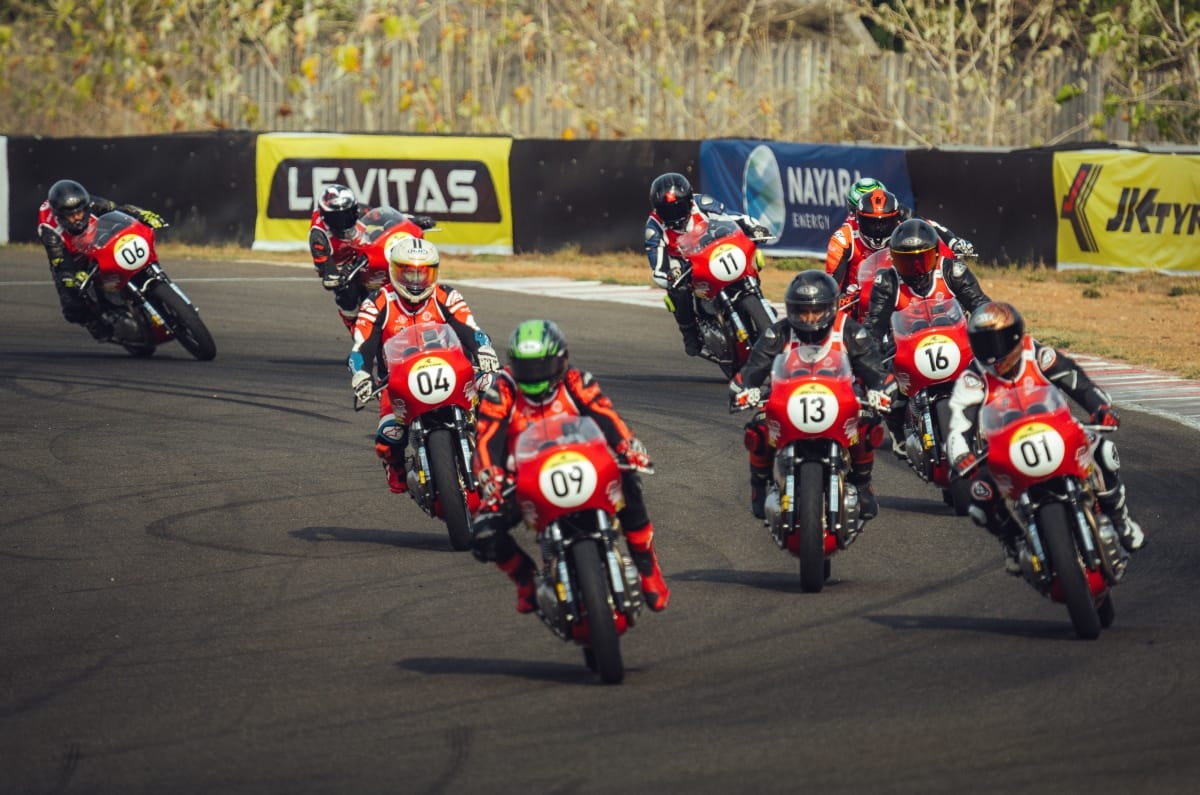
Alongside F4 India, the Kari Motor Speedway also hosted the opening round of the 2026 Royal Enfield Continental GT Cup, presented by JK Tyre. The series features a new format this year, with separate grids for its two categories. The Professionals are racing on the GT-R750, while the Amateurs are racing on the GT-R650.
Former National Champion Senthil Kumar made his debut in the Professionals category this year. He’s already gotten off to a dominant start, winning all three races held over the weekend. Both Allwin Xavier and Anish D Shetty finished on the podium in all three races. Kabir Sahoch, meanwhile, dominated in the Amateurs category, also taking a clean sweep.
Royal Enfield Continental GT Cup Race 1 results (Pro)
1. Senthil Kumar 2. Allwin Xavier 3. Anish D Shetty
Royal Enfield Continental GT Cup Race 2 results (Pro)
1. Senthil Kumar 2. Anish D Shetty 3. Allwin Xavier
Royal Enfield Continental GT Cup Race 3 results (Pro)
1. Senthil Kumar 2. Anish Shetty 3. Allwin Xavier
Royal Enfield Continental GT Cup Race 1 results (Amateurs)
1. Kabir Sahoch 2. Saurav Dey 3. Brandon Dsouza
Royal Enfield Continental GT Cup Race 2 results (Amateur)
1. Kabir Sahoch 2. Saurav Dey 3. Vaibhav Rao
Royal Enfield Continental GT Cup Race 3 results (Amateur)
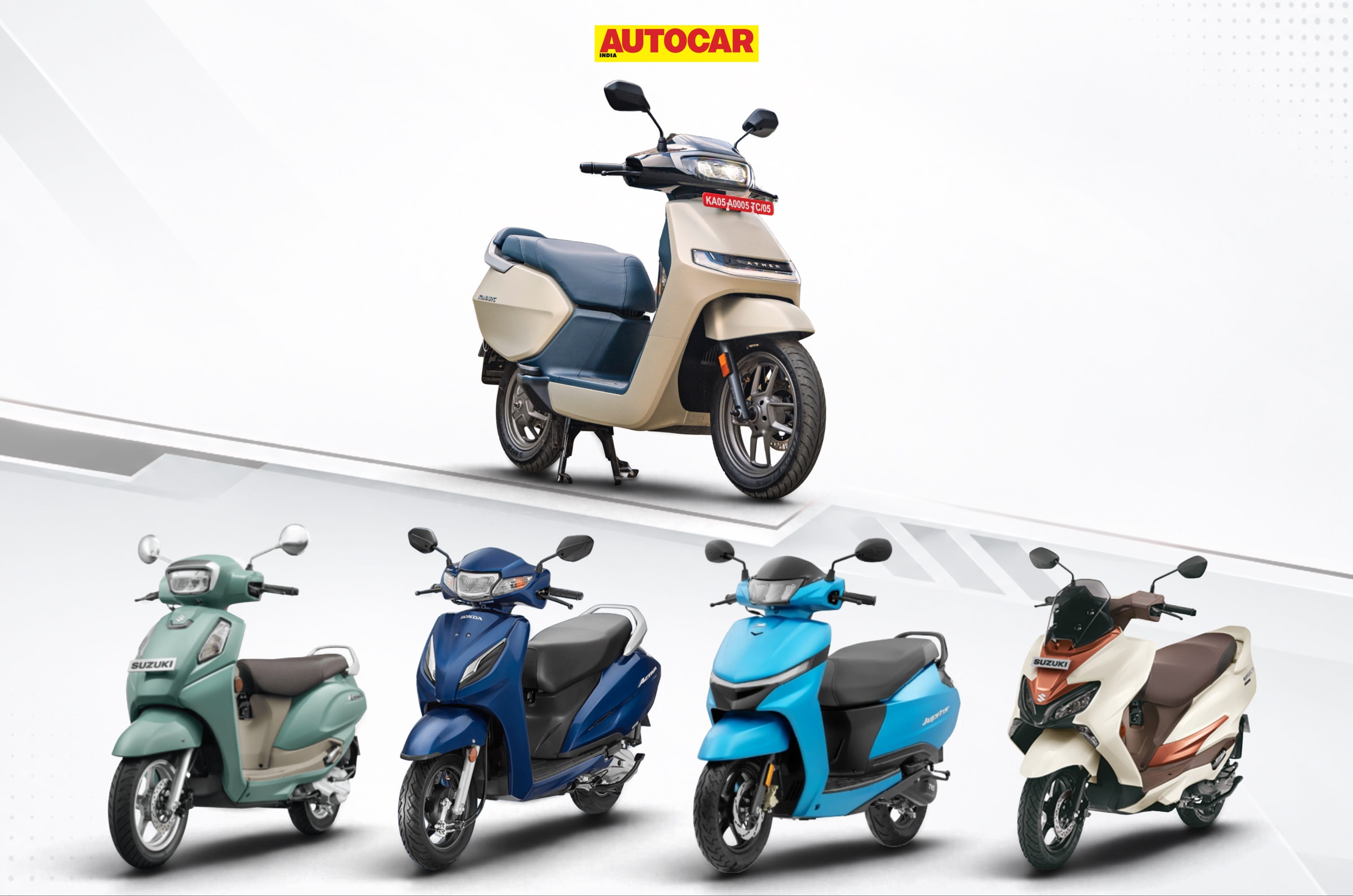
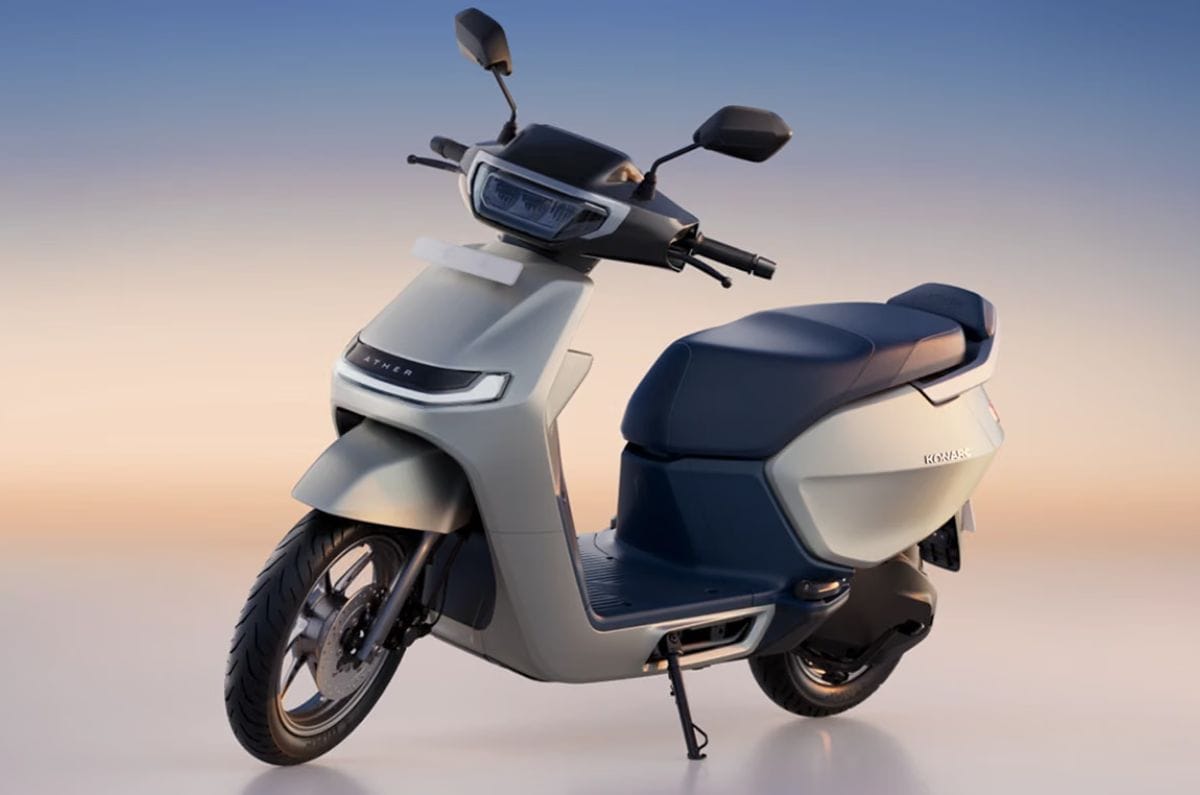
Family scooter. As soon as you read that, probably one specific scooter comes to your mind, summing up how the scooter industry has functioned the past two decades. However, over the past few years, EVs like the TVS iQube, River Indie, and the Ather Rizta have shown that they can go toe-to-toe with petrol scooters. The brand-new Ather Konarc is poised to add to that arsenal. However, if you aren’t quite convinced yet, here are some internal combustion engine (ICE) scooters you can look at instead.
All scooters are being compared to the Ather Konarc S 100, priced at Rs 99,999 (ex-showroom, Bengaluru). For Konarc, we haven’t considered features that require Ather StackPro subscription. All the other scooter prices mentioned are ex-showroom, Delhi.
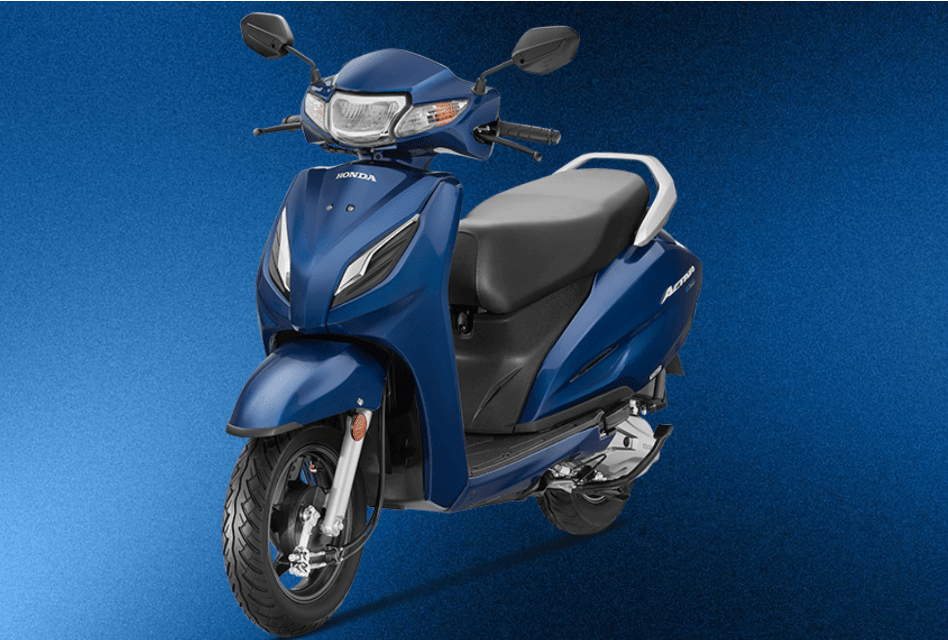
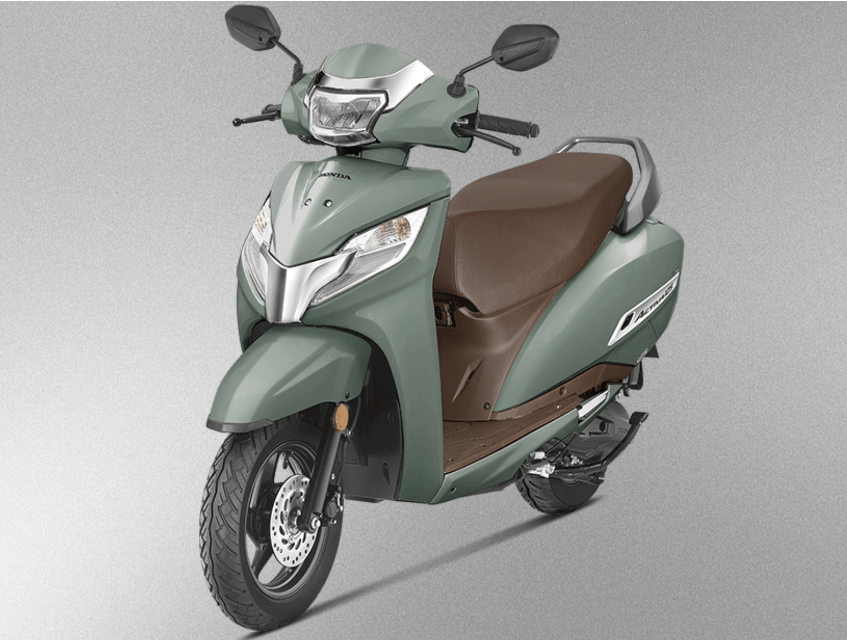
Honda Activa
Rs 76,083 onwards
The default family scooter and the one your mind reminded you of when you started reading this. You cannot go wrong with the Activa’s reliable 110cc engine and the trust the brand brings you. However, this and the 125 have a lean feature set compared to the other ICE scooters here. The Activa 110 gets a 4-inch TFT instrument cluster with turn-by-turn navigation, smartphone connectivity, a silent start and stop-start system via an Integrated Starter Generator (ISG), and a smart key on the top variant. With the Activa’s 54.4kpl fuel economy, you’re looking at a 270km range before coming to a standstill. The Activa’s prices tops out at Rs 91,082 which makes it close to the entry-level variants of the Ather Konarc and the Simple Wave.
By paying Rs 9,000 more for the Konarc, you’ll get 100km IDC range, 70kph top speed, two ride modes, bigger 14/12-inch front/rear wheels, a bigger 31L under seat storage.
Honda Activa 125
Rs 91,178 onwards
The bigger Activa bumps up the cubic capacity to 124cc and increases the power by 0.4hp to 8.3hp and increases the torque by 1.4Nm to 10.5Nm compared to the 110, but is otherwise almost exactly the same as the 110. For that extra power and torque, the Activa 125 bumps up the prices and tops out at Rs 95,622. As such, the extra features you gain by switching to the Konarc also remain the same.
TVS Jupiter (110)
Rs 74,125 onwards
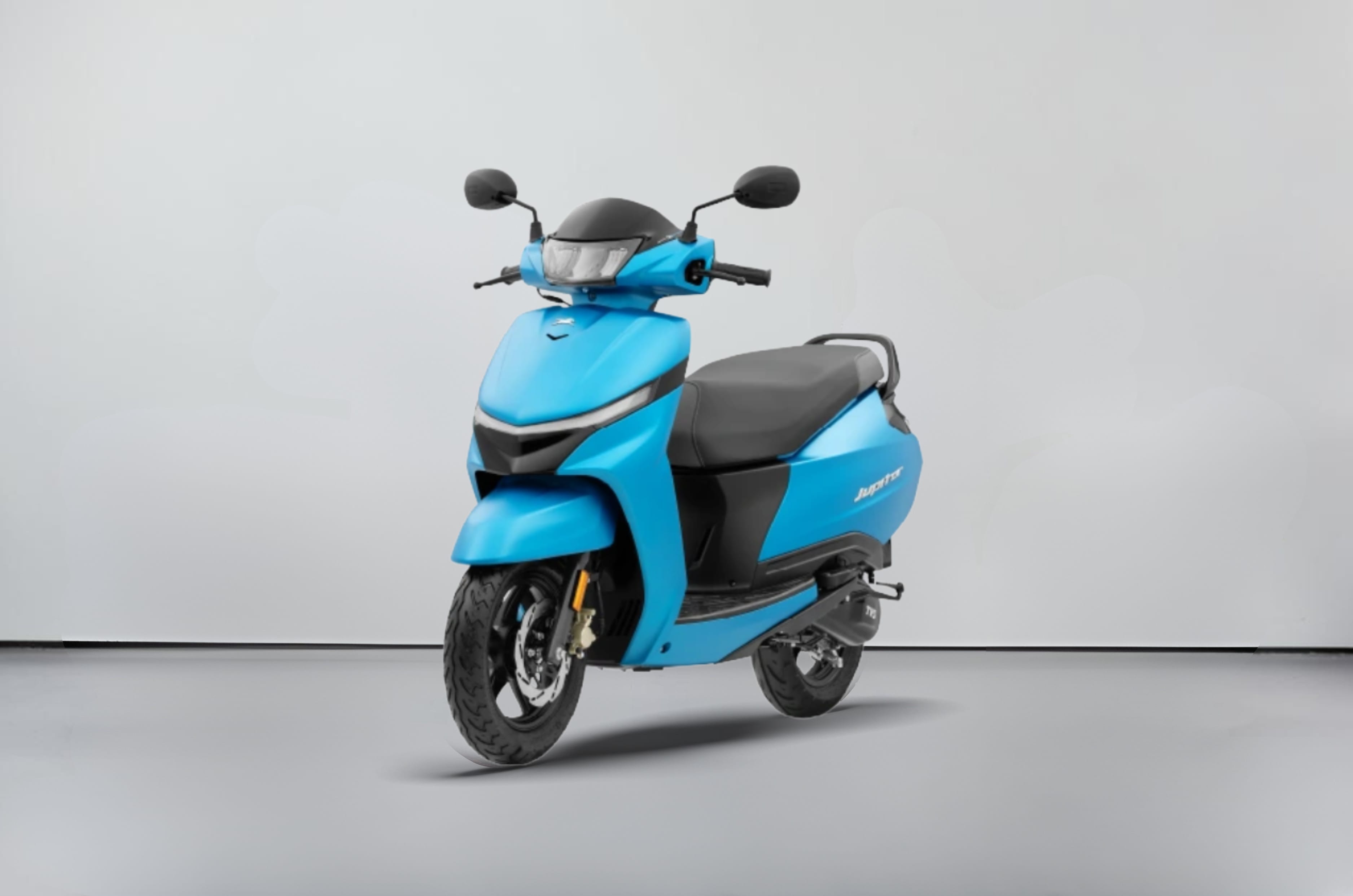
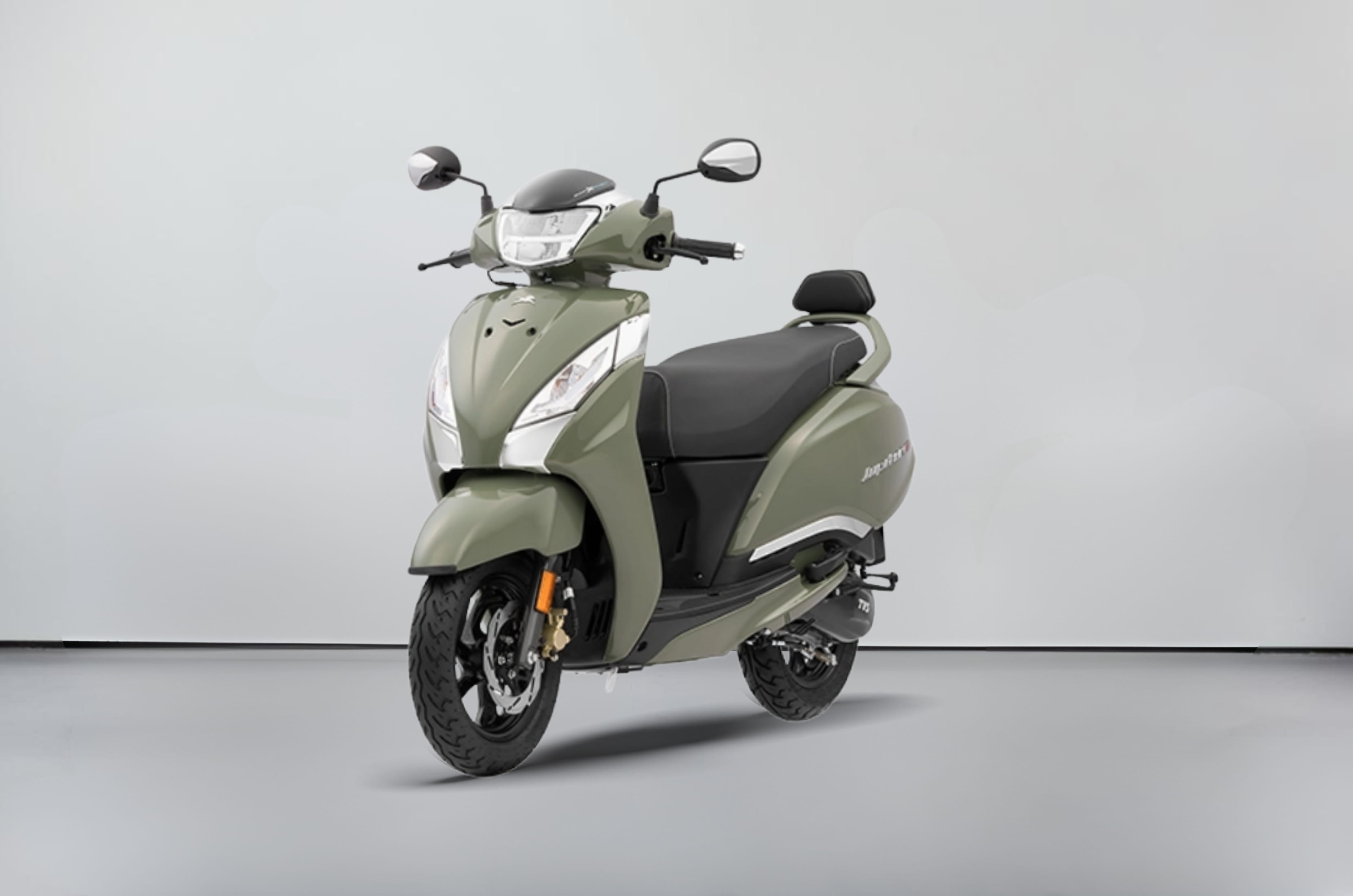
The Activa’s biggest competitor is the Jupiter which received a comprehensive upgrade in 2024. TVS gave it an all-new 113.3cc engine with 7.9hp and 9.8Nm of torque (with 0.6Nm from the ISG). It also received a much sleekier design over its predecessor. As things stand today, the Jupiter has perhaps the largest feature set of any ICE scooter. Thanks to sharing the platform with its bigger brother, the new Jupiter gets a front fuel tank, 33L under seat storage (that’s still the largest on an ICE scooter). It also gets a wide floorboard, more storage on the front apron storage, an ISG, smartphone connectivity, 12-inch wheels at both ends, a front disc brake on higher variants, and a design that’s much more modern than any of its peers. With its 57kpl fuel economy, the Jupiter also has the Activa beat with a higher 285km range. The Jupiter starts at Rs 74,125 and tops out at Rs 89,825 for the dual-tone variant.
By stepping up to the Konarc by paying an additional Rs 10,174 over the top-most variant, you gain a larger 14-inch front wheel.
TVS Jupiter 125
Rs 81,700 onwards
The bigger Jupiter unfortunately didn’t quite get the rejuvenation. It’s stuck to essentially the same design from its debut in 2021. With the larger 124.8cc engine, you get 0.5hp extra power and 1.3Nm extra torque over the 110, with the ISG’s assistance; without it, they become 0.1hp and 0.7Nm extra, respectively. Sharing the same platform means that the new 110 has caught up to most of the 125’s features. Though, you do get a TFT display on the 125’s cluster, but it isn’t adding any real value. The Jupiter 125 starts at Rs 81,700 and tops out at Rs 89,935.
By stepping up to the Konarc for approximately Rs 10,000 extra, you gain a larger front tyre.
Suzuki Access (125)
Rs 82,185 onwards
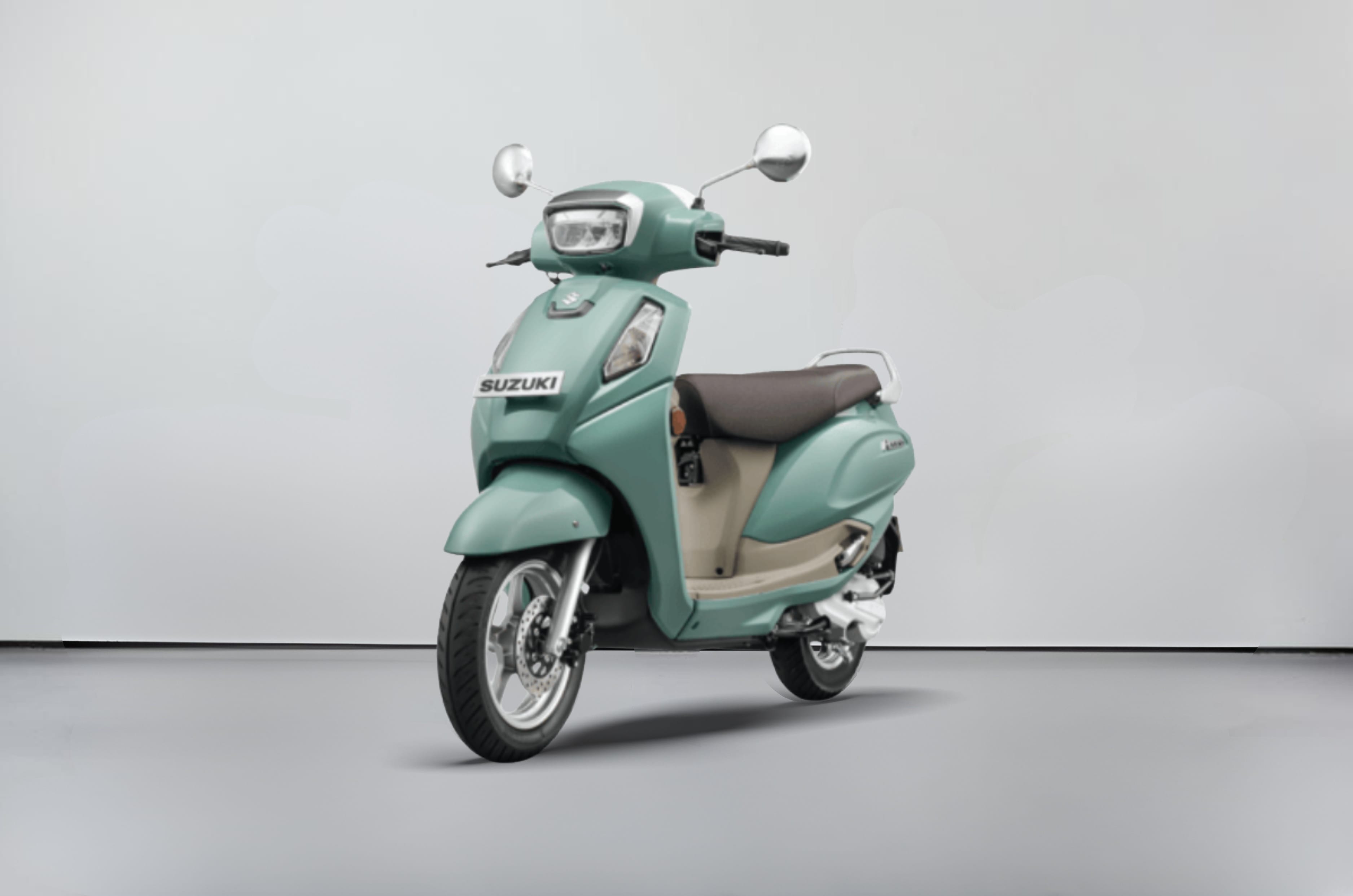
The Suzuki Access has silently been one of the best-selling scooters in the family scooter segment and it received a comprehensive upgrade in early 2025. While there wasn’t a brand-new engine, Suzuki gave it a new frame and made scores of minute improvements to the engine that added up to make it a comprehensively better scooter. However, that also means there aren’t any new features to help the Access’ case. It sticks to a 12/10-inch front and rear wheel setup, a 24.4L under seat storage that now feels measly even for the ICE world. Suzuki did give it a TFT instrument cluster and single-channel ABS on the highest variant, but that’s about it. The Access starts at Rs 82,185 and will set you back by Rs 1.02 lakh for the TFT-ABS variant.
With the Ather Konarc, you will end up paying Rs 3,000 less and gain a larger 14/12-inch front and rear wheels, two ride modes, and a considerably larger 31L under seat storage but the Access is the only scooter here that offers the safety net of an ABS system.
Suzuki Burgman Street
Rs 1.03 lakh onwards
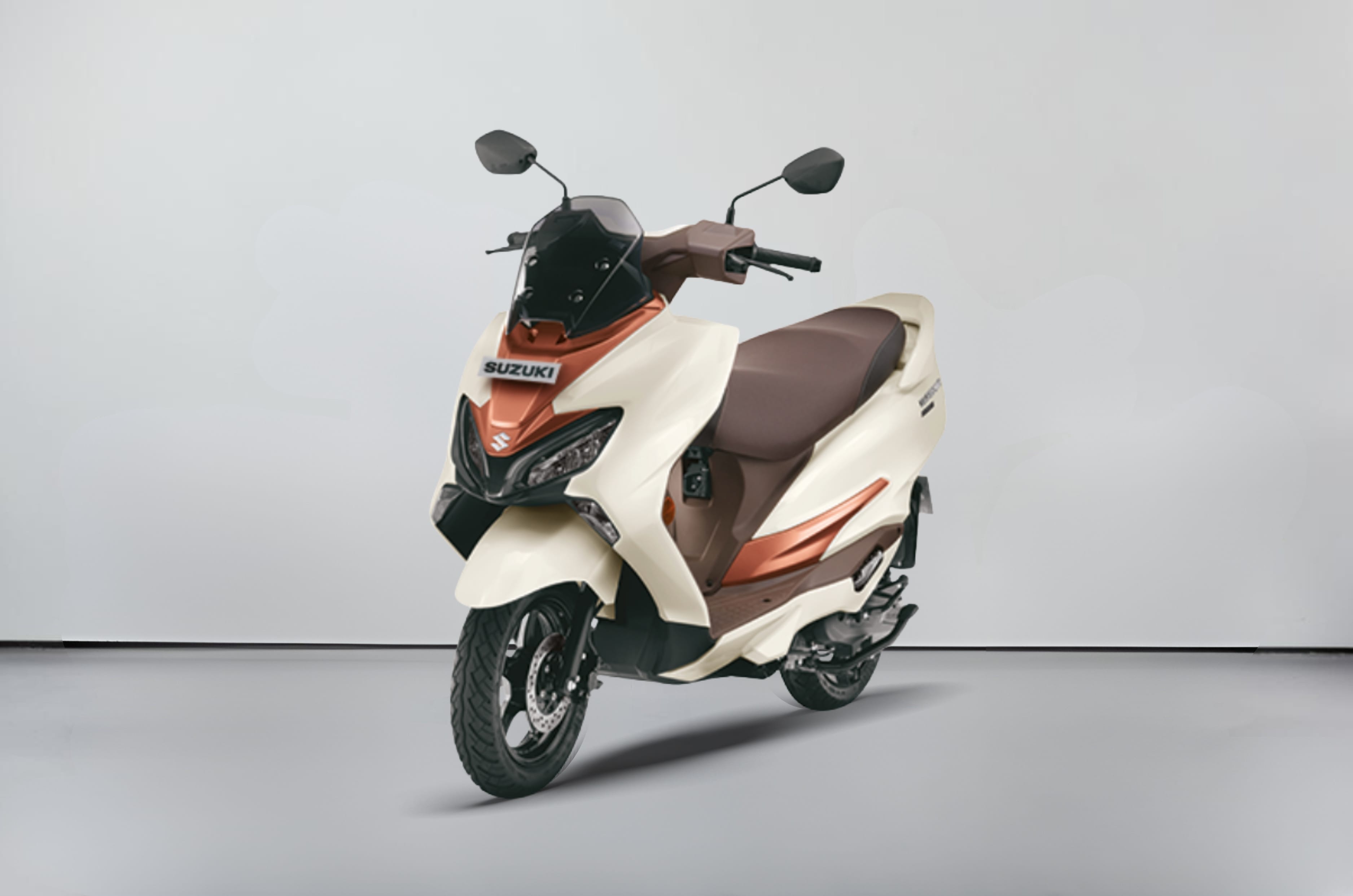
The Burgman received most of the same upgrades as the Access in early 2026, with the maxi-scooter stance as its biggest differentiation. The Burgman Street exclusively gets a keyless system on the top-variant, but loses out on the single-channel ABS compared to the Access. On the dimensions front, it gets a 25mm longer wheelbase, 7kg additional weight, and 0.2 litres larger fuel tank compared to the Access. It’s also one of the two Suzuki scooters to have a 12/12-inch front and rear wheel setup in India; the older Burgman Street EX being the other one. Except for these differences and a different design, the Burgman Street shares its mechanicals and convenience features with the Access. The Burgman Street starts at Rs 1.03 lakh and the top TFT variant with the keyless system costs Rs 1.15 lakh.
By getting the Konarc instead, you end up saving about Rs 4,000 (Rs 12,000 compared to the top variant) and you gain a larger 14-inch front wheel, two ride modes, and of course, the larger 31L under seat storage.
Summary and conclusion
We understand that this article makes it seem like there’s no point in choosing the Ather Konarc in most cases; that’s not quite true. Getting an EV scooter might be the best decision for some people, especially ones with a fixed daily travel distance, living in either their own house, or a housing society that’s generous with setting up a home charger, and all the tech enthusiasts who would like to see how far EVs have come in the past few years. Just the novel riding experience of an EV might be enough to choose the Konarc for you. So, take a test ride of the Konarc S 100 when it becomes available. We’d like you to be aware of the closest ICE options, if you end up deciding the Konarc isn’t for you.
With Ather StackPro and Ather Connect subscription, the Konarc S can offer more smart features that none of the others here can hope to match, but there’s an additional price to be paid for them. Hence, if you’re after the most value for your money, there’s no question that ICE vehicles still offer more for their asking price.
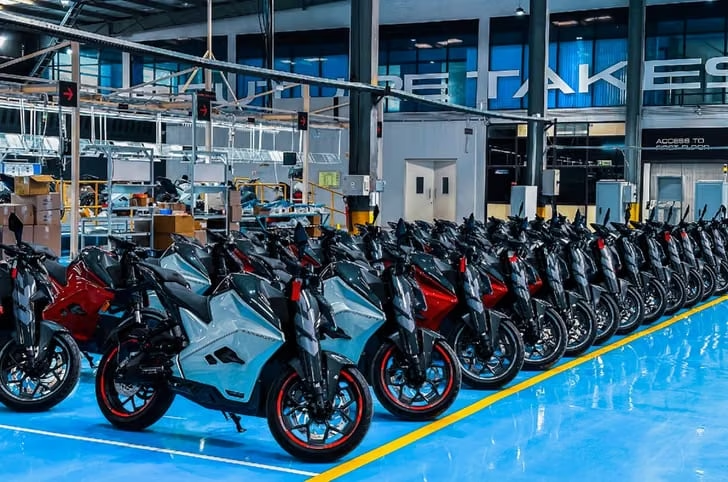
Ultraviolette is targeting a combined annual manufacturing capacity of approximately 3 lakh units by mid-2027, co-founder and CEO Narayan Subramaniam has said. The figure combines the 2.5 lakh-unit capacity of the newly announced BIGGA Factory in Hosur with an expanded capacity of around 50,000 units at the company’s existing Bengaluru plant, which is also being upgraded. The company plans to invest around Rs 1,000 crore across both facilities over the next five years – approximately Rs 200 crore at the Bengaluru plant and Rs 800 crore at the new Hosur facility.
Combined capacity of 3 lakh units targeted by mid-2027 across two facilities
Rs 1,000 crore investment planned over five years across both plants
Tesseract launch delayed to Q1 2027 after 100-volt architecture redesign
Ultraviolette capacity and product plans: Key details
Tesseract delayed eight to ten months after fundamental redesign
The Tesseract electric scooter, which was originally expected earlier, has been delayed after Ultraviolette decided to redesign the vehicle around a 100-volt architecture. The change required a realignment of multiple systems, including the battery pack, battery management system, motor controllers and charging hardware, adding eight to ten months to the development timeline. The scooter is now expected to launch in the first quarter of 2027. Ultraviolette says its current bookings and sales pipeline point to demand of at least 10,000 units per month for the Tesseract.
Alongside the Tesseract, Ultraviolette plans to launch the Shockwave electric motorcycle next year. The company’s longer-term portfolio covers four motorcycles and two scooters, with the two categories eventually expected to contribute equally to overall volumes. The BIGGA Factory’s first phase is expected to become operational between Q1 and Q2 2027.
Exports to account for 15-25 percent of BIGGA Factory output
Ultraviolette expects exports to initially account for around 15 percent of production from the new plant, rising to approximately 25 percent as the company expands into international markets. Target regions include Europe, North America and Latin America, while Southeast Asia is also being evaluated through pilot programmes. The company is already exporting to 19 countries in Europe through its existing facility.
Subramaniam said Ultraviolette expects to reach company-level profitability within 24 months – around the same time it plans to pursue an IPO – at which point the company expects to have six products across four continents and a production scale of around 3 lakh vehicles annually. The company says it is fully capitalised for its current expansion plans but could consider additional fundraising if EV adoption accelerates faster than expected.
India’s Ary Bansal will race at the 2026 Formula Regional European Champion (FREC) finale at Hockenheim this weekend (September 11-13).
The 16-year-old from Bengaluru is currently competing in the Italian Formula 4 Championship, where he stands third overall. His FREC outing is a one-off for now, giving him the chance to drive the Tatuus T-326 single-seater for the very first time
Bansal is the first Indian driver to win the GB4 championship
Currently third overall in the Italian F4 Championship
Following a successful karting career, Bansal has built an impressive record since making the step up to single-seater racing. Last year, he became the first Indian driver to win the GB4 Championship, finishing the season with four wins and 11 podiums. He also competed in six rounds of the FIA British F4 Championship last year and even represented India at the inaugural FIA F4 World Cup.
This year, Bansal has been racing in the Italian F4 Championship, and has already secured a win and four further podium finishes after five rounds. His FREC outing with team CL Motorsport represents another step up the single-seater ladder for the young Indian racer.
“I’m pleased to be joining CL Motorsport at Hockenheim. It’s a valuable opportunity to gain experience at the Formula Regional level and step into a new car. I’m looking forward to getting on track, building throughout the weekend and maximising every session,” said Bansal.
Hockenheim will host the final round of the 2026 FREC, that has seen five different drivers leads the standings. It’s set to be a four-way showdown, with Emanuele Olivieri leading by 20 points from Sebastian Wheldon. Kean Nakamura-Berta is third overall, just five points behind Wheldon, while Rashid Al Dhaheri is fourth overall, another 10 points adrift.
Ultraviolette has announced a new manufacturing facility in Hosur, Tamil Nadu. Named the BIGGA Factory (short for Big Global Ambition), the facility will initially produce the upcoming Tesseract scooter before expanding to support a broader product portfolio. It will begin with an annual capacity of 2.5 lakh units, with infrastructure designed for up to 5 lakh units per year.
BIGGA Factory to be located at SIPCOT Industrial Park, Hosur
Initial capacity of 2.5 lakh units per year, scalable to 5 lakh
Product roadmap image hints at a new X-47 variant and a family scooter for 2027
Ultraviolette BIGGA Factory details
Hosur chosen for its proximity to Bengaluru R&D base and supplier network
The facility will be located at the SIPCOT Industrial Park in Shoolagiri, Hosur, with the land facilitated by the Government of Tamil Nadu. Hosur’s established automotive ecosystem and its proximity to Ultraviolette’s Bengaluru R&D operations and supplier network were cited as key reasons for the location. The BIGGA Factory will operate alongside the company’s existing Bengaluru facility, which will continue its current operations.
Ultraviolette says the facility will use real-time production tracking, collaborative robots for sorting, welding and assembly, and vision-based inspection systems. A dedicated on-site test track will also be used to evaluate every vehicle before dispatch.
Product roadmap hints at new variants and models
Alongside the factory announcement, Ultraviolette shared a product roadmap image showing the silhouettes of two new products planned for 2027. One appears closely similar to the existing X-47, suggesting that a new variant could be in the pipeline. The other is a scooter with a markedly different silhouette compared to the upcoming Tesseract, featuring a more rounded, family-scooter-like profile.
If that is the direction Ultraviolette is taking, it would put the company alongside essentially every other significant EV manufacturer in India currently targeting the mainstream scooter segment. Ather has just launched the Konarc, and Simple Energy has introduced the Wave family scooter range, whereas established players such as TVS, Bajaj and Vida continue to see a majority of their EV sales volumes from models such as the iQube, Chetak and Vida VX2, respectively.
Ultraviolette has not shared any further information on either of the two new products, and the roadmap image remains the only indication of what may be coming. We’ll share further details once more information becomes available.
Simple Energy, which has been a regular in the monthly top 10 electric 2W OEM listing since February 2026 with its Simple One performance EV scooter, has clocked cumulative sales of over 10,000 units in the first eight months of this year. As per Vahan, between January and August 2026, the Bengaluru-based EV startup registered deliveries of 10,429 units, which is 203 percent more compared to last year’s 3,436 units for the same period. This momentum comes just as Simple launched its most affordable scooter yet, Wave, priced at Rs 1.10 lakh (ex-showroom, Bengaluru) and its entry into the family scooter segment.
Wave makes the brand more accessible with a lower Rs 1.10 lakh ex-showroom price
Brand has consistently averaged as the top nine EV seller in India since February 2026
Wave is expected to be the sales topper for Simple
The family EV scooter is based on One, but more practical
With the Wave, Simple Energy is hoping to make, well, waves in the family e-scooter segment, which has been dominated by the TVS iQube, Bajaj Chetak and Hero Vida for the past couple of years. Add Ather Rizta with its steadily growing sales, and the new Konarc to that list of rivals as well. Compared to the more performance-based One, Wave targets a much wider customer with its base S 2.2 variant pricing (Rs 1.10 lakh, ex-showroom) as also the focus around everyday practicality, ride comfort, and usability across different rider demographics.
The scooter has four variants as per the battery capacity. The base Wave S is offered in two battery capacities: 2.2kWh (110km IDC range) and 2.7kWh (132Km IDC range). While the middle variant, Wave, has a 3.7kWh battery and 171km of IDC range, and the top Wave + variant has a 5kWh battery and has a 243km IDC range, the highest in its segment. Simple has announced that deliveries will commence on September 25.
Production capacity and showrooms are being increased
The increased presence is expected to improve the brand’s sales
In tandem with the Wave’s launch and expected market demand, the company states that it is scaling its manufacturing and retail footprint. The company currently has a production capacity of 3,000 units per month, and has over 75 outlets across 63 cities in India including Bengaluru, Delhi, Patna, Nagpur, Bhopal, Agra, Goa, Vijayawada, Hyderabad, Kochi, and Chennai.
Simple Energy Sales
Year
Units
YoY percentage change
CY2023
66
CY2024
1,433
CY2025
6,628
362
CY2026
10,429
203
Cumulative total
18,556
As per Vahan’s data, From January 1 till August 31, 2026
For Simple, whose highest monthly retails were in March 2026 (1,780 units), the new Wave gives it an opportunity to target the highest-selling sub-category in e-2Ws: the family scooter. Simple ranked 13 in CY2025 sales and entered the top 10 for the first time in February 2026 and has consistently averaged ninth position since. The brand has cumulatively sold 18,556 units since sales began in 2023. It remains to be seen if the Wave turns out to be the much needed boost for the brand to climb up higher on that list.
The Wave is the second product from Bengaluru-based EV startup, Simple Energy, and has got most of the fundamentals in place to become a success. Question is, should you opt for the product of a relatively lesser known startup over offerings from more established players?
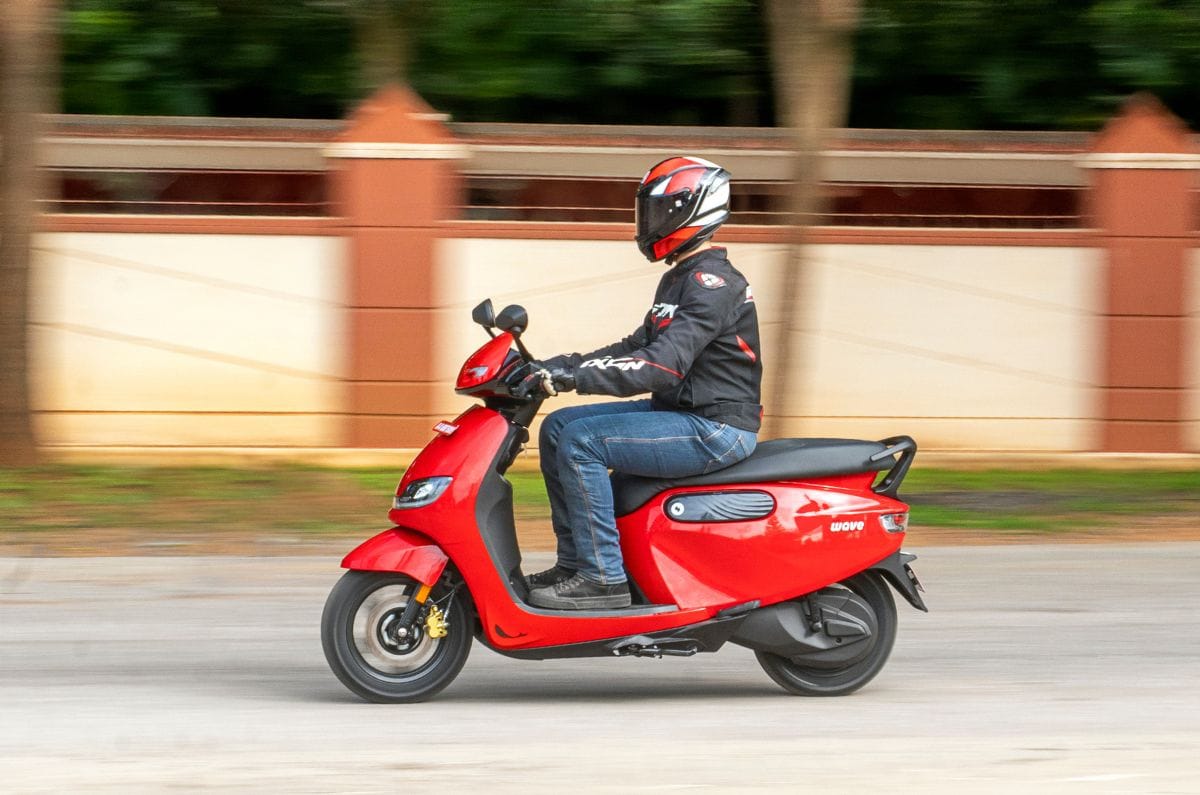
The Simple Wave is an interesting proposition in the increasingly crowded electric scooter space. Its rounded, smooth looks certainly grab attention and, as we found out, it is comfortable, spacious and offers brisk performance. There’s plenty to like here, so let’s dive right in.
Simple Wave Design and quality – 8/10
Looks unique and features many chassis changes over the One
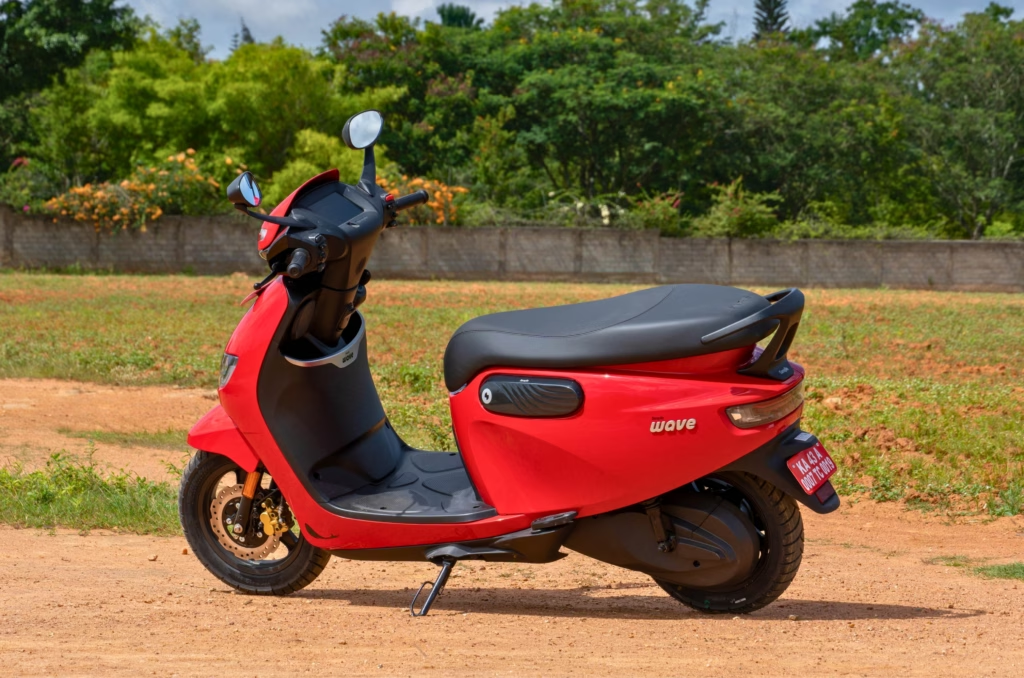
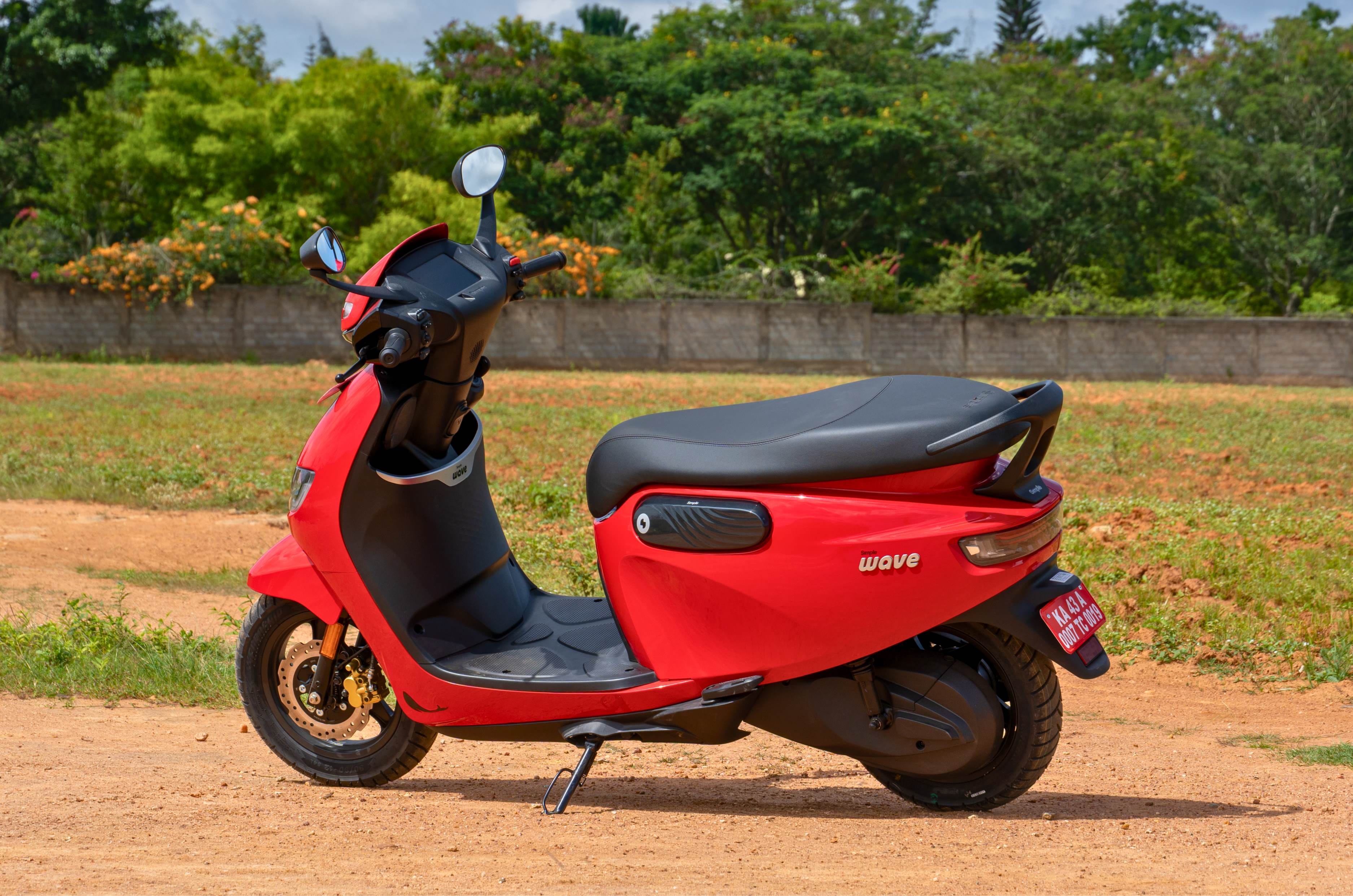
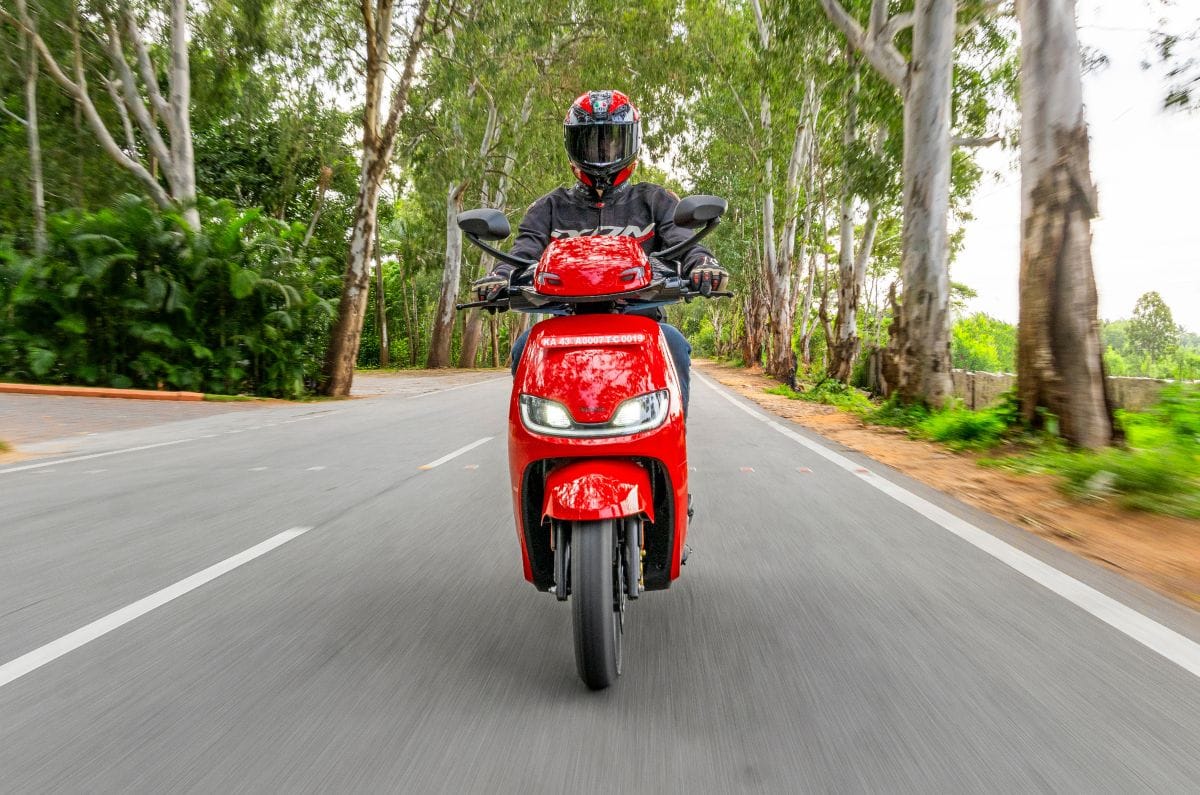
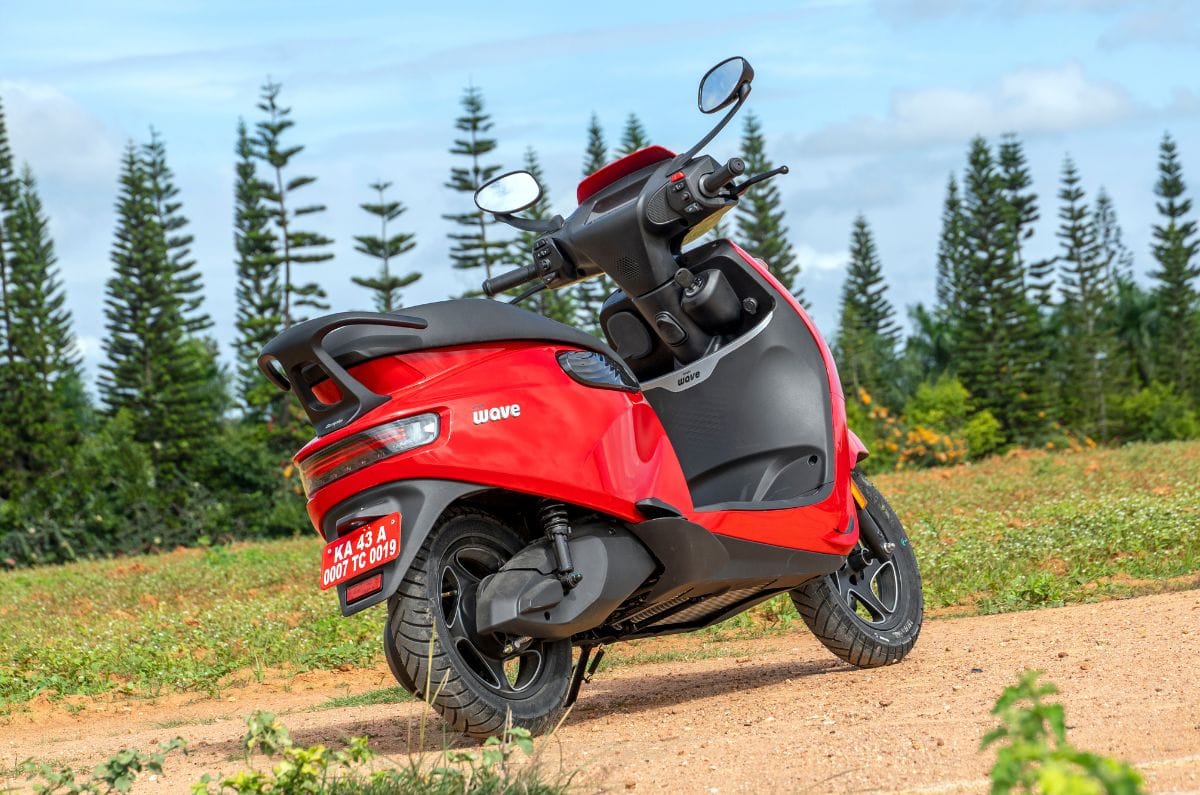
Design is subjective, of course, but the Wave looks good to my eyes with its smooth, rounded edges and distinctive silhouette. It’s got a good level of finish too, and the brighter colour options – red and blue – help it stand out. Simple has designed the Wave as a more accessible, family-oriented scooter, without making it look or feel built down to a cost.
It has a quirky design and surely stands out, especially in the brighter colour options.
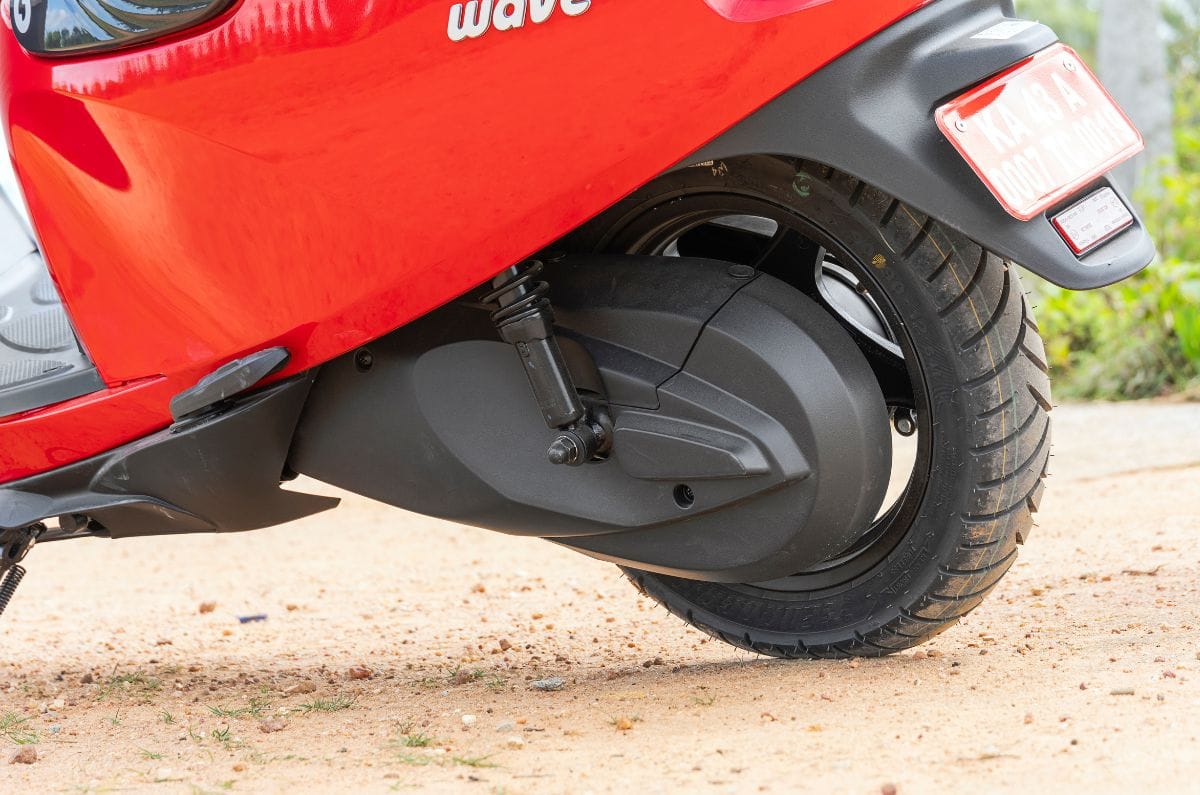
Compared to the sporty Simple One, the Wave’s chassis is quite different. The rear subframe has been reworked to accommodate the bigger boot and twin shocks (which replace the One’s monoshock). The Wave also uses a simpler, more cost-effective tubular swingarm instead of the cast unit on the One.
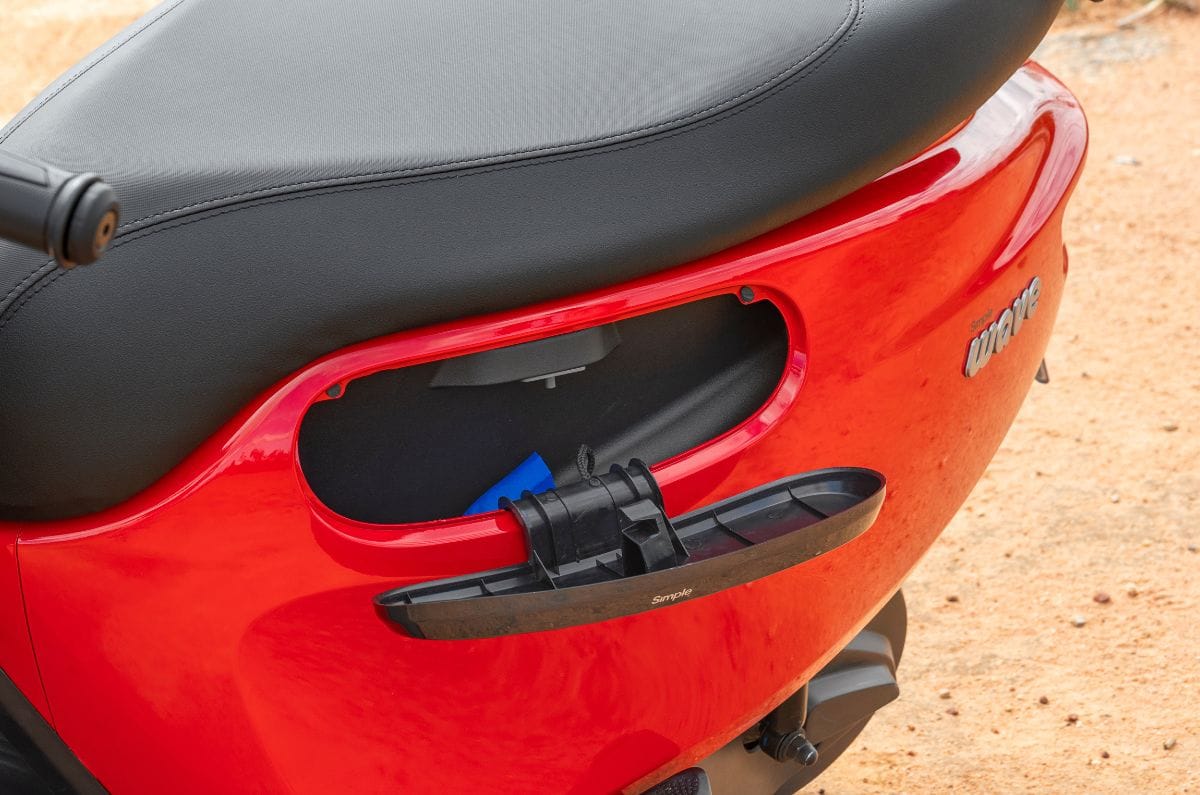
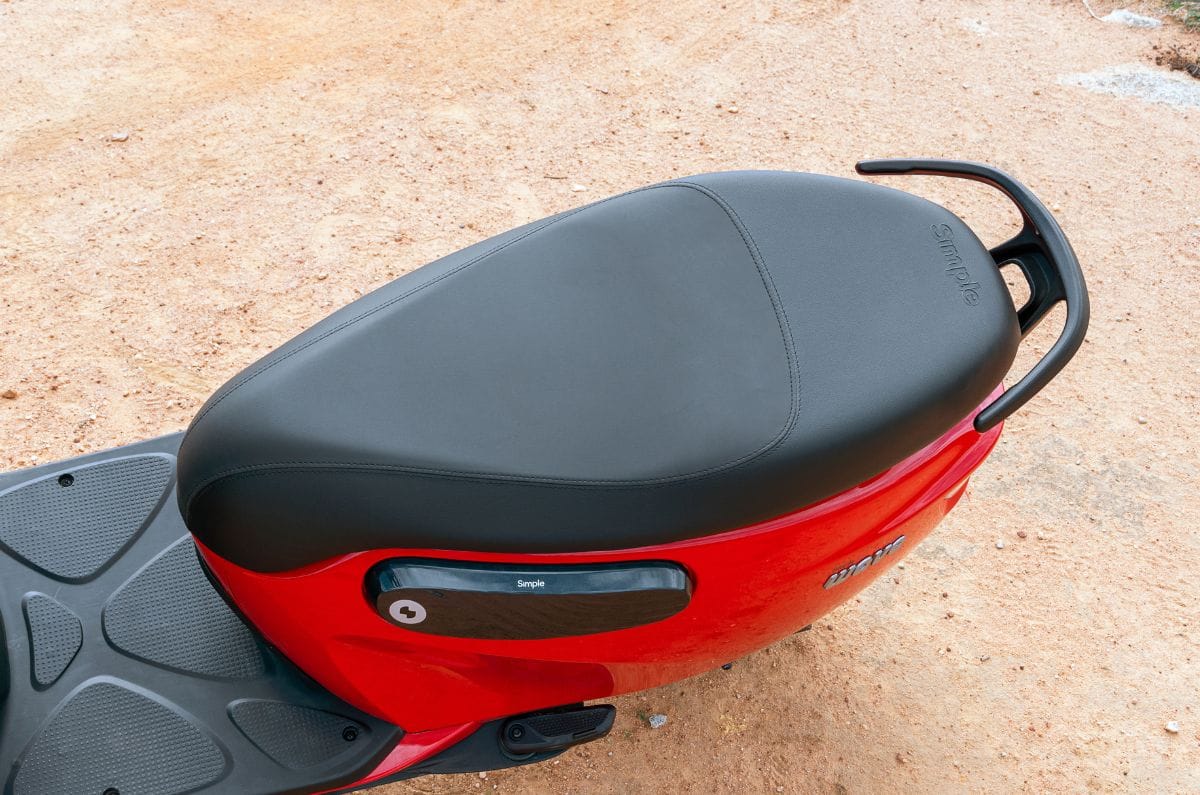
Lockable and weatherproof 4L“Pill” storage cubbies are a thoughtful touch, RH cubby is an accessory.
Simple Wave Ergonomics and comfort – 9/10
Offers a supple ride and ample space for two people
The differences only get more pronounced once you sit on the Wave. Its seat is long, wide and will easily accommodate two full-size adults, while its relatively low 775mm seat height makes it friendly for shorter riders.
That low seat height is no accident either; Simple took feedback from customers who had the One and incorporated it into the Wave. This is why the Wave also has a lower handlebar to make it more approachable for shorter and female riders. This has a trade-off, however. Taller riders will find the handlebar fouls their knees during tight, lock-to-lock U-turns.
Riding position is spot-on and ride comfort too is excellent.
Other than that, the Wave is rather sorted ergonomically. Ride comfort is excellent for a scooter, and that isn’t a surprise given that the Simple One itself was quite comfortable. The Wave builds on that with a composed and plush ride that suits its intended role.
Depending on the variant, the Wave weighs between 121-128kg with the 3.7kWh TFT variant provided to us sitting roughly in the middle of that range (124.5kg). We found the Wave handled predictably, without any unwelcome surprises, feeling stable and sure-footed without compromising agility expected of a scooter.
Spacious, well-paded seat can comfortably seat 2 full-size adults.
Simple Wave Performance and range – 9/10
Performance is more than sufficient, Eco mode truly usable
Like the One, the Wave offers really brisk performance, but still feels approachable enough for everyday use. The 3.7 version gets three riding modes – Eco, Ride and Sport – and both Ride and Sport offer more than enough performance for everyday use, which isn’t really a surprise. In Ride the top speed is 75kph, whereas Sport takes it up to 90kph (speedo-indicated, not actual).
The real surprise, however, is Eco mode. Yes, it feels duller than the other two modes, but it isn’t crippled in the way Eco modes on other EVs. The Wave can still get up to around 50-55kph quite respectably and overtake traffic, making Eco genuinely usable even on faster roads or in a big city.
It handles predictably and surefootedly in all scenarios.
Given that the Wave uses the same motor as the OneS making 6.4kW and 52Nm, this performance is no surprise. However, on the Wave, the motor drives the rear wheel via a chain drive, not a belt as seen on the One models.. While a chain will be more maintenance-intensive than a belt, replacing it should be more affordable. Simple has worked to reduce powertrain noise with measures such as a rubber-damped sprocket, but there is still some motor noise. However, it’s much quieter than an Ather Rizta or 450, although far from dead silent like an Ather Konarc or TVS iQube.
Another welcome change to the One is the throttle response. Unlike the older One models we tested, where the scooter could continue accelerating briefly after the throttle was closed, the Wave’s accelerator behaves much more intuitively. It also gets traction control, although the throttle calibration is so smooth, you’re unlikely to need it in dry conditions but it will be a useful safety net in the wet.
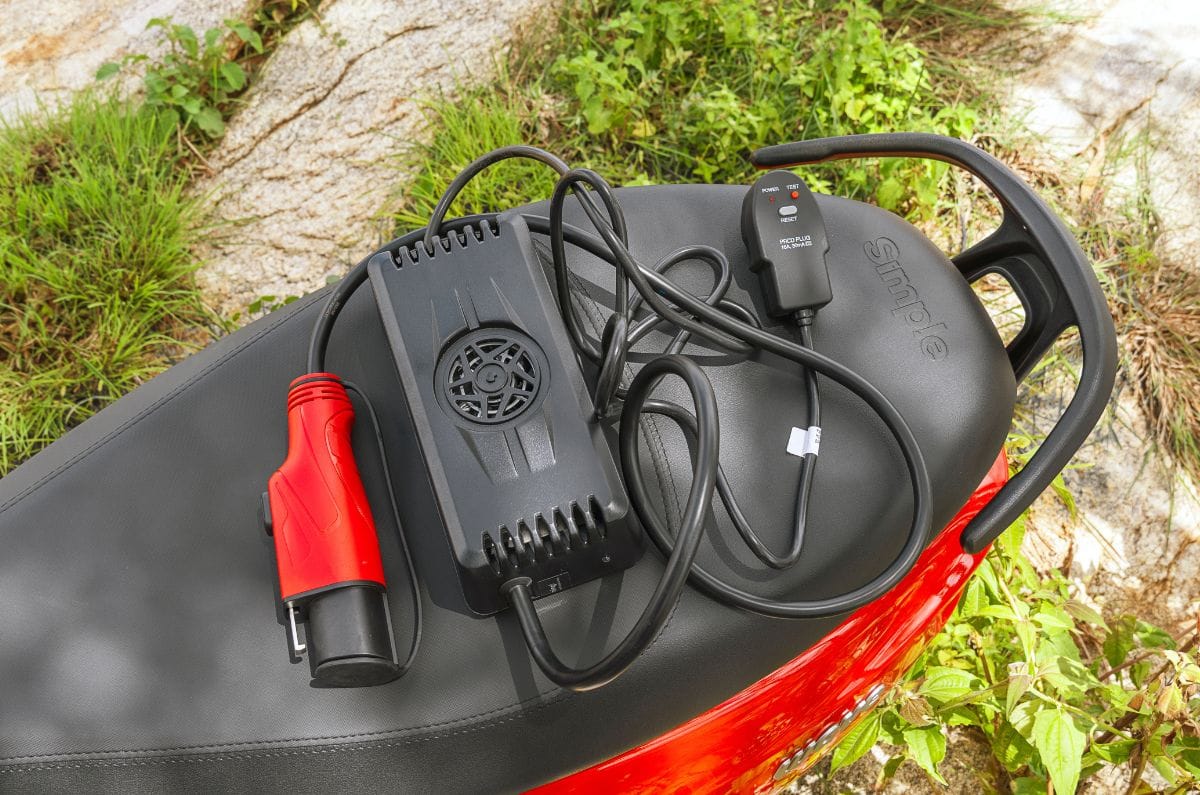
Fast 750W charger is standard on all variants.
Powering the Wave are four battery packs, depending on the variant you choose: 2.2kWh, 2.7kWh, 3.7kWh and 5kWh. The IDC ranges Simple claims are 110km, 132km, 171km and 243km, respectively. The first two use LFP (Lithium Ferrous Phosphate) chemistry, while the larger batteries use NCA (Nickel Cobalt Aluminium) cells.
The range indicator also appears to be quite trustworthy although we’ll reserve final judgement on real-world range until we can conduct a full test back in Mumbai. What is also nice is that all variants of the Wave come with a fast 750W charger which enables a pretty quick 0-80 percent claimed charging time of 3hr30min on the 3.7kWh version we were riding.
The standard warranty on the Wave is three years/30,000km, with five years/50,000km and 15 years/2 lakh km extended options also available. The price of these optional longer warranties has not been shared with us.
The Wave’s motor feeds power to the rear wheel via a chain, not a belt like on the One.
Simple Wave Features – 9/10
Massive 63L boot and Pill storage cubbies are very useful
While range without sacrificing usable performance is surely valuable on an EV, practicality is an important consideration as well. Storage is one of the Wave’s big strengths. There’s a useful front cubby, while the two “Pill” storage boxes on either side of the body panels are particularly nifty allowing you quick access to essentials you may need to reach for without having to get off the scooter. Each offers 4 litres of lockable weatherproof storage; the left one is standard, while the right is an accessory.
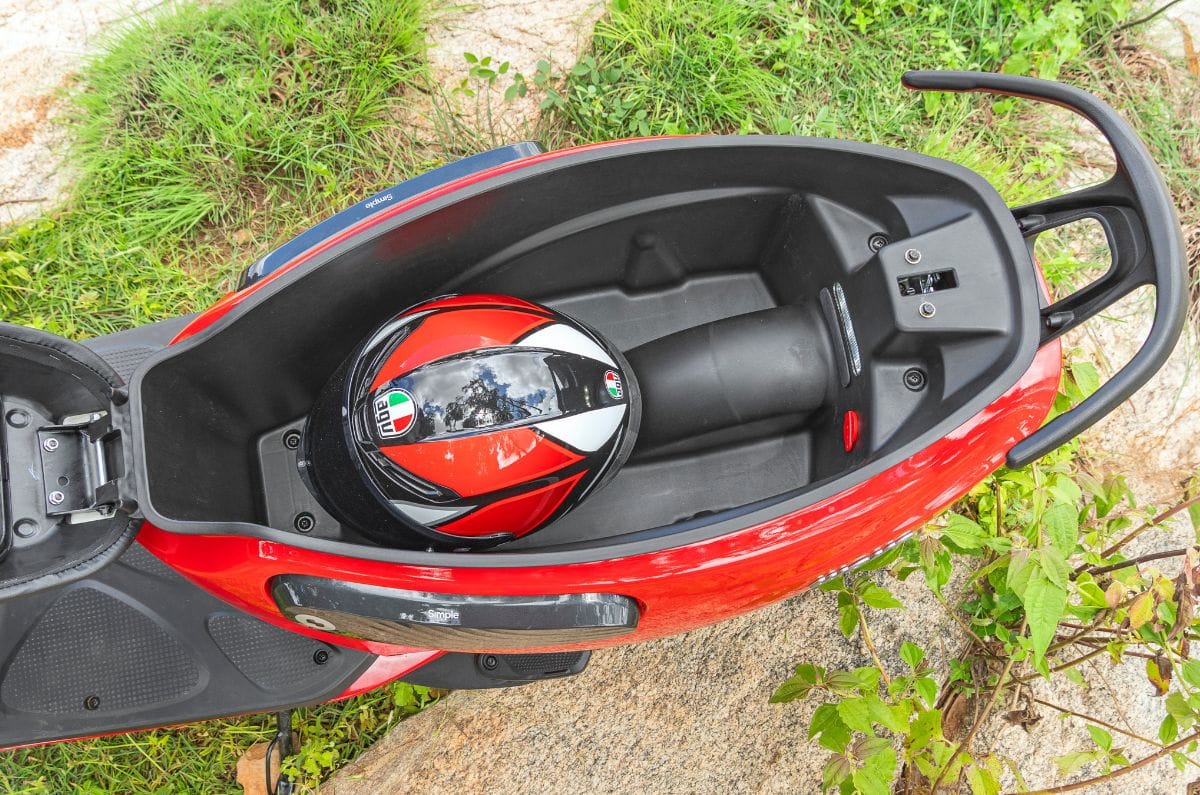
An undoubtedly big USP on the Wave is its cavernous 63L boot, the largest on any Indian scooter to date.
What is also an undoubtedly big USP on the Wave is its cavernous 63 litre boot, which is the largest on any Indian scooter to date. This should prove to be more than enough for everyone in the family! That being said, 63 litres is an enormous number and while this boot is undoubtedly big, I’m do find myself struggling to comprehend how it is nearly 50 percent bigger than the already cavernous 43 litre boot in the River Indie.
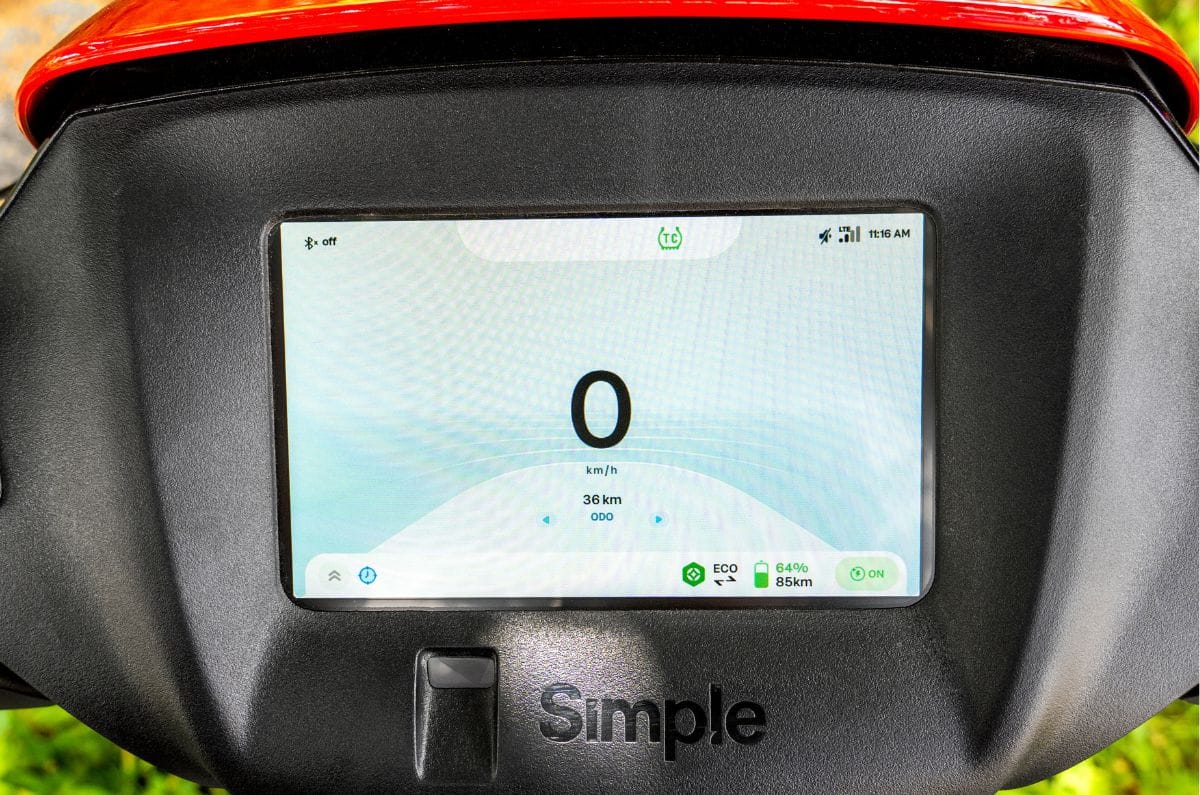
There’s plenty of technology too, including hill hold, drop-safe functionality, theft alerts and Bluetooth connectivity to your phone via the app. The TFT-equipped versions bring even more tech, while the brake-lock clasp is a small but useful touch.
TFT display is well laid-out and has a lot of tech but misses touch functionality.
Simple Wave Price and verdict – 8/10
Scooter has a lot of strengths but is pricey; company yet to prove itself
There isn’t a lot to dislike about the Wave as a scooter. It’s comfortable, spacious, well finished and quick enough to serve its intended purpose very well. However, for all its accomplishments, the Wave doesn’t come cheap. Sure, the Rs 1.10 lakh starting price is tempting, but as you climb the variants ladder, the Wave gets seriously expensive, topping out at Rs 1.90 lakh (ex-showroom, Bengaluru). That said, Simple is one of the few brands offering the option of a 5kWh battery in the family e-scooter space, which is commendable.
However, more than pricing, the bigger issue is that the company is yet to properly scale up its dealer network and establish an aftersales network that delivers the premium experience a buyer will expect after shelling out the money Simple is asking for. The Wave is a good product, but customers paying a premium for an electric scooter will expect not just a solid product but also dependable after-sales support.
The Wave has a lot of strengths but Simple is yet to prove itself in the market.
Ultimately, the Wave’s biggest challenge is that it comes from a start-up that has made plenty of big promises and statements over the past five years but still has a lot to prove. Its dealer network remains minuscule compared with the big players, and long-term reliability still remains unknown.
There’s a lot for Simple to do, but the good news is that the Wave is a genuinely likeable product. If the company can iron out the business side of things, the Wave has the potential to catapult Simple from just another niche start up to a much bigger player. Of course, doing so is a huge challenge and not an overnight process. Simple has a long road ahead of it, but the good news is that it finally has a convincing product to aid in that journey.
The Simple Wave marks the brand’s entry into the mainstream family scooter segment, representing a significant departure from the performance-focused One series of scooters. Built on an updated platform, it prioritises practicality over performance and is offered in six models split across three variants – Wave S, Wave and Wave +.
All six use a PMSM motor with a chain-drive transmission and share identical suspension and braking hardware. All variants also come bundled with a 750W portable charger as standard. Here’s what each variant offers and what sets them apart.
Simple Wave variant breakdown
Wave S 2.2
The entry-level Wave S 2.2 uses the smallest 2.2kWh battery in the range, offering a claimed IDC range of 110km. This base variant is also the only one of the lot to feature a less powerful motor, with peak power capped at 4.5kW; the others produce a peak power figure of 6.4kW. The scooter gets three riding modes – Eco, EcoX and Ride – and comes with a 5-inch EBN display. It’s priced at Rs 1.10 lakh.
Wave S 2.7 EBN
The next variant in the lineup builds on what the base Wave S has to offer, adding a larger 2.7kWh battery that raises the claimed IDC range to 132km. It has a top speed of 75kph and retains the same three riding modes. It also gets the 5-inch EBN display, while a 0-80 percent charge takes 3 hours and 30 minutes. This variant is priced at Rs 1.40 lakh.
Wave S 2.7 TFT
Mechanically identical to the Wave S 2.7 EBN, the only notable difference is the addition of a 7-inch TFT display. This unlocks Bluetooth connectivity, turn-by-turn navigation, GPS tracking, call and music controls, and OTA updates. The Wave S 2.7 with the TFT display is priced at Rs 1.50 lakh.
Wave 3.7 EBN
The mid-spec Wave steps up to a 3.7kWh battery for a claimed IDC range of 171km, along with a higher 90kph top speed enabled by an additional Sport mode on top of Eco, EcoX and Ride. It also gains GripSense traction control, which is not offered on the Wave S variants. A 0-80 percent charge takes 4 hours on account of the larger battery pack. With the 5-inch EBN display, the scooter is priced at Rs 1.60 lakh.
Wave 3.7 TFT
Identical to the Wave 3.7 EBN in terms of battery, range, charge time, performance and riding modes, this variant instead gets a 7-inch TFT display with the full connected features suite. It’s priced at Rs 1.75 lakh.
Wave + 5 TFT
The range-topping Wave + uses the largest 5kWh battery, which takes 5 hours and 20 minutes for a 0-80 percent charge, but also offers the highest claimed range of 243km. The scooter retains the same 90kph top speed and four riding modes as the Wave and gets the 7-inch TFT display as standard, along with the GripSense traction control system. It’s priced at Rs 1.90 lakh.