Vivo V80 को मंगलवार को भारत में कंपनी की V-सीरीज लाइनअप में नए मॉडल के तौर पर लॉन्च किया गया है। यह फोन Vivo V70 का सक्सेसर है, जिसे फरवरी में लॉन्च किया गया था। इसमें 144Hz रिफ्रेश रेट वाला 6.59-इंच का AMOLED डिस्प्ले है। यह फोन Qualcomm के Snapdragon 7 Gen 4 चिपसेट पर चलता है और Android 17-बेस्ड OriginOS 7 पर काम करता है। इसके अलावा, इसमें Zeiss के साथ मिलकर बनाया गया ट्रिपल रियर कैमरा सेटअप और 7,200mAh की बैटरी दी गई है। अब चलिए कीमत और स्पेसिफिकेशन्स के बारे में जानते हैं।
भारत में Vivo V80 की कीमत और उपलब्धता
भारत में Vivo V80 के 8GB RAM और 128GB स्टोरेज वाले वेरिएंट की कीमत ₹62,999 से शुरू होती है। यह फोन 8GB + 256GB और 8GB + 512GB स्टोरेज कॉन्फिगरेशन में भी उपलब्ध है, जिनकी कीमत क्रमशः ₹69,999 और ₹79,999 है। यह तीन कलर ऑप्शन Stellar Black, Horizon Blue और Sunrise Anthem में उपलब्ध है। Vivo V80 को 13 अक्टूबर से Flipkart और Vivo ऑनलाइन स्टोर से खरीदा जा सकेगा।
लॉन्च ऑफर के तहत फोन खरीदने वाले ग्राहकों को 10% तक का इंस्टेंट कैशबैक या 10% तक का एक्सचेंज बोनस मिल सकता है। इसके अलावा, कंपनी ग्राहकों को 100GB Google One क्लाउड स्टोरेज भी बिना किसी अतिरिक्त कीमत के दे रही है।
Vivo V80 के फीचर्स और स्पेसिफिकेशन्स
डुअल-SIM (Nano + Nano) वाला Vivo V80, Android 17 पर आधारित OriginOS 7 पर चलता है। इसमें 6.59-इंच (1,260 x 2,750 पिक्सल) की AMOLED स्क्रीन है, जिसका रिफ्रेश रेट 144Hz है, साथ ही इसमें P3 वाइड कलर गैमट सपोर्ट और 459ppi की पिक्सल डेंसिटी भी है। Vivo का दावा है कि इसकी लोकल पीक ब्राइटनेस 5,000 निट्स तक है, जबकि इसकी HBM ब्राइटनेस 1,800 निट्स है।
परफॉर्मेंस के लिए इस फोन में Snapdragon 7 Gen 4 चिपसेट दिया गया है, जो 4nm प्रोसेस पर बना है। इसमें 8GB LPDDR4X RAM और 512GB तक UFS 3.1 स्टोरेज मिलता है।
कैमरे की बात करें तो, Vivo V80 में Zeiss के साथ मिलकर तैयार किया गया ट्रिपल रियर कैमरा सेटअप दिया गया है। इसमें 50MP का मेन कैमरा है, जिसमें ऑटोफोकस, ऑप्टिकल इमेज स्टेबलाइजेशन (OIS) और f/1.88 अपर्चर है। फोन में 50MP का Zeiss नाइट टेलीफोटो कैमरा भी है, जिसमें ऑटोफोकस, OIS और f/2.65 अपर्चर है। इसके साथ ही, इसमें 8MP का अल्ट्रा-वाइड-एंगल कैमरा है, जिसका अपर्चर f/2.2 और फील्ड ऑफ व्यू 115-डिग्री है।
सेल्फी और वीडियो कॉल के लिए, Vivo हैंडसेट में 50MP का Zeiss ग्रुप सेल्फी कैमरा है, जिसमें ऑटोफोकस, f/2.0 अपर्चर और 92-डिग्री फील्ड ऑफ व्यू की सुविधा है।
कनेक्टिविटी के लिए इसमें 5G, Wi-Fi, Bluetooth 5.4, GPS, NFC और USB 2.0 सपोर्ट वाला USB Type-C पोर्ट दिया गया है। हैंडसेट में इन्फ्रारेड ब्लास्टर, X-एक्सिस लीनियर मोटर और एक्सेलेरोमीटर, जायरोस्कोप, प्रॉक्सिमिटी सेंसर, एम्बिएंट लाइट सेंसर और इलेक्ट्रॉनिक कंपास जैसे स्टैंडर्ड सेंसर भी शामिल हैं।
इसके अलावा, Vivo V80 में 7,200mAh की बड़ी बैटरी दी गई है, जो 90W फास्ट चार्जिंग को सपोर्ट करता है। फोन को धूल और पानी से बचाव के लिए IP68 + IP69 रेटिंग मिली है।
डिजाइन की बात करें तो फोन का साइज 157.52 x 74.33 x 7.69mm है। इसका वजन करीब 203 ग्राम है।
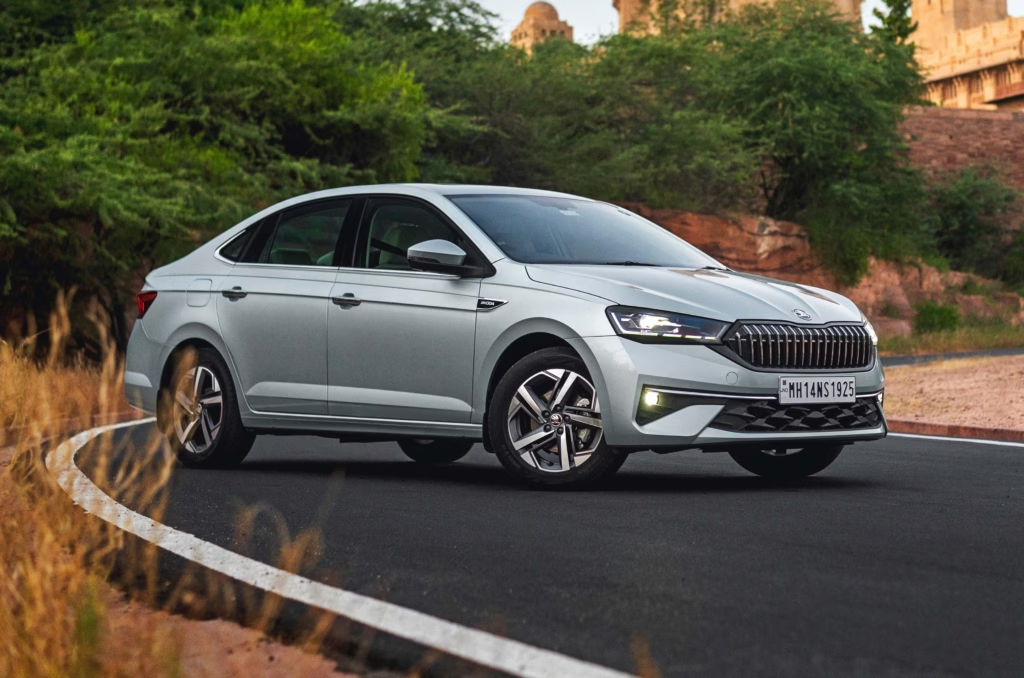
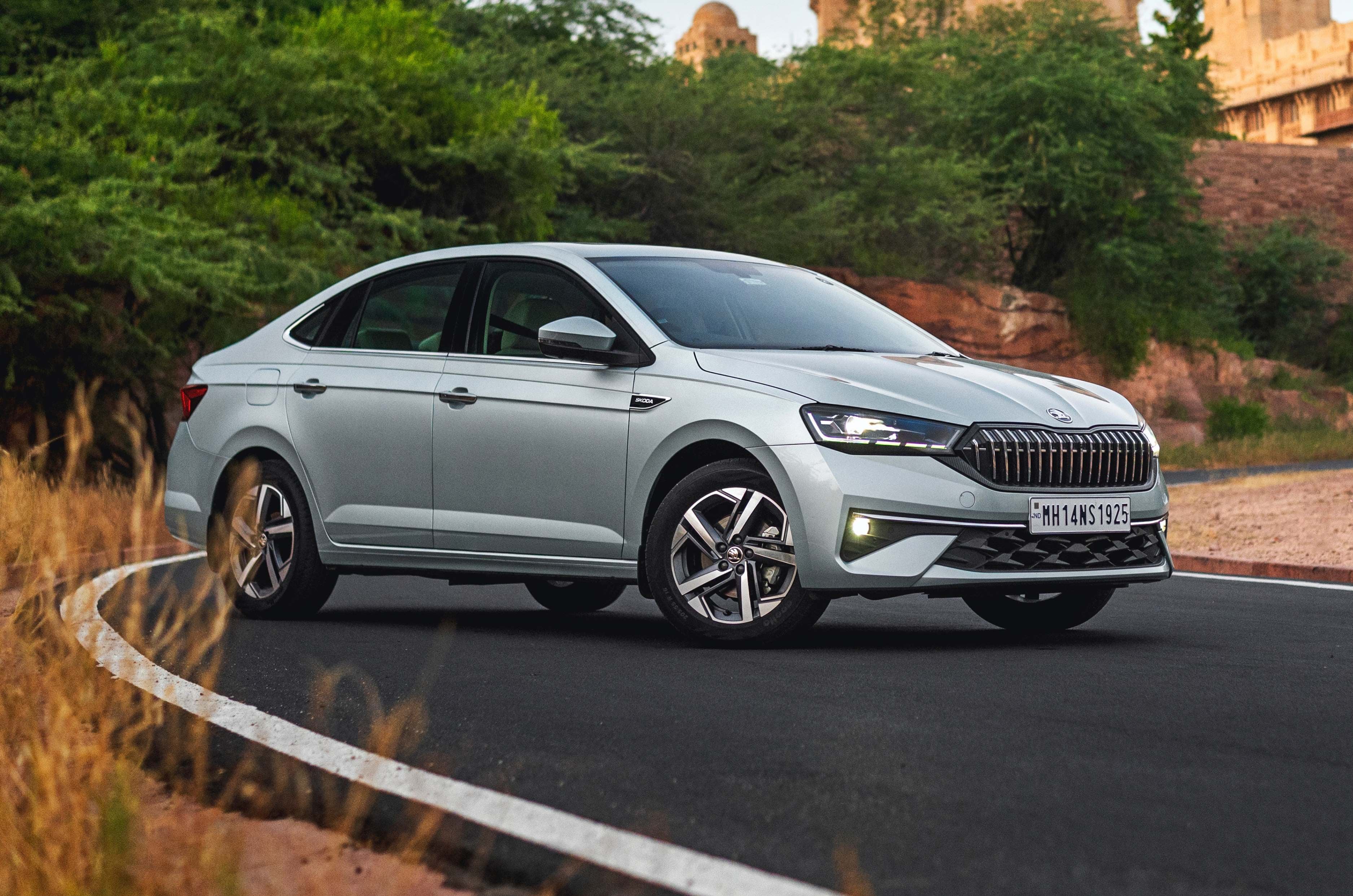
Skoda has launched the Slavia facelift at Rs 10 lakh. This is the first mid-life cycle update that the mid-size sedan has received since its introduction in 2022. Updates include a refreshed exterior, mild interior changes, feature additions, and a new gearbox option. The Slavia facelift takes on the likes of the Volkswagen Virtus, Honda City, and the Hyundai Verna.
Gets a new 8-speed AT for the 1.0-litre TSI mill.
Larger screens, 360-degree camera now part of the feature list
Variable geometry compressor improves AC performance.
Exterior gets all-LED lighting, sportier bumpers and new colour options.
Skoda Slavia facelift full price list
1.0 TSI MT
1.0 TSI AT
1.5 TSI AT
Classic
10.00
–
–
Classic+
10.99
12.49
–
Signature
13.94
14.94
–
Sportline
14.34
15.34
–
Prestige
15.89
16.89
18.59
Monte Carlo
–
17.29
18.84
The Slavia facelift has an identical starting price as its predecessor at Rs 10 lakh. However, at the top end, the former is Rs 64,000 pricier than the latter.
Skoda Slavia facelift exterior updates
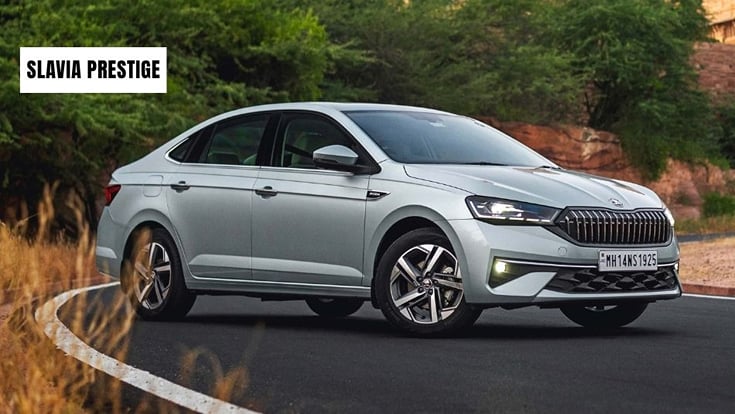
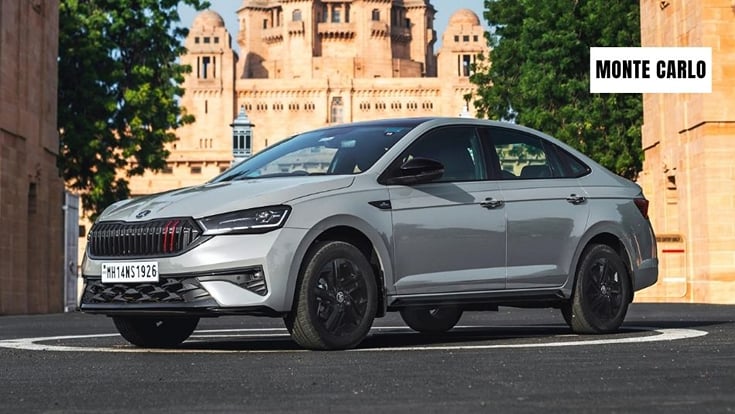
The Slavia facelift retains the overall silhouette of its outgoing version, but subtle updates give it a sharper look than before. The front sees updated detailing for the LED headlamps with segmented DRLs, a segmented chrome strip on the grille, new LED foglamp units, and a sportier bumper with a revised air dam. In profile, there’s a new design for the 16-inch alloy wheels, sharp body lines across the sides, and a chrome-tipped window line. Revised LED tail-lamps with sequential turn indicators, updated Skoda branding, and a restyled bumper make up the rear of the Slavia facelift. New colours for the Slavia include Arctic Silver and Capuccino Beige. Monte Carlo versions come with blacked-out exterior elements, badges and alloy wheels, red accents on the grille, special ‘Monte Carlo’ badges and dual-tone colour choices.
Skoda Slavia facelift dimensions
Skoda Slavia facelift dimensions
Length (mm)
4,552
Width (mm)
1,752
Height (mm)
1,507
Wheelbase (mm)
2,651
Ground clearance (mm)
179
Boot space (litres)
521
Skoda Slavia facelift interior updates
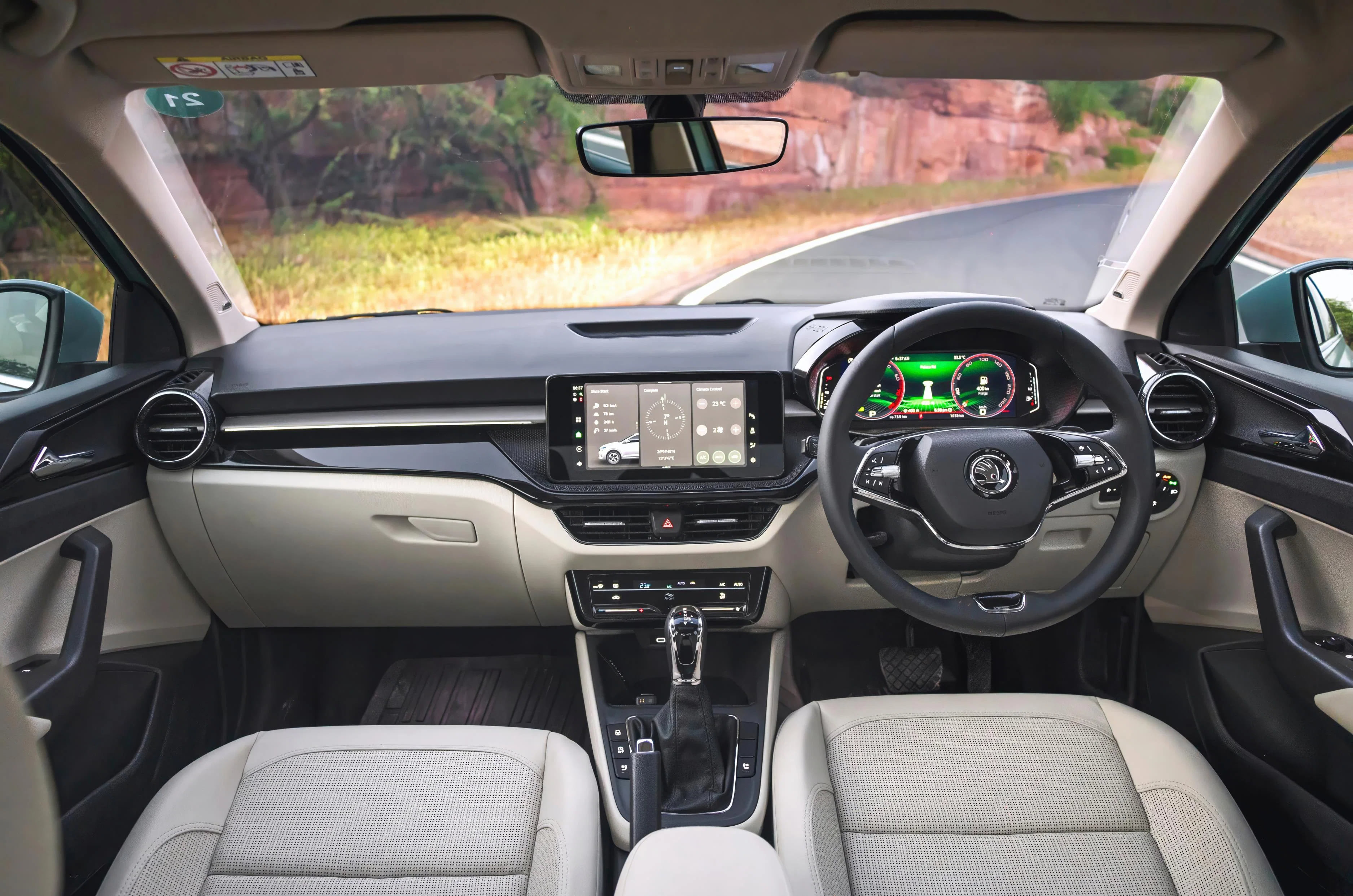
Inside, the Slavia facelift looks largely similar to the outgoing model, with the standard model carrying over the beige-and-black theme with copper inserts. Monte Carlo versions get an all-black theme with red inserts and exclusive red graphics across the screens. Meanwhile, the standard Slavia’s leatherette-upholstered seats have a monotone finish, as opposed to the older model’s dual-tone finish. On the other hand, Monte Carlo versions come with black leatherette seats and contrast red stitching. Elements like the two-spoke steering wheel, recessed space on the dash, circular air vents, and touch-based HVAC controls have been carried over.
Skoda Slavia facelift features
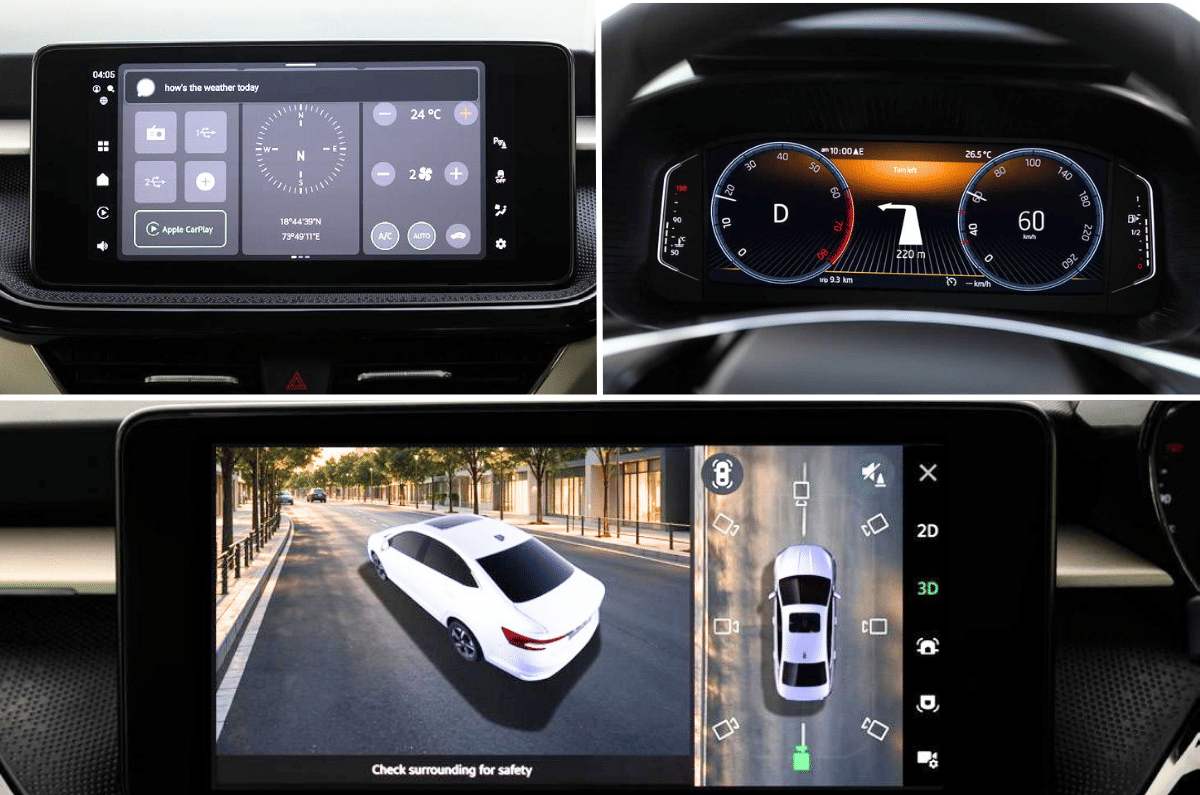
Skoda has bolstered the Slavia facelift’s equipment list, introducing a slightly larger 10.1-inch infotainment system with Google AI assistant, a new 10.25-inch digital driver’s display with configurable screens, segment-only rear seat massage function, and a 360-degree camera. A new variable-geometry compressor for the HVAC brings a much-needed improvement to AC performance. Other goodies like a single-pane sunroof, wireless Apple CarPlay and Android Auto, a wireless phone charger, powered and ventilated front seats, and an 8-speaker audio system have been retained. However, it skips an ADAS suite that rivals offer.
Skoda Slavia facelift powertrain options
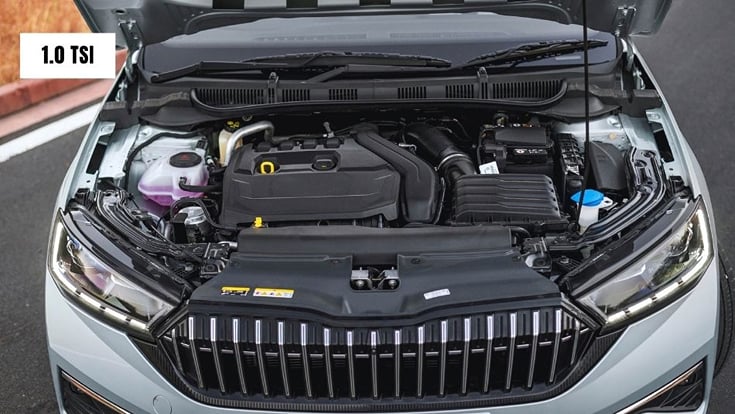
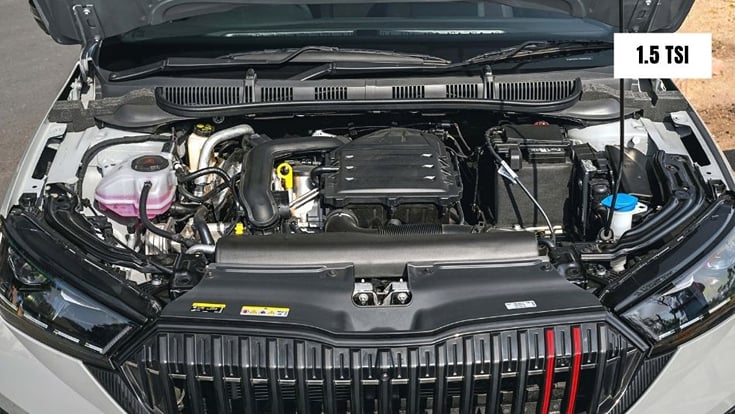
The Slavia facelift retains its 115hp, 178Nm, 1.0-litre and 150hp, 250Nm, 1.5-litre direct-injection turbo-petrol engines. Additionally, the former and latter retain their 6-speed manual and 7-speed DCT gearboxes, respectively. However, automatic versions of the 1.0-litre engine are now paired with a new 8-speed torque converter automatic, replacing the older 6-speed unit. Ahead of its launch, we’ve had the opportunity to review the Skoda Slavia facelift.
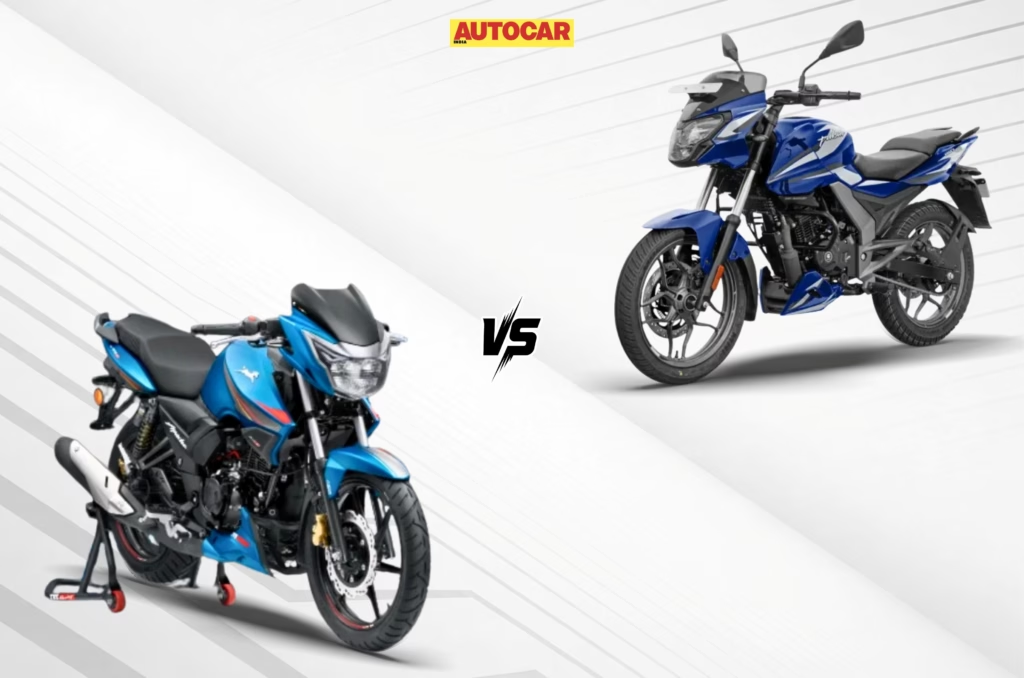
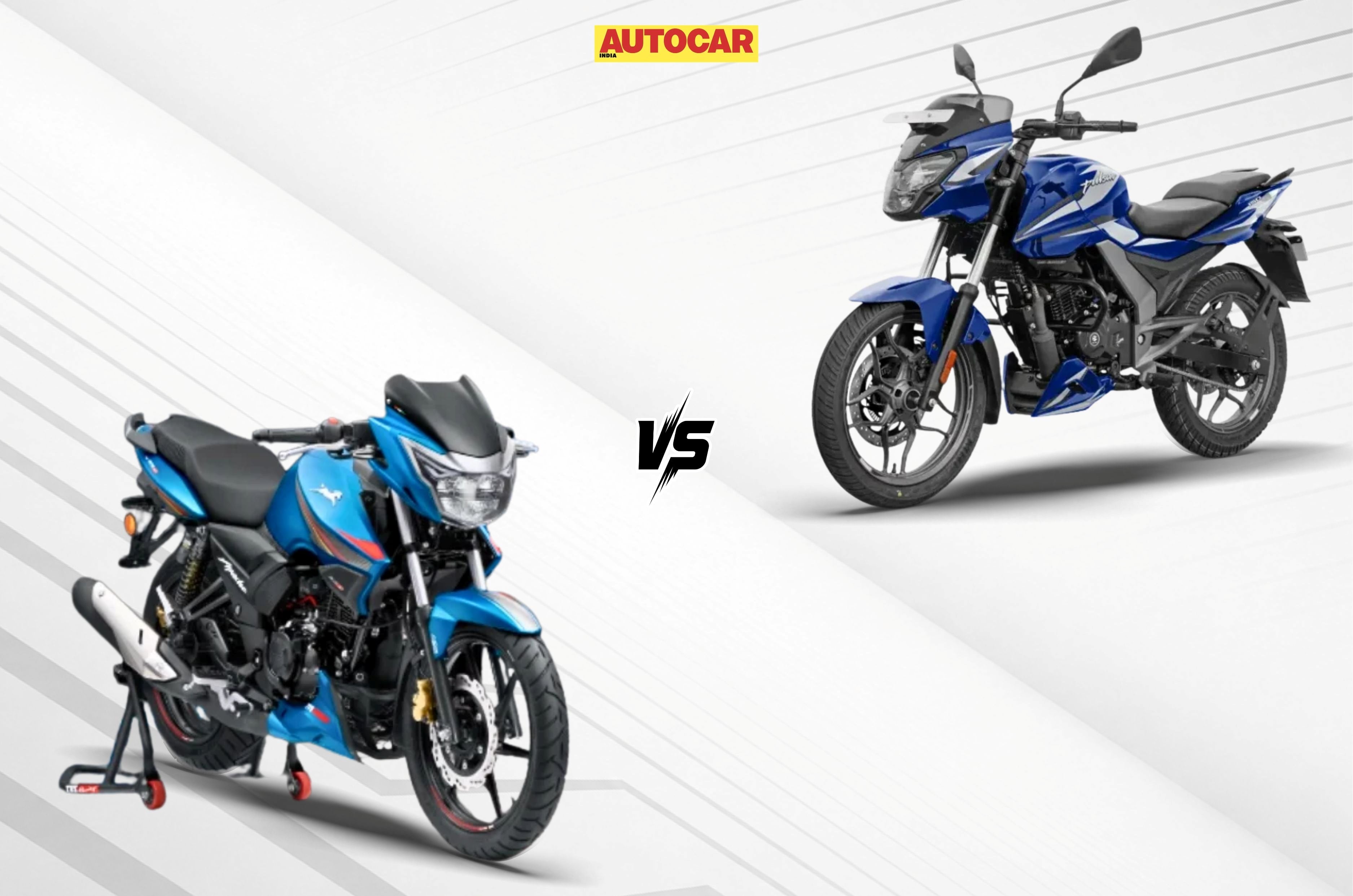
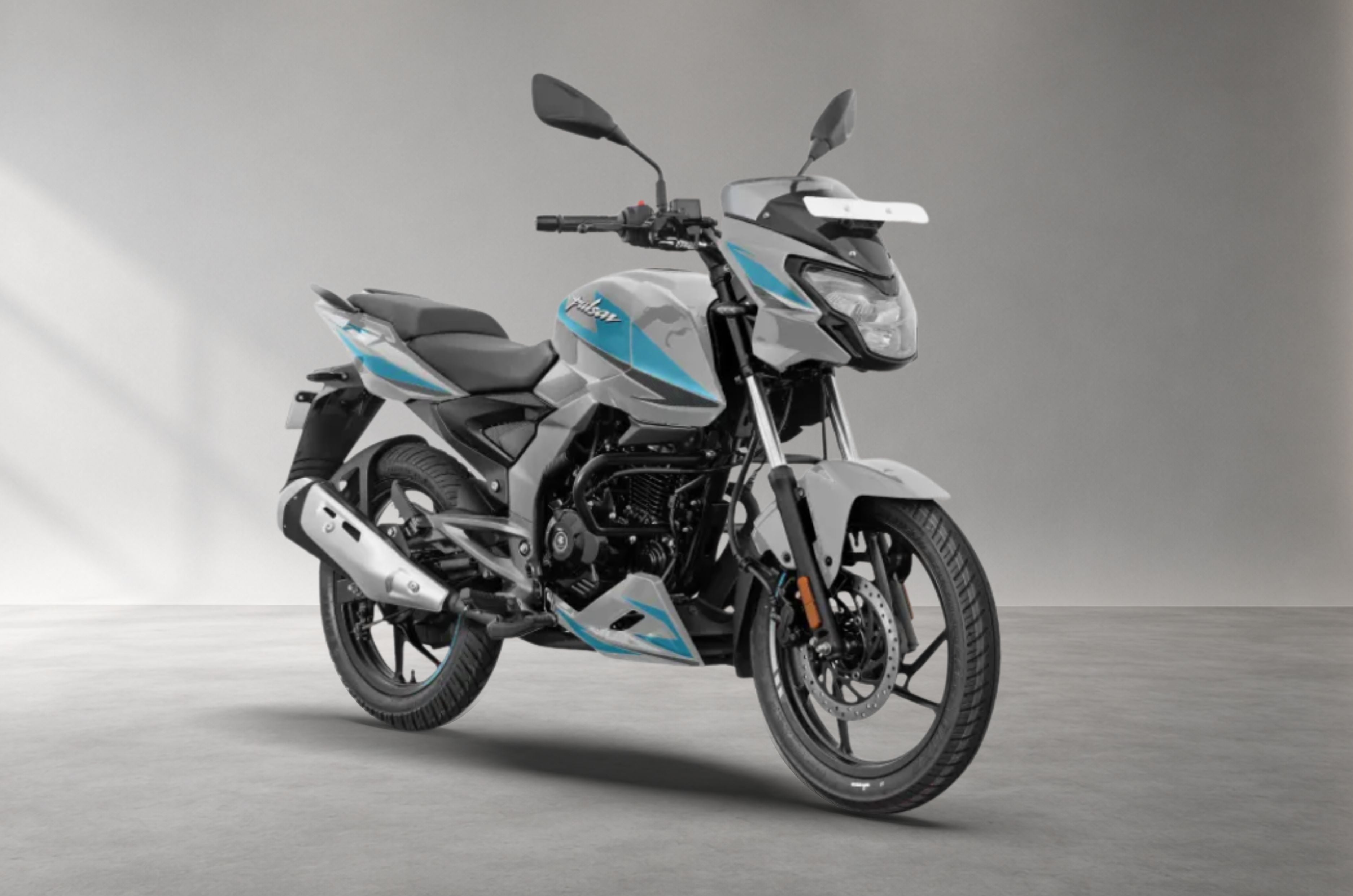
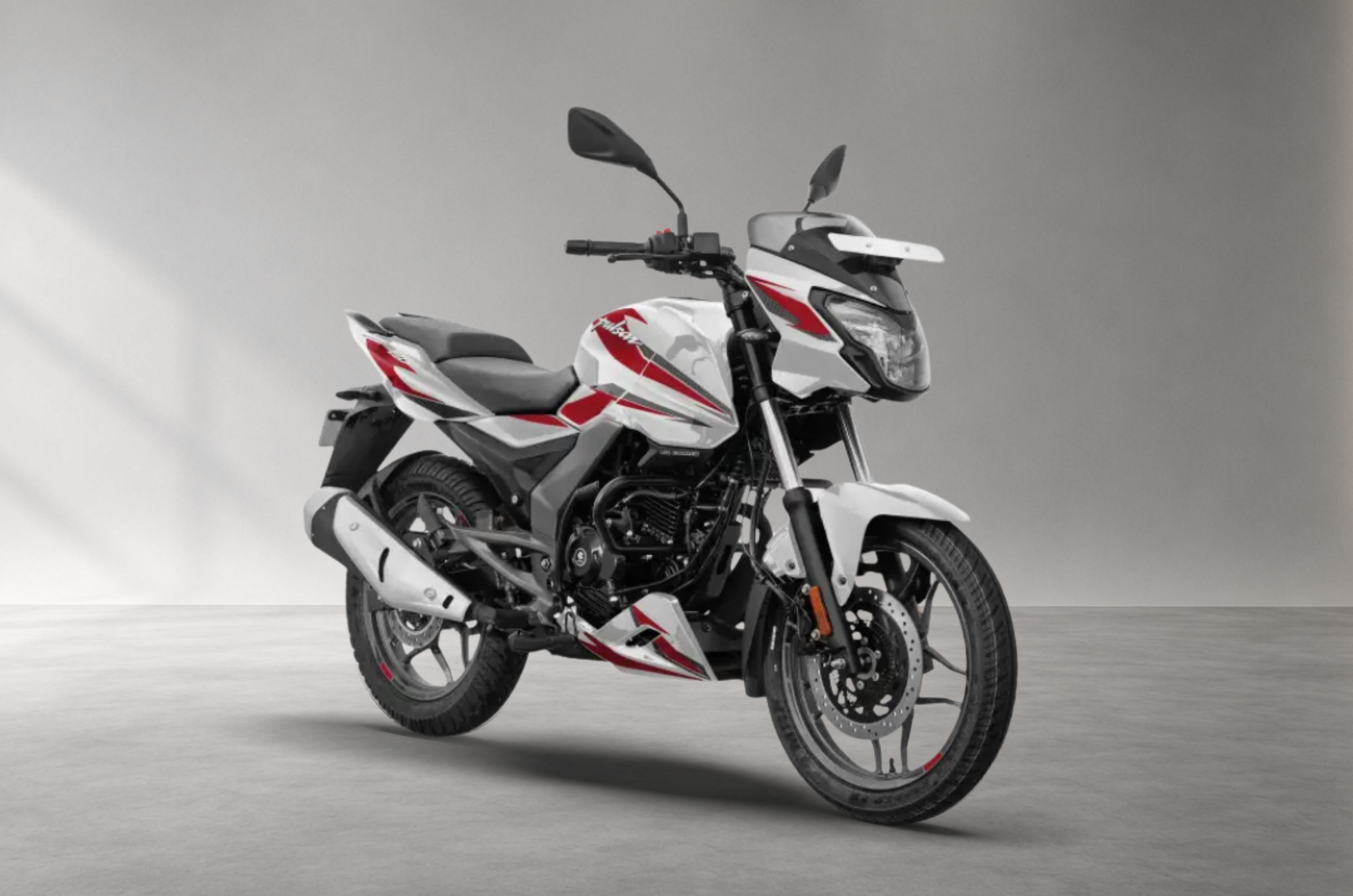
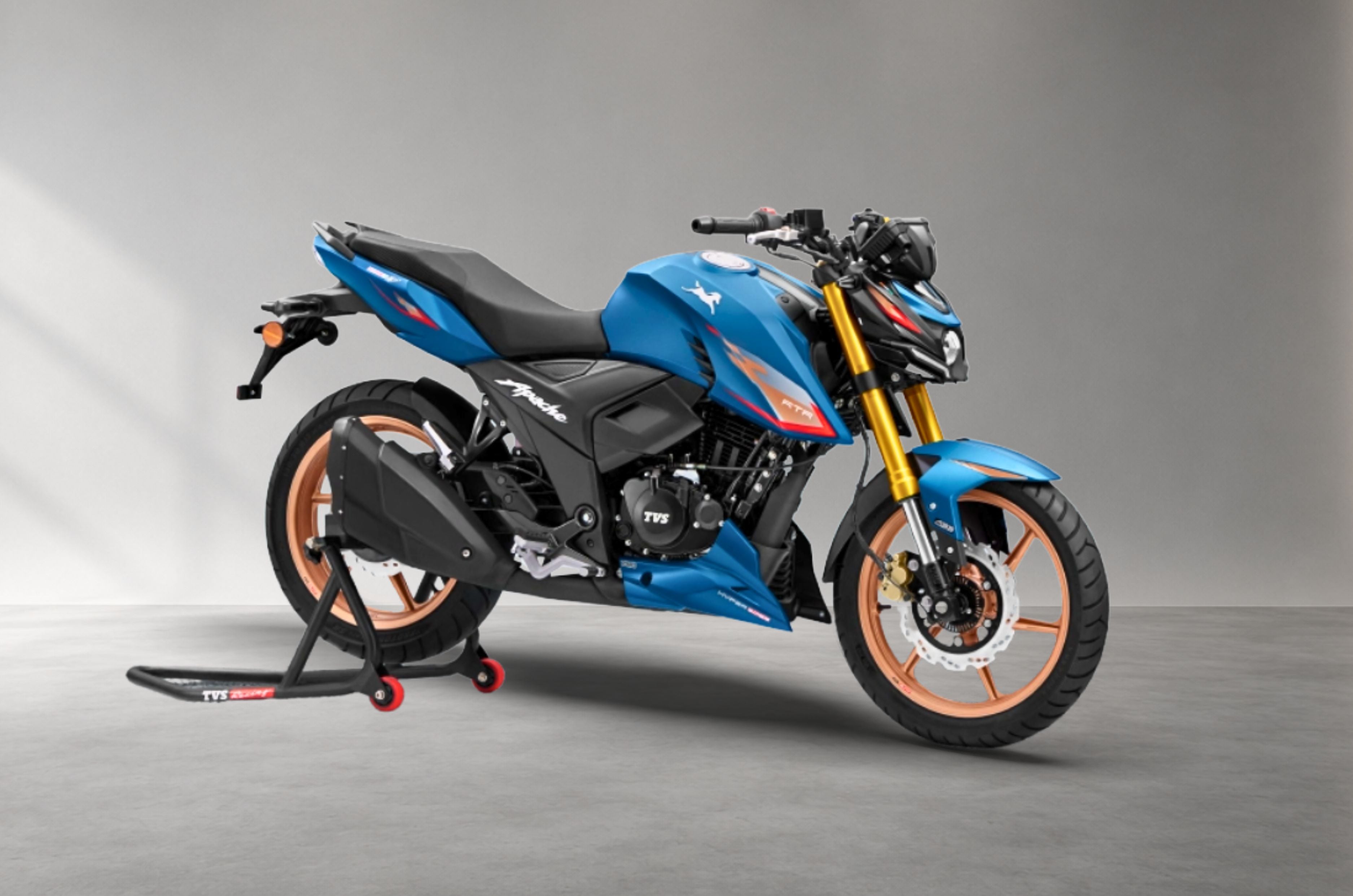
Bajaj launched the very first Pulsar 150 all the way back in 2001. TVS first responded with the Apache 150 in 2005, and upped the ante with the 160 in 2006. Bajaj, for the Pulsar’s 25th anniversary, effectively rebuilt the Pulsar 150 from scratch, marking some of its biggest changes since the original. TVS responded to this by introducing a new top-variant for the Apache 160 2V with traction control. At the time of writing, the difference in prices between the two is less than the price of six litres of petrol. If you’re not sure which one of these street-nakeds is right for you, we can help with that.
Bajaj Pulsar 150 vs TVS Apache RTR 160 (2V): Engine and output
The older motorcycle is… better?
Bajaj Pulsar 150
TVS Apache RTR 160 (2V)
Engine
149.5cc, single-cylinder, oil-cooled
159.7cc, single-cylinder, air-cooled
Power
14hp at 8,000rpm
16.04hp at 8,750rpm
Torque
14.1Nm at 6,500rpm
13.85Nm at 7,000rpm
Transmission
5-speed
5-speed
Power-to-weight ratio
99.29hp/tonne
115.40hp/tonne
Despite being the older motorcycle of the two, it’s the Apache that has the upper hand in this area. It has the better number for all the metrics; although it delivers both peak power and peak torque higher up in the rev range compared to the Pulsar. The Apache’s power and torque figures vary according to the chosen ride mode, and for this comparison, we’ve taken the figures from the Sport mode, the most powerful one of the three on offer.
Bajaj Pulsar 150 vs TVS Apache RTR 160 (2V): Dimensions and weight
Pulsar gets a notably larger fuel tank
Bajaj Pulsar 150
TVS Apache RTR 160 (2V)
Fuel tank
15 litres
12 litres
Ground clearance
186mm
180mm
Seat height
795mm
790mm
Kerb weight
141kg
139kg
Wheelbase
1338mm
1300mm
With an all-new diamond frame, Bajaj was able to achieve a weight reduction of 9kg on the Pulsar 150 compared to the previous version. However, the Apache is still lighter by 2kg for its top-most variant. It’s also most accessible with a 5mm lower seat height. Do note that the lower seat height also translates to a 6mm lesser ground clearance, and the Pulsar gives you three extra litres of capacity on its fuel tank. In this segment, that translates to at least 120km, not an insignificant number.
Bajaj Pulsar 150 vs TVS Apache RTR 160 (2V): Tyres, brakes, and suspension
TVS (mostly) has the stronger ride package
Bajaj Pulsar 150
TVS Apache RTR 160 (2V)
Tyres (F,R)
80/100-17, 100/90-17
90/90-17, 120/70-17
Brakes (F,R)
260mm disc, 230mm disc; single-channel ABS
270mm disc, 240mm disc; dual-channel ABS
Suspension (F,R)
Telescopic fork, monoshock
Telescopic fork, twin-shock
Bajaj had reduced the rear tyre size on the Pulsar 150 with the new version; the older top variant (Split Seat) had a 120/80-17 size rear tyre. As things stand, the TVS gets the larger tyre on both ends. Do note that TVS gives a slightly smaller 110/80-17 rear tyre on the lower variant. The Apache also has larger disc sizes for its brakes, but both motorcycles get 130mm drum brakes on the lower variants. Apache is the only motorcycle to offer dual-channel ABS, even if it’s limited to the top-two variants. In this section, the Pulsar’s only real advantage is that its newer frame gives it a monoshock, whereas the TVS continues with a twin-shock.
Bajaj Pulsar 150 vs TVS Apache RTR 160 (2V): Features
Newer is better
This is where the Pulsar makes its strongest case to be your motorcycle of choice. The top variant of the Pulsar 150 now gets a 5-inch TFT screen (first debuted on the Pulsar N160 SS) with Google Maps mirroring support, an integrated starter-motor-generator (ISG) to enable silent starts as well as an auto stop/start system. The TVS makes its age very obvious with its LCD instrument cluster; however, it still has bluetooth on the higher variants and can connect to your smartphone for call and SMS alerts, just like the Bajaj.
Considering how long it’s been since TVS gave it a major upgrade though, it’s impressive how well the Apache holds up against the all-new Pulsar. To give you two examples, both companies offer their own solutions for making low speed riding easier (in stop-and-go traffic, for example); Bajaj calls its version Crawl Mode and TVS calls its version Glide Through Technology (GTT). Both also offer all LED lighting, a feature that reached the TVS later than Bajaj. However, only the Apache gets traction control.
Bajaj Pulsar 150 vs TVS Apache RTR 160 (2V): Price
Neck-and-neck
Bajaj Pulsar 150
TVS Apache RTR 160 (2V)
Price (ex-showroom, Delhi)
Rs 1,15,233-1,28,650 lakh
Rs 1,13,890-1,27,990 lakh
Bajaj has two variants of the Pulsar 150, with a lower variant replacing the TFT screen for an LCD one and losing out on the features that are associated with it. TVS, at the time of writing, offers seven variants for the Apache RTR 160, all separated by about Rs 3,000 difference. However, it’s the Apache that’s more affordable to purchase, even if the difference is just Rs 660. Hopefully, the other differences are enough to help you choose one over the other.
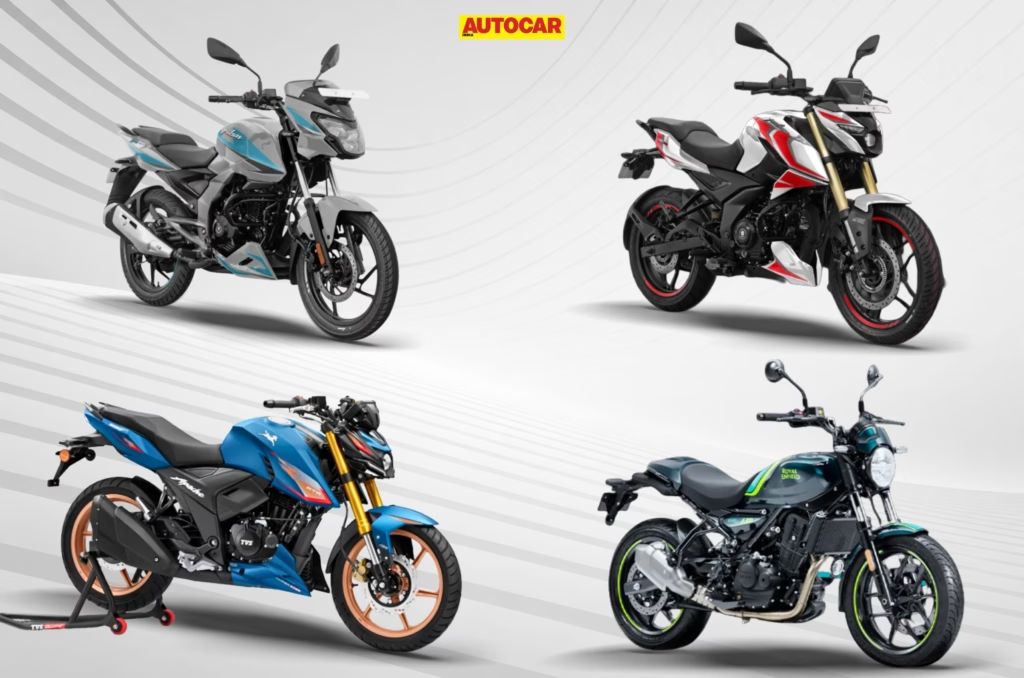
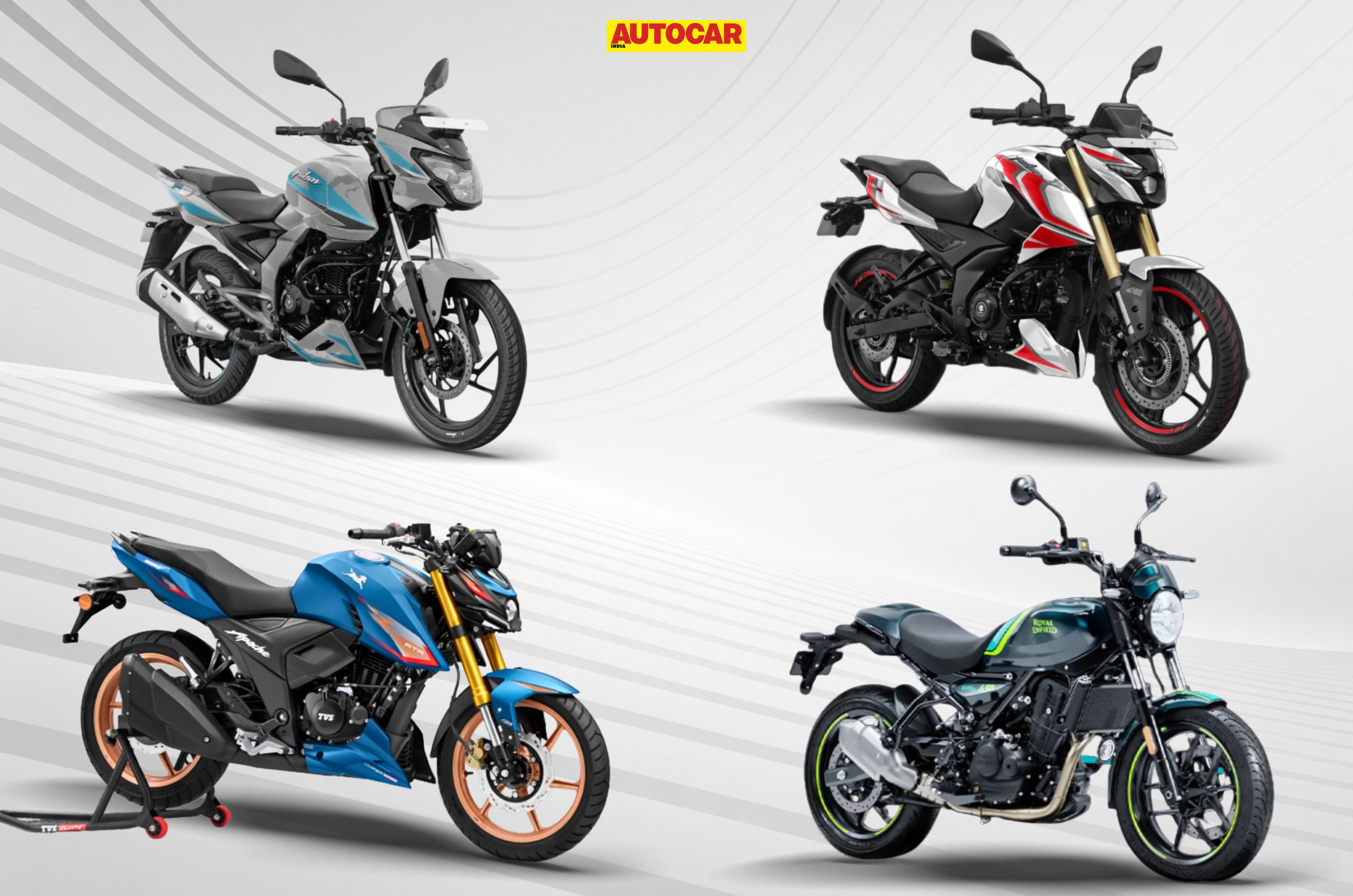
Navigation has been one of the major challenges for every aspiring motorcyclist. Unfortunately, major smartphone OS manufacturers don’t deem us profitable enough to solve it for us; but, our OEMs might have a smarter solution for that, by way of Google Maps mirroring. Today, you can buy a motorcycle for as low as Rs 1.04 lakh and still be able to navigate your way through your city, or wherever your heart takes you. Speaking of, let’s start with that very motorcycle.
All prices mentioned are ex-showroom, Delhi for the specific variant with Google Maps mirroring feature.
Bajaj Pulsar 125
Rs 1.04 lakh
Bajaj had comprehensively upgraded the classic Pulsar 125 with many changes and a whole slew of features, including Google Maps mirroring on the top-most Split Seat variant. Besides that, you get a 124.58cc engine with 12.1hp and 11.4Nm, a front disc brake, and three ride modes. A decent choice if you mostly commute in the city, but if you find yourself on the open roads on every chance you get, look at the bigger brother.
Bajaj Pulsar 150
Rs 1.29 lakh
Admittedly, Rs 25,000 isn’t a small step-up in this price range. However, besides retaining the same feature-set and silhouette, on the Pulsar 150 you get a larger 149.5cc engine with 14.1hp and 14.1Nm, which should make highway stints seem less stressful on you and the motorcycle; and saying that you have the Pulsar 150 has a better ring to it, but that’s a subjective opinion. If Bajaj isn’t your brand of choice, though, we have another Indian manufacturer known for pushing the envelope on features.
TVS Apache RTR 160 4V
Rs 1.41 lakh
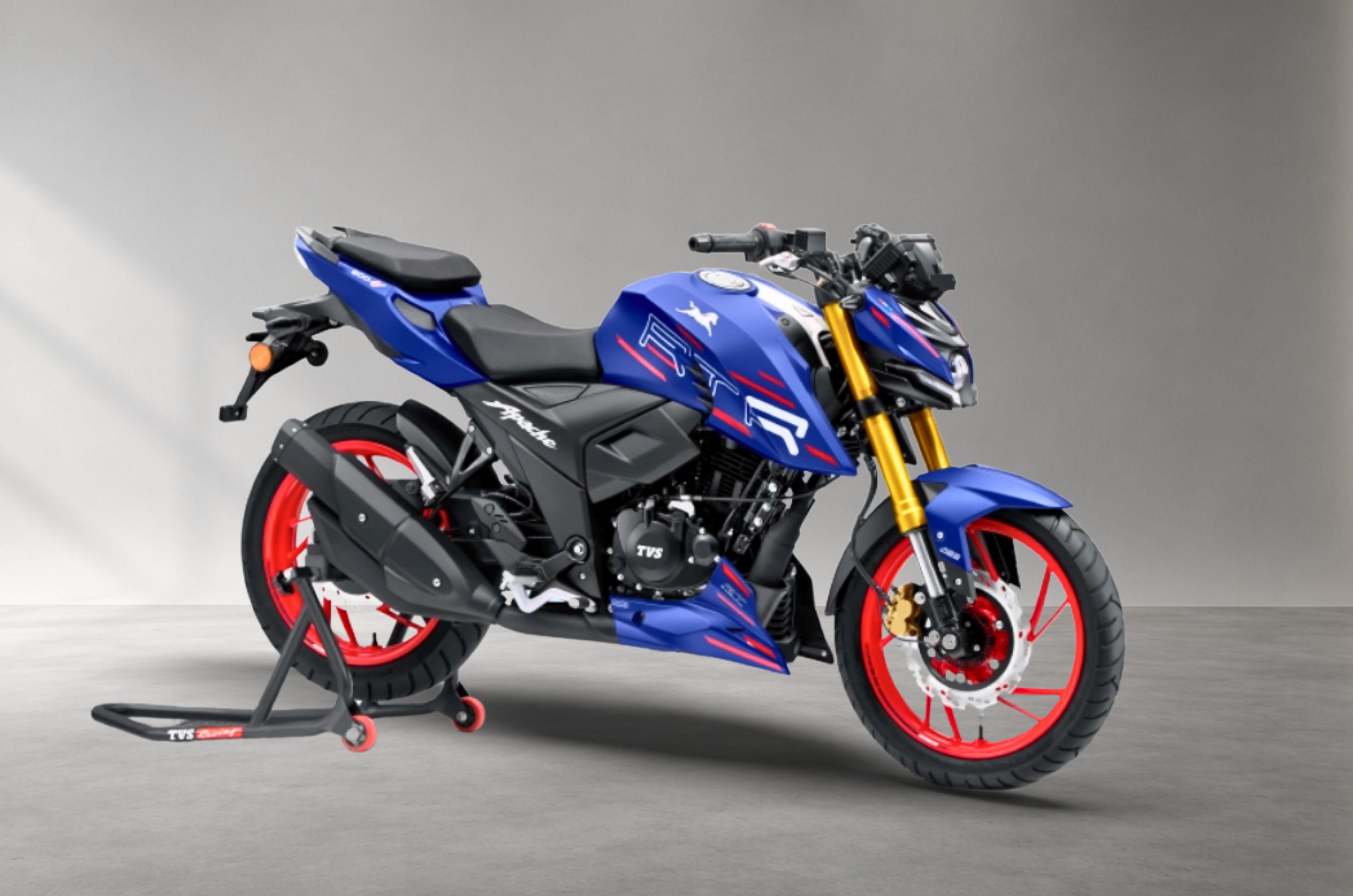
TVS has made the Apache series synonymous with features over the past few years, so of course it responded to Bajaj upgrading the classic Pulsars. Its best-selling Apache RTR 160 4V now also has a TFT display that supports Google Maps mirroring. TVS, in its usual fashion, turns things up a notch by offering even more power from its 159.7cc engine (17.55hp and 14.73Nm) and a whole lot more features like dual-channel ABS, traction control, a slipper clutch, more premium design, etc., That’s quite a bit more for Rs 12,000 over the Pulsar 150 but if you wonder whether Bajaj has a similar offering, fret not.
Bajaj Pulsar N160 SS
Rs 1.43 lakh
This is the first motorcycle on which Bajaj debuted the new 5-inch TFT screen with Google Maps mirroring. It’s since been extended to other Pulsars. Over the Pulsar 150, the N160 SS offers a bigger 164.9cc engine with 18.5hp and 14.4Nm (directly sparring with the RTR 160 4V), ride-by-wire, traction control, one extra ride mode, a slipper clutch, and a more modern design that may suit your preferences better. The N160 SS also offers dual-channel ABS as standard. If you feel like you’re done with the 150-160cc class, the next upgrade is closer than you think.
TVS Apache RTR 200 4V
Rs 1.50 lakh
The Apache RTR 200 4V has now been relegated to getting the “et al” treatment from TVS so now it is almost too close to the RTR 160, one might say. However, it retains the bigger 197.75cc engine with close to 21hp and 17.25Nm. The only other feature that still remains exclusive to the 200 is the preload-adjustable USD fork that TVS brought back, with the recent update. Worth paying Rs 7,000 extra You decide, but if you are somehow not satisfied with the value on offer, the next motorcycle wears value-for-money as a badge of honour on its sleeve.
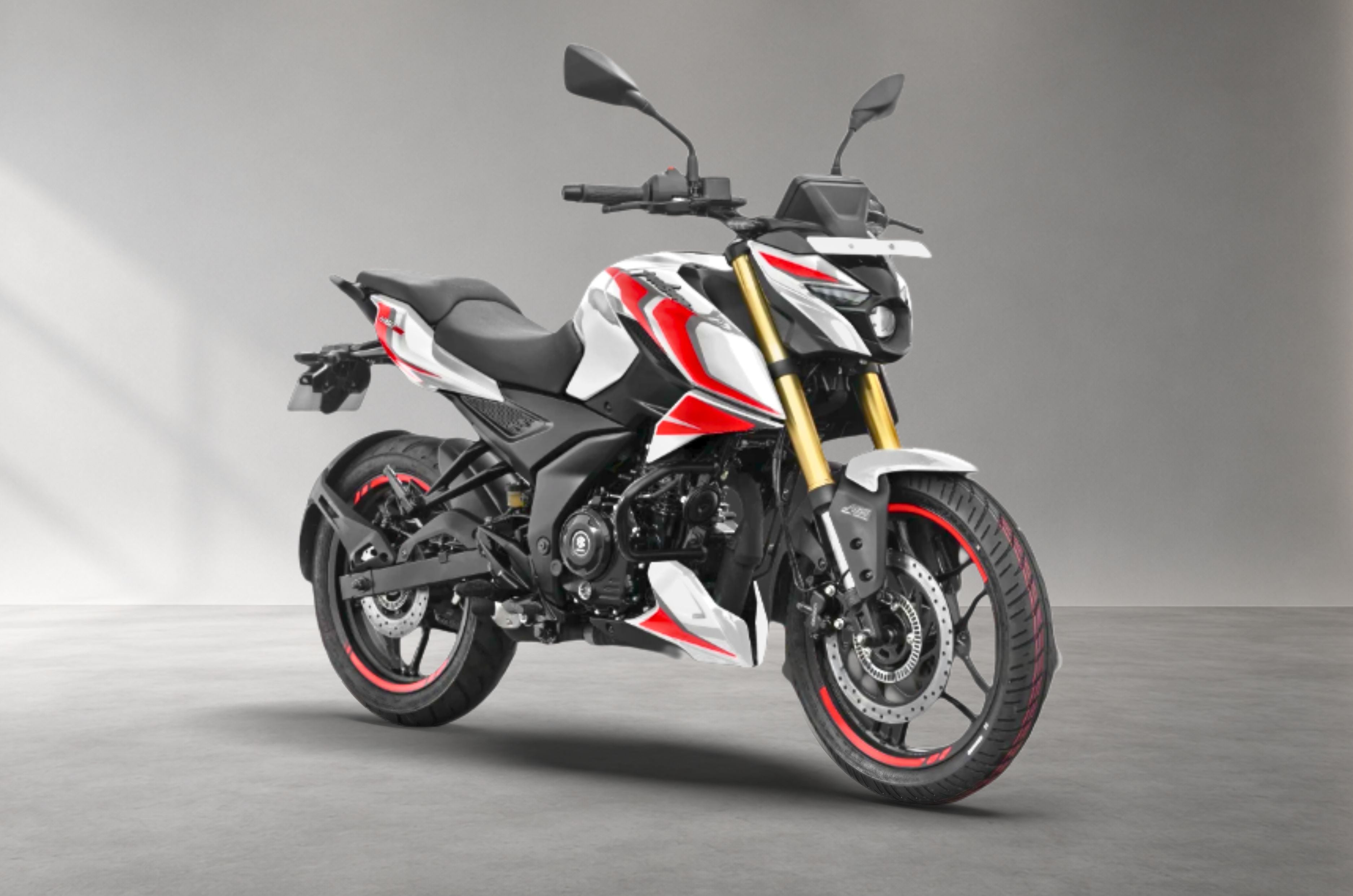
Bajaj Pulsar NS400Z
Rs 1.90 lakh
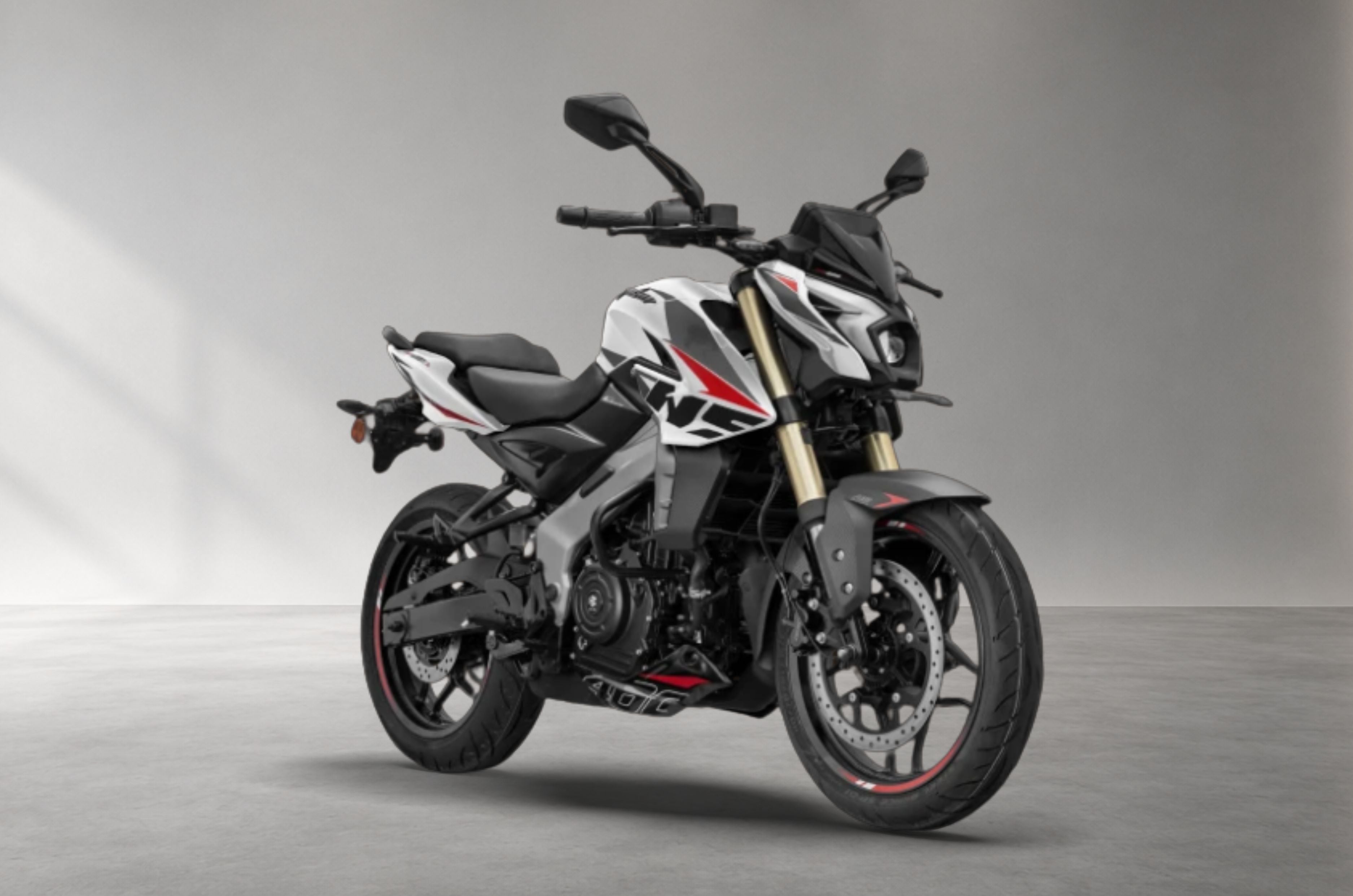
Bajaj’s downsized 349cc Pulsar NS400Z has gone down in price again, and the company gave it the same TFT unit as on the other Pulsars just two days ago; and we might see it in even more of their motorcycles soon. Anyway, the NS400Z gives you a steep jump in power with 40.6hp and 33Nm. It retains the feature-set from the N160 SS as-is with power and torque as its biggest differentiation from almost every other motorcycle on this list. If you’re in a phase of your life where you’re on long rides more often than commutes, you might prefer the next motorcycle more.
TVS Apache RTX 300
Rs 2.19 lakh
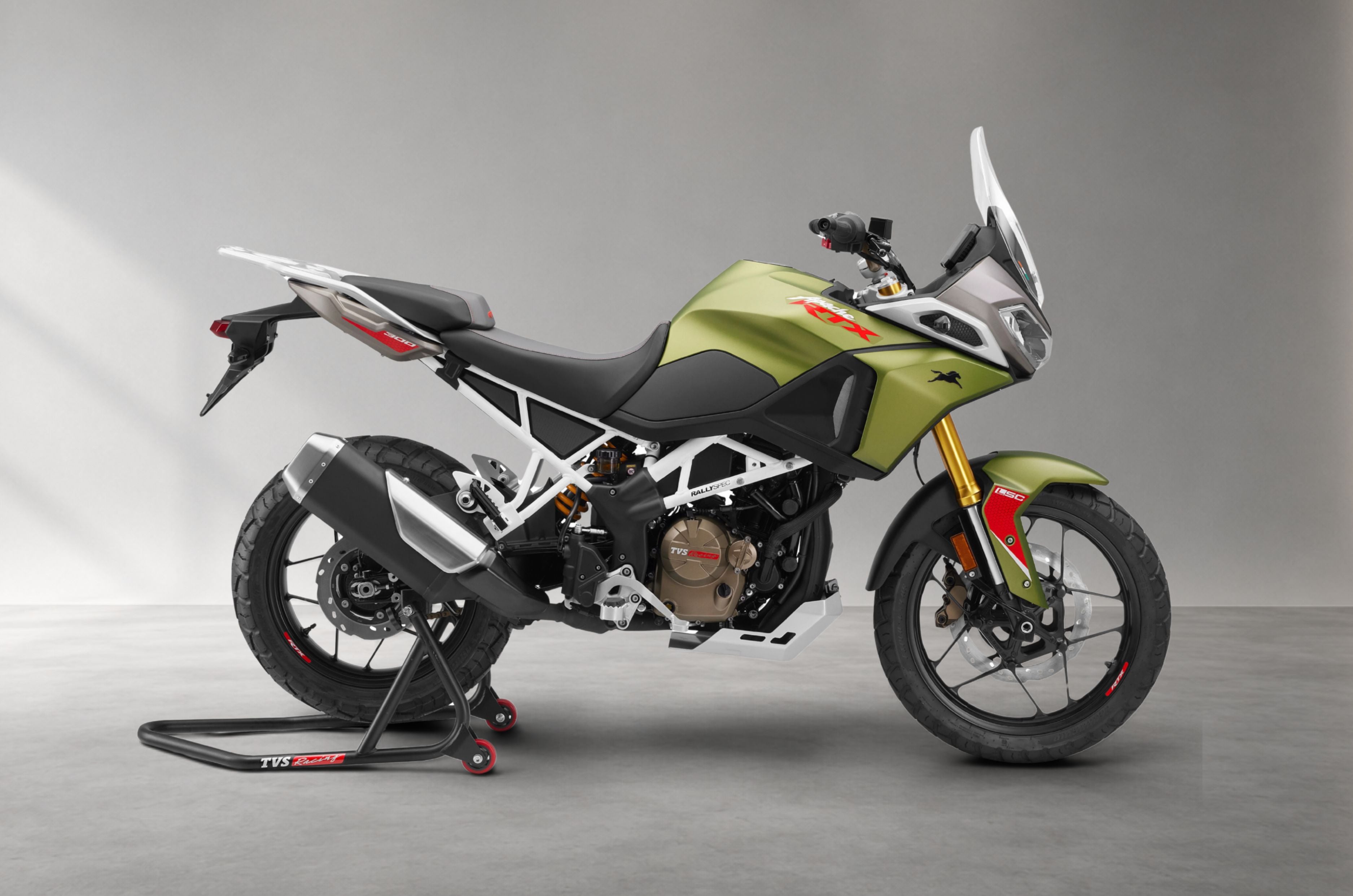
TVS’s first adventure tourer popularised the feature in question a year ago, offering it on the top and BTO variants. Compared to the NS400Z, you get a smaller 299.1cc engine with 36hp and 28.5Nm. However, the Apache RTX 300 is no slouch in features in any other way, matching the NS400Z on every feature on offer. If you’re an experienced motorcyclist who’d like to tune your ride more minutely, stepping up to the BTO variant at Rs 2.39 lakh might be worth it, considering it gives your adjustable suspension on both ends. If none of these sound exciting enough for you, maybe see if the last one does the trick.
Royal Enfield Guerrilla 450
Rs 2.51 lakh
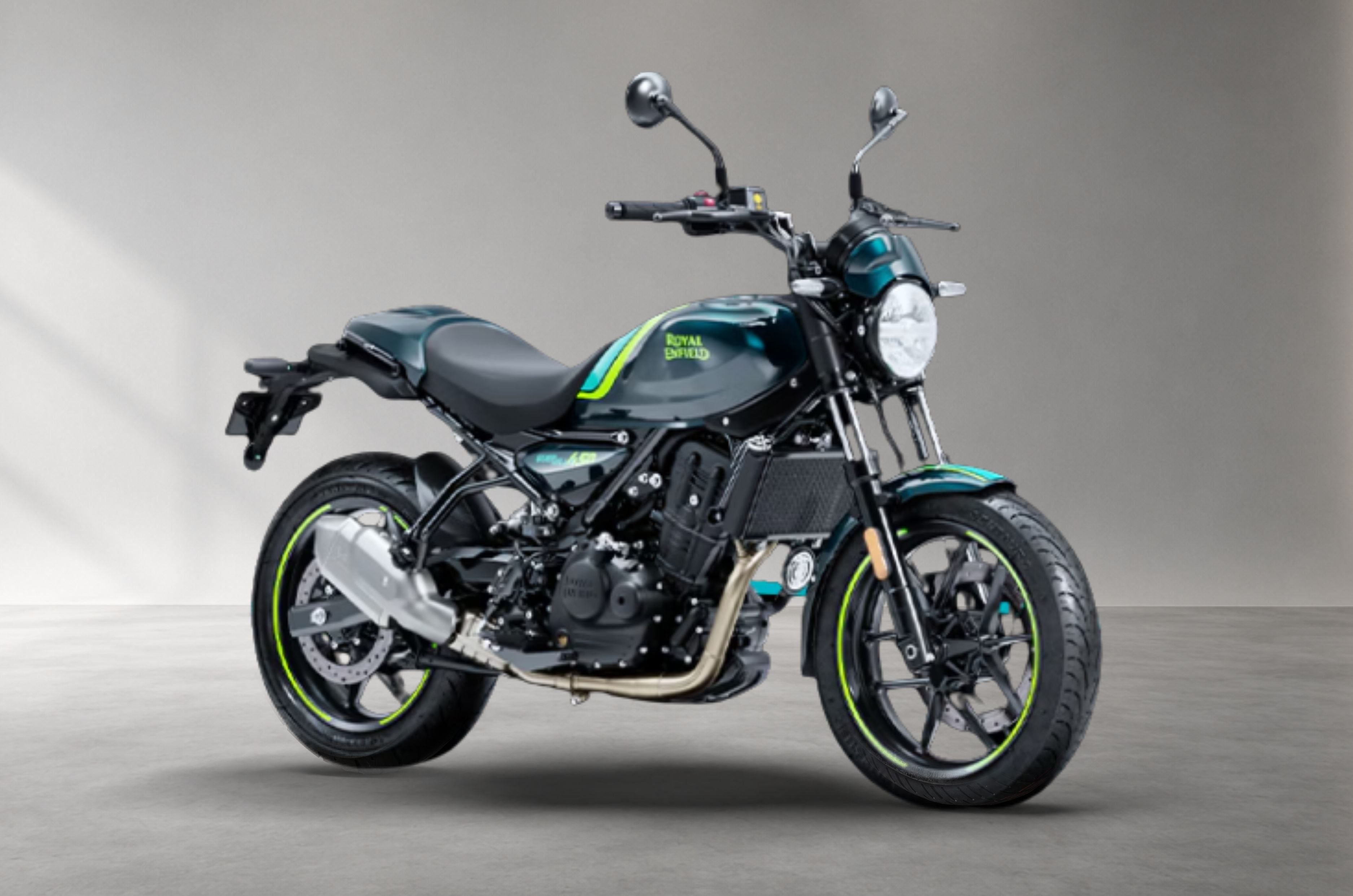
Royal Enfield introduced a new 4-inch TFT display with the Himalayan 450 that could project Google Maps powered navigation onto it, making the Chennai-UK based manufacturer technically the first to have figured this solution out. If you didn’t know this already, pressing and holding the M button on your Guerrilla 450 (and the Himalayan and Bear 650) will change the dials to the ‘digital’ look. After that, connecting your smartphone to the Royal Enfield app and starting navigation will make the whole map show on your display.
Getting back to the Guerrilla 450 itself, it’s Royal Enfield’s take on a sport-naked. Similar to most motorcycles on this list, its primary purpose isn’t touring, but when has that ever stopped the determined? The Guerrilla also has a 450cc engine that doles out 40.02hp and 40Nm, making it the most powerful motorcycle on this list. It goes toe-to-toe with the other motorcycles in terms of the features on offer, although most of the additional price is for its extra power (and the 40 percent GST of course).
That concludes the list of motorcycles under Rs 3 lakh with Google Maps mirroring, for now. We expect Bajaj to extend the same TFT display to even more of their portfolio in the near future. TVS might respond to that in their own, unique way so this list is all but guaranteed to grow even more in the near future. It’s one more significant hurdle removed for a motorcyclist, and every meaningful step counts.
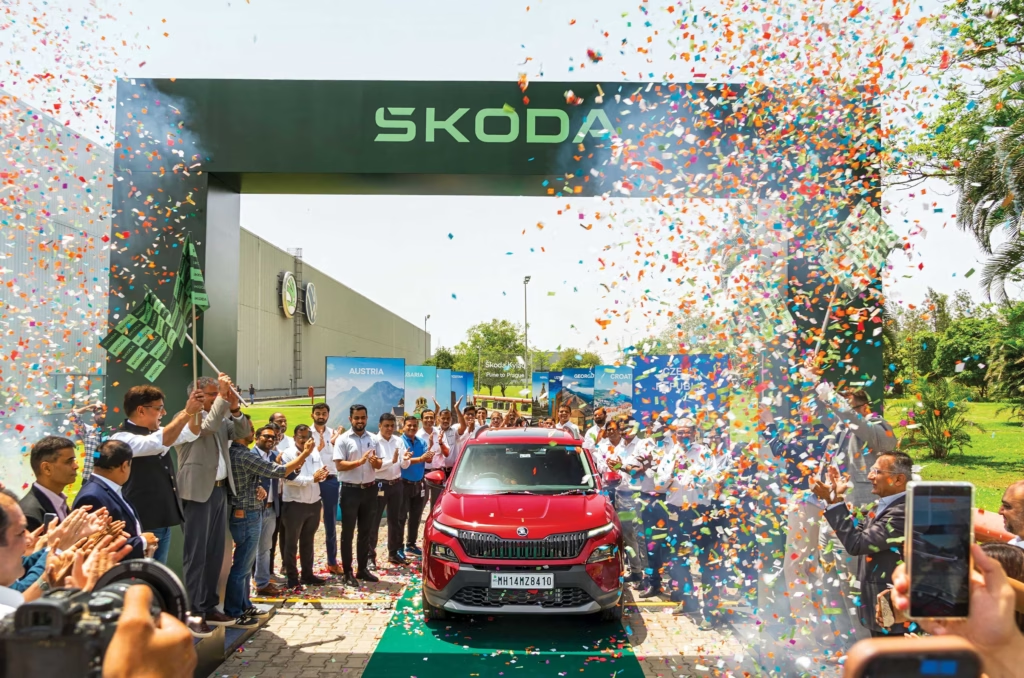
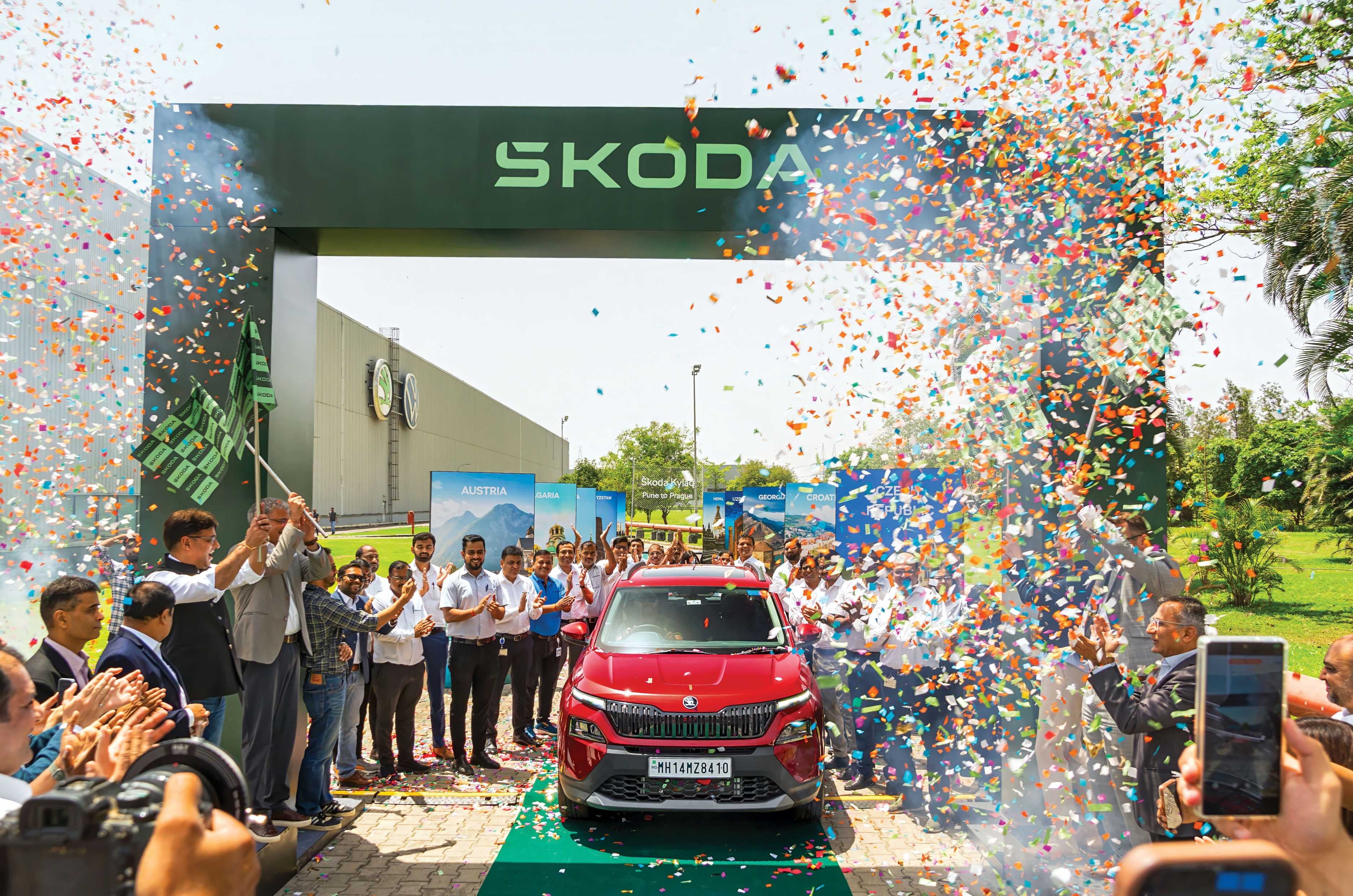
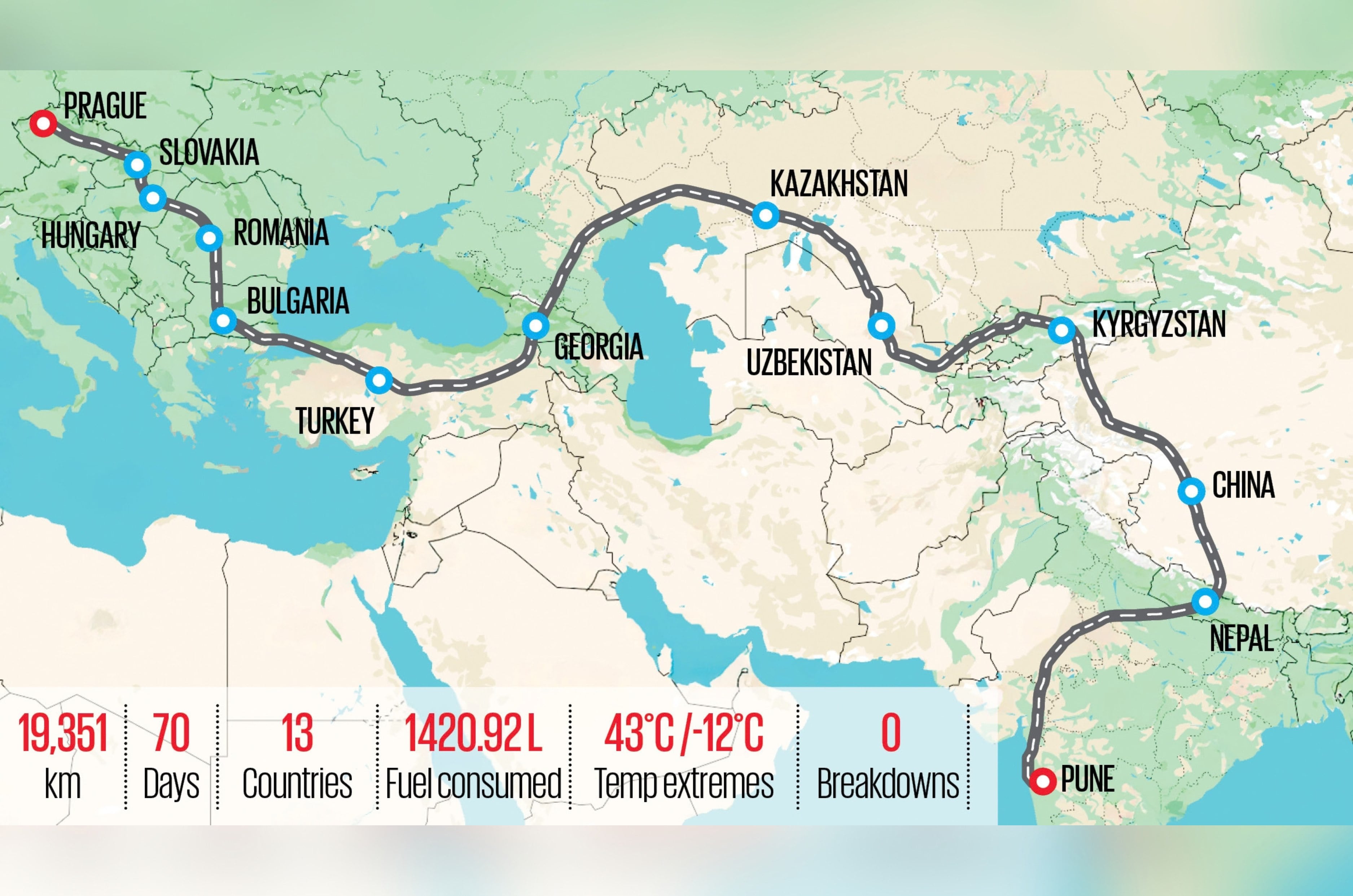
There are road trips, there are overland expeditions, and then there are journeys that become conversations with continents. This one starts in the industrial heart of Maharashtra, inside Skoda India’s sprawling Chakan facility. The end point lies nearly 20,000 kilometres away at Skoda Auto’s headquarters near Prague in Mladá Boleslav, Czech Republic, where bicycles evolved into automobiles and a 130-year-old story continues to be written.
Between these two factories lie thirteen countries, four major mountain ranges, countless cuisines, dozens of languages and enough history to fill libraries.
Our companion? Not a flagship SUV or a luxury grand tourer, but Skoda’s smallest SUV – the Kylaq, which recently celebrated its one-year anniversary. Driving it from Pune to Prague is a tall order, but surviving one year in India and being accepted with flying colours is enough cred one needs to take on the world.
India – Home Turf
Witnessing the Kylaq’s birth added more responsibility.
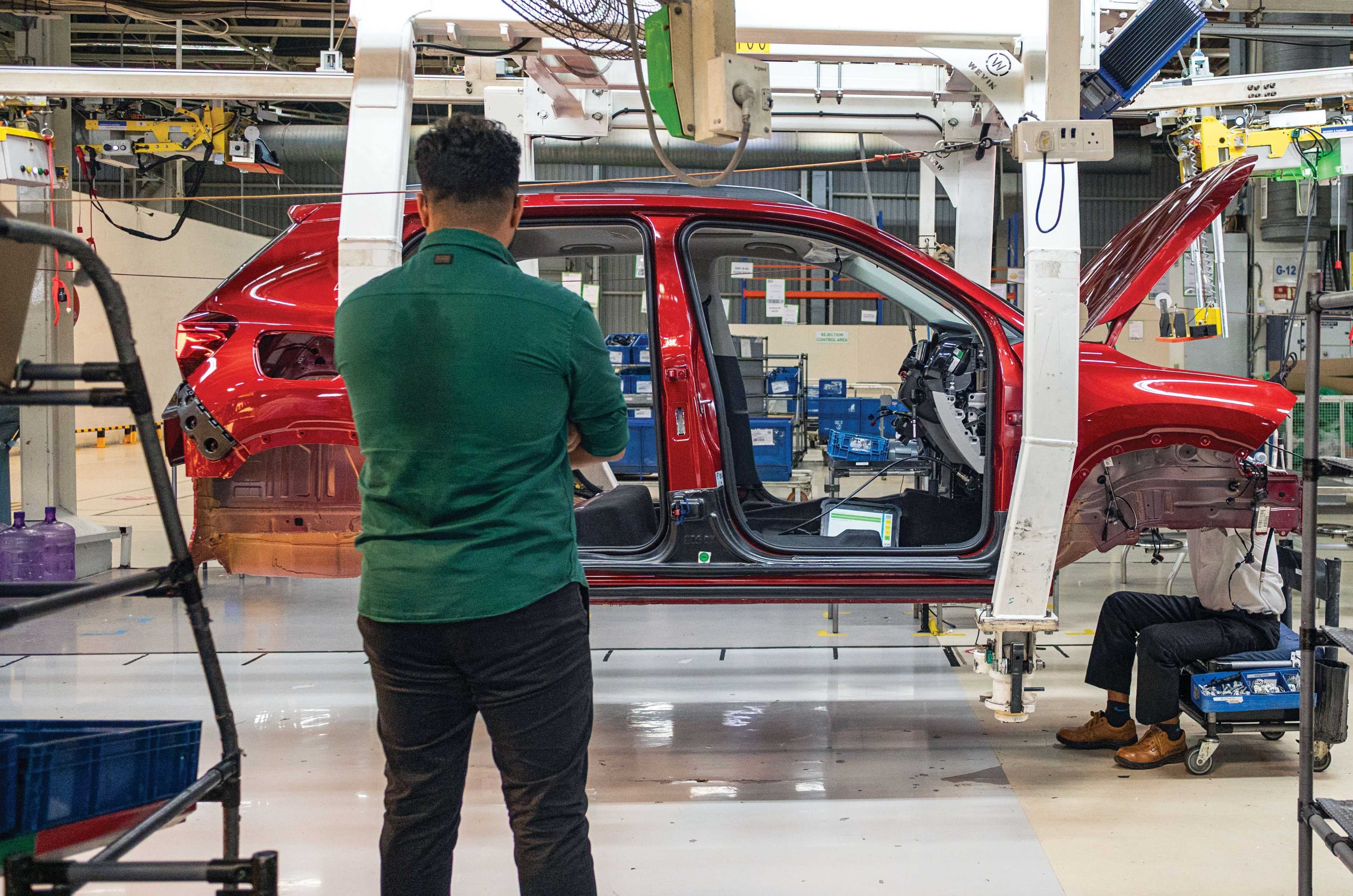
On a cross-country road trip, you’d imagine the home country would be the easiest leg. With India, it was the opposite. To some, it’s organised chaos, but honestly, it’s anything but organised. Erratic traffic, erratic egos, and road conditions fit only for a Mars rover – India was the biggest challenge on the drive from Pune to Prague. As the odometer ticked over its first kilometre, right outside the gate of Skoda’s Chakan plant, a blood-red PMPML bus was ready to trade paint with the cherry-red Kylaq. A dinged-up Kylaq parked on the streets of Prague wouldn’t be a good look, so it was imperative that I babysit this compact SUV like a million-dollar supercar. Having watched the car being assembled on the factory floor, from bare bones to the finished package, only added to the emotion – driving it in traffic felt like walking a toddler across a football field. Eyes wide open, ready to block any attack.
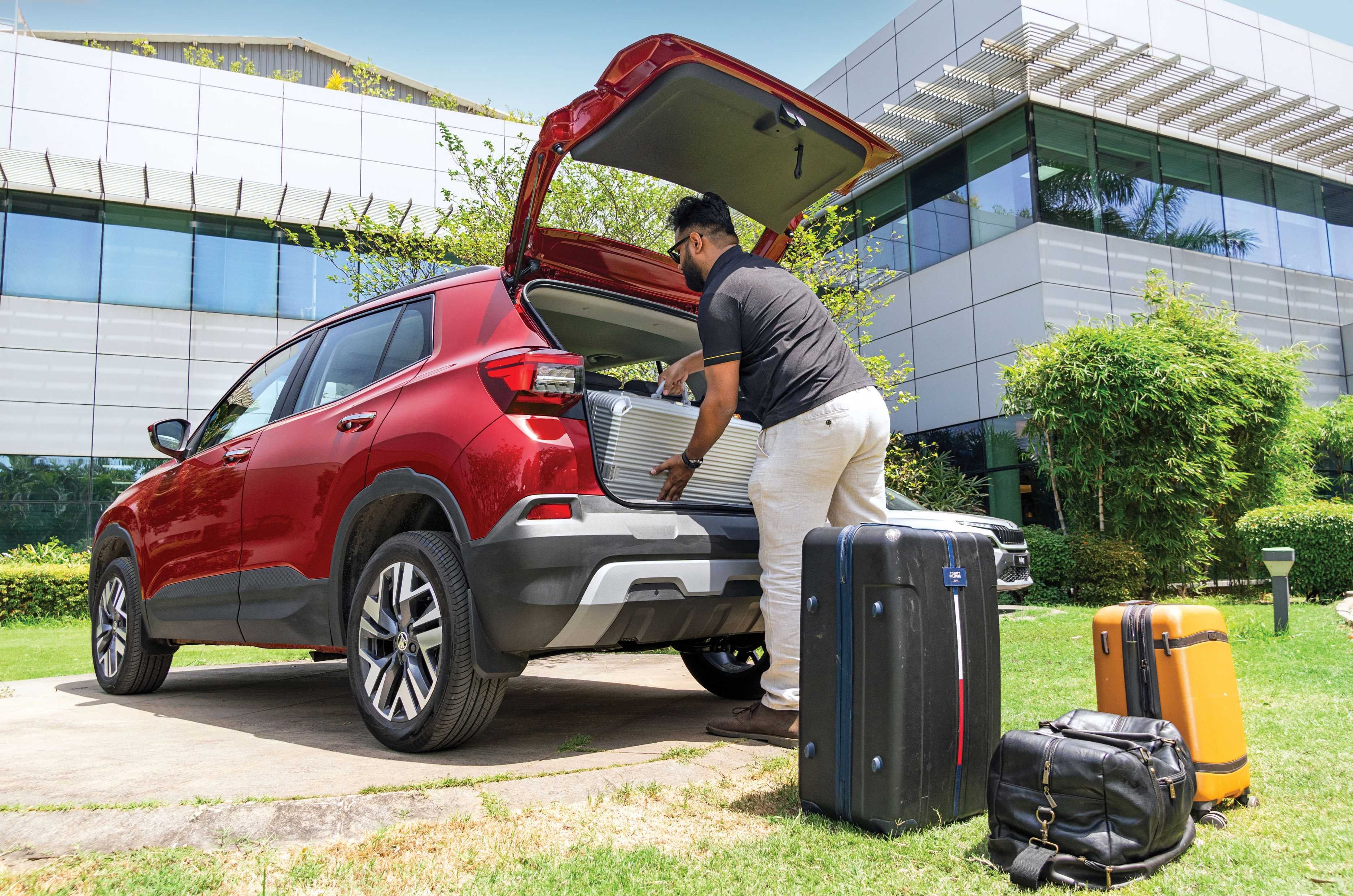
446-litre boot packed to the brim for 70 days on the road.
We got onto the Pune expressway and then crossed the Atal Setu in Mumbai, the longest sea bridge on the entire journey. Mumbai was home, both to me and to the Autocar India office, so after a few greetings from co-workers and the obligatory photos, we headed towards our first state crossing. The infamous Western Express Highway that leads out of Mumbai lived up to its reputation, but with a little anxiety, panic and a few expletives, we made it onto the national highway.
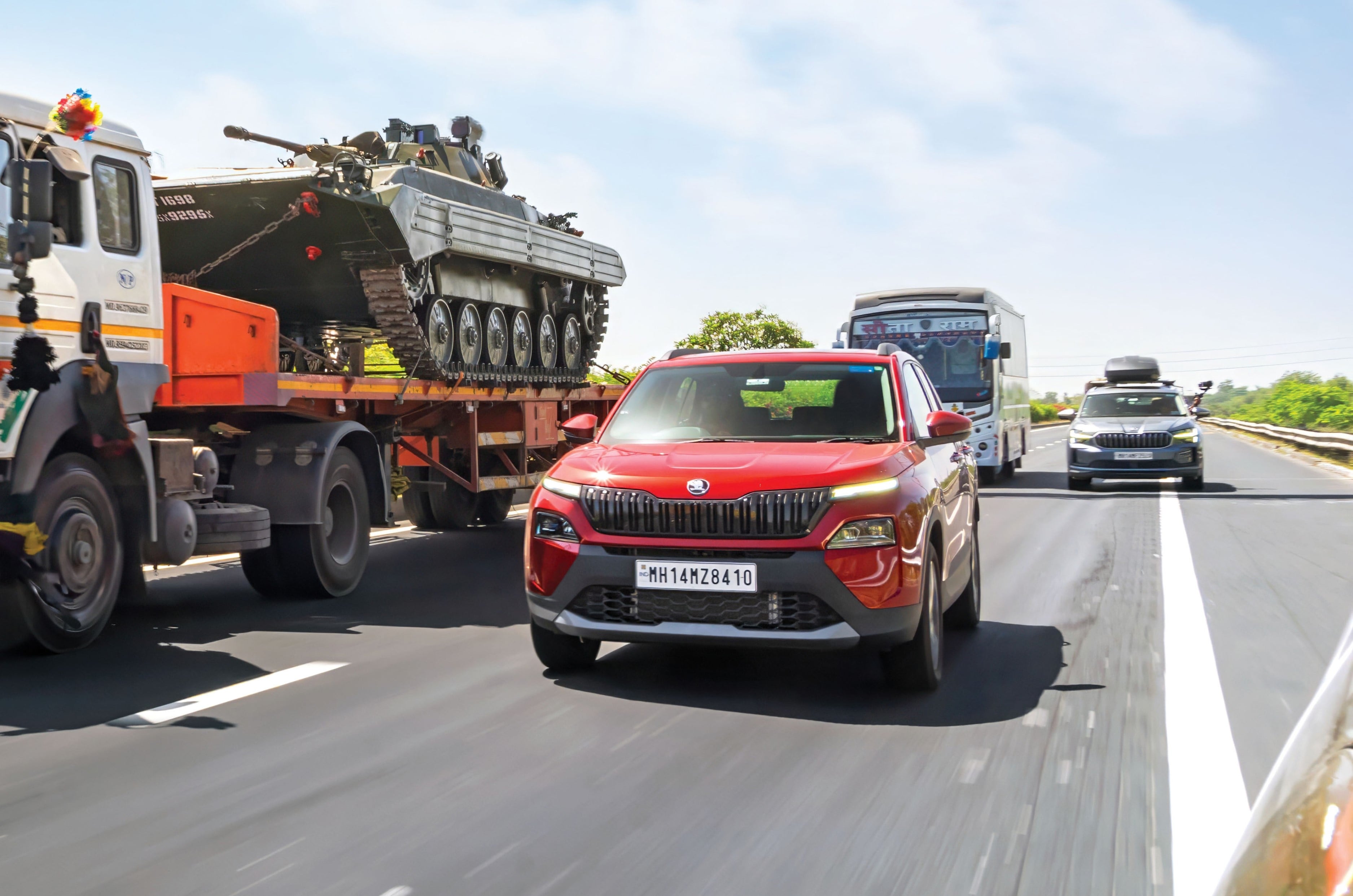
No telling what you’d spot on Indian highways.
The first of countless food stops was Hotel Ahura, renowned for its akuri and kheema. Needless to say, we carb-loaded to the max and made a beeline for Vadodara.
Pune-Birgunj in numbers
Distance covered
2,487km
Fuel consumed
234.46 litres
Average fuel economy
10.62kpl
Approximate fuel cost
Rs 23,629
Average per-litre fuel cost
Rs 100.87
Total time driven
55hrs 20min
Average speed
44.95kph
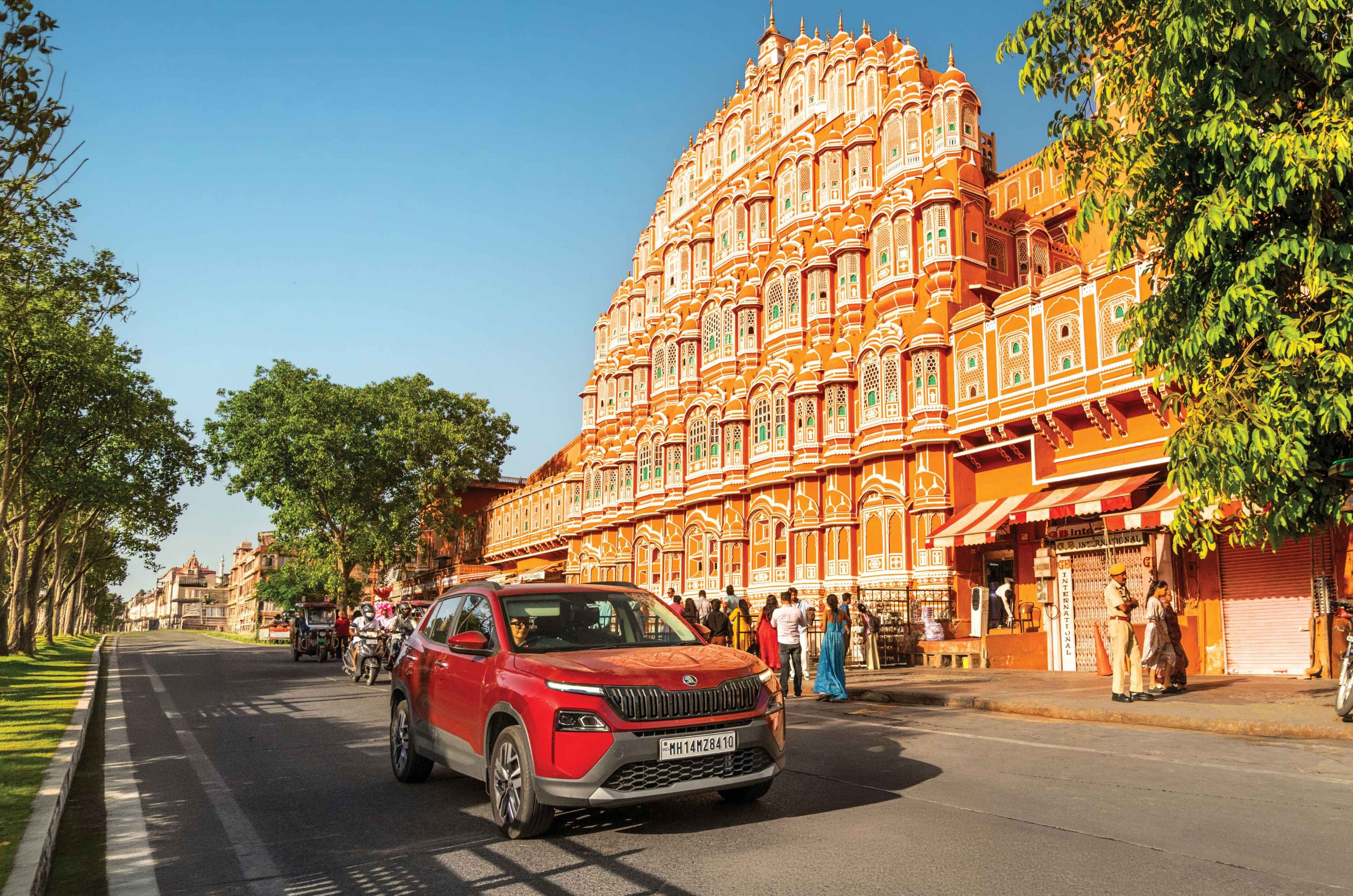
Crossing into Gujarat, the Kylaq could finally stretch its legs and spool up that turbo on the state’s spotless highways. The stability and effortless cruising were a welcome relief, since the bulk of the kilometres on this drive would be covered on long, open highways. Gujarat was a short stint – we made only an overnight halt in Vadodara before slipping out ahead of the morning traffic. The drive into Rajasthan was seamless, and Udaipur greeted us with a mix of heat and traffic. The City of Lakes is worth taking the time to explore, but a late arrival and early morning departure left us with just enough time to grab a traditional meal. All that driving had built up an appetite, so we put it to a vote between a massive vegetarian thali and laal maas – the latter won by a landslide. From the City of Lakes, we headed to Jaipur, the Pink City: just as picturesque as Udaipur, and just as colourful and chaotic. The sun setting over the beautiful Amer Fort made for a cracking backdrop, and a few glimpses of the Jal Mahal on the way back were a treat too. The iconic Hawa Mahal, with its 953 windows, never fails to amuse, but getting a photo of the five-storey icon without a chorus of honks is next to impossible. The next morning, after threading through Jaipur’s narrow lanes, we made it back onto the highway, heading for Agra.
Iconic Hawa Mahal ought to be seen first-hand.
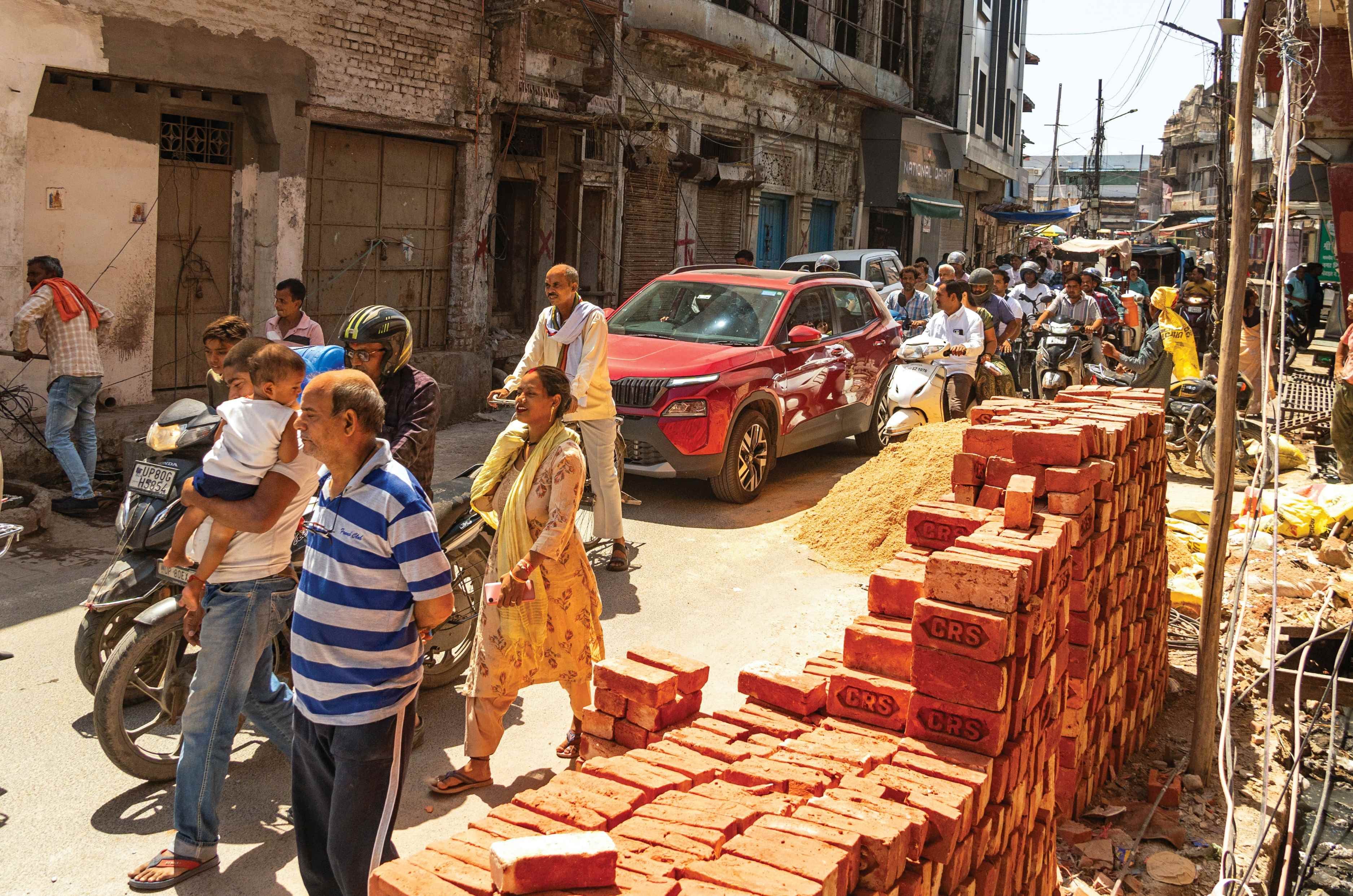
Agra is synonymous with the Taj Mahal, but the Agra Fort – from which you can see the Taj in the distance – is just as mesmerising. The detailing and architecture are second to none, and you could spend hours walking through its courtyards and passages, taking endless pictures. We, of course, also made it to the Taj itself, amid the hordes of tourists, if only to avoid the guilt of visiting Agra without a shot of the world-famous white dome. Tourism done, it was time for some petha – though the lanes near the petha shops seemed to be the exact width of the Kylaq, and that’s where peak anxiety set in. We got out of the mess, walked around the car to check for scratches and scribbles, and sighed in relief. India was adding to the tension, and we were barely halfway through it.
Agra’s narrow lanes were a nightmare to drive through.
Our next stop from Agra was foodie heaven – Lucknow. The biryanis, kebabs, and tandoors were exactly what we expected, and exactly what Lucknow delivered. Finding your way here is easy – you could do it blindfolded, following the smoke and sizzle to wherever you need to be. Tunday Kababi is a must, and after a heap of biryani laced with kebabs, a long walk through the countless chikankari shops helps burn off some of the calories.
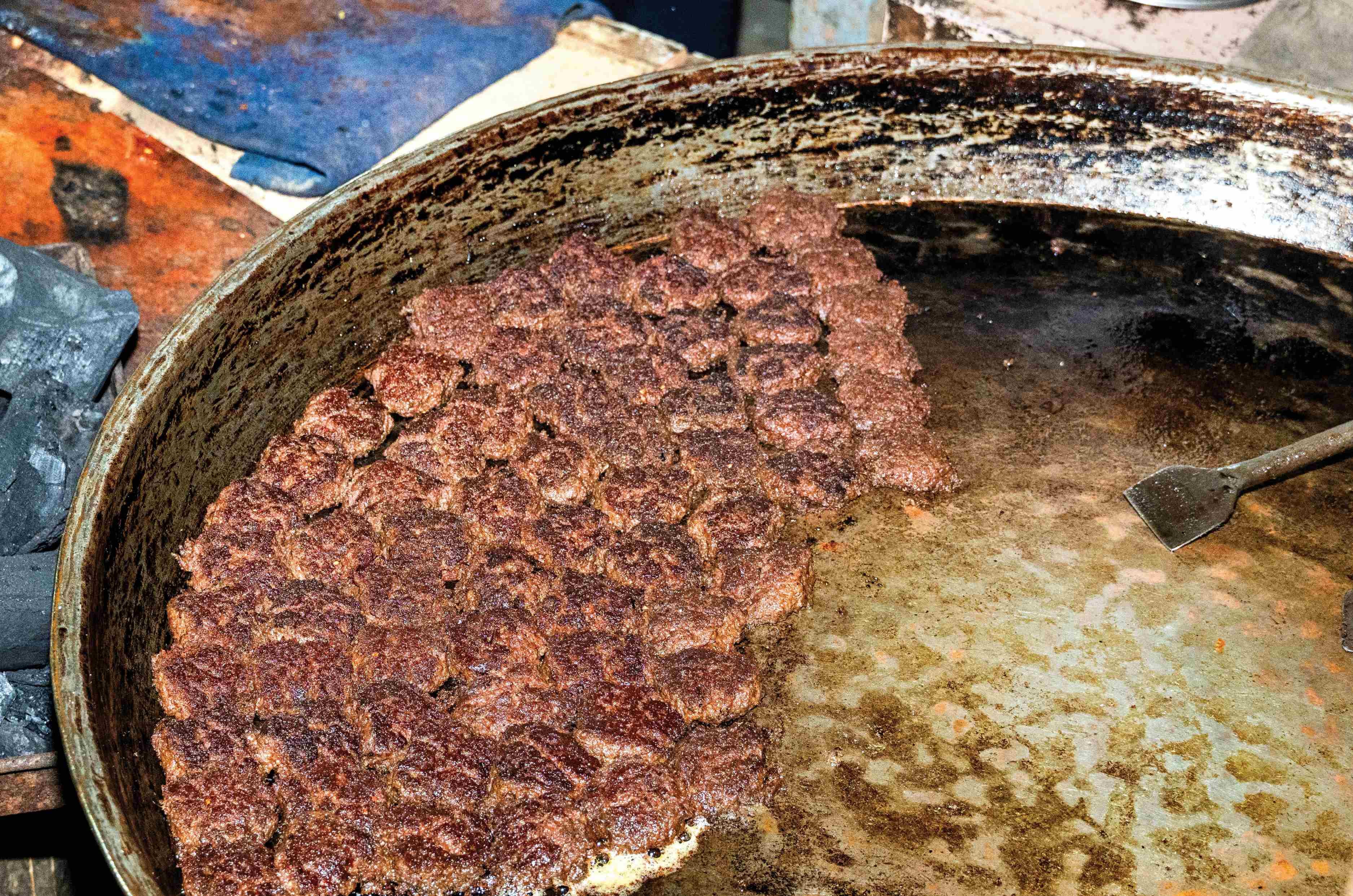
Lucknow’s Tunday Kababi still has us drooling over Galouti kebabs.
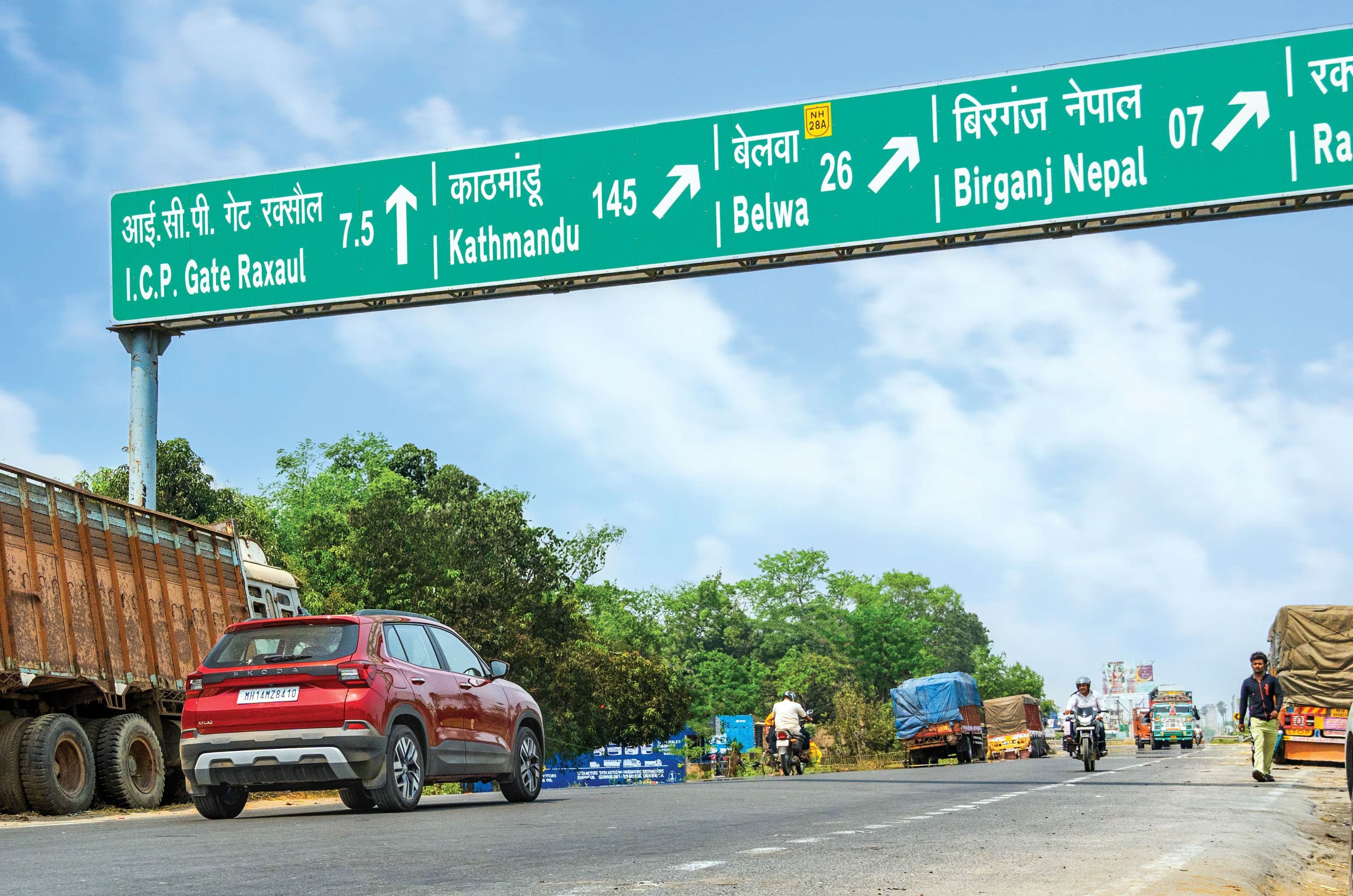
We were closing in on the end of the India leg, with one last stop in Gorakhpur before the Nepal border. To celebrate, a group of Skoda owners, officially known as the ‘Fans of Skoda’ joined us for a celebratory convoy as we drove out – everything from Octavia RS models to Kodiaqs and Kushaqs turned up as a send-off before we went international. The loud, chaotic border towns past Gorakhpur delivered one final challenge as we exited through Raxaul.
Final stretch before the Kylaq left India for the first time.
The India-Nepal border is still raw and basic, with none of the high-tech systems you might expect. A drive of this scale comes with a mountain of paperwork – visas, carnets, insurance, and more – and sifting through all of it manually takes a while. After a gruelling five hours, the Kylaq crossed out of India for the very first time.
Nepal – Old World Charm
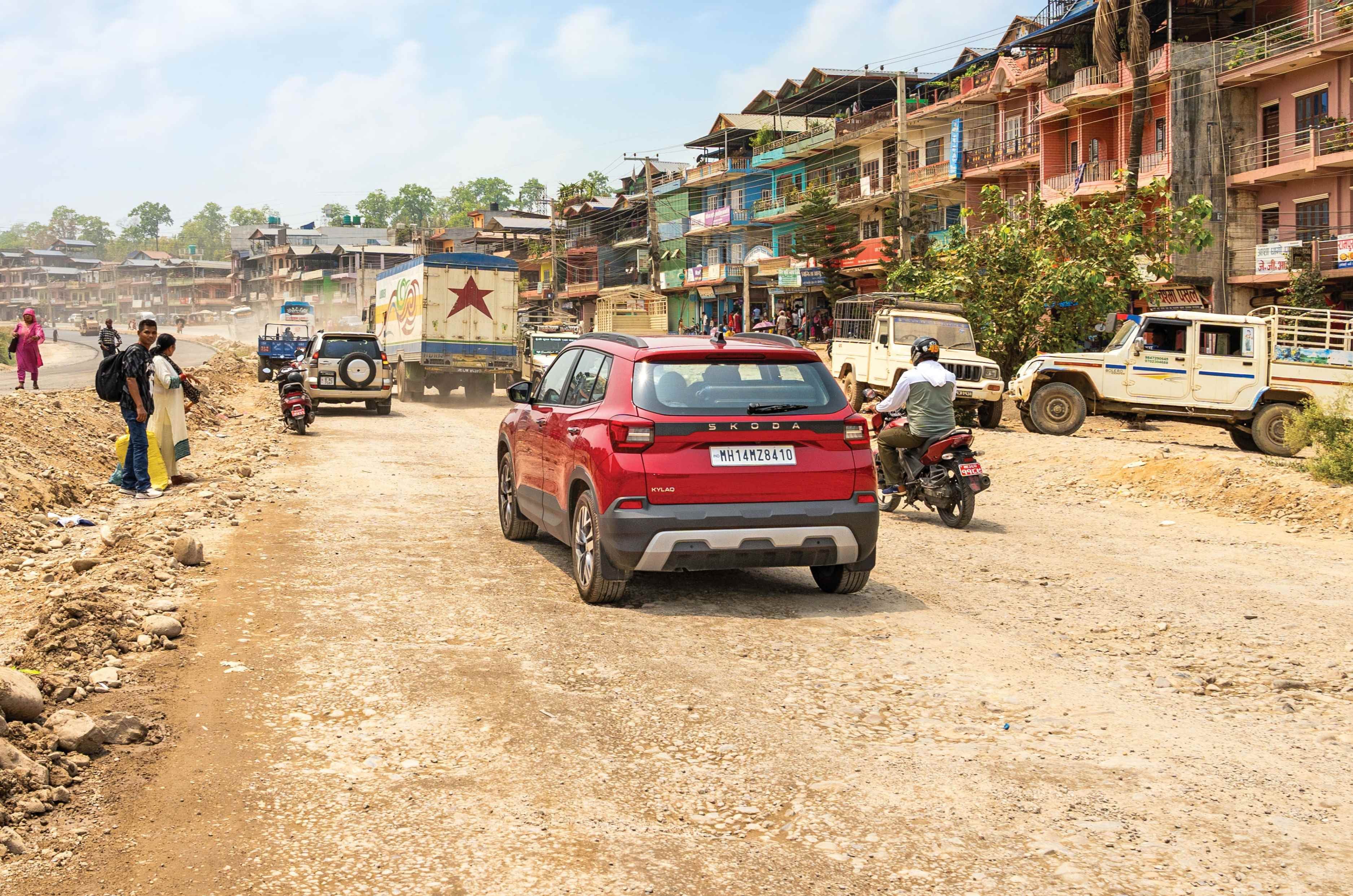
Nepal’s state highways give Indian roads a run for their money.
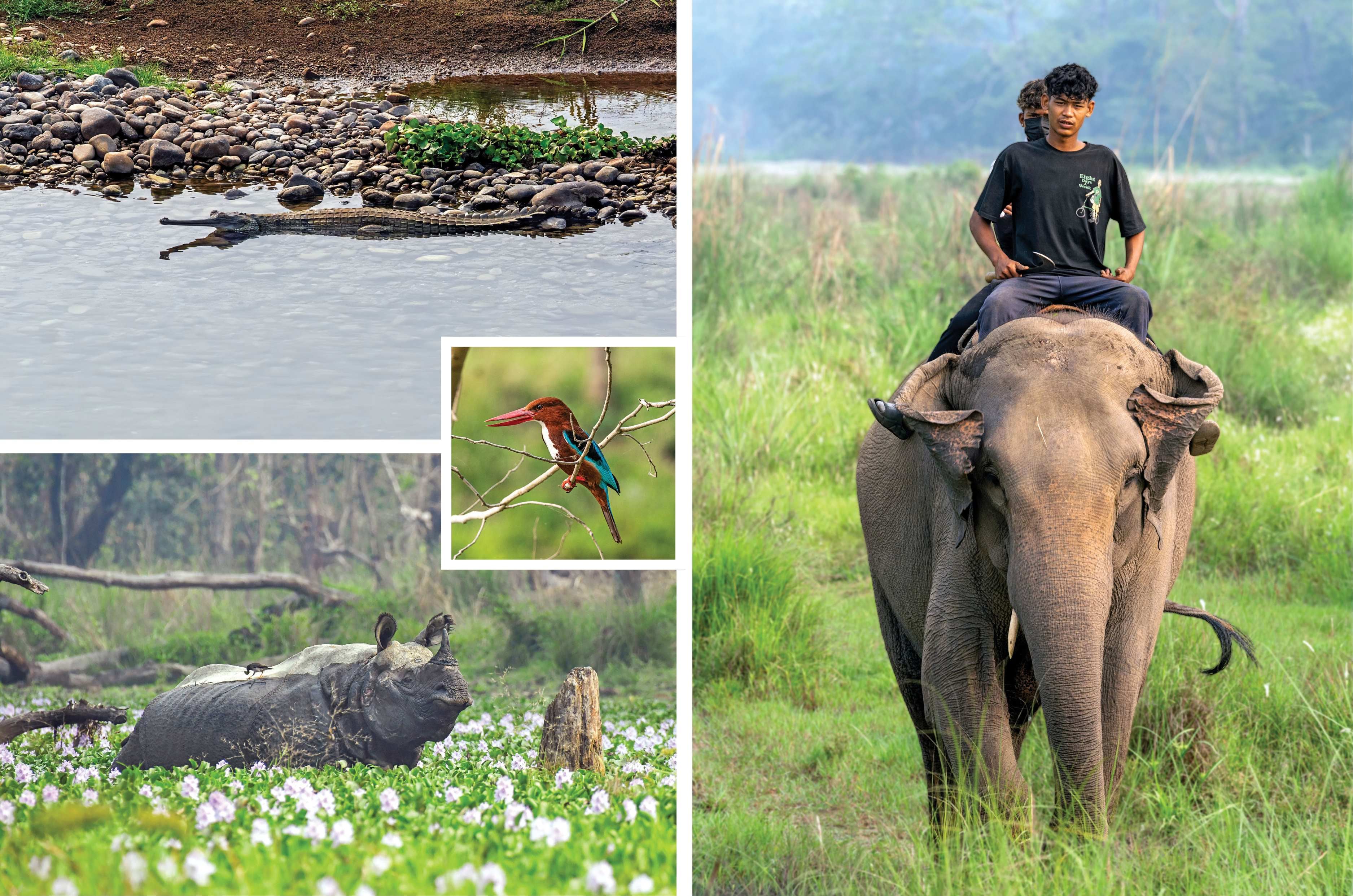
If the Indian side of the border was old-school, Nepal’s immigration post is almost antique. Drive past it, and you’d likely miss it altogether – the only tell-tale sign is a simple gate with ‘Immigration Office’ hand-painted on it. This humble-looking house is, in fact, the immigration office, where, just like on the Indian side, every check is done manually. Fine print, identity proofs, and everything in between were checked meticulously before we were welcomed into Birgunj. Our main draw in Nepal was the bustling capital, Kathmandu, but there were magnificent stops along the way, starting with Chitwan National Park. Home to nearly 700 one-horned rhinos, the park also shelters elephants, Bengal tigers, cobras, the elusive gharial, and abundant flora. The Kylaq would have been fun to explore it in, but we opted for the park’s safari vehicle to relax and take in the surroundings. Paddling a beaten-up wooden kayak past crocodiles and snakes adds a rush, but it’s nothing compared to a rhino staring you down in all its magnificence. The park gave us a welcome break from long hours behind the wheel.
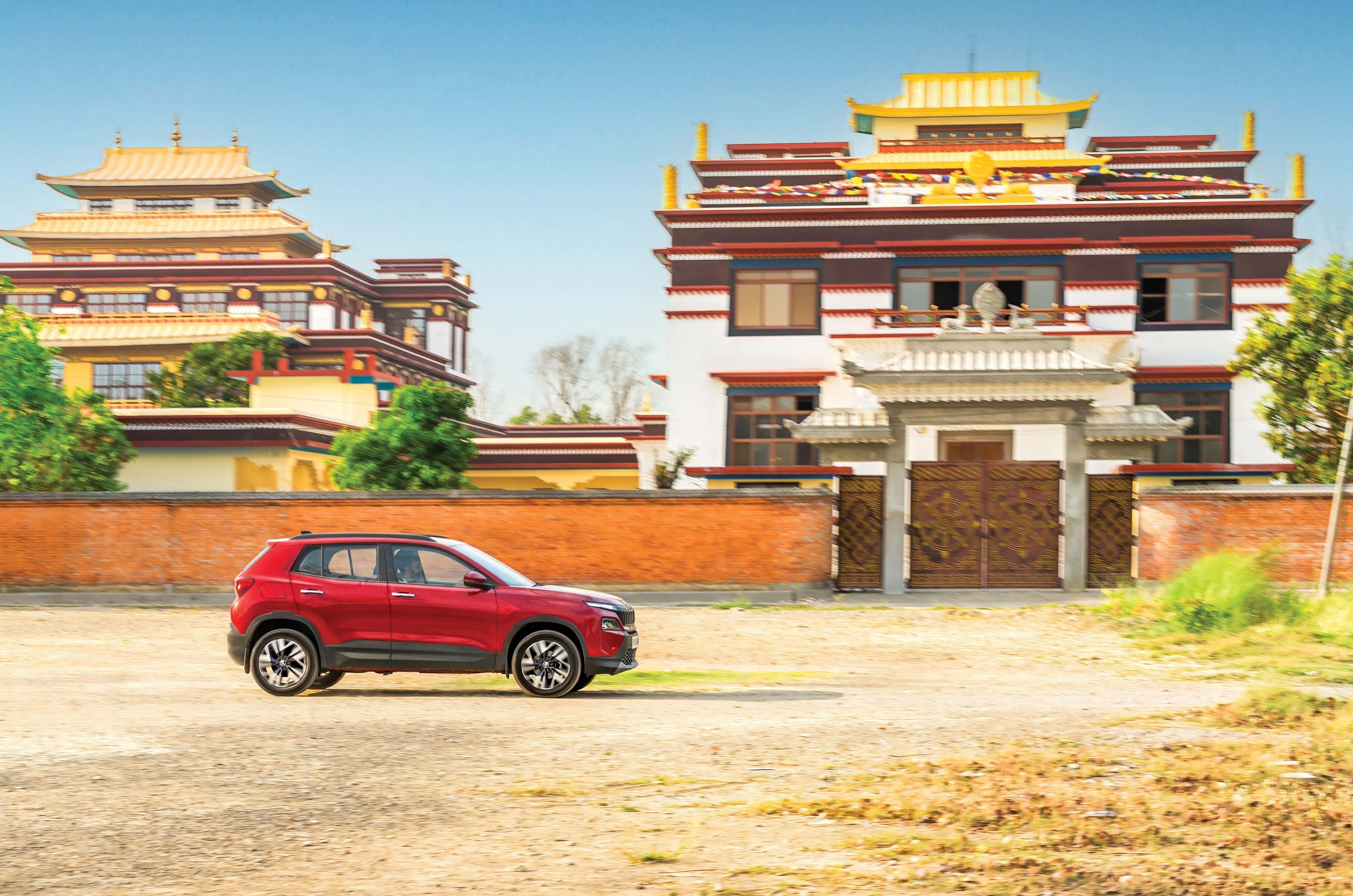
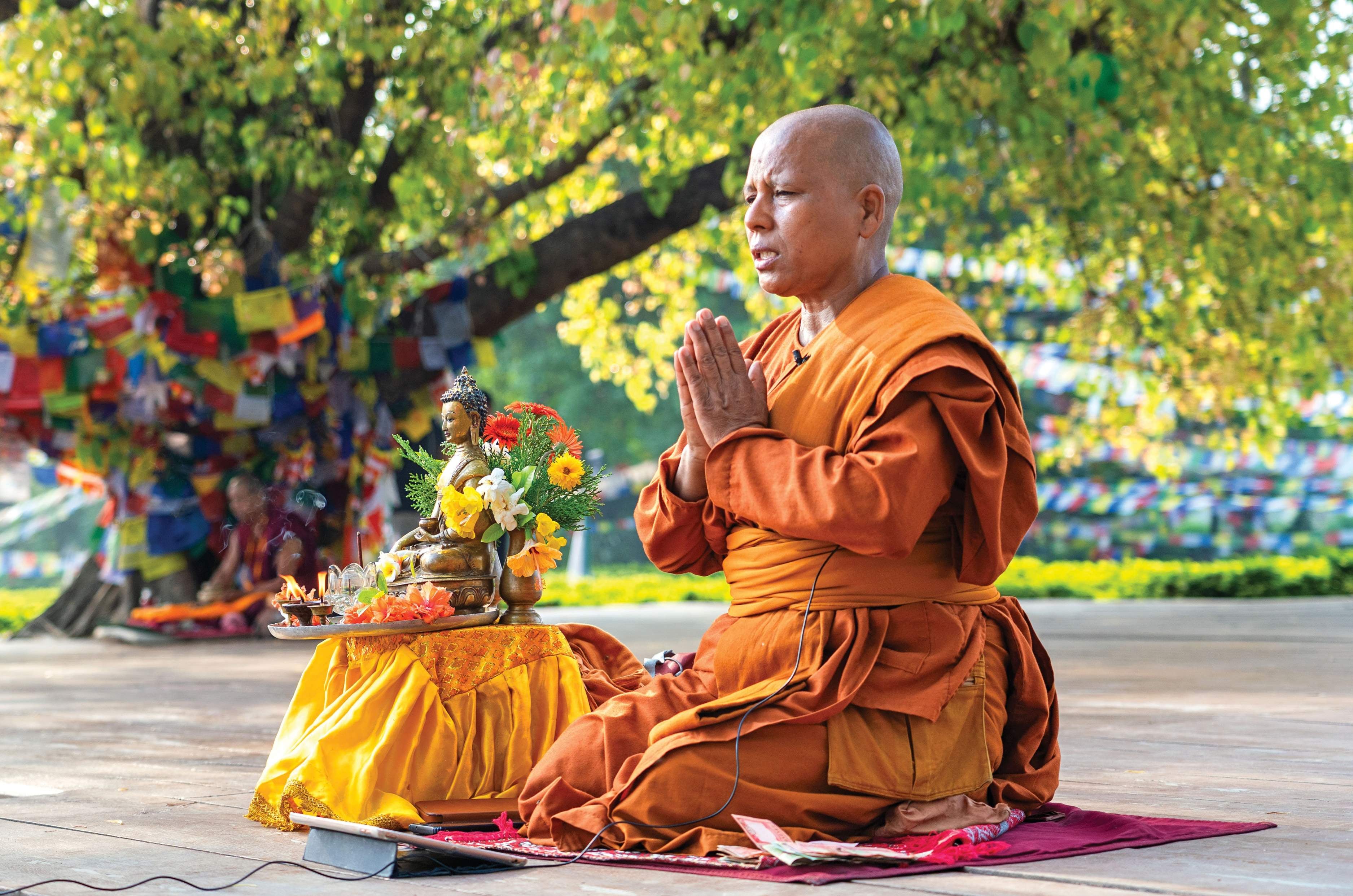
Lumbini is home to 32 unique styles of monasteries.
Next was Lumbini, a spiritual haven and, more importantly, the birthplace of Siddhartha Gautama (Lord Buddha) around 563 BC. Its fascinating monastic zone showcases monasteries built by Buddhist nations from around the world, each reflecting its own culture through design and architecture – a remarkable collection of temples spanning diverse traditions. The feeling of peace there was unlike anything I’d experienced, but it was soon disrupted by the road to Pokhara.
Lumbini provided a moment of calm through the chaos.
Mountain passes are notorious for destroying Google’s ETAs – landslides, breakdowns, and deteriorating roads mean a stretch that should take an hour could take five, depending on your luck. We braced for traffic and drove straight into a landslide clearing. A two-hour wait meant the sun was setting as we rolled into the quaint town of Pokhara. Bustling with cafés and pop culture, it felt like a mini Kathmandu, but with the stunning Phewa Lake turning orange at sunset. The calm that began in Chitwan came full circle on the shores of Phewa Lake.
Chitwan is home to the gharial and over 700 one-horned rhinos.
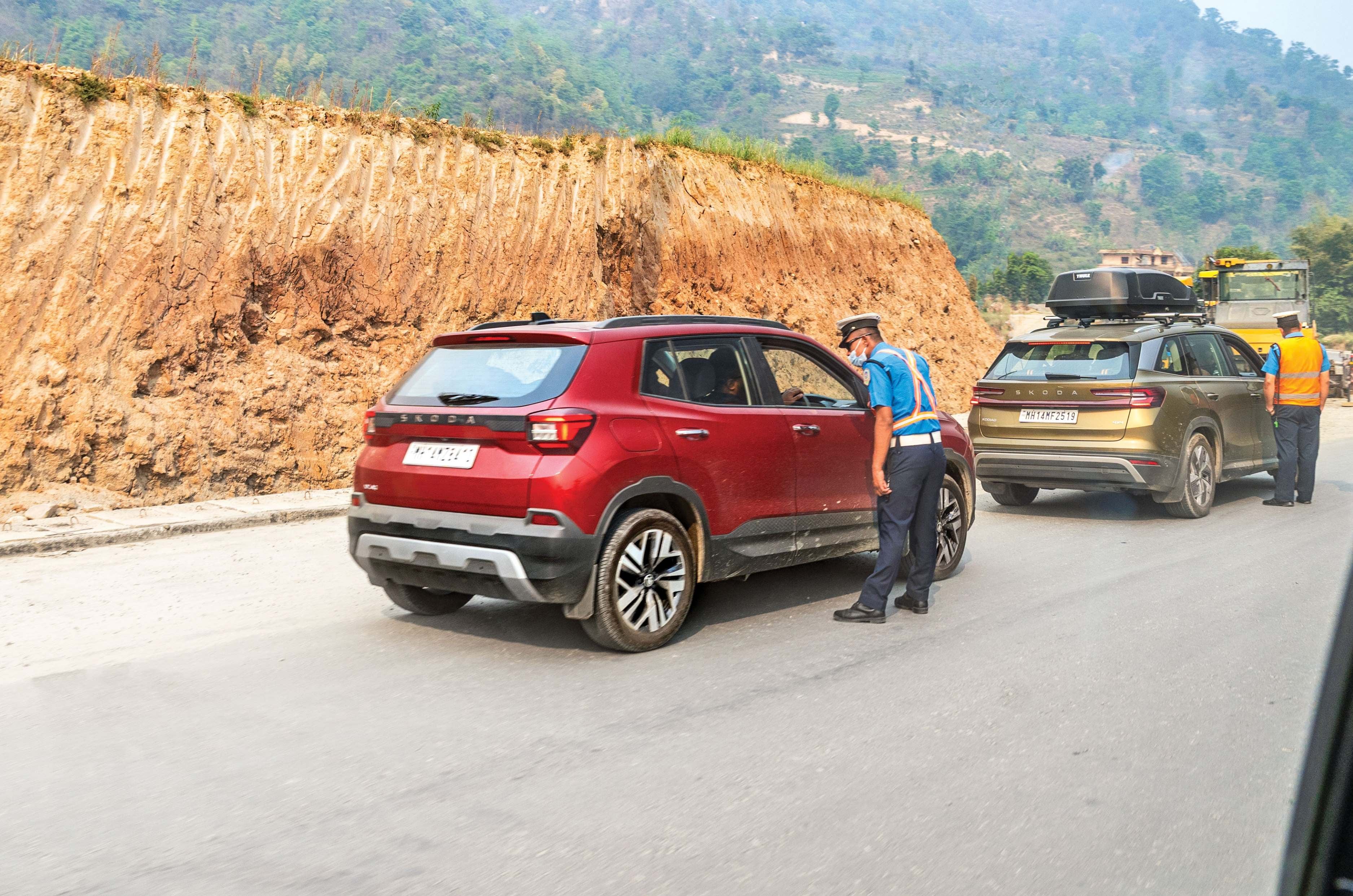
Kathmandu, though, was a different animal entirely – every bit a capital city, and a world away from the slow pace of Chitwan or Lumbini. The music is loud, the traffic is hectic, and the city is anything but quiet. Ironically, the only quiet things on the road are the cars – China’s dominance in Nepal is stark, with three in five cars on the road being Chinese EVs. Geely, BYD, and GWM rule the market, with only a handful of Hyundais and Kias as competition.
Authorities were always curious thanks to Indian number plates.
The party scene rules Kathmandu too. At night, the city comes alive as a hub for tourists from around the world. Hiking gear and North Face apparel go for a fraction of the price – and, often, a fraction of the quality – alongside quirky masks and fridge magnets at every tourist stop. Spend a little more time, though, and you’ll find excellent coffee shops and the famous Thakali thali: thick buckwheat porridge with salads, meat, and plenty of flavour. Good thing too, since walking through Durbar Square works up quite an appetite. Partly destroyed by the devastating 2015 earthquakes, the temples have since been restored to their former glory, though you can still spot the scars in a few bent pillars and roofs. It’s a culture and tradition worth preserving, and Nepal deserves credit for doing exactly that.
Birgunj-Sino-Nepal Border in numbers
Distance covered
922km
Fuel consumed
115.96 litres
Average fuel economy
7.13kpl
Approximate fuel cost
Rs 15,846
Average per-litre fuel cost
Rs 136.65
Total time driven
34hrs 25min
Average speed
27kph
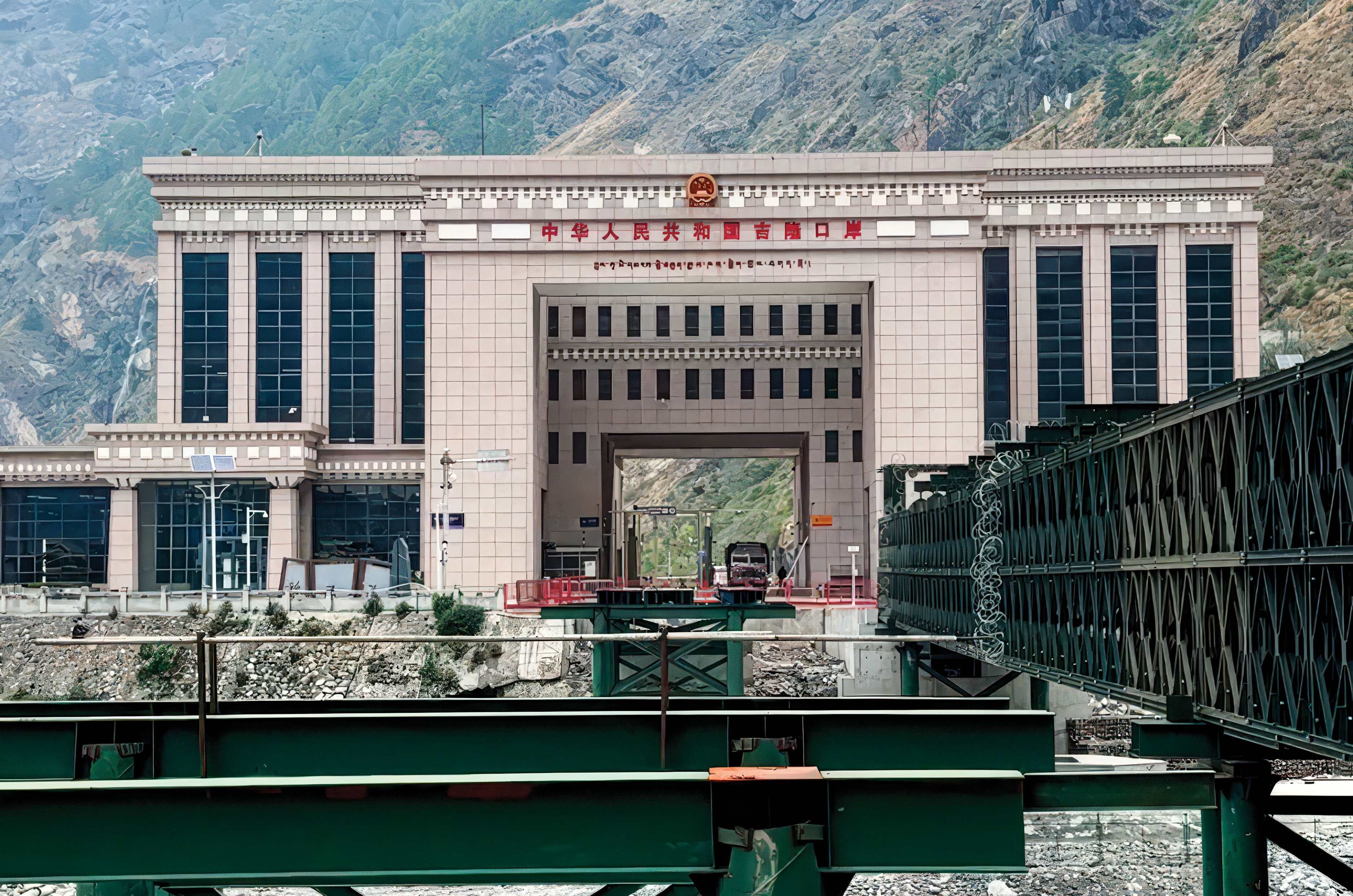
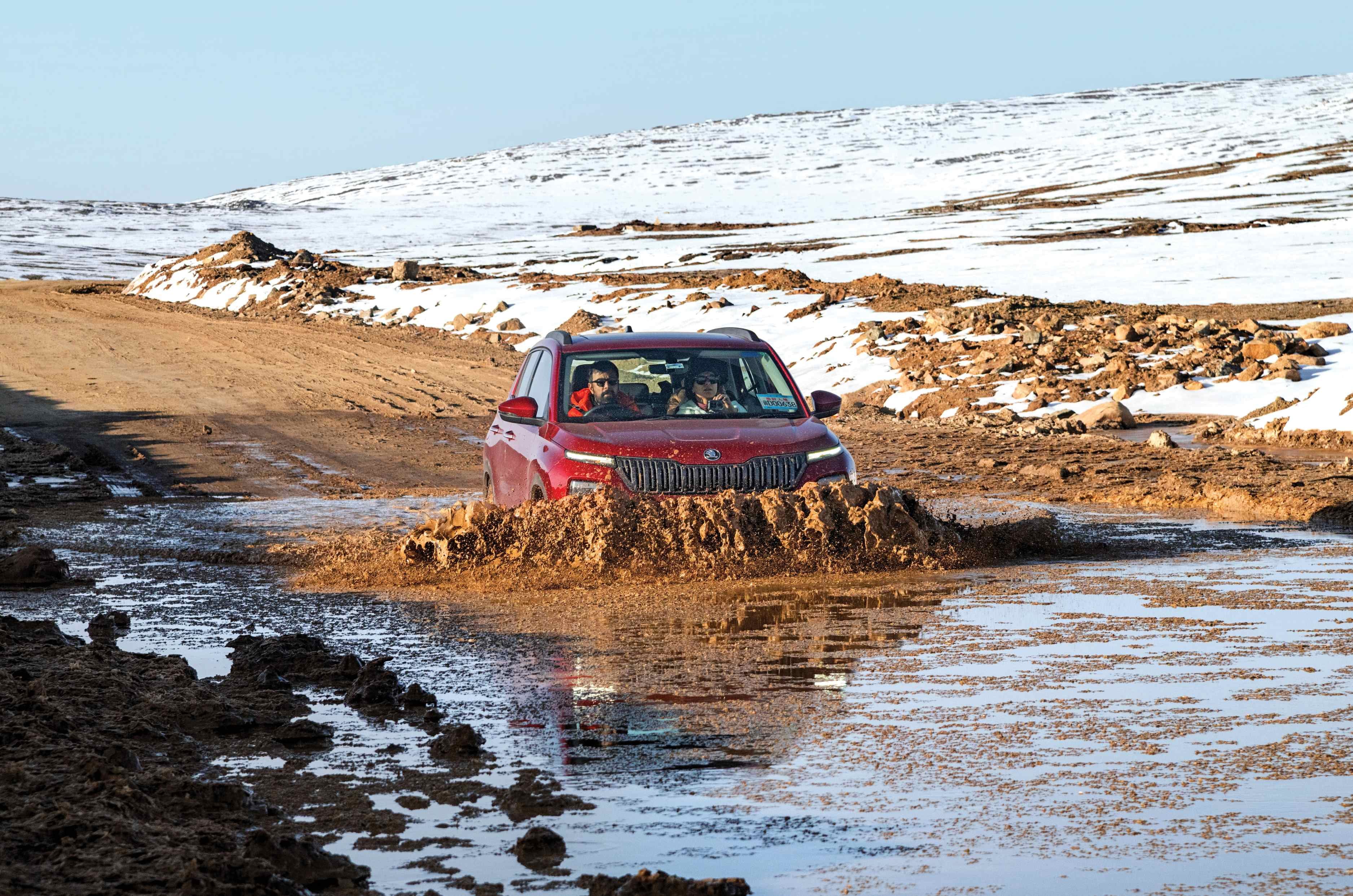
With Kathmandu explored, we headed towards our second border crossing – and this one was far more intense. Once we left Kathmandu, we left the tarmac behind too. Muddy back roads, still wet from the previous night’s rain, meant slush and a constant need for 4WD. Even so, though packed to the brim with luggage, the Kylaq stayed light enough and had enough clearance to pick its way around the mud on the approach to the Rasuwa Bridge. From there, you can see the Chinese immigration building towering over everything around it. With the Kylaq thrumming with excitement, we crossed into Tibet – the roof of the world.
Tibet/China – Roof of the World
China’s border crossing is as imposing as it gets.
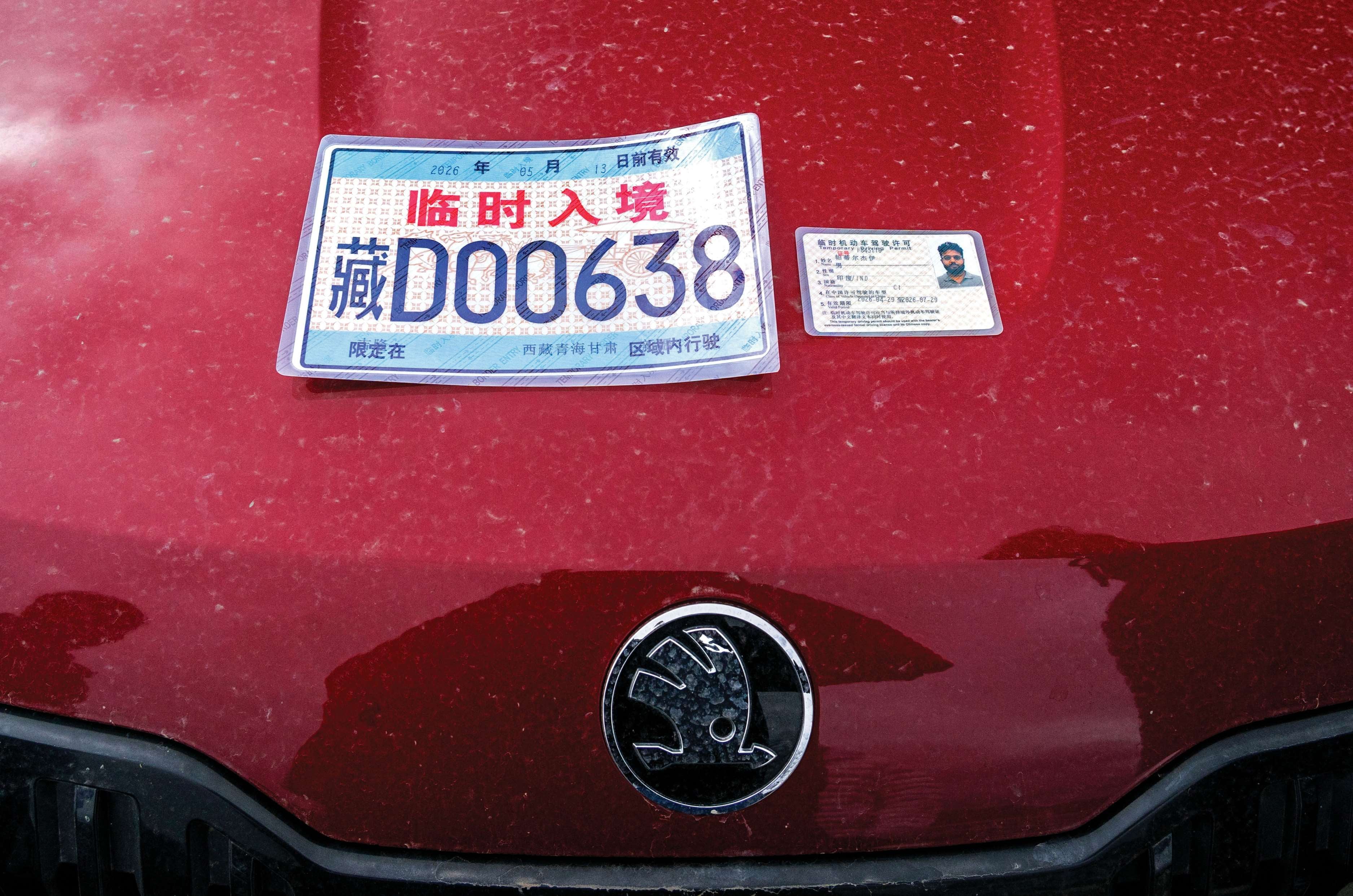
Crossing into Tibet felt like crossing into the future. For a region tucked deep into the mountains, it’s exceptionally developed – the roads are smooth and well-signed from the moment you cross the bridge, barely a hundred metres before the immigration office. In China, we weren’t taking any chances, knowing any misstep here could jeopardise the rest of the journey. After answering the customs officers honestly – and impressing them with the scale of the Kylaq’s challenge – we entered the lovely town of Gyirong. Old Chinese architecture, plenty of red, and signboards we couldn’t quite read were early signs that we really were in a different world now. Nepal had shared plenty with India – the cars, the food, the roads – but China felt entirely its own. We thought we’d seen our share of speed cameras, but China put us to shame – they appear every 50 metres or so, complete with flashes. There’s simply no room for error, and you’re monitored everywhere you go – aneerie feeling that takes some getting used to. Another non-negotiable is to obtain a special driving licence for every person that will be driving and a China-specific number plate, which you have to place on your dashboard so the cameras can pick up any infringements. A regular India-style RTO office with long queues and a lack of urgency got us homesick for a bit.
Local license and registration are non-negotiables in China.
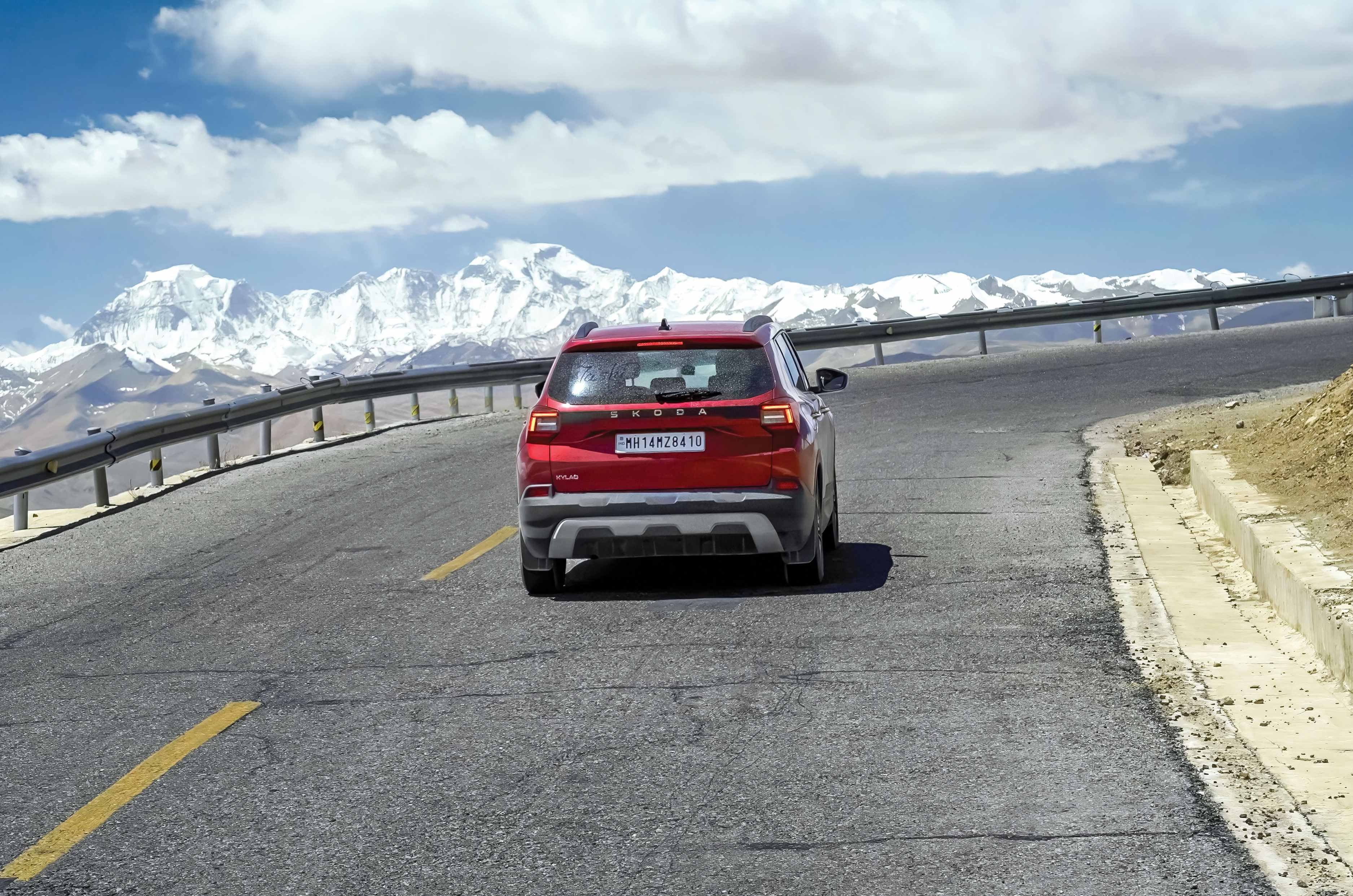
A few mugs of hot ginger-lemon tea eased us into the chill, and we set off for Mount Everest Base Camp. High altitudes are usually punishing for small-capacity engines, but thanks to its turbocharged engine, the Kylaq barely broke a sweat, buzzing through the passes. Its 6-speed automatic had been a great convenience through the chaos of India and Nepal, but the winding mountain roads and immaculate tarmac meant I could switch to manual and take control via the paddle shifters. Paddle-shift response is often sluggish, but not here – the shifts were quick, and the taut suspension held its ground even through tight hairpins.
Everest hove into view long before we made it to base camp.
It made for a great drive and great footage, right up until we spotted the peak in the distance. Even from afar, Everest is breathtaking, and mercifully the clouds stayed clear as we got closer. You can’t take a car near base camp itself – a one-hour bus ride covers that final stretch. It’s strange how you lose your breath as you approach Everest – partly the thin air and altitude, but you’d lose it all the same just from the view. Words don’t do it justice, and don’t be surprised if you shed a tear or two – it’s overwhelming.
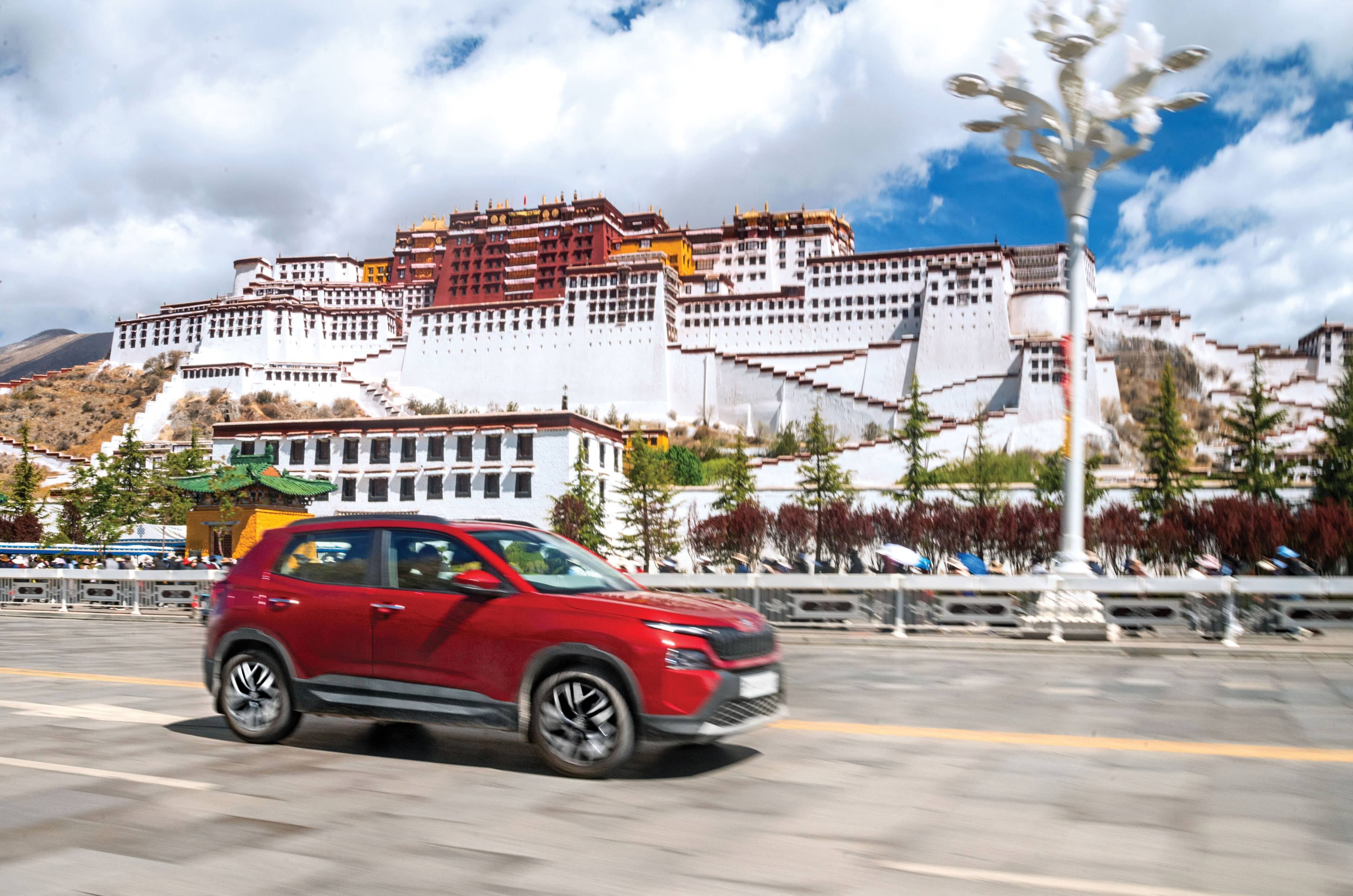
Stunning Potala Palace; once home to the Dalai Lamas.
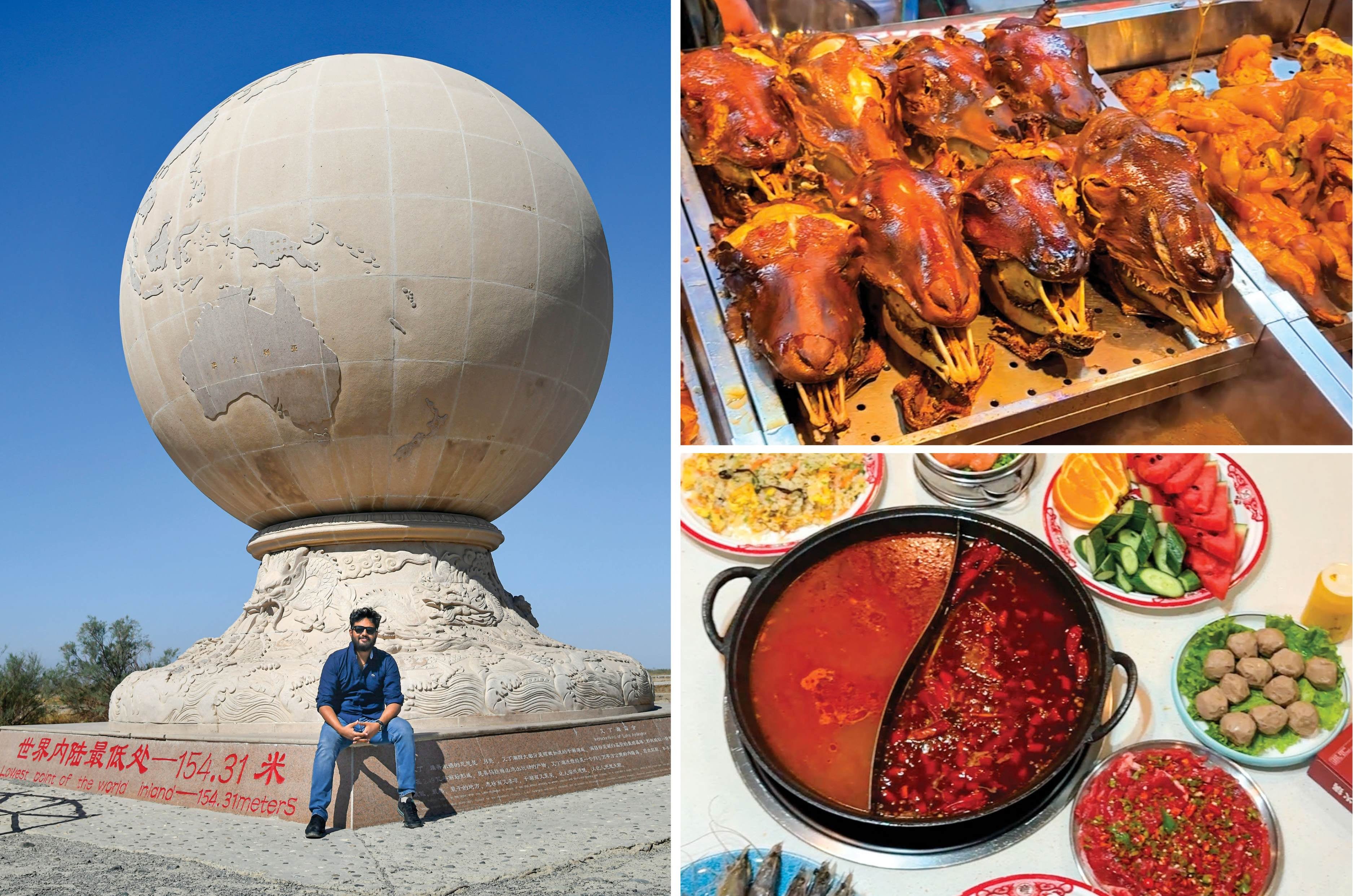
With Everest ticked off, it was time to take on China’s vastness. We headed to Lhasa, the spiritual capital of Tibet, home to the grand Potala Palace. Once home to monks and lamas, this stunning palace holds incredible history and artefacts – spiritual or not, its significance to the country’s history is unmistakable. The drive kept revealing itself through unique food, dialects, faces, and even geography. One day we were freezing thousands of feet above sea level; days later, in Turpan, we were below sea level in blistering heat. From boiling hotpots to grocery-store instant noodles, China pushed us well outside our comfort zone, and the Kylaq wasn’t spared either.
L: From EBC’s high to Turpan Depression’s low – Jay was at 154m below sea level here. R: Street food in China not for the faint-hearted.
Two full days on the way to Golmud were entirely off-road, taking over 13 hours of driving, with our average speed dropping to 18kph as the Kylaq waded through water up to its bonnet and emerged without complaint.
In China, you get perfect roads or, simply, no roads.
A stretch that would have broken most cars left the Kylaq unscathed. China hit hard, but the Kylaq hit back harder. From day one, it had faced challenge after challenge, and from day one, it had come out on top. Three countries in, it still carried the same zeal it started with – and while we were rattled, it stood strong each night, ready for the next day.
Bank Holiday 2 October: आज शुक्रवार, 2 अक्टूबर को देशभर के सभी सरकारी, प्राइवेट, क्षेत्रीय और ग्रामीण बैंक बंद रहेंगे। भारतीय रिजर्व बैंक (RBI) की छुट्टियों की आधिकारिक सूची के अनुसार, 2 अक्टूबर को राष्ट्रीय अवकाश होने के कारण पूरे भारत में बैंकों में कामकाज नहीं होगा। अगर आपको आज बैंक से जुड़ा कोई जरूरी काम निपटाना है, तो यह खबर आपके लिए बेहद काम की है।
क्यों बंद रहेंगे बैंक?
2 अक्टूबर को राष्ट्रपिता महात्मा गांधी की जयंती और पूर्व प्रधानमंत्री लाल बहादुर शास्त्री की जयंती है। यह देश के तीन प्रमुख राष्ट्रीय अवकाशों में से एक है। इस अवसर पर आरबीआईके नियमों के तहत देश के सभी राज्यों और केंद्र शासित प्रदेशों में बैंक पूरी तरह से बंद रहते हैं।
अक्टूबर में छुट्टियों की भरमार
अक्टूबर का महीना त्योहारों से भरा हुआ है। दुर्गा पूजा, दशहरा और महालया जैसे बड़े त्योहारों के चलते अक्टूबर में अलग-अलग राज्यों में बैंकों की कई दिनों की छुट्टियां रहेंगी। आरबीआई द्वारा जारी अक्टूबर 2026 की छुट्टियों की लिस्ट:
2 अक्टूबर (शुक्रवार): गांधी जयंती (पूरे भारत में बंद)
10 अक्टूबर (शनिवार): महालया अमावस्या / दूसरा शनिवार (बेंगलुरु, कोलकाता और देशभर में)
11 अक्टूबर (रविवार): साप्ताहिक अवकाश (पूरे भारत में बंद)
17 अक्टूबर (शनिवार): महा सप्तमी (अगरतला)
18 अक्टूबर (रविवार): साप्ताहिक अवकाश (पूरे भारत में बंद)
31 अक्टूबर (शनिवार): सरदार वल्लभभाई पटेल जयंती (अहमदाबाद)
(नोट: राज्यों के स्थानीय त्योहारों के आधार पर बैंक छुट्टियों में अंतर हो सकता है।)
ऑनलाइन और डिजिटल सेवाएं रहेंगी चालू
बैंक शाखाएं बंद रहने के बावजूद ग्राहकों को वित्तीय लेनदेन में कोई परेशानी नहीं होगी। डिजिटल और ऑनलाइन सेवाएं 24/7 चालू रहेंगी। फंड ट्रांसफर (NEFT, RTGS, IMPS) की सुविधा सुचारू रूप से चलती रहेगी। Google Pay, PhonePe, Paytm जैसी यूपीआई सेवाओं के जरिए डिजिटल भुगतान सामान्य रूप से होगा। कैश निकालने या जमा करने के लिए एटीएम मशीनें चालू रहेंगी।
अगर आपको चेक क्लियरिंग या शाखा में जाकर कोई कैश डिपॉजिट/विड्रॉल जैसी सेवाएं लेनी हैं, तो इसके लिए अब आपको शनिवार, 3 अक्टूबर को बैंक खुलने का इंतजार करना होगा।
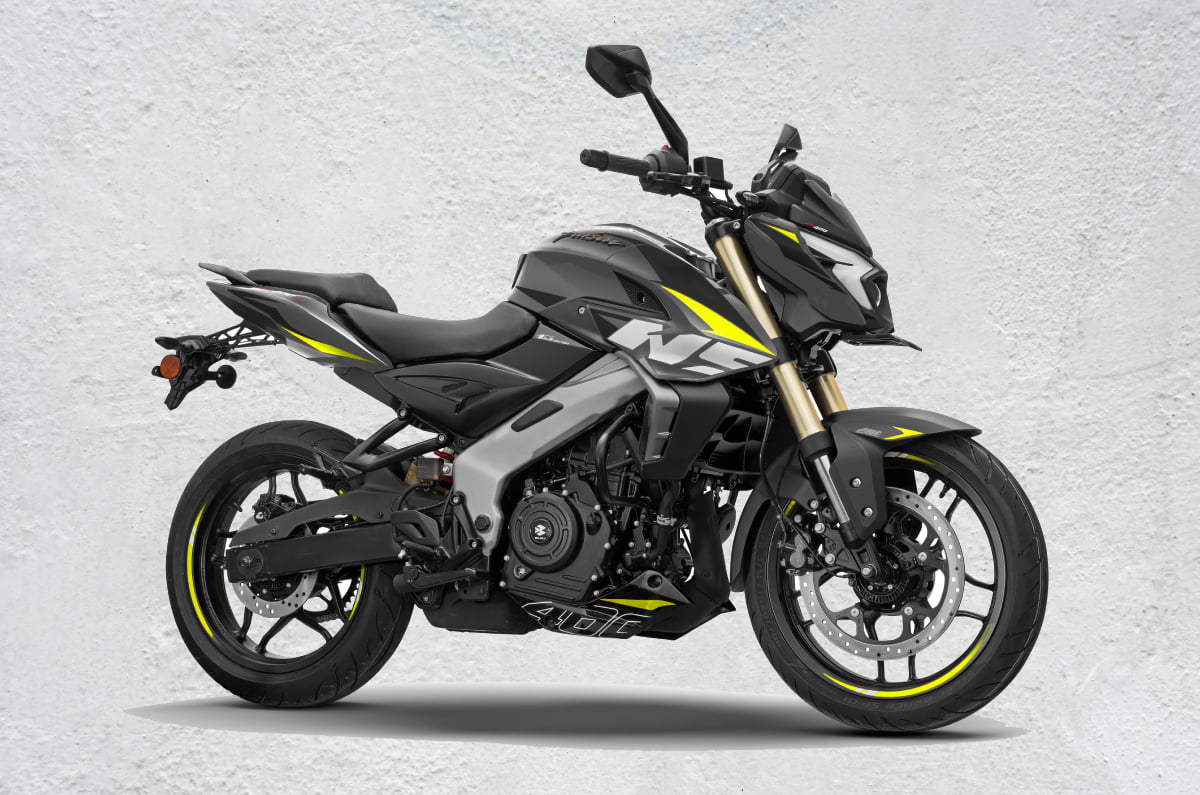
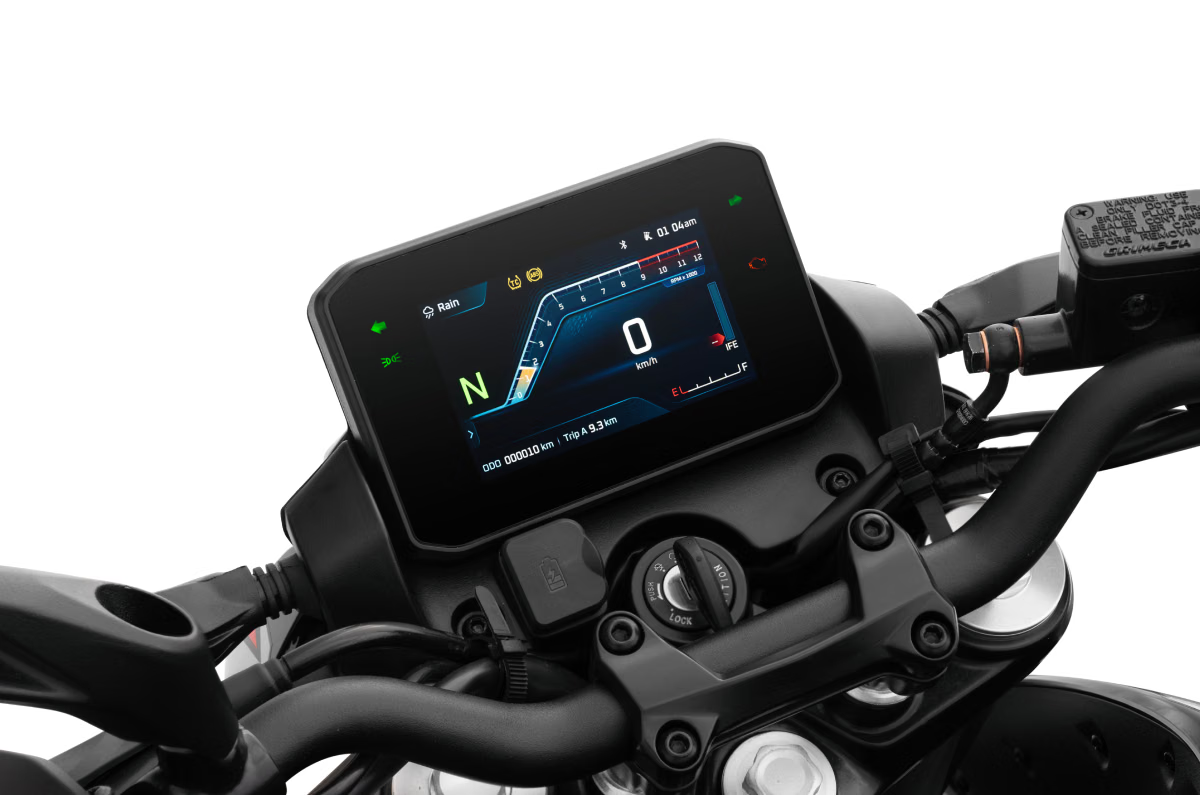
A week after the updated Pulsar NS400Z with a TFT console was spotted at a dealership, Bajaj has officially launched the bike at Rs 1.90 lakh. Aside from the new 5-inch TFT instrument cluster, Bajaj has added a couple of noteworthy features to its flagship model.
Updated NS400Z gets a 5-inch TFT with Google Maps mirroring and music control
Also gains a USB Type-C port and panic brake alert
Costs Rs 4,000 more than the standard NS400Z
Updated Bajaj Pulsar NS400Z details
It’s the same TFT cluster that Bajaj has been rolling out across its Pulsar range
The 5-inch TFT cluster on the updated NS400Z is the same unit Bajaj has progressively introduced across the Pulsar line-up this year: first on the N160 SS, then the Pulsar 125 and 150, and now the NS400Z. The display allows riders to use Google Maps mirroring for turn-by-turn navigation, besides offering music management and document storage. A lap timer is also included. Connectivity is handled via Bluetooth, and a USB Type-C charging port has been added as well. Another addition is a panic brake alert system, which activates the hazard lights under hard braking.
Everything else on the NS400Z remains unchanged. The 349cc single-cylinder liquid-cooled engine continues to produce 40hp at 9,000rpm and 33Nm at 7,500rpm, paired with a 6-speed gearbox. The existing package comprising an electronic throttle body, four ride modes, traction control, 43mm USD front fork, dual-channel ABS and radial tyres has been carried over.
At Rs 1.90 lakh (ex-showroom, Delhi), the model with the TFT console costs a modest Rs 4,000 more than the standard bike.
अमेरिका में एक महिला ने जीवनसाथी खोजने के लिए डेटिंग ऐप की जगह सीधा रास्ता चुना है। नॉर्थ कैरोलिना के शार्लेट में रहने वाली 36 साल की एरिन पैटरसन ने गूगल फॉर्म बनाकर पति के लिए आवेदन मांगे। उन्होंने यह फॉर्म सोशल मीडिया पर शेयर किया है…
त्योहारी सीजन से पहले Amazon अपनी अगली बड़ी सेल Great Indian Festival शुरू करने की तैयारी में है। इस सेल के दौरान स्मार्टफोन, लैपटॉप, टैबलेट और दूसरे इलेक्ट्रॉनिक गैजेट्स समेत कई कैटेगरी के प्रोडक्ट्स पर बड़े डिस्काउंट और ऑफर्स मिलने की उम्मीद है। वहीं, सेल शुरू होने से पहले ही Amazon ने कुछ चुनिंदा डिवाइस की संभावित सेल कीमतों के संकेत देने शुरू कर दिए हैं। इनमें से एक जानकारी Samsung Galaxy Z Fold7 को लेकर है, जिससे पता चलता है कि इस प्रीमियम फोल्डेबल फोन की कीमत में बड़ी कटौती हो सकती है।
फिलहाल, Amazon पर Samsung Galaxy Z Fold7 के 12GB RAM और 256GB स्टोरेज वेरिएंट की कीमत 1,74,999 रुपये लिस्टेड है। हालांकि, Amazon की Great Indian Festival Sale के टीजर से संकेत मिल रहा है कि सेल के दौरान इस फोल्डेबल स्मार्टफोन की कीमत 1 लाख रुपये से कम हो सकती है।
सेल से पहले Samsung Galaxy Z Fold7 की कीमत का टीजर आया
Amazon ने अभी तक Galaxy Z Fold7 की पूरी सेल कीमत का खुलासा नहीं किया है। हालांकि, टीजर में फोन की कीमत को लेकर एक अहम हिंट दिया गया है। टीजर में कीमत 5 अंकों के फॉर्मेट में दिखाई गई है, जिसका आखिरी अंक 9 है। बाकी अंकों को बार लगाकर छिपाया गया है।
इससे पता चलता है कि फाइनल सेलिंग प्राइस मौजूदा छह-अंकों वाली कीमत ₹1,74,999 के बजाय पांच-अंकों वाली होगी। दूसरे शब्दों में, Amazon ₹1 लाख से कम कीमत का संकेत दे रहा है, हालांकि सही आंकड़ा अभी भी छिपा हुआ है।
टीजर में दिखाया गया आखिरी अंक 9 है, जिससे पता चलता है कि फाइनल कीमत शायद 9 पर खत्म होगी। Amazon की मौजूदा लिस्टिंग में Galaxy Z Fold7 की कीमत ₹1,74,999 दिखाई गई है, जबकि इसकी MRP ₹2,04,999 है।
लिस्टिंग में बैंक और पेमेंट से जुड़े अतिरिक्त ऑफर भी दिखाए गए हैं, जिनसे असल कीमत और कम हो सकती है।
Galaxy Z Fold7 के फीचर्स
Galaxy Z Fold7 Samsung का लेटेस्ट बुक-स्टाइल फोल्डेबल स्मार्टफोन है। Amazon पर लिस्ट किए गए मॉडल में 12GB RAM और 256GB स्टोरेज है और यह Snapdragon 8 Elite चिपसेट पर चलता है। फोटोग्राफी के लिए, इस स्मार्टफोन में 200MP का प्राइमरी रियर कैमरा और साथ ही अन्य रियर कैमरे भी दिए गए हैं।
फोन में Samsung के Galaxy AI फीचर्स और Google Gemini का सपोर्ट भी मिलता है। इसमें अंदर की तरफ एक फोल्डेबल बड़ी डिस्प्ले और बाहर की तरफ कवर स्क्रीन दी गई है। फोन को मोड़ने पर इसे सामान्य स्मार्टफोन की तरह इस्तेमाल किया जा सकता है, जबकि खोलने पर बड़ी स्क्रीन का फायदा मिलता है।
Galaxy Z Fold7 की Great Indian Festival में कीमत
फिलहाल, Amazon ने अभी तक Galaxy Z Fold7 की Great Indian Festival सेल की सही कीमत का खुलासा नहीं किया है। हालांकि, टीजर में दिख रही पांच अंकों वाली कीमत ₹1 लाख से कम की ओर इशारा करती है। यह इसकी मौजूदा कीमत ₹1,74,999 से काफी कम होगी और Z Fold7 के लॉन्च के बाद से अब तक का सबसे बड़ा डिस्काउंट होगा।
असली सेल प्राइस, साथ ही बैंक डिस्काउंट, एक्सचेंज ऑफर और दूसरे फायदों के बारे में जानकारी ‘Great Indian Festival Sale’ के दौरान या उससे कुछ समय पहले पता चल सकती है।
क्याआपकोइसेखरीदनाचाहिए?
Galaxy Z Fold7 में स्लिम फोल्डेबल डिजाइन के साथ बड़ी इनर डिस्प्ले, Snapdragon 8 Elite प्रोसेसर और 200MP का प्राइमरी कैमरा मिलता है। इसमें Galaxy AI फीचर्स और मल्टीटास्किंग की क्षमताएं भी हैं, जो इसे उन यूजर्स के लिए सही बनाता है जो एक ऐसा प्रीमियम फोल्डेबल चाहते हैं जो प्रोडक्टिविटी और एंटरटेनमेंट, दोनों को अच्छे से संभाल सके।
आज के समय में स्मार्टफोन खरीदते समय लोग ऐसा फोन चाहते हैं, जिसमें बड़ी स्क्रीन, दमदार बैटरी और अच्छा प्रोसेसर मिले। इसी को ध्यान में रखते हुए Xiaomi ने भारत में अपना नया बजट स्मार्टफोन Redmi 17C 5G लॉन्च कर दिया है। इस फोन में 6.9 इंच की बड़ी डिस्प्ले और 6,000mAh की बैटरी दी गई है। इसके अलावा, फोन में MediaTek Dimensity 6300 प्रोसेसर मिलता है। बता दें कि यह स्मार्टफोन Dark Night, Coffee Brew और Purple Dawn समेत तीन कलर ऑप्शन में उपलब्ध होगा।
Redmi 17C 5G की कीमत और उपलब्धता
भारत में Redmi 17C 5G की शुरुआती कीमत 20,999 रुपये है। यह कीमत फोन के 4GB RAM और 128GB स्टोरेज वाले वेरिएंट के लिए है। वहीं, इसके 6GB RAM और 128GB स्टोरेज वाले मॉडल की कीमत 22,999 रुपये रखी गई है।
इस स्मार्टफोन की बिक्री 7 अक्टूबर को दोपहर 12 बजे से शुरू होगी। ग्राहक इसे mi.com, Amazon.in और Xiaomi के रिटेल स्टोर से खरीद सकेंगे।
Redmi 17C 5G के स्पेसिफिकेशन्स
Redmi 17C 5G में 6.9-इंच का डिस्प्ले है, जिसका रिफ्रेश रेट 120Hz AdaptiveSync तक है। Xiaomi ने इसमें Low Blue Light, Flicker Free और Circadian Friendly व्यूइंग के लिए TÜV Rheinland सर्टिफिकेशन भी शामिल किए हैं, ताकि लंबे समय तक इस्तेमाल करने पर भी स्क्रीन आरामदायक रहे।
Redmi 17C 5G में धूल और पानी से बचाव के लिए IP64 रेटिंग दी गई है। इसके अलावा, फोन में Wet Touch Technology 2.0 भी मिलती है। इसकी मदद से उंगलियां गीली, तैलीय या साबुन लगी होने पर भी फोन की स्क्रीन काम करती रहती है।
इस स्मार्टफोन में 6,000mAh की बैटरी है और यह 33W फास्ट चार्जिंग को सपोर्ट करता है। Xiaomi का कहना है कि इसका स्मार्ट चार्जिंग इंजन समय के साथ चार्जिंग की क्षमता और बैटरी की हेल्थ को बेहतर बनाने के लिए बनाया गया है।
कंपनी के अनुसार, इंटरनल टेस्टिंग के आधार पर, 1,000 बार पूरी तरह चार्ज होने के बाद भी बैटरी अपनी क्षमता का कम से कम 80% बनाए रख सकती है।
परफॉर्मेंस की बात करें तो, यह डिवाइस MediaTek Dimensity 6300 प्रोसेसर पर चलता है। इसमें 6GB तक की फिजिकल RAM मिलती है। इसके अलावा, फोन में Memory Extension फीचर भी दिया गया है। इसकी मदद से RAM को बढ़ाकर 12GB तक किया जा सकता है, जिससे एक साथ कई ऐप इस्तेमाल करने पर फोन आसानी से काम कर सकेगा।
फोटोग्राफी के लिए, Redmi 17C 5G में 50MP का AI रियर कैमरा है, जिसमें Ultra HD, Portrait और Night Mode जैसे फीचर्स हैं। इसमें सेल्फी और वीडियो कॉल के लिए 8MP का फ्रंट कैमरा भी है।
यह फोन HyperOS 3 पर चलता है और Xiaomi इंटरकनेक्टिविटी, कॉल सिंक और शेयर्ड क्लिपबोर्ड जैसे फीचर्स को सपोर्ट करता है। इसमें उपलब्धता और डिवाइस की कम्पैटिबिलिटी के आधार पर Google Gemini और Circle to Search भी मिलते हैं।
अन्य फीचर्स में साइड-माउंटेड फिंगरप्रिंट सेंसर, 3.5mm हेडफोन जैक और 200% वॉल्यूम बूस्ट शामिल हैं।