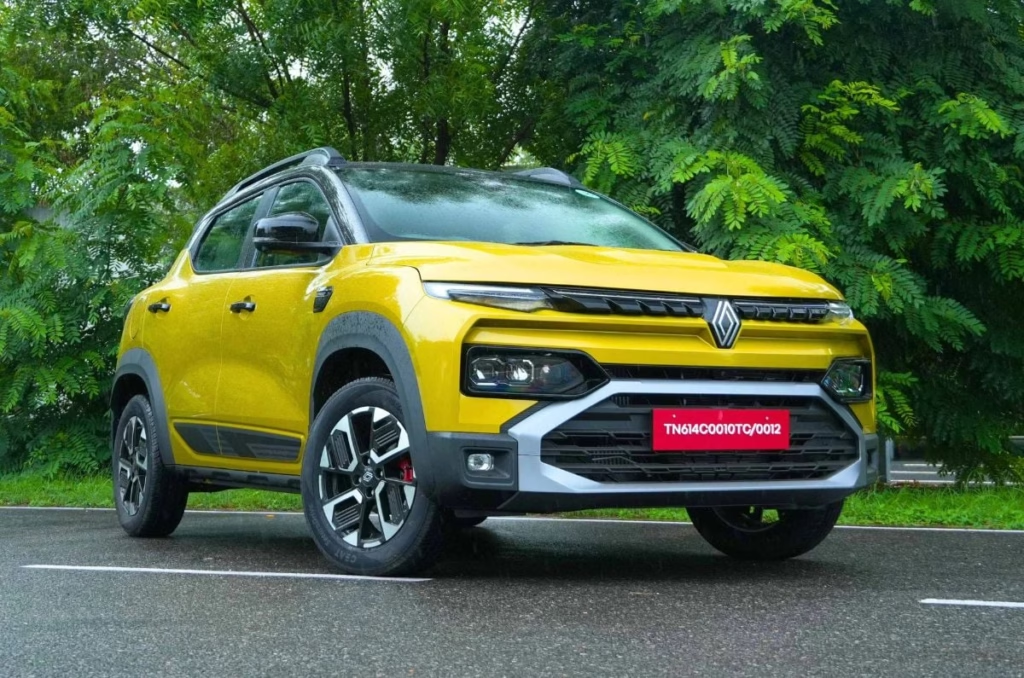
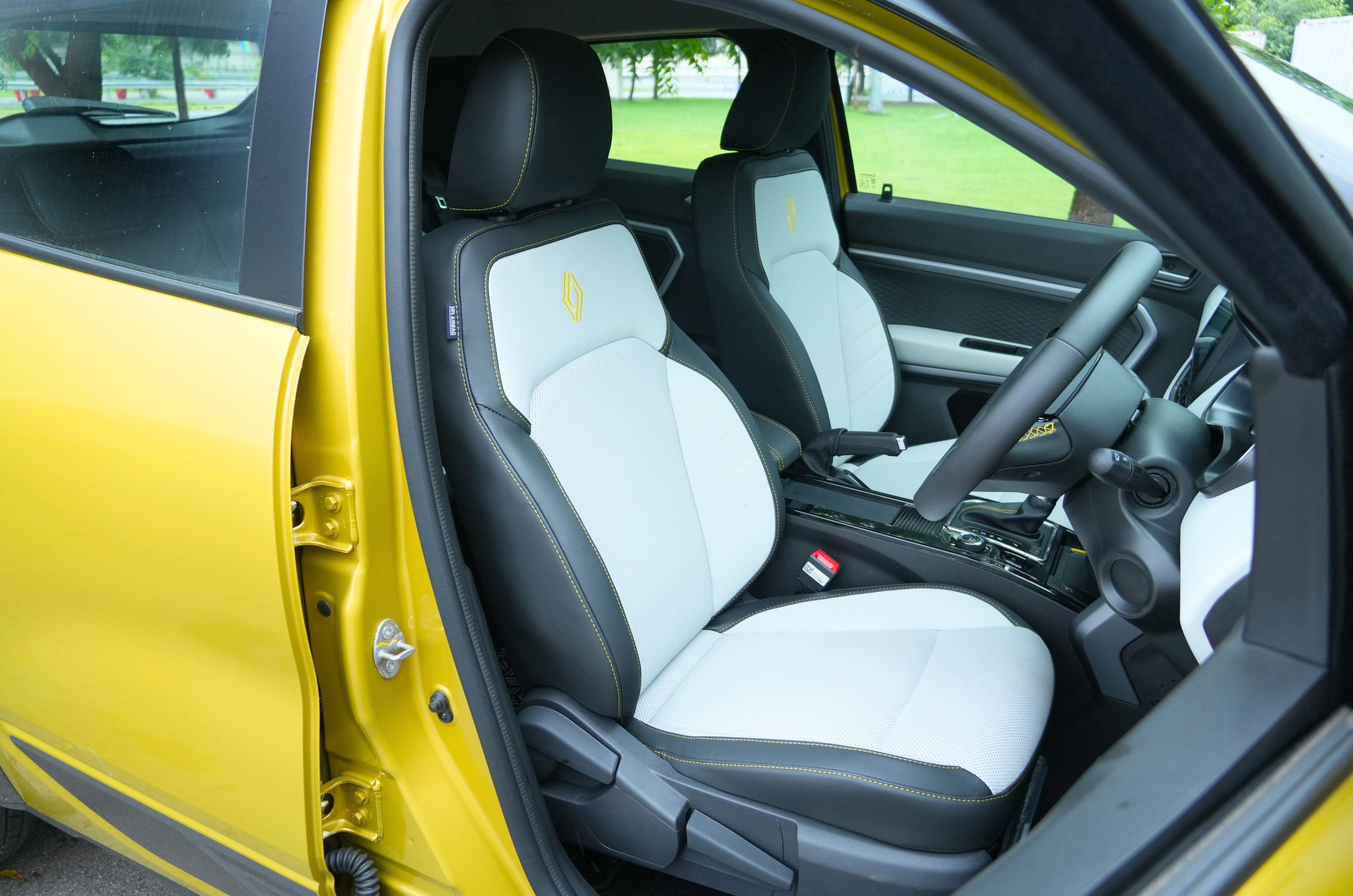
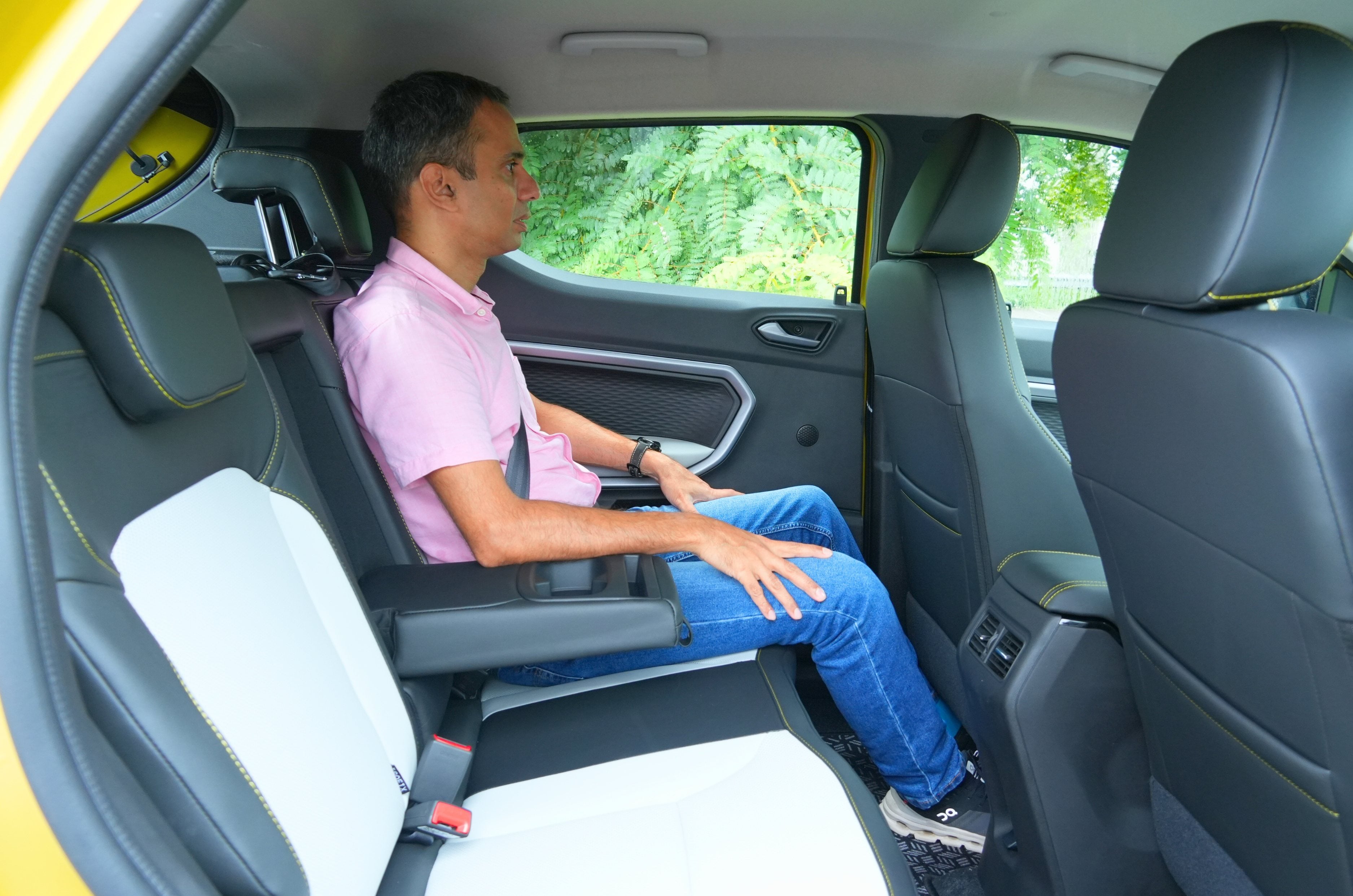
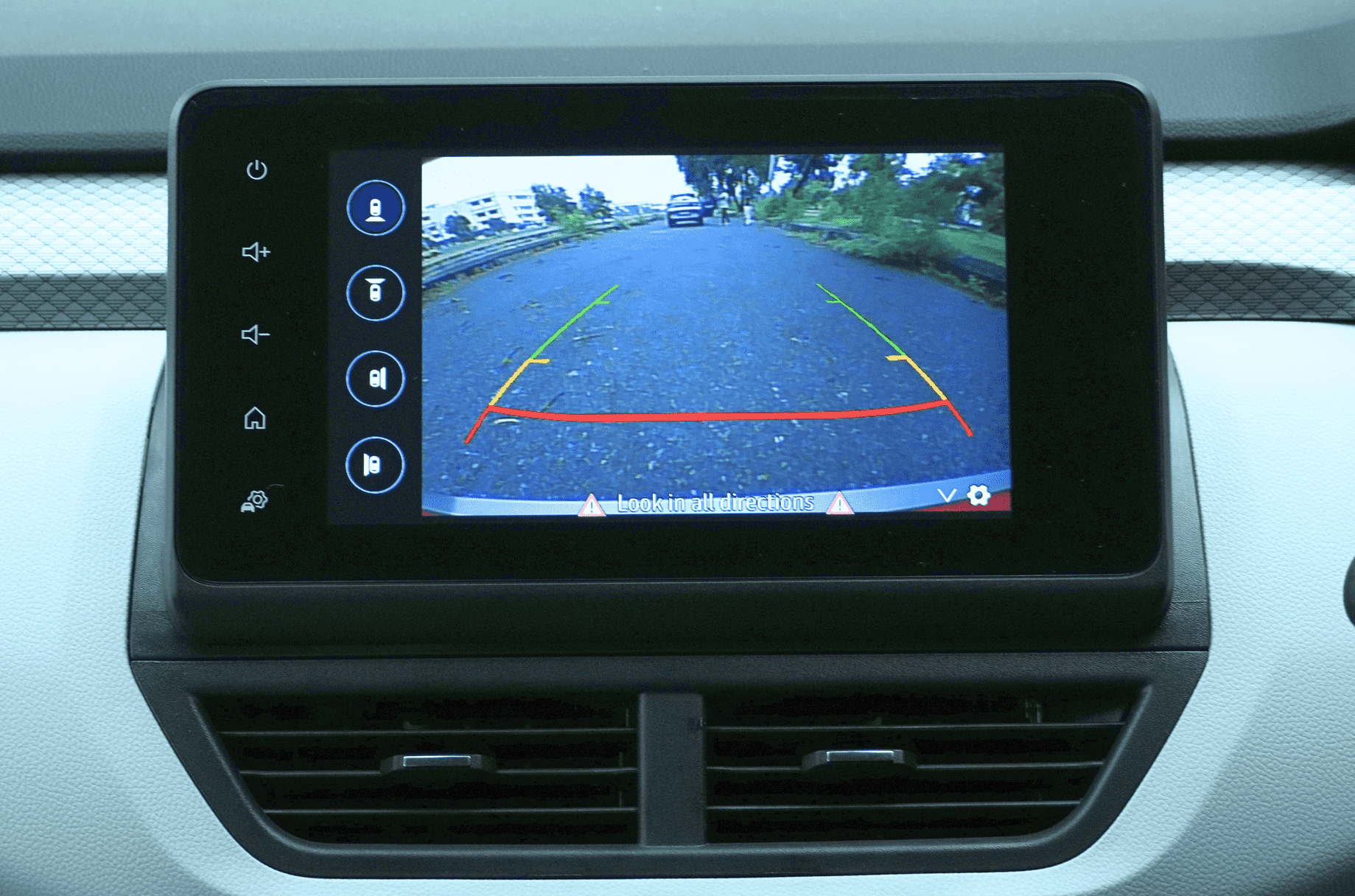
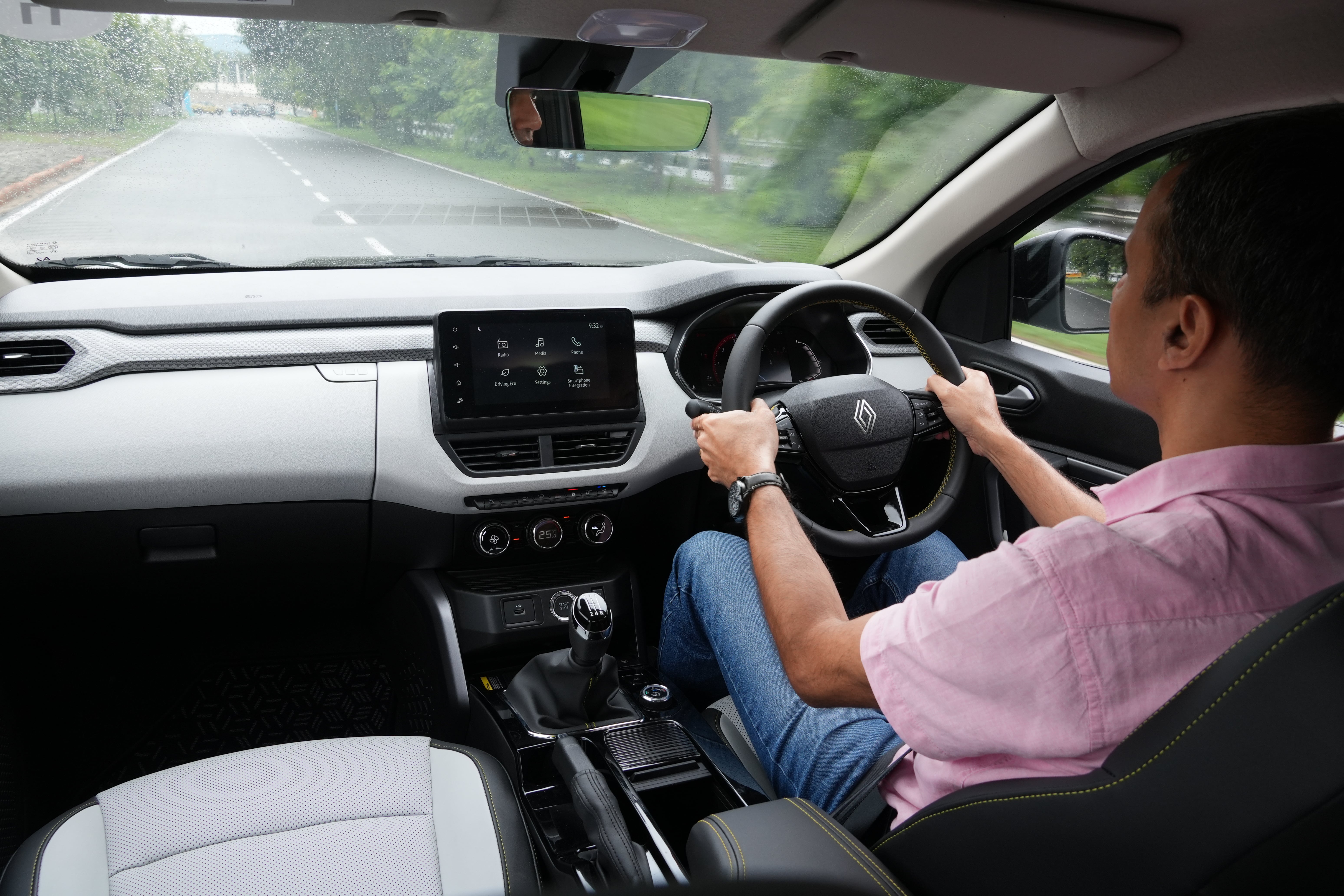
The Renault Duster will get a strong-hybrid powertrain in India on October 17, joining the existing 1.0-litre and 1.3-litre turbo-petrol options. Bookings are open for Rs 21,000. Here’s what to expect from the new hybrid variant, including its powertrain, features and rivals.
1. What is the claimed mileage of the Renault Duster hybrid?
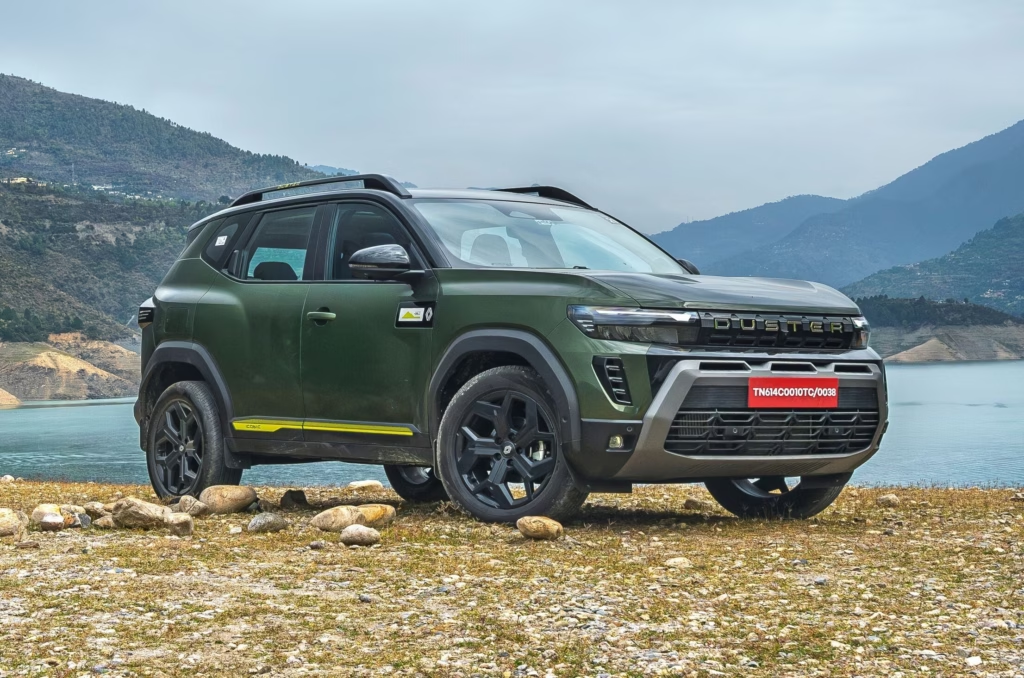
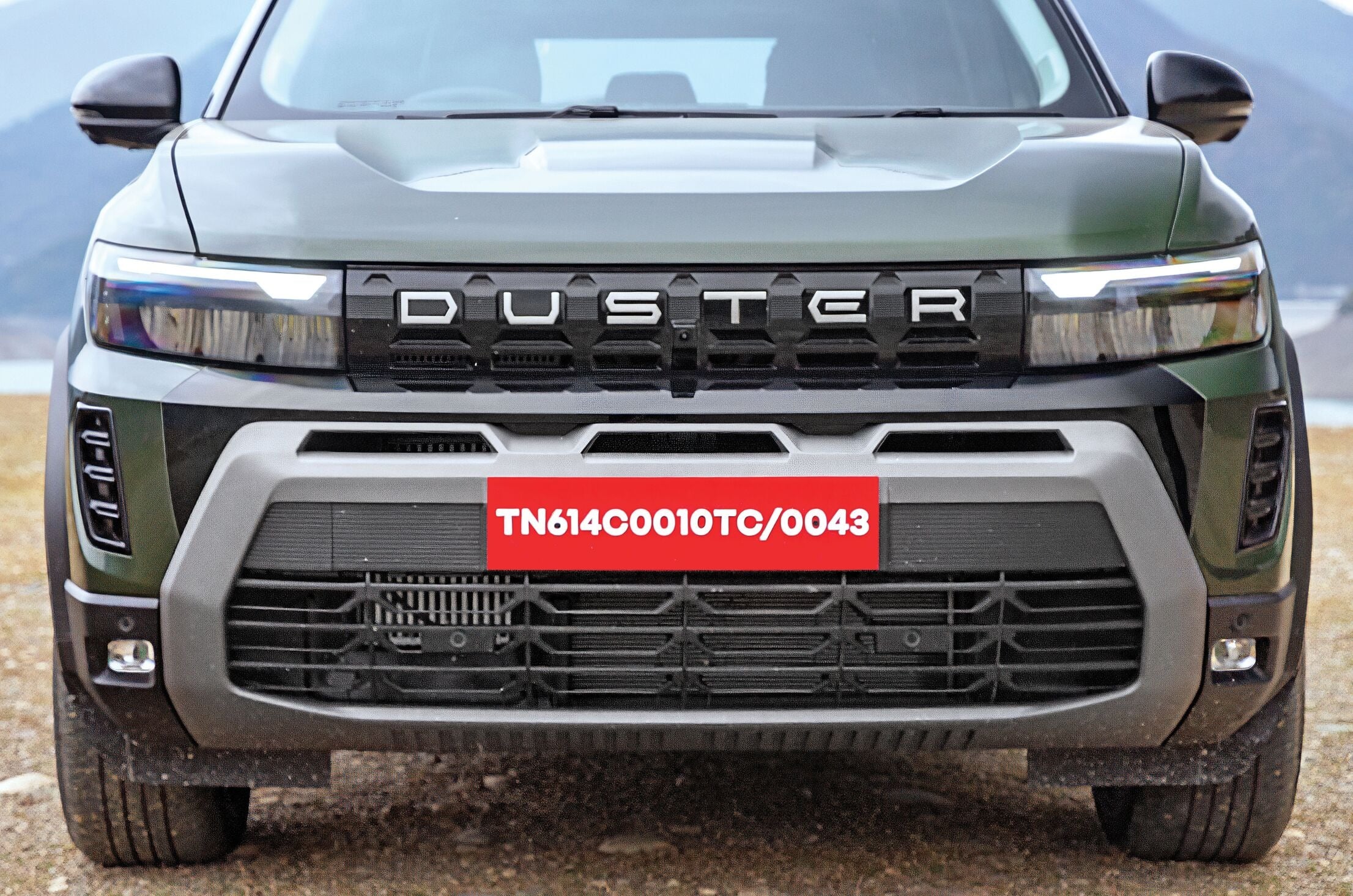
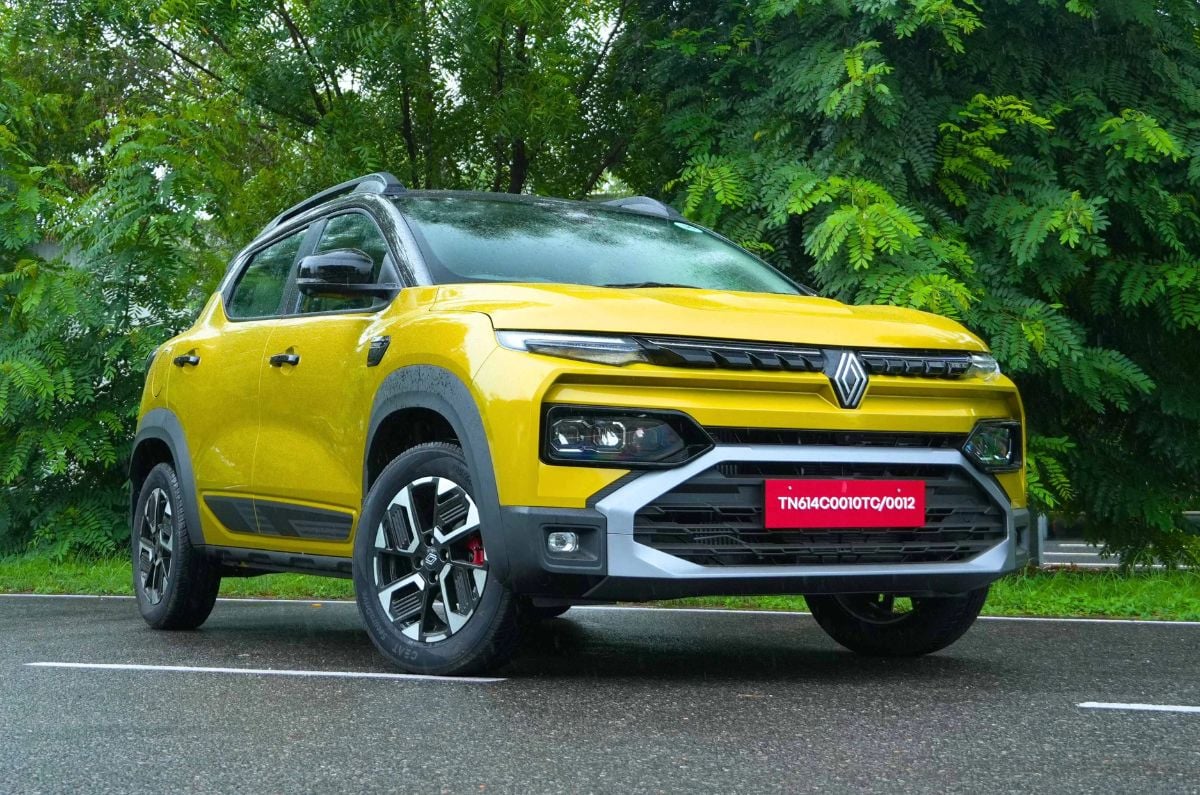
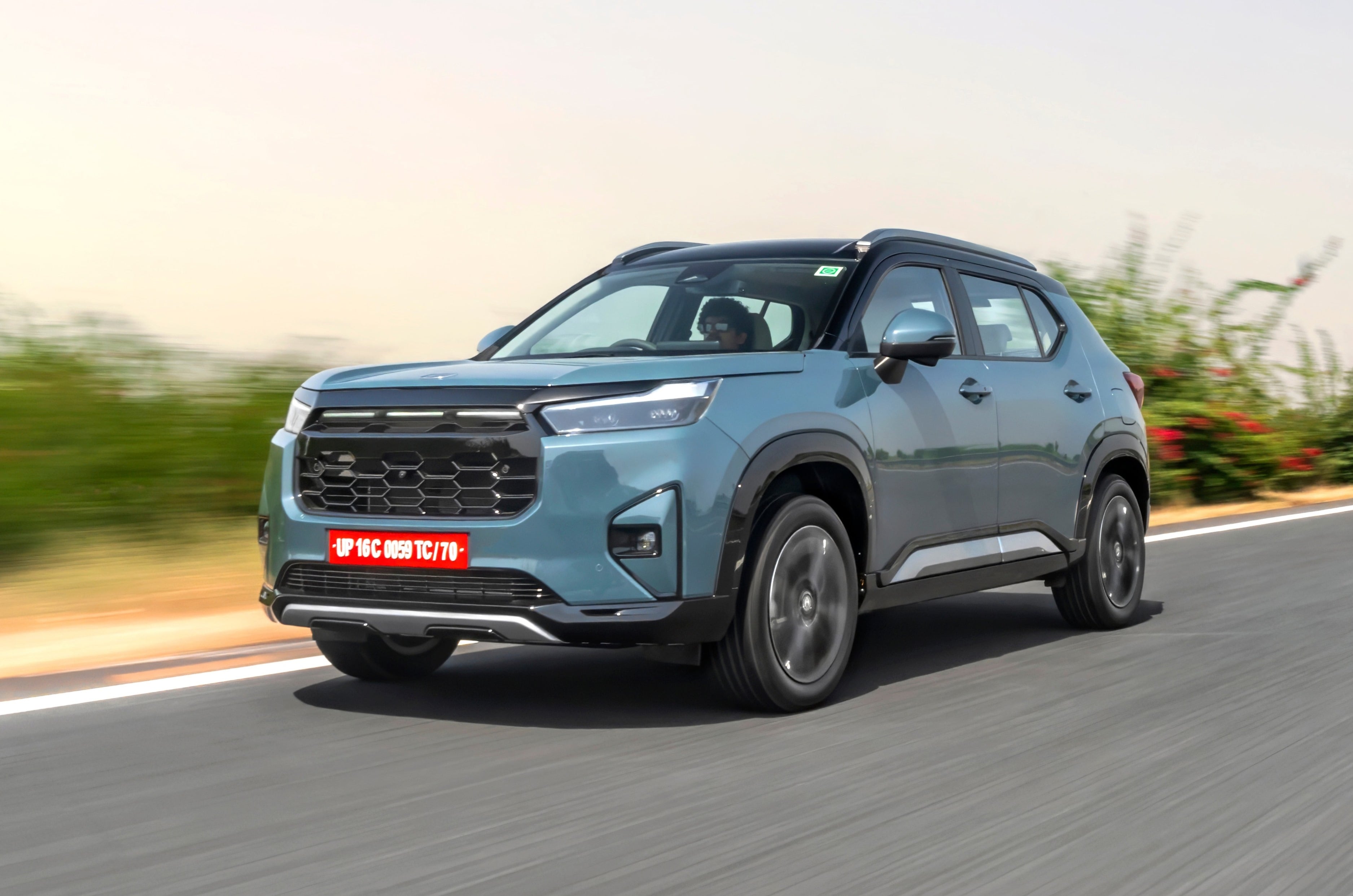
Current Renault Duster image, used for representation only.
The Renault Duster hybrid has an ARAI-rated fuel efficiency of 29kpl, compared with 19.41kpl for the 1.0-litre turbo-petrol manual, 17.75kpl for the 1.3-litre turbo-petrol manual and 18.45kpl for the 1.3-litre turbo-petrol DCT. The hybrid is Renault’s answer for the absence of a diesel option on the new Duster and is expected to give buyers seeking better fuel efficiency an alternative to the turbo-petrol versions.
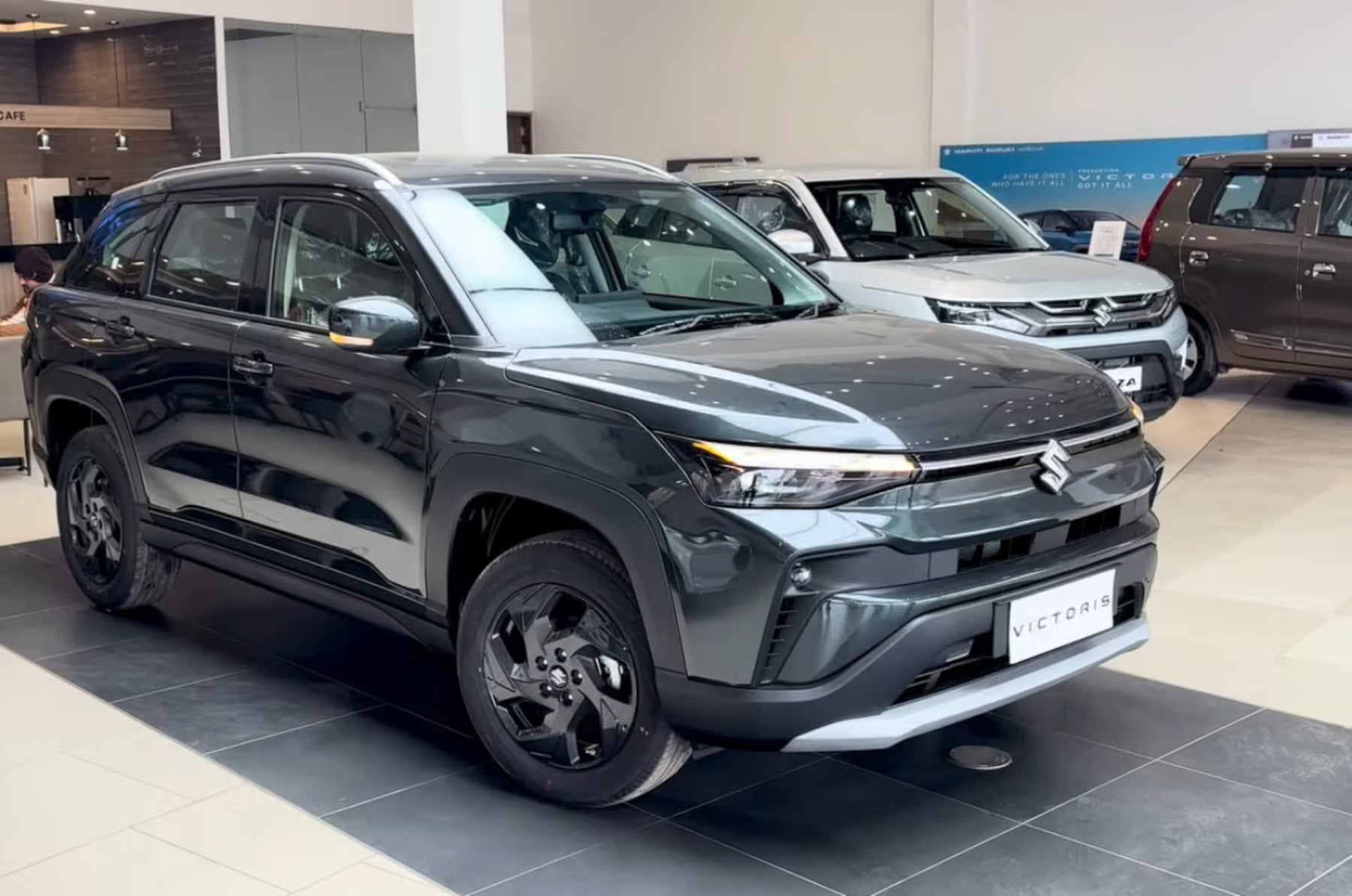
Its claimed efficiency is also higher than that of the Maruti Suzuki Grand Vitara and Toyota Urban Cruiser Hyryder strong hybrids, both rated at 27.97kpl, and the Maruti Suzuki Victoris strong hybrid, rated at 28.65kpl.
2. How does the Duster’s hybrid system work?
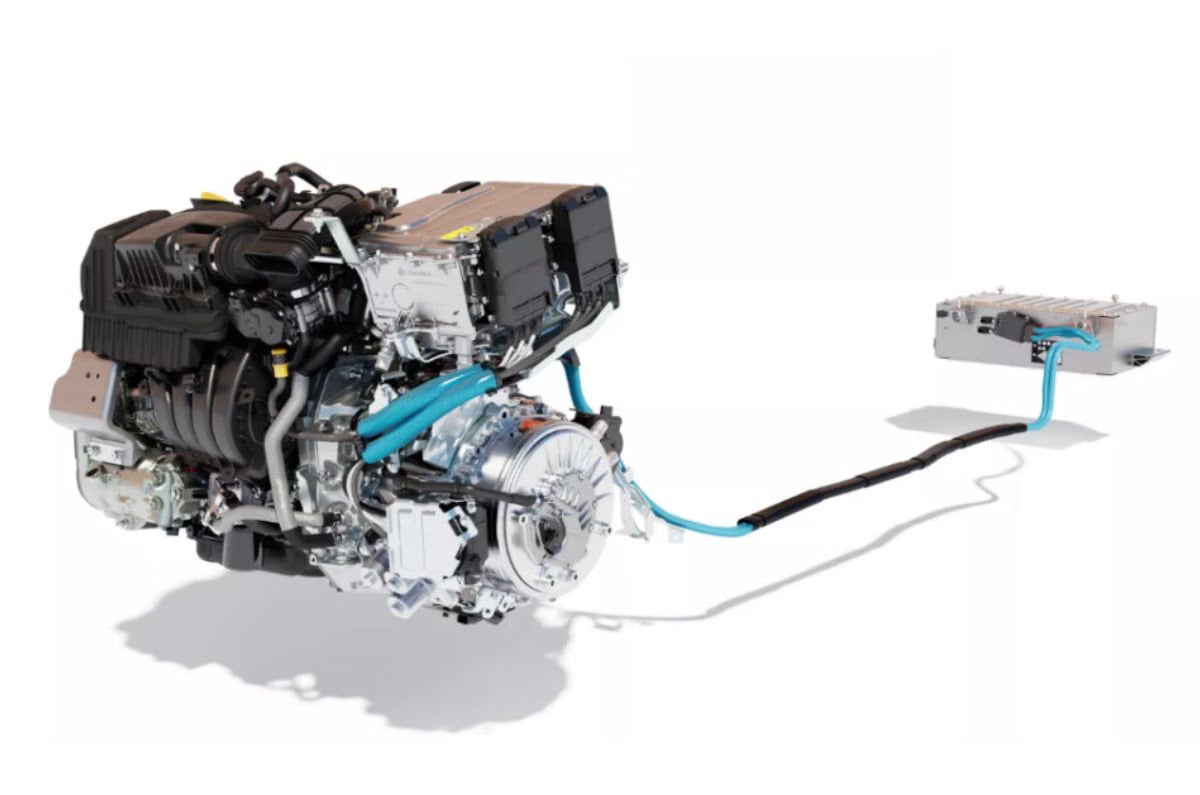
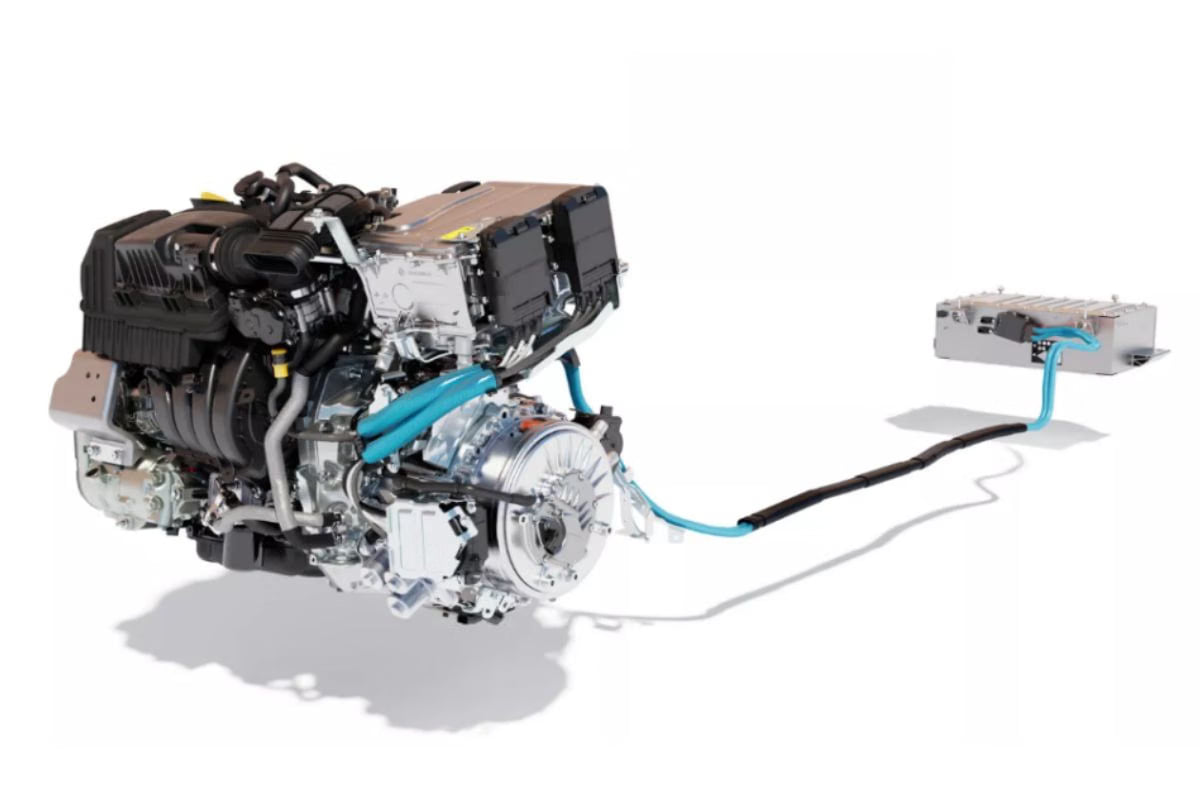
Renault’s 160hp E-Tech hybrid powertrain.
The E-Tech system combines a 1.8-litre four-cylinder naturally aspirated petrol engine with two electric motors: a 20hp unit that acts as a generator and a 49hp motor that drives the wheels. The system produces a combined 160hp and 172Nm, supported by a 1.4kWh battery.
A multi-mode automatic gearbox with fixed gear ratios sends power to the wheels. Unlike the e-CVT used by the Maruti Suzuki Grand Vitara, Victoris and Toyota Urban Cruiser Hyryder, Renault’s transmission can shift between ratios. Engine revs may therefore rise and fall more noticeably as the system changes between electric drive, engine drive and combined operation. The battery charges while driving and does not need to be plugged in.
Renault says the hybrid system can cover up to 80 percent of city driving in electric mode, using the battery and electric motor at low speeds and switching on the petrol engine when required. Regenerative braking helps recharge the battery while driving.
3. Which SUVs will rival the Renault Duster hybrid?
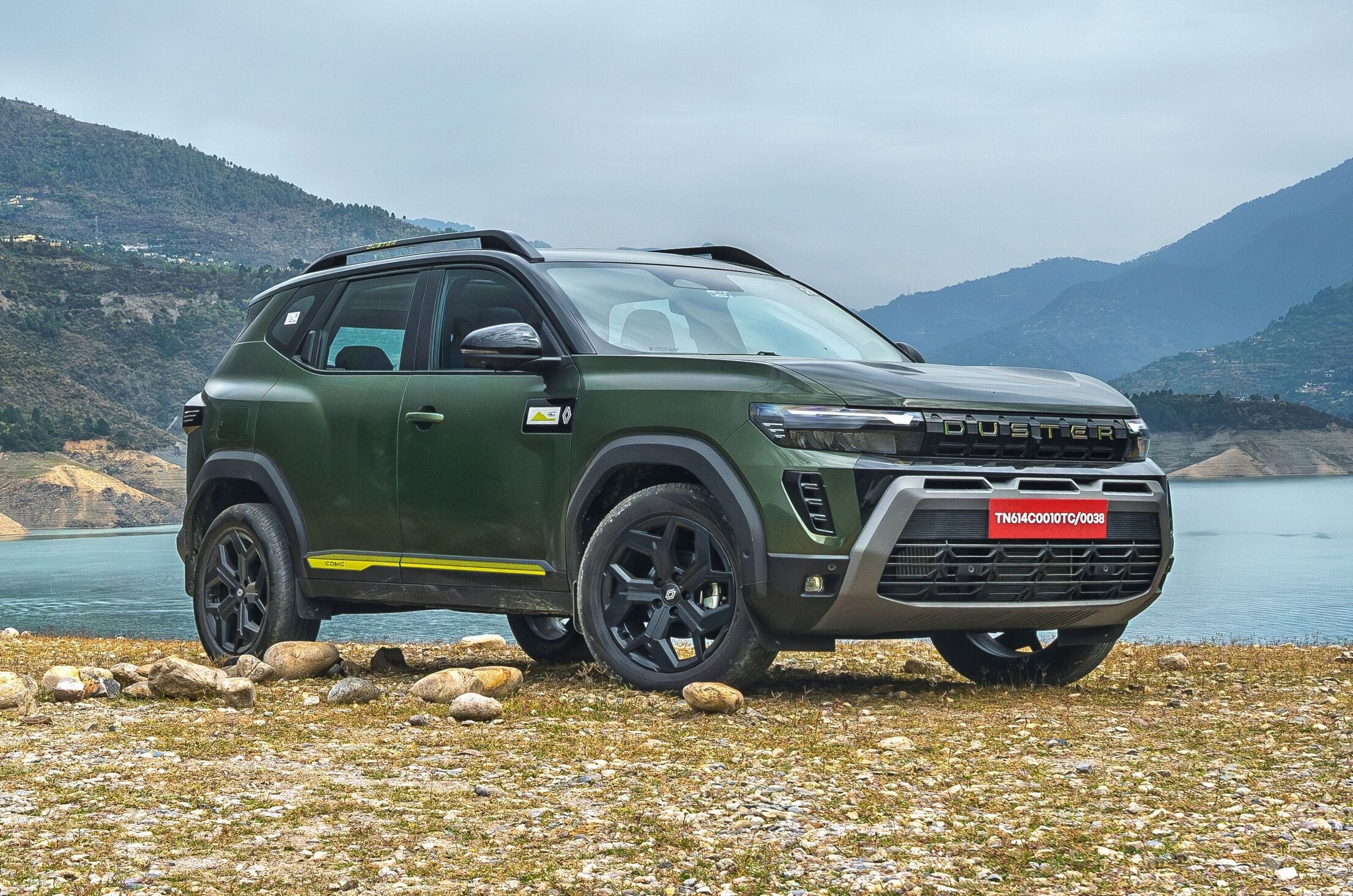
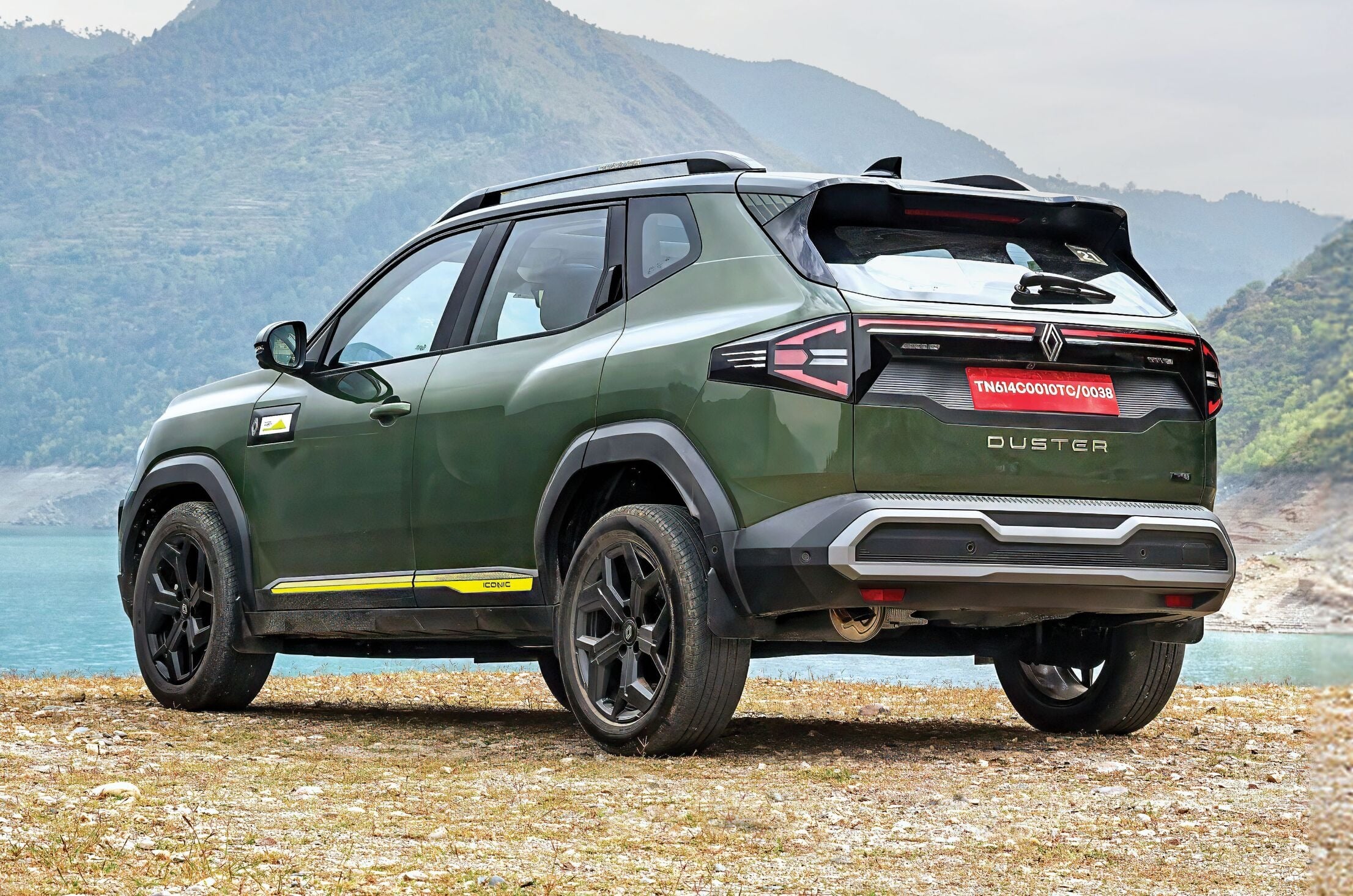
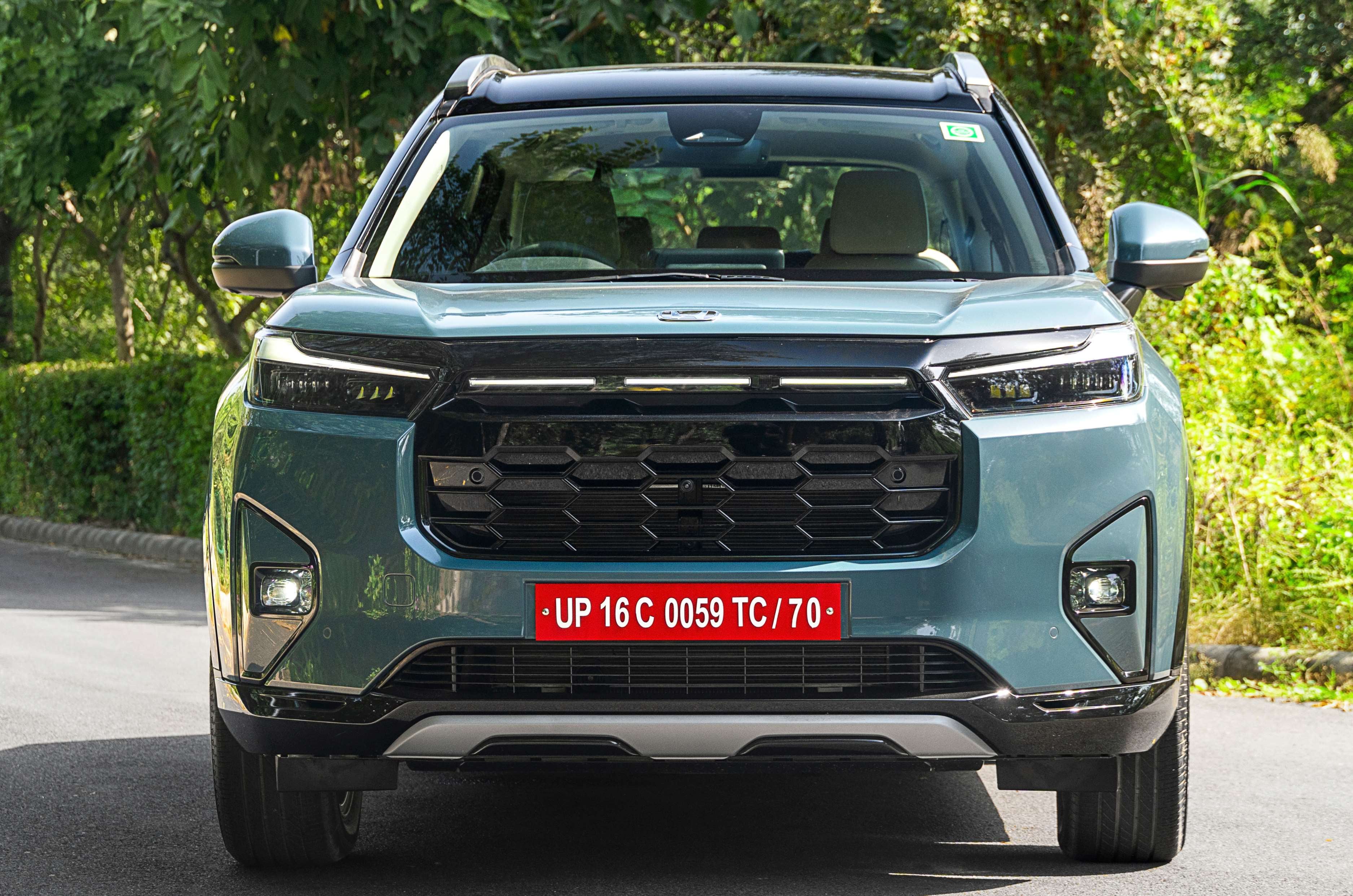
Current Renault Duster image, used for representation only.
The Duster hybrid will compete with the strong-hybrid versions of the Maruti Suzuki Grand Vitara, Maruti Suzuki Victoris and Toyota Urban Cruiser Hyryder. The Toyota and Suzuki siblings use Toyota’s strong-hybrid system, which pairs a 1.5-litre, three-cylinder petrol engine with electric motors and a 0.60kWh battery, producing a combined 116hp and 141Nm.
4. Will the Renault Duster hybrid look different from the regular Duster?
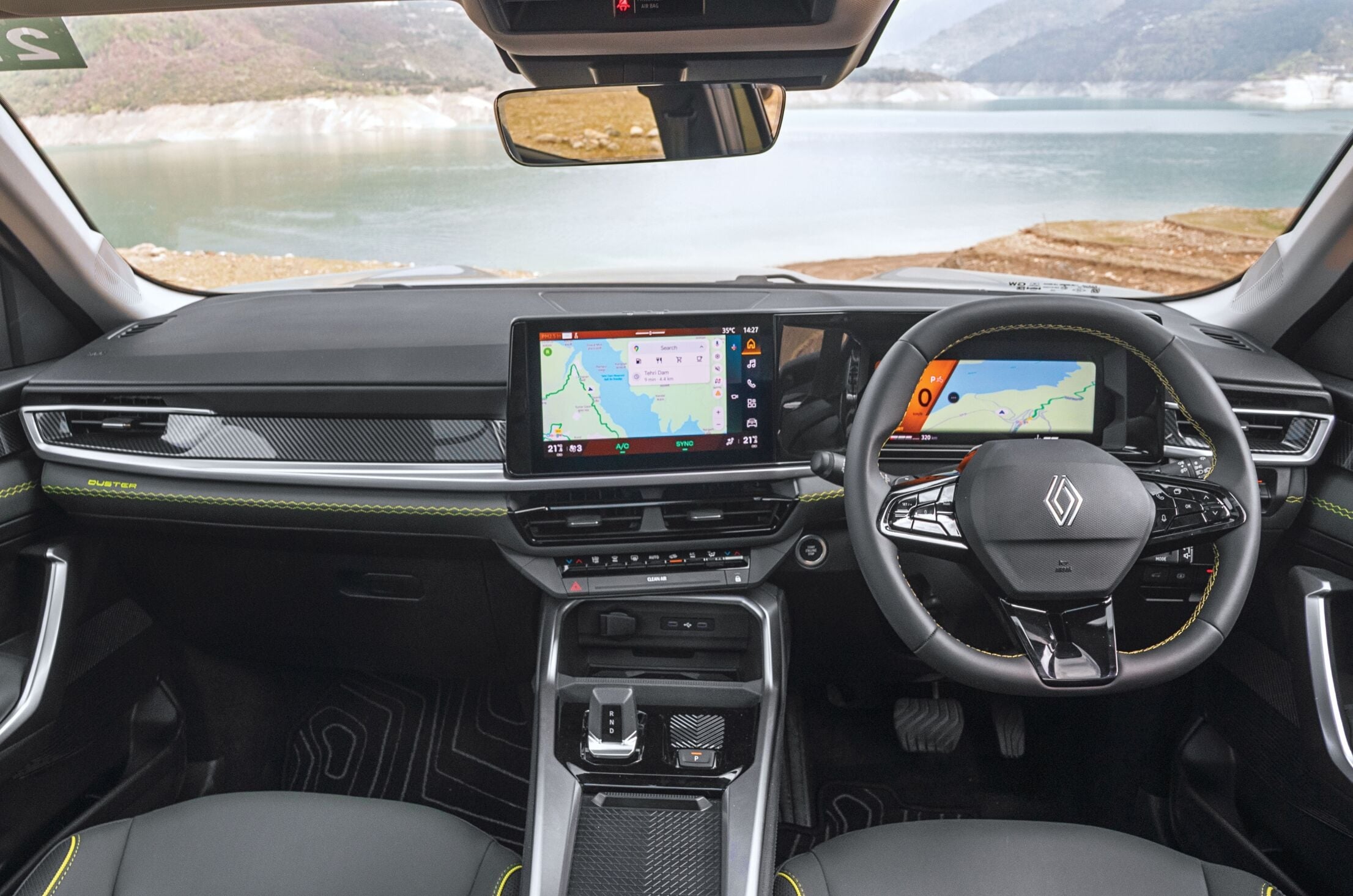
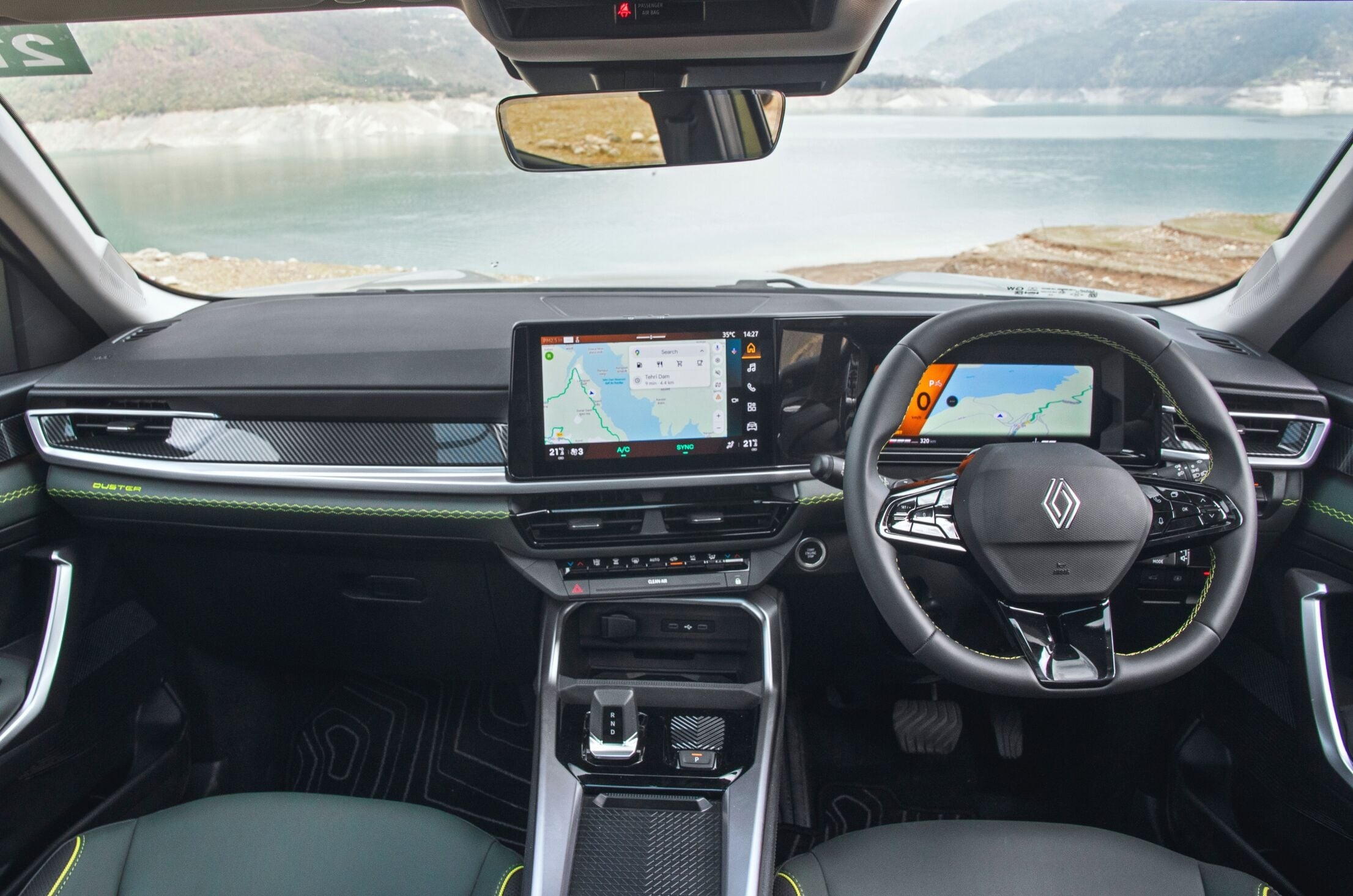
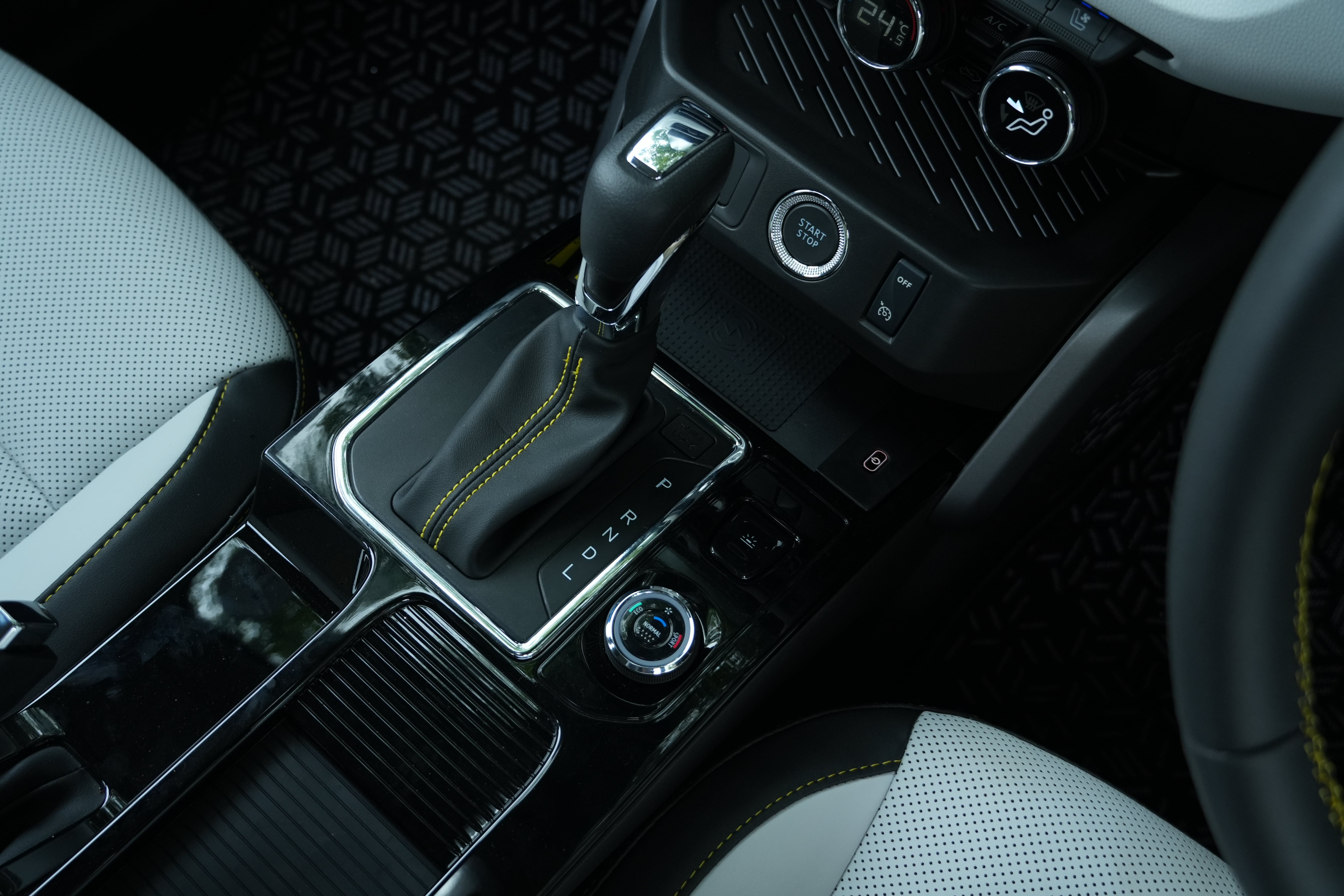
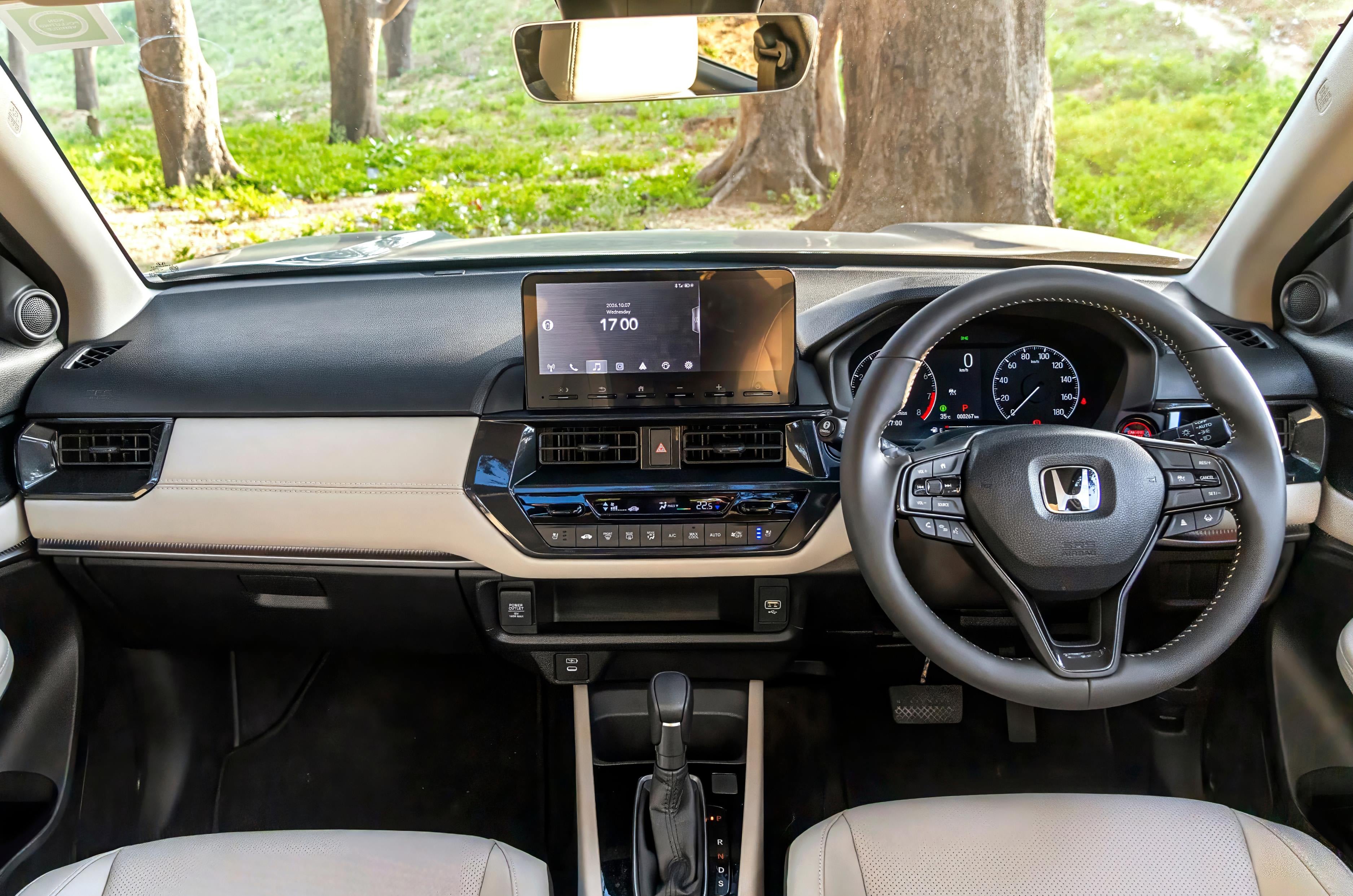
Current Renault Duster interior image, used for representation only.
The hybrid is expected to retain the regular Duster’s exterior design and cabin layout, along with a broadly similar feature list. A hybrid badge could help distinguish it from the turbo-petrol variants, with the powertrain being the main difference.
5. What is the expected price of the Renault Duster hybrid?
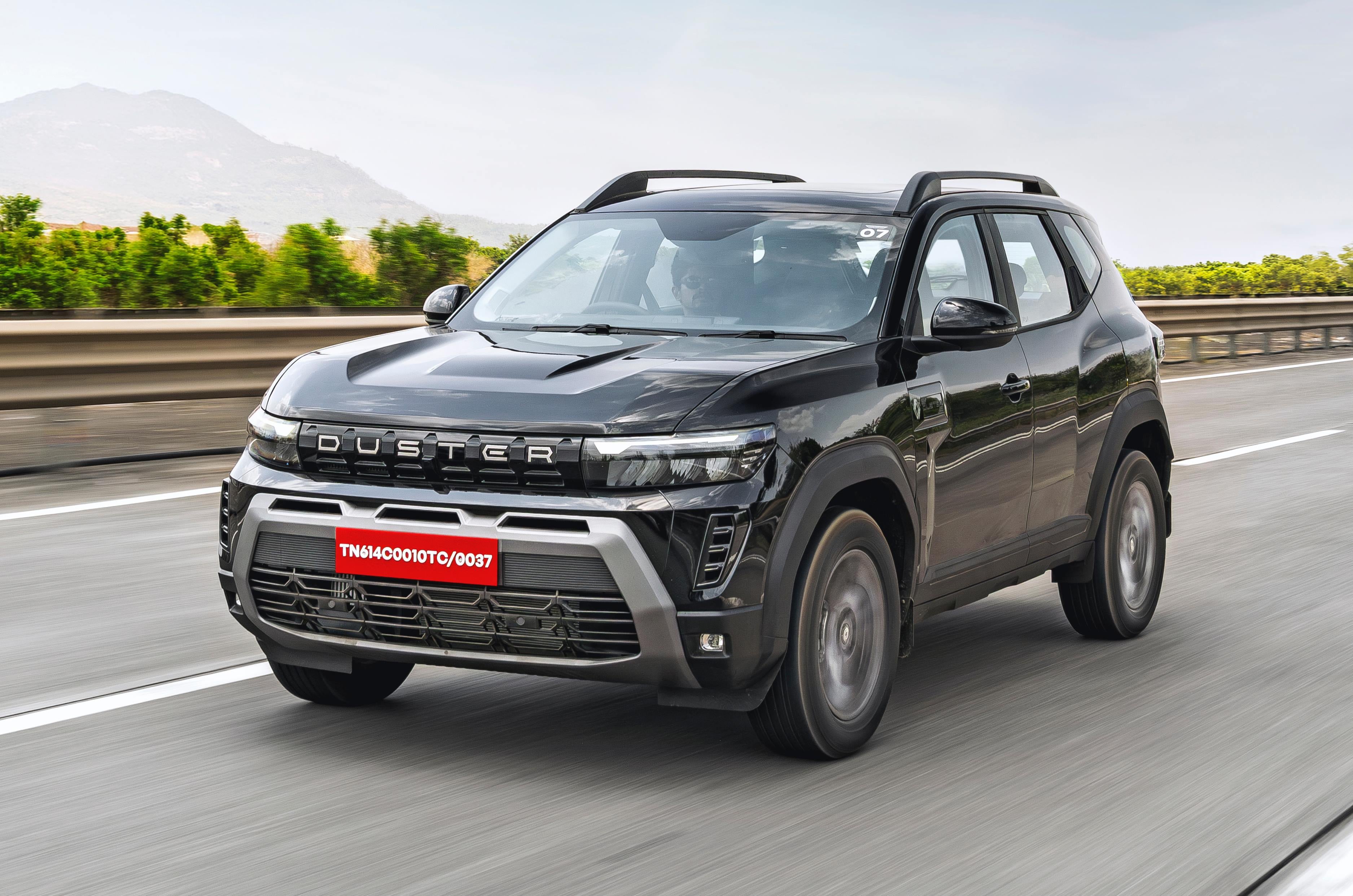
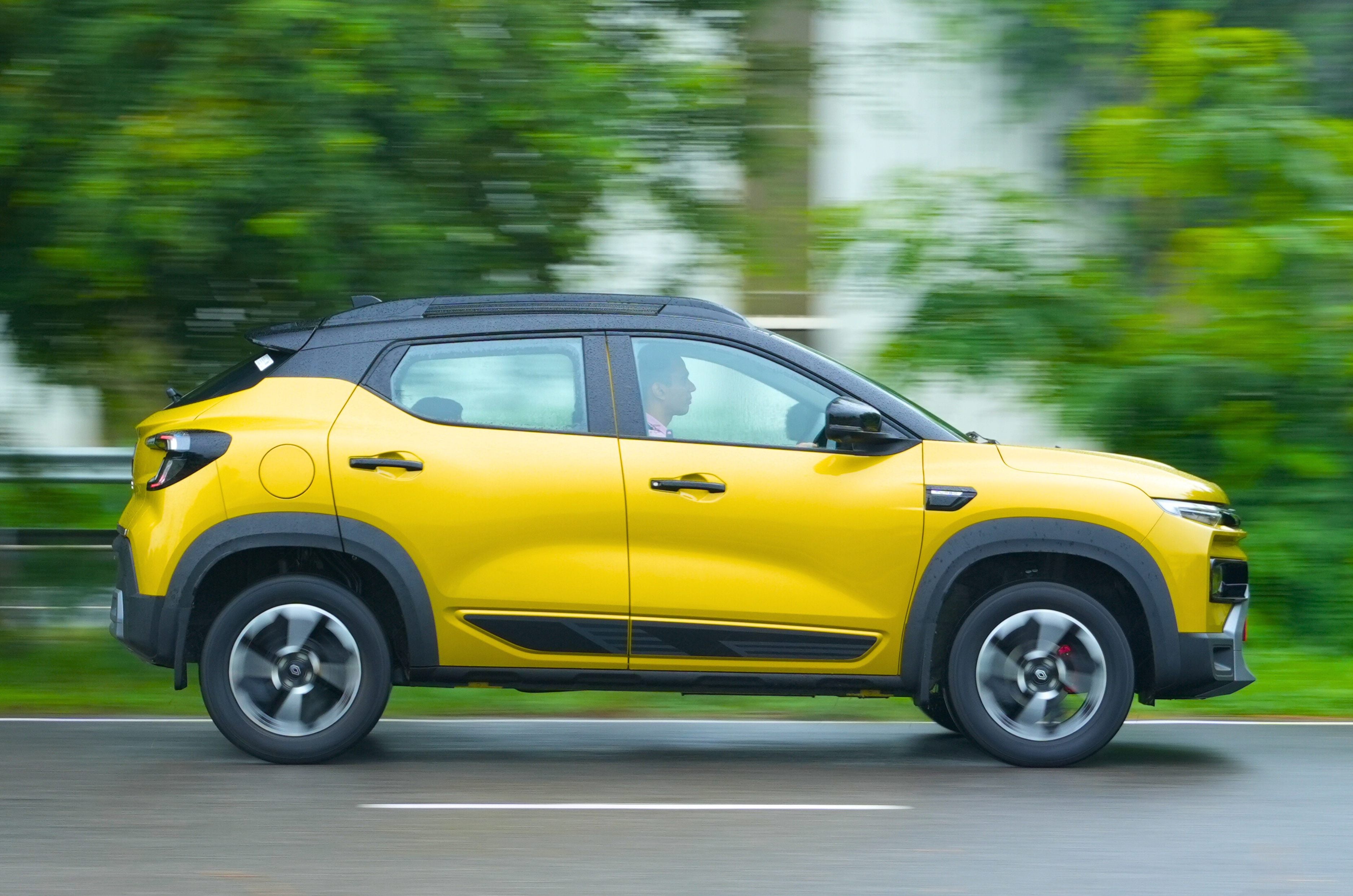
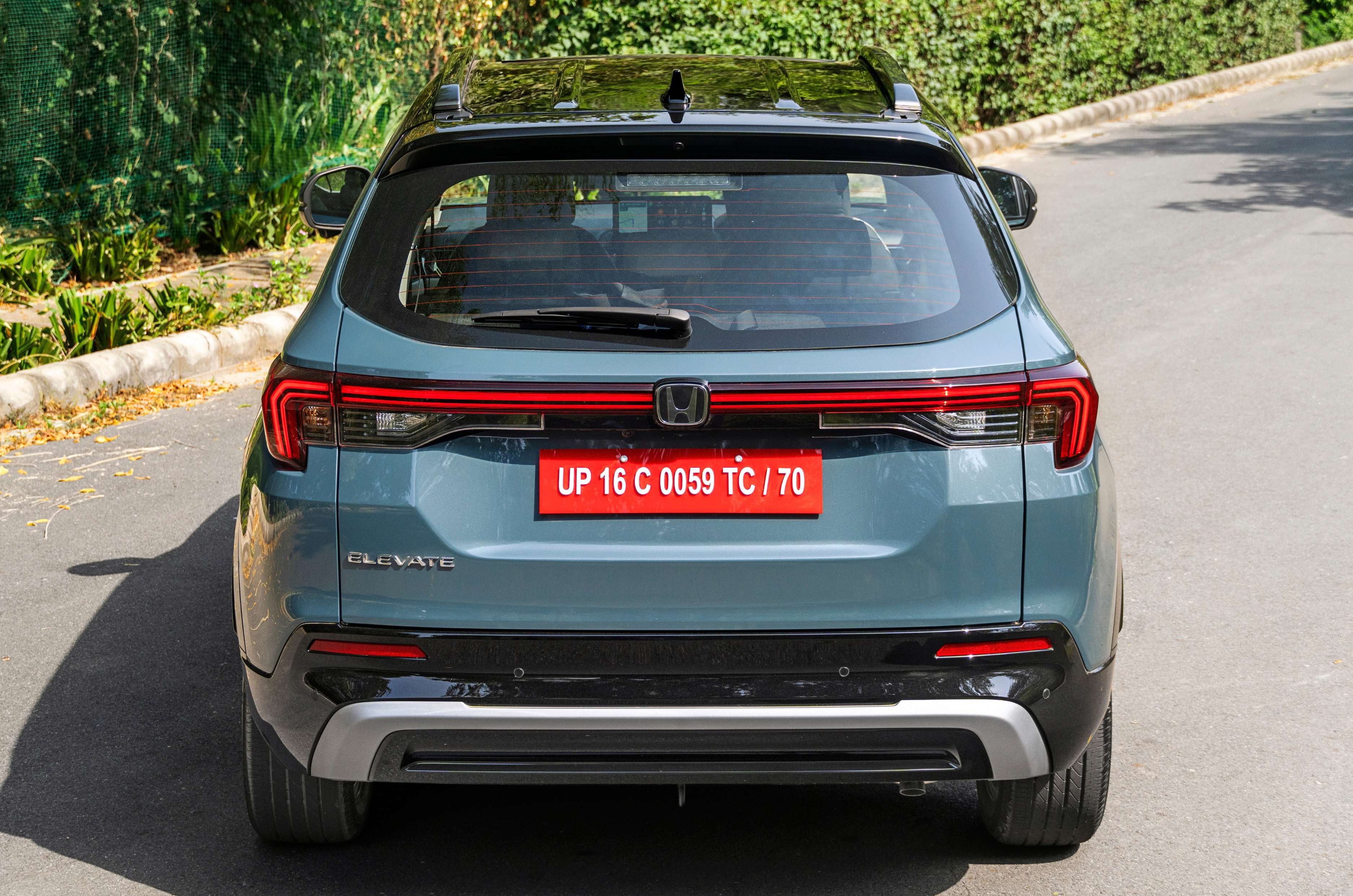
Current Renault Duster image, used for representation only.
The Renault Duster hybrid is expected to be priced between Rs 20 lakh and Rs 22 lakh (ex-showroom), commanding a premium over the turbo-petrol variants due to its more complex hybrid powertrain and the added fuel-efficiency benefits it offers.
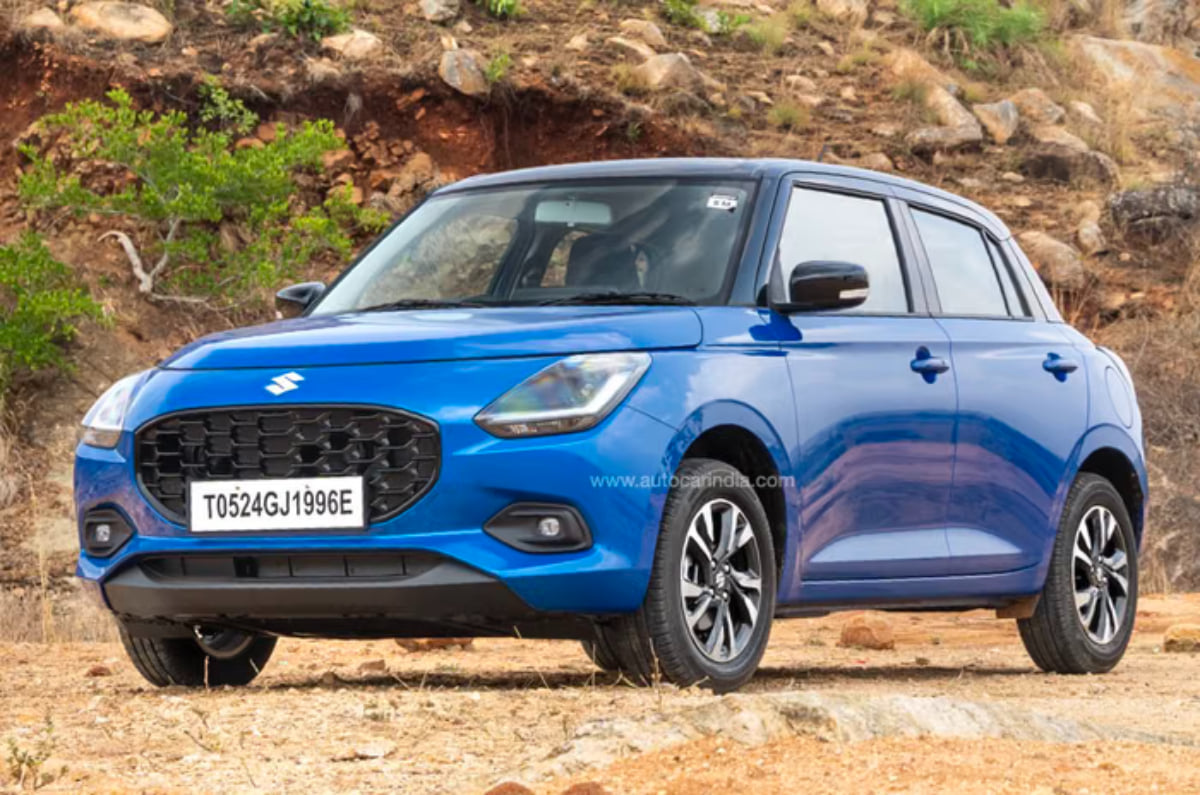
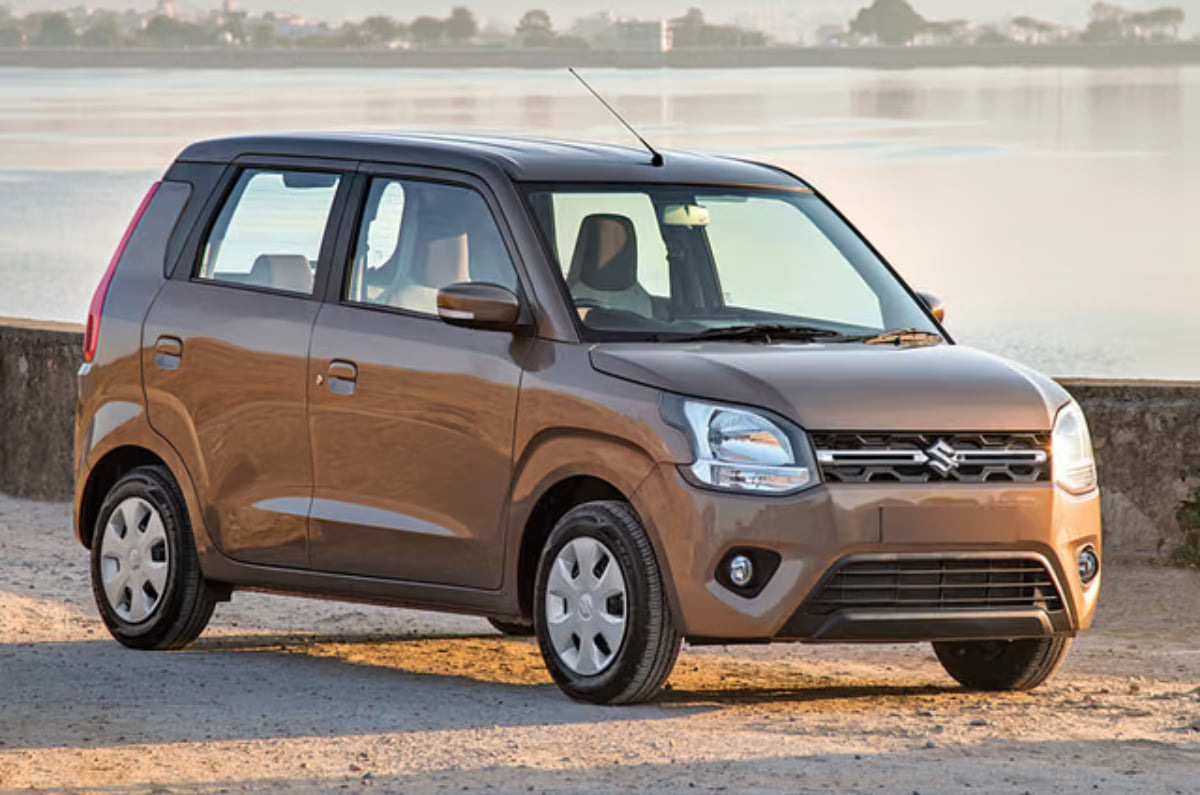
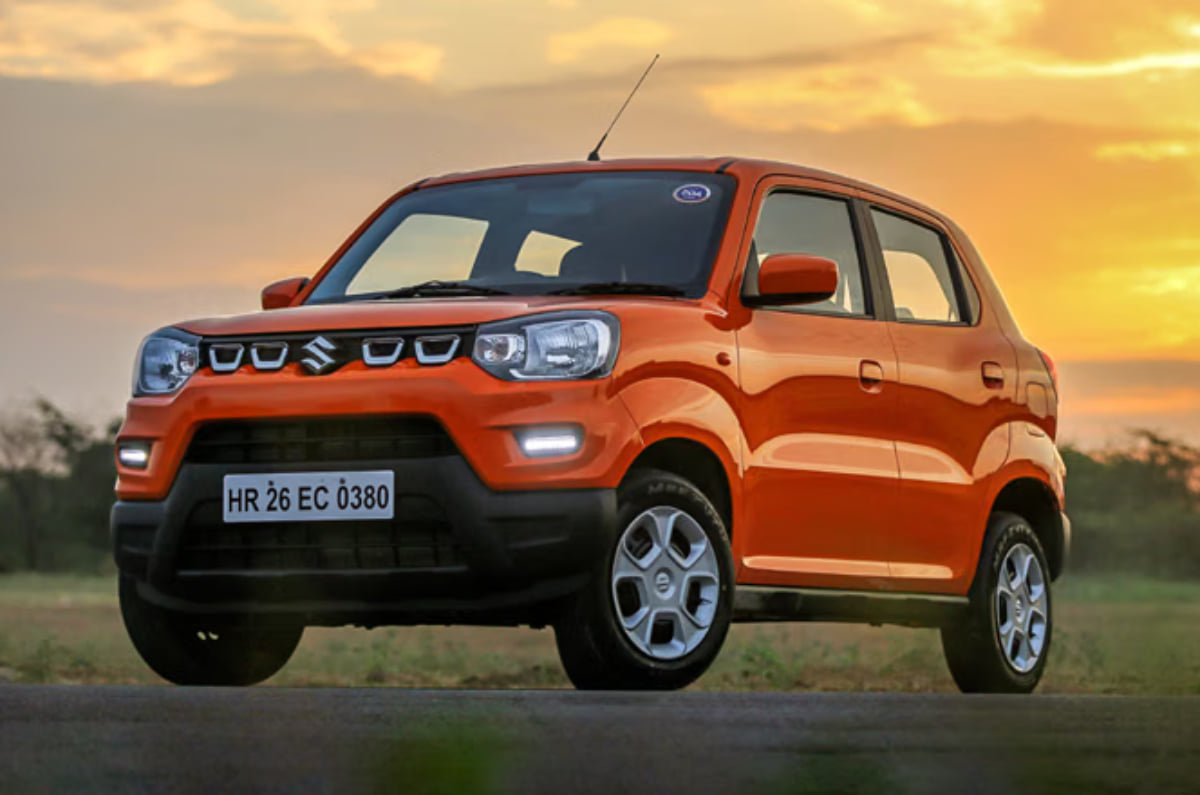
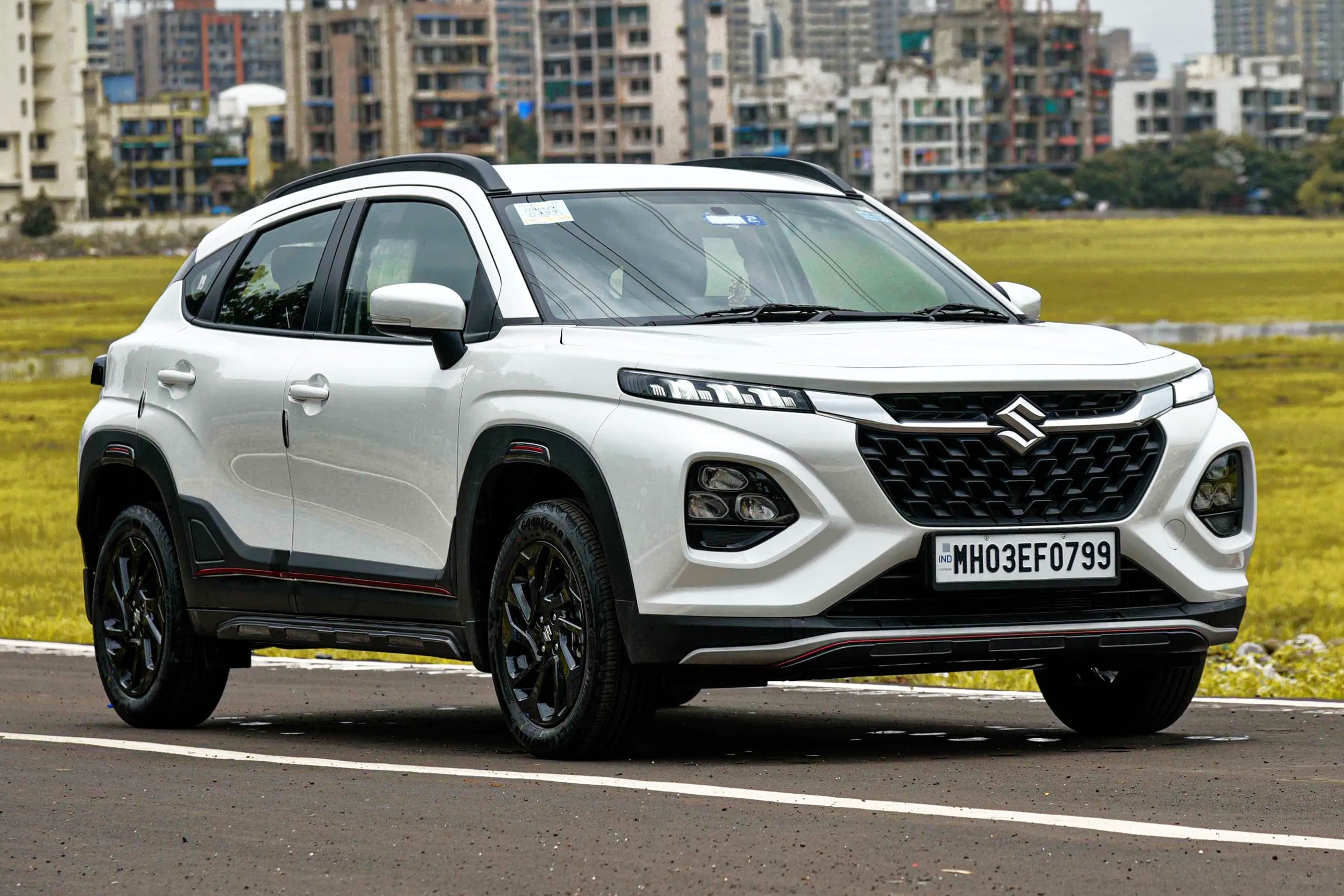
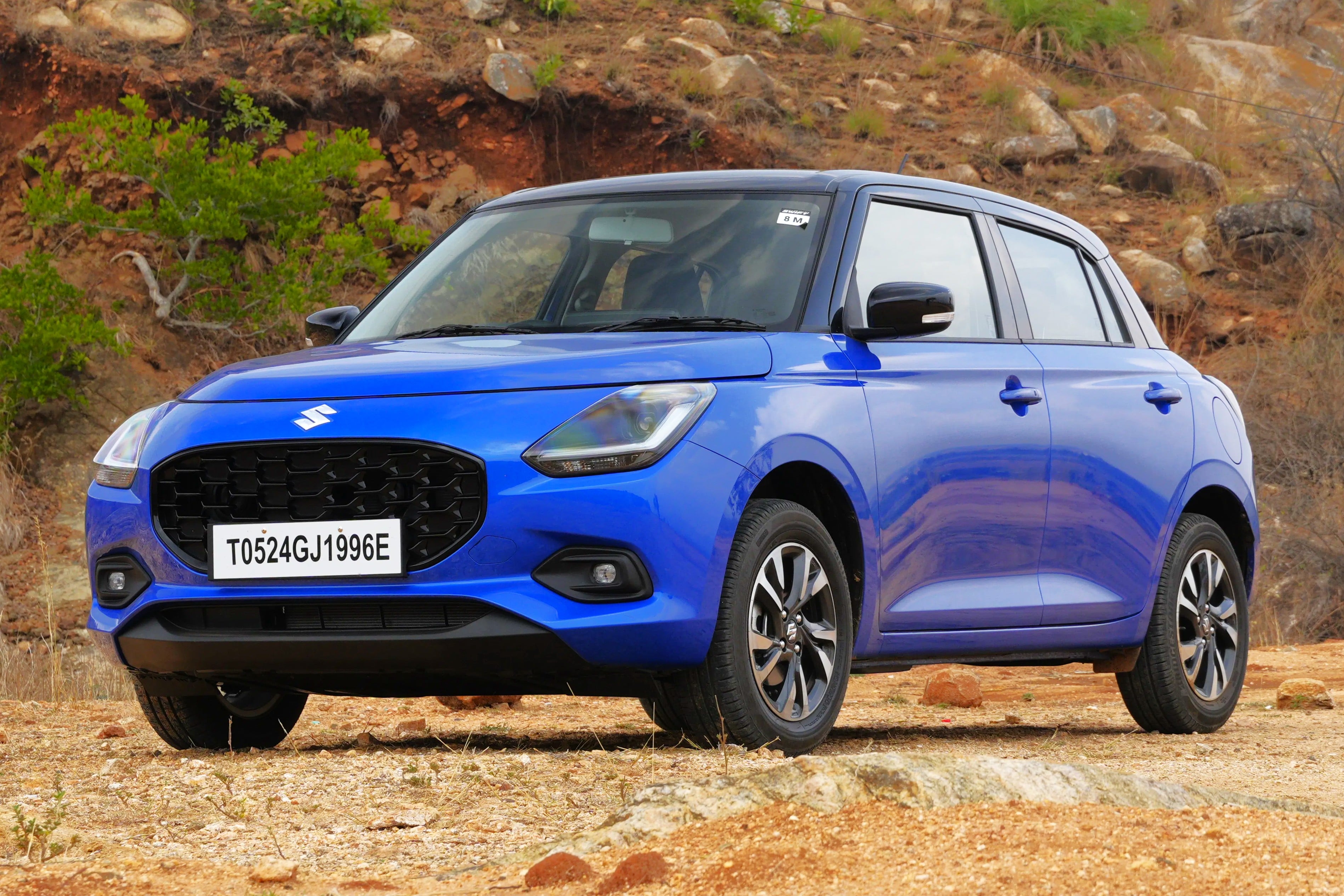
Maruti Suzuki is offering discounts on the Victoris, Swift, Wagon R, Alto K10, Celerio, S-Presso and Eeco in October 2026. The highest benefits are available on the Victoris strong hybrid, at up to Rs 1.65 lakh. These offers include cash discounts, exchange or scrappage bonuses, loyalty benefits and additional offers, depending on the model and variant.
Disclaimer: Offers may vary by city and are subject to stock availability. Check with your nearest dealer for exact details.
Maruti Victoris discounts in October 2026
Up to Rs 1.65 lakh off
The Maruti Victoris strong hybrid gets benefits of up to Rs 1.65 lakh, comprising a Rs 40,000 cash discount, a Rs 30,000 loyalty upgrade bonus and an exchange bonus of up to Rs 95,000. A scrappage bonus of up to Rs 45,000 is available as an alternative to the exchange bonus. The petrol variant gets benefits of up to Rs 1.10 lakh, while the CNG variant gets benefits of up to Rs 95,000. Both variants are available with exchange or scrappage benefits, alongside other applicable offers.
The Victoris is priced between Rs 10.50 lakh and Rs 19.99 lakh and rivals the Hyundai Creta, Kia Seltos, Tata Sierra and Honda Elevate.
Maruti Swift discounts in October 2026
Up to Rs 71,000 off
The Swift Blitz Edition petrol variants are available with benefits of up to Rs 71,000, including discounted accessory kits. Other petrol variants get benefits of up to Rs 40,000, comprising a Rs 10,000 cash discount, a Rs 25,000 exchange bonus and a Rs 5,000 additional discount. The CNG variants get benefits of up to Rs 30,000, including an exchange bonus of Rs 25,000 and an additional discount of Rs 5,000. The Swift is priced between Rs 5.84 lakh and Rs 8.74 lakh and rivals the Hyundai Grand i10 Nios and Tata Tiago.
Maruti Celerio discounts in October 2026
Up to Rs 67,500 off
The Maruti Celerio petrol variants get benefits of up to Rs 67,500, comprising a Rs 40,000 cash discount, a Rs 25,000 exchange bonus and a Rs 2,500 additional discount. The CNG variants get benefits of up to Rs 47,500, including a Rs 20,000 cash discount, a Rs 25,000 exchange bonus and a Rs 2,500 additional discount. The Celerio is priced between Rs 4.70 lakh and Rs 6.75 lakh and rivals the Tata Tiago and Renault Kwid.
Maruti Wagon R discounts in October 2026
Up to Rs 67,000 off
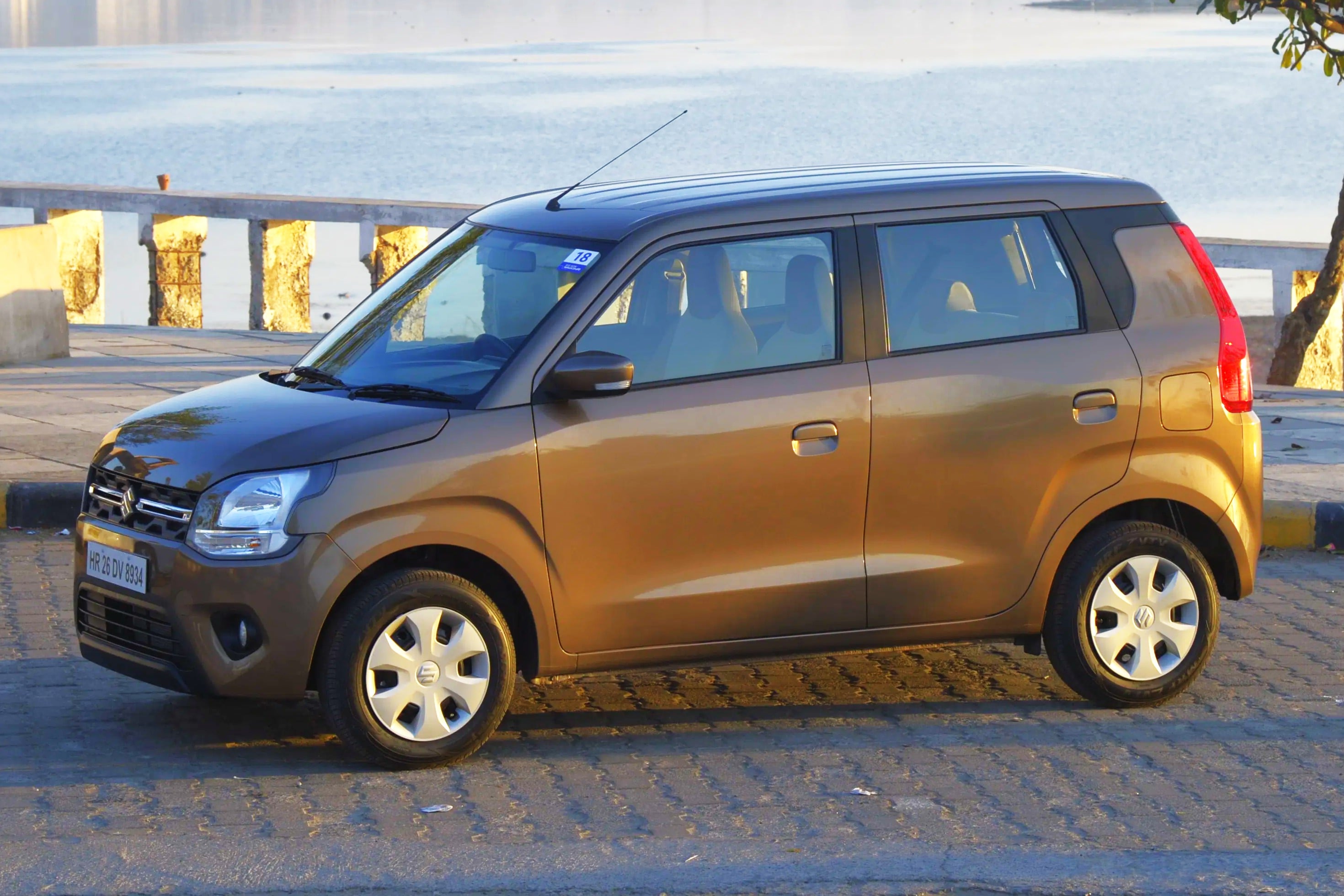
The Wagon R Waltz Edition petrol variants get benefits of up to Rs 67,000, including a free accessory kit worth Rs 38,000 and an additional offer of Rs 1,900. Other petrol variants get benefits of up to Rs 57,500, comprising a Rs 30,000 cash discount, a Rs 25,000 exchange bonus and a Rs 2,500 additional discount. The CNG variants get benefits of up to Rs 52,500, including a Rs 25,000 cash discount, a Rs 25,000 exchange bonus and a Rs 2,500 additional discount. The Wagon R is priced between Rs 4.99 lakh and Rs 7.24 lakh and rivals the Tata Tiago and Citroen C3.
Maruti Alto K10 discounts in October 2026
Up to Rs 57,500 off
The Alto K10 LXi petrol variant gets benefits of up to Rs 57,500, comprising a Rs 30,000 cash discount, a Rs 25,000 exchange bonus and a Rs 2,500 additional discount. Other petrol variants get benefits of up to Rs 47,500, while the CNG variants are available with benefits of up to Rs 37,500. A scrappage bonus of up to Rs 10,000 is available as an alternative to the exchange bonus. The Alto K10 is priced between Rs 3.70 lakh and Rs 5.45 lakh and rivals the Renault Kwid.
Maruti S-Presso discounts in October 2026
Up to Rs 37,500 off
The S-Presso petrol variants get benefits of up to Rs 37,500, comprising a Rs 10,000 cash discount, a Rs 25,000 exchange bonus and a Rs 2,500 additional discount. The CNG variants get benefits of up to Rs 27,500, including an exchange bonus of Rs 25,000 and an additional discount of Rs 2,500. The S-Presso is priced between Rs 3.50 lakh and Rs 5.27 lakh and rivals the Renault Kwid and Alto K10.
Maruti Eeco discounts in October 2026
Up to Rs 37,500 off
The Eeco petrol variants get benefits of up to Rs 37,500, comprising a Rs 10,000 cash discount, a Rs 25,000 exchange bonus and a Rs 2,500 additional discount. The CNG variants get benefits of up to Rs 32,500, with a lower cash discount of Rs 5,000, while the exchange bonus and additional discount remain unchanged. The Maruti Eeco is priced between Rs 5.28 lakh and Rs 6.46 lakh.
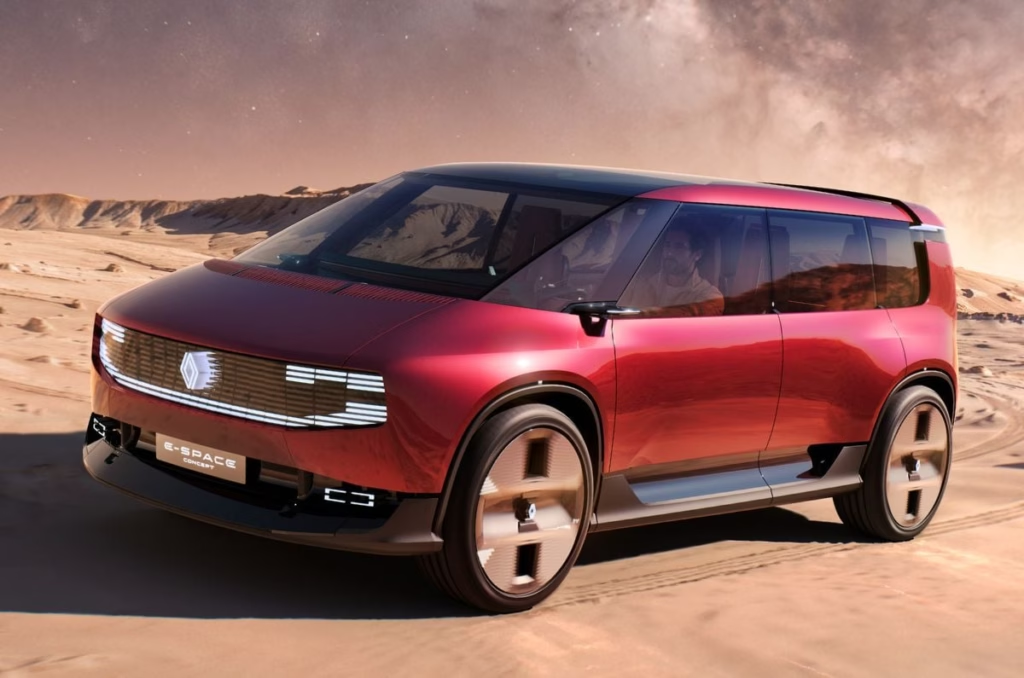
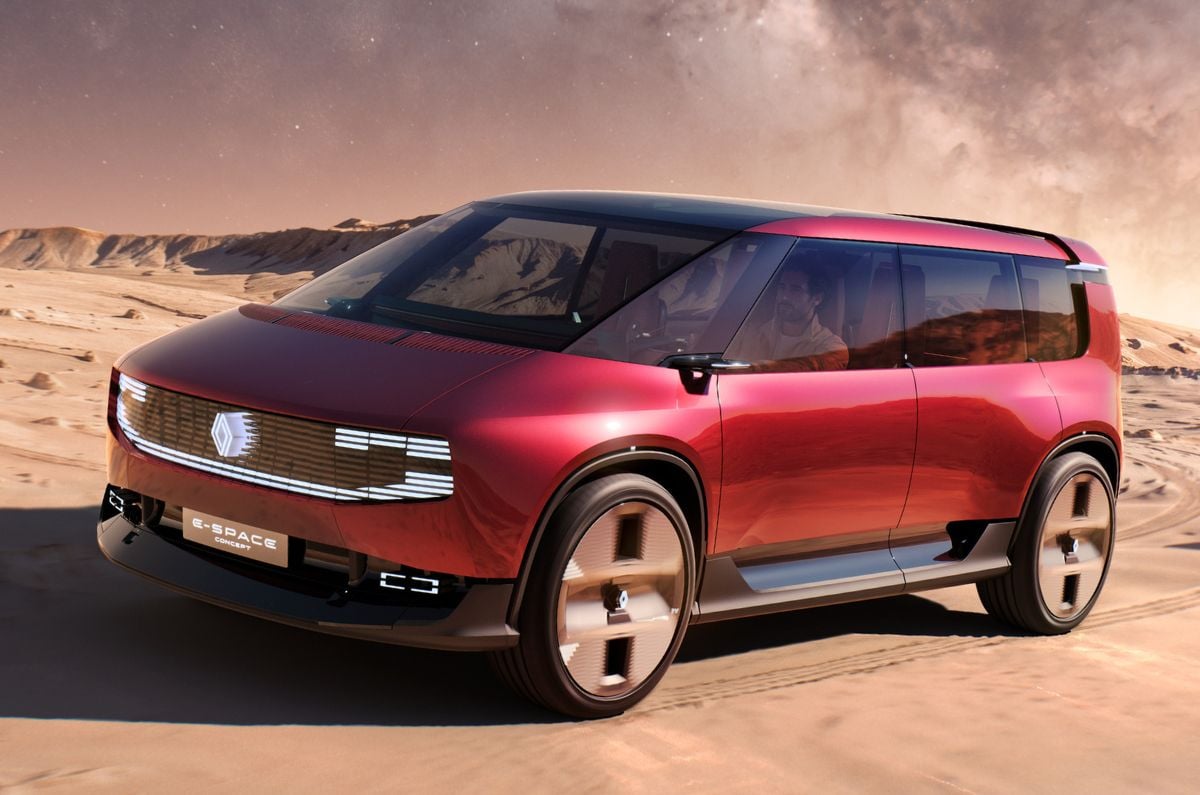
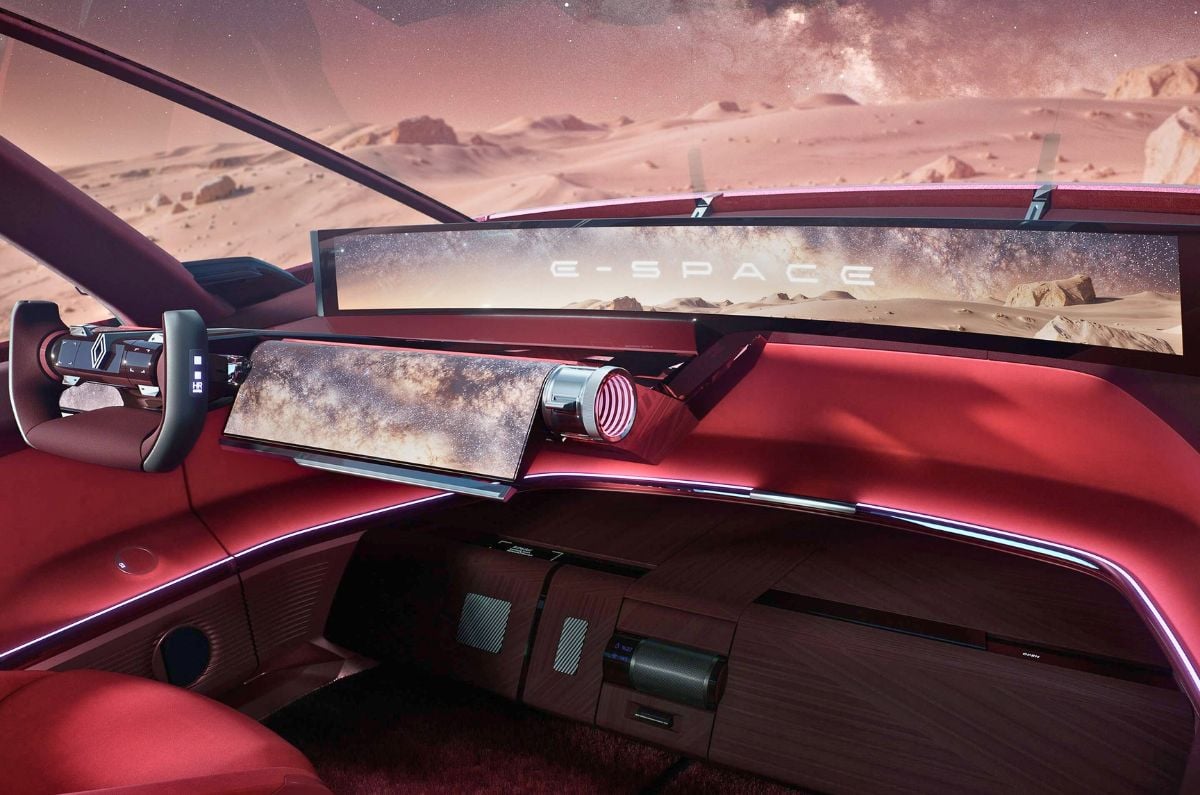
Renault unveiled the E-Space concept at the 2026 Paris Motor Show, hinting at a potential electric MPV comeback for the iconic nameplate. Explicitly pitched as a “real alternative to SUVs and saloons”, the E-Space concept goes back to Renault’s ‘voitures à vivre’ philosophy, which puts the human experience, comfort, and everyday lifestyle at the centre of vehicle design.
Introduced in 1984, the Renault Espace was Europe’s first MPV and retained this body style till its fourth generation. In 2023, it was transformed into a stretched version of the Austral SUV.
Renault E-Space Concept exterior details
Retro-modern MPV concept has some elements that link it to the previous Espace models
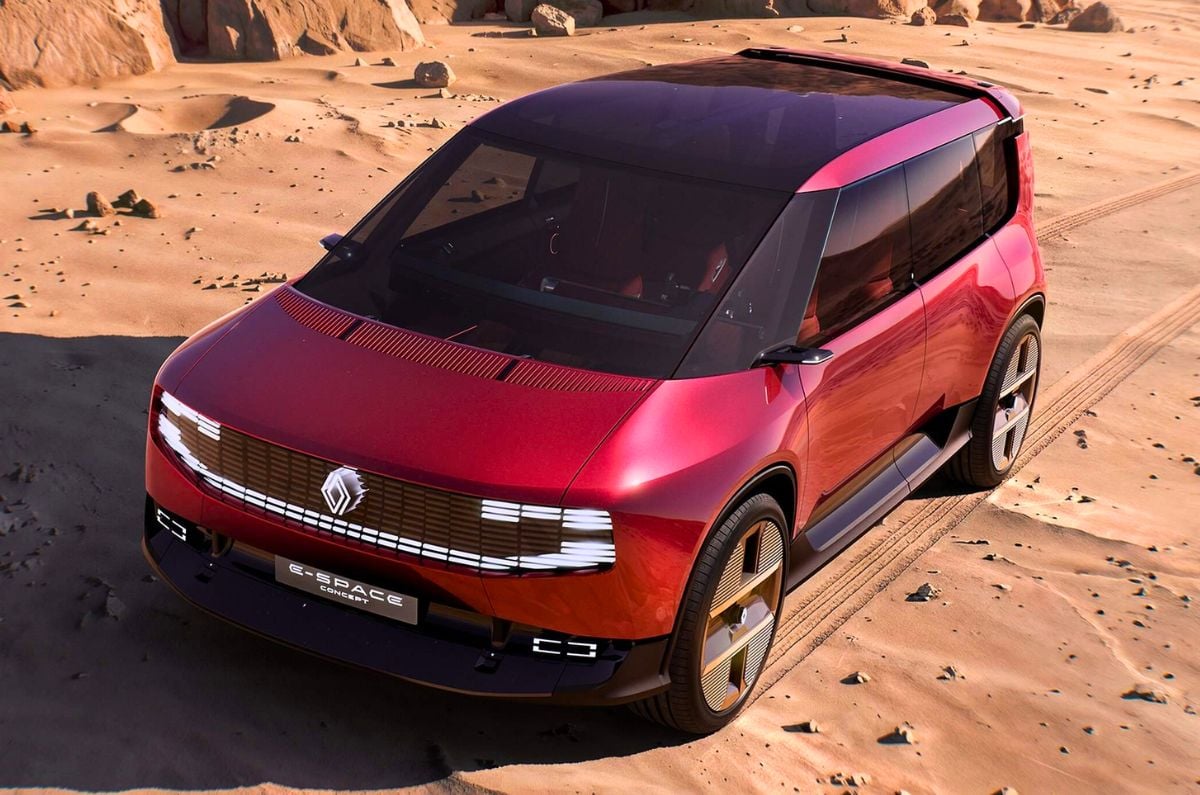
The Renault E-Space concept has an overall clean design, which Renault’s brand design director Alexandre Malval says is “stripped of anything that might distract the eye.”
At the front, it gets U-shaped LED lighting elements on the blanked-off grille. The grille itself features an illuminated Renault logo that appears to float over it. One design cue that links to the original Espace is the heavily raked windscreen, which appears to extend to the bonnet like the French TGV train.
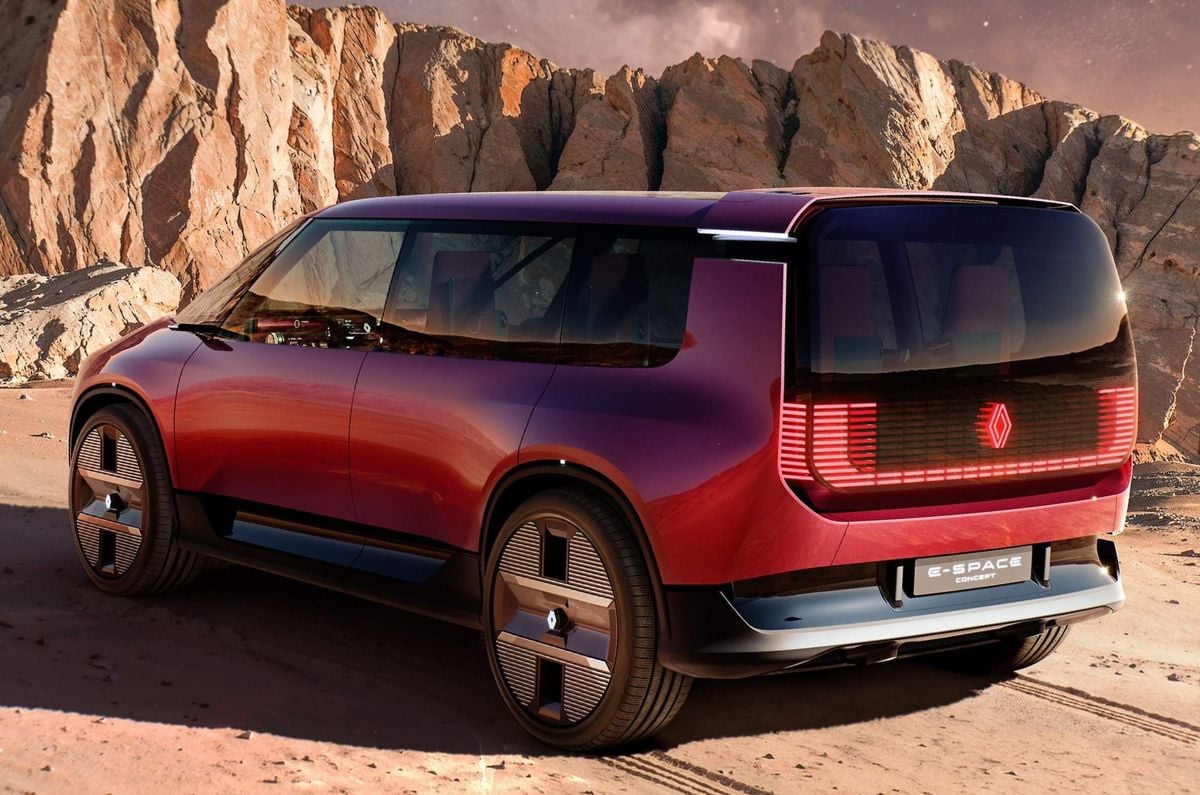
In profile, the E-Space Concept sports huge 24-inch alloy wheels and a large glasshouse that places “natural light at the heart of the concept”. It is 4.70 metres long, 2.02 metres wide and 1.67 metres tall, and Renault says its height- and length-to-width ratios are similar to the original Espace, albeit with shorter overhangs.
At the rear, the rear spoiler appears similar to the roof bars prominent on the 3rd- and 4th-generation Espace. The U-shaped lighting elements mimic the front LED design, and their placement on a gloss-black panel makes the windscreen appear larger.
Renault E-Space Concept interior details
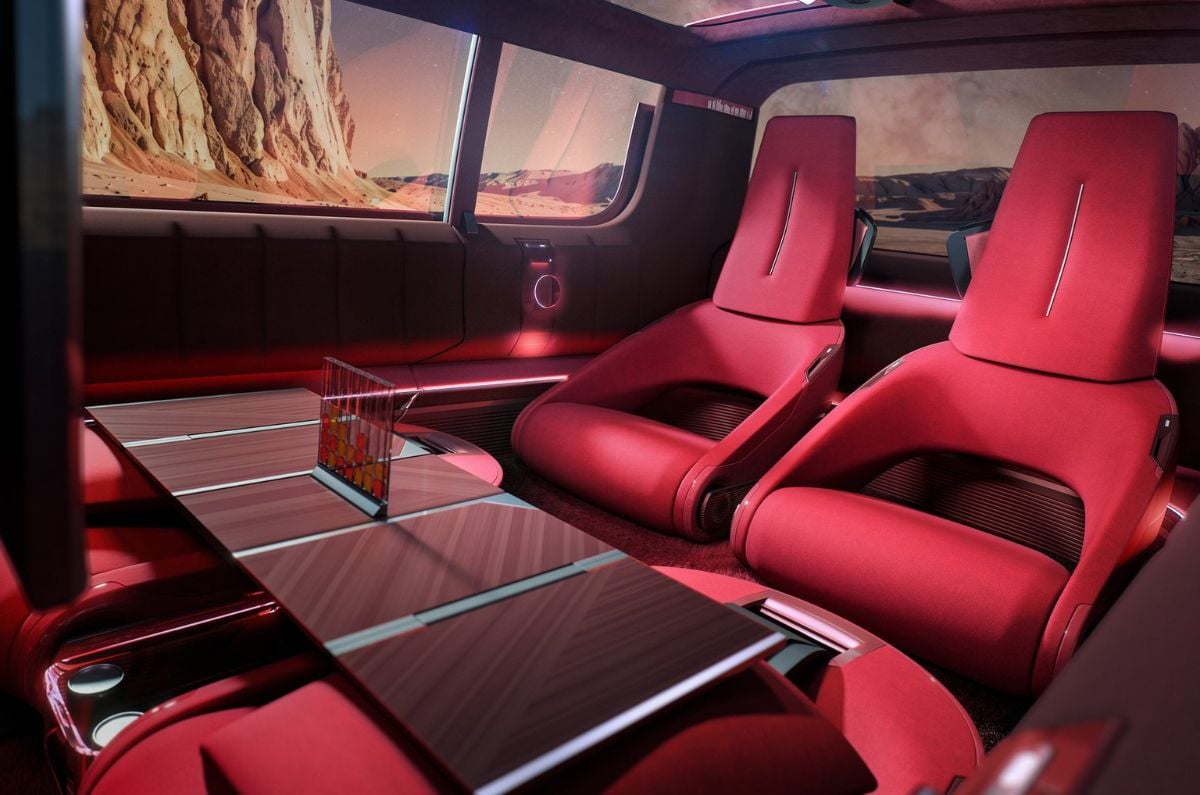
3-row, 6-seater electric MPV aims to maximise interior space and comfort
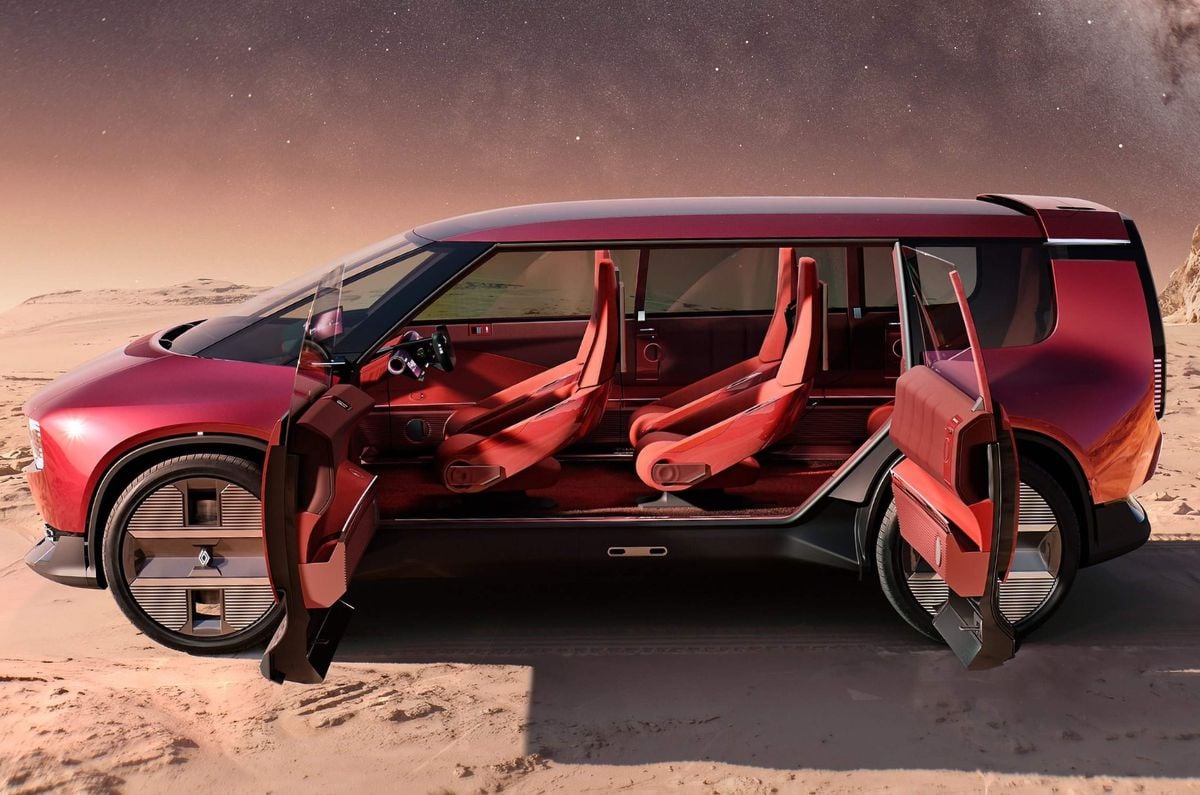
The E-Space Concept revives Renault’s voitures à vivre philosophy. This approach focuses on the human experience and everyday family life rather than raw performance or luxury, all of which are clearly visible in the electric MPV concept’s cabin. It also brings back the vibrant pop interior colours Renault was known for back in the 70s.
The concept features an ‘OpenR Panorama’ screen which spans the entire width of the dashboard. Renault says this display will be in the next-generation Rafale and Scenic models. While this expansive display is not touch-enabled, there is a smaller infotainment touchscreen suspended from the dashboard that can be used to control functions such as music and navigation.
The E-Space concept uses a yoke-style steering wheel and a steer-by-wire system, which frees up space for the driver’s footwell due to a missing mechanical steering column. The steering wheel features touch-sensitive buttons to interact with the OpenR display.
It gets 6 seats spread across three rows. There are folding tables mounted on the front-row seatbacks which second-row passengers can use if they do not spin around to face the third row. The second-row seats can also be folded flat to form a table for those in the third row.
With the E-Space concept, Renault appears to be not only considering a return to the model’s MPV roots, but also hopes to replicate the success of its electric revivals of iconic nameplates such as the Twingo, Renault 4 and Renault 5.
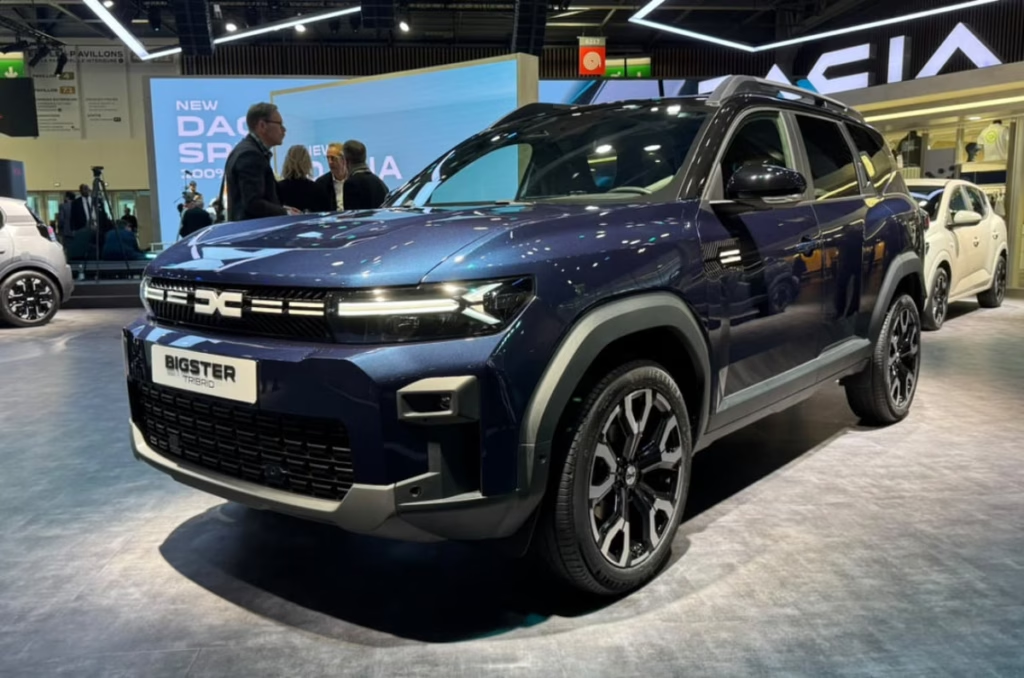
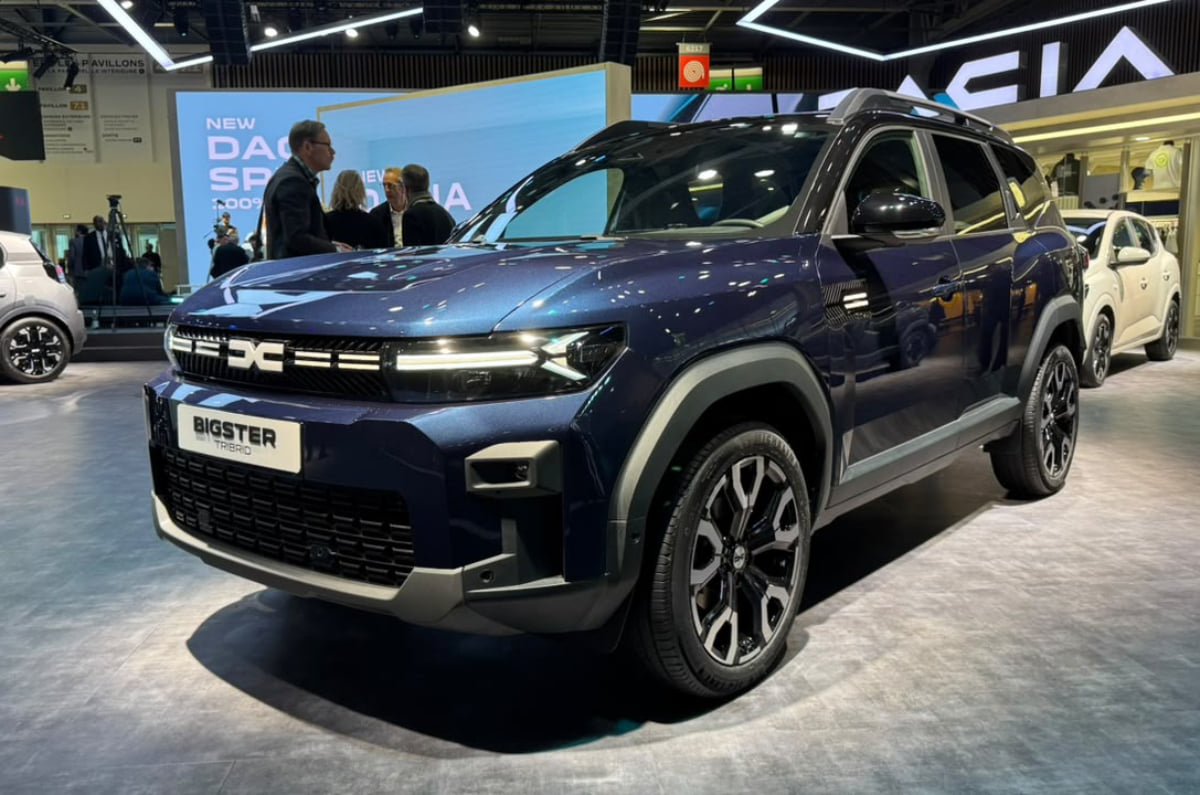
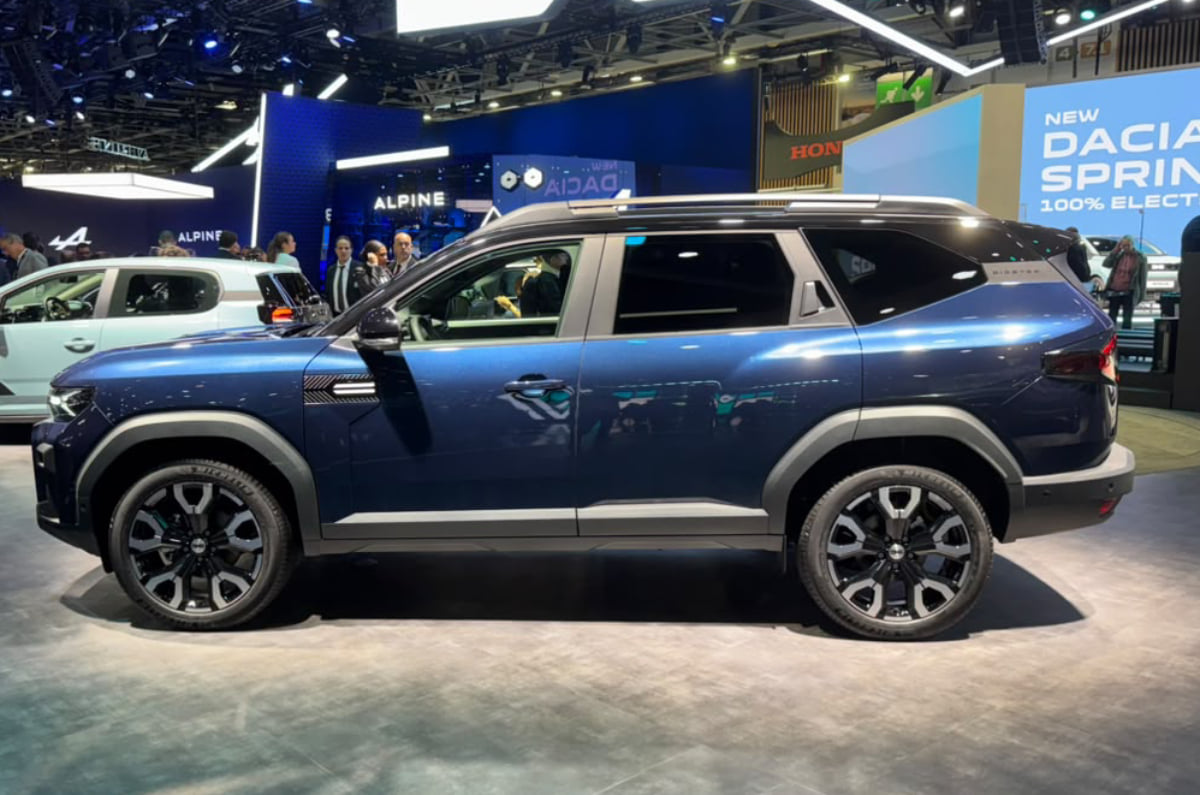
The Dacia Bigster, which is expected to come to India as a Renault in 2027, was showcased at the 2026 Paris Motor Show. The three-row SUV is expected to be positioned as a larger alternative to the Renault Duster, with turbo-petrol and strong-hybrid powertrain options. The hybrid system is set to debut in India in the Duster on October 17, 2026.
Dacia Bigster: Powertrain
Renault strong hybrid E-Tech 160hp powertrain.
The India-bound Bigster is expected to get 1.3-litre turbo-petrol and 1.8-litre strong-hybrid powertrain options. The latter will make its India debut in the Renault Duster later this week.
In the Duster hybrid, the 1.8-litre naturally aspirated petrol engine works with two electric motors and a 1.4kWh battery to produce a combined 160hp and 172Nm. The system uses a multi-mode automatic gearbox with fixed gear ratios. Since this is a strong-hybrid setup, the battery does not require charging via an external source, and it charges while the vehicle is being driven. Renault claims the Duster hybrid can cover up to 80 percent of city driving in electric mode.
The Bigster is expected to use the same hybrid setup, though its power and torque figures could differ due to its larger size.
Dacia Bigster: Exterior
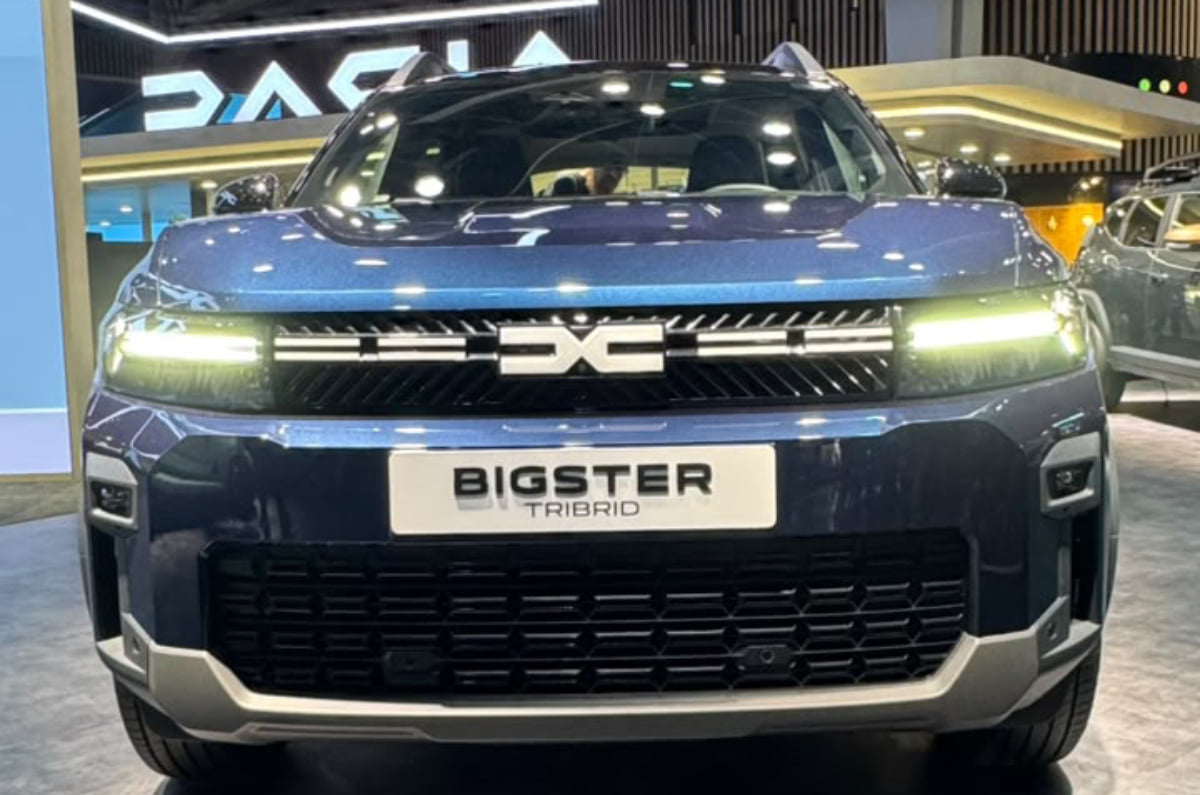
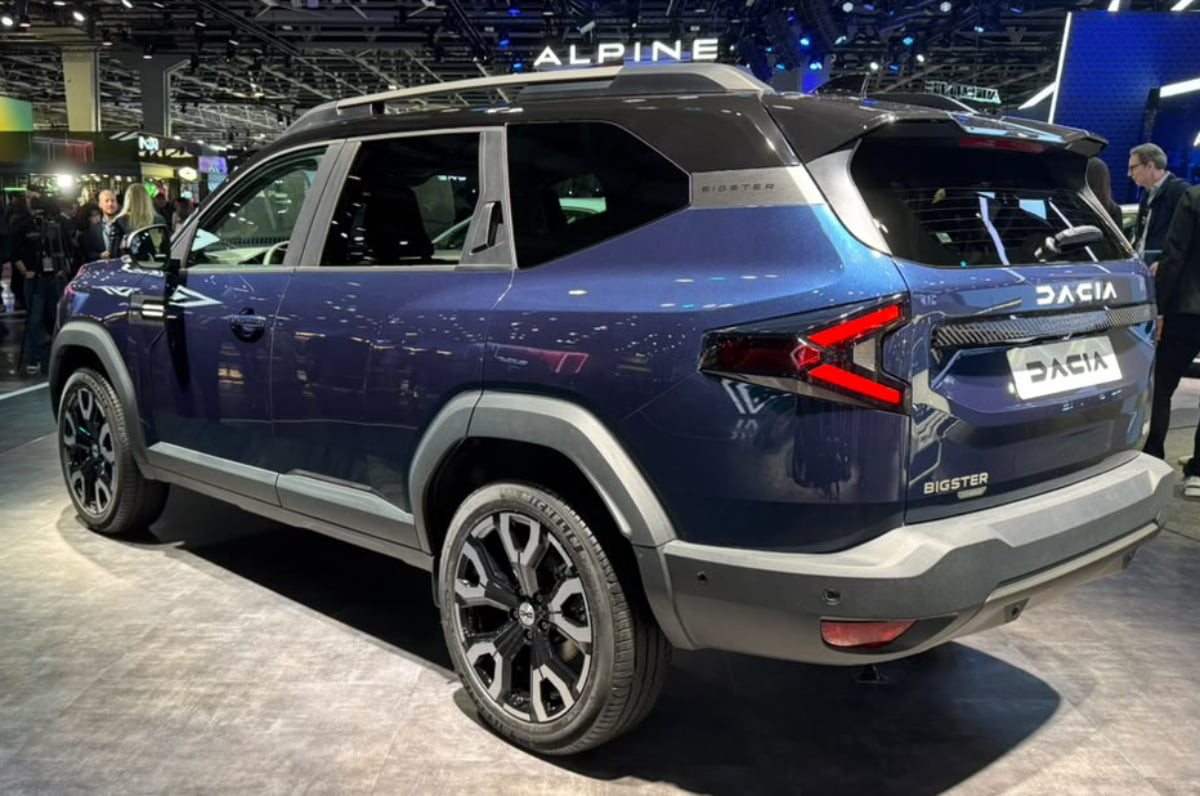
The Bigster is 230mm longer overall than the India-spec Duster, with a 45mm longer wheelbase and much of the added length at the rear overhang. The European Dacia Bigster features a chunky front skid plate, rugged-looking front and rear bumpers, and LED daytime running lights.
Like the India-spec Duster, the India-bound Bigster is expected to get revised styling compared to its Dacia counterpart, including changes to the grille and bumpers. The India-spec Duster gets connected tail-lamps, unlike the European Dacia Duster, which has separate units.
Dacia Bigster: Interior and layout
Renault Duster interior image used for representation only.
The India-bound Bigster is expected to be a seven-seater with three rows. Its cabin layout is expected to be similar to that of the new Renault Duster, with additional features likely for the larger SUV. The Duster gets a 10.1-inch touchscreen infotainment system, a 10.25-inch digital instrument cluster, dual-zone climate control and a wireless phone charger.
Dacia Bigster: India launch and rivals
The Renault-badged Bigster is expected to arrive in India in 2027. It will sit above the Duster in Renault’s SUV line-up and is expected to compete with three-row SUVs such as the Hyundai Alcazar, Mahindra XUV 7XO and MG Hector Tomahawk range.
A Nissan version of the three-row SUV has also been spotted testing in India.
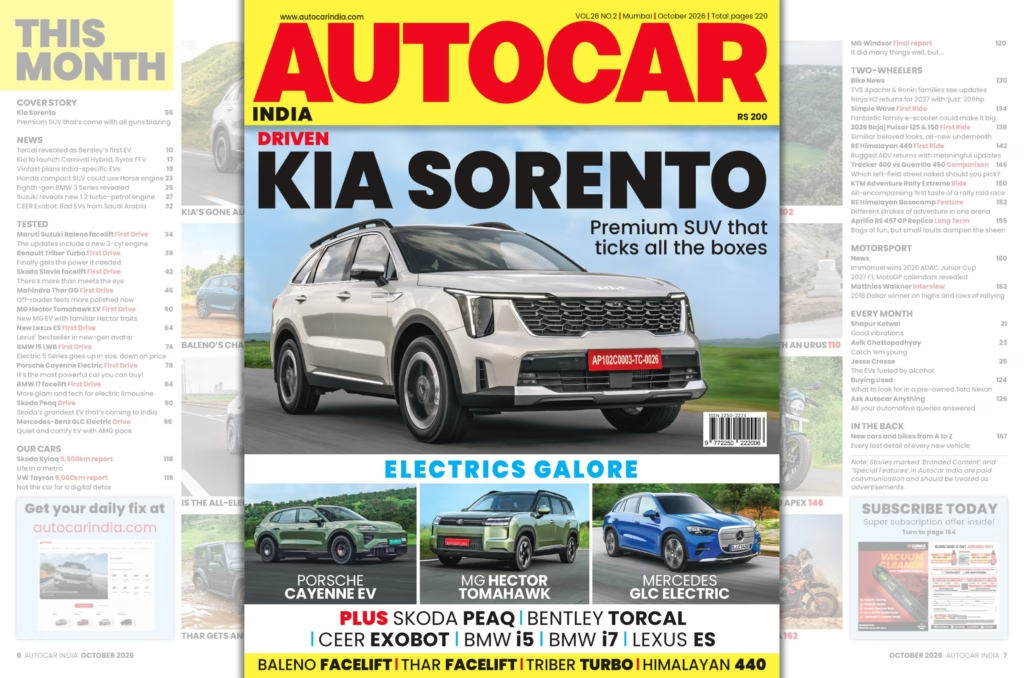
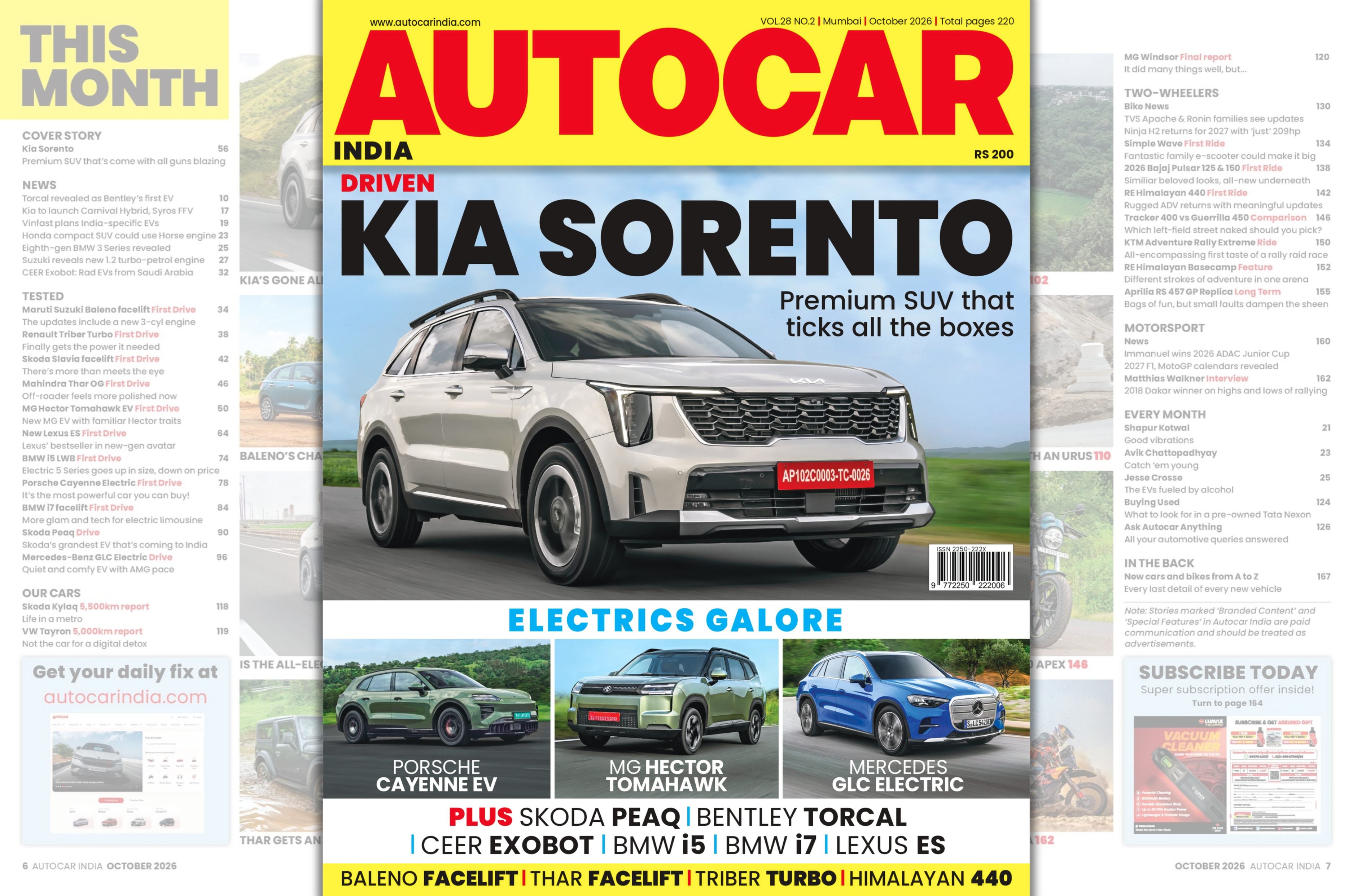
This month, we go big on power and even bigger on premium metal. The cover story is Kia’s biggest swing yet at the executive SUV segment, and then there’s a family SUV with more horsepower than a Lamborghini, and BMW’s electric onslaught continues with a new long-wheelbase sedan and a sharper flagship limousine.
Kia Sorento: Cover Story
Six trims, two powertrains, up to seven seats and 32 variants in all. Kia isn’t dipping a toe into the premium SUV pool; it’s diving straight in, locally assembling the Sorento from Rs 27.99 lakh to take on the Skoda Kodiaq and VW Tayron. Has Kia cracked the code, or has it bitten off more than it can chew?
Porsche Cayenne Electric: First Drive
Forget hypercars. The most powerful vehicle currently on sale in India is a family SUV, the Cayenne Electric, with more horsepower than your senses can fathom. We took it to an airstrip to see what that actually does to your stomach.
BMW i5 LWB & i7 Facelift: First Drives
BMW’s electric push continues, with a long-wheelbase i5 slotting in between the iX1 and flagship i7. Can BMW’s long-wheelbase playbook continue to work? And there’s also the i7 getting a sharper face and more tech to go with it, like it didn’t have enough already.
Mercedes-Benz GLC Electric: Drive
The first-gen electric GLC was far from ideal. The new one, however, is a completely new generation with an 800V architecture, 330kW charging and a claimed 715km range. We took all 489 of its horses to the Autobahn to see how much of an improvement it has been over its predecessor.
MG Hector Tomahawk EV: First Drive
Don’t let the familiar name fool you. The Hector Tomahawk EV rides on MG’s all-new ADAPT platform, bigger than the Mahindra XEV 9S in every dimension, with a PHEV sibling already waiting in the wings.
Maruti Suzuki Baleno, Renault Triber Turbo and Skoda Slavia: First Drives
India’s favourite premium hatch, the Baleno, gets a new engine and ADAS, the budget-friendly Triber finally gets the power it’s been begging for, and the Slavia’s facelift turns out to be more than skin-deep.
Mahindra Thar OG: First Drive
The original three-door Thar gets another round of updates, bringing changes to its engines, equipment and chassis. With the off-road icon continuing to evolve, we head out to discover what this latest iteration brings to the table.
Taking the High Road: Features
Goa’s new Porvorim Elevated Corridor opens on NH66, and we test it in two ways: solo against Google Maps’ ETA in an MG Cyberster, and then flanked by a dozen supercars, Ferraris, a McLaren 750S and a Lamborghini Huracan among them, for its proper initiation.
Rocket Ship to the Moon: Feature
A Lamborghini SUV is already an exercise in excess. Take it somewhere unexpected, add a little spectacle, and you have the ingredients for an automotive adventure that refuses to be ordinary.
Royal Enfield Himalayan 440
The original Himalayan is back with a bigger engine and a handful of meaningful changes. In a world where adventure bikes keep getting more complicated, there’s something rather appealing about going back to basics.
Tracker 400 vs Guerrilla 450: Comparison
Two left-field street nakeds, the Triumph Tracker 400 and Royal Enfield Guerrilla 450, go head-to-head. One takes its inspiration from flat-track racers, while the other fancies itself a sporty roadster. Both want your money, and neither is particularly interested in being sensible about it.
KTM Adventure Rally Extreme: Ride
Adventure riding is all well and good until the road disappears, the terrain turns hostile and you begin questioning your life choices. We get a taste of KTM’s rally raid experience, where the only shortcut is having the skill to take one.
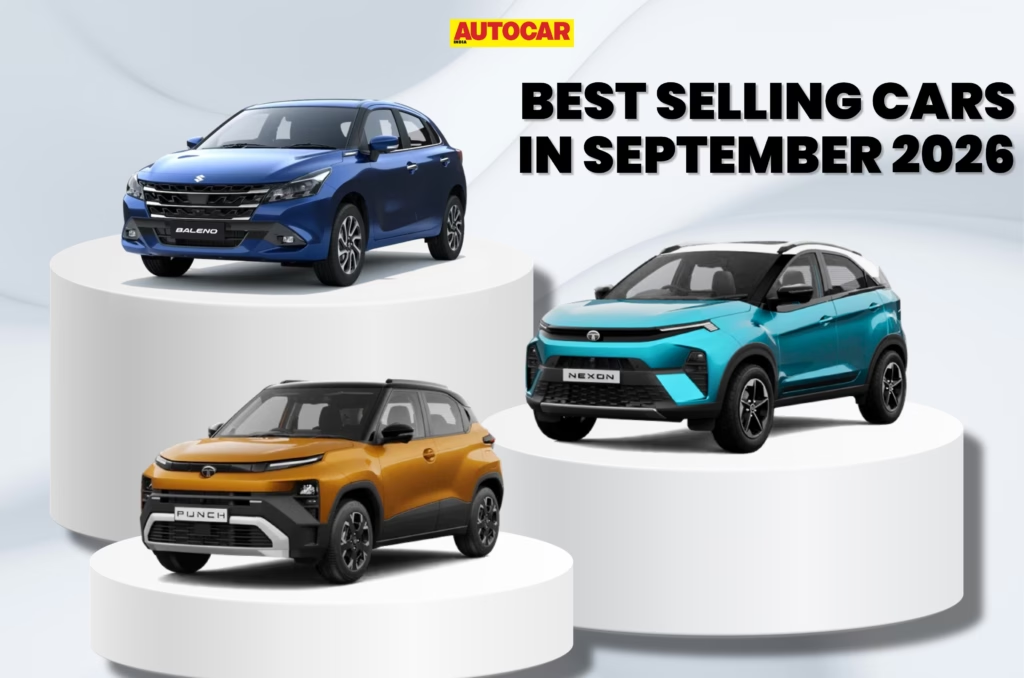
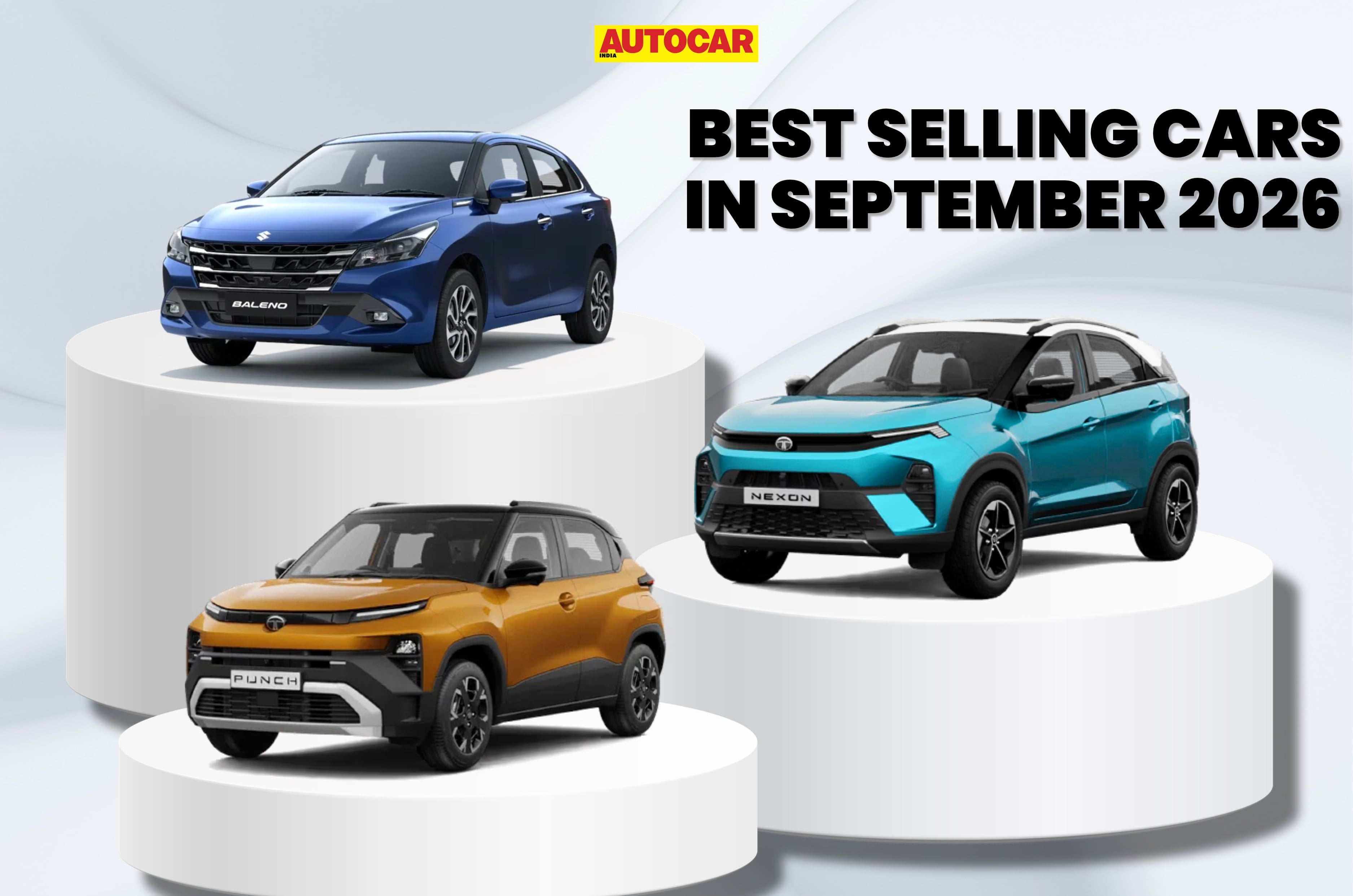
September 2026 saw the Maruti Suzuki Baleno top the best-selling cars list with 25,392 units dispatched, a 93 percent increase year on year. The Tata Nexon and Punch ranked second and third, respectively, with over 20,000 units each. Combined dispatches of the top 10 models rose 15.5 percent to 1,91,332 units. Maruti Suzuki had six models on the list, followed by Tata Motors with two, and Hyundai and Mahindra with one each.
Top 10 best-selling cars in September 2026
Rank
Model
Sep 2026 sales (units)
Aug 2026 sales (units)
Sep 2025 sales (units)
MoM change (%)
YoY change (%)
1
Maruti Baleno
25,392
15,376
13,173
+61
+93
2
Tata Nexon
20,456
18,431
22,573
+11
-9
3
Tata Punch
20,333
21,320
15,891
-5
+28
4
Maruti Fronx
19,282
18,730
13,767
+3
+40
5
Maruti Wagon R
18,835
20,180
15,388
-7
+22
6
Maruti Dzire
17,754
18,418
20,038
-4
-11
7
Hyundai Creta
17,657
16,288
18,861
+8
-6
8
Maruti Swift
17,399
19,832
15,547
-12
+12
9
Mahindra Scorpio
17,313
15,576
18,372
+11
-6
10
Maruti Ertiga
16,911
18,516
12,115
-9
+40
1. Maruti Suzuki Baleno
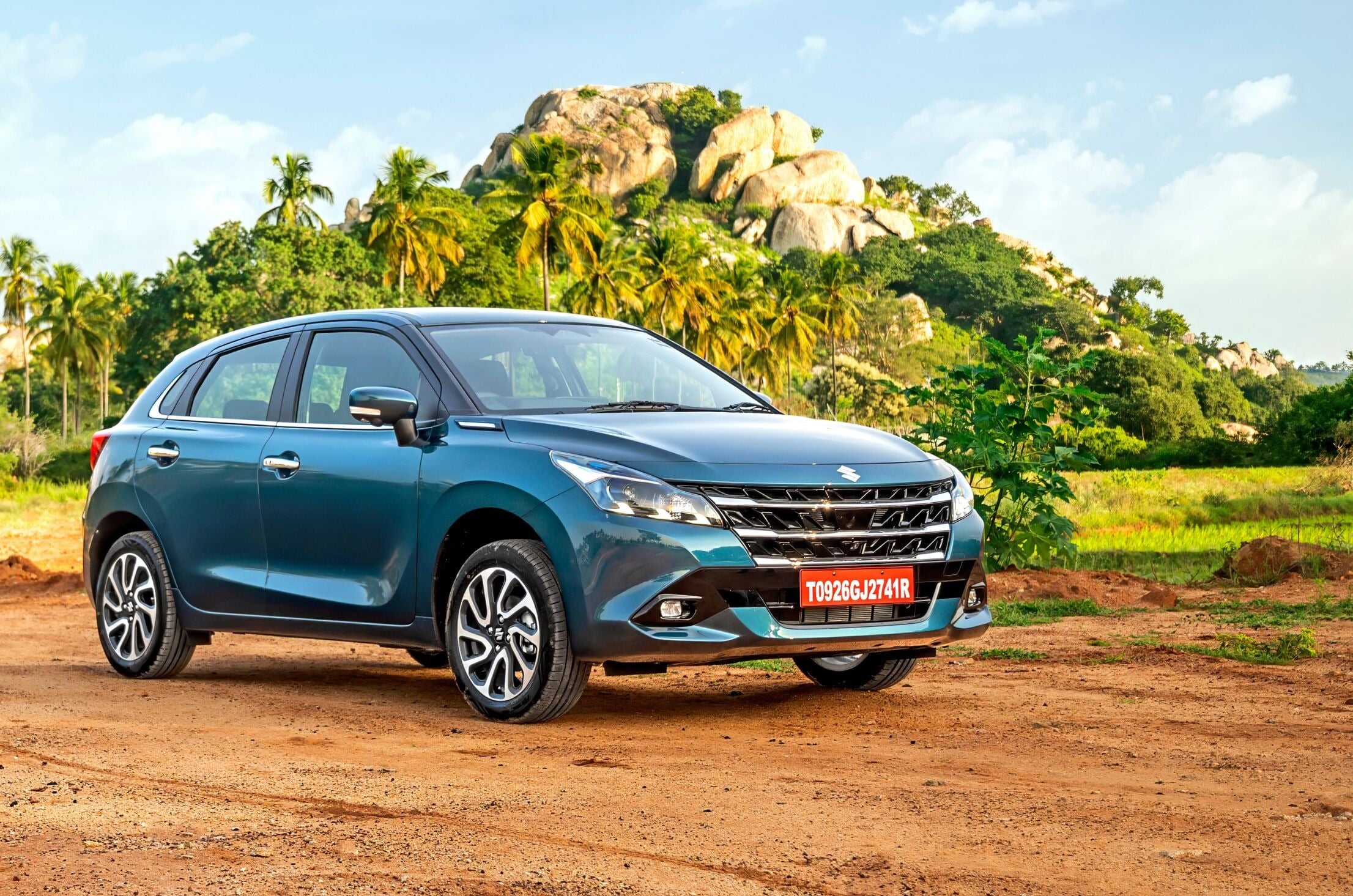
The Maruti Suzuki Baleno topped the September 2026 sales rankings with 25,392 units, compared with 13,173 units in September 2025. Its dispatches increased 93 percent year on year, the highest growth rate among the 10 models. The premium hatchback recently received a facelift and is sold through Maruti Suzuki’s Nexa dealership network. It rivals the Hyundai i20, Tata Altroz and Toyota Glanza. The Baleno is priced between Rs 5.99 lakh and Rs 9.99 lakh.
2. Tata Nexon
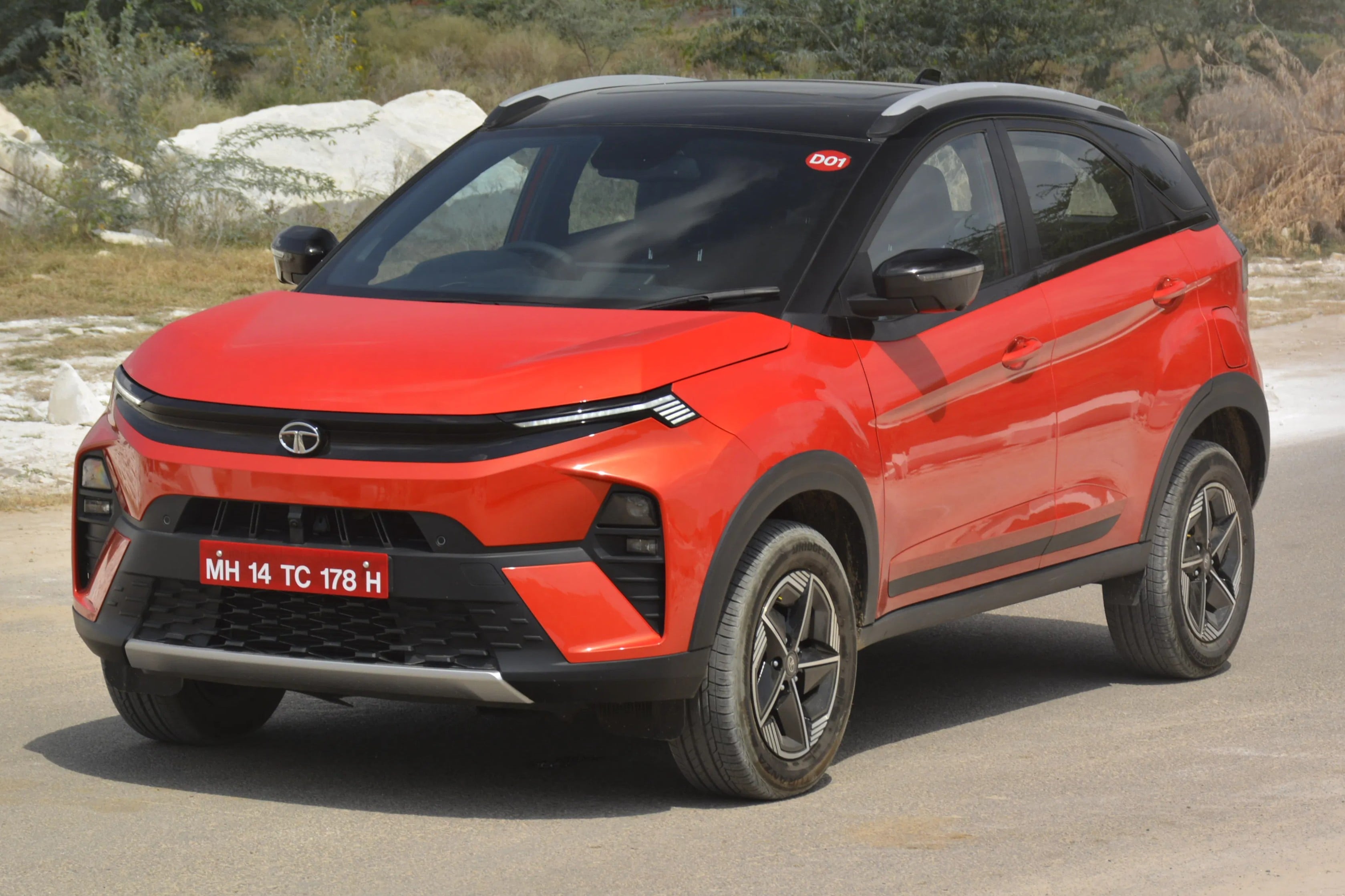
The Tata Nexon, including the Nexon EV, recorded 20,456 units in September 2026, down 9 percent from 22,573 units in the same month last year. It finished second, just 123 units ahead of the Punch. The Nexon is available with petrol, diesel, CNG and electric powertrains. It rivals the Maruti Suzuki Brezza, Hyundai Venue, Kia Sonet and Mahindra XUV 3XO and is priced from Rs 7.40 lakh to Rs 14.52 lakh for the ICE powered Nexon, while the Nexon EV starts at Rs 12.49 lakh and goes up to 17.89 lakh.
3. Tata Punch
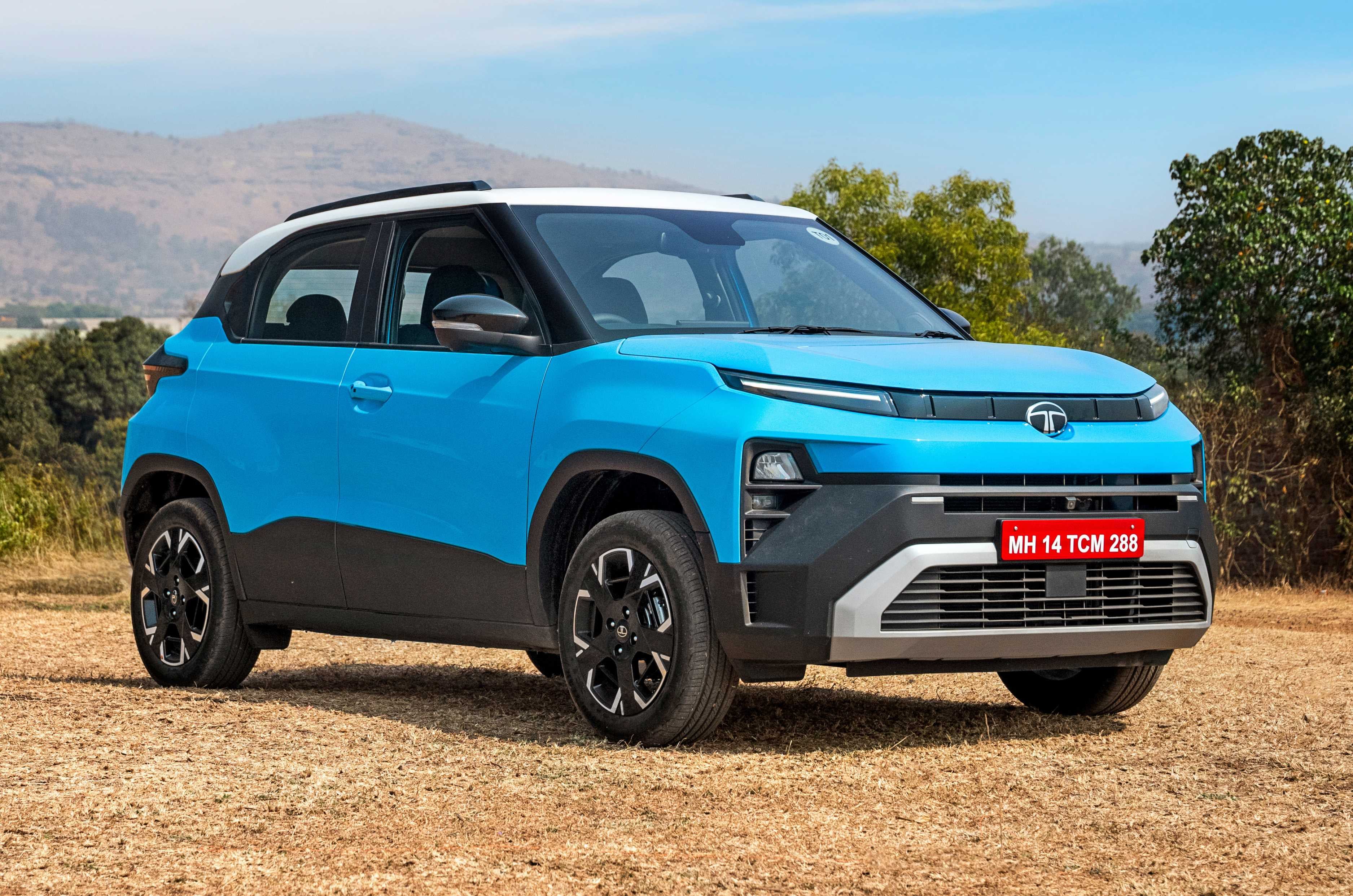
The Tata Punch, including the Punch EV, recorded 20,333 units in September 2026, up 28 percent from 15,891 units a year earlier. It ranked third in the overall list, with the Nexon finishing narrowly ahead. Tata’s smallest SUV is offered with multiple powertrain options, while its compact dimensions and ride-and-handling balance remain key strengths. The Punch rivals the Hyundai Exter and Citroen C3 and is priced from Rs 5.75 lakh to Rs 10.77 lakh. The Punch EV meanwhile is priced from Rs 9.79 lakh to Rs 12.99 lakh.
4. Maruti Suzuki Fronx
The Maruti Suzuki Fronx ranked fourth in September 2026 with 19,282 units, compared with 13,767 units in September 2025. Its dispatches increased 40 percent year on year. The Fronx’s crossover styling, comfortable cabin and fuel-efficient powertrains continue to support demand, although it lacks some popular features. It rivals the Nissan Magnite and Renault Kiger and is priced between Rs 6.85 lakh and Rs 11.84 lakh.
5. Maruti Suzuki Wagon R
The Maruti Suzuki Wagon R recorded 18,835 units in September 2026, up 22 percent from 15,388 units in the same month last year. It finished fifth in the rankings. Its spacious cabin, ease of driving and low running costs remain key strengths, although its light build and limited highway ability are drawbacks. The Wagon R rivals the Tata Tiago and Citroen C3 and is priced between Rs 4.99 lakh and Rs 7.24 lakh.
6. Maruti Suzuki Dzire
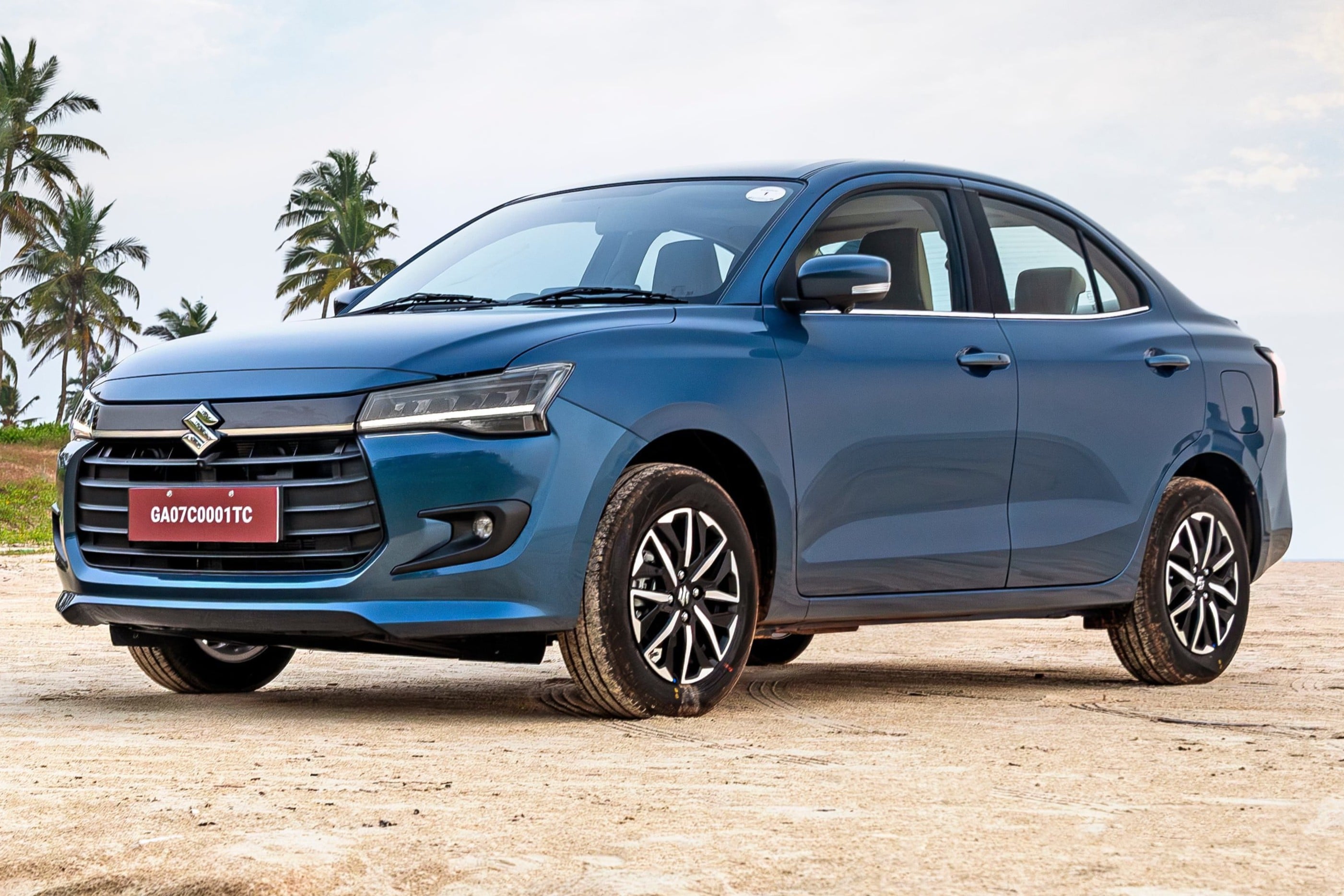
The Maruti Suzuki Dzire recorded 17,754 units in September 2026, down 11 percent from 20,038 units in September 2025. It ranked sixth and was the only sedan in the top 10. Strong fleet demand, fuel efficiency and a well-balanced ride and handling setup continue to support the compact sedan’s volumes. The Dzire rivals the Hyundai Aura, Honda Amaze and Tata Tigor and is priced between Rs 6.31 lakh and Rs 9.41 lakh.
7. Hyundai Creta
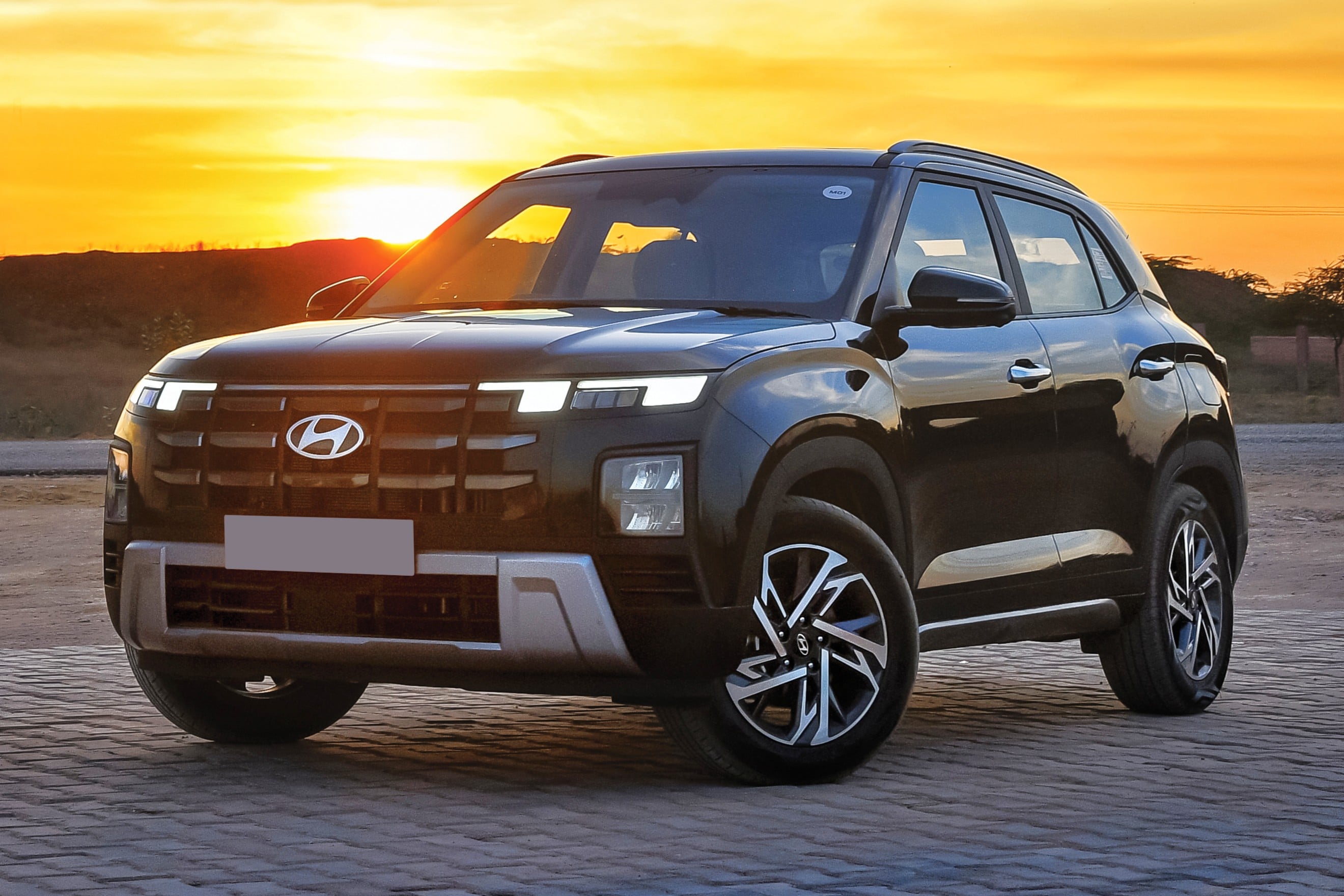
The Hyundai Creta, including the Creta Electric, recorded 17,657 units in September 2026, a 6 percent decline from 18,861 units in the year-ago month. It was the only Hyundai model in the top 10, finishing seventh. A roomy cabin, multiple powertrain options and a long feature list continue to attract buyers, although the top variants are expensive and some interior plastics could be better. The Creta rivals the Kia Seltos, Maruti Suzuki Grand Vitara, Toyota Urban Cruiser Hyryder, Honda Elevate and Tata Sierra. It is priced between Rs 10.91 lakh and Rs 20.14 lakh.
8. Maruti Suzuki Swift
The Maruti Suzuki Swift recorded 17,399 units in September 2026, up 12 percent from 15,547 units a year earlier. It finished eighth and was one of three Maruti Suzuki hatchbacks in the top 10. Its high fuel efficiency, light controls and easy-to-drive nature continue to support demand, although the top variants are priced close to the more premium Baleno. The Swift rivals the Hyundai Grand i10 Nios and Tata Tiago and is priced between Rs 5.84 lakh and Rs 8.74 lakh.
9. Mahindra Scorpio
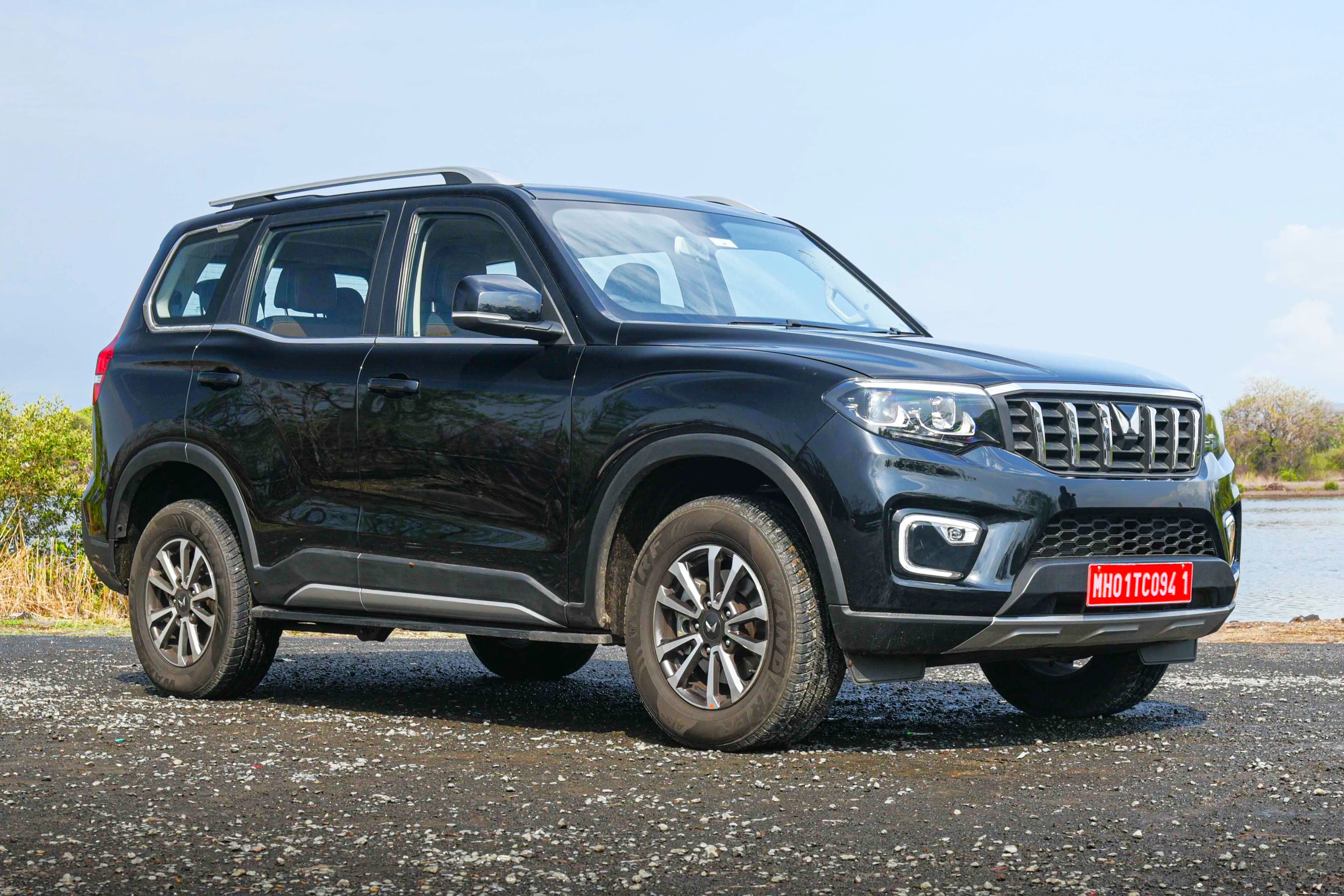
The Mahindra Scorpio, combining the Scorpio N and Scorpio Classic, recorded 17,313 units in September 2026. This was down 6 percent from 18,372 units in September 2025, placing it ninth. The Scorpio nameplate remains popular for its strong engines, rugged character and off-road ability. However, the third-row seating is cramped and the luggage area is not particularly practical. The Scorpio N rivals the Tata Safari, Hyundai Alcazar and Mahindra XUV 7XO and is priced from Rs 13.69 lakh to Rs 25.49 lakh.
10. Maruti Suzuki Ertiga
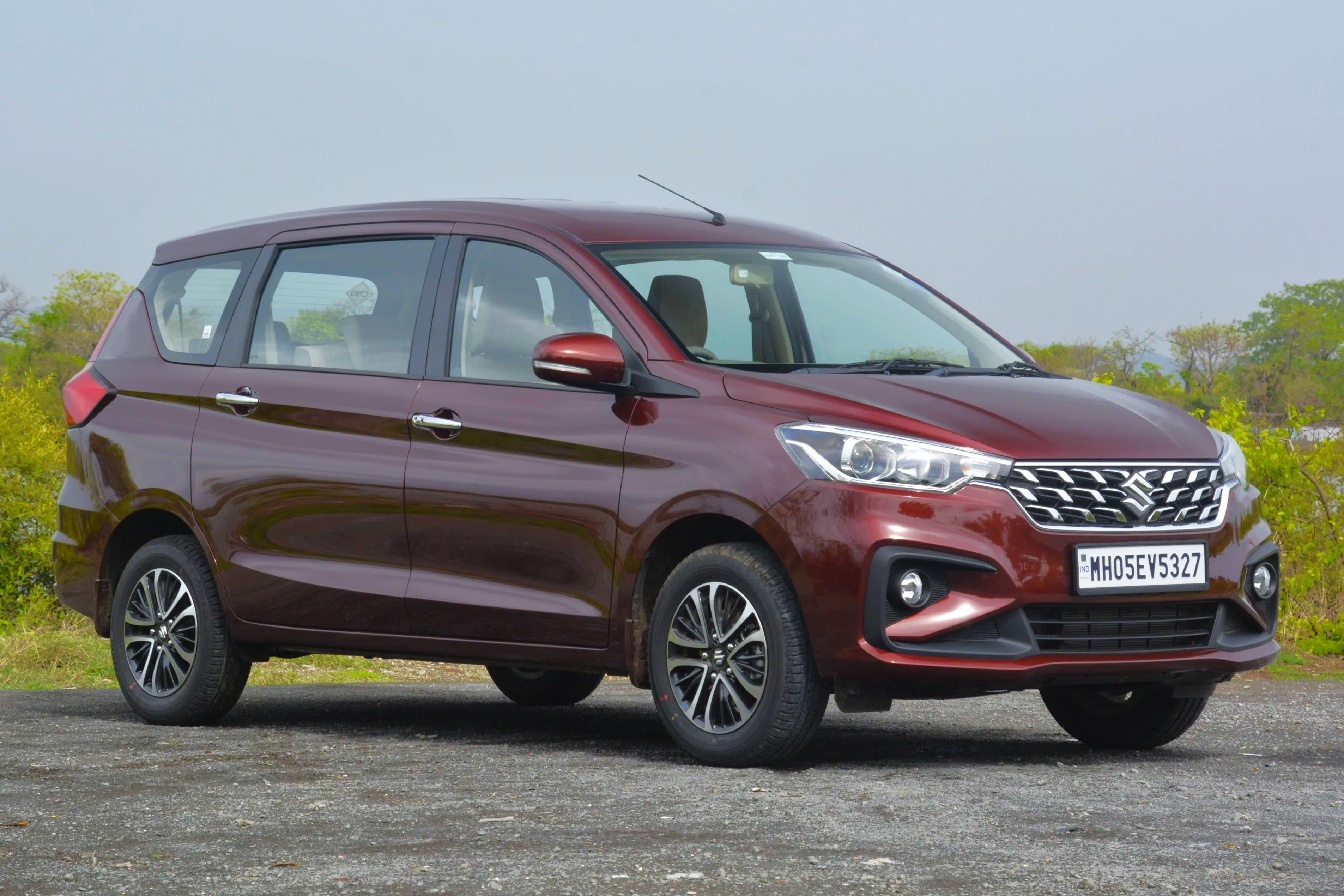
The Maruti Suzuki Ertiga completed the top 10 with 16,911 units in September 2026, up 40 percent from 12,115 units in the same month last year. It was the sixth Maruti Suzuki model in the rankings. The Ertiga continues to hold the title of India’s highest-selling MPV. Its practical cabin, strong fuel efficiency and value-for-money positioning attract both private and fleet buyers, although it misses out on some features offered by rivals. It is priced from Rs 8.90 lakh to Rs 13.04 lakh and rivals the Kia Carens and Toyota Rumion.
This month, we go big on power and even bigger on premium metal. The cover story is Kia’s biggest swing yet at the executive SUV segment, and then there’s a family SUV with more horsepower than a Lamborghini, and BMW’s electric onslaught continues with a new long-wheelbase sedan and a sharper flagship limousine.
Kia Sorento: Cover Story
Six trims, two powertrains, up to seven seats and 32 variants in all. Kia isn’t dipping a toe into the premium SUV pool; it’s diving straight in, locally assembling the Sorento from Rs 27.99 lakh to take on the Skoda Kodiaq and VW Tayron. Has Kia cracked the code, or has it bitten off more than it can chew?
Porsche Cayenne Electric: First Drive
Forget hypercars. The most powerful vehicle currently on sale in India is a family SUV, the Cayenne Electric, with more horsepower than your senses can fathom. We took it to an airstrip to see what that actually does to your stomach.
BMW i5 LWB & i7 Facelift: First Drives
BMW’s electric push continues, with a long-wheelbase i5 slotting in between the iX1 and flagship i7. Can BMW’s long-wheelbase playbook continue to work? And there’s also the i7 getting a sharper face and more tech to go with it, like it didn’t have enough already.
Mercedes-Benz GLC Electric: Drive
The first-gen electric GLC was far from ideal. The new one, however, is a completely new generation with an 800V architecture, 330kW charging and a claimed 715km range. We took all 489 of its horses to the Autobahn to see how much of an improvement it has been over its predecessor.
MG Hector Tomahawk EV: First Drive
Don’t let the familiar name fool you. The Hector Tomahawk EV rides on MG’s all-new ADAPT platform, bigger than the Mahindra XEV 9S in every dimension, with a PHEV sibling already waiting in the wings.
Maruti Suzuki Baleno, Renault Triber Turbo and Skoda Slavia: First Drives
India’s favourite premium hatch, the Baleno, gets a new engine and ADAS, the budget-friendly Triber finally gets the power it’s been begging for, and the Slavia’s facelift turns out to be more than skin-deep.
Mahindra Thar OG: First Drive
The original three-door Thar gets another round of updates, bringing changes to its engines, equipment and chassis. With the off-road icon continuing to evolve, we head out to discover what this latest iteration brings to the table.
Taking the High Road: Features
Goa’s new Porvorim Elevated Corridor opens on NH66, and we test it in two ways: solo against Google Maps’ ETA in an MG Cyberster, and then flanked by a dozen supercars, Ferraris, a McLaren 750S and a Lamborghini Huracan among them, for its proper initiation.
Rocket Ship to the Moon: Feature
A Lamborghini SUV is already an exercise in excess. Take it somewhere unexpected, add a little spectacle, and you have the ingredients for an automotive adventure that refuses to be ordinary.
Royal Enfield Himalayan 440
The original Himalayan is back with a bigger engine and a handful of meaningful changes. In a world where adventure bikes keep getting more complicated, there’s something rather appealing about going back to basics.
Tracker 400 vs Guerrilla 450: Comparison
Two left-field street nakeds, the Triumph Tracker 400 and Royal Enfield Guerrilla 450, go head-to-head. One takes its inspiration from flat-track racers, while the other fancies itself a sporty roadster. Both want your money, and neither is particularly interested in being sensible about it.
KTM Adventure Rally Extreme: Ride
Adventure riding is all well and good until the road disappears, the terrain turns hostile and you begin questioning your life choices. We get a taste of KTM’s rally raid experience, where the only shortcut is having the skill to take one.
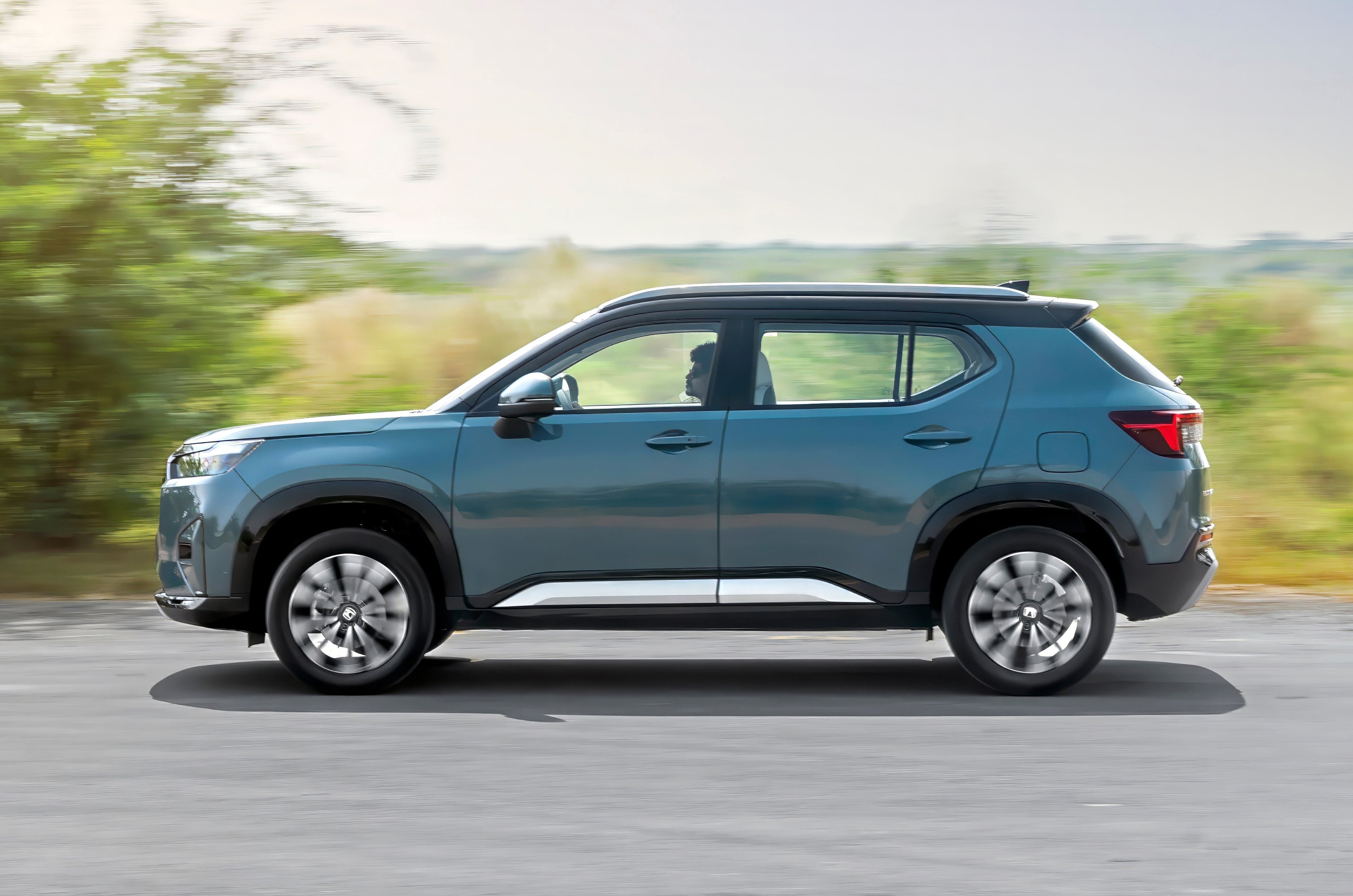
Honda has priced the 2026 Elevate facelift from Rs 11.80 lakh to Rs 18.58 lakh (ex-showroom). Its list of midsize SUV rivals is pretty long, and includes the Hyundai Creta, Kia Seltos, Tata Sierra, Renault Duster, Nissan Tekton, Volkswagen Taigun and Skoda Kushaq. The Elevate is underpinned by the City’s platform, and comes with a single 1.5-litre petrol engine with a choice of manual and CVT gearboxes. Here’s what works in the updated Elevate’s favour, and what doesn’t.
Reasons to buy the 2026 Honda Elevate facelift
Eager engine and confident road manners
A lively engine, tidy handling and strong brakes are among the Elevate’s fortes
The Elevate’s i-VTEC engine provides strong performance, while high-speed stability is good too.
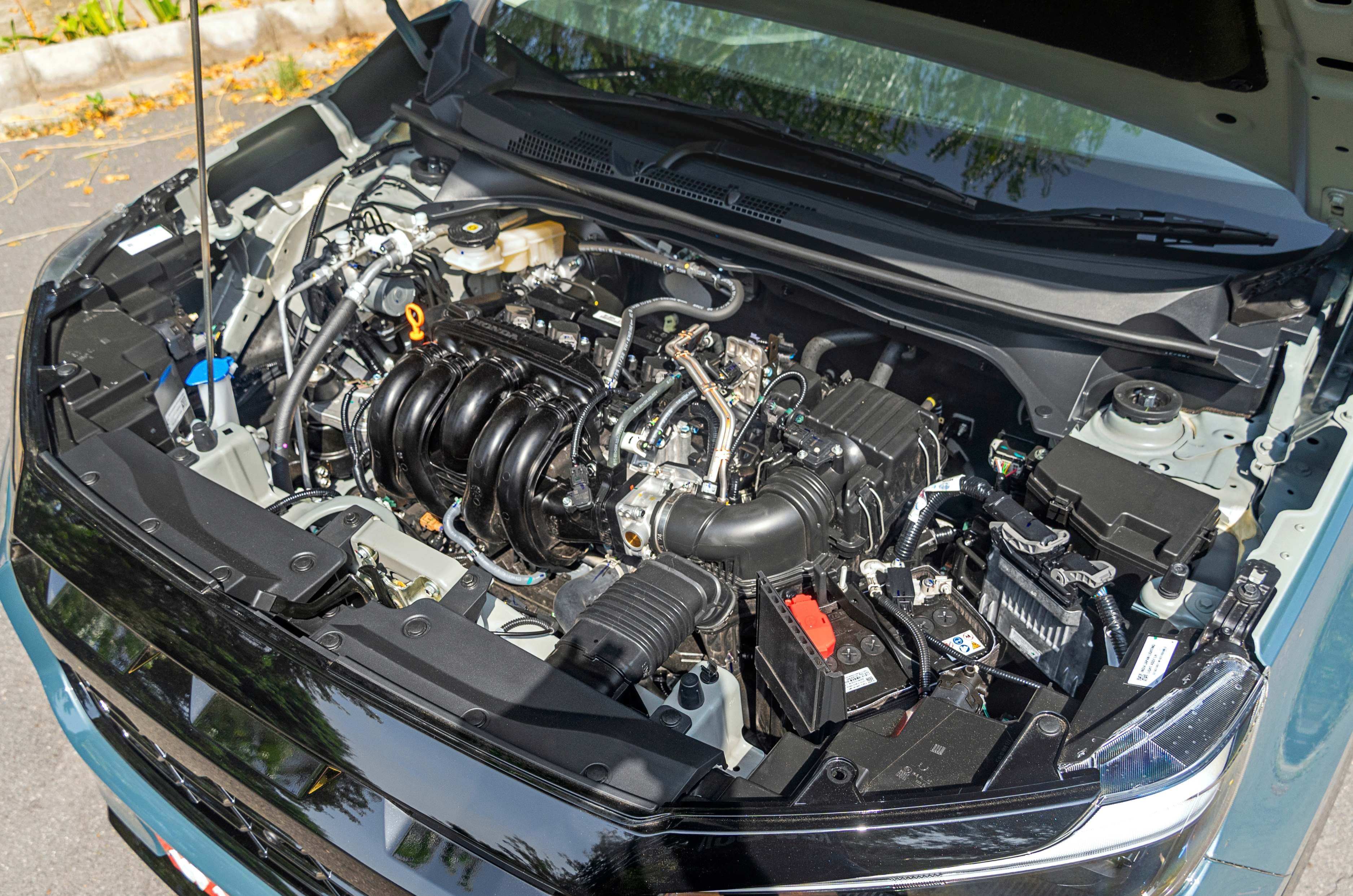
The 2026 Elevate continues with the same 1.5-litre four-cylinder i-VTEC petrol engine of its predecessor, but it’s now WLTP emissions norms compliant. The smooth and eager unit produces 121hp and 145Nm of torque, delivering this power cleanly and progressively all through its rev range. The throttle response is sharp, too. For those looking for a hassle-free urban commuter, the smooth CVT (continuously variable transmission) does the job well. It also gets paddle shifters so you can move through pre-set ratios, offering that extra sense of control.
The Elevate feels planted and offers a good balance between handling and ride quality.
The Elevate has always been an easy car to drive around town, courtesy of a light yet responsive steering that makes parking manoeuvres easy. The steering weighs up progressively as speeds rise, and the Elevate also feels planted out on the open highway, inspiring confidence. A good control on body roll means that, despite its tall SUV stance, the Honda Elevate corners neatly without much drama. The brakes are strong and feel progressive, further inspiring driver confidence. The ride feels firm but the Elevate manages to smooth out surface imperfections with relative ease.
Premium and comfy cabin
Interior retains the model’s practicality quotient while upping the premium experience
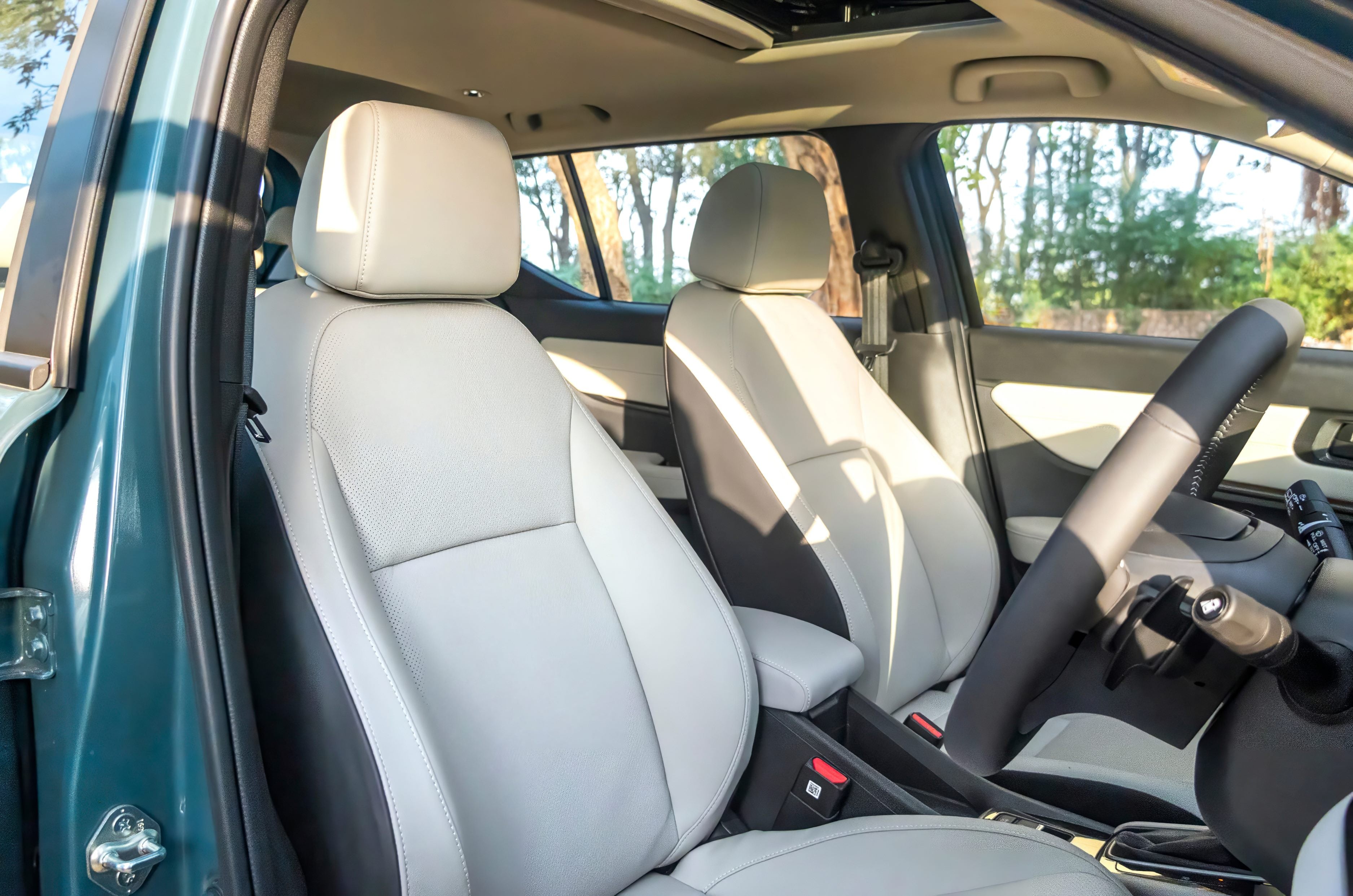
The 2026 update has made this interior feel more premium.
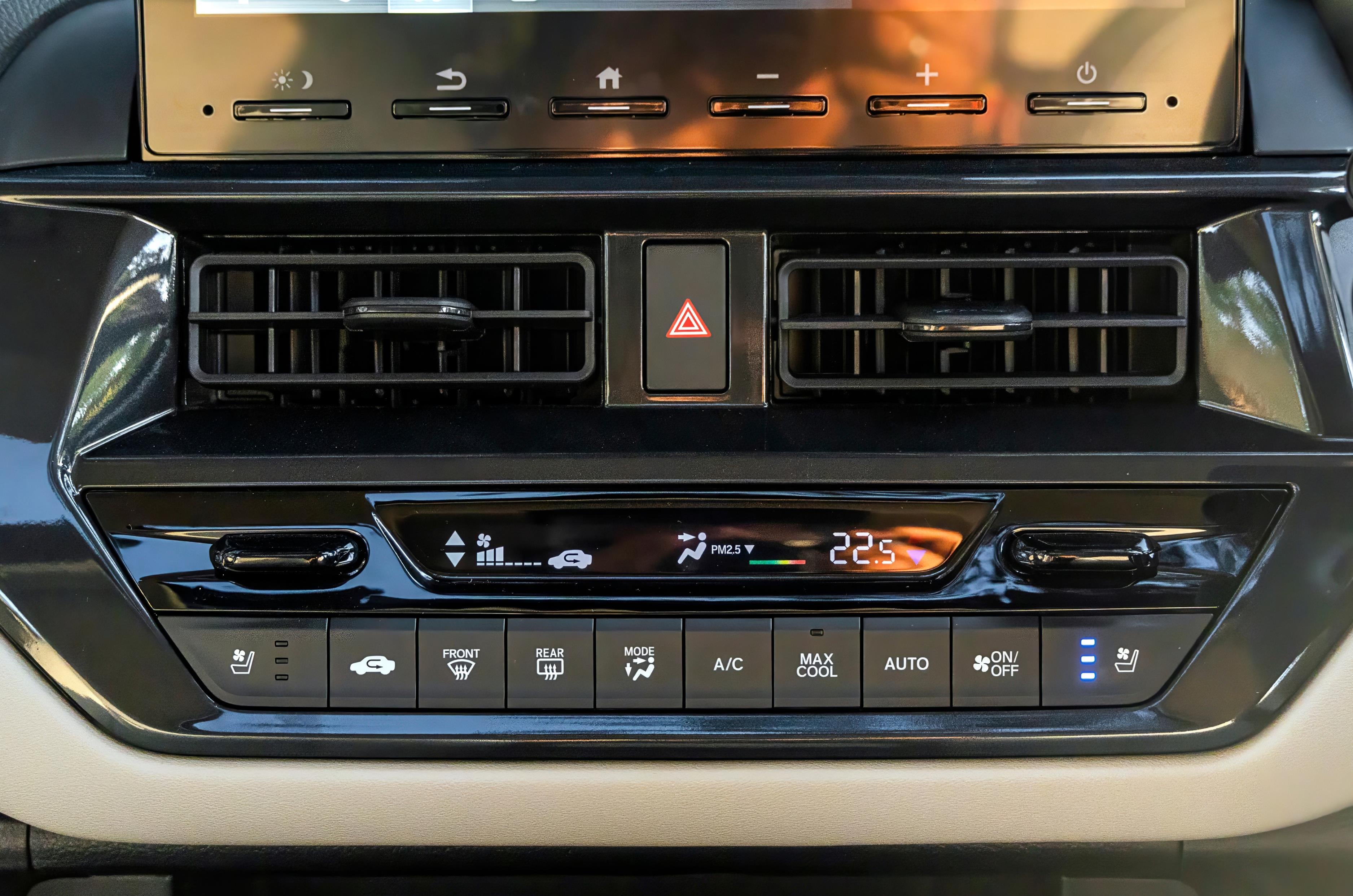
The Elevate has been known for providing an ergonomically sound cabin – this hasn’t changed with the 2026 update. The front seats remain nice and supportive, while finding a comfortable driving position is easy. There’s now lighter leatherette padding and stitching on the dashboard, a revised headliner that looks and feels more premium, and an updated HVAC panel with buttons for the front-seat ventilation feature.
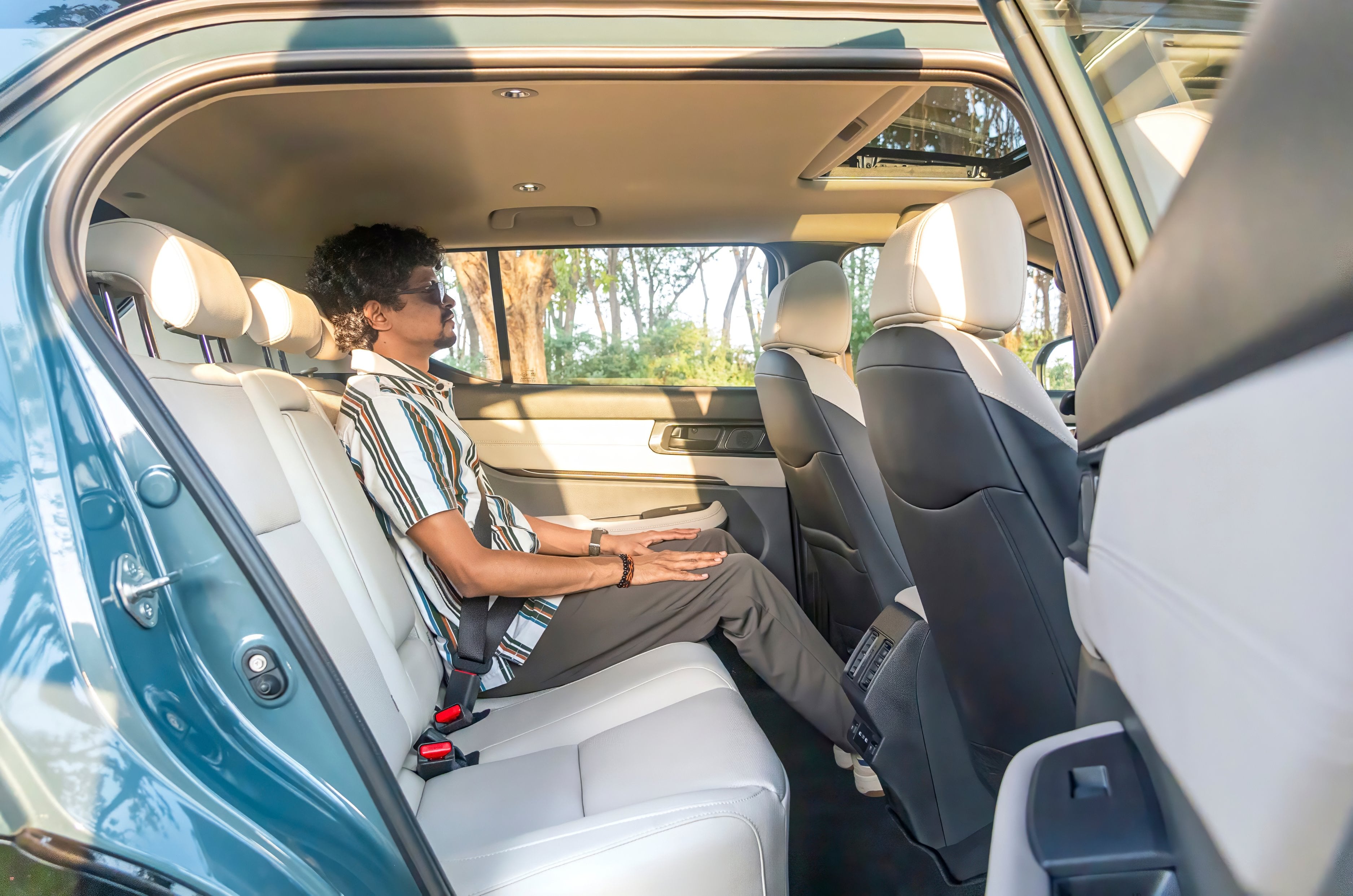
Headroom and kneerom for back-seat passengers is good.
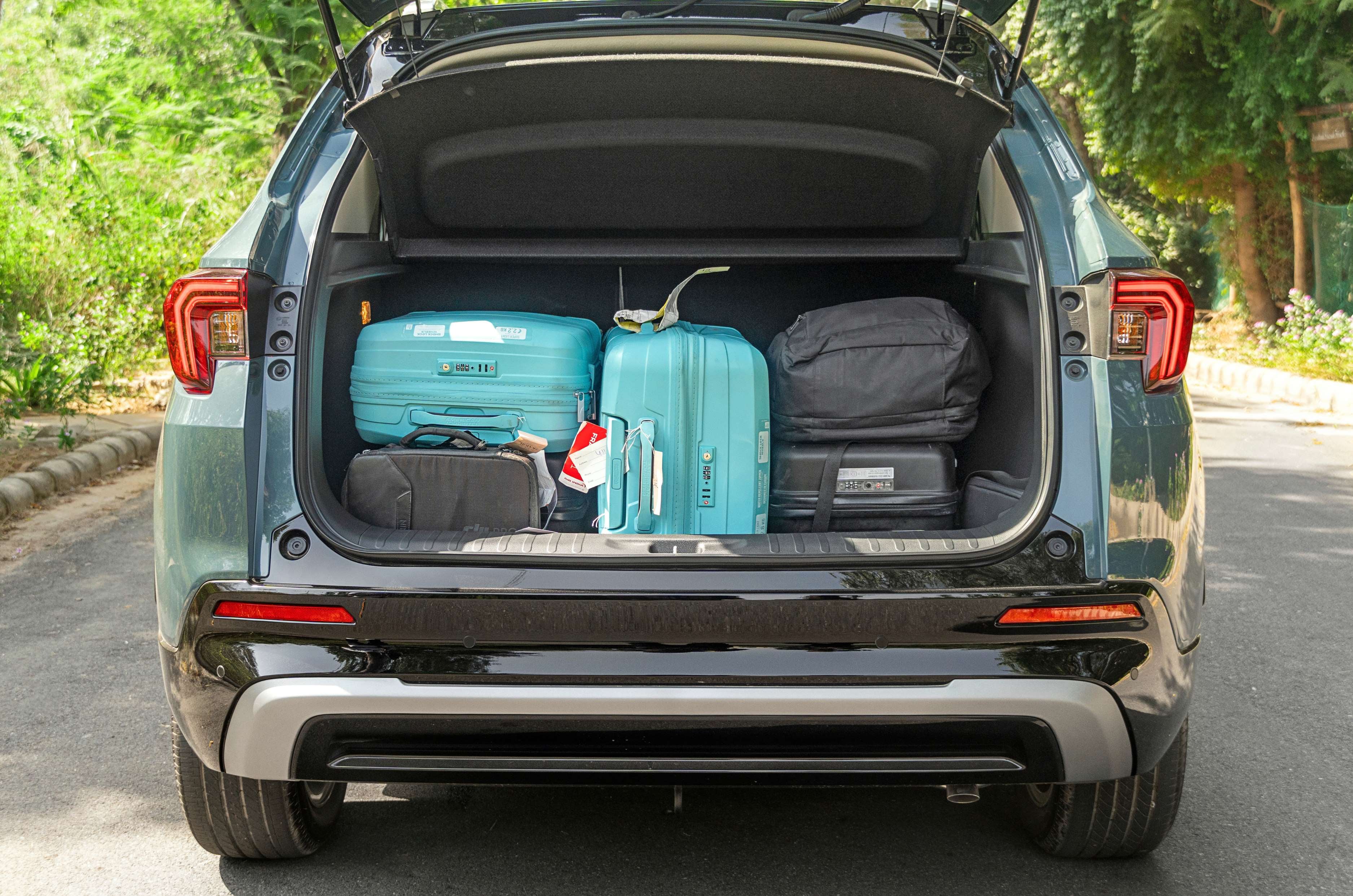
It is easy to get comfortable in the back of the Honda Elevate facelift. There’s plenty of headroom and kneeroom for two adults, while conveniences like a centre armrest with cupholders, dedicated AC vents and USB charging ports add to the overall experience. There’s also no shortage of cubbies to store your knick-knacks, plus a roomy 458-litre boot. You also get a spare tyre under the boot floor, further boosting the Elevate’s practicality.
Better equipped than before
Honda has added more features to the Elevate’s equipment list
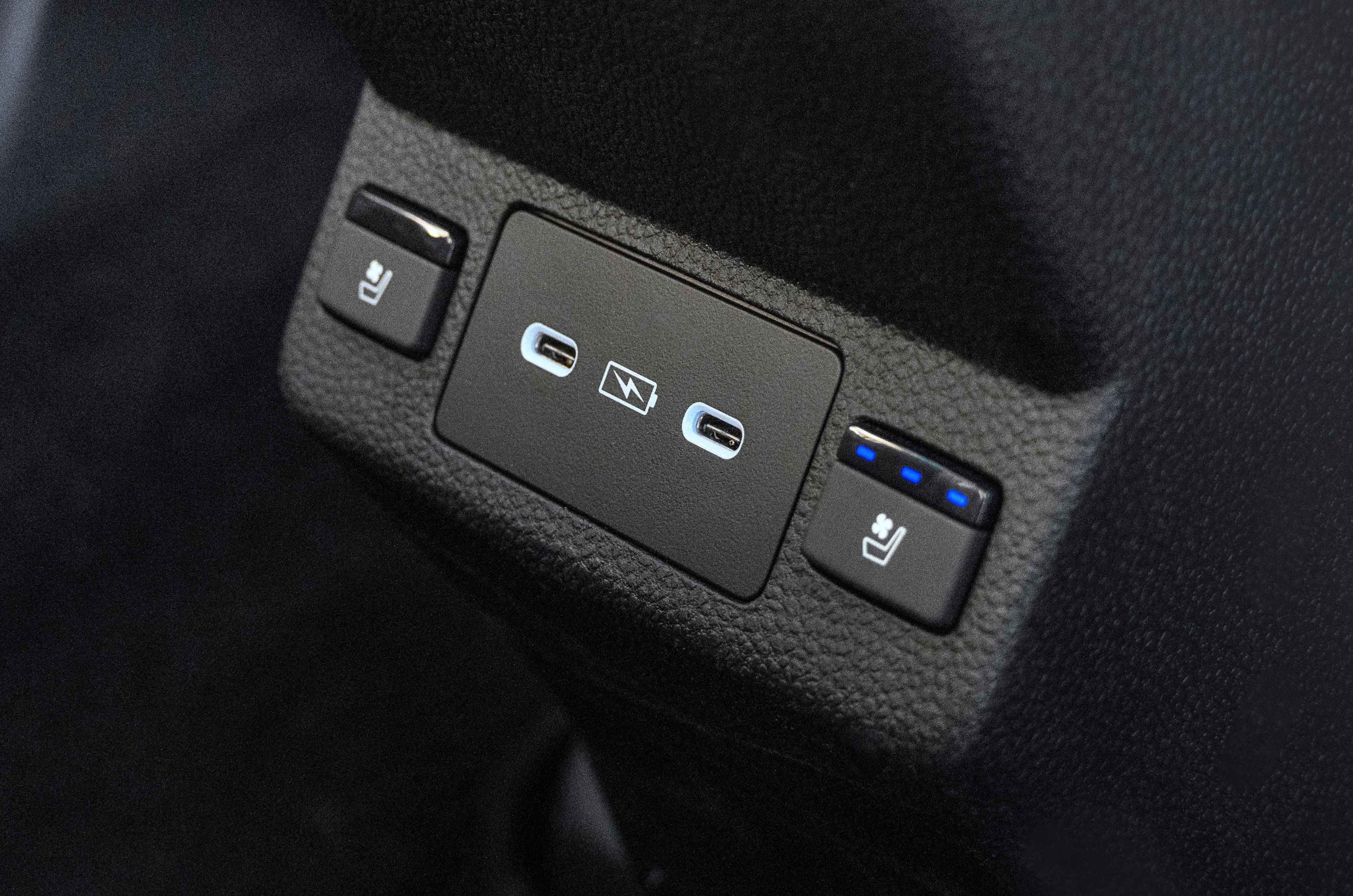
The Honda Elevate now gets segment-first rear-seat ventilation.
The back seats of the 2026 Elevate facelift are also where you will see the new touch-operated LED reading lamps. The Elevate now offers rear-seat ventilation, which is a first for the segment. Features such as orange ambient lighting, multi-way powered front seats, wireless charging, auto climate control with a built-in PM2.5 air purifier, wireless Apple CarPlay & Android Auto, an 8-speaker audio system, a 7-inch MID, and a 360-degree camera are available too.
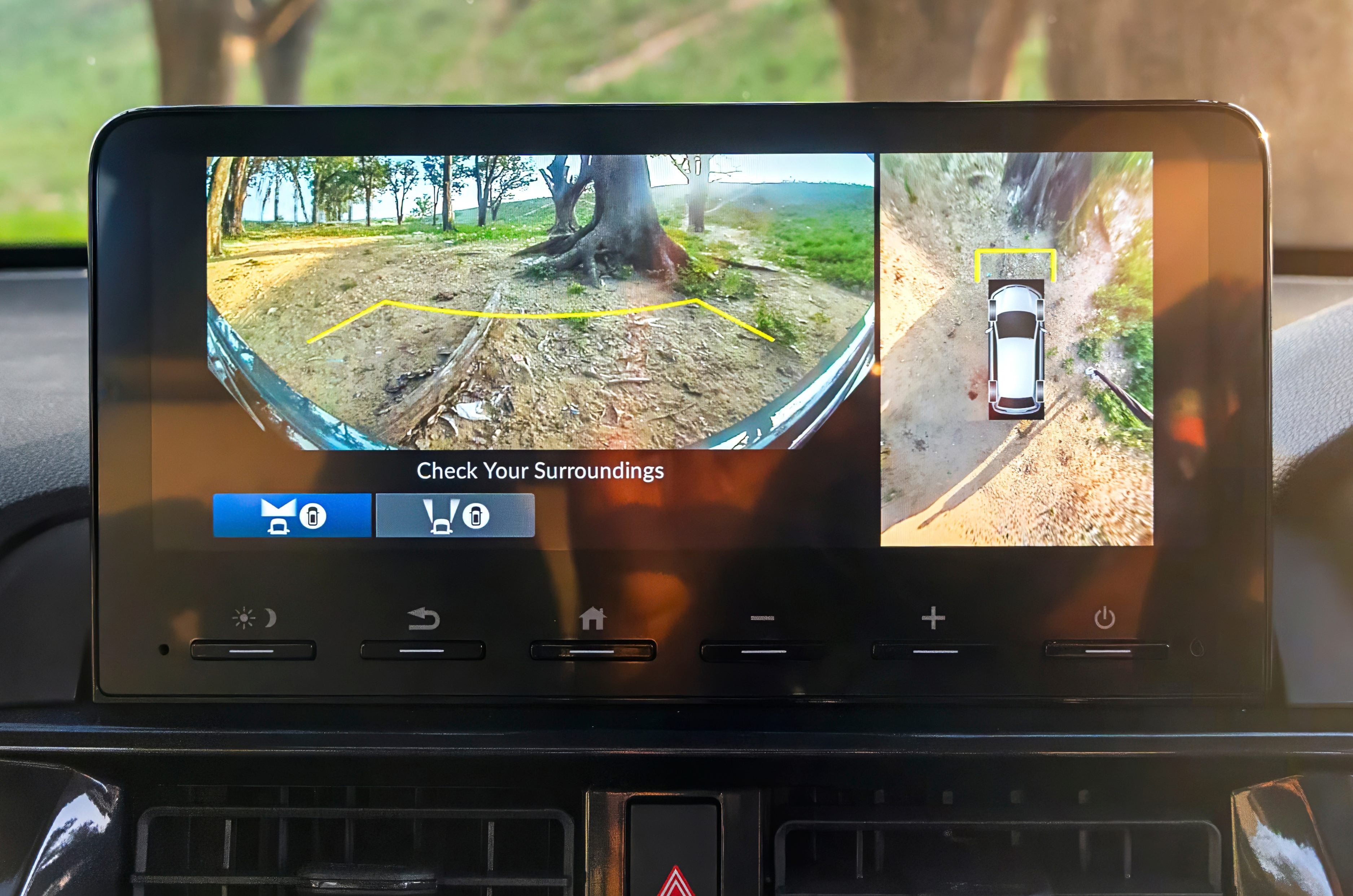
A 360-degree camera is now a factory-fit option on the top-spec trim.
There’s enough on the safety front, too. The 2026 Elevate facelift is available with front parking sensors, Honda’s LaneWatch camera, and a camera-based ADAS (advanced driver assistance systems) suite. This ropes in adaptive cruise control, auto-emergency braking, lane-keep assist and more. The CVT variants get a new low-speed follow function for the adaptive cruise control to tackle stop-and-go traffic conditions, along with rear disc brakes and an electronic parking brake with auto hold. Standard equipment includes 6 airbags, stability & traction control, rear parking sensors, adjustable headrests and three-point seatbelts for all occupants.
Reasons not to buy the 2026 Honda Elevate facelift
Cabin has its shortcomings
Lacklustre noise insulation aside, the Elevate’s cabin still has a few niggles
Some may find the front lumbar support to be excessive.
While the 2026 facelift has made the Honda Elevate more competitive, there’s still room for improvement. For starters, the lumbar support up front can feel intrusive for some, and taller occupants will find the under-thigh support underwhelming. Seating a third passenger in the back wouldn’t be easy, due to the narrower cabin width of the Elevate over some rivals. The raised centre seat doesn’t make this better, either.
Rear occupants will notice vertical movements at higher speeds over undulating roads.
The cabin is quieter than before, but engine and road noise can be heard quite easily at highway speeds. Those at the back will also notice a fair bit of vertical movement over undulating highways at triple-digit speeds.
Only one engine option
The Elevate still doesn’t get a diesel, turbo-petrol, hybrid or CNG option
Lack of engine choices even with the latest update is a definite con for the Honda Elevate.
In a segment where rivals offer multiple engine options (even across fuel types), the 2026 Honda Elevate facelift continues with just the one naturally aspirated petrol unit. This limits its appeal when compared to other offerings in the hotly contested midsize segment. While we are yet to test its mileage, the lack of an automatic engine stop-start system and ‘Eco’ drive mode won’t help boost fuel efficiency.
Latest features reserved for the top trim
Most of the headline features are offered only with the new range-topping ZX+
Only the range-topping ZX+ gets all of the newly introduced features.
If you want all the new bells & whistles that the 2026 Honda Elevate facelift has to offer, you’ll have to stretch your budget to accommodate the new top-spec ZX+ trim. This is where niceties like rear seat ventilation, powered front seats, a 360-degree camera and front parking sensors reside. However, this also means a price tag of between Rs 16.88 lakh and Rs 18.58 lakh (ex-showroom).
The ZX+ trim still misses features like two-zone climate control, a panoramic sunroof and rear sunblinds.
Despite the ZX+’s higher price, it still misses out on a panoramic sunroof, powered tailgate, a fully digital driver’s display, rear sunblinds and dual-zone climate control. Some similarly priced rivals offer a more comprehensive feature set, more cabin space and multiple powertrain options.
The Renault Kiger sits on the automaker’s CMF-A+ platform, which it shares with the Triber MPV and also its Nissan Magnite rival. The Kiger is priced from Rs 5.81 lakh to Rs 10.40 lakh (ex-showroom), and is available with two engine and three gearbox options. Here are the main pros and cons of the Renault Kiger.
Reasons to buy the Renault Kiger
Peppy turbo-petrol engine and a sorted CVT
This engine-gearbox combination works well and remains our pick
The 1.0-litre three-cylinder turbo-petrol engine puts out 100hp and 152Nm when paired with the CVT (continuously variable transmission) and 160Nm when mated to the 5-speed manual gearbox. However, it’s the former that we would pick as it displays very little in the way of the type’s notorious rubber-band affect.
The CVT not feels smooth but also does a fine job of keeping this turbo-petrol engine on the boil, with the latter delivering a linear pull even past the 5,000rpm mark – the throttle response is quick too. The available Eco, Normal and Sport drive modes actually feel different as you switch between them. Then there’s the way the Kiger ride, feeling compliant and displaying a sense of confidence at higher speeds that few cars this size manage to do.
Spacious interior with comfy seats
The Kiger’s cabin feels roomy, practical and more premium than its predecessor
Stepping into the Renault Kiger’s cabin reveals a premium-looking cabin, especially with the top-end trim. The two-tone colour theme and contrast stitching on select surfaces, along with the embroidered Renault diamond on the front seats, add to the overall appeal. There’s no shortage of storage spaces either – be it the 405-litre boot, or the large door pockets, two gloveboxes and the twin phone trays – useful cubbies are everywhere.
You will also notice the front seats to be supportive and reasonably well-designed. The outer rear seats are not only well-sized, but offer the passengers sat ample headroom and legroom. In case there are just two occupants in the back, the centre armrest can be folded down to reveal cupholders. Should you wish to carry an additional passenger instead, the centre seat is wide enough for the job. Build quality is fine, but it’s the climate control dials that particularly impress with their tactile feel and crisp, integrated displays.
Reasons to not buy the Renault Kiger
a mediocre feature set
The equipment list of the Kiger isn’t as impressive as some rivals
The Renault Kiger does not get a powered sunroof, while its 8.0-inch touchscreen is smaller than units found in some of its rivals offer. Moreover, this screen’s resolution is far from crisp and its built-in features are also not segment-best by measure. Then there are its thick bezels that immediately make this design look dated.
Poor cabin insulation
It doesn’t take much for mechanical noises to be heard inside the Kiger
While Renault claims to have upped the sound proofing alongside providing thicker carpets over the old model, the Kiger’s cabin is far from a calm place. One can easily pick out the noises made by the engine, suspension and brakes as they go about their business without much effort. In fact, even the sound made by the rear wiper motor is quite distinguishable.
The midsize SUV space is now more competitive than ever. Just the last few months have seen new launches in the form of the Tata Sierra, Renault Duster, Nissan Tekton and the facelifts of the Volkswagen Taigun and Skoda Kushaq. Then there are the venerable Kia Seltos and the Hyundai Creta, the latter of which is set to receive a new-gen model next year, and an all-new entrant, the Hyundai Bayon, is about to join the ranks.Powertrain choices have been expanding too; diesel continues to be popular, turbo petrols add a dose of excitement, CNG is fast becoming the high-mileage option and there’s electrification in the form of hybrids and full EVs.So in a bid to keep it relevant, Honda has updated its midsize SUV contender, the Elevate, and here’s how it all comes together.
Design and engineering – 8/10
Features a new gloss black grille with a honeycomb pattern and a segmented LED light bar.
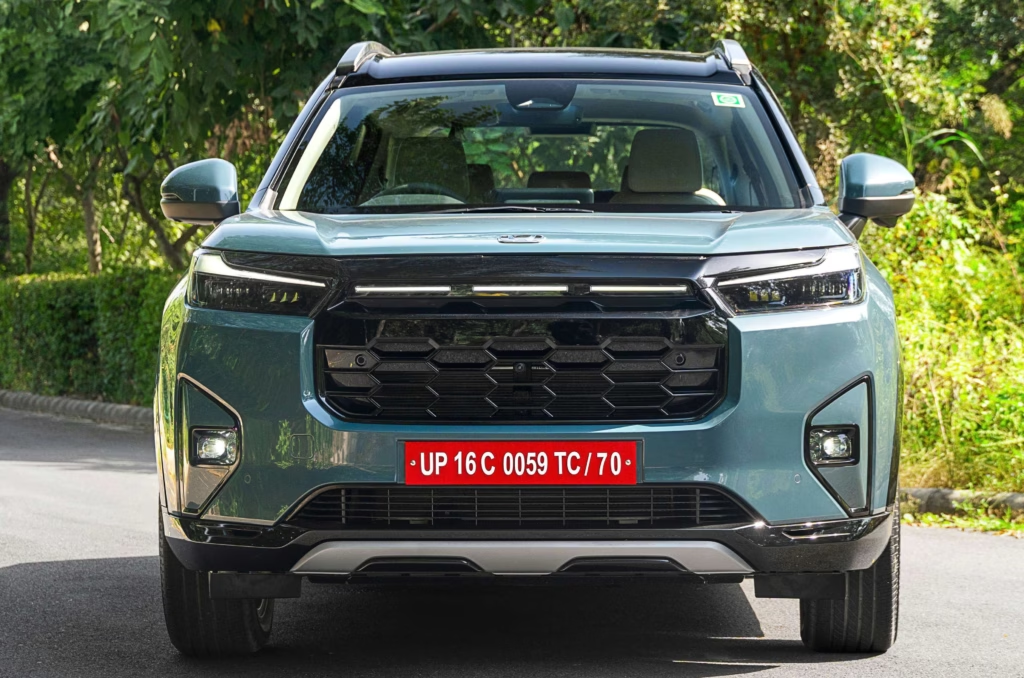
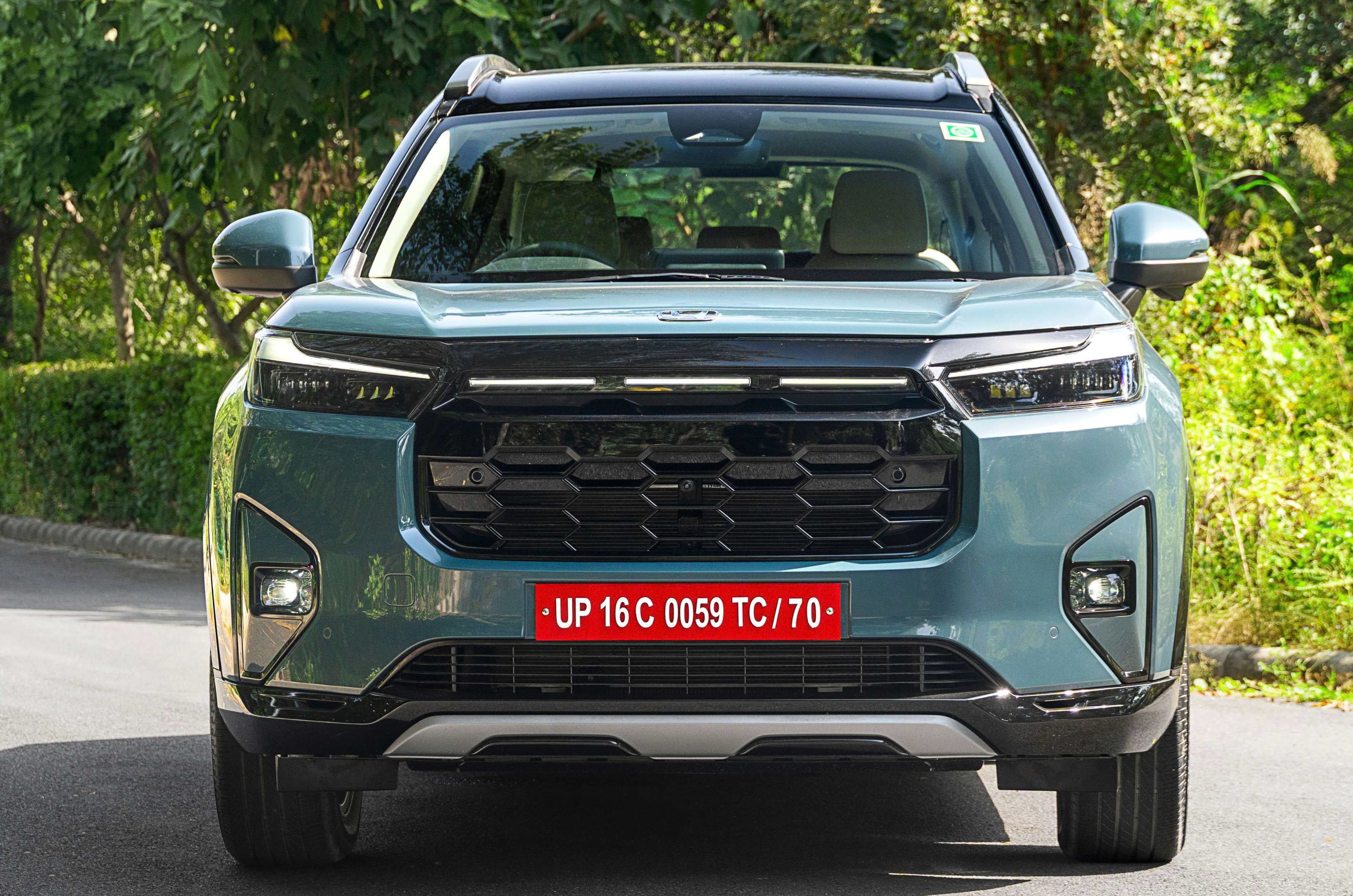
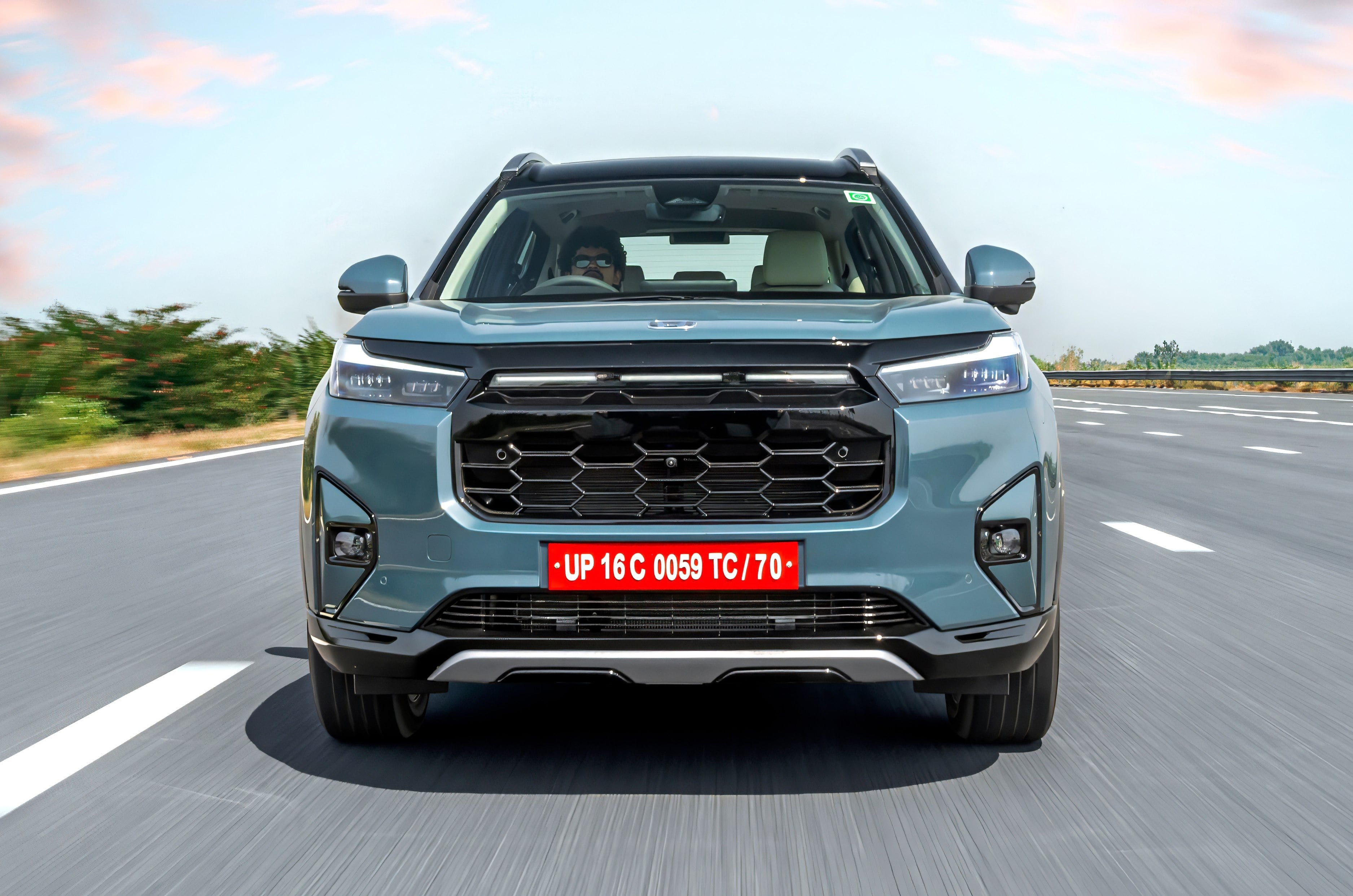
Honda has given the Elevate a subtle design update, but the changes are effective enough to give the SUV a fresher, more contemporary look without straying far from the original design. The biggest revisions are concentrated at the front end, where a new segmented LED light strip links the LED headlamps and the thick chrome band above them has been replaced with gloss black trim. The front grille gets a revised mesh pattern and a gloss-black finish, lending the front end a slightly sportier, more butch appearance. The Honda badge now sits on the bonnet rather than within the grille, while the fog-lamp housings are now finished in body colour instead of black for a cleaner look.
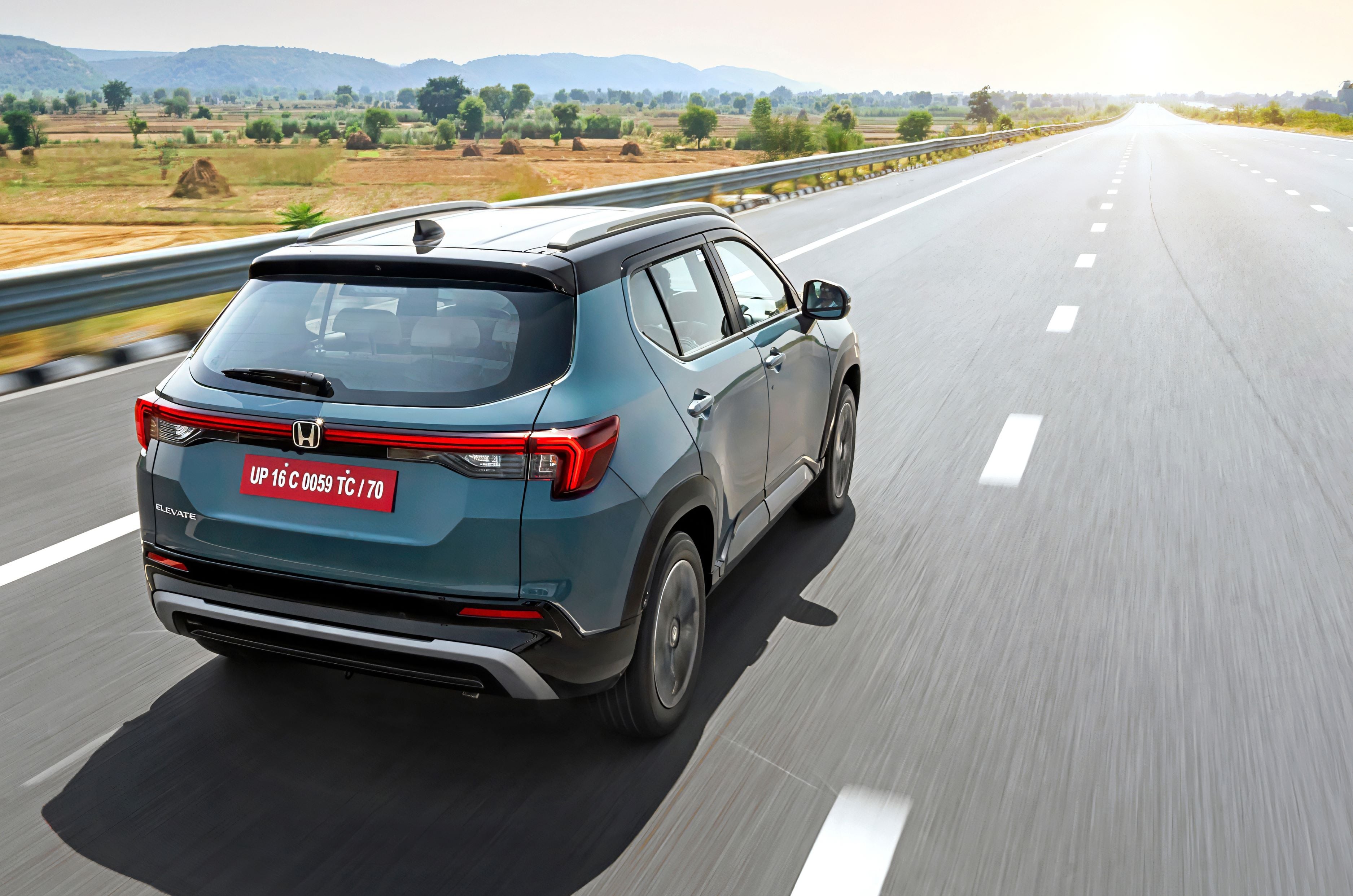
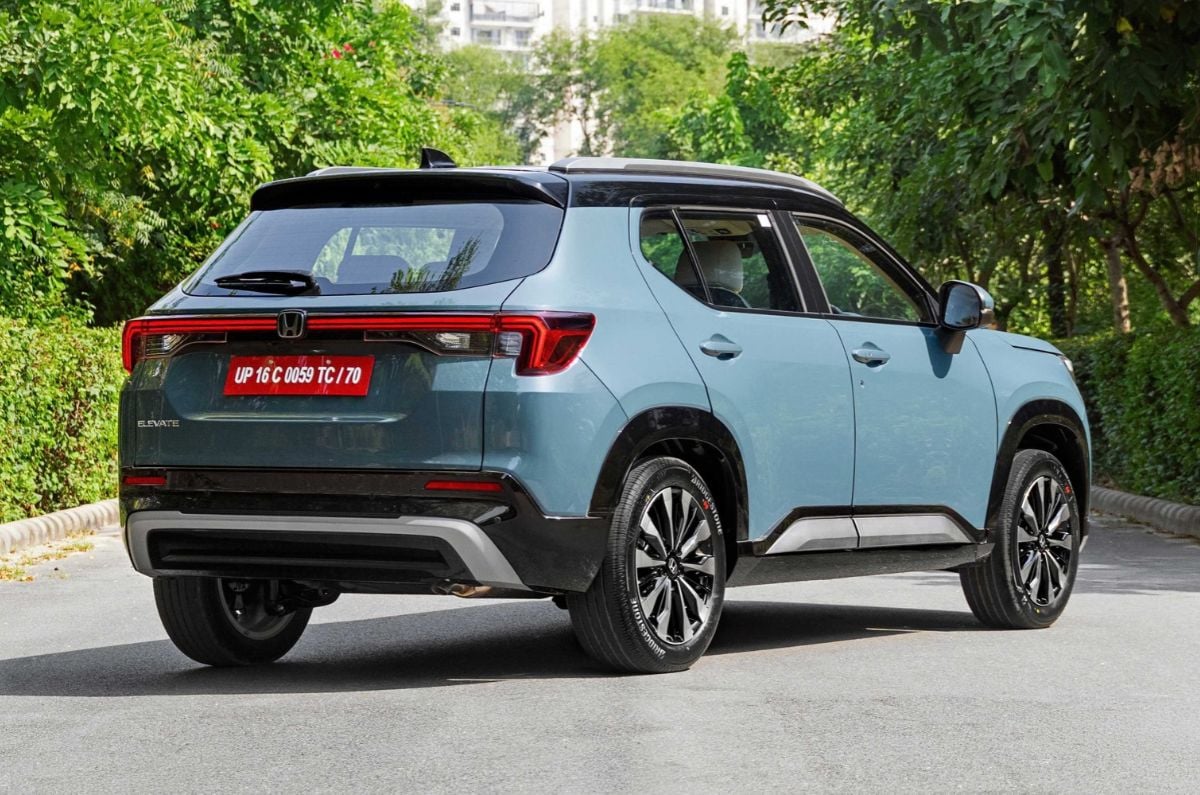
New LED light bar now connects the tail-lamps, giving it a more cohesive appearance.
It’ll take a keen eye to spot the changes along the sides as they’re limited to a new gloss black body cladding instead of a matte finish, silver coloured inserts in the cladding on the doors instead of body colour and a darker finish for the 17-inch alloy wheels which continue with the same design. At the rear, the facelift introduces a new LED light bar that connects the tail-lamps, giving the tailgate a wider, more cohesive appearance, particularly after dark. Rounding off the updates is a new Nordic Forest Pearl paint shade, as you can see in the pictures here.
As for dimensions, it continues to measure 4.3 metres in length, nearly 1.8 metres in width and just over 1.6 metres in height. It’s based on the City platform, but gets a stretched 2650mm wheelbase, wider tracks front and rear and a substantial 220mm of ground clearance.
Interior space and comfort – 8/10
The cabin gets more substantial updates than the exterior, with the changes aimed at improving comfort and perceived quality. To start off, there’s a new ivory and black dual-tone upholstery theme that enhances the sense of space inside and is perhaps more neutral than the tan upholstery earlier. It will be tough to clean though, thankfully there is the option of all-black upholstery with the ‘Black’ edition Elevate.
Upholstery is now ivory and black with a new leatherette panel on the dash; cabin remains practical and feels well-built.
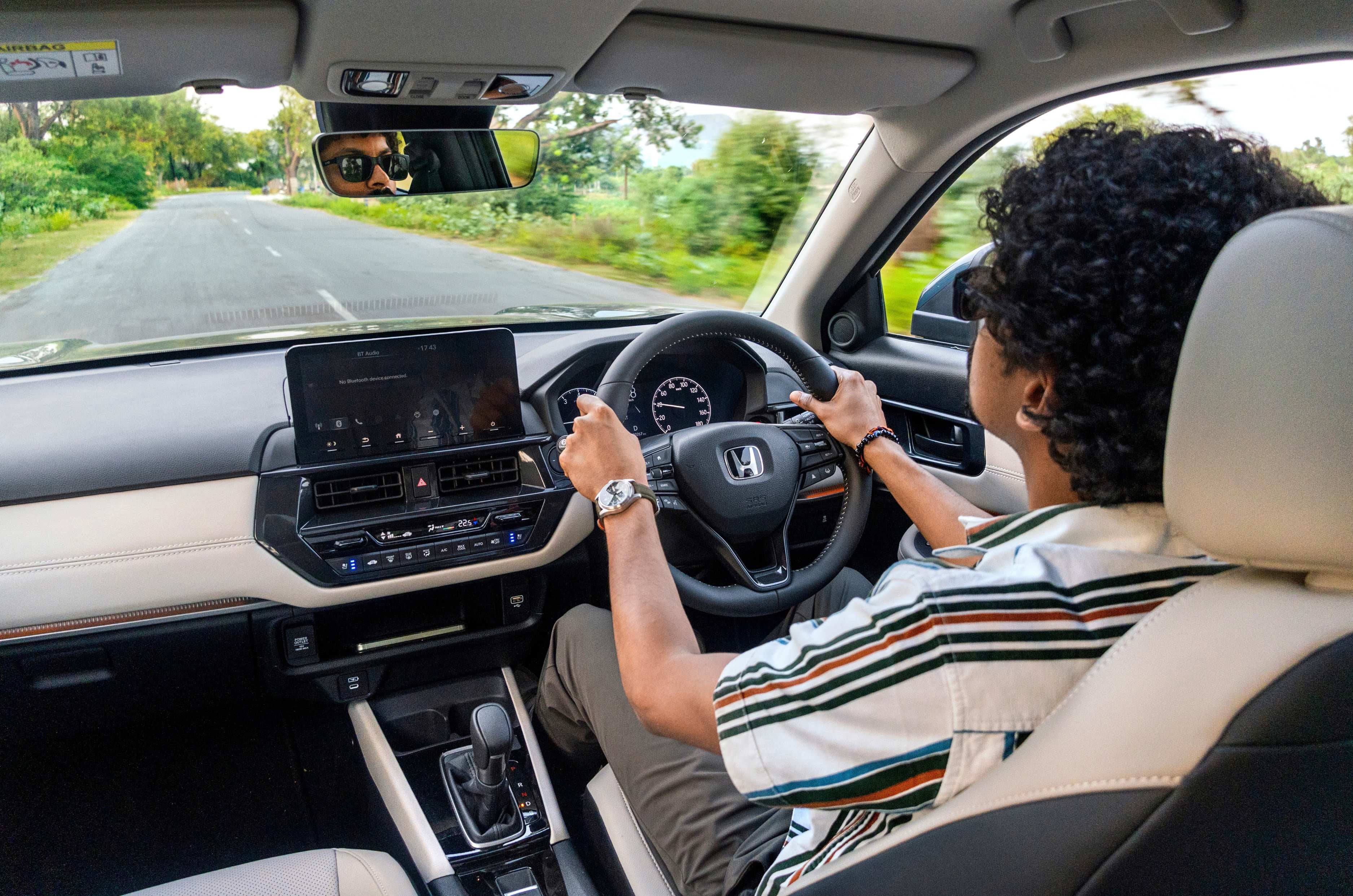
The dashboard has been revised too, with more white leatherette padding and stitching replacing the outgoing model’s faux wood trim, and the AC controls have been revised, now housing the seat ventilation buttons. Honda has even updated the roofliner fabric which looks and feels much nicer than the older woven roofliner. All of this gives the cabin a fresher look, although the overall layout remains familiar.
Front seats remain comfortable and now feature ventilation and power adjustment.
Ergonomics remain a strong point, with the Elevate offering a commanding driving position and supportive front seats that make it easy to get comfortable behind the wheel. The lumbar support, however, might feel excessive for some and taller people may find underthigh support a bit lacking.
Ample headroom and kneeroom but best for two adults thanks to the narrow width and raised centre seat.
At the rear, space is generous, with plenty of kneeroom and headroom making it a very comfy place for two adults. However, fitting a third passenger will be tight thanks to the cabin’s limited width and raised centre seat. There are no sunblinds either, but Honda has added an adjustable headrest and a three-point seatbelt for the centre passenger, which was an omission earlier. Features back here include dedicated AC vents, USB charging ports, a fold down centre armrest with cupholders, new capacitive-touch LED reading lamps and the most prominent, seat ventilation.
428-litre boot can fit in more than the number suggests; continues to feature a spare tyre under the boot floor.
Practicality, meanwhile, remains a strength, with the Elevate offering ample storage spaces throughout the cabin. The boot is also a substantial 458-litres and can pack in much more than the number would suggest. What’s also nice is that it continues to get a spare tyre under the boot floor.
Features and safety – 8/10
360-degree parking camera is a helpful addition but has limited angles of view and a small display on the screen.
The Elevate facelift addresses some of the key equipment gaps in the outgoing model, bringing a more comprehensive feature set to the table. In terms of safety features, there’s now a 360-degree camera (its display on the screen is quite small though, with limited angles of view), which works alongside the existing ‘LaneWatch’ camera, though curiously this feature is still only for the left hand side.
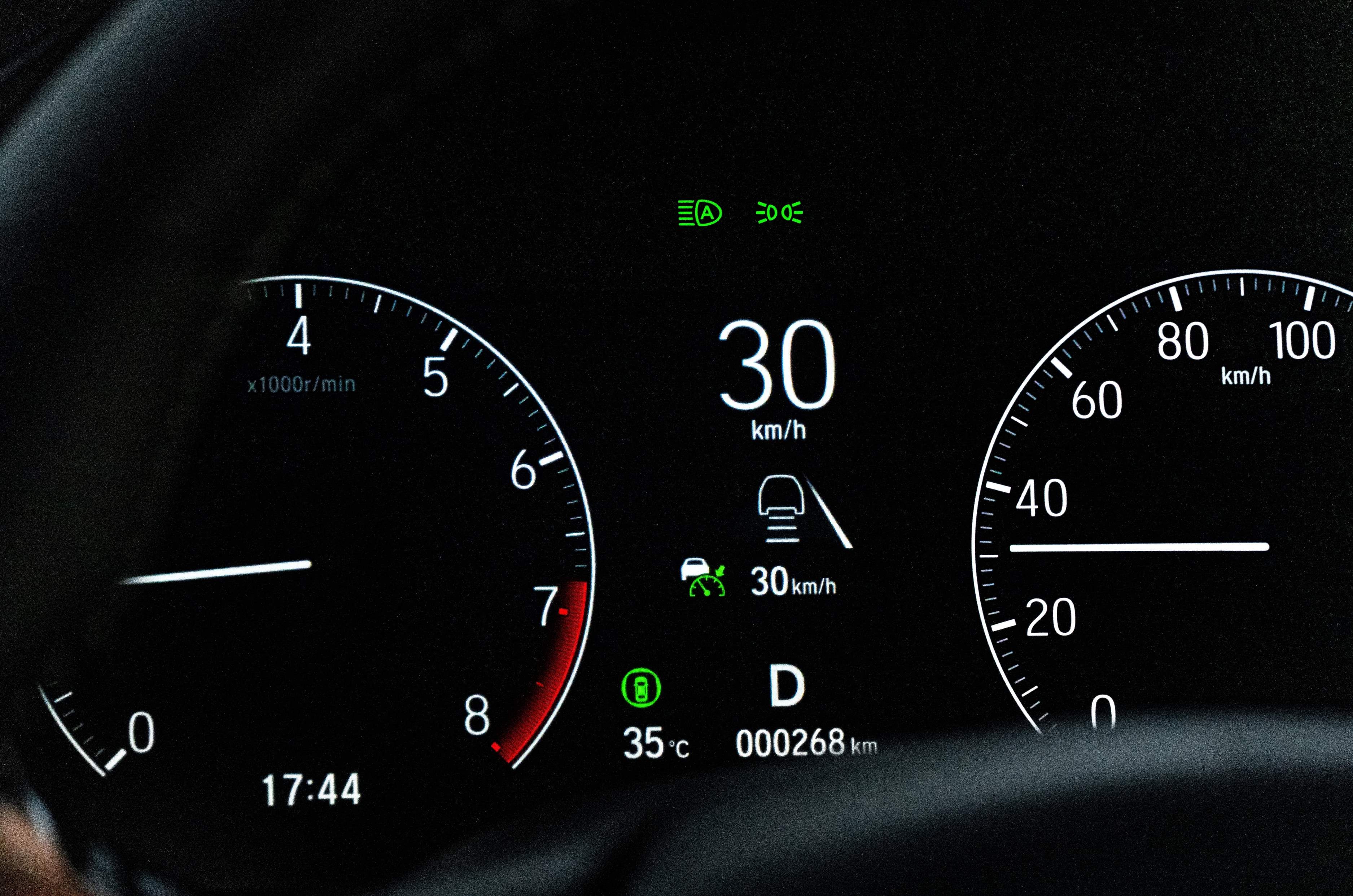
ADAS suite now packs in a useful low-speed follow function for the adaptive cruise control.
Front parking sensors have also been added to make parking and manoeuvring in tight gaps easier. However, the CVT variants get even more safety kit in the form of an electronic parking brake with auto hold function, rear disc brakes and the addition of a low-speed follow function for the adaptive cruise control, which is useful in stop-and-go traffic.
Rear-seat ventilation is a first-in-segment, but it’s only available in the top-spec ZX+ trim.
As for comfort and convenience features, the most important additions are the ventilated front and rear seats, the latter which is a segment-first. Though they take some time to cool effectively, it has enhanced the Elevate’s cabin comfort. Then there’s powered front seats – 8-way for the driver and 4-way for the passenger – ambient lighting and a PM2.5 air purifier. Other than that, much of the existing equipment has been carried over unchanged.
AC controls have been revised with new buttons for seat ventilation; now features an air purifier too.
There’s a 10.25-inch infotainment touchscreen with wireless smartphone integration (though its software and feature set still feel basic at best), semi-digital instrument cluster, a single-pane sunroof, wireless phone charger, six airbags, ESC, traction control, camera-based ADAS tech including auto emergency braking, lane keep assist and more. Still however, there are some features missing that rivals offer like a dual-zone for the auto climate control, panoramic sunroof and powered tailgate.
Powertrain and refinement – 8/10
121hp, free-revving, naturally aspirated 1.5 petrol remains the only engine option with the Elevate.
There have been no changes under the hood of the Honda Elevate. It still continues to be powered by a 1.5-litre, four-cylinder, naturally aspirated petrol engine that produces 121hp and 145Nm. Gearbox options remain unchanged too, with a 6-speed manual and a 7-step CVT automatic, and we got to sample the latter. However, the engine has been future-proofed and is now WLTP emissions norms compliant while already being E20 fuel compatible.
This i-VTEC engine still impresses however. Throttle response is immediate, with no noticeable delay, making the engine feel sharp and eager. As before, the naturally aspirated motor pulls cleanly from idle all the way to the redline, in a smooth and progressive manner. However, it feels most energetic higher up the rev range, where it feels at its most potent too.
The 7-step CVT works well as an automatic, making light work of everyday commuting with its smooth operation. Paddle shifters with pre-set ratio points also give it some resemblance to a conventional automatic, allowing you to have greater control. However, push the throttle hard and the familiar ‘rubber band’ effect becomes apparent, with the engine holding on to high revs for extended periods, which doesn’t make for a relaxed driving experience. In this respect, Hyundai and Kia’s chain-driven CVT feels a bit smoother and more responsive than this belt-driven one.
As for performance, we managed a 0-100kph time of 11.89sec with the pre-facelift Elevate CVT and you can expect this facelifted model to be in the same ballpark. Expectedly, the manual does a quicker 10.82sec time to 100kph.
However, like before the lack of powertrain options is disappointing. In a time when rivals are offering diesels, turbo petrols, strong hybrids and CNGs, the Elevate has to soldier on with a solitary, naturally-aspirated petrol engine which restricts its appeal.
It feels quieter than before but there’s still prominent engine and road noise filtering into the cabin, especially on highways.
Honda has also worked on improving the Elevate’s noise insulation, an area where the existing model lacked. The company claims better isolation from both engine and road noise, but that has worked only to a small extent, in our experience. It feels quieter than before but there’s still prominent engine and road noise filtering into the cabin, especially at highway speeds, and there’s definitely more room for improvement here.
Fuel efficiency – 7/10
Given our short test drive, we didn’t subject the Elevate facelift to our real-world mileage tests. For reference though, the pre-facelift Elevate CVT did 8.60kpl in the city and 13.10kpl on the highway while the Elevate MT managed 8.7kpl in the city and 13.30kpl out on the highway. The Elevate CVT misses out on an Eco drive mode and auto start/stop, which certainly affects its fuel efficiency.
Ride comfort and handling – 8/10
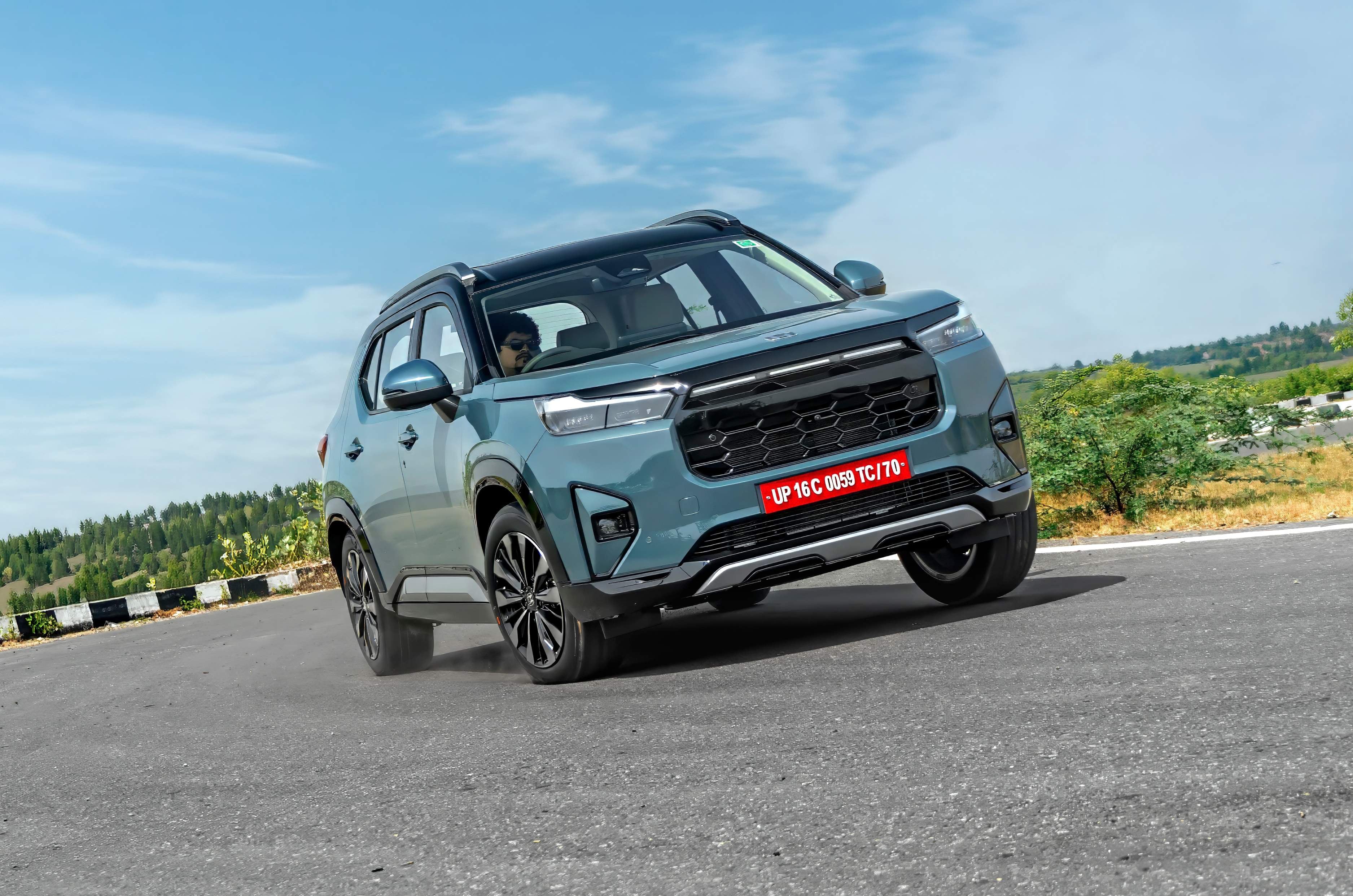
Despite being a high-riding SUV, the Elevate feels remarkably composed on the move.
As before, the Honda Elevate continues to impress with its ride and handling balance. Despite being a tall riding SUV, it feels remarkably composed on the move. Suspension damping, though on the firmer side, is well judged and does a good job of ironing out road imperfections. It’s only when you’re travelling at triple digit speeds on an undulating highway is where you’ll notice quite a bit of vertical movement in the rear seat. But apart from that, the Elevate feels planted on the road.
Body roll is also well contained for a tall SUV, making it predictable around bends.
The steering is accurate and light at slow speeds, which helps with manoeuvrability, but it picks up weight progressively which is reassuring. Body roll is also well contained for a tall SUV and as such, it’s predictable around bends. As for the brakes, the CVT has gained rear discs but that hasn’t made a noticeable difference. Braking performance, like before, remains strong with a nice, progressive feel.
Value for money and verdict – 7/10
With this facelift, Honda has addressed some of the Elevate’s earlier shortcomings with some much-needed features and the updated look and feel inside the cabin. However, some drawbacks still remain like the lack of powertrain options and the below-par sound insulation.
It remains a sensible, practical midsize SUV that continues to prioritise the essentials over outright novelty.
What the Elevate continues to get right, though, are the fundamentals. It continues to offer a comfortable and practical cabin, a responsive engine and a well-sorted ride and handling package. Add to that the design refresh and the fairly expansive features list, and the Elevate facelift feels more rounded than before. Priced from Rs 11.80 lakh to Rs 18.40 lakh (ex-showroom), it’s still very competitively priced, though the new top ZX+ variant is up there with the heavy hitters.
Ultimately, the Elevate remains a sensible, practical midsize SUV that continues to prioritise the essentials over outright novelty. As a result, the Elevate facelift represents a great option for buyers who value comfort, everyday usability, reliability and the peace of mind associated with the Honda badge.