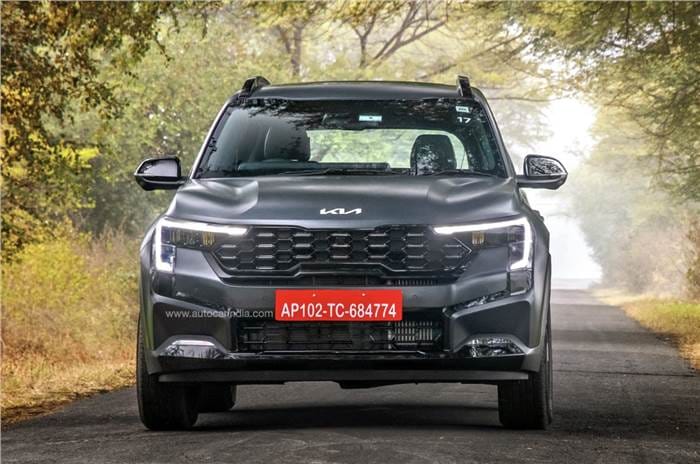
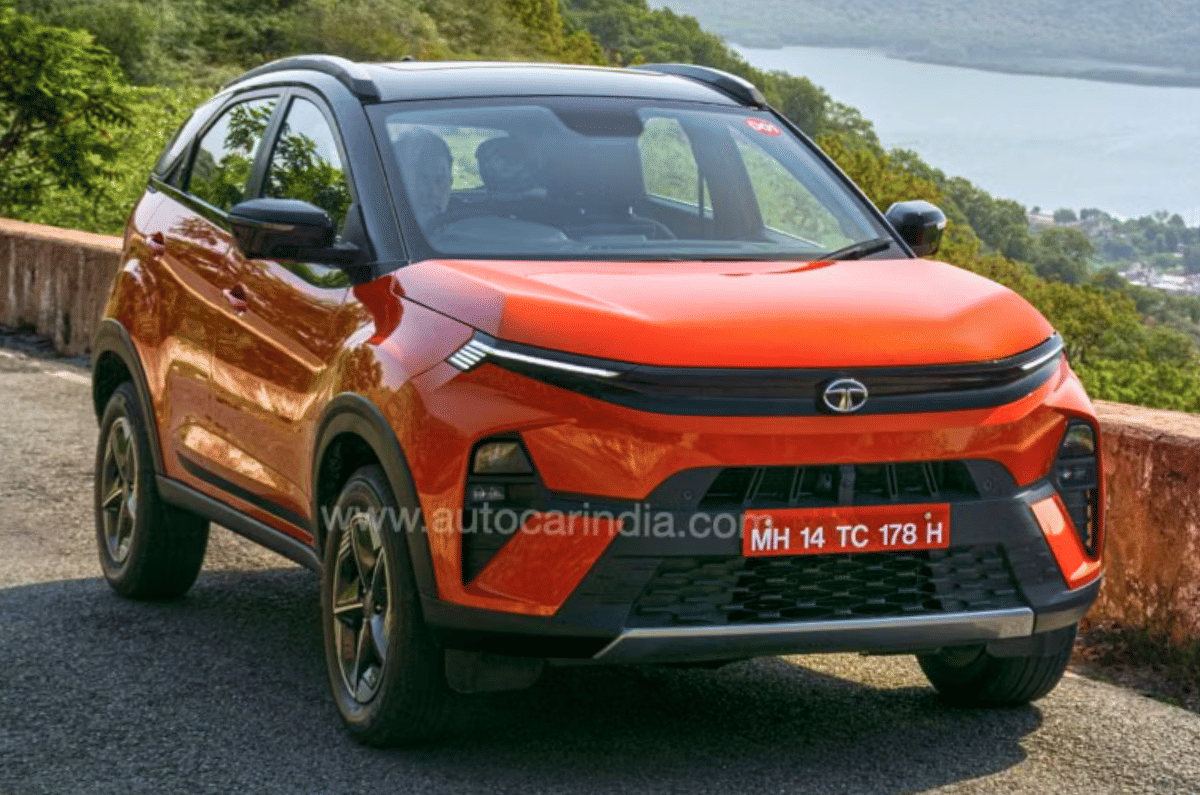
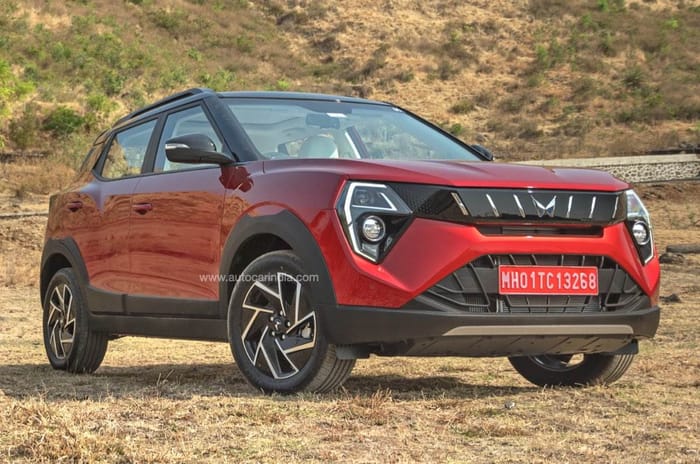
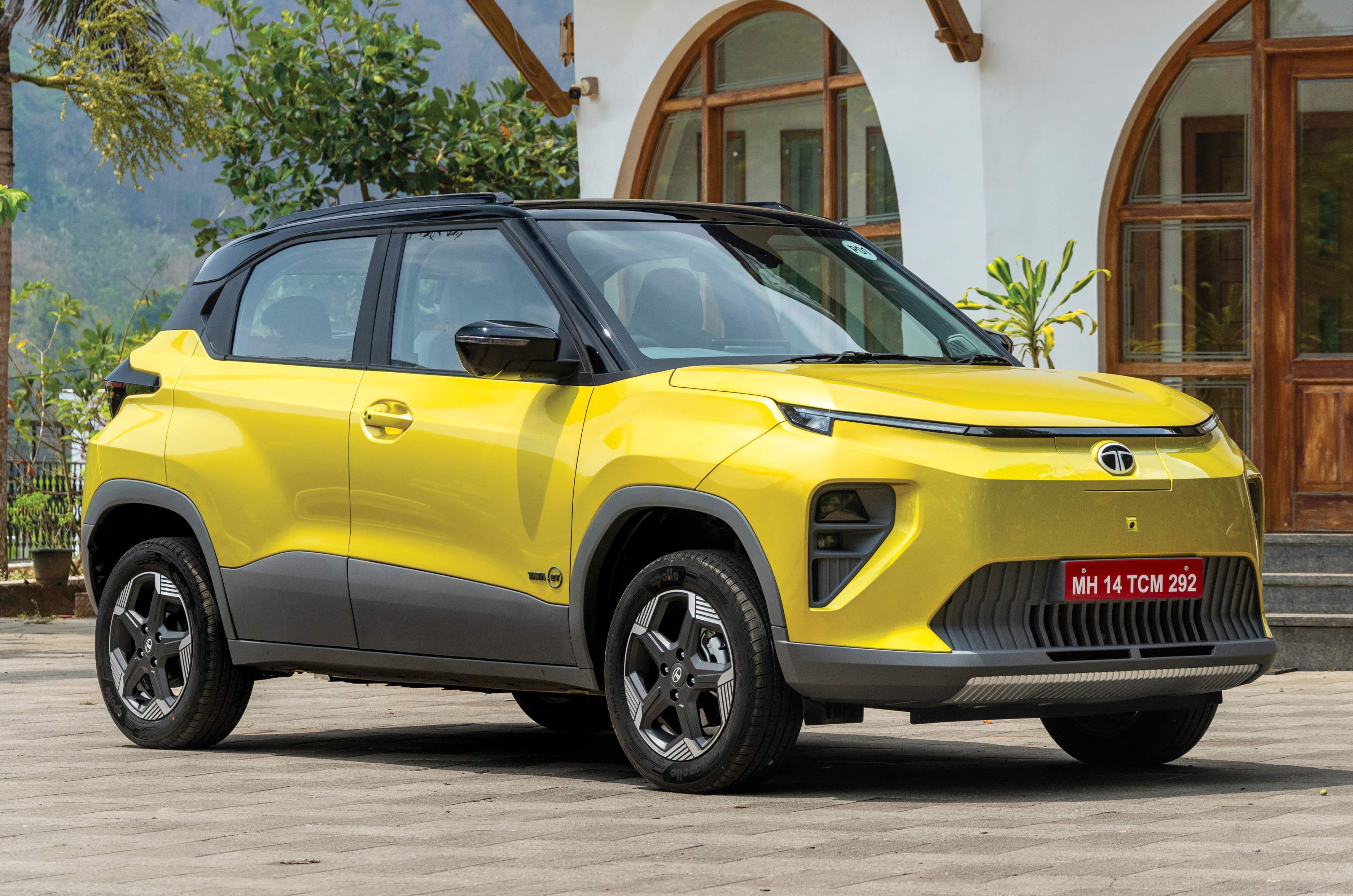
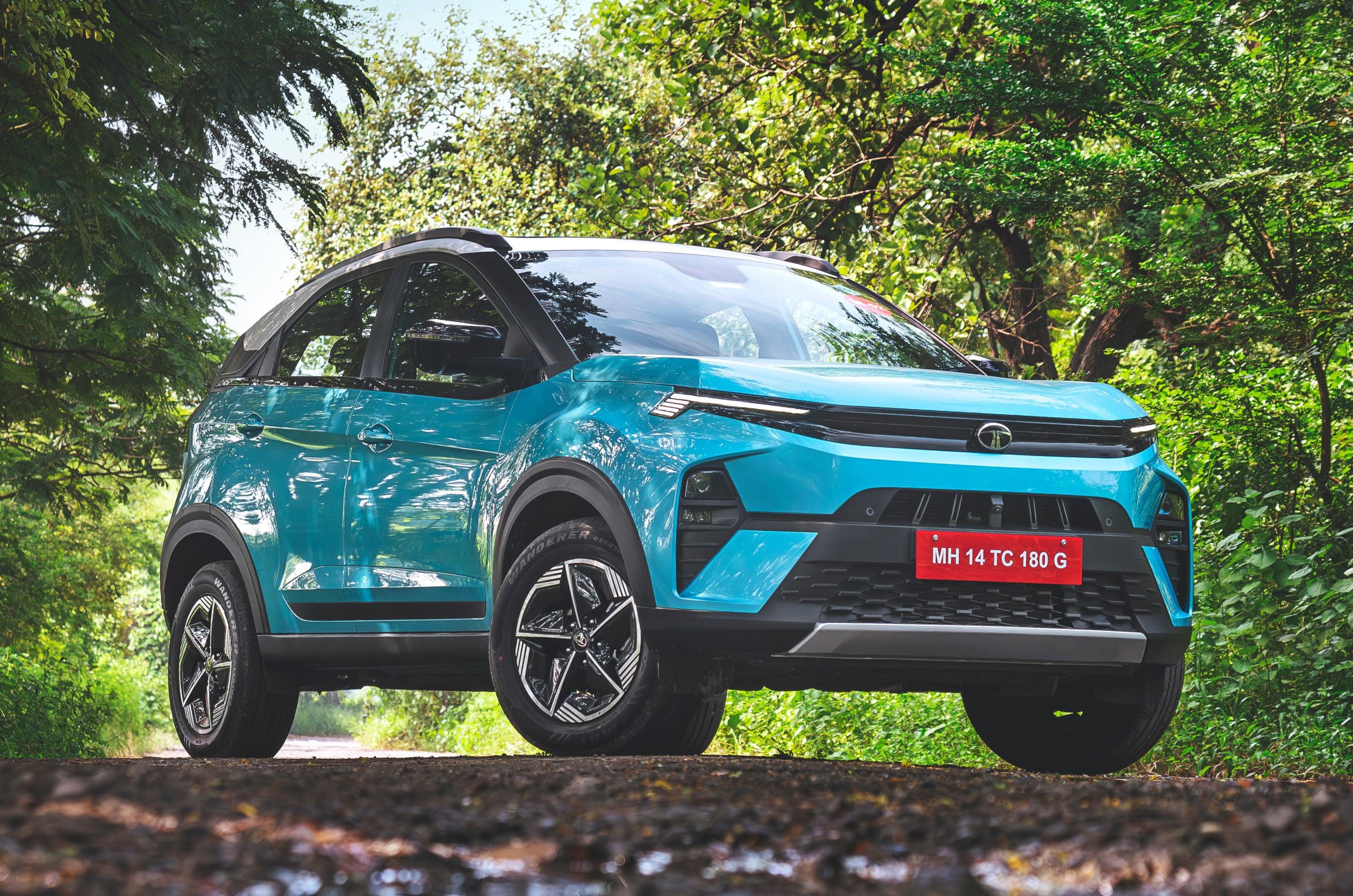
India’s passenger vehicle wholesale volumes remained broadly flat at around 4 lakh units in September 2026. Maruti Suzuki retained the top spot, while Kia and Renault were the only two manufacturers to record month-on-month growth. Tata Motors and Mahindra were separated by just 227 units, with Tata taking second place.
September 2026 retail car sales
September 2026 carmaker-wise sales in India
Carmaker
Sep 2026 sales
Aug 2026 sales
Sep 2025 sales
MoM change
YoY change
Maruti Suzuki
1,68,744
1,76,971
1,32,820
-4.65%
+27.05%
Tata
56,972
65,253
59,667
-12.69%
-4.52%
Mahindra
56,745
59,257
56,233
-4.24%
+0.91%
Hyundai
49,998
54,396
51,547
-8.09%
-3.01%
Kia
32,017
29,042
22,700
+10.24%
+41.04%
Toyota
27,652
28,410
27,089
-2.67%
+2.08%
MG
5,226
7,508
6,728
-30.39%
-22.32%
Renault
3,399
2,842
4,265
+19.60%
-20.30%
Nissan
2,960
3,426
1,652
-13.60%
+79.18%
Maruti Suzuki
Sales: 1,68,744 units, Change: 27.05 YoY
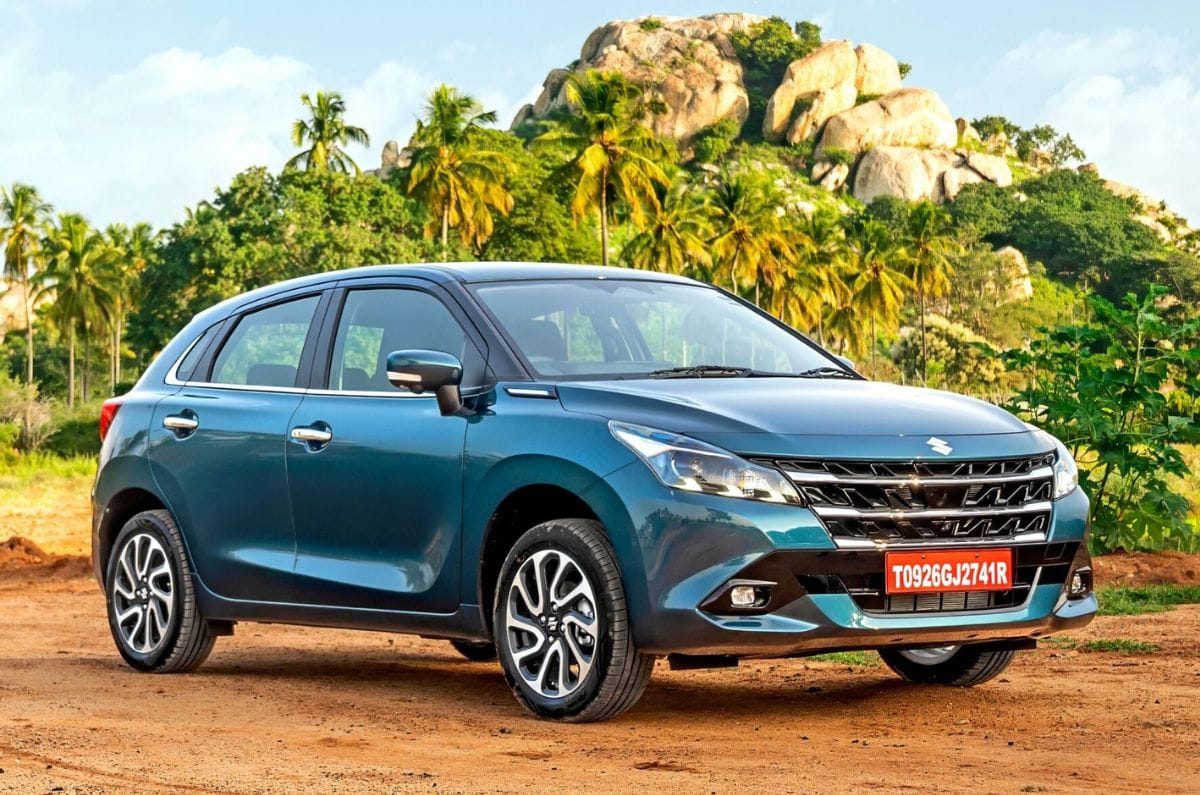
Maruti Suzuki remained India’s largest carmaker in September, with 1,68,744 units, up 27.1 percent from 1,32,820 units in September 2025. Sales however declined 4.7 percent from August, when the company recorded 1,76,971 units. The company launched the Baleno facelift during the month, along with CNG AMT versions of the Swift and, Baleno and Dzire were also introduced.
SUV and MPV sales stood at 78,911 units, while the hatch and sedan segments segments together contributed 91,887 units. The Eeco added 11,040 units during the month.
Tata
Sales: 56,972 units, Change: -4.52 YoY
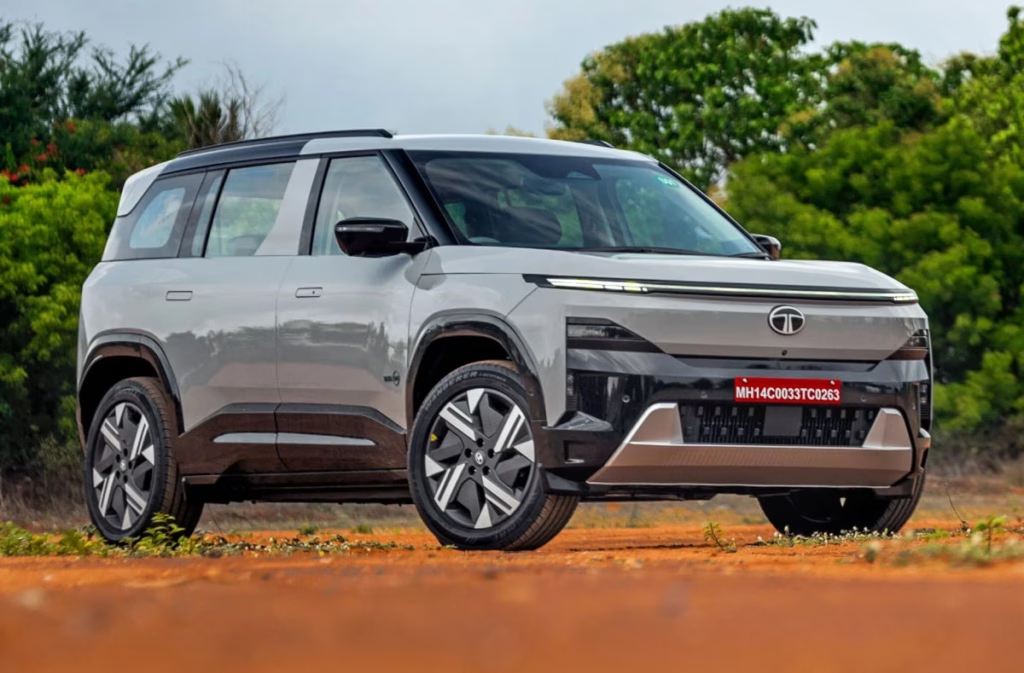
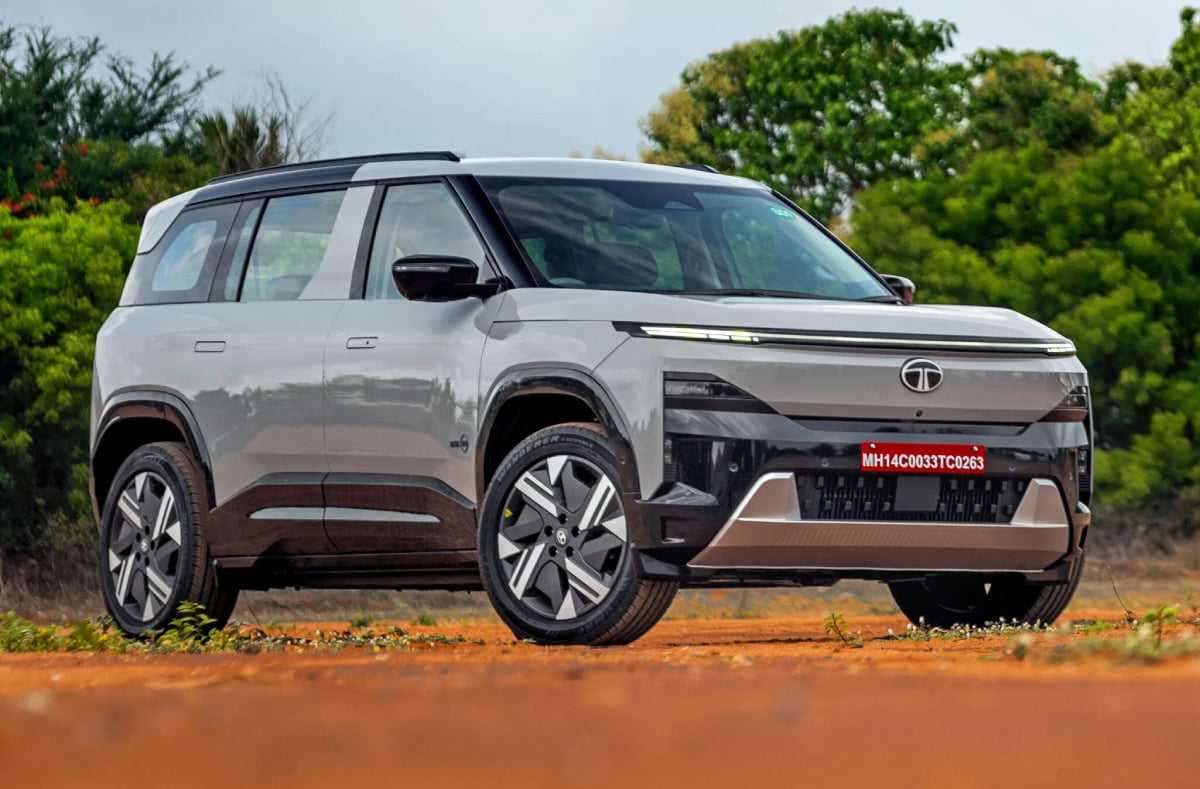
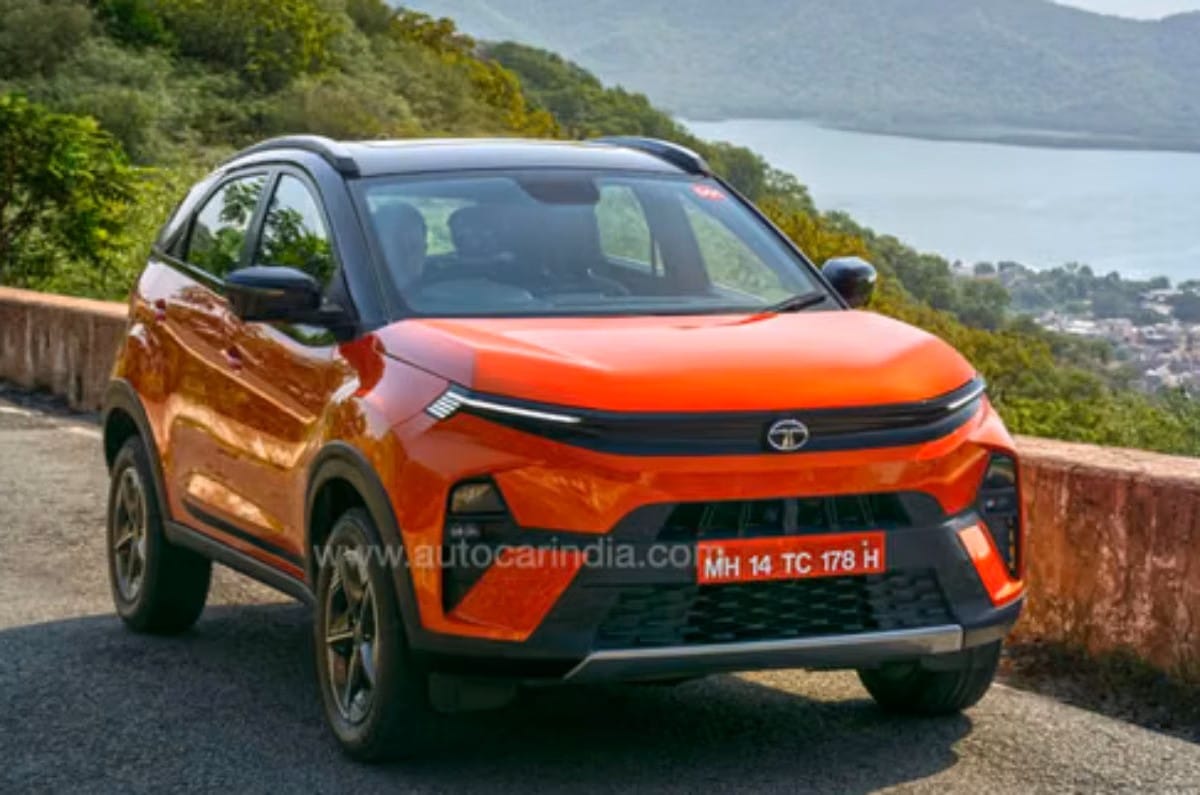
Tata Motors recorded domestic passenger vehicle sales of 56,972 units in September, down 4.5 percent from 59,667 units in the same month last year. Sales also declined 12.7 percent from August 2026. During the month, Tata launched the Aeris, deliveries of which will commence from October 11. It also launched the Sierra Dark and Sierra Legend Series, while extending its Battery-as-a-Service (BaaS) offering to the Nexon EV, Curvv EV, Sierra EV and Harrier EV.
Mahindra
Sales: 56,745 units, Change: 0.91 YoY
Mahindra recorded 56,745 units in September, down 4.2 percent from 59,257 units in August, while sales were up 0.9 percent from 56,233 units in September 2025. During the month, Mahindra launched the updated Thar OG, deliveries of which are set to begin from October 11. The SUV carmaker also expanded the XUV 3XO range with the RevX Edge variants. The XUV 7XO also received a five-star Bharat NCAP safety rating, scoring 30.76 out of 32 points for adult occupant protection and 44.97 out of 49 points for child occupant protection.
Hyundai
Sales: 49,998 units, Change: -3.01 YoY
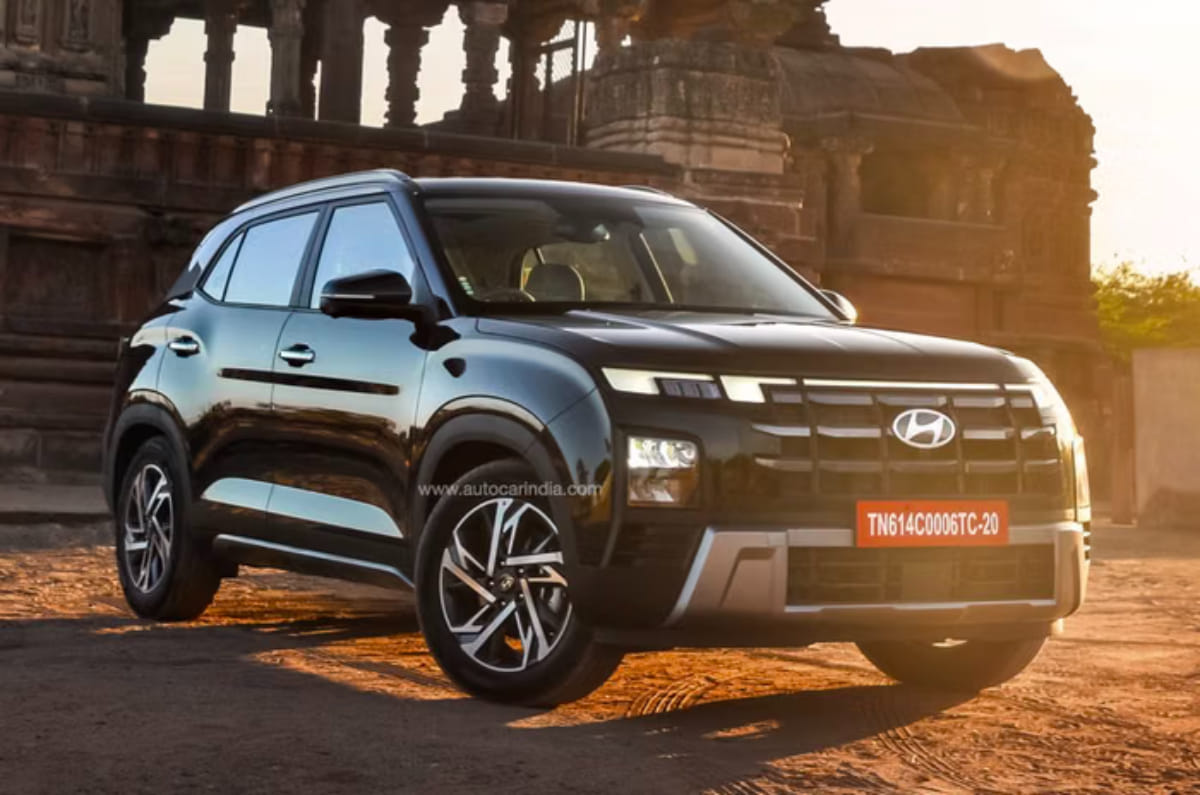
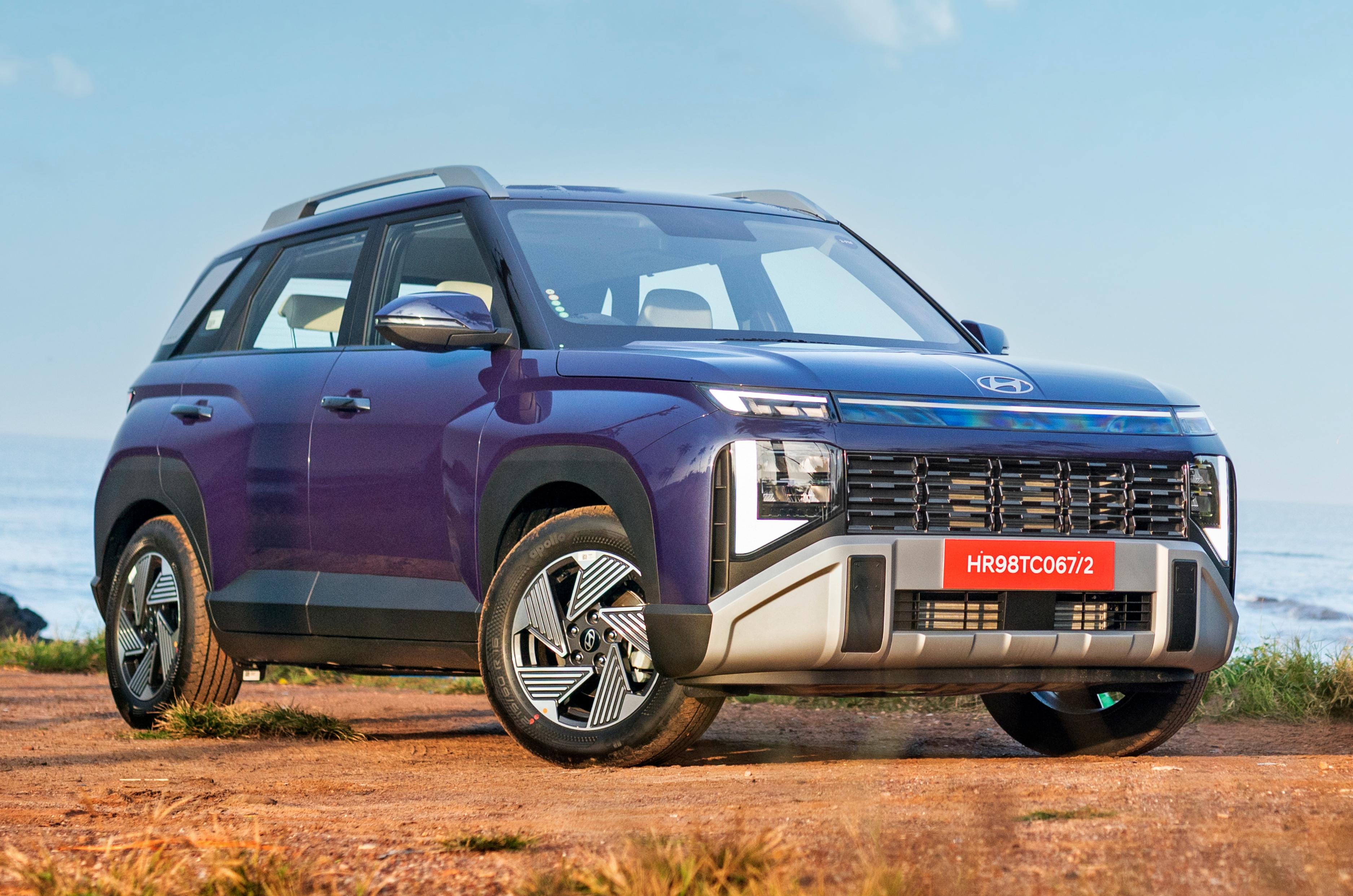
Hyundai recorded 49,998 units in September, down 3.0 percent from 51,547 units in the same month last year and 8.1 percent from August. During the month, Hyundai teased the Bayon, which is slated to launch in October, while also introducing Lounge Editions of the Creta, Alcazar and Creta Electric.
Kia
Sales: 32,017 units, Change: 41.04 YoY
Kia was the only manufacturer to record both month-on-month and year-on-year growth in September. It recorded 32,017 units, up 10.2 percent from August and 41 percent from September 2025. During the month, Kia launched the Carens CNG and Carens Clavis CNG, extended automatic powertrain options to lower-spec Carens Clavis variants and launched the Sorento in India.
The Carens and Carens Clavis CNG versions now get a factory-fitted CNG kit, while the new lower-spec Clavis automatic variants get turbo-petrol DCT and diesel automatic powertrains.
Toyota
Sales: 27,652 units, Change: 2.08 YoY
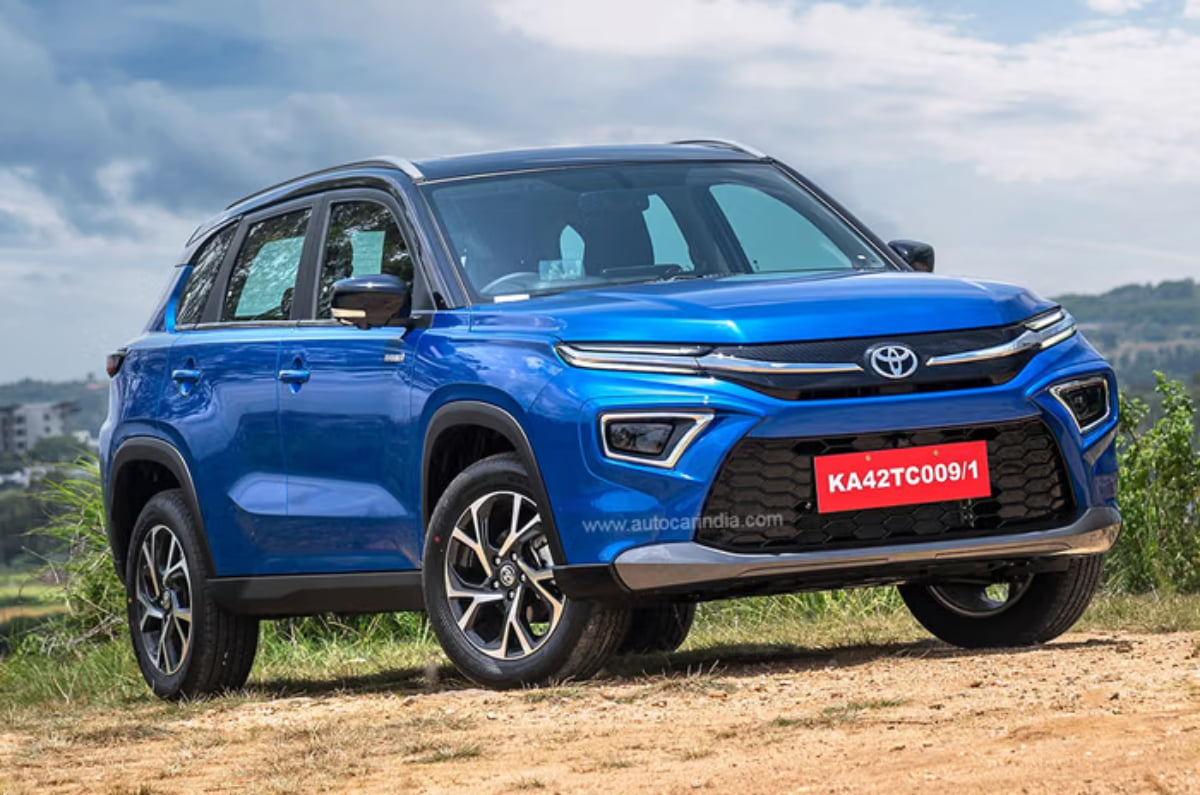
Toyota recorded 27,652 units in September, up 2.1 percent from 27,089 units in the same month last year, while sales declined 2.7 percent from August. Toyota is also set to launch the updated Glanza on October 14. The company remains optimistic about demand during the upcoming festive season, with the Innova Hycross, Urban Cruiser Hyryder and Glanza continuing to drive sales.
MG
Sales: 5,226 units, Change: -22.32 YoY
JSW MG Motor recorded 5,226 units in September, down 22.3 percent from 6,728 units in the same month last year and 30.4 percent from August. During the month, MG introduced Battery-as-a-Service (BaaS) for the Cyberster and M9, reducing their upfront prices while adding a per-kilometre battery rental fee. In August, the company had launched the Hector Tomahawk in EV and PHEV versions, its first models based on the ADAPT platform.
Renault
Sales: 3,399 units, Change: -20.30 YoY
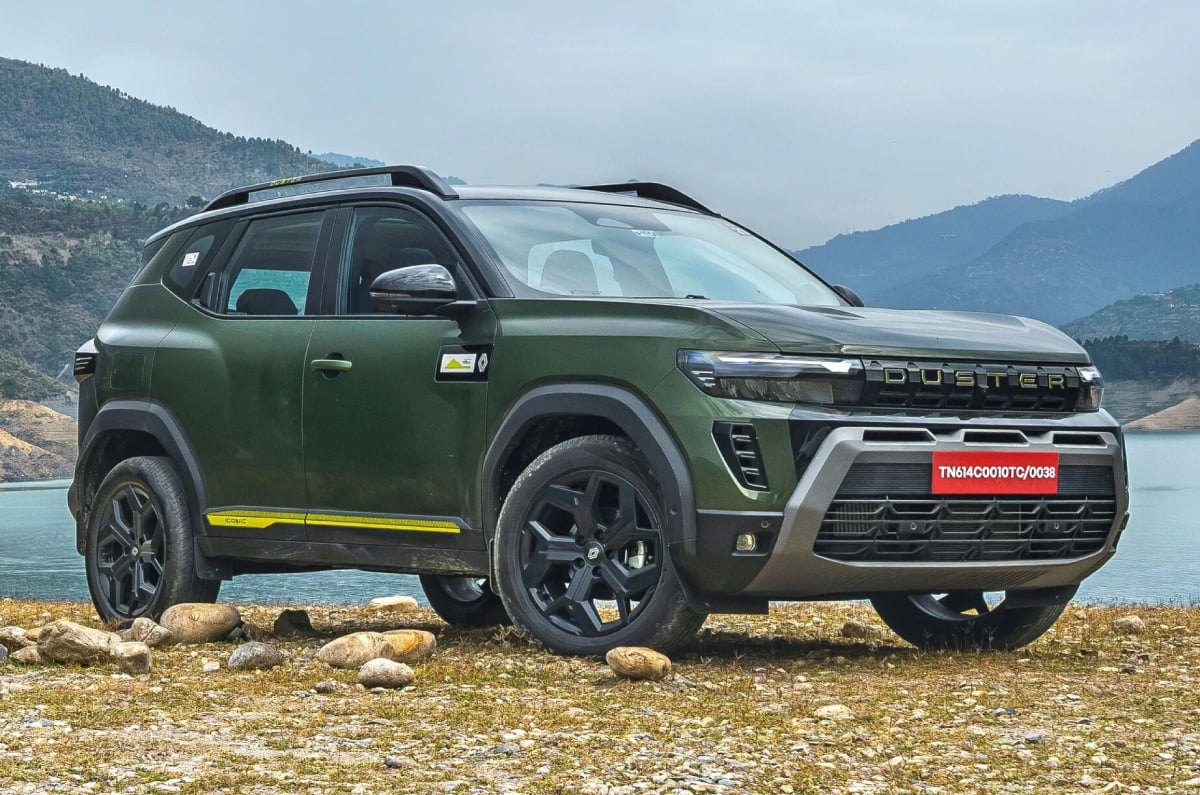
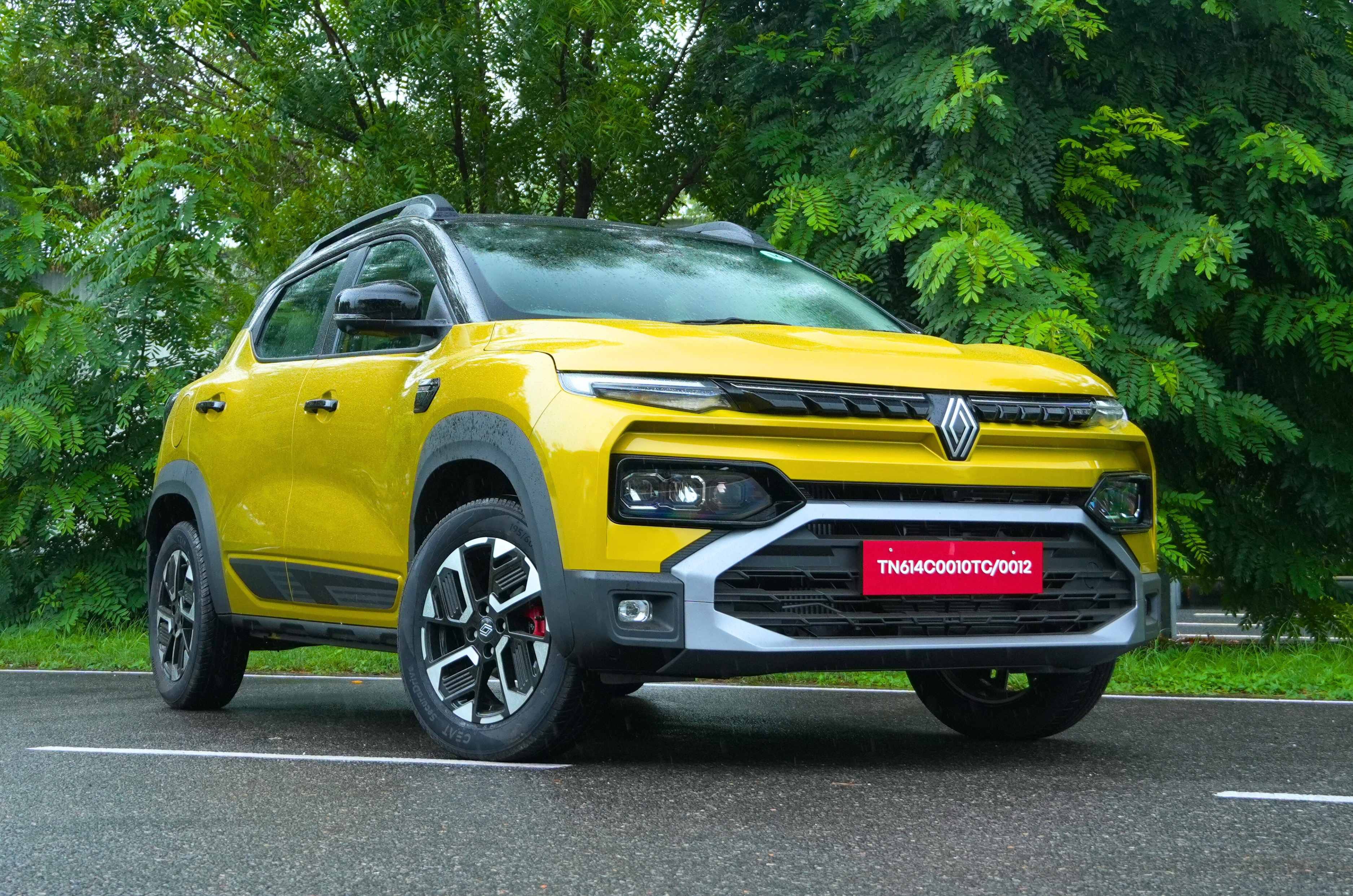
Renault was one of only two manufacturers to record month-on-month growth in September. It recorded 3,399 units, up 19.6 percent from August, but down 20.3 percent from September 2025. During the month, Renault launched the Triber Turbo at Rs 7.84 lakh, while its Duster hybrid is set to launch next month on October 17.
Nissan
Sales: 2,960 units, Change: 79.18 YoY
Nissan recorded 3,300 domestic wholesale units in September, up 99.8 percent from 1,652 units in September 2025, but down 3.7 percent from August. During the month, Nissan was also seen testing its upcoming seven-seater SUV based on the Tekton.
Tata Motors has extended its Battery-as-a-Service (BaaS) scheme to the Nexon EV, Curvv EV, Sierra EV and Harrier EV. The option was previously available only with the Tiago EV and Punch EV, and is now offered across Tata’s entire electric car range.
Under BaaS, the battery is paid for separately from the car, reducing the upfront price. The monthly battery payment depends on the battery size, down payment and loan tenure.
BaaS now available across Tata’s six EVs
Battery payments are charged separately from the car
Road trips have a useful way of exposing compromises. A car can feel perfectly adequate around town, but add two people, luggage and a boot full of camera equipment, then point it towards a destination over 350km away, and you soon find out where the corners have been cut.
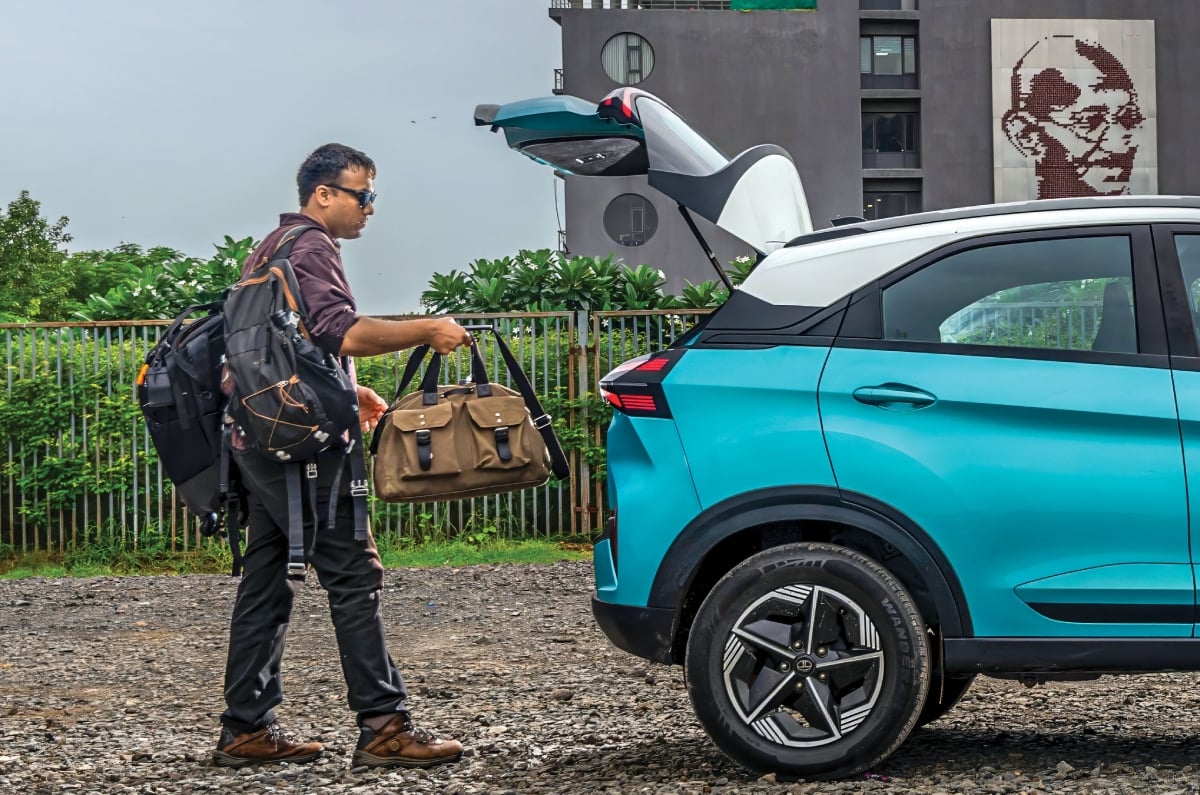
This was particularly interesting because we weren’t doing it in an ordinary petrol SUV. We were taking the Tata Nexon iCNG from Ahmedabad to Dholavira and back – more than 770km in total – with everything we needed for an overnight stay and a full shoot.
CNG cars traditionally come with a familiar list of compromises. Performance is one. Boot space is another. There is also the assumption that choosing CNG means giving up some of the equipment and driving appeal you would expect from a modern SUV.
The Nexon iCNG takes a different approach. Start with the engine. Its 1.2-litre turbocharged CNG powertrain makes it India’s only Turbo CNG offering, and the difference is noticeable on the open road. The point isn’t to turn a CNG car into a sports car; it is to make sure you don’t have to drive it differently simply because you’re running on CNG – and this makes all the difference when the brief is to drive across the magnificent state of Gujarat.
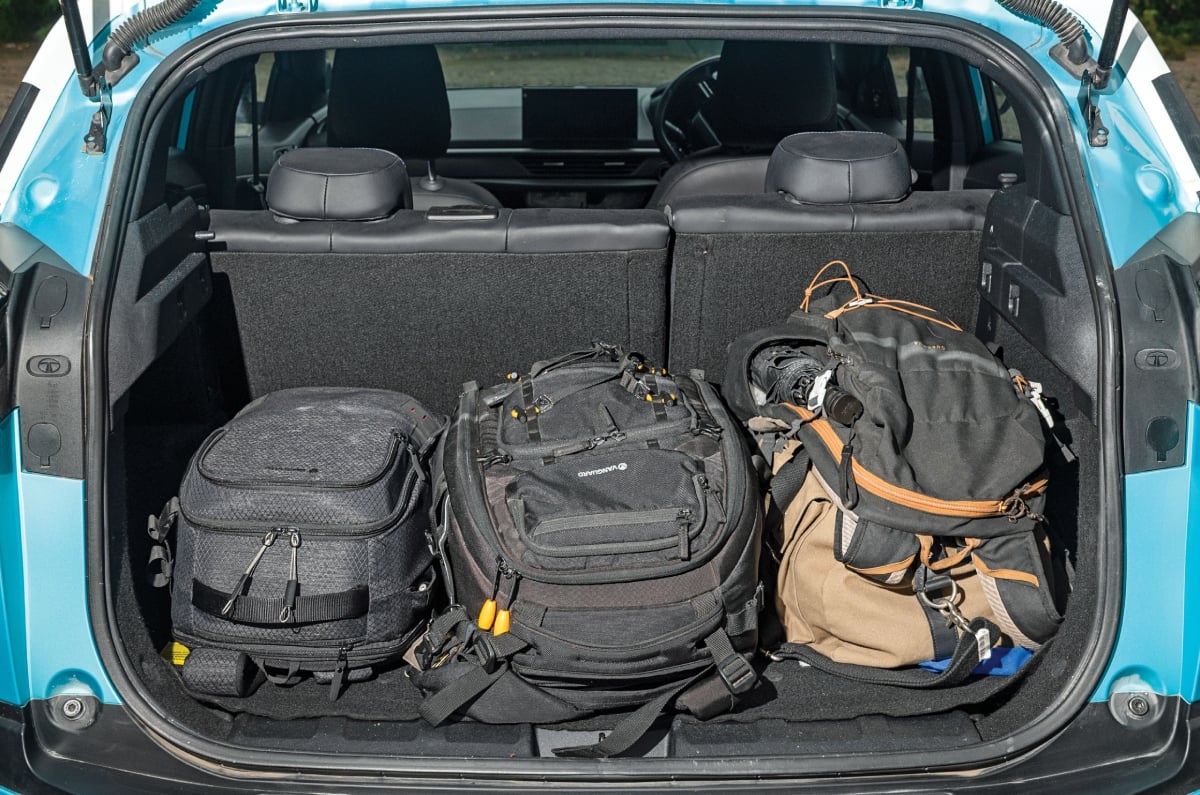
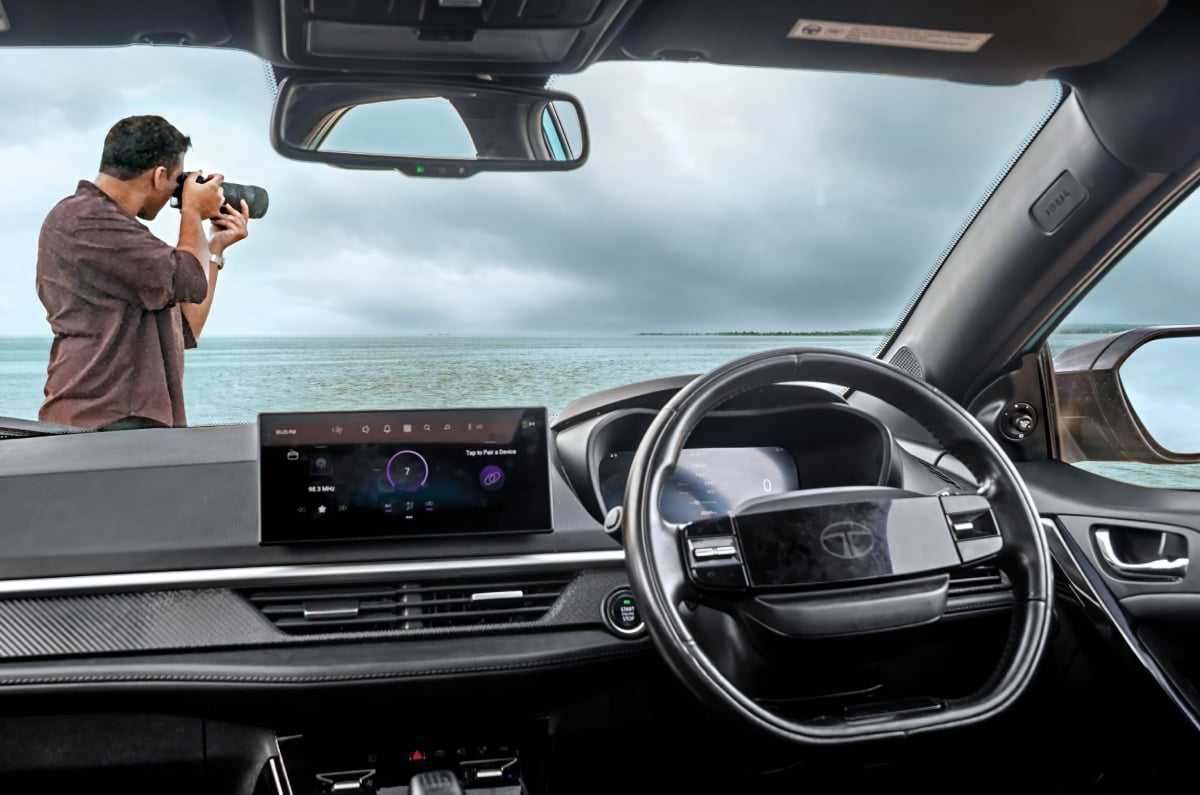
The 321-litre boot is plenty, even when it looks like you’re relocating.
Once Ahmedabad disappeared behind us, the traffic thinned, the roads opened up, and the Nexon settled into an easy long-distance rhythm, with enough performance for overtaking and climbing gradients without the strained feeling you might associate with a CNG car.
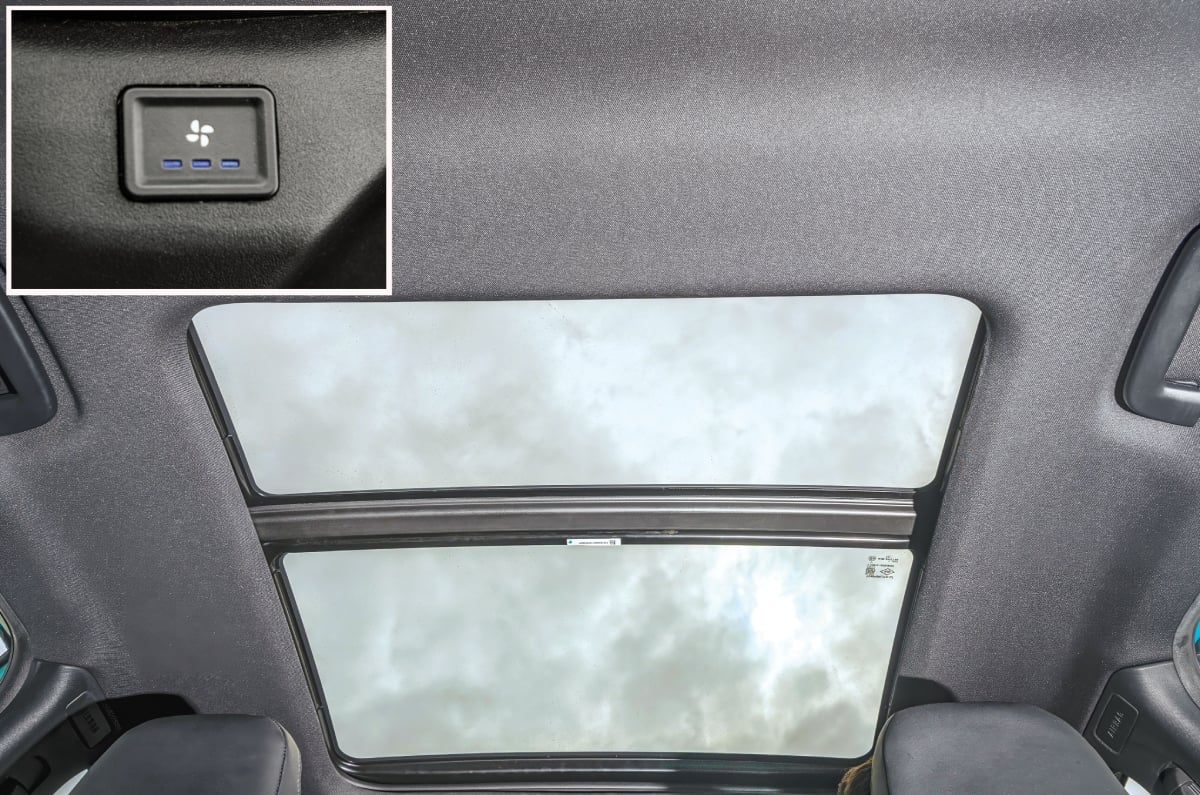
Inside, there is little sense of compromise either. The Nexon iCNG retains the equipment expected of a modern SUV, including its large 10.25-inch touchscreen, digital instrumentation, ventilated seats, voice-assisted panoramic sunroof and 360-degree camera. The latter proved particularly useful when we inevitably found ourselves manoeuvring into tight spaces for photographs.
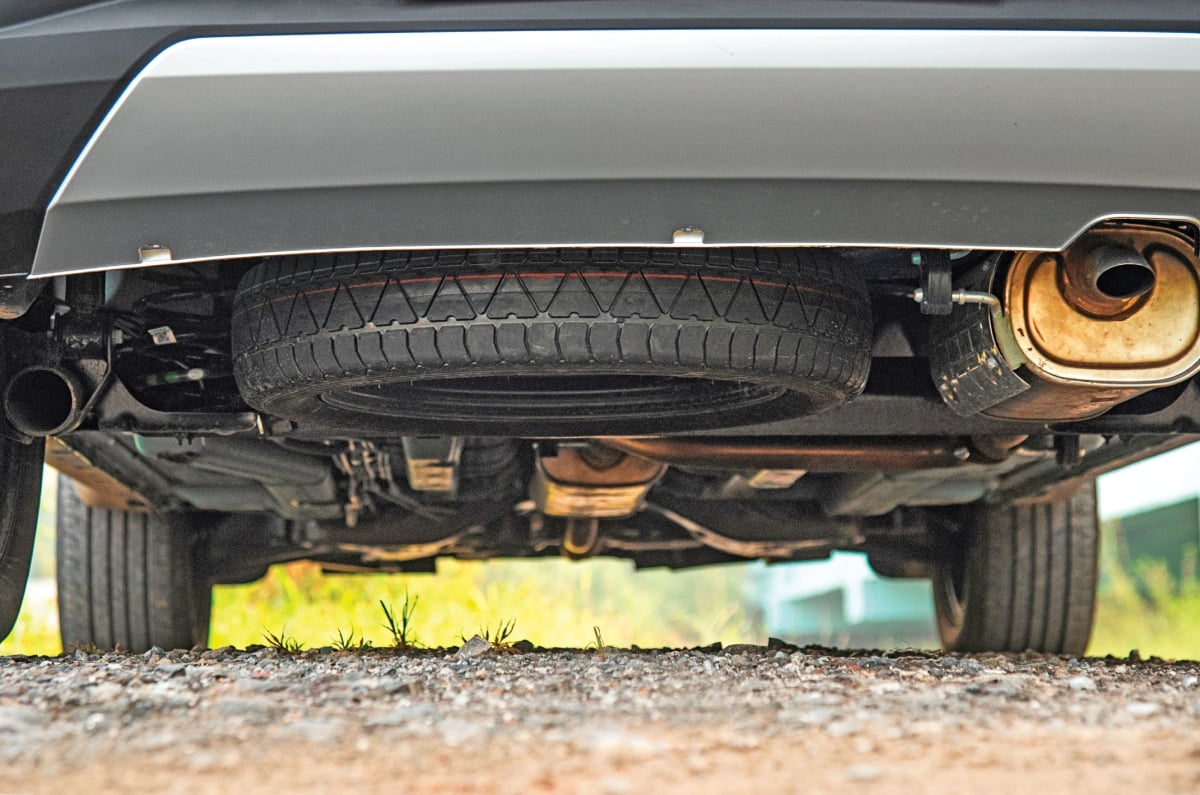
Underbody-mounted spare wheel adds another layer of confidence on long road trips.
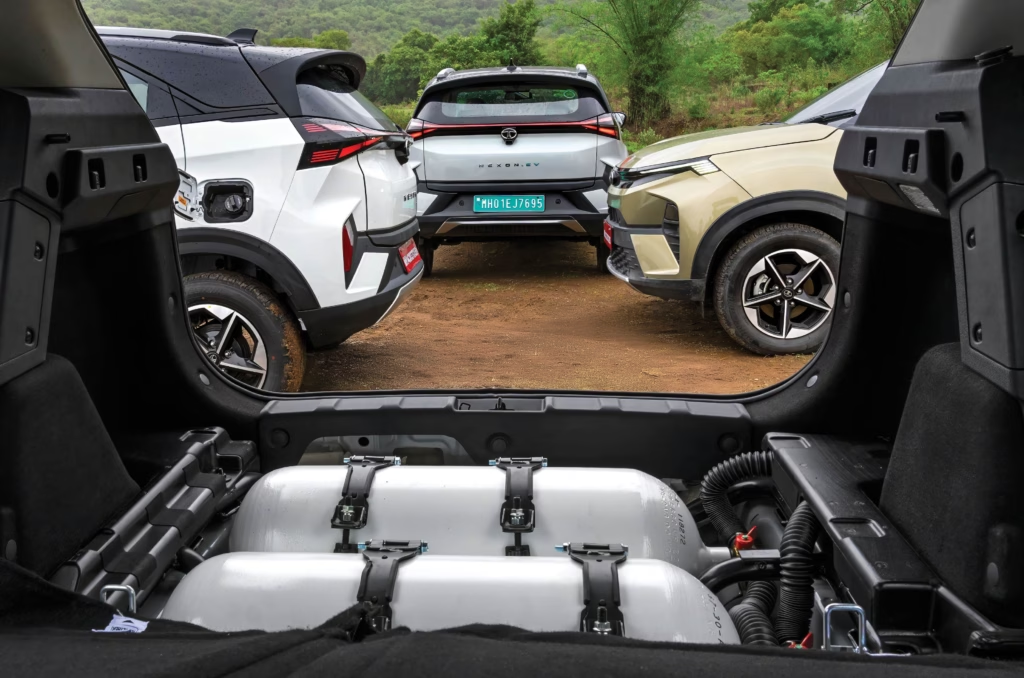
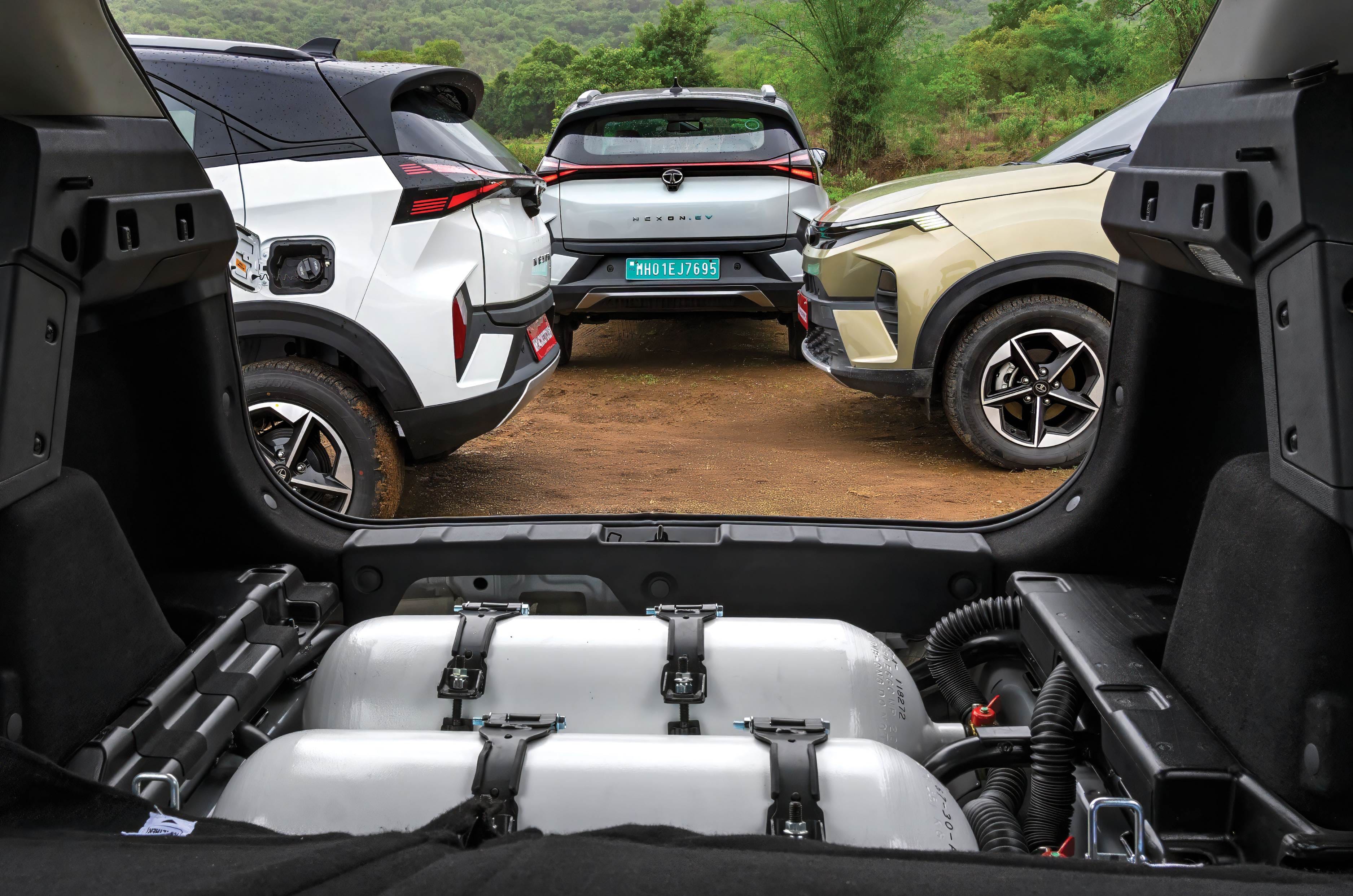
Then there is the boot. A conventional CNG cylinder can make luggage space something of an afterthought. The Nexon iCNG’s twin-cylinder layout puts the CNG tanks beneath the boot floor, leaving a proper luggage compartment and a spare wheel. For us, that meant camera bodies, lenses, tripods, overnight bags, and everything else could go in without sacrificing the rear seats.
The system also starts directly in CNG, making the transition almost irrelevant to the driver. And over the first few hundred kilometres, fuel was barely discussed. With CNG and petrol available, there was no need to plan the journey around the next filling station.
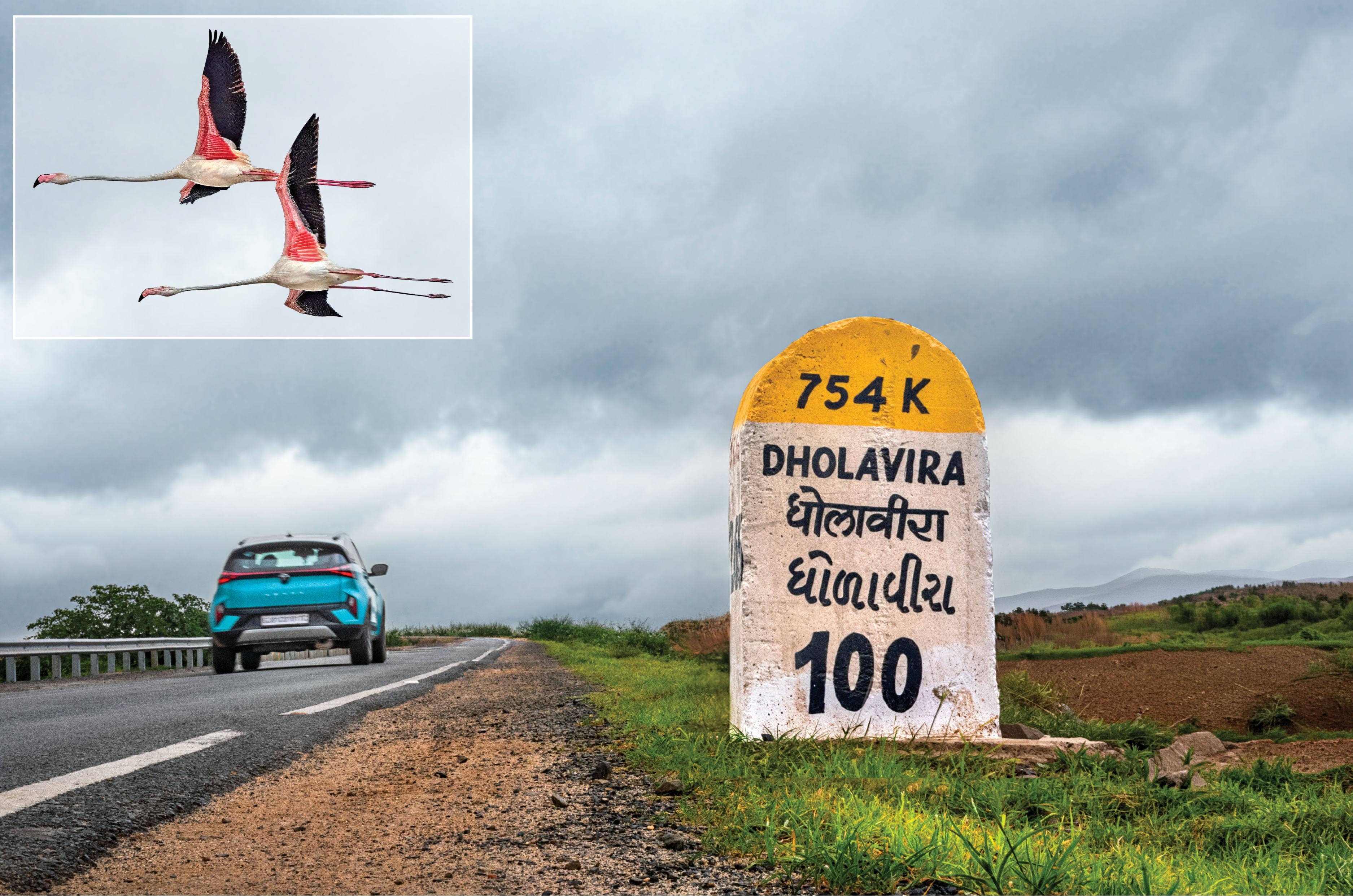
The Rann of Kutch is a popular destination for humans and flamingos alike.
The road itself provided more to think about. As we moved towards Kutch, traffic became sparse, villages grew further apart, and the vast Kutch sky revealed itself. Eventually we reached the Road to Heaven. The name is rather grand, but the road itself doesn’t need much embellishment. It runs almost arrow-straight through the Rann, with the white landscape opening out on either side. There is no great corner to attack and no climb to conquer. You simply drive into an enormous amount of empty space. We stopped, naturally. The cameras came out, the light changed into evening, and before we knew it, darkness crept up on us and made us head to our overnight halt.
By nightfall, we had covered more than 350km. We had also spent much of the day not thinking about the fact that this was a CNG SUV. The next morning, we turned around. The return journey passed more quickly, as they tend to. By the time Ahmedabad reappeared, the trip meter showed more than 770km. Two people, luggage and a boot full of camera equipment had gone to Dholavira and back without a fuel stop.
That is perhaps the more interesting measure of what the Nexon iCNG achieved. Not that it can cover 770km, but that doing so doesn’t require the usual concessions we have come to associate with CNG: no cramped boot, no reluctant engine, no sense of a stripped-out cabin and, in our case, no need to organise the journey around fuel.
The voice-activated panoramic sunroof really lets you appreciate the vast Kutch sky; ventilated front seats are a godsend in hot and humid conditions (inset).
We set out to drive to the Road to Heaven and back. And the fact that we did it in a CNG-powered car without actually having to think about it only made the whole thing that much more special.
भारत में SUV का क्रेज लगातार बढ़ रहा है। FY27 के अप्रैल से अगस्त के बीच देश में बिकी करीब हर 5 पैसेंजर गाड़ियों में से 3 SUV थीं। वहीं, सेडान कारों की बिक्री 12 गाड़ियों में से एक से भी कम रही। इसके बावजूद, इस दौरान भारत में सबसे ज्यादा बिकने वाली कार का खिताब Maruti Suzuki Dzire ने अपने नाम किया।
रिपोर्ट के मुताबिक, FY27 के शुरुआती पांच महीनों में Dzire की 1.08 लाख यूनिट बिकीं। यह Tata Punch, Tata Nexon, Maruti Suzuki Fronx, Mahindra Scorpio और Hyundai Creta जैसी लोकप्रिय SUV से आगे रही। Punch 1.03 लाख यूनिट के साथ इसके सबसे करीब थी, लेकिन फिर भी Dzire से लगभग 5,000 यूनिट पीछे रही।
पूरे कार बाजार के आंकड़ों पर नजर डालें तो Dzire की बिक्री और भी खास नजर आती है। अप्रैल से अगस्त के बीच भारत में कुल 22.05 लाख पैसेंजर गाड़ियां बिकीं। इनमें से 12.63 लाख यूनिट SUV थीं, यानी कुल बिक्री में SUV की हिस्सेदारी 57.28 प्रतिशत रही।
वहीं, इस दौरान देश में सिर्फ 1.74 लाख सेडान कारें बिकीं। यानी कुल पैसेंजर व्हीकल मार्केट में सेडान की हिस्सेदारी सिर्फ 7.89 प्रतिशत रही।
हालांकि, यह बढ़त कुछ समय के लिए ही नहीं थी। Dzire ने FY26 में 2.29 लाख यूनिट की बिक्री के साथ भारत की मॉडल रैंकिंग में भी टॉप किया था।
सेडान मार्केट में एक ही मॉडल का दबदबा
इंडस्ट्री के डेटा के मुताबिक, अप्रैल-अगस्त के दौरान हुई कुल सेडान बिक्री में Dzire की हिस्सेदारी 62.2% थी। बाकी सभी सेडान की कुल बिक्री 65,716 यूनिट रही। अकेले Dzire की बिक्री बाकी सभी सेडान की कुल बिक्री से 42,568 यूनिट ज्यादा रही।
यही ट्रेंड FY26 में भी देखने को मिला था। सेडान की बिक्री लगभग 59,000 यूनिट बढ़कर 3.99 लाख हो गई, जो 17.35% की ग्रोथ है। हालांकि, अकेले Dzire की बिक्री में 64,109 यूनिट का उछाल आया है। Dzire को छोड़कर, बाकी सेडान की कुल बिक्री में साल-दर-साल लगभग 5,100 यूनिट की गिरावट आई।
वित्त वर्ष 2026 में भी कुछ ऐसा ही ट्रेंड देखने को मिला था। उस साल भारत में सेडान की बिक्री करीब 59,000 यूनिट बढ़कर 3.99 लाख हो गई थी। यानी सेडान बाजार में 17.35 प्रतिशत की ग्रोथ दर्ज की गई। लेकिन इस बढ़ोतरी में Dzire की भूमिका सबसे बड़ी रही। अकेली Dzire की बिक्री में 64,109 यूनिट का इजाफा हुआ।
अगर Dzire को सेडान बाजार से अलग कर दें, तो बाकी सेडान की कुल बिक्री में साल-दर-साल लगभग 5,100 यूनिट की गिरावट आई है।
Maruti Suzuki India के मार्केटिंग और सेल्स के सीनियर एग्जीक्यूटिव ऑफिसर पार्थो बनर्जी ने मनीकंट्रोल को बताया, “31 लाख से ज्यादा ग्राहकों का भरोसा जीतने वाली Dzire, 2008 में लॉन्च होने के बाद से ही अपने सेगमेंट में सबसे ज्यादा बिकने वाली सेडान रही है। SUV के दबदबे वाले बाजार में भी इसने अपने कॉम्पिटिटर्स को पीछे छोड़ते हुए FY26 और इस साल अगस्त तक भारत की नंबर 1 कार का दर्जा हासिल किया है।”
बनर्जी ने कहा कि अप्रैल-अगस्त के दौरान Dzire की बिक्री में सालाना आधार पर 23% की बढ़ोतरी हुई है और अब इसके कुल ग्राहकों में से 61% ऐसे लोग हैं जो पहली बार कार खरीद रहे हैं।
कीमत, चलाने का खर्च और सेफ्टी
मौजूदा Dzire की कीमत 6.31 लाख रुपये से 9.41 लाख रुपये (एक्स-शोरूम) के बीच है, यानी यह 10 लाख रुपये से कम कीमत वाली कैटेगरी में आती है। इसके 1.2-लीटर पेट्रोल इंजन के साथ मैनुअल और ऑटोमेटेड मैनुअल ट्रांसमिशन का ऑप्शन मिलता है, जबकि कम खर्च में गाड़ी चलाने के इच्छुक खरीदार CNG वर्जन चुन सकते हैं।
Maruti Suzuki का दावा है कि पेट्रोल मैनुअल का माइलेज 24.79 kmpl, पेट्रोल AMT का 25.71 kmpl और CNG वर्जन का 33.73 km/kg है। Dzire को Global NCAP और Bharat NCAP, दोनों से फाइव-स्टार सेफ्टी रेटिंग मिली है। सेफ्टी फीचर्स की बात करें, तो छह एयरबैग, इलेक्ट्रिक सनरूफ, 9-इंच टचस्क्रीन, वायरलेस फोन चार्जर और ऑटोमैटिक क्लाइमेट कंट्रोल जैसी खूबियां इसे प्राइवेट खरीदारों के बीच और भी आकर्षक बनाती हैं।
GlobalData Plc के ऑटोमोटिव – इंडिया के डायरेक्टर विवेक शर्मा ने कहा, “डिजायर एक खास गाड़ी है क्योंकि इसमें किफायती दाम, अच्छा माइलेज, CNG की सुविधा और कम मेंटेनेंस खर्च के साथ-साथ Maruti Suzuki का मजबूत सेल्स और सर्विस नेटवर्क भी मिलता है। इसकी रीसेल वैल्यू और भरोसेमंद होने की खूबी इसे और भी बेहतर बनाती है।”
Dzire को Maruti Suzuki के ‘अरीना’ नेटवर्क के जरिए बेचा जाता है, जिसके तहत लगभग 2,900 शहरों में 3,400 से ज्यादा आउटलेट हैं। कार बनाने वाली इस कंपनी के पूरे भारत में 6,000 से ज्यादा सर्विस सेंटर भी हैं।
Mobility Globalके इंडिया और ASEAN डायरेक्टर पुनीत गुप्ता ने कहा कि Swift और Baleno जैसी लोकप्रिय हैचबैक कारों के साथ पार्ट्स साझा करने और बड़े पैमाने पर उत्पादन (इकोनॉमीज ऑफ स्केल) से Maruti Suzuki को Dzire की कीमत को प्रतिस्पर्धी बनाए रखने में मदद मिलती है। उन्होंने कार के केबिन और बूट स्पेस, ईंधन के विकल्पों, ग्राहकों के भरोसे और कंपनी के बड़े नेटवर्क का भी जिक्र किया।
गुप्ता ने कहा, “इसी तरह के बड़े पैमाने पर उत्पादन (इकोनॉमीज ऑफ स्केल) वाली कोई सीधी टक्कर न होने की वजह से यह प्रोडक्ट मौजूदा बाजार में एक पसंदीदा विकल्प बना हुआ है।”
सिर्फ टैक्सी और फ्लीट ग्राहकों तक सीमित नहीं Dzire
Dzire की टैक्सी और फ्लीट मार्केट में भी मजबूत पकड़ है, जहां गाड़ी का कम रनिंग कॉस्ट और भरोसेमंद होना काफी मायने रखता है। हालांकि, Dzire को खरीदने वाले ग्राहकों में निजी खरीदारों की संख्या ज्यादा है।
नवंबर 2024 में मौजूदा जेनरेशन की Dzire लॉन्च होने के समय Maruti Suzuki के सीनियर एग्जीक्यूटिव ऑफिसर (मार्केटिंग एंड सेल्स) पार्थो बनर्जी ने बताया था कि कंपनी की कुल Dzire बिक्री में फ्लीट ग्राहकों की हिस्सेदारी करीब 30-35 प्रतिशत थी। वहीं, 65-70 प्रतिशत बिक्री निजी ग्राहकों से आती थी। Maruti Suzuki की हालिया जानकारी के मुताबिक, 61% ग्राहक पहली बार गाड़ी खरीदने वाले हैं, जो यह दिखाता है कि कमर्शियल इस्तेमाल करने वालों के अलावा भी इसकी कितनी लोकप्रियता है।
शर्मा ने कहा, “खास बात यह है कि इसका फ्लीट और टैक्सी कस्टमर बेस भी मजबूत है, जहां चलने का खर्च, मजबूती और प्रैक्टिकैलिटी बहुत अहम हैं। इसलिए इसकी सफलता सेडान की वापसी के बारे में कम और प्राइवेट और कमर्शियल, दोनों तरह के इस्तेमाल के लिए प्रोडक्ट और मार्केट के बीच बेहतर तालमेल के बारे में ज्यादा है।”
एक अपवाद, न कि सेडान की वापसी
चुनौती तब और मुश्किल हो जाएगी जब कार बनाने वाली कंपनियां Dzire की कीमत वाली रेंज में और SUV लाएंगी। ये मॉडल ऊंची सीटिंग पोजीशन और SUV जैसी स्टाइलिंग देते हैं, जिसे आजकल बहुत से खरीदार पसंद कर रहे हैं।
शर्मा ने कहा कि किफायती, कुशल और प्रैक्टिकल सेडान की अभी भी अच्छी-खासी मांग है। हालांकि, डिजायर की लीडरशिप बनाए रखना उसकी कीमत, CNG ऑप्शन, फ्यूल एफिशिएंसी और कुल ओनरशिप कॉस्ट पर निर्भर करेगा।
उन्होंने आगे कहा, “संक्षेप में कहें तो, Dzire SUV-प्रधान बाजार में एक मजबूत अपवाद की तरह दिखती है, न कि सेडान की संरचनात्मक वापसी के सबूत के तौर पर।”
The Tata Punch was India’s best-selling car in August 2026, with 21,320 units sold, ahead of the Maruti Suzuki Wagon R and Swift. The top 10 models together recorded 1,83,037 units, up from 1,37,334 units in August 2025. Nine of the 10 models recorded year-on-year growth, with Maruti Suzuki accounting for six models in the list.
The year-on-year increase came against a lower base in August 2025, when buyers deferred purchases and manufacturers moderated dealer dispatches amid expectations of GST changes announced that month.
Rank
Model
August 2026 sales (units)
August 2025 sales (units)
YoY growth (percent)
1
Tata Punch
21,320
10,704
99
2
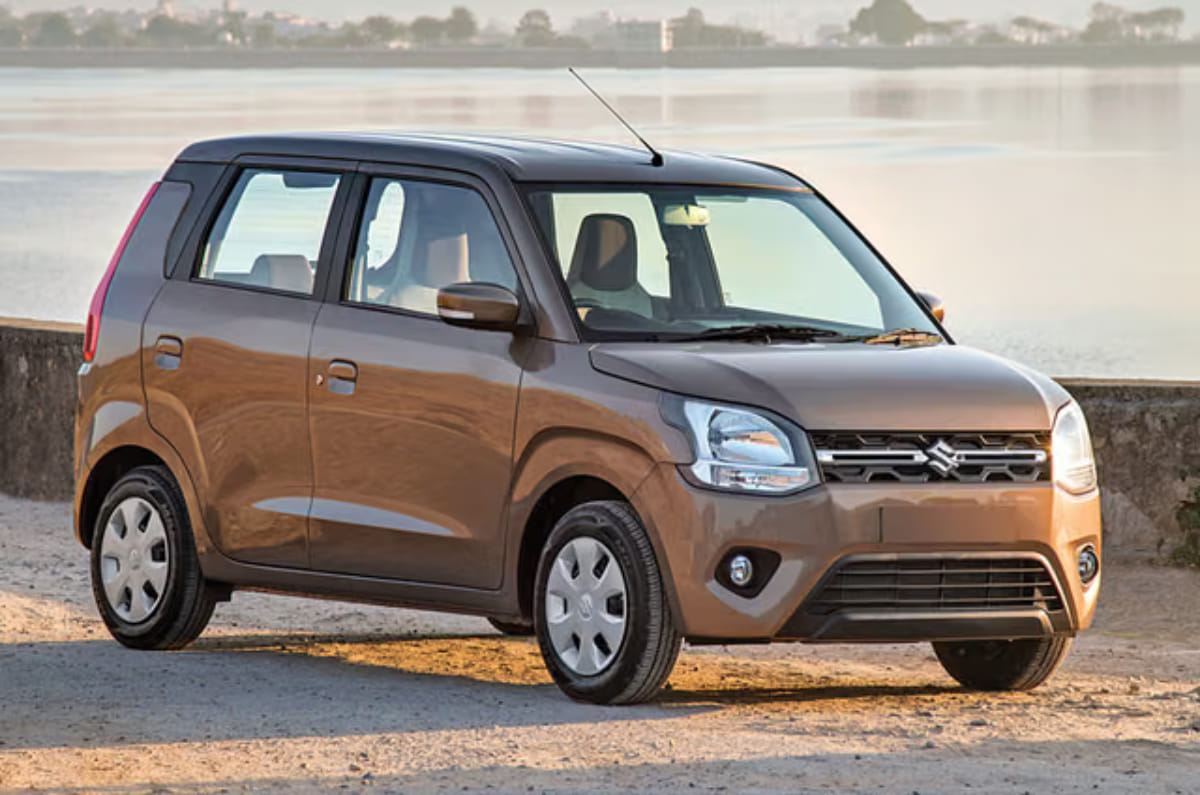
Maruti Suzuki Wagon R
20,180
14,552
39
3
Maruti Suzuki Swift
19,832
12,385
60
4
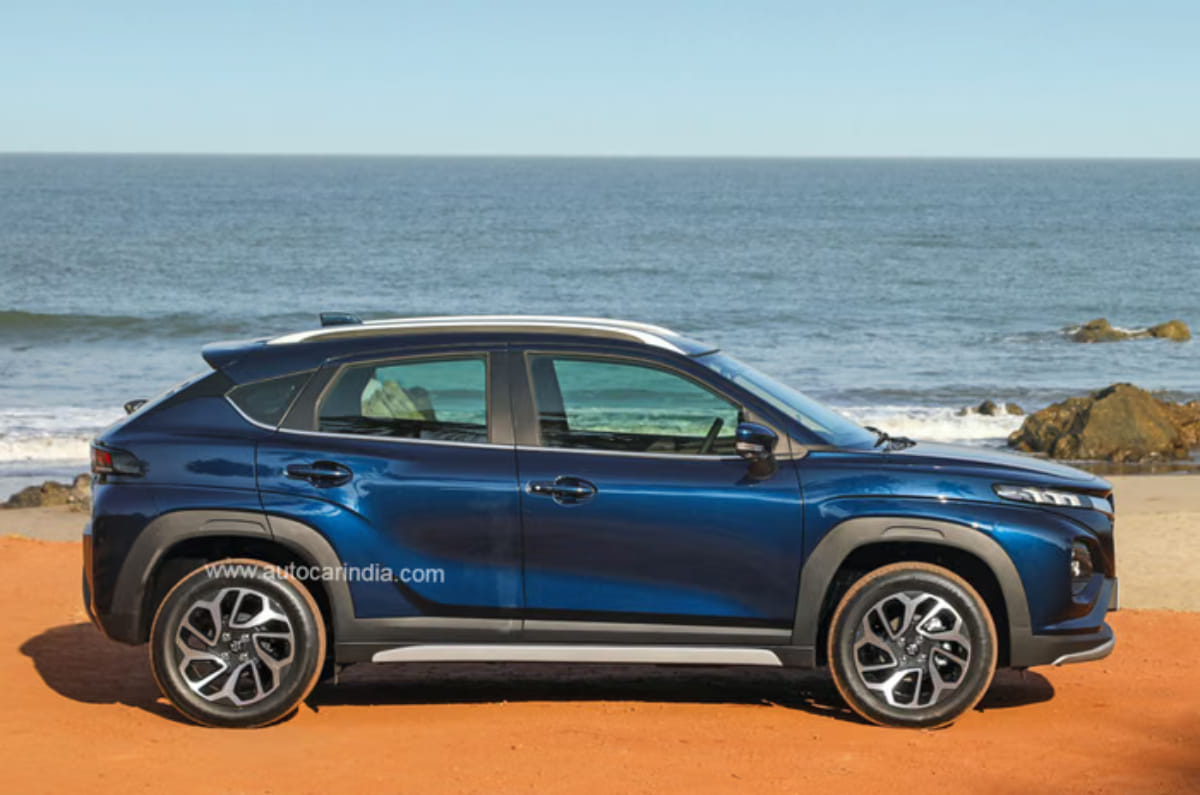
Maruti Suzuki Fronx
18,730
12,422
51
5
Maruti Suzuki Ertiga
18,516
18,445
0
6
Tata Nexon
18,431
14,004
32
7
Maruti Suzuki Dzire
18,418
16,509
12
8
Hyundai Creta
16,288
15,924
2
9
Maruti Suzuki Baleno
15,746
12,549
25
10
Mahindra Scorpio
15,576
9,840
58
Total
1,83,037
1,37,334
33
1. Tata Punch
Sales: 21,320 units
The Tata Punch topped the August 2026 sales rankings with 21,320 units, almost double the 10,704 units sold in August 2025. Its sales increased 99 percent year on year, the highest growth among the 10 models.
Tata’s smallest SUV is offered with multiple powertrain options, while its compact dimensions and ride and handling balance remain key strengths. The Punch rivals the Hyundai Exter and Citroen C3 and is priced from Rs 5.75 lakh to Rs 10.77 lakh.
2. Maruti Suzuki Wagon R
Sales: 20,180 units
The Maruti Suzuki Wagon R finished second in August 2026 with 20,180 units, up from 14,552 units in August 2025. Its sales increased 39 percent year on year, putting it 1,140 units behind the Tata Punch.
Its spacious cabin, ease of driving and low running costs remain key strengths, although its light build and limited highway ability are drawbacks. The Wagon R rivals the Tata Tiago and Citroen C3 and is priced between Rs 4.99 lakh and Rs 7.24 lakh.
3. Maruti Suzuki Swift
Sales: 19,832 units
The Maruti Swift ranked third in August 2026 with 19,832 units, compared with 12,385 units in August 2025. Its sales increased 60 percent year on year, leaving it 348 units behind the Wagon R.
Its high fuel efficiency, light controls and easy-to-drive nature continue to support demand, although the top variants are priced close to the more premium Baleno. The Swift rivals the Hyundai Grand i10 Nios and Tata Tiago and is priced between Rs 5.84 lakh and Rs 8.74 lakh.
4. Maruti Suzuki Fronx
Sales: 18,730 units
The Maruti Suzuki Fronx was fourth in August 2026 with 18,730 units, compared with 12,422 units in August 2025. Its sales increased 51 percent year on year, leaving it 1,102 units behind the Swift.
The Fronx’s crossover styling, comfortable cabin and fuel-efficient powertrains continue to support demand, although it lacks some popular features. It rivals the Nissan Magnite and Renault Kiger and is priced between Rs 6.85 lakh and Rs 11.84 lakh.
5. Maruti Suzuki Ertiga
Sales: 18,516 units
The Maruti Suzuki Ertiga finished fifth in August 2026 with 18,516 units, almost unchanged from the 18,445 units sold in August 2025. Its sales were effectively flat year on year.
The Ertiga continues to hold the title of India’s highest-selling MPV. Its practical cabin, strong fuel efficiency and value-for-money positioning attract both private and fleet buyers, although it misses out on some features offered by rivals. It is priced from Rs 8.90 lakh to Rs 13.04 lakh and rivals the Kia Carens and Toyota Rumion.
6. Tata Nexon
Sales: 18,431 units
The Tata Nexon, including the ICE and EV versions, recorded 18,431 units in August 2026, up from 14,004 units in August 2025. Its sales increased 32 percent year on year, making it the sixth best-selling model in the month.
The Nexon is offered with petrol, diesel, CNG and EV powertrain options, along with a feature-rich cabin. However, its fit and finish are not as polished as some rivals. It competes with the Maruti Suzuki Brezza, Hyundai Venue, Kia Sonet and Mahindra XUV 3XO and is priced from Rs 7.40 lakh to Rs 14.52 lakh.
7. Maruti Suzuki Dzire
Sales: 18,418 units
The Maruti Dzire was seventh in August 2026 with 18,418 units, compared with 16,509 units in August 2025. Its sales increased 12 percent year on year, with the Dzire being the only sedan in the top 10.
Strong fleet demand, fuel efficiency and a well-balanced ride and handling setup continue to support the compact sedan’s volumes. The Dzire rivals the Hyundai Aura, Honda Amaze and Tata Tigor and is priced between Rs 6.31 lakh and Rs 9.41 lakh.
8. Hyundai Creta
Sales: 16,288 units
The Hyundai Creta finished eighth in August 2026 with 16,288 units, up from 15,924 units in August 2025. Its sales increased 2 percent year on year, making it the only Hyundai model in the top 10.
A roomy cabin and long feature list continue to attract buyers, although the top variants are expensive and some interior plastics could be better. The Creta rivals the Kia Seltos, Maruti Suzuki Grand Vitara, Toyota Urban Cruiser Hyryder, Honda Elevate and Tata Sierra. It is priced between Rs 10.91 lakh and Rs 20.11 lakh.
9. Maruti Suzuki Baleno
Sales: 15,746 units
The Maruti Suzuki Baleno ranked ninth in August 2026 with 15,746 units, compared with 12,549 units in August 2025. Its sales increased 25 percent year on year, making it the third Maruti Suzuki hatchback in the top 10.
The premium hatchback has recently received a facelift and rivals the Hyundai i20, Tata Altroz and Toyota Glanza. The Baleno is priced between Rs 5.99 lakh and Rs 9.99 lakh.
10. Mahindra Scorpio
Sales: 15,576 units
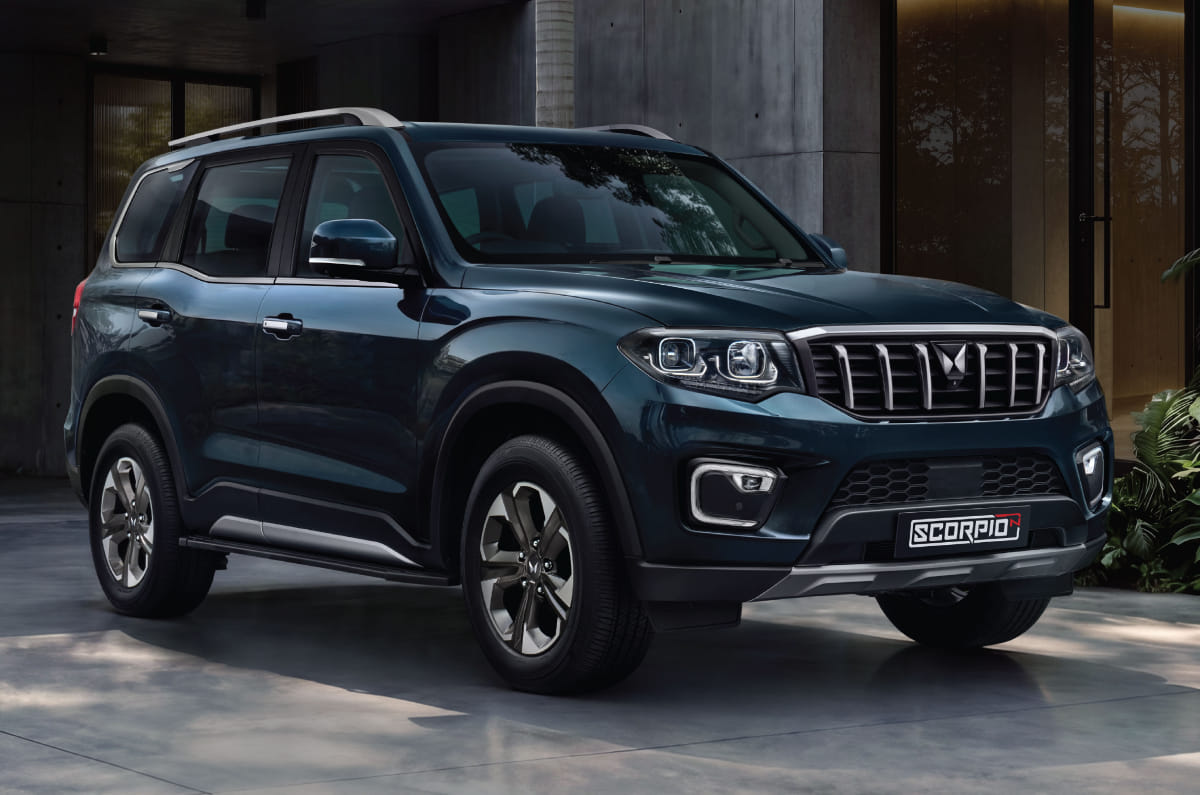
The Mahindra Scorpio, comprising the Scorpio N and Scorpio Classic, completed the August 2026 top 10 with 15,576 units, up from 9,840 units in August 2025. Its sales increased 58 percent year on year, the third-highest growth rate among the top 10 models.
The Scorpio nameplate remains popular for its strong engines, rugged character and off-road ability. However, the third-row seating is cramped and the luggage area is not particularly practical. The Scorpio N rivals the Tata Safari, Hyundai Alcazar and Mahindra XUV 7XO and is priced from Rs 13.69 lakh to Rs 25.49 lakh.
Car buyers today are pretty spoilt for choice. Beyond a multitude of brands, body styles and variants, there are now more fuel options than ever before. Petrol, diesel, CNG, hybrid, electric, and soon even ethanol-powered vehicles are all vying for attention, making the decision increasingly complicated. So, which powertrain makes the most sense for you?
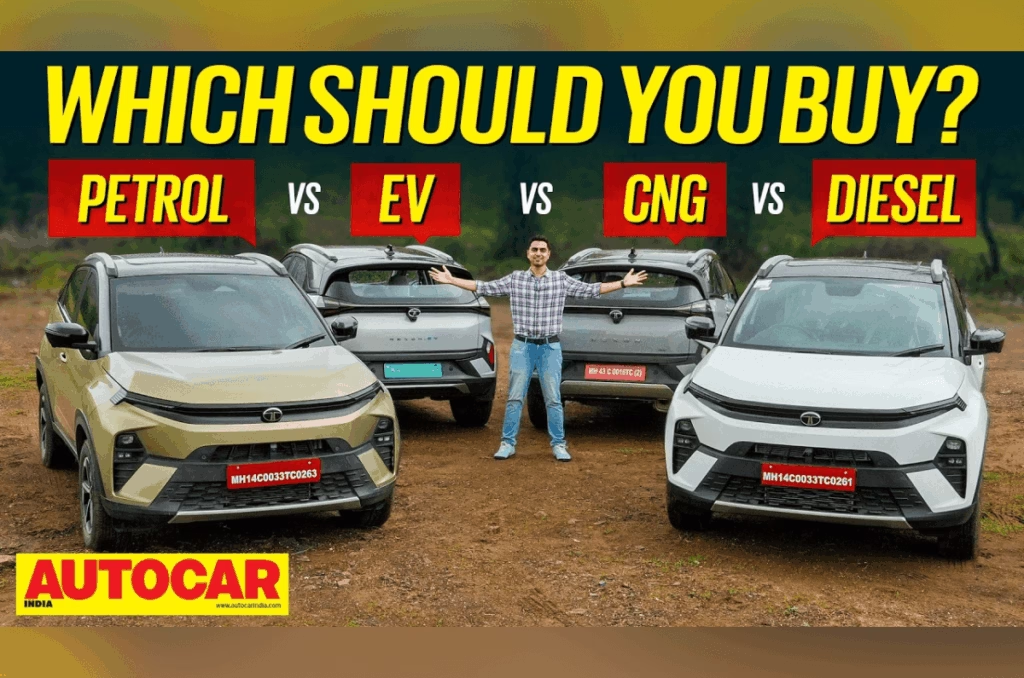
Tata Nexon models (left to right): Petrol, diesel, petrol-CNG and EV.
To answer that question, we turned to one of the most versatile models on sale in India – the Tata Nexon. Few vehicles offer such a broad range of powertrain choices, and with design, space, practicality, safety and features remaining largely consistent across the range, the Nexon provides the perfect platform to isolate the one key variable – the fuel itself. So, we got together the turbo-petrol, CNG, diesel, as well as the EV to find out each fuel’s pros and cons, and thus, which would best fit your needs.
Disclaimer: Fuel prices vary from state to state.
Tata Nexon turbo-petrol: Fuss free
Tata’s 1.2-litre, three-cylinder ‘Revotron’ turbo-petrol engine debuted with the Nexon in 2017 and received a power bump in 2020, taking outputs to 120hp and 170Nm. Today, it is offered with an unusually wide range of transmission choices – a 5-speed manual, 6-speed manual, 6-speed AMT and a 7-speed dual-clutch automatic.
Prices start at Rs 7.40 lakh and extend up to Rs 13.90 lakh, ex-showroom (excluding dual-tone, Dark and Red Dark editions). Its broad variant spread and attractive pricing are key reasons why the turbo-petrol accounts for 42 percent of all Nexon sales.
The engine offers decent driveability and benefits from selectable Eco, City and Sport drive modes. But outright performance, refinement and smoothness aren’t class-leading and not what you get from other turbo-petrols.
Within the range, the 7-speed DCA stands out as the most desirable option. Despite accounting for less than 4 percent of total Nexon sales, it is arguably the nicest ICE-powered Nexon on sale. The wet-clutch dual-clutch transmission prioritises smoothness over sportiness and suits the engine’s character well. While downshifts can occasionally feel a touch hesitant, the overall experience is noticeably more polished than the manual and AMT alternatives. Notably, the top-spec Turbo DCA is the best-equipped ICE version and is also the only version to offer ADAS.
Fuel efficiency, however, remains this powertrain’s weakest area. In our tests, the turbo-petrol DCA returned 7.7kpl in the city and 13.9kpl on the highway, translating to an average running cost of Rs 9.46 per kilometre – the highest among all Nexon powertrains.
To put that into perspective, even though a fully loaded Fearless + A PS DCA is Rs 2.65 lakh more affordable than a top-spec Empowered + A 45 EV, the EV’s significantly lower running costs (of Rs 1.03 per km using home charging) allow owners to recover that initial price difference in roughly 32,000km.
Tata Nexon diesel: Highway star
The diesel range starts at Rs 9.15 lakh and extends up to Rs 14.40 lakh for the top-spec AMT. Interestingly, while the diesel once outsold the petrol version in the Nexon’s early years, buyer preferences shifted following the BS6 transition, causing diesel sales to gradually decline to 13 percent. Despite this, Tata has persisted with the fuel, and today remains one of the few carmakers still offering diesel engines in its portfolio.
Instead of adopting a conventional SCR setup with a urea tank, AdBlue injection system and additional electronic controls, Tata developed a Lean NOx Trap system for the 1.5-litre, four-cylinder turbo-diesel engine. Despite this relatively low-cost passive emissions-control system, the price premium over an equivalent turbo-petrol variant remains around Rs 1 lakh – broadly in line with what rivals charge. The only tangible benefit for buyers is that, unlike many competitors, there is no urea tank requiring periodic top-ups, resulting in marginal savings over time and a bit less hassle.
Like the turbo-petrol, refinement isn’t this diesel’s strongest suit. And even though turbo lag is more perceptible than in the petrol iteration, performance flows in a rather strong manner, making it well-suited for highway drives. Its tall fuel efficiency also makes it ideal for those who cover long distances frequently. In our tests, the diesel-manual delivered an impressive average of 17.95kpl, resulting in a running cost of just Rs 5.30 per kilometre – significantly lower than the turbo-petrol.
Tata Nexon EV: Smooth operator
As India’s first widely accessible electric SUV from a domestic manufacturer, the Nexon EV played a pivotal role in democratising EV ownership. Combining brisk performance, usable real-world range and a relatively accessible price point, it opened up the Tata brand to an entirely new set of buyers. For a long time, it was India’s bestselling EV. Within the Nexon range, it accounts for 14 percent of total sales.
Today, the Nexon EV range spans Rs 12.49 lakh to Rs 17.49 lakh, with buyers able to choose between two battery packs – 30kWh and 45kWh. The line-up itself is relatively straightforward, with three trims available for each battery option.
In the real world, the 30kWh version can deliver a little over 200km on a charge, while the larger 45kWh battery can comfortably manage around 350km. For buyers seeking the smoothest and most refined driving experience, nothing quite matches the seamlessness of an EV. Acceleration feels brisk, and its zippy yet seamless performance makes for a hushed, enjoyable drive experience.
The two battery versions differ in more ways than just capacity. The 45kWh version uses Tata’s newer Gen 2 motor, which is lighter, more compact and more efficient than the Gen 1 unit used in the 30kWh variant. The long-range version’s more modern architecture also enables significantly faster DC charging. To put it into perspective, the 30kWh version takes about an hour to charge from 20-80 percent using a DC fast charger, whereas the 45kWh variant achieves the same in just 29 minutes. Not only does the larger battery offer greater range, but it is also quicker to recharge despite its higher capacity, making it the more suitable choice for longer highway journeys.
Interestingly, the EV also enjoys a feature advantage over the best-equipped turbo-petrol DCA, gaining a larger 12.3-inch touchscreen, rear disc brakes, and an electronic parking brake with auto-hold functionality.
Coming to the 45kWh version’s running cost, using a home charger (at an average cost of Rs 8 per unit of electricity), buyers can enjoy driving around at just Rs 1.03 per km. Even if users opt for public DC fast-charging, the rates of which range between Rs 24 and Rs 28 per unit, still, average running costs work out to merely Rs 3.34 per km, which is almost a third of the petrol-automatic’s number and about sixty percent of a diesel-manual’s cost per km.
Tata Nexon CNG: Jack of all trades
There’s a lot Tata has got right with the Nexon CNG. For starters, prices range from Rs 8.35 lakh to Rs 13.60 lakh, positioning it neatly between the petrol and diesel alternatives.
Under the bonnet is the same 1.2-litre, three-cylinder turbocharged engine found in the petrol Nexon. Not only is it India’s first turbo-petrol CNG SUV, but it is also the most powerful, producing 100hp and 170Nm when running on CNG. Impressively, peak torque remains identical to the petrol version, although it is available across a narrower band. As a result, driveability feels remarkably similar to the turbo-petrol, and users are unlikely to find themselves wanting for performance, whether in urban conditions or on the highway.
Being a turbocharged CNG engine, efficiency in city driving can take a hit. In our real-world city test involving frequent stop-start traffic, the Nexon CNG returned 15.1km/kg. Out on the highway, however, flowing traffic and the presence of a sixth gear helped it achieve close to 24km/kg. The end result is an average running cost of just Rs 4.28 per kilometre, making it the most economical option in the ICE line-up.
With driveability that’s remarkably close to the turbo-petrol, lower purchase and running costs than the diesel, and very few compromises in practicality or equipment, the Nexon CNG presents perhaps the strongest all-round case in the range. Its only notable drawback is the limited CNG infrastructure. While station availability continues to improve, rising CNG adoption often leads to longer queues and wait times at many outlets.
Unlike many CNG vehicles, the Nexon CNG doesn’t feel like a stripped-down, budget-focused alternative. It remains spacious, practical and generously equipped while delivering the lowest running costs of any ICE Nexon. Small omissions, such as cruise control, connected-car technology and JBL-branded speakers, are unlikely to be deal-breakers for most buyers.
Viewed through the lens of value, usability and cost of ownership, the Nexon CNG strikes perhaps the most convincing balance of the lot. Which perhaps explains why, despite being offered with just one engine and a manual gearbox, it now contributes more than a third of all Nexon sales.
Tata Nexon petrol vs diesel vs CNG vs EV: Verdict
The turbo-petrol’s lowest starting price, as well as the widest choice for buyers, is the reason behind its popularity. Our pick of the range, however, is the priciest 7-speed DCA, which delivers the smoothest and most polished Nexon ICE driving experience. That said, performance and efficiency aren’t exactly class-best.
The diesel’s impressive fuel efficiency and thus low running costs make it an ideal choice for those who rack up high annual mileages. Performance is the strongest among all ICE versions, and its torquey nature makes it an excellent highway companion, perfect for those who regularly cover long distances.
For buyers with reliable home charging, a predominantly urban usage pattern and high annual running, the EV is the one to pick. The 45kWh model has a genuinely usable real-world range and is also the most advanced version with a rich feature list, making it a very well-rounded option.
The Nexon CNG retains the petrol’s drivability, offers low running costs, a long range, and buyers aren’t forced to compromise features or practicality either. It thus strikes a convincing balance between price, performance and real-world usability, emerging as the sweet spot of the line-up.
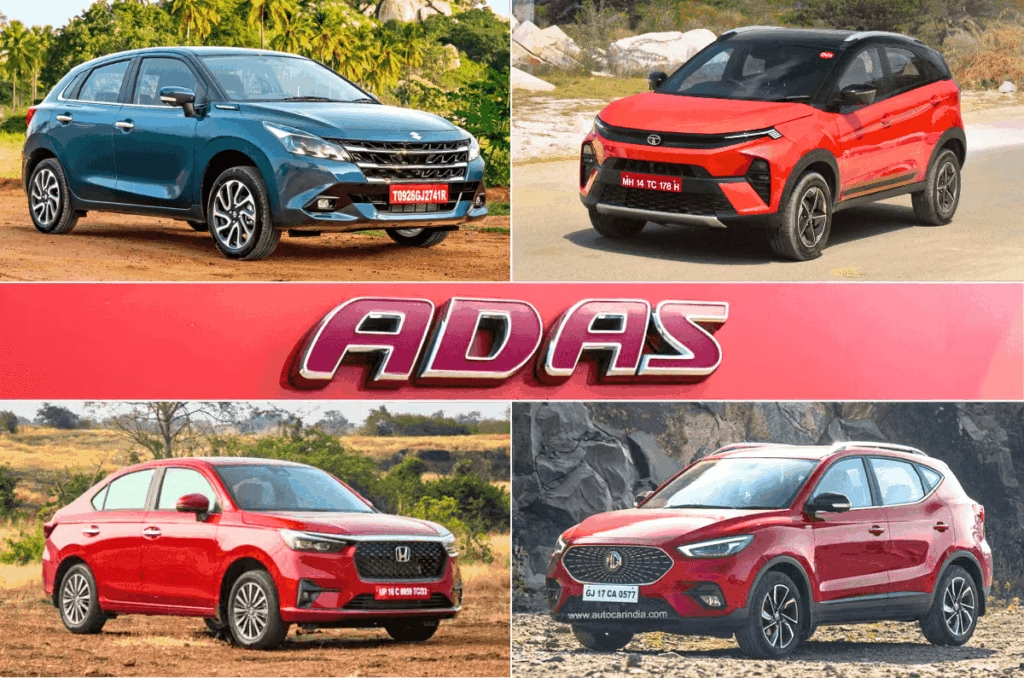
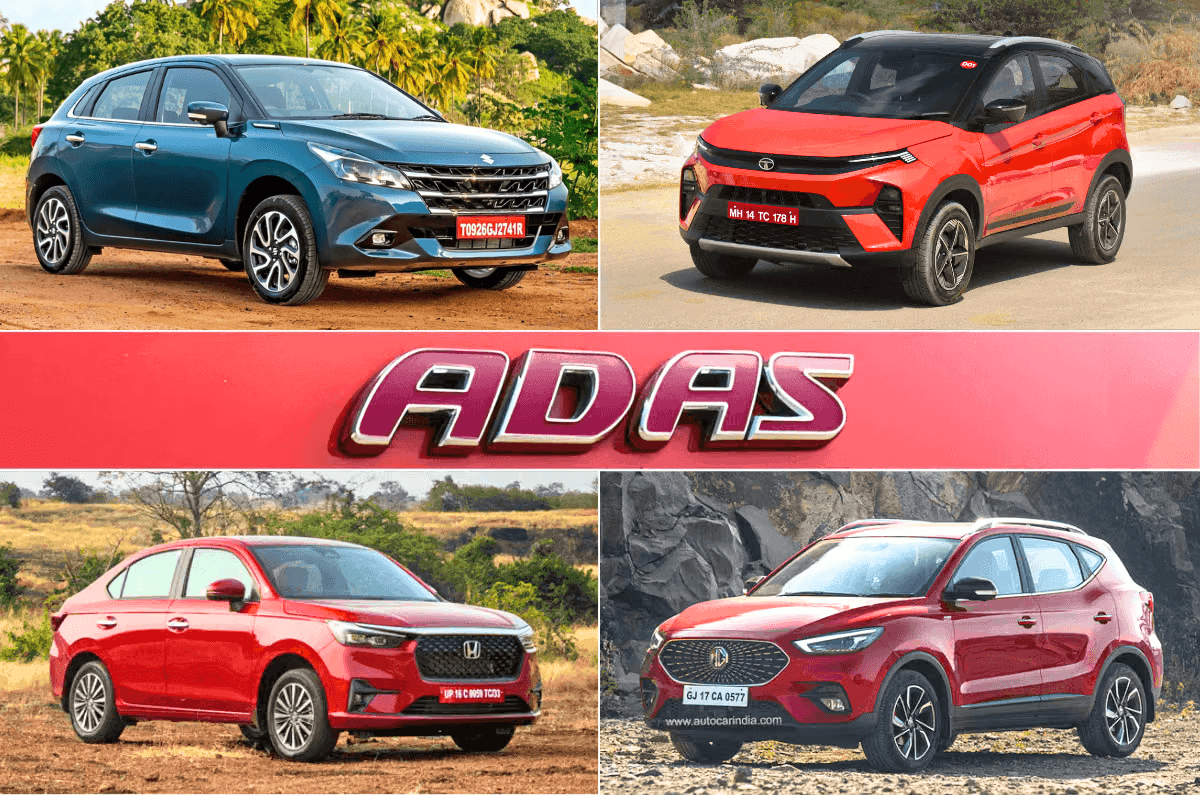
The democratisation of advanced driver assistance systems (ADAS) is visible in the Indian market, with many car brands now offering the safety tech in their mass-market models. Cars in this segment currently offer two stages of autonomous driving: Level 1, with features such as forward-collision warning and lane-keep assist, and Level 2, which adds adaptive cruise control and blind-spot monitoring. If you are looking for cars with ADAS, here are the 10 most affordable combustion-powered models in India that offer the advanced safety system, priced from highest to lowest.
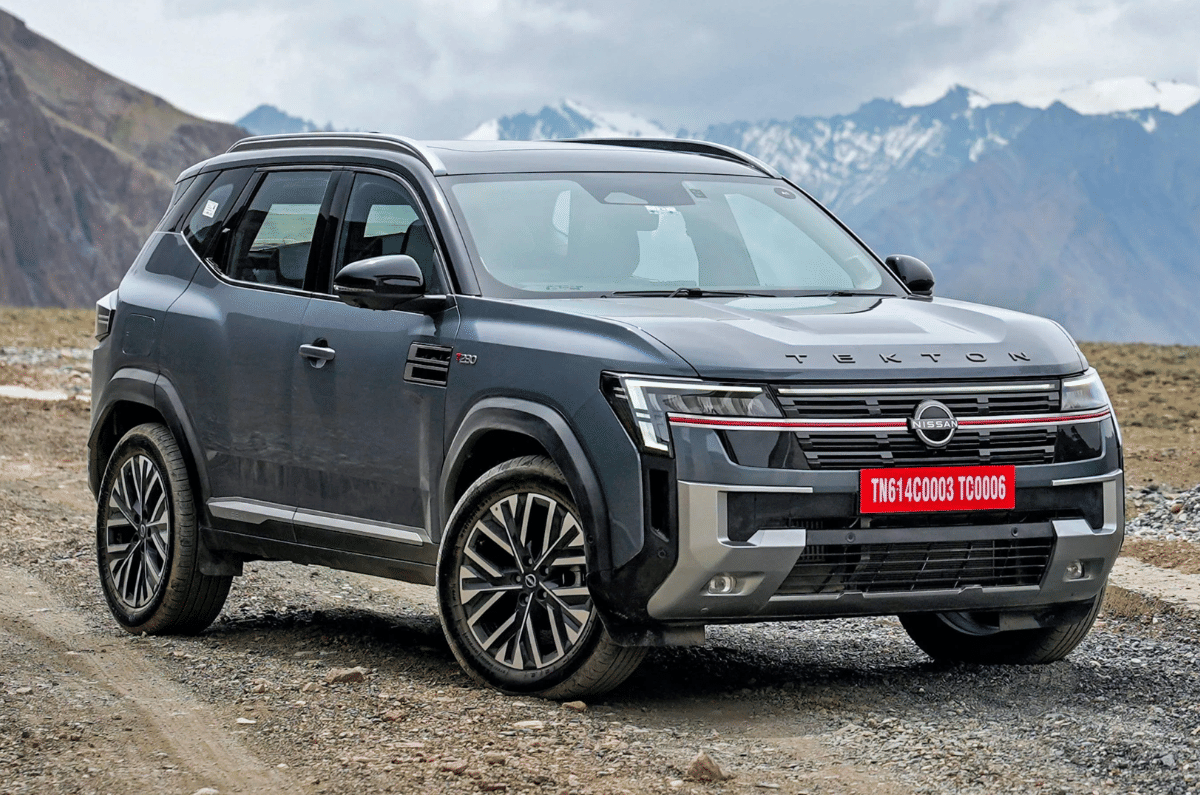
10. Nissan Tekton
Rs 15.39 lakh-18.59 lakh
Starting this list is the Nissan Tekton, the Japanese carmaker’s newest SUV. It gets a Level 2 ADAS suite in the Tekna and Tekna+ trims. The Tekna trim is available with two powertrain options: a 100hp 1.0-litre turbo-petrol engine with a manual transmission (MT), and a 163hp 1.3-litre turbo-petrol engine with either an MT or dual-clutch transmission (DCT). Save for the 1.0-litre turbo-petrol MT powertrain, the top-spec Tekna+ trim offers the rest.
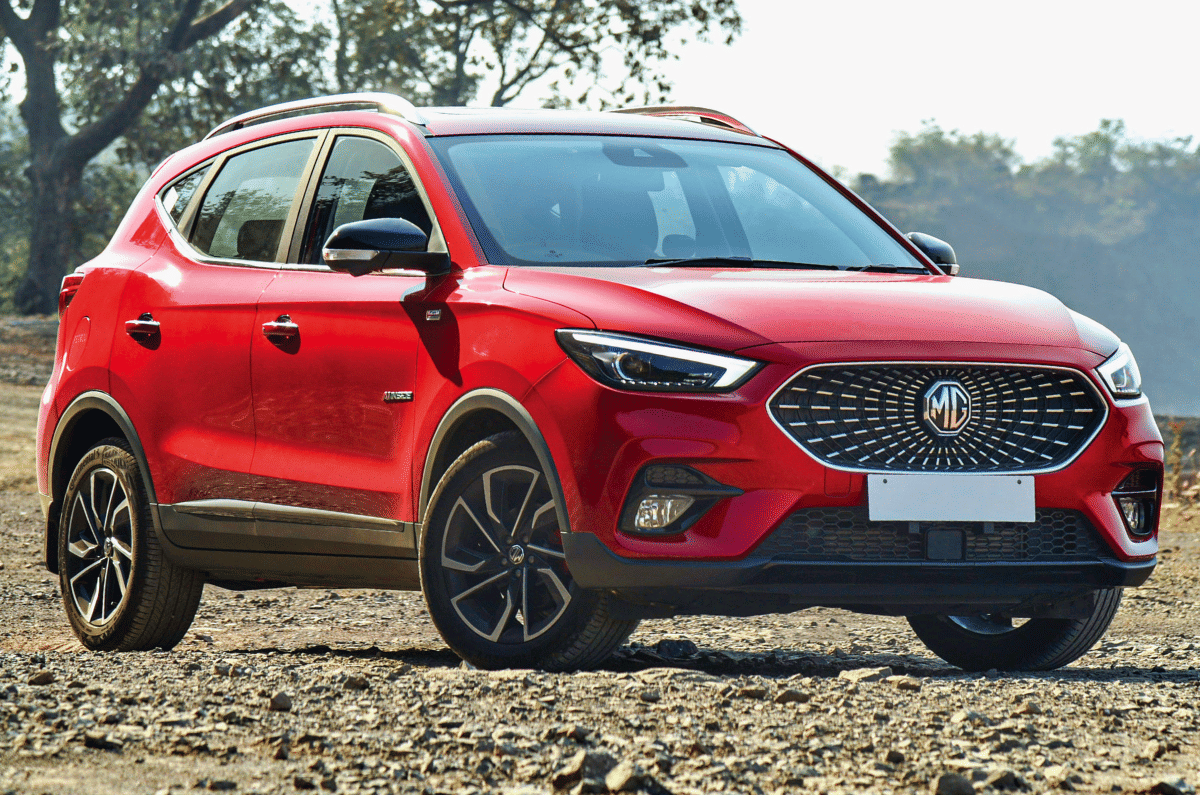
9. MG Astor
Rs 15.3 lakh
When the MG Astor was launched in 2021, it was the only midsize SUV to feature ADAS. MG offers Level 2 ADAS on the Astor’s top-spec Savvy Pro trim, which is available only with a 110hp 1.5-litre petrol engine paired with a CVT unit.
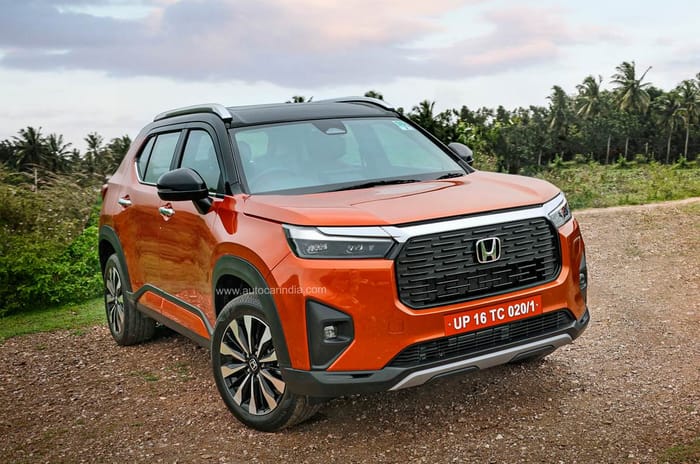
8. Honda Elevate
Rs 15.19 lakh-16.36 lakh
The top-spec Honda Elevate ZX trim comes equipped with an ADAS suite; it’s also available on the ZX Black and ADV editions. Under the hood, the Elevate has a 121hp 1.5-litre petrol engine that can be paired with an MT or a CVT.
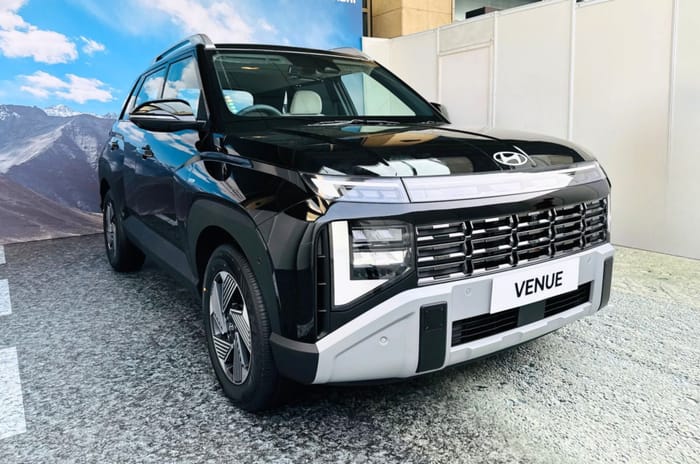
Instead of the previous model’s Level 1 ADAS features, the new Hyundai Venue gets a Level 2 suite. Hyundai offers it on the top-spec HX 10 and HX 10 Knight trims, powered by a 120hp 1.0-litre turbo-petrol engine with DCT. The HX 10 trim also offers the choice of a 116hp 1.5-litre diesel engine with an automatic gearbox. The Hyundai N Line’s N10 trim also gets Level 2 ADAS, and it is equipped with the 120hp turbo-petrol-DCT powertrain.
6. Kia Sonet
Rs 13.66 lakh-14.37 lakh
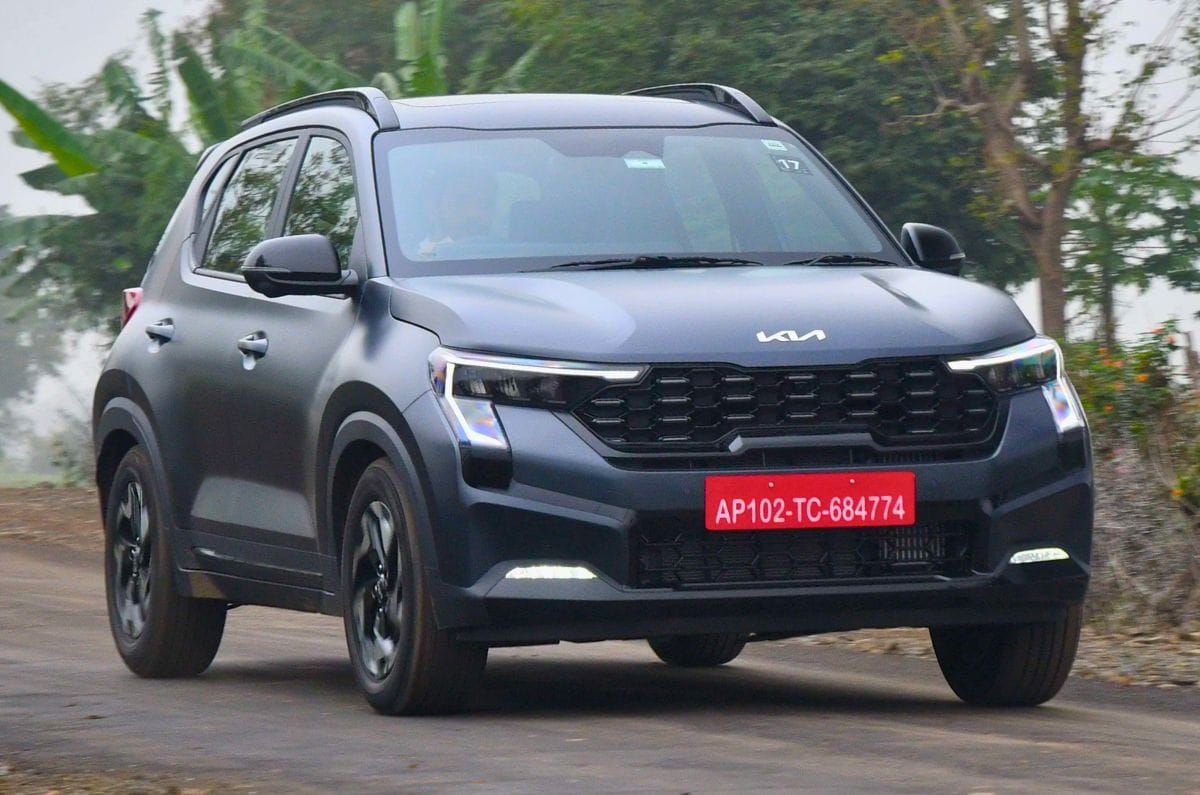
The Kia Sonet settles for a Level 1 system, available on the GTX+ and X-Line trims. The GTX+ trim is powered by a 120hp 1.0-litre turbo-petrol engine paired with a DCT or a 116hp 1.5-litre diesel mill mated to a torque-converter gearbox. The X-Line, however, only comes with the turbo-petrol and DCT combination. The Sonet could upgrade to a Level 2 suite with its next generation, due in 2027.
5. Tata Nexon
Rs 13.62 lakh-13.82 lakh
Next on this list of most affordable cars with ADAS is the Tata Nexon compact SUV. It gets Level 2 ADAS in the Fearless+ PS trim, but only with the 1.2-litre turbo-petrol engine with the DCT gearbox. The Fearless+ PS Red Dark edition, too, features an ADAS suite with the turbo-petrol-DCT powertrain. Note that the Nexon diesel does not get an ADAS suite.
Excluding the base SV variant, a Level 2 ADAS suite is available on all Honda City trims. These include the V, ZX and ZX+, which are powered by Honda’s 121hp 1.5-litre petrol engine, paired with an MT or a CVT. The strong-hybrid iteration, the City e:HEV ZX+, also comes with an ADAS suite. Its powertrain, paired with an e-CVT gearbox, produces a combined 126hp and 253Nm.
3. Mahindra XUV 3XO
Rs 12.02 lakh-15.03 lakh
Just the higher-spec AX5 L and the top-spec AX7 L Mahindra XUV 3XO trims get the Level 2 ADAS suite. While the AX5 L is available only with the 131hp 1.2-litre turbo-petrol engine with MT and torque-converter choices, the AX7 L offers an additional 117hp 1.5-litre diesel engine with a manual gearbox.
2. Maruti Baleno
Rs 9.55 lakh-9.99 lakh
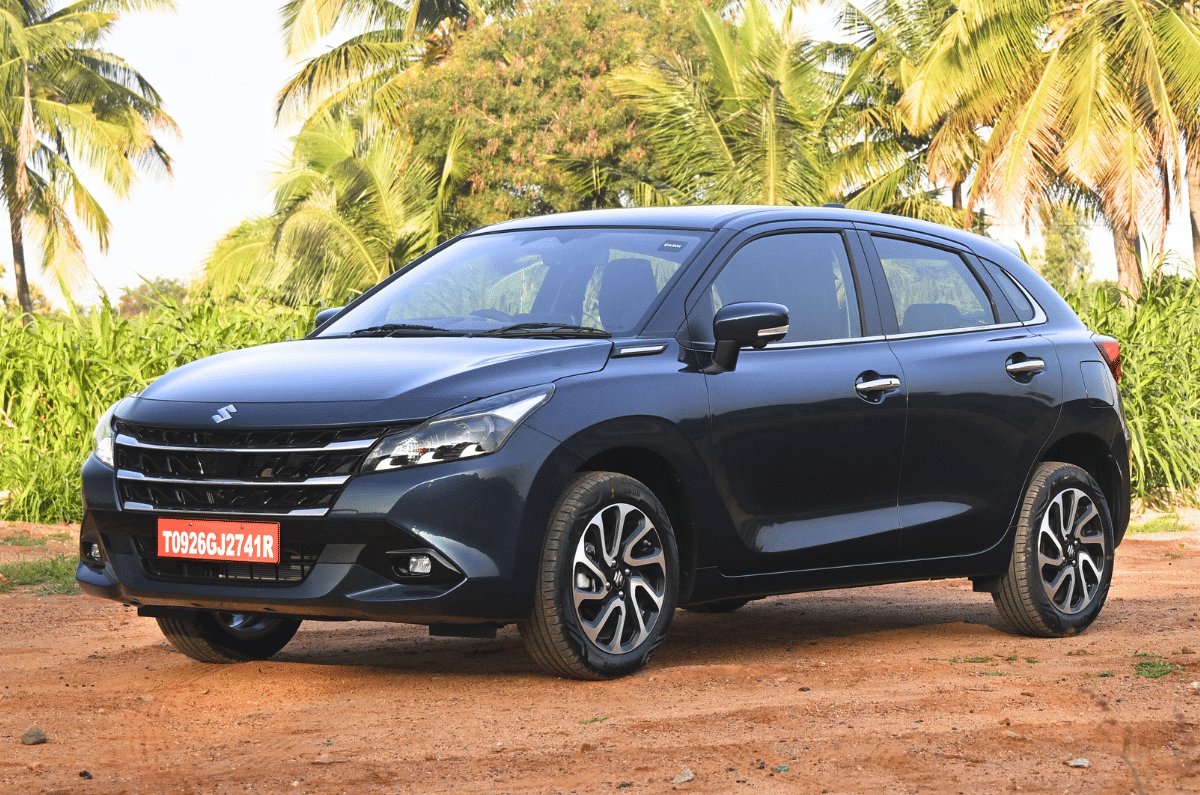
The updated Maruti Baleno is the newest model under Rs 10 lakh to get an ADAS suite. It is also the only hatchback on this list and the only hatchback in its segment to offer ADAS. The Baleno gets a Level 2 ADAS suite on the top-spec Alpha (O) trim, which is available only with the 1.2-litre, 3-cylinder petrol engine, and manual and AMT options.
Honourable mention: The Maruti Brezza received a couple of safety feature upgrades with its mid-lifecycle update earlier this year, including front parking sensors. This has enabled a few more advanced driver assists, such as blind-spot warning and rear cross-traffic alert, though it is not the full ADAS system you get in the Victoris, or which rivals offer. The Brezza offers these features in ZXi and ZXi+ trims, priced from Rs 9.85 lakh to Rs 13.55 lakh.
1. Honda Amaze (third generation)
Rs 9.39 lakh-10 lakh
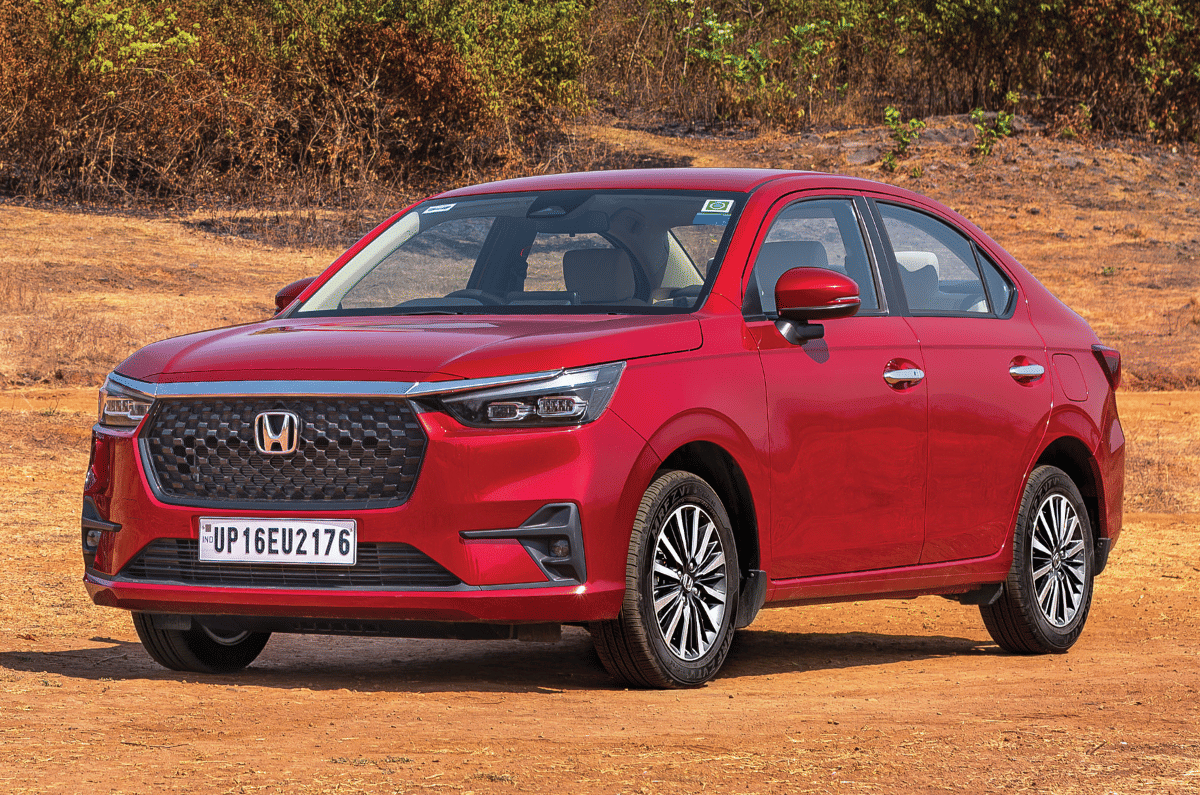
Apart from being the most affordable car with ADAS in India, the third-generation Honda Amaze is currently the only sedan under 4 metres in length to come with the safety suite, which is reserved for its top-spec ZX variant. Under the hood, the Amaze gets a 90hp 1.2-litre petrol engine with MT and CVT options.
Ex-showroom prices mentioned above are as of September 10, 2026.
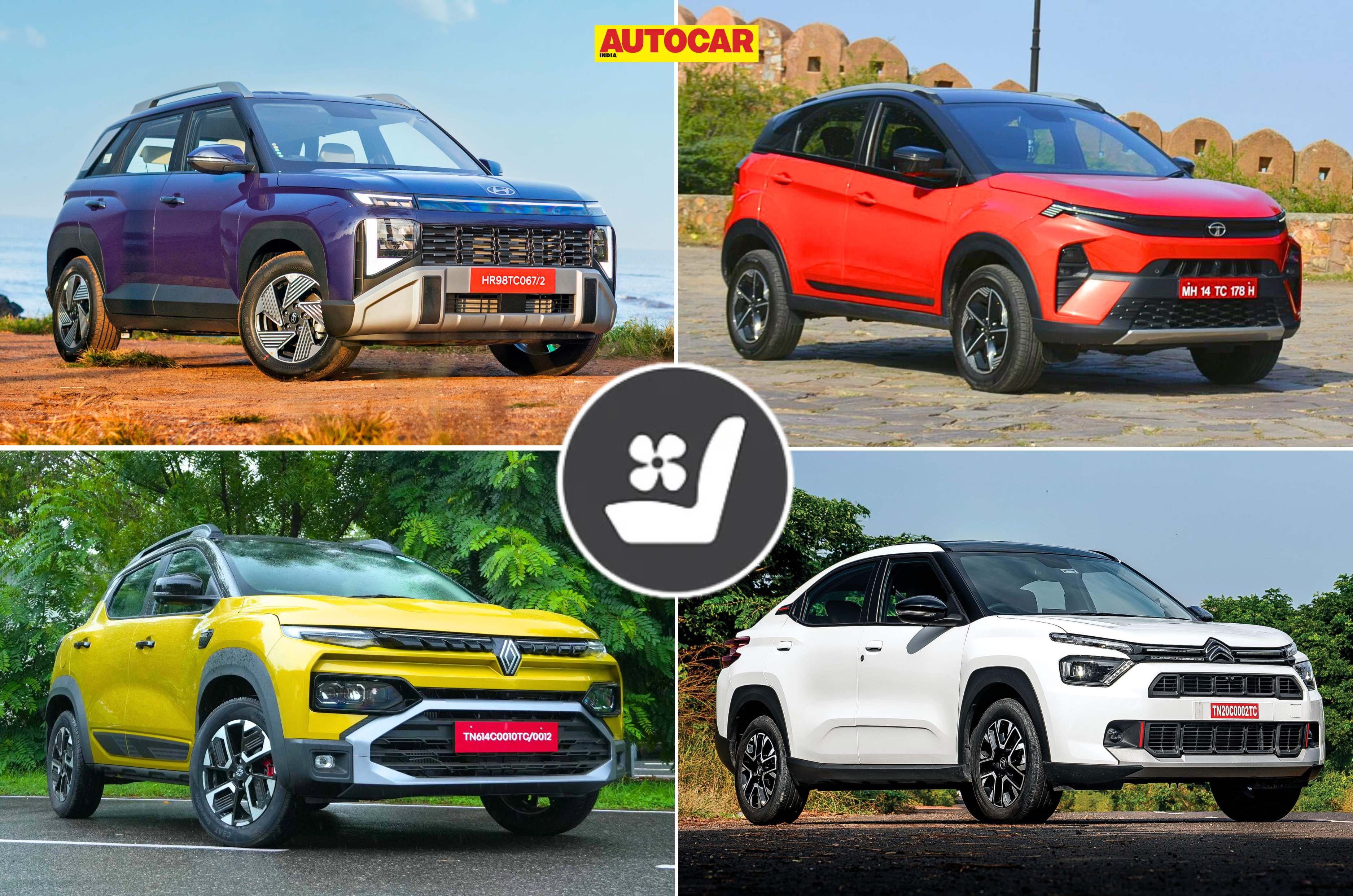
Ventilated seats are among the most desirable features car buyers look for and are especially useful in the summer. Having ventilated seats in your hatchback, sedan, MPV, or SUV can be advantageous for staying cool. Ten years ago, this feature was quite rare in the mass-market segment, with buyers needing to spend around Rs 30 lakh to get it. Today, however, there are plenty of SUVs and even a hatchback available with ventilated seats. So, here are the 10 most affordable cars on sale in India with ventilated seats.
10. Tata Punch EV
Price: Rs 12.99 lakh
Tata’s smallest eSUV, the Punch EV, gets ventilated seats in its range-topping Empowered+ S 40 trim. The Tata Punch EV is offered with a choice between a 30kWh battery and a 40kWh pack, with respective claimed ranges of 365km and 468km. The Tata Punch EV is the most affordable EV on sale in India with such a convenience feature.
9. Citroen Aircross
Prices: Rs 11.62 lakh to Rs 14.52 lakh
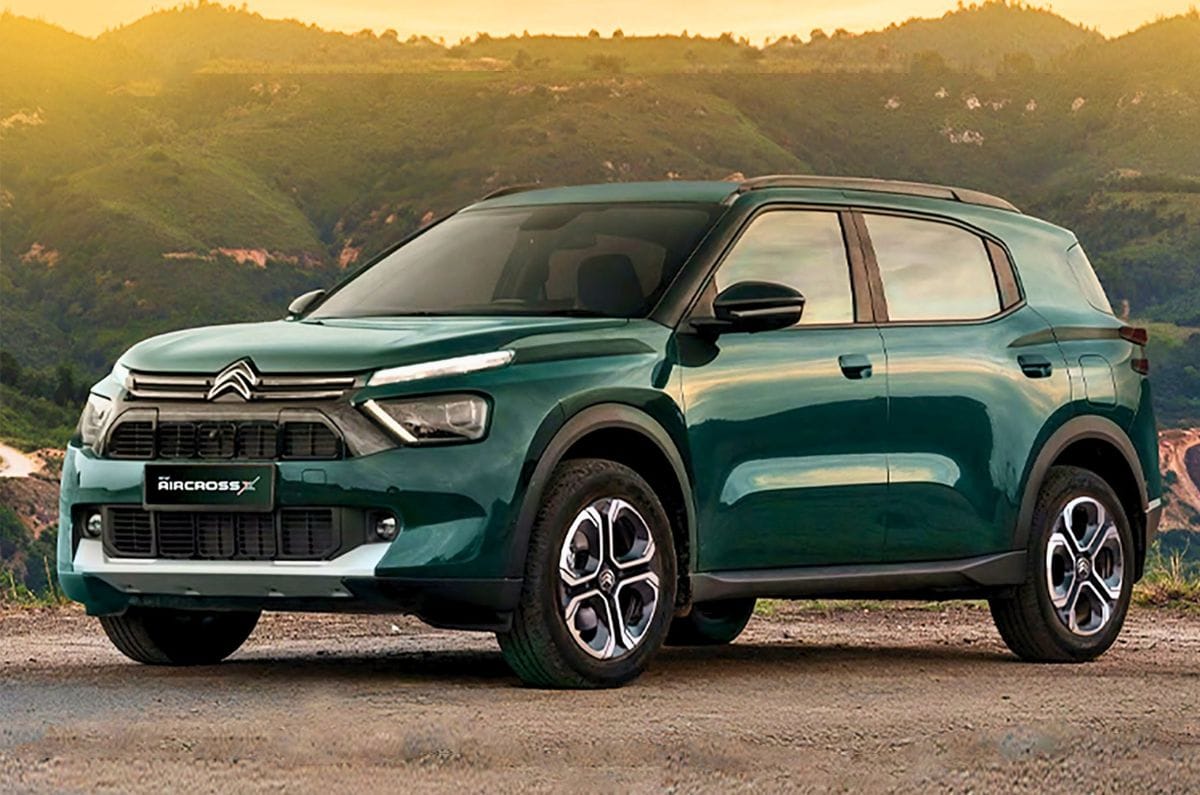
In the Citroen Aircross, ventilated front seats are available only on the top-spec Max trim, offered with both 5- and 7-seater configurations. The Max trim is available both with an 82hp, 1.2-litre naturally aspirated petrol engine or a 110hp, 1.2-litre turbo-petrol engine, producing 110hp, and is offered with both manual and automatic transmissions. It’s not only the most affordable Citroen SUV with this feature, but also the cheapest midsize SUV in India with ventilated seats.
8. Tata Nexon
Prices: Rs 12.42 lakh to Rs 14.22 lakh
Ventilated front seats are available only on the top-spec Tata Nexon Fearless+ PS trim. Interestingly, a CNG option is also available in this trim, making it the most affordable CNG-powered model with cooled seats. The Nexon is available with a 120hp 1.2-litre turbo-petrol engine, a 100hp CNG-powered version of the three-cylinder turbocharged unit, and a 115hp 1.5-litre diesel engine. In its range-topping form, the petrol gets a 6-speed manual and 7-speed dual-clutch auto gearbox options, while the diesel gets 6-speed manual and AMT options.
7. Citroen Basalt
Prices: Rs 11.34 lakh to Rs 13.90 lakh
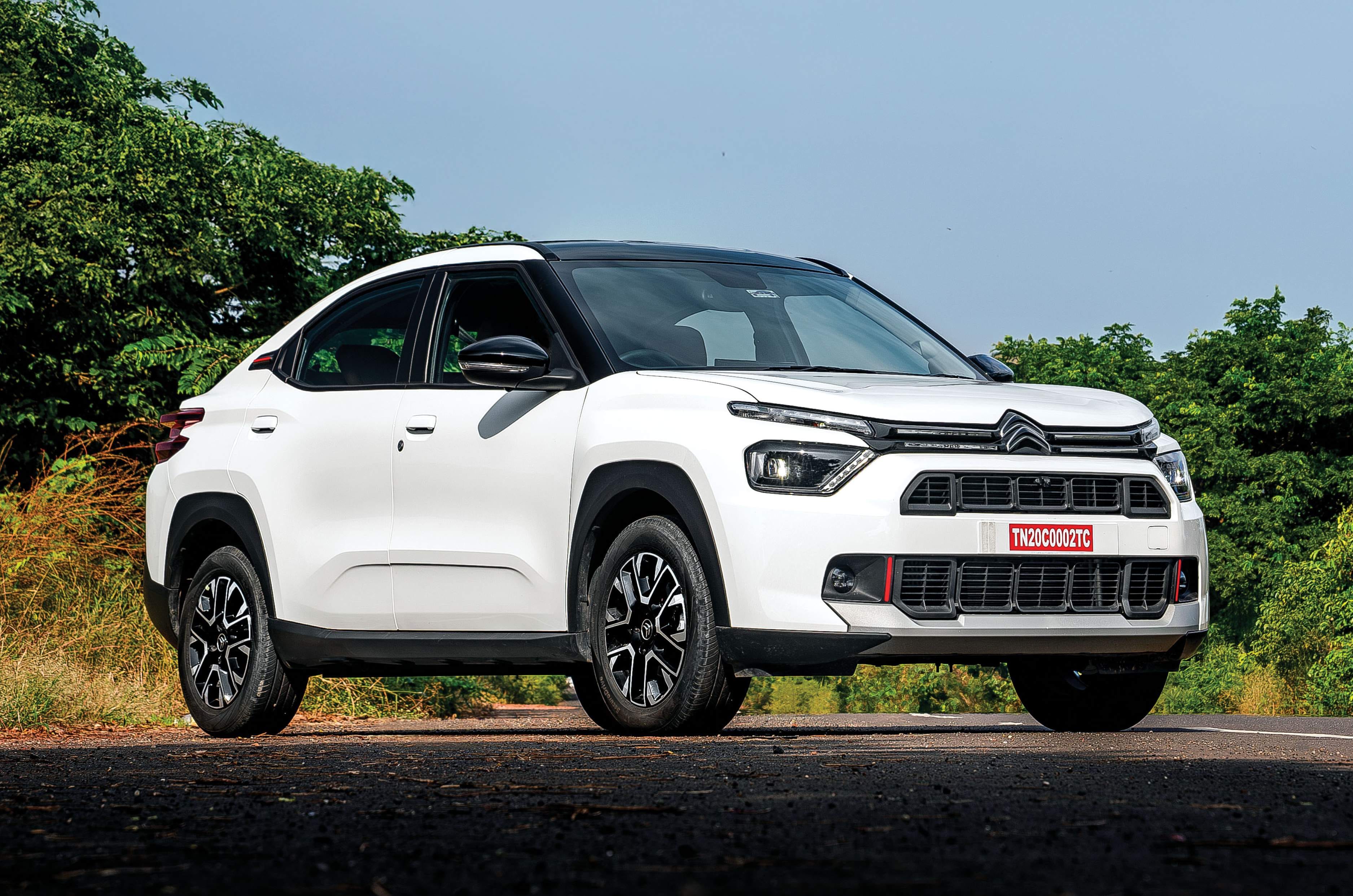
Like the Aircross, the Citroen Basalt offers seat ventilation in the top-spec Max trim. This trim is available with either an 82 hp, 1.2-litre naturally aspirated engine with only a 5-speed manual transmission, or the 110hp, 1.2-litre turbo petrol engine, paired with a 6-speed manual or a 6-speed torque converter automatic gearbox option.
6. Hyundai Venue
Prices: Rs 11.91 lakh to Rs 15.51 lakh
The newest car here, the second-gen Hyundai Venue, is available with ventilated front seats on the top-end HX8 and HX10 trims. The new Venue N Line’s N10 trim also gets cooled seats. These top trims are powered by either the 1.0-litre turbo-petrol or a 1.5-litre diesel mill. Transmission options include a 6-speed manual, a 7-speed DCT and a 6-speed torque-converter automatic. Some of the Venue’s notable features include Level 2 ADAS and twin 12.3-inch displays.
5. Kia Sonet
Prices: Rs 11.75 lakh to Rs 13.80 lakh
The Sonet is the most affordable Kia SUV that gets cooled front seats on the top-spec HTX, GTX+ and X-Line variants. These range-topping trims are available only with the 120hp, 1.0-litre turbo-petrol engine and the 116hp, 1.5-litre diesel unit; a 7-speed dual-clutch automatic transmission is offered on the Kia Sonet petrol, while the diesel is available with both a 6-speed manual and a 6-speed torque converter automatic gearbox. However, the HTX diesel-manual is not offered with ventilated seats, unlike the diesel-automatic variant.
4. Skoda Kylaq
Prices: Rs 11.75 lakh to Rs 12.99 lakh
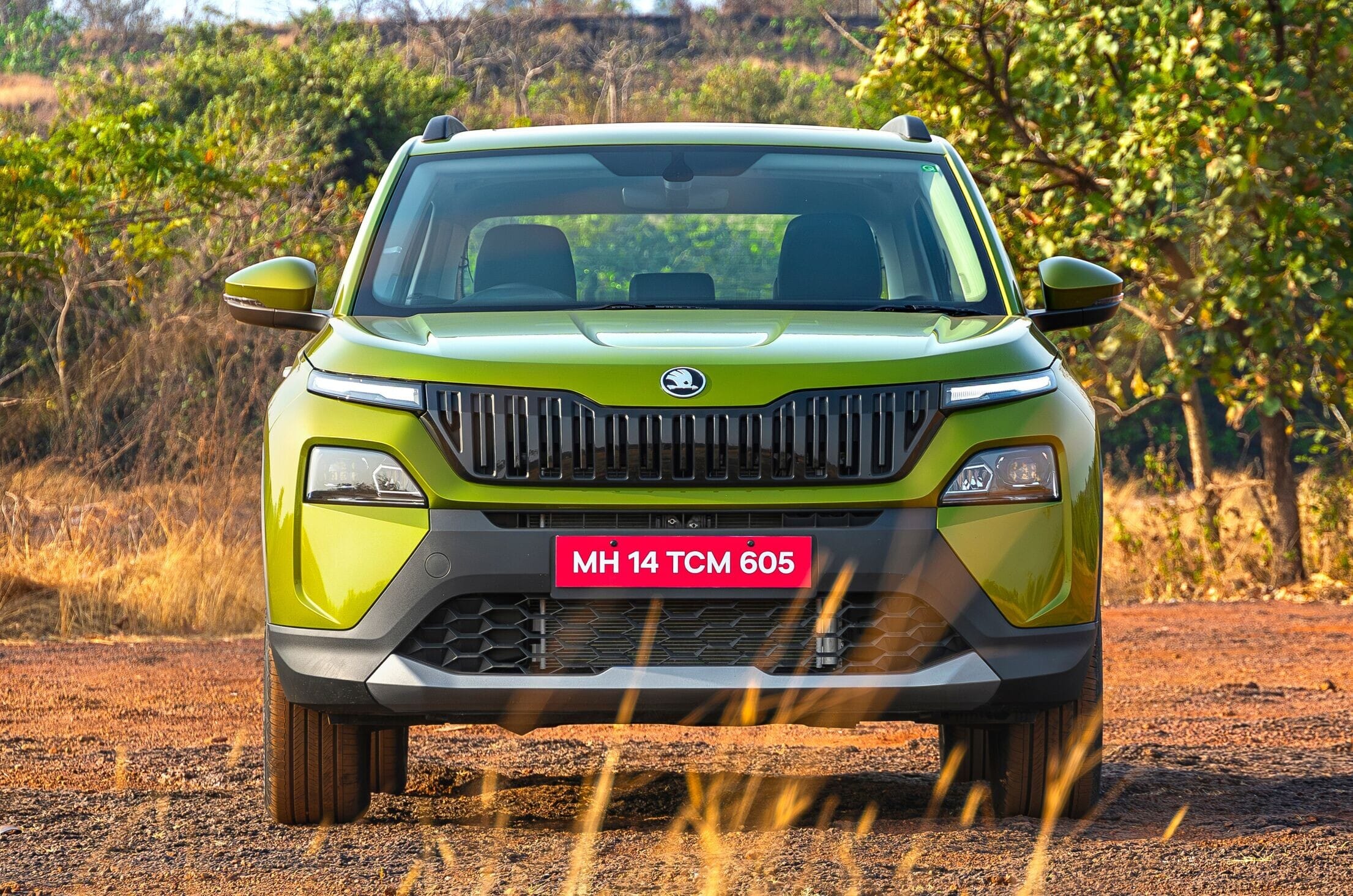
Skoda’s first compact SUV, the Kylaq, comes with ventilated front seats, but only on the higher-spec Prestige and Prestige+ trims. The Skoda Kylaq is powered by a 115hp, 1.0-litre turbo-petrol engine paired with a 6-speed manual or a 6-speed torque converter automatic gearbox.
3. Maruti Brezza
Prices: Rs 11.16 lakh to Rs 13.71 lakh
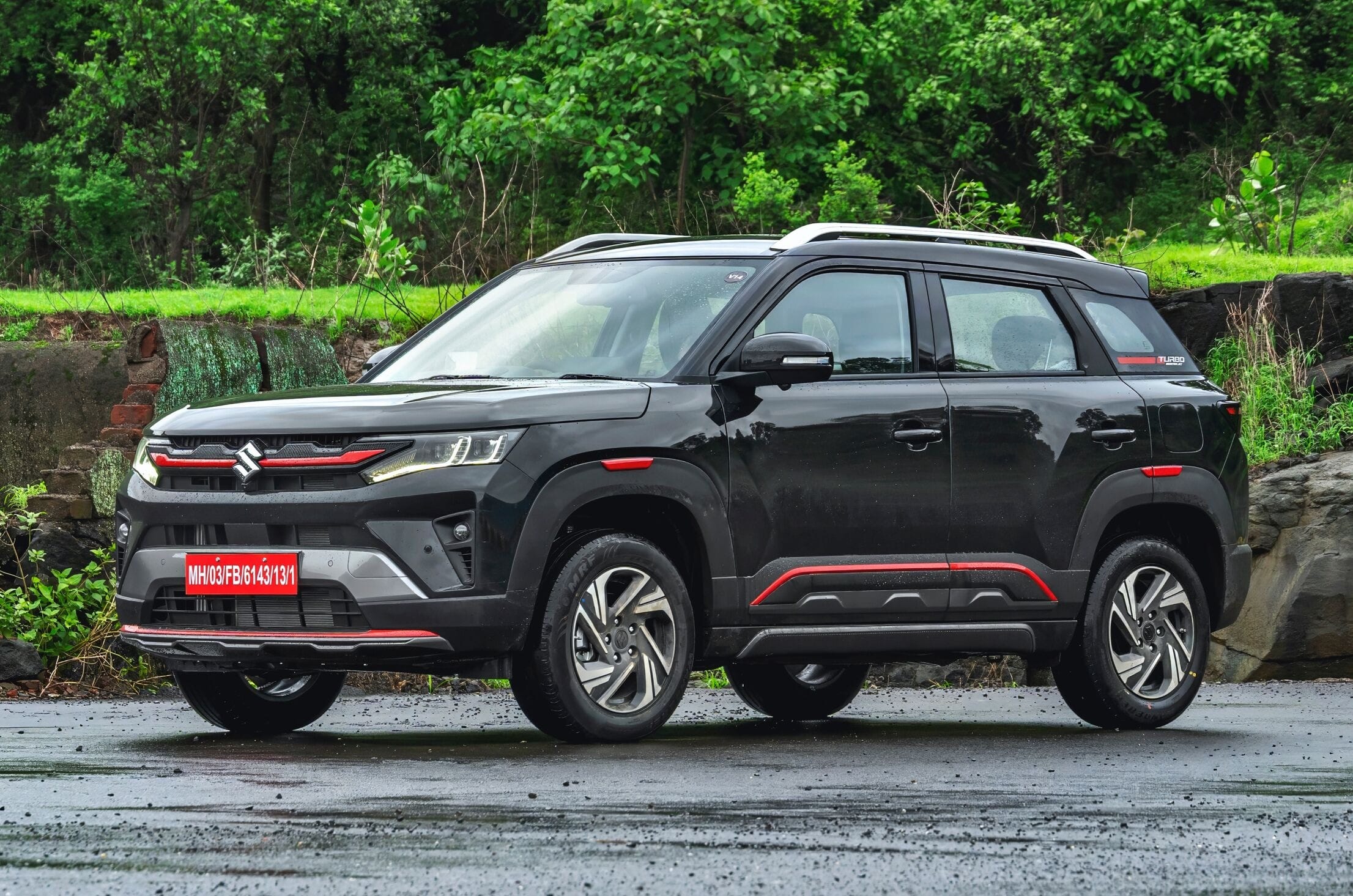
Maruti is offering the facelifted Brezza with ventilated front seats on the top-spec ZXi+ trim. It is offered both with a 110hp, 1.0-litre turbo-petrol engine and a 103hp, 1.5-litre petrol engine. In the ZXi+ trim, the turbo-petrol engine is offered with a 6-speed manual gearbox, while the larger petrol engine gets a 6-speed torque converter gearbox only.
2. Maruti Baleno
Prices: Rs 9.10 lakh to Rs 9.99 lakh
The Maruti Baleno is the only hatchback in India to be offered with ventilated front seats. It offers this feature on the Baleno’s Alpha and Alpha (O) trims, which are below Rs 10 lakh. However, this is not a segment-first feature, as the Tata Altroz Racer introduced it. However, this feature was removed from the Altroz with the 2025 facelift. The Alpha and Alpha (O) trims of the Baleno are offered with an 83hp, 1.2-litre 3-cylinder petrol engine, with a 5-speed manual or a 5-speed AMT option.
1. Renault Kiger
Prices: Rs 8.50 lakh to Rs 10.40 lakh
The Renault Kiger is the most affordable car in India with ventilated front seats, as it offers the feature at just Rs 8.50 lakh in the top-spec Emotion trim. In fact, it is also the only SUV under Rs 10 lakh to offer the convenience amenity. The Kiger’s Emotion trim is available with 72hp 1.0-litre petrol and 100hp, 1.0-litre turbo-petrol engine options; the former gets a 5-speed manual only, while the turbocharged unit has a CVT option too.
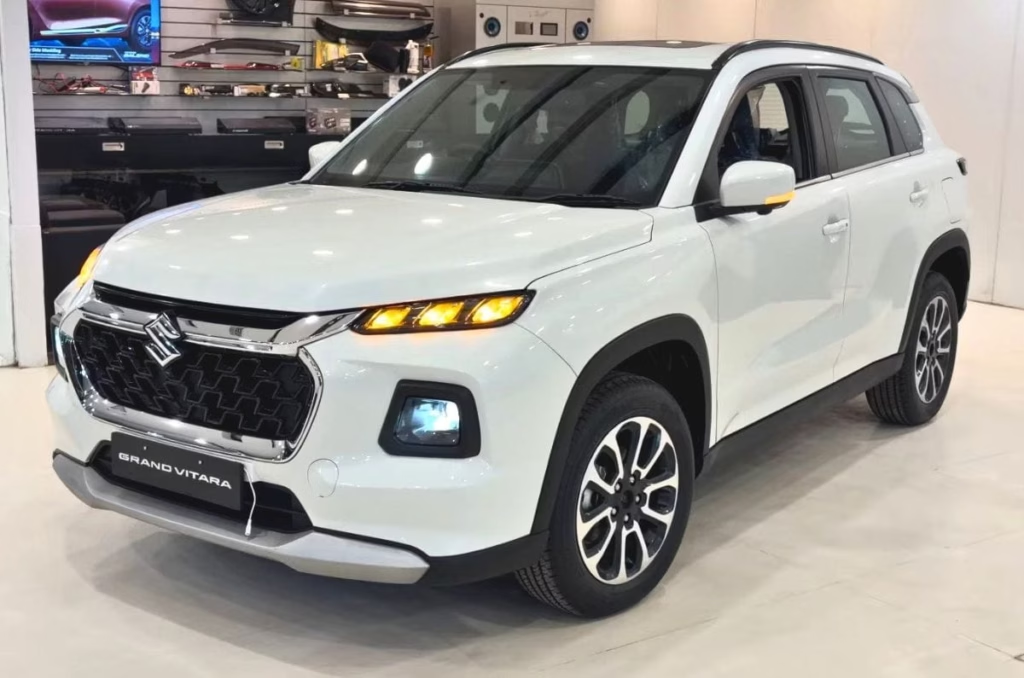
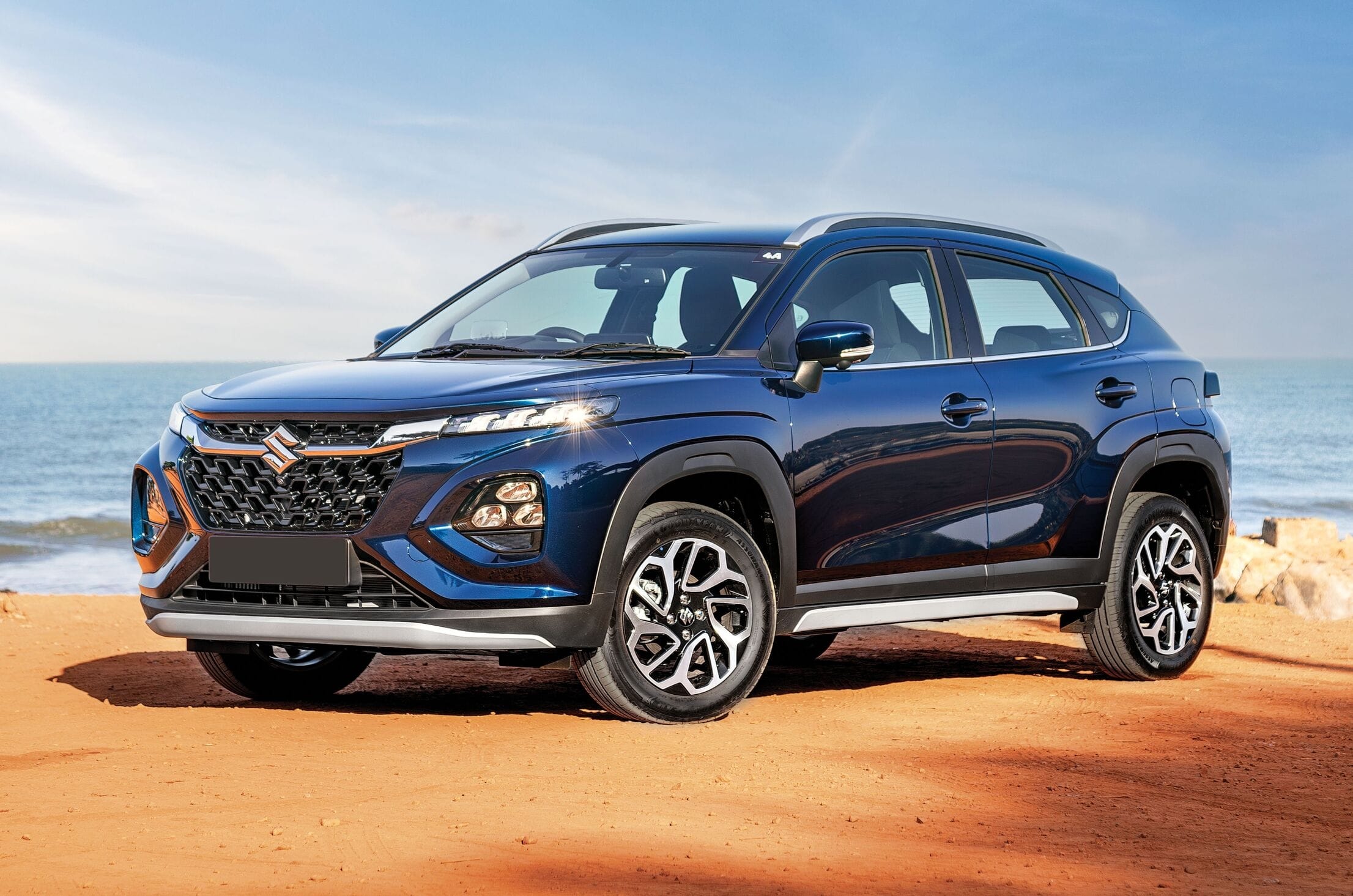
Offers applicable to Maruti Nexa cars in September 2026 have been revealed. Among all Nexa models, the Grand Vitara is carrying the highest benefits of up to Rs 3.10 lakh, followed by the Invicto, XL6, Jimny and Fronx. However, there are no benefits on the recently launched Baleno facelift and e Vitara EV. Let us take a look at the model-wise offer breakdown for Maruti Suzuki’s Nexa models in India for the month.
Note: These offers are applicable until September 30 and may vary by city, dealership and stock availability. Please check with your nearest Maruti Nexa dealership for the exact figures.
Maruti Grand Vitara September 2026 offers
Up to Rs 3.10 lakh
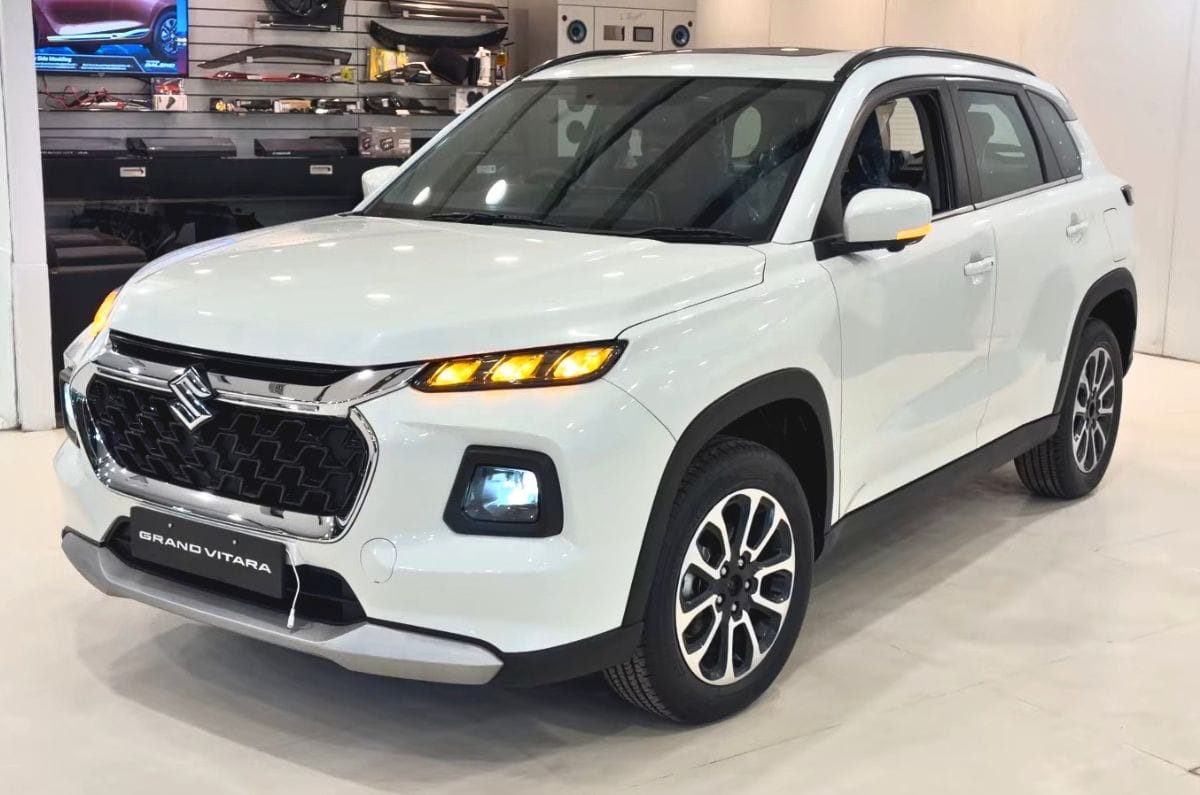
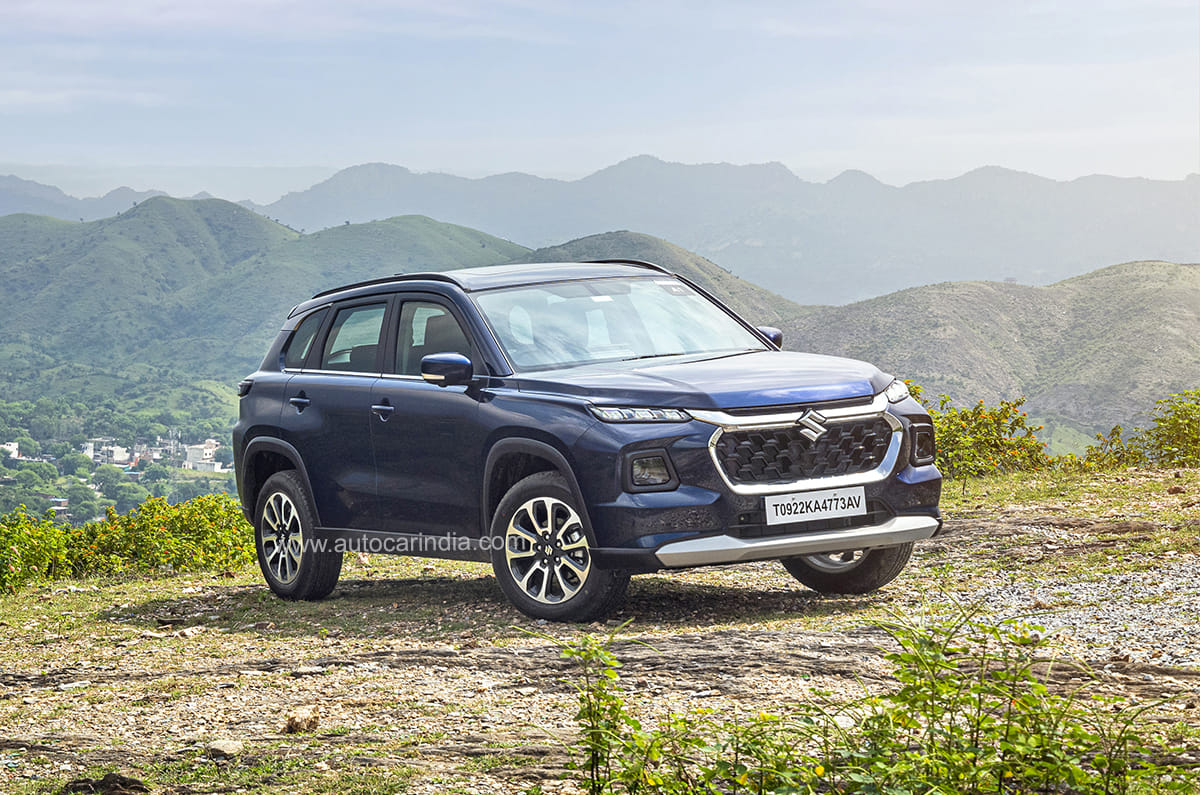
All Maruti Grand Vitara variants are available with either an exchange bonus of up to Rs 75,000 or a scrappage bonus of up to Rs 45,000, a loyalty bonus of up to Rs 30,000 and a corporate offer of up to Rs 20,000. Select variants are also available with a free 5-year extended warranty. Interestingly, the Grand Vitara’s strong hybrid variants are being offered with a zero road tax benefit, amounting to savings of up to Rs 1.85 lakh. The Maruti Suzuki Grand Vitara is priced from Rs 10.77 lakh to Rs 19.62 lakh and rivals midsize SUVs like the Hyundai Creta, Tata Sierra, Kia Seltos, Renault Duster and Nissan Tekton.
Maruti Invicto September 2026 offers
Up to Rs 1 lakh
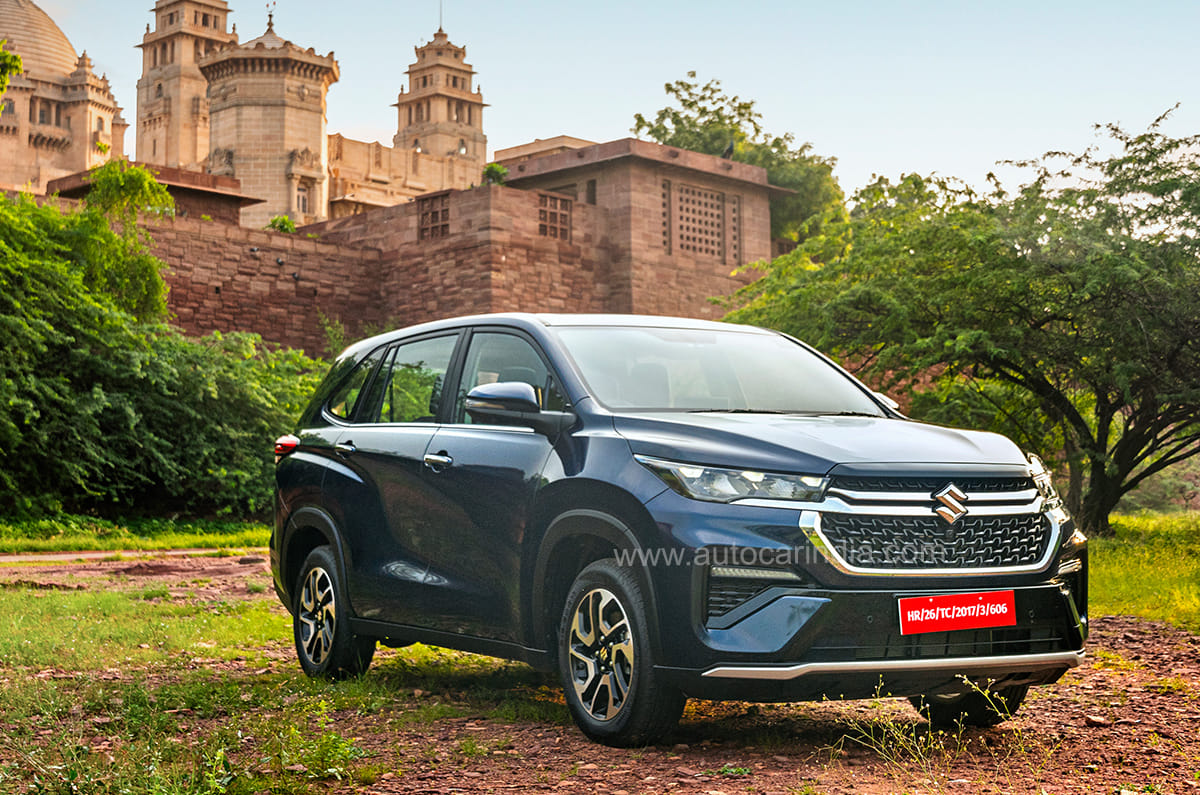
The Maruti Invicto MPV is being offered with benefits of up to Rs 1 lakh in September 2026. These include a choice between up to Rs 50,000 exchange bonus or a scrappage bonus of the same amount, a loyalty bonus of up to Rs 30,000 and a corporate offer of up to Rs 20,000. The Maruti Invicto is priced from Rs 24.97 lakh to Rs 28.71 lakh, and locks horns with the Toyota Innova Hycross and can be considered an alternative to the Toyota Innova Crysta.
Maruti XL6 September 2026 offers
Up to Rs 50,000
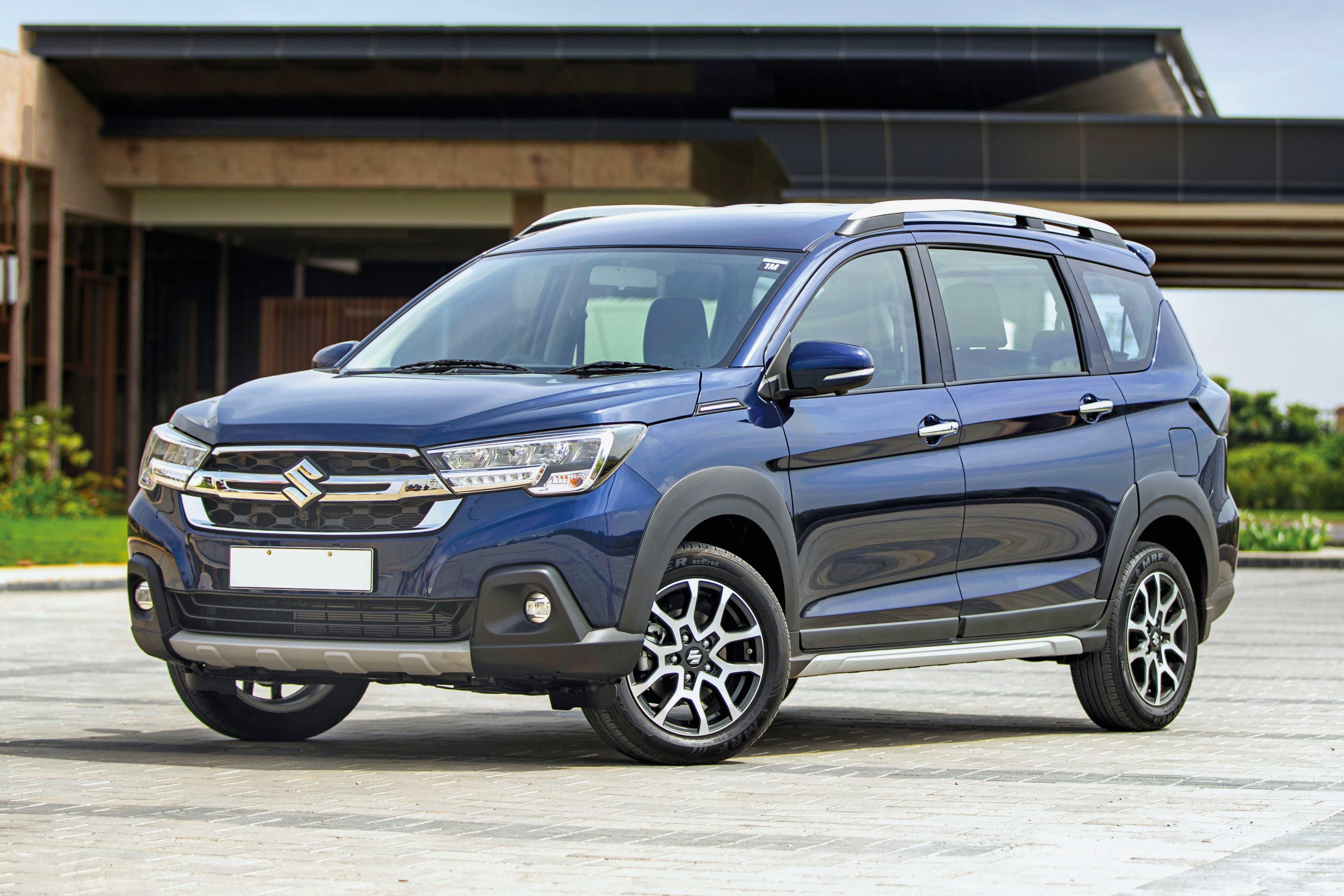
All Maruti XL6 variants are being offered with benefits up to Rs 50,000, which includes a cash discount of up to Rs 20,000, and a choice between an exchange bonus of up to Rs 30,000 or a scrappage benefit of up to Rs 15,000. The Maruti XL6 prices range from Rs 11.62 lakh to Rs 14.42 lakh, and it rivals the Maruti Suzuki Ertiga, Kia Carens Clavis, Kia Carens and Toyota Rumion.
Maruti Jimny September 2026 offers
Up to Rs 35,000
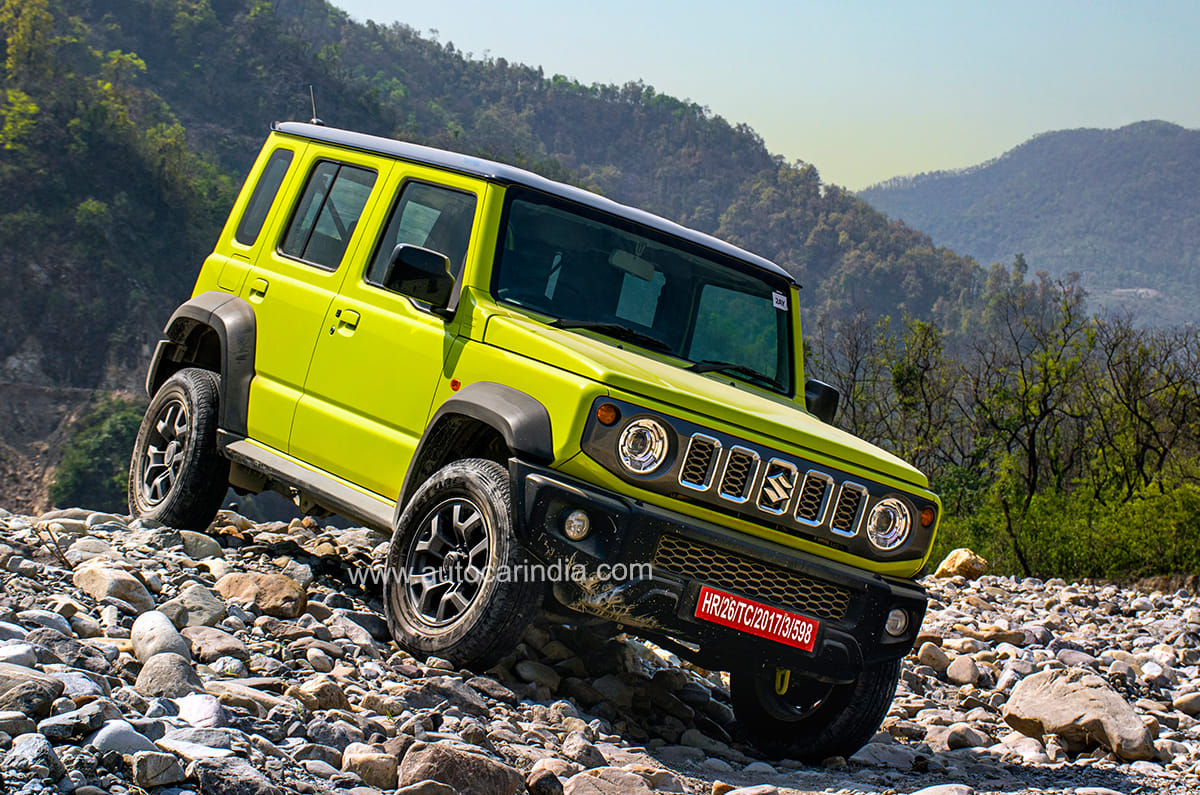
In September 2026, the Maruti Jimny is being offered with a cash discount of up to Rs 35,000. Other than this, it is not being officially offered with any scrappage, exchange, loyalty or corporate bonuses. The Maruti Jimny’s prices range from Rs 12.54 lakh to Rs 14.52 lakh, and it rivals the Mahindra Thar and Force Gurkha 3-door.
Maruti Fronx September 2026 offers
Up to Rs 20,000
All variants of the Maruti Fronx are offered with an exchange bonus of up to Rs 15,000 or a scrappage bonus of up to Rs 10,000. The turbo-petrol variants are further available with a cash discount of up to Rs 5,000. Prices of the Maruti Suzuki Fronx range from Rs 6.85 lakh to Rs 11.84 lakh, and it serves as an alternative to compact SUVs like the Tata Nexon, Hyundai Venue, Kia Sonet, Mahindra XUV 3XO and Maruti Brezza.