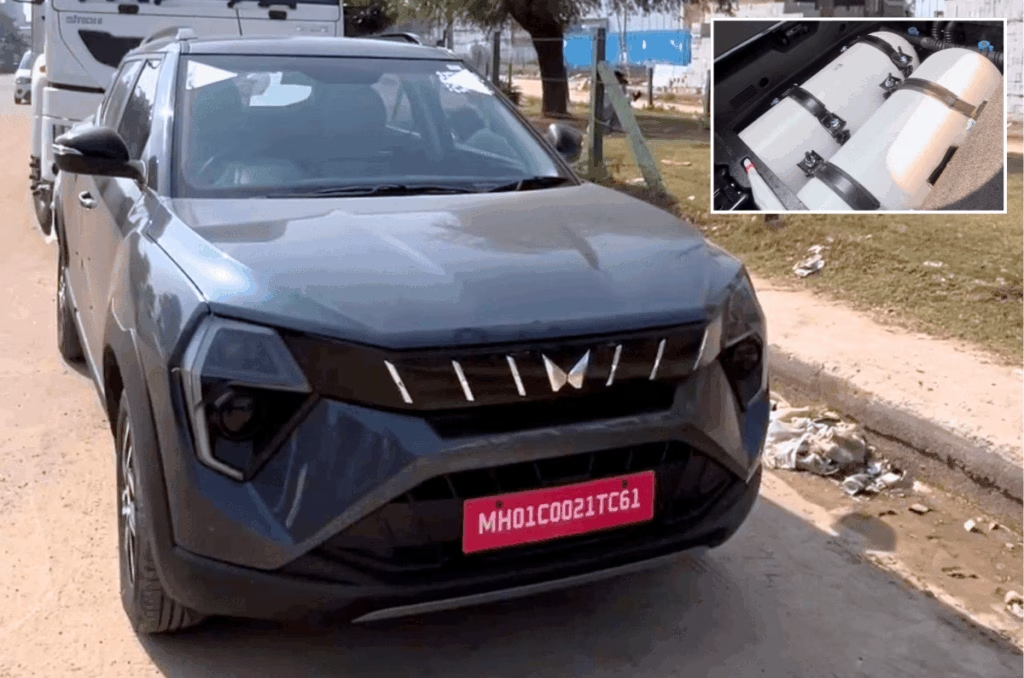
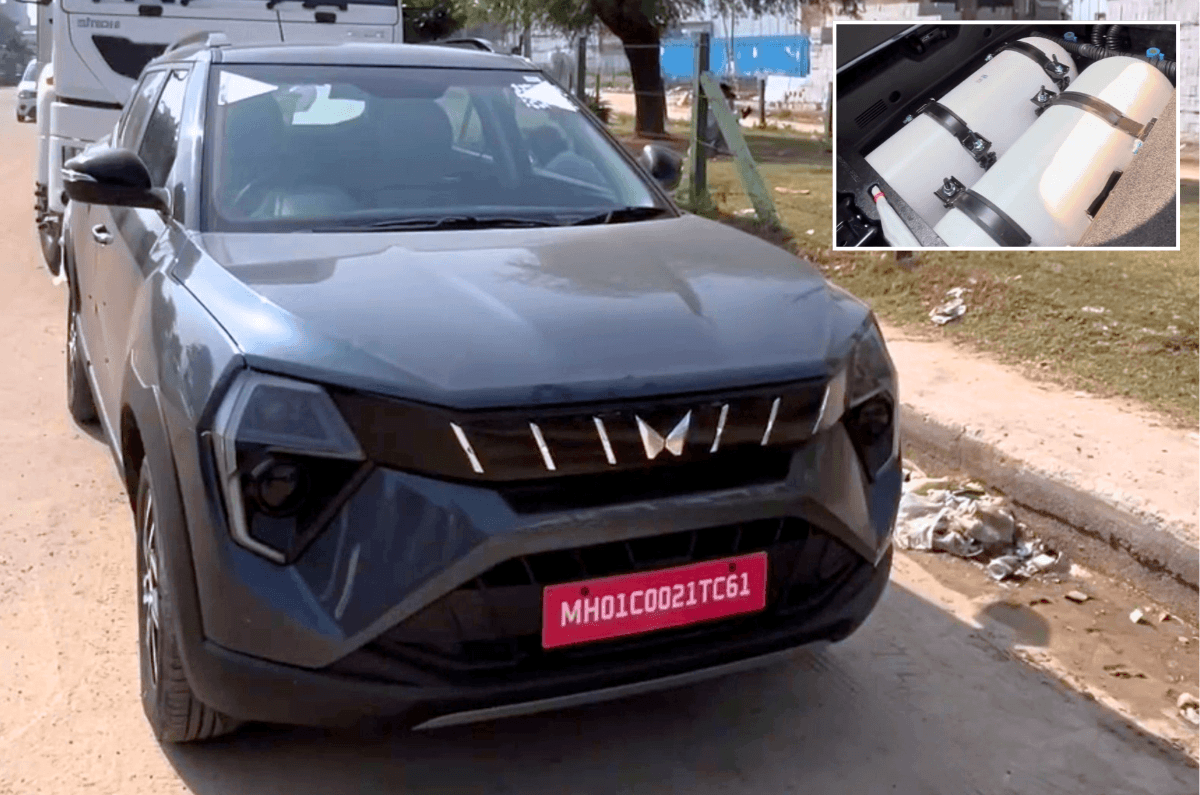
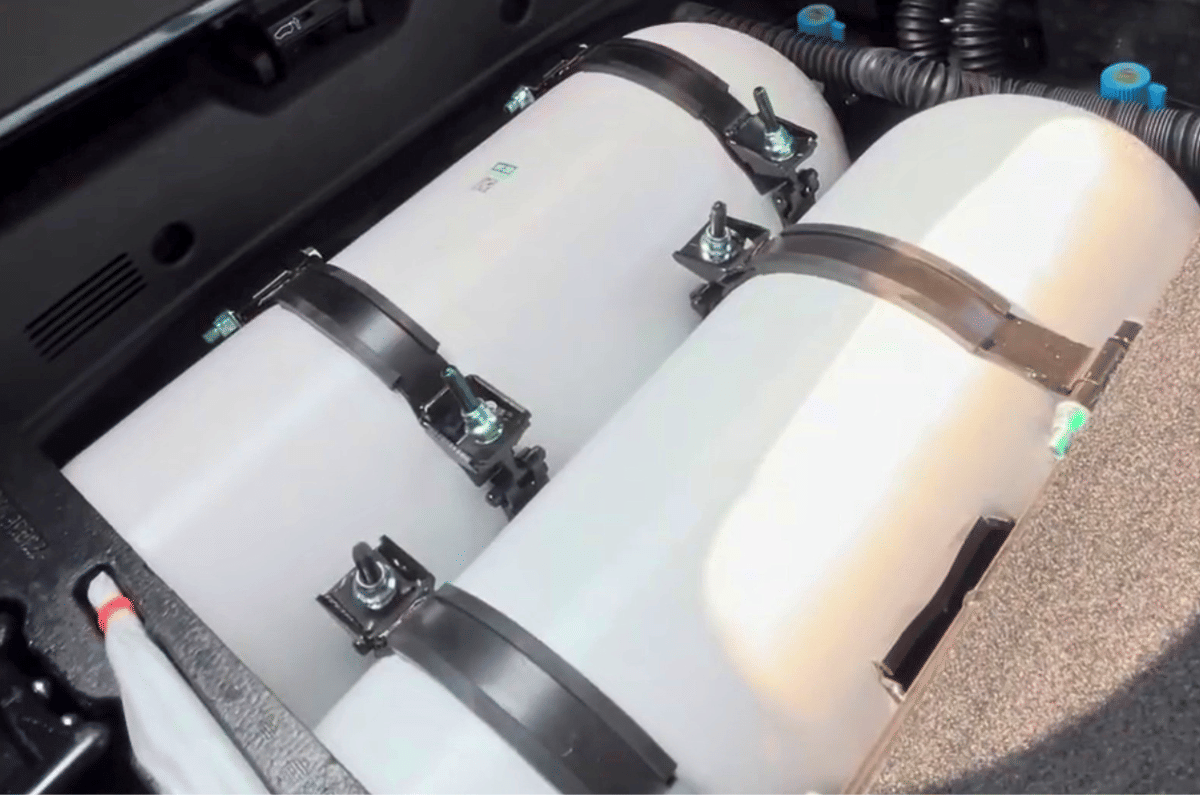
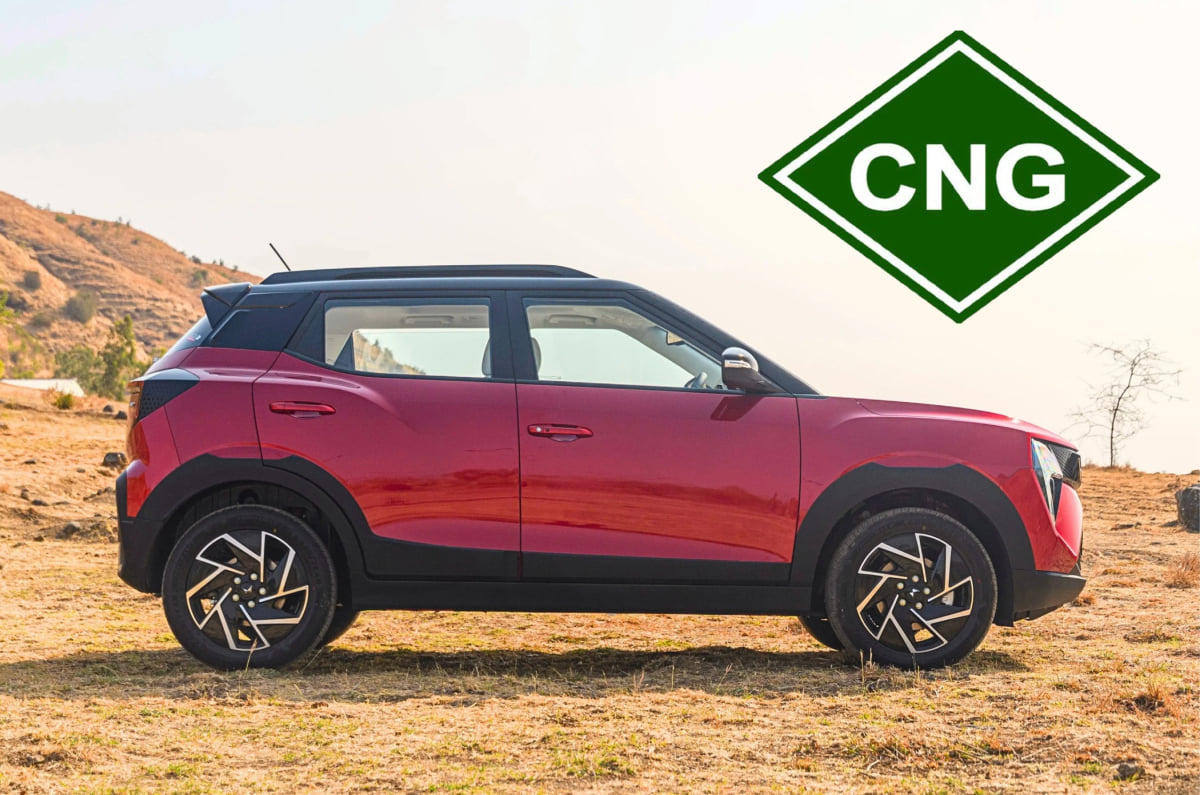
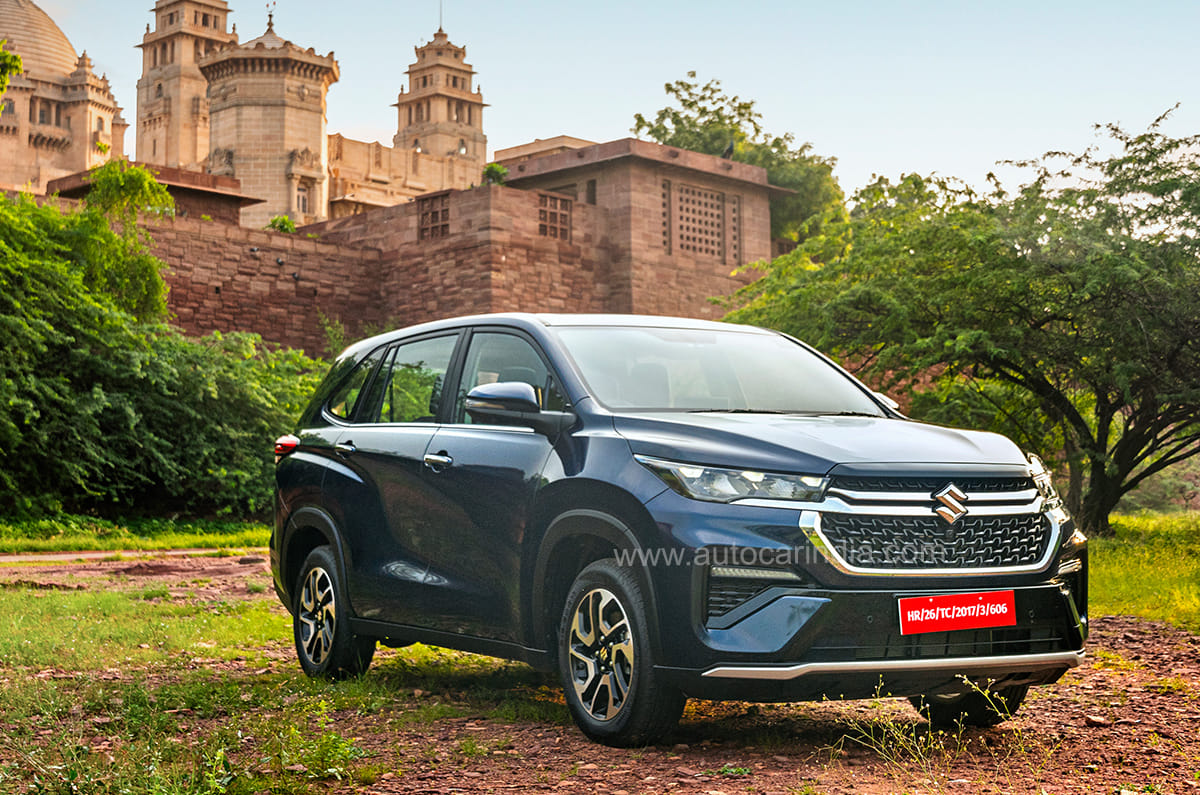
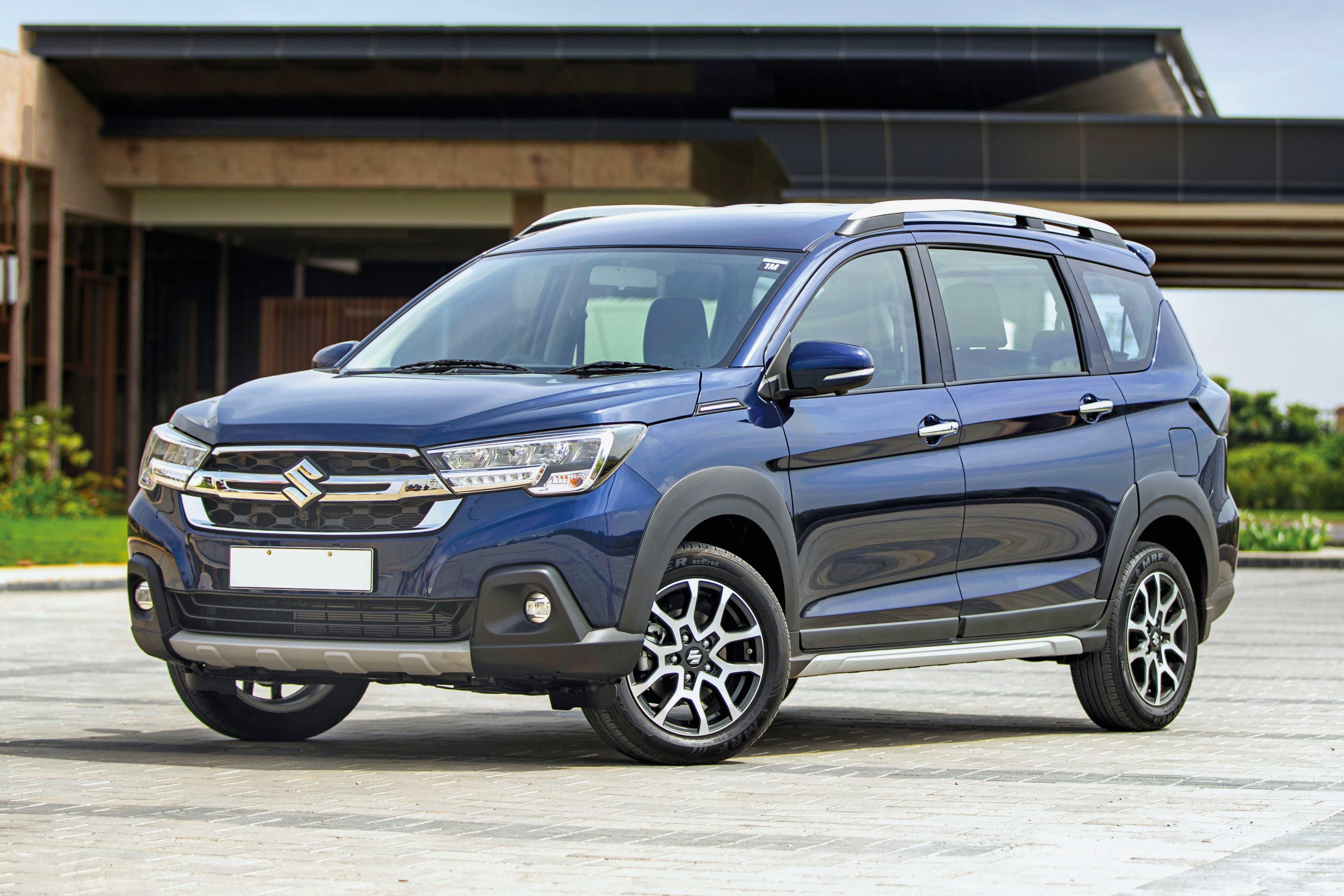
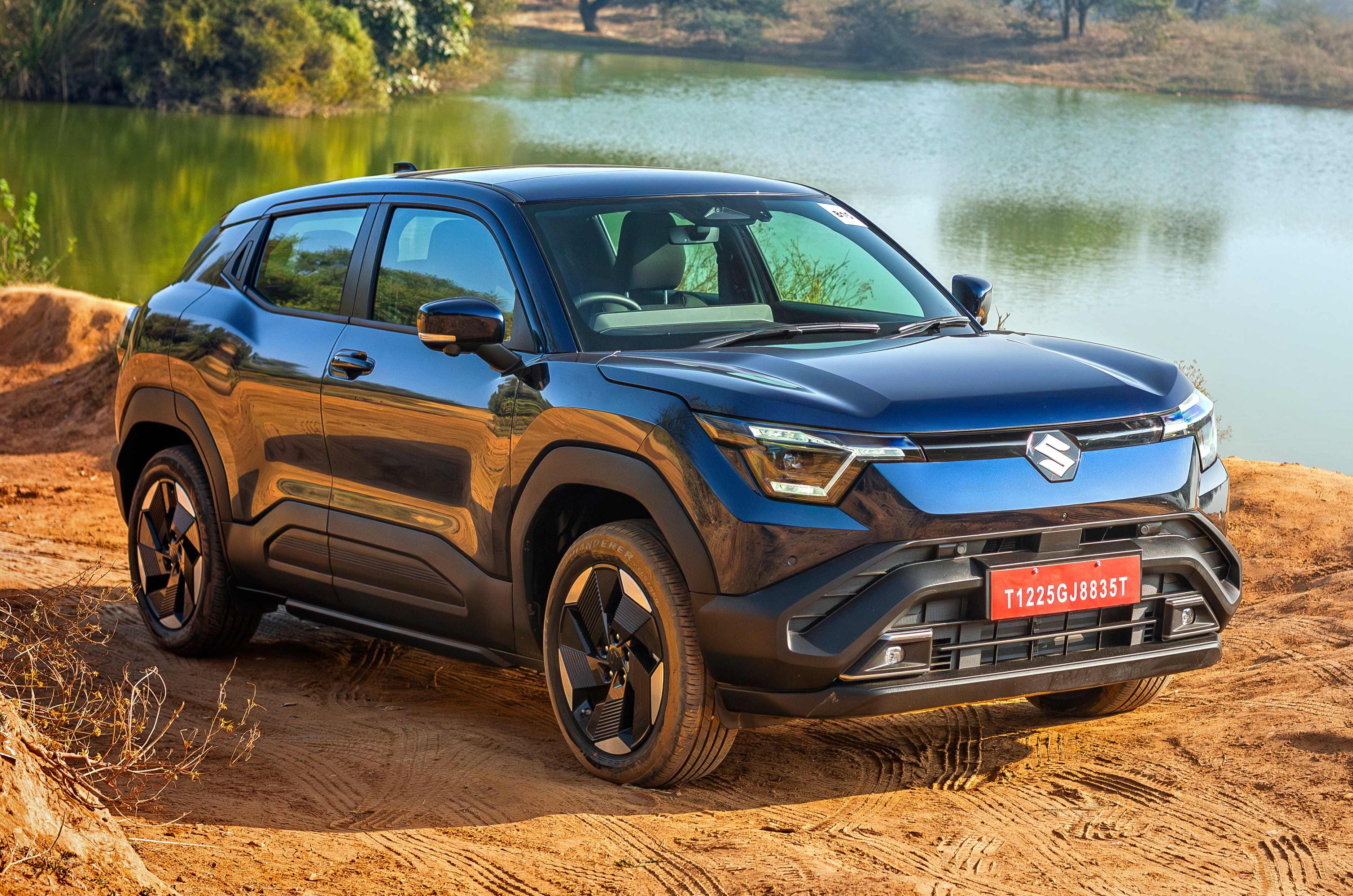
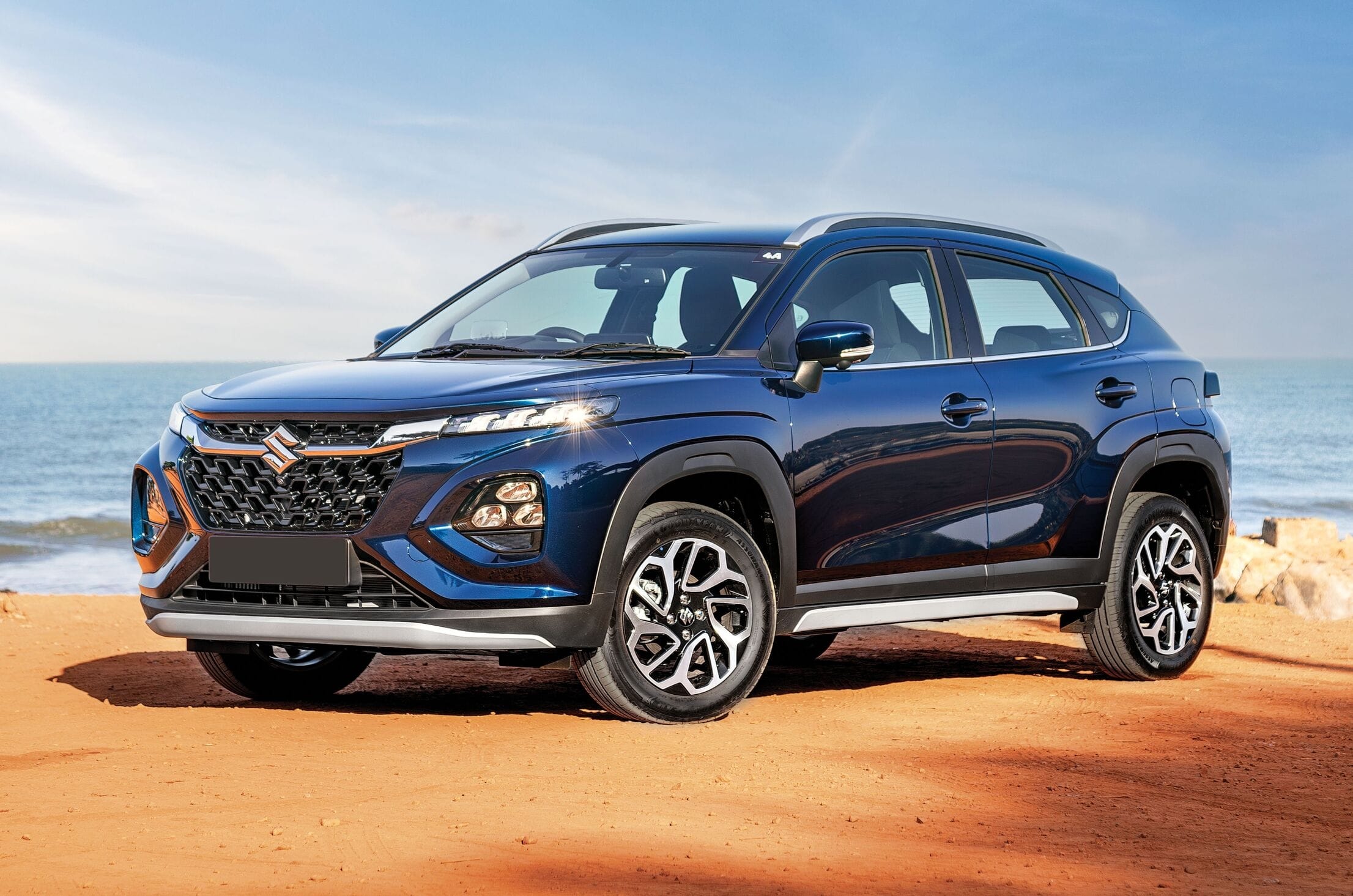
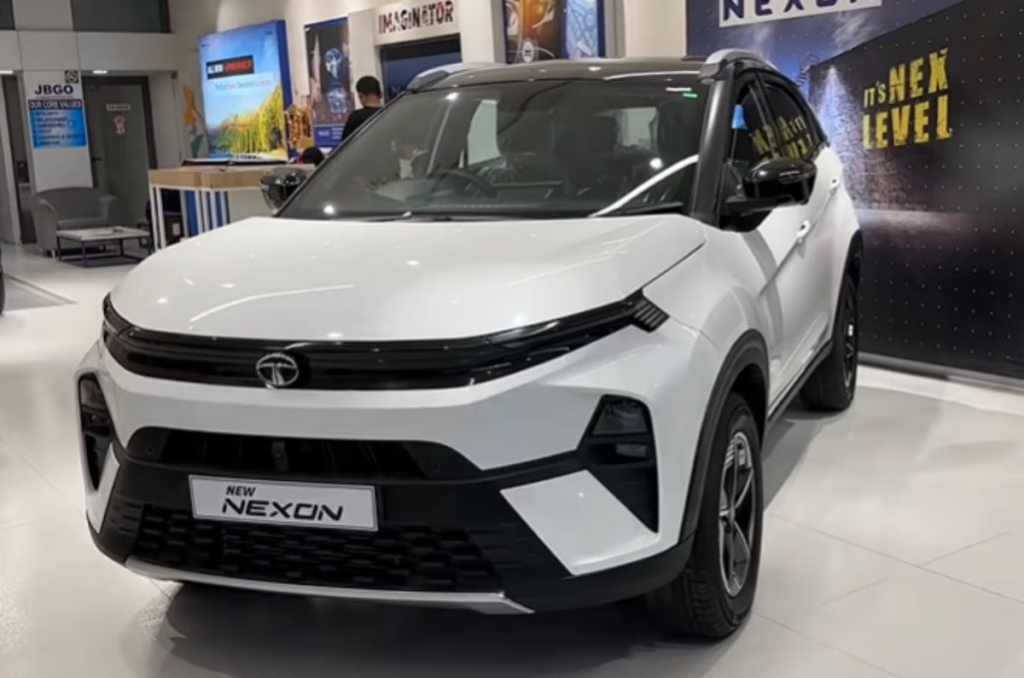
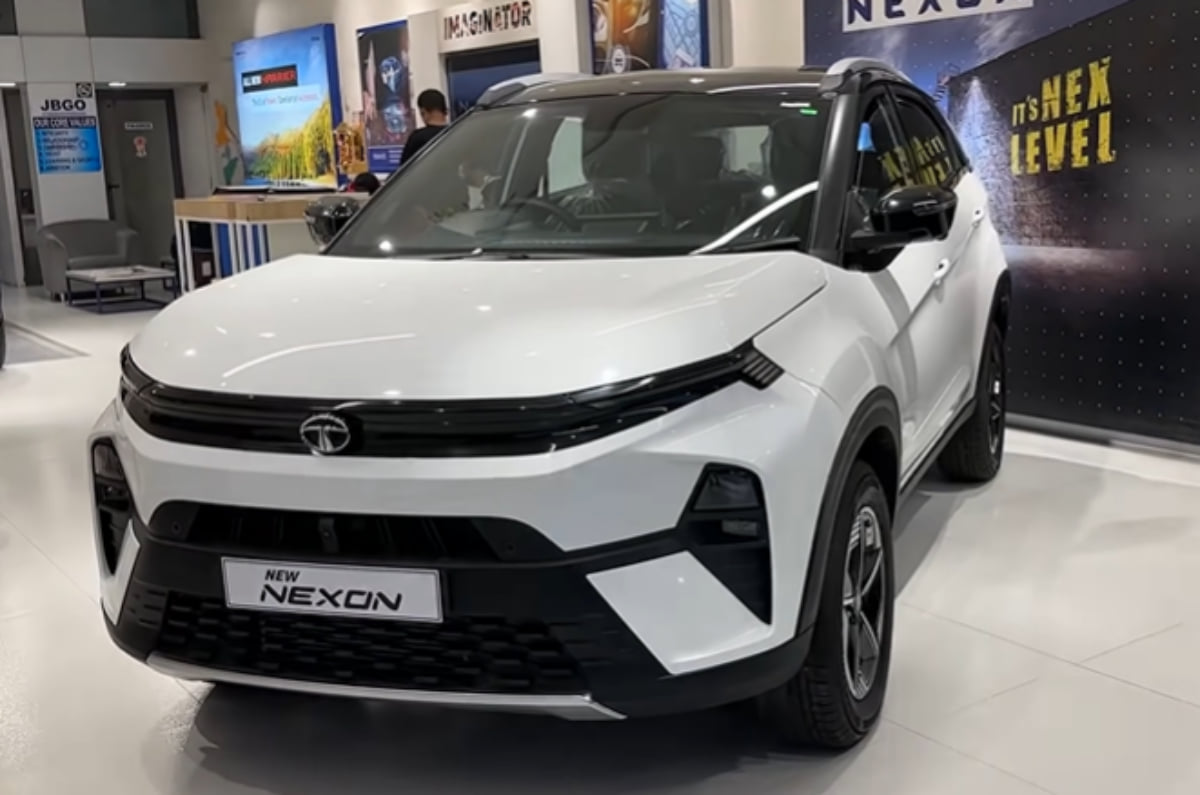
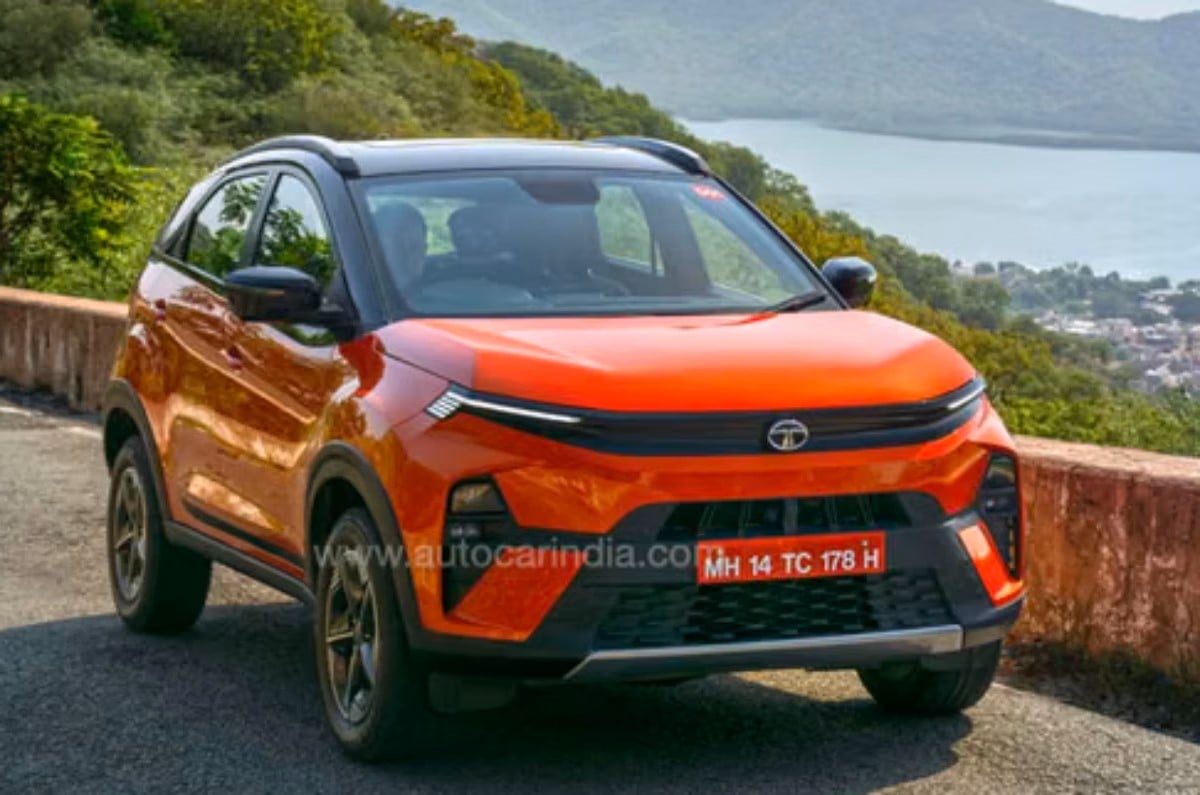
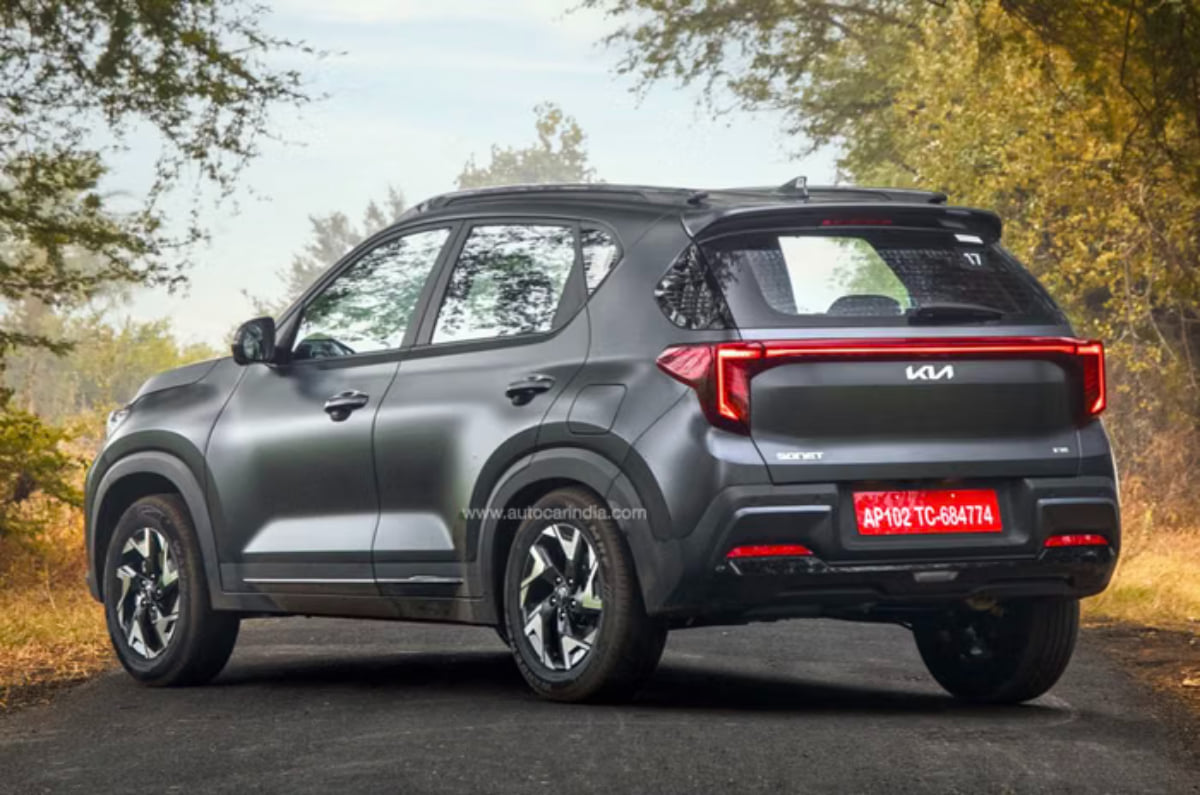
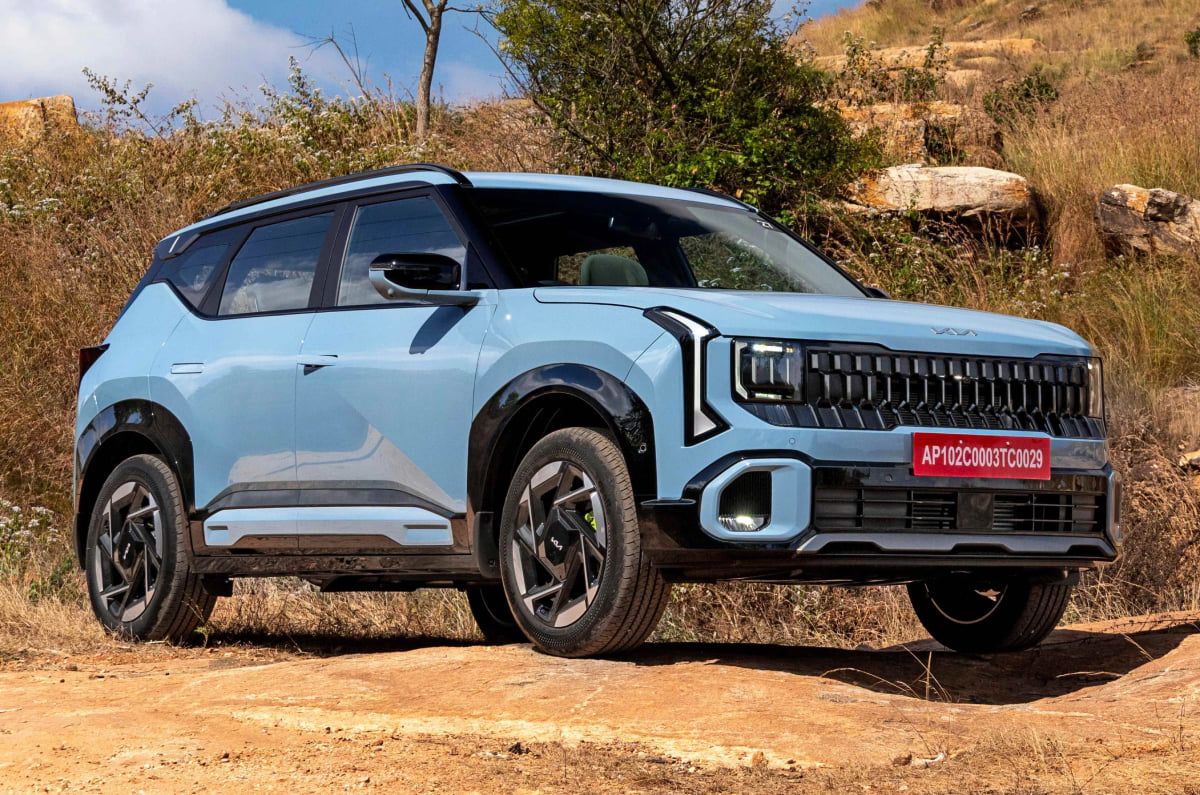
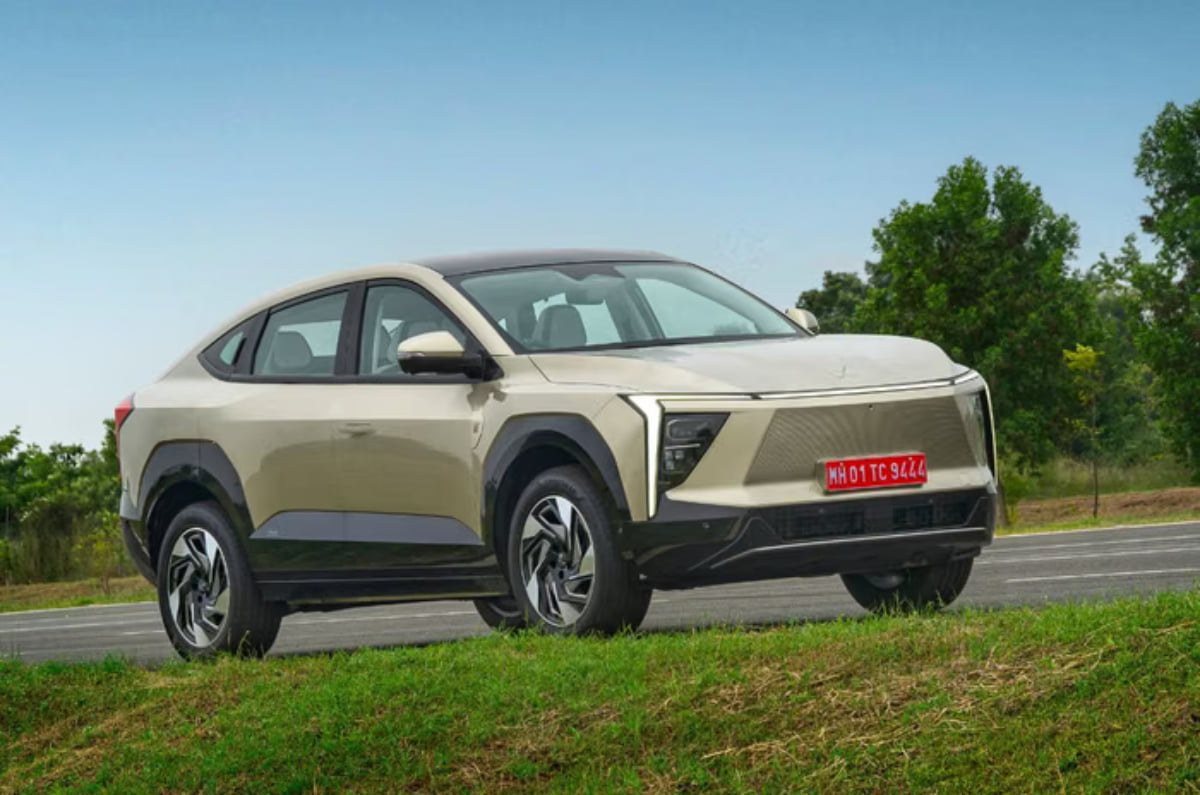
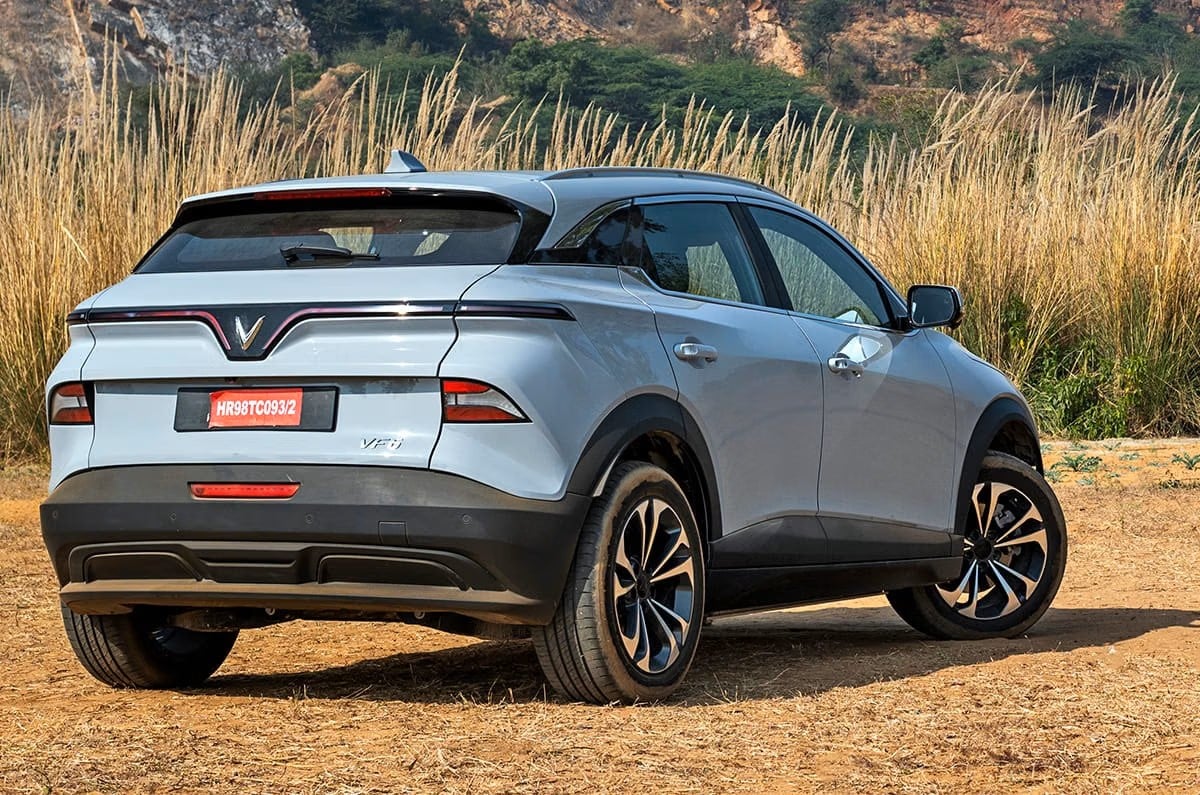
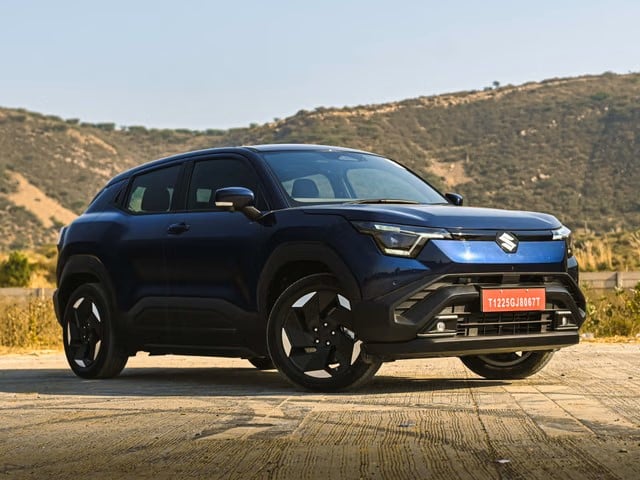
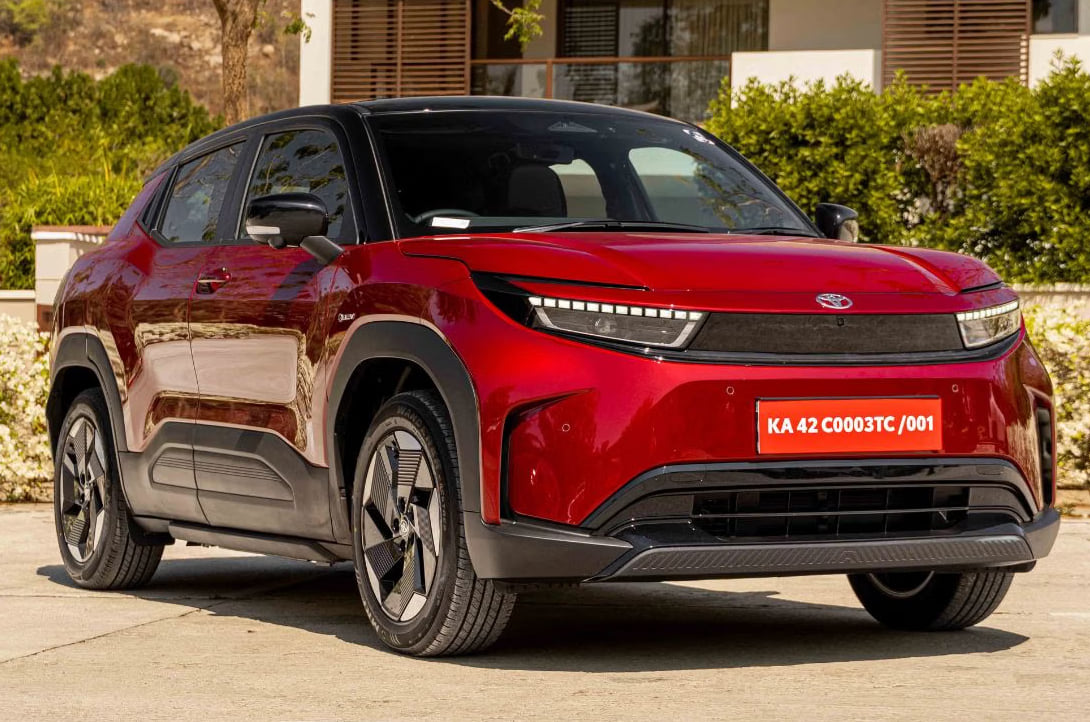
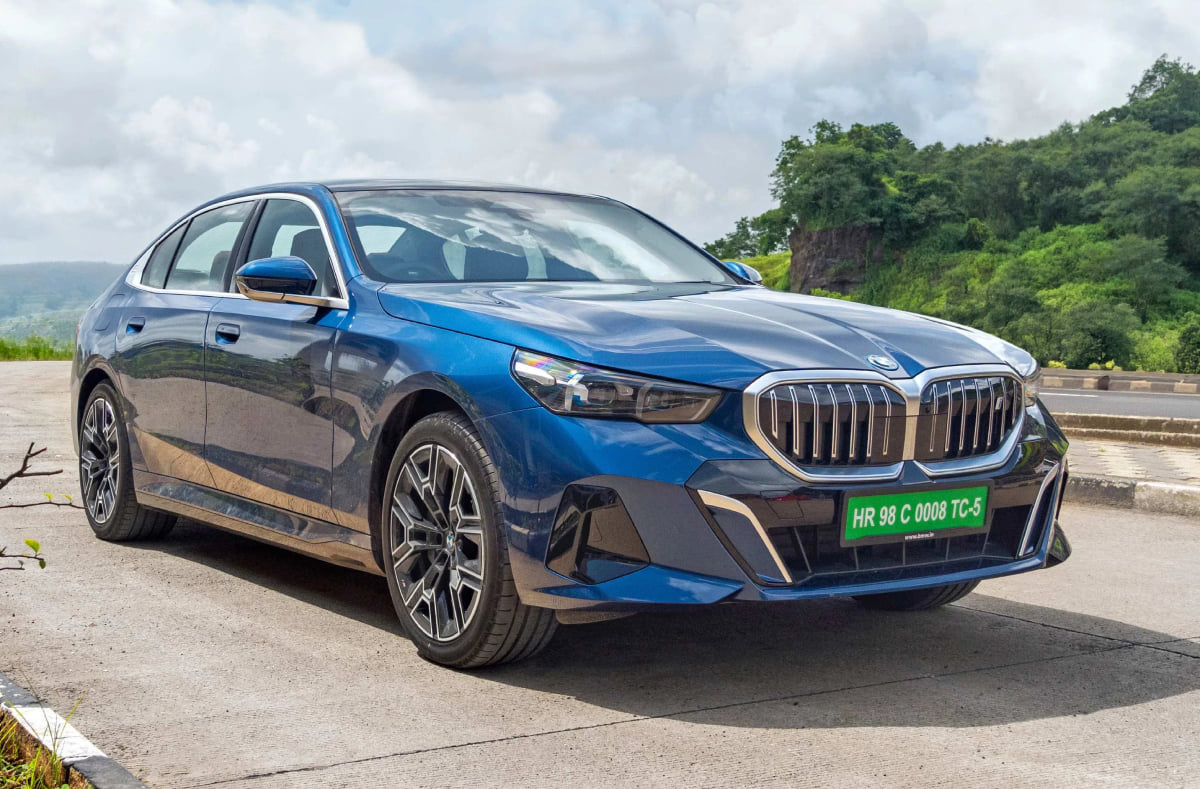
The Mahindra XUV 3XO has been spied with a dual-cylinder tank setup, an arrangement that is aimed to take up less boot space; 3XO has the smallest boot in the compact SUV segment. This sighting comes a day ahead of the SUV’s launch tomorrow. CNG will be the fourth powertrain option, alongside petrol, diesel and electric, giving Mahindra’s most affordable SUV one of the widest powertrain line-ups in the segment, along with the Tata Nexon.
Mahindra XUV 3XO CNG spy shot details
Between the 1.2-litre MPFI (multi-point fuel injection) turbo-petrol and 1.2-litre direct-injection (DI) turbo-petrol engine options of the 3XO, a CNG kit is likely to be offered with the former, and exact specifications are yet to be disclosed. MPFI engines are relatively cheaper to manufacture and simpler to adapt for CNG, since fuel is injected into the intake manifold. Doing the same with a DI engine is more complex and expensive.
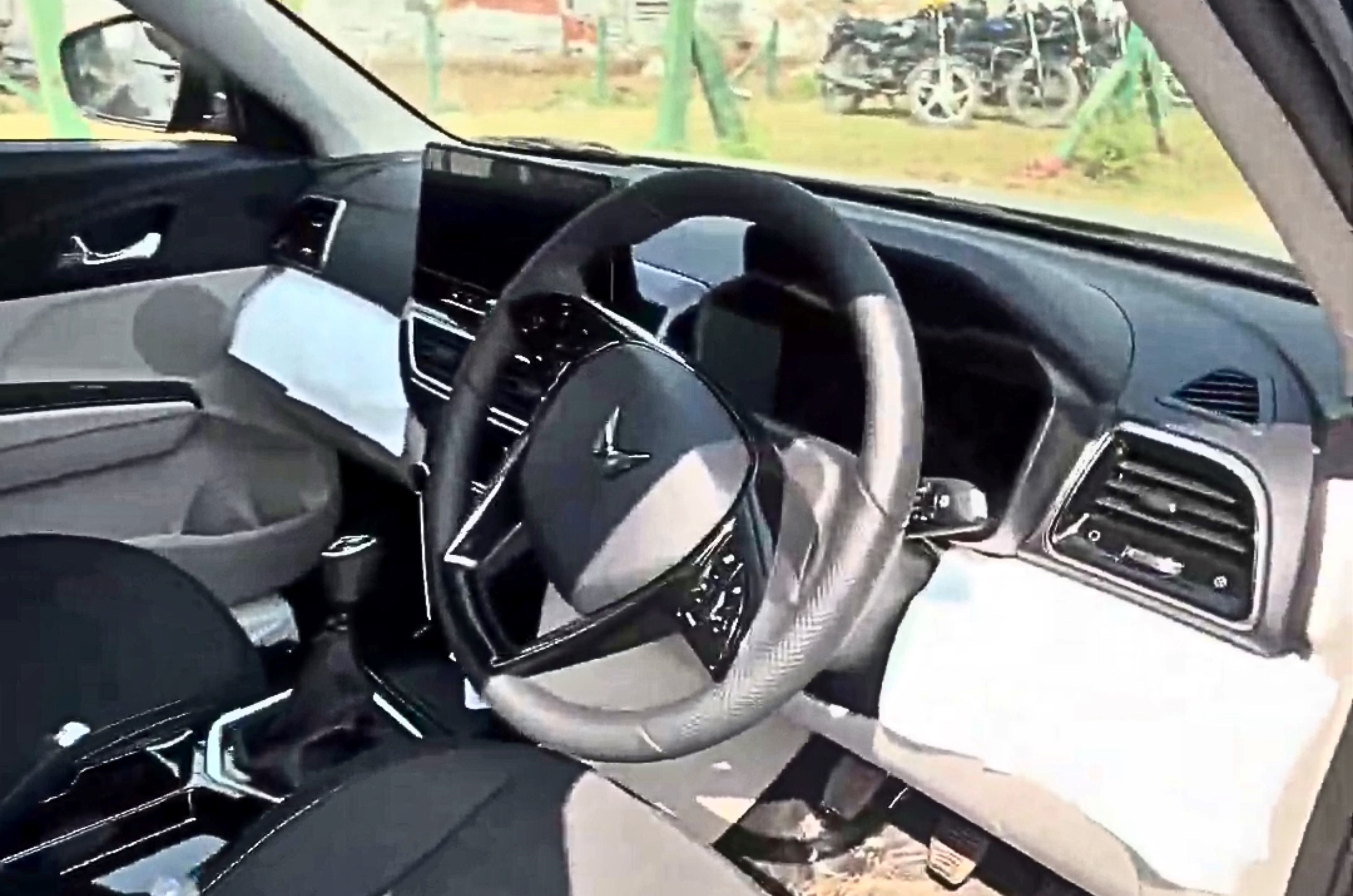
Interestingly, the spied vehicle had dual-tone alloy wheels, suggesting that Mahindra may offer the CNG option even in the higher trims. It’s interior is unlikely to receive any changes, and depending on the trim, features such as a 10.25-inch touchscreen, a 10.25 inch digital driver’s display, steering-mounted controls and more could be on offer.
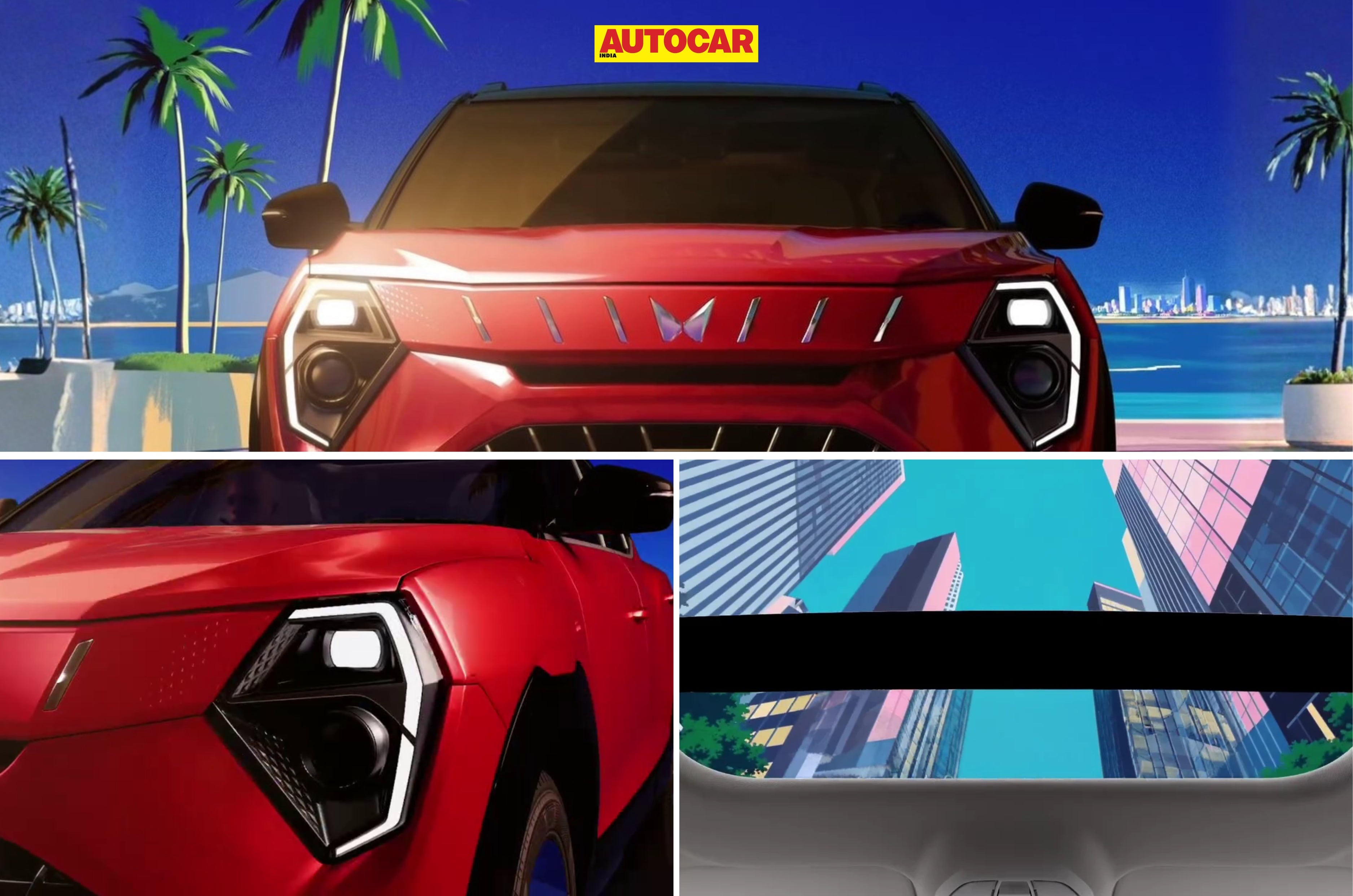
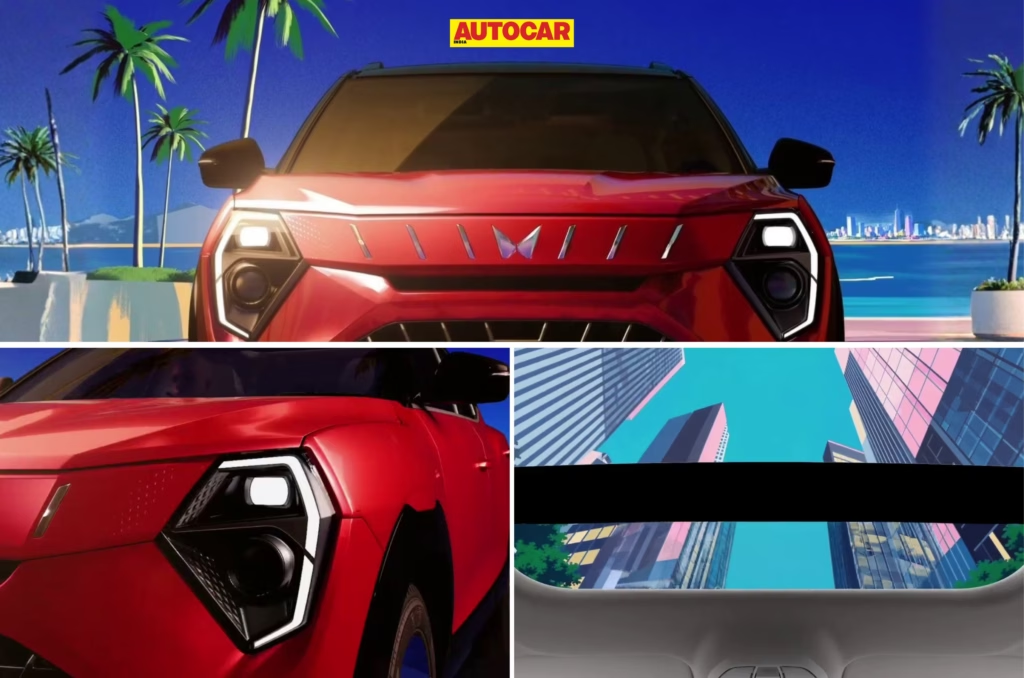
A recent teaser of the 3XO CNG featured a body coloured front grille, something that is offered in the RevX range, and LED DRLs, LED headlights and a panoramic sunroof.
Scope of CNG in compact SUV segment
CNG has become increasingly popular in India. A CNG option could help boost XUV 3XO sales, and also help the carmaker meet the stricter CAFE III norms that come into effect in April 2027. This is especially important because a large part of Mahindra’s sales comes from diesel models. Along with EVs, CNG models will be key to balancing the CO2 emissions from its diesel range. In the past, Mahindra has offered this fuel option on some of its commercial pickup range, as well as via conversion kits for the erstwhile Logan and Verito.
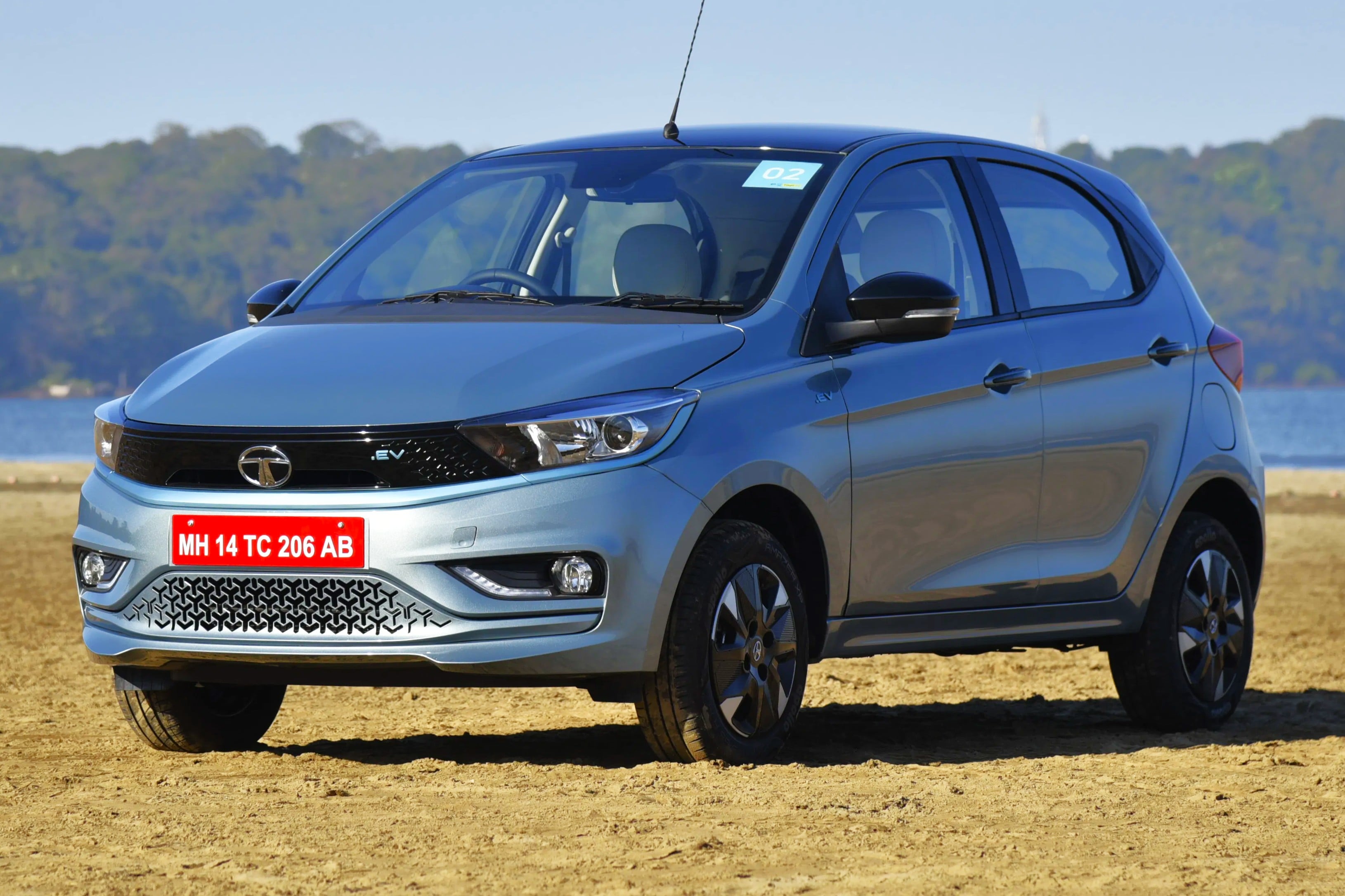
In addition to the Nexon, the XUV 3XO CNG will face competition from models like the Maruti Brezza and the Fronx. We expect the CNG version to command a premium of about Rs 1 lakh over the equivalent petrol trim.
Mahindra will debut a CNG the variant of the XUV 3XO on October 15, expanding its compact SUV’s powertrain line-up to four options. The CNG version will join the existing petrol, diesel and electric variants, making it the third compact SUV in India to offer a CNG option, alongside the Maruti Suzuki Brezza and Tata Nexon. The teaser offers a first look at the XUV 3XO CNG’s exterior and interior.
Mahindra XUV 3XO CNG: Expected powertrain
The XUV 3XO CNG is expected to use the 1.2-litre turbo-petrol engine with multi-point fuel injection (MPFI), which produces 111hp and 200Nm in the petrol version. The petrol-powered XUV 3XO is available with six-speed manual and automatic gearboxes. Transmission options for the CNG version, along with details of the CNG tank and its placement, are likely to be revealed closer to launch.
Mahindra XUV 3XO CNG: exterior and interior
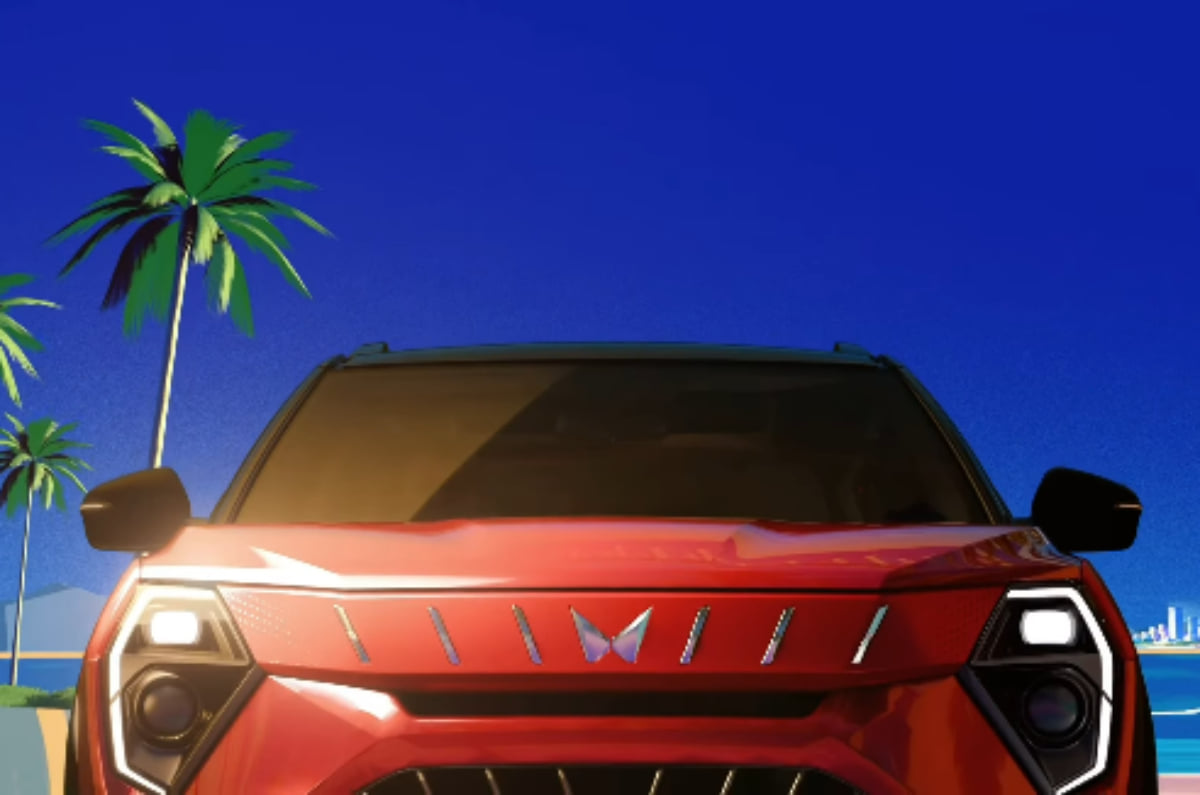
The teaser shows a body-coloured panel between the headlamps, with slim metallic inserts flanking the Mahindra Twin Peaks logo. The closed-off grille design resembles the RevX range, which suggests Mahindra could be offering the CNG powertrain with the RevX range. The teaser also confirms a panoramic sunroof.
Other exterior details are expected to remain largely unchanged from the standard XUV 3XO.
September 2026 saw the Maruti Suzuki Baleno top the best-selling cars list with 25,392 units dispatched, a 93 percent increase year on year. The Tata Nexon and Punch ranked second and third, respectively, with over 20,000 units each. Combined dispatches of the top 10 models rose 15.5 percent to 1,91,332 units. Maruti Suzuki had six models on the list, followed by Tata Motors with two, and Hyundai and Mahindra with one each.
Top 10 best-selling cars in September 2026
Rank
Model
Sep 2026 sales (units)
Aug 2026 sales (units)
Sep 2025 sales (units)
MoM change (%)
YoY change (%)
1
Maruti Baleno
25,392
15,376
13,173
+61
+93
2
Tata Nexon
20,456
18,431
22,573
+11
-9
3
Tata Punch
20,333
21,320
15,891
-5
+28
4
Maruti Fronx
19,282
18,730
13,767
+3
+40
5
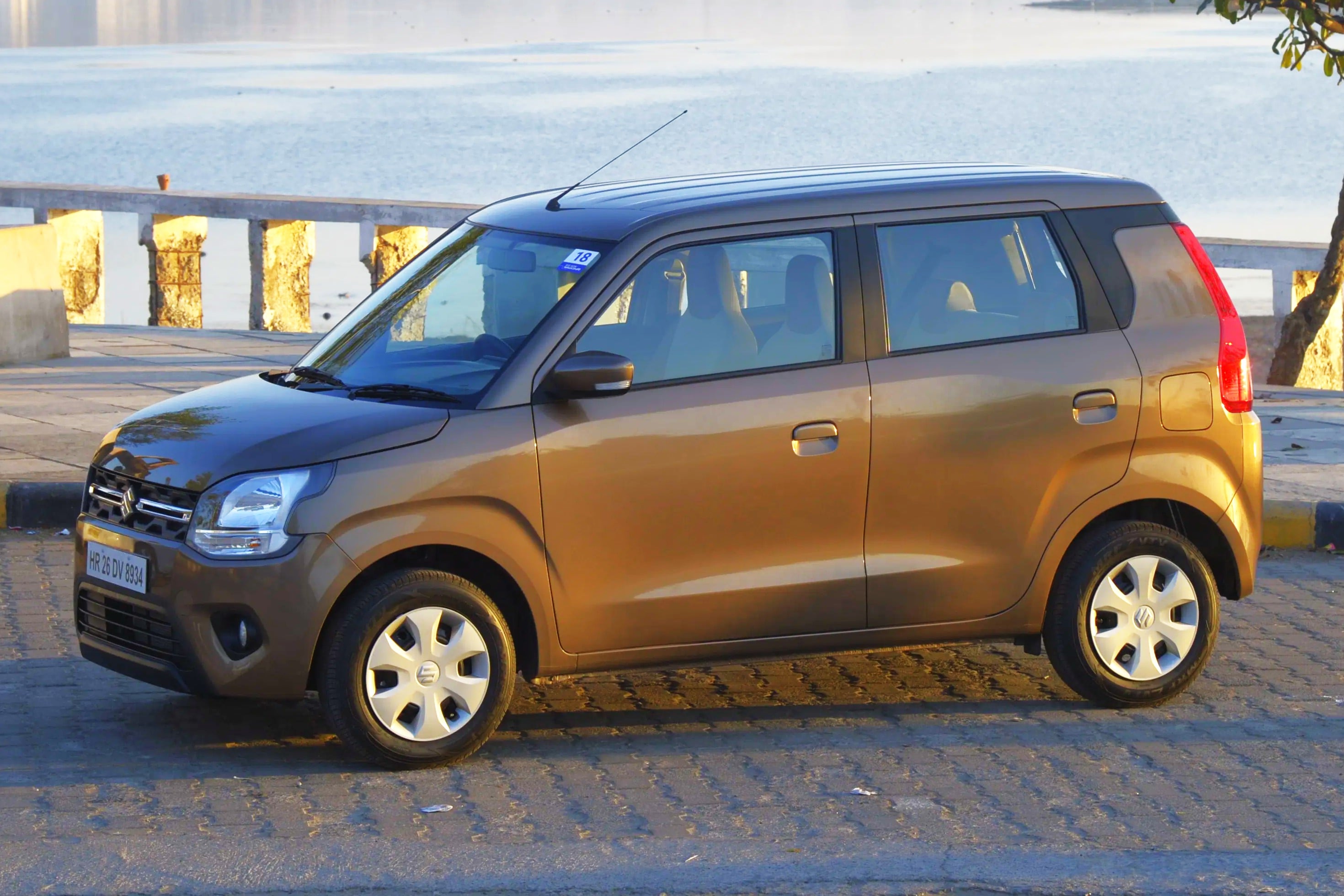
Maruti Wagon R
18,835
20,180
15,388
-7
+22
6
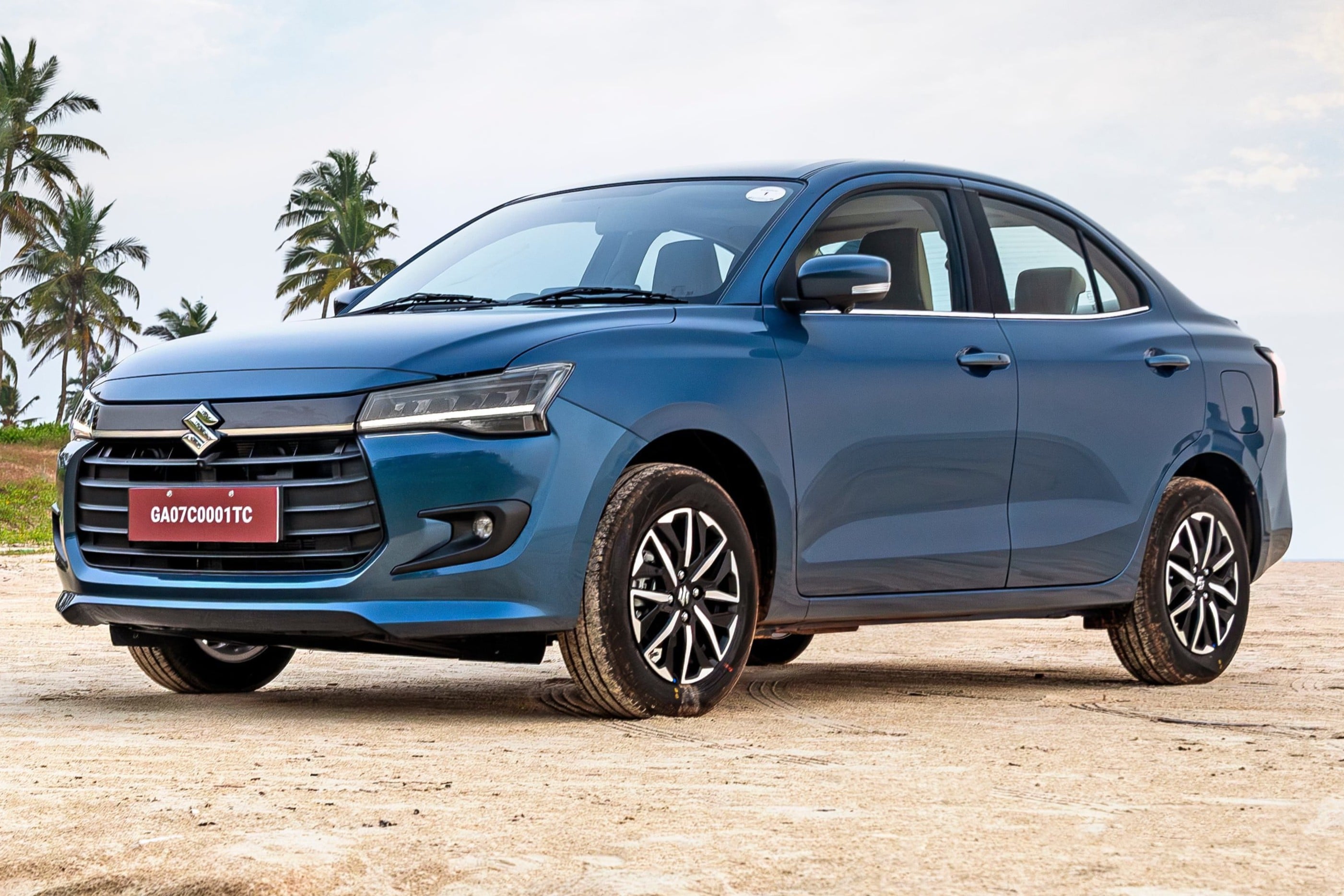
Maruti Dzire
17,754
18,418
20,038
-4
-11
7
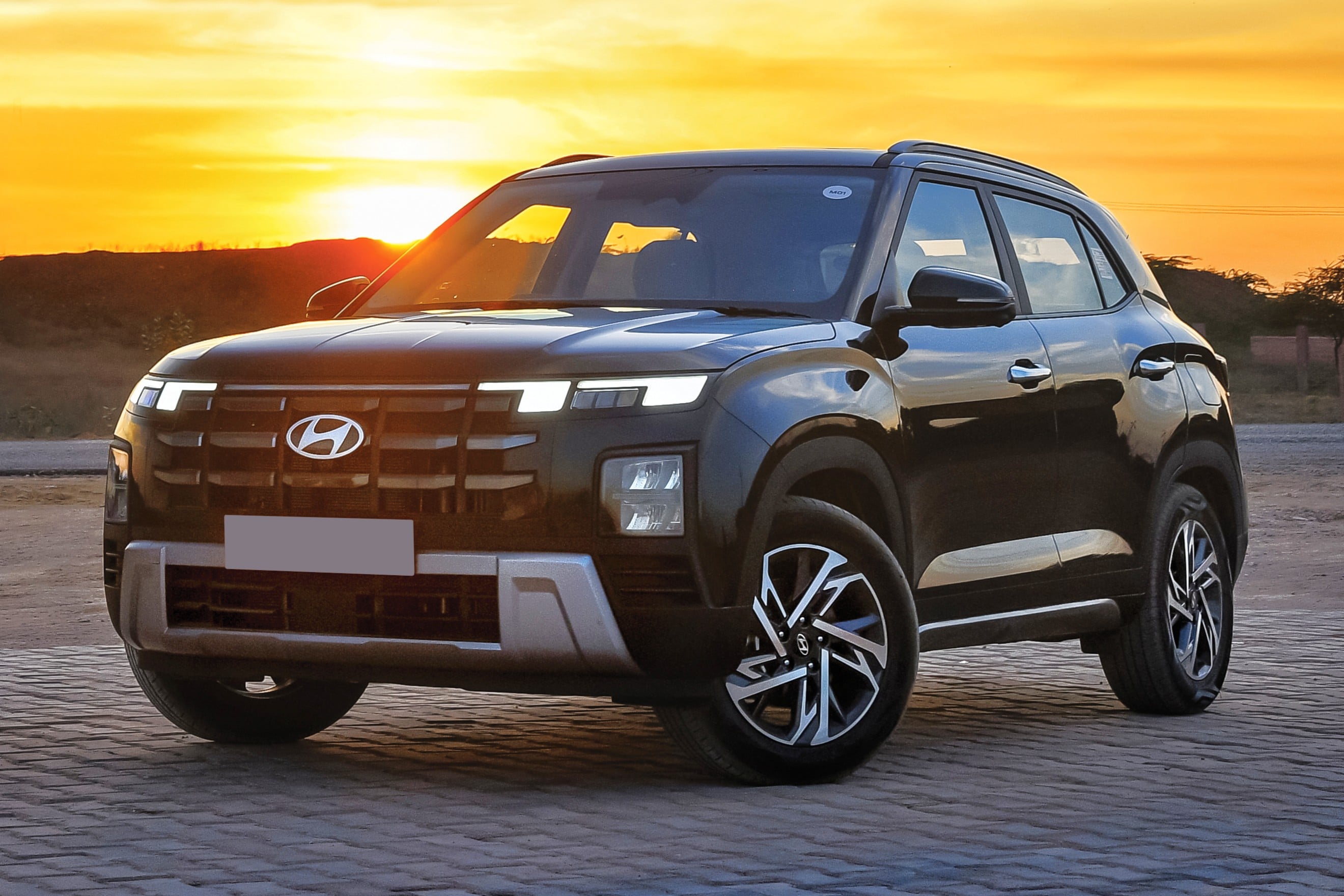
Hyundai Creta
17,657
16,288
18,861
+8
-6
8
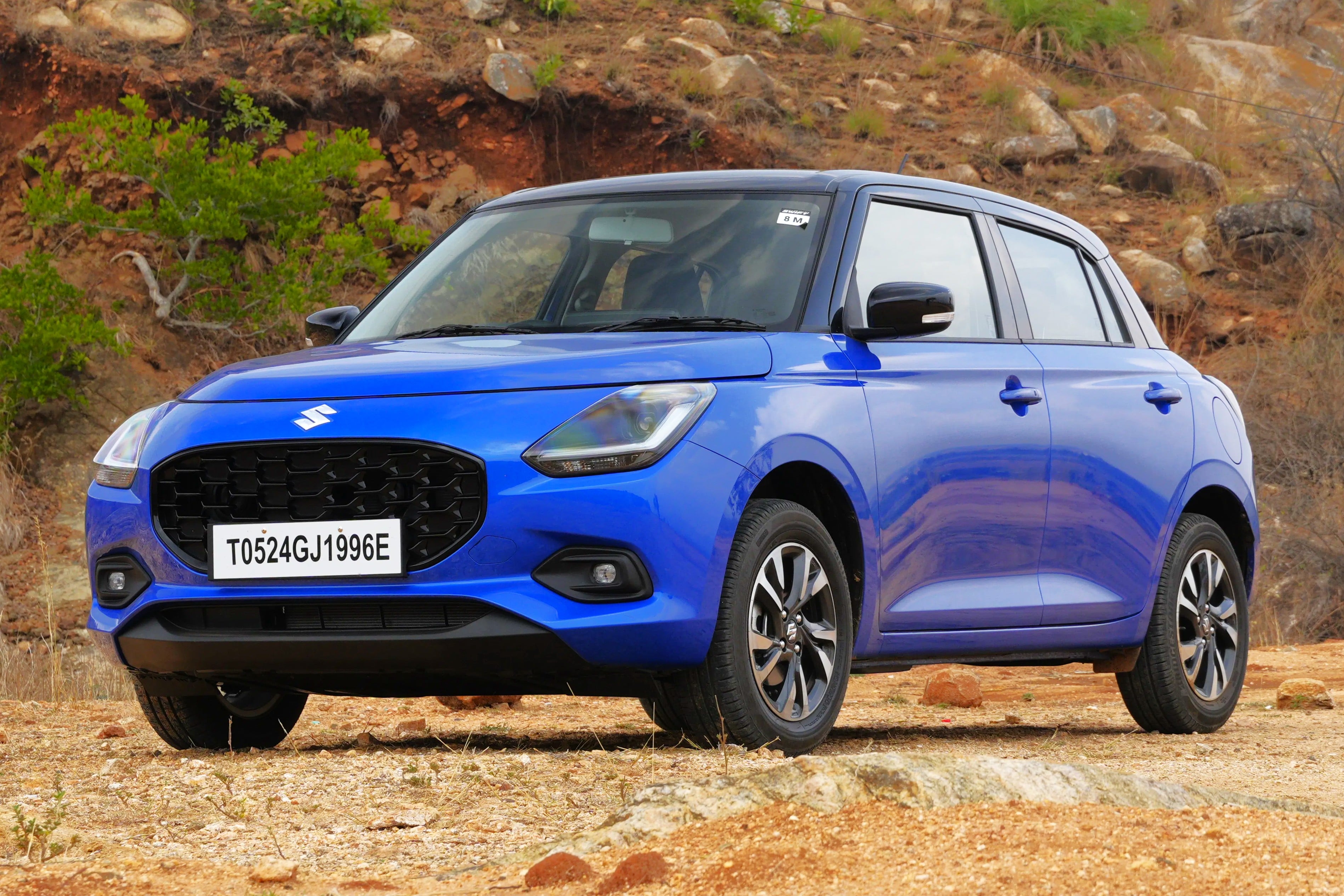
Maruti Swift
17,399
19,832
15,547
-12
+12
9
Mahindra Scorpio
17,313
15,576
18,372
+11
-6
10
Maruti Ertiga
16,911
18,516
12,115
-9
+40
1. Maruti Suzuki Baleno
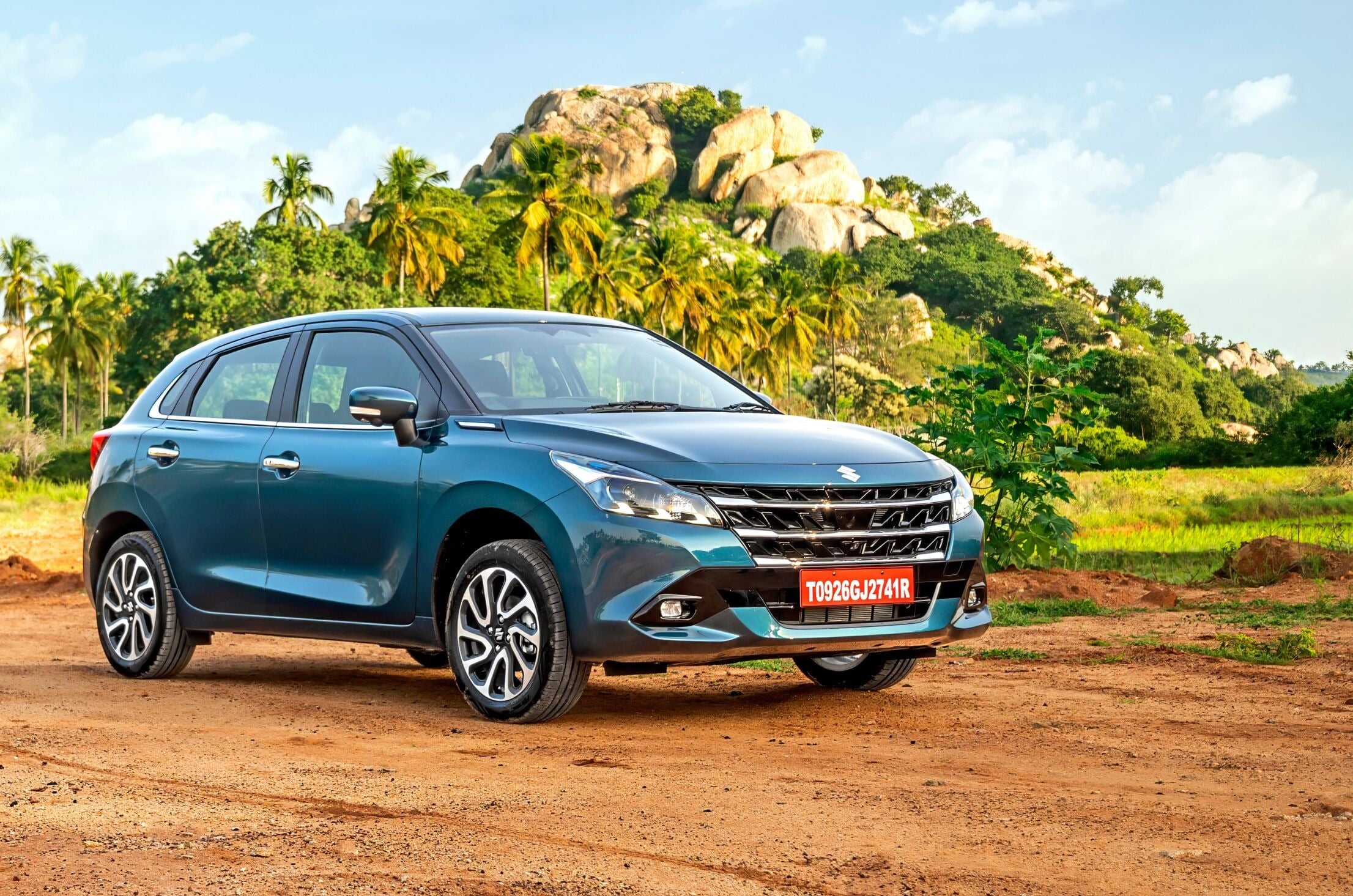
The Maruti Suzuki Baleno topped the September 2026 sales rankings with 25,392 units, compared with 13,173 units in September 2025. Its dispatches increased 93 percent year on year, the highest growth rate among the 10 models. The premium hatchback recently received a facelift and is sold through Maruti Suzuki’s Nexa dealership network. It rivals the Hyundai i20, Tata Altroz and Toyota Glanza. The Baleno is priced between Rs 5.99 lakh and Rs 9.99 lakh.
2. Tata Nexon
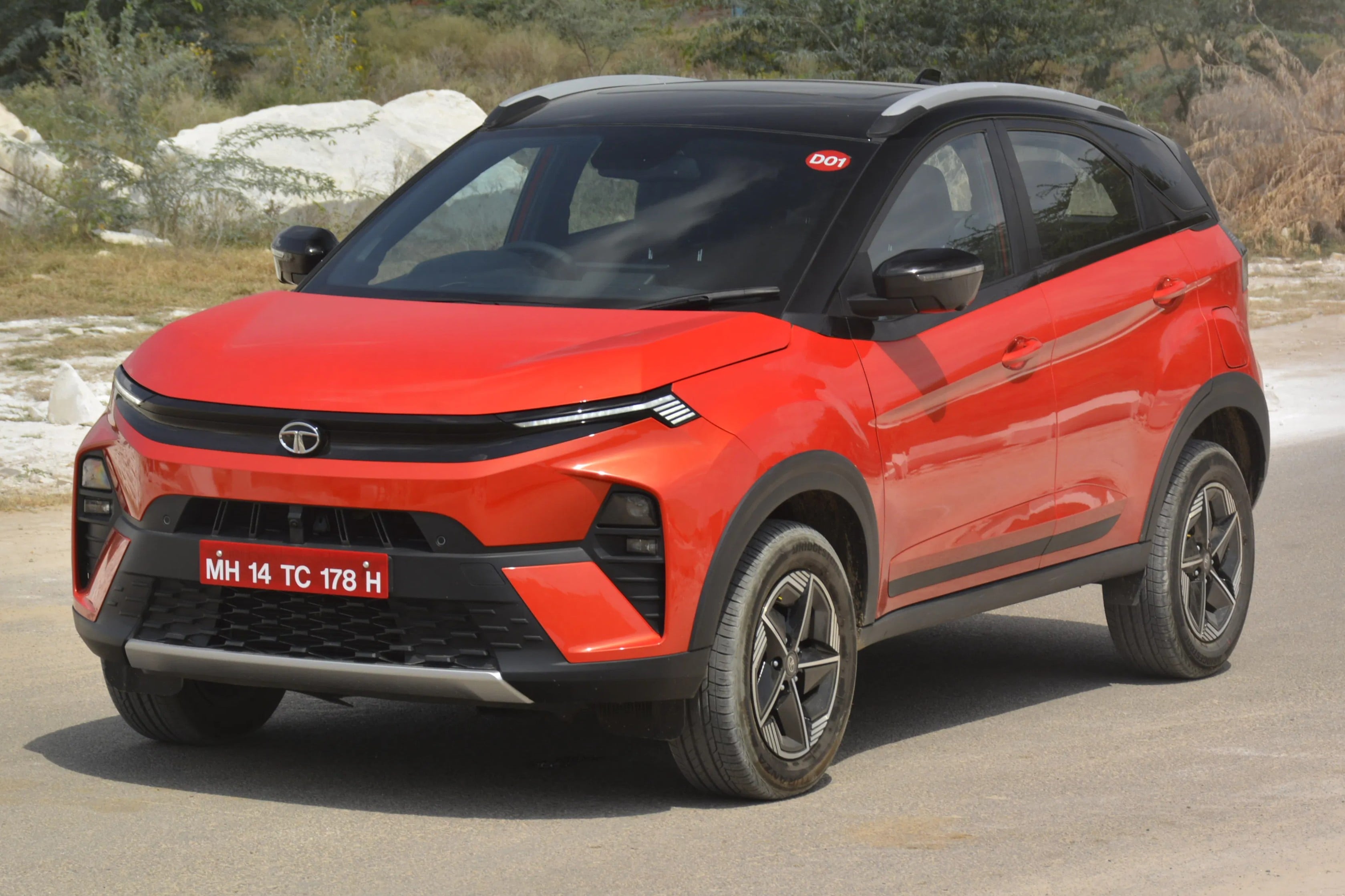
The Tata Nexon, including the Nexon EV, recorded 20,456 units in September 2026, down 9 percent from 22,573 units in the same month last year. It finished second, just 123 units ahead of the Punch. The Nexon is available with petrol, diesel, CNG and electric powertrains. It rivals the Maruti Suzuki Brezza, Hyundai Venue, Kia Sonet and Mahindra XUV 3XO and is priced from Rs 7.40 lakh to Rs 14.52 lakh for the ICE powered Nexon, while the Nexon EV starts at Rs 12.49 lakh and goes up to 17.89 lakh.
3. Tata Punch
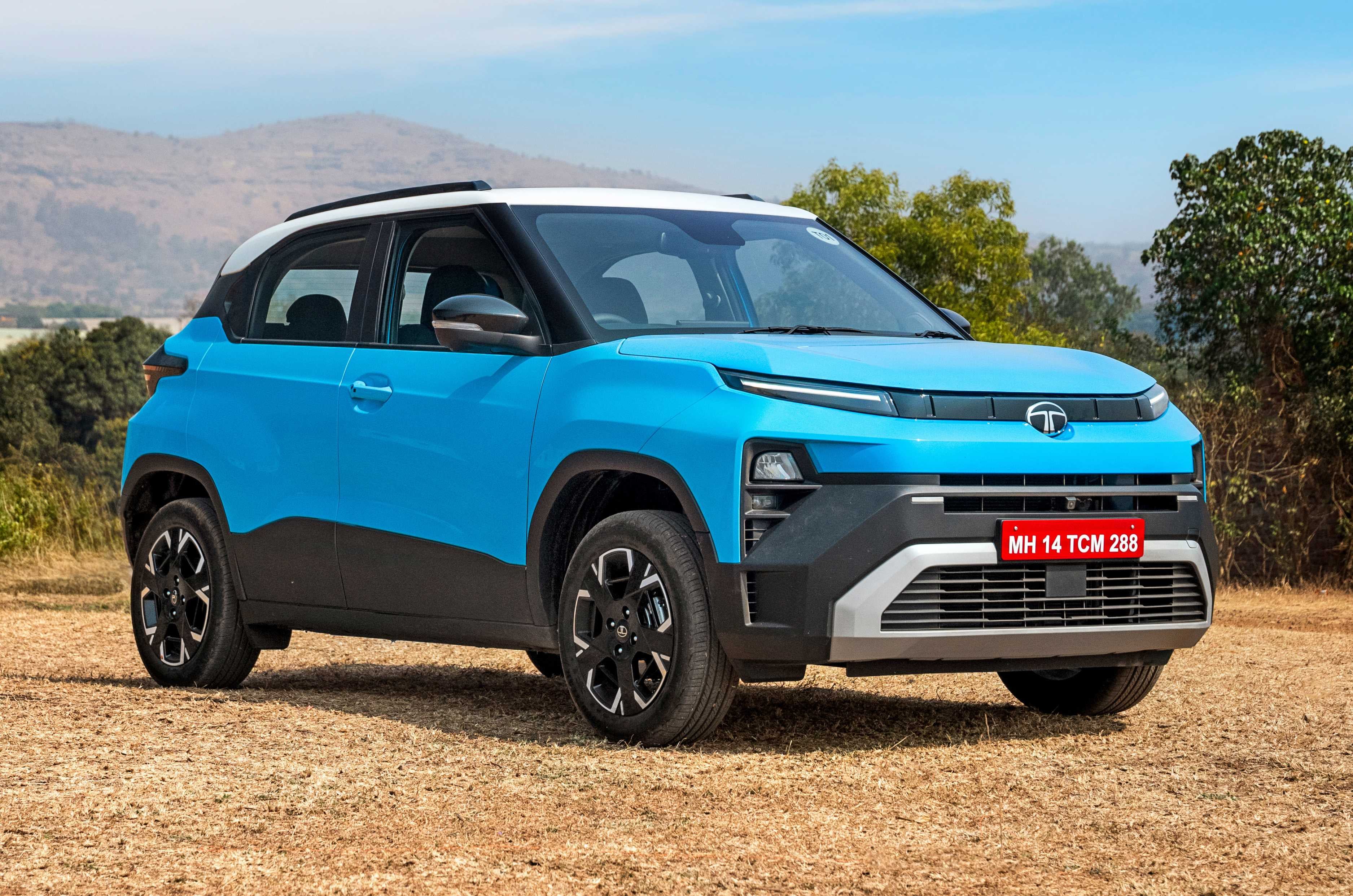
The Tata Punch, including the Punch EV, recorded 20,333 units in September 2026, up 28 percent from 15,891 units a year earlier. It ranked third in the overall list, with the Nexon finishing narrowly ahead. Tata’s smallest SUV is offered with multiple powertrain options, while its compact dimensions and ride-and-handling balance remain key strengths. The Punch rivals the Hyundai Exter and Citroen C3 and is priced from Rs 5.75 lakh to Rs 10.77 lakh. The Punch EV meanwhile is priced from Rs 9.79 lakh to Rs 12.99 lakh.
4. Maruti Suzuki Fronx
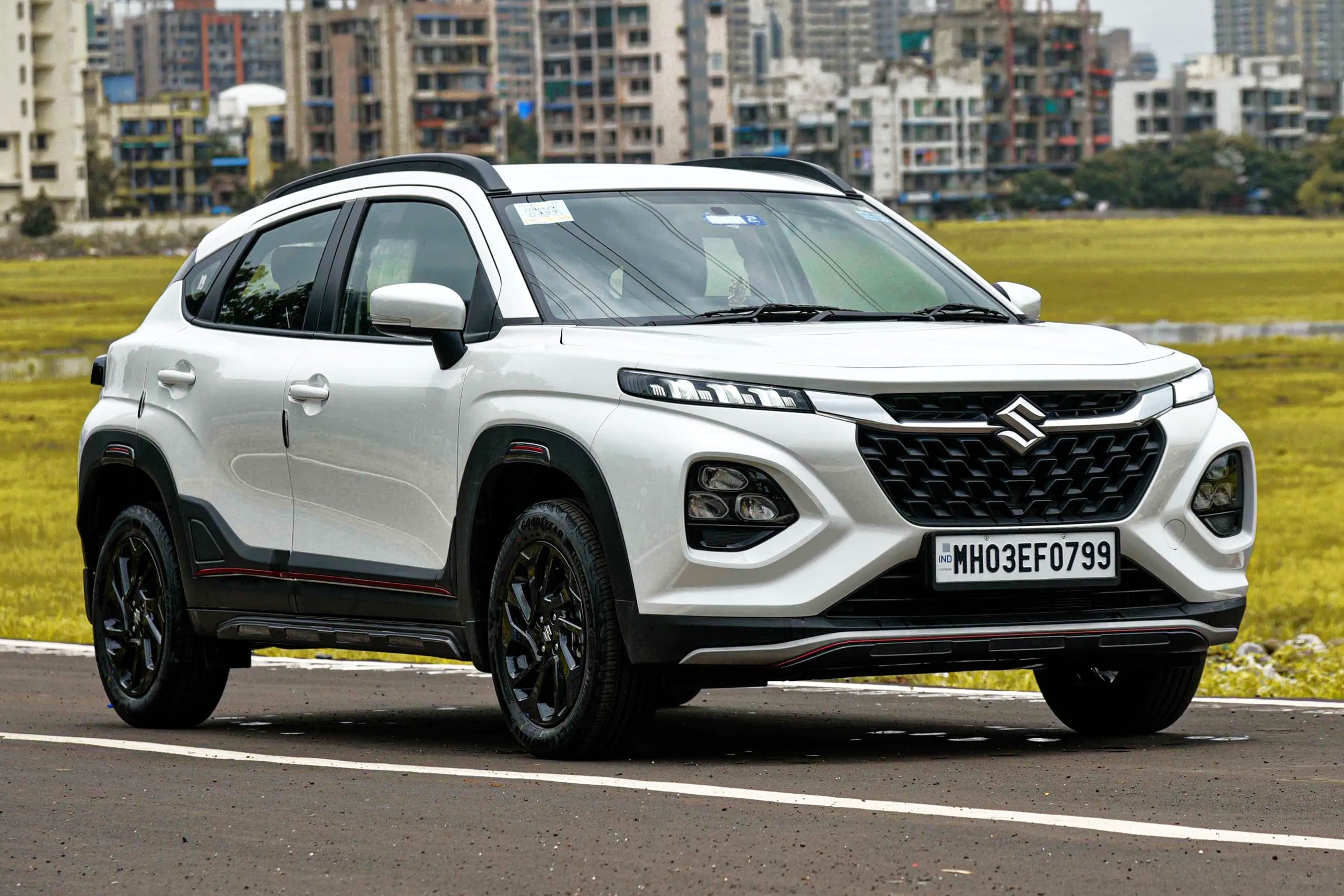
The Maruti Suzuki Fronx ranked fourth in September 2026 with 19,282 units, compared with 13,767 units in September 2025. Its dispatches increased 40 percent year on year. The Fronx’s crossover styling, comfortable cabin and fuel-efficient powertrains continue to support demand, although it lacks some popular features. It rivals the Nissan Magnite and Renault Kiger and is priced between Rs 6.85 lakh and Rs 11.84 lakh.
5. Maruti Suzuki Wagon R
The Maruti Suzuki Wagon R recorded 18,835 units in September 2026, up 22 percent from 15,388 units in the same month last year. It finished fifth in the rankings. Its spacious cabin, ease of driving and low running costs remain key strengths, although its light build and limited highway ability are drawbacks. The Wagon R rivals the Tata Tiago and Citroen C3 and is priced between Rs 4.99 lakh and Rs 7.24 lakh.
6. Maruti Suzuki Dzire
The Maruti Suzuki Dzire recorded 17,754 units in September 2026, down 11 percent from 20,038 units in September 2025. It ranked sixth and was the only sedan in the top 10. Strong fleet demand, fuel efficiency and a well-balanced ride and handling setup continue to support the compact sedan’s volumes. The Dzire rivals the Hyundai Aura, Honda Amaze and Tata Tigor and is priced between Rs 6.31 lakh and Rs 9.41 lakh.
7. Hyundai Creta
The Hyundai Creta, including the Creta Electric, recorded 17,657 units in September 2026, a 6 percent decline from 18,861 units in the year-ago month. It was the only Hyundai model in the top 10, finishing seventh. A roomy cabin, multiple powertrain options and a long feature list continue to attract buyers, although the top variants are expensive and some interior plastics could be better. The Creta rivals the Kia Seltos, Maruti Suzuki Grand Vitara, Toyota Urban Cruiser Hyryder, Honda Elevate and Tata Sierra. It is priced between Rs 10.91 lakh and Rs 20.14 lakh.
8. Maruti Suzuki Swift
The Maruti Suzuki Swift recorded 17,399 units in September 2026, up 12 percent from 15,547 units a year earlier. It finished eighth and was one of three Maruti Suzuki hatchbacks in the top 10. Its high fuel efficiency, light controls and easy-to-drive nature continue to support demand, although the top variants are priced close to the more premium Baleno. The Swift rivals the Hyundai Grand i10 Nios and Tata Tiago and is priced between Rs 5.84 lakh and Rs 8.74 lakh.
9. Mahindra Scorpio
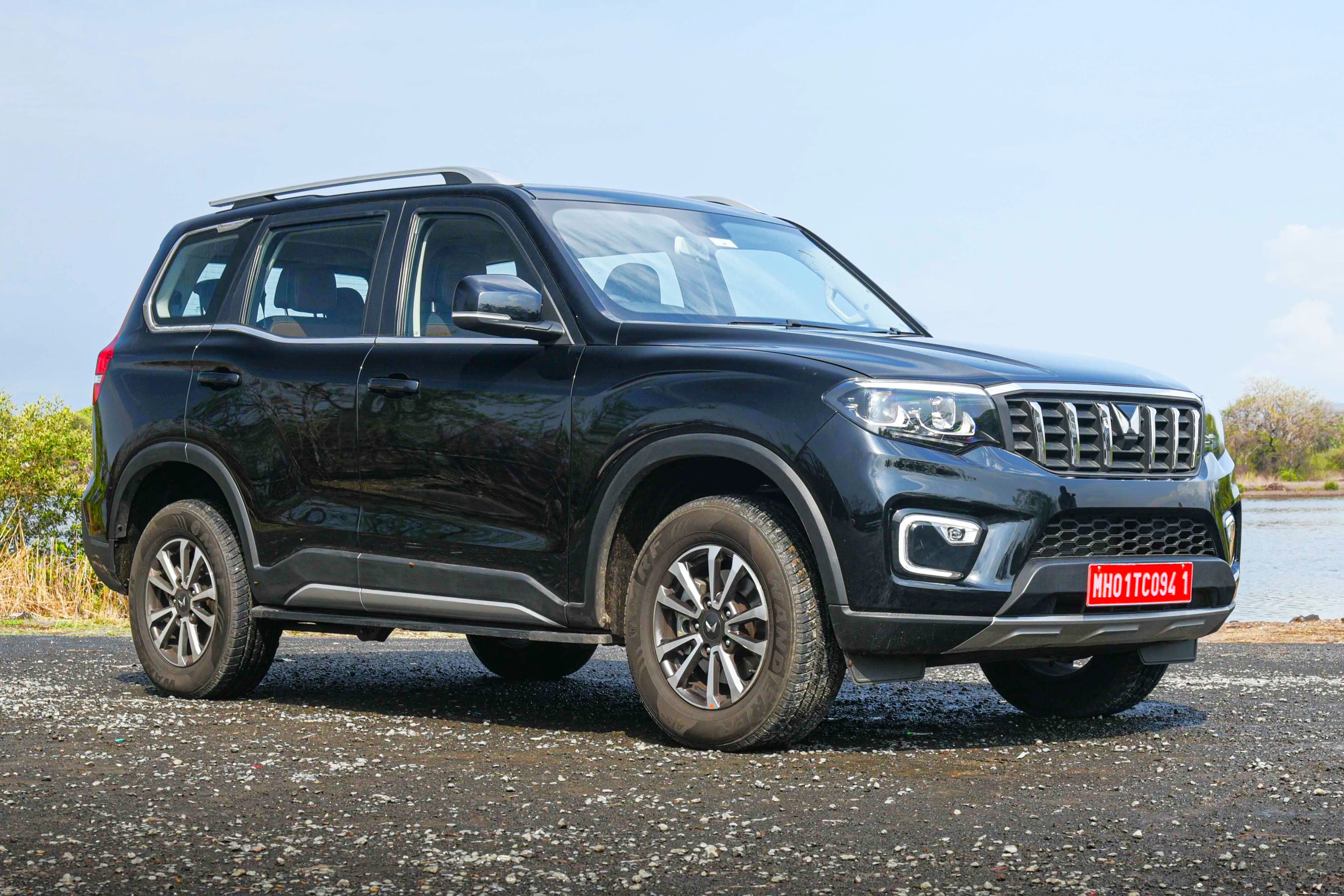
The Mahindra Scorpio, combining the Scorpio N and Scorpio Classic, recorded 17,313 units in September 2026. This was down 6 percent from 18,372 units in September 2025, placing it ninth. The Scorpio nameplate remains popular for its strong engines, rugged character and off-road ability. However, the third-row seating is cramped and the luggage area is not particularly practical. The Scorpio N rivals the Tata Safari, Hyundai Alcazar and Mahindra XUV 7XO and is priced from Rs 13.69 lakh to Rs 25.49 lakh.
10. Maruti Suzuki Ertiga
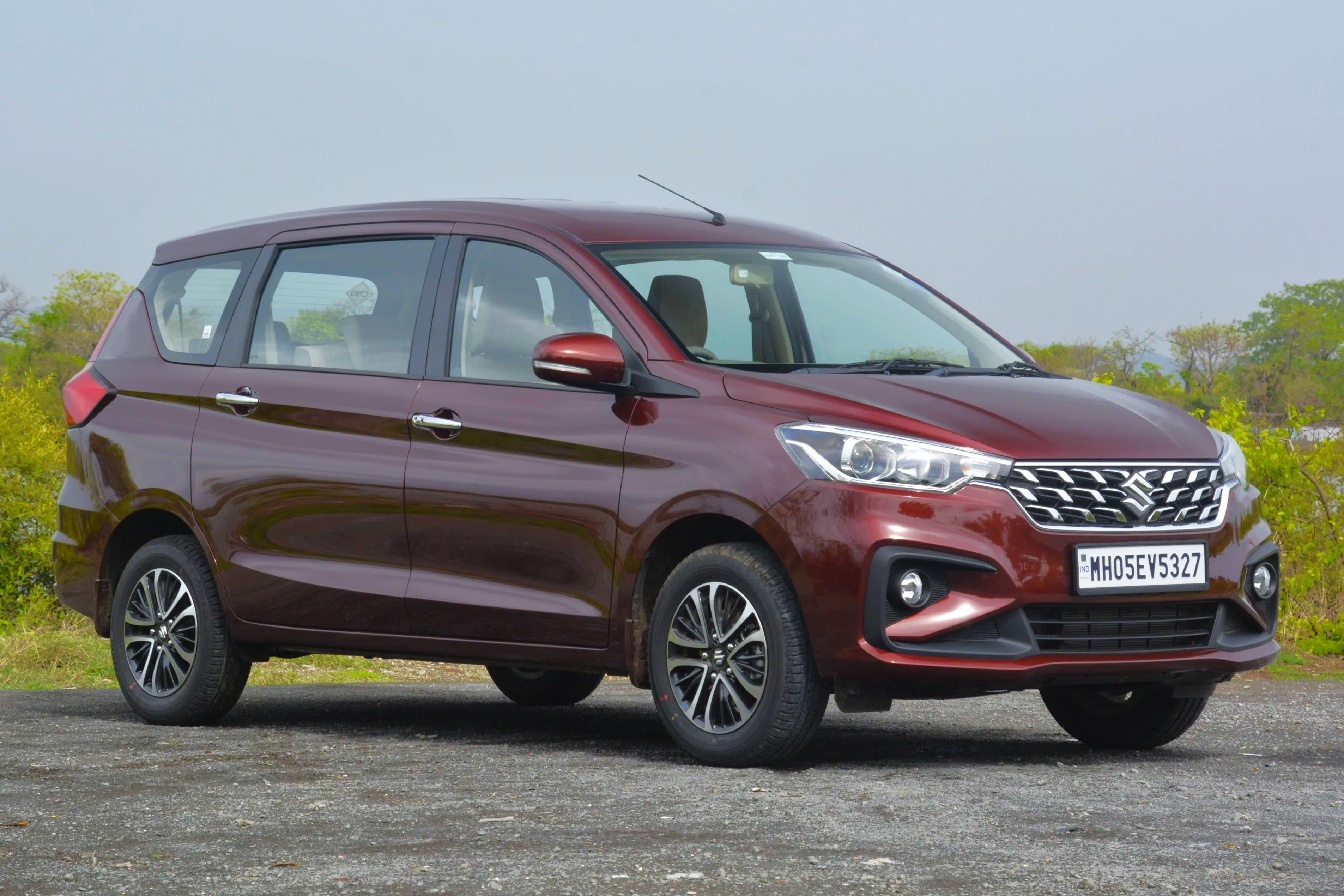
The Maruti Suzuki Ertiga completed the top 10 with 16,911 units in September 2026, up 40 percent from 12,115 units in the same month last year. It was the sixth Maruti Suzuki model in the rankings. The Ertiga continues to hold the title of India’s highest-selling MPV. Its practical cabin, strong fuel efficiency and value-for-money positioning attract both private and fleet buyers, although it misses out on some features offered by rivals. It is priced from Rs 8.90 lakh to Rs 13.04 lakh and rivals the Kia Carens and Toyota Rumion.
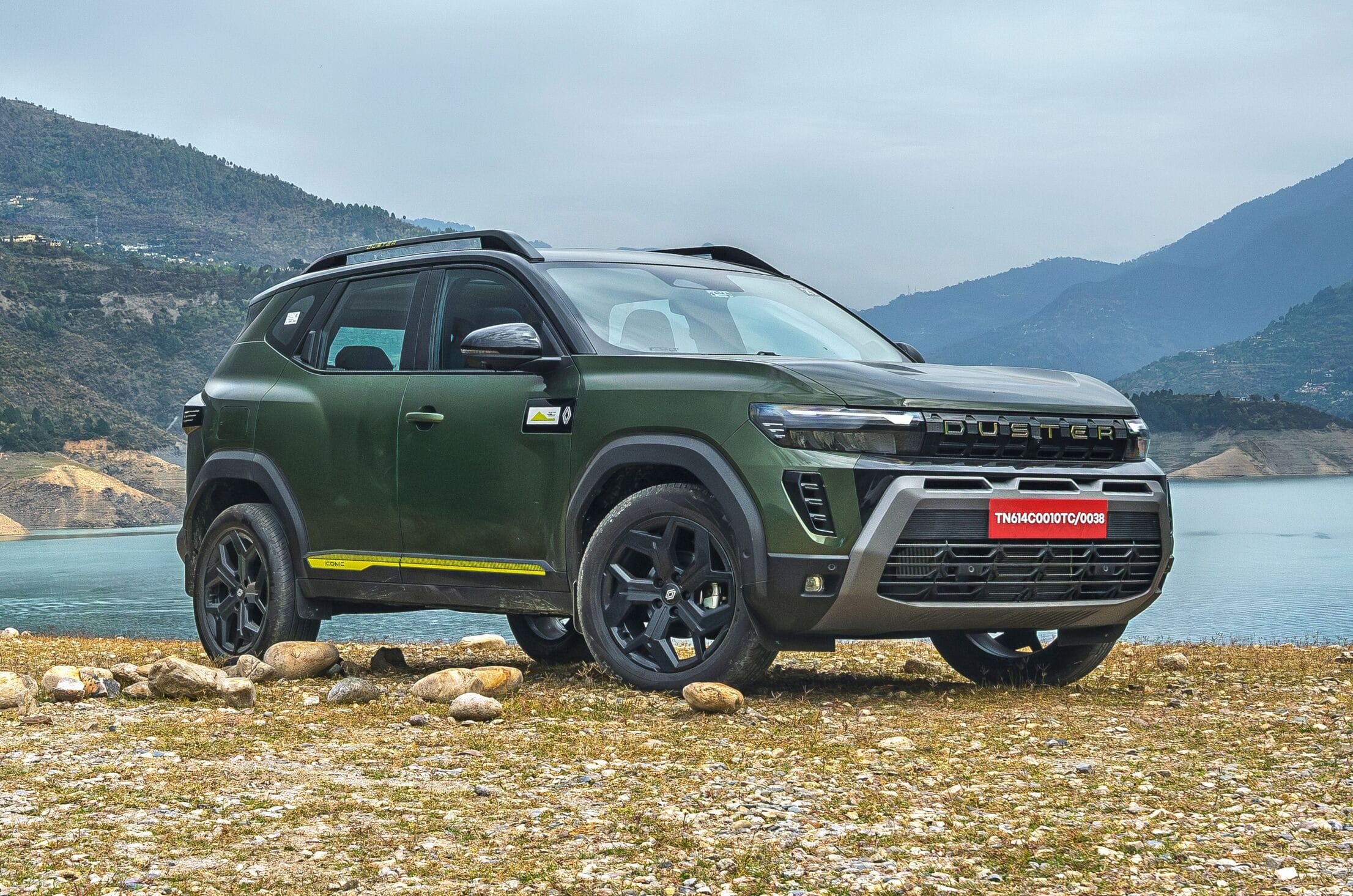
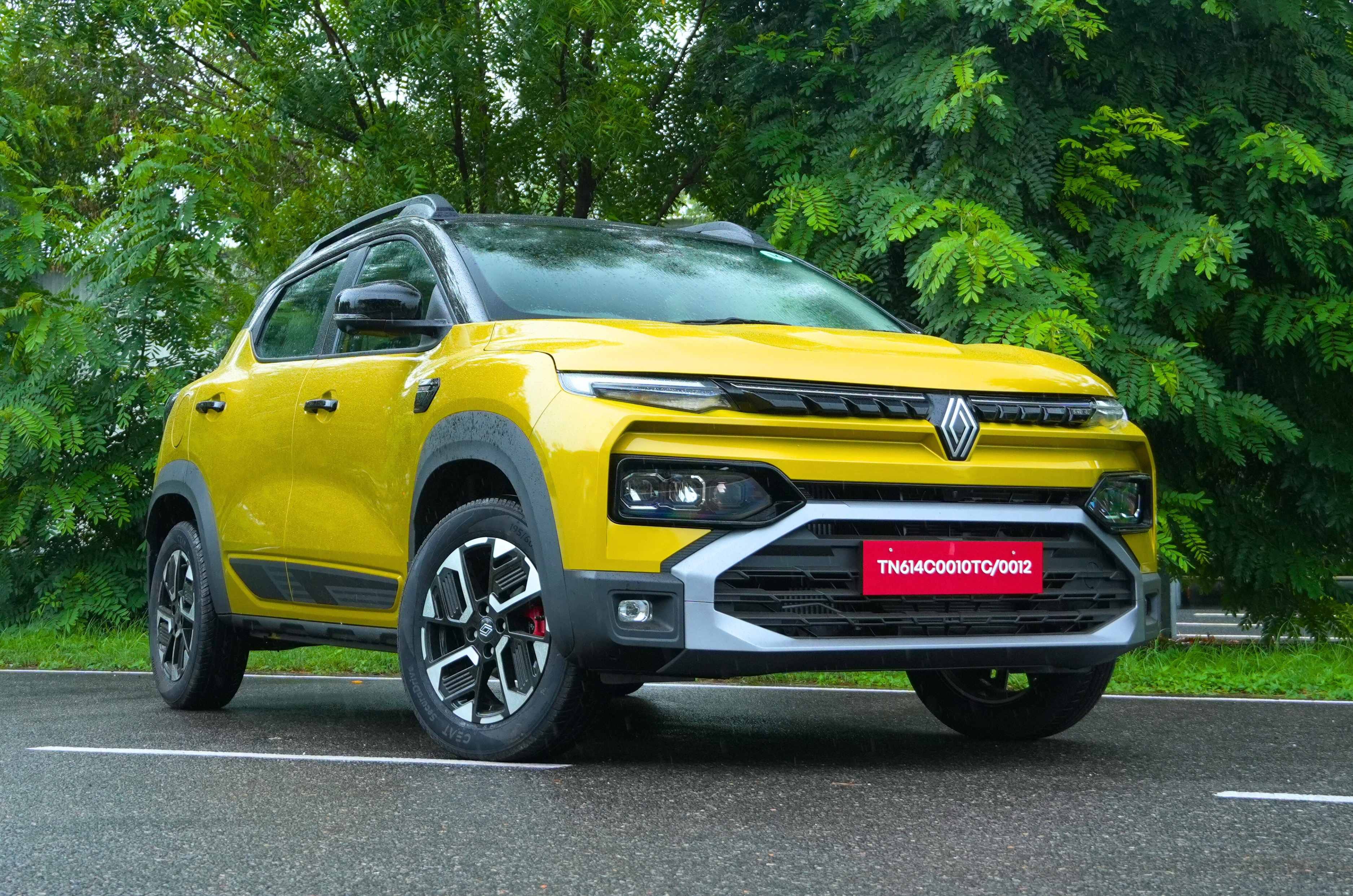
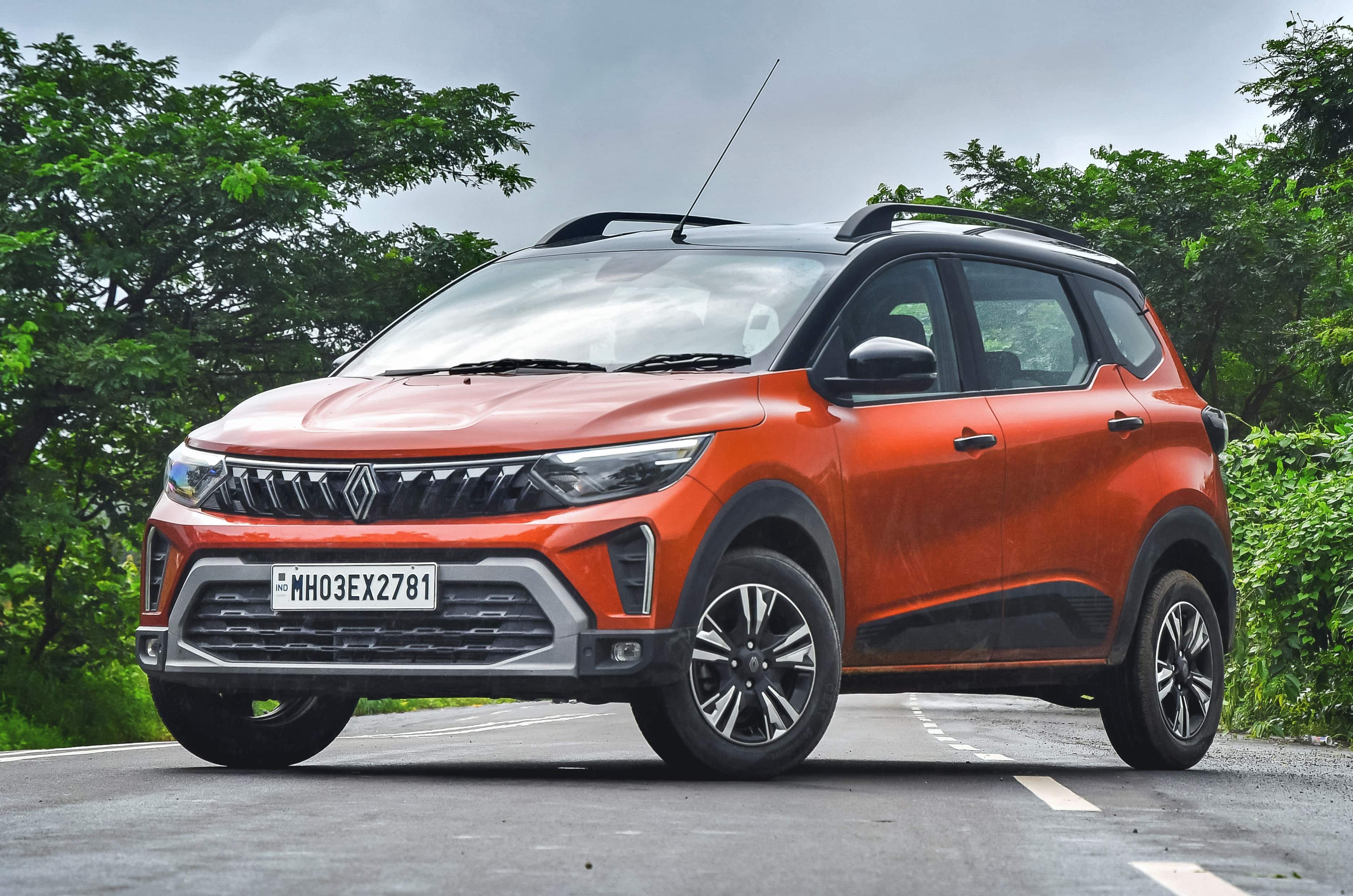
Renault India has announced offers applicable on its cars in October. The Renault Duster is available with the highest benefits this time, followed by the Kiger and Triber. These include cash discounts, exchange and loyalty benefits, as well as corporate offers. Let us now take a closer look at them.
Disclaimer: Offers/benefits may vary by city and are subject to stock availability. Buyers are advised to check with their local dealer for exact figures. Customers can also check out Renault India’s official website for further details.
Renault Duster offers in October 2026
Benefits of up to Rs 2.1 lakh
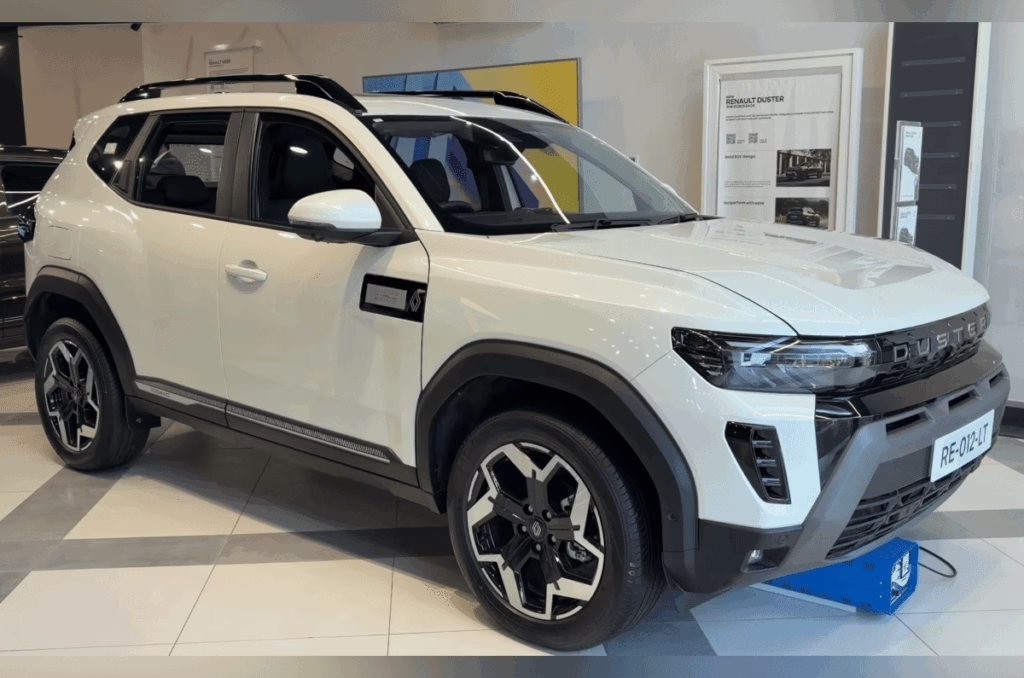
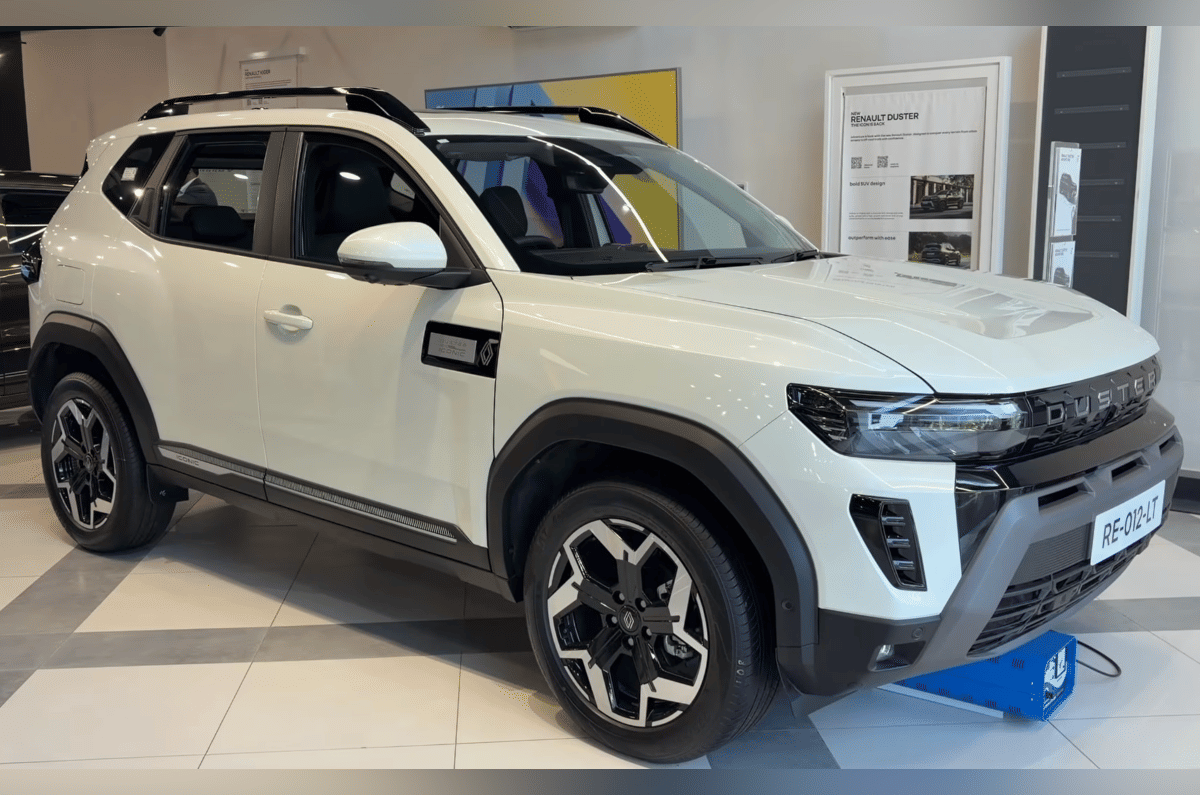
The Renault Duster gets benefits of up to Rs 2.1 lakh this month. Its Techno+ and Iconic trims get a cash offer of up to Rs 50,000. Exchange benefits of up to Rs 1.1 lakh are available on these variants as well, while the Evolution and Adventure trims get up to Rs 50,000. For a Duster-to-Duster exchange, the benefit rises to Rs 1.5 lakh on the Techno+ and Iconic trims and Rs 1 lakh on the Evolution and Adventure. Customers can also avail loyalty benefits of up to Rs 10,000 and AMC on all trims of the Duster upon submission of required loyalty proofs.
The Duster is priced between Rs 10.49 lakh and Rs 18.49 lakh, and rivals the Hyundai Creta, Kia Seltos and Tata Sierra, among others.
Renault Kiger offers in October 2026
Benefits of up to Rs 65,000
For the Renault Kiger VIN 2026 models, customers can avail benefits of up to Rs 65,000. Cash and exchange offers of up to Rs 25,000 each are available on the Evolution+, Techno and Emotion trims. Like the Duster, customers can even claim loyalty benefits of up to Rs 10,000 and an AMC on all Kiger trims, subject to submission of the required loyalty proofs. A corporate discount of up to Rs 5,000 is also on offer.
Prices for the Kiger start at Rs 5.81 lakh and go up to Rs 10.40 lakh. Rivals include Nissan Magnite, Hyundai Venue, Maruti Brezza, Tata Nexon and more.
Renault Triber offers in October 2026
Benefits of up to Rs 55,000
Benefits of up to Rs 55,000 are on offer with the Renault Triber. Select variants get a cash benefit of up to Rs 25,000 and an exchange benefit of up to Rs 25,000. An additional corporate discount of up to Rs 5,000 is also available with the compact MPV.
The Triber is priced between Rs 5.80 lakh and Rs 9 lakh, ex-showroom, and competes with its badge-engineered sibling, the Nissan Gravite.
Ex-showroom prices mentioned above are as on October 8, 2026.
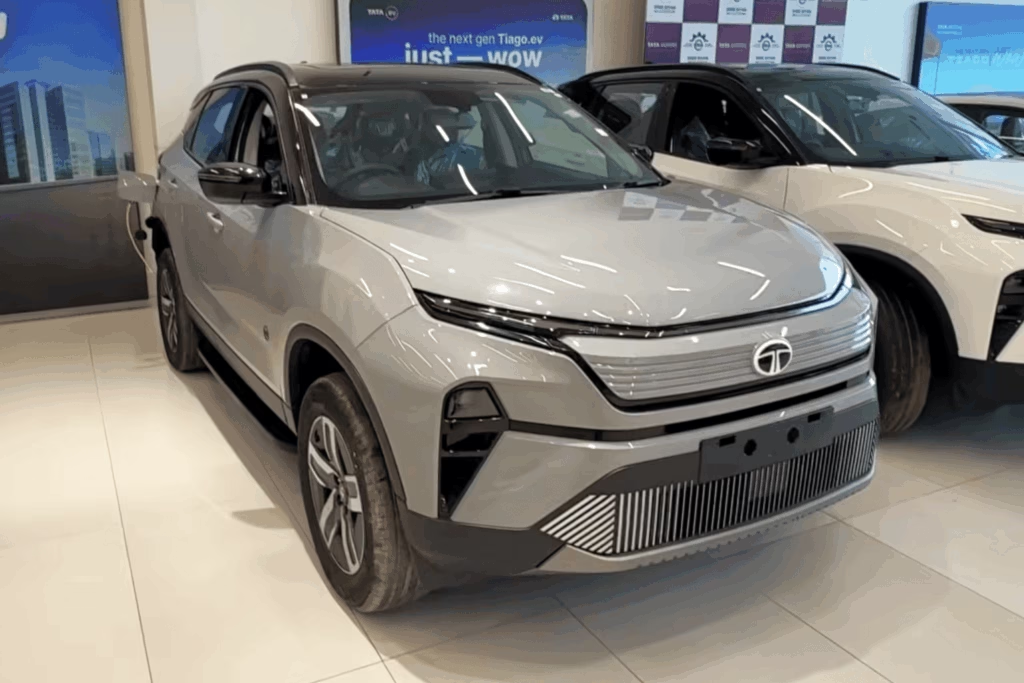
Prospective buyers considering a Tata EV can take advantage of compelling benefits on the Harrier EV, Curvv EV and Nexon EV, among others. These benefits are available throughout October 2026, and depending on the model and variant, they include cash discounts, intervention offers, exchange/scrappage bonuses and loyalty incentives.
Disclaimer: Offers/benefits may vary by city and are subject to stock availability. Buyers are advised to check with their local dealer for exact figures.
Tata Harrier EV discounts in October 2026
Up to Rs 2.75 lakh off
The Harrier EV is available with a maximum benefit of Rs 2.75 lakh for the Fearless+ and Empowered trims. These include an intervention offer of Rs 1 lakh, an exchange/scrappage bonus of up to Rs 75,000 and a loyalty incentive of up to Rs 1 lakh. However, if you’re specifically looking to buy the top-spec Empowered AWD Stealth ACFC variant, you get a lower Rs 50,000 intervention offer, dropping the total benefit to Rs 2.25 lakh.
Lower-spec Adventure variants of the Harrier EV, meanwhile, get a intervention offer of Rs 75,000, bringing the total benefit to Rs 2.5 lakh. Pricing for the Harrier EV starts at Rs 21.79 lakh and tops off at 29.79 lakh, excluding premiums for cosmetic packages.
Tata Curvv EV discounts in October 2026
Up to Rs 3.35 lakh off
For the Curvv EV, benefits extend to Rs 3.35 lakh for variants available prior to the coupe-SUV’s SeriesX update in May 2026. These include a Rs 3 lakh cash discount and an exchange/scrappage bonus of up to Rs 35,000. However, the base Curvv EV Creative variant (pre-SeriesX) features a Rs 2.5 lakh cash discount instead, lowering the total benefit to Rs 2.85 lakh. The Curvv’s current SeriesX variants come with a maximum benefit of Rs 65,000, which comprises an exchange/scrappage offer of up to Rs 35,000 and a Rs 30,000 loyalty incentive. The Curvv EV is priced in the Rs 17.19 lakh-19.39 lakh range.
Tata Nexon EV discounts in October 2026
Up to Rs 45,000 off
All variants of the Nexon EV can be purchased with benefits of up to Rs 45,000 in October. These benefits comprise a cash discount of Rs 10,000 and an exchange/scrappage bonus of up to Rs 35,000. The Nexon EV price starts at Rs 12.49 lakh and tops out at Rs 17.69 lakh, excluding premiums for cosmetic packages.
Tata Punch EV discounts in October 2026
Up to Rs 1.45 lakh off (pre-facelift only)
Long Range (35kWh) variants of the pre-facelift Punch EV are available with benefits of up to Rs 1.45 lakh, which include a Rs 1.1 lakh cash discount and an exchange/scrappage bonus of up to Rs 35,000. Medium Range (25kWh) variants lower the cash discount to Rs 90,000, making for a total benefit of Rs 1.25 lakh. Finally, the base Punch EV Smart variant is available with a Rs 60,000 cash discount, so the total benefit for it works out to Rs 95,000.
Tata Tiago EV discounts in October 2026
Up to Rs 1.45 lakh off (pre-facelift only)
The pre-facelift Tiago EV gets a total benefit of Rs 1.45 lakh for the mid-spec XT Long Range (24kWh) variant. These comprise a Rs 70,000 cash discount, a Rs 50,000 intervention offer and an exchange/scrappage bonus of up to Rs 25,000. The higher-spec XZ+ Long Range variant instead gets a Rs 1 lakh cash discount but no intervention offer, amounting to total benefits of Rs 1.25 lakh. Lastly, all Medium Range (19kWh) variants of the pre-facelift Tiago EV feature a Rs 40,000 cash discount, which means a combined benefit of Rs 65,000.
Maruti Suzuki has revealed the offers applicable to its Nexa cars in October. The Grand Vitara receives the highest benefits of up to Rs 1.36 lakh, followed by the Invicto, XL6, Jimny, e Vitara and Fronx. However, there are no benefits on the recently launched Baleno facelift. Let us now take a closer look at these offers.
Note: Offers may vary by city, dealership and stock availability. Please check with your nearest Maruti Nexa dealership for the exact figures. The pre-Navratri booking offer is applicable from October 1 to 10. The exchange offer considered here is for cars up to 10 years old, while the additional exchange offer applies to cars up to 6 years old.
Maruti Grand Vitara October 2026 offers
Up to Rs 1.36 lakh
Pre-2025 Maruti Grand Vitara.
The Maruti Grand Vitara gets offers of up to Rs 1.36 lakh this month. Its Sigma petrol MT variant gets the highest total benefit of up to Rs 1.36 lakh, including a cash discount of Rs 35,000, a pre-Navratri booking offer of Rs 11,000, exchange benefit of Rs 30,000, an additional exchange bonus of Rs 25,000, a loyalty bonus of Rs 20,000 and corporate offer of Rs 15,000.
The Delta petrol MT and AT variants get offers of up to Rs 1.26 lakh, while the Zeta and Alpha petrol variants, along with the AWD variants, get benefits of Rs 1.15 lakh plus a five-year extended warranty. All strong-hybrid variants get benefits worth up to Rs 1.20 lakh, along with zero road tax of up to Rs 1.85 lakh and a five-year extended warranty. Lastly, the Delta CNG gets benefits of up to Rs 1 lakh, while the Zeta CNG gets up to Rs 90,000.
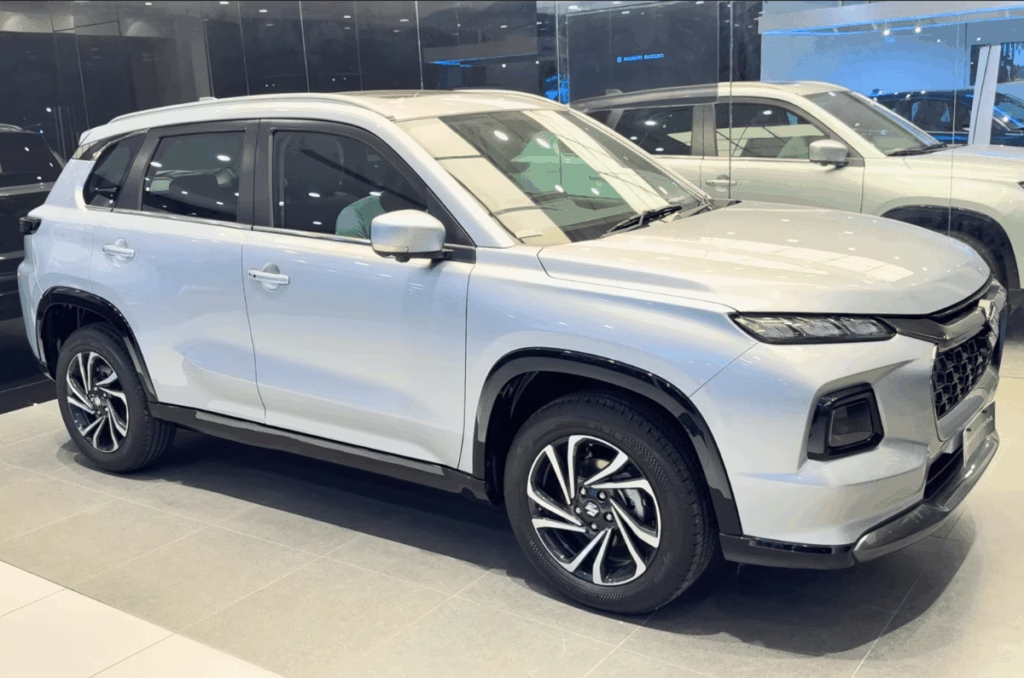
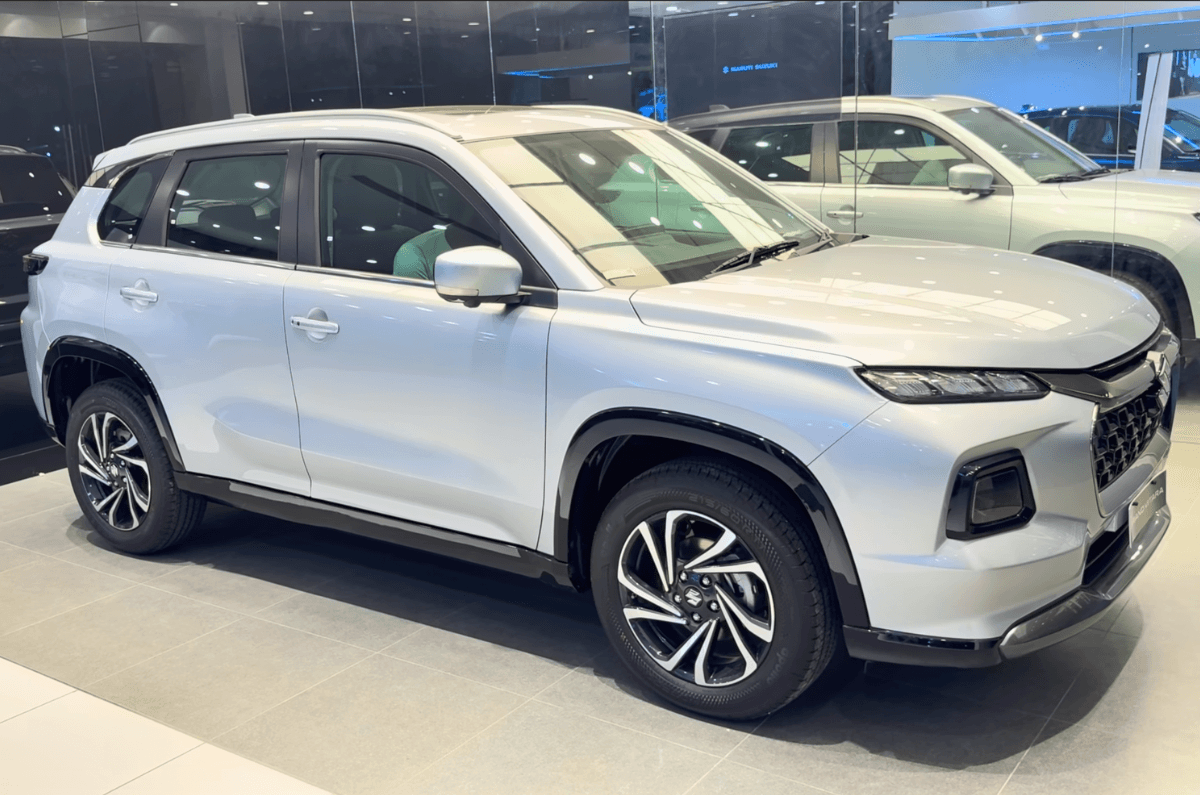
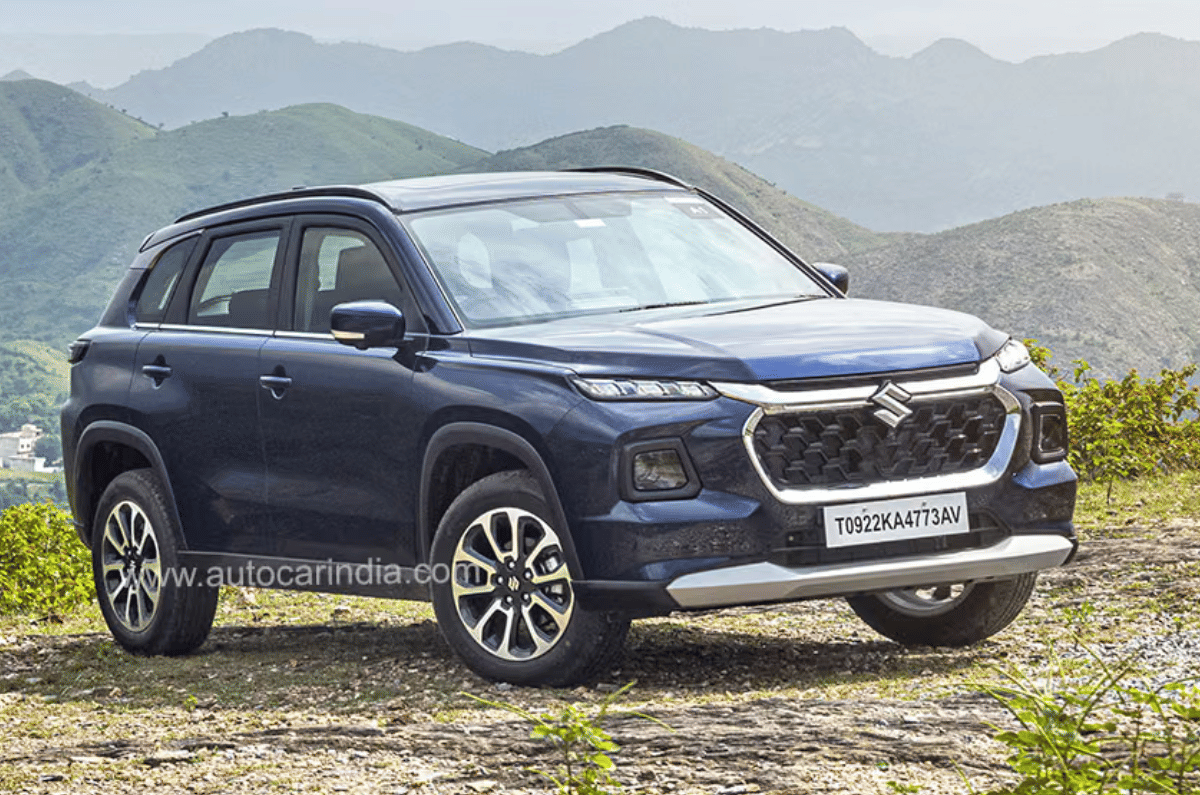
Maruti has priced the Grand Vitara from Rs 10.77 lakh to Rs 19.62 lakh, and it rivals midsize SUVs like the Hyundai Creta, Tata Sierra, Kia Seltos, Renault Duster and more.
Maruti Invicto October 2026 offers
Up to Rs 95,000
Next in line is the Maruti Invicto, with offers of up to Rs 95,000. These are available across all variants of the MPV, and include an exchange benefit of Rs 50,000, a loyalty bonus of Rs 30,000 and a corporate offer of Rs 15,000. However, there are no consumer offer, pre-Navratri booking offer and additional exchange bonus available on the Invicto.
The Maruti Invicto, priced from Rs 25.02 lakh to Rs 28.71 lakh, locks horns with the Toyota Innova Hycross.
Maruti XL6 October 2026 offers
Up to Rs 61,000
The Maruti XL6 gets offers of up to Rs 61,000. Petrol MT and AT variants get a cash discount of Rs 20,000, a pre-Navratri booking offer of Rs 11,000, an exchange benefit of Rs 20,000 and an additional exchange bonus of Rs 10,000. CNG variants get a maximum benefit of Rs 50,000, comprising a cash discount of Rs 20,000, an exchange benefit of Rs 20,000 and an additional exchange bonus of Rs 10,000.
Prices for the Maruti XL6 range from Rs 11.62 lakh to Rs 14.52 lakh, and the MPV rivals the Kia Carens Clavis and Toyota Rumion.
Maruti Jimny October 2026 offers
Up to Rs 35,000
Unlike the models so far which get multiple offers, the Maruti Jimny is available with just a cash discount of Rs 35,000 across all variants. No exchange, pre-Navratri booking, additional exchange bonus, loyalty and corporate offers are on offer this month with the SUV.
The Jimny’s prices range between Rs 12.59 lakh and Rs 14.52 lakh, and it competes with the Mahindra Thar OG and Force Gurkha 3-door.
Maruti e Vitara October 2026 offers
Up to Rs 30,000
The Maruti e Vitara, the carmaker’s sole EV offering, gets offers of up to Rs 30,000 this month, along with a free charger and its home installation. Available across all variants, the offer includes an exchange benefit of Rs 30,000. There are no consumer, pre-Navratri booking, additional exchange bonus, loyalty, scrappage or corporate offers this month.
The e Vitara is priced between Rs 16.19 lakh and Rs 19.99 lakh, and it rivals the likes of the Hyundai Creta Electric, Vinfast VF6, Mahindra BE 6 and more.
Maruti Fronx October 2026 offers
Up to Rs 27,100
Rounding off this list is the Maruti Fronx, with offers of up to Rs 27,100 in October 2026. The 1.0-litre turbo-petrol variants get the highest benefit, including a consumer offer of Rs 5,000, a pre-Navratri booking offer of Rs 7,100, an exchange benefit of Rs 10,000 and an additional exchange bonus of Rs 5,000.
The 1.2-litre petrol variants get up to Rs 22,100, comprising the pre-Navratri booking, exchange and additional exchange bonus benefits. The 1.2-litre petrol-CNG variants get the lowest benefit of Rs 15,000, through exchange and additional exchange bonus offers.
Prices for the Maruti Fronx range from Rs 6.9 lakh to Rs 11.89 lakh, and it serves as an alternative to compact SUVs like the Tata Nexon, Hyundai Venue, Kia Sonet, Mahindra XUV 3XO and more.
Ex-showroom prices mentioned above are as on October 7, 2026.
Tata Motors has announced October offers across its ICE vehicle range, with the Nexon, Curvv, Altroz, Harrier, Safari, Sierra, Tiago and Tigor eligible for benefits. The schemes are valid from October 1 to October 31, 2026, with the benefit varying by model and variant. Here is a model-wise breakdown of Tata’s October offers.
Disclaimer: Offers/benefits may vary by city and are subject to stock availability. Buyers are advised to check with their local dealer for exact figures.
Tata Curvv October 2026 offers
up to Rs 1.25 lakh
The Tata Curvv gets benefits of up to Rs 1.25 lakh on non-Series X variants. These comprise a Rs 30,000 cash discount, either a Rs 40,000 exchange benefit or Rs 45,000 scrappage benefit, and a Rs 50,000 loyalty benefit. The Curvv X only gets a Rs 20,000 loyalty benefit.
Tata Nexon October 2026 offers
up to Rs 75,000
The Tata Nexon gets benefits of up to Rs 75,000 in October. Select petrol-manual variants: Smart+, Smart+S, Pure, Pure S, Pure+, Pure+ S and Pure+ PS. These get a Rs 10,000 cash discount, Rs 45,000 intervention offer and either a Rs 15,000 exchange benefit or Rs 20,000 scrappage benefit. This takes the maximum benefit to Rs 75,000.
The remaining petrol variants, excluding the Creative Camo petrol-manual version, get benefits of up to Rs 55,000. The Nexon CNG gets up to Rs 60,000, while the diesel version gets up to Rs 20,000.
Tata Altroz October 2026 offers
up to Rs 55,000
The Tata Altroz gets benefits of up to Rs 55,000 on its CNG version. This comprises a Rs 15,000 cash discount, Rs 20,000 intervention offer and either a Rs 15,000 exchange benefit or Rs 20,000 scrappage benefit. Petrol and diesel versions get benefits of up to Rs 35,000
Tata Harrier October 2026 offers
up to Rs 45,000
The Tata Harrier diesel gets benefits of up to Rs 45,000. The offer comprises a Rs 10,000 cash discount and either a Rs 25,000 exchange benefit or Rs 35,000 scrappage benefit.
Tata Safari October 2026 offers
up to Rs 45,000
The Tata Safari diesel gets benefits of up to Rs 45,000. As with the Harrier, the offer includes a Rs 10,000 cash discount and either a Rs 25,000 exchange benefit or Rs 35,000 scrappage benefit.
Pre-2026 Tata Tiago October 2026 offers
up to Rs 35,000
The outgoing Tata Tiago gets benefits of up to Rs 35,000 on both petrol and CNG versions, excluding the XE variant. The offer comprises a Rs 15,000 cash discount, Rs 5,000 intervention offer and either a Rs 10,000 exchange benefit or Rs 15,000 scrappage benefit.
Tata Sierra October 2026 offers
up to Rs 30,000
The Tata Sierra gets benefits of up to Rs 30,000 on both its petrol and diesel versions. Exchange, scrappage, Level Up and loyalty benefits are each worth Rs 30,000, but only one of these benefits can be availed on Sierra ICE variants.
Tata Tigor October 2026 offers
up to Rs 30,000
The outgoing Tata Tigor gets benefits of up to Rs 30,000. These comprise a Rs 15,000 cash discount and either a Rs 10,000 exchange benefit or Rs 15,000 scrappage benefit.
Kia has rolled out a range of benefits across its India line-up for October 2026, including cash discounts, exchange and scrappage offers, loyalty benefits and corporate discounts. The offers vary by model, variant and powertrain, with select cars also getting additional benefits such as an extended warranty. Here is a model-wise breakdown of Kia’s October offers.
Disclaimer: Offers/benefits may vary by city and are subject to stock availability. Buyers are advised to check with their local dealer for exact figures.
Kia Carnival discounts in October 2026
Up to Rs 1.70 lakh off
The Kia Carnival gets the highest benefits in Kia’s October 2026 offer programme, with savings of up to Rs 1.70 lakh. The package comprises a Rs 1 lakh exchange offer, Rs 20,000 scrappage benefit and corporate benefits of up to Rs 50,000.
Kia’s flagship MPV focuses on rear-seat comfort and space, making it a compelling choice among chauffeur-driven buyers. Priced from Rs 59.65 lakh, the Carnival does not have a direct rival, although the MG M9 is positioned in a similar price bracket.
Kia Carens Clavis discounts in October 2026
Up to Rs 95,000 off
The Kia Carens Clavis gets benefits of up to Rs 95,000 on its ICE variants, excluding the CNG version. The offer comprises a Rs 10,000 cash discount, Rs 30,000 exchange benefit, Rs 20,000 loyalty benefit, Rs 20,000 scrappage benefit and corporate benefits of up to Rs 15,000.
The Clavis is available in six- and seven-seat configurations, with naturally aspirated petrol, turbo-petrol, CNG and diesel engine options. Prices range from Rs 11.39 lakh to Rs 21.79 lakh, ex-showroom. It is sold alongside the older Carens, which remains the lower-priced option in Kia’s MPV line-up. The Clavis rivals MPVs such as the Maruti Suzuki XL6 and Toyota Rumion, while its price also overlaps with larger three-row SUVs such as the Hyundai Alcazar and Tata Safari.
Kia Carens Clavis EV discounts in October 2026
Up to Rs 75,000 off
The Carens Clavis EV gets benefits of up to Rs 75,000 across its range. The offer includes a Rs 20,000 exchange benefit, Rs 20,000 loyalty benefit, Rs 20,000 scrappage benefit and corporate benefits of up to Rs 15,000. No cash is available for the Clavis EV this month.
The electric MPV offers a practical, well-finished cabin and strong performance even under load. However, it is significantly more expensive than the ICE-powered Clavis. The Clavis EV is priced between Rs 18.04 lakh and Rs 25 lakh, ex-showroom. It rivals the BYD eMax 7 and VinFast VF MPV 7.
Kia Sonet discounts in October 2026
Up to Rs 65,000 off
Benefits on the Kia Sonet vary by powertrain and variant. The naturally-aspirated petrol 1.2-litre HTK (O) gets the highest benefits of up to Rs 65,000, comprising a Rs 15,000 cash discount, Rs 20,000 exchange benefit, Rs 15,000 scrappage benefit and corporate benefits of up to Rs 15,000. The Sonet diesel , turbo-petrol and naturally-aspirated variants get benefits of up to Rs 50,000.
The compact SUV offers a long equipment list and multiple engine options. However, rear-seat space is limited and higher variants can get expensive. A rival to the Maruti Suzuki Brezza, Tata Nexon, Skoda Kylaq, Hyundai Venue and Mahindra XUV 3XO, the Sonet is priced between Rs 7.41 lakh and Rs 14.27 lakh.
Kia Syros discounts in October 2026
Up to Rs 55,000 off
The Kia Syros gets benefits of up to Rs 55,000 on its ICE variants. The offer includes a Rs 20,000 exchange benefit, Rs 20,000 scrappage benefit and corporate benefits of up to Rs 15,000. Kia is also offering a free extended warranty with the Syros.
The Syros stands out for its stylish cabin and spacious rear seats, although NVH levels in both petrol and diesel variants remain high. The Kia Syros’ rivals include the Tata Nexon, Mahindra XUV 3XO, Maruti Suzuki Brezza, Skoda Kylaq and Hyundai Venue. It is priced from Rs 8.42 lakh to Rs 15.82 lakh.
Kia Carens discounts in October 2026
Up to Rs 45,000 off
The Kia Carens, excluding CNG variants, gets benefits of up to Rs 45,000. These comprise a Rs 10,000 exchange benefit, Rs 20,000 scrappage benefit and corporate benefits of up to Rs 15,000. The Carens CNG gets a Rs 20,000 scrappage benefit.
The Carens offers a spacious cabin, good practicality and a generous feature list. However, diesel performance under full load is not particularly strong, and the petrol engine is not very fuel-efficient. The Carens is priced between Rs 11.02 lakh and Rs 12.88 lakh, ex-showroom, it rivals the Toyota Rumion and Maruti Suzuki Ertiga.
Kia Seltos discounts in October 2026
Up to Rs 40,000 off
The Kia Seltos gets benefits of up to Rs 40,000 across its range. These comprise a Rs 20,000 loyalty benefit and Rs 20,000 scrappage benefit. There is no cash discount or exchange benefit for the Seltos this month.
The midsize SUV combines a comfortable ride with good handling and a strong turbo-petrol engine option. However, some rivals offer a more comprehensive feature list, and the diesel engine lacks punch. The Seltos rivals the Hyundai Creta, Tata Sierra, Maruti Grand Vitara, Toyota Urban Cruiser Hyryder, Volkswagen Taigun, Skoda Kushaq, Renault Duster and MG Astor. Its prices range from Rs 11 lakh to Rs 21.82 lakh.
Kia Sorento discounts in October 2026
Up to Rs 40,000 off
The recently launched Kia Sorento gets benefits of up to Rs 40,000 across its range. The offer comprises a Rs 20,000 loyalty benefit and Rs 20,000 scrappage benefit.
The Sorento is Kia’s flagship three-row SUV in India and is offered with a 2.2-litre diesel engine or a 1.6-litre turbo-petrol strong-hybrid powertrain. Prices range from Rs 27.99 lakh to Rs 40.39 lakh. It competes with SUVs including the Jeep Meridian, Skoda Kodiaq and Volkswagen Tayron.
Retail sales of electric passenger vehicles reached a new monthly high of 35,995 units in September 2026, up 94 percent from the same month last year and marking the fourth consecutive month with sales above 30,000 units. Tata Motors retained the top spot with 14,769 units and a 41 percent market share, while Kia moved ahead of Maruti Suzuki to take fifth place. H1 FY2027 EV sales now stand at 1,90,946 units, up 88 percent year on year, putting the industry within 29,971 units of the full-year FY2026 tally.
September 2026 EV sales
Rank
OEM
Sep 2026
Sep 2025
YoY change
Market share
1
Tata Motors
14,769
7,353
101%
41.03%
2
Mahindra & Mahindra
7,779
3,972
96%
21.61%
3
JSW MG Motor India
5,242
4,800
9%
14.56%
4
Vinfast India
2,963
6
49,283%
8.23%
5
Kia India
1,263
598
111%
3.50%
6
Maruti Suzuki India
1,103
–
–
3.06%
7
BYD India
836
732
14%
2.32%
8
Hyundai Motor India
792
404
96%
2.20%
9
BMW India
502
369
36%
1.39%
10
Tesla
291
69
322%
0.80%
11
Toyota Kirloskar Motor
218
–
–
0.60%
12
Mercedes-Benz India
125
137
-9%
0.34%
13
Stellantis India
55
47
17%
0.15%
14
Volvo India
45
24
88%
0.12%
15
Porsche India
11
8
38%
0.03%
16
JLR India
1
0
–
0.00%
17
Audi India
0
0
–
0.00%
18
Lotus
0
0
–
0.00%
19
Rolls-Royce
0
1
-100%
0.00%
Total
35,995
18,520
94%
100%
Tata Motors
14,769 units, up 101 percent YoY
Tata Motors sold 14,769 electric passenger vehicles in September, up 101 percent from 7,353 units in the same month last year. This was the company’s highest monthly EV sales yet, surpassing the previous record of 14,388 units in July. September was also its fourth consecutive month with sales above 12,000 units.
Tata’s EV market share stood at 41.03 percent, up from 39.70 percent in September 2025. The Nexon EV remains its biggest volume driver, while the updated Tiago EV and Punch EV have also contributed to sales. During the month, Tata also extended its Battery-as-a-Service (BaaS) offering to the Nexon EV, Curvv EV, Sierra EV and Harrier EV.
Mahindra
7,779 units, up 96 percent YoY
Mahindra sold 7,779 EVs in September, up 96 percent from 3,972 units a year ago. The company retained second place in the electric PV market, although its sales remained below the monthly record of 8,131 units set in July. Mahindra’s EV market share increased to 21.61 percent from 21.44 percent in September 2025. The BE 6 and XEV 9e continue to make up its main EV offering, while the XEV 9S adds a three-row model to the line-up. Mahindra also recently extended its Battery-as-a-Service (BaaS) ownership programme to the XEV 9S and the XEV 9e.
JSW MG Motor
5,242 units, up 9 percent YoY
JSW MG Motor recorded 5,242 EV sales in September, up 9 percent from 4,800 units a year earlier and 6 percent from August. The company retained third place, although its market share fell to 14.56 percent from 25.91 percent in September 2025.
June remains MG’s best month so far, with 6,220 units. The Windsor EV continues to be its highest-selling model, while the recently launched Hector Tomahawk EV adds another model to its electric line-up. MG also has introduced a battery-as-a-service (BaaS) scheme for the Cyberster and M9 EVs.
Vinfast
2,963 units, up 49,283 percent YoY
Vinfast retained fourth place with 2,963 EVs sold in September, its highest monthly sales since entering India’s electric passenger vehicle market. Sales were up 32 percent from August, giving the company an 8.23 percent market share.
Vinfast currently has three models in its passenger vehicle portfolio: the VF6 and VF7 SUVs, and the VF MPV 7. Its cumulative H1 FY2027 sales stand at 10,826 units.
Kia
1,263 units, up 111 percent YoY
Kia moved ahead of Maruti Suzuki to take fifth place in September after recording 1,263 EV sales, up 111 percent from 598 units in September 2025. Sales also increased 48 percent from August’s 851 units. Kia’s EV market share increased to 3.50 percent, compared with 3.22 percent a year earlier. The increase follows the launch of the Syros EV in August. Kia also sells the Carens Clavis EV in India, while the EV6 and EV9 are sold as fully imported models.
Maruti Suzuki
1,103 units
Maruti Suzuki slipped to sixth place, with 1,103 e Vitara units sold in September. Sales declined 25 percent from August’s 1,472 units, although September marked the company’s sixth consecutive month with four-digit EV sales. The e Vitara has so far seen limited domestic availability as a larger share of production was allocated for exports. Maruti is expected to increase domestic production with the start of operations at its new manufacturing line at the Hansalpur plant in Gujarat.
BYD
836 units, up 14 percent YoY
BYD sold 836 EVs in September, up 14 percent from 732 units in the same month last year. Its market share stood at 2.32 percent, down from 3.95 percent a year earlier. June remains BYD India’s highest-selling month so far, with 938 units. Its current line-up includes the Atto 3, eMax 7, Seal and Sealion 7, while the company has confirmed plans to launch the Seal U later this year.
Hyundai
792 units, up 96 percent YoY
Hyundai sold 792 EVs in September, up 96 percent from 404 units a year ago. This was its second-highest monthly sales tally in FY2027, after 840 units in August. The company sold a total of 3,650 EVs in H1 FY2027, down 8 percent from the 3,951 units sold in H1 FY2026. Hyundai currently has the Creta Electric and Ioniq 5 in its EV line-up.
Toyota
218 units
Toyota recorded 218 units of the Urban Cruiser Ebella in September, its highest monthly sales of the electric SUV since launch. Sales were up 30 percent from the 168 units sold in August. The Ebella is Toyota’s version of the Maruti e Vitara and is positioned against models including the Mahindra BE 6, Vinfast VF6, MG ZS EV, Hyundai Creta Electric and Tata Nexon EV.
Luxury EV sales hit new high
Luxury electric passenger vehicle sales also reached a new monthly high of 975 units in September, up 60 percent from 608 units a year earlier. This surpassed the previous record of 853 units set in June. Luxury EVs accounted for 2.70 percent of total electric passenger vehicle sales in September.
BMW
502 units, up 36 percent YoY
BMW remained the largest luxury EV seller in September with 502 units, up 36 percent from 369 units a year earlier. Its market share stood at 51.48 percent, down from 60.69 percent in September 2025. BMW recently expanded its electric line-up with the i5 Long Wheelbase, which was launched in India in September at Rs 79.6 lakh. It is the company’s first locally produced electric sedan in India. BMW has also recently updated the i7 range, with 50 xDrive M Sport trim and the top-spec M70 xDrive.
Tesla
291 units, up 322 percent YoY
Tesla recorded 291 units in September, its highest monthly sales in India, up 322 percent from 69 units a year earlier. The increase moved Tesla ahead of Mercedes-Benz and into second place in the luxury EV segment for the first time. Its segment share rose to 29.84 percent from 11.34 percent in September 2025.
Mercedes-Benz
125 units, down 9 percent YoY
Mercedes-Benz sold 125 EVs in September, down 9 percent from 137 units in the same month last year. Its share of the luxury EV segment fell to 12.82 percent, from 22.53 percent a year earlier. The company’s highest monthly EV sales this year came in June, when it recorded 245 units.
Volvo
45 units, up 88 percent YoY
Volvo recorded 45 EV sales in September, up 88 percent from 24 units a year earlier. Its market share increased to 4.61 percent, from 3.94 percent in September 2025.
Porsche
11 units, up 38 percent YoY
Porsche sold 11 EVs in September, up 38 percent from eight units in September 2025. It accounted for 1.12 percent of luxury EV sales during the month.
Tata Motors September 2026 Sales: फेस्टिव सीजन शुरू होने से पहले Tata Motors के लिए सितंबर 2026 का महीना काफी अच्छा रहा। इस दौरान कंपनी ने कुल 70,210 कारें और SUV बेचकर महीना खत्म किया, जिसमें साल-दर-साल (YoY) 15% की बढ़ोतरी देखी गई। त्योहारी सीजन शुरू होने से पहले टाटा मोटर्स की इलेक्ट्रिक और दूसरे पर्यावरण के अनुकूल पावरट्रेन वाली कारों की बिक्री भी अच्छी रही।
कंपनी ने FY27 की दूसरी तिमाही में भी शानदार प्रदर्शन किया। इस दौरान Tata Motors ने कुल 2.02 लाख पैसेंजर व्हीकल बेचे। पिछले साल इसी तिमाही में कंपनी ने 1.44 लाख गाड़ियां बेची थीं। यानी सालाना आधार पर बिक्री में करीब 40% की बढ़ोतरी हुई।
दूसरी तिमाही में हुई कुल बिक्री में से 1.97 लाख गाड़ियां घरेलू बाजार में बिकीं। जो FY26 की दूसरी तिमाही में बिकी 1.41 लाख गाड़ियों के मुकाबले 40% ज्यादा है। वहीं, ग्लोबल मार्केट में बिक्री 20% बढ़कर 5,049 यूनिट हो गई।
कंपनी ने बताया कि FY27 की दूसरी तिमाही के दौरान ‘पंच’ (Punch) भारत में सबसे ज्यादा बिकने वाली SUV रही। आइए, बिक्री के प्रदर्शन को विस्तार से समझते हैं।
Punch, Nexon, Sierra और दूसरी गाड़ियों की बदौलत Tata ने 70,000 यूनिट का आंकड़ा किया पार
Tata Motors Passenger Vehicles ने बताया है कि उसने सितंबर 2026 में कुल 70,210 यूनिट बेचे। यह पिछले साल इसी महीने में बेची गई 60,907 यूनिट के मुकाबले 15% की बड़ी बढ़ोतरी है। कंपनी के मुताबिक, फेस्टिव सीजन शुरू होने से ठीक पहले Tata Motors ने एक महीने में 70 हजार से ज्यादा गाड़ियां बेचने का आंकड़ा हासिल किया है। घरेलू बाजार की बात करें तो सितंबर 2026 में Tata Motors ने 68,810 पैसेंजर व्हीकल बेचे, जबकि पिछले साल इसी महीने यह आंकड़ा 59,667 यूनिट था। यानी घरेलू बिक्री में भी 15% की बढ़ोतरी दर्ज की गई।
वहीं, इंटरनेशनल शिपमेंट भी साल-दर-साल 13% बढ़कर सितंबर 2026 में 1,400 यूनिट हो गई, जो पिछले साल 1,240 यूनिट थी।
EV की बिक्री में 67% की बढ़ोतरी
इस महीने कंपनी की ग्रोथ में टाटा के पोर्टफोलियो में शामिल इलेक्ट्रिक कारों – जैसे Punch EV, Nexon EV, Tiago EV और अन्य – का अहम योगदान रहा। कंपनी ने सितंबर में घरेलू और अंतरराष्ट्रीय बाजारों में कुल 15,384 EV बेचीं, जो पिछले साल इसी अवधि में बेची गई 9,191 यूनिट्स के मुकाबले 67% ज्यादा है।
वहीं, FY 2026-27 की दूसरी तिमाही यानी Q2 FY27 में कंपनी ने अब तक की सबसे ज्यादा तिमाही EV बिक्री दर्ज की। इस दौरान Tata Motors ने कुल 47,150 इलेक्ट्रिक कारें बेचीं। पिछले साल की इसी तिमाही के मुकाबले यह 90% ज्यादा है।
कंपनी की कुल पैसेंजर व्हीकल बिक्री में EV मॉडल्स की हिस्सेदारी 23% रही। वहीं, CNG कारों की हिस्सेदारी 28% रही। यानी EV और CNG दोनों को मिलाकर Tata Motors की तिमाही बिक्री में इन दोनों पावरट्रेन की हिस्सेदारी 50% से ज्यादा रही।