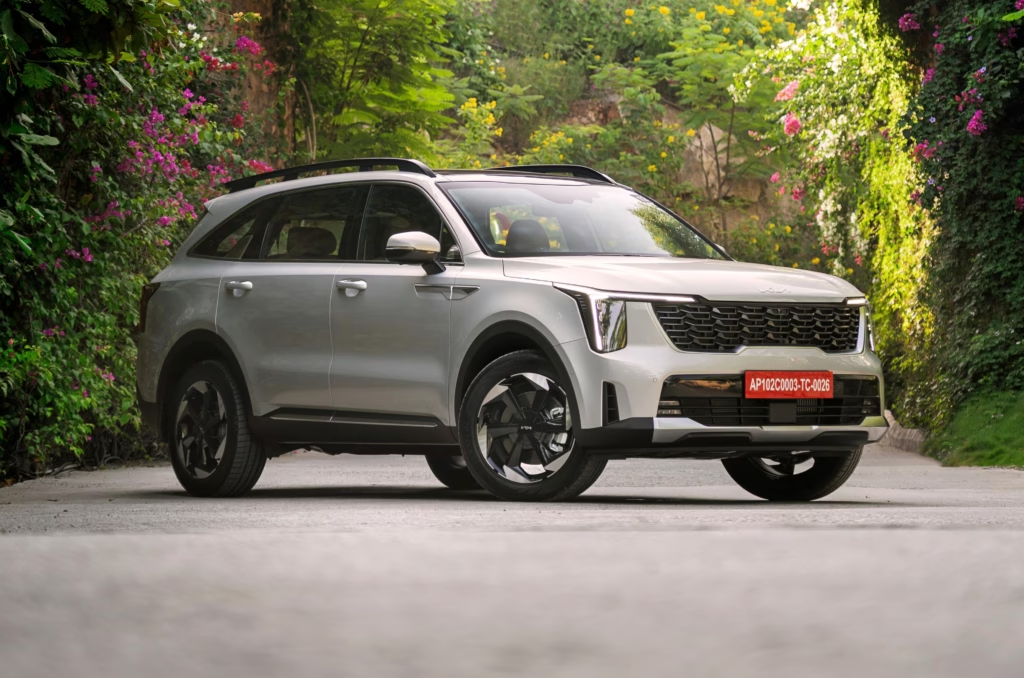
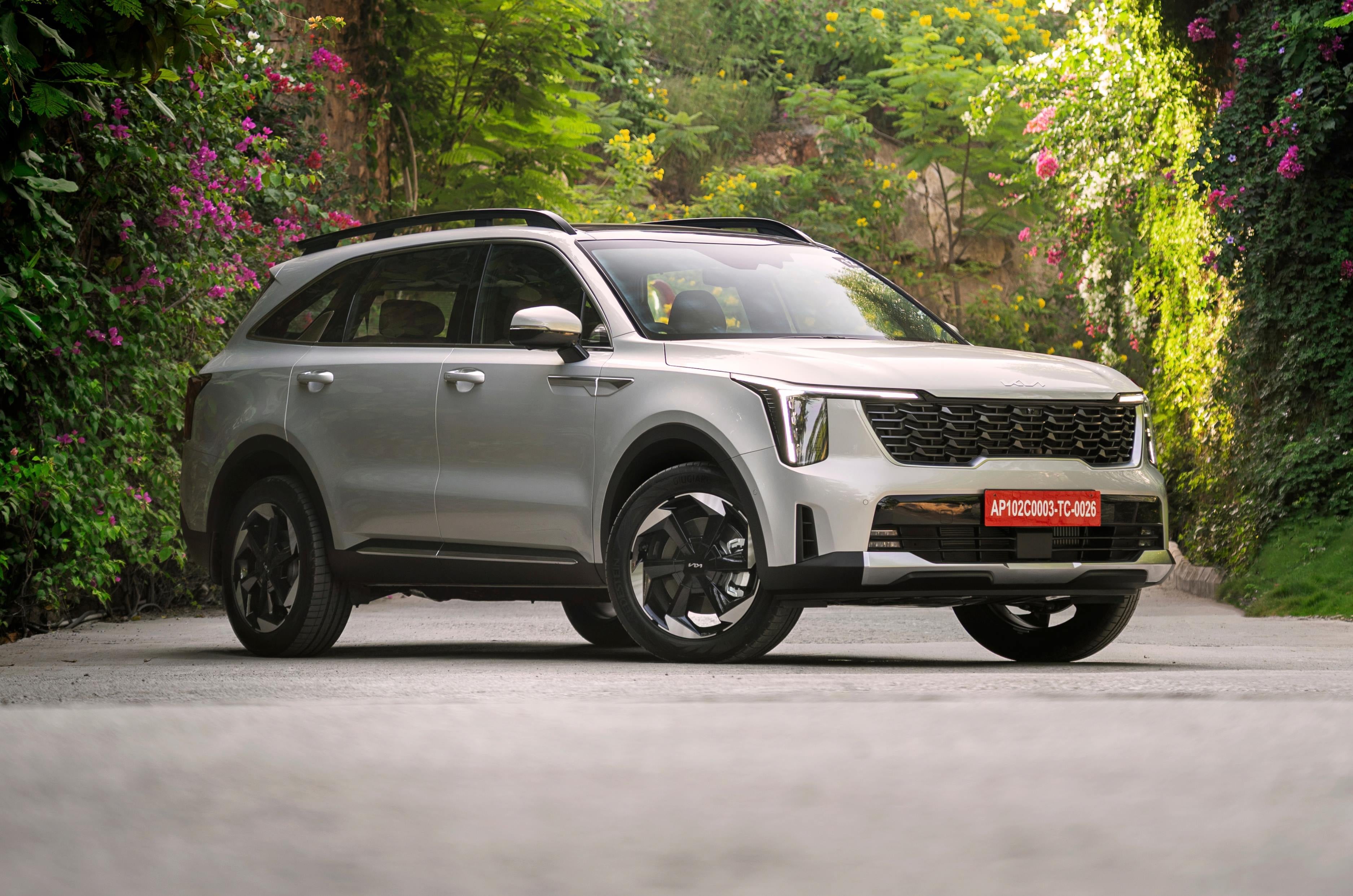
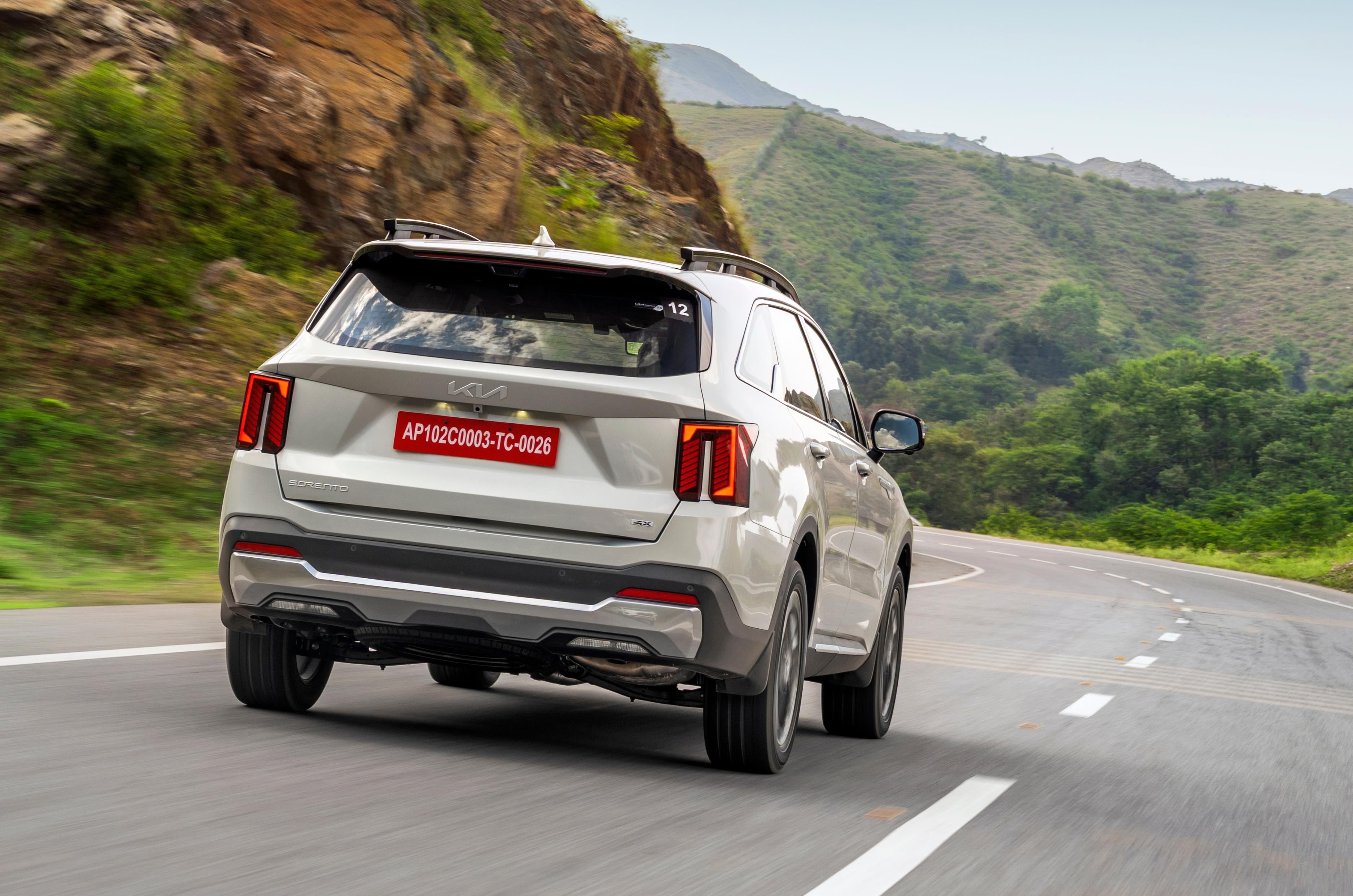
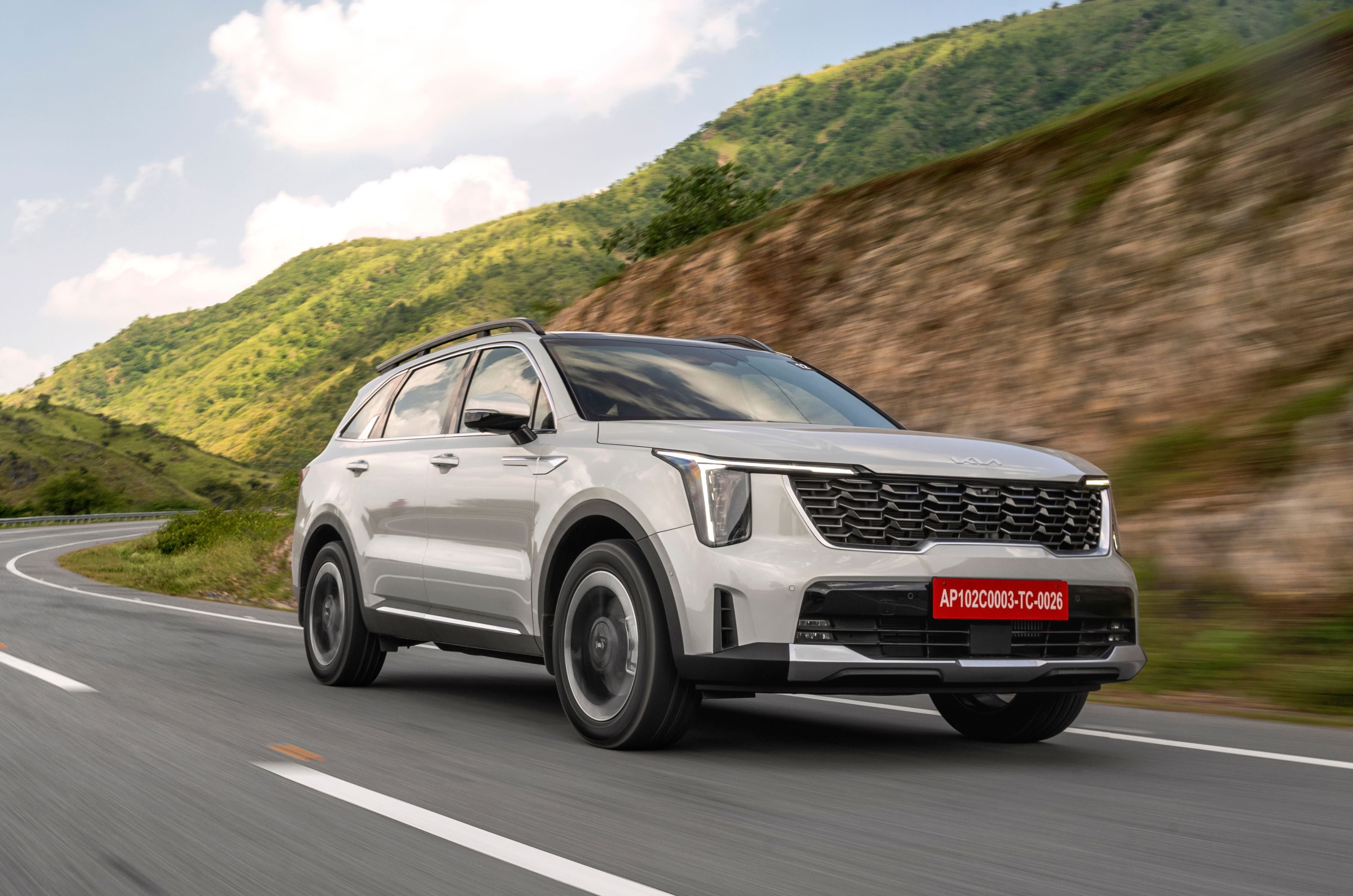
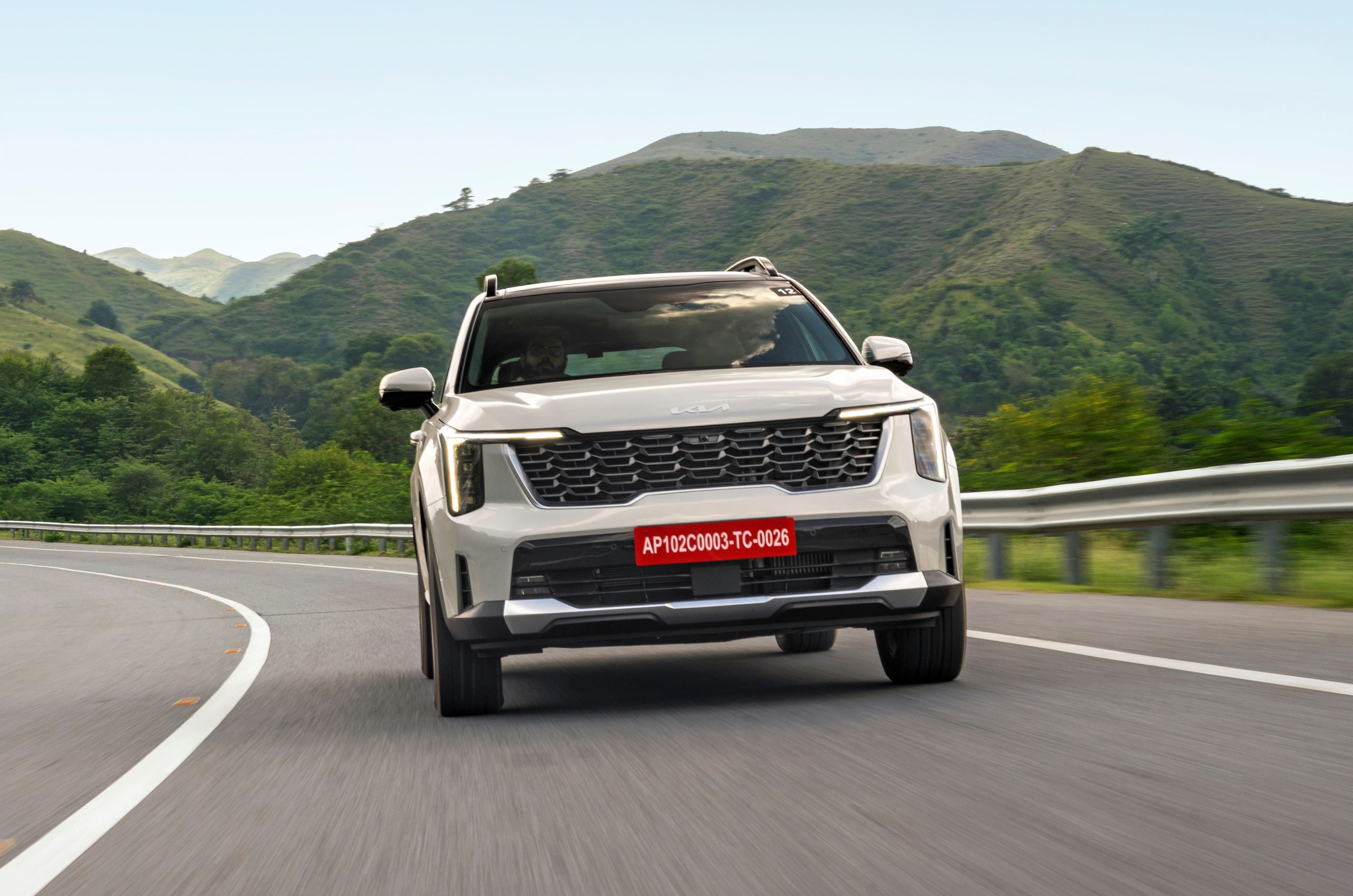
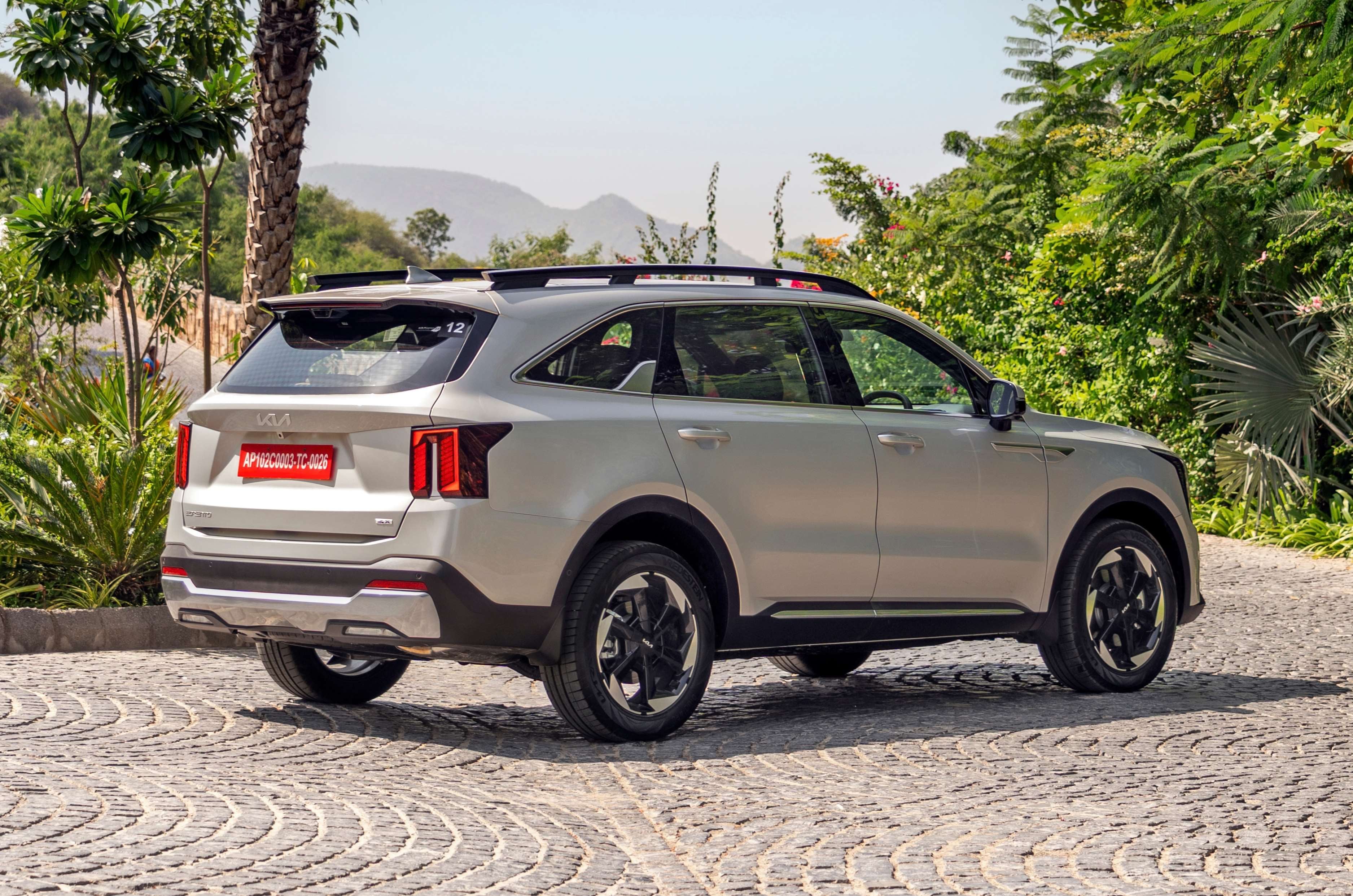
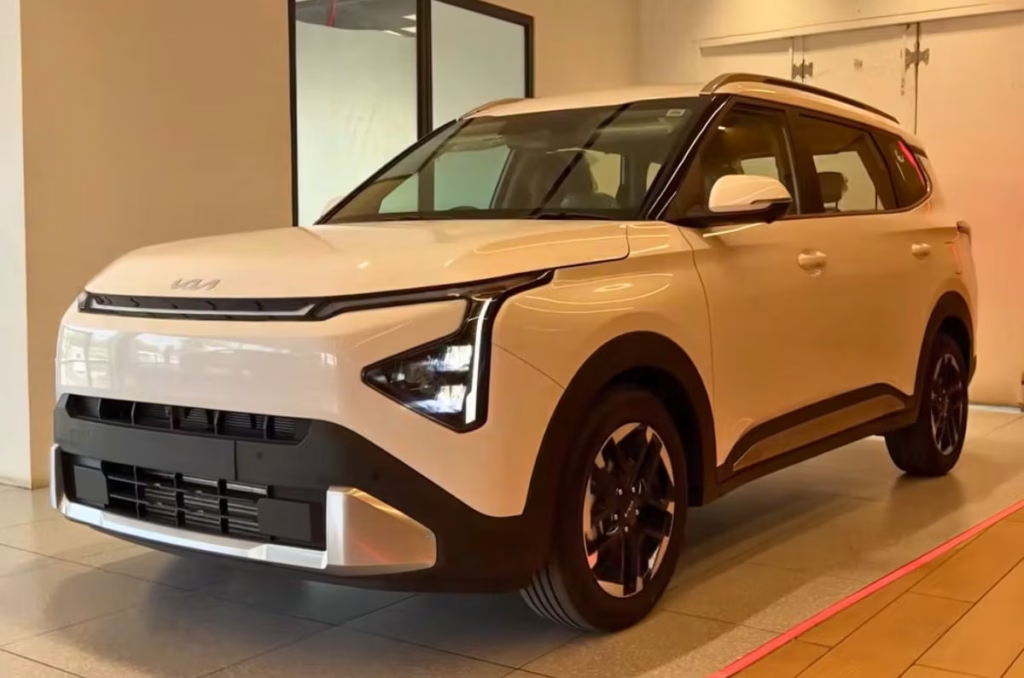
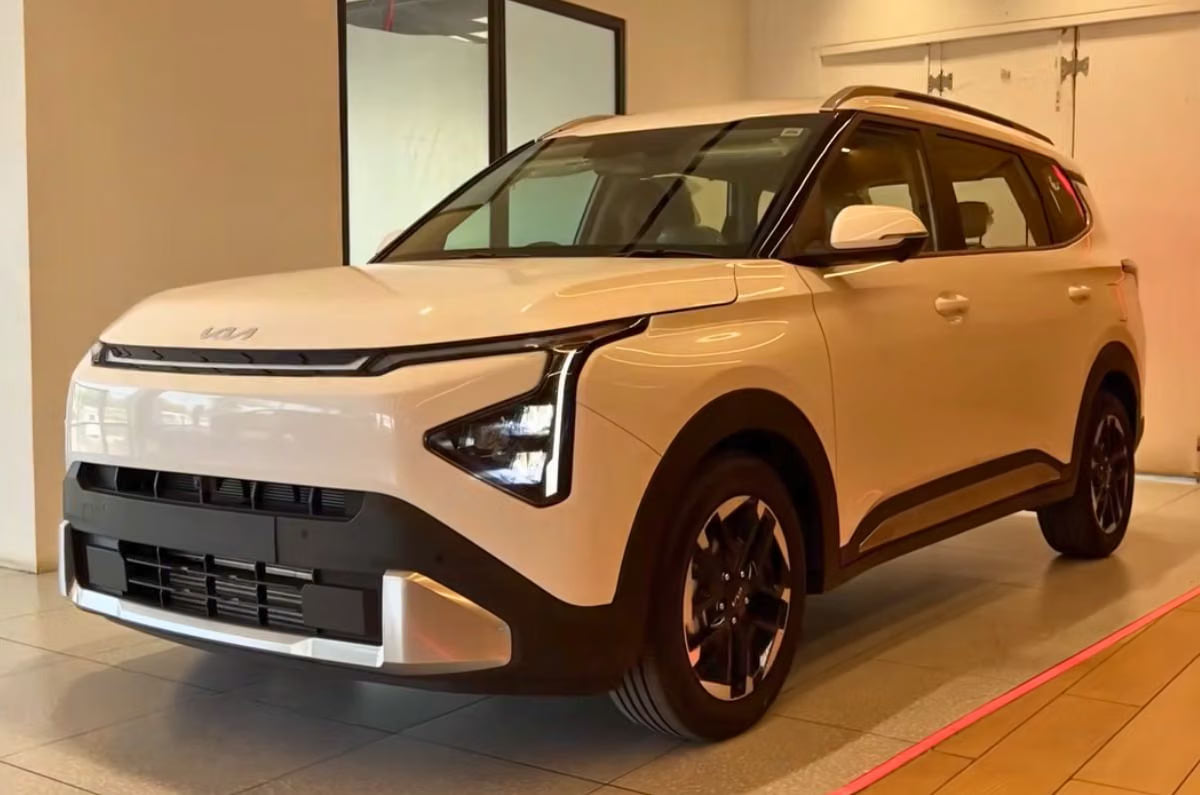
The Sorento is Kia’s flagship combustion-powered SUV for the Indian market. It’s also Kia India’s first hybrid offering, but if that doesn’t strike your fancy, a diesel is also on offer. The Sorento contends in the premium three-row SUV segment, locking horns with the Volkswagen Tayron, Jeep Meridian, and Skoda Kodiaq. Now that we’ve reviewed the Kia Sorento, here are three reasons why you should bring one home, and three reasons why you may want to consider one of its rivals.
Pros
Well-judged powertrain offerings
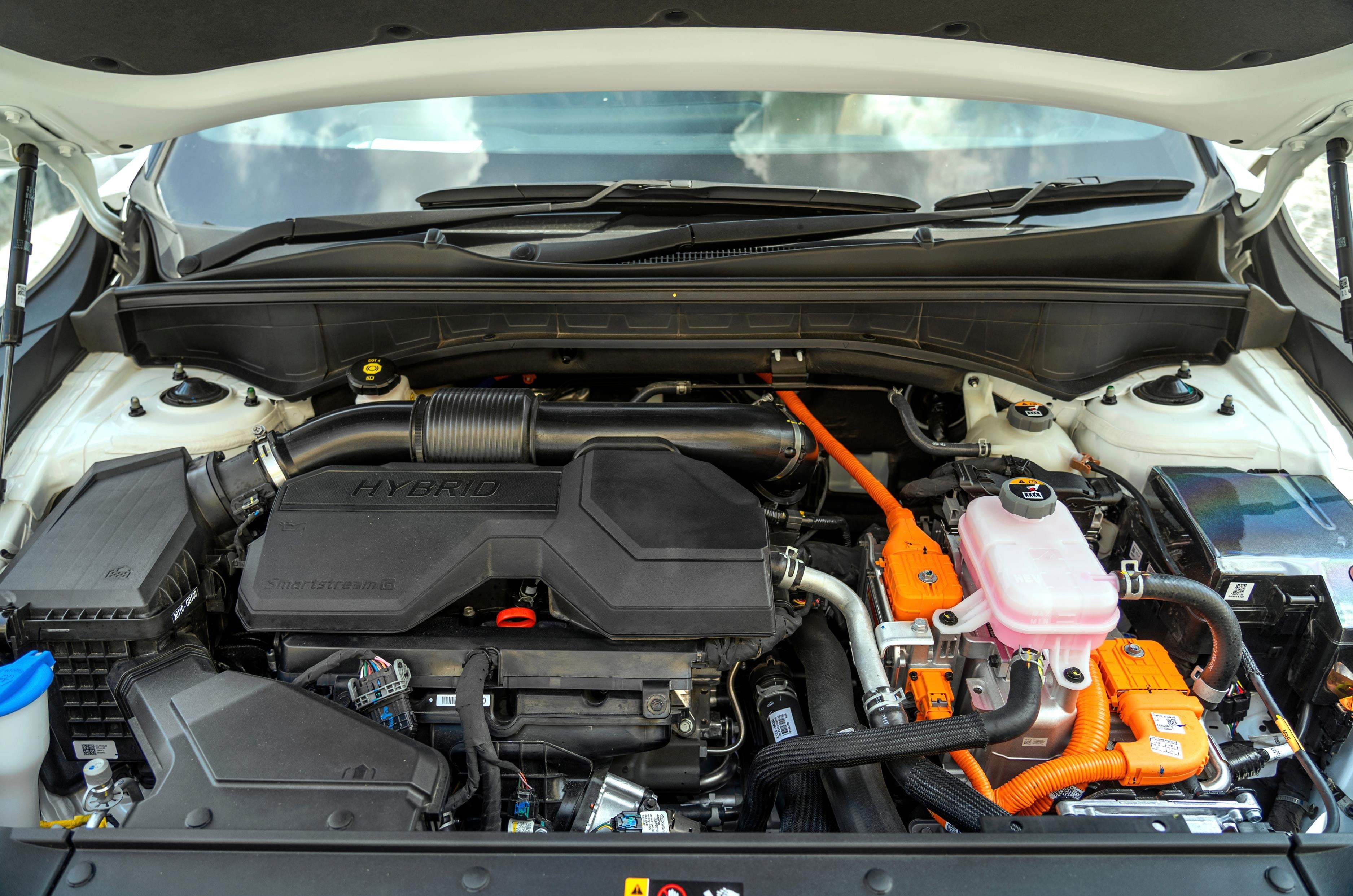
The Sorento can be had with either a 1.6-litre direct-injection turbo-petrol strong hybrid powertrain (230hp, 380Nm) mated to a 6-speed torque converter, or a 2.2-litre diesel engine (193hp, 442Nm) coupled to an 8-speed dual-clutch automatic. Both are available with front-wheel drive and all-wheel drive too. Of these, the hybrid is our pick for city driving because it’s smooth, instantly responds to throttle inputs, and the 1.49kWh battery pack allows it to run in pure-electric mode for better fuel efficiency – speaking of which, the Sorento hybrid claims 19.6kpl with FWD and 17.7kpl with AWD. On the highway, though, the turbo-petrol gets vocal and starts to run out of breath if pushed hard.
Highway frequenters, then, should look towards the diesel-powered Sorento. The low-end response is good, but not as immediate as the hybrid’s, and torque is delivered in a strong, linear surge, making it an excellent highway cruiser. Another highlight is the wet-clutch DCT, which slurs its gear changes like a torque converter and adds to the smoothness of the driving experience. Refinement is also good for the most part, with the diesel engine emitting a gruff note only under hard acceleration.
Feature-packed cabin with a premium feel
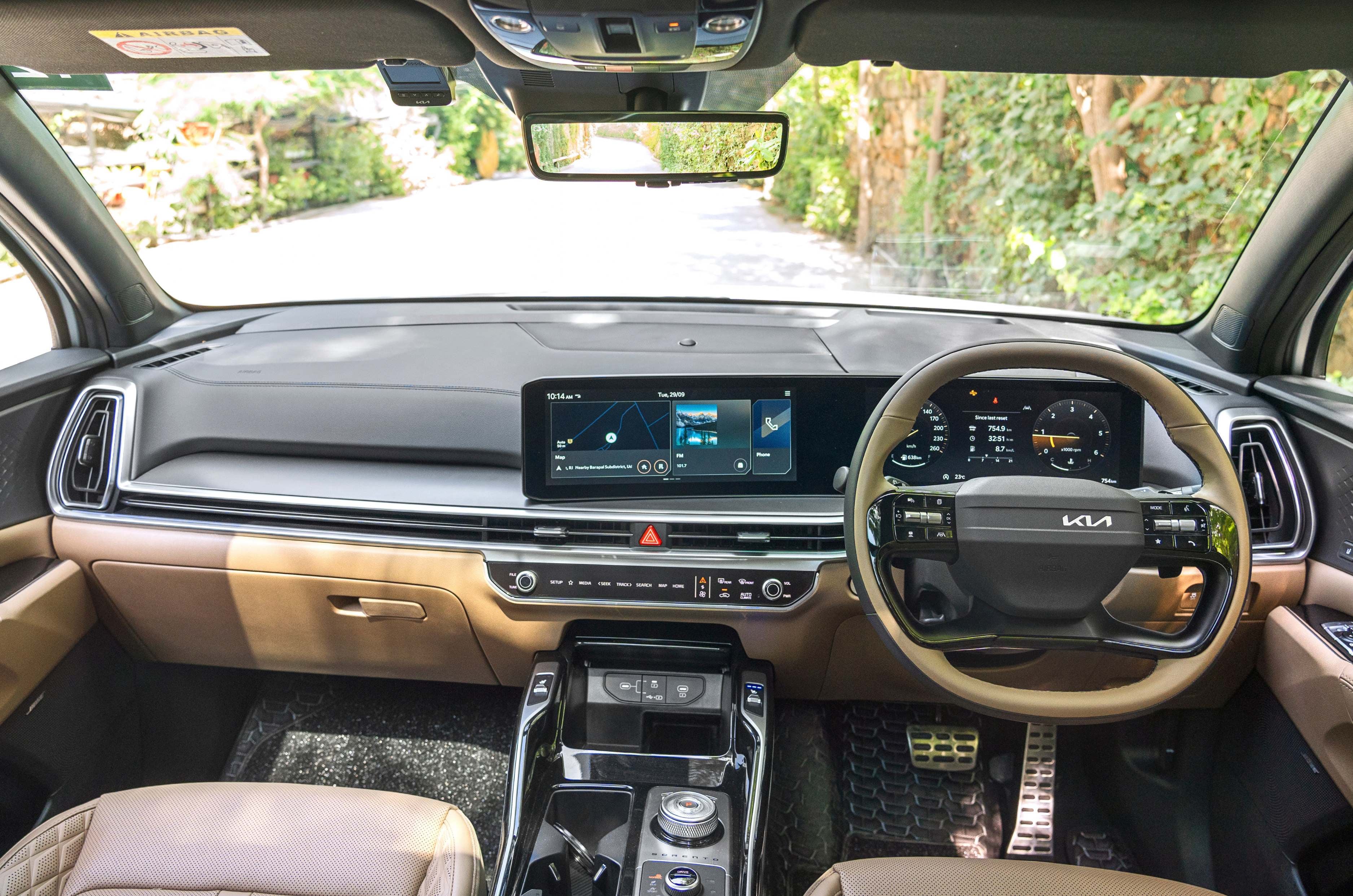
Inside, the Sorento offers a blend of quality, technology, and ergonomics that majorly outclasses rivals. The dashboard is decked out in soft-touch materials, there’s a healthy amount of physical controls, and overall quality levels are fabulous for the price.
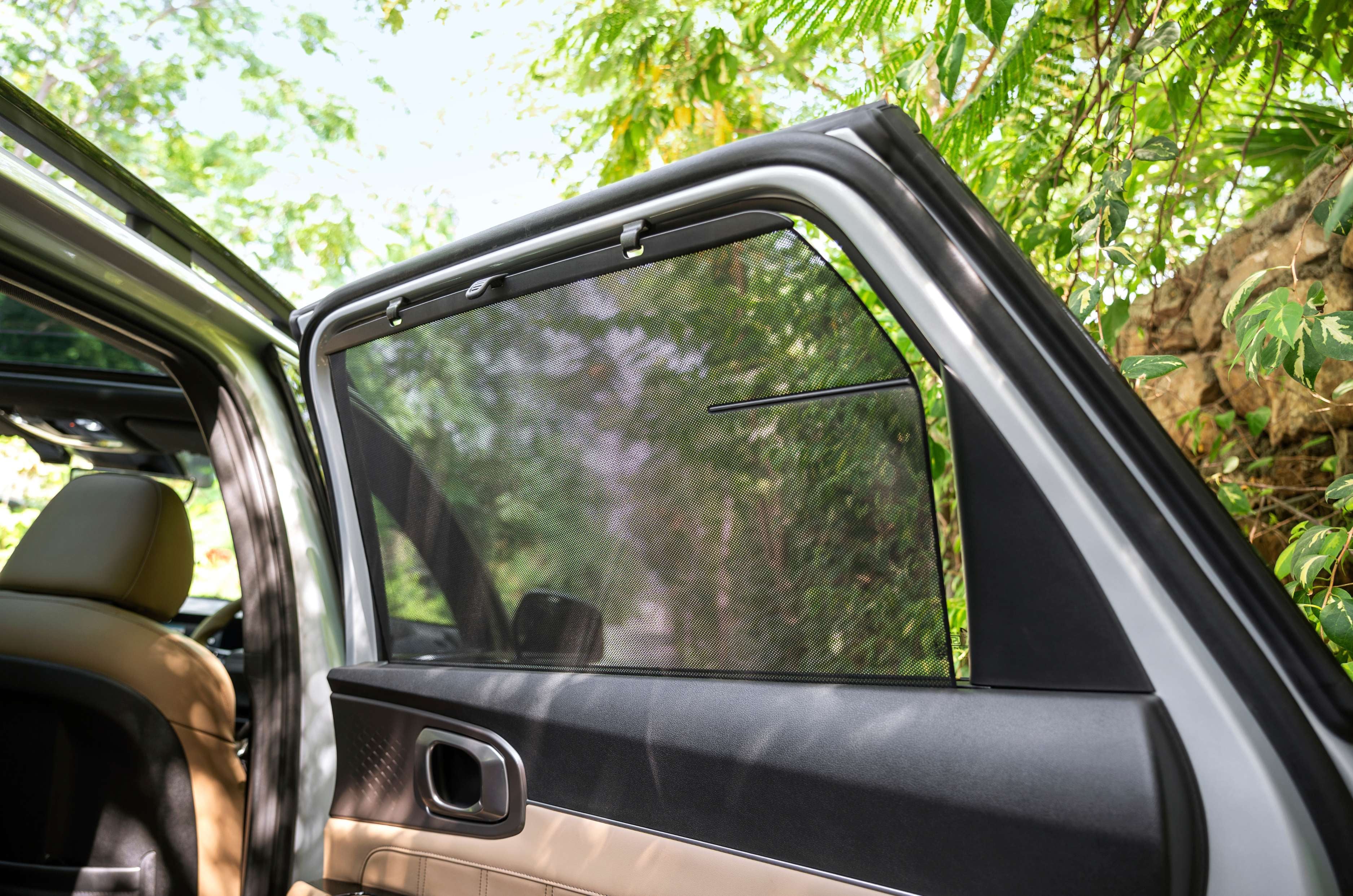
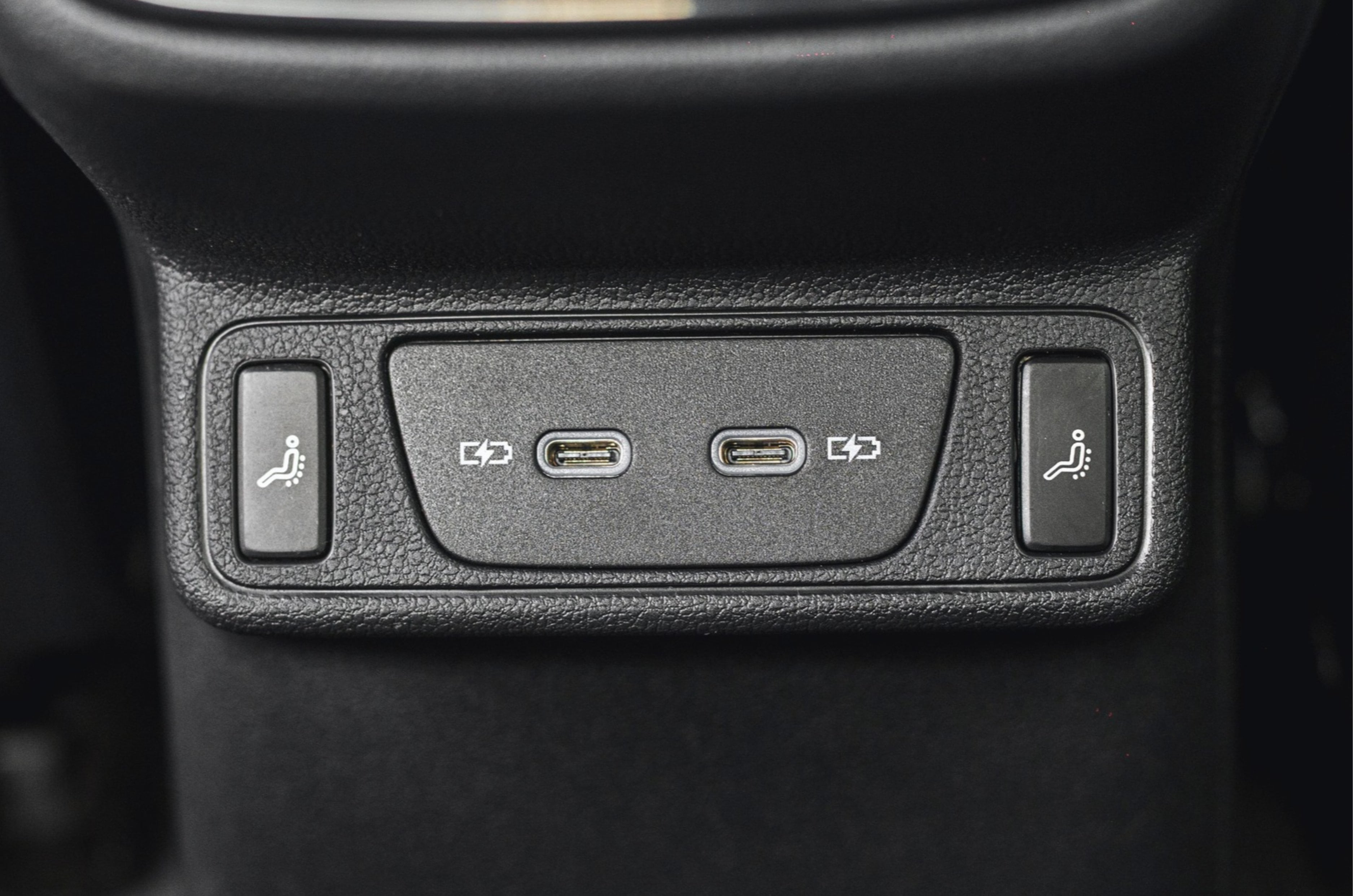
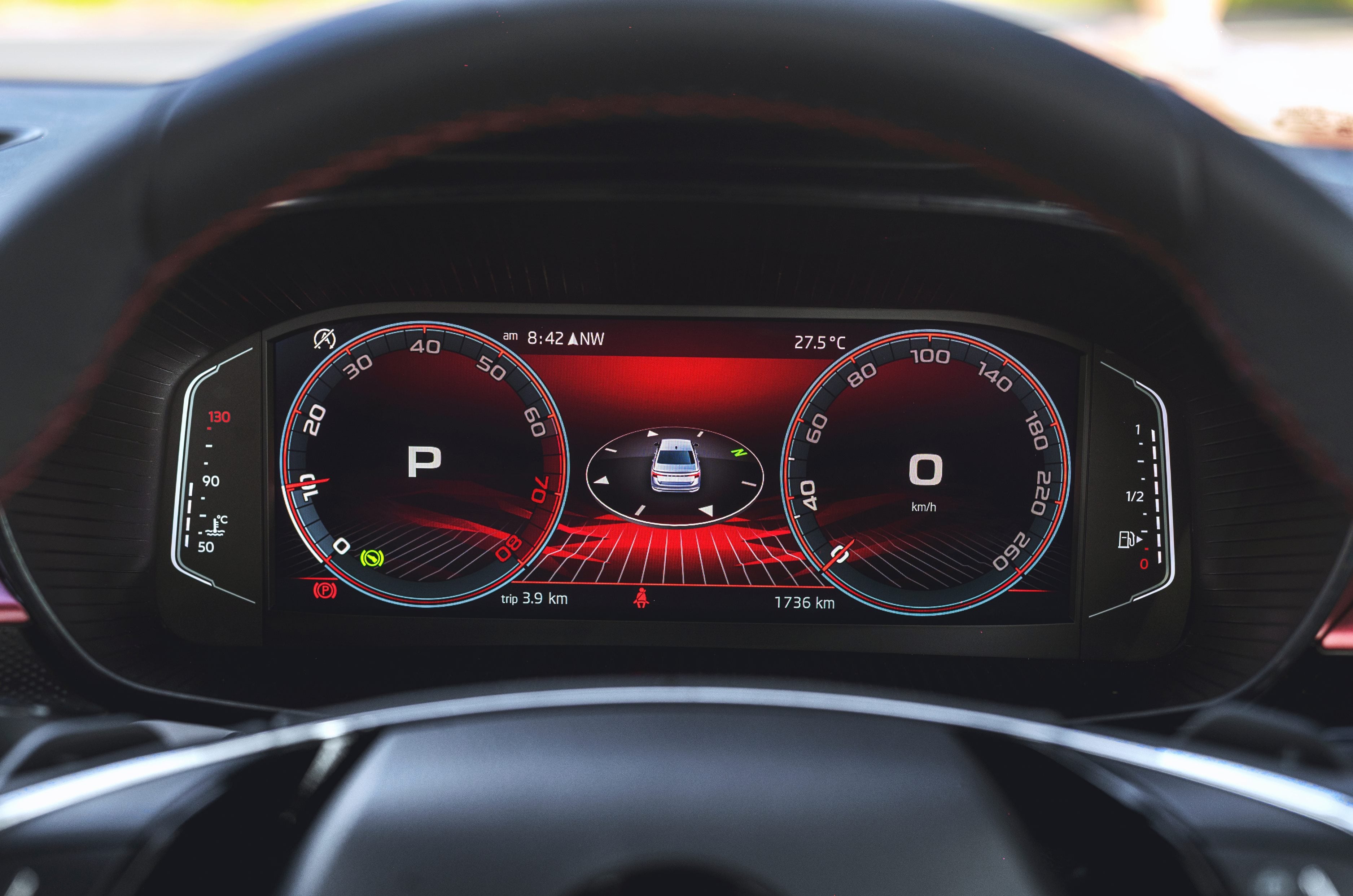
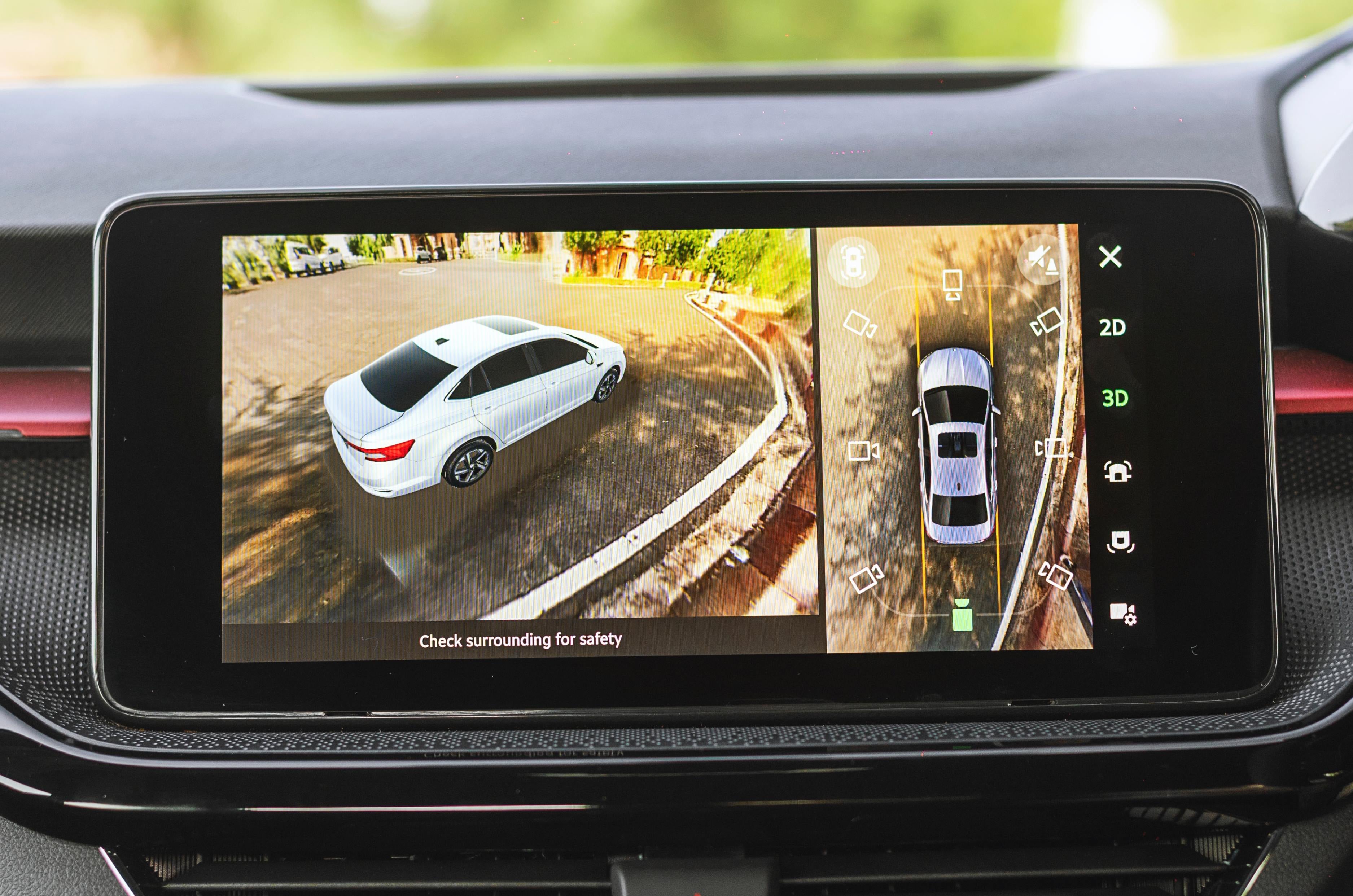
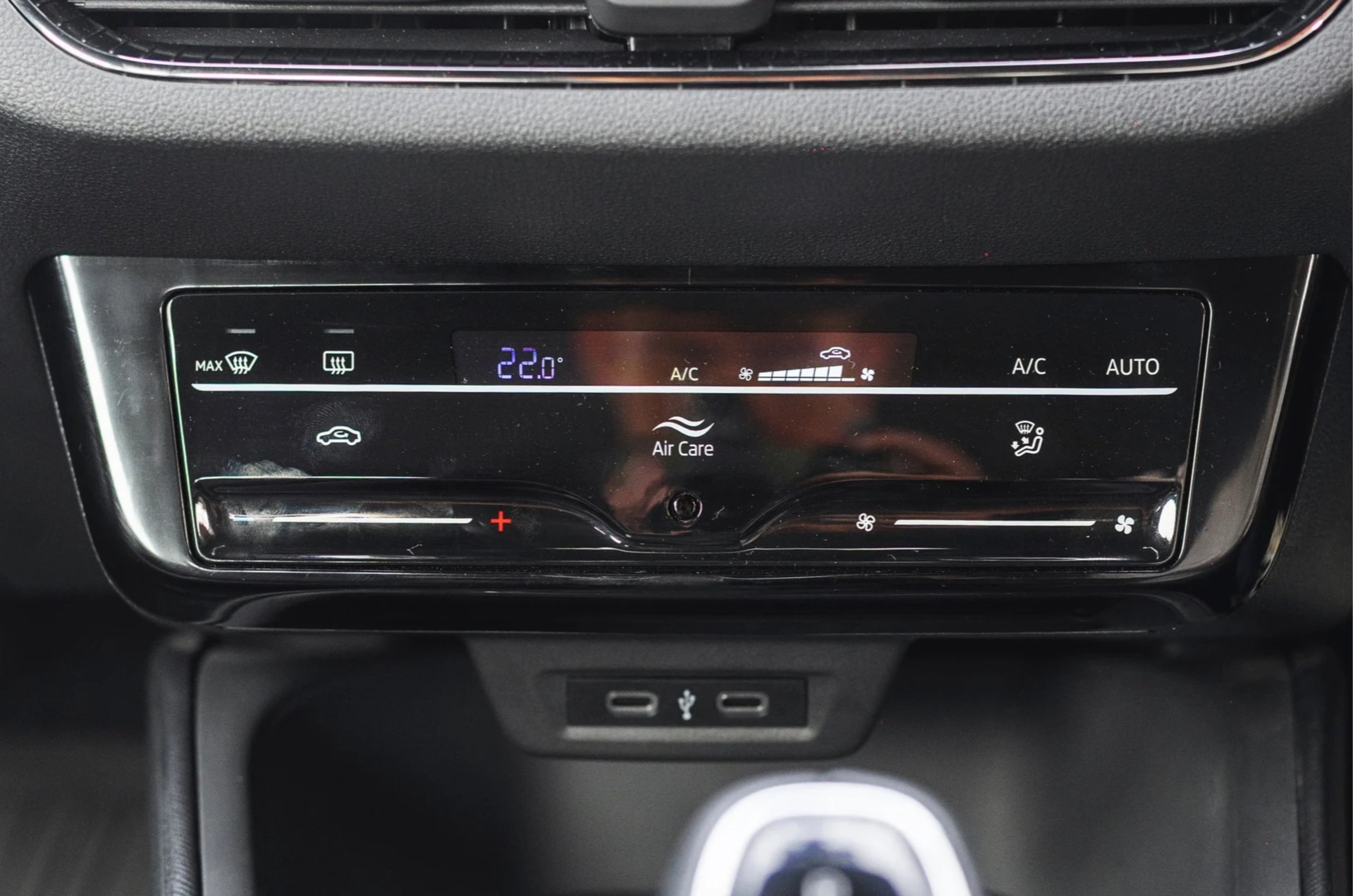
As for features, the Sorento is absolutely loaded, especially in higher variants. You get goodies like dual 12.3-inch screens, a heads-up display, a panoramic sunroof, powered and ventilated front seats, ventilated second-row captain’s chairs (6-seat), Level 2 ADAS, a 12-speaker Bose sound system, dual-zone climate control, 64-colour ambient lighting, a camera-based IRVM, rear-window sunshades, a powered tailgate, connected car tech, and more.
Outstanding ride quality
Kia has tuned the Sorento’s suspension exceptionally well, with a clear prioritisation of comfort over sportiness. It glides along bad roads at high speeds with ease, almost never needing you to lift off. Part of the credit here goes to the tall-sidewall tyres, which round off sharp jolts and filter high-frequency shocks. While there is a bit of body movement at highway speeds, the Sorento never feels unsettled or busy.
Cons
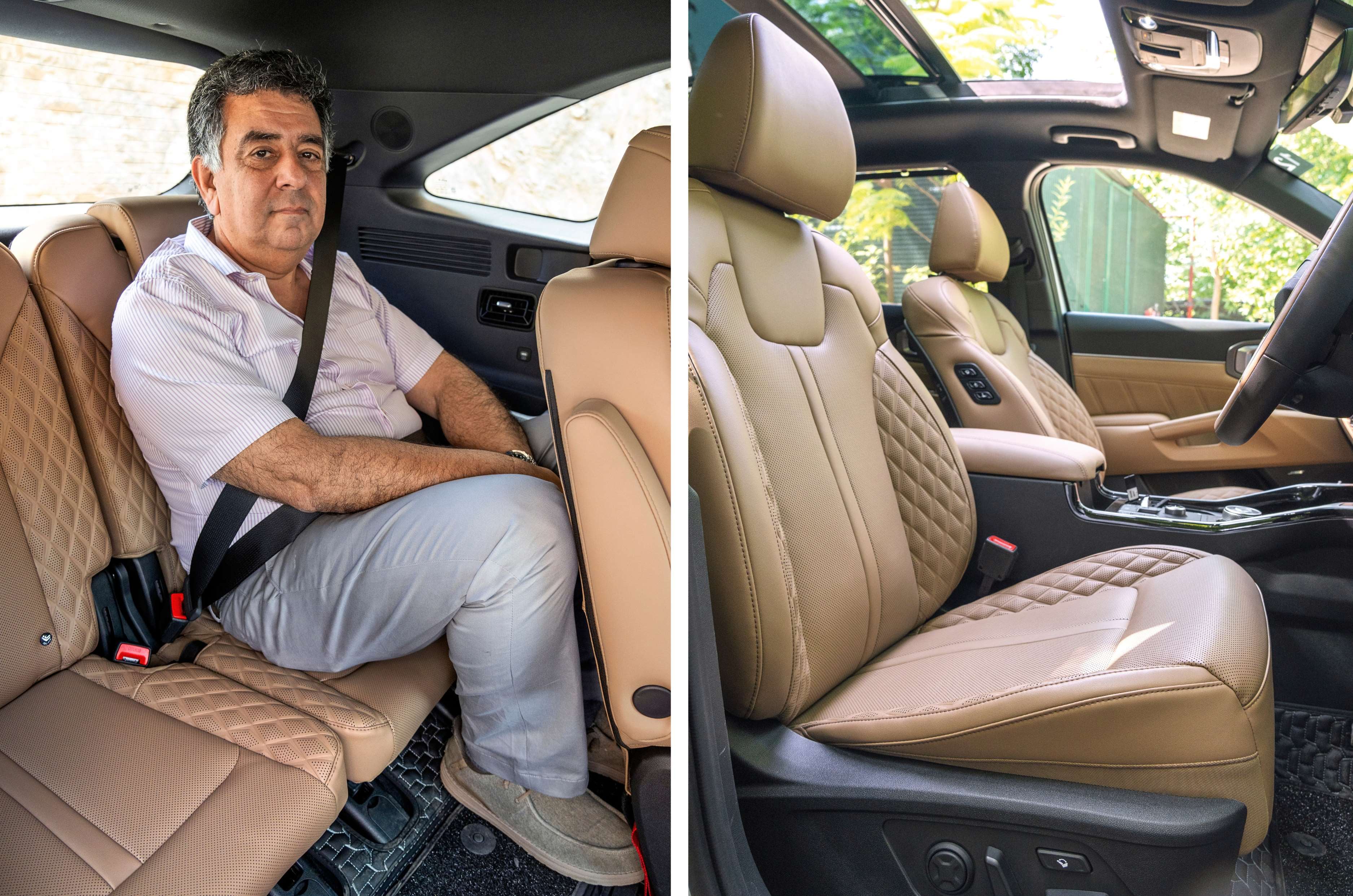
Knees-up seating in third row
While the first and second rows of the Sorento are very spacious and comfortable, the outlook on the third row (left image) is mixed. Legroom is decent, but the seat base is mounted nearly flat on the floor, which means there’s no under-thigh support and you’re sat knees-up. The Sorento’s third row, then, is best-suited to small children.
Not as engaging to drive as European rivals
Since the Sorento is softly-sprung and has a higher 208mm ground clearance, it isn’t quite as dynamically sharp as the Tayron and Kodiaq – a bit of body roll rears its head during hard cornering. The steering feel is light, but not as fluid or progressive as those of the Sorento’s European rivals, and there’s a dead zone around the straight-ahead position too.
Top-end variants are expensive
Pricing for the Sorento is very broad and competitive, starting at Rs 27.99 lakh for the base-spec diesel-FWD variant. However, prices for the top-spec HTX and HTX(A) trims range from Rs 37.49 lakh to Rs 40.19 lakh, which is rather steep. It doesn’t help that these trims are offered solely with AWD – FWD versions could’ve helped bring the HTX’s price down.
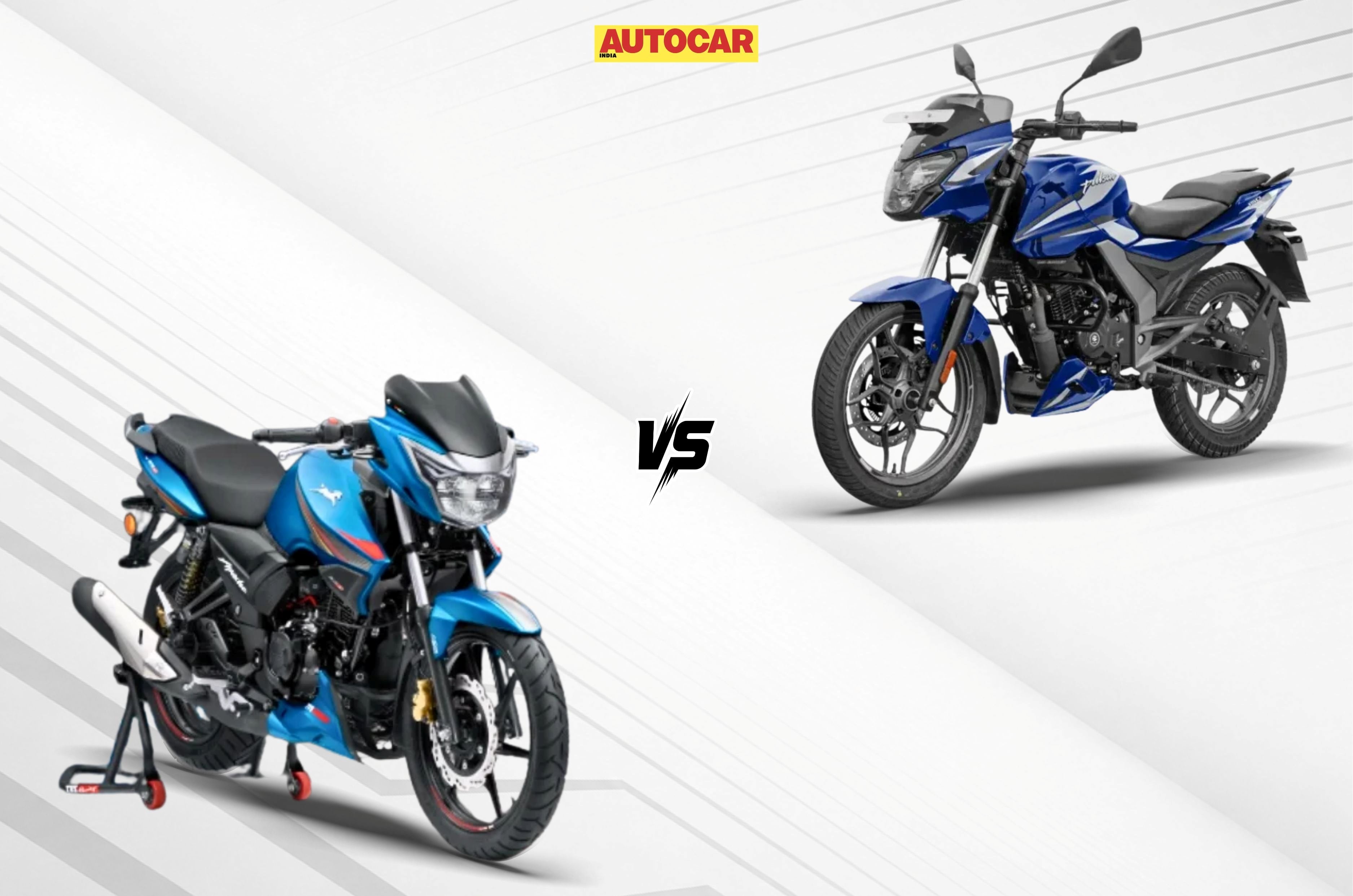
Bajaj launched the very first Pulsar 150 all the way back in 2001. TVS first responded with the Apache 150 in 2005, and upped the ante with the 160 in 2006. Bajaj, for the Pulsar’s 25th anniversary, effectively rebuilt the Pulsar 150 from scratch, marking some of its biggest changes since the original. TVS responded to this by introducing a new top-variant for the Apache 160 2V with traction control. At the time of writing, the difference in prices between the two is less than the price of six litres of petrol. If you’re not sure which one of these street-nakeds is right for you, we can help with that.
Bajaj Pulsar 150 vs TVS Apache RTR 160 (2V): Engine and output
The older motorcycle is… better?
Bajaj Pulsar 150
TVS Apache RTR 160 (2V)
Engine
149.5cc, single-cylinder, oil-cooled
159.7cc, single-cylinder, air-cooled
Power
14hp at 8,000rpm
16.04hp at 8,750rpm
Torque
14.1Nm at 6,500rpm
13.85Nm at 7,000rpm
Transmission
5-speed
5-speed
Power-to-weight ratio
99.29hp/tonne
115.40hp/tonne
Despite being the older motorcycle of the two, it’s the Apache that has the upper hand in this area. It has the better number for all the metrics; although it delivers both peak power and peak torque higher up in the rev range compared to the Pulsar. The Apache’s power and torque figures vary according to the chosen ride mode, and for this comparison, we’ve taken the figures from the Sport mode, the most powerful one of the three on offer.
Bajaj Pulsar 150 vs TVS Apache RTR 160 (2V): Dimensions and weight
Pulsar gets a notably larger fuel tank
Bajaj Pulsar 150
TVS Apache RTR 160 (2V)
Fuel tank
15 litres
12 litres
Ground clearance
186mm
180mm
Seat height
795mm
790mm
Kerb weight
141kg
139kg
Wheelbase
1338mm
1300mm
With an all-new diamond frame, Bajaj was able to achieve a weight reduction of 9kg on the Pulsar 150 compared to the previous version. However, the Apache is still lighter by 2kg for its top-most variant. It’s also most accessible with a 5mm lower seat height. Do note that the lower seat height also translates to a 6mm lesser ground clearance, and the Pulsar gives you three extra litres of capacity on its fuel tank. In this segment, that translates to at least 120km, not an insignificant number.
Bajaj Pulsar 150 vs TVS Apache RTR 160 (2V): Tyres, brakes, and suspension
TVS (mostly) has the stronger ride package
Bajaj Pulsar 150
TVS Apache RTR 160 (2V)
Tyres (F,R)
80/100-17, 100/90-17
90/90-17, 120/70-17
Brakes (F,R)
260mm disc, 230mm disc; single-channel ABS
270mm disc, 240mm disc; dual-channel ABS
Suspension (F,R)
Telescopic fork, monoshock
Telescopic fork, twin-shock
Bajaj had reduced the rear tyre size on the Pulsar 150 with the new version; the older top variant (Split Seat) had a 120/80-17 size rear tyre. As things stand, the TVS gets the larger tyre on both ends. Do note that TVS gives a slightly smaller 110/80-17 rear tyre on the lower variant. The Apache also has larger disc sizes for its brakes, but both motorcycles get 130mm drum brakes on the lower variants. Apache is the only motorcycle to offer dual-channel ABS, even if it’s limited to the top-two variants. In this section, the Pulsar’s only real advantage is that its newer frame gives it a monoshock, whereas the TVS continues with a twin-shock.
Bajaj Pulsar 150 vs TVS Apache RTR 160 (2V): Features
Newer is better
This is where the Pulsar makes its strongest case to be your motorcycle of choice. The top variant of the Pulsar 150 now gets a 5-inch TFT screen (first debuted on the Pulsar N160 SS) with Google Maps mirroring support, an integrated starter-motor-generator (ISG) to enable silent starts as well as an auto stop/start system. The TVS makes its age very obvious with its LCD instrument cluster; however, it still has bluetooth on the higher variants and can connect to your smartphone for call and SMS alerts, just like the Bajaj.
Considering how long it’s been since TVS gave it a major upgrade though, it’s impressive how well the Apache holds up against the all-new Pulsar. To give you two examples, both companies offer their own solutions for making low speed riding easier (in stop-and-go traffic, for example); Bajaj calls its version Crawl Mode and TVS calls its version Glide Through Technology (GTT). Both also offer all LED lighting, a feature that reached the TVS later than Bajaj. However, only the Apache gets traction control.
Bajaj Pulsar 150 vs TVS Apache RTR 160 (2V): Price
Neck-and-neck
Bajaj Pulsar 150
TVS Apache RTR 160 (2V)
Price (ex-showroom, Delhi)
Rs 1,15,233-1,28,650 lakh
Rs 1,13,890-1,27,990 lakh
Bajaj has two variants of the Pulsar 150, with a lower variant replacing the TFT screen for an LCD one and losing out on the features that are associated with it. TVS, at the time of writing, offers seven variants for the Apache RTR 160, all separated by about Rs 3,000 difference. However, it’s the Apache that’s more affordable to purchase, even if the difference is just Rs 660. Hopefully, the other differences are enough to help you choose one over the other.
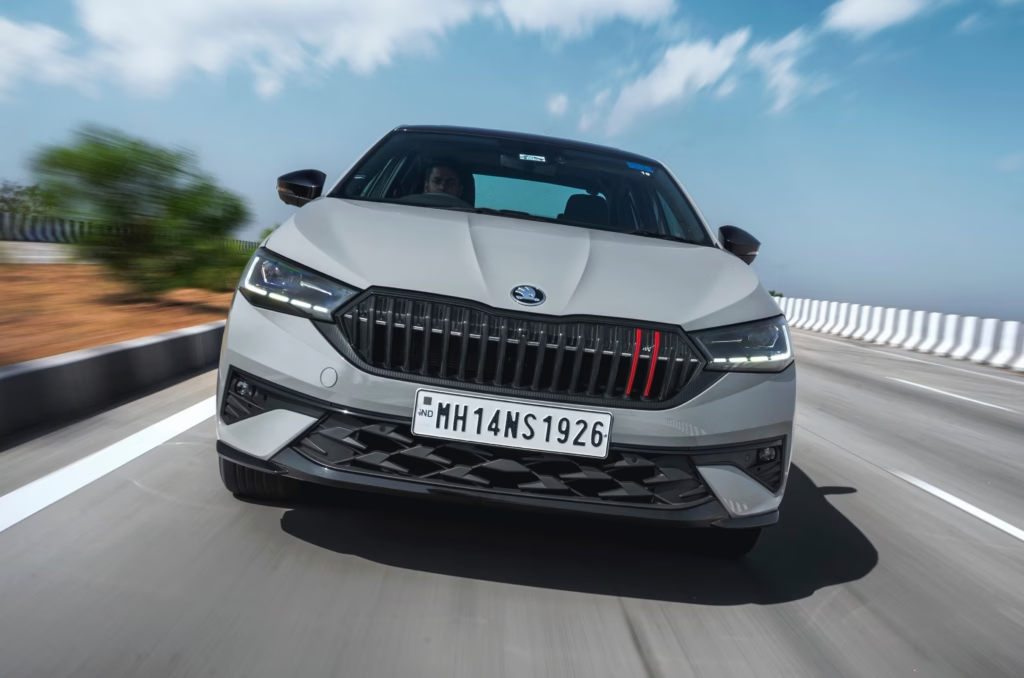
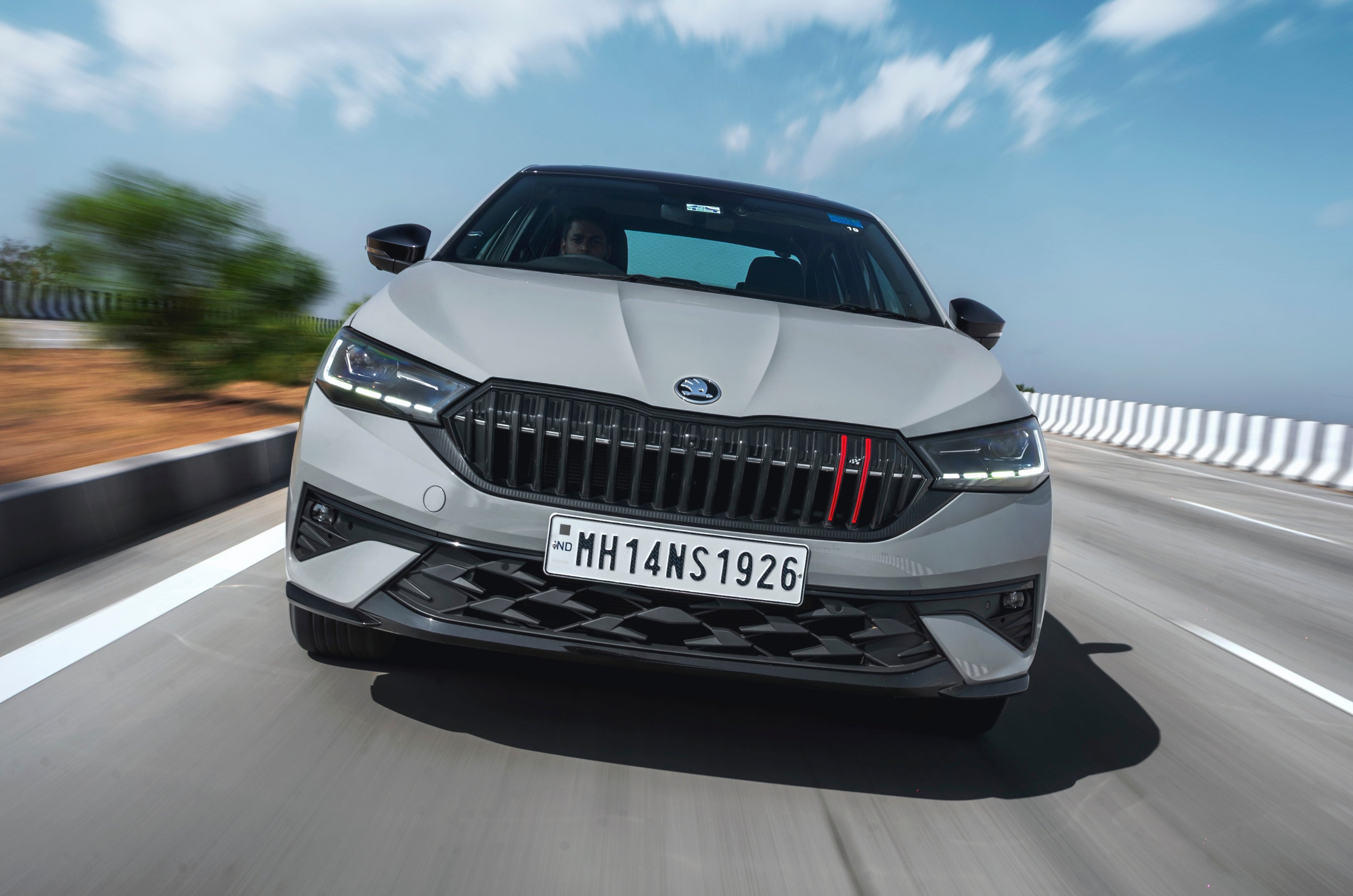
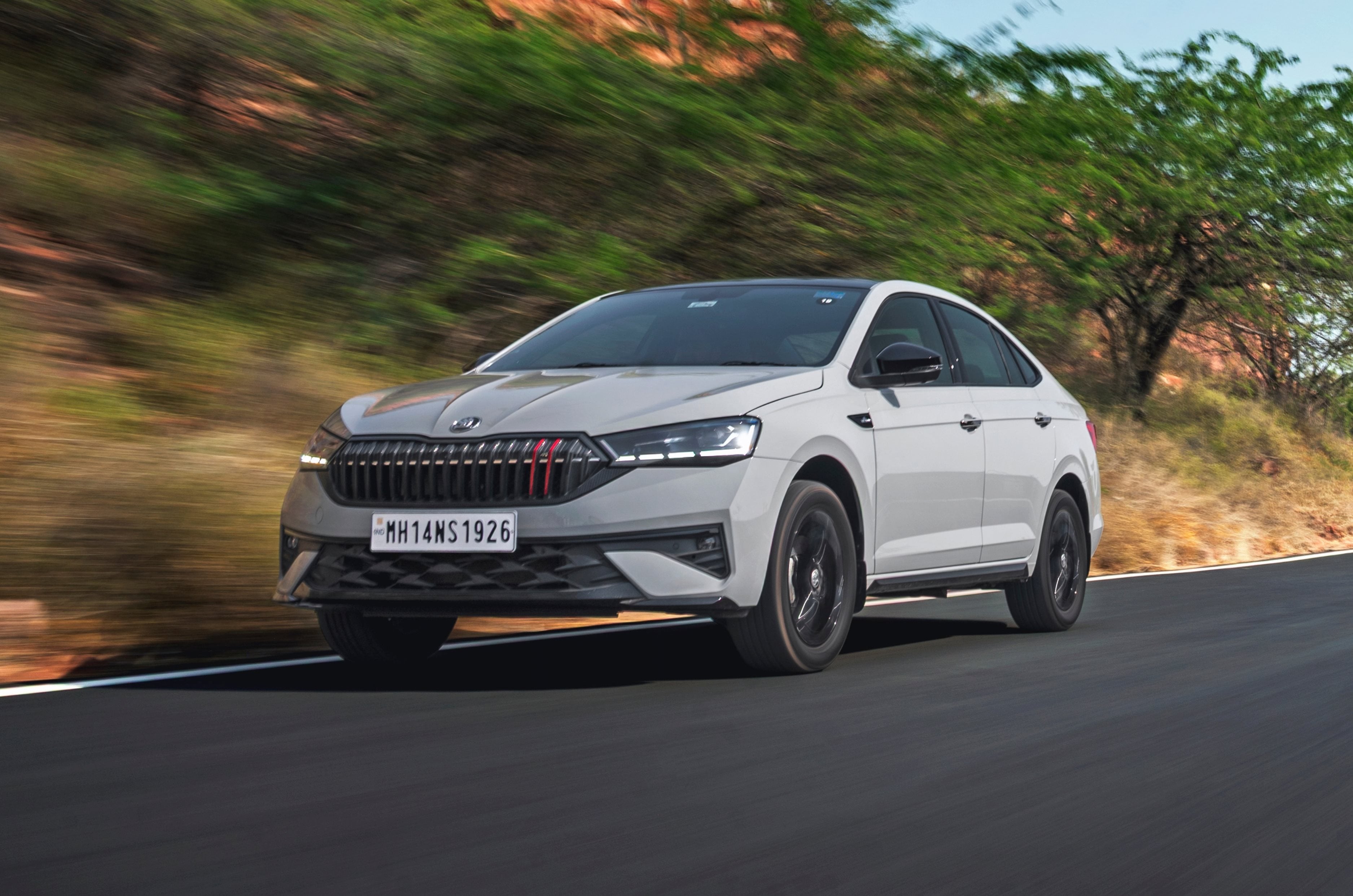
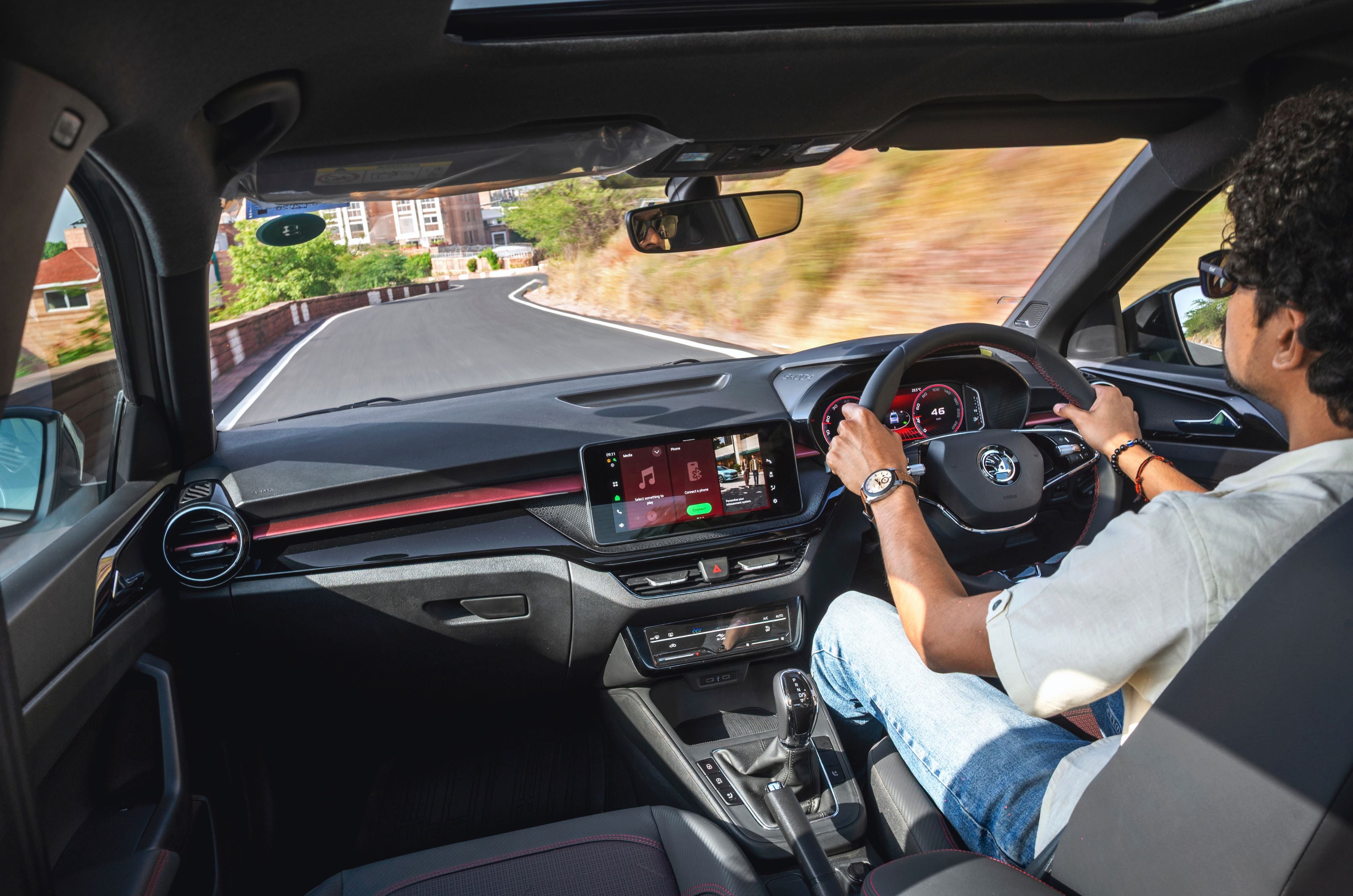
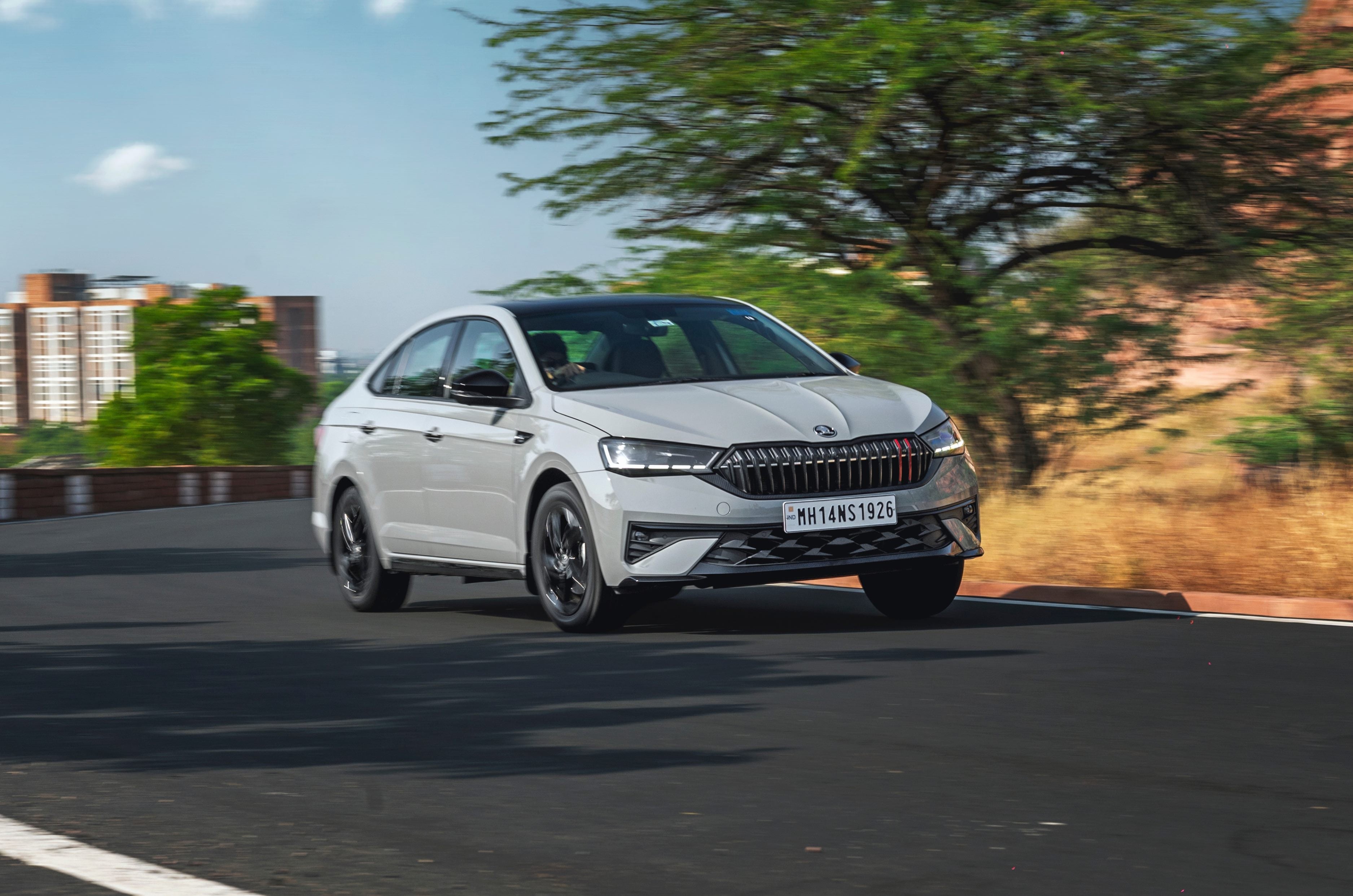
Skoda’s Slavia sedan has received its first major update since its introduction back in 2022. In order to keep it in touch with recently updated rivals like the Hyundai Verna and Honda City, the Slavia gets sharper styling, more equipment and even a significant mechanical change. Here’s what it’s like.
Skoda Slavia facelift exterior design and engineering – 8/10
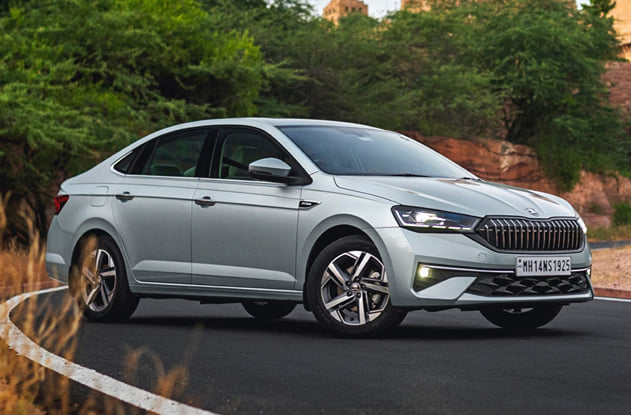
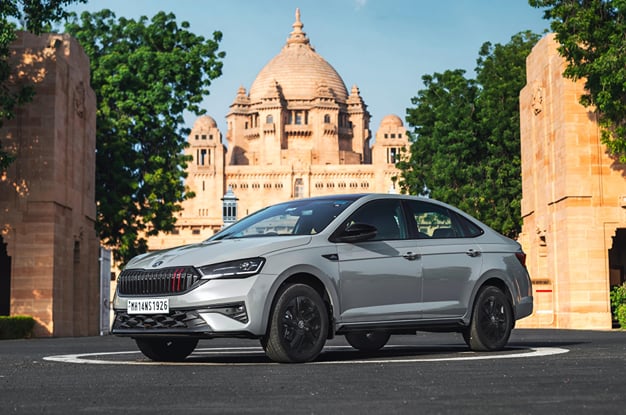
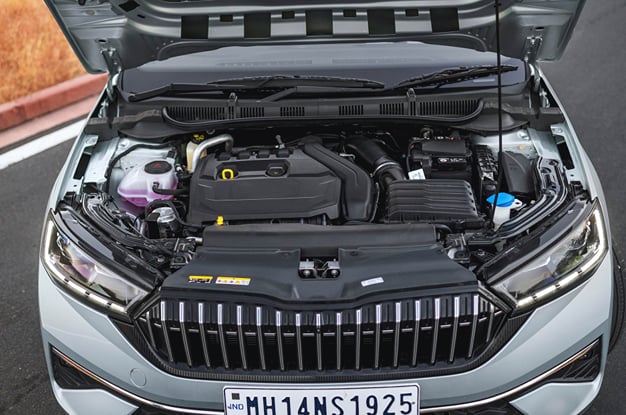
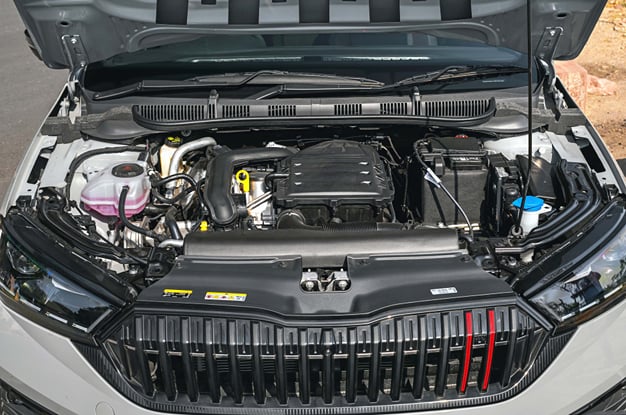
Skoda Slavia Prestige (left) and Monte Carlo (right)
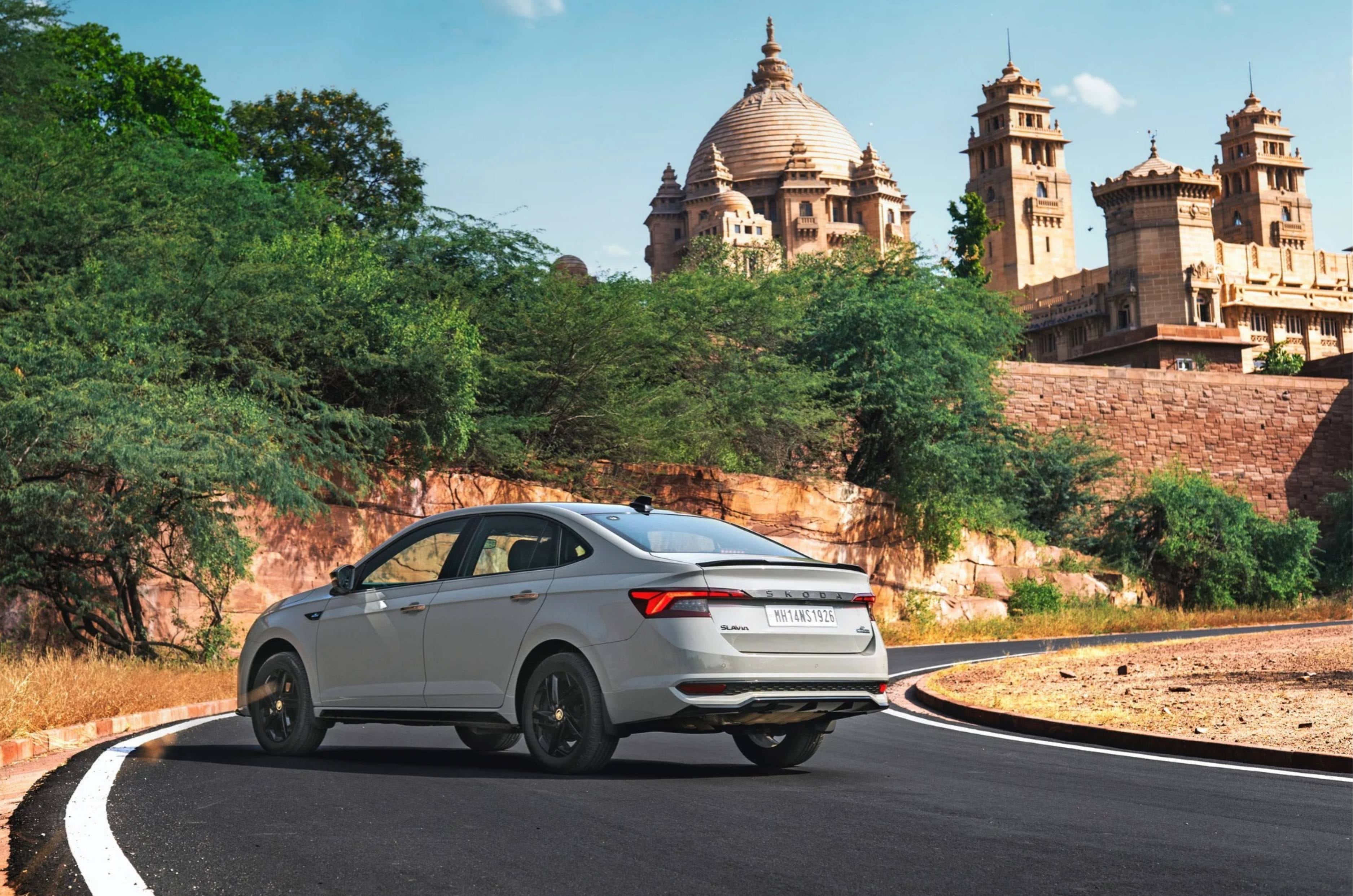
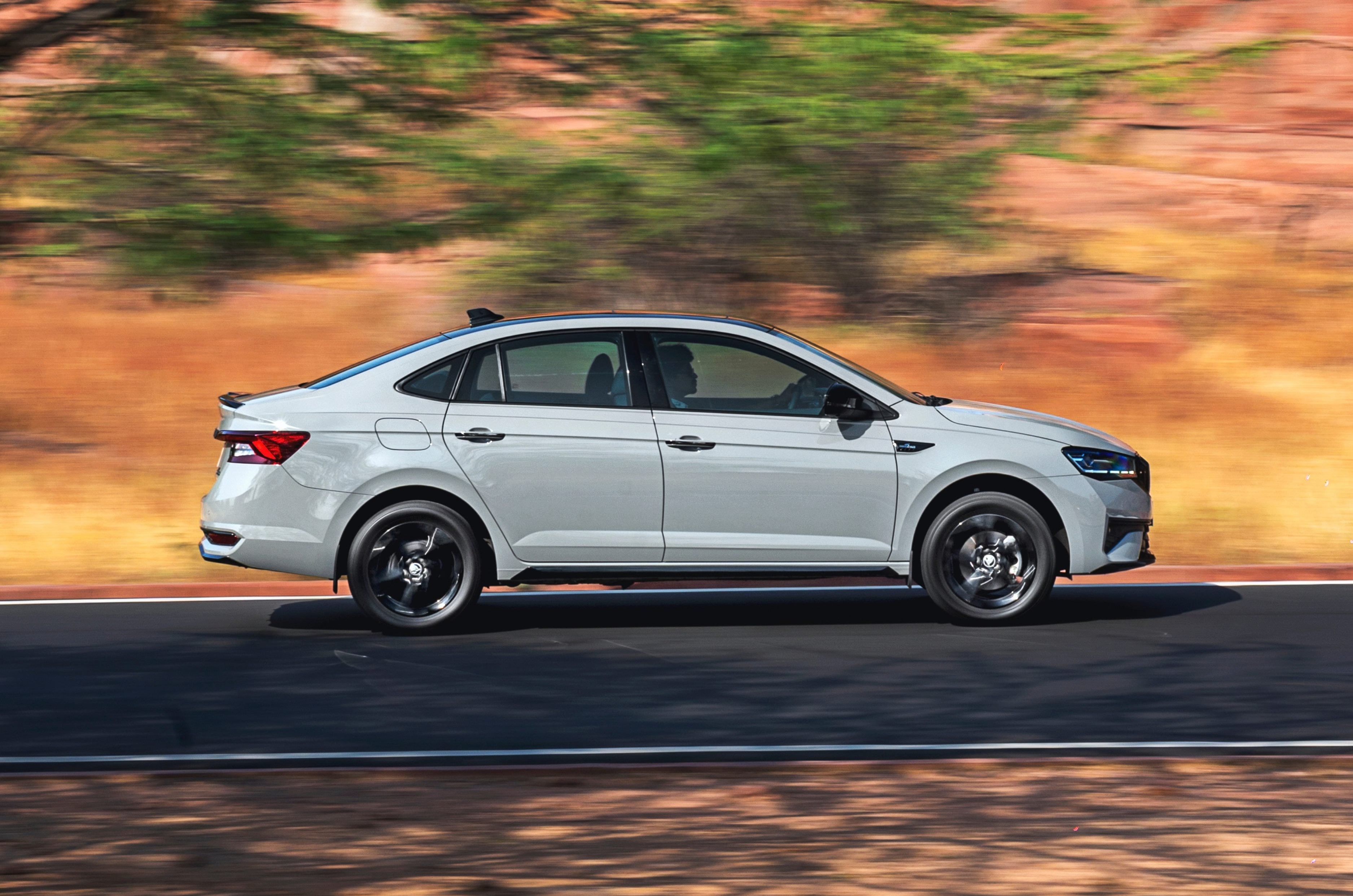
Being a facelift, the Slavia’s overall silhouette and proportions are unchanged, and that’s a good thing. Its design is clean and elegant rather than flashy, with crisp body lines, a long bonnet and a flowing roofline giving it a distinctly European appearance. The signature butterfly grille features new segmented chrome trim and sharp LED headlamps also get a new segmented LED DRL signature. The bumper is all new, featuring new LED fog lamps along with a reworked airdam. Along the sides, there’s a new design for the 16-inch alloys while the 179mm (unladen) ground clearance gives it a degree of SUV-like usability without making the sedan look too ungainly.
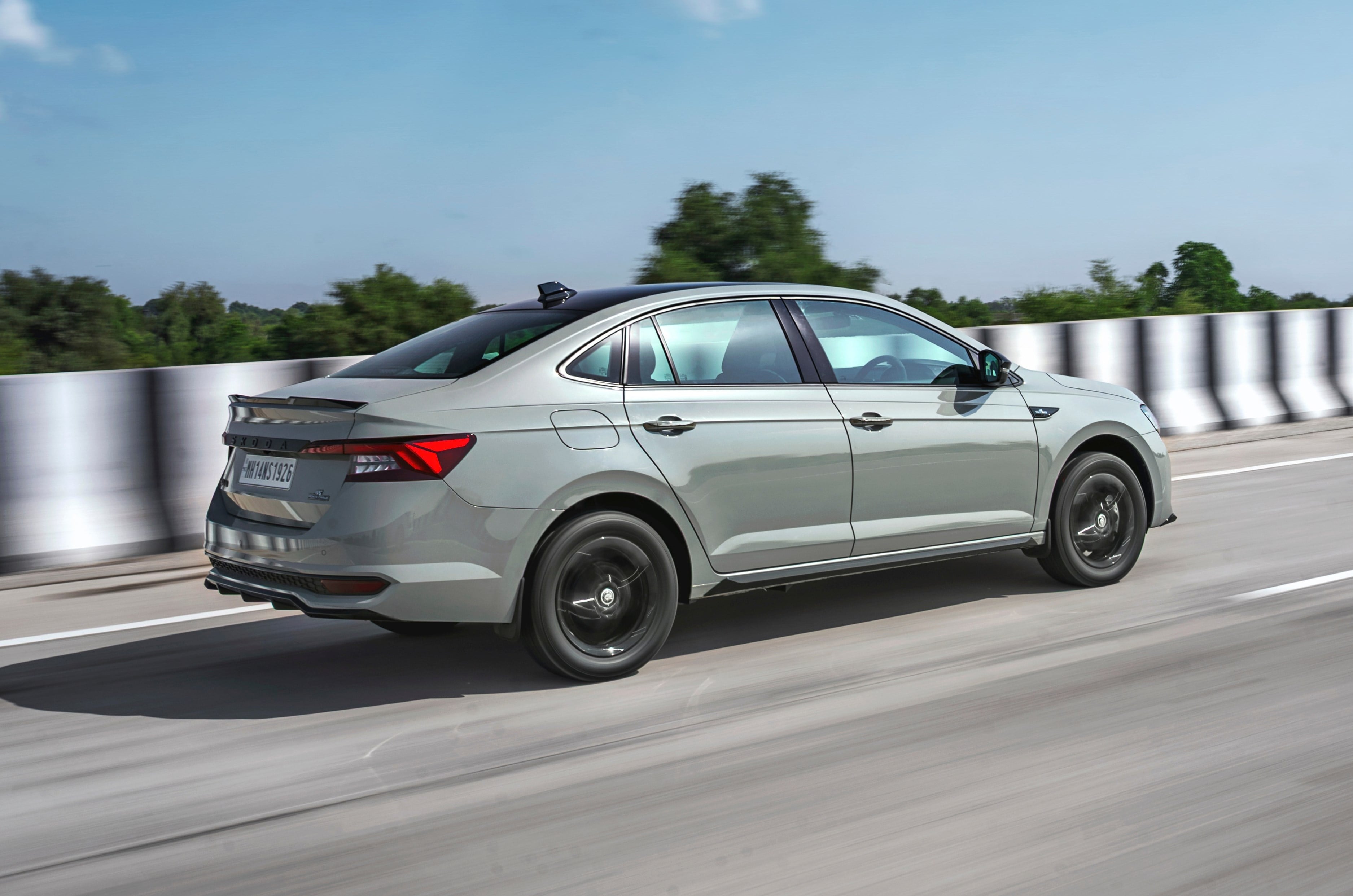
At the rear, it gets new sequential turn indicators and different LED elements in the tail lights. There’s a new trim piece connecting the tail-lights, with prominent ‘SKODA’ lettering, which gives the rear a cleaner, more contemporary look. As before, the Slavia is offered in a more luxurious Prestige trim, which brings chrome elements and a dual-tone finish for the alloys, and a sporty Monte Carlo trim that features blacked-out elements which include the grille, alloys, ORVMs, roof and bootlid spoiler. There’s also two new colours, Arctic Silver and Cappuccino Beige, which the former looking particularly tasteful.
Under the skin, the Slavia continues to use the MQB A0 IN platform, shared with the Kushaq and Volkswagen Virtus. This India-specific architecture allows the Slavia to retain its proper three-box sedan proportions while offering the ground clearance and practicality needed for Indian road conditions. Overall, the updates are evolutionary rather than revolutionary, but they do enough to keep the Slavia’s understated design looking fresh.
Skoda Slavia facelift interior space and comfort – 8/10
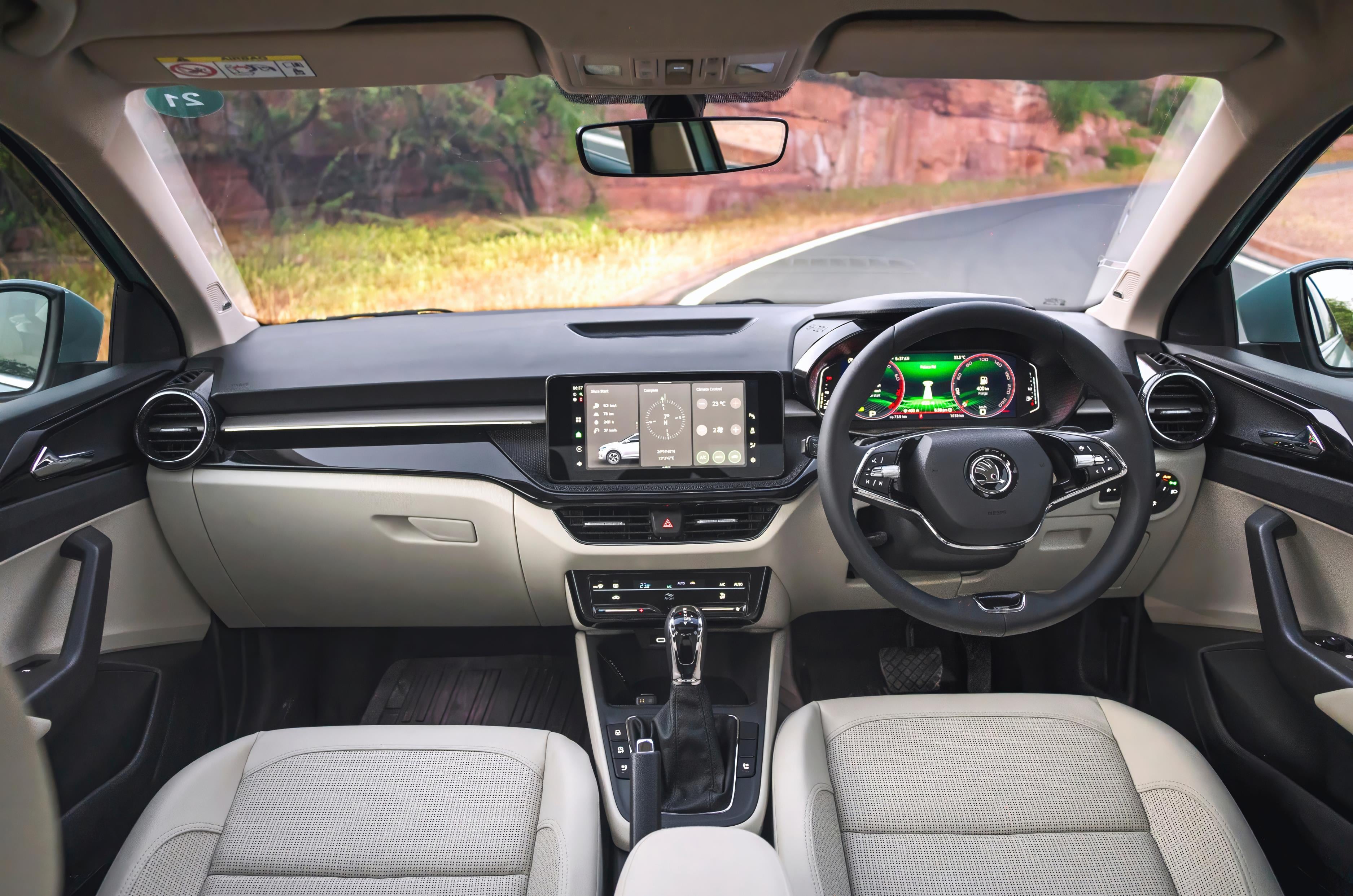
Step inside, and the door shuts with a reassuring thud and you’re greeted by the same layered dashboard. Like the exterior, the interior trim differs too depending on which trim you opt for. The more luxurious Prestige trim gets a beige and black upholstery with copper-coloured inserts on the dash, while the sporty Monte Carlo gets an all-black theme with contrasting red details on the dashboard, the stitching and the seat perforation. Build quality is solid overall, with a well put-together feel to the cabin. It’s also a practical space with plenty of storage spaces and the typical Skoda “Simply Clever” features like a ticket holder, coat hooks, phone pocket in the seatbacks and more.
The front seats are wide and supportive, with generous cushioning that makes the Slavia comfortable over long journeys, and finding your ideal driving position is easy too thanks to the electrically adjustable seats and reach/rake adjustment for the steering.
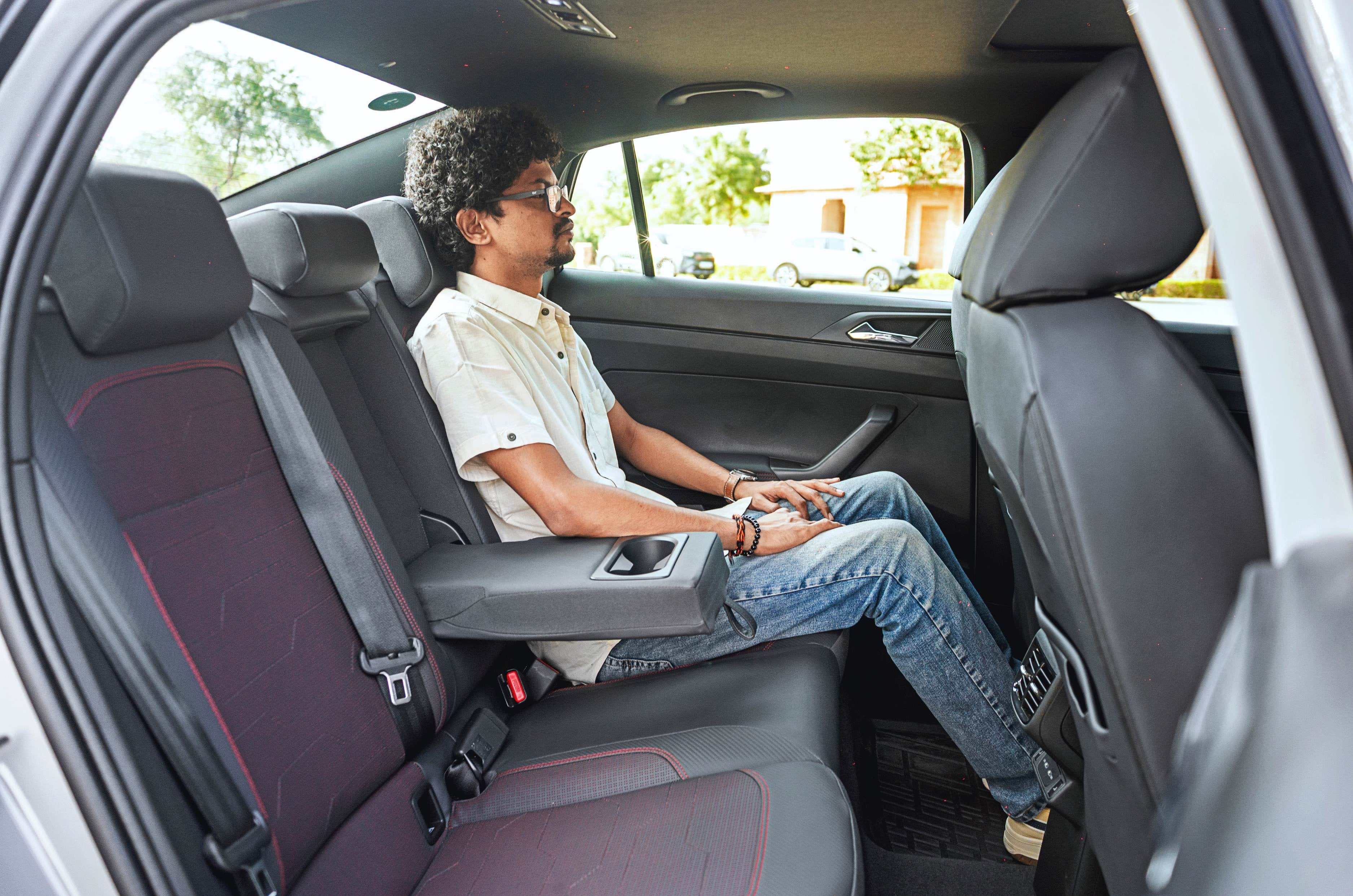
Rear-seat space remains one of Slavia’s biggest strengths. The long wheelbase translates into generous legroom and ample footroom, and the windows are also large enough. Headroom though, can be a little tight for taller passengers, and the contoured rear bench along with the transmission hump in the centre mean it’s more naturally suited to two adults than three.
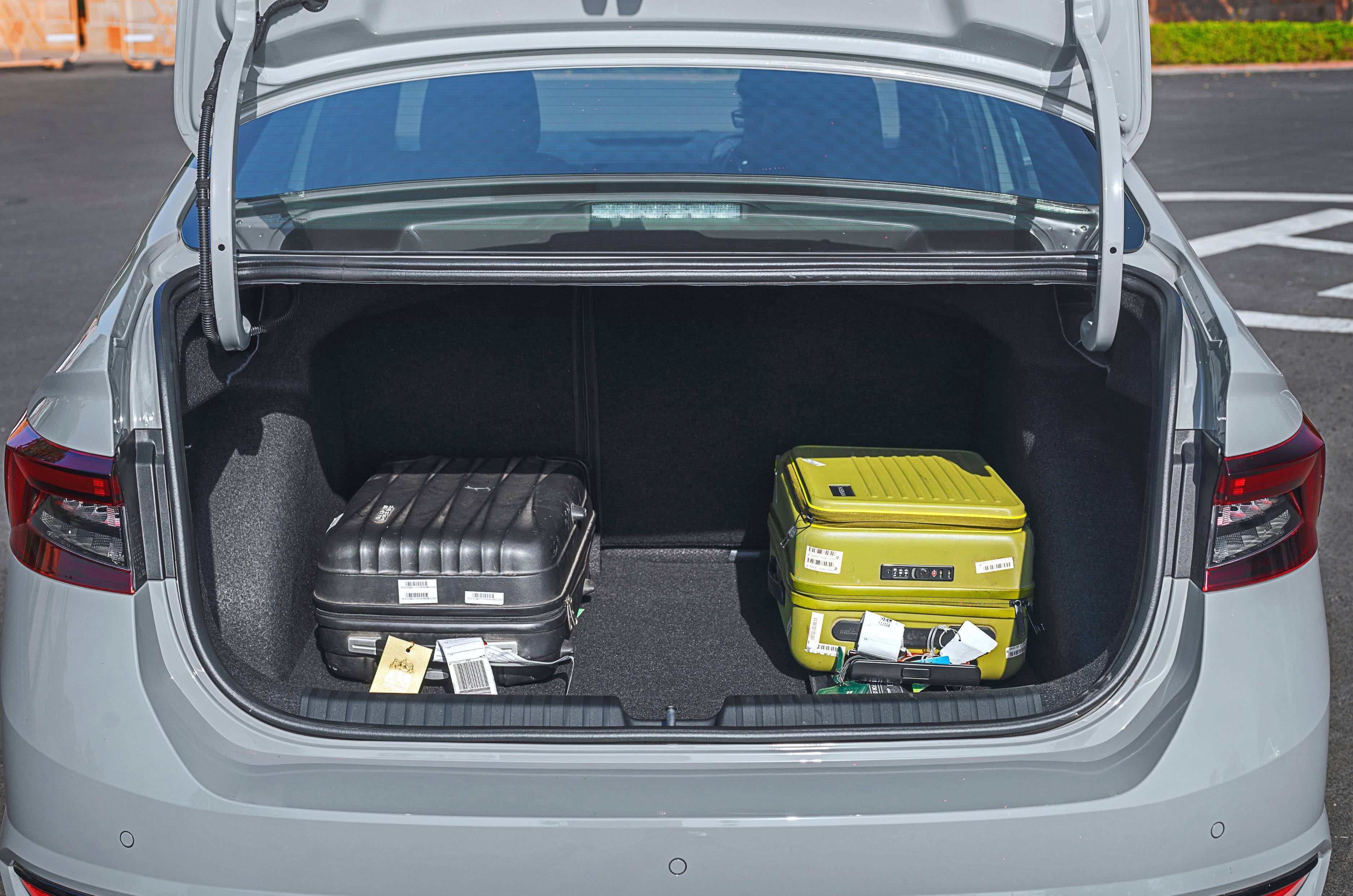
The 521-litre boot is among the largest in the segment, and the squared-off shape makes it easy to load. The 60:40 split-folding rear seats add further versatility. It also continues to get a space tyre and a subwoofer under the boot floor.
Skoda Slavia facelift features and safety – 9/10
The Slavia facelift brings a useful upgrade in equipment, with the highlight being a segment-first rear seat massaging function. It’s a feature more commonly associated with larger, more expensive cars and adds another layer of comfort to what is already a spacious rear bench. This feature works very well and will be a hit with the chauffeur-driven.
The infotainment and instrumentation have also been upgraded. The previous 10-inch touchscreen has been replaced by a slightly larger 10.1-inch unit, while the driver’s display grows substantially from 8 inches to 10.25 inches. Both screens get new graphics and additional features, giving the cabin a more contemporary feel and bringing the Slavia’s interface up to date. The touchscreen has a slick interface and also benefits from an AI voice assistant and connected car features, while the digital cluster gets multiple layouts along with a turn-by-turn navigation feature. The themes for both these screens also differ depending on whether you’ve gone for the Prestige or the Monte Carlo trim.
Another significant upgrade is the addition of a 360-degree camera, replacing the previous rear-view-only camera. This marks a huge improvement and the clarity and crispness of this camera is one of the best at this price point. And finally, like the Kushaq, the Slavia facelift also gets a new variable geometry compressor instead of a fixed geometry unit for the AC system, which has improved the cooling performance significantly.
Other than these, it continues to feature ventilated and powered front seats, a sunroof, wireless smartphone integration, a great-sounding audio system, auto climate control, ambient lighting, LED lights, auto headlamps/wipers, cruise control, leatherette upholstery, 6 airbags, ESC, traction control, hill-hold assist and much more. The pre-facelift Slavia has also received a full 5-star crash safety rating from Global NCAP. However, some features that rivals offer and are missing here include an electronic parking brake and ADAS tech.
All together, the feature additions make the facelift feel more complete, with the new screens, 360-degree camera and rear seat massage adding both convenience and a greater sense of sophistication to the cabin.
Skoda Slavia facelift powertrain and performance – 8/10
Skoda Slavia 1.0-litre TSI engine (left), 1.5-litre TSI engine (right)
The Slavia retains the same engine options as earlier, so you have a choice between two direct-injection turbo petrols. There’s a 1.0-litre, three-cylinder unit that puts out 115hp and 178Nm and a 1.5-litre, four-cylinder mill that produces 150hp and 250Nm.
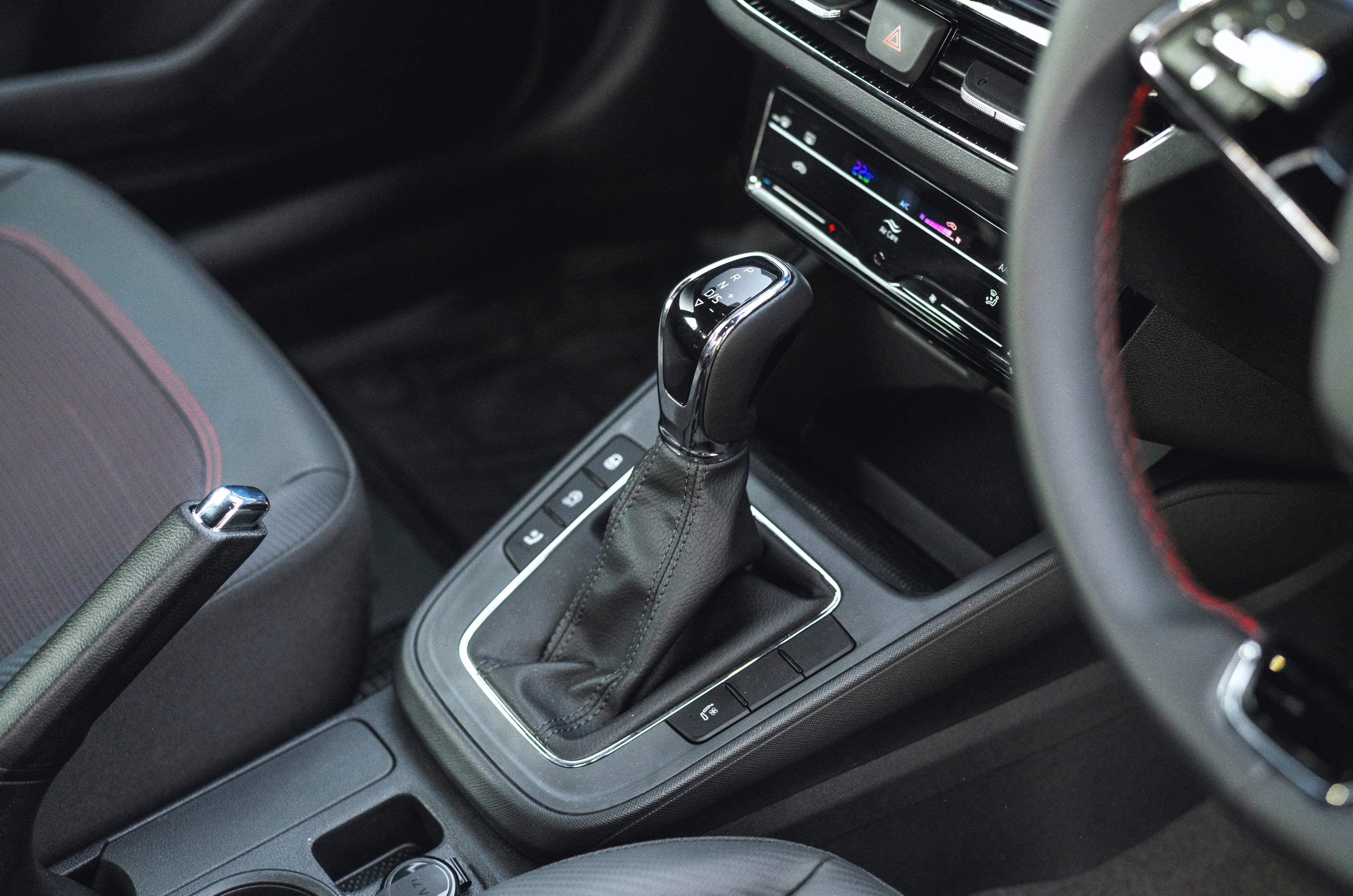
The 1.5 TSI can only be had with a 7-speed dual clutch automatic and enthusiasts will miss the option of a 6-speed manual with this engine, which was on offer earlier. The 1.0 TSI does get a 6-speed manual option, but the gearbox of major interest with this engine is the new 8-speed torque converter automatic. It’s the Aisin-sourced AQ300, replacing the earlier AQ250 6-speed unit, and this helps lower emissions and fuel consumption.
The new gearbox brings a welcome improvement to the Slavia’s low-speed manners. While the previous car had a tendency to leap forward from a standstill, this one now feels much more controlled than before. Once on the move, shifts are smooth and seamless, as you’d expect from a torque-converter automatic. What’s particularly impressive, though, is the speed of the manual shifts, whether you use the paddles or the Tiptronic gear lever. In manual mode, the gearbox also allows the engine to rev close to its limit before shifting up which makes the Slavia 1.0 TSI engaging to drive. The only real gripe with the gearbox is that all the ratios feel rather short. Third tops out at just over 100kph, while at 100kph in 8th, the engine is spinning at a little over 2,000rpm, which is higher than you’d expect given the number of ratios it has to play with.
Although we didn’t get a chance to time it, expect it to complete the 0-100kph sprint in around 11sec, similar to the 6-speed AT’s 11.16sec time. At idle, there is some of that familiar vibrations of a three-cylinder engine. It settles when you drive gently, but push beyond 3000rpm and the gravelly note makes itself heard inside. For the smaller and less powerful petrol engine, refinement could have been better, and more insulation would have helped too.
The 1.5-litre four-cylinder TSI continues unchanged and remains the stronger, more effortless performer of the two. Acceleration is brisk and flat-out performance is strong, while shifts via the paddles are, as expected, quick. The pre-facelift Slavia 1.5 TSI DSG managed 0-100kph in 8.96sec in our tests, and performance with the updated car should remain in the same ballpark.
Between the two engines, the 1.5 TSI is the one that feels more complete, not just because of its stronger performance but also because it is smoother and benefits from cylinder-deactivation technology. Under light engine loads, two of its four cylinders shut down to save fuel, and the transition is seamless as well. However like the 1.0, the 1.5-litre also becomes quite audible when worked hard and some road noise from coarse surfaces also make its way into the cabin.
Skoda Slavia facelift fuel efficiency – 7/10
Our brief test drive meant we didn’t get a chance to test the fuel efficiency of the Slavia facelift, however we have tested the Kushaq facelift which is mechanically identical. In our real-world fuel efficiency tests, the Kushaq 1.0 TSI AT averaged better than the 1.5 TSI DSG by 0.48kpl. In the city, the 1.0 TSI (10.7kpl) was more efficient than the 1.5 TSI (9.55kpl) by 1.15kpl, thanks to the 1.0’s lighter kerb weight and aggressive start/stop system. In contrast, the 1.5’s twin-cylinder deactivation tech helped it be more efficient on the highway (15.29kpl) than the 1.0 (15.10kpl) by 0.19kpl. However, we’re yet to test the 1.0 MT’s fuel efficiency.
Skoda Slavia facelift ride comfort and handling – 8/10
Ride and handling are areas where the Slavia continues to impress. Despite its generous 179mm ground clearance, the handling doesn’t feel compromised. Body roll is well controlled, while the car remains composed and predictable when you go around corners. The steering is on the lighter side but picks up weight progressively as speeds rise.
There is that typical low-speed firmness in the ride quality that you’d normally associate with European cars. But it never feels overly stiff and instead gives it tremendous stability at highway speeds. The suspension also deals with broken surfaces and undulations with maturity, absorbing sharper imperfections without becoming unsettled. It is this combination of an agile chassis, well-controlled body movements and mature ride quality that makes the Slavia enjoyable to drive.
The Slavia’s braking performance remains strong and reassuring but the 1.5 TSI has now gained rear disc brakes. During our test drive, we didn’t find a noticeable difference to the earlier drum brake setup. The 1.0 TSI meanwhile, continues with the same setup as before.
Skoda Slavia facelift value for money and verdict – 8/10
Prices for the Skoda Slavia facelift are set to be announced in the coming days, but expect it to cost a bit more than the Rs 10 lakh to 18.20 lakh (ex-showroom) the pre-facelift model demanded. What’s nice though is that the new 8-speed AT can be had right from the second-to-base Classic+ trim. As before, it continues to go up against the likes of the Hyundai Verna, Honda City and its Volkswagen sibling, the Virtus.
With this facelift, Skoda has enhanced the Slavia further with a sleeker design that looks timeless, important comfort and safety feature additions and relevant technical updates. Some shortcomings remain, like the slightly firm low speed ride, the absence of a manual gearbox with the more potent engine and it does miss a couple of features compared to rivals. But then whatever features have been added have enriched the experience, like the rear seat massage, the new AC compressor and the 360-degree camera. And as before, it remains very enjoyable to drive thanks to the punchy engines, the sorted handling and the mature high speed manners.
The Slavia facelift then, stands out as one of the most complete and well-rounded sedans around, with a great blend of comfort, practicality, features and driving pleasure.
Commodity Market : 2 अक्टूबर को खत्म हुए हफ्ते में बाजार में भारी उतार-चढ़ाव देखने को मिला। यूएस बॉन्ड की भारी बिकवाली से बाजार पर दबाव बना रहा। हालांकि अमेरिका से लगातार आने वाले कमजोर डेटा के कारण फ़ेडरल रिजर्व के ब्याज दरों से जुड़े अनुमानों में काफी बदलाव हुआ है। अप्रैल 2025 के बाद पहली बार डॉलर 102 के स्तर से ऊपर चला गया। इसमें सबसे ज्यादा तेजी गुरुवार को आई। ग्लोबल बॉन्ड की बड़े पैमाने पर बिकवाली के कारण US में 10 ईयर ट्रेजरी बॉन्ड का यील्ड 5.34 प्रतिशत (2002 के बाद का सबसे ऊंचा स्तर) तक पहुंच गई और डॉलर भी 102.2 के हाई पर पहुंच गया।
करेंसी की चाल में कोई बड़ा बदलाव नहीं
दो अलग-अलग आंकड़ों ने मार्केट सेंटीमेंट पर असर डाला,लेकिन करेंसी की चाल में कोई बड़ा बदलाव नहीं आया। बुधवार को आए कोर PCE के आंकड़े उम्मीद से कमजोर रहे। वहीं, शुक्रवार को आए सितंबर के पेरोल आंकड़े सिर्फ़ 29,000 पर रहे, जो लगभग 84,000 से 90,000 के अनुमान से काफी कम थे। साथ ही बेरोज़गारी दर बढ़कर 4.2 प्रतिशत हो गई। जुलाई-अगस्त के आंकड़ों में कुल मिलाकर 60,000 नौकरियों की कमी आई।
अमेरिका में वेतन बढ़ोतरी की रफ्तार पड़ी धीमी
वेतन में बढ़ोतरी की रफ्तार भी धीमी पड़ती दिखा। सितंबर में प्रति घंटा औसत कमाई में सिर्फ़ 0.1 प्रतिशत की वृद्धि हुई और सालाना बढ़ोतरी धीमी होकर लगभग 3 प्रतिशत रह गई,जो 2021 के बाद से सबसे कम है। इस जॉब्स रिपोर्ट के बाद ब्याज दरों में बदलाव के अनुमान बदल गए। यूएस फेड की अक्टूबर की बैठक में दरों में बढ़ोतरी की संभावना,जो एक हफ्ते पहले 60 प्रतिशत से ज़्यादा थी,घटकर 20 प्रतिशत से भी कम हो गई है।
इन आंकड़ों के बाद शुक्रवार को अमेरिकी शेयर बाजार में तेजी आई, हालांकि पिछले पांच हफ्तों में ज्यादातर समय डाओ जोन्स और S&P 500 में गिरावट देखने को मिली। जबकि नैस्डक में बढ़त जारी रही।
हफ्ते के आखिर में स्पॉट गोल्ड और सिल्वर की कीमतों में 3 प्रतिशत और 6 प्रतिशत से ज़्यादा की गिरावट आई। डॉलर और यील्ड में बढ़ोतरी का असर ब्याज दरों के अनुमानों पर पड़ा। फेड अधिकारी ज़्यादातर सतर्क रुख अपनाते दिखे। न्यूयॉर्क फेड के प्रेसिडेंट विलियम्स ने कहा कि इस साल के आखिर में एक और बढ़ोतरी की जरूरत पड़ सकती है,हालांकि उन्हें इसकी कोई जल्दबाजी नहीं दिखी। जबकि उनके कई सहयोगियों ने महंगाई के लंबे समय तक ऊंचे बने रहने के जोखिम की ओर इशारा किया।
डॉलर और बॉन्ड यील्ड में बढ़त होने पर सोने पर बनेगा दबाव
बीते हफ्ते सोने की कीमतों में दो बार तेजी आई। कमजोर जॉब्स और महंगाई के आंकड़ों की वजह से यह कुछ समय के लिए $4,200 प्रति औंस के स्तर को पार कर गया,लेकिन यह अपनी बढ़त बनाए नहीं रख सका और $4,150 से नीचे बंद हुआ। चांदी का हाल भी कुछ ऐसा ही रहा। हफ्ते में दोनों बार यह $62 प्रति औंस के करीब पहुंची, लेकिन हर बार वापस $60 से नीचे आ गई। इनकी आगे की चाल काफी हद तक इस बात पर निर्भर करेगी कि डॉलर और यील्ड काबू में रहते हैं या नहीं। अगर इनमें से किसी में भी दोबारा तेजी आती है,इन मेटल्स पर और दबाव पड़ने की संभावना है।
सोने के लिए सपोर्ट और रेजिस्टेंस लेवल
गोल्ड फ्यूचर्स में कमजोरी का रुख बना हुआ है और ये 20-डे EMA और सुपरट्रेंड (7,3) दोनों के नीचे ट्रेड कर रहा है। जबकि RSI (14) 50 से नीचे है,जो सुस्त मोमेंटम का संकेत है। इसके लिए तत्काल सपोर्ट ₹1,45,950 प्रति 10 ग्राम पर है। अगर गोल्ड इस लेवल से नीचे बना रहता है,तो यह ₹1,44,500 के आसपास स्थित अगले सपोर्ट लेवल तक गिर सकता है।
ऊपर की तरफ इसके लिए ₹1,51,100 पर रेजिस्टेंस दिख रहा हैऔर उसके बाद ₹1,53,000 पर अगला बड़ा रेजिस्टेंस है। शॉर्ट-टर्म आउटलुक में सुधार के लिए सोने के लिए लगातार ₹1,53,000 के ऊपर बने रहना जरूरी होगा। कुल मिलाकर इसका टेक्निकल ट्रेंड साइडवेज से लेकर बेयरिश बना हुआ है।
कच्चे तेल पर रहेगी नजर
ईंधन की कीमतों को लेकर वॉशिंगटन के बढ़ते दबाव के जवाब में G7 देशों ने अगले चार महीनों में 10 करोड़ (100 मिलियन) बैरल तक डीजल और कच्चे तेल के भंडार को कम करने की एक मिली-जुली योजना बनाई है। इस योजना के तहत डीजल भंडार का अधिकांश हिस्सा शुरुआती तीन हफ्तों में ही कम किया जाएगा। इस योजना के दबाव के चलते कच्चे तेल की कीमतें हफ्ते के आखिर में गिरकर बंद हुईं।
इसी जॉइंट स्टेटमेंट में ईरान के अपने पड़ोसियों पर हालिया हमलों की निंदा की गई और रूस पर पहले से लगे प्रतिबंधों को फिर से दोहराया गया। फिर भी,कच्चे तेल के भाव में सिर्फ 2 प्रतिशत की ही कमी आई। इसकी वजह यह है कि खाड़ी क्षेत्र में अभी भी जोखिम बना हुआ है। ऐसी खबरें भी हैं कि अमेरिका का तीसरा कैरियर स्ट्राइक ग्रुप इस क्षेत्र में भेजा जा रहा है,जिसके नवंबर के आखिर तक पहुंचने की उम्मीद है।
उधर डोनाल्ड ट्रम्प ने उस पूर्व रिपोर्ट का खंडन किया है जिसमें कहा गया था कि वाशिंगटन ने ठोस परमाणु रियायतों के बदले ईरान को प्रतिबंधों में राहत की पेशकश की है। हालांकि कतर ने दोनों पक्षों के बीच कूटनीतिक प्रयास जारी रखने की बात कही है। हालांकि इससे अभी कोई बड़ी सफलता नहीं हासिल हुई है।
सप्लाई के नजरिए से देखें तो पिछले महीने ड्रोन हमले से हुए नुकसान के बाद सऊदी अरब की ईस्ट-वेस्ट पाइपलाइन फिर से चालू हो गई है। यह पाइपलाइन अभी अपनी पूरी क्षमता के लगभग आधे यानी रोज़ाना 35 लाख बैरल की रफ़्तार से चल रही है। साथ ही,सितंबर में मिडिल ईस्ट से कच्चे तेल की कुल शिपमेंट बढ़कर रोज़ाना 1.63 करोड़ बैरल हो गई है,जो फरवरी के आखिर में शुरू हुए टकराव के बाद से सबसे तेज रफ़्तार है।
बेस मेटल्स की कीमतों में भी भारी गिरावट
बीते हफ्ते बेस मेटल्स की कीमतों में भी भारी गिरावट आई। कॉपर 2 प्रतिशत से ज़्यादा गिरकर $14,260 प्रति टन के आसपास बंद हुआ। जबकि जिंक और एल्युमीनियम में लगभग 5 प्रतिशत की गिरावट देखने को मिली। डॉलर के 17 महीने के हाई पर पहुंचने का असर डॉलर में ट्रेड होने वाली कमोडिटीज़ पर पड़ा,जिससे चीन के आंकड़ों में आए अच्छे सुधार का असर भी बेअसर हो गया।
चीन के मैन्युफैक्चरिंग PMI में जून के बाद पहली बार बढ़ोतरी
चीन के मैन्युफैक्चरिंग PMI में जून के बाद पहली बार बढ़ोतरी दिखी है। वहीं, सर्विस और कंस्ट्रक्शन सेक्टर को कवर करने वाला नॉन-मैन्युफैक्चरिंग इंडेक्स बढ़कर 50.2 पर पहुंच गया है। इन दोनों आंकड़ों में नए स्टिमुलस पैकेज के बाद बढ़त आई है,जिसे 2024 के बाद का सबसे बड़ा पैकेज बताया जा रहा है और जिसका मकसद चीन में 4.5 से 5 प्रतिशत के ग्रोथ टारगेट को हासिल करना है।
हफ़्ते की शुरुआत में सप्लाई से जुड़ी चिंताओं के कारण कॉपर की कीमत $14,400 से ऊपर बनी हुई थी,लेकिन बाद में दूसरी कमोडिटीज की तरह इसमें भी गिरावट आई। नेशनल डे की छुट्टियों के कारण चीन में कमजोर कारोबारी गतिविधि के कारण मेटल्स की स्थिति को लेकर अनिश्चितता और बढ़ गई है।
FOMC की मीटिंग के मिनट्स और Fed अधिकारियों के भाषणों पर रहेगी नजर
आने वाले हफ्ते में डेटा कम ही आएगा। मुख्य रूप से बड़ी अर्थव्यवस्थाओं के सर्विस PMI और US के शुरुआती कंज्यूमर सेंटीमेंट और महंगाई के अनुमान ही आएंगे। इस हफ्ते के डेटा पर सेंट्रल बैंक की प्रतिक्रिया के बारे में और अंदाजा लगाने के लिए FOMC की मीटिंग के मिनट्स और Fed अधिकारियों के भाषणों पर बाजार का फोकस रहेगा।
अगले हफ्ते कॉपर को लेकर एक खास जोखिम बना रहेगा। चिली में BHP की एस्कोन्डिडा और एंटोफ़ागास्टा की सेंटिनेला खदानों के कर्मचारियों ने नए कॉन्ट्रैक्ट ऑफ़र ठुकरा दिए हैं और वे सरकार की अनिवार्य मध्यस्थता प्रक्रिया में शामिल हो गए हैं। अगर बातचीत विफल रहती है तो सेंटिनेला में 13 अक्टूबर के आसपास कानूनी हड़ताल हो सकती है,जिससे तांबे की फिजिकल सप्लाई पर गंभीर खतरा पैदा हो सकता है। पनामा की कोब्रे पनामा खदान को फिर से शुरू करने के प्रस्ताव से भी ज़्यादा राहत मिलने की उम्मीद नहीं है।
OPEC से प्रोडक्शन कोटा में किसी बड़े बदलाव की उम्मीद नहीं
उम्मीद है कि OPEC प्रोडक्शन कोटा में कोई बदलाव नहीं करेगा। वहीं, मार्केट G7 के डीजल रिलीज़ और अगर कीमतें ज्यादा बनी रहती हैं, तो रिज़र्व से और डीजल निकालने के किसी भी संकेत पर नजर रखेगा। सऊदी अरब और हूथी के बीच तनाव बढ़ने का जोखिम कच्चे तेल की कीमतों के लिए सबसे अहम फैक्टर बना हुआ है। इससे सऊदी अरब के एनर्जी इंफ्रास्ट्रक्चर को सीधा खतरा है।
डिस्क्लेमर: मनीकंट्रोल.कॉम पर दिए गए विचार एक्सपर्ट के अपने निजी विचार होते हैं। वेबसाइट या मैनेजमेंट इसके लिए उत्तरदाई नहीं है। यूजर्स को मनी कंट्रोल की सलाह है कि कोई भी निवेश निर्णय लेने से पहले सर्टिफाइड एक्सपर्ट की सलाह लें।
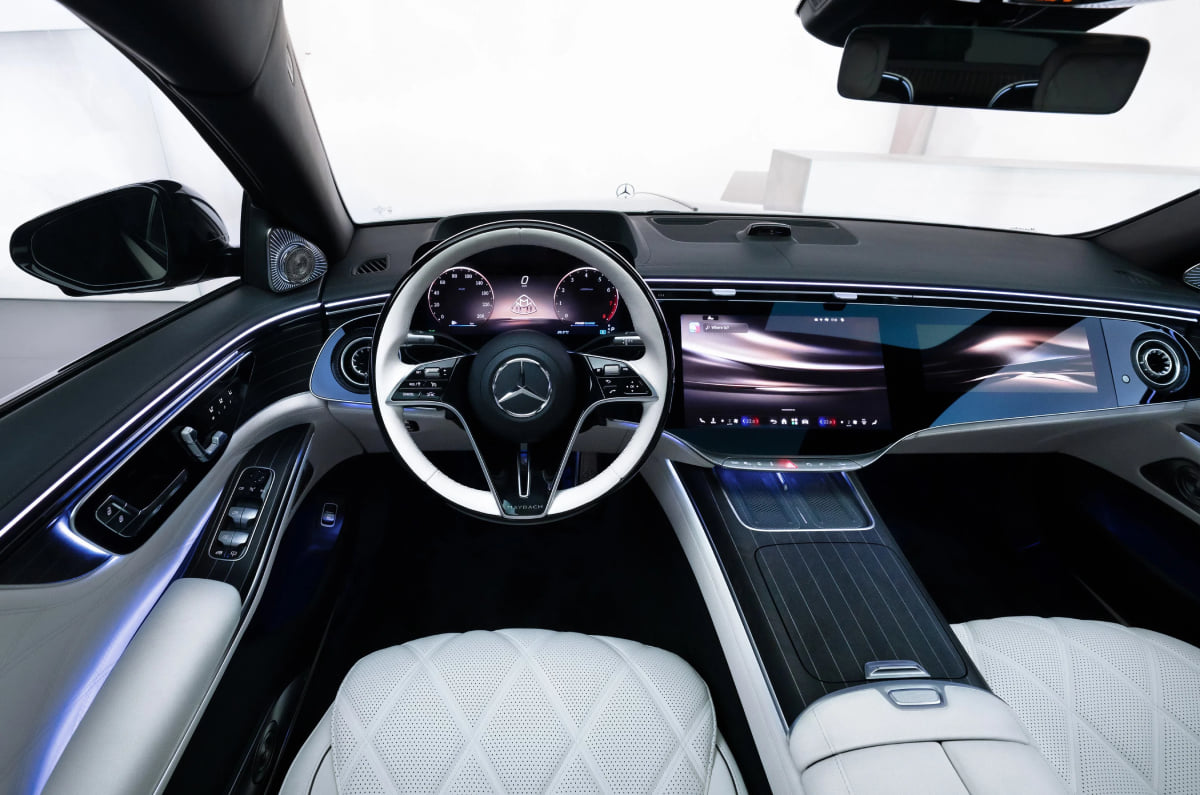
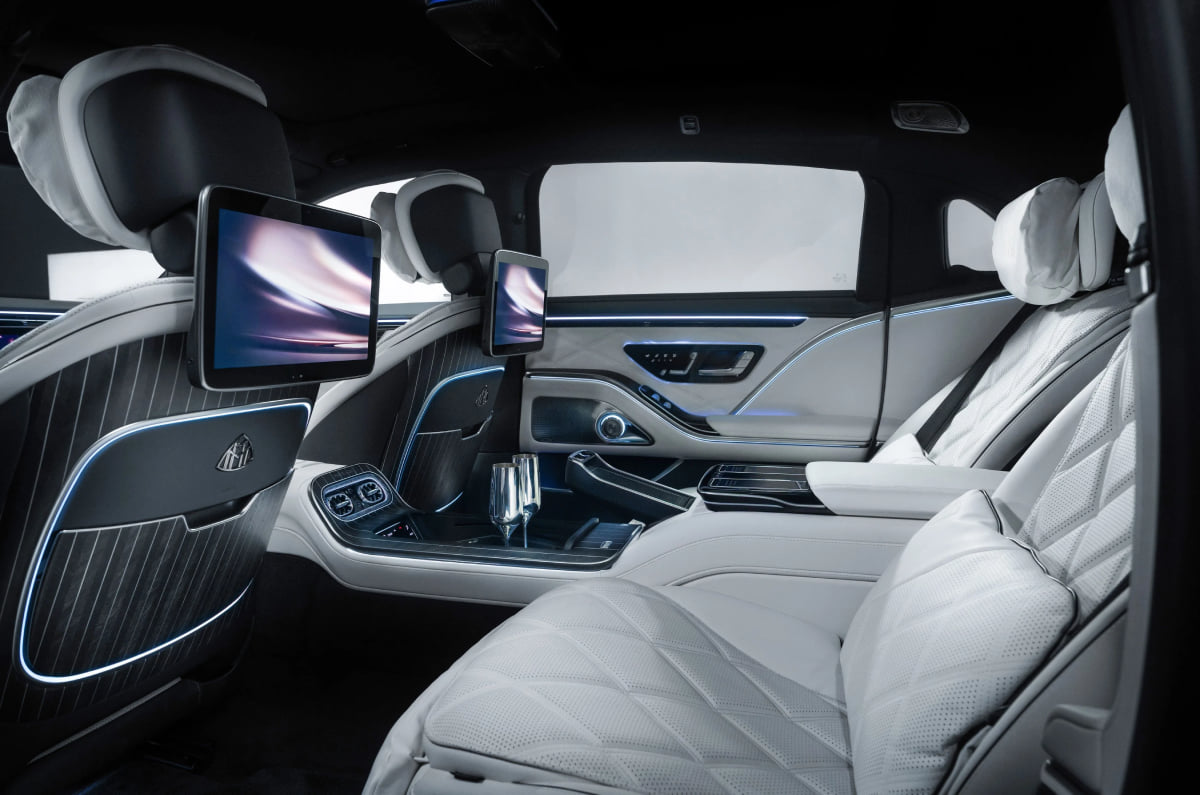
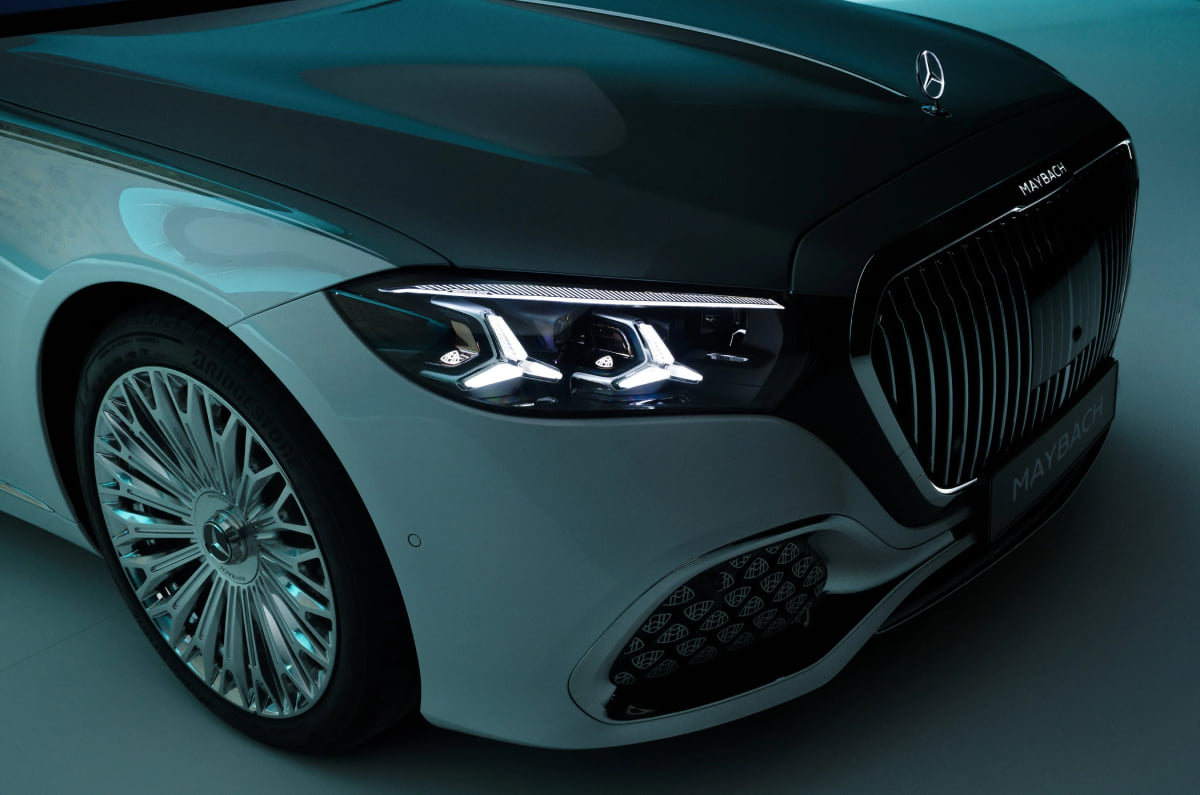
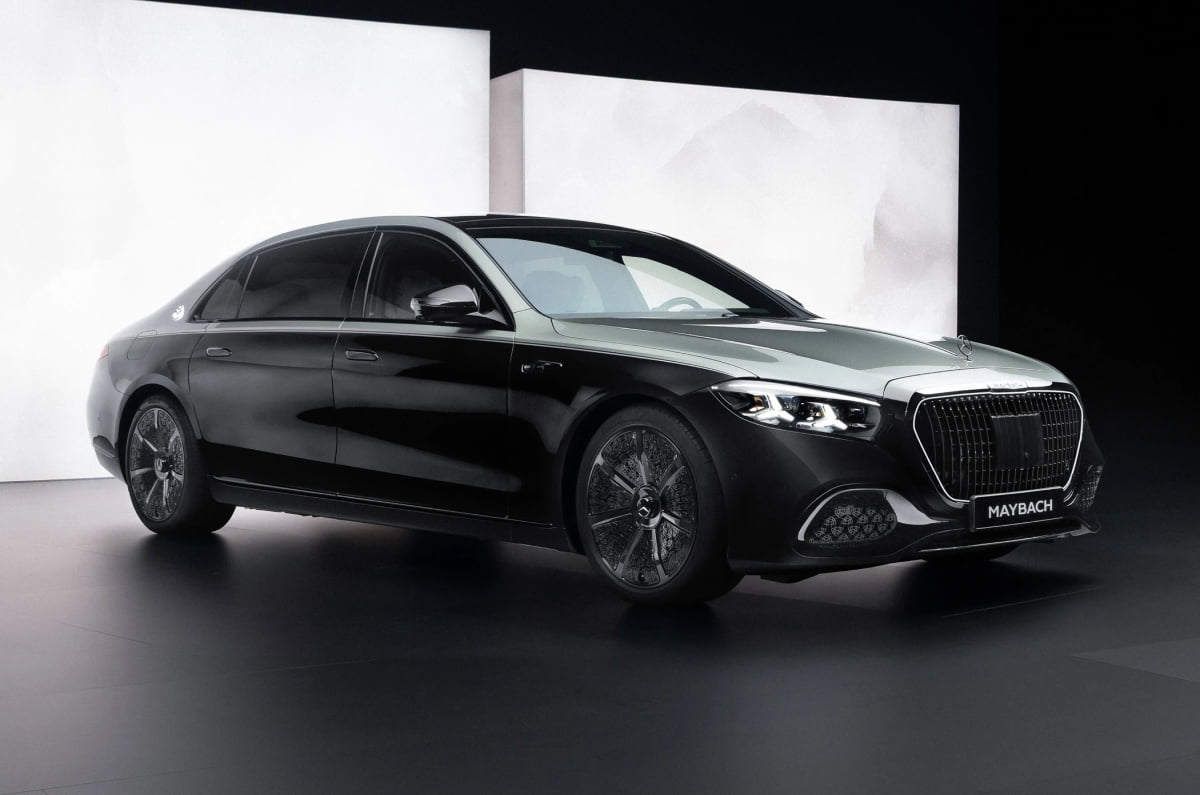
Mercedes-Benz will launch the updated Maybach S-Class in India on October 5. The facelift brings styling and technology updates, along with more personalization options and changes to the powertrain range. With the launch just around the corner, here’s everything you need to know about the new Maybach S-Class.
What exterior changes does the new Maybach S-Class get over the S-Class?
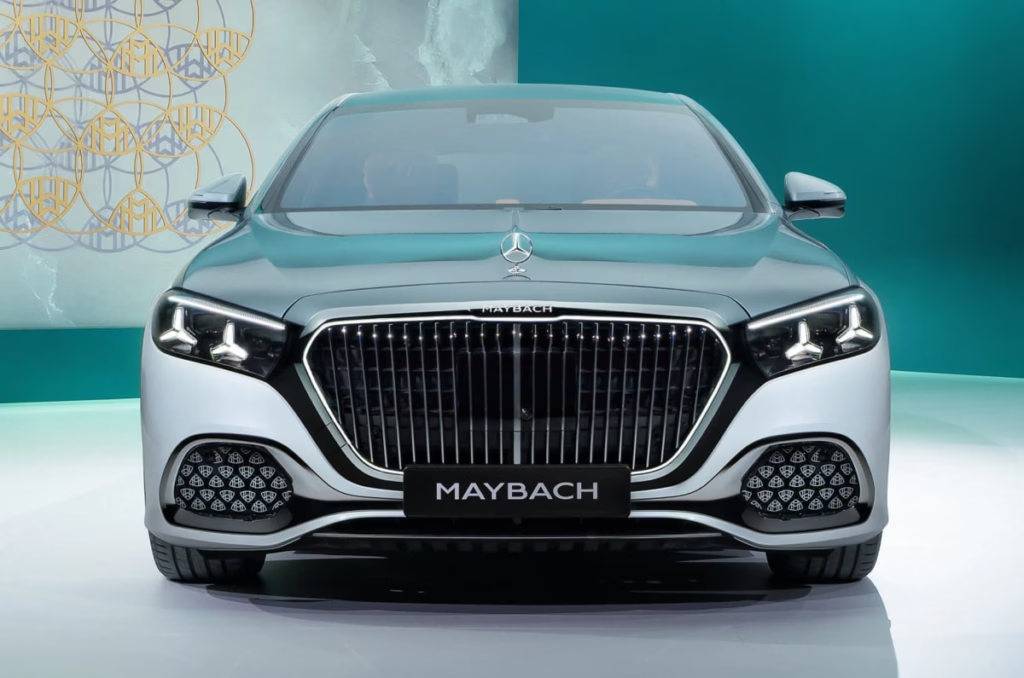
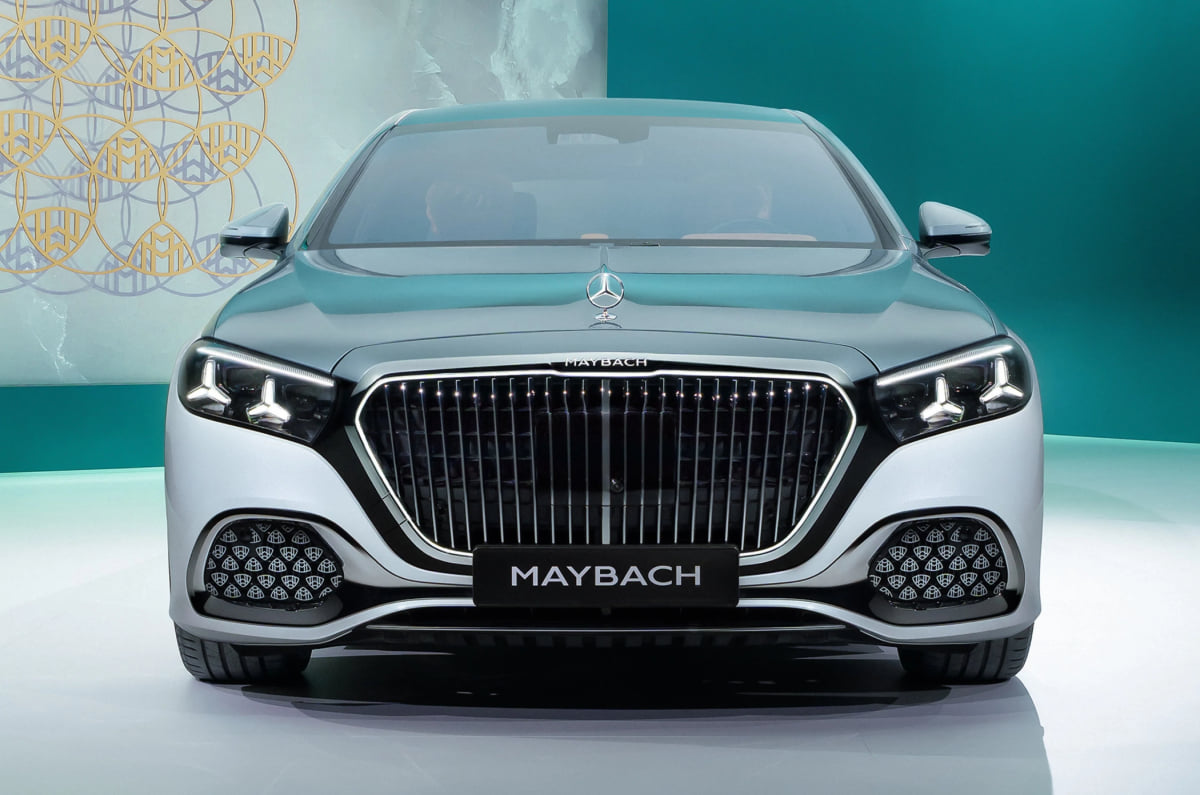
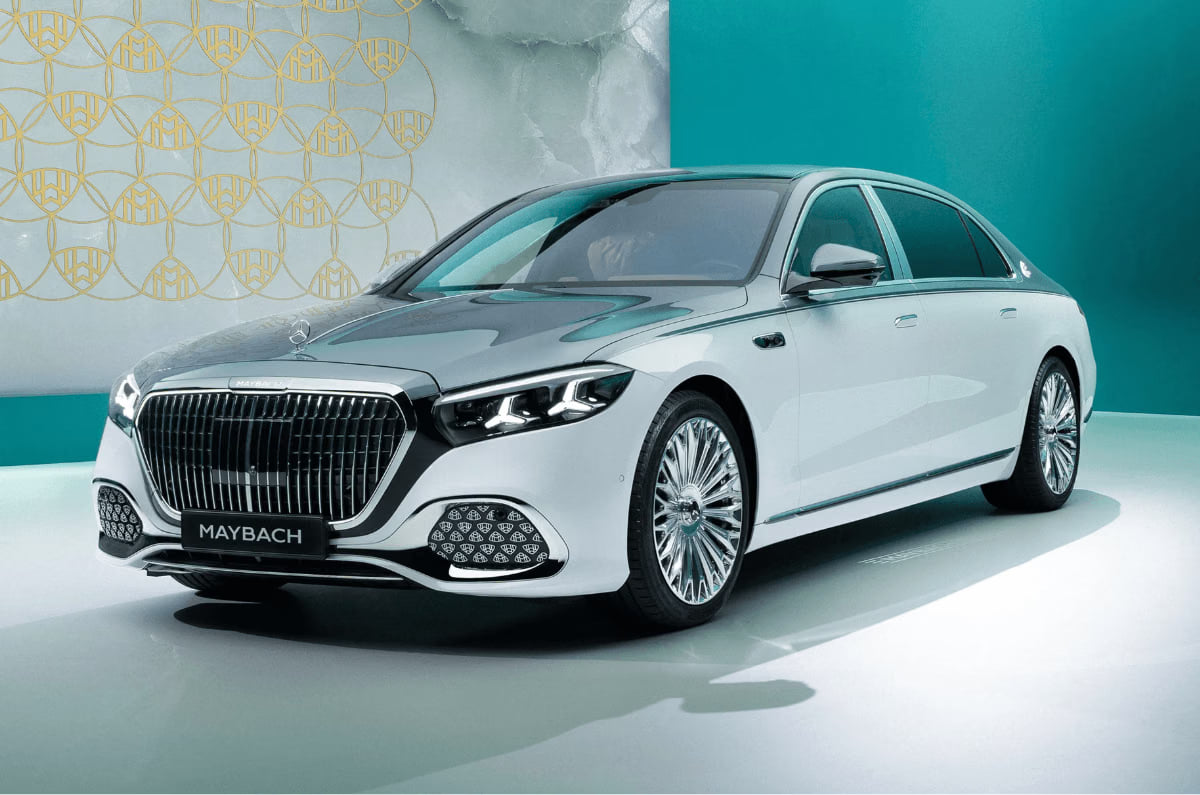
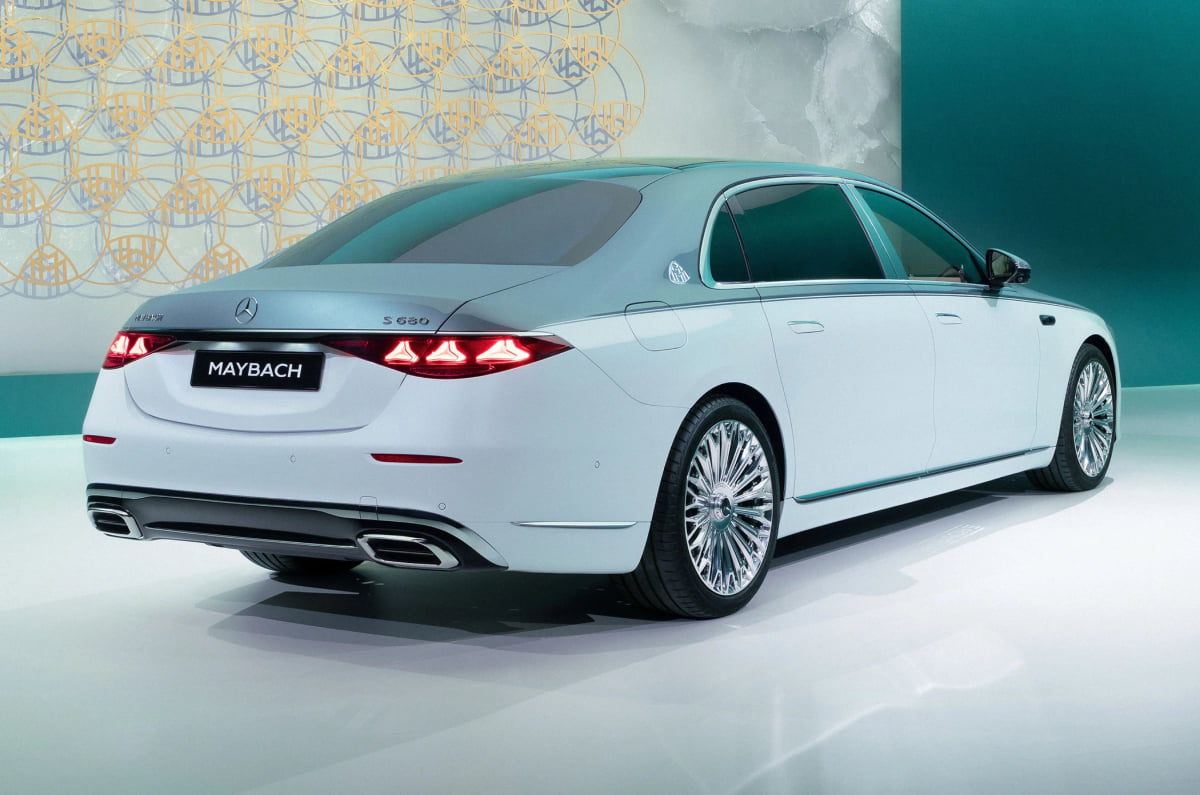
The Maybach S-Class gets the larger illuminated grille seen on the updated S-Class, but with Maybach-specific vertical slats and an illuminated ‘Maybach’ wordmark above them. It also gets an illuminated Mercedes star on the bonnet, LED headlights with three-pointed-star DRLs and rose gold embellishments featuring the Maybach logo instead of the techie blue accents on the standard S-Class. There are also tiny Maybach logos in the lower air-dam mesh, an illuminated Maybach logo on the D-pillar and the same three-pointed-star LED signature for the tail-lamps as the standard S-Class.
The Maybach is 180mm longer than the long-wheelbase S-Class. It is also available with new 20- and 21-inch forged alloy wheels, which feature a counterweighted Mercedes logo that stays upright as the wheels turn. The carmaker says every Maybach S-Class gets some options from its Manufaktur personalization range, which now includes more exterior colours and two-tone paint combinations.
What are the key interior and feature highlights of the Maybach S-Class?
The cabin of the Maybach S-Class, like the standard S-Class gets a Superscreen-style layout comprising a 12.3-inch digital instrument cluster, a 14.4-inch central touchscreen and a 12.3-inch passenger display. The car also uses a new E&E architecture with four ‘supercomputers’ that run the entire car, from the screens to the safety features to the driving dynamics.
As on the outside, Mercedes has expanded the choice of extended leather upholstery and added new upholstery colours. For the first time on a Maybach, buyers can also specify leather-free vegan upholstery with its own unique design.
What changes have been made to the rear-seat experience of the Maybach S-Class?
The rear seats now recline up to 43 degrees, compared with 38 degrees in the standard S-Class. They are also heated, ventilated and equipped with massage functions. The previous tablet controller has been replaced by two individual smartphone-style remotes for operating the car’s functions. There is also a Maybach drive mode that makes the suspension even softer.
What engine options are available internationally on the Maybach S-Class, and which one will India get?
Internationally, the Maybach S-Class is offered with petrol and plug-in hybrid powertrains. The S 580 gets a 4.0-litre V8 with a flat-plane crank, producing 537hp and 750Nm. Some markets also get the S 580e plug-in hybrid, which combines a 3.0-litre inline-six with a 163hp electric motor and a 22kWh battery. Total output is 585hp and 750Nm, with an electric-only range of up to 98km. The top-spec S 680 gets either a V12 or a more powerful V8 depending on the market.
In India, we are likely to get the 612hp, 850Nm version of the S 580’s 4.0-litre V8.
What is the Maybach S-Class Night Series?
The Night Series is a darker-themed version of the Maybach S-Class. It gets darker exterior and interior colours, while chrome elements are replaced with dark chrome. It also gets a different set of aero-efficient black wheels adorned with dozens of Maybach logos.
How much will the new Maybach S-Class cost in India
The outgoing Maybach S 580 is currently priced at Rs 2.87 crore, ex-showroom, before options. Like the outgoing model, the updated Maybach S-Class is also expected to be locally assembled in India. The updated model is expected to cost more, with the price likely to be north of Rs 3 crore.
LPG Price 04 October 2026: त्योहारी सीजन में जब बाजार से लेकर घर की रसोई तक खर्च बढ़ने लगता है, ऐसे में गैस सिलेंडर की कीमत पर नजर रखना भी जरूरी हो जाता है। 4 अक्टूबर को एलपीजी की कीमतों को लेकर घरेलू उपभोक्ताओं के लिए फिलहाल राहत बनी हुई है। 14.2 किलो वाले घरेलू सिलेंडर के दाम में कोई बदलाव नहीं हुआ है, जिससे आम परिवारों के बजट पर अतिरिक्त बोझ नहीं पड़ा। हालांकि, दूसरी ओर कमर्शियल एलपीजी सिलेंडर की बढ़ी कीमत कारोबारियों की चिंता बढ़ा सकती है। होटल, रेस्टोरेंट और ढाबों में इस्तेमाल होने वाले 19 किलो के सिलेंडर के रेट बढ़ने से उनकी लागत प्रभावित होगी।
ऐसे में इस महीने घरेलू गैस उपभोक्ताओं को जहां स्थिर कीमतों से राहत मिली है, वहीं कमर्शियल गैस इस्तेमाल करने वालों के लिए खर्च बढ़ गया है। आइए जानते हैं दिल्ली, मुंबई, कोलकाता, चेन्नई समेत प्रमुख शहरों में घरेलू और कमर्शियल एलपीजी सिलेंडर आज कितने रुपये में मिल रहा है।
घरेलू LPG सिलेंडर के दाम में कोई बदलाव नहीं
तेल कंपनियों ने 14.2 किलो वाले घरेलू एलपीजी सिलेंडर की कीमतों में फिलहाल कोई बदलाव नहीं किया है। यानी देश के प्रमुख शहरों में उपभोक्ताओं को आज भी पुराने रेट पर ही घरेलू सिलेंडर मिलेगा।
राजधानी दिल्ली में 14.2 किलो का सिलेंडर 942 रुपये का है। वहीं मुंबई में इसकी कीमत 941.50 रुपये, कोलकाता में 968 रुपये और चेन्नई में 957.50 रुपये बनी हुई है।
किस शहर में कितने रुपये का मिल रहा LPG सिलेंडर?
शहर
घरेलू सिलेंडर (14.2 किलो)
कमर्शियल सिलेंडर (19 किलो)
दिल्ली
₹942
₹2,810
मुंबई
₹941.50
₹2,763.50
कोलकाता
₹968
₹2,946.50
बेंगलुरु
₹944.50
₹2,893.50
हैदराबाद
₹994
₹3,058.50
चेन्नई
₹957.50
₹2,978.50
कटक
₹968
₹2,947.50
कोयंबटूर
₹959
₹3,002.50
रांची
₹1,010.50
₹2,988
घरेलू सिलेंडर स्थिर, लेकिन कमर्शियल गैस ने बढ़ाया खर्च
घरेलू उपभोक्ताओं के लिए भले ही कीमतें स्थिर हैं, लेकिन कारोबारियों को गैस के मोर्चे पर झटका लगा है। 1 अक्टूबर से 19 किलो वाले कमर्शियल एलपीजी सिलेंडर की कीमत में बढ़ोतरी की गई है।
दिल्ली में कमर्शियल सिलेंडर 62.50 रुपये महंगा होकर 2,810 रुपये पर पहुंच गया है। मुंबई में यह 2,764.50 रुपये, कोलकाता में 2,954 रुपये और चेन्नई में 2,983 रुपये का हो गया है।
होटल-रेस्टोरेंट से लेकर ढाबों तक पड़ेगा असर
कमर्शियल गैस सिलेंडर की कीमत बढ़ने का असर सीधे तौर पर उन कारोबारों पर पड़ सकता है जहां बड़े पैमाने पर खाना पकाया जाता है। होटल, रेस्टोरेंट, ढाबे और छोटे फूड बिजनेस में एलपीजी एक जरूरी खर्च है।
सिलेंडर महंगा होने से कारोबारियों की कुकिंग लागत बढ़ सकती है। इसका असर आगे चलकर खाने-पीने की चीजों की कीमतों पर भी दिखाई दे सकता है।
घरेलू और कमर्शियल LPG में क्या फर्क है?
घरेलू एलपीजी सिलेंडर मुख्य रूप से घरों में खाना पकाने के लिए इस्तेमाल होता है और इसका सामान्य वजन 14.2 किलो होता है। इसके मुकाबले 19 किलो वाला सिलेंडर व्यावसायिक इस्तेमाल के लिए होता है।
होटल, रेस्टोरेंट, ढाबे और अन्य खाद्य कारोबारों में इसका इस्तेमाल ज्यादा होता है। दोनों सिलेंडरों की कीमतें अलग होती हैं और इनके रेट में होने वाले बदलाव भी अलग-अलग हो सकते हैं।
आपके बजट के लिए क्या मायने रखता है?
फिलहाल घरेलू सिलेंडर की कीमत स्थिर रहने से आम परिवारों को राहत मिली है। हालांकि, कमर्शियल गैस के महंगे होने से बाहर खाना, होटल और छोटे खाद्य कारोबारों की लागत पर दबाव बढ़ सकता है। ऐसे में आने वाले दिनों में इसके असर पर नजर रखना जरूरी होगा।
Petrol Diesel Price Today: हर दिन की शुरुआत सिर्फ सूरज की किरणों से नहीं होती, बल्कि पेट्रोल और डीजल की नई कीमतों से भी होती है, जो आम आदमी की जेब पर सीधा असर डालती हैं। सुबह 6 बजे देश की तेल विपणन कंपनियां (OMCs) ताजा दरें जारी करती हैं, जो अंतरराष्ट्रीय बाजार में कच्चे तेल की कीमतों और डॉलर-रुपए की विनिमय दर में आए बदलावों पर आधारित होती हैं। ये बदलाव रोजमर्रा की जिंदगी को प्रभावित करते हैं, चाहे वो ऑफिस जाने वाला व्यक्ति हो या फल-सब्जी बेचने वाला व्यापारी।
ऐसे में हर दिन की कीमतों की जानकारी रखना सिर्फ जरूरी ही नहीं, बल्कि समझदारी भी है। सरकार की यह प्रणाली पारदर्शिता सुनिश्चित करती है ताकि उपभोक्ताओं को किसी तरह की भ्रमित जानकारी न मिले।
आपके शहर में आज का पेट्रोल-डीजल का भाव
ये रहे 04 अक्टूबर 2026 के प्रमुख शहरों के पेट्रोल-डीजल के ताजा रेट
नई दिल्ली: पेट्रोल ₹102.12 प्रति लीटर और डीजल ₹95.20 प्रति लीटर।
मुंबई: पेट्रोल ₹111.18 और डीजल ₹97.83 प्रति लीटर।
कोलकाता: पेट्रोल ₹113.47 जबकि डीजल ₹99.82 प्रति लीटर।
चेन्नई: पेट्रोल ₹107.77 और डीजल ₹99.55 प्रति लीटर।
गुरुग्राम: पेट्रोल ₹102.77 तथा डीजल ₹95.44 प्रति लीटर।
नोएडा: पेट्रोल ₹102.12 और डीजल ₹95.56 प्रति लीटर।
बेंगलुरु: पेट्रोल ₹110.93 जबकि डीजल ₹98.80 प्रति लीटर।
भुवनेश्वर: पेट्रोल ₹109.92 और डीजल ₹100.92 प्रति लीटर।
चंडीगढ़: पेट्रोल ₹98.10 तथा डीजल ₹86.09 प्रति लीटर।
हैदराबाद: पेट्रोल ₹115.69 और डीजल ₹103.82 प्रति लीटर।
जयपुर: पेट्रोल ₹112.66 जबकि डीजल ₹97.78 प्रति लीटर।
लखनऊ: पेट्रोल ₹102.05 और डीजल ₹95.55 प्रति लीटर।
पटना: पेट्रोल ₹113.35 तथा डीजल ₹99.36 प्रति लीटर।
तिरुवनंतपुरम: पेट्रोल ₹115.49 और डीजल ₹104.40 प्रति लीटर।
पिछले दो साल से स्थिर क्यों हैं कीमतें?
मई 2022 के बाद से केंद्र और कई राज्यों द्वारा टैक्स में कटौती की गई, जिसके बाद पेट्रोल-डीजल की कीमतों में स्थिरता देखी जा रही है। हालांकि अंतरराष्ट्रीय बाजार में उतार-चढ़ाव होता रहता है, फिर भी भारतीय उपभोक्ताओं के लिए कीमतें तुलनात्मक रूप से स्थिर बनी हुई हैं।
किन कारणों से तय होती हैं ईंधन की कीमतें?
कच्चे तेल की कीमतें:
पेट्रोल और डीजल का उत्पादन मुख्य रूप से कच्चे तेल से होता है। जब अंतरराष्ट्रीय स्तर पर कच्चे तेल की कीमतें बढ़ती हैं, तो इसका असर सीधे भारतीय बाजार पर पड़ता है।
डॉलर के मुकाबले रुपया:
भारत अधिकतर कच्चा तेल आयात करता है, और यह डॉलर में खरीदा जाता है। यदि रुपया कमजोर होता है, तो ईंधन महंगा हो जाता है।
सरकारी टैक्स और शुल्क:
केंद्र और राज्य सरकारें पेट्रोल-डीजल पर भारी टैक्स लगाती हैं, जो खुदरा मूल्य का बड़ा हिस्सा होते हैं। यही कारण है कि राज्यों में कीमतों में अंतर होता है।
रिफाइनिंग की लागत:
कच्चे तेल को इस्तेमाल लायक बनाने की प्रक्रिया (रिफाइनिंग) में भी खर्च होता है। ये लागत कच्चे तेल की गुणवत्ता और रिफाइनरी की क्षमता पर निर्भर करती है।
मांग और आपूर्ति का संतुलन:
बाजार में ईंधन की मांग अगर बढ़ जाती है, तो कीमतें भी ऊपर जाने लगती हैं। खासकर त्योहारों, गर्मी या सर्दी के मौसम में ईंधन की खपत ज्यादा होती है।
कैसे करें अपने शहर की कीमतें SMS से चेक?
अगर आप मोबाइल से ईंधन की कीमत जानना चाहते हैं, तो ये प्रक्रिया आसान है:
Indian Oil ग्राहक: अपने शहर का कोड टाइप करें और उसे “RSP” के साथ 9224992249 पर भेजें।
BPCL ग्राहक: “RSP” लिखकर 9223112222 पर भेजें।
HPCL ग्राहक: “HP Price” लिखकर 9222201122 पर भेजें।
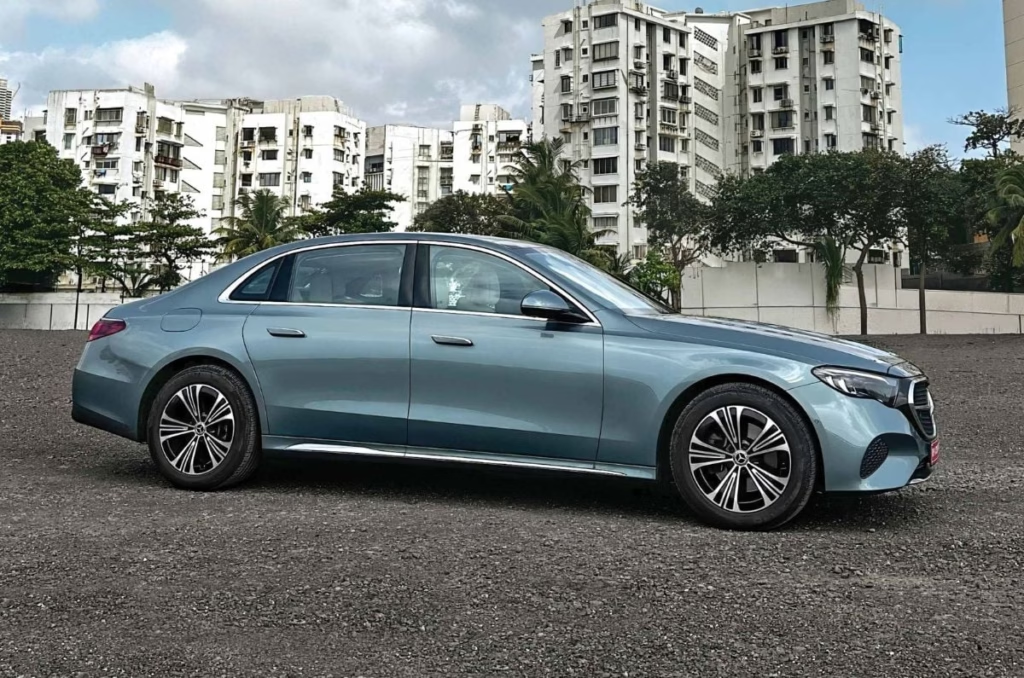
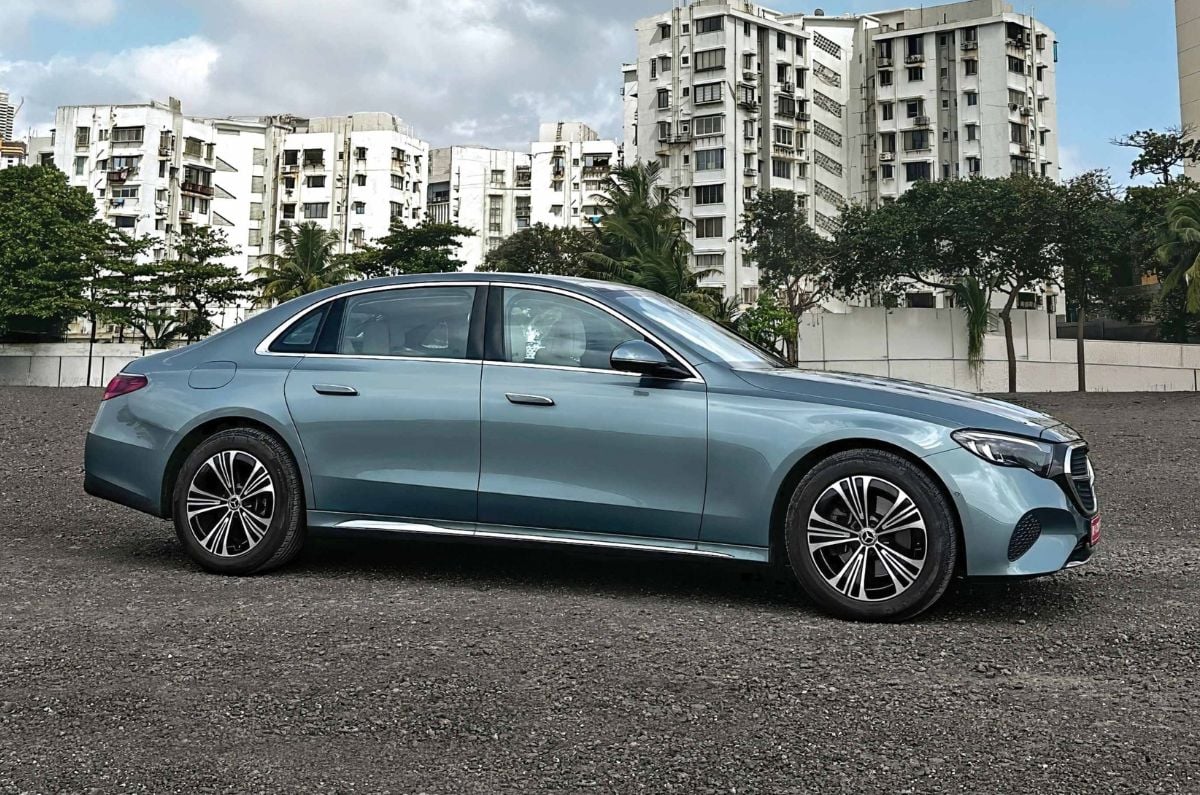
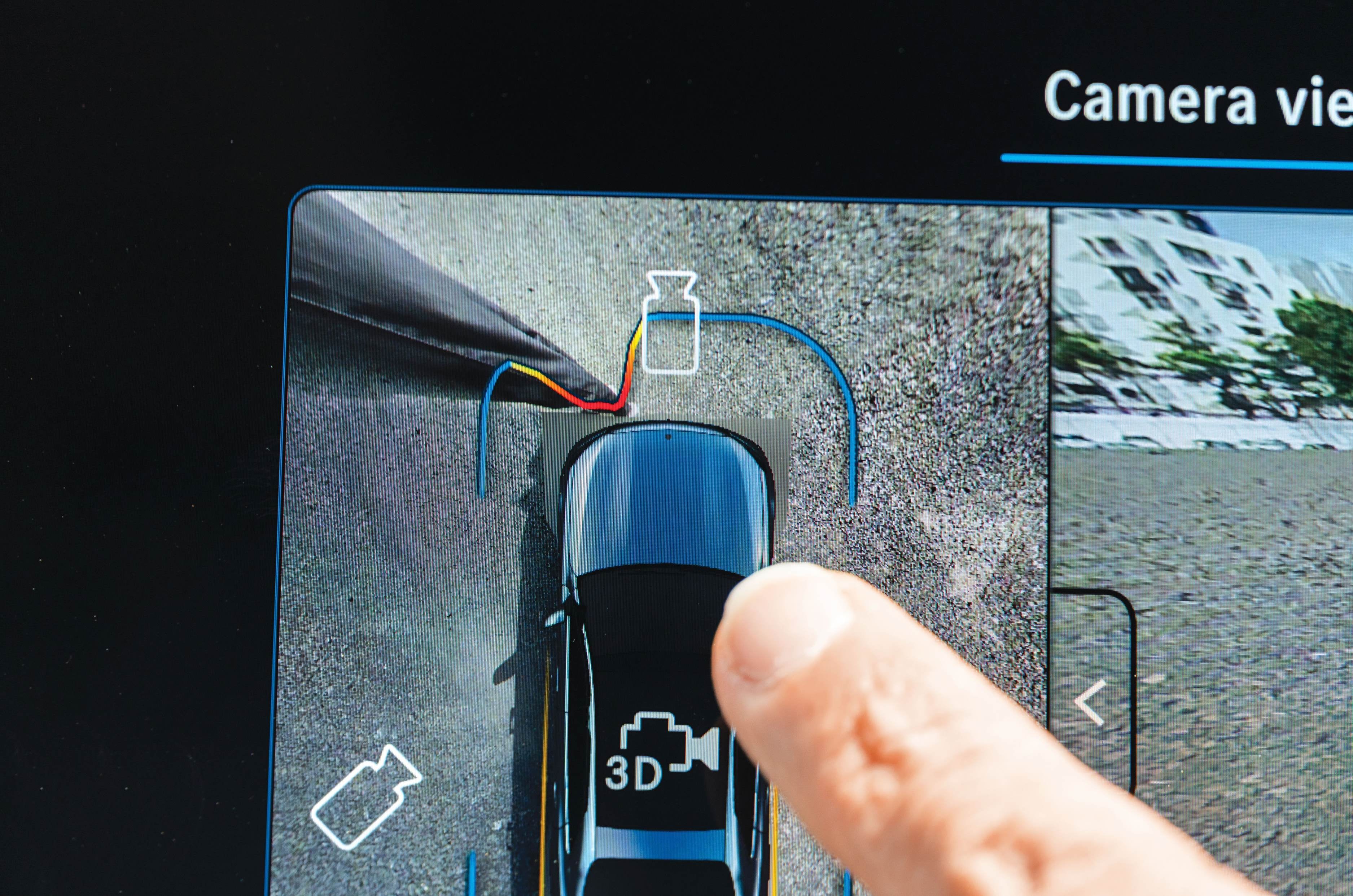
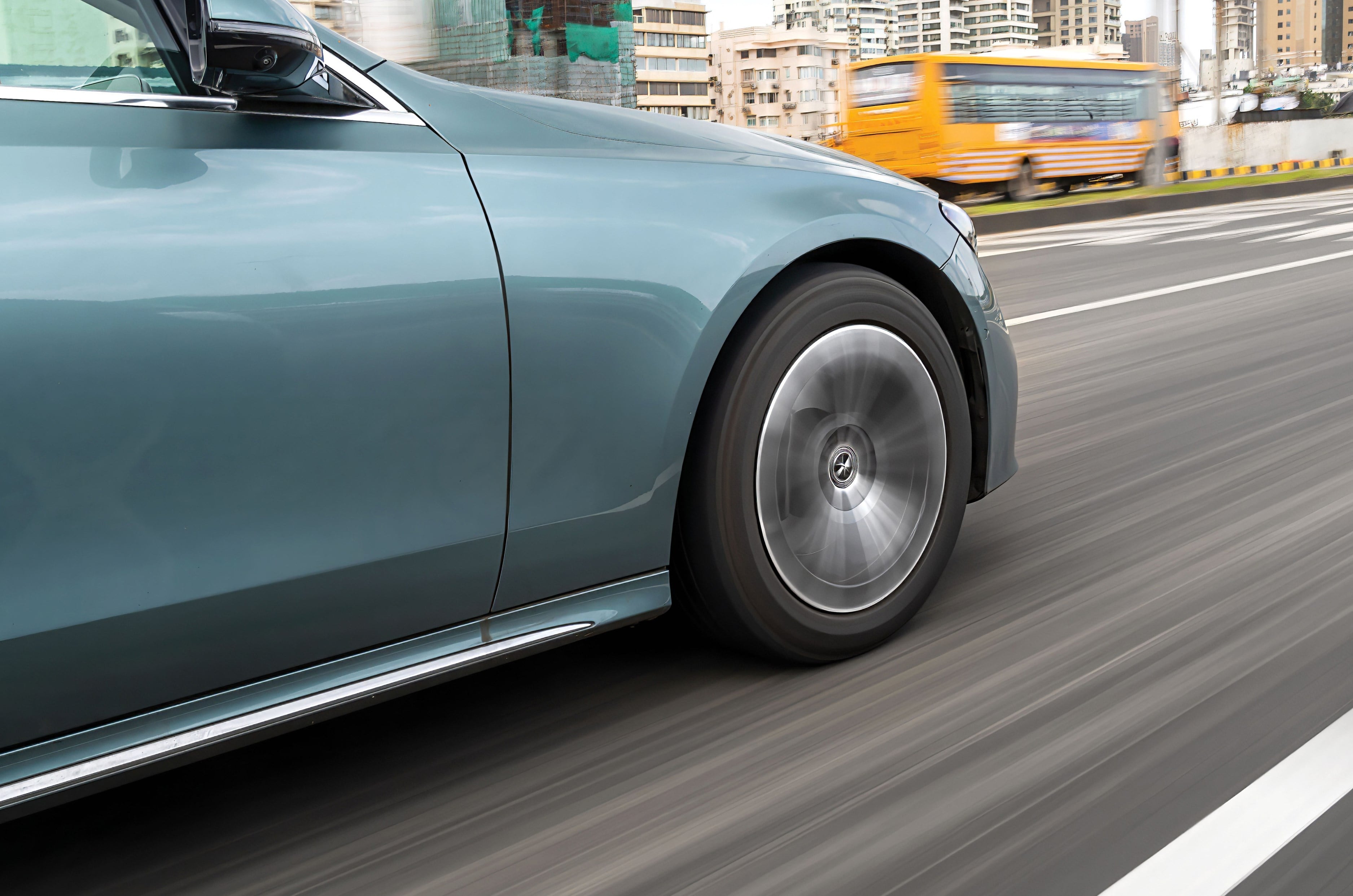
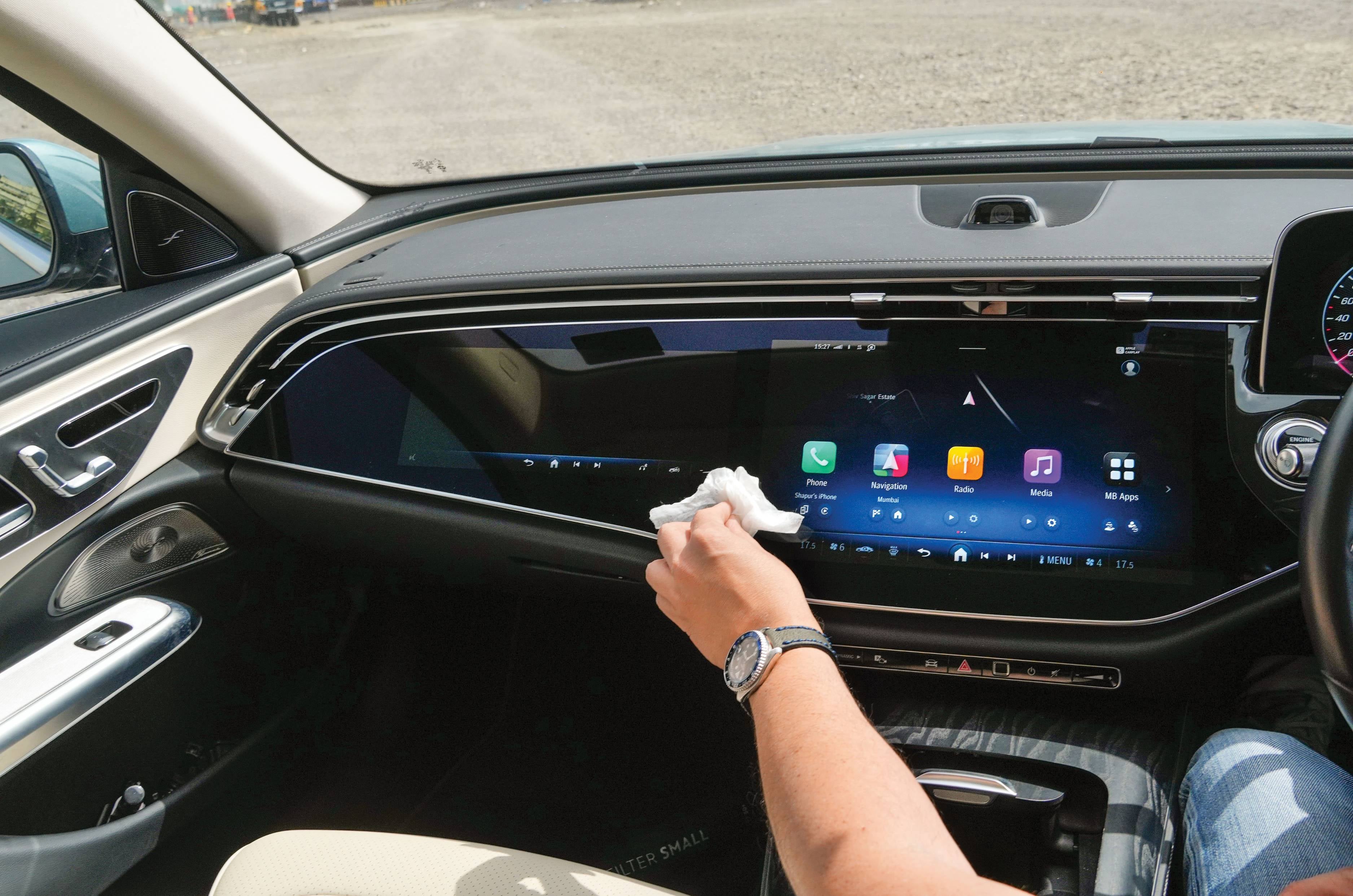
My start-up ritual is always the same. Fire the engine, drop the windows and take the fan speed to max. It’s the fastest way to vent the greenhouse and cool the cabin, especially on a baking hot day. On the E-Class, this, however, presents something of a problem. Pushing the fan speed up to maximum is a two-step process. You first have to select the fan-speed icon on the bottom of the touchscreen, and once you’ve hit that accurately, then it’s tap, tap, tap it up to max. This is not something you can do while reversing, as the camera feed pops up on the screen. And then you have to judge gaps, steer and move the car back and forth. There, however, is a hack – all I do is say, “Hey Mercedes, take fan speed to maximum,” and the blower speed increases, even as I work to get out of the parking lot. At times, I even ask Mercedes to open the windows. ‘Helga’ comprehends quite a lot these days.
Reversing pictogram is tiny, and you can’t see obstacles clearly.
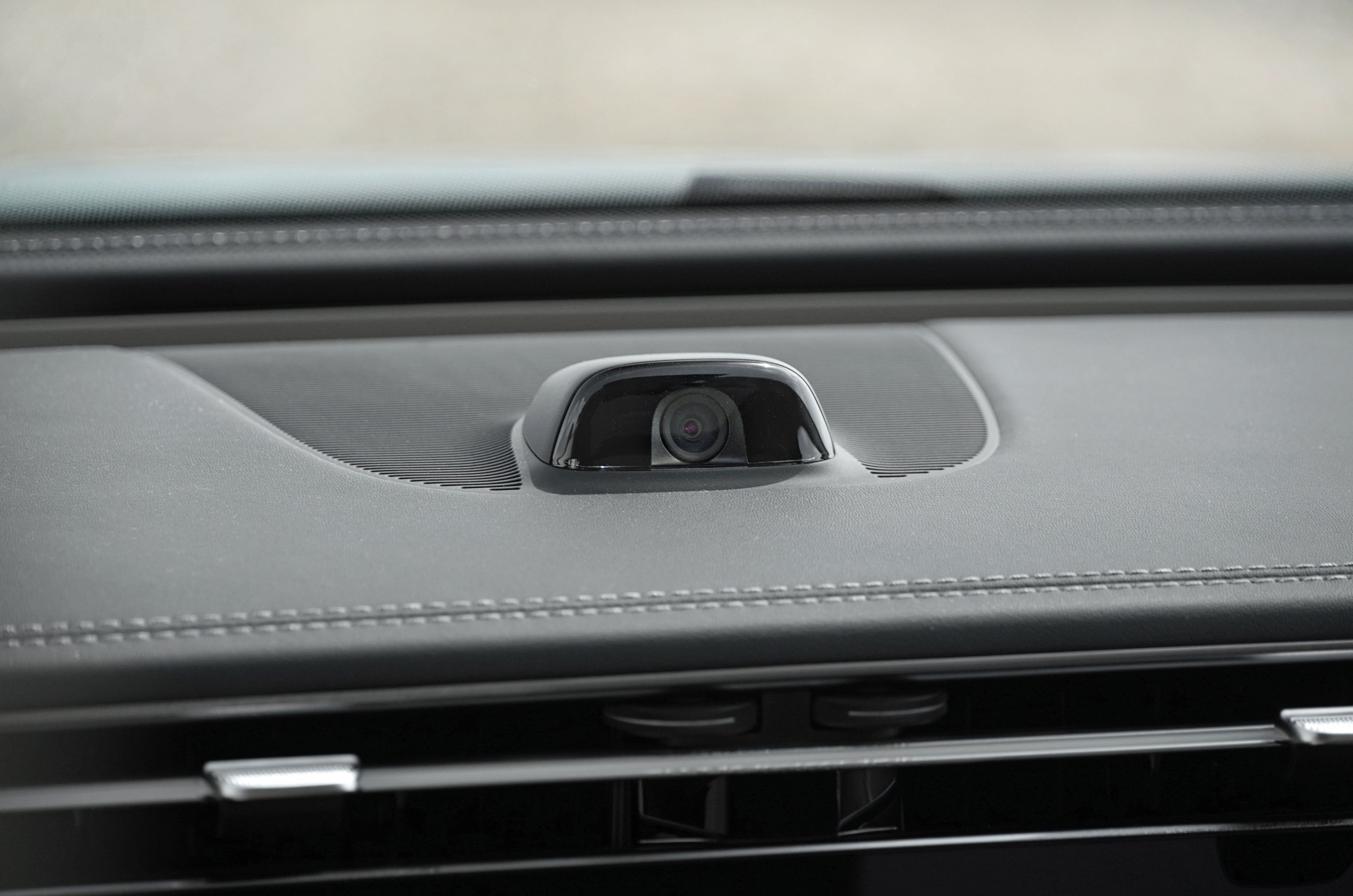
Over the weeks I’ve been driving the car, I’ve also found that, apart from being thoroughly modern, there’s also plenty of traditional ‘Mercedes’ in the E-Class, something that just elevates the experience. Sure, there are a few bits that make you ask “is this really Mercedes?”… such as the build of the gear selector or some creaky plastics, a culprit here seems to be the dashboard camera mounting that sounds a bit creaky. But what lends a tremendous sense of well-being is just how robust and solid the fundamental structure feels.
A few dashboard creaks can be heard, the culprit seems to be the camera mounting.
Then, there’s how majestically it rides over our pothole-infested and poorly patched roads. An essential skill in our conditions, something I appreciate almost every second I’m in the car. The suspension is supple and absorbent, and the E remains flat even over bad patches, with vertical movement superbly damped. Worth noting is the fact that in our conditions, where sharp bumps abound, coil springs often get the better of air springs, the steel coils reacting to sharp bumps and sudden changes in direction more seamlessly. And then, of course, this car gets both the long wheelbase and, more importantly, the sedan advantage; no SUV, like-for-like, can ride as well as a sedan.
Even the worst surfaces are ridden over with great suppleness.
Ladled in with the good build and great ride is superb insulation. Sitting in the cabin just cuts you off from so much noise going on outside. Sure, you can hear loud spikes, but the general hubbub of Indian traffic just fades into the background. This allows the long-wheelbase E-Class to cover ground in a graceful, elegant and effortless manner, the chaotic and loud world around you somewhat muted. I can’t help thinking of this every time I cross one particularly noisy junction in Byculla near our office in Mumbai.
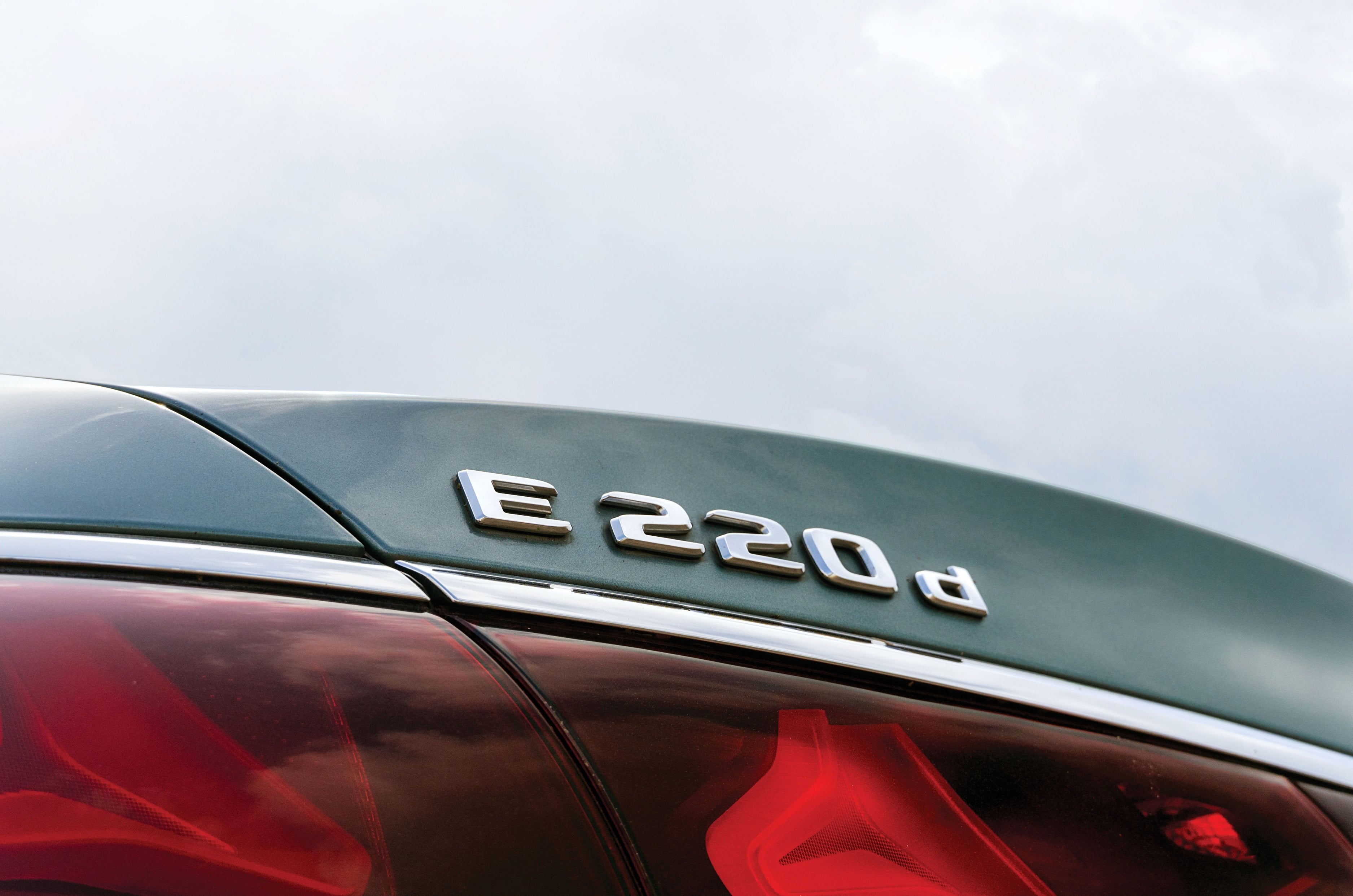
The 220 diesel also impresses when it comes to refinement. First up, it’s difficult to tell this is a diesel at low and medium speeds from the passenger seat. This is especially true once the engine is warmed up. Sure, you can look at the tachometer and the truncated powerband and guess, but with no typical diesel rattle at low engine speeds and no clatter under load, telling passengers in the car this is a petrol, and getting them to believe it, is a fun game I often played. It’s only when you rev the engine close to the redline that there is a faint diesel drone.
Want to fall in love with diesel again? Take this car on a long drive.
What’s odd about the diesel is that it feels way too relaxed and laid back when you need to take off from rest. Squeeze down gently on the accelerator pedal, say as the traffic lights turn green, and, at times, the car barely moves. This makes you tap the throttle a bit harder and gets you to second guess yourself. Not comfortable when you are sat with large commercial vehicles bearing down on you at the lights. It only appears to be a matter of tuning; it doesn’t happen in Sport. Once on the move, the hybrid system delivers 27hp of e-boost so seamlessly, it’s tough to pinpoint when exactly the e-power comes in; and then power flows in a seamless, smooth, almost petrol-like manner. You do miss the turbo-diesel spike of torque at low speeds, though; today’s tighter emission-control norms somewhat strangle the responses.
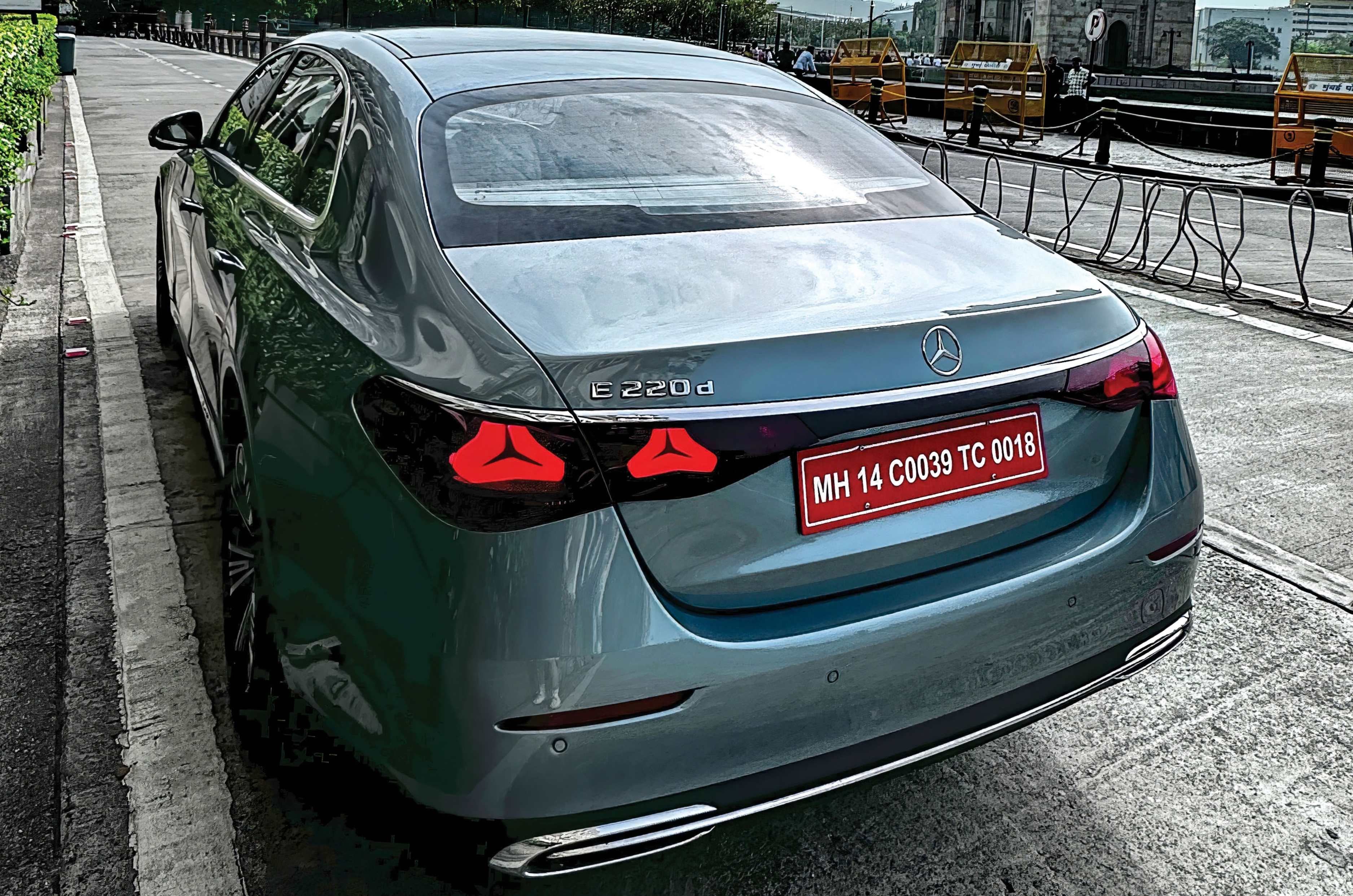
Two red stars in tail-light tell you this is an E-Class, even at a distance.
Over the time we had the car with us, we also discovered a few other niggles. The ‘glass’ dashboard picks up too many fingerprints, to begin with, and these prove difficult to clean. The E-Class also isn’t the most comfortable five seater, the narrow centre seat is only usable for short drives. Then, at times, because of the long wheelbase, some of the large speedbreakers are better traversed at an angle, so that the belly of the car is raised higher. This is especially when the car is fully loaded.
Piano black and polished glass pick up fingerprints very easily.
What endears you to this car, however, is that the new E-Class steers much better, even managing to sort of shrink around you when you begin to enjoy wheel time. That, of course, and the sheer comfort and calm you get when you are sat at the rear, the refinement, plush ride and solid build delivering a near-first-class experience in the back. And then, since it’s a diesel with a healthy e-boost, it’s also super-efficient, currently the most fuel-efficient car in our fleet, double digits in the city, and from a car this size! It ticks so many boxes, no wonder it’s still the class leader by a country mile, and that’s despite the healthy premium it asks for.
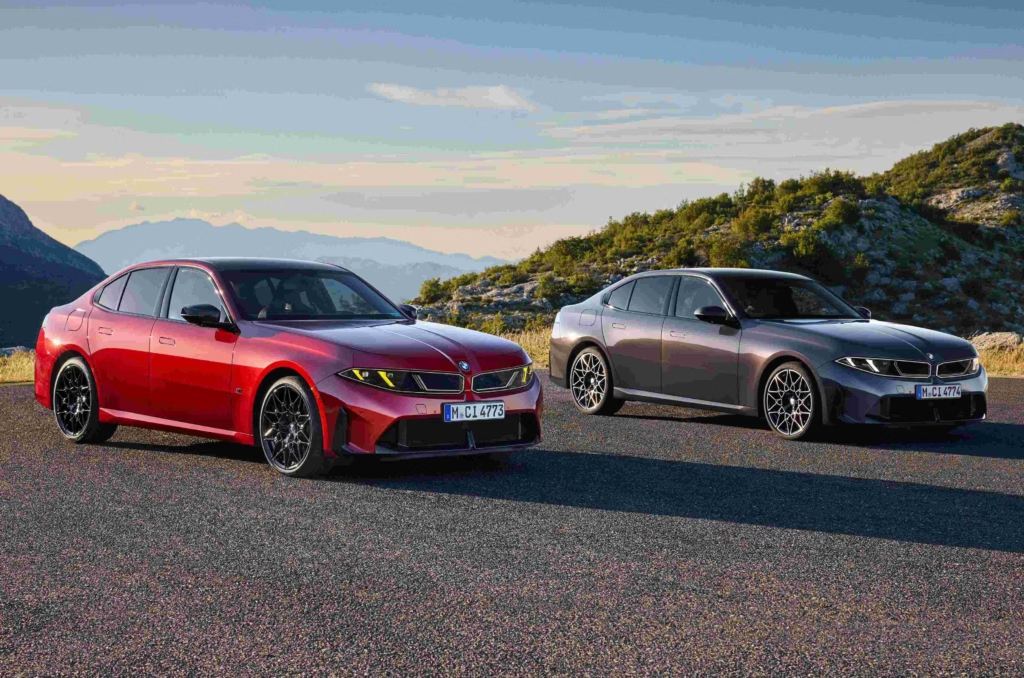
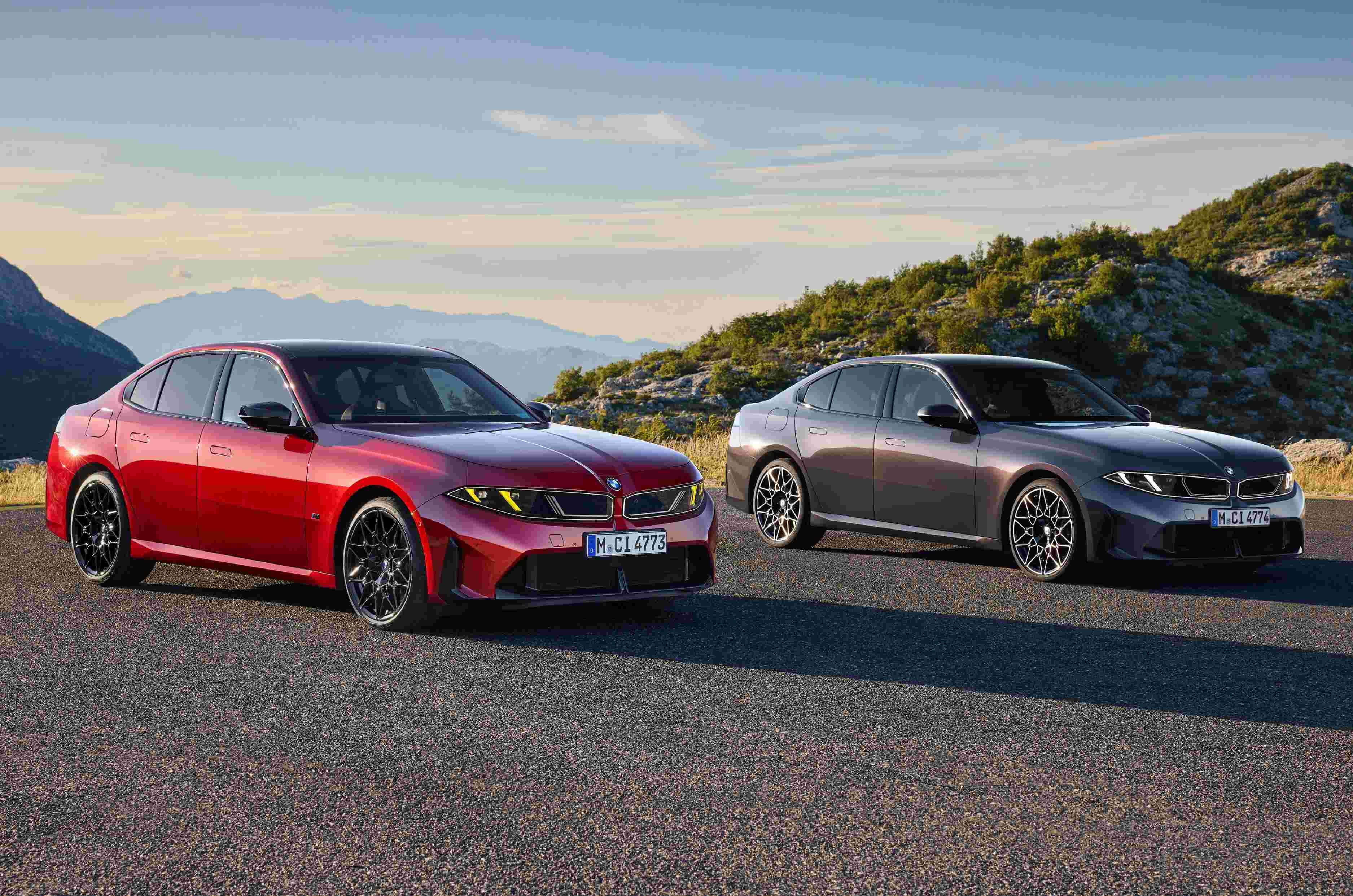
The eighth-gen BMW 3 Series (codename: G50) has arrived, bringing Neue Klasse styling and underpinned by an updated version of BMW’s CLAR platform. On the outside and inside, the new 3 Series looks very similar to its all-electric counterpart, the i3, which was unveiled in March 2026. The real differences are under the skin. BMW has revealed details on the G50 3 Series’s 318, 320, and M350 variants. The first two variants are powered by a 2.0-litre four-cylinder direct-injection turbo-petrol engine with rear-wheel drive, while the range-topping M350 gets a 3.0-litre direct-injection turbo straight-six with all-wheel drive. An 8-speed torque converter automatic gearbox is standard across these three variants.
Kia has rolled out a range of benefits across its India line-up for October 2026, including cash discounts, exchange and scrappage offers, loyalty benefits and corporate discounts. The offers vary by model, variant and powertrain, with select cars also getting additional benefits such as an extended warranty. Here is a model-wise breakdown of Kia’s October offers.
Disclaimer: Offers/benefits may vary by city and are subject to stock availability. Buyers are advised to check with their local dealer for exact figures.
Kia Carnival discounts in October 2026
Up to Rs 1.70 lakh off
The Kia Carnival gets the highest benefits in Kia’s October 2026 offer programme, with savings of up to Rs 1.70 lakh. The package comprises a Rs 1 lakh exchange offer, Rs 20,000 scrappage benefit and corporate benefits of up to Rs 50,000.
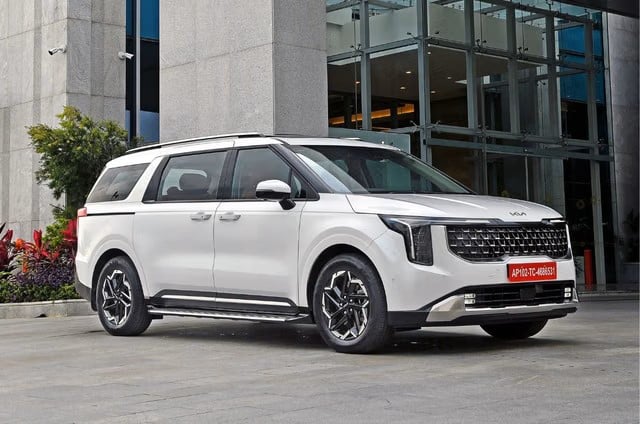
Kia’s flagship MPV focuses on rear-seat comfort and space, making it a compelling choice among chauffeur-driven buyers. Priced from Rs 59.65 lakh, the Carnival does not have a direct rival, although the MG M9 is positioned in a similar price bracket.
Kia Carens Clavis discounts in October 2026
Up to Rs 95,000 off
The Kia Carens Clavis gets benefits of up to Rs 95,000 on its ICE variants, excluding the CNG version. The offer comprises a Rs 10,000 cash discount, Rs 30,000 exchange benefit, Rs 20,000 loyalty benefit, Rs 20,000 scrappage benefit and corporate benefits of up to Rs 15,000.
The Clavis is available in six- and seven-seat configurations, with naturally aspirated petrol, turbo-petrol, CNG and diesel engine options. Prices range from Rs 11.39 lakh to Rs 21.79 lakh, ex-showroom. It is sold alongside the older Carens, which remains the lower-priced option in Kia’s MPV line-up. The Clavis rivals MPVs such as the Maruti Suzuki XL6 and Toyota Rumion, while its price also overlaps with larger three-row SUVs such as the Hyundai Alcazar and Tata Safari.
Kia Carens Clavis EV discounts in October 2026
Up to Rs 75,000 off
The Carens Clavis EV gets benefits of up to Rs 75,000 across its range. The offer includes a Rs 20,000 exchange benefit, Rs 20,000 loyalty benefit, Rs 20,000 scrappage benefit and corporate benefits of up to Rs 15,000. No cash is available for the Clavis EV this month.
The electric MPV offers a practical, well-finished cabin and strong performance even under load. However, it is significantly more expensive than the ICE-powered Clavis. The Clavis EV is priced between Rs 18.04 lakh and Rs 25 lakh, ex-showroom. It rivals the BYD eMax 7 and VinFast VF MPV 7.
Kia Sonet discounts in October 2026
Up to Rs 65,000 off
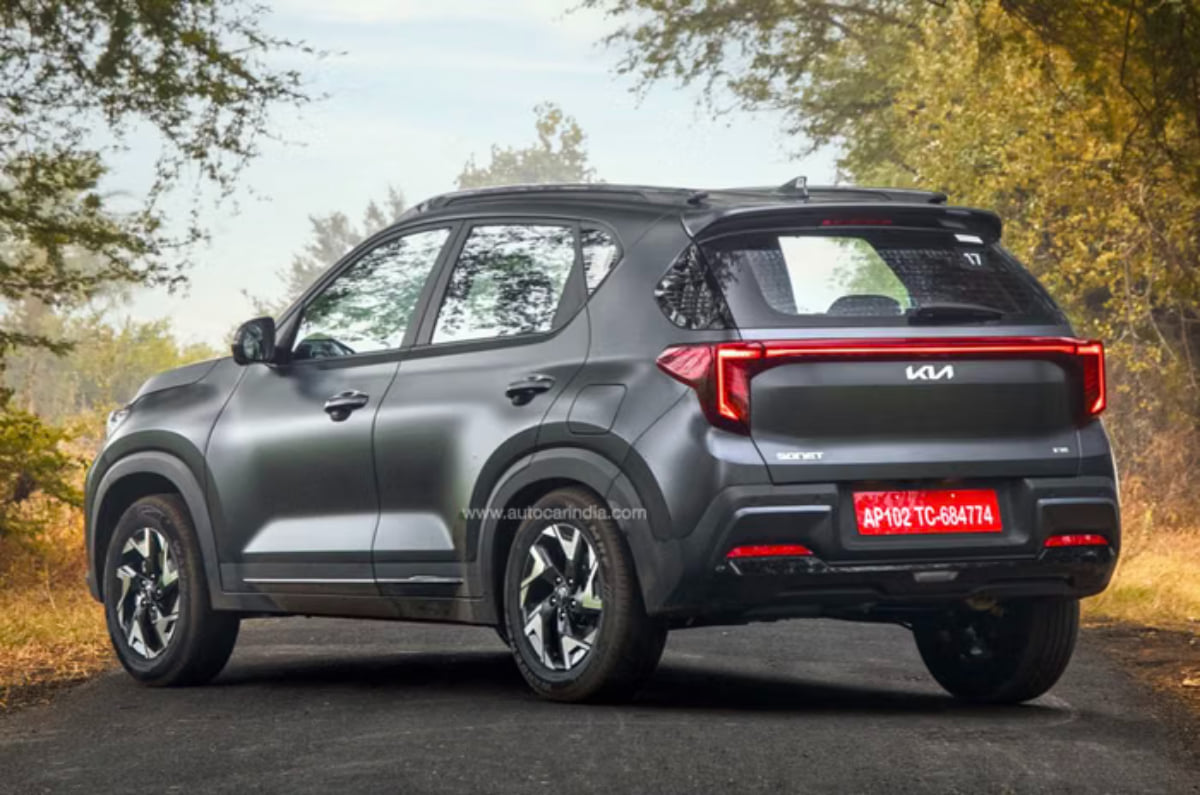
Benefits on the Kia Sonet vary by powertrain and variant. The naturally-aspirated petrol 1.2-litre HTK (O) gets the highest benefits of up to Rs 65,000, comprising a Rs 15,000 cash discount, Rs 20,000 exchange benefit, Rs 15,000 scrappage benefit and corporate benefits of up to Rs 15,000. The Sonet diesel , turbo-petrol and naturally-aspirated variants get benefits of up to Rs 50,000.
The compact SUV offers a long equipment list and multiple engine options. However, rear-seat space is limited and higher variants can get expensive. A rival to the Maruti Suzuki Brezza, Tata Nexon, Skoda Kylaq, Hyundai Venue and Mahindra XUV 3XO, the Sonet is priced between Rs 7.41 lakh and Rs 14.27 lakh.
Kia Syros discounts in October 2026
Up to Rs 55,000 off
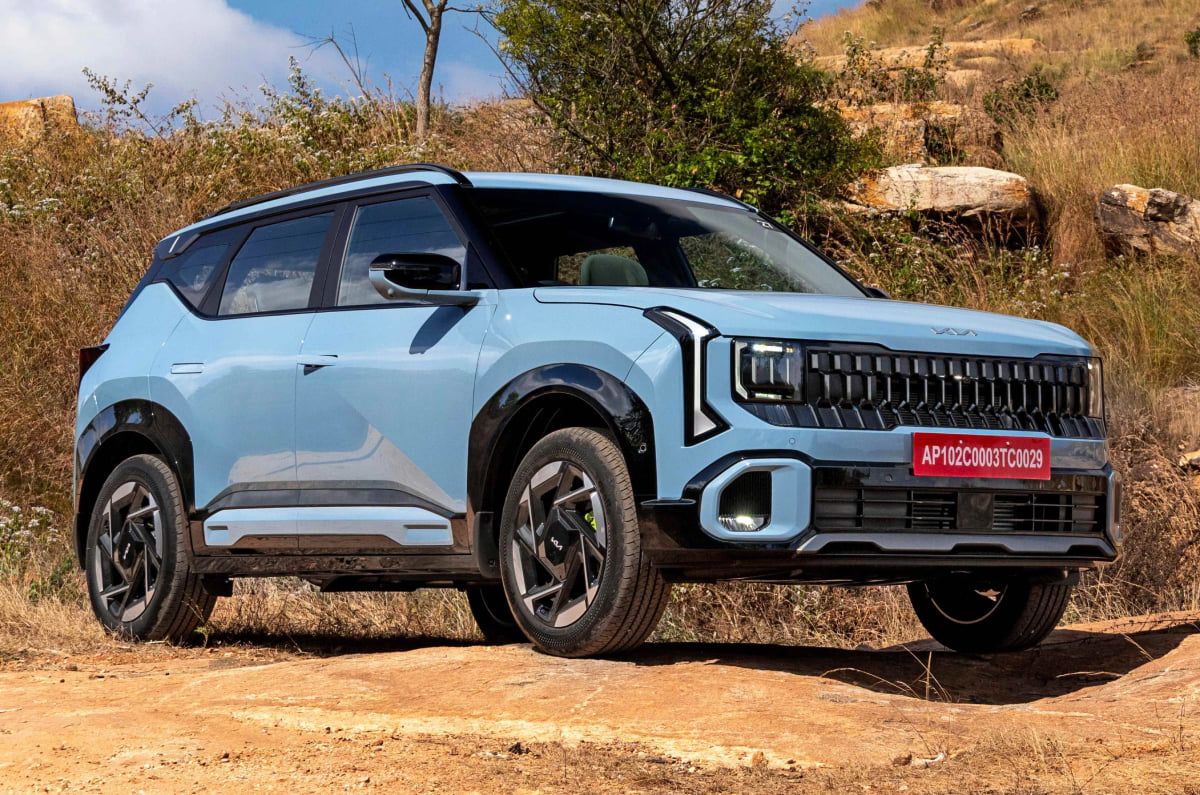
The Kia Syros gets benefits of up to Rs 55,000 on its ICE variants. The offer includes a Rs 20,000 exchange benefit, Rs 20,000 scrappage benefit and corporate benefits of up to Rs 15,000. Kia is also offering a free extended warranty with the Syros.
The Syros stands out for its stylish cabin and spacious rear seats, although NVH levels in both petrol and diesel variants remain high. The Kia Syros’ rivals include the Tata Nexon, Mahindra XUV 3XO, Maruti Suzuki Brezza, Skoda Kylaq and Hyundai Venue. It is priced from Rs 8.42 lakh to Rs 15.82 lakh.
Kia Carens discounts in October 2026
Up to Rs 45,000 off
The Kia Carens, excluding CNG variants, gets benefits of up to Rs 45,000. These comprise a Rs 10,000 exchange benefit, Rs 20,000 scrappage benefit and corporate benefits of up to Rs 15,000. The Carens CNG gets a Rs 20,000 scrappage benefit.
The Carens offers a spacious cabin, good practicality and a generous feature list. However, diesel performance under full load is not particularly strong, and the petrol engine is not very fuel-efficient. The Carens is priced between Rs 11.02 lakh and Rs 12.88 lakh, ex-showroom, it rivals the Toyota Rumion and Maruti Suzuki Ertiga.
Kia Seltos discounts in October 2026
Up to Rs 40,000 off
The Kia Seltos gets benefits of up to Rs 40,000 across its range. These comprise a Rs 20,000 loyalty benefit and Rs 20,000 scrappage benefit. There is no cash discount or exchange benefit for the Seltos this month.
The midsize SUV combines a comfortable ride with good handling and a strong turbo-petrol engine option. However, some rivals offer a more comprehensive feature list, and the diesel engine lacks punch. The Seltos rivals the Hyundai Creta, Tata Sierra, Maruti Grand Vitara, Toyota Urban Cruiser Hyryder, Volkswagen Taigun, Skoda Kushaq, Renault Duster and MG Astor. Its prices range from Rs 11 lakh to Rs 21.82 lakh.
Kia Sorento discounts in October 2026
Up to Rs 40,000 off
The recently launched Kia Sorento gets benefits of up to Rs 40,000 across its range. The offer comprises a Rs 20,000 loyalty benefit and Rs 20,000 scrappage benefit.
The Sorento is Kia’s flagship three-row SUV in India and is offered with a 2.2-litre diesel engine or a 1.6-litre turbo-petrol strong-hybrid powertrain. Prices range from Rs 27.99 lakh to Rs 40.39 lakh. It competes with SUVs including the Jeep Meridian, Skoda Kodiaq and Volkswagen Tayron.