सरकार ने 1 अक्टूबर से शुरू 15 दिनों की अवधि के लिए डीजल और ATF (एविएशन टर्बाइन फ्यूल) के एक्सपोर्ट पर विंडफॉल गेन्स टैक्स घटा दिया है। पेट्रोल के एक्सपोर्ट पर इस टैक्स में कोई बदलाव नहीं किया गया है। एक सरकारी आदेश के मुताबिक, डीजल के एक्सपोर्ट पर स्पेशल एडिशनल एक्साइज ड्यूटी (SAED) और रोड एंड इंफ्रास्ट्रक्चर सेस की दर अब 16 रुपये प्रति लीटर है, जो पहले 20 रुपये प्रति लीटर थी। ATF के एक्सपोर्ट पर ड्यूटी को 15 रुपये प्रति लीटर से घटाकर 10.5 रुपये प्रति लीटर कर दिया गया है। पेट्रोल के एक्सपोर्ट पर ड्यूटी को 0.5 रुपये प्रति लीटर पर बरकरार रखा गया है।
वित्त मंत्रालय ने एक नोटिफिकेशन में कहा कि ड्यूटी में ये बदलाव 1 अक्टूबर से लागू होंगे। यह भी कहा कि घरेलू खपत के लिए जारी पेट्रोल और डीजल पर मौजूदा ड्यूटी दरों में कोई बदलाव नहीं किया गया है।
इससे पहले सरकार ने 16 सितंबर से शुरू 15 दिनों की अवधि के लिए भी पेट्रोल, डीजल और ATF (एविएशन टर्बाइन फ्यूल) के एक्सपोर्ट पर विंडफॉल गेन्स टैक्स घटाया था। उस वक्त डीजल के एक्सपोर्ट पर SAED और रोड एंड इंफ्रास्ट्रक्चर सेस की दर 20 रुपये प्रति लीटर, ATF के एक्सपोर्ट पर ड्यूटी 15 रुपये प्रति लीटर और पेट्रोल के एक्सपोर्ट पर ड्यूटी 0.5 रुपये प्रति लीटर की गई थी। 1 सितंबर को सरकार ने पेट्रोल-डीजल पर विंडफॉल गेन्स टैक्स बढ़ाया था, जबकि ATF पर घटाया था।
क्या है विंडफॉल गेन्स टैक्स
अगर ऑयल कंपनियां 75 डॉलर प्रति बैरल से ज्यादा पर कच्चे तेल की बिक्री करती हैं, तो इससे हासिल होने वाले प्रॉफिट पर विंडफॉल गेन्स टैक्स लगता है। वहीं डीजल, ATF और पेट्रोल के निर्यात के लिए यह लेवी तब लागू होती है, जब मार्जिन 20 डॉलर प्रति बैरल से अधिक हो जाता है। पिछले दो सप्ताह में तेल की औसत कीमतों के आधार पर हर 15 दिनों पर विंडफॉल गेन्स टैक्स की रेट का रिव्यू किया जाता है। बता दें कि कच्चे तेल को जमीन और समुद्र से निकाल कर रिफाइन किया जाता और इसे पेट्रोल, डीजल और एयर टर्बाइन फ्यूल (ATF) में कनवर्ट किया जाता है।
भारत ने विंडफॉल गेन्स टैक्स सबसे पहले जुलाई 2022 में लागू किया था। फिर 2 साल बाद दिसंबर 2024 में इसे हटा दिया। लेकिन फिर फरवरी 2026 में ईरान के खिलाफ शुरू हुए अमेरिका-इजराइल युद्ध से तेल की कीमतों में तगड़ा उछाल आया। इसे देखते हुए मार्च 2026 में यह लेवी फिर से लागू की गई।
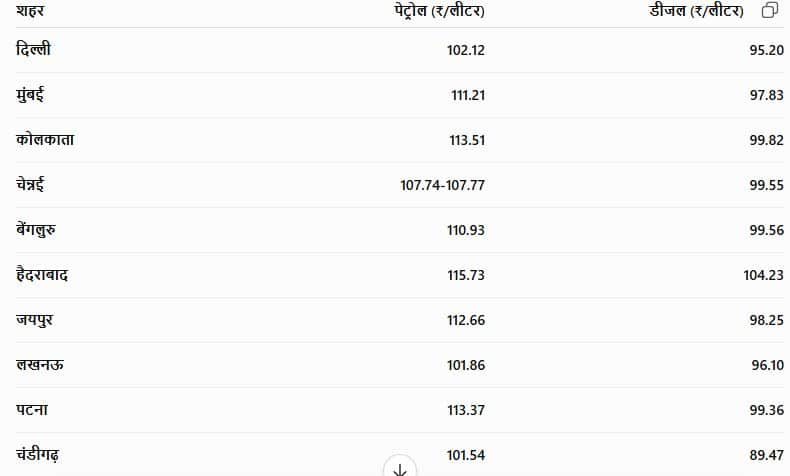
Petrol Diesel Price Today, 1 October 2026: देश के प्रमुख शहरों में गुरुवार, 1 अक्टूबर को पेट्रोल और डीजल की कीमतों में कोई बड़ा बदलाव नहीं हुआ है। राजधानी दिल्ली में पेट्रोल 102.12 रुपये प्रति लीटर और डीजल 95.20 रुपये प्रति लीटर की दर से बिक रहा है। वहीं, मुंबई में पेट्रोल 111.21 रुपये और डीजल 97.83 रुपये प्रति लीटर है। तेल कंपनियां भारत में लागू डायनेमिक फ्यूल प्राइसिंग सिस्टम के तहत पेट्रोल और डीजल की कीमतों की रोजाना समीक्षा करती हैं। नई कीमतें हर दिन सुबह 6 बजे लागू की जाती हैं। हालांकि, अलग-अलग राज्यों में टैक्स, वैट, परिवहन लागत और डीलर कमीशन के कारण ईंधन की कीमतों में अंतर रहता है।
देश के प्रमुश शहरों में आज पेट्रोल-डीजल का रेट
उपलब्ध शहरवार दरों के मुताबिक, देश के ज्यादातर बड़े शहरों में पेट्रोल 100 रुपये प्रति लीटर से ऊपर बना हुआ है। कई बाजारों में डीजल की कीमत भी 95 रुपये प्रति लीटर से अधिक है। दिए गए प्रमुख शहरों में हैदराबाद में पेट्रोल ₹115.73 प्रति लीटर सबसे ज्यादा है। इसके बाद कोलकाता ₹113.51, पटना ₹113.37 और जयपुर ₹112.66 है।
अलग-अलग शहरों में क्यों बदलते हैं पेट्रोल-डीजल के दाम?
पेट्रोल और डीजल की खुदरा कीमतों में राज्यों के बीच अंतर की सबसे बड़ी वजह राज्य सरकारों द्वारा लगाए जाने वाले टैक्स और VAT हैं। इसके अलावा परिवहन खर्च और डीलर कमीशन भी अंतिम कीमत को प्रभावित करते हैं। पेट्रोल और डीजल अभी GST के दायरे से बाहर हैं। इसलिए राज्य स्तर पर लगने वाला टैक्स इनके खुदरा दाम तय करने में महत्वपूर्ण भूमिका निभाता है।
कच्चे तेल और रुपये की कीमत का भी असर
भारत अपनी कच्चे तेल की जरूरत का बड़ा हिस्सा आयात करता है। ऐसे में अंतरराष्ट्रीय बाजार में कच्चे तेल की कीमतों में बदलाव का असर घरेलू पेट्रोलियम उत्पादों की लागत पर पड़ता है। इसके अलावा डॉलर के मुकाबले रुपये की विनिमय दर भी ईंधन की कीमतों को प्रभावित करने वाला एक महत्वपूर्ण कारक है। रुपये में कमजोरी से आयातित कच्चे तेल की लागत बढ़ सकती है।
सुबह 6 बजे बदलते हैं पेट्रोल-डीजल के रेट
भारत में जून 2017 से डायनेमिक फ्यूल प्राइसिंग सिस्टम लागू है। इसके तहत तेल कंपनियां रोजाना पेट्रोल और डीजल की कीमतों की समीक्षा करती हैं और संशोधित दरें सुबह 6 बजे लागू होती हैं। ग्राहक अपने शहर में पेट्रोल-डीजल की कीमत की जानकारी तेल कंपनी की SMS सेवा के जरिए भी हासिल कर सकते हैं। इंडियन ऑयल की सेवा के तहत ‘RSP’ लिखकर संबंधित नंबर पर SMS भेजकर स्थानीय कीमत की जानकारी ली जा सकती है।
डीजल और ATF के एक्सपोर्ट शुल्क में फिर कटौती
केंद्र सरकार ने डीजल और एविएशन टर्बाइन फ्यूल (ATF) के निर्यात शुल्क में लगातार दूसरी पखवाड़े कटौती की है। 1 अक्टूबर 2026 से डीजल पर एक्सपोर्ट लेवी घटाकर 16 रुपये प्रति लीटर और ATF पर 10.5 रुपये प्रति लीटर कर दी गई है। वहीं, पेट्रोल पर निर्यात शुल्क 0.5 रुपये प्रति लीटर पर पहले की तरह बरकरार रखा गया है।
वित्त मंत्रालय की ओर से जारी अधिसूचनाओं के मुताबिक, डीजल पर निर्यात शुल्क में 4 रुपये प्रति लीटर की कमी की गई है। इससे पहले 16 सितंबर से 30 सितंबर तक यह शुल्क 20 रुपये प्रति लीटर था। इसी तरह ATF पर लेवी 4.5 रुपये प्रति लीटर घटाकर 15 रुपये से 10.5 रुपये प्रति लीटर कर दी गई है।
सितंबर से अब तक डीजल पर 9 रुपये की कटौती
सरकार ने 1 सितंबर से डीजल और ATF पर एक्सपोर्ट लेवी में लगातार कटौती की है। 1 सितंबर को डीजल पर शुल्क 25 रुपये प्रति लीटर था, जिसे अब घटाकर 16 रुपये कर दिया गया है। यानी एक महीने में इसमें 9 रुपये प्रति लीटर की कमी हुई है। वहीं, ATF पर निर्यात शुल्क इस अवधि में 19 रुपये से घटकर 10.5 रुपये प्रति लीटर रह गया है। यानी ATF पर 8.5 रुपये प्रति लीटर की कटौती की गई है।
घरेलू पेट्रोल-डीजल की एक्साइज ड्यूटी में बदलाव नहीं
सरकार ने स्पष्ट किया है कि घरेलू खपत के लिए जारी किए जाने वाले पेट्रोल और डीजल पर मौजूदा एक्साइज ड्यूटी दरों में कोई बदलाव नहीं किया गया है। यानी यह फैसला मुख्य रूप से पेट्रोलियम उत्पादों के निर्यात पर लगने वाली लेवी से जुड़ा है।
हर पखवाड़े होती है शुल्क की समीक्षा
पेट्रोल, डीजल और ATF पर निर्यात शुल्क 27 मार्च 2026 से लगाया गया था। पश्चिम एशिया में संकट के बीच पेट्रोलियम उत्पादों के निर्यात को हतोत्साहित करने और घरेलू बाजार में इनकी उपलब्धता बनाए रखने के उद्देश्य से यह व्यवस्था लागू की गई थी। सरकार इन निर्यात शुल्क दरों की हर 15 दिन में समीक्षा करती है। इसके लिए पिछली समीक्षा के बाद अंतरराष्ट्रीय बाजार में कच्चे तेल, पेट्रोल, डीजल और ATF की औसत कीमतों को आधार बनाया जाता है।
1 अक्टूबर से लागू नई दरें भी इसी समीक्षा प्रक्रिया का परिणाम हैं। अगली समीक्षा में अंतरराष्ट्रीय कीमतों के आधार पर इन शुल्क दरों में फिर बदलाव किया जा सकता है। सरकार की ताजा अधिसूचना ने 26 मार्च को जारी उन अधिसूचनाओं में संशोधन किया है, जिनके तहत पेट्रोलियम उत्पादों के निर्यात पर लेवी लागू की गई थी।
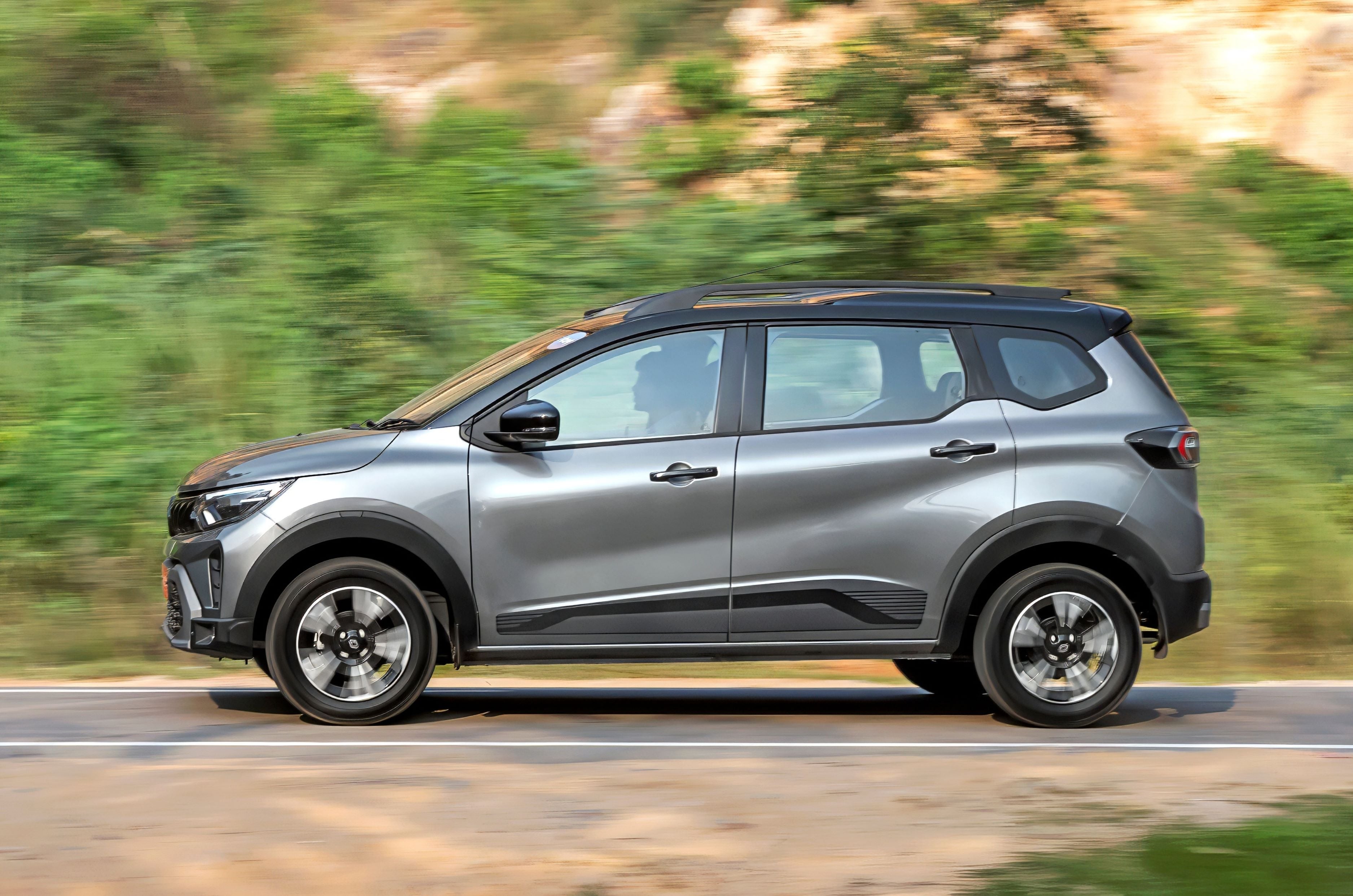
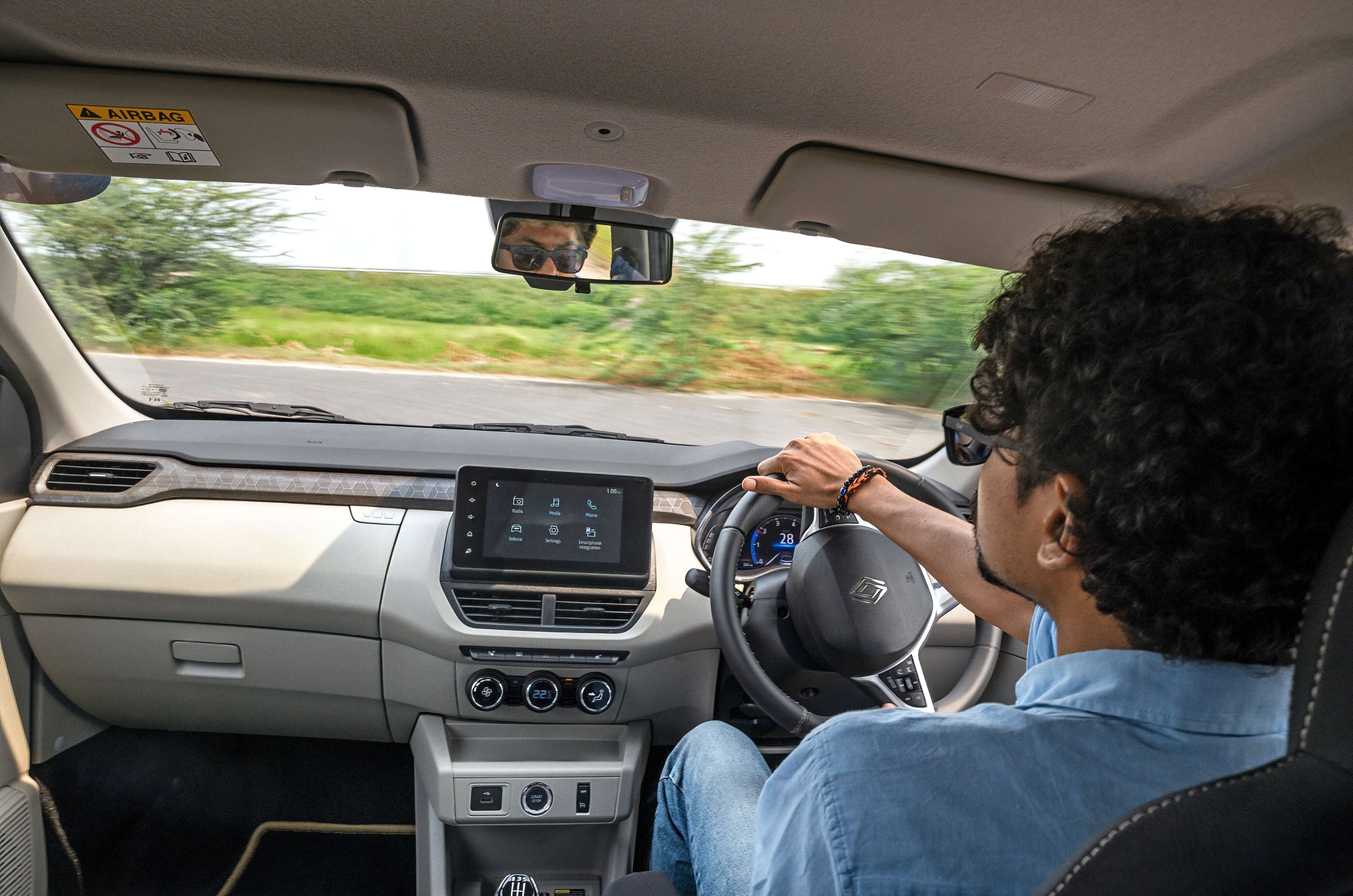
If you’re in the market for an affordable and compact 7-seater, the Renault Triber comes across as a well-packaged choice. For 2026, the Triber has been updated — it sits on a reengineered platform for better structural durability, gets a beefier suspension setup, and most importantly, it gets a much-needed turbo-petrol engine option. If you’re seriously considering the Triber, we bring a comprehensive list of reasons to go for one and reasons to look at another option.
Reasons to buy Renault Triber turbo
Punchy turbo-petrol engine
Turbo-petrol versions of the Triber get the same ‘HR10’ 1.0-litre, 3-cylinder unit as the Kiger and Duster. Power stands at an identical 100hp. But the Triber delivers more torque (180Nm) than both those SUVs thanks to a new engine management system. Pass the 2,500rpm mark and the Triber Turbo surges ahead with a strong midrange punch. In fact, pulling power feels sufficient even when fully loaded. This engine addresses the power gap left by the naturally aspirated petrol engine very well.
Clever packaging
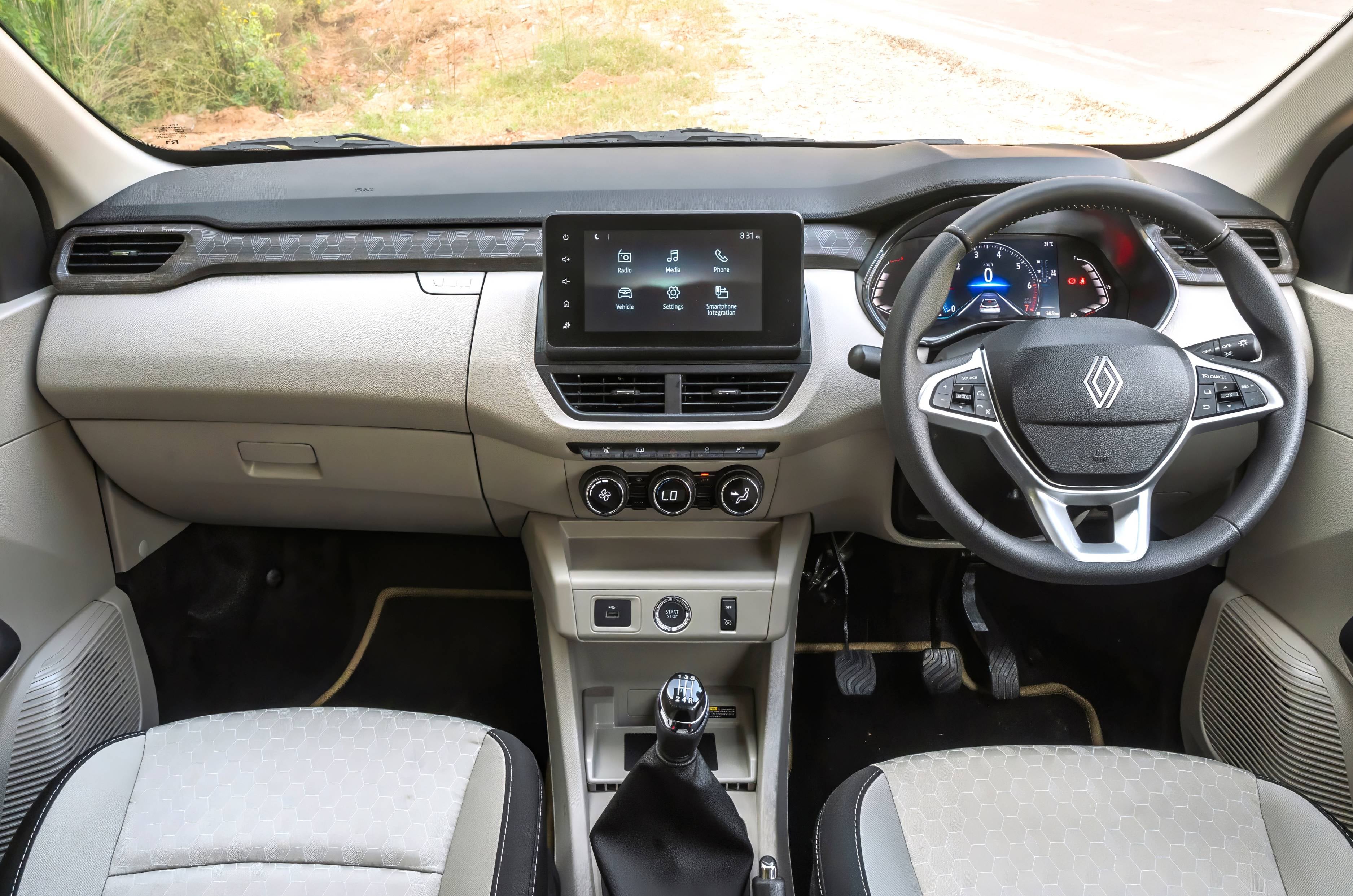
For its size and price, Renault has packaged the Triber’s cabin impressively with a surprising amount of room. Additionally, the light upholstery lends an airy feel to the cabin, and there’s plenty of storage space, including two large glove boxes, a smartphone shelf, two cup holders, a useful cooled storage bin and sizeable door pockets.
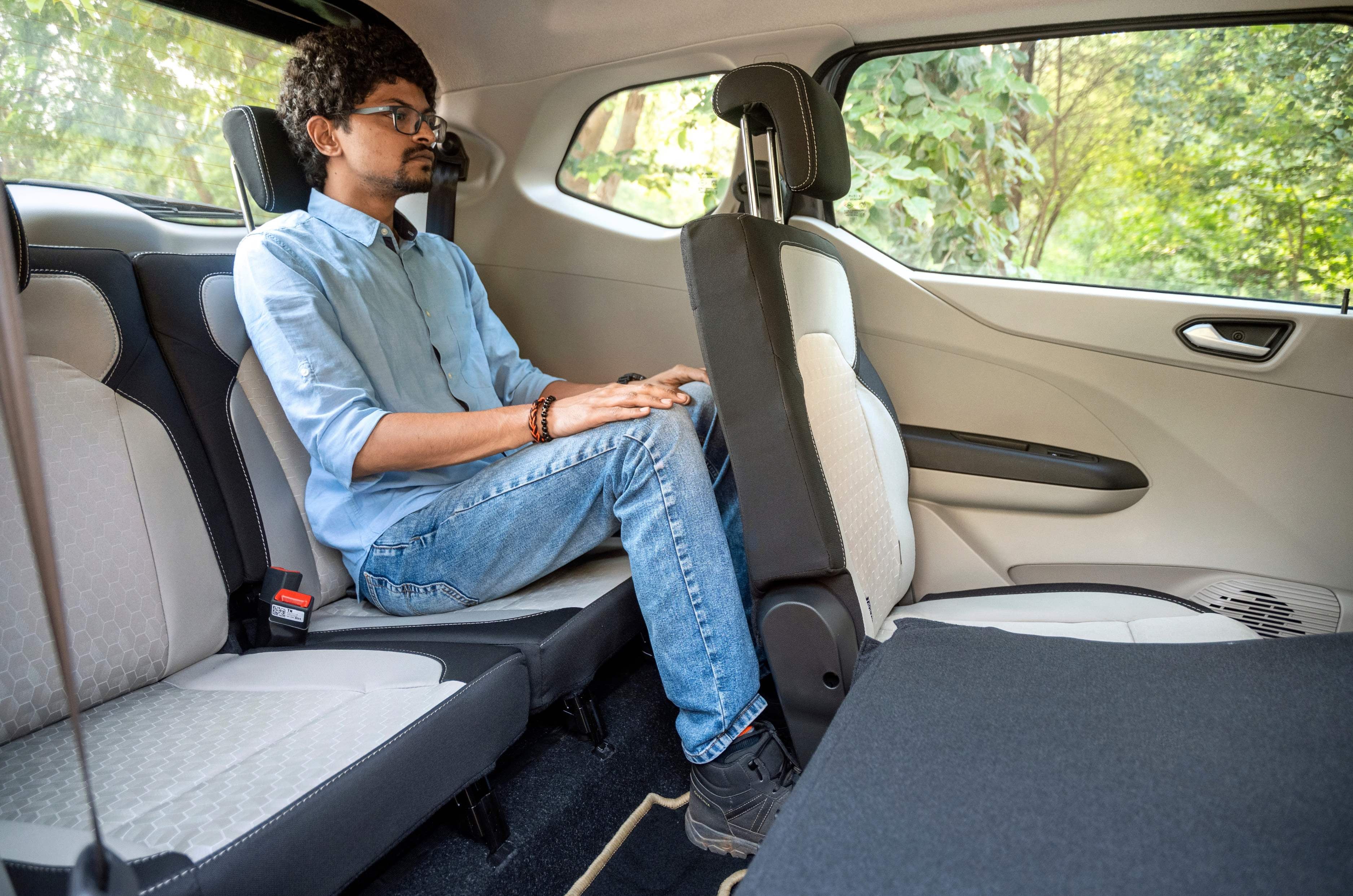
The second-row seats can slide, recline, tumble forward, and split-fold, making them quite versatile, and space is sufficient while the seats themselves are comfortable. Even third-row seat comfort is adequate, especially over short distances. Additionally, the third-row seats can be removed completely to provide extra boot space. Moreover, there are dedicated air vents and three-point seat belts for each row.
Composed ride quality
With the update, Renault has introduced new valve tech in the Triber’s shock absorbers and added anti-roll bars at the front and rear. These improvements have led to more stable ride quality, with better-controlled body roll around corners. Overall ride composure is impressive considering its 1-tonne kerb weight.
Reasons not to buy the Kiger turbo
Notchy manual gearbox
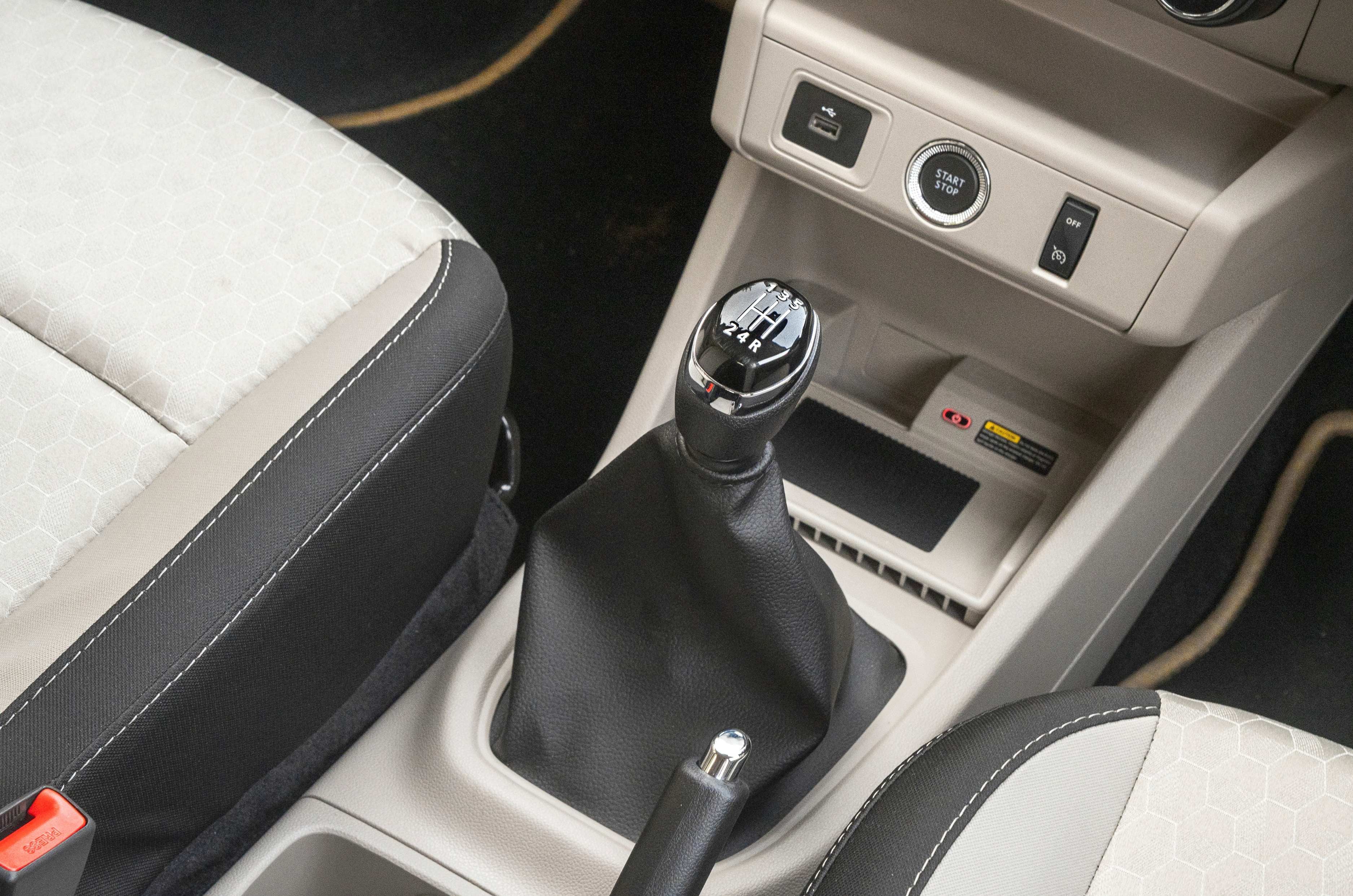
Though the turbo petrol mill brings much-needed power, accessing it, however, will be a task. Like its naturally aspirated counterpart, the 5-speed manual gearbox isn’t slick and requires more effort than usual to slot it into a desired gear. Meanwhile, the light nature of the clutch pedal does aid with city driving.
Light steering
With the Triber turbo, Renault has lightened the steering to compensate for the added weight. However, it has been done excessively, making it devoid of feel, and it increasingly feels disconnected as speeds rise. Though a light steering is useful for parking and navigating tight spaces, the one in the Triber lacks feedback.
High NVH levels
Overall refinement levels in the Renault Triber aren’t something to write home about. Its 3-cylinder turbo mill has the typical thrum when idling and gets noisy when you rev it hard. Road and tyre noises are also loud, especially at higher speeds.
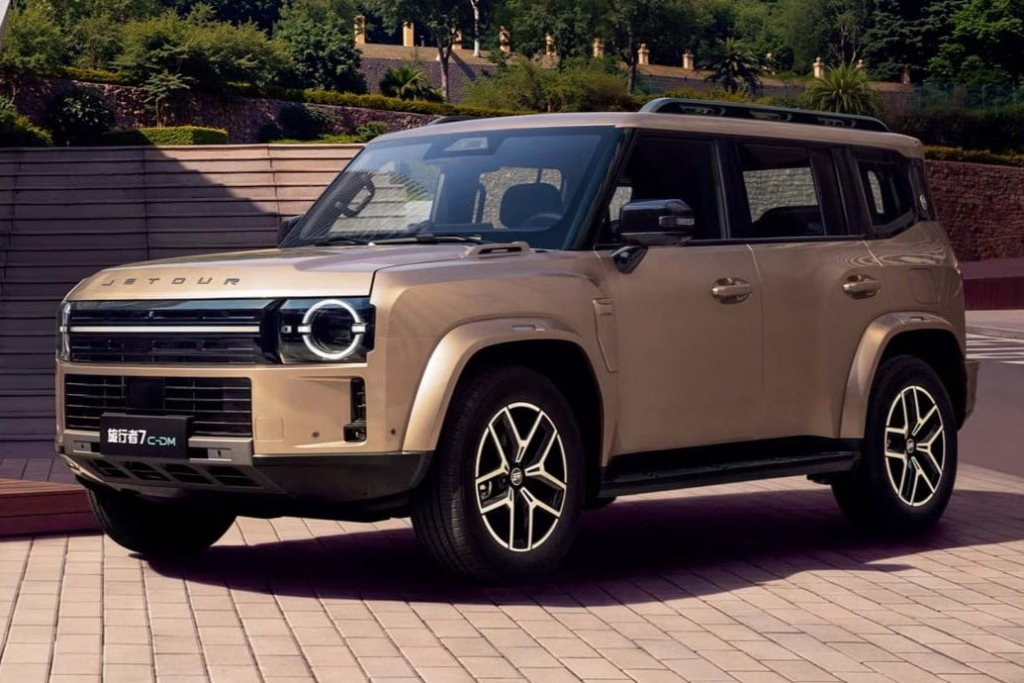
A facelifted version of the Jetour T2 has been launched in global markets. The Jetour T2 facelift was first unveiled in August at the Chengdu Motor Show in China, and gets some design revisions, more features, and powertrain tweaks. Interestingly, this updated iteration went on sale not long before the launch of the pre-facelift Jetour T2 under the JSW Combat name in India.
Jetour T2 facelift exterior design
The updated Jetour T2 retains the prior version’s boxy proportions, but with a few notable styling updates. Most of these are up front, such as circular DRLs in the headlamps, a new grille housing an LED strip, and a much cleaner front bumper. The Jetour wordmark has also been relocated from the grille to the leading edge of the bonnet.
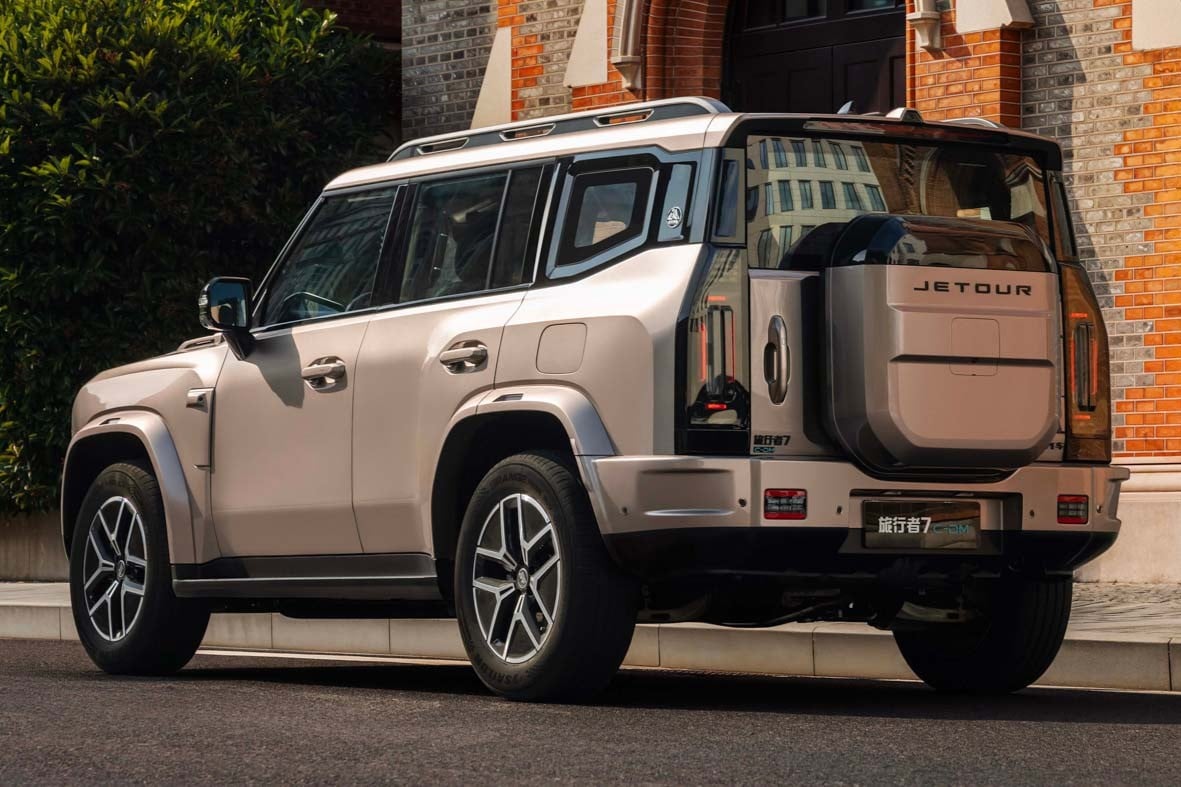
Over to the side, the Jetour T2 facelift gets new alloy wheel designs, as well as body-coloured wheel arches. The rear end sees some revisions too, particularly a cleaner bumper design, an updated spare wheel cover with a Jetour wordmark, and a discreet roof spoiler.
Jetour T2 facelift interior and features
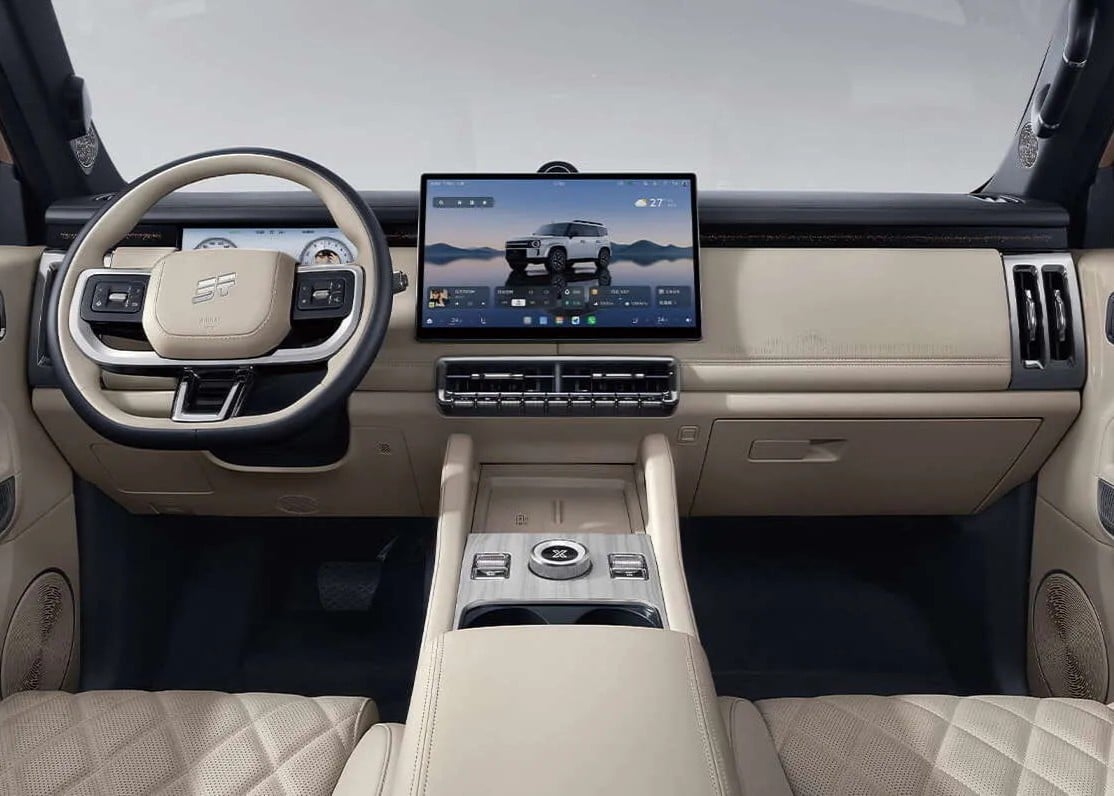
Inside, the Jetour T2 facelift takes on a more premium slant than its predecessor. The beige colour scheme lends the cabin an airier vibe, the seats are upholstered in quilted leatherette, and the dashboard looks to be fitted with leatherette trim – the open storage space in front of the co-driver looks to be closed-off in the facelifted model. There’s also a new three-spoke flat-bottomed steering wheel, and the AC vents have fresh designs too.
The 10.25-inch digital driver’s display and 15.6-inch infotainment touchscreen remain unchanged in size, but the latter is now powered by a stronger Qualcomm Snapdragon 8255 chip that allows for the integration of a new voice-controlled AI assistant. Other notable features include 10-way powered front seats with a massage function, dual wireless charging pads, a 23-speaker sound system, an ADAS suite, and 256-colour ambient lighting.
Jetour T2 facelift powertrains
The Jetour T2’s powertrain offerings vary widely by market, but looking at the China-spec model, the facelifted version continues to offer a 184hp 1.5-litre four-cylinder turbo-petrol engine in the base variant. This mill is paired with a 7-speed dual-clutch automatic that sends power to the front wheels. All other petrol variants of the facelifted Jetour T2, meanwhile, get a 254hp 2.0-litre turbo-petrol engine with the same 7-speed DCT and AWD. A big change here is that the top-spec petrol variant comes with an 8-speed automatic gearbox instead.
As for the plug-in hybrid (PHEV) variants of the Jetour T2 facelift, the 156hp 1.5-litre turbo-petrol engine has been retained, but the dual electric motors have been replaced by a single unit that develops 307hp and 330Nm. The 3-speed dedicated hybrid transmission (DHT) is now a 1-speed unit as well. These updates have been made in the interest of efficiency, as even with a slightly smaller 26.61kWh battery pack, the facelifted Jetour T2 PHEV manages a WLTP-certified 108km pure-electric range – up by 8km. There’s a larger 45.12kWh battery pack on offer too, which bumps the rated pure-electric range to 173km – an increase of 11km over the prior 43.24kWh unit.
Is the Jetour T2 facelift coming to India
As noted previously, the pre-facelift Jetour T2 PHEV is set to launch in India in the coming months as JSW Motors’s debut model, the Combat. Since JSW Motors has been extensively testing the pre-facelift Jetour T2, it’s quite unlikely that the facelifted version will make it here in the short term. As it stands, JSW Motors has yet to even communicate the launch date of the Combat, and recent media reports allege that the carmaker has pushed its debut from the festive season to mid-December.
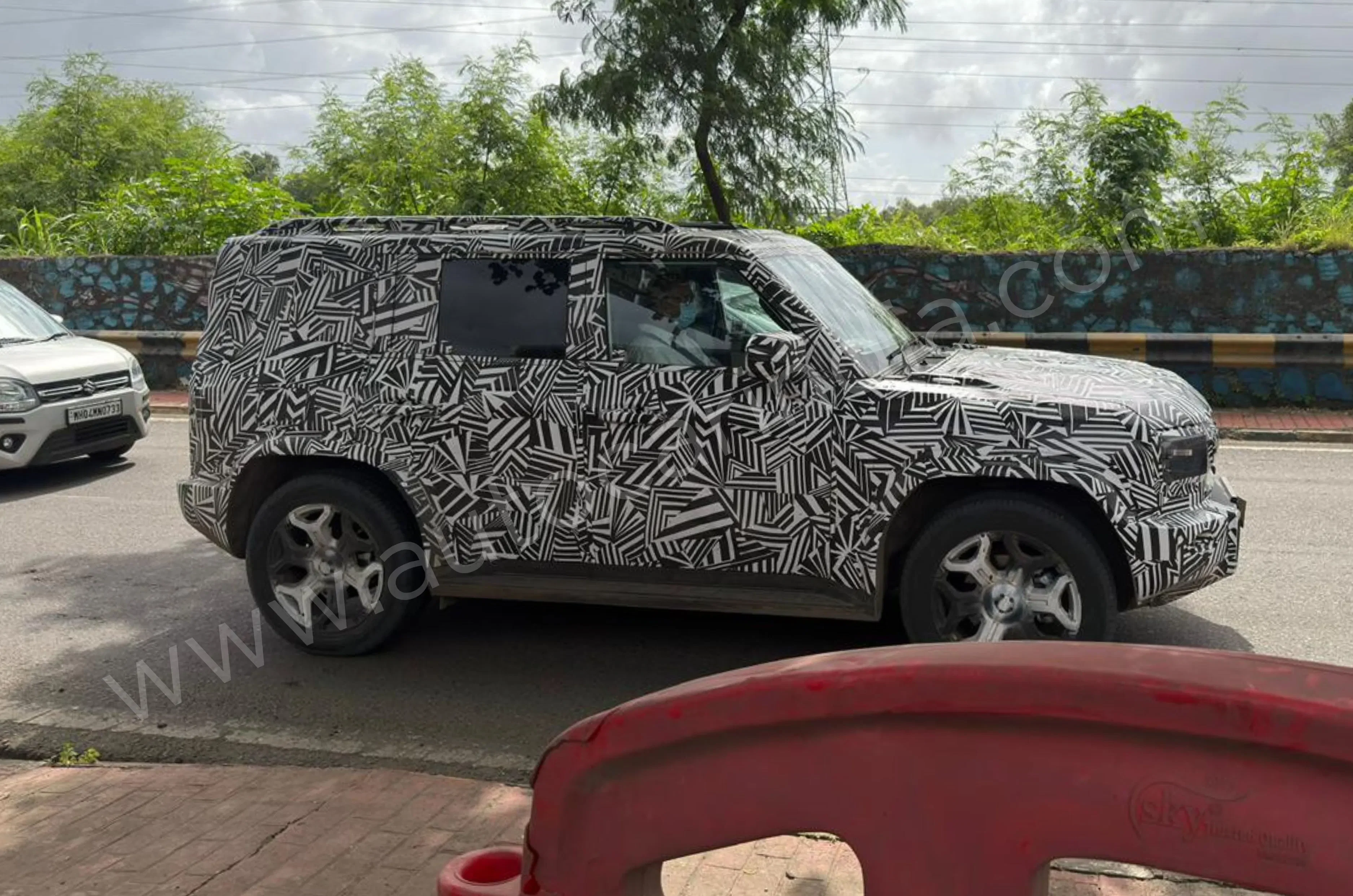
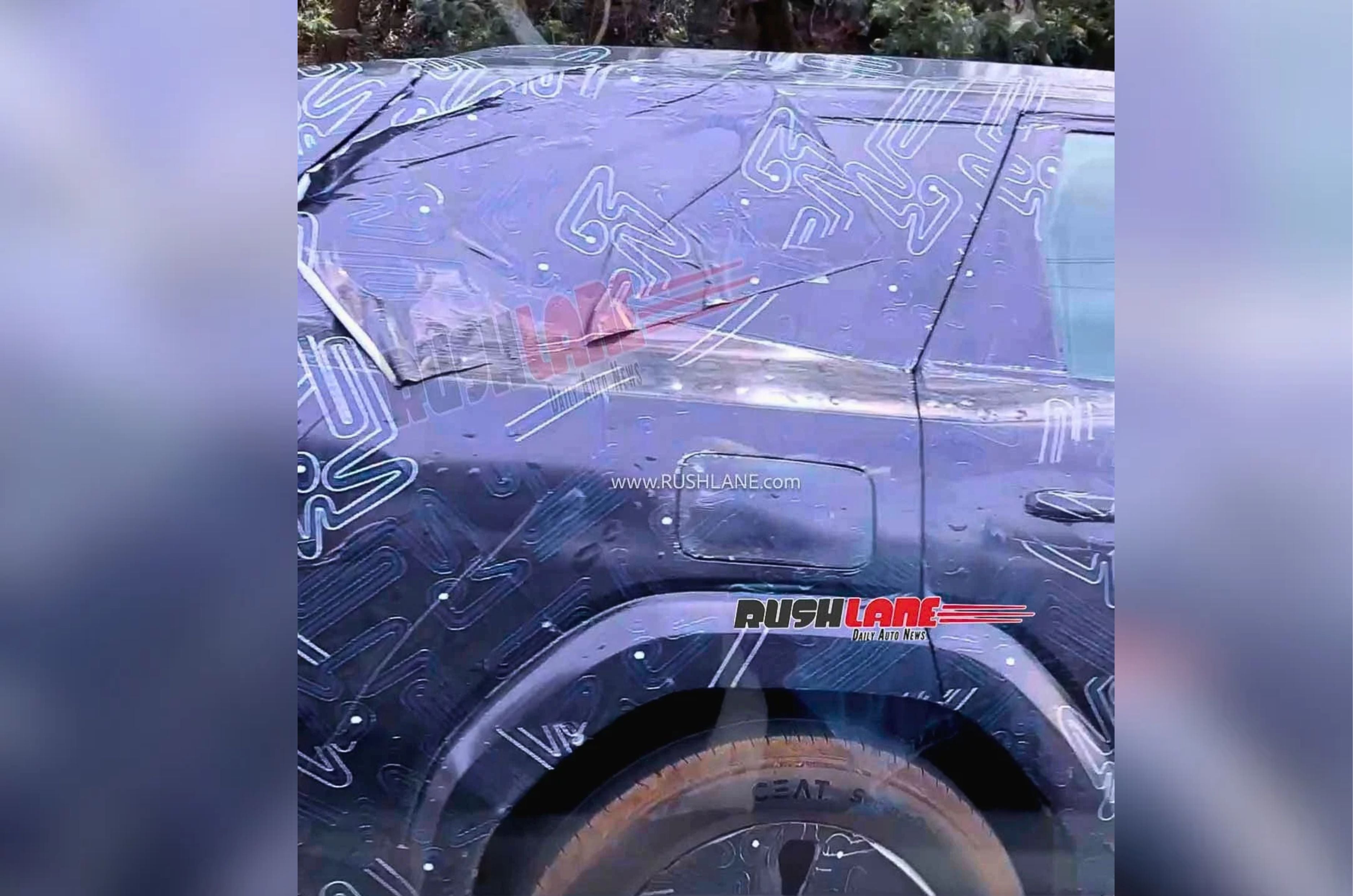
Nissan has been spotted testing a 7 seat SUV based on the Tekton. The three-row SUV has been spied with revised lighting elements, which will distinguish it from the five-seat model. It will be Nissan’s second seven-seat SUV in India, following the X-Trail, which was sold as a CBU import.
Nissan had previously confirmed that its seven-seat SUV will arrive in 2027. Speaking to Autocar India, Nissan’s India’s managing director, Saurabh Vatsa, said, the model would be “completely different, not just an extension of the Tekton”, despite sharing the CMF-B platform with the five-seat SUV.
Nissan 7-seater SUV exterior and dimensions
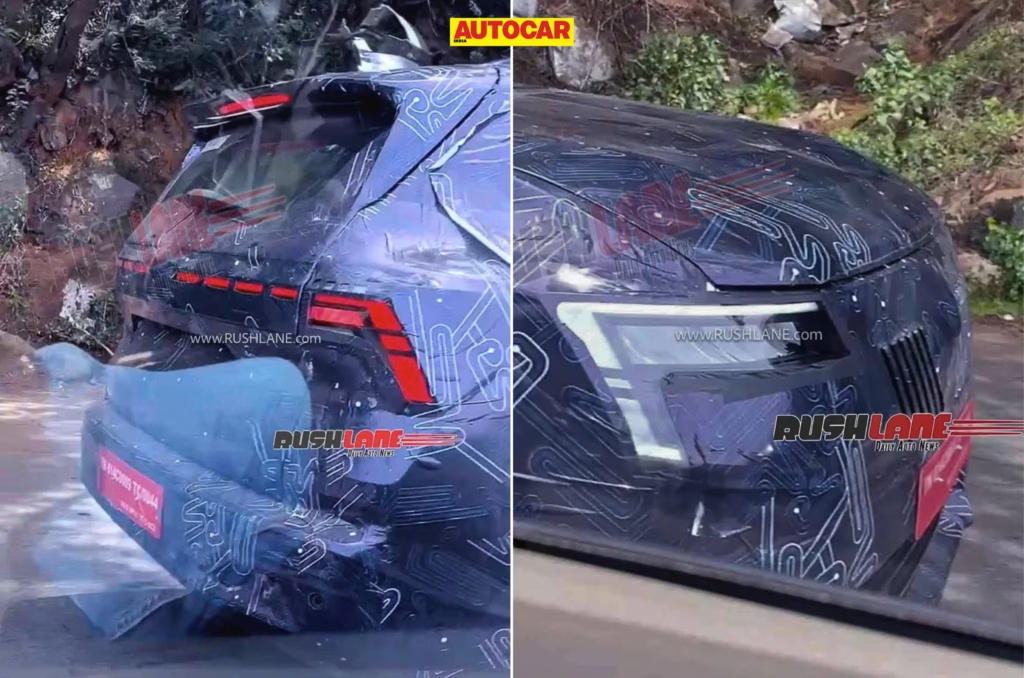
The test vehicle is heavily camouflaged, but the seven-seater appears to be significantly longer than the five-seat Tekton. The additional length is visible behind the rear wheels with a longer rear quarter-panel and a larger rear quarter glass. At the front, the SUV retains the Tekton’s inverted-L-shaped LED DRLs and LED headlights. The camouflage hides the rest of the front-end changes, although the 7-seater is expected to get a revised grille and bumper.
The rear gets a more significant lighting change. The C-shaped LED tail-light signature seen on the Tekton is replaced by a boomerang-shaped design that extends downwards. The SUV also gets a thicker-looking LED light bar connecting the two tail-lights along with a flatter rear windshield.
Nissan 7-seater SUV interior and features
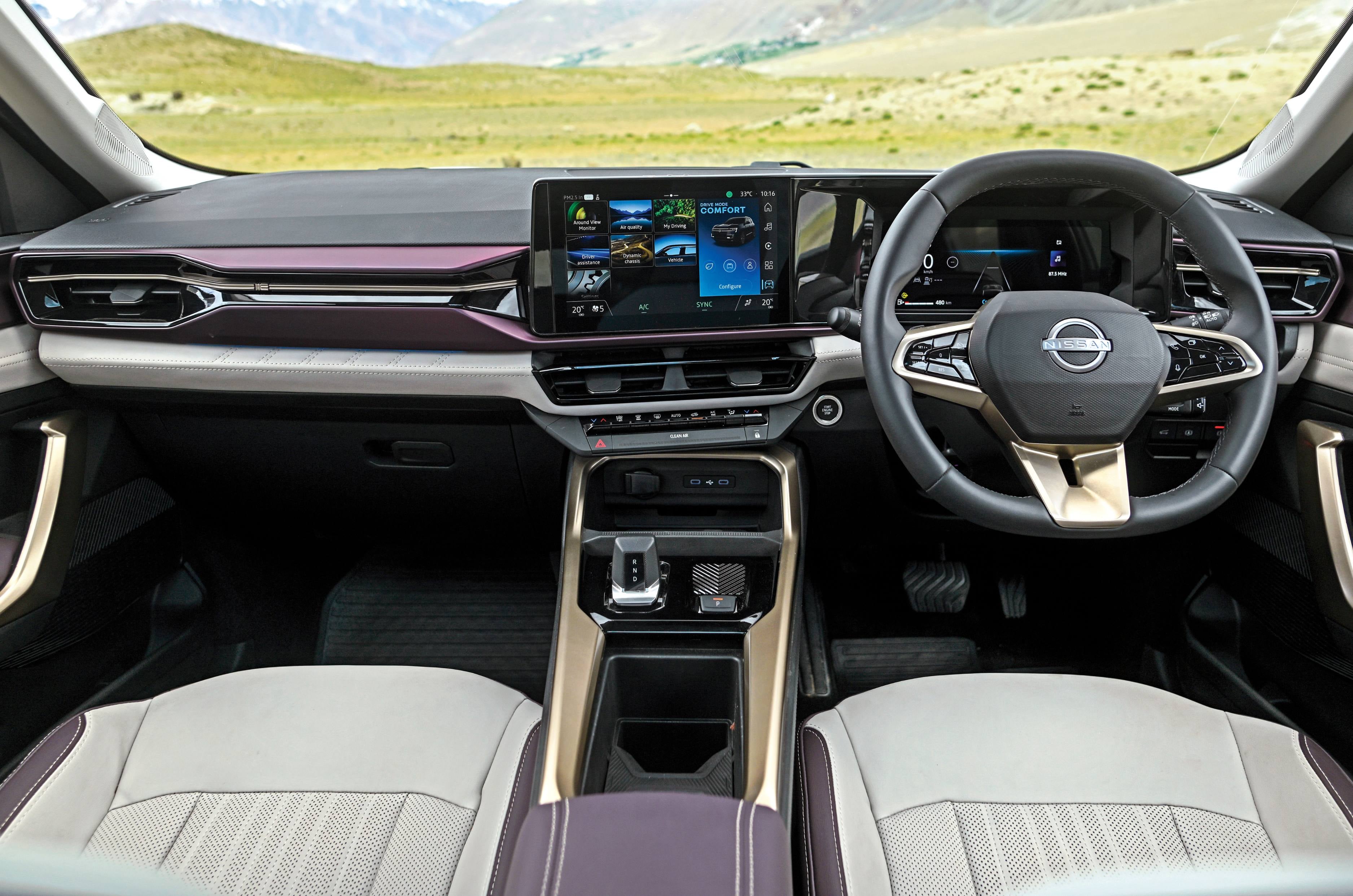
Current Nissan Tekton interior image used for representation only.
The seven-seat Tekton will have three rows of seats, although we do not have details of the cabin and equipment. The third row is expected to follow a 5+2 layout and Nissan is also expected to add features over the Tekton, suited to the larger SUV.
Nissan 7-seater SUV engine and gearbox
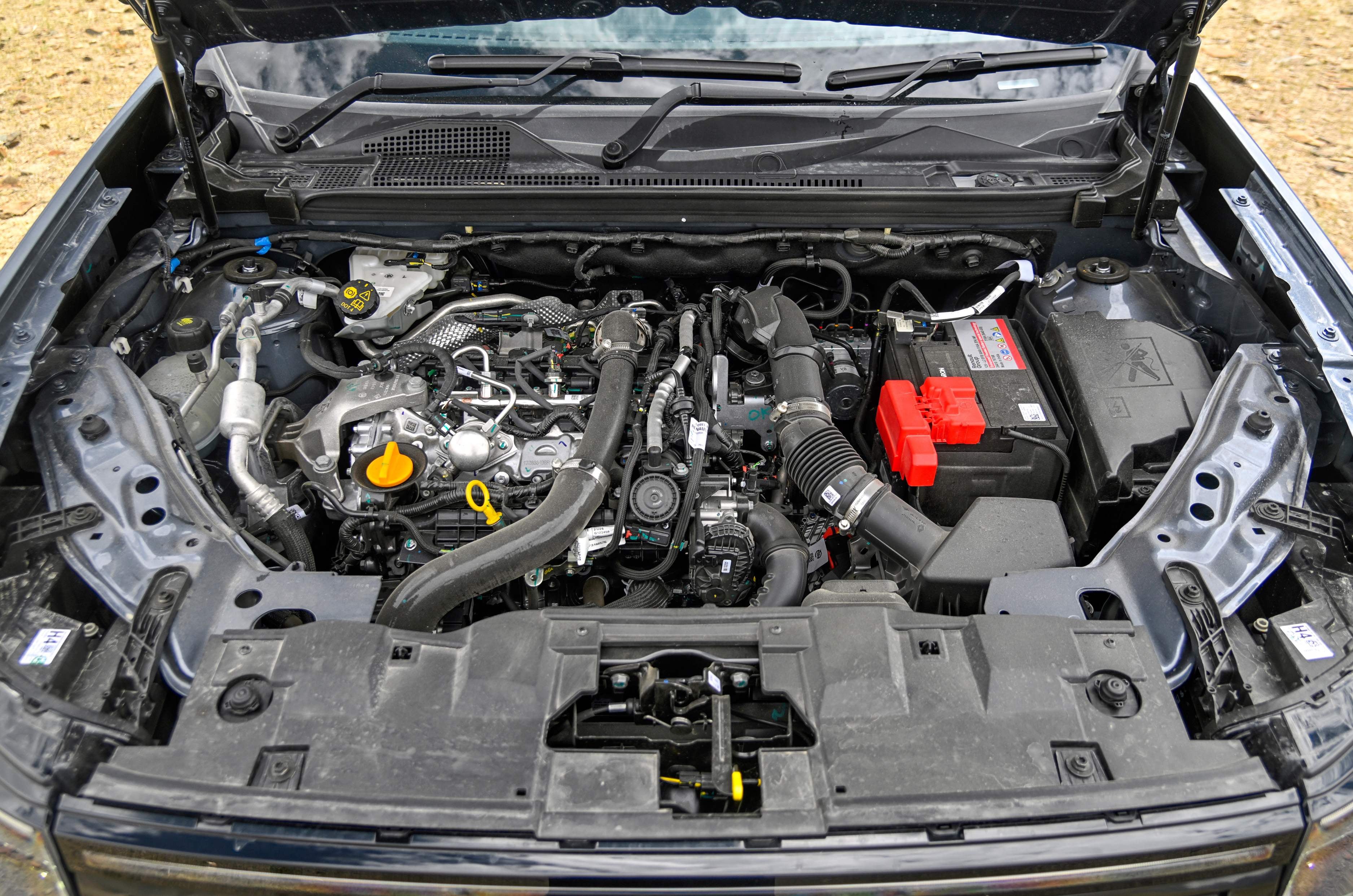
Current Nissan Tekton 1.3-litre engine image used for representation only.
The larger SUV is expected to use the 1.3-litre four-cylinder direct-injection turbo-petrol engine also offered on the Tekton, skipping out on the five-seater’s 1.0-litre turbo-petrol engine. The SUV is likely to use front-wheel drive layout, with six-speed manual and six-speed wet dual-clutch automatic gearbox options.
The seven-seat SUV is expected to be priced between Rs 18 lakh and Rs 22 lakh (ex-showroom) when it arrives. It will rival other three-row SUVs such as the Mahindra XUV 7XO, Tata Safari and Hyundai Alcazar.
The government has notified the third phase of its Corporate Average Fuel Economy norms, setting progressively tighter fuel-efficiency requirements for passenger vehicle manufacturers from April 2027 while giving them several routes to comply, including higher weightage for electric and hybrid vehicles, benefits for alternative fuels, efficiency-technology credits and trading of compliance credits.
The final CAFE III framework will apply to M1 category passenger vehicles manufactured or imported for sale in India from April 1, 2027 to March 31, 2032, according to a Ministry of Power notification. The standards will continue to be calculated at the manufacturer level using the sales-weighted average fuel consumption of its vehicle portfolio.
CAFE III targets tighten through FY2032
Year
Permitted fleetwide fuel economy average*
FY28
3.996 litres/100kms
FY29
3.860 litres/100kms
FY30
3.7585 litres/100kms
FY31
3.5313 litres/100kms
FY32
3.3273 litres/100kms
*For a manufacturer with a reference fleet weight of 1,229kg
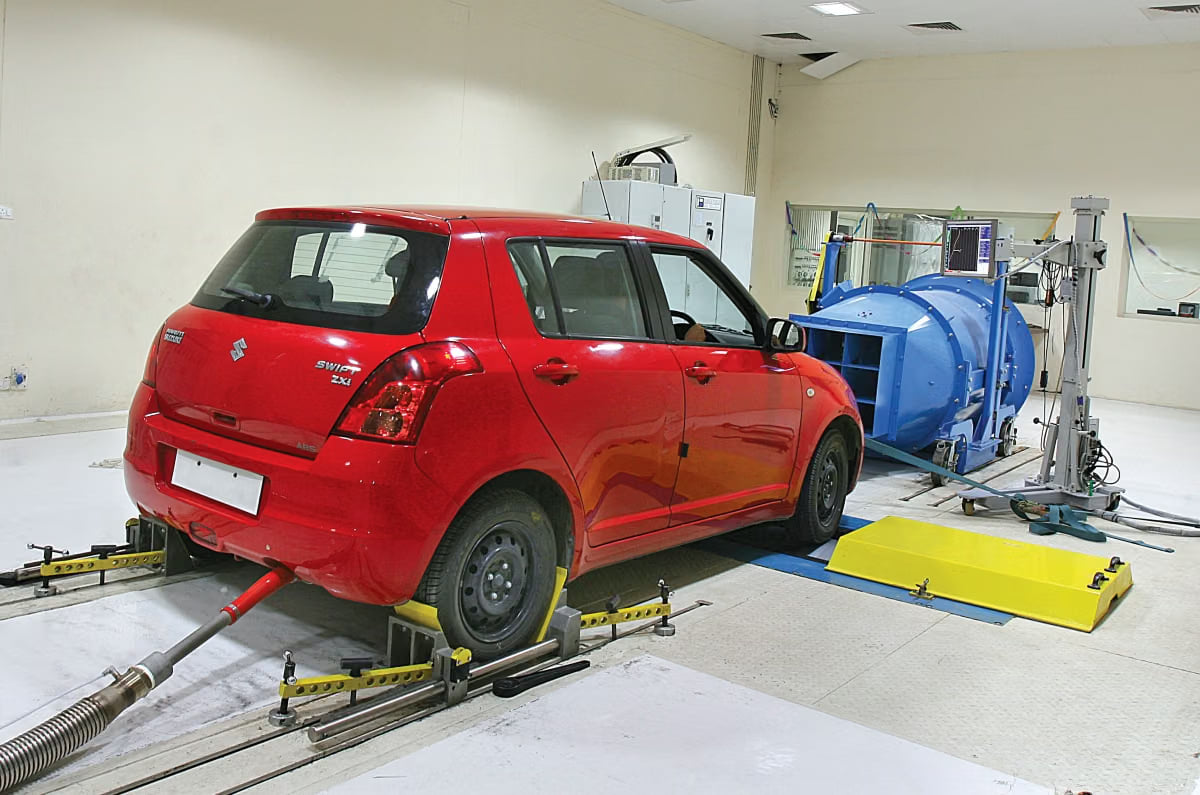
The permitted fleet-average fuel consumption will become progressively lower each year. The standard will be calculated using the formula a×(W−1,229)+c, where W represents the weighted average unladen mass of all eligible vehicles manufactured or imported for sale by an OEM.
For a manufacturer with a reference fleet weight of 1,229kg, the target falls from 3.996 litres of petrol equivalent per 100km in FY2028 to 3.3273 litres per 100km in FY2032. This corresponds to about 94.8g CO2/km in FY2028 and 78.9g/km in FY2032.
The targets are calculated across the manufacturer’s eligible fleet, meaning sales of more efficient vehicles can offset higher-consuming models within the same portfolio. Small-volume manufacturers with annual eligible vehicle volumes below 1,000 units are exempt from meeting the specific CAFE target, although they will still have to report their average fuel-consumption performance.
EVs gain biggest advantage
EVs get the biggest compliance boost
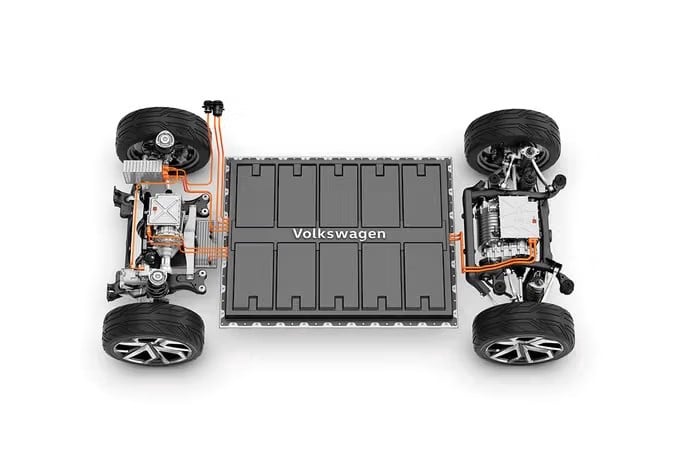
Battery electric vehicles and range-extended electric vehicles will receive a 3.0 super credit multiplier under CAFE III. Plug-in hybrids and flex-fuel strong hybrids get 2.5 super credit multiplier, strong hybrids get 1.6 and flex-fuel ethanol vehicles get 1.1 super credit multiplier.
Vehicle type
Multiplier
Battery electric
3.0
Range-extended electric
3.0
Plug-in hybrids
2.5
Flex-fuel strong hybrids
2.5
Strong hybrids
1.6
Flex-fuel ethanol
1.1
The final rules do not include the additional 3g CO2/km benefit for certain sub-four-metre petrol cars that had been proposed in an earlier draft of CAFE III.
CNG and ethanol also get benefits
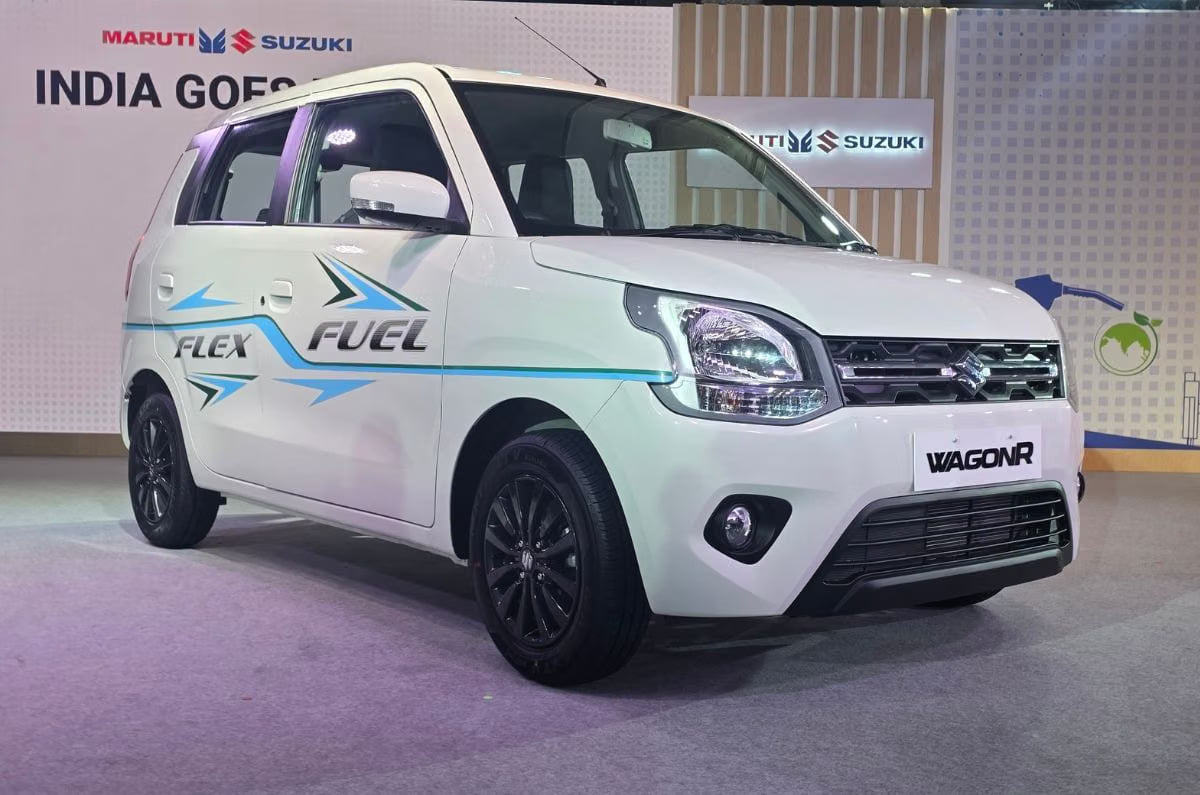
CAFE III also gives carmakers another route through what the government calls a Carbon Neutrality Factor for alternative-fuel vehicles. Cars running on E20 or higher notified ethanol-petrol blends, including strong and plug-in hybrids, get an 8 percent carbon-neutrality factor on tailpipe CO2.
Flex-fuel ethanol vehicles get a 22.3 percent carbon-neutrality factor, while CNG vehicles get 5 percent or the notified CBG blending percentage, whichever is higher. Diesel vehicles receive a benefit linked to the notified biofuel blending level.
The provision gives manufacturers another compliance route alongside electrification, with the benefits extending to CNG, ethanol and other alternative-fuel vehicles.
Carmakers can trade fuel-efficiency credits
One of the bigger structural changes under CAFE III is the formalisation of a credit-and-debit system that allows compliance performance to carry financial value. Manufacturers whose fleet performs better than their prescribed target will generate credits, while those exceeding their permitted fuel-consumption level will accumulate debits. These will be maintained in a manufacturer-specific compliance “passbook”.
Surplus credits can be traded between manufacturers on mutually agreed terms. Carmakers can also buy credits from the Bureau of Energy Efficiency (BEE) to offset outstanding debits. The price rises from Rs 2,500 per g CO2/km in FY2028 to Rs 4,500 per g CO2/km in FY2032. The escalating price increases the incentive for companies to improve their underlying fleet performance.
The five-year CAFE III period will be split into two compliance blocks: FY2028-FY2030 and FY2031-FY2032. Credits and debits can be carried forward within each block, while unused credits will lapse at the end of the block.
Efficiency technologies also carry benefits
CAFE III allows manufacturers to claim a 1g CO2/km reduction for each eligible efficiency technology, subject to a maximum benefit of 9g CO2/km. The 12 eligible technologies include start-stop systems, tyre-pressure monitoring, regenerative braking, six-speed or higher transmissions, efficient alternators, motor-generators, LED exterior lighting, advanced glazing, electric water pumps and high-efficiency air-conditioning systems.
CAFE III introduces WLTP reporting
CAFE III also begins India’s transition towards using the Worldwide Harmonised Light Vehicles Test Procedure (WLTP) for corporate efficiency calculations. Manufacturers will have to declare the CO2 performance of models sold from April 1, 2027 under both the existing Modified Indian Driving Cycle (MIDC) and WLTP.
The conversion factor for translating the CAFE target from MIDC to WLTP will be notified separately by the Ministry of Power in consultation with the BEE. That leaves an important part of the implementation framework to be finalised despite the five-year CAFE III regime now being notified.
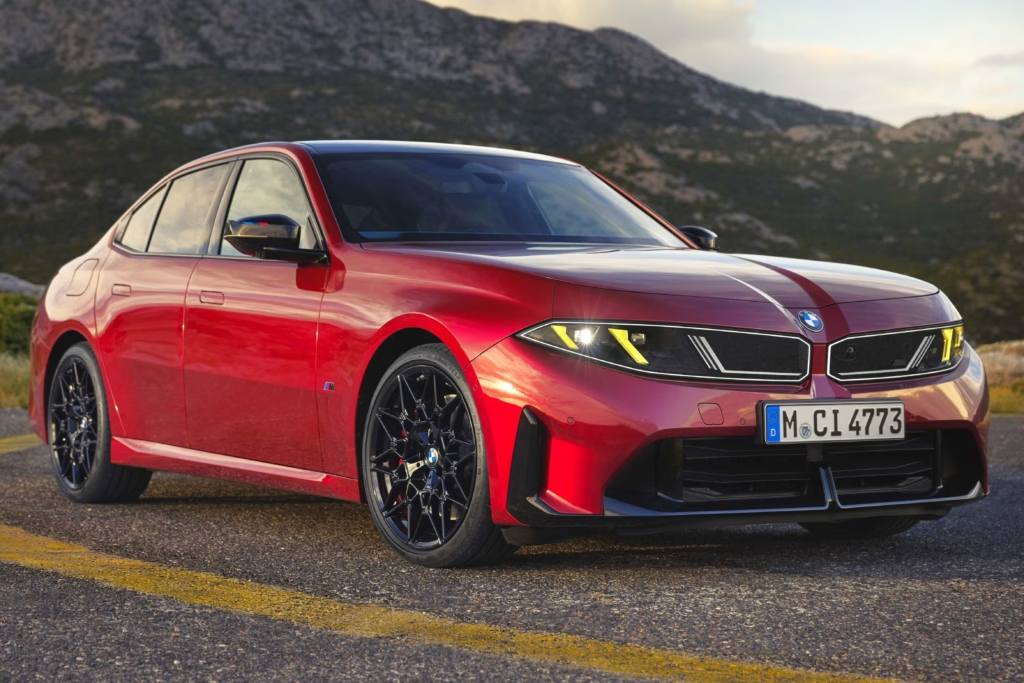
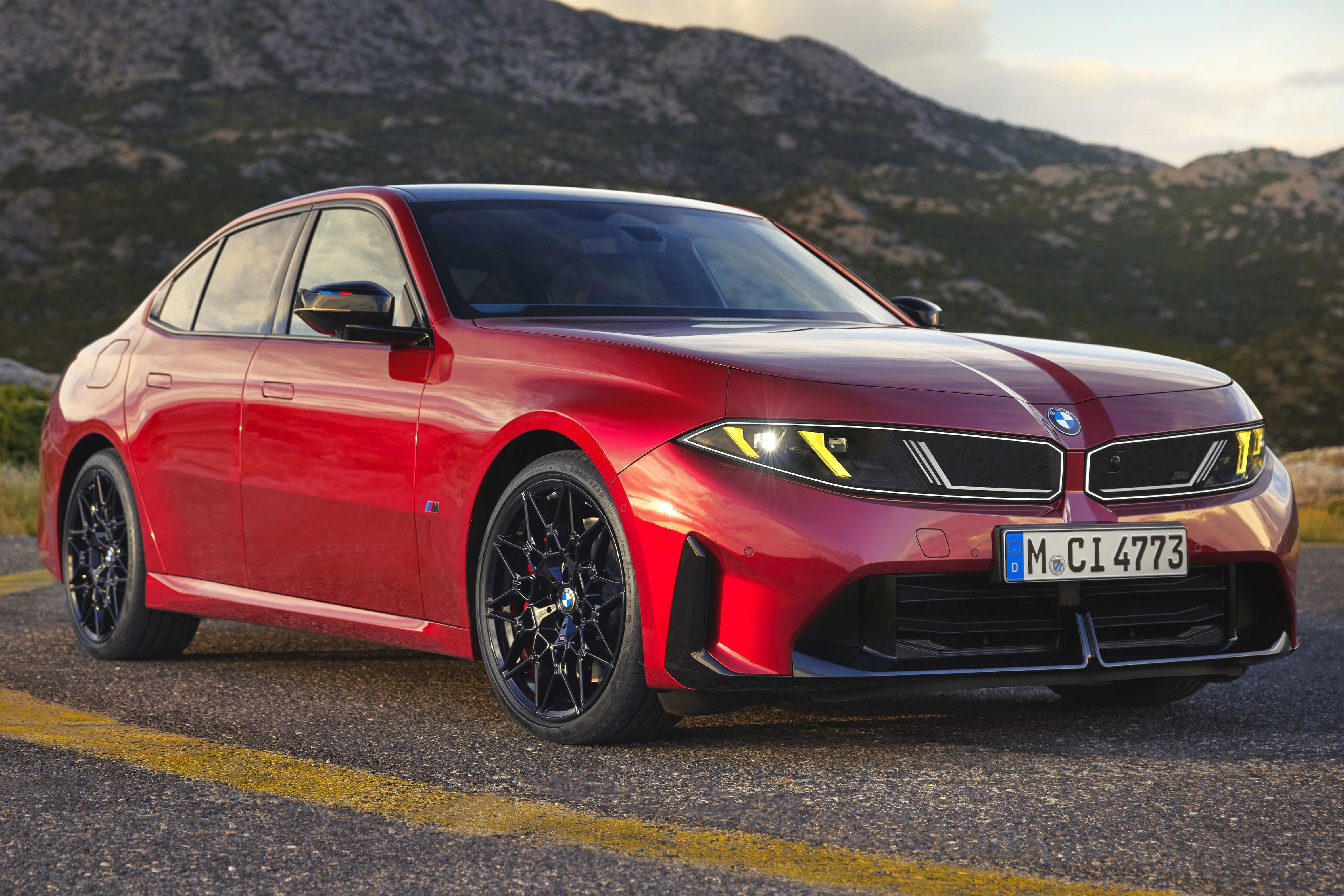
BMW has pulled the covers off the eighth generation of its all-time bestseller, the 3 Series. This combustion-powered model, codenamed the G50, was previewed by the i3 EV back in April 2026. The G50 3 Series is based on an updated version of its predecessor’s CLAR platform, but the sedan’s top hat bears BMW’s Neue Klasse styling – it looks quite similar to the i3. BMW has provided details on the 318, 320, and M350 xDrive variants of the G50 3 Series. The 318 and 320 variants are powered by 2.0-litre four-cylinder direct-injection turbo-petrol engines, while the M350 replaces the M340i and comes with a 3.0-litre direct-injection turbo straight-six. Both engines are paired with 48-volt mild hybrid systems.
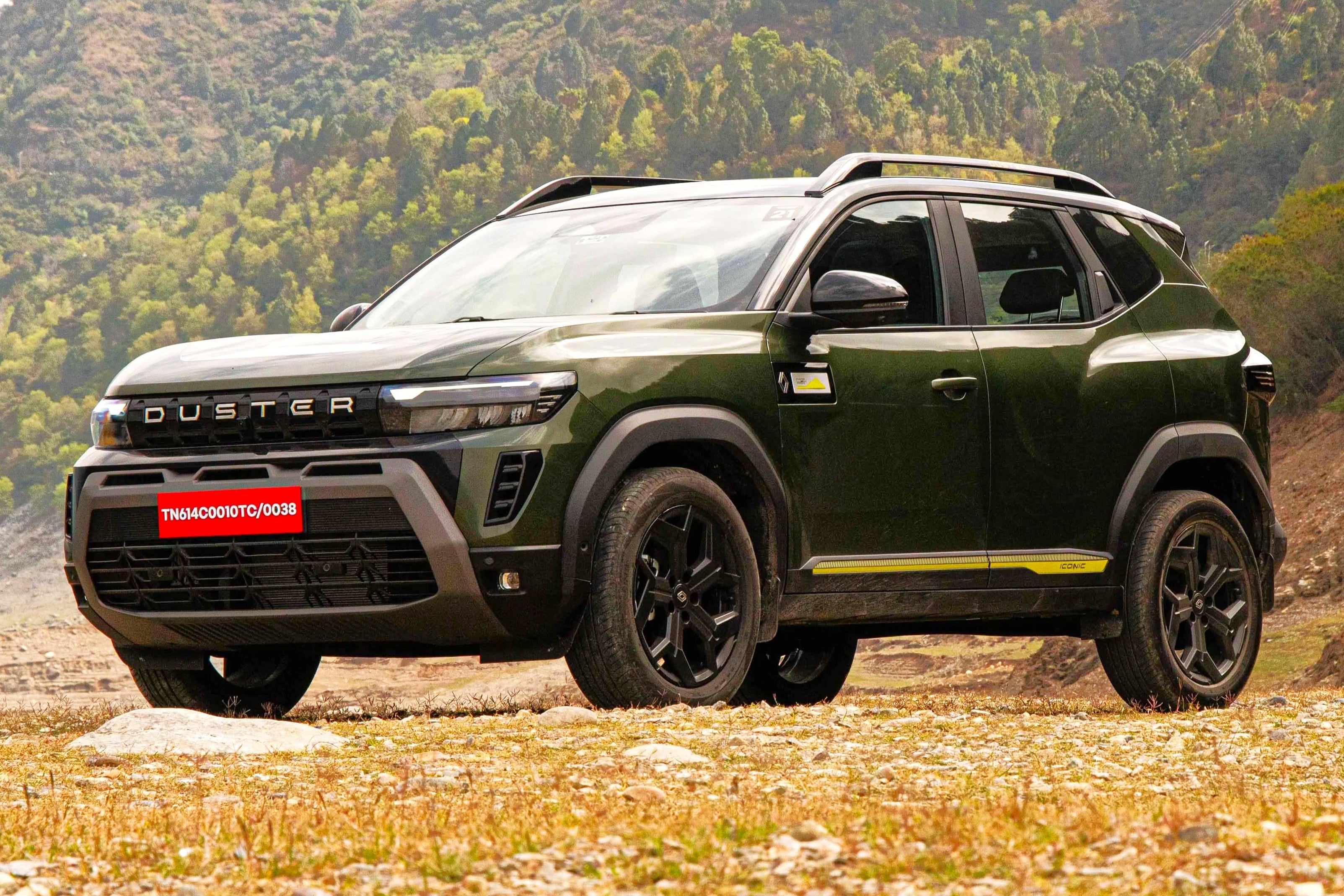
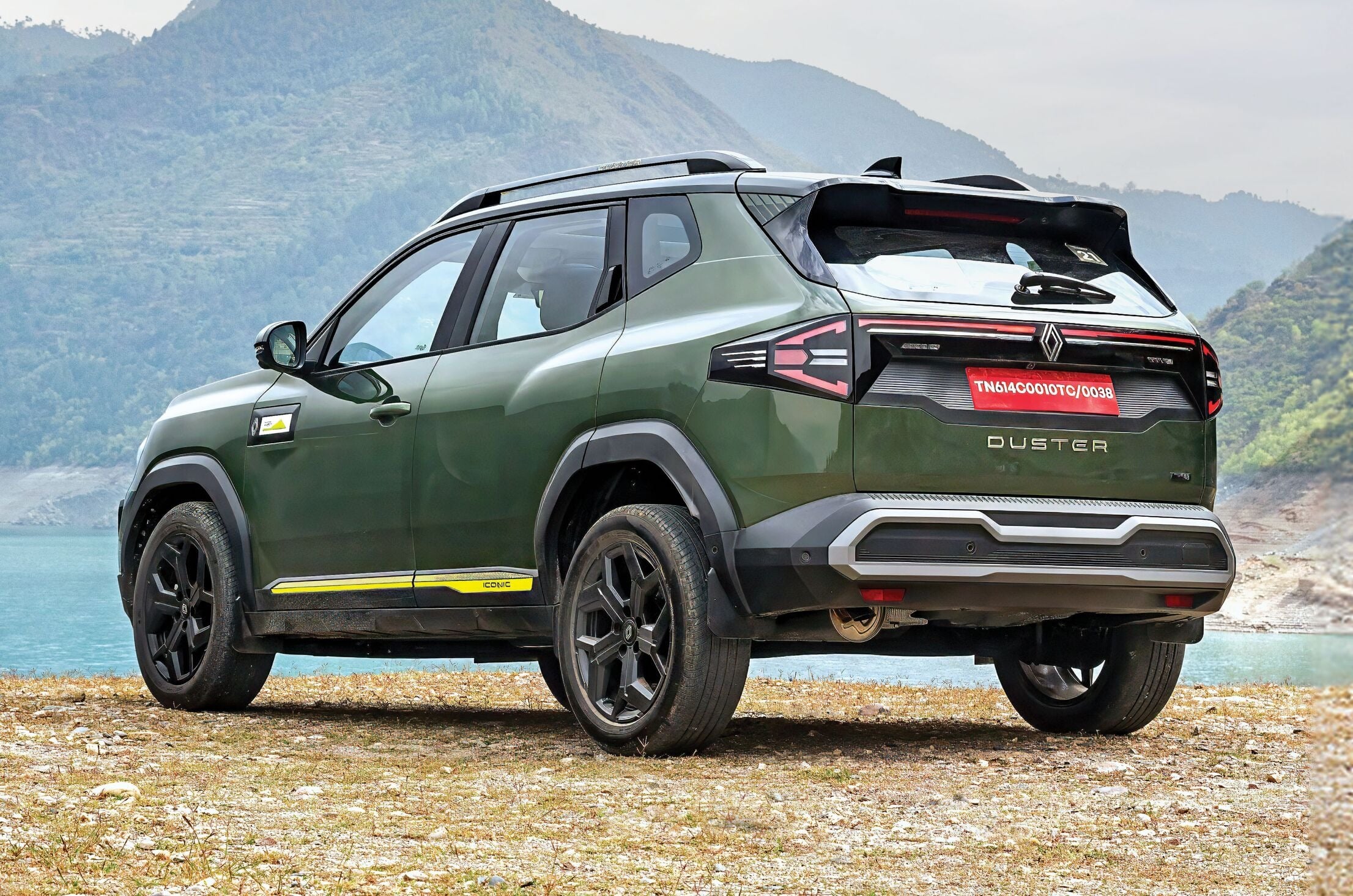
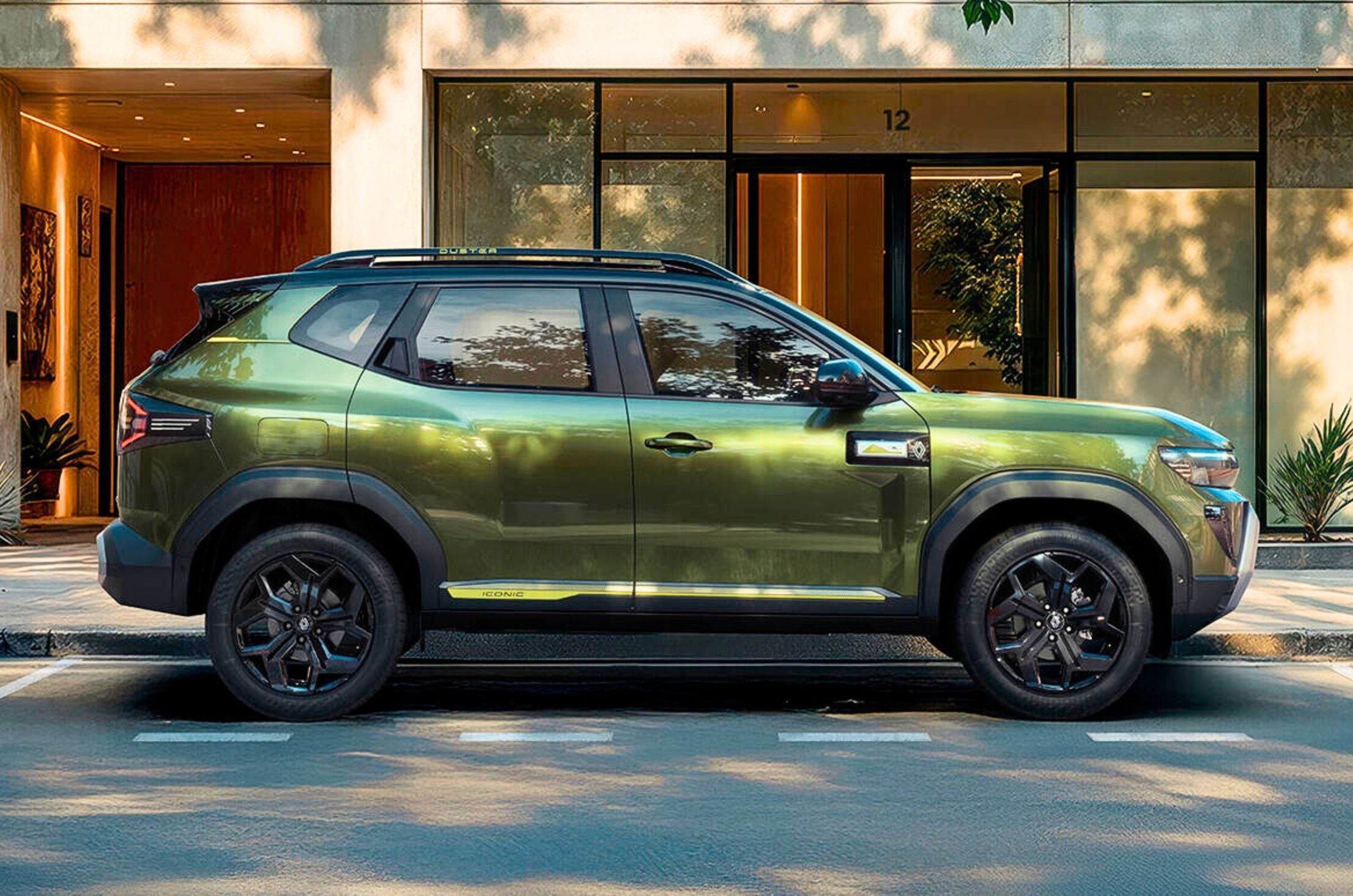
Renault India is gearing up to launch its first strong-hybrid powertrain under the bonnet of the Duster on October 17. The French carmaker expects strong-hybrid cars to become major volume drivers in India over the coming years. Speaking to our sister publication, Autocar Professional, Francisco Marques – Renault India’s Vice President for Sales and Marketing – described strong hybrids as a bridge between combustion-powered cars and EVs: “Hybrid is the perfect transition.”
Strong hybrids could drive sales for the next 20 years, says Marques
Marques expects this transitional period to last much longer than the immediate future. “Hybrid is going to be the main volume-making technology probably for the next 10, 15, or 20 years to come,” he said. According to Marques, EVs are not yet ready to dominate the Indian market on their own, with charging infrastructure and charging capacity likely to limit the pace of adoption.
The Indian passenger vehicle market continues supporting multiple powertrain technologies, including hybrids, CNG, and EVs, instead of one technology immediately replacing another. “Until EVs become something more, then there will be hydrogen,” Marques stated. He also expects strong hybrids to attract customers who might otherwise opt for diesel. “I see diesel declining, I see a strong hybrid growing very fast. And it’s related to the offer,” he said. Interestingly, diesel car sales grew by 15 percent year-on-year in the first half of CY2026, indicating that there still is a lot of demand for them.
More powertrain variety can improve the Duster’s slow sales pace
Since it went on sale in March, the Duster has been available exclusively with turbo-petrol engines – a sore point for many fans of the original Duster and its punchy 1.5-litre K9K diesel mill. It doesn’t help that many of the Duster’s midsize SUV rivals feature broader powertrain offerings: naturally aspirated petrol, diesel, CNG, hybrid, and electric. The lack of variety in fuel types is likely one of the reasons why the Duster has been falling behind in the sales charts – it managed a mere 406 wholesales in August, and has sold fewer than 7,000 units since launch. For perspective, the Kia Seltos sells an average of 10,000-11,000 units a month, while the segment-dominating Hyundai Creta averages 15,000-16,000 units sold.
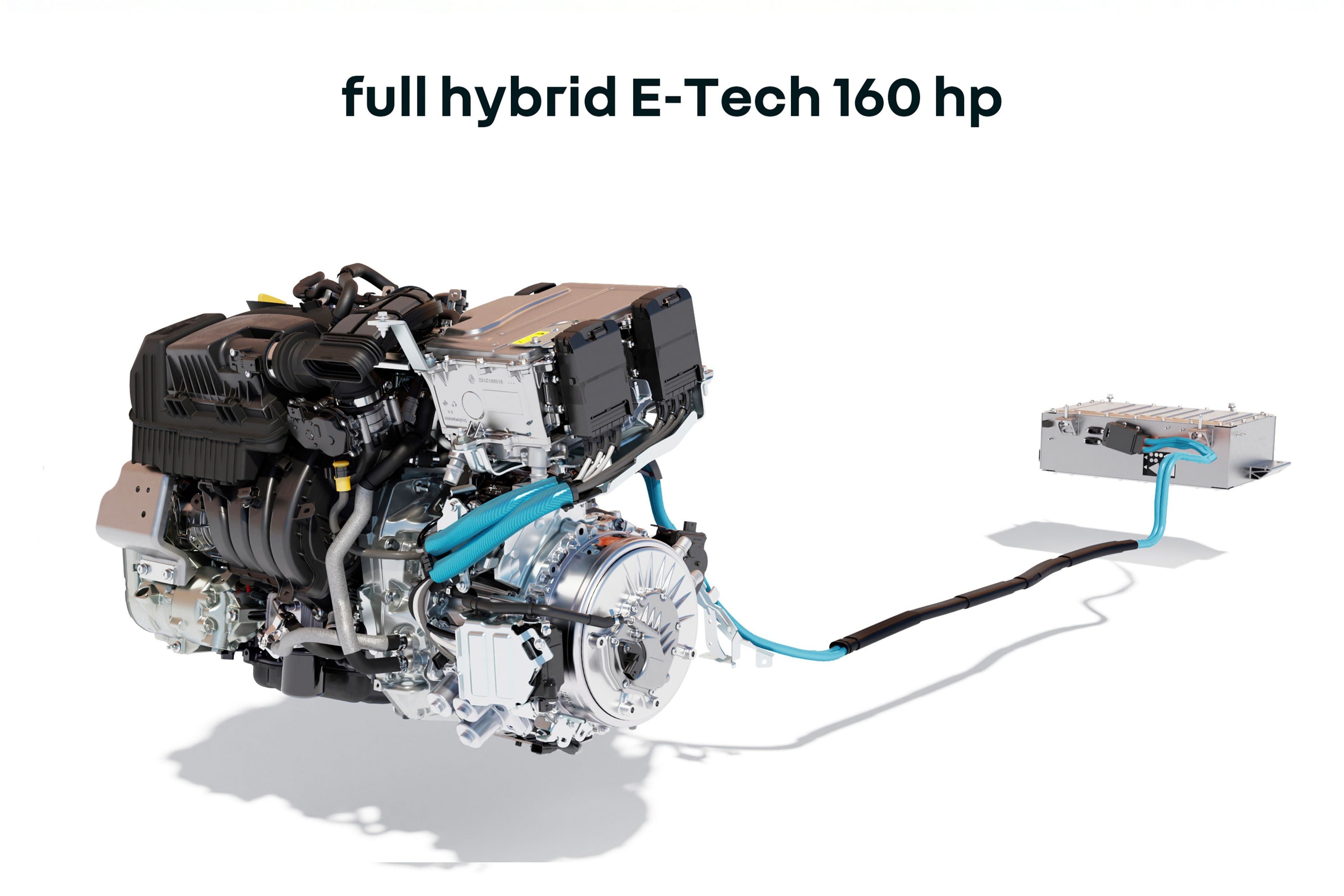
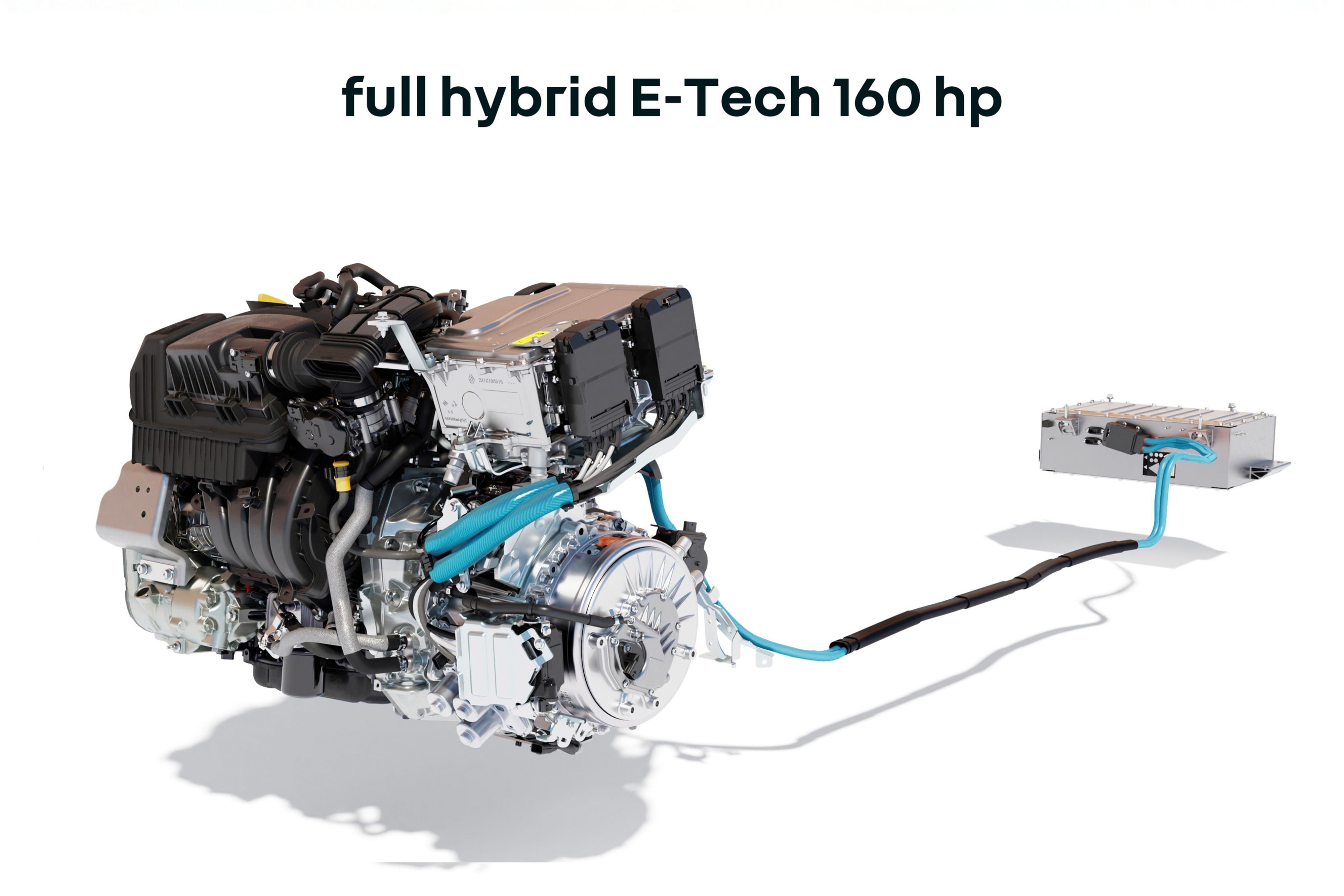
A strong-hybrid powertrain will let the Duster directly rival the subset of hybrid midsize SUVs, namely the Toyota Hyryder, Maruti Grand Vitara, and Maruti Victoris. On paper, the Duster’s upcoming ‘E-Tech 160’ hybrid setup has an edge over those of its rivals. Where the Hyryder, Victoris, and Grand Vitara use a 116hp 1.5-litre three-cylinder strong-hybrid system and an e-CVT gearbox, the Duster’s E-Tech 160 powertrain combines a larger 1.8-litre four-cylinder naturally aspirated petrol engine, two electric motors, and a 1.4kWh battery pack (the Hyryder has a 0.6kWh unit). Combined output is 160hp and 172Nm, with drive sent to the wheels through a segment-first 8-speed dedicated hybrid transmission. Renault also claims that the E-Tech 160 can deliver 80 percent of urban driving in all-electric mode.
That said, pricing is likely to be crucial to the Duster hybrid’s reception in the market, which is why Renault has been working on localising the E-Tech 160. Strong-hybrid variants of the Grand Vitara, Hyryder, and Victoris are priced in the Rs 16 lakh-20 lakh (ex-showroom) ballpark, so if the Duster hybrid is priced similarly, or even lower, Renault can trigger renewed interest in its midsize SUV.
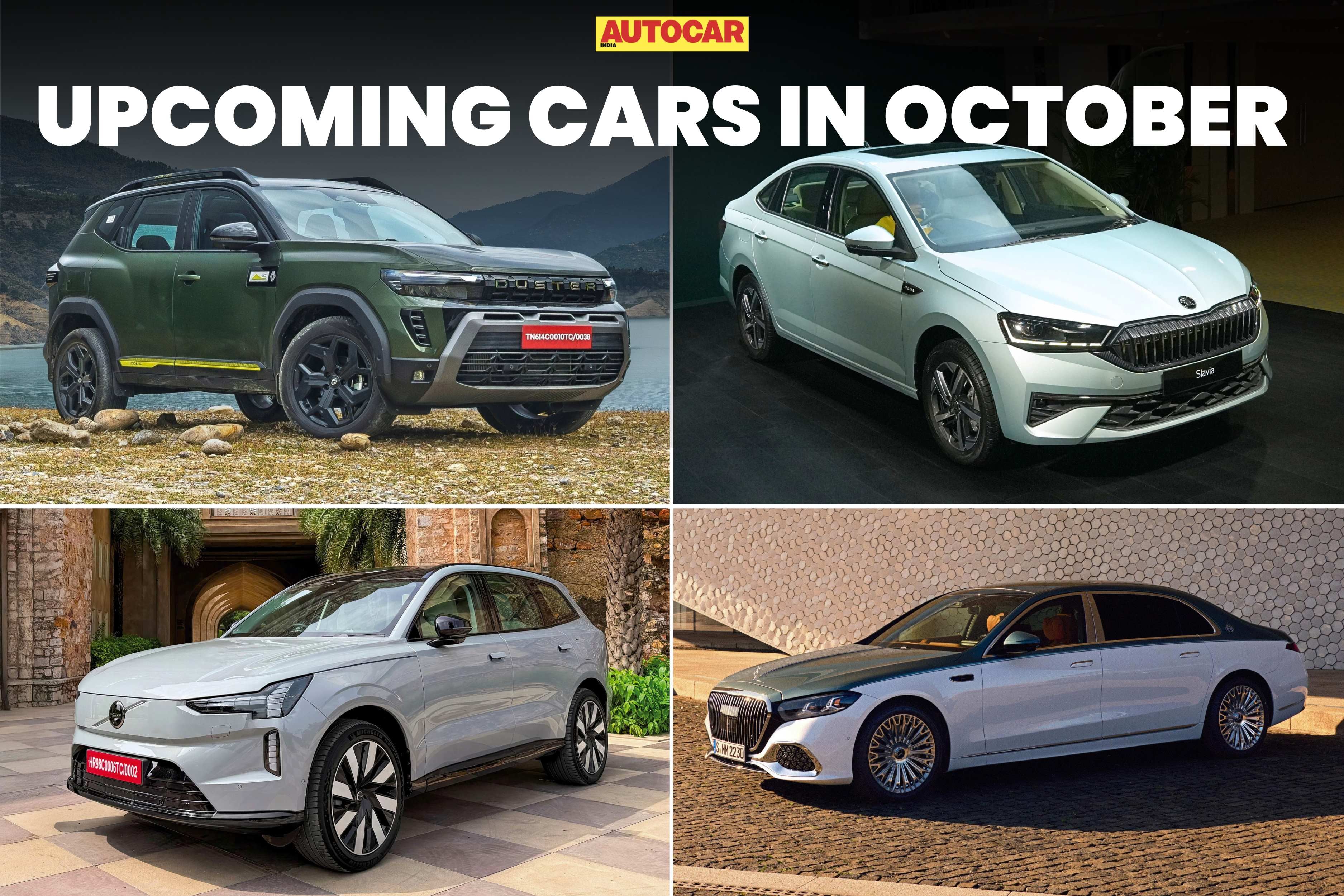
October marks the onset of the festive season in India, which means manufacturers line up a barrage of new car launches and debuts for prospective buyers to consider. It’s no different this year, with October 2026 looking quite stacked with fresh launches and debuts, especially during the first half of the month. Let’s delve into every new car that will either go on sale or debut in India next month.
Mercedes-Benz Maybach S-Class facelift
Launch: 5 October
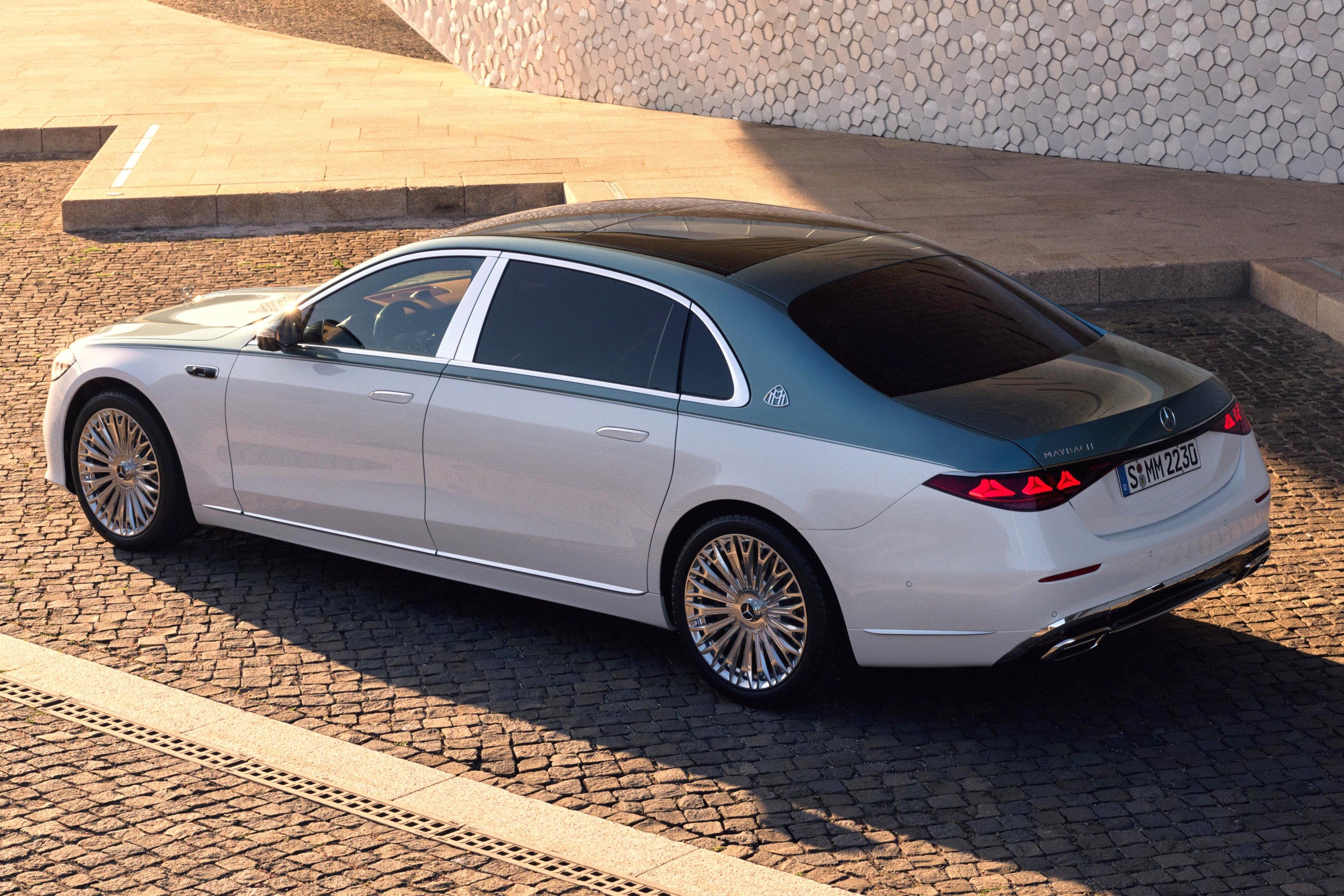
Following the launch of the 2026 S-Class facelift back in June, Mercedes-Benz India will bring the sedan’s longer and more luxurious Maybach derivative in October. Compared to its standard version, the Maybach S-Class facelift continues to be 180mm longer, but carries styling differentiators like a vertically-slatted grille adorned with a ‘Maybach’ wordmark, mildly revised bumpers, bespoke wheel designs, lots of Maybach logos peppered across the bodywork, and the signature dual-tone exterior finish.
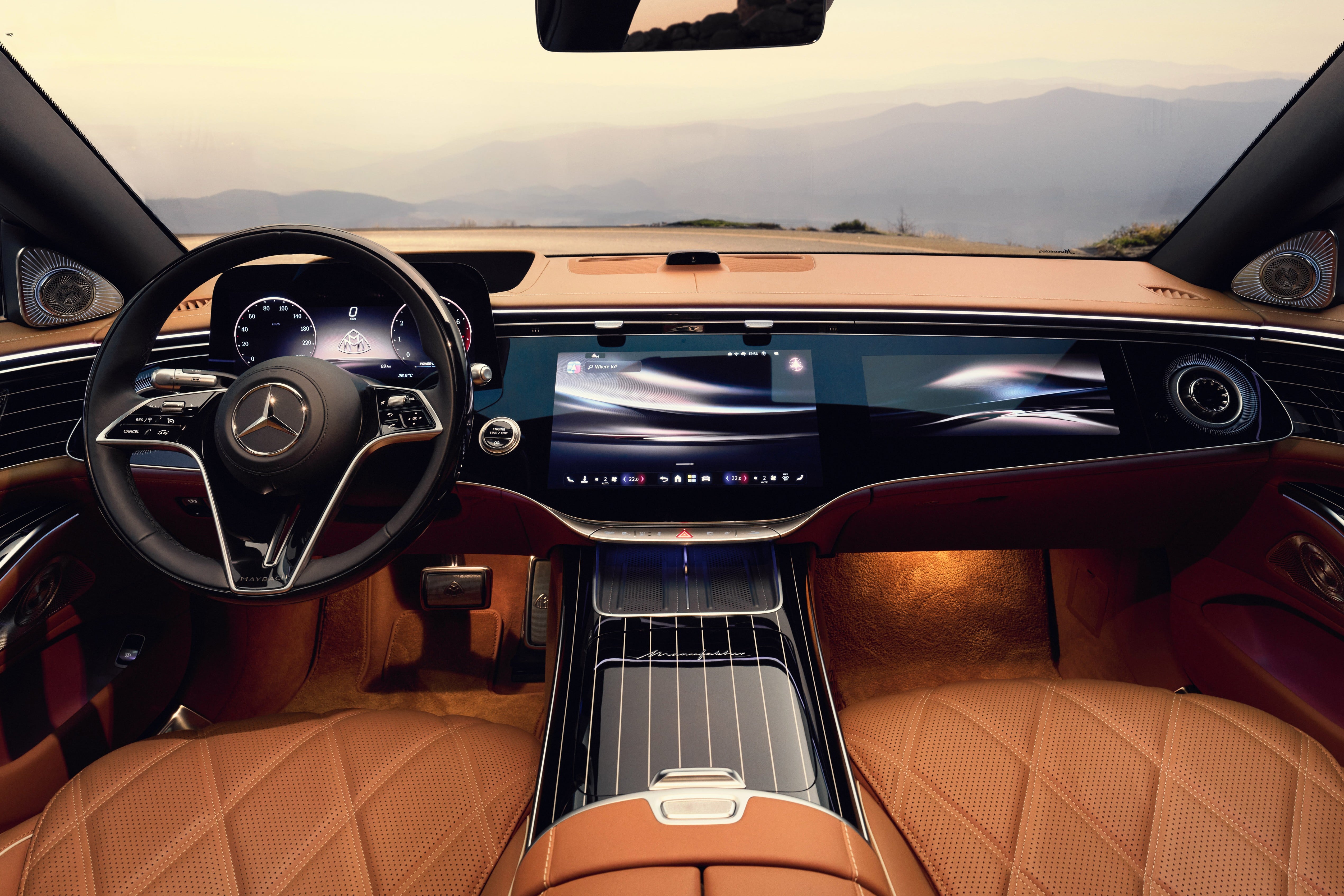
Inside, the Maybach prominently retains the standard S-Class’s Superscreen setup, comprising a 12.3-inch digital driver’s display, a 14.4-inch central touchscreen, and a 12.3-inch passenger display. New upholstery choices include extended leather and a leather-free vegan option. The rear seats remain largely unchanged, offering up to 43 degrees of recline, along with heating, ventilation, and massage functions. Globally, the Maybach S-Class can be had with either a 4.0-litre twin-turbo mild-hybrid V8 (S 580), a 4.0-litre twin-turbo V8 plug-in hybrid (S 580e), or a 612hp 6.0-litre twin-turbo V12 (S 680). Mercedes-Benz India is likely to offer the updated Maybach S-Class in S 580 or S 580e spec.
Honda Elevate facelift
Launch: 6 October
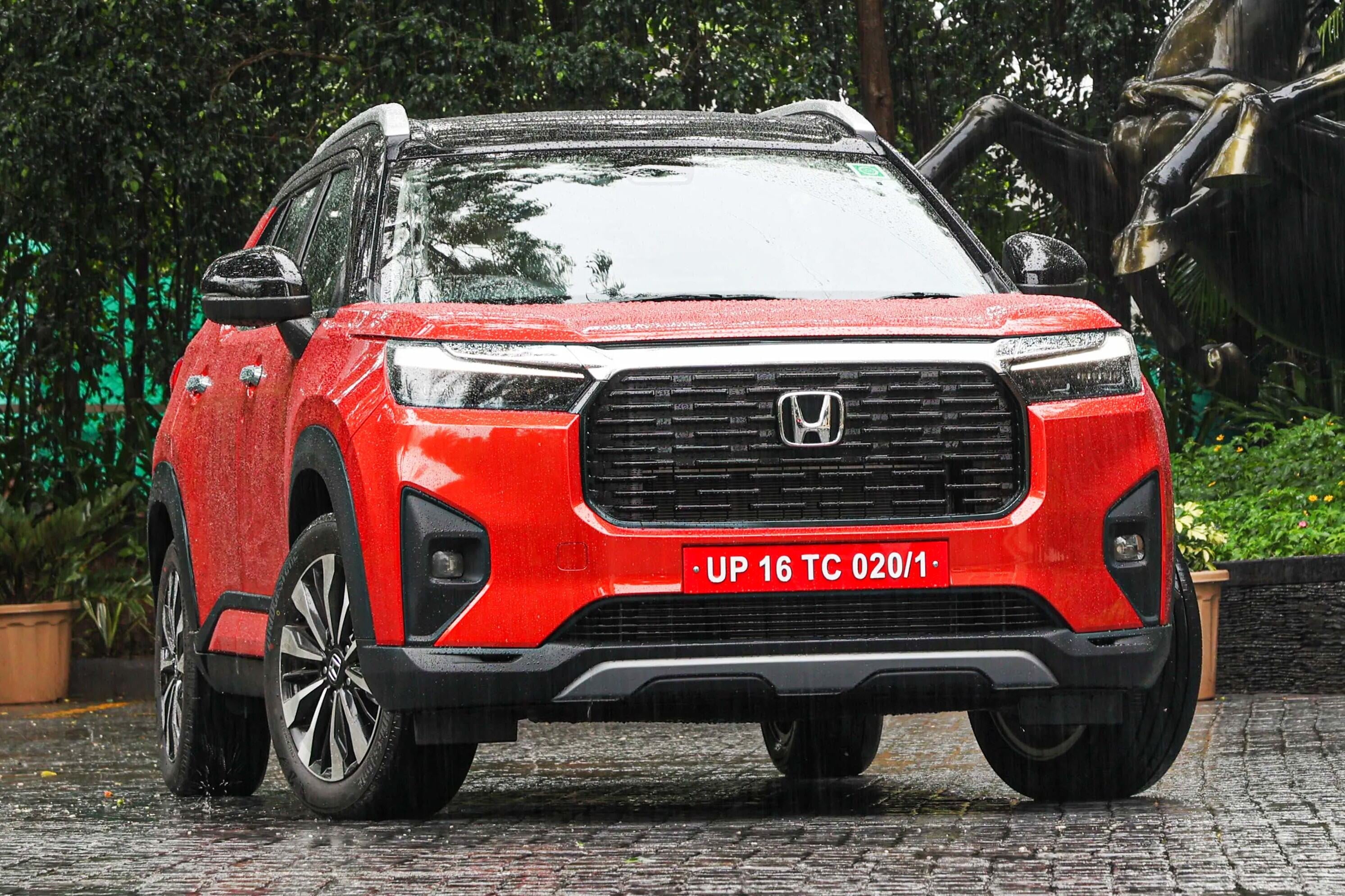
Current Honda Elevate. Image used for representation only.
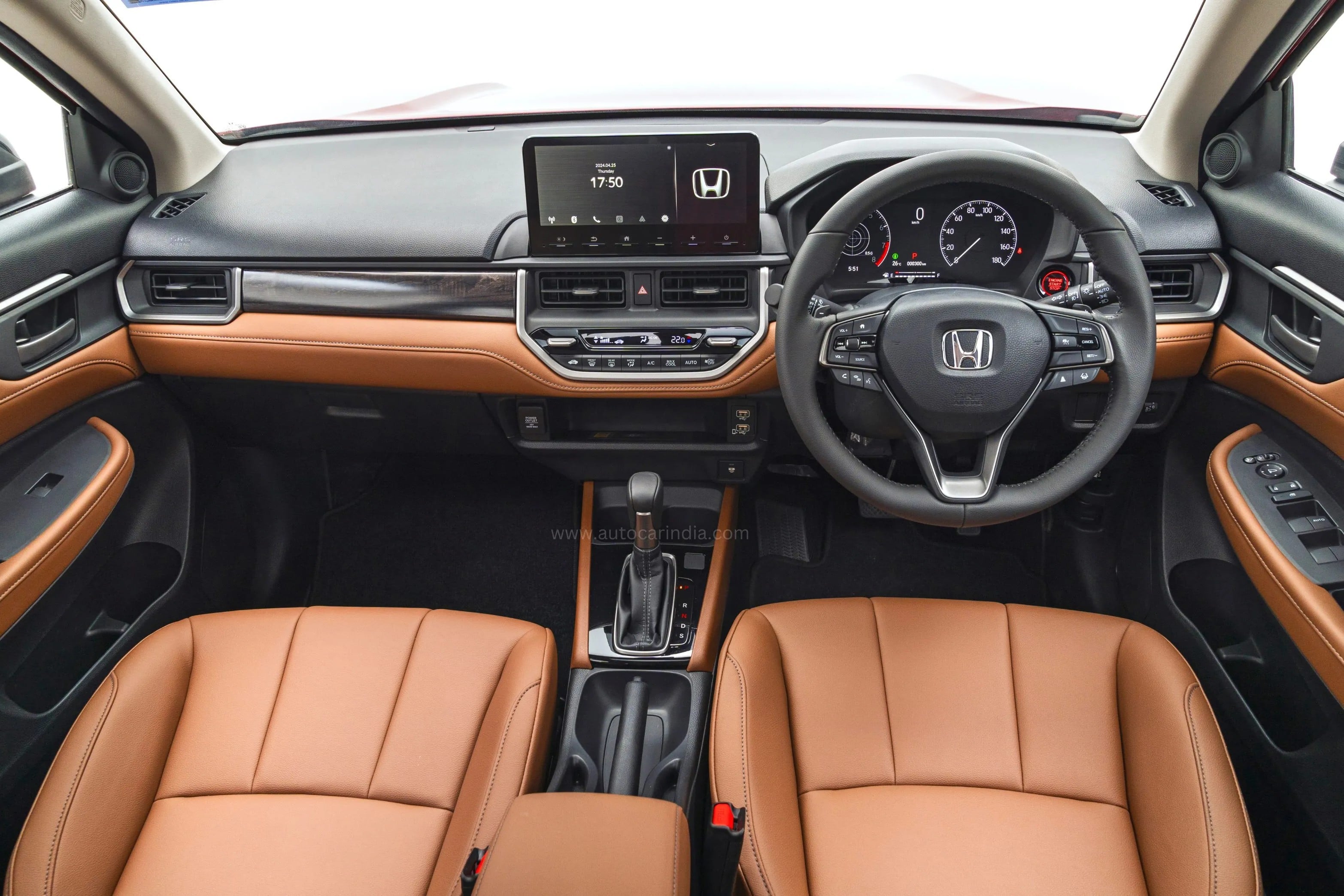
Following in the footsteps of the 2026 City facelift, Honda will launch an updated version of the Elevate SUV in October. Expect the Elevate facelift to sport revised styling cues, including the headlamps, tail-lamps, bumpers, grille, and wheels. The interior is anticipated to see changes like a larger infotainment touchscreen and revised colour schemes, along with feature upgrades like ventilated front seats, a 360-degree camera, ambient lighting, and more.
Current Honda Elevate interior. Image used for representation only.
The facelifted Elevate is likely to retain the current model’s 121hp 1.5-litre four-cylinder naturally aspirated petrol engine, and its 6-speed manual and CVT automatic gearbox options. It remains to be seen if Honda will additionally offer the Elevate facelift with the City e:HEV’s 126hp 1.5-litre four-cylinder petrol-hybrid powertrain, which is solely mated to an e-CVT automatic. A strong hybrid version of the Elevate would allow it to compete directly with established hybrid midsize SUVs like the Maruti Grand Vitara, Victoris, and Toyota Hyryder, as well as the upcoming Renault Duster hybrid – also slated for launch next month.
Skoda Slavia facelift
Launch: 6 October
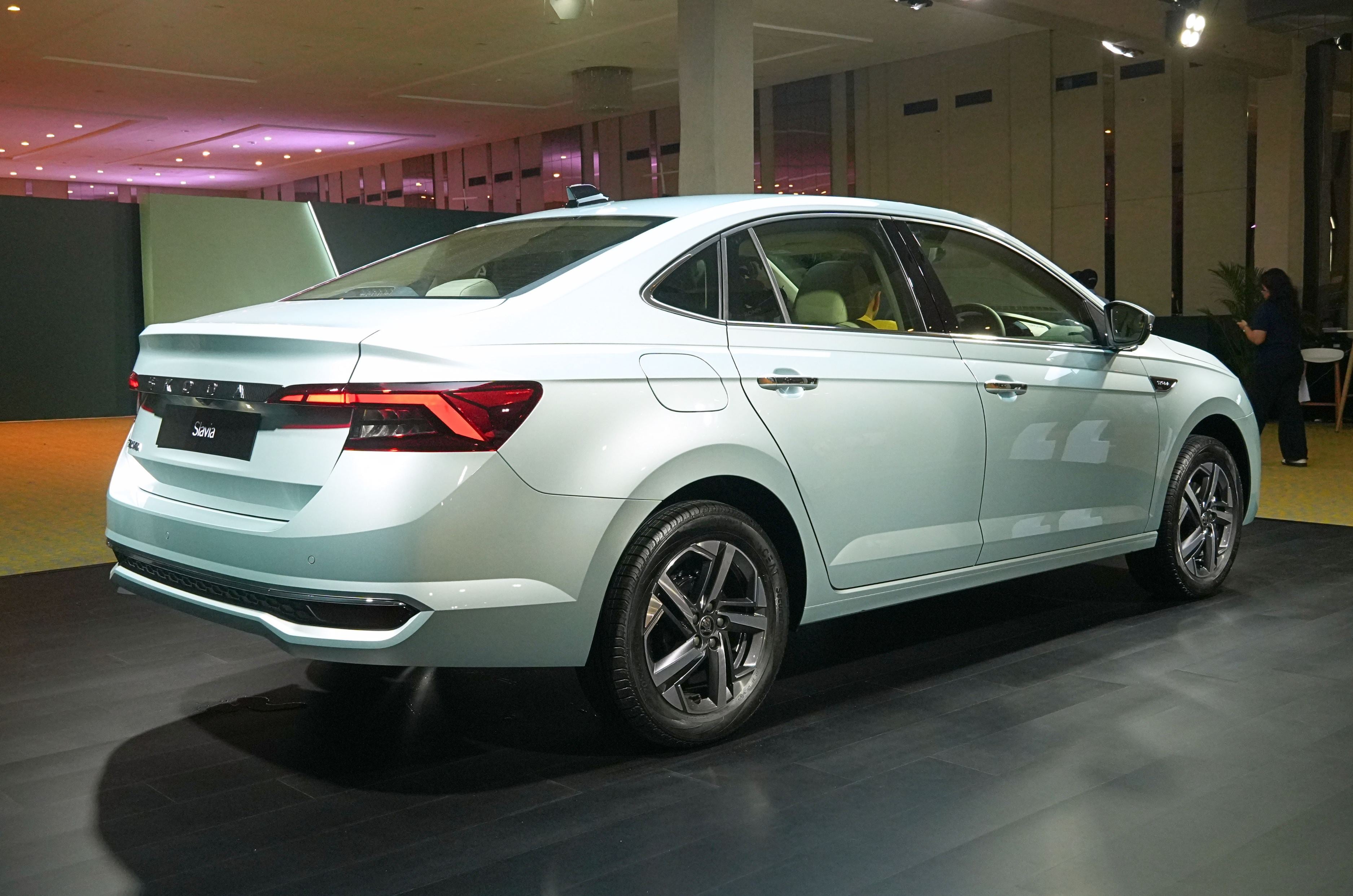
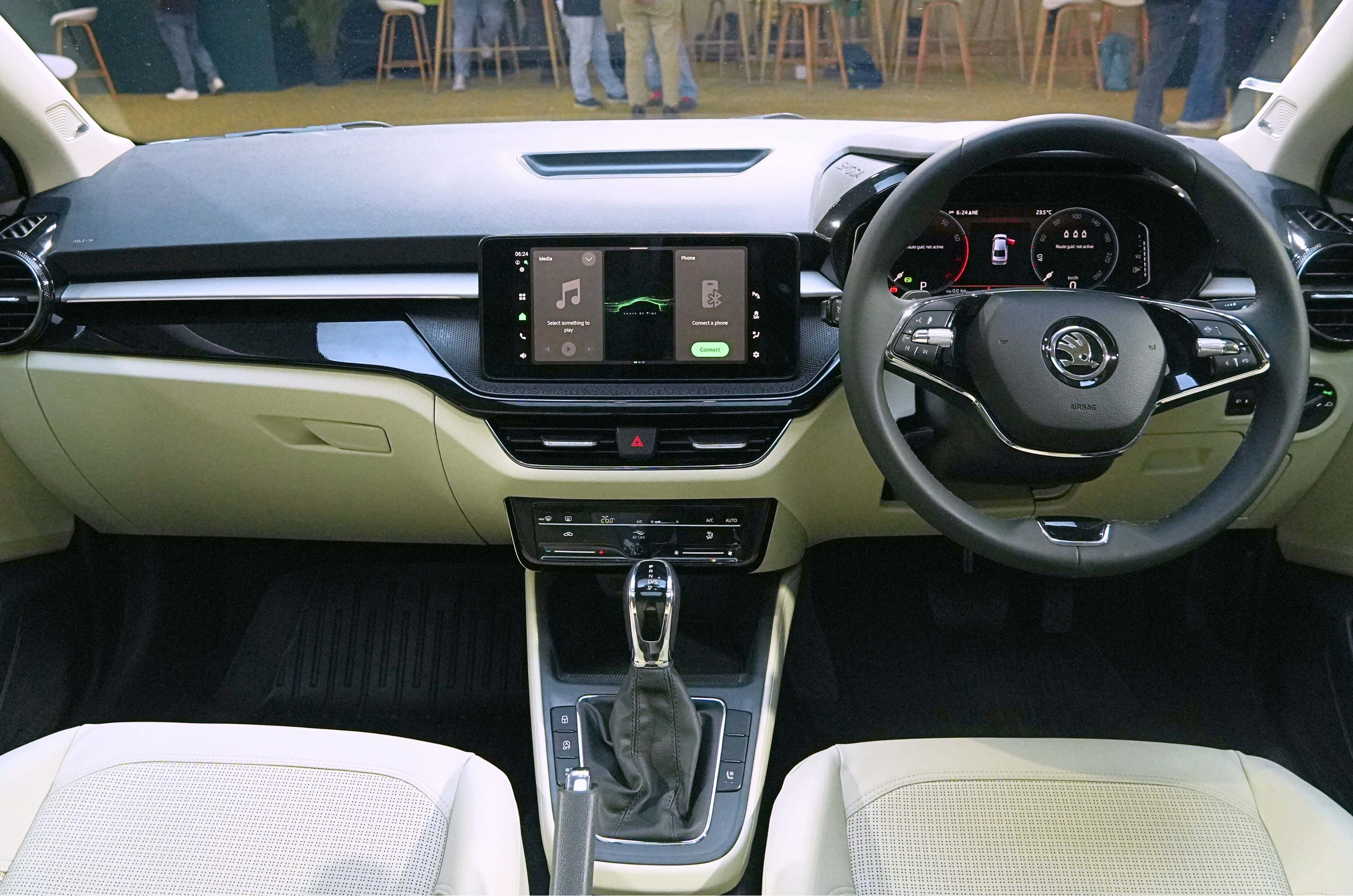
Having debuted back in August, the facelifted Skoda Slavia’s prices will be announced next month. The Slavia facelift brings a host of exterior tweaks, like new DRL signatures for the headlamps, an updated grille, redesigned bumpers, and fresh alloy wheels. Not much has changed on the inside, but there are new colour schemes on offer. Skoda has also added features like a 360-degree camera, a massage function for the outboard rear seats, a larger 10.25-inch digital driver’s display, a Google-based AI assistant, an upgraded variable-geometry AC compressor, and front parking sensors.
Under the bonnet, the Slavia facelift retains its 115hp 1.0-litre three-cylinder direct-injection turbo-petrol and 150hp 1.5-litre four-cylinder direct-injection turbo-petrol engines. The big change here is that the 6-speed torque converter automatic that was previously available for the 1.0 TSI has been swapped with an 8-speed unit, which should deliver better fuel efficiency on the highway. A 6-speed manual gearbox is also available for the 1.0 TSI, whereas the 1.5 TSI continues to be paired exclusively with a 7-speed dual-clutch automatic. The 1.5 TSI will be offered with rear disc brakes too – a much-requested upgrade.
Volvo ES90
Launch: 12 October
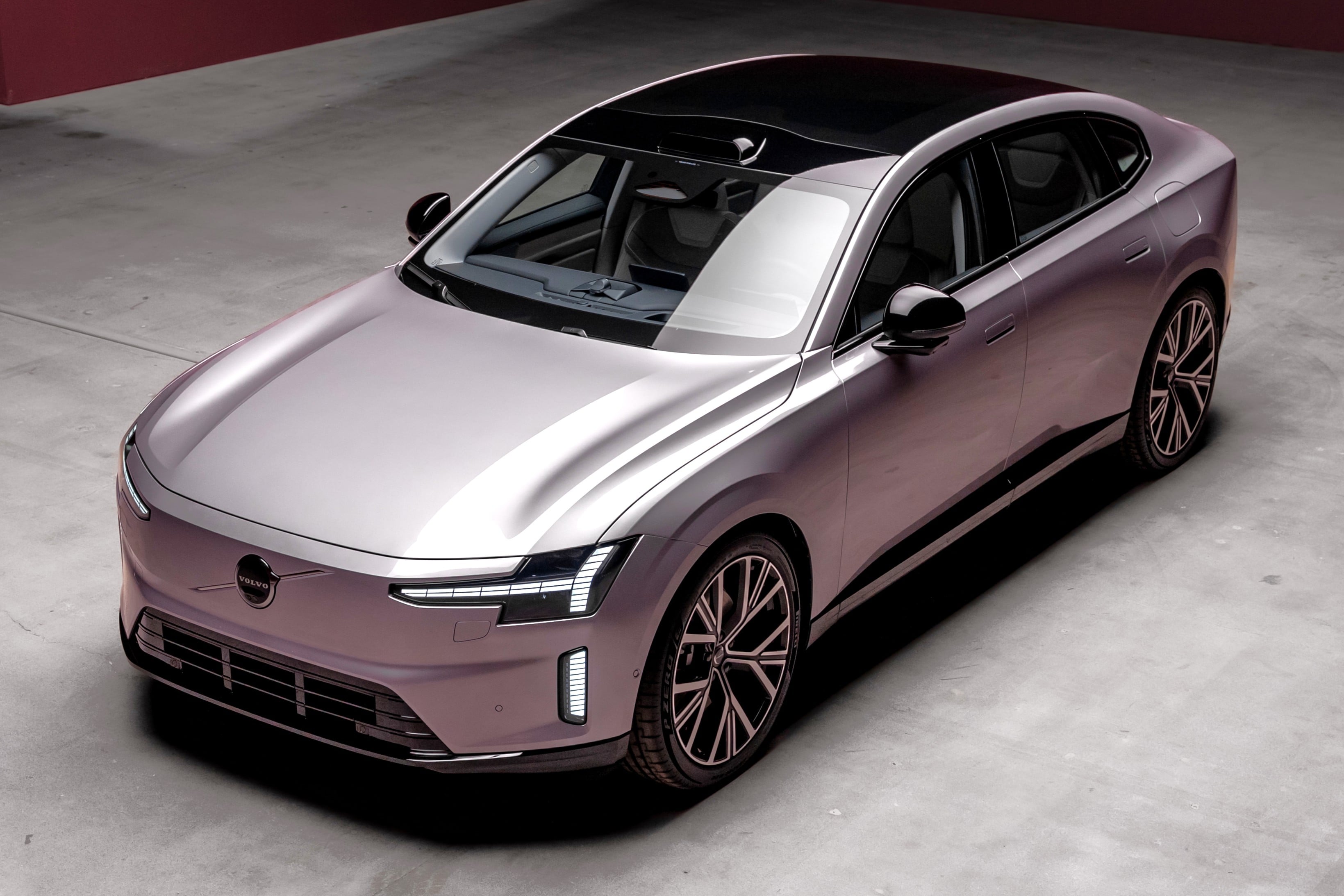
Volvo will return to the luxury sedan space next month with the launch of the all-electric ES90. It’s based on Volvo’s 800V SPA2 platform, and is likely to be offered with a 106kWh battery, dual-motor AWD setup in India. Combined output is pegged at 456hp and 670Nm, which is good for a claimed 0-100kph time of 5.3 seconds. As for WLTP range, the ES90 is rated at 696km, and the sedan can charge at up to 350kW DC, taking 22 minutes for a 10-80 percent top-up.
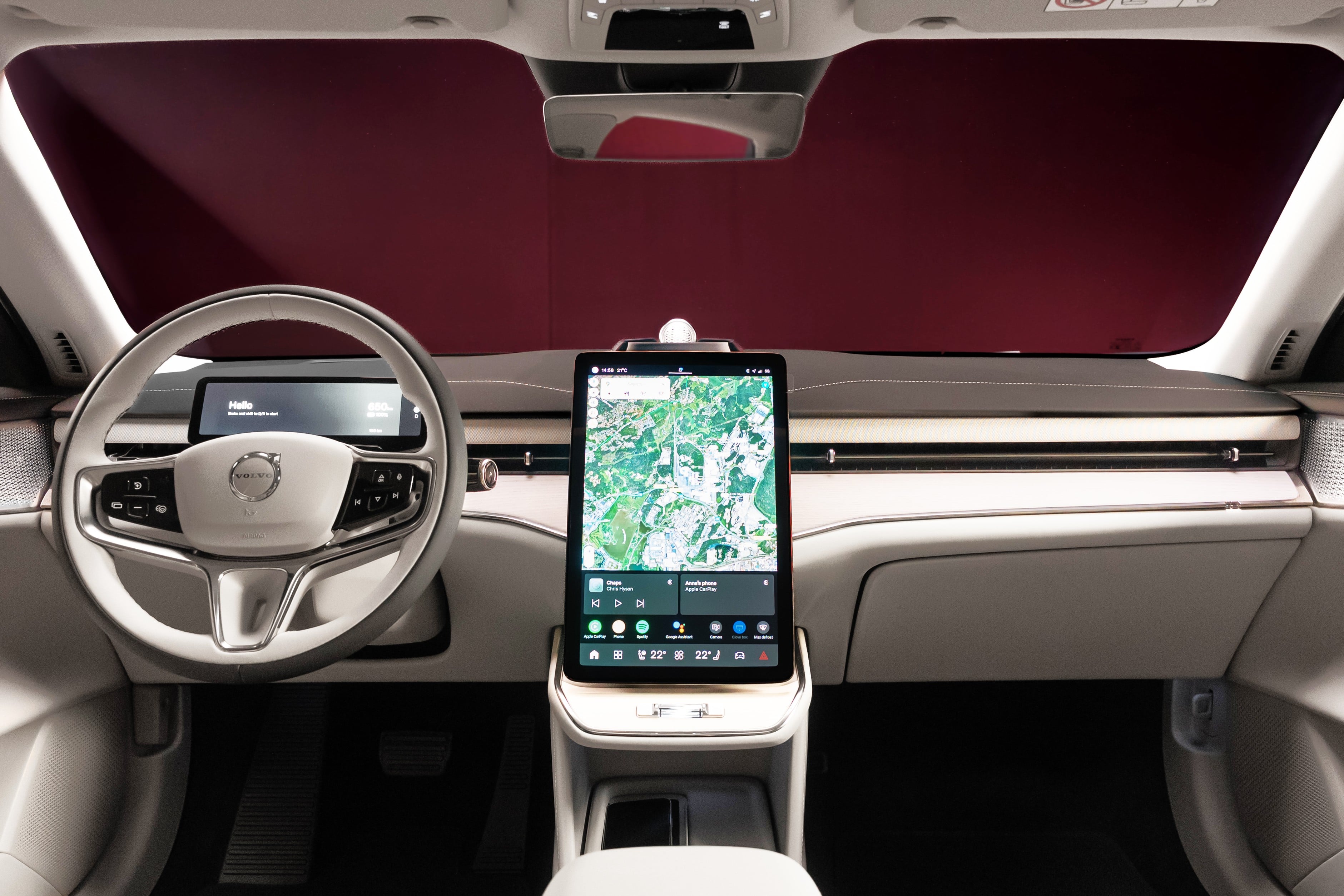
On the outside, the ES90 looks sleek and quietly aggressive, with T-shaped LED headlamps, vertically oriented front fog lamps, clean panelling, and C-shaped tail-lamps. Moreover, it has a drag coefficient of 0.25, making it the most aerodynamic Volvo car yet. Inside, the ES90 packs a 14.5-inch Google-based portrait touchscreen, a floating centre console, a three-spoke steering wheel, a slim 9-inch digital driver’s display, a 13.2-inch head-up display, a panoramic glass roof, four-zone climate control, powered front seats, Level 3 ADAS, and a Bose sound system.
Volvo EX90
Launch: 12 October
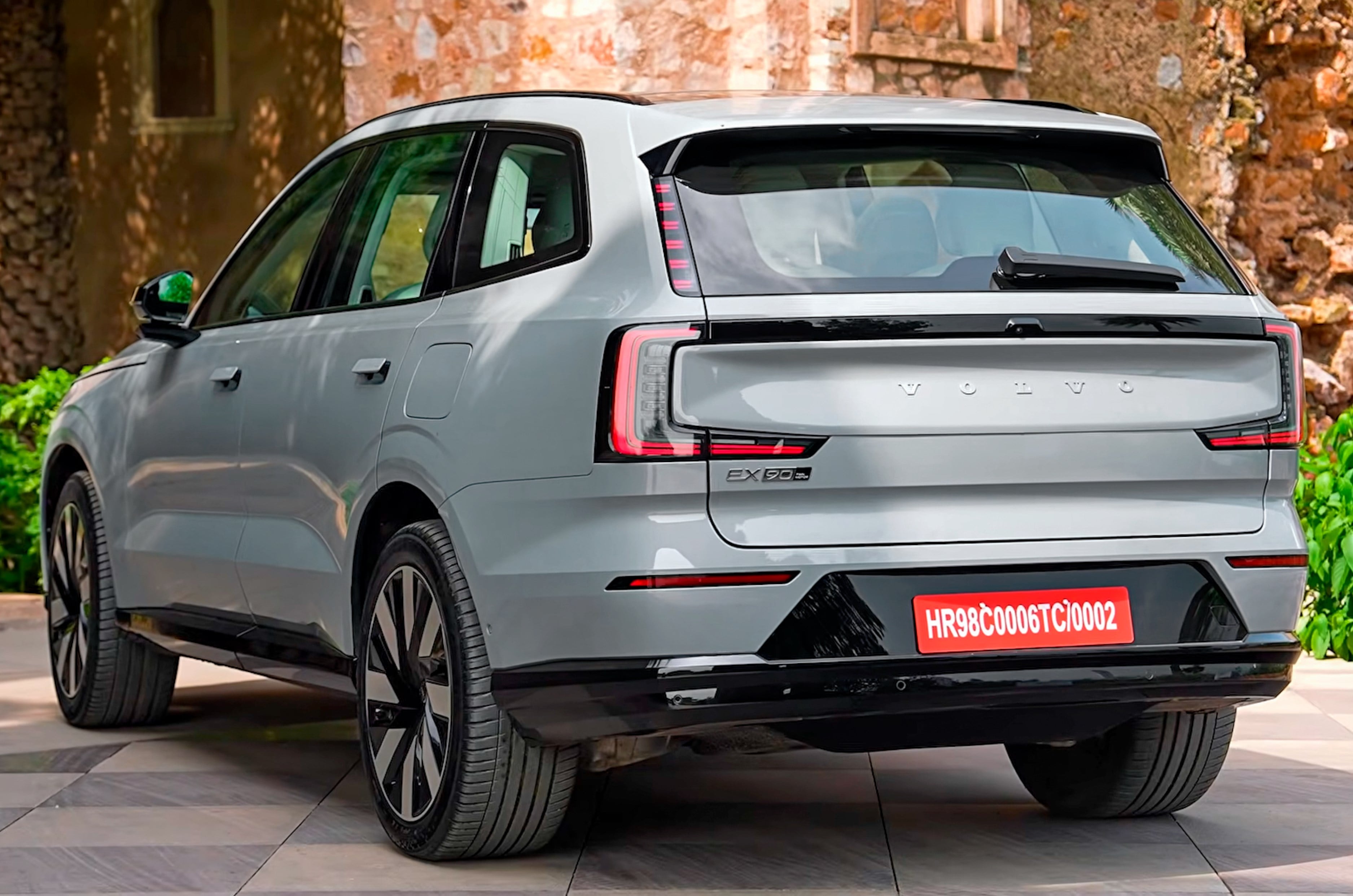
Alongside the ES90, Volvo will launch its SUV counterpart, the EX90. The electric SUV is also based on the SPA2 platform and is expected to offer the same 106kWh dual-motor AWD powertrain. Owing to its higher-riding stance, the EX90’s WLTP range is slightly lower at 625km, but the SUV impressively claims the same 5.3sec 0-100kph time.
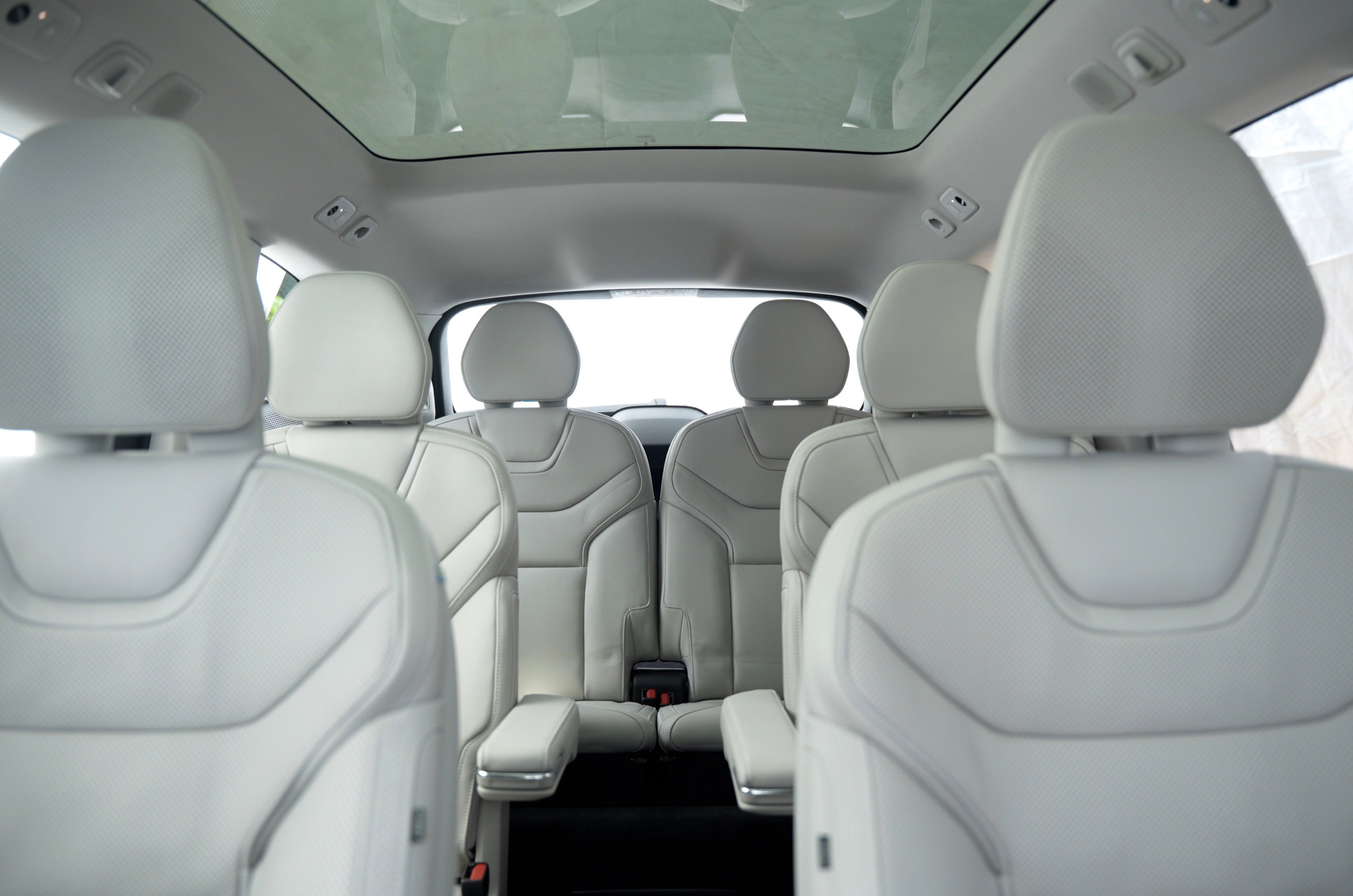
Even in terms of exterior design, the core elements are quite similar between the EX90 and ES90. The same holds true for the interior and equipment list as well, with the only major difference being that the EX90 can seat up to six occupants and gets second-row captain’s chairs.
Toyota Glanza facelift
Debut: 14 October
Current Toyota Glanza. Image used for representation only.
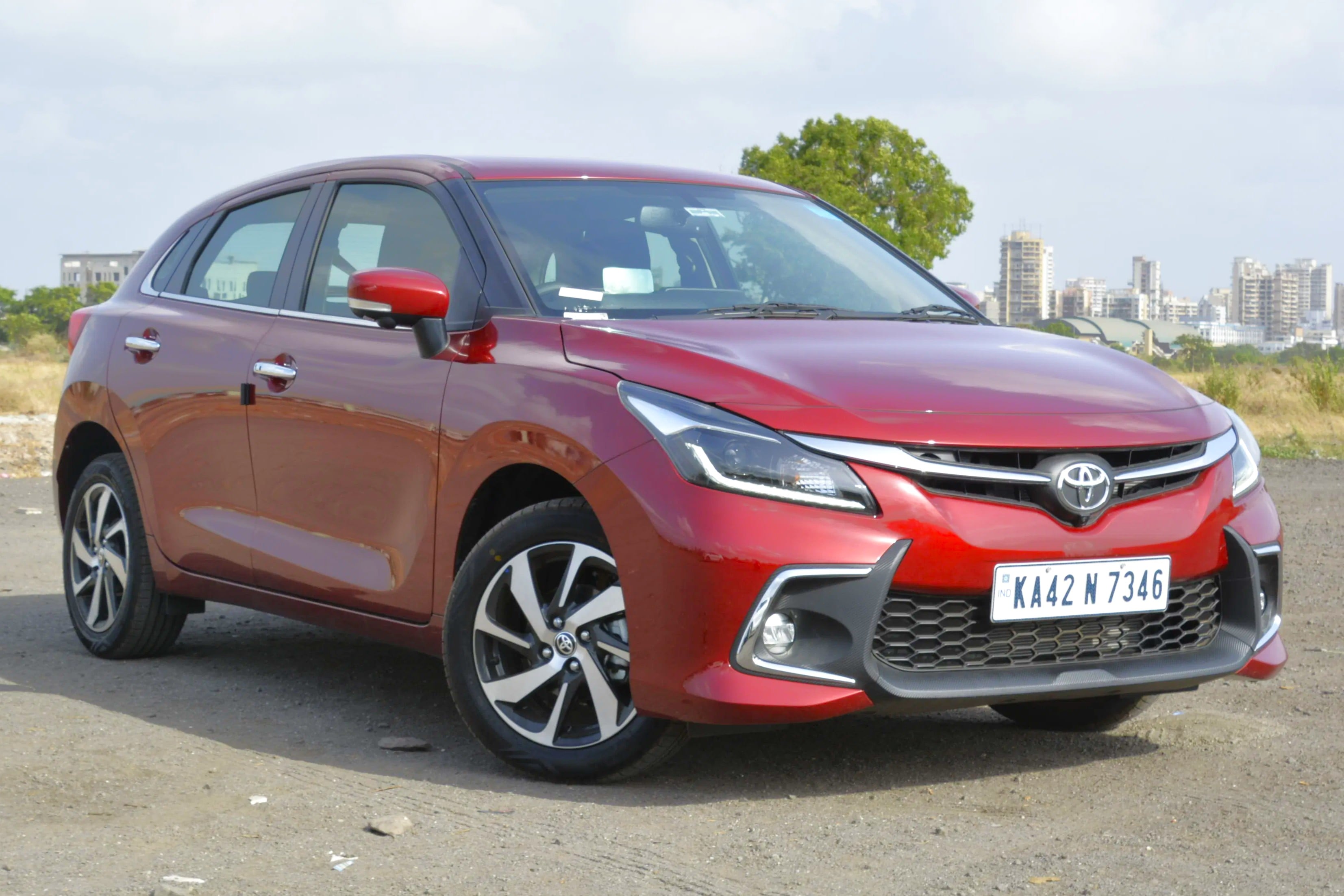
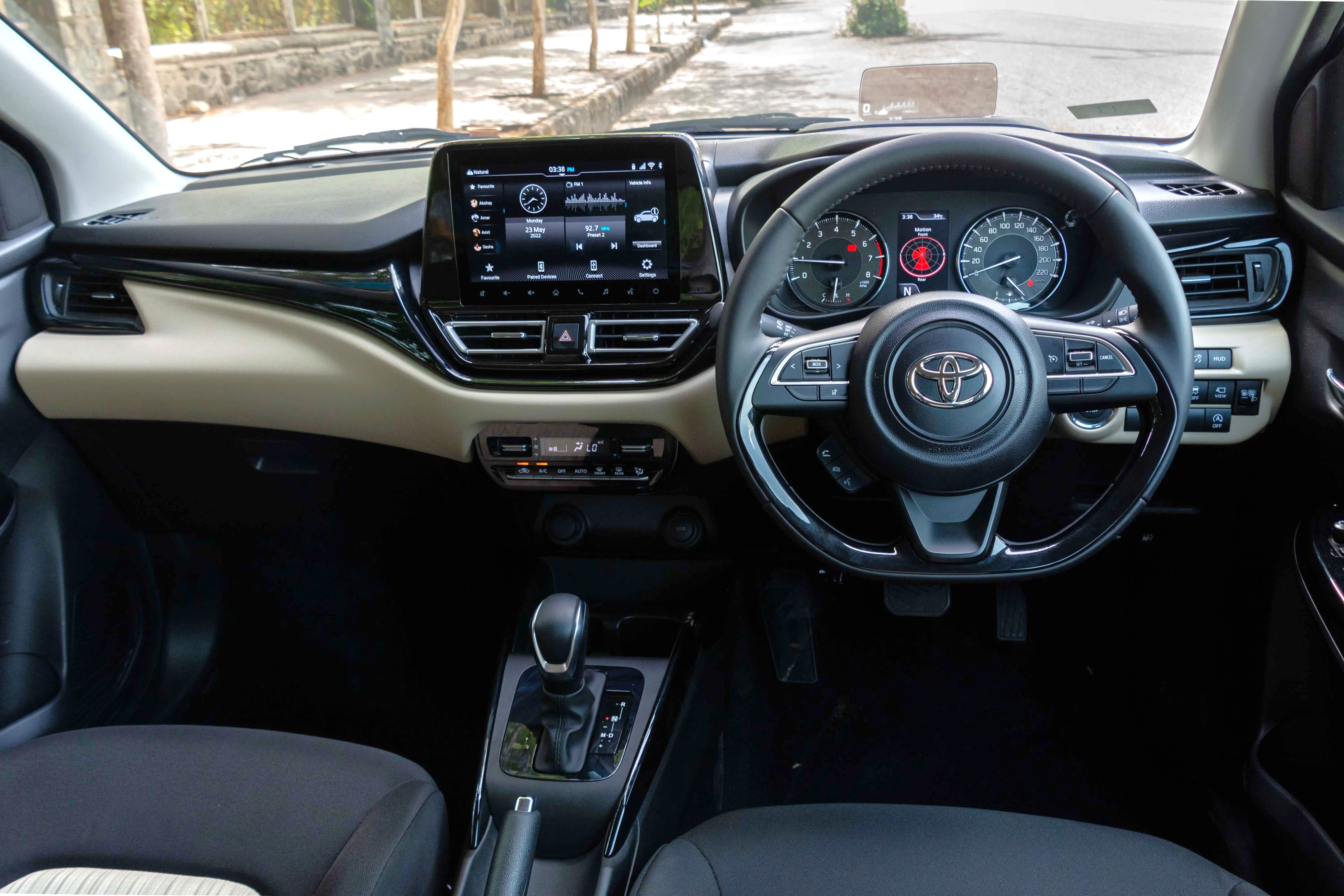
Just a month after the launch of the Baleno facelift, the updated form of its Toyota-badged counterpart, the Glanza, will be revealed. The Glanza facelift is likely to feature styling revisions similar to those of the updated Baleno, like a larger grille, redesigned bumpers, and new alloy wheel designs. Inside, the Toyota hatchback’s dashboard layout is expected to be largely unchanged, save for fresh seat upholstery. New creature comforts are likely to include Level 2 ADAS, a wireless charging pad, and ventilated front seats.
Current Toyota Glanza interior. Image used for representation only.
Under the bonnet, the Glanza facelift is anticipated to mirror the Baleno in dropping its current 90hp 1.2-litre four-cylinder K12N petrol engine in favour of the 83hp 1.2-litre three-cylinder Z12E mill. Like in the Baleno facelift, this engine is expected to be offered with either a 5-speed manual or 5-speed AMT in the updated Glanza, along with a 70hp CNG option.
Third-gen Audi Q3
Launch: 16 October
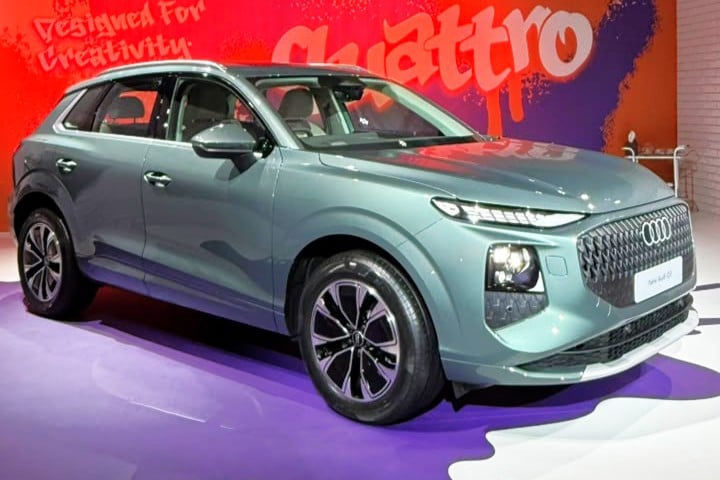
Audi India will launch the latest generation of its entry-level SUV, the Q3, next month. The India-spec third-gen Q3 was unveiled back in August, and will continue to rival the BMW X1 and Mercedes-Benz GLA. On the outside, the new Q3 is larger than its predecessor in every dimension and bears a sharper design language, which includes split LED headlamps, a wide grille, 18-inch alloy wheels, and a rear light bar with an illuminated Audi emblem.
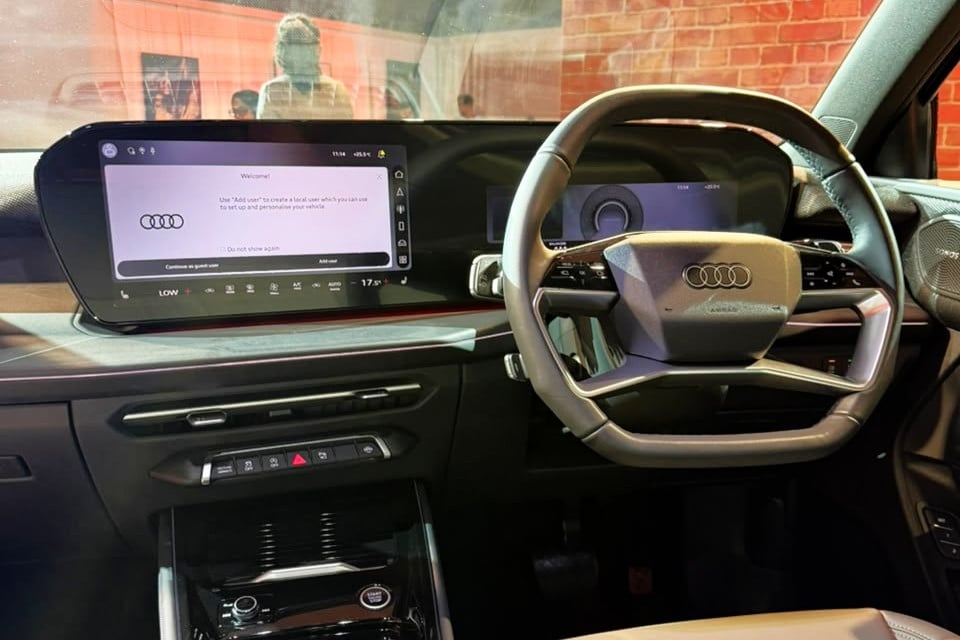
The interior of the third-gen Q3 is more modern and feature-loaded too, offering a 12.8-inch touchscreen, an 11.9-inch digital driver’s display, a new squircle-shaped four-spoke steering wheel, ambient lighting, a Sonos sound system, a panoramic sunroof, ambient lighting, a 360-degree camera, dual-zone climate control, among others. Under the bonnet, the Q3 continues to get a 204hp 2.0-litre four-cylinder direct-injection turbo-petrol engine, mated to a 7-speed dual-clutch automatic and Audi’s Quattro AWD system. 0-100kph comes up in a claimed 7.1 seconds, and the top speed is rated at 229kph.
Renault Duster hybrid
Launch: 17 October
Since its launch earlier this year, the Renault Duster has been available with a couple of turbo-petrol engines only, but that will change come October 17. Renault will bolster the Duster’s line-up with a strong hybrid powertrain dubbed the E-Tech 160. It pairs a 1.8-litre four-cylinder naturally aspirated petrol engine with two electric motors and a 1.4kWh battery pack, developing a combined 160hp and 172Nm.
This setup will be paired with a segment-first 8-speed dedicated hybrid transmission (DHT) that uses fixed gear ratios, unlike the e-CVTs seen in hybrid SUV rivals like the Grand Vitara, Victoris, and Hyryder. The DHT should therefore enable a more natural driving feel to the Duster hybrid. Thanks to its 1.4kWh battery, the E-Tech 160 is also claimed to deliver 80 percent of urban driving in all-electric mode, which should help the Duster hybrid achieve great fuel efficiency.
Hyundai Bayon
Launch: Mid to late October
Hyundai’s second midsize SUV for India, the Bayon, is expected to be fully revealed and launched next month – bookings commenced on 23 September. The Bayon will slot between the Venue and Creta, offering the latter’s 1.5-litre naturally aspirated engine in petrol and CNG guises. Gearbox options are likely to include a 6-speed manual and CVT automatic. On the outside, the Bayon will feature Hyundai’s ‘Art of Steel’ design language, with styling cues like L-shaped front and rear LEDs, rakish proportions, an upward-sloping window line, and more. It’s also expected to be the first Hyundai car to come with an underbody CNG tank.
The interior of the Bayon is likely to offer a curved dual-screen setup, a three-spoke steering wheel bearing Hyundai’s four-dot motif, and a vertically oriented centre console – the dashboard layout will resemble that of the fourth-gen i20, which was revealed for the Brazilian market a few months ago.
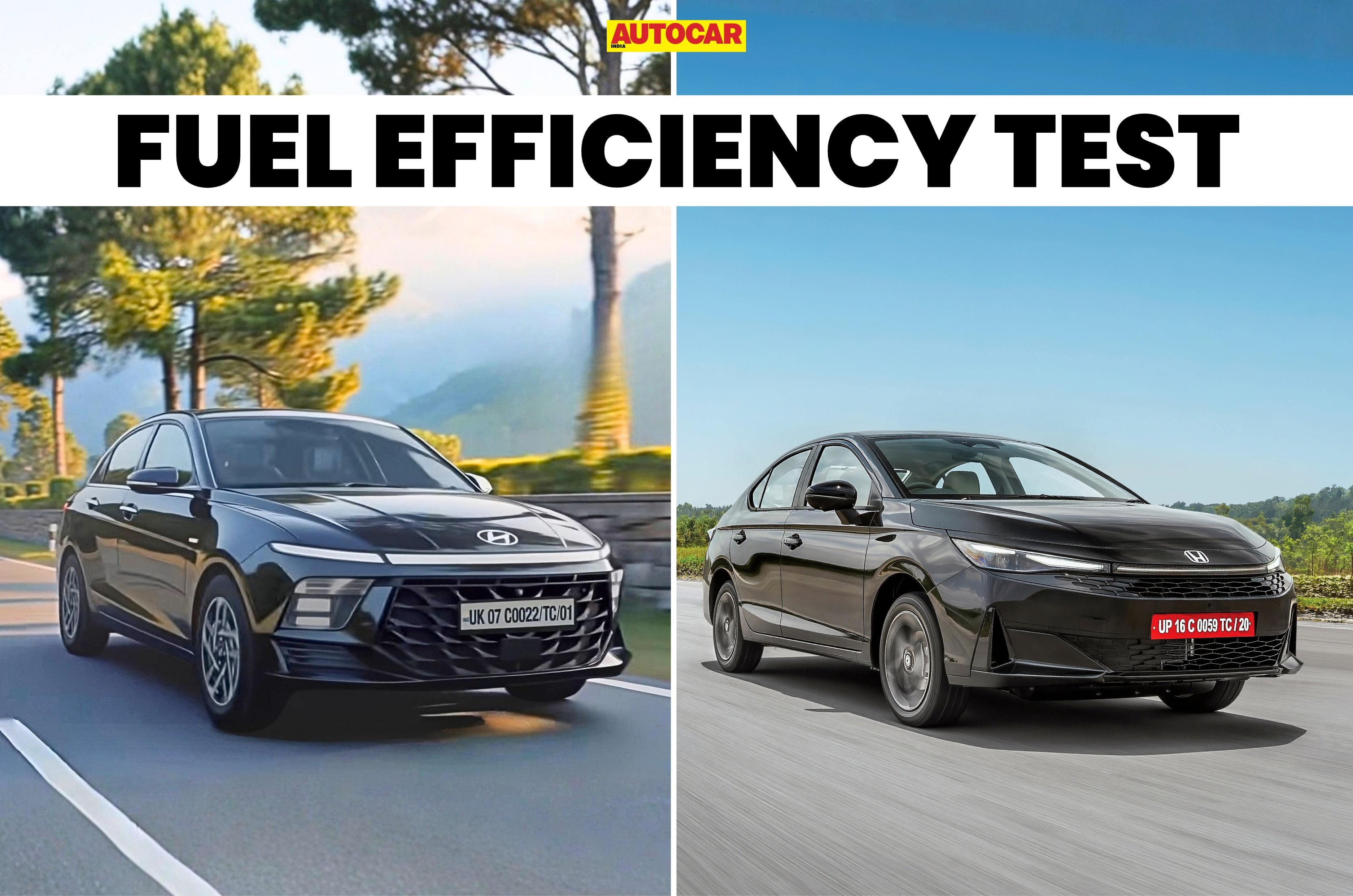
The Hyundai Verna and Honda City have been arch-rivals in the midsize sedan segment for a long time. Both are available with a petrol-CVT powertrain with similar specifications and prices. But in terms of fuel efficiency, how do the naturally aspirated petrol-CVT versions of the Verna and City compare? We put both sedans through our real-world efficiency tests to find out.
Hyundai Verna vs Honda City: Specifications, price
Both sedans get a similar engine and have a similar price range
Hyundai Verna vs Honda City: Specifications and price
Hyundai Verna
Honda City
Engine
4 cyls, naturally aspirated petrol
4 cyls, naturally aspirated petrol
Displacement (cc)
1,497
1,498
Power (hp)
115
121
Torque (Nm)
144
145
Gearbox
CVT
CVT
Fuel tank (litres)
45
40
Kerb weight (kg)
1,224
1,168
Claimed mileage (kpl)
19.6
17.97
Price range (in Rs lakh)
14.46-17.21
14.59-17.44
Both the Hyundai Verna and Honda City are powered by 1.5-litre four-cylinder naturally aspirated petrol engines that produce similar outputs, and both are available with a CVT automatic transmission. However, the two sedans differ in terms of fuel tank capacity and weight. The Verna gets a 5-litre larger fuel tank but is also 56kg heavier than the City. It also has the higher claimed fuel efficiency.
When it comes to pricing, the Verna has an advantage across the petrol-CVT range. Its starting price is Rs 13,000 lower than that of the City, while its top-end variant is Rs 23,000 more affordable.
Hyundai Verna vs Honda City: Real-world fuel efficiency
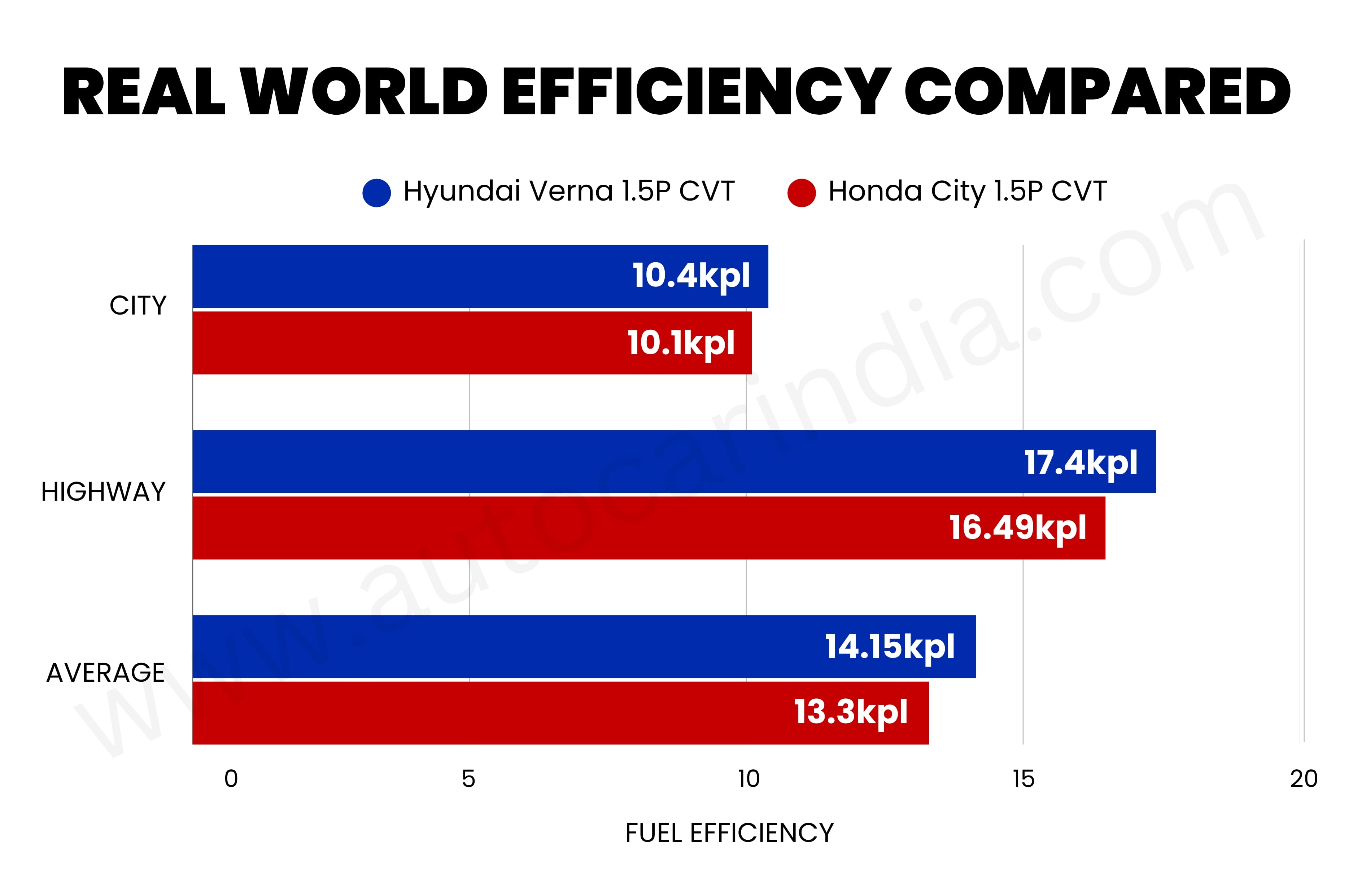
The Verna CVT was more fuel-efficient in our tests than the City CVT
Hyundai Verna vs Honda City: Real-world mileage details
Hyundai Verna
Honda City
Tested city mileage (kpl)
10.40
10.10
Tested highway mileage (kpl)
17.40
16.49
Tested average mileage (kpl)
14.15
13.30
Tested range (km)
636.75
532
Both sedans were tested in their most efficient driving modes, with the Verna in Eco and the City in ECON. In our tests, the Verna returned 0.3kpl more than the City in city driving conditions and 0.91kpl more on the highway. Its higher highway efficiency can partly be attributed to the engine settling at a relaxed 1,900rpm at 100kph, while its automatic stop-start system helped conserve fuel in traffic. The City, on the other hand, does not get an automatic stop-start system, and its CVT tended to raise engine speed with even small throttle inputs. This made the City feel more responsive but also had an impact on its mileage.
The Verna’s average fuel efficiency was 0.85kpl higher than the City’s. Combined with its larger fuel tank, this gives the Verna a range of around 636.75km on a full tank, which is 104.75km more than the City’s estimated range of 532km.
Autocar India’s fuel efficiency testing
Before our real-world fuel efficiency tests, we fill our test cars’ tanks to the brim and maintain tyre pressures based on the manufacturer’s recommendation. These cars are driven in fixed city and highway loops in and around Navi Mumbai, and we maintain certain average speeds. Throughout the tests, there is only one person in each car, running the aircon at 22deg C in full-auto mode, and other electricals, such as the audio system, ventilated seats, indicators and wipers, are used when required, just like a regular user would. Periodic driver swaps further neutralise variations in driver patterns. At the end of each cycle, we calculate efficiency by filling the tanks to full again.