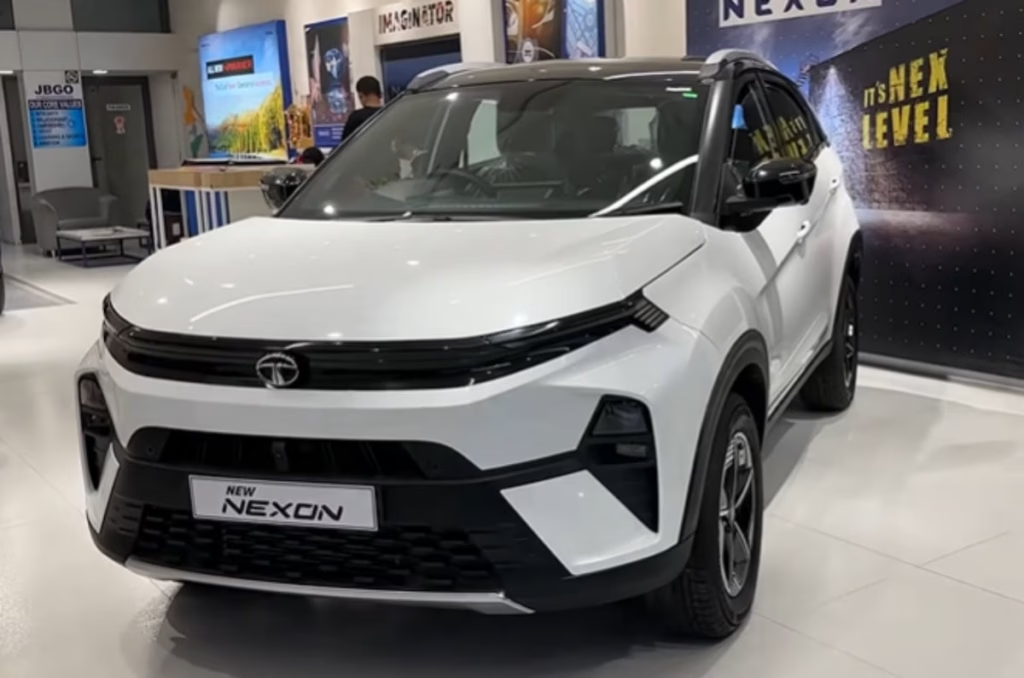
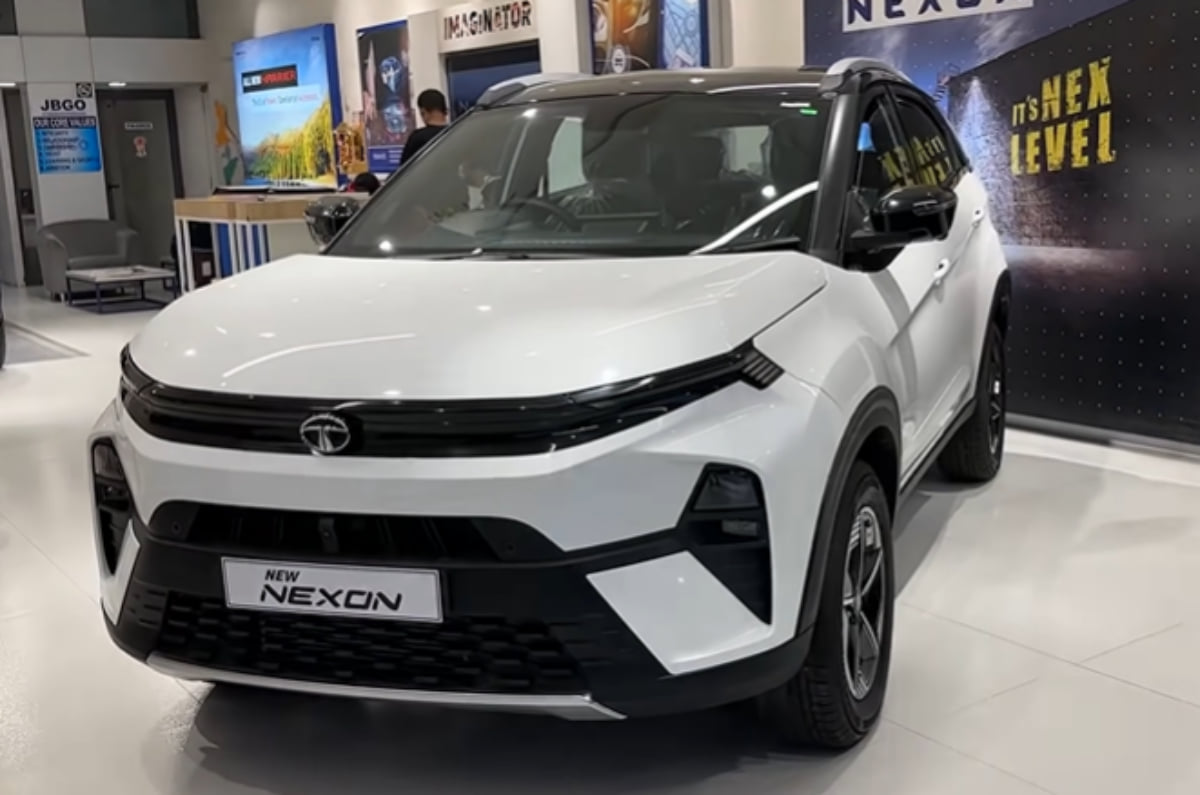
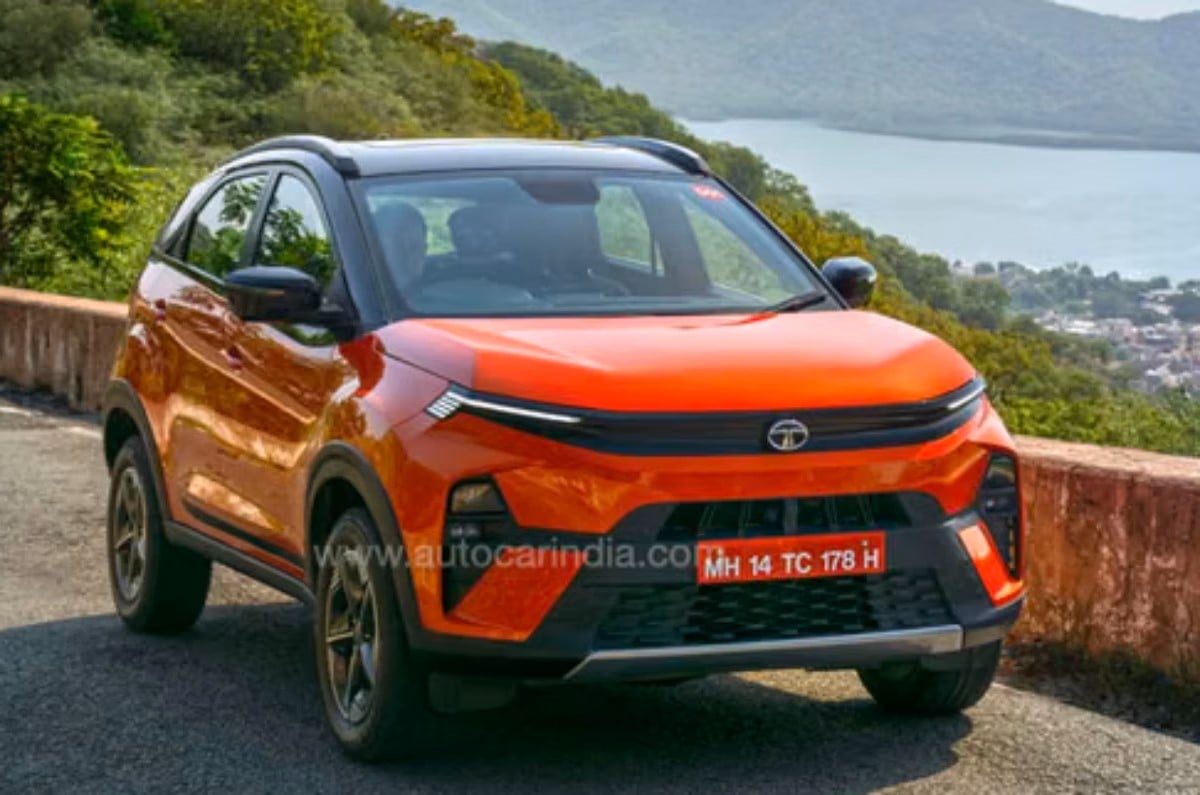
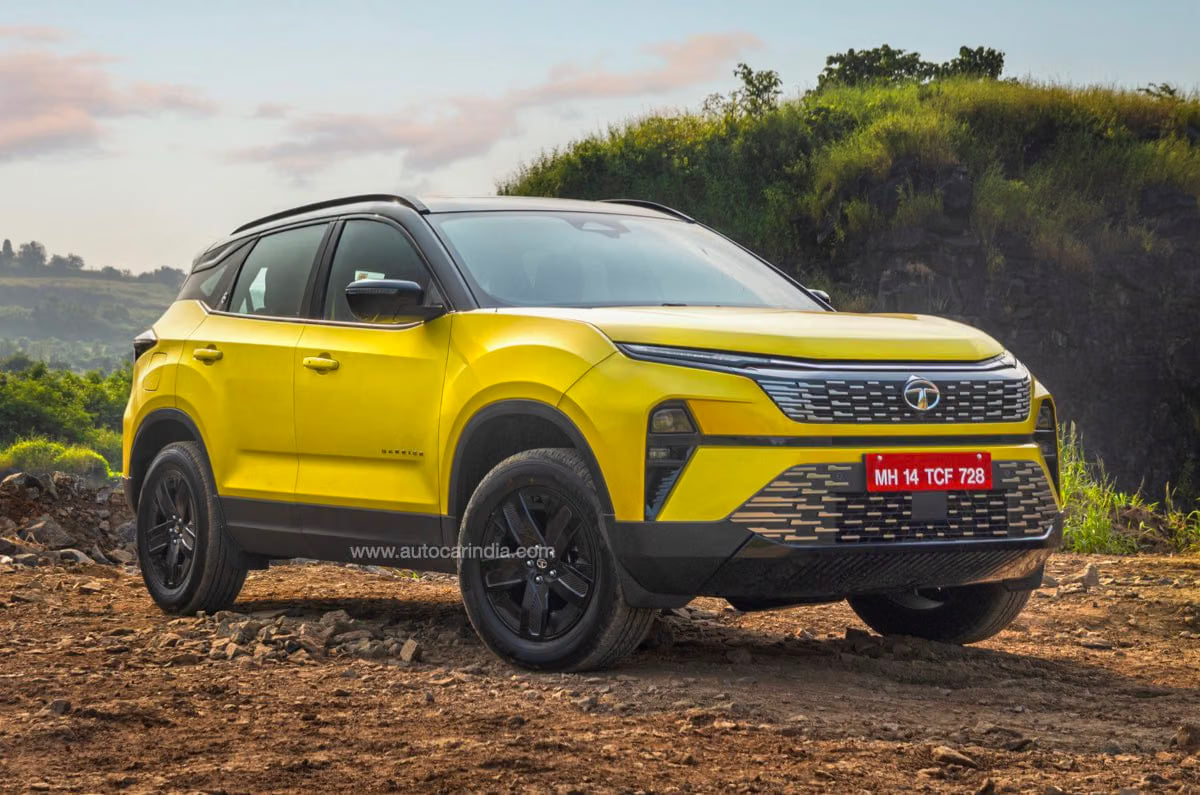
Tata Motors has announced October offers across its ICE vehicle range, with the Nexon, Curvv, Altroz, Harrier, Safari, Sierra, Tiago and Tigor eligible for benefits. The schemes are valid from October 1 to October 31, 2026, with the benefit varying by model and variant. Here is a model-wise breakdown of Tata’s October offers.
Disclaimer: Offers/benefits may vary by city and are subject to stock availability. Buyers are advised to check with their local dealer for exact figures.
Tata Curvv October 2026 offers
up to Rs 1.25 lakh
The Tata Curvv gets benefits of up to Rs 1.25 lakh on non-Series X variants. These comprise a Rs 30,000 cash discount, either a Rs 40,000 exchange benefit or Rs 45,000 scrappage benefit, and a Rs 50,000 loyalty benefit. The Curvv X only gets a Rs 20,000 loyalty benefit.
Tata Nexon October 2026 offers
up to Rs 75,000
The Tata Nexon gets benefits of up to Rs 75,000 in October. Select petrol-manual variants: Smart+, Smart+S, Pure, Pure S, Pure+, Pure+ S and Pure+ PS. These get a Rs 10,000 cash discount, Rs 45,000 intervention offer and either a Rs 15,000 exchange benefit or Rs 20,000 scrappage benefit. This takes the maximum benefit to Rs 75,000.
The remaining petrol variants, excluding the Creative Camo petrol-manual version, get benefits of up to Rs 55,000. The Nexon CNG gets up to Rs 60,000, while the diesel version gets up to Rs 20,000.
Tata Altroz October 2026 offers
up to Rs 55,000
The Tata Altroz gets benefits of up to Rs 55,000 on its CNG version. This comprises a Rs 15,000 cash discount, Rs 20,000 intervention offer and either a Rs 15,000 exchange benefit or Rs 20,000 scrappage benefit. Petrol and diesel versions get benefits of up to Rs 35,000
Tata Harrier October 2026 offers
up to Rs 45,000
The Tata Harrier diesel gets benefits of up to Rs 45,000. The offer comprises a Rs 10,000 cash discount and either a Rs 25,000 exchange benefit or Rs 35,000 scrappage benefit.
Tata Safari October 2026 offers
up to Rs 45,000
The Tata Safari diesel gets benefits of up to Rs 45,000. As with the Harrier, the offer includes a Rs 10,000 cash discount and either a Rs 25,000 exchange benefit or Rs 35,000 scrappage benefit.
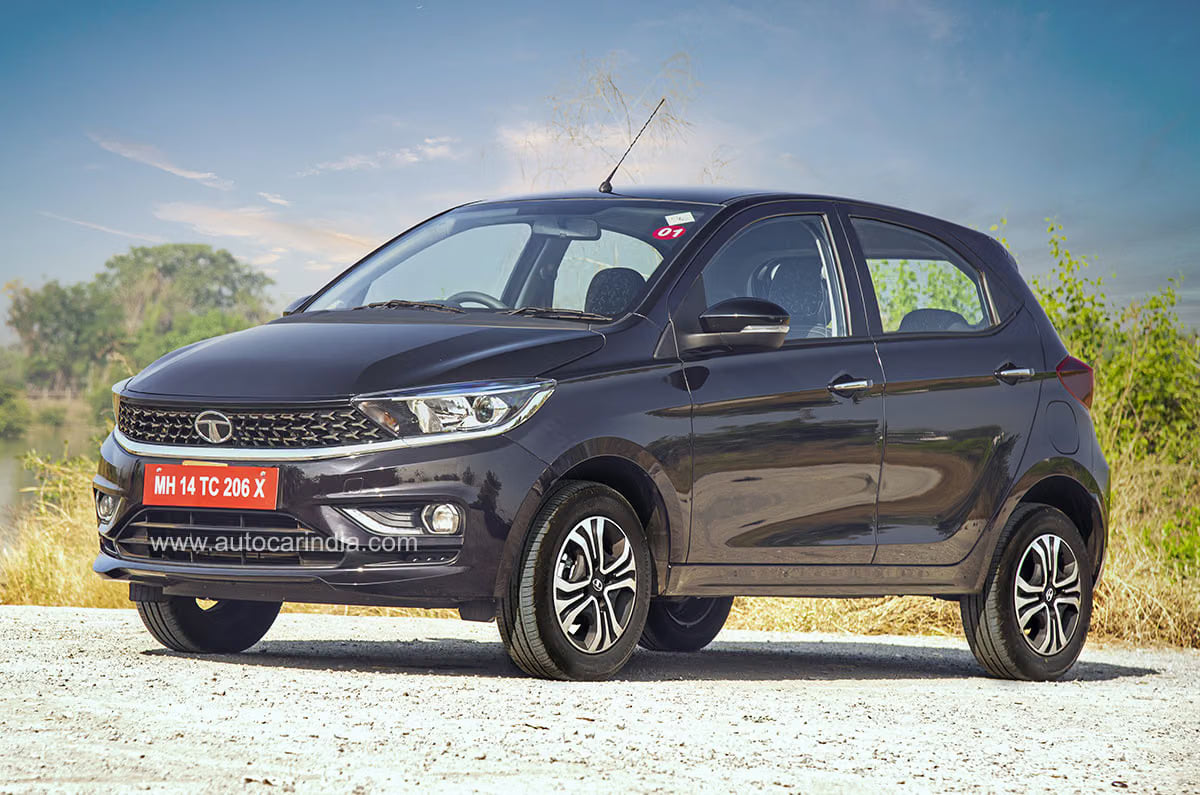
Pre-2026 Tata Tiago October 2026 offers
up to Rs 35,000
The outgoing Tata Tiago gets benefits of up to Rs 35,000 on both petrol and CNG versions, excluding the XE variant. The offer comprises a Rs 15,000 cash discount, Rs 5,000 intervention offer and either a Rs 10,000 exchange benefit or Rs 15,000 scrappage benefit.
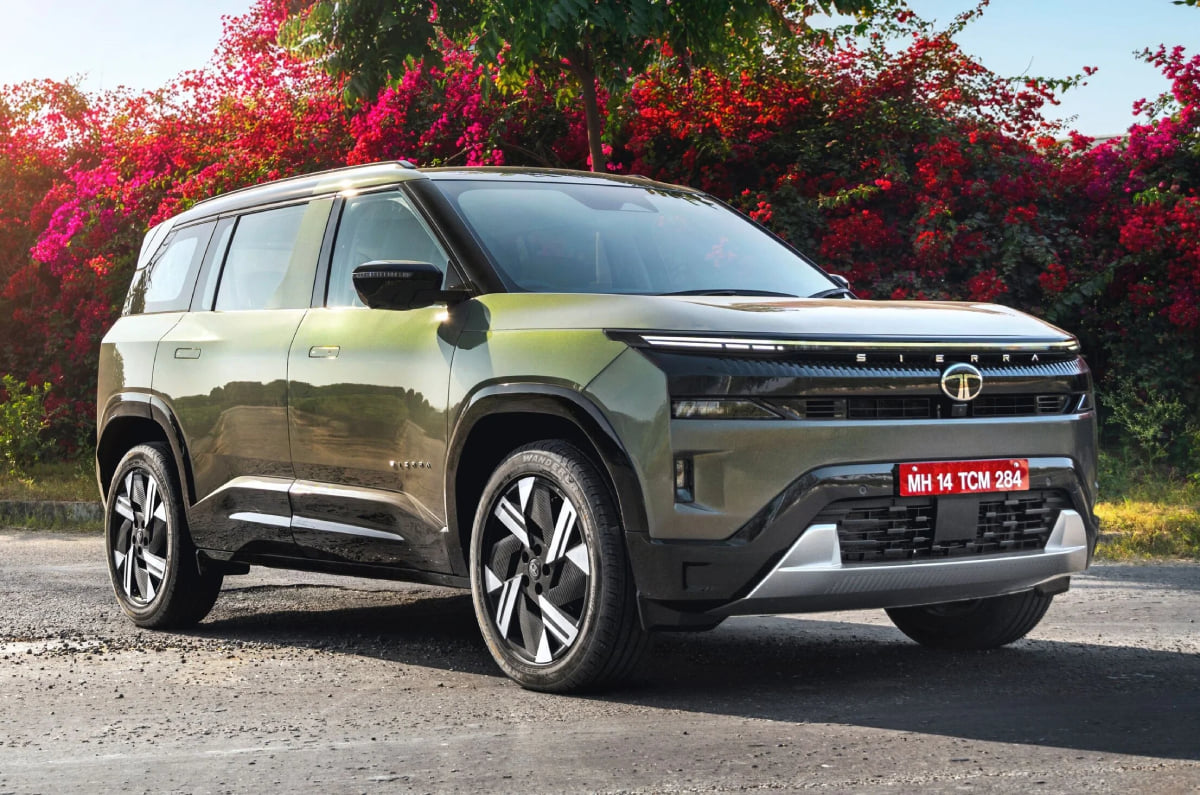
Tata Sierra October 2026 offers
up to Rs 30,000
The Tata Sierra gets benefits of up to Rs 30,000 on both its petrol and diesel versions. Exchange, scrappage, Level Up and loyalty benefits are each worth Rs 30,000, but only one of these benefits can be availed on Sierra ICE variants.
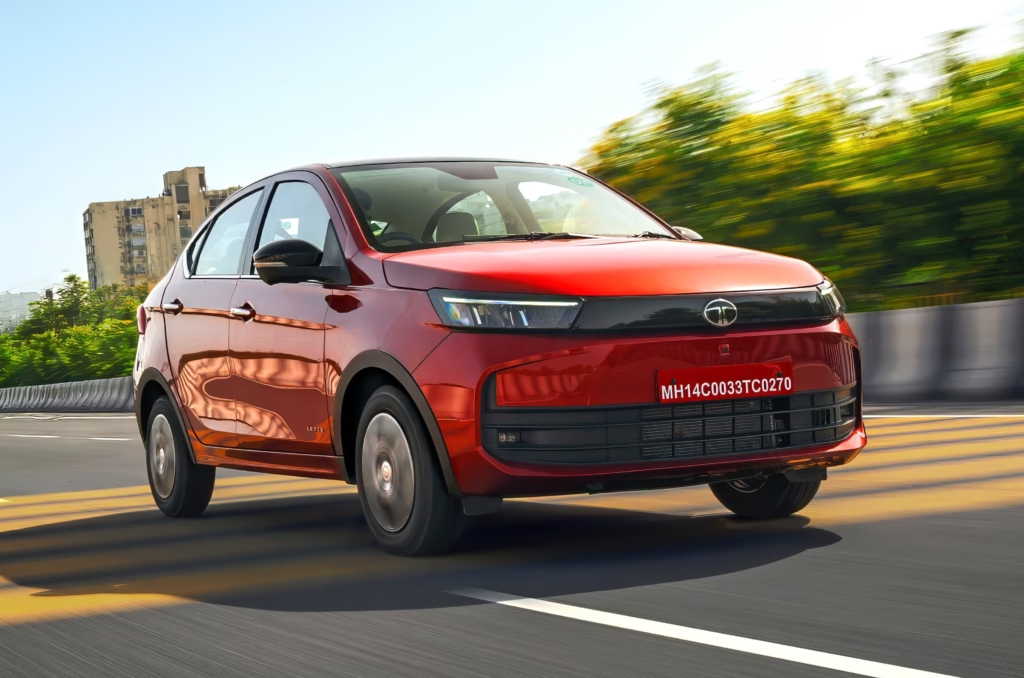
Tata Tigor October 2026 offers
up to Rs 30,000
The outgoing Tata Tigor gets benefits of up to Rs 30,000. These comprise a Rs 15,000 cash discount and either a Rs 10,000 exchange benefit or Rs 15,000 scrappage benefit.
The Tata Tigor never quite made the impact the manufacturer hoped for in the compact sedan segment. Now, Tata has reworked it and given it a new identity as the Aeris, with a fresh design, a more upmarket cabin and a longer list of features. That alone makes the Aeris an interesting proposition, but there is another reason its arrival is well timed.
Tata has a CNG option in a market where demand for the fuel is growing rapidly, with CNG cars accounting for nearly 22 percent of passenger vehicle sales in FY2026, up from around 12-13 percent three years ago in FY2023. That gives the manufacturer an interesting opportunity, but the bigger question is whether the Aeris itself has enough going for it this time around.
Tata Aeris iCNG exterior design and engineering – 8/10
Looks more modern than the Tigor, but the Tiago influence is hard to miss
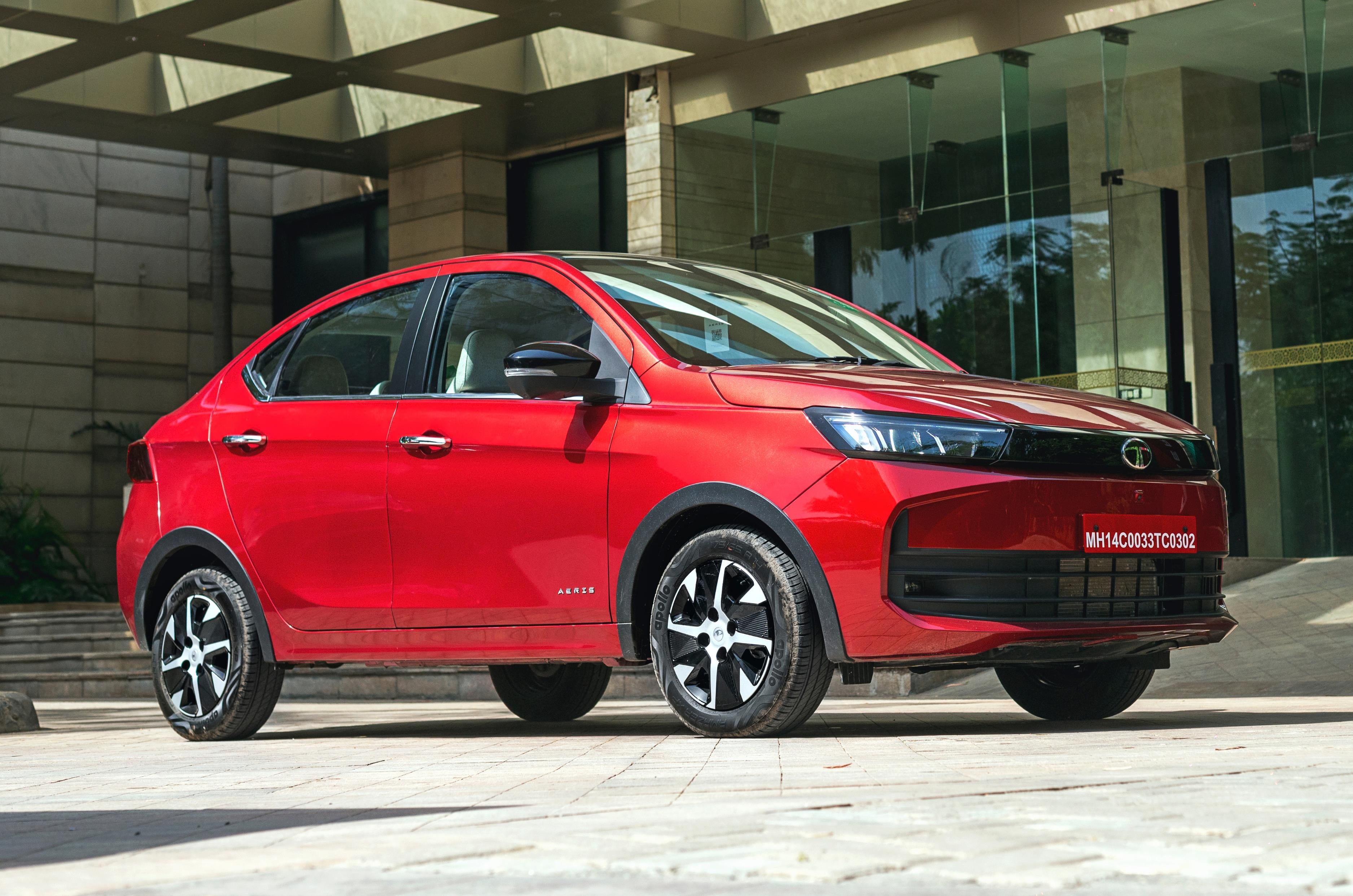
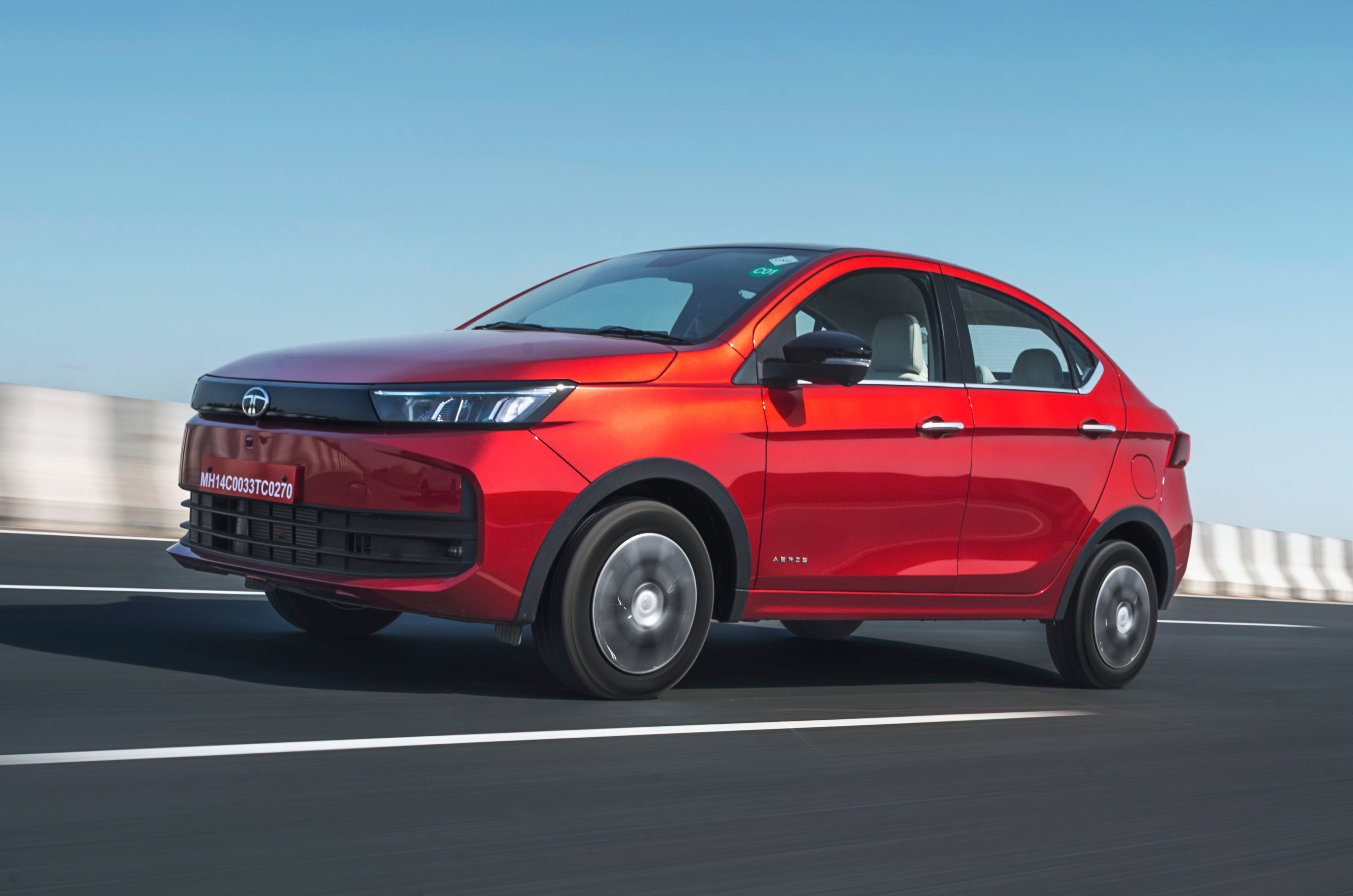
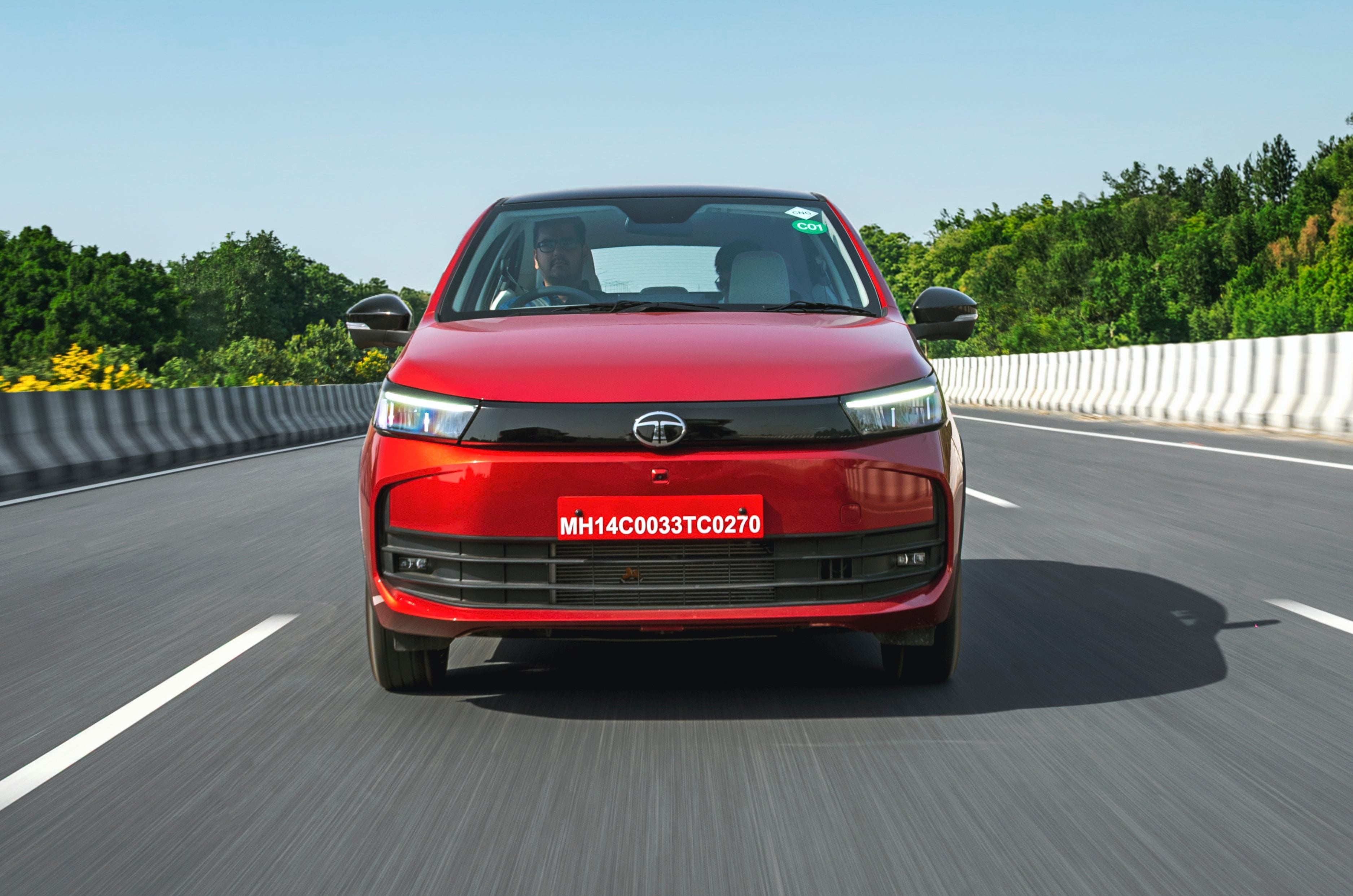
Save for the new bumper, the fascia is similar to the Tiago and looks very modern.
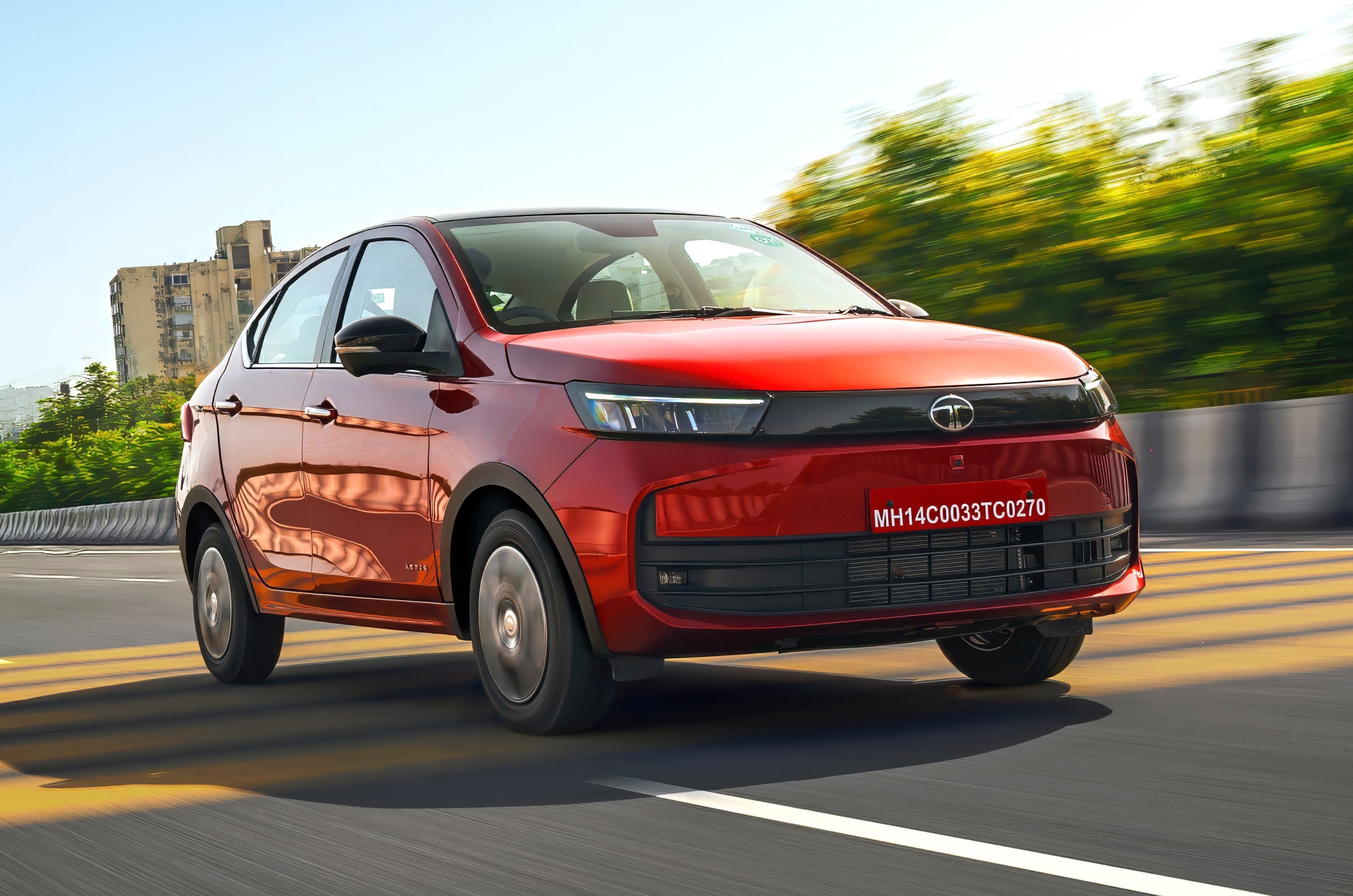
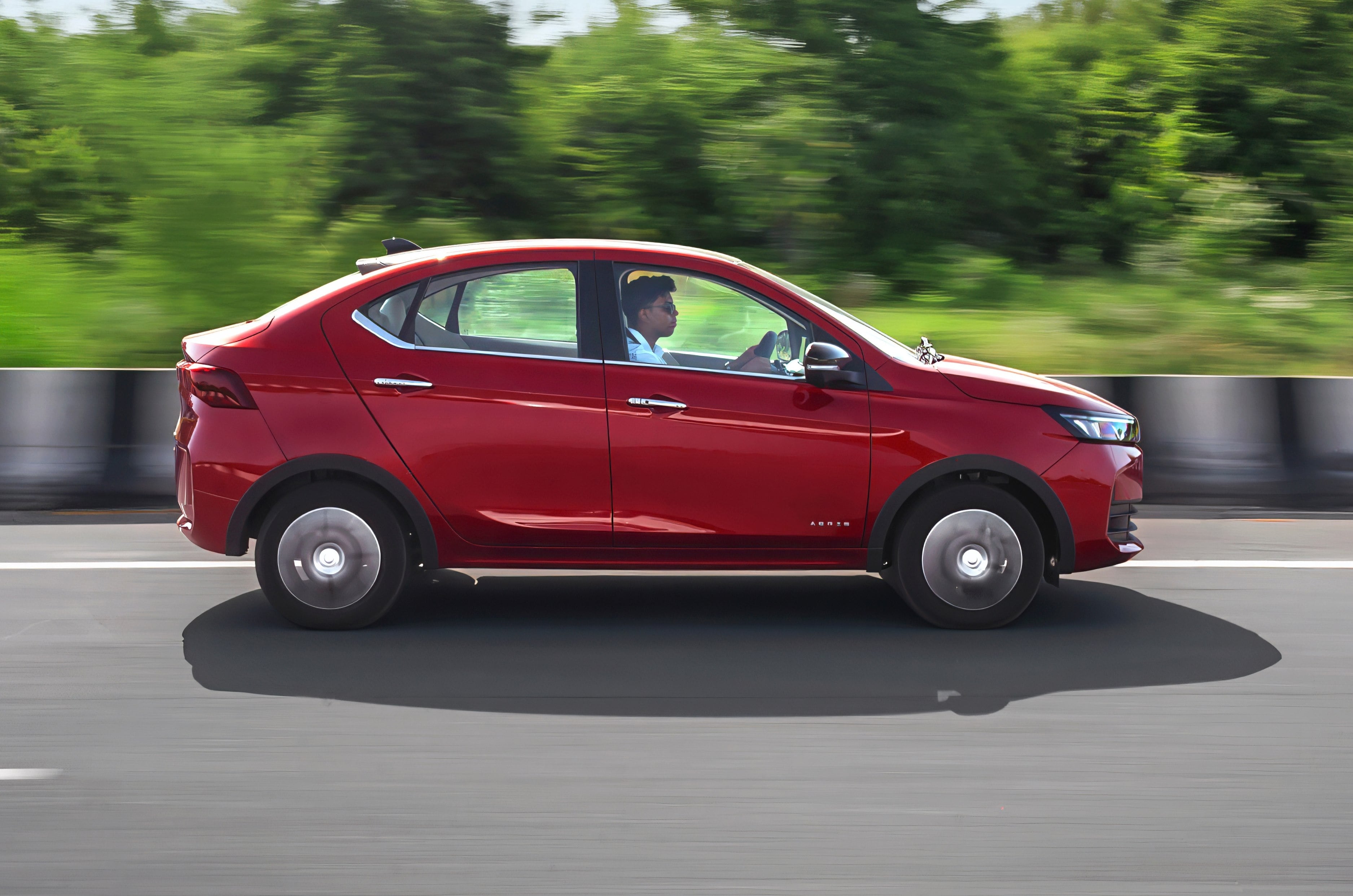
The Tata Aeris looks more modern and sleeker than the older Tigor, but there’s a strong sense of familiarity to its exterior design. It borrows several elements from the Tiago, giving the two cars a similar visual identity, but that also means the Aeris does not look particularly distinctive.
At the front, it gets slim LED headlights with integrated LED DRLs, joined by a gloss black trim, a design treatment that is very similar to the Tiago. What’s new is the front bumper with wider air inlets. It also features fog lamps that get an LED upgrade from the Tigor’s halogens. The Aeris also gets a new clamshell bonnet.
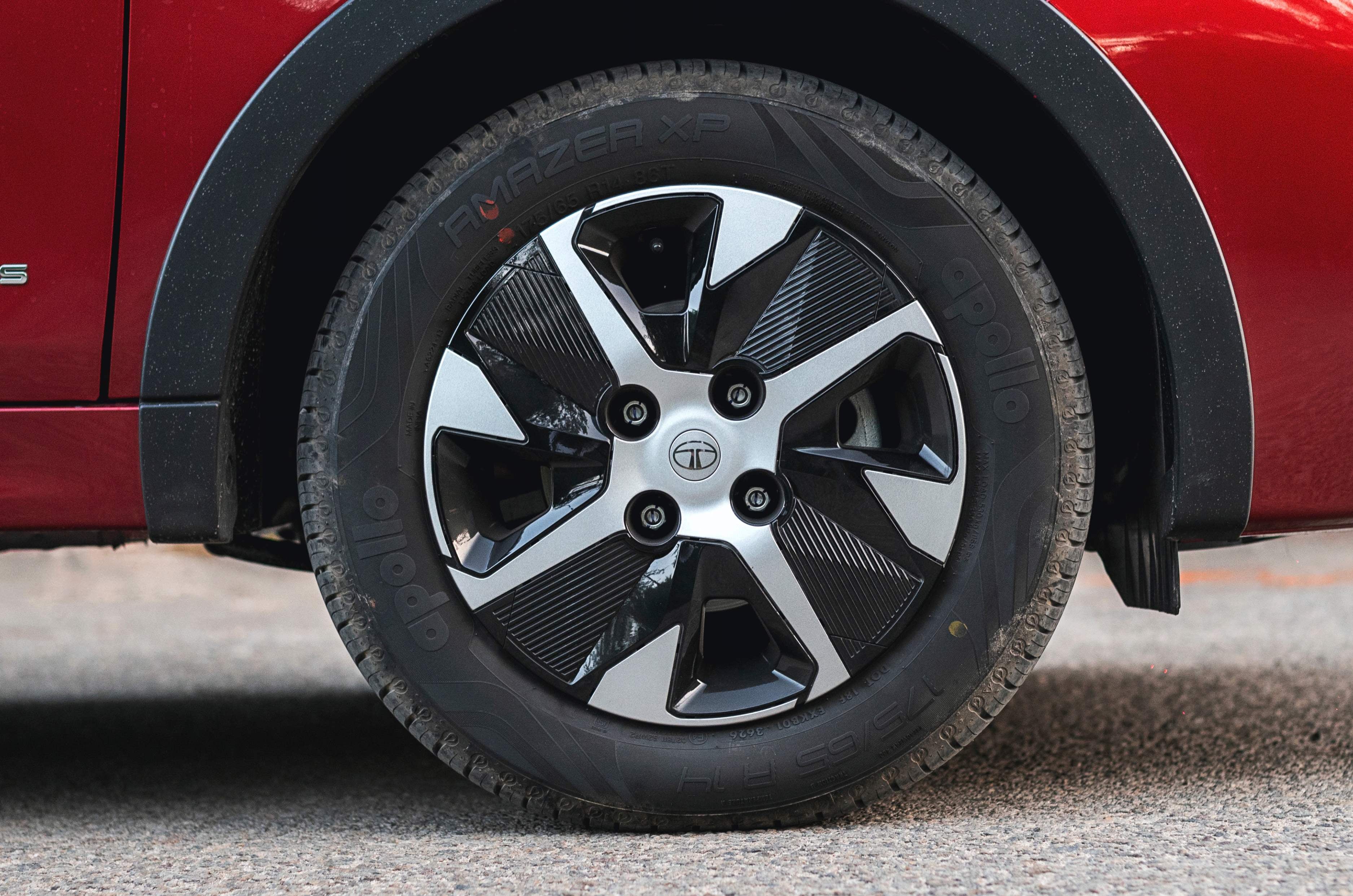
The wheel arch cladding adds contrast, but they make 14-inch wheels look undersized.
In profile, the iCNG gets the 14-inch stylised steel wheels which look undersized, particularly against the prominent wheel-arch cladding. The cladding is made from recycled materials and features a speckled texture. The use of chrome on the door handles and the window line further gives some contrast to the Aeris’ otherwise clean profile.
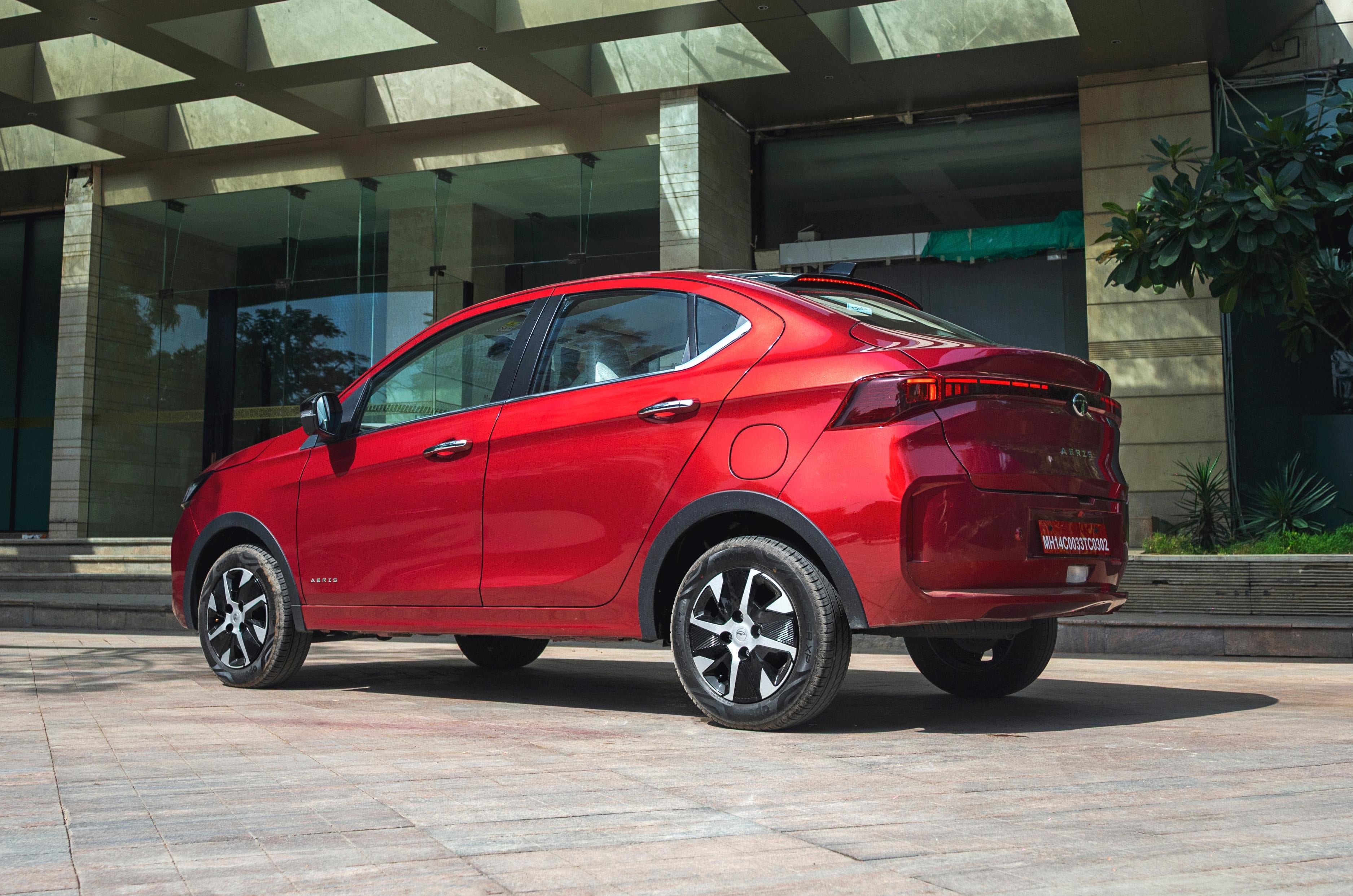
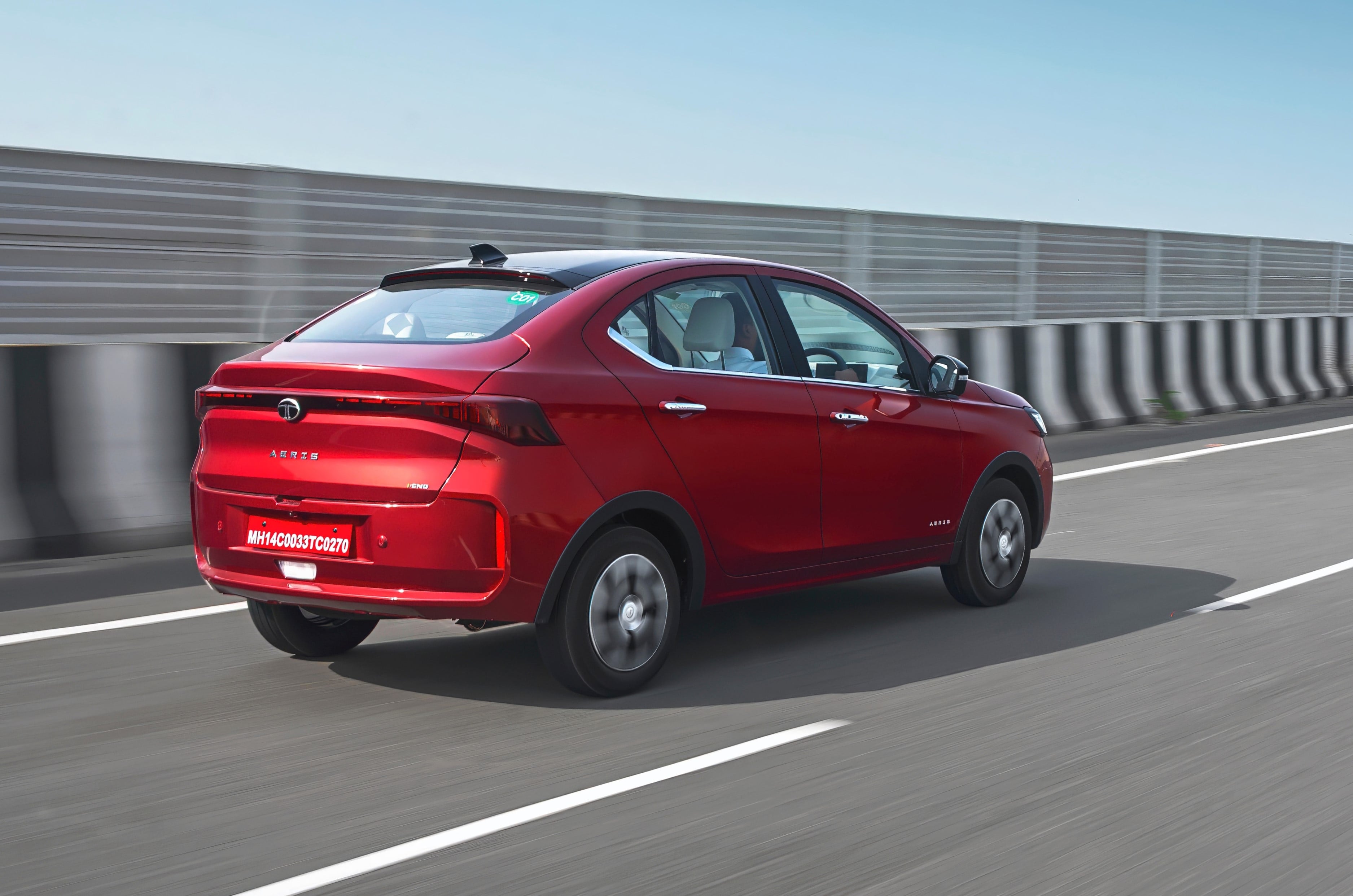
The Aeris retains the Tigor’s distinct coupe-like roof that flows into the tail. The rear features segmented LED taillights joined by red plastic trim, and new Aeris lettering on the centre of the tailgate. The rear bumper features a reverse light and has an overall clean design.
Tigor’s fastback-like sloping roofline is retained; new taillights make it appear larger.
The Aeris is 3,995mm long, 1,684mm wide and stands 1,532mm tall. It has a wheelbase of 2,450mm. These dimensions are similar to the older Tigor. While Tata has not quoted an official ground clearance figure, we found it adequate for broken roads and large speed breakers. All of this is expected to appeal to most buyers.
Tata Aeris iCNG interior space and comfort – 8/10
Lighter theme makes the cabin feel airy, and revised cushioning improves seat comfort
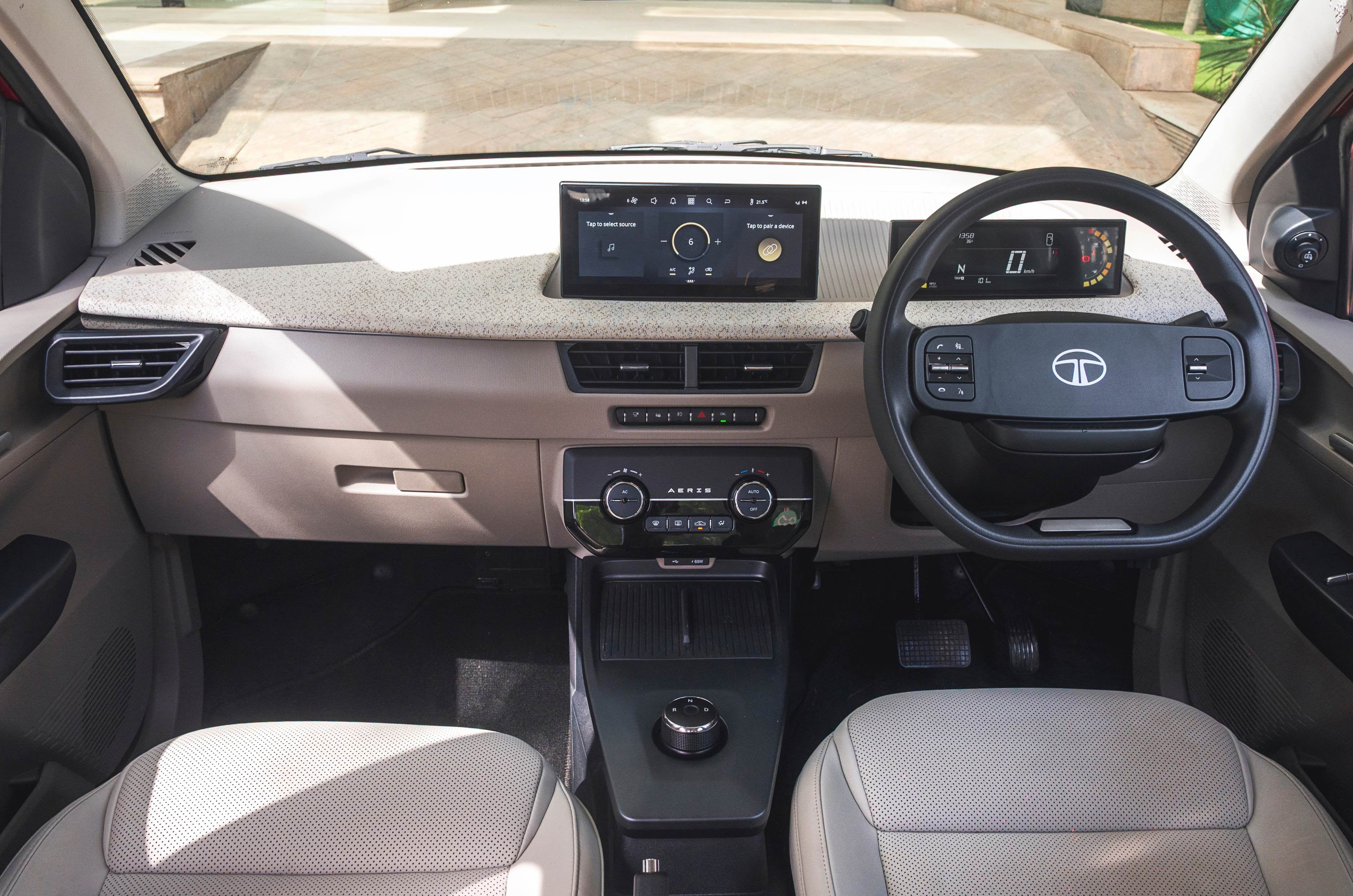
The dashboard looks minimalistic, and the lighter theme makes the cabin feel airy.
The Tata Aeris’ interior layout is the same as the Tiago and looks neat. The lighter beige theme makes the cabin feel airy. However, this same thing might make it difficult to keep the interior spick and span. The dashboard has a clean look, featuring two free-standing displays and a revised 2-spoke steering wheel.
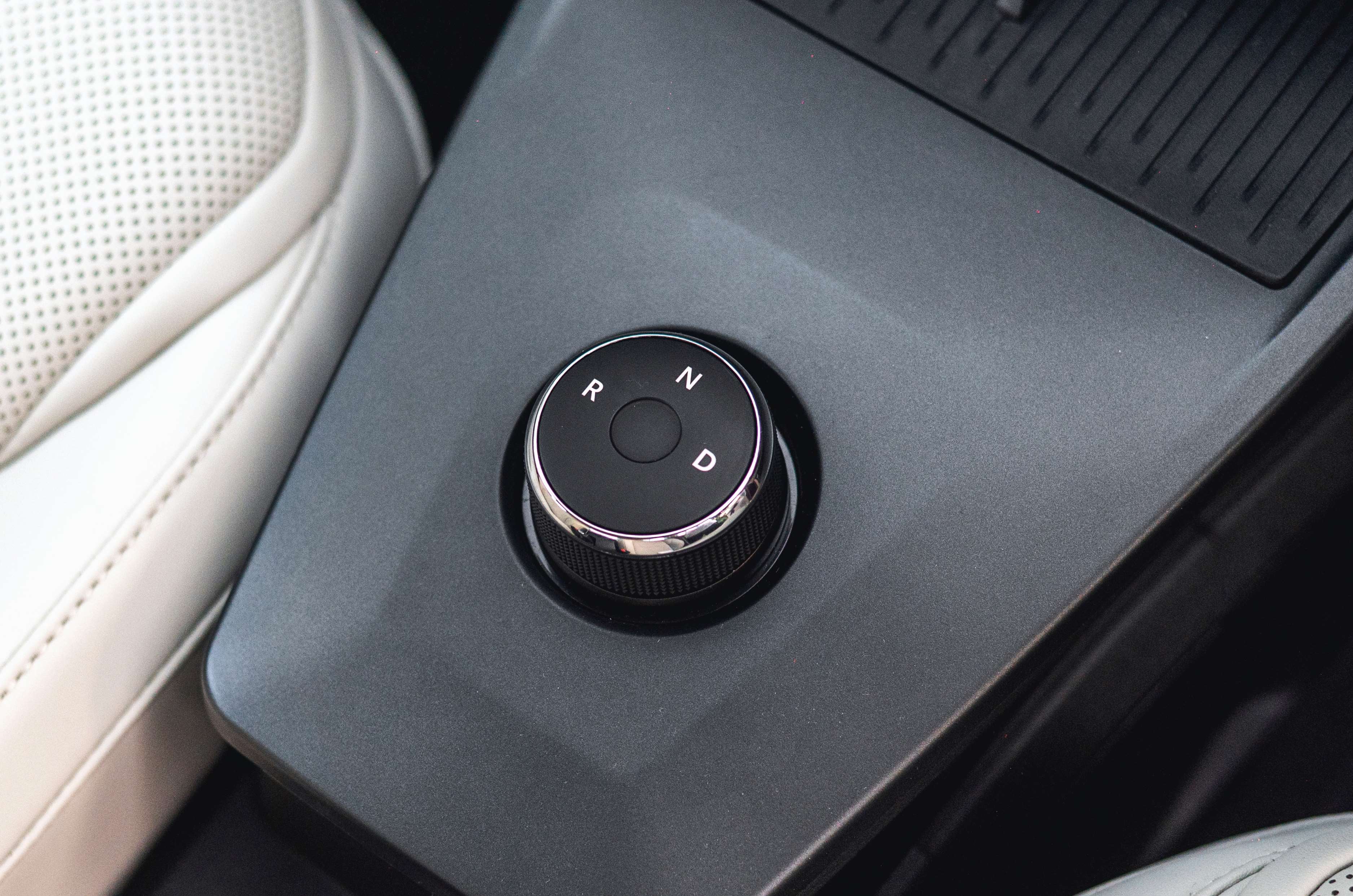
The rotary dial does not have illuminated drive modes, but operating it is a breeze.
The manual variants feature a new, more premium-looking gear stalk, while the AMT variants get a cleaner-looking rotary drive selector with N (neutral), D (drive) and R (reverse) modes. The rotary dial does not feel finicky, and the modes switch seamlessly. One complaint, however, is that the drive modes (N, D and R) are not illuminated, which means you rely on the instrument cluster to know which mode is selected.
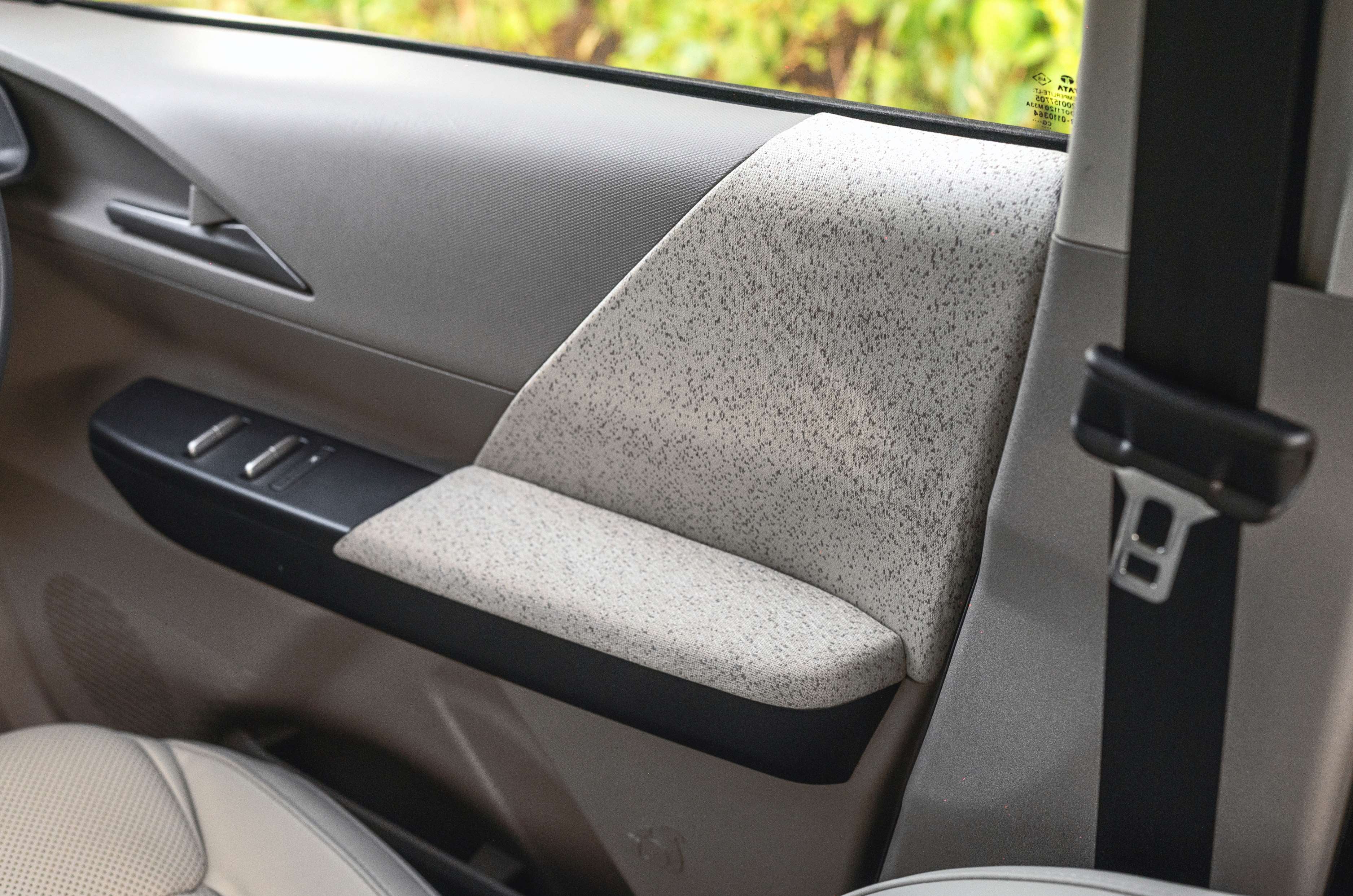
The Aeris gets floating door handles like on the Sierra, which feel sturdy.
The centre console has also been thoroughly redesigned for a cleaner look and a more practical application. It features two rubberised pads to keep phones, one of which gets wireless charging capability in the top-spec Accomplished trim. The centre console also features two cupholders and a leatherette-wrapped centre armrest which integrates a decent cubby space. The doors have floating-style handles integrated with the armrest, which feel sturdy.
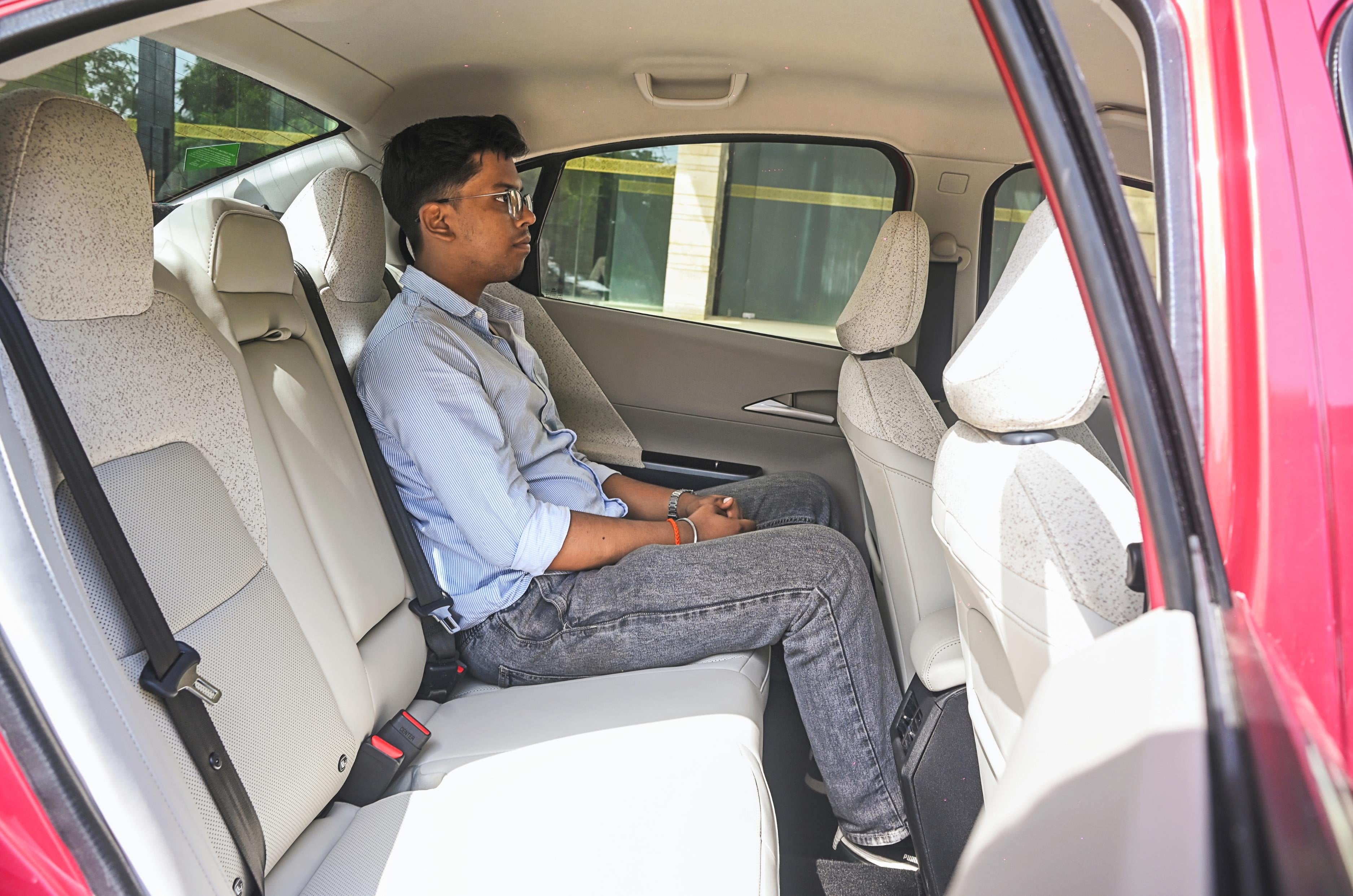
Legroom and kneeroom won’t be an issue for most, but taller passengers could feel the headroom is tight.
The seats feature revised cushions and bolsters that have increased the overall comfort and are wrapped in a part leatherette upholstery that feels premium. The rear seats are comfortable as well and offer good legroom and kneeroom. The headroom, however, could be an issue for passengers over 6 feet tall. The rear passengers benefit from dedicated air vents and a 65-watt Type-C charger. These seats get fixed headrests.
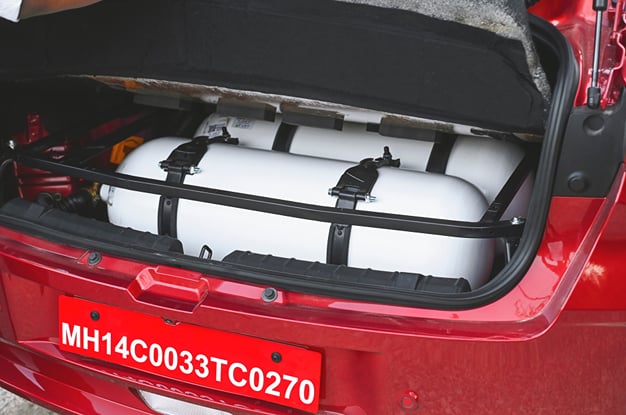
Aeris CNG’s boot space figure is not revealed, but could be similar to the Tigor CNG’s 227-litre space.
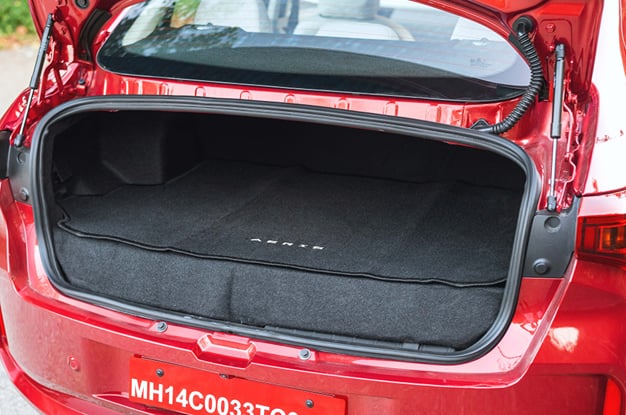
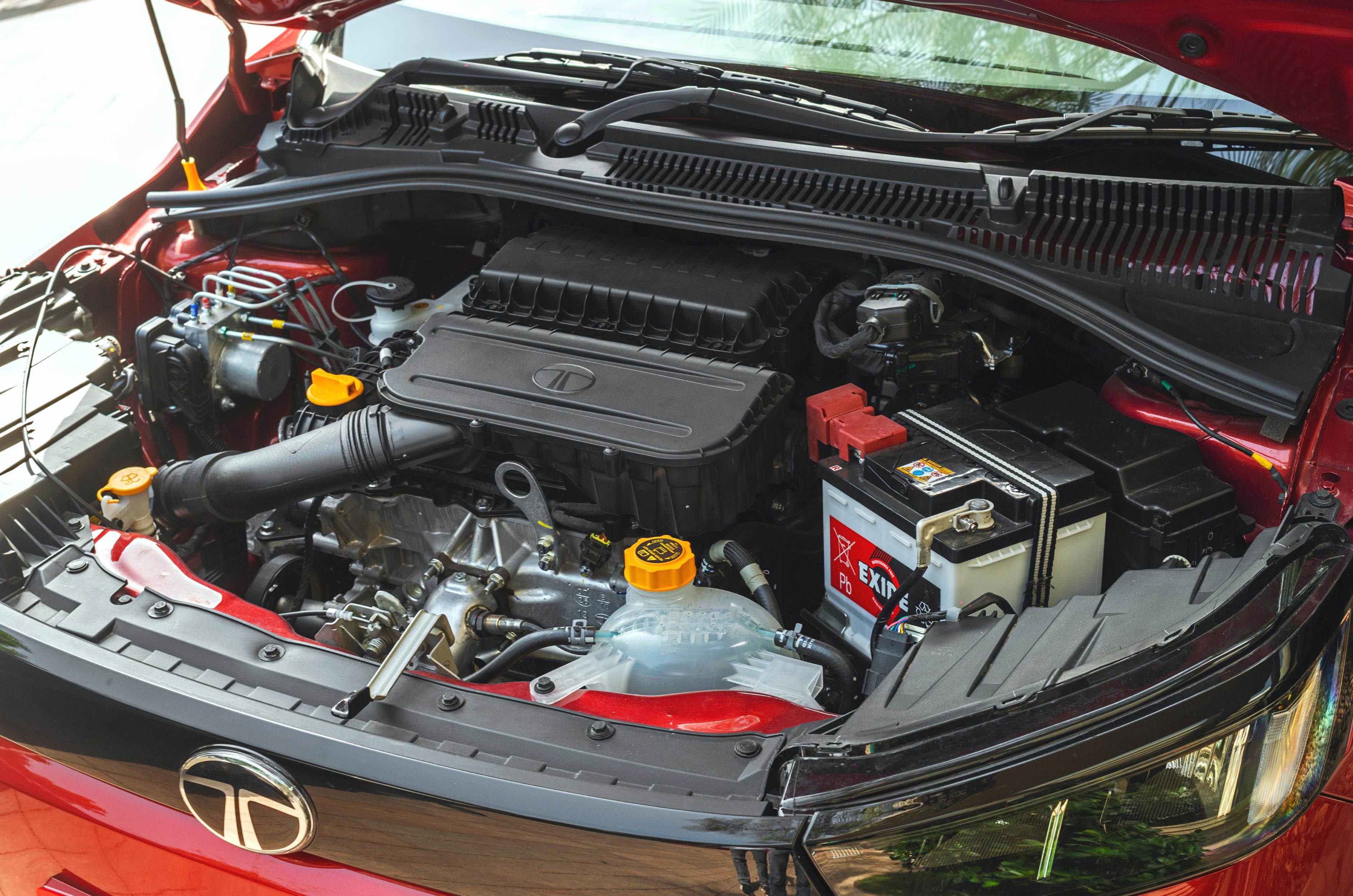
The Aeris iCNG gets a dual-cylinder tank setup inside the boot, unlike its rivals that use a single CNG tank and are left with very little usable boot space. Despite the additional tank, the Aeris has enough room for a couple of backpacks and a small luggage bag. Tata also offers a 13-inch underbody-mounted spare wheel, which is more useful than a puncture repair kit.
Tata Aeris iCNG features and safety – 9/10
Gets a lot of modern-day features, some of which could have better integration
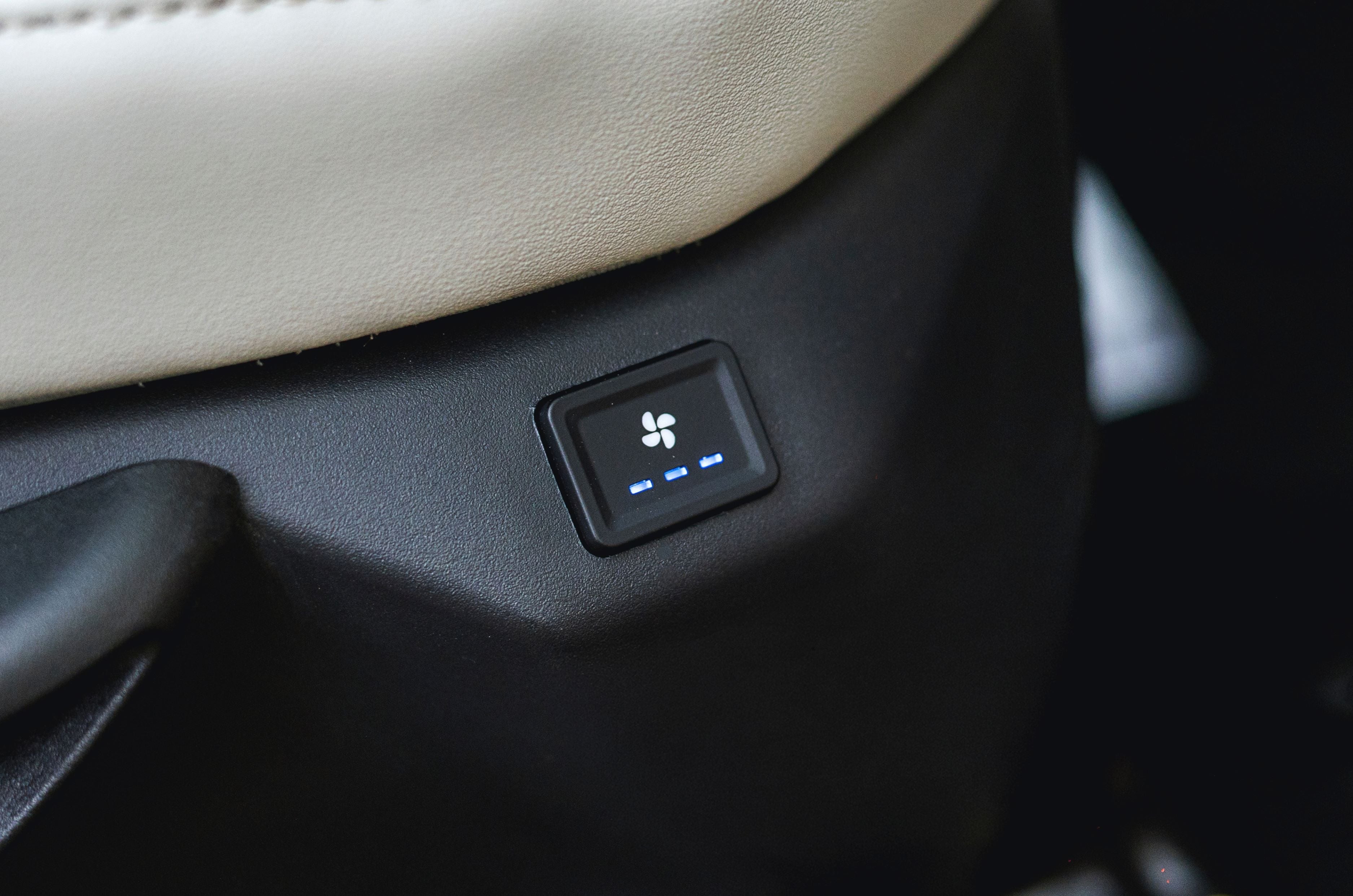
Segment-only ventilated seats cool effectively and mark a step up in the comfort quotient.
Like other Tata cars, the Aeris is filled with features to the brim. It debuts a front seat ventilation function for the compact sedan segment, which is offered with the Aeris’ top Accomplished trim. During our drive, the seat ventilation was very effective in cooling the cabin in Faridabad’s near 40deg ambient temperature. However, there’s no confirmation on the infotainment system or the driver’s display when the feature is engaged or the ventilation level is changed.
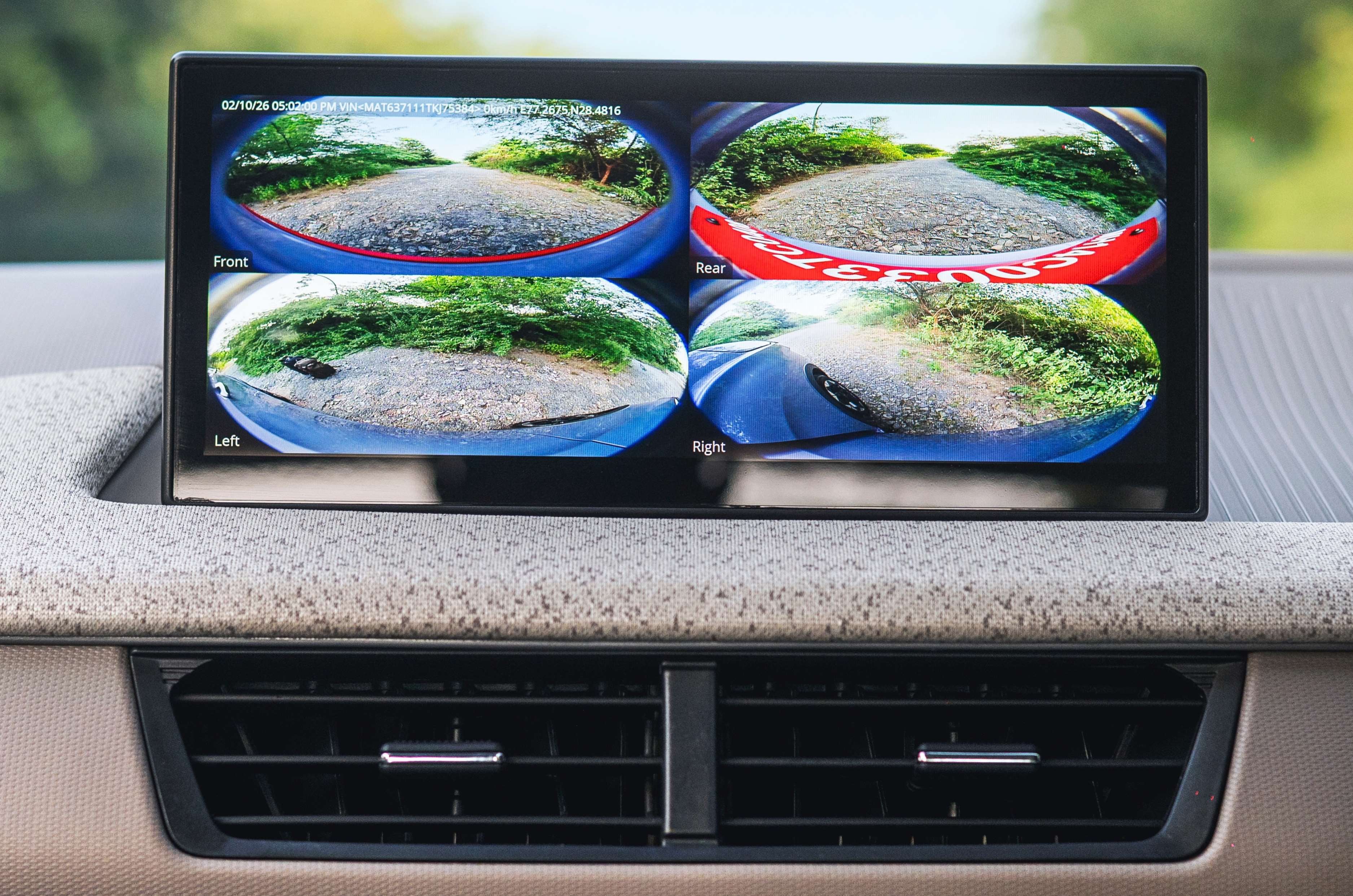
360-degree camera system has a crisp feed and can record the surroundings.
A 10.25-inch infotainment touchscreen is the same as before, which remains slick to use and has no lag even when browsing through multiple menus. The user interface (UI) is also easy to get used to. The Aeris continues with a 360-degree camera setup that is also lag-free and works well even in low-light conditions. Tata has added a new DVR feature, which allows the surround-view cameras to double up as a dashcam and record the surroundings of the car. These recordings can be stored and accessed either on the infotainment touchscreen or a USB drive, and can also be seen on a phone via a QR code.
The instrument cluster has a retro theme and displays all the important driving data, but the steering wheel’s tilt angle and the driver’s seating position sometimes obscure certain details. The steering wheel lacks the leatherette wrap offered with the Tigor, but feels nice to hold nevertheless. The wheel is now free of the Tigor’s scratch-prone gloss black trim and thankfully retains physical controls. It also gets cruise control, but only with the manual variants.
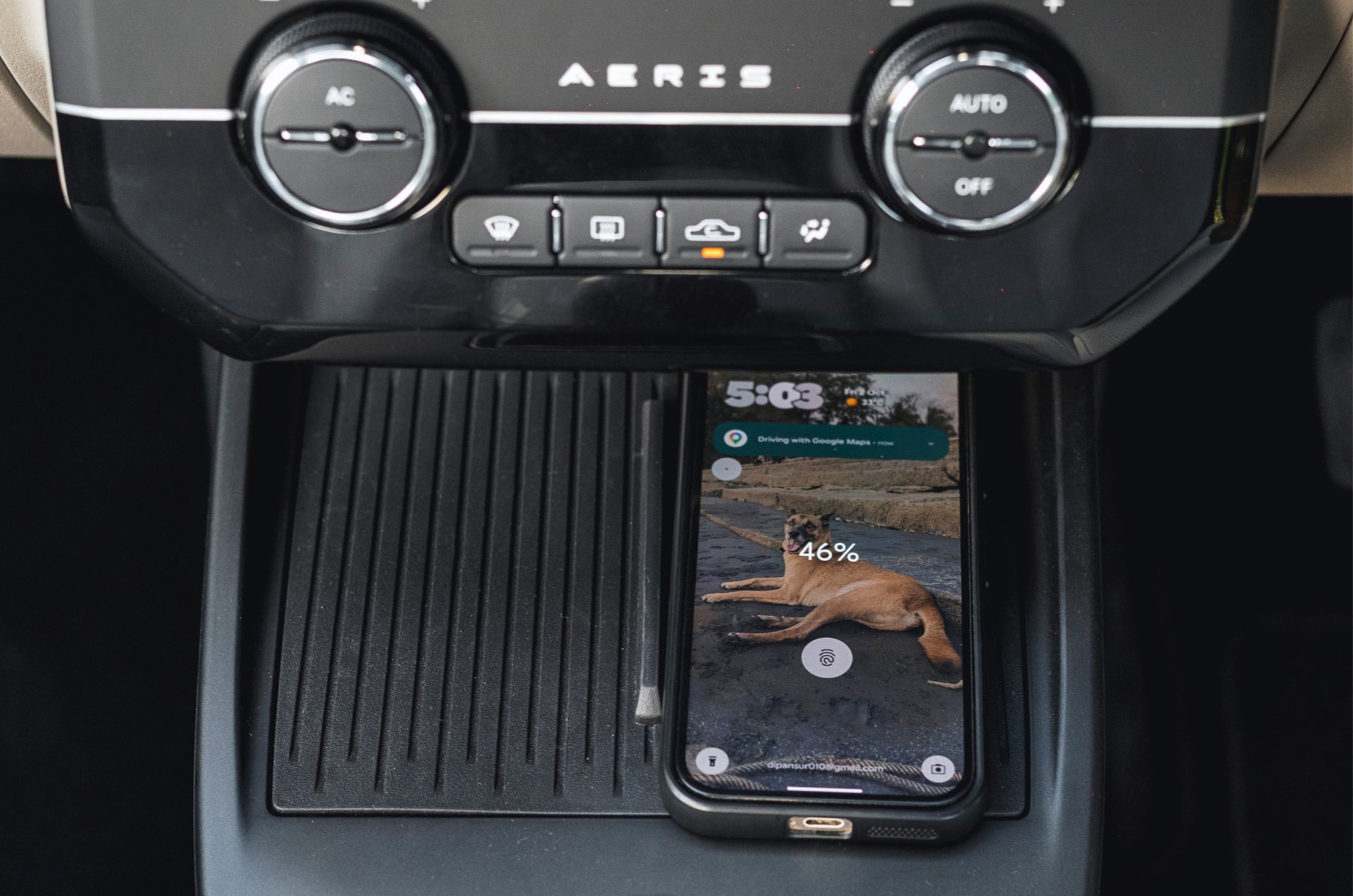
The wireless charger works well, but tends to make the phone hot during prolonged use.
The 4-speaker, 2-tweeter audio system is a step down from the Tigor’s 4-speaker, 4-tweeter setup, although sound quality is still good enough for the price. Certain features also could have been integrated better. The wireless charging pad can also heat up phones, particularly during extended use. Cooling vents near the pad could have fixed the issue. The infotainment system switches to the blind-spot monitor every time the indicators are used, which can be annoying when following navigation. The rear seats also lack pressure sensors, so the seatbelt warning continues to chime until the belts are fastened.
Standard safety features include 6 airbags, ISOFIX child seat anchorages on the rear seats, rear parking sensors and 3-point seatbelts with reminders on all seats. Higher variants equip the Aeris with a 360-degree camera, a day/night inside rearview mirror (IRVM), rain-sensing wipers, rear defogger, a tyre pressure monitoring system (TPMS) and ESP with traction control. The pre-facelift Tigor received a four-star rating from Global NCAP in 2020, but the Aeris has yet to be tested by Bharat NCAP.
Tata Aeris iCNG performance and refinement – 6/10
Performance in the city is adequate, but it feels out of breath if pushed hard
The 3-cylinder engine is not the smoothest in the segment and the NVH levels are also not the best.
The Tata Aeris continues with the Tigor’s 1.2-litre, three-cylinder naturally aspirated engine, producing 76hp and 97Nm in CNG guise. It is offered with a five-speed manual and a five-speed AMT, and we drove the latter.
At city speeds, the engine has enough performance to keep up with traffic, but the CNG-AMT combination is not particularly responsive. There is a noticeable pause between pressing the accelerator and the powertrain responding, which becomes more evident when you need to accelerate quickly.
Performance is adequate in the city, but it feels out of breath during overtakes.
The AMT also makes starts from standstill quite jerky, which can get tiresome in stop-and-go traffic. Once up to speed, however, the Aeris settles into a relaxed rhythm and is comfortable enough when driven at a steady pace. The AMT also gets paddle shifters for manual gear changes, which are useful when you want more control over the gearbox, particularly during overtakes.
On the highway, the lack of response is more noticeable, particularly when overtaking. The Aeris can maintain triple-digit speeds, but building speed takes time, and overtaking requires some planning. The rotary gear selector itself, however, as mentioned above, is neat and easy to use.
As you start driving, the vibrations from the 3-cylinder engine are ironed out till you reach 2,500rpm.
Refinement is another weak point. Refinement is another weak point. The engine feels generally smooth when driven gently, but above 2,500rpm, engine noise and vibrations become quite pronounced. Wind and road noise insulation isn’t particularly strong either, so the cabin gets fairly noisy at higher speeds.
Tata Aeris iCNG ride comfort and handling – 8/10
Has a commendable ride quality for a sedan on both rough roads and highways
Like other Tata cars, the suspension is well tuned to Indian conditions.
The Aeris is particularly impressive over poor roads. The suspension does a good job of absorbing broken surfaces and larger bumps without unsettling the car, while the ground clearance is adequate for tackling rough roads and large speed breakers. Despite being a sedan, it does not feel particularly vulnerable to bad roads.
Out on the highway, the Aeris is equally composed. It stays planted at triple-digit speeds and does not feel floaty or nervous when driven quickly. The steering is also nice to hold and offers decent feedback, although there is some vagueness around the centre that takes away a little from the confidence.
Tata Aeris iCNG mileage and efficiency
We expect it to offer a real-world mileage in the 25-30km/kg range
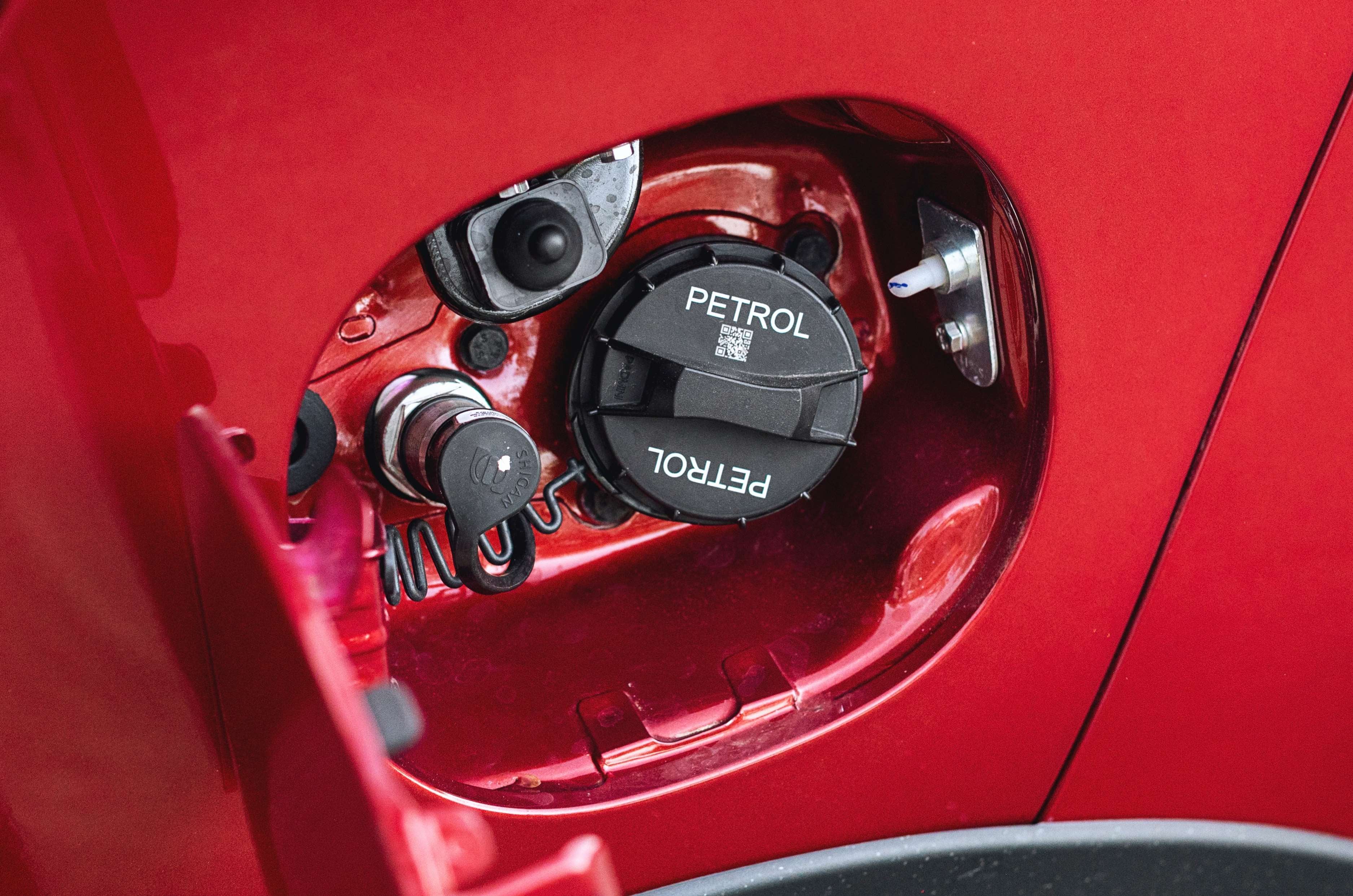
It kills the ignition whenever the fuel lid is opened, offering a layer of safety while filling fuel.
While we haven’t put the Aeris iCNG through our full test yet, its CNG powertrain should make it considerably more economical to run than the petrol version. Tata is yet to reveal an official efficiency figure, but we expect real-world mileage to be in the 25-30km/kg range. We’ll bring you our tested mileage figures once we put the Aeris iCNG through our standardised test procedures.
Tata Aeris iCNG value for money – 8/10
CNG buyers don’t have to compromise on features, but the AMT isn’t ideal
The Aeris CNG offers good value, but AMT should be chosen only if city driving is a priority.
The Aeris, priced from Rs 5.70 lakh to Rs 9.10 lakh (ex-showroom), is a more convincing compact sedan than the Tigor ever was. Its modern design, well-equipped cabin, comfortable ride and, most importantly, useful boot space despite the CNG setup give it plenty going for it. The fact that Tata offers the CNG powertrain with higher-spec variants also means buyers don’t have to sacrifice features for lower running costs.
The CNG-AMT powertrain, however, takes some shine off the package. The slow responses, jerky starts and excessive NVH at higher revs make it better suited to relaxed city driving than frequent highway use. Even so, for buyers looking for a practical and well-equipped CNG sedan, the Aeris does make a stronger case than its predecessor and even against its rivals.
Skoda has launched the Slavia facelift at Rs 10 lakh. This is the first mid-life cycle update that the mid-size sedan has received since its introduction in 2022. Updates include a refreshed exterior, mild interior changes, feature additions, and a new gearbox option. The Slavia facelift takes on the likes of the Volkswagen Virtus, Honda City, and the Hyundai Verna.
Gets a new 8-speed AT for the 1.0-litre TSI mill.
Larger screens, 360-degree camera now part of the feature list
Variable geometry compressor improves AC performance.
Exterior gets all-LED lighting, sportier bumpers and new colour options.
Skoda Slavia facelift full price list
1.0 TSI MT
1.0 TSI AT
1.5 TSI AT
Classic
10.00
–
–
Classic+
10.99
12.49
–
Signature
13.94
14.94
–
Sportline
14.34
15.34
–
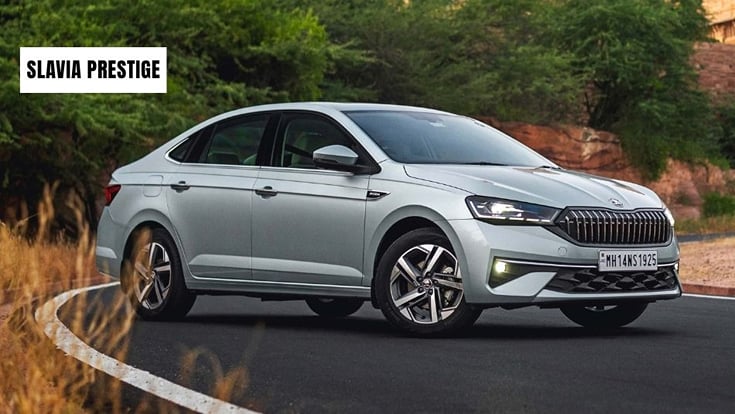
Prestige
15.89
16.89
18.59
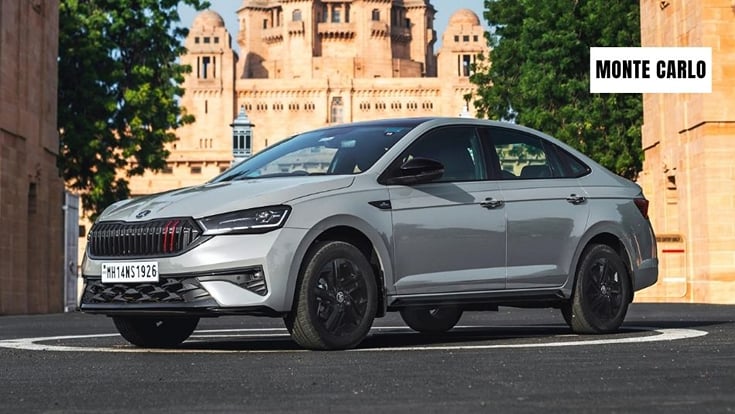
Monte Carlo
–
17.29
18.84
The Slavia facelift has an identical starting price as its predecessor at Rs 10 lakh. However, at the top end, the former is Rs 64,000 pricier than the latter.
Skoda Slavia facelift exterior updates
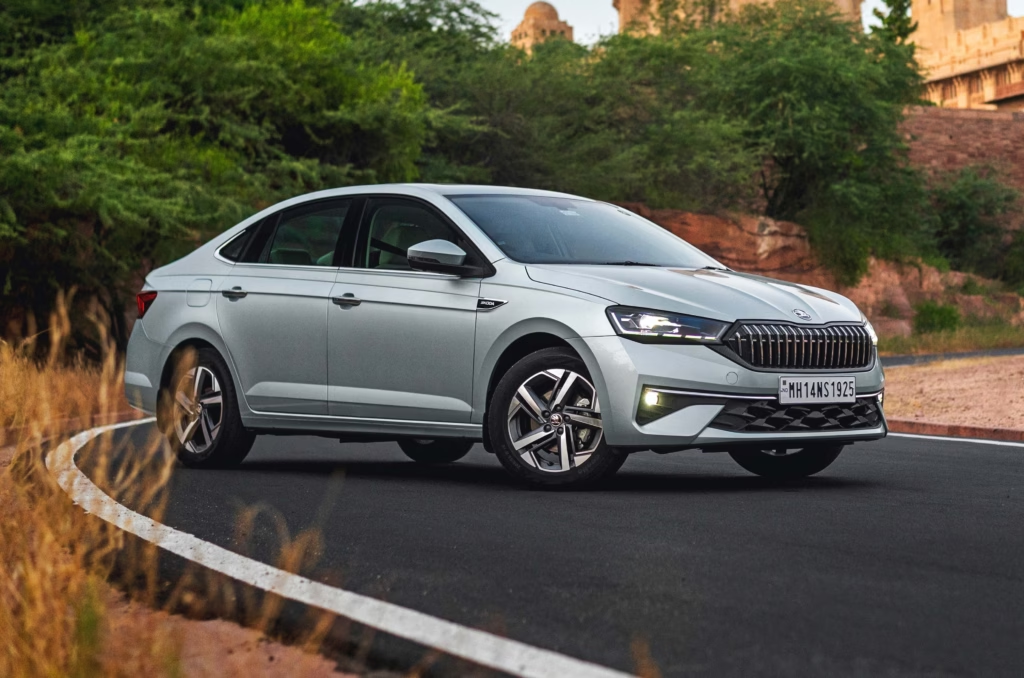
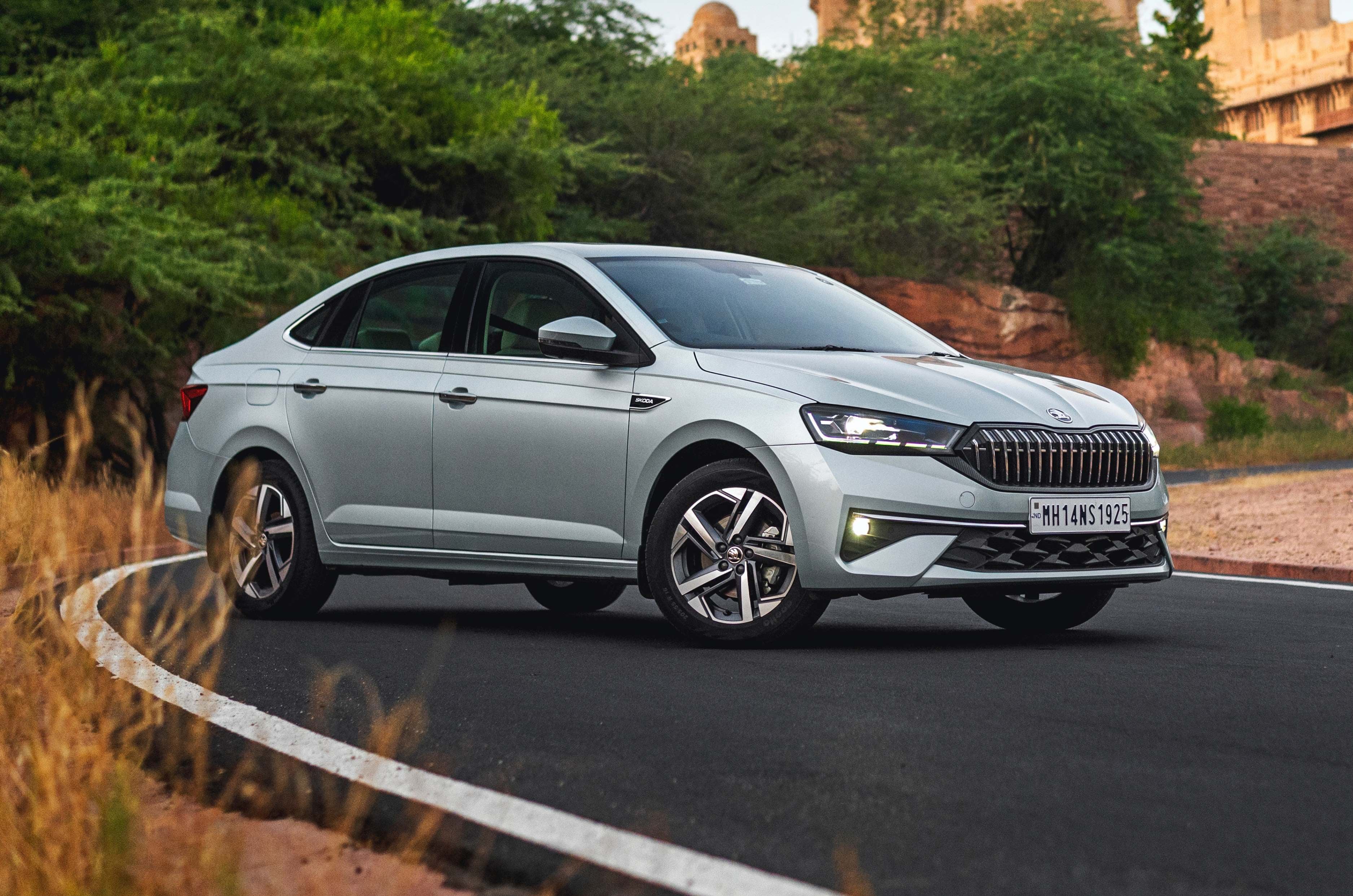
The Slavia facelift retains the overall silhouette of its outgoing version, but subtle updates give it a sharper look than before. The front sees updated detailing for the LED headlamps with segmented DRLs, a segmented chrome strip on the grille, new LED foglamp units, and a sportier bumper with a revised air dam. In profile, there’s a new design for the 16-inch alloy wheels, sharp body lines across the sides, and a chrome-tipped window line. Revised LED tail-lamps with sequential turn indicators, updated Skoda branding, and a restyled bumper make up the rear of the Slavia facelift. New colours for the Slavia include Arctic Silver and Capuccino Beige. Monte Carlo versions come with blacked-out exterior elements, badges and alloy wheels, red accents on the grille, special ‘Monte Carlo’ badges and dual-tone colour choices.
Skoda Slavia facelift dimensions
Skoda Slavia facelift dimensions
Length (mm)
4,552
Width (mm)
1,752
Height (mm)
1,507
Wheelbase (mm)
2,651
Ground clearance (mm)
179
Boot space (litres)
521
Skoda Slavia facelift interior updates
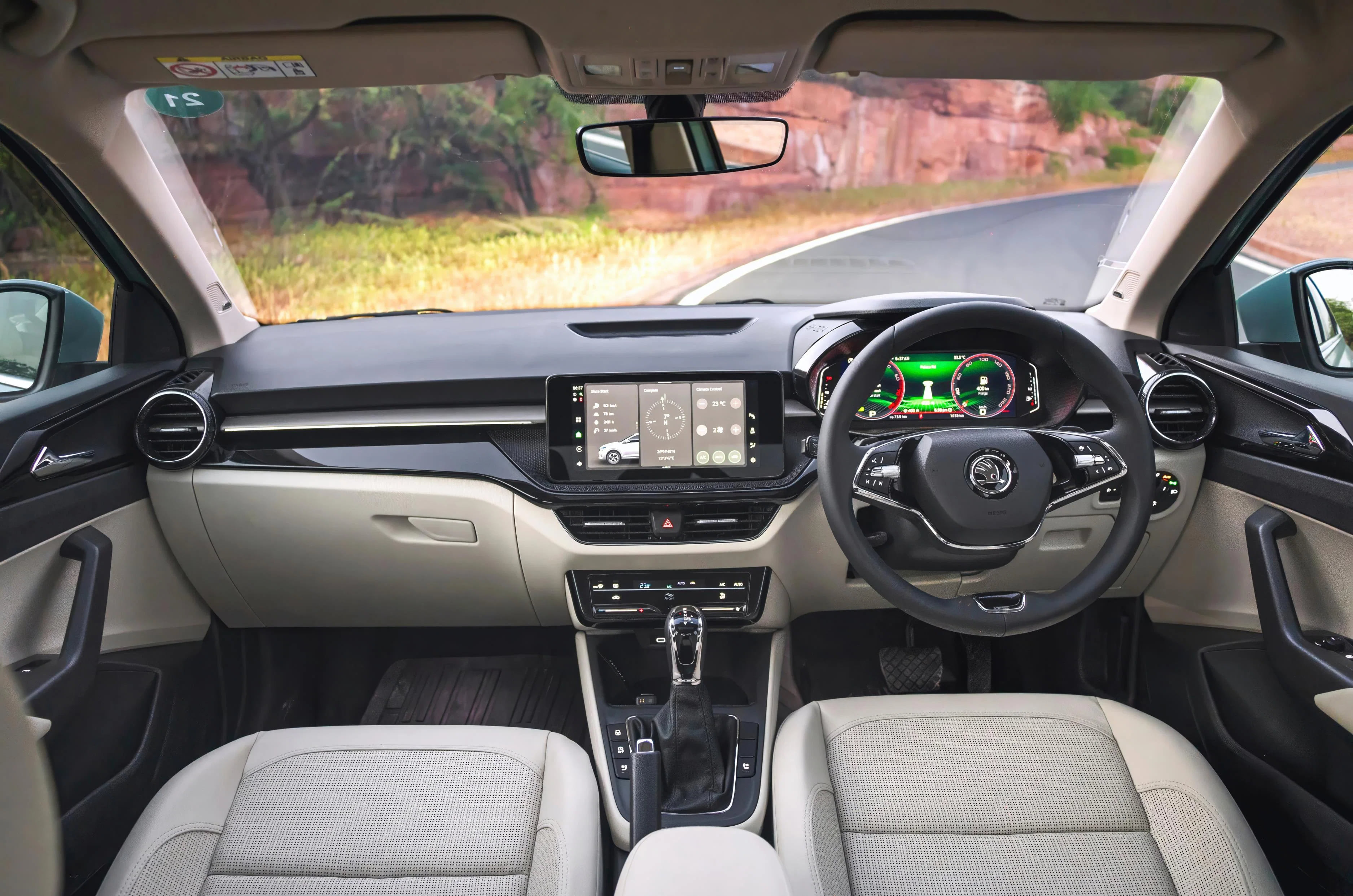
Inside, the Slavia facelift looks largely similar to the outgoing model, with the standard model carrying over the beige-and-black theme with copper inserts. Monte Carlo versions get an all-black theme with red inserts and exclusive red graphics across the screens. Meanwhile, the standard Slavia’s leatherette-upholstered seats have a monotone finish, as opposed to the older model’s dual-tone finish. On the other hand, Monte Carlo versions come with black leatherette seats and contrast red stitching. Elements like the two-spoke steering wheel, recessed space on the dash, circular air vents, and touch-based HVAC controls have been carried over.
Skoda Slavia facelift features
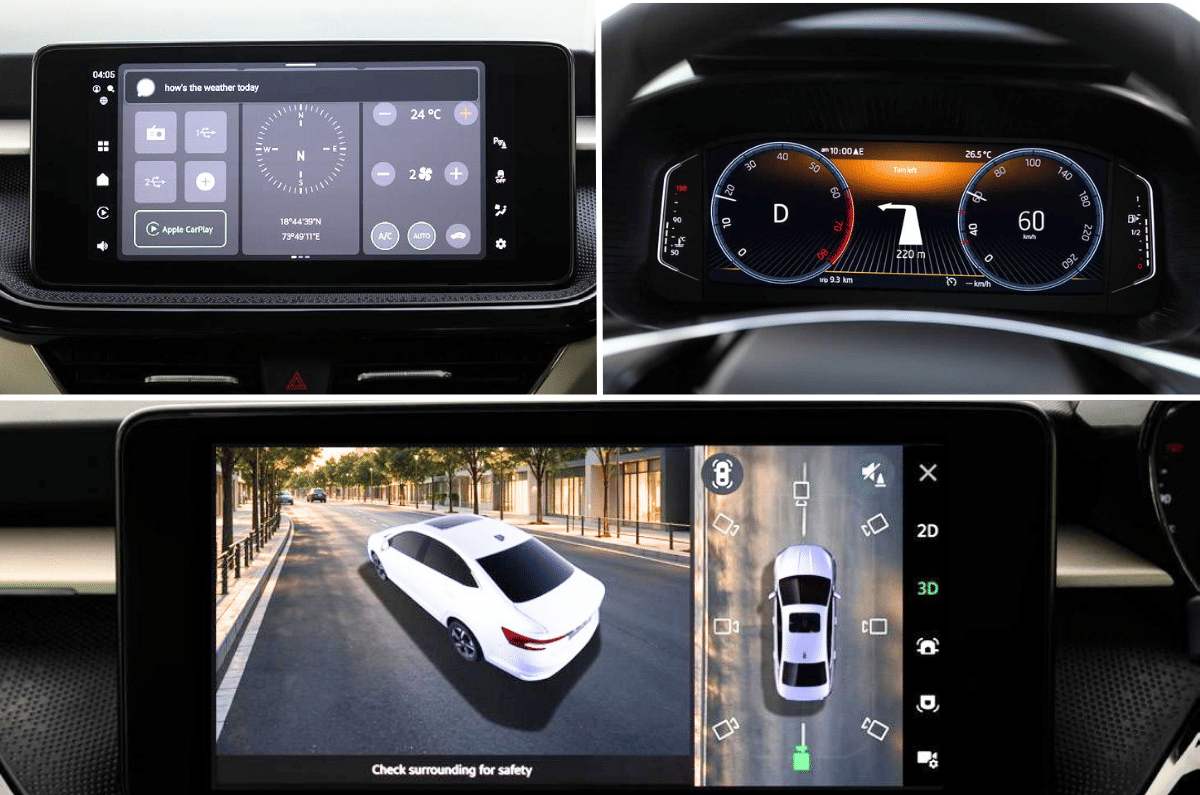
Skoda has bolstered the Slavia facelift’s equipment list, introducing a slightly larger 10.1-inch infotainment system with Google AI assistant, a new 10.25-inch digital driver’s display with configurable screens, segment-only rear seat massage function, and a 360-degree camera. A new variable-geometry compressor for the HVAC brings a much-needed improvement to AC performance. Other goodies like a single-pane sunroof, wireless Apple CarPlay and Android Auto, a wireless phone charger, powered and ventilated front seats, and an 8-speaker audio system have been retained. However, it skips an ADAS suite that rivals offer.
Skoda Slavia facelift powertrain options
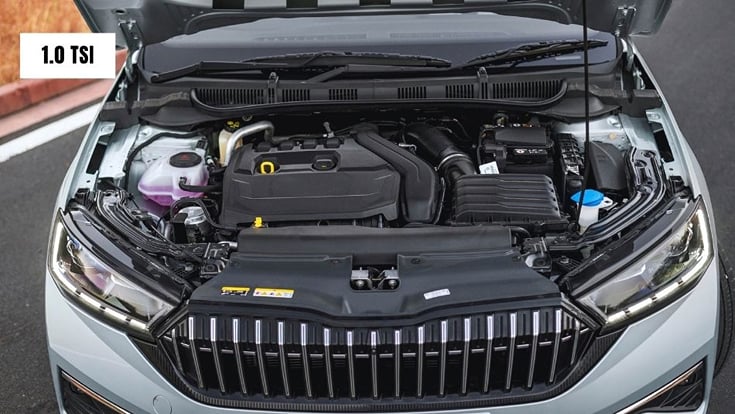
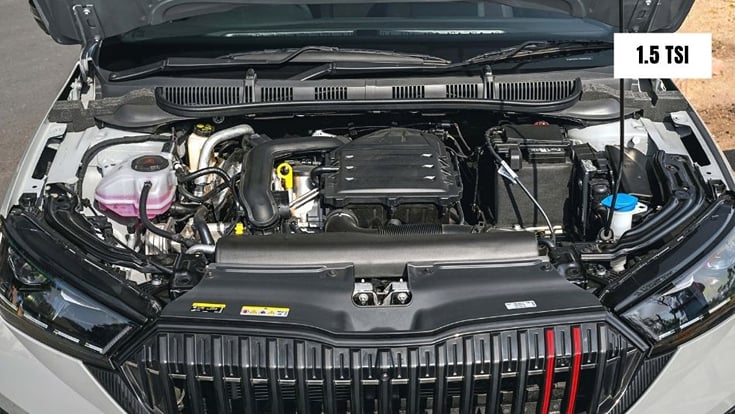
The Slavia facelift retains its 115hp, 178Nm, 1.0-litre and 150hp, 250Nm, 1.5-litre direct-injection turbo-petrol engines. Additionally, the former and latter retain their 6-speed manual and 7-speed DCT gearboxes, respectively. However, automatic versions of the 1.0-litre engine are now paired with a new 8-speed torque converter automatic, replacing the older 6-speed unit. Ahead of its launch, we’ve had the opportunity to review the Skoda Slavia facelift.
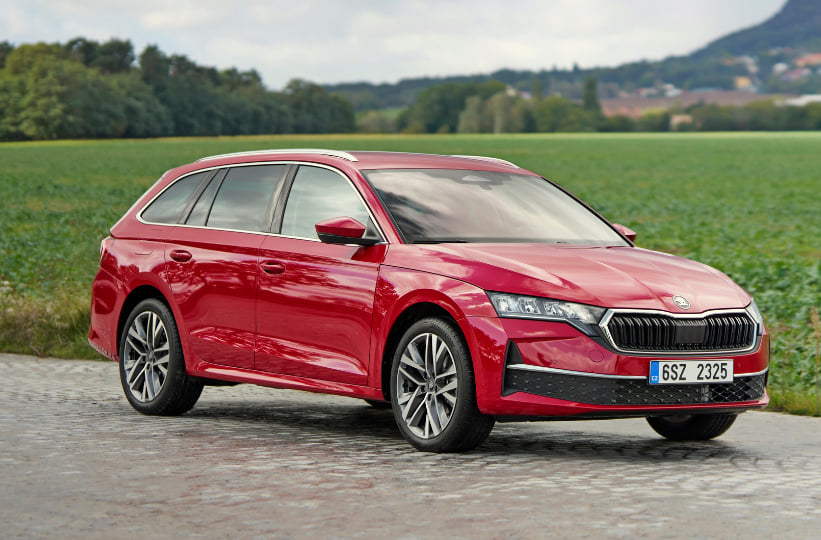
Skoda has added a new 1.5-litre hybrid powertrain to the Octavia, allowing it to run on electric power alone for short periods without being plugged in. It combines a 1.5-litre petrol engine with two electric motors and a 1.6kWh battery, which is charged through braking or by the petrol engine when required. It is offered with 136hp and 170hp system outputs.
LPG Price 06 October 2026: एलपीजी गैस सिलेंडर की कीमत में होने वाला छोटा सा बदलाव भी हर महीने के घरेलू बजट को प्रभावित करता है। खासकर त्योहारों और बढ़ती महंगाई के बीच लोगों की नजर गैस के दाम पर बनी रहती है। ऐसे में अगर आप आज यानी 6 अक्टूबर को गैस सिलेंडर बुक करने की तैयारी कर रहे हैं, तो बुकिंग से पहले अपने शहर का ताजा रेट जान लेना आपके लिए फायदेमंद रहेगा। अलग-अलग शहरों में एलपीजी की कीमतें अलग हो सकती हैं, इसलिए एक जगह का रेट दूसरी जगह लागू नहीं होता। वहीं, घरेलू उपभोक्ताओं के अलावा होटल, रेस्टोरेंट और कारोबारियों के लिए इस्तेमाल होने वाले कमर्शियल गैस सिलेंडर के दाम भी जानना जरूरी है।
यहां आपको घरेलू और कमर्शियल, दोनों तरह के सिलेंडरों की शहरवार कीमतों की जानकारी मिलेगी, ताकि बुकिंग करते समय आपको किसी तरह की उलझन न हो और महीने का बजट भी आसानी से संभाला जा सके।
आज कितने रुपये में मिल रहा है घरेलू गैस सिलेंडर?
शहर के हिसाब से एलपीजी सिलेंडर की कीमत अलग-अलग होती है। 14 किलोग्राम वाले घरेलू सिलेंडर के आज के रेट इस प्रकार हैं:
शहर
घरेलू सिलेंडर का रेट
दिल्ली
₹942
मुंबई
₹941.50
कोलकाता
₹968
बेंगलुरु
₹944.50
हैदराबाद
₹994
चेन्नई
₹957.50
कटक
₹968
कोयंबटूर
₹959
रांची
₹1,010.50
कमर्शियल सिलेंडर के लिए कितनी कीमत चुकानी होगी?
होटल, रेस्टोरेंट और दूसरे व्यावसायिक प्रतिष्ठानों में इस्तेमाल होने वाले 19 किलोग्राम के कमर्शियल गैस सिलेंडर के दाम भी शहर के अनुसार अलग हैं। आज के प्रमुख रेट यहां देखें:
शहर
कमर्शियल सिलेंडर का रेट
दिल्ली
₹2,810
मुंबई
₹2,763.50
कोलकाता
₹2,946.50
बेंगलुरु
₹2,893.50
हैदराबाद
₹3,058.50
चेन्नई
₹2,978.50
कटक
₹2,947.50
कोयंबटूर
₹3,002.50
रांची
₹2,988
घर बैठे ऐसे बुक करें अपना गैस सिलेंडर
अगर सिलेंडर खत्म होने वाला है और आपको नया रिफिल बुक करना है, तो इसके लिए गैस एजेंसी के दफ्तर जाने की जरूरत नहीं है। अपने रजिस्टर्ड मोबाइल नंबर से संबंधित गैस कंपनी के जरिए आसानी से बुकिंग की जा सकती है। इंडेन गैस के ग्राहक बताए गए नंबर 8454955 पर कॉल करके बुकिंग कर सकते हैं।
WhatsApp से भी हो जाएगी गैस की बुकिंग
आज के समय में सिलेंडर बुक करना और भी आसान हो गया है। WhatsApp के जरिए भी रिफिल बुक किया जा सकता है। इसके लिए अपनी गैस कंपनी के संबंधित नंबर पर Hi भेजें और मेन्यू में दिए गए Refill Booking विकल्प को चुनें। इसके बाद कंज्यूमर आईडी दर्ज करके बुकिंग पूरी की जा सकती है।
इंडेन गैस: 7588888824
HP गैस: 9222201122
भारत गैस: 1800224344
बुकिंग से पहले एक बार जरूर देख लें रेट
गैस सिलेंडर बुक करने से पहले अपने शहर की कीमत जांच लेना समझदारी है। इससे आपको भुगतान का अंदाजा पहले से रहेगा और महीने के घरेलू बजट को भी उसी हिसाब से मैनेज किया जा सकेगा।
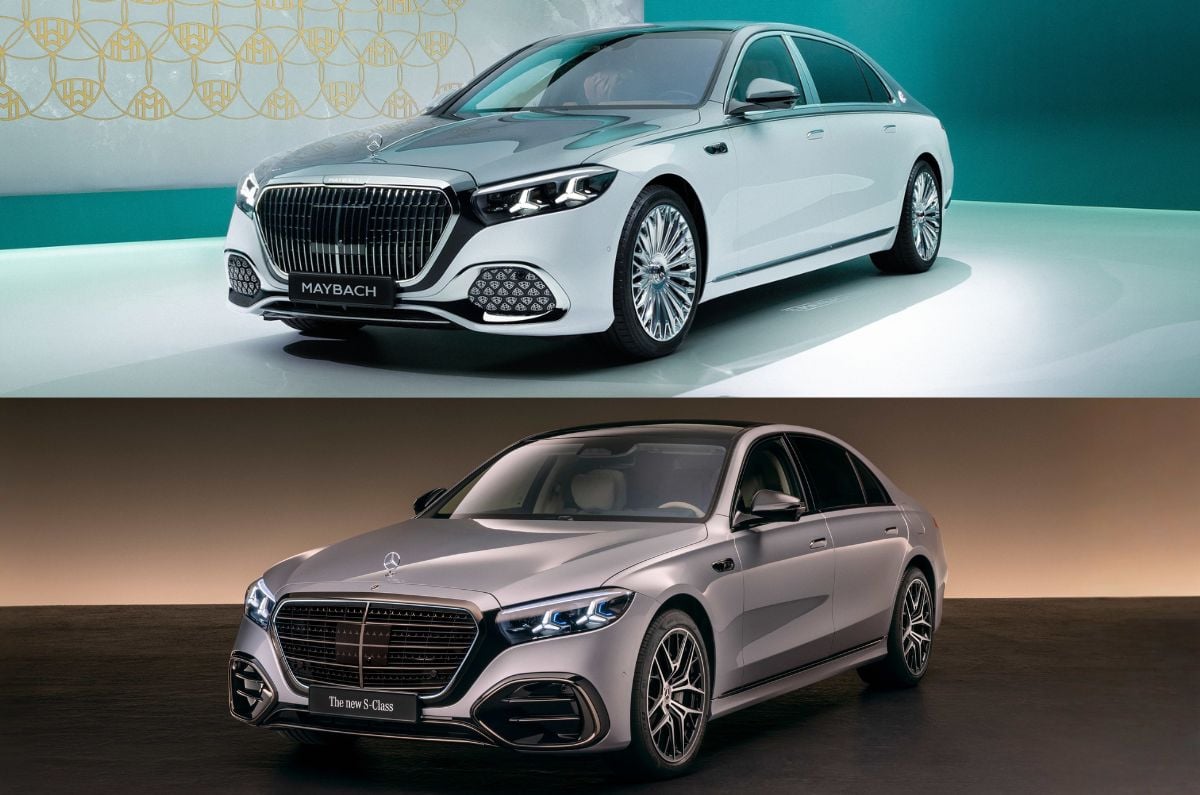
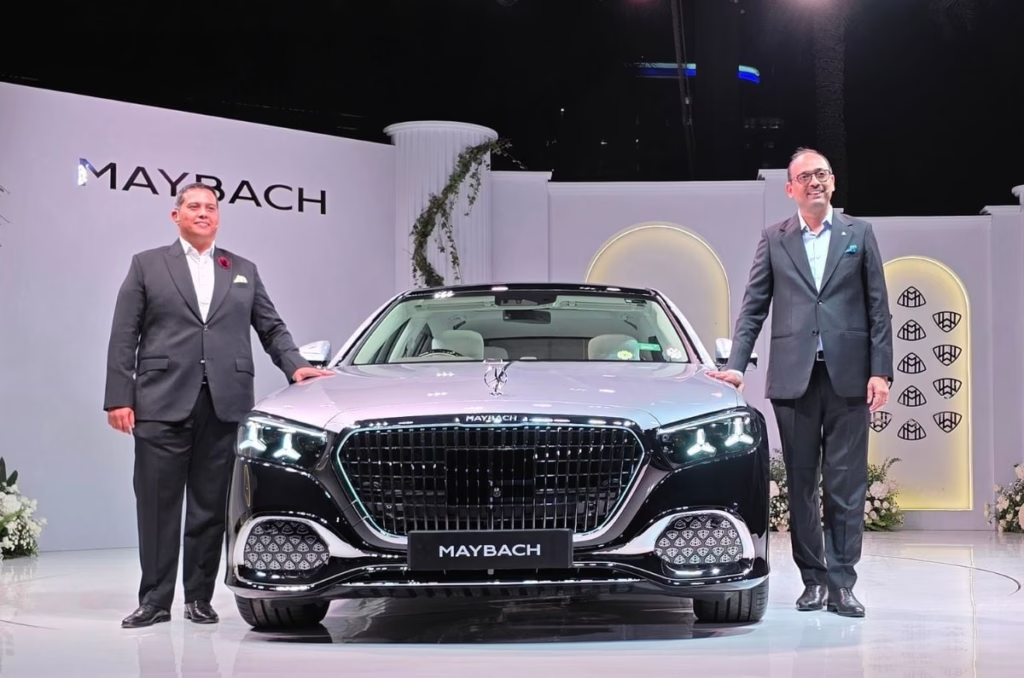
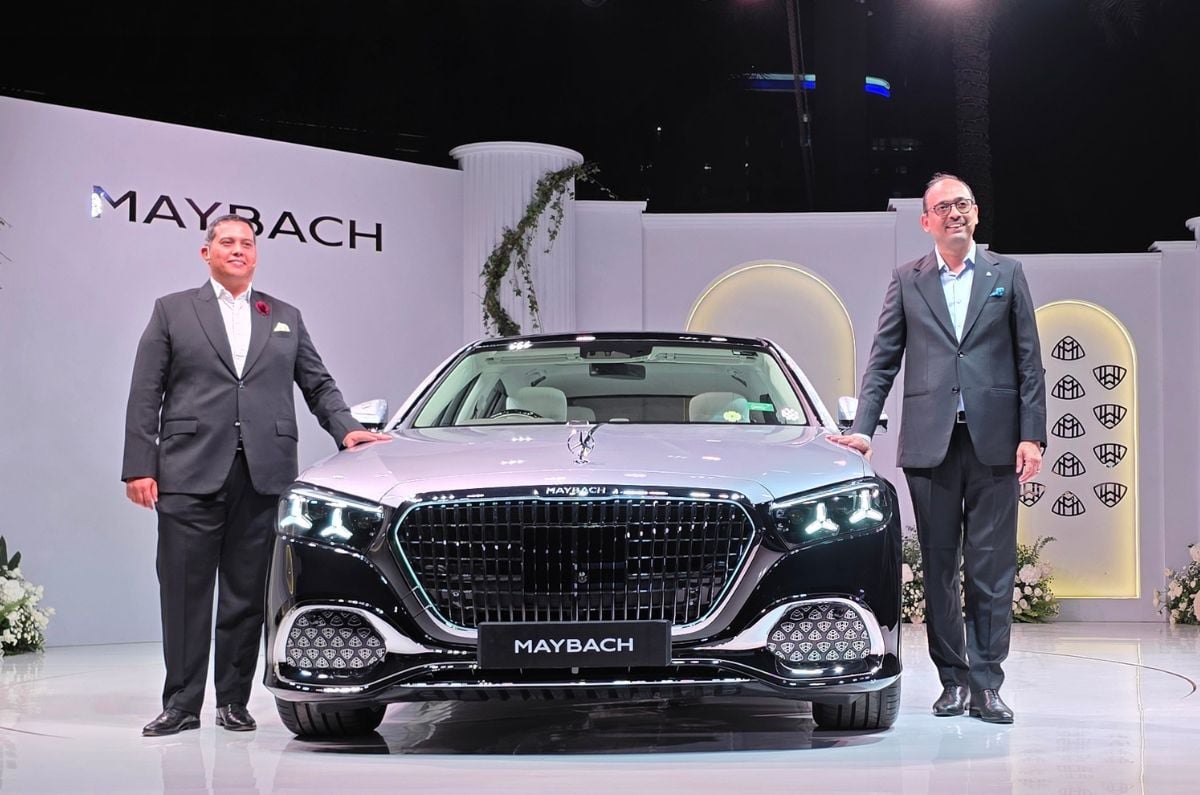
A few months after introducing the 2026 S-Class facelift, Mercedes has launched its more luxurious Maybach counterpart. Priced at Rs 3.35 crore, the Maybach S-Class commands a premium of Rs 1.15 crore over the standard model. But apart from the Maybach badge, what exactly does it offer for the extra money? Here is everything you need to know.
Note: LHD models used for representation
Mercedes-Maybach S-Class vs Regular S-Class: Exterior
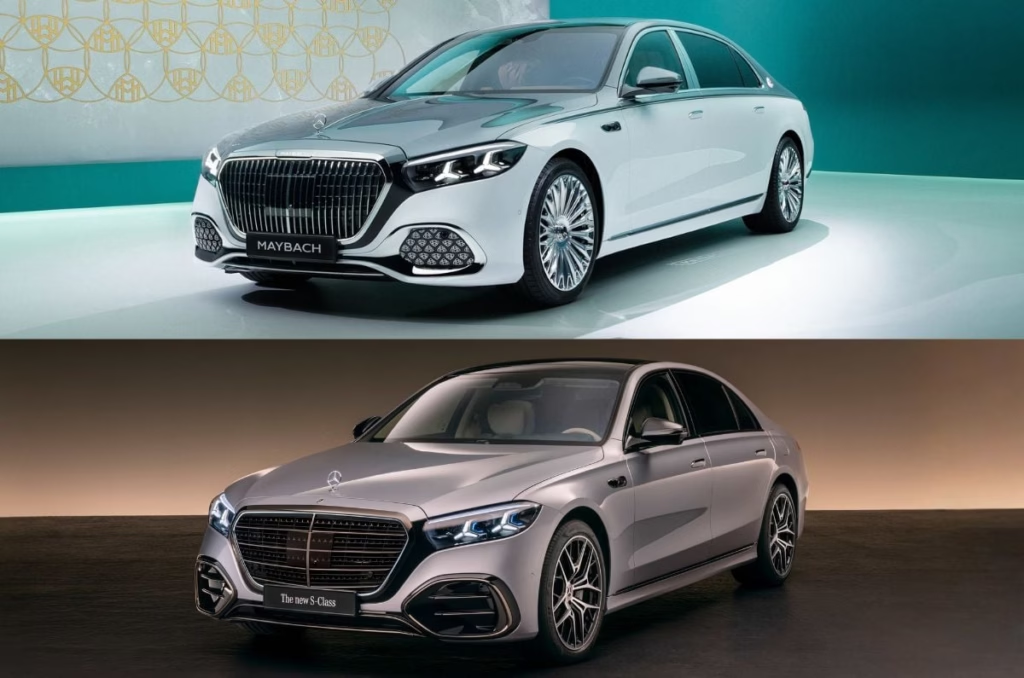
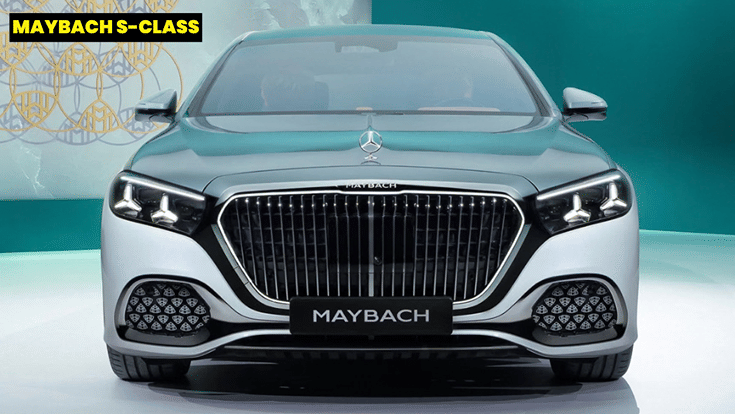
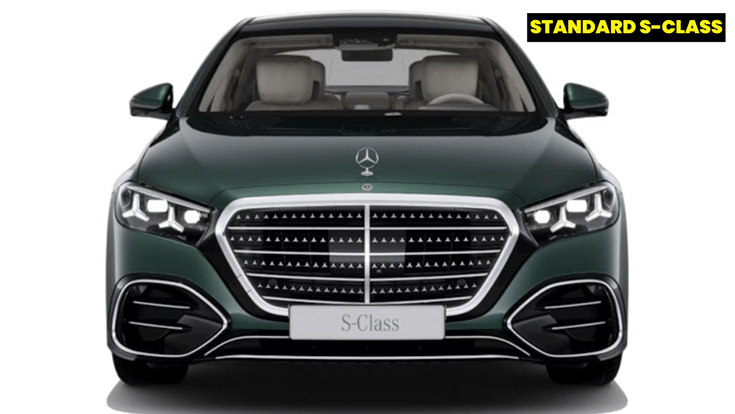
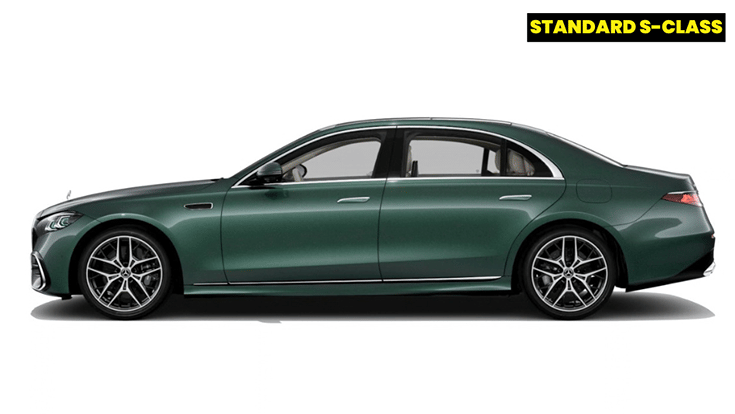
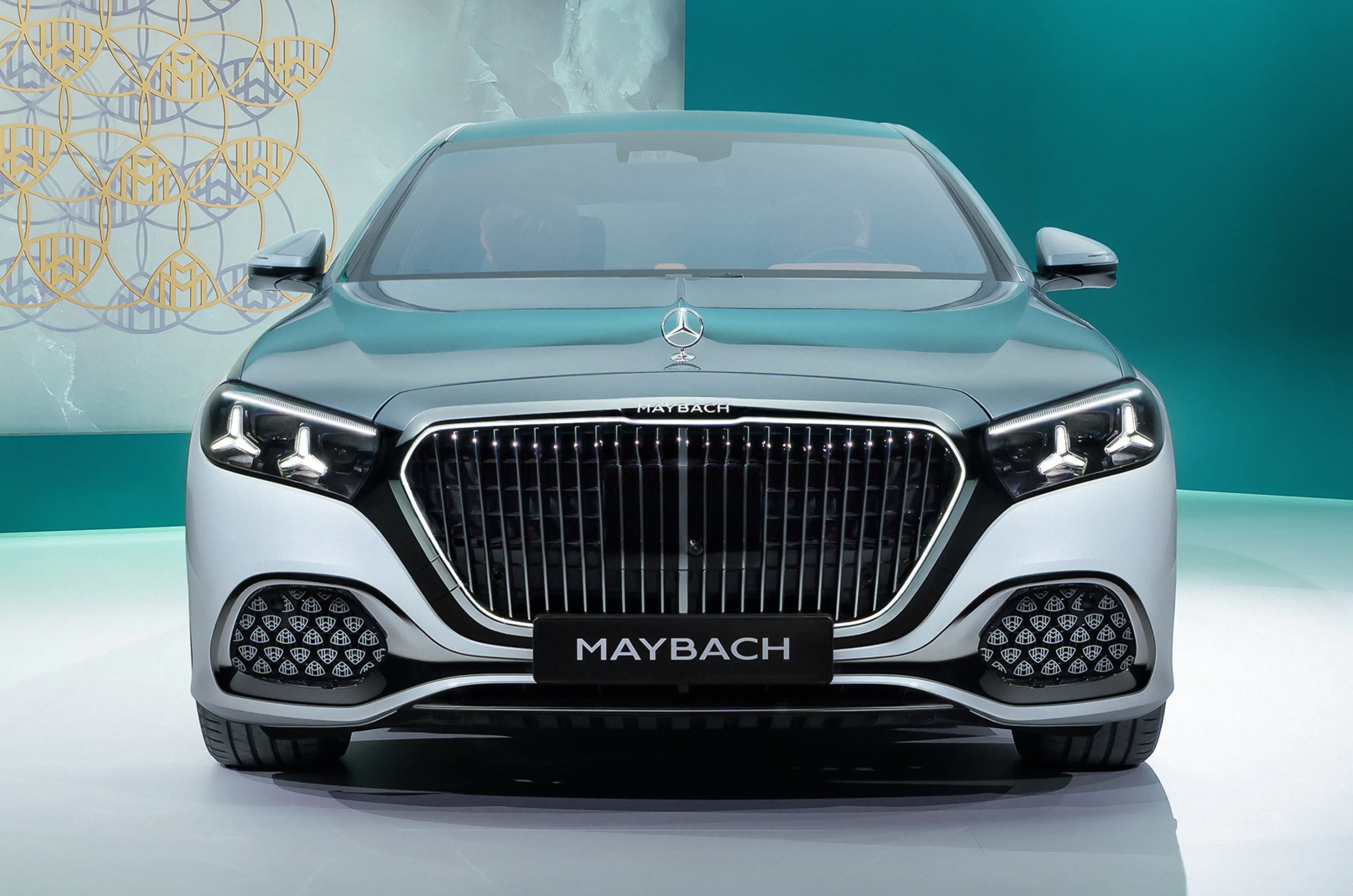
Unlike the standard S-Class, which features two exterior designs across variants, the Maybach S-Class gets a uniform exterior design throughout. The Maybach builds on the standard S-Class design, turning up the luxury quotient. At the front, it sports a Maybach-specific grille with fine vertical chrome slats and Maybach lettering at the top. The regular S-Class, by contrast, features horizontal chrome slats paired with a pattern of tri-star motifs.
Lower down, the standard S-Class’s air intake details are replaced on the Maybach by a fine mesh patterned with small Maybach logos, and there’s thicker chrome trim along the bumper’s edges. The LED headlights feature rose-gold accents, while the bonnet-mounted Mercedes star is retained.
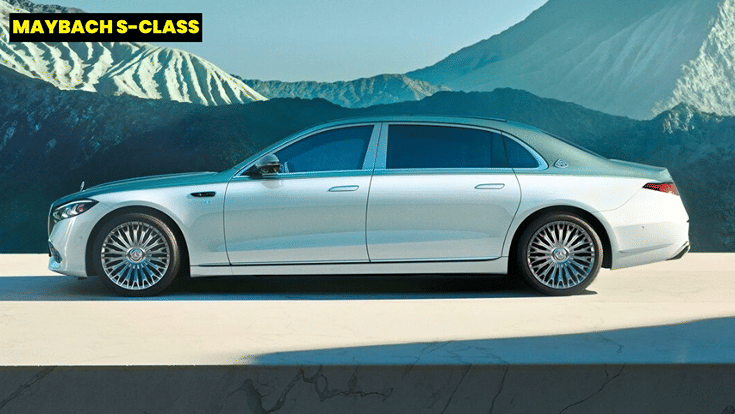
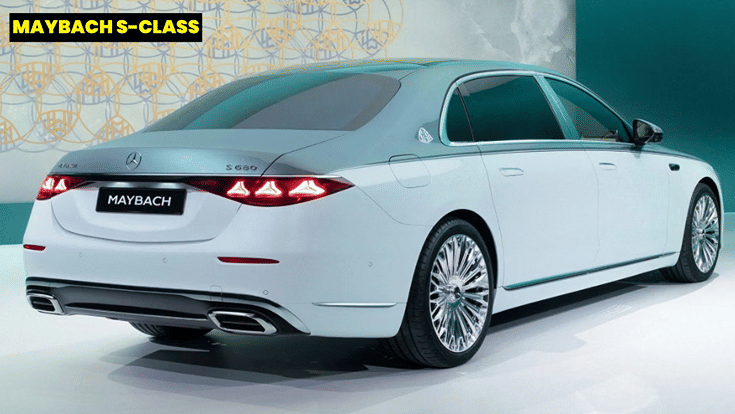
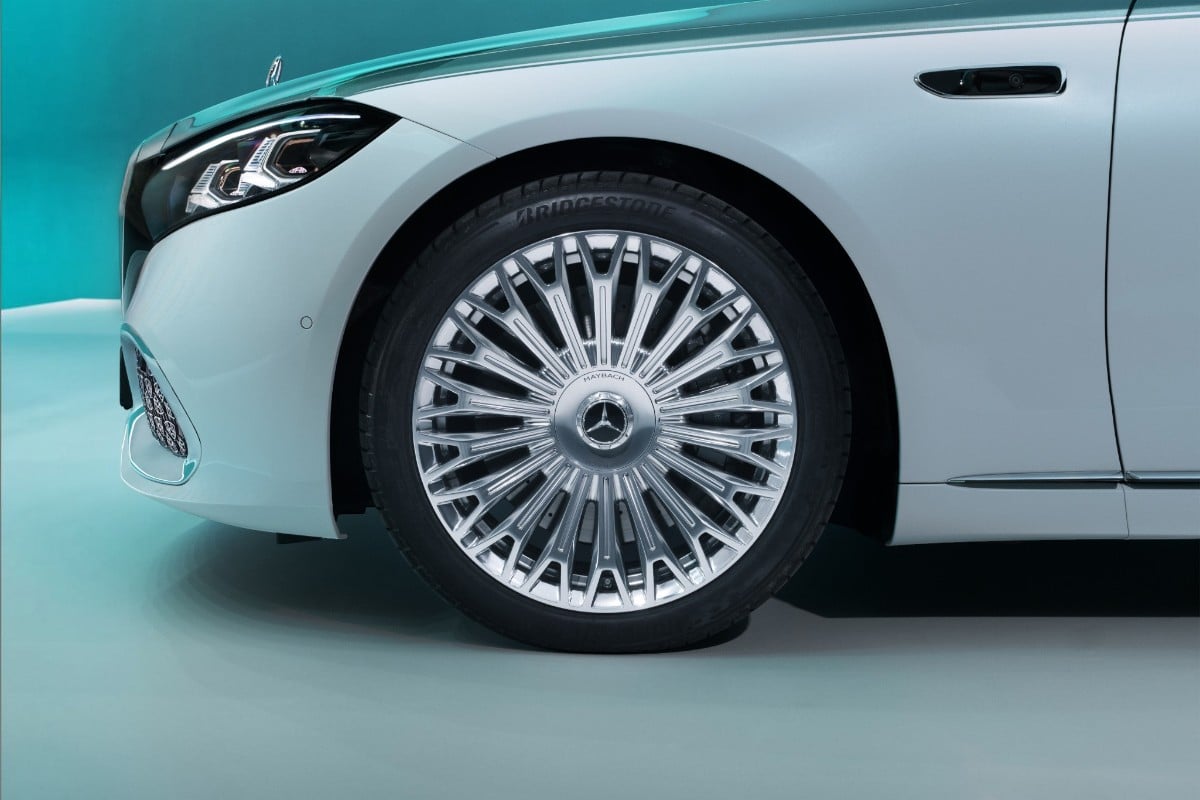
In profile, both models ride on 20-inch alloy wheels. However, the Maybach features multi-spoke forged rims, self-centring wheel caps that keep the Mercedes logo upright while moving, and noise-absorbing tyres. The Maybach’s rear doors are also slightly longer, as it has a 180mm longer wheelbase than the standard model. A subtle illuminated Maybach badge on the C-pillar further sets it apart from the side.
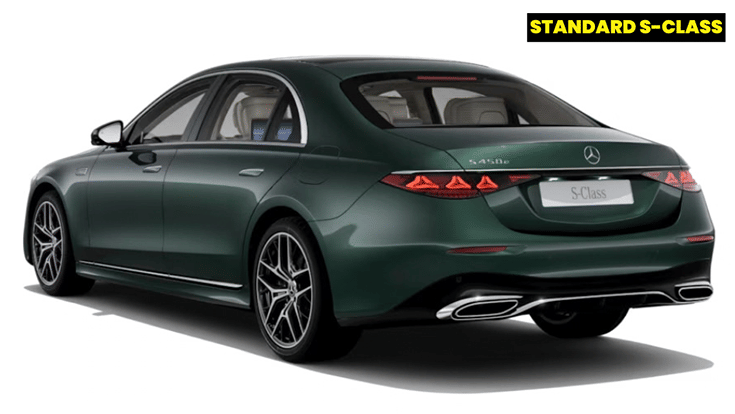
At the rear, the updates are more understated. Maybach lettering on the bootlid distinguishes it from the standard model, alongside minor tweaks to the lower sides of the bumper. Both models share the same LED taillights with tristar motifs connected, and there’s a full-width chrome strip right above it. The Maybach S-Class also offers greater personalisation, including dedicated paint options and exclusive dual-tone colour schemes.
Mercedes-Maybach S-Class vs Regular S-Class: Interior
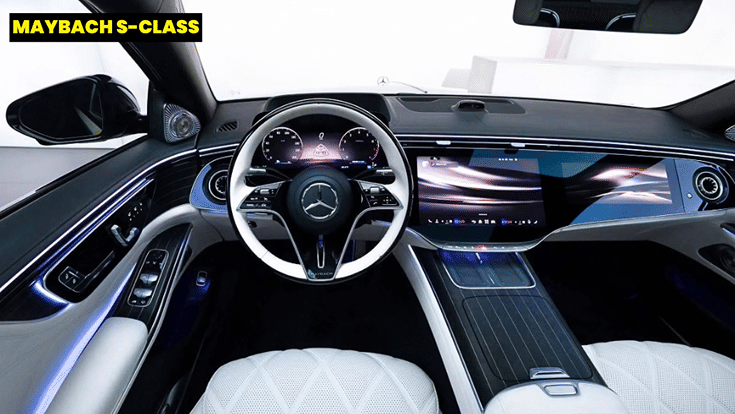
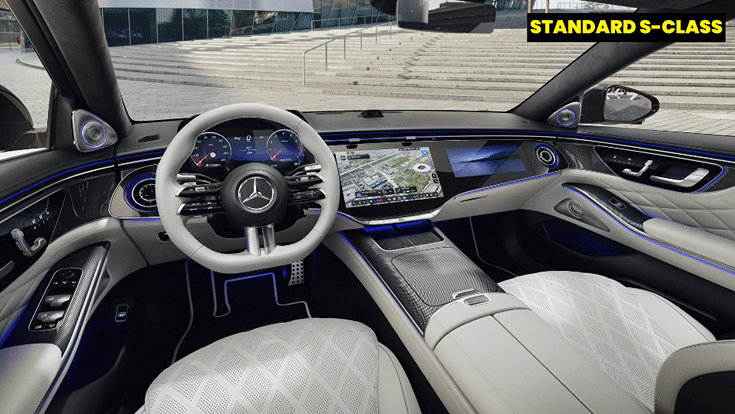
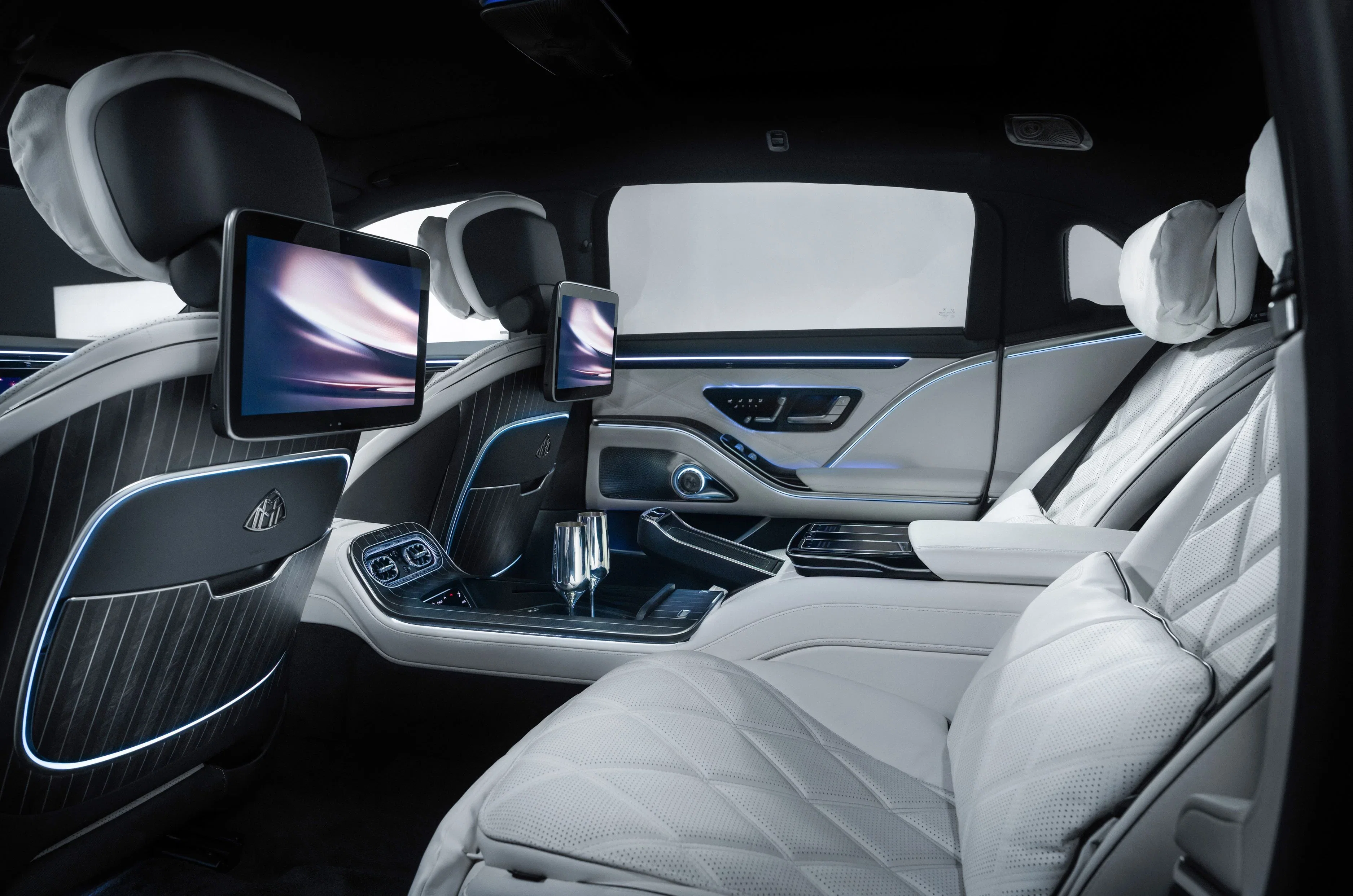
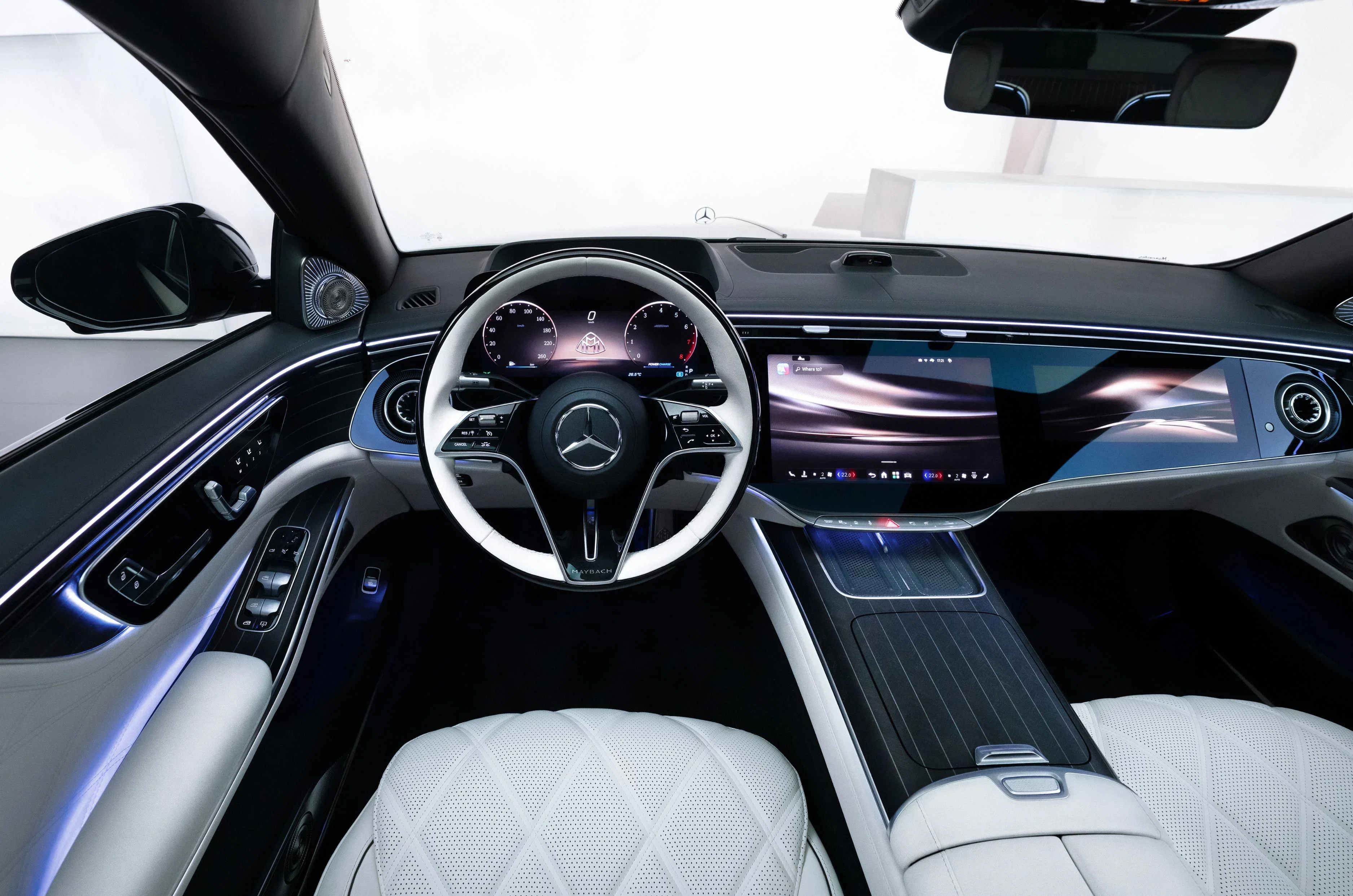
Inside, the Maybach retains the multi-screen layout of the regular S-Class. The dashboard features a 14.4-inch OLED central touchscreen, a 12.3-inch digital instrument cluster, and a dedicated 12.3-inch display for the front passenger. Both models run the latest MB.OS software, but the Maybach gets custom user-interface graphics. It also offers richer materials and expanded upholstery options, including bespoke leather finishes, stitching, and embroidery.
At the back, the Maybach S-Class gets the “executive rear seats” package as standard, whereas the standard S-Class gets it as an optional extra. This means you get a 4-seat layout as standard, and the rear seat recline angle is increased to 43 degrees, up from 38 degrees on the standard model’s 5-seat configuration.
Rear passengers in the Maybach get more creature comforts over the standard S-Class, including temperature-controlled cup holders and dual wireless phone chargers.
Mercedes-Maybach S-Class vs Regular S-Class: Powertrain
Like the standard S-Class, the Maybach uses a plug-in hybrid (PHEV) setup. In the S 580e trim, it pairs a 3.0-litre turbocharged inline-six petrol engine with an electric motor and a 22kWh battery pack. Combined output reaches 585hp and 750Nm of torque—a noticeable step up from the regular S 450e’s 435hp and 680Nm. Both cars send power to the rear wheels via a 9-speed automatic transmission. An AWD layout is standard on both models.
Both models feature a dedicated pure-electric mode. Here, the regular S-Class offers a WLTP-certified electric range of up to 115km, while the Maybach achieves 100km. Conversely, the Maybach earns a higher claimed combined efficiency figure of 34.48kpl versus the standard model’s 32.3kpl. Additionally, the Maybach adds an exclusive “Maybach” drive mode that’s used for maximum rear-seat ride comfort.
Mercedes-Benz has launched the Maybach S-Class facelift at Rs 3.35 crore (ex-showroom). It has been brought to India in S 580e guise, making it the first Maybach in India to be offered with a plug-in hybrid powertrain. Only 30 units have been allocated in the first batch, costing Rs 97 lakh more than the ‘regular’ S-Class Manufaktur Edition AMG Line that was launched just a couple of months ago. This is also Mercedes’s third PHEV in India, following the updated S-Class and AMG E 53 Hybrid. Mercedes says around 50 percent of its S-Class sales in India are of the Maybach variant.
Maybach S-Class comes to India in S 580e guise with 3.0-litre PHEV powertrain
Gets executive rear seats with full-length business console as standard
Offers 98km electric-only range thanks to a 22kWh battery
Mercedes-Maybach S 580e powertrain and specs
The new PHEV powertrain is one of the biggest updates to the Maybach S-Class, as the outgoing model was offered with a 4.0-litre V8. The S 580e uses a 443hp/560Nm 3.0-litre inline-six petrol engine paired with a 160hp/480Nm electric motor and a 22kWh battery. Total system output is 585hp and 750Nm, and it comes with all-wheel drive as standard. Mercedes claims the car can travel up to 98km and reach a top speed of 140kph on electric power alone. It also has a WLTP-certified fuel efficiency of 34.48kpl, although it’s likely not to be of much interest to a Maybach owner.
The S 580e offers three drive modes – Maybach, Electric and Battery Hold – along with adjustable energy recuperation, including one-pedal driving. As for charging, Mercedes will offer an 11kW AC on-board charger, and the car is also compatible with up to 60kW DC fast charging. The S 580e gets air suspension and rear-axle steering as standard.
Mercedes-Maybach S 580e interior and features
The focus of any Maybach is, of course, the back seat, and in that regard, Mercedes is offering the S 580e in a four-seat layout with executive seats with a full-length business console. Rear Comfort Package Plus is standard, offering fold-out tray tables, wireless charging pads, rear-compartment ambient lighting and even temperature-controlled cup holders. The seats recline to 43 degrees (compared to the regular S-Class’s 38 degrees) and are heated, ventilated and massaging. You also get two individual ‘smartphone’ remotes to operate everything instead of the tablet controller from before.
Up front, the dashboard remains largely unchanged from the regular S-Class. The MBUX Superscreen spans the front of the cabin, combining the central display with a front passenger display carrying a privacy function, while the driver gets a free-standing 3D display. The difference here is that you get a unique Maybach graphical theme for all screens, along with signature rose gold accents. Some of the equipment highlights include an augmented reality head-up display and navigation, a 31-speaker Burmester 4D surround sound system and two rear entertainment screens with wireless headsets.
The cabin is trimmed in Maybach-exclusive Nappa in crystal white and silver grey pearl, with Manufaktur piano lacquer trim, a Manufaktur roof liner in crystal white Nappa leather and Manufaktur seat backrest trim.
Mercedes-Maybach S 580eexterior design
Changes to the exterior are similar to those on the regular S-Class facelift, albeit with a few Maybach-specific twists. For instance, here too the grille is 20 percent larger and framed by LED illumination, with an illuminated Mercedes star on the bonnet above. The difference is that the grille uses the Maybach signature vertical slats, and there’s an illuminated ‘Maybach’ wordmark above them.
The headlamps are the new, larger units with the latest version of Mercedes’s Digital Light ambient lighting and three-pointed star daytime running lamps (DRLs), but rather than the techie blue accents, there are rose gold embellishments with the Maybach logo on them.
As before, the Maybach is 180mm longer than the long-wheelbase S, and that’s plain to see in profile. The India-spec model rides on 20-inch forged Maybach wheels, which also house a counterweighted Mercedes logo that always stays upright as the wheels turn. The Maybach logo on the D-pillar is illuminated as well, and the tail-lamps also get the triple-three-pointed star LED signature, like in the standard S-Class.
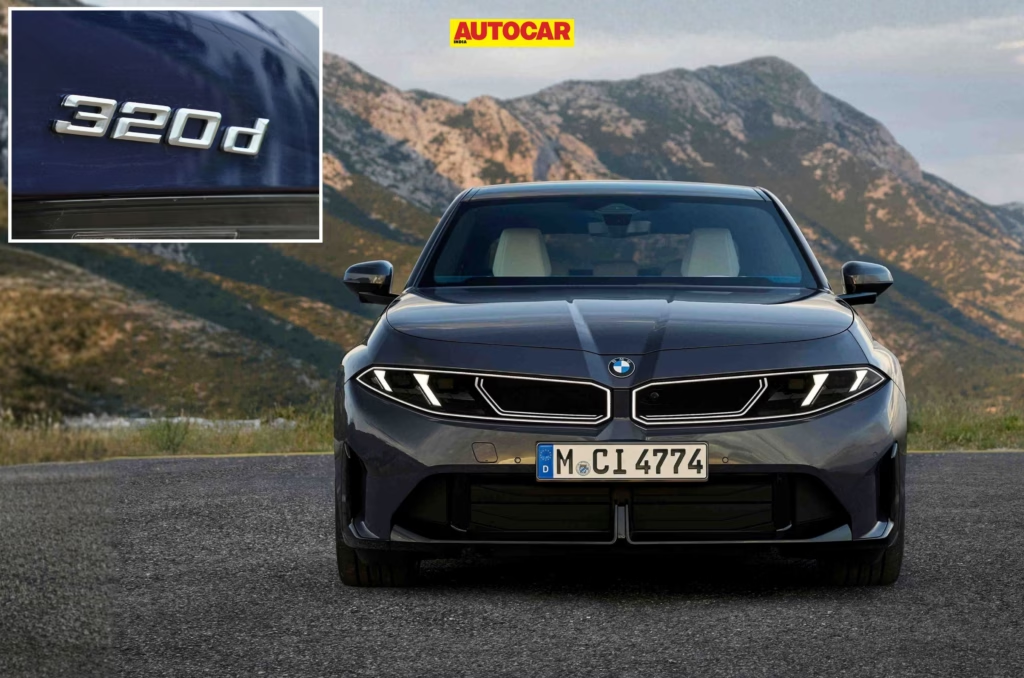
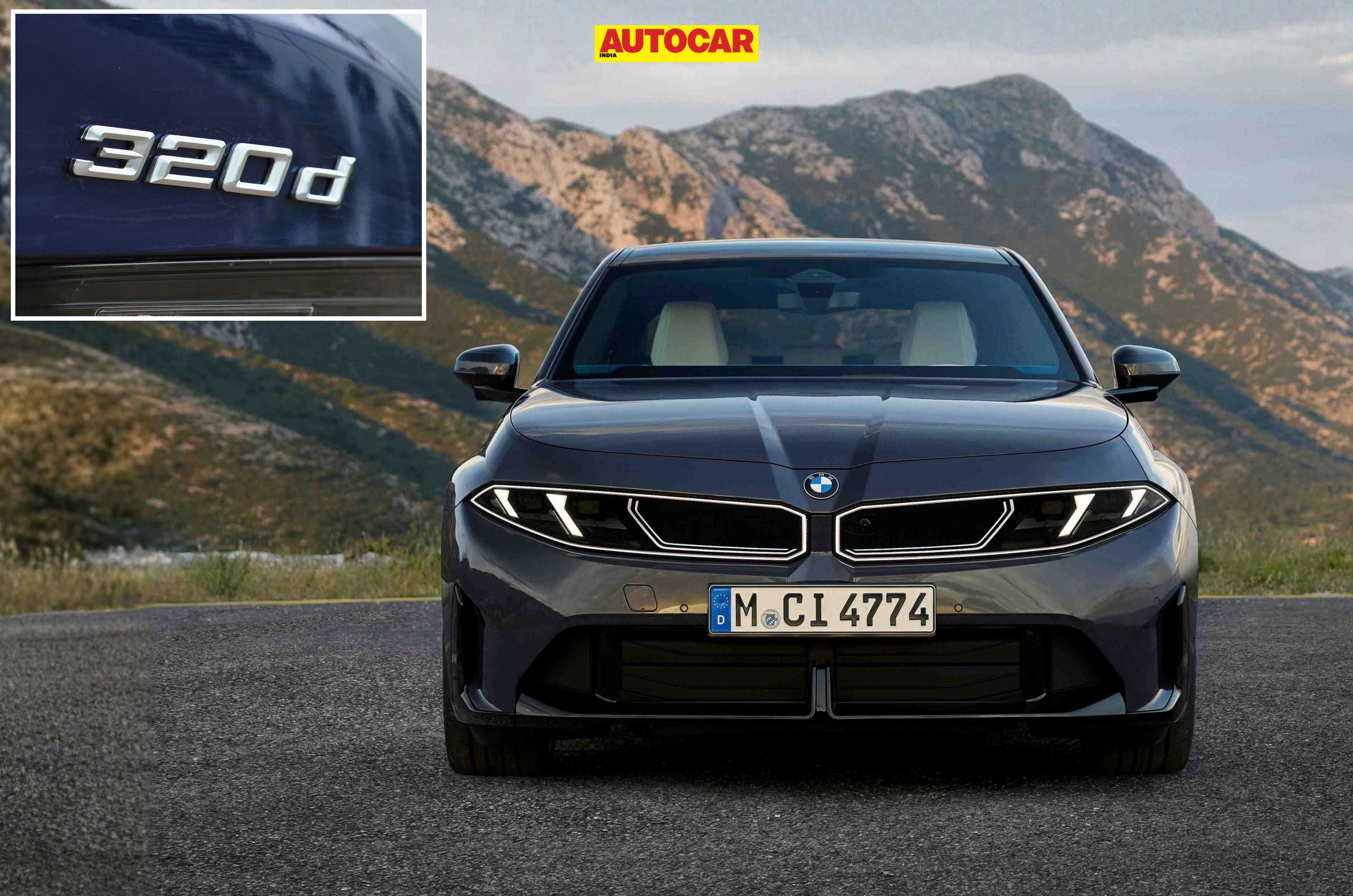
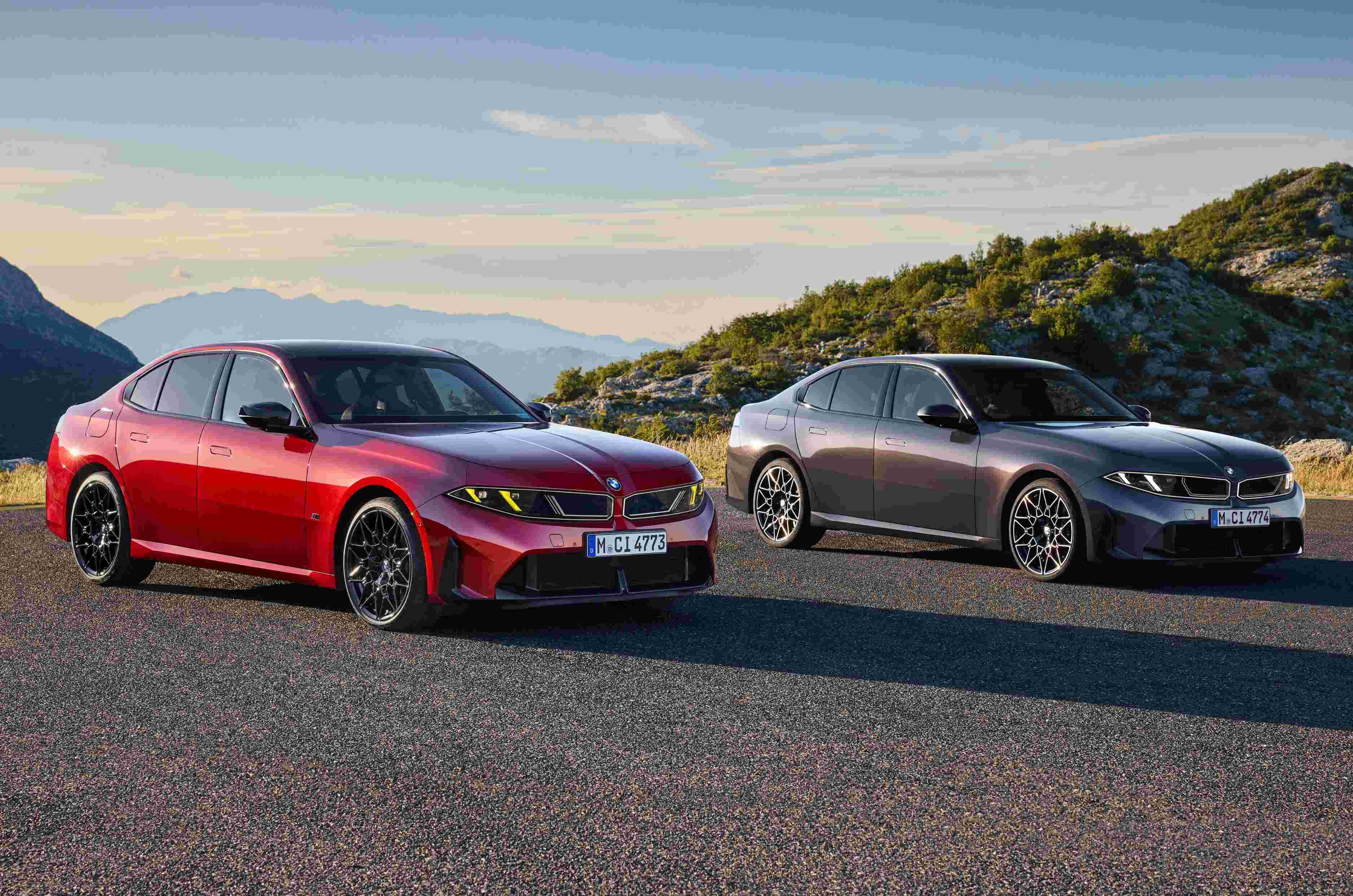
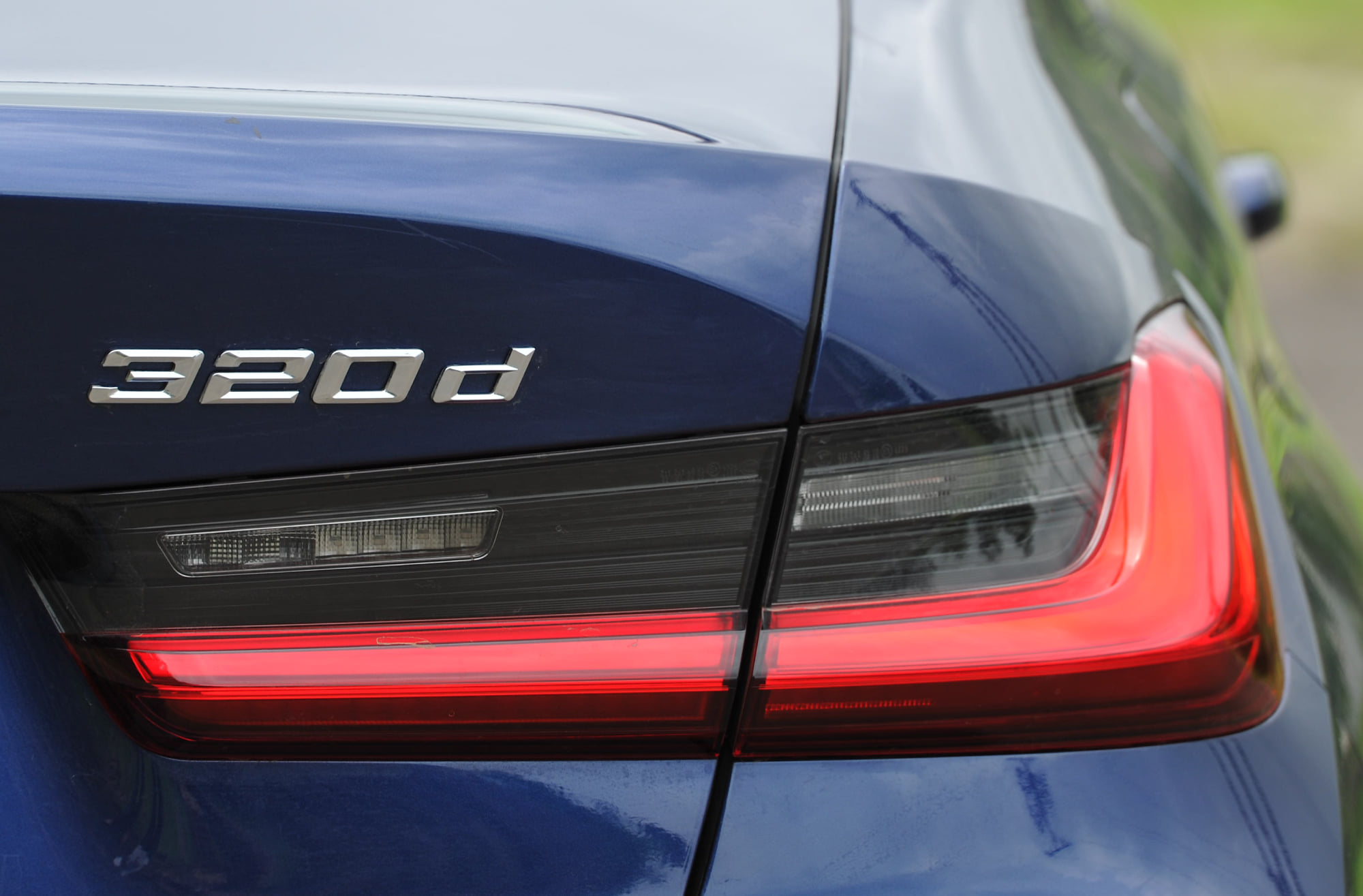
BMW has dropped diesel power from the eighth-generation 3 Series, codenamed G50, ending a run that dates back to the second generation (E30). The new G50 is offered with petrol engines, while a plug-in hybrid version is due to join the range in 2027. The fully electric i3 is also part of the eighth-generation 3 Series family.
G50 3 Series offered only with petrol engines
Speaking to members of the European press at the debut, BMW confirmed that the eighth-generation 3 Series will not be offered with a diesel engine. Besides the first-generation (E21), the G50 is the only other 3 Series generation without a diesel option. All other generations offered at least one diesel variant.
The G50 is available in 318, 320 and M350 xDrive forms. The 318 and 320 use 2.0-litre four-cylinder turbo-petrol engines with 48V mild-hybrid technology, while the M350 xDrive gets a 3.0-litre six-cylinder turbo-petrol mill with the same system.
BMW has not given a specific reason for removing diesel from the new-generation 3 Series, although it is likely in the interest of meeting increasingly stringent local emissions regulations.
Plug-in hybrid to join 3 Series range
BMW will add a plug-in hybrid version to the G50 range in 2027. Technical details of this version have not yet been announced. The fully electric BMW i3 is also part of the eighth-generation 3 Series family. The i3 40 xDrive and i3 50 xDrive are available with electric power, with claimed WLTP ranges of up to 710km and 912km respectively.
The result is a 3 Series range comprising petrol, plug-in hybrid and fully electric powertrains, with diesel no longer part of the new-generation line-up.
BMW’s shift from diesel to electrification in India
BMW’s changing powertrain strategy for the 3 Series is also reflected in its India portfolio. The company is increasingly pairing its petrol models with electric alternatives in India rather than offering diesel versions across these newer model lines. The 7 Series is available with a petrol engine, while the fully electric i7 is offered alongside it. The 5 Series LWB follows the same approach with the petrol-powered 5 Series and electric i5 LWB, while the X1 LWB is available with a petrol engine alongside the electric iX1 LWB.
None of these models is offered with a diesel engine in India. BMW’s electric models are therefore increasingly filling the role that diesel variants traditionally occupied as the more efficient option for buyers. The same transition is now evident in the new 3 Series in Europe, where the diesel has been dropped in favour of petrol, plug-in hybrid and fully electric options.
BMW India says electrification and its long-wheelbase range are two key areas of its current product strategy, with EVs accounting for 26 percent of its sales in the first half of 2026. The company expects the share of EVs in its sales to exceed 30 percent in the second half of the year.
BMW India has also seen some customers move from diesel to electric vehicles. The company says concerns around the long-term use and residual values of diesel cars have contributed to the shift in some markets, while it continues to offer diesel engines where demand remains strong.
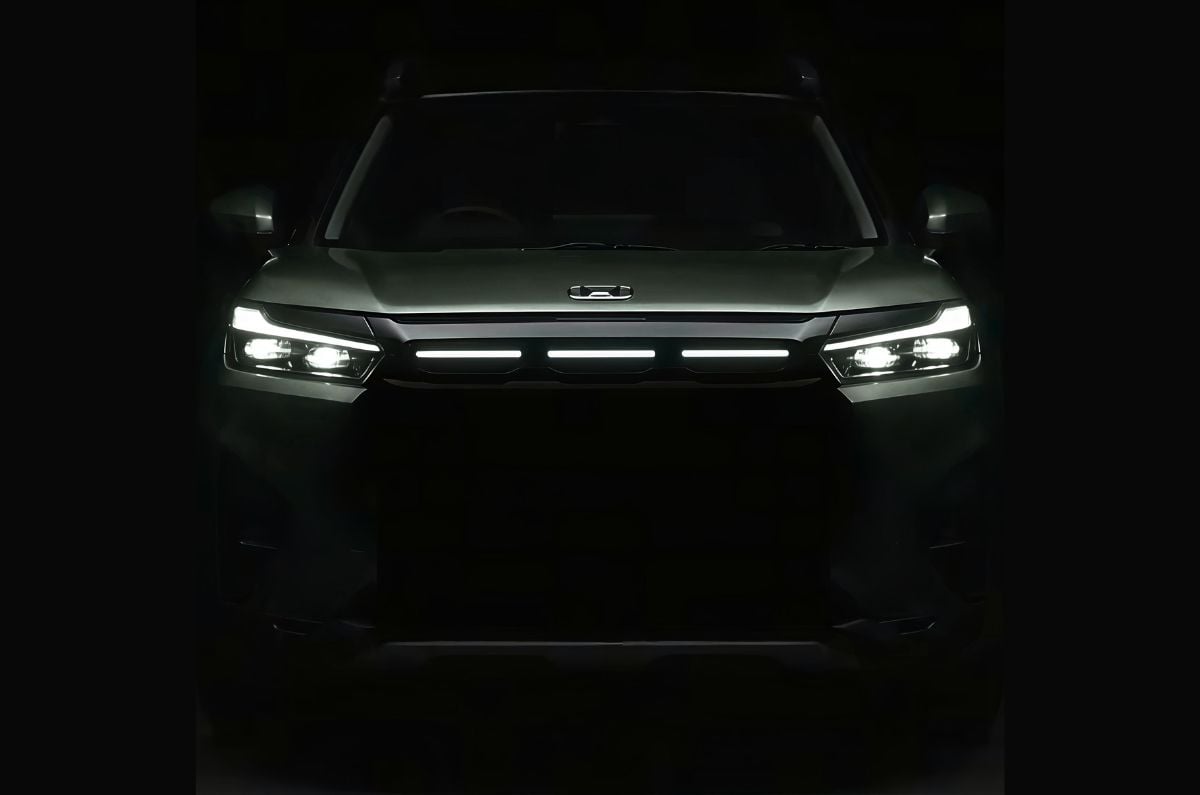
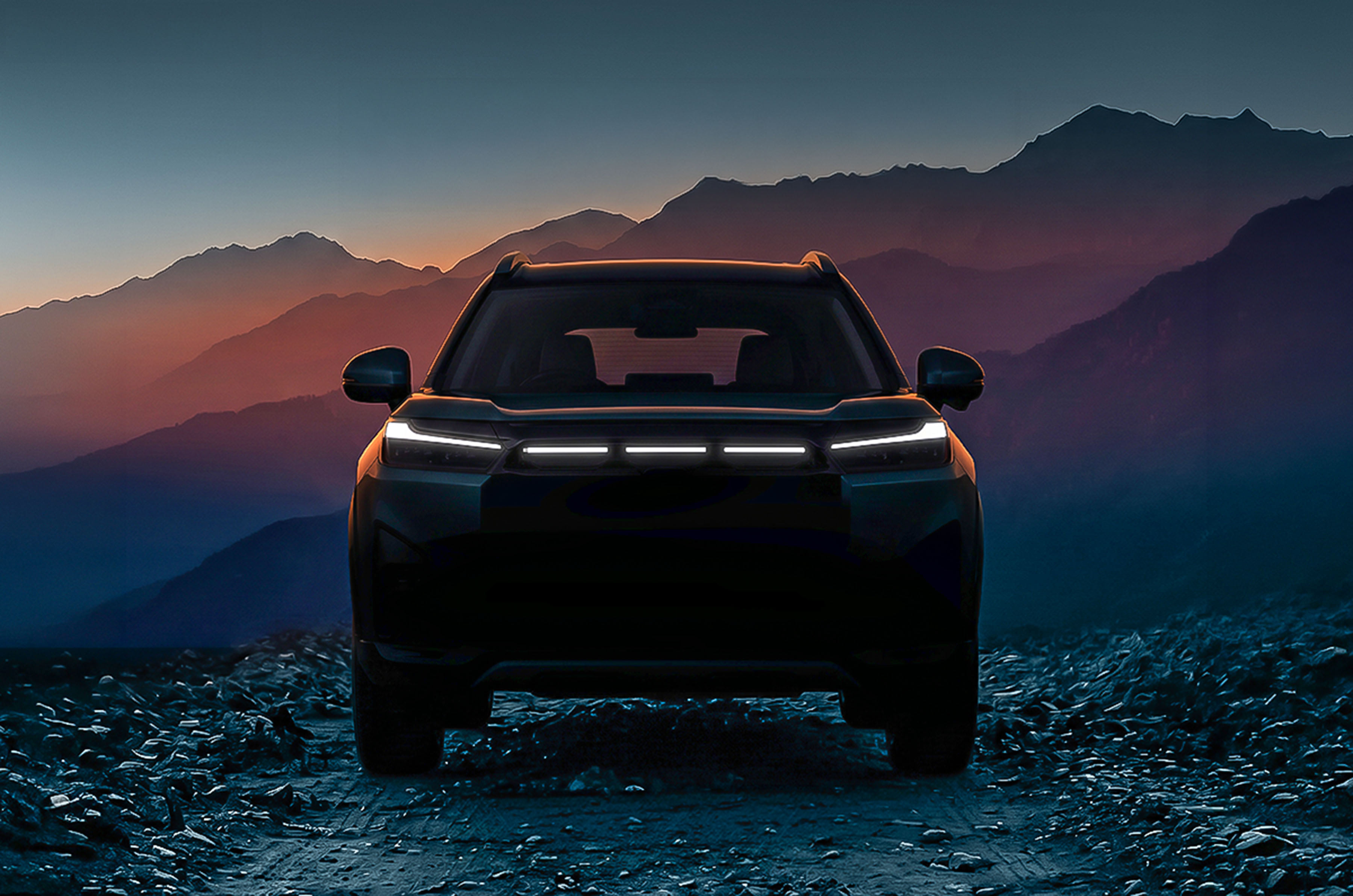
Honda is slated to launch the Elevate facelift on October 6. This will be the first mid-life update for the Honda mid-size SUV, which was introduced in 2023. The brand has also shared teasers and commenced pre-bookings of the upcoming SUV for Rs 21,000. Ahead of its launch, here’s all that you can expect from the Honda Elevate facelift.
What will the Honda Elevate facelift look like?
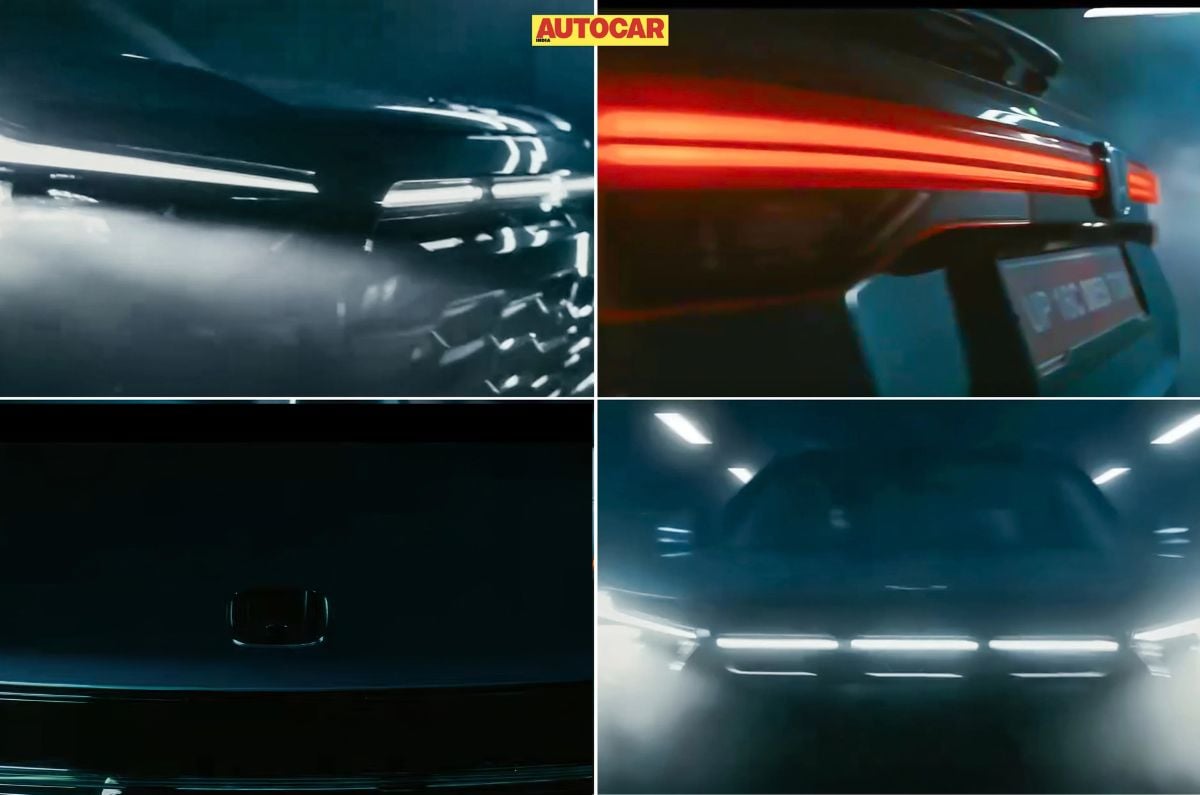
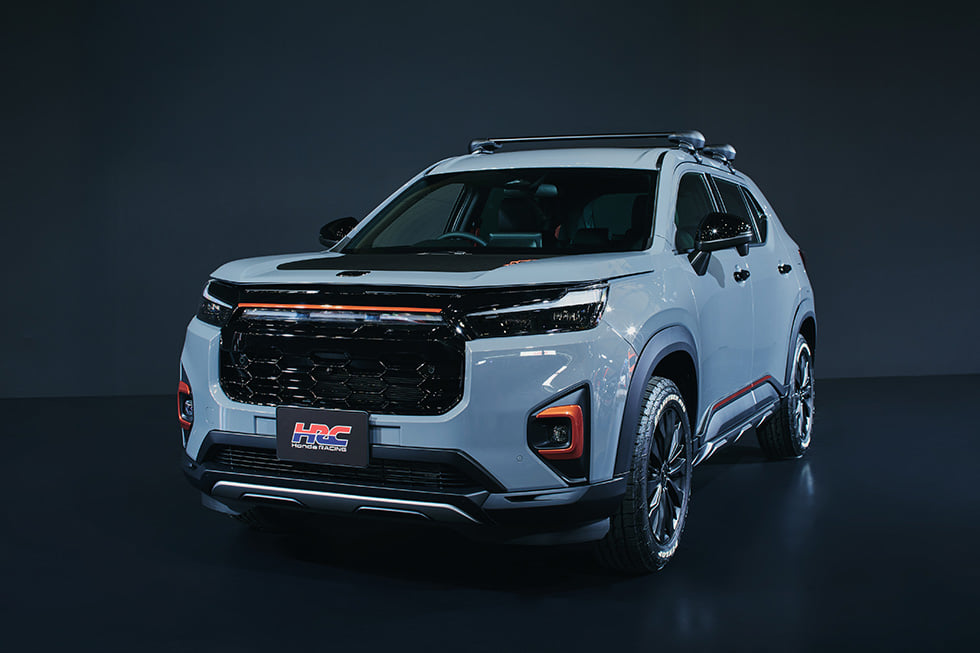
Teaser videos of the Honda Elevate facelift hint toward a bolder look for the SUV. At the front, the LED headlamps are connected by segmented LED DRLs; the gloss black grille gets a honeycomb pattern, and the Honda badge has been repositioned to the bonnet. Additionally, the H-shaped chrome element above the grille now sports a black finish. At the rear, the LED tail-lamps get a connected treatment. Meanwhile, the 17-inch alloy wheels appear to carry the same design as before.
Interestingly, the new design elements on the Elevate facelift look closely similar to the WR-V TrailSport HRC Concept. For those who didn’t know, the India-made Elevate is sold in Japan as the WR-V, and the TrailSport HRC Concept was revealed earlier this year at Tokyo Auto Salon 2026.
What will the Honda Elevate facelift interior look like?
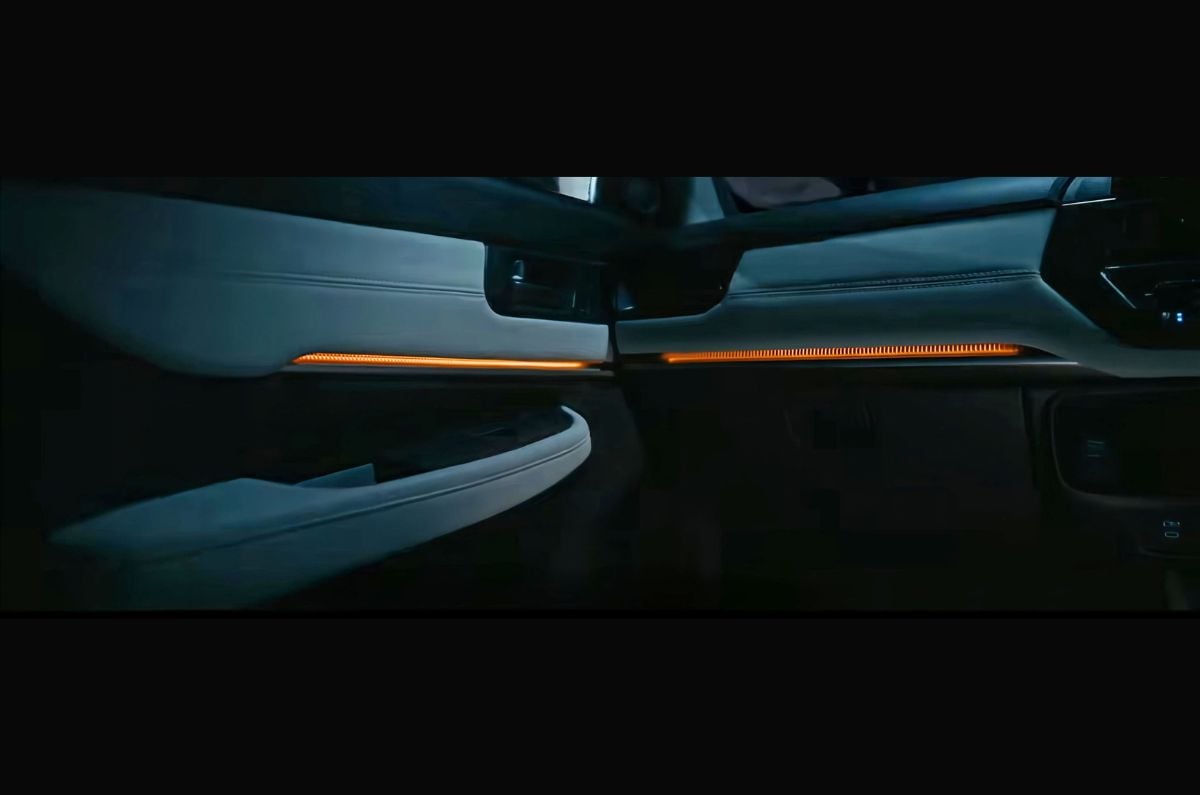
Honda has provided a small glimpse of the Elevate facelift’s dashboard, hinting at more soft-touch leatherette trim on the dashboard. Expect minor revisions to the Elevate facelift’s overall cabin layout, along with new upholstery and trim materials. Like the current version, Honda could offer the interior in two themes, namely white and black; brown and black.
Will the Honda Elevate facelift get new features?
The current Elevate misses out on some feel–good features that rivals offer. Honda is likely to fix this with the facelift. Expect new goodies like powered and ventilated front seats, dual-zone climate control, panoramic sunroof, rear sunblinds, and updated graphics for the infotainment system to come on the Elevate facelift. Teasers also reveal the presence of an ambient lighting system, which is an optional accessory for the current model. Meanwhile, features like a wireless phone charger, part-digital infotainment system, lane-watch camera system, wireless Apple CarPlay and Android Auto, 8-speaker sound system, and Level 2 ADAS suite will be retained.
Will the Honda Elevate facelift powertrains be retained from the current version?
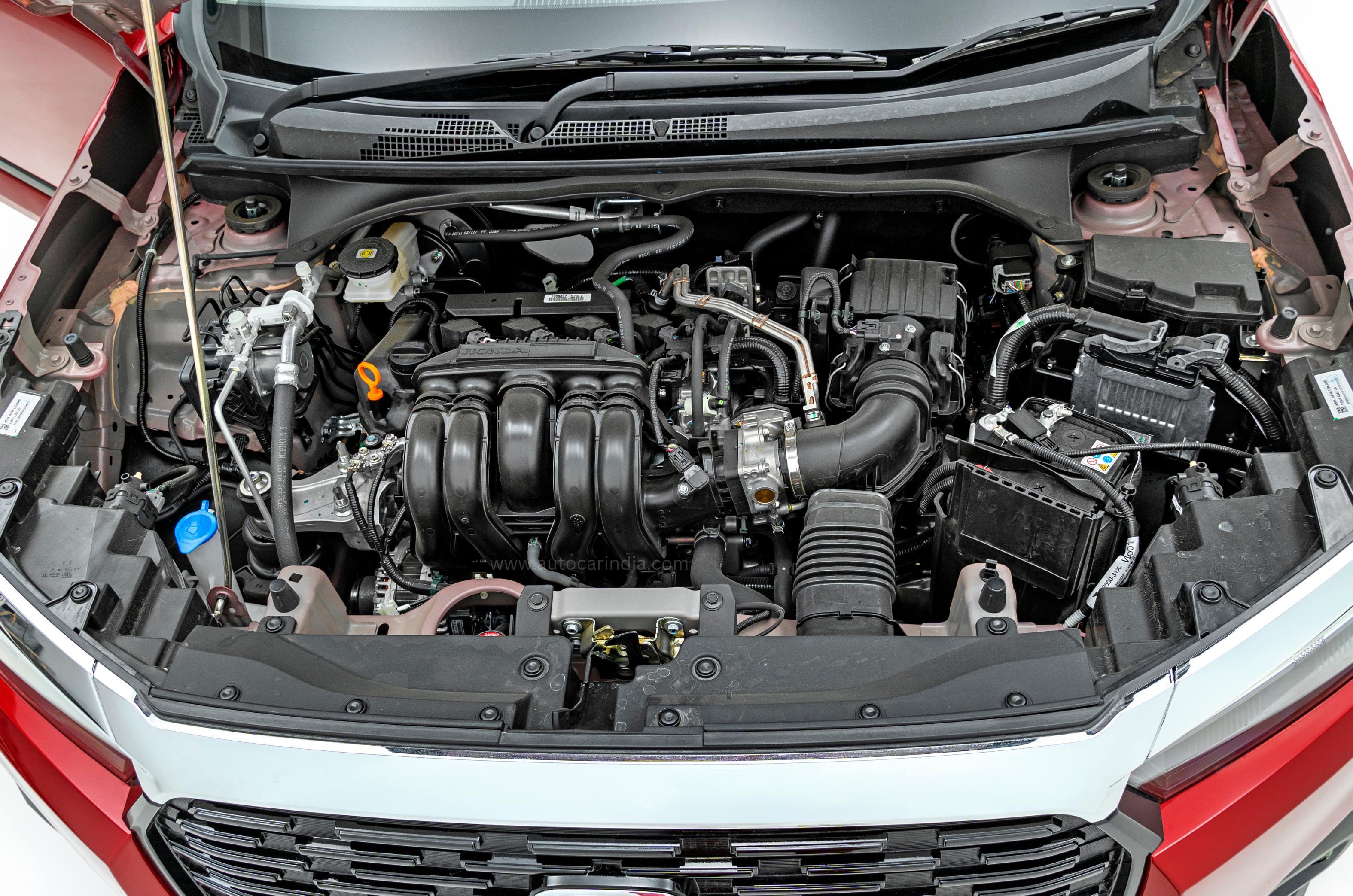
Current Elevate engine bay used for representation.
Yes, the Elevate facelift is highly likely to continue with the same powertrain options as the current model. This includes a single 1.5-litre, 4-cylinder, naturally aspirated petrol engine producing 121hp and 145Nm. Power is sent to the front wheels via a 6-speed manual or a 7-step CVT. Additionally, a dealer-fitted CNG kit can also be paired with this engine in manual guise for select variants. On the other hand, it is unlikely that the City’s strong-hybrid powertrain could make it to the Elevate facelift.
What is the expected price of the Honda Elevate facelift?
It’s worth noting that the current Elevate begins at a higher starting price than its rivals, ranging from Rs 11.88 lakh to Rs 16.36 lakh. With the facelift, the prices are expected to be slightly dearer for the Honda SUV. It will continue to take on rivals like the Hyundai Creta, Skoda Kushaq, Volkswagen Taigun, Kia Seltos, Tata Sierra, Maruti Grand Vitara and Victoris.
LPG Price 05 October 2026: त्योहारों के समय घर की खरीदारी और रोजमर्रा के खर्च बढ़ जाते हैं। ऐसे में रसोई गैस के दाम में होने वाला छोटा बदलाव भी परिवार के बजट पर असर डाल सकता है। 5 अक्टूबर को घरेलू एलपीजी उपभोक्ताओं के लिए अच्छी खबर है। 14.2 किलो वाले गैस सिलेंडर की कीमत में कोई बदलाव नहीं किया गया है, इसलिए लोगों को फिलहाल पुराने दाम पर ही सिलेंडर मिलेगा। दूसरी ओर, कमर्शियल गैस इस्तेमाल करने वालों के लिए तस्वीर अलग है। 19 किलो वाले एलपीजी सिलेंडर की कीमत बढ़ने से होटल, रेस्टोरेंट, ढाबे और छोटे फूड कारोबारियों की परेशानी बढ़ सकती है।
गैस उनकी रोजाना की लागत का अहम हिस्सा है, इसलिए बढ़ी कीमत का असर कारोबार के खर्च पर पड़ना तय माना जा रहा है। ऐसे में जानिए दिल्ली, मुंबई, कोलकाता और चेन्नई समेत प्रमुख शहरों में घरेलू और कमर्शियल एलपीजी सिलेंडर के ताजा रेट क्या हैं।
घरेलू LPG सिलेंडर के दाम में बदलाव नहीं
तेल कंपनियों ने 14.2 किलो वाले घरेलू गैस सिलेंडर की कीमतों को फिलहाल स्थिर रखा है। देश के बड़े शहरों में उपभोक्ताओं को पुराने दाम पर ही सिलेंडर मिल रहा है।
दिल्ली में घरेलू सिलेंडर की कीमत 942 रुपये है। मुंबई में यह 941.50 रुपये, कोलकाता में 968 रुपये और चेन्नई में 957.50 रुपये में मिल रहा है।
प्रमुख शहरों में LPG सिलेंडर के रेट
शहर
घरेलू सिलेंडर (14.2 किलो)
कमर्शियल सिलेंडर (19 किलो)
दिल्ली
₹942
₹2,810
मुंबई
₹941.50
₹2,763.50
कोलकाता
₹968
₹2,946.50
बेंगलुरु
₹944.50
₹2,893.50
हैदराबाद
₹994
₹3,058.50
चेन्नई
₹957.50
₹2,978.50
कटक
₹968
₹2,947.50
कोयंबटूर
₹959
₹3,002.50
रांची
₹1,010.50
₹2,988
कमर्शियल गैस सिलेंडर हुआ महंगा
घरेलू गैस के दाम भले ही नहीं बढ़े हों, लेकिन कमर्शियल सिलेंडर की कीमत में बढ़ोतरी हुई है। 1 अक्टूबर से 19 किलो वाले एलपीजी सिलेंडर के रेट बढ़ाए गए हैं।
दिल्ली में कमर्शियल सिलेंडर 62.50 रुपये महंगा होकर 2,810 रुपये हो गया है। मुंबई में इसकी कीमत 2,764.50 रुपये, कोलकाता में 2,954 रुपये और चेन्नई में 2,983 रुपये बताई गई है।
होटल और रेस्टोरेंट पर बढ़ सकता है खर्च
कमर्शियल गैस का इस्तेमाल होटल, रेस्टोरेंट, ढाबे और दूसरे खाने-पीने के कारोबार में बड़े स्तर पर होता है। ऐसे में सिलेंडर की कीमत बढ़ने से इन कारोबारों का खर्च भी बढ़ सकता है।
अगर गैस की लागत लगातार ज्यादा रहती है, तो इसका असर खाने-पीने की चीजों की कीमतों पर भी देखने को मिल सकता है।
घरेलू और कमर्शियल सिलेंडर में अंतर
घरेलू एलपीजी सिलेंडर आमतौर पर घरों में खाना बनाने के लिए इस्तेमाल किया जाता है और इसका वजन 14.2 किलो होता है। वहीं 19 किलो वाला सिलेंडर मुख्य रूप से व्यावसायिक कामों के लिए इस्तेमाल होता है।
होटल, रेस्टोरेंट, ढाबे और अन्य फूड बिजनेस में कमर्शियल सिलेंडर की मांग ज्यादा रहती है। दोनों सिलेंडरों के दाम अलग होते हैं और इनमें होने वाले बदलाव भी अलग-अलग हो सकते हैं।
आम लोगों पर क्या होगा असर?
फिलहाल घरेलू सिलेंडर के दाम स्थिर रहने से परिवारों को राहत मिली है। वहीं कमर्शियल गैस महंगी होने से होटल, रेस्टोरेंट और छोटे खाद्य कारोबारों का खर्च बढ़ सकता है।
इसका असर आगे चलकर बाहर खाने-पीने की कीमतों पर भी पड़ सकता है। इसलिए घरेलू उपभोक्ताओं के लिए अभी राहत है, लेकिन कारोबारियों को बढ़ी हुई गैस कीमत का सामना करना पड़ रहा है।