Petrol Diesel Price Today: 15 अगस्त को पेट्रोल-डीजल के दाम स्थिर, जानें आपके शहर में आज का रेट

Petrol Diesel Price Today: हर दिन की शुरुआत सिर्फ सूरज की किरणों से नहीं होती, बल्कि पेट्रोल और डीजल की नई कीमतों से भी होती है, जो आम आदमी की जेब पर सीधा असर डालती हैं। सुबह 6 बजे देश की तेल विपणन कंपनियां (OMCs) ताजा दरें जारी करती हैं, जो अंतरराष्ट्रीय बाजार में कच्चे तेल की कीमतों और डॉलर-रुपए की विनिमय दर में आए बदलावों पर आधारित होती हैं। ये बदलाव रोजमर्रा की जिंदगी को प्रभावित करते हैं, चाहे वो ऑफिस जाने वाला व्यक्ति हो या फल-सब्जी बेचने वाला व्यापारी।

ऐसे में हर दिन की कीमतों की जानकारी रखना सिर्फ जरूरी ही नहीं, बल्कि समझदारी भी है। सरकार की यह प्रणाली पारदर्शिता सुनिश्चित करती है ताकि उपभोक्ताओं को किसी तरह की भ्रमित जानकारी न मिले।

आपके शहर में आज का पेट्रोल-डीजल का भाव

ये रहे 15 आगस्त 2026 के प्रमुख शहरों के पेट्रोल-डीजल के ताजा रेट

नई दिल्ली: पेट्रोल ₹102.12 प्रति लीटर और डीजल ₹95.20 प्रति लीटर।

मुंबई: पेट्रोल ₹111.18 और डीजल ₹97.83 प्रति लीटर।

कोलकाता: पेट्रोल ₹113.47 जबकि डीजल ₹99.82 प्रति लीटर।

चेन्नई: पेट्रोल ₹107.77 और डीजल ₹99.55 प्रति लीटर।

गुरुग्राम: पेट्रोल ₹102.77 तथा डीजल ₹95.44 प्रति लीटर।

नोएडा: पेट्रोल ₹102.12 और डीजल ₹95.56 प्रति लीटर।

बेंगलुरु: पेट्रोल ₹110.93 जबकि डीजल ₹98.80 प्रति लीटर।

भुवनेश्वर: पेट्रोल ₹109.92 और डीजल ₹100.92 प्रति लीटर।

चंडीगढ़: पेट्रोल ₹98.10 तथा डीजल ₹86.09 प्रति लीटर।

हैदराबाद: पेट्रोल ₹115.69 और डीजल ₹103.82 प्रति लीटर।

जयपुर: पेट्रोल ₹112.66 जबकि डीजल ₹97.78 प्रति लीटर।

लखनऊ: पेट्रोल ₹102.05 और डीजल ₹95.55 प्रति लीटर।

पटना: पेट्रोल ₹113.35 तथा डीजल ₹99.36 प्रति लीटर।

तिरुवनंतपुरम: पेट्रोल ₹115.49 और डीजल ₹104.40 प्रति लीटर।

पिछले दो साल से स्थिर क्यों हैं कीमतें?

मई 2022 के बाद से केंद्र और कई राज्यों द्वारा टैक्स में कटौती की गई, जिसके बाद पेट्रोल-डीजल की कीमतों में स्थिरता देखी जा रही है। हालांकि अंतरराष्ट्रीय बाजार में उतार-चढ़ाव होता रहता है, फिर भी भारतीय उपभोक्ताओं के लिए कीमतें तुलनात्मक रूप से स्थिर बनी हुई हैं।

किन कारणों से तय होती हैं ईंधन की कीमतें?

  1. कच्चे तेल की कीमतें:

पेट्रोल और डीजल का उत्पादन मुख्य रूप से कच्चे तेल से होता है। जब अंतरराष्ट्रीय स्तर पर कच्चे तेल की कीमतें बढ़ती हैं, तो इसका असर सीधे भारतीय बाजार पर पड़ता है।

  1. डॉलर के मुकाबले रुपया:

भारत अधिकतर कच्चा तेल आयात करता है, और यह डॉलर में खरीदा जाता है। यदि रुपया कमजोर होता है, तो ईंधन महंगा हो जाता है।

  1. सरकारी टैक्स और शुल्क:

केंद्र और राज्य सरकारें पेट्रोल-डीजल पर भारी टैक्स लगाती हैं, जो खुदरा मूल्य का बड़ा हिस्सा होते हैं। यही कारण है कि राज्यों में कीमतों में अंतर होता है।

  1. रिफाइनिंग की लागत:

कच्चे तेल को इस्तेमाल लायक बनाने की प्रक्रिया (रिफाइनिंग) में भी खर्च होता है। ये लागत कच्चे तेल की गुणवत्ता और रिफाइनरी की क्षमता पर निर्भर करती है।

  1. मांग और आपूर्ति का संतुलन:

बाजार में ईंधन की मांग अगर बढ़ जाती है, तो कीमतें भी ऊपर जाने लगती हैं। खासकर त्योहारों, गर्मी या सर्दी के मौसम में ईंधन की खपत ज्यादा होती है।

कैसे करें अपने शहर की कीमतें SMS से चेक?

अगर आप मोबाइल से ईंधन की कीमत जानना चाहते हैं, तो ये प्रक्रिया आसान है:

Indian Oil ग्राहक: अपने शहर का कोड टाइप करें और उसे “RSP” के साथ 9224992249 पर भेजें।

BPCL ग्राहक: “RSP” लिखकर 9223112222 पर भेजें।

HPCL ग्राहक: “HP Price” लिखकर 9222201122 पर भेजें।
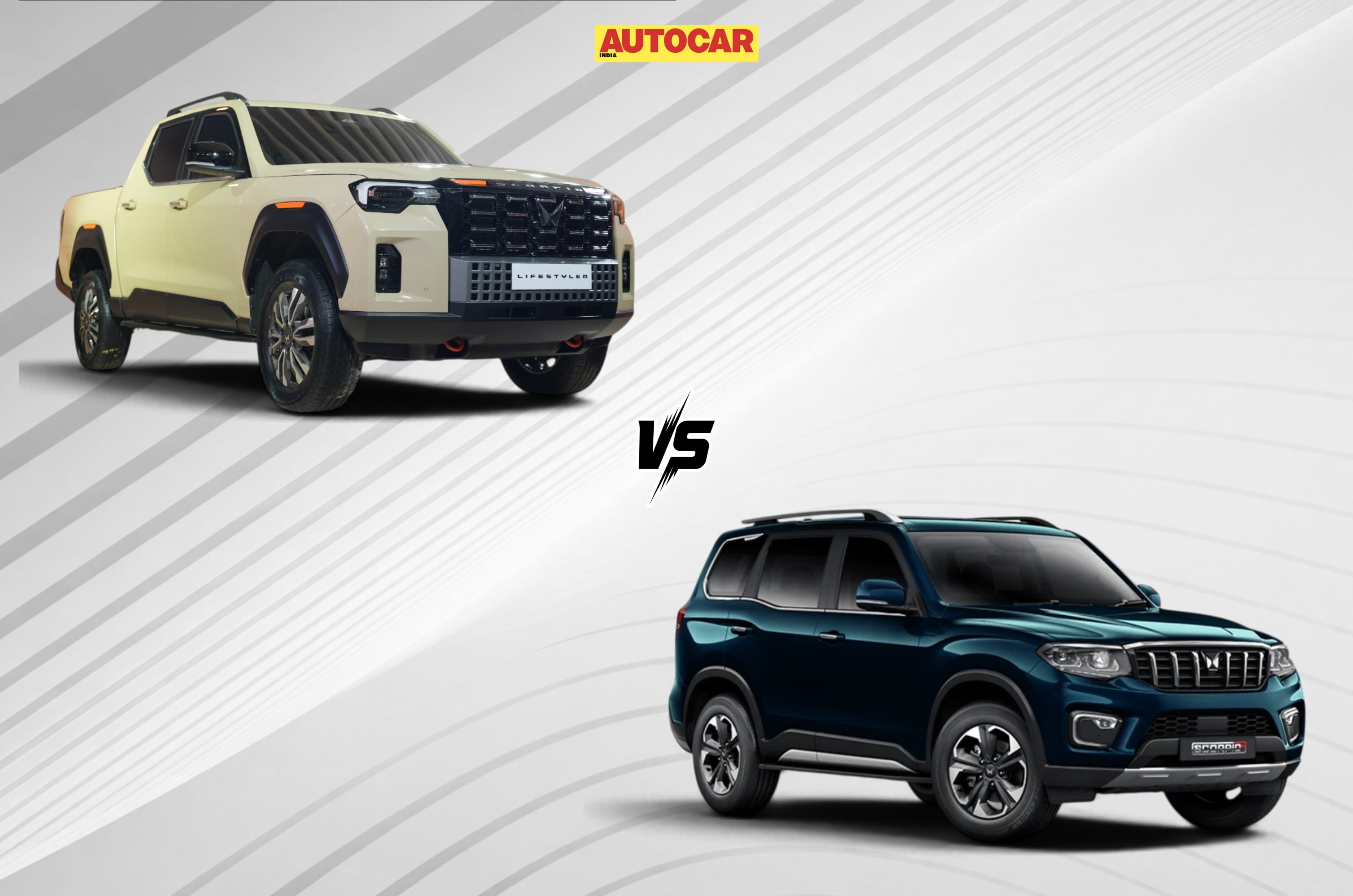
How different is the Mahindra Scorpio Lifestyler from the Scorpio N?

How different is the Mahindra Scorpio Lifestyler from the Scorpio N?
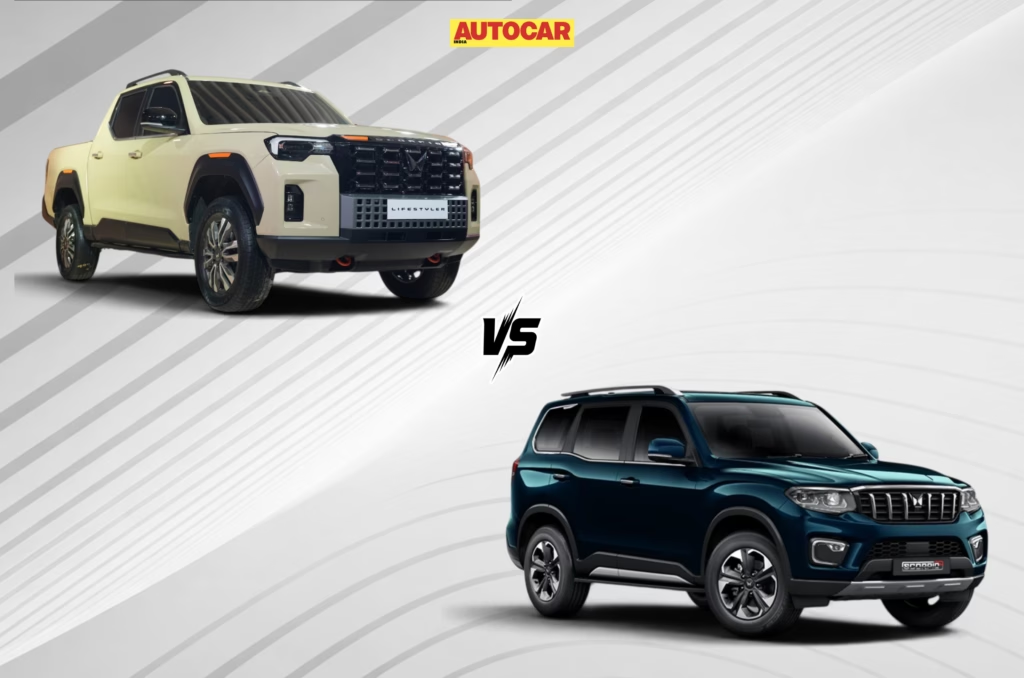
Mahindra Scorpio Lifestyler vs Scorpio N

Mahindra has introduced the Scorpio Lifestyler pickup truck for the Indian market. It utilises the same ladder-frame architecture that underpins the Scorpio N, its three-row SUV stablemate. While the rugged UV maker is no stranger to making pickup trucks, the Scorpio Lifestyler, however, is its first shot at the lifestyle pickup truck segment, which is growing in popularity. In this article, we take a deep dive into the differences between the Scorpio Lifestyler and its three-row SUV counterpart. 

Mahindra Scorpio Lifestyler vs Scorpio N: Exterior design

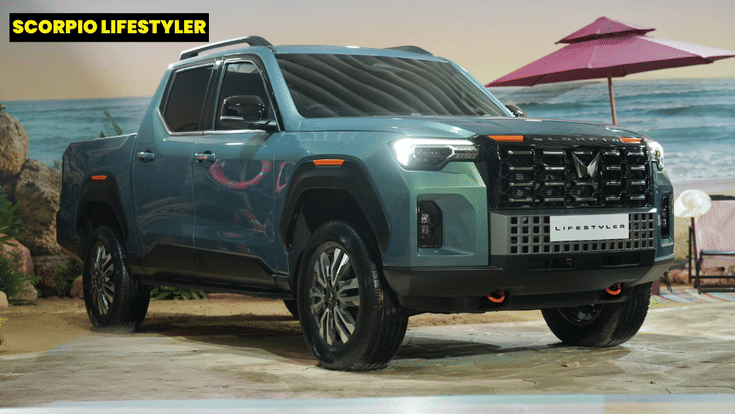
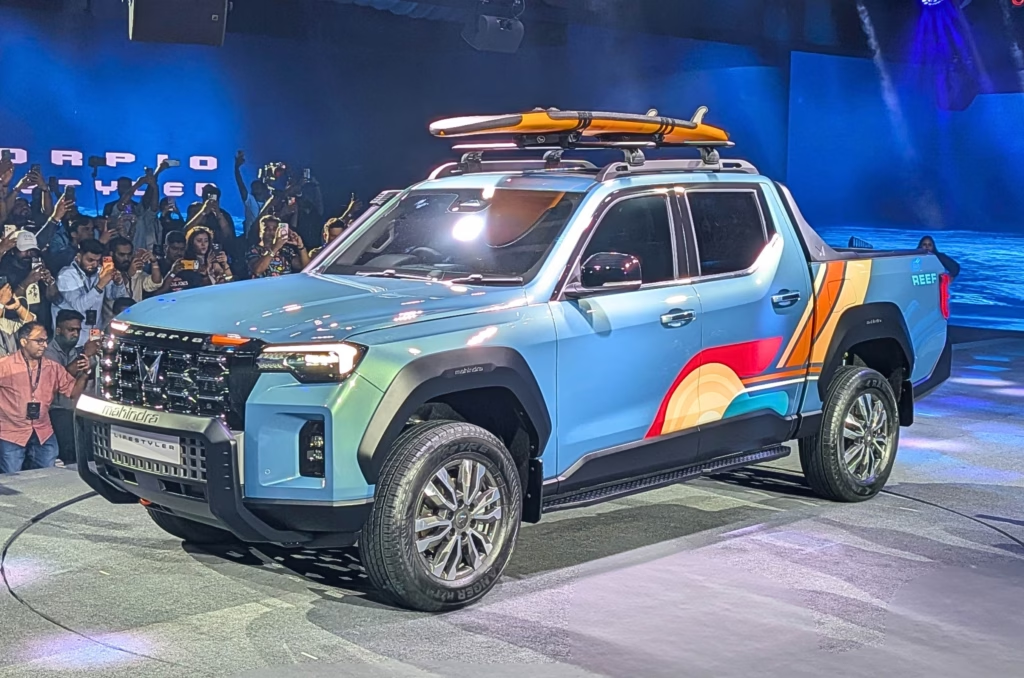
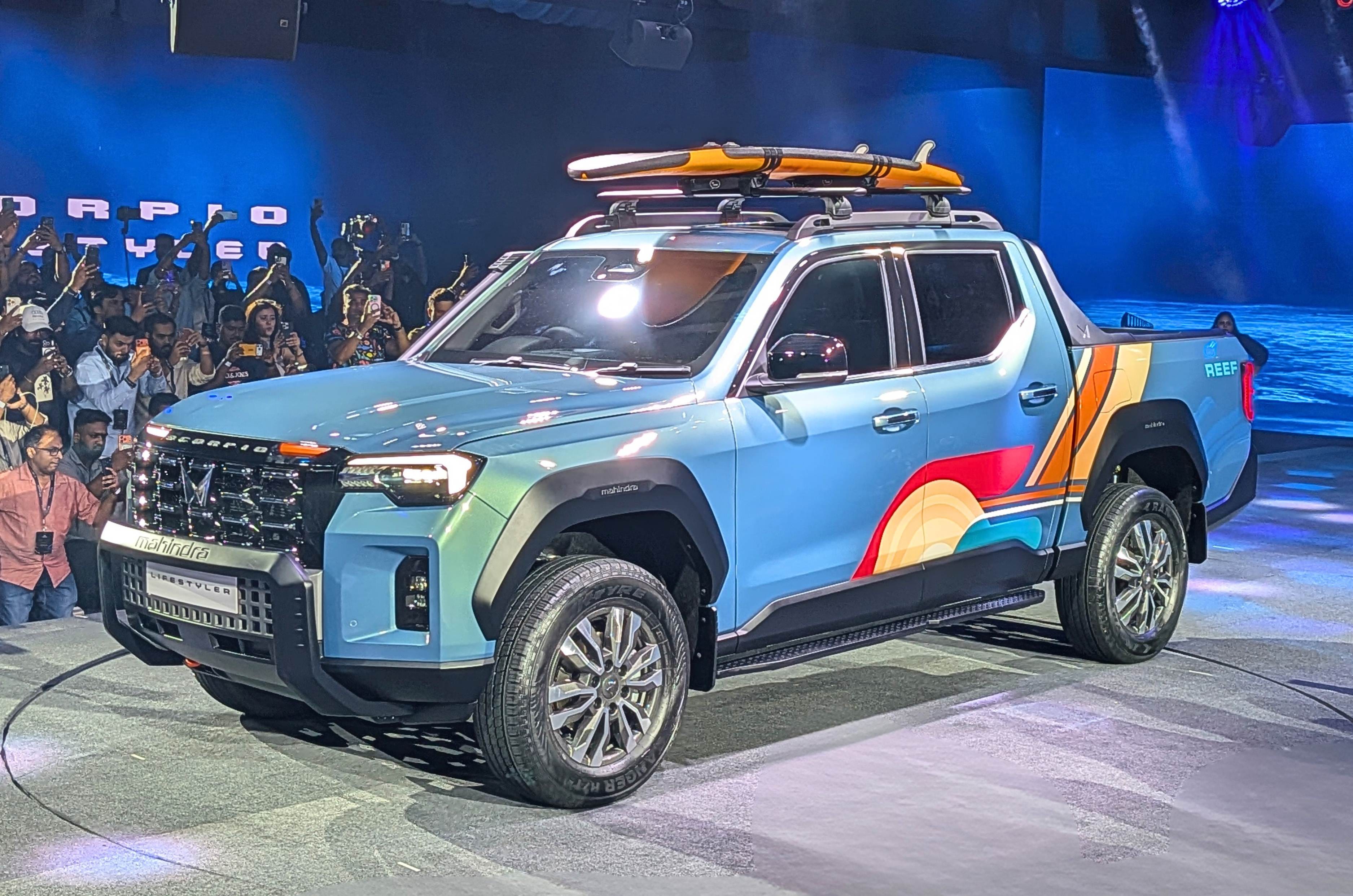
Mahindra Scorpio Lifestyler front quarter static
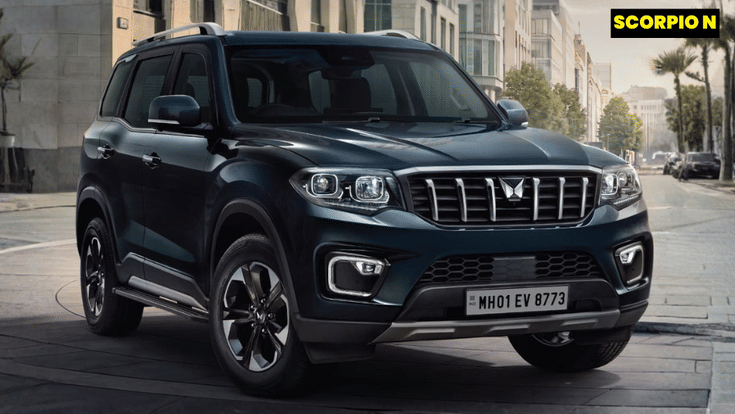
Mahindra Scorpio N front quarter static
 

At the front end, the Scorpio N gets two-pod LED headlamps with scorpion tail-shaped LED DRLs positioned on the bumper, surrounding the fog lamps. It also gets a hexagonal grille with six vertical slats in chrome, a chrome strip at the top of the grille, a honeycomb pattern for the air intakes, and a faux silver skid plate. 

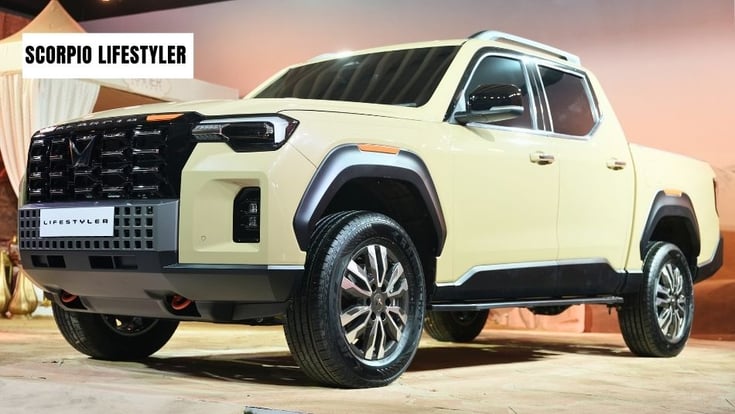
The Scorpio Lifestyler, on the other hand, has slightly slimmer headlamps with L-shaped DRLs, a gloss black grille with Scorpio branding at the top, and segmented chrome slats with orange accents. It also gets a boxier design for its bumper, with a chequered section in the centre.

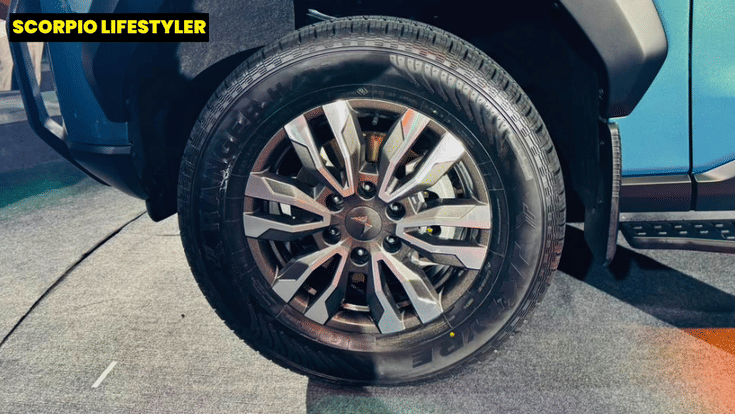
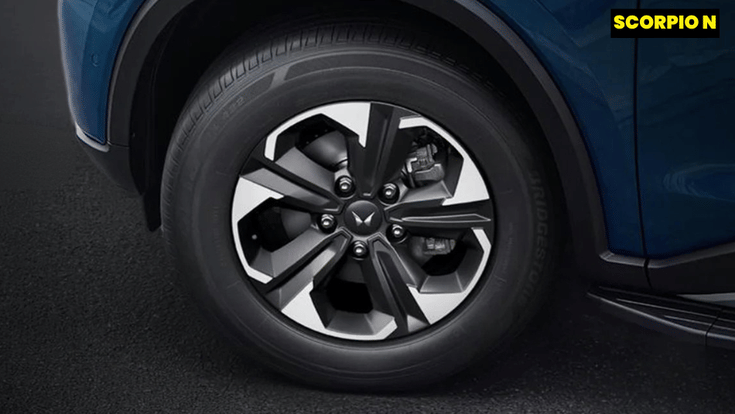
Mahindra Scorpio Lifestyler alloy wheels
Mahindra Scorpio N alloy wheels
 

The biggest difference between the Scorpio Lifestyler and the Scorpio N is undoubtedly their body styles. In profile, the Scorpio Lifestyler comes with chunkier cladding for the wheel arches and lower sides of the doors. It also gets a different design for the dual-tone alloy wheels. A commonality between the two is functional roof rails. Although Mahindra has not revealed any specs as of yet, the Lifestyler can be expected to have a longer wheelbase than the Scorpio N to accommodate the rear load bed. Another important detail is that the glasshouse is quite different on both models, with the Lifestyler featuring a distinct upward kink for the rear windows.

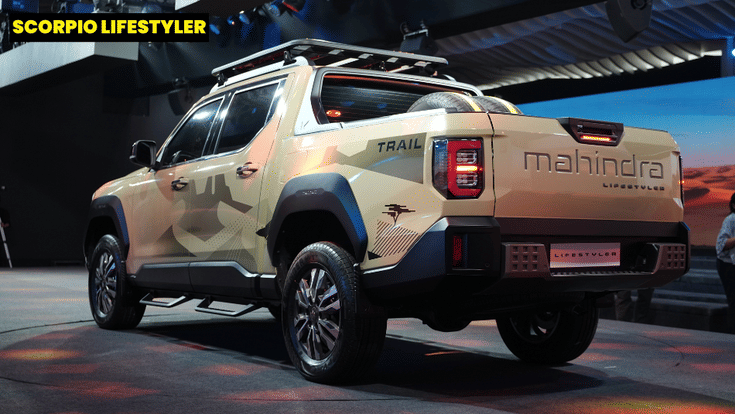
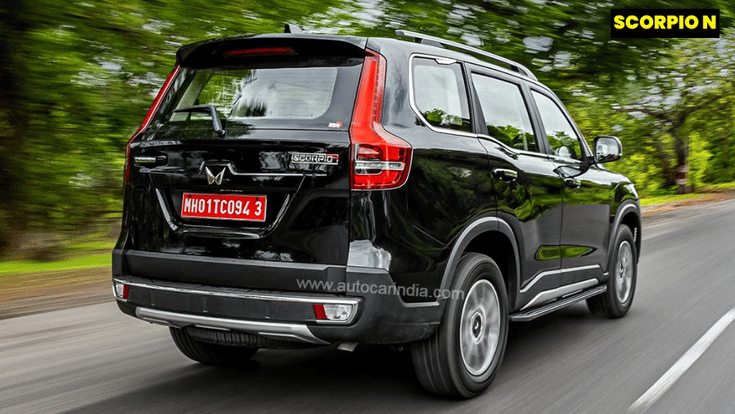
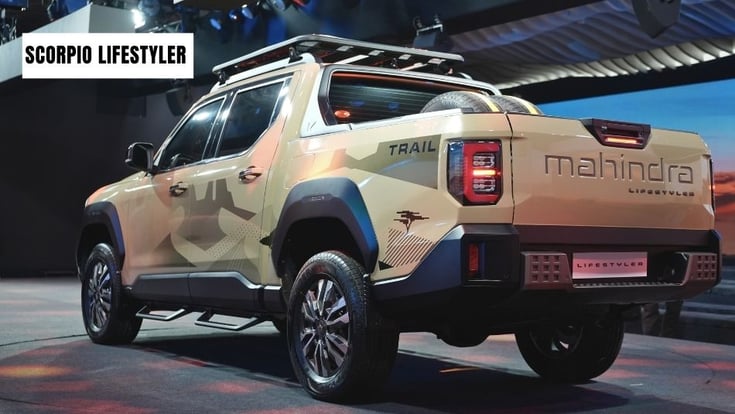
At the rear, the Scorpio N gets vertically oriented LED tail-lamps, while the Scorpio Lifestyler gets smaller rectangular LED tail-lamps with C-shaped signatures. Moreover, while the Scorpio N has the Mahindra twin peaks logo along with Scorpio N branding, the Scorpio Lifestyler comes with large ‘Mahindra Lifestyler’ lettering on the tailgate. Lower down, it gets a rugged black bumper with square design elements, while the Scorpio N has a simpler bumper design. 

Mahindra Scorpio Lifestyler rear quarter static
Mahindra Scorpio N rear quarter tracking
 

Unlike the Mahindra Scorpio N, the Scorpio Lifestyler is available in different editions, namely Reef, Valley, and Trail. Depending on the edition chosen, you get slightly different liveries and unique accessories for its exterior, like a roof rack or snorkel.

Mahindra Scorpio Lifestyler vs Scorpio N: interior design

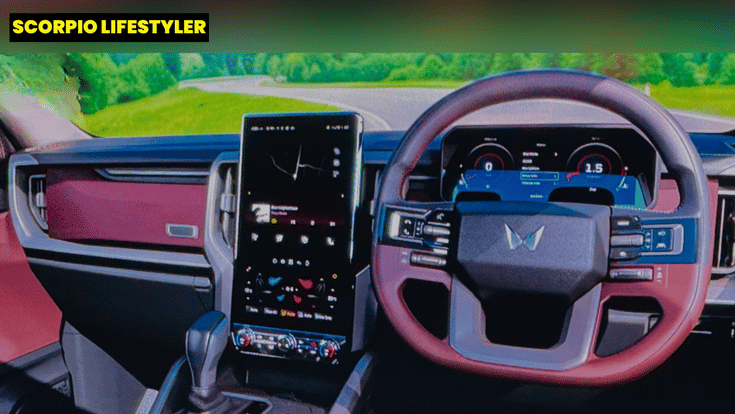
Mahindra Scorpio Lifestyler Pickup interior
Mahindra Scorpio N interior
 

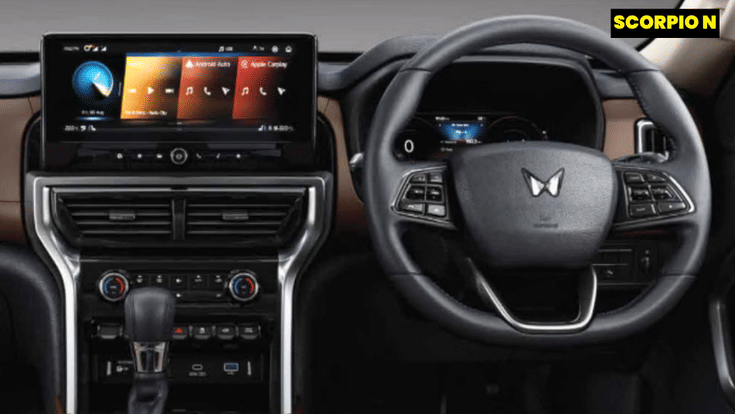
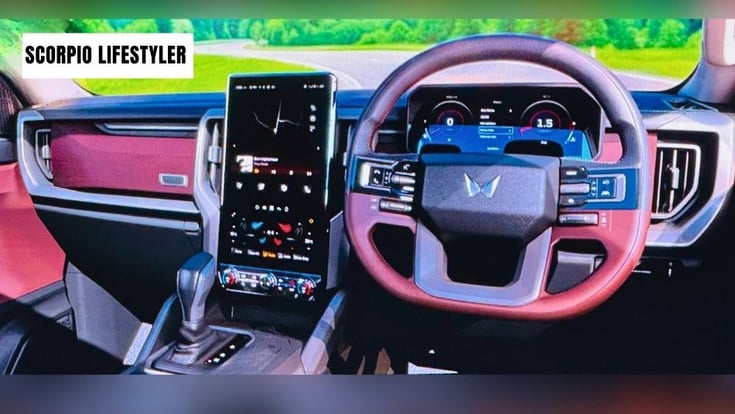
On the inside, the Scorpio Lifestyler receives a revised cabin layout over the Scorpio N. While the latter gets a horizontal infotainment screen and aircon vents, the former gets a larger vertical screen and aircon vents. The steering wheel of the Scorpio Lifestyler also sports a flat-bottom design with unique switchgear over the circular steering wheel in the Scorpio N. Both models come with a digital driver’s display, but the Scorpio N features a traditional instrument binnacle, while the Lifestyler does without it. While the Scorpio Lifestyler has a single pane sunroof, the Scorpio N gets a larger panoramic unit. Another difference is that the Scorpio N has a lot more physical switchgear than the Lifestyler and also a more premium interior with leatherette trim on the dashboard, while the latter gets a more rugged dashboard layout.

Mahindra Scorpio Lifestyler vs Scorpio N: Powertrains 

Mahindra has not revealed detailed specifications of the Scorpio Lifestyler yet, but at the unveiling of the original Global Pik Up concept, the brand had indicated that powertrain options would be shared with the Scorpio N SUV. That means Mahindra’s venerable 2.0-litre turbo-petrol and 2.2-litre diesel engines can be expected to power the new Scorpio Lifestyler. Both engines are expected to come with a 6-speed manual and automatic gearbox, and it will also come with 4WD and shift-on-the-fly capability, along with drive modes for Normal, Grass-Gravel-Snow, Mud-Rut and Sand. Mahindra could, however, tune the engine differently for the pickup truck, so the final specs remain to be seen.

Mahindra has done a commendable job in differentiating the Scorpio Lifestyler from its SUV counterpart even though both models share their underpinnings. It’s not just different on the outside, but the interior, too, looks far more feature-rich and premium despite its rugged appeal. This will now be the third model in the Scorpio range, adding to the previous-gen Classic and the N SUV models.

How has the Mahindra Scorpio Lifestyler evolved from concept?

How has the Mahindra Scorpio Lifestyler evolved from concept?
How has the Mahindra Scorpio Lifestyler vs Scorpio Global Pik Up concept

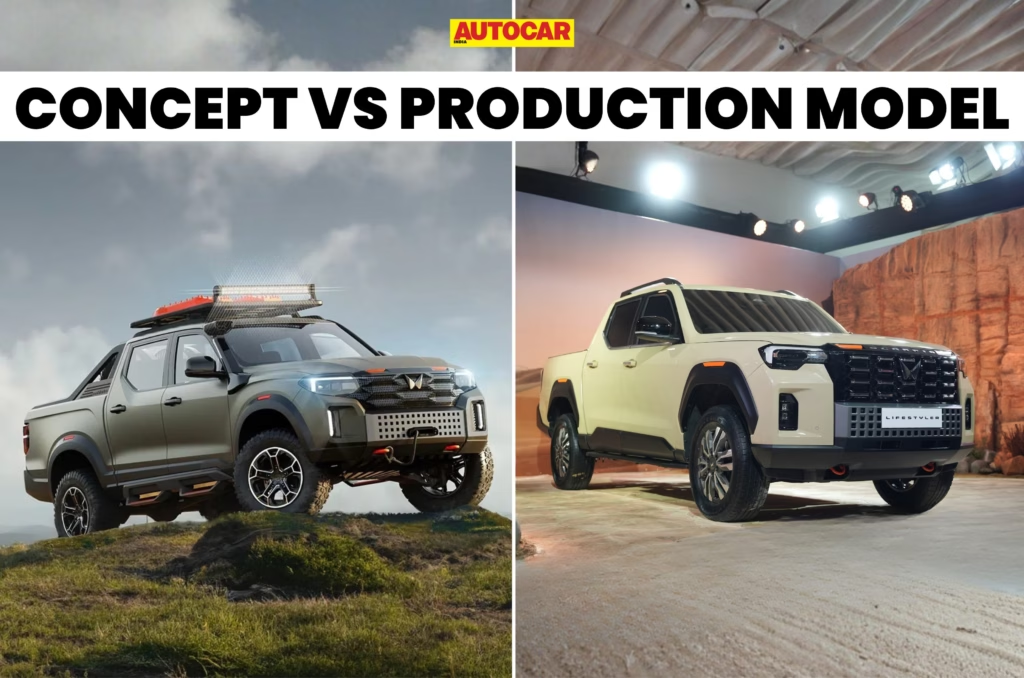
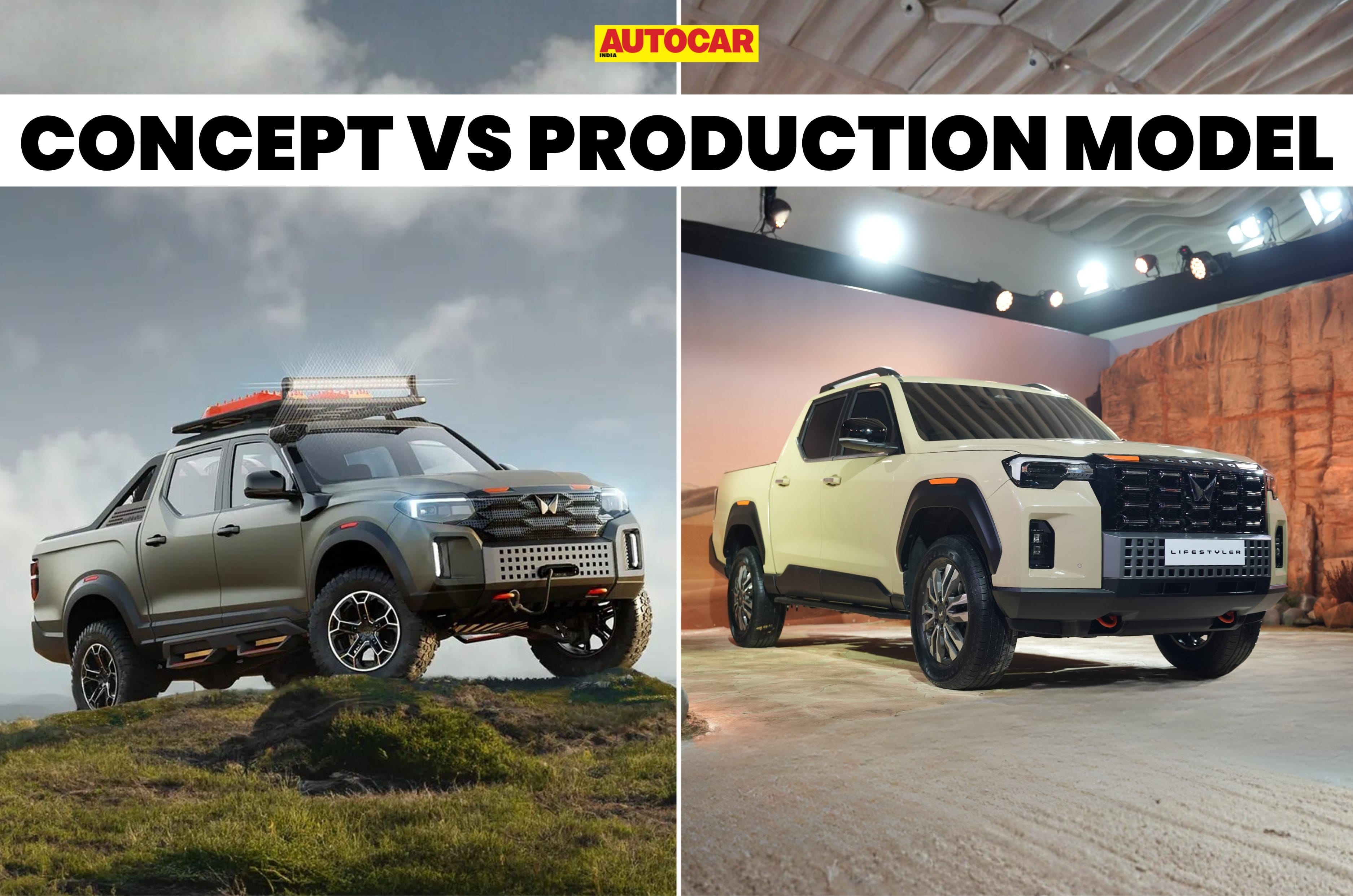
The Mahindra Scorpio Lifestyler has marked a comeback for a pickup model under the Scorpio nameplate, after the Scorpio Getaway was discontinued in 2019. The Scorpio Lifestyler’s exterior design finds its roots in the 2023 Mahindra Global Pik Up concept, while the interior is inspired by the 2025 Vision T concept. In the production-spec version, the exterior and interior design have undergone noticeable changes. Here’s a detailed account of all the changes. 

Mahindra Scorpio Lifestyler production vs concept: Exterior changes

Gets a boxier grille, but similar headlights and front bumper

Mahindra Scorpio Lifestyler front quarter static
Mahindra Global Pik Up concept front quarter static
 

At the front, the Mahindra Scorpio Lifestyler has similar LED headlights to the Global Pik Up concept, featuring L-shaped LED DRLs and projector lighting elements. The grille, however, is boxier on the production-spec model and has a ‘Scorpio’ badge. The front bumper features square elements for the air inlays and vertically stacked LED fog lamps. The tow hook is finished in a contrasting colour, similar to the Global Pik Up concept. 

The doors look identical, but the alloys, wheel arches and side steps are different

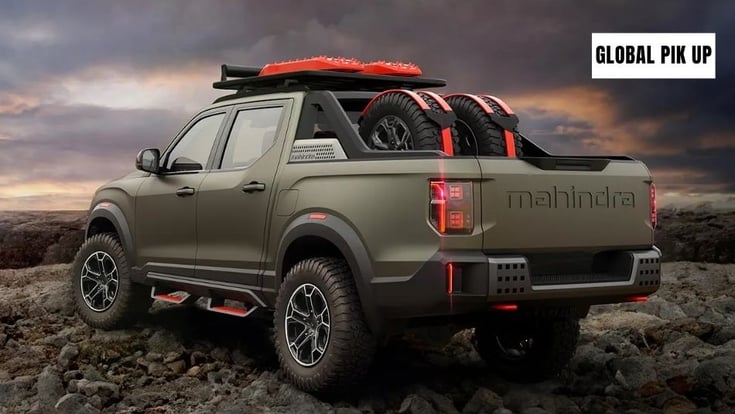
Not much has changed on the production-spec Scorpio Lifestyler from the Global Pik Up concept. The door and truckbed design are identical. A closer look, however, reveals that the production model gets angular wheel arches, a new set of alloy wheels, simpler side steps and a slightly revised roll cage. A snorkel is offered as an accessory on the Scorpio Lifestyler. 

Rear design is mostly similar, the only change being a new model-specific badge

Mahindra Scorpio Lifestyler rear quarter static
Mahindra Global Pik Up concept rear quarter static
 

At the rear, the embossed ‘Mahindra’ name on the tailgate has been retained, but the production-spec model also gets a ‘Lifestyler’ badge. The wraparound taillights get 3-shaped LED lighting elements compared to the C-shaped units in the concept. Look closely, and you will spot a rear camera housed near the tailgate handle, which was absent on the concept. The rear bumper, with a silver finish in the centre and some small square elements, is identical to both versions of the Mahindra pickup truck. 

The Global Pik Up concept’s loading bay featured two spare wheels, which have been removed on the production-spec model.

Mahindra Scorpio Lifestyler production vs concept: Interior changes

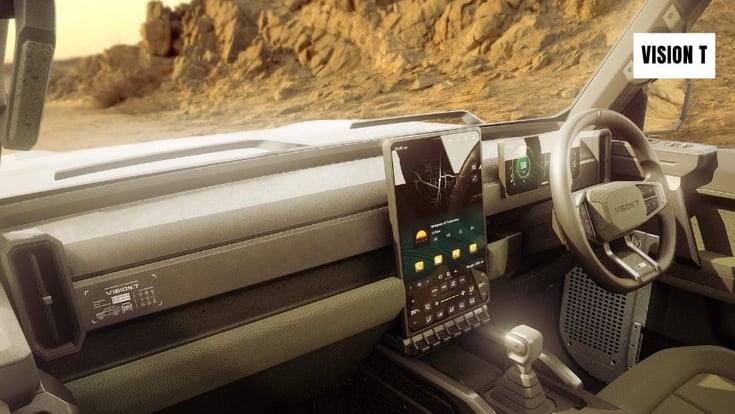
Interior draws heavy inspiration from the 2025 Mahindra Vision T concept

Mahindra Scorpio Lifestyler dashboard design
Mahindra Vision T dashboard design
 

At the 2023 unveiling, Mahindra did not showcase the Global Pik Up concept’s interior. Still, the Mahindra Scorpio Lifestyler’s dashboard is clearly inspired by the 2025 Vision T prototype. The Scorpio Lifestyler gets a larger portrait-oriented touchscreen infotainment system, beneath which is another screen for the dual-zone climate controls. However, the set of buttons underneath the AC control screen has rotary dials on the production model, while the concept features only toggle switches. 

It features a smaller free-standing digital driver’s display, with the UI looking similar to that of the Vision T concept. The chunky 3-spoke steering wheel is also inspired by the Vision T concept, featuring the ‘Twin Peaks’ logo and a lot of physical buttons. Mahindra is yet to offer a full glimpse of the Scorpio Lifestyler’s seat design and other interior elements. 

Mahindra Scorpio Lifestyler powertrain and other details

Expected to borrow the Scorpio N’s powertrain options

The Scorpio Lifestyler will share the ladder-frame chassis and mechanicals with the Scorpio N SUV. Currently, the Scorpio N gets a choice between a 2.0-litre direct-injection turbo-petrol engine and a 2.2-litre direct-injection turbo-diesel engine, both offered with either a 6-speed manual or a 6-speed automatic transmission. The Mahindra Scorpio Lifestyler is also expected to be offered with a four-wheel-drive (4WD) setup to justify its go-anywhere nature. 

Mahindra will launch the Scorpio Lifestyler by March 2027 with a starting price lower than Rs 19.79 lakh (ex-showroom). At this price, it will be an affordable alternative to the Toyota Hilux and Isuzu V-Cross. 

Mahindra Scorpio Lifestyler in pictures

Mahindra Scorpio Lifestyler in pictures
Mahindra Scorpio Lifestyler front quarter

Mahindra has taken the wraps off the much-anticipated pick-up version of the Scorpio N, and has christened it the Scorpio Lifestyler. It has been showcased in three distinct version – Reef, Trail and Valley – each with its own unique livery. This is the production-spec version of the Global Pik up concept that was showcased in 2023. Some of the details from the original concept has been toned down, but it still retains a butch and rugged appeal. What’s notable is not much has been carried over from the regular Scorpio N, with most body panels being unique to the pickup truck. The interior has only been showcased via a digital rendering, but it confirms a large portrait-oriented touchscreen, some handy physical switchgear, a new three-spoke steering wheel and a full-digital instrument cluster. Mahindra hasn’t revealed full specifications yet, but it is expected to share the 2.0-litre turbo-petrol and 2.2-litre diesel engines with the Scorpio N. Prices for the Scorpio Lifestyler will be announced by April 2027, and it has been indicated to be less than Rs 19.79 lakh (ex-showroom).  

Kia confirms AWD for the upcoming Sorento

Kia confirms AWD for the upcoming Sorento
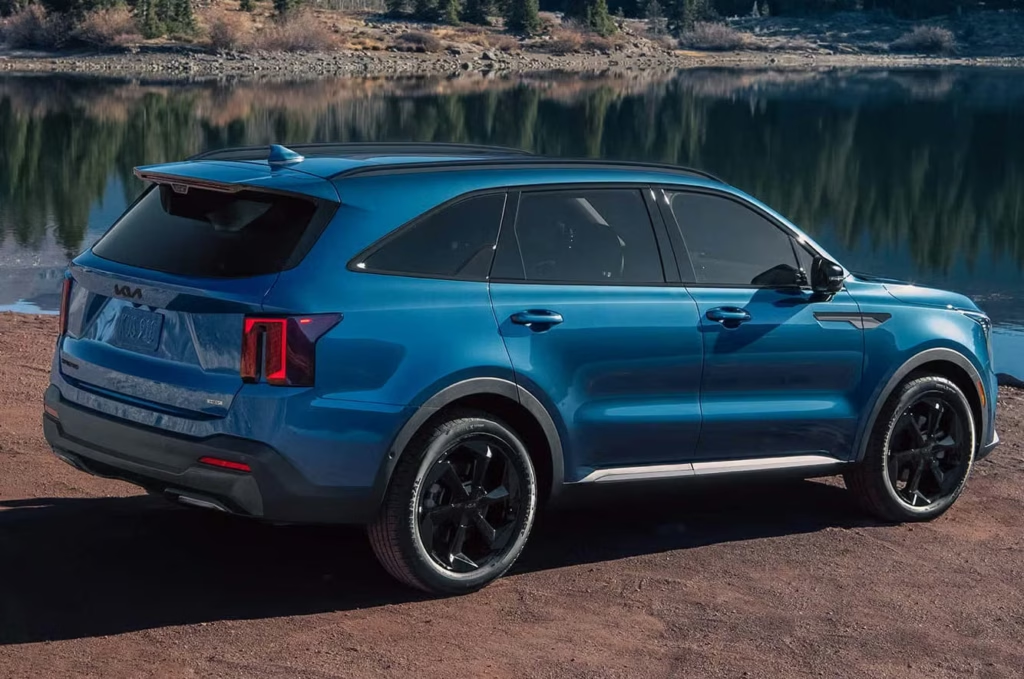
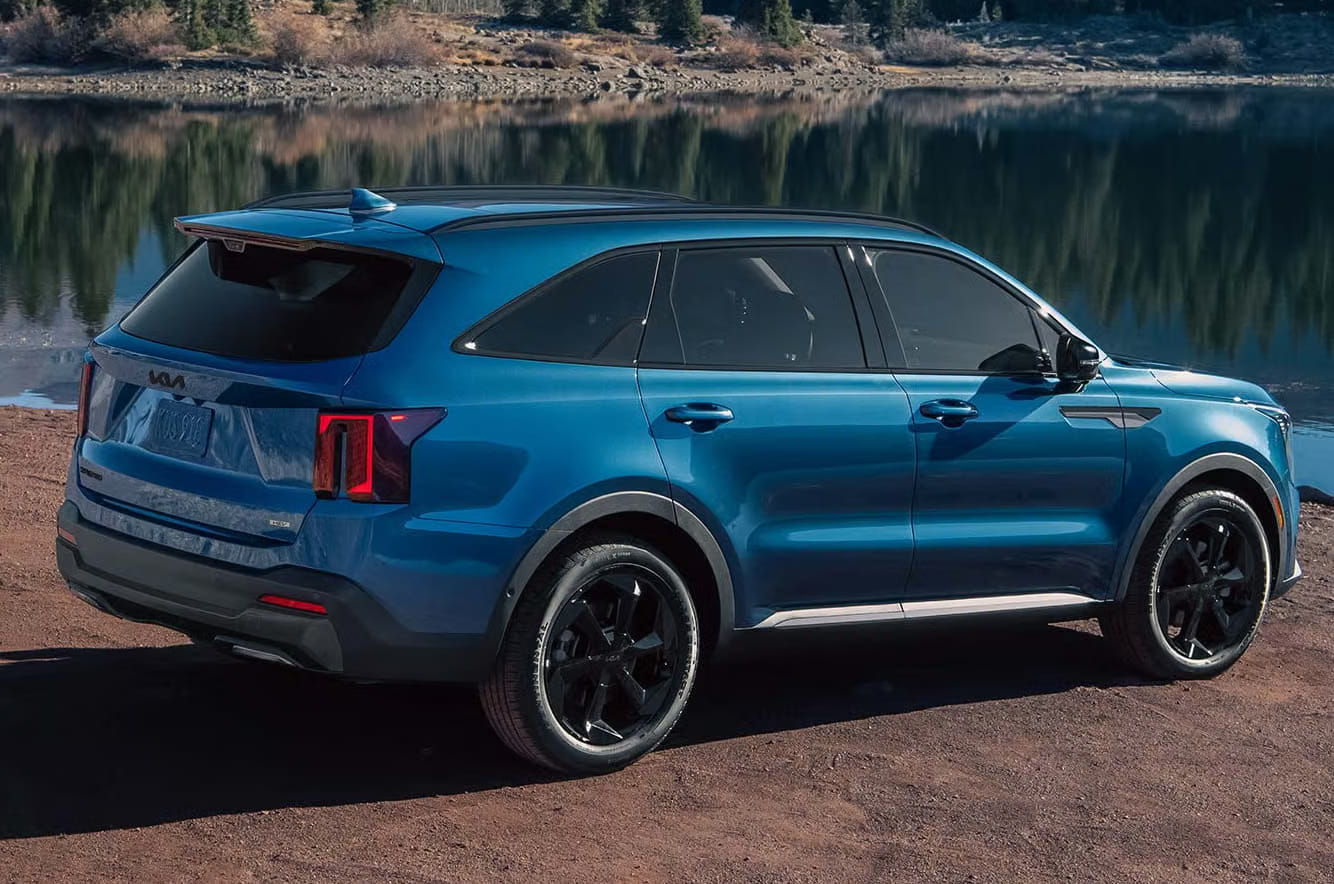
Kia Sorento rear quarter static

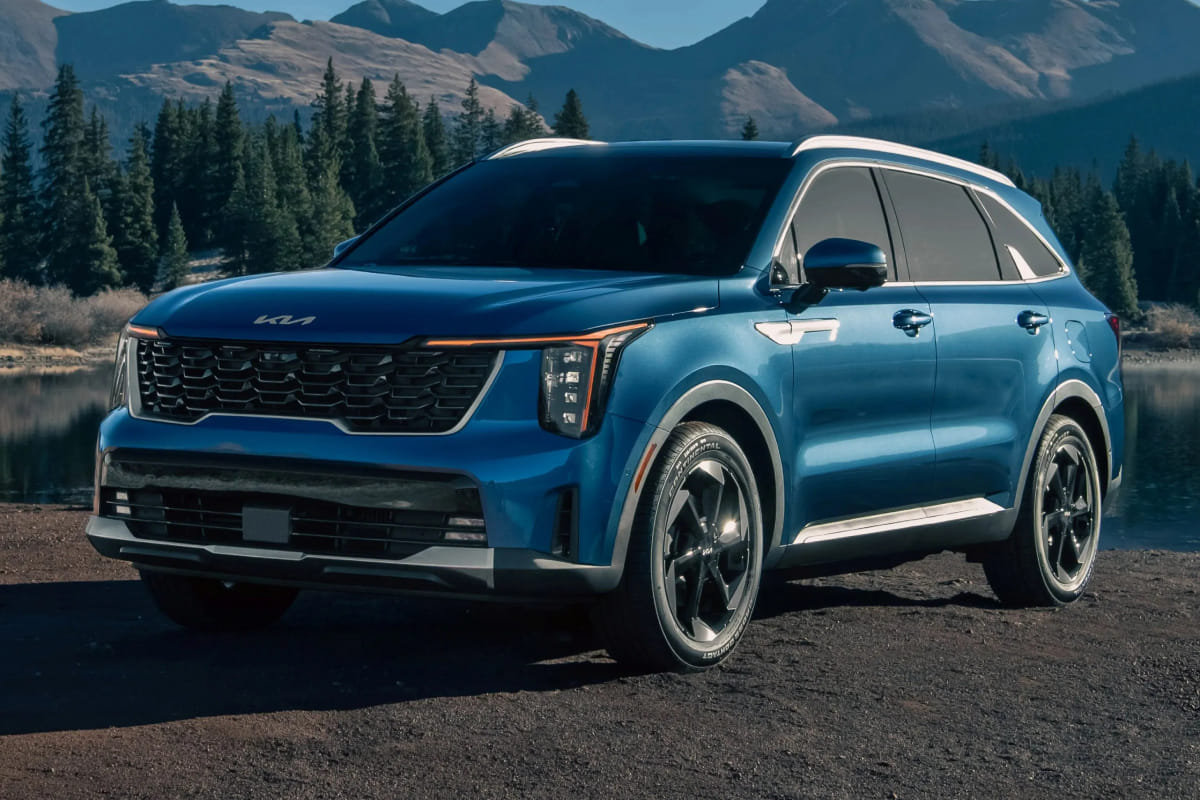
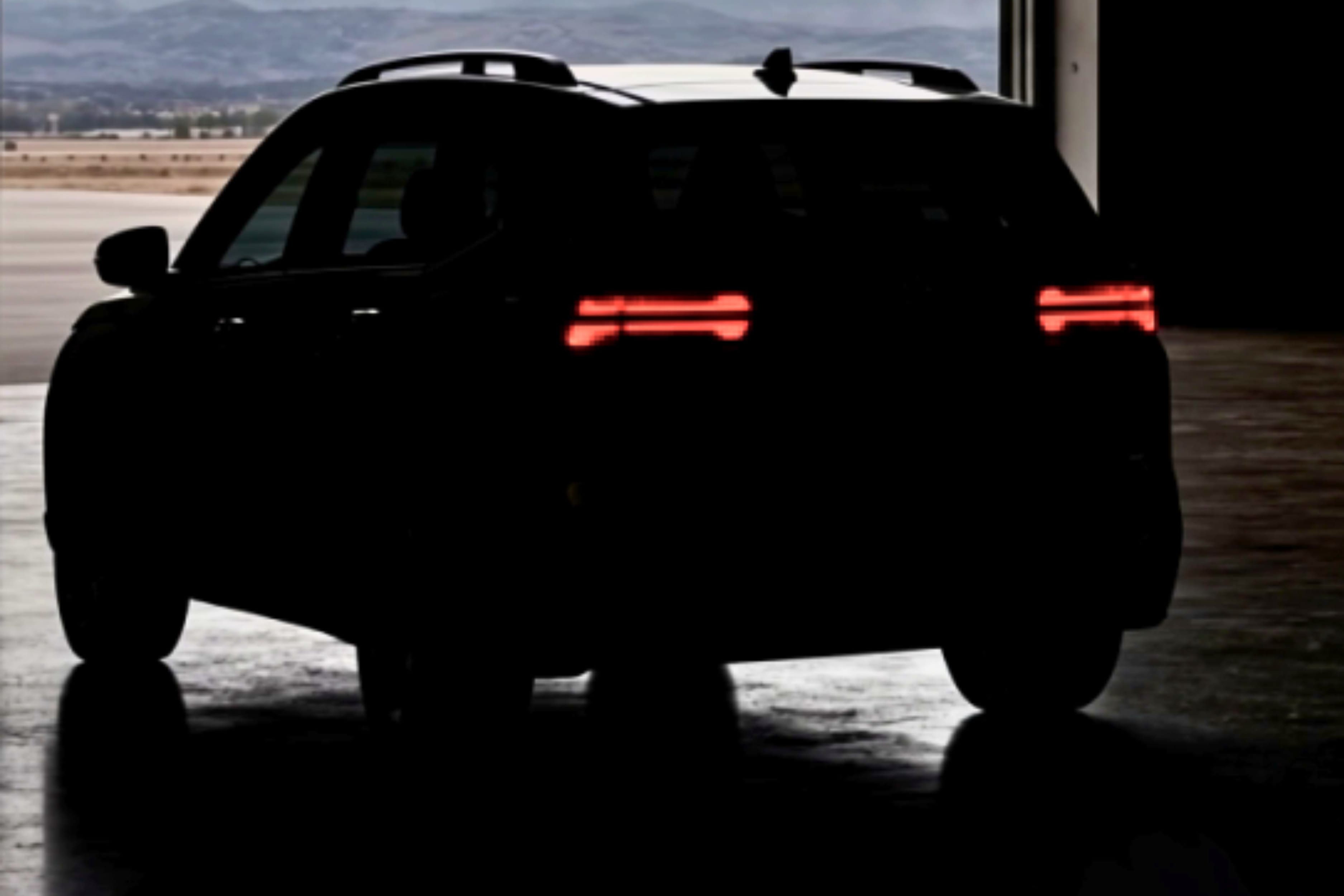
Ahead of the Sorento’s arrival in India on September 4, 2026, Kia India has confirmed the availability of AWD on the SUV in a teaser. This makes it the first ICE-powered Kia model in India to have AWD. Additionally, the brand has also confirmed Live Gen AI, an AI-powered in-car voice assistant feature. 

  1. Sorento will be the first strong-hybrid and AWD Kia model in India.
  2. It will be Kia’s ICE-powered flagship SUV for our market. 

Kia Sorento AWD: Additional details

The Sorento will be offered with strong-hybrid petrol and diesel engines. While exact specs remain under wraps, the global-spec Sorento gets a 1.6-litre turbo-petrol strong-hybrid setup with a 6-speed torque-converter automatic transmission, producing 238hp and 380Nm. In diesel guise, the Sorento is likely to use the Carnival’s 202hp, 440Nm, 2.2-litre turbo-diesel engine. Global-spec versions of the Sorento have AWD with both the strong hybrid and diesel engines. But it remains to be seen if AWD is offered with both or either of the powertrains on the India-spec model. 

Meanwhile, Kia’s Live Gen AI feature in the Sorento allows drivers to have natural conversations with the in-car AI agent, whilst also obeying commands to control certain car functions and features. 

Kia Sorento: Expected price

Likely to be priced in the ballpark of Rs 30 lakh to Rs 35 lakh ex-showroom

The Kia Sorento will be heavily localised in India with an expected price of Rs 30-35 lakh. With the Sorento getting AWD, it will take on the likes of the Volkswagen Tayron (Rs 41.99 lakh to Rs 47.74 lakh) and the Skoda Kodiaq (Rs 36.99 lakh to Rs 46.99 lakh), which also come with AWD, while the Jeep Meridian (Rs 23.33 lakh to Rs 37.92 lakh) gets a 4×4 drive layout. 

All prices are ex-showroom, India

What the Volkswagen Tera previews for new India-bound compact SUV

What the Volkswagen Tera previews for new India-bound compact SUV
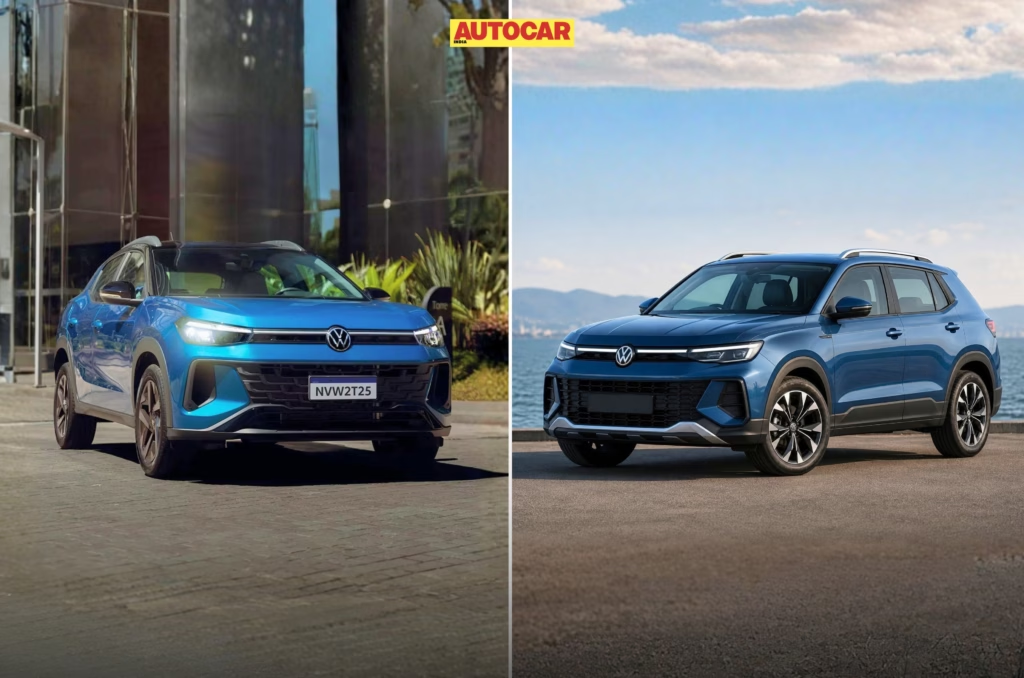
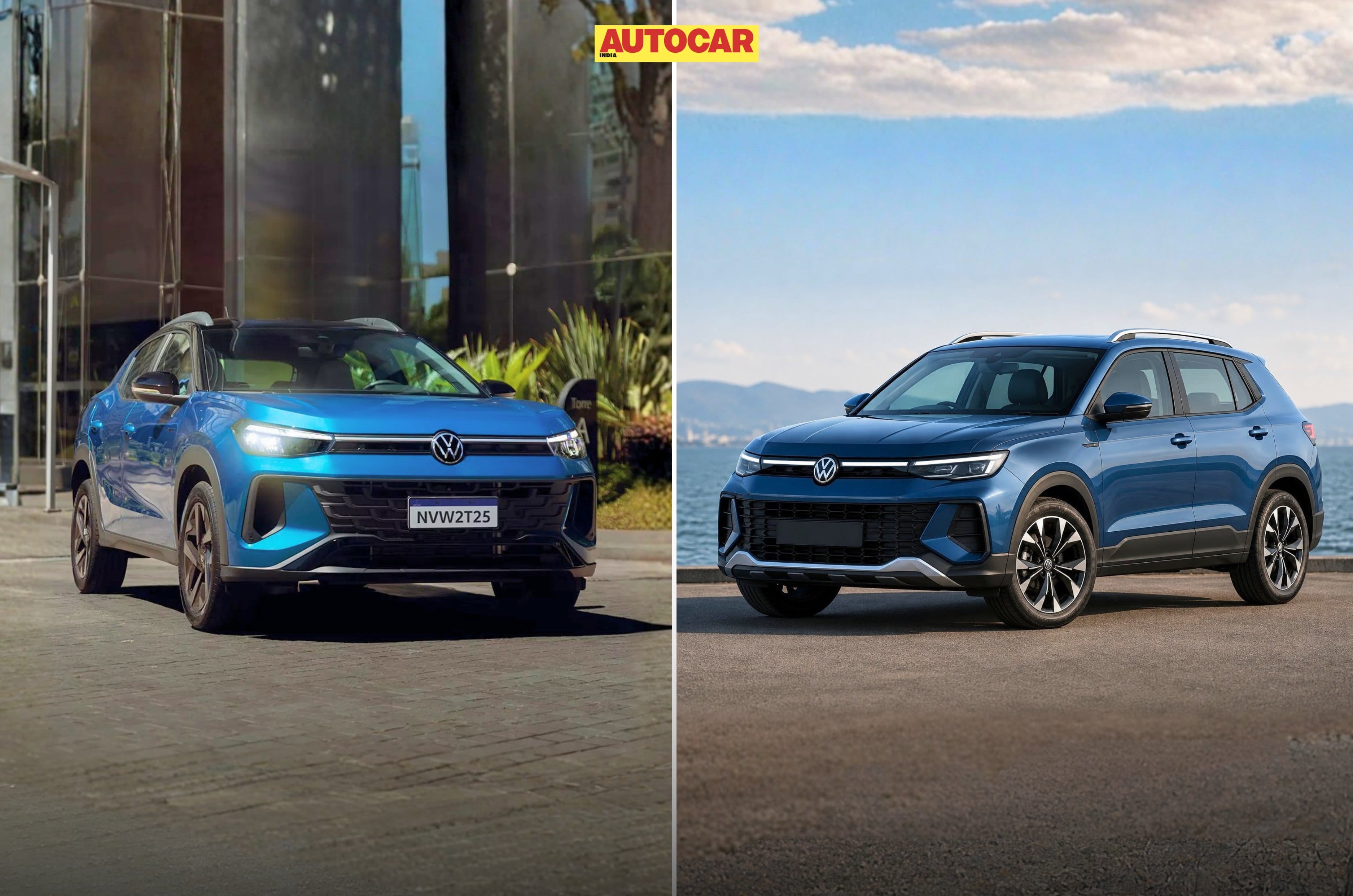
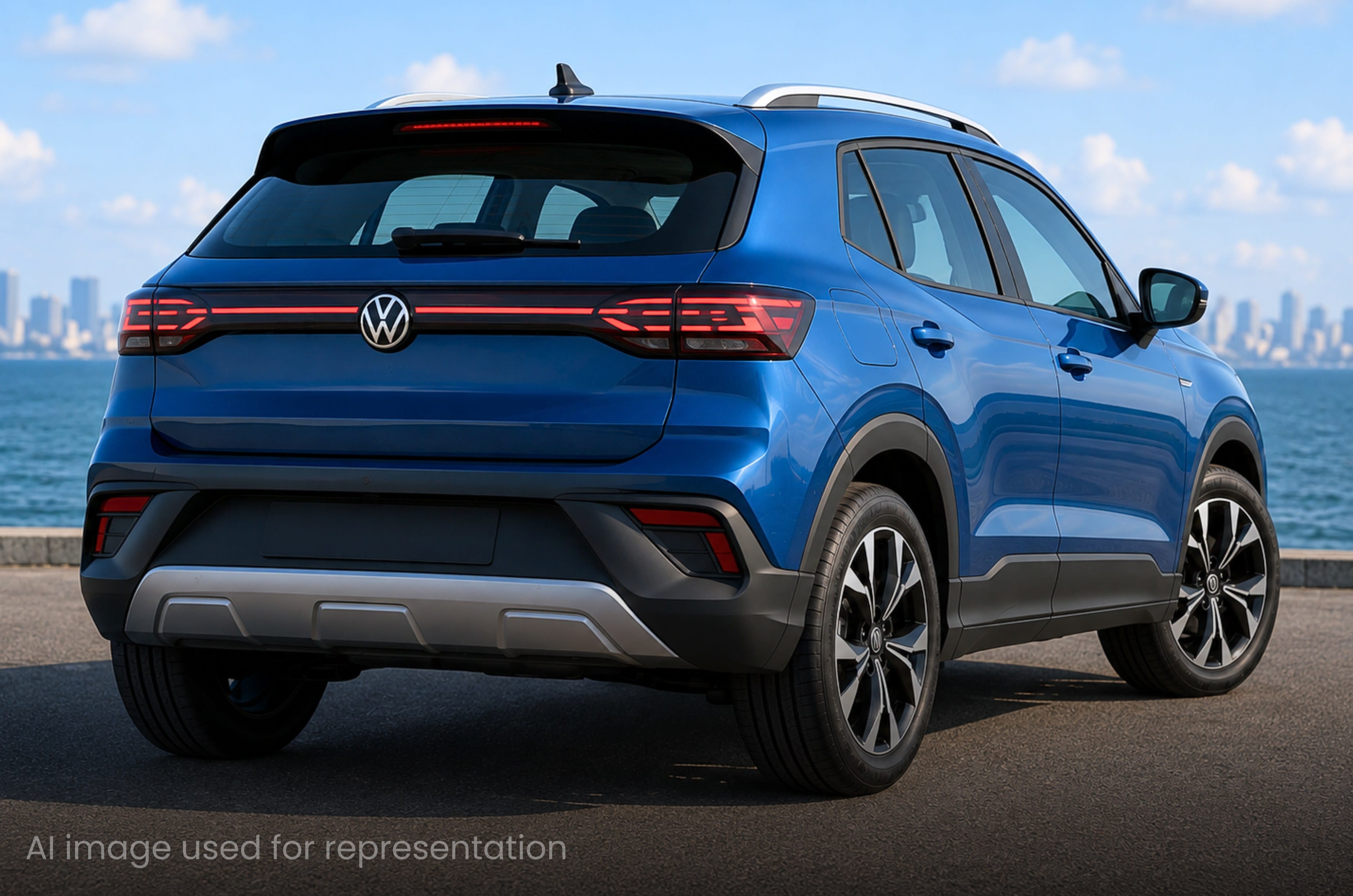
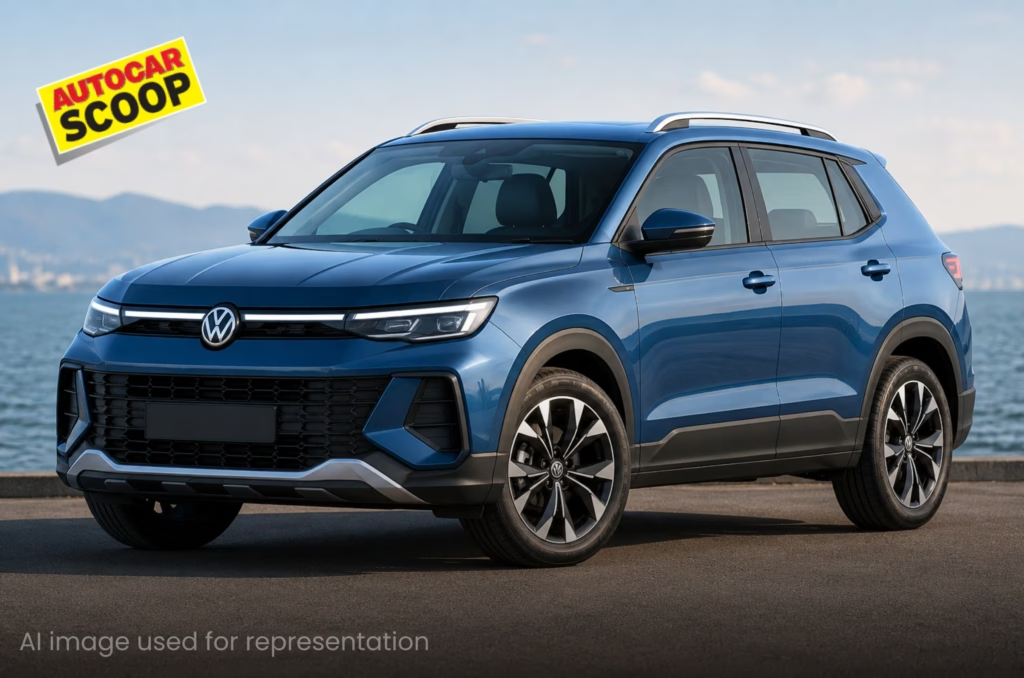
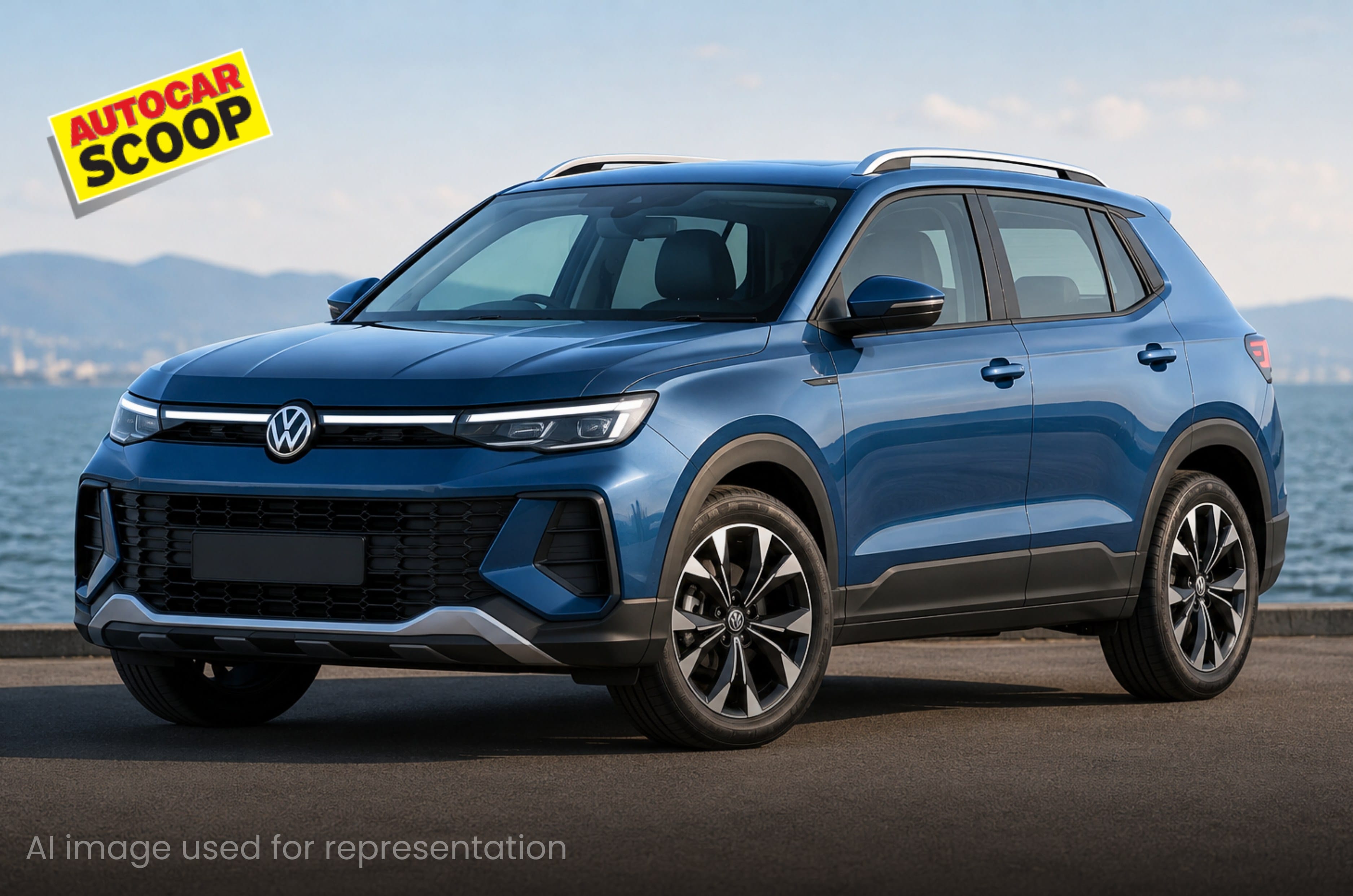
Volkswagen Tera and Volkswagen compact SUV

Volkswagen India has finally begun working on a new compact SUV, which will be a badge-engineered version of the Skoda Kylaq. This will mark its return to the sub-4m category four years after the Polo hatchback’s discontinuation in 2022. At the same time, the upcoming compact SUV is also expected to be the most affordable car in its portfolio in India when it arrives in 2027.

On the other hand, the carmaker already sells an entry-level SUV in the Brazilian market, called the Tera. It is closely related to the Skoda Kylaq and possibly hints at elements that are expected to arrive on VW’s upcoming compact SUV for India. 

Volkswagen compact SUV: Expected dimensions 

The Tera is 4,151mm long, 1,773mm wide, 1,504mm tall, and gets a 2,566mm long wheelbase. Interestingly, the Terra’s wheelbase is identical to that of the Skoda Kylaq. The India-bound VW compact SUV is expected to have the same wheelbase as the Kylaq, but compared to the Tera, it will be shorter in length to fit India’s sub-4m tax slab.

Volkswagen compact SUV: Expected platform and powertrain 

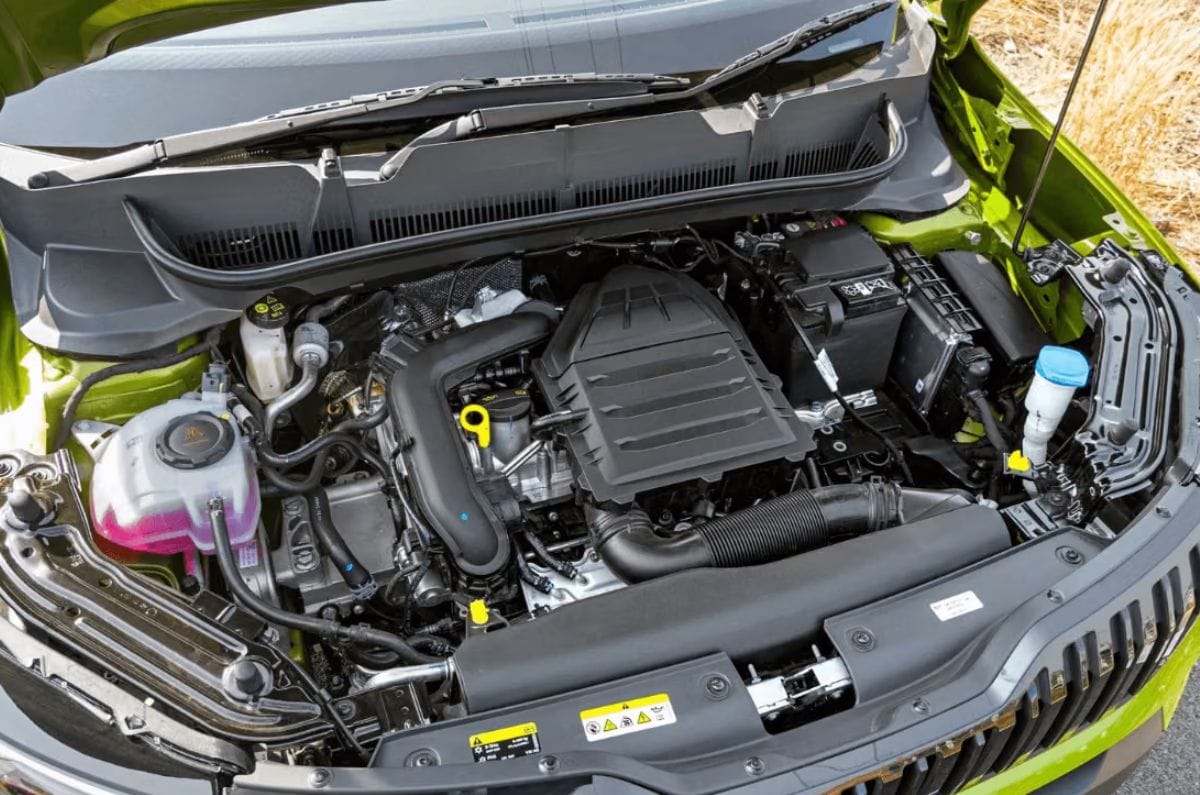
Skoda Kylaq 1.0-litre turbo-petrol engine used for representation.

The Volkswagen Tera sits on the brand’s MQB A0 architecture, while the VW Skoda 2.0 cars (Kushaq, Kylaq, Slavia, Virtus, Taigun) utilise the MQB A0 IN platform. The latter is a close variation of the former and will underpin VW’s upcoming compact SUV. 

On the powertrain front, the compact SUV will utilise the same 1.0-litre direct-injection turbo-petrol engine as the Tera, which develops 116hp and 165Nm of torque. But power figures are likely to be closer to the Kylaq’s 1.0-litre turbo-petrol, which produces 115hp and 178Nm of torque. In the case of the VW compact SUV, a manual gearbox would be offered as standard, but automatic versions would swap out the 6-speed AT for the new 8-speed that does duty in the Taigun.

Volkswagen compact SUV: Expected exterior design 

Styling-wise, the upcoming Volkswagen compact SUV is expected to adopt the Tera’s design but is likely to come with some India-specific changes. This could include slim LED headlamps connected by a thin DRL strip, a connected LED tail-lamp setup, cladding for the bumpers and door sills, and roof rails. Volkswagen could also bring illuminated logos, as seen on the Taigun and Tayron R Line. Alloy wheels are expected to have a dual-tone look. Potentially, the brand could spruce things up with GT versions with badges and cosmetic upgrades over standard versions. 

Volkswagen compact SUV: Expected interior design and features

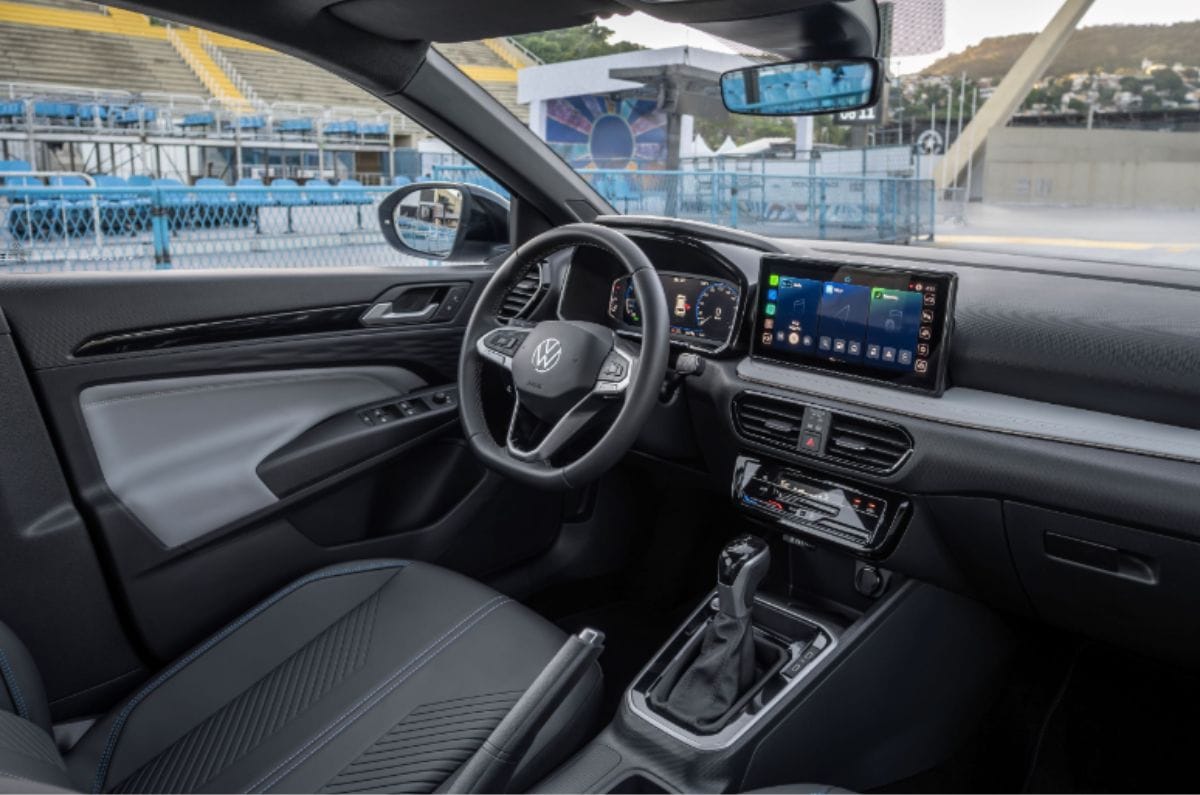
LHD VW Tera interior used for representation.

The Volkswagen Tera already has a lot of commonality with the India 2.0 cars, and some of these parts will likely be carried over to the upcoming compact SUV as well. This could include the flat-bottom three-spoke steering wheel, gear knob, centre console and HVAC control unit, the designs of which look similar to those on the Taigun. Additionally, it could also get a similar 10.25-inch digital driver’s display that’s seen on the Taigun. The Tera, however, is an LHD model, which will be reversed for the India-spec version. 

As for equipment, the Volkswagen compact SUV could likely mirror the Skoda Kylaq’s feature set. For reference, the latter gets a 10-inch infotainment system with wireless CarPlay and Android Auto, ambient lighting, a digital driver’s display, a single-pane sunroof, powered and ventilated front seats, automatic climate control and a wireless phone charger. 

Indian carmakers had flagged concerns about E20 fuel contamination: Reuters

Indian carmakers had flagged concerns about E20 fuel contamination: Reuters

Earlier this month, several media reports said the Society of Indian Automobile Manufacturers (SIAM) had urged the government to introduce mandatory chloride limits in fuel standards after high levels of chloride and moisture were found in E20 petrol. SIAM later withdrew the communication, saying some of the figures mentioned in it needed further verification.

The government has been trying to address growing concerns around E20 with support from the industry. Oil marketing companies (OMCs) have rejected claims of widespread E20 fuel contamination after conducting tests across the country. Brands such as Toyota, Maruti Suzuki and Hero MotoCorp have also publicly backed the E20 programme.

However, separate communications between industry executives investigated by Reuters show that earlier, Maruti Suzuki, Tata Motors and Mahindra had privately raised concerns about contamination in E20. The data compiled by these carmakers was the most extensive fuel testing since E20 was officially rolled out nationwide last year. Their emails reveal that the carmakers were concerned about contaminants such as chloride and moisture in the fuel, which they said were affecting vehicles, even as they publicly supported the government’s E20 rollout.

Data flags high chloride contamination, moisture content

The data reviewed by Reuters shows that the three automobile manufacturers had carried out detailed testing by collecting more than 250 fuel samples from petrol pumps across 21 states and Union Territories over a year. The tests found high chloride levels in many samples from 18 states, along with high moisture content. Interestingly, the emails reviewed by Reuters did not raise any concerns about the authenticity of the data. 

StateNumber of samplesChloride (ppm)
Uttar Pradesh361.2-175
Maharashtra3110-357
Delhi/NCR281.4-420
Tamil Nadu271.3-24.0
Kerala241.0-2.2
Punjab201.9-110
Karnataka151- 2.2
Rajasthan146.0-570
Madhya Pradesh114.1-550

Source: SIAM via Reuters.

The data showed chloride levels of 6 to 570 parts per million (ppm) in Rajasthan, 1.4 to 420ppm in New Delhi and 10 to 357ppm in Maharashtra. The government’s permissible limit is 3ppm.

High chloride levels in the fuel can corrode vehicle components, while high moisture content can cause a vehicle to stop working immediately after refuelling, SIAM had stated earlier. In group emails exchanged between Maruti, Tata, Mahindra and SIAM, a senior Maruti executive raised concerns about the high chloride readings and said the matter had even been privately discussed with the Ministry of Petroleum on July 26.

Moisture levels found 333 percent above limit

Additionally, the same data showed moisture levels of up to 13,000ppm in Andhra Pradesh and 12,500ppm in Uttar Pradesh, against the government’s permissible limit of 3,000ppm. The exact cause of the contamination is not known. However, SIAM said in its now-withdrawn letter that it had seen an increase in chloride levels since E20 was introduced and asked the government to direct OMCs to identify the root cause.

When asked about the private emails, SIAM told Reuters that the data was meant only for internal circulation, discussion and validation, and had been collected by a very small number of automakers. SIAM added that the communication was withdrawn because the testing basis and sample size were not enough to support firm conclusions and that it had been sent accidentally. The organisation stated further that it plans to conduct a proper scientific study.

As for the high moisture levels, SIAM’s letter said the cause could be poor maintenance of underground storage tanks and pipelines at petrol pumps.

Carmakers raise concerns over vehicle failures

In a July 26 email, a senior Maruti official said that current fuel injectors can tolerate a maximum chloride level of 1ppm, and keeping it below 1ppm in E20 would be in accordance with international standards and discussions with the petroleum ministry. Same is in line with discussion held with the petroleum ministry, he stated.

Meanwhile, a senior Mahindra official wrote that organic chloride was responsible for the rapid vehicle failures in recent times and could damage engines just within 200km. The executive said that most cases reported immediately after refuelling were due to organic chloride and added that Mahindra had “strong evidences” from fuel samples collected at retail outlets. Mahindra later said the conclusions drawn from its executive’s emails were “completely baseless and incorrect”. The company said the industry data was limited and preliminary and that it did not see any issues with E20. 

What does the government say?

The Ministry of Petroleum and Natural Gas did not respond to requests for comment made by Reuters. Petroleum Minister Hardeep Singh Puri said on Friday that OMCs had started “rigorous testing” at retail outlets to check for contamination two weeks before SIAM’s letter was received. According to Puri, only four cases of contamination had been found. OMCs, as mentioned earlier, said that their extensive testing had found no reason for alarm over fuel contamination.

What to expect from Mahindra Scorpio N pickup ahead of its debut?

What to expect from Mahindra Scorpio N pickup ahead of its debut?
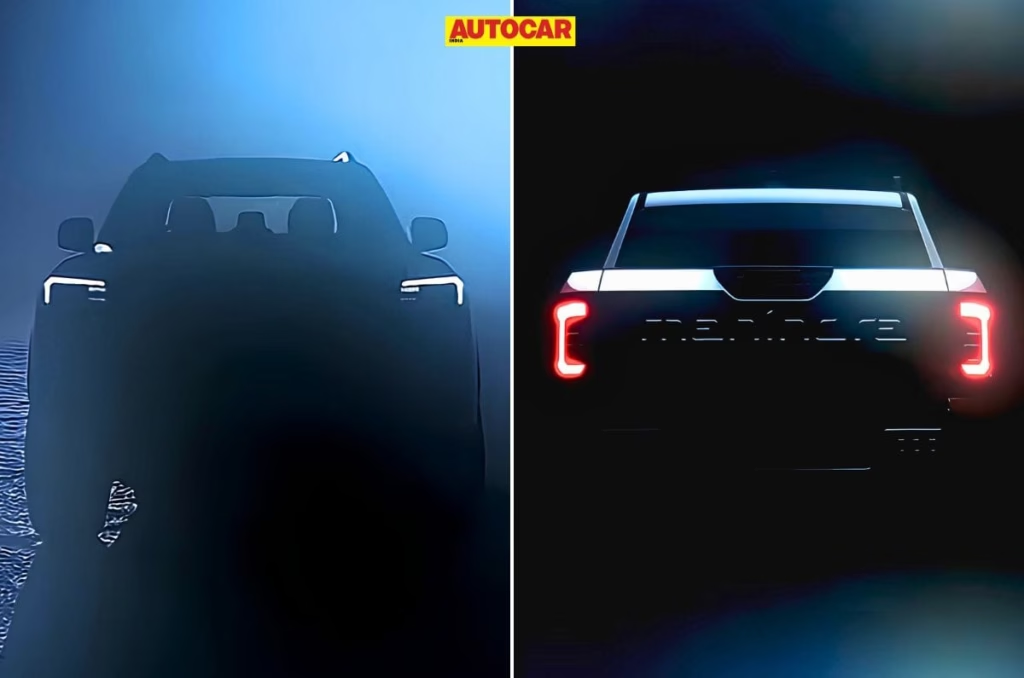
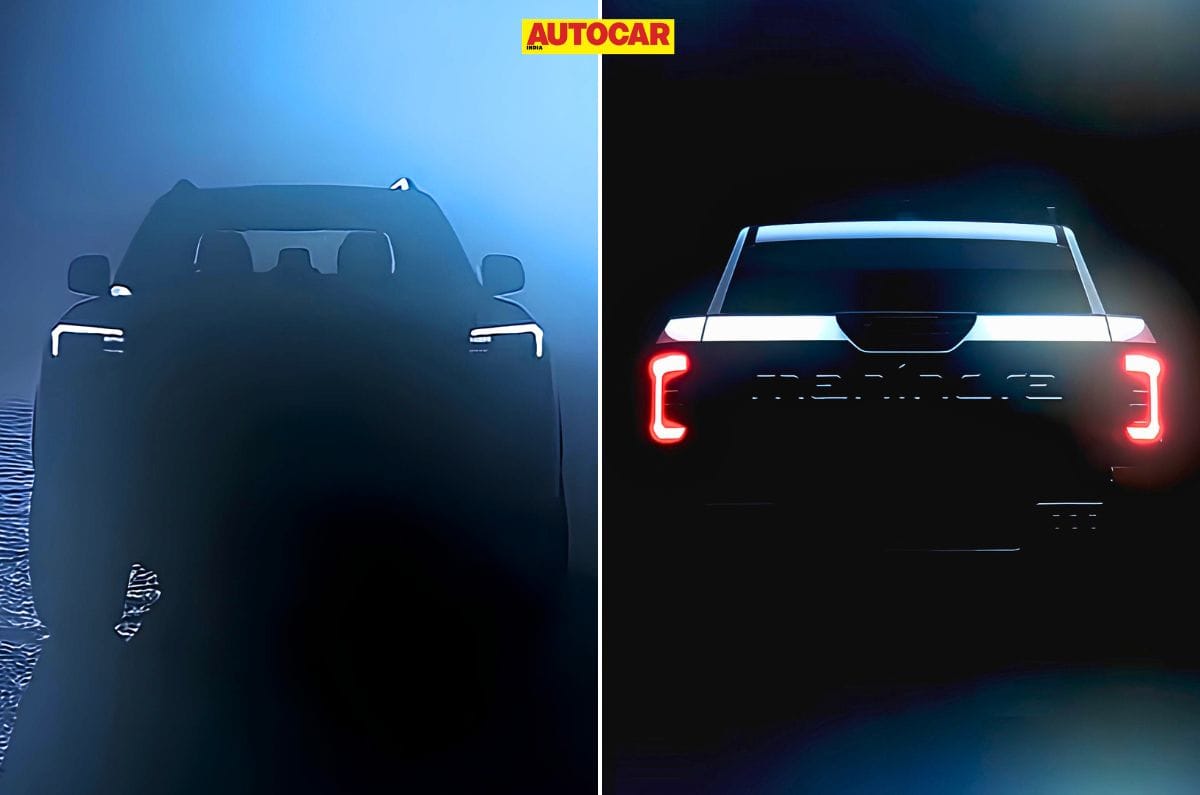
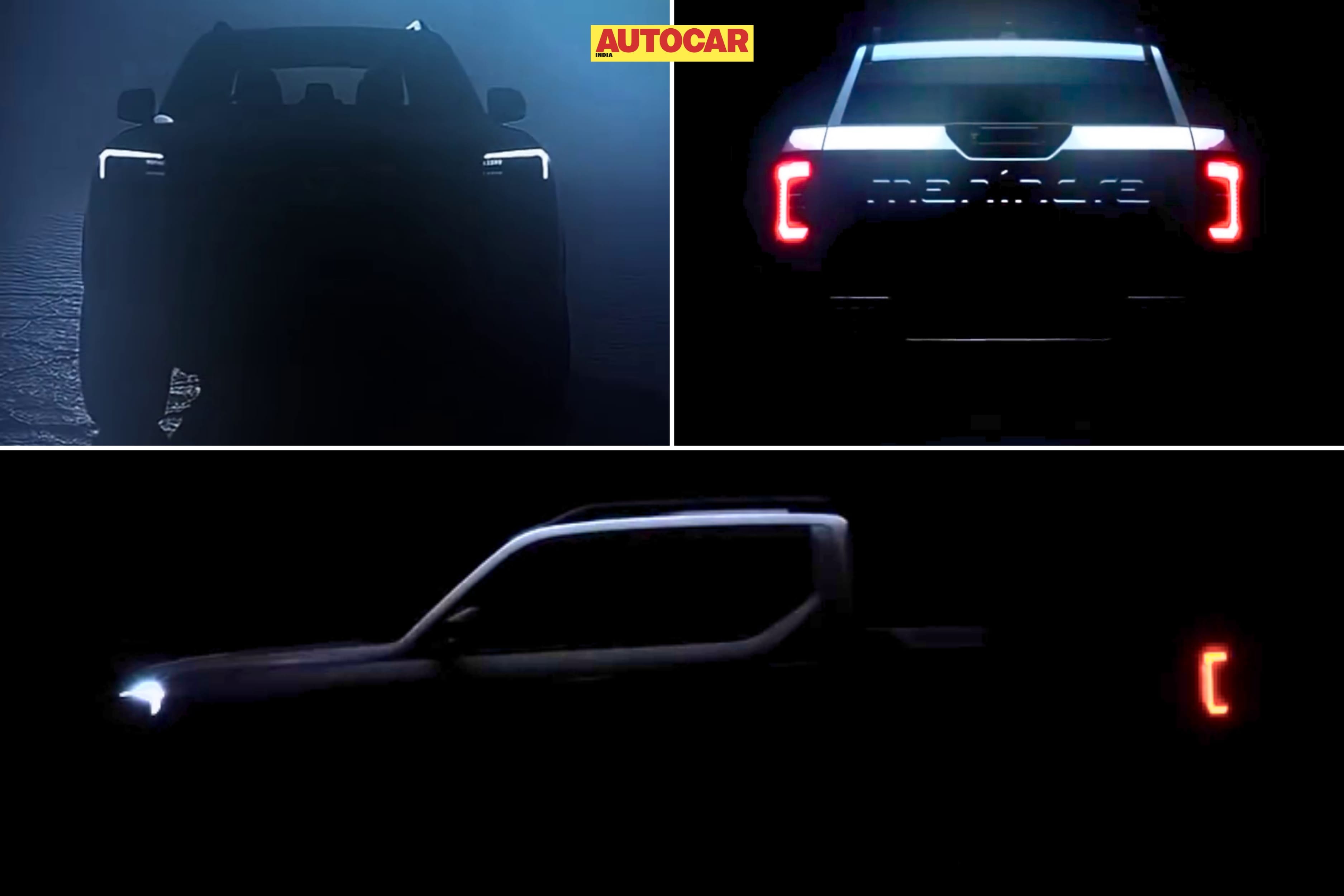
Mahindra Scorpio N pickup front and rear designs

Mahindra is gearing up for its 2026 Independence Day event, where it will reveal a Scorpio N-based pickup and some new BE 6 EV iterations. The pickup is the production version of the 2023 Mahindra Global Pik Up concept, and the teaser reveals it will borrow a lot from the Scorpio N SUV. Here’s everything you can expect from the Mahindra Scorpio N-based pickup ahead of its debut tomorrow.

1. When will the Mahindra Scorpio N pickup launch in India

Mahindra will reveal it at its upcoming Independence Day event

2023 Mahindra Global Pik Up concept shown for representational purposes only. 

Mahindra recently teased the Scorpio N-based pickup, revealing that the production models will debut on August 14 at its Independence Day event. The Mahindra Scorpio N-based pickup could launch in the coming months.

2. What is the expected price of the Mahindra Scorpio N pickup?

Expected to be priced in the Rs 16 lakh-26 lakh range

The upcoming Scorpio N-based pickup is expected to be priced between Rs 16 lakh and Rs 26 lakh, around a few lakh rupees more than the Scorpio N SUV.

3. What will the production version of the Mahindra Scorpio N pickup be called?

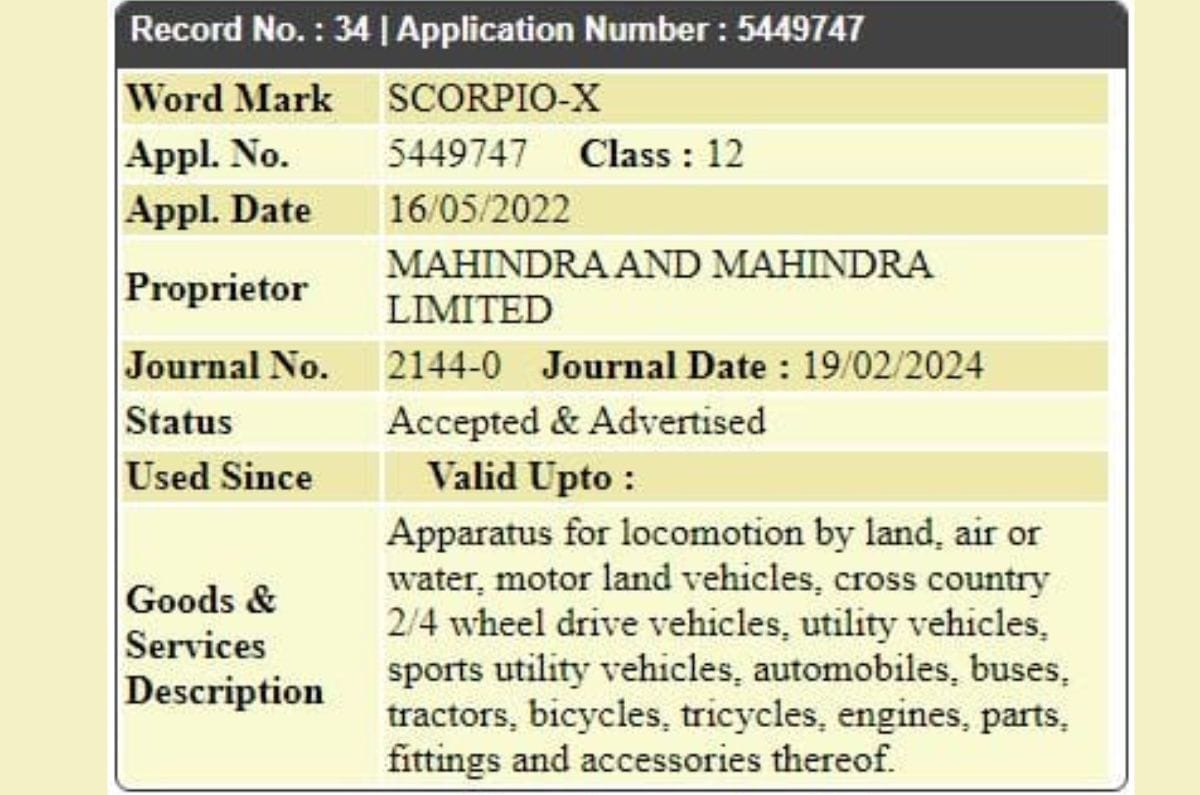
Mahindra could call it the Scorpio X, a name it trademarked in 2024

Mahindra trademarked the ‘Scorpio-X’ name in 2024, but has not used it since. Given that the upcoming pickup is based on the Scorpio N, the unused trademark could be used for the pickup. 

4. What engine options will the Mahindra Scorpio N pickup offer?

Mahindra could offer it with the same engines as the Scorpio N SUV

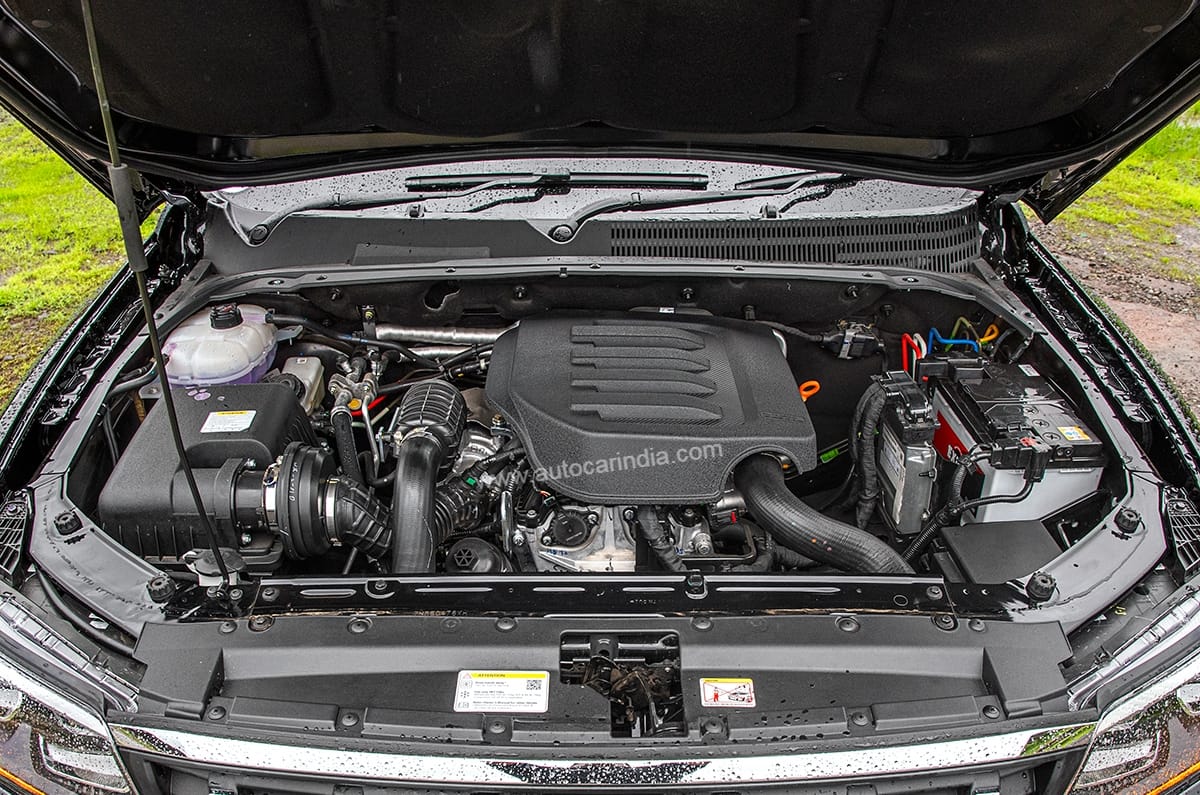
Scorpio N’s 2.0-litre direct-injection turbo-petrol engine shown for representational purposes only. 

While the technical details of the Scorpio N-based pickup are still under wraps, it will share the ladder-frame chassis and mechanicals with the Scorpio N SUV, including the petrol and diesel options. For reference, the Scorpio N gets a choice between a 2.0-litre direct-injection turbo-petrol engine paired with a 6-speed manual or a 6-speed automatic transmission. It produces 203hp and up to 380Nm, depending on the gearbox. It also gets a 2.2-litre direct-injection diesel engine, paired with the same manual and automatic transmission options, producing up to 175hp and 400Nm, depending on the transmission option.

5. Will the Mahindra Scorpio N pickup be a 4×4 model?

A 4WD Scorpio N-based pickup is expected alongside a 2WD version

As the upcoming Mahindra Scorpio N-based pickup would borrow the SUV’s mechanicals, a four-wheel-drive (4WD) option is expected to be available as well alongside a 2WD choice. Currently, the Scorpio N gets this 4×4 setup, with both transmission options for the 2.2-litre diesel engine.

6. What are the design changes on the Mahindra Scorpio N pickup?

Will get slimmer headlights, a large truck bed and C-shaped tail lights

The teaser video revealed a glimpse of the upcoming pickup, showing some exterior and interior details. Outside, the Scorpio N-based pickup will get a different set of LED headlights with L-shaped LED DRLs, a distinct grille with honeycomb mesh elements and a revised design for the rear doors. To accommodate the larger truck bed at the rear, Mahindra could offer the pickup with a wheelbase larger than the Scorpio N’s 2,750mm. It will also get slimmer C-shaped LED taillights, and the tailgate will feature embossed ‘Mahindra’ lettering.  

Will get a larger infotainment system, a new steering wheel and Level-2 ADAS

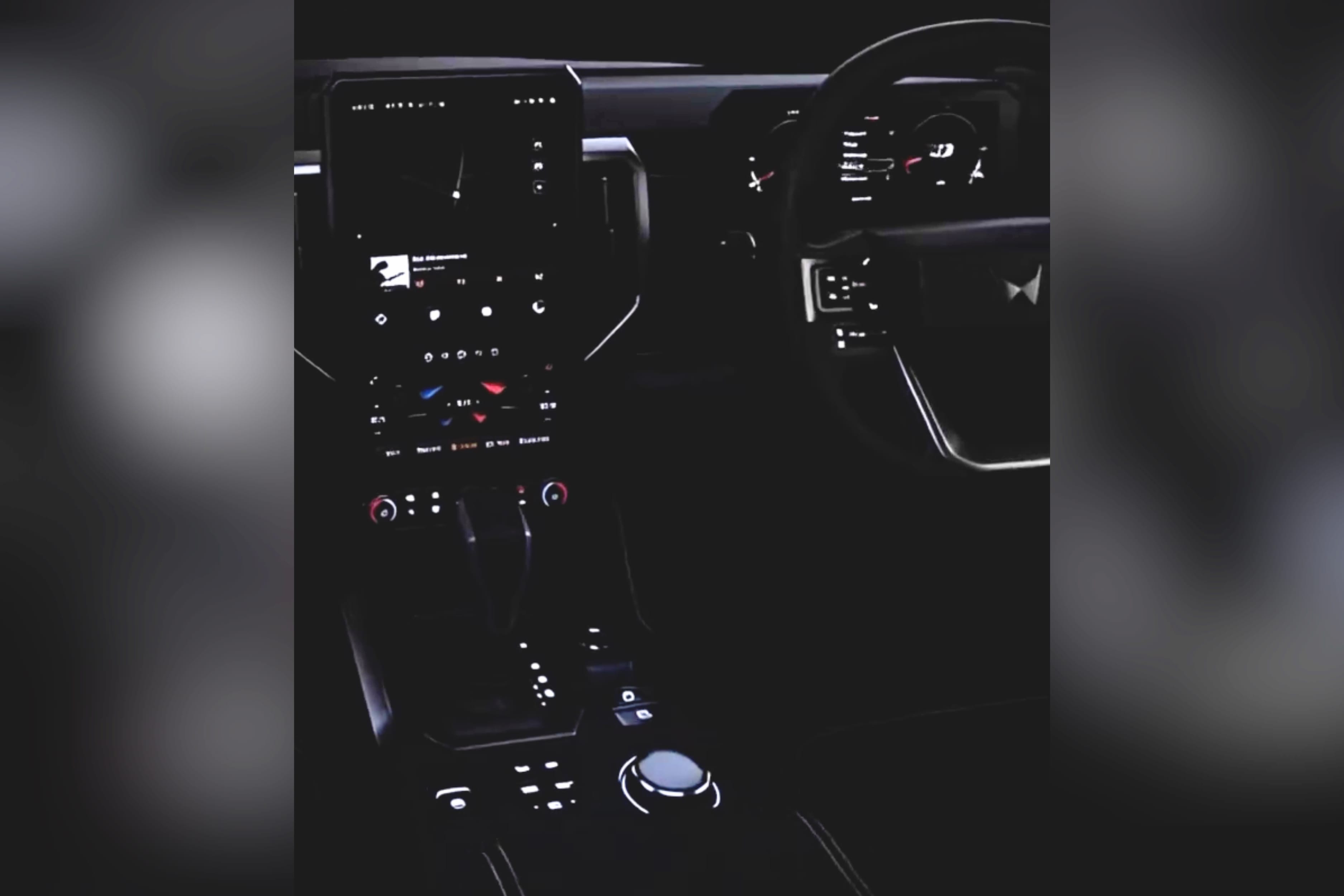
Mahindra Scorpio N pickup teaser details

Inside, a larger portrait-oriented touchscreen infotainment system and rotary dials for the dual-zone climate controls will be offered in the Scorpio N-based pickup. A chunkier 3-spoke steering wheel, inspired by the Vision T prototype, and a digital driver’s display with the same UI as the current Scorpio N, could also be spotted. Mahindra will also offer it with Level-2 ADAS, semi-automatic parking assistance, 5G-based connected-car technology, and a sunroof, as announced at the Global Pik Up concept’s 2023 unveiling.

7. Which models will the Mahindra Scorpio N pickup rival in India

The upcoming Mahindra pickup will rival the Hilux and V-Cross

The Mahindra Scorpio N-based pickup will rival the Toyota Hilux and Isuzu V-Cross, which are priced from Rs 31.99 lakh and Rs 25.50 lakh (ex-showroom), respectively. In Mahindra’s lineup, it will be positioned above the Bolero Camper, priced from Rs 10.10 lakh to Rs 10.86 lakh (ex-showroom).

Prices are ex-showroom, India.

MG’s new 7-seat electric SUV to be called Hector Tomahawk

MG's new 7-seat electric SUV to be called Hector Tomahawk
MG Hector Tomahawk teased

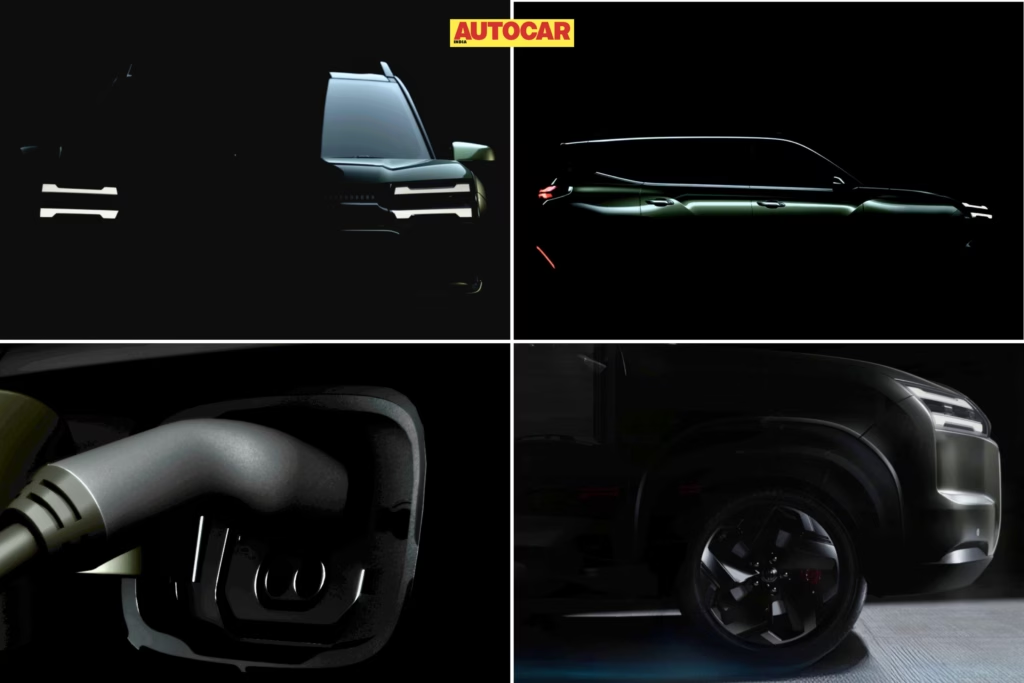
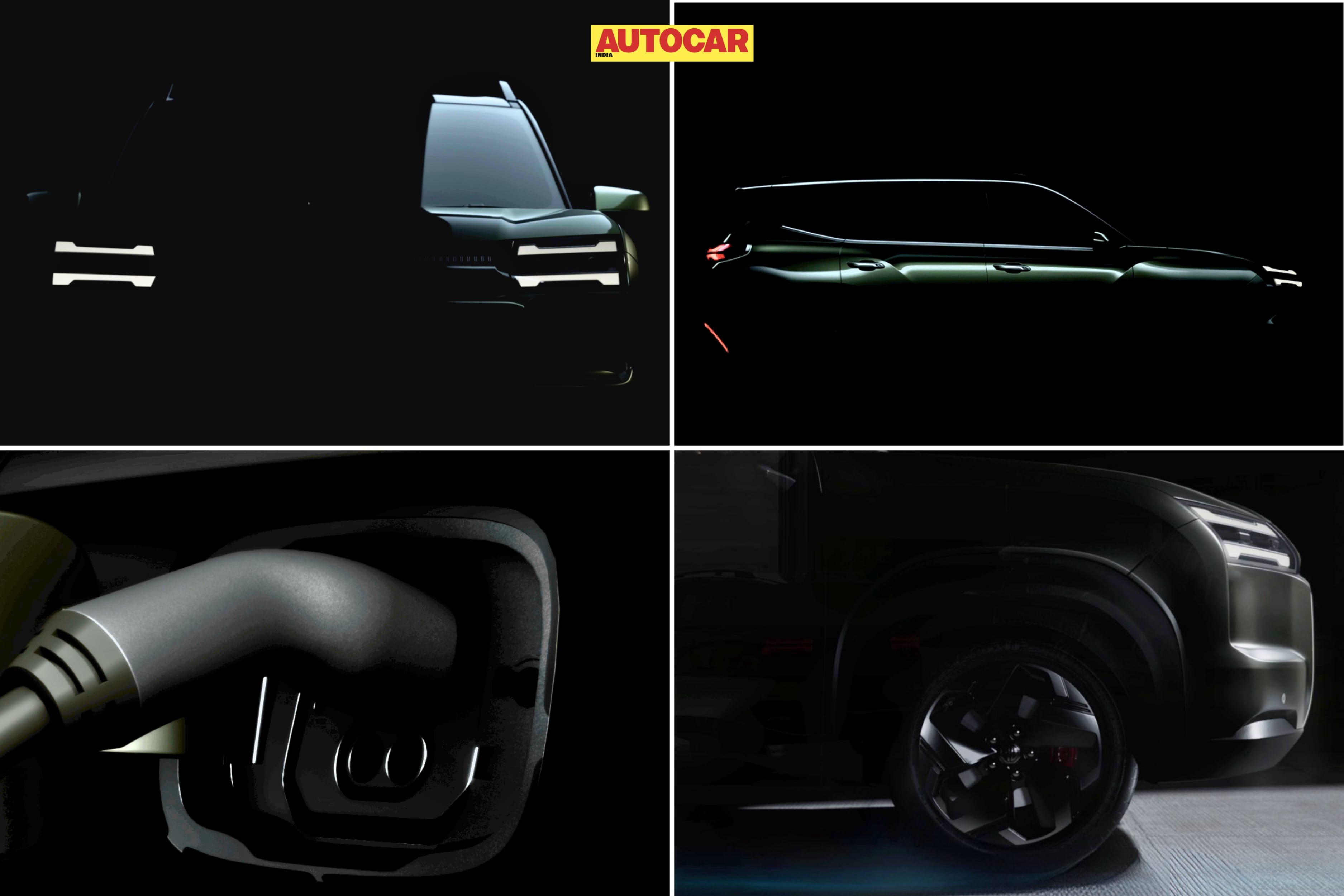
JSW MG has teased its upcoming new SUV for India, which is to be called the Hector Tomahawk, our sources have indicated. The official launch date is set for August 26, 2026. Sold as the Wuling Eksion in the Indonesian market, the upcoming Hector Tomahawk will sit atop JSW MG’s new ADAPT (Advanced Drive Architecture Platform Technology) platform. The Hector Tomahawk will be launched as a fully electric model first, and will be slotted above the Hector in the brand’s line-up in India.

  • Teaser confirms rectangular headlamps, signature LED DRLs, a panoramic sunroof and more
  • Will be offered in EV guise first; PHEV could arrive later
  • Seating for 7 occupants; bench-style second row

JSW MG Hector Tomahawk exterior design

The teaser offers a few important design details on the outside of this upcoming MG SUV

MG_Hector_Tomahawk_Rear_Quarter_Static

The official teaser confirms the rectangular LED headlamps first seen in spy shots. It also reveals details like the twin-element LED DRLs (daytime running lights) at the front and rear of the Hector Tomahawk. Observable details here also include the silver-finished alloy wheels, black plastic cladding under the doors, pronounced front fenders, pull-type door handles, prominent roof rails and wraparound LED tail-lamps. It’s clear from the teaser that the Hector Tomahawk sports chrome garnish along the windowline, plus a relatively flat roofline that leads to a roof spoiler.

In terms of dimensions, the JSW MG Hector Tomahawk is likely to have similar dimensions as the Wuling Eksion 7-seater that’s sold in Indonesia. For reference, the latter measures 4,745mm in length, 1,850mm in width, 1,755mm in height, and has a wheelbase of 2,9810mm. Its two-tone exterior colour options are likely to be offered in our market, too.

JSW MG Hector Tomahawk interior design and features

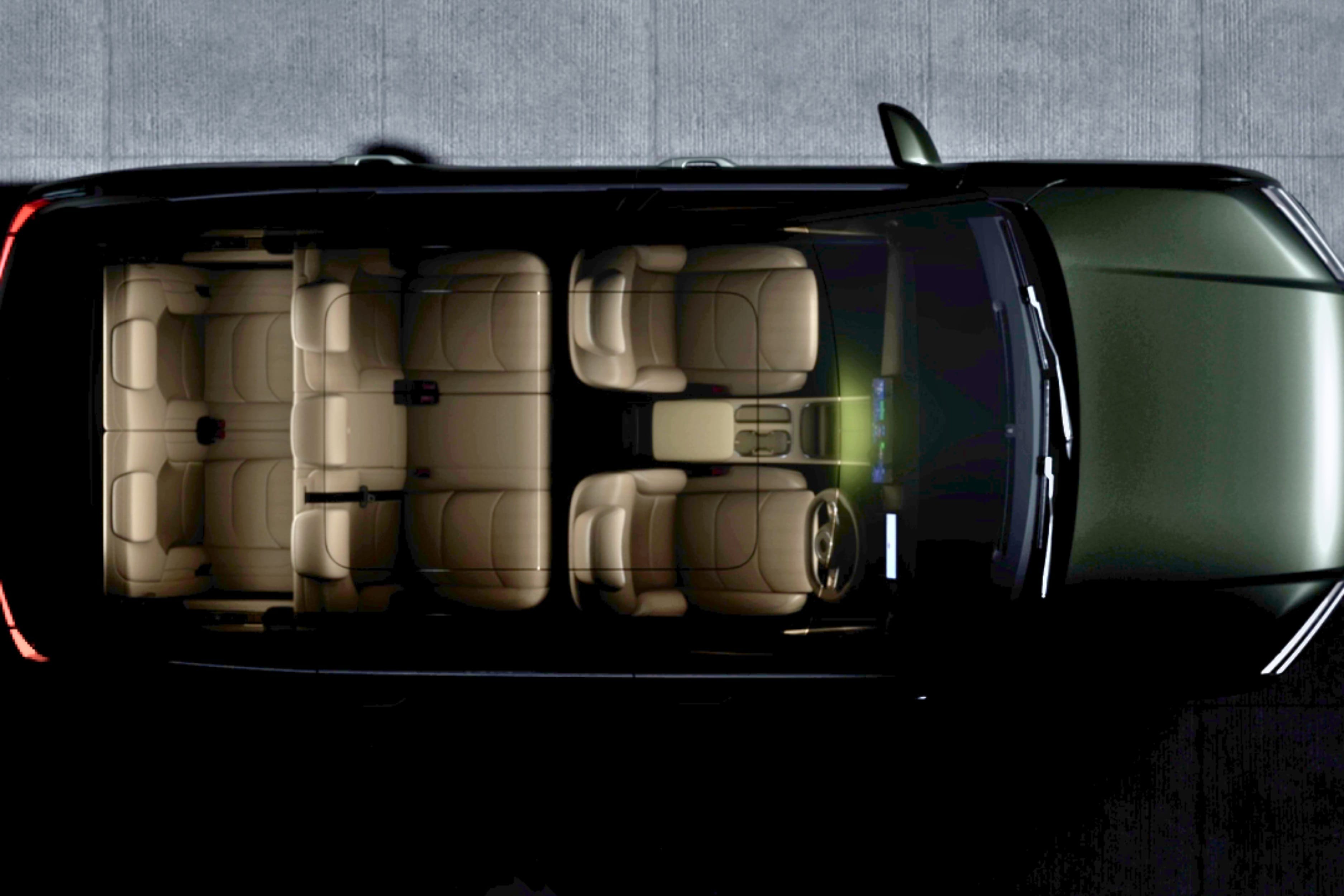
Apart from the exterior, the brand’s latest teaser also confirms a few details upcoming Hector Tomahawk’s interior. For starters, we now know that there will be 7 seats on offer, with a bench-style arrangement for the second row. The teaser also shows a beige colour theme for this cabin, along with a panoramic sunroof as part of the equipment that’ll be on offer. While more details are to be confirmed, the Hector Tomahawk EV could share much of the rest of its design and feature set with the Wuling Eksion. This means a minimalistic cabin with physical switchgear on and behind the two-spoke steering wheel, on the centre console and the doors.

MG Hector Tomahawk Seating

Depending on the trim level, the equipment on offer include a powered tailgate, leatherette upholstery, powered and ventilated front seats, a 12.8-inch touch-infotainment head unit, an 8.8-inch digital driver’s display, a 50-watt wireless charger, automatic climate control with AC vents for the second and third rows, a 360-degree camera system, an electronic parking brake, six airbags, and an ADAS (Advanced Driver Assistance Systems) suite, among others.

JSW MG Hector Tomahawk powertrain details

ADAPT platform supports battery-electric, plug-in hybrid, range-extender and strong-hybrid powertrains

While JSW MG is likely to reveal the Hector Tomahawk PHEV (plug-in hybrid) on August 26 as well, the brand’s teaser suggests that the ADAPT-based SUV will be introduced in its EV avatar first. The fully electric version of the Wuling Eksion EV that’s available in Indonesia is equipped with a single front-mounted electric motor that generates 201hp and 310Nm, allowing a claimed top speed of 160kph. It’s backed by a 69.2kWh LFP (Lithium Iron Phosphate) battery pack with a CLTC (China Light-Duty Vehicle Test Cycle) range of up to 530km.

The Hector Tomahawk PHEV is also likely to share its powertrain setup with its Eksion counterpart. For reference, the latter comes with a single electric motor that produces up to 195hp and 230Nm on its own, while the 1.5-litre naturally aspirated petrol engine puts out 105hp and 130Nm. There’s also a 20.5kWh battery pack in the equation, and the maximum all-electric range of the Eksion PHEV is a claimed 125km. JSW MG’s ADAPT platform is capable of supporting battery-electric, plug-in hybrid, range-extender and strong-hybrid powertrains.

Also read

Skoda Superb diesel India launch in 2027

Toyota Hyryder Aero Black Edition launched at Rs 15.19 lakh

Volkswagen Kylaq-based compact SUV confirmed for India

Volkswagen Kylaq-based compact SUV confirmed for India
Volkswagen compact SUV India launch details

Volkswagen has been working on its version of the Skoda Kylaq, which we first reported on six months ago. Volkswagen India has now secured global approval for the project, which is estimated to cost around 25 million euros (Rs 275 crore). The green light paves the way for Volkswagen’s re-entry into India’s high-volume sub-four-metre vehicle market, which the brand had exited following the discontinuation of the Ameo compact sedan and Polo hatchback.

  1. VW compact SUV to share powertrain options with Kylaq 
  2. Differentiation will come in the form of design, features and positioning 
  3. Will mark VW’s return to the sub-4m space since the discontinuation of Polo 

Volkswagen compact SUV: what to expect?

The programme will mark an important step in a broader expansion of Volkswagen’s India portfolio, allowing the brand to reach customers in segments below the Taigun and Virtus.

The new compact SUV will essentially be a badge-engineered version of the Kylaq, but will receive substantial design changes to give it a distinct Volkswagen identity. The differentiation is expected to extend to the exterior, interior, features and positioning.

The 1.0-litre TSI engine will be shared with the Kylaq

It will use the same 1.0-litre TSI petrol engine as the Kylaq, paired with manual and automatic gearbox options. At launch, the Volkswagen compact SUV will get an 8-speed automatic transmission rather than the 6-speed automatic currently offered on the Kylaq. The Kylaq, however, is also expected to receive the 8-speeder with its next update.

It’s unclear what the compact SUV will be named upon launch, but Volkswagen already sells the Tera in the Brazilian market that’s closely related to the Skoda Kylaq. It remains to be seen what it will be called here in India. Prices can be expected to range between Rs 8-13 lakh (ex-showroom). 

Scope of the compact SUV segment 

The model will give Volkswagen access to one of India’s largest vehicle categories. The broader sub-four-metre SUV market, comprising compact and micro-SUVs, currently generates monthly sales of around 1.1 lakh units. The category accounts for around 30 percent of India’s passenger vehicle sales and more than half of utility vehicle volumes. Its growth has been supported by hatchback buyers moving to SUVs, the drastic reduction of GST from 28 percent to 18 percent last year on cars meeting prescribed length and engine-capacity limits, and the availability of multiple powertrain options.

The market is led by Tata Motors with the Punch and Nexon, followed by Maruti Suzuki with the Fronx and Brezza. Sister brand Skoda too has grown significantly after the launch of the Kylaq last year, further underscoring the need for a compact SUV in VW’s portfolio. 

This will mark VW’s return to the compact SUV space since the Polo was discontinued in 2022. 

Volkswagen’s locally produced portfolio is currently limited to the Taigun and Virtus, both positioned above the compact vehicle market. The Kylaq-based SUV will lower the entry point to the Volkswagen brand and give it access to a substantially larger customer base.

Additional volumes from the compact SUV could also improve capacity utilisation at Skoda Auto Volkswagen India’s Chakan plant and deliver better economies of scale, helping lower costs for both Volkswagen and Skoda.