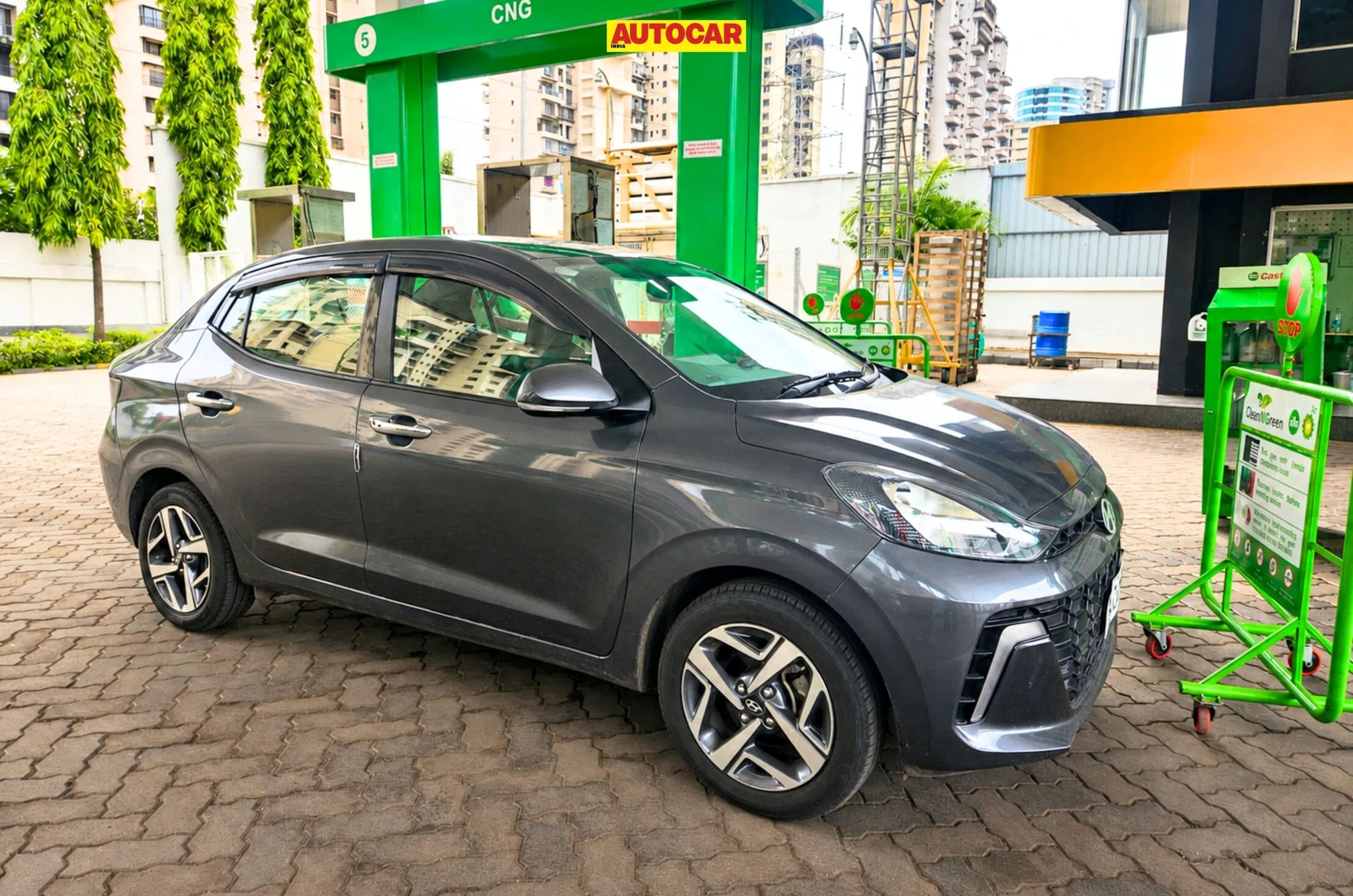
Launched in 2020, the Hyundai Aura has been available with a factory-fitted CNG option since its introduction. It is currently offered in three variants – S CNG (Rs 7.8 lakh), Corporate CNG (Rs 7.9 lakh) and SX CNG (Rs 8.6 lakh). We put the Aura CNG through our real-world fuel-efficiency tests to see how it fares.
No automatic engine stop-start system
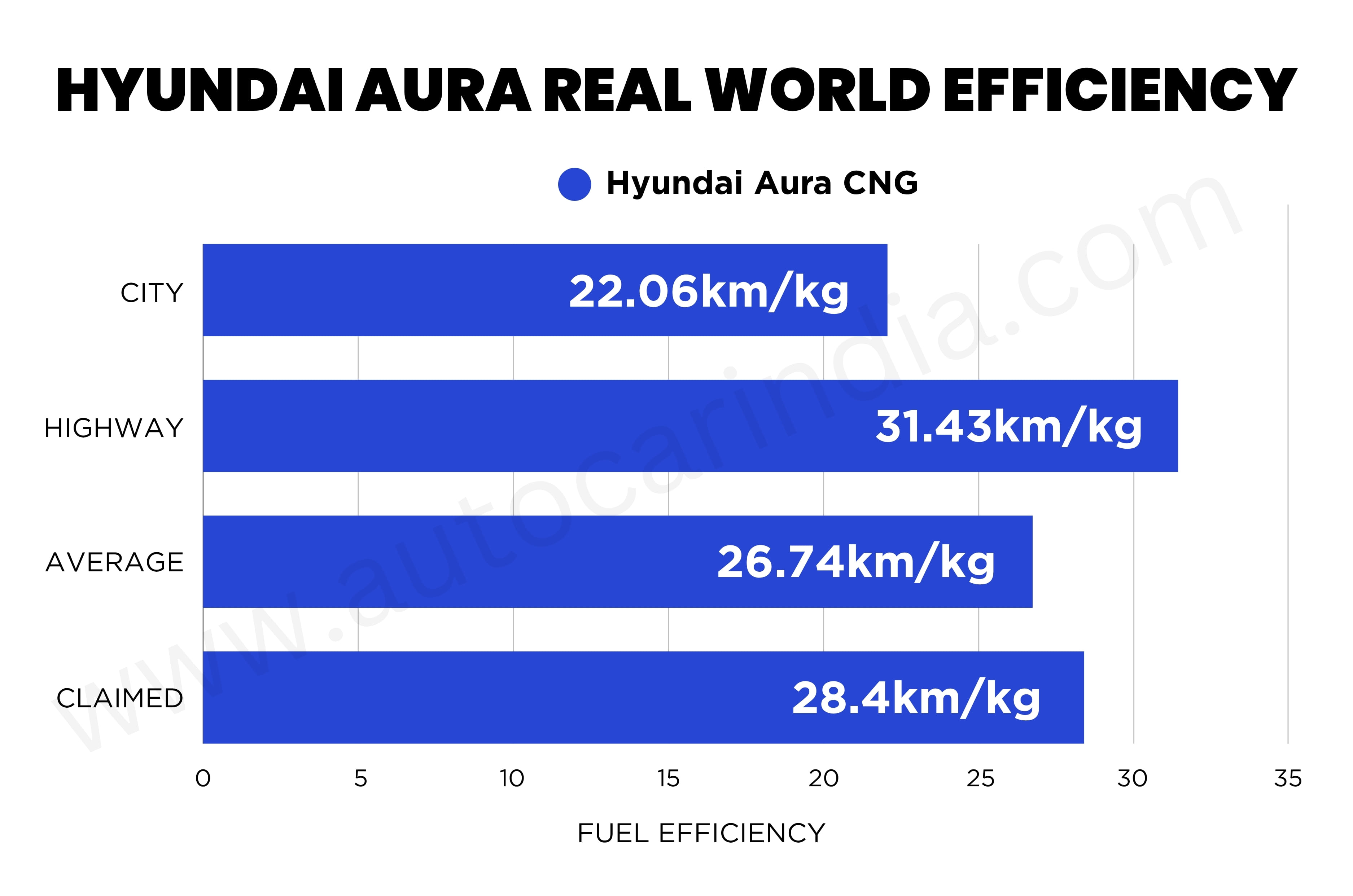
Claimed fuel efficiency: 28.4km/kg
Priced Rs 90,000 higher than comparable petrol variants
Hyundai Aura CNG fuel efficiency explained
Powering the Aura CNG is a 1.2-litre, four-cylinder engine that produces 69hp and 95.2Nm when running on CNG. Transmission duties are handled by a 5-speed manual gearbox.
In our tests, the Aura CNG returned 22.06km/kg in the city and 31.43km/kg on the highway, resulting in an overall average efficiency of 26.74km/kg. Based on these figures, owners can expect a real-world driving range of around 240km on a full tank of CNG.
Interestingly, when refilling the Aura’s empty 65-litre CNG tank, it accommodated 8.95kg of gas. Under favourable conditions, such as higher pump pressure and cooler ambient temperatures, the tank should be able to hold close to 10kg of CNG.
For context, the Maruti Dzire CNG is equipped with a smaller 55-litre CNG tank, while the Tata Tigor CNG features a larger 70-litre dual-cylinder setup.
Autocar India’s fuel-efficiency testing
Since CNG tanks are more difficult to fill consistently due to variables such as ambient temperature and pump pressure, we did not use our standard tankful-to-tankful methodology. Instead, for our real-world tests, we emptied the CNG tank and refilled it with 2kg of CNG. We then drove the vehicle in city conditions until the gas was exhausted. The same process was repeated for the highway run. Throughout both tests, the Aura was driven exclusively in CNG mode.
Before our real-world fuel efficiency tests, we maintain tyre pressures based on the manufacturer’s recommendations. These cars are driven in fixed city and highway loops in and around Navi Mumbai, and we maintain certain average speeds. Throughout the tests, there is only one person in each car, and the aircon is set to fan speed 2 with temperature dialed to the lowest position. We operate other electricals, such as the audio system, indicators and wipers, just like a regular user would. Periodic driver swaps further neutralise variations in driver patterns.
LOOK OUT FOR: Suspension wear, infotainment issues
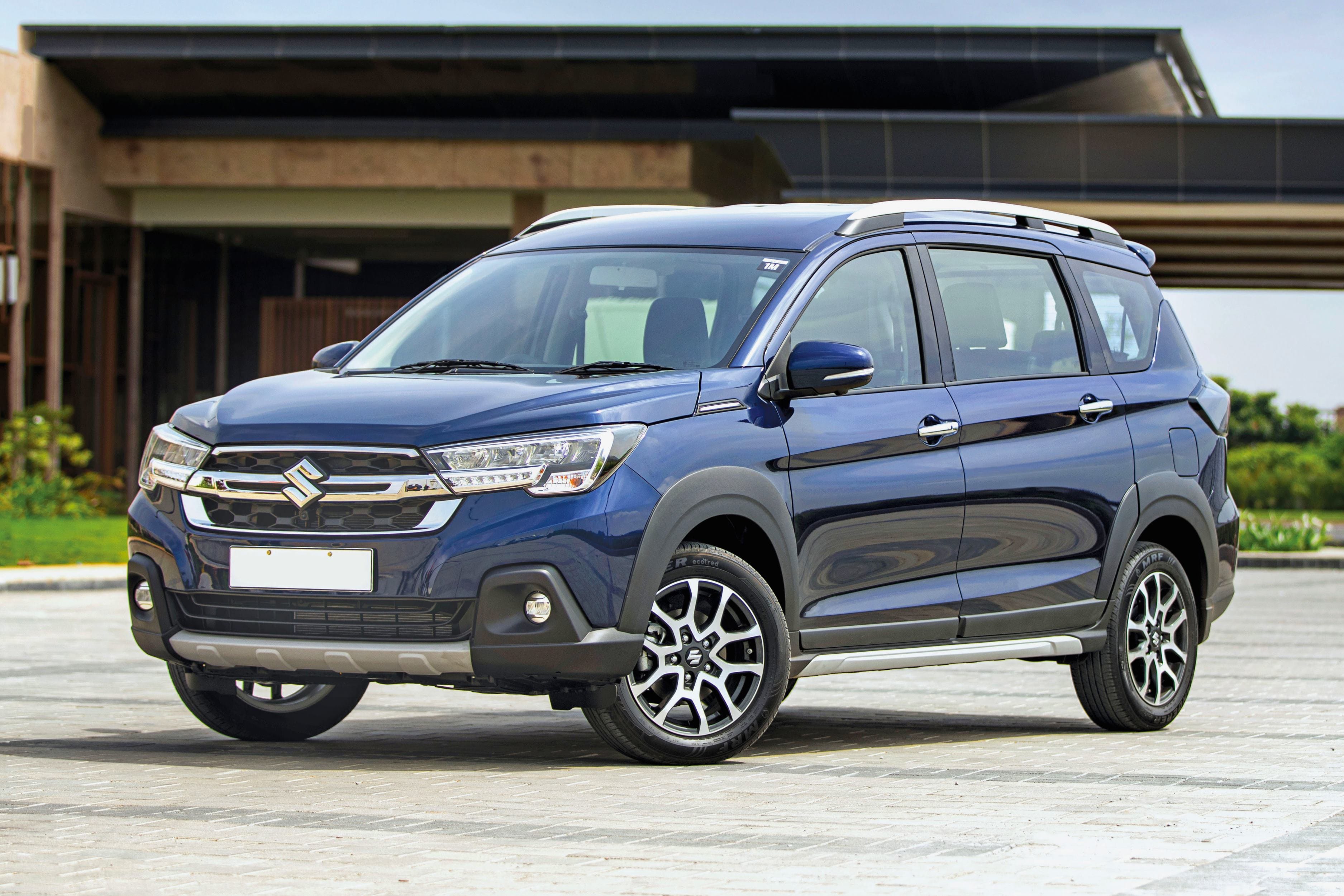
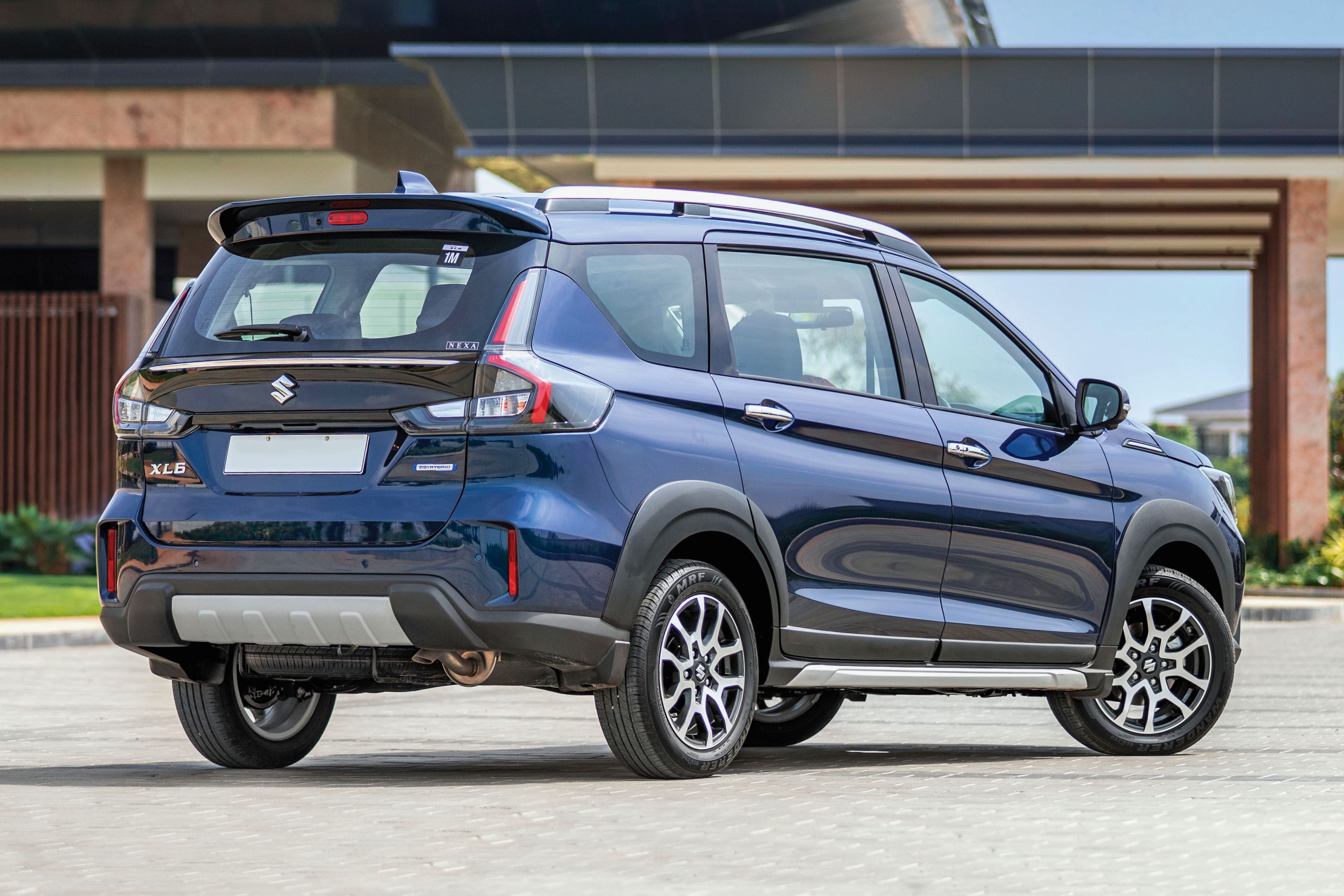
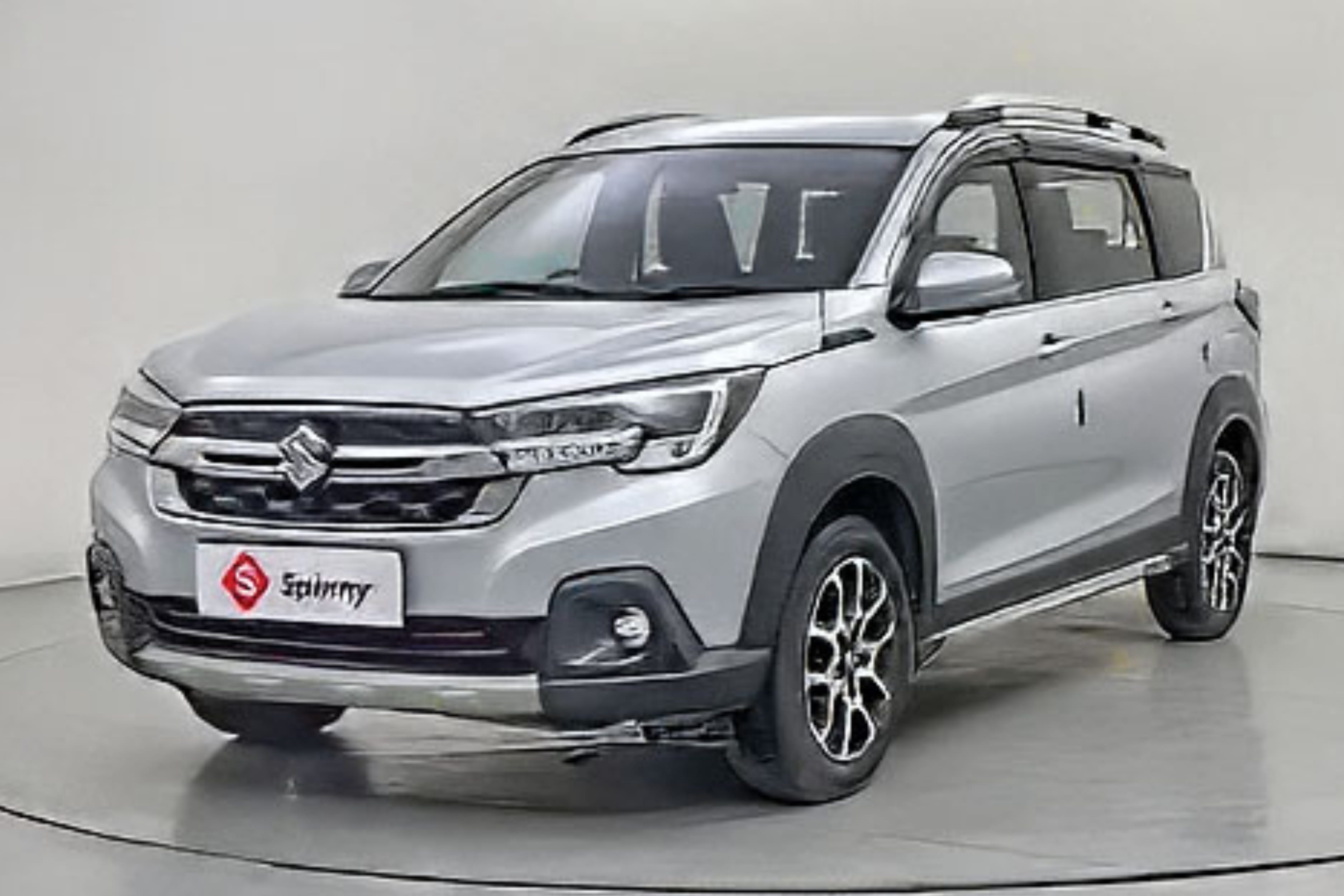
A more premium 6-seat alternative to the venerable Ertiga MPV, the Maruti XL6 has been on sale since 2019 and received a substantial update in 2022. Being a comfortable, practical and easy-to-drive MPV, the updated Maruti XL6 is worth considering as a used buy. Here’s all you need to know.
In terms of cosmetics, not much changed for the XL6 when it got an update in 2022. It got a mildly updated grille with more chrome, a new chrome bar on the tailgate, new 16-inch dual-tone alloy wheels and tweaked tail-lights with smoked clear lens effect. It also got new dual-tone colour options – silver, brown and red – with a contrasting black roof.
Petrol and CNG powertrains; up to 20.97kpl claimed mileage
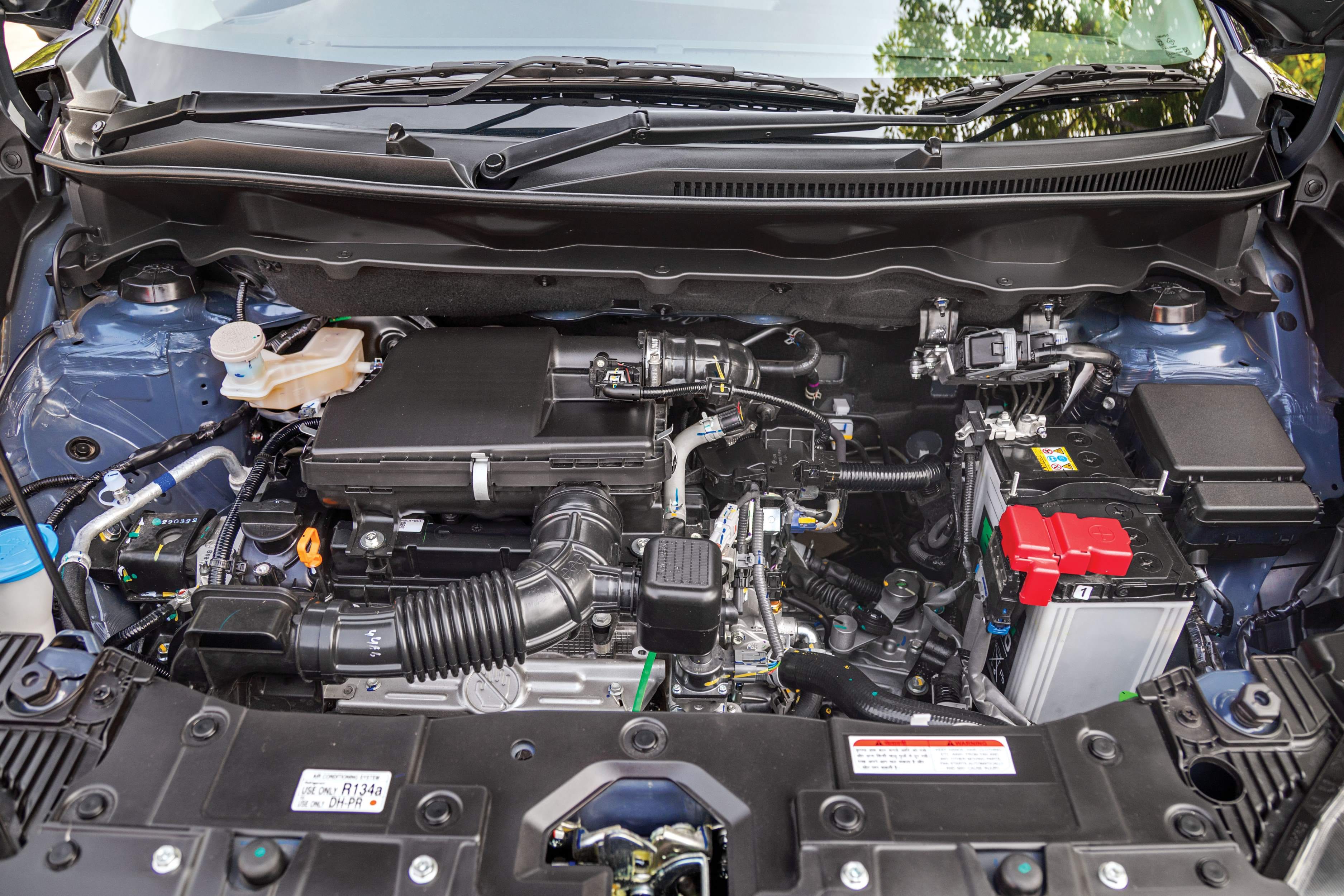
The biggest change was under the hood, with the XL6 receiving Maruti’s then-new 1.5-litre DualJet petrol engine, with two injectors per cylinder, which put out 103hp and 136.8Nm. The other big highlight was the new 6-speed torque converter automatic gearbox with paddle shifters, replacing the older 4-speeder. The standard 5-speed manual gearbox was carried over as is. It also featured Maruti’s mild-hybrid technology with an integrated starter generator and start-stop technology. The updated XL6 has a claimed fuel efficiency of 20.97kpl with the manual gearbox and 20.27kpl with the auto.
Later in 2022, Maruti launched the XL6 CNG, which was offered in a single Zeta variant and cost about Rs 95,000 more than the equivalent petrol variant. Powered by the same 1.5 engine, it put out a lower 88hp and 121.5Nm in CNG mode, and 101hp and 136Nm in petrol mode, and came paired with the 5-speed manual only. Maruti claimed that the XL6 CNG had a fuel efficiency of 26.32km/kg.
The petrol manual is ideal for most users, as it’s easy to drive, efficient and will be the most affordable to buy. Those with most of their running within the city can opt for the automatic for greater convenience, while high-mileage users will benefit from the CNG’s low running costs.
Maruti Suzuki XL6 variants and features
7-inch touchscreen, ventilated front seats, 360-degree camera, and more
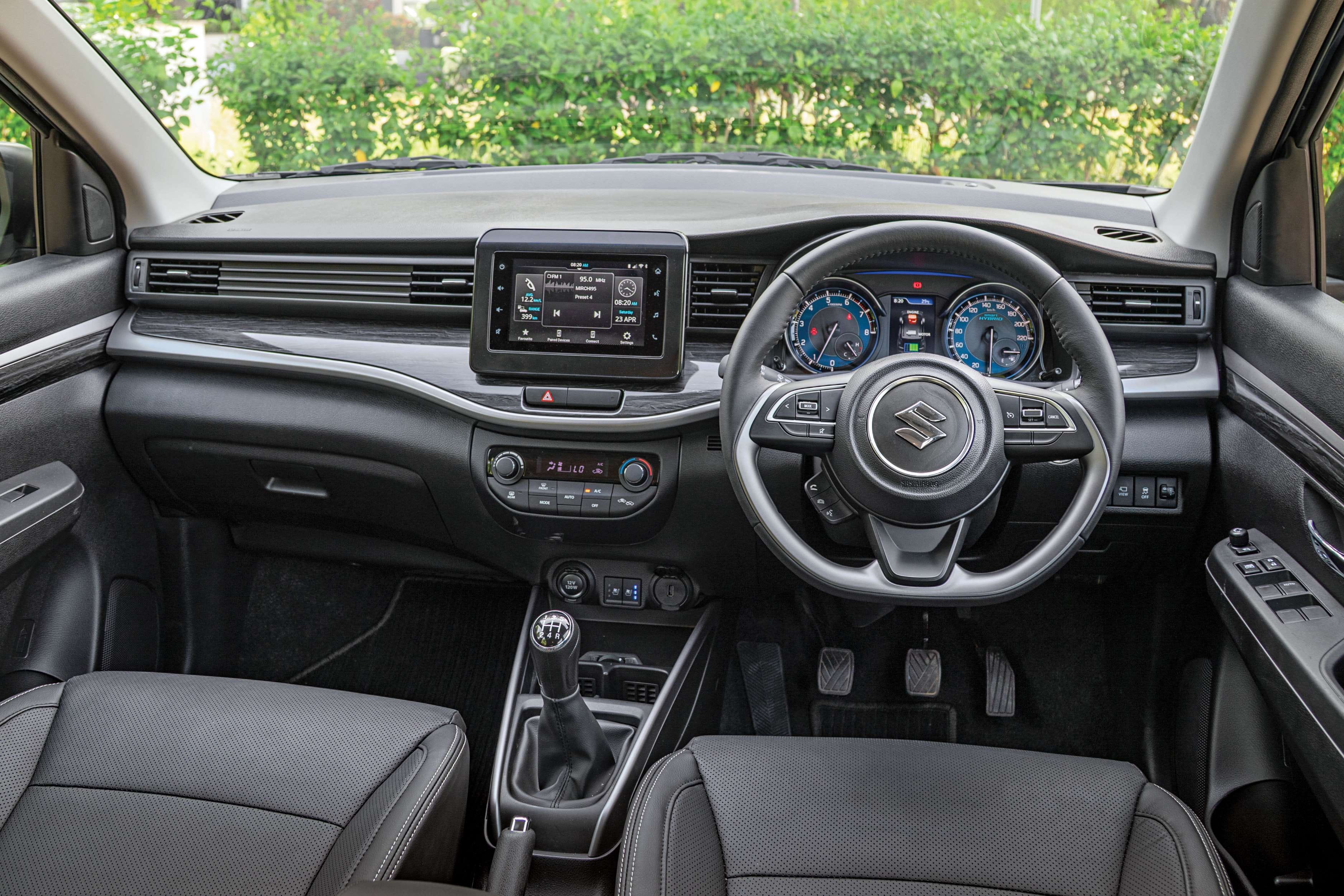
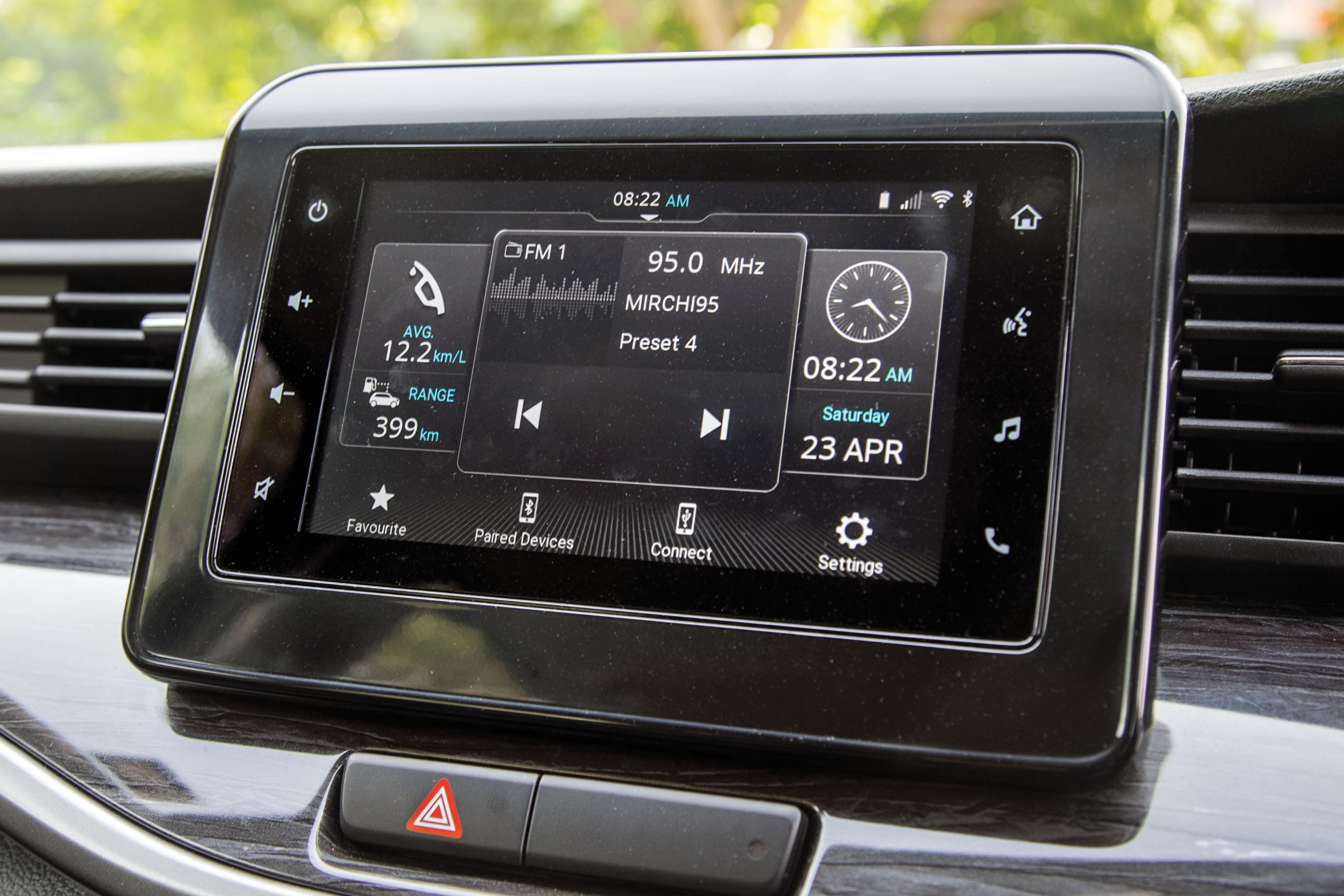
As for variants, there’s three on offer – Zeta, Alpha and Alpha+. The range-topping Alpha+ packs in features like a 7-inch touchscreen infotainment with Android Auto and Apple CarPlay compatibility, auto climate control, leatherette upholstery, LED lights, 360-degree camera, ventilated front seats, connected car tech, cruise control, tyre pressure monitor, traction control and much more. All variants come well equipped, and features like the touchscreen and cruise control are offered right from the base Zeta variant, so choose the one that best fits your budget.
XL6 aftersales details
Being a Maruti product, the XL6 is a proven and reliable MPV that’s also easy to maintain. Spare parts are readily available and affordable, while Maruti’s widespread service network throughout India gives you peace of mind. It’s also worth going for an example that has an extended warranty package, and the XL6’s great resale value also means you’ll recoup a considerable amount when you sell it later on.
What to look out for in a used Maruti Suzuki XL6
Suspension wear
Since the XL6 is a family car, it’s bound to be subjected to heavy loads from time to time. Hence, it’s worth checking out the condition of the suspension. Listen for any noises that come from the suspension, or check if it crashes excessively over bumps and ruts, as these are signs of worn-out suspension bushings. This is not an expensive fix, however.
Infotainment issues
Owners have faced issues with the XL6’s SmartPlay Pro 7-inch infotainment system, like Apple CarPlay/Android Auto disconnections, screen freezing and the display getting stuck. Before purchasing, check that it functions smoothly, pairs up with your phone easily and that the system’s software is up to date.
Potential defect in front seatbelts
XL6 units manufactured between November 2 and November 28, 2022 were recalled by Maruti Suzuki to rectify a possible defect in one of the child parts of the height-adjuster assembly of the front seatbelts, which could lead to seat belt disassembly. Replacement of the faulty part was done free of charge, so make sure this has been taken care of if you’re looking at a car from this time frame.
Second-hand Maruti Suzuki XL6 price and resale value
Rs 8 lakh-12 lakh
The XL6 is still on sale, and being a Maruti, it commands very good value in the resale market. However, refrain from spending over Rs 12 lakh, irrespective of the variant and mileage, as you’d be better off buying a new one. What’s nice, though, is that you’ll also be able to recover a good chunk of your investment once you go on to sell it.
Maruti Suzuki XL6 fact file
Years produced
2022-present
Price when new
Rs 11.29 lakh-14.55 lakh (ex-showroom, India)
Engine
4 cyls, 1462cc, petrol / 4 cyls, 1462cc, petrol+CNG
Petrol Diesel Price Today: हर दिन की शुरुआत सिर्फ सूरज की किरणों से नहीं होती, बल्कि पेट्रोल और डीजल की नई कीमतों से भी होती है, जो आम आदमी की जेब पर सीधा असर डालती हैं। सुबह 6 बजे देश की तेल विपणन कंपनियां (OMCs) ताजा दरें जारी करती हैं, जो अंतरराष्ट्रीय बाजार में कच्चे तेल की कीमतों और डॉलर-रुपए की विनिमय दर में आए बदलावों पर आधारित होती हैं। ये बदलाव रोजमर्रा की जिंदगी को प्रभावित करते हैं, चाहे वो ऑफिस जाने वाला व्यक्ति हो या फल-सब्जी बेचने वाला व्यापारी।
ऐसे में हर दिन की कीमतों की जानकारी रखना सिर्फ जरूरी ही नहीं, बल्कि समझदारी भी है। सरकार की यह प्रणाली पारदर्शिता सुनिश्चित करती है ताकि उपभोक्ताओं को किसी तरह की भ्रमित जानकारी न मिले।
आपके शहर में आज का पेट्रोल-डीजल का भाव
ये रहे 09 आगस्त 2026 के प्रमुख शहरों के पेट्रोल-डीजल के ताजा रेट
नई दिल्ली: पेट्रोल ₹102.12 प्रति लीटर और डीजल ₹95.20 प्रति लीटर।
मुंबई: पेट्रोल ₹111.18 और डीजल ₹97.83 प्रति लीटर।
कोलकाता: पेट्रोल ₹113.47 जबकि डीजल ₹99.82 प्रति लीटर।
चेन्नई: पेट्रोल ₹107.77 और डीजल ₹99.55 प्रति लीटर।
गुरुग्राम: पेट्रोल ₹102.77 तथा डीजल ₹95.44 प्रति लीटर।
नोएडा: पेट्रोल ₹102.12 और डीजल ₹95.56 प्रति लीटर।
बेंगलुरु: पेट्रोल ₹110.93 जबकि डीजल ₹98.80 प्रति लीटर।
भुवनेश्वर: पेट्रोल ₹109.92 और डीजल ₹100.92 प्रति लीटर।
चंडीगढ़: पेट्रोल ₹98.10 तथा डीजल ₹86.09 प्रति लीटर।
हैदराबाद: पेट्रोल ₹115.69 और डीजल ₹103.82 प्रति लीटर।
जयपुर: पेट्रोल ₹112.66 जबकि डीजल ₹97.78 प्रति लीटर।
लखनऊ: पेट्रोल ₹102.05 और डीजल ₹95.55 प्रति लीटर।
पटना: पेट्रोल ₹113.35 तथा डीजल ₹99.36 प्रति लीटर।
तिरुवनंतपुरम: पेट्रोल ₹115.49 और डीजल ₹104.40 प्रति लीटर।
पिछले दो साल से स्थिर क्यों हैं कीमतें?
मई 2022 के बाद से केंद्र और कई राज्यों द्वारा टैक्स में कटौती की गई, जिसके बाद पेट्रोल-डीजल की कीमतों में स्थिरता देखी जा रही है। हालांकि अंतरराष्ट्रीय बाजार में उतार-चढ़ाव होता रहता है, फिर भी भारतीय उपभोक्ताओं के लिए कीमतें तुलनात्मक रूप से स्थिर बनी हुई हैं।
किन कारणों से तय होती हैं ईंधन की कीमतें?
कच्चे तेल की कीमतें:
पेट्रोल और डीजल का उत्पादन मुख्य रूप से कच्चे तेल से होता है। जब अंतरराष्ट्रीय स्तर पर कच्चे तेल की कीमतें बढ़ती हैं, तो इसका असर सीधे भारतीय बाजार पर पड़ता है।
डॉलर के मुकाबले रुपया:
भारत अधिकतर कच्चा तेल आयात करता है, और यह डॉलर में खरीदा जाता है। यदि रुपया कमजोर होता है, तो ईंधन महंगा हो जाता है।
सरकारी टैक्स और शुल्क:
केंद्र और राज्य सरकारें पेट्रोल-डीजल पर भारी टैक्स लगाती हैं, जो खुदरा मूल्य का बड़ा हिस्सा होते हैं। यही कारण है कि राज्यों में कीमतों में अंतर होता है।
रिफाइनिंग की लागत:
कच्चे तेल को इस्तेमाल लायक बनाने की प्रक्रिया (रिफाइनिंग) में भी खर्च होता है। ये लागत कच्चे तेल की गुणवत्ता और रिफाइनरी की क्षमता पर निर्भर करती है।
मांग और आपूर्ति का संतुलन:
बाजार में ईंधन की मांग अगर बढ़ जाती है, तो कीमतें भी ऊपर जाने लगती हैं। खासकर त्योहारों, गर्मी या सर्दी के मौसम में ईंधन की खपत ज्यादा होती है।
कैसे करें अपने शहर की कीमतें SMS से चेक?
अगर आप मोबाइल से ईंधन की कीमत जानना चाहते हैं, तो ये प्रक्रिया आसान है:
Indian Oil ग्राहक: अपने शहर का कोड टाइप करें और उसे “RSP” के साथ 9224992249 पर भेजें।
BPCL ग्राहक: “RSP” लिखकर 9223112222 पर भेजें।
HPCL ग्राहक: “HP Price” लिखकर 9222201122 पर भेजें।
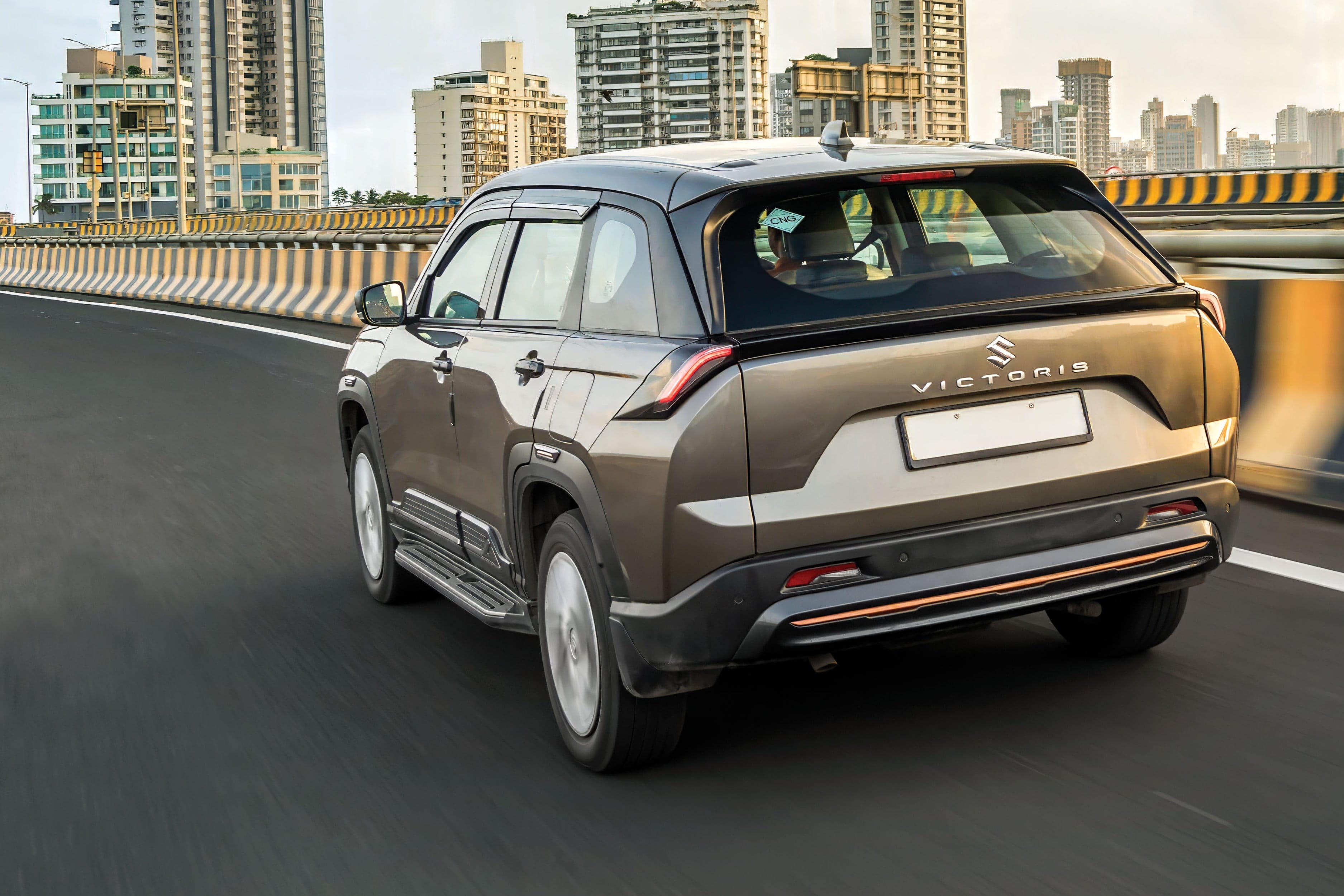
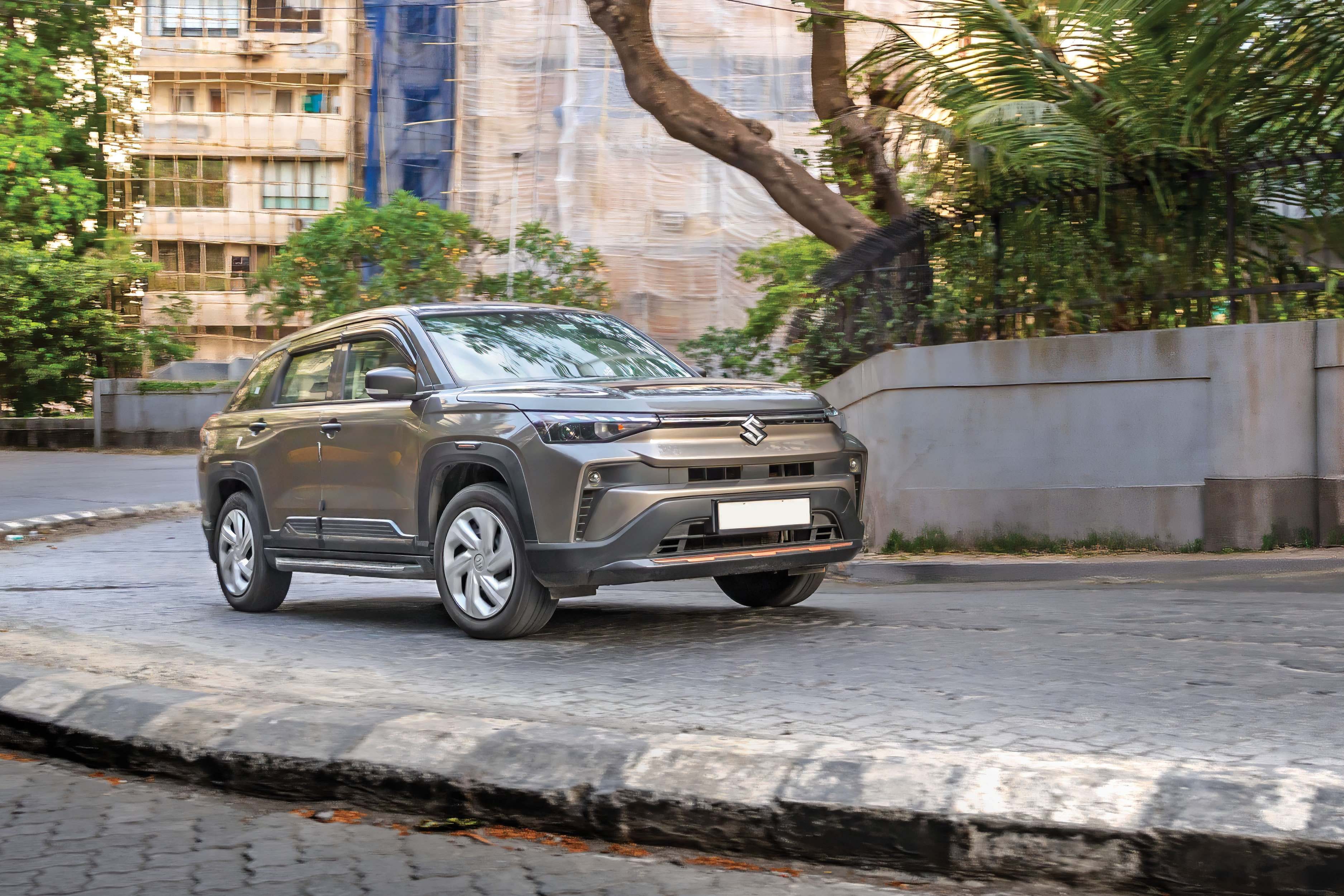
Maruti offers buyers a wide range of powertrain options with the Victoris – a 1.5-litre petrol engine paired with either a manual or automatic transmission, an all-wheel-drive automatic, a strong hybrid, and a CNG version. Interestingly, nearly one in every two Victoris buyers opts for the CNG variant. To understand the reason behind its popularity, we put it through our real-world tests.
City drivability is good; efficiency is impressive.
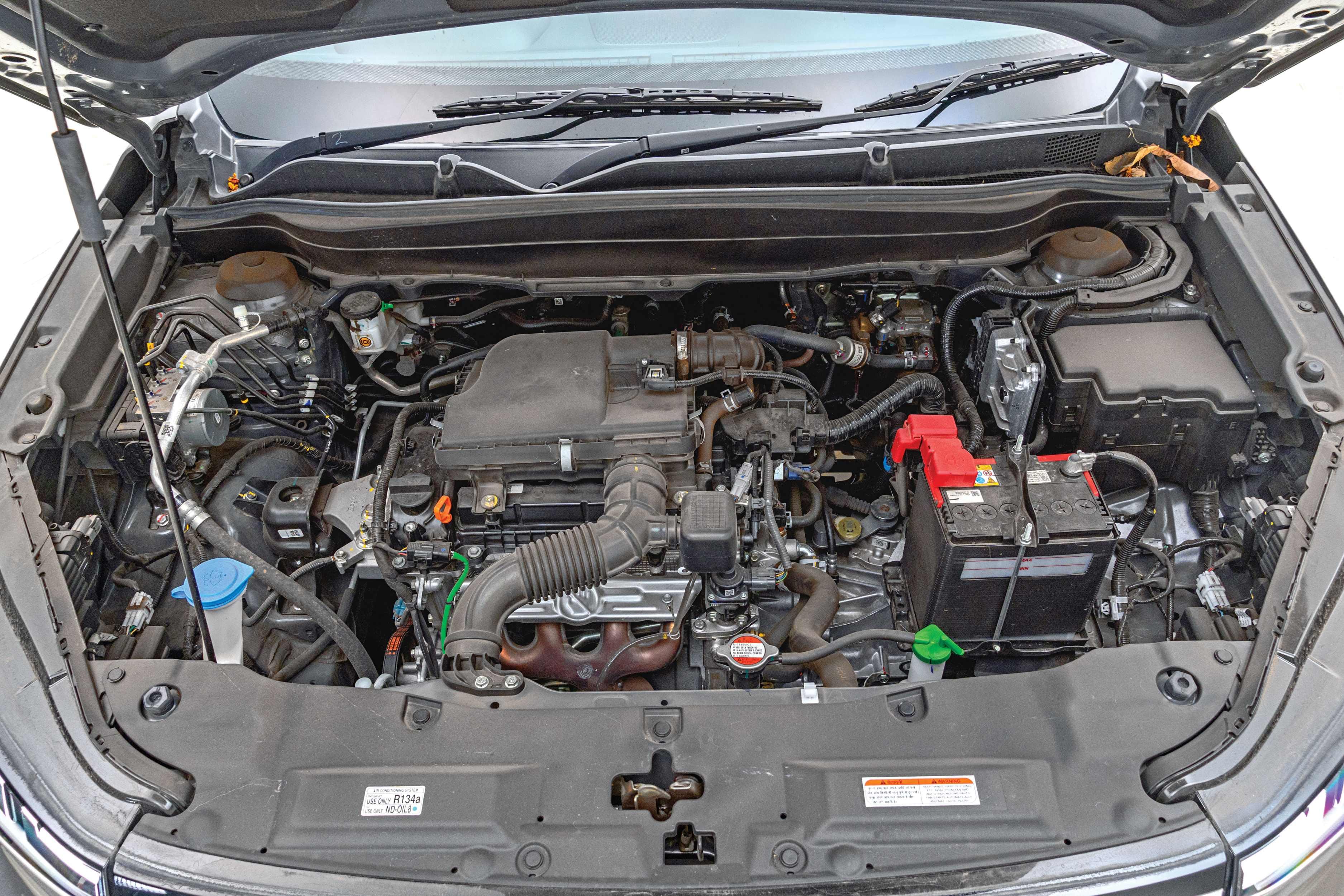
Powered by a 1.5-litre four cylinder engine, the Victoris produces 88hp and 122Nm when running on CNG. While those figures may appear modest on paper, the good news is that the engine feels responsive right from the outset, and overall driveability remains impressive. It is more than capable of keeping pace with city traffic, and up to about 80kph, with the engine spinning below 3,000rpm, there is enough performance on tap to satisfy most users. You do need to be mindful of being in the right gear, and occasionally, you may find yourself revving the engine harder for a quick overtake. On that note, Maruti’s 5-speed manual gearbox remains one of the best in the business, offering precise shifts and a light, effortless action. The clutch is also light, making the Victoris CNG particularly easy to drive.
Maruti Suzuki Victoris S-CNG acceleration times
CNG
Petrol
Speed (Kph)
Time (Sec)
Time (Sec)
20
1.33
1.32
40
3.28
3.22
60
6.31
5.79
80
9.88
8.87
100
15.14
13.43
120
23.44
19.56
That said, performance isn’t effortless, and when it comes to quick overtakes, you’ll need to work the engine harder. But it is only then that the difference between petrol and CNG modes becomes noticeable. In petrol mode, the engine feels freer and more eager to rev, whereas in the CNG mode, it feels slightly more restrained. To put things into perspective, the Victoris accelerates from 0-100kph in 15.14 seconds in CNG mode, making it 1.7 seconds slower than in petrol mode. Performance also tapers off noticeably beyond 100kph, regardless of which mode you are in.
Maruti Suzuki Victoris S-CNG rolling acceleration
Speed (Kph)
Time (Sec)
Time (Sec)
20-80kph (3rd gear)
16.14
15.98
40-100kph (4th gear)
22.45
18.92
Maruti Suzuki Victoris S-CNG mileage – 9/10
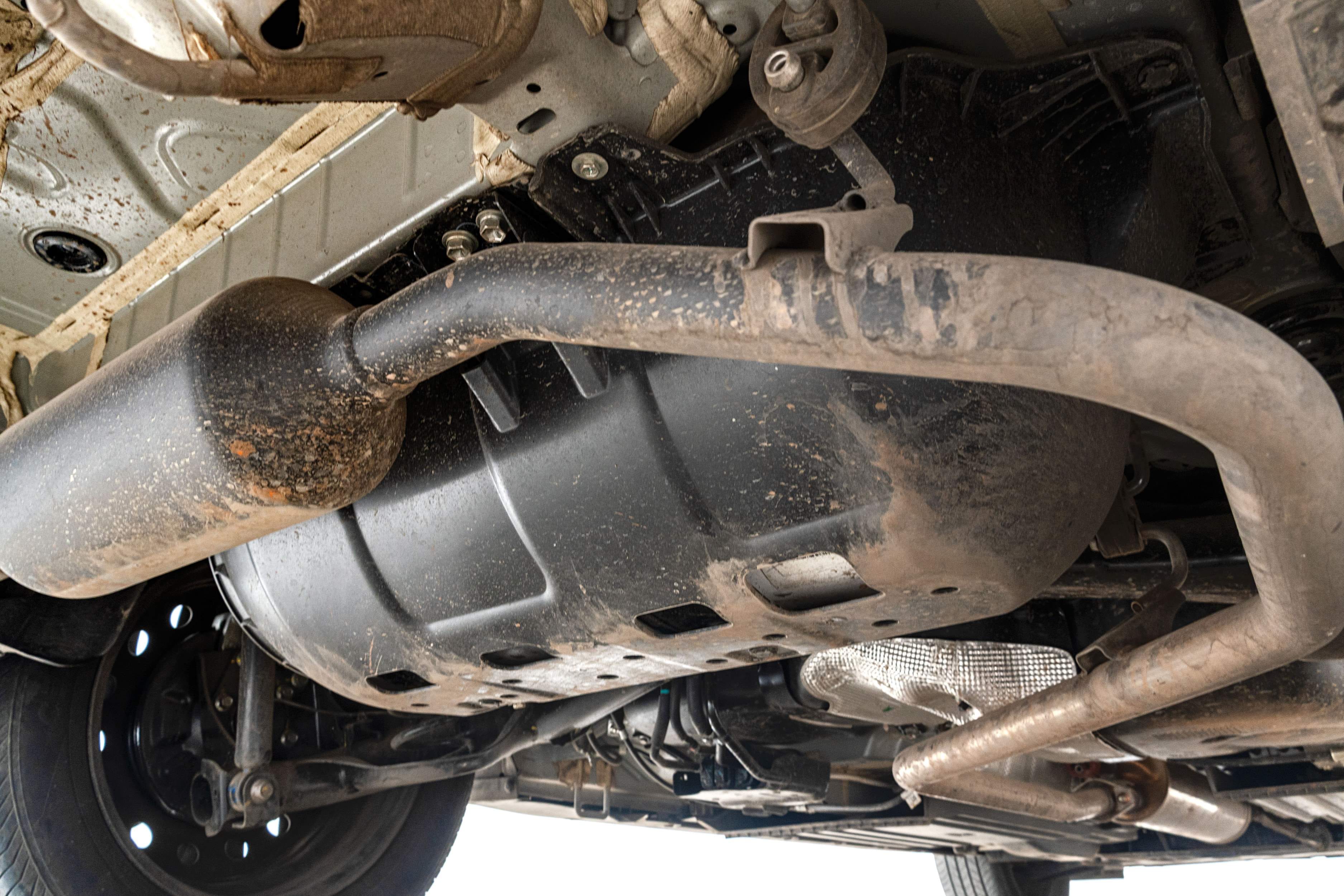
Under-floor CNG tank occupies spare tyre space.
Owners, however, will certainly appreciate this SUV’s efficiency. In our tests, the Victoris CNG delivered 18km/kg in the city and 26km/kg on the highway. The latter figure is particularly impressive, coming close to Maruti’s claimed fuel-efficiency figure of 27.02km/kg.
Its 55-litre CNG tank, mounted beneath the vehicle, can typically hold between 7.4kg and 8kg of gas, depending on ambient conditions and pump pressure. Based on our findings, owners can expect an average real-world driving range of around 180km on a full CNG fill.
Maruti Suzuki Victoris S-CNG ride comfort and handling – 8/10
You’ll need to work its engine harder on hilly terrain or to make quick highway overtakes.
Shifting focus to other aspects, the Victoris inspires confidence on almost every kind of road thanks to its well-sorted underpinnings and expertly judged suspension setup. It feels tough and robust in the way it smothers small undulations and absorbs even sharp road shocks with ease. Even when driven at higher speeds, this Maruti remains composed, riding flat without unnecessary body movements.
Maruti Suzuki Victoris S-CNG features and safety – 8/10
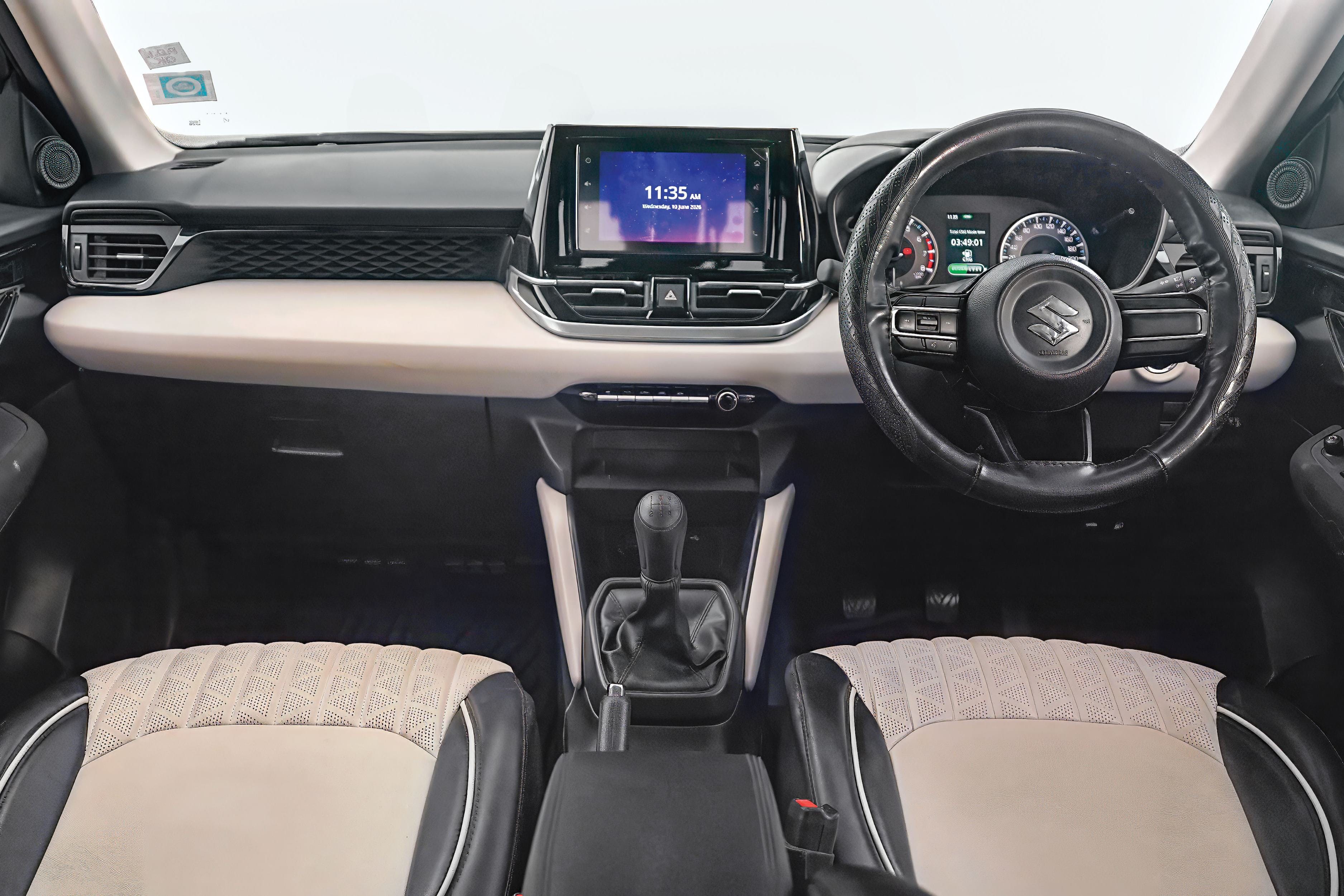
Pleasing dual-tone interiors with generous standard equipment.
As for safety, six airbags, ESP, ABS with EBD and all the essential modern safety features come as standard. Notably, the entry-level LXI variant represents excellent value for money. Priced at Rs 11.5 lakh, it comes equipped with keyless entry, push-button start, automatic climate control, a 7-inch touchscreen with wireless Android Auto and Apple CarPlay, and projector headlamps, among other notable features.
Maruti Suzuki Victoris S-CNG boot space – 8/10
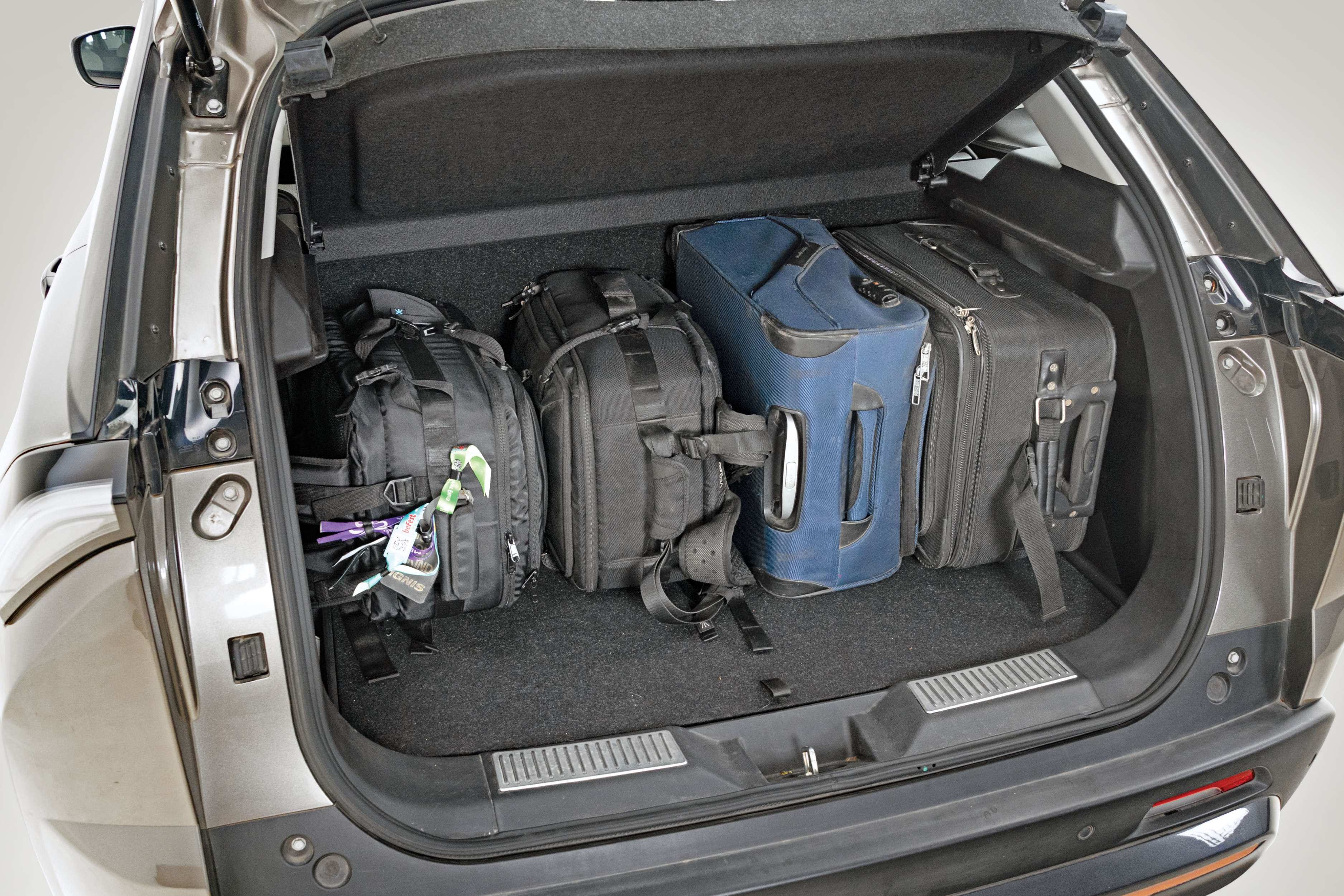
With the under-floor CNG tank, boot space is good.
Maruti has also cleverly packaged the Victoris’ CNG tank beneath the boot floor, which means luggage space remains identical to the petrol version, making it just as practical. The only compromise is the absence of a spare tyre, with CNG variants making do with a tyre inflator kit instead.
Maruti Suzuki Victoris S-CNG verdict- 8/10
It is an efficient, sensible, value-for-money SUV.
In summary, the Victoris is a sensible, efficient and genuinely value-for-money midsize SUV. For buyers with high running requirements who want to keep fuel costs in check, the CNG version is the obvious choice. The drivability is good, the efficiency is excellent, and although it costs around Rs 1 lakh more than an equivalent petrol version, the significantly lower running costs should allow owners to recover that premium over time.
Audi will pursue a broader powertrain strategy spanning battery-electric vehicles, plug-in hybrids and combustion engines, stepping away from its earlier plan to become an all-electric carmaker. Global CEO Gernot Döllner said he reviewed Audi’s all-electric strategy after taking charge and decided that the company needed a more balanced product and powertrain mix to address the varying pace of EV adoption across markets.
“When I joined Audi, there was an all-electric strategy in place, which was one of the first things I reviewed,” Döllner told Autocar India in an exclusive interview. “We found a more balanced strategy between plug-in hybrids, especially important for Europe, combustion engine and electric.”
Global EV sales downturn lent ICE powertrains more time
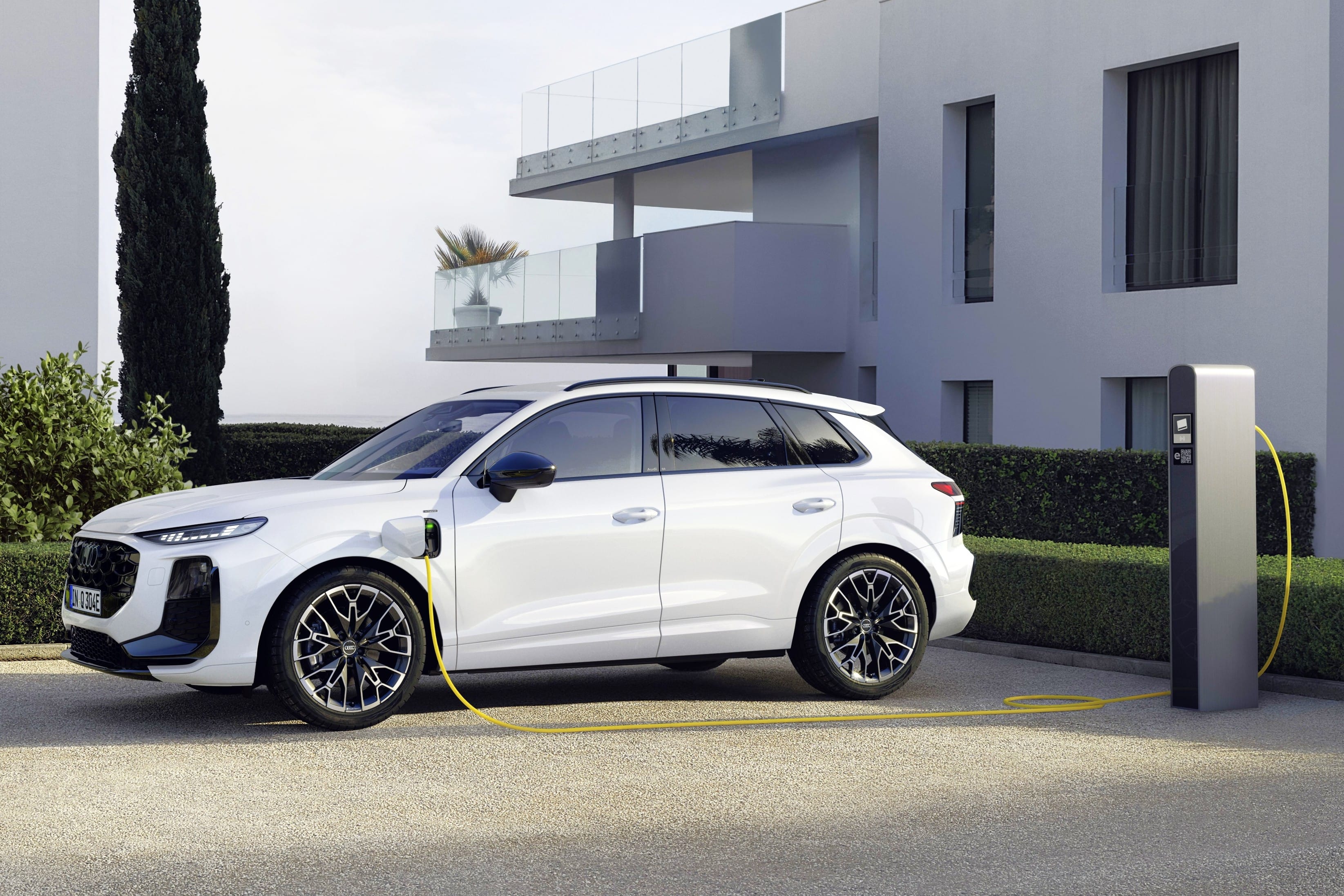
The slower-than-expected pace of EV adoption in several global markets has extended the relevance of combustion engines and plug-in hybrids. Audi expects to retain a focused combustion-engine and plug-in-hybrid portfolio, particularly for SUVs.
Audi Q3 PHEV
The company has recently completed a major investment cycle covering new petrol and diesel engines, plug-in hybrids and battery-electric vehicles designed to meet Euro 7 and other global regulations.
“For sure, the majority of our investment will be in battery electric. That’s a given,” Döllner said.
Audi will continue to invest selectively in combustion engines, including efficiency improvements and transmission technology, but Döllner expects the pace of innovation to be much faster in EVs.
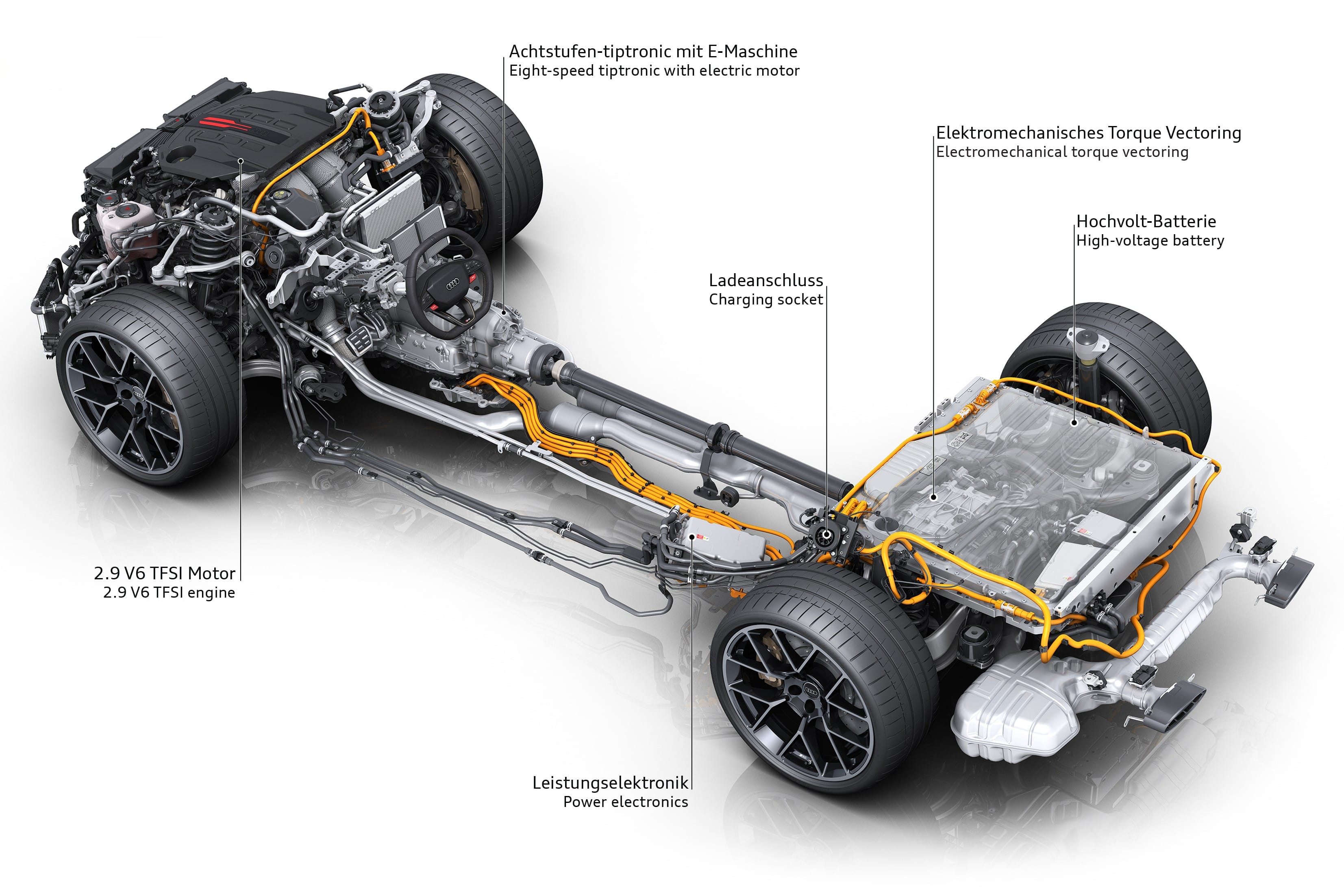
Audi RS5 plug-in hybrid powertrain
“The combustion engine is fairly mature. It’s at the very end of a 100-year innovation cycle, and battery electric is still at the very beginning, to be honest,” he said. “The dominant part of our investment will definitely be on the battery-electric side.”
Electric remains Audi’s leading technology
Audi’s decision to retain combustion engines and plug-in hybrids does not alter its long-term direction towards electric vehicles.
“Electric is, for Audi, still the leading technology,” Döllner said. “It’s our main priority to step by step become more electric.”
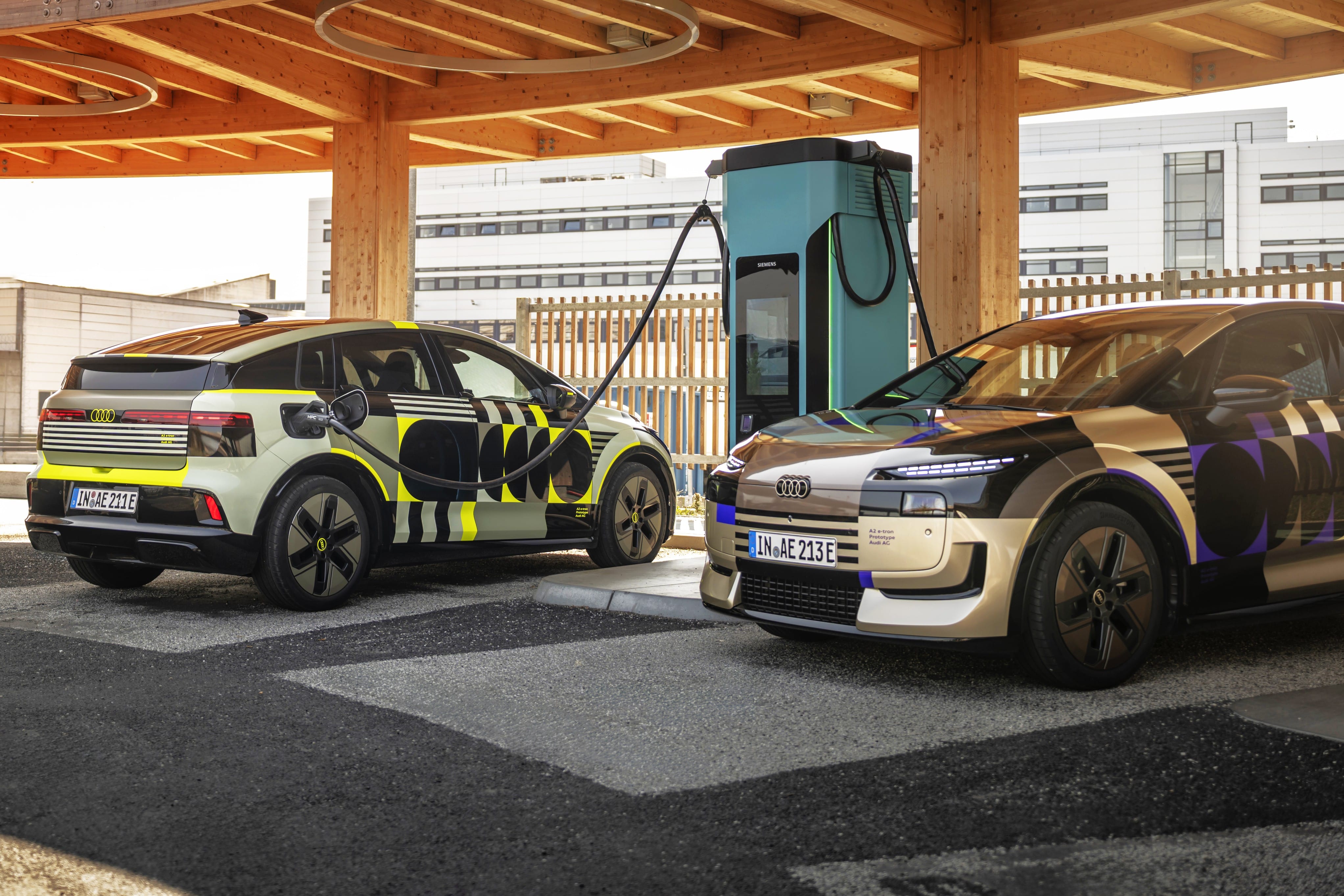
Prototypes of upcoming Audi A2 e-tron
Audi currently has four battery-electric model lines globally and expects to increase this to five by the end of the year, with some available in more than one body style. The company will, however, tailor the powertrain mix to individual regions. Plug-in hybrids will be particularly important in Europe, while the requirements of the US market will influence Audi’s future combustion-engine and PHEV portfolio, especially for SUVs.
In India, Audi’s immediate focus remains on petrol and electric vehicles. Diesel is not part of its current plan. The case for plug-in hybrids will depend partly on whether they receive any benefit under the India-EU FTA. New electric products are also planned for India.
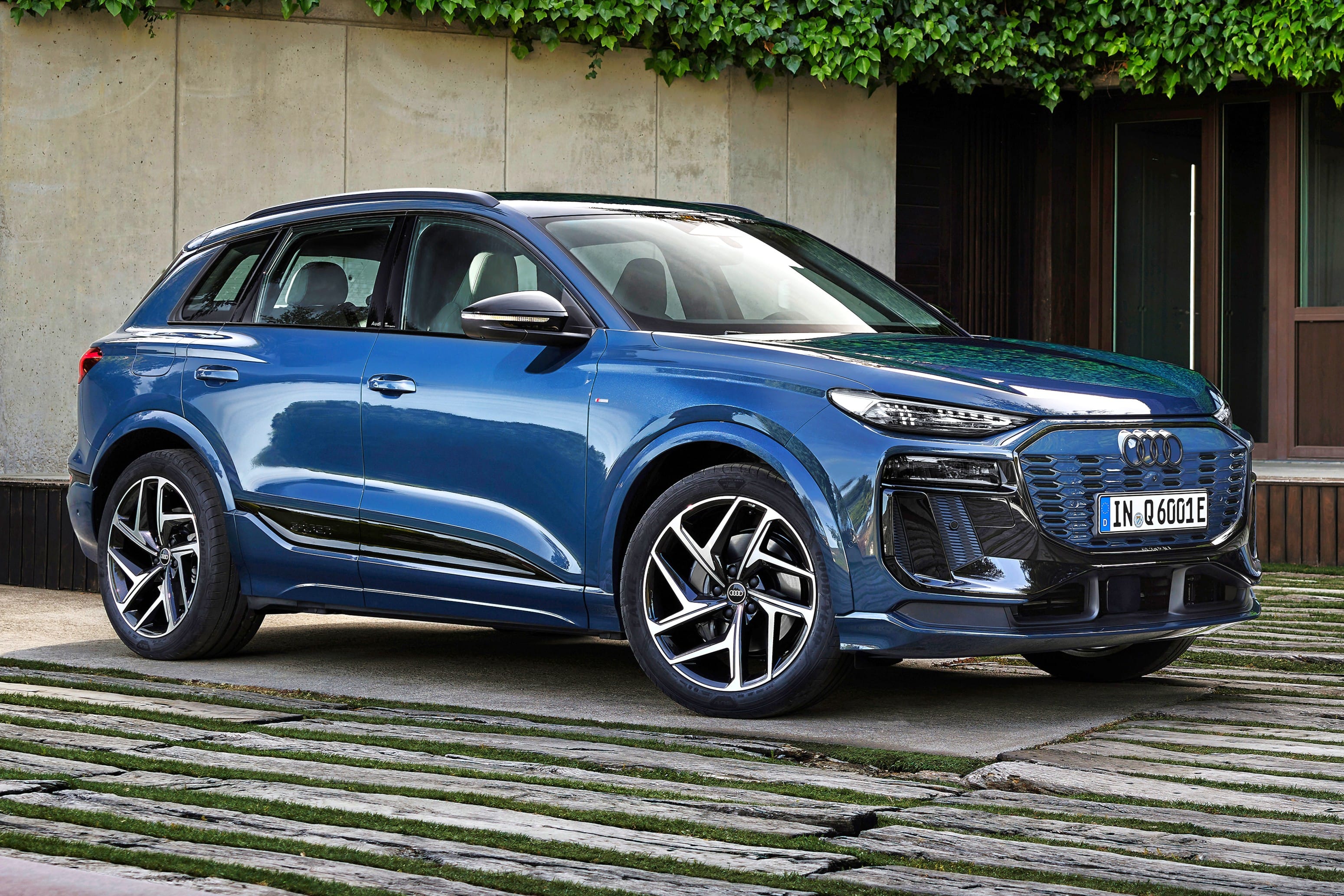
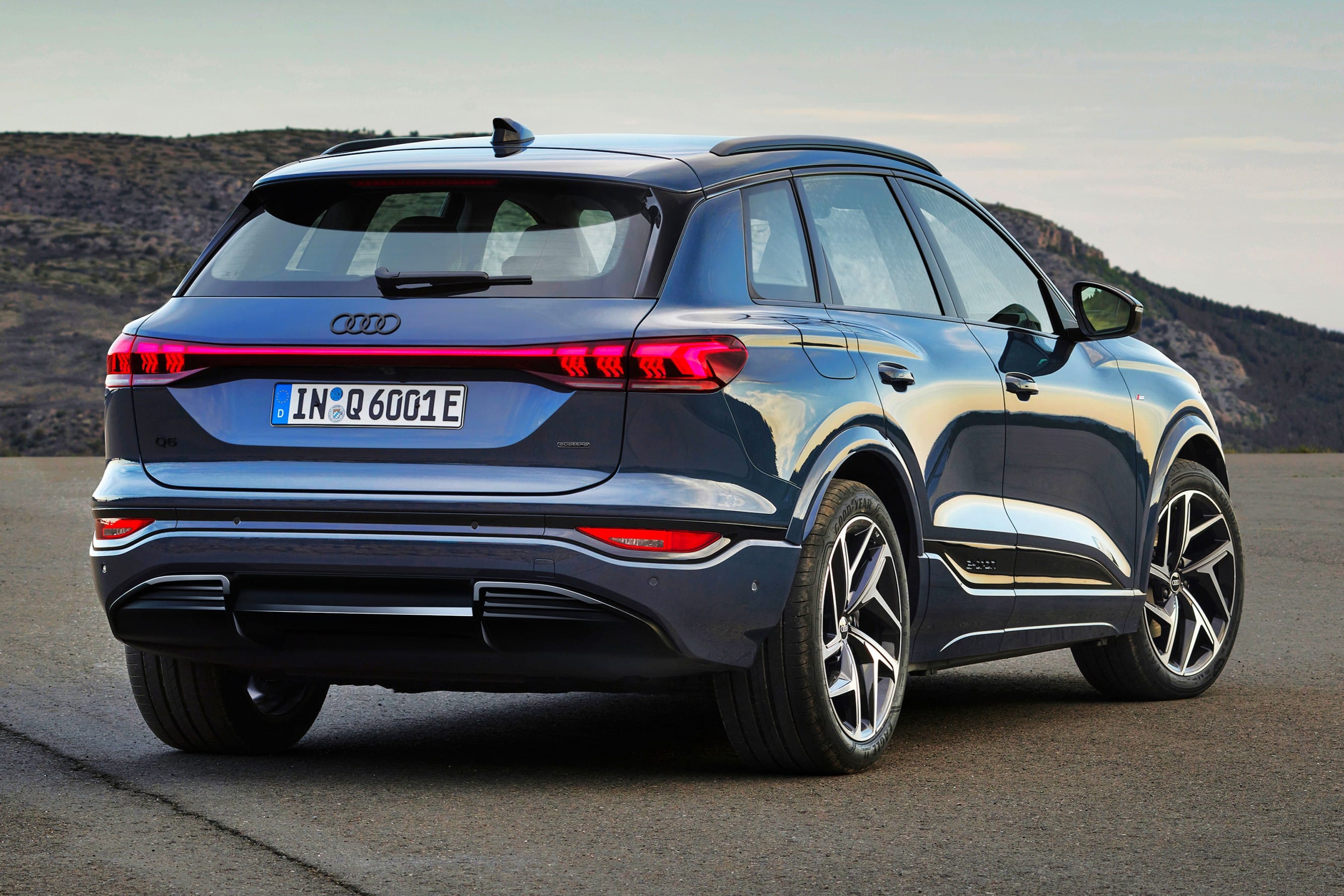
Audi Q6 e-tron
“From what I know, we also have decided to enter with new products in the electric segment in India,” Döllner said.
Audi has decided to assemble an electric vehicle in India, Autocar India learns, although the model and launch timing are still being worked out. The move from fully imported EVs to local assembly is now a question of when, rather than if.
The company was among the first luxury carmakers to enter India’s EV market with models such as the e-tron, e-tron Sportback, e-tron GT and Q8 e-tron. High import duties, however, restricted their reach and affected their resale-value proposition.
Audi Q6 e-tron
The Q6 e-tron is among the products being studied, but Audi has not decided which EV will be assembled in India. The selected model will need to offer the right combination of volume, pricing and suitability for local conditions.
Audi believes electric SUVs make more practical sense in India because their ground clearance is better suited to local road conditions. Sedans have not been ruled out, but SUVs offer a more practical proposition for battery-electric vehicles in the country.
Regional focus to shape future products
The broader powertrain approach is part of Döllner’s effort to make Audi more responsive to the requirements of individual regions.
“Audi has to act much more regional,” he said. “The times where we had a one size fits all, and we then bring it to China, just extend the wheelbase and do the same car, that doesn’t work anymore. We have to listen carefully to the markets.”
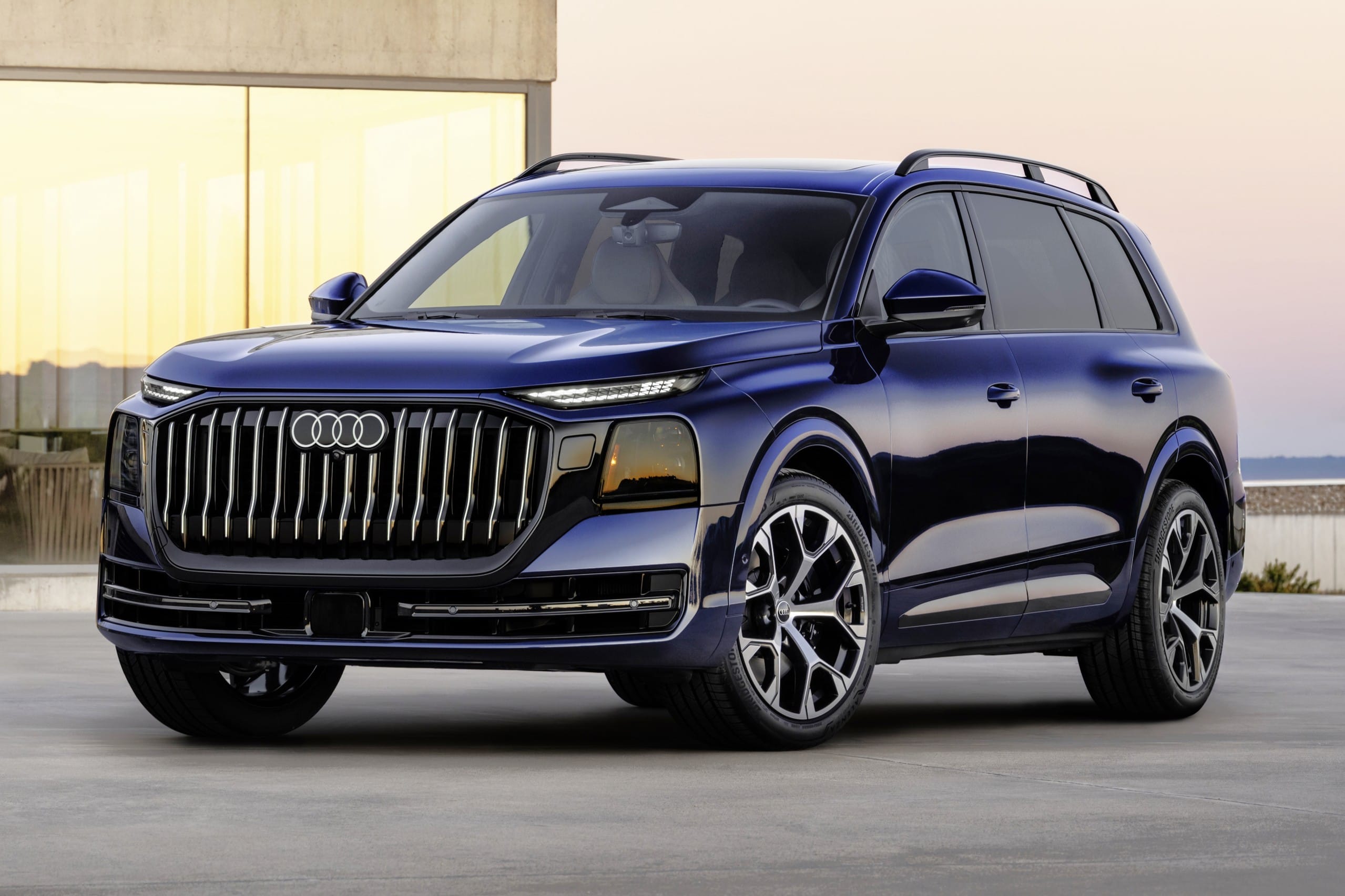
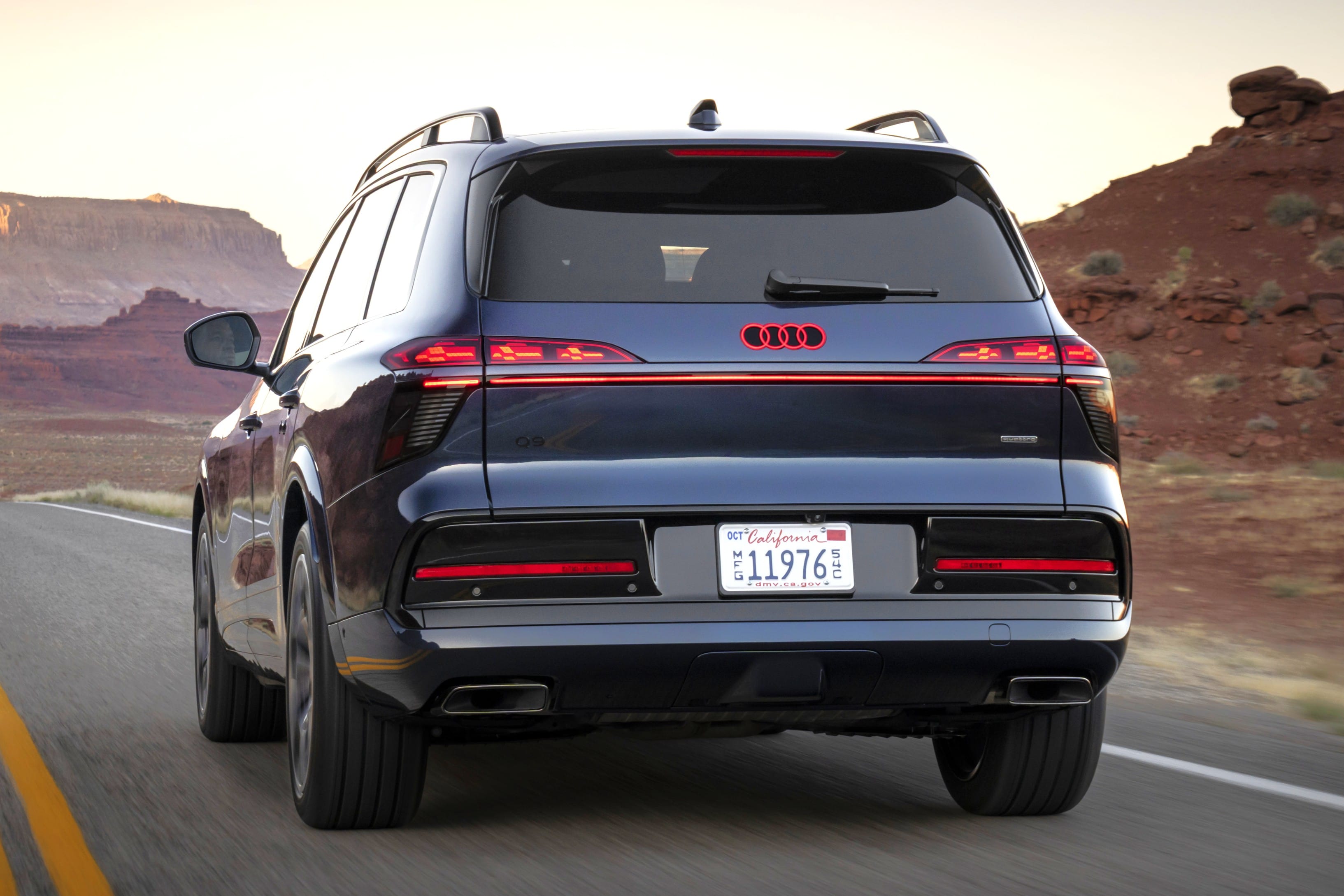
The Q9 is the first clear example of that approach. Conceived around the requirements of American customers, it will be the first Audi to make its market debut in the US.
Audi Q9
“The Q9 is a perfect proof point of a car. The biggest Audi we’ve ever built,” Döllner said. “That car would not be there without the American market.”
India does not yet generate the volumes required for Audi to develop country-specific models. Local requirements covering ground clearance, suspension, tyres, weather, dust and fuel quality are, however, fed into its global development process. The introduction of new models in India is also expected to move closer to their global launches, helping Audi benefit from the interest created when a vehicle is revealed internationally.
Döllner said the improvement in India’s manufacturing and automotive technology has changed how the country is viewed within the global industry.
Audi Q9
“India is also an excellent proof point. It’s really unbelievable what the car industry has developed in India and what level of perfection and technology products are delivered,” he said.
“In the past, there has been this strong European automotive industry, and the world has turned around. Now we have a very dynamic Chinese market, a growing and rising Indian automotive industry. The US is a story of its own.”
“What keeps me awake at night is if we are able to change fast enough,” Döllner said. “We have to speed up.”
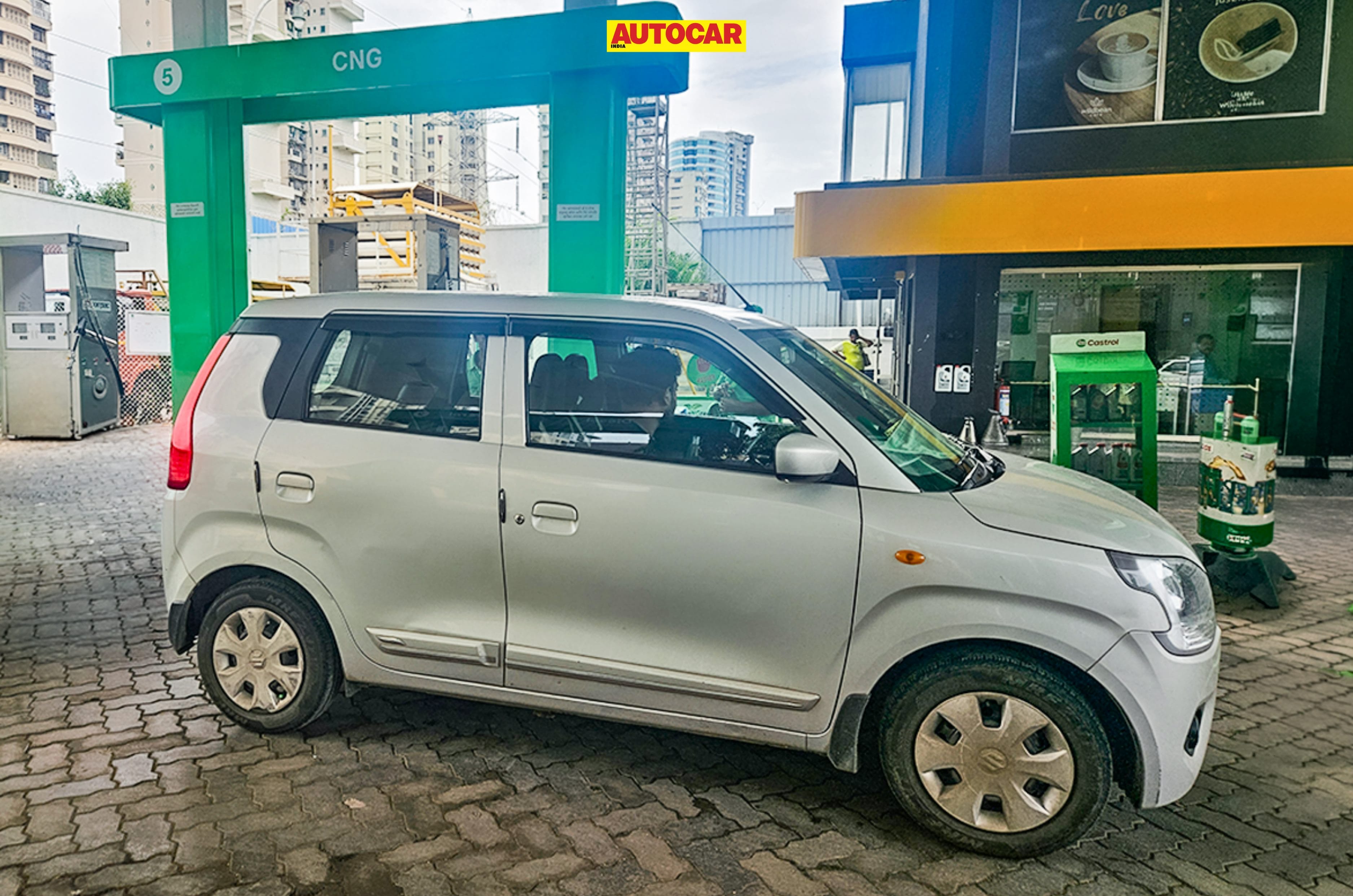
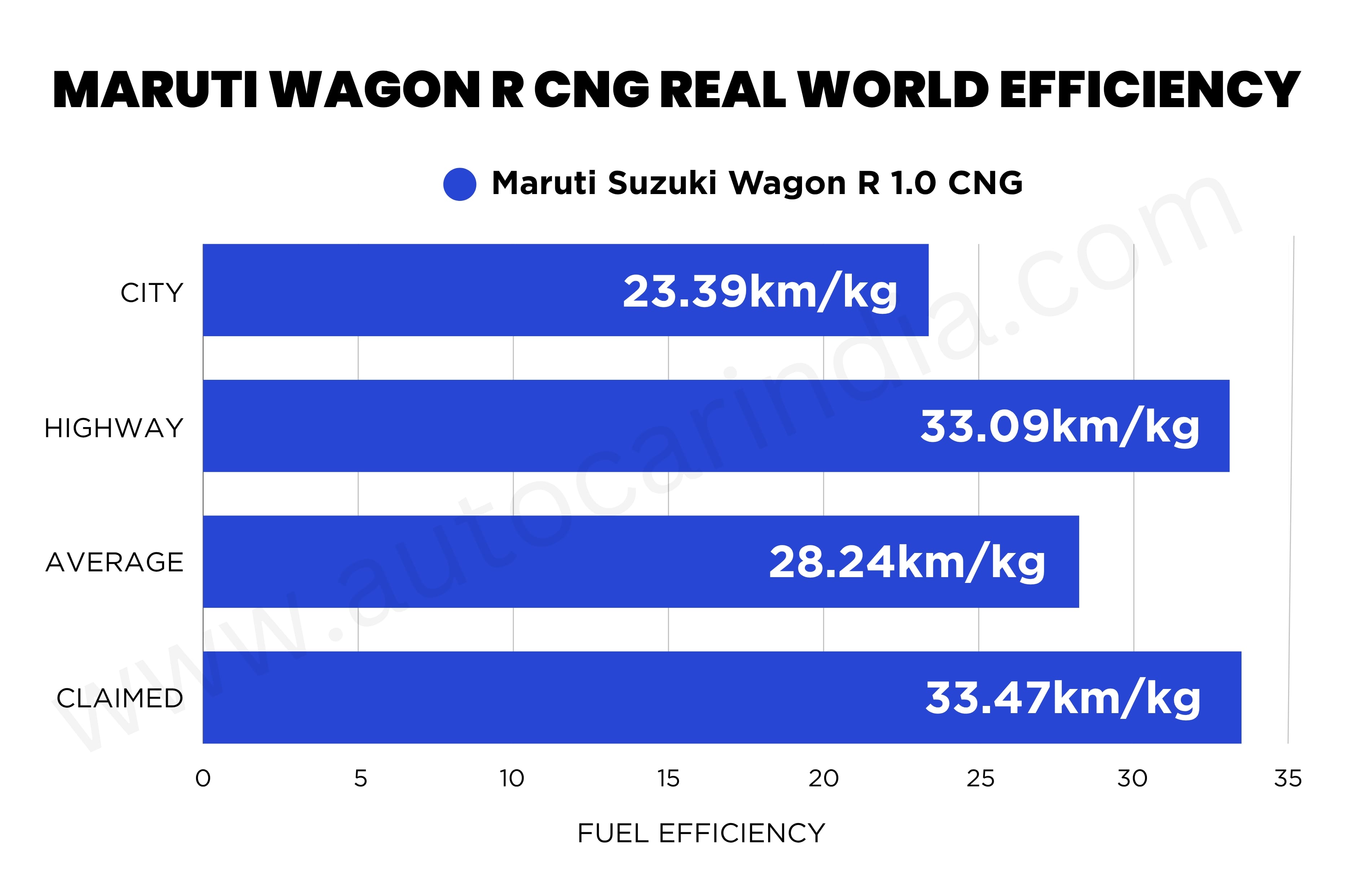
The Maruti Wagon R CNG remains one of India’s best-selling CNG cars. It is offered in two variants – LXi CNG (Rs 5.94 lakh) and VXi CNG (Rs 6.47 lakh) – and commands a premium of Rs 95,000 over the equivalent petrol versions. We put the Wagon R CNG through our real-world fuel-efficiency tests to see how it performs.
No auto engine stop-start system
Claimed fuel efficiency: 33.47km/kg
Is 95-100kg heavier than the equivalent petrol version
Maruti Suzuki Wagon R CNG mileage explained
Powering the Wagon R CNG is a 1.0-litre, three-cylinder engine that produces 67.7hp and 91.1Nm in petrol mode, and 56.6hp and 82.1Nm when running on CNG. The CNG variant is available exclusively with a 5-speed manual gearbox. Alongside its petrol fuel tank, the Wagon R gets a 60-litre CNG cylinder mounted in the boot. The added weight of the cylinder and associated hardware makes it about 95-100kg heavier than a comparable petrol model.
In our tests, the Wagon R CNG returned 23.39km/kg in the city and 33.09km/kg on the highway, resulting in an overall average efficiency of 28.24km/kg. Particularly noteworthy is the highway figure, which comes remarkably close to Maruti’s claimed efficiency of 33.47km/kg.
When refilled from empty, the Wagon R’s CNG tank accepted 7.4kg of gas. Under ideal conditions, however, the 60-litre cylinder should be able to hold close to 8kg, depending on factors such as ambient temperature and dispenser pressure. Based on our real-world average efficiency figure of 28.24km/kg, owners can realistically expect a driving range of approximately 210-220km on a full CNG tank.
Autocar India’s fuel-efficiency testing
Since CNG tanks are more difficult to fill consistently due to variables such as ambient temperature and pump pressure, we did not use our standard tankful-to-tankful methodology. Instead, for our real-world tests, we emptied the CNG tank and refilled it with 2kg of CNG. We then drove the vehicle in city conditions until the gas was exhausted. The same process was repeated for the highway run. Throughout both tests, the Wagon R was driven exclusively in CNG mode.
Before our real-world fuel efficiency tests, we maintain tyre pressures based on the manufacturer’s recommendations. These cars are driven in fixed city and highway loops in and around Navi Mumbai, and we maintain certain average speeds. Throughout the tests, there is only one person in each car, and the aircon is set to fan speed 2 with temperature dialed to the lowest position. We operate other electricals, such as the audio system, indicators and wipers, just like a regular user would. Periodic driver swaps further neutralise variations in driver patterns.
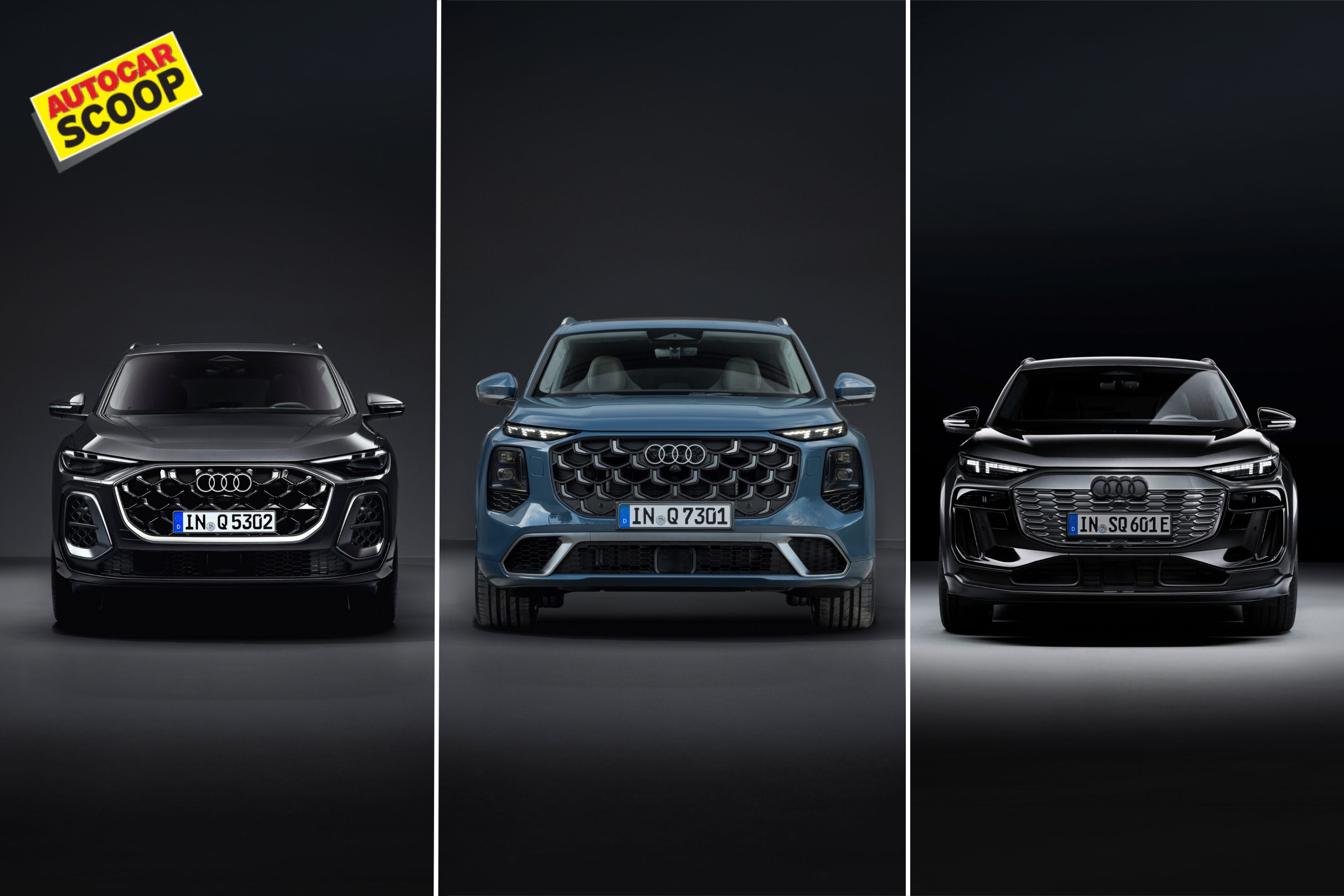
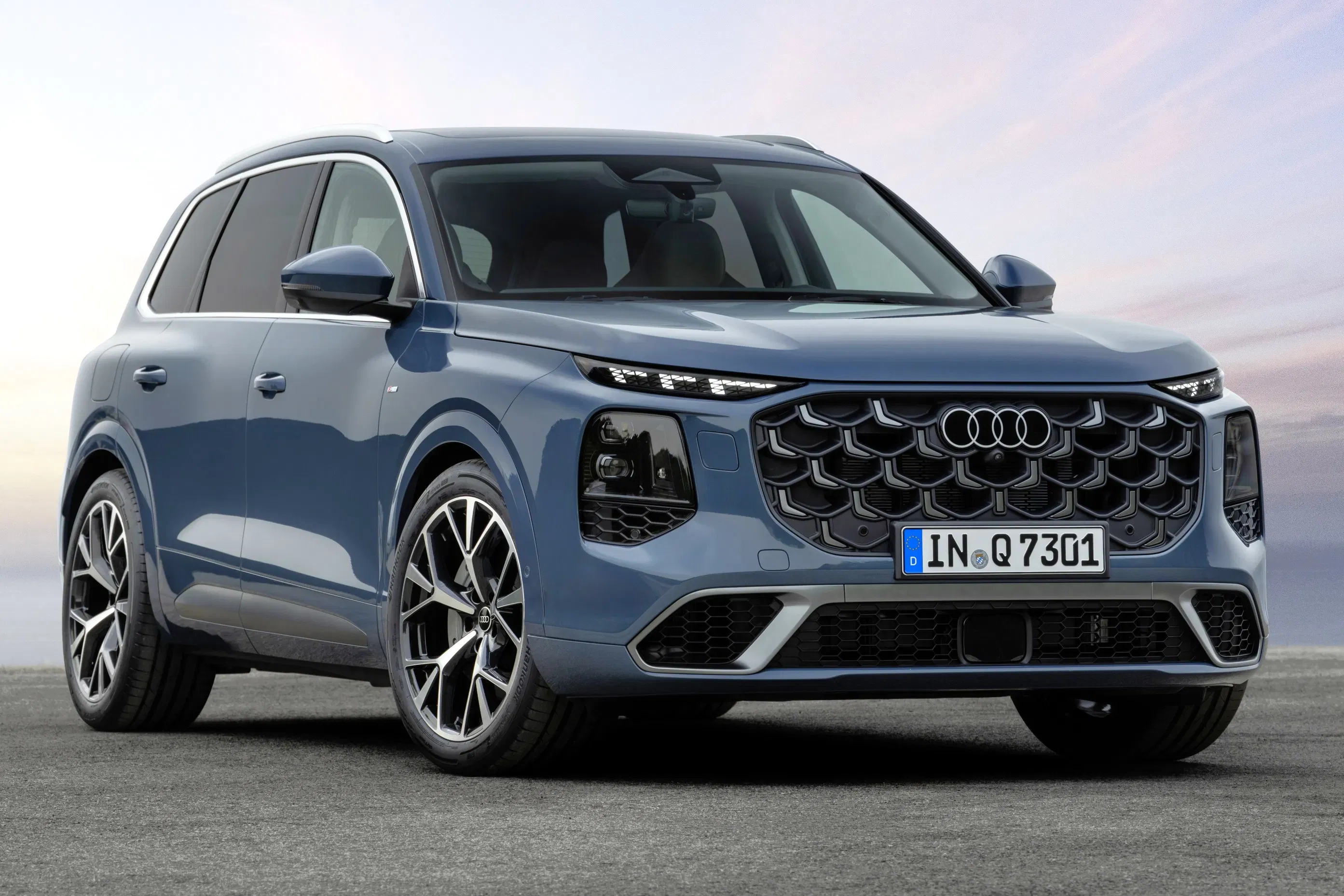
Audi India head Balbir Singh Dhillon recently confirmed 3 new launches in the next 12 months, but we have dug around a bit, and there’s a whole line-up of other models in bound as well. Apart from the new-gen Q3, the A5 and the flagship Q9, Audi will also be bringing the next-gen Q5 and Q7 in 2027. There will also be an EV making a comeback in Audi’s lineup in the form of the Q6 e-tron, and the big news is that all of these models will be locally assembled in India. Essentially, Audi’s entire Q-range will be thoroughly revamped in India by the end of next year.
Audi Q6 e-tron
Estimated price: Rs 85 lakh; launch: Mid-2027
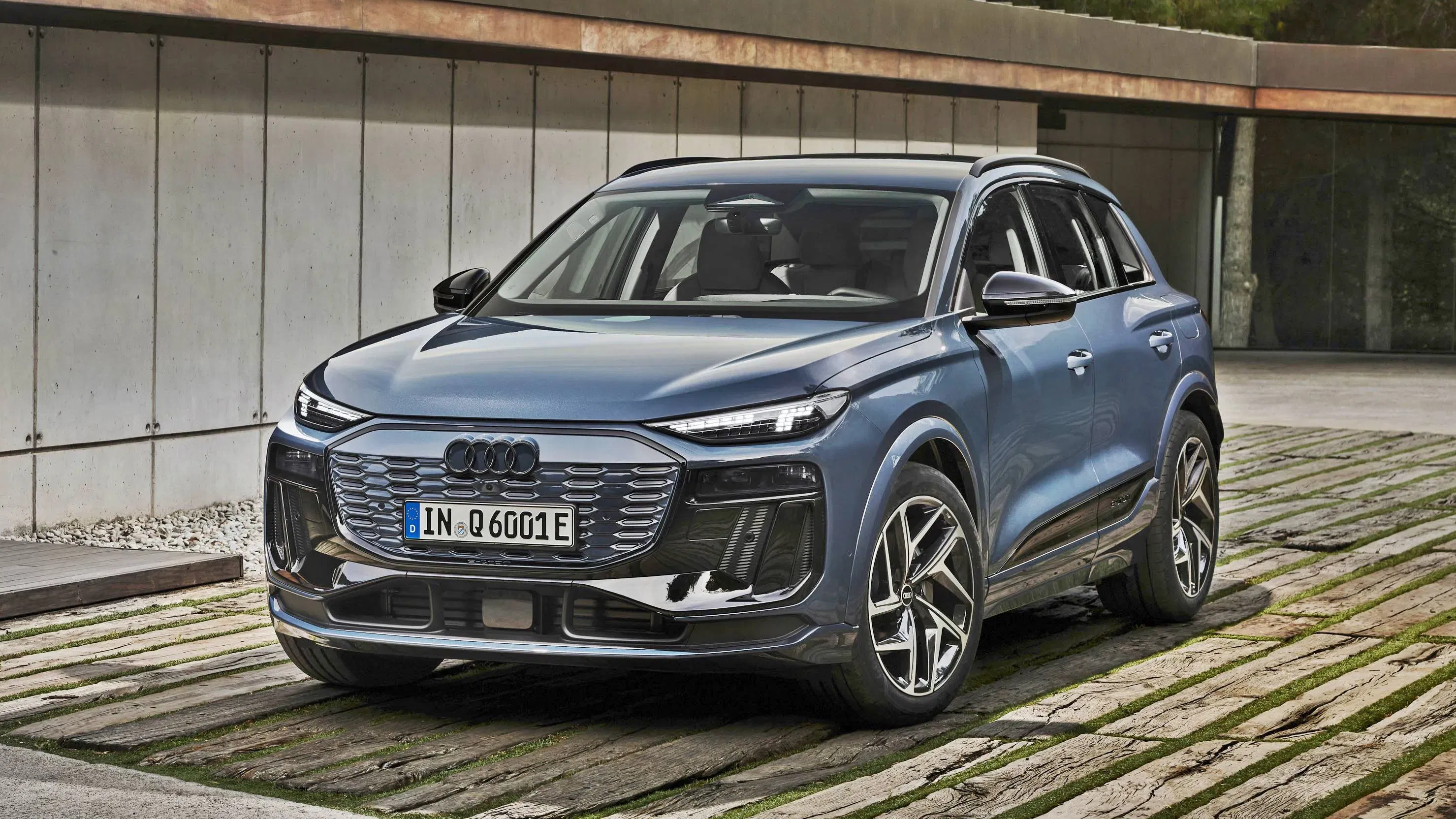
The Q6 e-tron will be Audi’s first EV to be assembled here. The electric SUV was the first to be based on the Volkswagen Group’s 800V Premium Platform Electric (PPE) architecture, co-developed with Porsche.
It’ll be offered in SUV and Sportback body styles and is likely to have a 100kWh battery (an 83kWh unit is offered overseas) with a single 306hp rear-mounted motor, offering 641km of WLTP range (656km for the aero-efficient Sportback). The EV also introduced Audi’s latest curved display that comprises an 11.9-inch digital instrument cluster, a 14.5-inch central touchscreen, and an optional 10.9-inch touchscreen display for the front passenger.
Next-gen Audi Q5
Estimated price: Rs 75 lakh; launch: October 2027
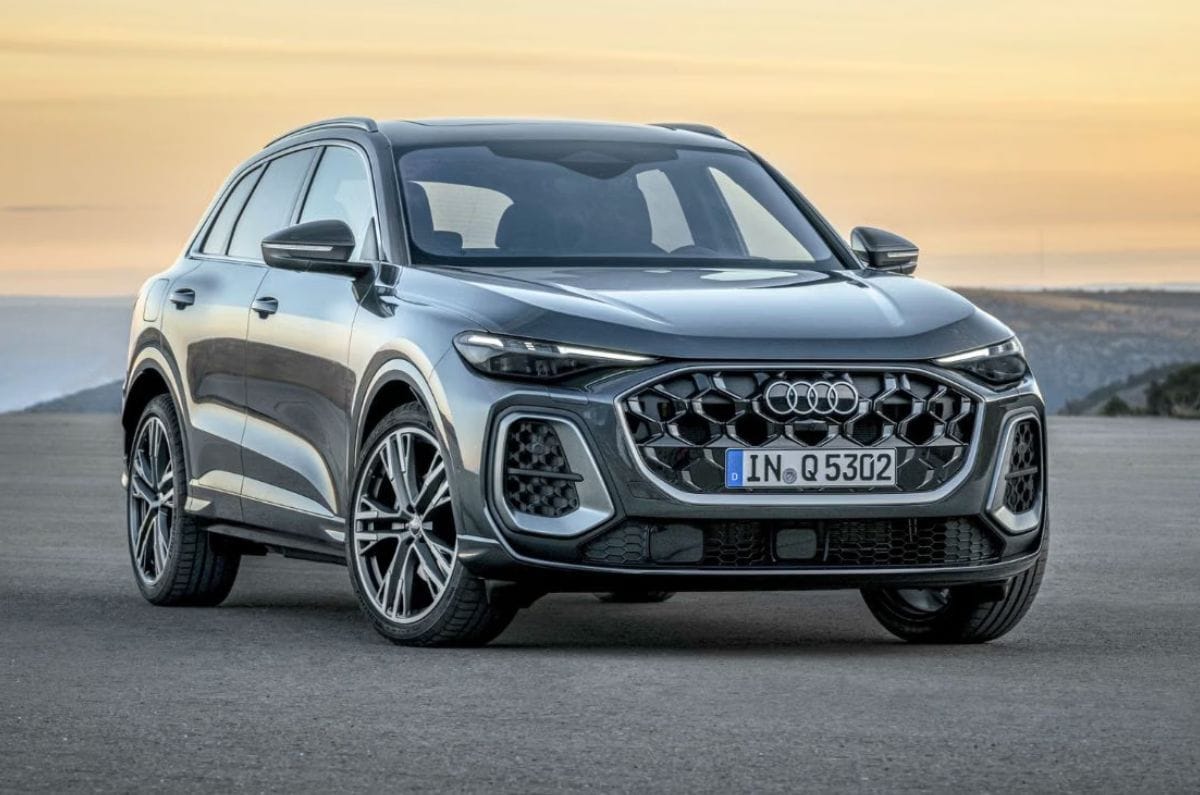
The third-gen Q5 will arrive to take on the Mercedes GLC and BMW X3. Sharing Audi’s latest PPC architecture with the A5, it gets sharper styling than its predecessor, much improved aerodynamics and a thoroughly modern cabin featuring a curved 11.9-inch digital driver’s display and 14.5-inch touchscreen, along with an optional passenger display.
It is expected to use Audi’s localised 2.0 turbo-petrol in a higher 265hp state of tune, paired with a 7-speed dual-clutch automatic and Quattro AWD. There is no word on whether Audi will bring the Sportback or the 367hp SQ5, but the India-EU FTA could create potential for a launch.
Audi Q7
Estimated price: Rs 1.2 crore; launch: December 2027
While the recently revealed Q9 is now Audi’s flagship SUV, the Q7 still has big cachet in India. The third-gen model brings in a brawnier form, which harks back to the original Q7. A three-row, seven-seat layout will be standard, and there will also be the option of a six-seat configuration with captain chairs in the middle row.
Cabin space and quality have been upped. The Q7 will sport Audi’s new triple-screen dash layout. While markets abroad get a mild-hybrid diesel, in India, it is expected to retain the 3.0 V6 turbo-petrol.
Petrol Diesel Price Today: हर दिन की शुरुआत सिर्फ सूरज की किरणों से नहीं होती, बल्कि पेट्रोल और डीजल की नई कीमतों से भी होती है, जो आम आदमी की जेब पर सीधा असर डालती हैं। सुबह 6 बजे देश की तेल विपणन कंपनियां (OMCs) ताजा दरें जारी करती हैं, जो अंतरराष्ट्रीय बाजार में कच्चे तेल की कीमतों और डॉलर-रुपए की विनिमय दर में आए बदलावों पर आधारित होती हैं। ये बदलाव रोजमर्रा की जिंदगी को प्रभावित करते हैं, चाहे वो ऑफिस जाने वाला व्यक्ति हो या फल-सब्जी बेचने वाला व्यापारी।
ऐसे में हर दिन की कीमतों की जानकारी रखना सिर्फ जरूरी ही नहीं, बल्कि समझदारी भी है। सरकार की यह प्रणाली पारदर्शिता सुनिश्चित करती है ताकि उपभोक्ताओं को किसी तरह की भ्रमित जानकारी न मिले।
आपके शहर में आज का पेट्रोल-डीजल का भाव
ये रहे 08 आगस्त 2026 के प्रमुख शहरों के पेट्रोल-डीजल के ताजा रेट
नई दिल्ली: पेट्रोल ₹102.12 प्रति लीटर और डीजल ₹95.20 प्रति लीटर।
मुंबई: पेट्रोल ₹111.18 और डीजल ₹97.83 प्रति लीटर।
कोलकाता: पेट्रोल ₹113.47 जबकि डीजल ₹99.82 प्रति लीटर।
चेन्नई: पेट्रोल ₹107.77 और डीजल ₹99.55 प्रति लीटर।
गुरुग्राम: पेट्रोल ₹102.77 तथा डीजल ₹95.44 प्रति लीटर।
नोएडा: पेट्रोल ₹102.12 और डीजल ₹95.56 प्रति लीटर।
बेंगलुरु: पेट्रोल ₹110.93 जबकि डीजल ₹98.80 प्रति लीटर।
भुवनेश्वर: पेट्रोल ₹109.92 और डीजल ₹100.92 प्रति लीटर।
चंडीगढ़: पेट्रोल ₹98.10 तथा डीजल ₹86.09 प्रति लीटर।
हैदराबाद: पेट्रोल ₹115.69 और डीजल ₹103.82 प्रति लीटर।
जयपुर: पेट्रोल ₹112.66 जबकि डीजल ₹97.78 प्रति लीटर।
लखनऊ: पेट्रोल ₹102.05 और डीजल ₹95.55 प्रति लीटर।
पटना: पेट्रोल ₹113.35 तथा डीजल ₹99.36 प्रति लीटर।
तिरुवनंतपुरम: पेट्रोल ₹115.49 और डीजल ₹104.40 प्रति लीटर।
पिछले दो साल से स्थिर क्यों हैं कीमतें?
मई 2022 के बाद से केंद्र और कई राज्यों द्वारा टैक्स में कटौती की गई, जिसके बाद पेट्रोल-डीजल की कीमतों में स्थिरता देखी जा रही है। हालांकि अंतरराष्ट्रीय बाजार में उतार-चढ़ाव होता रहता है, फिर भी भारतीय उपभोक्ताओं के लिए कीमतें तुलनात्मक रूप से स्थिर बनी हुई हैं।
किन कारणों से तय होती हैं ईंधन की कीमतें?
कच्चे तेल की कीमतें:
पेट्रोल और डीजल का उत्पादन मुख्य रूप से कच्चे तेल से होता है। जब अंतरराष्ट्रीय स्तर पर कच्चे तेल की कीमतें बढ़ती हैं, तो इसका असर सीधे भारतीय बाजार पर पड़ता है।
डॉलर के मुकाबले रुपया:
भारत अधिकतर कच्चा तेल आयात करता है, और यह डॉलर में खरीदा जाता है। यदि रुपया कमजोर होता है, तो ईंधन महंगा हो जाता है।
सरकारी टैक्स और शुल्क:
केंद्र और राज्य सरकारें पेट्रोल-डीजल पर भारी टैक्स लगाती हैं, जो खुदरा मूल्य का बड़ा हिस्सा होते हैं। यही कारण है कि राज्यों में कीमतों में अंतर होता है।
रिफाइनिंग की लागत:
कच्चे तेल को इस्तेमाल लायक बनाने की प्रक्रिया (रिफाइनिंग) में भी खर्च होता है। ये लागत कच्चे तेल की गुणवत्ता और रिफाइनरी की क्षमता पर निर्भर करती है।
मांग और आपूर्ति का संतुलन:
बाजार में ईंधन की मांग अगर बढ़ जाती है, तो कीमतें भी ऊपर जाने लगती हैं। खासकर त्योहारों, गर्मी या सर्दी के मौसम में ईंधन की खपत ज्यादा होती है।
कैसे करें अपने शहर की कीमतें SMS से चेक?
अगर आप मोबाइल से ईंधन की कीमत जानना चाहते हैं, तो ये प्रक्रिया आसान है:
Indian Oil ग्राहक: अपने शहर का कोड टाइप करें और उसे “RSP” के साथ 9224992249 पर भेजें।
BPCL ग्राहक: “RSP” लिखकर 9223112222 पर भेजें।
HPCL ग्राहक: “HP Price” लिखकर 9222201122 पर भेजें।
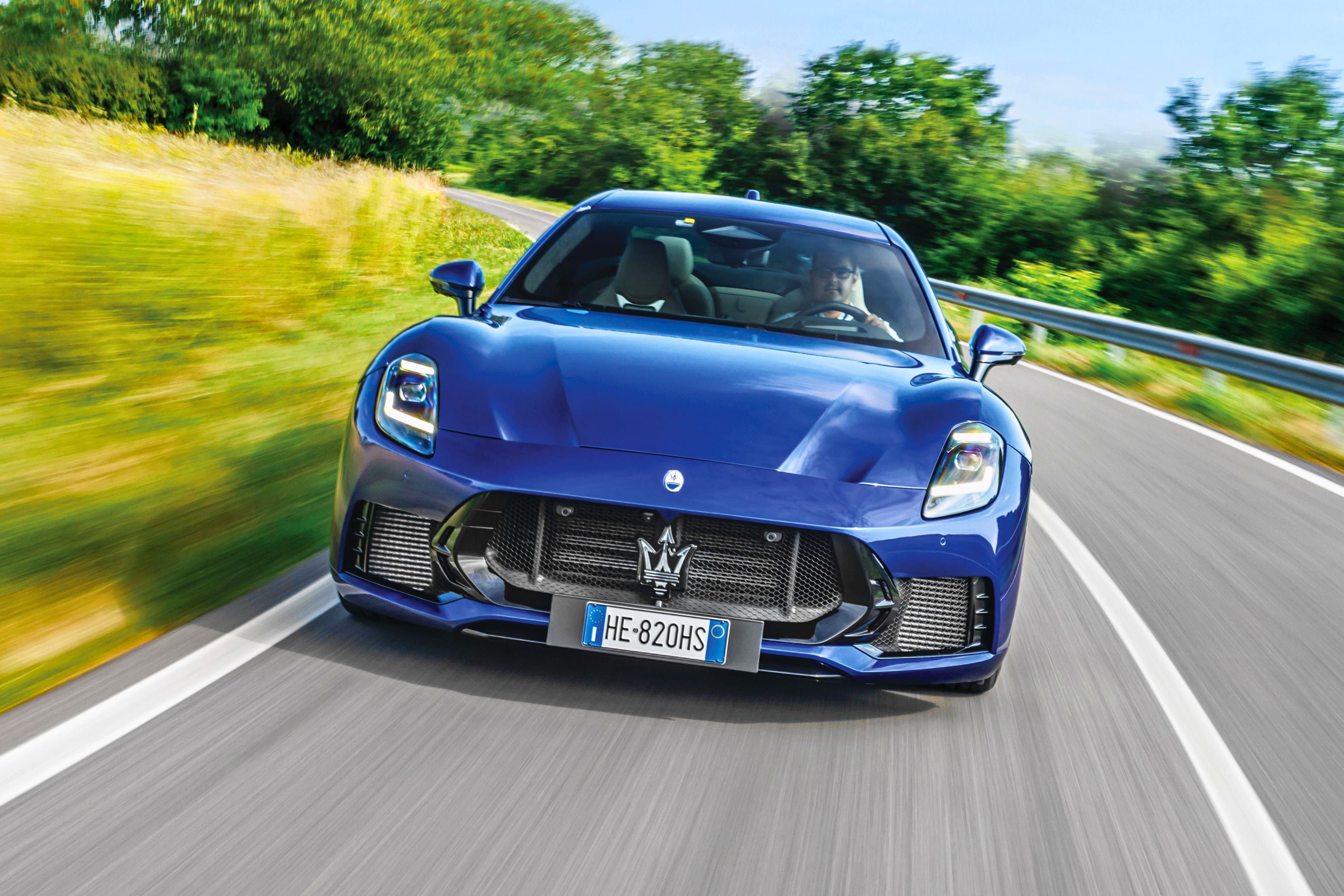
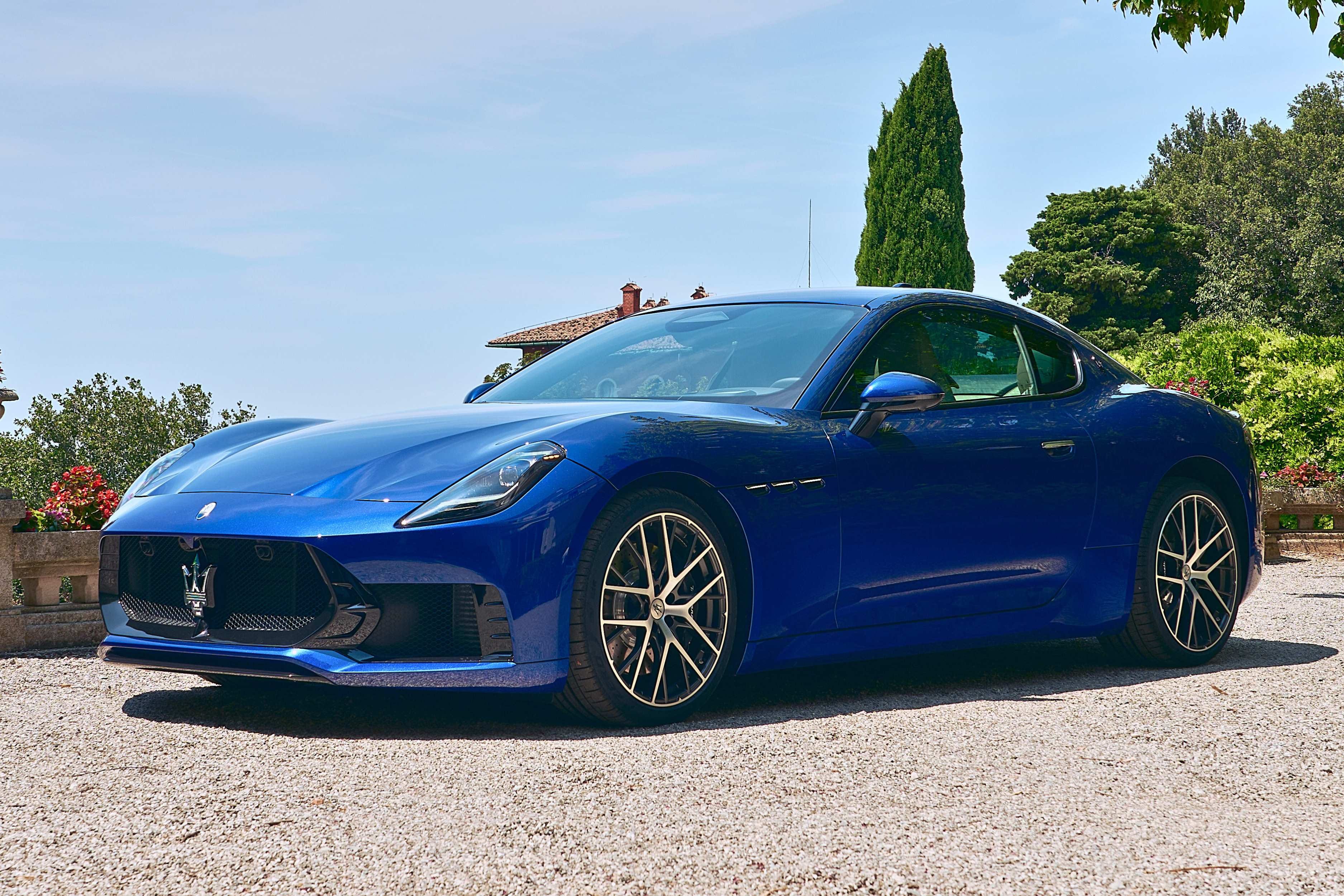
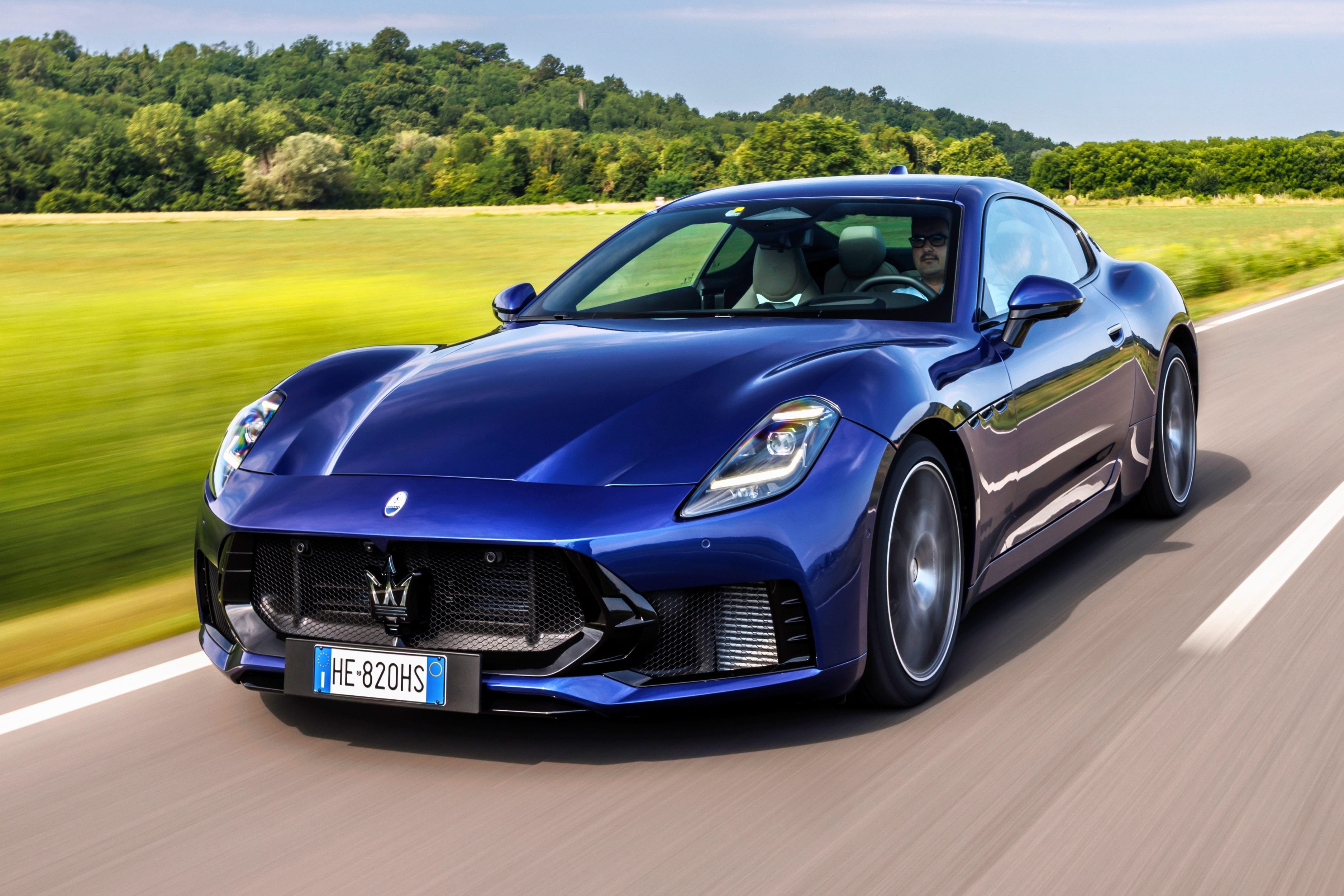
If Lamborghinis look like they’ve time-travelled from the future, and Ferraris appear shaped in wind tunnels, Maseratis are all about sculpture – flowing lines, gentle curves and delicate details. I’m no art connoisseur, but the gorgeous GranTurismo seems very much part of the awe-inspiring scenery at Italian seaside town Trieste’s Piazza Unità d’Italia.
Maserati GranTurismo Exterior Design and Engineering – 9/10
Classic GT proportions and Maserati details make it very eye-catching.
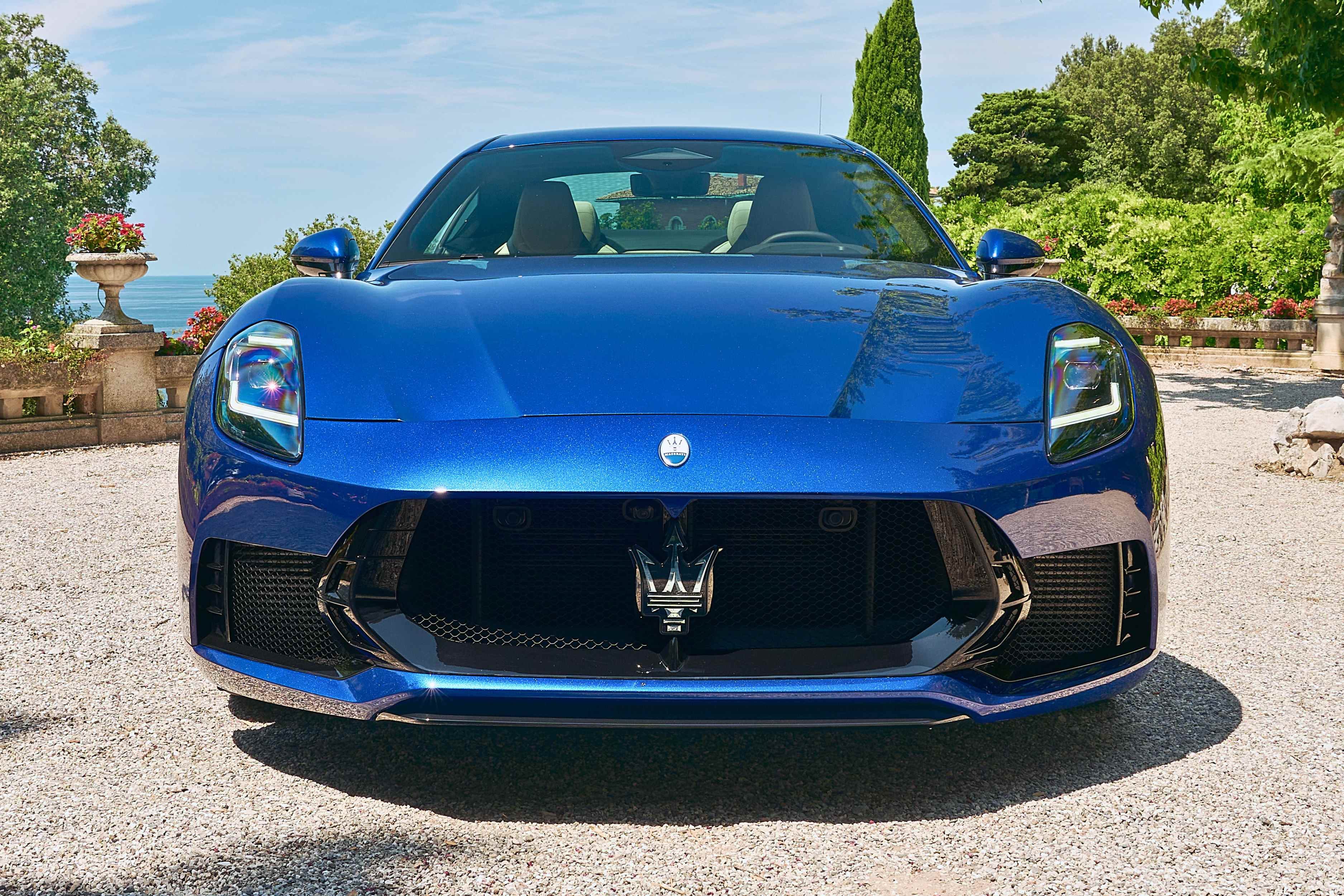
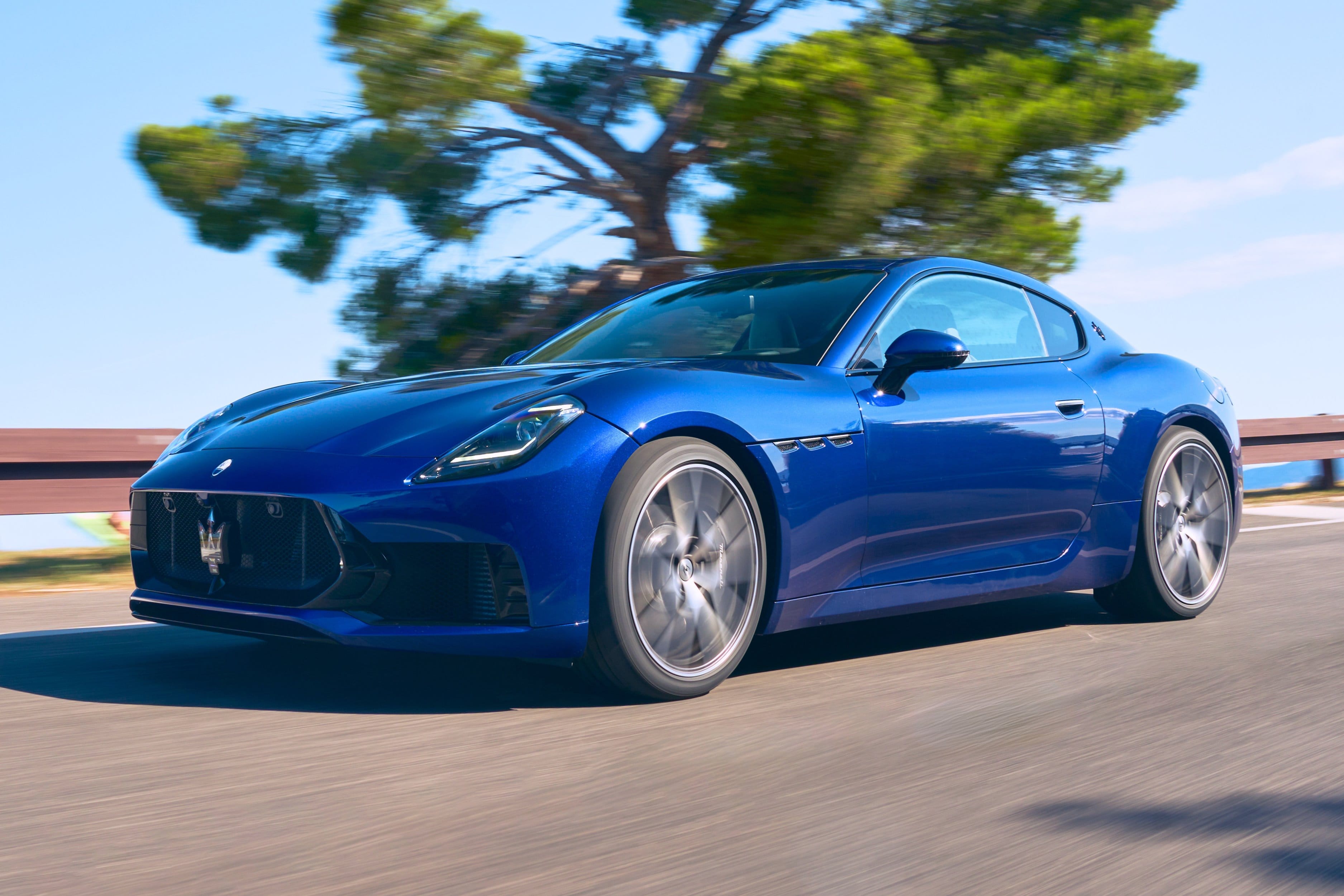
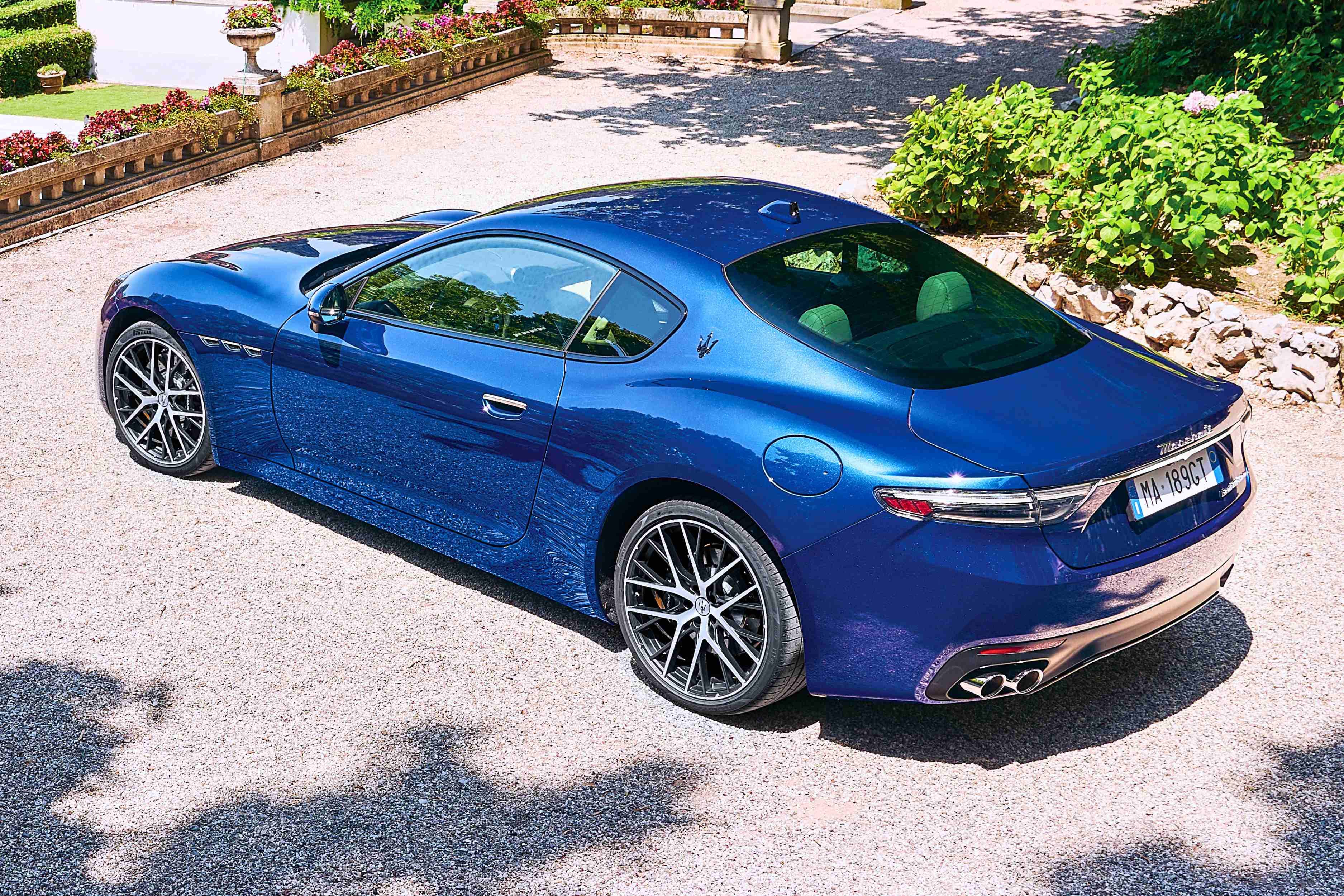
There’s the impossibly long bonnet, the neatly tucked-in cabin and the flowing rear that has become a GranTurismo trademark. Signature Maserati cues remain intact too, from the triple vents behind the front wheels to the distinctive rear quarter window and the Trident proudly displayed on the C-pillar. Even the way the muscular rear haunches merge into the tail has an elegance that’s hard to ignore.
Revised front bumper adds aggression to GranTurismo look.
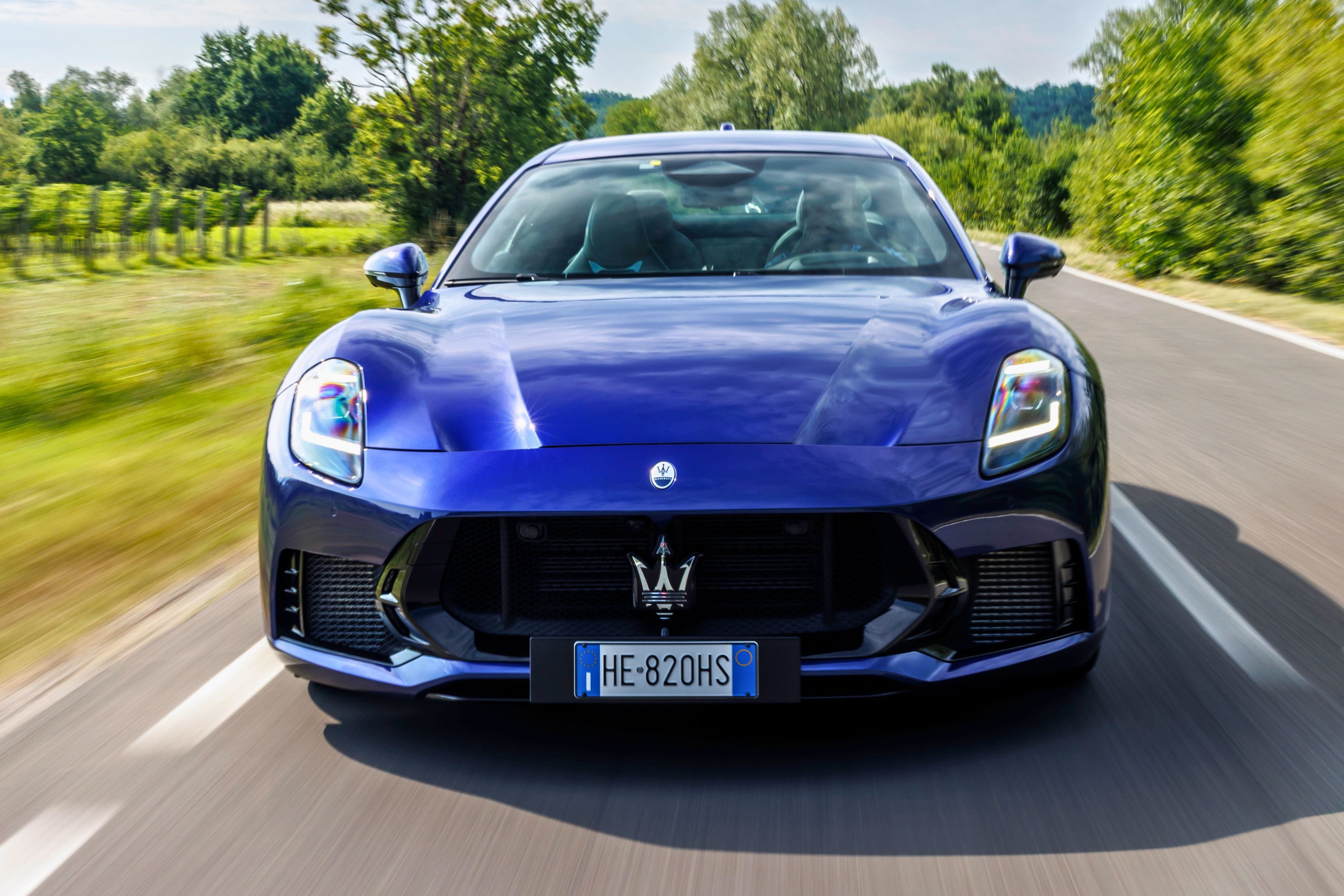
2026’s styling revisions are concentrated at the front. A larger grille sits lower down, flanked by bigger intercooler openings and a more pronounced splitter that together lend the GranTurismo a more aggressive face. At the rear, the clear-lens tail-lamps are the easiest (actually, only) way to identify the updated model. Oh, and if you see a GranTurismo without quad exhausts, you should know that you’re looking at the Folgore or electric version.
Maserati GranTurismo Interior Space and Comfort – 8/10
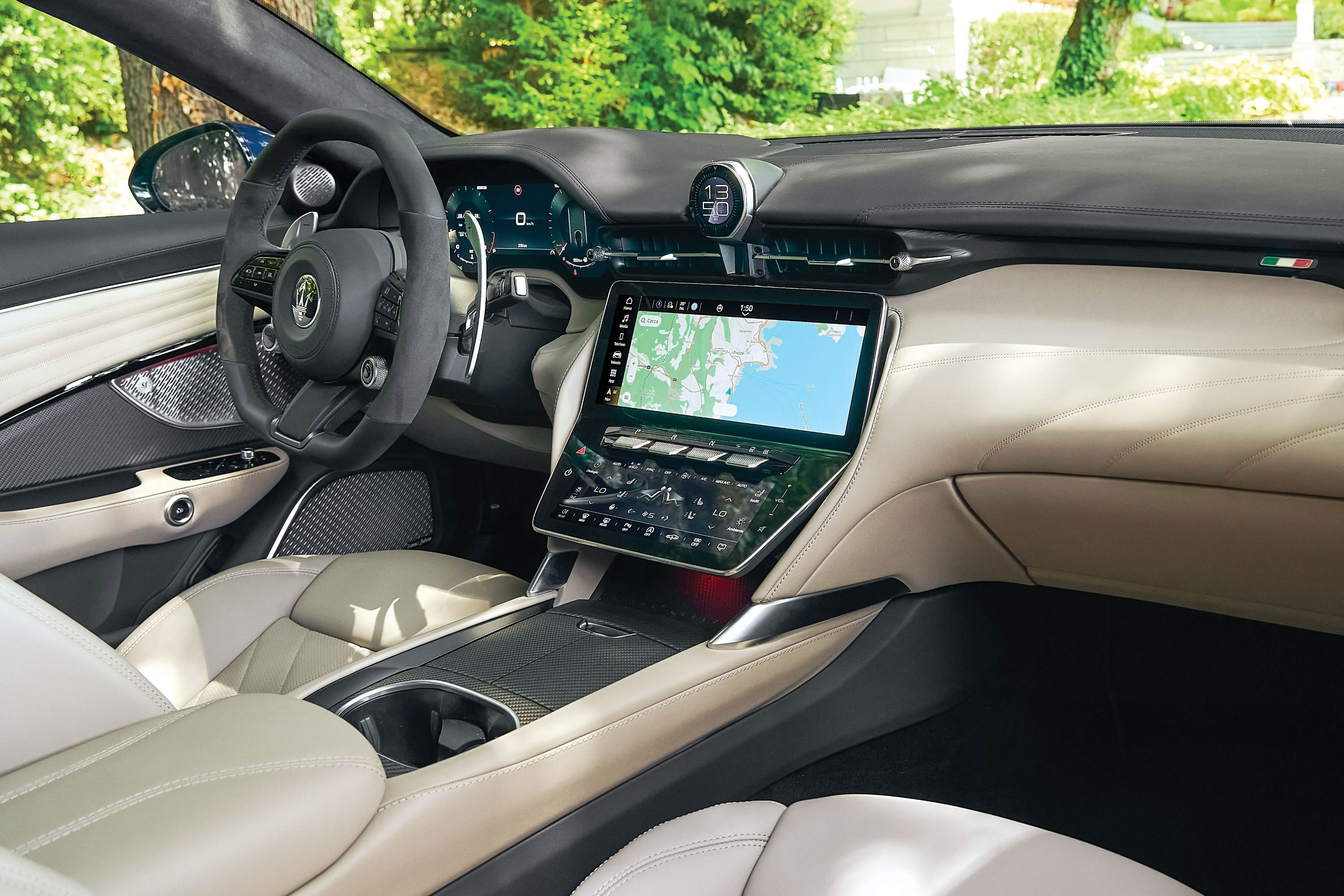
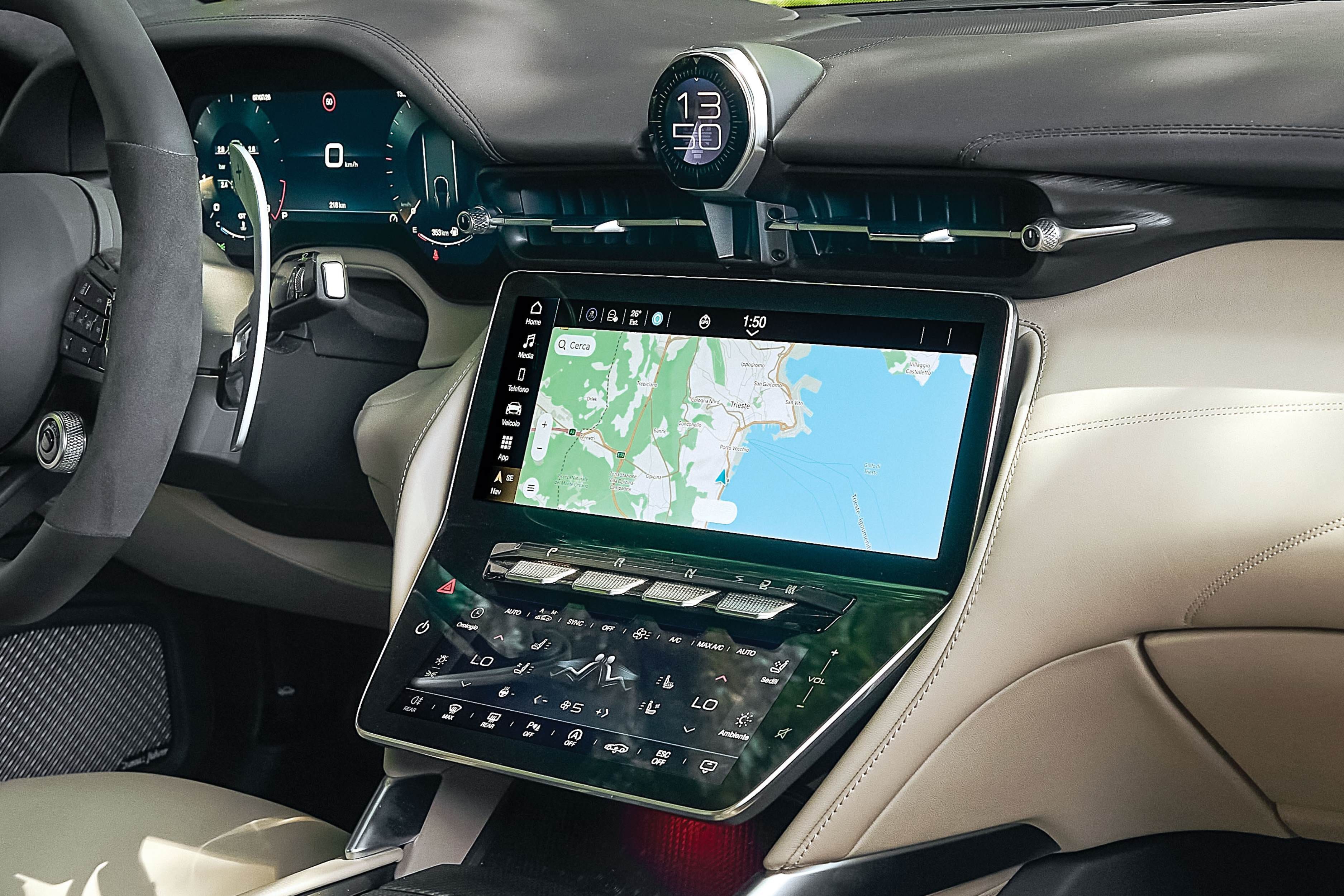
Inside too, the updates are subtle. The basic dash design is unchanged and is characterised by four screens– 12.2-inch digital dials, a 12.3-inch central infotainment screen, an 8.8-inch lower touchscreen and a digital clock.
New steering and redone gear selector switches among the changes inside.
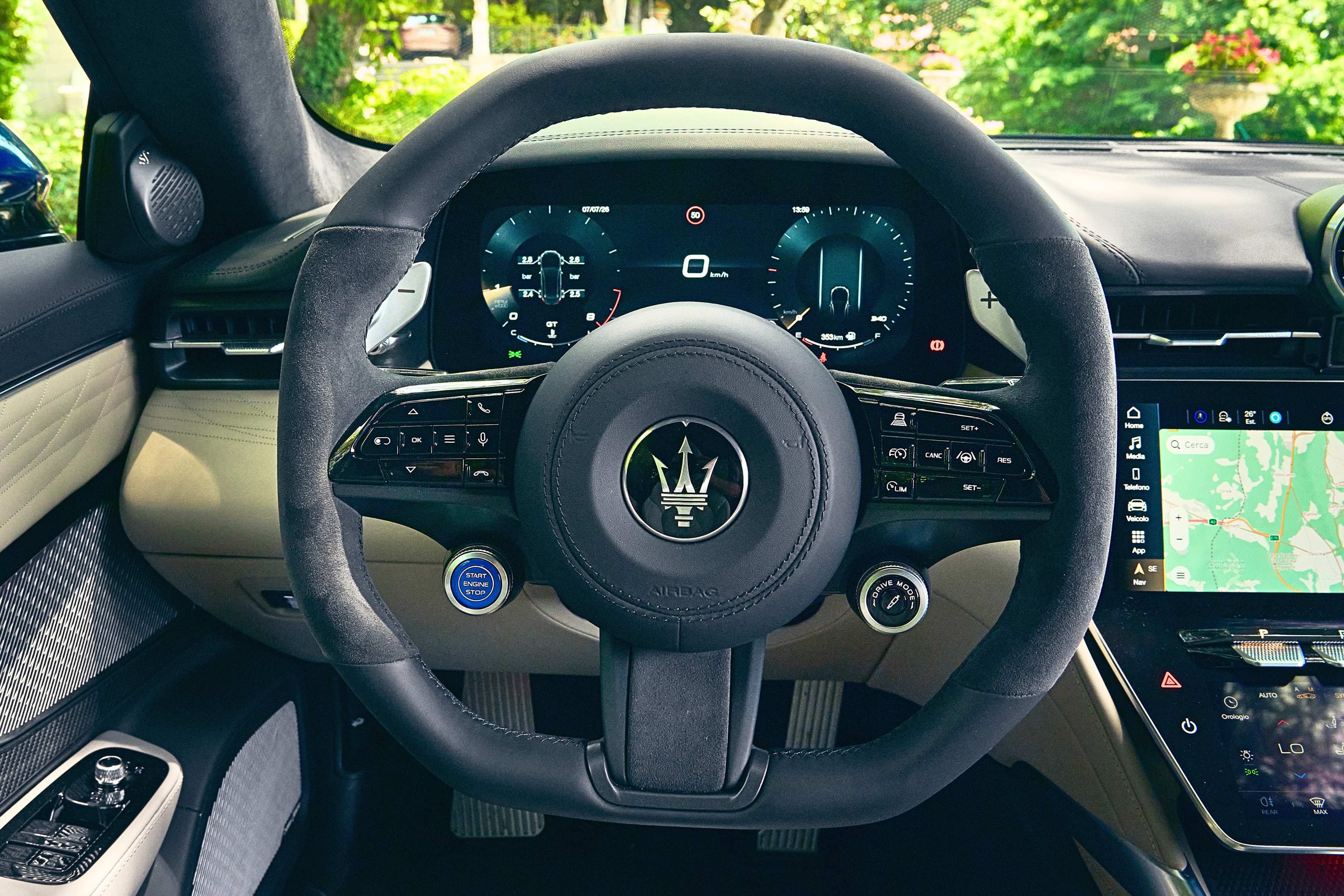
The steering gets a new squared-off design wrapped in Alcantara, and behind it remain the wonderfully oversized aluminium paddle shifters fixed to the steering column. The uninspiring P, R, N and D buttons on the dash make way for feelsome metallic toggles, while the digital clock gets a new glass face to make it look more, ahem, analogue. It works.
Interior is a happy blend of tech and craftsmanship.
Despite the abundance of screens, the cabin retains a handcrafted and very Italian feel thanks to the quality of (most) materials and intricate detailing. Maserati would only be too happy to introduce buyers to its universe of upholstery, colour and trim options to create an interior that’s truly personal. The only ergonomic complaint is the seating position, which doesn’t go quite as low as expected in a car of this nature. On the matter of seats, the GranTurismo’s rear seats aren’t just for show (I’m looking at you, 911). They are genuinely usable for short stints or the odd getaway. There’s a usable boot too, for your Gucci luggage.
Maserati GranTurismo Features and Safety – 7/10
New-age tech meets old-school warmth in here.
The GranTurismo comes with a fair bit of kit as standard. The front seats are powered and heated/ventilated, there’s a fabulous Sonus Faber sound system and enough screens to tell you you’re in 2026. The digital dials are easy to refer to, while the main touchscreen is also easy enough to navigate through. It does feel like a Stellantis group system rather than a bespoke Maserati unit, though. We’re not fans of touchscreens for climate control functions, but Maserati’s solution is among the best of the kind. Swipe sideways across the screen to adjust blower speed and vertically for temperature – intuitive to use on the move.
The safety suite includes camera- and radar-based ADAS.
Maserati GranTurismo Performance and Refinement – 8/10
Modena’s 490hp V6 offers smooth, effortless acceleration; Trofeo’s 590hp is more emotive.
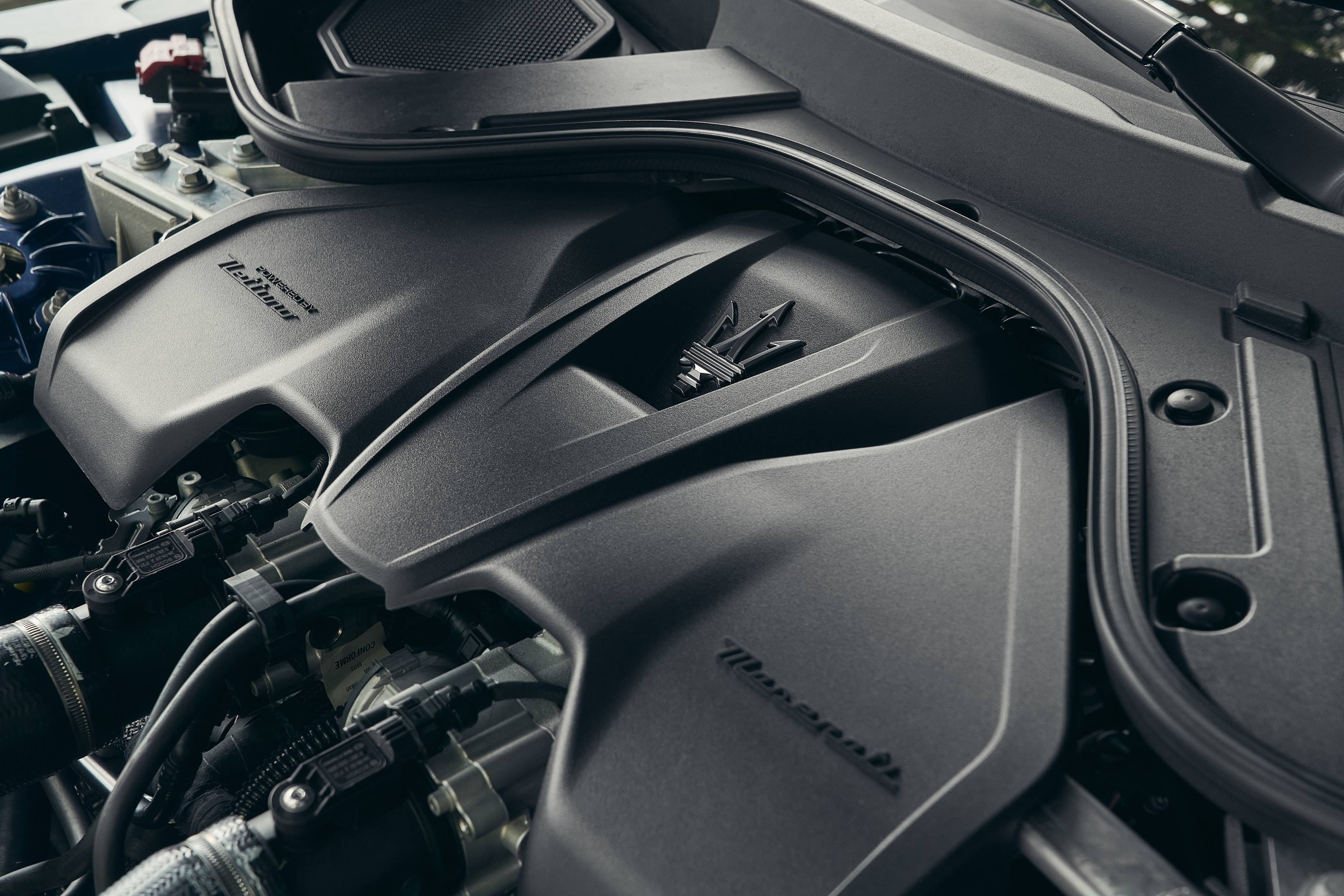
Power comes from Maserati’s own 3.0-litre twin-turbocharged ‘Nettuno’ petrol V6. In Modena guise as tested here, it produces 490hp, while the Trofeo’s output rises to 590hp from the previous 550hp. There’s also the ethanol-blending-proof all-electric Folgore, whose three-motor setup develops 760hp.
GranTurismo Modena does 0-100kph in 3.9 sec; Trofeo takes 3.5 sec.
On the road, the GranTurismo immediately reminds you that it is, above all else, a grand tourer. Despite producing nearly 500hp, it never feels urgent or hyperactive. Instead, its responses are measured and relaxed. Press the throttle harder, and the performance arrives in one smooth, effortless surge rather than an explosive punch. Maserati claims 0-100kph in 3.9 seconds for the Modena and 3.5 seconds for the Trofeo, but it’s the manner in which the speed builds that defines the experience. It launches with elegance rather than violence.
The V6 complements that character perfectly. There’s a constant gruffness to its soundtrack that grows richer as the revs climb. The Trofeo benefits from a more emotive exhaust note.
Maserati GranTurismo Efficiency/Range – 5/10
GranTurismo excels as a grand tourer, prioritising comfort over urgency.
Maserati’s V6 features cylinder deactivation and will shut off the right bank of cylinders at light loads in the interest of better efficiency. As it is, the GranTurismo’s V6 will be more efficient than the V8s in some rivals, but only just. The GranTurismo will happily work through a full tank of 100-octane fuel if you drive with vigour, and even on relaxed drives, you’re looking at real-world figures in the region of 5-6kpl.
The all-electric Folgore does have more to offer with the update. Range is up by 80km to 540km (WLTP) thanks to a new front-axle disconnect function.
Maserati GranTurismo Ride Comfort and Handling – 8/10
At nearly five metres long and weighing around 1.8 tonnes, the GranTurismo is no lightweight sports car. Yet, its standard air-suspension and all-wheel-drive system help disguise its size remarkably well. It doesn’t dart into corners like a Porsche 911, but there’s a lovely fluidity to the way it changes direction. The steering, in particular, deserves praise for its natural weighting and excellent feel.
Air suspension delivers a cushioned ride despite low-profile tyres.
Ride comfort is another highlight. Despite its large wheels and low-profile tyres, the suspension absorbs imperfections with impressive composure. A new ‘Country’ drive mode raises the ride height by 20mm at speeds of up to 120kph, making it particularly relevant for Indian roads.
Maserati GranTurismo Price and Verdict – 8/10
The GranTurismo (and open-top Gran Cabrio) will go on sale in India in the coming months, and we expect the range to start around Rs 2.7 crore (ex-showroom) with the Trofeo’s closer to the Rs 3 crore mark. The all-electric Folgore will also be on offer.
Updated Maserati GranTurismo is expected to cost Rs 2.7-3 crore (ex-showroom).
Similar money could buy you a Porsche 911 GTS or a Mercedes-AMG GT, but I wouldn’t think of the GranTurismo as a direct rival. It’s not as focused as a performance car, but instead excels at a wider range of abilities. The GranTurismo story is as much about luxury as it is about sportiness. Ride comfort is a big plus, and for what it’s worth, the rear seats are usable too. It only helps that the GranTurismo is drop-dead gorgeous.
For the wealthy few shopping in the segment, the GranTurismo deserves a long, hard look. You might just fall for it.
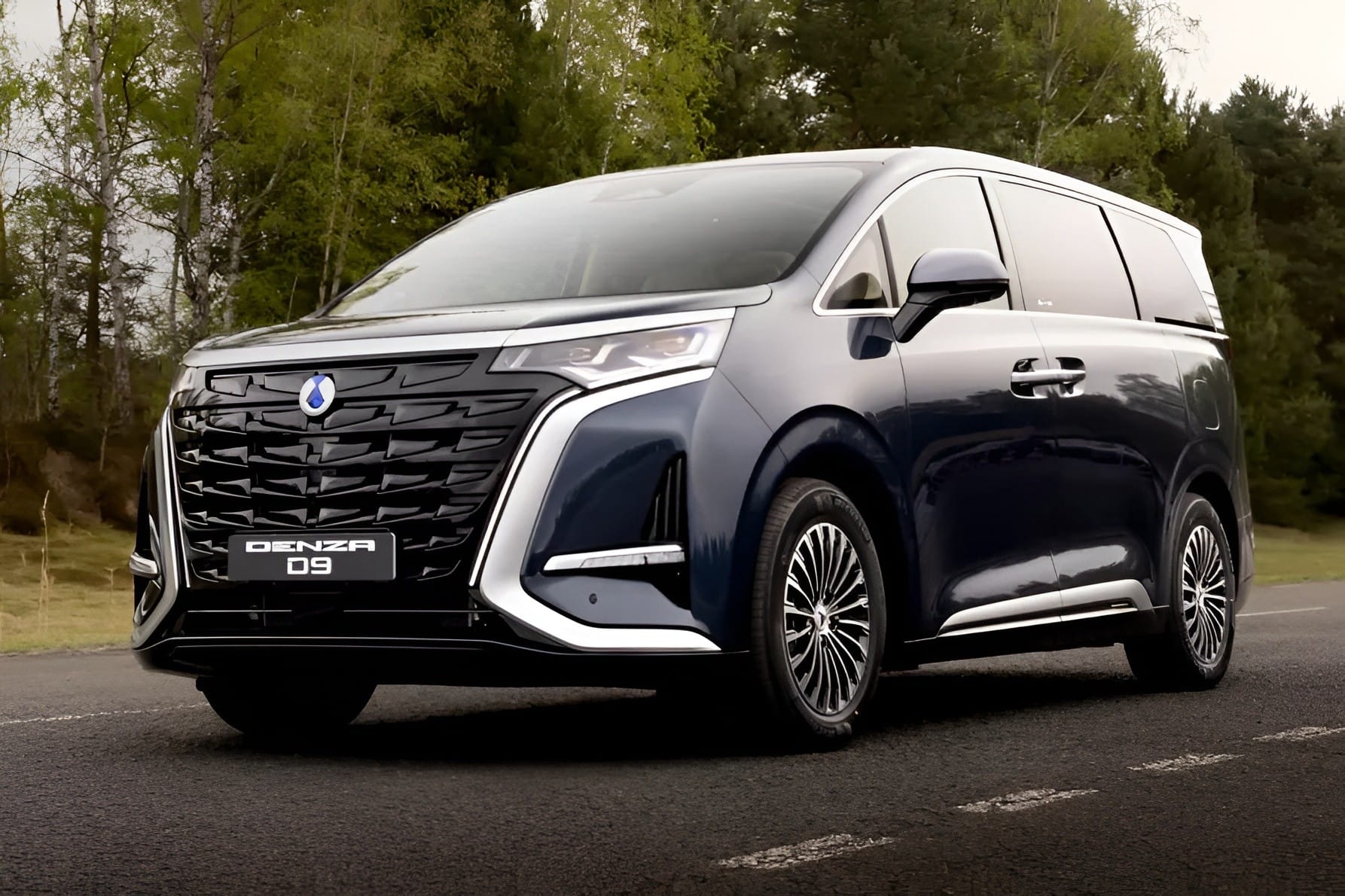
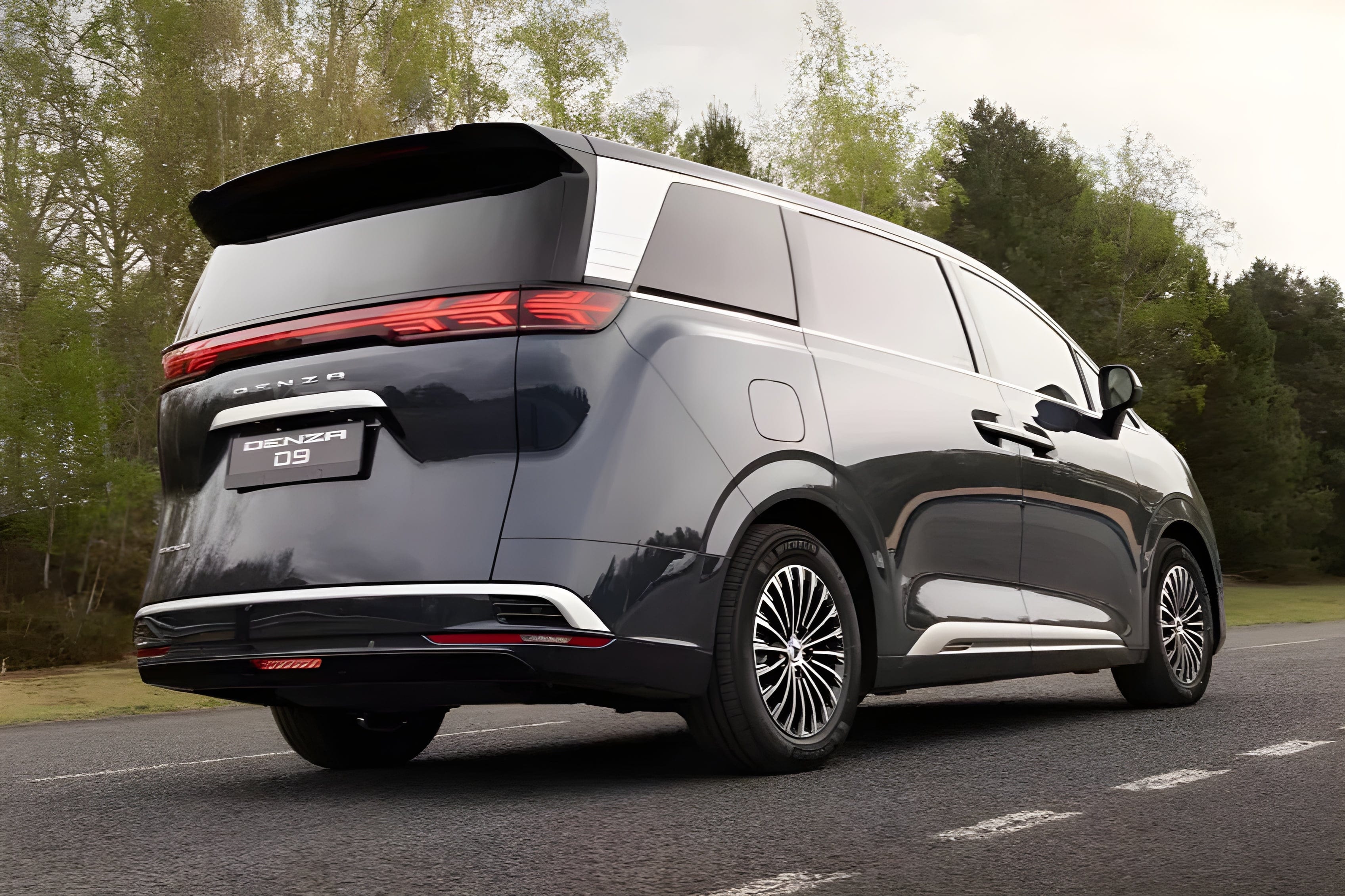
We exclusively reported that BYD would bring its luxury sub-brand Denza to our market. The Chinese carmaker will enter our shores with the debut of the D9 luxury MPV. While a festive season launch is being considered, if delayed, it could be moved to the Bharat Mobility Global Expo in February 2027. Ahead of its arrival in India, here’s all that you can expect from the Denza D9.
1. What seating configurations will the Denza D9 offer?
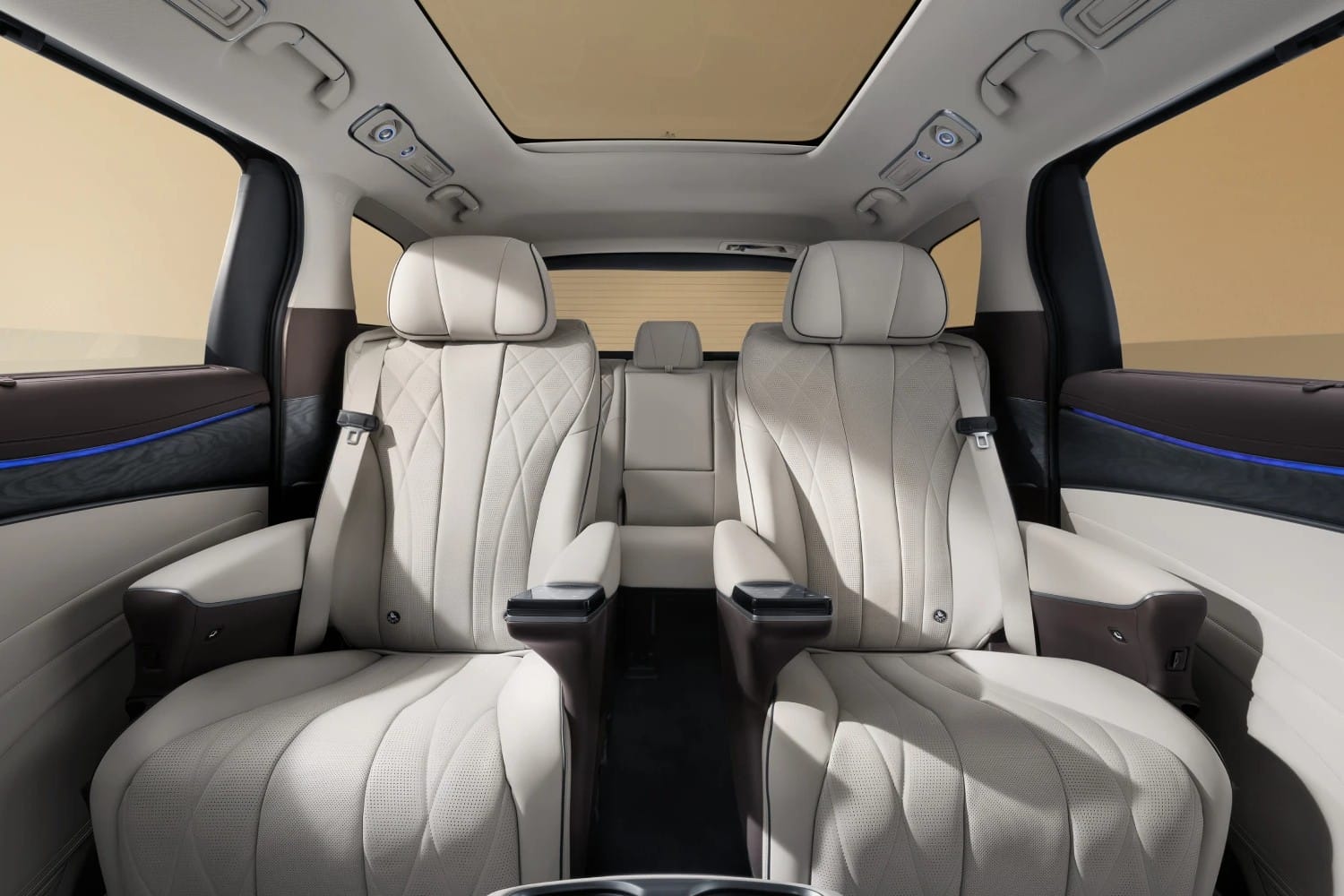
The Denza D9 is expected to offer a 2+2+3 seating configuration. Rivals like the Toyota Vellfire and Lexus LM offer the same configuration, while the latter offers a 2+2 configuration as well. The MG M9 and Mercedes-Benz V-Class offer a 2+2+2 configuration, while the Merc is also available in a 2+2 seat layout like the LM.
2. How large is the Denza D9?
Denza D9
MG M9
Toyota Vellfire
Lexus LM
Mercedes-Benz V-Class
Length (mm)
5,250
5,270
5,005
5,125
5,370
Width (mm)
1,960
2,000
1,850
1,890
1,928
Height (mm)
1,920
1.800
1,950
1,940
1,901
Wheelbase (mm)
3,110
3,200
3,000
3,000
3,430
The global-spec Denza D9 is 5,250mm long, 1,960mm wide, 1,920mm tall and has a 3,110mm wheelbase. Compared to other luxury MPVs in our market, the D9 is longer, wider and has a longer wheelbase longer than the Toyota and Lexus, but is shorter than the other two. But compared to the M9 and Mercedes-Benz V-Class, the D9’s dimensions are overall smaller.
3. Will the Denza D9 arrive in India as a CBU or be locally assembled?
Initially, the Denza D9 is expected to be sold as a full import in India. This will allow Denza to enter the market quickly, assess demand and take long-term decisions accordingly.
4. What features are expected on the Denza D9?
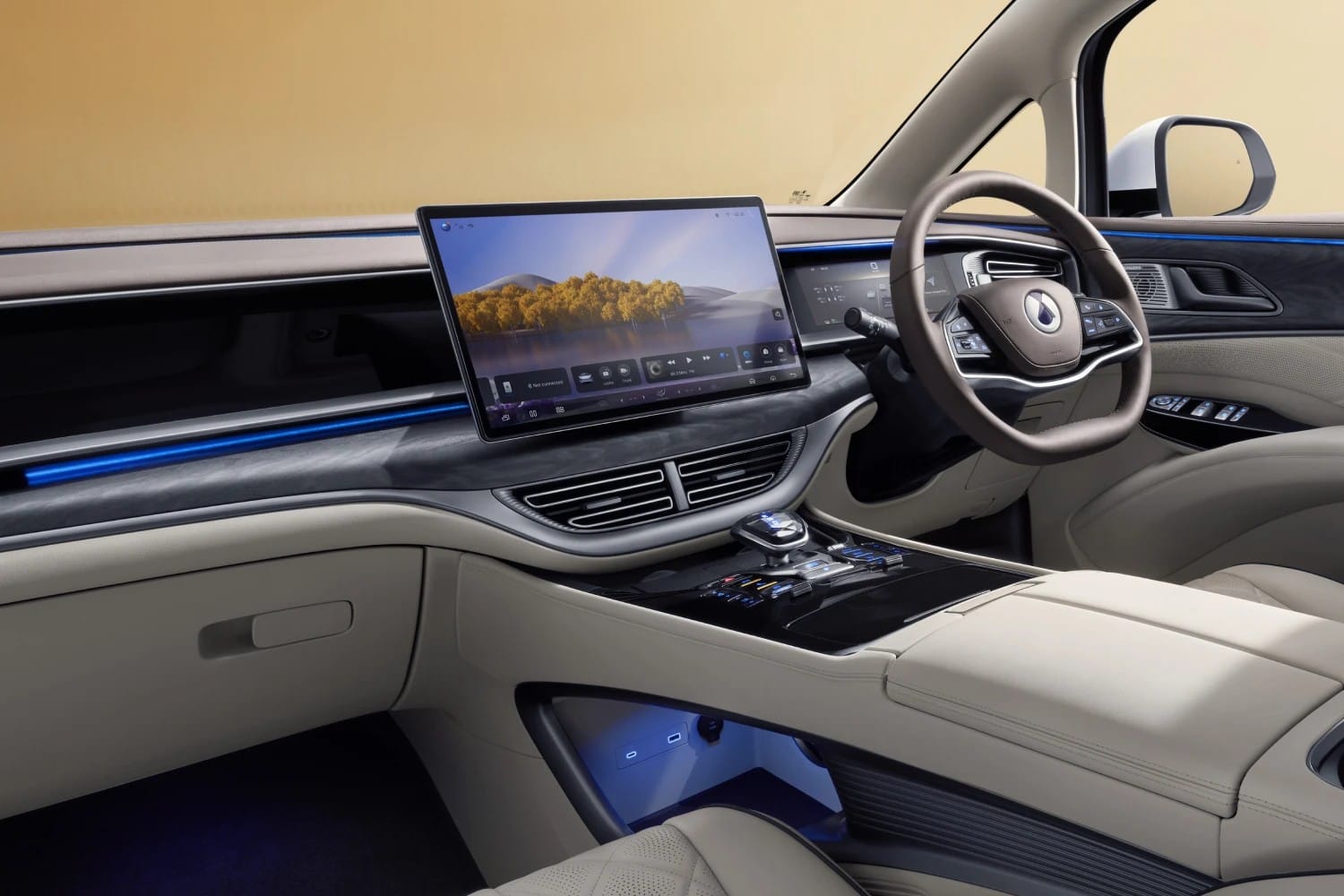
As for equipment, the global-spec D9 gets a 15.6-inch infotainment screen with Apple CarPlay and Android Auto, 10.25-inch digital driver’s display, panoramic sunroof, 8-way powered front seats with ventilation and massage functions, ambient lighting, triple-zone air conditioning, 14-speaker Dynaudio audio system, air purifier, wireless phone charger, 12-inch head-up display, powered tailgate and sliding rear doors.
Safety features include multiple airbags, an ADAS suite, surround view cameras, ESC, traction control, ISOFIX Mounts, hill hold control, driver fatigue warning and distraction detection, TPMS, and an auto-dimming IRVM.
5. What features are the second row occupants likely to get in the Denza D9?
The second row captain chairs have built-in leg rests and have 10-way power adjustment with memory and come with ventilation and massage functions. There’s also a powered boss mode, retractable tables, and a refrigerator as well. Additionally, LED displays integrated within the armrests of the second row seats control various car functions.
6. What powertrains are expected to power the Denza D9?
Globally, the Denza D9 is available in all-electric and plug-in hybrid versions. However, BYD is likely considering the former option for India, as EVs are subject to a lower 5 percent GST. Plug-in hybrid variants could be considered at a later stage.
While exact specifications remain under wraps, the global-spec D9 electric is powered by a 103.6kW battery pack. This battery pack can be had in a FWD configuration with a motor producing 314hp and 360Nm of torque. AWD versions add a 61hp, 110Nm motor, bringing the combined power output to 373hp and 470Nm of torque.
FWD versions get an NEDC-claimed range of 600km, while AWD versions have a claimed range of 580km. As far as charging is concerned, the D9 supports up to 11kW and 166kW outputs on AC and DC charging, respectively.
7. Will the Denza D9 be sold alongside other models from the BYD stable?
To maintain distinction between BYD and its sub-brand, the Denza D9 is expected to be sold via dedicated Denza outlets rather than through its existing retail network.
8. What is the expected price of the Denza D9?
Expect the Denza D9 to have an ex-showroom price of around Rs 90 lakh. The D9 will compete in the growing luxury MPV space and will be positioned above the all-electric MG M9 (Rs 79.95 lakh), but undercut the strong-hybrid-powered Toyota Vellfire (Rs 1.20 crore) and Lexus LM (Rs 2.20 crore to Rs 2.75 crore), and the Mercedes V-Class (Rs 1.40 crore), which offers petrol and diesel engines.