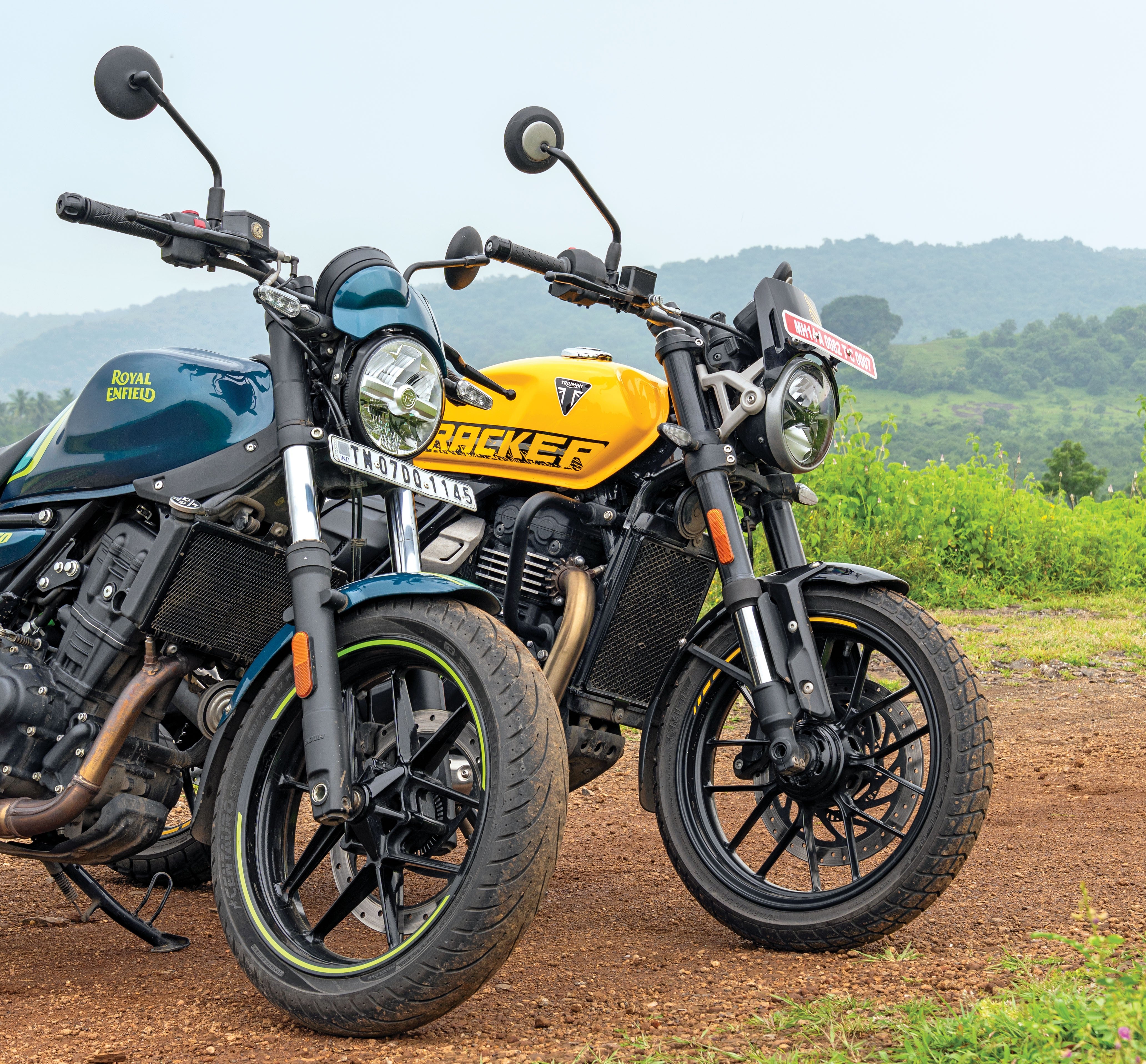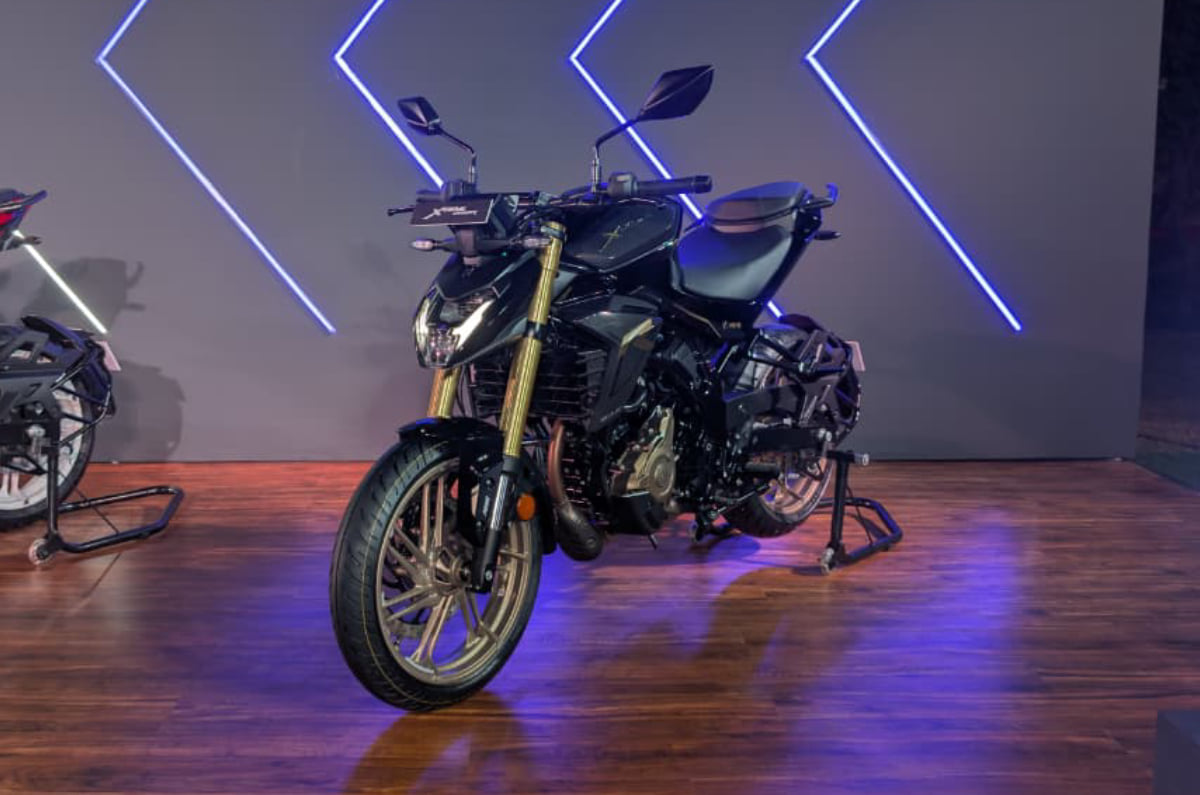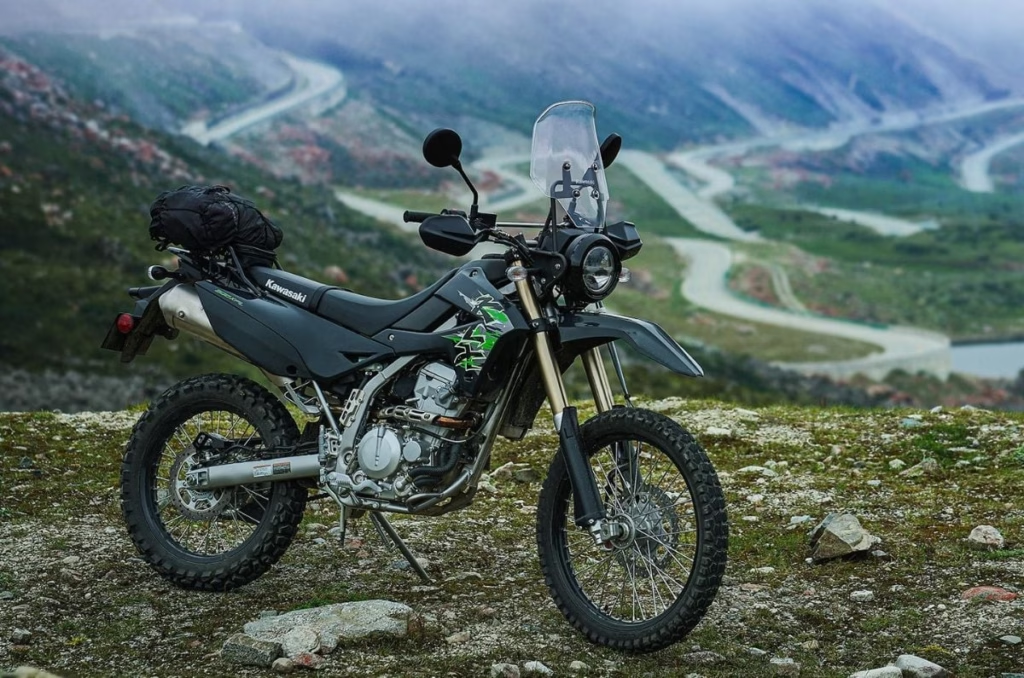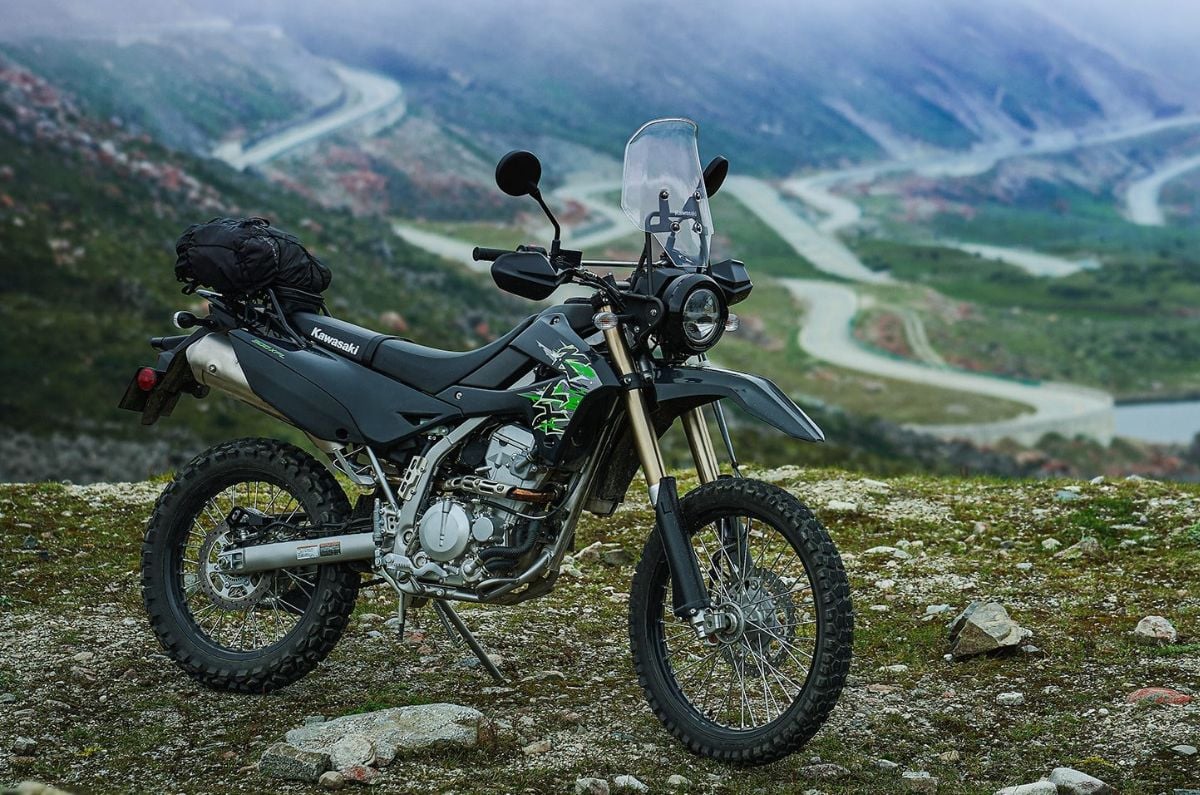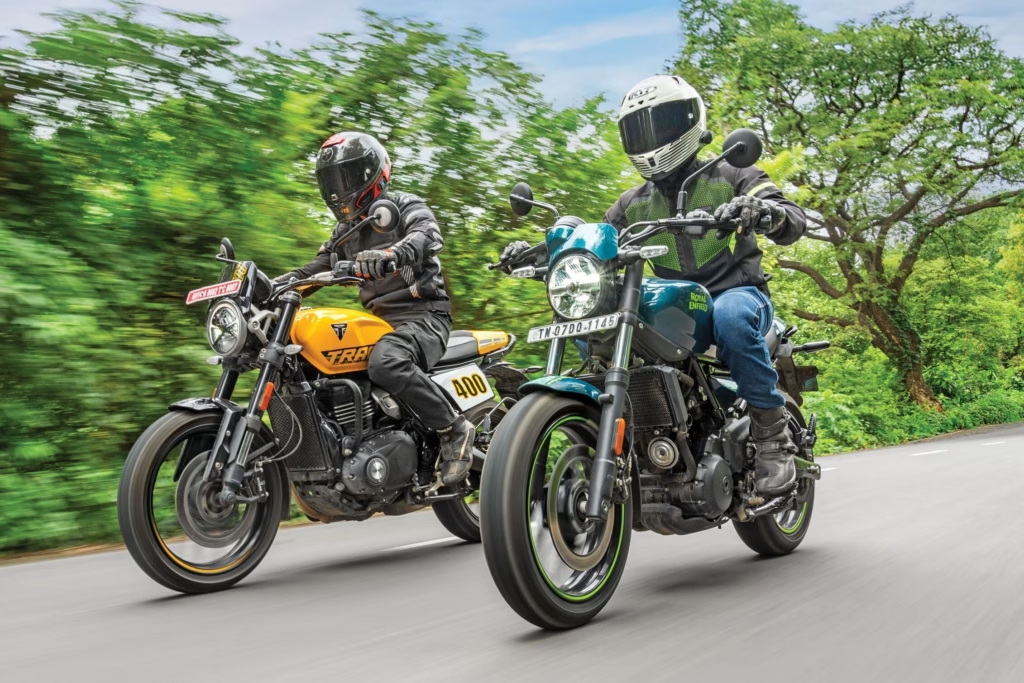
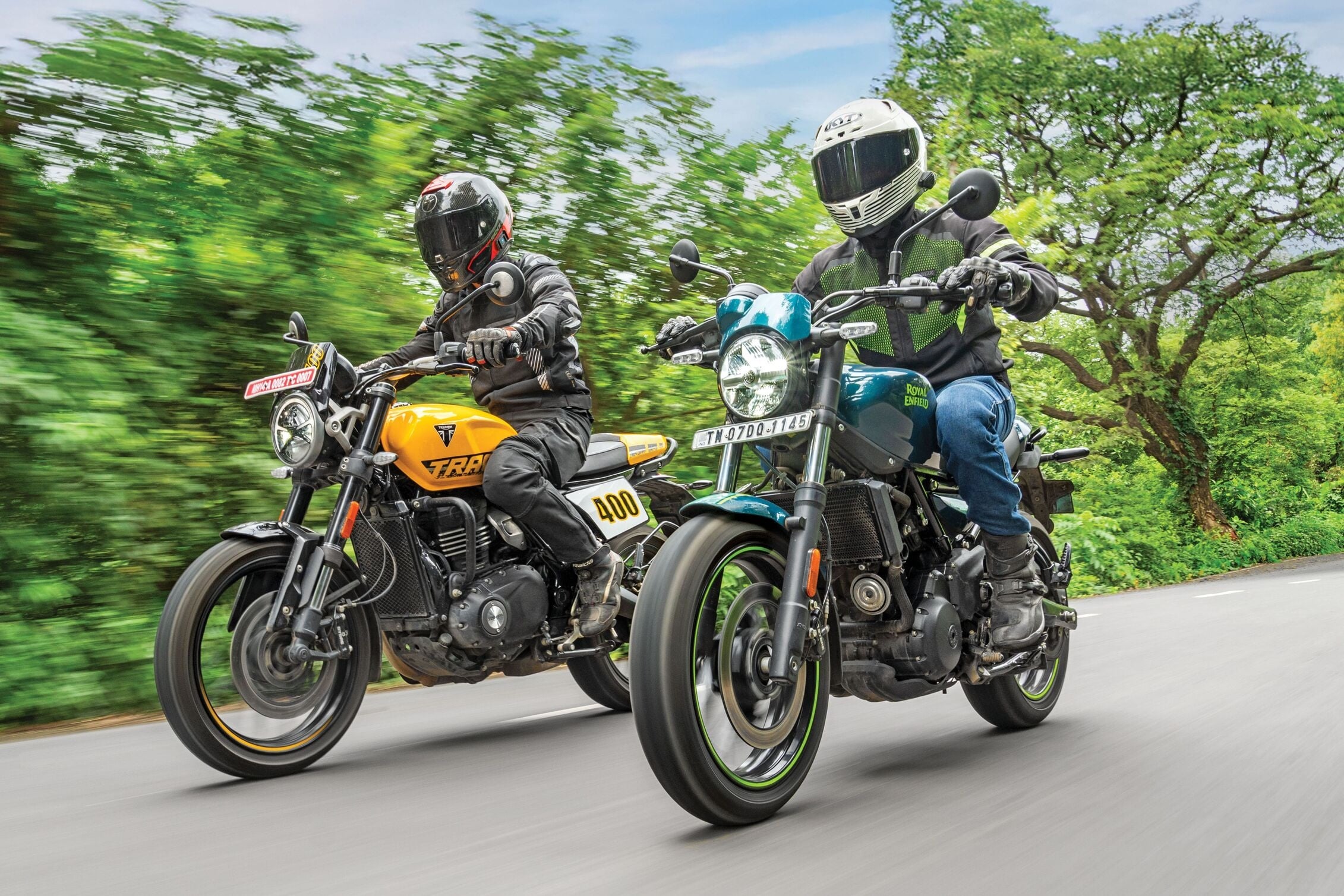
The Royal Enfield Himalayan 411 was discontinued in late 2023, when the significantly more sophisticated Himalayan 450 took its place. However, the added technological complexity also meant that the 450 was considerably more expensive than the bike it replaced, leaving many riders longing for the 411’s simpler, more straightforward character. The new Himalayan 440 is Royal Enfield’s answer to that demand. While it retains the same DNA as the original Himalayan, it brings a number of meaningful updates nearly a decade after the first-generation bike made its debut.
New Himalayan 440 vs Old Himalayan 411: What stays the same?
The core philosophy and most of the cycle parts carry over unchanged
The Himalayan 440 retains its split-cradle frame architecture from the 411, along with the same 21-inch front and 17-inch rear spoked wheel combination. Suspension travel is also unchanged, with 200mm at the front and 180mm at the rear, as is the 220mm ground clearance and the 800mm seat height. In character and purpose, these are the same motorcycle.
New Himalayan 440 vs Old Himalayan 411: Engine and gearbox
The new Himalayan uses the same engine as the Scram 440
The most significant change on the Himalayan is to do with the powertrain, with the bike now using the same powerplant as the Scram 440. The original Himalayan was powered by a 411cc, air/oil-cooled, single-cylinder unit producing 24hp at 6,500rpm and 32Nm at 4,000rpm. The 443cc unit on the new bike makes 25.4hp at 6,250rpm and 34Nm at 4,000rpm – 1.4hp and 2Nm more.
This new engine is paired with a 6-speed gearbox, unlike the 411, which used a 5-speed unit, with revised ratios throughout. The additional gear should make highway cruising more relaxed and touring more comfortable over long distances.
New Himalayan 440 vs Old Himalayan 411: Braking
Gets improved braking hardware and dual-channel switchable ABS
On paper, the braking hardware on the Himalayan 440 seems identical to what the 411 had to offer, with a 300mm disc at the front, 240mm rear disc, and dual-channel ABS. However, Royal Enfield mentions that the hardware now comprises new two-piston Bybre floating calipers with larger pistons, delivering improved braking performance. The dual-channel ABS system is switchable, so you can disengage the rear ABS.
New Himalayan 440 vs Old Himalayan 411: Features and equipment
Gets LED headlight and Tripper navigation among other features
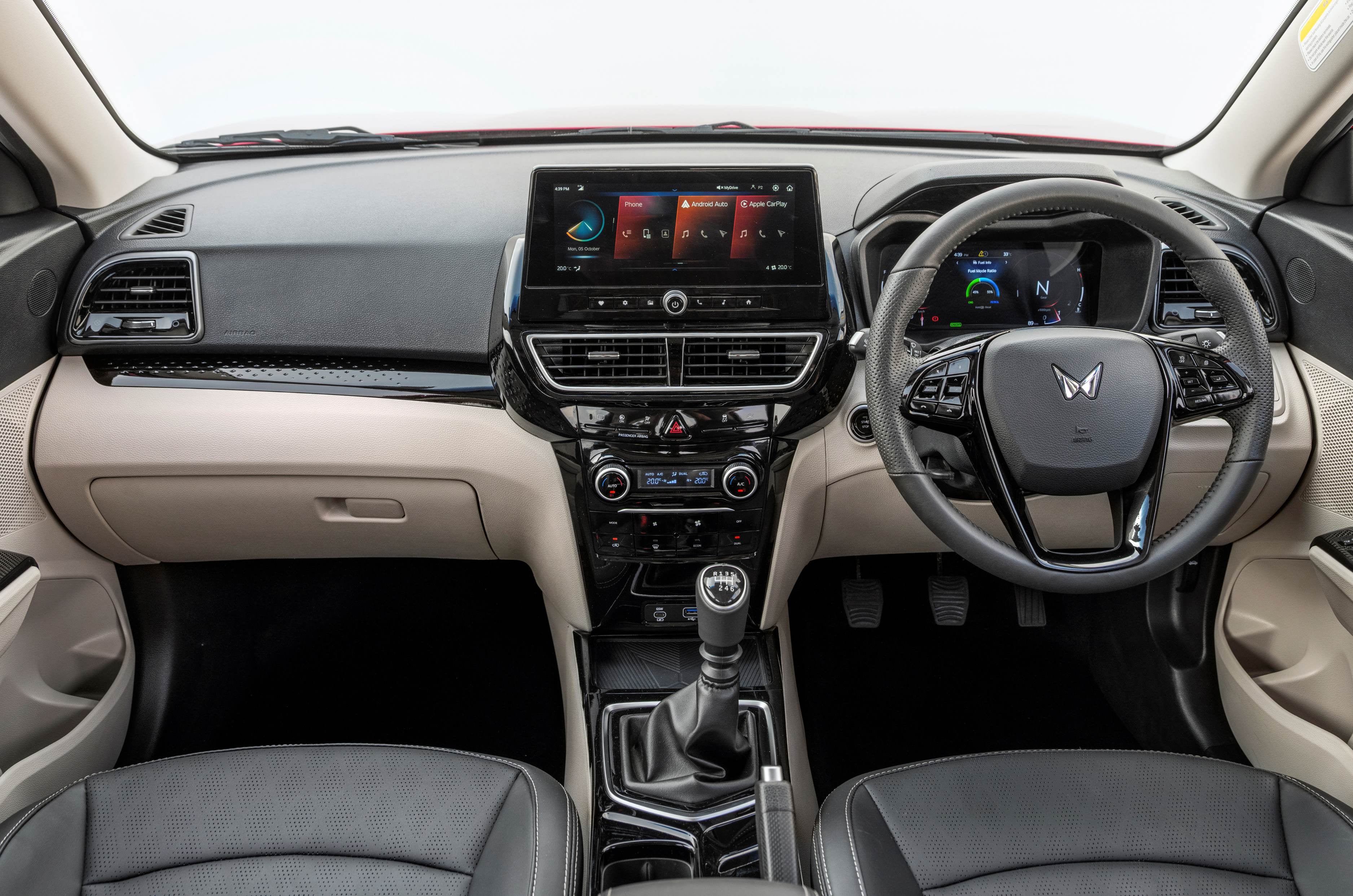
The 440 gets a new LED headlight, and the digital-analogue instrument cluster setup has been updated. It loses the tachometer from the original but gets the brand’s Tripper navigation pod for turn-by-turn navigation. Another notable addition includes a USB Type-C charging port. The Himalayan has always been about long-distance adventure travel and unsurprisingly, the brand is offering a long list of accessories that you can add to the bike, including protection like engine and knuckle guards, as well as luggage like a top box and official panniers.
New Himalayan 440 vs Old Himalayan 411: Price
The Himalayan 440 is priced at Rs 2.29 lakh, making it a substantial Rs 79,000 more affordable than the Himalayan 450’s starting price. In fact, when the Himalayan 411 was discontinued in 2023, it was priced between Rs 2.15 lakh and Rs 2.30 lakh. That makes the new 440’s pricing even more impressive as three years on, it costs virtually the same as its predecessor while offering a more powerful engine, better brakes and several other practical upgrades.
Ather has launched the Konarc with a brand-new EL platform at prices starting as low as Rs 99,999. This makes the scooter an obvious rival to the TVS Orbiter, which was revealed last year to target the urban scooter market. Since the Ather Konarc’s entry-level variant isn’t due for release until late next year, let’s see how the Konarc S 125, available later this month, compares to the TVS Orbiter V2.
Ather Konarc S 125 vs TVS Orbiter V2: Motor, battery and charging
Orbiter has more battery capacity and range
Ather Konarc S 125
TVS Orbiter V2
Peak motor power
4kW
2.9kW
Rated torque
16Nm
NA
Claimed top speed
70kph
69kph
Battery capacity
2.7kWh
3.1kWh
Claimed charge time (0-80 percent)
4h30m
4h10m
IDC range
125km
158km
Starting with the motor, the TVS Orbiter falls short of the Ather in terms of peak power. TVS has not mentioned a peak torque output for the Orbiter. However, the Orbiter bounces back with a higher battery capacity and range, as well as a quicker 0-80 charge time with a faster 650W bundled charger.
That said, both scooters offer optional hardware to speed up charging times. The Ather Konarc comes with a built-in 450W charger as standard, and it can be bundled with an external 450W charger for a faster 900W total charging speed, cutting the time down to 2 hours and 25 minutes. The Orbiter also offers a faster 950W charger as an add-on accessory, but it takes a longer 2 hours and 38 minutes to get to 80 percent from nil.
Ather Konarc S 125 vs TVS Orbiter V2: Dimensions and underpinnings
Orbiter is more accessible
Ather Konarc S 125
TVS Orbiter V2
Wheelbase
1,352mm
NA
Seat height
770mm
760mm
Ground clearance
NA
165mm
Kerb weight
126.5kg
112kg
The Orbiter starts strong with an advantage in two important areas for a practical scooter: seat height and ground clearance. The Konarc is also the heavier scooter, with a 14.5kg higher kerb weight than the Orbiter. TVS hasn’t shared the wheelbase figure for the Orbiter.
Ather Konarc S 125 vs TVS Orbiter V2: Brakes, tyres and suspension
Konarc has the better ride package
Ather Konarc S 125
TVS Orbiter V2
Brakes (F, R)
220mm disc, 130mm drum
Drum, drum
Tyres (F, R)
90/90-14, 100/90-12
90/80-14, 90/90-12
Suspension (F, R)
Telescopic, monoshock
Telescopic, twin shock
The hardware package is where the Konarc gains significant ground. It gets a front disc brake compared to the Orbiter’s drum brake, along with wider front and rear tyres. Suspension setups are more evenly matched between the two, although the real-world experience could tip the scales towards one.
Ather Konarc S 125 vs TVS Orbiter V2: Features
TVS remains in (surprising) lockstep
Ather has reserved most of the headlining new features, such as the TFT instrument cluster, auto (boot) pop, smart key, and so on, for the Z line. The Konarc S gets a DeepView LCD instrument cluster and comes with AirWalk, which takes the motor’s assistance to make manually moving the scooter easier. Considering Ather’s tech-savviness, this is unsurprising. Some other tech-powered features include turn-by-turn navigation, AutoHold (hill hold), Vehicle FallSafe, TrueRange, and Find my Scooter, among others. The catch, however, is that all of them require you to pay for Ather StackPro, a one-time Rs 16,000 add-on to the Konarc S 125’s ex-showroom price.
The Orbiter, on the other hand, has a much smaller LCD cluster but matches almost all of Konarc’s features, such as turn-by-turn navigation, hill-hold, smartphone connectivity, theft and tow alerts, crash and fall alerts and motor cut-off on fall. TVS also offers cruise control, which is currently only on the Ather 450 series of scooters. Right now, you get access to all the features mentioned above at no extra cost on the Orbiter, but it remains to be seen if that will change, as the TVS iQube charges an annual subscription of Rs 999 for some advanced features.
Ather Konarc S 125 vs TVS Orbiter V2: Price
Konarc starts higher, and it only gets more expensive
Ather Konarc S 125
TVS Orbiter V2
Price (ex-showroom, Bengaluru)
Rs 1.23 lakh
Rs 1.15 lakh
The two variants in comparison here make the Ather about Rs 8,000 more expensive than the Orbiter. If you prefer access to all the smart features offered by Ather StackPro, that will increase the gap even further. Even though the two e-scooters are aimed at bringing in more mainstream users to the brands, both have been designed with different demographics in mind. If you happen to be in the common demographic, though, you should definitely take a test ride before picking one over the other because the on-paper specs don’t tell the whole story.
The ADV 160 marks Honda’s entry into India’s rapidly growing maxi-scooter segment, but it has one key differentiator that sets it apart from the liquid-cooled maxi-scooters already on sale – E85 flex-fuel compatibility. Here are a few things you need to know before buying India’s first flex-fuel-compatible scooter.
1. How much does the Honda ADV 160 cost?
The Honda ADV 160 is priced at Rs 1.70 lakh (ex-showroom, Bengaluru), making it one of the more premium scooters on sale in India.
2. Is the Honda ADV 160 E85 compatible?
Yes. The ADV 160 is Honda’s first two-wheeler in India to be compatible with E85 fuel. Its engine can run on petrol containing anywhere between 0 and 85 percent ethanol, without the rider having to make any changes.
3. What engine does the Honda ADV 160 get?
Power comes from a 156.93cc, single-cylinder, liquid-cooled engine producing 16.3hp and 14.9Nm. It is paired with a CVT automatic gearbox.
4. How heavy is the Honda ADV 160?
The ADV 160 tips the scales at 133kg kerb, which is noticeably heavier than a conventional 125cc scooter, although it also packs in a higher-displacement engine that puts out more power than a conventional air-cooled mill powering regular scooters.
5. How much ground clearance does the Honda ADV 160 have?
The ADV 160 has 165mm of ground clearance, which, along with its larger wheels, should make it better suited to broken roads and speed breakers than most conventional scooters.
6. What are its wheel sizes?
It gets a 14-inch front and 13-inch rear wheel, both larger than those on most mainstream Indian scooters and in line with some of its compatriots.
7. Does the ADV 160 get ABS?
Yes, but only single-channel ABS, operating on the front wheel with a rear disc brake.
8. Does it get traction control?
Yes. Honda’s HSTC (Honda Selectable Torque Control) is standard, helping reduce rear-wheel slip on low-grip surfaces.
9. How practical is the ADV 160?
It gets 27 litres of underseat storage, along with a USB Type-C charging port. While adding to the premium appeal, the 5-inch TFT instrument cluster also offers smartphone connectivity through Honda RoadSync.
10. Is the ADV 160 actually an adventure scooter?
Not in the traditional sense. Despite its styling, ground clearance and larger wheels, the ADV 160 is primarily a road-going scooter. Its hardware is better suited to dealing with poor roads and occasional rough surfaces than serious off-road riding.
Kawasaki has revealed the 2027 W230 with a new Ebony colour option, replacing the Metallic Matte Dark Green that the bike was available with in 2026. The update is purely cosmetic, with no mechanical, feature or price changes accompanying the new colour in global markets. A single colour option is offered, as was the case with the outgoing scheme.
New Ebony colour replaces Metallic Matte Dark Green
No mechanical changes; 233cc air-cooled single continues unchanged
2027 Kawasaki W230 details
The W230 is powered by the same engine as the KLX230
The W230 is powered by a 233cc air-cooled single-cylinder engine producing 18hp at 7,000rpm and 18.6Nm at 5,800rpm, paired with a 6-speed gearbox. Suspension is handled by a conventional telescopic fork at the front and twin shock absorbers at the rear, sticking with the retro theme of the bike. Braking hardware includes disc brakes at both ends – a 265mm front and 220mm rear.
With a kerb weight of 143kg, the W230 is a relatively lightweight motorcycle and perhaps one of the lightest in its class. That, along with a low 745mm seat height, makes the W230 an incredibly accessible motorcycle for most riders, even those just getting started out.
Unfortunately, the Kawasaki W series in India hasn’t had much of an impact in terms of sales. The W800 was previously available in our market, as was the India-made Kawasaki W175. While the MY24 W175 is still listed on the Kawasaki India site, it’s highly unlikely there’s any stock of that bike left, given that several other models in Kawasaki India’s lineup are now MY27 units.
Kawasaki has long considered India a key manufacturing hub for its smaller-displacement retro models, and while plans for the W230 in India have not been confirmed by Kawasaki, the modern classic segment it targets has seen significant growth here, including the ever-growing popularity of models like the Classic 350 and the more recently revealed Honda CB500.
The all-new Bajaj Pulsar 150 arrives on a completely new platform with a revised engine, a new single-cradle frame, monoshock rear suspension and a host of new features. It is offered in three variants, all of which share the same mechanical package but differ in features and some hardware. Here’s a breakdown of what each variant has to offer.
Pulsar 150 variant breakdown
Pulsar 150 SD Single Seat
All three variants get the same 149.5cc, single-cylinder engine that produces peak output figures of 14hp at 8,000rpm and 14.1Nm of torque at 6,500rpm.
The base SD Single Seat variant gets a 5-inch colour LCD display with Bluetooth and turn-by-turn navigation. Braking comes from a 260mm front disc and a 130mm rear drum, and it’s the only variant of the three to miss out on ISG, a belly pan and hazard lights. It does, however, get the same ride modes and crawl mode as the other two. It’s priced at Rs 1.15 lakh (ex-showroom, Delhi).
Pulsar 150 TD Single Seat
Stepping up to the TD Single Seat swaps in a 5-inch TFT display with Bluetooth, along with an Integrated Starter Generator (ISG) that enables a stop-start system and silent restarts. It also gains a 230mm rear disc brake in place of the drum, a belly pan and hazard lights. It’s priced at Rs 1.22 lakh.
Pulsar 150 TD Split Seat
The range-topping TD Split Seat carries over the TD Single Seat’s ISG, disc brakes, belly pan and hazard lights, but steps up to a 5-inch TFT display with Wi-Fi support that enables Google Maps mirroring – also seen on the Pulsar N160 SS. It’s the only variant of the three with a split-seat design and is priced at Rs 1.23 lakh.
The Range Rover Sport EV has been a long time coming. After what feels like an eternity of teasers and test mules, the electric Range Rovers will finally be launched globally in September this year and should arrive in Indian showrooms around March 2027. Look at the car and you may wonder what took the company so long, because this appears to be just the regular Range Rover Sport. That, as it turns out, is entirely the point.
Under the familiar skin sit 300 patents’ worth of tech, a new 800V electrical architecture, two 326hp motors and a 118.5kWh battery, all validated over 60,000 hours of testing, the most for any Range Rover yet. The motors are Land Rover’s own design, developed in-house because nothing off the shelf could deliver the kind of instant, finely controlled torque the brand demanded for serious off-roading. The only real giveaways on the outside are a grille with narrower air slots and a new set of alloys with a more aero design, in keeping with the EV theme. Land Rover deliberately didn’t tamper with the styling because customers were clear – don’t change it, just make it better.
The new architecture, motors and battery have gone through 60,000 hours of testing.
So, is it better? A specially curated lap of the Goodwood circuit, complete with gravel stages and some party tricks, was our chance to find out.
Range Rover Sport Electric Prototype: performance, ride and handling
Set off, and the first impression is of eerie silence. All you can hear is the blower working overtime on a hot Goodwood day. Even when the tarmac ends and the gravel begins, the Sport EV feels like a magic carpet, gliding along on a pillow of velvet. The ride quality is absolutely exceptional, better even than the standard car’s, and that’s saying something.
When you want a quick turn of pace, the combined 550hp and 850Nm don’t leave you wanting. Engage launch control, and the Sport EV catapults forward hard enough to be a genuine shock, though the delivery is measured rather than manic. There is, however, a hint of torque steer from the front axle under hard acceleration, a slight tug at the wheel that reminds you how much force is being exerted. The brakes on our prototype also felt a bit grabby, with a sharp initial bite. Land Rover engineers admit this isn’t the final calibration and say production cars will have a more progressive pedal feel.
The Sport EV feels like a magic carpet, gliding along on a pillow of velvet.
Then came the fun exercises, laid out to prove that this plush, polished and uber-refined Range Rover can do things no owner would ever dare attempt. The Sport EV climbed a staircase – a cheeky nod to the brand’s world record 999-step climb – and we even drove it through the fuselage of an Airbus. Silly? Absolutely. But it showcased what makes an electric drivetrain so effective off road. Torque arrives instantly from zero rpm and builds with perfect linearity, and because the electronics can meter out drive to each motor with such precision, there’s no need for the old hardware of locking diffs and low-range gearboxes. Raise the suspension to off-road height, let the cameras and hill descent control do their thing, and the car simply walks over obstacles. The single-pedal mode is something the engineers have finally nailed too, and it works seamlessly alongside hill descent control when needed.
The big surprise is how tidily this near 2.8-tonne SUV handles. Flick the wheel suddenly, and you can feel the mass move, but otherwise, it stays impressively planted through corners, helped by a centre of gravity that sits a significant 73mm lower than in the combustion car. Range Rovers have always had a top-heavy feel when pushed; this one doesn’t.
Questions remain. A real-world range of 531km is promised, but given the bluff shape and sheer size of this flagship EV, that figure could prove optimistic if driven briskly. Some owners may have liked the convenience of a frunk in their EV, which is absent, and packaging the rear motor has killed off any seven-seat option. Then again, these are misses most owners may not miss at all.
Prototype badging aside, there’s little to separate this from the combustion-engined Sport.
Pricing isn’t announced yet, but expect it to sit above the locally assembled combustion equivalents. More importantly, on this evidence, it will set a new benchmark for luxury for the brand. The electric Range Rover Sport doesn’t reinvent the formula, but it quietly perfects it.
SUVs powered by V8 engines are becoming rarer by the day. Downsizing, electrification, ever‑tightening emissions regulations – the V8 is fading. Yet here we are in 2026, with Land Rover offering not one but two V8s. On the same model! Calls for a mini celebration, doesn’t it? And something of a journey of discovery. So how, and why, does the Defender come powered by two distinctly different V8s? Are they different enough to co-exist? Do their specifications tell a story? And are they fundamentally different from behind the wheel? Answers to these and more in this fascinating tale of two V8s.
Individual identity
The Octa looks much more menacing than the regular Defender.
Job number one: telling them apart. Which is relatively easy when you have the two sitting cheek by jowl. But out on their own, with no reference and no back-and-forth visual comparison, it’s more difficult.
Now, most of us – at least those of us who admire the Defender – know the Octa. A bold move from Land Rover, it comes with BMW’s 4.4‑litre twin‑turbo S68 under the louvered bonnet. That, and its linked suspension, which make the Octa super stable over rough ground. Not only does it get the V8 from BMW’s sledgehammer M5, the Octa, like all good performance cars, wears its intent on the outside. A wider stance, flared wheel arches, square exhaust tips and a stance that screams ‘Defender on steroids’. Most of the visual enhancements are also functional, but it also looks wide-shouldered and bulked up without going over the top… a job well done. And then, of course, there is the Octa badge, both on the grille and behind the ‘C’ pillar.
L: The Defender V8 gets more traditional rounded exhausts; R: The Octa’s quad rectangular exhaust tips stand out.
The Defender V8, which gets Jaguar’s AJ133 engine, is much stealthier and less in your face. From the outside, it looks like a regular Defender. No V8 badge, no identifying features, nothing. In fact, look at it from the front or the side, and it’s almost impossible to tell. You can, however, tell from the rear. The horizontally placed quad round exhausts stick out at the rear and clearly tell you this is something special. Otherwise, this is a regular Defender – attractive and full of visual appeal, but not something that stands out as something special. Could this be the Defender’s best‑kept secret?
Supercharged slayer
Defender V8 gets ‘supercharged’ written on the cover.
From behind the wheel, the differences are stark. The AJ133 engine is a familiar friend, earlier seen in many a Jaguar and Range Rover. In this Defender, it produces 425hp, with a large Roots-type supercharger adding some refined whine to the exhaust note. The sound that dominates, however, is a silky-smooth but unmistakable V8 ‘woofle’. Rev the engine even slightly, and a meaty growl emerges with crisp burbles on the overrun. It’s not AMG loud, nowhere near, or as raucous either, but the sound of the honey-smooth V8 is pure theatre and just gets me grinning. Why does it sound so clear and clean? There’s no turbo muffling the exhaust note, of course, and no turbo lag either. Which also explains the immediacy of the throttle responses.
In fact, tap the pedal even from idle, and the Defender V8 shoots forward, the crankshaft-driven supercharger pumping air into the engine instantly. This makes the Defender V8 feel light on its feet, and what’s even more charming is that it pulls cleanly in the mid-range, the engine spinning freely and enthusiastically towards the top. This is addictive, and long pulls to the redline are just so much fun. If you value thoroughbred engine characteristics over everything else, this engine will delight you.
Supercharger makes for instant low-end response from the AJ V8.
Now, putting so much performance into a dedicated off-roader may seem futile. But what Land Rover has done is make the Defender fundamentally sound. It’s not a ladder frame, for one, so when you drive around corners, it manages to do it in a neat and tidy manner. And that’s despite the additional weighty hardware like bulky differentials, stout driveshafts, and a robust transfer case, all needed for serious off-roading and not just slippery conditions.
So it comes as something of a surprise that the Defender V8, with its light steering and neat and tidy driving manners, can handle the performance without any fuss. It speaks volumes about how well Land Rover has engineered this platform and given it both loads of on-road capability as well as bona fide off-road chops.
The AJ-V8-powered Defender is not as effective a performance machine as the Octa.
Try and use all the performance all the time, and that feeling of composure slowly fades. You start feeling the bulk, you want more stability and confidence from the brakes, and the gearbox feels slow and laid back. And what’s this, no paddle shifters? Huh?
All pumped up
The Defender Octa amps it up to another level. Bold, brash and devastatingly effective when its full potential is unleashed, it is an all new type of animal. Initial impressions, however, immediately tell you the V8 is turbocharged. Squeeze the throttle, and the responses are initially laid back. This is especially true in comparison to the supercharged V8.
Both engines are brilliant, but both are also very distinct in the manner in which they make power.
Once past the initial softness in the throttle, however, it surges forward with relentless force, a flood of torque unleashed from the turbos spooling up. And that’s even if you haven’t pinned the throttle. A few more purposeful prods of the throttle, and the massive gulf in performance between the two Defenders is soon apparent. It’s not the 0-100kph or even the 0-150kph times, it’s just the massive surge you feel in raw thrust when you feed in the throttle.
The BMW‑sourced 4.4‑litre twin‑turbo V8 is a technological powerhouse and one of the most technically complex engines around. With 635hp and up to 800Nm in launch mode, it transforms the Defender into something approaching a super off-roader. And where the Jaguar engine is all about response, this BMW one, in contrast, is all about mid‑range and top-end muscle. In fact, knock back a few gears on the quick gearbox, plant your foot, and the Defender Octa charges forward with such ferocity that you’ll question the need for anything faster.
Where the BMW engine also differs is in the soundtrack. At low revs, the turbos and cross-bank exhaust system muffle and mute the V8’s natural exuberance and growl. But while the engine sounds are muffled at low revs, they soon build into a deep, muscular roar as the revs climb. Clearly not as sweet or as sonorous as the Jaguar V8, but well in line with the heady performance the Octa delivers.
Octa badge (and BMW part number) tell the BMW V8-powered Defender apart.
The Octa also sits higher off the ground, thanks to its Tenneco‑Monroe 6D suspension system. This clever setup links all four dampers, acting like a virtual anti‑roll bar. The result is uncanny composure as the Octa just smothers broken roads. Drive over a poorly paved surface, and you initially feel there’s something not right. The layer of insulation between the road and you is so thick, you feel almost nothing. No big movements, no being tossed around, no big thuds. And then, what really is a game changer is that the Octa stays relatively flat when you hurl it into a corner, the tall SUV staying composed and relaxed while off-road-centric tyres howl away in protest. And it isn’t just well composed in corners, there’s very little pitching either, so you fly down poorly paved and broken sections like you are riding a hovercraft-like stable platform.
This technical marvel allows the two‑and‑a‑half‑tonne off‑roader to feel agile and secure, furthering the impression that the Octa is a Defender on steroids. Also of note, this genuinely feels like two SUVs in one – a real off-roader and the other a bona fide performance SUV that can carry real speed and put power down even on gravel, dirt tracks and unpaved sections.
Defenders of the faith
So why two V8s? The answer lies in the regulations. The AJ V8 cannot meet upcoming Euro 7 norms, but India doesn’t yet enforce equivalent standards. And that allows JLR to continue offering it here. The BMW V8 future‑proofs the Defender and has created an all-new type of performance off-roader with the Octa.
These performance off-roaders are so accomplished on road, they genuinely are multi-role SUVs.
It’s also a clever product strategy. The AJ V8-powered Defender starts at Rs 1.40 crore, offering V8 thrills at a much more affordable price. The more capable Defender Octa, on the other hand, starts at a much loftier Rs 2.62 crore. One has the traditional feel of a V8, smooth, refined and powerful; the other is a bona fide performance icon, with brutal power delivery and a massive ability to carry speed over just about any surface.
Two distinct flavours, two distinct price points, one model line.
The Defender’s dual‑V8 strategy is nothing short of remarkable. In a world where eight‑cylinders are disappearing, Land Rover offers buyers a choice between a supercharged and a turbocharged V8. Together, they make the Defender unique. And that makes this one of the most fascinating chapters in the Defender story. Take a bow, Land Rover.
Bits, bolts, and burbles
BMW’s S68 is an ‘M’ engine that displaces 4.4 litres. It uses an aluminium block and heads, and a cross-plane crankshaft. The bore and stroke dimensions (89mm × 88.3mm) are typically BMW – square. The engine revs to 7,200rpm, and the DOHC valvetrain gets an electrically actuated VANOS system for faster, more precise camshaft phasing. The hot vee twin-turbo layout is designed to reduce turbo lag, and the cross-bank exhaust manifold merges pulses to optimise turbine efficiency. This sacrifices some of the traditional V8 burble but sharpens response. To handle the extra loads, a high-capacity oil pump with an external oil cooler ensures consistent pressure under high lateral loads, while a multi-stage cooling circuit stabilises temperatures during track use. The S68 also integrates a 48V mild-hybrid system that provides a 9kW and 200Nm of torque fill.
Defender V8 fact file
110 P425*
Octa
Price
Rs 1.40 crore
Rs 2.62 crore
Kerb weight
2,434kg
2,585kg
Engine
5,000cc supercharged V8
4,395cc twin-turbo V8
Bore and stroke
92.5mm x 93.0mm
89mm x 88.3mm
Compression ratio
9.5
10.5
Power
425hp at 6600rpm
635hp at 7000rpm
Torque
550Nm from 1800-5000rpm
750Nm from 1800-5855rpm
Claimed 0-100kph time
5.8sec
4.0sec
Maximum speed
191kph
250kph
*The supercharged-V8 Defender variants are temporarily unavailable for purchase in India, but they’re expected to return soon.
The Jaguar AJ V8 is a family of aluminium V8s produced from 1996 onwards. Offered in naturally aspirated and supercharged forms, it was Jaguar’s flagship petrol engine, engineered to combine refinement with strong performance. Evolving through three generations, the aluminium block and heads kept weight down to around 205-215kg, and it used chain driven camshafts, later evolving to double roller chains for greater durability. Supercharged “R” variants like the one in the Defender pushed outputs to 450hp, giving cars like the XJR and XKR formidable pace at the time. By 2009, the Gen III AJ V8 expanded to 5.0 litres (94 × 92mm bore and stroke), introduced direct fuel injection, and raised compression to 11.5:1. Power on the supercharged versions could exceed 500hp, and this 450hp version, with a bit of digital massaging, could also be made to increase in power.
Yamaha appears to be preparing a higher-spec version of its retro-styled XSR900. An XSR900 SP has surfaced in US regulatory filings, pointing to the possibility of a new performance-focused variant of the 890cc neo-retro motorcycle.
XSR900 SP name appears in Yamaha’s US NHTSA filings
Expected to share the 117.4hp CP3 engine with the standard XSR900
Could borrow premium suspension and braking hardware from the MT-09 SP
Yamaha XSR900 SP: what the filings reveal
The XSR900 SP has appeared in vehicle identification number (VIN) filings submitted by Yamaha to the US National Highway Traffic Safety Administration (NHTSA). The documents list both a standard XSR900 SP and a California-spec version, indicating that Yamaha is preparing the model for the 2027 model year.
The filings show that the XSR900 SP will use Yamaha’s 890cc, three-cylinder CP3 engine, with a peak output of 117.4hp. This is identical to the output listed for the standard XSR900, as well as the MT-09, Tracer 9 and R9 in the same documentation. This suggests that the SP variant will focus on chassis and equipment upgrades rather than additional engine performance.
XSR900 SP could get MT-09 SP hardware
While Yamaha has not revealed the equipment list for the XSR900 SP, the motorcycle’s relationship with the MT-09 SP gives a strong indication of what could change.
The MT-09 SP gets DLC-coated front forks, an Öhlins rear shock, Brembo Stylema brake calipers and additional electronic features over the standard MT-09. Yamaha could bring similar upgrades to the XSR900 SP, giving the neo-retro motorcycle a more premium chassis and braking package.
There is one caveat to the filings. The latest NHTSA documents list the XSR900 SP but do not mention the XSR900 GP, while separate California Air Resources Board (CARB) documents for the 2027 XSR900 range list the XSR900 GP but not the SP. This could be down to an error in one of the filings or the documents being updated at different times.
The VIN information does, however, point towards the XSR900 SP being a new variant rather than simply the XSR900 GP being introduced in another market. The SP gets a different VIN prefix from the existing XSR900 GP, further strengthening the case that Yamaha is developing the model.
There is no word yet on when Yamaha will officially reveal the XSR900 SP or which overseas markets will receive it.
Yamaha R2 to launch in India next week
Closer to home, Yamaha is preparing to launch the much-anticipated R2 in India on August 27. The company has already opened pre-bookings for the motorcycle at Rs 10,000, ahead of its official debut.
The R2 is expected to sit above the R15 in Yamaha’s Indian line-up and is being developed and manufactured in India for both domestic sales and exports. Yamaha has yet to reveal its complete specifications, but the motorcycle is expected to use a larger-capacity single-cylinder engine than the R15.
Simple Energy has named its upcoming family electric scooter Simple Wave, which will be unveiled on September 2, 2026. The scooter marks the company’s entry into the mainstream family scooter segment, expanding its portfolio beyond the performance-oriented One range. The model was previously referred to as Arrive during its development and testing, with Simple Energy now confirming Wave as its production name.
Simple Wave to launch on September 2
Scooter was previously referred to as Arrive
New model will target family buyers
Simple Wave to expand the brand’s portfolio
The brand current has the One range on sale.
The Wave has been developed for everyday mobility, with Simple Energy highlighting comfort, practicality and shared journeys. It will take on family-oriented electric scooters such as the Ather Rizta, TVS iQube and Bajaj Chetak.
The scooter has been spotted testing in India on several occasions. Earlier test mules featured a large single-piece seat, a spacious-looking floorboard, telescopic front suspension and twin rear shock absorbers. Braking hardware included a front disc and rear drum, while a TFT instrument display was also seen on test vehicles. Simple Energy has not yet confirmed the final production specification.
The Wave represents a move into a broader part of the electric scooter market for Simple Energy, whose existing products have focused on performance and technology. The company says its new scooter has been developed through its in-house R&D and engineering capabilities, including proprietary software and vehicle technologies.
Simple Energy also says it is the first Indian OEM to commercially manufacture heavy rare earth-free electric motors, highlighting its focus on developing key technologies in-house.
Technical details of the Wave have not yet been revealed. Battery capacity, motor output, claimed range, charging specifications, variants and pricing are expected to be announced at the September 2 launch.
With the Wave, Simple Energy will enter the family scooter market with a product aimed at everyday users, broadening its reach beyond its existing performance-oriented electric scooters.
Aston Martin has revealed the Valen as its most powerful front-engined production car at the 2026 Monterey Car Week. An 850hp, 5.2-litre twin-turbo V12 engine, derived from the Vanquish, powers this GT car. Only 150 units of the Valen are being built by the manufacturer’s ‘Q’ personalisation department, with deliveries commencing in the second quarter of 2027.
Claimed 0-100kph time is 3.1 seconds and top speed is 345kph
Uses carbon fibre, aluminium, titanium, and magnesium elements in plenty
Weighs 110kg less than the Aston Martin Vanquish
Aston Martin Valen powertrain details
Produces 15hp more than the Vanquish and is 0.2s faster in a 0-100kph sprint
The Aston Martin Valen is powered by the same 5.2-litre twin-turbo V12 engine as the Vanquish GT, but with more performance. It produces 850hp (15hp more) and 1,000Nm (same as the Vanquish) and is mated to an 8-speed automatic transmission that sends power to the rear wheels (RWD). The gearbox software has, however, been remapped with the Vantage GT4 racecar’s software for “more engaging shifts in all drive modes”. With the Valen, Aston Martin claims a 0-100kph time of 3.1 seconds (0.2s faster than the Vanquish) and an electronically limited top speed of 345kph.
The Valen is 110kg lighter than the Vanquish due to the use of lightweight motorsport-inspired materials, including carbon fibre, aluminium, titanium and magnesium. Aston Martin has also made “significant hardware changes and targeted software calibration” to the ESP, throttle, braking and steering systems. The suspension system uses stiffer springs for reduced roll and pitch motions to driver inputs for increased agility.
Aston Martin Valen exterior design
Looks sportier and brutish than the other Aston Martin models
The Valen looks sportier than the gentlemanly designs Aston Martin is generally known for and, as per chief creative officer Marek Reichman, “the Valen is a significant departure from what has gone before”. At the front, the Valen sports a new snout with an aggressive bonnet featuring a functional top vent to draw more air to the engine. The signature Aston Martin grille motif extends to the ends of the fascia. The LED DRLs and LED headlights are slim horizontal bars that make the Valen look menacing. It also gets an “acutely angled” front splitter to channel the air into the GT’s internals.
In profile, it sports lightweight magnesium wheels shod with Pirelli P Zero R tyres (275/35 ZR21 front, 325/30 ZR21 rear), specifically developed for the Valen. The GT also gets Pirelli’s latest Cyber Tyre technology, allowing real-time tyre data sharing with the vehicle’s dynamic control systems. The traditional side strakes incorporate large functional vents that extract air from the wheel arch, guiding it towards the rear for improved downforce.
The rear design is bold as well, replacing a traditional fixed rear windscreen with a solid tailgate that opens to reveal 170 litres of boot space. The tailgate features an aerodynamic wing that acts as a Gurney flap that “generates downforce with minimal drag and negates the need for a conventional rear wing”. Beneath this wing is a slim LED taillight bar and 3D-printed quad titanium exhausts stacked in a 2-up, 2-down arrangement. The upper exhaust outlets are always open, while the lower ones open in the raciest drive modes.
The Valen is available with an optional fully exposed carbon fibre exterior that can be tinted in both satin- and gloss-finished hues by the ‘Q’ customisation department.
Aston Martin Valen interior design
Features a minimalistic dashboard and a well-loaded cabin
The Valen’s interior is heavily influenced by the Vanquish and hence offers a minimalistic dashboard with a 10.25-inch-inch digital driver’s display, a 3-spoke steering wheel and a 10.25-inch touchscreen infotainment system. What’s different from the Vanquish is that the centre console has been 3D-printed for “greater precision to the surfaces you regularly interact with”. This console has a carbon fibre finish and features a push-button start-stop and an aircraft-style drive mode selector.
The Aston Martin Valen offers an option between ‘Sport Plus’ seats that “combine support with long-distance comfort” or carbon-fibre ‘Performance’ seats that offer “a more focused driving experience”. Features include a 15-speaker Bowers & Wilkins sound system, a 360-degree camera system, a digital inside rearview mirror (IRVM), a powered steering column and a wireless phone charger.
Reichman says, “Valen gave us the opportunity to explore and express more extreme emotions through a new form language and surface treatment.” Reflecting this bold design approach, Aston Martin has priced the Valen at 1.5 million pound (approximately Rs 19.46 crore), before buyers choose from the extensive catalogue of optional extras.