8 things to know before buying the TVS Jupiter 125

8 things to know before buying the TVS Jupiter 125

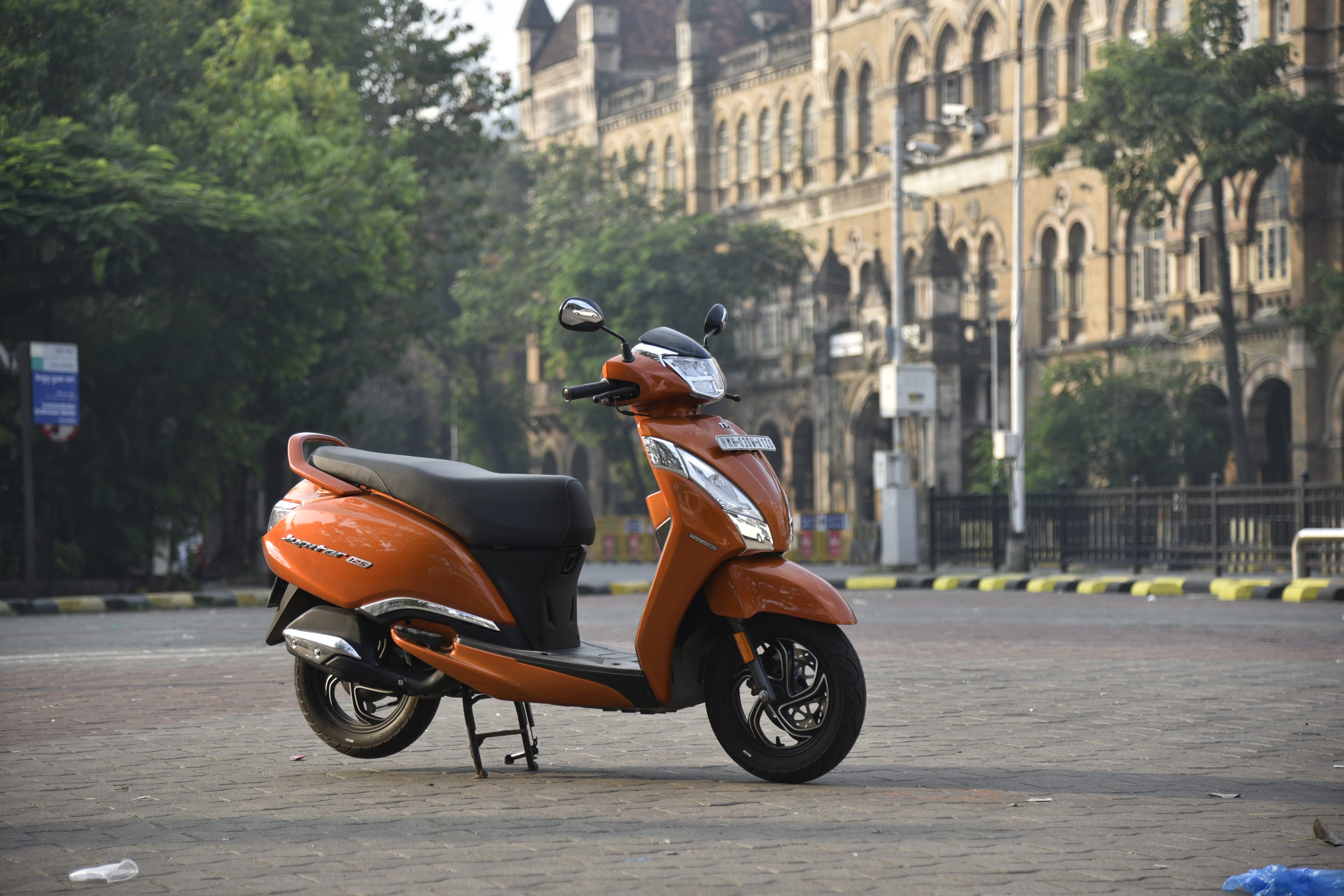
The TVS Jupiter 125 is the brand’s premium family scooter, positioned above the Jupiter 110. It stands out for its practicality, thanks to its underfloor fuel tank, spacious underseat storage and feature-rich equipment list. Here are answers to some of the most commonly asked questions about it.

1. What is the price of the TVS Jupiter 125?

The TVS Jupiter 125 is available in four variants – Drum Alloy, Disc Alloy, DT SXC and SmartXonnect. Prices start at Rs 87,171 for the Drum Alloy variant and go up to Rs 95,772 for the range-topping SmartXonnect variant (both ex-showroom).

2. What variants of the TVS Jupiter 125 are available?

The Jupiter 125 range comprises four variants. The Drum Alloy serves as the entry point, followed by the Disc Alloy. Above it sits the DT SXC variant, while the SmartXonnect is the range-topper with the most comprehensive feature set.

3. What engine does the TVS Jupiter 125 use?

The Jupiter 125 is powered by a 124.8cc, single-cylinder, air-cooled, fuel-injected engine producing 8.15hp at 6,500rpm and 10.5Nm at 4,500rpm. It is paired with a CVT automatic transmission.

4. What is the fuel tank capacity and underseat storage of the TVS Jupiter 125?

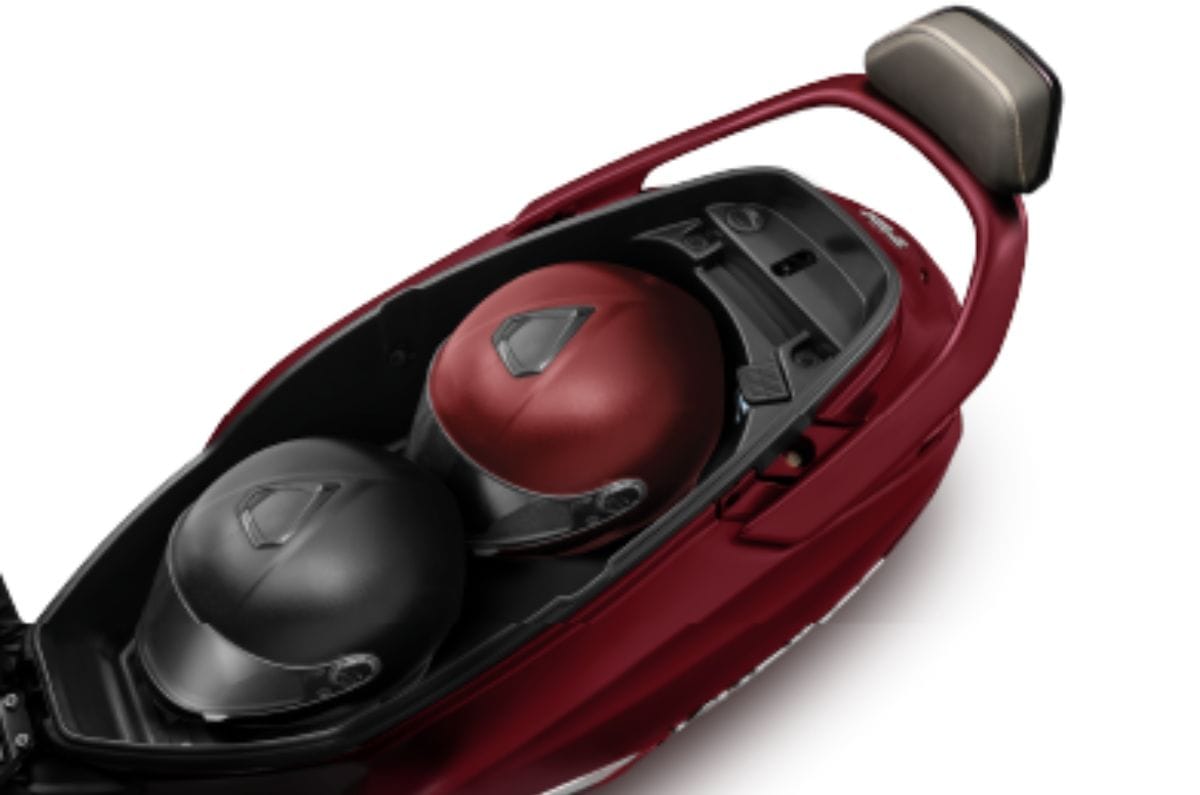
The Jupiter 125 gets a 5.1-litre fuel tank positioned beneath the floorboard, freeing up space for a 33-litre underseat storage compartment. TVS says the storage area is large enough to accommodate two full-face helmets, while the front-mounted fuel filler allows refuelling without opening the seat.

5. What features does the TVS Jupiter 125 have?

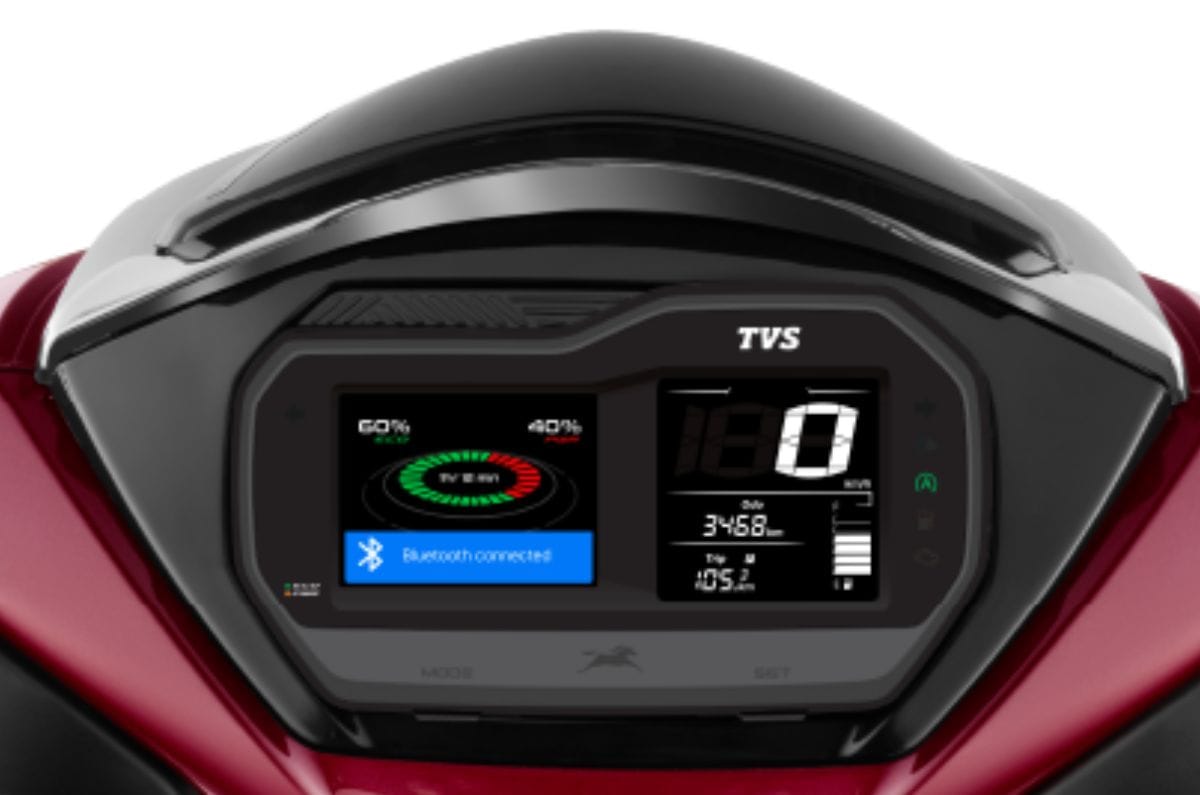
Depending on the variant, the Jupiter 125 comes equipped with a digital instrument cluster with Bluetooth connectivity via TVS SmartXonnect, turn-by-turn navigation, call and SMS alerts, voice assist and distance-to-empty. Higher variants also get an LED headlight, a front-mounted external fuel filler, iGO Assist and Emergency Brake Warning (EBW).

6. What are the kerb weight, seat height and ground clearance of the TVS Jupiter 125?

The Drum Alloy variant has a kerb weight of 108kg, while the Disc Alloy, DT SXC and SmartXonnect variants weigh 109kg. Seat height is 765mm, while ground clearance stands at 163mm across the range.

7. What braking hardware does the TVS Jupiter 125 get?

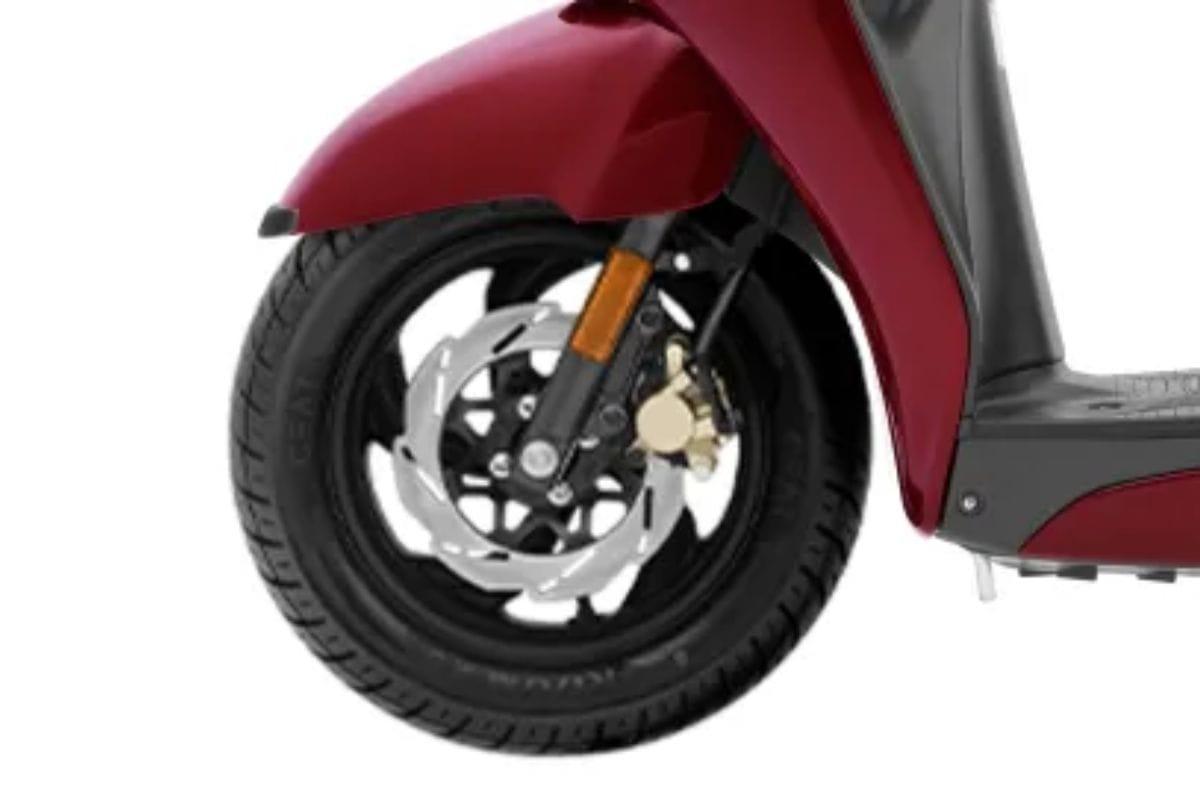
The Drum Alloy variant gets drum brakes at both ends, while the Disc Alloy, DT SXC and SmartXonnect variants feature a front disc and rear drum setup. All variants come equipped with TVS’ Combi-braking system.

8. What colours is the TVS Jupiter 125 available in?

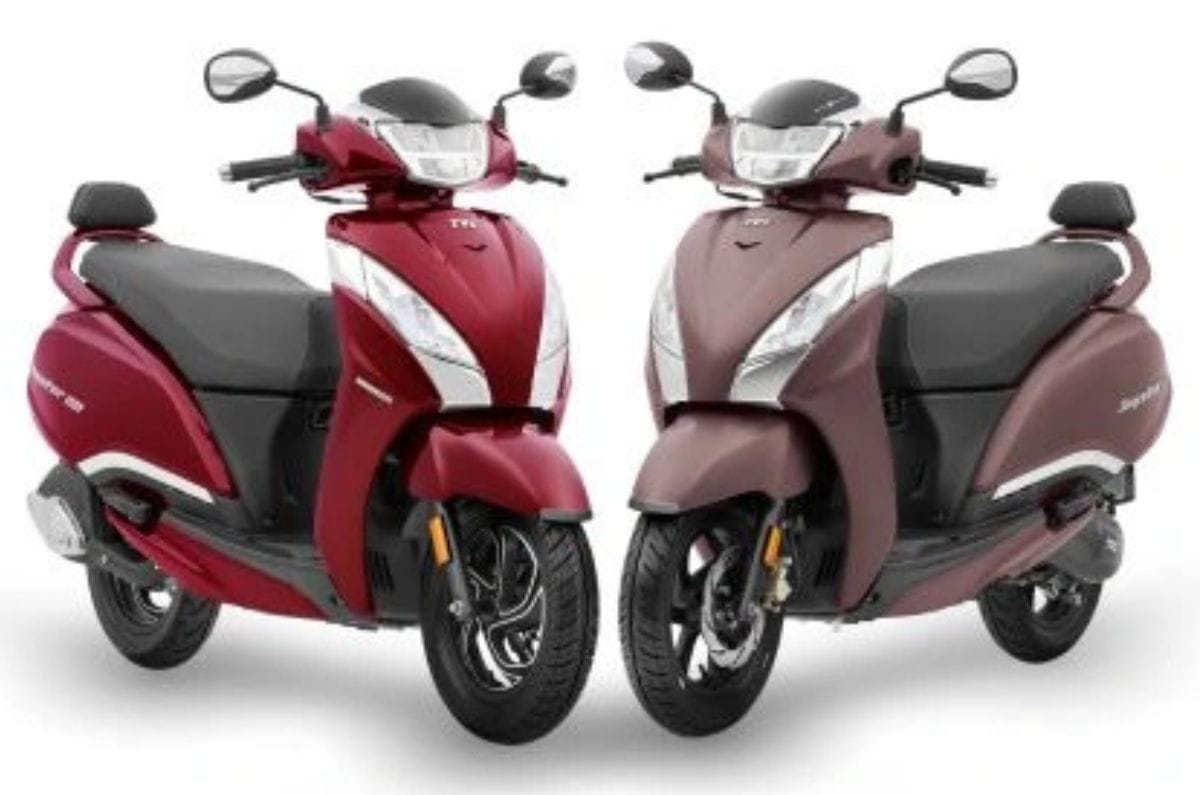
The TVS Jupiter 125 is offered in multiple colour options, with availability varying depending on the variant. These include Dawn Blue Matte, Titanium Grey Matte, Ivory Matte Blue, Ivory Brown, Ivory Grey, Ivory Matte Copper Bronze, Elegant Red, White and Black

Mercedes-Benz CTO Jörg Burzer on India R&D and future product development

Mercedes-Benz CTO Jorg Burzer

Mercedes-Benz’s Research and Development centre in Bengaluru has evolved from a hardware-focused engineering hub into one of the company’s key global R&D centres, with teams working across software, ADAS, electric powertrains and physical vehicle development. In this interview, Jörg Burzer, Member of the Board and Chief Technology Officer, Development & Procurement at Mercedes-Benz Group AG, discusses the centre’s expanding capabilities, the role of AI in vehicle development, the future of autonomous driving, and why he believes every Mercedes-Benz has “a bit of India” in it.

A lot of global auto OEMs have large R&D centres in India. Beyond cost, what are the benefits of having such large setups in India

Yes, it’s not only cost; you see, the competence level is so high. If you look at our centre, we will be celebrating its 30th anniversary here in India, and over these years, it has only grown in size and capability. We started with hardware, but now it’s massively into software, infotainment and autonomous driving. The team in India is contributing heavily on ADAS, for instance, and we are working on Level 3 and Level 4 with the team in India. So, all in all, I would say it’s competence, speed and agility that are good here. 

Is the Mercedes development centre mainly a digital unit, or is physical development also being undertaken here?

Oh certainly, we have lots of hardware development. There are many test benches, and you’ll see lots of physical testing and development taking place here. Even beyond powertrain, there’s a lot of physical development taking place along with our vendors here too. And then, on electric vehicles, we’re working on the powertrains and batteries too. And yes, on the digital side, there’s lots of AI work, not just on the product, but also on process development. So yes, the centre is a full-scope R&D centre, a blend of the digital and physical. For example, we do a lot of work on the simulation of sheet metal forming and welding here. 

Besides engineering, does the India centre also do design and styling work for your products?

On the design side, at Mercedes, we have this philosophy that we are creating a global product, and so we have a global design. This might change a little bit – obviously, we are adapting our design, which might be enriched by certain market trends – but for us, it’s very important that it is a global design, so we have one design hat. So, our styling team is based in Germany, where we have our design centre, and that’s important for us to maintain the global approach. 

Software is today a leveller, even phone manufacturers can make a car today. Do you view this as a threat? 

I see this as an opportunity because, for instance, you can develop a software stack for ADAS, but at the end you have to apply it to hardware. One interesting bit, to my knowledge, is that we are the only OEM doing a Level 2++ ADAS with a combustion engine, otherwise you only see this on EVs. To do this in a combustion engine environment, you know, with things like a transmission, it’s more complicated, so that’s where our expertise in traditional technologies, along with our developments in software, has an advantage. And of course, we have tremendous respect for our competitors and we are seeing what they are doing, but for me, I think if you do this mix right, you will be at the forefront of development.

Past Mercedes cars stood for robust engineering. What do you think a Mercedes 10 years from now would be all about? 

Obviously there will be tech, but there will be more. I can give you a good example, one of the most important characteristics and values of a Mercedes-Benz is safety. We do plenty of crash tests every year for our cars that we launch, plus there’s a lot that we are doing with autonomous driving too, for instance, what we are doing with Nvidia. And here we have a lot of redundancy. We have a traditional software stack with massive amounts of info like what is a stop sign in every different market, for example. But there’s an end-to-end stack where the software is trained by the behaviour of the driver in traffic, but what we are doing is we have both stacks, so if the end-to-end system does not know what to do, then it can fall back to the classic system. So, we create a safety environment, where we know there is always a solution. 

On redundancy, what is your view of a wide sensor stack like radars, lidars and cameras, or is AI with cameras only fine? 

We are using AI, yes, but we have radars too. We have to use AI to create efficiency in the simulation and training, but you have to also think about the sensor set, and for me, I am convinced you have to have a multiple sensor set, not just one type. So, like on the S Class, we have multiple cameras, radars and ultrasonic sensors too. 

Does the India R&D centre develop products or platforms independently of headquarters, or is it more synergetic?  

For us, it’s very important that we do everything as a team. So, for me personally, it’s very important to have a global perspective in R&D because the innovations and technology solutions are so complex that you can only master them as a team. There are a lot of competencies, but there is not one single team in the world that can say, ‘I am the one that can create a platform.’ It’s always teamwork, and if you look at all industries, automotive engineering is the ultimate for teamwork. So for us, R&D is one big team. And with regards to the India centre, I love to say that in each and every Mercedes, there is a bit of India in it.

 

2 reasons to buy the Toyota Fortuner, 2 reasons not to

2 reasons to buy the Toyota Fortuner, 2 reasons not to

The Toyota Fortuner is one of the most popular SUVs in India and continues to be among Toyota’s bestselling models. It is known for its powerful engines, rugged construction, off-road ability, and Toyota’s reputation for reliability. The SUV is currently available in its second-generation facelift, which was launched in 2021. If you’re planning to buy one, here are two reasons to consider the Fortuner and two reasons why you may want to look at other options. Let’s start with the positives.

Reasons to buy the Toyota Fortuner:

Feels indestructible

Robust suspension and body-on-frame construction make it feel bulletproof

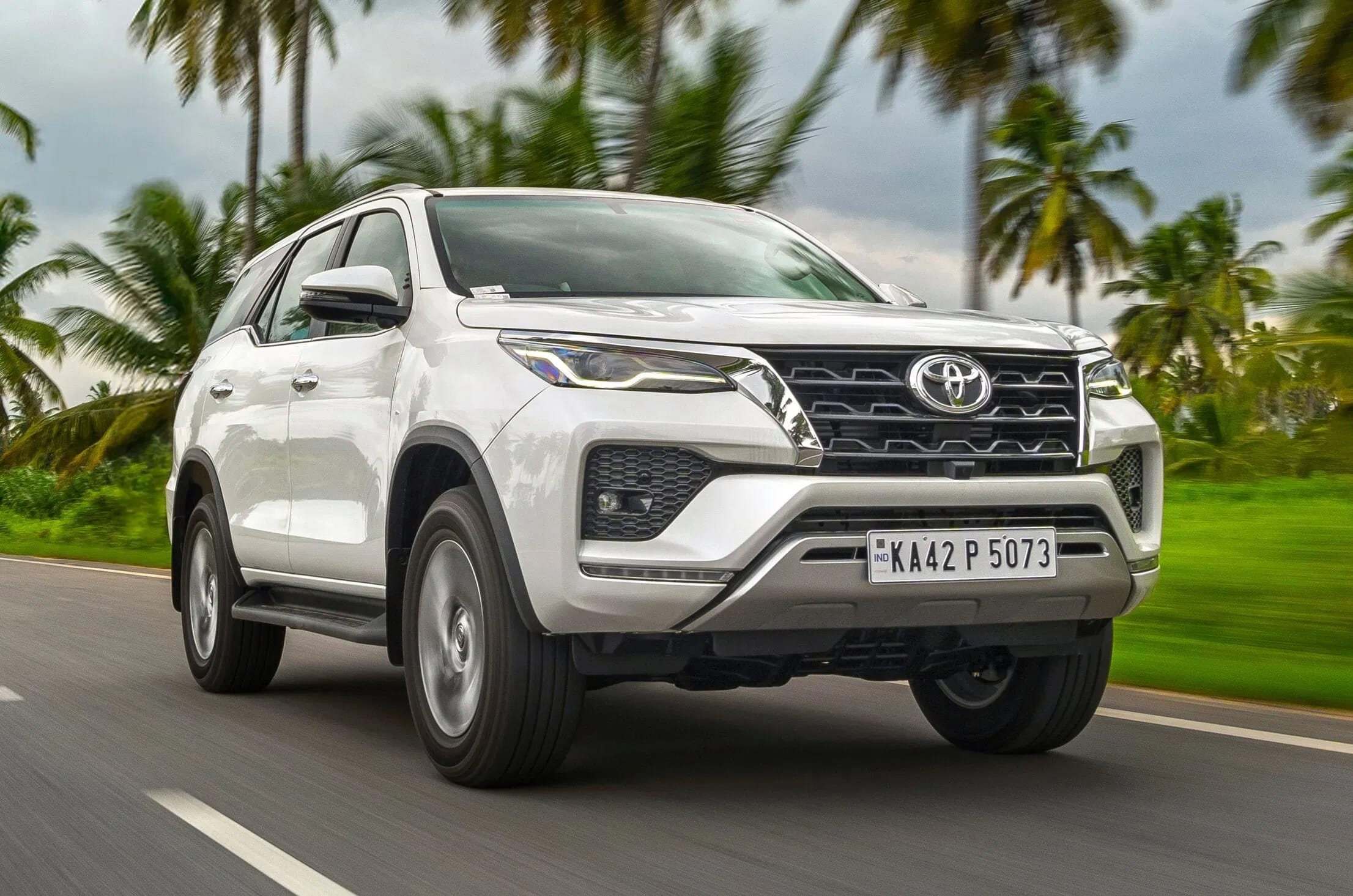
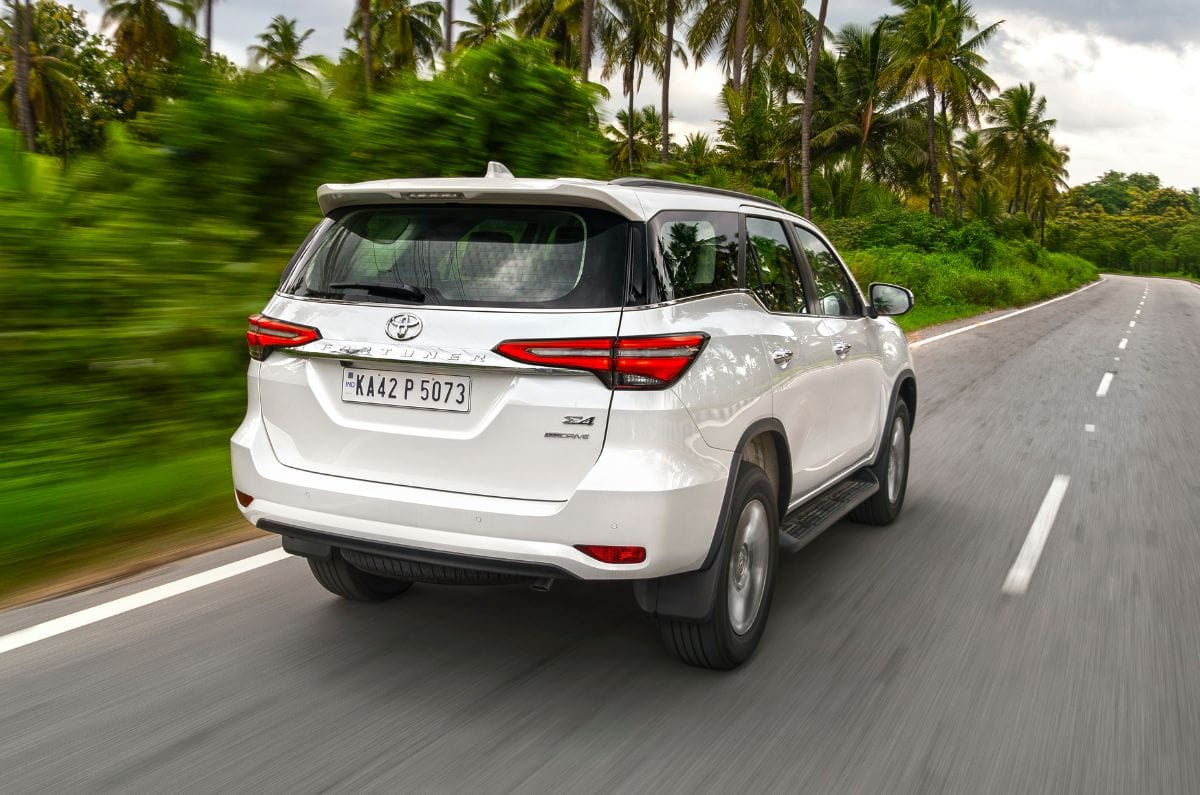
The Toyota Fortuner’s body-on-frame construction makes it feel solid and built to last. Its suspension is tough and is designed to handle rough roads with ease. While the ride feels firm at low speeds and small bumps can be felt inside the cabin, the suspension handles large potholes, broken roads, and unpaved tracks without much trouble.

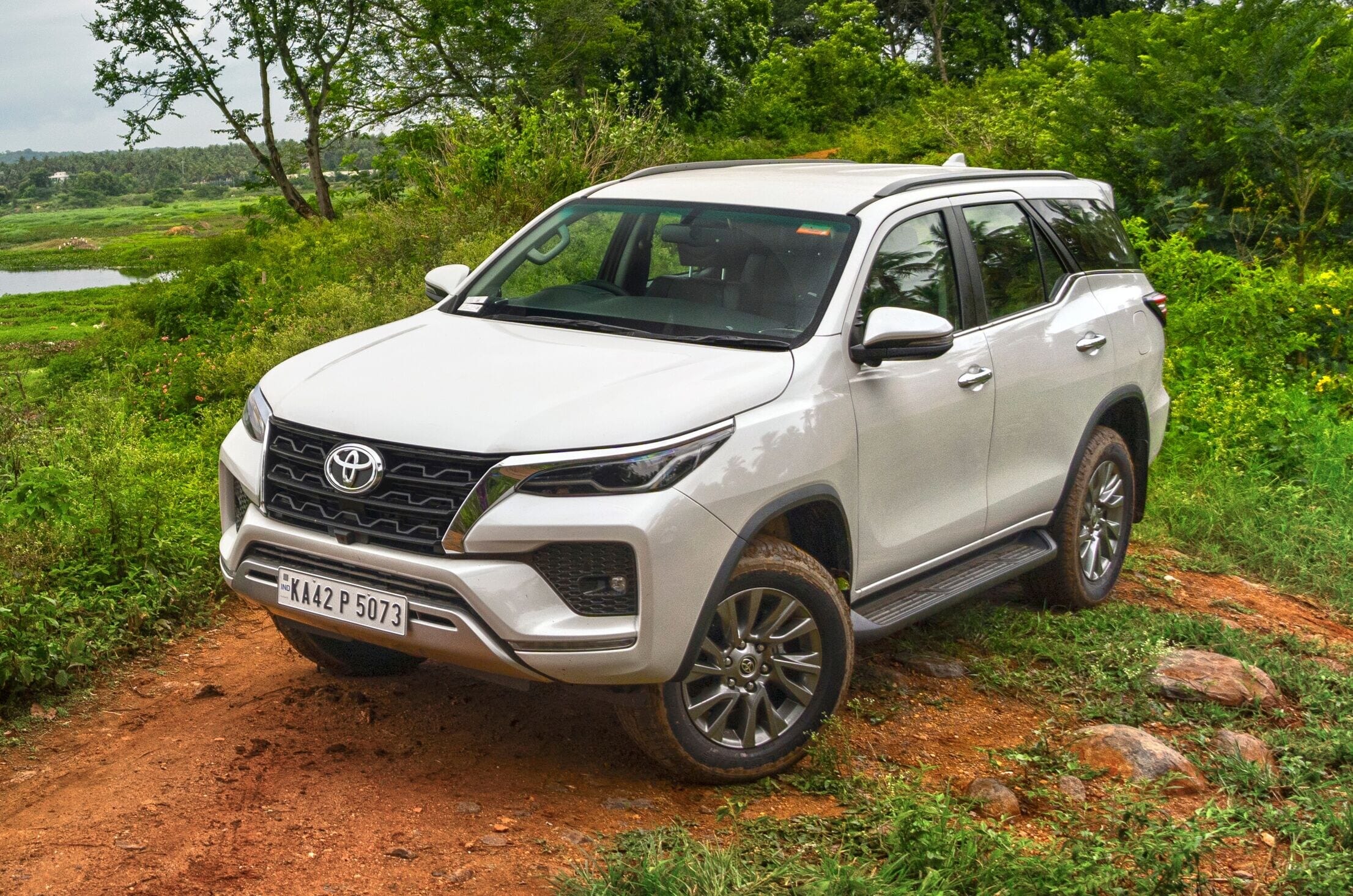
The Fortuner is also one of the most capable off-road SUVs in its segment. It comes with a low-range transfer case, Multi-Terrain Select (MTS) modes, an electronic differential lock, and a water wading capacity of 700 mm. These features make it easy to drive through muddy trails, rocky paths, steep inclines, and even waterlogged roads. Whether you’re heading to the mountains or exploring off the beaten path, the Fortuner has the hardware to handle it with confidence.

Offers a strong performance

The torquey diesel engine allows for a sub-10s 0-100kph real-world run time

One of the Fortuner’s biggest strengths is its engine options. It is offered with a 2.7-litre petrol engine that makes 166hp and 245Nm, and a 2.8-litre diesel engine that produces 204hp and up to 500Nm. The diesel engine is also available with a 48V mild-hybrid system.

We tested the diesel-automatic version, which sprinted from 0-100 kmph in 9.96 seconds. That’s impressive for an SUV of this size and weight. The diesel engine delivers its maximum torque from low revs, so the Fortuner feels effortless to drive in the city and while overtaking on highways. It doesn’t need to be revved hard, although performance starts to taper off at higher revs.

The six-speed automatic gearbox is tuned for smooth and reliable performance rather than quick gear changes. It works well for daily driving and long-distance cruising, but enthusiasts may find it less engaging than the faster-shifting automatic transmissions offered by some newer SUVs.

Reasons to not buy the Toyota Fortuner:

Interior does not feel premium

The cabin looks dated and misses out on a lot of feel-good features

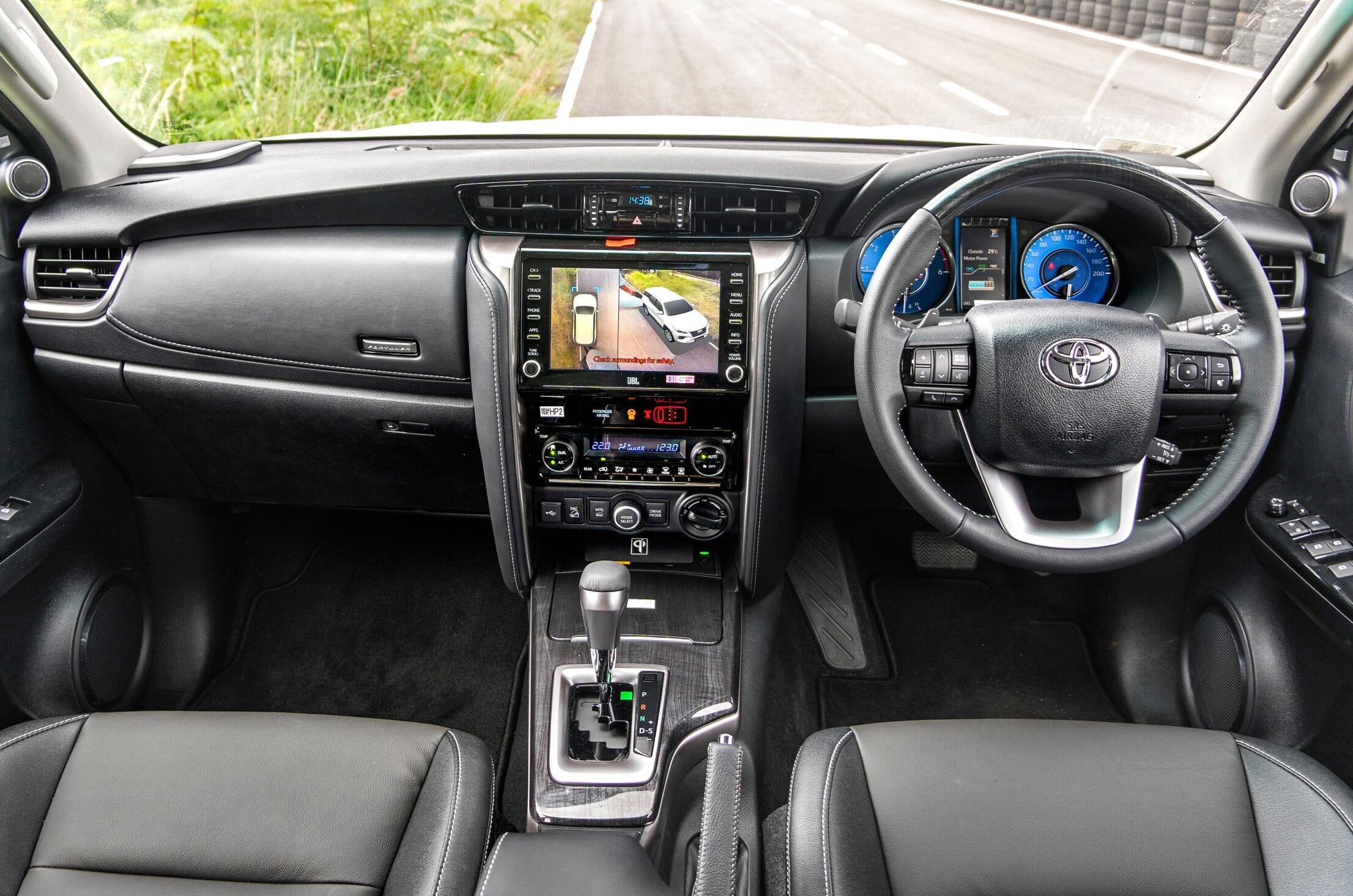
The Toyota Fortuner’s interior is starting to feel dated compared to newer rivals. While the 2021 facelift brought some updates, the overall dashboard design and cabin layout have remained largely unchanged since the second-generation model arrived in India. Compared to SUVs like the MG Majestor, Skoda Kodiaq, Volkswagen Tayron, and Jeep Meridian, the Fortuner’s cabin does not feel as modern or premium. The use of hard plastics and average-quality switches also remind you that this is an older design. At a price point that goes close to Rs 50 lakh, the cabin feels like it could offer more in terms of quality and sophistication.

The Fortuner’s feature list is another area where it falls behind newer rivals. It gets useful features like ventilated front seats, an 8-inch touchscreen infotainment system, dual-zone climate control, an 11-speaker JBL audio system, a 360-degree camera, and a powered tailgate on select variants. However, it misses out on features like a sunroof, advanced driver assistance system (ADAS), powered front seats, and an electronic parking brake, which are now available in several more affordable SUVs. Even the 360-degree camera quality feels average compared to newer competitors, making the Fortuner feel less tech-focused than its rivals.

Prices are on the steeper end

The Fortuner is priced at a premium over its rivals

Toyota Fortuner ex-showroom prices vs rivals

Model

Price range

Toyota Fortuner

Rs 34.76 lakh to Rs 50.46 lakh

MG Majestor

Rs 40.99 lakh to Rs 44.99 lakh

Jeep Meridian

Rs 23.33 lakh to Rs 35.96 lakh

Skoda Kodiaq

Rs 36.99 lakh to Rs 46.99 lakh

Volkswagen Tayron

Rs 41.99 lakh to Rs 46.99 lakh

The Toyota Fortuner is priced from Rs 34.76 lakh to Rs 50.46 lakh (ex-showroom), making it one of the most expensive SUVs in its segment. At this price, it is expected to offer a more premium experience, but its dated cabin, average material quality, and missing modern features make it feel expensive compared to newer rivals.

However, the Fortuner’s appeal goes beyond features and cabin quality. Its rugged construction, off-road capability, proven reliability, strong resale value, and Toyota’s widespread service network continue to attract buyers. For many, the confidence of owning a durable and low-maintenance SUV outweighs the lack of premium features offered by newer rivals. These qualities have helped the Fortuner maintain a strong following in India, despite falling behind competitors in areas like interior quality and technology.

Prices are ex-showroom, India. 

Stark Future unveils Varg MX and EX factory editions

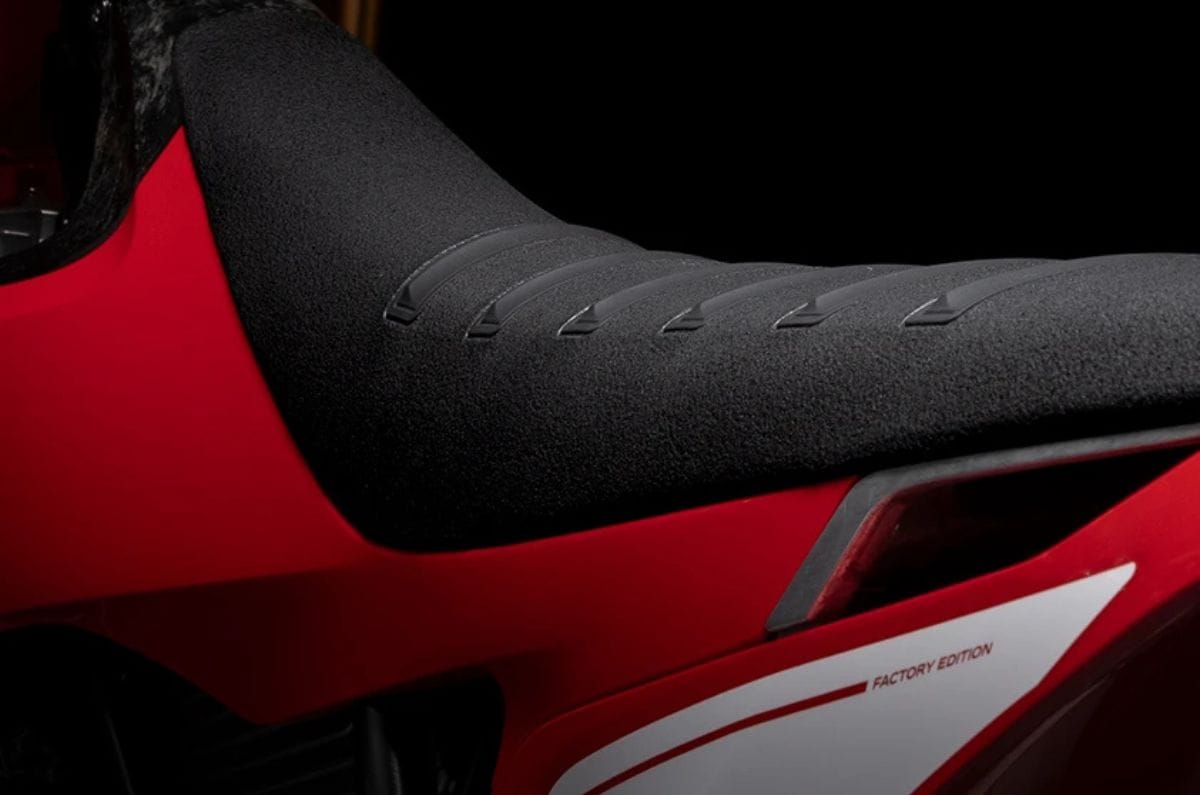
Stark Future Varg MX factory editions

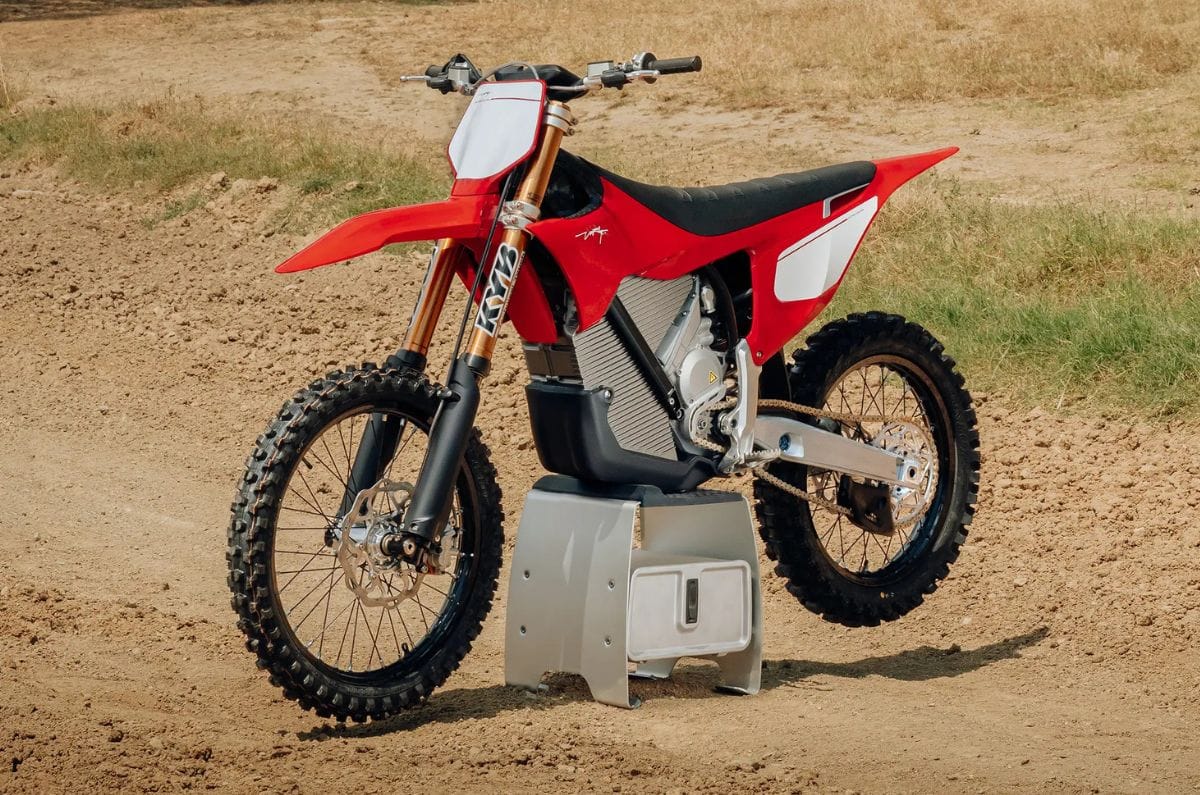
Stark Future has unveiled Factory Editions of its VARG MX and VARG EX electric off-road motorcycles. Limited to a total of 500 units worldwide, the special editions receive a host of chassis and component upgrades, headlined by a full KYB Factory A-Kit suspension setup, while the 80hp electric powertrain remains unchanged.

  1. Limited to 200 VARG MX and 300 VARG EX Factory Editions worldwide
  2. both motorcycles feature a KYB Factory A-Kit suspension setup
  3. 7.2kWh battery pack paired with an electric motor producing 80hp peak output remains unchanged

Stark VARG MX, EX Factory Edition: what’s new?

KYB Factory A-Kit suspension headlines the updates

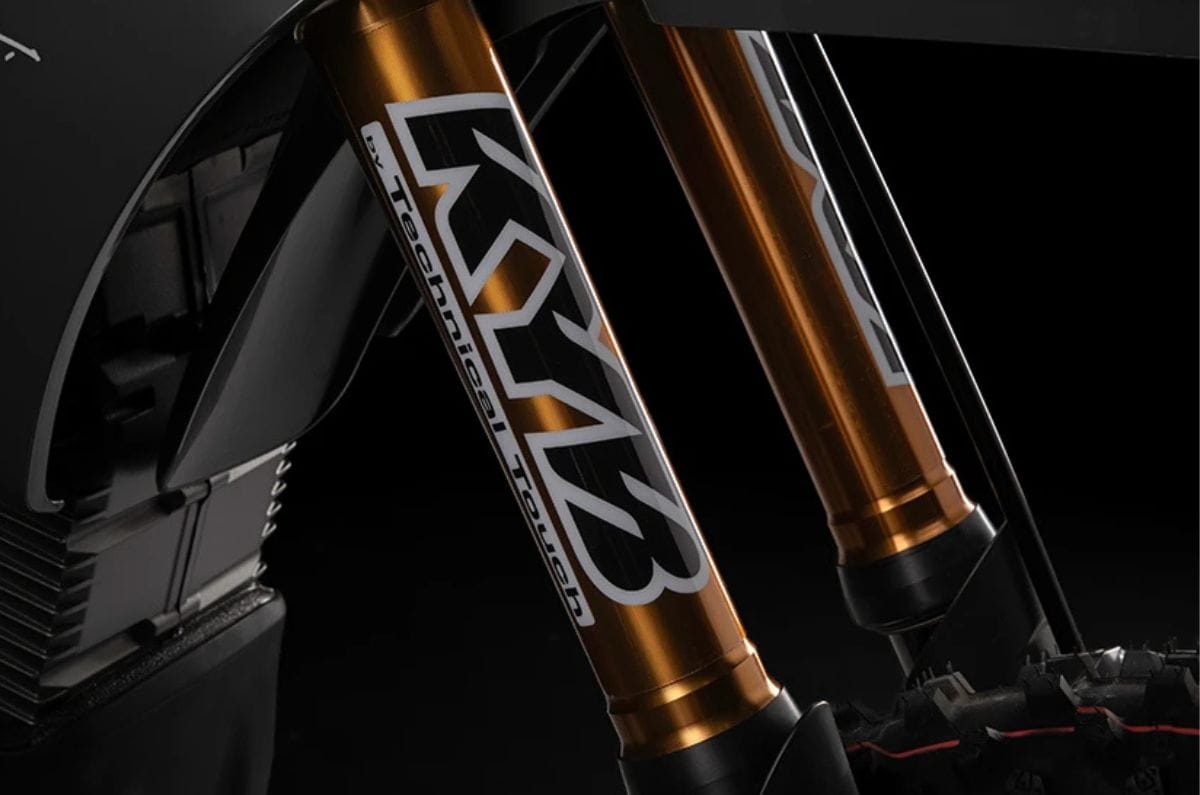
The biggest change on both motorcycles is the addition of a KYB Factory A-Kit suspension package. It comprises a 48mm closed-cartridge fork, a fully adjustable rear shock and an Xtrig preload adjuster, with the updates aimed at delivering improved feel and consistency over varied terrain.

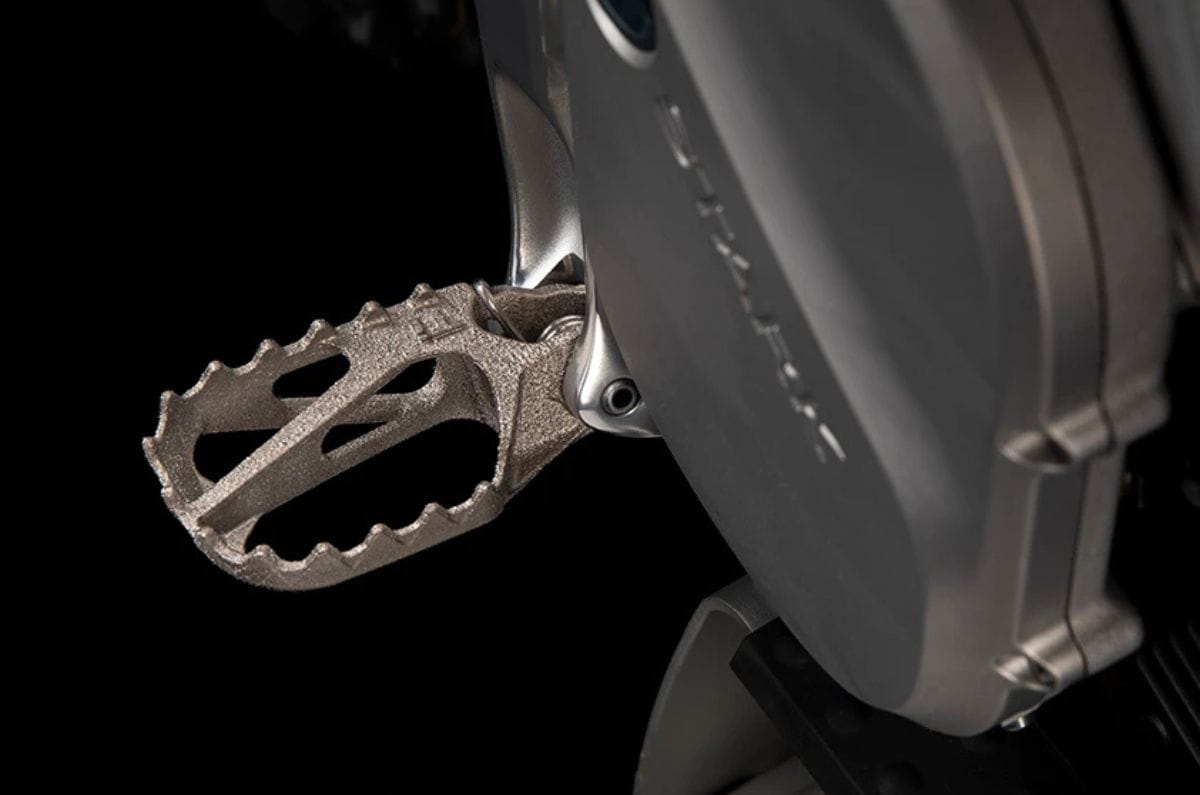
The Factory Editions also receive a number of hardware upgrades, including CNC-machined triple clamps, titanium footpegs, a titanium bolt kit – that contribute to a claimed weight savings of 1.1kg – a high-grip seat and an updated radiator fan holder. Stark has also added Dynamic Traction Control, integrated into the riding modes, while buyers in markets where regulations permit can opt for a hand-operated rear brake. Power continues to come from the brand’s 80hp electric motor paired with its 7.2kWh battery platform. 

However, the torque number differs between the MX and EX models, where the former puts out 978Nm on the rear wheel whereas the latter produces 1036Nm of torque on the rear wheel. However, torque figures on EVs are not always directly comparable to ICE models, as Stark Future quotes torque at the wheel resulting in a significantly higher number, on paper, due to gear reduction.

The VARG MX Factory Edition is finished in an exclusive Stark Red colour scheme and rides on Dunlop MX34 tyres. The road-legal VARG EX Factory Edition, meanwhile, gets a Forest Grey finish, enduro-specific suspension settings, Dunlop Geomax EN91 tyres, handguards, and front and rear disc protection. Stark Future will build just 200 VARG MX Factory Editions and 300 VARG EX Factory Editions, making them the most exclusive versions of the VARG range to date.

The VARG MX Factory Edition is priced at USD 15,990 (approximately Rs 15.43 lakh), while the VARG EX Factory Edition costs USD 16,990 (approximately Rs 16.40 lakh), according to current exchange rates.

6 things to know before buying the updated Royal Enfield Classic 350

6 things to know before buying the updated Royal Enfield Classic 350

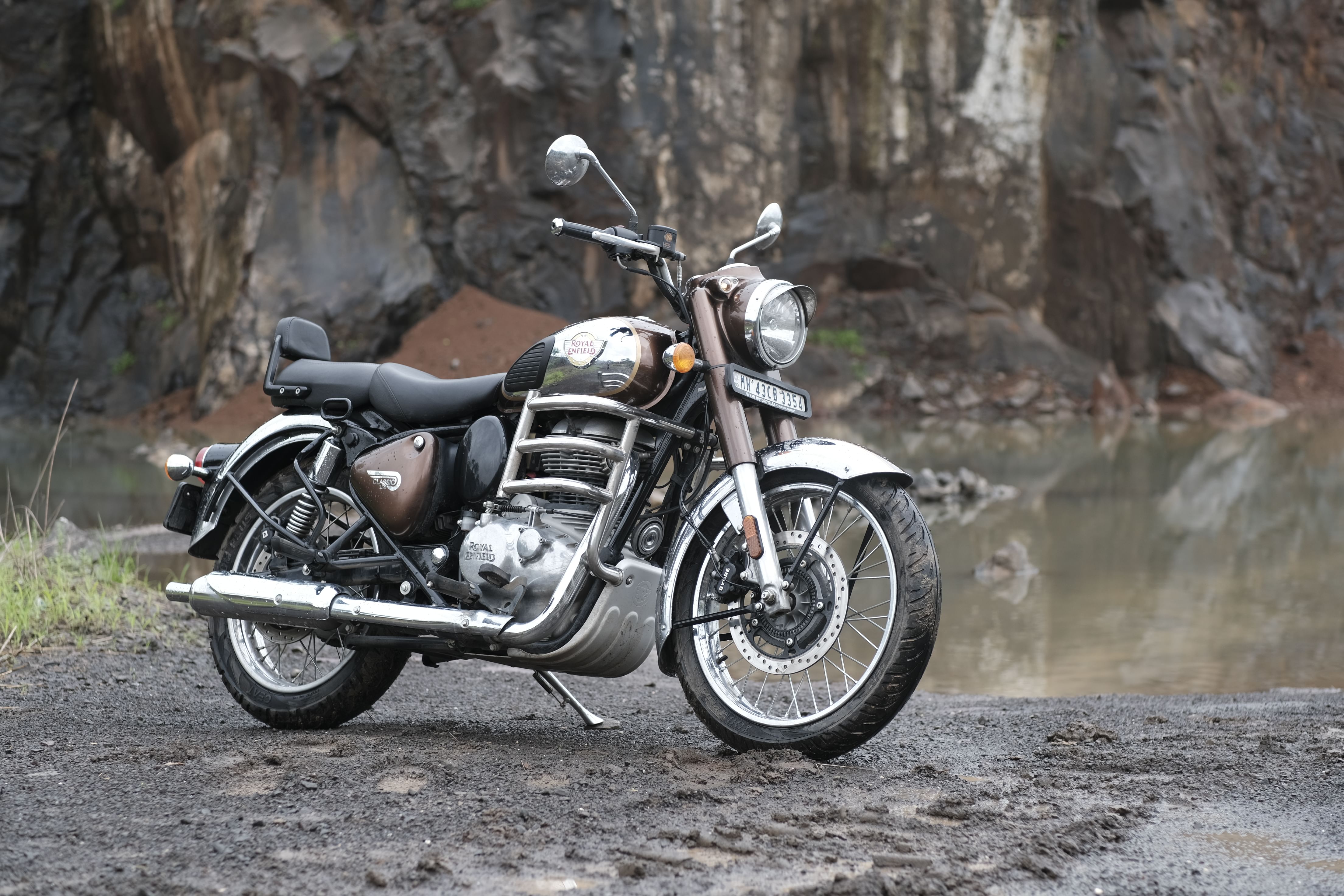
Royal Enfield has updated the Classic 350 for 2026. The changes aren’t extensive, but they bring the retro roadster in line with most of the brand’s 350cc lineup. Here’s everything you need to know.

1) What’s new on the 2026 Royal Enfield Classic 350?

The biggest update is the addition of an assist and slipper clutch, which reduces clutch lever effort and smoothens downshifts. The Classic 350 also gets a USB Type-C charging port. However, these features are available only on the dual-channel ABS variants, while the entry-level Redditch Red variant continues unchanged.

2) Does the 2026 Classic 350 get any mechanical changes?

No. The Classic 350 continues with the same 349cc, air/oil-cooled, single-cylinder J-series engine that develops 20.2hp and 27Nm, paired with a 5-speed gearbox. There are no changes to the chassis, suspension or braking hardware either.

3) Which variants get the assist and slipper clutch?

The assist and slipper clutch is offered on all dual-channel ABS variants of the Classic 350. The entry-level Redditch Red, which comes with single-channel ABS, does not receive the new clutch or the USB Type-C charging port and remains unchanged.

4) Has Royal Enfield discontinued any Classic 350 colour options?

Yes. Royal Enfield has discontinued the Madras Red and Medallion Bronze colour schemes as part of the update.

5) How much does the 2026 Royal Enfield Classic 350 cost?

The Redditch Red variant continues to be priced at Rs 1.87 lakh (ex-showroom, Chennai). Prices for the updated dual-channel ABS variants start at Rs 1.95 lakh (ex-showroom, Chennai), reflecting the addition of the new features.

6) How does the updated Classic 350 fit into Royal Enfield’s lineup?

With this update, the Classic 350 joins the Meteor 350, Hunter 350, Goan Classic 350 and Guerrilla 450 in offering an assist and slipper clutch. The Bullet 350 is now the only Royal Enfield motorcycle based on the J-platform that does not feature the updated clutch.

3 reasons to buy the Mahindra Thar and 3 to skip it

Thar

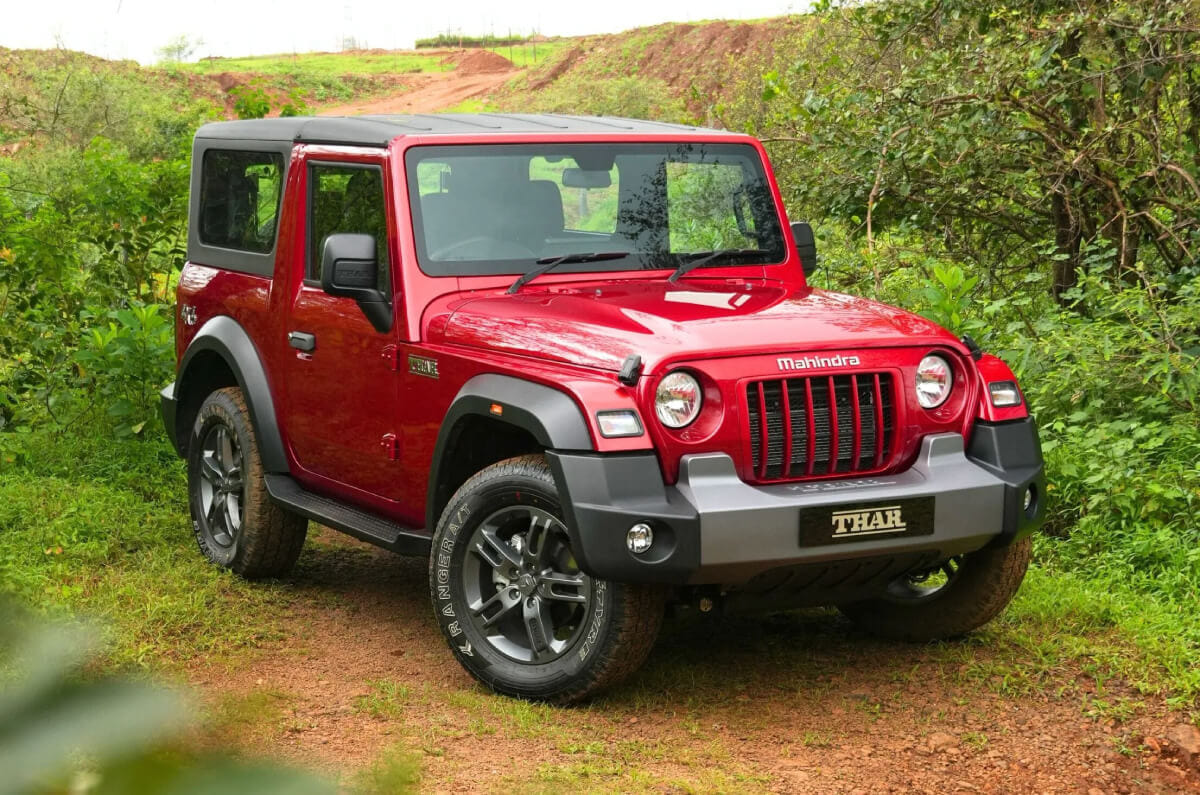
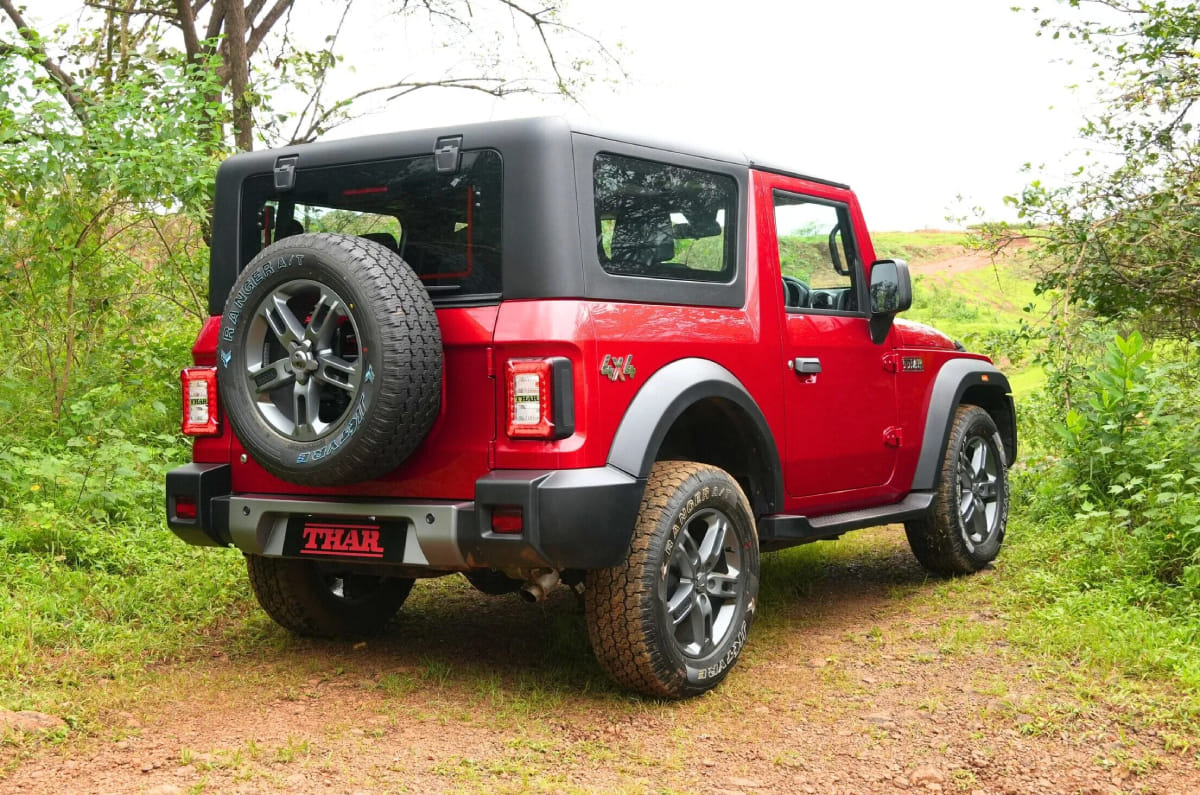
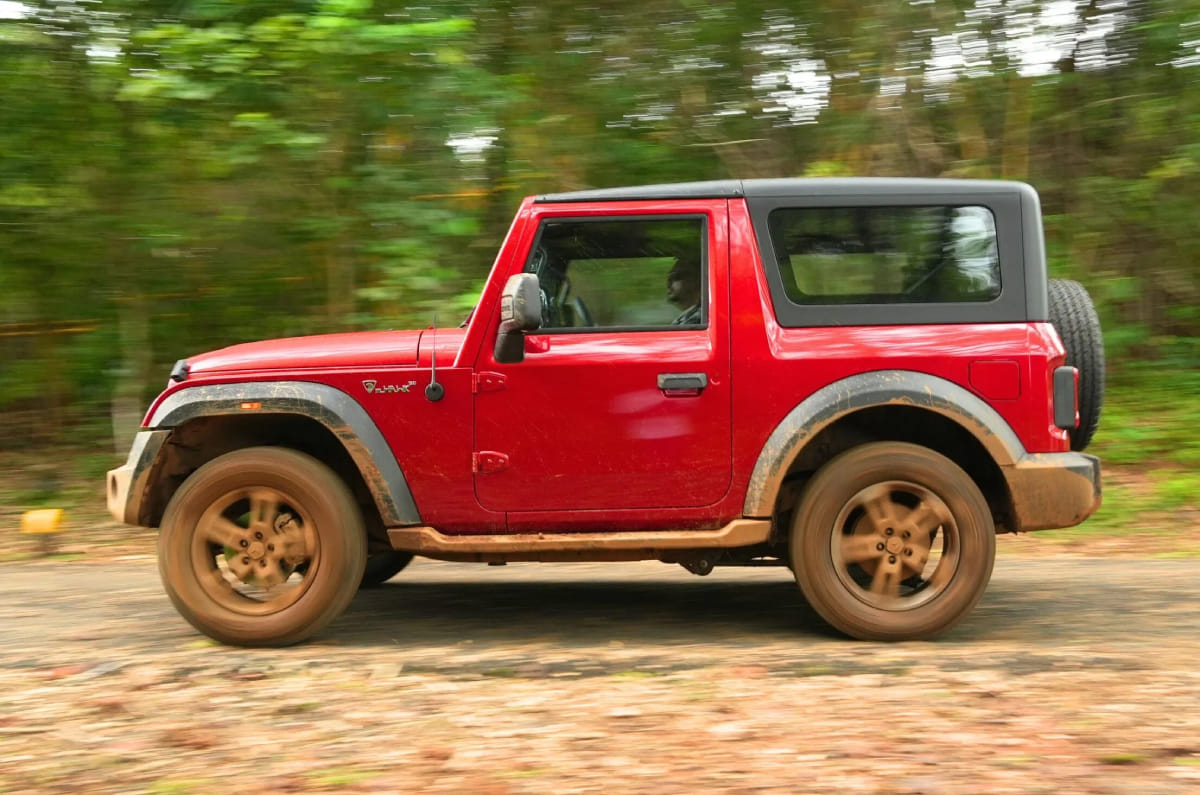
The Mahindra Thar is one of India’s most capable off-road SUVs and is available with petrol and diesel engines, rear-wheel drive and four-wheel drive options. Priced from Rs 10.32 lakh (ex-showroom), it prioritises off-road ability over outright practicality. Here are three reasons to buy the Thar and three reasons why you may want to look elsewhere.

Reasons to buy

Built for serious off-roading

Purpose-built hardware makes it exceptionally capable off road

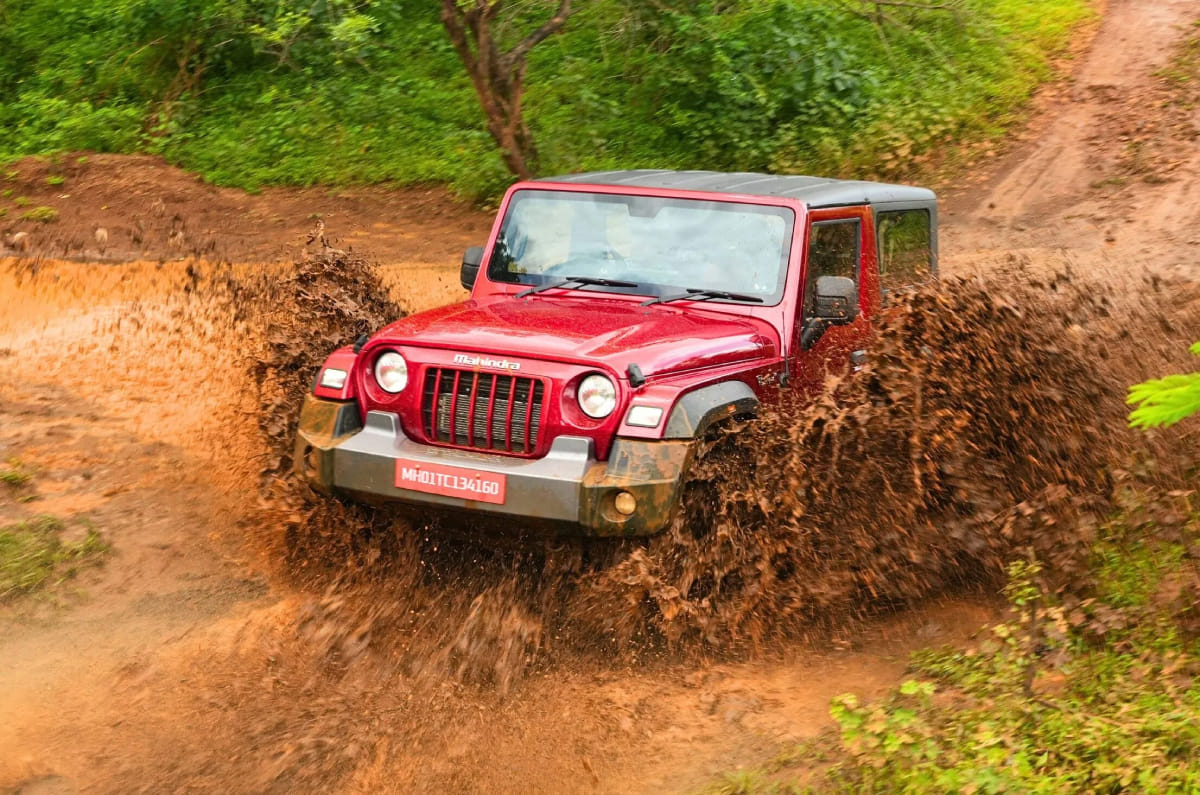
Few SUVs at this price can match the performance of the Thar once the road ends. Its ladder-frame construction, low-range transfer case and mechanical locking differential on 4×4 variants allow it to tackle steep climbs, deep ruts and loose surfaces with confidence. Even difficult trails are handled with surprising ease, making the Thar one of the most capable off-road SUVs currently on sale.

Strong petrol and diesel engines

Both petrol and diesel engines are refined and offer strong performance

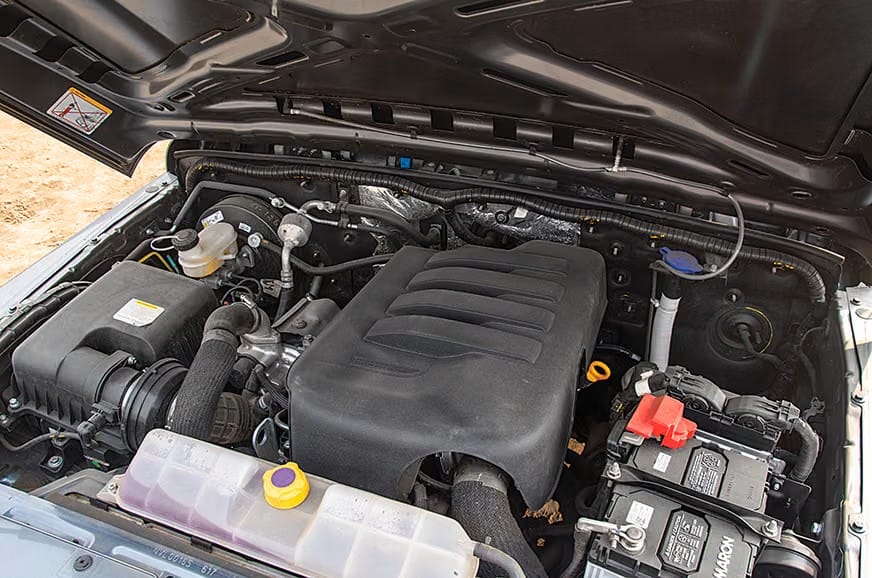
The Thar is available with three engine options. The 1.5-litre diesel (4×2 only) produces 119hp and 300Nm, while the larger 2.2-litre diesel develops 132hp and 300Nm. The 2.0-litre turbo-petrol, meanwhile, makes 152hp and 300Nm. All engines come paired with a 6-speed manual gearbox, while the 2.2-litre diesel and 2.0-litre petrol can also be had with a 6-speed torque-converter automatic.

The diesel engine stands out for its refinement and strong low-end torque, making it particularly well-suited to off-road driving. Buyers looking for stronger on-road performance, meanwhile, will appreciate the punch of the turbo-petrol engine.

Better equipped than before

Recent updates make the cabin easier to live with

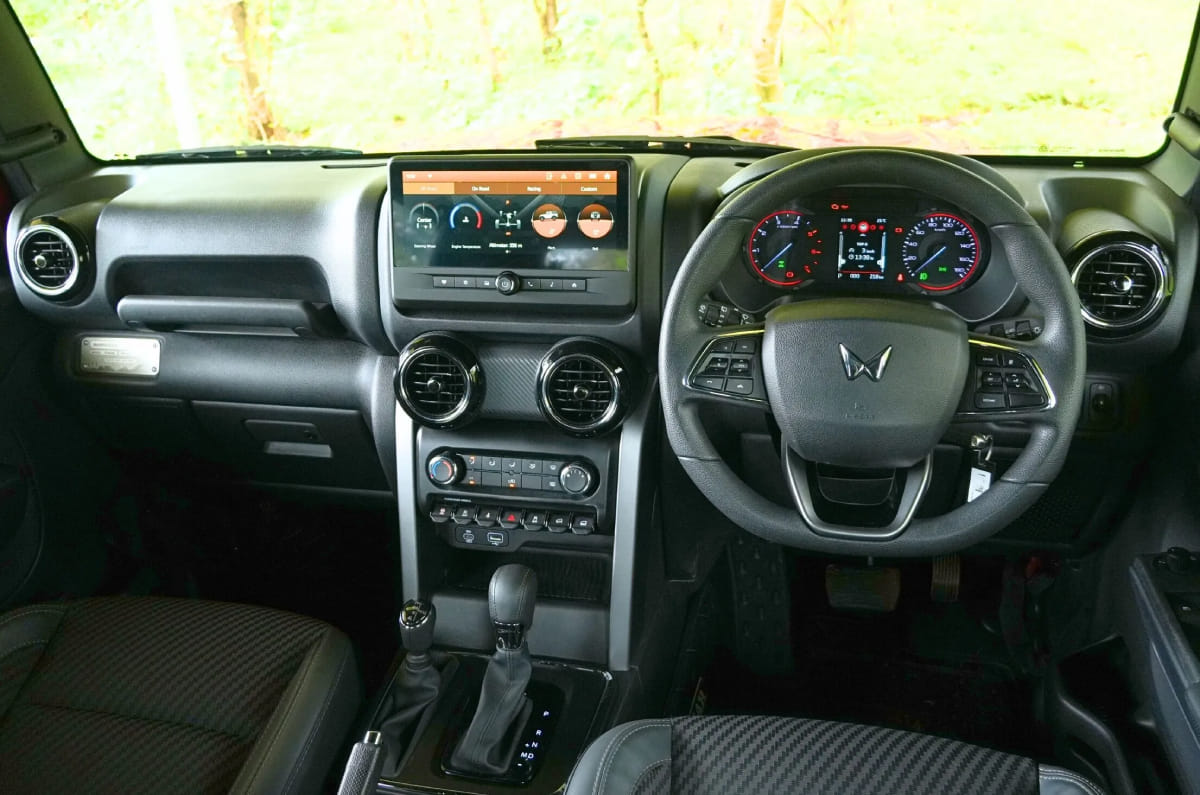
The latest updates have addressed several everyday usability issues. The Thar now gets a larger 10.25-inch touchscreen, rear-view camera, rear washer and wiper, rear AC vents, Type-C charging port, revised centre console with an adjustable armrest, grab handles on the A-pillars and relocated power window switches. While these are relatively small changes individually, together they make the Thar noticeably easier to use every day.

Reasons to skip

Rear-seat access remains inconvenient

Three-door body style limits practicality

Getting into the rear seats remains one of the Thar’s biggest compromises. The front seats need to be folded and slid forward, making access inconvenient, particularly for older passengers and those travelling with children. Boot space is also limited, leaving little room for luggage when all four seats are occupied. Buyers who frequently travel with family or need a more practical everyday SUV may find five-door alternatives better suited to their needs.

Ride comfort isn’t its forte

Suspension prioritises off-road ability over comfort

The Thar’s suspension is designed primarily for off-road use and it feels bouncy over broken roads. While Mahindra has improved the setup over the years, it isn’t as settled or comfortable as most monocoque SUVs. The hydraulically assisted steering is heavier than the electrically assisted systems used by most rivals and can kick back when driving over potholes or other sharp road imperfections.

Not particularly fuel efficient

Petrol and diesel engines aren’t efficiency focused

The Thar’s engines deliver strong performance, but fuel efficiency is not one of its strengths. In our 2021 Thar road test, the petrol automatic returned 7kpl in the city and 9.3kpl on the highway. The diesel manual performed better, managing 12kpl in the city and 12.6kpl on the highway, but it still trails many similarly priced monocoque SUVs. Buyers covering high annual running may find more economical alternatives elsewhere.

Limited-edition Triumph Speed Twin 1200 TFC launched at Rs 21 lakh

Triumph Speed Twin 1200 TFC

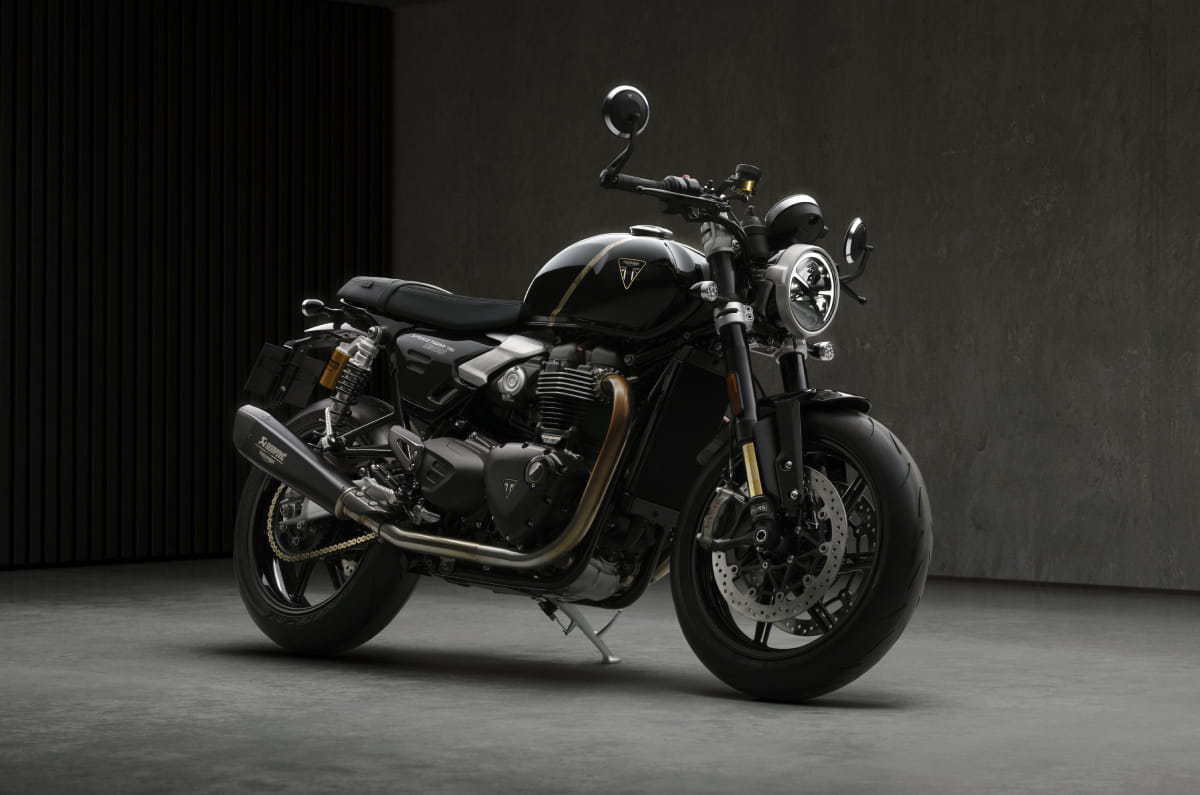
Just a day after its global unveiling, the Triumph Speed Twin 1200 TFC a limited-edition model based on the Speed Twin 1200 RS with upgraded hardware and limited to just 750 units worldwide has been listed on the Triumph India website at Rs 21 lakh. It becomes only the fifth motorcycle to wear the Triumph Factory Custom (TFC) badge, following the Thruxton TFC, which debuted in 2019.

  1. Limited to 750 units worldwide, each individually numbered
  2. Features Öhlins suspension, Brembo Stylema calipers and Akrapovič exhausts
  3. 1,200cc parallel-twin makes 105hp and 112Nm

Triumph Speed Twin 1200 TFC details

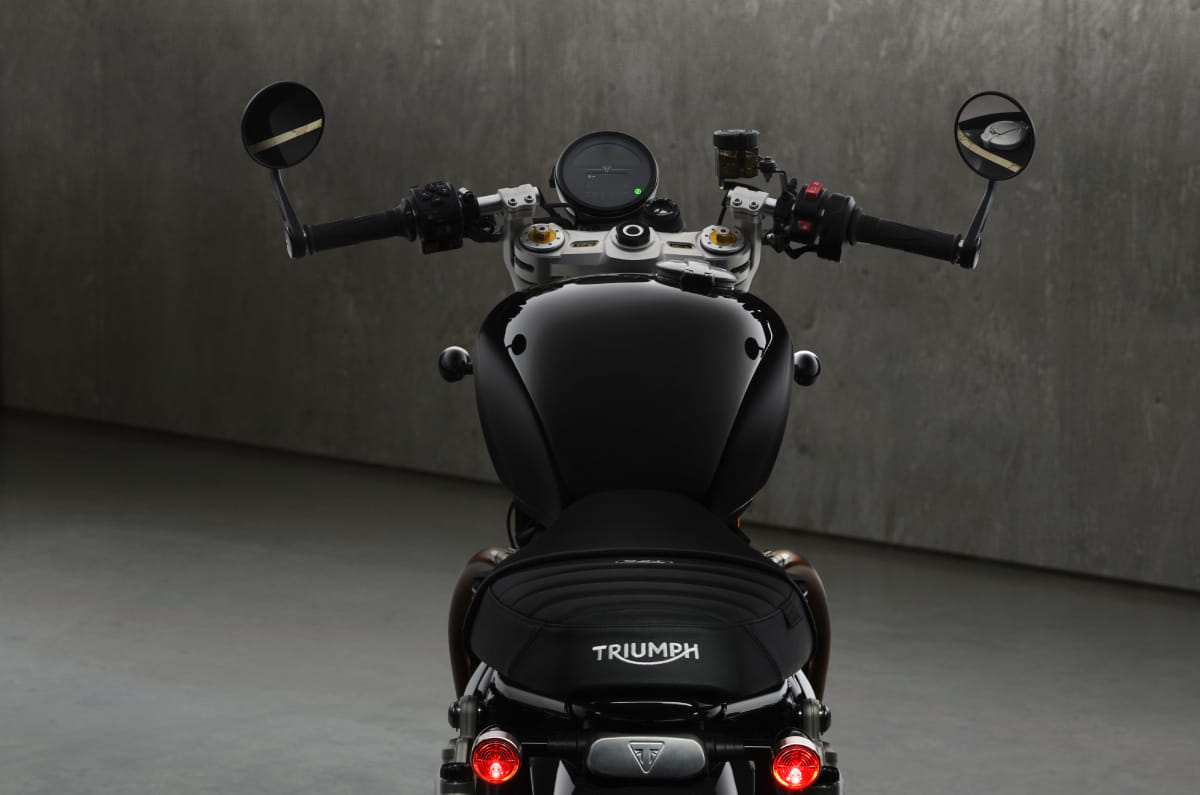
Clip-on handlebars create a sportier riding position than the standard RS

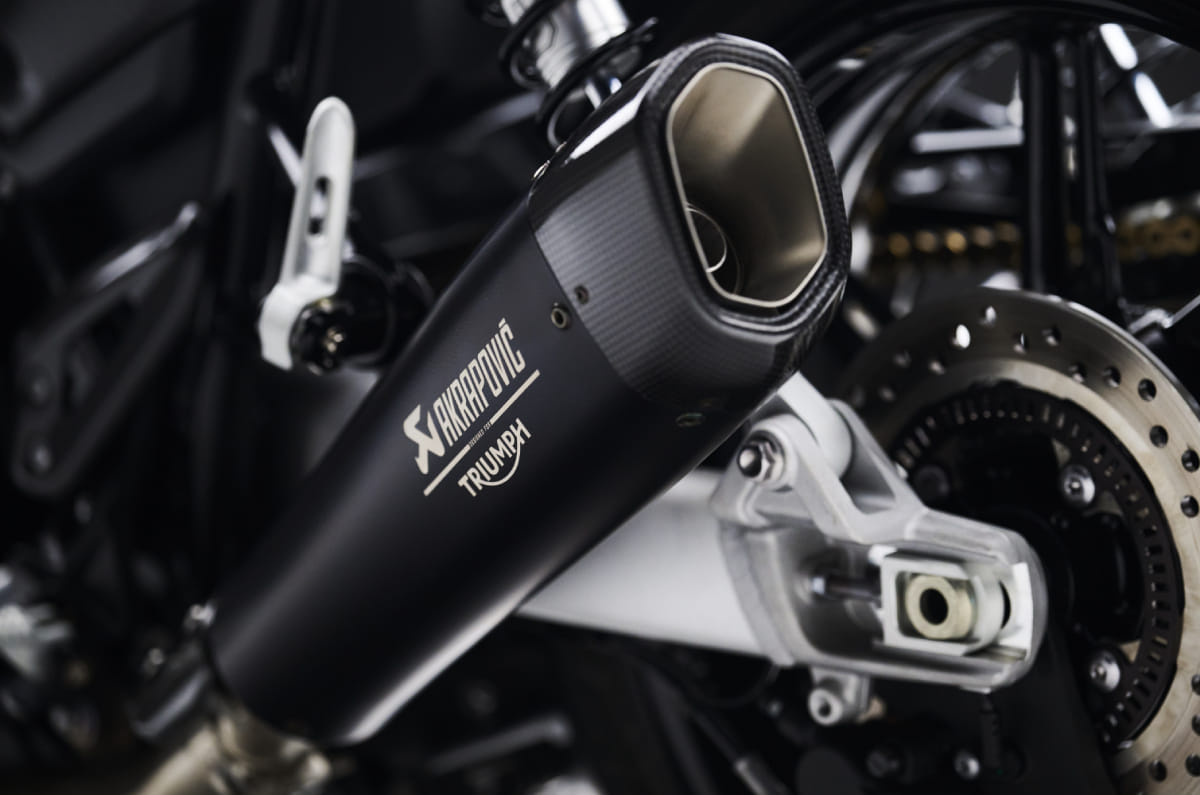
The Speed Twin 1200 TFC is powered by the same 1,200cc liquid-cooled parallel-twin as the Speed Twin 1200 RS, producing an identical 105hp at 7,750rpm and 112Nm at 4,250rpm. The standard exhaust system has, however, been replaced by Akrapovič titanium silencers with black detailing and carbon-fibre end caps.

The more significant changes lie in the chassis and ergonomics. The bike gets clip-on handlebars, giving it a more aggressive and committed riding position. Suspension duties are handled by Öhlins components, with a USD fork up front and twin rear shock absorbers. While braking hardware has been carried over with a Brembo Stylema M4.30 front brake caliper, the TFC adds a Brembo MCS adjustable front brake lever. The Speed Twin 1200 TFC tips the scales at 214kg (wet), making it 2kg lighter than the standard RS.

The electronics package has been carried over unchanged and includes a bidirectional quickshifter, three riding modes, cornering ABS and traction control.

The bike is available exclusively in an Obsidian Gold paint scheme, combining a metallic black base with gold metallic detailing and carbon-fibre bodywork for the mudguards, side panels and heel plates. It also gets a hand-stitched single-piece seat. Each motorcycle features a laser-etched edition number on the billet aluminium top yoke alongside the TFC emblem, while buyers also receive a Certificate of Authenticity, a branded bike cover and a waterproof seat cover.

Triumph India has been notably quick to bring global models to our market, including limited-run collector’s editions like this one. The Speed Twin 1200 Café Racer Edition, limited to 800 units worldwide, was also listed for India, and the arrival of the Speed Twin 1200 TFC continues that trend for enthusiasts looking for something highly exclusive.

Vida VX2: Price and variants explained

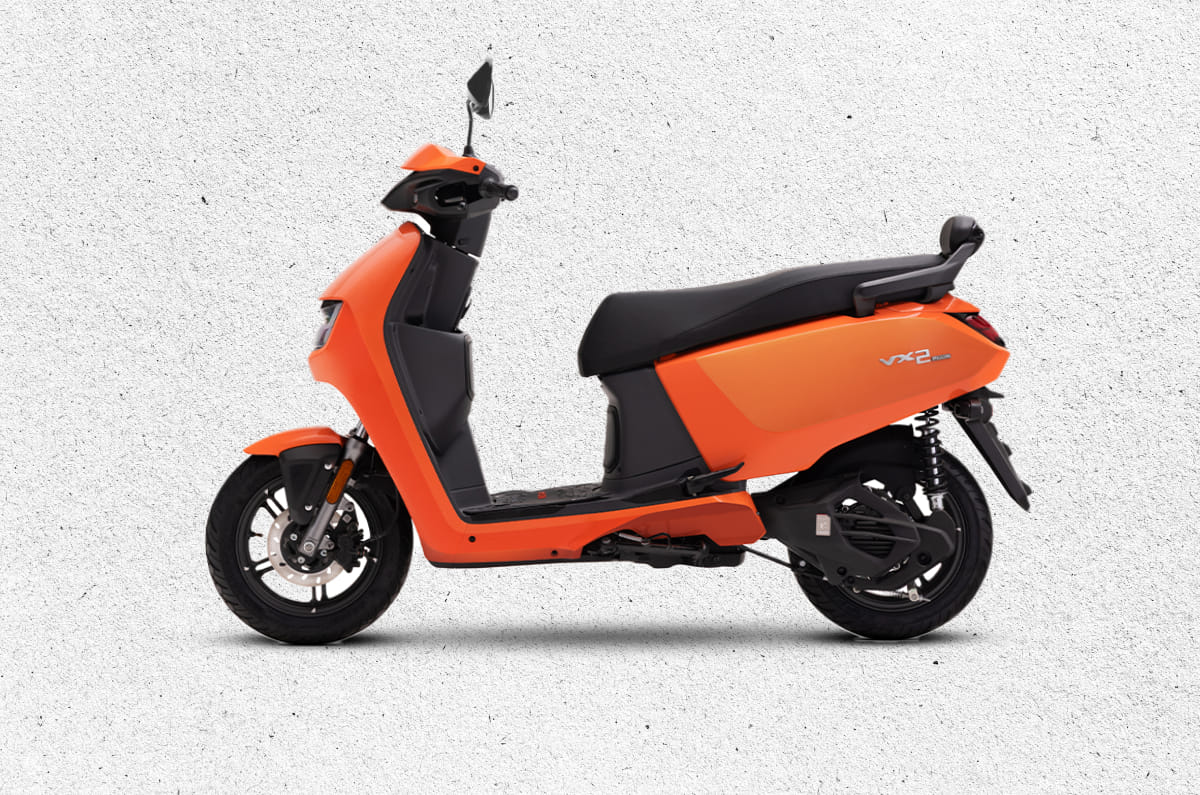
Vida VX2 studio side profile

The Hero Vida VX2 is offered in five variants split across two sub-families – Go and Plus. All five use the same 6kW motor and feature removable, IP67-rated battery packs, with the main differences coming down to battery capacity, braking hardware, display and ride modes. Here’s what each variant offers.

Vida VX2 variant breakdown

VX2 Go 2.2

The entry-level Go 2.2 uses the smallest 2.2kWh battery in the range, offering a claimed IDC range of 93km. Top speed is capped at 70kph, with a claimed 0-40kph time of 4.2 seconds. It comes with a 580W charger that takes 3 hours 7 minutes to charge from 0 to 80 percent.

The scooter is also available in a Go 2.2 RQ variant, which is mechanically identical but comes bundled with a faster 1,000W charger as standard. This reduces the claimed 0-80 percent charging time to 1 hour 41 minutes.

The VX2 Go 2.2 gets drum brakes at both ends with CBS, a 4.3-inch LCD display, and two riding modes – Eco and Ride. It also offers the largest underseat storage in the VX2 range at 33.2 litres, thanks to its smaller battery pack. The Vida VX2 Go 2.2 is priced at Rs 99,490, while the Go 2.2 RQ costs Rs 1.04 lakh.

VX2 Go 3.4

The larger 3.4kWh battery increases the claimed IDC range to 146km, although top speed and acceleration remain unchanged from the Go 2.2. This variant continues to use the 580W charger, with the larger battery increasing the claimed 0-80 percent charging time to 4 hours 44 minutes.

The bigger battery also reduces underseat storage to 27.2 litres, while the rest of the hardware and feature set remains identical to the Go 2.2. The Vida VX2 Go 3.4 is priced at Rs 1.21 lakh.

VX2 Plus 3.4

The VX2 Plus 3.4 uses the same 3.4kWh battery and 580W charger as the Go 3.4, with an identical claimed 0-80 percent charging time of 4 hours 44 minutes.

The differences lie in the equipment list. The Plus gets a front disc brake (paired with a rear drum and CBS), a 4.3-inch TFT display instead of the LCD unit, and an additional Sport riding mode alongside Eco and Ride. Performance also improves, with top speed increasing to 80kph while the claimed 0-40kph time drops to 3.1 seconds. The Vida VX2 Plus 3.4 is priced at Rs 1.31 lakh.

VX2 Plus 4.4

The range-topping and most recently launched VX2 Plus 4.4 gets the largest battery pack in the lineup, delivering a claimed IDC range of 187km. It comes bundled with the same 1,000W charger as the Go 2.2 RQ, bringing the claimed 0-80 percent charging time down to 3 hours 17 minutes despite the larger battery.

It shares the Plus 3.4’s braking hardware, TFT display and three riding modes, but offers better performance with a 90kph top speed while retaining the same claimed 3.1-second 0-40kph time. The Vida VX2 Plus 4.4 is priced at Rs 1.51 lakh.

All prices are ex-showroom, Delhi, excluding subsidies.

Vida VX2 4.4kWh vs rivals: Price and specification comparison

Vida VX2 4.4kWh vs rivals: Price and specification comparison

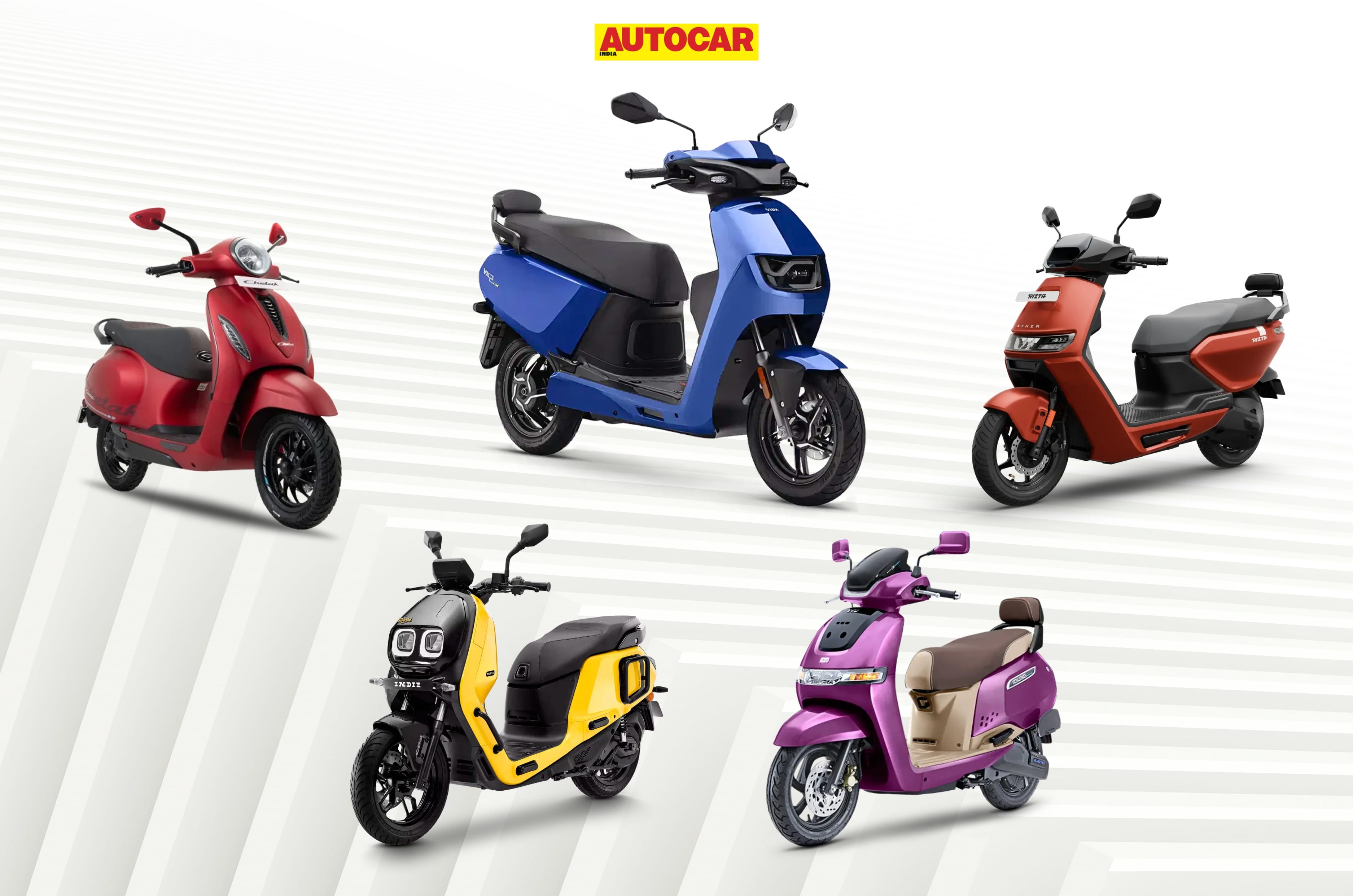
The VX2 is Vida’s – Hero’s electric arm – affordable and latest offering in the electric scooter market. It was earlier available with just a 2.2kWh and 3.4kWh battery pack options but now the brand has launched a larger 4.4kWh option. Here we see how it compares with its competitors, on paper, in terms of range, charging time, and features.

Vida VX2 4.4kWh vs rivals: electric motor, battery and charging 


Vida VX2 4.4kWh

TVS iQube S 4.7kWh

Ather Rizta Z 3.7kWh 

Bajaj Chetak C3501

River Indie 

Peak motor output 

6kW

4.4kW

4.3kW

4.8kW

6.7kW

Rated torque 

NA

33Nm

22Nm

20Nm

26Nm

Claimed top speed

90kph

82kph

80kph

80kph

90kph

Battery capacity

4.4kWh

4.7kWh

3.7kWh

3.5kWh

4kWh

Claimed fast charging time (0-80 percent)

3 hrs, 17 mins

4hrs

4hr 30min

3hr 

750W – 5hrs


IDC range

187km

175km

159km

153km

160km

The VX2 is the only one to come with removable battery packs

The Vida VX2 has the highest claimed IDC range here and is also among the quickest scooters in the comparison, with a claimed top speed of 90kph that it shares with the River Indie. The River, meanwhile, produces the highest peak motor output, while the TVS iQube S leads on battery capacity with a 4.7kWh battery pack and also claims the highest rated torque at 33Nm.
The Vida stands out as the only scooter in this comparison to feature twin removable battery packs, whereas all its rivals use fixed batteries. In terms of charging, the Bajaj Chetak C3501 has the shortest claimed 0-80 percent charging time at 3 hours, narrowly ahead of the Vida’s claimed 3 hours and 17 minutes, while the Ather Rizta and River Indie take longer at 4.5 hours and 5 hours, respectively.

Vida VX2 4.4kWh vs rivals: dimensions and underpinnings


Vida VX2 4.4kWh

TVS iQube S 4.7kWh


Ather Rizta Z 3.7kWh

Bajaj Chetak C3501

River Indie 

Wheelbase

NA

1301mm

NA

1355mm

1365mm

Seat height

777mm

770mm

777mm

775mm

787mm

Ground clearance

155mm

157mm

180mm

NA

177mm 

Kerb weight

120kg

129kg

130.7kg

125kg 

135kg 

The TVS iQube has the most accessible seat height

The River Indie has the longest wheelbase in this comparison, which lends it greater straight-line stability. It also has the tallest seat height, while the iQube has the most accessible seat height. In terms of ground clearance, the Rizta leads the pack, followed closely by the River Indie.

The VX2 and iQube S offer comparatively lower ground clearance figures. The VX2 is also the lightest scooter here, followed by the Bajaj Chetak C3501 that gets a full-metal body, while the River Indie is the heaviest despite shedding weight over its ‘Gen-2’ model.

Vida VX2 4.4kWh vs rivals: Suspension, brakes and tyres


Vida VX2 4.4kWh

TVS iQube S 4.7kWh


Ather Rizta Z 3.7kWh

Bajaj Chetak C3501

River Indie

Suspension (F/R)

Telescopic fork / monoshock

telescopic fork / twin-shock absorbers

Telescopic fork / monoshock 

Leading link / monoshock

telescopic fork / twin-shock absorbers

Brakes (F/R)

Disc/drum 

220mm / drum

Disc / Drum

Disc / drum

Disc / disc 

Tyres (F/R)

NA / NA  

90/90-12 / 90/90-12

90/90-12 / 100/80-12

NA / NA

110/70 R14 / 120/70 R14 

The River Indie is the only one to run on 14-inch wheels

In terms of hardware, the VX2 and Rizta use a telescopic fork and monoshock setup, while the iQube S and Indie pair a telescopic fork with twin rear shock absorbers. The C3501 is the only scooter here to feature a leading-link front suspension. Braking duties are handled by a front disc and rear drum setup on all scooters except the River Indie, which stands out with disc brakes at both ends but continues with a combined braking system much like all the others here. The River also distinguishes itself by running on larger 14-inch wheels that lend it greater stability and a more imposing stance, while the remaining scooters use 12-inch wheels with tubeless tyres.

Vida VX2 4.4kWh vs rivals: Features

The River Indie is the only one here to get an LCD dash.

The five scooters differ considerably in terms of features and charging hardware. Both the Bajaj Chetak 3501 and River Indie feature on-board chargers, allowing them to be plugged directly into a standard wall socket without the need for a separate charging unit. The TVS iQube S and Ather Rizta use off-board chargers, while the Hero Vida VX2’s removable battery packs can be charged either on or off the scooter, making it the most versatile here. Beyond this, the scooters differ in terms of display type, smartphone connectivity, navigation, keyless functionality, reverse mode and other convenience features. The River Indie stands out with the largest underseat storage of 43-litres. 

Vida VX2 4.4kWh vs rivals: Price


Vida VX2 4.4kWh

TVS iQube S 4.7kWh


Ather Rizta Z 3.7kWh

Bajaj Chetak C3501

River Indie

Price (ex-showroom, Bengaluru)

Rs 1.44 lakh 

Rs 1.18 lakh 


Rs 1.37 lakh

Rs 1.43 lakh

Rs 1.55 lakh

The Indie is the most expensive of the lot

While all the scooters mentioned here, barring the Indie, are available in variants with smaller battery packs, lower claimed ranges and lower price points, we have only considered prices of the variants compared here. The iQube S is the most affordable of the lot, followed by the Rizta. The Ather also comes with the smallest battery pack in this comparison, although it is the largest battery pack available in the Rizta range. The Chetak and VX2 are separated by just Rs 1,000, with the former being slightly more affordable. The River Indie is the most expensive scooter here, but it is worth noting that it is also the most substantial-looking scooter in this comparison and offers the largest boot space of any electric scooter currently on sale.
 

Apple ने दो पूर्व एंप्लॉयीज और OpenAI पर किया केस, ट्रेड सीक्रेट चुराने का आरोप

आईफोन (iPhone) बनाने वाली एपल (Apple) ने शुक्रवार को चैटजीपीटी (ChatGPT) की पैरेंट कंपनी ओपनएआई (OpenAI) और अपने दो पूर्व एंप्लॉयीज के खिलाफ मुकदमा दायर किया है। एपल का आरोप है कि ओपनएआई ने उसके ट्रेड सीक्रेट्स का गलत तरीके से इस्तेमाल किया, ताकि यह एआई फोन या अन्य डिवाइस जैसे कंज्यूमर हार्डवेयर के अपने कारोबार को तेजी से आगे बढ़ा सके। एपल का आरोप है कि ओपनएआई ने उसके पूर्व एंप्लॉयीज की भर्ती, सप्लायर नेटवर्क और अन्य जरियों का इस्तेमाल करके उसकी गोपनीय तकनीकी जानकारी हासिल करने और उसका फायदा उठाने की बड़ी योजना बनाई। हालांकि ओपनएआई ने इन आरोपों से इनकार करते हुए कहा कि उसे दूसरी कंपनियों के ट्रेड सीक्रेट्स में कोई दिलचस्पी नहीं है बल्कि नई तकनीक बनाने पर ध्यान है।

Apple vs OpenAI: मुकदमे का क्या असर?

एआई तकनीक की दौड़ तेज होने के साथ ही एपल और ओपनएआई के बीच कॉम्पटीशन बढ़ गई है। दोनों कंपनियां टैलेंट एंप्लॉयीज और नई तकनीकों के लिए मुकाबला कर रही हैं। न्यूज एजेंसी रायटर्स की रिपोर्ट के मुताबिक पीपी फोरसाइट के एनालिस्ट पाओलो पेस्काटोर (Paolo Pescatore) का मानना है कि एपल अब ओपनएआई को सिर्फ एक साझेदार नहीं, बल्कि आने वाले समय के प्रतिद्वंद्वी के रूप में देख रही है। वहीं ओपनएआई आईफोन पर अपनी निर्भरता कम करके सीधे ग्राहकों तक पहुंचना चाहता है।

अब एपल के मुकदमे को लेकर उनका कहना है कि अगर आरोप सही नहीं भी साबित होते हैं तो इस मुकदमे से ओपनएआई की हार्डवेयर योजनाओं में देरी हो सकती है और दोनों कंपनियों की साझेदारी और कमजोर हो सकती है। दोनों कंपनियों के बीच साझेदारी की बात करें तो साल 2024 में एपल ने एपल इंटेलिजेंस लॉन्च किया था और सीरी समेत अपने सभी ऐप से इसे लैस किया। साथ ही अपने डिवाइसेज में ओपनएआई के चैटबॉट चैटजीपीटी को भी जगह दी।

Apple vs OpenAI: क्या और किन पर हैं आरोप

एपल के मुताबिक उसके 400 से अधिक एंप्लॉयीज अब ओपनएआई में काम कर रहे हैं और इनमें से कुछ की इस्तेमाल एपल की गोपनीय जानकारियां हासिल करने के लिए हो रहा है। एपल का कहना है कि उसके पूर्व एंप्लॉयीज के पास एपल की गोपनीय जानकारी होना स्वाभाविक है, लेकिन इसका मतलब ये नहीं है कि ओपनएआई उन जानकारियों का इस्तेमाल अपने हार्डवेयर प्रोजेक्ट्स को आगे बढ़ाने के लिए कर सकता है।

एपल ने अपने एक पूर्व सीनियर सिस्टम इलेक्ट्रिकल इंजीनियर चांग लियू (Chang Liu) और आईफोन और एपल वॉच के पूर्व वाइस प्रेसिडेंट (प्रोडक्ट डिजाइन) टैंग यू टैन (Tang Yew Tan) पर आरोप लगाया है। एपल का आरोप है कि चांग ने कंपनी का लैपटॉप वापस नहीं किया और बाद में एक ऑथेंटिकेशन बग का फायदा उठाकर एपल के इंटर्नल नेटवर्क में सेंध लगाकर हार्डवेयर से जुड़ी दर्जनों गोपनीय फाइलें डाउनलोड की।

वहीं एपल ने टैंग पर कंपनी छोड़ने से पहले सप्लायर्स से जुड़ी जानकारी, इटर्नल इंडस्ट्री रिपोर्ट और अन्य जरूरी डॉक्यूमेंट्स अपने प्राइवेट ईमेल पर भेजने का आरोप लगाया है। टैंग के लिंक्डइन प्रोफाइल के मुताबिक उन्होंने 24 साल तक एपल में काम किया और अधिकतर समय वह आईफोन प्रोजेक्ट्स से जुड़े रहे।

एपल का यह भी आरोप है कि टैंग ने कुछ एंप्लॉयीज से ओपनएआई के इंटरव्यू में एपल के हार्डवेयर पार्ट्स लाने के लिए कहा था ताकि उन्हें “Show and Tell” सेशन में दिखाया जा सके। मुकदमे में ऐसे ही एक कैंडिडेट का कथित बयान भी शामिल है, जिसमें उसका कहना है कि उसे तो यह भी नहीं पता था कि वे ये चीजें ऑफिस से बाहर ले जा सकते हैं।

एपल ने मुकदमे में ओपनएआई फाउंडेशन, ओपनएआई की कमर्शियल इकाई ओपनएआई ग्रुप पीबीसी और आईओ प्रोडक्ट्स पर आरोप लगाया है। बता दें कि आईओ प्रोडक्ट्स को एपल के पूर्व डिजाइनर जॉनी आइव ने शुरू किया था और इसे ओपनएआई ने $650 करोड़ में खरीदा है ताकि वह सॉफ्टवेयर के साथ-साथ एआई हार्डवेयर की फील्ड में भी एंट्री कर सके। हालांकि एपल ने मुकदमें में जॉनी आइव को आरोपी नहीं बनाया है।

Apple का पहला Foldable iPhone जल्द होगा लॉन्च! भारत में 2 लाख रुपये से ज्यादा हो सकती है कीमत