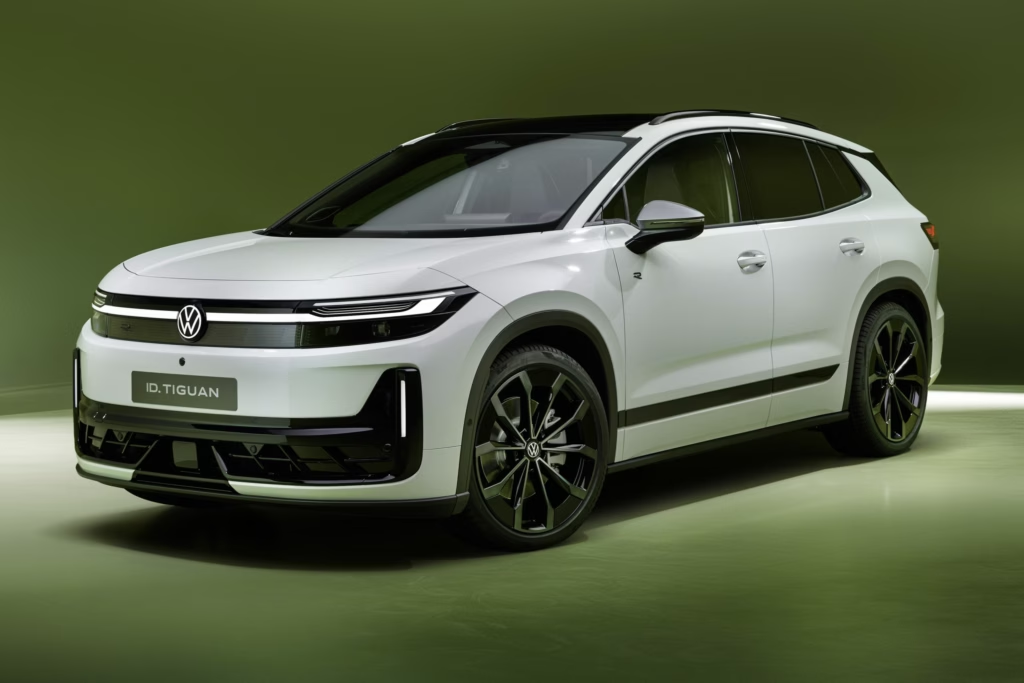
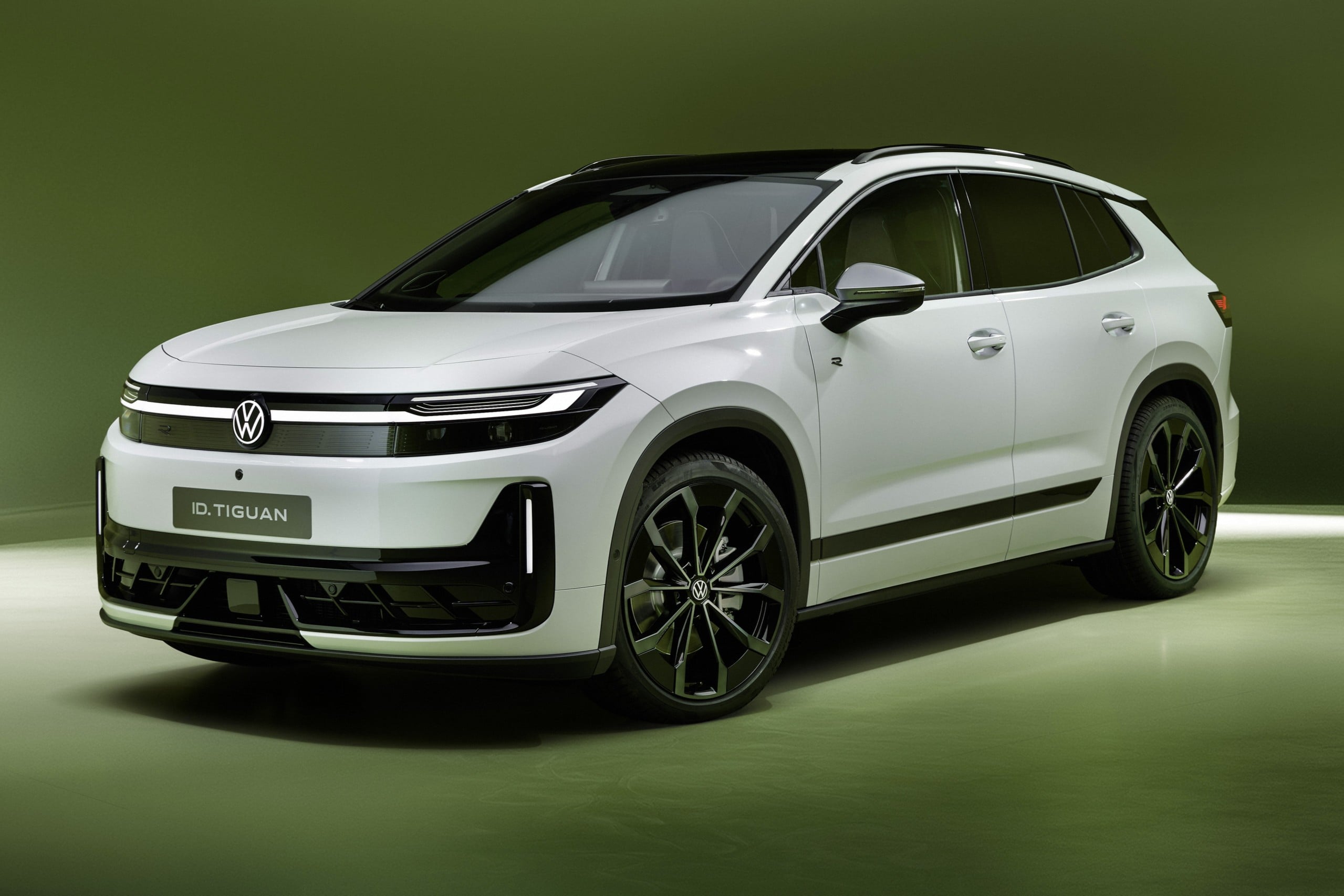
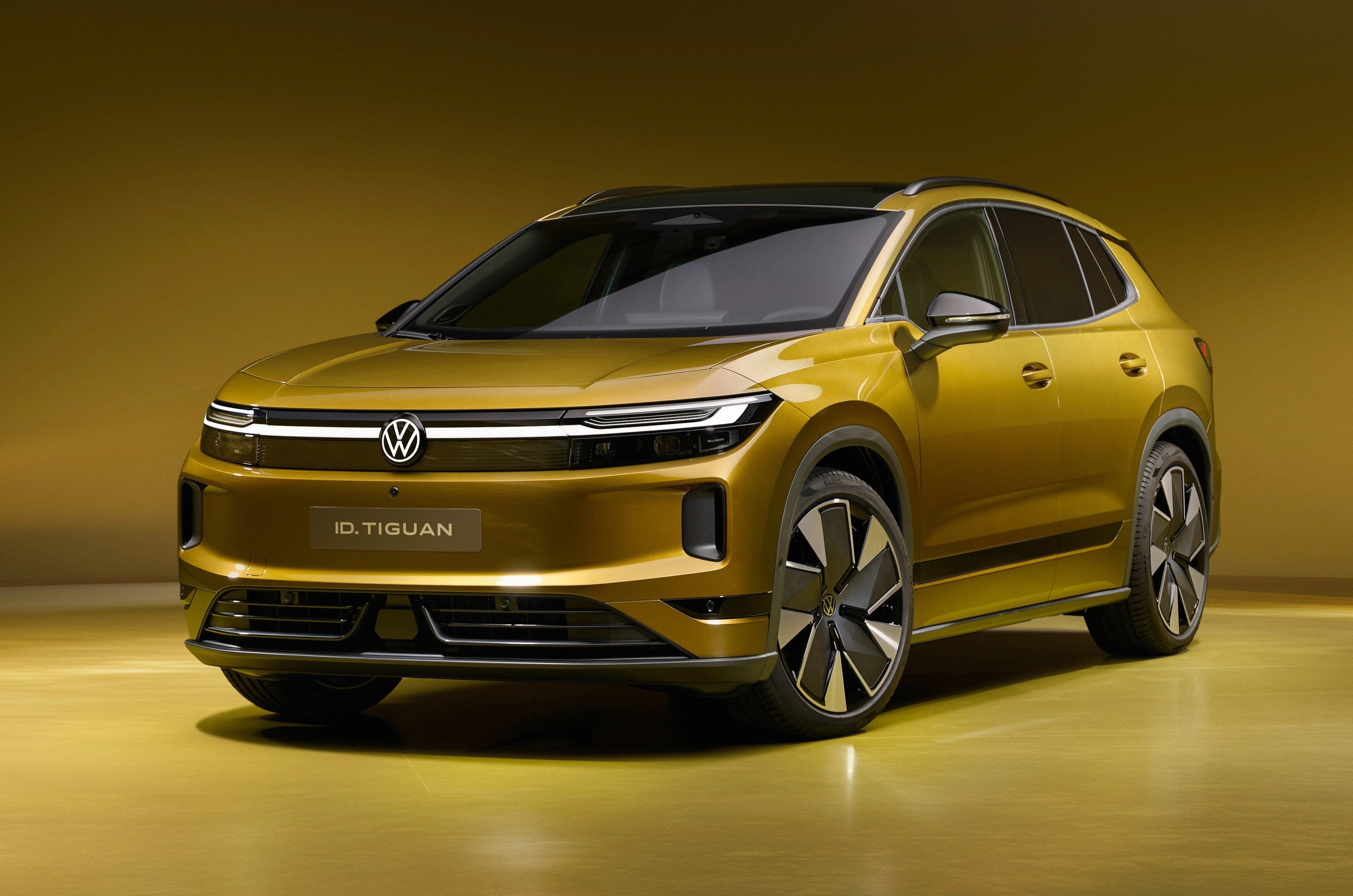
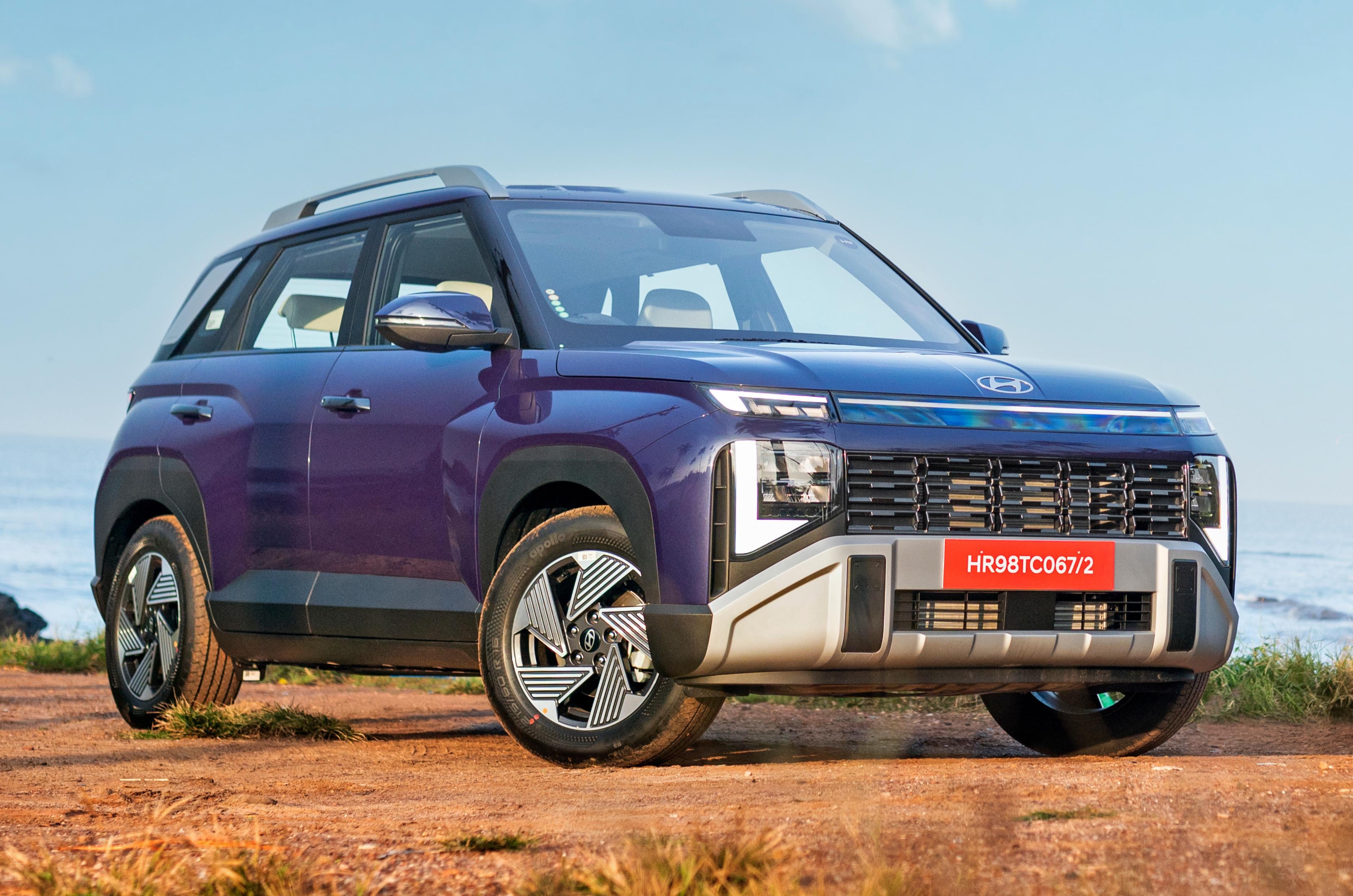
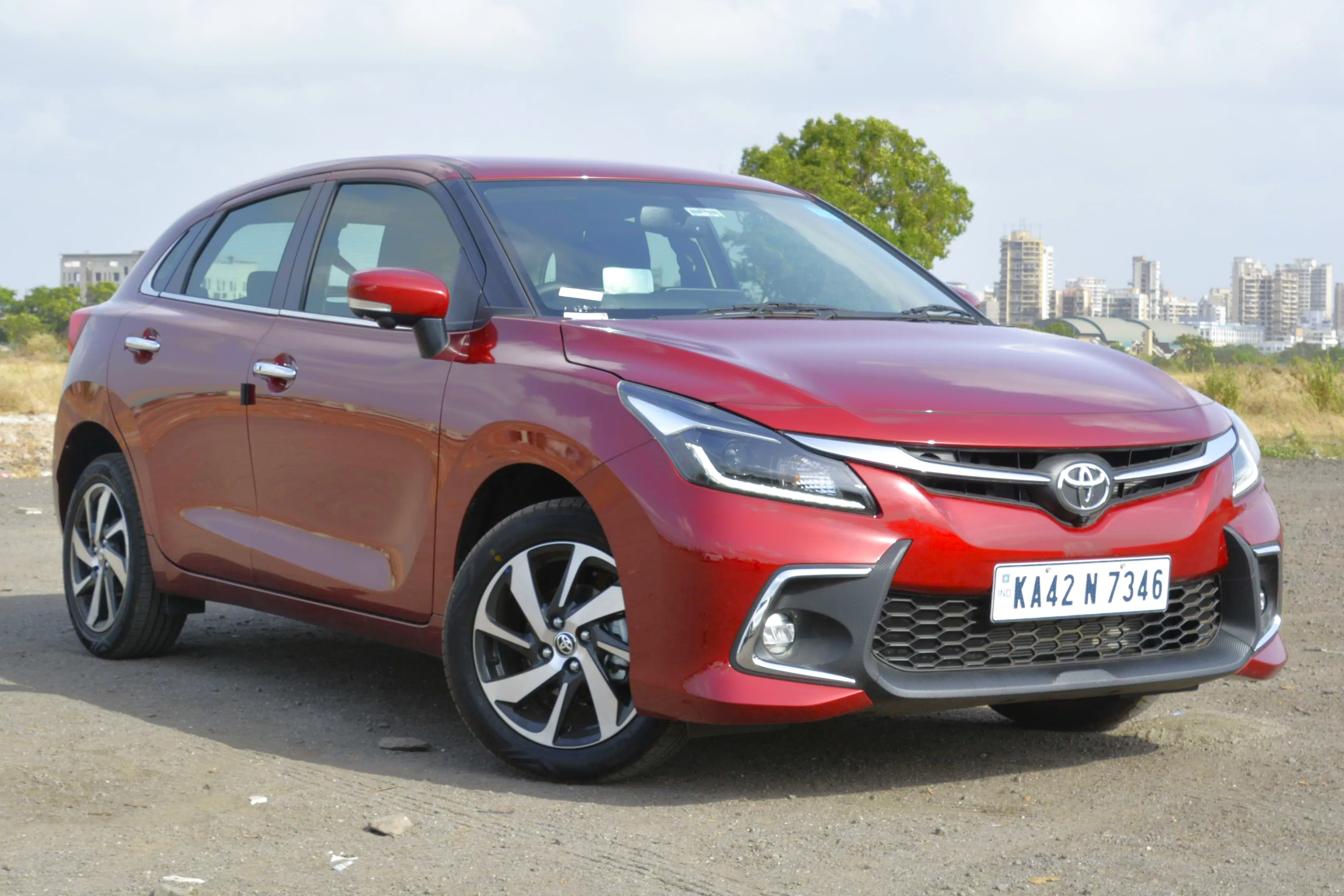
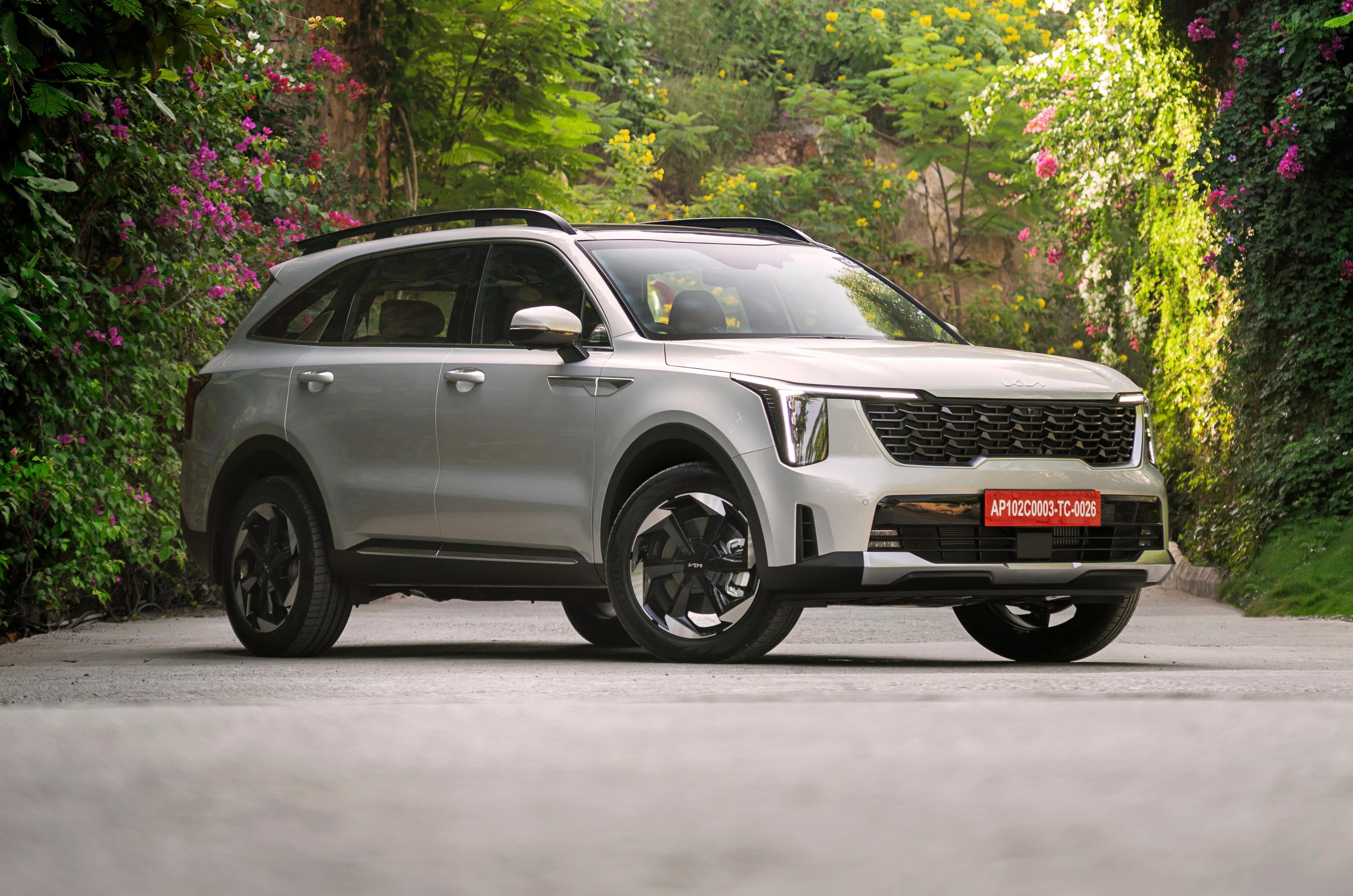
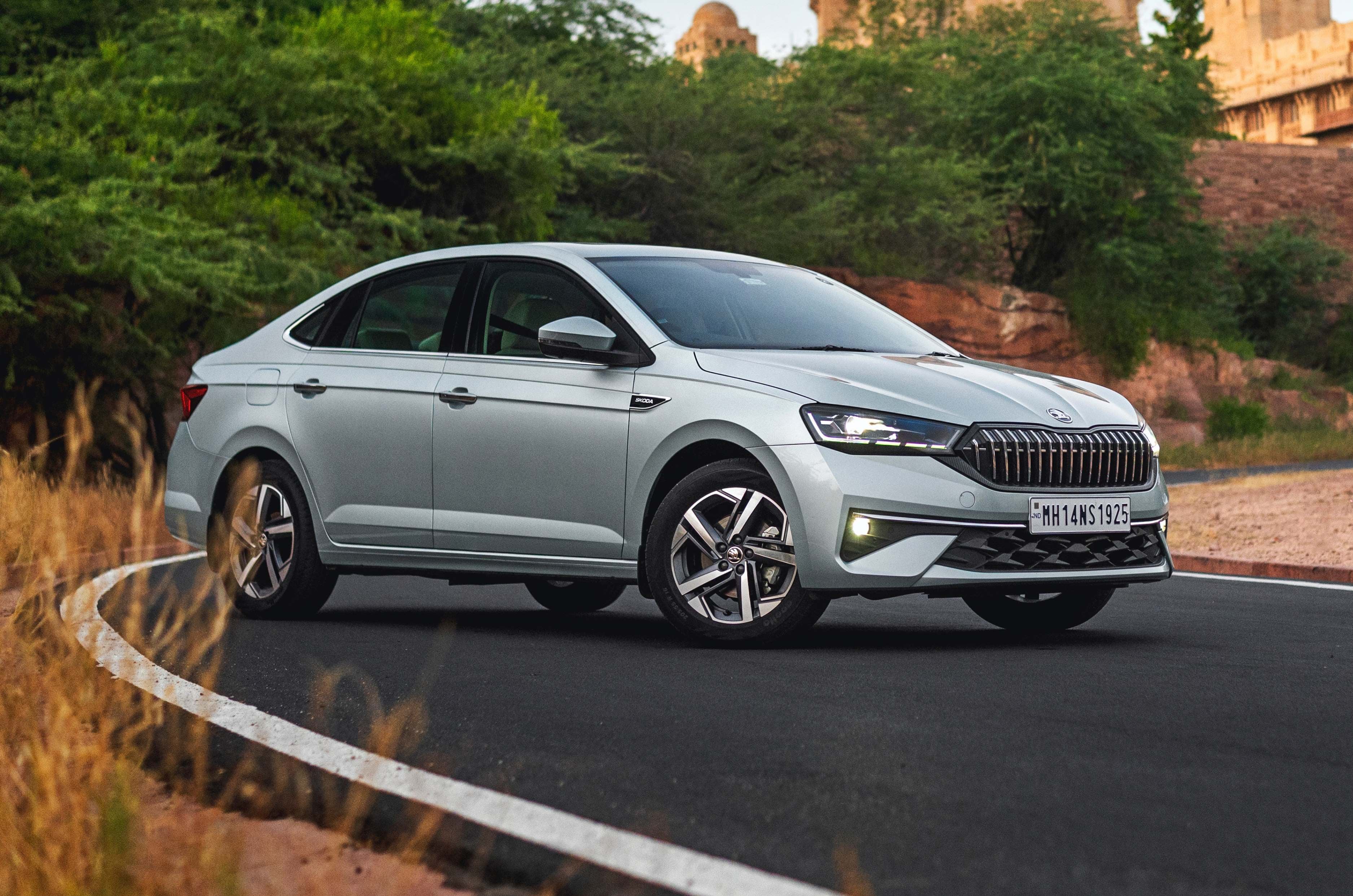
Volkswagen has revealed the ID. Tiguan for the European market. Slated to launch in 2027, the ID. Tiguan is a successor to the ID. 4 and ID. 5, says Volkswagen. The eSUV will be offered with 58kWh and 77kWh battery packs in RWD and AWD layouts. The ID. Tiguan will continue to sell alongside the ICE-powered Tiguan in global markets.
Volkswagen ID. Tiguan Exterior
The ID. Tiguan is underpinned by the MEB+ platform and gets the brand’s ‘Pure Positive’ design language. Additionally, the brand says it has given the ID. Tiguan a more SUV-like design as opposed to the crossover-esque look of the ID. 4 and 5. LED headlamps, connected LED DRLs, and an illuminated logo are encased in a black trim.
Volkswagen ID. Tiguan. Interior and features
All-black theme, triple screen setup and powered, ventilated front seats
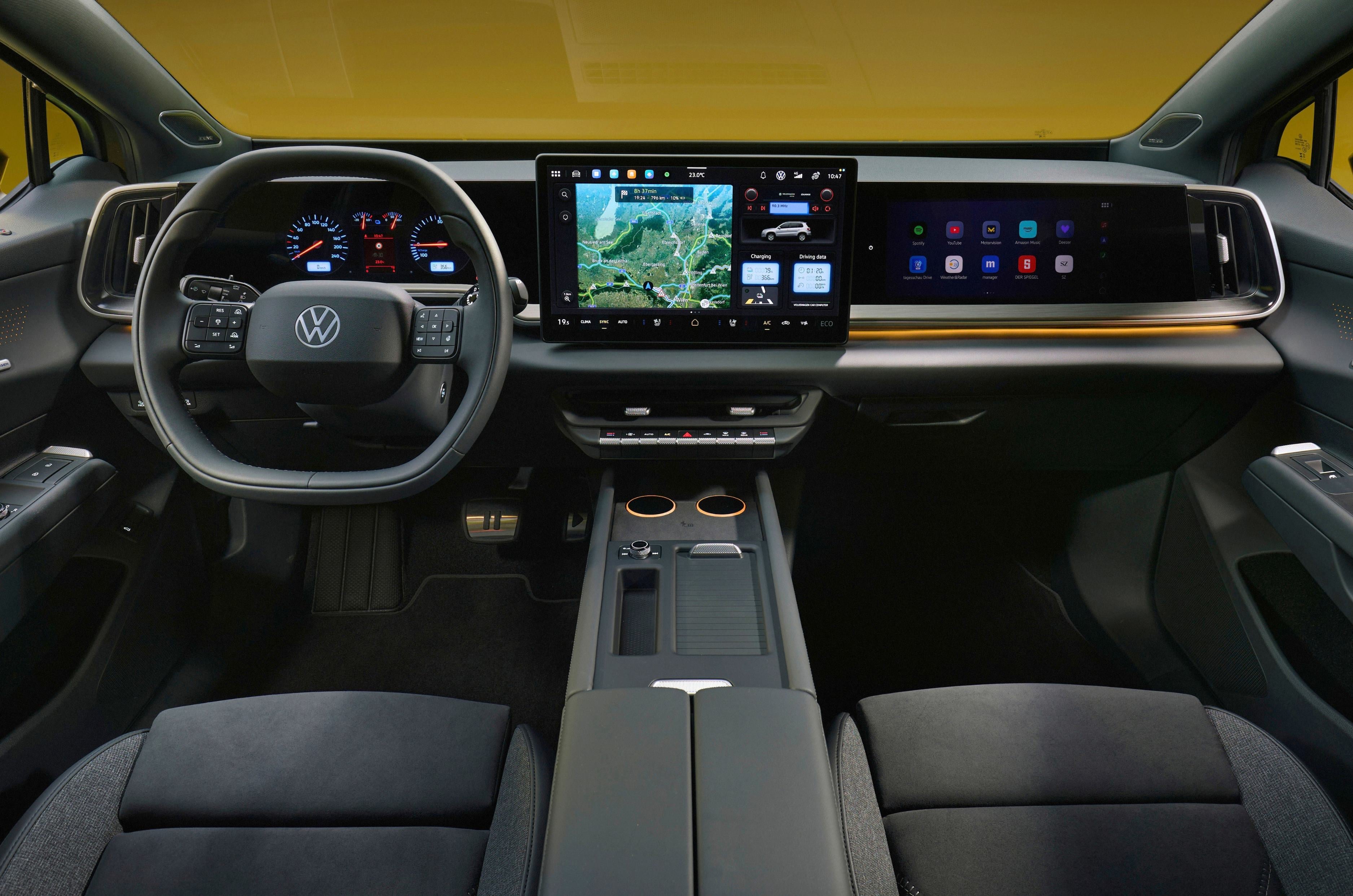
Inside, the ID. Tiguan gets an all-black theme with silver accents. Flanking the layered dashboard is a triple-screen setup, which is surrounded partly by silver trim. You get physical buttons for HVAC controls, and the high-set centre console comes with cubbyholes. There’s also a two-spoke steering wheel with a plethora of physical buttons, and behind it is a digital driver’s display with themes displaying dials from older VW models.
The Tiguan will be sold in four trim levels, namely, Trend, Life, Style, and R-Line. Niceties include a 15-inch infotainment system, 10-inch digital driver’s display, 12-inch passenger screen, an ADAS suite, powered front seats with memory, massage, and ventilation functions, Harmon Kardon sound system, panoramic sunroof, a wireless phone charger, connected car tech, ambient lighting, and V2L functionality.
Volkswagen ID. Tiguan powertrains
Up to 299hp, RWD and AWD options
The ID. Tiguan will be offered with 58kWh and 77kWh battery packs. The former is paired solely with a rear-mounted motor producing 190hp. The larger 78kWh battery pack is available in RWD and AWD layouts, producing 286hp and 299hp, respectively. The carmaker forecasts a WLTP range of up to 600km. Additionally, Volkswagen claims a towing capacity of up to 2 tonnes depending on the battery pack chosen. However, charging speed support and time details remain under wraps.
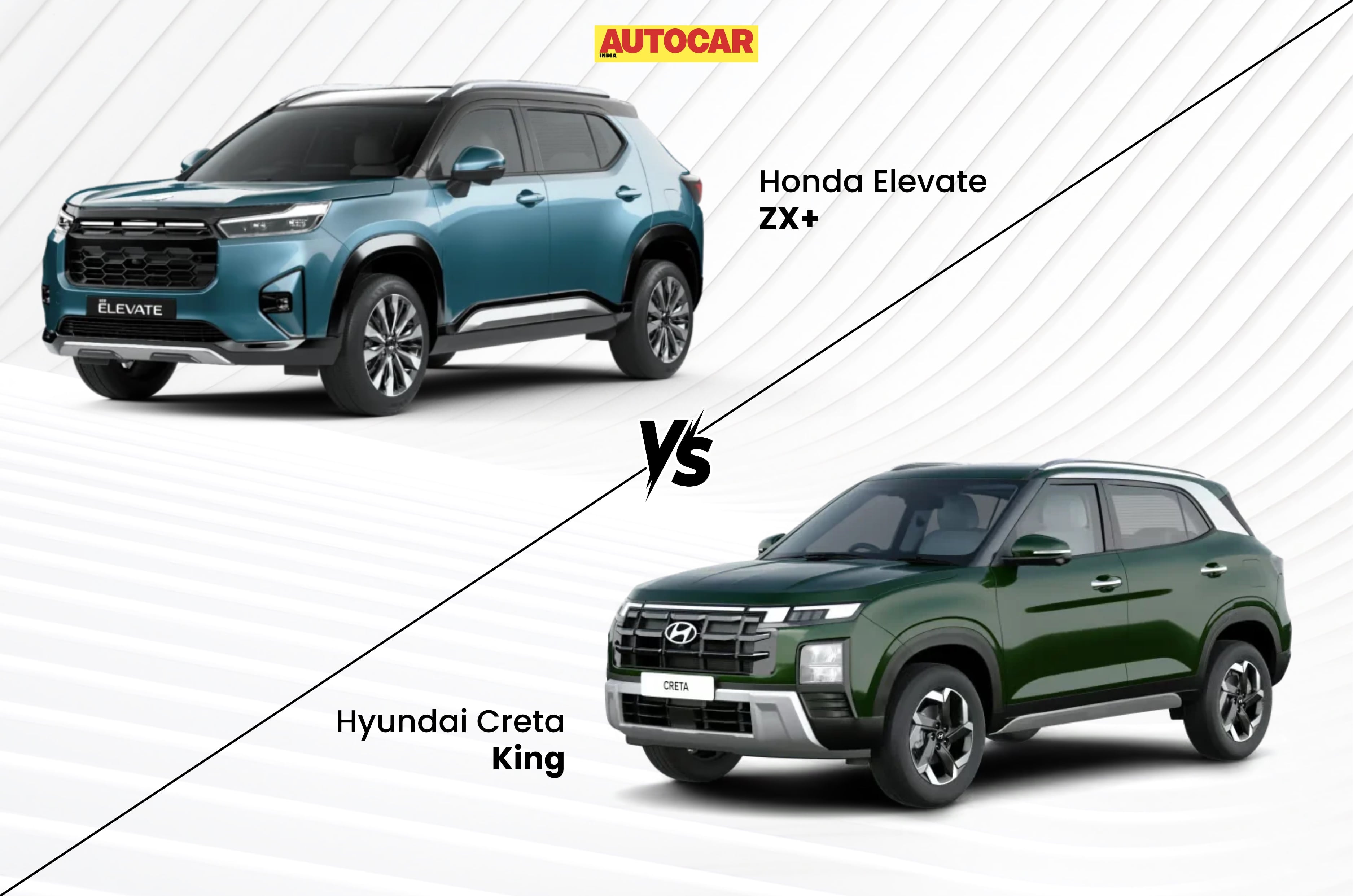
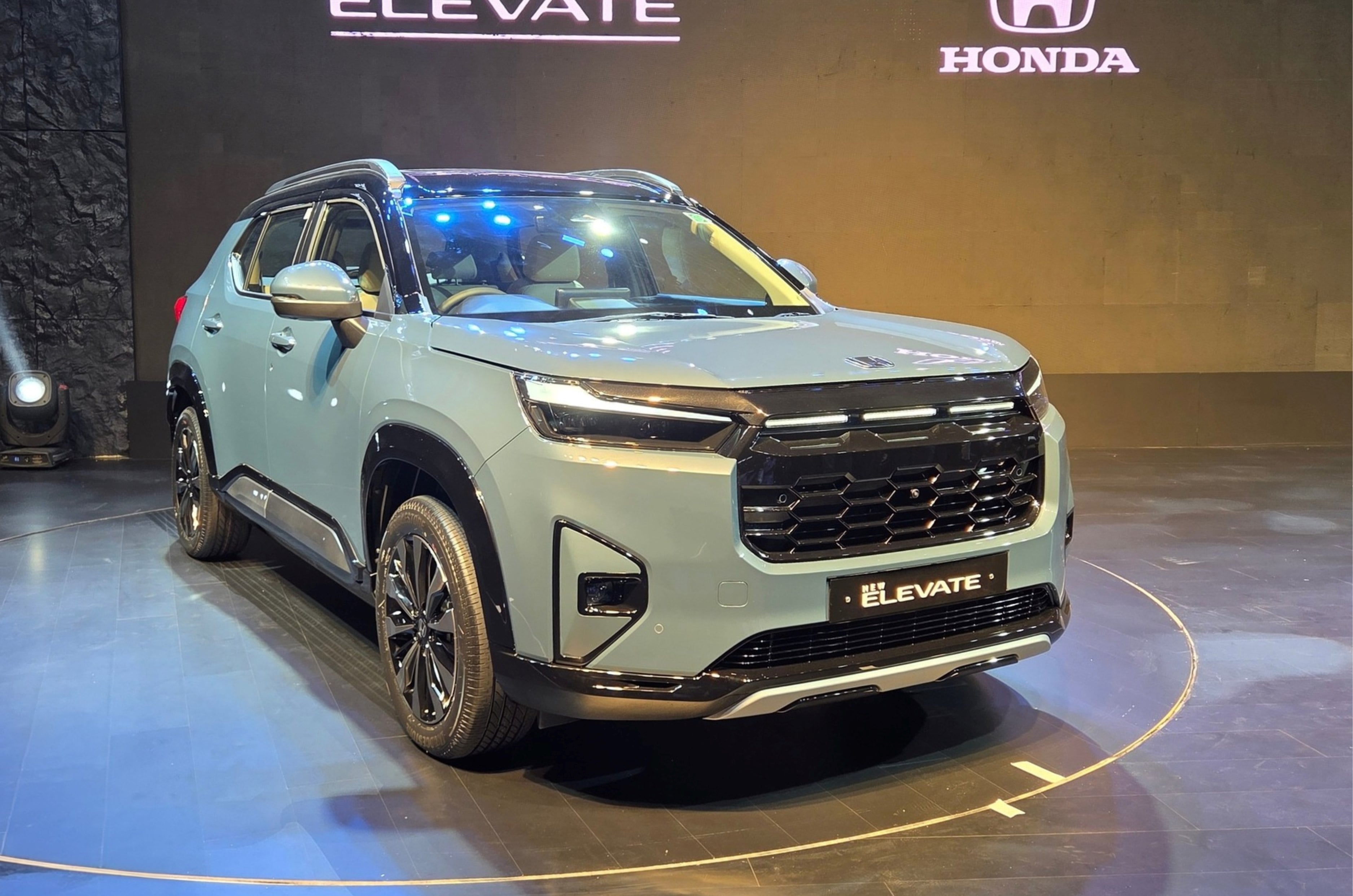
The Honda Elevate has received its first major lifecycle update in 2026. It gets cosmetic upgrades, minor interior tweaks, and much-needed feature enhancements. But is it enough to help it stand against the segment-reigning champ, the Hyundai Creta? For this comparison, we’ve chosen the Elevate’s and Creta’s top ZX+ and King trims, respectively.
For full specs, features, and a price breakdown, check our Elevate vs Creta comparison.
Honda Elevate facelift vs Hyundai Creta: Dimensions
Elevate outclasses the Creta on several dimensions
Honda Elevate facelift vs Hyundai Creta: Dimensions
Honda Elevate facelift
Hyundai Creta
Difference
Length (mm)
4,312
4,330
-18
Width (mm)
1,790
1,790
–
Height (mm)
1,650
1,635
+15
Wheelbase (mm)
2,650
2,610
+40
Ground clearance (mm)
220
190
+30
Boot space (litres)
458
433
+25
Except for length, the Elevate pips the Creta on other dimensions. It’s taller by 15mm, gets a 40mm longer wheelbase, and rides much higher off the ground by 30mm. Additionally, the Elevate also has a 25-litre larger boot than the Creta’s. Both SUVs have identical width.
Honda Elevate facelift vs Hyundai Creta: Engine specifications
Creta offers more diverse powertrains than the Elevate
Honda Elevate facelift vs Hyundai Creta: Engine specifications
Engine specifications
Honda Elevate facelift
Hyundai Creta
Engine options
Naturally aspirated petrol
Naturally aspirated petrol | Diesel | Turbo-petrol
No. of cylinders
4
4 | 4 | 4
Displacement
1.5-litre
1.5-litre | 1.5-litre | 1.5-litre
Power (hp)
120
115 | 116 | 160
Torque (Nm)
145
144 | 250 | 253
Gearbox
6MT/CVT
6MT/CVT | 6MT/6AT | 7DCT
Claimed efficiency (kpl)
15.31/16.61
17.40/17.70 | 21.80/19.10 | 18.2
The Elevate facelift continues to be powered by only a 1.5-litre 4-cylinder naturally aspirated petrol engine, as its predecessor. Compared to the Creta’s naturally aspirated petrol unit, it develops slightly higher power figures, but Hyundai claims to deliver higher fuel efficiency. Both SUVs pair this engine with a 6-speed manual or a CVT gearbox. The Creta’s top King trim additionally offers a diesel and a direct-injection turbo-petrol engine. Manual and automatic gearboxes are offered on the former, whereas the latter is automatic only.
Honda Elevate facelift vs Hyundai Creta: Exterior features
Elevate gets fog lamps, whereas the Creta gets larger 18-inch wheels
Honda Elevate facelift vs Hyundai Creta: Exterior features
Exterior features
Honda Elevate facelift
Hyundai Creta
Headlamps
LED
LED
LED DRLs
Segmented LED
Connected LED
Puddle lamps
No
Yes
Tail lamps
Connected LED
Connected LED
Fog lamps
LED
No
Wheel sizes
17-inch
18-inch
Rear spoiler
Yes
Yes
Electric adjust/fold ORVMs
Yes
Yes
Sharkfin antenna
Yes
Yes
Roof rails
Yes
Yes
Powered tailgate
No
No
Colour
Monotone and dual-tone
Monotone, dual-tone and matte finish
On the outside, the Elevate comes with LED fog lamps over the Creta. However, the latter is the only one here with puddle lamps, larger 18-inch wheels, and matte-finish paint choices. Meanwhile, neither model offers a powered tailgate, unlike some rivals.
Honda Elevate facelift vs Hyundai Creta: Interior features
Creta gets a lot more feel-good features over the Elevate
Honda Elevate facelift vs Hyundai Creta: Interior features
Honda Elevate facelift
Hyundai Creta
Ventilated seats
Front and rear
Front only
Sunroof
Single-pane
Panoramic
Infotainment screen size
10.1-inch
10.25-inch
Digital driver’s display
7-inch TFT with analogue dials
10.25-inch
Wireless Apple CarPlay, Android Auto
Yes
Yes
Powered driver seat
8-way
8-way with memory
Powered co-driver seat
4-way
8-way
Boss mode
No
Yes, powered
Reclining rear seats
No
Yes
Air Purifier
Yes
No
Auto AC
Single-zone
Dual-zone
Rear AC vents
Yes
Yes
Seat upholstery
Leatherette
Leatherette
Wireless phone charger
Front only
Front and rear
Audio system
8-speaker
8-speaker Bose audio
60:40 split rear seats
Yes
Yes
USB Type-C ports (front/rear)
1x front, 2x rear
1x front, 2x rear
Rear armrest
Yes
Yes
Connected car tech
Yes
Yes
Rear window sunshade
No
Yes
Ambient lighting
Yes
Yes
Leatherette inserts on the dashboard
Yes
No
Cooled glovebox
No
Yes
While Honda has made an attempt to bolster the Elevate’s equipment list by adding segment-only rear seat ventilation and powered and ventilated front seats, it still isn’t enough to outclass the Creta. The Creta gets niceties like a larger panoramic sunroof, a fully digital driver’s display, more electric adjustment for the front seats, driver seat memory, powered boss mode, dual-zone climate control, reclining rear seats, rear window sunshades, an additional wireless charger at the rear, and a cooled glovebox over the Elevate.
Honda Elevate facelift vs Hyundai Creta: Driving Features
Drive and traction modes found only on the Creta
Honda Elevate facelift vs Hyundai Creta: Driving Features
Driving Features
Honda Elevate facelift
Hyundai Creta
Drive modes
No
Eco, Normal, Sport (AT only)
Traction modes
No
Snow, mud, sand (AT only)
Paddle Shifters
Yes
Yes
Cruise Control
Adaptive
Adaptive
Both the models come equipped with driving features like adaptive cruise control and paddle shifters. But dedicated drive and traction modes are available only on the Creta’s automatic versions.
Honda Elevate facelift vs Hyundai Creta: Safety Features
Honda Elevate facelift vs Hyundai Creta: Safety Features
Safety features
Honda Elevate facelift
Hyundai Creta
Airbags
Six
Six
Parking sensors
Front and rear
Front and rear
Camera setup
360-degree
360-degree
Dash cam
No
Yes
Electronic parking brake with auto hold
Automatic only
Yes
ADAS
Level 2
Level 2
TPMS
Yes
Yes
Hill start assist
Yes
Yes
Disc brakes (Front/Rear)
Yes (Rear automatic only)
Yes
ESC
Yes
Yes
Auto-dimming IRVM
Yes
Yes
On the safety front, both SUVs are neck and neck with basic safety equipment and advanced features like a Level 2 ADAS suite, 360-degree camera, and front parking sensors. However, the Creta gets a factory-fitted dashcam that the Elevate misses out on. Additionally, features like rear disc brakes and an electronic parking brake with auto hold are standard on the Creta but its limited to automatic versions on the Elevate. Notably, neither SUV has been tested by the BNCAP for crash safety performance.
Honda Elevate facelift vs Hyundai Creta: Prices and verdict
Honda Elevate facelift vs Hyundai Creta: Prices (Rs lakh)
Honda Elevate facelift
Hyundai Creta
Petrol MT
16.89
17.27
Petrol CVT
18.30
18.68
Diesel MT
–
18.92
Diesetl AT
–
19.80
Turbo-petrol DCT
–
19.91
Considering like-for-like naturally aspirated petrol variants, the Elevate facelift is Rs 38,000 more affordable than the Creta. When it comes to recommending one between these SUVs, it’s the Hyundai we’d pick. While it does command a premium over the Elevate, the added features on offer are justified for its price. Additionally, one cannot ignore the diverse powertrain options that the Creta brings to cater to different driving needs.
जम्मू-कश्मीर के उधमपुर की बंजीत और देविंदर ने पिता के हाथ में चोट लगने के बाद ऑटो चलाकर परिवार की जिम्मेदारी संभाल ली। आज दोनों बहनें ऑटो चलाकर परिवार का खर्च उठाने में पिता का साथ दे रही हैं और अपनी पढ़ाई भी जारी रख रही हैं। लोगों की बातों की परवाह किए बिना ये बहनें दिखा रही हैं कि बेटियां सिर्फ परिवार का हिस्सा नहीं, बल्कि उसकी जिम्मेदारी भी उठाती हैं। देखिए इन Jammu Kashmir sisters की inspiring journey.
(Udhampur Daughters, Daughters Driving Auto to Support Family, Jammu Kashmir Women Auto Driver Story, Daughters Supporting Parents Financially, Women Breaking Gender Stereotypes in India)
There are few cars that changed the supercar world quite like the original Honda NSX. It proved that a mid-engined exotic could be fast, reliable, approachable and, crucially, enjoyable without trying to intimidate its driver. More than three decades later, JAS Motorsport has taken that philosophy and given it a thoroughly modern interpretation.
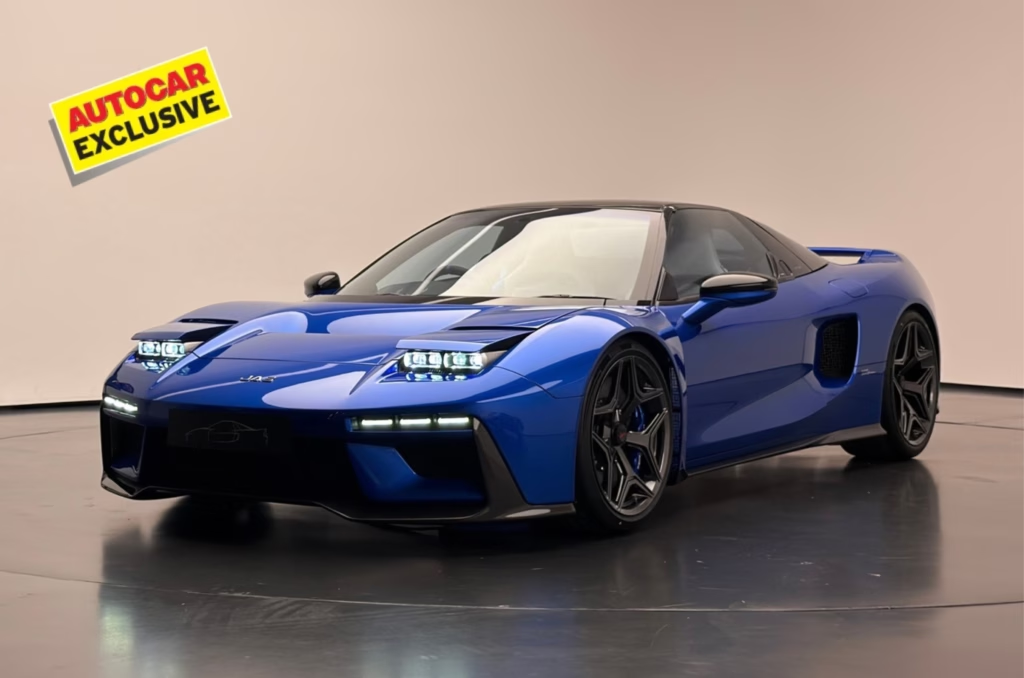
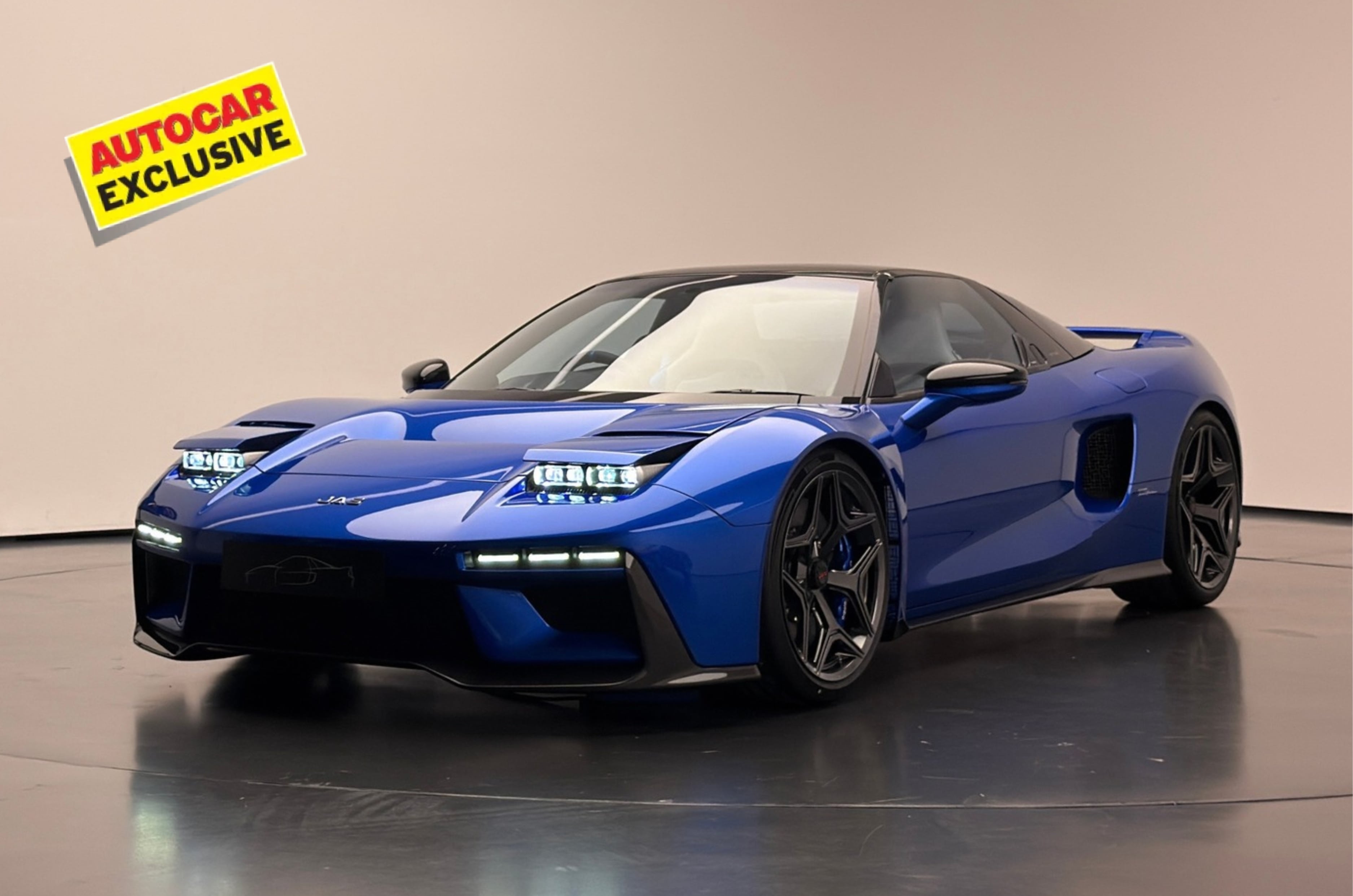
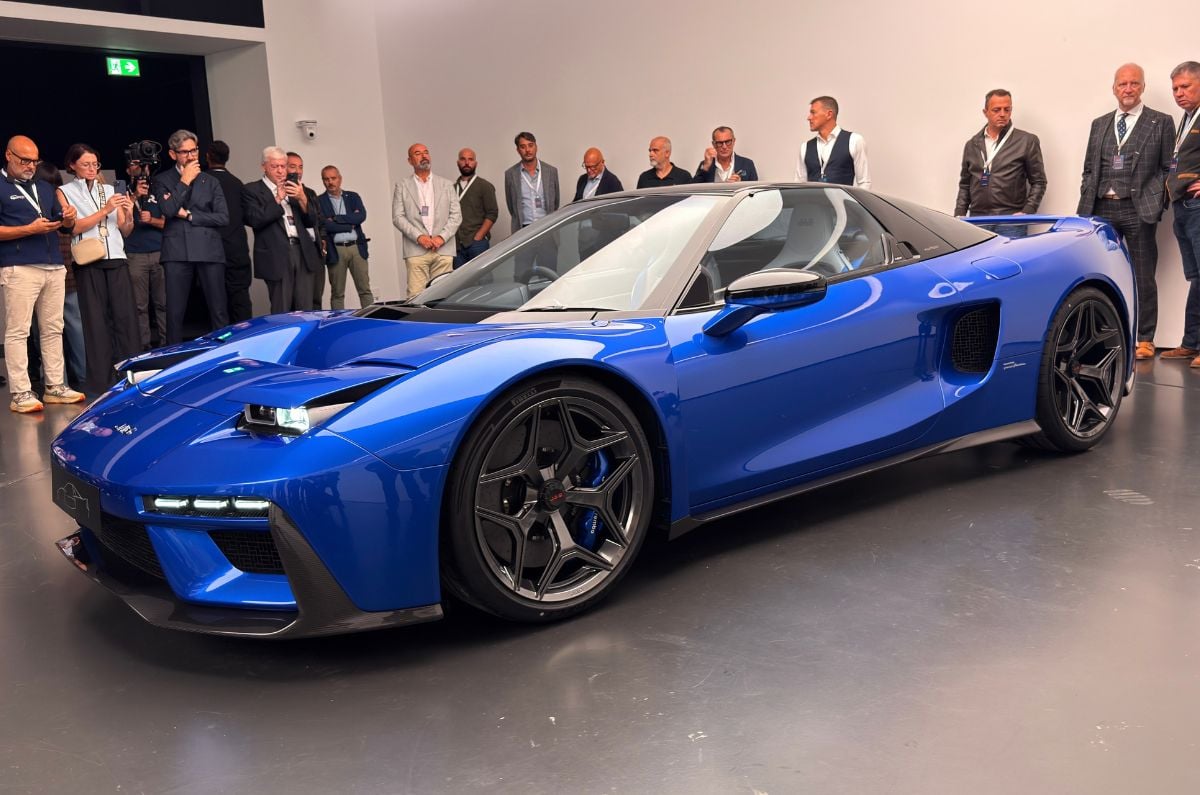
Meet the JAS Tensei. Tensei translates roughly to “rebirth” in Japanese, and the name neatly captures what JAS is attempting here. This isn’t simply an NSX restoration, nor is it a cosmetic restomod. JAS has taken the first-generation NSX as its starting point and re-engineered the car with modern materials, motorsport know-how and a new body designed by Pininfarina. And there will be just 35 examples.
But first, Who is JAS?
Launched in 1995, JAS Motorsports was named after its founders Paolo Jasson, Maurizio Ambrogetti and Giorgio Schön. They have been the official partner for Honda since 1998 and have since developed race cars for various competitions with successful results in touring car championships.
JAS Tensei: Exterior design
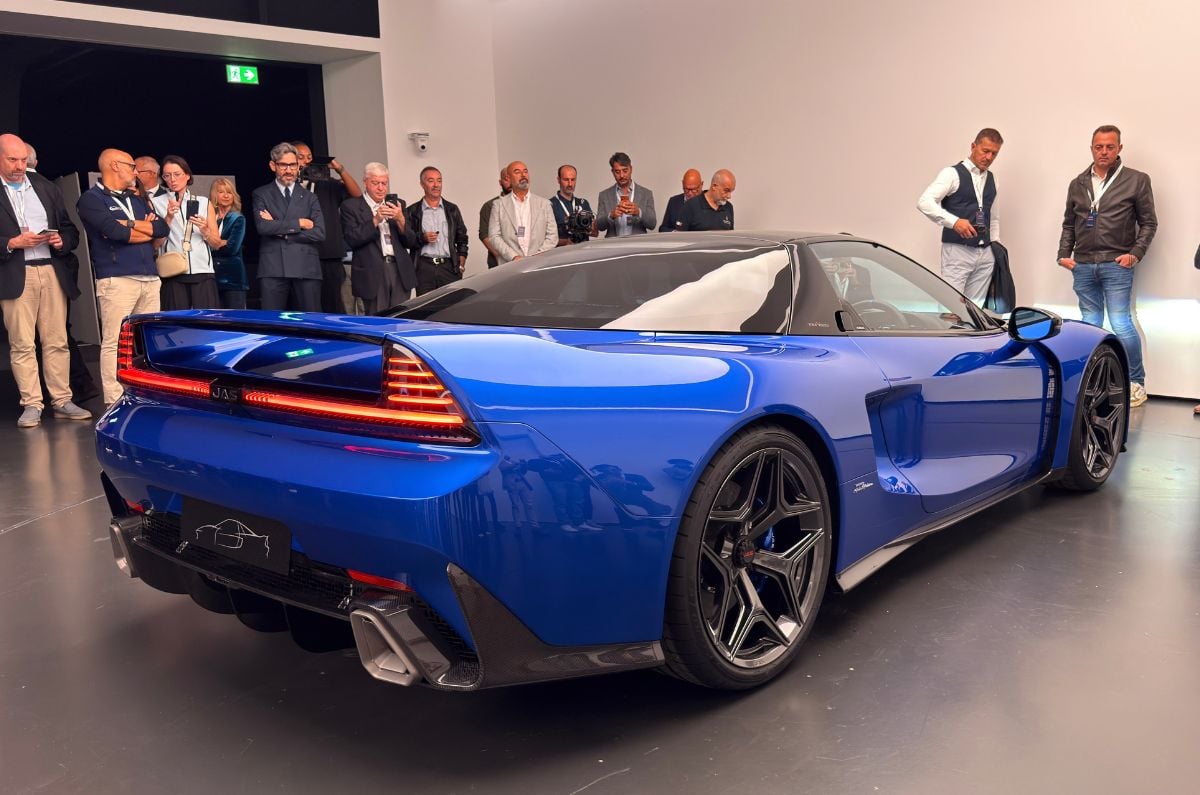
Look at the Tensei from a distance and the connection to the original NSX is immediately apparent. The proportions remain familiar, as do several of the visual cues that defined Honda’s icon. But the details are considerably more modern.
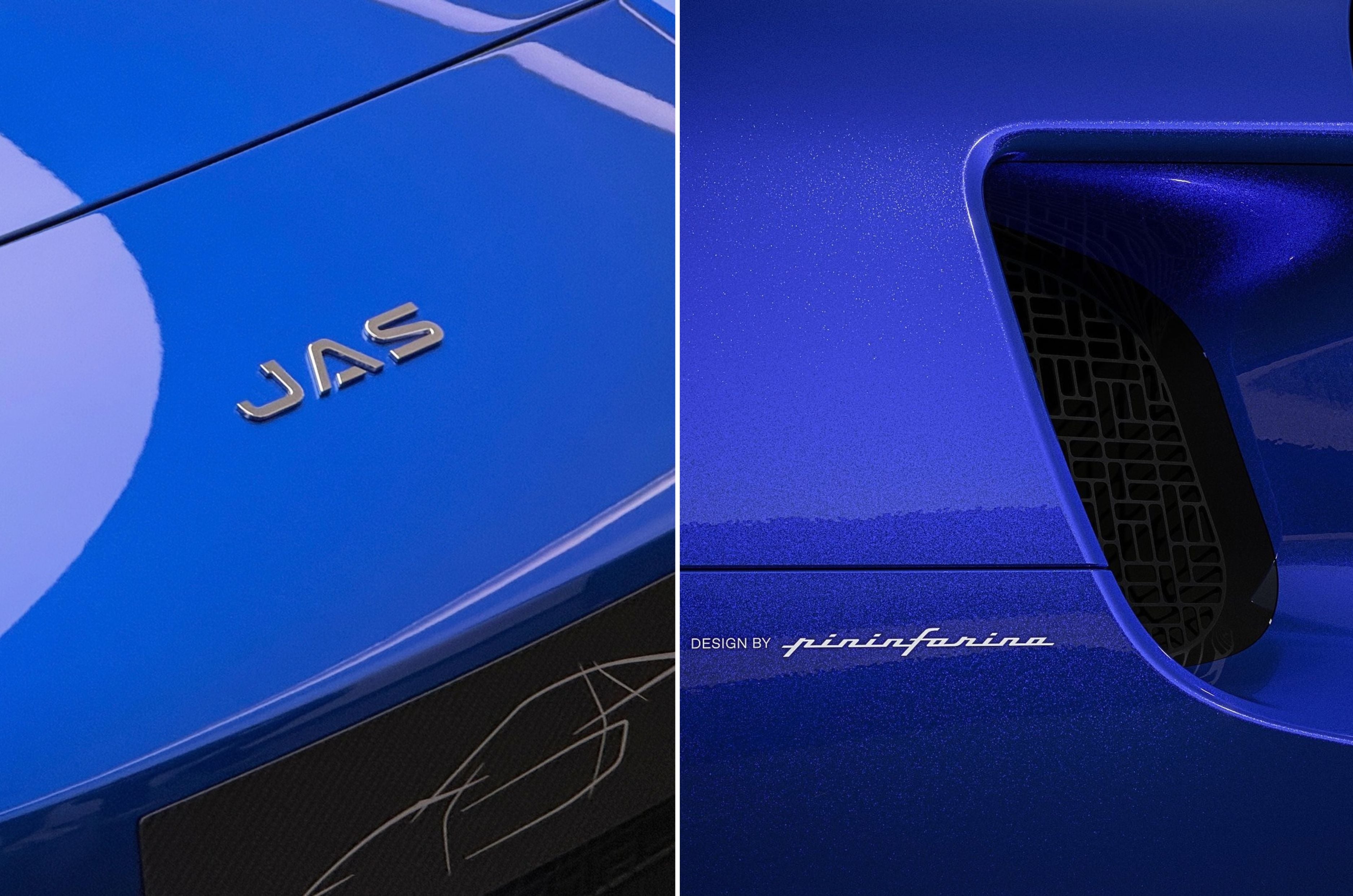
The body is constructed entirely from carbon fibre, allowing JAS to alter the car’s dimensions and surfaces while keeping weight under control. Pininfarina was responsible for the design, bringing an Italian interpretation to a fundamentally Japanese concept. It is an interesting collaboration because Pininfarina already has history with the NSX story. The company was involved with Honda’s HP-X concept, which preceded the production NSX.
The result is therefore less a replica and more an alternate evolution of the original car — essentially asking what the NSX might have looked like had its development continued into the modern era.
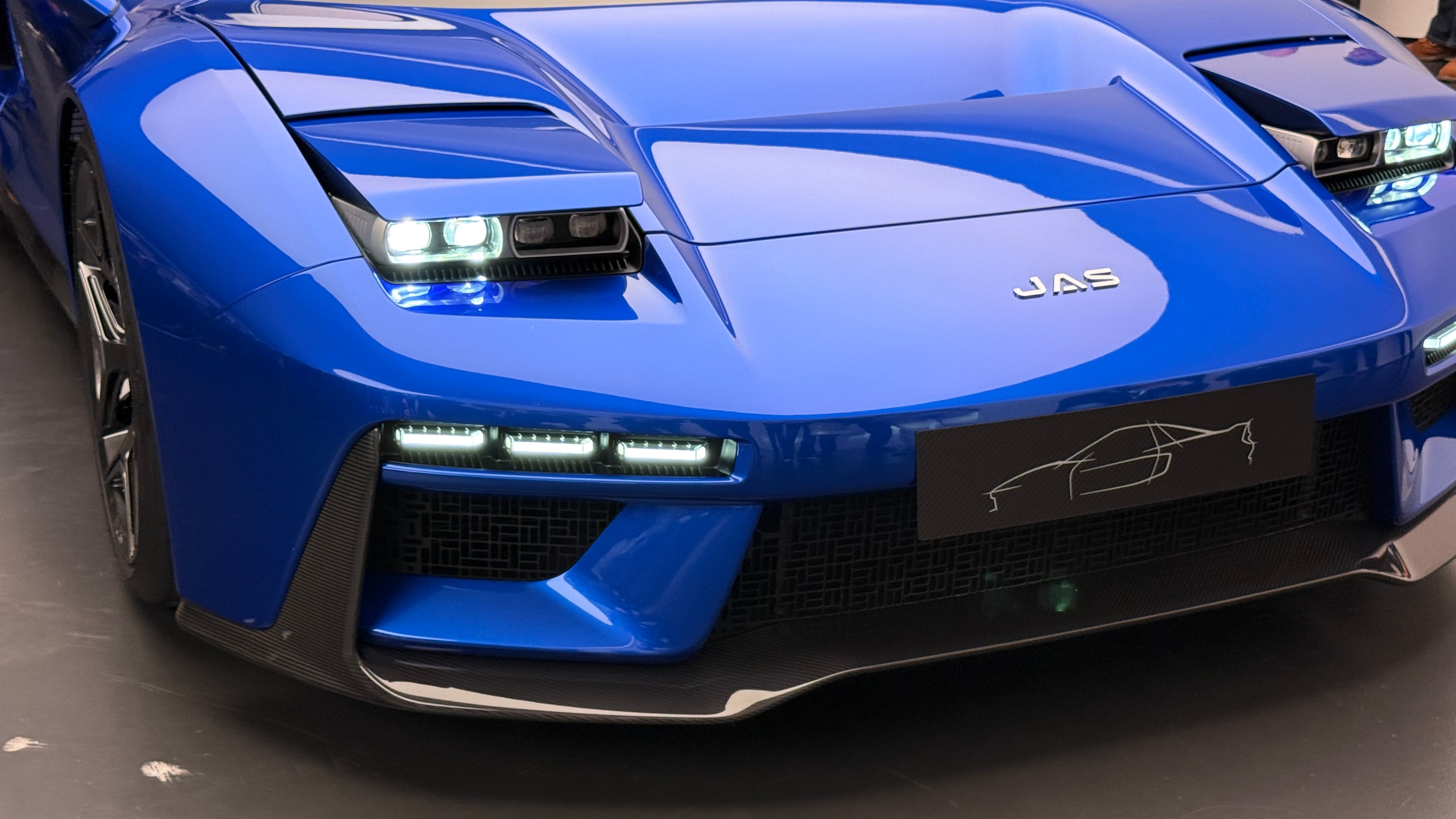
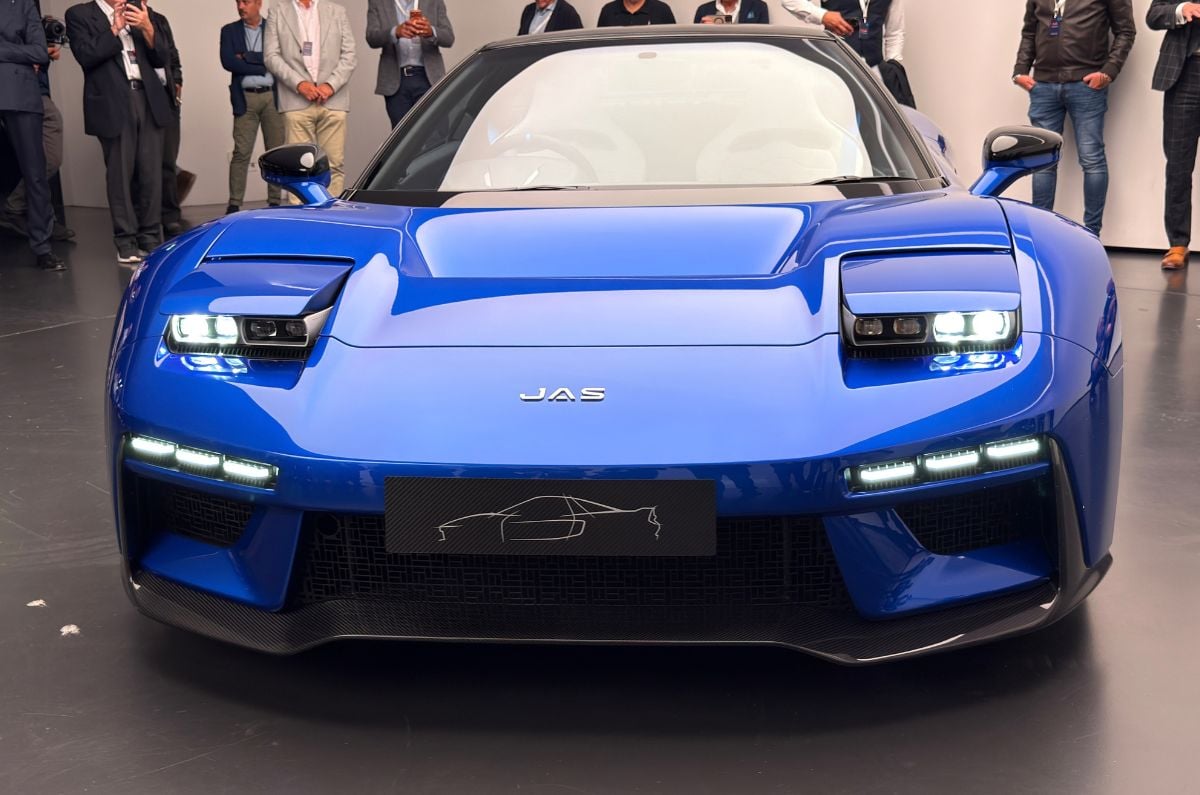
The front bumper is sculpted to guide air under the car and out of the massive duct in the bonnet. The pop-up headlamps have been retained but now feature LED treatment. The wiper covers have also been redesigned and in fact the only part that has been untouched is the roof. The A and B pillars are more raked and the wheels have gone up by a massive 4 inches. 15s and 16s on the NSX are now 19s and 20s on the Tesei. Interestingly the door handle with the NSX badge is also carried over. Low down you will spot the iconic Pininfarina badge that we are used to seeing on Ferraris.
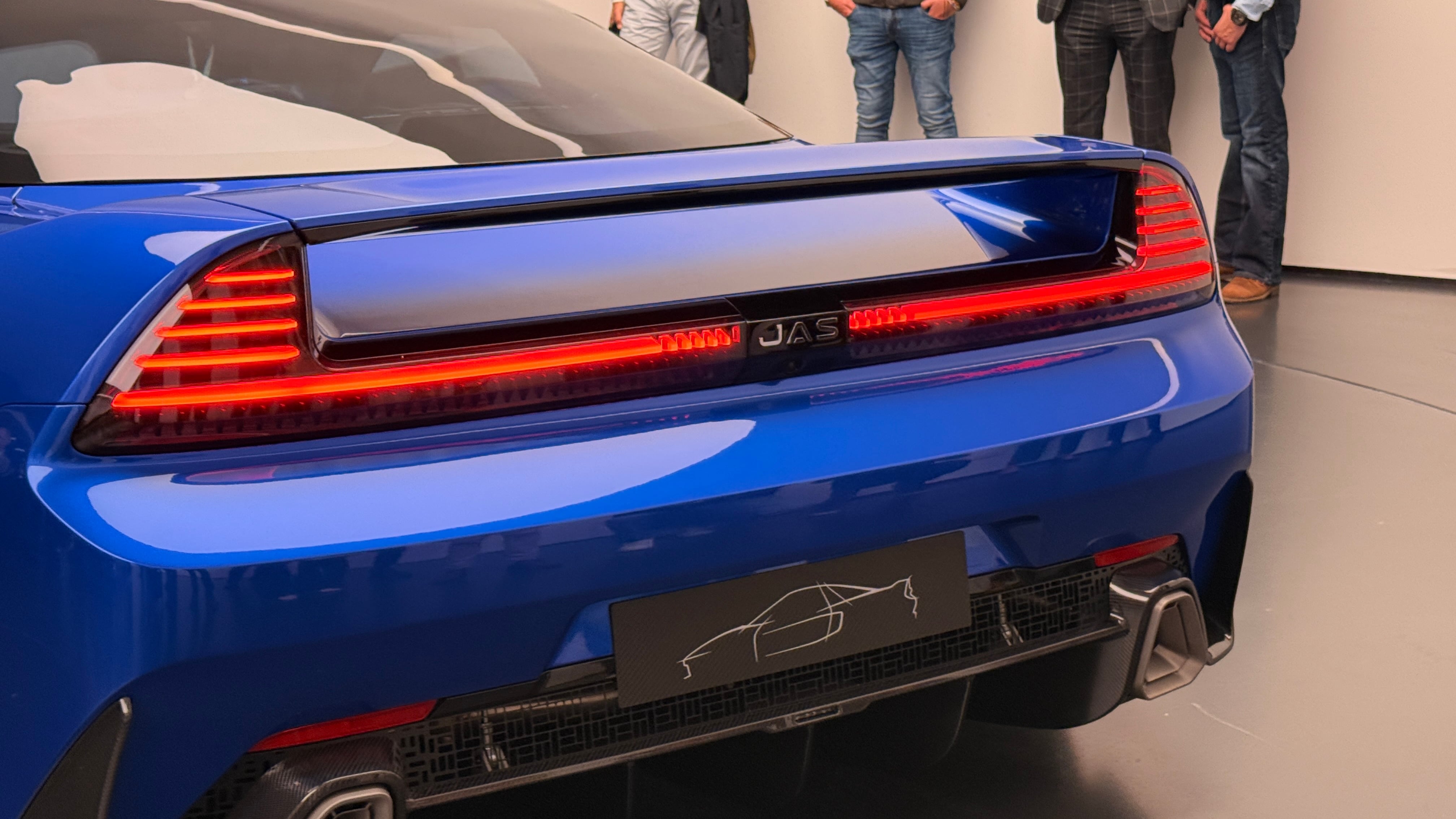
At the rear the integrated spoiler has been reworked with slight changes to the panels so as to improve airflow. The diffuser is carbon fibre and the exhausts are massive too. Like the original NSX, the tail lamps are stretched across the width and now hey 3D effect for the LED strips. Overall, it is a resto mod done to perfection. Just enough modern touches without skewing it from the iconic design.
JAS Tensei: interior and features
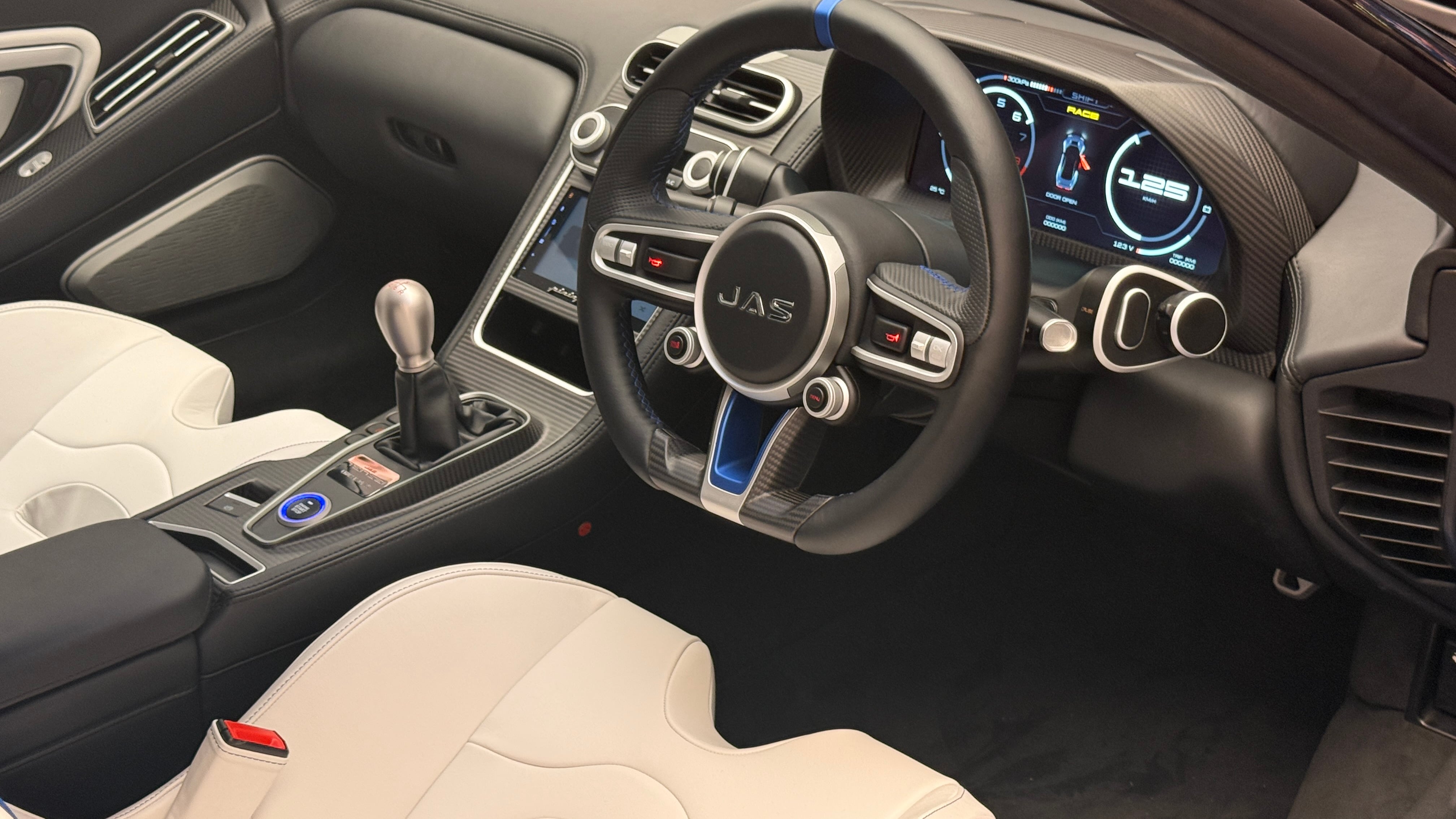
Inside the size of the cabin is identical to the original NSX, although there are updates all around. There’s a new sporty steering wheel, digital drivers display and sports seats. However, there is a full configurator available to spec your Tensei to your liking. The seat upholstery and paints can be customised along with brake calliper colours and wheels. A pleasant surprise is the centre console that does away with a massive tablet as per current trends and instead features a modest touchscreen with the climate control switchgear similar to the NSX. Pininfarina wanted to ensure none of the essence of the NSX was lost in an attempt to modernise the cabin
JAS Tensei: Powertrain and specs
Perhaps the most significant decision sits behind the cabin. The Tensei retains a naturally aspirated V6, rather than adopting the turbocharging or hybrid assistance that has become almost mandatory for modern supercars.
The 3.5-litre V6 has been extensively re-engineered with Judd Power, the British motorsport engineering specialist. The work goes considerably beyond simply increasing displacement or fitting a louder exhaust. The engine gets a billet crankshaft, forged lightweight pistons and connecting rods, individual throttle bodies, upgraded cooling and revised ignition and engine management systems. There are also new headers and an exhaust system designed to give the engine a more immediate and visceral character. The result is 420hp, with the engine capable of revving to 8,500rpm.
Those figures may not sound extraordinary in an era of 1,000hp hybrid hypercars, but that misses the point of Tensei. JAS isn’t chasing an enormous power-to-headline ratio. Instead, the emphasis is on response, linearity and the connection between throttle, engine and driver.
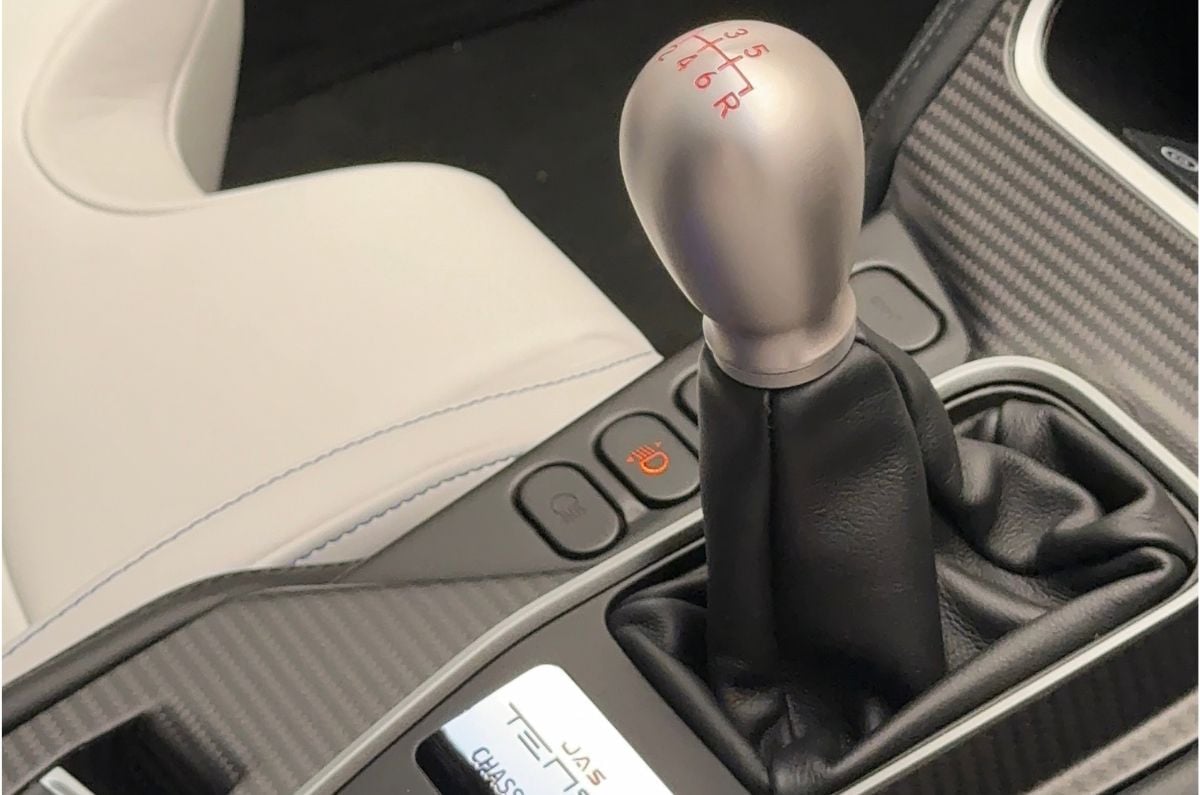
The other big piece of the puzzle is the gearbox. The Tensei uses a six-speed manual transmission and remains rear-wheel drive. That combination, together with the naturally aspirated V6, is perhaps the clearest indication of what JAS wants this car to feel like. The objective isn’t to overwhelm the driver with acceleration figures; it is to make every interaction with the car feel mechanical and deliberate.
The chassis has been extensively revised as well, with bespoke suspension components, revised geometry, upgraded bearings and uprights, enhanced anti-roll bars and KW dampers with electronically controlled damping. There is also a hydraulic front-axle lift system, while forged aluminium wheels measure 19 inches at the front and 20 inches at the rear.
JAS has taken one of the most important analogue supercars ever made and asked how its fundamental qualities could be preserved in 2026. It’s a carbon-bodied, naturally aspirated, manual, rear-wheel-drive supercar with an 8,500rpm redline. And that makes the Tensei interesting for reasons that go far beyond its rarity. It is effectively a reminder that performance isn’t necessarily about making a car faster in every measurable way. Sometimes it is about making the driver feel more involved.
Motorsport without turning it into a race car
This is where JAS’s background becomes particularly important. JAS Motorsport has spent decades developing Honda competition cars, and that experience forms the foundation of the Tensei programme. But the challenge here is fundamentally different from building a race car. A race car can sacrifice refinement, usability and longevity in pursuit of lap time. A road-going supercar cannot.
Tensei therefore represents an interesting middle ground: motorsport-derived engineering, but applied to a car designed to be driven on the road. The engine is built and tested by Judd Power before returning to JAS in Italy, where each car undergoes further testing and validation.
JAS Tensei: Super exclusive
JAS plans to build only 35 Tenseis, each individually specified by its owner. Production takes place at JAS Motorsport’s facility near Milan, with the car bringing together Japanese engineering heritage, British motorsport expertise and Italian design.
It is an unusual combination, but perhaps that’s exactly what makes the Tensei so compelling. The original NSX was unusual because Honda approached the supercar formula from a completely different direction.
Three decades later, JAS is doing something remarkably similar. It isn’t trying to build the most powerful supercar. It is trying to build the most involving interpretation of an icon. And if the original NSX was Honda’s idea of what a supercar should be, the Tensei is JAS Motorsport’s answer to what that idea could become today.
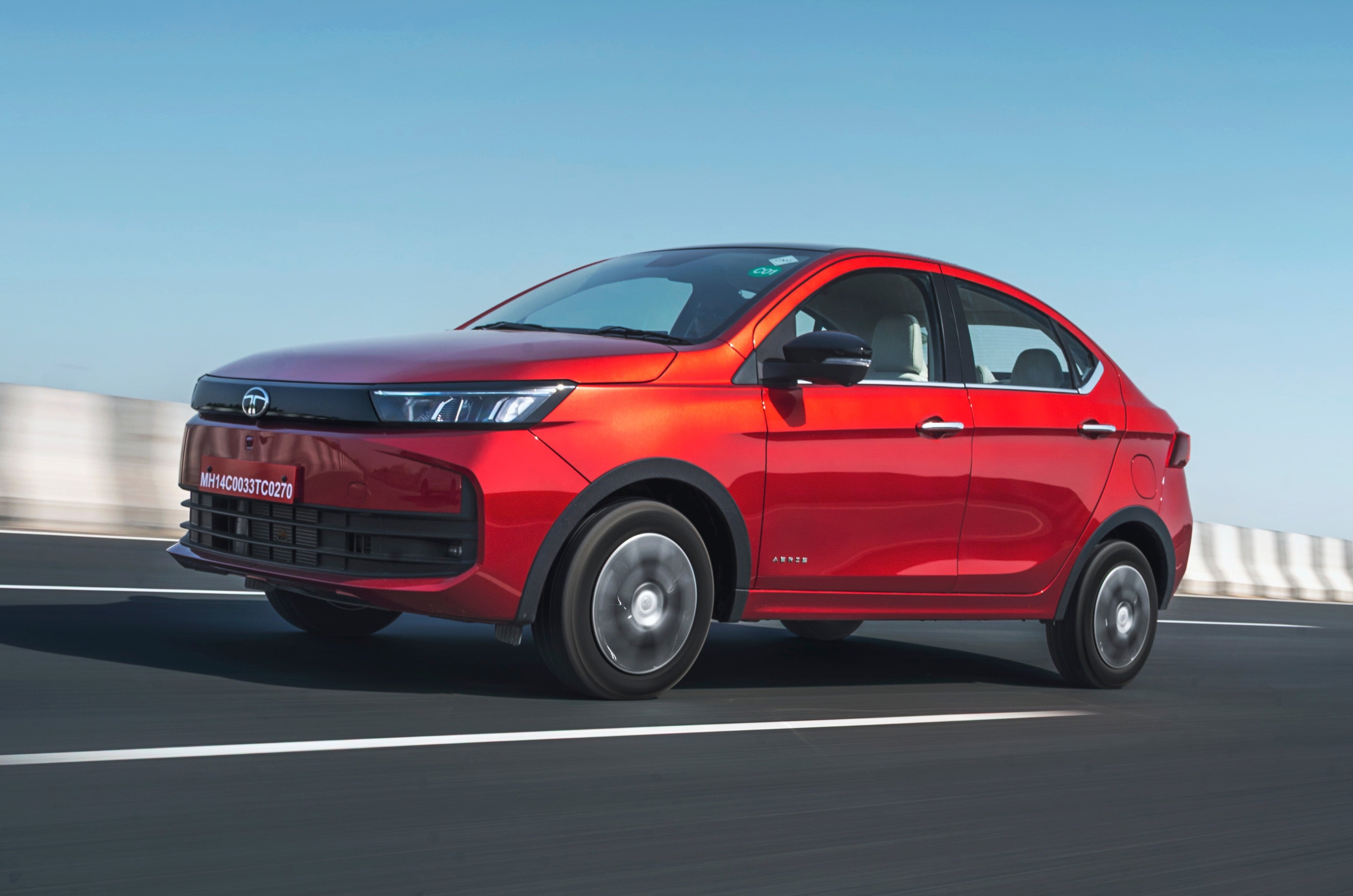
The Tata Aeris may be a new name, but its roots lie in the Tigor, which has enjoyed considerable popularity since 2017 for its distinctive styling, practical cabin, comfortable ride and decent powertrains. The Aeris builds on that foundation with a sharper design, a more upmarket cabin and an even more generous equipment list while retaining the same basic mechanical package underneath. Having already driven the iCNG version, we now get behind the wheel of the petrol Aeris to see how it fares as an everyday sedan.
Tata Aeris petrol performance and refinement – 7/10
The petrol engine gives it slightly better cruising capability than the CNG
3-cylinder engine is so-so on refinement and sounds coarse when revved hard
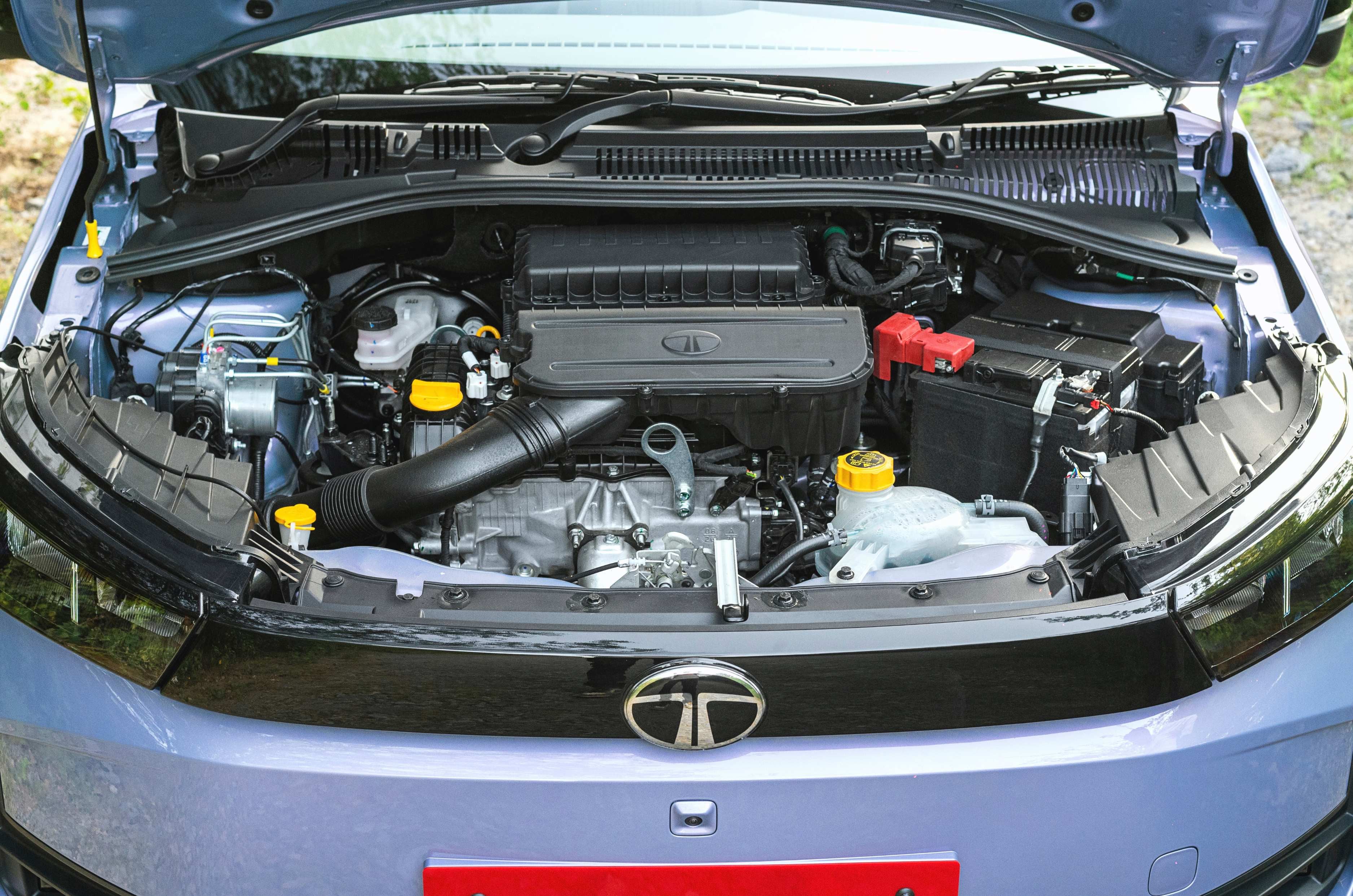
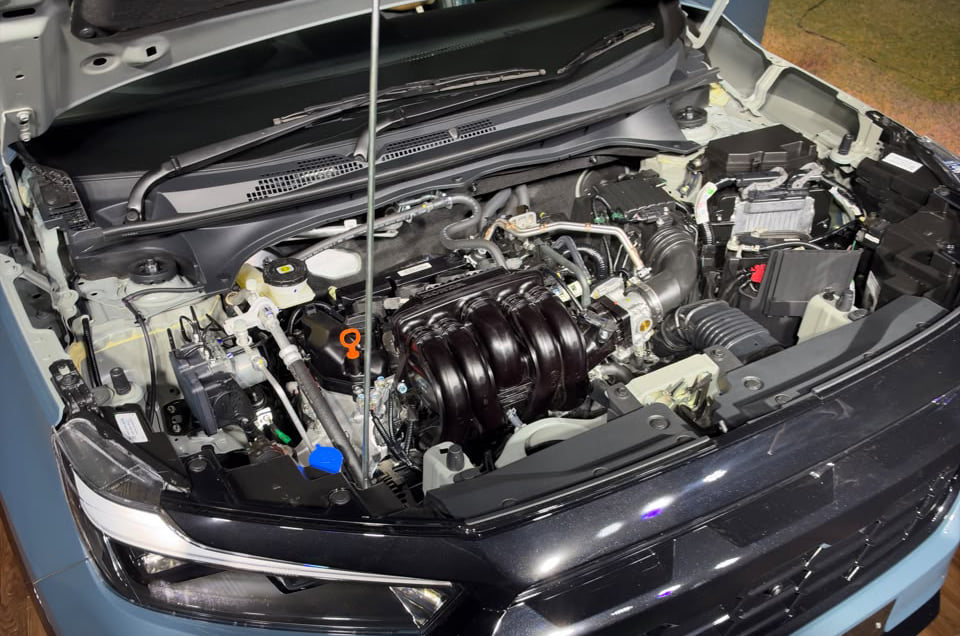
The Tata Aeris comes with a 1.2-litre 3-cylinder naturally aspirated engine that produces 86hp and 113Nm in its petrol guise and is offered with a choice between a 5-speed manual and a 5-speed automated manual transmission (AMT). The three-cylinder engine isn’t the smoothest in the segment, while the sound insulation also has room for improvement. There are noticeable vibrations at idle and low speeds, though these settle down once you’re on the move. However, they make a comeback beyond 2,500rpm, accompanied by a coarse engine note that can get intrusive and tiring on longer high-speed drives.
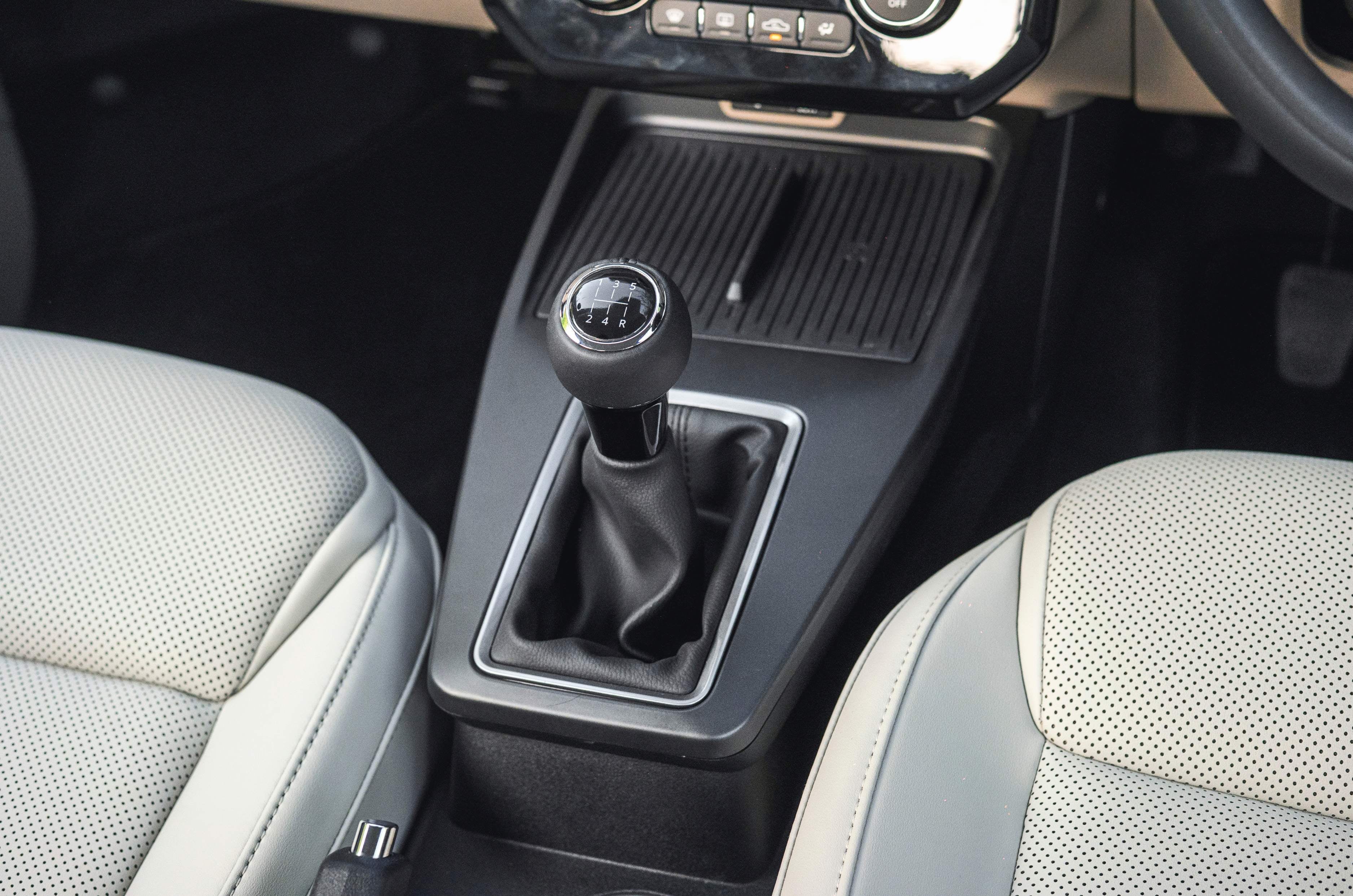
Manual lever looks premium for the price, offering short throws and defined gear gates.
The petrol version’s output figures are 10hp and 16Nm higher than the CNG version, which may look modest on paper, but the difference is discernible out on the road. We drove the petrol-powered Aeris with a 5-speed manual gearbox and noticed it offers short shift throws and well-defined gear gates. While it is not the slickest gearbox compared to its Maruti, Honda and Hyundai rivals, it is still a step up from the Tigor’s in terms of smoothness.
Aeris’ petrol version feels adequate for the city and is fine for gentle highway cruises too.
The performance in city speeds is adequate, and the powertrain is peppy enough for everyday driving. The clutch is light and has a predictable bite point, meaning you do not strain your left foot even in bumper-to-bumper traffic. There’s a dead pedal too, but it feels narrower than what we would have liked.
It is fairly quick to reach 80kph, but takes some time to reach triple-digit speeds. However, the petrol-powered Aeris maintains these speeds with relative ease, which makes it a decent highway cruiser. Unlike the CNG, the Aeris petrol does not feel out of breath when overtaking, and as long as you are in the right gear, it maintains good momentum.
AMT adds convenience for city drives but doesn’t like being rushed; the manual gearbox is easy to use.
We got a taste of the AMT during our earlier stint with the Aeris iCNG, when we switched to petrol mode, and found that the gearbox offered reasonable acceleration with measured inputs. Push the accelerator aggressively, though, and the typical AMT hesitation became evident, meaning overtakes need to be planned well. The AMT also gets a creep function, which comes in handy in bumper-to-bumper traffic.
All of this makes the AMT a good option for city driving, but for high-speed highway cruising, we recommend the manual gearbox, which offers greater control and a more engaging experience. That said, opting for the manual in the city is not a compromise either.
Tata Aeris petrol ride comfort and handling – 8/10
It allows for a confident drive at both low and high speeds
Like other Tata offerings, ride quality is one area where the Aeris excels. It takes broken roads in its stride, with the suspension absorbing rough patches well and keeping most surface irregularities from filtering into the cabin. The 170mm ground clearance is also adequate for tackling large speed breakers without much concern. That said, the CNG version has an edge in this department, thanks to its 14-inch steel wheels with taller sidewalls, which offer a more cushioned ride than the 15-inch alloys on the top-spec petrol version. Notably, lower Aeris trims get 14-inch wheels.
Well-tuned suspension keeps the Aeris comfortable and confident on all roads.
At high speed too, the suspension stiffens enough to keep the Aeris composed through quick lane changes, without feeling floaty. On the highways, it remains stable and inspires confidence at higher speeds. The steering, however, could do with more precision, as it feels slightly vague around the centre. While it weighs up nicely as speeds rise, a sharper response around the centre would have further enhanced the Aeris’ high-speed confidence.
Tata Aeris petrol mileage and efficiency
We expect the Aeris petrol to have similar fuel efficiency as the Tiago
Tata has yet to reveal the official fuel-efficiency figures for the petrol-powered Aeris. But it gets the same powertrain as the pre-facelift Tiago we tested in 2022. In that test, it returned 13.30kpl in the city and 16.60kpl on the highway. The Aeris could have similar fuel efficiency. However, we will be able to give you a more definitive assessment once we put the Aeris through our standard fuel-efficiency tests.
Tata Aeris petrol exterior design and engineering – 8/10
Has a sleeker and more modern exterior design and comes with LED lights all around
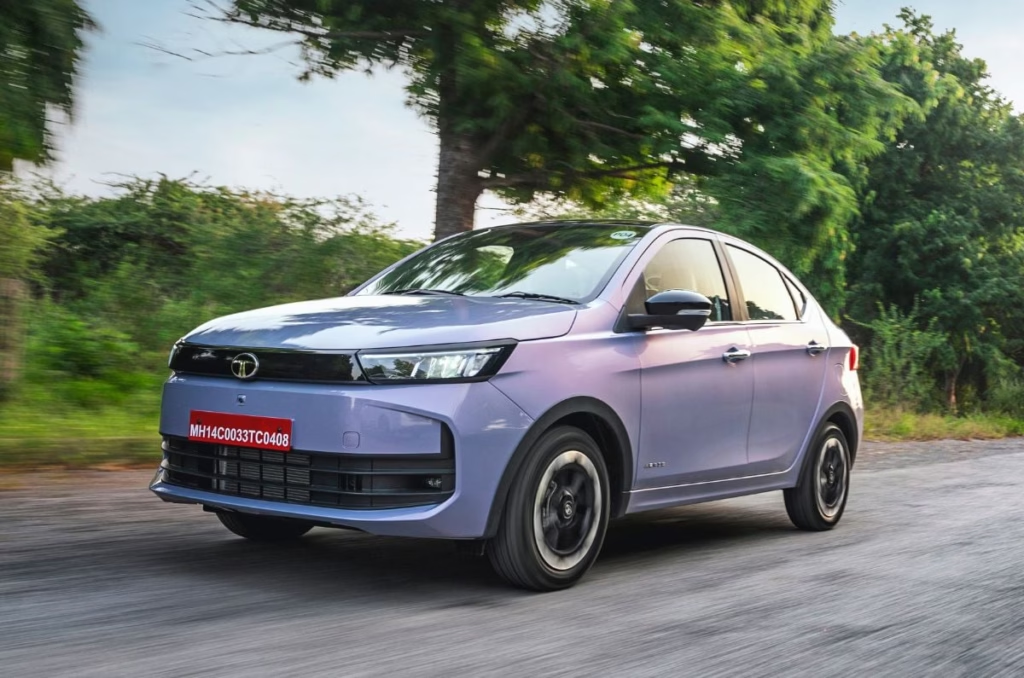
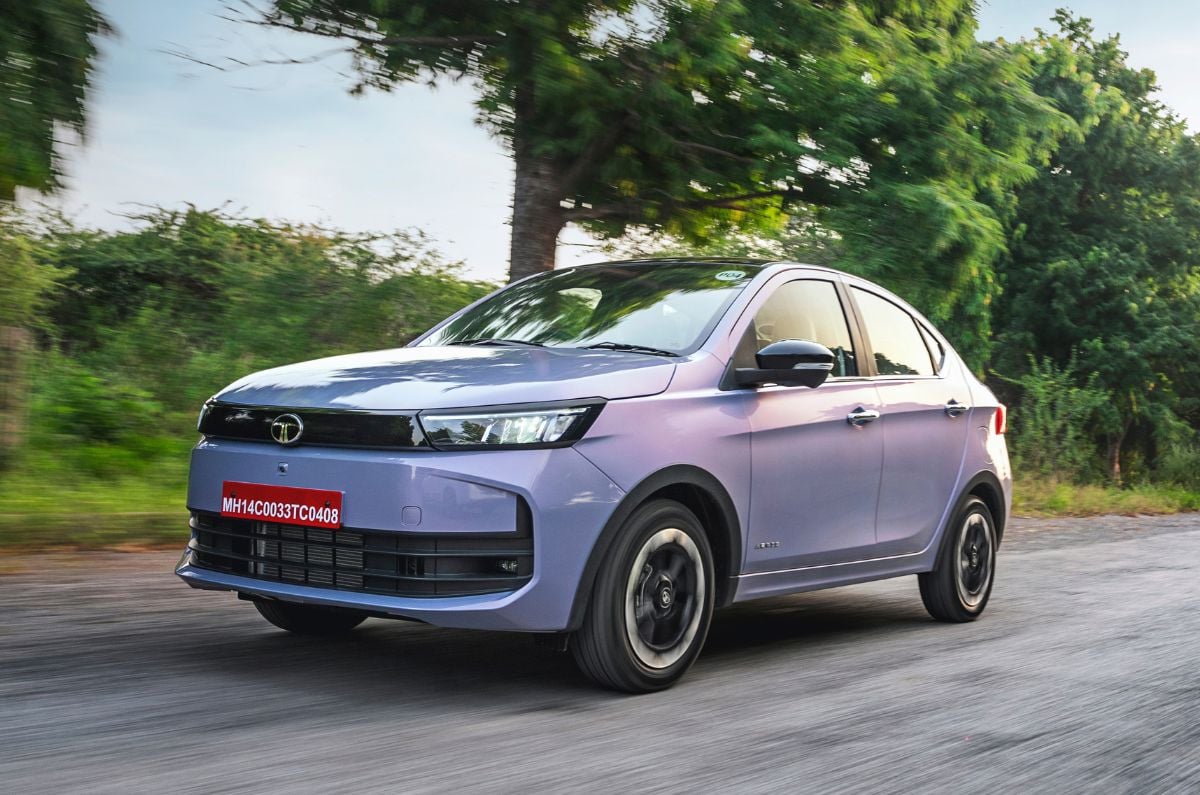
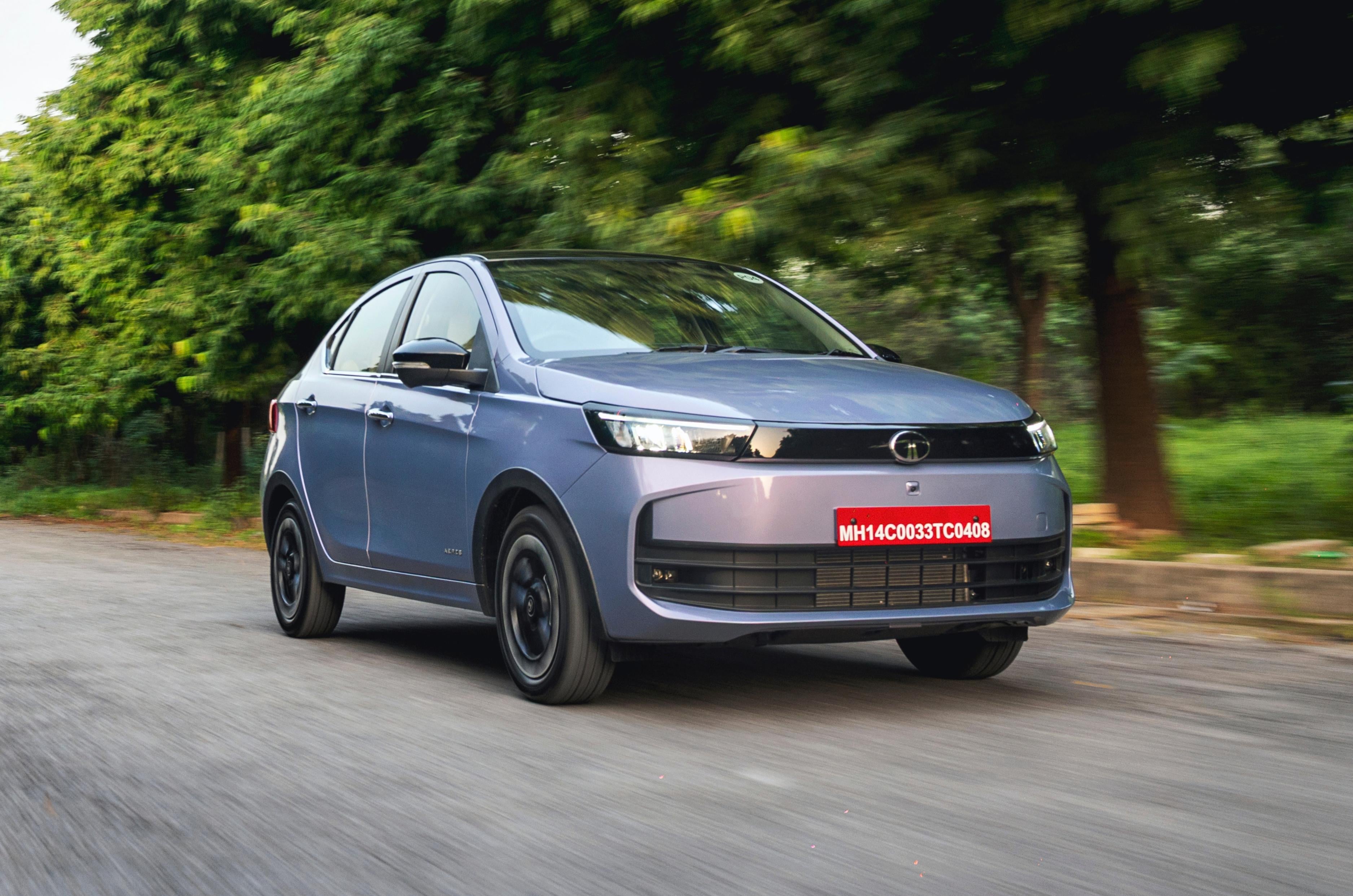
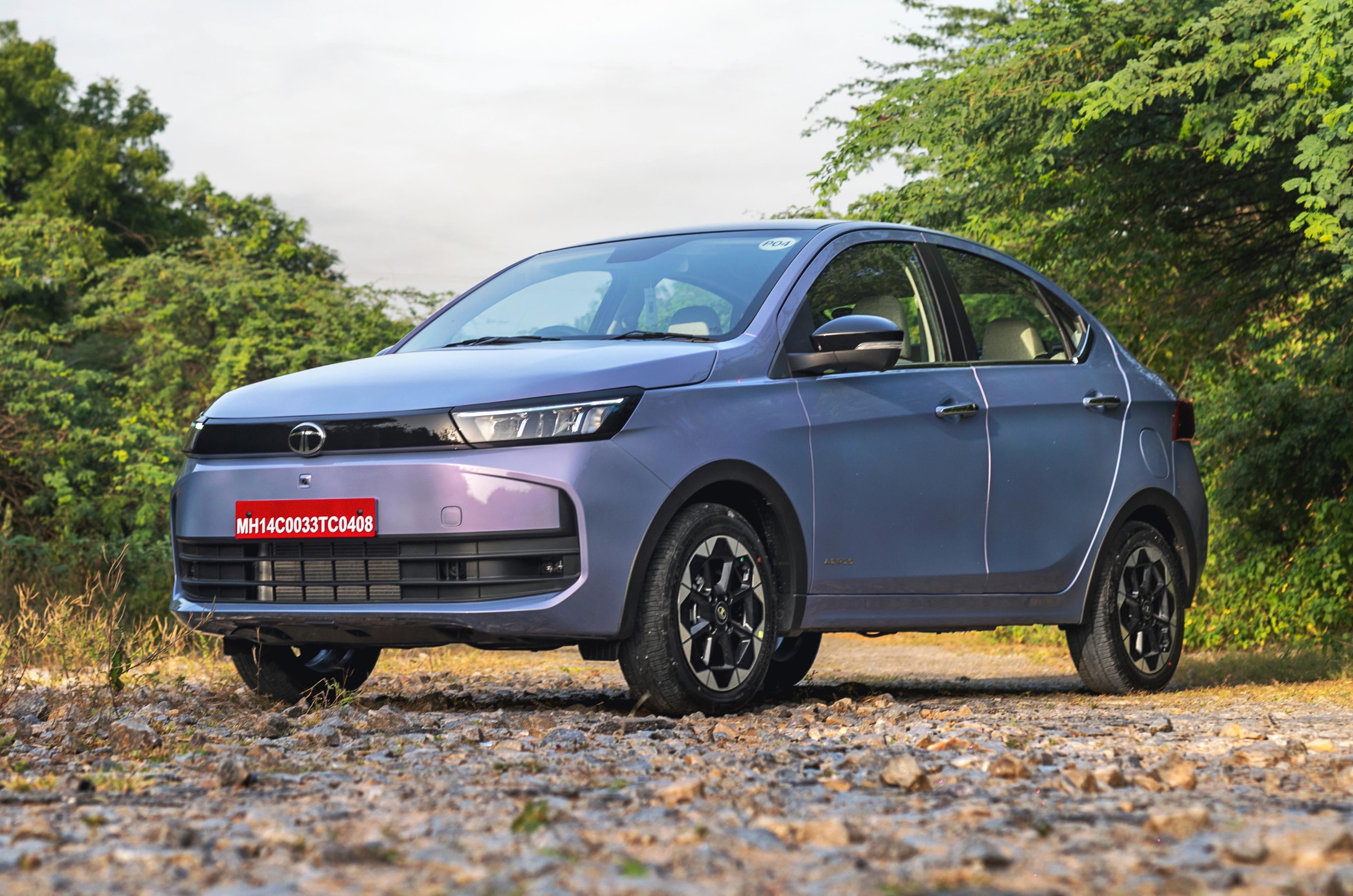
Save for the new bumper, the fascia is similar to the Tiago’s and looks very modern.
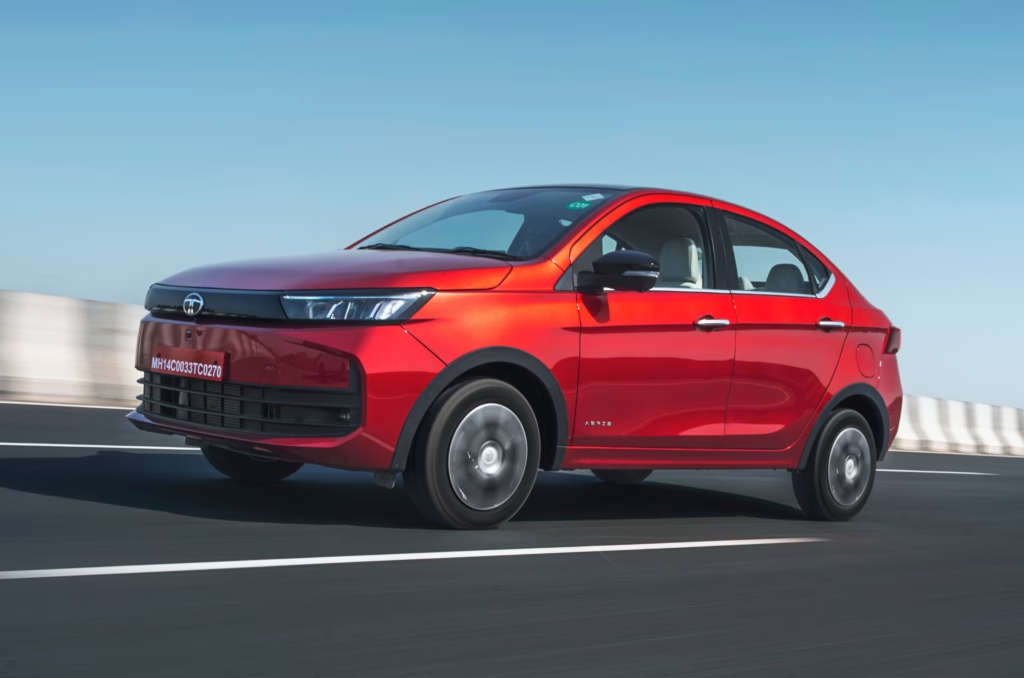
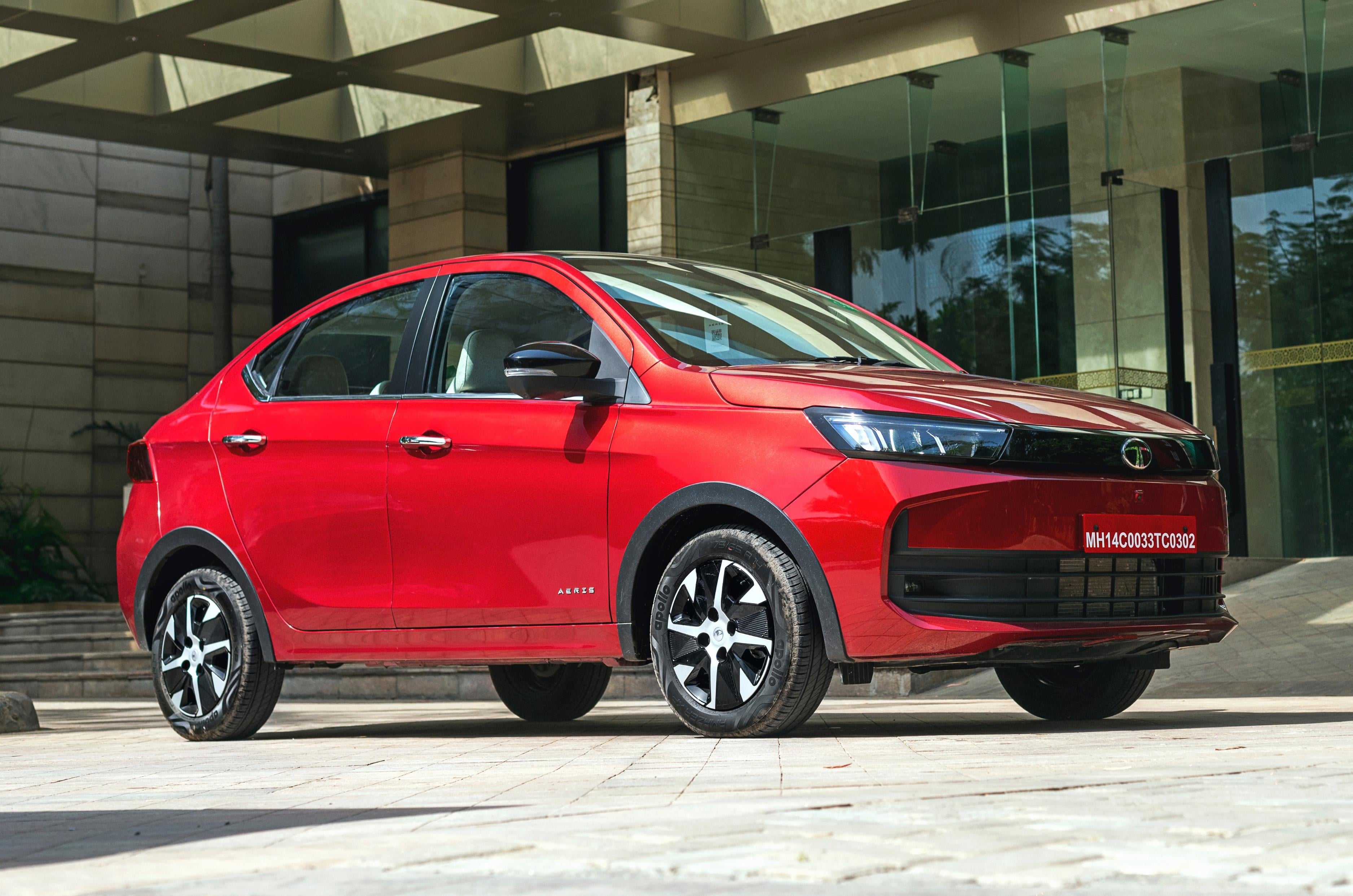
The Tata Aeris looks sleeker than before, with its design now closely aligned with the Tiago hatchback, something we have seen previously with the Tigor. Another factor that could work in the Aeris’ favour is Tata’s decision to offer it exclusively to private buyers, while retaining the Xpres, the fleet version of the Tigor, for commercial customers. This should help the Aeris steer clear of the ‘taxi’ tag often associated with rival compact sedans.
LED headlights with LED DRLs, which are connected by a black trim, make it look sleeker.
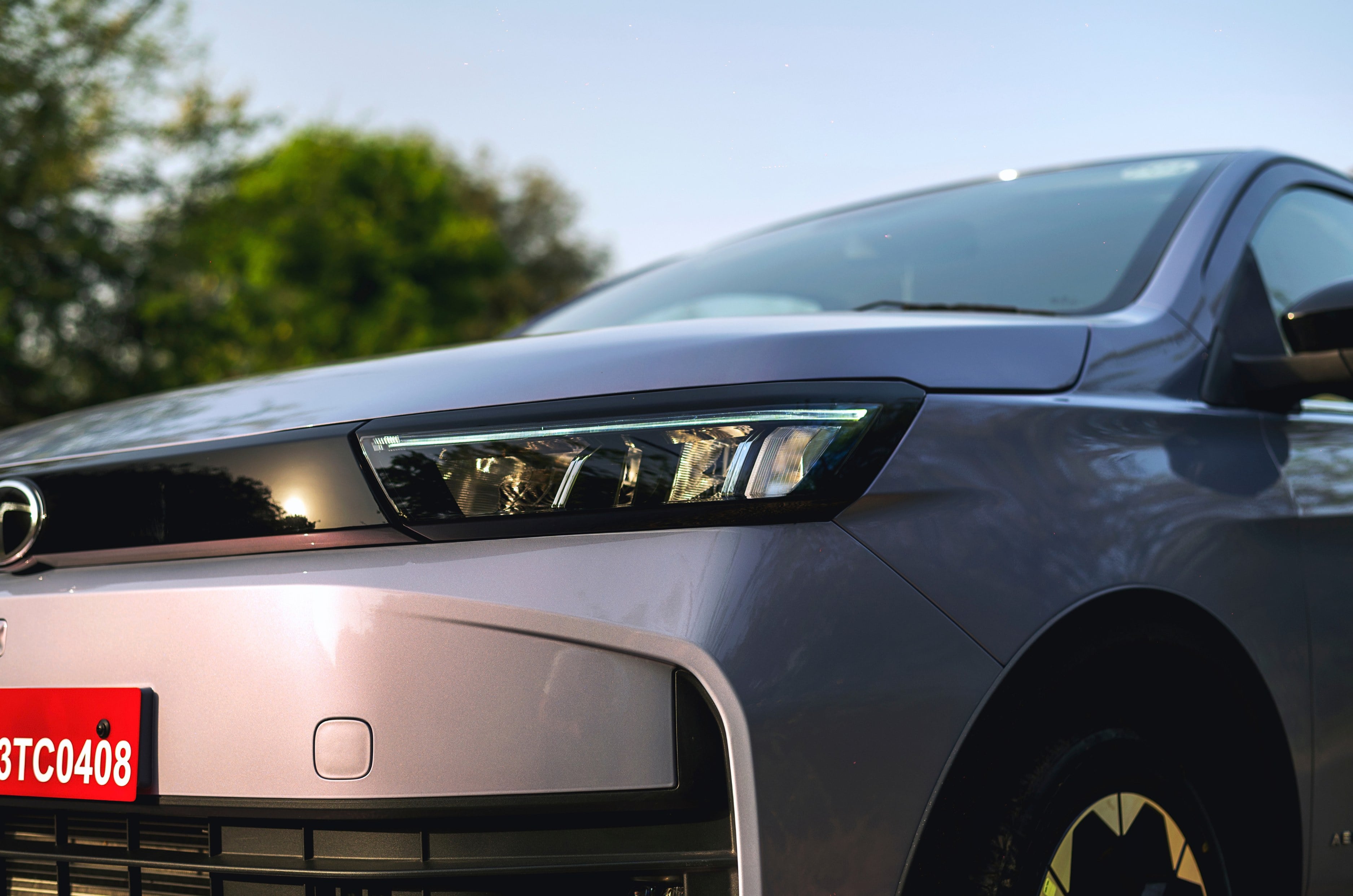
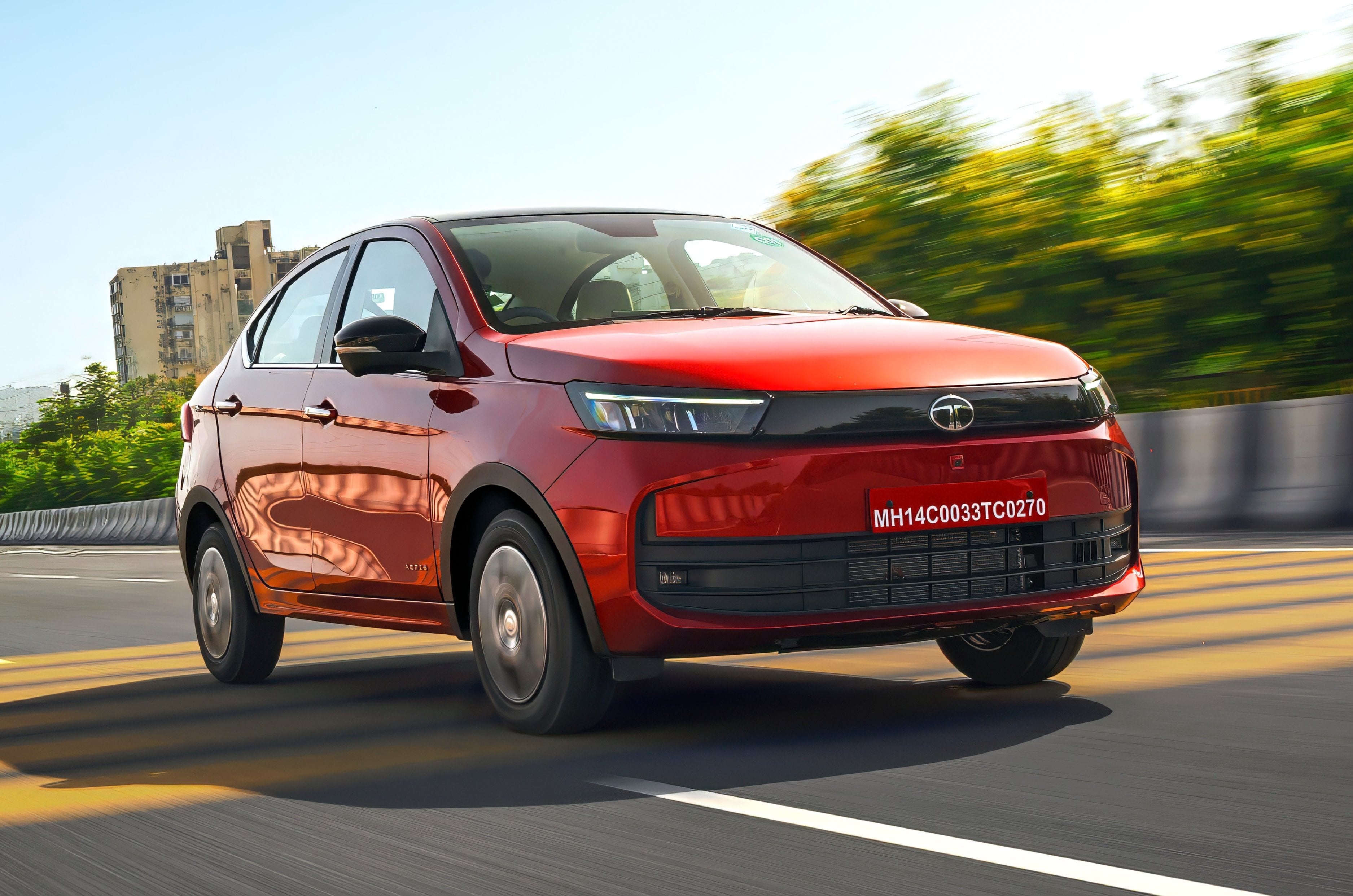
Up front, the new clamshell bonnet leads into slim LED headlights with thin LED DRL strips integrated into them. The headlights are connected by a gloss-black trim. The front bumper is also new, featuring wider air intakes and LED fog lamps, a welcome upgrade over the Tigor’s halogen units.
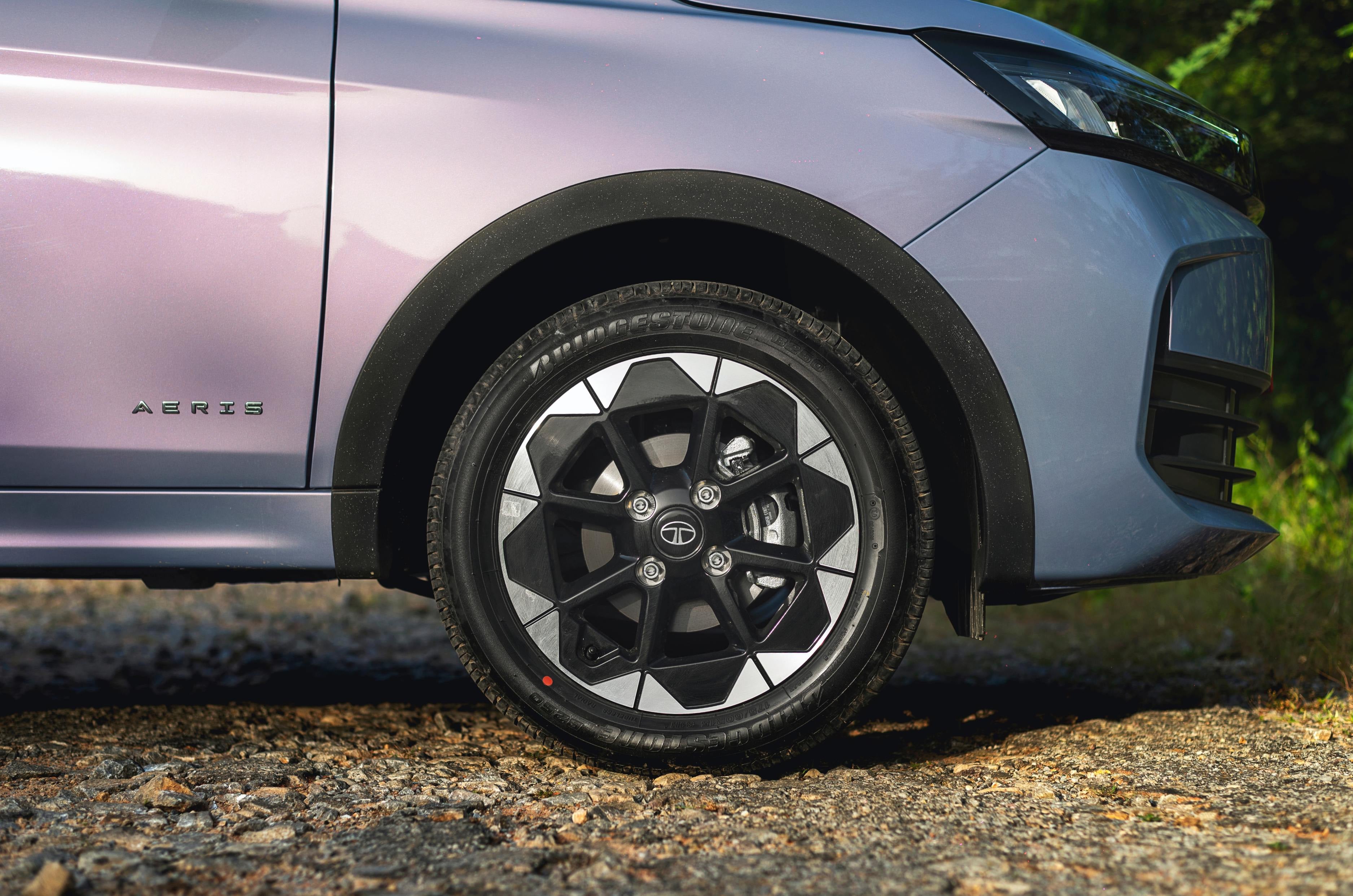
Top versions get 15-inch alloy wheels; 14-inch wheels on other variants appear undersized.
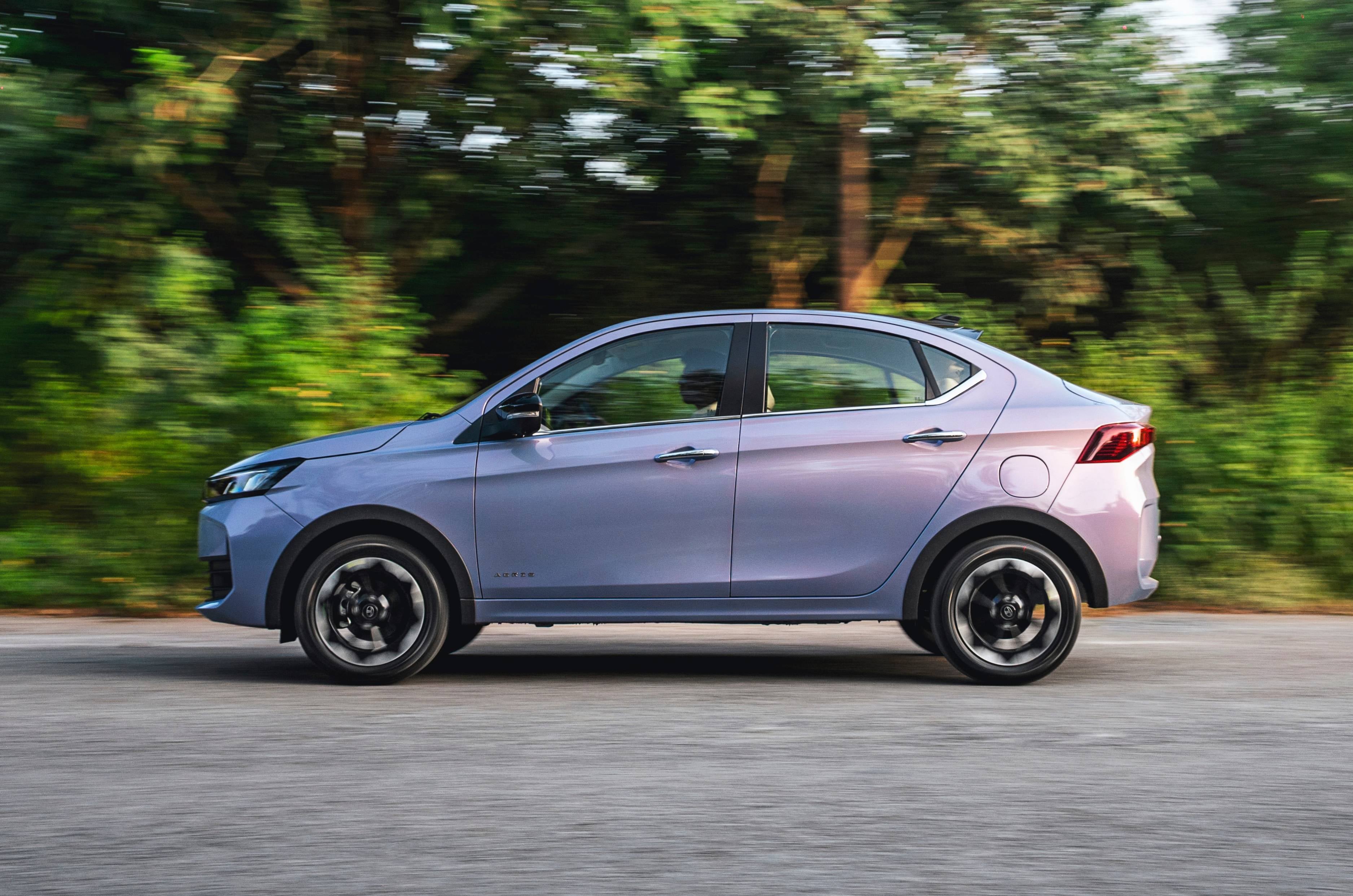
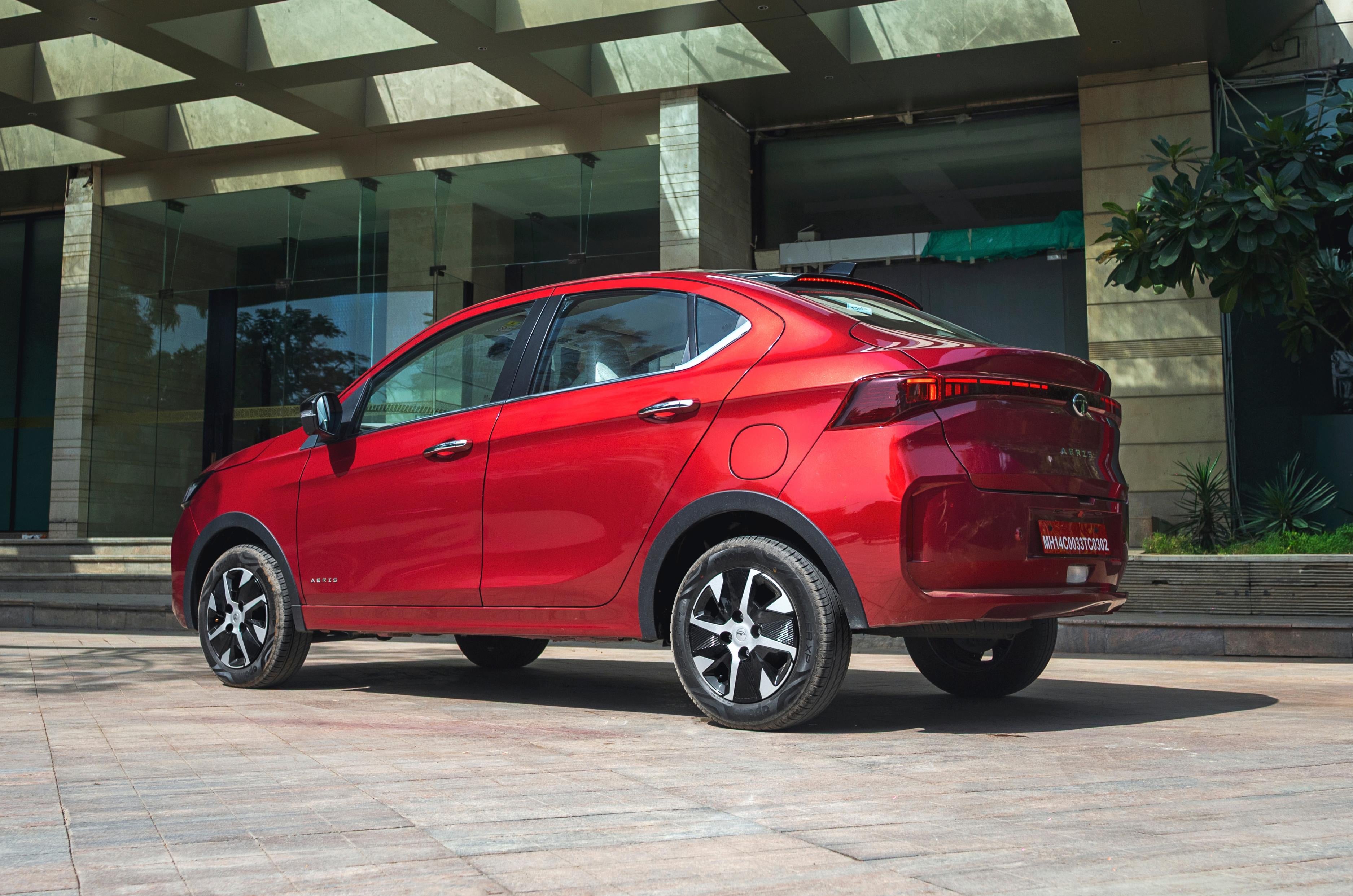
In profile, the 15-inch dual-tone alloy wheels fill the wheel arches nicely, and their contrasting finish looks particularly appealing when the Aeris is on the move. The wheel arches get slim cladding, which Tata says is made from recycled materials and features a distinctive speckled texture. Like the Tigor, the Aeris also gets chrome door handles and a chrome strip along the window line, adding some contrast to the otherwise clean design.
Fastback-like roofline remains a distinctive design element.
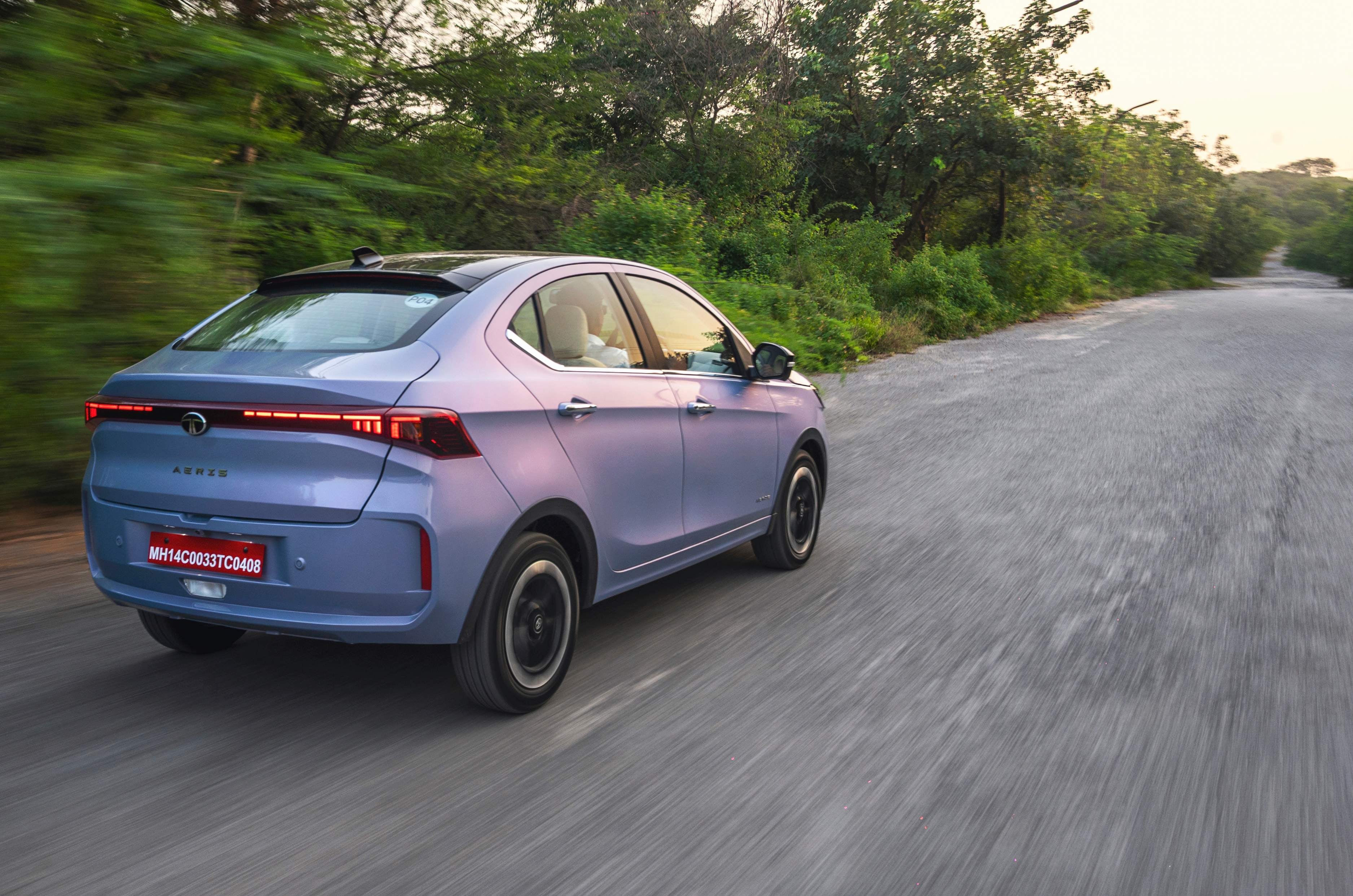
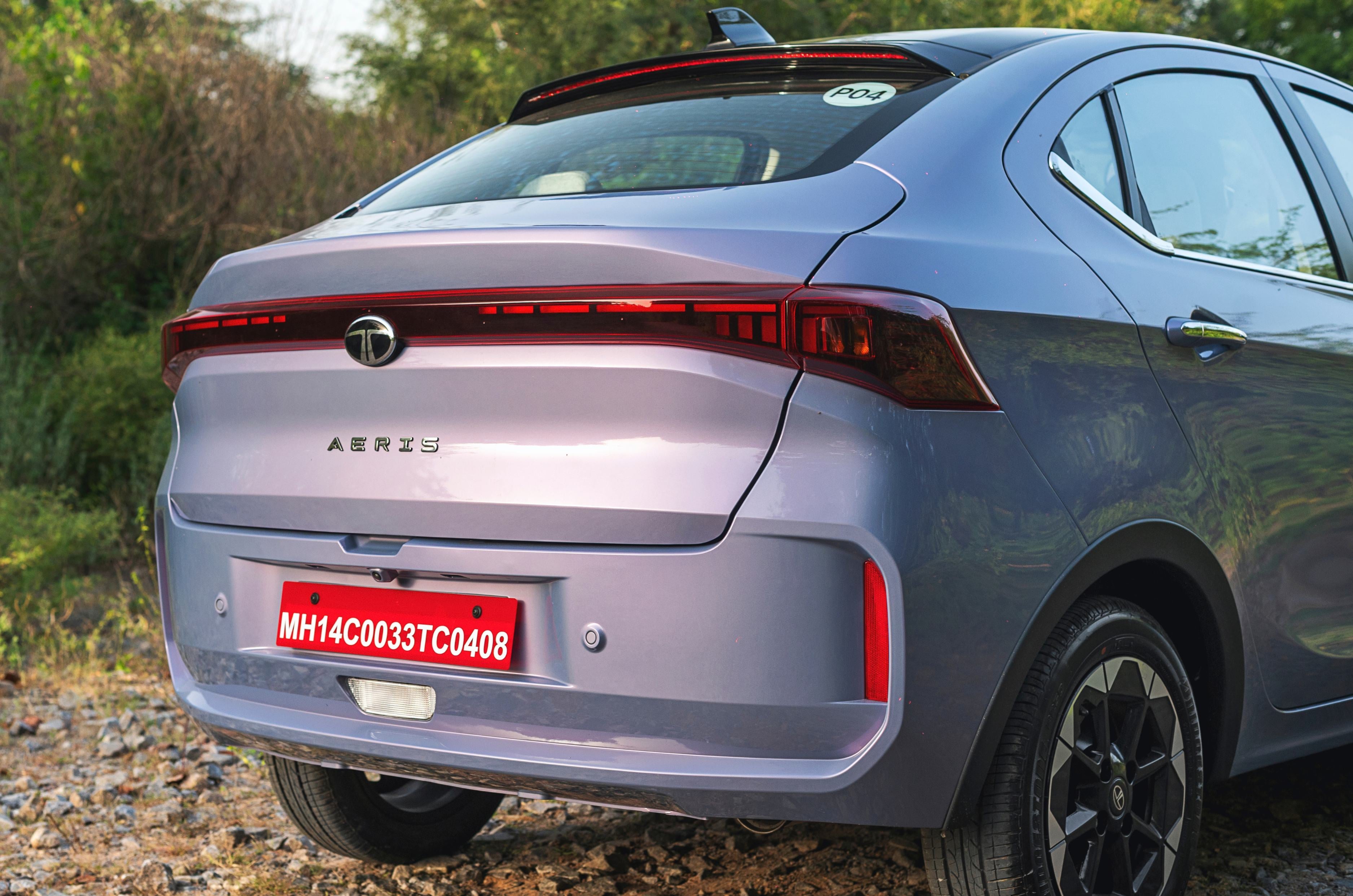
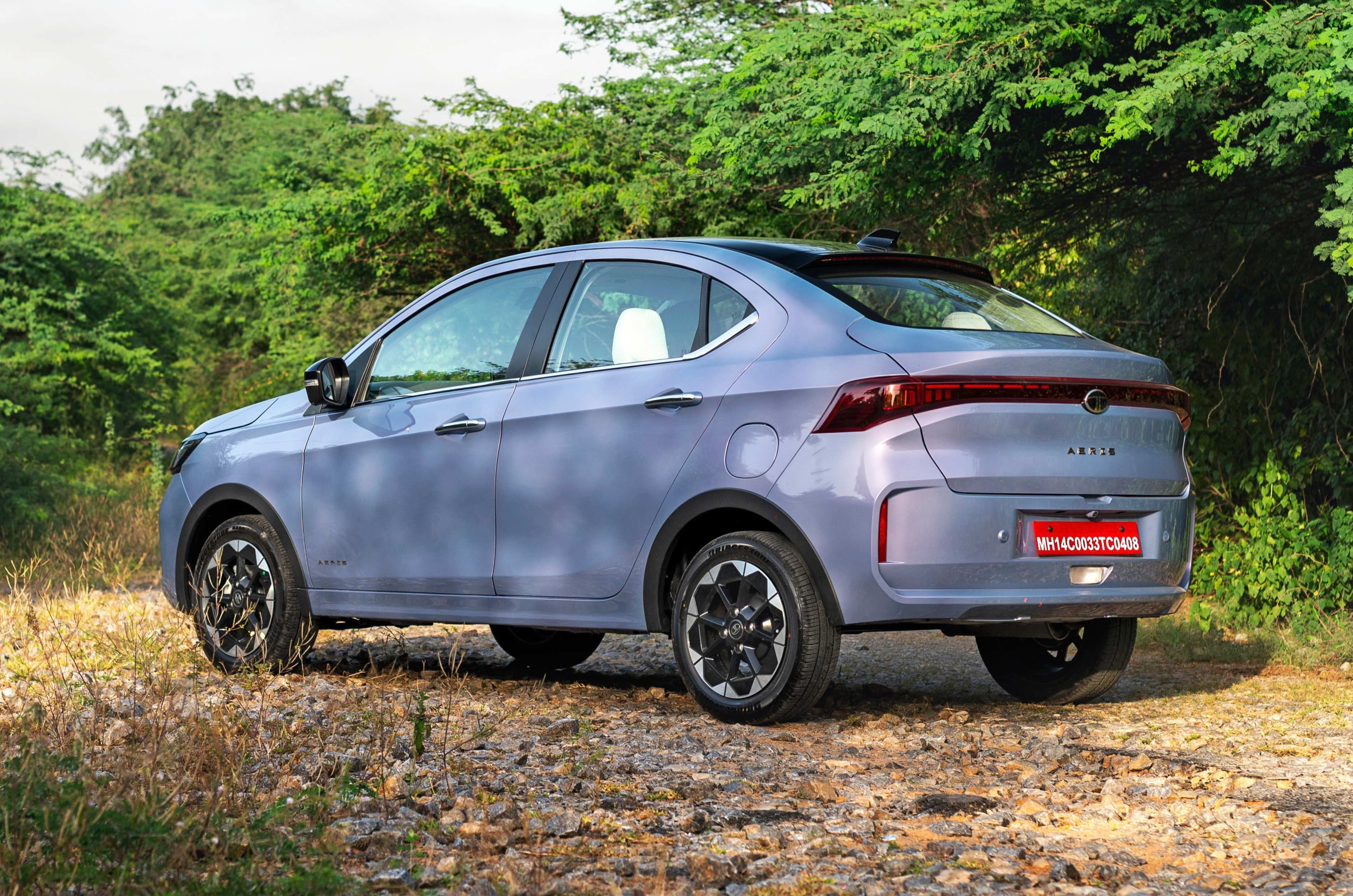
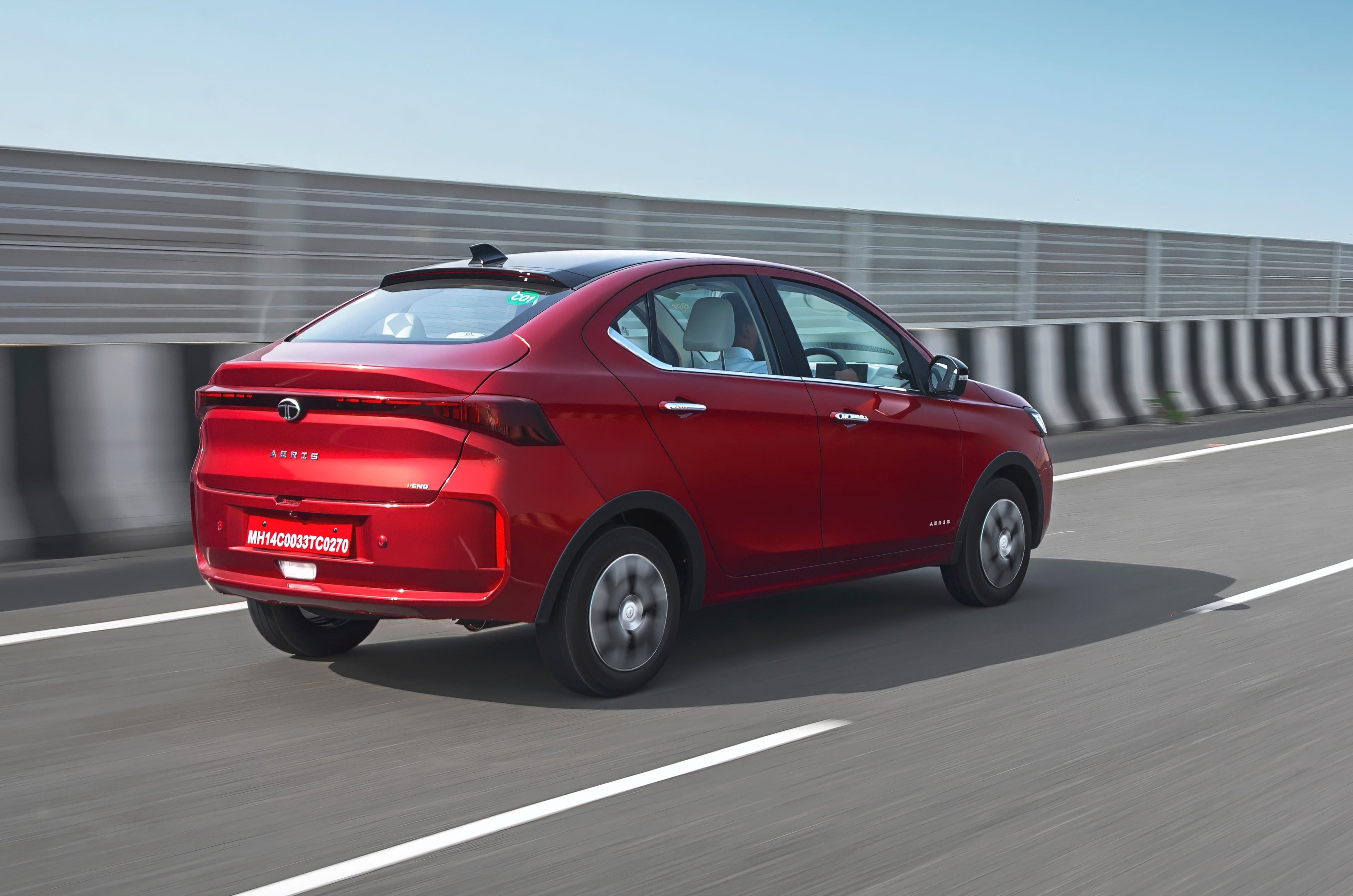
The coupe-like, tapering roofline remains unchanged from the Tigor, and continues to make the Aeris’ overall design cohesive. At the rear, the new taillights give the sedan a more modern appearance, while the red trim connecting them visually makes the Aeris appear larger than it is. The rear bumper is cleanly styled, with the reverse light neatly positioned in the centre.
The Aeris measures 3,995mm in length, 1,684mm in width and 1,532mm in height, and has a 2,450mm wheelbase.
Tata Aeris petrol interior space and comfort – 8/10
Beige theme makes the interior feel airy, and everything is nicely laid out in the cabin
Beige theme lends the cabin an airy feel; dashboard is neatly laid out.
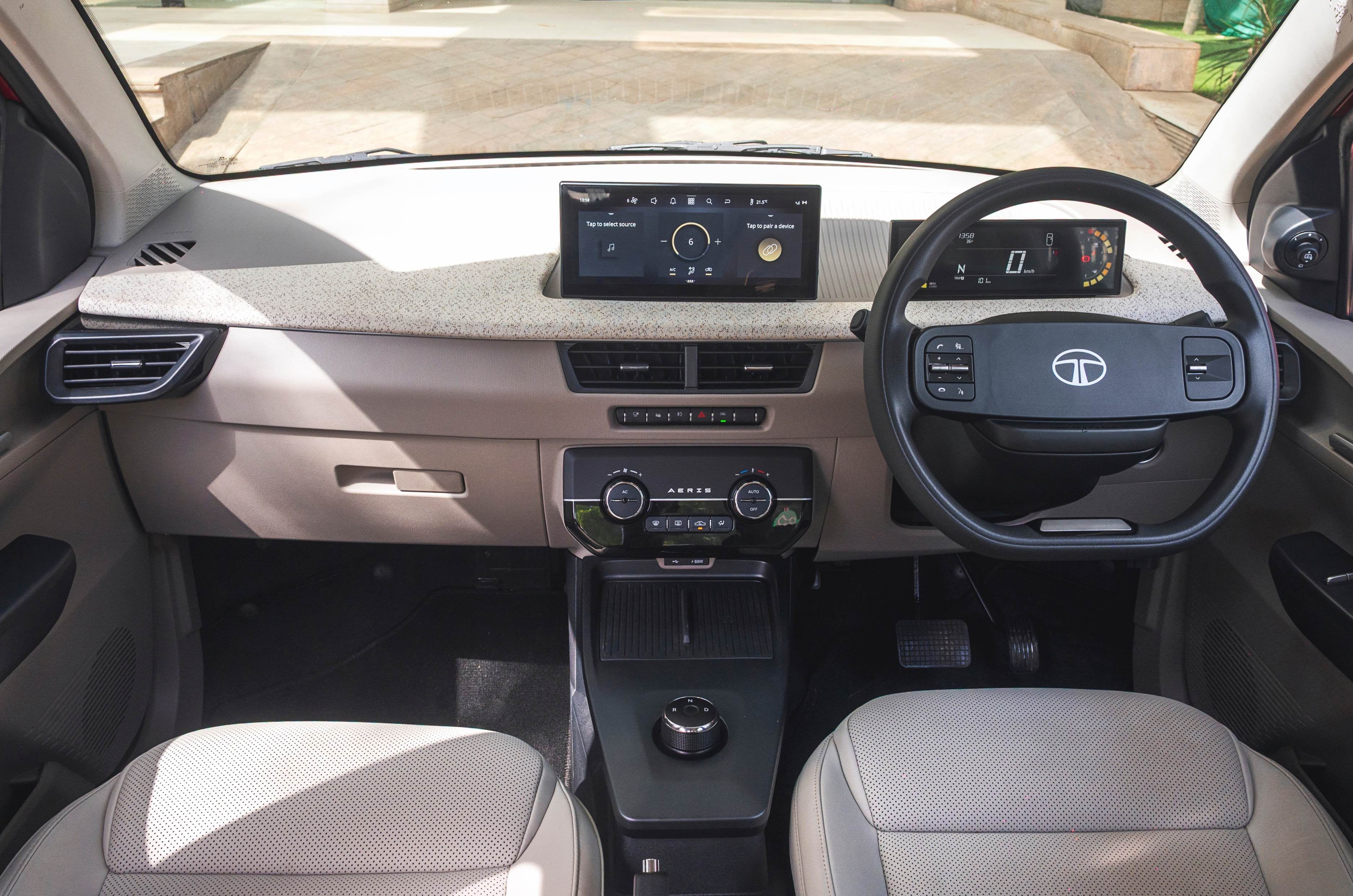
The Aeris’ interior is neatly laid out and looks fairly modern. The cabin gets a beige colour scheme, which makes it feel airy and gives the sedan a greater sense of space. However, the light shade could prove difficult to keep spick and span, especially with regular use.
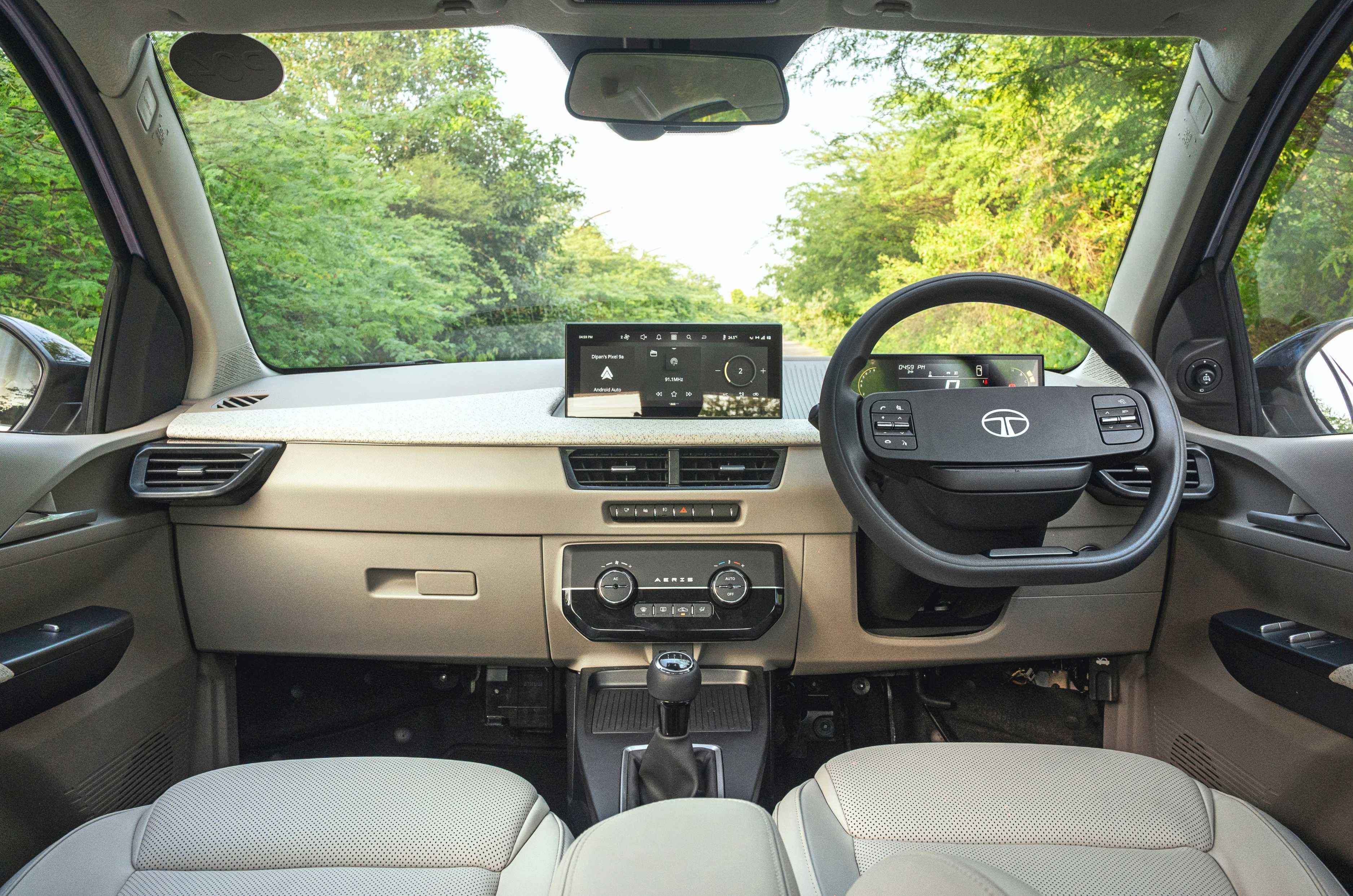
The dashboard houses a 10.25-inch infotainment touchscreen, a free-standing semi-digital instrument cluster and a revised two-spoke steering wheel. The latter retains physical buttons and, thankfully, does away with the scratch-prone gloss-black finish seen on the Tigor. The door handles look floating like the Sierra and feel sturdy. Lower down, Tata has retained rotary dials and physical buttons for the climate control. They feel solid and do not come across as flimsy.
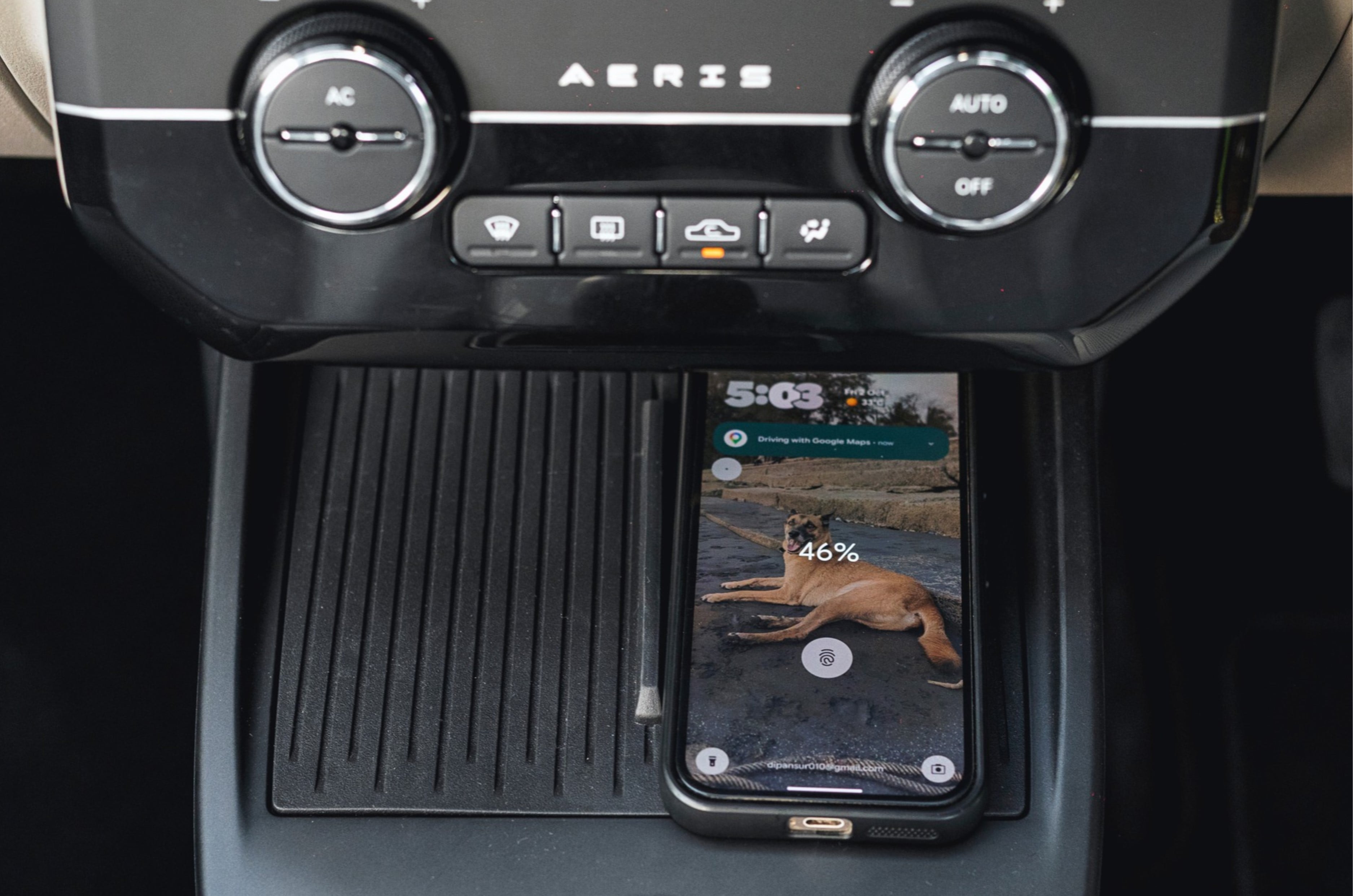
The wireless charger works well but tends to make the phone hot during prolonged use.
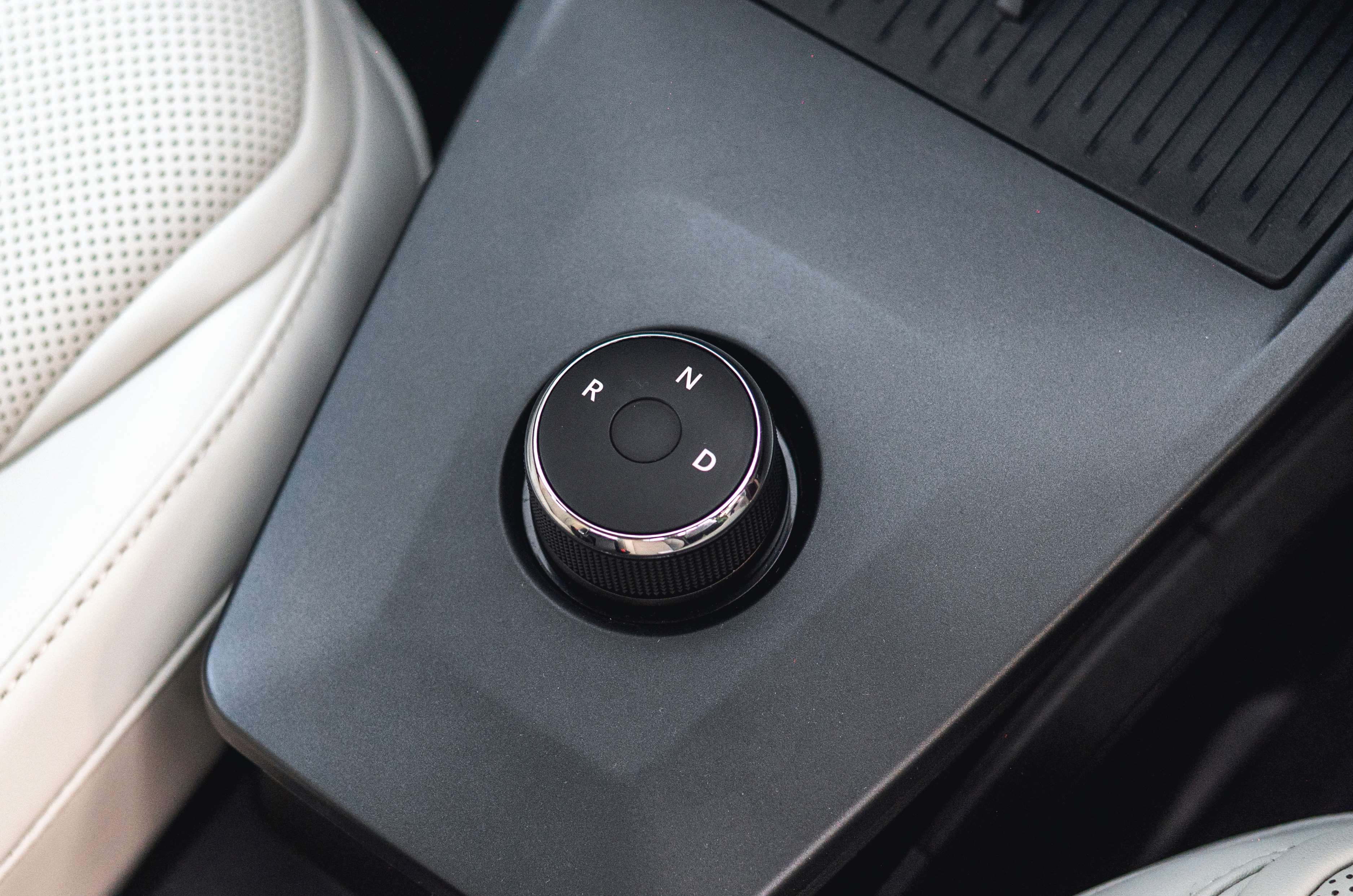
The centre console has been thoroughly redesigned and looks neat. The manual gear lever looks premium and feels good to hold, while the AMT gets a rotary dial that also feels solid and operates seamlessly. Two rubberised phone holders on the console keep phones from sliding around, and the top-spec Accomplished trim offers wireless charging in one slot. The centre console also gets two cupholders and a leatherette-wrapped centre armrest with integrated storage space underneath.
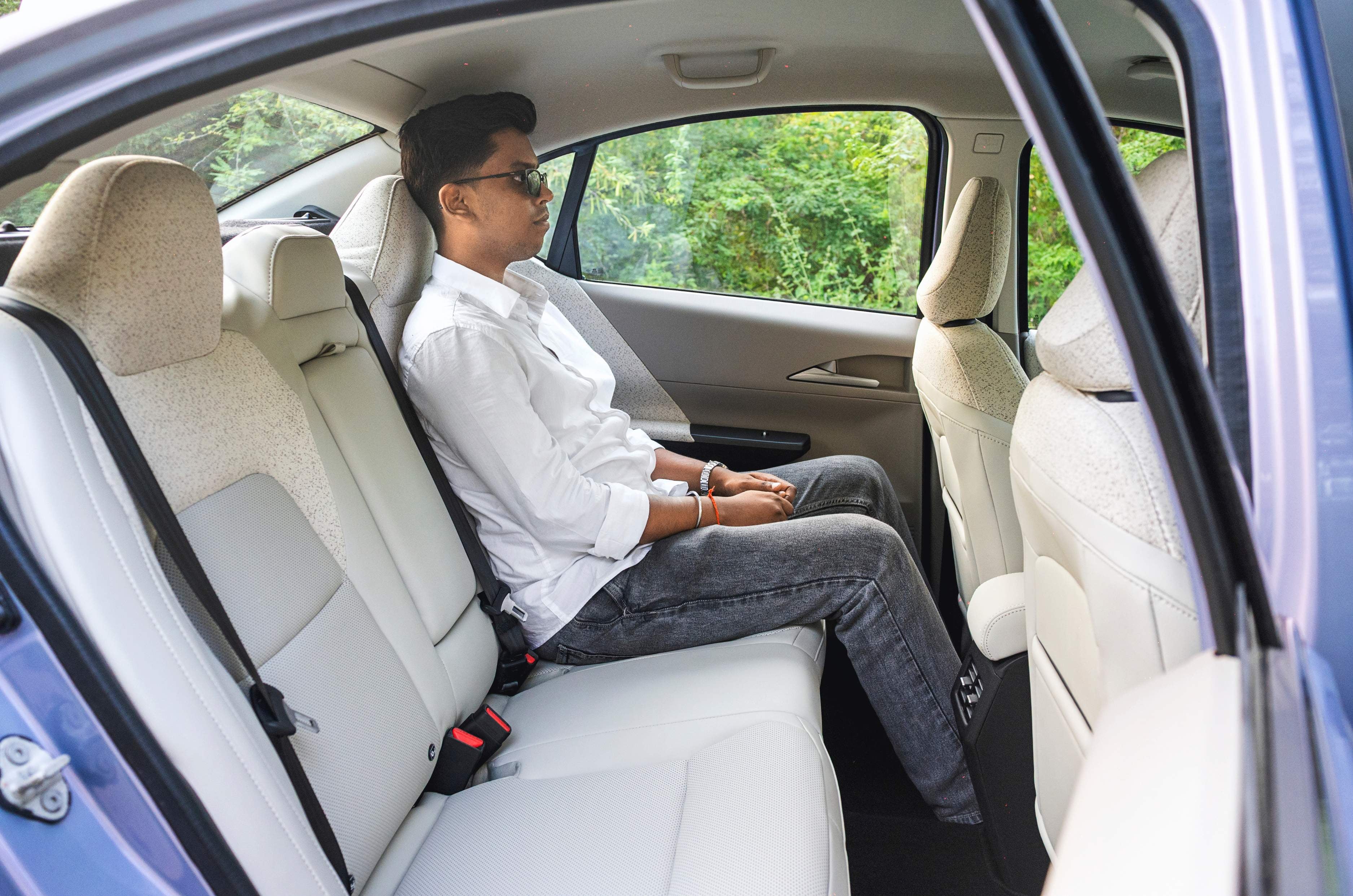
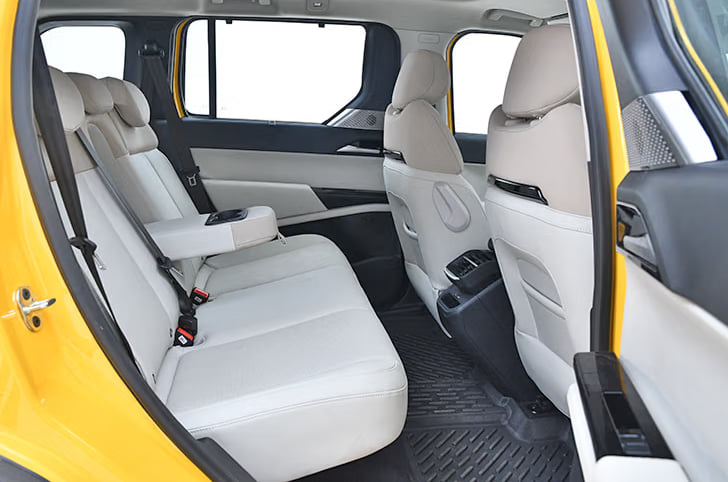
The rear seat offers good kneeroom and legroom, while headroom can be tight for taller passengers.
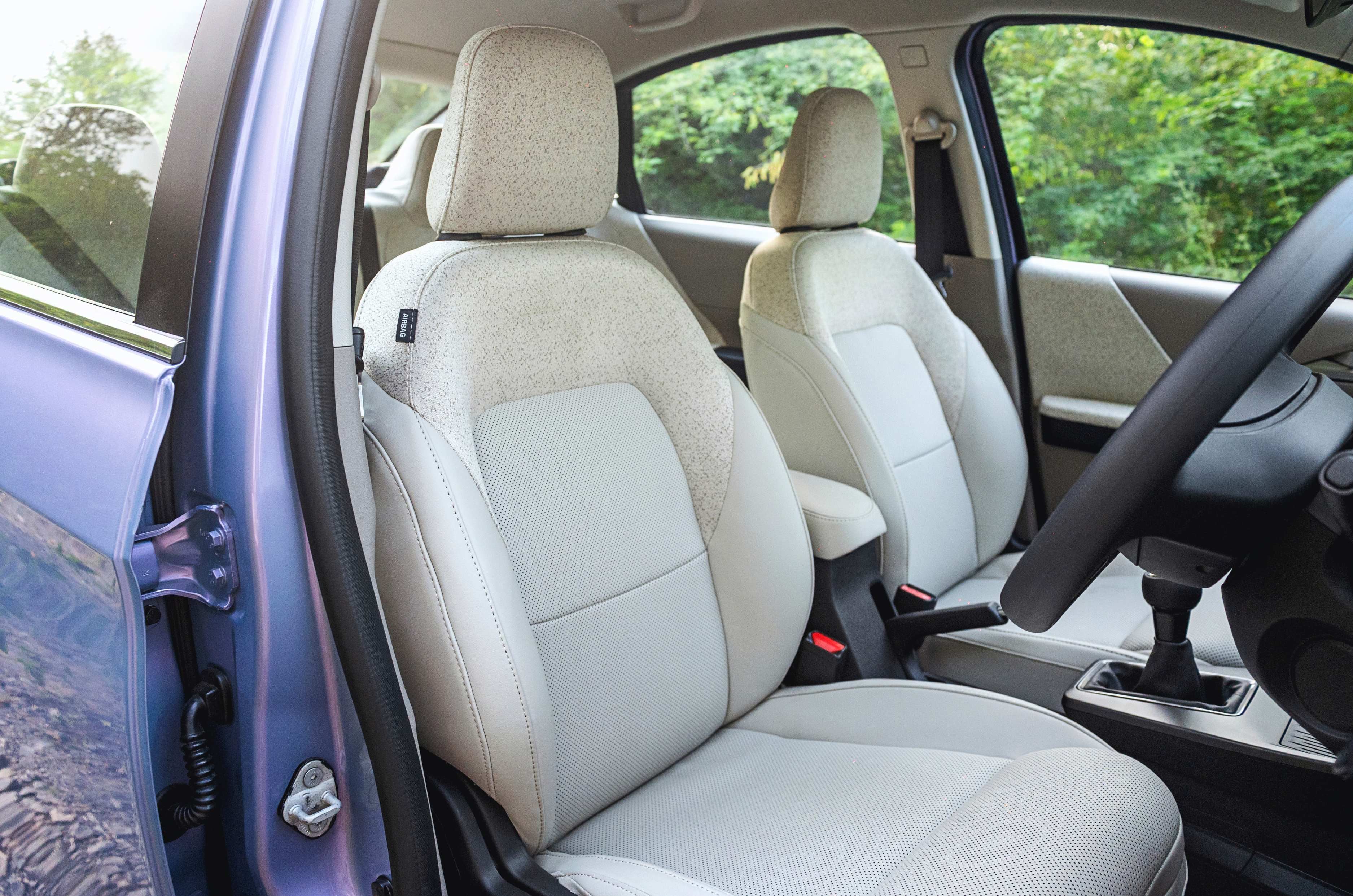
Tata offers part-leatherette upholstery and has revised the cushioning and bolstering, ensuring comfort even on long journeys. They also get a segment-first ventilation function. The rear seats are comfortable too, with good legroom and kneeroom, although headroom is a little tight for passengers over six feet tall. Under-thigh support is adequate.
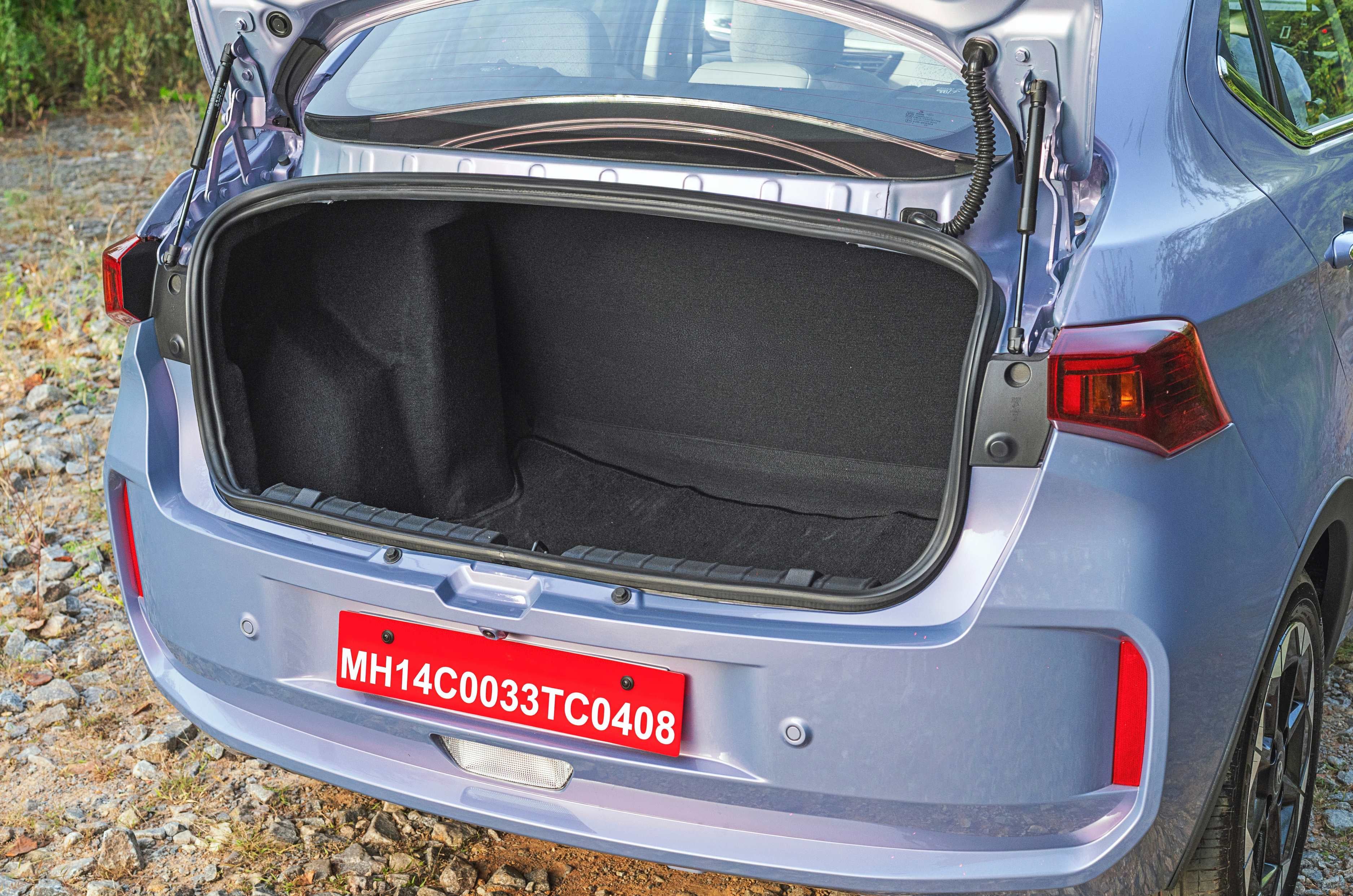
The 419-litre boot is handily large, but the aperture makes loading tricky. Struts free up more usable space.
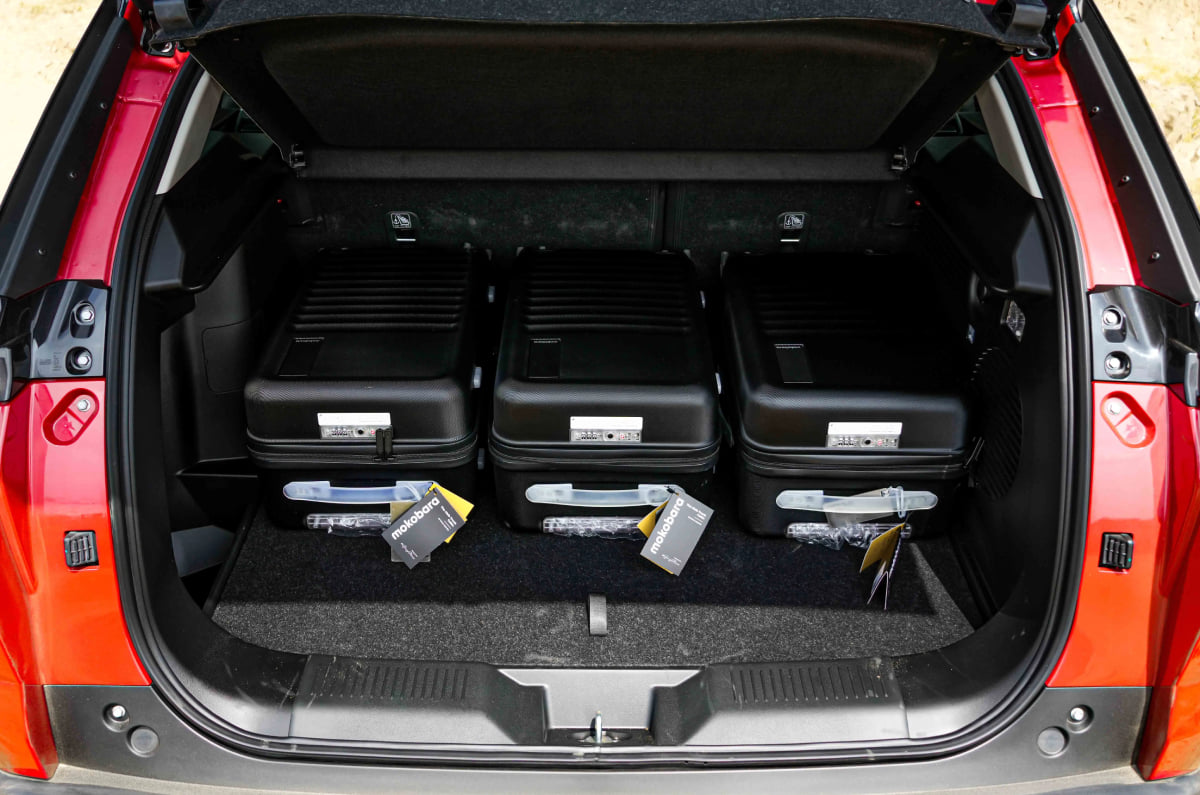
The Aeris offers 419 litres of boot space, marginally more than the Amaze’s 416 litres and comfortably ahead of the Dzire’s 382 litres and Aura’s 402 litres. The boot itself is large and can swallow a substantial amount of luggage. The use of mechanical struts instead of conventional hinges is a clever touch, as they do not eat into the available boot space. Despite the large boot, the Aeris gets a 14-inch underbody-mounted spare wheel, which is always more promising than a puncture repair kit.
Tata Aeris petrol features and safety – 9/10
Loaded with features to the brim, most of which are well integrated
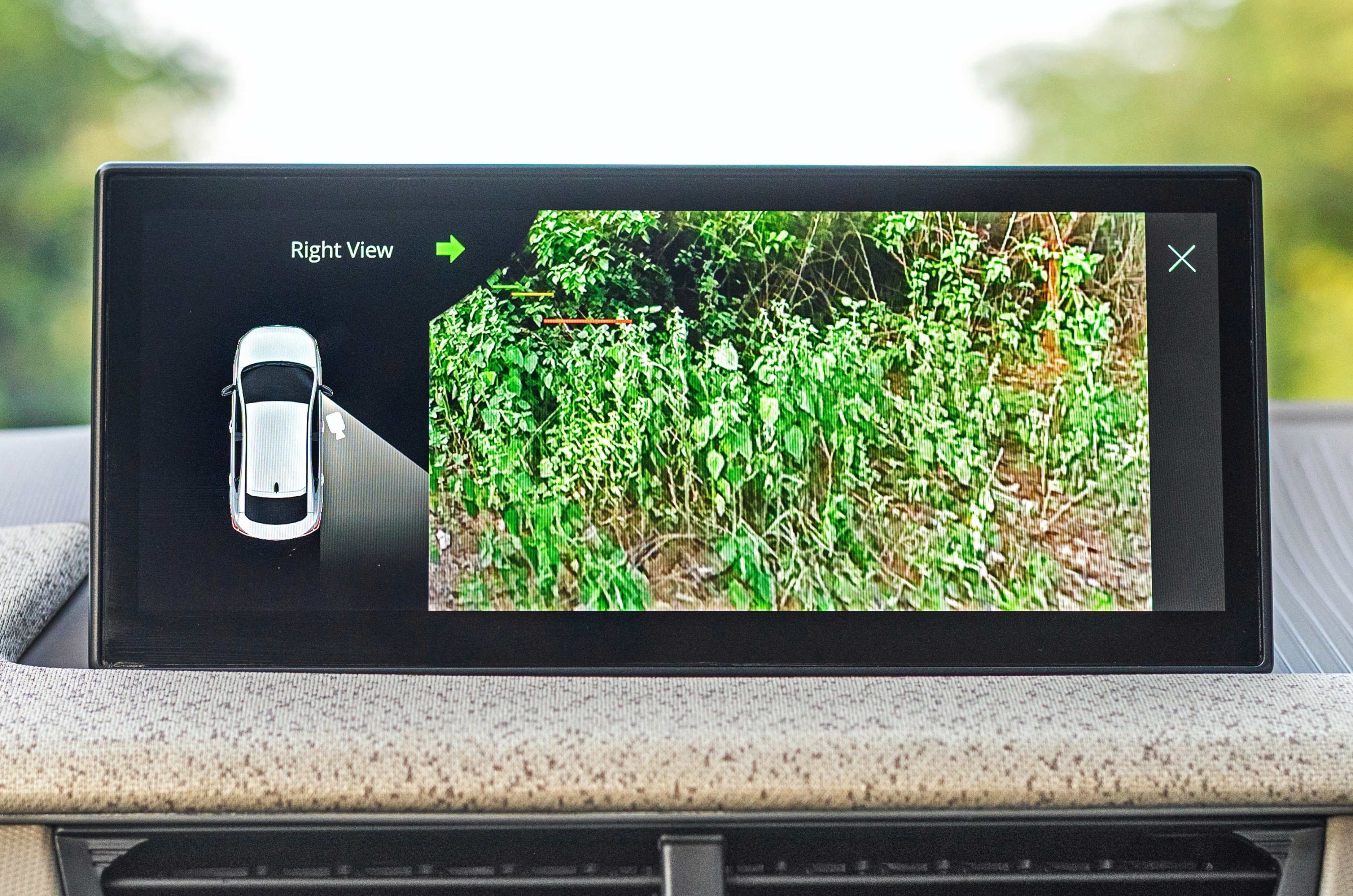
Blind-spot monitor is very useful but takes up the full screen and hides the map display.
Like other Tata cars, the Aeris is packed with features. The 10.25-inch infotainment touchscreen is slick to use and remains responsive even when navigating through multiple menus. It also displays the 360-degree camera feed, which is lag-free, although the image quality isn’t the best. Tata has also added a new DVR function that allows the surround-view cameras to record the car’s surroundings, ensuring you do not shell out extra for a dashcam. The infotainment screen automatically switches to the blind-spot monitor when indicators are used, which is useful. However, this can be annoying when you are using navigation, although there is an option to disable the view completely.
Revised cushioning and bolstering, and a new ventilation function on the front seats improve overall comfort.
The front-seat ventilation function works well too. During our time with the car, it proved effective at keeping us cool in Faridabad’s near 40deg C ambient temperature. However, the infotainment screen or driver’s display shows nothing when the ventilation is on or the level is adjusted, which can be a little inconvenient.
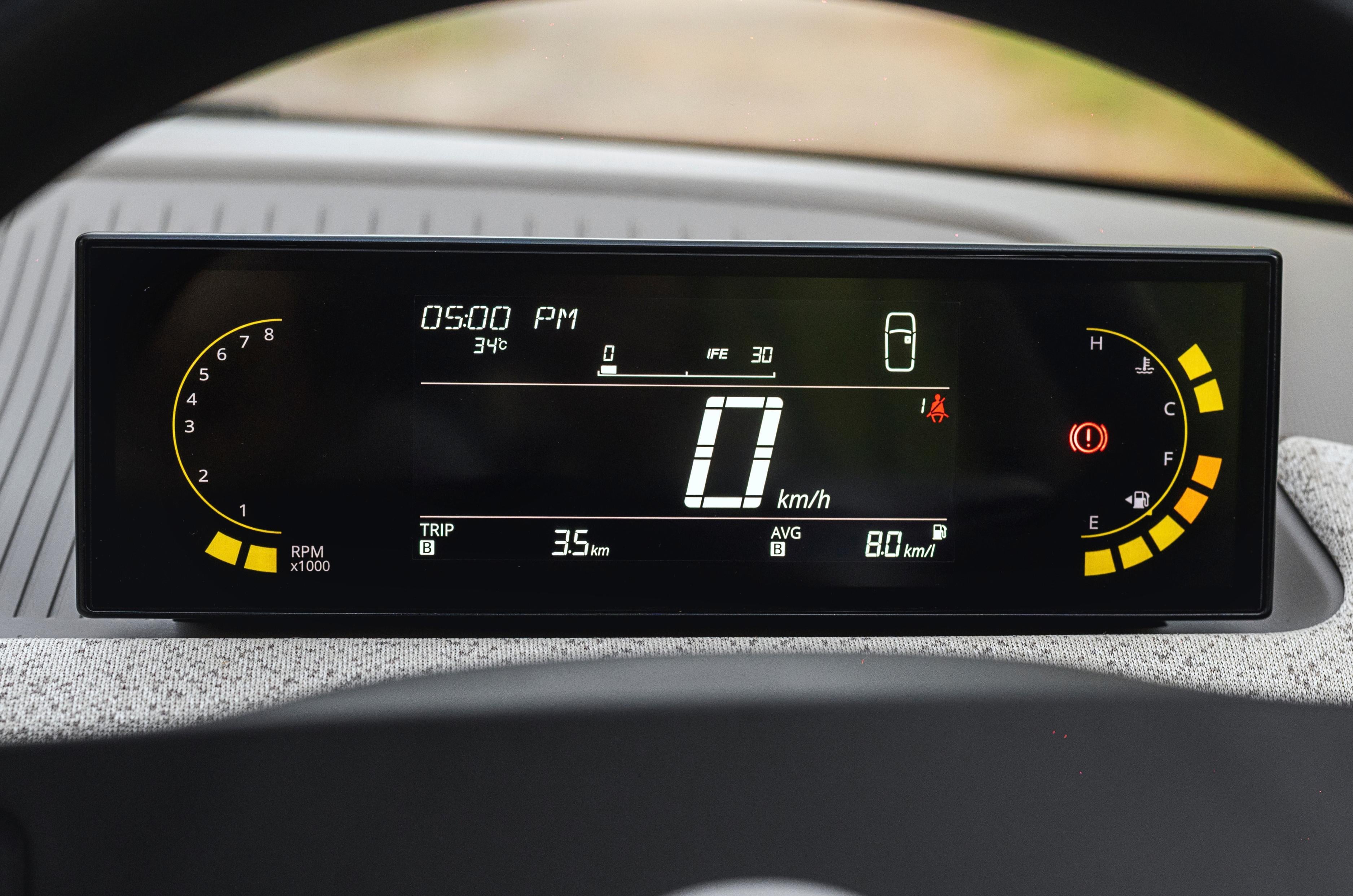
Part-digital Instrument cluster includes screen flanked by rev counter and fuel gauge.
The instrument cluster itself is fairly basic, with analogue dials for the fuel level and rev counter, while a digital display handles the speed and other general information. Depending on the steering wheel’s tilt angle and the driver’s seating position, some of this information can occasionally be obscured.
The four-speaker, two-tweeter audio system is a step down from the Tigor’s four-speaker, four-tweeter setup, although sound quality remains good enough for the segment. The rear seats lack pressure sensors, meaning the seat-belt warning will sound until the belts are fastened.
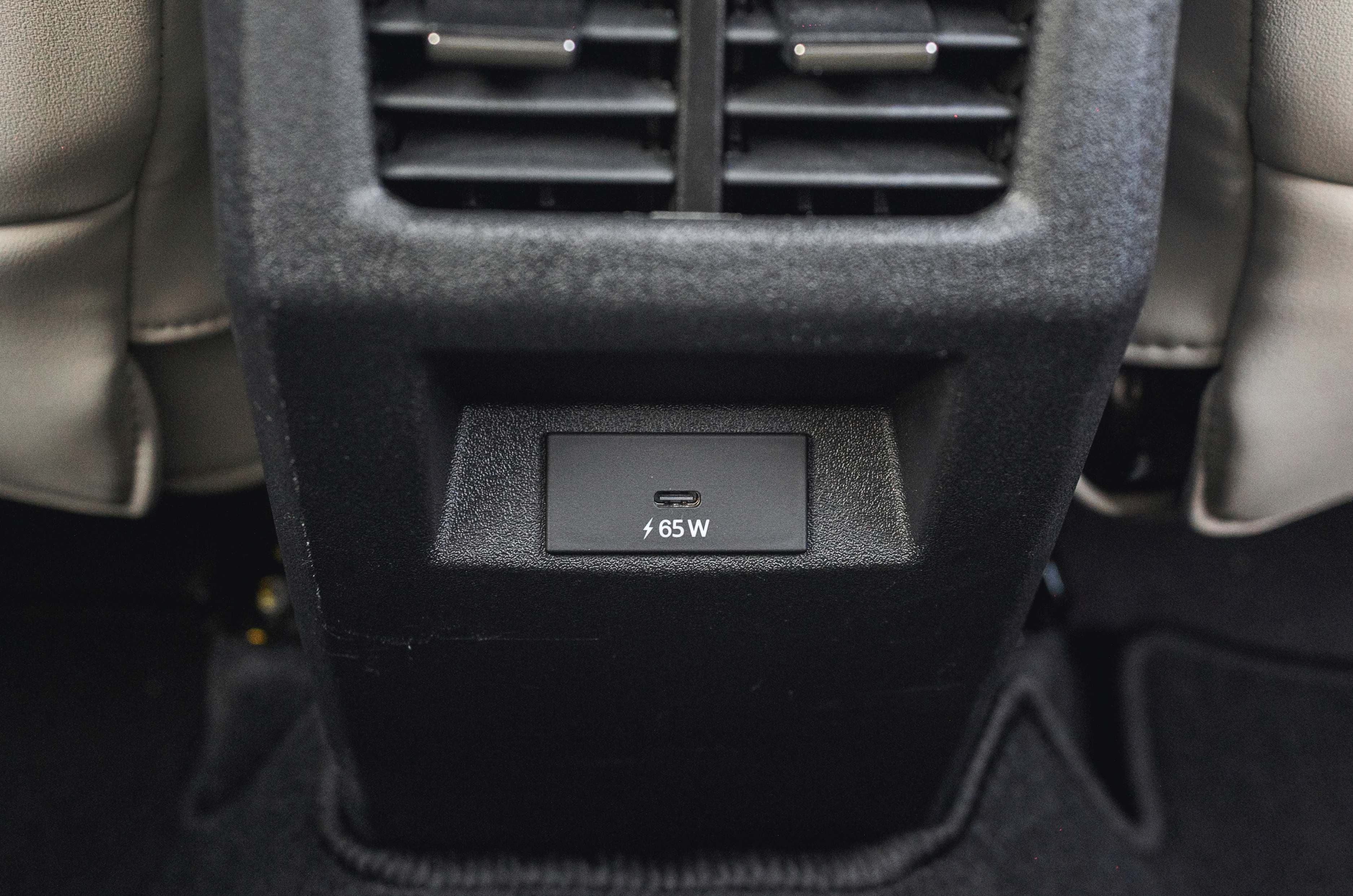
AC vents and a 65W Type-C charging port are among the additions at the back.
On the safety front, the Aeris gets six airbags, Isofix child-seat anchorages for the rear seats, rear parking sensors and three-point seat belts with reminders for all occupants as standard. Higher variants add a 360-degree camera, a day/night inside rear-view mirror, rain-sensing wipers, a rear defogger, a tyre pressure monitoring system (TPMS) and ESP with traction control. The pre-facelift Tigor scored four stars in Global NCAP testing in 2020, but a Bharat NCAP test for the Aeris is due.
Tata Aeris petrol value for money and verdict – 8/10
A well-rounded compact sedan, with the petrol engine making it more versatile
Priced from Rs 5.29 lakh, it offers strong value in a segment where affordability matters.
The Tata Aeris is a much more appealing proposition than the Tigor it replaces. Its fresh design, well-equipped cabin, generous boot and comfortable ride make it easy to live with, while the petrol engine gives it enough performance for both city and high-speed highway cruising. The manual gearbox is light and easy to use, while the AMT is better suited to relaxed city driving than enthusiastic highway use. The long list of features adds further appeal to the package.
There are some shortcomings too, including a coarse engine and poor cabin insulation. However, the Aeris’ biggest strength is its pricing. The petrol variants are priced from Rs 5.29 lakh to Rs 8.74 lakh (ex-showroom), and it undercuts rivals by a fair margin, making a strong case for itself in a segment where value for money remains a key consideration.
The Indian Racing Festival, which includes both the Indian Racing League and F4 Indian Championship, has announced its full calendar for the 2026 season. Two new venues join the calendar this year – India’s former F1 track Buddh International Circuit and the new Navi Mumbai Street Circuit.
BIC will host two rounds
Finale at Navi Mumbai Street Circuit on December 5-6
2026 Indian Racing Festival calendar announced
Buddh International Circuit, Navi Mumbai Street Circuit added as new venues
The 2026 F4 India season already kicked off in September, with two rounds held at Coimbatore’s Kari Motor Speedway. Kichcha’s Kings Bengaluru driver Aris Kyriakou currently holds the overall lead, but Goa Aces JA Racing’s Luviwe Sambudla is just five points behind in second place.
The next round will be held at Chennai’s Madras International Circuit, which will also host Round 1 of the 2026 Indian Racing League. After this, both series will head to the BIC for the very first time for two rounds.
The BIC famously hosted the F1 Indian GP from 2011 to 2013. With F4 India being an FIA-certified championship, this will also mark the first time that FIA-level racing will return to the track after 13 years.
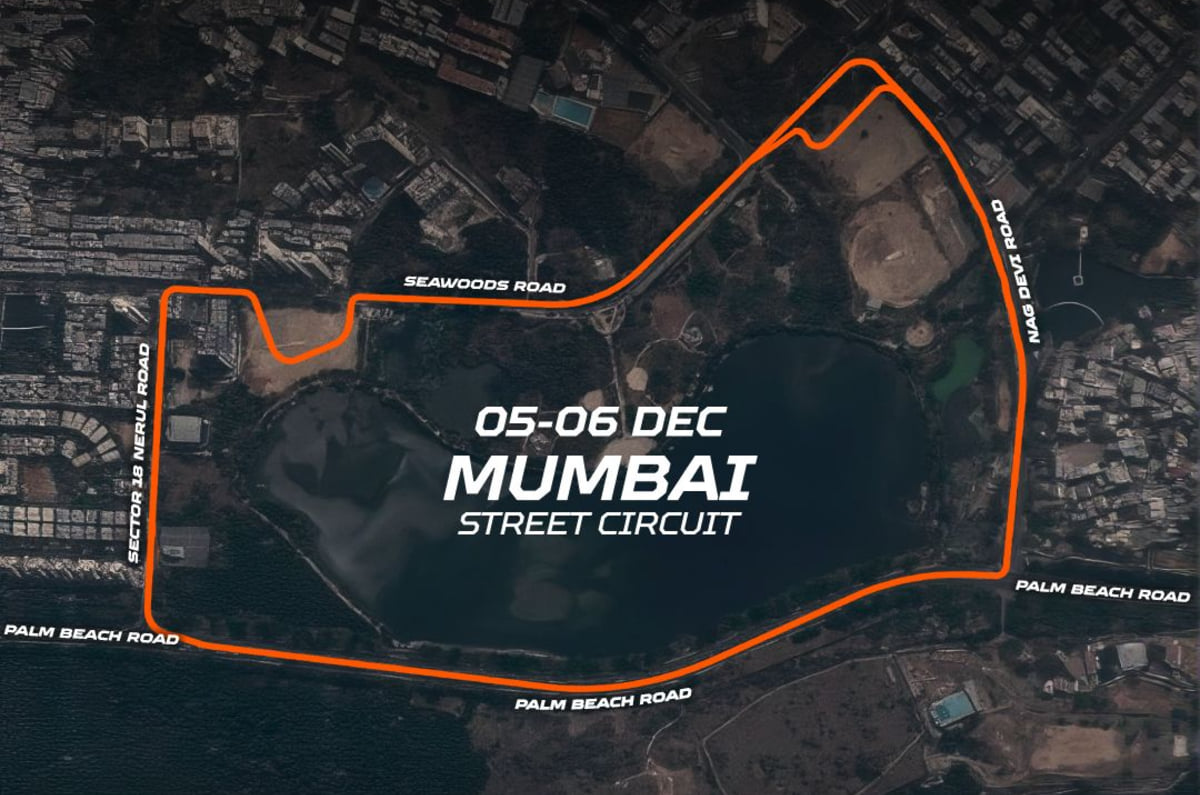
The Navi Mumbai Street Circuit will then make its debut this December, hosting the finale round. The track was initially scheduled to debut in 2025, but was this was later postponed to 2026. The 3.69 km street circuit runs along Palm Beach Road, with an anti-clockwise layout including 11 turns. This will also be the Indian Racing Festival’s second night race, following the Chennai event held in 2024. All rounds will be streamed live on JioHotstar and Start Sports in India.
The latest announcement also confirms that the series will not be racing at the Goa street circuit this season.
According to data released by the Federation of Automobile Dealers Association (FADA), the Indian passenger vehicle market experienced a strong year-on-year (YoY) sales growth of 32.1 percent in September 2026, with a total of 4,27,213 units sold. While the YoY uptick looks very impressive at face value, the reason behind it is a slowdown in demand during September 2025 due to anticipation of imminent price cuts as part of GST 2.0.
Note: Telangana RTO is not included in FADA sales data.
Top 10 best-selling carmakers in September 2026
Carmaker
Sep 2026 sales
MoM change (%)
YoY change (%)
Market share (%)
Maruti Suzuki
1,69,132
+2.38
+30.05
39.59
Mahindra
57,343
+14.13
+38.93
13.42
Tata
57,254
-1.02
+28.66
13.40
Hyundai
50,201
+6.84
+31.46
11.75
Toyota
28,050
+12.85
+21.56
6.57
Kia
26,663
+14.09
+45.91
6.24
Skoda Volkswagen Group
8,479
+13.52
+13.51
1.98
MG
6,475
+11.95
+13.74
1.52
Honda
5,283
+6.34
+42.51
1.24
Renault
3,410
+4.12
+33.10
0.80
1. Maruti Suzuki
1,69,132 units sold, up 30.05 percent YoY
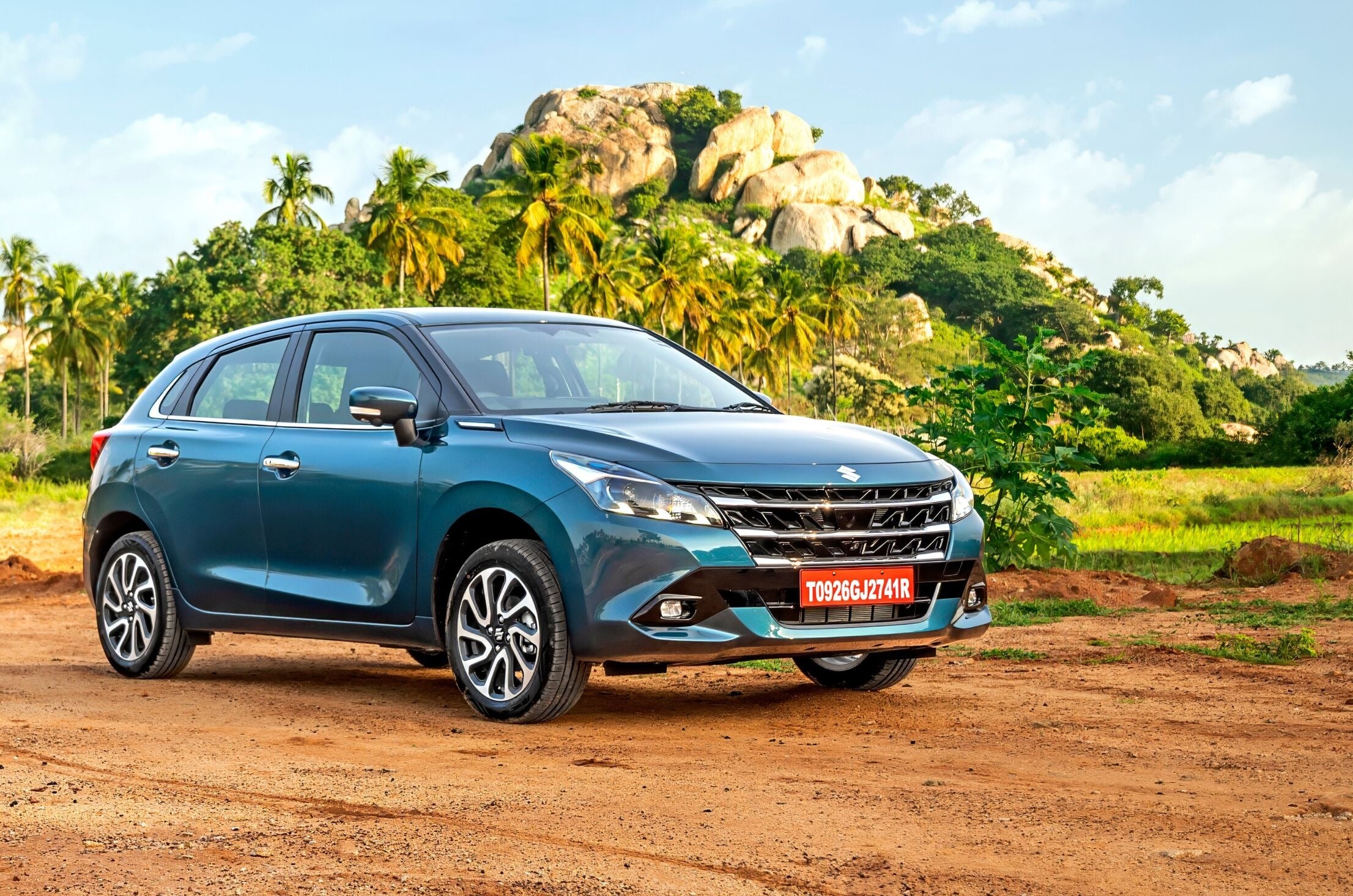
Kicking off the top 10 is market leader Maruti Suzuki, which held on to first place and saw YoY growth in September 2026, although its market share dipped from 40.21 percent in September 2025 to 39.59 percent last month. Still, in terms of overall volume, Maruti Suzuki outsold the next three carmakers combined. The 2.38-percent MoM sales increase is also impressive given the scale of Maruti Suzuki’s volumes. No new Maruti launches are currently known for October 2026, but the carmaker is fresh off the Baleno facelift’s launch.
2. Mahindra
57,343 units sold, up 38.93 percent YoY
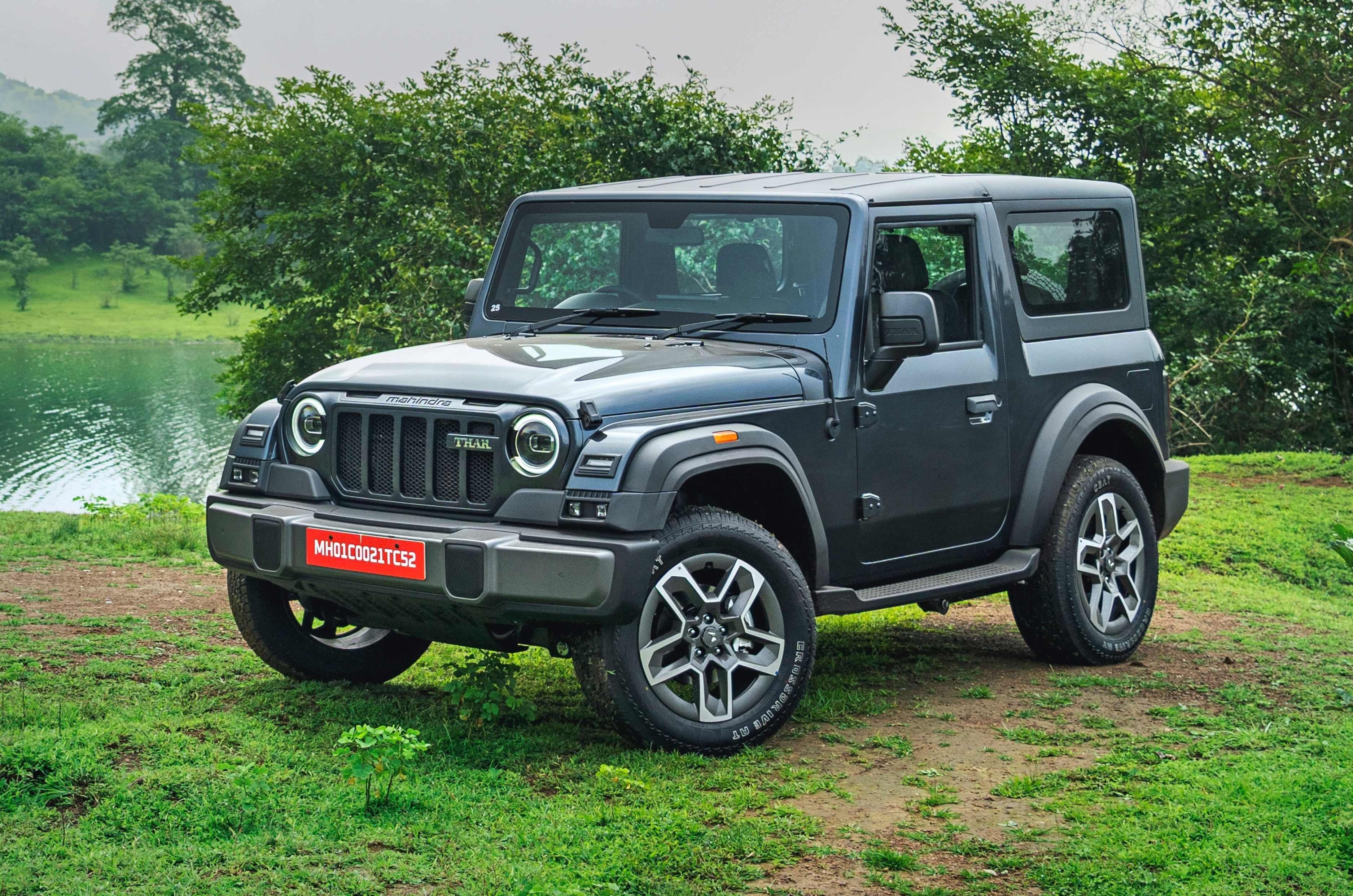
Compared to last month’s sales rankings, Mahindra was the only carmaker to experience a change of place on the September 2026 chart. Specifically, Mahindra beat Tata to second place by an ever-so-slight margin of 89 units. If that wasn’t impressive enough, Mahindra also recorded the highest MoM growth among the top 10, and the highest increase in market share – from 12.76 percent last September to 13.42 percent in September 2026. At the moment, Mahindra has not announced any new launches for October, but it did launch the Thar OG (3-door facelift) last month.
3. Tata
57,254 units sold, up 28.66 percent YoY
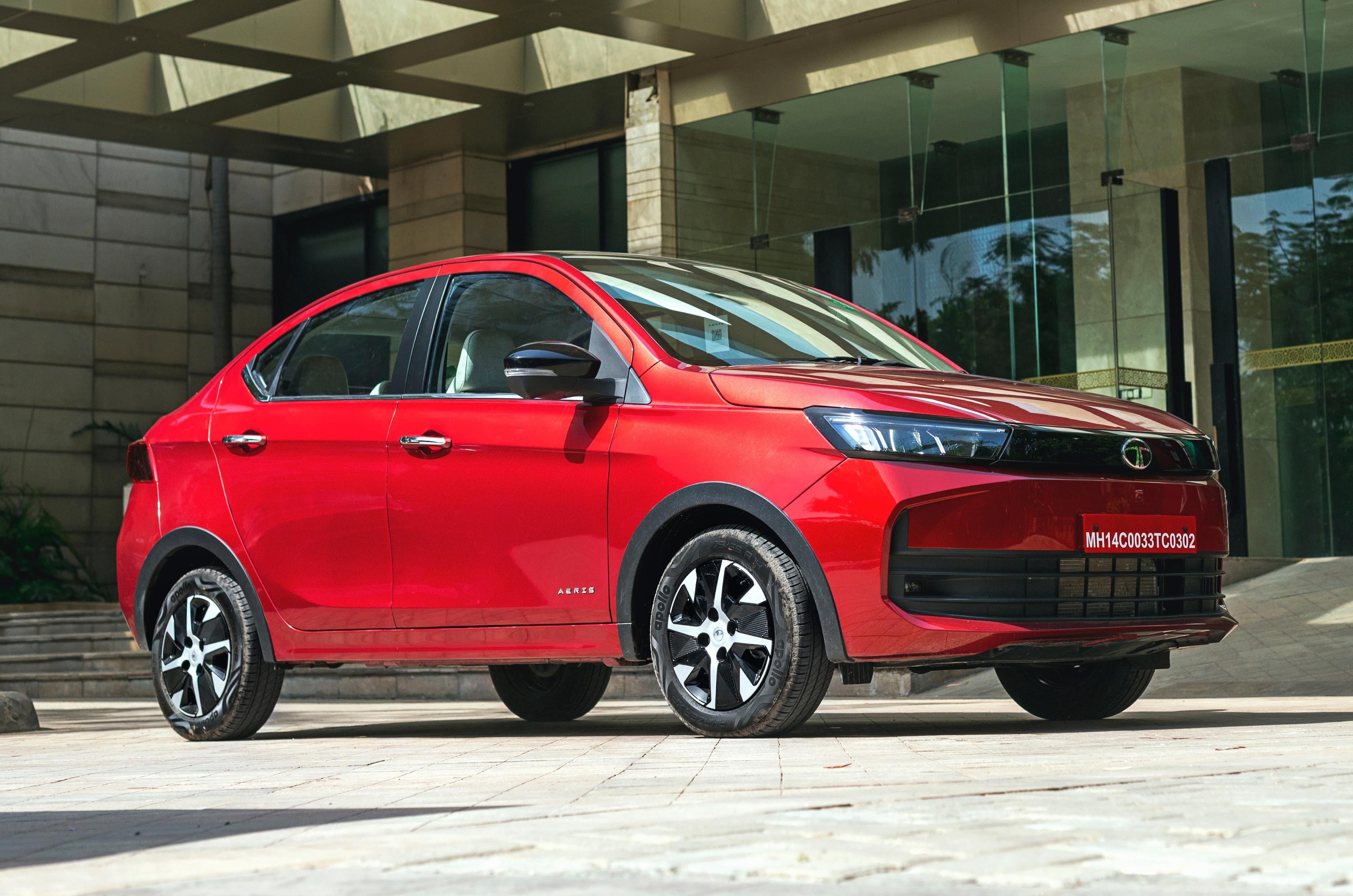
As mentioned above, Tata slipped from second place in August 2026 to third place in September, though its overall volumes were extremely close to Mahindra’s and YoY sales growth was healthy too. That said, Tata’s market share decreased by a little bit, specifically 13.76 percent in September 2025 to 13.40 percent last month, and it was the only carmaker to witness a MoM sales decline as well. Most recently, Tata launched the Aeris compact sedan, replacing the Tigor.
4. Hyundai
50,201 units sold, up 31.46 percent YoY
Hyundai remained in fourth place in the September 2026 sales rankings, experiencing healthy MoM and YoY upticks. Market share, however, did slide from 11.81 percent in September 2025 to 11.75 percent in September 2026. This month, Hyundai is likely to launch the Bayon midsize SUV, and its impact in the October 2026 sales charts should be interesting to see.
5. Toyota
28,050 units sold, up 21.56 percent YoY
Like last month, Toyota was in fifth place on the September 2026 sales chart. Interestingly, Toyota experienced one of the highest MoM upticks among the carmakers listed here. At the same time, however, the Japanese carmaker’s market share dipped from 7.14 percent in September 2025 to 6.57 percent last month. In October, Toyota is expected to debut the facelifted Glanza, changes for which are likely to mirror those seen in the Maruti Baleno facelift.
6. Kia
26,663 units sold, up 45.91 percent YoY
Thanks to the continued popularity of the second-gen Seltos, Kia recorded the highest YoY sales uptick among the top 10 carmakers in September 2026, while MoM growth was the second-highest – falling just shy of Mahindra. Kia’s market share also grew considerably, from 5.65 percent in September 2025 to 6.24 percent in September 2026. While Kia is fresh off a major launch – the Sorento – the Korean carmaker is likely to announce prices for the Carnival hybrid, though the luxury MPV is not expected to be a major volume driver.
7. Skoda Volkswagen Group
8,479 units sold, up 13.51 percent YoY
Skoda Auto Volkswagen India Private Limited (SAVWIPL) held on to seventh place in September 2026, and even saw a decent 13.52 percent MoM increase in sales. Notably, SAVWIPL’s YoY growth is nearly identical to the MoM one. In terms of market share, SAVWIPL declined from 2.29 percent last September to 1.98 percent in September 2026. As for launches in October, Skoda is fresh off the Slavia facelift’s price reveal, which could rejuvenate some interest in the midsize sedan space.
8. MG
6,475 units sold, up 13.74 percent YoY
Remaining in eighth place, MG experienced relatively moderate levels of MoM and YoY sales growth in September 2026. However, MG’s market share slid from 1.76 percent in September 2025 to 1.52 percent last month. MG launched the Hector Tomahawk EV and PHEV in August, and doesn’t have any new launches lined up for October. That said, deliveries of the Tomahawk PHEV are slated to start from November.
9. Honda
5,283 units sold, up 42.51 percent YoY
In the penultimate position comes Honda, which saw a mild 6.34 percent MoM increase in sales, but a whopping 42.51 YoY surge. The Japanese carmaker’s market share also grew from 1.15 percent in September 2025 to 1.24 percent in September 2026. Honda is fresh off the launch of the Elevate facelift, and is also expected to bring the Prelude coupe to India in the months to come.
10. Renault
3,410 units sold, up 33.10 percent YoY
Rounding out the top 10 is Renault, which recorded the mildest MoM sales increase (4.12 percent) last month. However, its 33.1-percent YoY growth is quite impressive, and can largely be credited to the new Duster, which went on sale in March 2026. Renault’s market share also saw a very slight increase – from 0.79 percent in September 2025 to 0.8 percent in September 2026. Coming to new launches, Renault announced prices for the Triber turbo in late September, and will launch the Duster hybrid in October.
Petrol cars regain sales majority over alternative fuels, albeit slightly
Sep 2026 share (%)
Aug 2026 share (%)
Sep 2025 share (%)
Petrol/ethanol
41.27
40.85
47.18
Diesel
17.74
17.21
17.76
CNG/LPG
23.11
25.28
22.02
Hybrid
9.44
9.04
7.30
EV
8.45
7.63
5.74
A big talking point in FADA’s August 2026 sales data was alternative-fuel cars (CNG, hybrid, electric) collectively outselling petrol cars for the first time. However, the trend did not continue in September 2026, as the share of petrol cars climbed to 41.27 percent, while alternative-fuel cars stood at a combined 41 percent.
Shares for hybrids and EVs experienced MoM increases in September, but CNG cars saw a downturn on that front. Be that as it may, the difference between petrol and alternative-fuel cars is still very slight, and the buyer shares for the latter are still higher when compared to September 2025’s numbers.
October 2026 will tell the real story for Indian PV market, says FADA
Keeping in mind that September 2026’s YoY growth was driven by a favourable base effect, FADA president Sai Giridhar remarked, “One year on from GST 2.0, affordability remains the single engine of this cycle — and dealers now flag further price increases eroding that very affordability as their foremost risk for the quarter ahead. Protecting the GST gain is, to our mind, the key to converting the festive season into durable growth.”
Over 4,66,800 cars were sold in October 2025 thanks to GST 2.0 and festive demand, making it the best-ever October for the Indian PV market. With several price increases implemented by major carmakers since the introduction of GST 2.0, October 2026 is now shaping up to be the real test of the Indian PV market. It will also be the first month after the one-year anniversary of GST 2.0, thereby providing a clean slate to compare like-for-like YoY growth numbers.
According to FADA, 75.57 percent of dealers expect growth, 19.46 percent anticipate a flat market, and 4.98 percent are bracing for a downturn in sales during October 2026. The overall outlook among dealers is ‘Cautiously Optimistic’.
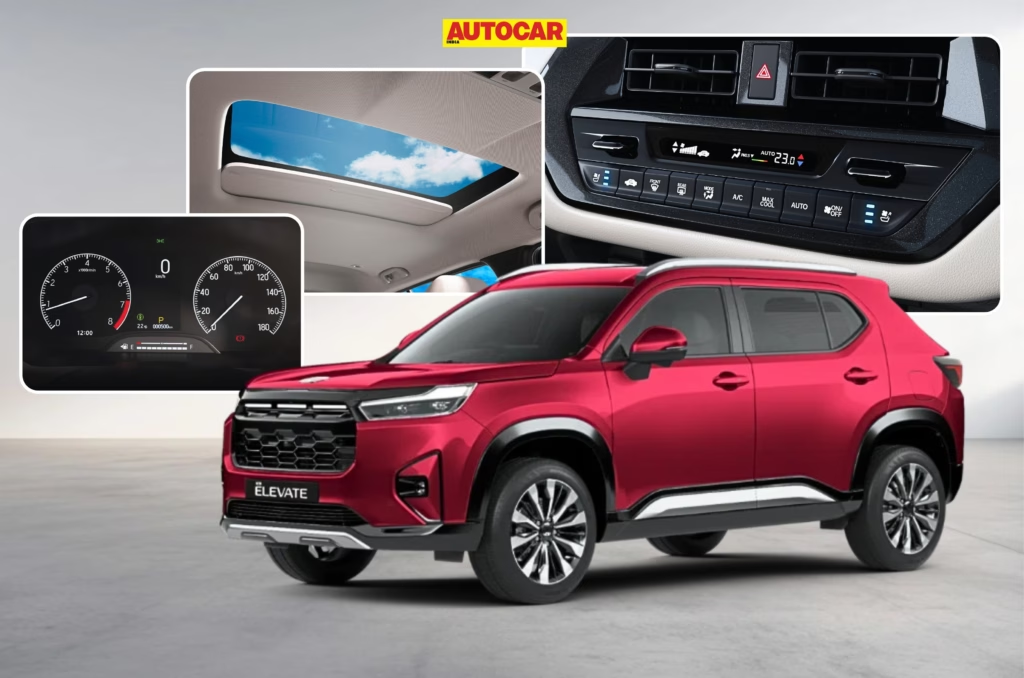
The Honda Elevate facelift gets several important additions, including ventilated front and rear seats, powered front seats, a 360-degree camera and ambient lighting. However, the SUV continues to miss some features available on rivals such as the Hyundai Creta, Kia Seltos, Skoda Kushaq, Maruti Suzuki Victoris and Tata Sierra. Here are the main omissions.
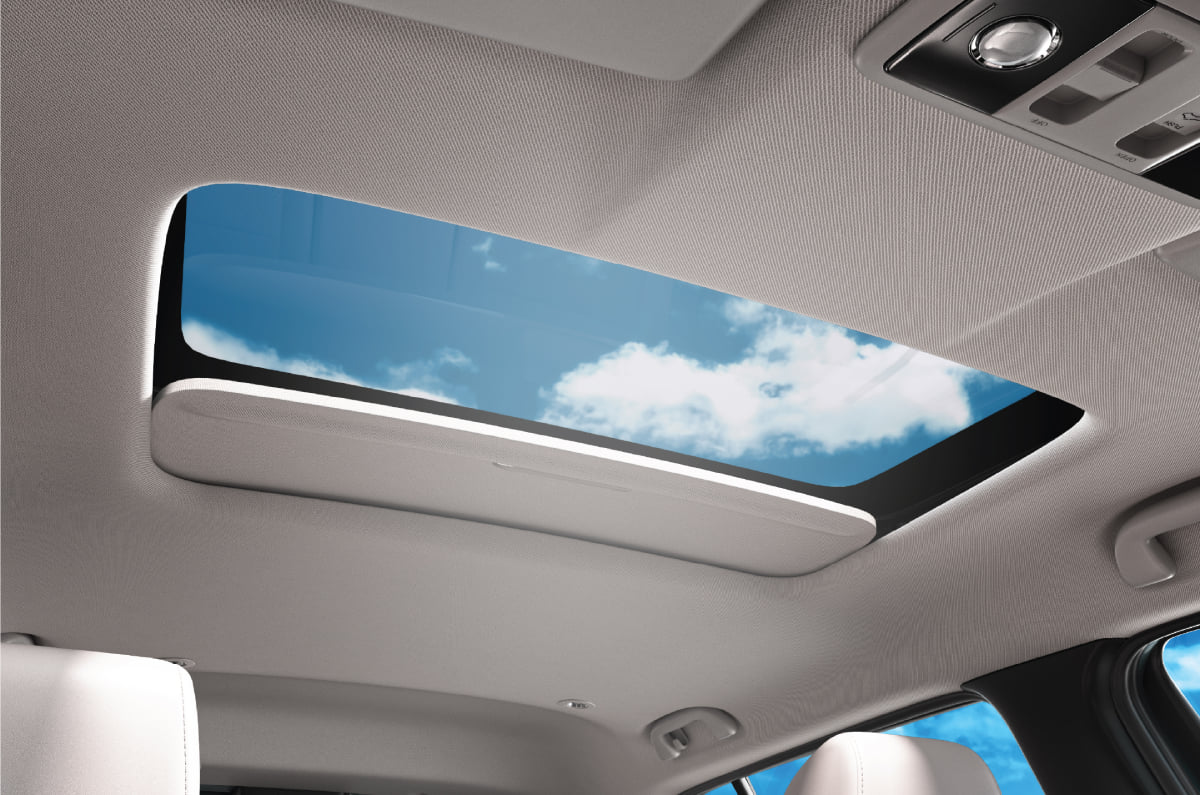
Panoramic sunroof
The Elevate facelift gets a single-pane sunroof, not a panoramic unit. This is one area where several rivals offer more on their higher variants. The Hyundai Creta, Kia Seltos, Skoda Kushaq and Maruti Suzuki Victoris are all available with panoramic sunroofs. For buyers looking for a larger glass roof rather than a single-pane unit, the Elevate therefore falls behind some of its rivals.
Fully digital instrument cluster
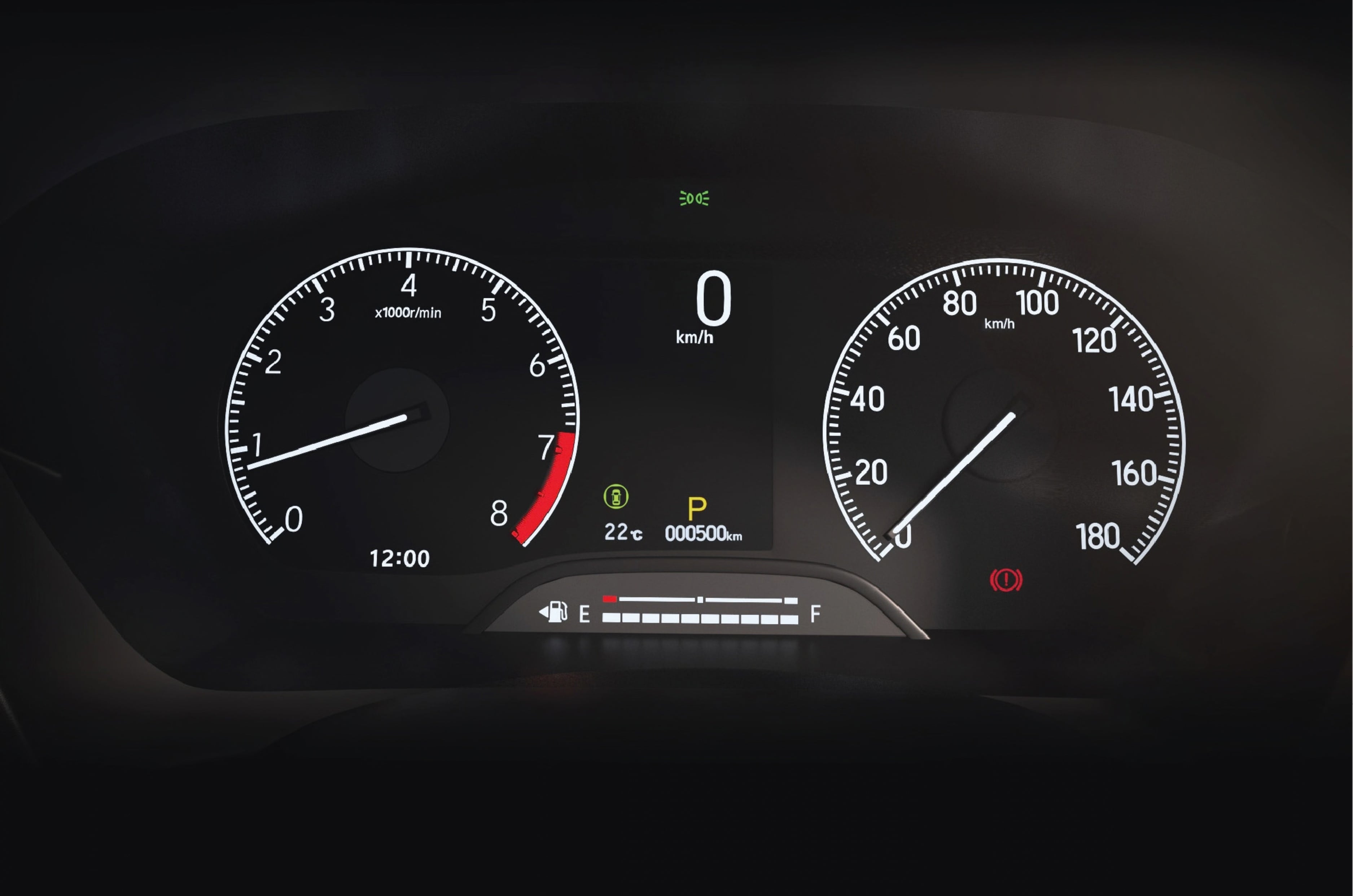
The Elevate is offered with a digital-analogue instrument cluster with a 7-inch TFT display. It provides the usual driving information, along with details such as fuel consumption, trip data, outside temperature and ADAS settings, but the instrument panel itself is not fully digital.
Several rivals offer larger, fully digital displays that are also customisable and configurable, allowing drivers to choose how information is presented. The Hyundai Creta gets a 10.25-inch digital cluster on higher variants, while the Kia Seltos gets a 12.3-inch cluster. The Skoda Kushaq gets a 10.25-inch digital driver’s display, and the Maruti Suzuki Victoris also offers a 10.25-inch digital cluster.
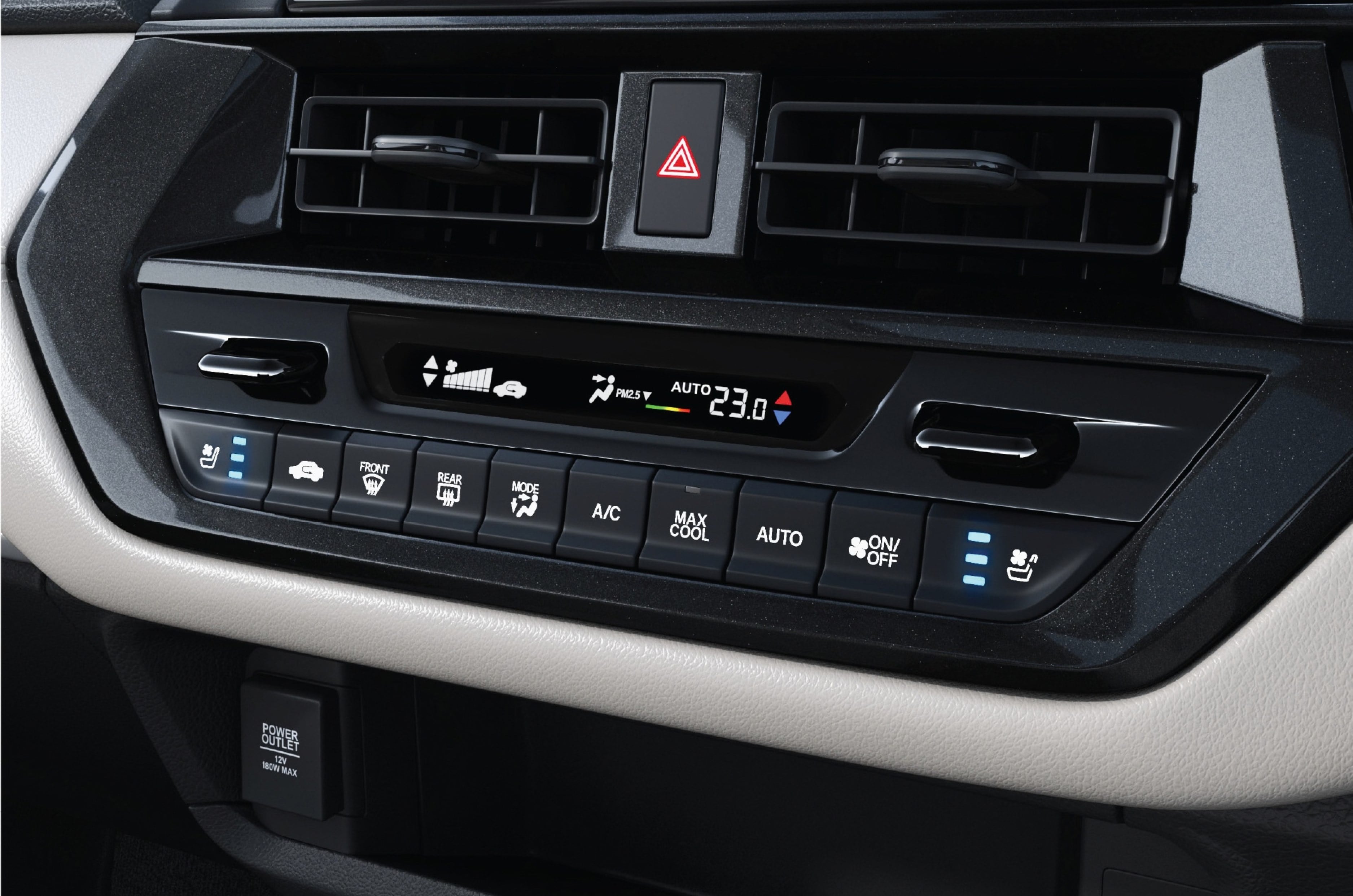
Dual-zone climate control
The Elevate does not get dual-zone automatic climate control. Its facelift does bring other cabin upgrades, including front and rear seat ventilation, ambient lighting and an air-quality display, but the climate control system does not allow separate temperature settings for the driver and front passenger.
That feature is available on rivals such as the Hyundai Creta and Kia Seltos. Both allow the driver and front passenger to set their preferred temperatures independently, making dual-zone climate control another feature missing from the Elevate.
Powered tailgate
Maruti Victoris boot image used for representational purposes only.
The Elevate does not offer a powered tailgate, despite the facelift adding several convenience features. The Maruti Suzuki Victoris and Tata Sierra, meanwhile, offer powered tailgates. The Victoris goes a step further with gesture control, allowing the tailgate to be opened or closed without using the key or manually operating the boot lid.
Boss mode
Tata Sierra rear-seat image used for representational purposes only.
The Elevate also misses a ‘Boss’ mode for the front passenger seat. This function allows a rear passenger to adjust the front passenger seat to create more legroom in the second row.
The Tata Sierra and Hyundai Creta offer a Boss mode, along with a powered tailgate and several other rear-seat convenience features. This is not a segment-wide feature, but it is one of the areas where the newer Sierra offers more flexibility for rear passengers.
Limited powertrain options
The Elevate continues with a single 1.5-litre naturally aspirated petrol engine producing 121hp and 145Nm. It is available with a six-speed manual or a CVT with seven-speed paddle shifters.
The issue is less about the engine itself and more about the lack of choice. The Elevate does not offer a turbo-petrol, diesel, CNG or hybrid powertrain. By comparison, the Hyundai Creta and Kia Seltos offer turbo-petrol and diesel engines, while the Maruti Suzuki Victoris adds CNG and strong-hybrid options to its petrol line-up. The Tata Sierra also offers a 1.5-litre turbo-diesel, along with naturally aspirated and turbo-petrol engines.
For buyers looking for a particular type of powertrain, the Elevate therefore offers fewer choices than several of its rivals.
Other features worth mentioning
There are also a few features that are worth mentioning, although they are less common across the segment. The Skoda Kushaq gets a rear-seat massage function, which Skoda describes as a segment-first feature. The Tata Sierra, meanwhile, gets a dedicated front-passenger display as part of its three-screen setup. Some rivals also offer rear sunblinds, which are not available on the Elevate.
तमिलनाडु के असनूर इलाके में एक सामान्य सफर उस वक्त डरावने अनुभव में बदल गया, जब जंगल की तरफ से निकला एक जंगली हाथी अचानक एक कार के सामने आ गया। बेंगलुरु-दिंडीगुल राष्ट्रीय राजमार्ग पर चल रही गाड़ी में बैठे यात्रियों ने शायद सोचा भी नहीं होगा कि अगले कुछ सेकंड में उन्हें इतने करीब से हाथी का सामना करना पड़ेगा।
कार मैसूर से कोयंबटूर की ओर जा रही थी। इसी दौरान हाथी सड़क के पास पहुंचा और वाहन के बेहद नजदीक आ गया। देखते ही देखते उसने कार पर अपना पैर रख दिया। विशाल जानवर को इतने करीब देखकर अंदर बैठे यात्रियों की घबराहट बढ़ गई।
कुछ सेकंड का खौफ
हाथी के वजन से कार का साइड मिरर टूट गया, लेकिन राहत की बात यह रही कि वाहन में सवार किसी भी व्यक्ति को चोट नहीं आई। घटना के बाद यात्रियों के लिए सबसे बड़ी राहत यही थी कि हाथी ने ज्यादा देर तक वाहन के आसपास रुकने के बजाय वहां से दूरी बना ली। इस पूरे घटनाक्रम ने एक बार फिर दिखा दिया कि जंगल से होकर गुजरने वाले हाईवे पर कुछ सेकंड की लापरवाही कितनी भारी पड़ सकती है।
सड़क नहीं, हाथियों का पुराना रास्ता भी है यह इलाका
असनूर का इलाका जंगलों से घिरा हुआ है और यहां से गुजरने वाले रास्तों पर वन्यजीवों की आवाजाही देखी जाती है। आसपास के जंगल चामराजनगर क्षेत्र और बांदीपुर टाइगर रिजर्व से जुड़े वनक्षेत्रों के करीब हैं।
हाथियों के लिए जंगल से जंगल तक आने-जाने के प्राकृतिक रास्ते मौजूद हैं। ऐसे में जब हाईवे इन इलाकों के बीच से गुजरता है, तो कई बार इंसानों और वन्यजीवों का रास्ता एक ही जगह पर आ मिलता है।
Wild Elephant Intercepts Vehicle Along Bengaluru–Dindigul Highway near Asanur
Karnataka-Tamilnadu Border
Motorists traveling along the national highway through the reserve forest area in Asanur, near the #TamilNadu–#Karnataka border, experienced moments of sheer terror after a lone #elephant blocked their path and approached an occupied car within arm’s reach.
The incident occurred during daylight hours along the #Bengaluru–Dindigul National Highway near Asanur. A car was forced to halt in the middle of the road as the pachyderm crossed over from the dense tree line.
Video footage captured by an occupant of a vehicle trailing behind showed the elephant walking directly up to the front passenger door of the stationary car. In a heart-stopping moment, the animal lifted its front leg onto the vehicle’s bodywork and extended its trunk toward the window, closely inspecting the occupants inside.
The driver and passengers remained completely still, resisting the urge to honk or make abrupt movements. After lingering by the door for several seconds, the elephant lowered its leg, brushed past the rear quarter panel, and continued ambling across the road into the adjoining thicket. No injuries or major structural damage were reported.The vehicle was travelling from #Mysuru to #Coimbatore.
Forest officials noted that elephants frequently cross this section of the corridor during seasonal movements.
वन विभाग लंबे समय से वाहन चालकों को आगाह करता रहा है कि जंगल वाले रास्तों पर जानवरों को देखकर रुकना या उन्हें खाना देना भारी पड़ सकता है। खासतौर पर सब्जियों, गन्ने या अन्य खाद्य सामग्री की मौजूदगी हाथियों को वाहनों के करीब ला सकती है।
एक बार अगर किसी हाथी को गाड़ियों से खाना मिलने लगे, तो वह वाहनों के पास आने का आदी हो सकता है। इससे अगली बार सामना होने पर स्थिति और ज्यादा खतरनाक बन सकती है।
ऐसे इलाकों में सफर करने वालों के लिए सबसे जरूरी बात है कि हाथी दिखाई देने पर वाहन से बाहर न निकलें और उसके करीब जाने की कोशिश न करें। हॉर्न बजाकर या रास्ता रोककर उसे परेशान करना भी जोखिम बढ़ा सकता है।
The Tata Aeris was launched recently as a facelifted and reworked version of the Tigor, with a fresh and modern exterior look and a minimalistic interior brimming with features. The powertrain options, however, are the same as those of the Tigor. We recently drove the Aeris iCNG, and here are three reasons why you should consider buying it and two reasons that could deter you.
Reasons to buy the Tata Aeris CNG
Modern exterior design and well-equipped interior
The Tata Aeris is clearly a step up from the Tigor and looks modern. It gets slim LED headlights with integrated LED daytime running lamps (DRLs) joined by a gloss-black trim, all of which give it a clean look. Some contrast is added via the front bumper, which features a black section around the wide air inlets. The new LED fog lamps and the clamshell bonnet also look good.
In profile, the CNG variants’ 14-inch stylised steel wheels look undersized, particularly against the prominent wheel-arch cladding. Chrome elements on the door handles and window line add contrast. The Aeris retains the Tigor’s distinct coupe-like roof that flows into the tail. The tail-lights wrapped within a red trim make the Aeris feel bigger and nicer.
Inside, the Aeris looks minimalistic and modern. It gets two free-standing screens – a 10.25-inch infotainment touchscreen and a semi-digital driver’s display. The infotainment screen particularly has a pleasant UI and crisp graphics. The Aeris also debuts premium-looking part-leatherette seat upholstery and ventilated front seats that add to the comfort. Other features include automatic climate control with rear vents, a 360-degree camera with a blind-spot monitor and a 6-speaker sound system.
Practical dual-cylinder CNG setup
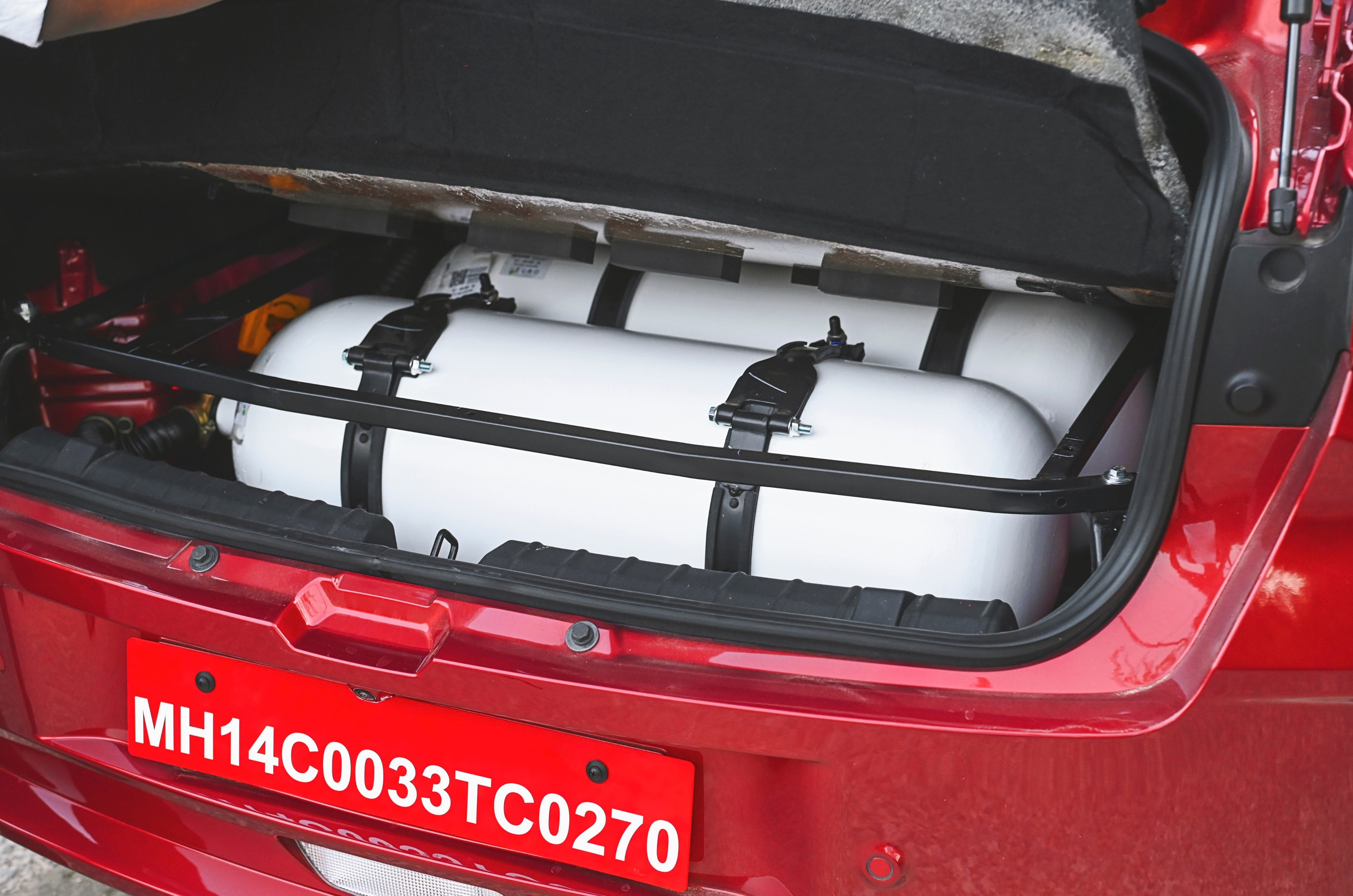
Instead of a single CNG tank that eats up all the boot space in its rivals, the Aeris is offered with dual CNG cylinders, enabling space for a couple of backpacks and a cabin-sized trolley. While Tata has yet to reveal the official figure, with a similar dual-cylinder setup, the Tigor offers a 227-litre boot. Other than this, the Aeris offers bottle holders and cubby space on all doors, a storage space underneath the front centre armrest, cup holders in the centre console and rear centre armrest, and a large glove box, all adding to its practicality.
Excellent ride quality and handling manners
Like other Tata cars, the Aeris has a suspension that is well-tuned for Indian conditions, and it offers a commendable ride quality on both rough roads and highways. Over poor roads, the suspension comfortably absorbs broken surfaces without unsettling the car. The ground clearance figure is yet to be revealed, but in our test, we found it adequate for tackling rough roads and large speed breakers.
Out on the highway, the Aeris is equally composed. It stays planted at triple-digit speeds and does not feel floaty or nervous when driven quickly. The steering also offers decent feedback, weighing up nicely as speeds increase. However, there is some vagueness around the centre that hampers confidence a little.
Reasons not to buy the Tata Aeris CNG
Slow and jerky AMT responses
The CNG-AMT is easy to use in slow-moving traffic thanks to its smooth creep function, which makes crawling through traffic and manoeuvring in tight spaces fairly effortless. However, things get less polished once you press the accelerator. There is a noticeable pause before the powertrain responds, followed by a head-nod as the car picks up, making acceleration feel jerky. The delayed response is particularly noticeable when you need to accelerate quickly, and overtaking on the highway requires some planning as a result.
Poor NVH and cabin insulation
The Aeris is reasonably quiet when driven gently around town, but the engine gets noticeably louder and harsher once the revs climb beyond 2,500rpm. Vibrations also make their way into the cabin, while wind and road noise become increasingly noticeable as speeds rise. This takes away from the otherwise comfortable nature of the car, particularly on longer highway drives where the engine and tyre noise can become tiring.