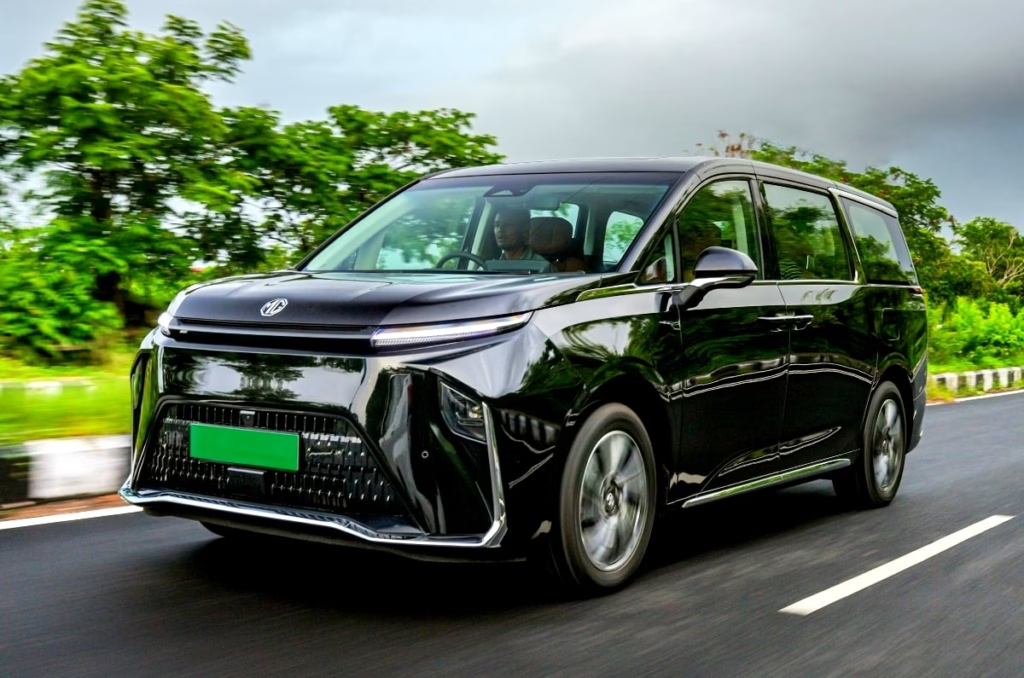
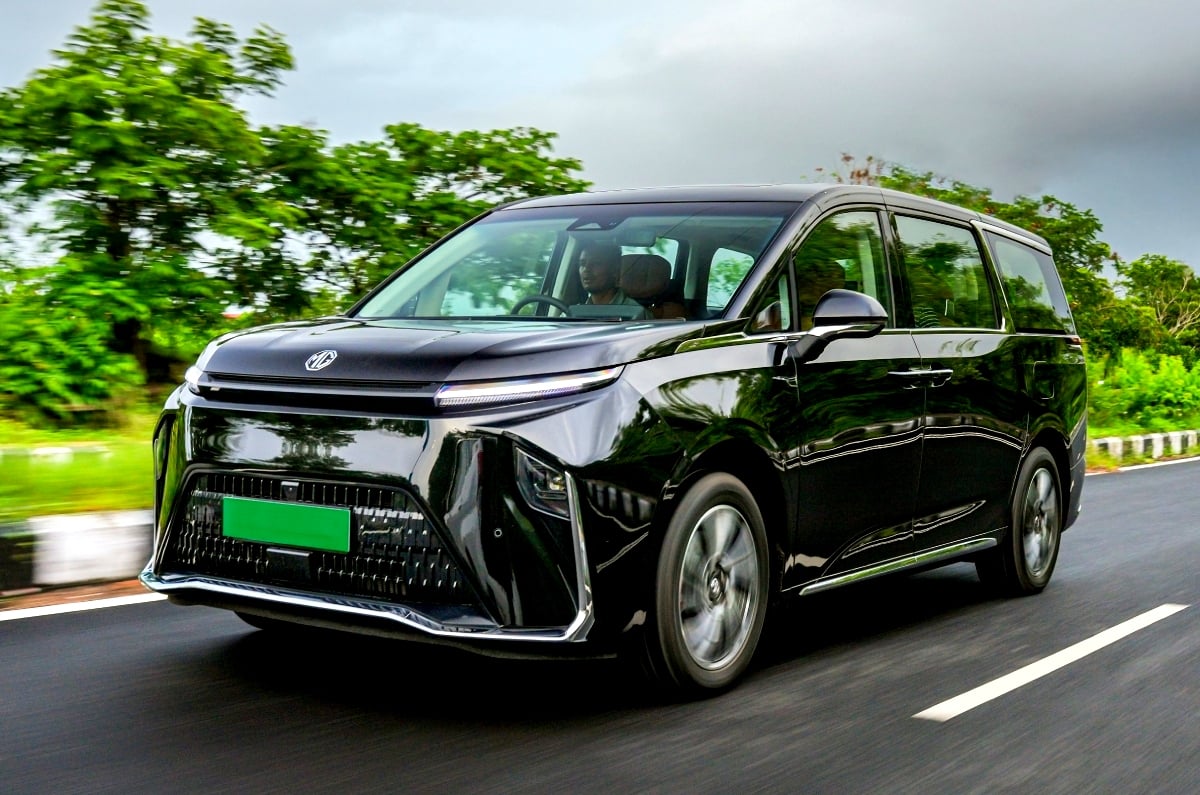
Luxury in an MPV is about more than having room for seven. It is about how that space is used, how effortlessly the occupants can settle in, and how much the car does to make every journey comfortable. The MG M9 brings together the practicality of a three-row MPV and the refinement of an electric powertrain, with a host of features that make time spent on the move feel a little more indulgent. Here are six highlights that make it stand out.
Lounge On Wheels
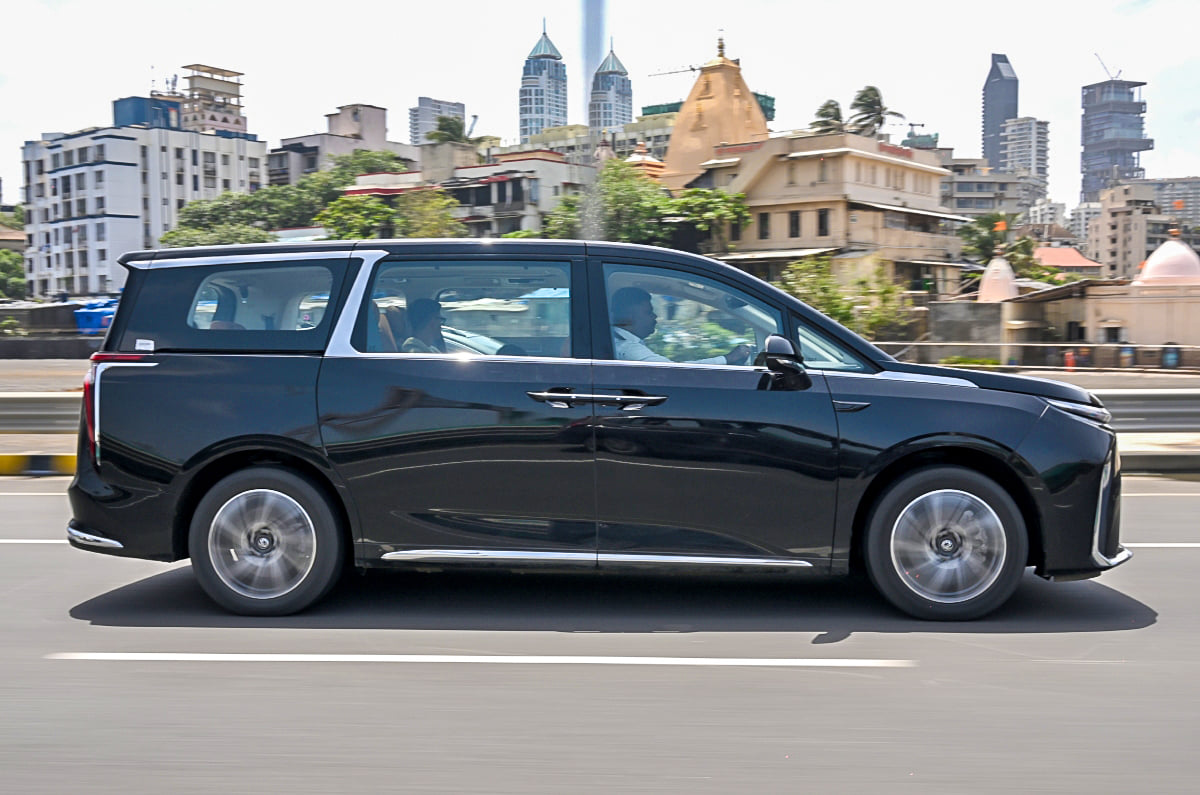
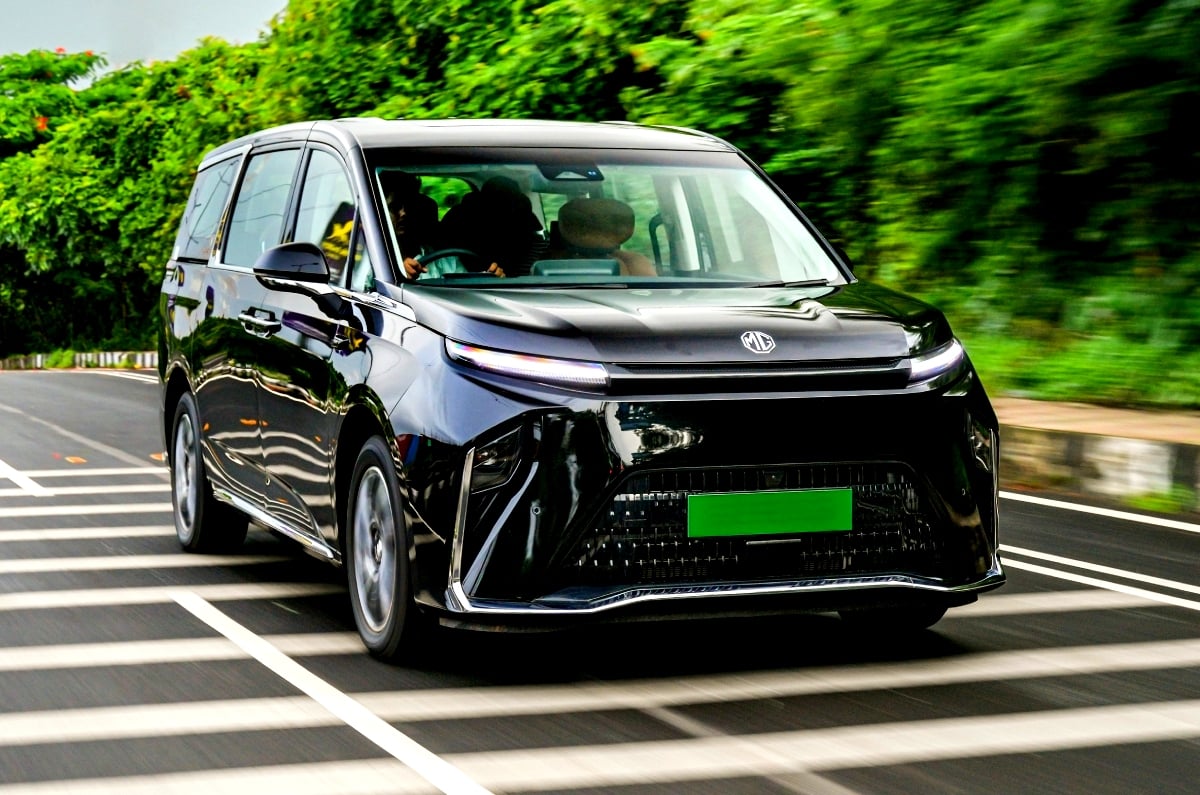
Massive wheelbase gives the M9 an imposing presence and liberates room in the cabin.
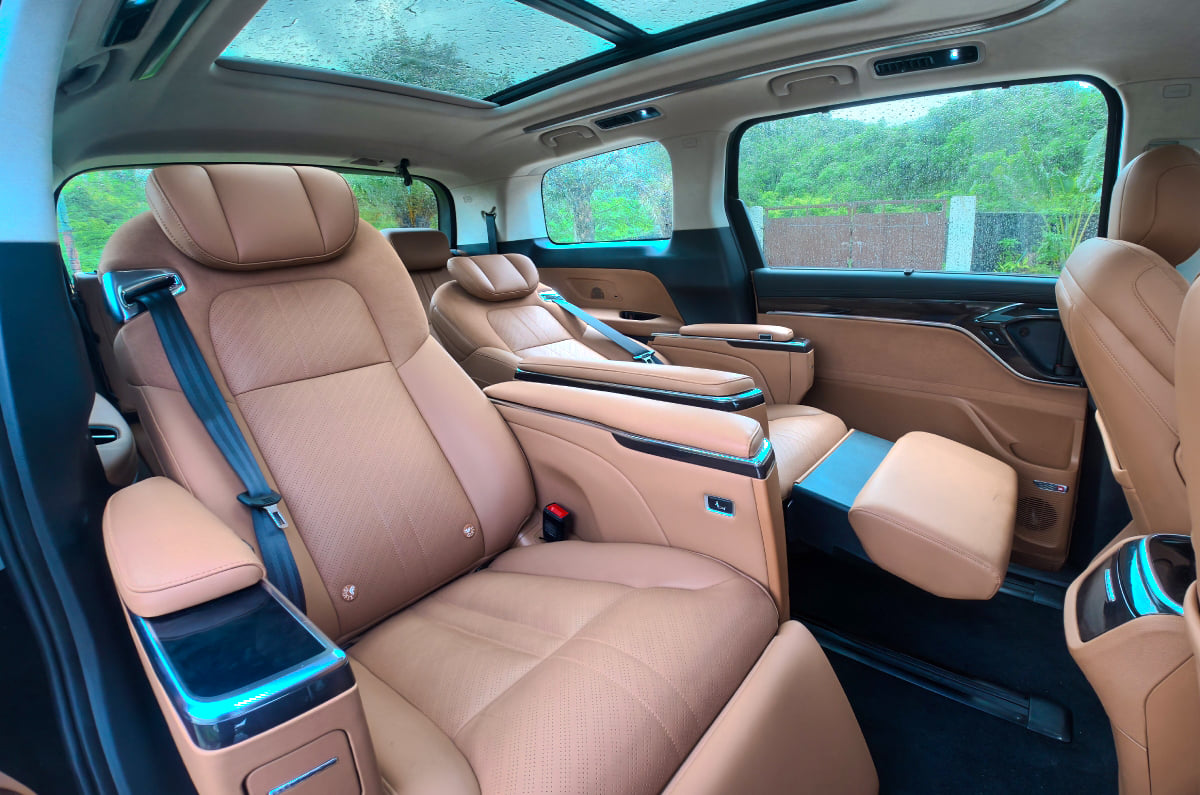
The M9’s 5.2-metre length, 2-metre width and 3.2-metre wheelbase give it the proportions to create a spacious, airy cabin. But it is the second row that makes the biggest impression. Two individual Presidential captain’s chairs offer 16-way electric adjustment, heating, ventilation, massage functions and extendable leg rests. The Boss Mode function moves the front passenger seat forward to create additional legroom, letting rear occupants stretch out and recline. It is a space designed for unwinding, not just getting from one place to another.
Space For Everyone
The aptly called Presidential captain’s chairs are even fit for a king.
While the second row gets the headline features, the M9 is designed to make all three rows usable. Its long wheelbase allows generous room for occupants, while second-row climate control, rear window sunshades and a panoramic dual sunroof enhance the feeling of comfort. The third row gets dedicated AC vents and USB connectivity, too. A premium Cognac Brown interior and 64-colour ambient lighting add to the cabin’s upmarket appeal, with the latter allowing occupants to tailor the atmosphere to their mood.
Electric Serenity
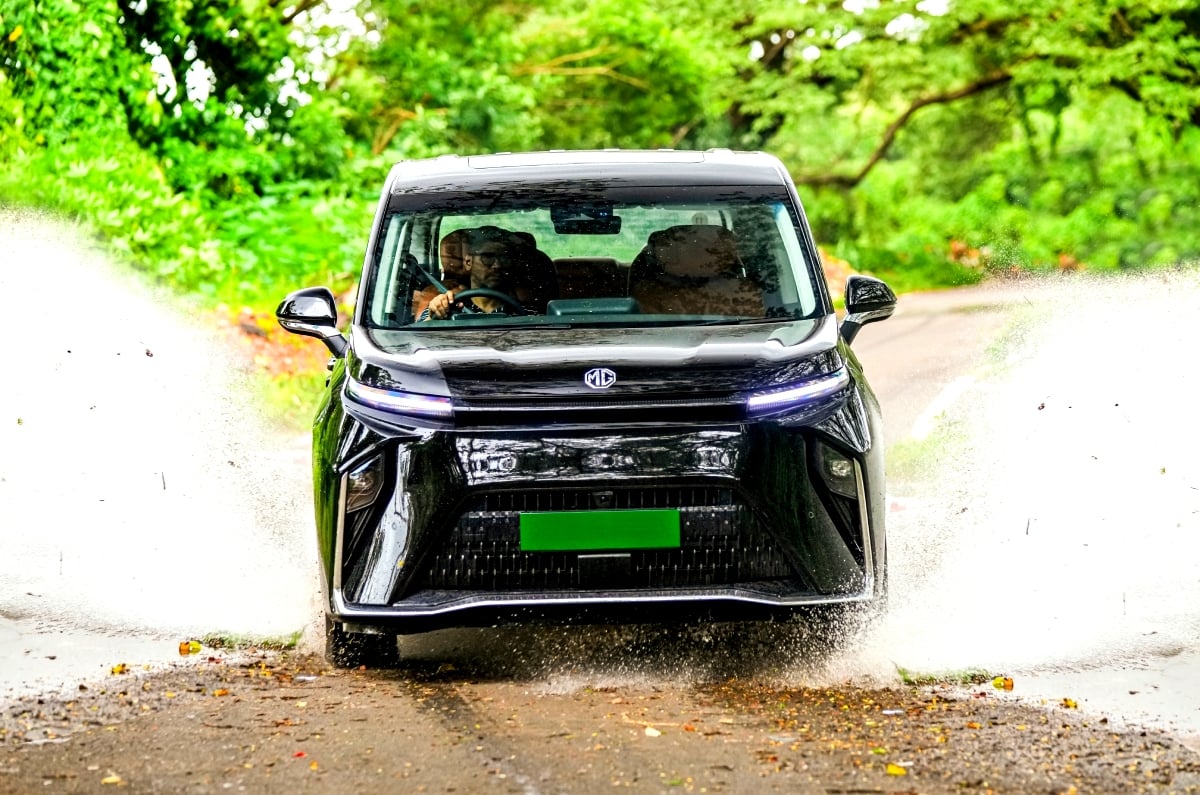
No matter the road surface, the M9 insulates its passengers from the outside world.
The M9’s 90kWh battery powers a front-mounted electric motor, producing 245hp and 350Nm, with an ARAI-claimed range of 548km. Beyond the performance and range figures, the electric powertrain brings a quality that matters particularly in a luxury MPV: refinement. With no engine noise and smooth, linear power delivery, the M9 makes for a more relaxed experience on the move. An acoustic windshield further helps keep the outside world at bay.
Quality Entertainment
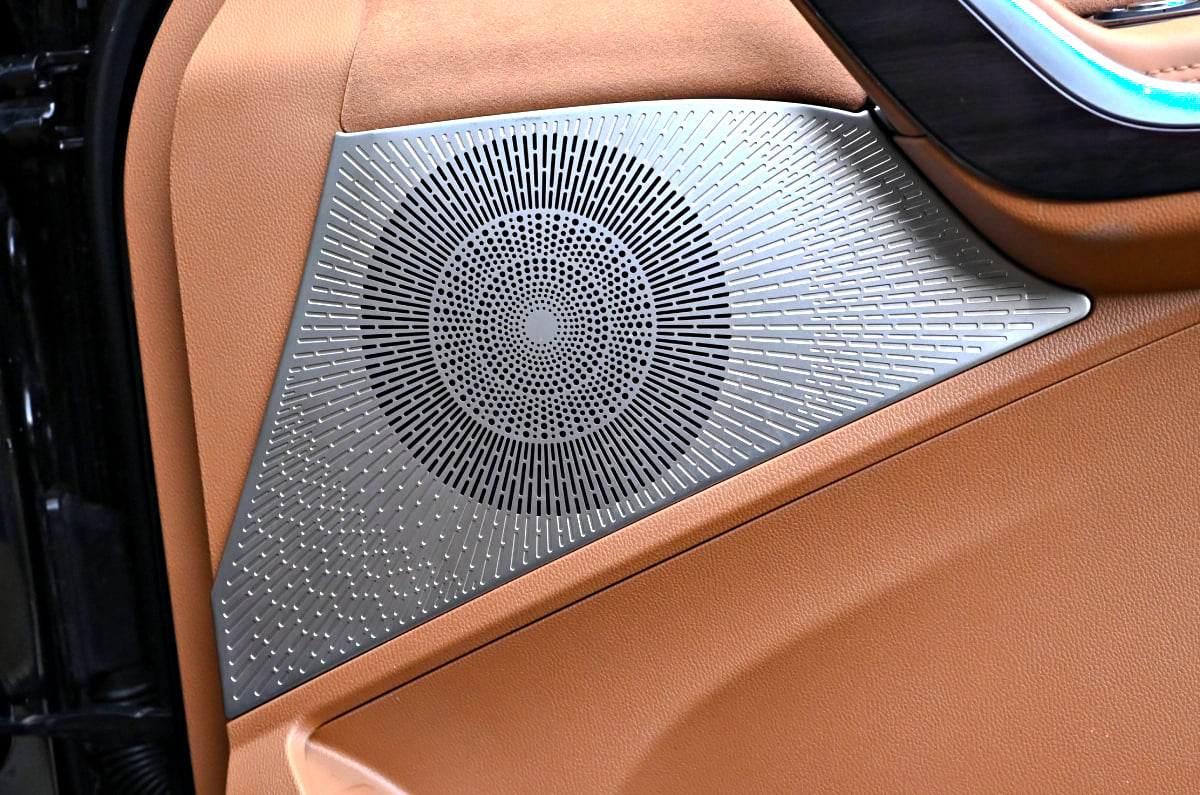
Superb 13-speaker JBL system enhances the cabin’s ambience.
A quiet cabin makes for a better listening environment, and the M9 builds on this with a 13-speaker JBL sound system, complete with an amplifier and subwoofer. Whether it is music on a long drive or a podcast during the daily commute, the system makes entertainment an integral part of the experience. The panoramic sunroof and ambient lighting add to the sense of being in a space designed around the occupants.
Tech-Suave
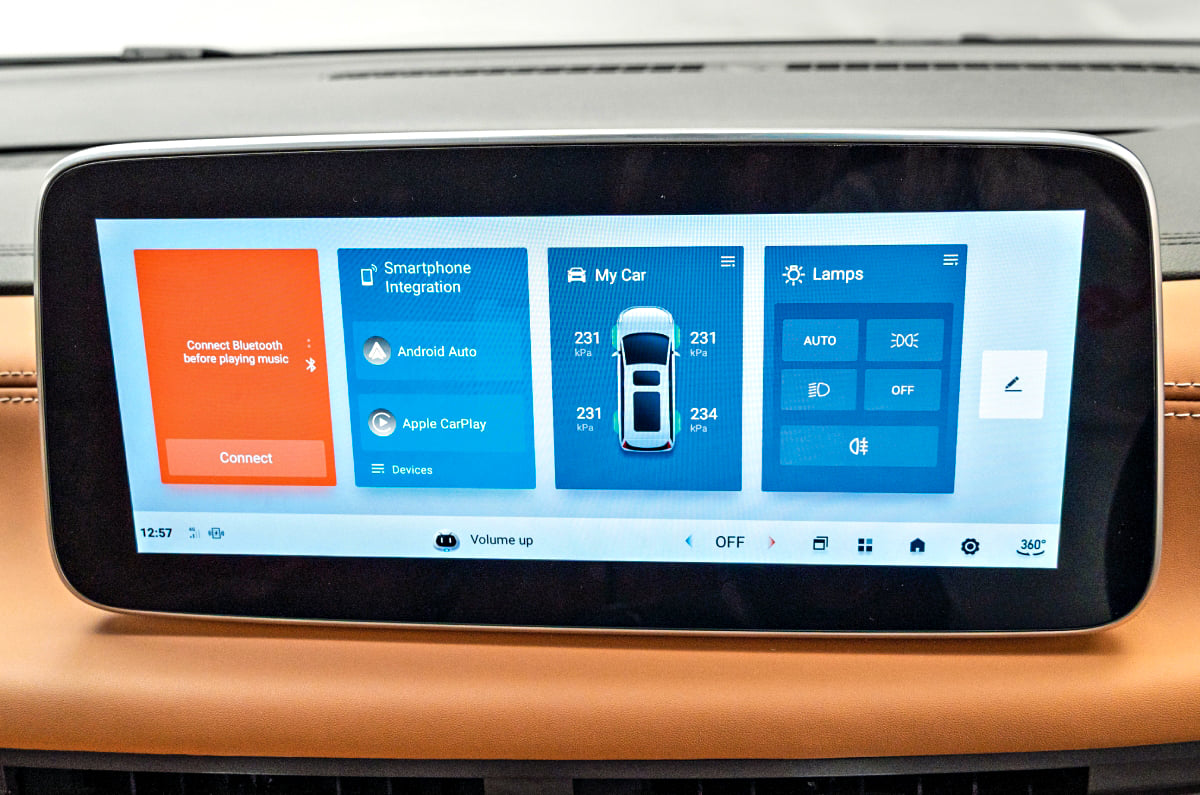
12.3-inch central touchscreen has all the controls you’ll need within easy access.
A 12.3-inch central touchscreen, digital instrument cluster, wireless smartphone connectivity and wireless charging bring everyday convenience within easy reach. The 360-degree camera is particularly useful when manoeuvring a vehicle of the M9’s size, helping the driver negotiate tight spaces with greater confidence. These features complement the M9’s focus on passenger comfort with technology that makes the car easier to live with.
Safety Assured
The M9 has received a 5-star Euro NCAP rating.
Luxury also means being able to travel with peace of mind. The M9 gets seven airbags and Level 2 advanced driver assistance systems, adding an extra layer of protection and driver support. Its five-star Euro NCAP safety rating provides further reassurance.
The MG M9’s appeal lies in how these elements come together. Generous space, thoughtful comfort features, electric refinement and modern safety technology give it a distinct identity in the luxury MPV segment. It’s no wonder that the M9 is the best-selling MPV in its class, with over 3,000 units sold since its launch last year. This is a vehicle that makes the journey itself something to look forward to, and that is what being on Cloud M9 is all about.
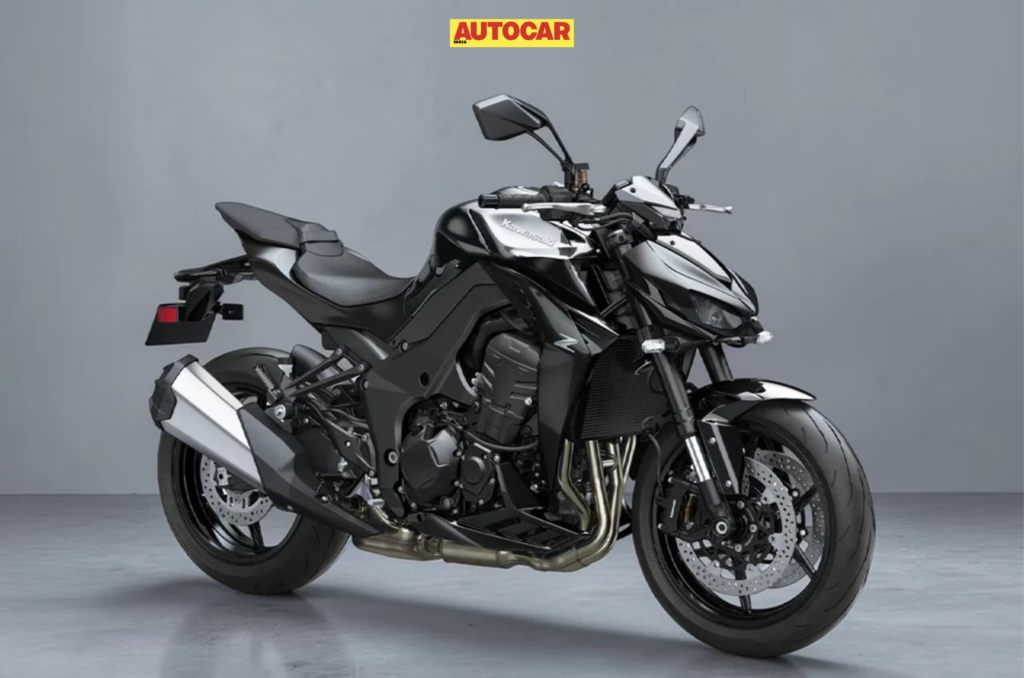
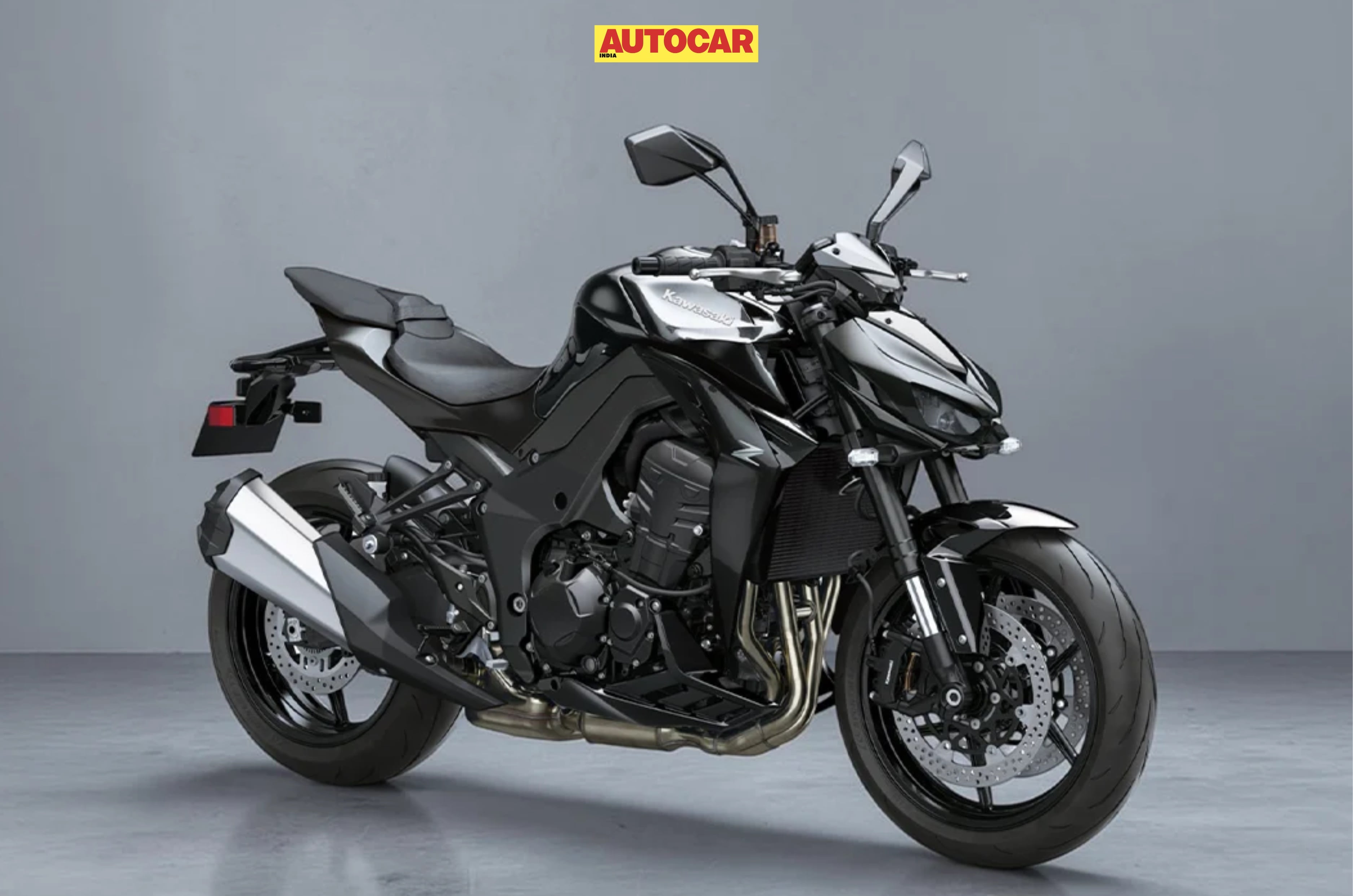
Kawasaki has launched the 2027 Z1100 at Rs 12.79 lakh (ex-showroom, Delhi), with bookings and deliveries starting today across showrooms in India.
Retains the 1099cc inline-four engine making 136hp and 113Nm
Continues with the single Ebony/Metallic Carbon Grey colour
2027 Kawasaki Z1100 details
Mechanically identical to the 2026 version
Kawasaki has not changed the Z1100 in any way for next year with the super-naked motorcycle remaining identical to its predecessor in every single way. Which means, it retains the 1099cc, in-line-four cylinder, liquid-cooled engine making 136hp and 113Nm; the unit is also shared with the recently updated adventure tourer, Versys 1100 at a slightly lower state of tune (135hp and 112Nm).
The tubular diamond chassis is suspended by a 41mm USD fork with 120mm travel and a back-linkage monoshock with 136mm travel. The former is compression and rebound adjustability, while the latter gets preload and rebound adjustability. Brakes are dual 310mm, Kawasaki-branded Brembo at the front, and 260mm single disc at the rear. The Z1100 continues to offer the same rider aids as before some of which are, a 5-inch TFT display, bi-directional quickshifter, corner-sensitive three levels of traction control and dual-channel ABS, cruise control and smartphone connectivity.
A 17-litre fuel tank also makes the Z1100 quite the mile muncher and despite the 220kg weight ,its relatively manageable under most conditions. With its price, it rivals motorcycles like the Honda CB1000 Hornet SP (Rs 13.29 lakh) with the smaller Z900 sitting lower (Rs 9.99 lakh).
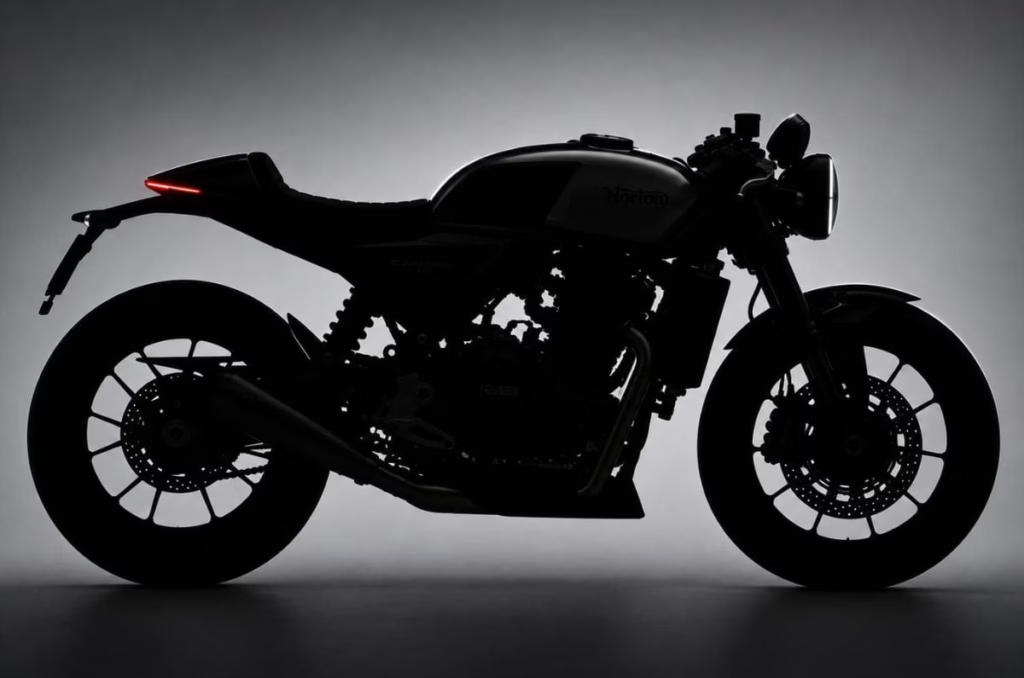
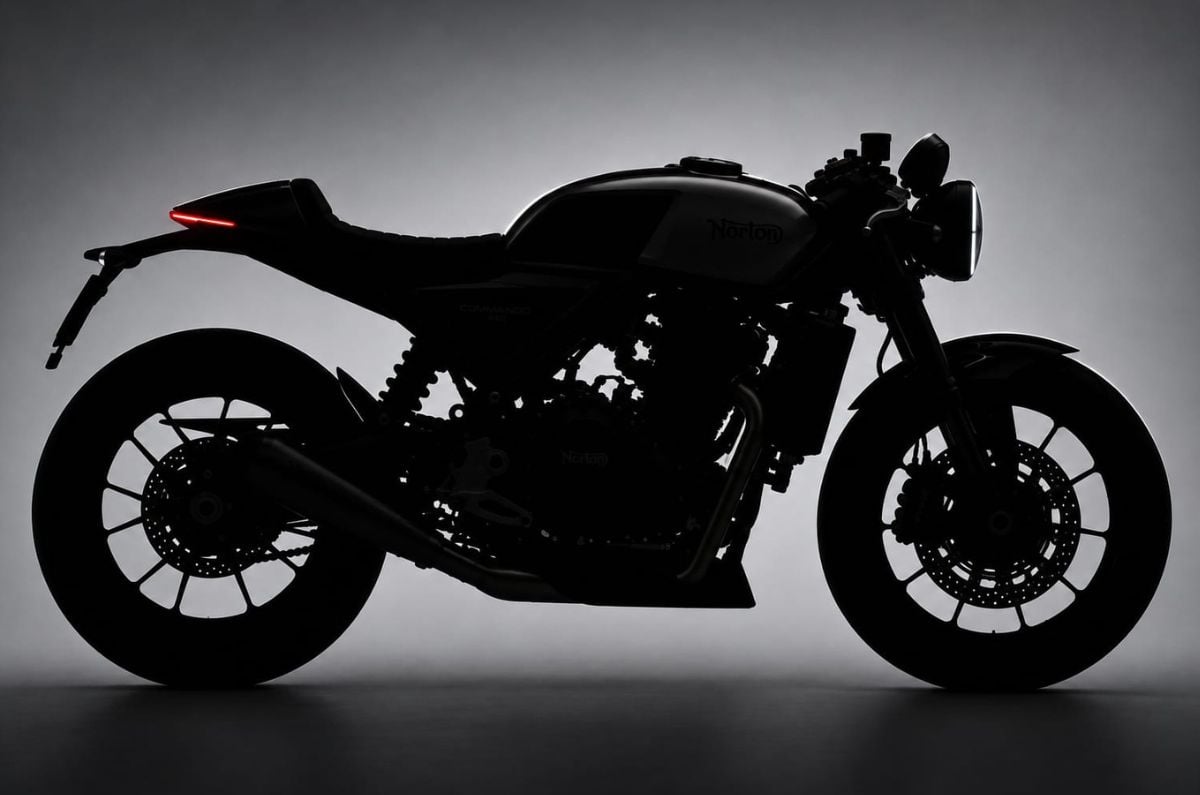
Norton Motorcycles will premiere its much-awaited 450cc-class single-cylinder roadster at EICMA 2026 in Milan, expanding its range with a motorcycle aimed at higher volumes in India and overseas. Autocar Professional expects the motorcycle to produce around 40-45hp and 40-45Nm. The engine is likely to be liquid-cooled and is expected to come with a 6-speed gearbox. The roadster will be the first model on a new platform understood to be called the H-series, with other body styles to follow. It will sit below the TVS Motor-owned British marque’s twin-cylinder Atlas range and V4-powered Manx family.
Norton Atlas is expected to first launch in India, in Q1 2027
New Norton single-cylinder motorcycle will launch overseas and in India simultaneously
Will also be manufactured at TVS’ Hosur plant
New Norton single-cylinder platform at EICMA 2026
Expected to launch in India and overseas in 2027
Autocar Professional understands that TVS plans to begin Norton’s India rollout in the January-March 2027 quarter, if not sooner, starting with the Atlas, followed by the Manx. The H-series roadster is expected to launch simultaneously in India and global markets in the second half of 2027. Responding to queries from Autocar Professional, a Norton spokesperson said the brand’s India introduction would follow its appearance at this year’s Milan show. “Norton is set to launch in India soon following the brand’s presence at EICMA this year, when the next key stage of the resurgence will be revealed,” the spokesperson said. The company has not officially confirmed the roadster’s platform name, engine capacity, output, pricing or sales timeline.
Norton has recently trademarked three names in India – Roven, Inter and Avalon and the first single cylinder bike may bear one of them. In 2025, the company also trademarked the Norton Electra name here, and this followed on the trademarking of the Norton Combat name in 2023.
Reimagined Norton under TVS
Design and ease of use is at the new Norton’s core
Differentiated design is central to TVS’s effort to give Norton a contemporary identity while retaining its British heritage. Simon Skinner, Head of Design, Norton Motorcycles, is leading the development of a design language connecting the brand’s products across capacities and categories. The roadster will extend that approach to a motorcycle intended to sell in larger numbers.
As we have seen with the thoroughly modern designs on the Atlas and V4, it is safe to anticipate modern, pared-back styling, with selected mechanical components exposed and others concealed. This could help distinguish the roadster in a segment where several competitors draw heavily on retro styling. According to Norton, the Manx R received the “Best of the Best” distinction at the 2026 Red Dot Award: Design Concept. Norton Design was also recognised at the 2026 International Design Excellence Awards in the United States.
The roadster is expected to prioritise manageable weight and ease of use, particularly in city riding. It could feature 17-inch wheels and equipment drawn from Norton’s larger motorcycles, potentially including an eight-inch TFT touchscreen, riding aids and multiple riding modes. Final specifications remain unconfirmed.
Taking on Royal Enfield
How does Norton plan to combat the 350cc onslaught?
The platform represents a significant bet on the global mid-size motorcycle market. The opportunity spans roughly the 350cc-750cc categories, with annual volumes estimated at around 15 lakh-20 lakh units. This broad classification includes motorcycles marketed as 350cc models whose actual displacement is slightly lower.
It will bring Norton into closer competition with Royal Enfield and Triumph in India and overseas. However, the new single-cylinder Nortons will face a specific challenge in India. That is the fact that they will not come under the 350cc segment, unlike the massively popular RE 350 range and the recently re-engineered 349cc Triumph line in India. The result is that they will attract the much higher 40 percent GST rate instead of 18 percent. Norton is likely to position these bikes at a premium that will be justified by higher levels of technology and a heavy focus on design, quality and detail.
Royal Enfield’s dominance in India demonstrates the demand for motorcycles used for daily travel, touring and leisure riding. Its extensive dealer network, broad product range and established riding community also present a substantial challenge for Norton. Overseas, Royal Enfield has expanded into many of the markets the TVS-owned British marque is targeting. For TVS, the single-cylinder Norton offers a way to participate more widely in this market. Additional body styles on the same platform would help spread development costs and reach buyers with different riding preferences.
The India distribution plan
TVS is yet to confirm showroom rollout schedule for India
Norton’s design and heritage will form part of its appeal, but pricing, service coverage and parts availability will be important to building sustained sales, particularly in India. TVS had said in June that the Norton Atlas would be introduced in India later in the year. It had also scheduled the launch of TVS Paddock, its premium retail channel for both Norton and select premium TVS products, for the second quarter of FY27. The latest official response did not provide an updated Paddock rollout schedule.
Current preparations are understood to point to around three Paddock outlets by December, although a larger network is being sought. The number of outlets that will be operational when motorcycle sales begin has yet to be finalised. The company said it now has more than 50 retailers across 10 markets, including the UK, Italy, France, Germany and Spain. Preparations for a United States launch are continuing, subject to the final stages of vehicle certification.
Norton said its European test-ride programme had introduced the new motorcycles to thousands of riders. Foster + Partners has designed its showroom environments. TVS acquired Norton in April 2020. Its FY2025-26 annual report records investments exceeding GBP 250 million in rebuilding the business and identifies the marque as an important part of its premium-isation strategy, particularly in developed markets.
India already supports that expansion through manufacturing. The first Atlas motorcycles rolled off TVS’s Hosur production line in June, combining Norton’s UK design and engineering with its parent’s manufacturing operations. Production for the new single-cylinder range will also be out of Hosur.
With inputs from Anurag Chaturvedi and Rishaad Mody.
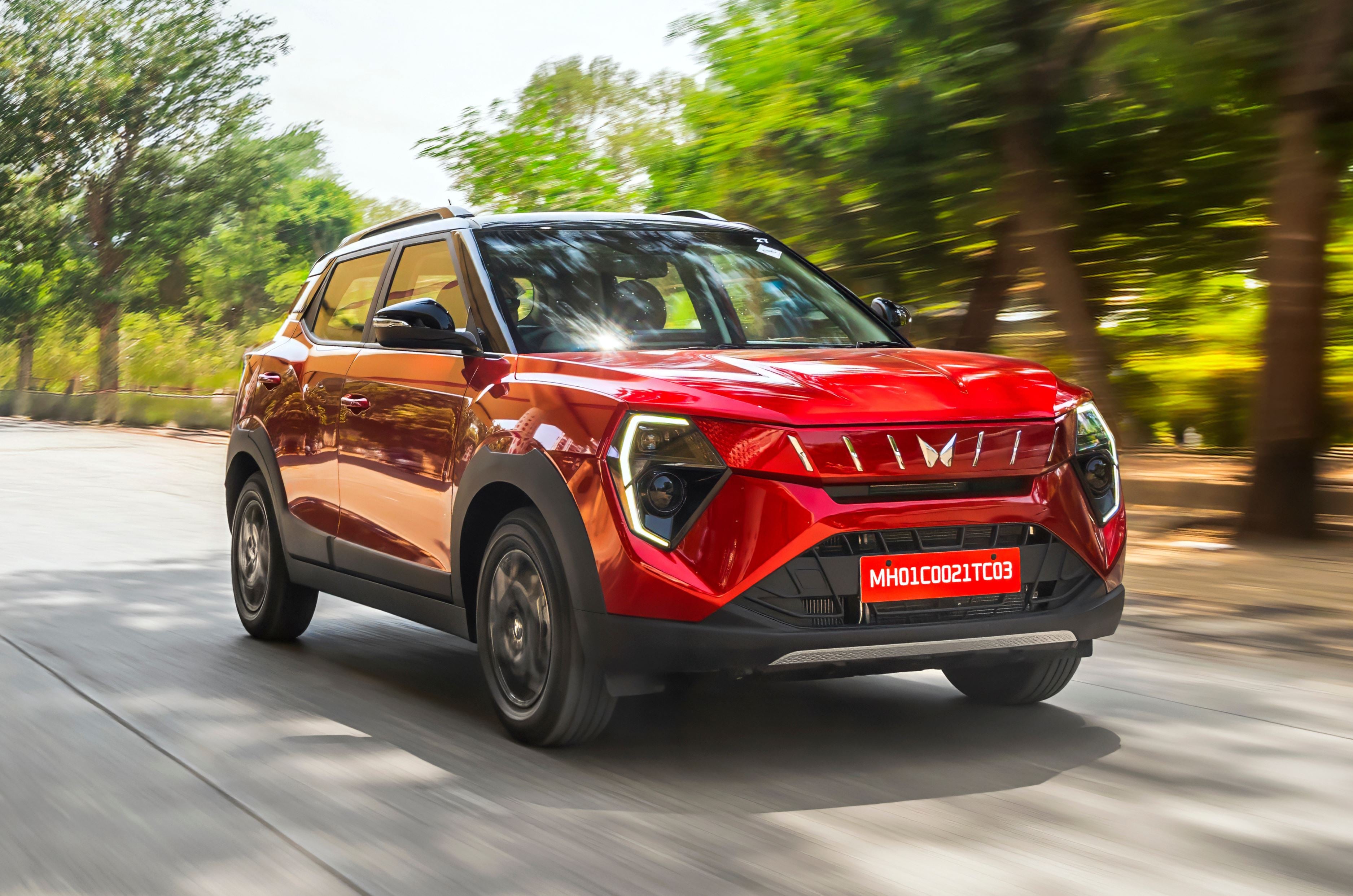
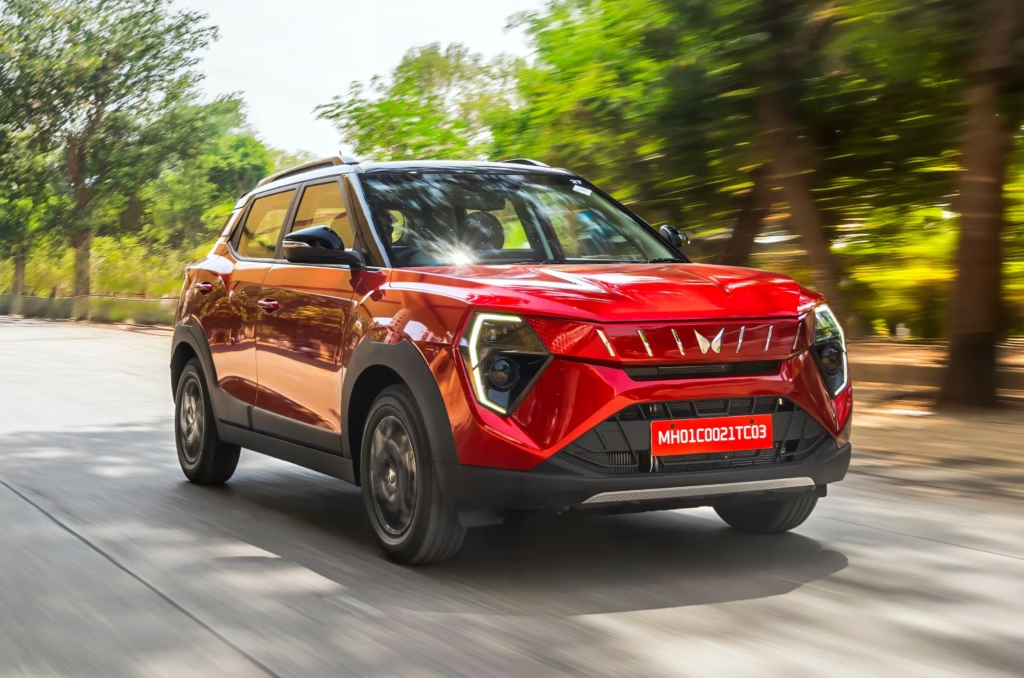
The Mahindra XUV 3XO ZNG takes on the Tata Nexon iCNG and the Maruti Brezza CNG in the CNG compact SUV space. Priced from Rs 9.99 lakh to Rs 12.27 lakh (ex-showroom), it carries a premium of Rs 1 lakh to Rs 1.2 lakh over the corresponding petrol versions. Before signing on the dotted line, here are the key strengths and weaknesses of this Mahindra SUV.
Reasons to buy the Mahindra XUV 3XO CNG
Strong performance on CNG
The XUV 3XO CNG loses none of its power when running on gas
The 1.2-litre MPFI (multi-point fuel-injected) turbo-petrol engine of the XUV 3XO CNG is the same unit found in the lower and mid-spec petrol trims. Here it develops 111hp and 200Nm in both petrol and CNG modes. While there’s some turbo lag below 2,000rpm, the engine pulls eagerly once it crosses that mark. This unit is also notable for its refinement and tractability, rarely requiring one to drop down to first gear, for going over speed breakers, for example.
Switching between petrol and CNG is seamless as well, and few would be able to tell which fuel the XUV 3XO ZNG is running on. While we’re yet to test it, Mahindra claims a mileage of 24.7km/kg for this compact SUV, translating to a theoretical range of 247km on CNG.
Comfy ride and tidy handling
Mahindra has retuned the suspension to accommodate the extra heft of the CNG kit
The CNG hardware adds around 100kg to the XUV 3XO’s kerb weight, with the majority of it being over the rear axle. Mahindra has reworked the suspension to compensate for this heft. The result is a slightly firm ride but one that deals with bad roads quite well.
Adding to the overall comfort here are the 16-inch wheels wrapped with high-profile tyres. These manage to cushion the cabin from sharp bumps. The XUV 3XO CNG rides better than most cars in its segment. What’s good is that this ride comfort doesn’t come at the cost of sloppy handling. In fact, this Mahindra SUV feels tight and planted around corners. The steering is direct and doesn’t require much effort, with drivers being offered three steering modes for flexibility.
Upmarket cabin
This cabin is just as plush as that of the petrol and diesel versions
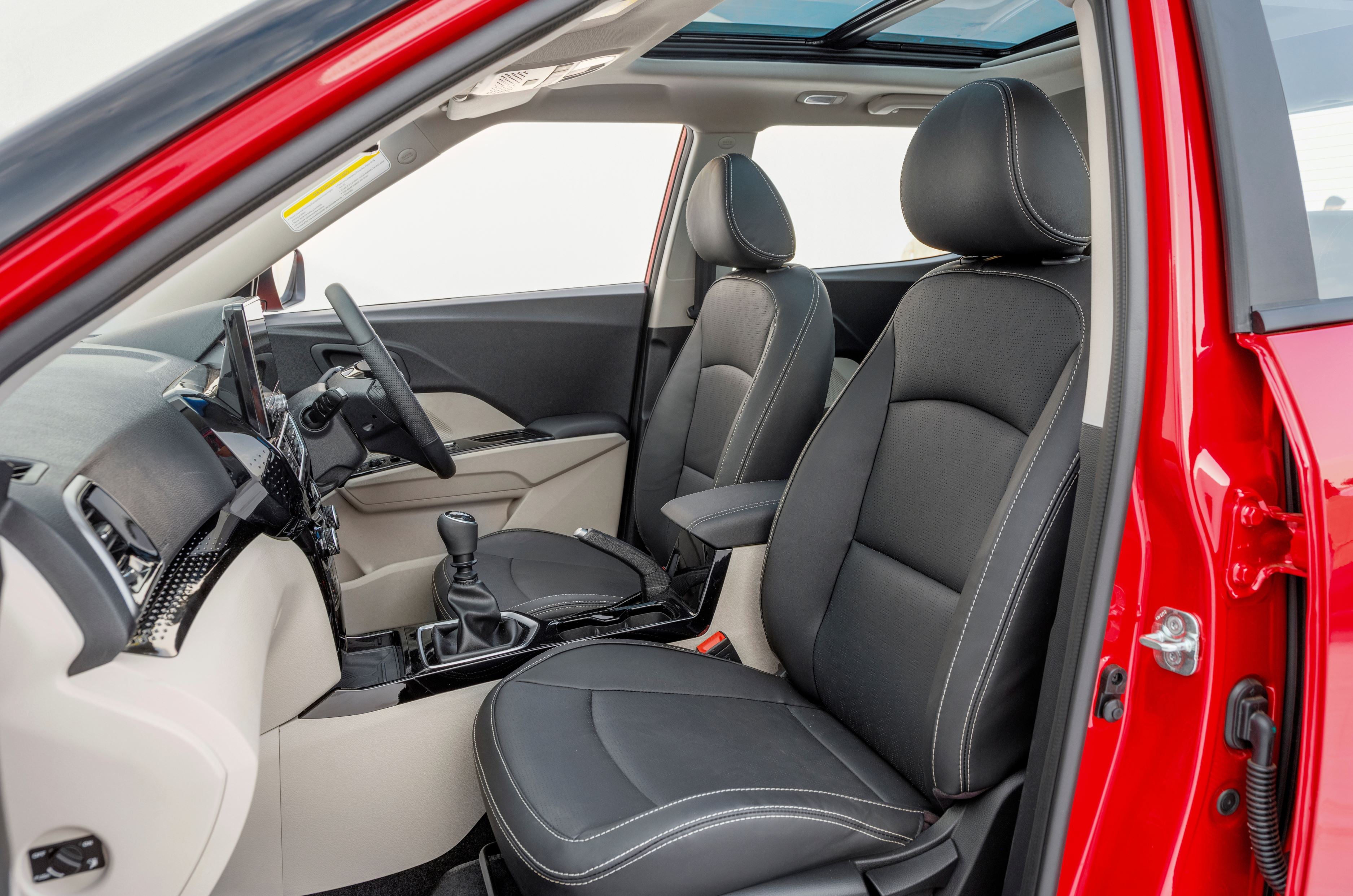
A CNG switch next to the steering wheel aside, the cabin of the XUV 3XO CNG is identical to that of non-CNG versions. While it can’t be had in equally top-end trim levels, the CNG version is available with a dual-tone dashboard, gloss black accents and leatherette upholstery. Overall, there’s a feeling of good build that’s backed by a sense of premiumness. Meanwhile, the rear seat is quite roomy for the class and can accommodate three adults without much fuss.
The top-spec RevX A trim gets twin 10.25-inch screens, a panoramic sunroof and a 6-speaker audio system with Dolby Atmos. Mahindra says the CNG version is engineered to match the five-star Bharat NCAP safety rating of other combustion-powered XUV 3XO versions. Standard safety features here include 6 airbags, stability control, ISOFIX anchors and a reversing camera.
Reasons not to buy the Mahindra XUV 3XO CNG
Small boot
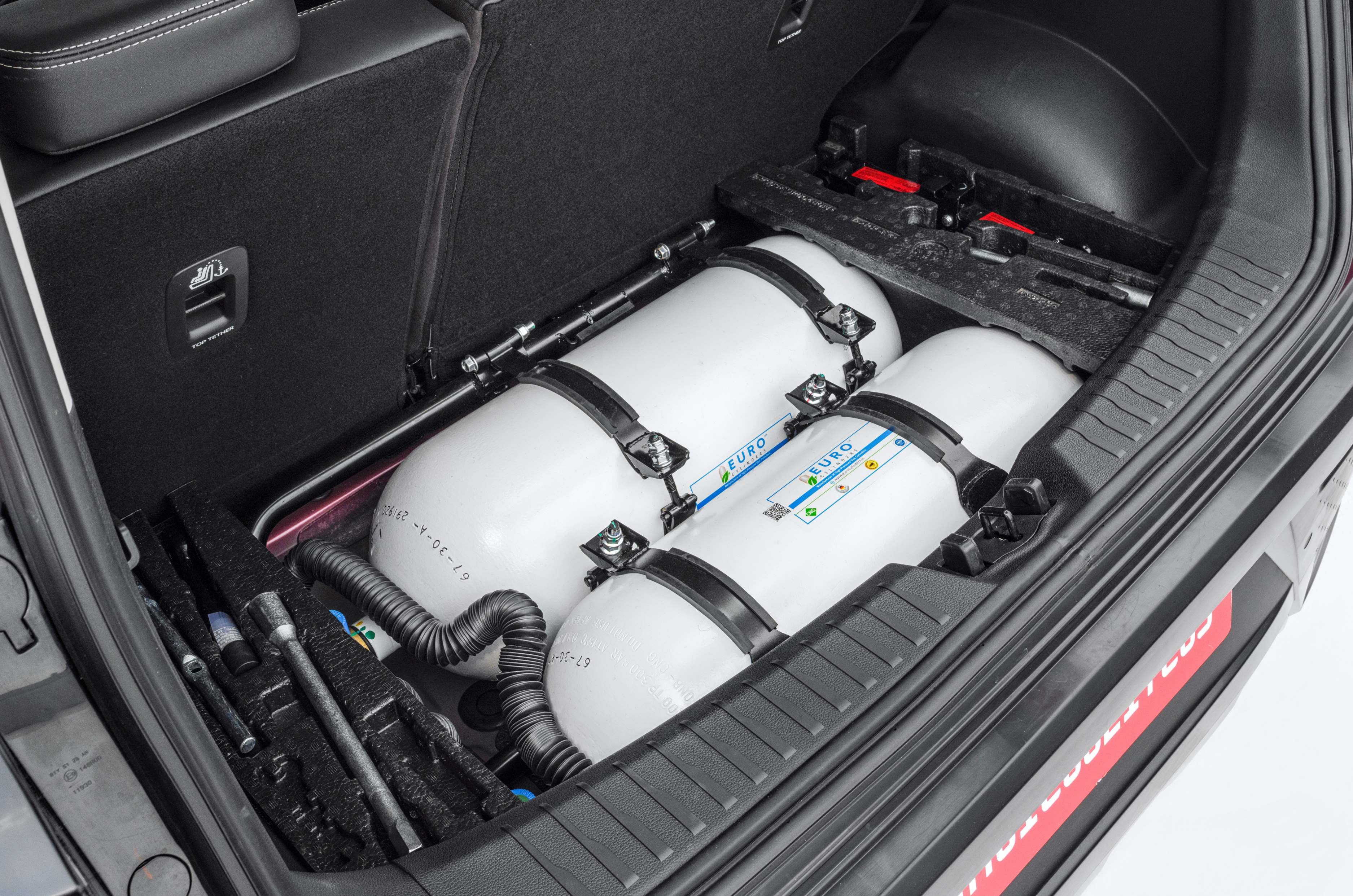
The twin-tank setup eats into what was already a small boot
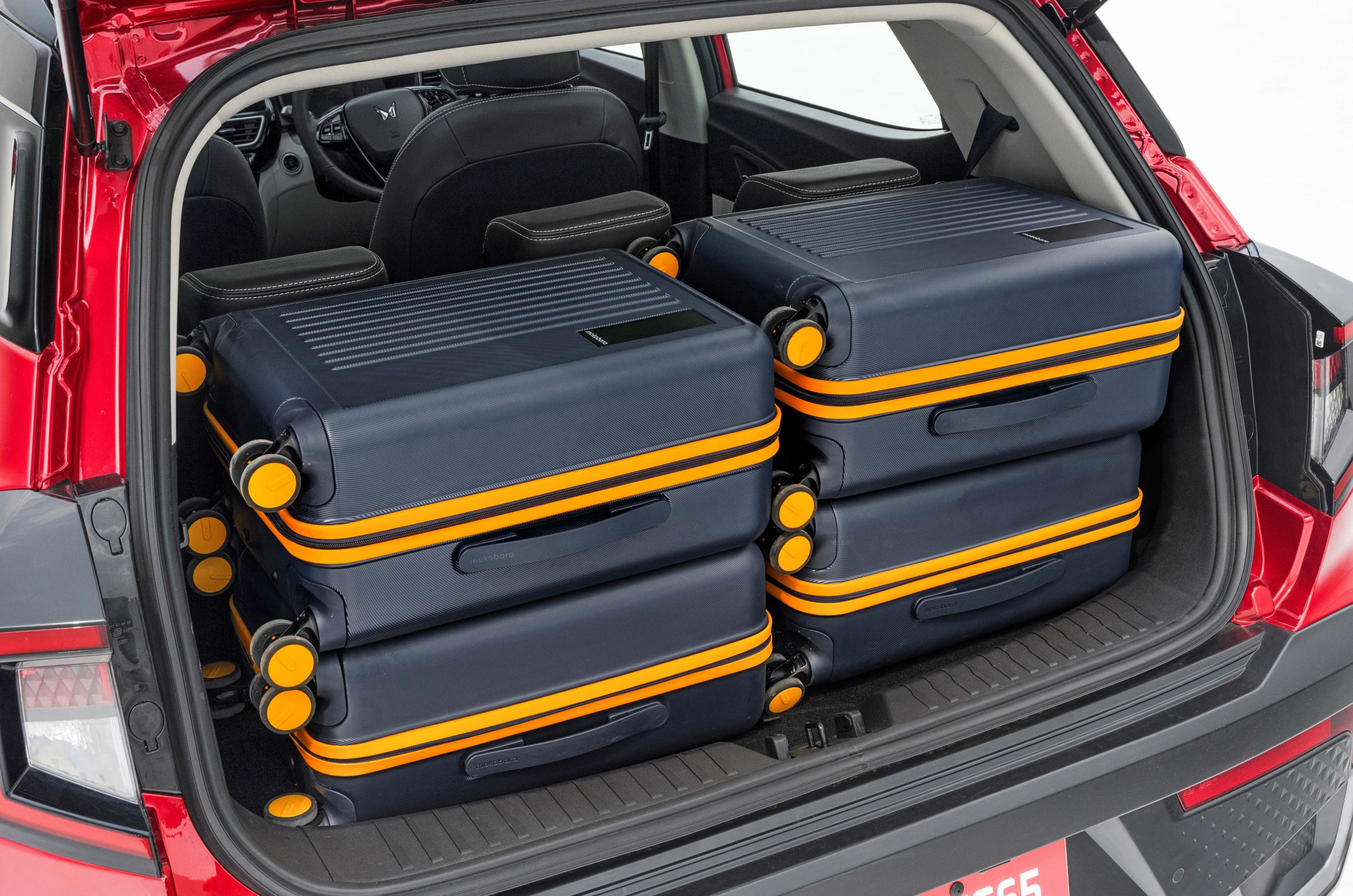
The 295-litre boot of the XUV 3XO was already the most compact in the segment. Despite moving the spare wheel under the car’s body and fitting the twin cylinders beneath the boot floor, the XUV 3XO CNG’s boot is even more compromised – offering just 270 litres of cargo space. It’s only its width that allows up to four cabin-sized bags to be stored.
Cabin niggles
The XUV 3XO CNG’s interior isn’t devoid of ergonomic flaws
While the black leatherette seats look sporty, they don’t get a ventilation function. This means that, on a bright sunny day, they will heat up quite quickly. If you’ve a larger build, the front seats of the XUV 3XO CNG will feel lacking in space. Adding to the ergonomic niggles is the steering wheel, which cannot be adjusted for reach, making it harder to find a comfortable driving position. Lastly, not only is the XUV 3XO CNG’s driver footwell cramped, there’s also no dead pedal.
Limited options
Customers get only mid-spec trim levels with the CNG version
The CNG version of the Mahindra XUV 3XO is sold in just four trim levels, all of which are mid-spec options within the broader line-up. This limitation becomes obvious given the lack of a 360-degree camera, ventilated front seats, or a wireless charging pad – these are available in the Nexon iCNG. There are no fog lamps, either. Another limitation is that the CNG version only comes with a 6-speed manual, which has long throws and a fair amount of clutch pedal travel.
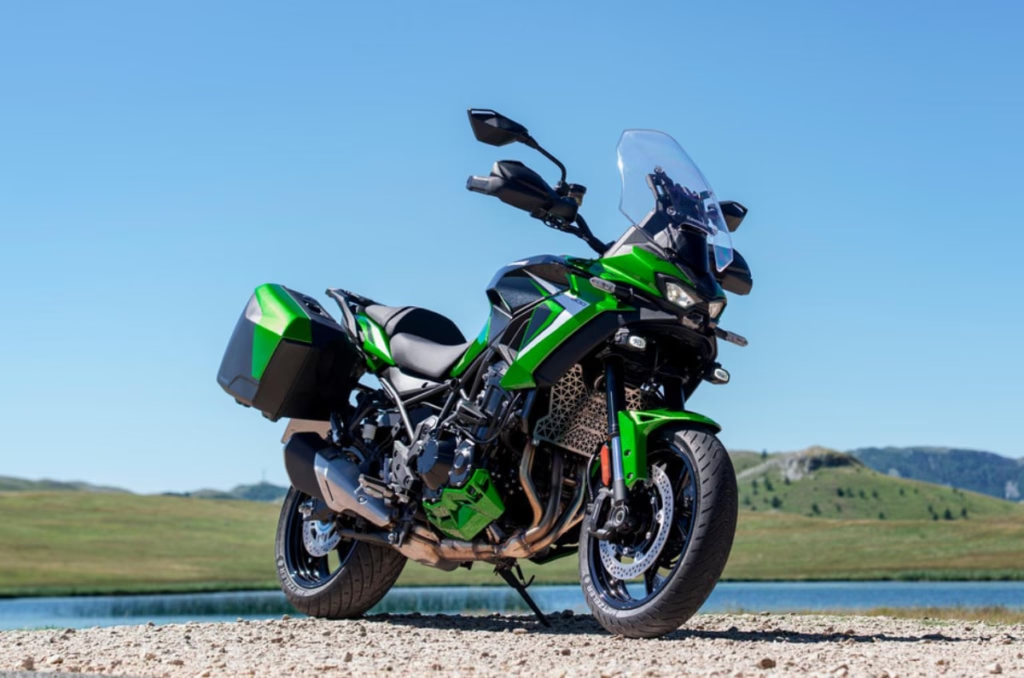
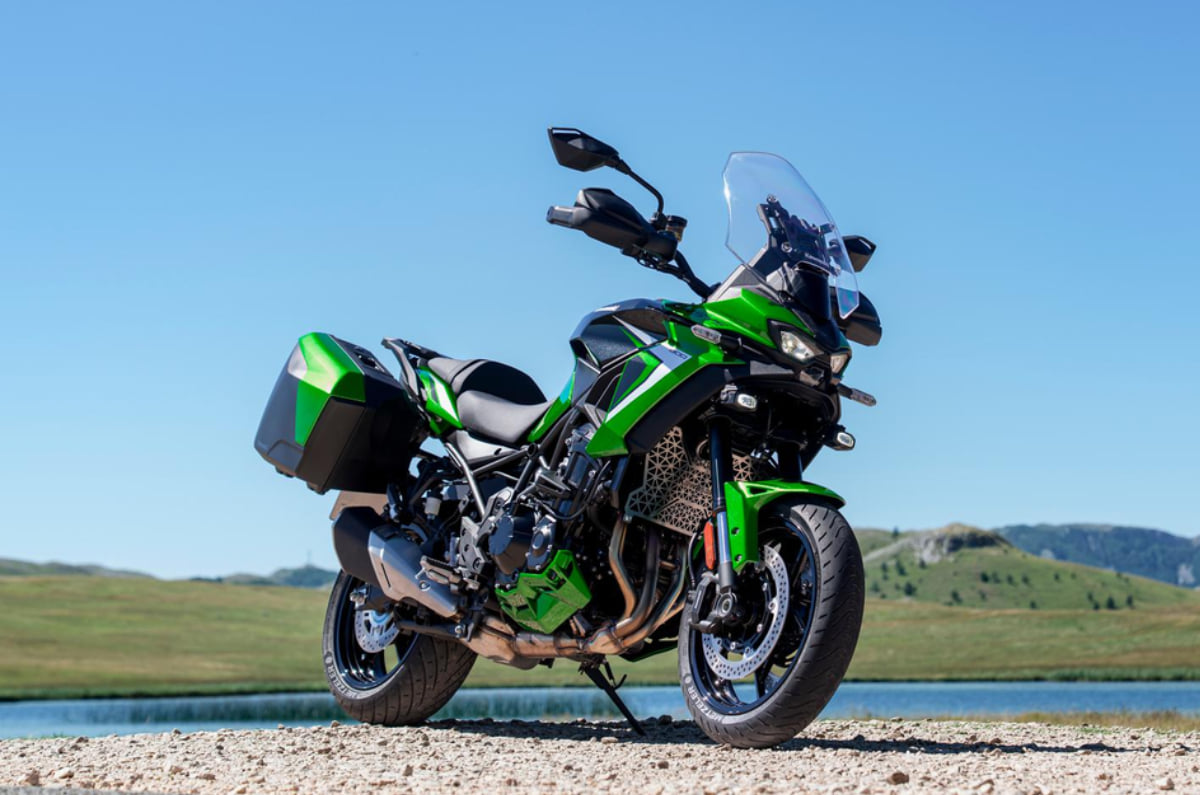
The 2027 Kawasaki Versys 900 is powered by the 948cc inline-four from the Z900, tuned to produce 122hp at 9,500rpm and 97.3Nm at 8,000rpm. The bike gets an all-new trellis frame with near 50:50 weight distribution, long-travel suspension and 17-inch wheels shod with Metzeler Roadtec 01 tyres. A seven-position adjustable windscreen and a height-adjustable seat, ranging from 825mm to 845mm, round out the ergonomic package.
On the technology front, the Versys 900 gets a 5-inch TFT display with turn-by-turn navigation and smartphone connectivity via the Rideology app. It also features Kawasaki’s KCMF cornering management system, along with traction control, cornering ABS and a quickshifter as standard. The SE variant adds Kawasaki’s ARAS suite, which includes adaptive cruise control, forward collision warning, blind-spot detection and emergency brake signalling.
CNG is shaping up to be the new diesel. For the second year running, CNG passenger vehicles outsold diesels, accounting for 21.98 percent of the market compared to 18.08 percent for oil burners in FY2026. That is a very big deal. Big enough for Mahindra – traditionally a diesel-first brand – to sit up, take notice and want a piece of the action. Its first attempt – if you don’t count the fleet-only KUV100 CNG – is the Mahindra XUV 3XO ZNG. Read as Zee-NG and pronounced Zing. The headline is that it makes the same amount of power as the pure-petrol 3XO TCMPFi. We experienced it in Mumbai to see if it really has zing.
Mahindra XUV 3XO ZNG Exterior Design and Engineering – 7/10
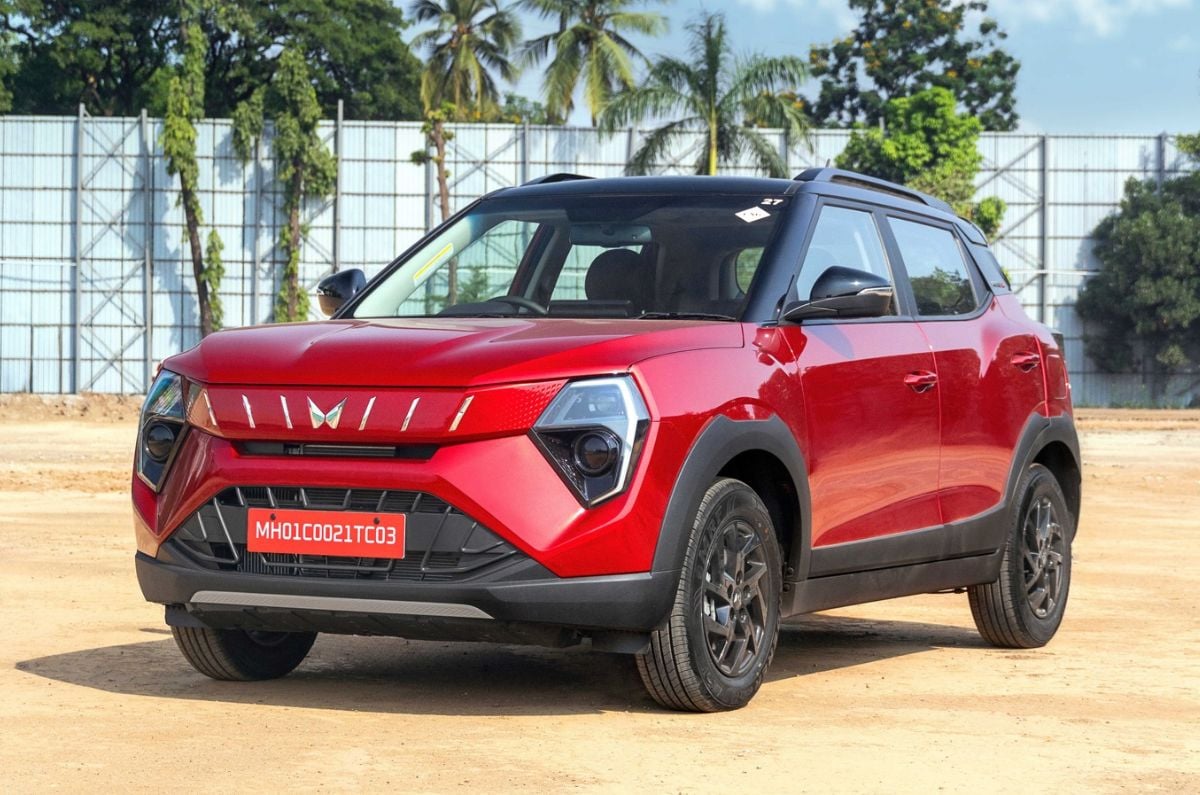
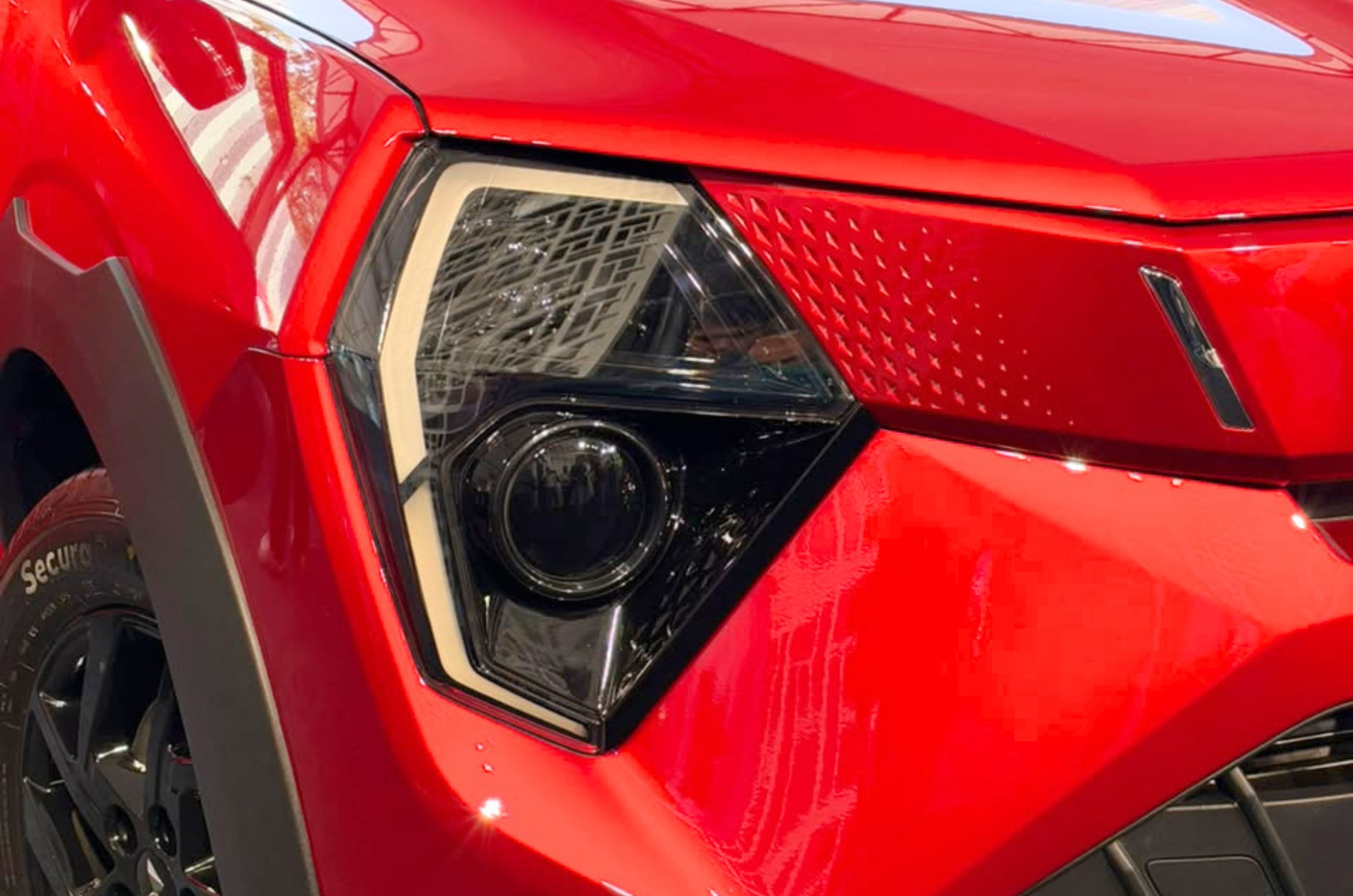
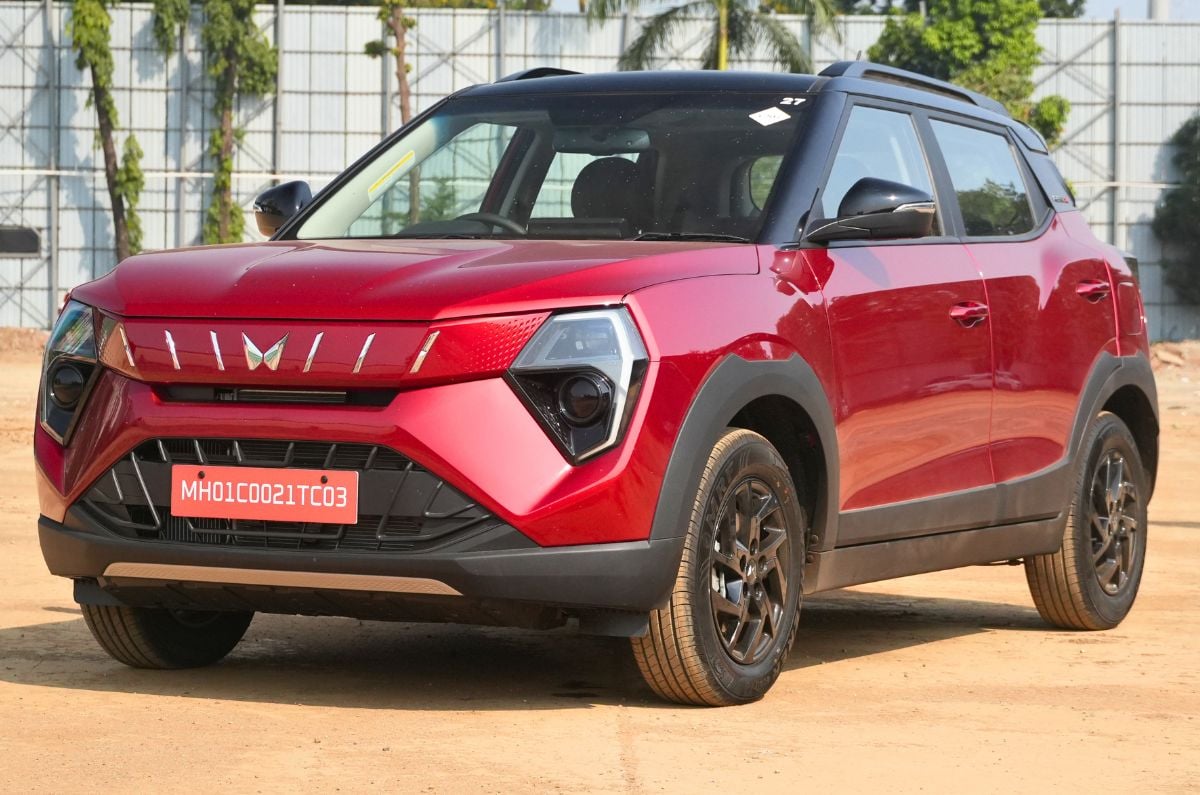
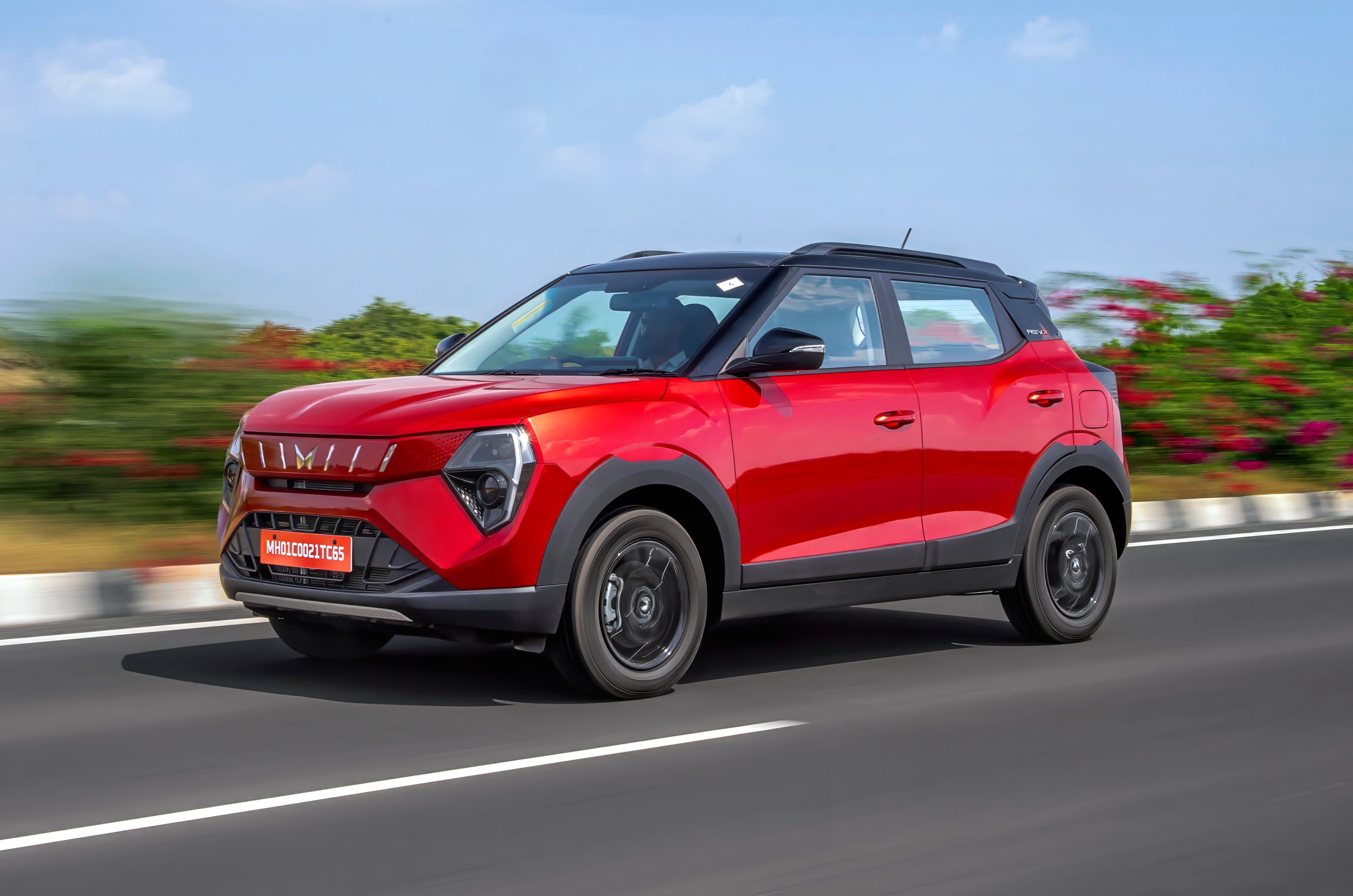
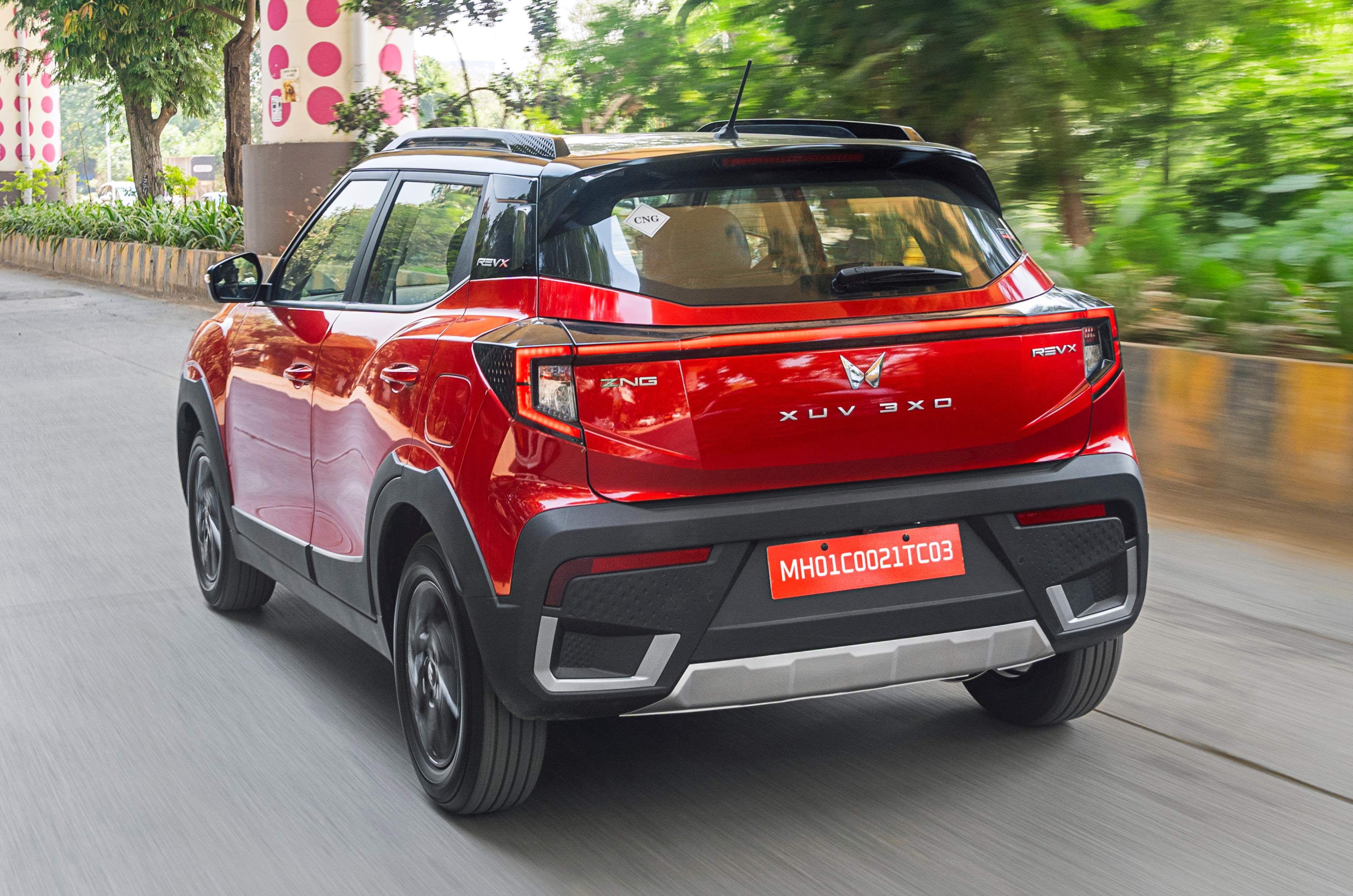
Outside, there isn’t much to tell the ZNG apart from the regular XUV 3XO. Our test car is based on the REVX trim and gets a body-coloured grille, while other trims gloss black. LED lighting is present, though fog lamps are missing even on the top REVX A CNG trim.
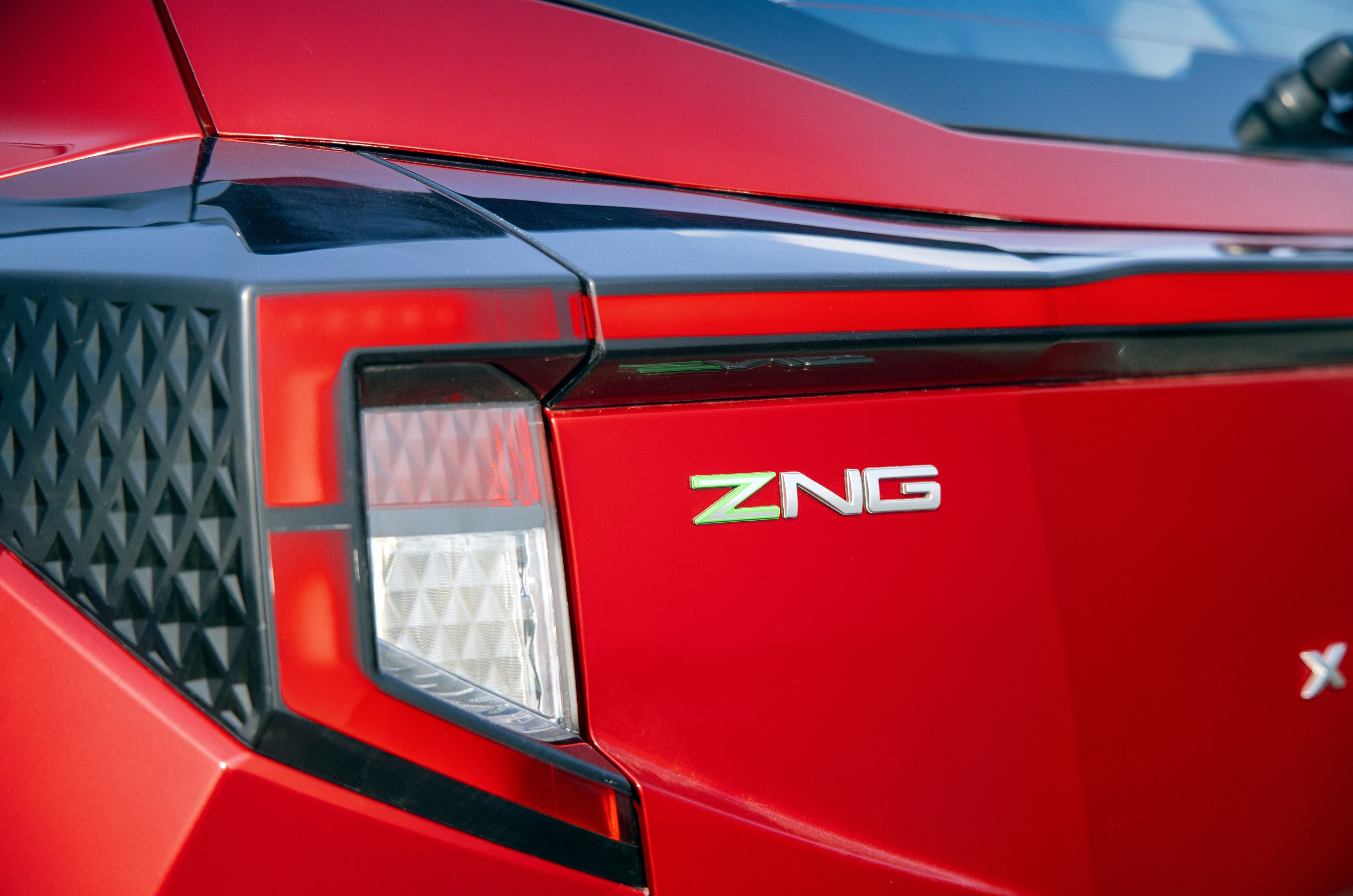
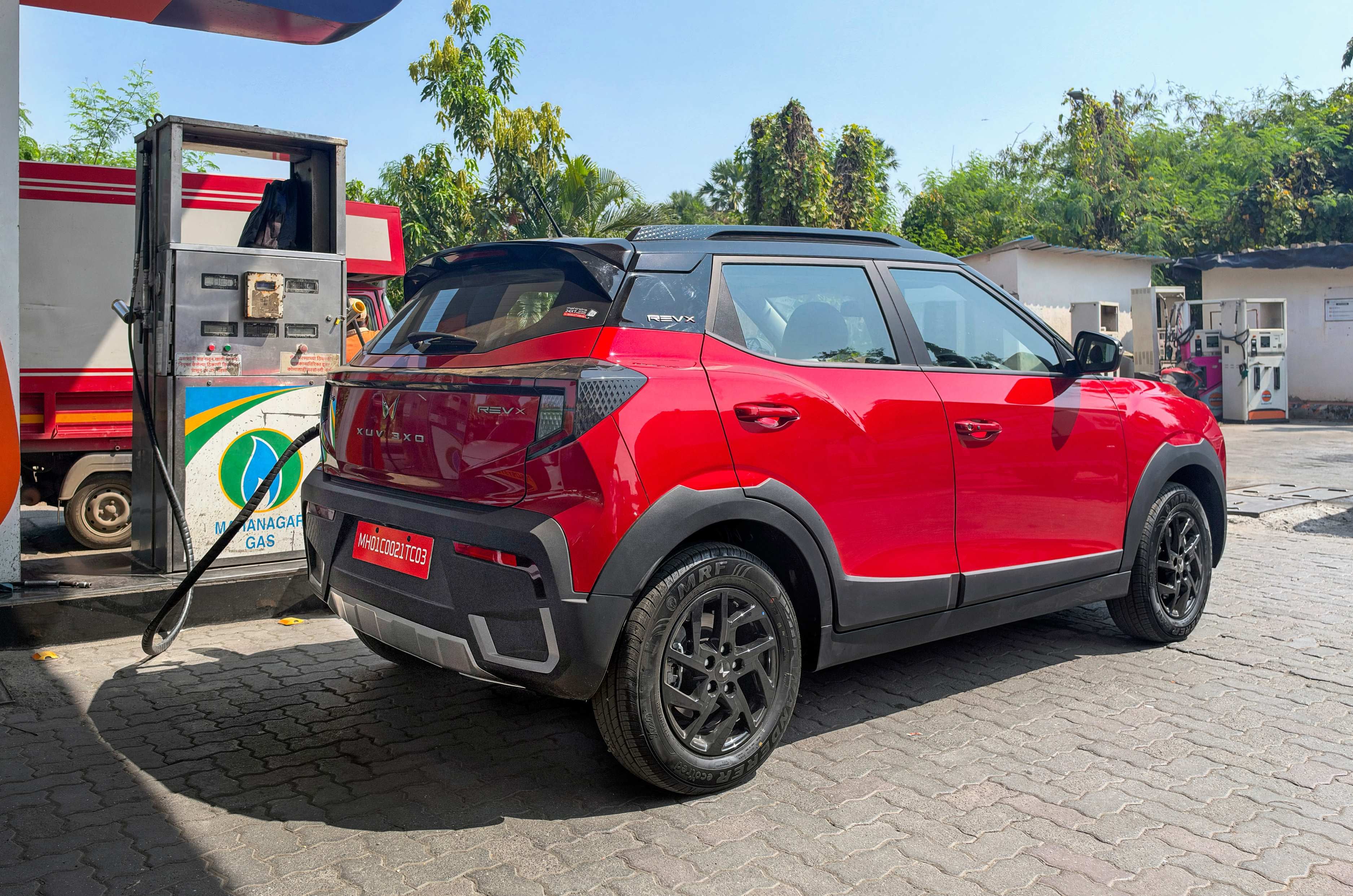
ZNG badge on the tailgate is the only exterior telltale of the CNG powertrain.
In profile, you’ll notice the gloss black 16-inch wheels – the largest size available on the ZNG, with 17s reserved for the pure-petrol TGDi. At the rear is the clearest giveaway of its CNG powertrain: a ZNG badge on the tailgate.
XUV 3XO ZNG Interior Space and Comfort – 8/10
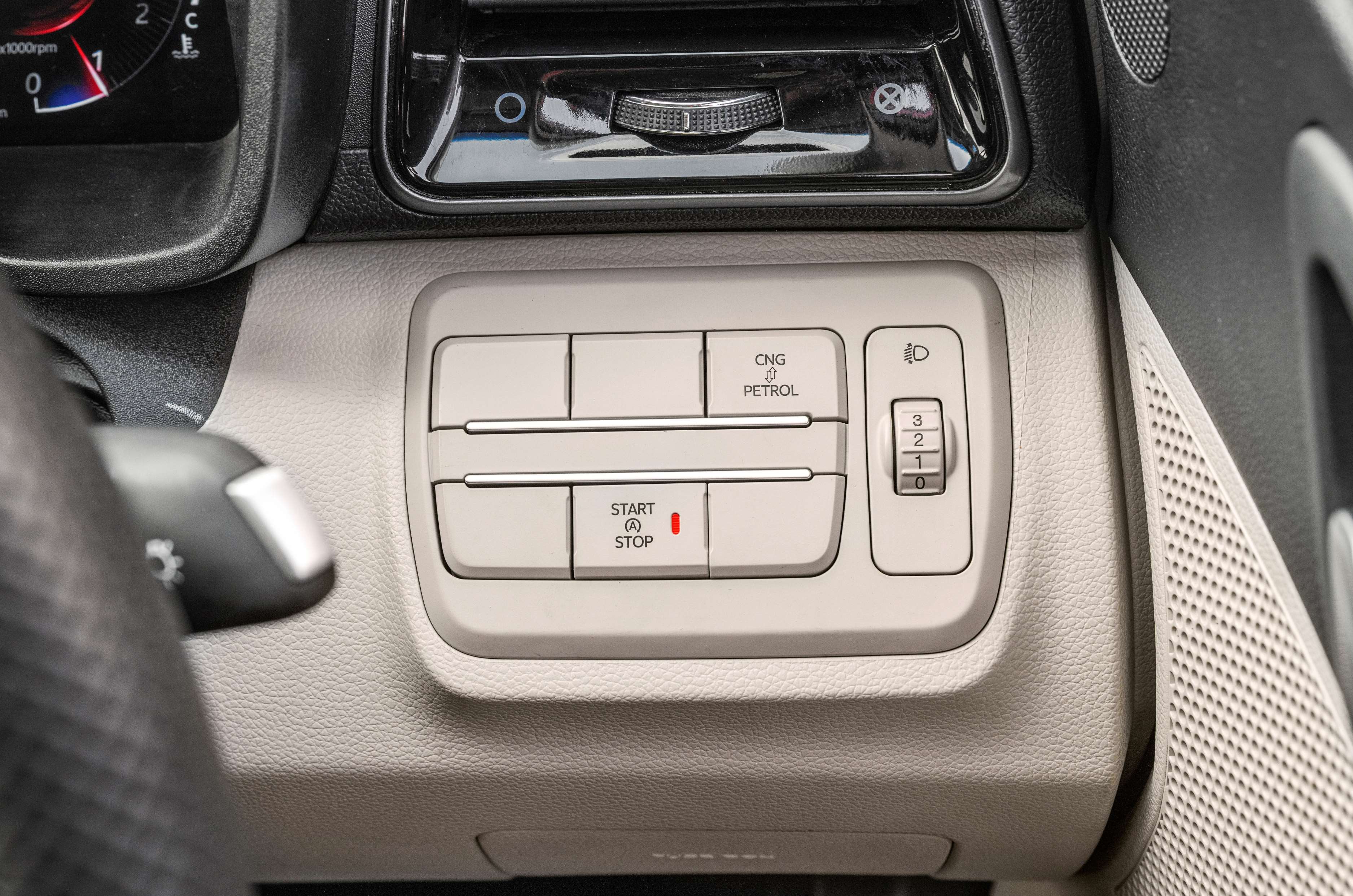
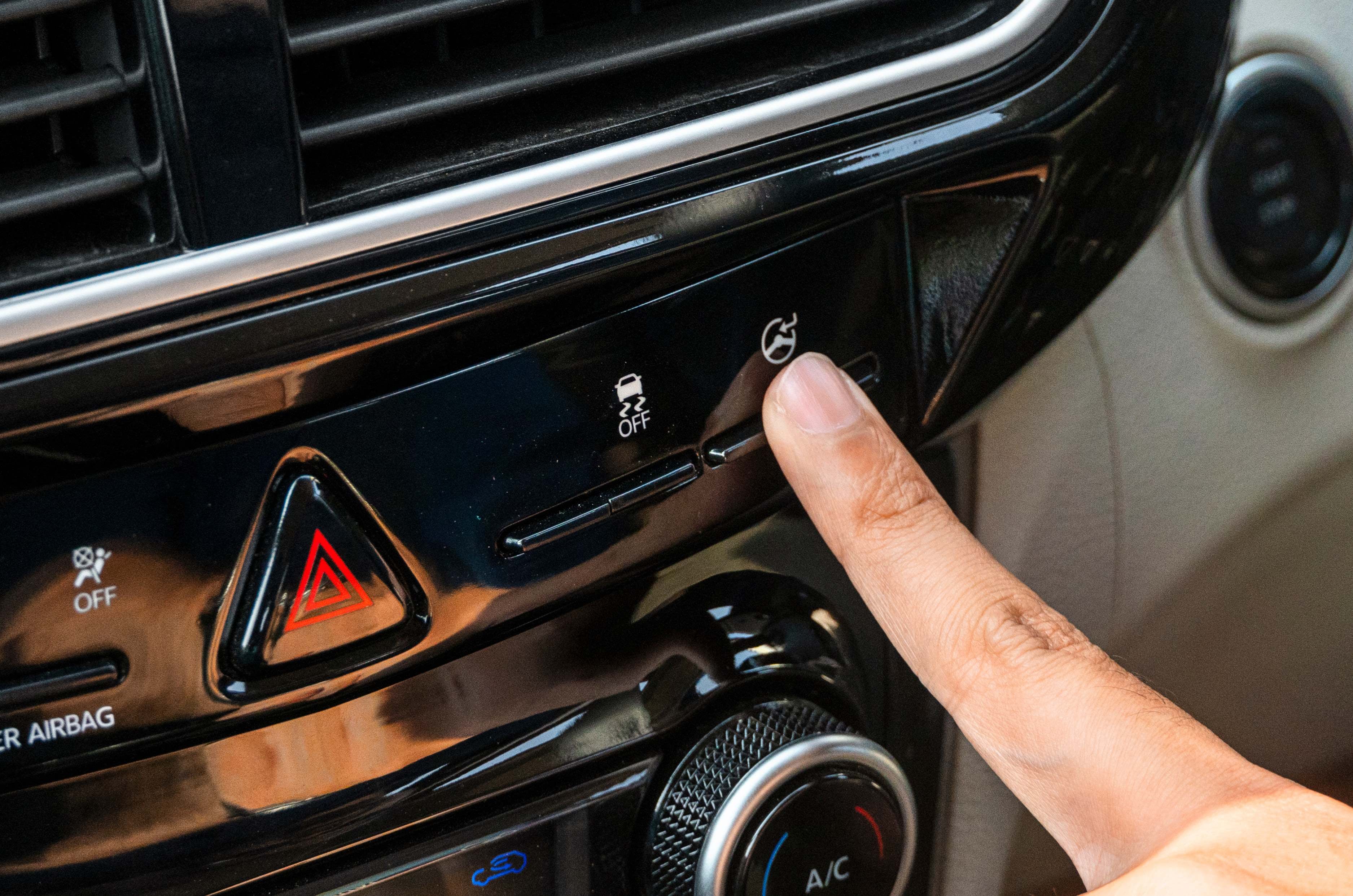
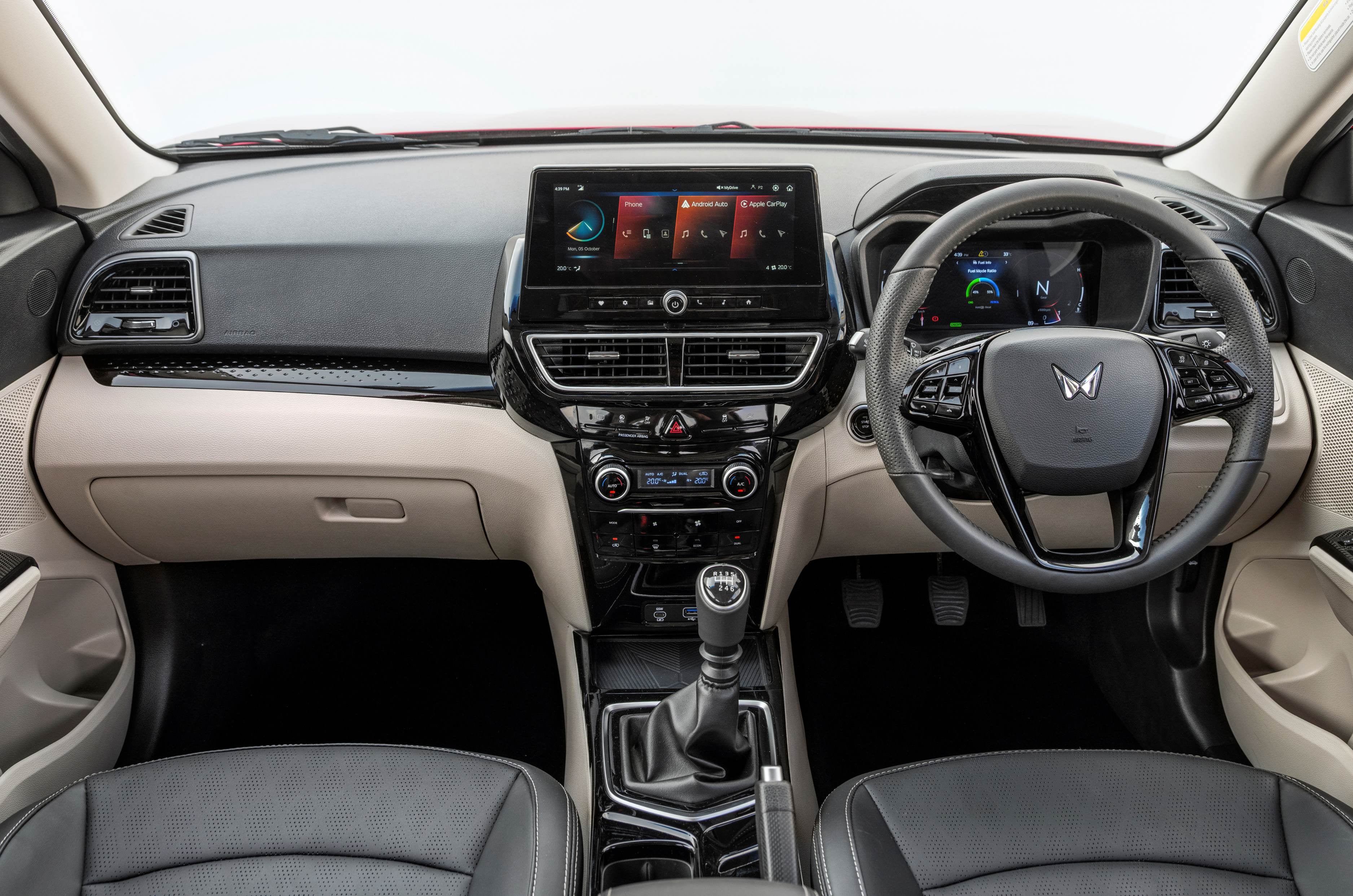
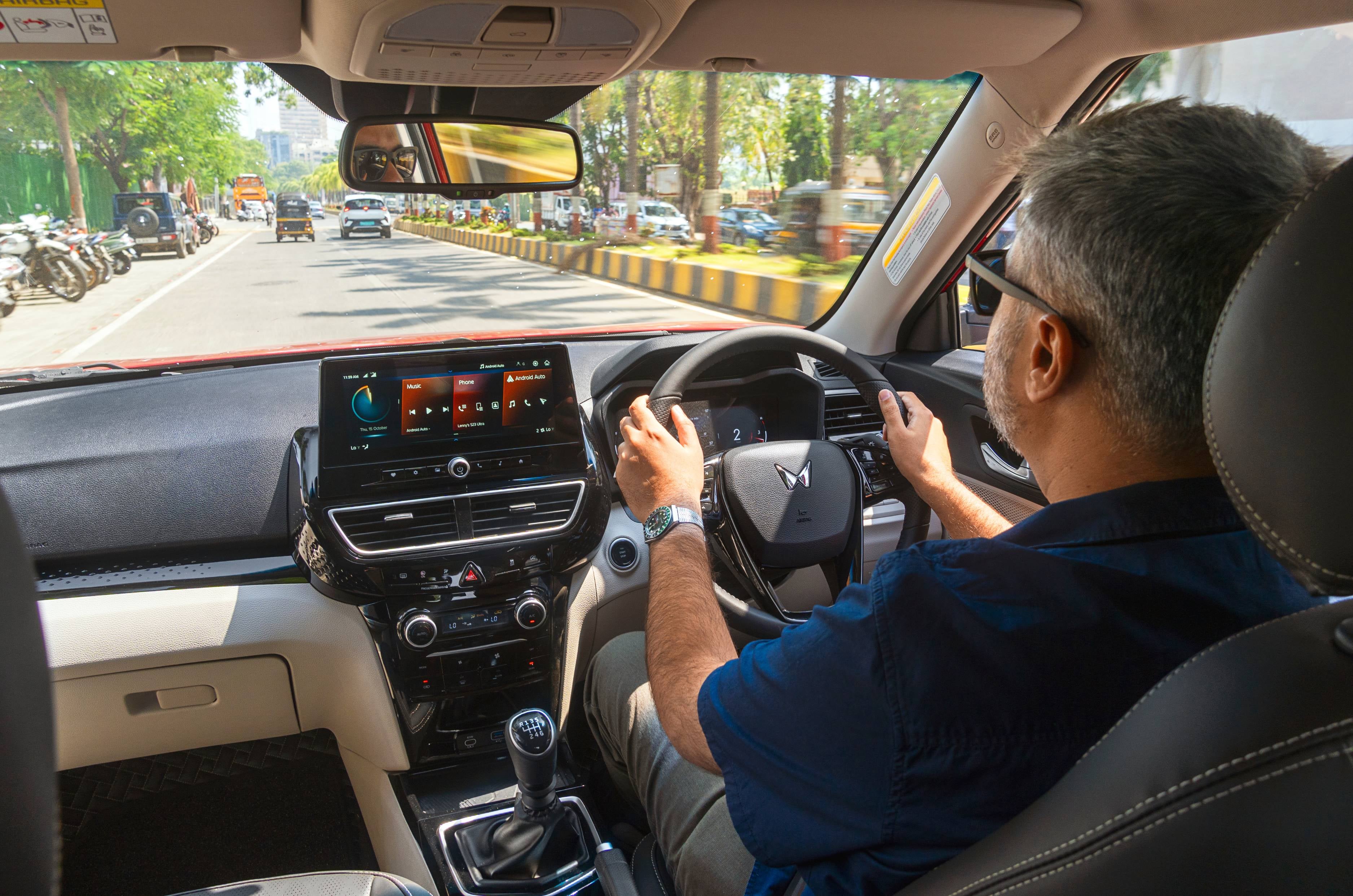
Inside, too, the ZNG is largely identical to its petrol and diesel counterparts, with a CNG switch to the right of the steering wheel being the only real giveaway. The dual-tone dashboard with lots of gloss black trim is otherwise carried over unchanged. Despite not being the top of the line variant, the cabin has an upmarket and well-trimmed air to it.
Our REVX A test car gets black leatherette seats, which can get quite hot, and they lack ventilation, just like the regular 3XO. The front seats are also a bit tight for larger frames, and the lack of a telescoping steering makes it hard to get comfy. Another ergonomic gripe is the tight driver’s footwell, with no dead pedal – pertinent as a six-speed manual is your only gearbox option.
The rear seat remains spacious and comfortable for its segment, and accommodating three abreast is not an issue. One area where the 3XO fell short was boot space, measuring just 295 litres – the smallest in the segment. To keep as much of the boot intact as possible, Mahindra has moved the space-saver spare under the body and placed a dual-tank setup under the boot floor. The combined liquid capacity of the tanks is 60 litres, which translates to 10kg of CNG capacity.
Boot capacity has dropped to 270 litres, which is smallest amongst immediate rivals, however it remains fairly wide and can accommodate up to four cabin bags.
Mahindra XUV 3XO ZNG Features and Safety – 8/10
The 3XO ZNG is available in four trims, which offer the same features as their petrol and diesel counterparts. The highlights are a pair of sharp 10.25-inch screens for infotainment and instrumentation, a panoramic sunroof and a six-speaker audio system with Dolby Atmos.
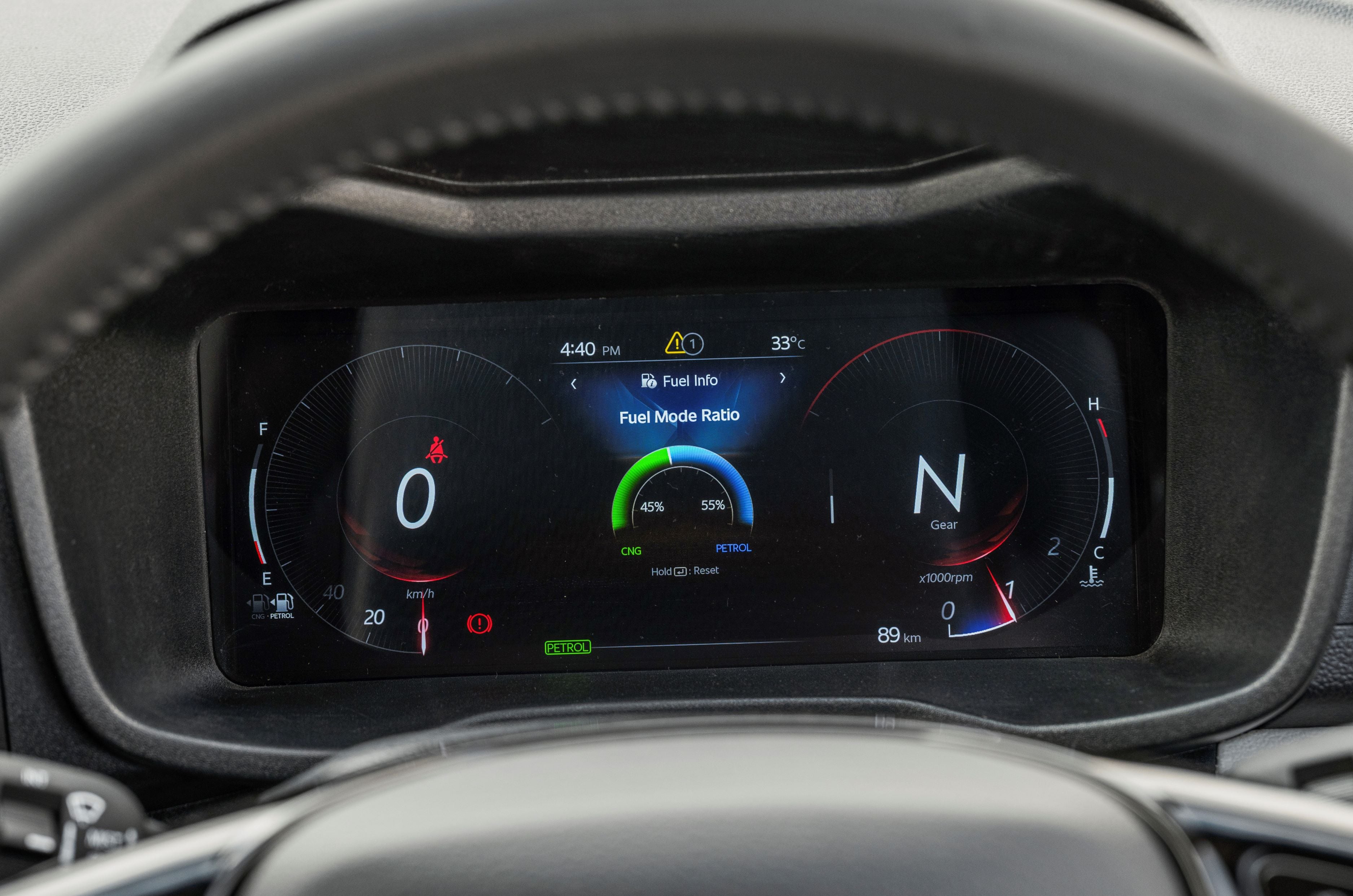
The digital instrument cluster has a few more CNG-related functions. Hit the CNG switch, and an indicator on the digital instrument cluster confirms the fuel you are using, while the fuel gauge changes to display the fuel level. The cluster can also show the ratio of time spent in each fuel mode and the corresponding fuel efficiency.
As such, the 3XO ZNG is reasonably well equipped compared to equivalent variants of its main rival, the Tata Nexon iCNG. However, the Nexon offers a wider choice of CNG variants, with top-spec versions getting features such as a 360-degree camera, ventilated front seats and a wireless charger, all of which the Mahindra misses out on.
The safety kit is quite comprehensive, featuring six airbags, ESC, ISOFIX mounts, a tyre pressure monitoring system and a reversing camera. The regular XUV 3XO is also a five-star Bharat NCAP safety-rated car, and Mahindra says the ZNG has been engineered to meet the same standards.
Mahindra XUV 3XO ZNG Performance and Refinement – 8/10
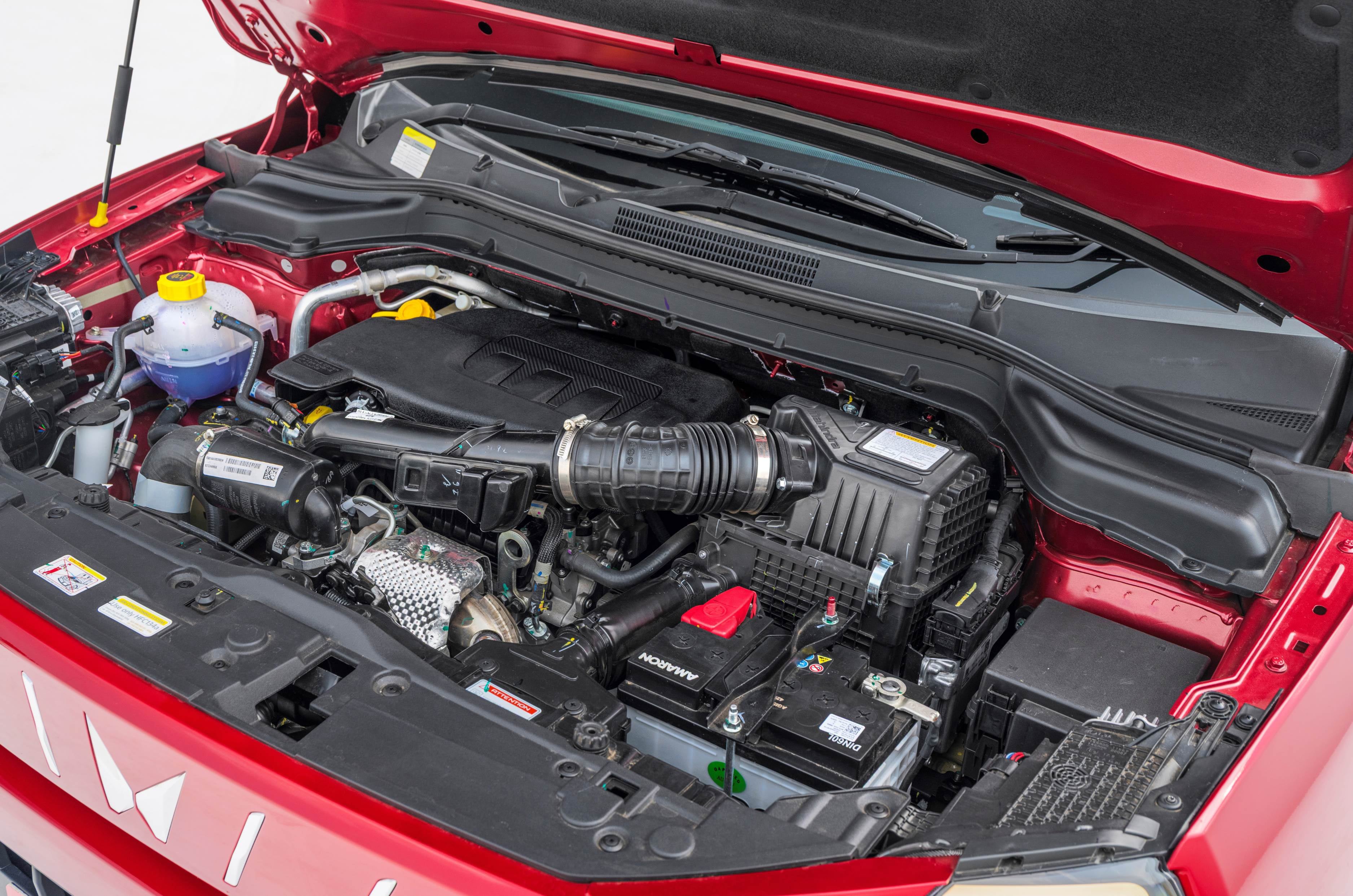
Powering the ZNG is the same 1.2-litre multi-point fuel injection (MPFi) turbo-petrol engine that does duty on the lower and mid-level trims of the 3XO. The kicker is that Mahindra quotes the exact same power and torque figures for CNG as for the pure-petrol version – 111hp and 200Nm. That is highly unusual, as a 10 to 15 percent drop in power figures is the norm. For comparison, its direct rival, the Tata Nexon iCNG, loses 20hp when switching from petrol to CNG. Mahindra says it has managed this with the use of a 10-bar CNG injection system. It also says the turbocharger and ECU calibration have been optimised to run on CNG, and initial impressions seem to back this up.
1.2-litre TCMPFI engine uses a 10-bar CNG injection system; Mahindra claims identical 111hp and 200Nm figures for petrol and CNG.
In everyday driving, the difference between CNG and petrol modes is barely noticeable. The engine feels smooth and refined in both, only becoming audible when extended. Performance, too, is very similar. Throttle response is good and the motor feels tractable, rarely requiring a shift into first when negotiating a speed breaker. There is a bit of turbo lag below 2,000rpm, but get past this and performance feels brisk.
The switch between modes is also quite seamless, with no apparent jerkiness or change in engine note. However, switch back and forth a few times, and you’ll notice the throttle response is ever so slightly duller in CNG mode, and there are times when it will hesitate on sudden throttle inputs. Overall, though, calibration in CNG mode is very good, and in everyday driving, there is very little to fault.
Performance feels brisk once you get past 2000rpm.
While the pure-petrol version of this engine can be had with a six-speed torque-converter automatic, the ZNG is only available with the six-speed manual. While its immediate rivals don’t offer an automatic with CNG either, Mahindra would have done well to offer at least an AMT. As it is, the manual is a smooth and easy-to-use unit, but not quite at the level of its Japanese or Korean competition. Its throws are a bit too long, and the clutch, while light, has a long travel.
In terms of outright performance, Mahindra claims an 11.8sec 0-100kph time for the ZNG. We conducted a quick performance test (not to Autocar India standards), which resulted in a 0-100kph time of 12.98s on petrol and 12.64s on CNG – a difference we put down to the launch. In-gear acceleration figures paint a clearer picture, where the ZNG was quicker in petrol mode by about 0.7 seconds in both 20-80kph and 40-100kph runs. Nevertheless, performance in either CNG or petrol is so close that most drivers would be hard-pressed to tell the difference.
Mahindra XUV 3XO ZNG Mileage and Efficiency – 8/10
Mahindra claims an efficiency figure of 24.7km/kg for the XUV 3XO ZNG, which translates to a theoretical range of 247km from its 10kg CNG capacity.
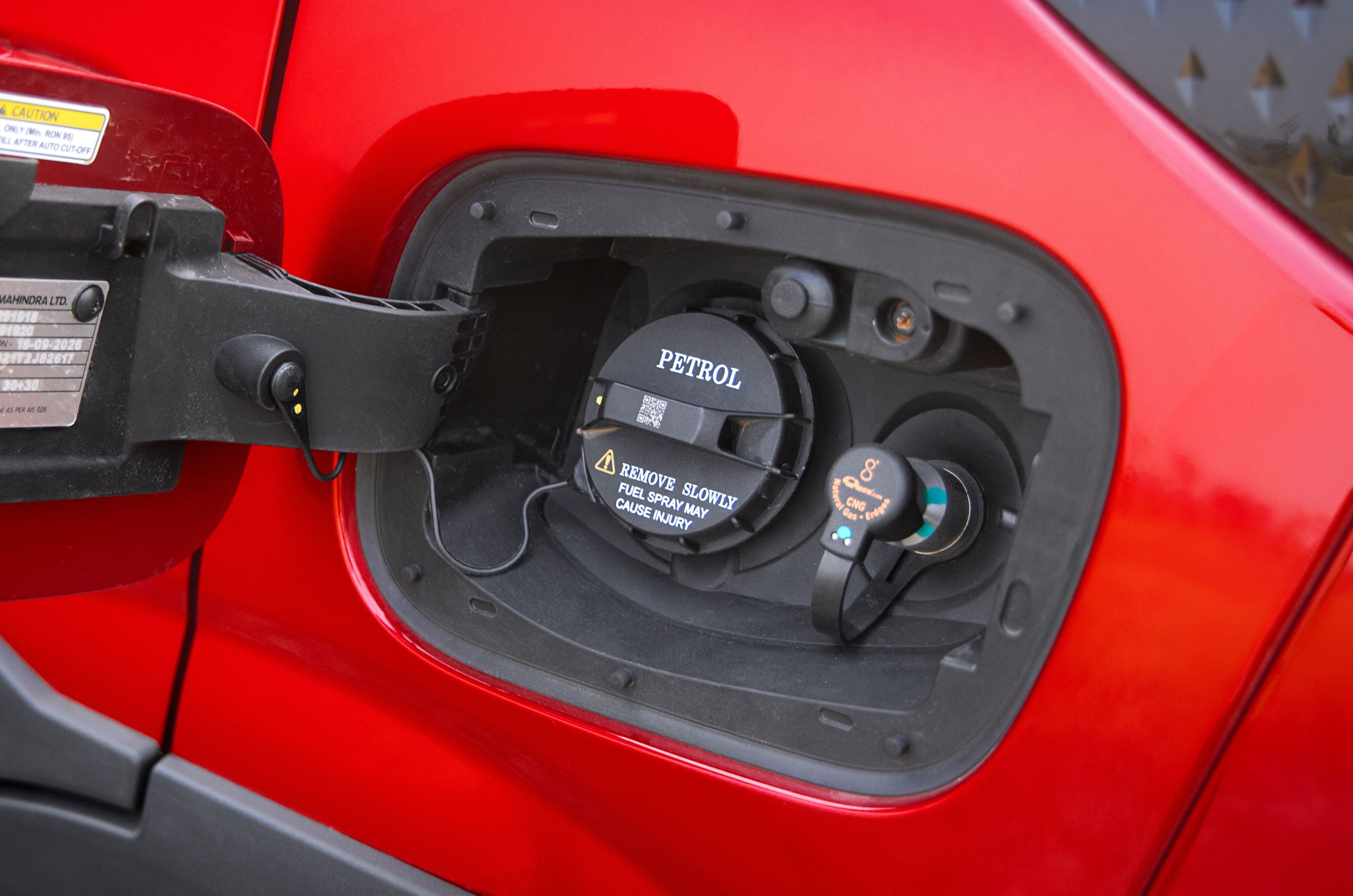
CNG filler neatly positioned beside the fuel filler; fuel filler door still has a manual release in the cabin.
It also gets an idle-stop/start function, which should help efficiency. We will verify these claims with a real-world test soon.
Mahindra XUV 3XO ZNG Ride Comfort and Handling – 9/10
Light steering works well in town; steering modes dial up resistance but don’t offer better feel.
The switch to CNG adds around 100kg to the 3XO, most of it concentrated at the rear. To ensure this doesn’t affect ride or handling, Mahindra has tweaked the suspension to cope with the extra weight. The ZNG’s ride has a slightly firm edge, but overall it deals with bad roads very well.
16-inch wheels and tall tyres are better at absorbing sharper bumps than the 17s on higher petrol trims.
The smaller 16-inch wheels also play an important part here, as their taller-sidewall tyres absorb sharp edges before they make their way to the cabin. Overall, the ride remains amongst the best in the class.
Handling, too, remains tight and engaging, with a planted feel around the bends. The steering is light and direct, and while you can dial up the resistance using the three steering modes, this adds little in terms of feel or feedback.
Mahindra XUV 3XO ZNG Value for Money – 8/10
Overall, the Mahindra XUV 3XO offers good value for money and makes for a compelling entrant into the CNG compact SUV space. Prices for the Mahindra XUV 3XO ZNG start at Rs 9.99 lakh and go up to Rs 12.27 lakh, which is between Rs 1 lakh and Rs 1.2 lakh more than the equivalent petrol trims. Pricing is on par with comparable variants of the Tata Nexon iCNG. However, the Nexon has a wider range and also offers more features on the higher trims.
Mahindra has packaged the CNG tanks cleverly, minimising the impact on boot space. That said, the 3XO’s boot wasn’t particularly large to begin with, and that remains a drawback. What sets it apart is the driving experience. CNG calibration is very good, and performance in CNG mode is close enough to petrol for most people not to notice a real difference. For a first attempt, the XUV 3XO ZNG certainly ticks a lot of boxes.
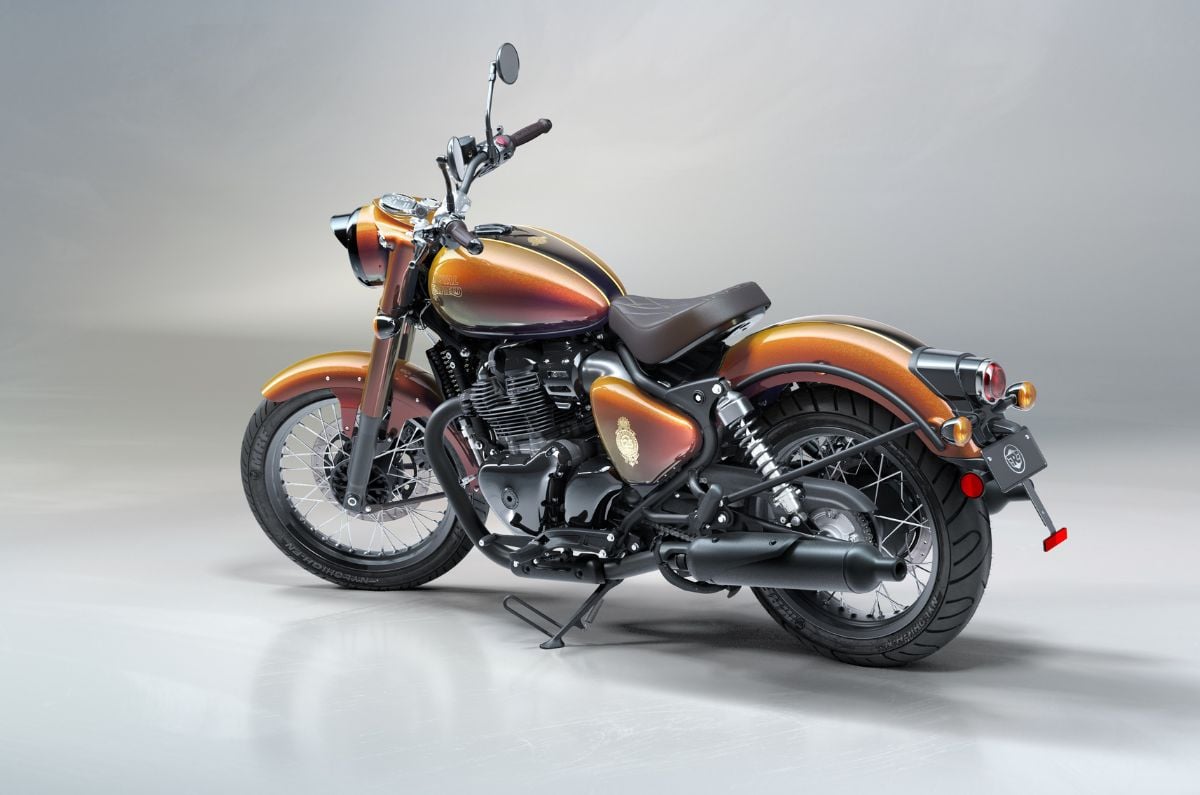
Royal Enfield has launched a special edition for the Classic 650, called Hypershift, to commemorate the Chennai-UK based manufacturer’s 125th anniversary. While there is a price, Rs 4.26 lakh, the company has clarified that it’s limited to 125 units in each of its key units, including India. Hence, interested customers will need to register to buy one; registrations will be open from today (October 16) at 2pm, till October 28, when sales begin.
All prices mentioned are ex-showroom.
Mechanically identical to the production-spec Classic 650
Costs Rs 58,000 more than the base Classic 650; Rs 43,500 more than the top
Royal Enfield Classic 650 125th anniversary edition: What’s special?
Strictly cosmetic, with exclusive Hypershift detailing
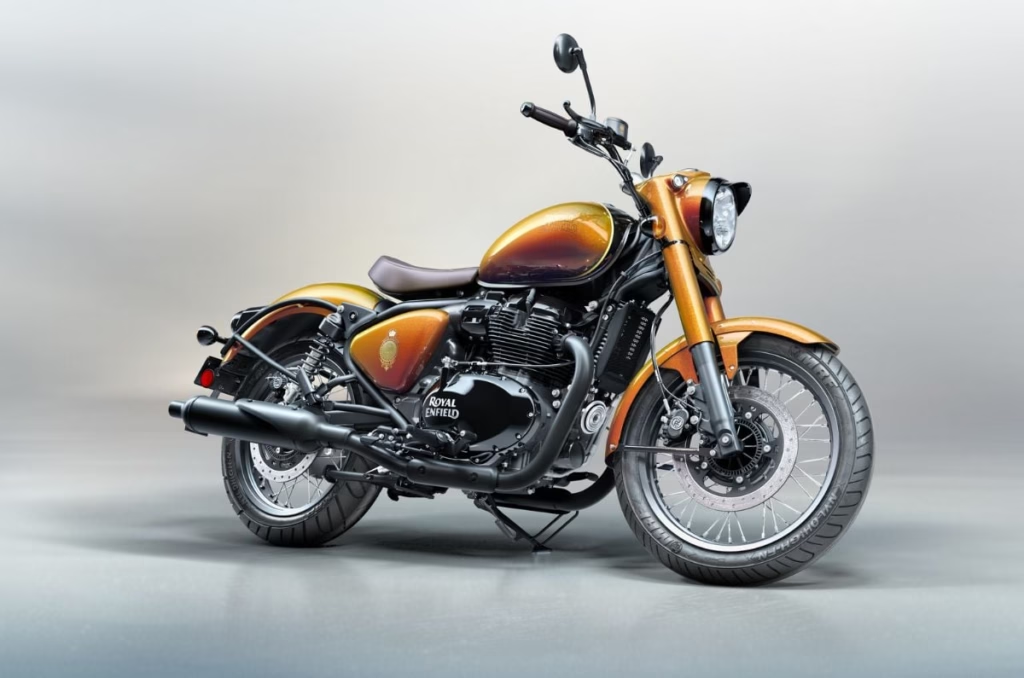
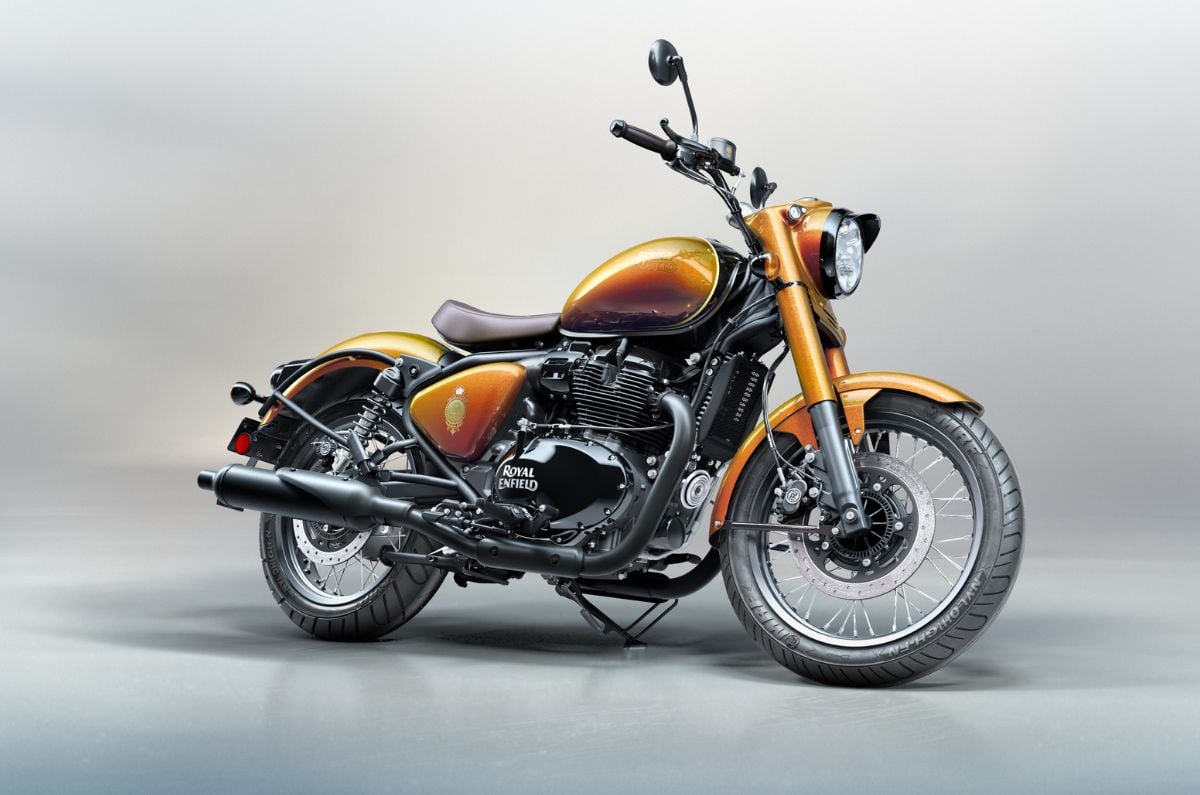
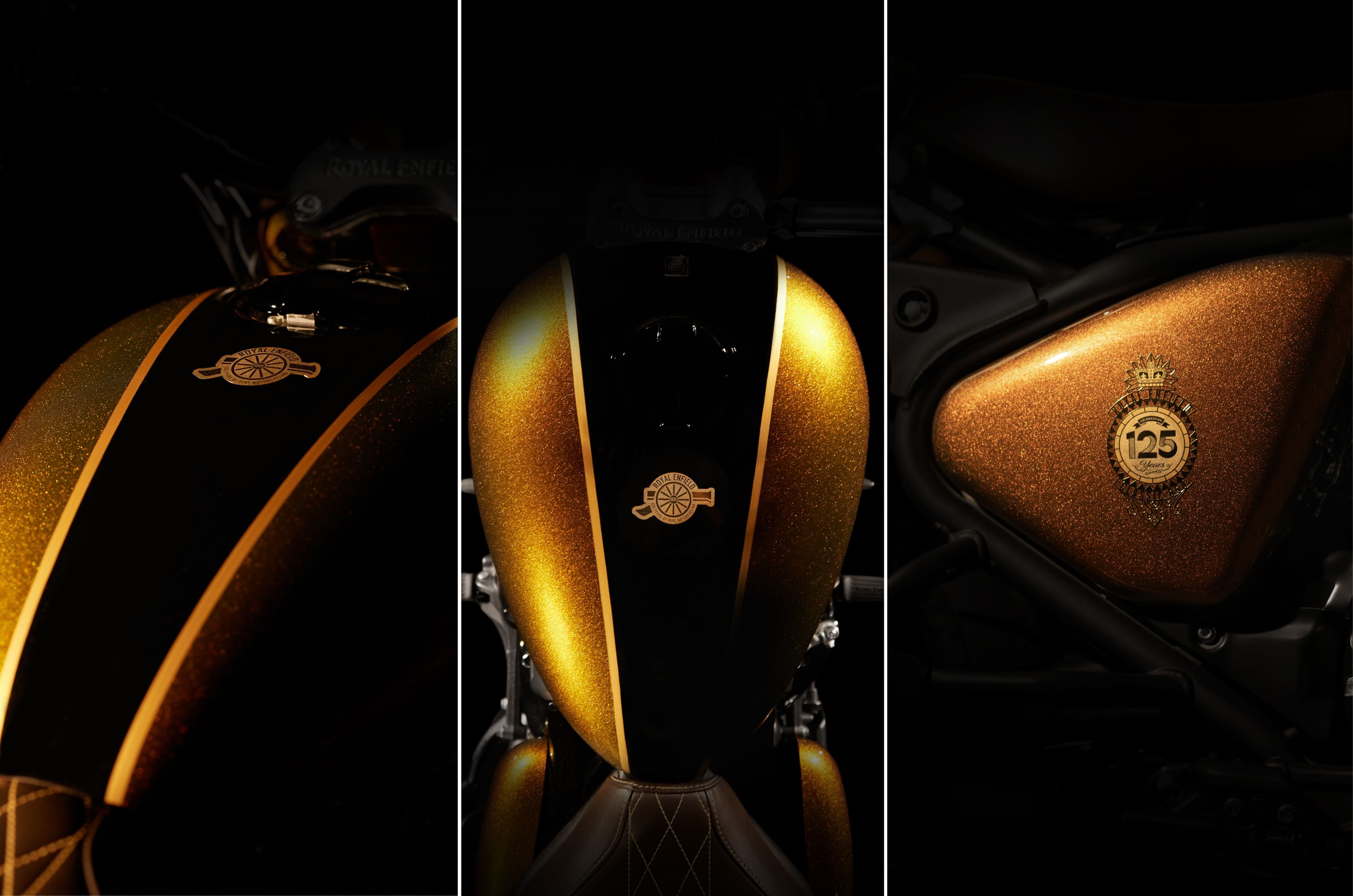
The Classic 650 Hypershift is mechanically identical to the production-spec Classic 650. There are no changes to the underlying design either. What sets it apart, primarily, is the bespoke Hypershift finish that transforms between shades of red, green and gold as light moves across the motorcycle. Complementing the finish are the additional 125-year crest on the teardrop tank, special badging on the sidepanels and of course, hand-painted pinstripes.
The Classic 650 was first launched in 2025, sharing the 648cc, air-cooled parallel twin with the Interceptor 650 and the likes, making 47hp and 52.3Nm. It has a chassis that’s derived from the Super Meteor 650, currently the most expensive Royal Enfield 650 at Rs 4.39 lakh. While the Super Meteor has a USD fork, the Classic swaps that for RSU (right side up) telescopic fork and reduces the twin-shock’s travel from 101mm to 90mm.
Classic 650 Hypershift
Classic 650 Black Chrome
Classic 650 Vallam Red/Bruntingthorpe Blue
Price (ex-showroom)
Rs 4.26 lakh
Rs 3.82 lakh
Rs 3.68 lakh
The Classic 650 Hypershift has been priced at Rs 4.26 lakh, which is a Rs 58,000 premium over the base Vallam Red colour (Rs 3.68 lakh) and a Rs 43,500 premium over the top Black Chrome colour (Rs 3.82 lakh). For customers who are able to place an order for one of the 125 units on October 28, deliveries will begin in November.
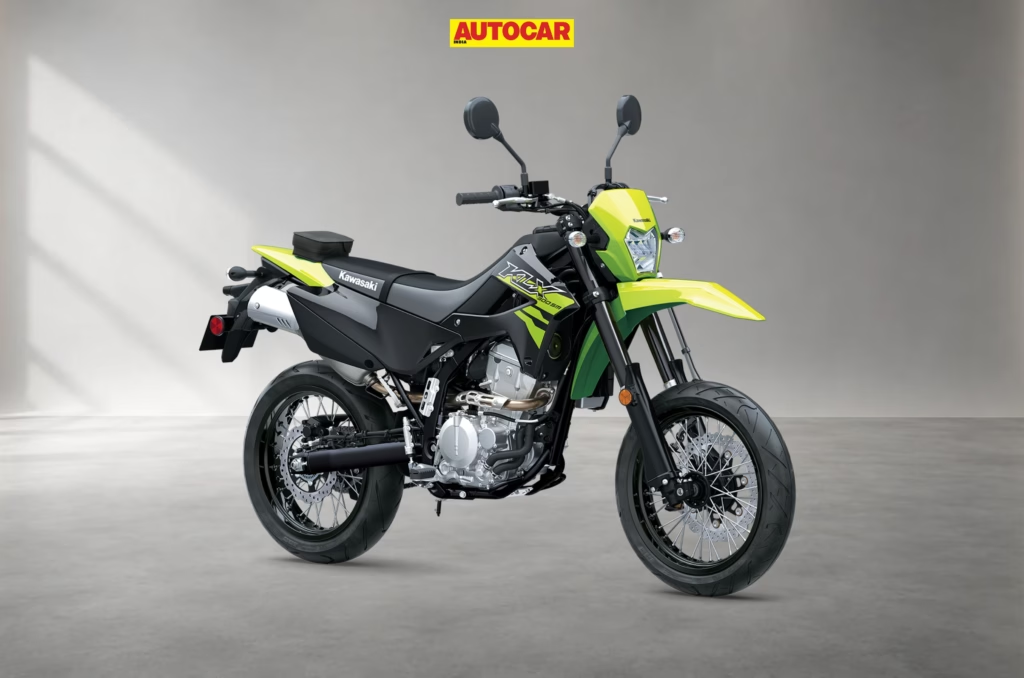
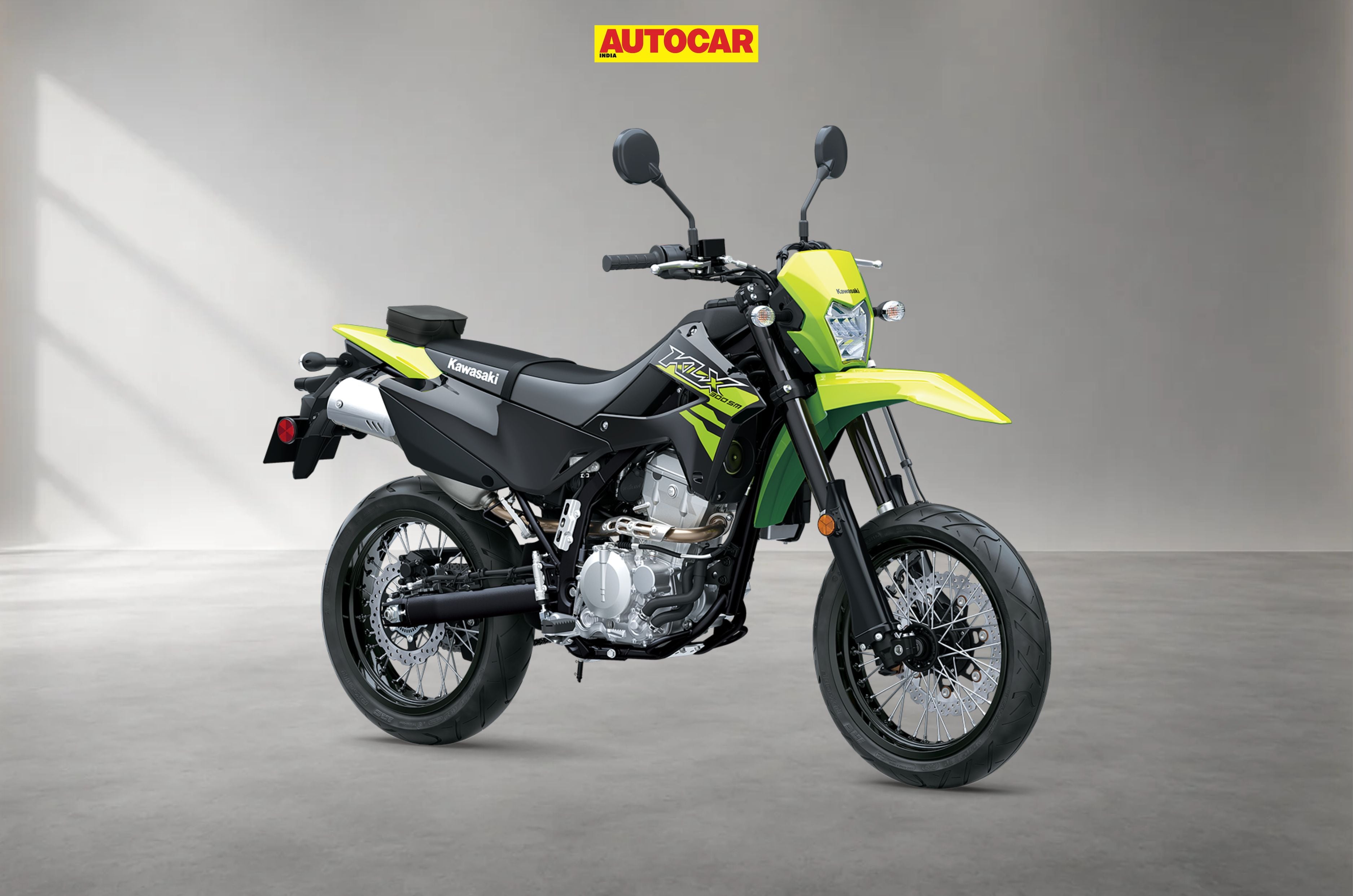
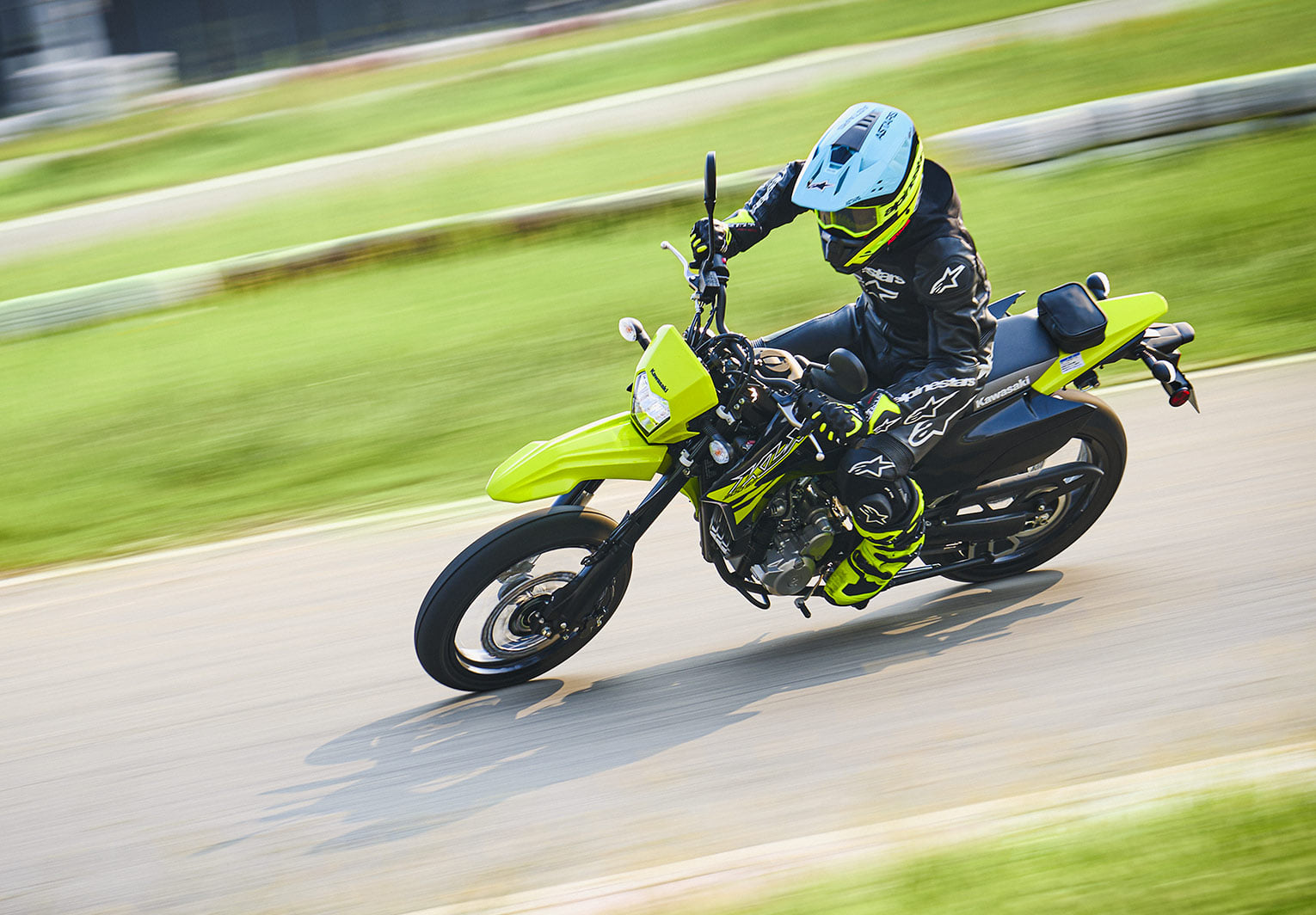
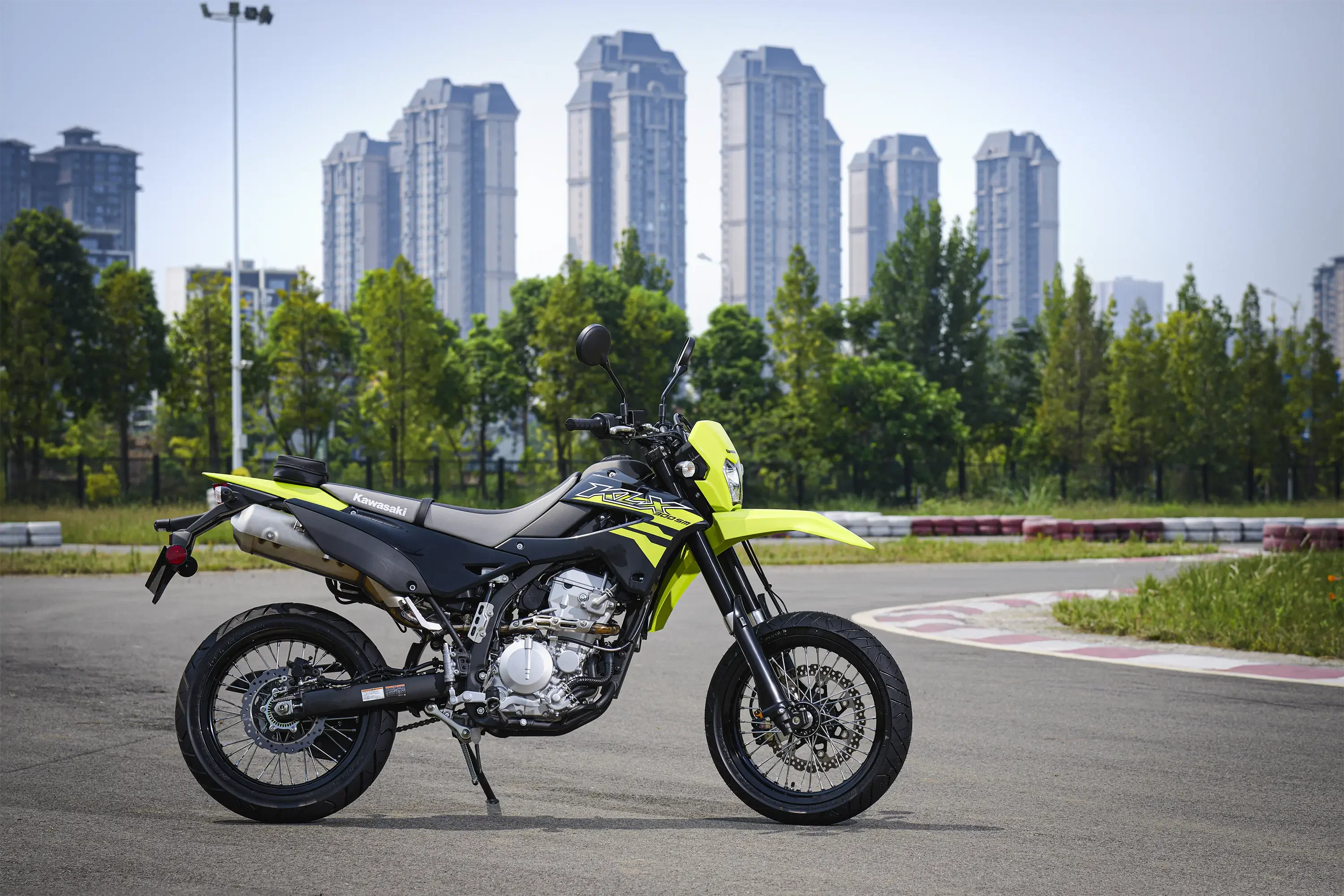
If you saw the picture and thought the KLX230 got a new variant, you’re neither alone nor correct. What we have here is the KLX300SM, Kawasaki’s supermotard for the overseas markets, and the Japanese manufacturer has just given it a minor engineering and feature refresh for 2027.
2027 KLX300SM continues with a 292cc engine but with revised internals
Not expected in India for the foreseeable future
2027 Kawasaki KLX300SM: What’s different from 2026?
The road-biased KLX230 upgrade that’s not in India (yet)
Discussing the changes is a very short affair in the KLX300SM’s case since there are only a few. First, the connecting rod big-end bearing has been changed from a needle bearing to a plain bearing, contributing to improved performance and slightly higher peak power and torque over the previous model. The single-cylinder liquid-cooled mill now makes 26.8hp and 24.9Nm compared to 25hp and 23.9Nm earlier.
Second, unlike in India, ABS is not mandatory in the US, so Kawasaki is adding single-channel ABS to the front 300mm disc for next year; the rear 240mm continues to be lockable by riders, but those who ride the KLX300SM are unlikely to complain about it. To accommodate the new ABS hardware, Kawasaki has switched from the dual radiators to a single, left-mounted radiator. However, Kawasaki says there shouldn’t be a difference in the overall cooling performance. Keeping in line with the times, Kawasaki has also updated the instrumentation and added smartphone connectivity. Through the Kawasaki Rideology app, users can connect their phone to the KLX300 for call/SMS alerts and navigation support.
Supermotards typically offer long travel suspension and a slender build with road-biased tyres, usually 17-inch, at both ends. In the KLX300’s case, it has a USD fork with 230mm travel, adjustable for compression. The monoshock with 206mm travel can be adjusted for preload and rebound. This and the road-biased wheel and tyre setup are what make supermotards a fun package. For context, the KLX230 S – Kawasaki India’s road-focused dual-sport – has 160mm travel at the front and 163mm travel at the rear.
In the US, Kawasaki has priced the KLX300SM at USD 6,399 (Rs 6.08 lakh) for its single variant, and it will be available from early December. As for India, we’re only now starting to warm up to niche categories like off-roaders, thanks to the Hero Xpulse series and KLX230 (and the Honda XR series on the horizon), so Kawasaki is unlikely to bring the KLX300SM here anytime soon. That said, it would be nice to have the KLX300SM and its refreshed dual-sport siblings in India, and more variety for the KLX230 series (there’s also a KLX230 SM!).
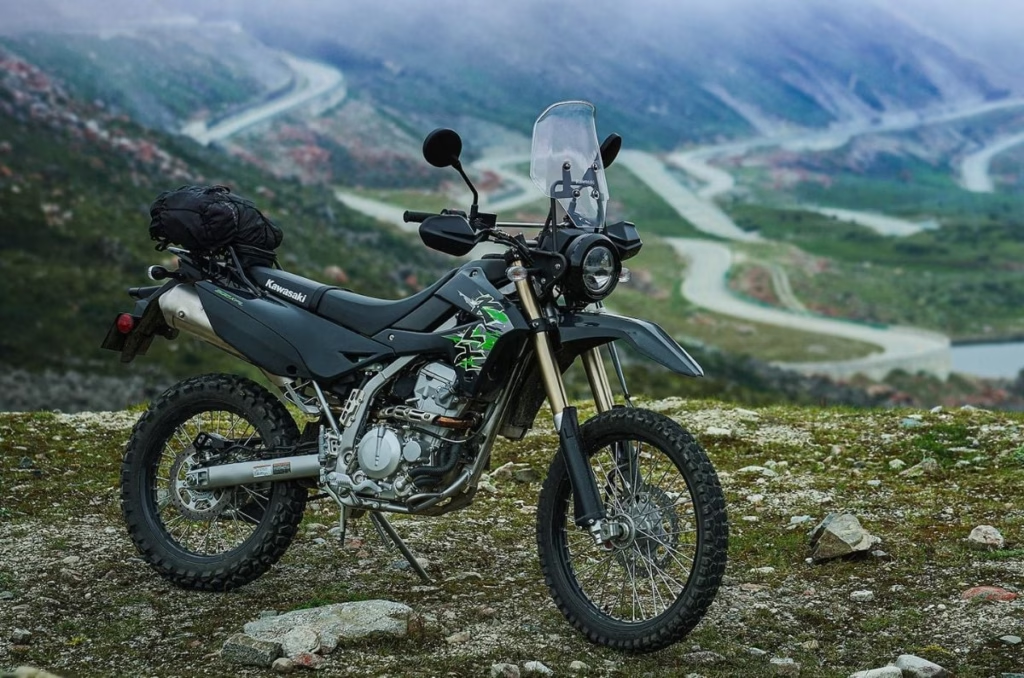
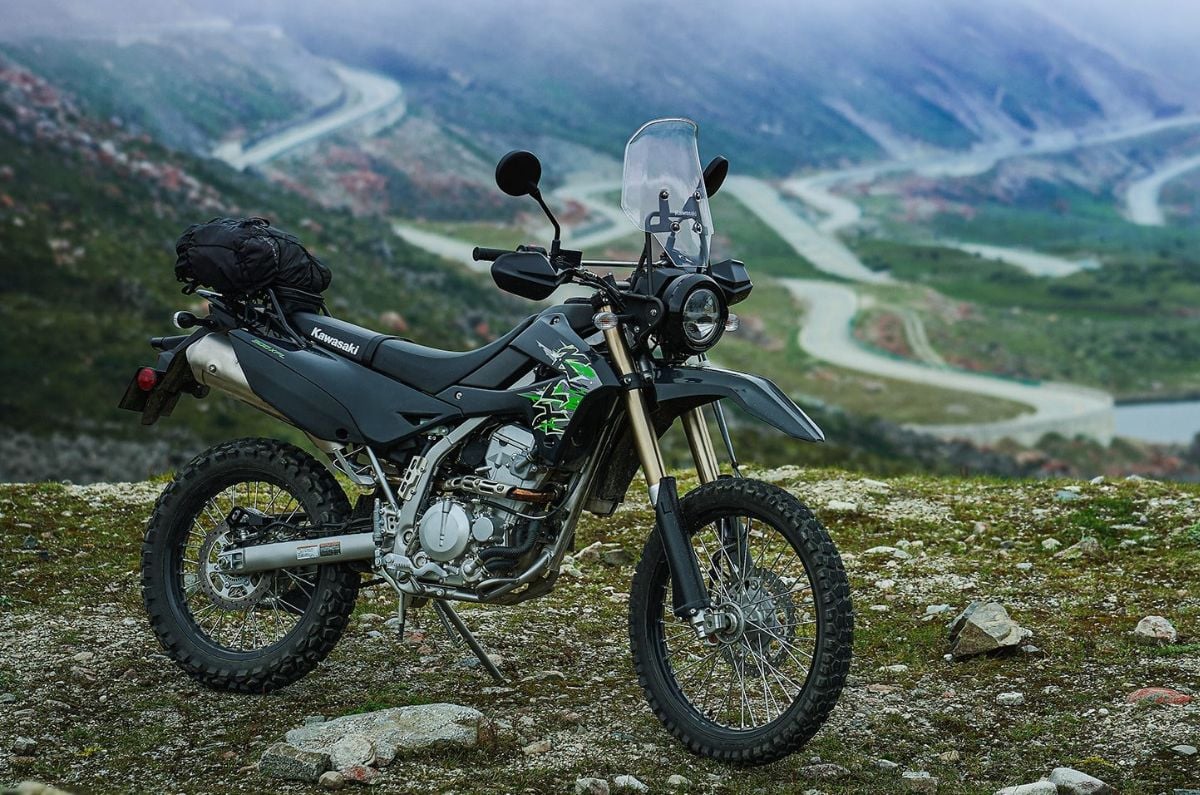
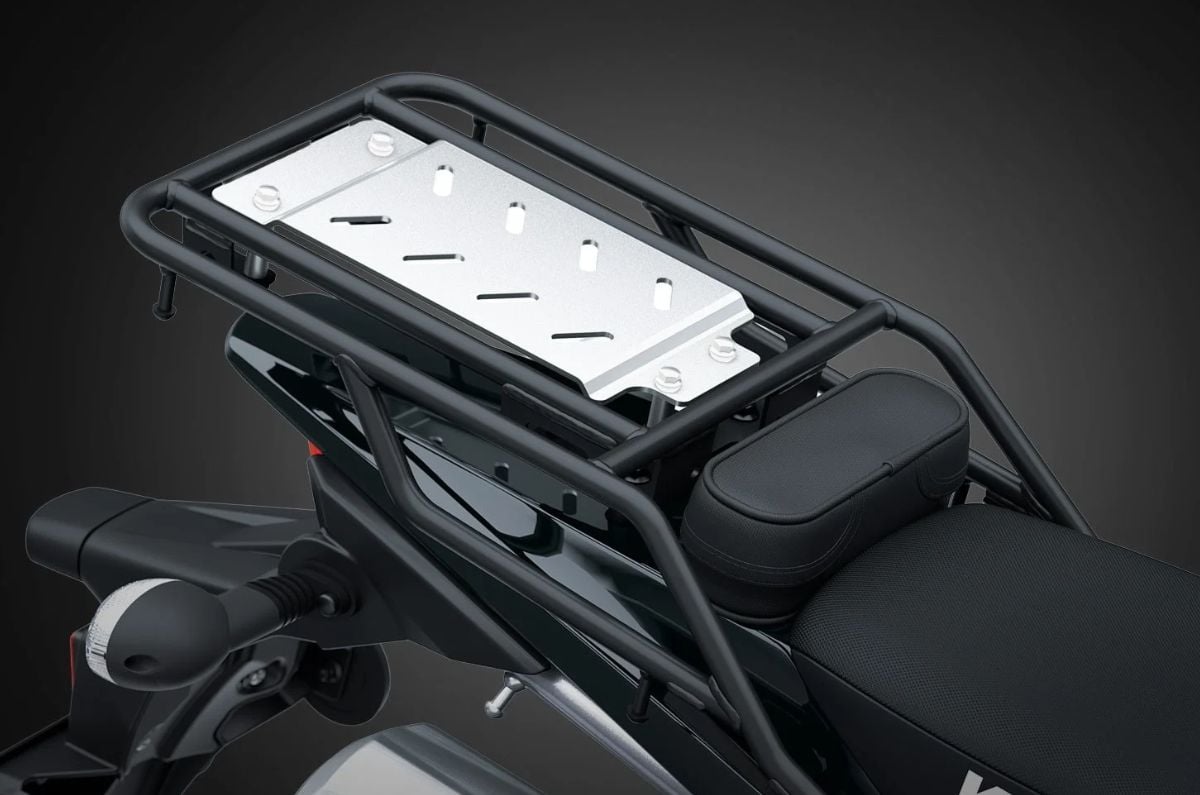
Kawasaki has launched the KLX300 XPL in America, priced at USD 6,499 (equivalent to Rs 6.17 lakh). This travel-oriented dual-sport motorcycle is based on the base KLX300 but has factory-fitted accessories which include a tall windscreen, handguard and rear carrier. This lineup also comprises the standard KLX300, the KLX300 DF (which adds a hand guard and a rear carrier as standard), and KLX300 SM (supermoto with 17-inch wheels and road-focused tyres).
Powered by a 292cc liquid-cooled engine making 27hp, 25Nm of torque
Gets adjustable suspension both at the front and rear
Uses a 21/18 wheel setup like the KLX230
2027 Kawasaki KLX300 XPL details
The liquid-cooled single-cylinder engine makes around 27hp and 25Nm of torque
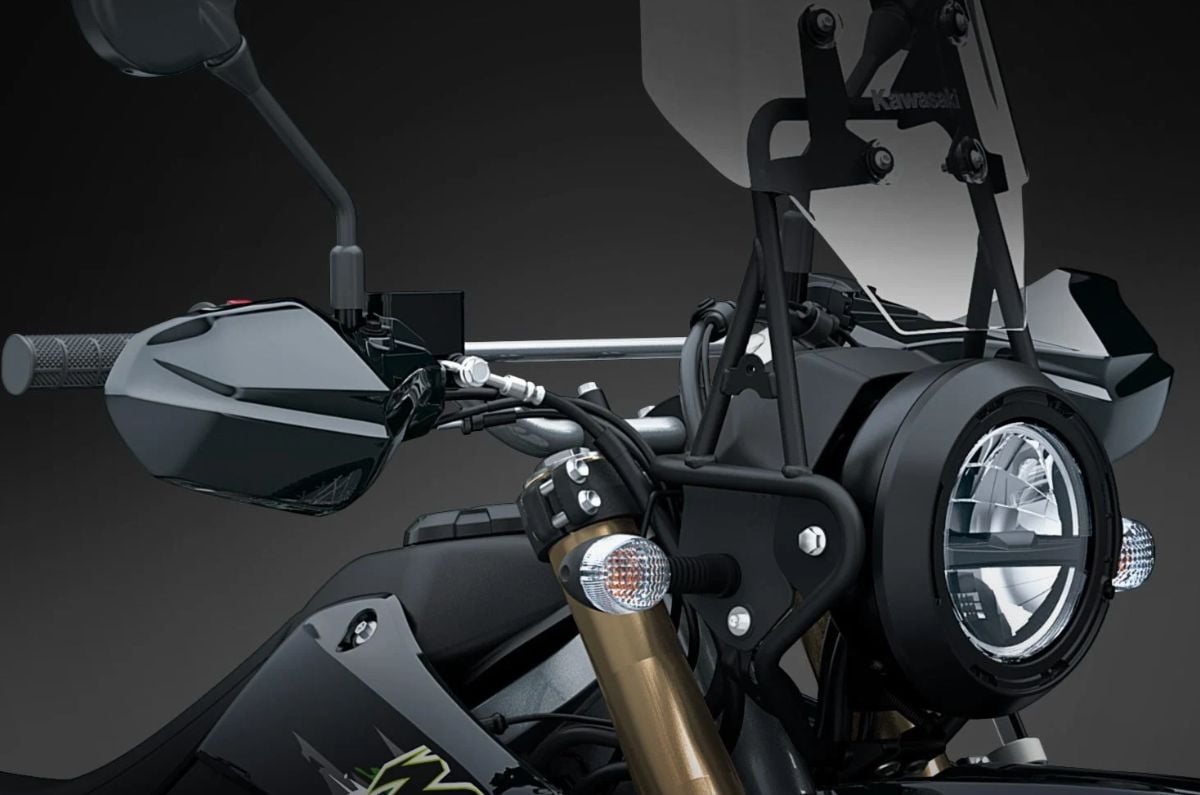
Setting the new KLX300 XPL apart from the rest of the range is a distinct round LED headlight. All four variants are powered by the 292cc liquid-cooled single-cylinder engine, producing 26.8hp at 8,000rpm and 24.9Nm of torque at 6,800rpm, paired with a 6-speed gearbox. Kawasaki has introduced revised internals like a new connecting rod bearing design across the 2027 range to enhance engine performance and reliability. The twin-radiator setup from the previous model has also given way to a repositioned single unit to accommodate the new ABS hardware.
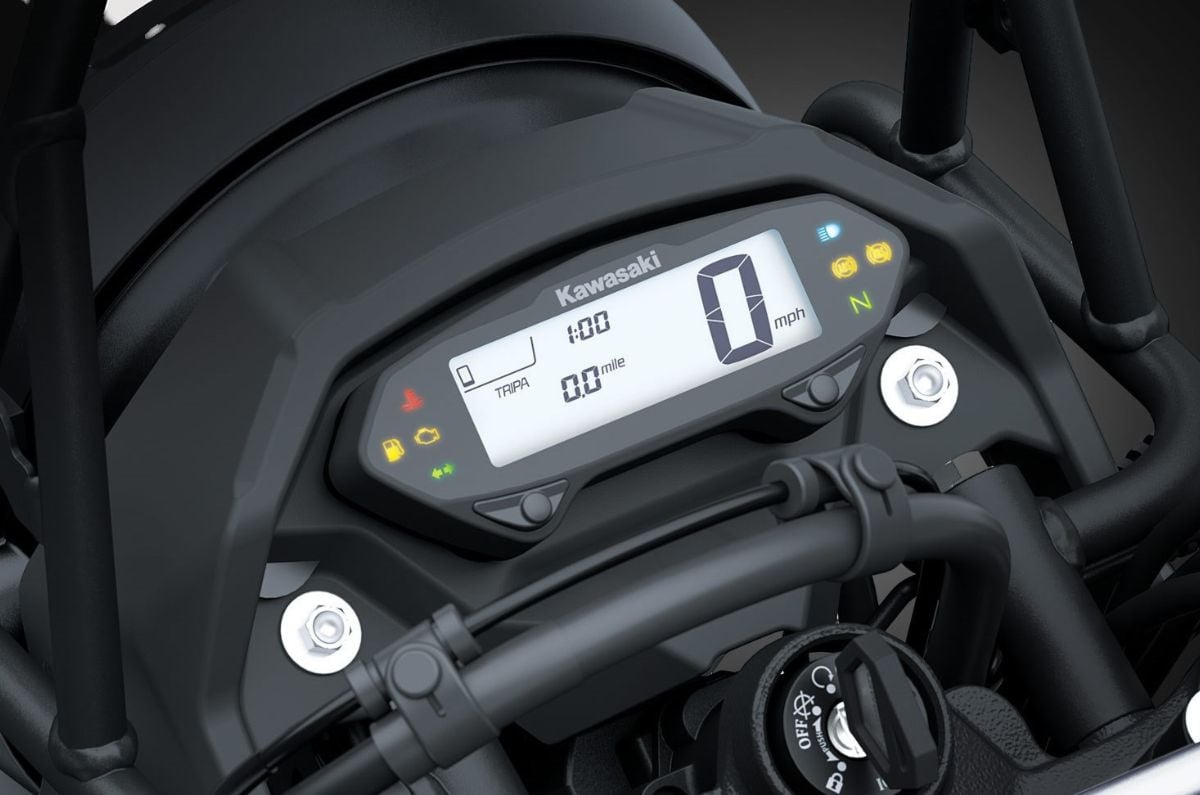
On the features front, the 2027 updates brings a redesigned LCD instrument cluster with smartphone connectivity through the Kawasaki Rideology app. Kawasaki has also equipped the KLX300 lineup with front-wheel ABS, which can be disabled to tailor braking performance when riding off-road. When the motorcycle is turned off and restarted, ABS automatically returns to its default active setting.
Chassis setup comprises a double cradle frame paired with an aluminum swingarm. Up front, it features a 43mm USD fork with adjustable compression damping, while the rear gets a fully adjustable link-type monoshock. Despite the additional equipment on offer, the KLX300 XPL (142kg) only weighs 3kg more than the KLX230 which is sold in India (139kg).
In theory, the KLX300 would make for a good step up from the KLX230 (Rs 2.19 lakh ex-showroom) sold in India, which has an air-cooled 233cc motor. However, Kawasaki India currently has made no announcement to indicate that the liquid-cooled KLX models will be coming to our shores.
USD-to-INR conversions are based on exchange rates at the time of writing.
Delhi Police Traffic Advisory: कॉकरोच जनता पार्टी के प्रदर्शन और दिल्ली में कानून व्यवस्था को बनाए रखने के लिए दिल्ली पुलिस ने बड़ा कदम उठाया है। दिल्ली में 12 अक्टूबर को कई प्रमुख सड़कों पर ट्रैफिक व्यवस्था प्रभावित रह सकती है। ट्रैफिक पुलिस ने 12 अक्टूबर के लिए एक अहम ट्रैफिक एडवाइजरी जारी की है। कानून-व्यवस्था की स्थिति को देखते हुए ट्रैफिक पुलिस ने कई जगहों पर डायवर्जन की तैयारी की है, जो जरूरत के अनुसार सुबह 6 बजे से लागू होगें। ऐसे में एयरपोर्ट, रेलवे स्टेशन या ISBT जाने वाले लोगों को घर से निकलने से पहले ट्रैफिक अपडेट जरूर देख लेना चाहिए।
सुबह 6 बजे से होगा डायवर्जन
दिल्ली ट्रैफिक पुलिस के अनुसार, जरूरत पड़ने पर सुबह 6 बजे से कई रास्तों पर ट्रैफिक डायवर्ट किया जाएगा। पुलिस ने लोगों से अपील की है कि वे अगर जरूरी ना हो तो यात्रा से बचें और अगर रेलवे स्टेशन, ISBT या एयरपोर्ट जाना जरूरी है तो घर से थोड़ा जल्दी निकलें। खासकर नई दिल्ली और सेंट्रल दिल्ली से होकर जाने वाले लोगों को एक्स्ट्रा टाइम लेकर चलने की सलाह दी गई है। ऐसे में अगर आज आप ऑफिस, कॉलेज या बच्चों को स्कूल छोड़ने जा रहे हैं तो सबसे पहले ट्रैफिक एडवाजरी का अपडेट जरूर जान लें।
इन रास्तों पर होगा डावर्जन
ट्रैफिक प्रभावित होने वाले प्रमुख स्थानों में शंकर रोड-वंदे मातरम टी-पॉइंट, धौला कुआं फ्लाईओवर, झंडेवालान, पंचकुइयां, मंडी हाउस, डॉ. दिनेश नंदिनी डालमिया चौक, राम चरण अग्रवाल चौक, मिंटो रोड-डीडीयू मार्ग, गुरु नानक चौक, चेम्सफोर्ड रोड, कनॉट प्लेस, लोधी रोड फ्लाईओवर, नीला गुम्बद, मदरसा टी-पॉइंट, सम्राट होटल, सरदार पटेल मार्ग-पंचशील मार्ग, भीकाजी कामा प्लेस, मोती बाग फ्लाईओवर, रिंग रोड-सैन मार्टिन मार्ग, अशोका रोड-जंतर मंतर रोड, विंडसर पैलेस, टॉल्स्टॉय-जनपथ क्रॉसिंग, रेल भवन, जय सिंह रोड-संसद मार्ग, बाराखंबा रोड, गोल डाकखाना, पटेल चौक और आरएमएल अस्पताल के आसपास के रास्ते शामिल हैं।
पुलिस ने बताया कि ट्रैफिक की स्थिति के अनुसार इन डायवर्जन और प्रतिबंधों में बदलाव किया जा सकता है। इसलिए लोगों को सलाह दी गई है कि वे घर से निकलने से पहले ट्रैफिक का ताजा अपडेट जरूर देखें और जरूरत पड़ने पर दूसरे रास्ते का इस्तेमाल करें।
DELHI TRAFFIC POLICE ADVISORY
In view of the law and order situation, traffic may be impacted on following stretches in Delhi on 12.10.2026.
1. Diversions
Diversions will be enforced starting from 06:00 AM on 12.10.2026 depending upon prevailing situation. General public is informed that movement at following points and surrounding stretches might remain affected:-
1.Round About Shankar Road-Vande Matram ‘T’ Point towards New Delhi
2.Dhaula Kuan Flyover
3.Round About Jhandewalan
4.Round About Panchkuian
5.Round About Mandi House
6.Dr Dinesh Nandini Dalmia Chowk (W-Point)
7.Ram Charan Aggarwal Chowk (A-Point)
8.Minto Road/Deen Dayal Upadhyay Marg
https://t.co/hLq6pNQgBG Nanak Chowk
10.Chemsford Road – Outer Circle Connaught Place T-Point
11.Bharion Road- MGM (Ring Road) T-Point
12.Lodhi Road Flyover
13.Round About Neela Gumbad
14.Madarsa T- Point
15.Round About Samrat Hotel
16.Sardar Patel Marg- Panchsheel Marg Crossing
17.Under Bhikaji Kama Place
18.Under Moti Bagh Flyover
19.Ring Road-San Martin Marg T-Point
20.Round About Ashoka Road – Jantar Mantar Road
21.Round About Windsor Palace
22.Tolstoy-Janpath Crossing
23.Round About Rail Bhawan
24.Jai Singh Road – Sansad Marg Crossing
25.Outer Circle Connaught Place -Barakhamba Road T-Point
26.Round About Gol Dak Khana
27.Round About Patel Chowk
28.Jai Singh Road – Ashoka Road T-Point
29.Round About RML Hospital
30.Outer Circle Connaught Place – Sansad Marg T-Point
2.Commuters’ Advisory & Recommendations
•Plan in Advance: Please keep extra travel time in hand if heading towards railway stations, ISBTs, or the airport via New Delhi and Central Delhi.
•Avoid Non-Essential Travel: Commuters are requested not to undertake non essential travel.
•Dynamic Restrictions: Traffic management measures are dynamic and will be relaxed or regulated based on real-time ground assessment.
3.Stay Updated (Real-Time Information)
For live updates, alternate routes, and continuous traffic alerts, please keep referring to official Delhi Traffic Police platforms:
CJP ने जंतर-मंतर पर शांतिपूर्ण प्रदर्शन करने की तैयारी शुरू कर दी है। पार्टी के नेता आशुतोष रंका ने बताया कि सोमवार सुबह 10 बजे वह सौरव दास और संगठन के अन्य सदस्यों के साथ पार्लियामेंट स्ट्रीट पुलिस स्टेशन जाएंगे। वहां दिल्ली पुलिस से प्रदर्शन के लिए तारीख और अनुमति देने का अनुरोध किया जाएगा। रंका के मुताबिक, अगर पुलिस 24 घंटे के अंदर प्रदर्शन की तारीख नहीं देती है, तो संगठन अपने स्तर पर प्रदर्शन की घोषणा करेगा।