Kolkata Durga Puja Stampede: कोलकाता दुर्गा पूजा पंडाल में आखिर कैसे मची अफरा-तफरी? भगदड़ में अब तक 19 लोगों की मौत, 25 घायल

Kolkata Durga Puja Stampede: पश्चिम बंगाल की राजधानी कोलकाता में दुर्गा पूजा के दौरान एक दर्दनाक हादसा सामने आया है। शनिवार, 17 अक्टूबर की शाम उत्तर कोलकाता में स्थित चोरबागान दुर्गा पूजा पंडाल में बारिश के बीच अचानक भीड़ का दबाव बढ़ने से भगदड़ मच गई। इसमें कम से कम 19 लोगों की मौत हो गई और 25 अन्य लोग घायल हो गए। गिरिश पार्क थाना क्षेत्र स्थित सरदा पार्क (चोरबागान) दुर्गा पूजा पंडाल के एग्जिट गेट पर अचानक भगदड़ मच गई। घटना के बाद इलाके में अफरा-तफरी का माहौल बन गया। घायलों को तत्काल बचाकर अस्पताल पहुंचाया गया, जहां उनका इलाज किया जा रहा है।

शाम करीब 7:40 बजे हुआ हादसा

जानकारी के मुताबिक, यह घटना 17 अक्टूबर की शाम करीब 7:40 बजे हुई। उस समय दुर्गा पूजा पंडाल में दर्शन करने के लिए बड़ी संख्या में लोग पहुंचे हुए थे। पंडाल के एग्जिट गेट पर लोगों की भारी भीड़ जमा हो गई। इसी दौरान अचानक भीड़ का दबाव बढ़ने से अफरा-तफरी मच गई और भगदड़ की स्थिति पैदा हो गई। बताया जा रहा है कि बाहर निकलने के रास्ते पर बड़ी संख्या में लोगों के एकत्र होने से हालात बिगड़े। हालांकि, भगदड़ के पीछे की परिस्थितियों और घटना के सटीक कारणों को लेकर डिटेल्स जानकारी का इंतजार है।

कैसे मची भगदड़?

घटना का ब्योरा देते हुए मुख्यमंत्री शुभेंदु अधिकारी ने कहा कि उत्तर कोलकाता के चोरबागान में सामुदायिक दुर्गा पूजा के आयोजकों की एक घोषणा के बाद श्रद्धालुओं के बीच अचानक भीड़ बढ़ गई, जिससे यह दुखद हादसा हुआ। उन्होंने कहा कि घटना की जांच की जाएगी। उन्होंने कहा, “घटनास्थल पर मौजूद अधिकारियों की शुरुआती रिपोर्ट के अनुसार पूजा आयोजकों द्वारा लाउडस्पीकर पर की गई एक घोषणा के कारण यह घटना हुई।”

मुख्यमंत्री ने बताया कि चोरबागान दुर्गा पूजा आयोजित करने वाले क्लब के पदाधिकारियों, निजी सुरक्षा कर्मियों और ड्यूटी पर तैनात अधिकारियों को हिरासत में लिया गया है। उन्होंने कहा कि मृतकों में से दो के परिजनों के अनुसार पंडाल परिसर में निजी सुरक्षा कर्मियों द्वारा सीटी बजाए जाने के कारण पंडाल में एंट्री के लिए इंतजार कर रहे लोगों में अचानक धक्का-मुक्की शुरू हो गई।

एक पुलिस अधिकारी के अनुसार, बारिश शुरू होते ही पंडाल के बाहर इंतजार कर रही भीड़ अचानक आगे बढ़ी। इस दौरान कुछ लोग सड़क पर गिर गए, जिससे भगदड़ मच गई। प्रशासन ने घटना के बाद भीड़भाड़ वाले कई दुर्गा पूजा आयोजनों को अस्थायी रूप से अपने पंडाल बंद करने की सलाह दी है। कोलकाता में दुर्गा पूजा के लिए करीब 3,500 पंडाल लगाए गए हैं।

सीएम ने कहा कि यह घटना कुछ हद तक बारिश के कारण हुई। पूजा समिति द्वारा अंदर की गई व्यवस्थाओं में भी कुछ कमियां थीं। कोलकाता पुलिस CCTV फुटेज की जांच कर रही है। जो भी लापरवाही का दोषी पाया जाएगा, उसके खिलाफ कानूनी कार्रवाई की जाएगी।

उन्होंने बताया कि प्रधानमंत्री नरेंद्र मोदी को इस बारे में सूचित कर दिया गया है। अधिकारी ने कहा कि हम कलकत्ता हाई कोर्ट के एक मौजूदा जज की अध्यक्षता में एक जांच समिति (फैक्ट-फाइंडिंग कमिटी) बनाएंगे। फिर सरकार उसकी सिफारिशों के आधार पर कार्रवाई करेगी।

अमित शाह पहुंचे कोलकाता

केंद्रीय गृह मंत्री अमित शाह शनिवार शाम को कोलकाता पहुंचे थे। उनका रविवार को दुर्गा पूजा पंडालों का दौरा करने का कार्यक्रम था। उन्होंने कहा कि भगदड़ की घटना के मद्देनजर वह अपने निर्धारित कार्यक्रम स्थगित कर रहे हैं। आज वह हादसे में घायल लोगों से मुलाकात करेंगे। पश्चिम बंगाल की पूर्व मुख्यमंत्री ममता बनर्जी ने कहा कि चोरबागान पूजा पंडाल में भगदड़ जैसी स्थिति की खबर सुनकर उन्हें गहरा सदमा लगा है।

सीएम अधिकारी और राज्य के मुख्य सचिव मनोज अग्रवाल ने भी सरकारी अस्पताल का दौरा किया। चोरबागान दुर्गा पूजा हाल के वर्षों में काफी लोकप्रिय हुई है। यहां बड़ी संख्या में श्रद्धालु आते हैं। यह पूजा चित्तरंजन एवेन्यू से सटी एक संकरी सड़क पर आयोजित की जाती है।

हादसे के बाद बंद किया गया पूजा पंडाल

भगदड़ की घटना के बाद प्रशासन ने सरदा पार्क (चोरबागान) दुर्गा पूजा पंडाल को श्रद्धालुओं के लिए बंद कर दिया। मौके पर पुलिस और इमरजेंसी टीमें तैनात रहीं। अधिकारी घटना से जुड़े तथ्यों की जानकारी जुटाने और स्थिति का आकलन करने में लगे हैं।

ये भी पढ़ें- Video: तीन साल तक ₹10 के सिक्के बचाए, फिर उन्हीं से खरीद ली 1.23 लाख की Honda Activa, 2 घंटे तक गिनते रहे शोरूम वाले!

भारी भीड़ बनी हादसे की वजह?

शुरुआती जानकारी के अनुसार, पंडाल के एग्जिट पर श्रद्धालुओं की भारी भीड़ जमा होना भगदड़ की प्रमुख वजह रही। भीड़ के अचानक बढ़े दबाव के कारण लोग अफरा-तफरी में फंस गए। हालांकि, घटना के सटीक कारणों और सुरक्षा इंतजामों की भूमिका को लेकर अभी विस्तृत जानकारी सामने आनी बाकी है। फिलहाल प्रशासन का ध्यान घायलों को उपचार उपलब्ध कराने, भीड़ को नियंत्रित करने और घटना से संबंधित तथ्यों को जुटाने पर है। इस हादसे ने दुर्गा पूजा जैसे बड़े सार्वजनिक आयोजनों में भीड़ मैनेजमेंट और सुरक्षित निकास व्यवस्था की अहमियत को एक बार फिर सामने ला दिया है।

Hero Xtreme 160R 4V Carbon vs Rivals: Price and Specifications Compared

Hero Xtreme 160R 4V Carbon vs Rivals: Price and Specifications Compared
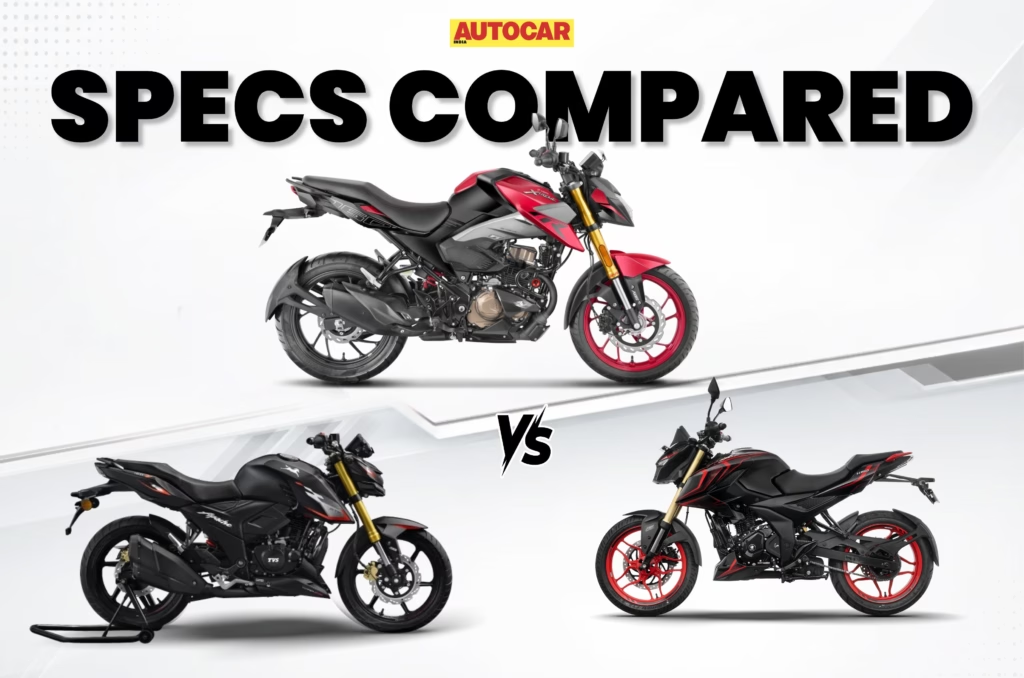
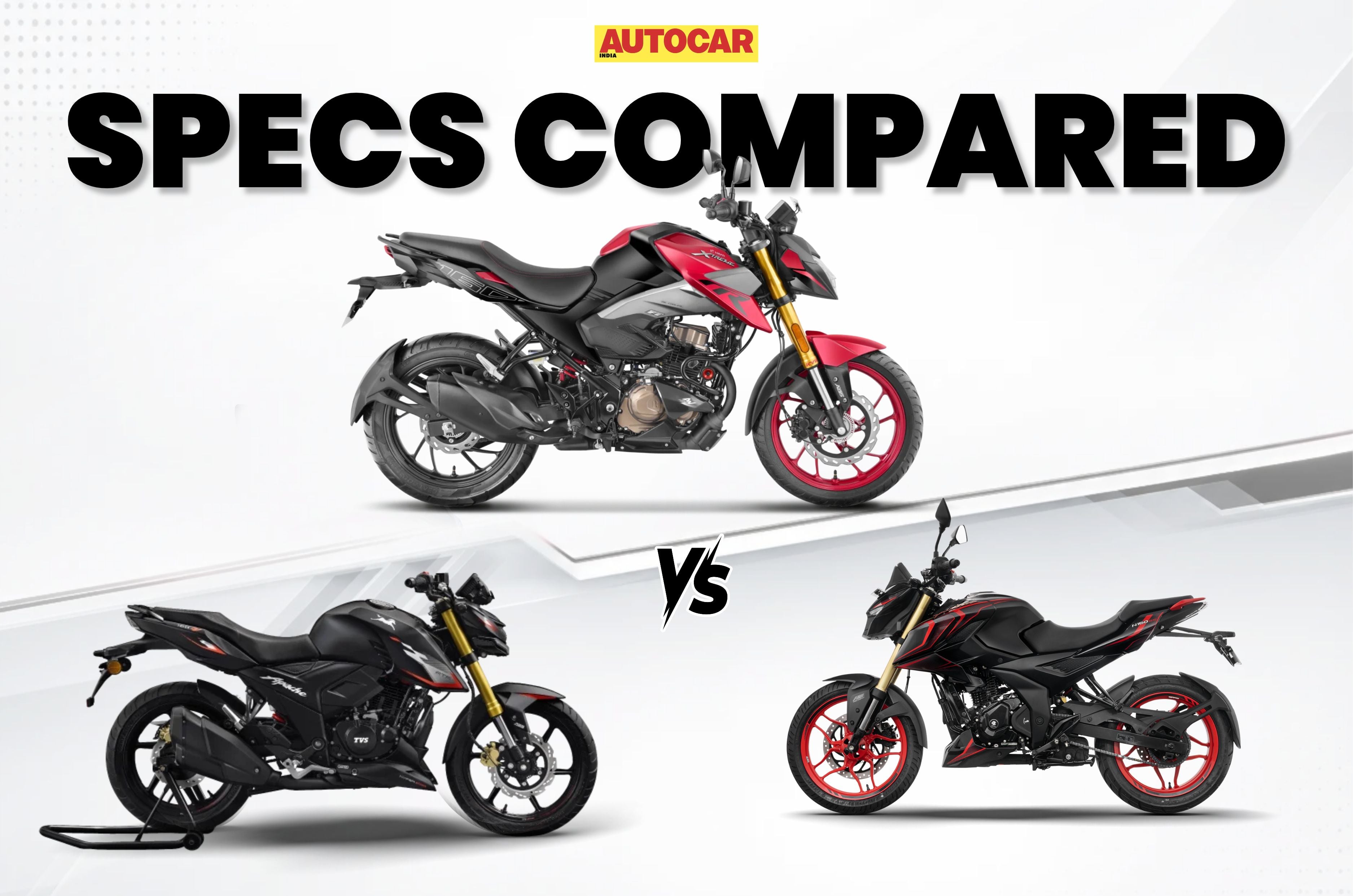
Hero Xtreme 160R Carbon, Pulsar N160 SS and TVS Apache RTR 160 4V in clockwise direction.

The 160cc segment was kickstarted and subsequently dominated by the TVS Apache RTR 160 and now, the RTR 160 4V is the manufacturer’s best-selling Apache, with the RTR 160 (2V) following in its footsteps. Bajaj has been attacking this duo with a trident of motorcycles, the N160, classic 150, and the NS160. In this fight, Hero’s offering the Xtreme 160R has taken a backseat all this while, but Hero’s looking to get in the front with the newly updated version of its street-naked motorcycle. Does it, really? Let’s see.

Hero Xtreme 160R 4V Carbon vs Rivals: Engine and output

Bajaj has the biggest engine with the most power


Hero Xtreme 160R 4V Carbon

TVS Apache RTR 160 4V

Bajaj Pulsar N160 SS

Engine

163.2cc, single-cylinder, oil-cooled

159.7cc, single-cylinder, oil-cooled

164.9cc, single-cylinder, oil-cooled

Power

17.1hp at 8,750rpm

17.6hp at 8,650rpm

18.5hp at 9,500rpm

Torque

14.6Nm at 6,500rpm

14.7Nm at 7,500rpm

14.4Nm at 8,000rpm

Transmission

5-speed

5-speed

5-speed

Power-to-weight ratio

114.77hp/tonne

120.21hp/tonne

122.52hp/tonne

Hero left the 163.2cc engine almost completely untouched, only raising the peak power output by a meagre 0.2hp compared to earlier. Bajaj’s upgrade to the N160 was more comprehensive than Hero and TVS, even though the other two motorcycles are chronologically newer. Said update has thus helped the N160 SS maintain the highest horsepower of the trio, though it comes in third with respect to torque.

However, the torque race is a very close one and thus unlikely to matter in real-world conditions. The noteworthy jump in power also helps Bajaj maintain a higher power-to-weight ratio, despite being the heaviest of the three motorcycles.

Hero Xtreme 160R 4V Carbon vs rivals: Dimensions and weight

Pulsar is the heaviest, but makes up for it


Hero Xtreme 160R 4V

TVS Apache RTR 160 4V

Bajaj Pulsar N160 SS

Fuel tank capacity

12 litres

12 litres

14 litres

Ground clearance

165mm

180mm

165mm

Kerb weight

149kg

146kg

151kg

Seat height

805mm

790mm

795mm

Wheelbase

1,329mm

1,357mm

1,348mm

None of these motorcycles received a generational change to the platform so the numbers largely remain the same as earlier. Starting off with the Xtreme 160R 4V, Hero has given it some additional features which has made it 1.5kg heavier than the previous Combat Edition and the seat height is a negligible 5mm taller too.

TVS added exactly two new features to the Apache so it remains exactly where it was before and is the motorcycle with the lowest seat height, while having the most amount of ground clearance. The Pulsar N160 is the heaviest of the lot, but also has two additional litres of fuel tank capacity, which is a factor in the additional weight. In this class, that translates to – at the very least – 80km of real-world range so that’s not a small advantage to the Bajaj.

Hero Xtreme 160R 4V Carbon vs Rivals: Tyres, brakes and suspension

Hero has a smaller rear brake and TVS has a narrower front tyre


Hero Xtreme 160R 4V

TVS Apache RTR 160 4V

Bajaj Pulsar N160 SS

Tyres (F, R)

100/80-17, 130/70R17

90/90-17, 130/70R17

100/80-17, 130/70R17

Brakes (F, R)

276mm disc, 220mm disc, dual-channel ABS

270mm disc, 240mm disc, dual-channel ABS

300mm disc, 230mm disc, dual-channel ABS

Suspension (F, R)

37mm USD fork, monoshock

37mm USD fork, monoshock

37mm USD fork, monoshock

Things continue to even out in this section but Bajaj makes a statement with the largest front disc rotor, which is actually from a class above. All three offer dual-channel ABS as standard on the top variants, and all have a lower variant with right-side-up (RSU) telescopic fork and single-channel ABS. Hero is the only manufacturer to offer a KYB, who is a suspension specialist, built fork but also has given the Xtreme 160R the smallest rear disc. TVS technically does have the smallest tyre of the three, but it’s not alarmingly small to imply handling issues.

Hero Xtreme 160R 4V Carbon vs Rivals: Features

Hero’s redemption attempt

This is the area Hero has caught up the most to the other two, after design. Though the Combat Edition added quite a bit to make the Xtreme 160R last year, the fight now feels even across the board, which is a great thing for you and me as consumers.

On the top Carbon variant, you get a 4.2-inch TFT display that goes toe-to-toe with the other two on this list. Xtreme 160R is the only motorcycle in this segment to give you cruise control and TVS, despite technically being the oldest platform of the lot, gives a tough fight to the other two. In terms of outright feature-set, the Bajaj still offers a higher number of features, such as an additional ride mode, document storage on the display and the likes, but TVS and Hero fight valiantly. The Hero still misses out on features such as, a slip-and-assist clutch, a dedicated mode to make low speed riding easier (Crawl mode on Bajaj, GTT on TVS) and Google Maps mirroring. So, if you’re looking for the most feature-loaded Hero, take a gander at the Xtreme 250R, which also got updated with quite a bit of features and is sitting in the segment above.

Hero Xtreme 160R 4V Carbon vs Rivals: Price

Carefully treading the affordable-line


Hero Xtreme 160R 4V

TVS Apache RTR 160 4V

Bajaj Pulsar N160 SS

Price (ex-showroom)

Rs 1.27-1.41 lakh

Rs 1.20-1.42 lakh

Rs 1.22-1.43 lakh

Hero is currently the most expensive of the three, especially if you’re looking to get the base variant; beyond that, digging further into the price difference will be splitting hairs, so look at the other sections to see if they help you make a choice. That being said, the 160cc segment in India is one of, if not, the most competitive one so whichever one you choose, you’re unlikely to make a truly bad one. See which motorcycle catches your eye the fastest and pulls your heart strings the hardest after the test ride, and you’ll probably know what you’re bringing home.

If you’re determined to live in the xtreme, er, extreme, Hero is currently taking bookings for the all-new Xtreme 160R 4V, whereas the other two motorcycles are already available in their respective showrooms. Unlike its bigger brother, the 160R 4V will be available in all Hero showrooms across the country – which is quite a large network. Deliveries for it are expected to begin in November.

Mercedes-AMG GT SUV revealed, makes up to 1,169hp

Mercedes-AMG GT SUV revealed, makes up to 1,169hp
Mercedes-AMG GT SUV revealed

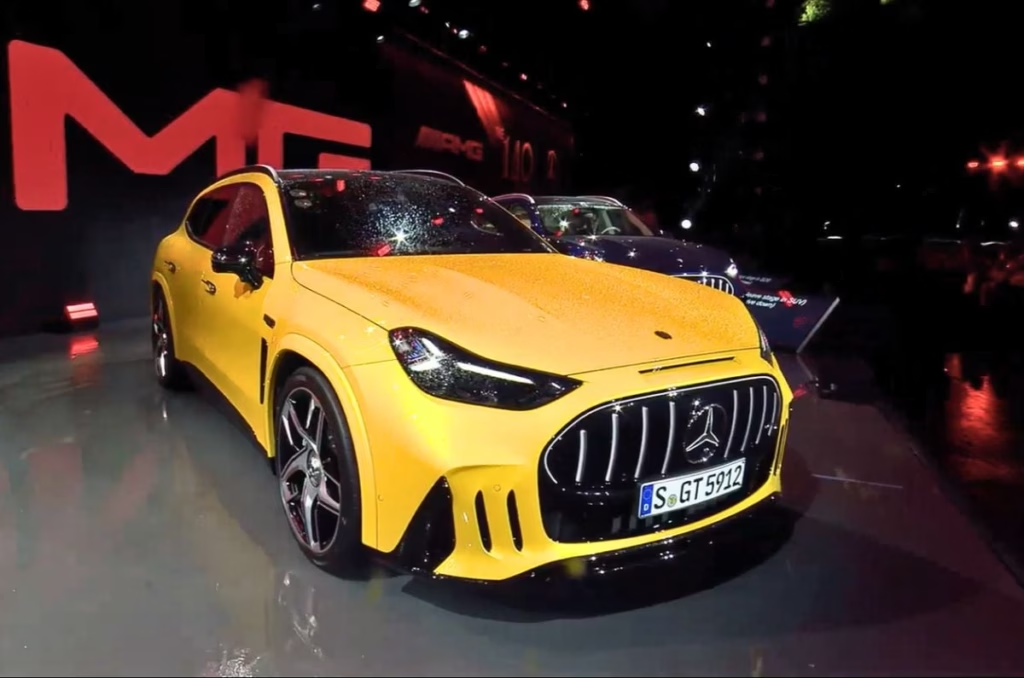
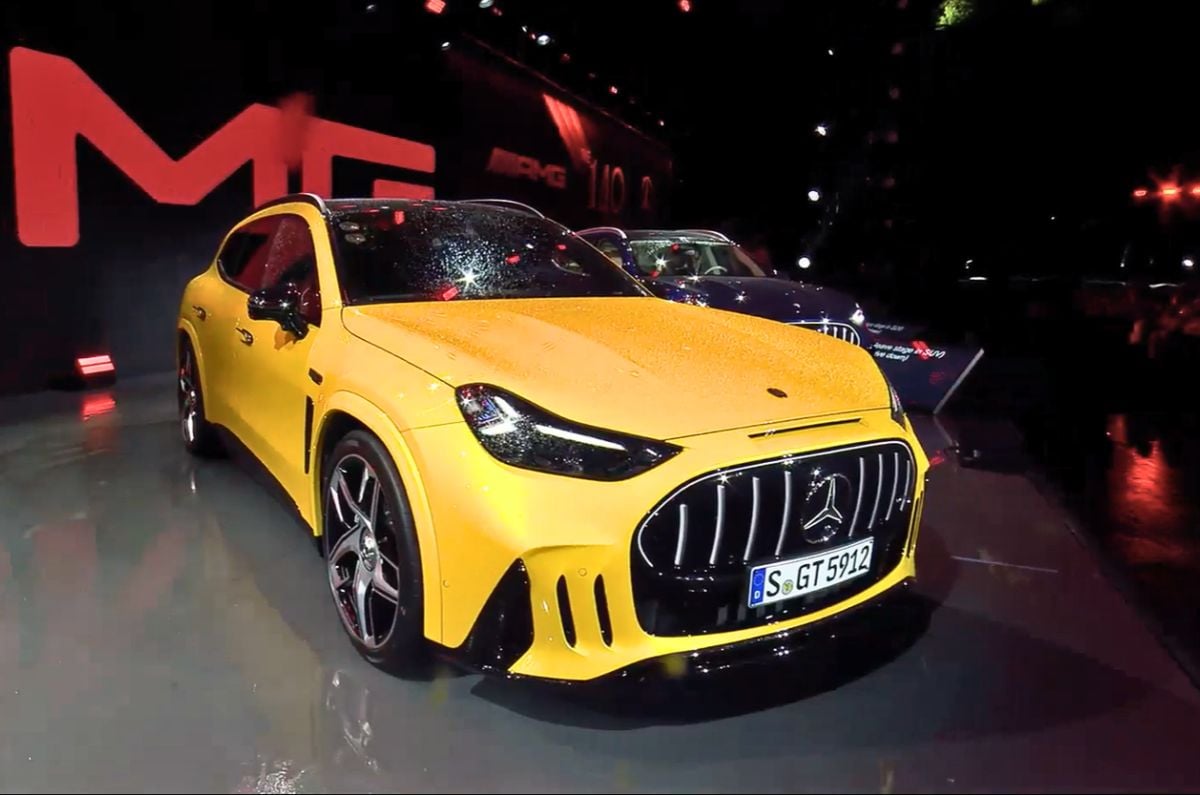
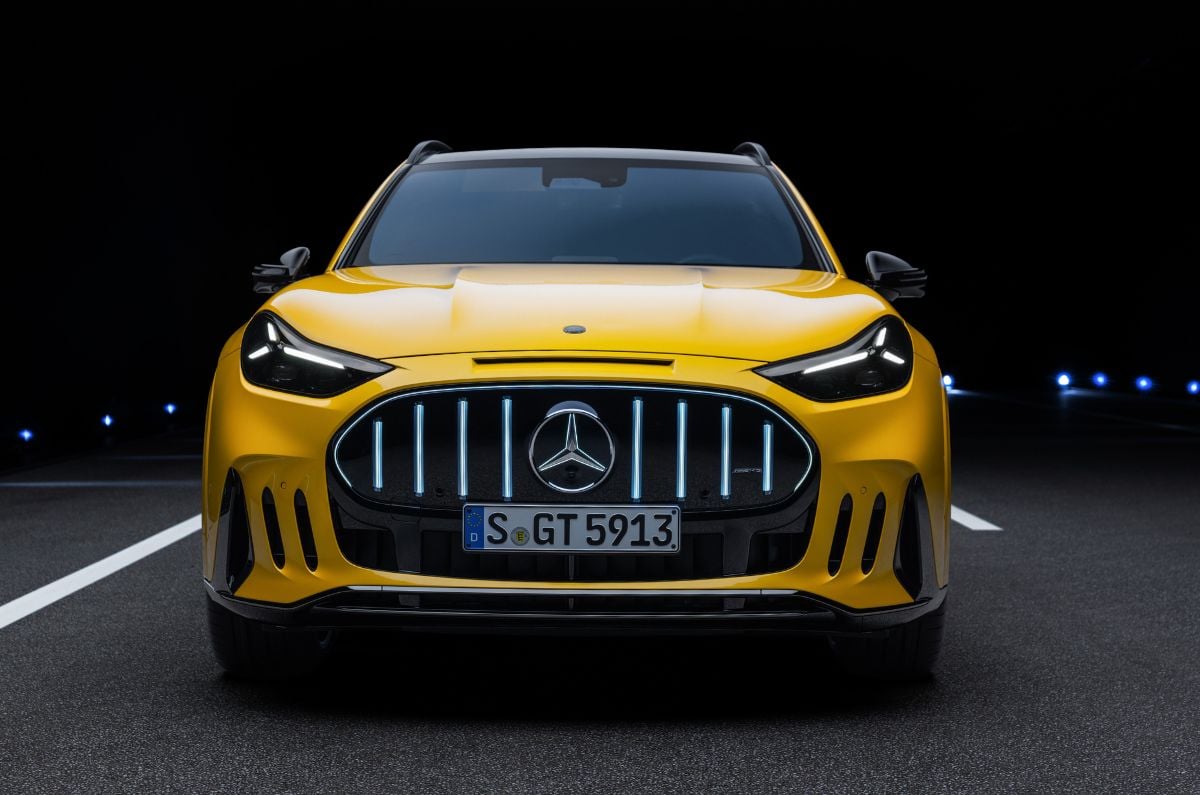
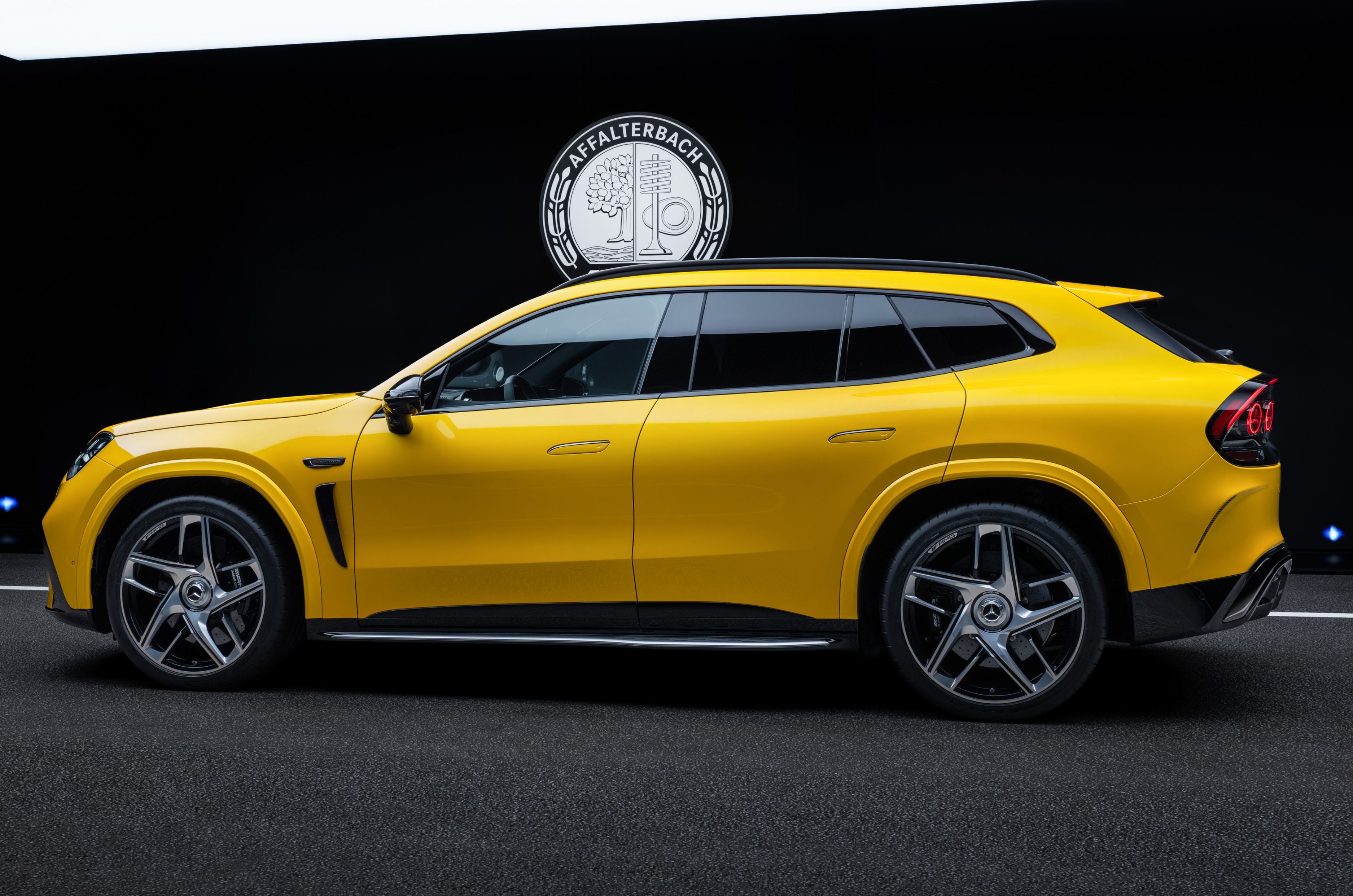
Mercedes has taken the wraps off the AMG GT SUV which, according to the German marque, is the first full-size SUV it has developed completely in-house. The five-seat performance EV shares its underpinnings with the fully electric GT 4-Door Coupe, and will be available in GT 53, GT 55 and GT 63 guises, the last of which makes up to 1,169hp. The GT 53 will be the first to go on sale, with the more powerful variants joining the line-up in spring 2027.

  1. Star-shaped DRLs, illuminated badging, active aero and more.
  2. Personalisation options from the Manufaktur programme.
  3. Three digital displays, built-in AI assistants, AMG-specific apps and more.
  4. Claimed WLTP range of up to 700km, with DC fast charging of up to 710kW.

Mercedes-AMG GT SUV exterior

Illuminated badging, sloping roofline, active aerodynamics, Manufaktur paint options and more

Mercedes-AMG GT SUV front

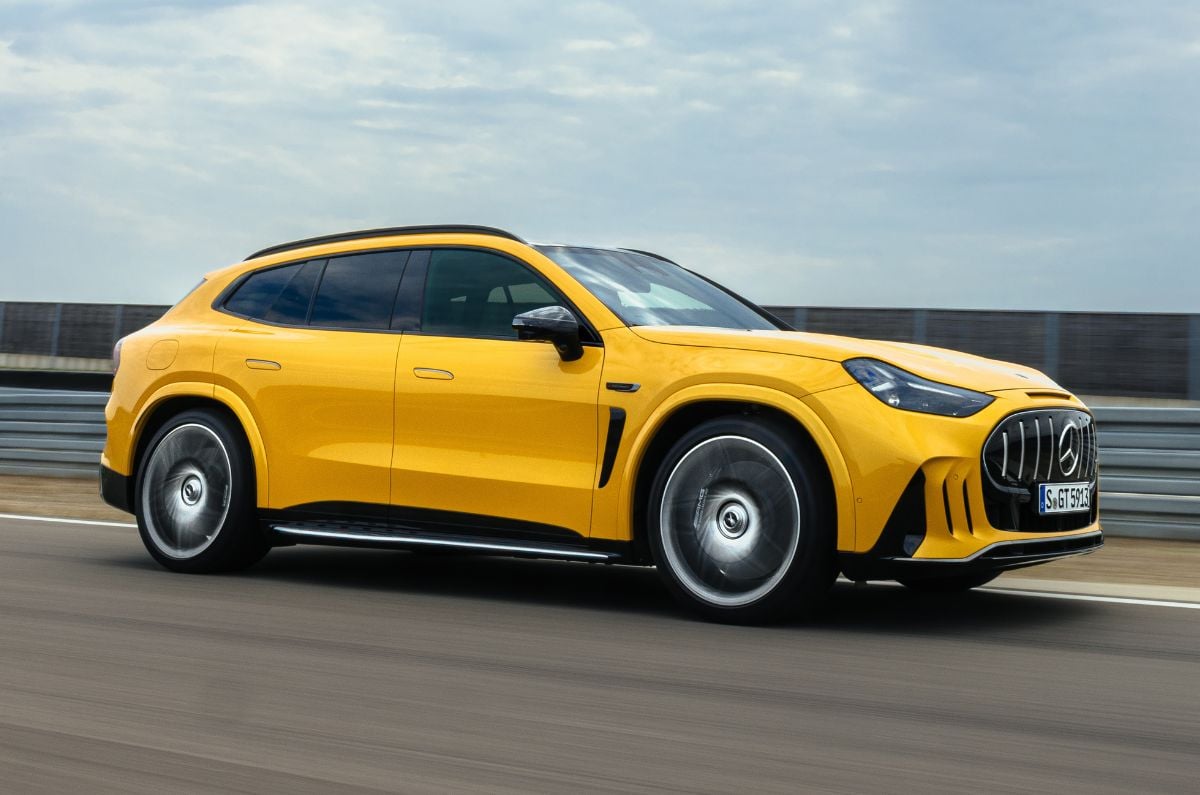
The Mercedes-AMG GT SUV comes in at 5,084mm long, 2,001mm wide and 1,656mm tall, and it has a wheelbase of 3,040mm. The front fascia sports AMG’s vertical-slat grille and Mercedes star, both of which can be optionally illuminated, flanking which are LED headlamps with star-shaped DRLs (daytime running lights). The front bumper features active slats, which only open when components need extra cooling.

Mercedes-AMG GT SUV side

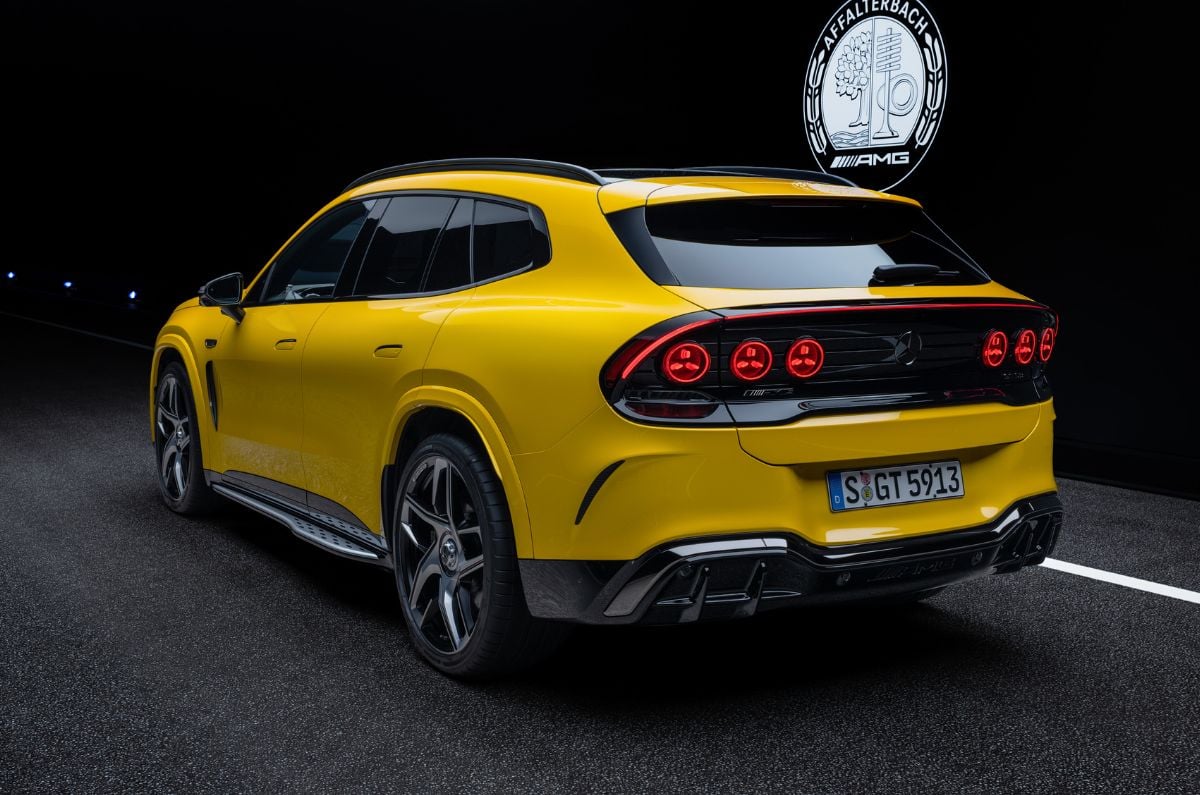
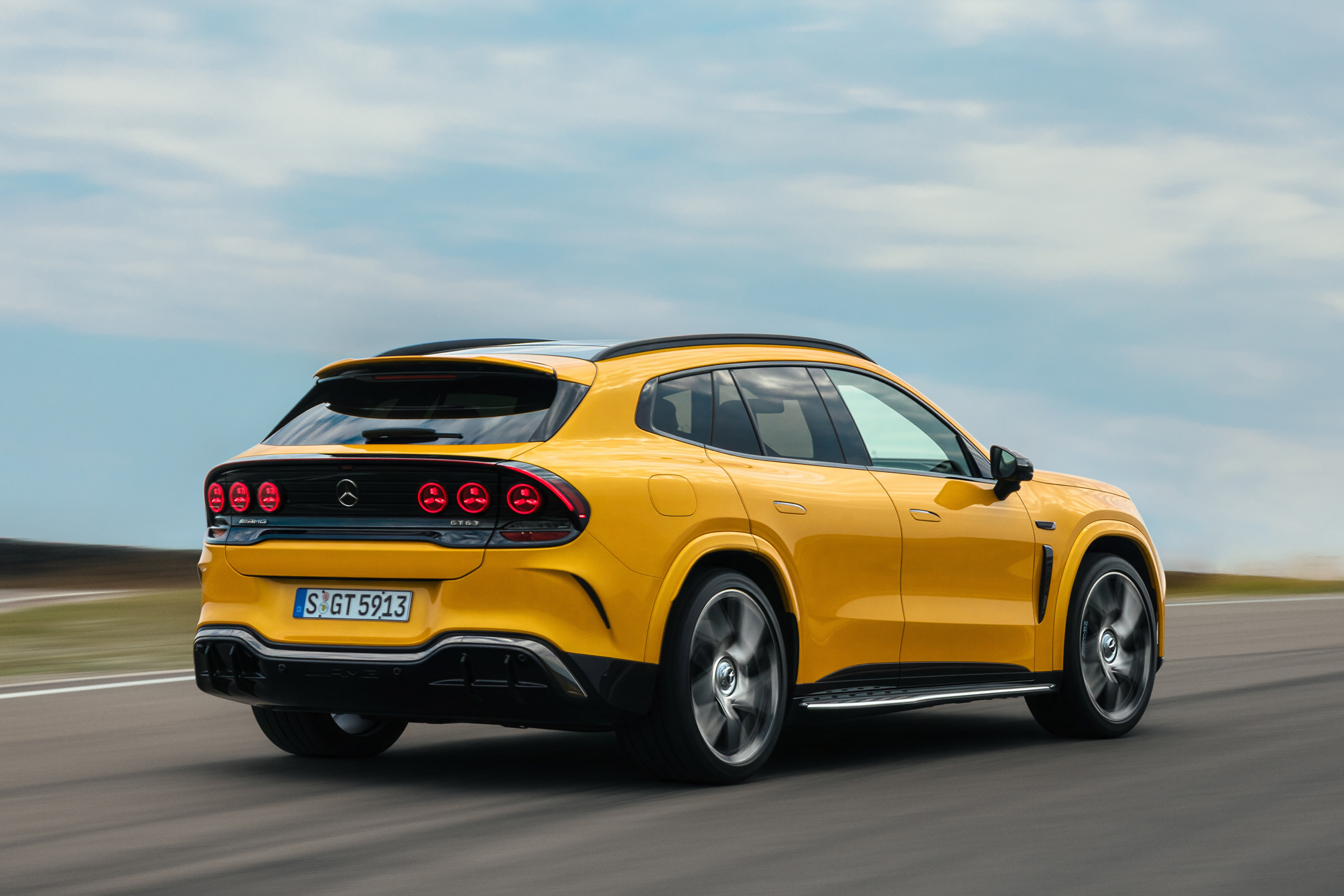
The profile showcases a low-slung roofline that slopes towards the rear along with pronounced wheel arches. Other details here include frameless side windows and compact wing mirrors. Moving to the rear of the AMG GT SUV reveals six circular tail-lamps as seen on the GT 4-Door Coupe, and customers can also opt for a full-width light strip.

Mercedes-AMG GT SUV rear quarter

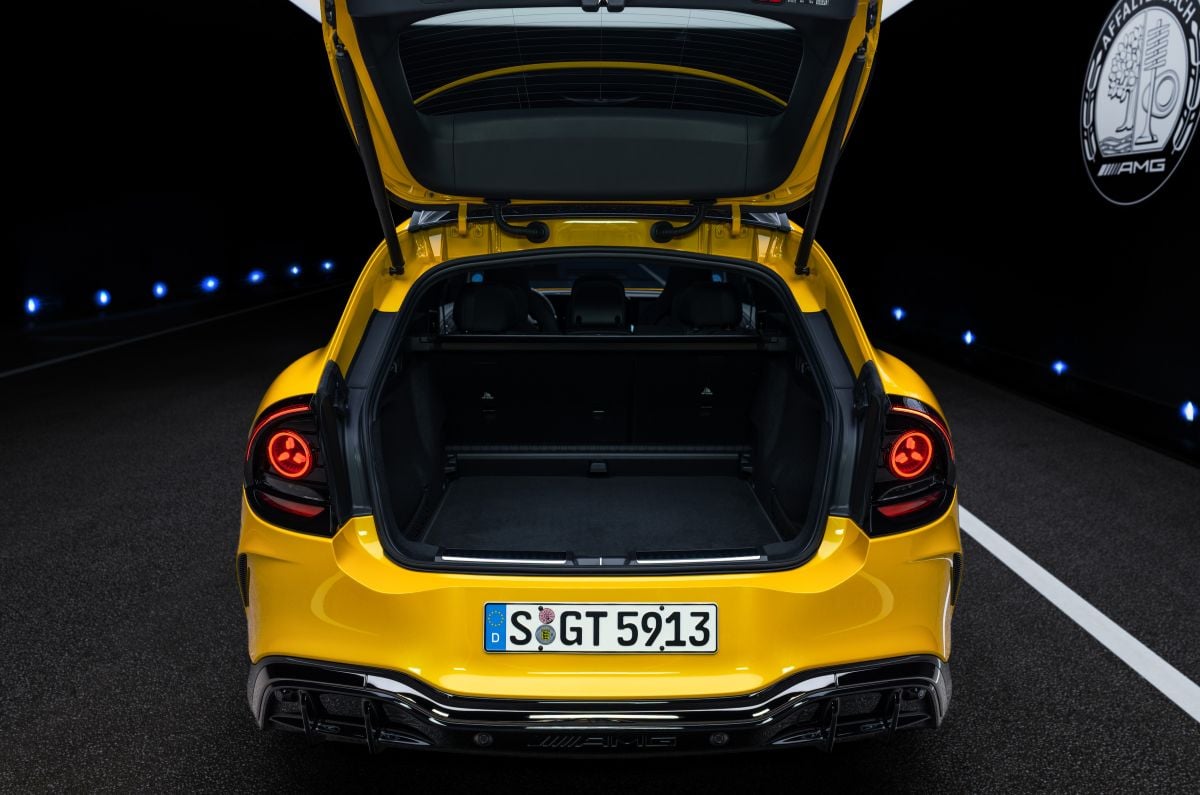
Stepping up to the GT 55 and GT 63 means an active rear spoiler that remains flush with the roof until 150kph, changing its angle depending on the driving scenario. Mercedes-AMG also claims a drag coefficient of 0.28 for the GT 53, while the other two are rated at 0.27. The main boot has a claimed capacity of 607 litres, with the frunk capable of accommodating 78 litres worth of luggage.

Mercedes-AMG GT SUV boot

Buyers can personalise the GT SUV through the brand’s Manufaktur programme, which presents over 60 paint options. Customers can also opt for AMG’s forged wheels in colour accents, which includes Matt Vanadium Silver and Matt Copper, Matt Black with a rim flange in Angel Blue, Sunny Lime, or Orange Flame.

Mercedes-AMG GT SUV interior and features

Stand-out tech includes dual 14-inch screens, AI assistants and AMG-specific apps

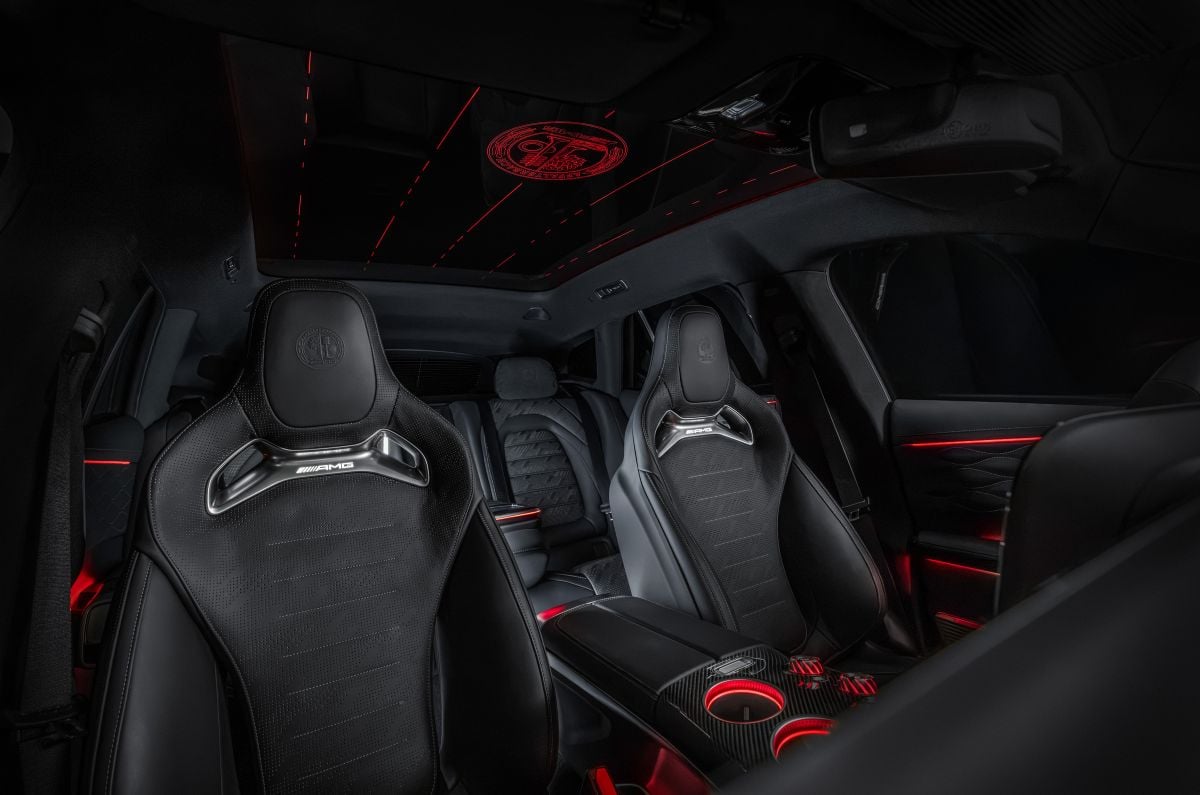
Mercedes-AMG GT SUV front seats

Just like the exterior, the interior of the Mercedes-AMG GT SUV can be personalised using the Manufaktur catalogue. Some of the options that will be offered to customers include accent colours and seatbelts trimmed in Fjord Blue, Green Hell or Orange Flame. The automaker claims that the seating position here is akin to that of a sports car rather than an SUV. Providing comfort up front are multi-way power-adjustable seats, while the three-seat rear bench gets power-folding headrests.

Mercedes-AMG GT SUV interior

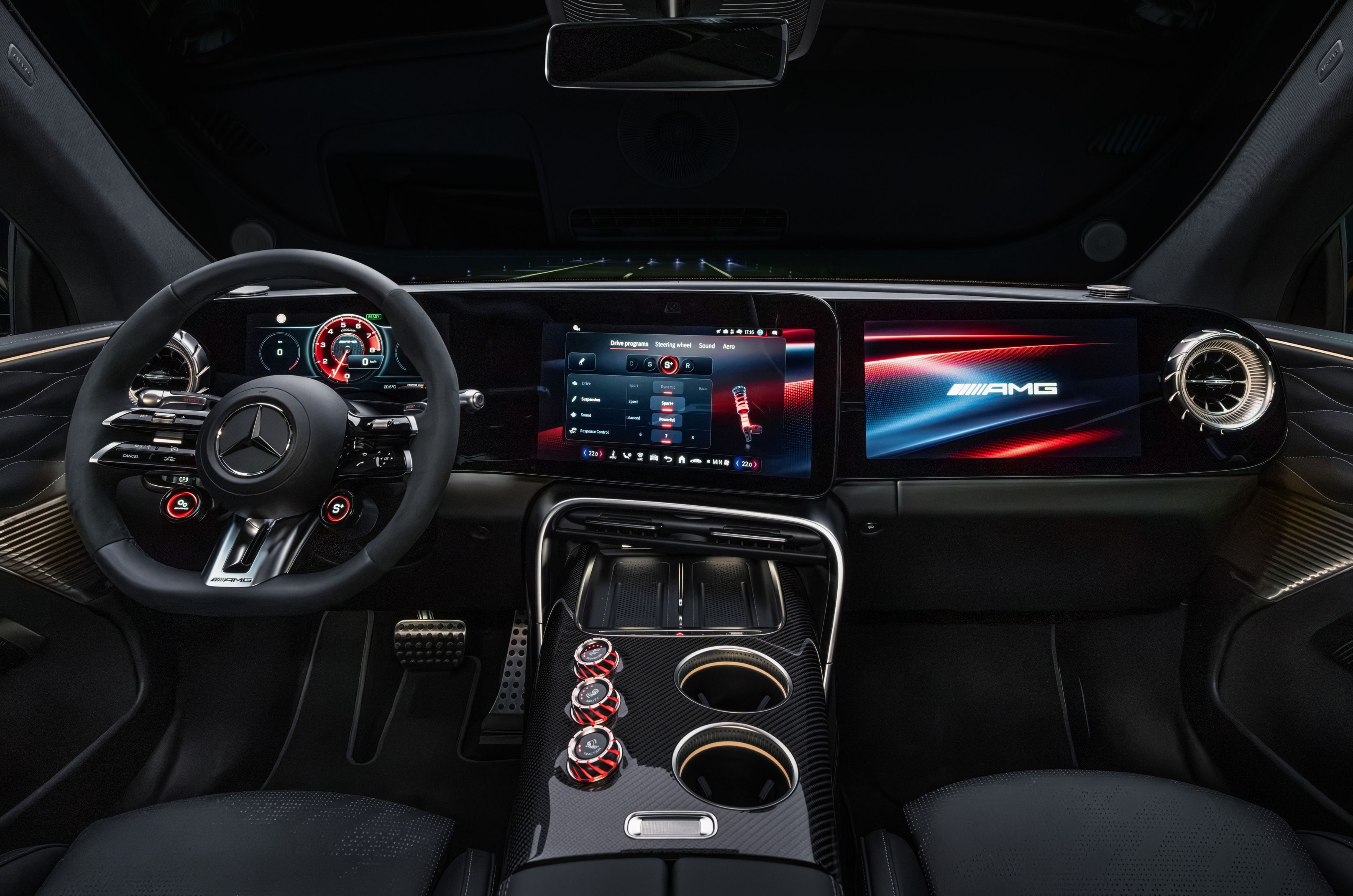
The dashboard pairs a 10.2-inch digital instrument cluster with a 14-inch touchscreen that’s angled towards the driver, while a 14-inch screen is optional for the front occupant. The AMG Performance steering wheel is equipped with paddles to adjust brake-regen levels, while adding to the design are door panels with floating armrests and diamond-pattern stitching. There’s also multi-colour ambient lighting whose colours can be matched to the bevy of displays and controls.

The infotainment system features the German brand’s latest MBUX software, which is based on the MB.OS (Mercedes-Benz Operating System). It integrates AI agents such as ChatGPT, Microsoft Bing and Google Gemini. This luxury SUV also comes with three AMG-specific apps. Firstly, there’s ‘AMG Performance Menu’, which displays real-time data on power, tyre temperatures and active aero status.

Mercedes-AMG GT SUV Burmester audio system

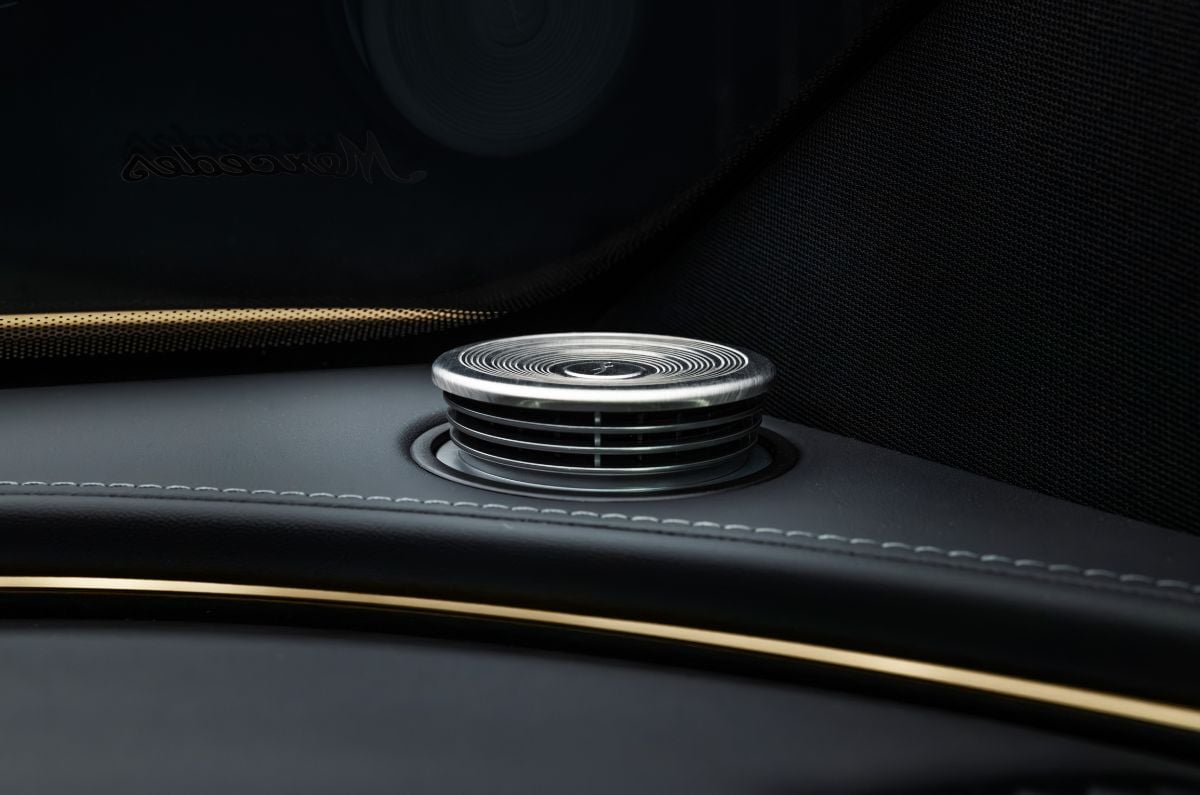
Second is ‘AMG Set-up’ – this lets the driver customise the buttons on the steering wheel as well as aero settings. Finally, there’s ‘AMG Track Pace’, which records lap times and telemetry. Drivers can also use it to show optimal braking points and the ideal racing line in the head-up display. Meanwhile, the optional dashcam allows laps to be recorded with data overlays. The AMG GT SUV is also available with an electrically dimming panoramic glass roof, AMG lighting effects, AMG Performance seats and a Burmester 4D audio system, among many optional features.

Mercedes-AMG GT SUV powertrain and performance

The EV gets up to three electric motors and a WLTP range of up to 700km

The entry-level GT 53 variant of the Mercedes-AMG GT SUV uses two synchronous motors – one on each axle – with a two-speed gearbox located at the rear. Its output is rated at 544hp and 800Nm, with Mercedes-AMG claiming a 0-100kph time of 4.2 seconds and a top speed of 250kph. Then there are the mid-spec GT 55 and the top-spec GT 63. These come with two axial flux motors at the rear and one at the front, the latter disengaging when not needed to save energy.

Mercedes-AMG GT SUV side tracking

The tri-motor setup of the GT 55 outputs 816hp and 1,860Nm, allowing for a claimed 0-100kph time of 3.1 seconds. Sitting at the top of the Mercedes-AMG GT SUV line-up is the GT 63, which is rated at 1,169hp and 2,000Nm and does 0-100kph in 2.7 seconds. Regardless, the all-wheel-drive GT 55 and GT 63 have a claimed top speed of 270kph with the optional Driver’s Package.

The GT 53’s 106kWh battery pack offers a claimed WLTP range of up to 668km, while the 128kWh battery of the GT 55 and GT 63 is rated at up to 700km. These 800V packs offer DC fast charging of 600kW and 710kW, respectively. Mercedes-AMG claims that charging these batteries from 10-80 percent takes 11-12 minutes, though it also says that these figures are preliminary.

Mercedes-AMG GT SUV rear quarter tracking

The GT SUV gets rear-wheel steering as standard while also debuting AMG’s new ‘Active Ride Control+’ suspension. The latter, which is standard on the top-spec GT 63, replaces traditional anti-roll bars with hydraulic units that, according to the automaker, curb body roll and pitch. The top-spec variant also gets carbon-ceramic brakes as standard.

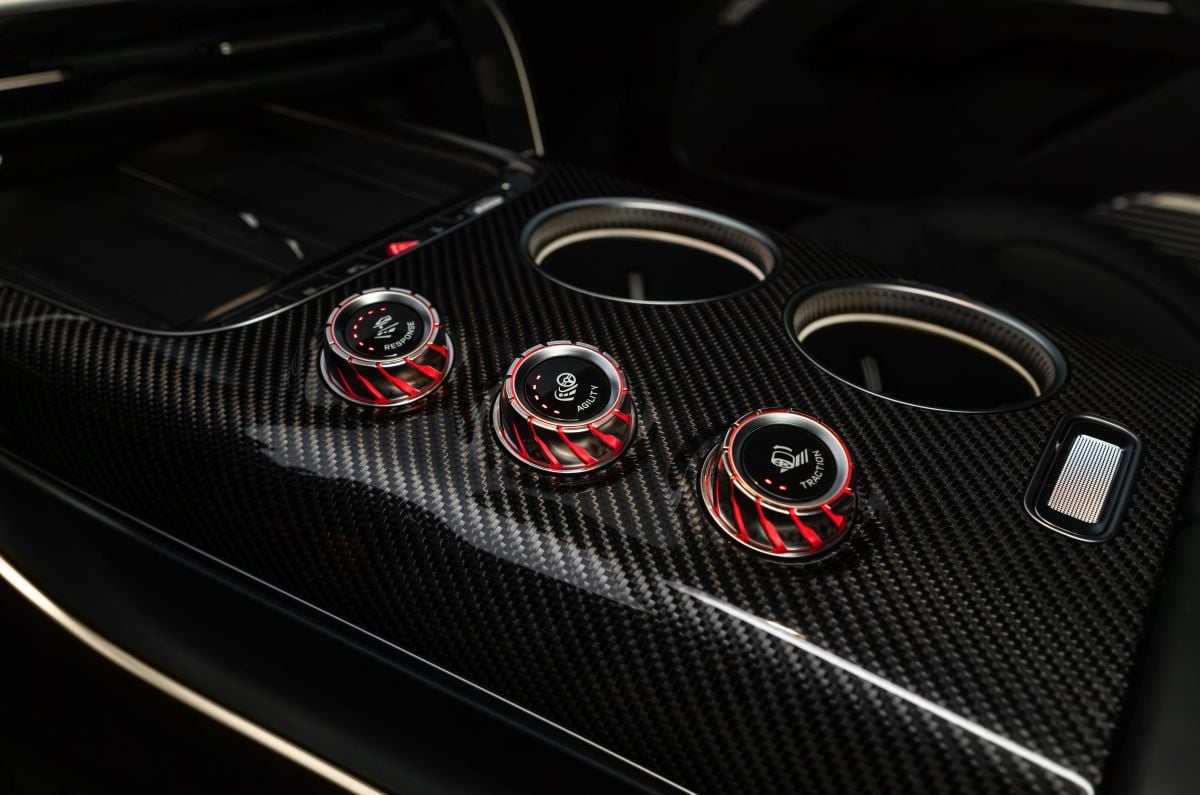
Mercedes-AMG GT SUV centre console

In the tri-motor variants, drivers can adjust the throttle response, cornering behaviour and traction control using dials on the centre console. Mercedes-AMG also said that the ‘AMGForce Sport+’ mode recreates the sound of an AMG V8 (or a six-cylinder in the GT 53) along with simulated gearshifts. As for India, the German marque is yet to reveal its plans for the AMG GT SUV.

Universo Ferrari exhibition 2026 image gallery

Universo Ferrari exhibition 2026 image gallery
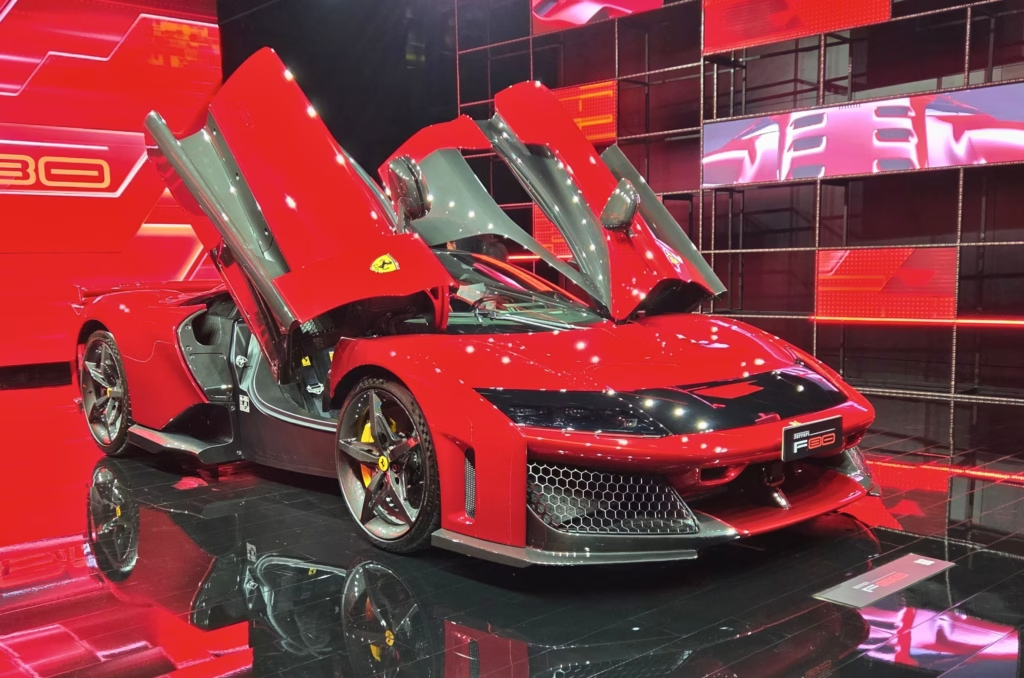
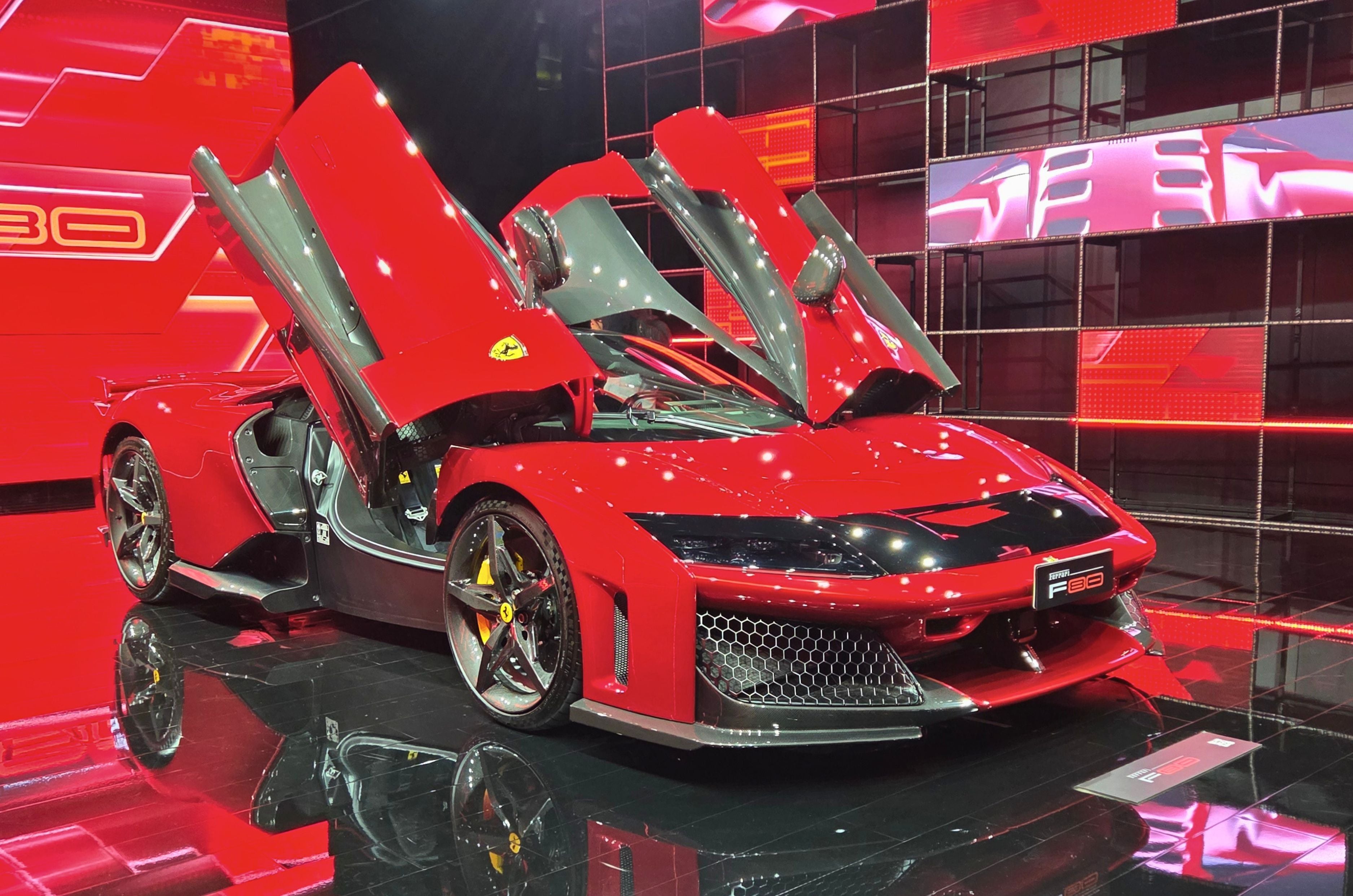
Ferrari F80 Front Quarter

The Universo Ferrari exhibition 2026 in New Delhi has brought together the Italian brand’s road cars and race cars on the same stage. The event, which is being held at Yashobhoomi in Dwarka, will conclude on November 1. This is the Prancing Horse’s first Universo exhibition in India. Leading the line-up is the F80, the brand’s 80th anniversary hypercar. Beside it are the Luce and the 12Cilindri Manuale, which pairs a V12 with a simulated manual gearbox. Representing the racing side are the 499P Le Mans Hypercar and the SF-26, Ferrari’s 2026 Formula 1 car.

Neha Sharma: नेहा शर्मा ने दी सोशल मीडिया चलाने वालों को चेतावनी, बोलीं- उनकी सहमति के बिना चेहरा यूज कर AI-जनरेटेड वीडियो या तस्वीरें न बनाएं

Neha Sharma: आर्टिफिशियल इंटेलिजेंस (AI) के गलत इस्तेमाल ने दुनिया भर के लोगों, खासकर मशहूर हस्तियों के बीच चिंता पैदा कर दी है। इस तकनीक के जरिए डीपफेक, छेड़छाड़ किए गए वीडियो और पहचान के गलत इस्तेमाल के कई मामले सामने आ रहे हैं। अपनी पहचान के इस तरह के दुरुपयोग को लेकर कई कलाकार कानूनी कार्रवाई कर रहे हैं। इस सूची में अब अभिनेत्री नेहा शर्मा का नाम भी जुड़ गया है। उन्होंने इसके खिलाफ आवाज उठाई है और उन लोगों को चेतावनी दी है जो उनके चेहरे और रूप का इस्तेमाल करके AI-जनरेटेड कंटेंट बना रहे हैं।

नेहा का बयान

शनिवार को ‘X’ (ट्विटर) पर नेहा ने लिखा- “जो कोई भी मेरी सहमति के बिना, AI-जनरेटेड वीडियो या तस्वीरें बनाने के लिए मेरे चेहरे का इस्तेमाल कर रहा है उसे चेतावनी दी जाती है कि वह तुरंत ऐसा करना बंद कर दे।”

‘मैं कानूनी कार्रवाई करूंगी’

उन्होंने आगे कहा- “जो कंटेंट पहले ही पोस्ट किया जा चुका है, उसे तुरंत हटा दें। साथ ही मेरी पहचान का इस्तेमाल करके AI-जनरेटेड वीडियो या तस्वीरें बनाना, एडिट करना या उन्हें फैलाना बंद करें। मुझे गलत तरीके से पेश करने या मेरी छवि खराब करने के लिए मेरे चेहरे का इस तरह इस्तेमाल करना बिल्कुल भी स्वीकार्य नहीं है। मैं अपने चेहरे या बॉडी के इस तरह के अनधिकृत इस्तेमाल की अनुमति नहीं देती हूं।”

कानूनी रास्ता अपनाने की बात कहते हुए नेहा ने अपनी बात खत्म की औक कहा कि इसे एक औपचारिक चेतावनी समझें। जो कोई भी ऐसा कंटेंट बनाने, पोस्ट करने या फैलाने के लिए जिम्मेदार है, उसके खिलाफ मैं कानूनी कार्रवाई करूंगी। किसी को भी यह नहीं सोचना चाहिए कि फर्जी अकाउंट के पीछे छिपने या AI का इस्तेमाल करने से वे जवाबदेही से बच जाएंगे।

अपनी पहचान की सुरक्षा करती मशहूर हस्तियां

नेहा उन कई भारतीय मशहूर हस्तियों में से एक हैं जिन्होंने डीपफेक के मुद्दे पर बात की है। हाल के दिनों में कई कलाकारों ने AI के जरिए अपनी पहचान, छवि और व्यक्तित्व अधिकारों के दुरुपयोग को रोकने के लिए अदालत का दरवाजा खटखटाया है। अक्षय कुमार, वरुण धवन, अनिल कपूर, शिल्पा शेट्टी, प्रीति जिंटा, कार्तिक आर्यन, मृणाल ठाकुर, सुनील शेट्टी और कई अन्य सितारों ने अपनी तस्वीरों और आवाज के अनधिकृत इस्तेमाल को लेकर कोर्ट का रुख किया है। यह सब AI के जरिए पहचान की चोरी (identity theft) को लेकर बढ़ती चिंताओं के बीच हो रहा है।

Tesla Model Y L powertrain upgrades bring performance boost

Tesla Model Y L powertrain upgrades bring performance boost

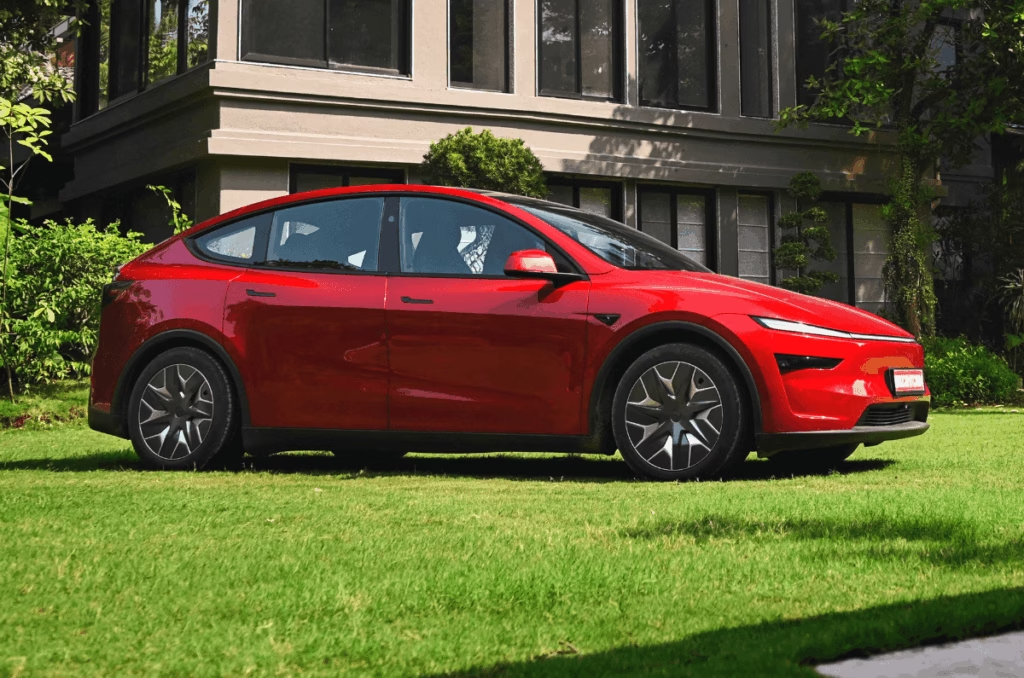
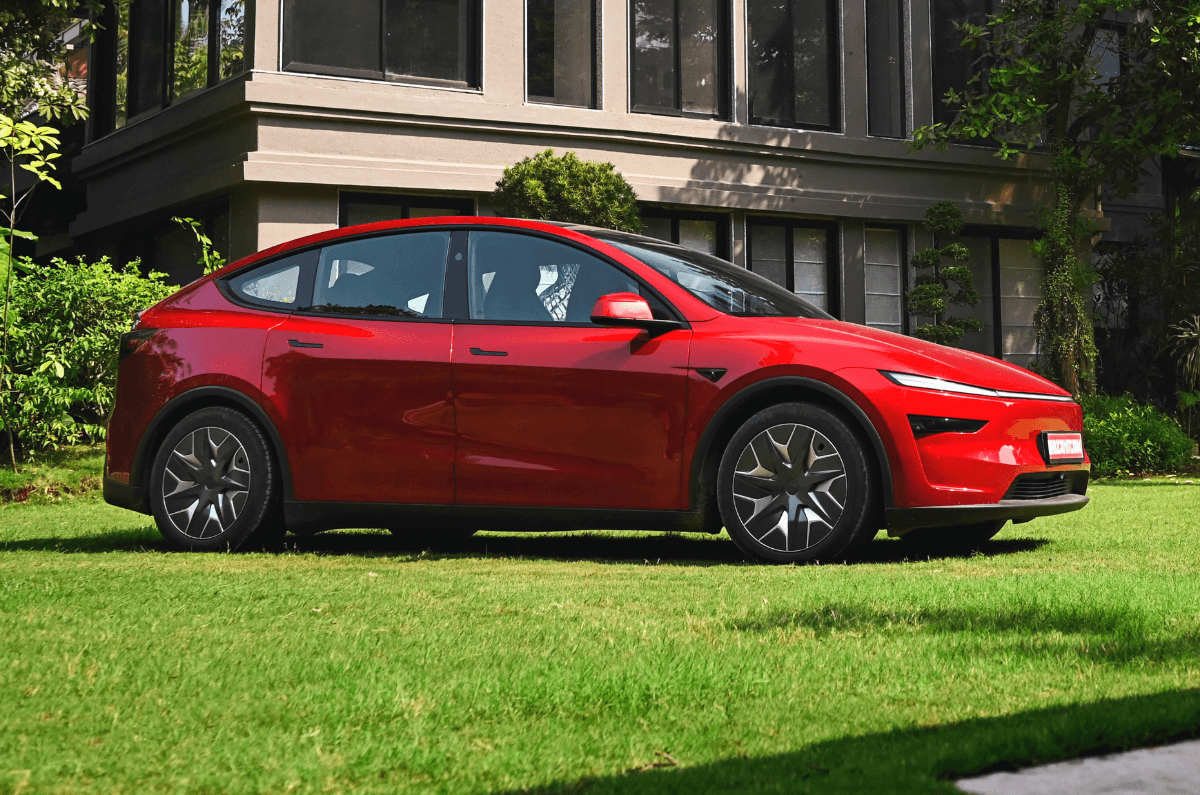
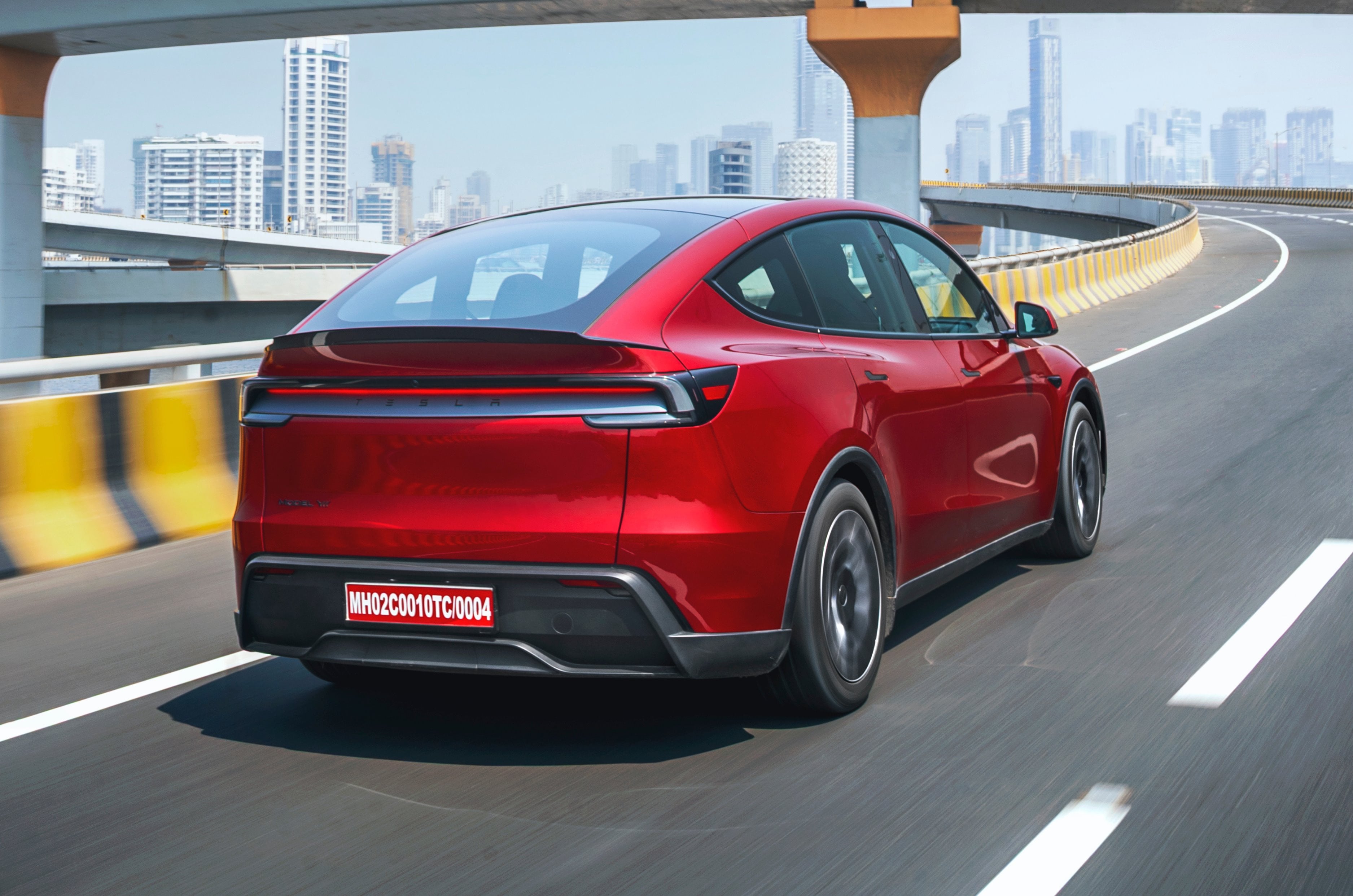
The Tesla Model Y L has received powertrain upgrades, improving its claimed 0-100kph sprint time. The Tesla EV now does the sprint in a claimed 4.5 seconds, an improvement of 0.5 seconds than before. Note that this is applicable to Model Y Ls purchased on or after October 1, 2026, in India. In terms of exterior design and interior features, no changes have been made. The Model Y L is priced at Rs 61.99 lakh, ex-showroom.

Tesla Model Y L powertrain details

Tesla Model Y L powertrain details

Despite the improvement in acceleration, Tesla claims the same 681km (WLTP) range figure for the Model Y L as before; real-world range will vary depending on driving conditions, speed, weather and other factors. It has an 88kWh (estimated) NMC battery pack, powering a dual-motor all-wheel-drive setup. Tesla has not not officially disclosed powertrain specifications, but it has an estimated combined system output of 514hp and 590Nm. The claimed top speed is 201kph.

As per the carmaker, the Model Y L can add up to 288km of range in 15 minutes when using a Tesla Supercharger. It supports DC fast charging speeds of up to 250kW and AC charging of up to 11kW. 

Tesla is expanding its charging network in India, with 20 Superchargers and 28 Destination Chargers. Three more sites are planned by the end of 2026.

In the premium EV space, the Tesla Model Y L rivals the BMW iX1 LWB and BYD Sealion 7.

BMW F 450 RR variants explained

BMW F 450 RR variants explained
BMW F 450 RR right profile.

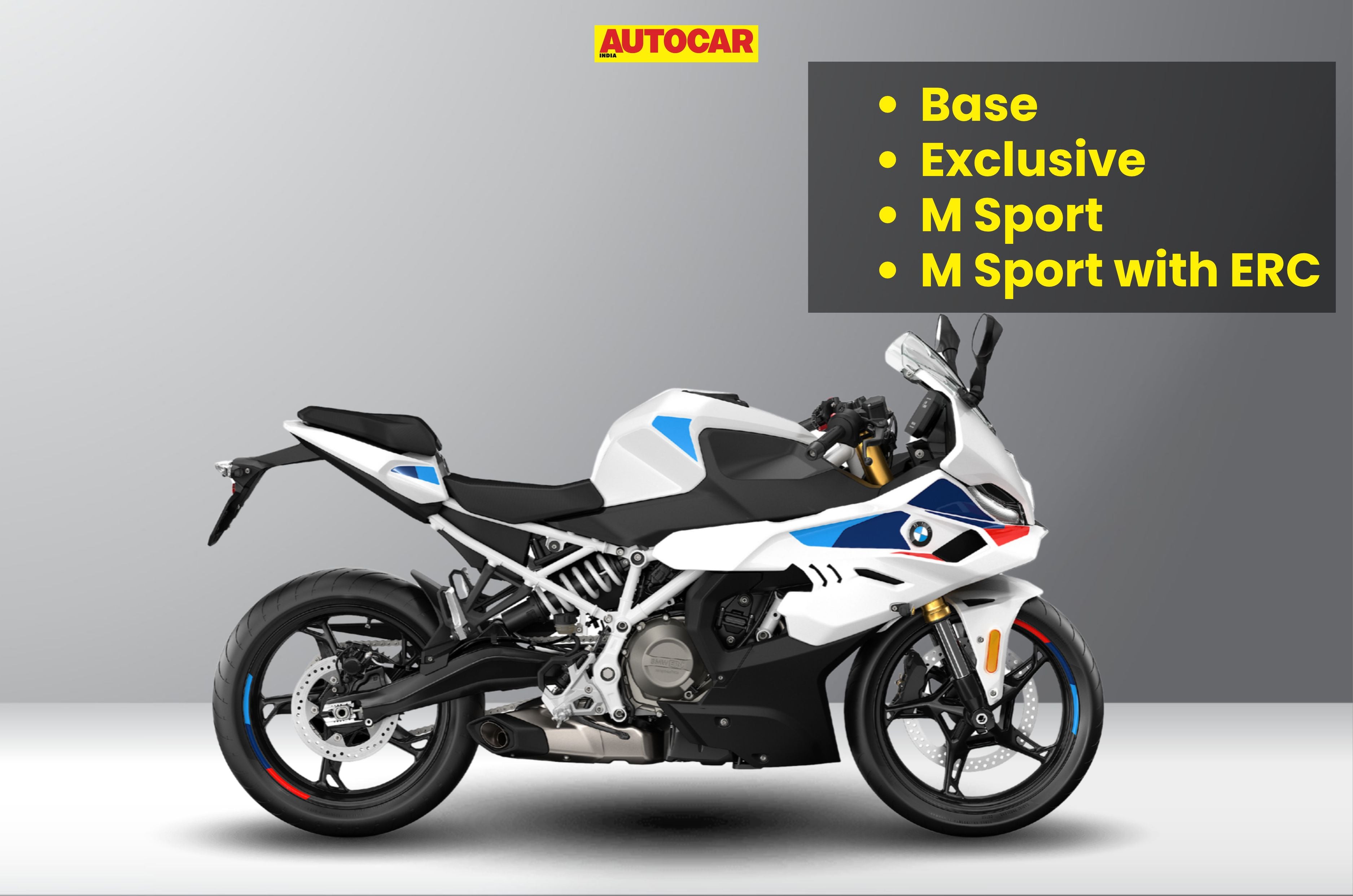
BMW has revealed the F 450 RR, its third motorcycle based on the 450 platform. Just like the F 450 GS and F 450 R, the F 450 RR has four variants at launch, although it’s unclear how many will make it to India and at what prices. If you’re thinking of buying the F 450 RR when it arrives, here’s what is different in each variant.

BMW F 450 RR: Variant breakdown

Base

Keeping things simple, BMW calls the F 450 RR’s base variant Base. It comes in a single Cosmic Black colour and offers dual-channel and cornering ABS, traction control, a slip-and-assist clutch, a 6.5-inch TFT display, wheelie control, three ride modes (Rain, Road and Race), heated grips, dynamic brake control and engine drag torque control. Its monoshock is adjustable for preload and rebound, and the USD fork is completely non-adjustable.

Exclusive

The Exclusive variant also gets a single colour – Racing Red. Carrying forward the Base’s feature set, this variant adds a bi-directional quickshifter and Sport suspension that makes the USD fork adjustable for compression and rebound.

M Sport

This third variant comes in a single Snaefell white / M Motorsport colour, and it adds a fourth ride mode called Race Pro. It lets users individually customise control systems such as ABS and traction control.

M Sport with Innovation Package

The range-topping variant shares the Snaefell white / M Motorsport colour with the previous variant and adds BMW’s Easy Ride Clutch (ERC) to the rider aids on offer. This system first debuted on the F 450 GS’s GS Trophy variant. It effectively makes using the clutch optional, enabling clutchless up-and-down gear shifts.

All four variants have the 420cc twin-cylinder liquid-cooled engine that continues to make 48hp at 8,750rpm and 43Nm at 6,750rpm, a KYB 43mm USD fork and monoshock, adjustable brake and clutch levers and a Type-C USB port. The brakes are also the same, with a Brembo 310mm front disc with a four-piston monobloc caliper and a Bybre 240mm rear disc with a single-piston caliper.

New Renault Duster hybrid vs midsize cars spec comparison

New Renault Duster hybrid vs midsize cars spec comparison
Renault Duster hybrid compared

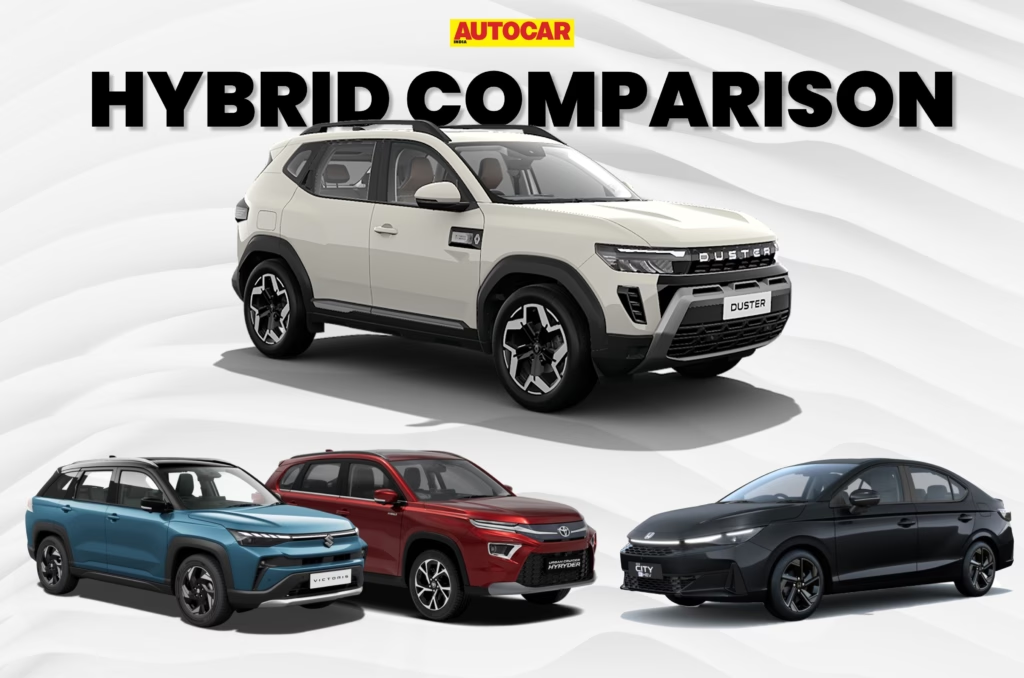
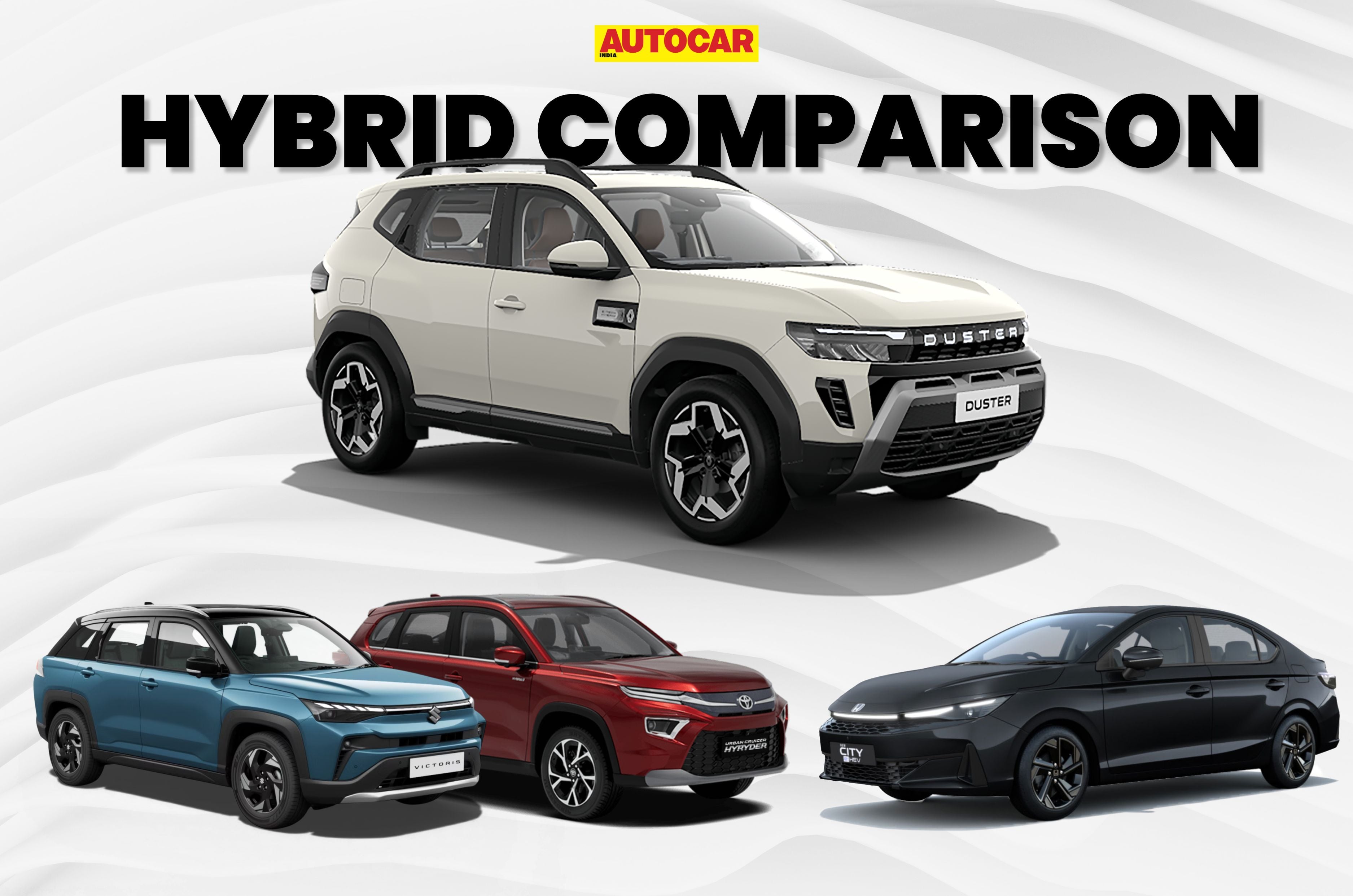
The new Renault Duster has been launched with a strong hybrid powertrain option, a first for the nameplate in India. The latest from Renault competes in the midsize SUV space, where only the Maruti Grand Vitara, Maruti Victoris and Toyota Hyryder currently offer a hybrid choice. Honda does not offer a hybrid setup with the Elevate at the moment, though the City midsize sedan has been equipped with one. But how do these vehicles stack up on paper when it comes to specifications? Let’s find out.

Renault Duster hybrid spec comparison

Duster has the highest power output

Renault Duster hybrid specs vs Grand Vitara, Victoris, Hyryder and City e:HEV 

 Hybrid systemCombined powerCombined torqueTransmissionMileageBattery size | Voltage
Duster1.8L 4cyl + 2 e-motors160hp–Multi-mode automatic29kpl1.4kWh | 247V
Grand Vitara1.5L 3cyl + e-motor116hp141NmeCVT27.97kpl0.60kWh | 177.6V
Victoris1.5L 3cyl + e-motor116hp141NmeCVT28.65kpl0.60kWh | 177.6V
Hyryder1.5L 3cyl + e-motor116hp141NmeCVT27.97kpl0.60kWh | 177.6V
City e:HEV1.5L 4cyl + e-motor126hp253NmeCVT 27.13kplNot available | 172.8V

While we are yet to sample the Duster hybrid in real-world conditions, the above specs table suggests it takes a more performance-led approach than the rest. Its four-cylinder naturally aspirated petrol engine is the largest by cubic capacity here, and paired with two electric motors, this hybrid setup delivers the highest peak power output. Renault claims a 0-100kph time of 9.61 seconds, which it says makes the Duster hybrid the quickest in the segment. The brand has not revealed a combined torque figure yet, though the Duster’s traction motor produces 208Nm on its own.

Renault SUV’s multi-mode gearbox stands out

The Duster’s multi-mode automatic gearbox has two gears for the motor and four gears for the engine. Renault claims that this setup creates an 8-speed combination in hybrid mode, and it stands out as the others use an eCVT unit, which is known for a smooth driving experience. Moreover, the Duster hybrid’s larger, higher-voltage battery further points to more electric assistance than the rest. The French brand claims that 80 percent of city drives are possible in EV mode alone, while the Duster hybrid’s ARAI-certified mileage of 29kpl is the highest of all the cars here.

Midsize SUVs offer most powertrains

Only PHEV is missing

Save for plug-in hybrid, midsize SUVs offer almost every major powertrain choice, including petrol, CNG, diesel and electric. Hyundai Creta is expected to adopt a hybrid powertrain in its next generation, due in 2027, and its Kia Seltos sibling is also set to follow suit. The new Tata Sierra’s ARGOS platform is hybrid-ready, giving the homegrown carmaker the flexibility to introduce a hybrid version in the future. Volkswagen and Skoda are also working on hybrid midsize SUVs for the Indian market.

2027 Kawasaki Versys 900 image gallery

2027 Kawasaki Versys 900 image gallery

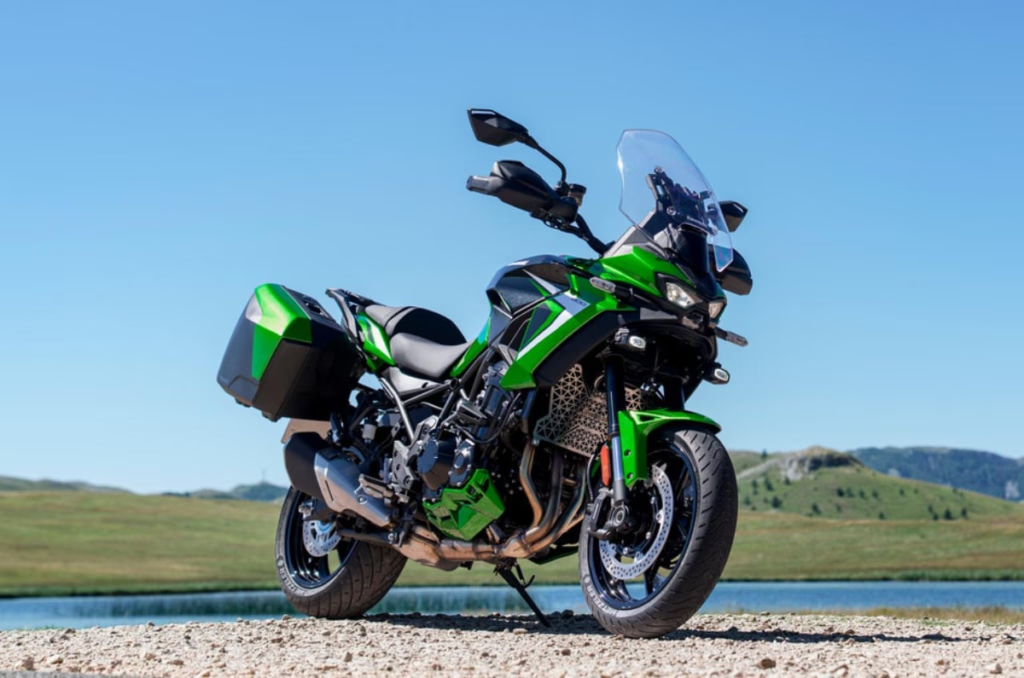
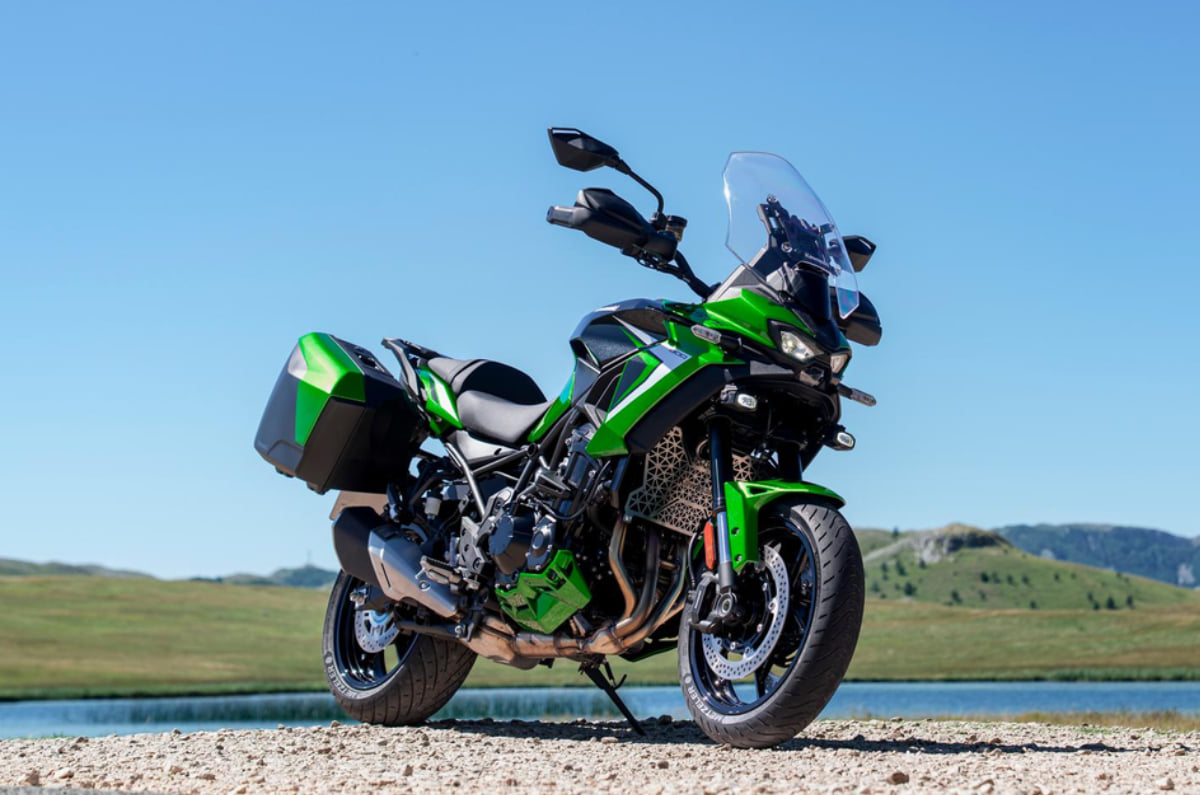
The 2027 Kawasaki Versys 900 is powered by the 948cc inline-four from the Z900, tuned to produce 122hp at 9,500rpm and 97.3Nm at 8,000rpm. The bike gets an all-new trellis frame with near 50:50 weight distribution, long-travel suspension and 17-inch wheels shod with Metzeler Roadtec 01 tyres. A seven-position adjustable windscreen and a height-adjustable seat, ranging from 825mm to 845mm, round out the ergonomic package.

On the technology front, the Versys 900 gets a 5-inch TFT display with turn-by-turn navigation and smartphone connectivity via the Rideology app. It also features Kawasaki’s KCMF cornering management system, along with traction control, cornering ABS and a quickshifter as standard. The SE variant adds Kawasaki’s ARAS suite, which includes adaptive cruise control, forward collision warning, blind-spot detection and emergency brake signalling.

Tesla, Knight Rider, Ferrari and the air thrusted car

Tesla, Knight Rider, Ferrari and the air thrusted car

Pretty much the entire world is all agog, watching the new Tesla Roadster take flight.

To be clear, these stunts were performed by a specially prepped Roadster and without a driver. Tesla chief Elon Musk even went on to say that he was not sure that this would be legal.

But flight booster-aided model (Rocket) aside, Tesla is promising a regular ‘Performance’ Roadster with a ground effects fan, a la McMurtry, as well as a ‘Thrust’ version with air thrusters for acceleration and a claimed spine-crushing 0 to 100kph acceleration time of under 1 second.

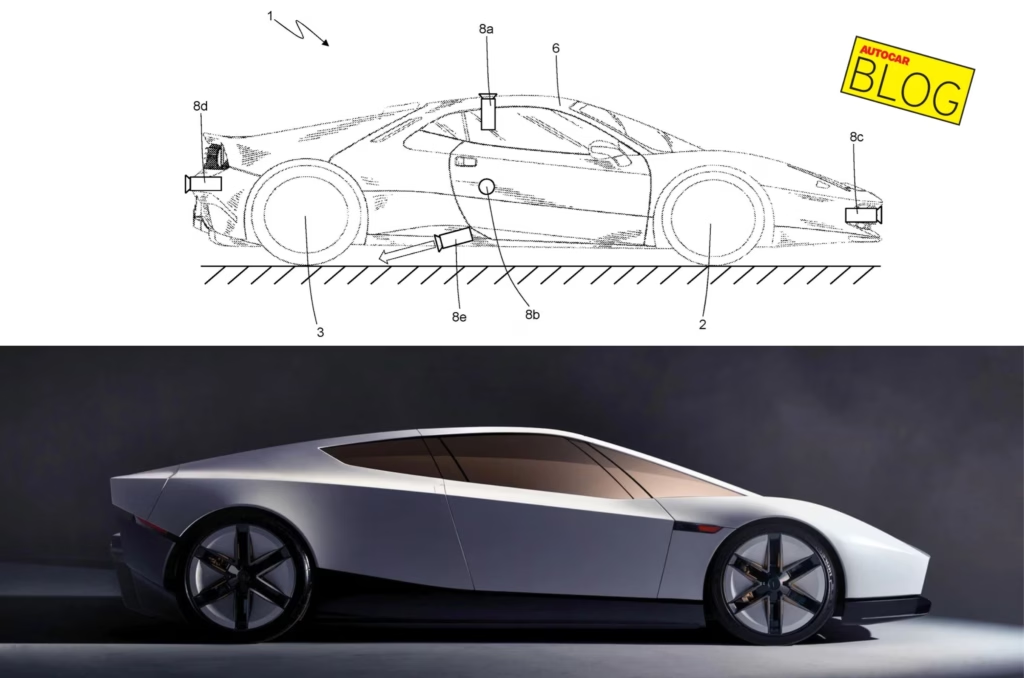
Interestingly, this isn’t the first time this idea has been thought of. Hollywood’s Knight Rider had his Turbo Boost jump and Super Pursuit mode, but closer to the real world, carmaker Ferrari toyed with the idea of gas thrust boosters and even had a patent issued back in 2018.

While the Tesla Roadster is all-electric, the Italian carmaker’s patent describes an internal combustion-powered car with an additional system comprising a compressed air tank and multiple horizontally as well as vertically oriented nozzles.

The patent says these can generate air jets for massively quick acceleration thrust, beyond what the engine and the limits of the tyres’ grip would provide.

The vertically oriented pushers can also generate a downward force to enhance road grip and downforce, while the horizontal pushers can be deployed to increase steering turn-in ability. Interestingly, the patent says its system would also generate correctional forces; for example, if the car is losing grip, an opposing thrust can be generated to correct the car’s line or even slow it down in extreme risk situations.

The patent also describes the use of the system on a motorcycle, Street Hawk style. Ferrari has clearly not put the system into production, and it’s not known if the Italian car maker is pursuing its development. So it would be interesting to see if Ferrari would hold rights or a claim over the Tesla Roadster system and how the two car makers would respond.