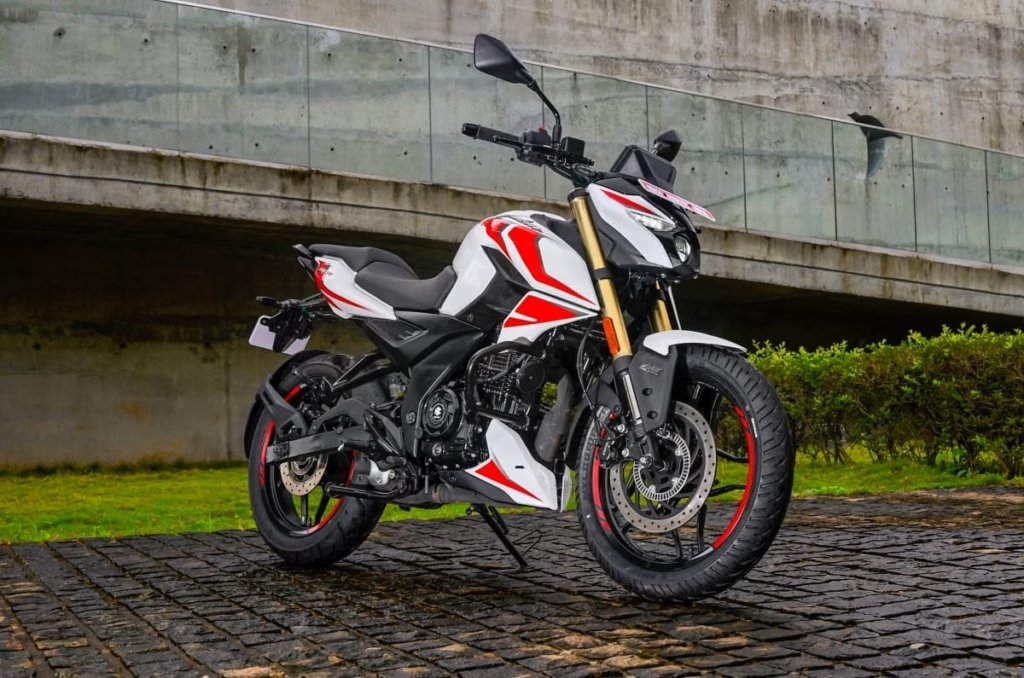
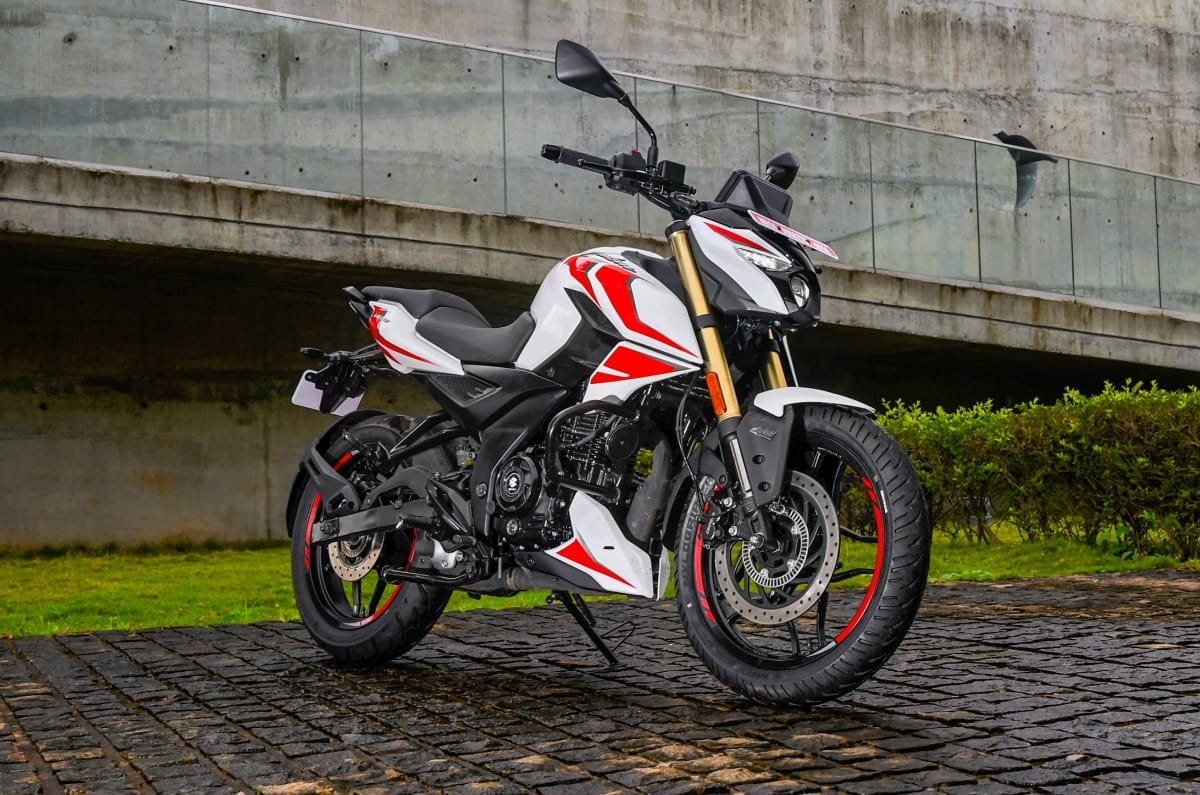
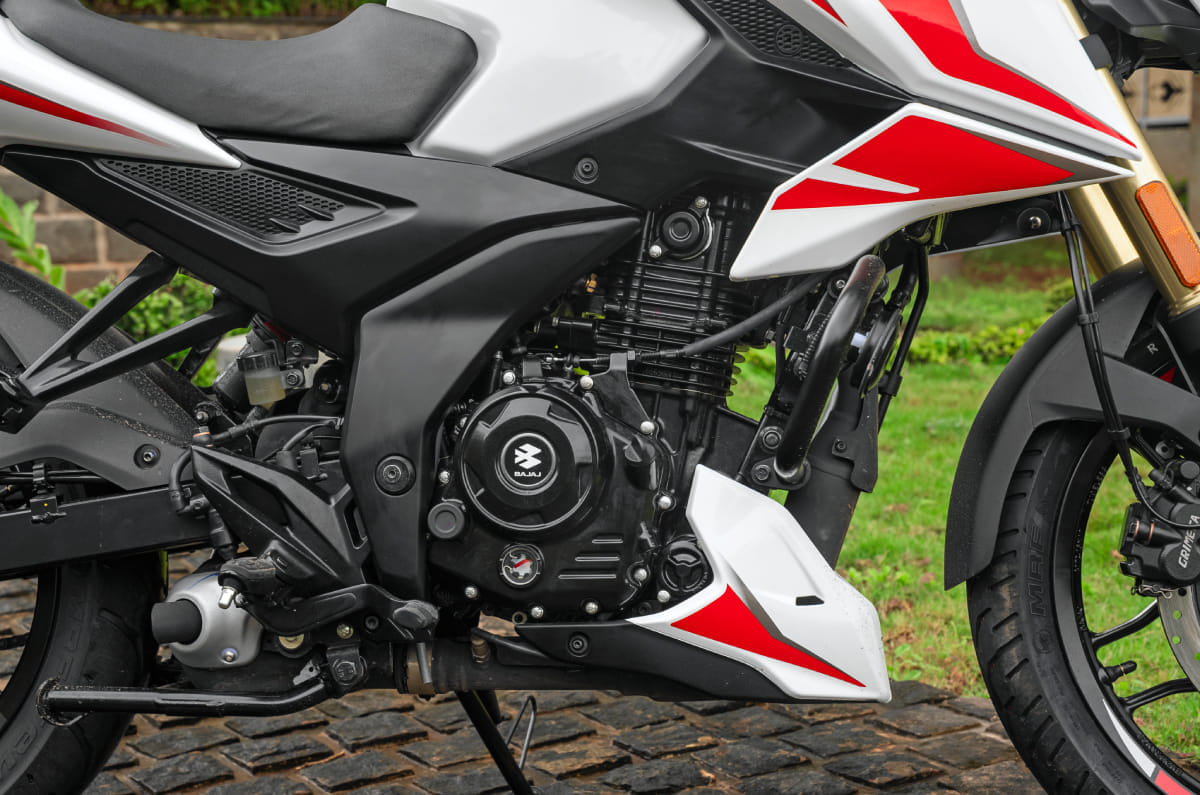
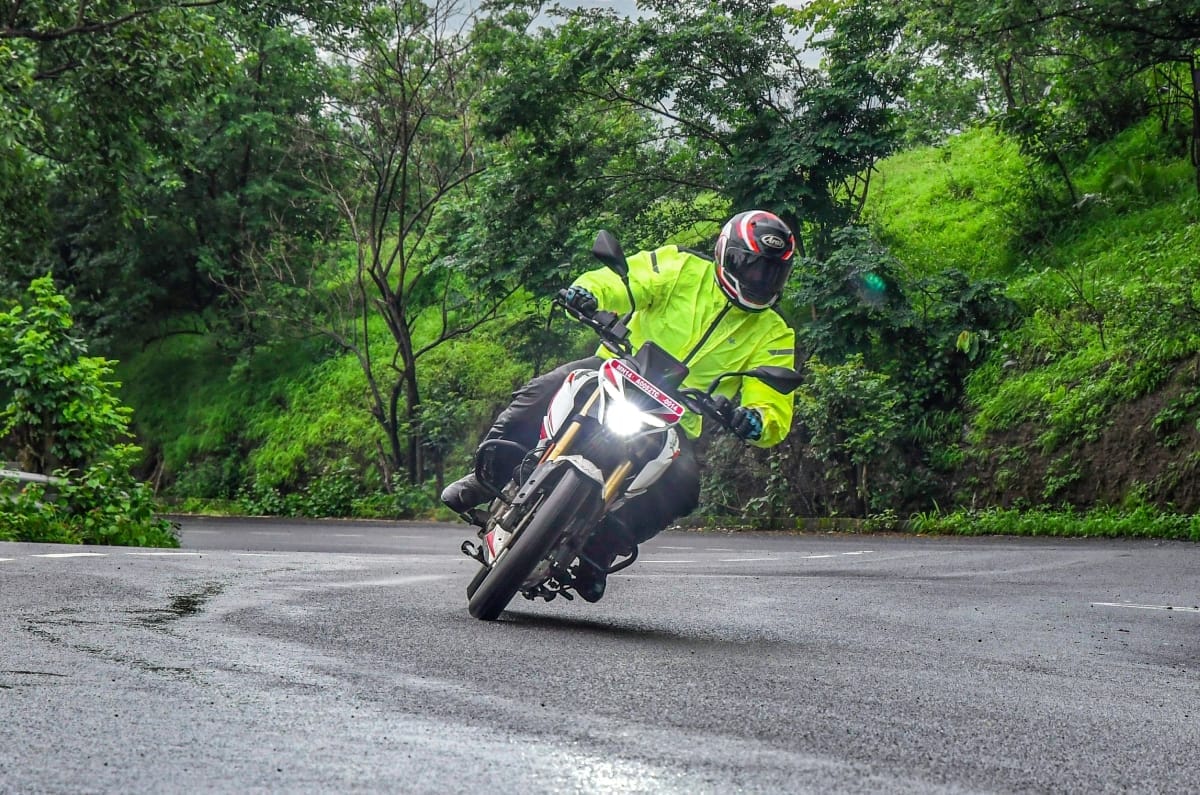
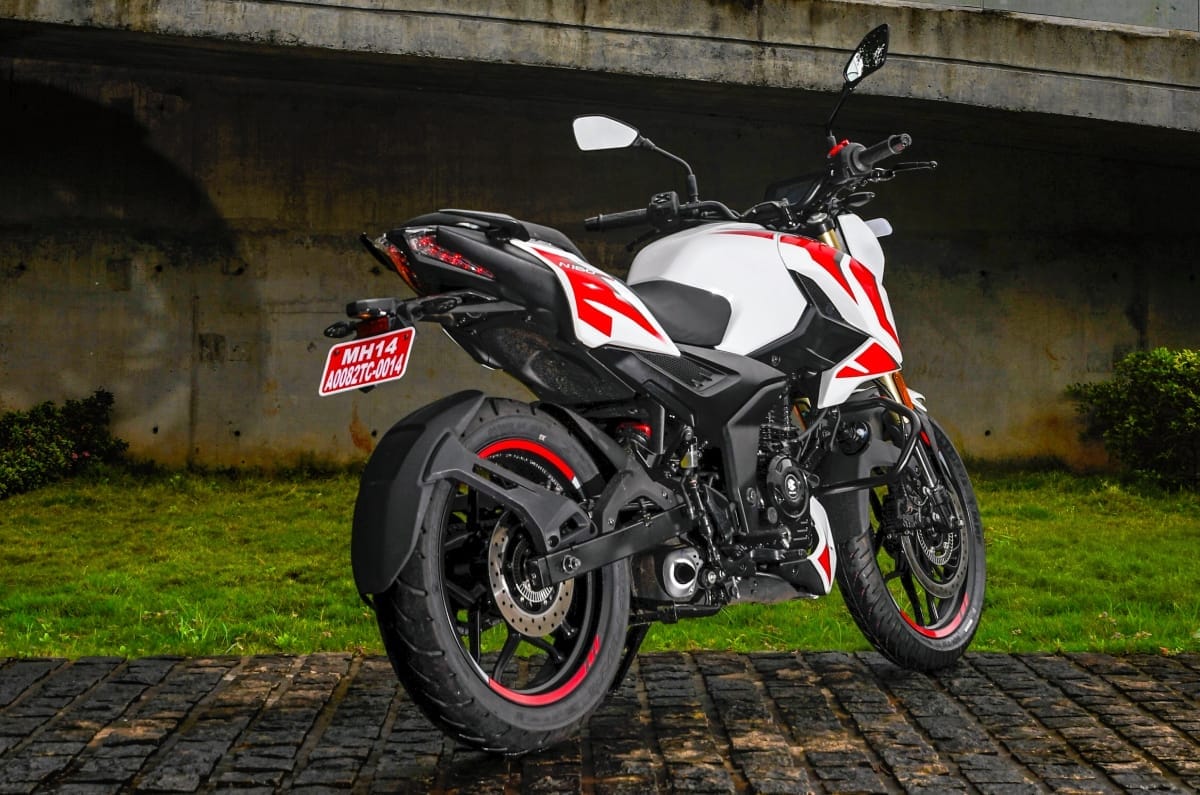
The Bajaj Pulsar N160 4V SS is the top variant of the updated N160 range, bringing a significantly reworked engine with ride-by-wire, a new 37mm USD fork, a 5-inch TFT display and Google Maps casting to a segment that was already competitive. It continues alongside the 2-valve N160 rather than replacing it. Here’s what works in its favour and a couple of reasons it might not be for everyone.
Reasons to buy the Bajaj Pulsar N160 4V SS
Smooth, tractable and genuinely quick
The new 4-valve engine is a more significant step up than the numbers alone might suggest. Despite producing 18.5hp at 9,500rpm from the same 165cc displacement, it retains the excellent smoothness and tractability of the outgoing 2-valve unit, with only minor vibrations at high revs and a very light clutch pull. During our time with the bike, we found it genuinely pleasant to ride in the city at lower revs, while still having enough performance higher up in the range to more closely match the TVS Apache RTR 160 4V, which was a rival it previously trailed.
TFT display and features that justify the step up
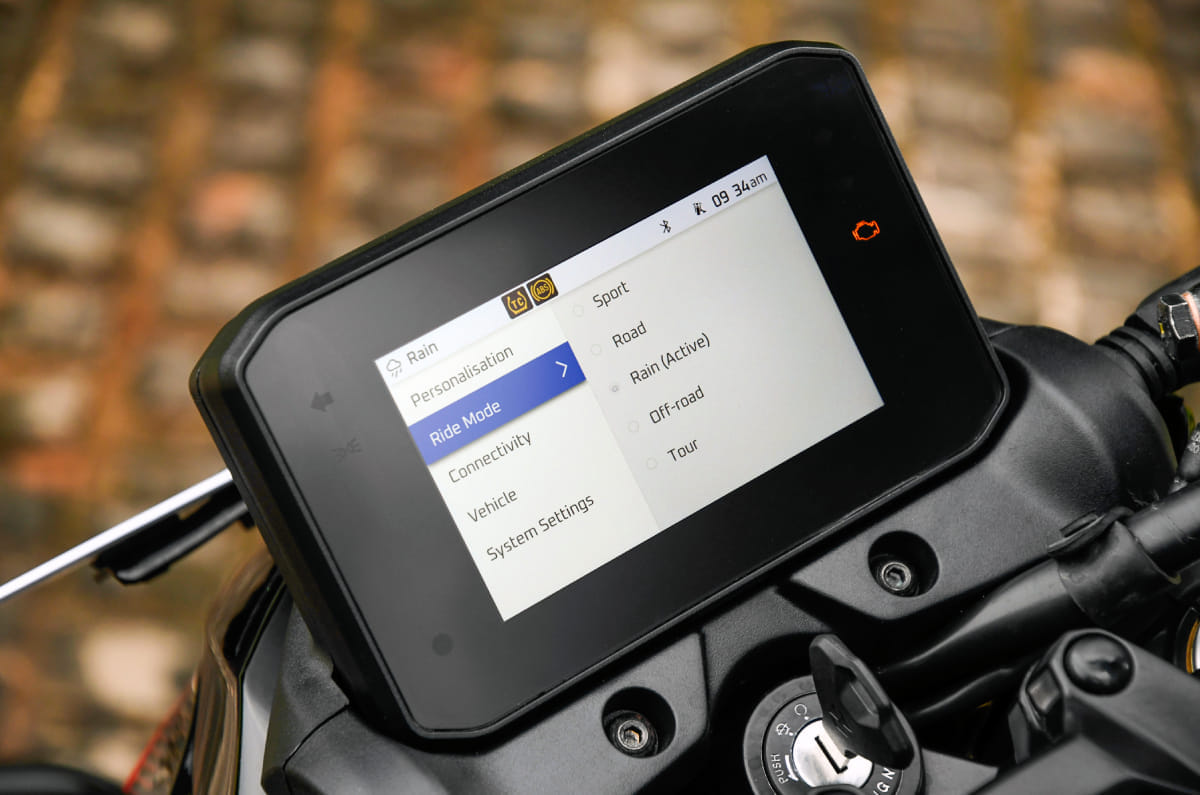
The SS model comes with a 5-inch TFT display that happens to be the most feature-rich instrument cluster in the segment, offering Bluetooth music control, document storage and Google Maps casting. The last feature works seamlessly on Android devices (with the phone screen staying off during casting) but iOS users will need to keep their screen on, which is a Google limitation rather than Bajaj’s. Ride-by-wire unlocks four riding modes, making this the only bike in the 160cc segment to offer them. Dual-channel ABS and a larger 300mm front disc are also part of the SS package.
Competitive pricing
At Rs 1.43 lakh (ex-showroom), the N160 4V SS is priced slightly above the equivalent top variant of the TVS Apache RTR 160 4V but offers a more comprehensive feature set in return. With a 4-valve engine, ride-by-wire, a USD fork, dual-channel ABS and feature-rich TFT display, the value proposition is genuinely strong for what the segment offers.
Reasons to skip the Bajaj Pulsar N160 4V SS
Suspension is on the firmer side
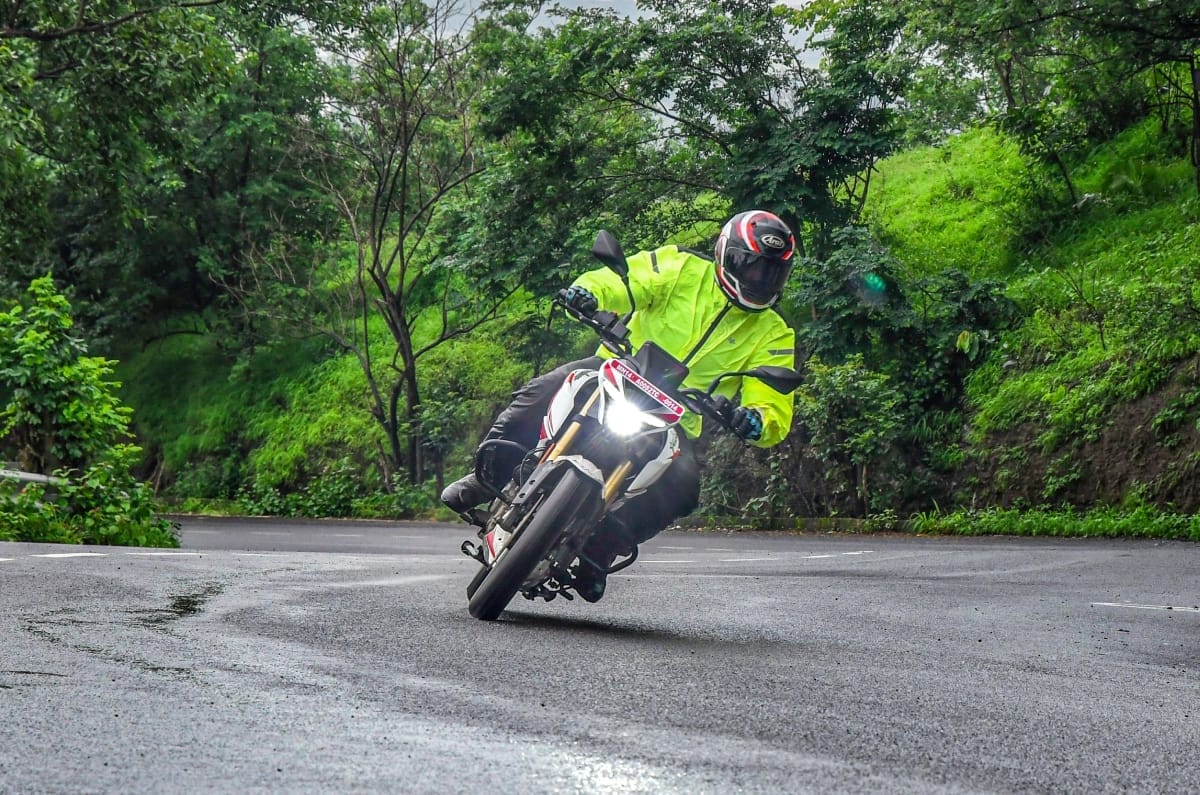
Despite the move to the larger 37mm USD fork, the overall suspension tune retains the taut, firm character of previous N160 models. It handles rough roads competently and corners well, but doesn’t have the soft, cushioned feel of rivals like the Apache RTR 160 4V. Riders who spend long hours in the saddle or frequently encounter broken urban surfaces may find it harder work than the competition.
Kerb weight and turning radius
At 151kg, the N160 4V SS is not the lightest motorcycle in its class, and this makes itself felt in slow-speed city manoeuvring. The turning radius in particular is less generous than ideal for navigating tight urban situations and that’s a practical drawback that everyday commuters are likely to notice more than those who primarily ride on open roads.
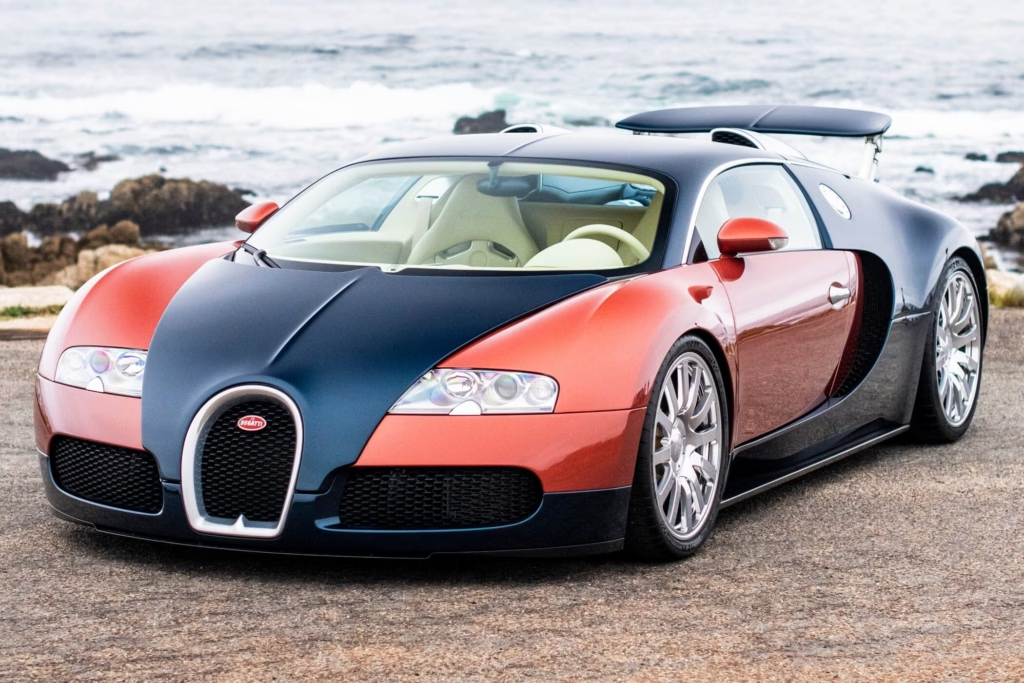
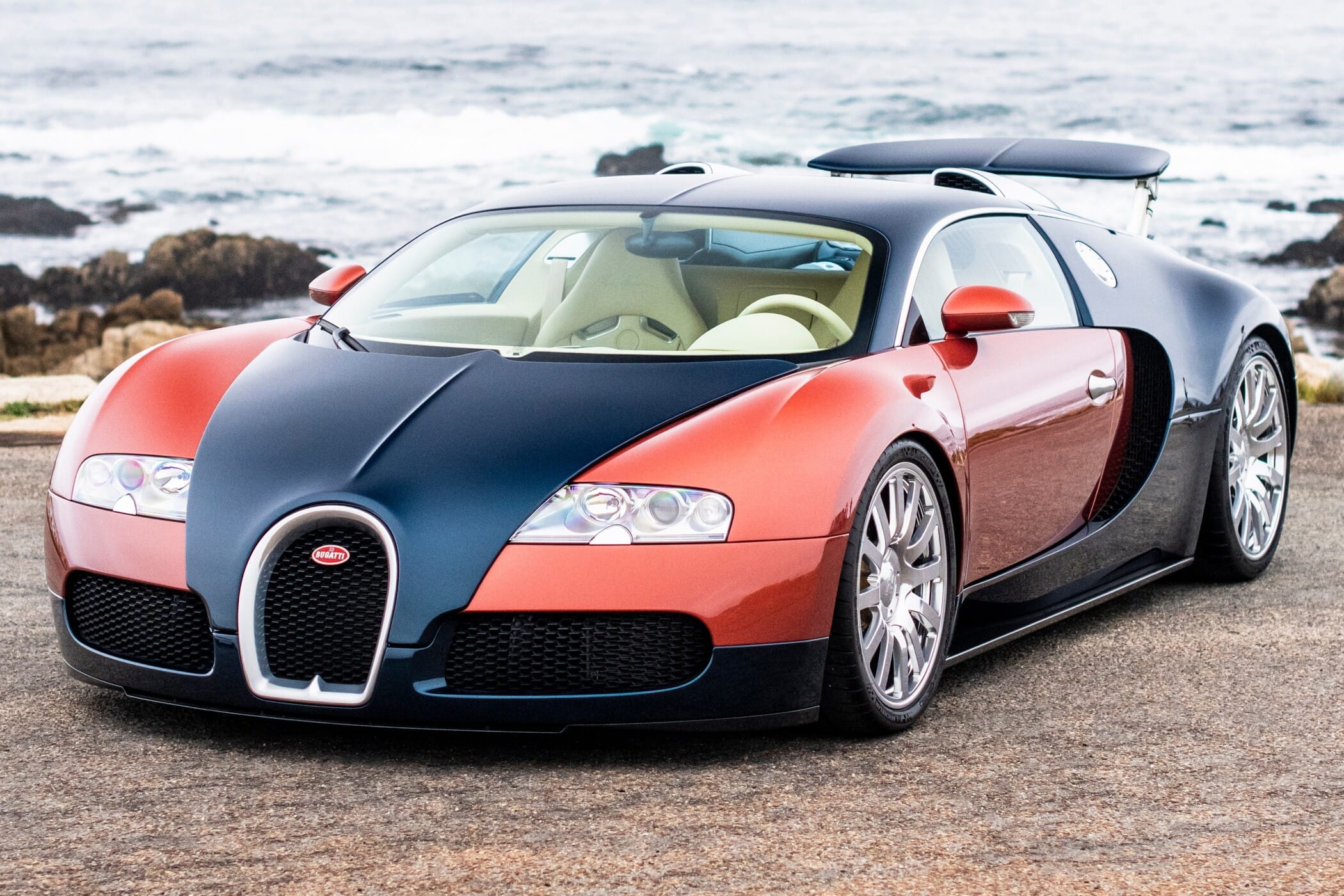
Bugatti has unveiled a restored one-off Veyron from the French marque’s La Maison Pur Sang restoration and certification division. Christened the Veyron La Maison Pur Sang 20 Years, it marks two decades since the hypercar originally debuted. Developed with inputs from its owner, this Veyron restoration combines its original proportions and styling cues with modern touches inspired by its successors, the Chiron and Tourbillon, including new colours, larger wheels, updated detailing, and a bespoke interior.
आज के दौर में नौकरी के साथ एक्सट्रा कमाई का रास्ता तलाशने वालों की संख्या लगातार बढ़ रही है। कोई ऑनलाइन काम शुरू करता है तो कोई कंटेंट क्रिएशन या छोटे कारोबार में हाथ आजमाता है। इसी बीच एक्स पर एक यूजर की पोस्ट ने लोगों का ध्यान खींचा है, जिसमें एक ऐसे साइड बिजनेस का जिक्र किया गया है, जिसे शुरू करने के लिए बड़े निवेश की जरूरत नहीं बताई गई है। पोस्ट के मुताबिक, कुछ लोग इसी काम को पार्ट-टाइम करते हुए हर महीने करीब 5 लाख रुपये तक कमा रहे हैं।
खास बात यह है कि इसके लिए न अपना ऑफिस खोलने की जरूरत बताई गई है और न ही कर्मचारियों या सामान के स्टॉक का झंझट है। यही वजह है कि सोशल मीडिया पर इस कमाई के मॉडल को लेकर दिलचस्पी बढ़ गई है। हालांकि, असल कमाई कितनी होगी, यह कई बातों पर निर्भर कर सकता है।
न दुकान, न स्टाफ… फिर कमाई कैसे?
एक्स यूजर अंकित पांडे ने बताया कि उनके कुछ दोस्त रियल एस्टेट में फ्रीलांसिंग के जरिए अच्छी कमाई कर रहे हैं। उन्होंने इसे ‘रियल एस्टेट फ्रीलांसिंग’ नाम दिया और दावा किया कि इसे बेहद कम शुरुआती खर्च के साथ शुरू किया जा सकता है।
उनके मुताबिक, सबसे पहले अपने शहर के कई बिल्डरों से संपर्क करना होगा और उनके चैनल पार्टनर प्रोग्राम से जुड़ना होगा। इसके बाद उनके प्रोजेक्ट, कीमत, भुगतान योजना और कब्जे की तारीख जैसी जानकारी समझनी होगी।
असली काम है खरीदार ढूंढना
बिल्डरों से जुड़ने के बाद अगला कदम संभावित ग्राहकों तक पहुंचना है। पांडे के अनुसार, खरीदार सोशल मीडिया, दोस्तों, रिश्तेदारों, सहकर्मियों और अपने निजी नेटवर्क के जरिए खोजे जा सकते हैं। यानी इस काम में दुकान खोलने या कोई सामान खरीदकर रखने की जरूरत नहीं है। मुख्य भूमिका खरीदार और बिल्डर के बीच संपर्क बनाने, भरोसा कायम करने और सौदा पूरा कराने की होती है।
50 लाख के फ्लैट पर कितना बन सकता है कमीशन?
पांडे ने अपनी पोस्ट में एक उदाहरण के जरिए कमाई का गणित समझाया। उनके मुताबिक, अगर 50 लाख रुपये के फ्लैट पर 3 प्रतिशत कमीशन मिले, तो एक सौदे से 1.5 लाख रुपये बन सकते हैं। इसी हिसाब से तीन फ्लैट बिकने पर करीब 4.5 लाख रुपये और चार सौदों पर 6 लाख रुपये तक कमीशन बन सकता है। हालांकि, रियल एस्टेट में कमीशन की दर हर जगह एक जैसी नहीं होती। यह बिल्डर, प्रोजेक्ट और समझौते के आधार पर अलग-अलग हो सकती है।
सुनने में आसान, लेकिन सौदा पक्का करना मुश्किल
सोशल मीडिया पर कुछ लोगों ने इस मॉडल को आकर्षक जरूर माना, लेकिन कई यूजर्स ने इसकी असली चुनौती भी बताई। उनका कहना था कि खरीदार ढूंढना और आखिर में डील बंद करना उतना आसान नहीं है, जितना पोस्ट में दिखाई देता है।
एक यूजर ने कहा कि इस काम में ग्राहकों की तलाश के साथ जोखिम भी जुड़ा होता है। वहीं, दूसरे ने बताया कि कमीशन आकर्षक लग सकता है, लेकिन ग्राहक को मनाकर सौदा पूरा करना काफी मुश्किल होता है।
I am going to tell you about a boring business where some of my friends are quietly making around ₹5 lakh/month part time.
No startup, no office, no employees and almost zero investment. It is called real estate freelancing.
एक यूजर ने अपने परिवार का अनुभव साझा करते हुए बताया कि उसके अंकल करीब तीन दशक से रियल एस्टेट का काम कर रहे हैं। कभी उनके महीने में 5-7 घर तक बिक जाते हैं, तो कभी लगातार 4-6 महीने तक एक भी सौदा नहीं होता। उन्होंने यह भी कहा कि उनके परिवार की आर्थिक स्थिति इसलिए संभल जाती है क्योंकि उनकी पत्नी सरकारी नौकरी में हैं। उनके मुताबिक, रियल एस्टेट का यह काम ऐसे व्यक्ति के लिए चुनौतीपूर्ण हो सकता है जो अपने परिवार का अकेला कमाने वाला सदस्य हो।
‘साइड इनकम’ का मौका या पूरी तरह बिक्री पर निर्भर काम?
इस पूरी चर्चा ने रियल एस्टेट फ्रीलांसिंग की एक दिलचस्प तस्वीर सामने रखी है। इसमें शुरुआती निवेश कम हो सकता है, लेकिन कमाई पूरी तरह ग्राहकों, बिक्री और सौदे पूरे होने पर निर्भर करती है। यानी कागज पर यह मॉडल जितना आसान दिखता है, असल जिंदगी में उतना ही नेटवर्क, भरोसे और बिक्री की क्षमता का खेल है। सोशल मीडिया पर 5 लाख रुपये महीने की कमाई का दावा भले आकर्षक हो, लेकिन हर व्यक्ति के लिए इतनी आय की गारंटी नहीं मानी जा सकती।
डिस्क्लेमर: यह रिपोर्ट सोशल मीडिया पर यूज़र द्वारा शेयर किए गए कंटेंट पर आधारित है। मनीकंट्रोल इन दावों की न तो स्वतंत्र रूप से पुष्टि नहीं करता है और न ही इनका समर्थन करता है।
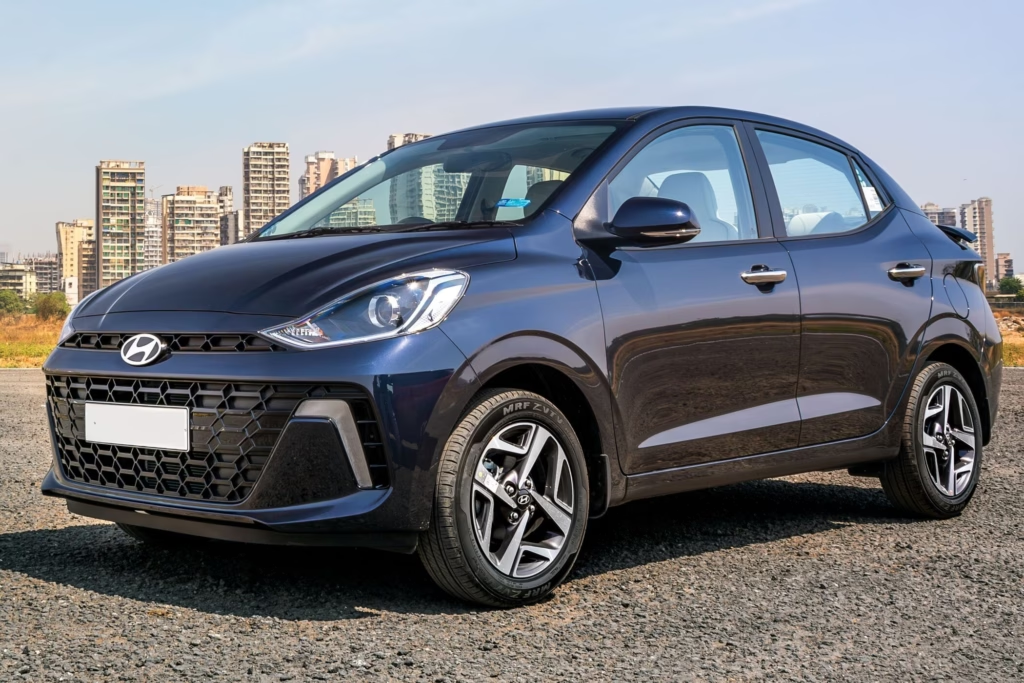
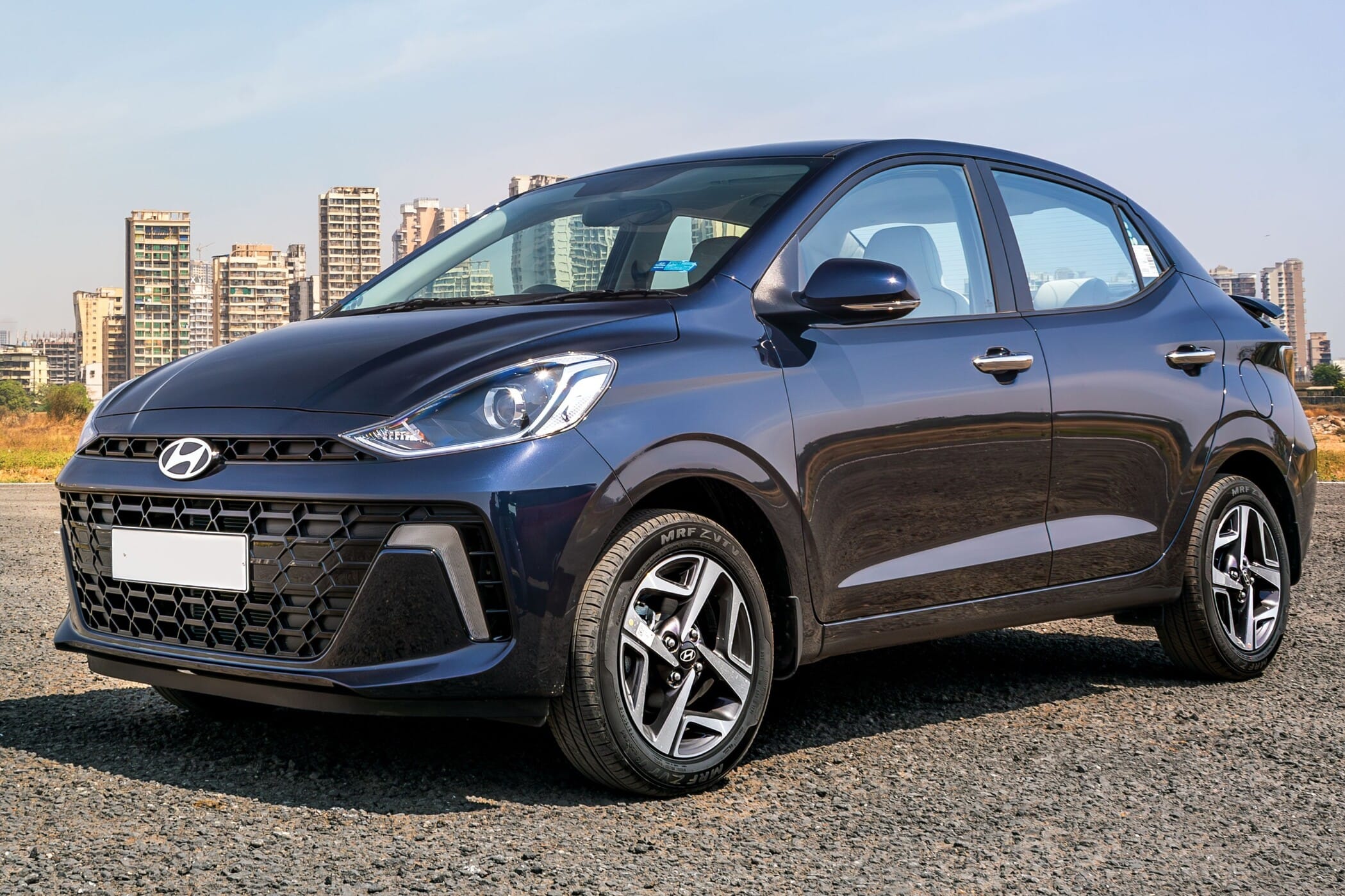
The Aura is Hyundai’s contender for the compact sedan segment, rivalling the likes of the Maruti Suzuki Dzire, Honda Amaze, and Tata Tigor. If you’re planning to bring home a Hyundai Aura, we’ve listed its most prominent strengths and weaknesses below.
Pros
Well-built interior
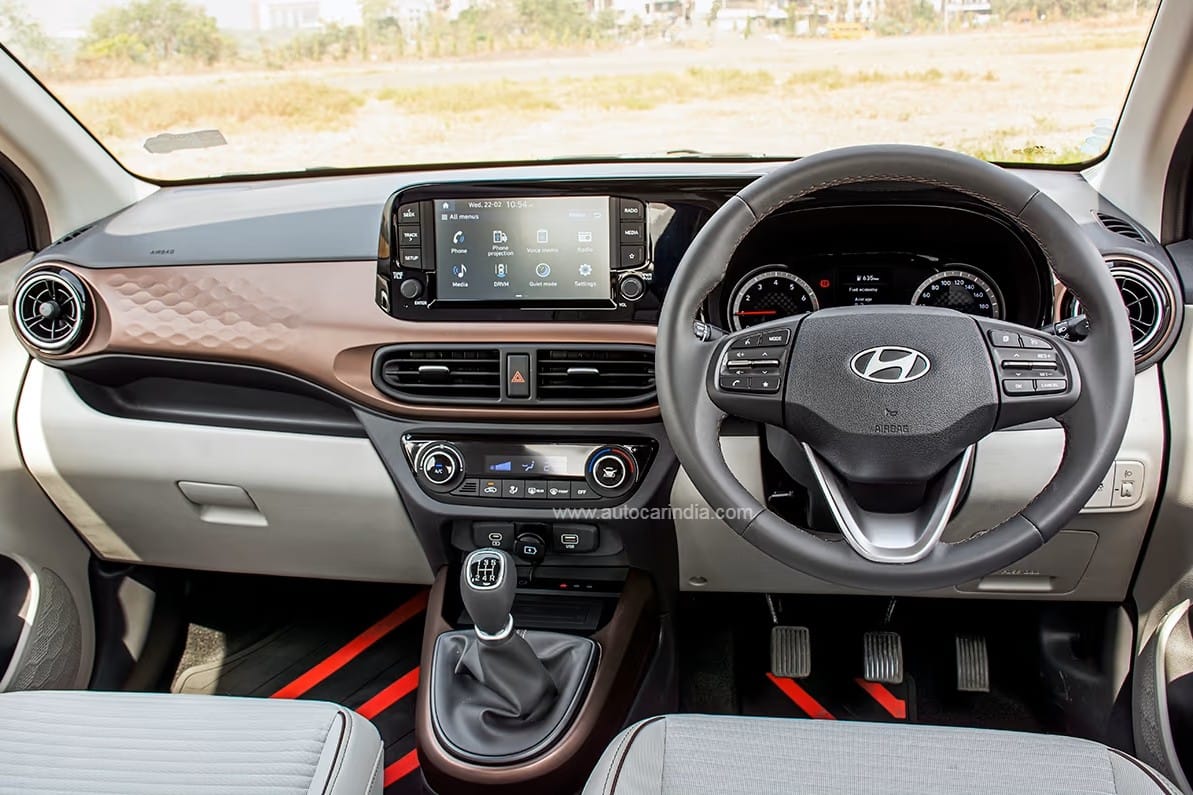
Step inside the Aura and you’ll be impressed with its bright colour scheme and excellent fit-and-finish. The central dashboard trim and centre console surround are decked out in a copper colour, which lends the front end of the cabin a unique look, and the leather-wrapped steering wheel and gear knob in higher trims do well to add a premium touch.
Smooth and refined engine
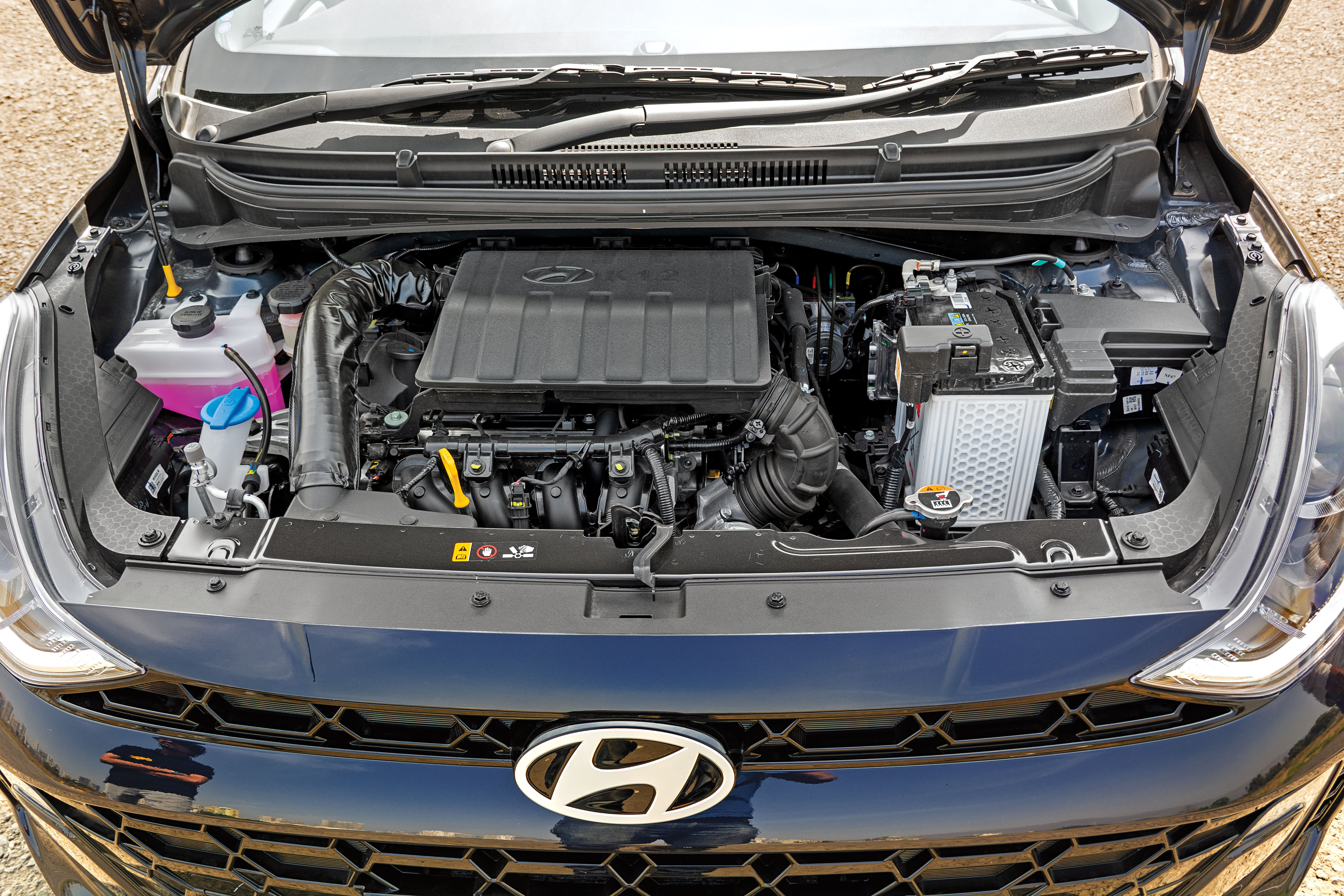
Under the bonnet, the Aura packs a sole 1.2-litre 4-cylinder naturally aspirated engine that can be had in either 83hp petrol or 69hp CNG guise. Gearbox options comprise a 5-speed manual and 5-speed AMT for the petrol, while the CNG gets only the former transmission.
As mentioned in our review of the Aura, the petrol-MT powertrain feels quite smooth and refined. It responds well to part-throttle inputs and effortlessly keeps up with traffic. That said, the Aura is best-suited to easygoing urban commuting, as performance is neither brisk nor exciting.
Easy to drive
In addition to its refined engine, the Aura has a very smooth and light steering feel, an absorbent ride, and a slick-shifting manual gearbox with a light clutch. Not to mention, the Aura’s relatively compact footprint makes it easy to manoeuvre in city traffic and on tight roads.
Cons
Falls short on cabin space
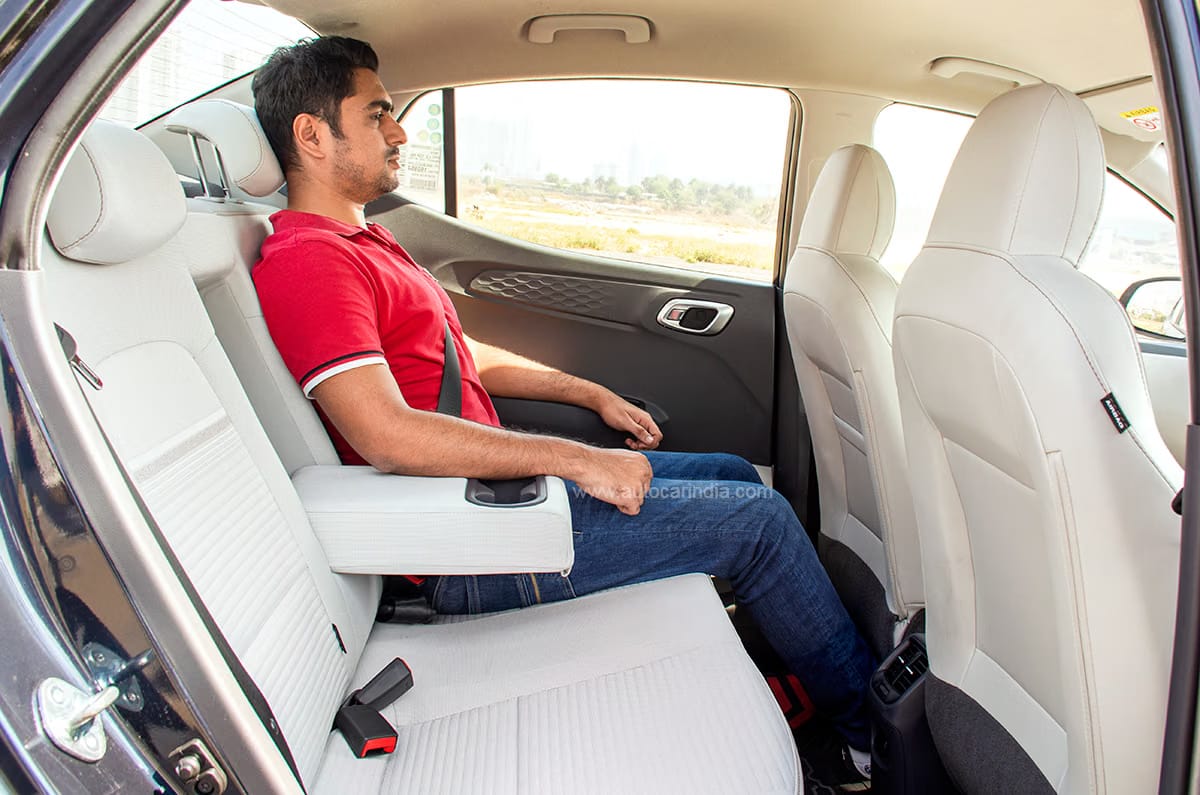
Though the Aura’s rear seat offers ample legroom, the narrow width of the car makes the bench best-suited for two adults only. The front seats aren’t the most comfortable either, as the cushioning is a tad too firm, the head restraints are not adjustable, and taller occupants with broader frames may find them too narrow.
Lacks some creature comforts
The Aura comes packed with much of the safety and convenience kit you need, but misses out on a lot of the nice-to-haves offered by rivals like the Dzire and Amaze. Specifically, the Aura doesn’t get a sunroof, a 360-degree camera, ADAS, built-in wireless Android Auto and Apple CarPlay, paddle shifters (for AMT), and connected car tech.
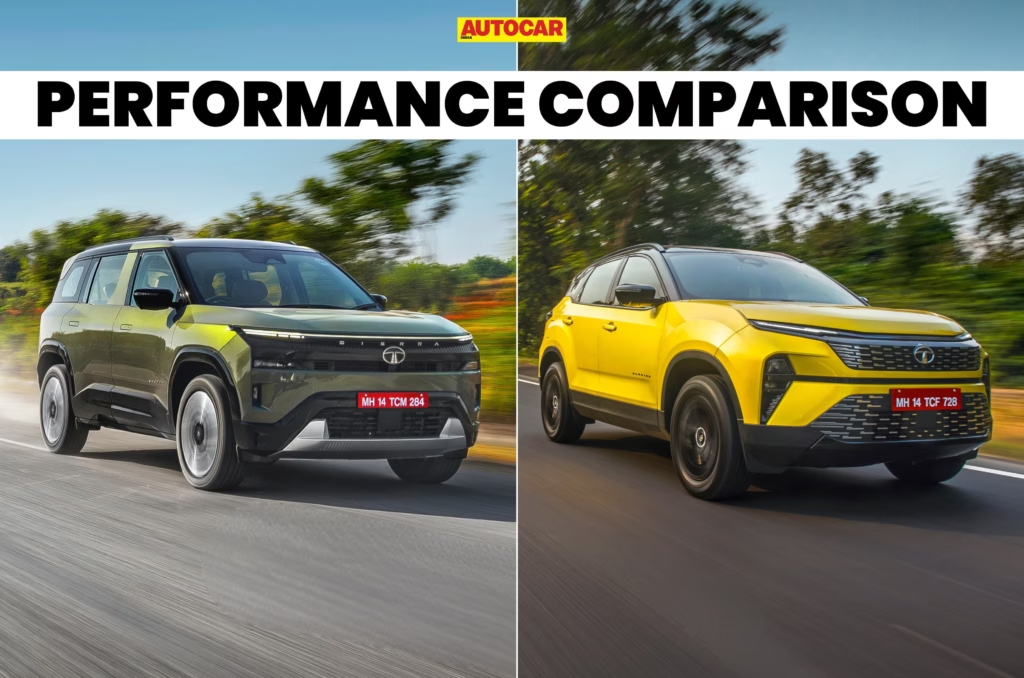
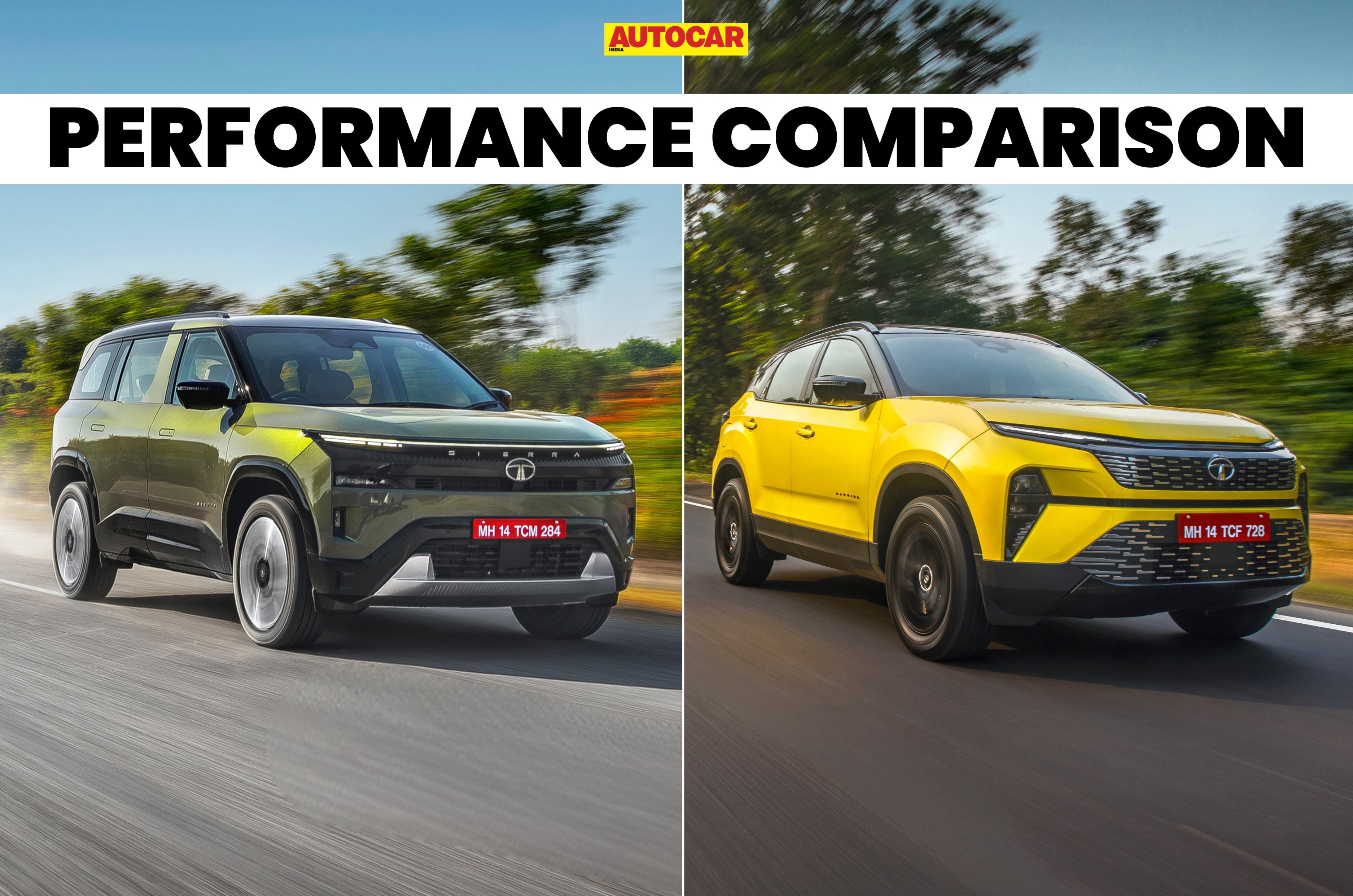
The Tata Sierra is one of the newer midsize SUVs to offer a diesel engine, a powertrain that is becoming increasingly rare in the segment. Positioned below the Harrier in Tata’s SUV lineup, the Sierra gets a 1.5-litre diesel engine, while a 2.0-litre diesel powers the larger Harrier. Both SUVs are available with a 6-speed automatic gearbox, but with different engines under the hood, how do they compare in terms of performance? Let’s find out.
Tata Sierra vs Harrier diesel AT: Specifications and price
The Sierra’s smaller engine offers less performance, but it is also more affordable
Tata Sierra vs Harrier diesel AT: Specifications and price
Tata Sierra 1.5D AT
Tata Harrier 2.0D AT
Engine
4-cyl, turbo-diesel
4-cyl, turbo-diesel
Displacement (cc)
1,497
1,956
Power (hp)
118
170
Torque (Nm)
280
350
Kerb weight (kg)
NA
1,823
Power-to-weight (hp per tonne)
–
93.25
Torque-to-weight (Nm per tonne)
–
191.99
Price range (Rs, lakh)
15.99-21.29
18.85-25.40
The Tata Harrier gets a larger 2.0-litre diesel engine, making 52hp and 70Nm more than the Sierra’s 1.5-litre diesel. Tata is yet to reveal the Sierra diesel’s kerb weight, but it will be lower than the Harrier diesel’s weight because of its smaller size. For reference, the Sierra’s turbo-petrol AT weighs 1,552kg.
The Sierra diesel also has a clear price advantage. Its starting price is Rs 2.86 lakh lower than the Harrier’s, while the top-spec Sierra diesel undercuts the Harrier by a substantial Rs 4.11 lakh.
Tata Sierra vs Harrier diesel AT: 0-100kph acceleration test
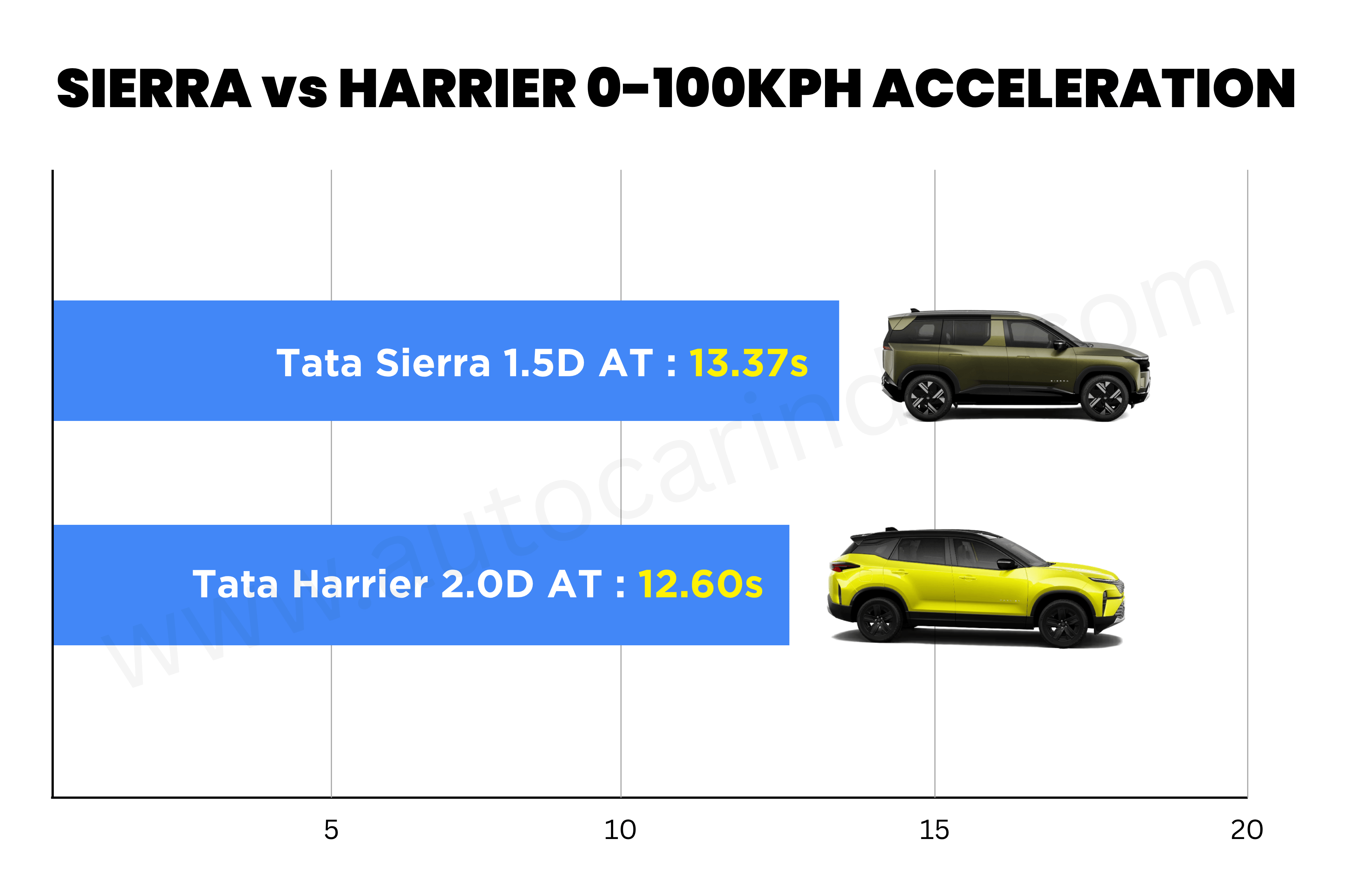
The Harrier is 0.77s faster than the Sierra to reach 100kph from a standstill
Tata Sierra vs Harrier diesel AT: Acceleration from rest (in seconds)
Tata Sierra 1.5D AT
Tata Harrier 2.0D AT
20kph
1.44
1.33
40kph
3.53
2.94
60kph
5.93
5.16
80kph
9.31
8.30
100kph
13.37
12.60
The Harrier diesel-AT gets off the line 0.11 seconds quicker than the Sierra diesel-AT and continues to pull ahead as speeds rise. By 60kph, the Harrier’s lead grows to 0.77 seconds, a gap it maintains through to 100kph.
Tata Sierra vs Harrier diesel AT: Rolling acceleration tests
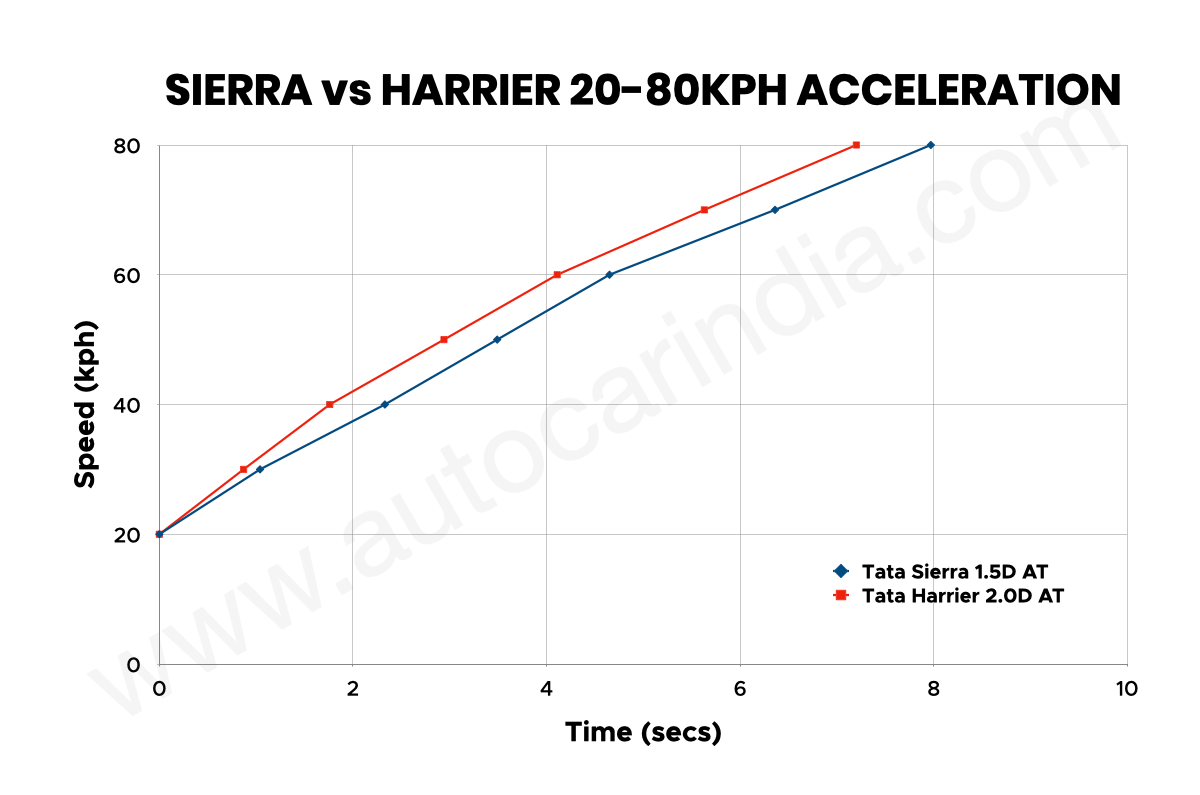
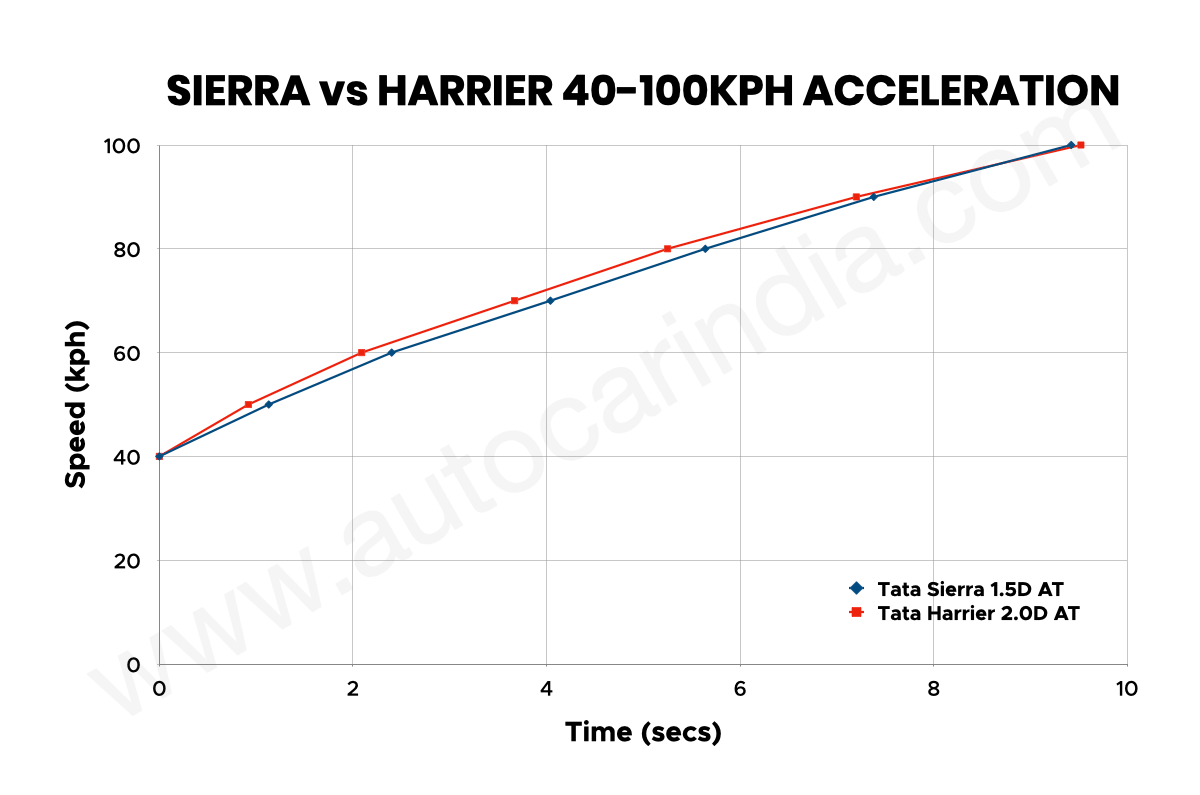
While the Harrier clocks a faster 20-80kph run, the Sierra is quicker to do 40-100kph
Tata Sierra vs Harrier diesel AT: Rolling acceleration (in seconds)
Tata Sierra 1.5D AT
Tata Harrier 2.0D AT
20-80kph
7.97
7.20
40-100kph
9.42
9.52
In the rolling acceleration tests, the Harrier diesel-AT is again quicker in the 20-80kph test, taking 0.77 seconds less than the Sierra diesel-AT.
However, the Sierra clocks a 0.10-second quicker 40-100kph time. In the real world, we noticed that the Sierra’s 1.5-litre engine builds power linearly and lacks the midrange punch associated with diesel engines. On the other hand, the Harrier offers a punchy mid-range and the powertrain feels more responsive to throttle inputs.
Autocar India’s testing standards
Before we conduct our performance tests, we check and maintain tyre pressures based on the manufacturer’s recommendation and ensure the car has a full tank of fuel. The car is then tested in a controlled environment with two people on board, and the data is collected via highly accurate GPS-based timing equipment.
Over two decades after the Toyota Celica nameplate was discontinued with the seventh-generation model, the Japanese carmaker is set to bring the moniker back with a new hybrid all-wheel drive sports coupe, per a new report from Autocar UK. Internally referred to as the Celica Sport, the eighth-gen model will serve as an entry point to Toyota’s performance-focused GR line-up, and is expected to directly rival the Honda Prelude.
The Celica’s return was officially confirmed by Toyota in late 2024 as part of an effort to revive the “three brothers,” which is chairman Akio Toyoda’s affectionate nickname for the Supra, Celica, and MR2. The Supra nameplate came back as part of a joint collaboration with BMW in 2019 for the fifth-gen model (codename: A90), with the Celica likely to be next. A new mid-engined MR2 is tipped to be in development too.
Eighth-gen Toyota Celica: Everything we know
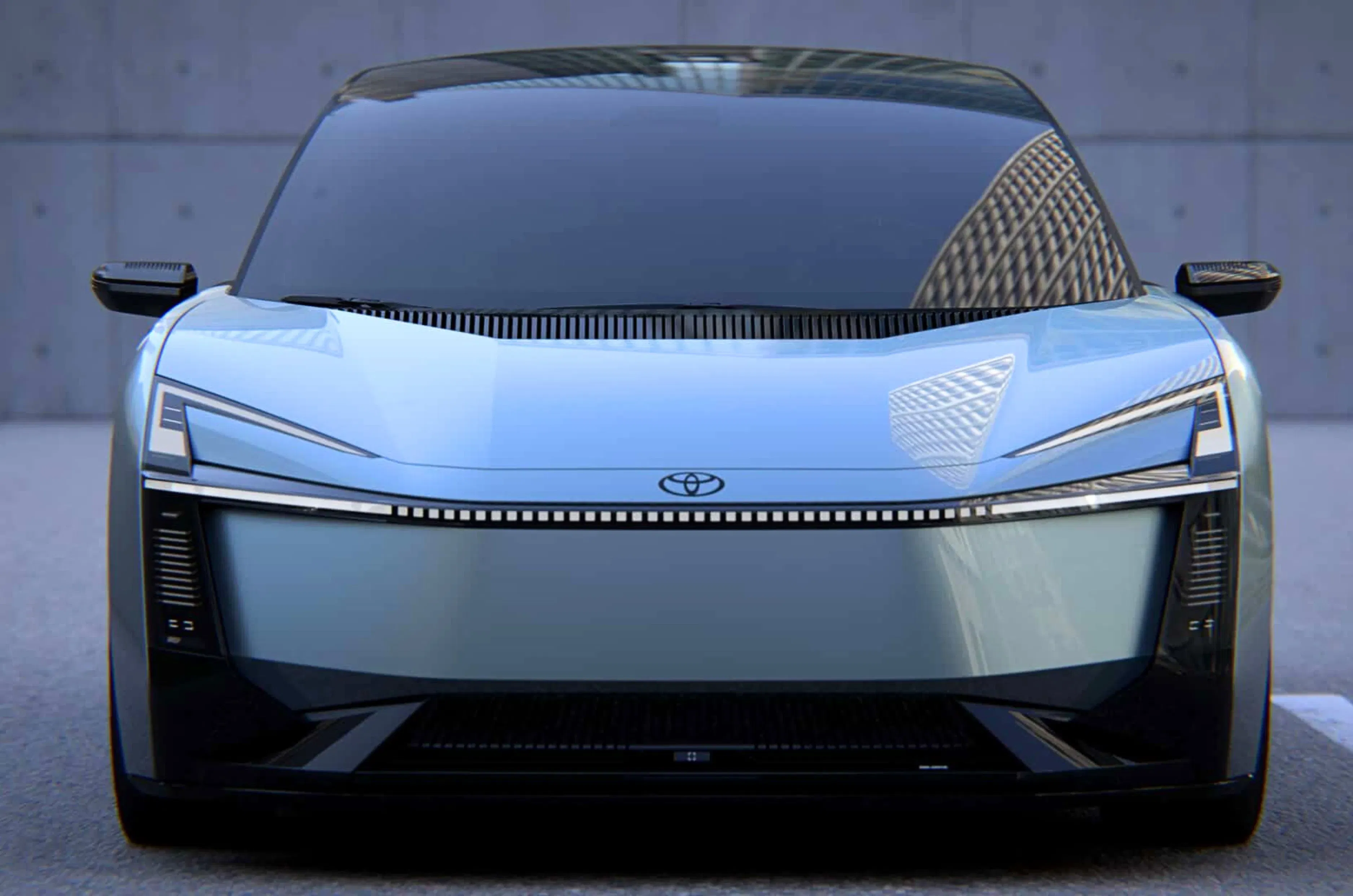
Toyota Corolla Concept. Image used for representation only.
Like prior generations of the Celica, the eighth-gen model is anticipated to use the underpinnings of a mainstream Toyota car, possibly the next-gen Corolla. The front-engined coupe is likely to be powered by Toyota’s all-new 2.0-litre 4-cylinder turbo-petrol engine that debuted last year, which is codenamed the G20E. This motor has a shorter piston stroke than Toyota’s current engines, making it lighter and more compact, and is expected to output around 400hp and 500Nm in road-going applications.
The G20E engine will be paired with a hybrid system in the new Celica – it remains unclear whether the setup will be strong hybrid or plug-in hybrid. A Toyota spokesperson confirmed to Autocar UK that the eighth-gen Celica will be fitted with AWD as well.
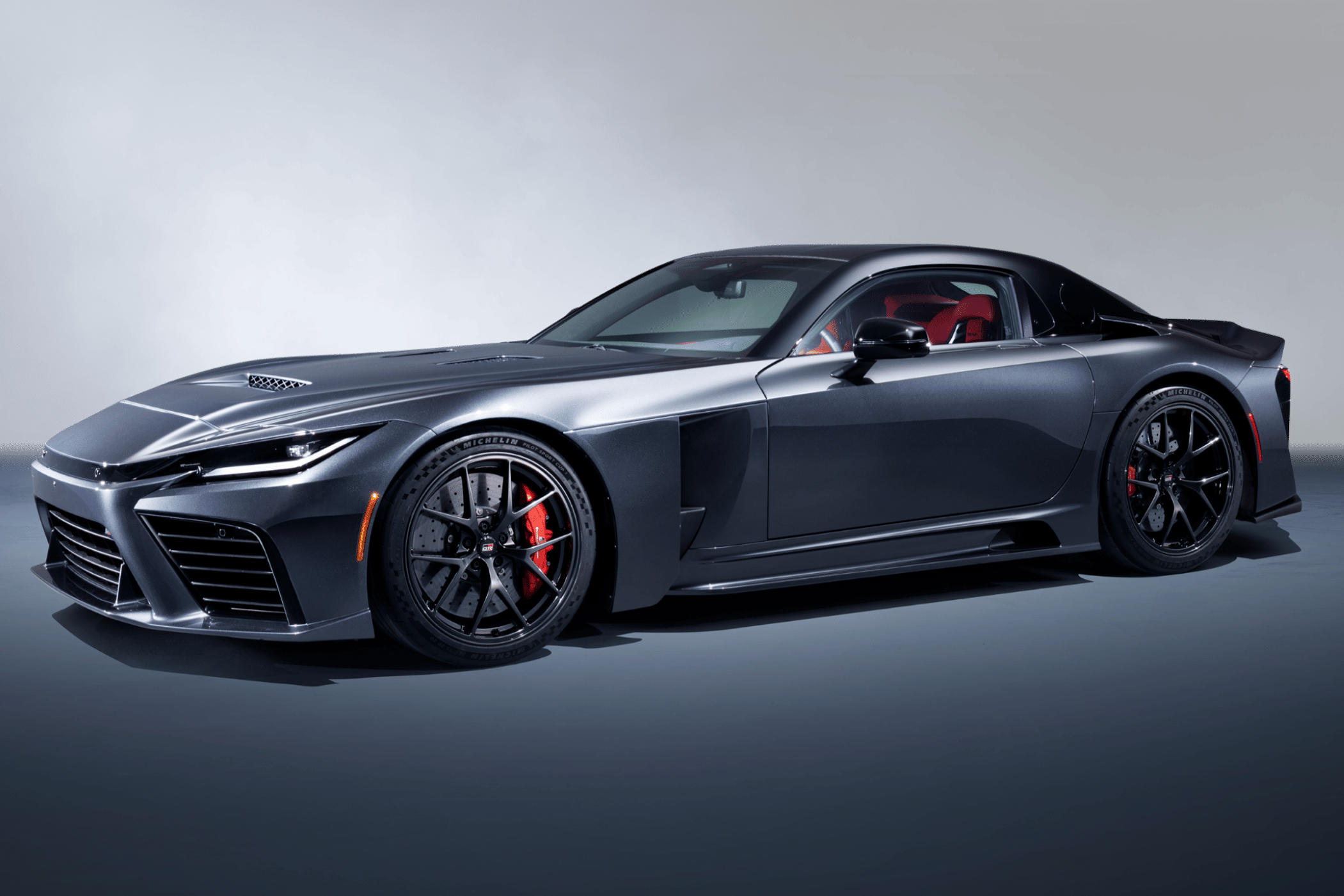
Toyota GR GT. Image used for representation only.
As for the form factor, expect the eighth-gen Celica to be a two-door coupe, much like its predecessors. Styling may draw inspiration from the top-of-the-line Toyota GR GT supercar, which looks quite rakish and menacing. Interestingly, there will be a WRC version of the new Celica for the 2027 season. A prototype of the same was spotted testing a few months ago, sporting an all-new, relatively compact two-door body.
Since the 2027 WRC regulations mandate a 1.6-litre engine, however, the rally Celica is expected to use an evolved version of the GR Yaris’s 3-cylinder turbo-petrol motor. Speaking to Autocar UK, Gazoo Racing marketing manager Mikio Hayashi said, “The displacement size of 1.6 litres, for example, cannot meet emission regulations. So we have to consider the possibility of a 2.0-litre” for the road-going Celica, lending further credence to the utilisation of the G20E.
Market Trend: भारतीय इक्विटी मार्केट ने 28 अगस्त को खत्म हुए हफ्ते की क्लोजिंग सतर्कता भरे रुख के साथ की। ग्लोबल इंटरेस्ट रेट,जियोपॉलिटिकल रिस्क और क्लोजिंग ऑक्शन सेशन से जुड़ी वोलैटिलिटी के चलते निवेशकों के सेंटिमेंट पर दबाव दिखा,जिससे बाजार में गिरावट का दौर जारी रहा। हालांकि,शुक्रवार को ग्लोबल टेक्नोलॉजी शेयरों से मिले पॉजिटिव संकेतों के बीच IT शेयरों में जबरदस्त खरीदारी आई। इससे बाजार में अच्छी रिकवरी देखने को मिली,फिर भी बेंचमार्क इंडेक्स लगातार तीसरे हफ्ते गिरावट के साथ बंद हुए।
निफ्टी पर एक्सपर्ट की राय
कोटक सिक्योरिटीज के VP टेक्निकल रिसर्च,अमोल अठावले का कहना है कि पिछले हफ्ते बेंचमार्क इंडेक्स में उतार-चढ़ाव के बाद एक सीमित दायरे में कारोबार होता दिखा। निफ्टी 0.31 प्रतिशत गिरकर बंद हुआ,जबकि सेंसेक्स में 310 अंकों की गिरावट आई। सेक्टरों की बात करें तो फार्मा और हेल्थकेयर इंडेक्स में 1.5 प्रतिशत से ज्यादा की बढ़त हुई,जबकि FMCG इंडेक्स में सबसे ज्यादा 1.95 प्रतिशत की गिरावट दर्ज की गई।
टेक्निकल नजरिए से देखें तो डेली चार्ट पर निफ्टी ने एक बेयरिश कैंडल बनाया है और ऊपर की तरफ इसे लगातार 20-डे SMA (सिंपल मूविंग एवरेज) या 24,350/77,900 जोन के पास रेसिस्टेंस का सामना करना पड़ रहा है,जो काफी हद तक नेगेटिव संकेत है।
अमोल अठावले का मानना है कि शॉर्ट-टर्म के लिए मार्केट का मिजाज कमज़ोर है,लेकिन नई बिकवाली तभी हो सकती है जब 24,100/77,100 का लेवल टूटे। अगर ऐसा होता है तो मार्केट 24,000-23,800/76,800-76,200 तक गिर सकता है। दूसरी ओर 50-डे SMA या 24,200/77,500 ट्रेडर्स के लिए तत्काल रेजिस्टेंस ज़ोन का काम करेगा। अगर इंडेक्स इस लेवल के ऊपर ट्रेड करने में कामयाब रहता है तो यह 24,350/77,900 पर स्थित 20डे SMA को फिर से टेस्ट कर सकता है। इसके बाद भी और तेजी आ सकती है,जिससे इंडेक्स 24,500/78,400 तक जा सकता है।
बैंक निफ्टी पर एक्सपर्ट की राय
अमोल अठावले की राय है कि बैंक निफ्टी के लिए 50 और 20 डे के SMA या 57,700 का स्तर ट्रेडर्स के लिए तुरंत ध्यान देने वाले लेवल होंगे। जब तक बैंक निफ्टी इन स्तरों से नीचे रहता है,तब तक सेंटीमेंट कमजोर बने रहने की संभावना है। इसके नीचे जाने पर इंडेक्स के 56,800-56,500 के स्तर तक गिरने की संभावना बढ़ जाएगी। इसके उलट,57,700 के ऊपर जाने पर बैंक निफ्टी 58,000-58,500 की ओर उछाल आ सकता है। बाजार का मौजूदा मिजाज किसी एक दिशा में साफ नहीं है। इसलिए,शॉर्ट-टर्म ट्रेडर्स के लिए लेवल बेस्ड ट्रेडिंग सबसे अच्छी रणनीति होगी।
डिस्क्लेमर: मनीकंट्रोल.कॉम पर दिए गए विचार एक्सपर्ट के अपने निजी विचार होते हैं। वेबसाइट या मैनेजमेंट इसके लिए उत्तरदाई नहीं है। यूजर्स को मनी कंट्रोल की सलाह है कि कोई भी निवेश निर्णय लेने से पहले सर्टिफाइड एक्सपर्ट की सलाह लें।
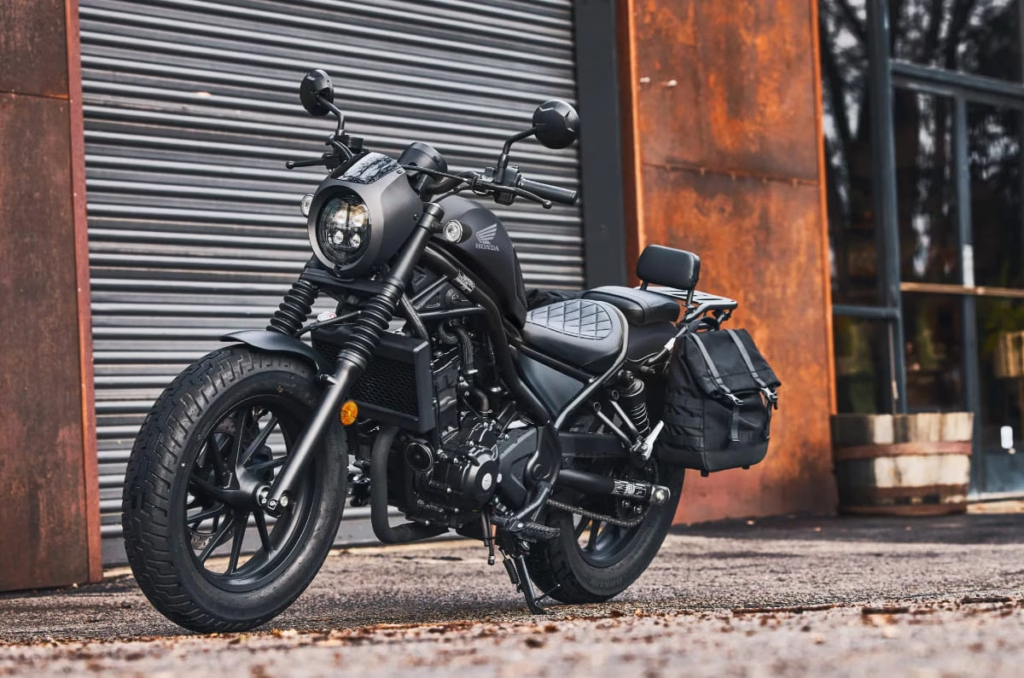
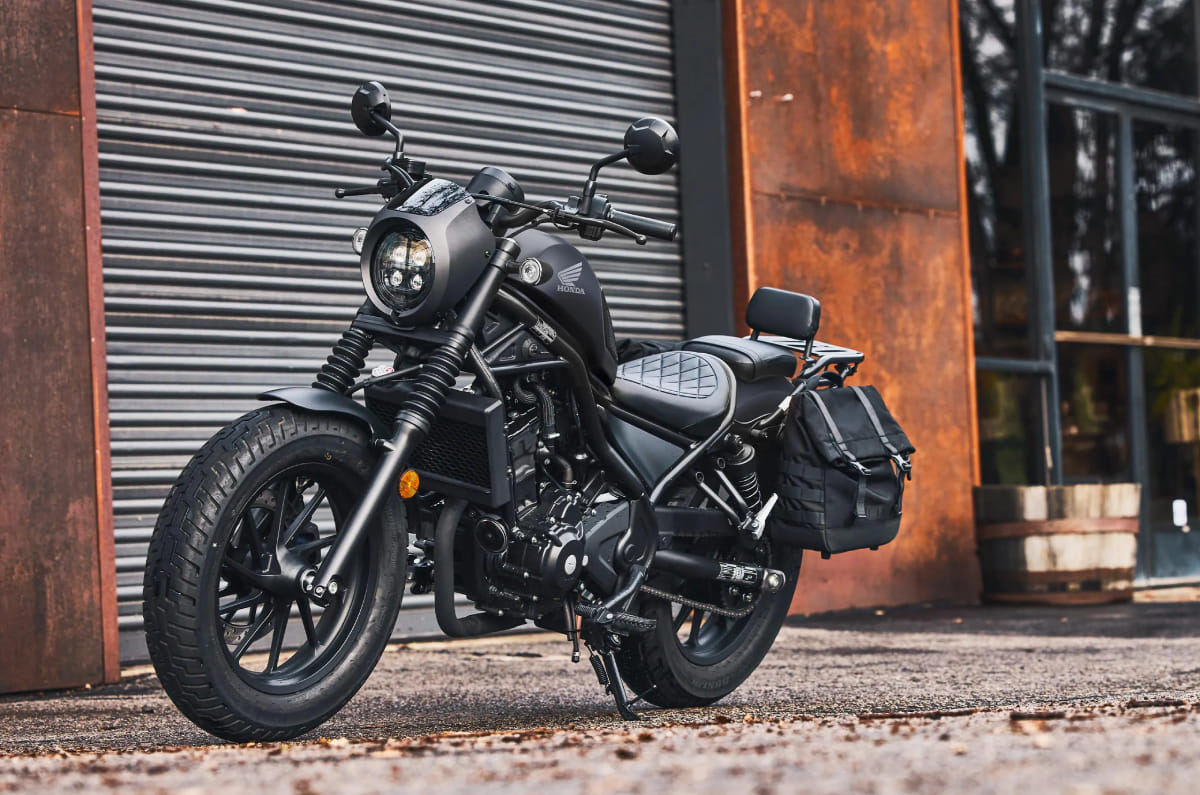
The Honda Rebel 300 is available in two variants – Standard and E-Clutch – both of which share the same 286cc liquid-cooled single-cylinder engine, chassis, styling and feature set.
Honda Rebel 300 variant breakdown
Standard
The Rebel 300 Standard is powered by a 286cc liquid-cooled single-cylinder engine producing 30hp and 27.5Nm, paired with a 6-speed gearbox and a conventional hydraulic clutch operated via a handlebar lever. Features include a circular TFT display with Honda RoadSync connectivity and turn-by-turn navigation, full LED lighting with a projector headlamp and dual-channel ABS. The Standard variant is priced at Rs 2.22 lakh (ex-showroom, Bengaluru).
E-Clutch
The E-Clutch variant is mechanically and visually identical to the Standard, with one addition – Honda’s E-Clutch automated clutch system. The E-Clutch uses actuators to automatically operate the clutch, allowing the rider to change gears without using the clutch lever. It does not make the Rebel 300 a fully automatic motorcycle – the rider still selects gears manually using the gear lever – but the system handles clutch engagement and disengagement on its own.
Crucially, the clutch lever is retained and can be used manually whenever the rider chooses, retaining the conventional usability of the clutch lever. The E-Clutch variant is priced at Rs 2.62 lakh (ex-showroom, Bengaluru) – a substantial Rs 40,000 premium over the Standard.
Market Next week : इस हफ्ते ब्रॉडर मार्केट ने बेंचमार्क इंडेक्स से बेहतर प्रदर्शन किया और नई ऊंचाई को छुआ। निफ्टी मिडकैप और स्मॉलकैप इंडेक्स में लगभग 0.5% की बढ़त हुई,जबकि निफ़्टी 50 और सेंसेक्स में लगातार तीसरे हफ्ते गिरावट का दौर जारी रहा। इस हफ्ते सेंसेक्स 276.32 अंक या 0.35% गिरकर 77,264.51 पर आ गया,जबकि निफ्टी 76.35 अंक या 0.31% गिरकर 24,175.65 पर बंद हुआ।
स्टील अथॉरिटी ऑफ इंडिया,ग्लेनमार्क फ़ार्मा,LIC हाउसिंग फ़ाइनेंस और लॉरस लैब्स में बढ़त के कारण निफ़्टी मिडकैप 100 इंडेक्स 0.5% बढ़कर 64,450.90 के नए ऑल-टाइम हाई पर पहुंच गया। दूसरी ओर रेल विकास निगम,फ़ेडरल बैंक,IDFC फ़र्स्ट बैंक,कोरोमंडल इंटरनेशनल और ICICI प्रूडेंशियल एसेट मैनेजमेंट गिरावट वाले प्रमुख शेयरों में शामिल रहे।
कैपरी ग्लोबल कैपिटल,IDBI बैंक,IFCI और एथर एनर्जी में डबल डिजीट बढ़त के दम पर निफ्टी स्मॉलकैप 100 इंडेक्स भी 0.5% बढ़कर 20,143.55 के रिकॉर्ड हाई पर पहुंच गया। वहीं,इस हफ्ते BLS इंटरनेशनल सर्विसेज,एजिस लॉजिस्टिक्स,क्रॉम्पटन ग्रीव्स कंज्यूमर इलेक्ट्रिकल्स, क्रेडिटएक्सेस ग्रामीण,हिंदुस्तान कॉपर और टेनेको क्लीन एयर इंडिया के शेयरों में 6% से 12% तक की गिरावट आई।
अलग-अलग सेक्टर का प्रदर्शन मिला-जुला रहा। निफ्टी मेटल,IT,फार्मा और हेल्थकेयर इंडेक्स में 2% से ज्यादा की बढ़त हुई,जबकि निफ्टी कैपिटल मार्केट्स इंडेक्स में 1.5% की तेजी आई। दूसरी ओर निफ्टी FMCG, इंफ्रास्ट्रक्चर और ऑयल एंड गैस इंडेक्स में 1% की गिरावट आई। जबकि निफ्टी ऑटो और डिफेंस इंडेक्स भी लगभग 1% नीचे बंद हुए।
विदेशी संस्थागत निवेशकों(FIIs)ने लगातार दूसरे हफ्ते भी बिकवाली जारी रखी और इस हफ्ते ₹20,260 करोड़ के शेयर बेचे। वहीं,घरेलू संस्थागत निवेशकों (DIIs) ने बाजार को सहारा दिया और हफ्ते के दौरान भारतीय इक्विटी में ₹19,309.93 करोड़ का निवेश किया। इस हफ्ते BSE में लिस्टेड कंपनियों के कुल मार्केट कैपिटलाइज़ेशन में ₹1 लाख करोड़ से कुछ ज़्यादा की गिरावट आई।
SBI सिक्योरिटीज के हेड-टेक्निकल और डेरिवेटिव्स रिसर्च सुदीप शाह ने कहा कि निफ्टी के लिए 24000–23970 का जोन एक अहम सपोर्ट एरिया का काम कर सकता है। अगर यह 23970 के नीचे टूटता है,तो और गिरावट आ सकती है और इंडेक्स 23820 की तरफ गिर सकता सकता है। ऊपर की तरफ,24300–24330 का जोन निफ्टी के लिए तत्काल रेजिस्टेंस का काम कर सकता है। नियर टर्म में निफ्टी में तेजी के लिए इस रेजिस्टेंस का पार होना जरूरी है।
HDFC सिक्योरिटीज के सीनियर टेक्निकल रिसर्च एनालिस्ट नागराज शेट्टी का कहना है कि गुरुवार को 24150 के लेवल पर ऊपर की ओर जाने वाली ट्रेंड लाइन के सपोर्ट से नीचे आने के बाद,निफ्टी में शुक्रवार को और ज़्यादा कमज़ोरी नहीं आई। यह एक अच्छा संकेत है और ऐसे फाल्स गिरावट वाले ब्रेकआउट के बाद अक्सर तेजी से बढ़त देखने को मिलती है।
निफ्टी का ट्रेंड पॉजिटिव रुख के साथ एक दायरे (24400-24000) में बना रहने का दिख रहा है। अगर निचले दायरे के पास से कोई टिकाऊ उछाल आता है,तो निकट भविष्य में 24300-24400 के लेवल तक अच्छी-खासी बढ़त देखने को मिल सकती है। ट्रेंड बदलने के लिए अहम सपोर्ट 24000 पर है। अगर यह सपोर्ट टूटता है तो गिरावट आ सकती है।
LKP सिक्योरिटीज के सीनियर टेक्निकल एनालिस्ट रूपक डे का कहना है कि उतार-चढ़ाव भरे सेशन के बाद निफ्टी वापस’राइजिंग चैनल’में आ गया। हालांकि,ट्रेंड अभी भी बुलिश नहीं है,क्योंकि इंडेक्स 50EMA के नीचे ही ट्रेड कर रहा है। कुल मिलाकर,मोमेंटम की कमी रही और इंडेक्स एक सीमित दायरे में ही बना रहा।
ऊपर की तरफ,24,200 का लेवल निफ्टी के लिए तत्काल रेजिस्टेंस का काम कर सकता है। जब तक इंडेक्स 24,200 से नीचे रहता है,तब तक मार्केट का सेंटीमेंट कमजोर रहने की संभावना है और निकट भविष्य में इसके 23,900 तक गिरने की आशंका है।
23,900 के नीचे जाने पर और गिरावट आ सकती है। दूसरी ओर 24,200 के ऊपर मजबूती दिखाने से मार्केट सेंटीमेंट में सुधार हो सकता है और इससे शॉर्ट-टर्म ट्रेंड मजबूत हो सकता है।
डिस्क्लेमर: मनीकंट्रोल.कॉम पर दिए गए विचार एक्सपर्ट के अपने निजी विचार होते हैं। वेबसाइट या मैनेजमेंट इसके लिए उत्तरदाई नहीं है। यूजर्स को मनी कंट्रोल की सलाह है कि कोई भी निवेश निर्णय लेने से पहले सर्टिफाइड एक्सपर्ट की सलाह लें।
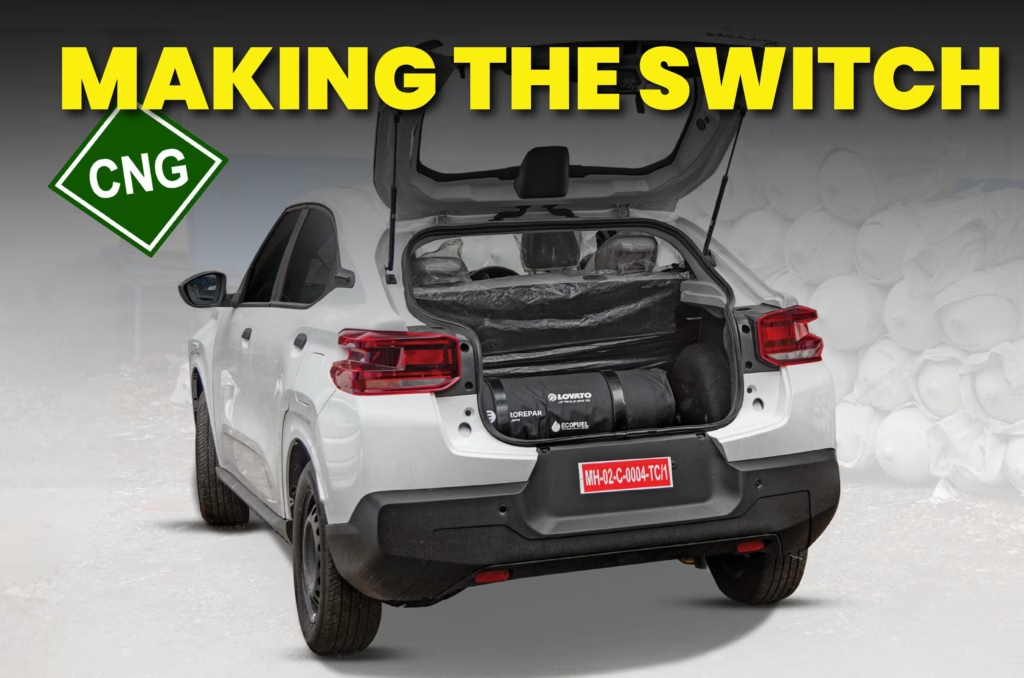
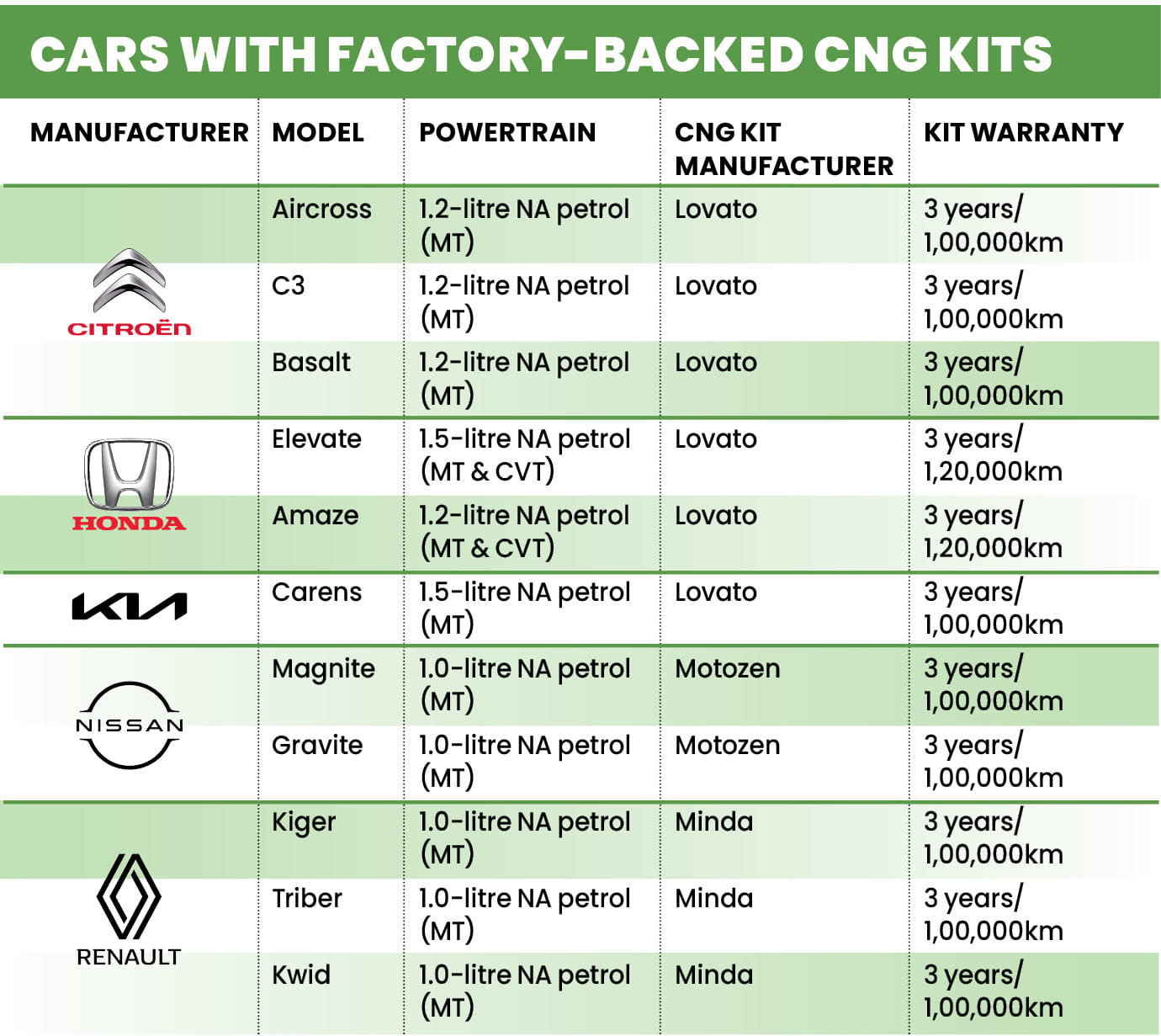
While aftermarket CNG conversions are not new, with the rise in fuel prices, there has been a noticeable spike in interest surrounding them. Although there are more factory-fitted CNG cars on the market than ever before, several models still do not give you the option. Not to mention, existing car owners are increasingly looking to convert their cars to CNG to reduce running costs.
Naturally, this increased interest brings up several questions about the technology, the installation, the legalities and more. We thus teamed up with Lovato CNG’s authorised distributor in Maharashtra, Blue Drive Traders, as well as Lets Go CNG and its authorised installer in Mumbai, M.S Motors, to answer questions about CNG conversions.
Know your CNG kit
There are three broad types of kits available on the market today. The oldest is the Venturi type, typically used for cars that are Bharat Stage 3-compatible and older. These use a Venturi mixer, similar to a carburettor, that mixes CNG with air before it is injected into the intake manifold. They are the most affordable, usually costing between Rs 30,000 and Rs 40,000, including installation and registration, but they are not the most efficient and bring a significant drop in performance. Since the cars they are compatible with are also reaching the end of their lifecycle, these kits are gradually being phased out.
Modern naturally aspirated MPFI cars require a sequential type kit. These use individual injectors that inject CNG directly into the intake manifold and feature their own ECU that controls timing, volume and other parameters based on RPM and driver inputs. These are much more fuel-efficient, and the drop in performance is nominal in everyday driving conditions. Like the older Venturi kits, these too require the car to be started on petrol before switching over to CNG. However, they automate the process by making the switch once a certain engine temperature is reached. Prices vary depending on the manufacturer and the specifications of each kit, ranging from Rs 40,000-Rs 50,000 for older BS4 cars, to Rs 50,000-Rs 65,000 for smaller BS6 cars, stretching to Rs 70,000-Rs 75,000 for larger cars that require an eight-injector kit.
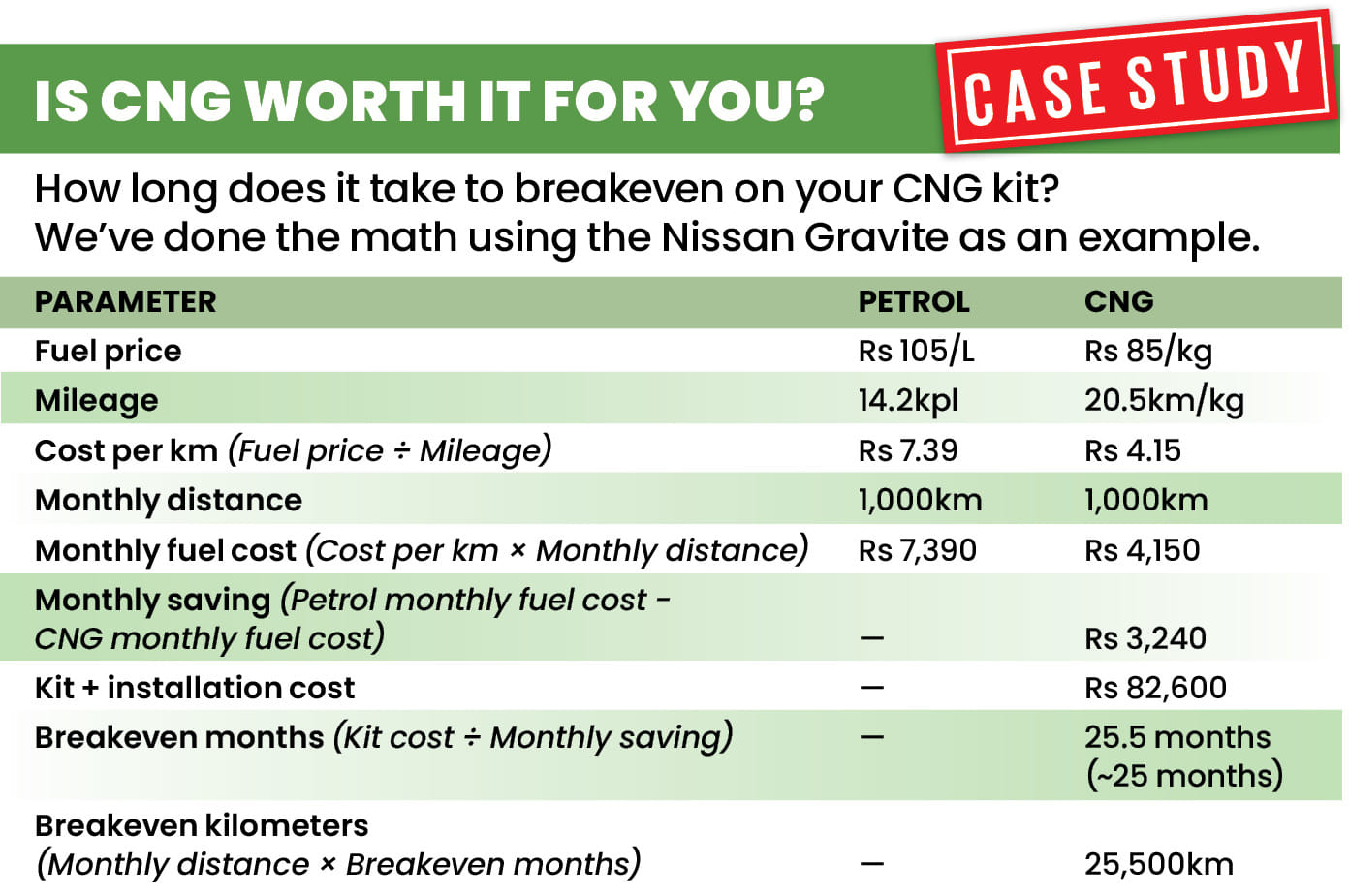
The newest type of kit to hit the market is the direct-injection kit, used for cars with direct petrol injection. Like sequential kits, these too inject CNG into the intake manifold. However, direct-injection engines cannot run purely on CNG. The fuel injectors in a DI engine sit within the combustion chamber, so to prevent them from overheating, a small amount of petrol still needs to be injected through them even when running on CNG. Therefore, a turbocharged direct-injection engine can only run on a maximum 80:20 ratio of CNG and petrol. As a result, fuel efficiency gains are not quite as high as with a naturally aspirated engine, and kit prices range from Rs 1 lakh to Rs 1.5 lakh, thus pushing the breakeven point further away.
What’s in the box?
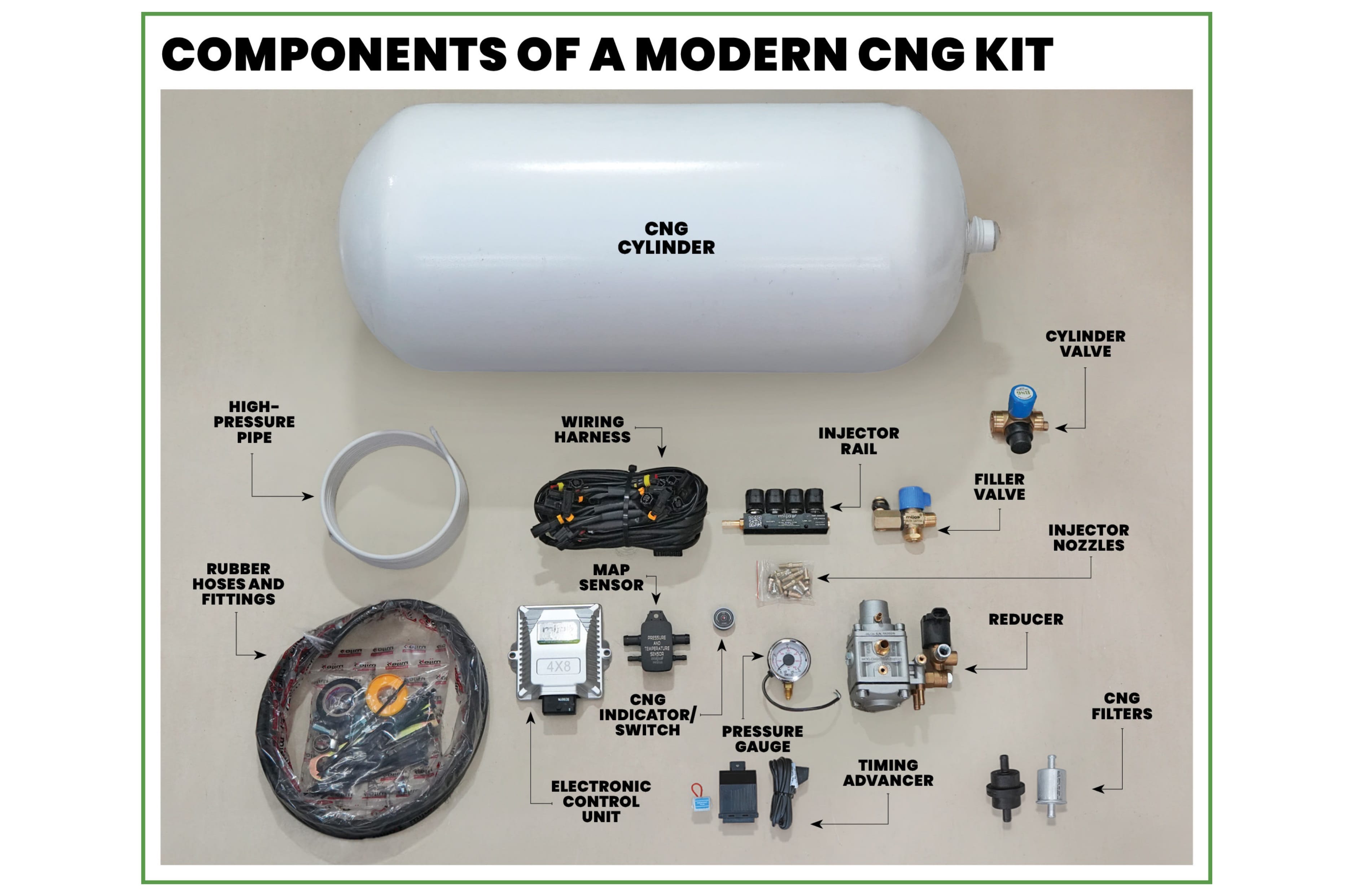
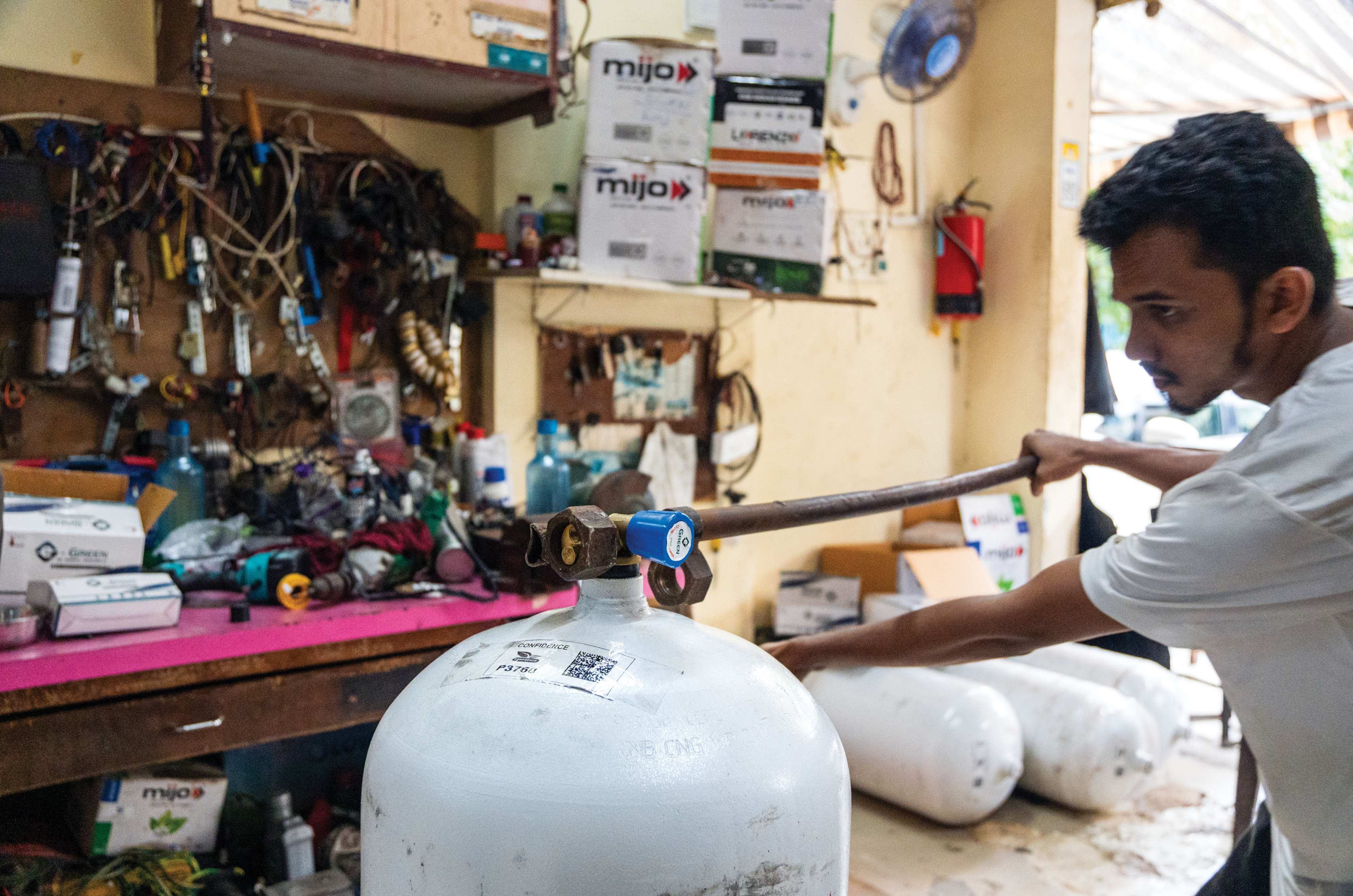
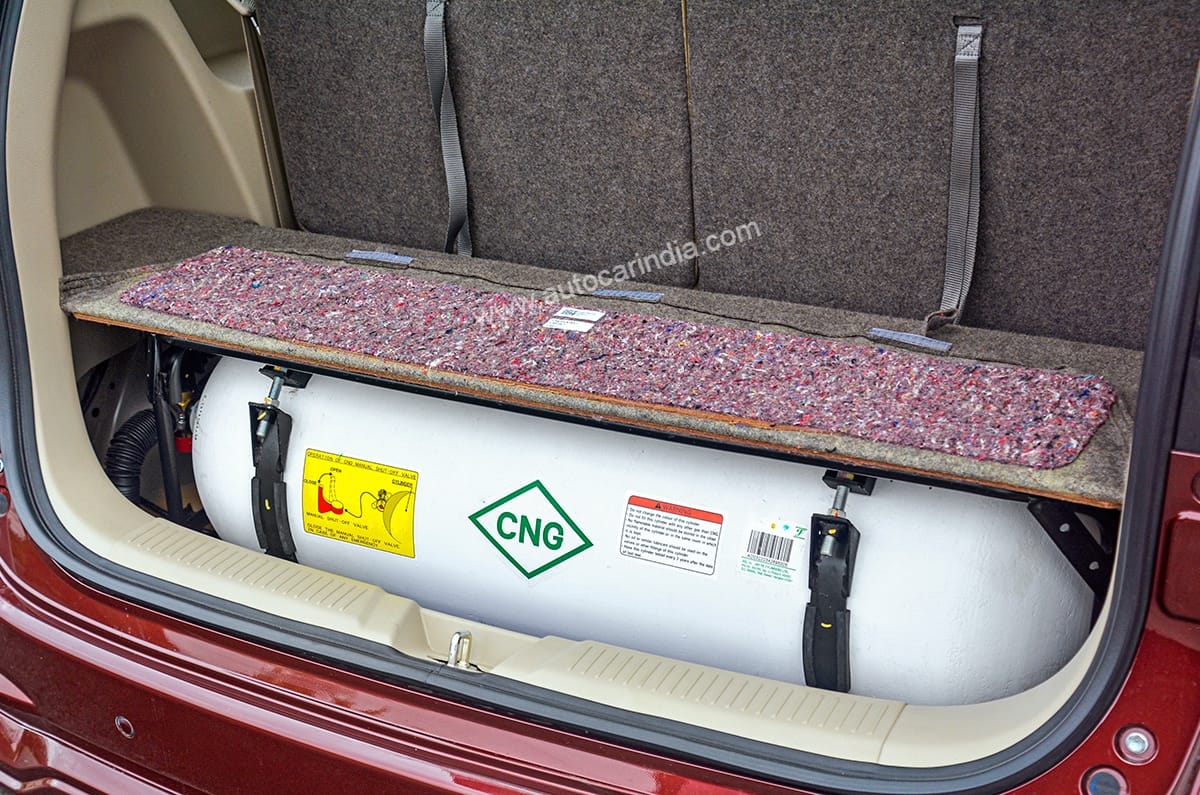
The largest and heaviest component of a typical CNG kit is the tank itself. Made from seamless steel, these can weigh close to 70kg empty, with volumetric capacities ranging from 60 to 65 litres. Metal-lined composite cylinders and carbon fibre-reinforced plastic cylinders are also now available, and while they are significantly lighter, they usually cost two or three times more. Attached to the tank is a valve with a manual shut-off.
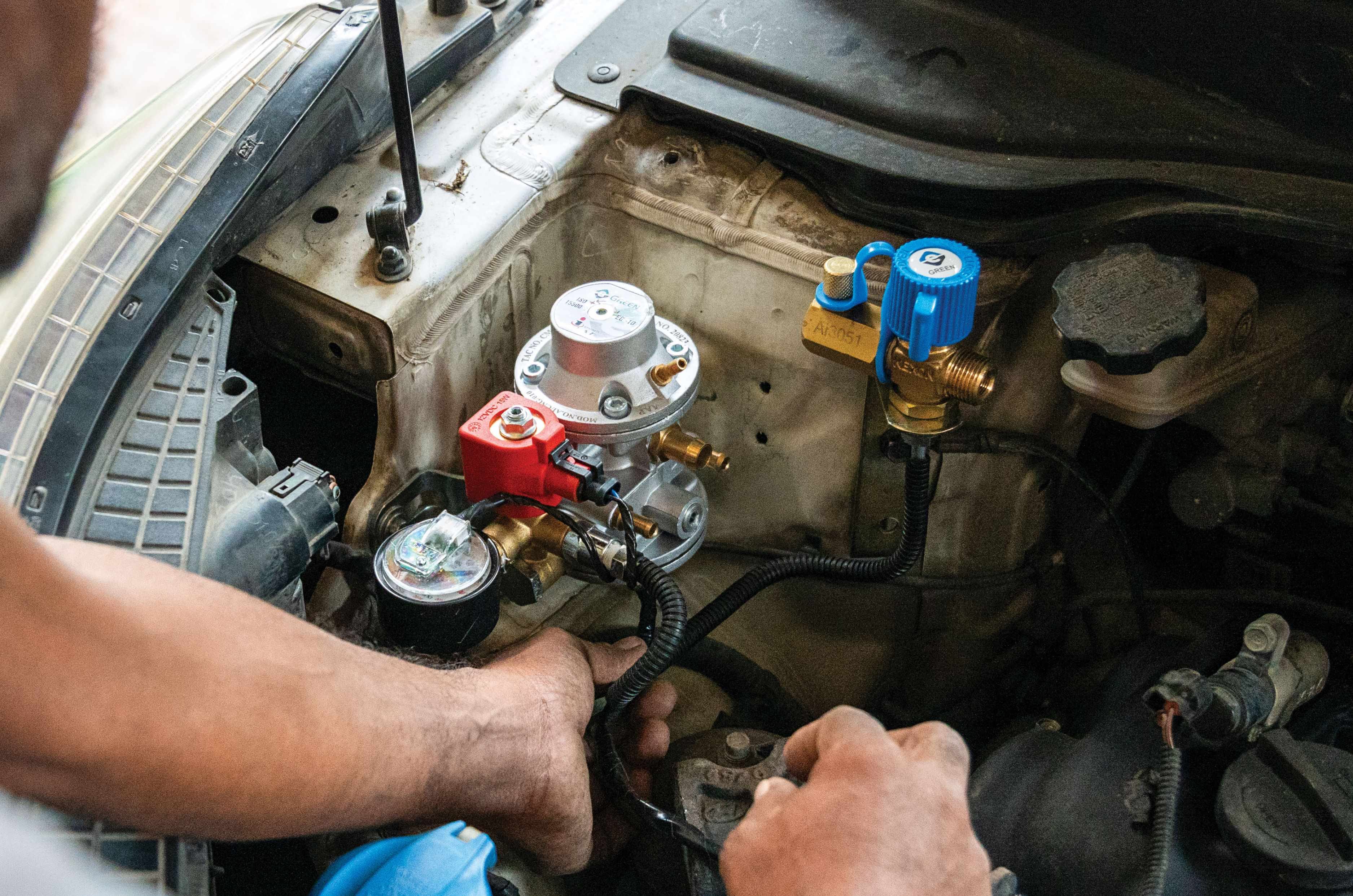
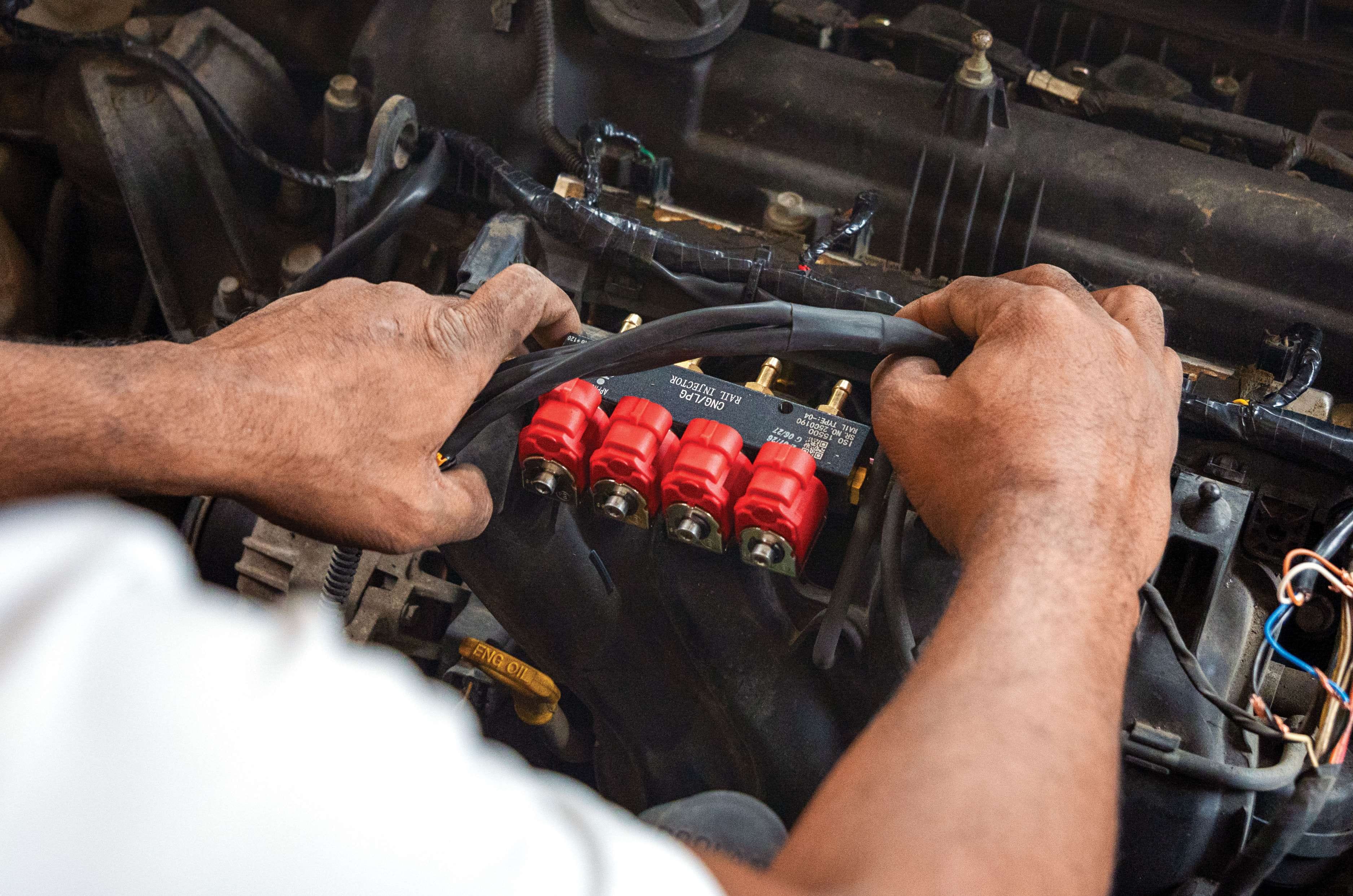
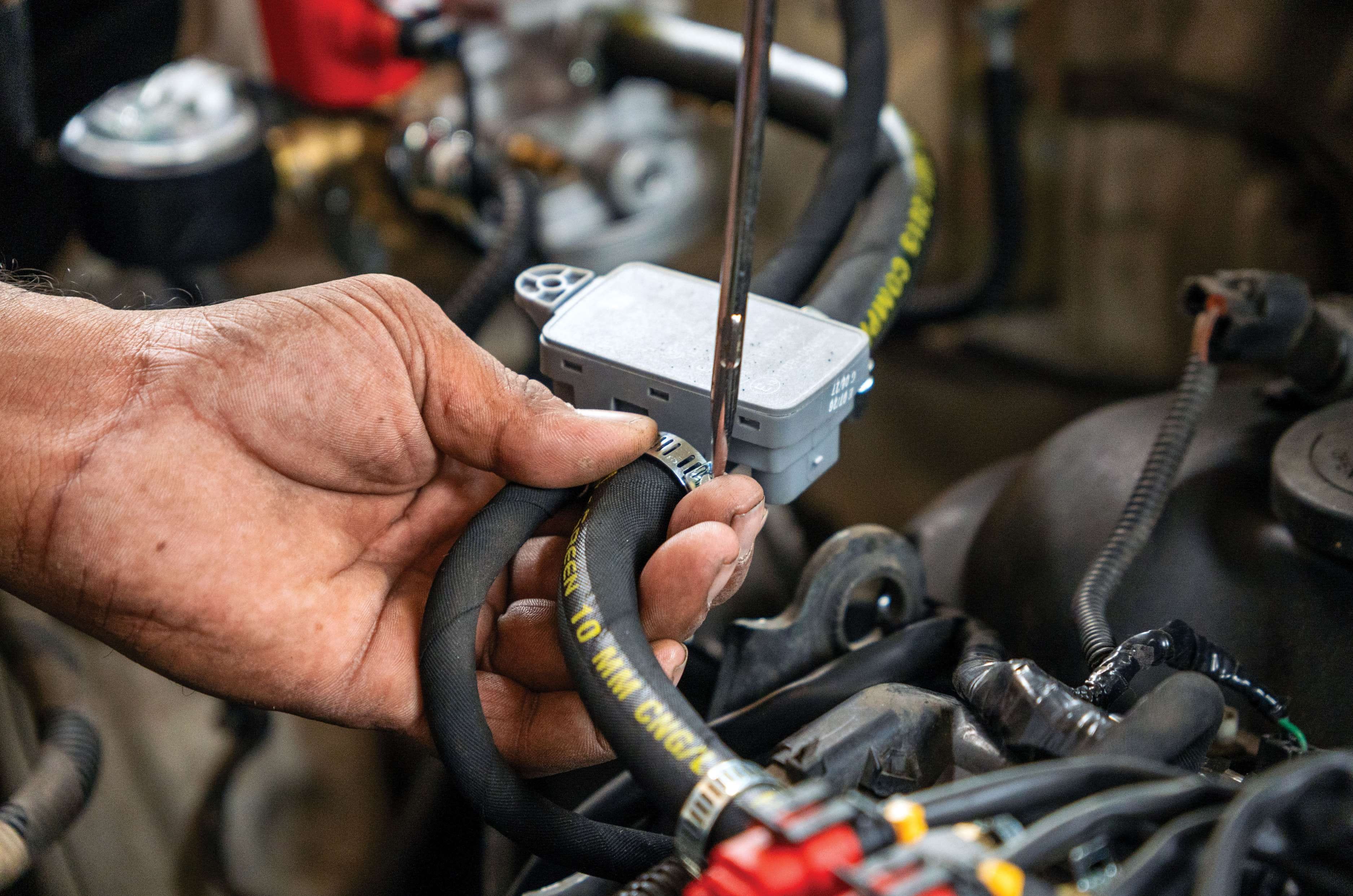
The filling valve, through which CNG is filled, can either be placed under the bonnet or beside the petrol filler cap, depending on the vehicle. Transporting the gas from the tank to the pressure reducer under the bonnet is high-pressure tubing made from carbon steel and coated in polymers. The reducer has a pressure gauge and lowers gas pressure from about 200bar in the tank to a manageable 2-3 bar. From here, the gas is routed to the injector rail that sits atop the engine, which further distributes it to nozzles drilled into the intake manifold via reinforced rubber hoses. Between the reducer and the injector rail sits a Manifold Absolute Pressure (MAP) sensor to measure the pressure as well as the temperature of the gas. There is also an optional filter to remove any impurities in the line.
Controlling the injector rail is an Electronic Control Unit (ECU) that uses signals from the MAP sensor and communicates with the car’s original ECU to dictate the amount of CNG being injected and the timing. Modern kits also come with a comprehensive wiring harness that can plug into the car’s original wiring via OBD connectors. Older pre-BS6 cars, however, may require some wire splicing. Optionally available is an Advancer, which advances ignition timing when running on CNG and negates some of the power loss, particularly on smaller-capacity engines. Some sedans and hatchbacks also require a rear coil spring spacer to compensate for the added weight of the tank in the boot.
How a CNG kit is installed
A professional CNG installation takes around 4 to 5 hours to complete. Here’s what happens behind the workshop doors.
Health check
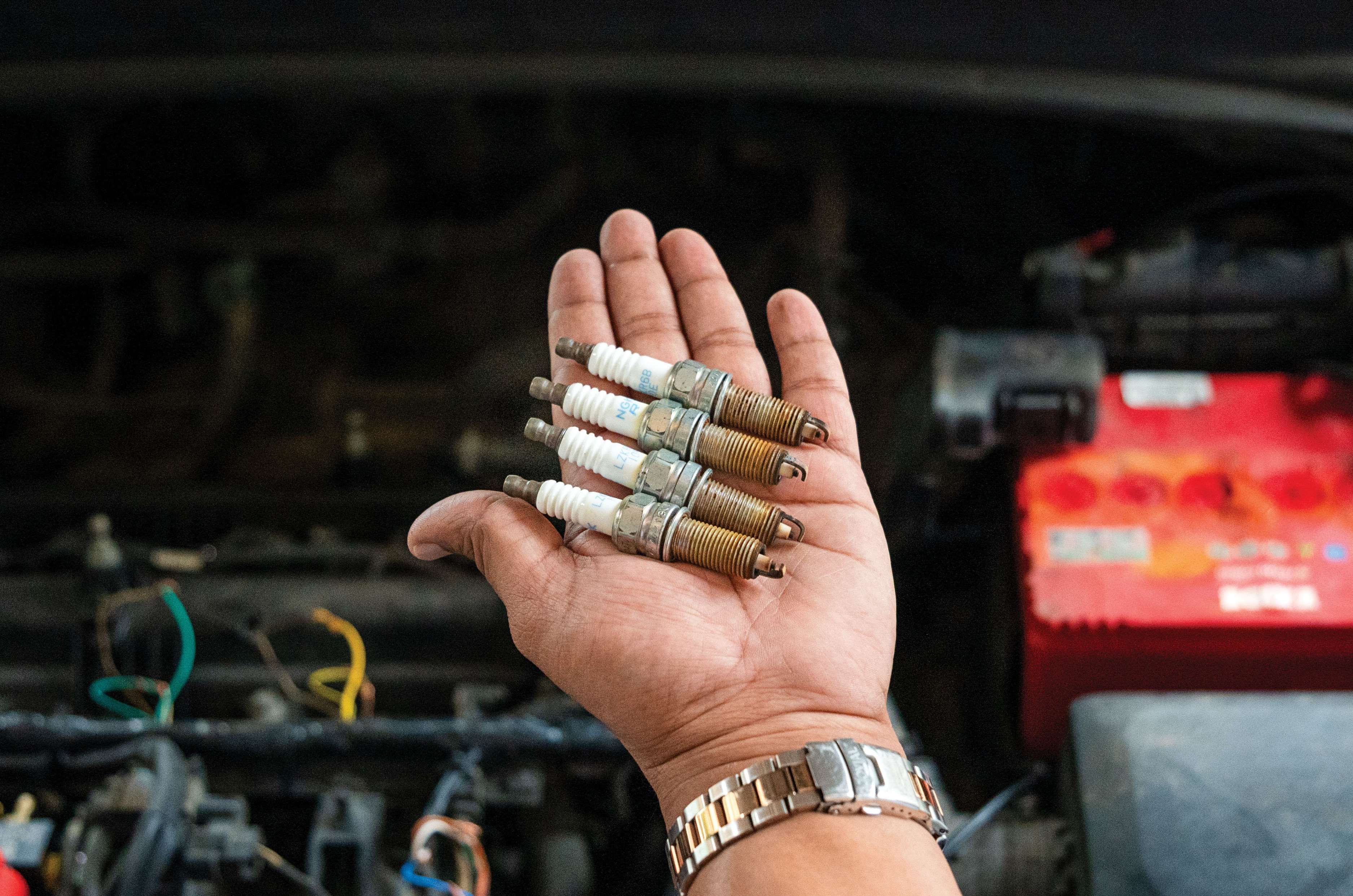
The engine is inspected to ensure it’s suitable for CNG conversion. A basic service is performed if required, with spark plugs and ignition coils replaced as needed and the throttle body cleaned.
Components positioned
The reducer and its pressure gauge are mocked up in the engine bay before mounting points are marked and drilled. The filler valve may be located alongside them or next to the petrol filler cap, depending on the vehicle.
Injectors installed
The CNG injector rail is mounted on its dedicated bracket close to the petrol injectors. This will send CNG to corresponding nozzles that are drilled and fitted into the vehicle’s plastic intake manifold.
ECU wired in
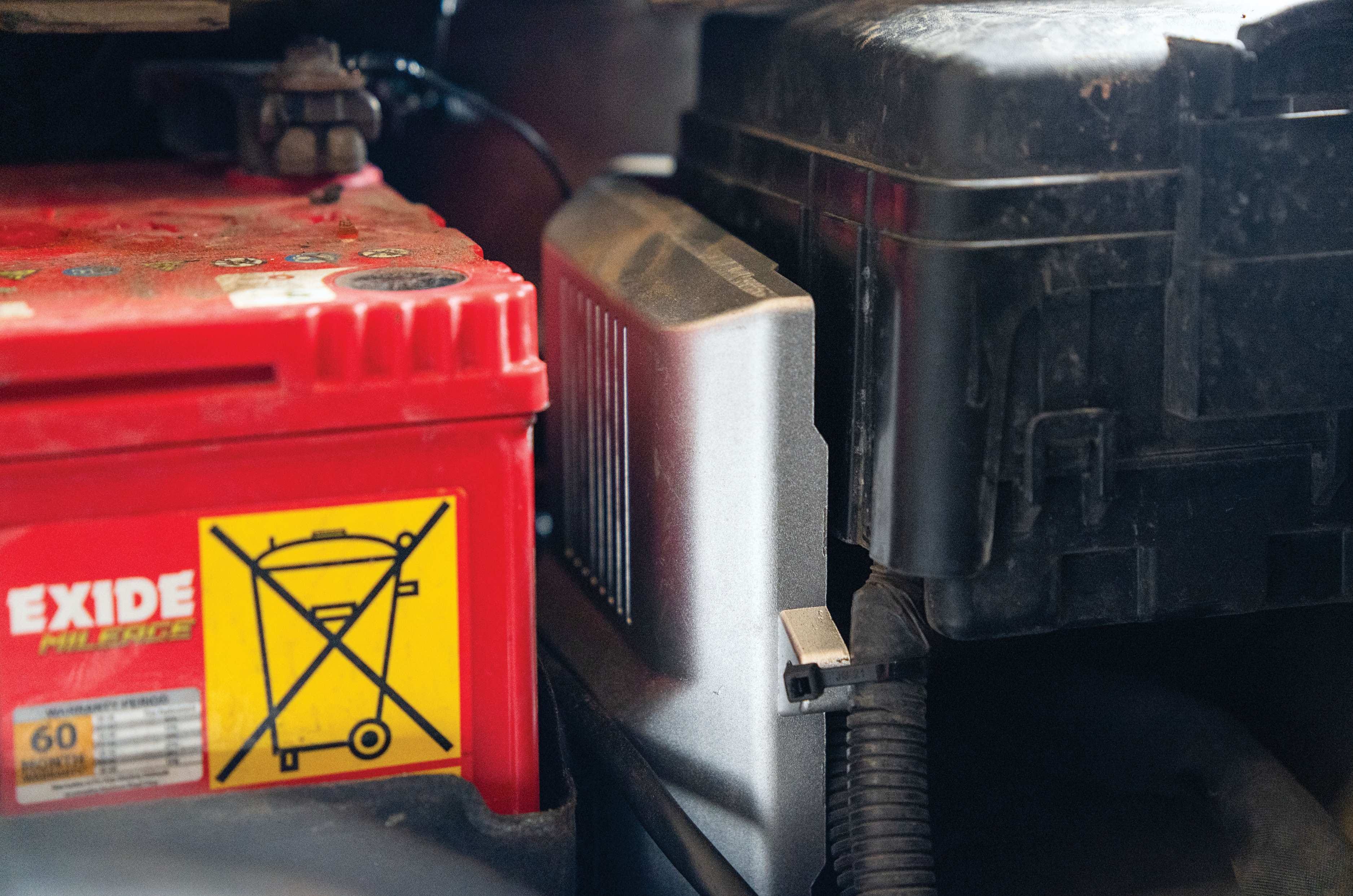
The CNG ECU is mounted alongside the factory ECU and connected to the vehicle’s wiring loom. The harness is neatly routed and secured away from heat and moving parts.
Plumbing completed
Reinforced rubber gas hoses are cut to length and connected between the reducer, injector rail and the intake manifold. A MAP sensor and a filter are also installed as part of the system.
Tank prepared
The CNG tank is temporarily mounted to a rig that holds it in place while the shut-off valve and associated fittings are installed before everything is torqued down.
Tank frame installed
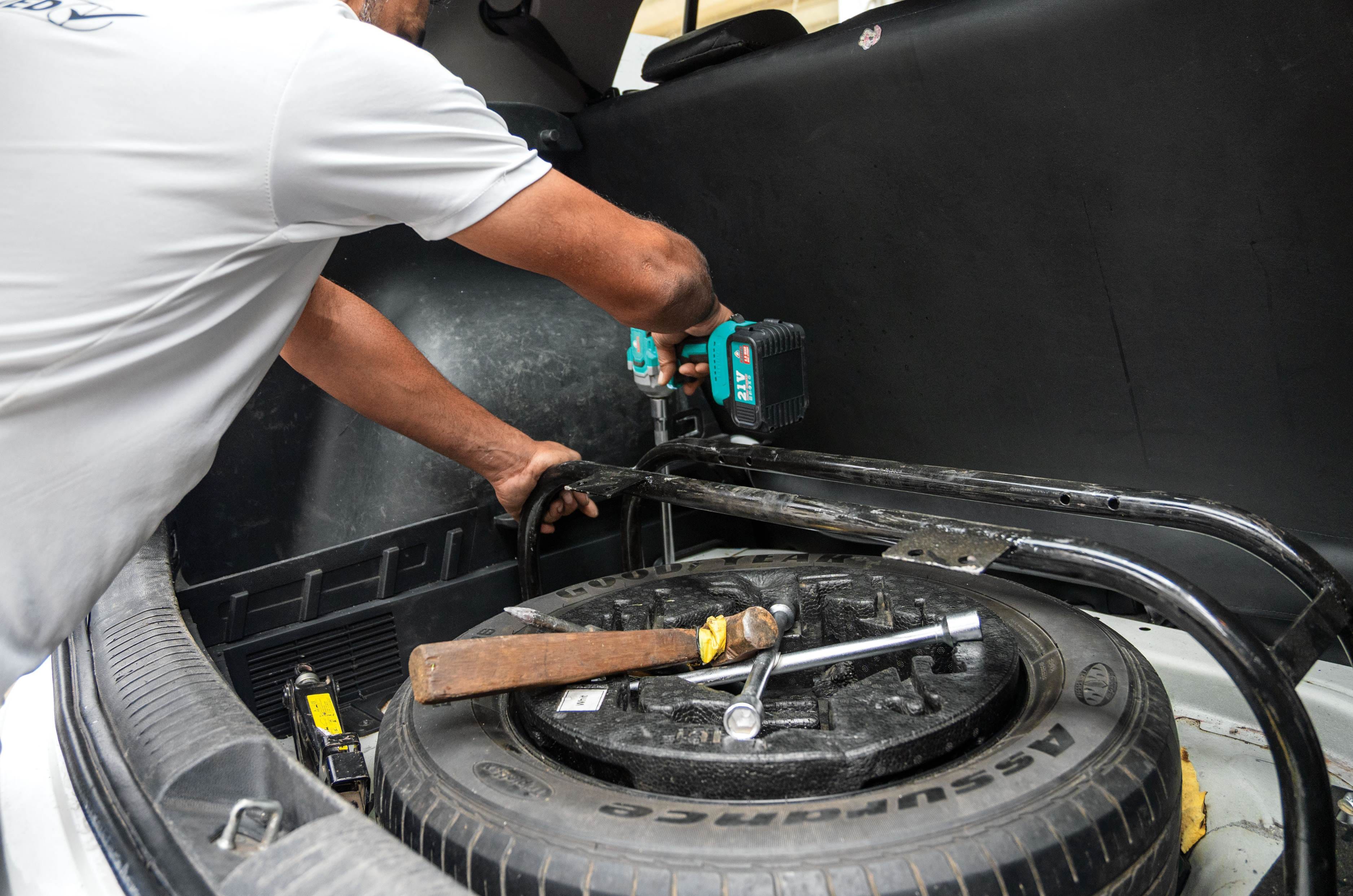
The mounting frame is positioned inside the boot, holes are drilled through the floor, and reinforced brackets securely bolt it to the vehicle’s structure.
Tank fitted
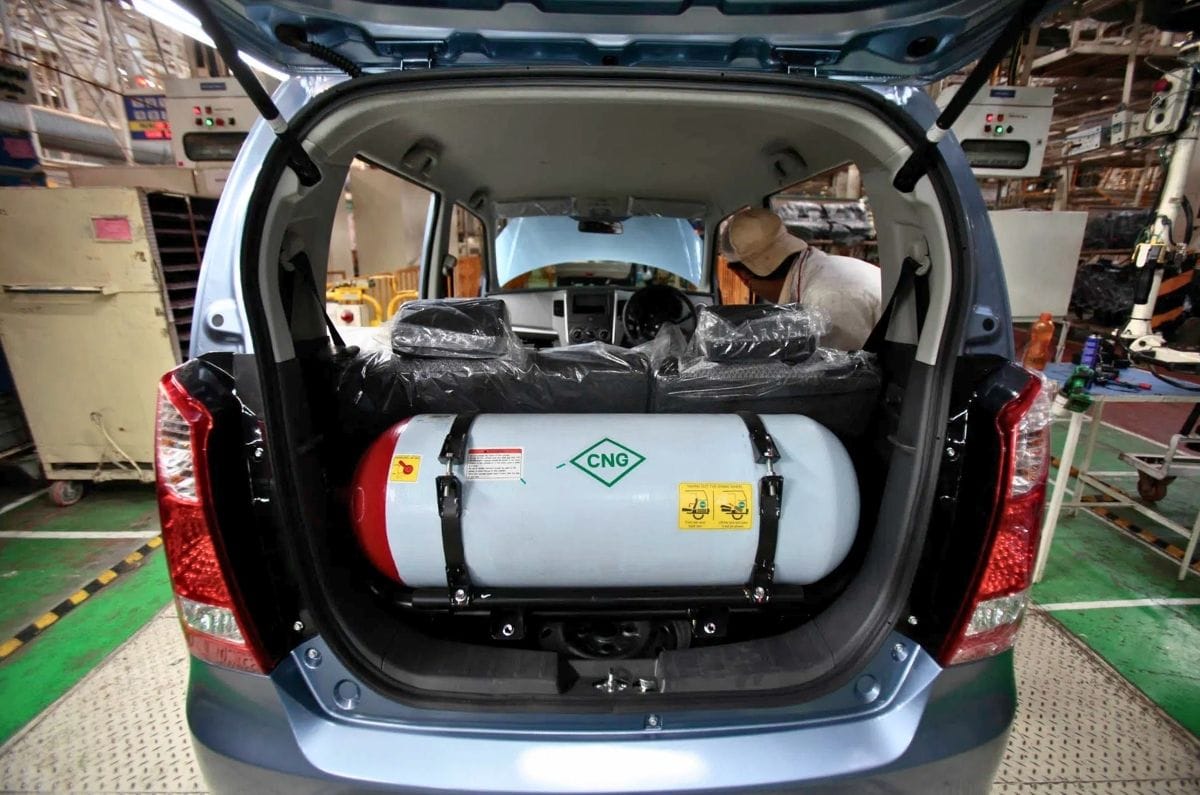
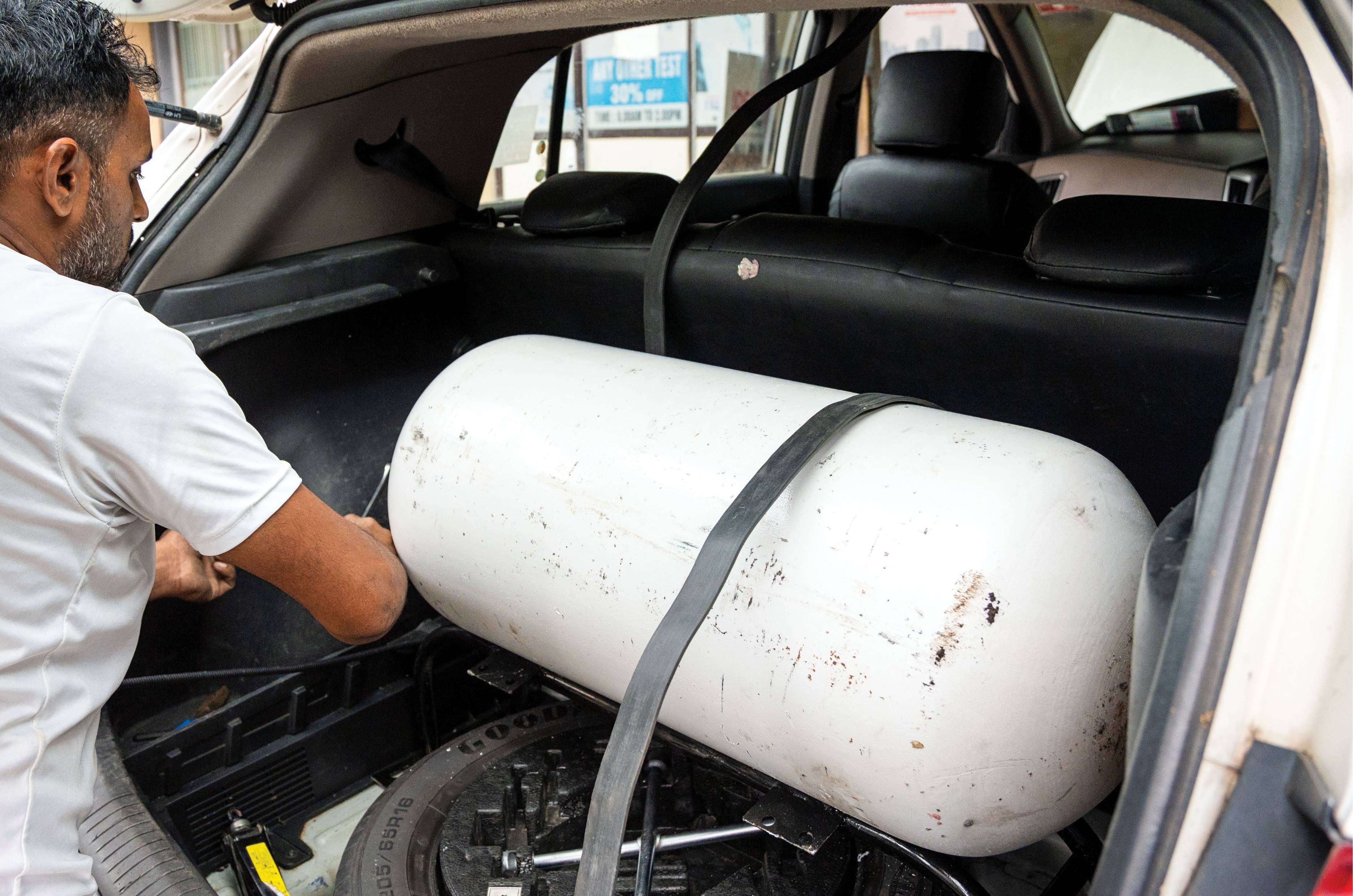
The CNG cylinder is secured to the frame using heavy-duty metal straps and bolts before being covered with a carpeted shroud for a neat factory-like finish.
High-pressure line routed
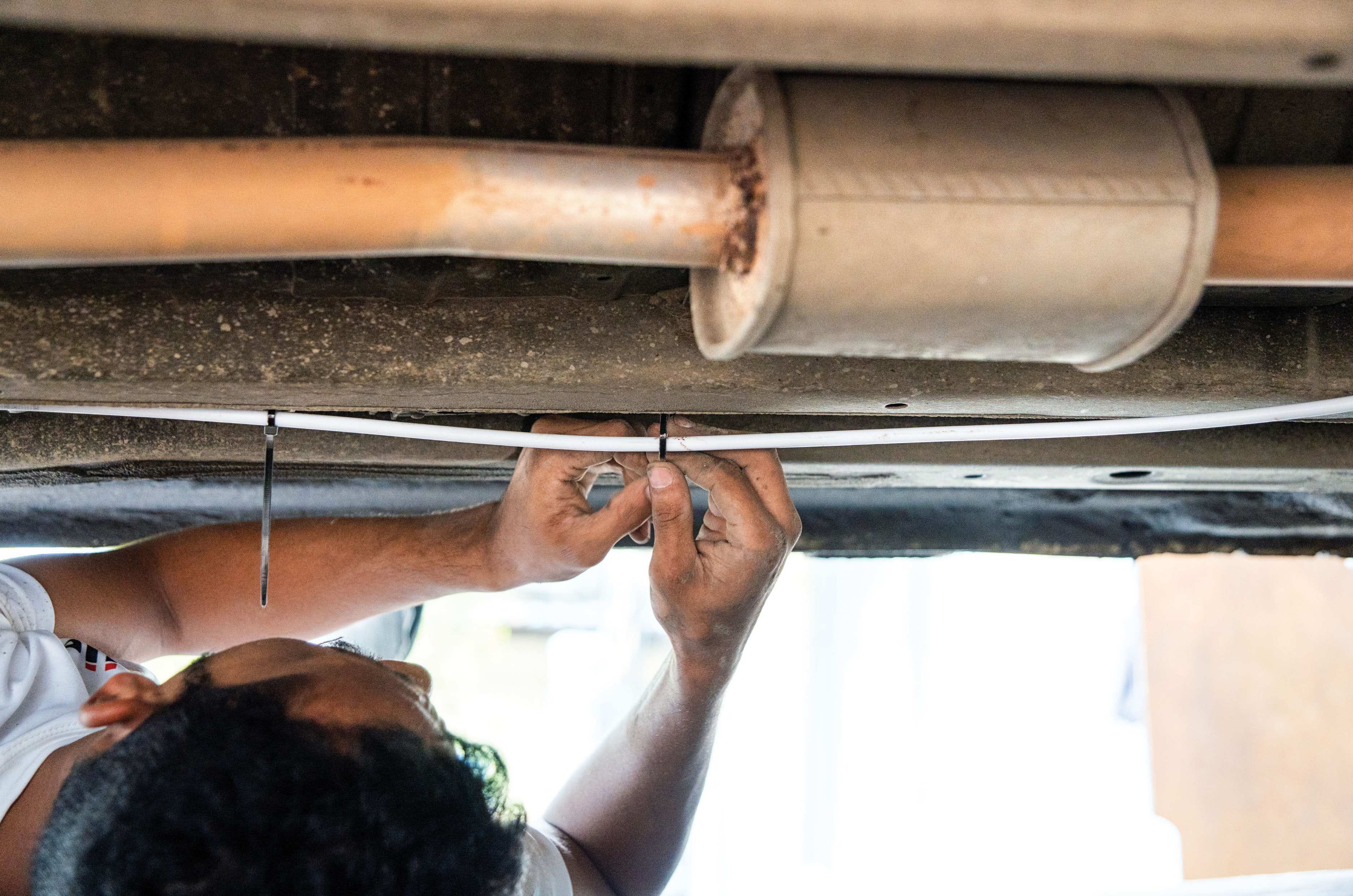
Polymer-coated steel high-pressure pipes are routed beneath the car, connecting the CNG filler valve, the tank and the reducer under the bonnet.
Electrical connections
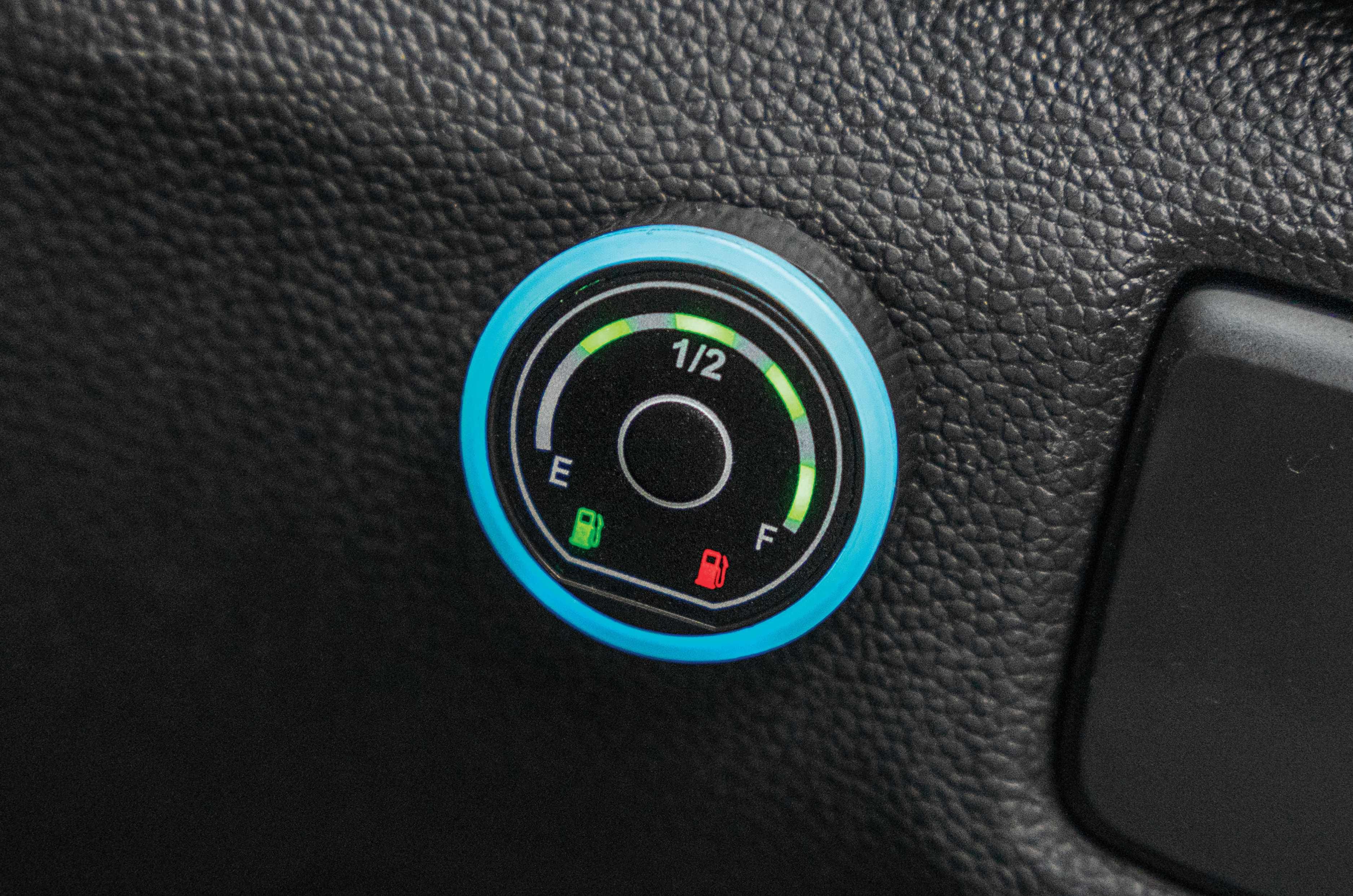
The remaining wiring is completed and a dashboard-mounted CNG switch is installed, allowing the driver to monitor fuel level and switch between petrol and CNG.
Leak test
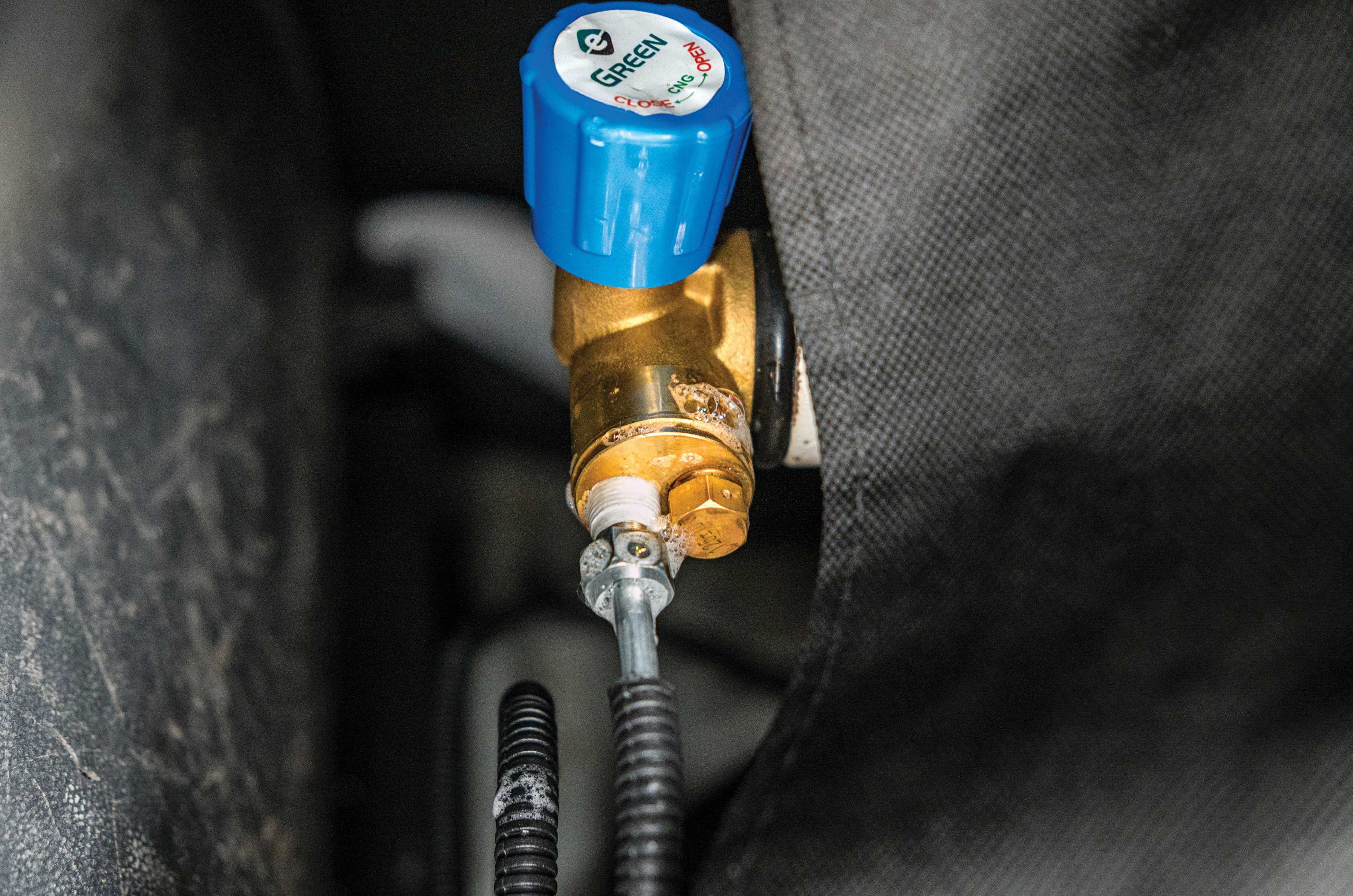
Around 2kg of CNG is added and every connection is checked using an electronic gas detector and good old-fashioned soap solution to ensure the entire system is leak-free.
Calibration and road test
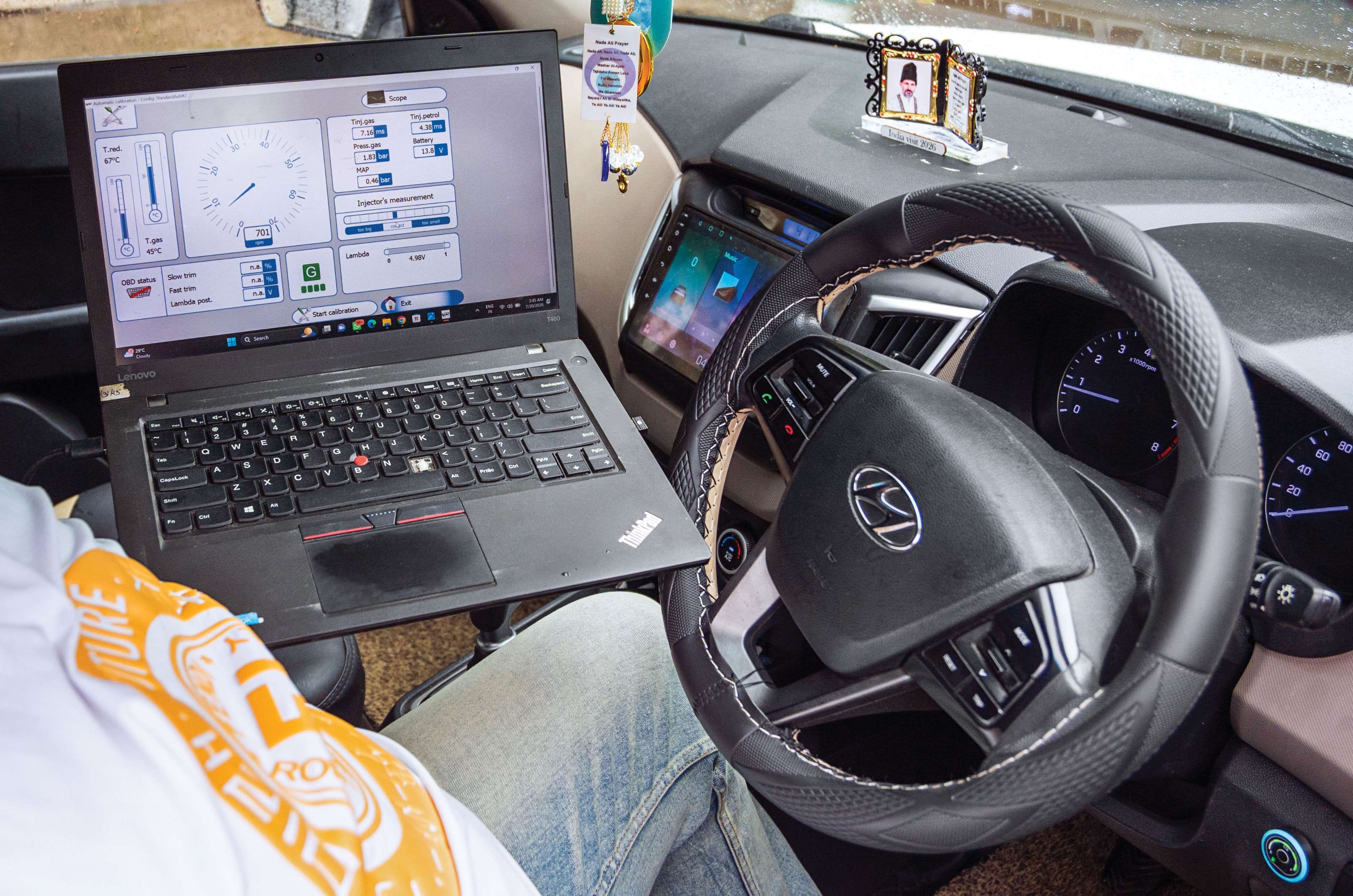
The system is calibrated using dedicated software to optimise fuel delivery and switchover settings. A final road test confirms performance before the vehicle is delivered to the customer.
Why go aftermarket?
On average, an aftermarket CNG installation costs around 25 to 30 percent less than the premium a factory-fitted CNG variant commands over its petrol counterpart. However, this alone is not enough to swing the scales in favour of the aftermarket due to the disadvantages we will get into later. The bigger advantage the aftermarket holds is the ability to convert models or variants that do not come with a CNG option. For instance, Maruti Suzuki only offers its factory-fitted CNG cars with a manual transmission, so if you want one with an automatic, an aftermarket CNG kit is your only option.
Similarly, popular SUVs like the Hyundai Creta and Kia Seltos are not available in CNG guise, which leads many owners to turn to the aftermarket. Owners of older cars, or those buying used cars, can also convert them to CNG for a fairly affordable price and enjoy significantly lower running costs. CNG is spark-ignited, thus only petrol cars can be converted to run on the gas. Since diesel cars use compression-ignition, they would need far too many modifications to make this possible. Strong hybrids are also not recommended for conversions, as here, the engine keeps switching on and off too often, which makes CNG calibration complex. Cars that are not in good mechanical shape should also not be converted to CNG, as the conversion can take a toll on the overall engine health.
For a car in generally good shape, aftermarket kits are proving to be reliable in the long run, provided they are well maintained. Most modern sequential kits from brands like Lovato and Mijo are also comparable in quality to OEM systems, and reputed, authorised installers are able to achieve near-OEM levels of fitment.
The catch
Fitting an aftermarket CNG kit – even if it is government-approved and fitted by an authorised installer – is grounds for the manufacturer warranty to be voided. While some brands may still honour warranty claims that are unrelated to the powertrain, it remains a grey area. Some dealer-fitted CNG kits do retain the factory warranty, while others provide a third-party warranty in its place.
Aftermarket installers have also begun offering third-party warranties in collaboration with insurance companies to provide coverage in place of the factory warranty. This, however, is in addition to the cost of the CNG kit. The kits themselves generally come with a warranty ranging from one to two years.
Packaging is also one area where the aftermarket trails OEMs. While Maruti, Tata and Hyundai are now offering underbody and dual-tank setups to retain a usable boot, the aftermarket still largely uses larger single tanks that take up more space.
Staying fit
As per law, any CNG tank – aftermarket or OEM fit – must be hydrotested every three years. For this, the tank must be removed from the vehicle and sent to a dedicated facility. While the process itself takes only a couple of hours, hydrotesting facilities are usually located outside major cities, adding transport time to the process. A hydrotest typically costs around Rs 3,000 per tank.
The CNG filter should also be replaced at the same three-year or 10,000km interval, whichever comes first. This typically costs under Rs 1,000 and is fairly straightforward. It is also recommended to drive on petrol at least 10 percent of the time to keep the fuel system healthy. Finally, it is important that the engine’s service schedule is strictly followed.
The legal bit
Aftermarket CNG installations are legal as long as the kit is government-approved, fitted by an approved installer and the registration certificate (RC) is updated accordingly. Most approved installers will handle the RC update at the Regional Transport Office (RTO) as part of the service. Once this is complete, the owner must also update the insurance provider.
The verdict
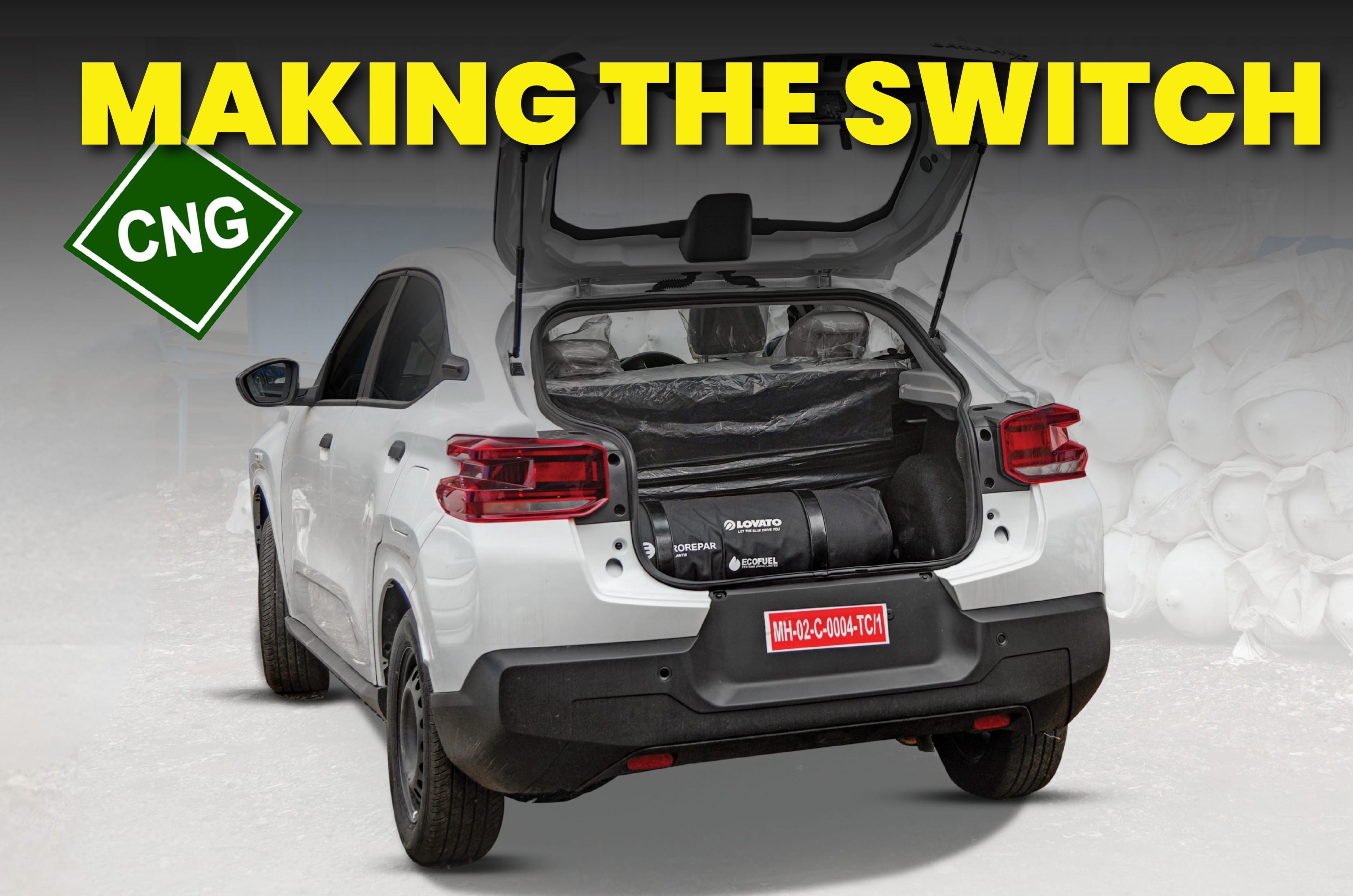
Maruti Ertiga’s factory-fitted CNG tank shown for representative purposes only.
There is no denying the running cost advantage that CNG provides. However, when buying a brand-new car, a factory-fitted CNG version is still preferable to an aftermarket conversion simply because of the peace of mind. Once a car is out of warranty, though, a CNG conversion makes a great deal of sense. In most cases, the cost of the kit can be recouped within a couple of years, even with an average monthly running of around 1,500km.
However, the installer is just as important as the kit. Always opt for government-approved kits installed by approved installers with a strong reputation. Wherever possible, insist the installation is carried out without splicing into the original wiring and follow the recommended service schedule to ensure your car stays reliable.