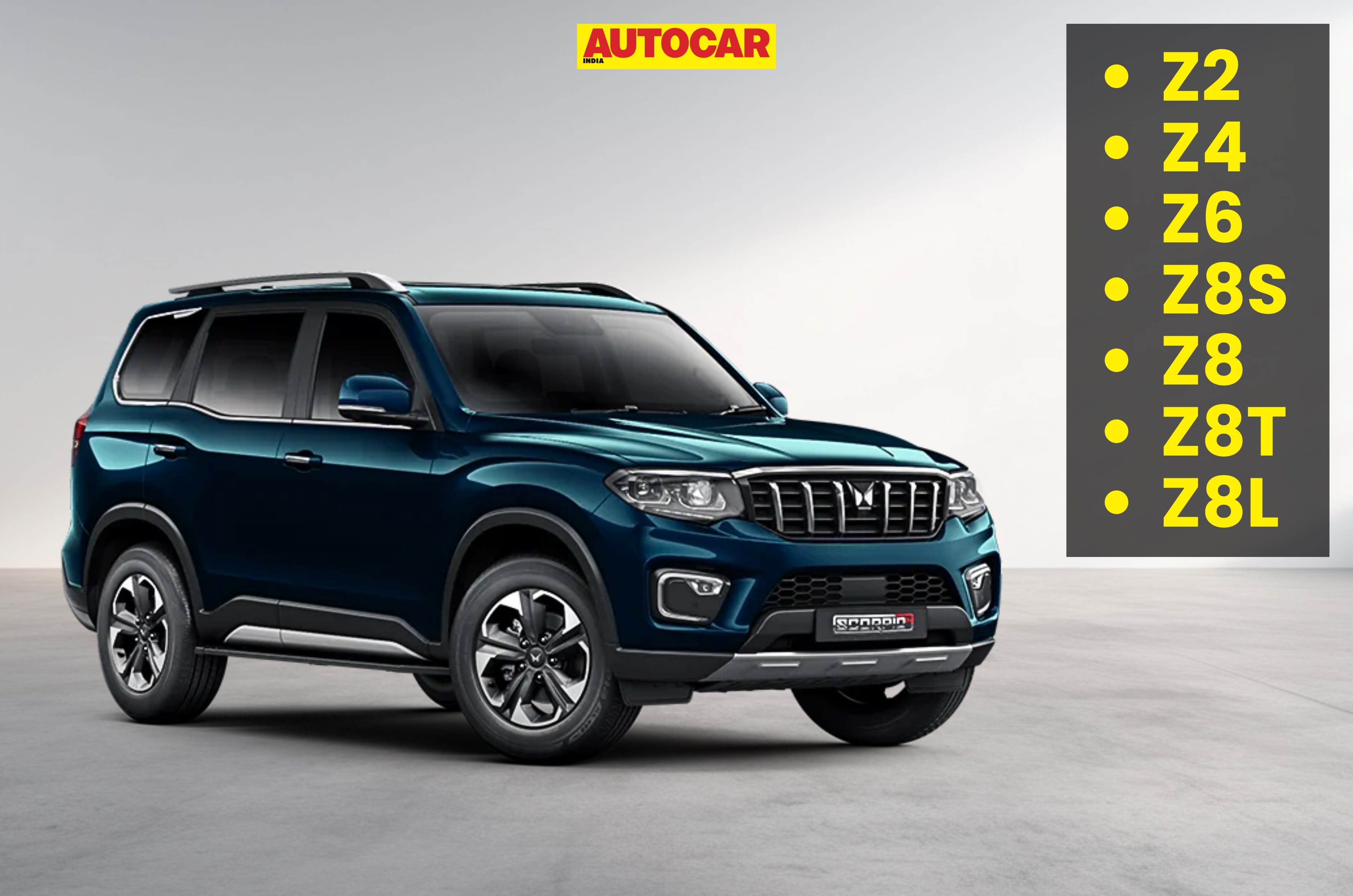
Which 2026 Mahindra Scorpio N variant should you buy?

2026 Mahindra Scorpio N facelift variants

The 2026 Mahindra Scorpio N facelift offers buyers all the familiar bits that this body-on-frame SUV has been known for while introducing minor cosmetic tweaks and new features on the inside. The 2026 Scorpio N soldiers on with the same powertrain options as its pre-facelift predecessor, but prices have gone up. Having said all that, which variant should you buy?

2026 Mahindra Scorpio N facelift powertrain options

This facelift hasn’t brought about any major mechanical changes to the SUV
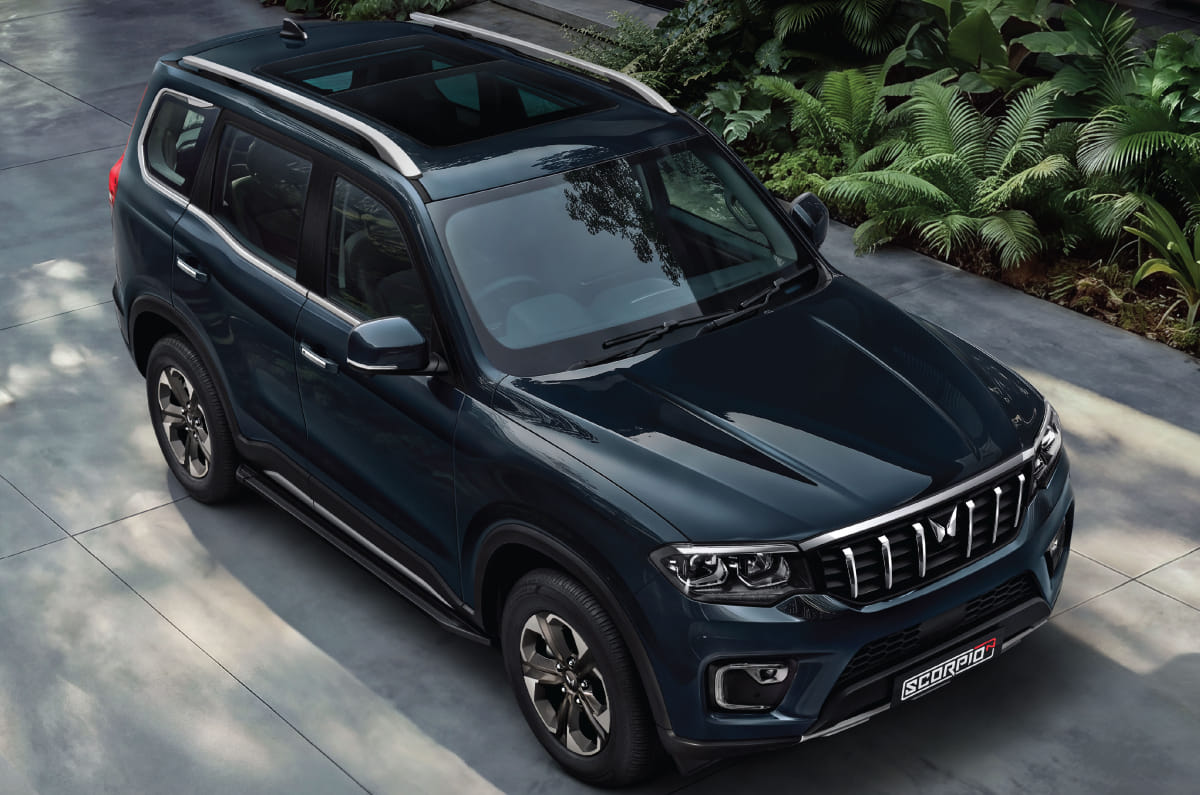
2026 Mahindra Scorpio N facelift front top quarter

Powertrain specifications

Mahindra Scorpio N facelift 2.0 turbo-petrol

Mahindra Scorpio N facelift 2.2 diesel

Type

4 cyls, direct-injection

4 cyls, direct-injection

Displacement

1,997cc

2,184cc

Power

203hp

132hp/175hp

Torque

370Nm/380Nm

370Nm/400Nm

Manual transmission

6-speed MT

6-speed MT

Automatic transmission

6-speed AT

6-speed AT

Drive configuration

2WD

2WD/4WD

Fuel capacity

57 litres

57 litres

Under the vast bonnet of the Scorpio N facelift are the same set of turbocharged engines that powered the previous model. The petrol unit uses the 2.0-litre mStallion direct-injection mill that produces 203hp and 370Nm when mated to a 6-speed manual transmission (MT) or 380Nm of torque when paired with the 6-speed torque-converter automatic (AT). In this case, power is sent only to the rear wheels.

Then there’s the 2.2-litre mHawk direct-injection diesel engine, which is available in two states of tune. In the lower Z2 and Z4 diesel MT variants, this mill develops 132hp and 300Nm of torque – transmission duties are handled by a 6-speed manual gearbox. Higher variants of the diesel-powered Scorpio N facelift get the 175hp version of this oil burner, putting out either 370Nm (MT) or 400Nm (AT) of torque. Do note that four-wheel drive is only available on the diesel variants but can be had with either manual or automatic gearboxes.

2026 Mahindra Scorpio N facelift variant-wise features

Z2 price range: Rs 13.69 lakh-Rs 14.19 lakh

  • Dual-barrel halogen headlamps
  • ORVM-integrated turn indicators
  • LED tail-lamps
  • 17-inch steel wheels
  • Front and rear disc brakes
  • Steering-mounted audio controls
  • Tilt-adjustable steering
  • Power windows
  • Manually adjustable ORVMs (outside rearview mirrors)
  • One-touch tumble second-row seat
  • Fold and tumble third row
  • Rear-seat centre armrest
  • Manual AC with rear vents
  • 8.0-inch touch-infotainment system
  • 4.2-inch monochrome MID (multi-information display)
  • 4-speaker audio system
  • First- and second-row USB ports
  • Third-row 12-volt outlet
  • 2 airbags
  • Rear parking sensors
  • ABS with EBD
  • Electronic stability control
  • Hill-hold control
  • Hill-descent control
  • Isofix anchors
  • Three-point seatbelts for all rows


Z4 price range: Rs 15.57 lakh-Rs 18.03 lakh

Features over Z2

  • Black roof rails
  • Rear spoiler
  • 17-inch steel wheels with cover
  • Steering-mounted audio and cruise controls
  • Driver’s side ‘anti-pinch’ window function
  • Electrically adjustable ORVMs
  • Driver’s seat-height adjustment and lumbar support
  • Wired Apple CarPlay and Android Auto
  • Rear AC blower control
  • Rear wiper, washer and defogger
  • Selectable 4WD system (Z4 diesel)


Z6 price range: Rs 17.17 lakh-Rs 18.82 lakh

Features over Z4

  • Zip, Zap and Zoom drive modes (diesel 2WD only)
  • Electric sunroof
  • Rearview camera


Z8S price range: Rs 17.79 lakh-Rs 19.89 lakh

Features over Z6

  • LED projector headlamps
  • Sting-shaped LED DRLs (daytime running lamps)
  • Sequential LED turn indicators
  • 17-inch diamond-cut alloy wheels
  • UV- and IR-cut glass (side windows only)
  • Brown and black leatherette upholstery
  • Leather-wrapped steering wheel and gear lever
  • 12.3-inch touch-infotainment system
  • 10.25-inch digital instrument cluster
  • Wireless Apple CarPlay
  • Free one-year Adrenox Connect subscription
  • Built-in Amazon Alexa
  • 65W Type-C front and rear USB ports
  • Front-facing camera
  • Information on roll and pitch, altitude, G-force, etc. (via Adventure Statistics)
  • 6 airbags
  • Driver-drowsiness detection
  • E-call and SOS alert


Z8 price range: Rs 19.86 lakh-Rs 21.41 lakh

Features over Z8S

  • Automatic headlamps and wipers
  • Passive keyless entry
  • Push-button ignition
  • Power-folding ORVMs
  • ‘Anti-pinch’ function for co-driver’s window
  • Dual-zone automatic climate control
  • Wireless charger
  • Free two-year Adrenox Connect subscription
  • TPMS (tyre-pressure monitoring system)


Z8T price range: Rs 20.38 lakh-Rs 24.39 lakh

Features over Z8

  • 18-inch diamond-cut alloy wheels
  • 6-way powered driver’s seat
  • Ventilated front seats
  • 12-speaker Sony audio system
  • Auto-dimming IRVM (inside rearview mirror)
  • Electronic parking brake
  • Selectable 4WD system (Z8T diesel)
  • Normal, Snow, Mud/Ruts and Sand terrain modes (diesel 4WD)
  • Electronic brake-locking differential


Z8L price range: Rs 21.31 lakh-Rs 25.49 lakh

Features over Z8T

  • Panoramic sunroof
  • 540-degree camera system
  • Blind-view monitor
  • Adaptive cruise control (AT versions only)
  • Speed-limit assist (AT versions only)
  • Forward-collision warning
  • Auto-emergency braking
  • Lane-departure alert
  • Lane-keep assist
  • High-beam assist
  • Traffic-sign recognition


2026 Mahindra Scorpio N facelift colours

The facelift has brought with it two new colour options
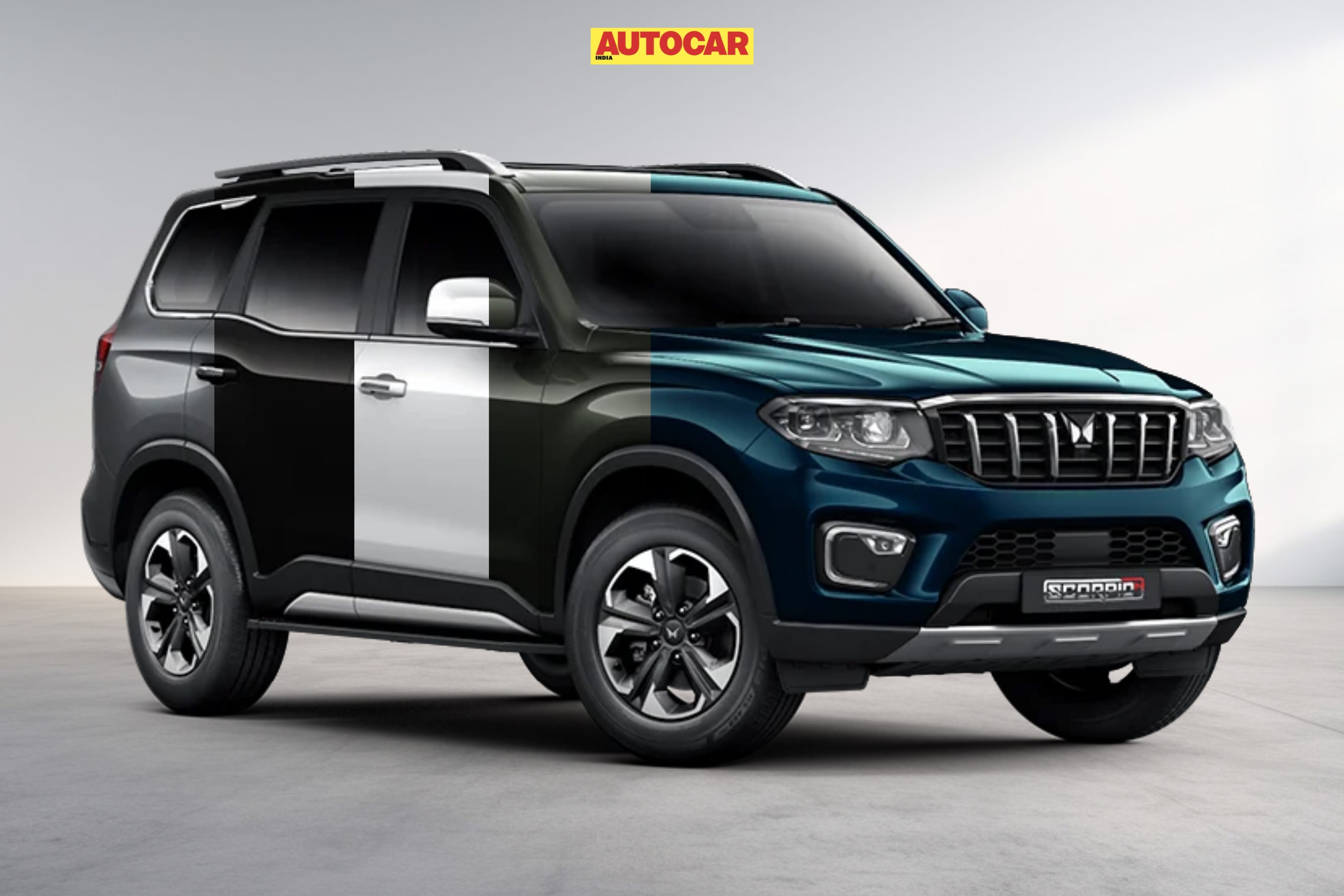
2026 Mahindra Scorpio N facelift colours

With this update, the Mahindra Scorpio N retains three colours from its predecessor: Deep Forest, Everest White and Stealth Black. However, it does get two new shades. These include an all-new colour, Oceanic, and Galaxy Grey, which replaces another grey option called Valyrian Silver. There are no dual-tone colours available.

2026 Mahindra Scorpio N facelift: Which variant should you buy?

The second-to-top trim with the diesel-automatic powertrain is a good pick
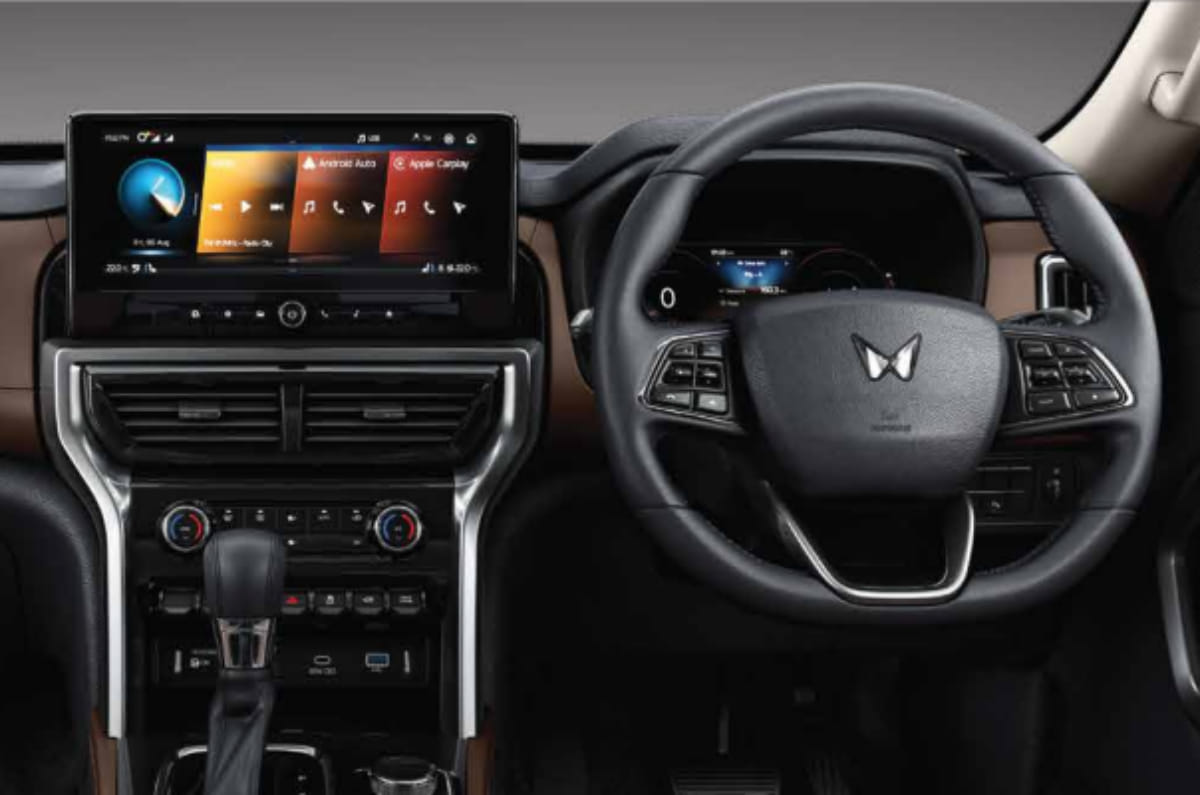
2026 Mahindra Scorpio N facelift interior

The Z8T trim with the turbo-diesel engine and 6-speed torque-converter automatic (AT) is our pick of the bunch. This is because it offers a laundry list of modern convenience and safety features, catering to almost every need that a buyer looking for an SUV at this price point is likely to have. If you’re someone who finds themselves driving through inclement weather regularly, or you intend to do a bit of off-roading, the 4×4 version has enough mechanical and electronic assistance to back you up. However, try to avoid the Z2, Z4 and Z6 trims as these only get two airbags – that’s unacceptable at this price point.

Also read

3 reasons to buy the Mahindra Scorpio Classic, 2 reasons not to

What to expect from the BMW 7 Series, i7 facelift ahead of launch

BMW X1 LWB launch on August 21

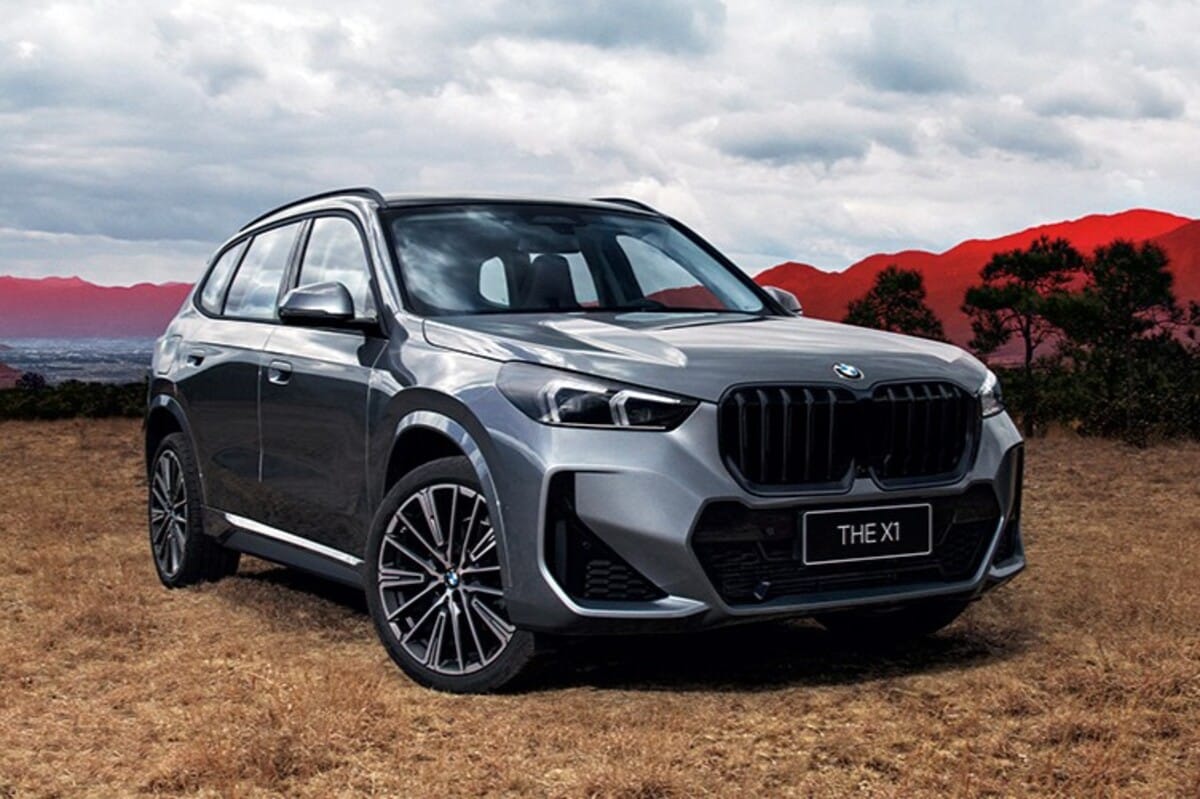
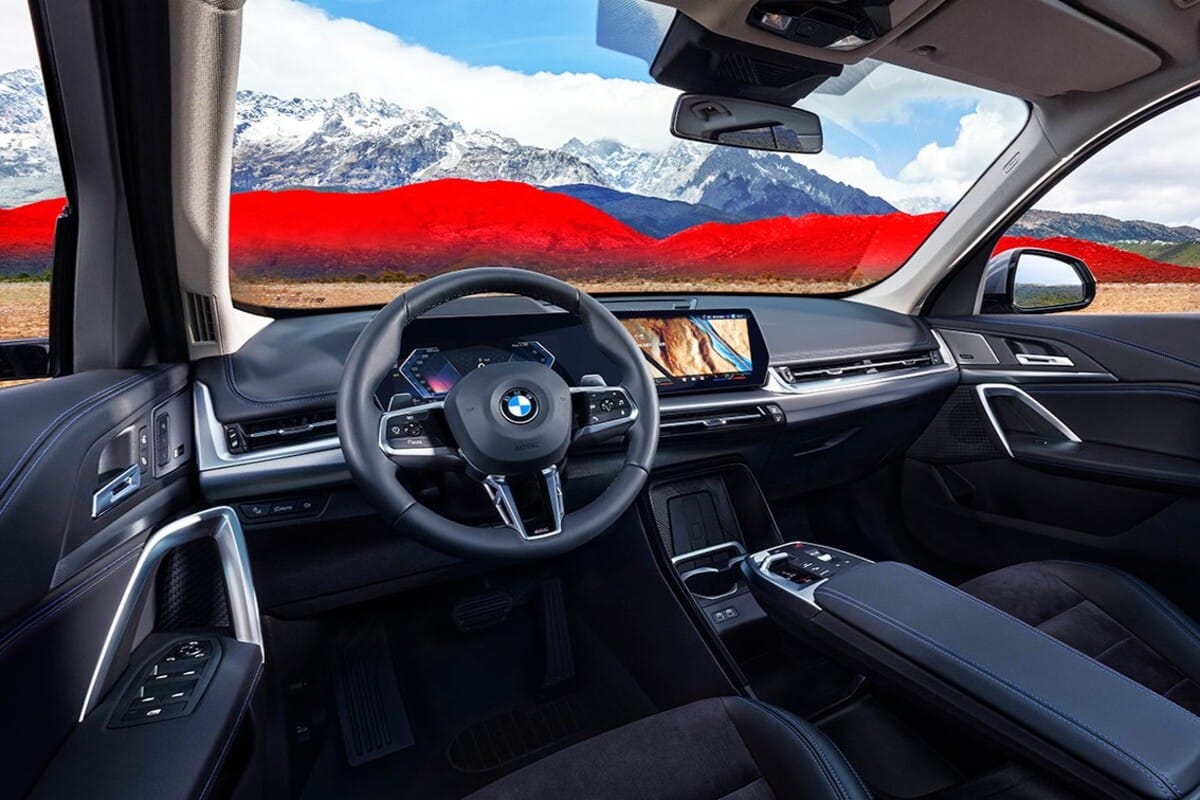
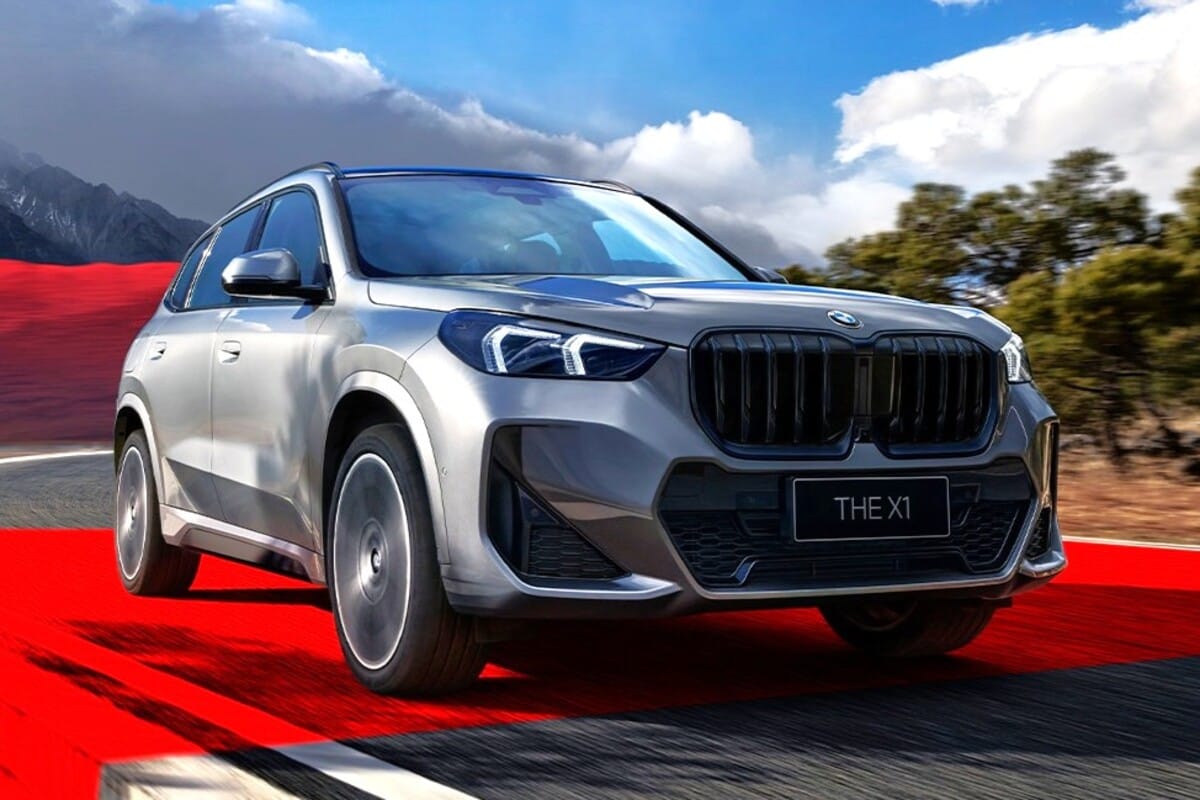
BMW X1 LWB

BMW will launch the X1 LWB in India on Friday, August 21. A stretched version of the standard X1 SUV and the ICE equivalent to the iX1 LWB – both of which are sold here too – the X1 LWB will serve as BMW’s most affordable combustion-powered long-wheelbase model for the Indian market. Like other long-wheelbase BMWs, the X1 LWB was originally conceived for the Chinese market, where the SUV has been on sale since 2023. 

BMW X1 LWB exterior design

116mm longer than standard X1

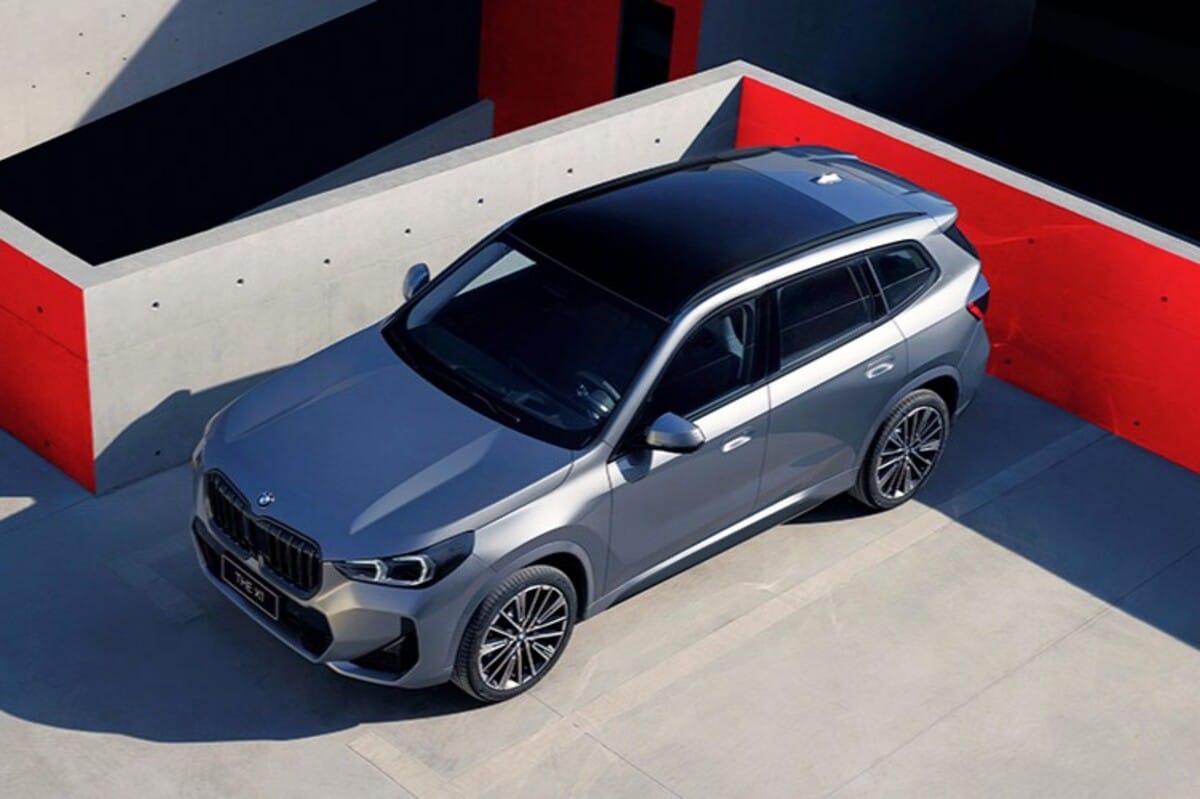
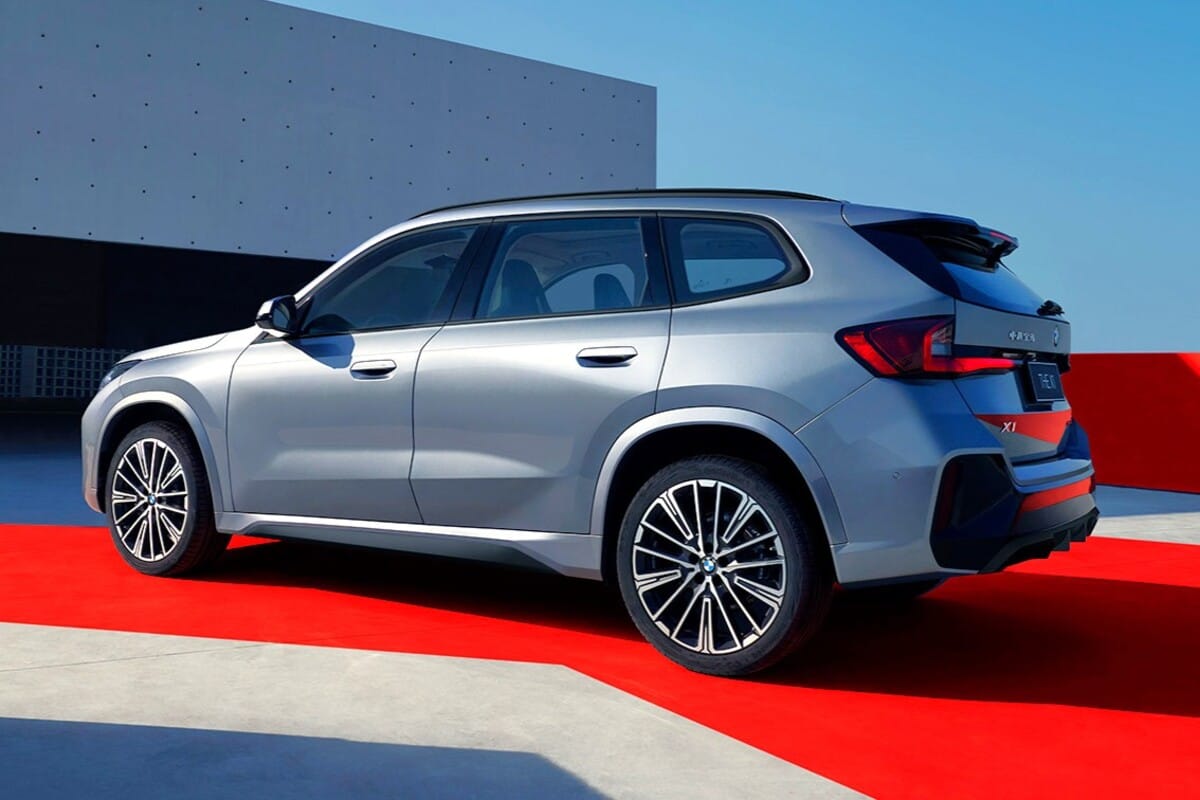
Stretching the tape at 4,616mm long, 1,845mm wide, 1,641mm tall, and with a wheelbase of 2,802mm, the X1 LWB is 116mm longer (110mm increase in wheelbase) and 11mm taller than its SWB counterpart. There are otherwise no changes on the styling front compared to the standard X1, so the LWB continues to offer sleek LED headlamps and tail-lamps, large kidney grilles up front, and a relatively low-slung crossover-esque profile.

The China-spec X1 LWB gets 19-inch alloy wheels as standard (20-inchers optional), but these could be downsized for the India-spec version in the interest of ride quality – the standard X1 and iX1 LWB come with 18-inchers here.

BMW X1 LWB interior and features

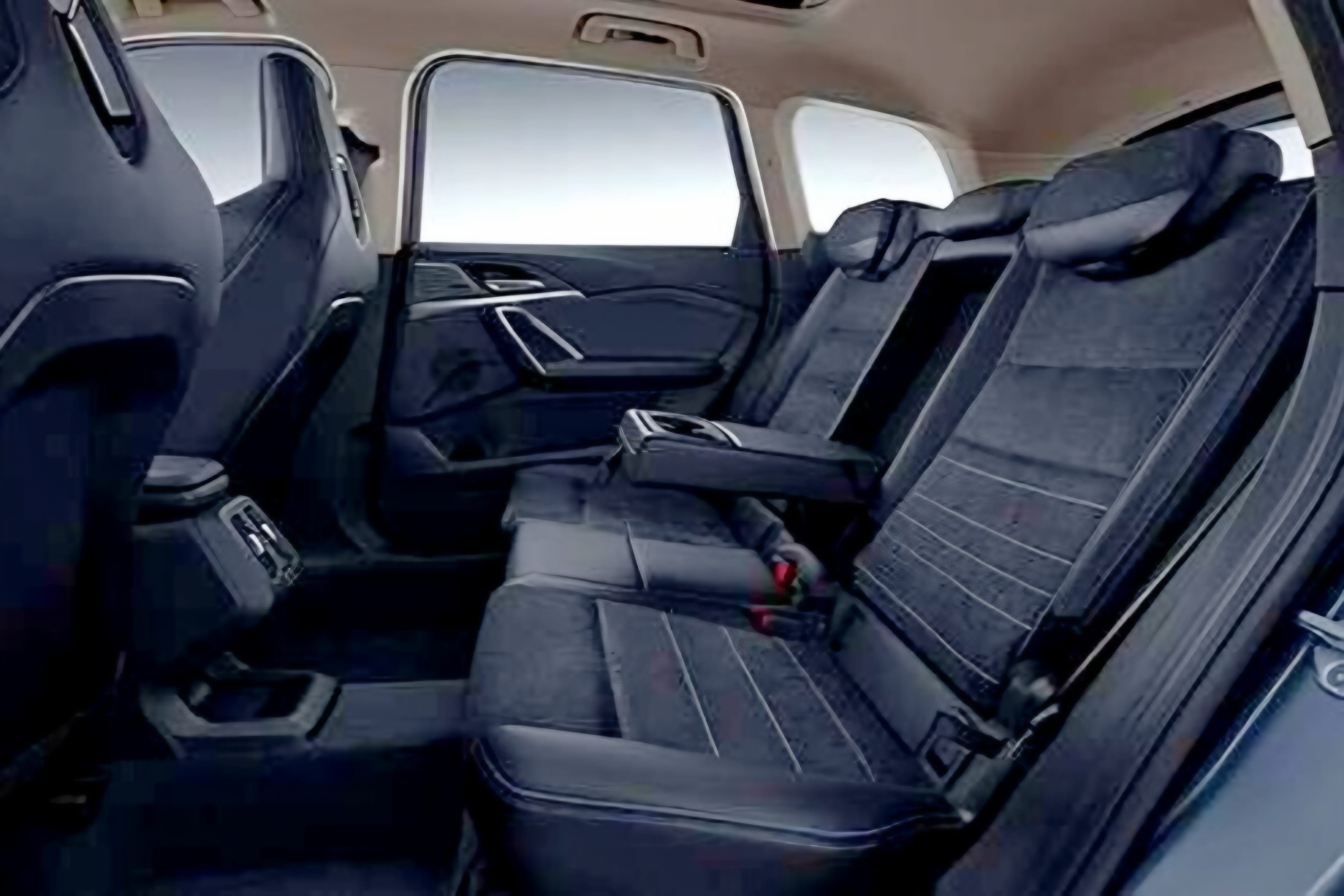
Increased rear legroom, higher bench and wider headrest cushions

Expectedly, the interior layout of the X1 LWB is identical to that of its SWB counterpart, save for an upgraded experience for rear occupants – generous increase in legroom, 27mm bump in seat height and 37mm wider headrest cushions. At 540 litres, the X1 LWB’s boot is also larger than the standard X1’s 476-litre capacity.

The features list includes a 10.7-inch infotainment touchscreen, a 10.25-inch digital driver’s display, a wireless charging pad, powered front seats, automatic climate control, a powered tailgate, a digital key, a Harman Kardon sound system, connected car tech, auto park assist and more.

BMW X1 LWB engine and gearbox options

2.0-litre turbo-petrol mill and 7-speed DCT

In India, the standard X1 is sold in two variants, sDrive18i and sDrive18d, offering 1.5-litre 3-cyl turbo-petrol and 2.0-litre 4-cyl diesel engines, respectively. However, the China-spec X1 LWB gets neither of those engines. Instead, it’s sold in sDrive25Li FWD and xDrive25Li AWD guises, and powered by a 2.0-litre 4-cyl turbo-petrol motor that outputs 204hp and 300Nm – up 68hp and 70Nm over the sDrive18i – and is paired with a 7-speed dual-clutch automatic. 0-100kph comes up in 7.9 seconds for the FWD version and 7.7 seconds for the AWD X1 LWB. Top speed is rated at up to 229kph.

BMW X1 LWB price estimate and positioning

No direct rivals in the Indian luxury car market

Pricing for the standard X1 starts at Rs 50.9 lakh and tops off at Rs 52.9 lakh in India, so expect the X1 LWB to command a premium, especially if BMW offers it with the more powerful 2.0-litre turbo-petrol engine. The X1 LWB will sit in a unique spot of the market, as there are no long-wheelbase entry-level luxury SUVs to rival it at the moment.

All prices are ex-showroom, India.

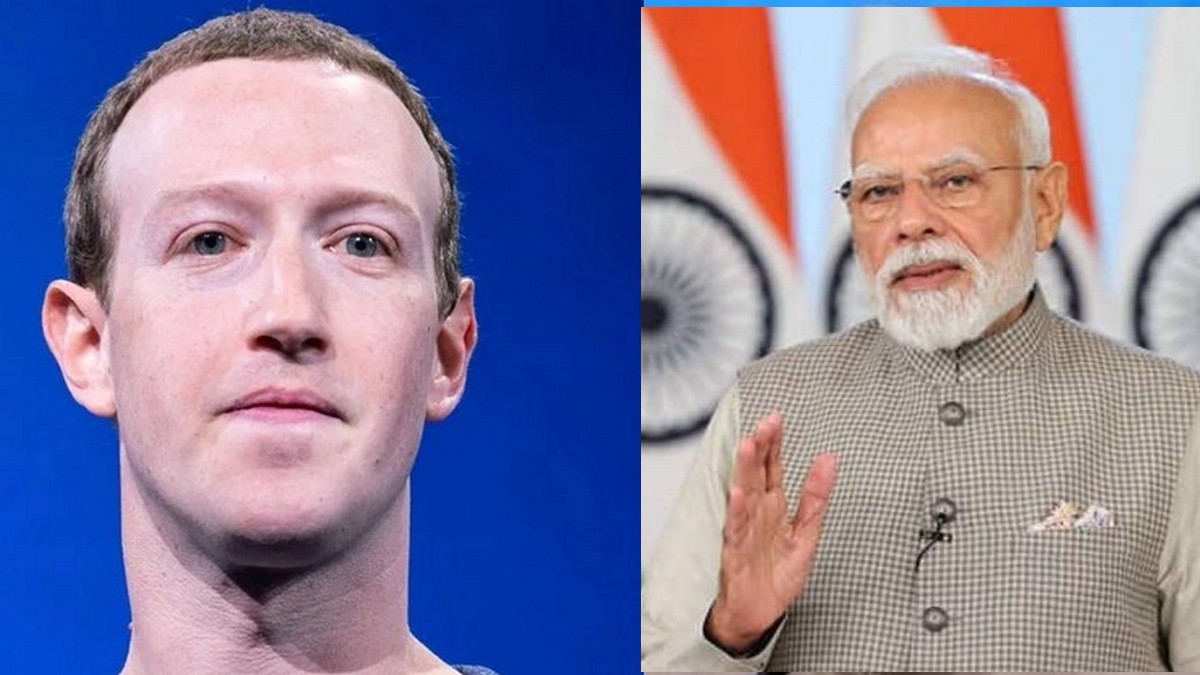
Meta CEO Mark Zuckerberg ने भारत से मांगी माफी, 5-6 घंटे तक Facebook से हटाया गया था PM Modi का वीडियो

mark jukerburg_modi

Meta के CEO मार्क जुकरबर्ग ने भारत में अपने सोशल मीडिया प्लेटफॉर्म पर Child Sexual Abuse Material (CSEAM) और Deepfake Content की उपलब्धता को लेकर माफी मांगी है। इलेक्ट्रॉनिक्स एवं सूचना प्रौद्योगिकी मंत्रालय (MeitY) के सूत्रों के मुताबिक, Zuckerberg ने Meta के वरिष्ठ वैश्विक अधिकारियों की मंत्रालय के साथ हुई बैठक के दौरान इस मामले पर खेद जताया।  Meta, Facebook, Instagram और WhatsApp की पैरेंट कंपनी है।

ALSO READ: E20 Petrol : क्या सरकार ला रही है Flex-Fuel वाहनों के लिए नई पॉलिसी? सरकार ने दिया बड़ा अपडेट

हटाया था PM Modi का वीडियो

Zuckerberg की यह माफी ऐसे समय में सामने आई है जब इससे पहले बुधवार को एक संसदीय समिति ने प्रधानमंत्री नरेंद्र मोदी के Facebook वीडियो को हटाए जाने के मामले में Meta प्रमुख को तीन दिन के भीतर माफी मांगने को कहा था। प्रधानमंत्री मोदी का छात्रों और Gen Z को संबोधित करने वाला वीडियो कुछ समय के लिए Facebook से हटाए जाने पर समिति ने गंभीर नाराजगी जताई थी।

समिति ने चेतावनी दी थी कि यदि माफी नहीं मांगी गई तो Meta को मिलने वाली कानूनी सुरक्षा यानी Safe Harbour protection वापस लेने की दिशा में कदम उठाया जा सकता है। ऐसी स्थिति में संबंधित मामलों में अभियोजन और FIR दर्ज होने का रास्ता खुल सकता है।

लोकसभा सचिवालय की ओर से इलेक्ट्रॉनिक्स एवं सूचना प्रौद्योगिकी मंत्रालय के सचिव को भेजे गए पत्र में कहा गया कि प्रधानमंत्री नरेंद्र मोदी का छात्रों और Gen Z को संबोधित करने वाला वीडियो Facebook से करीब 5-6 घंटे तक हटाया जाना समिति ने गंभीरता से लिया था। यह वीडियो परीक्षा से जुड़े विवादों और पेपर लीक के खिलाफ सरकार की कार्रवाई को लेकर प्रधानमंत्री के संदेश से संबंधित था। समिति ने इस घटना को लेकर Meta से स्पष्टीकरण और जवाबदेही की मांग की थी।

मेटा की टीम को सरकार ने बुलाया था 

सरकार पीएम मोदी का वीडियो फेसबुक से हटाने से भी नाराज थी। मोदी ने 23 जुलाई को यह वीडियो पोस्ट किया था। इसमें उन्होंने पेपर लीक को बड़ी समस्या बताया था। उन्होंने ऐसे मामलों की जल्द सुनवाई के लिए फास्ट ट्रैक कोर्ट बनाने की भी बात कही थी। आईटी मंत्रालय और मेटा के अधिकारियों के बीच 2 दिन की बैठक चल रही है। सरकार ने मेटा की ग्लोबल टीम को दिल्ली बुलाया है। 5 अगस्त को बैठक का पहला दिन था।

मार्क जुकरबर्ग को दिया गया था 3 दिन का समय 

समिति की ओर से कहा गया था कि मेटा  प्रमुख मार्क जुकरबर्ग को मामले में माफी मांगनी चाहिए। अगर निर्धारित समय में माफी नहीं आती है, तो समिति भारत में उपलब्ध कानूनी संरक्षण को वापस लेने की दिशा में कदम उठाने पर विचार कर सकती है। यह मामला इसलिए महत्वपूर्ण है क्योंकि Safe Harbour protection इंटरनेट प्लेटफॉर्म को यूजर्स द्वारा पोस्ट की गई सामग्री के लिए कुछ कानूनी सुरक्षा प्रदान करता है, बशर्ते वे लागू नियमों और कानूनी दायित्वों का पालन करें।

क्यों महत्वपूर्ण हुआ मामला

प्रधानमंत्री के सोशल मीडिया पोस्ट को हटाए जाने की घटना ने भारत में Big Tech platforms, content moderation और social media accountability को लेकर बहस को तेज कर दिया था।  Meta की ओर से पहले इस वीडियो को गलती से हटाए जाने की बात सामने आई थी और वीडियो बाद में बहाल कर दिया गया था।


Zuckerberg ने अधिकारियों के जरिए भेजी माफी


MeitY के सूत्रों के अनुसार, Mark Zuckerberg ने प्लेटफॉर्म के संचालन में हुई गलतियों को लेकर शीर्ष अधिकारियों के माध्यम से अपनी माफी पहुंचाई। सूत्रों ने बताया कि बैठक के दौरान Meta ने यह भी स्वीकार किया कि कुछ खास तरह के कंटेंट को ज्यादा लोगों तक पहुंचाने के लिए बड़ी रकम का भुगतान किया गया था। सूत्र के मुताबिक, Meta ने गलती स्वीकार करते हुए माफी मांगी और इस पर अफसोस जताया। हालांकि, मंत्रालय की ओर से इस संबंध में अभी सार्वजनिक रूप से विस्तृत बयान सामने नहीं आया है।

CSEAM और महिलाओं के खिलाफ आपत्तिजनक कंटेंट पर भी सख्ती

बीजेपी सांसद निशिकांत दुबे की अध्यक्षता वाली सूचना प्रौद्योगिकी संबंधी संसदीय स्थायी समिति ने उन intermediary platforms के खिलाफ कार्रवाई की मांग की, जहां CSEAM और महिलाओं के खिलाफ अपमानजनक सामग्री उपलब्ध होने का आरोप है। सूत्रों के मुताबिक, समिति की ओर से यह भी स्पष्ट किया गया कि जो प्लेटफॉर्म खुद तय करते हैं कि किस यूजर को कौन-सा कंटेंट दिखाया जाएगा, उन्हें केवल intermediary की सामान्य परिभाषा के तहत सुरक्षा नहीं दी जा सकती। समिति ने कथित तौर पर कहा कि ऐसे मामलों में IT Act के तहत Safe Harbour protection लागू नहीं होगा।

Google India को लेकर भी समिति ने मांगी कार्रवाई

संसदीय समिति ने Google India से जुड़े एक कथित साइबर फ्रॉड मामले का भी उल्लेख किया है। समिति के अनुसार, शिकायतकर्ताओं ने आरोप लगाया कि फर्जी ऐप्स के माध्यम से निवेश करने पर उन्हें 48 लाख रुपये से अधिक का नुकसान हुआ। पत्र में कहा गया कि Hyderabad Cyber Police की कार्रवाई में Google India के प्रमुख को कथित साइबर धोखाधड़ी से जुड़े मामले में सह-आरोपी के तौर पर शामिल किए जाने की बात सामने आई है। समिति ने इस मामले में भी भारत सरकार से Google India के खिलाफ इसी तरह की कार्रवाई करने की इच्छा जताई है।

Audi’s big India comeback, Tata Sierra EV first drive: Autocar India August 2026

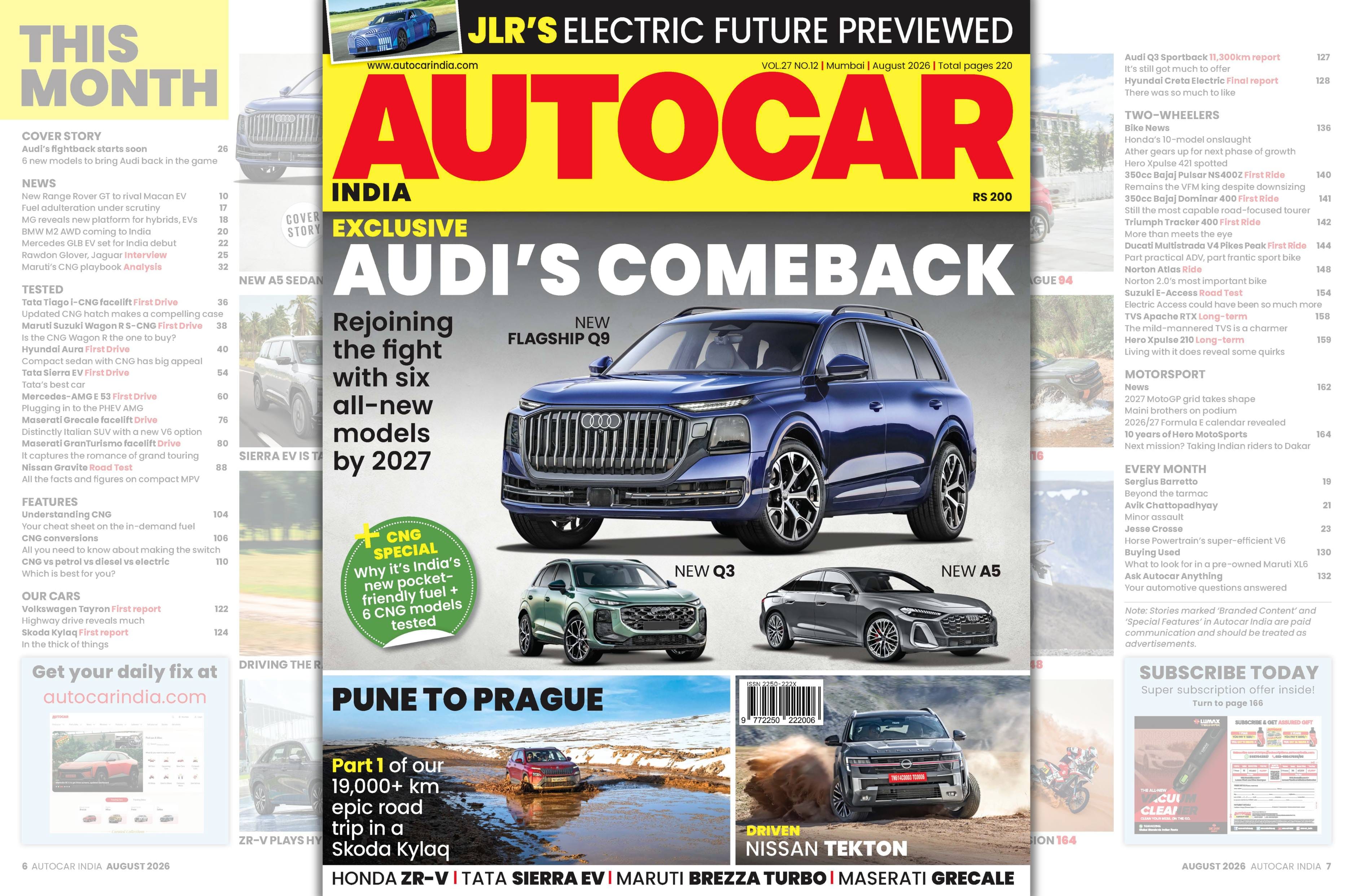
Autocar India August 2026

Our August 2026 issue has all the exclusive details of Audi India’s most ambitious product offensive in over a decade, with six all-new locally assembled models planned over the next 18 months. We also get behind the wheel of Jaguar’s camouflaged Type 01 prototype and drive the Range Rover Sport EV at Goodwood. Closer to home, we find out if the Tata Sierra EV lives up to its billing as the best Tata on sale, while the Nissan Tekton is put through a 700km-plus real-world test from Chandigarh to Leh. We also break down India’s new most popular fuel in our CNG special, with five models tested back-to-back. On two wheels, the new Norton Atlas is ridden in Iceland, while a special Ducati takes on some of Maharashtra’s tricky trails. All this while a Skoda Kylaq sets off on an epic 19,351km drive from Pune to Prague.

Audi’s Big Comeback: Cover Story

Audi was once India’s bestselling luxury brand. Today, it is a shadow of that. Now, with six all-new locally assembled models planned by end-2027, the four rings are back on the offensive. We have all the details and speak to Audi India head Balbir Singh Dhillon and Audi AG chairman Gernot Dollner about the upcoming cars. 

Jaguar Type 01: Drive

Jaguar has walked away from 90 years of combustion heritage, cancelled every existing model and started again with a blank sheet of paper. The Type 01 is the result – a five-metre all-electric grand tourer with a 1,000hp three-motor setup, 600km of range and a starting price north of Rs 3 crore. We drive a camouflaged prototype at JLR’s Gaydon test track to find out if the boldest bet in the car industry’s history has legs. 

Range Rover Sport EV: Drive

Under its familiar skin sits an 800V architecture, two Land Rover-developed 326hp motors and a 118.5kWh battery validated over 60,000 hours of testing. The electric Range Rover Sport arrives in India around March 2027 and could set a new luxury benchmark for the brand. We drive a prototype at Goodwood to find out if it lives up to that promise. 

Tata Sierra EV: First Drive

The best Tata in years gets the brand’s smoothest powertrain yet. The Sierra EV comes in rear-wheel-drive and all-wheel-drive forms, with the AWD variant making a class-leading 306hp and bringing the first AWD option in this segment. We drive all variants, including a proper off-road test, to see if it lives up to the hype. 

Honda ZR-V: Drive

Honda’s first hybrid SUV in India arrives as a full import from Japan, packing a 184hp strong-hybrid powertrain and a claimed 22.8kpl. We get a brief first taste at the Buddh International Circuit to find out if it delivers on its promise.

Mercedes-AMG E 53 Hybrid 4Matic+: First Drive

The new E 53 pairs a 3.0-litre straight-six with a 28.6kWh battery for 585hp and up to 100km of electric range. It is a PHEV AMG that also does daily commutes without a drop of fuel. But has electrification enhanced the AMG experience, or diluted it? 

CNG Special: Features

CNG now accounts for nearly 20 percent of India’s passenger car market. We explain everything you need to know about the fuel – what it is, how it works and whether an aftermarket conversion makes sense. We also road test five CNG models: the Tata Tiago iCNG, Maruti Wagon R S-CNG, Hyundai Aura CNG, Maruti Brezza Turbo (petrol) and Maruti Victoris S-CNG.

Tata Nexon: Petrol vs Diesel vs Electric vs CNG

The Nexon is one of the few cars in India offered with four distinct powertrain options. We test every variant – turbo-petrol, diesel, CNG and electric – with real-world performance and efficiency figures to find the sweet spot of the range. The result might just surprise you.

Skoda Kylaq: Pune to Prague, Part 1

A made-in-India Skoda Kylaq sets off on a near-20,000km adventure from its birthplace at Skoda’s Chakan plant to Skoda Auto’s headquarters in Prague. Part 1 covers India, Nepal, Tibet and China – including a detour to Mount Everest Base Camp.

Norton Atlas: Ride

TVS’s second Norton – and the brand’s most important – debuts in Iceland. The Atlas is a 585cc parallel-twin adventure tourer with 70hp, a full electronics suite and 19-inch front wheel. We ride 200km of sweeping mountain roads and gravel trails to find out if it can justify the hype and, crucially, a competitive price tag.

Ducati Multistrada V4 Pikes Peak: First Ride

The most focused Multistrada money can buy blurs the line between a practical ADV and an out-and-out sport bike. With Ohlins semi-active suspension, a single-sided swingarm and a race-mode, it promises to be two bikes in one. We find out if the price premium is worth it.

Suzuki E-Access: Road Test

Suzuki’s first electric scooter carries a big name and an even bigger price tag. It gets some things right, but in a segment that rewards value, performance and range, does the Access badge alone justify the Rs 1.92 lakh asking price?

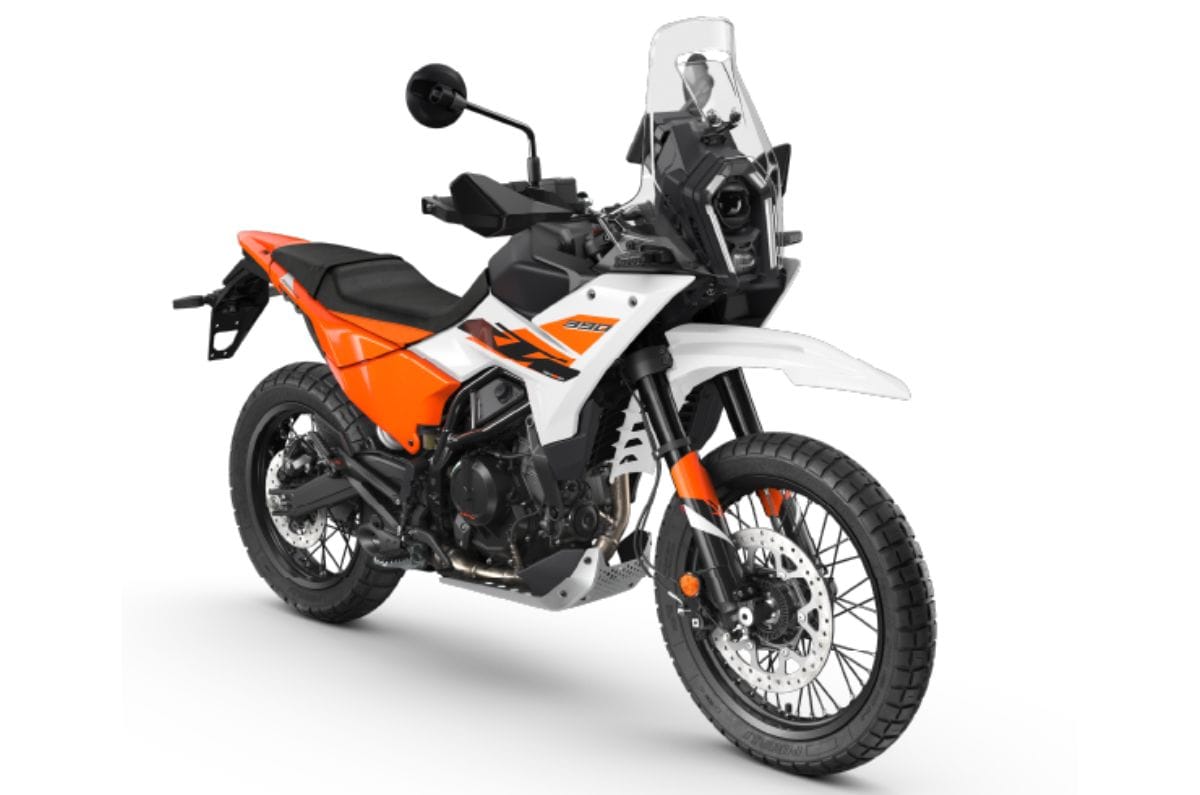
KTM 390 Adventure price and variants explained

KTM 390 Adventure R front right side static in studio

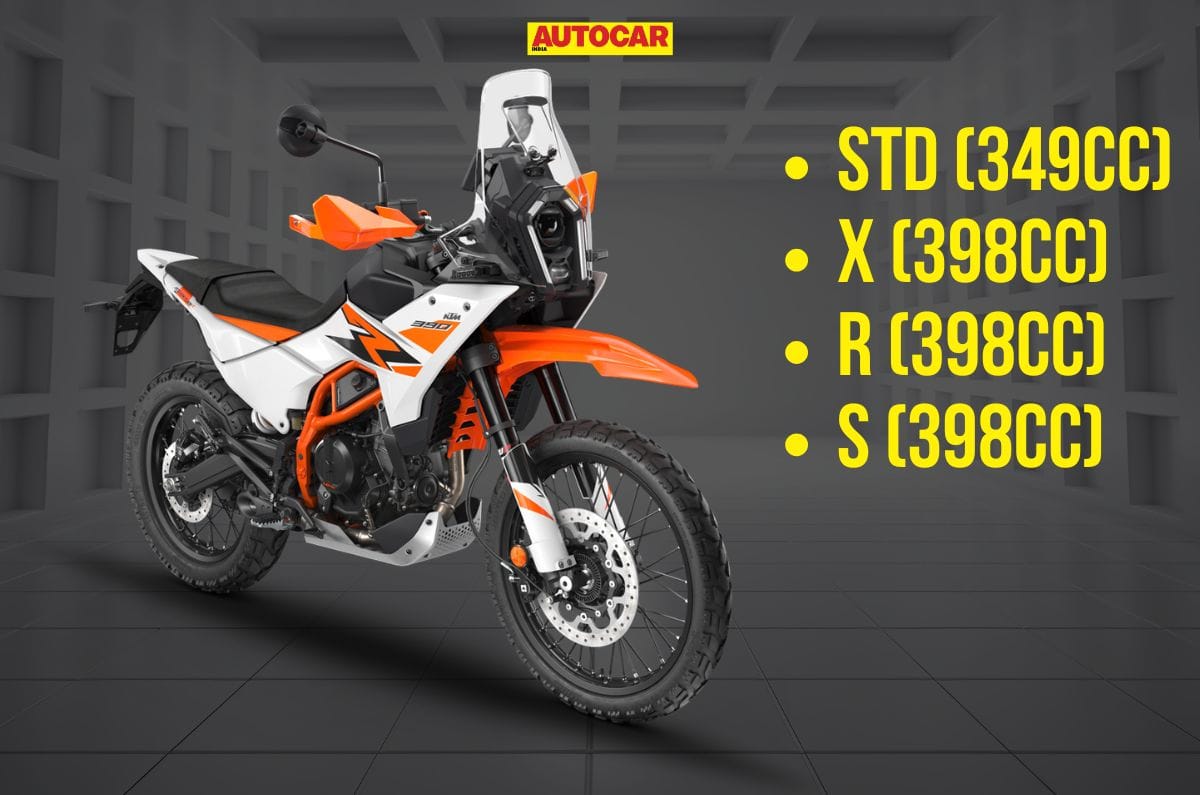
With the launch of the 350cc KTM 390 Adventure, there are now four 390 Adventure models on sale in India, which can make things confusing for someone considering this bike. Here, we’ll explain in detail what each variant costs and brings to the table.

All prices ex-showroom, Delhi

KTM 390 Adventure variant breakdown

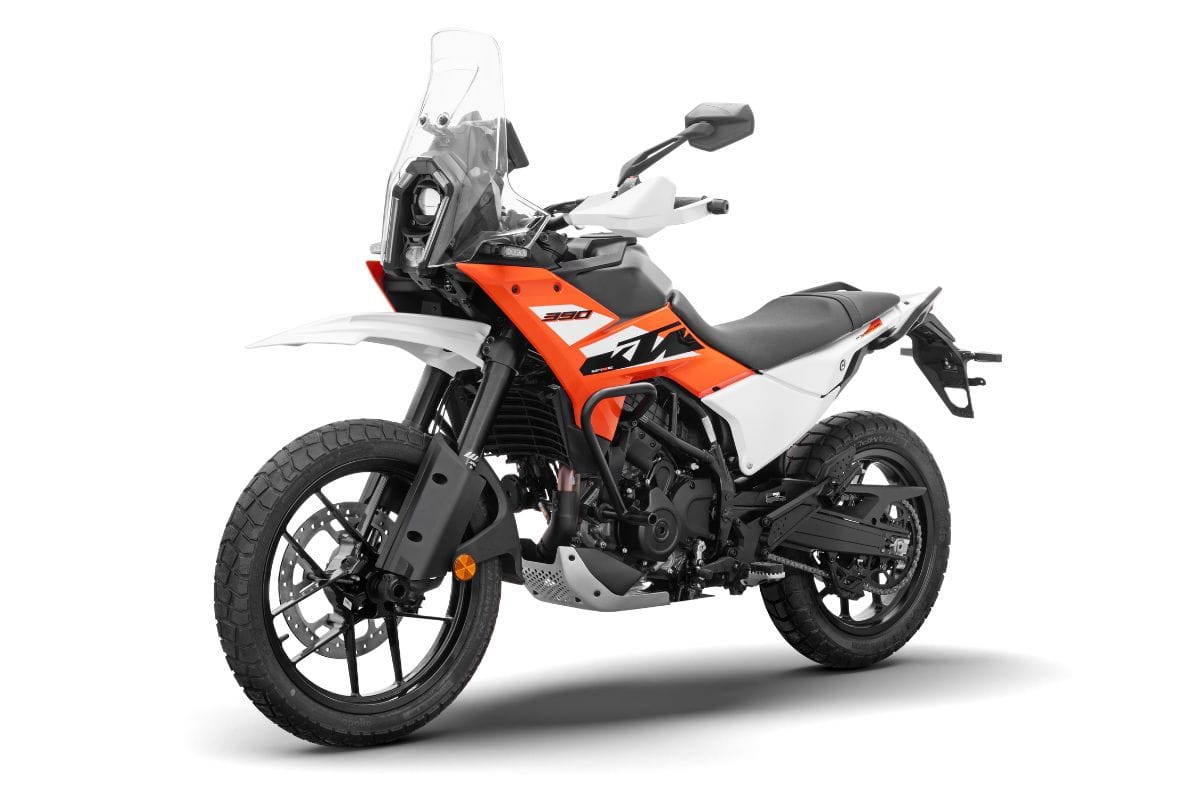
Standard

KTM 390 Adventure front left side static in studio

There are a great many differences between the four variants in the KTM 390 Adventure lineup but a lot of parts are common as well. For example, they all have the same main frame, subframe, bodywork and styling with just different colours and graphics.

Where the base 390 Adventure differs from all the other variants is that it is the only one to use a downsized 349cc engine – via a shorter stroke – making 41.5hp and 33.5Nm of torque. It has the same 200mm/205mm (F/R) of suspension travel (non-adjustable except for rear preload), 19/17-in (F/R) alloy wheels and TFT display as well as electronics as the higher models.

As a consequence of the lower 18 percent GST levied on it, the base 390 Adventure costs Rs 2.87 lakh.

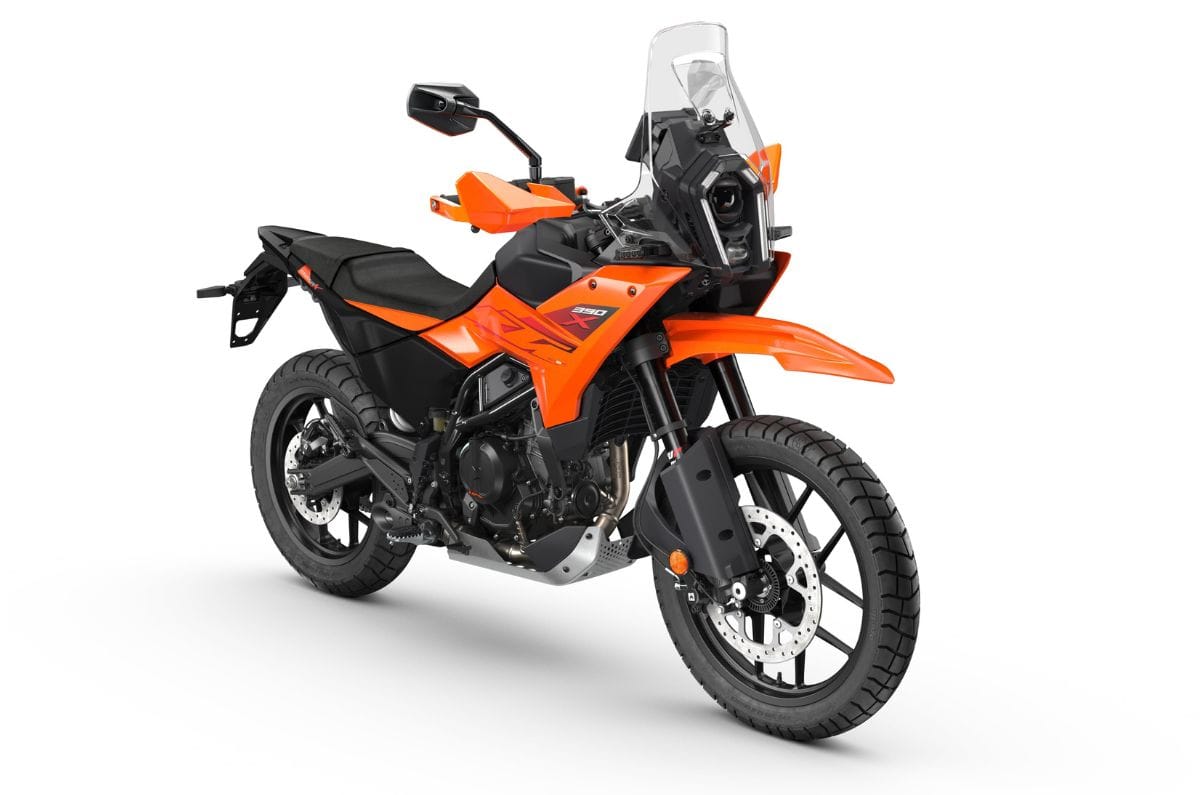
X

KTM 390 Adventure X front right side static in studio

The 390 Adventure X – and the R and S variants – is powered by the full-fat 398cc engine making 46hp/39Nm of torque. Its chassis, feature-set,  design and key specifications are identical to the base 390 Adventure except for two slightly different paint schemes. However, the X costs Rs 3.50 lakh, which is a substantial Rs 61,000 more expensive than the variant below it and except for the slightly lower output, the two are identical.  

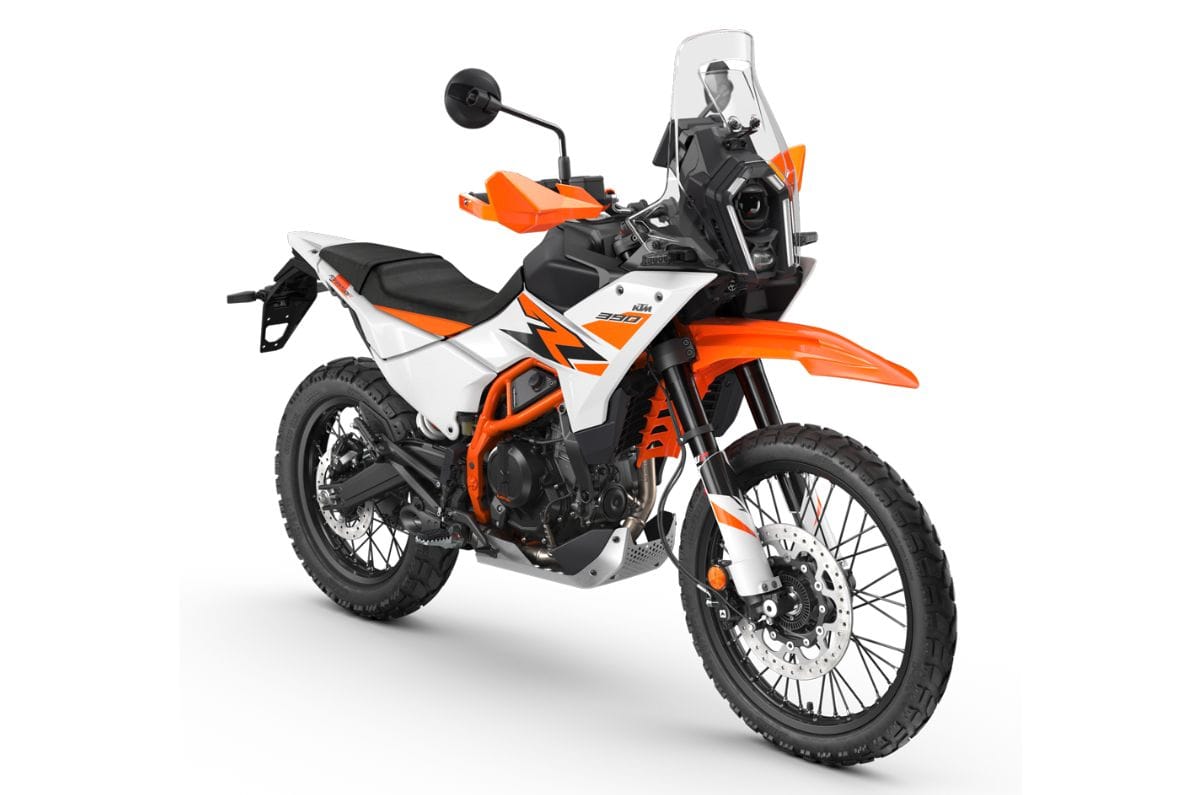
R

The R is the most off-road focused variant in the 390 Adventure lineup and is the only one to use long-travel suspension with 230mm of travel at both ends. As a result, it has a super tall 880mm seat height although you also get a towering 272mm of ground clearance here.

It is also the only variant to use 21/18-in (F/R) tubed wire spoke wheels shod with Mitas dual-purpose tyres. At Rs 3.86 lakh, the 390 Adventure R is priced Rs 36,000 higher than the X below it.

S

KTM 390 Adventure S front right side static in studio

The range topping variant in the 390 Adventure family is the S which uses adjustable suspension with 200/205mm of travel (F/R) and has 21/17-in wire-spoke wheels, but these ones permit tubeless tyres. It has a seat height of 830mm and a ground clearance figure of 237mm, both of which are lower than the R which helps make the S a more road-friendly machine. With the recent hike in price, the 399cc KTM 390 Adventure S now breaches the Rs 4 lakh mark and is now priced at Rs 4.05 lakh, up from the earlier Rs 3.97 lakh mark.

Tamil Nadu Budget 2026: सीएम विजय का Gen Z बजट! युवाओं के लिए AI, फ्री लैपटॉप और रोजगार का बड़ा पैकेज

Tamil Nadu Budget 2026: तमिलनाडु में तमिलगा वेत्री कझगम (TVK) सरकार का पहला बजट (2026-27) विधानसभा में पेश कर दिया गया है। मुख्यमंत्री सी जोसेफ विजय के नेतृत्व वाली इस नई सरकार ने अपने पहले बजट के जरिए साफ संदेश दिया है युवा और Gen Z इस सरकार के एजेंडे के सबसे बड़े केंद्र बिंदु हैं। सिर्फ पारंपरिक कल्याणकारी योजनाओं तक सीमित रहने के बजाय 2026-27 का यह बजट शिक्षा में सुधार, डिजिटल पहुंच, रोजगार क्षमता, कौशल विकास और इमर्जिंग टेक्नोलॉजी पर फोकस किया गया है।

बुधवार को विधानसभा में बजट पेश करते हुए वित्त मंत्री एन मैरी विल्सन ने स्कूल शिक्षा, उच्च शिक्षा, आर्टिफिशियल इंटेलिजेंस (AI), प्रतियोगी परीक्षाओं की कोचिंग, खेल और रोजगार से जुड़े कई बड़े प्रस्तावों की घोषणा की। इसके साथ ही तमिलनाडु सरकार ने नीट (NEET) परीक्षा का विरोध दोहराते हुए केंद्र सरकार से मांग की है कि राज्य में मेडिकल प्रवेश को कक्षा 12वीं की पब्लिक परीक्षा के अंकों के आधार पर ही बहाल किया जाए।

स्कूल और उच्च शिक्षा के लिए खोला खजाना

शिक्षा क्षेत्र को इस बजट में सबसे बड़ा आवंटन दिया गया है। सरकार ने स्कूल शिक्षा विभाग के लिए 44527 करोड़ रुपये और उच्च शिक्षा विभाग के लिए 8393 करोड़ रुपये की राशि निर्धारित की है। पल्ली निरईवु थिटम योजना के तहत 2132 करोड़ रुपये की अनुमानित लागत से 3734 सरकारी स्कूलों को आधुनिक बनाया जाएगा। इस वित्तीय वर्ष के लिए योजना को 300 करोड़ रुपये आवंटित किए गए हैं। 10 हजार स्कूलों के लिए सुपर क्लीन, सुपर कैंपस अभियान के तहत पहले चरण में 139 करोड़ रुपये का प्रावधान किया गया है। इसके तहत रोजना की सफाई, साफ पेयजल, शौचालय रखरखाव और 24 घंटे सुरक्षा व्यवस्था सुनिश्चित की जाएगी।

पेरुंथलैवर कामराजर मॉडल स्कूल का ऐलान हुआ है। इनमें कक्षा 9वीं से 12वीं तक के छात्रों को आवासीय सुविधाएं, शिक्षा, भोजन, यूनिफॉर्म, आवास, पाठ्यपुस्तकें और स्वास्थ्य सेवाएं पूरी तरह से मुफ्त दी जाएगी।

फ्री लैपटॉप, साइकिलें और इंटीग्रेटेड हॉस्टल

टीवीके सरकार ने छात्रों के कल्याण को कक्षाओं से आगे बढ़ाते हुए कई महत्वपूर्ण घोषणाएं की हैं। छात्रों को डिजिटल रूप से सशक्त बनाने के लिए 2,000 करोड़ रुपये की लागत से वेत्री लैपटॉप योजना शुरू की जा रही है। पुथिया पयनम, पुथिया वेगम योजना के तहत सरकारी और सहायता प्राप्त स्कूलों के कक्षा 11वीं के 5.3 लाख स्टूडेंट्स को मुफ्त साइकिलें दी जाएंगी। इन साइकिलों में सुरक्षा हेलमेट और वाटर बोतल भी लगी होगी। इस पर 277 करोड़ रुपये खर्च किए जाएंगे।

राज्य में हॉस्टल व्यवस्था को सुधारने के लिए ‘तमिलनाडु स्टूडेंट हॉस्टल्स एंड इंफ्रास्ट्रक्चर कॉरपोरेशन’ (TNSHIC) का गठन किया जाएगा। पब्लिक-प्राइवेट पार्टनरशिप (PPP) मॉडल के तहत 3200 करोड़ रुपये की लागत से 200 इंटिग्रेटेड हॉस्टल बनाए जाएंगे। इनमें 1 लाख छात्रों के रहने की व्यवस्था होगी। पाठ्यक्रम सुधार कार्यक्रम ‘कत्रलिल मुधलीदम तमिलनाडु’ के लिए 25 करोड़ रुपये आवंटित किए गए हैं। इसके अलावा मदुरै में 300 वार्षिक सीटों की क्षमता वाला नया लॉ कॉलेज स्थापित करने की घोषणा की गई है।

AI मिशन, इमर्जिंग टेक्नोलॉजी और फ्यूचर स्किल्स

प्रौद्योगिकी के महत्व को समझते हुए बजट में AI और टेक्नोलॉजी पर खास जोर दिया गया है। तमिलनाडु AI मिशन में आर्टिफिशियल इंटेलिजेंस (AI), क्वांटम कंप्यूटिंग, वर्चुअल रियलिटी और दूसरी इमर्जिंग टेक्नोलॉजी के जिम्मेदार उपयोग को बढ़ावा देने के लिए ‘तमिलनाडु AI मिशन’ का गठन किया जाएगा। यह मिशन e-Sevai 2.0 के साथ मिलकर नागरिक सेवाओं की डिलीवरी को बेहतर बनाएगा। AI और सूचना प्रौद्योगिकी (IT) क्षेत्र के लिए बजट में 398 करोड़ रुपये का आवंटन किया गया है। सरकार ने कहा है कि 2031 तक इंजीनियरिंग कॉलेजों, पॉलिटेक्निक और औद्योगिक प्रशिक्षण संस्थानों (ITIs) के 5 लाख छात्रों और फैकल्टी मेंबर्स को AI की ट्रेनिंग दी जाएगी।

रोजगार, स्किल डेवलपमेंट और स्पोर्ट्स पर जोर

शिक्षा और रोजगार के बीच की दूरी को खत्म करने के लिए सरकार ने कई कदम उठाए हैं। वेत्रीथिरन ट्रेनिंग स्कीम के तहत 13 लाख युवाओं को उद्योगों की मांग के अनुसार कौशल विकास प्रशिक्षण और इंटर्नशिप के मौके दिए जाएंगे। एसएससी, आरआरबी और आईबीपीएस (IBPS) जैसी प्रतियोगी परीक्षाओं की तैयारी कर रहे युवाओं के लिए जिला रोजगार केंद्रों के माध्यम से कोचिंग कक्षाओं का संचालन होगा। इसके लिए 3.38 करोड़ रुपये मंजूर किए गए हैं। 90 करोड़ रुपये की लागत से 5 नए ITI स्थापित किए जाएंगे। साथ ही, TN Spark कार्यक्रम का विस्तार 5,000 स्कूलों से बढ़ाकर 7,600 सरकारी स्कूलों तक किया जाएगा। खेलों और एथलेटिक प्रतिभाओं को निखारने के लिए तमिलनाडु भर में 50 करोड़ रुपये के बजट के साथ 10 ओलंपिक सेंटर्स ऑफ एक्सीलेंस बनाए जाएंगे।

बजट में क्यों छाया रहा Gen Z और युवा वर्ग?

मौजूदा समय में पूरे देश में सरकारें Gen Z और युवाओं की आकांक्षाओं को साधने का प्रयास कर रही हैं। बेरोजगारी, प्रतियोगी परीक्षाएं, स्किल गैप, डिजिटल अवसर, AI तकनीक और उच्च शिक्षा जैसे मुद्दे सार्वजनिक चर्चा के केंद्र में हैं। युवा मतदाता राजनीतिक नैरेटिव को दिशा देने में अहम भूमिका निभा रहे हैं। सीएम विजय का यह पहला बजट युवाओं की इसी बदलती सोच और जरूरतों को ध्यान में रखकर तैयार किया गया है।

यह भी पढ़ें: ‘कश्मीर की यात्रा का एक निर्णायक अध्याय’: अनुच्छेद 370 हटाए जाने की 7वीं वर्षगांठ पर बोले PM मोदी

SIAM withdraws E20 fuel contamination communication

E20

The Society of Indian Automobile Manufacturers (SIAM) has withdrawn its earlier communication to the Ministry of Petroleum and Natural Gas regarding E20 fuel contamination, stating that media reports had selectively quoted excerpts from the document and that some of the figures cited require further verification.

  1. Earlier communication withdrawn pending further verification
  2. SIAM reiterates support for the government’s E20 programme
  3. Petroleum Ministry says enhanced fuel quality checks are in place

The clarification follows media reports that cited portions of the communication relating to chloride and moisture contamination in E20 petrol and an increase in the replacement of certain vehicle components.

SIAM says figures require further verification

In a statement issued on Tuesday night, SIAM said, “SIAM has taken note of certain media reports that have cited excerpts from a SIAM communication, with specific and selective focus on chloride and sulphur content in fuel. SIAM wishes to clarify the matter and place it in its correct context for the benefit of the public and all stakeholders.”

It added that the communication formed part of routine technical discussions between industry bodies, automobile manufacturers, oil marketing companies (OMCs) and testing agencies.

“Some numbers quoted in the communication needs authentication through collection of elaborate data from various regions across the country followed by a comprehensive consultation with our member OEMs,” SIAM said.

The industry body added, “The referred numbers reported in the media need authentication and therefore SIAM is withdrawing its earlier communication.”

A news report published by a leading business channel on Tuesday, which has since been removed, had cited excerpts from the communication, claiming SIAM had flagged a rise in the replacement of fuel injectors, fuel pumps and other components, while also highlighting chloride contamination of up to 500mg/kg in some fuel samples.

Industry body reaffirms support for E20 rollout

SIAM said the Ministry of Petroleum and Natural Gas has already introduced a 3ppm guideline for chloride and sulphur in ethanol blended into petrol, while OMCs have strengthened quality checks across the fuel supply chain. According to the industry body, “all of these steps fully meet the needs of the automobile industry.” 

The industry body also reiterated its support for the nationwide rollout of E20 petrol, stating that there is “no cause for concern” for consumers and that such technical issues have routinely been addressed between automakers and OMCs.

Government reiterates fuel quality monitoring

Earlier on Tuesday, the Petroleum Ministry said fuel quality is monitored regularly by state-run OMCs and highlighted enhanced testing protocols following reports related to SIAM’s communication on E20 fuel quality.

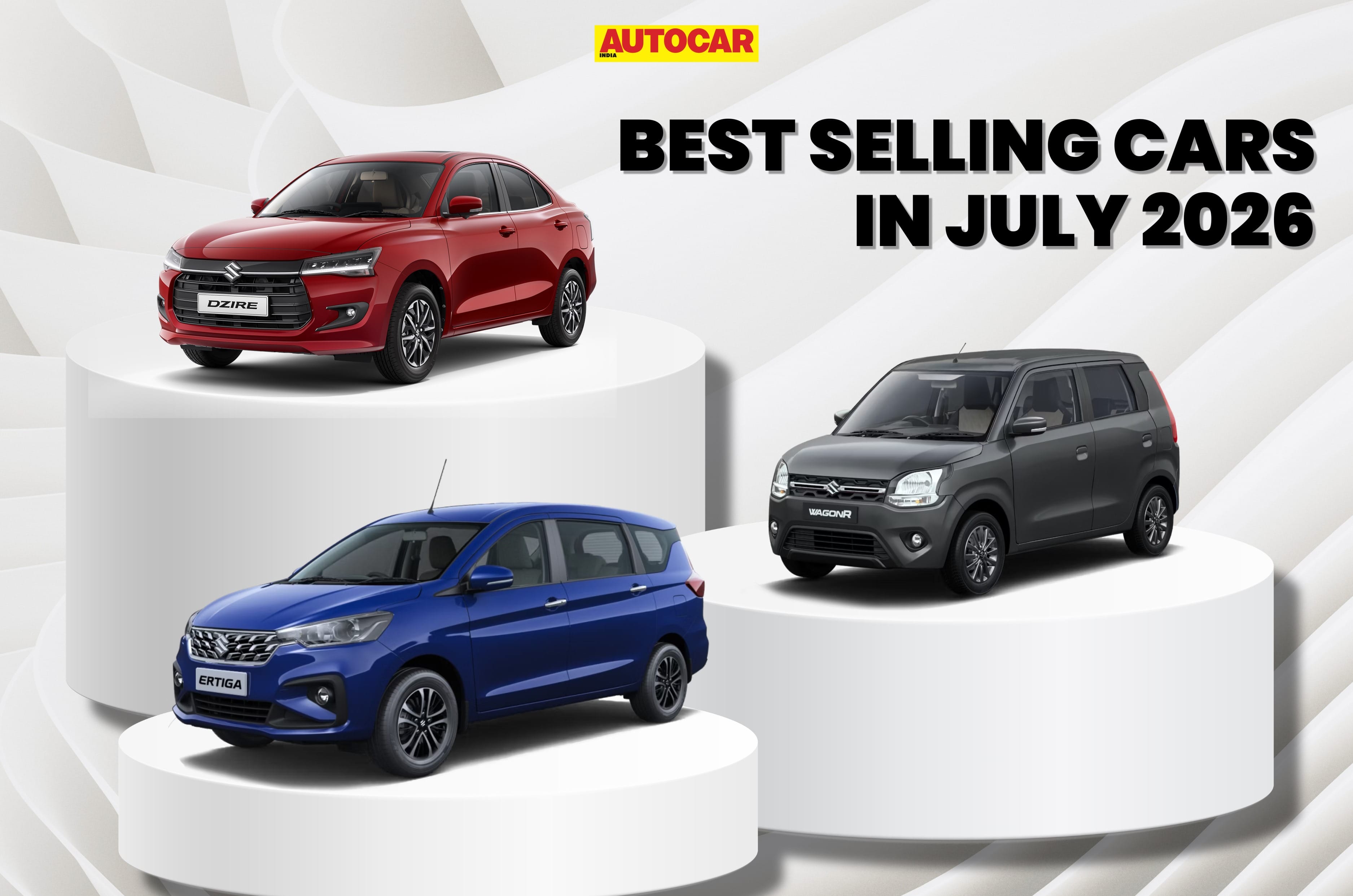
Top 10 bestselling cars in July 2026: Maruti claims 6 spots

Top 10 bestselling cars in July 2026

Sales of India’s 10 highest-selling passenger vehicles reached 2,00,868 units in July 2026, up 37.55 percent from the 1,46,029 units recorded a in the year-ago period. Last month’s sales figures highlight Maruti Suzuki’s strong hold, with six models featuring among the top 10 bestsellers. Tata Motors was the only other brand with more than one model on the list, while Hyundai and Mahindra had one offering each. Demand remained strong across the board, with all but one model registering double-digit year-on-year growth. 

RankModelJuly 2026 sales (units)July 2025 sales (units)YoY growth (percent)
1Maruti Dzire23,79120,89513.86
2Maruti Wagon R23,33814,71058.65
3Maruti Ertiga21,60616,60430.13
4Maruti Swift21,53814,19051.78
5Tata Punch, Punch EV21,31310,78597.62
6Maruti Fronx19,47312,87251.28
7Maruti Baleno18,24112,50345.89
8Hyundai Creta, Creta Electric18,08816,8987.04
9Tata Nexon, Nexon EV17,47112,82536.23
10Mahindra Scorpio, Scorpio Classic16,00913,74716.45
 Total2,00,8681,46,02937.55

1. Maruti Dzire

23,791 units

Maruti Dzire

The Maruti Dzire was India’s bestselling passenger vehicle in July, with sales of 23,791 units, up 13.86 percent from 20,895 units in July 2025. It was also the only sedan to feature among the country’s 10 bestselling models and contributed 11.84 percent of the combined sales of the top 10. 

2. Maruti Wagon R

23,338 units

With sales of 23,338 units, the Maruti Wagon R finished second. The hatchback recorded a strong 58.65 percent year-on-year growth, selling 8,628 more units than in July last year. It was also one of the three hatchbacks to feature in the top 10 list, all of which are from Maruti Suzuki. Another highlight of the Wagon R is that it is also available in a flex-fuel version compatible with E85 fuel, an option that none of the other models on this list offer.

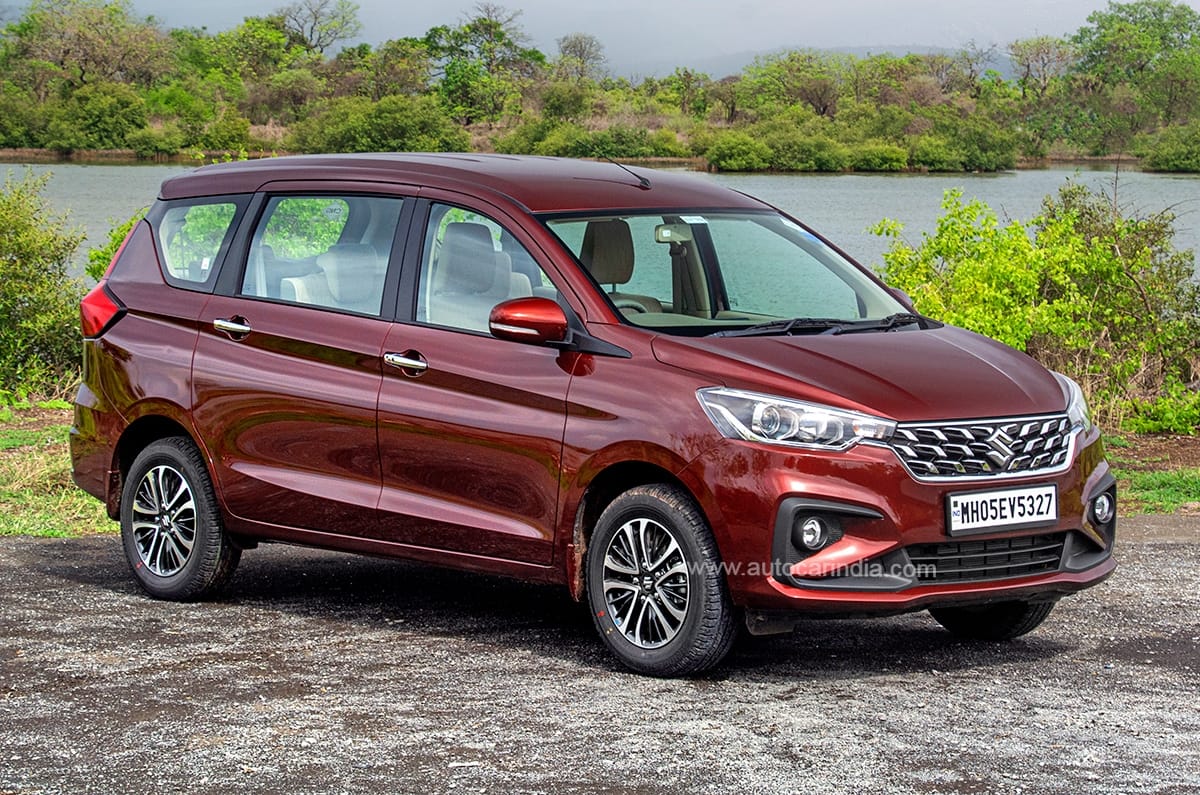
3. Maruti Ertiga

21,606 units

Maruti Ertiga

The Maruti Ertiga ranked third with 21,606 units sold, registering 30.13 percent year-on-year growth. Notably, it is the only MPV on the list and managed to secure a place among the country’s three bestselling passenger vehicles.

4. Maruti Swift

21,538 units

Coming in fourth was the Maruti Swift, with sales of 21,538 units. The hatchback recorded a healthy 51.78 percent year-on-year growth and was the second Maruti Suzuki hatchback to feature in the country’s top 10 bestselling models.

5. Tata Punch, Punch EV

21,313 units

Tata Punch
Tata Punch ICE.

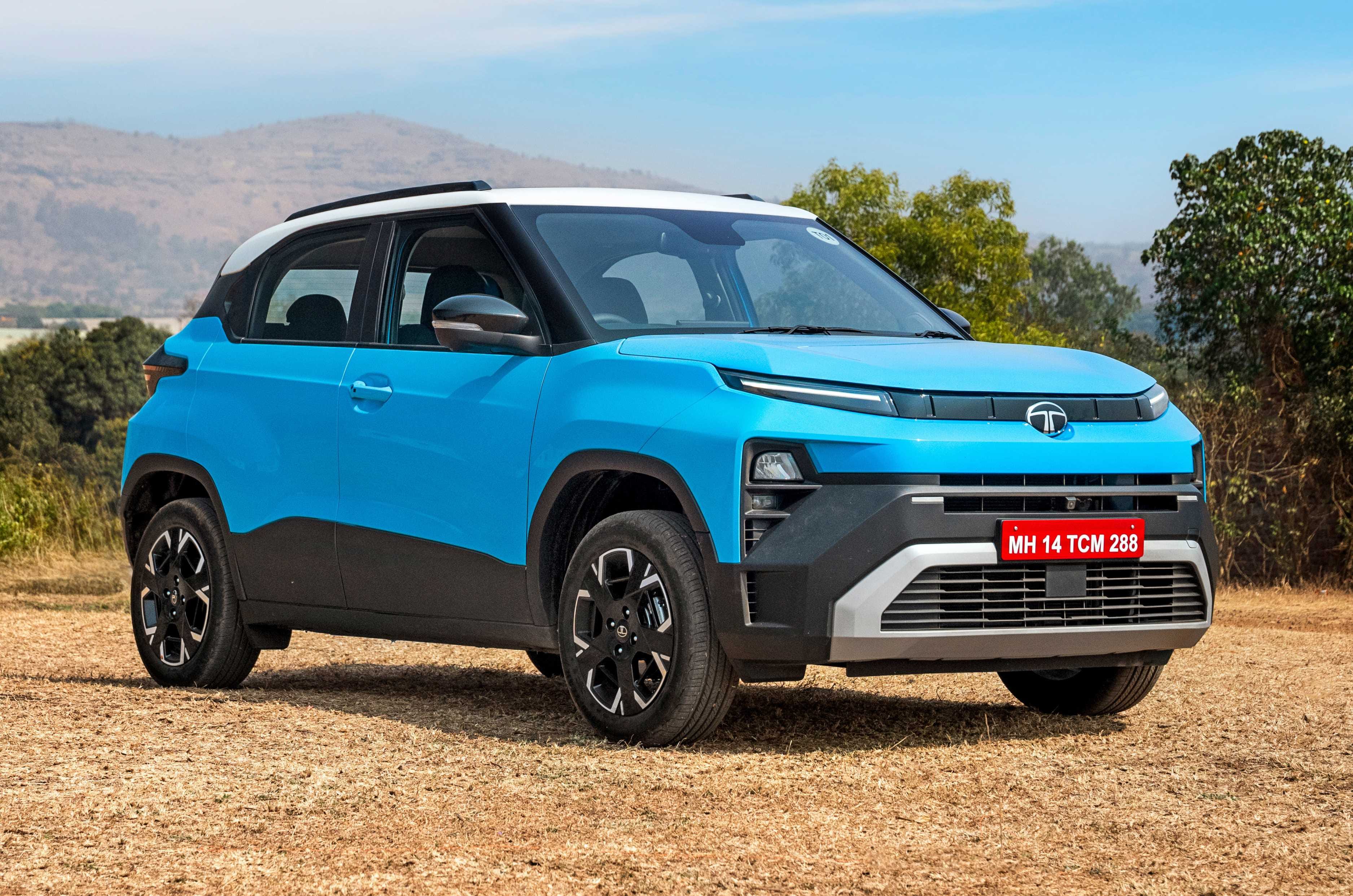
Ranking fifth was the Tata Punch and Punch EV, which together sold 21,313 units. Their combined sales were up 97.62 percent year-on-year, nearly doubling from the same month last year. Compared to other models on this list, the sub-compact SUV registered the highest YoY growth. The Punch also recently crossed the 8 lakh sales mark.

6. Maruti Fronx

19,473 units

Selling 19,473 units, the Maruti Fronx secured the sixth spot, registering a 51.28 percent year-on-year growth. It is also Maruti Suzuki’s highest-selling model retailed through the brand’s premium Nexa dealership network.

7. Maruti Baleno

18,241 units

Maruti Baleno

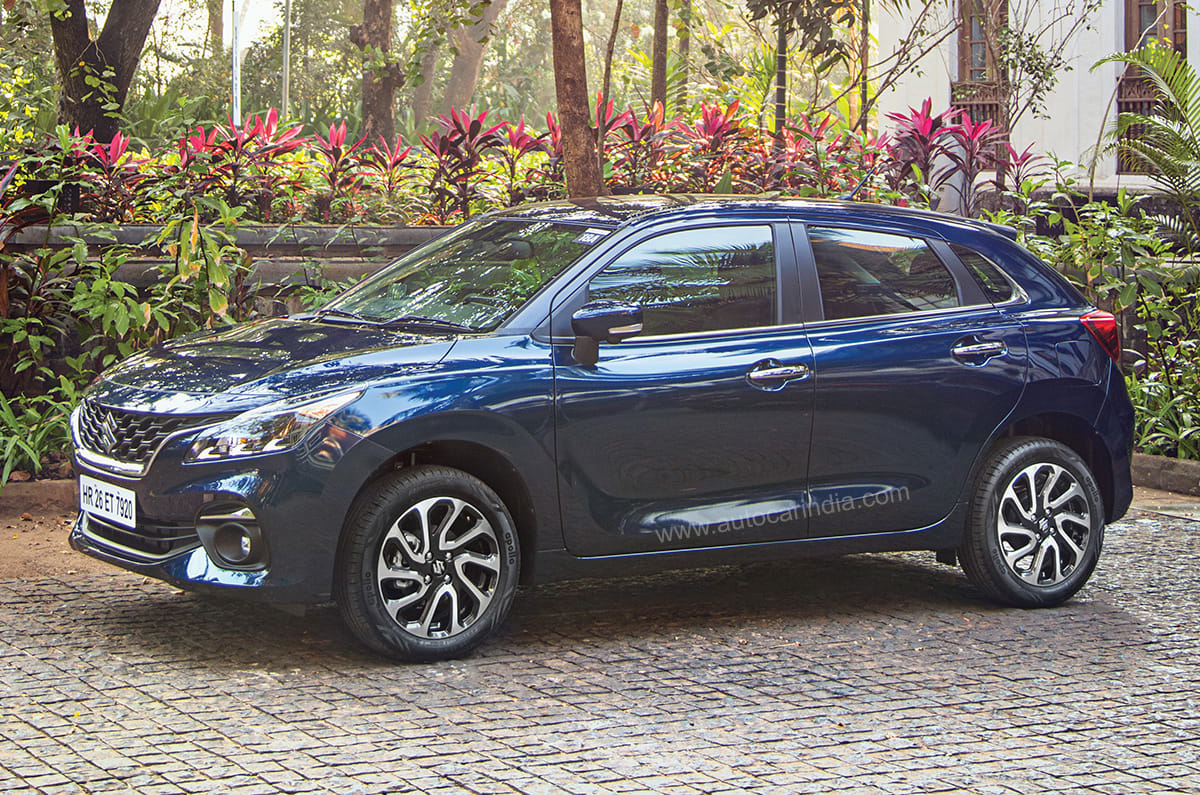
The Maruti Baleno secured the seventh position with 18,241 units, recording a 45.89 percent increase over the same month last year. It rounded off Maruti’s six-model presence in the top 10 and was also the third hatchback on the list. Like the Fronx, the hatchback is retailed through Nexa showrooms.

8. Hyundai Creta, Creta Electric

18,088 units

Next, the Hyundai Creta and Creta Electric together secured the eighth spot with 18,088 units, registering a 7.04 percent year-on-year growth, the lowest among the top 10 models. Recently, Hyundai introduced an assured buyback programme for the Creta Electric, offering a 60 percent buyback value after three years or 45,000km, whichever comes first (terms and conditions apply). The electric SUV is also available with a Battery-as-a-Service (BaaS) option, allowing buyers to lower the upfront purchase cost.

9. Tata Nexon, Nexon EV

17,471 units

Tata Nexon EV
Tata Nexon EV.

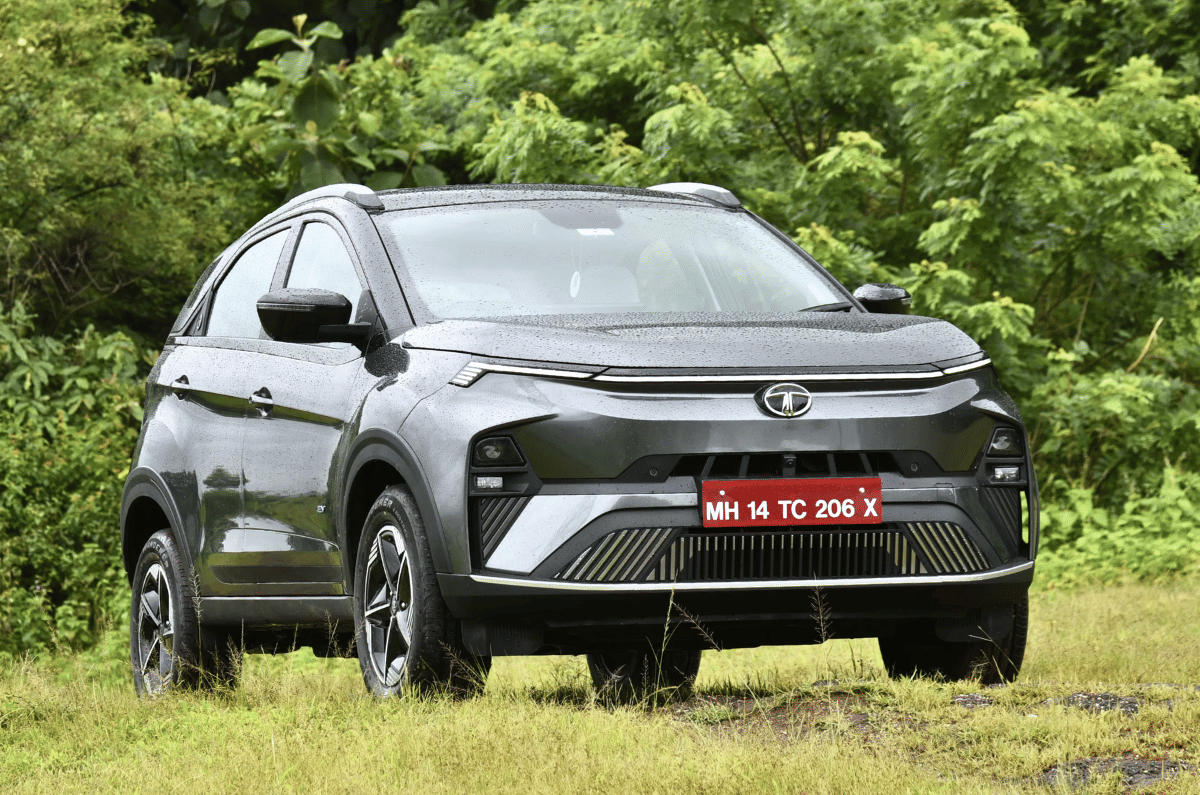
The ninth position went to the Tata Nexon and Nexon EV, which together sold 17,471 units in July 2026, recording 36.23 percent year-on-year growth. After the Fronx, the Nexon is the only compact SUV to feature on this list.

10. Mahindra Scorpio, Scorpio Classic

16,009 units

Rounding off the top 10 were the Mahindra Scorpio N and Scorpio Classic with combined sales of 16,009 units, up 16.45 percent over the same month last year. Mahindra rolled out the 2026 update for the Scorpio N just today. 

Audi India boss confirms 3 new launches by 2027

Audi India boss confirms 3 new launches by 2027

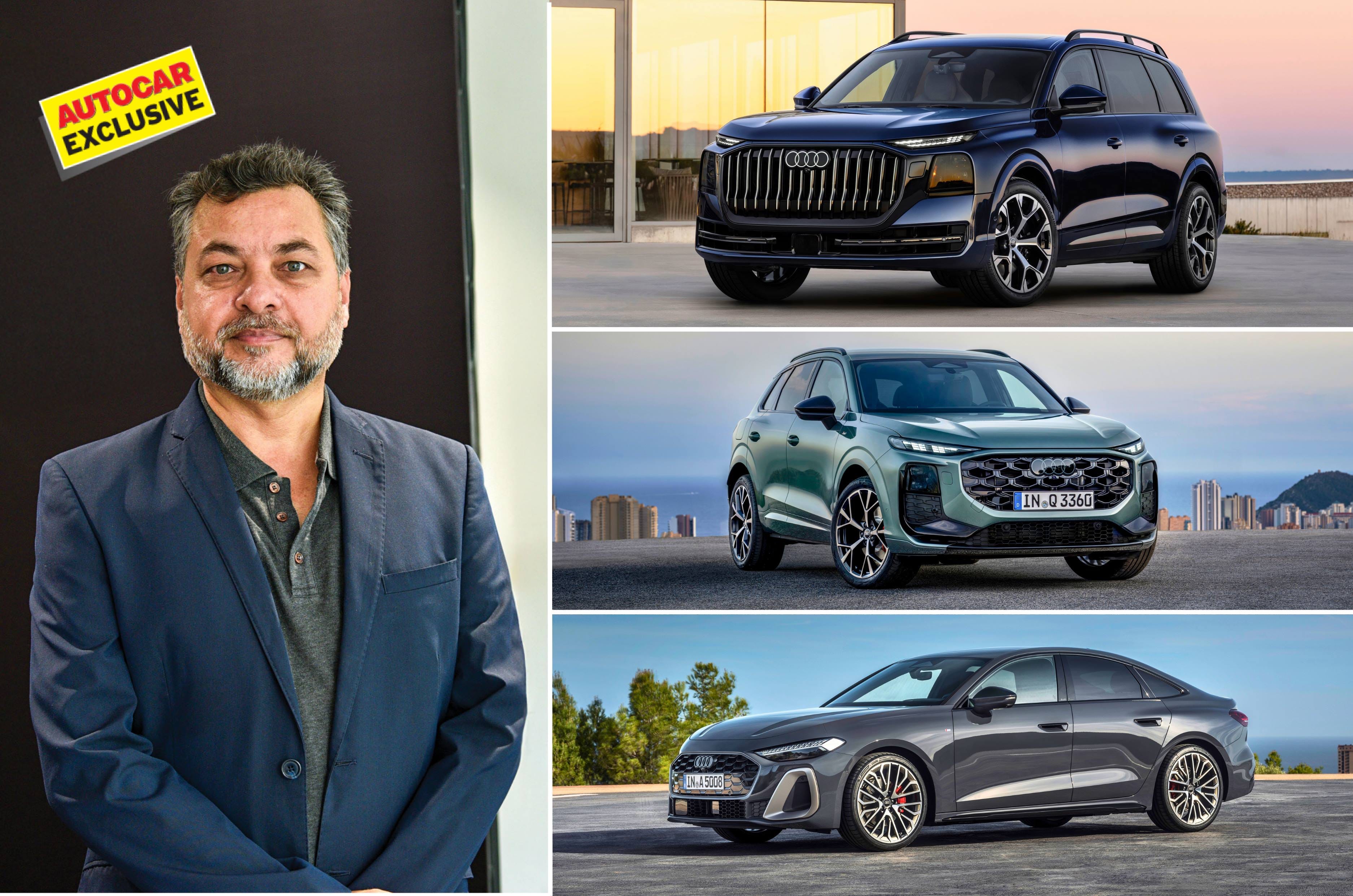
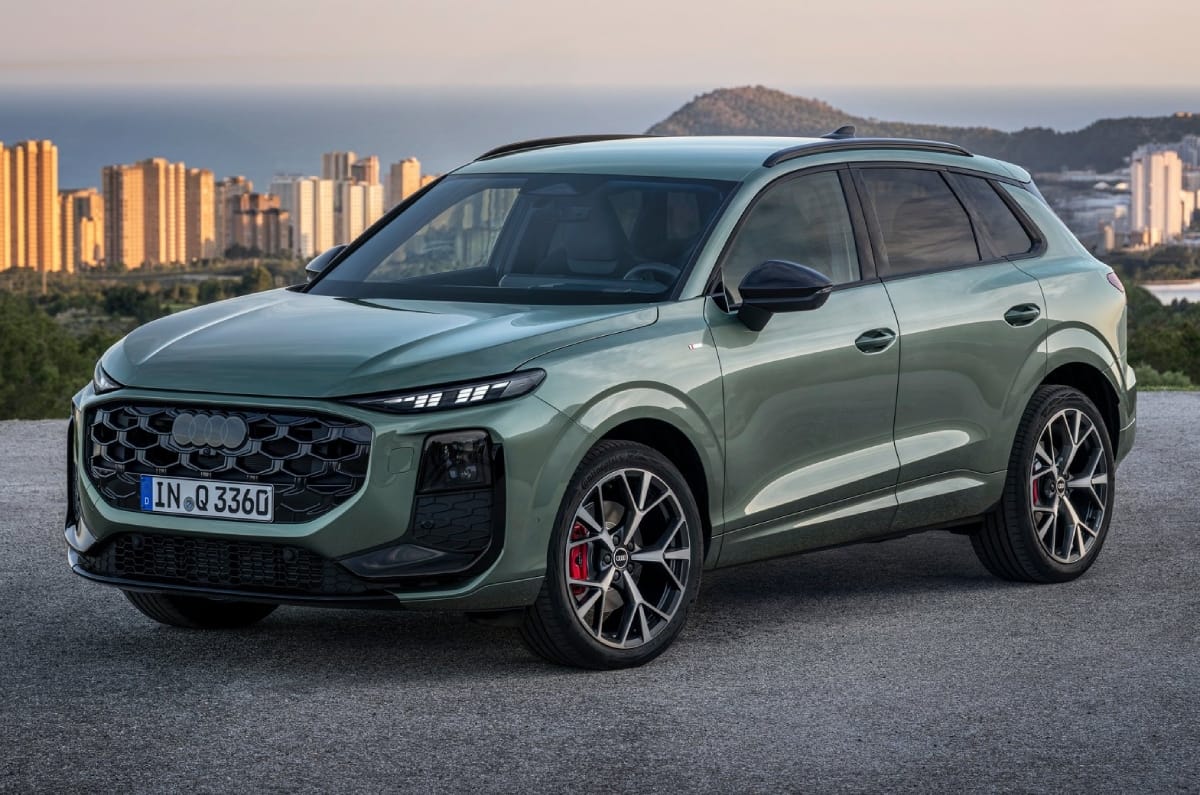
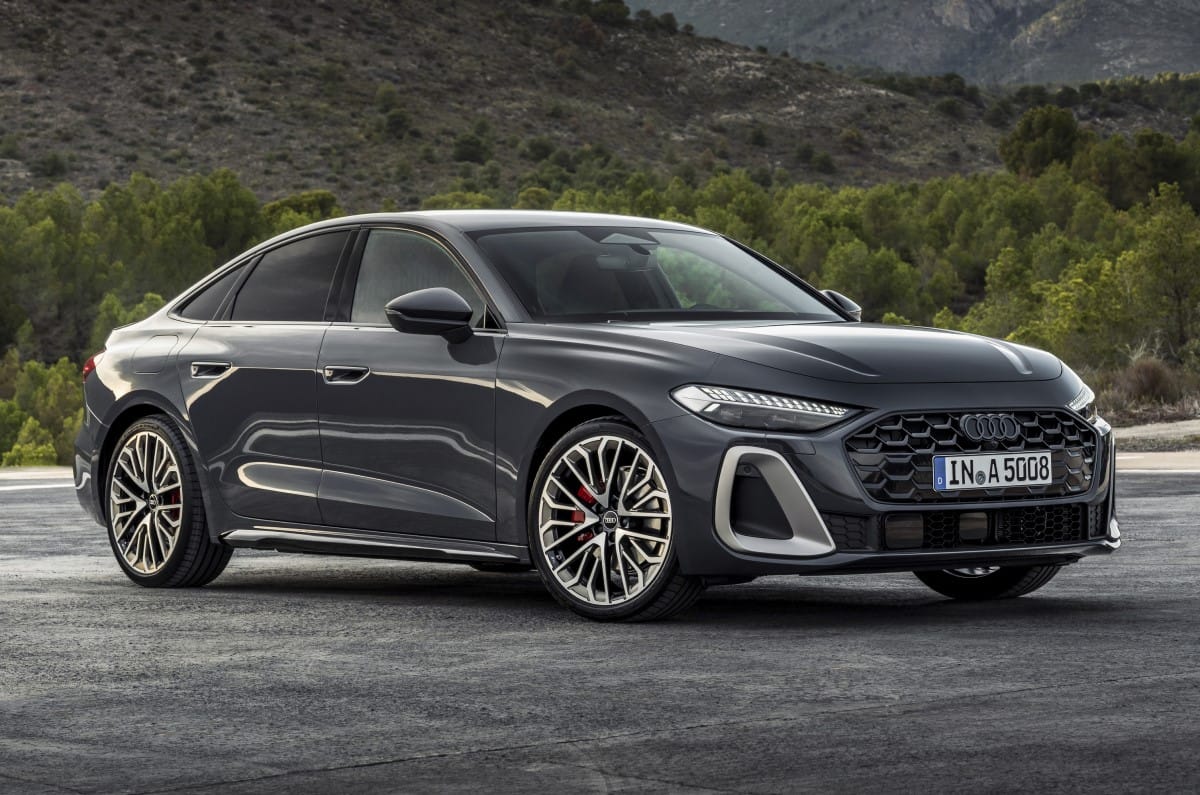
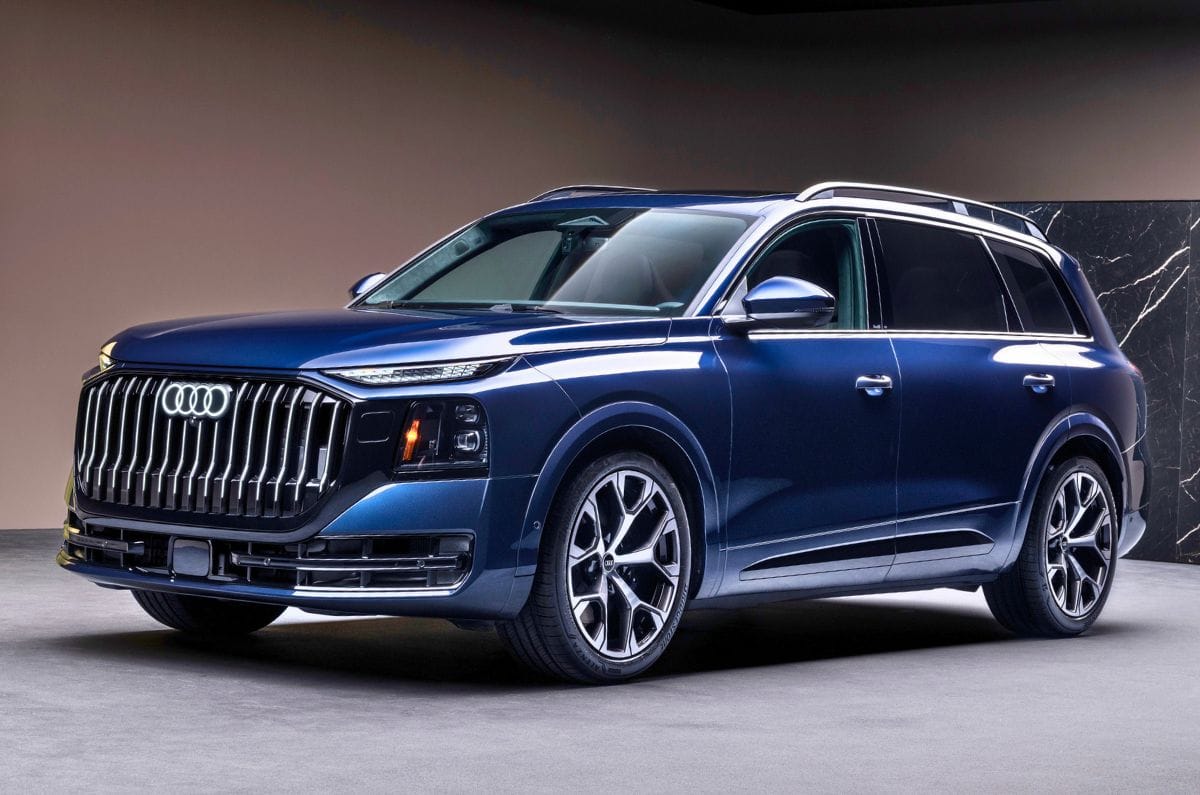
After years on the sidelines, Audi India is finally in attack mode. The next 12 months will see a barrage of all-new metal. First comes the third-generation Q3 this month, followed by the A5 in February 2027 and then the recently unveiled Q9 flagship SUV by the second half of 2027. “Three models in less than 12 months’ time,” confirms Balbir Singh Dhillon, head of Audi India.

The crucial detail is not the cadence but the sourcing. These will not be costly completely built-up (CBU) imports but will be assembled at the Skoda Auto Volkswagen Group plant in Chhatrapati Sambhajinagar. Model-to-model replacement, as Dhillon points out, needs little fresh capital because the heavy lifting was done years ago. “To be successful in India, you have to make in India,” he says. “Irrespective of any FTA, we will still make in India. That will remain the core strategy.”

Let’s take a close look at what to expect from each model:

Audi Q3 

Launch: August 2026, estimated price: Rs 50 lakh

Audi Q3

A big leap over the second-gen model in tech and styling, the third-gen Q3 was revealed last June. It is available in petrol, diesel and plug-in hybrid options in overseas markets, but in India, it’ll have a 204hp, 2.0 turbo-petrol paired with a 7-speed dual-clutch and standard Quattro all-wheel drive. The AWD will give it an edge over the BMW X1 and Mercedes-Benz GLA. Expected in both SUV and Sportback body styles, the Q3 will ride on 18-inch alloys and should get a spare under the boot floor. Kit is expected to include an 11.9-inch digital driver’s display, a 12.8-inch touchscreen, three-zone auto AC and a large sunroof.

Audi A5

Launch: February 2027, estimated price: Rs 60 lakh

Audi A5

Revealed in 2024 and updated with hybrid powertrains last year, the A5 will replace the ageing A4 in Audi India’s line-up. Based on the new Premium Platform Combustion (PPC) architecture, it is larger than the A4 and shares its high-tech interior with newer Audis like the Q6 e-tron, including an optional 10.9-inch passenger-side touchscreen display. India is expected to get the same 204hp, 2.0 turbo-petrol engine and 7-speed dual-clutch transmission as the Q3, though only in front-wheel-drive form. While overseas markets also get a 265hp Quattro variant, it isn’t expected for India. 

Audi Q9 

Launch: H2 2027, estimated price: Rs 1.40 crore-1.50 crore

Audi Q9

The Q9 sits above the Q7 and Q8, at the very top of the range and is Audi’s new flagship. It’s also the first time Audi has used the ‘9’ designation, and with the A8 gone, this three-row giant is now the standard-bearer for the brand. At more than 5.3 meters in length, this isn’t a stretched Q7; it’s a class-size jump that finally gives Audi a genuine rival to the Mercedes-Benz GLS and BMW X7, a fight it has sat out for far too long. It will get a sole engine option in India: a 3.0-litre V6 petrol producing 367hp and 550Nm, driving all four wheels through an 8-speed automatic. Sadly, there will be no diesel engine option for India. 

Network expansion to compliment new launches 

Hardware alone will not do it. The retail network is being rebuilt in parallel. “Today we have 29 showrooms. By the end of next year, we’ll be at 40,” says Dhillon, with virtually every existing outlet currently torn up for conversion to Audi’s global ‘progressive’ showroom format. The new locations alone, he reckons, will contribute a quarter of the planned growth. Add a thriving Audi Approved Plus used-car operation, which now sells one pre-owned car for every new one and sits on a database of 20,000 pre-owned buyers ripe for upgrade, and the machinery for a volume push is in place.

The stated ambition is bold. “Today we are at about 8, 9 percent market share. I want to double it to maybe reach 18 to 20 percent in the next three to five years,” says Dhillon. In volume terms, that means more than doubling sales to cross 10,000 units within three years, outpacing the luxury market that is itself expected to grow. 

For the first time in years, Audi India has a genuine arsenal: a fresh Q range from Q3 to Q9, a striking new sedan, a rebuilt network and a loyal customer base waiting to be rewarded. There will still be gaps in the product lineup, but the intent is there, and this opening salvo is just the start of an offensive built to sustain itself, with future products already being hatched, many of them aimed squarely at those very holes in the line-up. 2027 promises to be a turning point. It’s game on for Audi.