Updated Bajaj Pulsar N160 teased ahead of launch

Pulsar N160 test mule

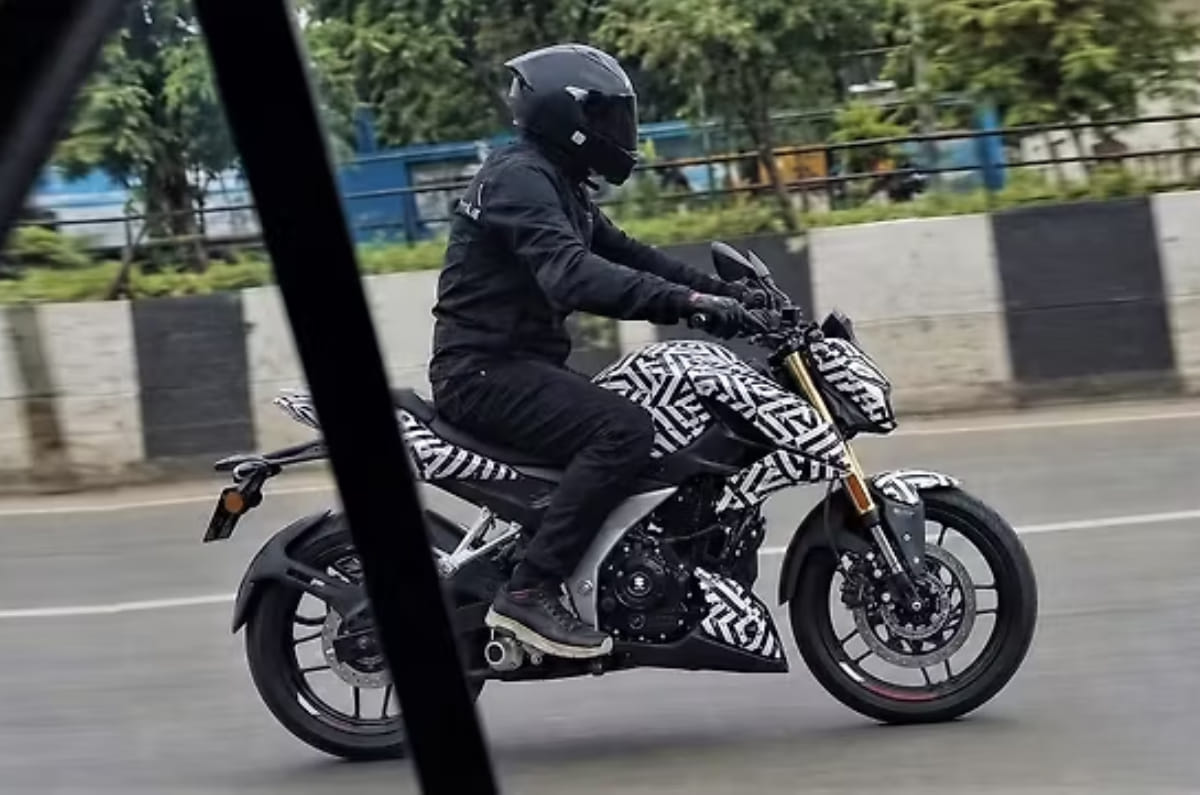
Bajaj has teased the updated Pulsar N160 by sharing an image of a lightly camouflaged test mule on its official Instagram handle. The now-deleted post all but confirms the bike is on its way and will likely be one of the models unveiled at the August 12 event.

  1. Updated Pulsar N160 test mule teased
  2. Gets revised headlight design
  3. Launch expected on August 12

Updated Bajaj Pulsar N160: What to expect

Changes appear focused on the front end; the rest of the bike looks largely unchanged

It’s no secret that Bajaj is preparing a major product offensive ahead of the festive season. The company had earlier confirmed that it would launch 10 new two-wheelers over the coming weeks, including two all-new Pulsars. We’ve also learnt that the August 12 event is expected to focus on the updated N160.

The camouflaged test mule gives us a fair idea of what to expect. For starters, the overall design appears to be largely unchanged, with the bodywork, fuel tank extensions and alloy wheels seemingly carried over. The only clearly visible change is at the front, where the LED DRLs appear to feature a revised design. That said, only the side profile of the bike has been shown, so the full extent of the styling revisions remains to be seen.

Earlier this week, images of the all-new Pulsar 125 at a dealership surfaced online, revealing far more comprehensive updates including a new chassis and what appears to be a heavily revised engine. It also featured a new colour LCD instrument cluster, and we could see that make its way to the N160 as well, replacing the current bike’s simpler LCD unit.

Mechanically, the engine appears visually unchanged, but we’ll have to wait until the launch to know whether Bajaj has made any revisions beneath the bodywork. One significant update we could see is a switch from the current two-valve engine to a new four-valve unit. For reference, the current Pulsar N160 is powered by a 164.8cc, single-cylinder, air-cooled engine producing 16hp at 8,750rpm and 14.7Nm at 6,750rpm. 

The current Pulsar N160 is priced at Rs 1.25 lakh for the single-seat, USD fork variant with single-channel ABS, and Rs 1.32 lakh for the split-seat variant with USD forks and dual-channel ABS.

JSW Group and Skoda-VW manufacturing joint venture MoU expected within 2 months

JSW Group and Skoda-VW manufacturing joint venture MoU expected within 2 months

Skoda Auto Volkswagen India and the JSW Group are in the final stages of discussions for a manufacturing joint venture, we have learned. The two companies are likely to sign a non-binding memorandum of understanding (MoU) within the next two months. The proposed venture is currently being discussed as a 51:49 joint venture, with the JSW Group expected to hold the majority stake.

Emails seeking comments were sent to Skoda Auto Volkswagen India and the JSW Group on Tuesday, but neither company responded till the time of publishing. Autocar Professional, our sister publication, understands senior global executives from Skoda Auto and Volkswagen are expected to visit India in the second fortnight of August. The proposed alliance with the JSW Group is expected to be among the key subjects on the agenda as the two sides work towards signing the non-binding MoU.

Equity infusion could fund EV development

The proposed partnership comes as Skoda Auto Volkswagen India prepares its next round of investments in electrification and localisation. The equity infusion from the JSW Group is expected to fund the development and localisation of electric vehicles and support future product programmes.

A large part of the investment is expected to go towards vehicles based on the India Main Platform (IMP), Volkswagen Group’s EV architecture for India. The IMP is derived from the China Main Platform (CMP), allowing the group to use an existing EV architecture and adapt it to Indian regulations, the local supplier base and localisation requirements.

The platform is expected to underpin multiple electric SUVs for the Skoda and Volkswagen brands over the next few years. Higher localisation will be key to bringing down costs and reducing dependence on imports. The scope of discussions goes beyond manufacturing. We understand that the sales and marketing operations across the group’s brands are also part of the talks. A few years ago, the sales organisations of Skoda, Volkswagen, Audi, Porsche and Lamborghini were integrated with the manufacturing business under Skoda Auto Volkswagen India. This has also brought the premium brands within the scope of the discussions.

JSW’s broader automotive strategy

For the JSW Group, the proposed venture is part of a broader effort to build an integrated automotive business across passenger vehicles, commercial vehicles, batteries, manufacturing and exports. Unlike JSW MG Motor India, the proposed Skoda Auto Volkswagen venture will have no Chinese participation, allowing the group to further de-risk its automotive business from China-linked partnerships. We understand the alliance will also help diversify JSW Group’s passenger vehicle operations while creating a Make in India manufacturing base serving both domestic and export markets by leveraging Volkswagen Group’s global production and distribution network. The proposed India-EU Free Trade Agreement is also expected to strengthen the business case for exports from India to Europe over the longer term, making exports an important part of the proposed alliance.

The partnership also fits into the group’s wider automotive plans. JSW already has its joint venture with MG, has set up JSW Motors as a separate passenger vehicle business for products outside the MG alliance, operates JSW Greentech for buses and commercial vehicles, and is investing in cell manufacturing and localisation. The group is looking to connect these businesses with its existing strengths in steel, paints and energy, creating greater vertical integration across its automotive operations.

Localisation of some models being studied

We understand the alliance will also look to leverage manufacturing assets across the JSW Group wherever feasible. This includes the JSW Motors facility at Sambhaji Nagar, formerly Aurangabad, where higher localisation of products such as the Skoda Kodiaq and select Audi models is being evaluated. The aim is to improve localisation levels while making better use of the group’s existing manufacturing footprint.

The alliance is also evaluating the localisation of the next-generation Kodiaq platform. If approved, it could underpin a locally manufactured three-row SUV positioned in the Mahindra XUV 7XO segment. Localising the platform would allow Skoda Auto Volkswagen to compete in one of the country’s largest SUV segments with significantly higher local content.

Following the signing of the non-binding MoU, the two sides are expected to finalise the equity structure, including the shareholding pattern, before moving towards definitive agreements and the required approvals. The discussions are currently centred on a 51:49 joint venture, with the JSW Group expected to hold the majority stake.

With inputs from Ketan Thakkar.

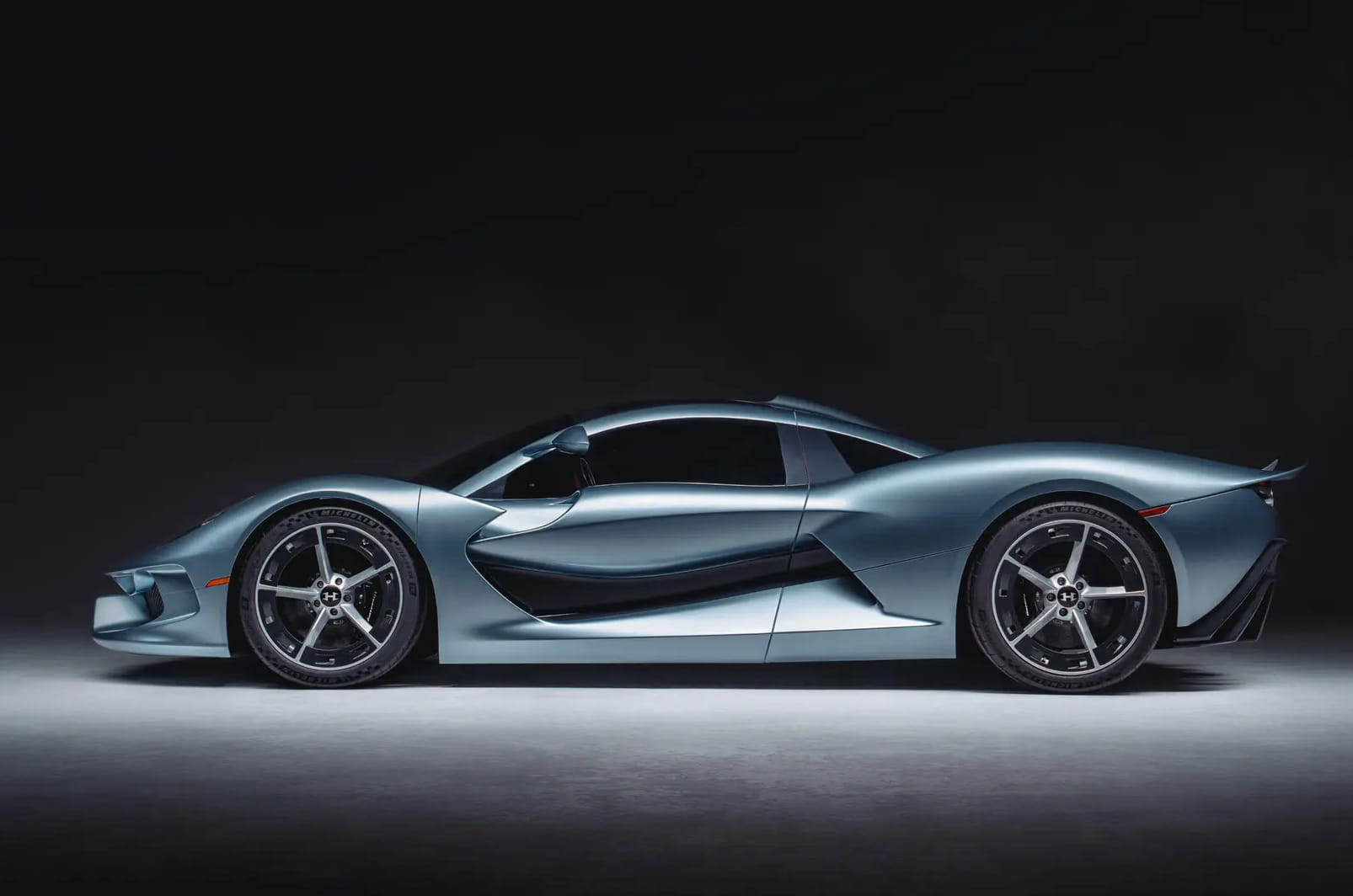
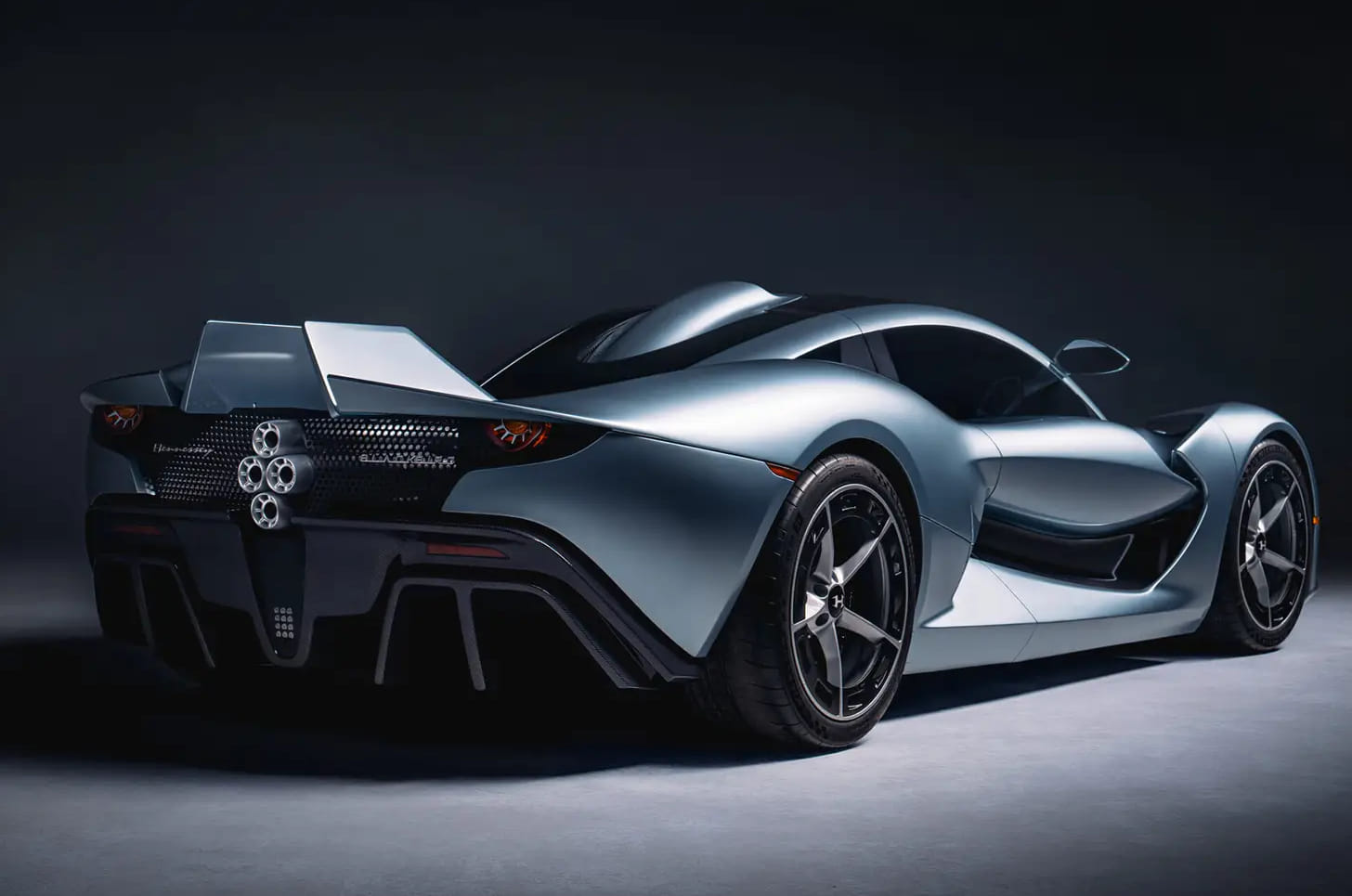
Hennessey Blackbird revealed with naturally aspirated V8, manual gearbox

Hennessey Blackbird

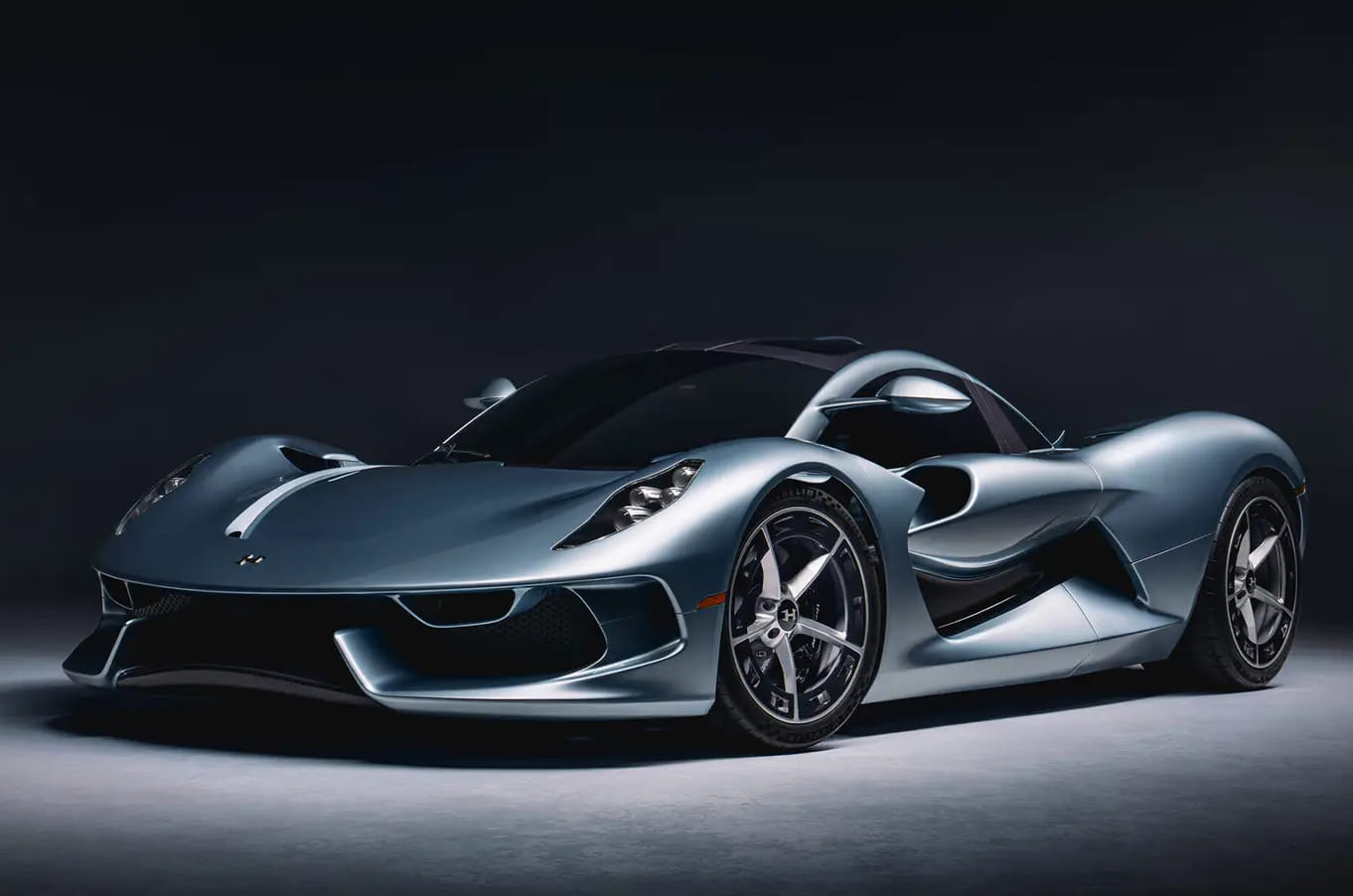
Hennessey has unveiled the Blackbird, its latest hypercar inspired by the Lockheed SR-71 Blackbird reconnaissance aircraft. While the Venom F5 was developed with outright speed and power as its priority, the Blackbird instead places greater emphasis on driver engagement through a naturally aspirated V8, rear-wheel-drive layout, a 6-speed manual gearbox and a screen-free cabin. Production will be limited to 71 units, and customer deliveries are scheduled to begin in 2029.

  1. Naturally aspirated 6.2-litre V8 revs to over 9,000rpm
  2. Targets sub-1,360kg dry weight and 354kph top speed
  3. Screen-free cabin with analogue dials and manual gearbox

Hennessey Blackbird: Engine and performance

Powering the Blackbird is an all-new 6.2-litre naturally aspirated V8, developed with Ilmor Engineering, the company known for its work in IndyCar and NASCAR. Hennessey says the engine will produce 811-862hp, rev beyond 9,000rpm and be the world’s most powerful production naturally aspirated V8. Power is sent exclusively to the rear wheels via a 6-speed manual gearbox with an exposed gate and an exposed linkage.

Without turbochargers or hybrid assistance, Hennessey says the V8 has been engineered to deliver immediate throttle response, linear power delivery and a more engaging soundtrack.

Hennessey claims the Blackbird can sprint from a standstill to 97kph in under 3.0 seconds and reach a 354kph top speed. The Blackbird uses a bespoke carbon-fibre monocoque and carbon-fibre bodywork, giving it a targeted dry weight of under 1,360kg, while also featuring adaptive suspension, Michelin Pilot Sport Cup 2 tyres, ABS and traction control. Despite these performance figures, Hennessey says the focus remains on delivering a more involving driving experience and long-distance usability than on outright performance figures.

Hennessey Blackbird: Exterior design

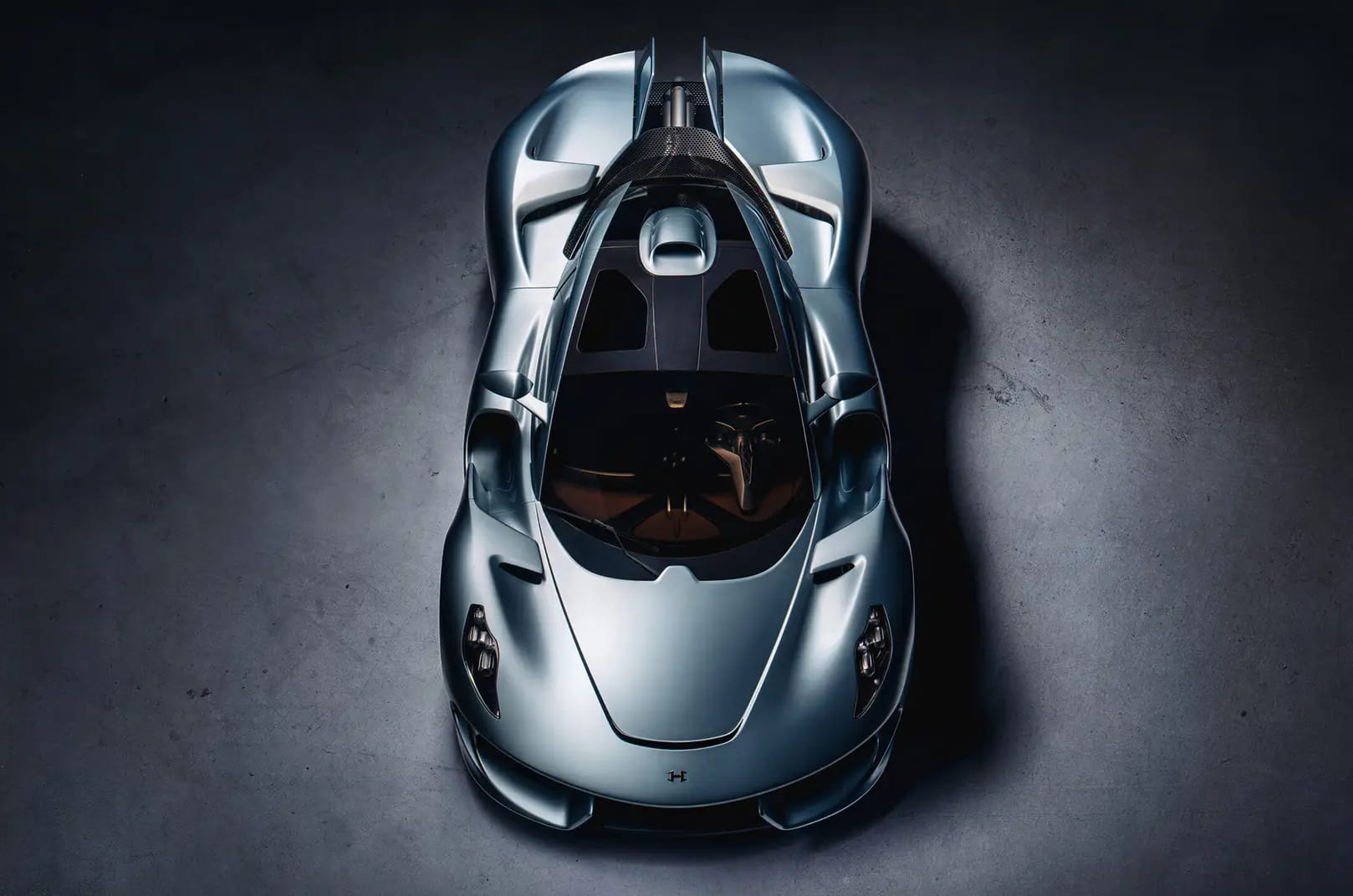
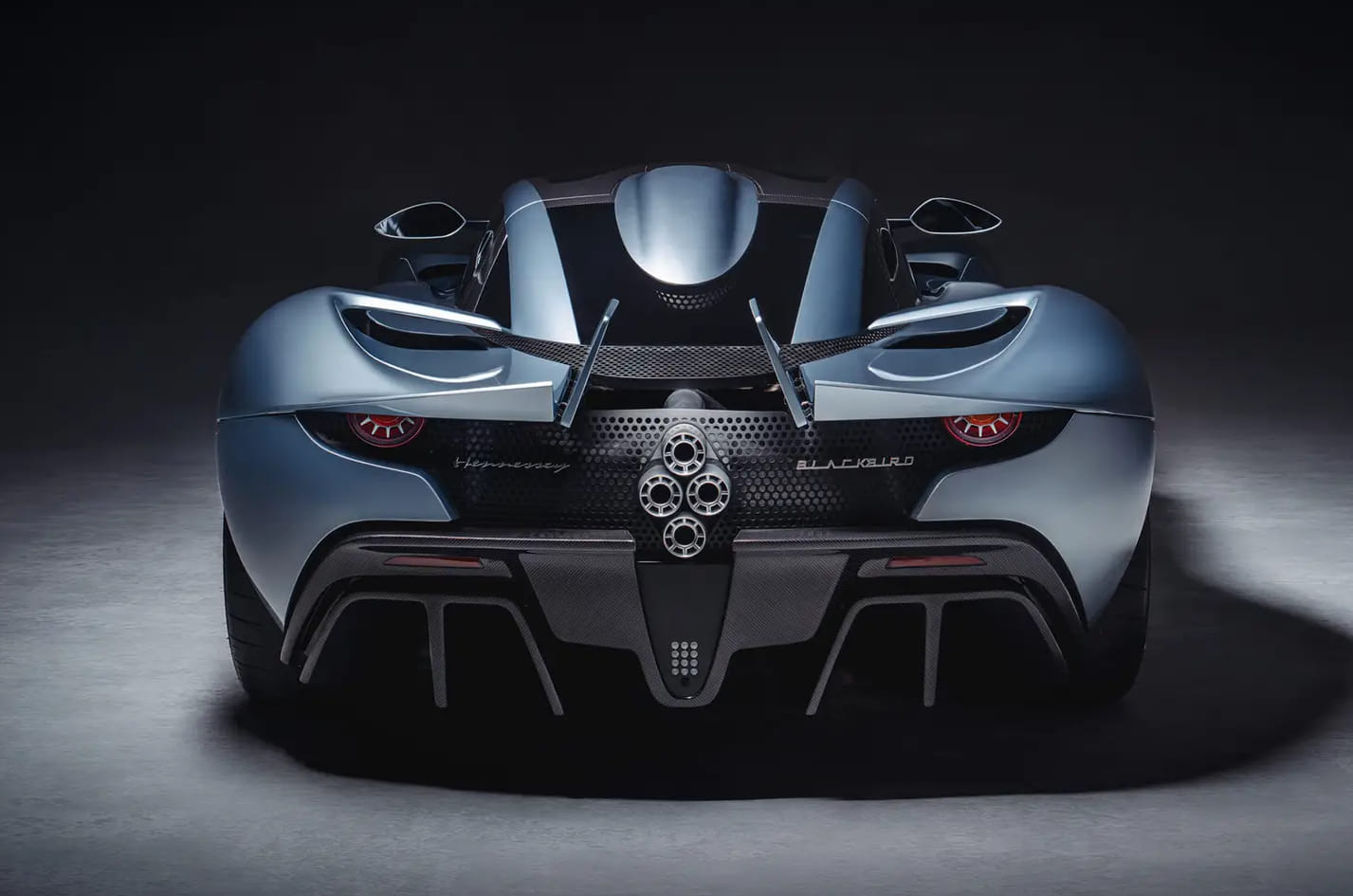
The Blackbird’s styling takes direct inspiration from the SR-71 Blackbird aircraft. The most distinctive elements are the pair of active vertical stabilisers at the rear, which deploy at speeds above 71mph (114kph) and sit at +/-71 degrees to improve stability and downforce. The diamond-shaped quad exhaust is inspired by the Bell X-1, the first aircraft to break the sound barrier, while the sculpted side pods and bodywork are said to be influenced by Formula 1 and aerospace design. The crisp body-side chine line is another defining styling element of the Blackbird, directly inspired by the SR-71.

Beyond its aircraft-inspired styling, the Blackbird has been engineered for high-speed stability and improved usability. Hennessey says improvements such as a larger glasshouse, better visibility and increased luggage capacity over the Venom F5 are intended to make the car more practical for longer journeys.

Hennessey Blackbird: Interior

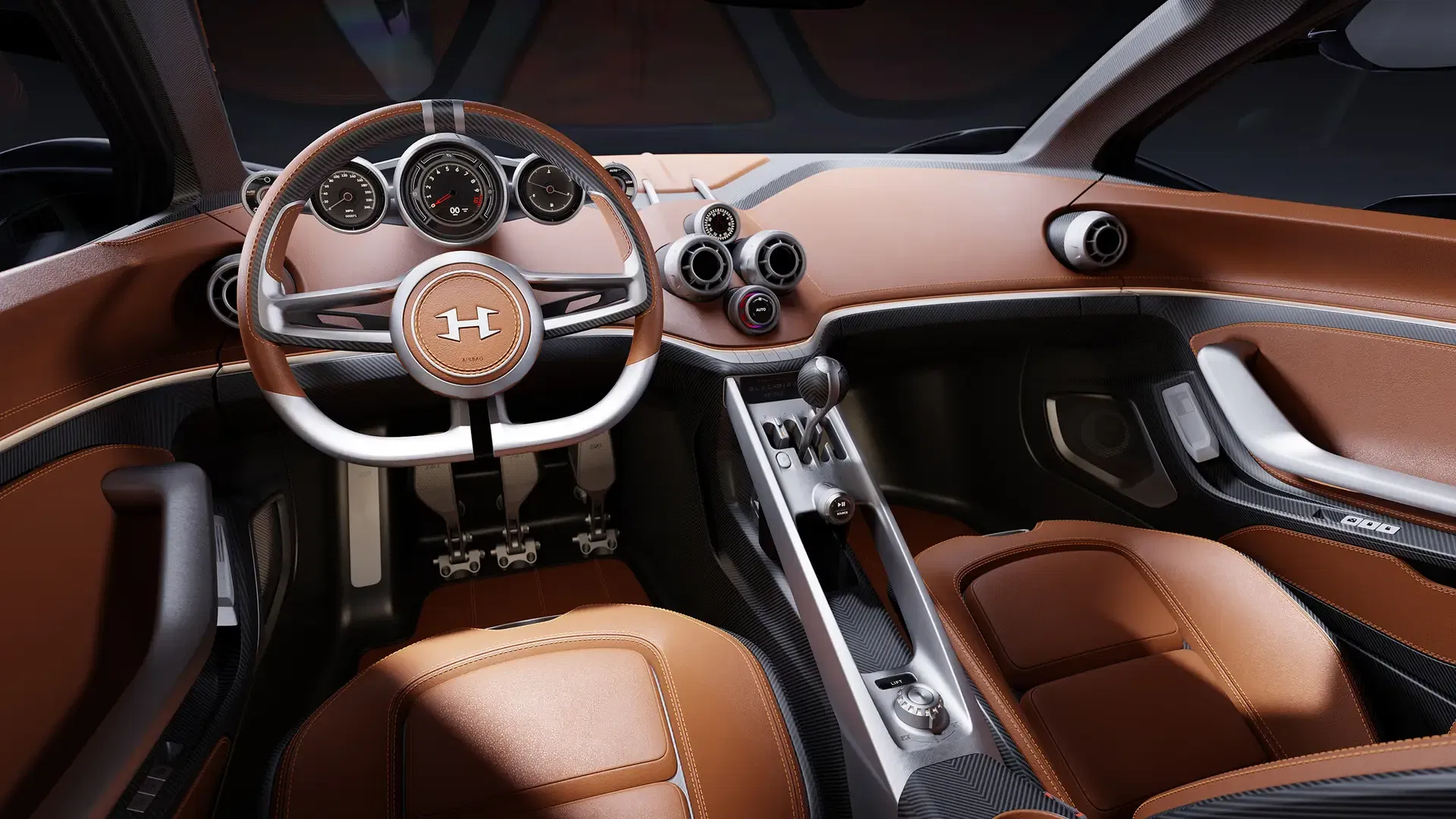
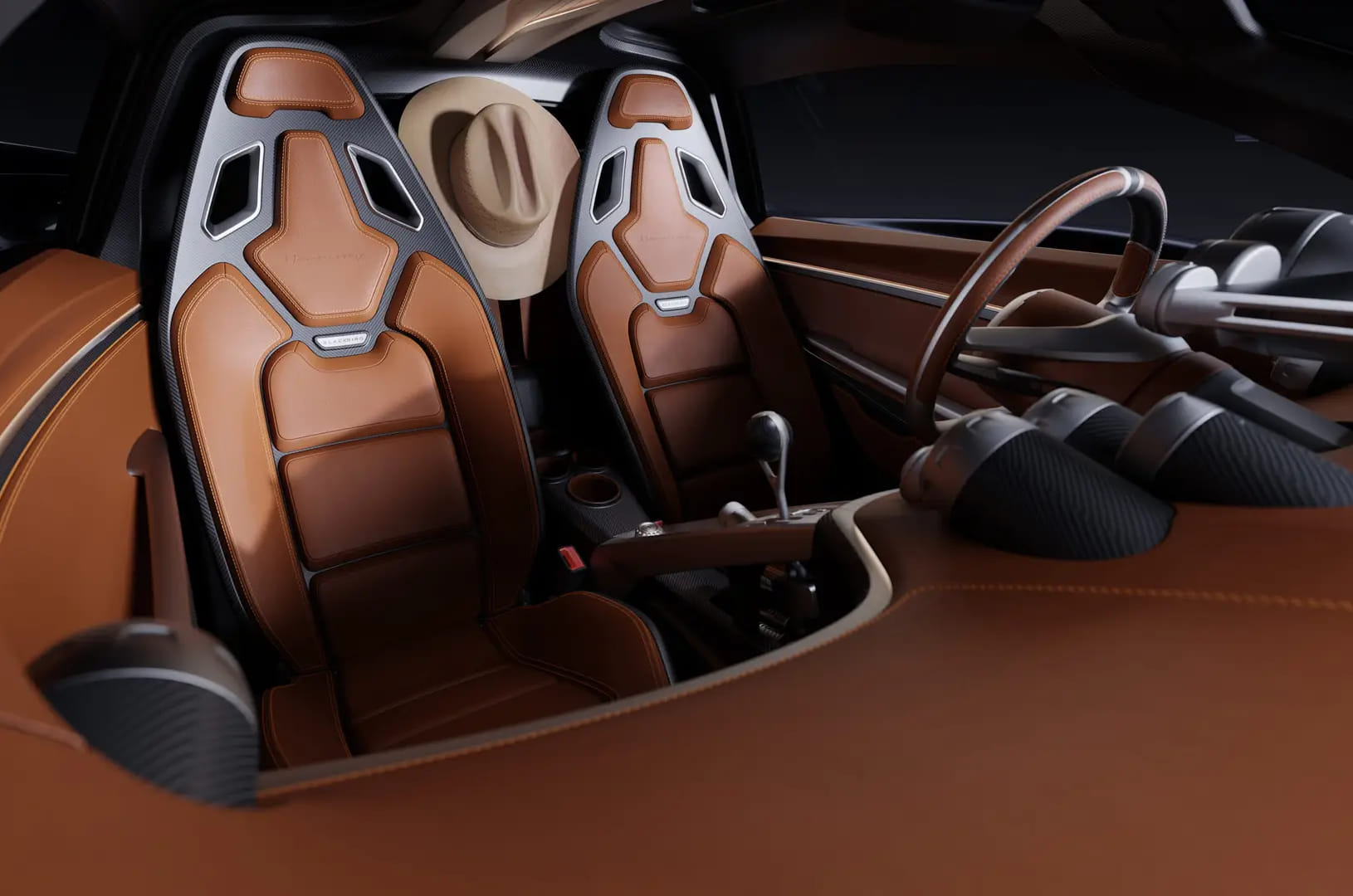
The Blackbird’s cabin adopts a deliberately analogue layout. Instead of a digital instrument cluster and central touchscreen, it gets traditional analogue dials, an exposed gear linkage, physical switchgear and a traditional, insert-and-twist ignition key. Smartphone connectivity is handled through the “Hennessey holster”, a dedicated phone mount rather than an integrated infotainment system, while the steering wheel is free of buttons.

Hennessey says the cabin offers more space than the Venom F5 and enough luggage capacity for two full-size carry-on bags. The company also claims the Blackbird has been designed to cover over 1,200km comfortably in a single day, underlining its touring-focused brief.

Hennessey Blackbird: Production

Production of the Blackbird will begin in Texas in 2029, and prices start at USD 2.5 million (around Rs 24 crore), before taxes. Just 71 examples will be built, and more than two-thirds of production has already been allocated ahead of its public debut on August 14 at The Quail during Monterey Car Week in California.

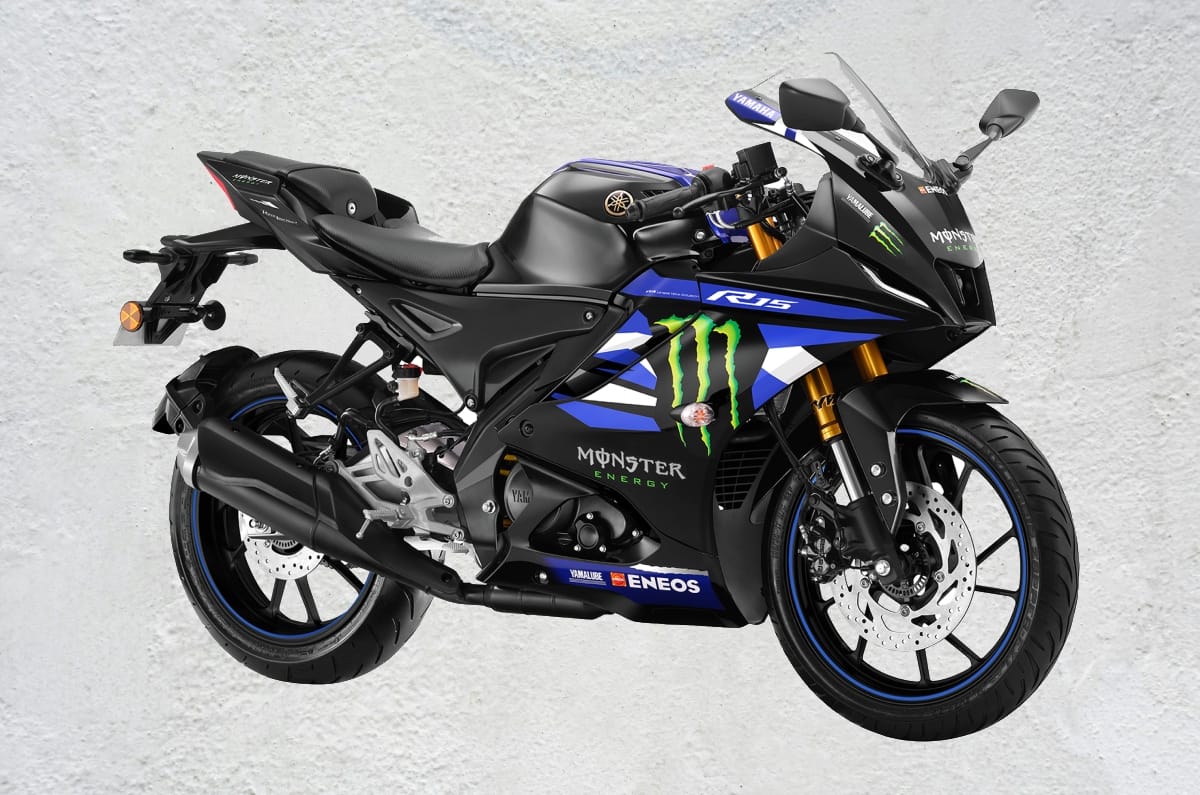
Yamaha R15 V4 and MT-15 MotoGP Edition launched, prices start at Rs 1.76 lakh

Yamaha MotoGP Editions

Yamaha has reintroduced the Monster Energy Yamaha MotoGP Edition colour schemes on the R15 V4 and MT-15, responding to what the brand says is strong customer demand. The livery replicates the graphics on the Yamaha YZR-M1 factory MotoGP machine and has previously appeared on the R15 and MT-15.

  1. MT-15 MotoGP Edition costs up to Rs 13,000 more than standard colours
  2. No mechanical changes on either MotoGP Edition
  3. FZ-S Fi Hybrid and FZ-S Fi get new colours at unchanged prices

Yamaha MotoGP Editions and new colours

Alongside the MotoGP Editions, Yamaha has also added new colour options to the FZ-S Fi Hybrid and FZ-S Fi.

The R15 V4 MotoGP Edition is priced at Rs 1.76 lakh, making it up to Rs 3,000 more expensive than the standard colour options. Meanwhile, the MT-15 MotoGP Edition is priced at Rs 1.77 lakh, making it up to Rs 13,000 more expensive than some colourways of the standard MT-15. Both are purely cosmetic updates, with no changes to the mechanical package. Both bikes are powered by the same 155cc liquid-cooled, single-cylinder engine producing 18.4hp and 14.2Nm. It’s worth noting that the MotoGP Edition R15 V4 remains considerably more affordable than the top-spec R15M, which is priced closer to Rs 2 lakh.

On the FZ-S front, the FZ-S Fi Hybrid gets a new Ice Storm colour scheme, while the existing Matte Black variant receives updated graphics. The FZ-S Fi gets a new Metallic Black option. Both models are priced unchanged at Rs 1.39 lakh and Rs 1.29 lakh respectively

Autocar India August 2026 Issue

Our August 2026 issue has all the exclusive details of Audi India’s most ambitious product offensive in over a decade, with six all-new locally assembled models planned over the next 18 months. We also get behind the wheel of Jaguar’s camouflaged Type 01 prototype and drive the Range Rover Sport EV at Goodwood. Closer to home, we find out if the Tata Sierra EV lives up to its billing as the best Tata on sale, while the Nissan Tekton is put through a 700km-plus real-world test from Chandigarh to Leh. We also break down India’s new most popular fuel in our CNG special, with five models tested back-to-back. On two wheels, the new Norton Atlas is ridden in Iceland, while a special Ducati takes on some of Maharashtra’s tricky trails . All this while a Skoda Kylaq sets off on an epic 19,351km drive from Pune to Prague.

Audi’s Big Comeback: Cover Story

Audi was once India’s bestselling luxury brand. Today, it is a shadow of that. Now, with six all-new locally assembled models planned by end-2027, the four rings are back on the offensive. We have all the details, and speak to Audi India head Balbir Singh Dhillon and Audi AG chairman Gernot Döllner about the upcoming cars.

Jaguar Type 01: Drive

Jaguar has walked away from 90 years of combustion heritage, cancelled every existing model and started again with a blank sheet of paper. The Type 01 is the result – a five-metre all-electric grand tourer with a 1,000hp three-motor setup, 600km of range and a starting price north of Rs 3 crore. We drive a camouflaged prototype at JLR’s Gaydon test track to find out if the boldest bet in the car industry’s history has legs.

Range Rover Sport EV: Drive

Under its familiar skin sits an 800V architecture, two Land Rover-developed 326hp motors and a 118.5kWh battery validated over 60,000 hours of testing. The electric Range Rover Sport arrives in India around March 2027 and could set a new luxury benchmark for the brand. We drive a prototype at Goodwood to find out if it lives up to that promise.

Tata Sierra EV: First Drive

The best Tata in years gets the brand’s smoothest powertrain yet. The Sierra EV comes in rear-wheel and all-wheel-drive forms, with the AWD variant making a class-leading 306hp and bringing the first AWD option in this segment. We drive all variants, including a proper off-road test, to see if it lives up to the hype.

Honda ZR-V: Drive

Honda’s first hybrid SUV in India arrives as a full import from Japan, packing a 184hp strong-hybrid powertrain and a claimed 22.8kpl. We get a brief first taste at the Buddh International Circuit to find out if it delivers on its promise.

Mercedes-AMG E 53 Hybrid 4Matic+: First Drive

The new E 53 pairs a 3.0-litre straight-six with a 28.6kWh battery for 585hp and up to 100km of electric range. It is a PHEV AMG that also does daily commutes without a drop of fuel. But has electrification enhanced the AMG experience, or diluted it?

CNG Special: Features

CNG now accounts for nearly 20 percent of India’s passenger car market. We explain everything you need to know about the fuel – what it is, how it works and whether an aftermarket conversion makes sense. We also road test five CNG models: the Tata Tiago iCNG, Maruti Wagon R S-CNG, Hyundai Aura CNG, Maruti Brezza Turbo (petrol) and Maruti Victoris S-CNG.

Tata Nexon: Petrol vs Diesel vs Electric vs CNG

The Nexon is one of the few cars in India offered with four distinct powertrain options. We test every variant – turbo-petrol, diesel, CNG and electric – with real-world performance and efficiency figures to find the sweet spot of the range. The result might just surprise you.

Skoda Kylaq: Pune to Prague, Part 1

A made-in-India Skoda Kylaq sets off on a near-20,000km adventure from its birthplace at Skoda’s Chakan plant to Skoda Auto’s headquarters in Prague. Part 1 covers India, Nepal, Tibet and China – including a detour to Mount Everest Base Camp.

Norton Atlas: Ride

TVS’s second Norton – and the brand’s most important – debuts in Iceland. The Atlas is a 585cc parallel-twin adventure tourer with 70hp, a full electronics suite and 19-inch front wheel. We ride 200km of sweeping mountain roads and gravel trails to find out if it can justify the hype and, crucially, a competitive price tag.

Ducati Multistrada V4 Pikes Peak: First Ride

The most focused Multistrada money can buy blurs the line between a practical ADV and an out-and-out sport bike. With Öhlins semi-active suspension, a single-sided swingarm and a race-mode, it promises to be two bikes in one. We find out if the price premium is worth it.

Suzuki E-Access: Road Test

Suzuki’s first electric scooter carries a big name and an even bigger price tag. It gets some things right, but in a segment that rewards value, performance and range, does the Access badge alone justify the Rs 1.92 lakh asking price?

MoRTH proposes mandatory V2V communication systems from October 2028

Vehicle-to-Vehicle communication

The Ministry of Road Transport and Highways (MoRTH) has proposed making Vehicle-to-Vehicle (V2V) communication systems mandatory on all newly manufactured vehicles from October 1, 2028. According to the draft notification, the mandate will apply to L-, M- and N-category vehicles, which include two-wheelers, passenger vehicles and commercial vehicles. The proposal seeks to amend the Central Motor Vehicles Rules (CMVR), 1989.

  • AIS-230 standard introduced for V2V systems
  • Will use On-Board Units operating between 5.875GHz-5.925GHz
  • Public consultation open for 30 days

MoRTH proposes phased rollout of Vehicle-to-Vehicle communication systems

MoRTH’s draft notification proposes a phased rollout of V2V communication systems. Manufacturers voluntarily offering the technology from October 1, 2027, will have to ensure they comply with AIS-230, the new Automotive Industry Standard for V2V communication systems. If approved in its current form, the fitment of V2V communication systems will become mandatory for all newly manufactured L-, M- and N-category vehicles from October 1, 2028.

The Automotive Industry Standard lays down the minimum technical, functional, performance, environmental and cybersecurity requirements for V2V communication systems. These include radio performance, receiver sensitivity and selectivity, Global Navigation Satellite System (GNSS) and positioning requirements, electrical and power-supply requirements, electromagnetic interference and compatibility, cybersecurity and communication security, and performance requirements for road safety applications.

Furthermore, the standard specifies the use of factory-fitted On-Board Units (OBUs) based on Cellular Vehicle-to-Everything (C-V2X) technology operating in the 5.875GHz to 5.925GHz frequency band. The Department of Telecommunications exempted the use of this spectrum from licensing requirements through a notification issued on June 10, 2026.

The standard also defines safety applications such as Emergency Brake Alert, Forward Collision Warning, Wrong-way Driving Alert and Emergency Vehicle Alert, enabling vehicles to exchange real-time information and warn drivers of potential hazards. The draft notification has been opened for public consultation for 30 days, following which the ministry will review the comments received before issuing the final notification.

What is Vehicle-to-Vehicle (V2V) communication?

The technology enables vehicles equipped with V2V communication systems to wirelessly exchange real-time information such as speed, position, direction and acceleration. While conventional Advanced Driver Assistance Systems (ADAS) rely on cameras, radars, other onboard sensors and driver inputs, V2V allows vehicles to communicate directly with one another using Cellular Vehicle-to-Everything (C-V2X) technology.

This enables quicker detection of potential hazards that may not yet be visible to the driver and, according to the ministry, “is therefore expected to complement ADAS and support proactive accident prevention, connected mobility and future intelligent transport applications.” The ministry also says the technology can provide warnings for situations involving sudden braking, forward-collision risks, unsafe lane changes and approaching emergency vehicles.

Challenges on the implementation of V2V communication systems

While the proposal marks a major step towards introducing V2V communication systems in India, it’s not without challenges. Automakers not only need to integrate and validate these systems across various models in their line-up but also ensure they work as intended between vehicles made by different manufacturers.

In terms of costs, earlier estimates had suggested the On-Board Units (OBUs) could add around Rs 5,000 to Rs 7,000 to the cost of each vehicle, although the latest draft notification doesn’t explore the cost angle of integrating V2V technology. With connected-vehicle technologies, there will also be a need for robust cybersecurity measures, while importance must also be given to other factors such as data protection and user privacy.

When first announcing plans to introduce V2V technology earlier this year, Union Road Transport and Highways Minister Nitin Gadkari said that it would allow drivers to “talk to each other like pilots.” However, despite being under development globally for more than two decades, widespread adoption of the technology remains limited.

Also read

E20 fuel contamination linked to rise in engine issues

Govt proposes extending PUCC validity for BS6 cars from 1 year to 3 years

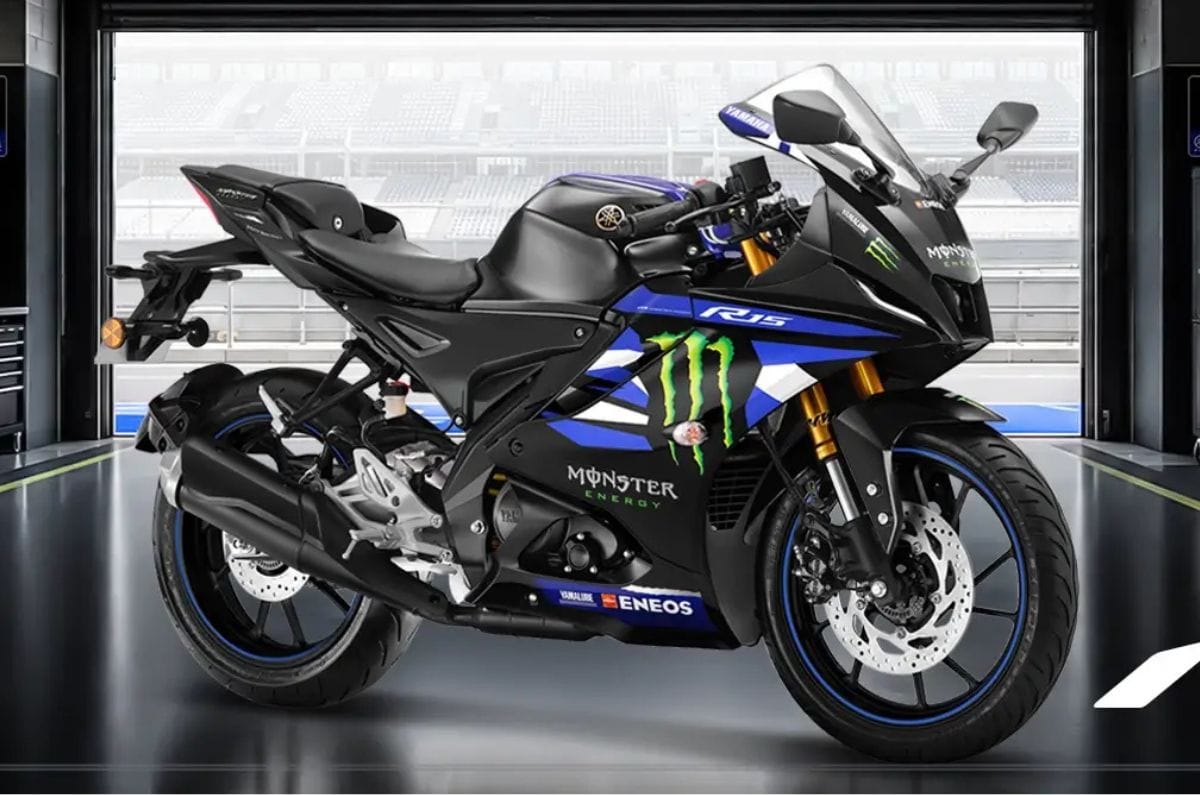
Yamaha R15 V4 MotoGP Edition image gallery

Yamaha R15 V4 MotoGP Edition front three quarter

Yamaha has brought back the MotoGP Edition of it’s much-loved R15 V4 after a long hiatus. The 155cc supersport model comes draped in the same livery as the YZR-M1 MotoGP machine. Priced at Rs 1.76 lakh, the R15 V4 MotoGP edition costs Rs 3,000 more than the standard colours. Apart from this, the R15 remains mechanically unchanged and continues to be powered by the same 155cc, single-cylinder, liquid cooled engine with VVA or Variable-valve actuation that puts out 18.4hp and 14.2Nm, mated to a six-speed gearbox.

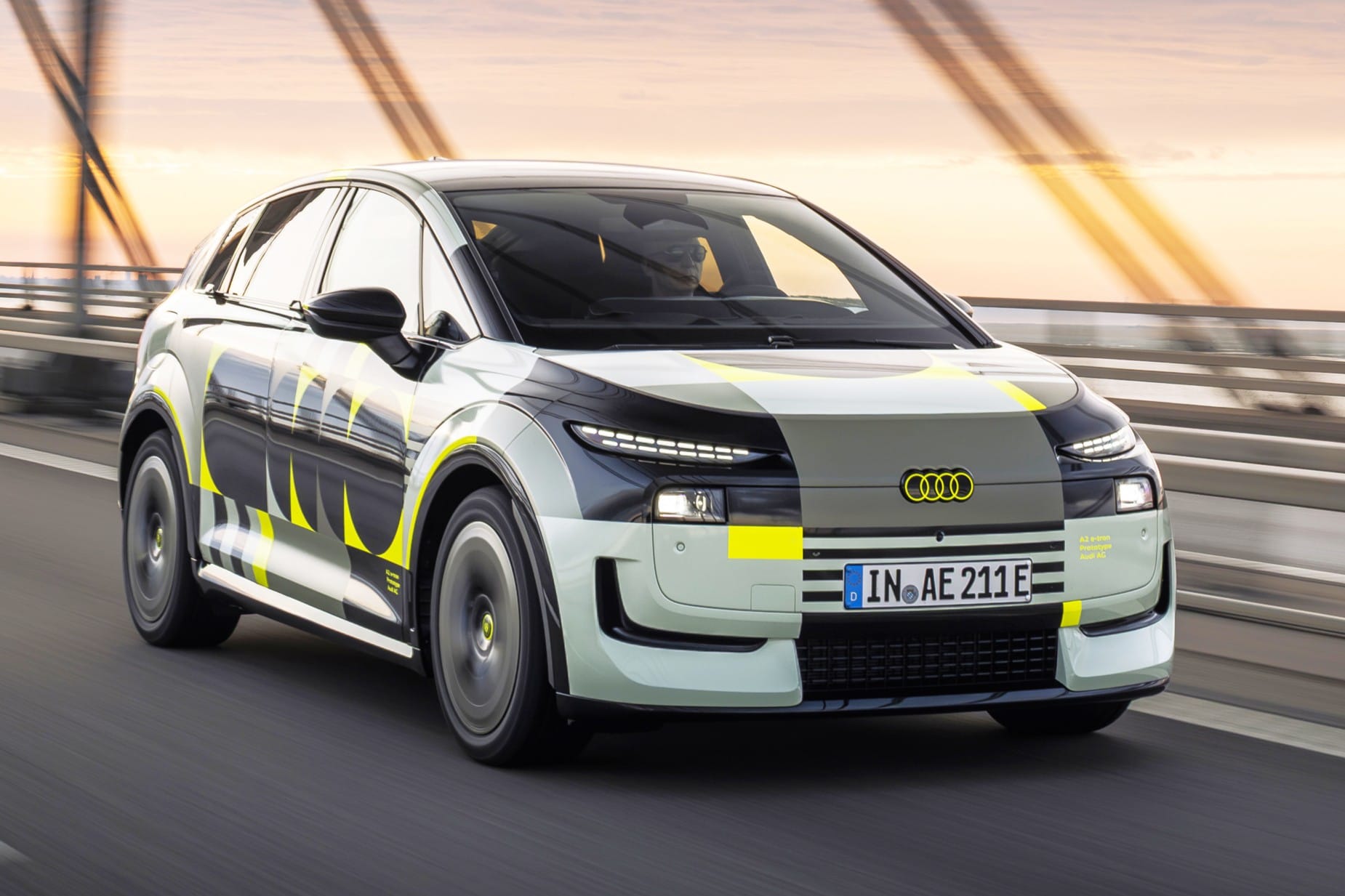
Audi A2 e-tron to be the brand’s most efficient production car yet

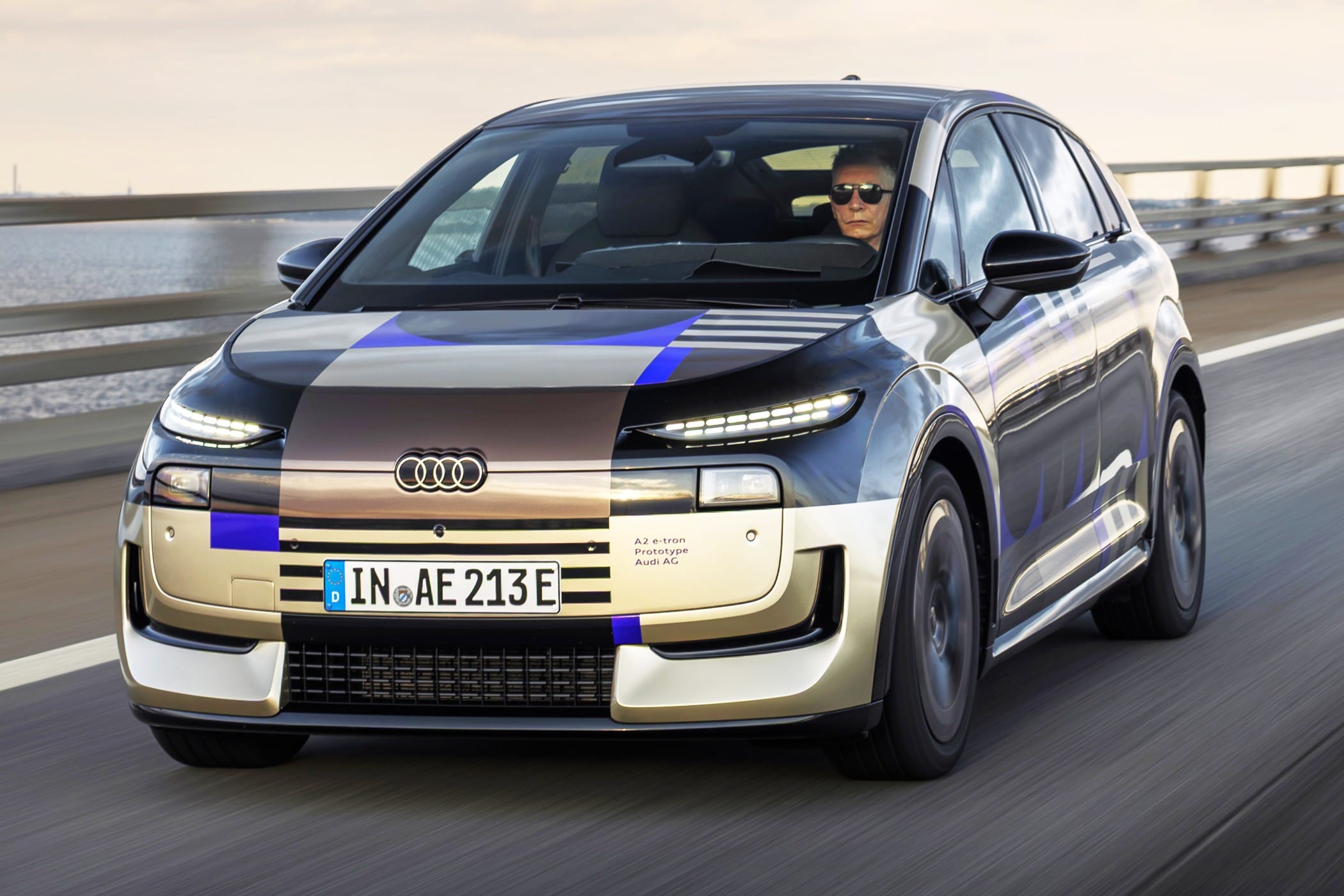
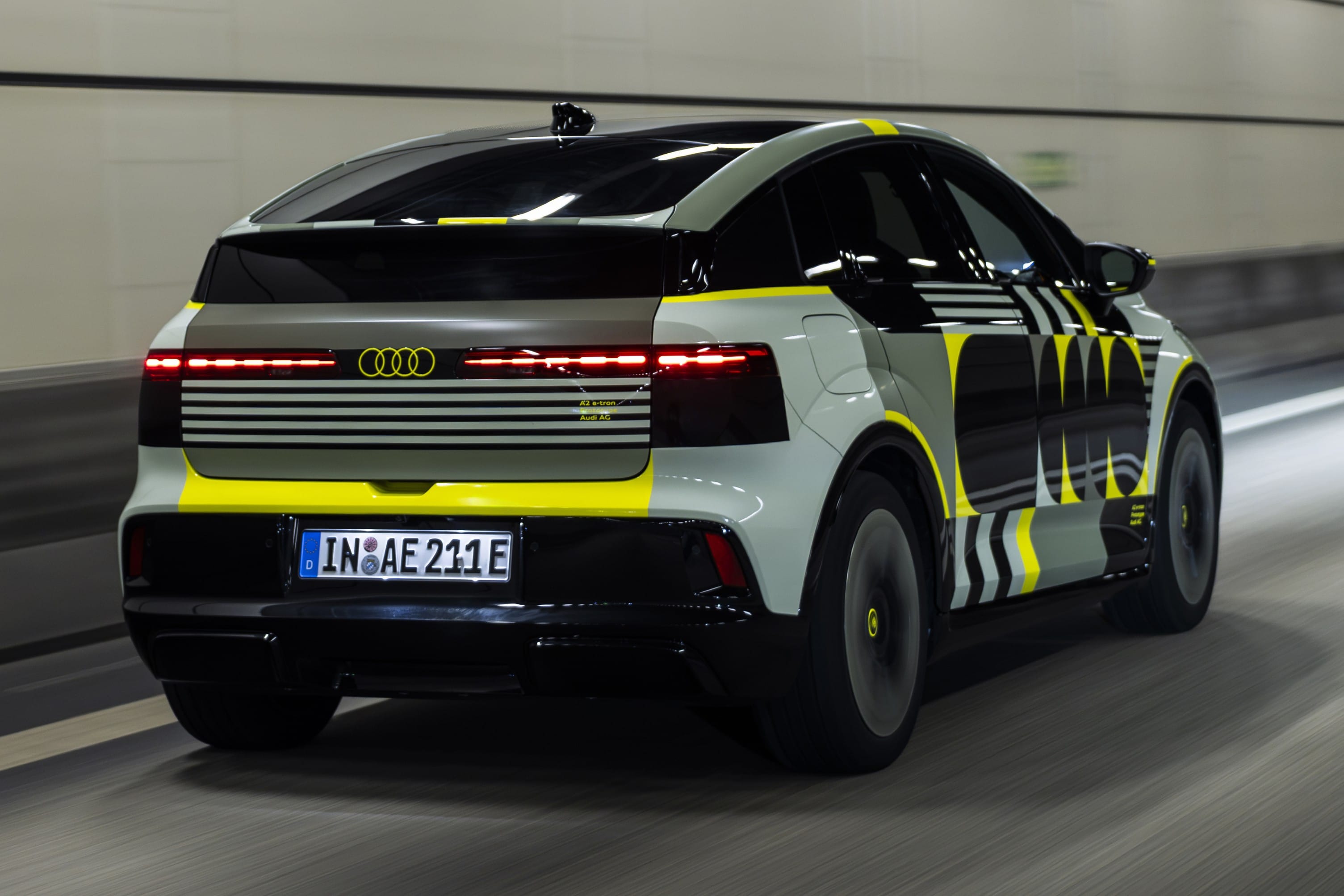
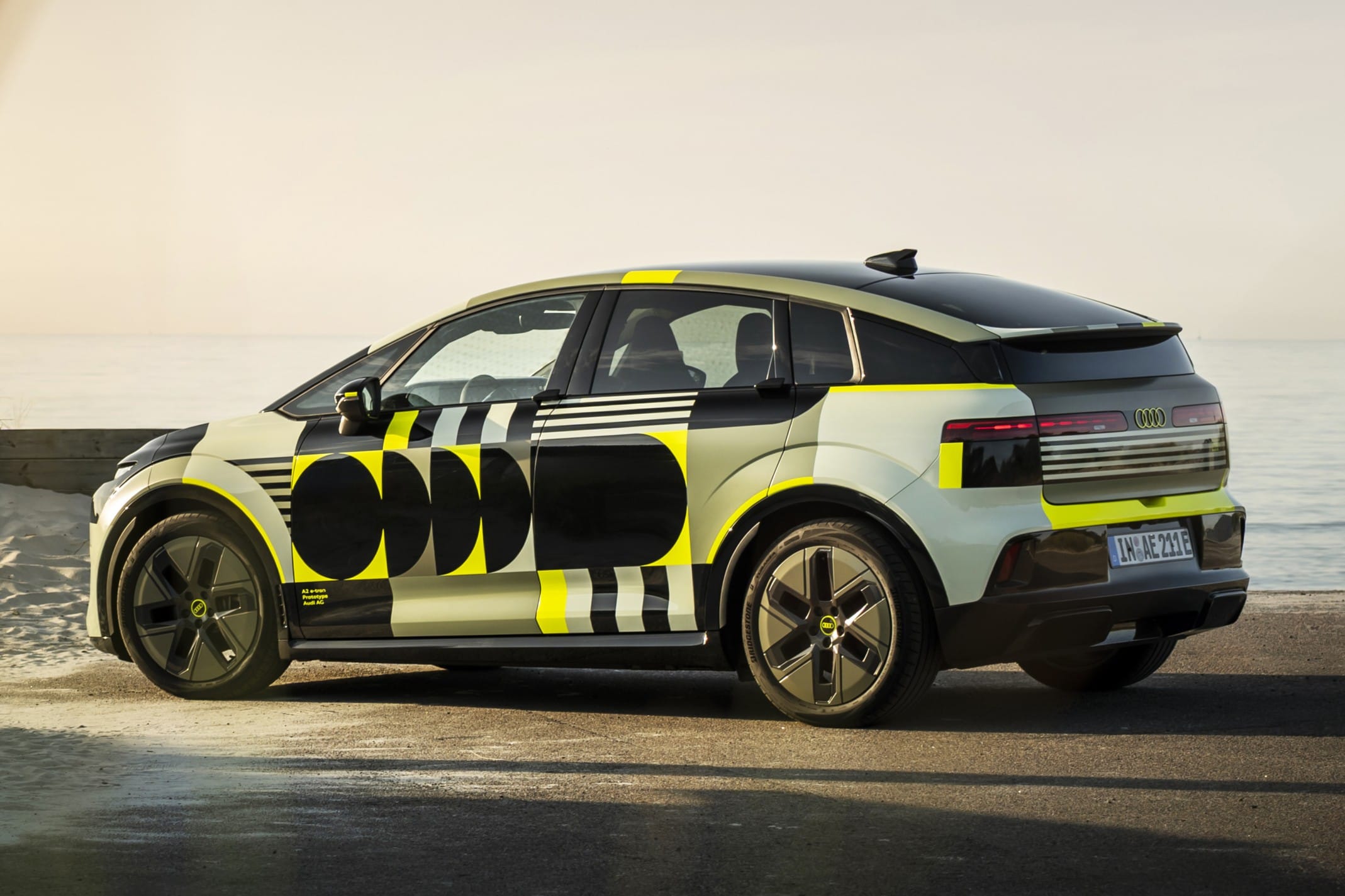
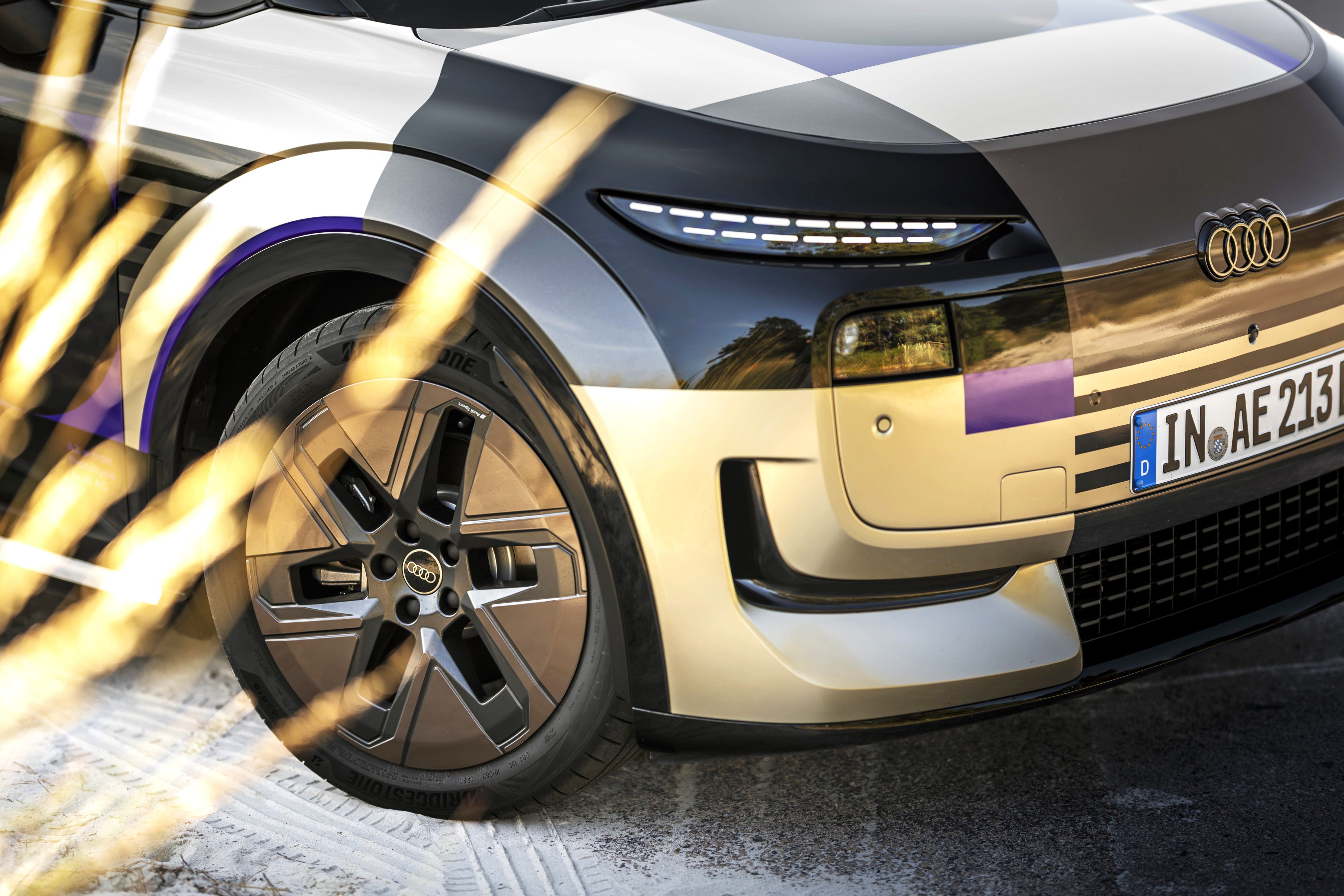
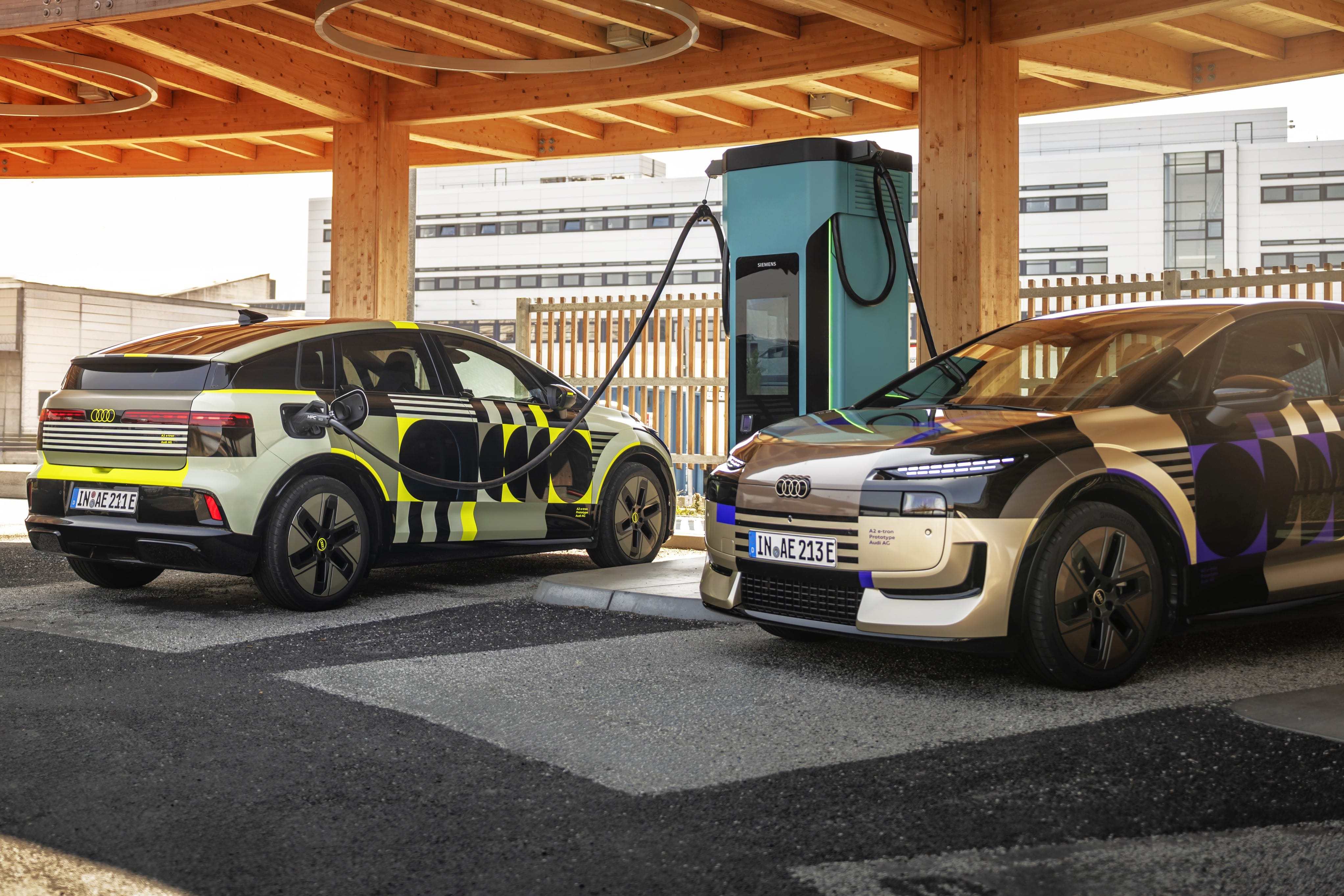
audi a2 prototype on road

Audi has revealed fresh details and camouflaged prototype shots of the upcoming A2 e-tron, confirming that the electric hatchback will be the most efficient production car the brand has ever built. The A2 e-tron is expected to debut in full this fall, with European sales scheduled to begin in the end 2026 to early 2027 timeframe.

Reborn Audi A2 adopts the original’s efficiency-first ethos

Achieved 7.81km/kWh WLTP energy efficiency in preliminary testing

Equipped with the optional Efficiency Package, the A2 e-tron recorded a preliminary WLTP energy consumption figure of just 12.8kWh/100km (7.81km/kWh), making it the German carmaker’s most energy-efficient model to date. Notably, the original A2 (sold from 1999 to 2005) was built to deliver superb fuel economy, and its EV successor clearly adheres to the same efficiency-first principles.

Audi says the A2 e-tron achieves its impressive claimed efficiency via a combination of advanced aerodynamics, a highly optimised drivetrain, and a battery designed specifically for everyday use. The Efficiency Package lowers the A2 e-tron’s energy consumption by up to 0.9kWh/100km over the standard model.

The A2 e-tron also boasts a drag coefficient of 0.24, the lowest of any compact Audi to date. To achieve this, Audi has equipped the A2 e-tron with a rounded fascia, a flowing roofline, a fully enclosed underbody, air curtains, wheel arch gap reducers, an upright rear end, and an active front cooling intake that remains closed during normal driving to minimise drag. The intake automatically opens during rapid charging, heavy acceleration, or high ambient temperatures to provide additional cooling for the battery and power electronics.

Other observable design highlights on the A2 e-tron prototype include a split-headlamp setup, L-shaped intakes up front, aero-optimised alloy wheels, wide rectangular tail-lamps, subtly flared fenders, and a silhouette that pays homage to the original A2 – the A2 e-tron actually looks quite similar to the Hyundai Ioniq 3 in profile.

Audi A2 e-tron to offer 61kWh battery in base spec

Estimated WLTP range of around 453km

Entry-level versions of the A2 e-tron are confirmed to offer a 61kWh (58kWh usable) LFP battery that powers a rear-mounted 190hp electric motor dubbed APP350. Multiplying the usable battery capacity with the aforementioned 7.81km/kWh efficiency figure yields an indicative WLTP range of 453km.

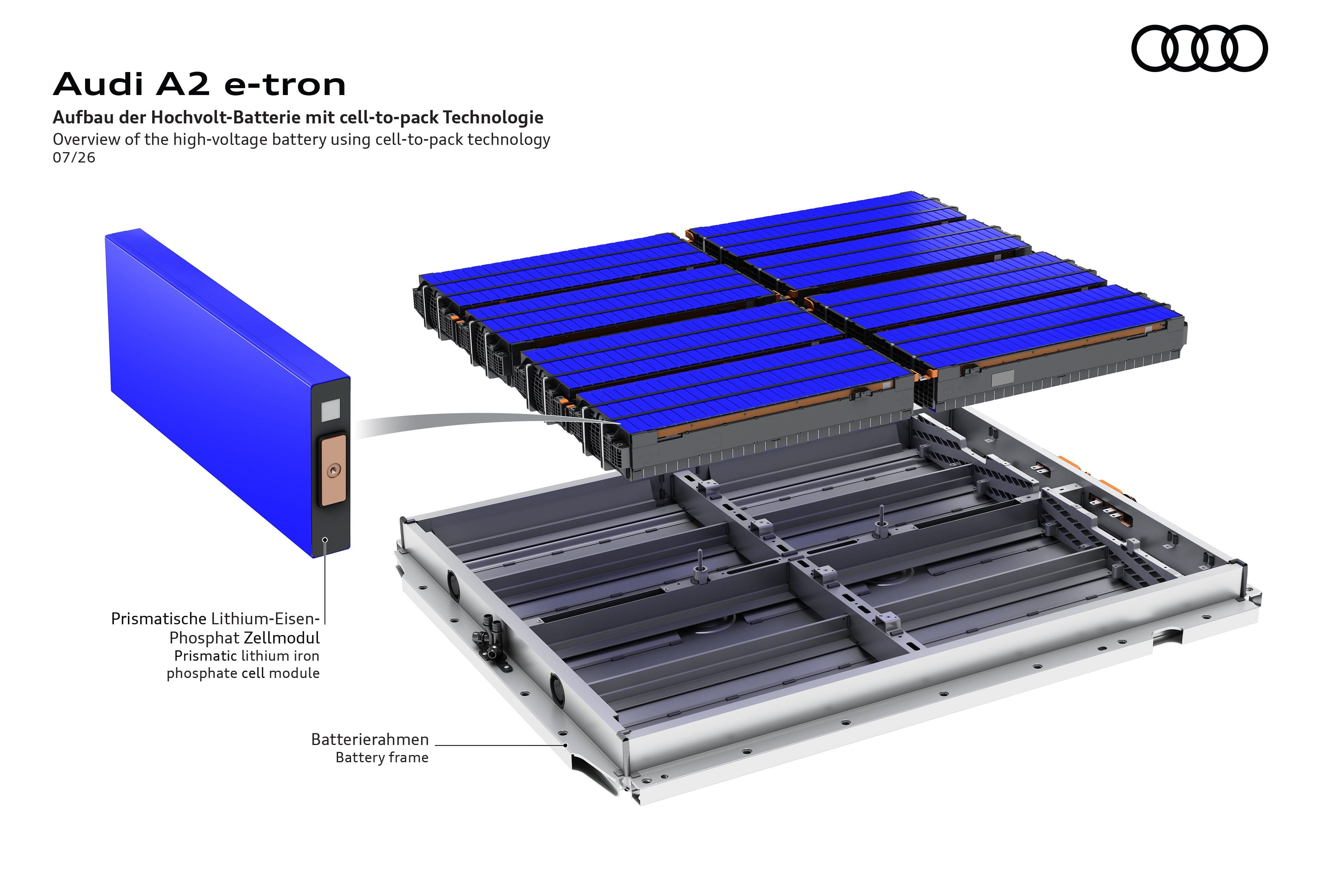
The A2 e-tron’s battery uses a cell-to-pack design that improves packaging efficiency while eliminating conventional battery modules. It can even be routinely charged to 100 percent without the degradation concerns associated with other battery chemistries. A revised thermal management system also improves home wallbox charging efficiency to 89.6 percent.

According to Audi, the A2 e-tron’s electric drive system is around 10 percent more efficient than previous designs. Improvements include silicon carbide (SiC) power electronics, thinner motor laminations to reduce energy losses, revised stator windings, and a new low-friction transmission oil paired with a tall 10.2:1 gear ratio for improved highway efficiency.

The A2 e-tron will also support vehicle-to-load (V2L) functionality, allowing owners to power external appliances with up to 2.3kW of output, as well as a vehicle-to-home (V2H) feature that enables the vehicle to act as a home energy storage system when paired with compatible charging equipment.

While Audi has confirmed only the 140kW version of the A2 e-tron for now, more variants are expected to be part of the line-up. Since the A2 e-tron shares its underpinnings with the Volkswagen ID 3 Neo, which gets a 79kWh NMC battery option, the Audi hatchback could offer a similarly sized unit.

TVS scooter prices hiked by up to Rs 11,000

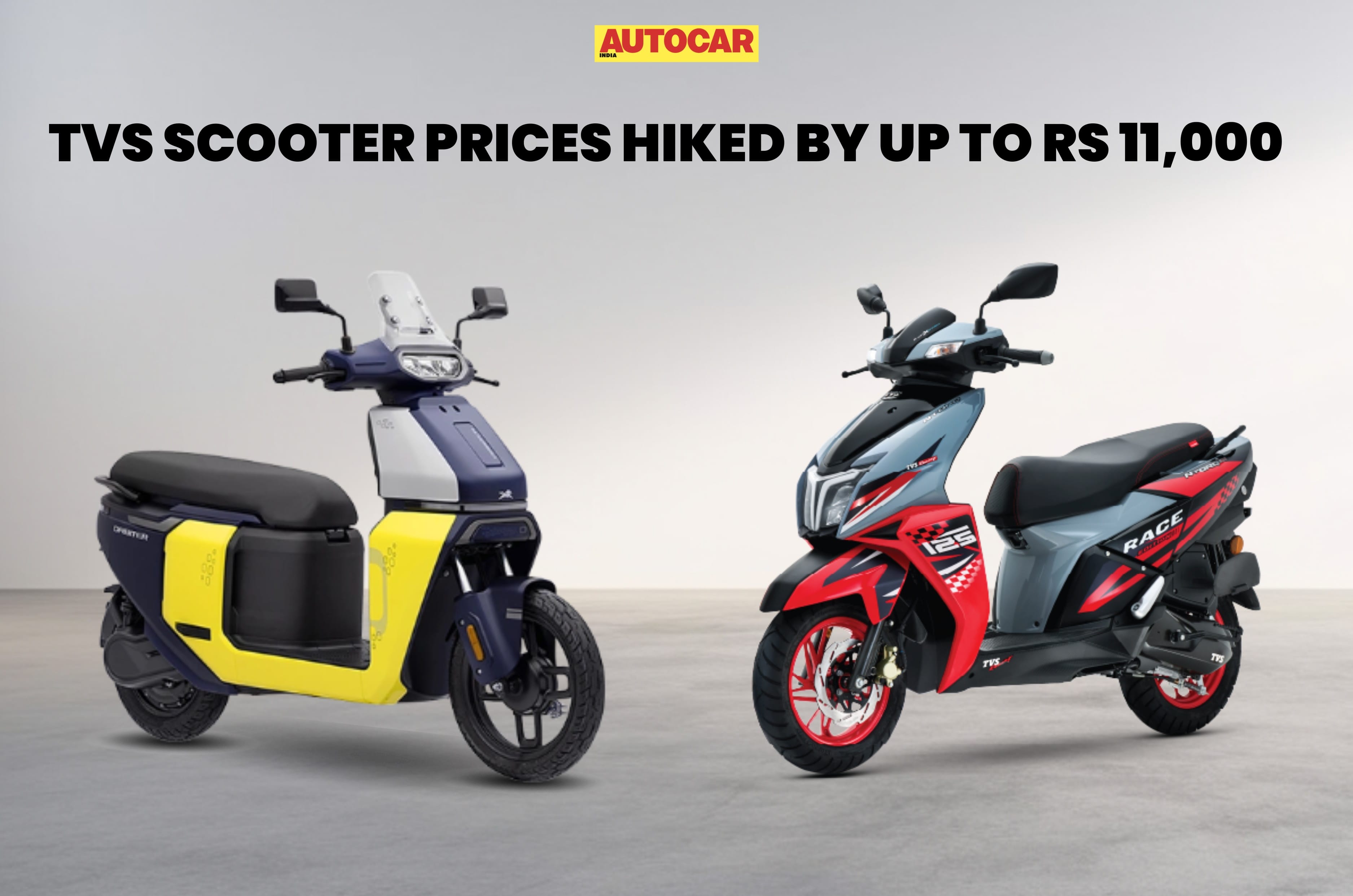
Graphic showing Orbiter and Ntorq 125 side by side

TVS Motor Company has recently revised prices across much of its scooter lineup. The electric iQube and Orbiter ranges have seen the largest increases, while the Jupiter 110, Jupiter 125 and Ntorq 125 have also become more expensive.

  1. iQube range prices revised across most variants
  2. Orbiter V1 gets the largest hike of Rs 11,000
  3. Jupiter and Ntorq 125 prices also increased

TVS scooter updated prices

The electric scooter lineup has seen the biggest price revisions

Some reports have suggested that the iQube and Orbiter have seen particularly sharp price hikes. However, it’s worth noting that the current prices likely reflect multiple incremental revisions over the past few months rather than a single large increase. For reference, when we covered the Orbiter lineup in April, the V1 was priced at Rs 88,250 and the V2 at Rs 1.05 lakh. Likewise, with the iQube range, the base 2.2kWh variant started at Rs 1.11 lakh, while the range-topping iQube ST was priced at Rs 1.72 lakh. 

Among the iQube variants, the 3.5kWh model sees the largest increase at Rs 9,000, while the 3.1kWh variant remains unchanged. The Orbiter V1 records the biggest increase across the entire lineup, rising by Rs 11,000.

The Ntorq 125 Disc is now priced at Rs 83,350, up Rs 850 from Rs 82,500 when the updated colours were introduced last month. The Race Edition has also gone up by Rs 850 and now costs Rs 88,800.

The Jupiter 110 range has received hikes ranging from Rs 575 to Rs 1,950 depending on the variant, with prices now spanning Rs 73,975 to Rs 88,850. The Jupiter 125 range sees increases of up to Rs 2,410, with prices now starting at Rs 81,110 and going up to Rs 89,935.

Model

Previous price

Current price

Difference

Jupiter 110

Rs 73,400 – Rs 86,900

Rs 73,975 – Rs 88,850

Rs 575 – Rs 1,950

Jupiter 125

Rs 78,700 – Rs 89,060

Rs 81,110 – Rs 89,935

Rs 875 – Rs 2,410

Ntorq 125 Disc

Rs 82,500

Rs 83,350

Rs 850

Ntorq 125 Race Edition

Rs 87,950

Rs 88,800

Rs 850

iQube 2.2kWh

Rs 1.11 lakh

Rs 1.16 lakh

Rs 5,000

iQube 3.1kWh

Rs 1.33 lakh

Rs 1.33 lakh

No change

iQube 3.5kWh

Rs 1.33 lakh

Rs 1.42 lakh

Rs 9,000

iQube S 4.7kWh

Rs 1.55 lakh

Rs 1.61 lakh

Rs 6,000

iQube ST 5.3kWh

Rs 1.72 lakh

Rs 1.75 lakh

Rs 3,000

Orbiter V1

Rs 88,250

Rs 99,250

Rs 11,000

Orbiter V2

Rs 1.05 lakh

Rs 1.14 lakh

Rs 9,000

All electric scooter prices ex-showroom, Bengaluru, excluding PM E-Drive subsidy.

E20 fuel contamination linked to rise in engine issue

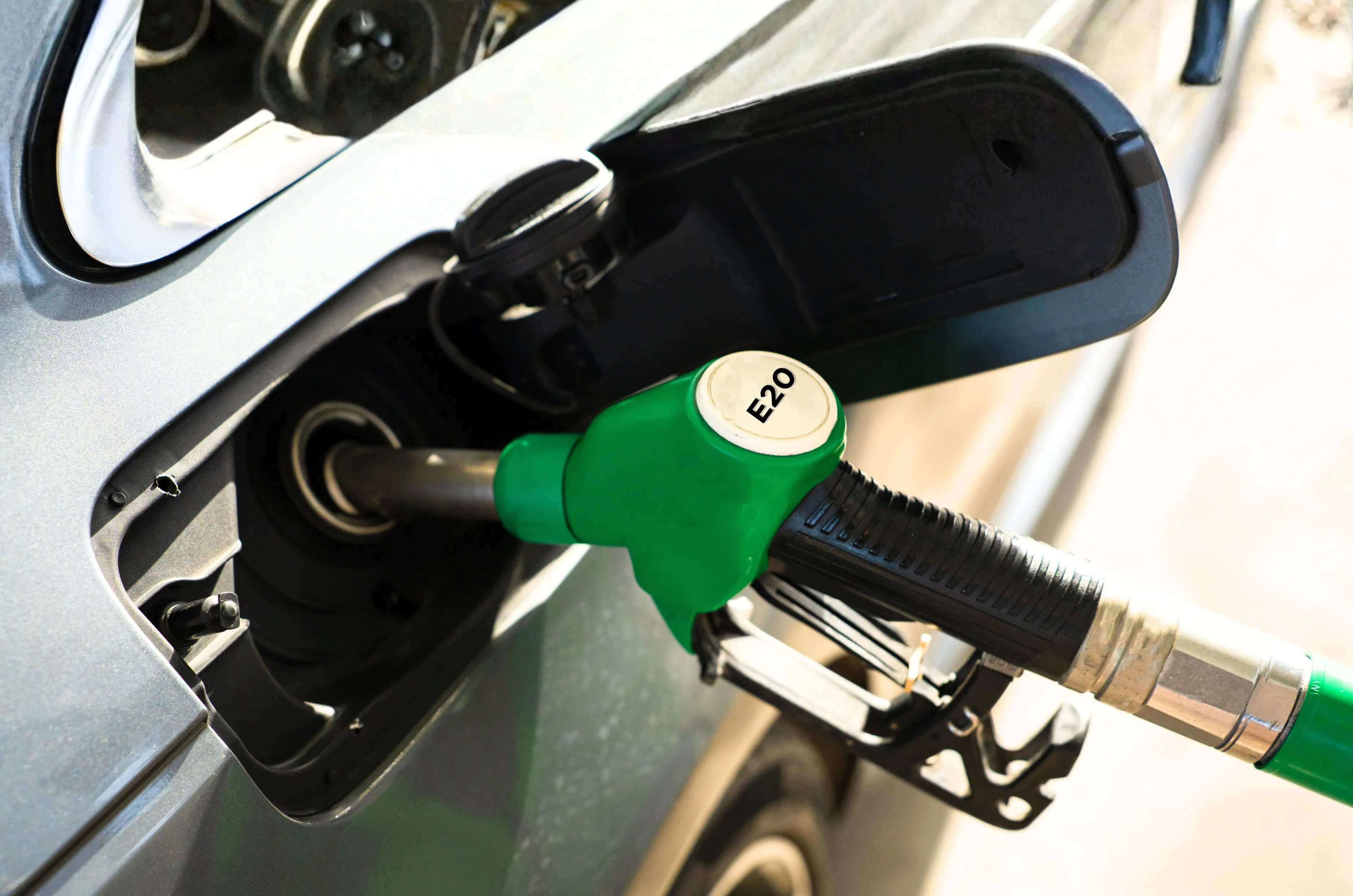
E20

High chloride and moisture contamination in E20 petrol has emerged as a growing concern for the automotive industry, with vehicle manufacturers reporting a rise in failures of fuel system and exhaust-related components. Following discussions with automobile manufacturers and oil marketing companies (OMCs), the Centre has directed OMCs to strengthen fuel quality monitoring at retail outlets, while the industry has called for tighter fuel quality standards.

  1. High chloride and moisture levels found in E20 fuel samples
  2. Ageing fuel infrastructure identified as a likely source
  3. Industry calls for mandatory chloride limits in BIS standards

Contamination linked to rise in component failures

According to industry findings shared with the Ministry of Petroleum and Natural Gas, automakers have reported a significant increase in the replacement of fuel injectors, fuel pumps and other parts that come into direct contact with fuel. Field investigations have identified corrosion and wear caused by excessive chloride contamination as a key contributing factor.

Industry assessments indicate that chloride contamination, when combined with moisture, can form an acidic mixture that corrodes precision components such as fuel injectors, potentially leading to both immediate and long-term damage. 

Fuel samples collected from vehicle tanks have recorded chloride contamination levels of up to 500mg/kg, while samples collected from retail outlets have shown levels of up to 350mg/kg. Separate industry assessments have reported chloride levels of up to 300ppm at some fuel outlets, against a recommended limit of under 10ppm.

Moisture contamination adds to the problem

Industry assessments have also reported excessive moisture contamination in E20 petrol. Some samples recorded water content exceeding 10,000mg/kg, while separate investigations found levels of around 7,000mg/kg, against the permissible limit of 3,000mg/kg. Excess moisture can lead to phase separation, where the ethanol-water mixture settles at the bottom of the fuel tank and may be drawn into the engine during operation.

Chlorides and moisture enter the vehicle’s fuel tank via contaminated water and an unclean supply chain, made worse by ethanol’s hygroscopic nature. Industry assessments point to ageing storage tanks, pipelines, fuel tankers and other fuel handling infrastructure as likely sources of contamination.

Some petrol pump operators have also raised concerns that ageing underground storage tanks, particularly during the monsoon or in coastal regions, could be more susceptible to moisture ingress, increasing the risk of phase separation in ethanol-blended fuel. The contamination issue is cropping up in certain pockets of the country, especially in the north. 

The latest developments come weeks after Mercedes-Benz India also raised concerns over fuel contamination and urged tighter fuel quality checks after reporting contamination-related damage to vehicle components in some cases.

Industry seeks tighter fuel quality standards

According to report from CNBC TV18, the Society of Indian Automobile Manufacturers (SIAM) has urged the government to introduce mandatory chloride limits in BIS fuel specifications. It has proposed a chloride limit of less than 1mg/kg for commercial E20 and E85 fuels, and less than 3mg/kg for anhydrous ethanol used for blending. SIAM said it has been raising the issue with BIS for more than two years, but the proposal has not yet been implemented.

SIAM has also recommended regular audits of older fuel stations, stricter quality checks across the retail fuel network and mandatory chloride limits for diesel, where the parameter currently remains optional. The Centre has since asked OMCs to strengthen on-ground fuel quality monitoring while the root causes of contamination are investigated.

With inputs from Hormazd Sorabjee

Source: CNBC TV18, SIAM, OMCs and auto manufacturers.