China News: मार्केट की उम्मीद के मुताबिक ही लगातार 16वें महीने चीन ने बेंचमार्क ब्याज दर में कोई बदलाव नहीं किया है। चीन ने एक साल के लोन प्राइम रेट (LPR) को 3.00% और पांच साल के लोन प्राइम रेट को 3.50% पर स्थिर बनाए रखा है। न्यूज एजेंसी रायटर्स के सर्वे में शामिल 21 इकनॉमिस्ट्स ने भी ऐसी ही उम्मीद जाहिर की थी। चीन ने ऐसे समय में ब्याज दरों को स्थिर बनाए रखा है, जब हाल ही में फेडरल रिजर्व ने ब्याज दरें बढ़ाई थी और आने वाले महीनों में इसमें और बढ़ोतरी के आसार जताए थे।
क्या है ब्याज दरों को 16वें महीने स्थिर रखने का मतलब?
दुनिया के कुछ बड़े सेंट्रल बैंकों ने अधिक सख्त रुख रुख अपनाया है, और युआन मजबूत हो रहा है। ऐसे समय में चीन में लगातार 16वें महीने बेंचमार्क ब्याज दरों में कोई बदलाव नहीं होने से यह साफ हो गया है कि मौद्रिक नीतियों में ढील की गुंजाइश कम है। बता दें कि इससे पहले अमेरिका के फेडरल रिजर्व ने महंगाई की रफ्तार को काबू में करने के लिए बेंचमार्क ब्याज दरें बढ़ा दी। इस बढ़ोतरी के बाद चीन के सरकारी बॉन्ड की तुलना में बेंचमार्क 10-वर्षीय अमेरिकी ट्रेजरी पर यील्ड प्रीमियम रिकॉर्ड स्तर के करीब पहुंच गया। चीन के सेंट्रल बैंक के गवर्नर पैन गोंगशेंग का कहना है कि चीन में लोन ग्रोथ का सुस्त होना अब न्यू नॉर्मल यानी आम बात बनती जा रही है, क्योंकि प्रॉपर्टी और लोकल गवर्नमेंट सेक्टर में गिरावट से क्रेडिट की मांग तेजी से घट रही है, और उभरते हुए उद्योग इस कमी को उतनी तेजी से पूरा नहीं कर पा रहे हैं।
क्या कहना है एक्सपर्ट्स का?
मिज़ुहो सिक्योरिटीज की सीनियर चाइना स्ट्रैटेजिस्ट सेरेना झाऊ (Serena Zhou) का कहना है कि जब तक घरेलू मांग में बहुत अधिक कमी नहीं आती, चौथी तिमाही यानी अक्टूबर-दिसंबर 2026 में बड़े पैमाने पर मॉनेटरी पॉलिसी में ढील की संभावना कम हो गई है। सेरेना के मुताबिक खासतौर से यह इसलिए है क्योंकि अमेरिकी फेडरल रिजर्व का रुख अधिक सख्त यानी हॉकिश हो गया है।
बीएनपी पारिबास की चीफ चाइना इकनॉमिस्ट जैकलीन रोंग (Jacqueline Rong) का मानना है कि मॉनेटरी पॉलिसी को लेकर चीन अपने रेट-कटिंग साइकल यानी ब्याज दरें घटाने के दौर के आखिरी चरण में है। उनका कहना है कि बैंक ऑफ चाइना इस साल अब ब्याज दरों को स्थिर रख सकता है क्योंकि बैंकों का नेट इंटरेस्ट मार्जिन (NIM) कम है और अर्थव्यवस्था में डिफ्लेशन यानी कीमतों में गिरावट से हल्की महंगाई की स्थिति बन रही है। हालांकि उनका यह भी कहना है कि अगर इकनॉमिक ग्रोथ उम्मीद से कमजोर रहती है तो ब्याज दरों में कटौती हो सकती है।
डिस्क्लेमर: मनीकंट्रोल.कॉम पर दिए गए सलाह या विचार एक्सपर्ट/ब्रोकरेज फर्म के अपने निजी विचार होते हैं। वेबसाइट या मैनेजमेंट इसके लिए उत्तरदायी नहीं है। यूजर्स को मनीकंट्रोल की सलाह है कि कोई भी निवेश निर्णय लेने से पहले हमेशा सर्टिफाइड एक्सपर्ट की सलाह लें।
JSW Group, one of India’s largest conglomerates, is preparing to significantly expand its automotive ambitions. Having already established a presence through JSW-MG Motor India, its joint venture with China’s SAIC, the company is now gearing up to enter the market with an all-new brand of its own, JSW Motor.
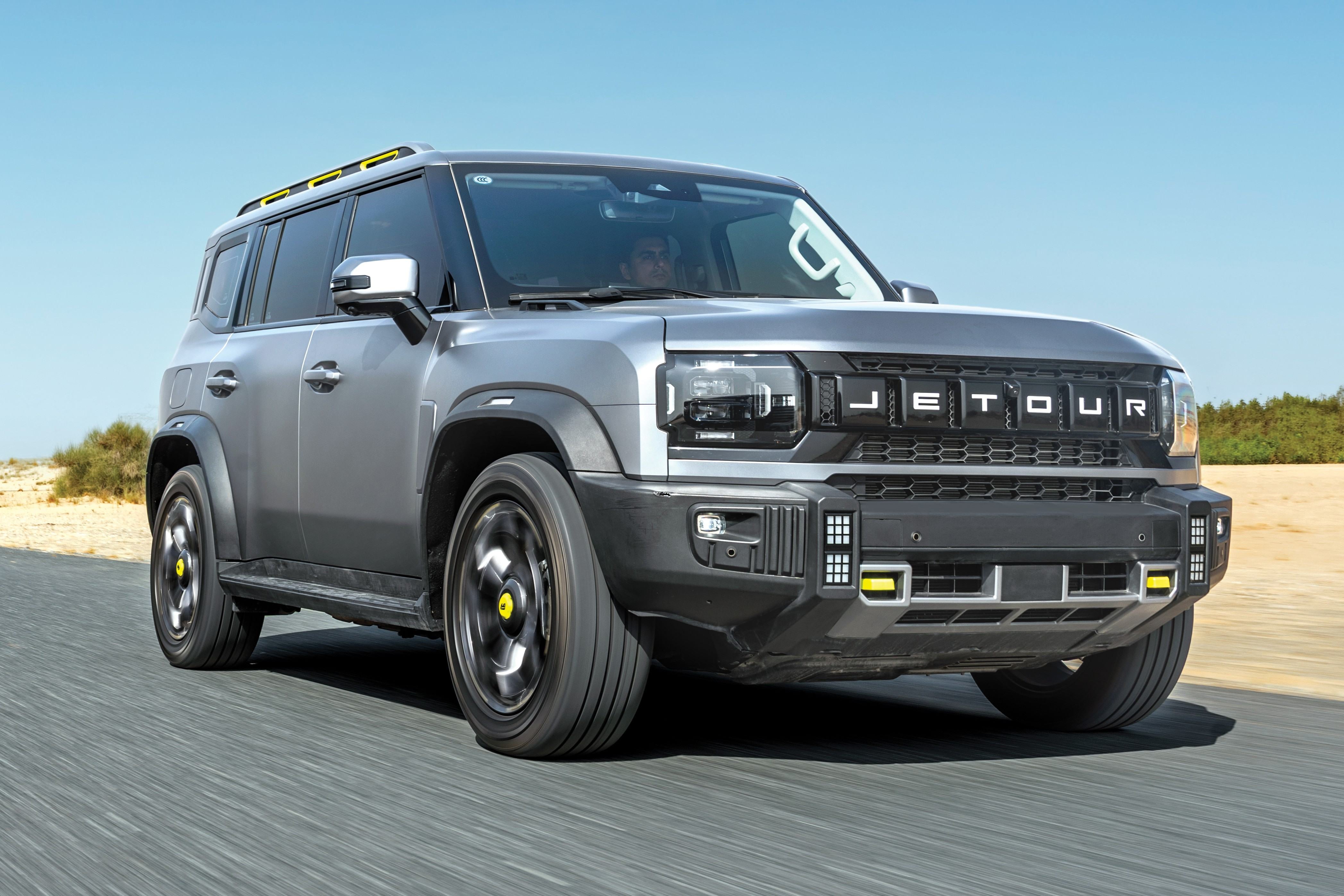
Rather than taking the conventional route of developing products from the ground up, JSW is leveraging global partnerships to fast-track its entry into the industry. Its first product for India will be a large plug-in hybrid SUV based on the Chery Jetour T2, which is expected to be assembled at JSW’s upcoming facility in Chhatrapati Sambhajinagar, and we hear it will be called the Combat.
With its rugged styling, imposing road presence and the promise of combining EV-like efficiency and long-distance touring ability, the SUV is expected to be positioned in the Rs 30-50 lakh segment and take on established players head-on.
Ahead of its India launch later this year, we got an early drive of the SUV to find out whether JSW Motor’s debut offering is ready for combat.
Jetour T2 Exterior Design and Engineering – 8/10
A handsome SUV that oozes character and rugged appeal.
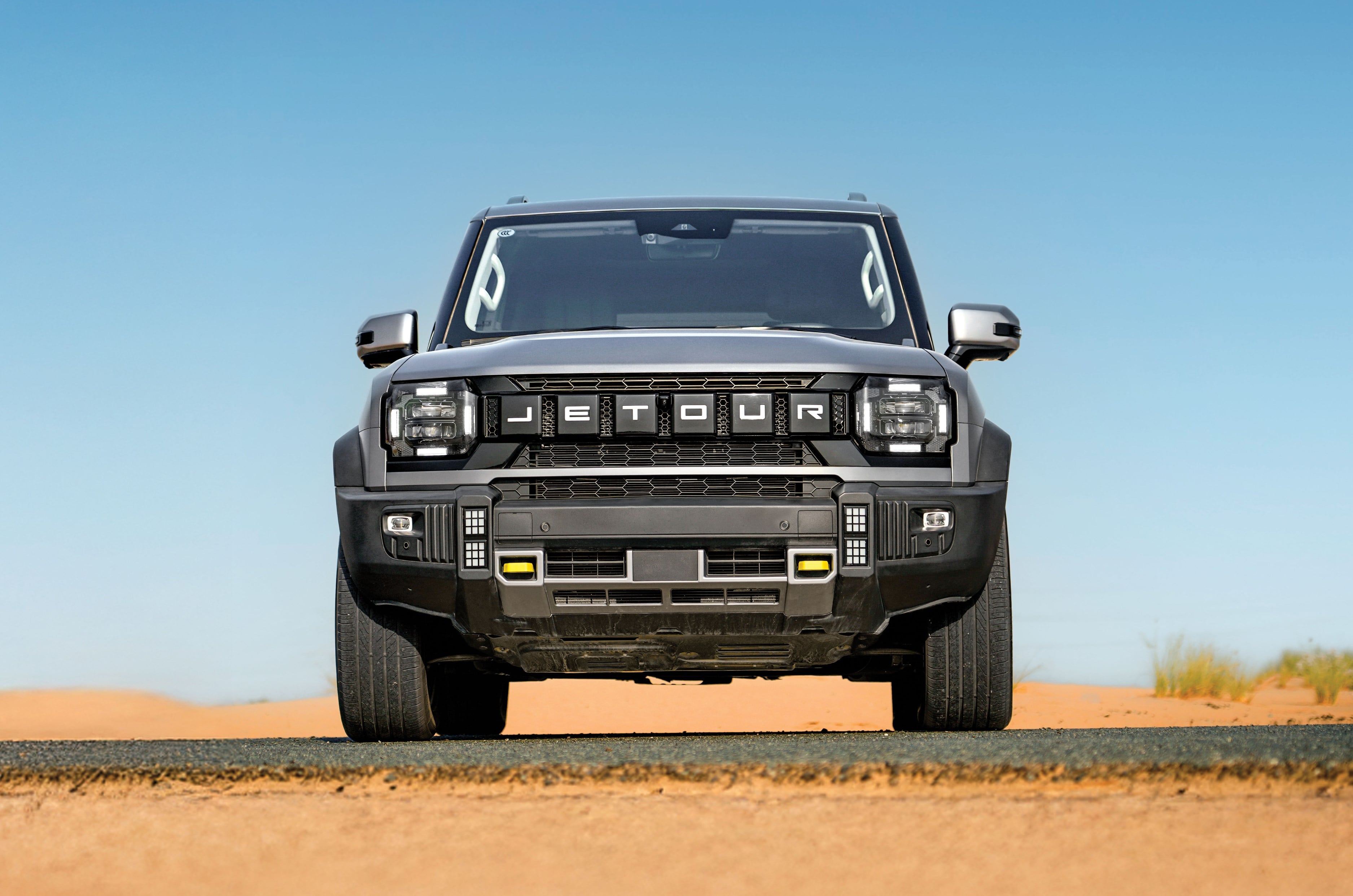
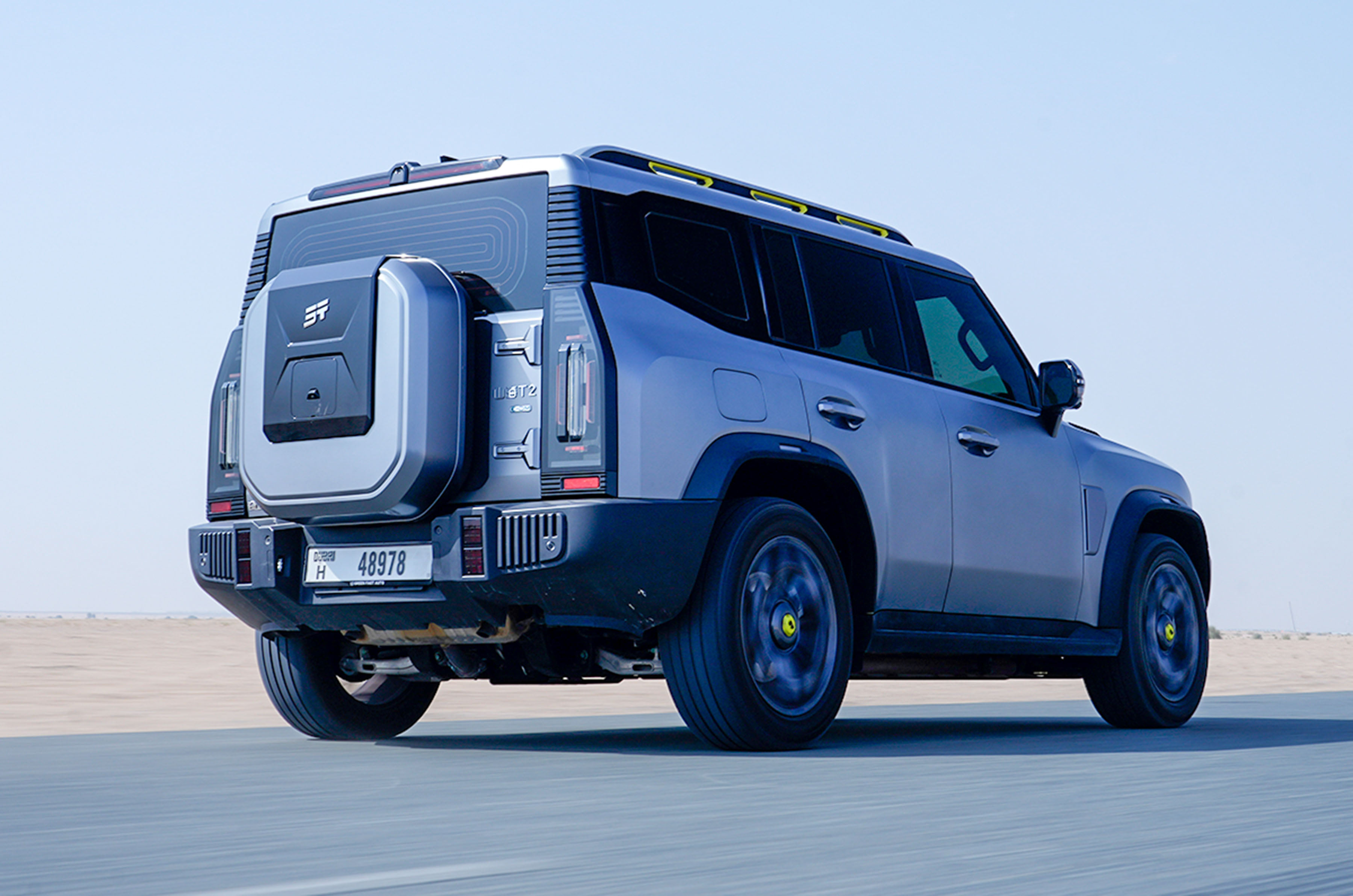
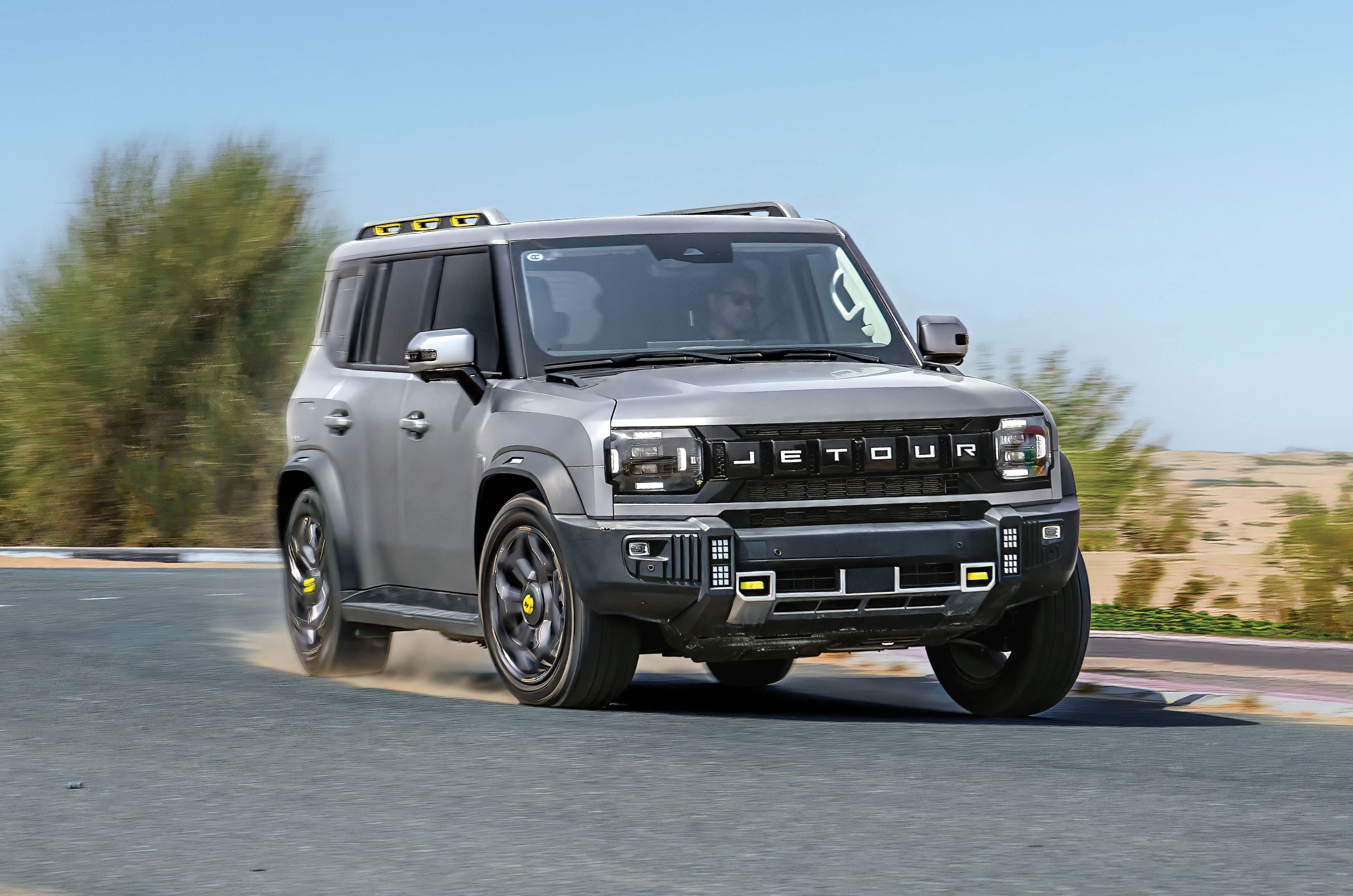
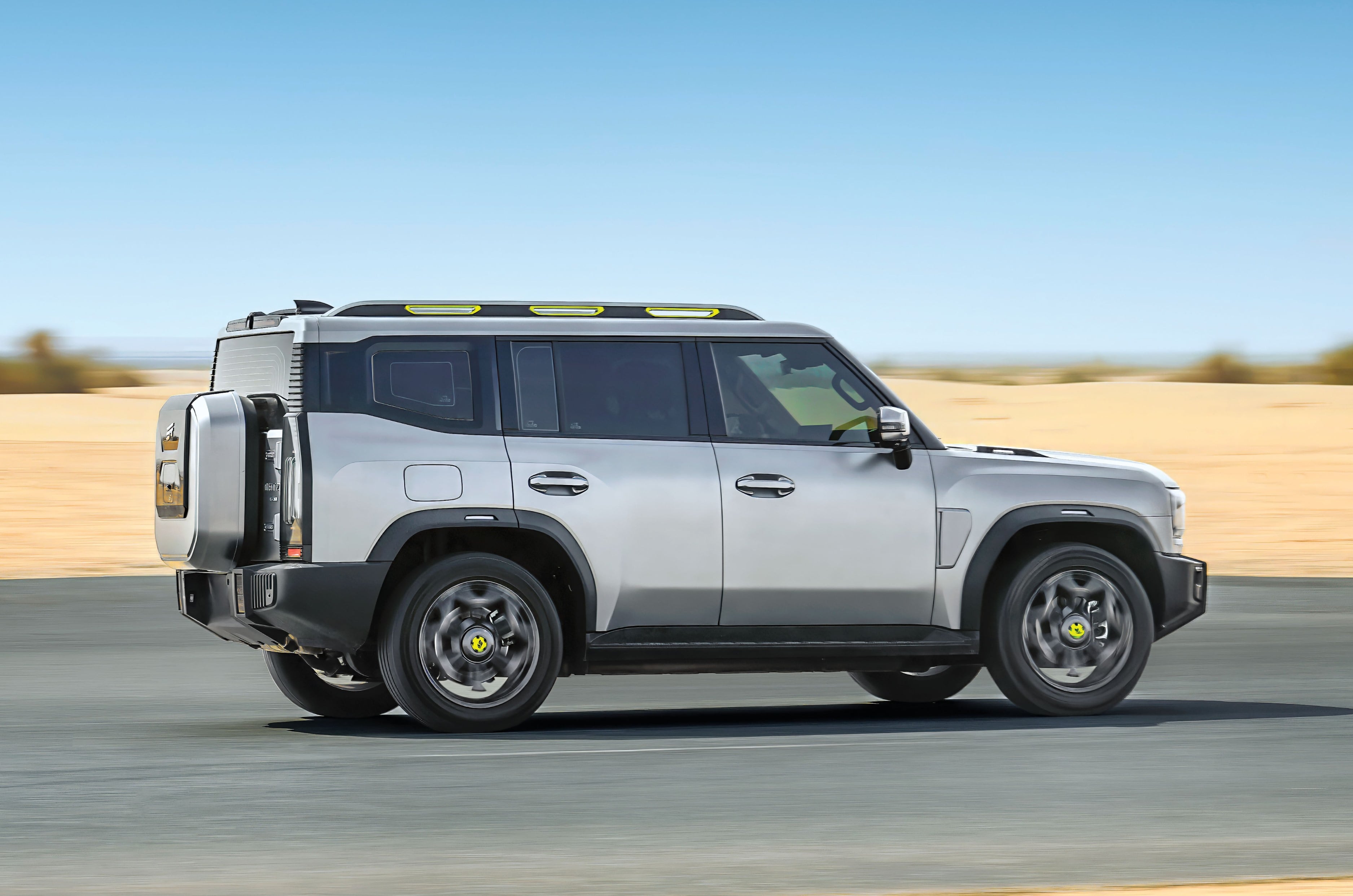
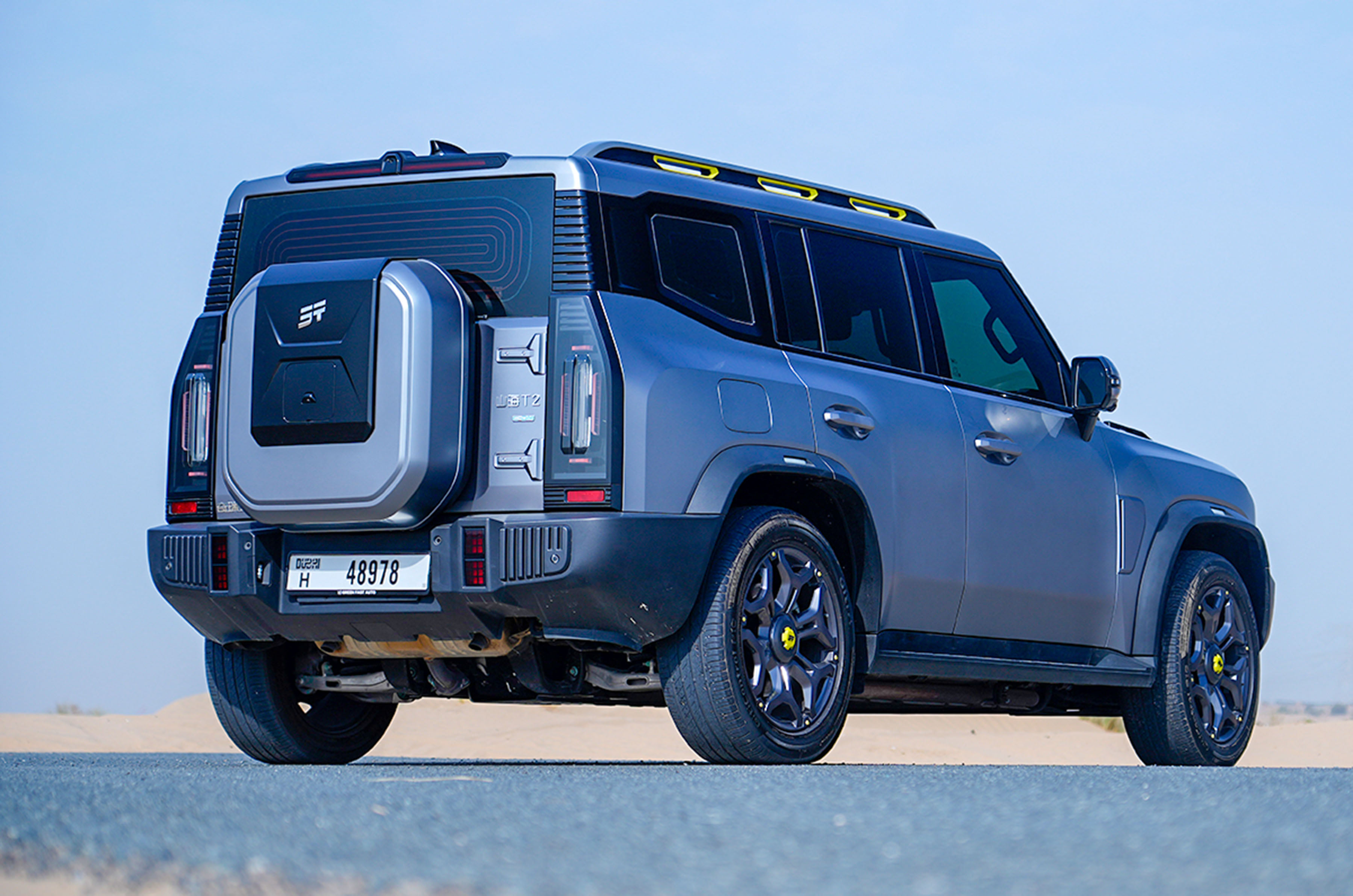
The Jetour T2 delivers on the SUV template to the T – flat bonnet, upright stance, raised ride height, chunky tyres, rugged body cladding, and, as the icing on the cake, a spare wheel mounted on the tailgate. It looks imposing and highly desirable, and while its silhouette bears a resemblance to the Defender, the T2 still manages to carve out a distinctive identity. JSW is likely to make a few changes to the headlamps, grille and bumpers to further differentiate the Combat, but the overall shape, clean surfacing and most of its defining design elements are expected to remain unchanged.
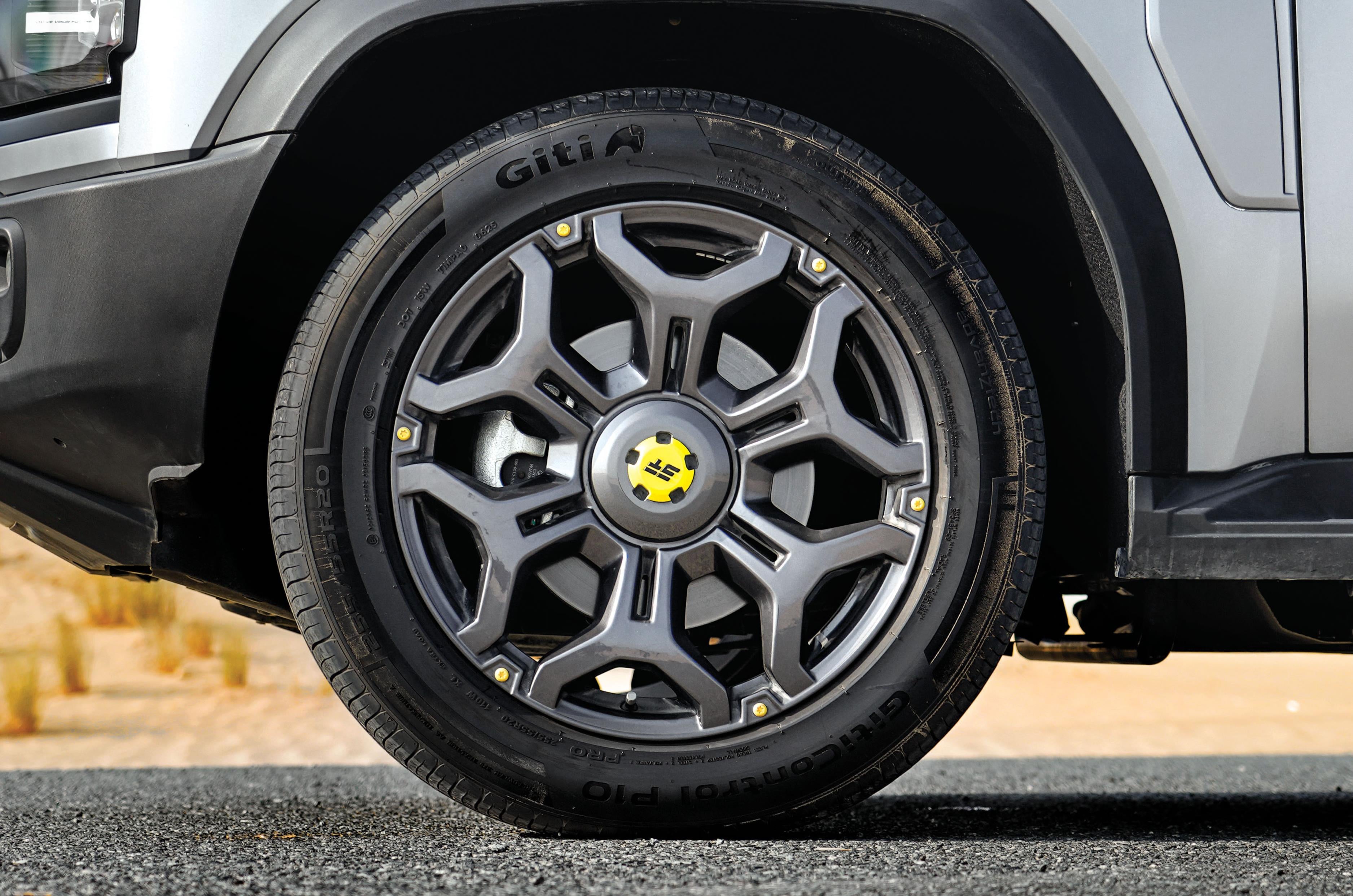
Attractive 20-inch wheels; 201mm of laden clearance.
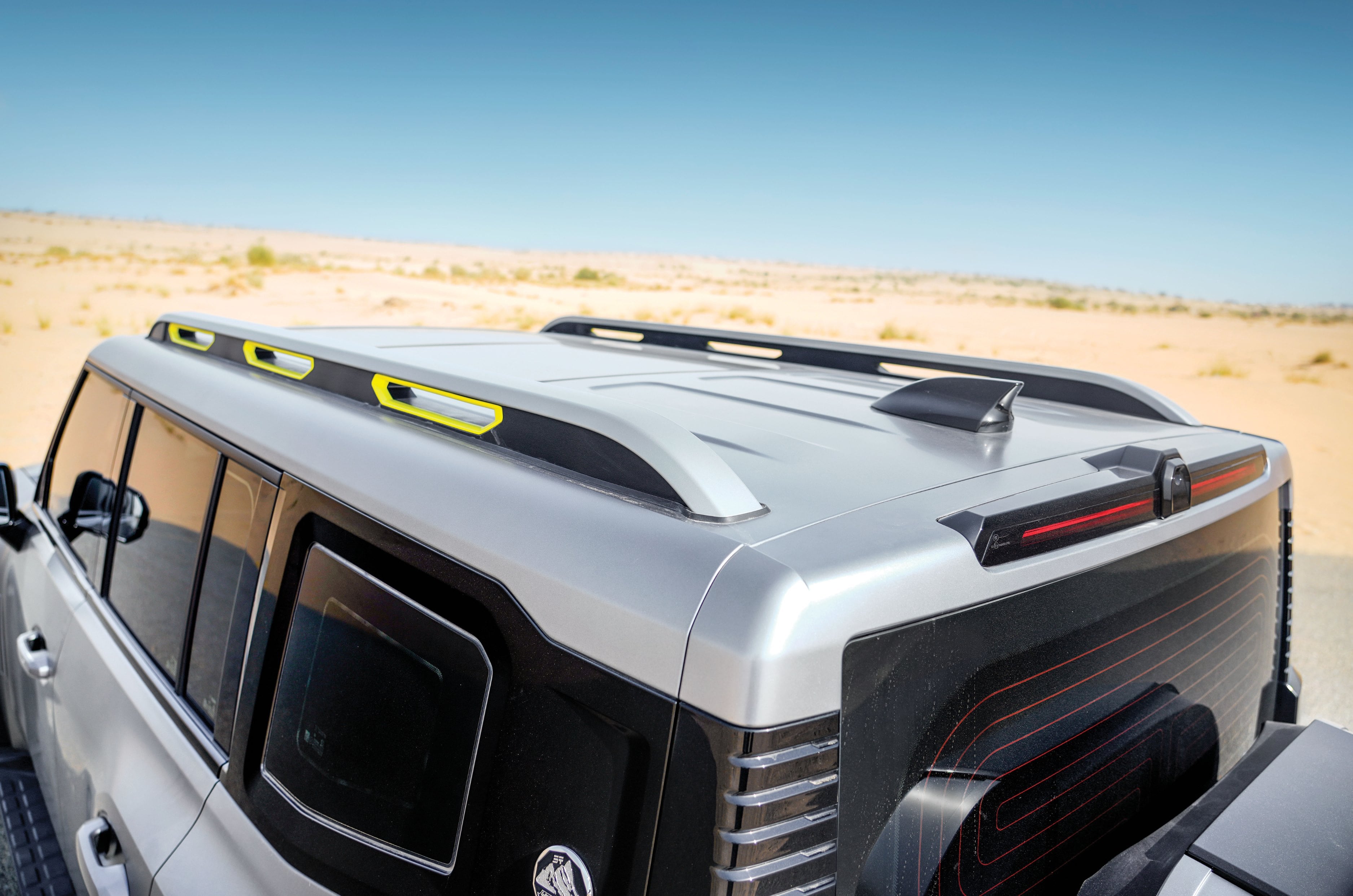
The massive 20-inch wheels suit the T2’s stance perfectly, and the clean bodywork, free of unnecessary cuts and creases, is particularly appealing. It also gets functional roof rails capable of carrying up to 100kg of luggage, while the side steps feel reassuringly sturdy and genuinely useful.
The T2’s space-saver spare wheel sits within a squircle-shaped cover, although accessing it involves a multi-step process that could prove frustrating if you ever need to change a tyre on a deserted road late at night.
Functional roof rails can take up to 100kg of load.
In terms of dimensions, it is longer (including the spare wheel), wider and taller than the Toyota Fortuner. Ground clearance, too, is an impressive 190mm in laden condition. However, don’t let its rugged appearance fool you – the version destined for India will remain front-wheel drive.
Jetour T2 Interior Space, Comfort, and Features – 8/10
Solidly built, well-designed cabin with some clever detailing and plenty of storage areas.
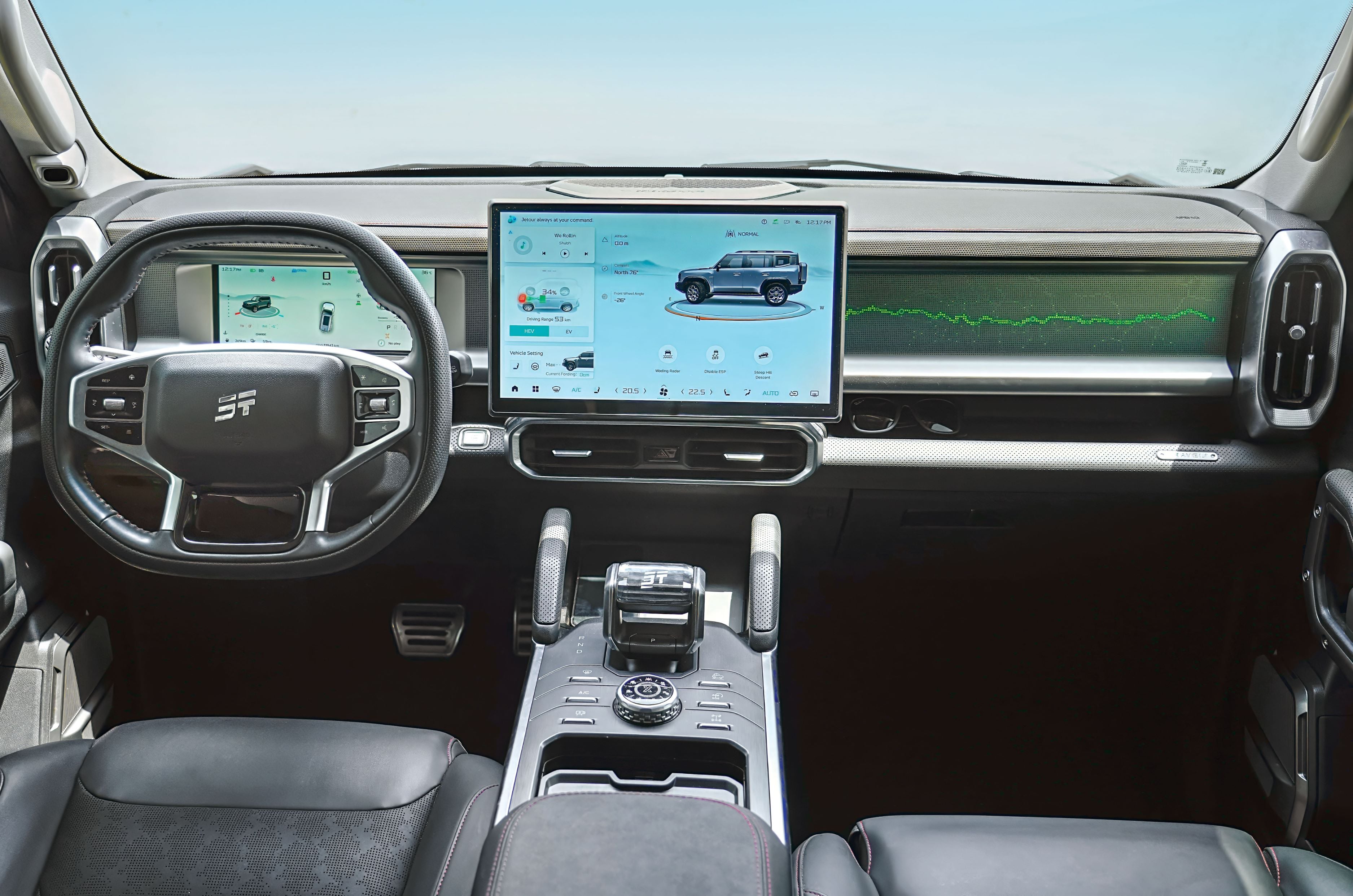
Climb aboard using the sturdy side step and handy grab handles, and the T2 immediately impresses with its sense of solidity. The cabin feels built to last, with numerous thoughtful design details lending it plenty of character. Nearly upright windows, a steeply raked windscreen and a dashboard pushed far forward create a tremendous sense of space, further amplified by the panoramic sunroof.
The dashboard itself has a distinctive design, with an illuminated pattern across the fascia adding a unique touch. Several layers are wrapped in dimpled leatherette padding, a theme that extends to the steering wheel and centre console.
Dominating the cabin is a massive 15.6-inch touchscreen that houses numerous vehicle functions, including mirror adjustment, climate control and seat ventilation/heating settings. Wireless Android Auto and Apple CarPlay are included, while the 12-speaker Sony audio system delivers impressive sound quality. Even the 540-degree camera system offers excellent image clarity. The downside is that the interface isn’t slick or responsive.
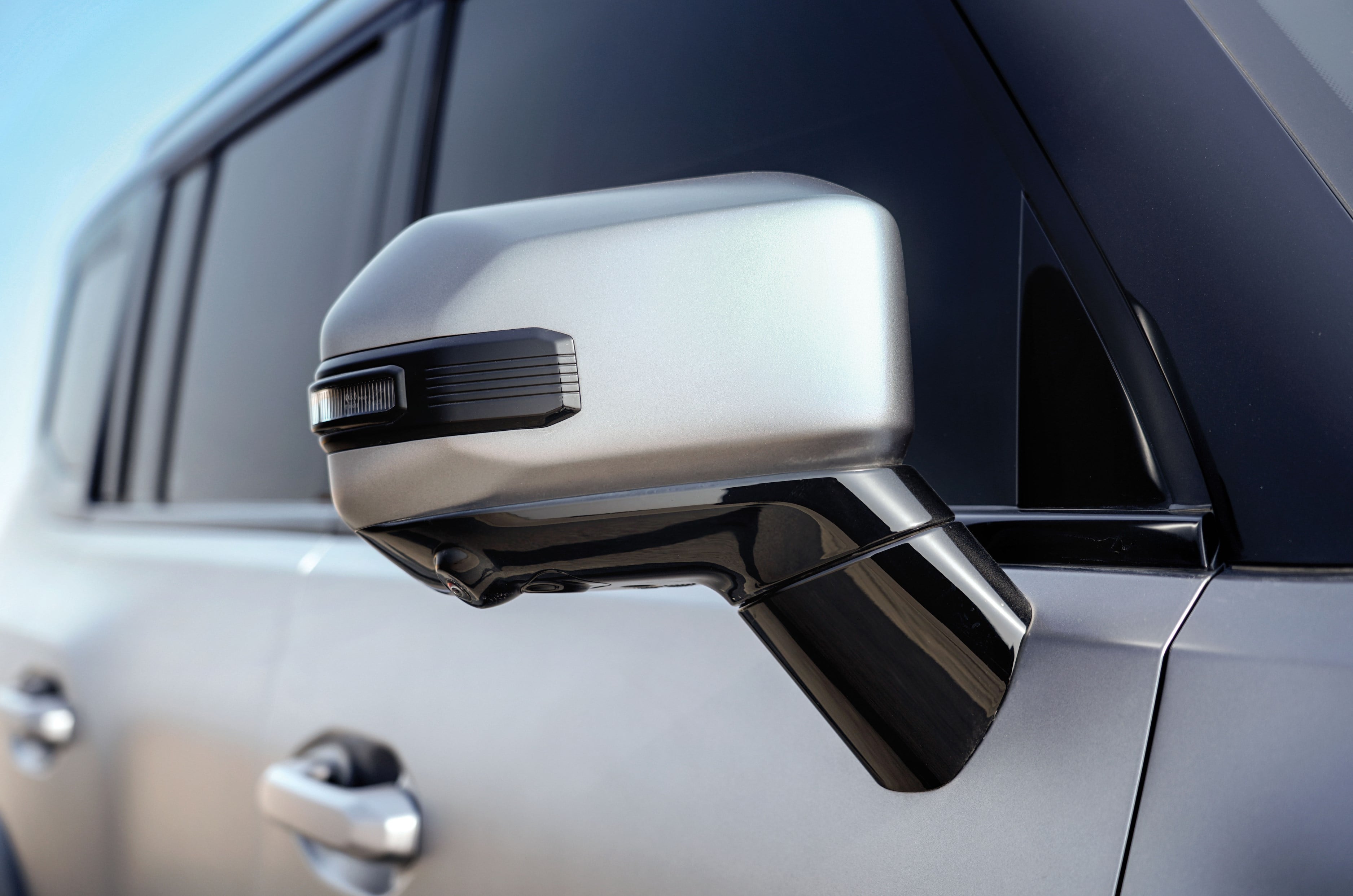
Chunky, door-mounted mirrors. Sadly, controls via touchscreen.
Ahead of the driver sits a 10.6-inch digital instrument cluster, a unit we’ve previously seen in some MG and BYD models. While it displays a wealth of information, the fonts and icons are rather small, making them difficult to read at a glance.
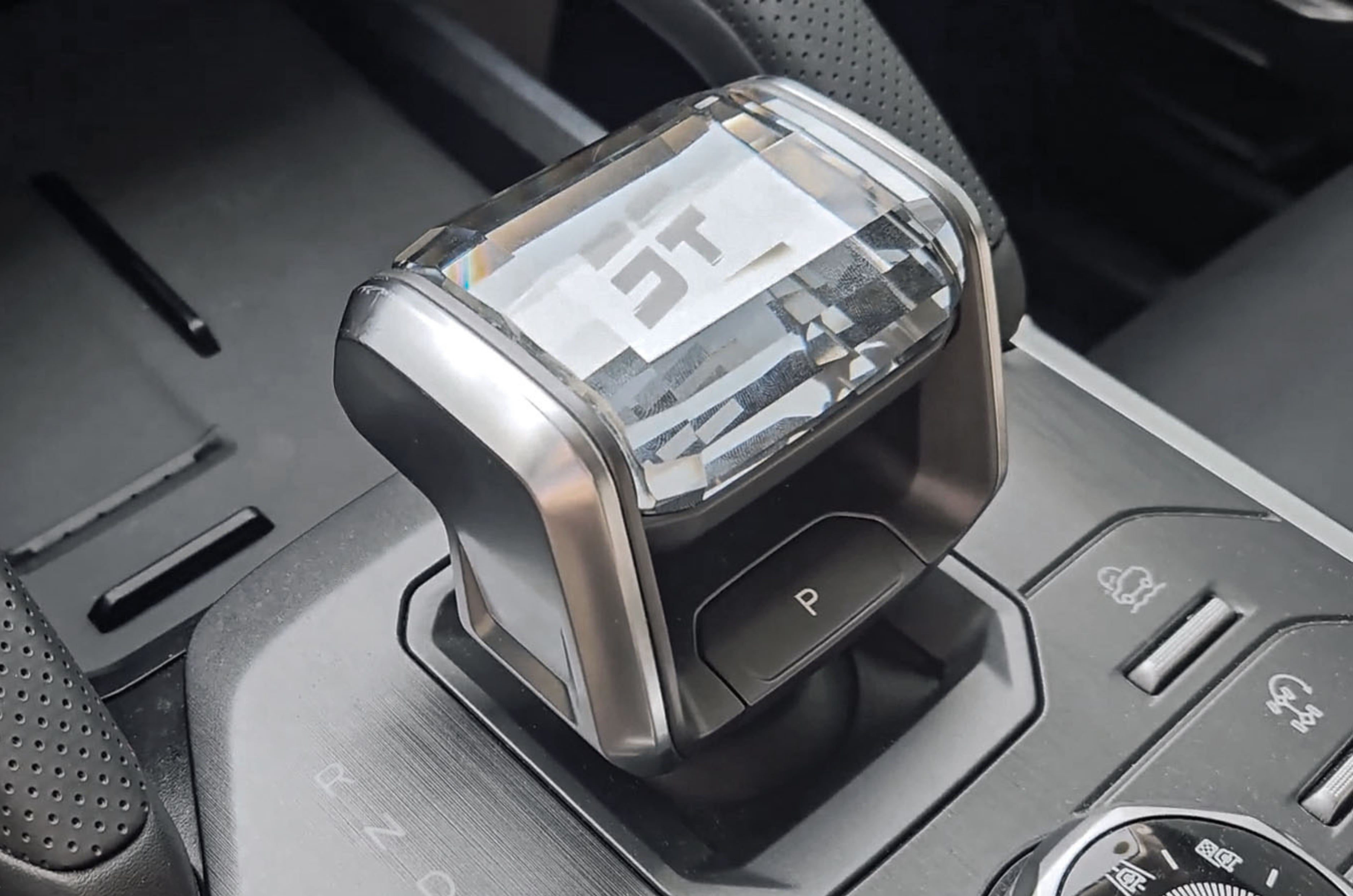
Material quality is generally impressive. The stalks and window switches feel robust and premium, while the jewel-like gear selector features an attractive diamond-cut effect. However, under harsh sunlight, it becomes highly reflective and can prove distracting. Reflections from the dashboard on the front windows are also noticeable.
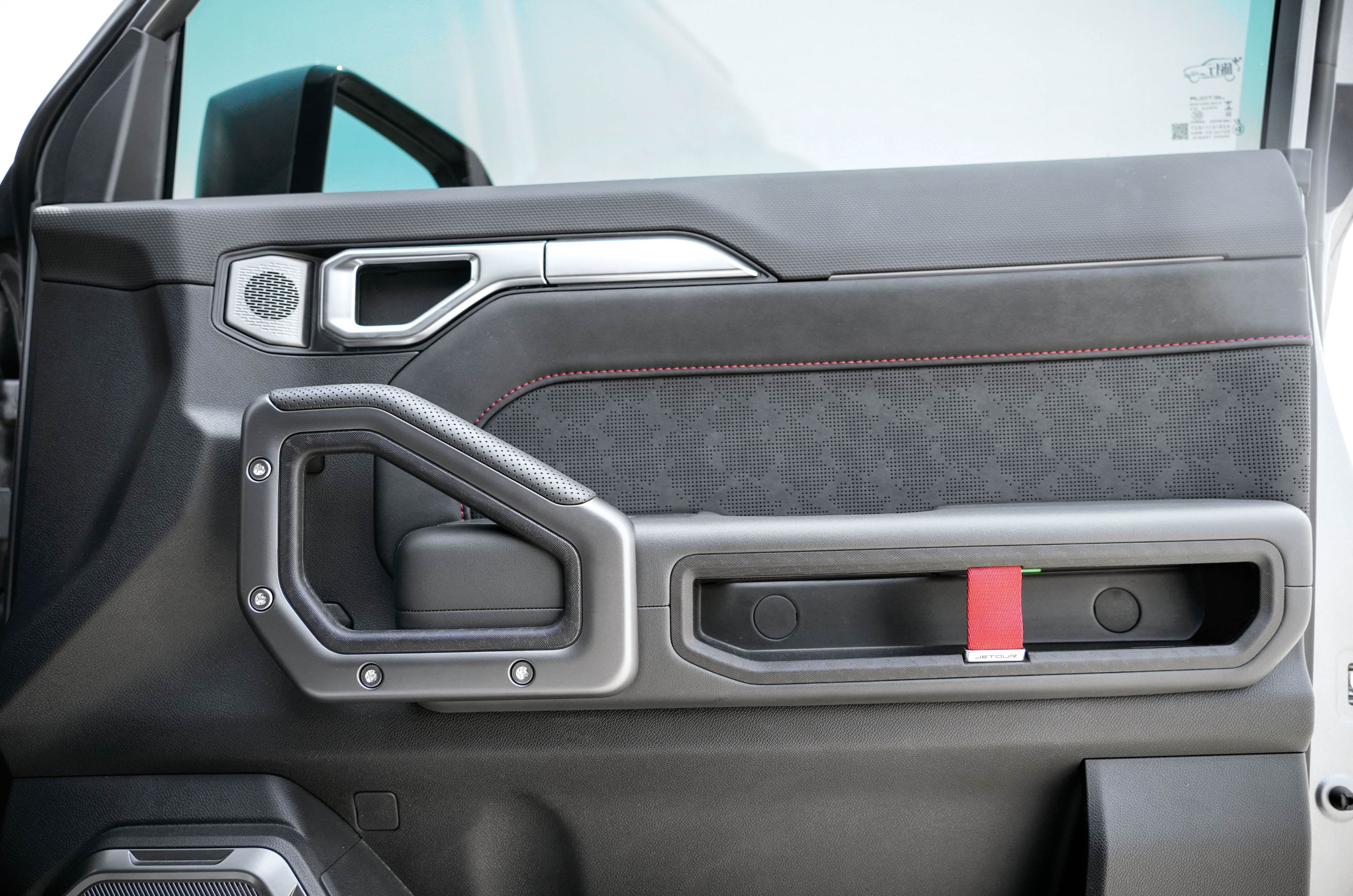
Rugged-looking door pads with nice detailing.
Notably, its dual-zone climate control struggled to cool its large cabin quickly despite the heavily tinted windows. While our test vehicle was a China-specific version, we hope the version we’re going to get in India has an upgraded air-con compressor. Its seat ventilation didn’t seem very effective either, even at its maximum setting.
Diamond-like chunky gear selector is illuminated.
The sculpted front seats, finished in black leatherette with contrasting red stitching, look suitably sporty. They provide excellent support, though the cushioning feels slightly overstuffed, and the absence of lumbar adjustment is disappointing.
Practicality is a strong point. There are large door bins, two phone storage areas (one incorporating a wireless charger), cupholders, a deep-cooled centre console, a large glovebox and even a hidden storage tray beneath the front seat.
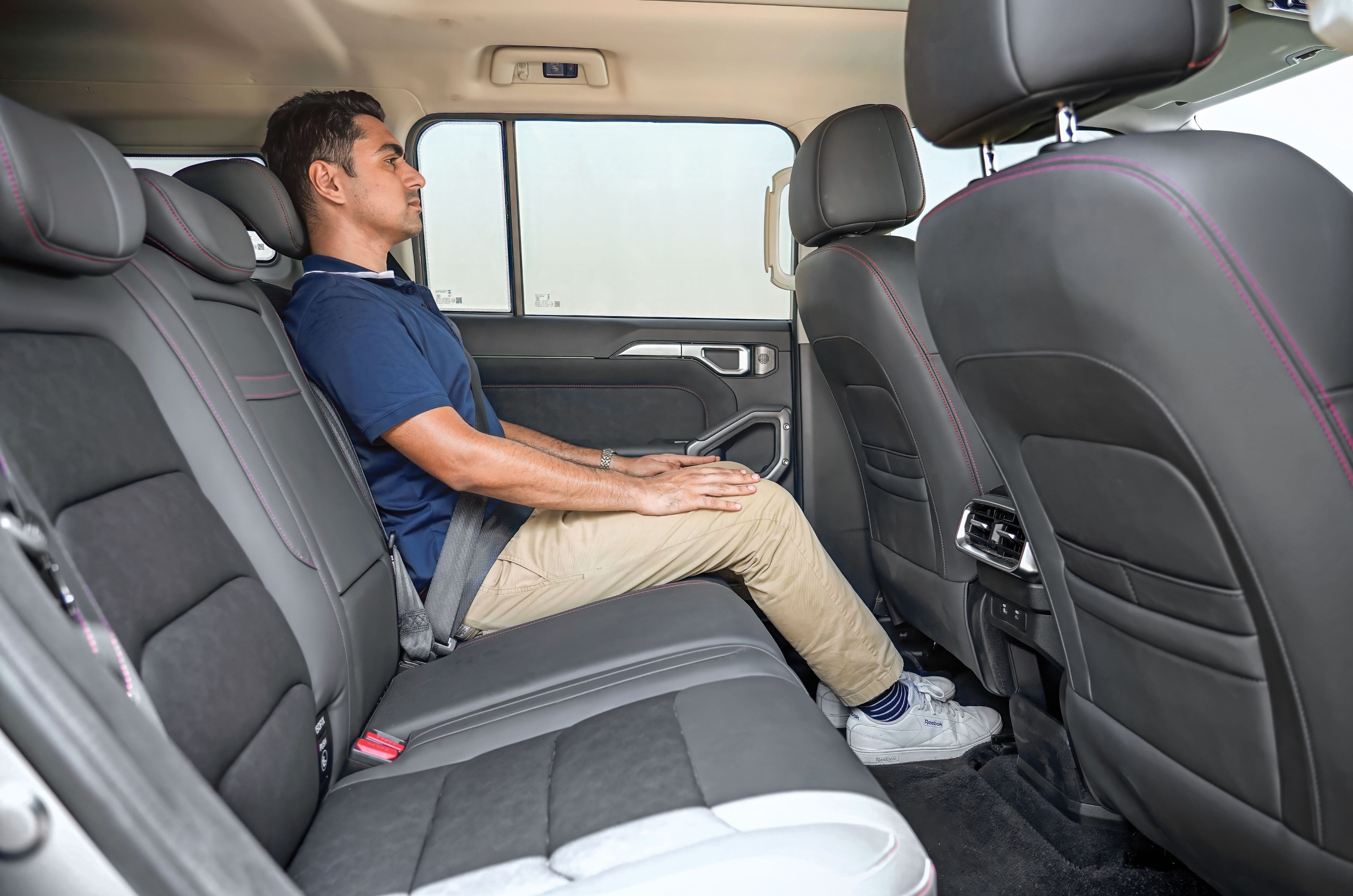
Albeit a bit low-set, rear seat is spacious. Flat floor, wide bench make it comfy for three adults.
The rear seat is equally spacious. A wide bench and completely flat floor make it comfortable for three adults, while the boxy cabin ensures generous headroom and overall space. The seat base is positioned slightly low, but comfort levels remain good.
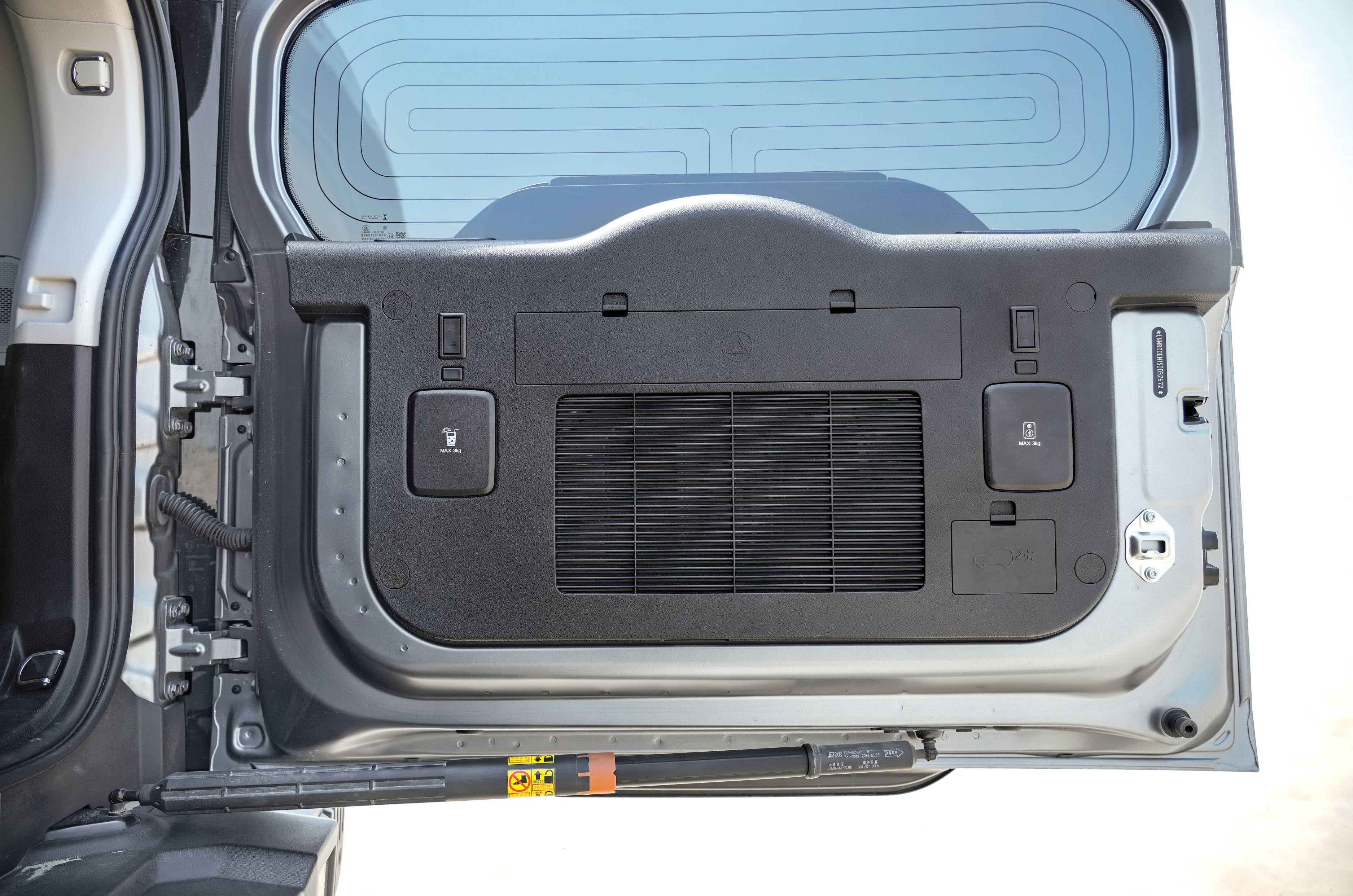
Cupholders, luggage hooks, bottle opener on its tailgate.
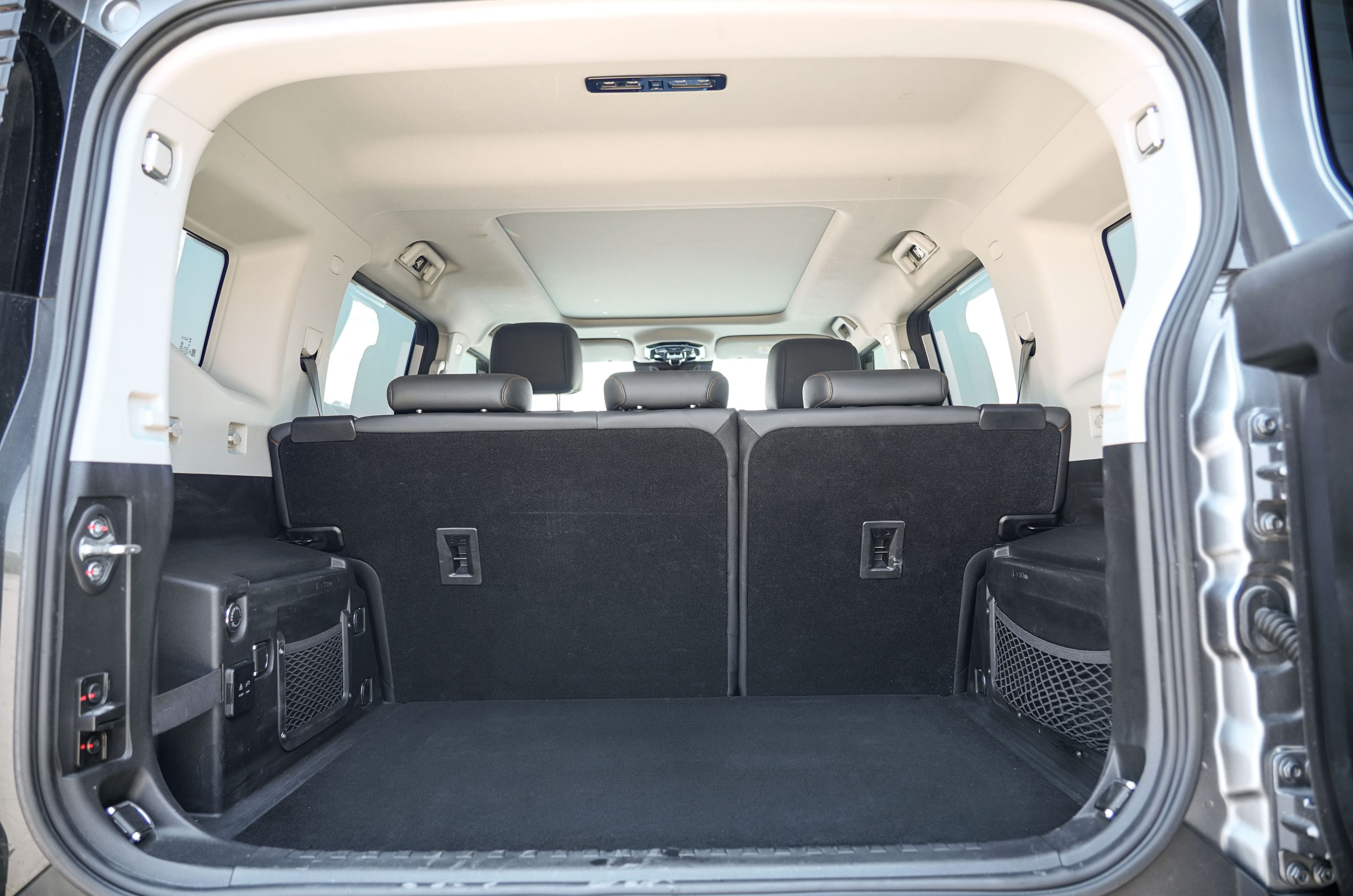
The side-hinged tailgate opens to reveal a cavernous 580-litre boot. Despite carrying the spare wheel, the tailgate itself requires surprisingly little effort to open. Thoughtful touches include a locking mechanism that prevents it from swinging shut unexpectedly, and there are cupholders, luggage hooks and even a bottle opener integrated into the inner panel. The boot area also features clever luggage nets and charging provisions, while a soft-close function further enhances convenience.
Humongous 580L boot. 60:40 rear seat split for added flexibility.
Besides the features already mentioned, it gets one-touch-down power windows, powered front seats with memory, LED lights all around, ambient lighting, a frameless inside mirror, autonomous emergency braking, lane-assist, adaptive cruise control, blind-spot monitoring, front and rear cross-traffic alert, six airbags, hill-start assist, hill descent control and ESP, to name a few more.
Jetour T2 Performance, Refinement and Efficiency- 8/10
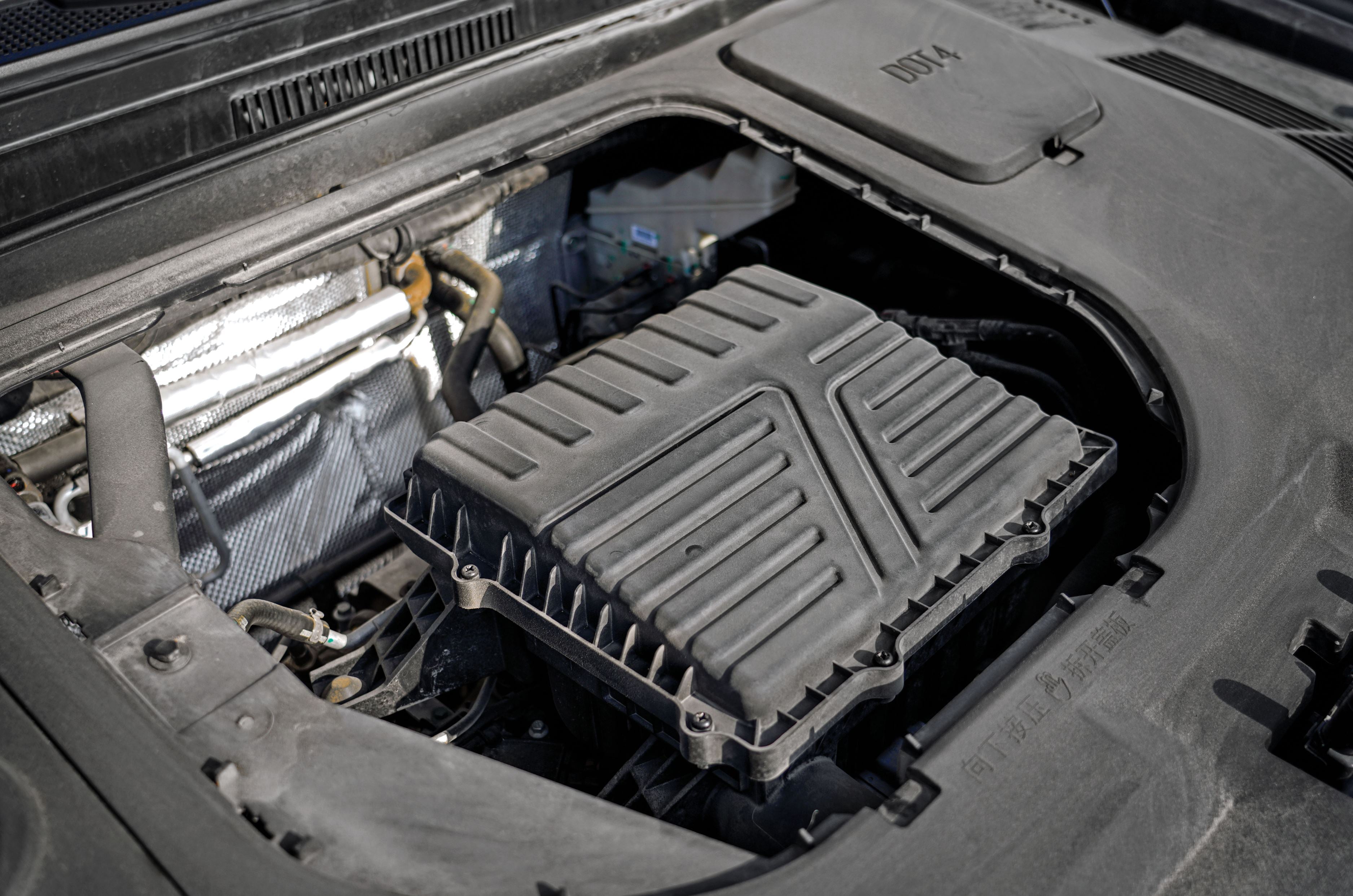
The T2 version we’re driving today is a plug-in hybrid, which combines a 156hp/220Nm 1.5-litre direct-injection turbo-petrol engine, a 43.24kWh LFP battery pack, and three electric motors. Together, the three motors produce 462hp and 700Nm of torque, with power sent to all four wheels. India will also see the plug-in tech, but in front-wheel-drive guise only, with two electric motors instead of three and a smaller 18.4kWh battery.
Powered by a 1.5 turbo along with 3 electric motors.
While the engineering sounds complex, the driving experience is refreshingly straightforward. The four-cylinder engine is refined, although when it operates primarily as a generator to charge the battery, a faint and distant hum does filter into the cabin.
The SUV can be driven either in pure EV mode or in hybrid mode. In EV mode, Jetour claims a range of up to 211km, and performance feels smooth and relaxed rather than outright brisk. Switch to hybrid mode, and the system automatically alternates between EV operation and combined petrol-electric drive, depending on throttle inputs, road conditions and battery charge levels, among other factors.
In this mode, performance feels remarkably effortless, with the T2 gathering speed with surprising urgency as speeds rise. Under full throttle, acceleration is initially measured up to around 40kph, after which there is a noticeable surge in performance as the powertrain delivers a much stronger pull.
Multiple drive modes are available, including Eco, Normal and Sport. In both Normal and Sport, we noticed the vehicle continuing to accelerate momentarily even after lifting off the throttle, which can feel unnerving. Throttle response in these modes is also a touch too aggressive. Eco mode offers a more natural and polished throttle calibration.
In our testing conducted in 40-degree heat, the T2 accelerated from 0-100kph in just 6.35 seconds in its sportiest setting – quick for its size. Flat out, it will reach a claimed top speed of 200kph.
The T2 also offers three levels of regenerative braking. Impressively, all three feel natural in operation, bringing the SUV down to a crawl smoothly and predictably. The brake pedal itself inspires confidence, with the transition between regenerative and friction braking being almost imperceptible.
Jetour T2 Ride Comfort and Handling – 6/10
Soft suspension and tall ride height mean driving dynamics aren’t anything to write home about.
The T2 rides on MacPherson struts at the front and a multi-link independent rear suspension setup. Its suspension tuning leans towards comfort, but this results in a degree of bounce over speed breakers and undulating surfaces.
The chunky, high-profile tyres do an excellent job of smothering smaller imperfections, while the 201mm laden ground clearance provides ample confidence over rough roads. At higher speeds, however, the ride never feels quite as settled or composed. One positive is that it remains well controlled under heavy braking, resisting excessive pitch.
Dynamic prowess is clearly not the priority here. The tall body exhibits a fair amount of roll, noticeable during quick lane changes. Push harder through a series of bends, and this two-tonner T2 understeers quite readily. Combined with its light and somewhat disconnected steering, it is clear that this SUV prefers a more relaxed driving style.
A light steering, smooth hybrid and excellent visibility make it surprisingly easy to drive.
Driven at a gentler pace, the T2 proves extremely easy to live with. The steering offers three weight settings, though it feels best in its lightest mode. Combined with excellent visibility and a smooth, responsive hybrid powertrain, it makes piloting this large SUV remarkably effortless.
Jetour T2 Should You Buy Now or Wait – 8/10
The Jetour T2 plug-in hybrid appears to have all the ingredients needed to establish the JSW brand in India and perhaps even challenge the Toyota Fortuner, despite offering only five seats. It is spacious and practical, it is expected to come loaded with technology and features, and its rugged styling gives it immense road presence and desirability.
The plug-in hybrid powertrain adds further unique appeal, offering the flexibility of pure EV driving and an impressive mileage figure with the hybrid tech. Better still, the system is smooth, refined and delivers strong performance.
It’s larger than a Fortuner, looks imposing, and stays true to the SUV formula.
Yes, it is not without flaws. The touchscreen experience and throttle calibration need refinement, the air-conditioning needs to be more effective, and the ride and handling would benefit from further fine-tuning for Indian conditions. These are areas we hope JSW addresses before launch.
On the whole then, the T2 is certainly ready for combat. Will it win, though, will also depend on JSW pulling off an aggressive pricing strategy and, importantly, backing it up with a reliable ownership and service experience too. That latter is why Toyota rules the roost. The battle lines, then, are drawn.
Russia Sanctions Bill: भारत और चीन जैसे देशों के लिए एक बड़ी और चिंता बढ़ाने वाली खबर सामने आई है। दरअसल, अमेरिकी राष्ट्रपति डोनाल्ड ट्रंप ने रूस पर कड़े प्रतिबंध लगाने वाले नए कानून पर हस्ताक्षर कर दिए हैं। इस बिल से उन्हें उन देशों पर 100% तक टैरिफ लगाने का अधिकार मिल गया है जो रूस से तेल और गैस खरीदते हैं।
Lindsey O. Graham Sanctioning Russia and Iran Act of 2026 के तहत रूस के एनर्जी सेक्टर, सीनियर अधिकारियों, वित्तीय संस्थानों और उन टैंकरों के खिलाफ कार्रवाई की जाएगी, जिन्हें पश्चिमी देशों के प्रतिबंधों से बचने के लिए इस्तेमाल किया जाता है। इन टैंकरों को आमतौर पर ‘शैडो फ्लीट’ कहा जाता है।
भारत-चीन पर कैसे पड़ेगा असर?
बुधवार को हाउस ऑफ रिप्रेजेंटेटिव्स ने यह कानून 262-159 के अंतर से पास कर दिया। इससे पहले इस बिल को सीनेट से मंजूरी मिल चुकी थी। नए कानून के तहत रूस से तेल या गैस खरीदने वाले पांच सबसे बड़े खरीदार देशों पर 100% तक टैरिफ लगाया जा सकता है। हालांकि, इसका मतलब यह नहीं है कि भारत या चीन पर तुरंत 100% टैरिफ लगा दिया जाएगा। टैरिफ लगाना है या नहीं और अगर लगाना है तो किस दर पर, इसका फैसला राष्ट्रपति डोनाल्ड ट्रंप करेंगे।
जानकारी के मुताबिक, इस कानून का मकसद एनर्जी एक्सपोर्ट से मॉस्को की कमाई कम करना और यूक्रेन युद्ध को लेकर उस पर दबाव बढ़ाना है।
कब लागू हो सकता है टैरिफ?
यह कानून राष्ट्रपति के हस्ताक्षर के 30 दिनों के भीतर लागू हो जाएगा। इसके तहत, उन देशों से आयातित सामान पर 100 प्रतिशत तक शुल्क लगाना जरूरी है, जो कानून बनने से पहले के 12 महीनों में कुल मात्रा के हिसाब से रूसी कच्चे तेल या प्राकृतिक गैस के शीर्ष पांच खरीदार रहे हों। अगर किसी देश का रूसी गैस आयात, लागू अवधि के दौरान रूस के कुल निर्यात का 15 प्रतिशत से कम रहा हो और उसने उस आयात को कम करने के लिए “महत्वपूर्ण कदम” उठाए हों, तो उसे गैस से जुड़े शुल्कों से छूट मिलती है।
भारत ने रिश्तों पर असर पड़ने की चेतावनी दी
भारत ने वॉशिंगटन को पहले ही चेतावनी दे दी है कि नए कदमों से दोनों देशों के रिश्तों पर असर पड़ सकता है। नई दिल्ली ने कहा है कि वह एनर्जी सिक्योरिटी के लिए प्रतिबद्ध है और मार्केट की स्थितियों के आधार पर अलग-अलग सप्लायर्स से तेल खरीदना जारी रखेगी।
बता दें कि भारत, रूस से कच्चा तेल खरीदने वाले दुनिया के सबसे बड़े देशों में से एक है। जबकि चीन भी एक बड़ा खरीदार है, इसलिए नए कानून के तहत दोनों देशों पर असर पड़ सकता है।
वहीं, इस कानून से ट्रंप को टैरिफ के बारे में बड़े फैसले लेने की छूट मिलती है और कुछ खास स्थितियों में छूट देने का भी प्रावधान है।
भारत के लिए यह कानून ऐसे समय में आया है, जब नई दिल्ली, रूस से तेल खरीदने को लेकर वॉशिंगटन के बढ़ते दबाव और अपनी एनर्जी की जरूरतों के बीच संतुलन बनाने की कोशिश कर रही है।
शी जिनपिंग के दौरे से बढ़ सकती है टेंशन
सूत्रों के मुताबिक, ट्रंप के इस कदम से ठीक पहले, चीनी राष्ट्रपति शी जिनपिंग 24 सितंबर को अमेरिकी राष्ट्रपति से बातचीत के लिए वॉशिंगटन आने वाले हैं।
यह बैठक एक दशक में शी की पहली व्हाइट हाउस यात्रा होगी और इस साल दोनों नेताओं के बीच आमने-सामने की दूसरी मुलाकात होगी। इससे पहले उनकी मुलाकात मई में बीजिंग में हुई थी।
इस बैठक में व्यापार एक अहम मुद्दा हो सकता है। इसके अलावा ताइवान को लेकर तनाव, ईरान युद्ध, आर्टिफिशियल इंटेलिजेंस और अमेरिका-चीन के बीच टैरिफ (आयात शुल्क) को लेकर बनी अस्थायी शांति को आगे बढ़ाने की कोशिशों पर भी चर्चा हो सकती है।
गौरतलब है कि रूस पर लगाए गए नए प्रतिबंधों वाला कानून दोनों देशों के बीच दबाव का एक और मुद्दा बन सकता है, क्योंकि चीन रूस से ऊर्जा खरीदने वाले दुनिया के सबसे बड़े देशों में शामिल है।
In what’s set to be the largest and most ambitious product offensive in its 99-year history, Volvo announced that it’ll launch 13 new cars by the end of 2030. The line-up will consist of 7 models for Western markets and 6 models for China, spread across pure-electric (EV) and hybrid powertrains. Volvo is also aiming to make a few design changes while reducing the over-reliance on touchscreens, with Head of Design Thomas Ingenlath saying, “we have to aim for a better harmony, a better balance between the interactions we have with our digital device and the physical interaction.”
New models to include sedans and estates.
China-only cars will share platforms, tech and supply chain with Geely.
Western-market models will use existing SPA2 and SPA3 platforms.
Volvo also plans to rework the on-board user interface.
New Volvo models to include sedans and estates
Chinese models will be co-developed with Geely; US market to get a new electric SUV
Volvo’s new 13-car product offensive was revealed at the brand’s ‘Strategy Update’ event in Stockholm, where it was announced that there will be separate models to suit different market requirements. Cars bound for Western markets such as the EU, UK and US will be based on the existing SPA2 and SPA3 platforms, running the HuginCore computing architecture.
Volvo will be introducing new sedans and estates to its European portfolio, while a new full-size electric SUV is planned for the American market. The Swedish brand also said that it will be collaborating with parent company Geely for its China-specific models. The exercise will see the two automakers sharing platforms, a dedicated tech stack and a shared parts and supply-chain ecosystem.
Reworking design cues and the user interface
Upcoming models to integrate updated design elements and a more user-friendly interface
Coinciding with the Swedish brand’s 100th anniversary in 2027, Volvo is expected to introduce a new design language through a concept. While no details have been put forth, Ingenlath stated that the brand’s signature ‘Ironmark’ badge and diagonal grille slash will see a reiteration. Meanwhile, drawing parallels with Leica cameras, Ingenlath said that the aim is to strike a better balance between touchscreens and physical switchgear.
“The touchscreen is about flexibility and displaying what you don’t need to display all the time. So, use the touchscreen for what it’s good for and reintroduce a couple more buttons than what’s offered in today’s cars,” highlighted Ingenlath. “A function shouldn’t live permanently on a screen just because it can,” he continued. However, the design chief was quick to note that this approach could vary based on market preferences. Since digital interactions are more popular in China compared to most other markets, the models that will be sold there could sport a screen-heavy design.
Volvo’s regionalised approach to boost profitability
The brand aims to take advantage of increasing regionalisation to better match customer preferences
Volvo hasn’t disclosed model-wise details based on their target markets yet. However, it said that the plan is to double the brand’s market share in the pure-electric (BEV) segment while also offering the new third-generation hybrid powertrains for buyers who are reluctant to go fully electric. “Our showrooms will look very different in 2030. This is our strongest product pipeline ever, tailored to regional needs, and emphasises our ambition to be the leading premium car brand,” Volvo President and CEO Hakan Samuelsson said.
By developing regionally specific models through its ‘Strategy Update’ initiative, Volvo aims to tackle technology restrictions and trade tariffs alongside changing customer preferences. “The challenges for the car industry are immense, but our strategy gives a clear answer to how we adapt to these and our ambition is to be the leading premium car brand,” Samuelsson said.
Volvo expects to increase the commonality in parts shared with Geely to reach 30 percent, while the savings on material costs (apart from additional indirect savings) to hit 5 percent by 2030. Utilisation of existing SPA or shared hybrid platforms means lower investment per car when compared to the previous ‘first-car-on-platform’ launches such as the EX60. The company said that it will also be working on internal efficiency improvements to curb corporate overheads and increase productivity across the value chain. Combined, Volvo aims to push operating profit margins to go beyond 8 percent.
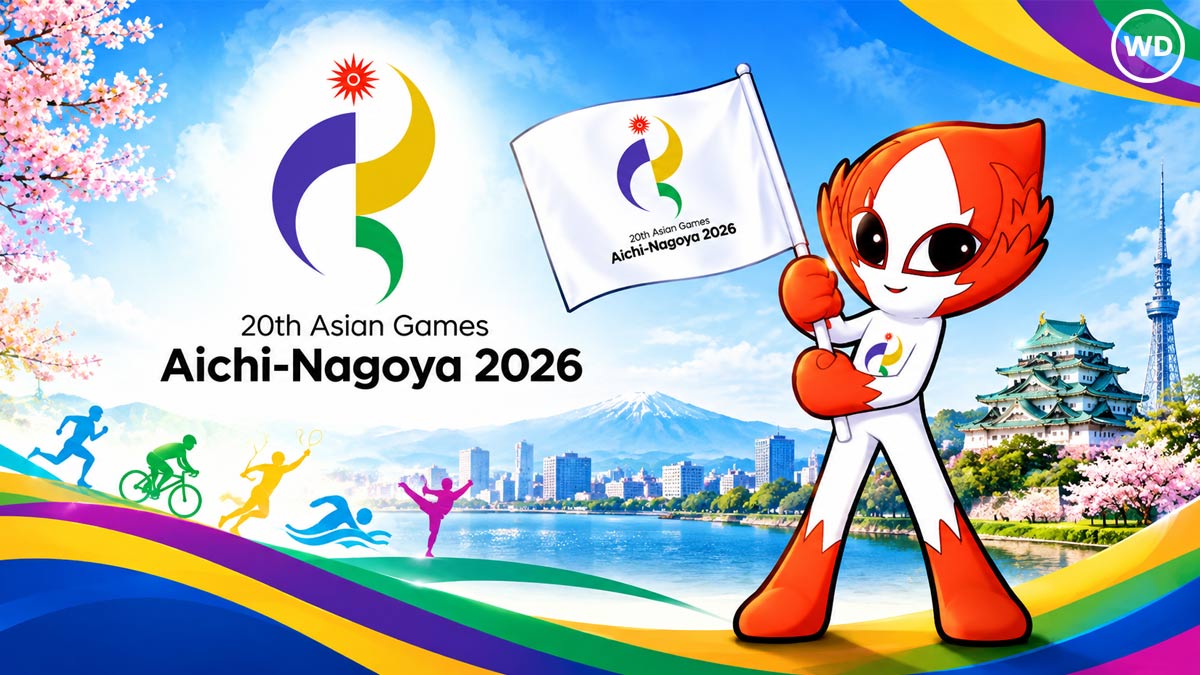
बुधवार को आइची-नागोया एशियाई खेलों से पहले, ट्रांसपोर्ट में भारी देरी के कारण कई देशों और क्षेत्रों के एथलीट और अधिकारी चुबू सेंट्रेयर इंटरनेशनल एयरपोर्ट के पास स्थित वेन्यू, आइची स्काई एक्सपो में फंस गए।कई देशों के दल अपने आधिकारिक ठहरने की जगह तक जाने के लिए घंटों इंतजार करते रहे, क्योंकि ऑन-साइट सिस्टम में बड़ी संख्या में एथलीटों की जानकारी नहीं मिल पाई, जिससे वे पहले से तय शटल बसों में नहीं चढ़ सके। इस समस्या के लिए कोई आधिकारिक कारण नहीं बताया गया।
चीनी दल के सदस्यों का एक समूह, जिसमें कई राष्ट्रीय टीमें शामिल थीं, स्थानीय समयानुसार दोपहर लगभग 12:15 बजे एयरपोर्ट पहुंचा। सिस्टम में उनकी कुछ जानकारी नहीं मिल सकी, जिससे समूह शटल बसों में नहीं चढ़ सका।
इस अव्यवस्था से कई देशों और क्षेत्रों के दल प्रभावित हुए। भारत की रोइंग टीम के एक कोच ने बताया कि उनकी टीम सुबह 10 बजे पहुंची थी, लेकिन ट्रांसपोर्ट के लिए चार घंटे से अधिक समय तक इंतजार करना पड़ा; उनसे पहले पहुंची टीमों को भी ऐसी ही देरी का सामना करना पड़ा। एक दल सदस्य के अनुसार, चीन की जिम्नास्टिक टीम के 21 सदस्यों में से केवल दो ही ऑन-साइट सिस्टम में मिल सके, जिससे पूरी टीम फंस गई।
INDIAN ATHLETES LEFT STRANDED IN NAGOYA DURING ASIAN GAMES!
Indian athletes reportedly waited for more than 14 hours for accommodation after arriving in Nagoya for the Asian Games.
Athletes from Vietnam, China, South Korea and Thailand were also reportedly a
थके-हारे एथलीट एयरपोर्ट टर्मिनल के ठीक बाहर आइची स्काई एक्सपो में घंटों इंतजार करते रहे। कई चीनी एथलीटों ने इस खाली समय का इस्तेमाल ट्रेनिंग के लिए किया और वार्म-अप के लिए योग मैट बिछाए। चीनी दल के एक अधिकारी ने कहा, “किसी ने हमें रवानगी का सही समय नहीं बताया। यहां तक कि स्टाफ और वॉलंटियर्स के पास भी कोई स्पष्ट जवाब नहीं है।”
दोपहर भर इंतजार का सिलसिला चलता रहा। कजाकिस्तान की शूटिंग टीम ने बिना किसी आधिकारिक स्पष्टीकरण के दो घंटे से अधिक समय तक इंतजार किया। एक वॉलंटियर ने कहा कि यह अव्यवस्था विभागों के बीच खराब तालमेल के कारण लग रही थी। वॉलंटियर ने कहा, “कामकाज के कई हिस्से आपस में जुड़े नहीं हैं। टीमें चाहें तो प्राइवेट ट्रांसपोर्ट का इंतजाम कर सकती हैं, लेकिन उन्हें इसका खर्च खुद उठाना होगा।”
आधिकारिक बसों के लिए कोई स्पष्ट समय-सीमा न होने के कारण, चीन की बैडमिंटन टीम ने एयरपोर्ट की पब्लिक बसों से जाने की कोशिश की, लेकिन सभी के लिए पर्याप्त टिकट नहीं मिल सके। कुछ एथलीट अलग-अलग चले गए, जबकि बाकी वहीं रुके रहे। बाकी बचे बैडमिंटन खिलाड़ियों की मदद नागोया में चीनी कॉन्सुलेट जनरल के स्टाफ़ ने की, जिन्होंने स्थानीय प्रवासी चीनी संपर्कों के ज़रिए चार्टर्ड गाड़ियों का इंतज़ाम किया। आख़िरकार पूरी टीम शाम 4:30 बजे आइची स्काई एक्सपो से रवाना हुई।
Japan’s Asian Games Hosting Is a Mess. India Would Never Hear the End of It.
– Indian athletes were left stranded in Nagoya for more than 12 hours on Wednesday with no rooms ready
– Cabins on the cruise ship also took hours to come through
– The men’s athletics team reached… pic.twitter.com/2iJRmqnYK9
दूसरी चीनी टीमों को भी काफ़ी देर तक इंतज़ार करना पड़ा। टेबल टेनिस, वुशु और रोइंग टीमों के कुछ सदस्य शाम 5 बजे के आस-पास सरकारी बसों में सवार हुए, जबकि जिम्नास्टिक्स टीम शाम 6 बजे तक वहाँ से नहीं निकल पाई – यानी पहुँचने के लगभग छह घंटे बाद।
कुछ डेलिगेशन के लिए यह परेशानी और भी लंबी चली। स्थानीय समय के अनुसार शाम 7 बजे के आस-पास, श्रीलंकाई डेलिगेशन के एक अधिकारी ने बताया कि घर से निकलने के बाद से टीम का कुल सफ़र और इंतज़ार का समय 24 घंटे तक पहुँच गया था।
पूरे दिन हालात बहुत साधारण रहे। वेन्यू पर सिर्फ़ पीने का पानी उपलब्ध था, खाने-पीने की कोई चीज़ नहीं थी। एक थके हुए एथलीट ने कहा, “मुक़ाबलों के मुक़ाबले मैदान के बाहर की ये परेशानियाँ झेलना ज़्यादा मुश्किल है।”गेम्स से पहले लॉजिस्टिक्स में आई इस गड़बड़ी ने मेज़बान की इवेंट को सुचारू रूप से चलाने की क्षमता पर कई सवाल खड़े कर दिए हैं।
भारत ने एक अहम फैसला लेते हुए चीन-पाकिस्तान जॉइंट बाउंड्री कमीशन को खारिज कर दिया है। यह कमीशन इसी हफ्ते से लागू भी हो गया है। भारत का कहना है कि इस्लामाबाद के पास उन इलाकों से जुड़े क्षेत्रीय समझौते करने का कोई कानूनी अधिकार नहीं है, जिन्हें नई दिल्ली अवैध और जबरदस्ती कब्जे वाला इलाका मानती है।
बता दें कि विदेश मंत्रालय (MEA) ने एक बार फिर से कहा कि भारत 1963 के तथाकथित चीन-पाकिस्तान सीमा समझौते को मान्यता नहीं देता है। मंत्रालय ने चेतावनी दी कि विवादित इलाके पर सहयोग को औपचारिक रूप देने की बीजिंग और इस्लामाबाद की किसी भी कोशिश का भारत की संप्रभुता या क्षेत्रीय दावों पर कोई असर नहीं पड़ेगा।
विदेश मंत्रालय के प्रवक्ता रणधीर जायसवाल ने एक बयान में कहा, “इस मामले पर हमारा रुख साफ और एक जैसा है। पाकिस्तान और चीन के बीच कोई सीमा नहीं है। हम तथाकथित ‘जॉइंट कमीशन’ को खारिज करते हैं, जिसका कोई कानूनी आधार नहीं है।”
इस कमीशन के काम शुरू करने से पाकिस्तान के कब्जे वाले कश्मीर (PoK) के कुछ हिस्सों को लेकर लंबे समय से चल रहा क्षेत्रीय विवाद फिर से उभर आया है। इन हिस्सों में वे इलाके भी शामिल हैं जिन्हें भारत जम्मू-कश्मीर और लद्दाख केंद्र शासित प्रदेशों का अभिन्न अंग मानता है।
नई दिल्ली का विरोध इस बात पर आधारित है कि पाकिस्तान ऐसे इलाकों के बारे में कोई समझौता नहीं कर सकता जिन्हें भारत अपना मानता है। भारत ने हमेशा चीन और पाकिस्तान के बीच 1963 के सीमा समझौते को खारिज किया है। भारत का तर्क है कि यह समझौता विवादित इलाके पर इस्लामाबाद के नियंत्रण को वैध नहीं बना सकता और न ही भारत के क्षेत्रीय दावों को बदल सकता है।
भारत ने 1963 के चीन-पाकिस्तान सीमा समझौते को खारिज किया
चीन और पाकिस्तान ने 1963 में एक सीमा समझौते पर हस्ताक्षर किए थे, जिसमें उन इलाकों की सीमा शामिल थी जो उस समय पाकिस्तान के नियंत्रण में थे। इस समझौते में उस क्षेत्र में चीन-पाकिस्तान सीमा के सीमांकन की व्यवस्था की गई थी और यह भारत तथा इन दोनों देशों के बीच विवाद का एक बड़ा मुद्दा बना हुआ है।
भारत ने इस समझौते को कभी स्वीकार नहीं किया है। भारत का कहना है कि उस इलाके पर पाकिस्तान का नियंत्रण गैर-कानूनी है और इस्लामाबाद के पास भारतीय जमीन से जुड़े किसी क्षेत्रीय समझौते पर बातचीत करने का अधिकार नहीं था।
जयसवाल ने नई दिल्ली का यह रुख फिर से दोहराते हुए कहा कि जम्मू-कश्मीर और लद्दाख भारत का अभिन्न हिस्सा हैं। साथ ही, उन्होंने चीन और पाकिस्तान की उस कोशिश को भी खारिज कर दिया जिसमें वे विवादित इलाकों को ऐसा क्षेत्र मानते हैं जिन पर वे स्वतंत्र रूप से सीमा से जुड़े समझौते कर सकते हैं।
उन्होंने कहा, “जम्मू-कश्मीर और लद्दाख के पूरे केंद्र शासित प्रदेश हमेशा से भारत का अभिन्न और अविभाज्य हिस्सा रहे हैं और हमेशा रहेंगे। हमने 1963 के तथाकथित ‘चीन-पाकिस्तान सीमा समझौते’ को कभी मान्यता नहीं दी है और हमेशा यही कहा है कि यह गैर-कानूनी और अमान्य है।”
बता दें कि भारत का रुख यह है कि चीन और पाकिस्तान के बीच हुए द्विपक्षीय समझौते उसकी संप्रभुता को दरकिनार नहीं कर सकते और न ही पाकिस्तान के कब्जे वाले इलाकों पर उसके दावों को प्रभावित कर सकते हैं।
कब्जे वाले इलाकों की स्थिति बदलने की कोशिश पर भारत की चेतावनी
विदेश मंत्रालय ने चीन और पाकिस्तान के उस संभावित कदम की भी आलोचना की है, जिसके तहत वे भारत के दावे वाले इलाकों में सीमा सहयोग बढ़ाना चाहते हैं। नई दिल्ली का कहना है कि ऐसे कदमों को विवादित इलाके पर पाकिस्तान के नियंत्रण को मजबूत करने या उसे वैध बनाने की कोशिश के तौर पर देखा जा सकता है।
जायसवाल ने कहा कि भारत ऐसी किसी भी कार्रवाई का विरोध करेगा, जिसका मकसद इन क्षेत्रों की मौजूदा स्थिति को बदलना या भारत की क्षेत्रीय अखंडता को कमजोर करना हो।
जायसवाल ने कहा, “हम इन कब्जे वाले इलाकों की स्थिति बदलने या गैर-कानूनी कब्जे को सही ठहराने की किसी भी कोशिश का कड़ा विरोध और उसे खारिज करते हैं, क्योंकि इससे भारत की संप्रभुता और क्षेत्रीय अखंडता पर असर पड़ता है। भारतीय इलाकों को लेकर चीन और पाकिस्तान के बीच सीमा से जुड़ा कोई भी तथाकथित सहयोग पूरी तरह से अस्वीकार्य होगा और इसका भारत की संप्रभुता पर कोई असर नहीं पड़ेगा,”
गौरतलब है कि यह बयान पाकिस्तान के कब्जे वाले कश्मीर के इलाकों में चीन-पाकिस्तान सहयोग पर भारत की लंबे समय से चली आ रही आपत्ति को दिखाता है। नई दिल्ली ने बार-बार कहा है कि इन इलाकों पर पाकिस्तान के नियंत्रण का इस्तेमाल किसी तीसरे देश के साथ नए क्षेत्रीय समझौते करने के आधार के तौर पर नहीं किया जा सकता।
भारत ने पाकिस्तान से कब्जे वाले इलाकों को खाली करने को कहा
संयुक्त आयोग को खारिज करने के साथ-साथ, विदेश मंत्रालय ने पाकिस्तान से उन इलाकों को तुरंत खाली करने को कहा जो उसके नियंत्रण में हैं और जिन्हें भारत गैर-कानूनी और जबरन कब्जा मानता है।
जयसवाल ने इस्लामाबाद से उन इलाकों से हटने को कहा और भारत का यह रुख दोहराया कि वह क्षेत्र भारत की संप्रभुता वाले इलाके का ही हिस्सा है।
यह ताजा बयान ऐसे समय में आया है जब भारत, विवादित इलाकों में चीन और पाकिस्तान के बीच इंफ्रास्ट्रक्चर, कनेक्टिविटी और रणनीतिक सहयोग का लगातार विरोध कर रहा है। नई दिल्ली का हमेशा से यह कहना रहा है कि भारत की सहमति के बिना इन इलाकों में की गई गतिविधियों से न तो चीन और न ही पाकिस्तान के लिए कोई कानूनी अधिकार पैदा हो सकते हैं।
इसलिए, चीन-पाकिस्तान जॉइंट बाउंड्री कमीशन को भारत का अस्वीकार करना 1963 के समझौते से कहीं आगे की बात है। यह नई दिल्ली के उस रुख को भी दोहराता है कि बीजिंग और इस्लामाबाद के बीच कोई भी द्विपक्षीय समझौता उन इलाकों की स्थिति तय नहीं कर सकता जिन पर भारत अपना दावा करता है।
विदेश मंत्रालय ने कहा है कि भारत के क्षेत्रीय दावे जस के तस हैं और विवादित इलाकों की स्थिति बदलने या पाकिस्तान के कब्जे को कानूनी मान्यता देने की किसी भी कोशिश को नई दिल्ली खारिज कर देगी।
ऑस्ट्रेलिया की मशहूर HYROX एथलीट Joanna Wietrzyk ने बीजिंग में महिलाओं की प्रोफेशनल कैटेगरी जीतकर शानदार प्रदर्शन किया। उन्होंने 1 घंटे 1 मिनट 23 सेकंड में रेस पूरी की और पहला स्थान हासिल किया। लेकिन उनकी जीत की चर्चा उनकी परफॉर्मेंस से ज्यादा एक ऐसी घटना को लेकर होने लगी, जिसने खेल जगत और सोशल मीडिया दोनों में बहस छेड़ दी। रेस के दौरान Joanna को अचानक पेट से जुड़ी परेशानी हुई और वह अपने शरीर पर नियंत्रण नहीं रख पाईं। इसके बावजूद उन्होंने रेस नहीं छोड़ी और मुश्किल एक्सरसाइज पूरी करते हुए फिनिश लाइन तक पहुंचीं। बाद में सामने आए वीडियो और तस्वीरों में उनके कपड़ों और पैरों पर गंदगी दिखाई दी।
आखिर क्यों उठे सवाल?
HYROX सिर्फ दौड़ने की प्रतियोगिता नहीं है। इसमें रनिंग के साथ स्लेज पुश, रोइंग, बर्पीज, लंजेस और वॉल बॉल जैसी कठिन एक्सरसाइज करनी होती हैं। कई जगह प्रतियोगियों को एक ही रास्ते और उपकरणों का इस्तेमाल करना पड़ता है। यही वजह है कि Joanna के रेस जारी रखने पर सवाल उठने लगे। आलोचकों का कहना था कि जैसे ही घटना सामने आई, आयोजकों को उन्हें रोक देना चाहिए था। उनका तर्क था कि इससे दूसरे खिलाड़ियों की स्वच्छता और स्वास्थ्य प्रभावित हो सकता था।
सोशल मीडिया पर बंटी लोगों की राय
घटना की तस्वीरें और वीडियो वायरल होने के बाद सोशल मीडिया पर बहस तेज हो गई। कुछ लोगों ने इसे साफ-सफाई के लिहाज से बेहद गंभीर मामला बताया। उनका कहना था कि प्रतियोगिता में दूसरे एथलीट भी उसी जगह और उपकरणों का इस्तेमाल कर रहे थे। हालांकि, कई लोगों ने Joanna का बचाव भी किया। उनका कहना था कि यह कोई जानबूझकर किया गया काम नहीं था, बल्कि बेहद कठिन शारीरिक मेहनत के दौरान हुई एक मेडिकल समस्या थी। ऐसे में एथलीट को शर्मिंदा करने के बजाय उसकी स्थिति को समझना चाहिए।
आयोजकों ने बताया कैसे की गई सफाई
विवाद बढ़ने के बाद HYROX China ने बताया कि प्रभावित इलाकों को तुरंत बंद और अलग कर दिया गया था। दूषित उपकरणों को हटा दिया गया और कचरे को स्थानीय नियमों के मुताबिक निपटाया गया। इसके अलावा पूरे इलाके में डिसइंफेक्शन किया गया। आयोजकों ने यह भी कहा कि इवेंट खत्म होने के बाद संबंधित फर्श को बदल दिया जाएगा। हालांकि, आलोचकों का सवाल बना रहा कि अगर समस्या रेस के दौरान ही सामने आ गई थी तो उसी समय प्रतियोगिता को रोकने या एथलीट को हटाने की कार्रवाई क्यों नहीं हुई।
HYROX ने माना, नियमों में सामने आई कमी
मामले पर HYROX World ने भी बयान जारी किया। संगठन ने कहा कि मेडिकल इमरजेंसी और बायोकंटामिनेंट से जुड़ी प्रक्रियाएं पहले से मौजूद हैं, लेकिन बीजिंग की घटना में एलीट प्रतियोगिता और आम प्रतिभागियों वाली रेस के नियमों को लागू करने को लेकर कुछ अस्पष्टता सामने आई। संगठन ने माना कि खेल के बढ़ने के साथ नई और जटिल परिस्थितियां सामने आ रही हैं और नियमों को लगातार बेहतर करने की जरूरत है।
HYROX champion Joanna lost control of her bowels mid-race and still finished
Serious question: can the other athletes complain about having to compete on a poop-contaminated course? https://t.co/i9yeIVE6TX
विवाद के बीच Joanna ने अस्पताल के बिस्तर से सोशल मीडिया पर लिखा, “Go hard or go home… a win is a win.” उनके इस बयान पर भी मिली-जुली प्रतिक्रियाएं आईं। समर्थकों ने उनके जज्बे की तारीफ की, जबकि आलोचकों ने कहा कि किसी भी जीत से पहले एथलीट और बाकी खिलाड़ियों की सुरक्षा व स्वच्छता को प्राथमिकता मिलनी चाहिए।
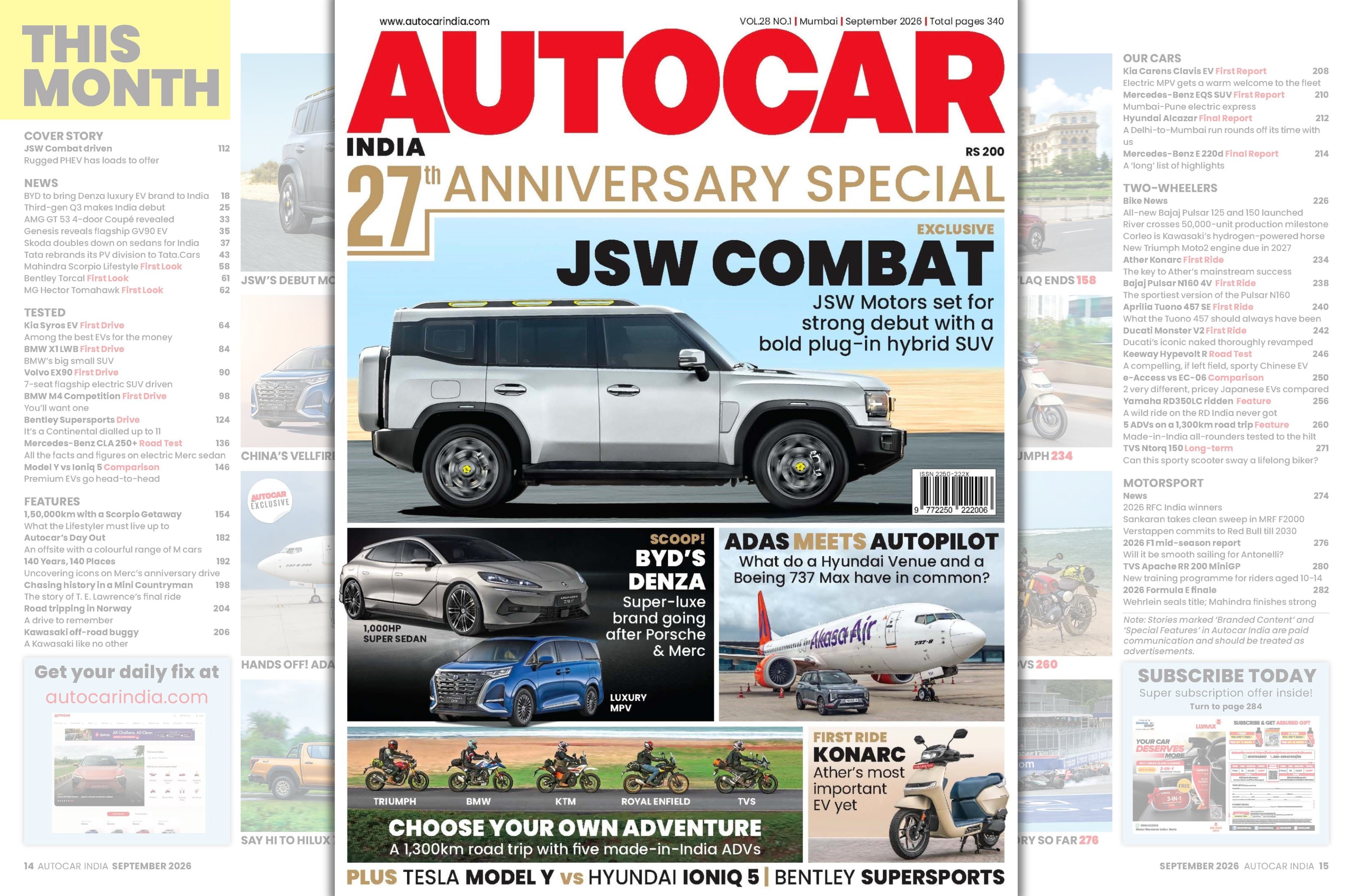
Autocar India turns 27, and rather than quietly celebrating with a cake, we’ve celebrated the way we know best: with scoops, exclusive drives and a frankly unreasonable amount of driving. In this issue, we bring you an exclusive drive of JSW’s new Combat SUV (you heard the name here first), a scoop on BYD’s Denza luxury push, and the last leg of the 20,000km Pune-to-Prague odyssey, alongside a serious collection of new cars and bikes. Oh, and there’s also a Boeing 737 Max aircraft involved. Because apparently cars weren’t complicated enough.
JSW Combat: Review
JSW’s first SUV is a rugged plug-in hybrid based on the Jetour T2. We get an early exclusive drive of the Combat and examine whether this newcomer really has what it takes to shake up the Rs 30-50 lakh SUV market.
BYD Denza: China’s Luxury Offensive
BYD is bringing Denza to India, with luxury EVs like the D9 MPV and Z9 GT aimed squarely at the established big boys. Having disrupted the mid-range EV market with BYD, it is now going after the high-end market with Denza.
ADAS Meets Autopilot: Hands Off!/Look ma, no hands!
What do a Hyundai Venue and a Boeing 737 Max have in common? Quite a lot, apparently. We climb into a full-flight simulator to understand how aircraft autopilot works and what it has in common with the increasingly sophisticated systems in our cars.
Skoda Kylaq: Pune to Prague, Part 2
The Silk Route may have been built for traders, but we’ve used it to find out just how far you can take a small SUV before it starts asking for a holiday. After 19,000km, 70 days and not a single puncture, our Skoda Kylaq finally reaches Prague.
Autocar’s Day Out: M-ployees of the Month
Most company off-sites involve a resort, a buffet and someone reluctantly joining a team-building exercise. Ours involved six BMW M cars, more than 3,000hp, a deserted concrete ground and a frankly irresponsible amount of tyre abuse. Four M4s and two M2s went head-to-head in slalom, football and drifting, and what began as a relaxing team outing rapidly descended into a war.
Tesla Model Y vs Hyundai Ioniq 5: Comparison
Two premium EVs, two very different ideas about what an electric car should be. The Model Y with its recently revised price, and the updated Ioniq 5 go head-to-head to see which makes the stronger case.
Bentley Supersports: Drive
Take a Continental GT and turn the dial towards something completely unnecessary. The result is Bentley’s Supersports, a rear-wheel-driven beast with considerably more intent. We drive it around Laguna Seca.
Mini Countryman C: First Drive
The Countryman has grown into a proper luxury SUV, with generous space, loads of kit and a new 1.5-litre turbo. At Rs 47.5 lakh, it’s the biggest and most grown-up Mini yet, and is ready to lock eyes with real luxury SUVs rather than merely be a fashion statement. But has it done that?
5 Ways to Adventure: Feature
Five made-in-India ADVs, 1,300km and one simple question: which is the best way to go exploring? We put the bikes through highway miles, trail riding and plenty of scenic detours to see how their different approaches to adventure stack up.
Ather Konarc: First Ride
Ather’s new Konarc brings the brand’s blend of quality and comfort to a wider audience, with prices starting at Rs 99,999. A compelling new step into the mainstream.
Suzuki e-Access vs Yamaha EC-06: Comparison
Japan finally answers India’s e-scooter boom, and the two takes couldn’t be more different – one built from scratch, the other born from an Indian startup partnership. Which one takes the crown?
Autocar India turns 27, and rather than quietly celebrating with a cake, we’ve celebrated the way we know best: with scoops, exclusive drives and a frankly unreasonable amount of driving. In this issue, we bring you an exclusive drive of JSW’s new Combat SUV (you heard the name here first), a scoop on BYD’s Denza luxury push, and the last leg of the 20,000km Pune-to-Prague odyssey, alongside a serious collection of new cars and bikes. Oh, and there’s also a Boeing 737 Max aircraft involved. Because apparently cars weren’t complicated enough.
JSW Combat: Review
JSW’s first SUV is a rugged plug-in hybrid based on the Jetour T2. We get an early exclusive drive of the Combat and examine whether this newcomer really has what it takes to shake up the Rs 30-50 lakh SUV market.
BYD Denza: China’s Luxury Offensive
BYD is bringing Denza to India, with luxury EVs like the D9 MPV and Z9 GT aimed squarely at the established big boys. Having disrupted the mid-range EV market with BYD, it is now going after the high-end market with Denza.
ADAS Meets Autopilot: Hands Off!/Look ma, no hands!
What do a Hyundai Venue and a Boeing 737 Max have in common? Quite a lot, apparently. We climb into a full-flight simulator to understand how aircraft autopilot works and what it has in common with the increasingly sophisticated systems in our cars.
Skoda Kylaq: Pune to Prague, Part 2
The Silk Route may have been built for traders, but we’ve used it to find out just how far you can take a small SUV before it starts asking for a holiday. After 19,000km, 70 days and not a single puncture, our Skoda Kylaq finally reaches Prague.
Autocar’s Day Out: M-ployees of the Month
Most company off-sites involve a resort, a buffet and someone reluctantly joining a team-building exercise. Ours involved six BMW M cars, more than 3,000hp, a deserted concrete ground and a frankly irresponsible amount of tyre abuse. Four M4s and two M2s went head-to-head in slalom, football and drifting, and what began as a relaxing team outing rapidly descended into a war.
Tesla Model Y vs Hyundai Ioniq 5: Comparison
Two premium EVs, two very different ideas about what an electric car should be. The Model Y with its recently revised price, and the updated Ioniq 5 go head-to-head to see which makes the stronger case.
Bentley Supersports: Drive
Take a Continental GT and turn the dial towards something completely unnecessary. The result is Bentley’s Supersports, a rear-wheel-driven beast with considerably more intent. We drive it around Laguna Seca.
Mini Countryman C: First Drive
The Countryman has grown into a proper luxury SUV, with generous space, loads of kit and a new 1.5-litre turbo. At Rs 47.5 lakh, it’s the biggest and most grown-up Mini yet, and is ready to lock eyes with real luxury SUVs rather than merely be a fashion statement. But has it done that?
5 Ways to Adventure: Feature
Five made-in-India ADVs, 1,300km and one simple question: which is the best way to go exploring? We put the bikes through highway miles, trail riding and plenty of scenic detours to see how their different approaches to adventure stack up.
Ather Konarc: First Ride
Ather’s new Konarc brings the brand’s blend of quality and comfort to a wider audience, with prices starting at Rs 99,999. A compelling new step into the mainstream.
Suzuki e-Access vs Yamaha EC-06: Comparison
Japan finally answers India’s e-scooter boom, and the two takes couldn’t be more different – one built from scratch, the other born from an Indian startup partnership. Which one takes the crown?
पूरी दुनिया की नजर इस समय राजधानी दिल्ली पर है। शनिवार 12 सितंबर को दिल्ली में 18वें ब्रिक्स समिट की शुरुआत हो गई है। वहीं समिट के पहले दिन प्रधानमंत्री नरेंद्र मोदी और चीन के राष्ट्रपति शी जिनपिंग के बीच मुलाकात हुई। दोनों नेताओं ने भारत और चीन के रिश्तों को बेहतर बनाने पर चर्चा की। भारत की ओर से साफ किया गया कि दोनों देशों के बीच मतभेद हो सकते हैं, लेकिन उन्हें विवाद में बदलने से बचना चाहिए। इस बैठक को दोनों देशों के रिश्तों में सुधार की दिशा में एक अहम कदम माना जा रहा है।
बता दें कि, प्रधानमंत्री नरेंद्र मोदी ने ब्रिक्स शिखर सम्मेलन से इतर चीन के राष्ट्रपति शी जिनपिंग के साथ द्विपक्षीय बैठक की। इस दौरान भारत की ब्रिक्स अध्यक्षता के दौरान चीन से मिले समर्थन और सहयोग के लिए मैं आभार व्यक्त करता हूं। वहीं, राष्ट्रपति जिनपिंग ने कहा कि भारत और चीन एक-दूसरे की ताकत से सीख सकते हैं और शेयर विकास हासिल कर सकते हैं।
साथ मिलकर काम करने पर जोर
चीन के राष्ट्रपति शी जिनपिंग ने कहा कि मौजूदा मुश्किल अंतरराष्ट्रीय माहौल में भारत और चीन की बड़ी जिम्मेदारी है। उन्होंने कहा कि दोनों देश दुनिया में सबसे ज्यादा आबादी वाले देशों में शामिल हैं और ग्लोबल साउथ के अहम सदस्य हैं। ऐसे में दोनों को अपने लोगों के हित और पूरी मानवता के भविष्य को ध्यान में रखते हुए मिलकर काम करना चाहिए। शी ने कहा कि BRICS के मंच के जरिए भारत और चीन को बेहतर और मजबूत सहयोग को आगे बढ़ाना चाहिए। साथ ही दोनों देशों को समानता और व्यवस्थित बहुध्रुवीय दुनिया के साथ ऐसे आर्थिक वैश्वीकरण का समर्थन करना चाहिए, जिसमें सभी देशों को साथ लेकर चला जाए और सभी को फायदा मिले। इससे दुनिया में शांति, स्थिरता, विकास और समृद्धि को बढ़ावा देने में मदद मिलेगी।
सात साल बाद भारत आए शी जिनपिंग
वहीं दोनों नेताओं ने मुलाकात के बाद भारत के विदेश मंत्रालय ने बयान जारी कर कहा, “प्रधानमंत्री ने इस बात पर जोर दिया कि सीमा क्षेत्रों में शांति और स्थिरता दोनों देशों के बीच रिश्तों को लगातार मजबूत और बेहतर बनाने के लिए जरूरी आधार है।” बता दें कि, करीब सात साल बाद चीन के राष्ट्रपति शी जिनपिंग, राजधानी दिल्ली पहुंचे हैं। इससे पहले वह 2019 में भारत आए थे और उस दौरान तमिलनाडु के महाबलीपुरम गए थे। इसके बाद गलवान घाटी में हुई सैन्य झड़प के कारण भारत और चीन के रिश्तों में तनाव बढ़ गया था।
#WATCH | Delhi: During the bilateral meeting with PM Narendra Modi, Chinese President Xi Jinping said, “In the face of a complex international landscape marked by intertwined changes and challenges, China and India, as the world’s two most populous countries and important members… pic.twitter.com/MZff4EpQ6F
पीएम मोदी और शी जिनपिंग ने अगस्त 2025 में तियानजिन में हुई पिछली मुलाकात के बाद भारत-चीन रिश्तों में हो रही लगातार प्रगति का स्वागत किया। विदेश मंत्रालय ने बताया कि दोनों नेताओं ने इस बात पर सहमति जताई कि दोनों देशों को अपने रिश्तों को लंबे समय और रणनीतिक नजरिए से देखना चाहिए। नेताओं ने कहा कि आपसी मतभेदों को विवाद में नहीं बदलना चाहिए। प्रधानमंत्री मोदी ने जोर दिया कि भारत और चीन के रिश्ते आपसी सम्मान, एक-दूसरे की संवेदनशीलता को समझने और दोनों देशों के हितों को ध्यान में रखकर आगे बढ़ने चाहिए।
Prime Minister Narendra Modi met with Xi Jinping, President of the People’s Republic of China, on the sidelines of the BRICS Summit in New Delhi.
बैठक के दौरान भारत और चीन के बीच सीमा विवाद पर भी चर्चा हुई। विदेश मंत्रालय के मुताबिक, प्रधानमंत्री नरेंद्र मोदी और राष्ट्रपति शी जिनपिंग ने बॉर्डर से जुड़े मुद्दे का ऐसा समाधान निकालने पर सहमति जताई, जो दोनों देशों के लिए उचित हो और आपसी बातचीत से स्वीकार किया जा सके। दोनों नेताओं ने सीमा से जुड़े मामलों को बातचीत और समझदारी के साथ सुलझाने की दिशा में आगे बढ़ने की प्रतिबद्धता दोहराई।
भारत-चीन सीमा को लेकर को लेकर भी हुई बात
भारत-चीन सीमा को लेकर भी प्रधानमंत्री नरेंद्र मोदी और चीनी राष्ट्रपति शी जिनपिंग के बीच बातचीत हुई। विदेश मंत्रालय के मुताबिक, दोनों नेताओं ने सीमा विवाद का ऐसा समाधान निकालने की इच्छा जताई, जो सही, व्यावहारिक और दोनों देशों को स्वीकार हो। इससे पहले दोनों नेताओं की मुलाकात अगस्त 2025 में चीन के तियानजिन में SCO समिट के दौरान हुई थी। अब एक बार फिर हुई इस बैठक को भारत-चीन रिश्तों में सुधार और सीमा से जुड़े मुद्दों पर बातचीत आगे बढ़ाने के लिहाज से अहम माना जा रहा है।