Tata Motors begins platform testing for Avinya models

Tata Avinya EV testing

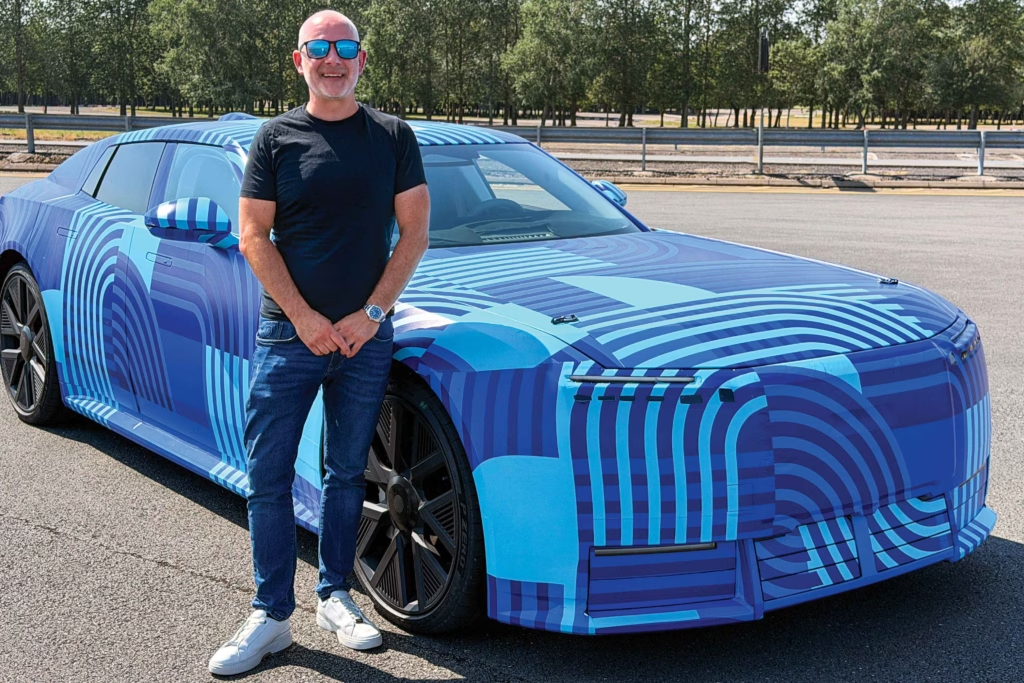
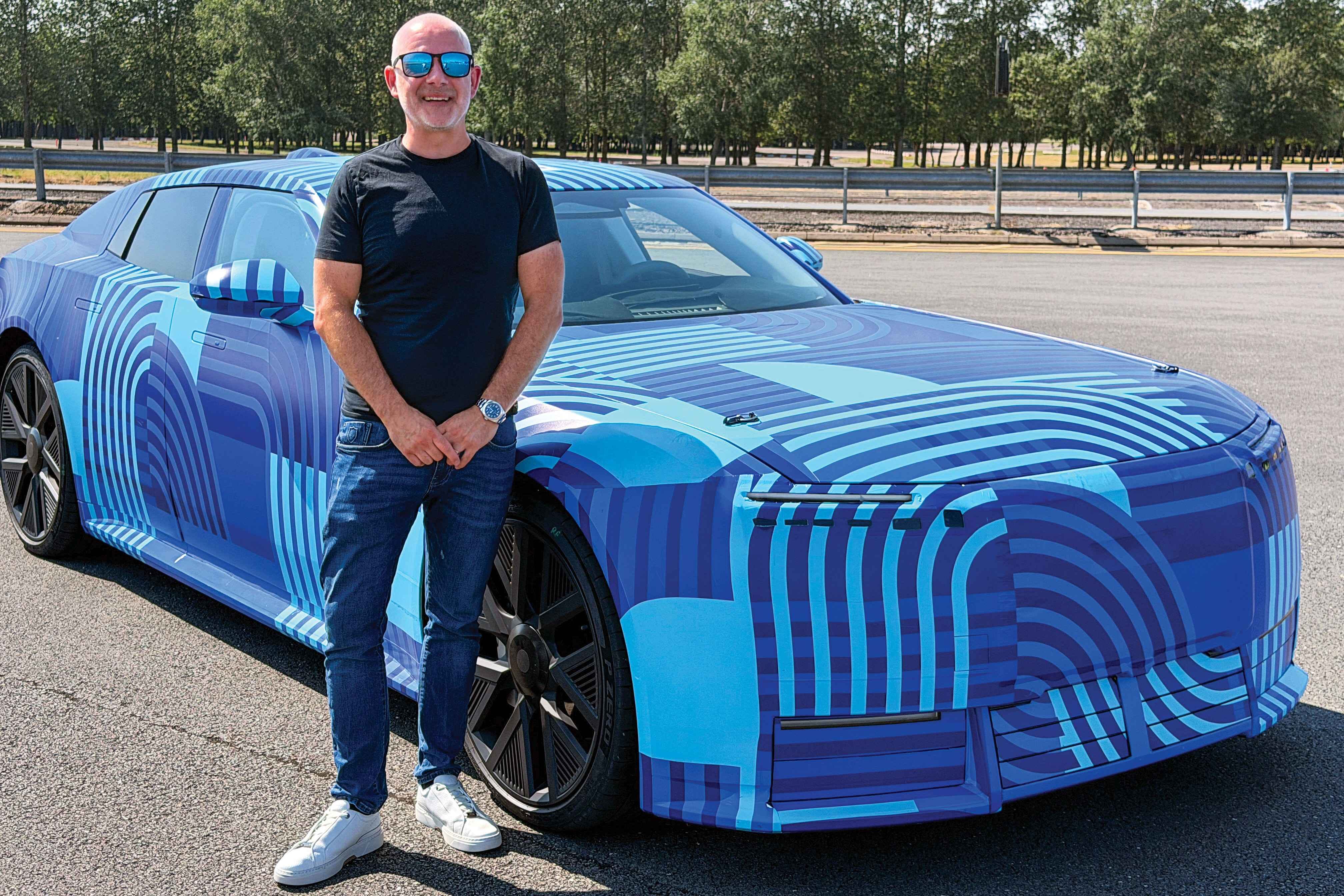
A new camouflaged prototype vehicle was recently spied testing in India, which many online reports speculated to be one of Tata’s upcoming Avinya models. Contrary to those reports, however, the spotted test mule is actually the Sterra ET, an SUV manufactured by Chinese automaker Exceed, a premium brand of Chery. Incidentally, the Exceed Sterra ET is based on the same Chery-JLR platform which Tata Motors recently announced will be underpinning its upcoming Avinya range. 

Tata Avinya EVs to Chery’s E0X platform 

Tata Motors recently confirmed that the Avinya range of models will be underpinned by the Freelander EV platform produced by Chery-JLR in China. Known as the E0X, this platform also underpins several other models in the Chinese market like the Exceed Sterra ES and Sterra ET, the latter of which has been spied testing on our roads. It’s also known as the Exceed Exlantix ET in markets outside China. 

Spied Tata test mule
Exceed Sterra ET


Essentially, the company is using the Exceed Sterra ET as a test bed for its upcoming Avinya EVs, but the spied test mule doesn’t preview any Avinya model in particular, even though its proportions are very similar to the Avinya X concept. 

While Avinya EV’s underlying mechanical architecture is expected to be similar to other models based on the E0X platform, Tata Motors is understood to be reworking key parts of the electronics, software and vehicle systems for Indian market requirements.

Exceed Sterra ET: what is it?

The Sterra ET is a near-5-meter-long SUV that’s available with both all-electric and range-extender hybrid powertrain options. It’s Exeed’s second product in its Sterra lineup after the Sterra ES sedan.

The Sterra ET is also known as the Exlantix ET in markets outside China. 

In all-electric guise, the Sterra ET gets an 800V architecture and can support batteries of up to 100kWh in size. It comes in either rear-wheel drive or all-wheel drive configurations and is claimed to return up to 760km of range in the CLTC cycle. Meanwhile, the range-extender hybrid versions use a 400V architecture and are powered by a 1.5-litre turbo-petrol engine coupled with either a 32kWh or a 41.2kWh battery packs. This, too, comes in both rear-wheel drive and all-wheel drive configurations, and is said to return a combined range of up to 1518 km on the CLTC cycle. 

First production model under Avinya brand is due in 2027. 

It remains to be seen which powertrain configurations Tata chooses for its Avinya range of EVs. The Sterra ET also gets Level 2 ADAS features, OTA updates and V2L capabilities.  

The first production model under the Avinya brand will be the Avinya X, due for a market launch in 2027. 

Image Source: torq_uenation via Instagram 

China: ट्रक के टायर पर बैठ 3 घंटे तक बाढ़ में तैरता रहा शख्स, वजह जानकर भावुक हो जाएंगे आप

दक्षिणी चीन से सामने आई एक भावुक कर देने वाली कहानी ने लोगों का दिल जीत लिया है। गुआंग्शी झुआंग स्वायत्त क्षेत्र में रहने वाले 30 साल के जी (Xie) ने अपने बुजुर्ग माता-पिता की चिंता में ऐसा कदम उठाया, जिसकी हर तरफ चर्चा हो रही है। लगातार बारिश और भयानक बाढ़ के कारण जब माता-पिता से संपर्क टूट गया, तो बेटे ने इंतजार करने के बजाय खुद उन्हें खोजने का फैसला किया। खतरनाक बाढ़ के पानी, तेज बहाव और मुश्किल हालात के बीच शिए करीब तीन घंटे तक तैरता रहा और अपने माता-पिता तक पहुंचने की कोशिश करता रहा।

इस दौरान उसकी हिम्मत और परिवार के प्रति प्यार ने लोगों को भावुक कर दिया। जी (Xie) की ये कहानी बताती है कि अपनों की चिंता इंसान को बड़े से बड़े खतरे का सामना करने की ताकत दे सकती है। सोशल मीडिया पर भी लोग उसकी बहादुरी की जमकर सराहना कर रहे हैं।

बारिश और बाढ़ ने मचाई तबाही

गुआंग्शी क्षेत्र में लगातार हो रही मूसलाधार बारिश और बांधों से पानी छोड़े जाने के कारण कई इलाकों में बाढ़ जैसे हालात बन गए थे। इस प्राकृतिक आपदा में बड़ी संख्या में लोग प्रभावित हुए और कई लोगों की जान भी चली गई। जी (Xie) के माता-पिता किनझोउ शहर के पास एक गांव में रहते थे, जो बाढ़ से सबसे ज्यादा प्रभावित इलाकों में शामिल था।

पिता चावल बचाने गए और फिर नहीं लौटे

स्थानीय रिपोर्ट्स के अनुसार, बाढ़ का पानी घर के आसपास बढ़ने लगा था। घटना से एक रात पहले जी (Xie) की मां ने उसे फोन कर बताया कि उसके पिता हाल ही में कटे हुए चावल को बचाने के लिए बाहर गए हैं, लेकिन काफी समय बाद भी वापस नहीं लौटे। बिजली कटने और मोबाइल नेटवर्क बाधित होने के कारण जी (Xie) अपने माता-पिता से दोबारा संपर्क नहीं कर पाया। उसे डर सताने लगा कि कहीं उसके 63 वर्षीय पिता बाढ़ के तेज बहाव में बह तो नहीं गए।

टायरों के सहारे शुरू किया खतरनाक सफर

अगली सुबह शिए ने अपने एक दोस्त के साथ माता-पिता के गांव जाने का फैसला किया। शहर से गांव की दूरी करीब 10 किलोमीटर थी और रास्ते में हर तरफ पानी भरा हुआ था। बाढ़ पार करने के लिए दोनों ने एक स्थानीय दुकान से ट्रक के दो पुराने टायर खरीदे और उन्हें तैरने के सहारे के रूप में इस्तेमाल किया।

तेज धार और ठंडे पानी के बीच जारी रही जंग

जी (Xie)पहले से अच्छा तैराक था, लेकिन उसने माना कि यह सफर आसान नहीं था। रास्ते में तेज बहाव और ठंडे पानी ने मुश्किलें बढ़ा दीं। कई जगह उन्हें काफी संघर्ष करना पड़ा। बताया गया कि अंतिम एक किलोमीटर की दूरी तय करने में ही लगभग एक घंटा लग गया।

ऊपरी मंजिल पर फंसे मिले पिता

कई घंटों की मेहनत के बाद जब शिए अपने घर पहुंचा, तो उसने देखा कि बढ़ते पानी के कारण उसके पिता घर की ऊपरी मंजिल पर फंस गए थे। पिता को सुरक्षित देखकर बेटे को राहत मिली। इसके बाद जी (Xie) ने अपने पिता को घर के पीछे बने संकरे रास्ते से निकालकर ऊंचाई वाले दूसरे घर तक पहुंचाया, जहां वह सुरक्षित रह सके।

बेटे ने पहले बचाया, फिर पिता को समझाया

पिता को सुरक्षित देखने के बाद जी (Xie) ने उन्हें डांट भी लगाई। उसने कहा कि चावल बचाने के लिए अपनी जिंदगी खतरे में डालना सही फैसला नहीं था। शिए ने बताया कि पिता उसे देखकर मुस्कुराए थे, लेकिन उसने तुरंत उन्हें समझाया कि किसी भी सामान से ज्यादा जरूरी इंसान की जिंदगी होती है।

मुश्किल समय में बेटे के प्यार की मिसाल

जी (Xie) की यह कहानी सोशल मीडिया पर तेजी से वायरल हो गई। बाढ़ जैसी खतरनाक स्थिति में अपने माता-पिता के लिए उसकी हिम्मत, चिंता और प्यार ने लोगों को भावुक कर दिया। यह घटना दिखाती है कि परिवार के प्रति जिम्मेदारी और अपनापन इंसान को मुश्किल से मुश्किल हालात का सामना करने की ताकत दे सकता है।

38 हजार रुपये की नौकरी छोड़ चाय बेचने लगा शख्स, अब कमाई सुनकर लोग बोले- ये तो कमाल हो गया

Tariff on Russia Oil: भारत-चीन को ट्रंप दे सकते हैं बड़ा झटका, रूस से तेल खरीदने पर 100% टैरिफ वाले बिल को अमेरिका के 60 सीनेटर्स ने किया समर्थन

US Tariff on India-China: रूस से कच्चा तेल और गैस खरीदने वाले देशों पर अब अमेरिका बड़ा एक्शन लेने जा रहा है। अमेरिकी संसद (सीनेट) में पेश किए गए 100 फीसदी तक का भारी टैरिफ वाले बिल को भारी समर्थन मिल रहा है। अमेरिका के 60 से ज्यादा सांसदों ने इस बिल को सपोर्ट किया है। अमेरिकी राष

Read More

Viral News: पोते को संभालने की बजाय बॉयफ्रेंड से मिलने गई सास! गुस्साई बहू ने तोड़ दीं 4 पसलियां

Viral News: पूर्वी चीन (Eastern China) से एक बेहद चौंकाने वाला मामला सामने आया है। भारत के पड़ोसी देश में एक महिला ने अपनी बुजुर्ग सास पर इसलिए हमला कर दिया क्योंकि सास ने पोते-पोतियों की देखभाल करने के बजाय अपने बॉयफ्रेंड के साथ बाहर घूमने चली गई। इस हिंसक हमले में बुजुर्ग महिला की चार पसलियां टूट गईं। इस घटना ने सोशल मीडिया पर भारी गुस्सा पैदा कर दिया है। इस मामले ने पारिवारिक जिम्मेदारियों को लेकर एक नई बहस छेड़ दी है।

साउथ चाइना मॉर्निंग पोस्ट (SCMP) की रिपोर्ट के मुताबिक, यह घटना झेजियांग प्रांत के जियाक्सिंग शहर की है। इसे हाल ही में झेजियांग टेलीविजन द्वारा रिपोर्ट किया गया है। मामला तब और विवादित हो गया जब बेटे ने भी अपनी मां का साथ देने के बजाय पत्नी का समर्थन कर दिया। उसने कहा कि उसकी मां इसकी हकदार थी। इस घटना ने चीन में दादा-दादी की जिम्मेदारियों और बुजुर्गों के निजी जीवन को लेकर बड़ी बहस छेड़ दी है।

कैसे शुरू हुआ पूरा विवाद?

अलग शहरों में रहते थे पति-पत्नी: पीड़ित बुजुर्ग महिला का उपनाम ‘शेन’ है। वह अपने बेटे ‘जियाओ’ के दो बच्चों की देखभाल करती थीं। जबकि बेटा और बहू दोनों अलग-अलग शहरों में काम करते थे।

पति की मौत के बाद बदली जगह: पति के निधन के बाद, शेन अपना गृहनगर छोड़कर जियाक्सिंग में अपनी एक बेटी के साथ रहने आ गई थीं। विवाद तब शुरू हुआ जब एक बच्चे ने घर में लगे सर्विलांस कैमरे (CCTV) के जरिए अपनी मां को बताया कि उसकी तबीयत ठीक नहीं है। उसकी दादी उसका तापमान (फीवर) भी नहीं नाप रही हैं। यह सुनकर मां घबरा गई और तुरंत हाई-स्पीड ट्रेन पकड़कर जियाक्सिंग पहुंची और सास से भिड़ गई।

‘बच्चों को संभालने से अच्छा तो मैं मर जाऊं…’

बहू के आरोपों पर सास शेन ने बाद में सफाई देते हुए कहा, “बच्चे को संभालना बहुत मुश्किल हो रहा था। उस वक्त उनके खुद के दांत में बहुत तेज दर्द था। जब बहू ने उन्हें अस्पताल ले जाने की बात कही, तो शेन ने मना कर दिया और कहा कि वह अपने बॉयफ्रेंड से मिलने जाना चाहती हैं। उन्होंने यहां तक कह दिया कि बच्चों की देखभाल करने से बेहतर है कि मैं मर जाऊं।”

इसी बात पर दोनों के बीच बहस इतनी बढ़ गई कि बहू ने बुजुर्ग शेन पर हमला कर दिया। इससे उनके चेहरे पर गंभीर चोटें आईं और उनकी चार पसलियां फ्रैक्चर हो गईं। रिपोर्ट में यह भी सामने आया कि बच्चों की देखभाल को लेकर शेन पर बहू द्वारा हमला किए जाने की यह पहली घटना नहीं थी।

बेटे का चौंकाने वाला बयान

इस पूरे मामले ने तब और भी भयानक मोड़ ले लिया जब पीड़ित महिला के सगे बेटे (जियाओ) ने सार्वजनिक रूप से अपनी पत्नी का बचाव किया। बेटे ने अपनी ही मां को अनैतिक करार दिया। उसने कहा कि वह इस पिटाई के ही लायक थी, क्योंकि उसने अपने पोते-पोतियों को छोड़कर अपने अफेयर पर ध्यान देना चुना।

आर्थिक मदद की मांग: बेटे ने दलील दी है कि उसकी आर्थिक स्थिति ठीक नहीं है। ऐसे में उसकी मां को या तो बच्चों को पालने में मदद करनी चाहिए या फिर उसे पैसे (फाइनेंशियल सपोर्ट) देने चाहिए।

बेटियों ने किया मां का समर्थन

दूसरी तरफ, शेन की बेटियों ने अपने भाई और भाभी की इस हरकत का कड़ा विरोध किया है। बेटियों का कहना है कि उनकी मां ने सालों तक बेहद कम सैलरी पर एक सफाई कर्मचारी के रूप में काम किया है। इसलिए जीवन के इस पड़ाव पर उन्हें एक साथी के साथ खुश रहने और अपनी जिंदगी जीने का पूरा हक है।

सोशल मीडिया पर फूटा लोगों का गुस्सा

चीनी सोशल मीडिया पर यह मामला तेजी से वायरल हो रहा है। इस पर काफी बहस हो रही है। लोगों का कहना है कि दादा-दादी या नाना-नानी की यह कानूनी या नैतिक जिम्मेदारी नहीं है कि वे जबरन बच्चों की देखभाल करें। यूजर्स ने बुजुर्ग महिला के साथ हुई इस हिंसा की कड़े शब्दों में निंदा की है।

ये भी पढ़ें- ₹830 की पानी पुरी और 1,270 रुपये की पाव भाजी… लंदन में Haldiram के दाम देख चौंके भारतीय! भारत से 7 गुना मिल रहा महंगा

Upcoming CFMoto 250SR-R parallel-twin sportbike details revealed

CFMoto 250SR-R prototype

CFMoto first showcased a heavily disguised prototype of the 250SR-R at its annual CFMoto Day event in China in 2024, hinting at a twin-cylinder upgrade that would sit above the existing single-cylinder 250SR. Now, a newly published patent filing has revealed multiple details about what to expect from the upcoming motorcycle.

  1. Patent reveals a part-aluminium, part-steel trellis frame and twin-cylinder engine
  2. Headlight design appears similar to the larger CFMoto 750SR-S

CFMoto 250SR-R: What the patent reveals

The engine appears to be a downsized version of the 450SR’s parallel-twin

The patent drawings confirm that the 250SR-R uses a parallel-twin engine that appears visually similar to the unit found in the 450SR, suggesting it could be a downsized version displacing around 250cc. The engine is housed in a mixed-construction trellis frame that combines aluminium and steel sections.

Over the past year, CFMoto has expanded its global portfolio with models such as the 750SR-S and the V4-powered SR-RR. The upcoming 250SR-R appears to follow the same design language, featuring a headlight arrangement similar to that of the 750SR-S. The patent drawings also reveal small winglets integrated into the fairing. While they resemble the aerodynamic appendages seen on larger superbikes, on a motorcycle of this size they are more likely intended to improve airflow around the bodywork and reduce drag rather than generate meaningful downforce.

CFMoto currently sells the single-cylinder 250SR and 300SR in several international markets, with the twin-cylinder 250SR-R expected to slot above both as the more performance-focused option. For reference, the 250SR is powered by a 249cc liquid-cooled single-cylinder engine producing 27.9hp at 9,750rpm and 22Nm at 7,250rpm, while the 298cc single on the 300SR makes 29.9hp at 9,500rpm and 27Nm at 6,500rpm.

While a production timeline for the 250SR-R remains unknown, it’s unlikely we’ll see it in India anytime soon. CFMoto had previously planned to re-enter our market in 2025, but the company has since confirmed to us that those plans have been put on hold while it re-evaluates a longer-term strategy for India.

Source: AMCN

Xiaomi SkyNomad N90 hybrid revealed with flexible seating layout

Xiaomi SkyNomad N90

Xiaomi has unveiled the N90, the first model from the Chinese carmaker’s new ‘SkyNomad’ sub-brand. Where the Xiaomi SU7 sedan and YU7 SUV are positioned as more driver-centric offerings, the SkyNomad N90 is a large three-row SUV that prioritises practicality and comfort above all else.

Xiaomi SkyNomad N90 exterior design

Nearly 5.3 metres long and 2 metres wide, weighs 2.8 tonnes

The SkyNomad N90 adopts boxy and upright proportions, which are quite a departure from the more svelte-looking SU7 and YU7. According to a recent filing from China’s ministry of industry and information technology (MIIT), the SkyNomad N90’s top-spec Max variant measures 5,285mm in length, 1,998mm in width, and 1,825mm in height, with a 3,080mm wheelbase and 2.8-tonne kerb weight.

Up front, the SUV sports a full-width section that incorporates LED headlamps, Volvo-like T-shaped DRLs, and a ‘SkyNomad’ wordmark. Below, there’s a wide air dam flanked by discreet vertical air intakes. A LiDAR sensor can also be spotted on the leading edge of the roof. Over to the side, the SkyNomad N90 gets 21-inch alloy wheels, subtle body cladding, flap-type door handles, and a large glass area.

The rear overhang is quite substantial too, indicating a very roomy cabin. At the back, the SkyNomad N90’s defining trait is its rectangular LED light bar, within which sits another ‘SkyNomad’ wordmark. Other than that, there’s a sizable roof spoiler, a mildly raked windscreen, and lots of cladding on the rear bumper.

Xiaomi SkyNomad N90 interior and features

Xiaomi hasn’t fully showcased the SkyNomad N90’s dashboard yet, but in the images provided, we can spot a massive freestanding infotainment touchscreen and little to no physical controls. Other highlights include a tan finish, an entertainment screen for second-row occupants, and a dual-pane sunroof.

5-seat, 7-seat layouts; front seats can swivel back

Coming to seating, this is the main draw of the SkyNomad N90. In the 7-seater variant, it features powered and reclining second-row captain seats with ottomans, while the third row can accommodate up to three occupants. The front seats can swivel back to face the rear seats, and in 5-seater guise, the SkyNomad N90 can even fit a coffee table between the first and second rows.

Xiaomi SkyNomad N90 powertrain and range

1.5-litre turbo-petrol engine, dual electric motors, and 76kWh battery

The SkyNomad N90 is built on Xiaomi’s new Kunlun Architecture, and is the carmaker’s first range-extender EV. Though powertrain details have yet to be officially disclosed, the MIIT filing states that the range-topping SkyNomad N90 Max gets a 1.5-litre turbo-petrol engine that acts solely as a generator, while two electric motors drive the wheels.

Combined output is pegged at 421hp, with a claimed top speed of 190kph. The SkyNomad N90 comes with a 76kWh NMC battery pack as standard, which is good for an all-electric range of up to 370km (claimed). With a drained battery, the 1.5-litre turbo-petrol engine claims a fuel efficiency of 15.9kpl.

Volkswagen Group to cut model line-up by up to 50 percent by 2030

VW

The Volkswagen Group plans to reduce its global model line-up by up to 50 percent by 2030 as part of a wider restructuring of its business. The Group will also cut the number of variant options offered across its portfolio by up to 75 percent and reduce production capacity, as it looks to lower costs and simplify its operations. Volkswagen has not named the models that will be discontinued.

  1. Future line-up to focus on the ‘most attractive market segments’
  2. Annual production capacity to fall to around 9 million vehicles, from 10 million
  3. Platforms and electronic architectures will also be consolidated

Volkswagen Group to halve model line-up by 2030

The product changes form part of 12 initiatives that the Volkswagen Group plans to implement by 2030. The company said it will gradually “streamline” its model line-up by up to 50 percent, concentrating its portfolio on “the most attractive market segments”.

Volkswagen is also targeting a 75 percent reduction in what it calls “offering complexity”, which includes the number of equipment options available across its models. The company said this will allow it to focus investment and development resources on products that deliver the “greatest added value for customers and the highest value contribution” to the Group.

The Group has not confirmed which models will be affected by the reduction. Its portfolio spans Volkswagen, Skoda, Seat, Cupra, Audi, Porsche, Bentley and Lamborghini, among other brands.

“We are making the Volkswagen Group faster, more resilient and more competitive, through less complexity, focused technologies, and an even stronger alignment of products, development and production with regional markets,” said Volkswagen Group CEO Oliver Blume.

VW Group to reduce platforms, production capacity

Volkswagen also plans to reduce the number of platforms and electronic architectures used across the Group, with the aim of increasing the use of common technologies across its brands. The company will focus on technologies with what it describes as “high scaling potential”.

Annual production capacity will be reduced to around 9 million vehicles. Before the Covid-19 pandemic, the Group had established capacity to produce around 12 million vehicles annually and has already reduced this by about 2 million units. Volkswagen said further reductions are planned in Europe and China.

The restructuring comes as Volkswagen faces increased competition from Chinese carmakers, regulatory pressures, tariffs and geopolitical tensions. These factors have contributed to the Group’s profits falling by around half since 2021.

Up to 100,000 Volkswagen Group job cuts reported

The restructuring could also result in further workforce and factory reductions. Around 50,000 job cuts had already been outlined under earlier restructuring measures. Reports suggest Volkswagen could increase its planned workforce reduction to a total of 100,000 jobs and close four plants in Germany. However, the Group has not confirmed further job cuts or factory closures. 

The plants reportedly under consideration for closure are Hanover, Emden, Zwickau and Audi’s Neckarsulm facility. It remains unclear whether the sites would be closed or whether Volkswagen could seek buyers for them.

Autocar India completes Pune to Prague road trip in Skoda Kylaq

skoda kylaq p2p

Autocar India, in collaboration with Skoda India, has completed the Pune-to-Prague (P2P) road trip in the Kylaq compact SUV. This is one of the longest overland expeditions ever undertaken in a made-in-India passenger vehicle, with the Kylaq covering 19,351km over a span of 70 days.

As the name suggests, P2P began at the Skoda Auto Volkswagen India manufacturing facility in Pune, and concluded in Prague – the home of the Czech carmaker – spanning two continents and 13 countries along the way.

Skoda Kylaq proves its engineering mettle in P2P

During the P2P road trip, the Kylaq experienced a smorgasbord of terrains and climates. Starting in Pune, the compact SUV travelled through Mumbai, Vadodara, Udaipur, Jaipur, Agra, Lucknow, and Gorakhpur, before crossing into Nepal. The journey then continued across the Tibetan Plateau in China, the ancient Silk Road through Kyrgyzstan, Uzbekistan, and Kazakhstan, before heading into Georgia, Türkiye, Bulgaria, Romania, Hungary, and Slovakia, eventually concluding in Prague.

Throughout the drive, the Kylaq encountered altitudes ranging from -154 metres to 5,364 metres above sea level, while temperatures varied between -12 deg-C and 43 deg-C. The Kylaq also tackled mountain passes, high-altitude plateaus, sweeping long-distance highways, and historic trade routes, exposing the compact SUV to diverse road, weather, and driving conditions. At the end, the Kylaq finished the journey with no issues – not even a puncture or a scratch.

Highlights during the Kylaq P2P trip included stumbling upon a classic car rally in Bratislava, checking out the Transylvanian Bran Castle in Bucharest, witnessing glowing hot air balloons at the crack of dawn in Cappadocia, crossing the Bosphorus bridge that connects Asia and Europe, barrelling down the arrow-straight roads of Kazakhstan, visiting the 17th-century Potala Palace in China, and so much more.

Commenting on the achievement, Ashish Gupta, brand director of Skoda India, said that the Kylaq P2P was a “powerful demonstration of what Indian engineering and manufacturing can achieve on the global stage.”

ZXMoto 820RR-R and 820R revealed

ZXMoto 820RR-R being ridden on a racetrack

Chinese motorcycle manufacturer ZXMoto has unveiled two new additions to its middleweight lineup – the 820RR-R sportbike and the 820R naked. The former is a higher-spec version of the existing 820RR that has enjoyed a remarkably successful debut campaign in the 2026 WorldSSP championship, while the latter is an all-new streetfighter built around the same 818.8cc inline-triple platform.

  1. 820RR-R gets KYB suspension, Brembo M50 calipers, forged wheels
  2. 818.8cc inline-triple makes 145hp on the 820RR-R 
  3. 820R is a street-naked variant that makes 135hp

ZXMoto 820RR-R and 820R details

The 820RR-R gets a comprehensive hardware upgrade over the standard 820RR

For many enthusiasts, ZXMoto may still be an unfamiliar name, and that’s hardly surprising. The Chinese manufacturer was only established in 2024 by Zhang Xue, a former co-founder of Kove Moto, the brand best known internationally for its adventure motorcycles and Dakar Rally programme.

Despite its short existence, ZXMoto has quickly built credibility the old-fashioned way: by proving itself on the racetrack. The manufacturer entered the 2026 WorldSSP championship with the 820RR and made an immediate impact, becoming the first Chinese motorcycle manufacturer to win a WorldSSP race. It has since added further victories and, at the time of writing, sits third in the manufacturers’ standings behind only Yamaha and Ducati, ahead of established names including Triumph, Kawasaki, Honda and MV Agusta.

Building on that momentum, the company has now introduced the more focused 820RR-R. While the standard 820RR’s 818.8cc inline-triple produces 135hp at 12,000rpm and 80Nm at 9,500rpm, the RR-R raises output to 145hp at 13,500rpm and revs to 14,750rpm. The gains come courtesy of a higher compression ratio and titanium intake valves replacing the standard model’s steel units.

The chassis has also received a substantial upgrade. Suspension is now handled by a fully adjustable 43mm KYB USD fork and KYB monoshock, while braking duties are taken care of by Brembo M50 monobloc calipers and a Brembo master cylinder. Forged wheels replace the standard cast alloy units, contributing to a claimed 7kg weight saving that brings the wet weight down to 186kg. The RR-R also gains carbon-fibre winglets, a carbon-fibre exhaust tip and adjustable rearsets, and fuel tank capacity drops slightly from 18 litres to 16 litres.

The electronics package is equally comprehensive, featuring five riding modes, a six-axis IMU enabling cornering traction control and lean-sensitive ABS, a 6.2-inch Android-powered TFT display, TPMS, a bidirectional quickshifter, keyless ignition and a dual-chamber steering damper. Both the 820RR and 820RR-R continue to share the same cast aluminium frame, aluminium swingarm and adjustable rake and anti-squat geometry.

Alongside the RR-R, ZXMoto has also revealed the 820R naked. It uses the same 818.8cc inline-triple and aluminium chassis as the 820RR, producing 135hp at 12,000rpm. Unlike the RR-R, however, it uses suspension from Chinese manufacturer Yu’an and braking hardware from Taisko. It still gets a six-axis IMU, TPMS and keyless ignition as standard.

ZXMoto is actively working to expand beyond its home market of China, and its WorldSSP success is likely to help establish the brand internationally. The company has already confirmed its entry into the UK, where it will initially launch the 500RR sportbike, with the 820RR and 500F retro naked expected to follow in 2027. The United States is also among the brand’s target markets, and no plans for an India launch have been announced.

अकेलेपन से मिलेगा छुटकारा! चीन ने बनाया इंसानों जैसा दिखने वाला रोबोट

टेक्नोलॉजी की दुनिया में एक और बड़ा कदम उठाते हुए चीन की कंपनी UBTech ने अपना नया UWORLD U1 humanoid robot पेश किया है, जिसे अब तक का सबसे एडवांस फुल-साइज बायोनिक रोबोट बताया जा रहा है। यह रोबोट सिर्फ एक मशीन नहीं है, बल्कि इंसानों जैसा व्यवहार और अनुभव देने वाला एक “कंपैनियन रोबोट” है, जिसे खास तौर पर लोगों के साथ रहने, बातचीत करने और इमोशनल सपोर्ट देने के लिए डिजाइन किया गया है। इसमें ऐसी आधुनिक तकनीकें शामिल की गई हैं जो इसे मानव जैसी बातचीत और प्रतिक्रिया देने में सक्षम बनाती हैं।

कंपनी का दावा है कि यह रोबोट भविष्य में अकेले रहने वाले लोगों और बुजुर्गों के लिए एक सहारा बन सकता है। लॉन्च से पहले ही इसके हजारों प्री-ऑर्डर मिलना इस बात का संकेत है कि AI और रोबोटिक्स को लेकर दुनिया में उत्साह लगातार बढ़ रहा है।

 फैक्ट्री नहीं, घर और दिलों के लिए बना रोबोट

U1 को इंडस्ट्रियल कामों के लिए नहीं, बल्कि इंसानों के साथ रहने के लिए बनाया गया है। इसका इस्तेमाल बुजुर्गों की देखभाल, शिक्षा, हॉस्पिटैलिटी, रिसेप्शन और होम सर्विस जैसी जगहों पर किया जा सकता है, जहां इंसानी बातचीत जरूरी होती है।

कीमत और वेरिएंट

इस रोबोट को तीन वर्जन—लाइट, प्रो और अल्ट्रा में लॉन्च किया गया है। इसकी कीमत करीब 14 लाख रुपये से शुरू होकर ₹1.15 करोड़ रुपये तक जाती है। इसे अभी चीन में ही उपलब्ध कराया गया है और जल्द ही डिलीवरी शुरू होगी।

इंसानों जैसा रूप और नेचुरल मूवमेंट

U1 को मेल और फीमेल दोनों अवतार में बनाया गया है। इसका हाइट भी इंसानों जैसा है, पुरुष मॉडल करीब 183 cm और महिला मॉडल 168 cm। इसमें 88 सर्वो जॉइंट्स हैं, जिससे यह इंसानों जैसी बॉडी मूवमेंट कर सकता है।

20+ भावनाएं समझने वाला AI ब्रेन

इस रोबोट की सबसे बड़ी ताकत इसका इमोशनल AI सिस्टम है, जो 20 से ज्यादा भावनाओं को पहचान सकता है। ये बातचीत के दौरान आई कॉन्टैक्ट बनाए रखता है, पिछली बातें याद रखता है और समय के साथ और ज्यादा पर्सनल जवाब देता है।

बात करेगा, याद रखेगा और साथ भी देगा

UBTech का दावा है कि U1 अपने यूजर को पहचान सकता है, उनकी आदतें याद रख सकता है, दवाइयों की याद दिला सकता है और अकेलेपन में बातचीत करके इमोशनल सपोर्ट भी दे सकता है। यहां तक कि यह मूवी, स्पोर्ट्स या एक्टिविटी भी सजेस्ट करता है।

सिलिकॉन स्किन और रियलिस्टिक लुक

रोबोट के बाहर सिलिकॉन कोटिंग की गई है ताकि यह असली इंसान जैसा लगे। कैमरा, माइक्रोफोन और सेंसर इसे और भी ज्यादा इंटरैक्टिव बनाते हैं, जिससे लोगों को बातचीत करते समय अजीब एहसास न हो।

डेटा प्राइवेसी और लोकल प्रोसेसिंग

कंपनी का कहना है कि यूजर डेटा क्लाउड पर नहीं भेजा जाता, बल्कि डिवाइस में ही स्टोर होता है। इसमें तीन-लेयर प्राइवेसी सिस्टम दिया गया है ताकि यूजर की जानकारी सुरक्षित रहे। AI मॉडल लोकल प्रोसेसिंग पर ज्यादा काम करता है।

13,000+ प्री-ऑर्डर से मचा धमाल

लॉन्च से पहले ही इस रोबोट को 13,300 से ज्यादा प्री-ऑर्डर मिल चुके हैं, जो दिखाता है कि AI कंपैनियन टेक्नोलॉजी को लेकर लोगों में भारी उत्साह है।

चीन बन रहा रोबोटिक्स का पावरहाउस

रिपोर्ट्स के मुताबिक, चीन दुनिया के लगभग 85% ह्यूमनॉइड रोबोट इंस्टॉलेशन करता है। मजबूत सरकारी सपोर्ट और टेक मैन्युफैक्चरिंग इसे तेजी से आगे बढ़ा रही है।

एक्सपर्ट्स की चिंता

विशेषज्ञ मानते हैं कि ऐसे रोबोट अकेलेपन में मदद कर सकते हैं, लेकिन इससे इमोशनल अटैचमेंट, प्राइवेसी रिस्क और uncanny valley इफेक्ट जैसी चुनौतियां भी सामने आ सकती हैं।