भारतीय बैडमिंटन खिलाड़ी अश्मिता चालिहा ने रविवार को कोरिया मास्टर्स 2026 बैडमिंटन टूर्नामेंट के महिला एकल फाइनल में चीन की हान कियान्शी के खिलाफ एक गेम से पिछड़ने के बाद शानदार वापसी करते हुए खिताबी जीत दर्ज की। आज यहां 26 वर्षीय अश्मिता ने चौथी वरीयता प्राप्त चीनी खिलाड़ी हान को 14-21, 21-14, 21-14 से हराकर कोरिया मास्टर्स का खिताब जीता और इसके साथ ऐसा करने वाली पहली भारतीय बनने का गौरव हासिल किया।
यह टूर्नामेंट बीडब्ल्यूएफ सुपर 300 स्तर का है। यह जीत अश्मिता चालिहा का पहला BWF World Tour खिताब भी है और खास बात यह रही कि उन्होंने अपने पहले ही फाइनल में यह उपलब्धि हासिल की। इससे पहले भारतीय बैडमिंटन खिलाड़ी जून में मकाऊ ओपन के सेमीफाइनल तक पहुंची थीं। इसके साथ ही अश्मिता उन चुनिंदा भारतीय महिला एकल खिलाड़ियों की सूची में शामिल हो गई हैं, जिन्होंने बीडब्ल्यूएफ सुपर 300 या उससे ऊंचे स्तर के बैडमिंटन खिताब जीते हैं। इस सूची में ओलंपिक पदक विजेता साइना नेहवाल और पीवी सिंधु के अलावा देविका सिहाग और तन्वी शर्मा भी शामिल हैं।
History made in Korea!
Ashmita Chaliha becomes the first Indian to win the Korea Masters, defeating fourth seed Han Qian Xi of China in the Women's Singles final.
खिताब जीतने के बाद अश्मिता चालिहा ने कहा, “जीत के बाद मैं बहुत अविश्वसनीय महसूस कर रही हूं। लेकिन मैं अभी इसे समझने की कोशिश कर रही हूं।”इस जीत के साथ भारत ने बीडब्ल्यूएफ वर्ल्ड टूर पर महिला एकल में लगातार दूसरा खिताब अपने नाम किया है। पिछले सप्ताह तन्वी शर्मा ने ताइपे ओपन का खिताब जीतकर यह सिलसिला शुरू किया था। अश्मिता चालिहा ने क्वार्टर-फाइनल में ही बड़ा उलटफेर करते हुए जापान की शीर्ष वरीयता प्राप्त हिना अकेची को हराकर अपनी मजबूत दावेदारी पेश कर दी थी।
फाइनल में भी उन्होंने शानदार शुरुआत की और हान कियान्शी के खिलाफ 9-5 की बढ़त बना ली। हालांकि, चीनी खिलाड़ी ने लगातार पांच अंक हासिल करते हुए मुकाबले का रुख पलट दिया और अश्मिता को पहला गेम गंवाना पड़ा। इसके बाद अश्मिता चालिहा ने अगले दोनों गेम में शानदार वापसी की। उन्होंने इंटरवल पर मिली बढ़त का बेहतरीन फायदा उठाया और 53 मिनट में फाइनल अपने नाम कर लिया।
इससे पहले उन्होंने ऑल-इंडियन सेमीफाइनल में हमवतन रक्षिता रामराज को भी हराया था। अश्मिता चालिहा अब इस साल महिला एकल में बीडब्ल्यूएफ वर्ल्ड टूर खिताब जीतने वाली चौथी भारतीय महिला बन गई हैं। उनसे पहले जापान ओपन में पीवी सिंधु, थाईलैंड मास्टर्स में देविका सिहाग और ताइपे ओपन में तन्वी शर्मा ने खिताब जीते थे।
Audi will pursue a broader powertrain strategy spanning battery-electric vehicles, plug-in hybrids and combustion engines, stepping away from its earlier plan to become an all-electric carmaker. Global CEO Gernot Döllner said he reviewed Audi’s all-electric strategy after taking charge and decided that the company needed a more balanced product and powertrain mix to address the varying pace of EV adoption across markets.
“When I joined Audi, there was an all-electric strategy in place, which was one of the first things I reviewed,” Döllner told Autocar India in an exclusive interview. “We found a more balanced strategy between plug-in hybrids, especially important for Europe, combustion engine and electric.”
Global EV sales downturn lent ICE powertrains more time
The slower-than-expected pace of EV adoption in several global markets has extended the relevance of combustion engines and plug-in hybrids. Audi expects to retain a focused combustion-engine and plug-in-hybrid portfolio, particularly for SUVs.
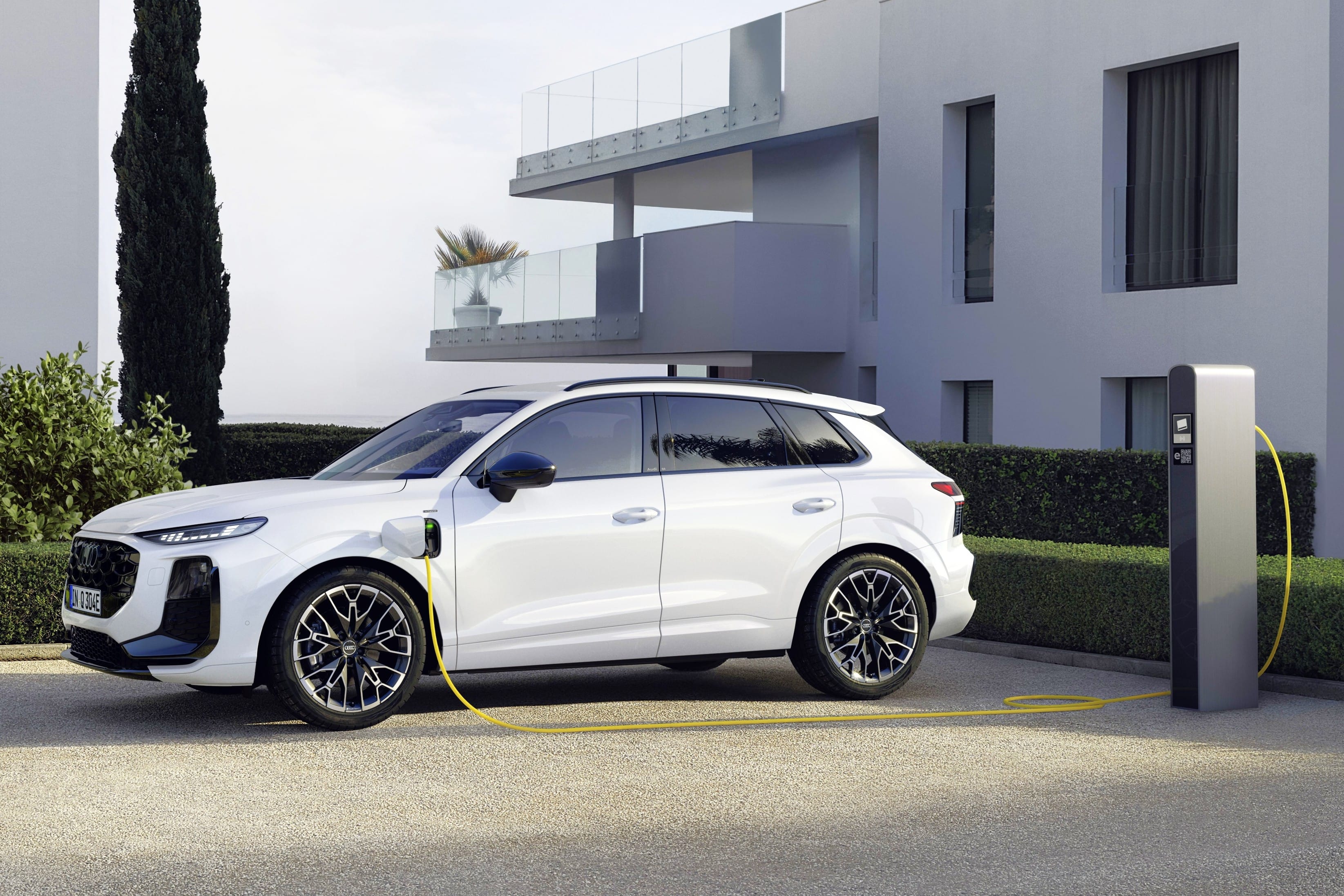
Audi Q3 PHEV
The company has recently completed a major investment cycle covering new petrol and diesel engines, plug-in hybrids and battery-electric vehicles designed to meet Euro 7 and other global regulations.
“For sure, the majority of our investment will be in battery electric. That’s a given,” Döllner said.
Audi will continue to invest selectively in combustion engines, including efficiency improvements and transmission technology, but Döllner expects the pace of innovation to be much faster in EVs.
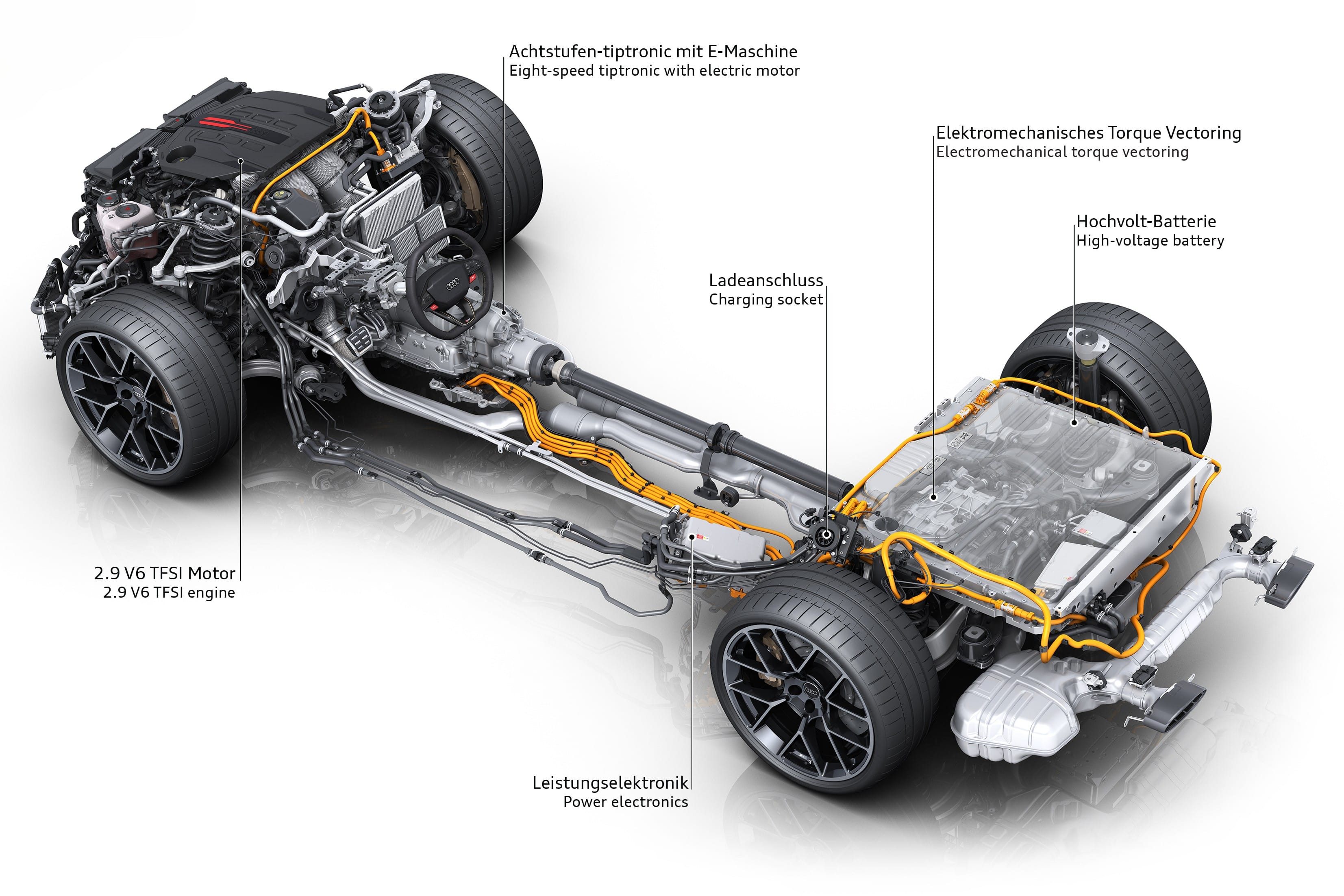
Audi RS5 plug-in hybrid powertrain
“The combustion engine is fairly mature. It’s at the very end of a 100-year innovation cycle, and battery electric is still at the very beginning, to be honest,” he said. “The dominant part of our investment will definitely be on the battery-electric side.”
Electric remains Audi’s leading technology
Audi’s decision to retain combustion engines and plug-in hybrids does not alter its long-term direction towards electric vehicles.
“Electric is, for Audi, still the leading technology,” Döllner said. “It’s our main priority to step by step become more electric.”
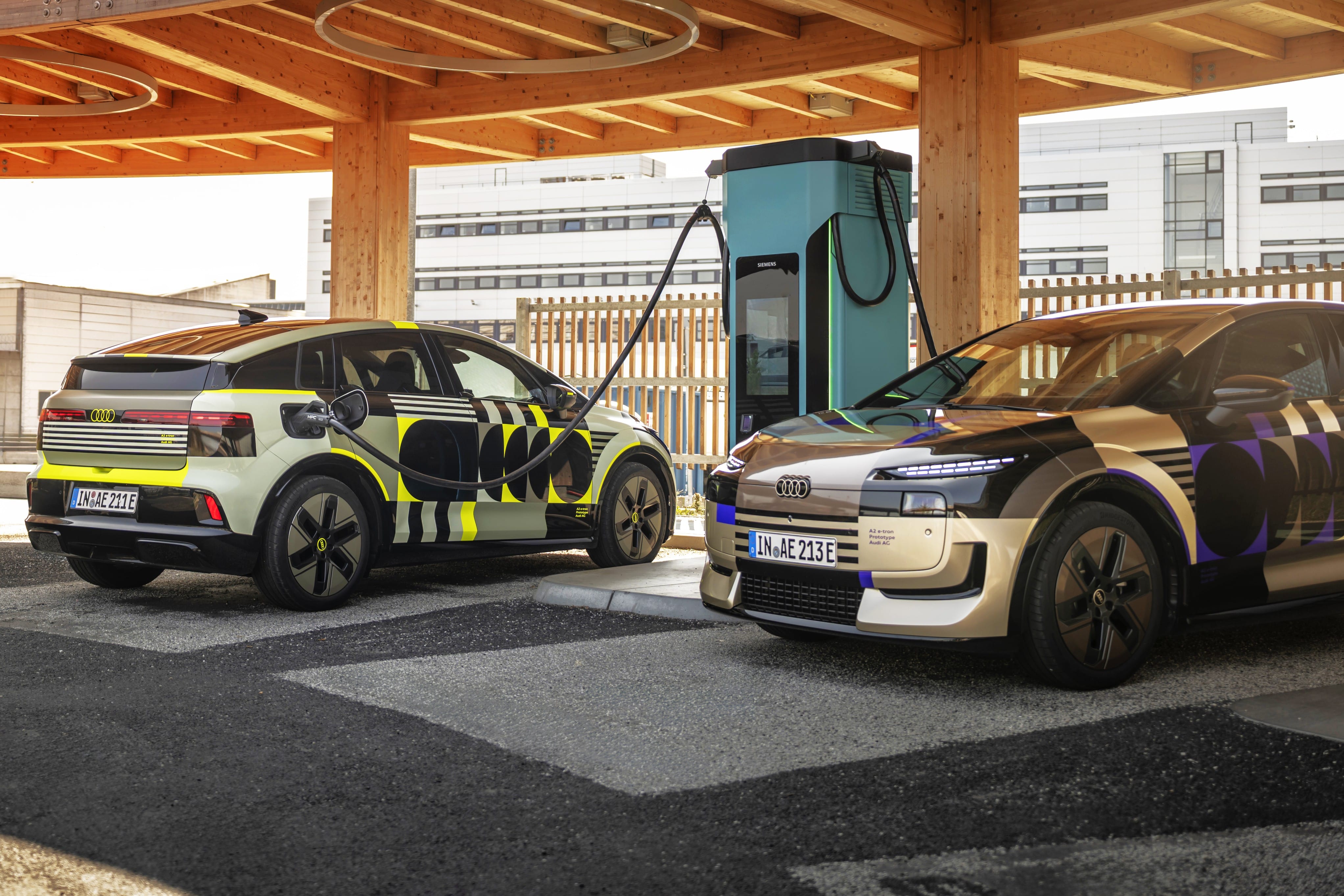
Prototypes of upcoming Audi A2 e-tron
Audi currently has four battery-electric model lines globally and expects to increase this to five by the end of the year, with some available in more than one body style. The company will, however, tailor the powertrain mix to individual regions. Plug-in hybrids will be particularly important in Europe, while the requirements of the US market will influence Audi’s future combustion-engine and PHEV portfolio, especially for SUVs.
In India, Audi’s immediate focus remains on petrol and electric vehicles. Diesel is not part of its current plan. The case for plug-in hybrids will depend partly on whether they receive any benefit under the India-EU FTA. New electric products are also planned for India.
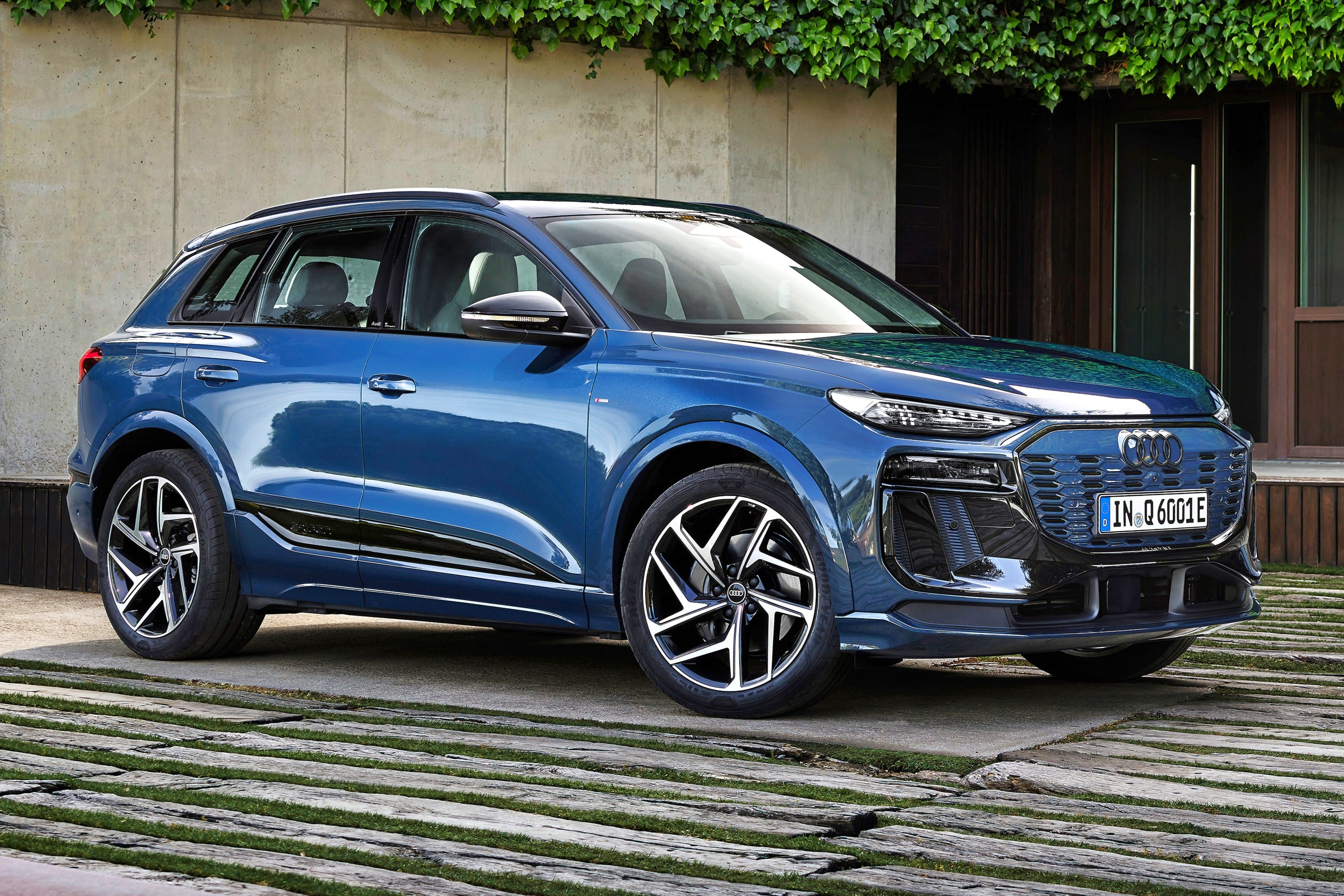
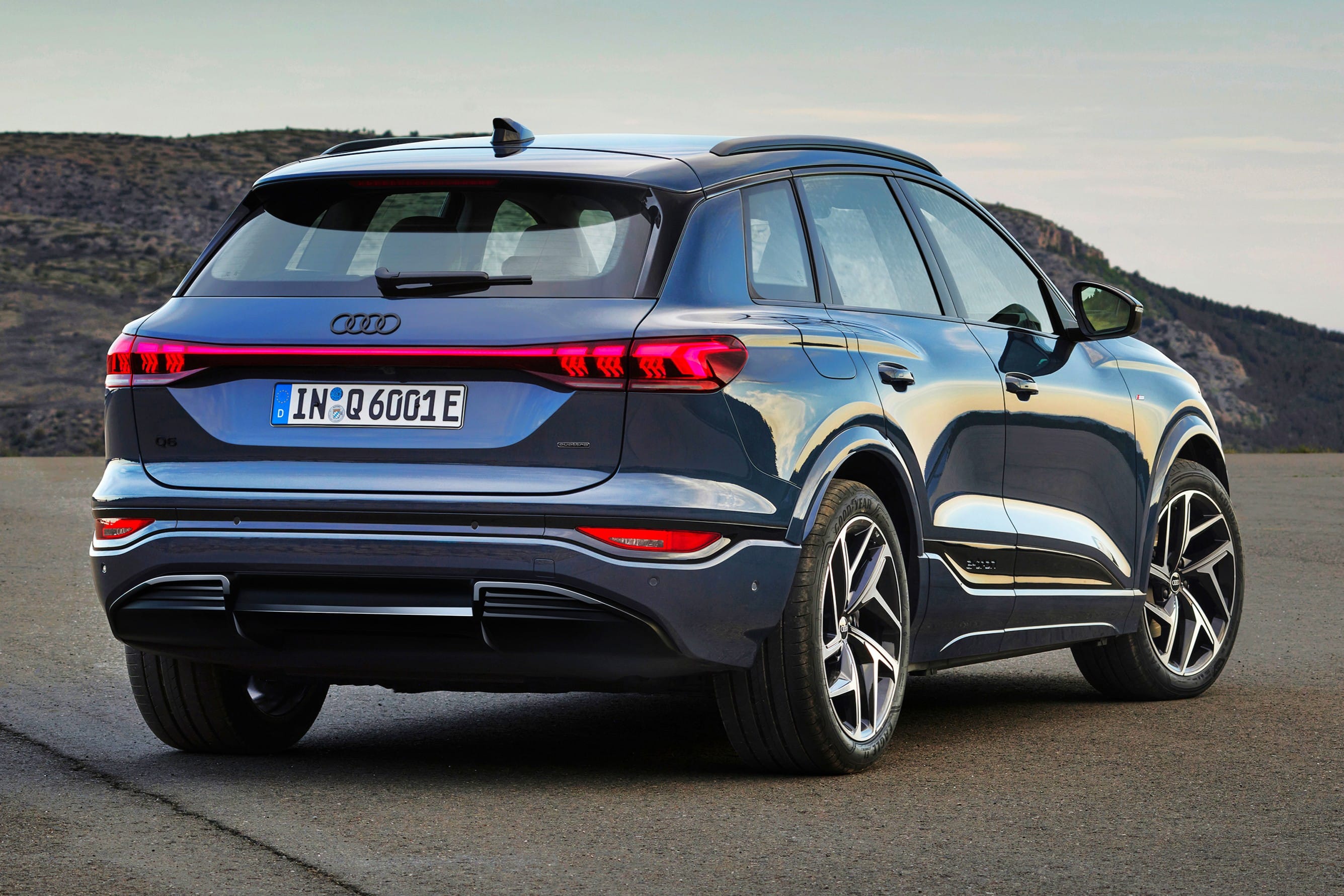
Audi Q6 e-tron
“From what I know, we also have decided to enter with new products in the electric segment in India,” Döllner said.
Audi has decided to assemble an electric vehicle in India, Autocar India learns, although the model and launch timing are still being worked out. The move from fully imported EVs to local assembly is now a question of when, rather than if.
The company was among the first luxury carmakers to enter India’s EV market with models such as the e-tron, e-tron Sportback, e-tron GT and Q8 e-tron. High import duties, however, restricted their reach and affected their resale-value proposition.
Audi Q6 e-tron
The Q6 e-tron is among the products being studied, but Audi has not decided which EV will be assembled in India. The selected model will need to offer the right combination of volume, pricing and suitability for local conditions.
Audi believes electric SUVs make more practical sense in India because their ground clearance is better suited to local road conditions. Sedans have not been ruled out, but SUVs offer a more practical proposition for battery-electric vehicles in the country.
Regional focus to shape future products
The broader powertrain approach is part of Döllner’s effort to make Audi more responsive to the requirements of individual regions.
“Audi has to act much more regional,” he said. “The times where we had a one size fits all, and we then bring it to China, just extend the wheelbase and do the same car, that doesn’t work anymore. We have to listen carefully to the markets.”
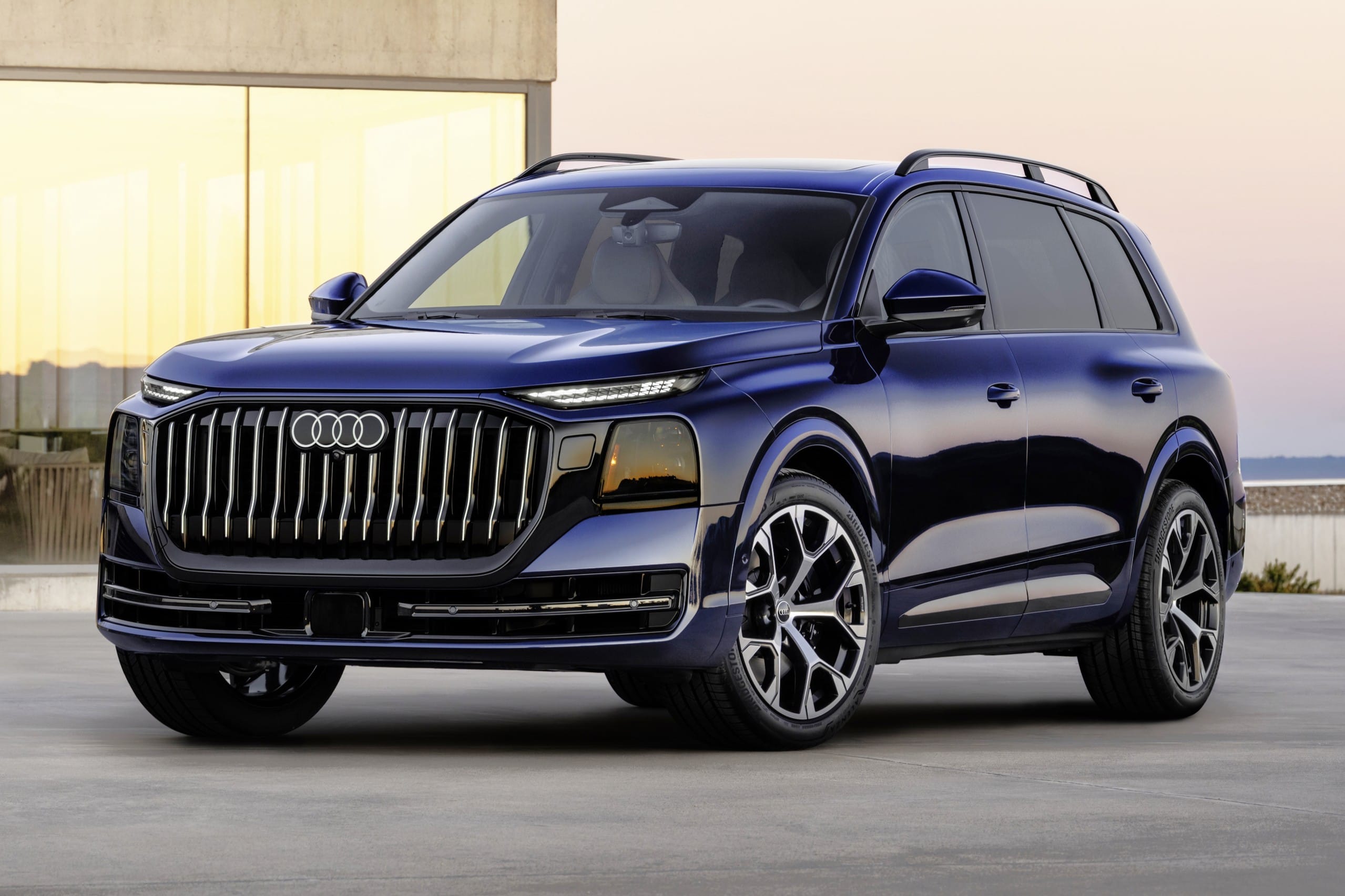
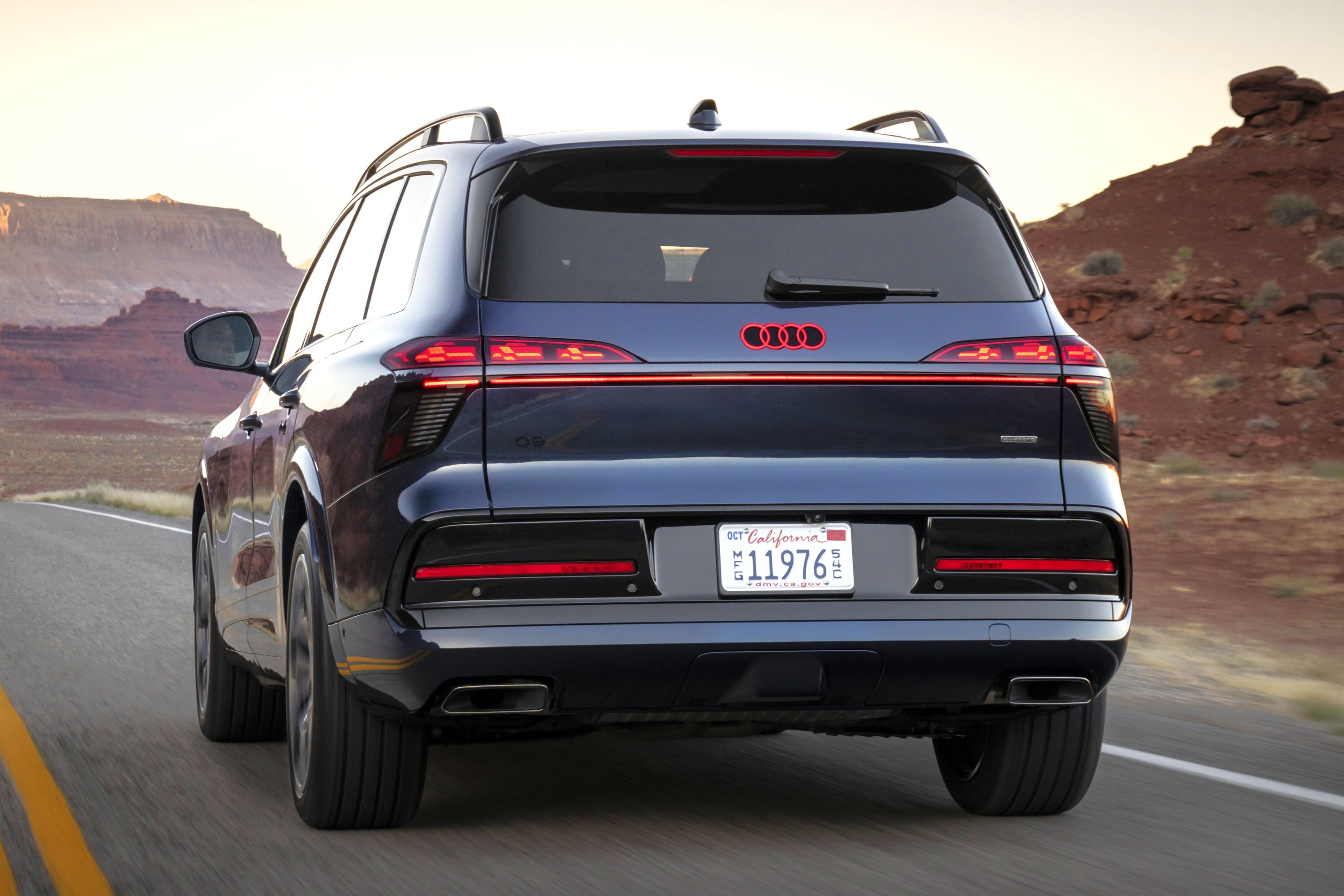
The Q9 is the first clear example of that approach. Conceived around the requirements of American customers, it will be the first Audi to make its market debut in the US.
Audi Q9
“The Q9 is a perfect proof point of a car. The biggest Audi we’ve ever built,” Döllner said. “That car would not be there without the American market.”
India does not yet generate the volumes required for Audi to develop country-specific models. Local requirements covering ground clearance, suspension, tyres, weather, dust and fuel quality are, however, fed into its global development process. The introduction of new models in India is also expected to move closer to their global launches, helping Audi benefit from the interest created when a vehicle is revealed internationally.
Döllner said the improvement in India’s manufacturing and automotive technology has changed how the country is viewed within the global industry.
Audi Q9
“India is also an excellent proof point. It’s really unbelievable what the car industry has developed in India and what level of perfection and technology products are delivered,” he said.
“In the past, there has been this strong European automotive industry, and the world has turned around. Now we have a very dynamic Chinese market, a growing and rising Indian automotive industry. The US is a story of its own.”
“What keeps me awake at night is if we are able to change fast enough,” Döllner said. “We have to speed up.”
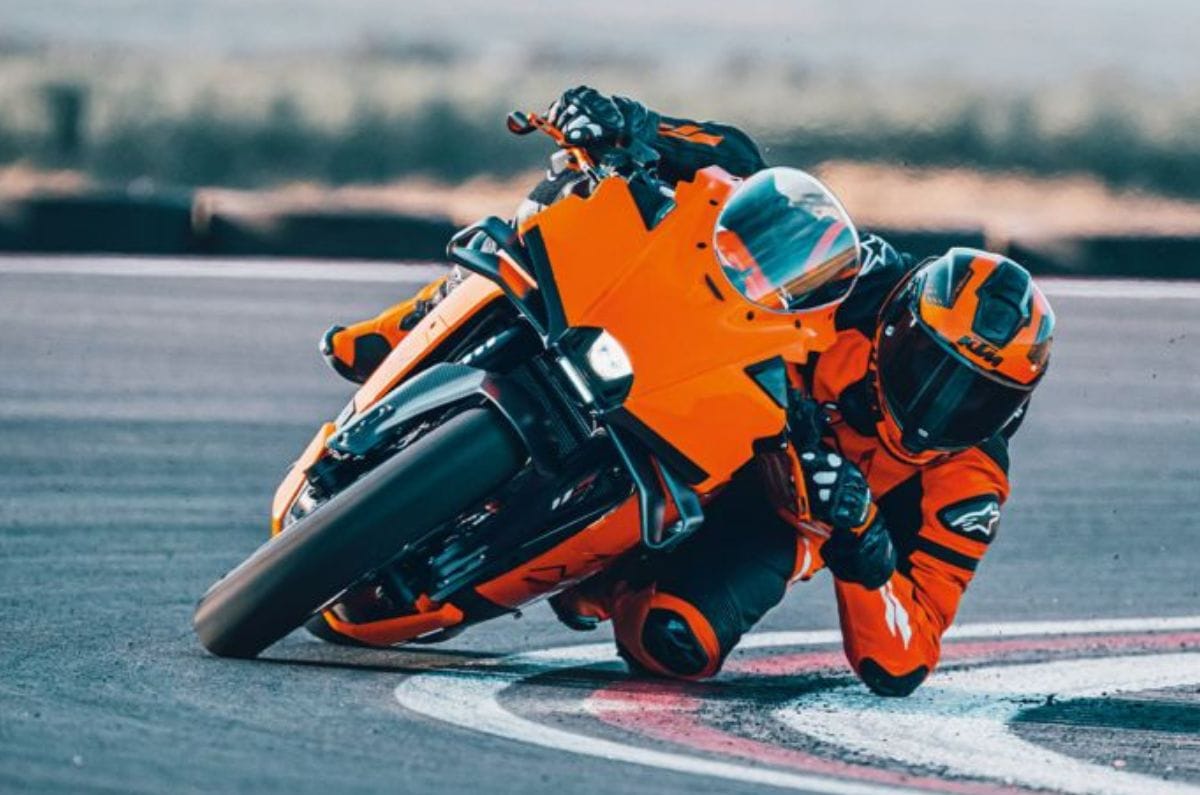
“Where is the Gen-3 Duke-based RC 390?” has been a pressing question in many people’s minds. While we still wait to hear about the 390, we now know that there’s an RC 490 and a 790 coming, according to KTM CEO Gottfried Neumeister in a recent interview.
RC 490 to be based on a new platform not shared with China-exclusive RC 450
RC 790 should share a lot with the freshly updated KTM 790 Duke
KTM RC 490 and RC 790: What do we know so far?
While it sounds closer to RC 450, RC 490 will be based on a different platform
“We definitely want to extend our RC [supersport] line-up; the 990 was first, and we’ll have a 790 and a 490, like other brands with mid- and lower-class presence and in a segment that is growing,” were his exact words, which tell us two things.
One, there will be not one but two new RC motorcycles, and two, the absence of the 390 could mean that KTM intends for the 490 to be the new entry-level supersport in global markets at least.
Based on previous information, we know that this 490 will not be the same as the China-exclusive RC 450. It will be a new platform, jointly developed by Bajaj and KTM and will likely be derived from the current 390 LC4c platform. It’s reported to use a twin-cylinder engine, with its smoothness likely to be the big differentiator. There’s no official launch timeline as yet.
Ever since the 390 Duke was updated to Gen 3 in mid-2023, KTM fans have been anticipating the update to reach the RC 390 as well. However, that hasn’t happened yet, and the latest RC 390 sold in India still uses the older LC4 373cc engine.
For the RC 790, however, we have a blueprint to look at in the recently revealed 790 Duke. Traditionally, Dukes serve as a precursor to RCs; if that continues to be the case here, the upcoming RC 790 should share the updated LC8c platform and the parallel twin-cylinder engine that makes a similar, if not the exact same, 104hp and 87Nm of torque. However, the power delivery will likely be different to account for the RC’s high-revving nature.
At this point, it’s worth mentioning that KTM had recently launched the 990 RC R, followed by the track-focused 990 RC R Cup. These are currently the newest supersport motorcycles in the Austrian manufacturer’s global portfolio.
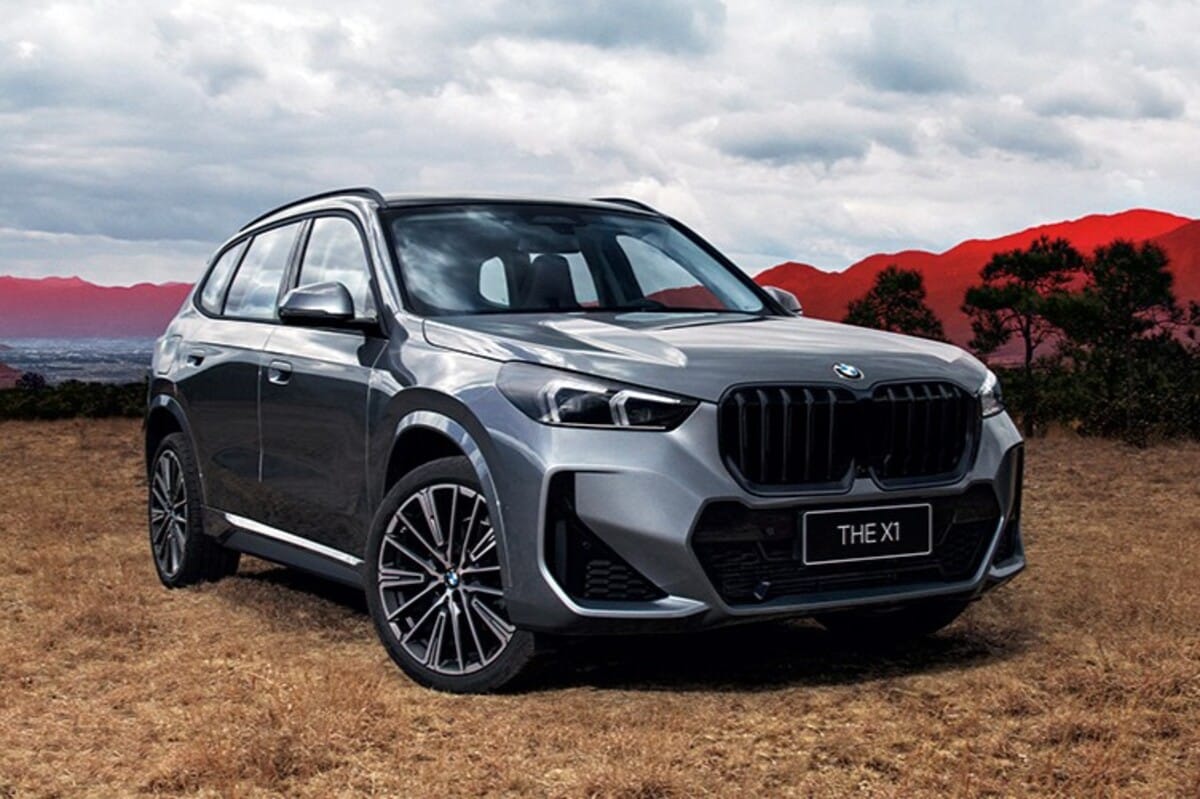
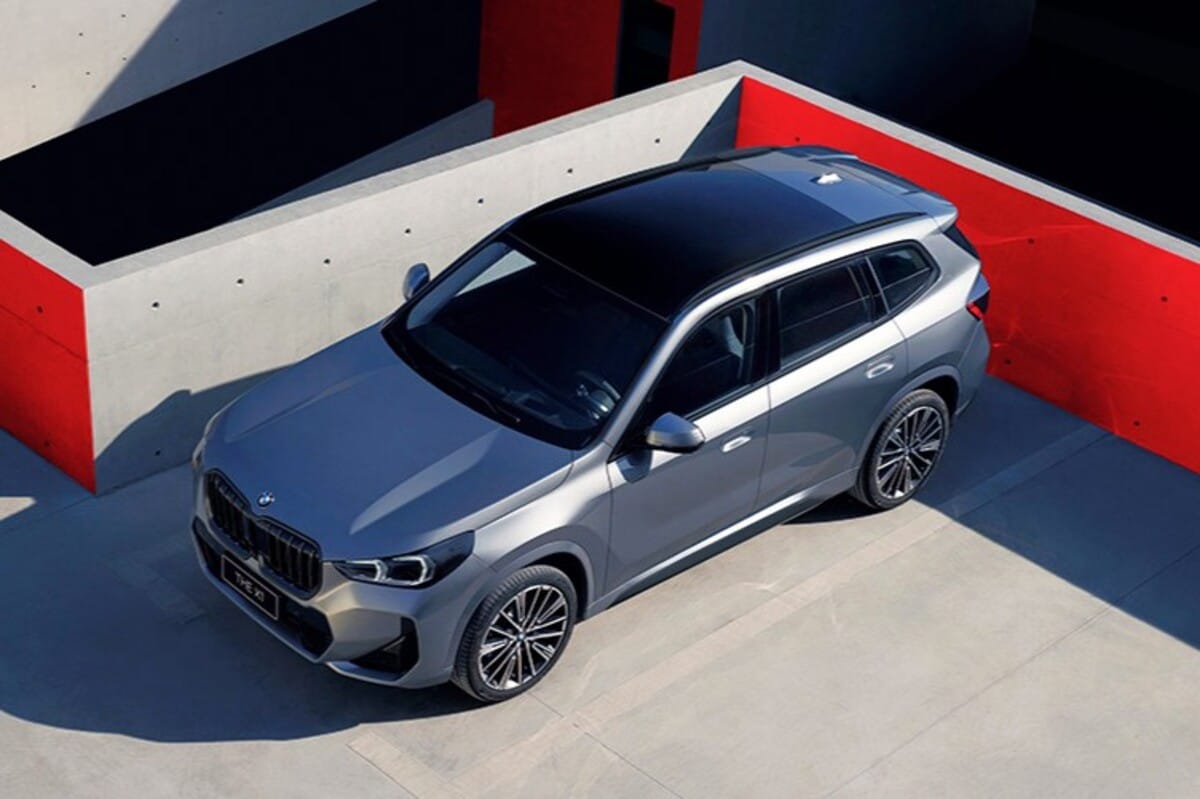
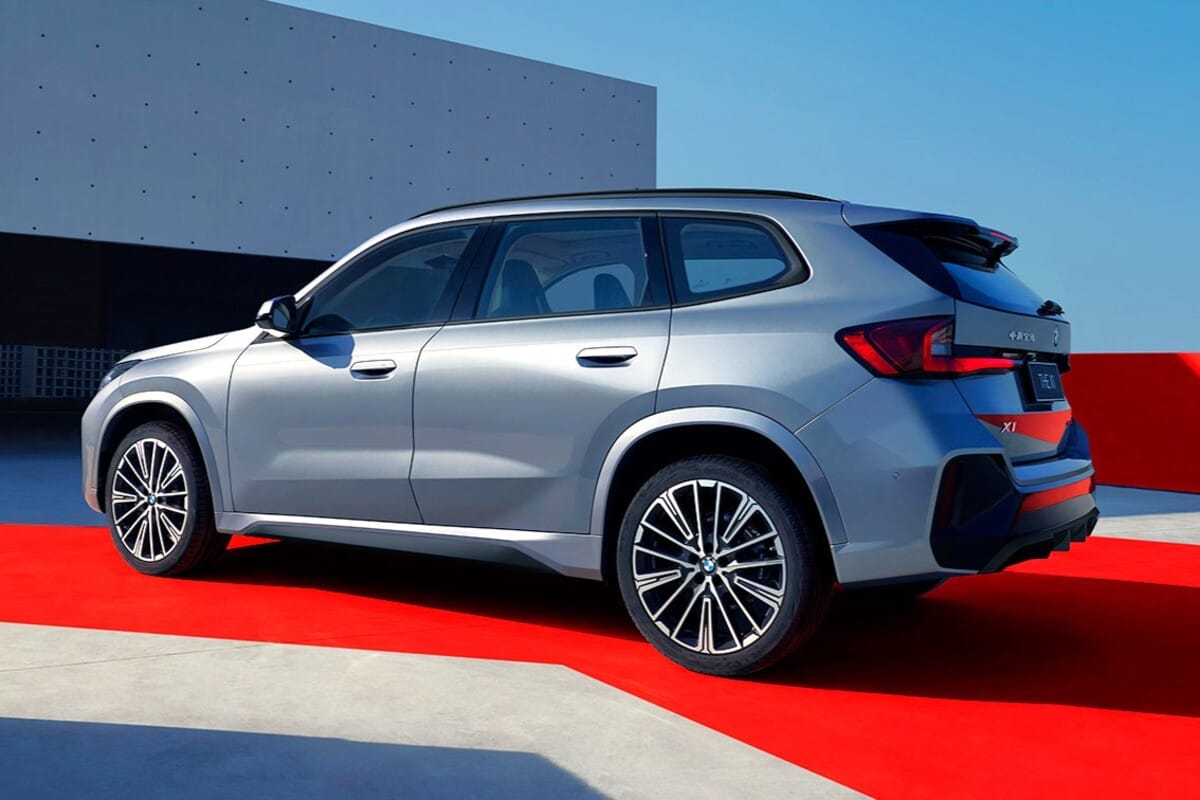
BMW will launch the X1 LWB in India on Friday, August 21. A stretched version of the standard X1 SUV and the ICE equivalent to the iX1 LWB – both of which are sold here too – the X1 LWB will serve as BMW’s most affordable combustion-powered long-wheelbase model for the Indian market. Like other long-wheelbase BMWs, the X1 LWB was originally conceived for the Chinese market, where the SUV has been on sale since 2023.
BMW X1 LWB exterior design
116mm longer than standard X1
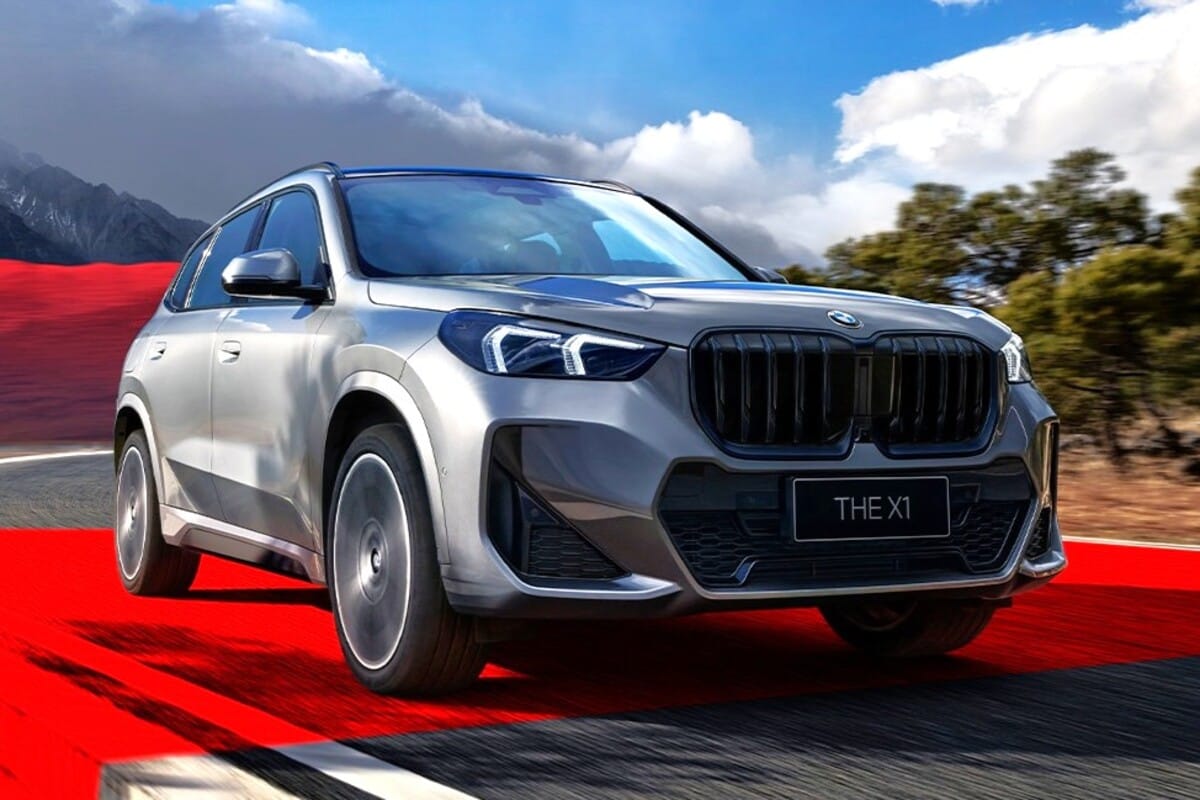
Stretching the tape at 4,616mm long, 1,845mm wide, 1,641mm tall, and with a wheelbase of 2,802mm, the X1 LWB is 116mm longer (110mm increase in wheelbase) and 11mm taller than its SWB counterpart. There are otherwise no changes on the styling front compared to the standard X1, so the LWB continues to offer sleek LED headlamps and tail-lamps, large kidney grilles up front, and a relatively low-slung crossover-esque profile.
The China-spec X1 LWB gets 19-inch alloy wheels as standard (20-inchers optional), but these could be downsized for the India-spec version in the interest of ride quality – the standard X1 and iX1 LWB come with 18-inchers here.
BMW X1 LWB interior and features
Increased rear legroom, higher bench and wider headrest cushions
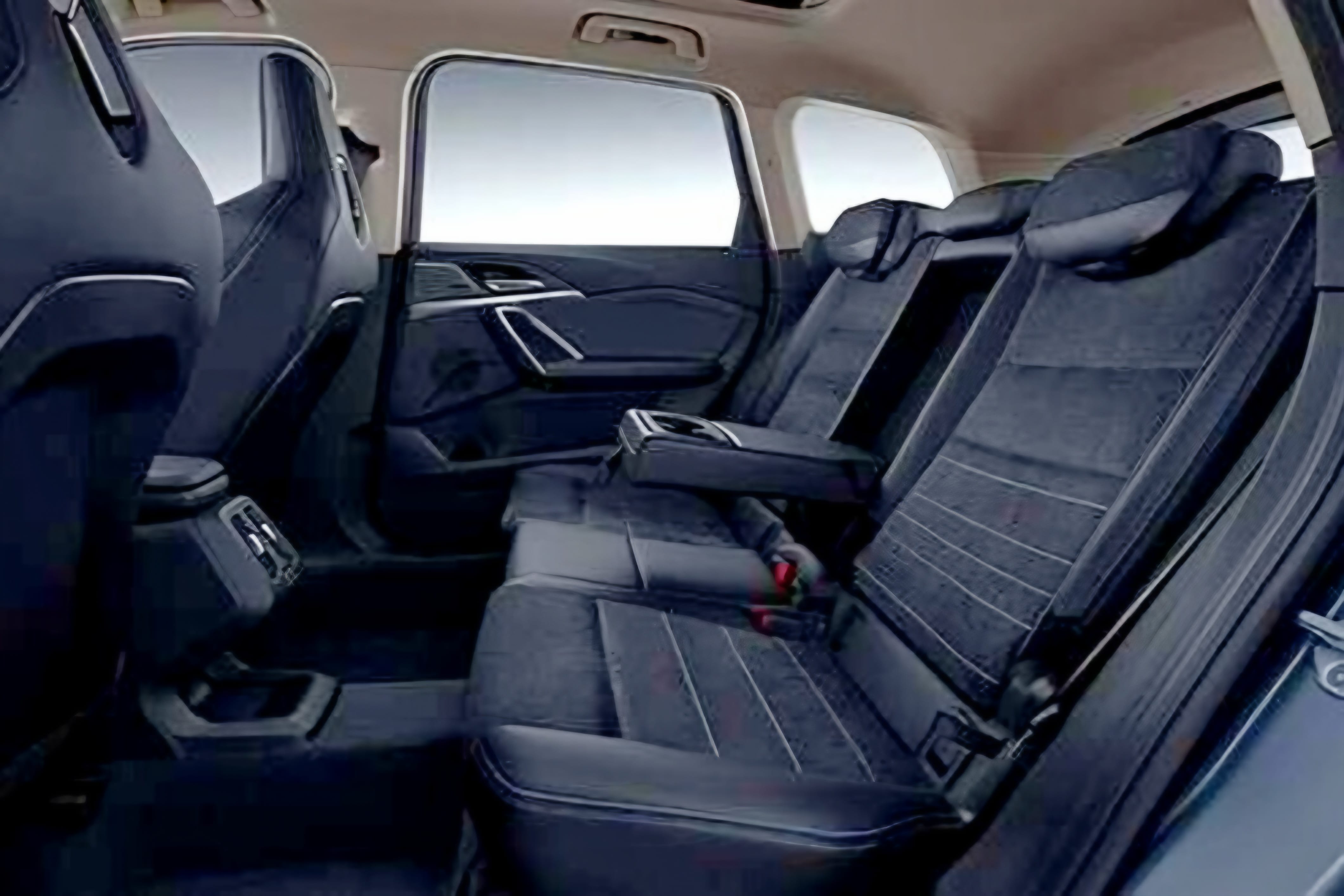
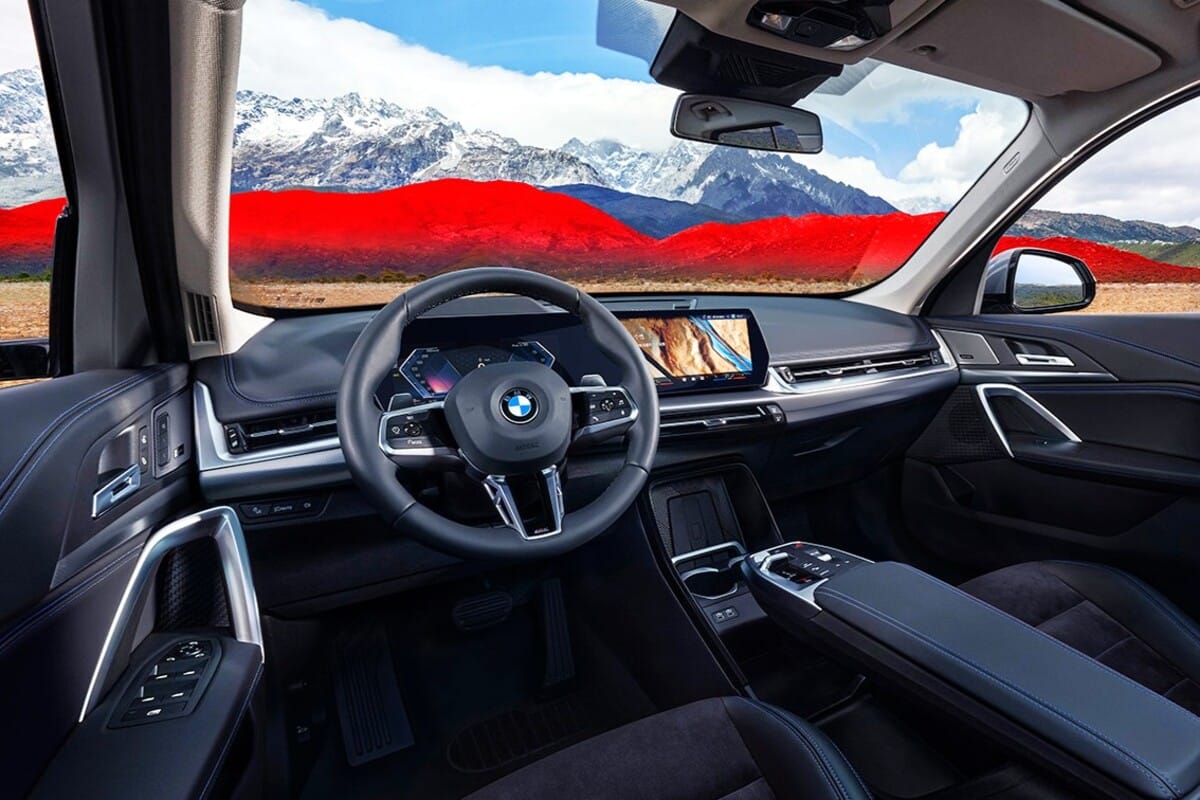
Expectedly, the interior layout of the X1 LWB is identical to that of its SWB counterpart, save for an upgraded experience for rear occupants – generous increase in legroom, 27mm bump in seat height and 37mm wider headrest cushions. At 540 litres, the X1 LWB’s boot is also larger than the standard X1’s 476-litre capacity.
The features list includes a 10.7-inch infotainment touchscreen, a 10.25-inch digital driver’s display, a wireless charging pad, powered front seats, automatic climate control, a powered tailgate, a digital key, a Harman Kardon sound system, connected car tech, auto park assist and more.
BMW X1 LWB engine and gearbox options
2.0-litre turbo-petrol mill and 7-speed DCT
In India, the standard X1 is sold in two variants, sDrive18i and sDrive18d, offering 1.5-litre 3-cyl turbo-petrol and 2.0-litre 4-cyl diesel engines, respectively. However, the China-spec X1 LWB gets neither of those engines. Instead, it’s sold in sDrive25Li FWD and xDrive25Li AWD guises, and powered by a 2.0-litre 4-cyl turbo-petrol motor that outputs 204hp and 300Nm – up 68hp and 70Nm over the sDrive18i – and is paired with a 7-speed dual-clutch automatic. 0-100kph comes up in 7.9 seconds for the FWD version and 7.7 seconds for the AWD X1 LWB. Top speed is rated at up to 229kph.
BMW X1 LWB price estimate and positioning
No direct rivals in the Indian luxury car market
Pricing for the standard X1 starts at Rs 50.9 lakh and tops off at Rs 52.9 lakh in India, so expect the X1 LWB to command a premium, especially if BMW offers it with the more powerful 2.0-litre turbo-petrol engine. The X1 LWB will sit in a unique spot of the market, as there are no long-wheelbase entry-level luxury SUVs to rival it at the moment.
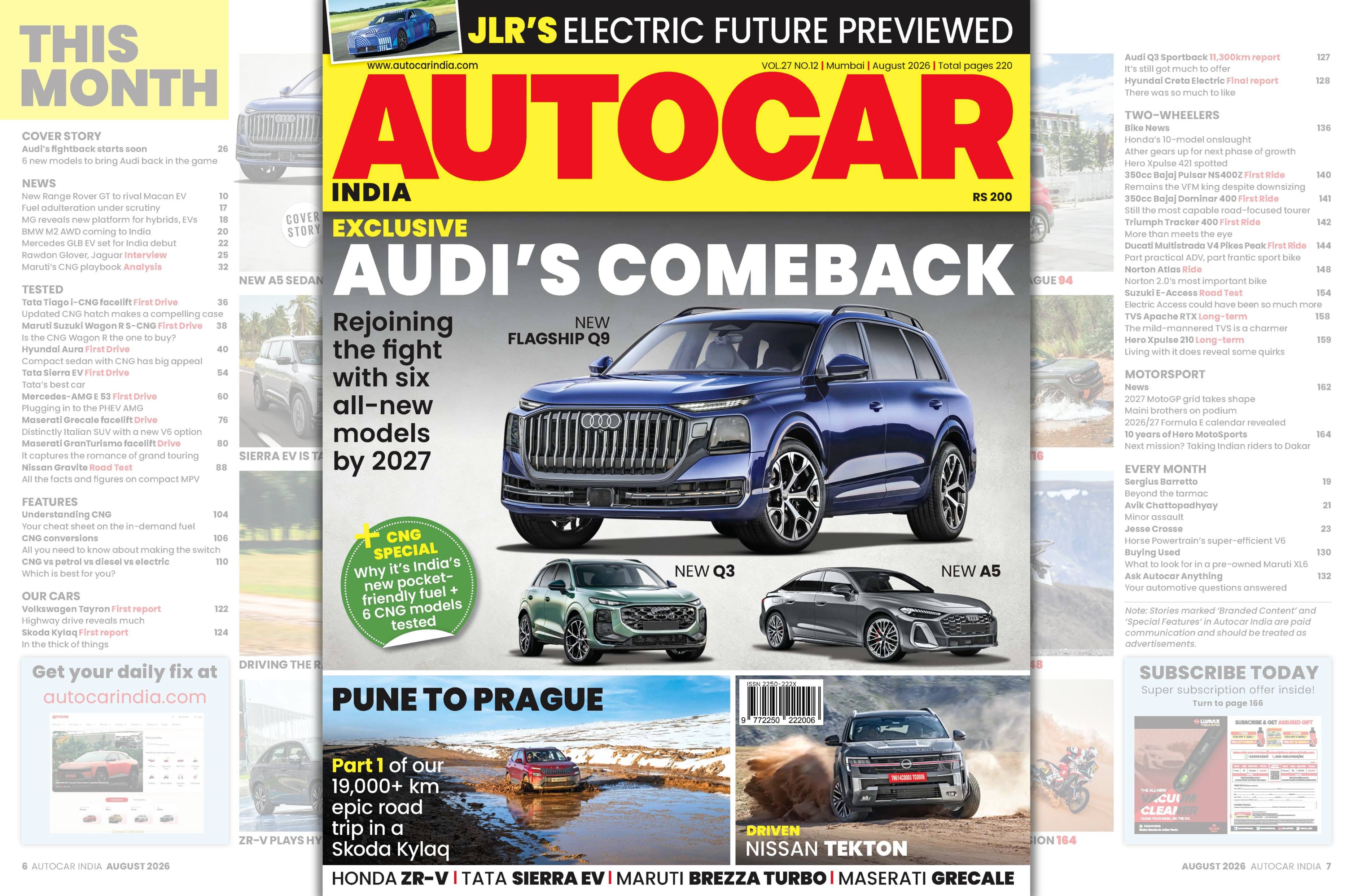
Our August 2026 issue has all the exclusive details of Audi India’s most ambitious product offensive in over a decade, with six all-new locally assembled models planned over the next 18 months. We also get behind the wheel of Jaguar’s camouflaged Type 01 prototype and drive the Range Rover Sport EV at Goodwood. Closer to home, we find out if the Tata Sierra EV lives up to its billing as the best Tata on sale, while the Nissan Tekton is put through a 700km-plus real-world test from Chandigarh to Leh. We also break down India’s new most popular fuel in our CNG special, with five models tested back-to-back. On two wheels, the new Norton Atlas is ridden in Iceland, while a special Ducati takes on some of Maharashtra’s tricky trails. All this while a Skoda Kylaq sets off on an epic 19,351km drive from Pune to Prague.
Audi’s Big Comeback: Cover Story
Audi was once India’s bestselling luxury brand. Today, it is a shadow of that. Now, with six all-new locally assembled models planned by end-2027, the four rings are back on the offensive. We have all the details and speak to Audi India head Balbir Singh Dhillon and Audi AG chairman Gernot Dollner about the upcoming cars.
Jaguar Type 01: Drive
Jaguar has walked away from 90 years of combustion heritage, cancelled every existing model and started again with a blank sheet of paper. The Type 01 is the result – a five-metre all-electric grand tourer with a 1,000hp three-motor setup, 600km of range and a starting price north of Rs 3 crore. We drive a camouflaged prototype at JLR’s Gaydon test track to find out if the boldest bet in the car industry’s history has legs.
Range Rover Sport EV: Drive
Under its familiar skin sits an 800V architecture, two Land Rover-developed 326hp motors and a 118.5kWh battery validated over 60,000 hours of testing. The electric Range Rover Sport arrives in India around March 2027 and could set a new luxury benchmark for the brand. We drive a prototype at Goodwood to find out if it lives up to that promise.
Tata Sierra EV: First Drive
The best Tata in years gets the brand’s smoothest powertrain yet. The Sierra EV comes in rear-wheel-drive and all-wheel-drive forms, with the AWD variant making a class-leading 306hp and bringing the first AWD option in this segment. We drive all variants, including a proper off-road test, to see if it lives up to the hype.
Honda ZR-V: Drive
Honda’s first hybrid SUV in India arrives as a full import from Japan, packing a 184hp strong-hybrid powertrain and a claimed 22.8kpl. We get a brief first taste at the Buddh International Circuit to find out if it delivers on its promise.
Mercedes-AMG E 53 Hybrid 4Matic+: First Drive
The new E 53 pairs a 3.0-litre straight-six with a 28.6kWh battery for 585hp and up to 100km of electric range. It is a PHEV AMG that also does daily commutes without a drop of fuel. But has electrification enhanced the AMG experience, or diluted it?
CNG Special: Features
CNG now accounts for nearly 20 percent of India’s passenger car market. We explain everything you need to know about the fuel – what it is, how it works and whether an aftermarket conversion makes sense. We also road test five CNG models: the Tata Tiago iCNG, Maruti Wagon R S-CNG, Hyundai Aura CNG, Maruti Brezza Turbo (petrol) and Maruti Victoris S-CNG.
Tata Nexon: Petrol vs Diesel vs Electric vs CNG
The Nexon is one of the few cars in India offered with four distinct powertrain options. We test every variant – turbo-petrol, diesel, CNG and electric – with real-world performance and efficiency figures to find the sweet spot of the range. The result might just surprise you.
Skoda Kylaq: Pune to Prague, Part 1
A made-in-India Skoda Kylaq sets off on a near-20,000km adventure from its birthplace at Skoda’s Chakan plant to Skoda Auto’s headquarters in Prague. Part 1 covers India, Nepal, Tibet and China – including a detour to Mount Everest Base Camp.
Norton Atlas: Ride
TVS’s second Norton – and the brand’s most important – debuts in Iceland. The Atlas is a 585cc parallel-twin adventure tourer with 70hp, a full electronics suite and 19-inch front wheel. We ride 200km of sweeping mountain roads and gravel trails to find out if it can justify the hype and, crucially, a competitive price tag.
Ducati Multistrada V4 Pikes Peak: First Ride
The most focused Multistrada money can buy blurs the line between a practical ADV and an out-and-out sport bike. With Ohlins semi-active suspension, a single-sided swingarm and a race-mode, it promises to be two bikes in one. We find out if the price premium is worth it.
Suzuki E-Access: Road Test
Suzuki’s first electric scooter carries a big name and an even bigger price tag. It gets some things right, but in a segment that rewards value, performance and range, does the Access badge alone justify the Rs 1.92 lakh asking price?
Skoda Auto Volkswagen India and the JSW Group are in the final stages of discussions for a manufacturing joint venture, we have learned. The two companies are likely to sign a non-binding memorandum of understanding (MoU) within the next two months. The proposed venture is currently being discussed as a 51:49 joint venture, with the JSW Group expected to hold the majority stake.
Emails seeking comments were sent to Skoda Auto Volkswagen India and the JSW Group on Tuesday, but neither company responded till the time of publishing. Autocar Professional, our sister publication, understands senior global executives from Skoda Auto and Volkswagen are expected to visit India in the second fortnight of August. The proposed alliance with the JSW Group is expected to be among the key subjects on the agenda as the two sides work towards signing the non-binding MoU.
Equity infusion could fund EV development
The proposed partnership comes as Skoda Auto Volkswagen India prepares its next round of investments in electrification and localisation. The equity infusion from the JSW Group is expected to fund the development and localisation of electric vehicles and support future product programmes.
A large part of the investment is expected to go towards vehicles based on the India Main Platform (IMP), Volkswagen Group’s EV architecture for India. The IMP is derived from the China Main Platform (CMP), allowing the group to use an existing EV architecture and adapt it to Indian regulations, the local supplier base and localisation requirements.
The platform is expected to underpin multiple electric SUVs for the Skoda and Volkswagen brands over the next few years. Higher localisation will be key to bringing down costs and reducing dependence on imports. The scope of discussions goes beyond manufacturing. We understand that the sales and marketing operations across the group’s brands are also part of the talks. A few years ago, the sales organisations of Skoda, Volkswagen, Audi, Porsche and Lamborghini were integrated with the manufacturing business under Skoda Auto Volkswagen India. This has also brought the premium brands within the scope of the discussions.
JSW’s broader automotive strategy
For the JSW Group, the proposed venture is part of a broader effort to build an integrated automotive business across passenger vehicles, commercial vehicles, batteries, manufacturing and exports. Unlike JSW MG Motor India, the proposed Skoda Auto Volkswagen venture will have no Chinese participation, allowing the group to further de-risk its automotive business from China-linked partnerships. We understand the alliance will also help diversify JSW Group’s passenger vehicle operations while creating a Make in India manufacturing base serving both domestic and export markets by leveraging Volkswagen Group’s global production and distribution network. The proposed India-EU Free Trade Agreement is also expected to strengthen the business case for exports from India to Europe over the longer term, making exports an important part of the proposed alliance.
The partnership also fits into the group’s wider automotive plans. JSW already has its joint venture with MG, has set up JSW Motors as a separate passenger vehicle business for products outside the MG alliance, operates JSW Greentech for buses and commercial vehicles, and is investing in cell manufacturing and localisation. The group is looking to connect these businesses with its existing strengths in steel, paints and energy, creating greater vertical integration across its automotive operations.
Localisation of some models being studied
We understand the alliance will also look to leverage manufacturing assets across the JSW Group wherever feasible. This includes the JSW Motors facility at Sambhaji Nagar, formerly Aurangabad, where higher localisation of products such as the Skoda Kodiaq and select Audi models is being evaluated. The aim is to improve localisation levels while making better use of the group’s existing manufacturing footprint.
The alliance is also evaluating the localisation of the next-generation Kodiaq platform. If approved, it could underpin a locally manufactured three-row SUV positioned in the Mahindra XUV 7XO segment. Localising the platform would allow Skoda Auto Volkswagen to compete in one of the country’s largest SUV segments with significantly higher local content.
Following the signing of the non-binding MoU, the two sides are expected to finalise the equity structure, including the shareholding pattern, before moving towards definitive agreements and the required approvals. The discussions are currently centred on a 51:49 joint venture, with the JSW Group expected to hold the majority stake.
Our August 2026 issue has all the exclusive details of Audi India’s most ambitious product offensive in over a decade, with six all-new locally assembled models planned over the next 18 months. We also get behind the wheel of Jaguar’s camouflaged Type 01 prototype and drive the Range Rover Sport EV at Goodwood. Closer to home, we find out if the Tata Sierra EV lives up to its billing as the best Tata on sale, while the Nissan Tekton is put through a 700km-plus real-world test from Chandigarh to Leh. We also break down India’s new most popular fuel in our CNG special, with five models tested back-to-back. On two wheels, the new Norton Atlas is ridden in Iceland, while a special Ducati takes on some of Maharashtra’s tricky trails . All this while a Skoda Kylaq sets off on an epic 19,351km drive from Pune to Prague.
Audi’s Big Comeback: Cover Story
Audi was once India’s bestselling luxury brand. Today, it is a shadow of that. Now, with six all-new locally assembled models planned by end-2027, the four rings are back on the offensive. We have all the details, and speak to Audi India head Balbir Singh Dhillon and Audi AG chairman Gernot Döllner about the upcoming cars.
Jaguar Type 01: Drive
Jaguar has walked away from 90 years of combustion heritage, cancelled every existing model and started again with a blank sheet of paper. The Type 01 is the result – a five-metre all-electric grand tourer with a 1,000hp three-motor setup, 600km of range and a starting price north of Rs 3 crore. We drive a camouflaged prototype at JLR’s Gaydon test track to find out if the boldest bet in the car industry’s history has legs.
Range Rover Sport EV: Drive
Under its familiar skin sits an 800V architecture, two Land Rover-developed 326hp motors and a 118.5kWh battery validated over 60,000 hours of testing. The electric Range Rover Sport arrives in India around March 2027 and could set a new luxury benchmark for the brand. We drive a prototype at Goodwood to find out if it lives up to that promise.
Tata Sierra EV: First Drive
The best Tata in years gets the brand’s smoothest powertrain yet. The Sierra EV comes in rear-wheel and all-wheel-drive forms, with the AWD variant making a class-leading 306hp and bringing the first AWD option in this segment. We drive all variants, including a proper off-road test, to see if it lives up to the hype.
Honda ZR-V: Drive
Honda’s first hybrid SUV in India arrives as a full import from Japan, packing a 184hp strong-hybrid powertrain and a claimed 22.8kpl. We get a brief first taste at the Buddh International Circuit to find out if it delivers on its promise.
Mercedes-AMG E 53 Hybrid 4Matic+: First Drive
The new E 53 pairs a 3.0-litre straight-six with a 28.6kWh battery for 585hp and up to 100km of electric range. It is a PHEV AMG that also does daily commutes without a drop of fuel. But has electrification enhanced the AMG experience, or diluted it?
CNG Special: Features
CNG now accounts for nearly 20 percent of India’s passenger car market. We explain everything you need to know about the fuel – what it is, how it works and whether an aftermarket conversion makes sense. We also road test five CNG models: the Tata Tiago iCNG, Maruti Wagon R S-CNG, Hyundai Aura CNG, Maruti Brezza Turbo (petrol) and Maruti Victoris S-CNG.
Tata Nexon: Petrol vs Diesel vs Electric vs CNG
The Nexon is one of the few cars in India offered with four distinct powertrain options. We test every variant – turbo-petrol, diesel, CNG and electric – with real-world performance and efficiency figures to find the sweet spot of the range. The result might just surprise you.
Skoda Kylaq: Pune to Prague, Part 1
A made-in-India Skoda Kylaq sets off on a near-20,000km adventure from its birthplace at Skoda’s Chakan plant to Skoda Auto’s headquarters in Prague. Part 1 covers India, Nepal, Tibet and China – including a detour to Mount Everest Base Camp.
Norton Atlas: Ride
TVS’s second Norton – and the brand’s most important – debuts in Iceland. The Atlas is a 585cc parallel-twin adventure tourer with 70hp, a full electronics suite and 19-inch front wheel. We ride 200km of sweeping mountain roads and gravel trails to find out if it can justify the hype and, crucially, a competitive price tag.
Ducati Multistrada V4 Pikes Peak: First Ride
The most focused Multistrada money can buy blurs the line between a practical ADV and an out-and-out sport bike. With Öhlins semi-active suspension, a single-sided swingarm and a race-mode, it promises to be two bikes in one. We find out if the price premium is worth it.
Suzuki E-Access: Road Test
Suzuki’s first electric scooter carries a big name and an even bigger price tag. It gets some things right, but in a segment that rewards value, performance and range, does the Access badge alone justify the Rs 1.92 lakh asking price?
BMW’s luxury off-roader project, codenamed G74, has reportedly failed to receive final internal approval and is on hold due to changing global market conditions. The rugged luxury SUV was purported to be BMW’s rival to the Mercedes-Benz G-Class and Land Rover Defender, but it’s now uncertain whether it will ever reach production.
Market pressures prompt BMW to re-evaluate product portfolio
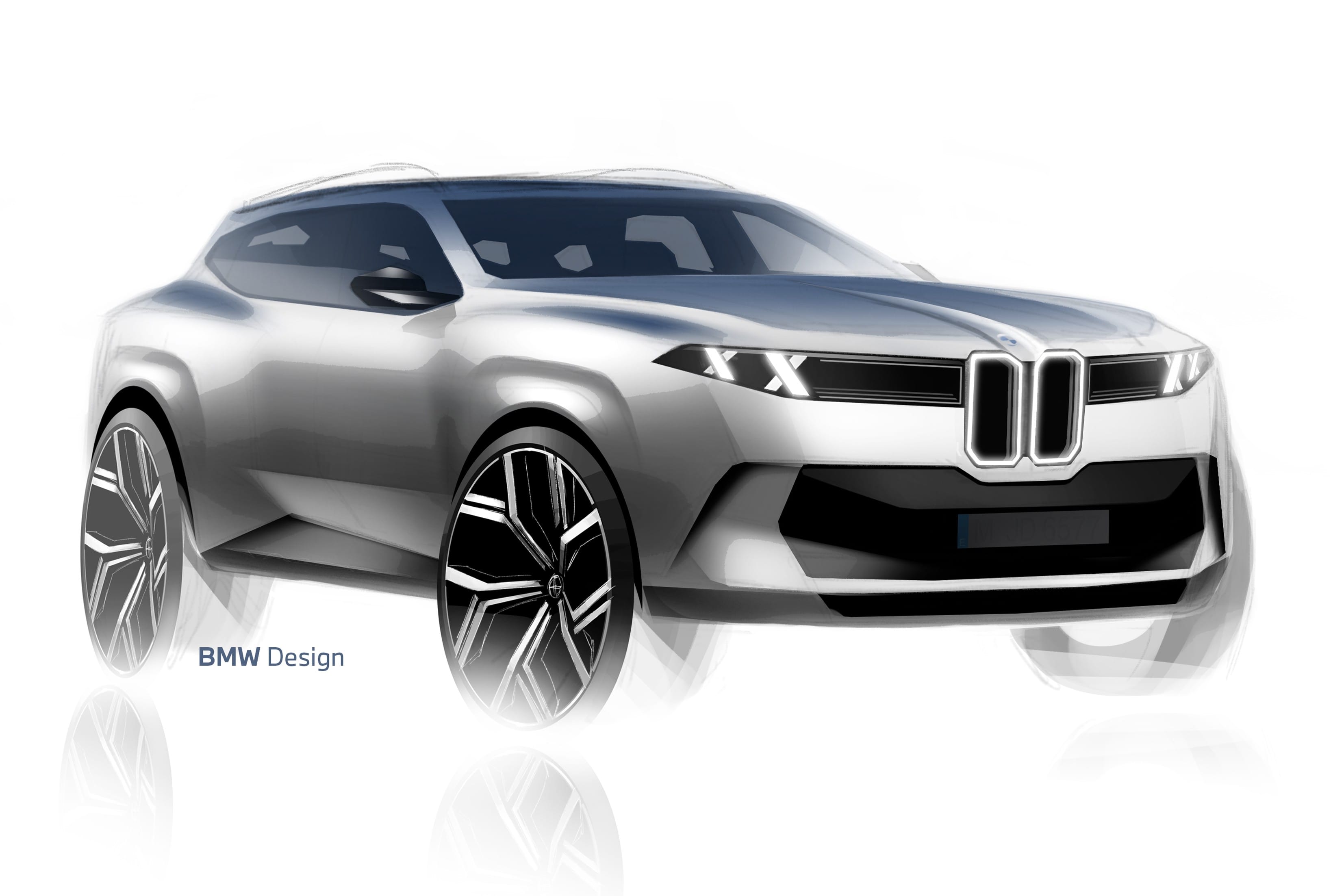
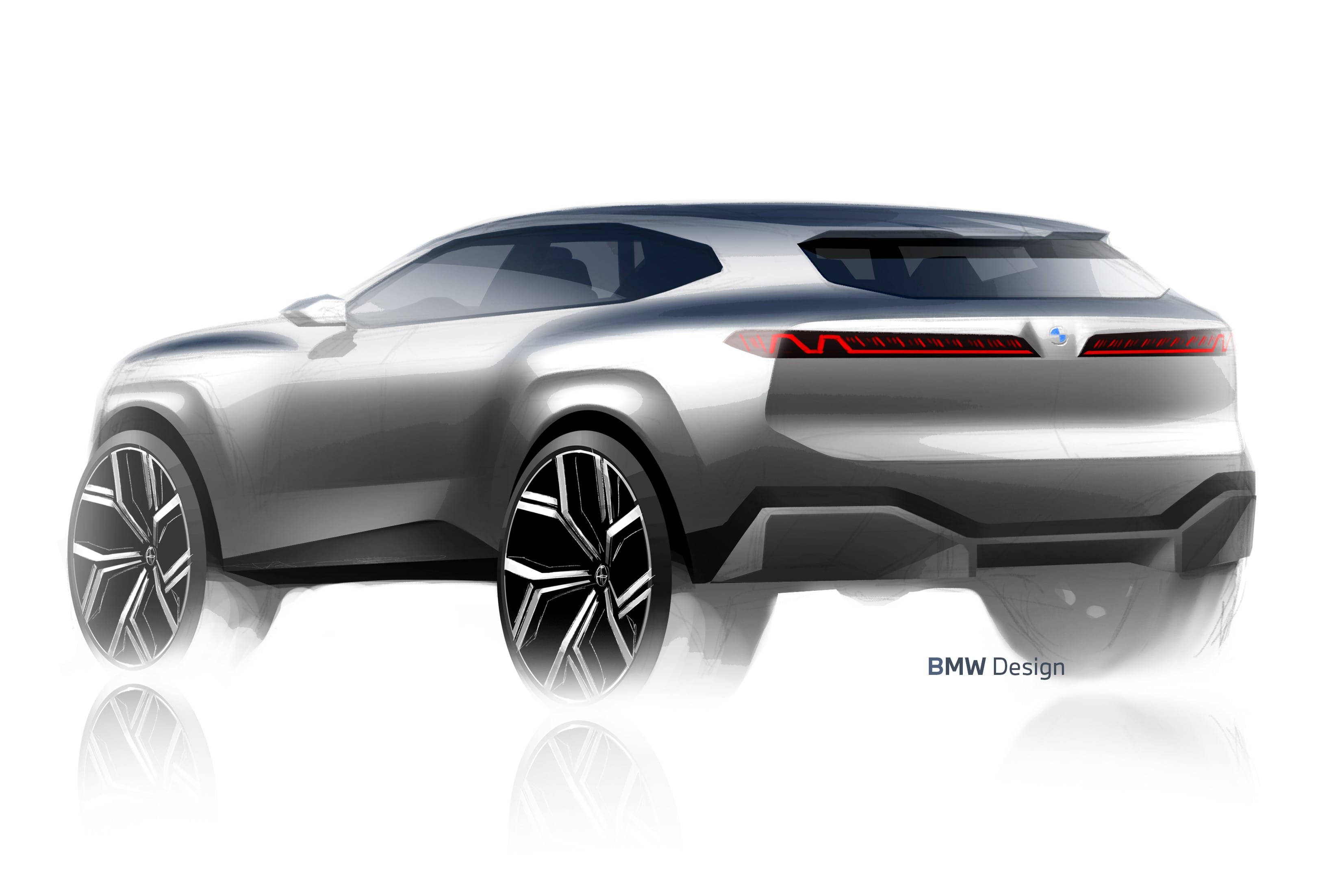
Fifth-gen BMW X5. Image used for representation only.
According to recent media reports, one of the reasons behind the G74 project’s halt is concern over the size of the luxury off-roader segment relative to the investment required to develop a dedicated model. BMW is also adopting a more disciplined approach to its model portfolio in light of increasing competition in markets like China, as well as tariffs, trade barriers, currency fluctuations, tightening emissions regulations in Europe, and broader geopolitical uncertainty.
Speaking after the company’s second-quarter financial results, CEO Milan Nedeljković said BMW is re-evaluating which technologies, model variants, and powertrains it will need in the coming years instead of assuming existing development programmes remain viable. “In all these areas, we are taking significant steps and increasing the pace. For example, we are once again reviewing which technologies, model variants and drivetrains we will need in the future. In addition, we are looking at where new partnerships could make economic and technological sense,” he noted.
Fifth-gen BMW X5. Image used for representation only.
Nedeljković highlighted the rapid deterioration of market conditions in China as a key concern for the portfolio review. He said Chinese manufacturers are increasingly expanding into Europe, Latin America, and other global markets, creating additional competitive pressure. Although Nedeljković did not mention the G74 directly, insiders claim the off-road SUV has already become one of the first casualties of BMW’s ongoing product review.
The G74 was reportedly targeting a 2029 launch, and sources say BMW can still approve or cancel projects up to around 18 months before production begins. BMW has not officially confirmed the cancellation of the G74 yet, and since the project is currently on hold rather than permanently scrapped, there remains scope for it to return if market conditions improve.
Everything we know about the BMW G74 off-road SUV
Fifth-gen BMW X5 design document. Image used for representation only.
While BMW never officially confirmed the existence of the G74 project, reports over the past few years suggested the carmaker was developing a purpose-built off-road SUV to rival the G-Class and Defender. In reference to the luxury off-roader segment, a senior BMW manager told Autocar UK in 2025: “We’re aware of the market potential [of such a vehicle]. It’s more than just discussions. We have been planning this for a while. It will definitely need an internal combustion engine.” Earlier this year, BMW M boss Frank van Meel even added to the speculation by stating he ‘wouldn’t say no’ to an off-road SUV fettled by the performance division.
The G74 project was expected to be underpinned by a heavily-modified derivative of the existing CLAR platform, which also underpins the fifth-gen BMW X5. This would have allowed the G74 to be offered with multiple powertrain options, including plug-in hybrid and fully electric, and the SUV’s production was ostensibly planned for BMW’s Spartanburg plant in South Carolina.
Fifth-gen BMW X5 design document. Image used for representation only.
Reports suggest the BMW G74 was designed with a 7-seat layout in mind, while the exterior featured a rugged iteration of the Neue Klasse design language and a bootlid-mounted spare wheel. The SUV was even mooted to be christened the X8, and serve as a spiritual successor to the BMW XM, which is expected to be discontinued in 2028.
India China Nathu La Trade Explainer: भारत और चीन के रिश्तों का मिजाज समझना हो, तो हिमालय की 14,000 फीट की ऊंचाई पर जमे बर्फ से ढके नाथू ला दर्रे की ओर रुख करना काफी होगा। गलवान घाटी के खूनी संघर्ष और कोविड-19 की मार के चलते पिछले 6 वर्षों से ठप पड़ा सीमा व्यापार 1 अगस्त 2026 से एक बार फिर पटरी पर लौटने जा रहा है।
अगस्त 2025 में दोनों देशों के बीच सिक्किम के नाथू ला, हिमाचल के शिपकी ला और उत्तराखंड के लिपुलेख दर्रे से व्यापार बहाली पर सहमति बनी थी। उसी कड़ी में अब नाथू ला के कपाट भी फिर से खोले जा रहे हैं।
सालाना कई अरब डॉलर के भारत-चीन व्यापार के समुद्री कारोबार के आगे नाथू ला से होने वाली खरीद-फरोख्त भले ही ऊंट के मुंह में जीरा लगे, लेकिन भू-राजनीतिक बिसात पर इसका रणनीतिक और कूटनीतिक वजन कहीं ज्यादा है। आइए आपको बताते हैं कि आखिर क्यों नाथू ला सिर्फ एक ट्रेड रूट नहीं, बल्कि दोनों देशों के रिश्तों का असली थर्मामीटर है?
जब डाक के थैलों से बची रही रिश्तों की सांस
ऐतिहासिक सिल्क रूट की एक अहम कड़ी रहा नाथू ला प्राचीन काल से ही तिब्बत की चुम्बी घाटी को सिक्किम के गंगटोक, कालिम्पोंग और कोलकाता के बंदरगाहों से जोड़ता आया है। 20वीं सदी की शुरुआत में भारत-चीन के कुल जमीनी व्यापार का करीब 80 फीसदी हिस्सा इसी दर्रे के जरिए गुजरता था। 1962 के युद्ध ने इस सदियों पुरानी व्यापारिक डोर को एक झटके में काट दिया और नाथू ला अगले 44 सालों के लिए पूरी तरह सील हो गया।
वैसे युद्ध के बाद भले ही व्यापार और बंदूकें खामोश हो गईं, पर कूटनीतिक धागा नहीं टूटा। हर गुरुवार की सुबह 14,000 फीट की बर्फीली हवाओं के बीच एक भारतीय डाकिया कटीले तारों तक जाता और चीनी डाकिये से डाक का थैला बदलता। बिना एक-दूसरे की बोली समझे, महज 3 मिनट में अंजाम दी जाने वाली यह मूक रस्म दशकों तक दोनों देशों के बीच संपर्क का अकेला जीवित जरिया बनी रही।
2006 का री-ओपनिंग मॉडल: नई सदी में पुराने जमाने का सौदा
साल 2003 में पूर्व प्रधानमंत्री अटल बिहारी वाजपेयी की ऐतिहासिक बीजिंग यात्रा के बाद बनी सहमति के आधार पर 6 जुलाई 2006 को नाथू ला को व्यापार के लिए दोबारा खोला गया। उसकी तस्वीरें भले ही भव्य थीं, लेकिन जिस व्यापार की इजाजत दी गई, वह गुजरे जमाने की याद दिलाता था:
चीन की ओर से भारत आने वाली चीजें (15 प्रोडक्ट्स): याक की पूंछ, बकरी-भेड़ की खाल, कच्चा रेशम, ऊन, बोरेक्स, नमक और घोड़े।
भारत से जाने वाला सामान (29 प्रोडक्ट्स): चावल, आटा, चाय, तंबाकू, कंबल और तांबे के बर्तन।
दौर बदल चुका था, लेकिन सामान की लिस्ट 19वीं सदी वाली ही रही। नतीजतन, नाथू ला कभी कोई बड़ा आर्थिक कॉरिडोर नहीं बन सका और सीमित दायरे में ही सिमटकर रह गया।
अरबों डॉलर के कारोबार के आगे कितना बड़ा है नाथू ला?
अगर आप आंकड़ों के चश्मे से देखेंगे, तो नाथू ला का व्यापार दोनों देशों की अर्थव्यवस्था के लिए शून्य नजर आएगा:
2016 (पीक टाइम): कुल व्यापार रिकॉर्ड ₹82.68 करोड़ तक पहुंचा।
2017 (डोकलाम विवाद): तनातनी का असर सीधा दिखा और व्यापार सिमटकर महज ₹8.86 करोड़ रह गया।
2019 (आखिरी सीजन): महामारी से ठीक पहले यहां ₹43.51 करोड़ की आवाजाही दर्ज हुई।
व्यापारिक घाटे की कड़वी हकीकत
वित्त वर्ष 2025-26 में भारत का चीन के साथ कुल माल व्यापार $151.1 अरब रहा, जिसमें भारत का व्यापार घाटा $100 अरब के पार चला गया। ऐसे में नाथू ला के कुछ करोड़ का कारोबार इस विशाल खाई को नहीं पाट सकता। हां, सिक्किम के उन 600 से अधिक स्थानीय लाइसेंसधारी व्यापारियों और ट्रांसपोर्टरों के लिए यह रोजी-रोटी का मुख्य जरिया जरूर है, जिनका सामान 2020 में अचानक सीमा बंद होने से वहीं फंसा रह गया था।
बॉडर ट्रेड से परे क्यों यह ‘डिप्लोमैटिक इंडिकेटर’ है?
कूटनीतिक विश्लेषकों की मानें तो नाथू ला में माल का आना-जाना उतना मायने नहीं रखता, जितना कि गेट का खुलना और बंद होना। नाथू ला का हालिया इतिहास बताता है कि जब-जब दिल्ली और बीजिंग की दूरी घटी है, यह गेट खुला है और जब भी सरहद पर गोलियों या डंडों की गूंज हुई, ताला सबसे पहले इसी दरवाजे पर लगा।
2020 के गलवान हादसे के बाद रिश्ते सबसे गहरे अविश्वास के दौर में पहुंच गए थे। अब सीधी उड़ानों, वीजा, मानसरोवर यात्रा और नाथू ला व्यापार की एक साथ बहाली इस बात का साफ इशारा है कि दोनों मुल्क अब तनाव को नियंत्रण में रखकर रिश्तों को ‘न्यू नॉर्मल’ की तरफ ले जाना चाहते हैं।
1 अगस्त से नाथू ला का खुल जाना न तो रातों-रात सीमा विवाद सुलझाएगा और न ही चीनी सामान की निर्भरता को खत्म करेगा। लेकिन, वैश्विक भू-राजनीति के इस दौर में यह बहाली दर्शाती है कि दोनों परमाणु संपन्न पड़ोसी संवाद और सह अस्तित्व की टेबल पर बने रहने के इच्छुक हैं। इस बर्फीले दर्रे पर व्यापार की आहट, कूटनीति के मोर्चे पर एक पॉजिटिव संकेत है।
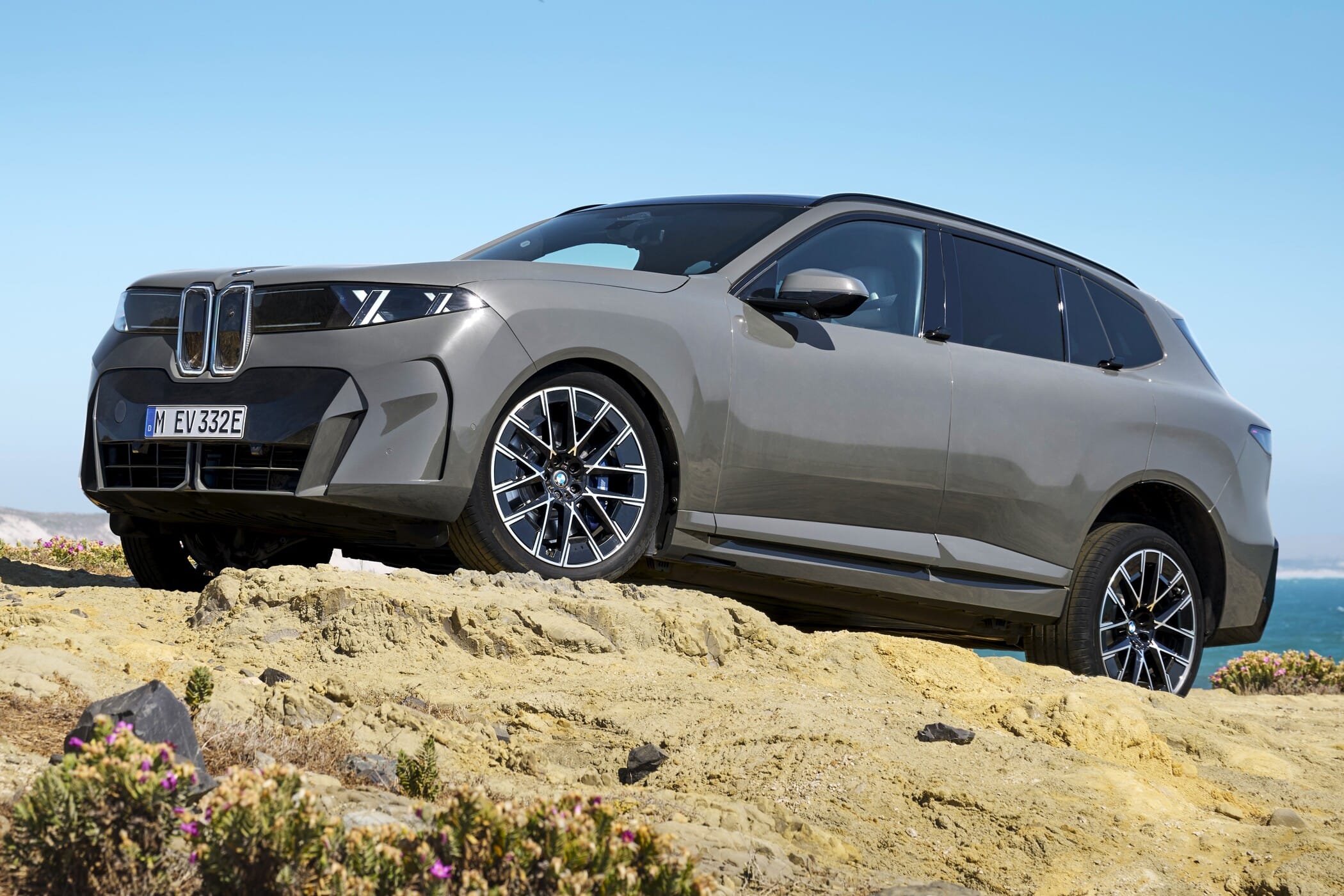
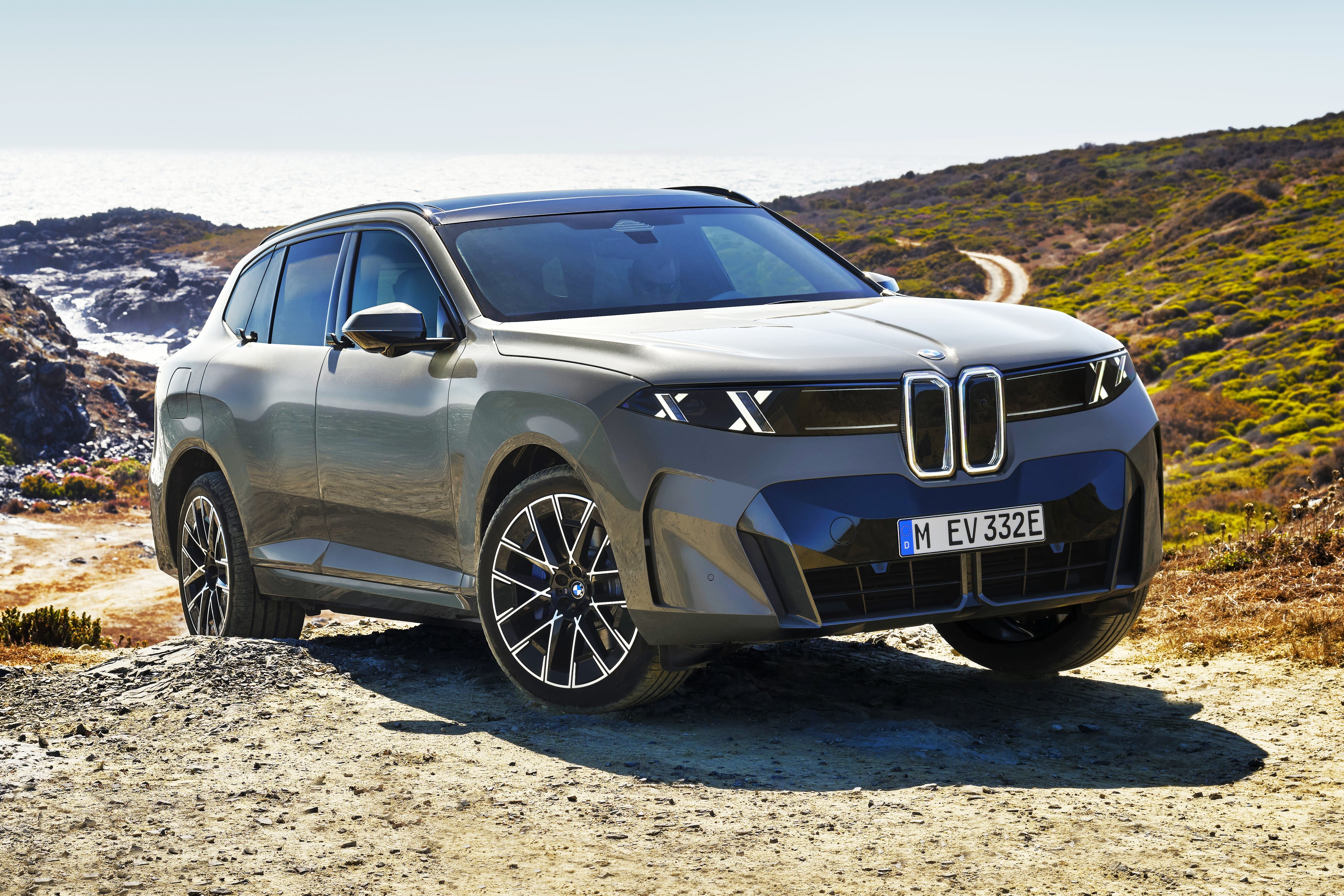
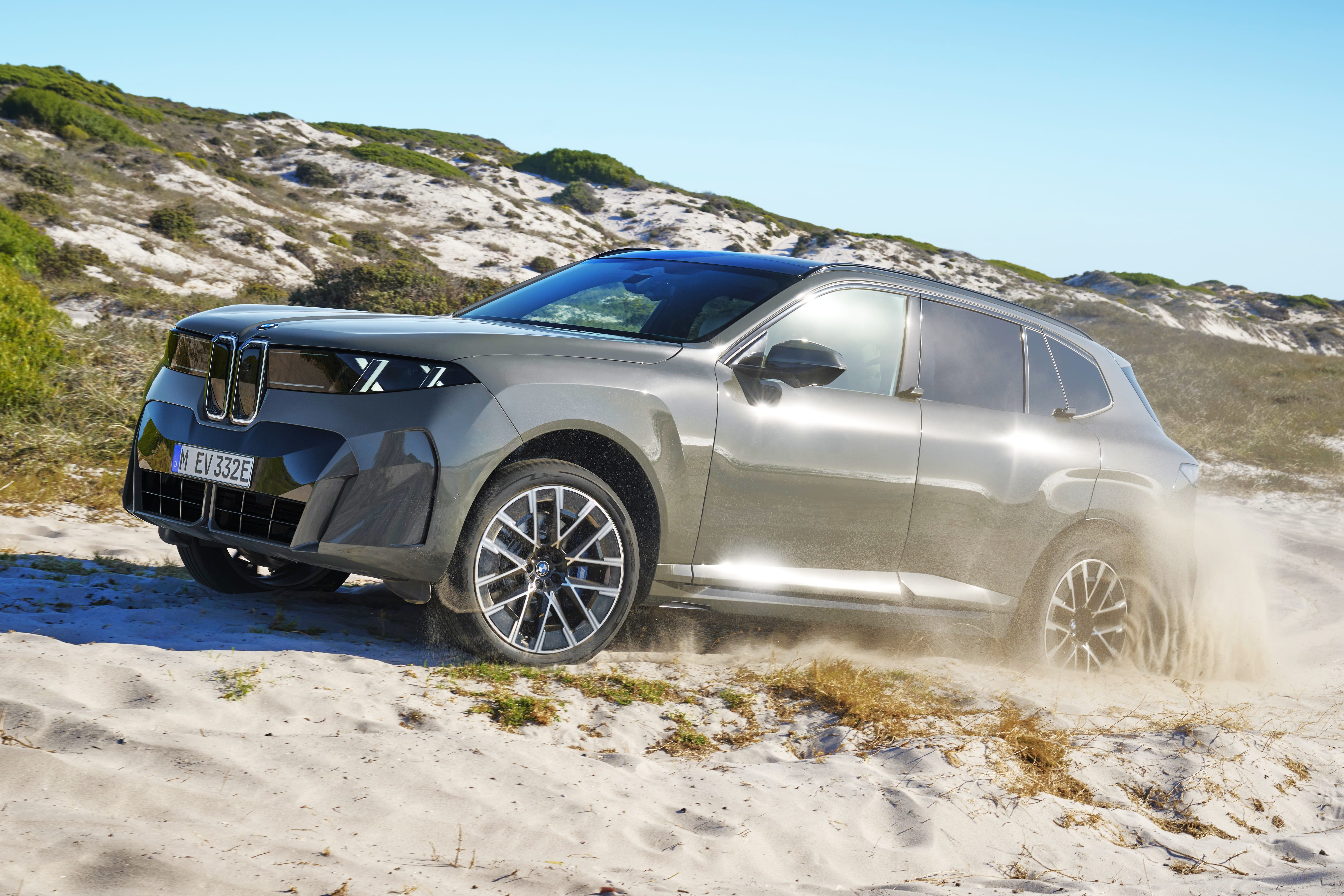
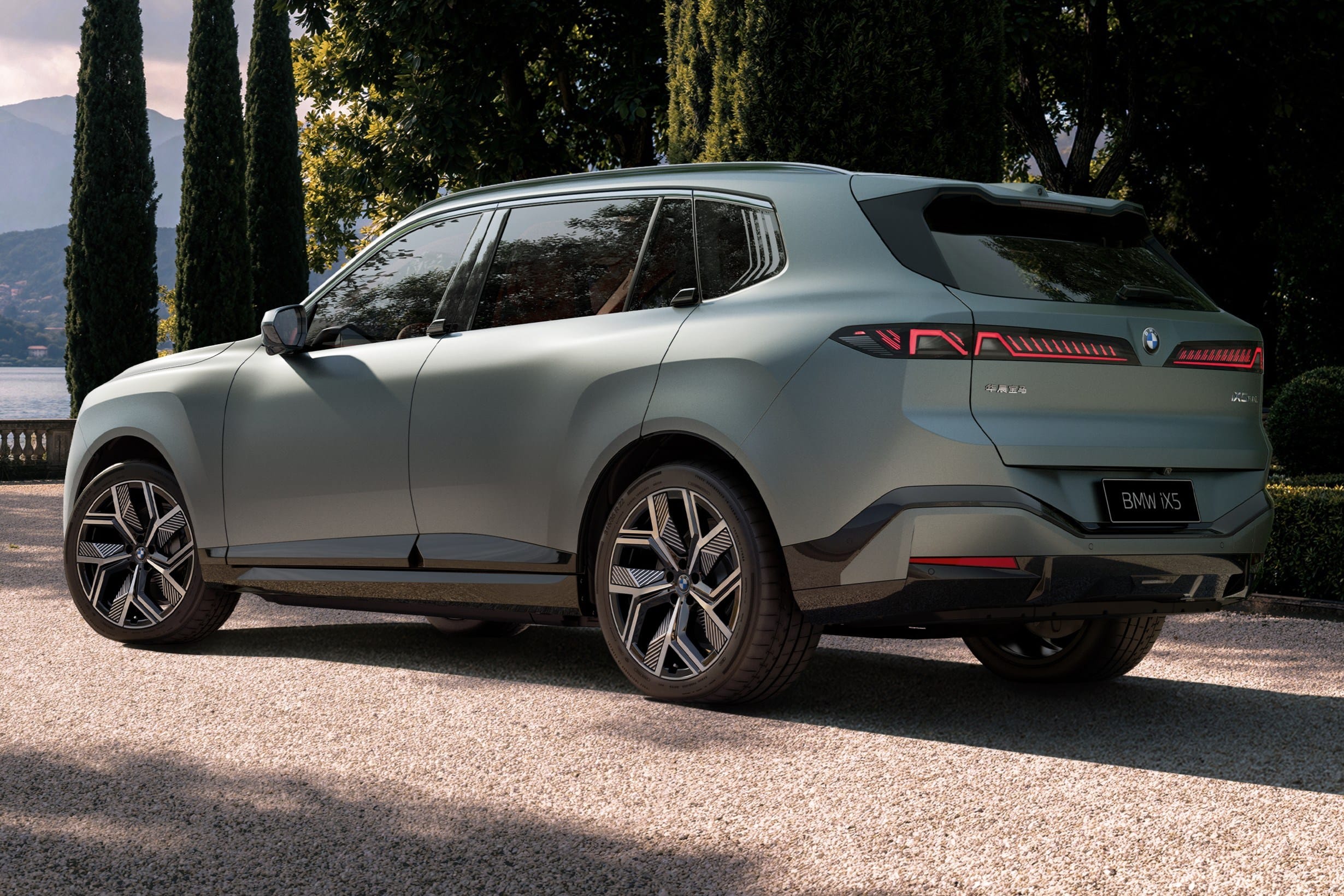
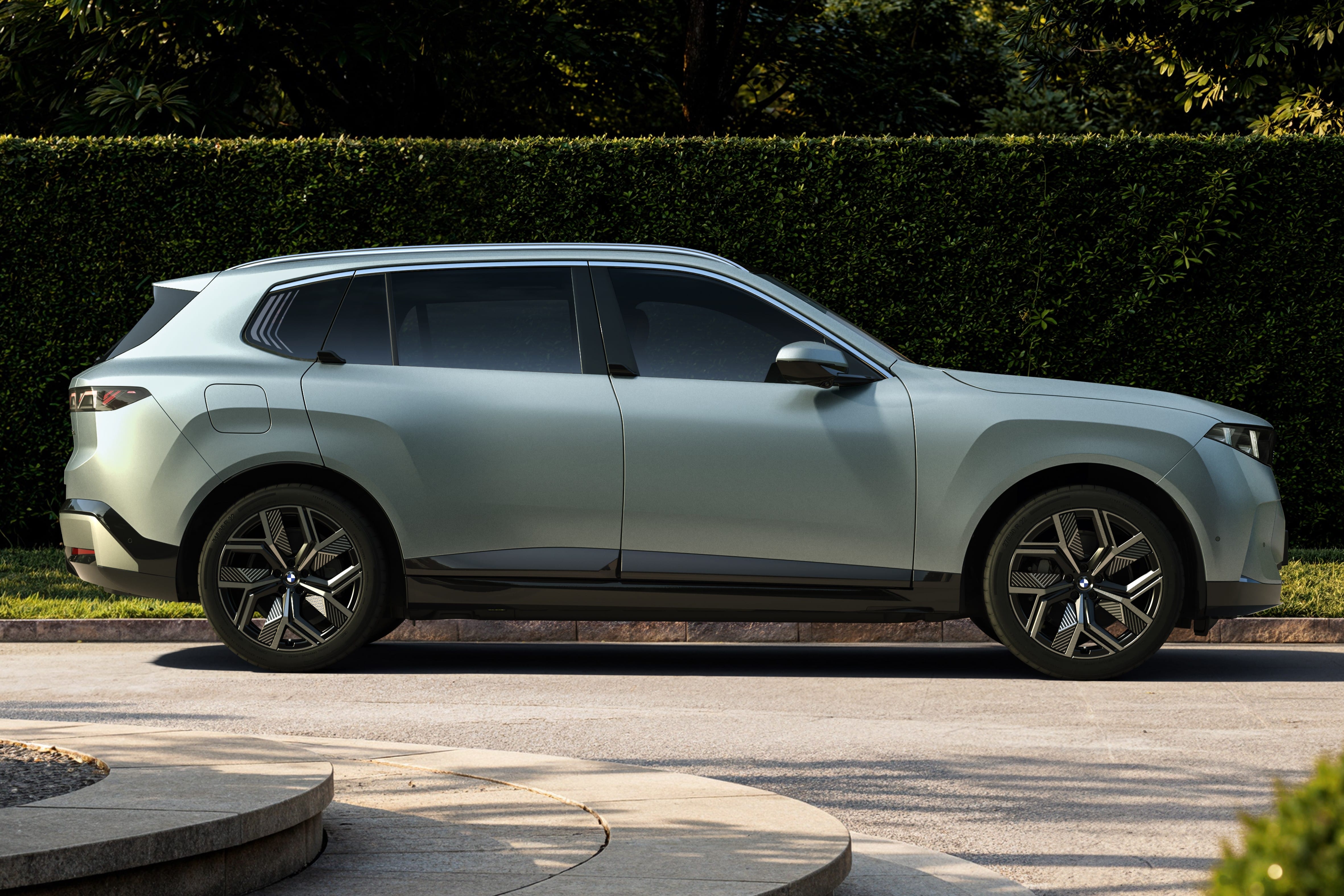
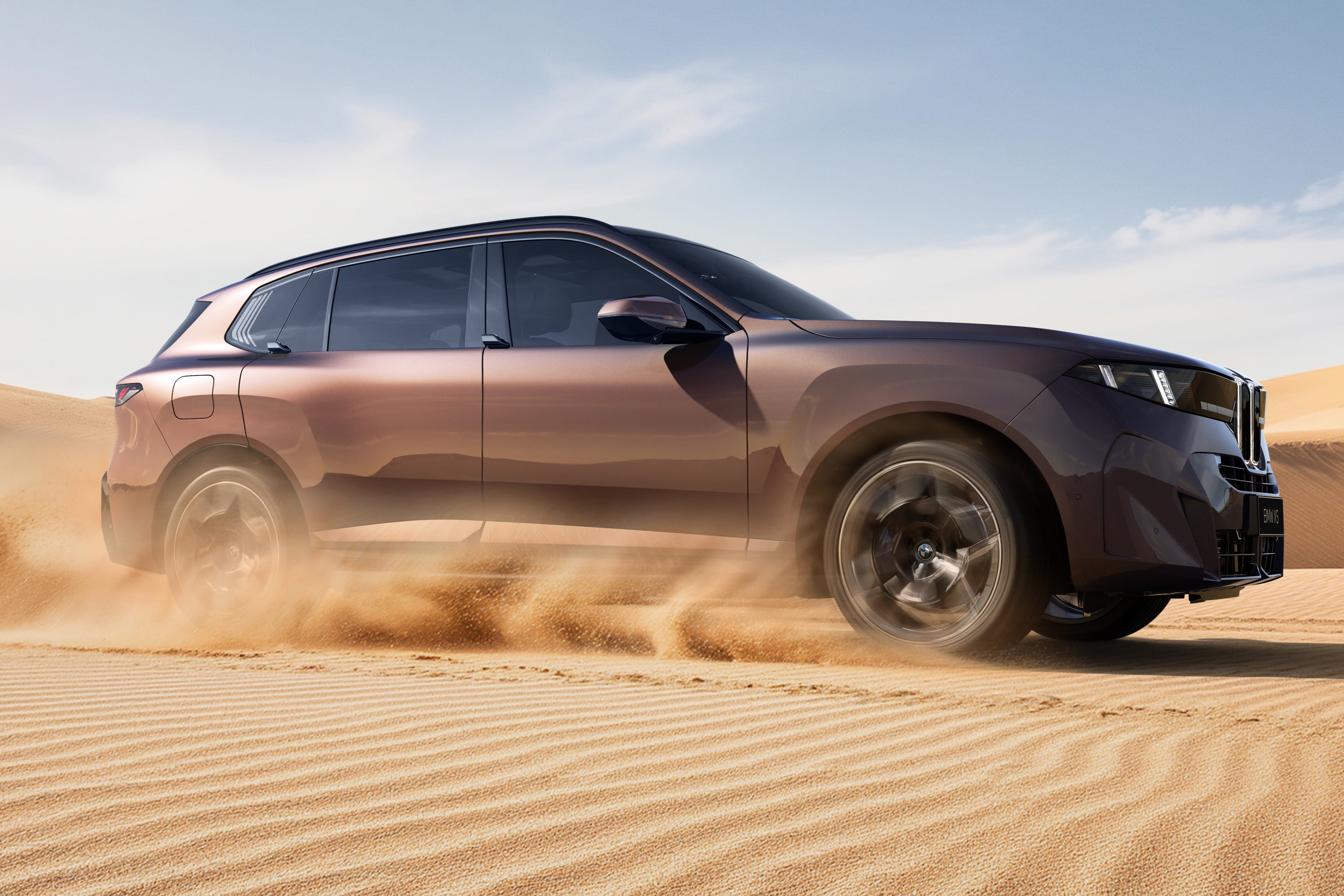
BMW has taken the wraps off the long-wheelbase Neue Klasse X5 and iX5 for China. Apart from a longer wheelbase, these versions sport revised lighting signatures, bumpers and badging over their standard counterparts. Previously, we had exclusively reported that the X5 and iX5 will arrive in India in long-wheelbase guise, with these being the very models to arrive here.
LWB X5 and iX5 get revised lighting and rear bumpers over regular versions.
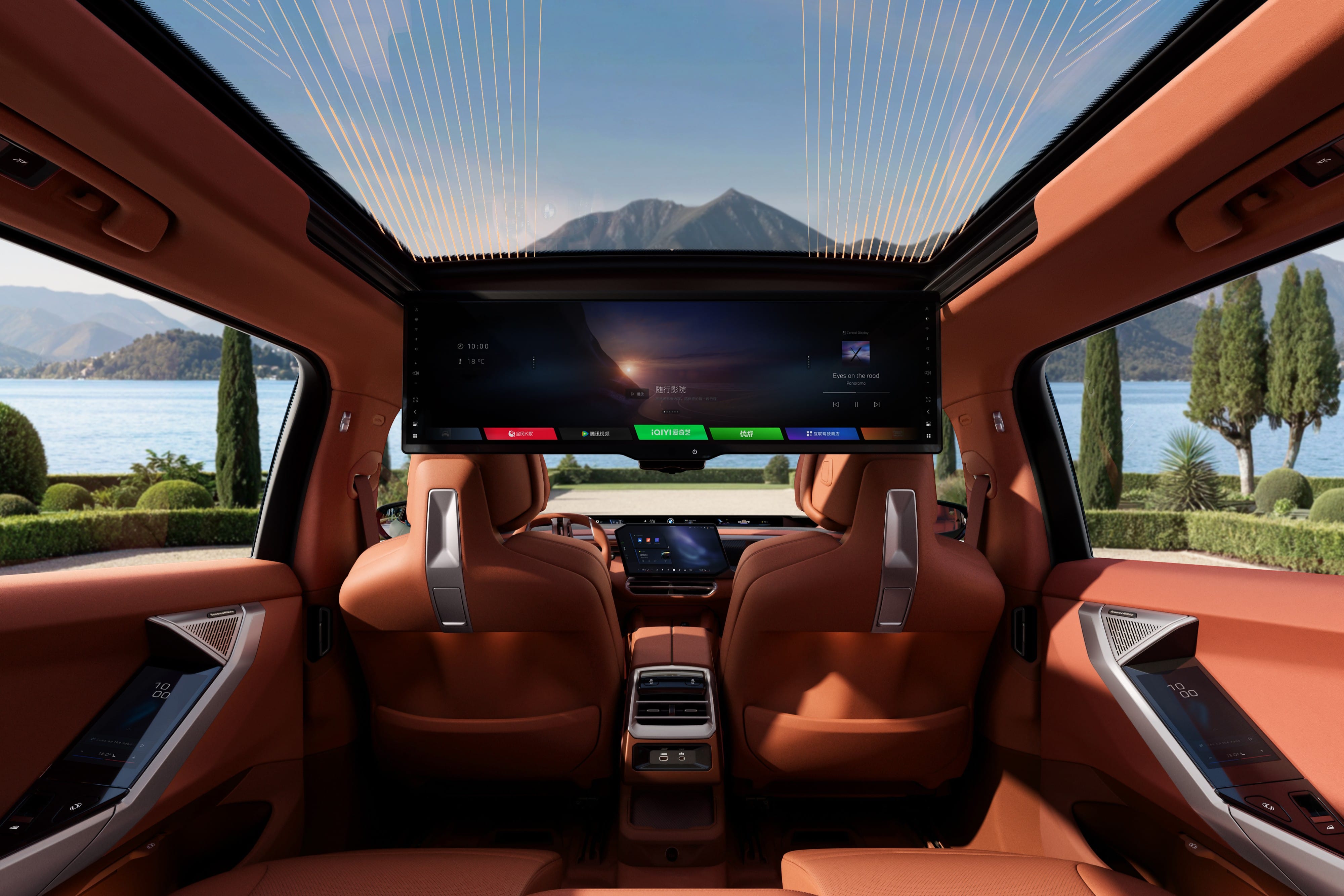
Exclusively gets an 8K entertainment screen for rear passengers.
BMW X5 and iX5 LWB: What’s new?
Gets a longer wheelbase along with exclusive cosmetic updates
Compared to their standard versions, the LWB X5 and iX5 get a 130mm longer wheelbase. Consequently, the overall length of both SUVs is increased to 5,125mm. The front-end receives a new diagonal design for the LED DRL signatures, while customers also have the option to revert to the regular version’s ‘double-X’ signature. There are additional DRL strips connecting the headlamps and the illuminated kidney grille. But at the back, the X5 LWB and iX5 LWB swap bumper designs with their standard counterparts. To differentiate from regular versions, LWB variants come with an ‘L’ badge on the tailgate.
BMW X5 and iX5 LWB interior details
Exclusively gets an 8K rear entertainment screen
LWB versions of the X5 and iX5 come with an exclusive ‘BMW Theatre Screen’ for rear passengers with 8K streaming, gaming and smartphone connectivity with video call functionality. Meanwhile, the dashboard-width ‘BMW Panoramic iDrive’ display, rhomboidal infotainment screen and the optional ‘BMW Passenger Screen’ have been retained. Customers can opt for either a brown or white cabin theme, depending on the variant chosen.
BMW X5 and iX5 LWB powertrains
Likely to get the same powertrains as their regular versions
The BMW X5 and iX5 LWB are expected to retain the powertrains from their respective standard versions. While exact specifications haven’t been revealed, the X5 is expected to offer a 400hp, 580Nm 3.0-litre six-cylinder turbo-petrol engine, and a 313hp, 670Nm diesel engine. There’s also a PHEV powertrain that pairs the 3.0-litre turbo-petrol engine to an electric motor to produce a combined power output of up to 612hp and 800Nm. BMW says that the iX5 LWB gets a CLTC-certified range of over 1000km, and is likely to use the brand’s largest 141kWh battery pack that utilises an 800V architecture. It could utilise the standard iX5’s dual motor setup that churns out 578hp and 805Nm. Air suspension is standard on both SUVs.
BMW X5 and iX5 LWB launch timeline
Both SUVs to arrive in 2027
Apart from China, India too is slated to get the LWB versions of the new BMW X5 in 2027. Whether it brings the all-electric iX5 is yet to be seen. It will add to the list of long-wheelbase BMW models for India in 2027 alongside the smaller X3 and iX3 SUVs. The X5 and iX5 will take on the likes of the Mercedes-Benz GLE and Audi Q7.