Mumbai Accident: मुंबई के कोस्टल रोड पर रविवार सुबह तेज रफ़्तार एक BMW कार के टक्कर मारने से तीन पैदल चलने वालों की मौत हो गई। जबकि एक व्यक्ति गंभीर रूप से घायल हो गया। यह हादसा रविवार तड़के कोस्टल रोड पर लाला कॉलेज के सामने लोटस जेटी के पास हुआ। कोस्टल रोड कंट्रोल रूम से मिली जानकारी के मुताबिक, BMW मरीन ड्राइव से हाजी अली की ओर जा रही थी, तभी यह हादसा हुआ। हादसे की वजह तेज रफ़्तार बताई जा रही है। घायल चार लोगों को इलाज के लिए नायर अस्पताल ले जाया गया। नायर अस्पताल के चीफ मेडिकल ऑफिसर (CMO) से मिली जानकारी के अनुसार, अस्पताल लाए गए चार लोगों में से तीन को मृत घोषित कर दिया गया।
मुंबई पुलिस ने एक बयान में कहा, “20 सितंबर को सुबह करीब 5:20 बजे मुंबई कोस्टल रोड पर लोटस जेटी के पास एक BMW कार के दुर्घटनाग्रस्त होने से तीन लोगों की मौत हो गई और एक व्यक्ति गंभीर रूप से घायल हो गया। पुलिस ने बताया कि कार मरीन ड्राइव से हाजी अली की ओर जा रही थी, तभी तेज रफ़्तार के कारण ड्राइवर ने कथित तौर पर गाड़ी पर से नियंत्रण खो दिया। चारों को नायर अस्पताल ले जाया गया।” मृतकों की पहचान शनाय गज्जल और धैर्य सेठ के तौर पर हुई है। एक अन्य 20 वर्षीय युवक को गंभीर हालत में अस्पताल में भर्ती कराया गया है। हादसे के बारे में और जानकारी का इंतजार है।
गणपति पंडाल के पास करंट लगने से आठ वर्षीय लड़की समेत दो लोगों की मौत
इस बीच, मुंबई के लालबाग इलाके में शनिवार देर रात गणपति पंडाल के पास करंट लगने से आठ वर्षीय लड़की समेत दो लोगों की मौत हो गई और कई अन्य घायल हो गए। अधिकारियों ने बताया कि यह घटना रात करीब दो बजकर 20 मिनट पर कालाचौकी स्थित दत्ताराम लाड मार्ग पर कालाचौकी विभाग सार्वजनिक उत्सव मंडल के पास हुई। उस समय गणपति उत्सव के कारण लालबाग इलाके में बड़ी संख्या में लोग मौजूद थे।
नगर निकाय के अधिकारियों ने बताया कि घटना की सूचना मुंबई दमकल विभाग (एमएफबी) को रात दो बजकर 42 मिनट पर मिली। इसके बाद दमकल विभाग, पुलिस, बेस्ट (बृहन्मुंबई विद्युत आपूर्ति और परिवहन) और महानगरपालिका के वार्ड कार्यालय के कर्मचारियों को मौके पर भेजा गया। पुलिसकर्मियों से मौके पर मिली जानकारी के अनुसार, पांच घायलों को भायखला स्थित मसीना अस्पताल ले जाया गया। जबकि अन्य घायलों को परेल स्थित ग्लोबल अस्पताल में भर्ती कराया गया।
मसीना अस्पताल में आठ वर्षीय राघनी घनश्याम यादव को डॉक्टरों ने मृत घोषित कर दिया। 19 वर्षीय किरण अकबर नाइक, 19 वर्षीय तन्वी नरश हांडे, 19 वर्षीय साहिल संदीप तारे और 12 वर्षीय रूही सिंह का अस्पताल में उपचार हो रहा है। उनकी हालत के बारे में जानकारी अभी नहीं मिली है। बाद में एक अधिकारी ने एक अन्य मौत की भी पुष्टि की। उन्होंने बताया कि ग्लोबल अस्पताल में भर्ती एक महिला ने भी चोटों के कारण दम तोड़ दिया। उसकी पहचान और अन्य डिटेल्स की जानकारी अभी नहीं मिल सकी है।
Disha Salian Death Case: केंद्रीय जांच ब्यूरो (CBI) ने दिवंगत अभिनेता सुशांत सिंह राजपूत की पूर्व मैनेजर दिशा सालियान की मौत के मामले में FIR दर्ज की है। इस महीने की शुरुआत में बॉम्बे हाई कोर्ट ने सालियान की मौत की जांच सेंट्रल ब्यूरो ऑफ इन्वेस्टिगेशन (CBI) से कराने का आदेश दिया था। कोर्ट ने छह साल तक FIR दर्ज नहीं करने के लिए मुंबई पुलिस को फटकार लगाते हुए कहा था कि उसकी जांच से जवाब मिलने के बजाय और सवाल खड़े होते हैं। पीठ ने छह साल तक मामले को केवल दुर्घटनावश मौत के रूप में देखने के लिए पुलिस की आलोचना की थी। जांच में स्पष्ट विसंगतियों की ओर इशारा किया था।
कैसे हुई थी सालियान की मौत?
राजपूत की मैनेजर के रूप में कुछ समय काम कर चुकीं दिशा सालियान की 8 जून 2020 को मुंबई के मलाड इलाके में एक आवासीय इमारत की 12वीं मंजिल से गिरने के बाद मौत हो गई थी। मुंबई पुलिस ने मामले में दुर्घटनावश मौत की रिपोर्ट (ADR) दर्ज की थी। राजपूत एक सप्ताह बाद 14 जून 2020 को अपने अपार्टमेंट में मृत पाए गए थे। इसके बाद दोनों की मौत की घटनाओं के बीच संभावित संबंध को लेकर अटकलें लगने लगी थीं।
राजपूत की मौत के बाद मचे हंगामे के बीच महाराष्ट्र सरकार ने मामले की सीबीआई जांच का आदेश दिया था। केंद्रीय जांच एजेंसी ने बाद में ‘क्लोजर रिपोर्ट’ दाखिल करते हुए कहा था कि राजपूत की मौत आत्महत्या से हुई थी। हालांकि, संबंधित अदालत ने अभी इस रिपोर्ट पर सुनवाई नहीं की है।
CBI की FIR में इन दिग्गजों के नाम
अधिकारियों ने बताया कि दिशा सालियन की मौत के मामले में दर्ज FIR में शिवसेना (UBT) विधायक आदित्य ठाकरे, अभिनेता डिनो मोरिया और रिया चक्रवर्ती के नाम शामिल हैं। यह घटनाक्रम बॉम्बे हाई कोर्ट द्वारा केंद्रीय एजेंसी को मामले की जांच अपने हाथ में लेने का आदेश देने के लगभग दो सप्ताह बाद हुआ है। हत्या, गैंगरेप, आपराधिक साजिश, सबूत मिटाने और गलत जानकारी देने से संबंधित धाराओं के तहत मामला दर्ज किया गया है।
‘टाइम्स ऑफ इंडिया’ के मुताबिक, इस FIR में कई दिग्गजों के नाम हैं जिनकी भूमिका की जांच की जानी है। इनमें शिवसेना (UBT) नेता आदित्य ठाकरे के अलावा रोहन रॉय, एक्टर डिनो मोरिया और सूरज पंचोली, आदित्य के बॉडीगार्ड, रिया चक्रवर्ती, शोविक चक्रवर्ती, पूर्व पुलिस अधिकारी सचिन वाजे, मुंबई पुलिस के पूर्व कमिश्नर परमबीर सिंह, DCP विशाल ठाकुर और महाराष्ट्र के पूर्व मुख्यमंत्री उद्धव ठाकरे के नाम शामिल हैं। दस्तावेज में राज्य के पूर्व गृह मंत्री अनिल देशमुख, कई पुलिस अधिकारियों, फोरेंसिक अधिकारियों, डॉक्टरों और अन्य लोगों के नाम भी शामिल हैं।
उद्धव ठाकरे का जिक्र
NDTV की रिपोर्ट के मुताबिक, CBI की FIR में कहा गया है, “तत्कालीन मुख्यमंत्री उद्धव ठाकरे (आदित्य ठाकरे के पिता) और अन्य लोगों ने साजिश और उसके बाद मामले को दबाने में अहम भूमिका निभाई। संबंधित सरकारी कर्मचारियों और पुलिस अधिकारियों की भी जांच की जानी चाहिए। उन पर केस के कागजात, फाइलें और अन्य सार्वजनिक रिकॉर्ड नष्ट करने या छिपाने, आधिकारिक रिकॉर्ड में हेरफेर करने और गैर-कानूनी कामों एवं अपराधियों को बचाने के लिए सार्वजनिक धन, मैनपावर और पुलिस मशीनरी का गलत इस्तेमाल करने का आरोप है।”
CBI की FIR के अनुसार, आदित्य ठाकरे, डिनो मोरिया, सूरज पंचोली, रिया चक्रवर्ती और पोस्टमार्टम में देरी के लिए जिम्मेदार डॉक्टर एवं कर्मचारी उन लोगों में शामिल हैं जिनकी भूमिका की जांच जरूरी है। इससे पहले, केंद्रीय जांच एजेंसी ने जांच में मदद के लिए पुलिस को पत्र लिखकर दिशा सालियन की मौत से जुड़े सभी दस्तावेज और रिकॉर्ड मांगे थे।
पिता ने की थी CBI जांच की अपील
पिछले हफ्ते सालियन के पिता सतीश सालियन ने अपनी बेटी की मौत की जांच के सिलसिले में CBI के सामने अपना बयान दर्ज कराया था। अपने बयान में सतीश सालियन ने आरोप लगाया कि महाराष्ट्र के पूर्व मुख्यमंत्री उद्धव ठाकरे, उनके बेटे और शिवसेना (UBT) नेता आदित्य ठाकरे समेत कई लोगों ने कथित साजिश और उसके बाद मामले को दबाने में अहम भूमिका निभाई।
बॉम्बे हाई कोर्ट ने 2 सितंबर को CBI जांच का आदेश दिशा सालियन के पिता की याचिका पर दिया। उन्होंने आरोप लगाया था कि जून 2020 में अपनी बेटी की मौत की जांच में मुंबई पुलिस ने लापरवाही बरती थी। कोर्ट ने छह साल तक FIR दर्ज न करने के लिए मुंबई पुलिस को फटकार लगाई। कोर्ट ने यह भी गौर किया कि मौत के छह साल बाद भी सालियन के परिवार को पोस्टमॉर्टम रिपोर्ट और ADR की कॉपी नहीं दी गई थी।
Delhi Parallel Ring Road: दिल्ली में रोजाना लगने वाले ट्रैफिक जाम से लोगों को राहत दिलाने के लिए सरकार ने पैरलल रिंग रोड का मास्टर प्लान तैयार किया है। इसके लिए 2026-27 के बजट में व्यवहार्यता अध्ययन यानी फिजिबिलिटी स्टडी के लिए 10 करोड़ रुपये का प्रावधान किया गया है। यह प्रस्तावित तीसरी रिंग रोड मौजूदा इनर और आउटर रिंग रोड के समानांतर विकसित की जाएगी, जिससे राजधानी में ट्रैफिक का दबाव कम करने और कनेक्टिविटी बेहतर करने में मदद मिल सकेगी।
बता दें कि दिल्ली सरकार का फोकस राजधानी में ऐसी सड़कों का नेटवर्क तैयार करने पर है, जहां लोगों को बिना रूकावट के साथ बेहतर कनेक्टिविटी की सुविधा मिले। इसके तहत जलवायु के अनुकूल और आधुनिक तकनीक से लैस सड़कों के निर्माण पर जोर दिया जा रहा है। लोक निर्माण विभाग (PWD) ने इस प्रोजेक्ट पर काम भी तेज कर दिया है।
6 फेज में होगा 55 किमी एलिवेटेड रिंग रोड का निर्माण
प्रस्तावित 55 किलोमीटर लंबे एलिवेटेड रिंग रोड कॉरिडोर की डीपीआर भी तैयार हो चुकी है। इस पूरे कॉरिडोर को 6 फेज में विकसित करने की योजना है। इसका पहला चरण मुकरबा चौक से आश्रम तक बनाया जाएगा।
इसके बाद प्रोजेक्ट के दूसरे हिस्सों पर भी काम शुरू किया जाएगा। इनमें आजादपुर फ्लाईओवर से आईएसबीटी हनुमान मंदिर तक करीब 9.5 किलोमीटर का खंड, चांदगी राम अखाड़ा से मजनू का टीला तक 2.5 किलोमीटर और आईएसबीटी से डीएनडी फ्लाईओवर तक 11.5 किलोमीटर का कॉरिडोर शामिल है। इन सभी हिस्सों को प्राथमिकता के आधार पर विकसित करने की योजना है, ताकि दिल्ली के प्रमुख ट्रैफिक रूट पर दबाव कम किया जा सके।
वहीं, पीडब्ल्यूडी ने ट्रैफिक पुलिस के साथ मिलकर 10 बड़े चोक पॉइंट्स की पहचान की थी। इसमें रिंग रोड, मथुरा रोड, अरबिंदो मार्ग, महरौली-महिपालपुर रोड और रानी झांसी रोड शामिल हैं। लोक निर्माण विभाग का मानना है कि सिर्फ फ्लाईओवर से काम नहीं चलेगा। शहर में पीक आवर में 2.5 लाख से ज्यादा गाड़ियां रिंग रोड पर होती हैं। इसलिए एक पूरी नई समानांतर रिंग रोड की जरूरत है।
दिल्ली सरकार ने PWD के बजट में किया था 54% का इजाफा
जानकारी के लिए बता दें कि मुख्यमंत्री रेखा गुप्ता ने 24 मार्च 2026 को पेश किए गए दिल्ली बजट में लोक निर्माण विभाग (PWD) के लिए 5,921 करोड़ रुपये का प्रावधान किया था। यह रकम पिछले साल के 3,843 करोड़ रुपये के मुकाबले करीब 54 फीसदी ज्यादा है।
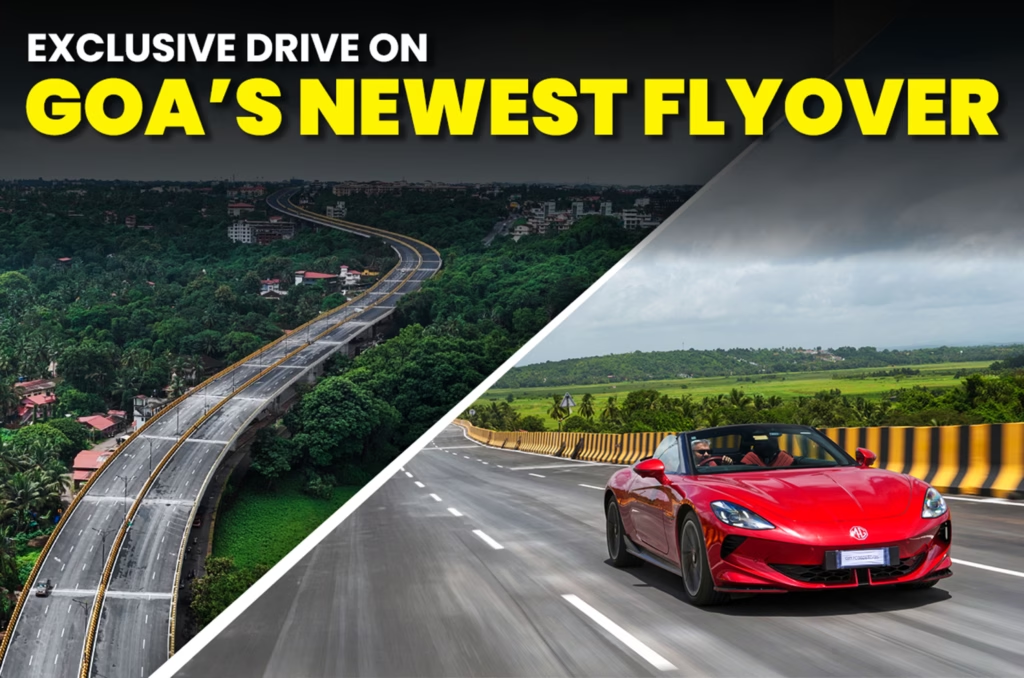
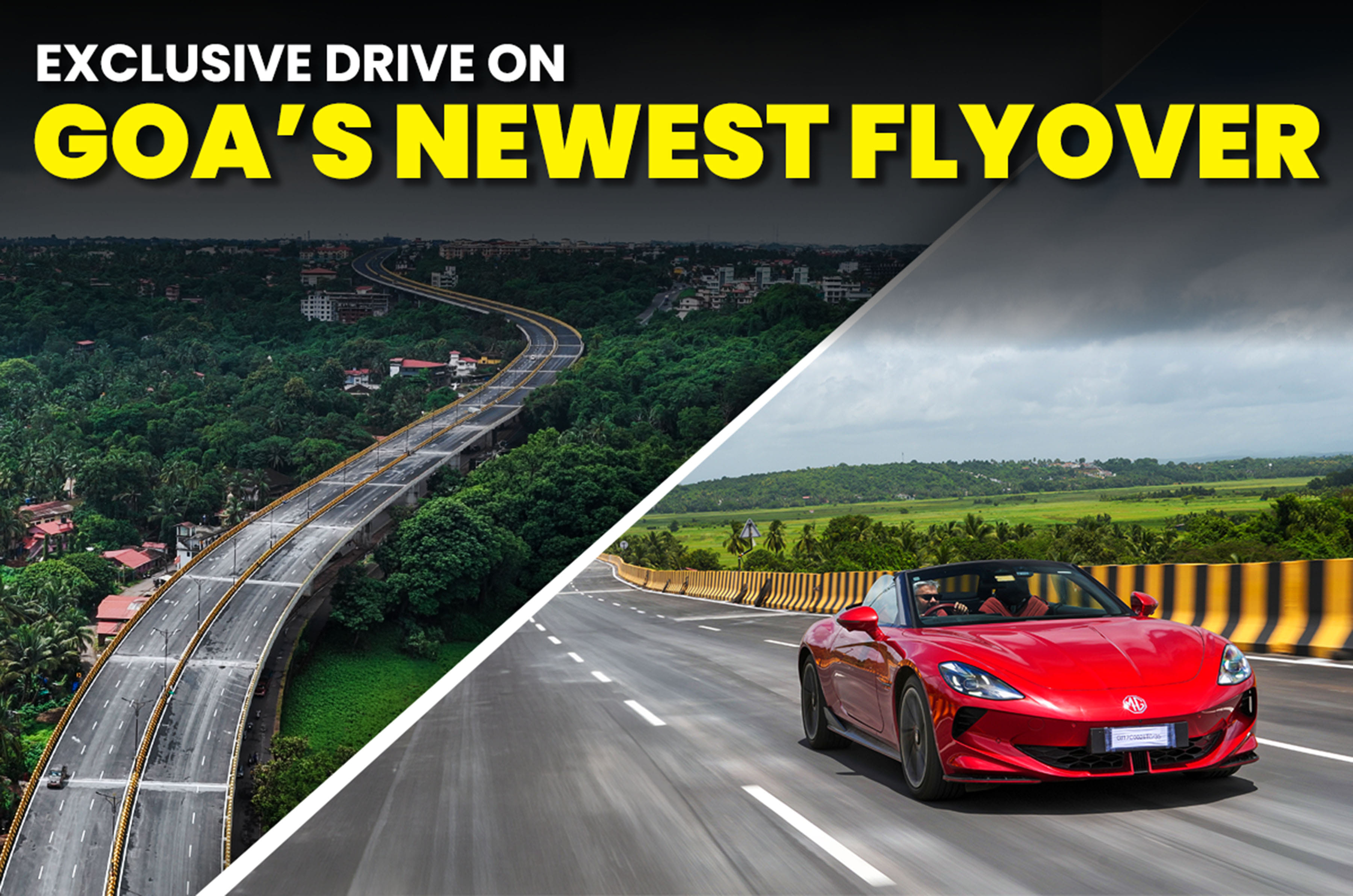
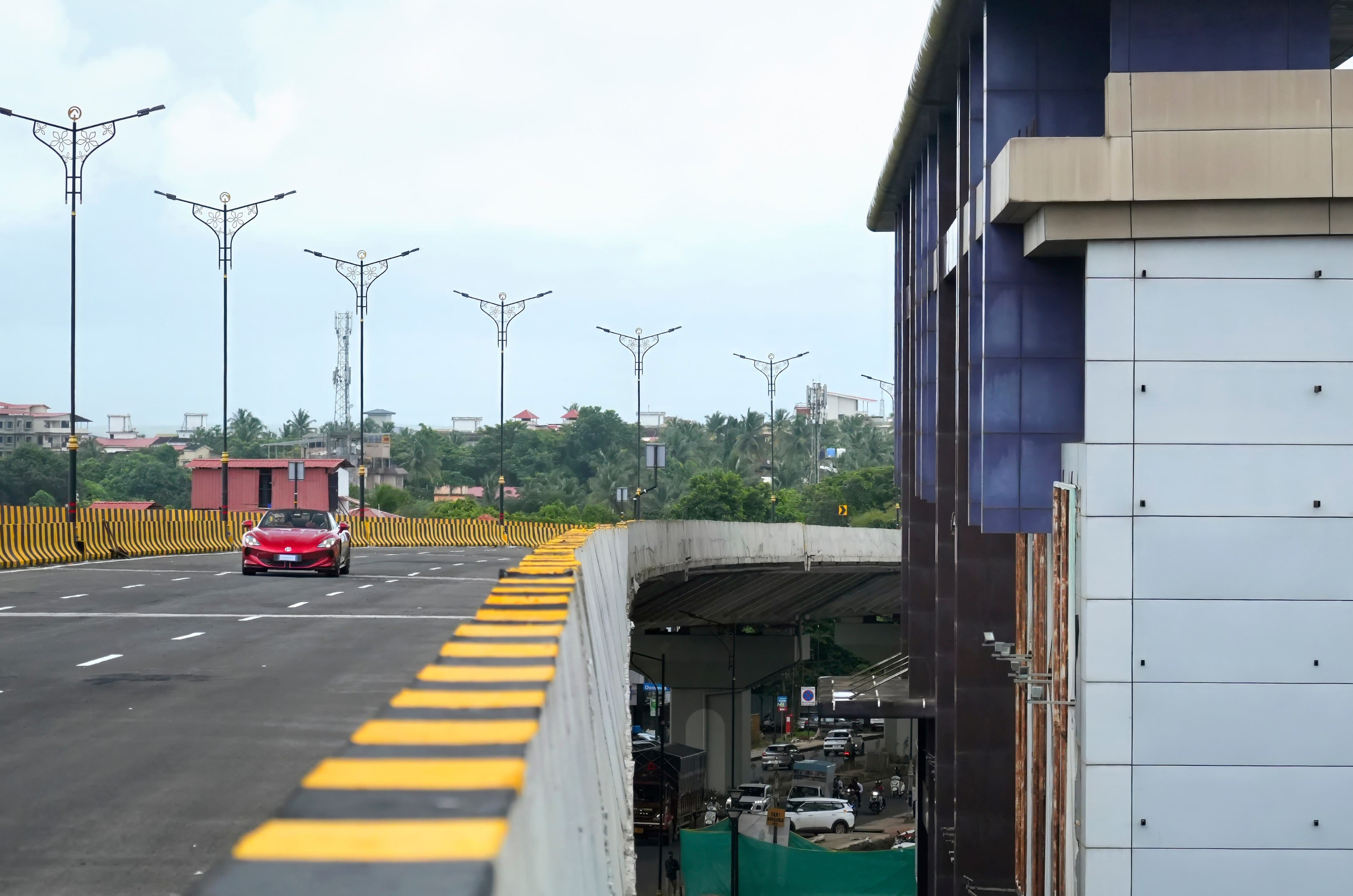
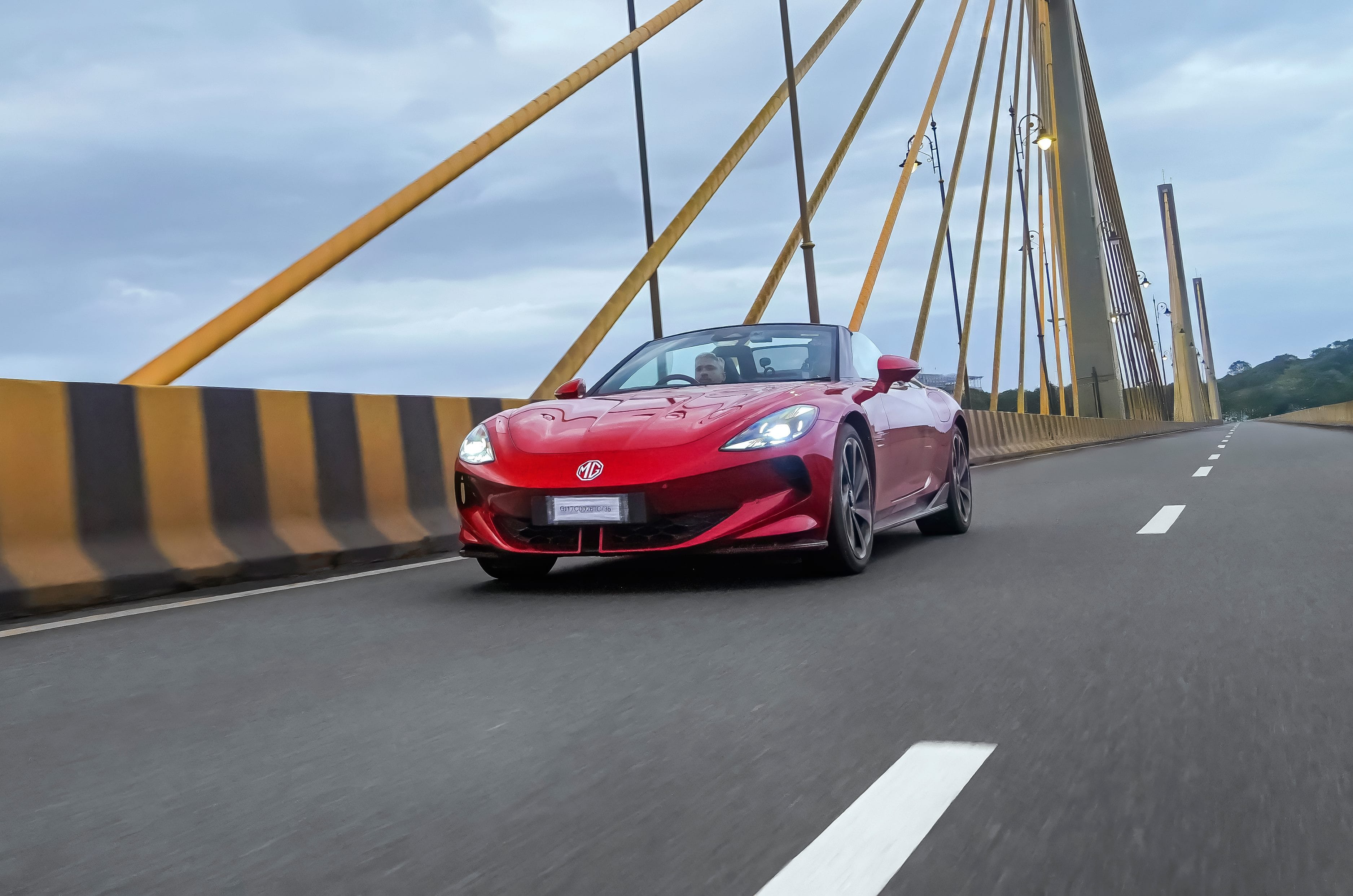
If a holiday in Goa is a fixture on your calendar, you will have noticed that the state has changed a fair bit in the last few years. There is a new airport to fly into, new bridges replacing the old, not to mention the wider highways. The latest upgrade to the state’s road network is the Porvorim Elevated Corridor, targeting a major bottleneck on NH66. We were given an exclusive opportunity to experience it for ourselves before the official inauguration on Sep 9, and we brought along a very ‘Goa’ car for the occasion – the MG Cyberster.
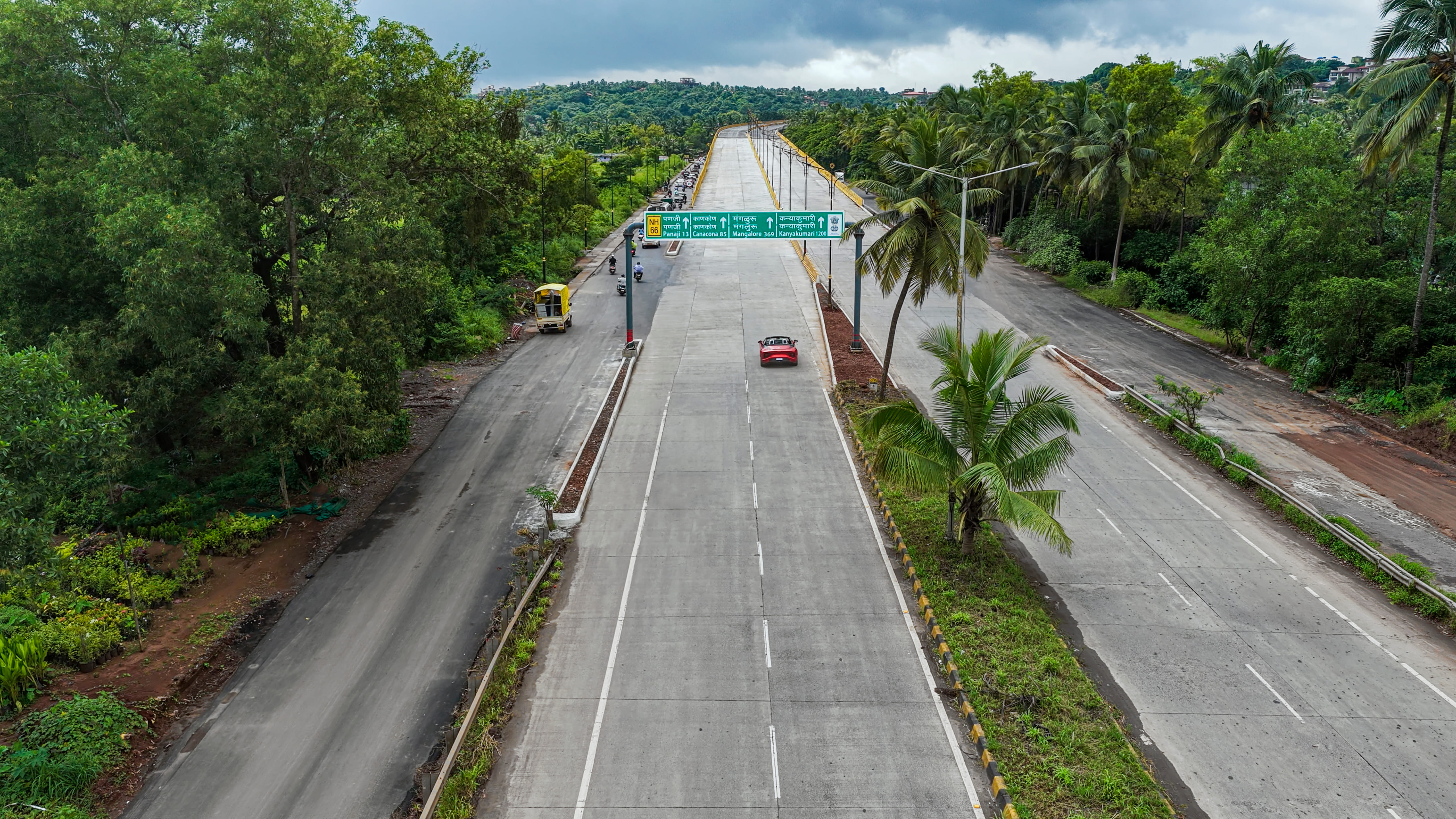
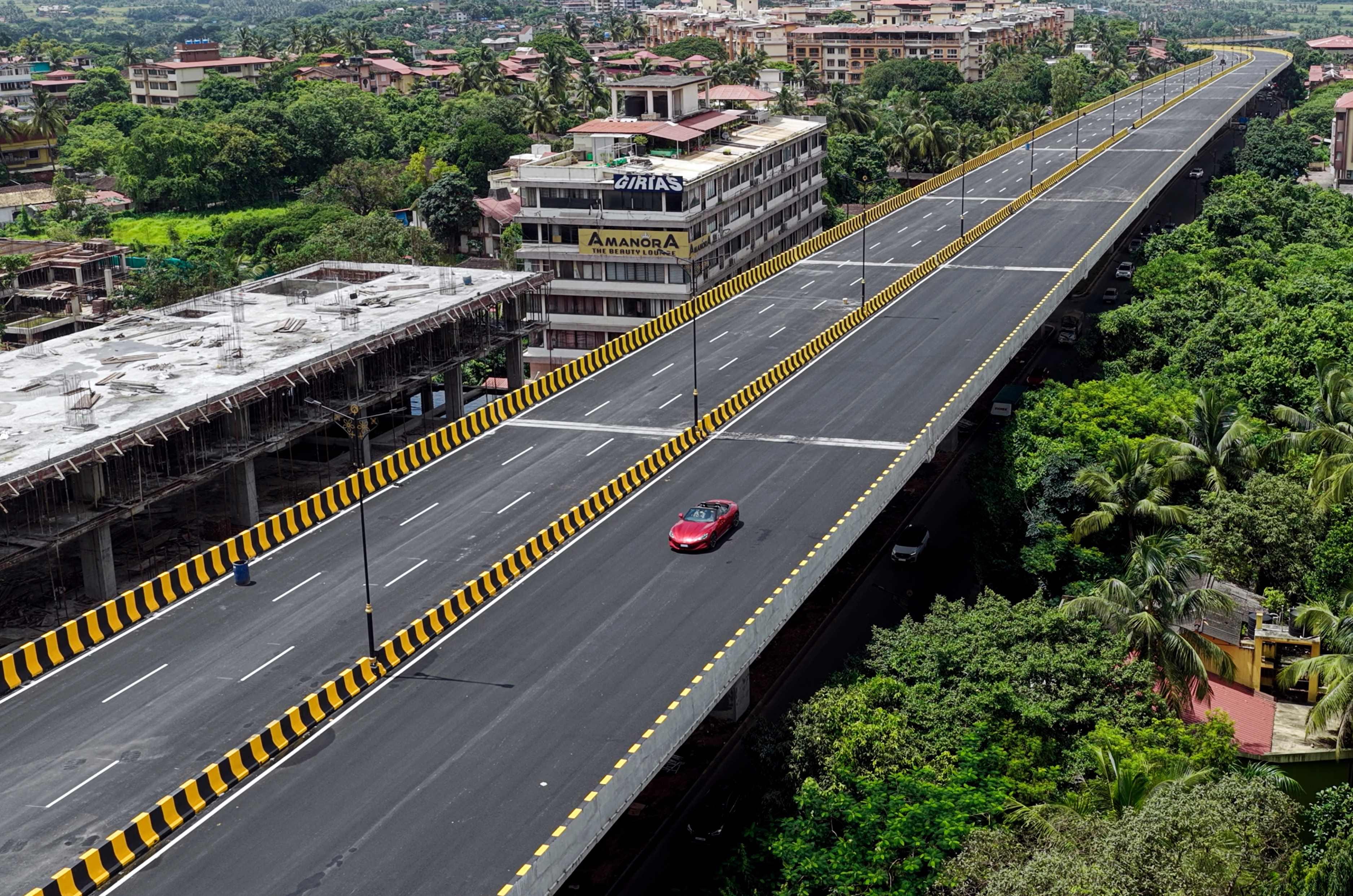
First, a bit of quick history and geography. National Highway 66 is a 1,640km arterial highway running from Panvel in Maharashtra to Kanyakumari in Tamil Nadu. 124km of NH66 is in Goa and, for years, Porvorim has been its most notorious bottleneck. The new 5.15km Porvorim Elevated Corridor lets traffic sail clean over all that congestion below, connecting directly to the Atal Setu bridge that crosses the Mandovi River. It promises to cut travel time between Mapusa in the north and the capital Panaji by up to 30 minutes – a claim we set out to test.
Six-laned Porvorim Elevated Corridor brings North Goa and Panaji closer than ever.
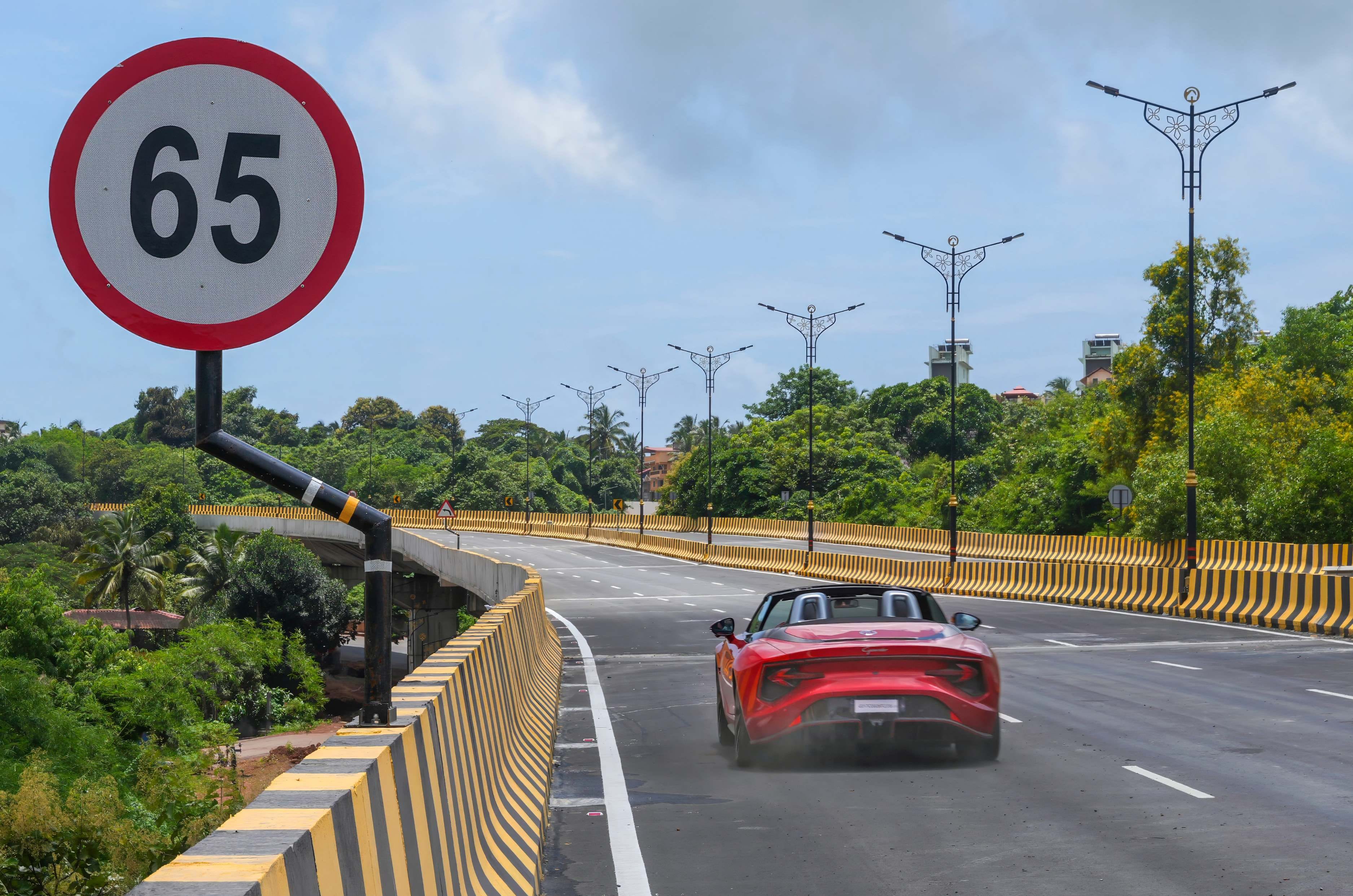
Our starting point was the north end of the corridor, a couple of kilometres away from Guirim village near Mapusa. We started our stopwatch on the concrete ramp leading up the PEC – one we would only stop once we crossed over the Atal Setu Bridge and entered Panaji. And even with 510hp and 725Nm on tap and the road all to ourselves, we would be sticking to the 65kph speed limit.
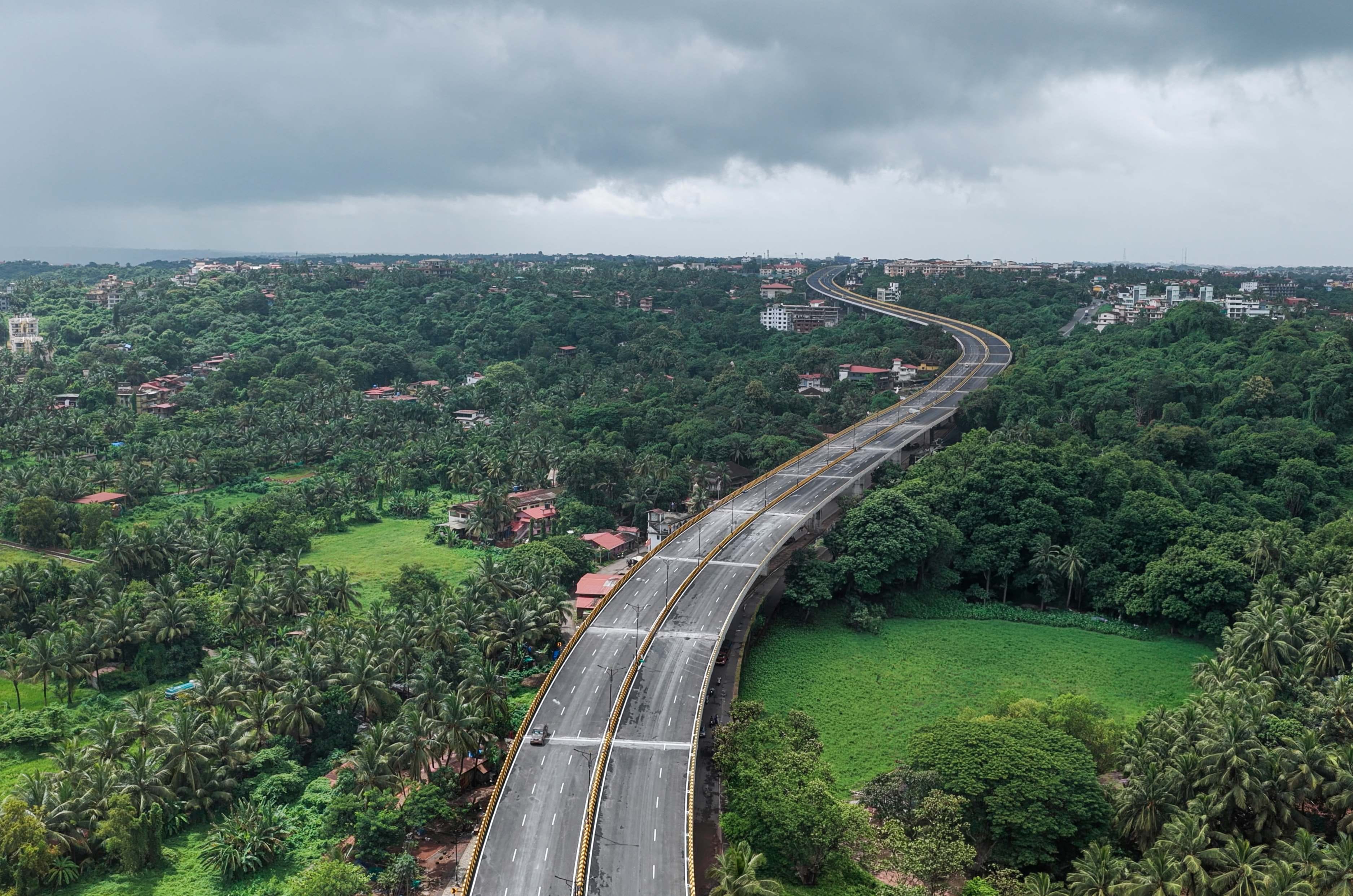
From the concrete on-ramp, it’s only a few metres until you drive onto the actual viaduct section, which is paved tarmac broken up only by expansion joints. It is not completely straight either – the north end has some lovely sweeping curves. In a car like the Cyberster, it is quite tempting to push through the bends but, exercising restraint, we instead indulged in the joys of open-top motoring. The Cyberster drops its top in 10 seconds at speeds up to 50kph, giving us superb views all around. Importantly, it also raises the top just as quickly, which comes in handy during sudden showers.
No more jams! 5.15km flyover sails over congestion at Porvorim junction.
From the driver’s seat, the panoramic view of Porvorim’s greenery was quite stunning – something you would never notice stuck in traffic below. Drive on, and the road becomes arrow-straight, and you start to notice how close some of the buildings are to the corridor. This proximity to adjoining structures, along with the fact that NH66 had to stay operational below, were among the biggest challenges the engineers faced.
Some buildings were a little too close for comfort making construction quite challenging.
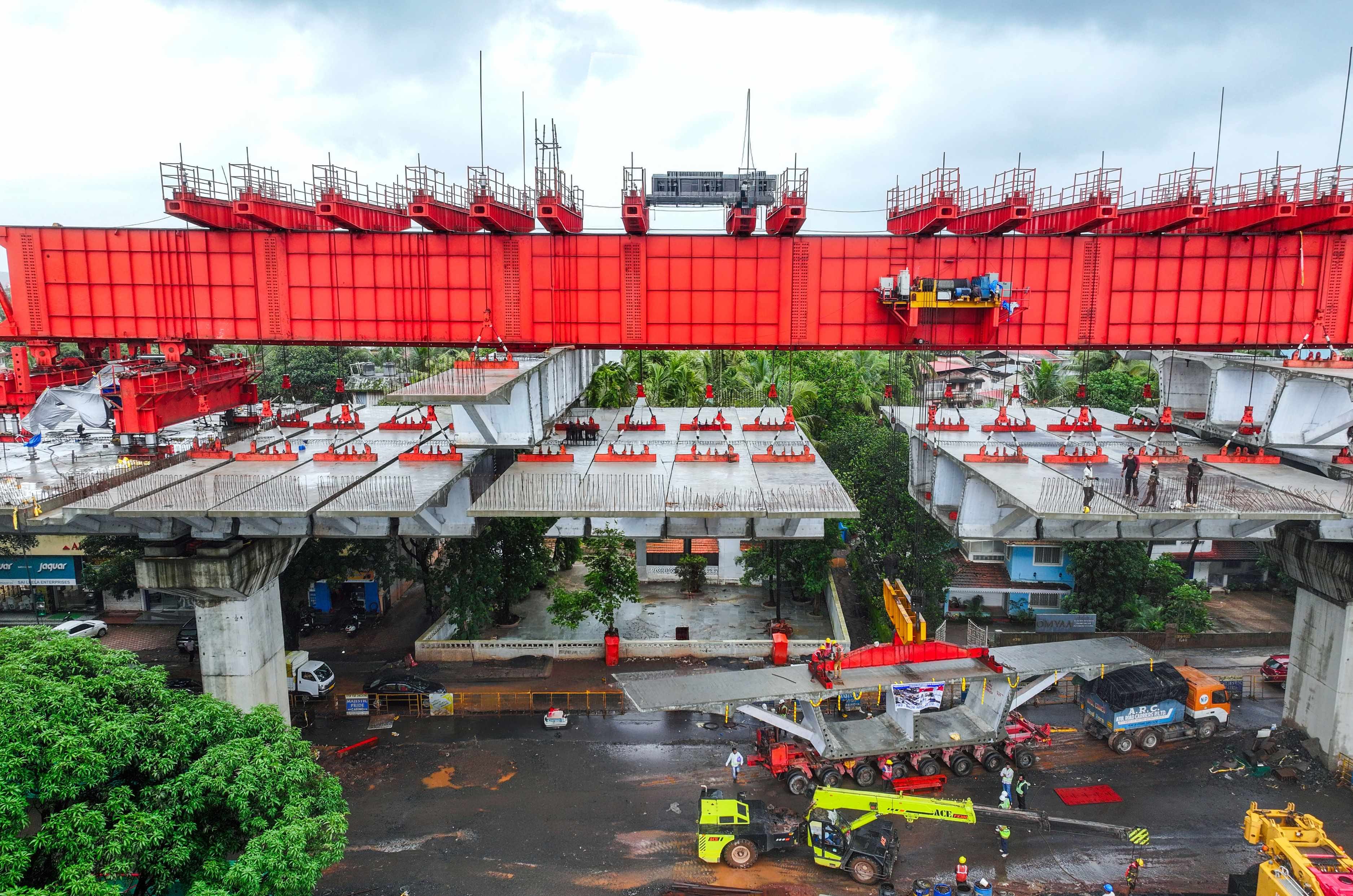
The 4.19km viaduct section is supported by 87 pillars. Each span running between two pillars requires between 13 and 17 individual pre-cast concrete sections. These sections are about 24 metres wide and weigh a whopping 120 tonnes each. They were cast in a yard down the road, trucked to the site, hoisted 11 metres high and installed in place – all in a narrow space between buildings with absolutely no room for error, while ensuring minimal traffic disruptions below.
Considering the challenges, it is quite remarkable that the Porvorim Elevated Corridor was completed in just two years and five months. Below the main structure, 10.30 kilometres of service roads and 28 minor junctions keep local traffic moving, while the corridor sails above it all. Also featured are eight box culverts and a rainwater harvesting system, so the monsoon doesn’t slow traffic down. A modern lighting setup with 515 streetlights has already been installed, while two high-mast lights and ten overhead gantries with cameras are to be put up soon. All constructed at a cost of Rs 641.46 crore.
New flyover part of NH 66 open to cars, two-wheelers and CVs. Speed limit 65kph.
Before long, we were passing the Mall de Goa – close enough to see the expressions on the faces of people in the food court, as they watched the bright red Cyberster whizz past their window. As we made our way down the off-ramp, the stopwatch showed that it had been just over four and a half minutes. Heading towards the Atal Setu, we merged with the dozens coming from the diversion and became part of regular traffic.
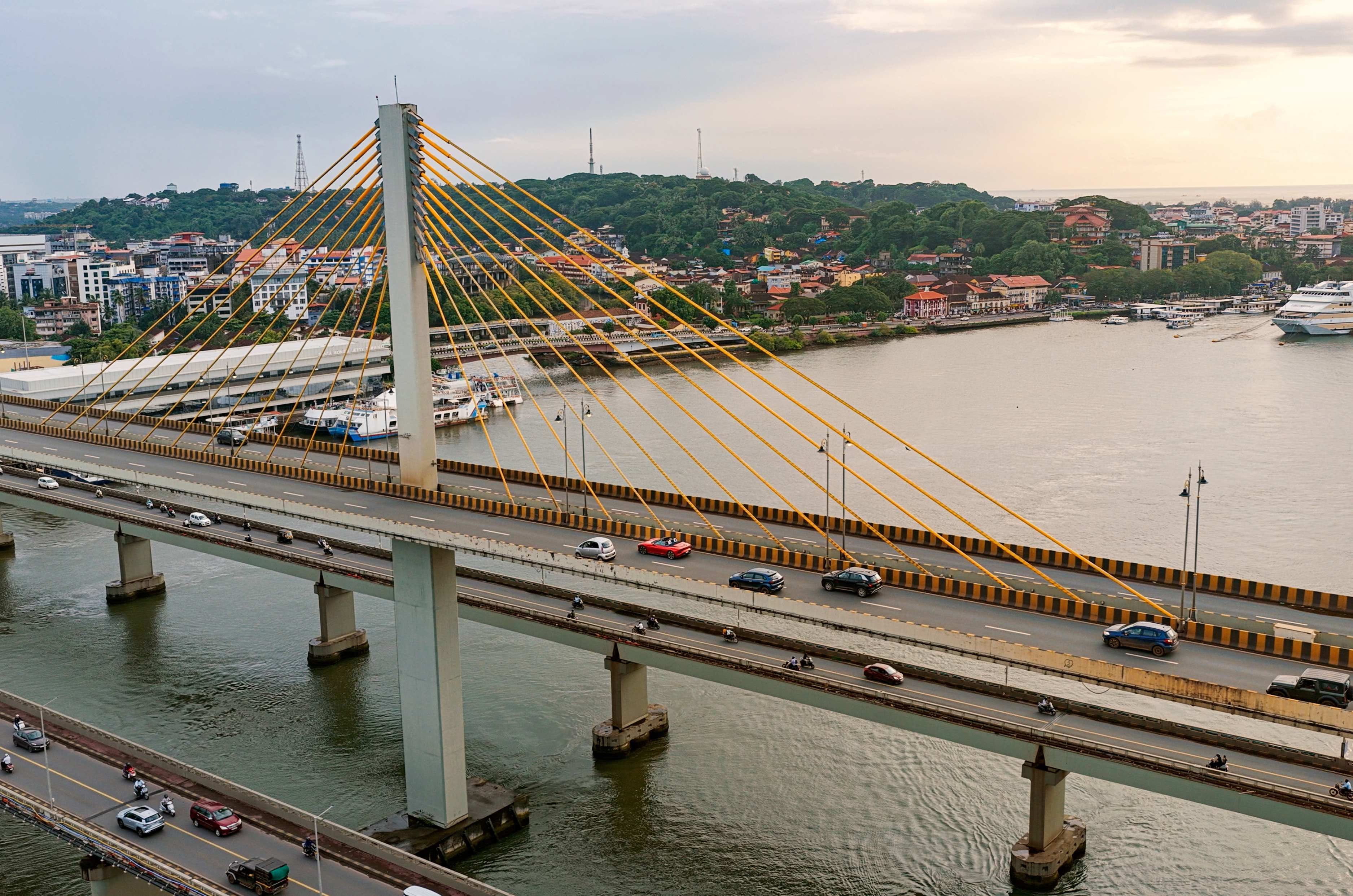
And just like that, we were climbing the Atal Setu bridge, which would take us across the Mandovi River and into Panaji. To the right, stunning views of Panaji city and Miramar beach in the distance, and to the left, Old Goa with its historic churches, while above me, through the open roof of the Cyberster, panoramic views of the bridge’s iconic pylons and yellow cable stays.
Drop top MG Cyberster a great match for Goa’s vibe
Coming down the Atal Setu into Panaji, our stopwatch read just under 10 minutes. Even if you factor in a couple of extra minutes for traffic once the PEC opens, it equates to a real-world saving of about 30 minutes in peak hours, which is quite significant. In fact, the PEC is said to have a capacity of 70,000 PCU, or passenger car units, per day, so traffic flow is expected to be quite swift. Simultaneously, it will reduce the burden on the service and other connecting roads below the corridor, improving flow for local traffic too.
Connects directly to (yet another) Atal Setu bridge and brings you closer to Goa’s historic sites.
The Porvorim Elevated Corridor, along with other recent infra projects such as the Atal Setu, the New Zuari Bridge and the widening of NH66, is expected to boost the economy by improving intra-state connectivity to Goa’s industrial hubs, as well as flow between the airports and ports. It should also make commutes easier for residents and change the way tourists experience Goa – less time spent travelling, more time to explore the beaches, the culture and everything Goa has to offer.
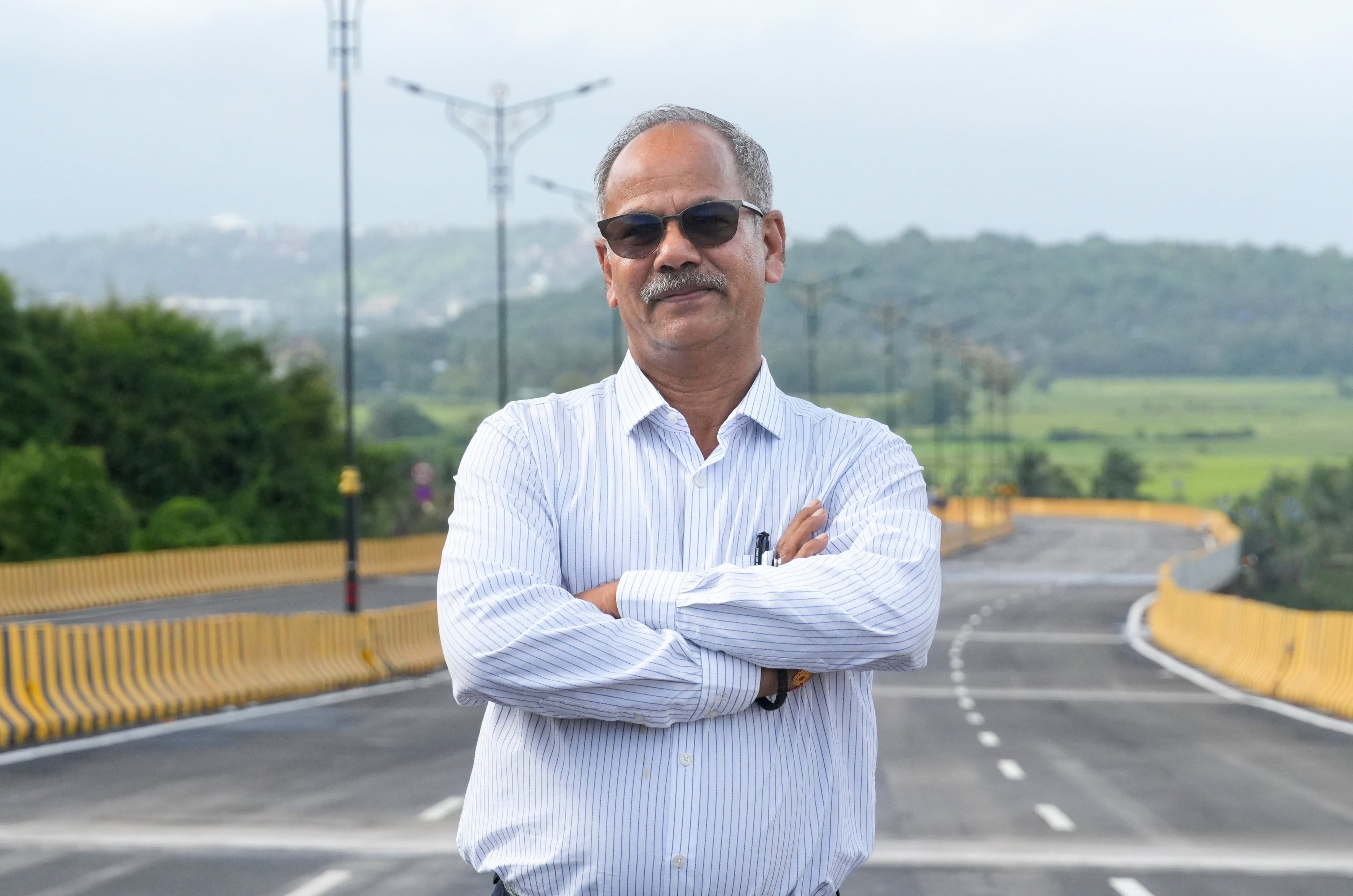
In conversation with Sandip Prabhu Chodnekar, Principal Chief Engineer, Goa Public Works Department (PWD)
On the challenges faced during construction
This bridge is about 24 metres wide, but the right of way is only 25 metres. Constructing such a wide structure when both sides are already fully developed was very challenging. One of the biggest challenges was lifting the segments. Each segment is nearly 24 metres wide and weighs around 120 tonnes. We could not divert the traffic, so we had to carry out most of the work at night. During the daytime, we stopped heavy traffic so that the segments could be lifted safely and normal traffic could resume quickly.
Lifting 25 metre wide sections that weigh 120 tonnes called for nerves of steel.
On other highlights of the project
We tried to harvest the rainwater to recharge the groundwater and increase the water table. There is a median between the service roads below, where we are also planting trees. The corridor’s rainwater harvesting system collects the water and directs it into this median. From there, the water flows into pits that we have dug and filled with aggregates and strainers, allowing the rainwater to percolate into the ground. This helps harvest the rainwater and increase the water table on the plateau during the monsoon.
On traffic and usage
Below the corridor, things will be quite different. Once around 50,000 PCUs of traffic are taken off the existing four-lane road, there could be a tendency for people to park on these lanes. So, we will have to manage parking as well. We have streamlined the junctions and completely reworked the at-grade traffic flow. Motorcycles are also allowed on the Porvorim Elevated Corridor.
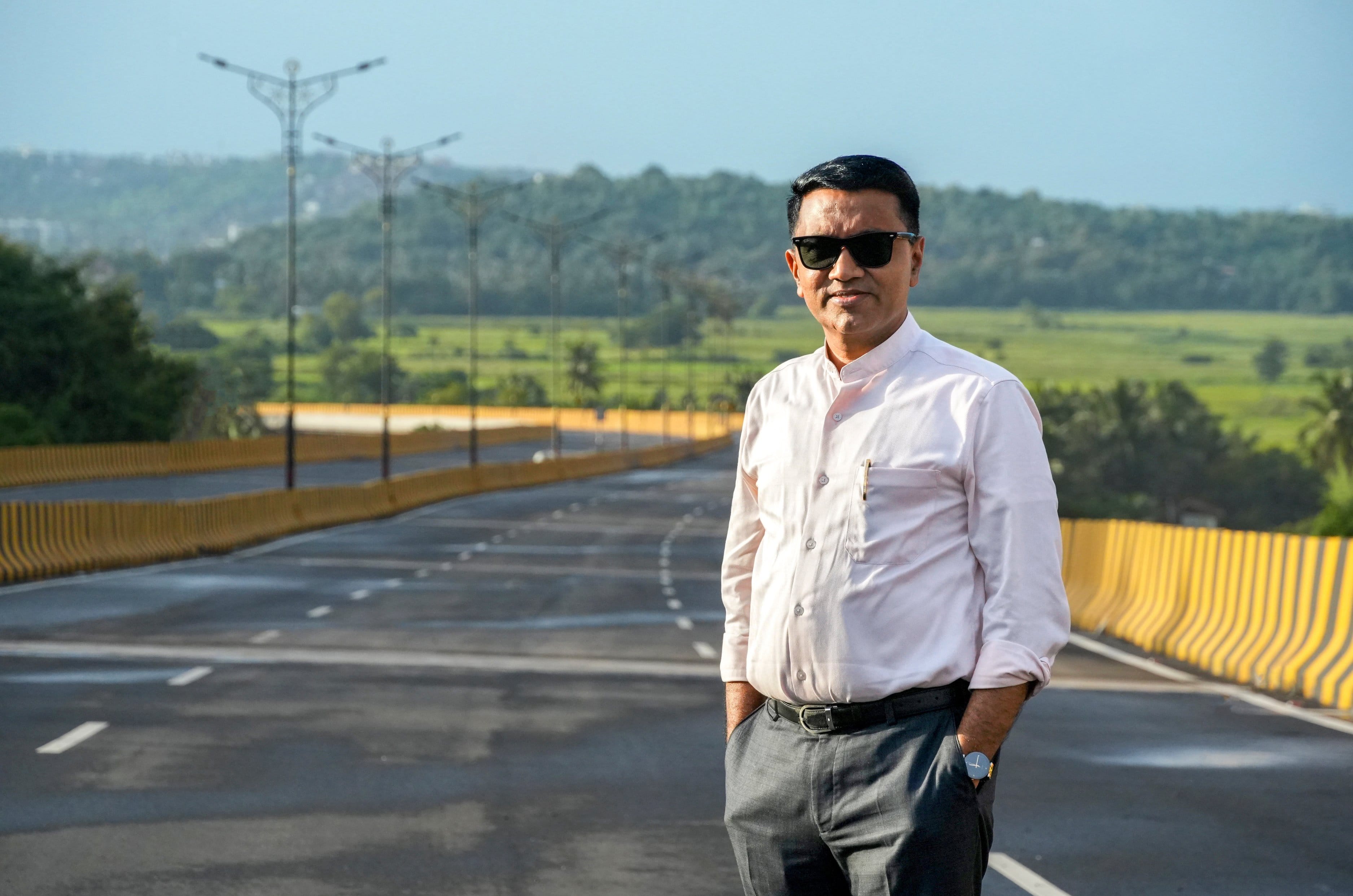
In conversation with Dr. Pramod Sawant, Chief Minister, Goa
On the importance of the project
The Porvorim Elevated Corridor is actually important not only for Goa but also for Maharashtra, Karnataka and Kerala. Porvorim had become a problem because it is a congested and newly developed city, with development on both sides of the road. Even after the road was widened, it was very difficult to manage, and it had become an accident-prone zone. That is why the Porvorim flyover was required, to ensure smooth traffic on NH-66.
Greater connectivity a boon for residents, tourists and businesses.
On the project’s wider connectivity benefits
With the opening of Manohar International Airport in North Goa, there was a need to improve connectivity towards South Goa. People arriving at Manohar International Airport and travelling towards South Goa were facing a lot of congestion. Now, that congestion will be reduced and this will definitely help tourism and vehicle movement in the state.
Furthermore, there will be better connectivity between the airports and ports, which will havea positive economic impact. It is also a very important project for the people of Goa. Especially those travelling between North Goa and the capital; they will save time and money, and their daily commute will become much easier.
On Goa’s future infrastructure plans
Almost all the projects on the National Highway network in Goa have been completed. One of the remaining projects is the Borim Bridge, which will connect the Ponda side. The tendering process for it will happen in the next few days.
We are planning to improve connectivity across rural Goa, from one end of Maharashtra towards Karnataka. We are considering a ring road for Goa, because traffic currently comes into the interior areas and cities. In the future, we want traffic to be able to move around the interior villages and across the state without having to enter the cities.
The Simple Wave is an interesting proposition in the increasingly crowded electric scooter space. Its rounded, smooth looks certainly grab attention and, as we found out, it is comfortable, spacious and offers brisk performance. There’s plenty to like here, so let’s dive right in.
Simple Wave Design and quality – 8/10
Looks unique and features many chassis changes over the One
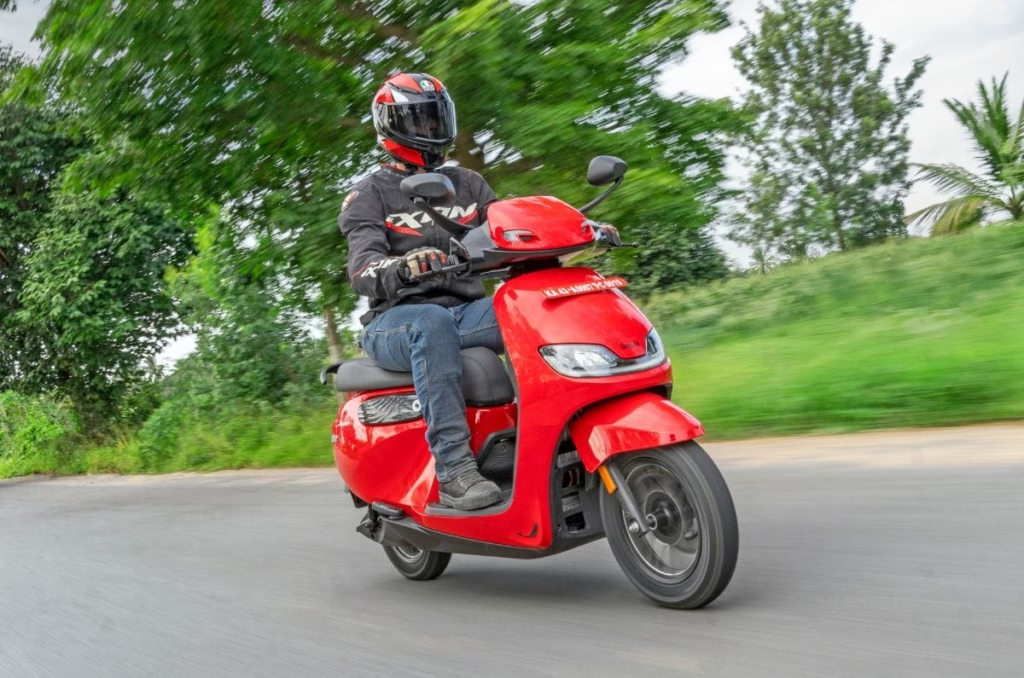
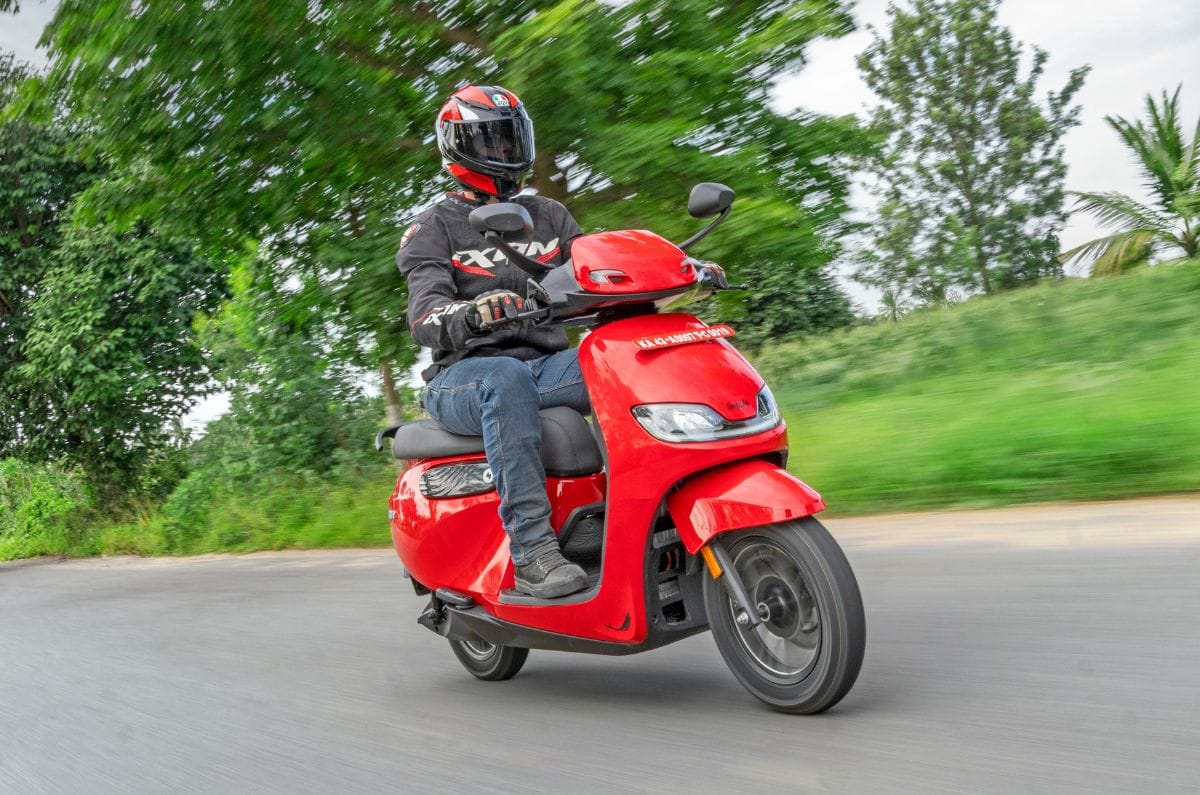
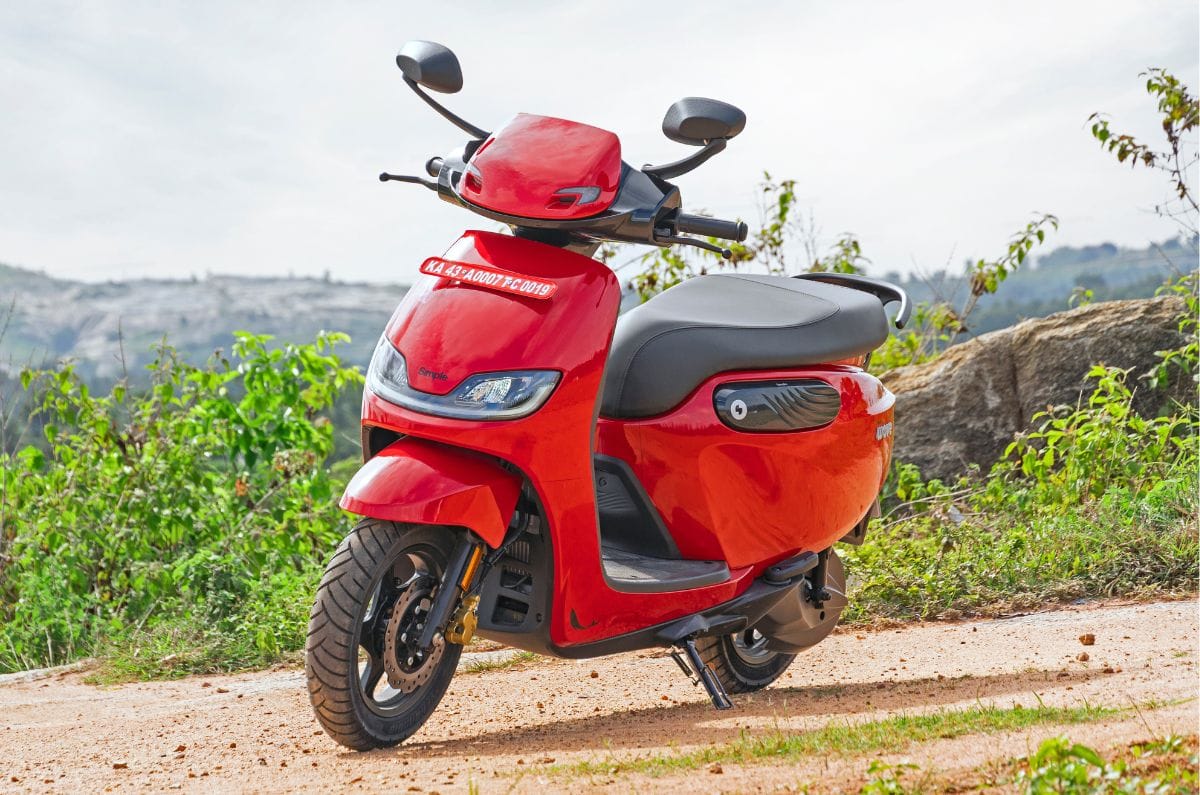
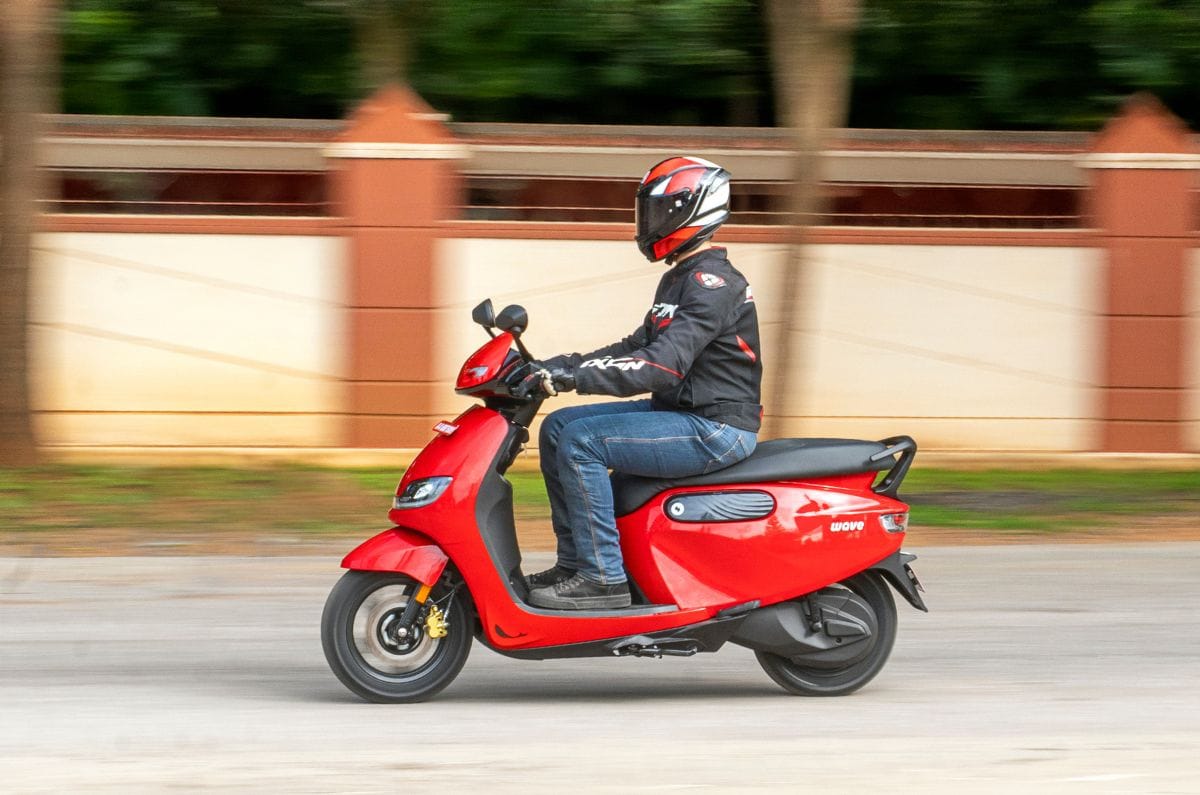
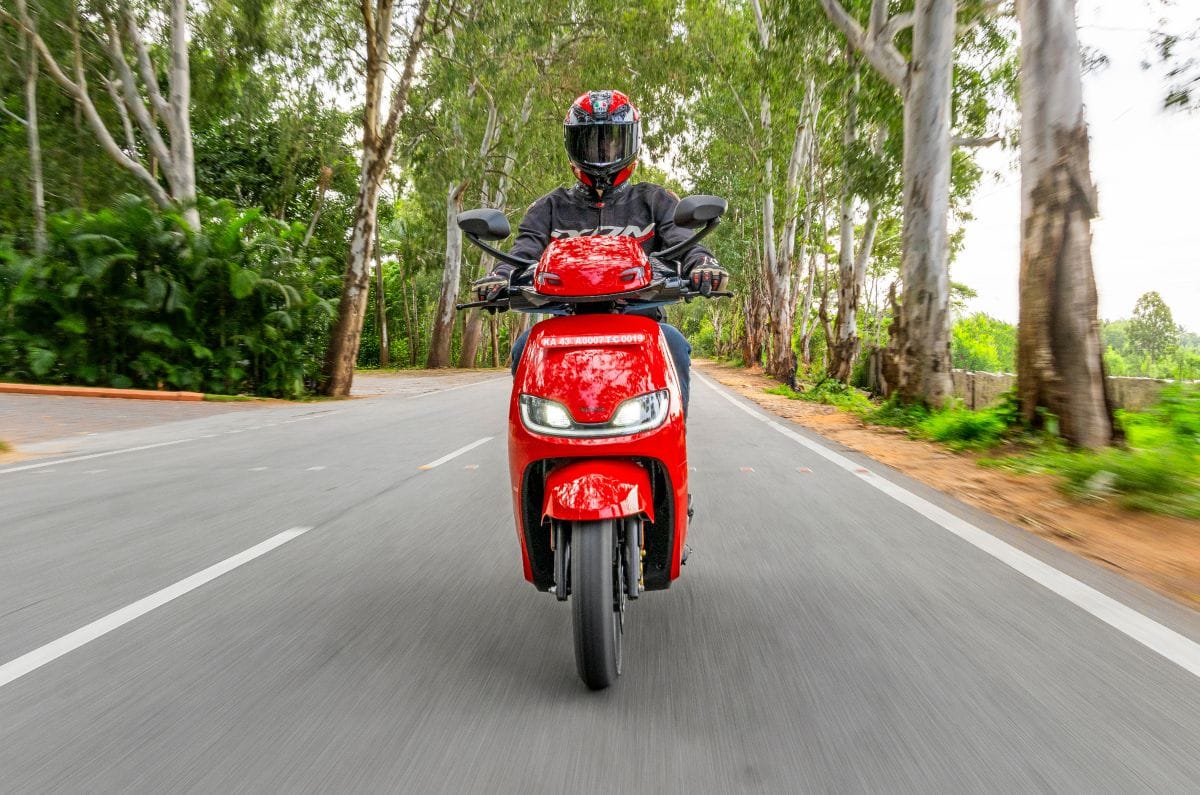
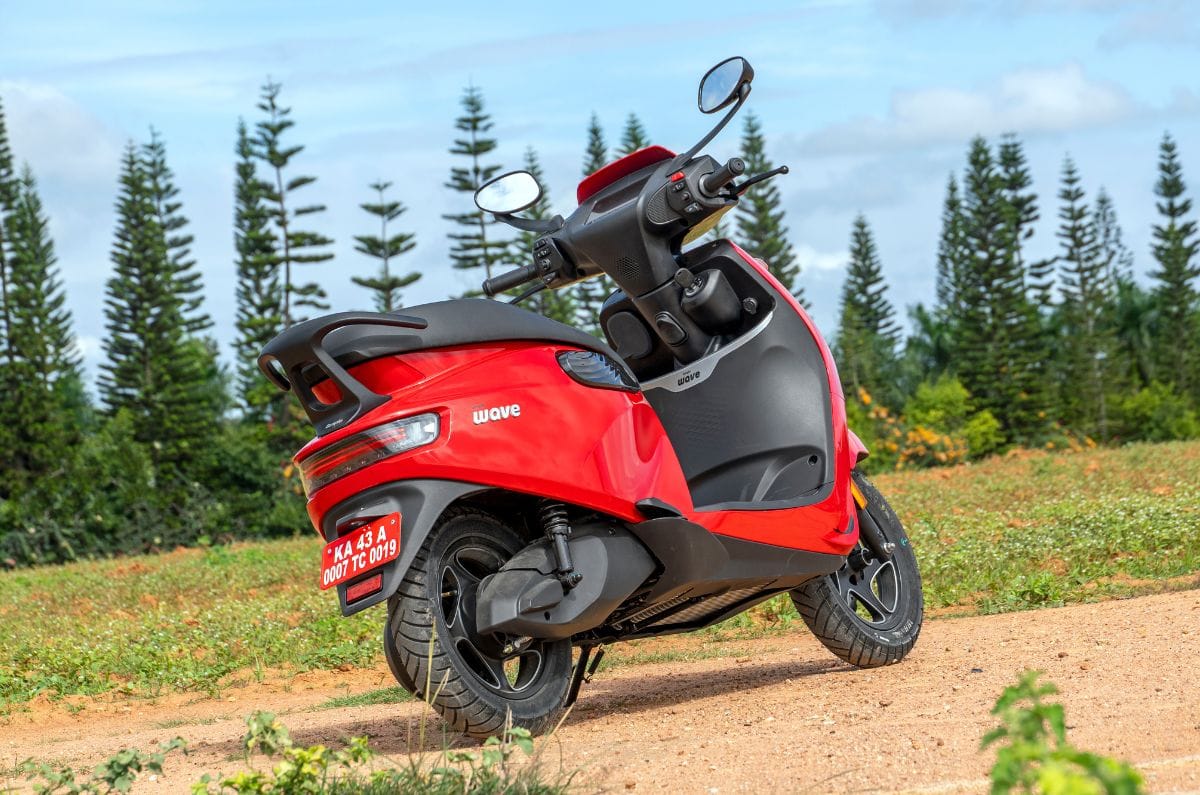
Design is subjective, of course, but the Wave looks good to my eyes with its smooth, rounded edges and distinctive silhouette. It’s got a good level of finish too, and the brighter colour options – red and blue – help it stand out. Simple has designed the Wave as a more accessible, family-oriented scooter, without making it look or feel built down to a cost.
It has a quirky design and surely stands out, especially in the brighter colour options.
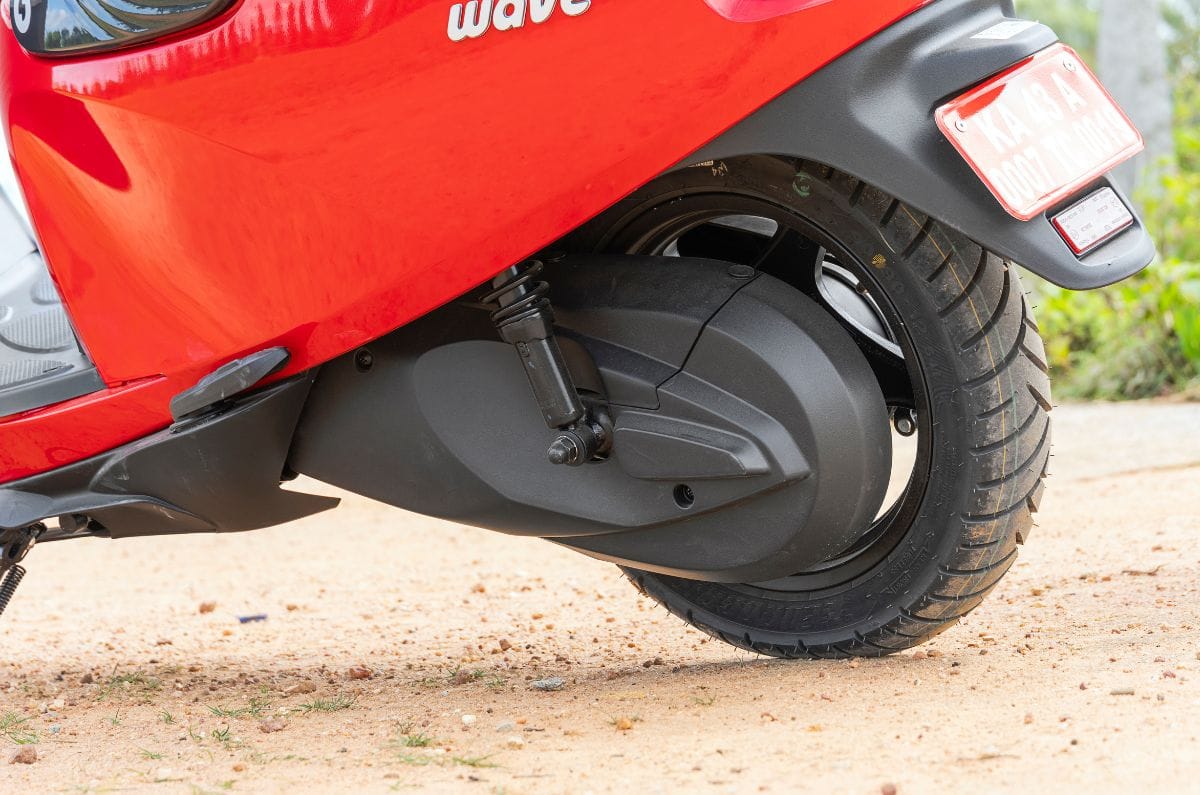
Compared to the sporty Simple One, the Wave’s chassis is quite different. The rear subframe has been reworked to accommodate the bigger boot and twin shocks (which replace the One’s monoshock). The Wave also uses a simpler, more cost-effective tubular swingarm instead of the cast unit on the One.
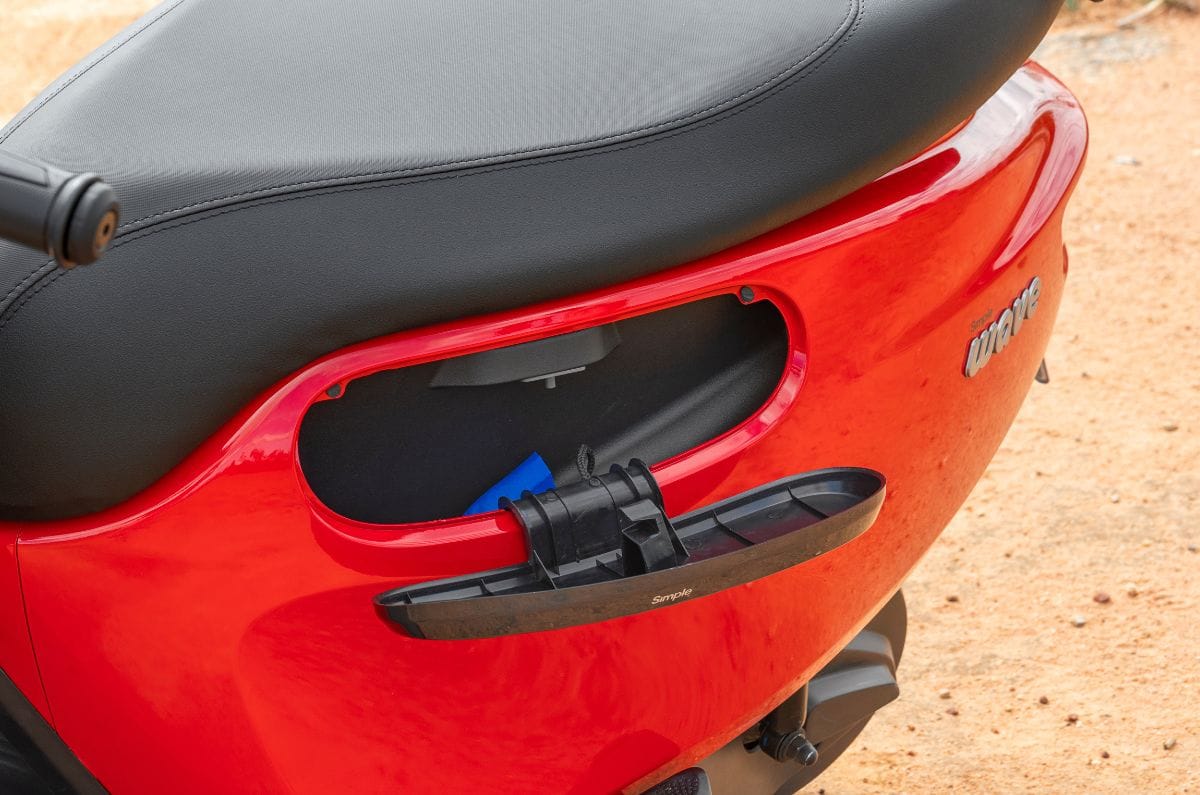
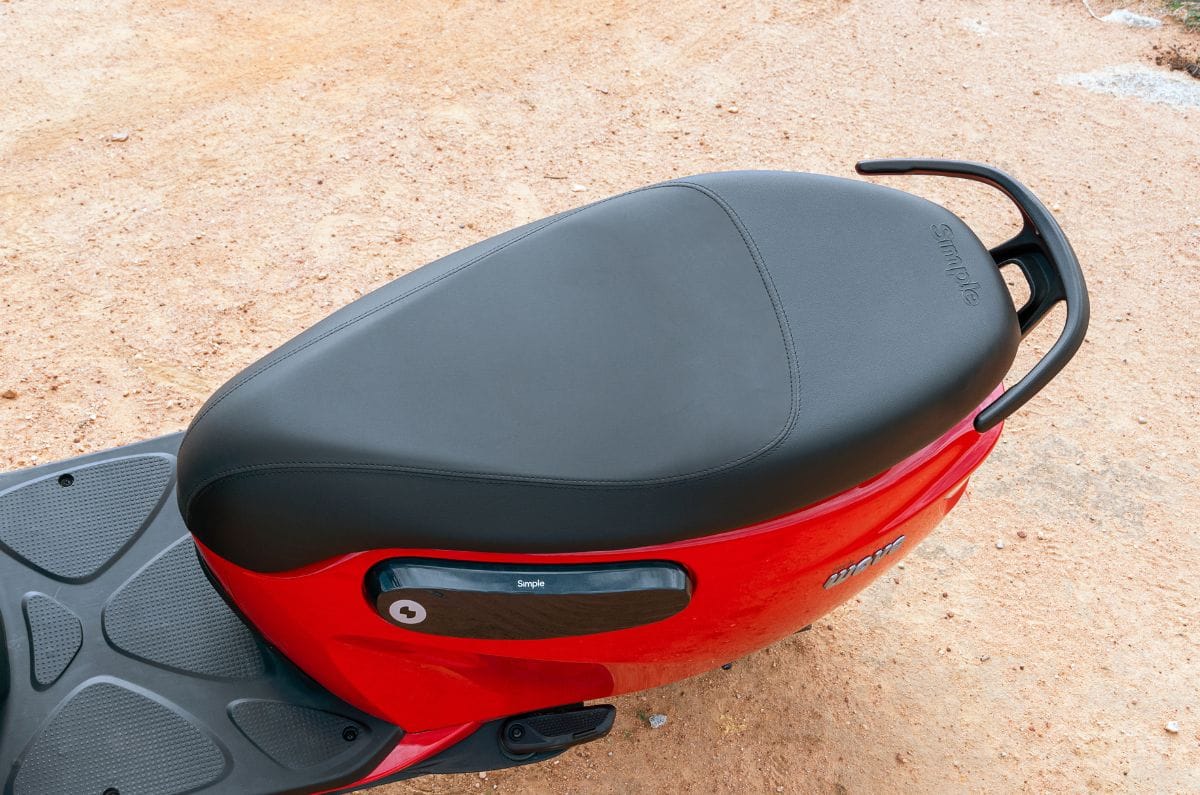
Lockable and weatherproof 4L“Pill” storage cubbies are a thoughtful touch, RH cubby is an accessory.
Simple Wave Ergonomics and comfort – 9/10
Offers a supple ride and ample space for two people
The differences only get more pronounced once you sit on the Wave. Its seat is long, wide and will easily accommodate two full-size adults, while its relatively low 775mm seat height makes it friendly for shorter riders.
That low seat height is no accident either; Simple took feedback from customers who had the One and incorporated it into the Wave. This is why the Wave also has a lower handlebar to make it more approachable for shorter and female riders. This has a trade-off, however. Taller riders will find the handlebar fouls their knees during tight, lock-to-lock U-turns.
Riding position is spot-on and ride comfort too is excellent.
Other than that, the Wave is rather sorted ergonomically. Ride comfort is excellent for a scooter, and that isn’t a surprise given that the Simple One itself was quite comfortable. The Wave builds on that with a composed and plush ride that suits its intended role.
Depending on the variant, the Wave weighs between 121-128kg with the 3.7kWh TFT variant provided to us sitting roughly in the middle of that range (124.5kg). We found the Wave handled predictably, without any unwelcome surprises, feeling stable and sure-footed without compromising agility expected of a scooter.
Spacious, well-paded seat can comfortably seat 2 full-size adults.
Simple Wave Performance and range – 9/10
Performance is more than sufficient, Eco mode truly usable
Like the One, the Wave offers really brisk performance, but still feels approachable enough for everyday use. The 3.7 version gets three riding modes – Eco, Ride and Sport – and both Ride and Sport offer more than enough performance for everyday use, which isn’t really a surprise. In Ride the top speed is 75kph, whereas Sport takes it up to 90kph (speedo-indicated, not actual).
The real surprise, however, is Eco mode. Yes, it feels duller than the other two modes, but it isn’t crippled in the way Eco modes on other EVs. The Wave can still get up to around 50-55kph quite respectably and overtake traffic, making Eco genuinely usable even on faster roads or in a big city.
It handles predictably and surefootedly in all scenarios.
Given that the Wave uses the same motor as the OneS making 6.4kW and 52Nm, this performance is no surprise. However, on the Wave, the motor drives the rear wheel via a chain drive, not a belt as seen on the One models.. While a chain will be more maintenance-intensive than a belt, replacing it should be more affordable. Simple has worked to reduce powertrain noise with measures such as a rubber-damped sprocket, but there is still some motor noise. However, it’s much quieter than an Ather Rizta or 450, although far from dead silent like an Ather Konarc or TVS iQube.
Another welcome change to the One is the throttle response. Unlike the older One models we tested, where the scooter could continue accelerating briefly after the throttle was closed, the Wave’s accelerator behaves much more intuitively. It also gets traction control, although the throttle calibration is so smooth, you’re unlikely to need it in dry conditions but it will be a useful safety net in the wet.
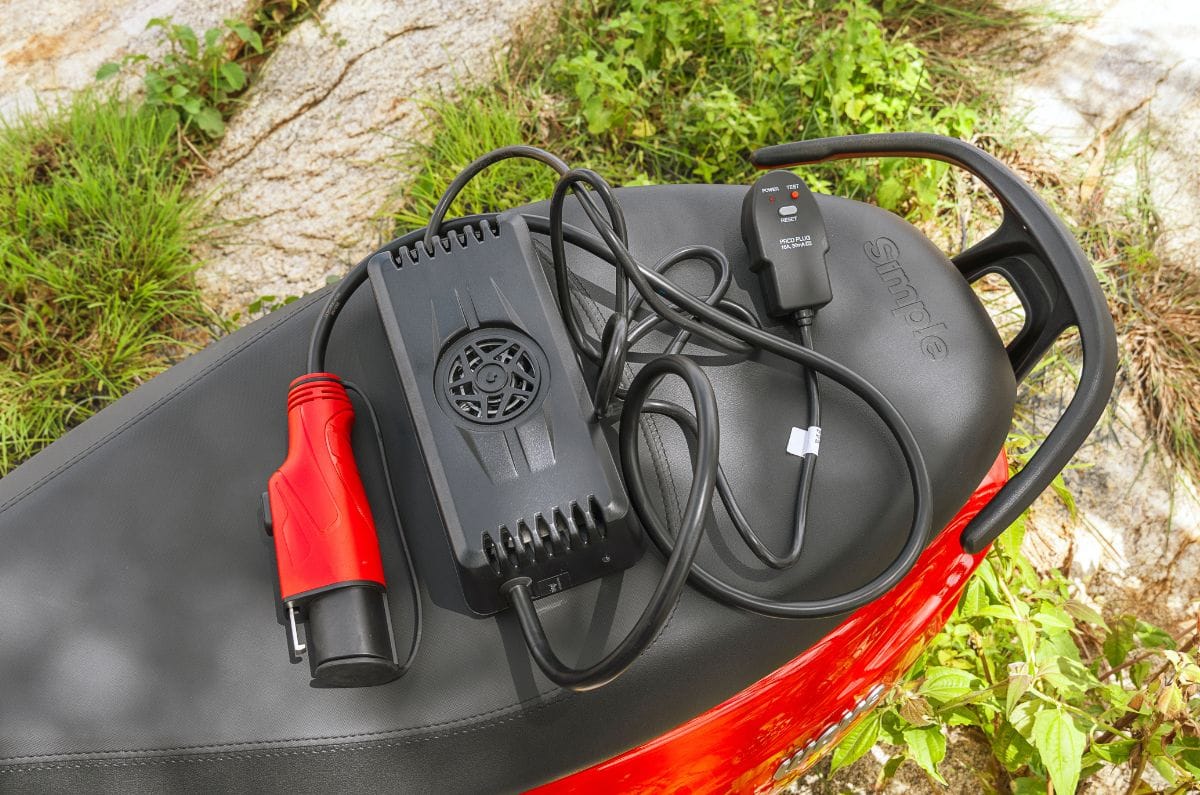
Fast 750W charger is standard on all variants.
Powering the Wave are four battery packs, depending on the variant you choose: 2.2kWh, 2.7kWh, 3.7kWh and 5kWh. The IDC ranges Simple claims are 110km, 132km, 171km and 243km, respectively. The first two use LFP (Lithium Ferrous Phosphate) chemistry, while the larger batteries use NCA (Nickel Cobalt Aluminium) cells.
The range indicator also appears to be quite trustworthy although we’ll reserve final judgement on real-world range until we can conduct a full test back in Mumbai. What is also nice is that all variants of the Wave come with a fast 750W charger which enables a pretty quick 0-80 percent claimed charging time of 3hr30min on the 3.7kWh version we were riding.
The standard warranty on the Wave is three years/30,000km, with five years/50,000km and 15 years/2 lakh km extended options also available. The price of these optional longer warranties has not been shared with us.
The Wave’s motor feeds power to the rear wheel via a chain, not a belt like on the One.
Simple Wave Features – 9/10
Massive 63L boot and Pill storage cubbies are very useful
While range without sacrificing usable performance is surely valuable on an EV, practicality is an important consideration as well. Storage is one of the Wave’s big strengths. There’s a useful front cubby, while the two “Pill” storage boxes on either side of the body panels are particularly nifty allowing you quick access to essentials you may need to reach for without having to get off the scooter. Each offers 4 litres of lockable weatherproof storage; the left one is standard, while the right is an accessory.
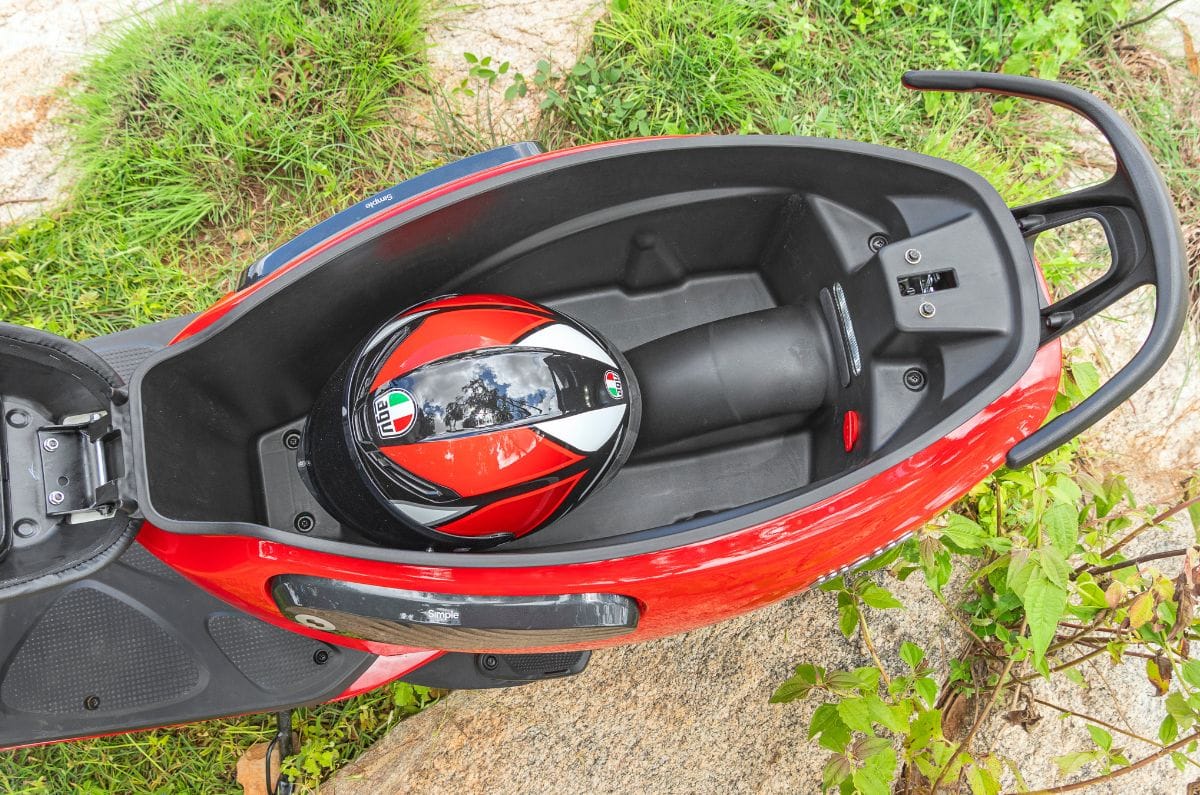
An undoubtedly big USP on the Wave is its cavernous 63L boot, the largest on any Indian scooter to date.
What is also an undoubtedly big USP on the Wave is its cavernous 63 litre boot, which is the largest on any Indian scooter to date. This should prove to be more than enough for everyone in the family! That being said, 63 litres is an enormous number and while this boot is undoubtedly big, I’m do find myself struggling to comprehend how it is nearly 50 percent bigger than the already cavernous 43 litre boot in the River Indie.
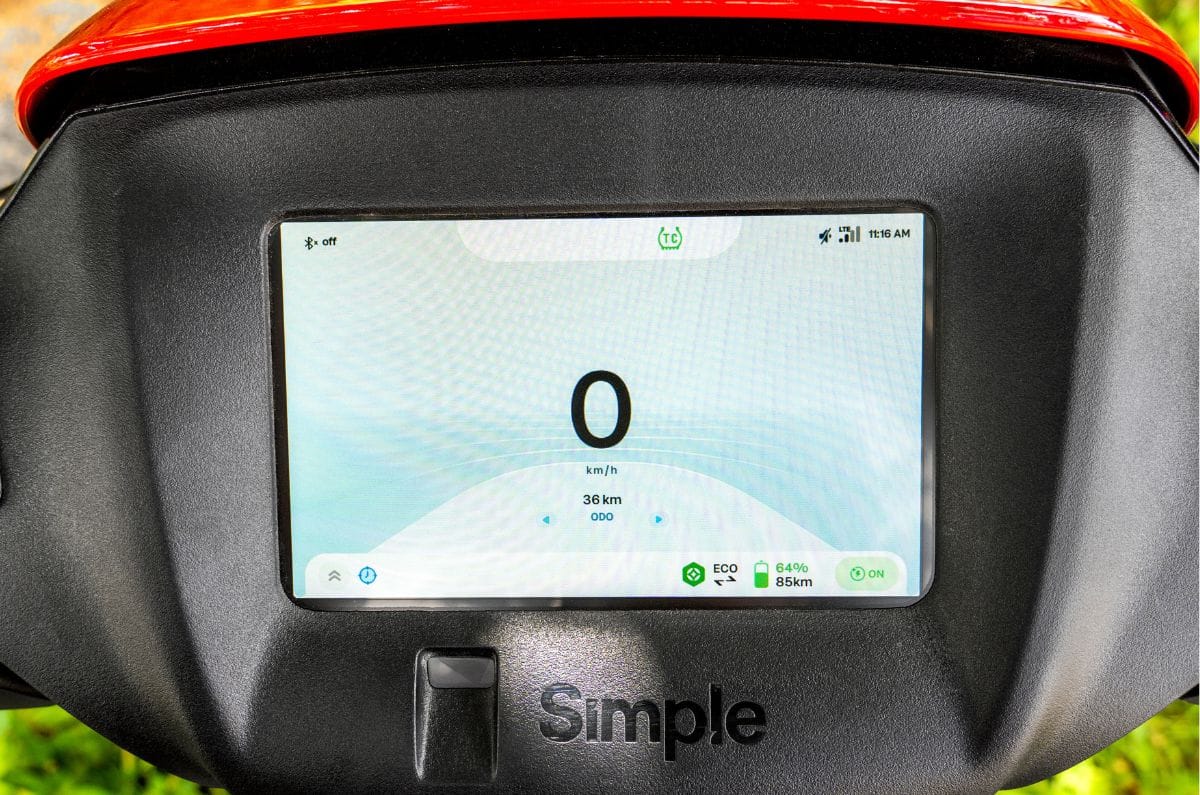
There’s plenty of technology too, including hill hold, drop-safe functionality, theft alerts and Bluetooth connectivity to your phone via the app. The TFT-equipped versions bring even more tech, while the brake-lock clasp is a small but useful touch.
TFT display is well laid-out and has a lot of tech but misses touch functionality.
Simple Wave Price and verdict – 8/10
Scooter has a lot of strengths but is pricey; company yet to prove itself
There isn’t a lot to dislike about the Wave as a scooter. It’s comfortable, spacious, well finished and quick enough to serve its intended purpose very well. However, for all its accomplishments, the Wave doesn’t come cheap. Sure, the Rs 1.10 lakh starting price is tempting, but as you climb the variants ladder, the Wave gets seriously expensive, topping out at Rs 1.90 lakh (ex-showroom, Bengaluru). That said, Simple is one of the few brands offering the option of a 5kWh battery in the family e-scooter space, which is commendable.
However, more than pricing, the bigger issue is that the company is yet to properly scale up its dealer network and establish an aftersales network that delivers the premium experience a buyer will expect after shelling out the money Simple is asking for. The Wave is a good product, but customers paying a premium for an electric scooter will expect not just a solid product but also dependable after-sales support.
The Wave has a lot of strengths but Simple is yet to prove itself in the market.
Ultimately, the Wave’s biggest challenge is that it comes from a start-up that has made plenty of big promises and statements over the past five years but still has a lot to prove. Its dealer network remains minuscule compared with the big players, and long-term reliability still remains unknown.
There’s a lot for Simple to do, but the good news is that the Wave is a genuinely likeable product. If the company can iron out the business side of things, the Wave has the potential to catapult Simple from just another niche start up to a much bigger player. Of course, doing so is a huge challenge and not an overnight process. Simple has a long road ahead of it, but the good news is that it finally has a convincing product to aid in that journey.
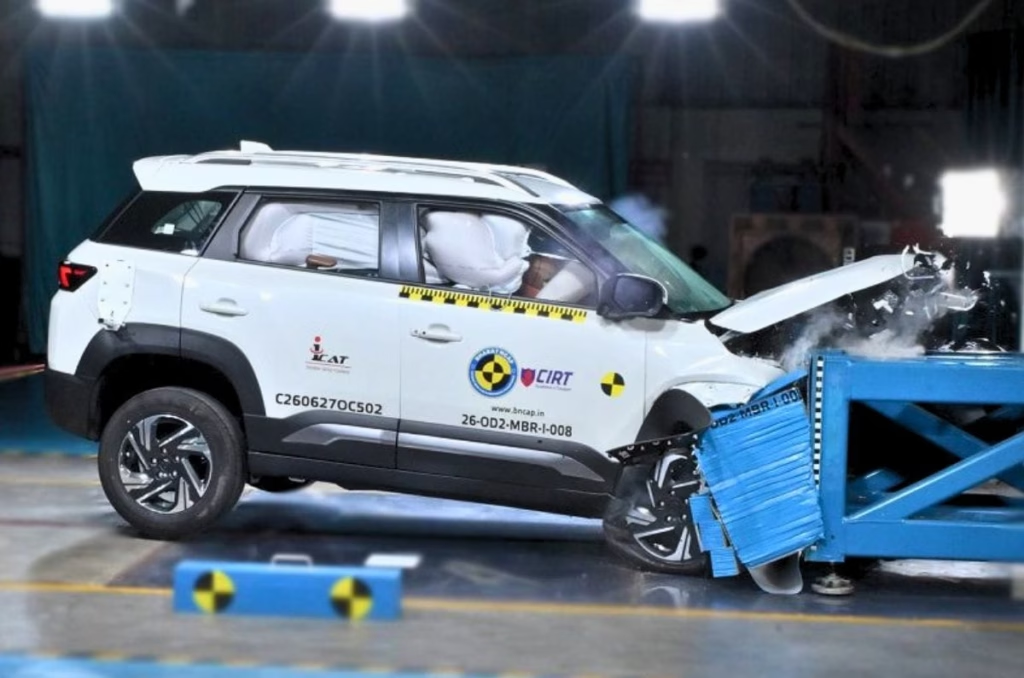
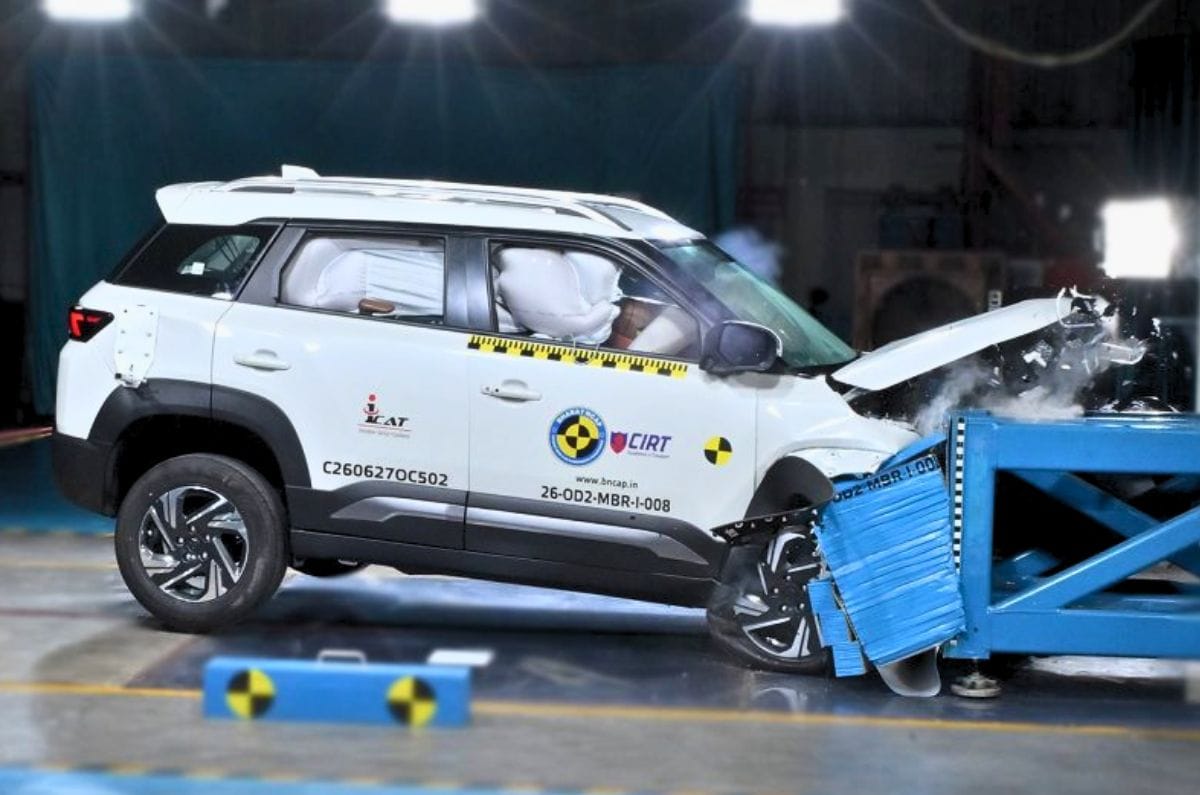
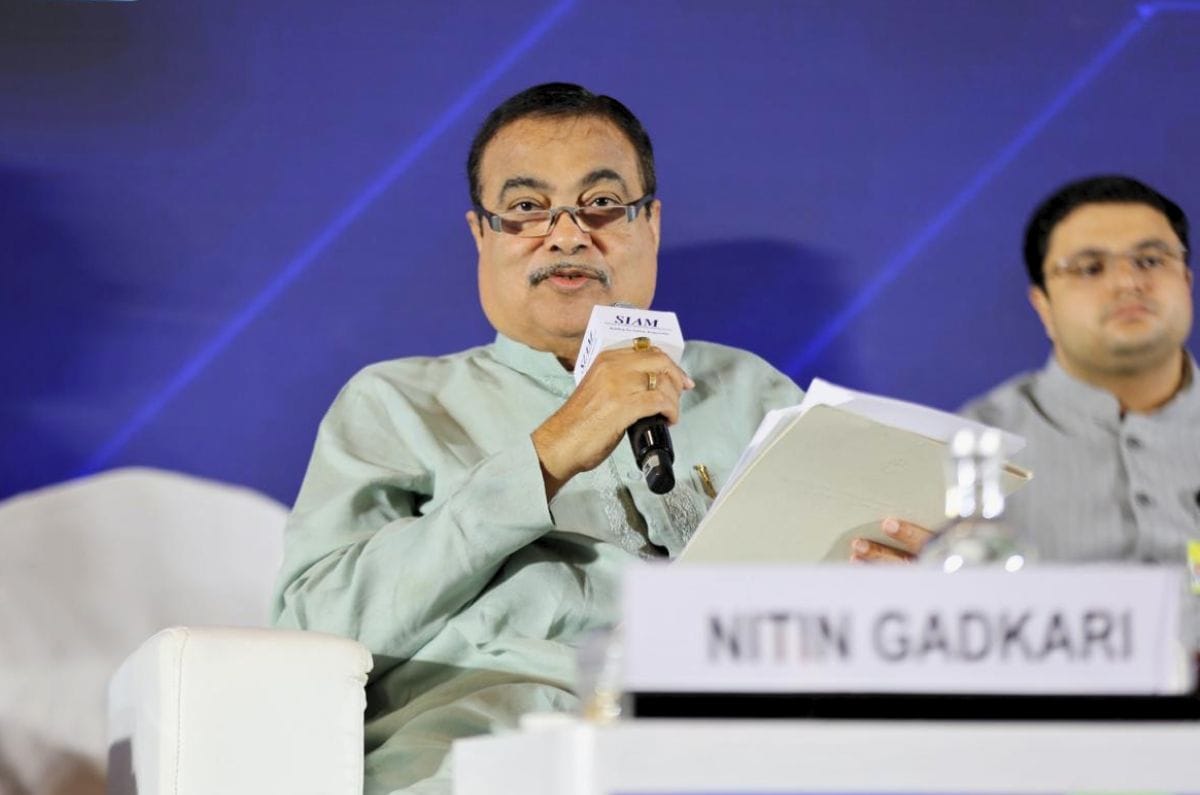
At the 66th SIAM Annual Convention, Union Minister of Road Transport and Highways, Nitin Gadkari, revealed that the government is preparing for the second phase of Bharat NCAP that’s set to take effect from October 2027. The new phase of the BNCAP, Gadkari said, is planned to broaden the vehicle assessment programme to areas such as crash avoidance, pedestrian safety and post-crash response.
Entire crash chain will be evaluated, expanding beyond occupant protection
Gadkari invited manufacturers to submit suggestions based on global safety practices
Bharat NCAP 2.0 plans: What was revealed?
“Entire crash chain” to be evaluated with the Bharat NCAP 2.0 programme
“We are going ahead with making Bharat NCAP 2. This is a very important program [which will be] valid from October 2027,” said Gadkari while addressing the SIAM convention. The next phase is expected to assess a wider range of safety parameters. “We are going to evaluate the entire crash chain,” he added while identifying three broad areas – avoiding a crash, pedestrian protection, and post-crash evacuation and care – rather than focusing only on how vehicles protect occupants during a crash.
Image source: @siamindia on X
The ministry will also look at new safety technologies available globally as well as solutions being developed by Indian start-ups. Gadkari also invited vehicle manufacturers to submit suggestions based on their research, technical experience and safety practices followed in other markets “If you have any good suggestions, don’t hesitate, come to us”, he said.
Notified draft rules from MoRTH in November 2025 proposed 100-point evaluation criteria
In November 2025, MoRTH proposed new rules for the next phase of Bharat NCAP under AIS-197 (Revision 1), aimed at making the car safety testing programme more detailed and stricter. Under the proposed system, cars would receive a score out of 100 based on five areas: crash protection (55 points), protection for pedestrians and other vulnerable road users (20 points), safe driving features (10 points), accident avoidance technology (10 points), and post-crash safety (5 points).
The requirements for a 5-star safety rating would also become tougher. From 2027, a car would need to score at least 70 out of 100 to receive 5 stars, while from 2029, the minimum score would increase to 80 points.
The proposal also calls for more crash tests. In addition to the existing tests, cars would have to undergo a 50kph full-width frontal crash test, a 32kph oblique pole impact test and a 50kph rear-impact test. The speed of the existing side-pole test would also increase from 29kph to 32kph. Another major change is that cars would need to offer curtain airbags and electronic stability control (ESC) as standard to qualify for a star rating.
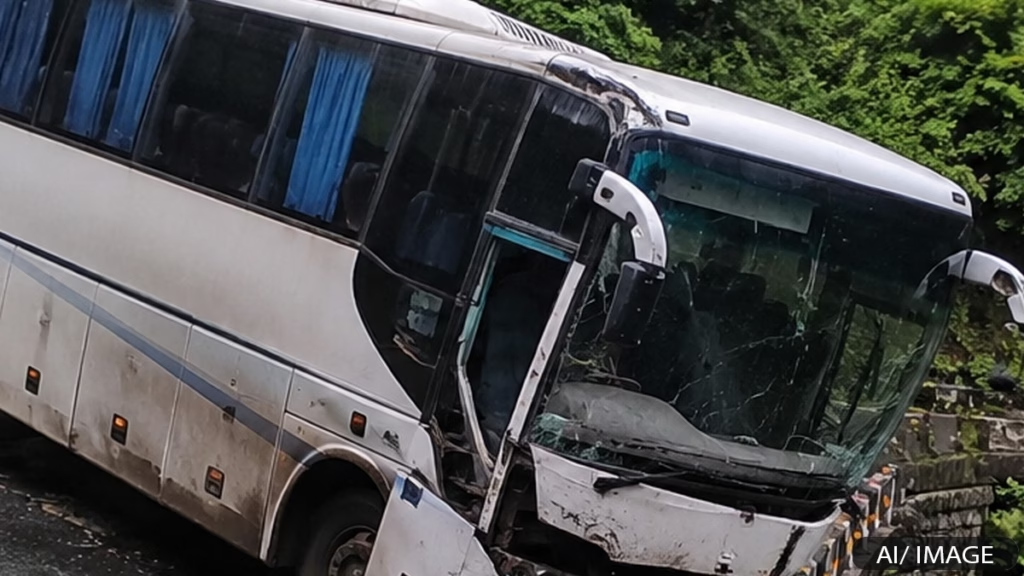
मध्यप्रदेश के राजगढ़ जिले में रक्षाबंधन के दिन बड़ा सड़क हादसा हो गया। एबी रोड पर ब्यावरा के भोपाल बायपास के पास एक स्लीपर कोच बस घुमावदार ब्रिज पर हादसे का शिकार हो गई। शुरुआती जानकारी के मुताबिक हादसे में 4 यात्रियों की मौत की सूचना है, जबकि कई यात्री घायल हुए हैं।
बताया जा रहा है कि करीब 90 डिग्री के घुमावदार ब्रिज पर स्लीपर बस अचानक तिरछी हो गई और सड़क पर रगड़ाते हुए आगे बढ़ती चली गई। बस के ऊपरी हिस्से में सो रहे यात्रियों को संभलने का मौका नहीं मिला। इस दौरान कई यात्री बस के शीशे टूटने के बाद नीचे जा गिरे।
सुबह मॉर्निंग वॉक पर निकले लोगों ने देखा हादसा
हादसा सुबह करीब 7:35 बजे हुआ। उस समय आसपास के लोग मॉर्निंग वॉक के लिए निकले हुए थे। प्रत्यक्षदर्शी एडवोकेट अंकुर राजन के मुताबिक, उन्होंने अपनी आंखों के सामने बस से तीन यात्रियों को ऊपरी बर्थ से शीशा टूटने के बाद नीचे गिरते देखा।
हादसा देखते ही स्थानीय लोगों ने पुलिस और एंबुलेंस को सूचना दी। हालांकि, प्रत्यक्षदर्शियों का दावा है कि सूचना देने के बाद भी एंबुलेंस को पहुंचने में करीब 30 मिनट लग गए। स्थानीय लोगों ने इस दौरान घायलों की मदद की।
बस से नीचे गिरते गए यात्री
घुमावदार ब्रिज पर बस के तिरछे होकर रगड़ाने के कारण ऊपर की बर्थ पर सो रहे यात्रियों में अफरातफरी मच गई। कई यात्री बस के अंदर से नीचे गिर गए। हादसे के बाद मौके पर चीख-पुकार मच गई। महिला और बच्चे भी बदहवास नजर आए।
पुलिसकर्मी मौके पर पहुंचे और घायलों को बाहर निकालने में मदद की। घायलों को उपचार के लिए अस्पताल भेजा गया, जहां चिकित्सकों और नर्सिंग स्टाफ ने उनका इलाज शुरू किया।
त्योहार पर घर लौट रहे थे यात्री
बताया जा रहा है कि बस में सवार यात्री रक्षाबंधन का त्योहार मनाने के लिए अपने-अपने घर जा रहे थे। त्योहार के दिन हुए इस दर्दनाक हादसे ने यात्रियों और उनके परिजनों को झकझोर दिया। हादसे की सूचना मिलने के बाद कुछ परिजन अस्पताल भी पहुंच गए हैं। पुलिस ने घटना की जांच शुरू कर दी है। हादसा किस वजह से हुआ और बस में कितने यात्री सवार थे, इसकी विस्तृत जानकारी जांच के बाद सामने आएगी।
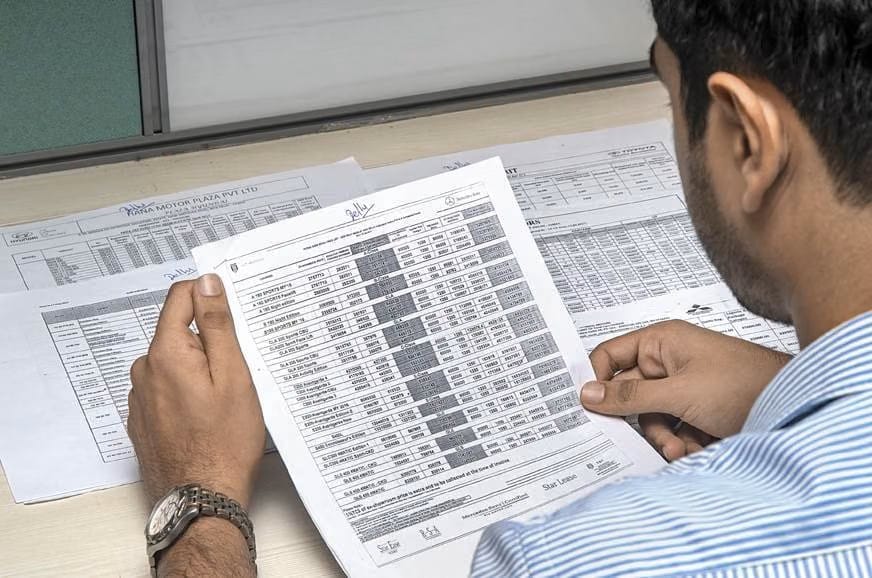
Car insurance is an essential part of vehicle ownership, yet it is often one of the least understood. While third-party insurance is mandatory for vehicles used on public roads in India, owners can choose from different types of cover depending on the protection they need. Here’s everything you need to know about car insurance, from coverage and claims to renewals and add-ons.
1. What is car insurance and why is it mandatory?
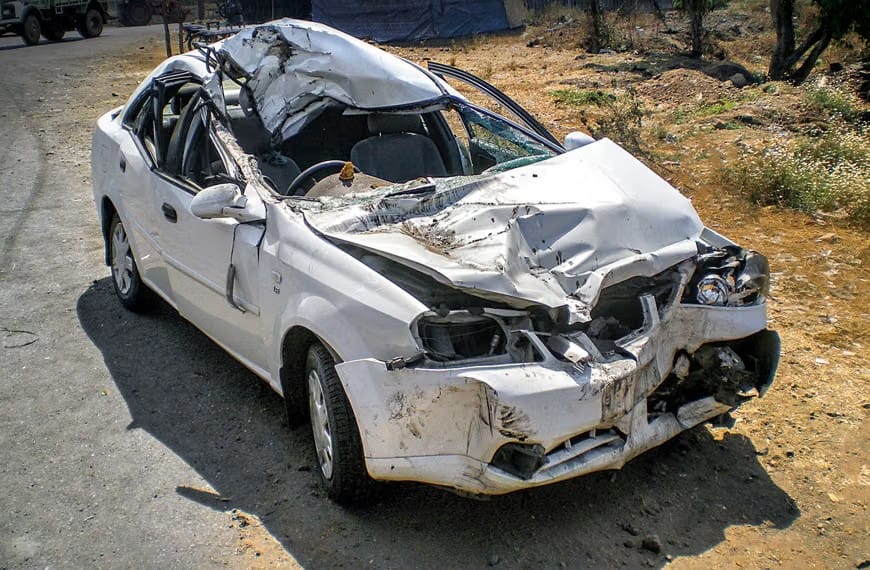
Car insurance protects vehicle owners against specified financial losses arising from accidents and other insured events. Depending on the policy, it can cover damage to your own vehicle, liability towards third parties, or both.
Third-party insurance is mandatory for vehicles used on public roads in India. It covers the owner’s legal liability for injury, death or property damage caused to a third party. Driving without valid third-party insurance is an offence.
2. What are the different types of car insurance?
Car insurance is broadly available as third-party liability insurance, comprehensive insurance and standalone own-damage insurance.
Third-party insurance covers liability towards others but not damage to your own vehicle. A comprehensive or package policy combines third-party liability with own-damage cover for the insured vehicle, subject to the policy’s terms and exclusions. A standalone own-damage policy covers damage to your own vehicle and is bought alongside a separate third-party policy.
New private cars are also sold with long-term third-party cover. A common bundled arrangement provides three years of third-party cover and one year of own-damage cover.
3. What does third-party insurance cover?
Third-party insurance covers the legal liability arising if your vehicle causes injury, death or property damage to another person. It does not cover damage to your own vehicle. Owners who want cover for their own car need an own-damage or comprehensive/package policy.
4. What does comprehensive insurance cover?
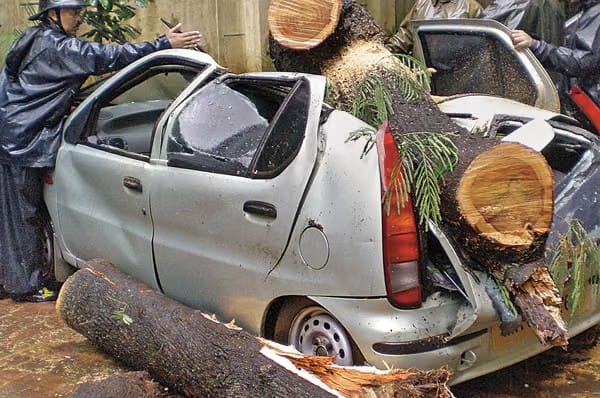
A comprehensive or package policy combines third-party liability cover with own-damage protection. Depending on the policy, own-damage cover can include losses caused by accidents, theft, fire, floods, earthquakes and other natural or man-made events.
The exact coverage and exclusions vary between policies. Optional add-ons can provide additional protection for specific risks.
5. How do you make a car insurance claim?
Inform your insurer as soon as possible after an accident, theft or other insured event. A police complaint may also be required, depending on the circumstances, particularly for theft.
The insurer may arrange a vehicle inspection or assess the claim using photographs and documents submitted digitally. Once the claim is approved, the repair process can proceed. The documents required vary by claim, but may include the policy, registration certificate, driving licence, claim form, repair estimate and invoices.
6. What is the difference between cashless and reimbursement claims?
With a cashless claim, the vehicle is repaired at an insurer’s network garage and the insurer settles the approved repair amount directly with the workshop. The owner pays applicable deductibles and any costs not covered by the policy.
With a reimbursement claim, the owner pays the repair bill first and then submits the required documents to the insurer for reimbursement of the eligible amount. The availability and process of cashless repairs depend on the insurer’s network and policy terms.
7. How is your car insurance premium calculated?
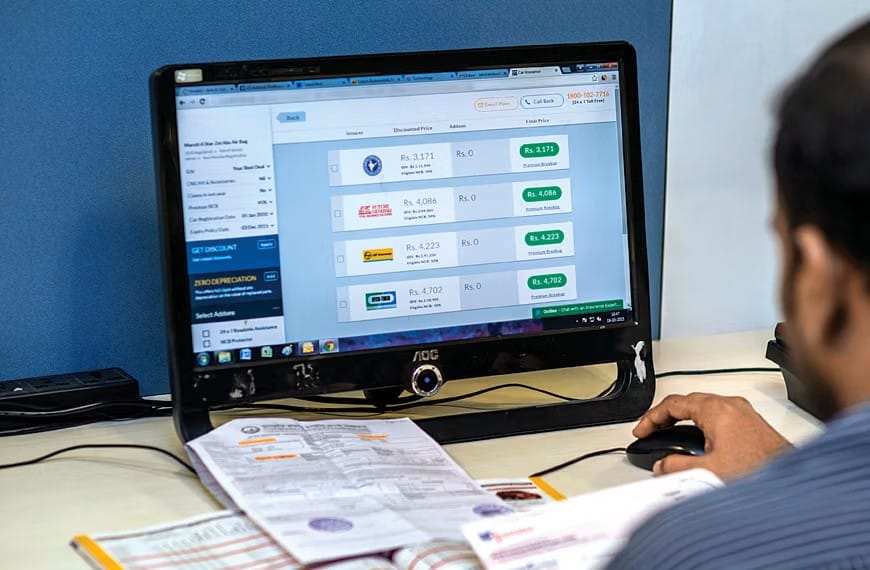
The premium depends on factors including the vehicle’s IDV, age, engine capacity, registration details, previous claims and the insurer’s own pricing. The cost of optional add-ons and applicable discounts can also affect the final premium.
Third-party liability premiums are set by IRDAI, while own-damage premiums are priced by individual insurers. This is why premiums for similar own-damage cover can differ between insurers.
8. What is a No Claim Bonus (NCB)?
A No Claim Bonus is a discount on the own-damage premium earned for claim-free policy periods. It applies to the policyholder, not the vehicle, and can generally be carried over when changing insurers or buying another car, subject to the applicable conditions.
An own-damage claim can affect the NCB at the next renewal, although an NCB-protection add-on may preserve it subject to its terms.
9. What is Insured Declared Value (IDV), and why does it matter?
The Insured Declared Value is the sum insured for the vehicle under the own-damage section of the policy. It represents the vehicle’s insured value and is used when settling a total-loss or theft claim, subject to the policy terms. IDV also affects the own-damage premium. As the vehicle depreciates, its IDV generally reduces.
10. What is a deductible in car insurance?
A deductible is the portion of an eligible claim that the policyholder has to bear. A compulsory deductible applies to the policy as prescribed, while a voluntary deductible is an additional amount the owner chooses to bear in return for a lower premium. A higher voluntary deductible means a larger share of the repair bill has to be paid by the owner when a claim is made.
11. Which car insurance add-ons are worth considering?
Add-ons provide cover beyond the standard policy for an additional premium. Common options include zero depreciation, engine protection, roadside assistance, return-to-invoice, consumables, tyre protection, key protection and NCB protection.
Their usefulness depends on the vehicle, its age and how it is used. Owners should compare the additional premium with the specific protection each add-on provides rather than buying every available option.
12. What is zero depreciation insurance, and is it worth buying?
Zero depreciation, also known as nil depreciation or bumper-to-bumper cover, reduces or removes the depreciation deduction applied to eligible parts when settling an own-damage claim. This can reduce the amount the owner has to pay towards a covered repair.
The add-on generally costs extra and may have eligibility conditions, claim limits or exclusions depending on the insurer. It is more commonly available for newer cars.
13. What is not covered by car insurance?
A comprehensive policy does not cover every type of loss. Common exclusions include normal wear and tear, damage from mechanical or electrical failure that is not caused by an insured event, and losses arising while the vehicle is being used in breach of the policy or applicable law.
Claims can also be affected if the driver does not have a valid licence or is driving under the influence of alcohol or drugs. Consequential damage may also be excluded unless specifically covered by an add-on. The exact exclusions are set out in the policy wording.
14. Can modifications affect your car insurance?
Yes. Modifications or changes to the vehicle should be disclosed to the insurer. This includes additions such as CNG or LPG kits, which also need to be recorded with the relevant registering authority.
If an approved modification changes the vehicle’s value or risk, the insurer may require an endorsement or additional premium. Failing to disclose relevant modifications can affect a claim.
15. What can cause a car insurance claim to be rejected?
A claim can be rejected or reduced if the loss falls outside the policy’s coverage or if policy conditions have not been met. Examples include driving without a valid licence, driving under the influence, using the vehicle for an excluded purpose, or making false or incomplete declarations.
Damage caused by an excluded event or normal wear and tear is also not payable under a standard comprehensive policy. The exact reasons for rejection depend on the policy wording and circumstances of the claim.
16. How does the age of your car affect insurance premiums?
A car’s IDV generally falls as it gets older because of depreciation. Since IDV is one of the factors used to determine the own-damage premium, this can reduce the own-damage portion of the premium over time. However, the final premium also depends on factors such as the insurer, claims history, vehicle details and selected add-ons.
17. What happens if your car insurance expires, and how do you renew it?
Owners should renew their policy before it expires to avoid a break in cover. A vehicle cannot legally be driven on public roads without valid third-party insurance. If a policy has lapsed, the insurer may require the vehicle to be inspected before issuing a new policy. IRDAI also states that a break in insurance can result in inspection and additional charges.
18. Can you switch insurance companies at renewal?
Yes. You can change insurers when renewing your own-damage or comprehensive policy. Compare the coverage, exclusions, IDV, deductibles, network garages, add-ons and premium rather than choosing solely on price. Your NCB can generally be carried over when you change insurers, provided you submit the required proof of entitlement.
19. Can you transfer your car insurance when selling your vehicle?
Yes. Insurance can be transferred to the buyer when a vehicle is sold, but the insurer must be informed and the required transfer process completed. The NCB belongs to the original policyholder and does not transfer with the vehicle. For comprehensive/package policies, IRDAI states that the transfer of ownership should be recorded within 14 days of the transfer of ownership.
20. What should you check before buying or renewing car insurance?
Don’t compare policies on premium alone. Check the coverage, exclusions, IDV, deductibles, add-ons, network garages and claims process. Also check when the third-party and own-damage portions expire, particularly if you have a bundled policy. A cheaper policy may offer a lower IDV, higher deductible or narrower coverage, so the lowest premium is not necessarily the best-value option.
Chamoli Tunnel Accident: उत्तराखंड के चमोली जिले में एक हाइड्रोइलेक्ट्रिक प्रोजेक्ट साइट पर बन रही सुरंग में पानी और मलबा घुसने से सात मजदूरों की मौत हो गई और 11 अन्य घायल हो गए। अधिकारियों के अनुसार, अभी 6 लापता मजदूरों की तलाश जारी है।
शुरुआती रिपोर्ट के मुताबिक, पिपलकोटी इलाके में टिहरी हाइड्रो डेवलपमेंट कॉरपोरेशन (THDC) प्रोजेक्ट की सुरंग के अंदर कुल 22 मजदूर फंस गए थे। बाद में सभी 22 लोगों को बाहर निकाला गया, जिनमें से सात की मौत की पुष्टि हुई है और 11 घायल हैं। फिलहाल, घायल मजदूरों का इलाज पास के अस्पताल में चल रहा है।
वहीं, अधिकारियों ने बताया कि प्रोजेक्ट का निर्माण हिंदुस्तान कंस्ट्रक्शन कंपनी (HCC) कर रही है।
रेस्क्यू टीमों ने ऑपरेशन तेज किया
घटना के बाद पुलिस, स्टेट डिजास्टर रिस्पॉन्स फोर्स (SDRF), सेंट्रल इंडस्ट्रियल सिक्योरिटी फोर्स (CISF) और दूसरी एजेंसियां मौके पर पहुंचीं। ऑपरेशन में मदद के लिए नेशनल डिजास्टर रिस्पॉन्स फोर्स (NDRF), इंडो-तिब्बत बॉर्डर पुलिस और सेना की टीमों को भी तैनात किया गया।
NDRF इंस्पेक्टर अमृत लाल मीणा ने बताया कि सुरंग में पानी काफी ज्यादा भरा हुआ था और पानी का स्तर छाती तक पहुंच गया था। बचाव दल के सदस्य सुरंग के अंदर गए और उन शवों को बाहर निकाला जो पानी में डूबे हुए थे और ऊपर से दिखाई नहीं दे रहे थे।
VIDEO | Uttarakhand: 22 rescued in the Chamoli district’s THDC tunnel incident; 7 dead and 11 injured. At least 6 remain missing as rescue operation continues.
Inspector, NDRF, Amrit Lal Meena says, “As soon as we received the information, our team reached the site and initiated… pic.twitter.com/6q23f0V5N6
मीणा ने मीडिया को बताया, “हम पानी के बीच से गुजरे और टीम के कुछ सदस्यों के पास पानी के अंदर ऑपरेशन करने के लिए खास उपकरण थे। चारों शव पानी में डूबे हुए थे और ऊपर से दिखाई नहीं दे रहे थे, इसलिए हम अंदर गए और घटना स्थल से चारों शवों को बाहर निकाला।”
उत्तराखंड के मुख्यमंत्री पुष्कर सिंह धामी ने इस हादसे पर चिंता जताई। उन्होंने संबंधित एजेंसियों को राहत और बचाव कार्य युद्धस्तर पर तेज करने के निर्देश दिए।
आपदा प्रबंधन और पुनर्वास विभाग के सचिव विनोद कुमार सुमन ने कहा कि इमरजेंसी ऑपरेशन सेंटरों से स्थिति पर लगातार नजर रखी जा रही है और जरूरत पड़ने पर अतिरिक्त टीमें तैनात की जाएंगी।
Aaban Ahmed News: माफिया एवं पूर्व सांसद अतीक अहमद के छोटे बेटे आबान समेत दो लोगों की गुरुवार (6 अगस्त) को उत्तर प्रदेश के झांसी जिले में एक सड़क हादसे में मौत हो गई। इस घटना में कार सवार तीन अन्य लोग भी घायल हो गए, जिन्हें अस्पताल में भर्ती कराया गया है। अपर पुलिस अधीक्षक (देहात) अरविंद कुमार ने बताया कि पूर्व सांसद अतीक अहमद का बेटा आबान अहमद अपने कुछ साथियों के साथ झांसी जेल में बंद अपने भाइयों से मिलने जा रहा था। इस दौरान रास्ते में पुंछ थाना में झांसी-कानपुर नेशनल हाईवे पर उसकी तेज रफ्तार कार बेकाबू होकर एक डिवाइडर से टकराकर पलट गई।
वरिष्ठ पुलिस अधीक्षक (SP) बीबीजीटीएस मूर्ति ने पत्रकारों को बताया कि इस हादसे में 21 वर्षीय आबान अहमद और उसके दोस्त सोनू (26) की मौत हो गई। जबकि तीन अन्य लोग घायल हो गए जिनका मेडिकल कॉलेज में इलाज किया जा रहा है। मूर्ति ने बताया कि शवों को पोस्टमार्टम के लिए भेजकर मामले की जांच शुरू कर दी गई है।
‘दैनिक भास्कर’ की रिपोर्ट के मुताबिक, आबान अपने बड़े भाई अली अहमद से मिलने के लिए झांसी जेल गया था। वहां से लौटते वक्त तेज रफ्तार कार अनियंत्रित होकर डिवाइडर से टकरा गई। कार का अलग हिस्सा पूरी तरह से क्षतिग्रस्त हो गया। बताया जा रहा है कि गाड़ी में कुल 5 लोग थे। घायलों को अस्पताल में भर्ती कराया गया है।
हादसे के दौरान आबान और उसके एक साथी सोनू की मौत हो गई। इसी झांसी में अतीक अहमद के तीसरे नंबर वाले बेटे असद अहमद की भी एनकाउंटर में मौत हुई थी। अतीक के कुल 5 बेटे थे। इनमें से अब दो की मौत हो चुकी है। जबकि दो बेटे जेल में बंद है। अतीक की पत्नी शाइस्ता परवीन अभी भी फरार चल रही है। उनके ऊपर यूपी पुलिस ने 50,000 रुपये का इनाम घोषित किया है।
अतीक अहमद और उनके भाई अशरफ अहमद की 15 अप्रैल 2023 की रात प्रयागराज में गोली मारकर हत्या कर दी गई थी। यह घटना उस समय हुई जब पुलिस दोनों को मेडिकल जांच के लिए अस्पताल ले जा रही थी। हमलावर मीडिया कर्मी बनकर पहुंचे थे। पुलिस सुरक्षा के बीच उन्होंने दोनों पर नजदीक से गोलियां चला दीं। तीनों आरोपियों को मौके पर ही गिरफ्तार कर लिया गया।
#WATCH | Jhansi | Two dead and three injured following a road accident in the Poonch police station area of Jhansi; Deceased mafia Atiq Ahmed’s son Aaban and his friend Sonu also lost his life in the accident
इसके अलावा अतीक अहमद के बेटे असद अहमद का 13 अप्रैल 2023 को उत्तर प्रदेश एसटीएफ ने झांसी में मुठभेड़ (एनकाउंटर) में मार गिराया था। उस पर उमेश पाल हत्याकांड में शामिल होने का आरोप था। अब यूपी पुलिस को अतीक की पत्नी शाइस्ता परवीन की तलाश है।