Personal Loan EMI: कम ब्याज पर पर्सनल लोन चाहिए? अप्लाई करने से पहले जरूर करें ये 7 काम

Personal Loan EMI: पर्सनल लोन सबसे आसान और तेजी से मिलने वाला लोन है। शादी, इलाज, बच्चों की पढ़ाई, घर की मरम्मत या किसी दूसरी जरूरी जरूरत के लिए लोग अक्सर इसका सहारा लेते हैं। लेकिन कई बार लोग बिना तैयारी के लोन के लिए आवेदन कर देते हैं। इसका नतीजा यह होता है कि या तो लोन महंगे ब्याज पर मिलता है या फिर आवेदन ही रिजेक्ट हो जाता है।

अगर आप चाहते हैं कि बैंक या NBFC आपको कम ब्याज दर पर पर्सनल लोन ऑफर करे, तो आवेदन करने से पहले कुछ जरूरी बातों का ध्यान रखना चाहिए। आइए जानते हैं ऐसे 7 काम, जो आपकी ब्याज दर कम कराने में मदद कर सकते हैं।

1. CIBIL Score मजबूत रखें

पर्सनल लोन की ब्याज दर तय करने में CIBIL Score सबसे अहम भूमिका निभाता है। अगर आपका स्कोर 750 या उससे ज्यादा है तो बैंक आपको कम जोखिम वाला ग्राहक मानते हैं। ऐसे ग्राहकों को अक्सर बेहतर ब्याज दर मिलने की संभावना रहती है।

अगर स्कोर कम है तो पहले पुराने बकाया चुकाएं, समय पर EMI और क्रेडिट कार्ड बिल भरें। कुछ महीनों में स्कोर बेहतर हो सकता है।

2. नौकरी और आमदनी स्थिर होनी चाहिए

बैंक सिर्फ आपकी सैलरी नहीं देखते, बल्कि यह भी देखते हैं कि आपकी नौकरी कितनी स्थिर है। अगर आप लंबे समय से एक ही कंपनी में काम कर रहे हैं और आपकी आमदनी नियमित है, तो लोन मिलने के साथ-साथ बेहतर ब्याज दर मिलने की संभावना भी बढ़ जाती है।

अगर अपना रोजगार करते हैं, तो नियमित कमाई और इनकम टैक्स रिटर्न (ITR) की भी भूमिका अहम हो जाती है।

3. पहले से ज्यादा कर्ज है तो सावधान रहें

अगर आपकी कमाई का बड़ा हिस्सा पहले से EMI चुकाने में जा रहा है, तो बैंक को लगता है कि आपको लोन देने में जोखिम है। इसे डेट टु इनकम रेशियो कहते हैं यानी कर्ज और कमाई का अनुपात।

हमेशा कोशिश करें कि आपकी कुल EMI, मंथली इनकम के बहुत बड़े हिस्से पर कब्जा न करे। इससे कम ब्याज पर लोन मिलने की संभावना बढ़ सकती है।

4. एक साथ कई जगह आवेदन न करें

कई लोग सोचते हैं कि जितने ज्यादा बैंकों में आवेदन करेंगे, लोन मिलने की संभावना उतनी बढ़ जाएगी। लेकिन ऐसा करना उल्टा नुकसान पहुंचा सकता है।

हर आवेदन पर आपकी क्रेडिट रिपोर्ट में हार्ड इन्क्वायरी दर्ज होती है। कम समय में कई हार्ड इन्क्वायरी होने पर CIBIL Score प्रभावित हो सकता है और बैंक इसे जोखिम का संकेत मान सकते हैं।

5. जिस बैंक से रिश्ता पुराना है, वहां पहले बात करें

अगर आपका सैलरी अकाउंट, फिक्स्ड डिपॉजिट, होम लोन या दूसरी बैंकिंग सेवाएं पहले से किसी बैंक में हैं, तो उसी बैंक से पहले ऑफर जरूर चेक करें।

मौजूदा ग्राहकों को कई बैंक प्री-अप्रूव्ड पर्सनल लोन या कम ब्याज दर की पेशकश करते हैं।

6. सिर्फ पहली पेशकश पर हामी न भरें

हर बैंक और NBFC की ब्याज दर, प्रोसेसिंग फीस और दूसरी शर्तें अलग-अलग हो सकती हैं। इसलिए पहला ऑफर मिलते ही लोन लेने की बजाय अलग-अलग संस्थानों के ऑफर की तुलना करें।

अगर आपका क्रेडिट प्रोफाइल मजबूत है, तो कई मामलों में ब्याज दर पर सौदेबाजी की भी गुंजाइश होती है।

7. जितनी जरूरत हो, उतना ही लोन लें

जरूरत से ज्यादा रकम का लोन लेने पर EMI का बोझ बढ़ जाता है। वहीं बहुत लंबी अवधि चुनने पर कुल ब्याज भी ज्यादा देना पड़ सकता है।

इसलिए उतना ही लोन लें, जिसकी वास्तव में जरूरत हो। साथ ही, लोन की अवधि भी अपनी सहूलियत के हिसाब से रखें। ताकि EMI भी आराम से चुकाई जा सके और कुल ब्याज भी ज्यादा न बढ़े।

इन बातों को भी नजरअंदाज न करें

सिर्फ ब्याज दर देखकर फैसला न करें। प्रोसेसिंग फीस, फोरक्लोजर चार्ज, प्रीपेमेंट नियम, लेट पेमेंट पेनल्टी और दूसरी शर्तों को भी ध्यान से पढ़ें। कई बार कम ब्याज वाला लोन भी छिपे हुए चार्ज की वजह से महंगा पड़ सकता है।

कम ब्याज पर पर्सनल लोन पाना सिर्फ किस्मत की बात नहीं है। ये सिबिल स्कोर, कमाई और आपकी सौदेबाजी के हुनर पर काफी निर्भर करता है। इसलिए आवेदन करने से पहले थोड़ी तैयारी कर लें। इससे आपकी जेब पर EMI का बोझ भी कम रहेगा और लोन चुकाना भी आसान होगा।

Income Tax Refund: पूरा इनकम टैक्स रिफंड नहीं मिला? ये 7 कारण हो सकते हैं जिम्मेदार

Disclaimer: यहां दी गई जानकारी सिर्फ सामान्य जागरूकता के लिए है। किसी भी लोन, टैक्स, बीमा या दूसरे वित्तीय फैसले लेने से पहले संबंधित एक्सपर्ट्स से सलाह जरूर लें। मनीकंट्रोल किसी भी फाइनेंशियल प्रोडक्ट या सर्विस की सिफारिश नहीं करता।

Income Tax Refund: पूरा इनकम टैक्स रिफंड नहीं मिला? ये 7 कारण हो सकते हैं जिम्मेदार

Income Tax Refund: ITR फाइल करने के बाद ज्यादातर लोगों को 4 से 5 हफ्तों में टैक्स रिफंड मिल जाता है। लेकिन कई बार खाते में उतनी रकम नहीं आती, जितनी आपने क्लेम की थी। इसकी वजह यह है कि इनकम टैक्स विभाग रिटर्न प्रोसेस करते समय आपकी जानकारी का दोबारा मिलान करता है। अगर कोई गड़बड़ी मिलती है, तो रिफंड की रकम कम हो सकती है।

पूरा रिफंड क्यों नहीं मिलता?

रिटर्न प्रोसेस करते समय इनकम टैक्स विभाग Form 26AS, AIS, TIS, TDS स्टेटमेंट और दूसरी जानकारियों का मिलान करता है। अगर इनमें अंतर मिलता है, तो रिफंड कम हो सकता है। इसके लिए ये 7 कारण जिम्मेदार हो सकते हैं।

  • TDS या TCS की जानकारी में गड़बड़ी
  • बैंक ब्याज या कैपिटल गेन जैसी टैक्स योग्य आय छूट जाना
  • गलत टैक्स छूट (Deduction) का दावा
  • एडवांस टैक्स या सेल्फ-असेसमेंट टैक्स की गलत जानकारी
  • टैक्स के कैलकुलेशन में गलती
  • धारा 234A, 234B और 234C के तहत ब्याज लगना
  • पुराने असेसमेंट ईयर की बकाया टैक्स डिमांड

अगर विभाग कोई बदलाव करता है, तो धारा 143(1) के तहत इंटिमेशन भेजता है। इसमें रिफंड कम होने की वजह भी बताई जाती है।

रिफंड की रकम कैसे तय होती है?

इनकम टैक्स विभाग आपकी आय, टैक्स छूट और टैक्स क्रेडिट का मिलान करता है। इसके लिए वह कंपनी, बैंक और दूसरी वित्तीय संस्थाओं से मिली जानकारी का इस्तेमाल करता है।

इसके बाद आपकी कुल टैक्स देनदारी दोबारा निकाली जाती है। फिर TDS, TCS, एडवांस टैक्स और सेल्फ-असेसमेंट टैक्स को एडजस्ट किया जाता है। अगर आपने जरूरत से ज्यादा टैक्स जमा किया है, तो बची हुई रकम रिफंड के रूप में मिलती है। अगर पुराने साल का कोई टैक्स बकाया है, तो उसे भी रिफंड से एडजस्ट किया जा सकता है।

पुराने टैक्स बकाया का क्या होगा?

अगर किसी पुराने असेसमेंट ईयर का टैक्स बकाया है, तो इनकम टैक्स विभाग उसे आपके रिफंड से एडजस्ट कर सकता है। हालांकि, ऐसा करने से पहले विभाग ई-फाइलिंग पोर्टल पर सूचना देता है।

टैक्सपेयर्स को डिमांड स्वीकार करने, आंशिक रूप से मानने या उस पर आपत्ति दर्ज कराने का मौका मिलता है। तय समय तक जवाब नहीं मिलने या जवाब पर फैसला होने के बाद ही एडजस्टमेंट किया जाता है।

ब्याज भी घटा सकता है रिफंड

अगर आपने ITR देर से फाइल की है, एडवांस टैक्स कम भरा है या उसकी किस्त समय पर जमा नहीं की है, तो धारा 234A, 234B और 234C के तहत ब्याज देना पड़ सकता है।

यह ब्याज आपकी कुल टैक्स देनदारी में जुड़ जाता है। ऐसे में TDS पूरा कटा होने पर भी रिफंड कम मिल सकता है।

अगर रिफंड कम मिले तो क्या करें?

अगर आपको लगता है कि रिफंड गलत तरीके से कम किया गया है, तो सबसे पहले धारा 143(1) के तहत मिला इंटिमेशन पढ़ें। उसमें पूरी वजह लिखी होती है।

अगर कोई गलती दिखे, तो रेक्टिफिकेशन के लिए आवेदन करें। Form 16, Form 16A, Form 26AS, AIS, TIS, टैक्स चालान, निवेश के दस्तावेज, कैपिटल गेन का हिसाब, ITR की कॉपी और पुराने टैक्स रिकॉर्ड संभालकर रखें। जरूरत पड़ने पर यही दस्तावेज काम आएंगे।

रिफंड कम होने से कैसे बचें?

ITR फाइल करने से पहले Form 26AS, AIS और TIS का अच्छी तरह मिलान करें। बैंक ब्याज, कैपिटल गेन और दूसरी सभी टैक्स योग्य आय जरूर शामिल करें। सही ITR फॉर्म चुनें। टैक्स छूट और टैक्स क्रेडिट का दावा दस्तावेजों के आधार पर ही करें।

बैंक अकाउंट पहले से प्री-वैलिडेट रखें। ITR फाइल करने के बाद समय पर ई-वेरिफिकेशन करें। रिटर्न सबमिट करने से पहले एक बार पूरी जानकारी जरूर जांच लें। इससे रिफंड में कटौती या देरी की संभावना काफी कम हो जाती है।

PM सूर्य घर मुफ्त बिजली योजना: 78000 रुपये की सब्सिडी लेकर सोलर से AC, फ्रीज, कूलर, वॉशिंग मशीन सब चला रहे धर्मपाल शर्मा, फुल स्कीम जानिए

Disclaimer: यहां मुहैया जानकारी सिर्फ सूचना के लिए दी जा रही है। यहां बताना जरूरी है कि मार्केट में निवेश बाजार जोखिमों के अधीन है। निवेशक के तौर पर पैसा लगाने से पहले हमेशा एक्सपर्ट से सलाह लें। मनीकंट्रोल की तरफ से किसी को भी पैसा लगाने की यहां कभी भी सलाह नहीं दी जाती है।

Post Office TD vs Bank FD: पोस्ट ऑफिस या बैंक FD, किसमें निवेश पर मिलेगा ज्यादा फायदा? समझिए पूरा हिसाब

Post Office TD vs Bank FD: अगर आप बिना जोखिम के तय रिटर्न चाहते हैं, तो पोस्ट ऑफिस टाइम डिपॉजिट (TD) और बैंक फिक्स्ड डिपॉजिट (FD) दोनों अच्छे विकल्प हैं। दोनों में आपका पैसा सुरक्षित रहता है और तय ब्याज मिलता है।

लेकिन सुरक्षा, ब्याज, पैसे निकालने की सुविधा और टैक्स बेनिफिट्स जैसे मामलों में दोनों के बीच बड़ा अंतर है। ऐसे में निवेश से पहले यह जानना जरूरी है कि आपके लिए कौन-सा विकल्प ज्यादा सही रहेगा।

सुरक्षा के मामले में कौन बेहतर?

अगर पैसों की सुरक्षा सबसे बड़ी प्राथमिकता है, तो पोस्ट ऑफिस TD आगे है। इसकी वजह यह है कि इस पर सरकार की गारंटी होती है। यानी आपका मूलधन और ब्याज, दोनों पूरी तरह सुरक्षित रहते हैं।

वहीं, बैंक FD पर डिपॉजिट इंश्योरेंस एंड क्रेडिट गारंटी कॉरपोरेशन (DICGC) का बीमा मिलता है। लेकिन इसकी सीमा 5 लाख रुपये तक ही है। इसमें मूलधन और ब्याज दोनों शामिल होते हैं। अगर किसी बैंक में आपकी जमा राशि इससे ज्यादा है, तो अतिरिक्त रकम पर बीमा नहीं मिलता।

कहां मिल रहा है ज्यादा ब्याज?

पोस्ट ऑफिस TD की ब्याज दरें सरकार हर तीन महीने में तय करती है। एक बार जिस ब्याज दर पर निवेश कर दिया, वही दर पूरी अवधि तक लागू रहती है।

मौजूदा पोस्ट ऑफिस TD ब्याज दरें

अवधिब्याज दर
1 साल6.90%
2 साल7.00%
3 साल7.10%
5 साल7.50%

वहीं, बैंक FD की ब्याज दरें हर बैंक में अलग-अलग होती हैं। ये समय-समय पर भी बदलती रहती हैं। फिलहाल कई प्राइवेट और स्मॉल फाइनेंस बैंक 7.5% से 8.10% तक ब्याज दे रहे हैं। कई लोग सुरक्षा के लिहाज सरकारी बैंकों को भी प्राथमिकता देते हैं। हालांकि, उनकी ब्याज दर प्राइवेट और स्मॉल फाइनेंस बैंकों के मुकाबले कम रहती है।

पैसे निकालने की सुविधा किसमें बेहतर?

अगर आपको बीच में पैसे की जरूरत पड़ सकती है, तो बैंक FD ज्यादा सुविधाजनक है। बैंकों में आप 7 दिन से लेकर 10 साल तक की FD करा सकते हैं। जरूरत पड़ने पर मैच्योरिटी से पहले FD तोड़ भी सकते हैं। हालांकि, इसके लिए आमतौर पर 0.5% से 1% तक ब्याज का जुर्माना देना पड़ता है। कई बैंक FD के बदले लोन की सुविधा भी देते हैं।

वहीं, पोस्ट ऑफिस TD में पहले 6 महीने तक पैसा नहीं निकाला जा सकता। अगर छह महीने बाद लेकिन मैच्योरिटी से पहले खाता बंद करते हैं, तो कम ब्याज मिलता है। इससे आपका कुल रिटर्न घट जाता है।

टैक्स और सीनियर सिटीजन को क्या फायदा?

अगर आप टैक्स बचाना चाहते हैं, तो 5 साल का पोस्ट ऑफिस TD और 5 साल का टैक्स सेवर बैंक FD, दोनों पर आयकर अधिनियम की धारा 80C के तहत 1.5 लाख रुपये तक की टैक्स छूट मिलती है।

हालांकि, सीनियर सिटीजन के लिए बैंक FD ज्यादा फायदेमंद साबित हो सकती है। ज्यादातर बैंक सामान्य ग्राहकों के मुकाबले 0.25% से 0.75% तक अतिरिक्त ब्याज देते हैं। पोस्ट ऑफिस TD में वरिष्ठ नागरिकों के लिए अलग से कोई अतिरिक्त ब्याज नहीं मिलता।

आखिर किसमें निवेश करना चाहिए?

अगर आपकी पहली प्राथमिकता पूरी सुरक्षा है, तो पोस्ट ऑफिस टाइम डिपॉजिट बेहतर विकल्प हो सकता है। क्योंकि इस पर सरकार की गारंटी होती है। लेकिन अगर आप ज्यादा ब्याज, पैसे निकालने में आसानी, निवेश अवधि चुनने की आजादी और सीनियर सिटीजन के लिए अतिरिक्त ब्याज चाहते हैं, तो बैंक FD बेहतर साबित हो सकती है। कुछ मामलों में FD का ब्याज पोस्ट ऑफिस के मुकाबले ज्यादा होता है।

फाइनेंशियल एक्सपर्ट्स के मुताबिक, सिर्फ ब्याज दर देखकर निवेश का फैसला नहीं करना चाहिए। सुरक्षा, लिक्विडिटी, टैक्स बेनिफिट और निवेश की अवधि जैसी सभी बातों को ध्यान में रखकर फैसला लें। चाहें तो दोनों विकल्पों में पैसा लगाकर सुरक्षा और बेहतर रिटर्न के बीच संतुलन भी बना सकते हैं।

Tax Refund: टैक्स रिफंड जल्दी चाहते हैं? जानिए किन 5 गलतियों से बचना है जरूरी

Disclaimer: मनीकंट्रोल.कॉम पर दिए गए सलाह या विचार एक्सपर्ट/ब्रोकरेज फर्म के अपने निजी विचार होते हैं। वेबसाइट या मैनेजमेंट इसके लिए उत्तरदायी नहीं है। यूजर्स को मनीकंट्रोल की सलाह है कि कोई भी निवेश निर्णय लेने से पहले हमेशा सर्टिफाइड एक्सपर्ट की सलाह लें।

Tax Refund: टैक्स रिफंड जल्दी चाहते हैं? जानिए किन 5 गलतियों से बचना है जरूरी

Tax Refund: इनकम टैक्स रिटर्न (ITR) भरते वक्त कुछ जरूरी बातों का ध्यान रखना बेहद जरूरी है। गलत जानकारी देने या किसी जरूरी प्रक्रिया को छोड़ने पर आपका रिटर्न प्रोसेस होने में देरी हो सकती है। इसके चलते टैक्स रिफंड आने में भी देरी हो सकती है।

आइए जानते हैं कि ITR भरते वक्त किन 5 बातें का ध्यान रखना चाहिए, ताकि आपका टैक्स रिफंड जल्दी आ सके। साथ ही, रिफंड स्टेटस चेक करने का तरीका भी जानेंगे।

1. PAN-Aadhaar लिंक और प्रोफाइल अपडेट

अगर आप पहली दफा ITR फाइल कर रहे हैं, तो सबसे पहले इनकम टैक्स डिपार्टमेंट के ई-फाइलिंग पोर्टल पर Taxpayer के तौर पर रजिस्ट्रेशन करें। इसके बाद सुनिश्चित करें कि आपका PAN और Aadhaar लिंक हो।

साथ ही नाम, जन्मतिथि, जेंडर जैसी जानकारी PAN रिकॉर्ड से मेल खानी चाहिए। मोबाइल नंबर, ईमेल आईडी और पता भी अपडेट रखें, ताकि टैक्स विभाग जरूरत पड़ने पर आपसे संपर्क कर सके।

2. बैंक अकाउंट वैलिडेट करें और सही ITR फॉर्म चुनें

अगर आपका टैक्स रिफंड बनता है, तो वह सीधे बैंक खाते में आएगा। इसके लिए बैंक अकाउंट का इनकम टैक्स पोर्टल पर वैलिडेशन जरूरी है।

बैंक अकाउंट PAN से लिंक होना चाहिए, IFSC और बैंक की जानकारी सही होनी चाहिए। PAN और बैंक खाते में दर्ज नाम एक जैसा होना चाहिए। इसके साथ ही अपनी इनकम के सोर्स के हिसाब से सही ITR फॉर्म चुनें। गलत फॉर्म चुनने पर रिटर्न और रिफंड में देरी हो सकती है।

3. टैक्स छूट और TDS की जानकारी का मिलान करें

अगर आप किसी टैक्स छूट या डिडक्शन का दावा कर रहे हैं, तो उससे जुड़े दस्तावेज जरूर जांच लें। साथ ही Form 26AS, एनुअल इन्फॉर्मेशन स्टेटमेंट (AIS) और टोटल इनकम स्टेटमेंट (TIS) में दर्ज TDS, TCS और अन्य टैक्स क्रेडिट का मिलान जरूर करें।

किसी तरह की गड़बड़ी मिलने पर रिटर्न प्रोसेस होने में देरी हो सकती है। अगर आप उसे समय रहते सुधार लेंगे, तो परेशानी से बच जाएंगे।

4. ITR समय से पहले फाइल करें

आखिरी तारीख का इंतजार करने से बचें। समय रहते ITR फाइल करने पर आपको सभी जानकारियां दोबारा जांचने और गलती सुधारने का मौका मिल जाता है। इससे रिटर्न रिजेक्ट होने या प्रोसेसिंग में देरी की आशंका भी कम रहती है।

5. फाइलिंग के बाद ई-वेरिफिकेशन न भूलें

ITR फाइल करना आखिरी कदम नहीं है। रिटर्न अपलोड करने के बाद 30 दिनों के भीतर उसका ई-वेरिफिकेशन भी करना जरूरी है।

यह काम Aadhaar OTP, डिजिटल सिग्नेचर या अन्य उपलब्ध माध्यमों से किया जा सकता है। अगर तय समय में ई-वेरिफिकेशन नहीं किया गया, तो ITR अमान्य माना जाएगा। ऐसे में टैक्स रिफंड भी जारी नहीं होगा।

ऐसे चेक करें ITR रिफंड का स्टेटस

  • इनकम टैक्स डिपार्टमेंट के e-Filing Portal पर लॉग इन करें।
  • e-File मेन्यू में जाकर Income Tax Returns पर क्लिक करें।
  • View Filed Returns विकल्प चुनें।
  • जिस असेसमेंट ईयर का रिफंड देखना है, उसे चुनें।
  • वहां आपको ITR का स्टेटस, प्रोसेसिंग की स्थिति और रिफंड से जुड़ी जानकारी दिखाई दे जाएगी।

या फिर आप NSDL/TIN के रिफंड ट्रैकिंग पोर्टल पर PAN और असेसमेंट ईयर दर्ज करके भी रिफंड का स्टेटस देख सकते हैं।

ITR Filing Deadline: बदल गई ITR फाइल करने की आखिरी तारीख! सैलरीड क्लास और बिजनेसमैन के लिए आ गया नया कैलेंडर, देखें पूरी लिस्ट

ITR Filing Deadline: बदल गई ITR भरने की आखिरी तारीख! सैलरीड क्लास और बिजनेसमैन के लिए आ गया नया कैलेंडर, देखें पूरी लिस्ट

Income Tax Return Dates AY 2026-27: अगर आप हर साल की तरह इस बार भी यह मानकर चल रहे हैं कि इनकम टैक्स रिटर्न (ITR) दाखिल करने की आखिरी तारीख 31 जुलाई ही है, तो थोड़ा ठहरिए। असेसमेंट ईयर 2026-27 के लिए इनकम टैक्स डिपार्टमेंट ने डेडलाइन में बड़ा बदलाव किया है।

बजट 2026 में किए गए बदलावों के बाद अब हर किसी के लिए एक सिंगल डेडलाइन 31 जुलाई नहीं होगी। अब आपकी आखिरी तारीख इस बात पर निर्भर करेगी कि आप कौन सा आईटीआर फॉर्म भरते हैं। आइए जानते हैं टैक्स कैलेंडर में हुए इस बदलाव को ताकि आप भारी पेनाल्टी और नुकसान से बच सकें।

बड़ा बदलाव: फॉर्म के हिसाब से अलग-अलग होंगी आखिरी तारीखें

सरकार ने नौकरीपेशा और बिजनेस/प्रोफेशनल क्लास के लिए डेडलाइन को अलग-अलग कर दिया है, जो इस प्रकार है:

सैलरीड क्लास और पेंशनर्स (ITR-1 और ITR-2): नौकरीपेशा लोग, पेंशनर्स और ऐसे निवेशक जिनकी आय सैलरी, कैपिटल गेन्स, ब्याज या एक-दो मकानों से है, उनके लिए आखिरी तारीख 31 जुलाई 2026 ही रहेगी। इसमें कोई बदलाव नहीं हुआ है।

छोटे कारोबारी और प्रोफेशनल्स (ITR-3 और ITR-4 -बिना ऑडिट वाले): फ्रीलांसरों, कंसलटेंट्स, डॉक्टरों, वकीलों, छोटे दुकानदारों और प्रिजम्प्टिव टैक्सेशन का विकल्प चुनने वालों को सरकार ने बड़ी राहत दी है। अब ये लोग 31 अगस्त 2026 तक अपना आईटीआर भर सकते हैं। इन्हें बुककीपिंग और मिलान के लिए पूरा एक महीना एक्स्ट्रा मिला है।

टैक्स ऑडिट वाले मामले: जिन बिजनेस या कंपनियों का टैक्स ऑडिट होना है, उनके लिए आखिरी तारीख 31 अक्टूबर 2026 तय है हालांकि ऑडिट रिपोर्ट एक महीना पहले, यानी 30 सितंबर तक जमा करनी होगी।

ट्रांसफर प्राइसिंग वाले मामले: इनके लिए डेडलाइन 30 नवंबर 2026 रहेगी।

AY 2026-27 के लिए ITR फाइलिंग का नया कैलेंडर


दूसरा बड़ा बदलाव: रिवाइज्ड रिटर्न भरने के लिए अब मिलेगा ज्यादा समय

टैक्सपेयर्स के लिए एक और बड़ी खुशखबरी है। पहले अपनी गलती सुधारने के लिए रिवाइज्ड रिटर्न भरने की आखिरी तारीख 31 दिसंबर हुआ करती थी। लेकिन इस साल से इस विंडो को बढ़ाकर 31 मार्च 2027 कर दिया गया है। यानी अगर फॉर्म भरने के बाद आपको याद आता है कि आप 80C का क्लेम भूल गए हैं या AIS/26AS में कोई मिसमैच है, तो उसे सुधारने के लिए अब आपके पास भरपूर वक्त होगा।

डेडलाइन चूके तो सिर्फ जुर्माना नहीं, होगा यह बड़ा नुकसान

अगर आप तय तारीख तक रिटर्न नहीं भर पाते हैं, तो आप 31 दिसंबर 2026 तक बिलेटेड रिटर्न भर सकते हैं, लेकिन इसके गंभीर नतीजे होंगे:

लेट फीस और ब्याज: सेक्शन 234F के तहत ₹5,000 की लेट फीस लगेगी अगर कुल आय ₹5 लाख से कम है तो ₹1000 और बकाया टैक्स पर ब्याज देना होगा।

ओल्ड टैक्स रिजीम का विकल्प खत्म: सबसे बड़ा नुकसान यह है कि लेट होने पर आप पुरानी टैक्स व्यवस्था को नहीं चुन पाएंगे। आप डिफॉल्ट रूप से नई टैक्स व्यवस्था में शिफ्ट कर दिए जाएंगे। इसके अलावा आप बिजनेस या कैपिटल लॉस को आगे नहीं ले जा पाएंगे।

Home Loan vs Cash: क्या घर कैश में खरीदना चाहिए या होम लोन लेना है बेहतर? फैसला लेने से पहले समझें ये जरूरी बातें

यहां ये ध्यान देने वाली बात है कि यह साल पुराने ‘इंकम टैक्स एक्ट, 1961’ के तहत रिटर्न फाइल करने का आखिरी सीजन है। 1 अप्रैल 2026 से नया इनकम टैक्स एक्ट, 2025 लागू हो चुका है, जो अगले साल के रिटर्न्स पर लागू होगा। इस बार फॉर्म भरते समय अपने Form 16, Form 26AS और AIS का मिलान अच्छे से कर लें और सबमिट करने के 30 दिनों के भीतर ई-वेरिफाई करना न भूलें।

Upcoming car launches in July 2026

Upcoming car launches in July 2026

June was a busy month for automobile industry, bringing us the updated Toyota Innova Crysta, Mercedes-Benz S-Class facelift, Maruti Wagon R flex-fuel, Citroen eC3X and Porsche 911 GT3. With July marking the start of the second half of 2026, several more models are lined up. Here is a look at the cars set to either launch or debut next month.

2026 Renault Kwid facelift

Launch date: July 3

Renault Kwid
Current Renault Kwid (image used for representation).

Renault’s answer to Maruti Alto K10 was first launched in 2015, followed by a facelift in 2019. The current model has been on sale for seven years, and is pretty long in the tooth. Part of Renault’s “rethink strategy”, the entry-level hatchback is set to receive its second facelift in July. Based on spy shots from before, it could get fresh Y-shaped LED daytime running lamps similar to those on the international-spec Duster, new bumpers and tail-lights.

Upgrades such as standard six airbags, a bigger touchscreen, a new steering wheel and instrument cluster are likely. The Kwid is currently available only with a 69hp, 92.5Nm 1.0-litre petrol engine paired to either a manual gearbox or an AMT unit, which could be carried over. Currently priced between Rs 4.30 lakh and Rs 5.88 lakh, ex-showroom, a slight price bump is likely with the facelift.

Nissan Tekton

Debut date: July 9

Nissan Tekton

Nissan has been drip-feeding teasers of the Tekton, the Japanese carmaker’s version of the Duster, revealing features such as LED headlights, pull-type door handles at the front and C-pillar-mounted ones at the rear, multi-spoke alloy wheels, a twin-ridge spoiler and C-shaped tail-lights.

The Tekton will be offered with 100hp, 166Nm 1-litre and 163hp, 280Nm 1.3-litre turbo-petrol engine options. A 6-speed manual gearbox will be offered with both engines, but an automatic gearbox – a 7-speed DCT in this case – will be limited to the more powerful mill.

The Tekton is expected to be priced similarly to the Duster, which starts at Rs 10.49 lakh and goes up to Rs 18.69 lakh for the top-spec turbo-petrol variant. In addition to the Duster, the Tekton will take on the likes of the Tata Sierra, Hyundai Creta, Kia Seltos, Skoda Kushaq, Maruti Grand Vitara and more.

Wuling Starlight 560-based JSW-MG SUV

Debut date: July 16

Wuling Starlight 560
Wuling Starlight 560 (image used for representation).

JSW-MG Motor’s new SUV debuting in July is likely to be a rebadged version of the Wuling Starlight 560 SUV, for which a design patent was filed in India in March. The Starlight 560 is a 4,745mm-long SUV and features LED headlights, 18-inch alloy wheels and LED tail-lights. Inside, the seven-seater SUV gets a dual-tone cabin, a 12.8-inch touchscreen, an 8.8-inch digital driver’s display, 6-speaker audio system, a 50W wireless phone charger and a panoramic sunroof. 

In international markets, the Starlight 560 is available in plug-in hybrid and EV guises. For instance, the PHEV has a 1.5-litre petrol engine and a front-mounted electric motor powered by a 20.5kWh battery. Combined, this hybrid setup produces 195hp and 230Nm and offers a claimed range of over 1,000km. Meanwhile, the all-electric version gets a 69.2kWh battery and a 201hp motor at the front, with a CLTC-claimed range of 530km. It remains to be seen which powertrain is headed to India.

We expect it to be priced competitively, much like other MG models. The PHEV version could serve as an alternative to the Mahindra XUV 7XO and Tata Safari, while the EV may rival the Mahindra XEV 9S.

Maruti Brezza facelift

Debut date: July 23

Maruti Brezza
Current Maruti Brezza (image used for representation).

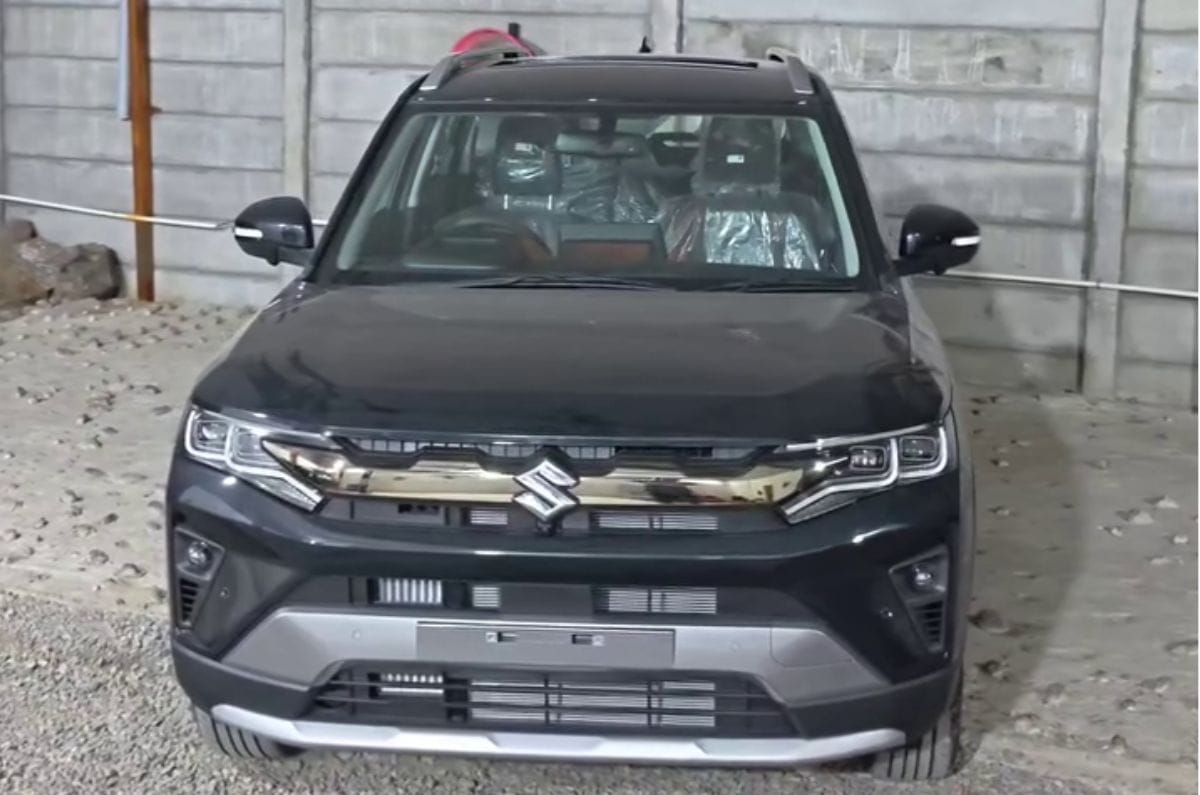
The current-generation Maruti Brezza was launched in 2022, and it’s set to get a mid-lifecycle update towards the latter half of July. Several test mules of the Brezza facelift have been spied before, and among expected updates are revised bumpers and new alloy wheels and a larger 10.1-inch infotainment touchscreen, replacing the current 9-inch unit. The Brezza is currently offered with the 103hp, 137Nm 1.5-litre naturally aspirated petrol engine with a choice between 5-speed manual and 6-speed automatic gearboxes; a CNG option is on offer as well. The new Brezza could get a Victoris-like underbody CNG tank setup to liberate more space in the boot.

However, the biggest change to the new Brezza could be under the hood, as it’s expected to get a turbo-petrol engine for the first time. It’s likely going to be the 1.0-litre three-cylinder Boosterjet unit that powers the Fronx, where it generates 100hp and 148Nm. The engine could be paired with a new 6-speed manual transmission, something that was seen in one of the interior spy shots earlier.

Having a 1.0-litre turbo-petrol engine would also mean a lower 18 percent tax on the Brezza facelift variants with this engine, as they will then fall under sub-4m cars with petrol engines up to 1,200cc category. The current Brezza 1.5 attracts 40 percent GST, and is priced between Rs 8.26 lakh and Rs 12.86 lakh, ex-showroom.

Skoda Kodiaq RS

Launch date: Not disclosed yet

Skoda Kodiaq RS

Even before the price announcement, the first 50 units of Skoda Kodiaq RS allocated for India are already sold out. Compared to the standard Kodiaq, the RS stands out with sportier bumpers, 20-inch alloy wheels, a larger roof spoiler, dual exhaust tips and RS badging 

Under the hood, the RS has a retuned version of the standard Kodiaq’s 2.0-litre four-cylinder turbo-petrol engine, producing 265hp and 400Nm. That is 61hp and 80Nm more than the standard model. The engine is paired with a 7-speed dual-clutch automatic gearbox and an all-wheel-drive system. Skoda claims a 0-100kph time of 6.3 seconds, making it the “quickest Skoda ever [to be] launched in India”. It also gets Dynamic Chassis Control Plus adaptive suspension.

The fully imported Kodiaq RS is expected to be priced between Rs 60 lakh and Rs 65 lakh, ex-showroom). That would make it around Rs 15-20 lakh more expensive than the locally assembled Kodiaq L&K.

Honda ZR-V

Launch date: Not disclosed yet

Honda ZR-V

Pre-bookings for the Honda ZR-V hybrid SUV have been underway since May and upon launch, it’ll be the brand’s flagship SUV here. It gets features like LED headlights, 18-inch alloy wheels, wraparound tail-lights, 9-inch touchscreen, a 10.25-inch digital driver’s display, dual-zone climate control, a wireless phone charger and a 12-speaker Bose sound system. 

The ZR-V hybrid has a 2.0-litre four-cylinder petrol engine along with two electric motors, and this setup produces combined outputs of 184hp and 315Nm. An e-CVT sends drive to the front wheels and the SUV has a claimed 0-100kph time of 8 seconds and Honda claims a 22.79kpl mileage for the hybrid SUV. Being a CBU import, the Honda ZR-V hybrid may be priced around Rs 45 lakh, ex-showroom. If that happens, the ZR-V will find itself in the company of the Skoda Kodiaq and Volkswagen Tayron.

2026 Toyota Hilux

Launch date: Not disclosed yet

Toyota Hilux

Toyota debuted the ninth-generation Hilux in 2025 and much like the outgoing model, the new pickup truck is based on the brand’s IMV body-on-frame platform. The new Hilux gets slimmer LED headlights, honeycomb-patterned grille, vertically oriented tail-lamps with C-shaped LED daytime running lamps and a chunky rear bumper. It is leagues more modern on the inside, featuring twin 12.3-inch displays, a new steering wheel, a wireless charging pad, powered and ventilated front seats and more.

The new Hilux is expected to be offered with Toyota’s 204hp, 500Nm 2.8-litre diesel engine with a 48V mild hybrid system as the Fortuner Neo Drive. While the Hilux even gets an EV version in overseas markets, that is unlikely for India. The current Hilux is priced between Rs 28.52 lakh and Rs 36 lakh, ex-showroom.

Delhi EV 2.0 policy brings no incentives for hybrid cars

Curvv EV

The Delhi EV 2.0 policy will be implemented from July 1, 2026, and remain in effect till March 31, 2030, Chief Minister Rekha Gupta announced. Over this period, the government plans to invest around Rs 15,000 crore to curb vehicular pollution and accelerate the transition towards electric vehicles in the national capital, however, no incentives will be on offer for strong hybrid vehicles. In fact, 50 percent exemption from both road tax and registration fees for hybrid vehicles priced up to Rs 30 lakh was a major sticking point in the April 2026 draft policy.

  1. 100 percent exemption from road tax and registration charges for EVs up to Rs 30 lakh
  2. Only electric two-wheelers to be registered in Delhi from April 1, 2028

Delhi EV 2.0 policy key highlights

The Delhi EV 2.0 policy comprises a 100 percent exemption on road tax and registration charges for electric cars priced up to Rs 30 lakh, something that was proposed earlier in April. It also offers purchase incentives of up to Rs 30,000 for electric two-wheelers, Rs 50,000 for electric three-wheelers and Rs 1 lakh for electric goods vehicles (N1 category). Owners replacing older vehicles will also be eligible for scrapping incentives ranging from Rs 5,000 to Rs 1 lakh.

The policy also aims to expand Delhi’s EV charging network with more than 30,000 charging points across the city. From January 1, 2027, only new electric auto-rickshaws and N1 goods carriers will be registered, while from April 1, 2028, only new electric two-wheelers will be eligible for registration. Notably, all eligible incentives will be transferred directly to beneficiaries’ bank accounts through the direct benefit transfer.

Investments in charging infrastructure, public transport electrification and supporting infrastructure will be made, Delhi CM said. Detailed allocations for charging infrastructure, incentives and other programmes are expected to be announced in the detailed notification.

Delhi EV 2.0 policy to take effect from July 1

Tata Curvv EV

The Delhi EV 2.0 policy will be implemented from July 1, 2026, and remain in effect till March 31, 2030. Over this period, the government plans to invest around Rs 15,000 crore to curb vehicular pollution and accelerate the transition towards electric vehicles in the national capital. Investments in charging infrastructure, public transport electrification and supporting infrastructure will be made, Delhi Chief Minister Rekha Gupta said.

Delhi EV 2.0 policy key highlights

The Delhi EV 2.0 policy comprises a 100 percent exemption on road tax and registration charges for electric cars priced up to Rs 30 lakh, something that was proposed earlier in April 2026. It also offers purchase incentives of up to Rs 30,000 for electric two-wheelers, Rs 50,000 for electric three-wheelers and Rs 1 lakh for electric goods vehicles (N1 category). Owners replacing older vehicles will also be eligible for scrapping incentives ranging from Rs 5,000 to Rs 1 lakh.

The policy also aims to expand Delhi’s EV charging network with more than 30,000 charging points across the city. From January 1, 2027, only new electric auto-rickshaws and N1 goods carriers will be registered, while from April 1, 2028, only new electric two-wheelers will be eligible for registration. Notably, all eligible incentives will be transferred directly to beneficiaries’ bank accounts through the direct benefit transfer.

No incentive for hybrid cars

The April draft had also proposed a 50 percent exemption from both road tax and registration fees for strong hybrid vehicles priced up to Rs 30 lakh, but that did not materialise. In fact, incentives for hybrid vehicles was a major sticking point in Delhi’s new EV Policy, but the focus is clearly on EVs. 

A traditional strong hybrid vehicle has an internal combustion engine, which works with an electric motor. Power is supplied to the electric motor via a separate battery, allowing the car to run on electric power alone at certain times, reducing both fuel consumption and pollution. Thus, hybrids have the potential to serve as a practical middle ground, effectively bridging the gap until EV infrastructure improves and charging times become more convenient.

Updated Maruti Brezza to debut on July 23

Maruti Brezza rear quarter static

Maruti-Suzuki is slated to introduce a comprehensive update to the Brezza on July 23, 2026. The carmakers’ answer to the compact SUV space is expected to arrive with a fresh exterior, better interiors, new features and most importantly, a new engine option. 

  1. Expected to arrive with a new turbo-petrol engine, likely from the Fronx.
  2. Subtle design revisions and feature additions are in the works.

Maruti Suzuki Brezza update: What to expect?

Credit: @HarshitMakkarvlogs via YouTube

The biggest change to the updated Brezza could be under the hood. It is expected to have a turbo-petrol engine for the first time in its lineup, with the Fronx’s 1.0-litre unit likely to be utilised. The engine could be paired to a 6-speed manual gearbox, as a test mule of the SUV was spied with this gearbox in February 2026. For reference, in the Fronx, the engine churns out 100hp and 148Nm. If introduced with the update, the engine would finally make the Brezza eligible for sub-4m tax benefits, thus reducing its price.  Currently, the Brezza is the only SUV in its segment that does not offer a turbo-petrol engine. In line with Maruti’s standards, the engine can also be expected to be paired to a CNG kit.

To have revised exterior styling and upmarket interior bits

Credit: @HarshitMakkarvlogs via YouTube

The updated Brezza is likely to arrive with minor cosmetic enhancements. This includes redone bumpers and lighting.  The LED tail-lamps could be connected by a segmented bar, as seen on the larger Victoris SUV. Spy shots of the Brezza also revealed a new 4-spoke alloy wheel design, suggesting that new rim designs for the updated version can be anticipated.

Current Maruti Brezza interior used for representation. 

Not many changes are expected to the overall cabin layout, save for newer trim material and colour scheme. As fr features, Maruti could equip the updated Brezza with the Victoris’ 10.1-inch infotainment screen, a powered driver seat, front seat ventilation and ambient lighting. A level 2 ADAS could also be part of the safety package. Test mules also revealed the presence of front parking sensors on the bumper, which could be a possible inclusion.

Maruti Suzuki Brezza update: Expected price

With the extensive updates, expect the updated Brezza to have a slight premium over the current version, whose price ranges between Rs 8.26 lakh and Rs 12.86 lakh. It will continue to take on the likes of the Hyundai Venue, Tata Nexon, Skoda Kylaq, Mahindra XUV 3XO, Kia Sonet and Syros.

खेत बेचने पर कितना लगता है टैक्स? ITR में कहां और कैसे दिखाएं यह कमाई, जानिए टैक्स विभाग के जरूरी नियम

Tax on Agricultural Land Sale: भारत में कृषि भूमि यानी खेत बेचने को लेकर आम तौर पर यही माना जाता है कि इस पर कोई टैक्स नहीं लगता है। लेकिन टैक्स नियमों के मुताबिक यह पूरी तरह सच नहीं है। कृषि भूमि बेचने पर टैक्स लगेगा या नहीं, यह इस बात पर निर्भर करता है कि वह जमीन ‘ग्रामीण’ इलाके में आती है या ‘शहरी’ इलाके में।

कई बार टैक्स न लगने के बावजूद, ITR में इस कमाई की जानकारी न देना या गलत जगह दिखाना आपको मुश्किल में डाल सकता है और इनकम टैक्स विभाग का नोटिस आ सकता है। आइए आपको बताते हैं कि कृषि भूमि की बिक्री पर टैक्स का क्या नियम है और इसे रिटर्न में कैसे दर्ज करें।

ग्रामीण कृषि भूमि: यहां नहीं लगता कोई कैपिटल गेन्स टैक्स

इनकम टैक्स एक्ट की धारा 2(14) के तहत, ‘ग्रामीण कृषि भूमि’ को कैपिटल एसेट यानी पूंजीगत संपत्ति नहीं माना जाता है।

टैक्स छूट: चूंकि यह कैपिटल एसेट नहीं है, इसलिए इसे बेचने पर होने वाले मुनाफे पर कोई ‘कैपिटल गेन्स टैक्स’ नहीं लगता है।

ITR में कहां दिखाएं: चूंकि यह कमाई पूरी तरह टैक्स-फ्री है, इसलिए इसे आईटीआर के Schedule EI यानी टैक्स-फ्री आमदनी वाले कॉलम में दिखाना चाहिए। कई लोग इसे गलती से Schedule CG में दिखा देते हैं, जिससे सिस्टम ऑटोमैटिक टैक्स कैलकुलेट कर लेता है और बेवजह परेशानी खड़ी होती है।

शहरी कृषि भूमि: देना होगा टैक्स, लेकिन यहां मिलेगी राहत

अगर आपकी कृषि भूमि ‘शहरी’ दायरे में आती है, तो इसकी बिक्री से होने वाला मुनाफा पूरी तरह टैक्स के दायरे में आएगा। हालांकि, टैक्सपेयर्स को राहत देने के लिए इनकम टैक्स एक्ट की धारा 54B बनाई गई है। इसके तहत अगर आप जमीन बेचने से मिले पैसों से कोई दूसरी कृषि भूमि खरीद लेते हैं, तो आप टैक्स छूट का दावा कर सकते हैं।

कैसे तय होता है कि जमीन ‘ग्रामीण’ है या ‘शहरी’?

कोई भी खेती की जमीन सिर्फ इसलिए ग्रामीण नहीं हो जाती क्योंकि वहां खेती हो रही है। टैक्स नियमों के अनुसार, नजदीकी नगर पालिका की आबादी और वहां से हवाई दूरी के आधार पर इसका फैसला होता है:

स्थानीय निकाय की आबादीनगर पालिका सीमा से जरूरी  न्यूनतम दूरी जमीन का वर्गीकरण
10,000 से 1 लाख के बीच2 किलोमीटर से ज्यादा दूर होना जरूरीग्रामीण (Tax-Free)
1 लाख से 10 लाख के बीच6 किलोमीटर से ज्यादा दूर होना जरूरीग्रामीण (Tax-Free)
10 लाख से अधिक 8 किलोमीटर से ज्यादा दूर होना जरूरीग्रामीण (Tax-Free)

अगर जमीन इन तय सीमाओं के भीतर आती है, तो उसे ‘शहरी कृषि भूमि’ माना जाएगा और उस पर टैक्स लगेगा।

इनकम टैक्स नोटिस से बचना है, तो पास रखें ये 4 दस्तावेज

टैक्स एक्सपर्ट्स के मुताबिक, अगर भविष्य में इनकम टैक्स विभाग आपसे इस टैक्स छूट को लेकर स्पष्टीकरण मांगता है, तो आपके पास ये दस्तावेज होने चाहिए:

तहसीलदार का सर्टिफिकेट: स्थानीय राजस्व प्राधिकारी से मिला एक आधिकारिक प्रमाण पत्र, जो नजदीकी नगर पालिका से जमीन की सटीक हवाई दूरी और वहां की आबादी की पुष्टि करता हो।

राज्य के राजस्व रिकॉर्ड: जमीन के आधिकारिक दस्तावेज जैसे 7/12 एक्सट्रैक्ट, RTC, या जमाबंदी, जो यह साबित करें कि जमीन आधिकारिक तौर पर कृषि भूमि ही है।

खेती करने का सबूत: बीज, खाद के बिल, सिंचाई के रिकॉर्ड या मंडी की रसीदें, जिससे यह साबित हो सके कि जमीन पर वास्तव में खेती की जा रही थी।

बैंक ट्रांजैक्शन रिकॉर्ड: रजिस्टर्ड सेल डीड और बैंक स्टेटमेंट, जो यह साबित करें कि पूरा लेनदेन वैध तरीके से हुआ है और कोई अवैध नकद लेनदेन नहीं हुआ है।

अक्सर होने वाली गलतियां जो लाती हैं टैक्स नोटिस

पूरी तरह छिपा लेना: कई लोग सोचते हैं कि टैक्स नहीं लगना है तो आईटीआर में क्यों बताएं? यह सबसे बड़ी गलती है। सब-रजिस्ट्रार ऑफिस जमीन की रजिस्ट्री की जानकारी टैक्स विभाग को देता है, जो आपके एआईएस (AIS) में दिखती है। अगर आप इसे ITR में नहीं दिखाएंगे, तो डेटा मिसमैच का नोटिस आ सकता है।

खेती न होने पर भी छूट का दावा: अगर कोई जमीन कृषि भूमि के रूप में दर्ज है लेकिन सालों से वहां कोई खेती नहीं हुई है, तो विभाग आपकी छूट को खारिज कर सकता है। इसलिए कृषि आय या ऑपरेशन्स का सबूत रखना बेहद जरूरी है।

1 जुलाई 2026 से बदल रहे हैं ये 5 बड़े नियम, आपकी जेब पर पड़ेगा सीधा असर! फटाफट चेक करें पूरी लिस्ट

Disclaimer: यहां मुहैया जानकारी सिर्फ सूचना के लिए दी जा रही है। यहां बताना जरूरी है कि मार्केट में निवेश बाजार जोखिमों के अधीन है। निवेशक के तौर पर पैसा लगाने से पहले हमेशा एक्सपर्ट से सलाह लें। मनीकंट्रोल की तरफ से किसी को भी पैसा लगाने की यहां कभी भी सलाह नहीं दी जाती है।