State-run oil marketing companies (OMCs) – Indian Oil, Bharat Petroleum (BPCL) and Hindustan Petroleum (HPCL), have rejected recent claims of widespread contamination in E20 petrol, saying a nationwide testing exercise found no evidence to support reports of elevated chloride and moisture levels. The companies said fuel samples collected across the supply chain recorded chloride levels within the prescribed limits, while enhanced checks have also found no signs of water ingress in underground fuel storage tanks.
OMCs say chloride levels remained between 0-3ppm
Testing covered refineries, ethanol plants, depots and retail outlets
Two retail outlets temporarily suspended after isolated findings
This statement comes less than a week after reports citing an internal communication from the Society of Indian Automobile Manufacturers (SIAM) alleged elevated chloride and moisture contamination in E20 petrol, raising concerns over possible damage to fuel system components. SIAM, however, subsequently withdrew the communication, saying media reports had “selectively” quoted excerpts from the document and that some of the figures cited required further authentication through additional data collection and consultation with its member OEMs.
OMCs say testing found no widespread contamination
The oil companies said samples collected from refineries, ethanol distilleries, storage depots, tanker trucks and retail fuel stations recorded chloride levels between 0ppm and 3ppm, well below the several-hundred-ppm figures reported earlier. They added that claims of chloride contamination of up to 500ppm could not be validated.
According to the companies, testing included more than 100 petrol samples from refineries, ethanol supplied by 80 distilleries, more than 80 samples from terminals and over 160 samples from retail outlets, all of which returned chloride readings within the 0-3ppm range. The ethanol testing was carried out jointly by the OMCs and the Centre for High Technology, the petroleum ministry’s technical arm.
Two fuel stations flagged during testing
The OMCs said two retail outlets recorded elevated chloride levels during the exercise. Fuel supplies at both stations were suspended, investigated and restored only after corrective measures were implemented.
Moisture checks expanded across fuel stations
On the issue of moisture contamination, the companies said around 90,000 fuel stations have begun mandatory inspections of underground storage tanks, with checks carried out eight to twelve times a day. According to the OMCs, no water intrusion has been detected so far.
The companies added that mobile fuel testing laboratories have been deployed, with results independently verified by fuel laboratories. Test data is also being published on the Centre for High Technology’s website and will continue to be updated as additional samples are analysed.
Stocks to Watch: सोमवार, 10 अगस्त को कई शेयरों में बड़ी हलचल देखने को मिल सकती है। कई कंपनियों ने जून तिमाही के नतीजे जारी किए हैं। कुछ ने बड़े कारोबारी अपडेट दिए हैं। इन खबरों का असर सोमवार के कारोबार में स्टॉक्स पर दिख सकता है। आइए जानते हैं किन 21 शेयरों पर निवेशकों की सबसे ज्यादा नजर रहेगी।
Titan Company
टाटा ग्रुप की ज्वेलरी और घड़ियां बनाने वाली कंपनी Titan का कंसोलिडेटेड नेट प्रॉफिट जून तिमाही में 65% बढ़कर 1,699 करोड़ रुपये रहा। रेवेन्यू 24.3% बढ़कर 18,101 करोड़ रुपये हो गई। मुनाफा बाजार के अनुमान से बेहतर रहा, जबकि रेवेन्यू अनुमान से थोड़ा कम रहा।
Ola Electric Mobility
इलेक्ट्रिक टू-व्हीलर कंपनी Ola Electric का जून तिमाही में 336 करोड़ रुपये का नेट लॉस रहा। हालांकि, पिछले साल के मुकाबले घाटा कम हुआ है। वहीं, रेवेन्यू में गिरावट रही, लेकिन व्हीकल रजिस्ट्रेशन में तिमाही आधार पर अच्छी बढ़ोतरी दर्ज की गई।
Apollo Micro Systems
डिफेंस और एयरोस्पेस इक्विपमेंट बनाने वाली कंपनी Apollo Micro Systems का नेट प्रॉफिट जून तिमाही में 42.1% बढ़कर 27 करोड़ रुपये रहा। रेवेन्यू 88% बढ़कर 251.3 करोड़ रुपये हो गई। इससे कंपनी के कारोबार में मजबूत ग्रोथ देखने को मिली।
NLC India
सरकारी खनन और बिजली कंपनी NLC India का कंसोलिडेटेड नेट प्रॉफिट जून तिमाही में 39.3% घटकर 484.2 करोड़ रुपये रह गया। हालांकि, रेवेन्यू 23.3% बढ़कर 4,716.7 करोड़ रुपये हो गई।
Hitachi Energy India
पावर और एनर्जी टेक्नोलॉजी कंपनी Hitachi Energy India का कंसोलिडेटेड नेट प्रॉफिट जून तिमाही में 294.2 करोड़ रुपये रहा, जो पिछले साल 132 करोड़ रुपये था। रेवेन्यू 68.6% बढ़कर 2,493.7 करोड़ रुपये हो गई। मुनाफा और रेवेन्यू दोनों बाजार के अनुमान से बेहतर रहे।
Power Finance Corporation
सरकारी फाइनेंस कंपनी Power Finance Corporation (PFC) का नेट प्रॉफिट जून तिमाही में 2.1% बढ़कर 7,012 करोड़ रुपये रहा। पिछले साल इसी तिमाही में यह 6,866 करोड़ रुपये था। कंपनी देश के पावर सेक्टर को फाइनेंस उपलब्ध कराती है।
Kaynes Technology
इलेक्ट्रॉनिक्स कंपोनेंट बनाने वाली कंपनी Kaynes Technology का नेट प्रॉफिट जून तिमाही में 24.4% घटकर 56 करोड़ रुपये रह गया। कंपनी का मुनाफा बाजार के अनुमान से भी कम रहा। हालांकि, कंपनी इलेक्ट्रॉनिक्स मैन्युफैक्चरिंग कारोबार में लगातार विस्तार कर रही है।
Anant Raj
रियल एस्टेट और डेटा सेंटर कंपनी Anant Raj का नेट प्रॉफिट जून तिमाही में 19% बढ़कर 150 करोड़ रुपये रहा। रेवेन्यू 7% बढ़कर 631 करोड़ रुपये और EBITDA 22% बढ़कर 183 करोड़ रुपये हो गया। कंपनी के डेटा सेंटर और क्लाउड बिजनेस को अलग कर अशोक क्लाउड में विलय करने की योजना को मंजूरी मिल गई है।
Oil India
सरकारी तेल और गैस कंपनी Oil India ने जून तिमाही में मजबूत प्रदर्शन किया। कंपनी का स्टैंडअलोन नेट प्रॉफिट 2,870.2 करोड़ रुपये रहा, जो मार्च तिमाही के 1,789.5 करोड़ रुपये से काफी ज्यादा है। कच्चे तेल और प्राकृतिक गैस से ज्यादा कमाई का कंपनी को फायदा मिला।
Delhivery
लॉजिस्टिक्स कंपनी Delhivery का नेट प्रॉफिट जून तिमाही में 65% घटकर 31.9 करोड़ रुपये रह गया। हालांकि, रेवेन्यू 28% बढ़कर 2,930.7 करोड़ रुपये हो गई। इससे कारोबार में ग्रोथ बनी रही, लेकिन मुनाफे पर दबाव दिखा।
Lemon Tree Hotels
हॉस्पिटैलिटी कंपनी Lemon Tree Hotels का कंसोलिडेटेड नेट प्रॉफिट जून तिमाही में 20.1% बढ़कर 46 करोड़ रुपये रहा। पिछले साल की समान तिमाही में यह 38.3 करोड़ रुपये था। कंपनी के होटल कारोबार में लगातार सुधार देखने को मिला।
Vedanta Aluminium Metal
मेटल कंपनी Vedanta Aluminium Metal ने कहा कि उसकी सहयोगी कंपनी BALCO को ओडिशा के Karlapat Bauxite Block की नीलामी में प्रेफर्ड बिडर घोषित किया गया है। यह खदान कंपनी के कच्चे माल की उपलब्धता को मजबूत करेगी।
Eveready Industries
बैटरी और टॉर्च बनाने वाली कंपनी Eveready Industries का नेट प्रॉफिट जून तिमाही में 23.3% बढ़कर 37 करोड़ रुपये रहा। रेवेन्यू 9% बढ़कर 407.7 करोड़ रुपये हो गई। कंपनी ने मुनाफे और कारोबार दोनों में बढ़ोतरी दर्ज की।
NTPC Green Energy
सरकारी ग्रीन एनर्जी कंपनी NTPC Green Energy ने पश्चिम बंगाल में 200 MW/800 MWh Battery Energy Storage System (BESS) प्रोजेक्ट के लिए बोली जीत ली है। कंपनी को यह प्रोजेक्ट 4.35 लाख रुपये प्रति MW प्रति माह की टैरिफ पर मिला है।
Dr Reddy’s Laboratories
फार्मा कंपनी Dr Reddy’s Laboratories ने Novartis India के साथ भारत में कुछ ब्रांड्स के वितरण और प्रमोशन समझौते को खत्म कर दिया है। कंपनी ने बताया कि यह फैसला Novartis India में कंट्रोलिंग हिस्सेदारी बदलने के बाद लिया गया है। यह समझौता फरवरी 2022 में हुआ था।
NMDC
सरकारी माइनिंग कंपनी NMDC ने आयरन ओर की नई कीमतें घोषित कर दी हैं। कंपनी ने लंप ओर का भाव 5,250 रुपये प्रति टन और फाइन्स का भाव 4,500 रुपये प्रति टन तय किया है। इसकी जानकारी कंपनी ने एक्सचेंज फाइलिंग में दी।
Raymond
टेक्सटाइल और इंजीनियरिंग कंपनी Raymond का नेट प्रॉफिट पहली तिमाही में 21 करोड़ रुपये रहा, जो पिछली तिमाही के 1.13 करोड़ रुपये से काफी ज्यादा है। रेवेन्यू 0.4% बढ़कर 606 करोड़ रुपये और EBITDA 2.4% बढ़कर 77.3 करोड़ रुपये हो गया।
Aditya Birla Fashion & Retail
फैशन और रिटेल कंपनी Aditya Birla Fashion & Retail का जून तिमाही में शुद्ध घाटा 215.2 करोड़ रुपये रहा। हालांकि, कंपनी की कुल आय 10.6% बढ़कर 2,025.6 करोड़ रुपये हो गई। पिछले साल की समान तिमाही में आय 1,831.5 करोड़ रुपये थी।
Advanced Enzyme
बायोटेक कंपनी Advanced Enzyme का नेट प्रॉफिट जून तिमाही में 7.5% घटकर 37 करोड़ रुपये रह गया। हालांकि, रेवेन्यू 2.2% बढ़कर 190 करोड़ रुपये रही। वहीं, EBITDA 9.6% घटकर 51.1 करोड़ रुपये पर आ गया।
Raymond Realty
रियल एस्टेट कंपनी Raymond Realty का प्रॉफिट जून तिमाही में 18.6% घटकर 13.4 करोड़ रुपये रह गया। हालांकि, रेवेन्यू 38.4% बढ़कर 526.7 करोड़ रुपये और EBITDA 105.1% बढ़कर 61.2 करोड़ रुपये हो गया।
Ambika Cotton
टेक्सटाइल कंपनी Ambika Cotton का नेट प्रॉफिट जून तिमाही में 61.4% बढ़कर 26 करोड़ रुपये हो गया। कंपनी की आय 34.4% बढ़कर 258 करोड़ रुपये रही। इससे कंपनी ने मजबूत तिमाही प्रदर्शन दर्ज किया।
तिमाही नतीजे
कई कंपनियां सोमवार को जून तिमाही के नतीजे जारी करेंगी। इनमें Bosch, Choice International, CMS Info Systems, Dilip Buildcon, HEC Infra Projects, Hindustan Copper, Vodafone Idea और ideaForge Technology समेत कई कंपनियां शामिल हैं। इनके नतीजों पर बाजार की नजर रहेगी।
Disclaimer: यहां मुहैया जानकारी सिर्फ सूचना के लिए दी जा रही है। यहां बताना जरूरी है कि मार्केट में निवेश बाजार जोखिमों के अधीन है। निवेशक के तौर पर पैसा लगाने से पहले हमेशा एक्सपर्ट से सलाह लें। मनीकंट्रोल की तरफ से किसी को भी पैसा लगाने की यहां कभी भी सलाह नहीं दी जाती है।
LOOK OUT FOR: Suspension wear, infotainment issues
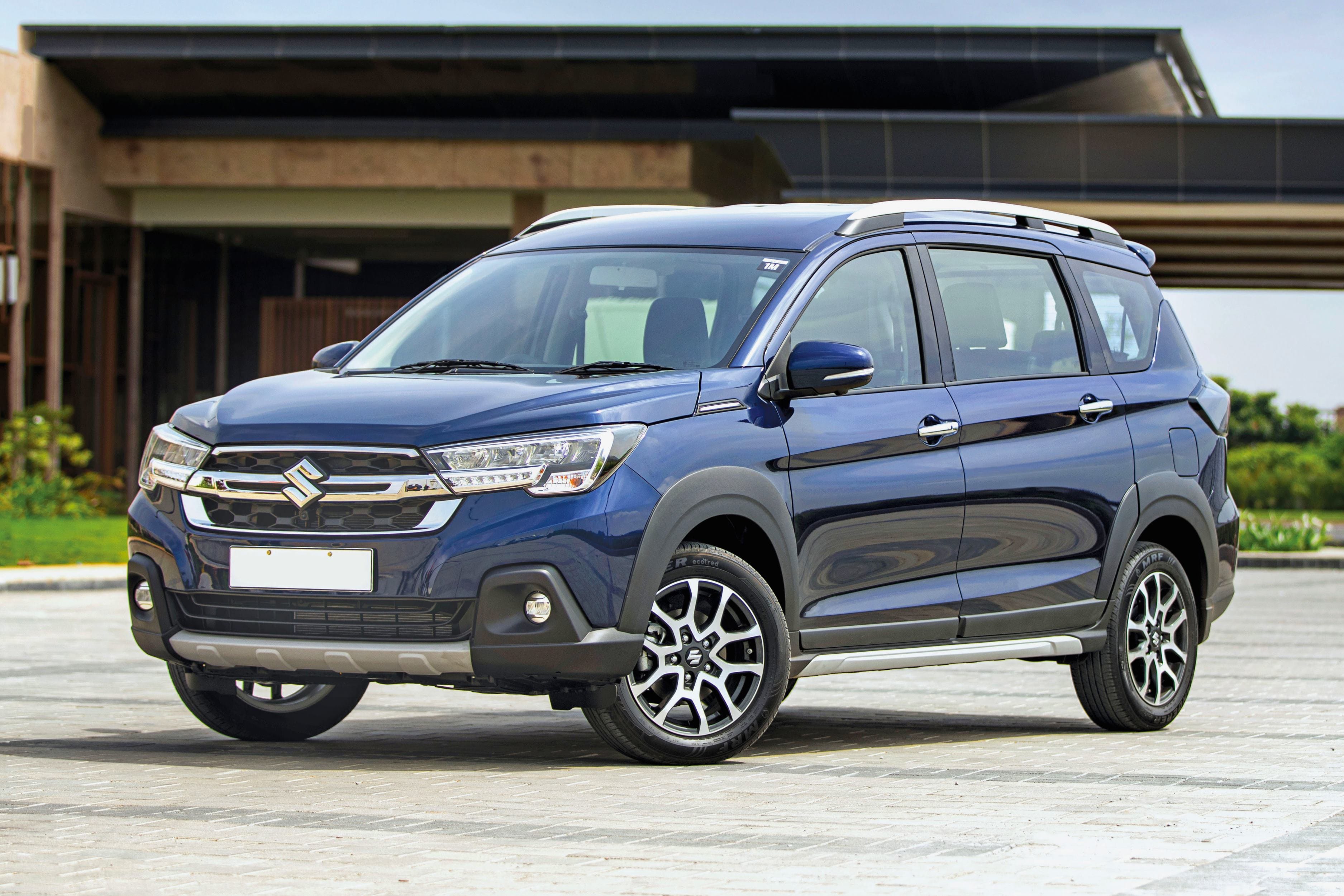
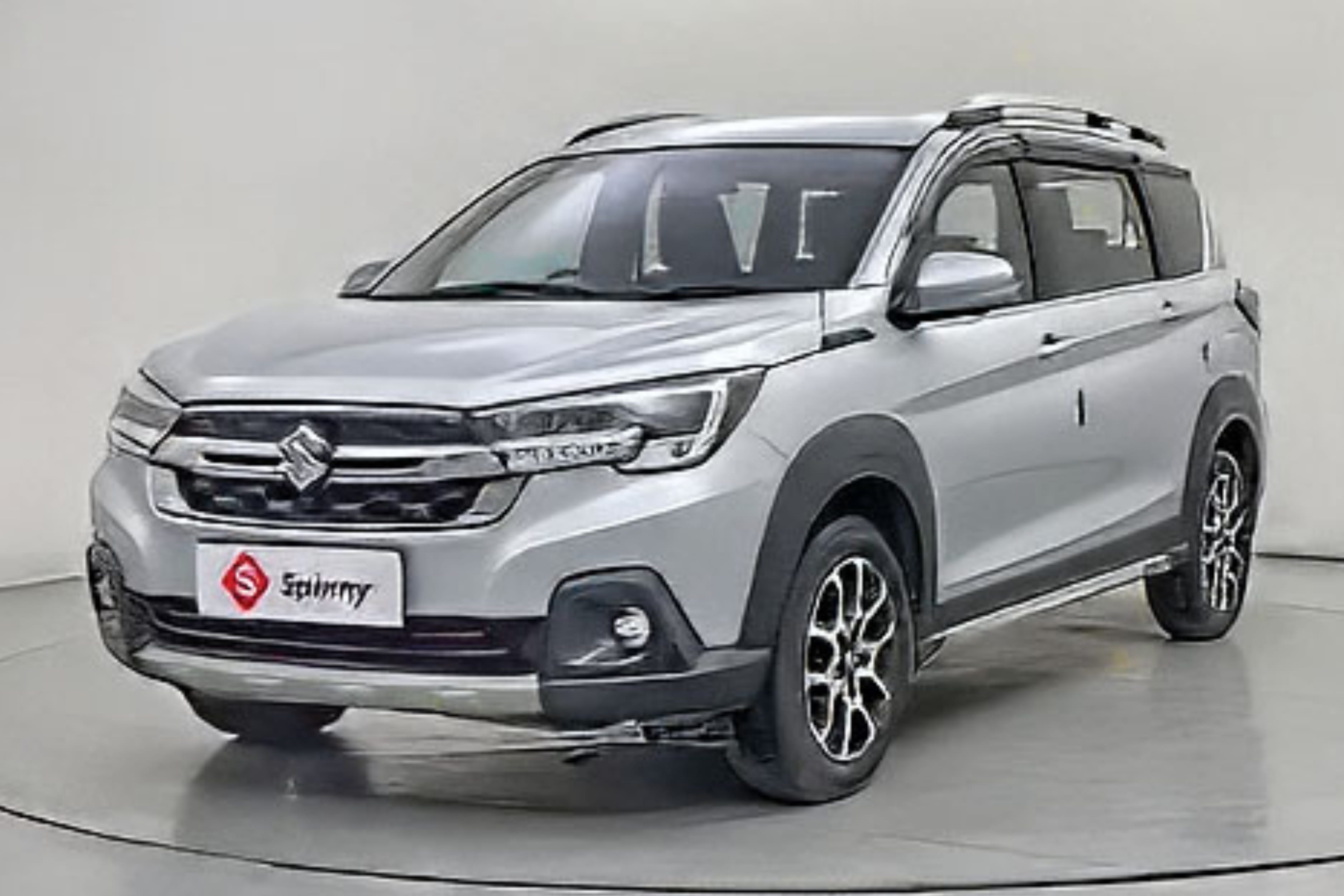
A more premium 6-seat alternative to the venerable Ertiga MPV, the Maruti XL6 has been on sale since 2019 and received a substantial update in 2022. Being a comfortable, practical and easy-to-drive MPV, the updated Maruti XL6 is worth considering as a used buy. Here’s all you need to know.
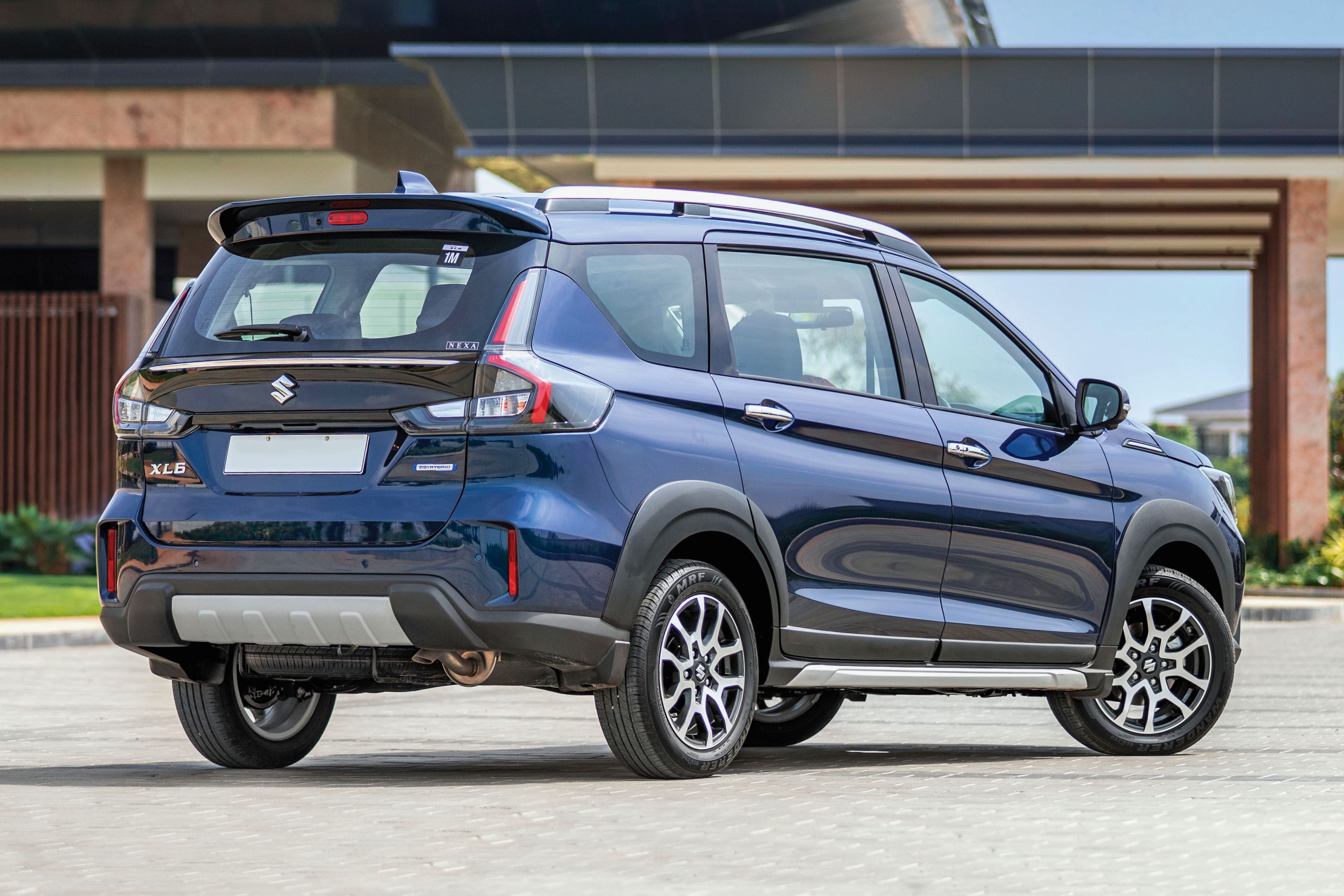
In terms of cosmetics, not much changed for the XL6 when it got an update in 2022. It got a mildly updated grille with more chrome, a new chrome bar on the tailgate, new 16-inch dual-tone alloy wheels and tweaked tail-lights with smoked clear lens effect. It also got new dual-tone colour options – silver, brown and red – with a contrasting black roof.
Petrol and CNG powertrains; up to 20.97kpl claimed mileage
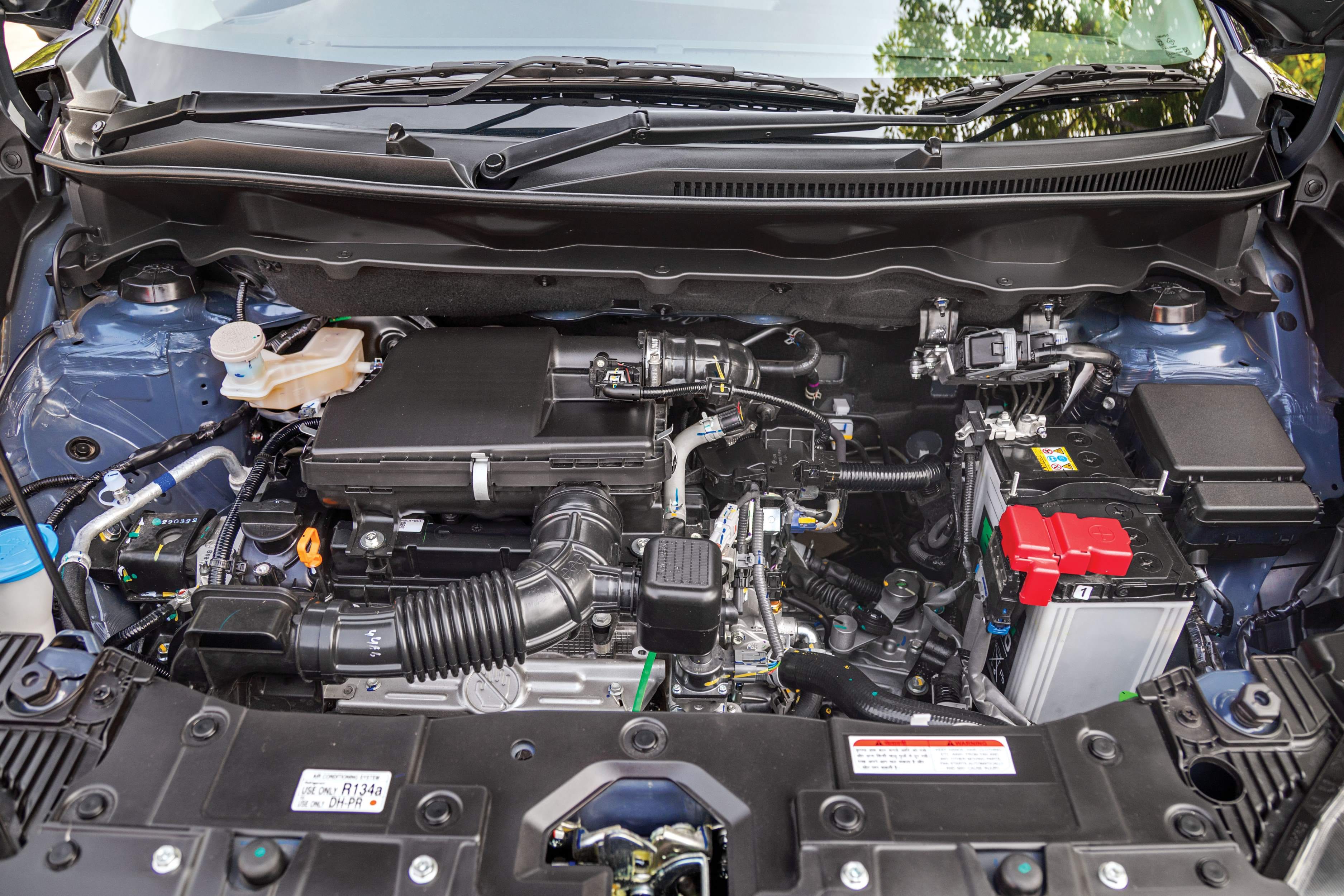
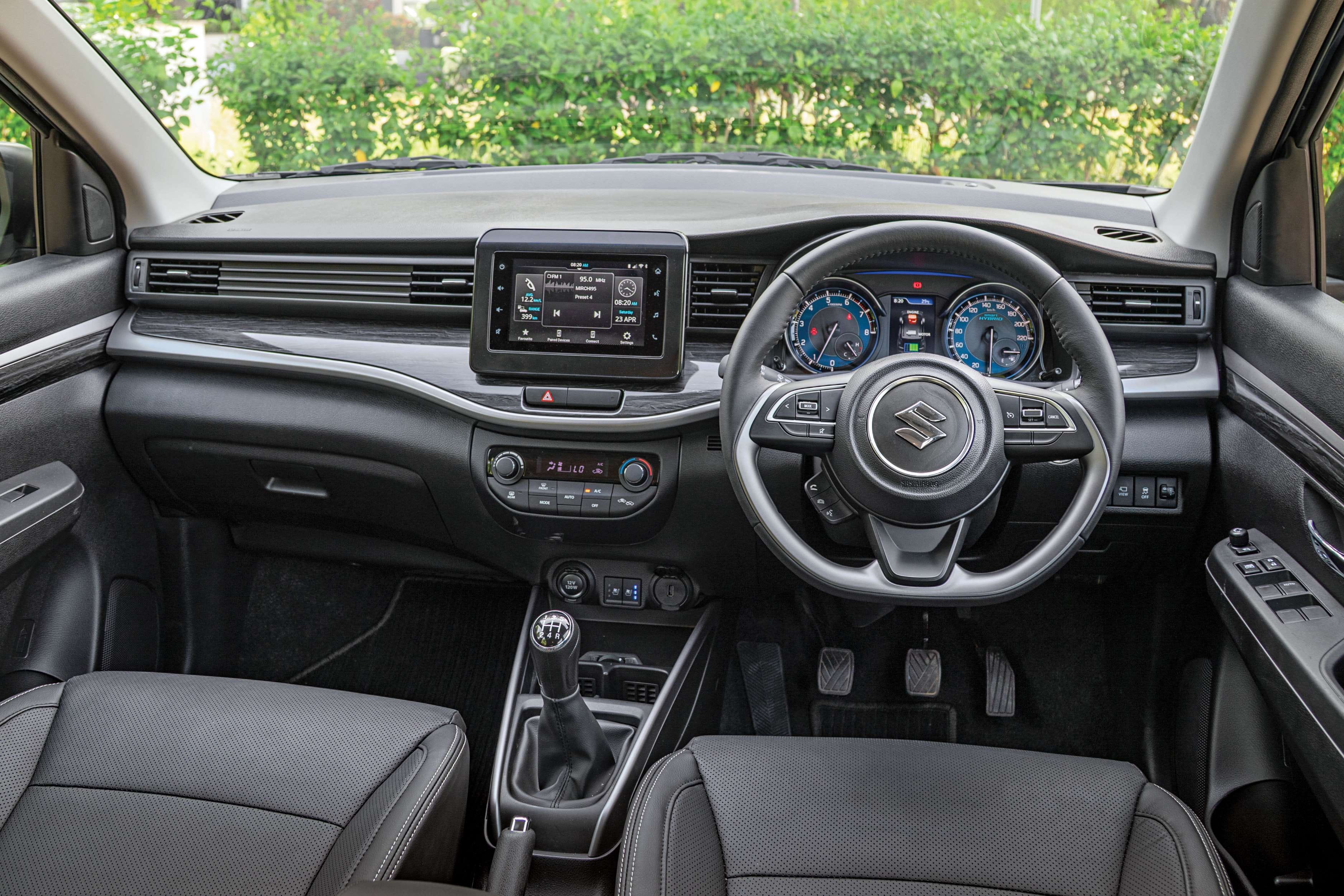
The biggest change was under the hood, with the XL6 receiving Maruti’s then-new 1.5-litre DualJet petrol engine, with two injectors per cylinder, which put out 103hp and 136.8Nm. The other big highlight was the new 6-speed torque converter automatic gearbox with paddle shifters, replacing the older 4-speeder. The standard 5-speed manual gearbox was carried over as is. It also featured Maruti’s mild-hybrid technology with an integrated starter generator and start-stop technology. The updated XL6 has a claimed fuel efficiency of 20.97kpl with the manual gearbox and 20.27kpl with the auto.
Later in 2022, Maruti launched the XL6 CNG, which was offered in a single Zeta variant and cost about Rs 95,000 more than the equivalent petrol variant. Powered by the same 1.5 engine, it put out a lower 88hp and 121.5Nm in CNG mode, and 101hp and 136Nm in petrol mode, and came paired with the 5-speed manual only. Maruti claimed that the XL6 CNG had a fuel efficiency of 26.32km/kg.
The petrol manual is ideal for most users, as it’s easy to drive, efficient and will be the most affordable to buy. Those with most of their running within the city can opt for the automatic for greater convenience, while high-mileage users will benefit from the CNG’s low running costs.
Maruti Suzuki XL6 variants and features
7-inch touchscreen, ventilated front seats, 360-degree camera, and more
As for variants, there’s three on offer – Zeta, Alpha and Alpha+. The range-topping Alpha+ packs in features like a 7-inch touchscreen infotainment with Android Auto and Apple CarPlay compatibility, auto climate control, leatherette upholstery, LED lights, 360-degree camera, ventilated front seats, connected car tech, cruise control, tyre pressure monitor, traction control and much more. All variants come well equipped, and features like the touchscreen and cruise control are offered right from the base Zeta variant, so choose the one that best fits your budget.
XL6 aftersales details
Being a Maruti product, the XL6 is a proven and reliable MPV that’s also easy to maintain. Spare parts are readily available and affordable, while Maruti’s widespread service network throughout India gives you peace of mind. It’s also worth going for an example that has an extended warranty package, and the XL6’s great resale value also means you’ll recoup a considerable amount when you sell it later on.
What to look out for in a used Maruti Suzuki XL6
Suspension wear
Since the XL6 is a family car, it’s bound to be subjected to heavy loads from time to time. Hence, it’s worth checking out the condition of the suspension. Listen for any noises that come from the suspension, or check if it crashes excessively over bumps and ruts, as these are signs of worn-out suspension bushings. This is not an expensive fix, however.
Infotainment issues
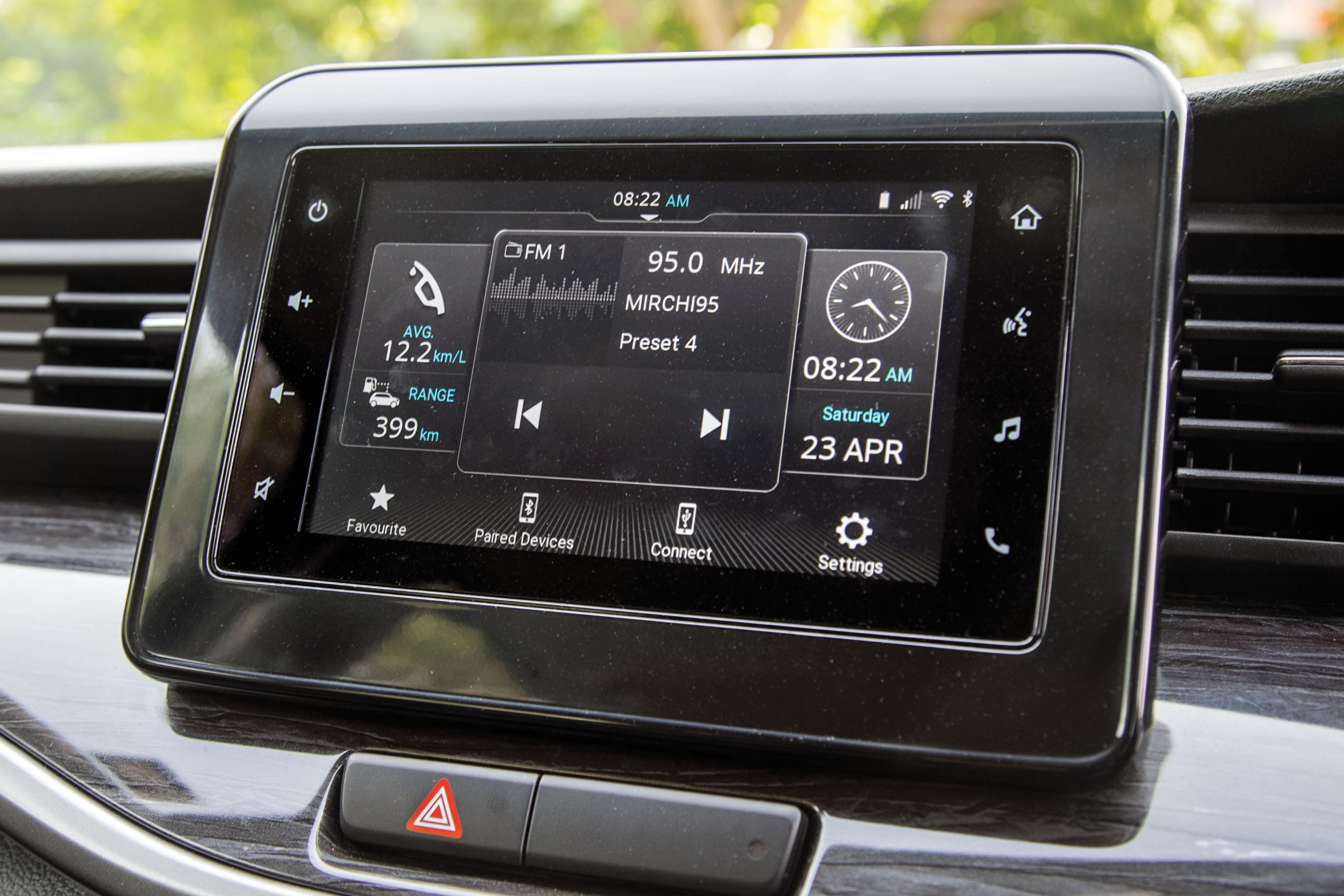
Owners have faced issues with the XL6’s SmartPlay Pro 7-inch infotainment system, like Apple CarPlay/Android Auto disconnections, screen freezing and the display getting stuck. Before purchasing, check that it functions smoothly, pairs up with your phone easily and that the system’s software is up to date.
Potential defect in front seatbelts
XL6 units manufactured between November 2 and November 28, 2022 were recalled by Maruti Suzuki to rectify a possible defect in one of the child parts of the height-adjuster assembly of the front seatbelts, which could lead to seat belt disassembly. Replacement of the faulty part was done free of charge, so make sure this has been taken care of if you’re looking at a car from this time frame.
Second-hand Maruti Suzuki XL6 price and resale value
Rs 8 lakh-12 lakh
The XL6 is still on sale, and being a Maruti, it commands very good value in the resale market. However, refrain from spending over Rs 12 lakh, irrespective of the variant and mileage, as you’d be better off buying a new one. What’s nice, though, is that you’ll also be able to recover a good chunk of your investment once you go on to sell it.
Maruti Suzuki XL6 fact file
Years produced
2022-present
Price when new
Rs 11.29 lakh-14.55 lakh (ex-showroom, India)
Engine
4 cyls, 1462cc, petrol / 4 cyls, 1462cc, petrol+CNG
iQOO Z11 को भारत में लॉन्च होने में सिर्फ 12 दिन बचे हैं और ऐसे में ब्रांड ने पहले ही इस डिवाइस की कुछ खास खूबियां बता दी हैं। टीजर के मुताबिक, यह फोन दो कलर ऑप्शन में आएगा और इसमें MediaTek Dimensity प्रोसेसर होगा। इसके पिछले हिस्से में डुअल रियर कैमरा सेटअप के साथ रिंग फ्लैश भी देखने को मिलेगा। वहीं, बैक पैनल के निचले हिस्से पर iQOO की ब्रांडिंग दी गई है। अब आइए जानकारियों के आधार पर जानते हैं कि iQOO Z11 में क्या-क्या फीचर्स मिल सकते हैं।
भारत में iQOO Z11 की कीमत और लॉन्च डेट
यह कन्फर्म हो चुका है कि iQOO Z11 भारतीय बाजार में 20 अगस्त, 2026 को लॉन्च होगा। हालांकि, अभी तक फोन की कीमत के बारे में कोई आधिकारिक जानकारी नहीं मिली है, लेकिन अनुमान है कि इसकी कीमत 35,000 रुपये से 40,000 रुपये के बीच होगी। यह भी कन्फर्म हो गया है कि यह फोन दो कलर ऑप्शन Celestial Blue और Aurora Green में उपलब्ध होगा।
iQOO Z11 के स्पेसिफिकेशन्स और फीचर्स
ब्रांड ने कन्फर्म किया है कि iQOO Z11 में MediaTek Dimensity 7500 प्रोसेसर होगा। इसके साथ ही इस फोन में 12GB RAM और 256GB इंटरनल स्टोरेज भी देखने को मिल सकता है। इसके अलावा, फोन में शायद 6.83-इंच का AMOLED डिस्प्ले मिलेगा, जिसमें 144Hz रिफ्रेश रेट और 5000 निट्स की पीक ब्राइटनेस मिलेगी।
अटकलें हैं कि यह फोन Android 16 पर चल सकता है और इसके ऊपर कंपनी का OriginOS 6.0 इंटरफेस देखने को मिल सकता है। पावर के लिए फोन में 9,020mAh की बड़ी बैटरी दिए जाने की उम्मीद है, जो 90W वायर्ड फास्ट चार्जिंग और 7.5W रिवर्स वायर्ड चार्जिंग को सपोर्ट करेगा।
कैमरा सेटअप की बात करें तो, iQOO Z11 में डुअल रियर कैमरा सेटअप हो सकता है, जिसमें ऑप्टिकल इमेज स्टेबलाइजेशन (OIS) वाला 50MP का प्राइमरी शूटर और एक सेकेंडरी सेंसर शामिल होगा। वहीं, सेल्फी और वीडियो कॉल करने के लिए, फोन में 32MP का फ्रंट कैमरा मिलेगा।
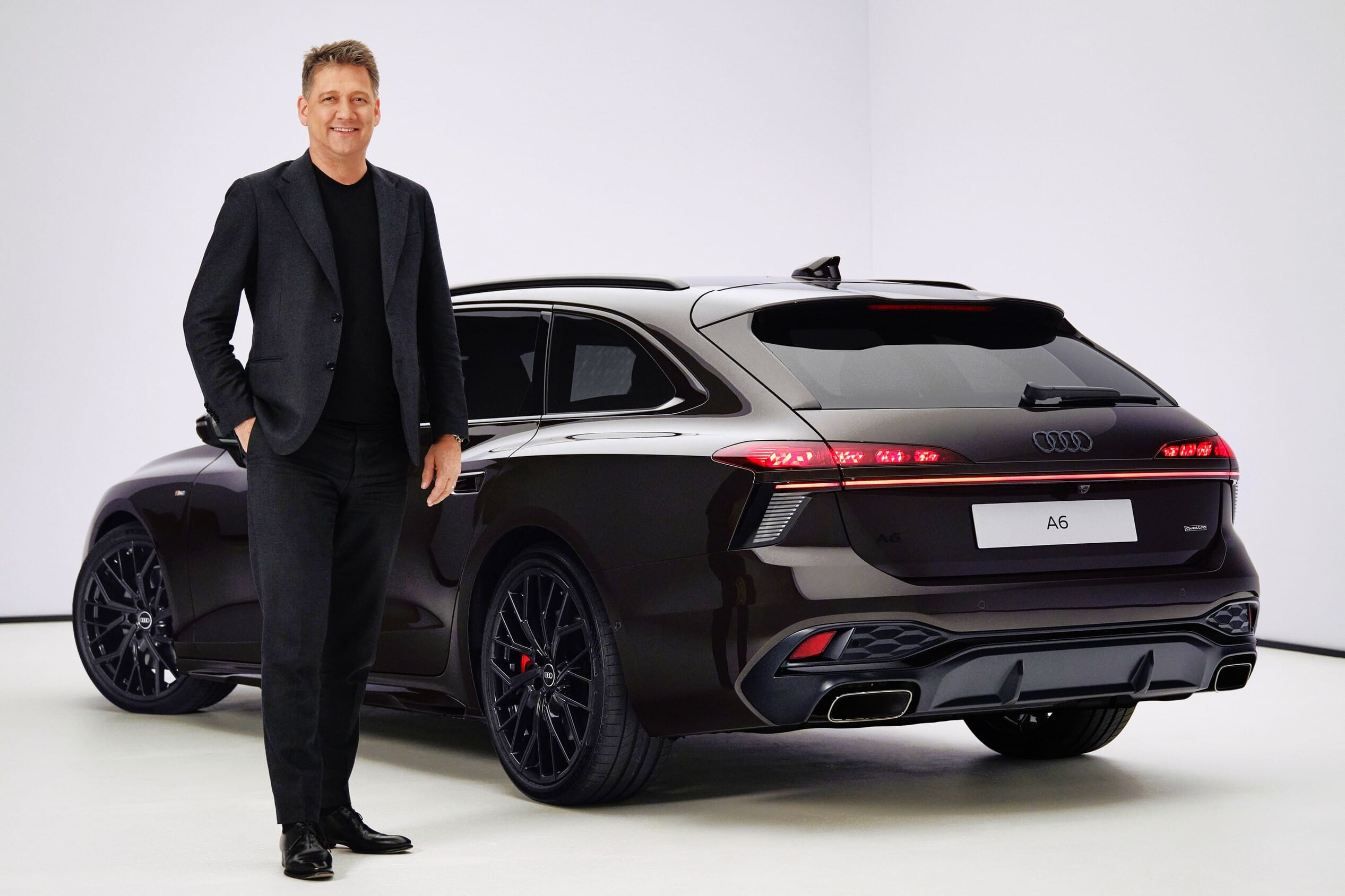
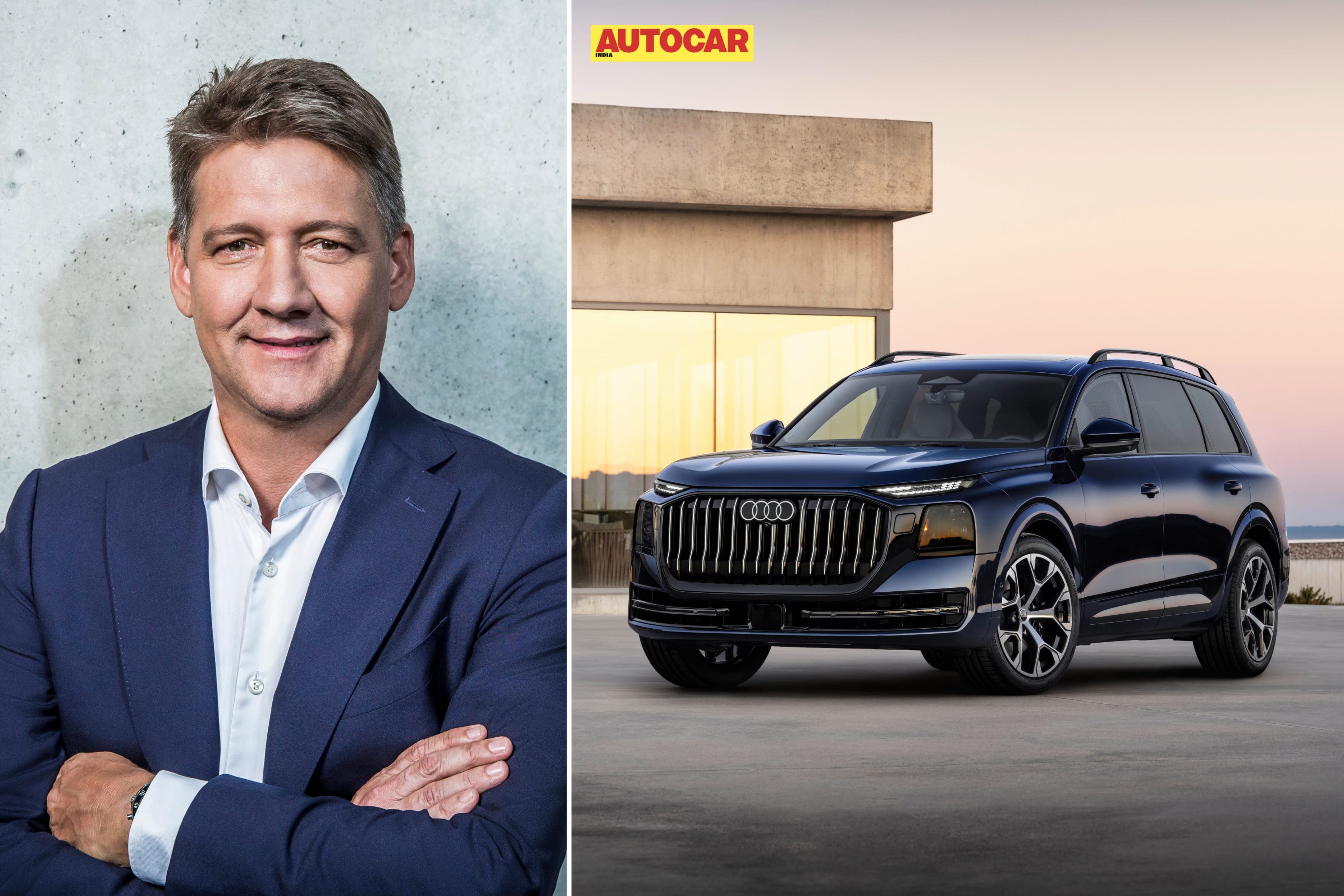
Audi will pursue a broader powertrain strategy spanning battery-electric vehicles, plug-in hybrids and combustion engines, stepping away from its earlier plan to become an all-electric carmaker. Global CEO Gernot Döllner said he reviewed Audi’s all-electric strategy after taking charge and decided that the company needed a more balanced product and powertrain mix to address the varying pace of EV adoption across markets.
“When I joined Audi, there was an all-electric strategy in place, which was one of the first things I reviewed,” Döllner told Autocar India in an exclusive interview. “We found a more balanced strategy between plug-in hybrids, especially important for Europe, combustion engine and electric.”
Global EV sales downturn lent ICE powertrains more time
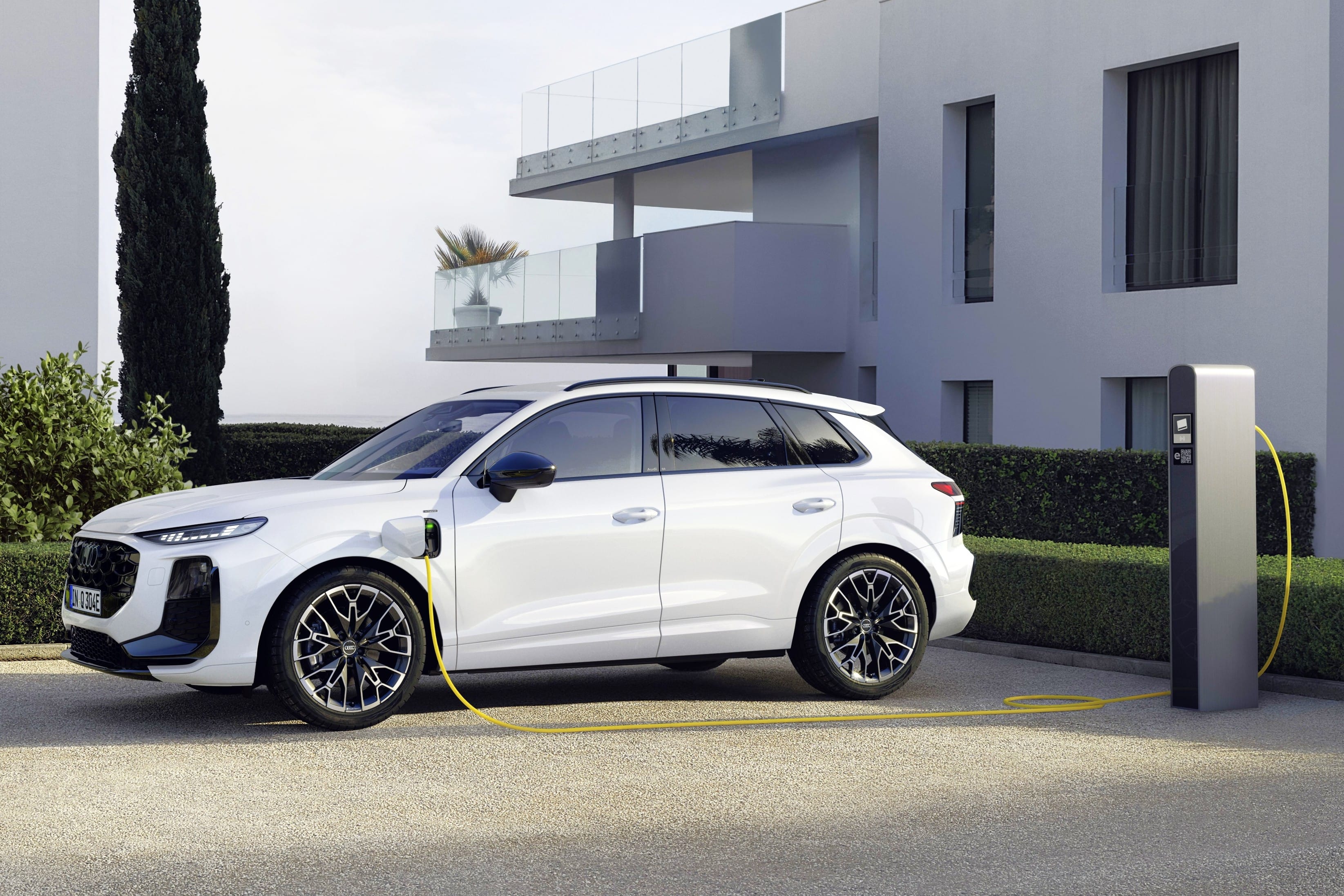
The slower-than-expected pace of EV adoption in several global markets has extended the relevance of combustion engines and plug-in hybrids. Audi expects to retain a focused combustion-engine and plug-in-hybrid portfolio, particularly for SUVs.
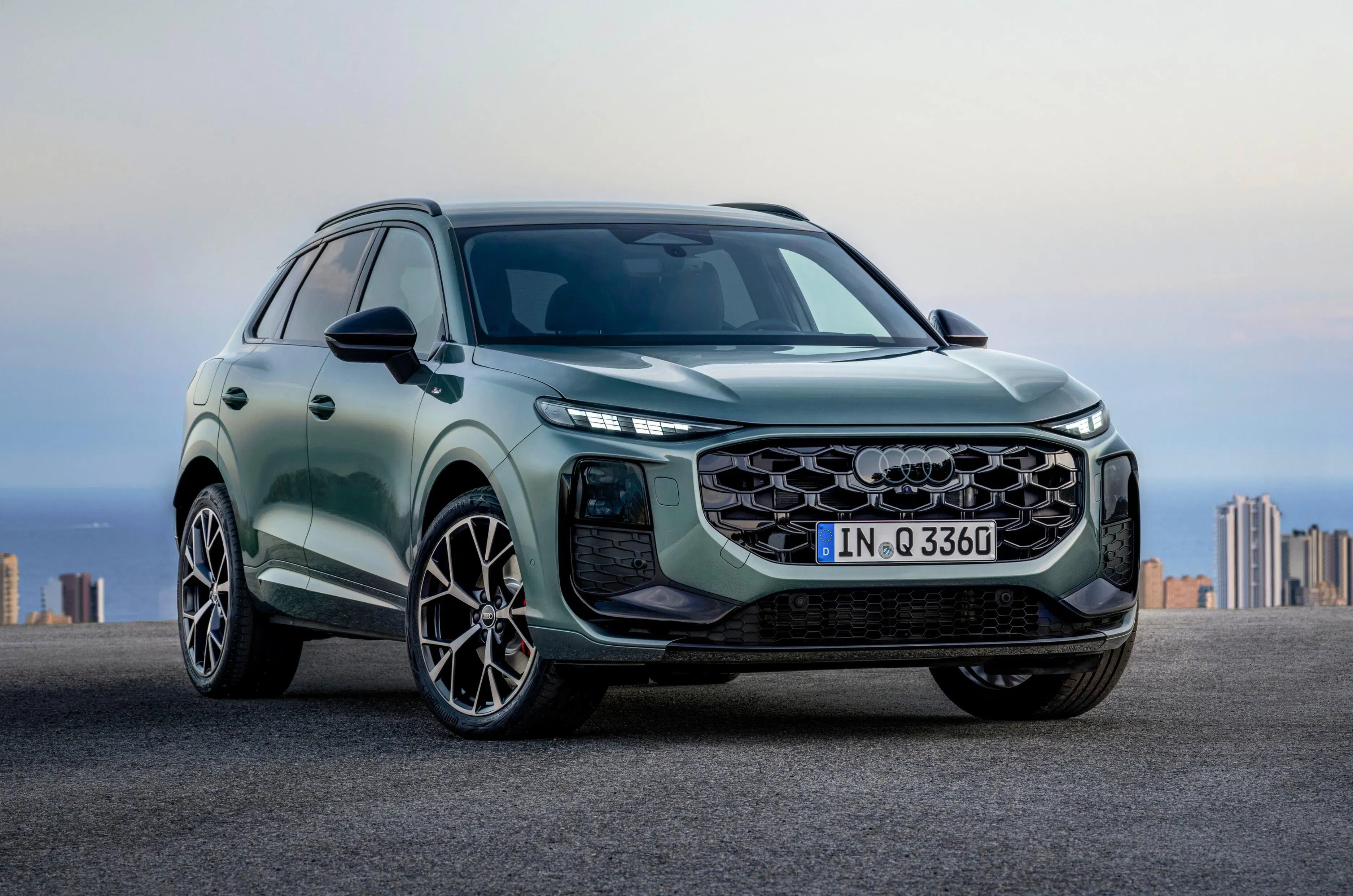
Audi Q3 PHEV
The company has recently completed a major investment cycle covering new petrol and diesel engines, plug-in hybrids and battery-electric vehicles designed to meet Euro 7 and other global regulations.
“For sure, the majority of our investment will be in battery electric. That’s a given,” Döllner said.
Audi will continue to invest selectively in combustion engines, including efficiency improvements and transmission technology, but Döllner expects the pace of innovation to be much faster in EVs.
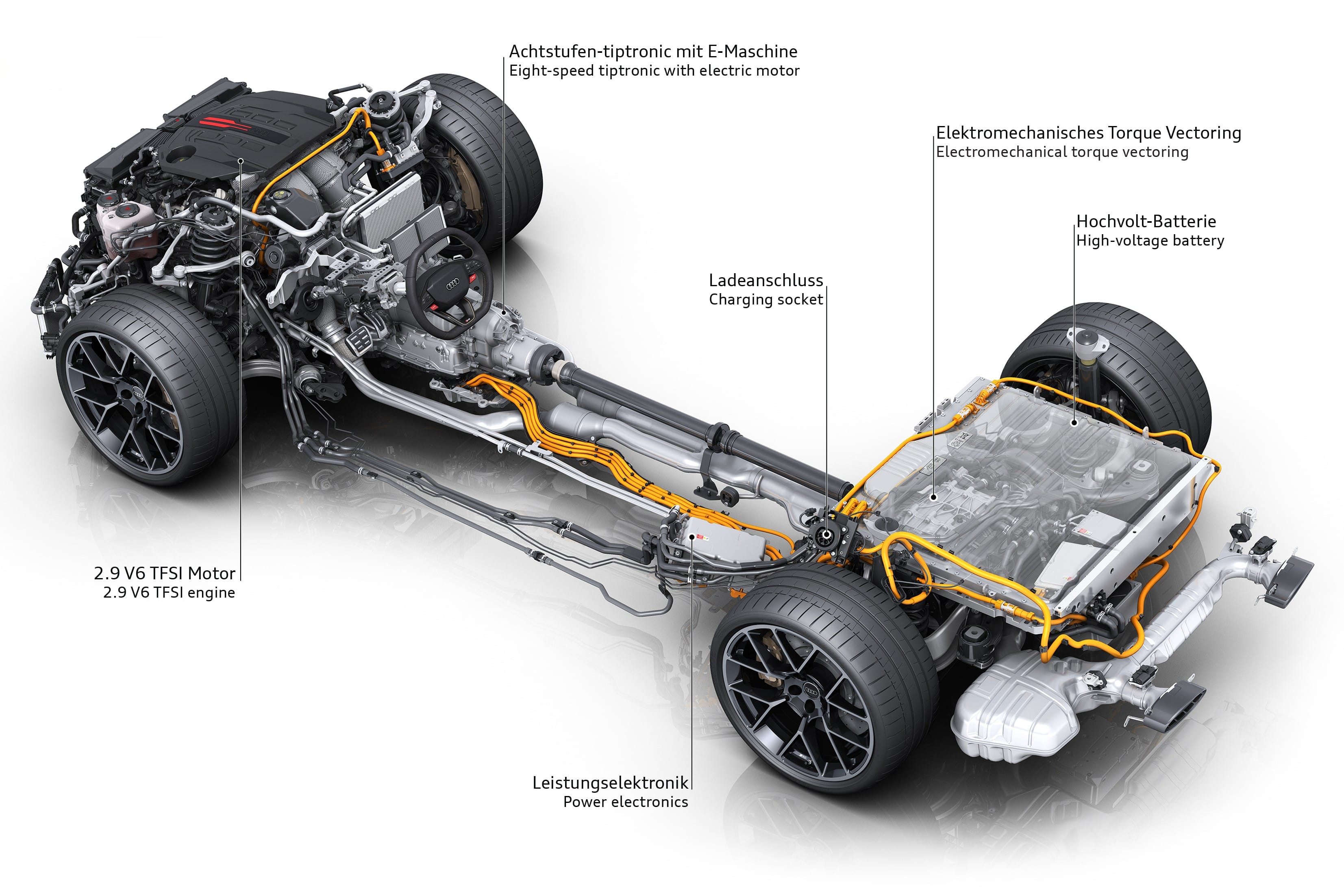
Audi RS5 plug-in hybrid powertrain
“The combustion engine is fairly mature. It’s at the very end of a 100-year innovation cycle, and battery electric is still at the very beginning, to be honest,” he said. “The dominant part of our investment will definitely be on the battery-electric side.”
Electric remains Audi’s leading technology
Audi’s decision to retain combustion engines and plug-in hybrids does not alter its long-term direction towards electric vehicles.
“Electric is, for Audi, still the leading technology,” Döllner said. “It’s our main priority to step by step become more electric.”
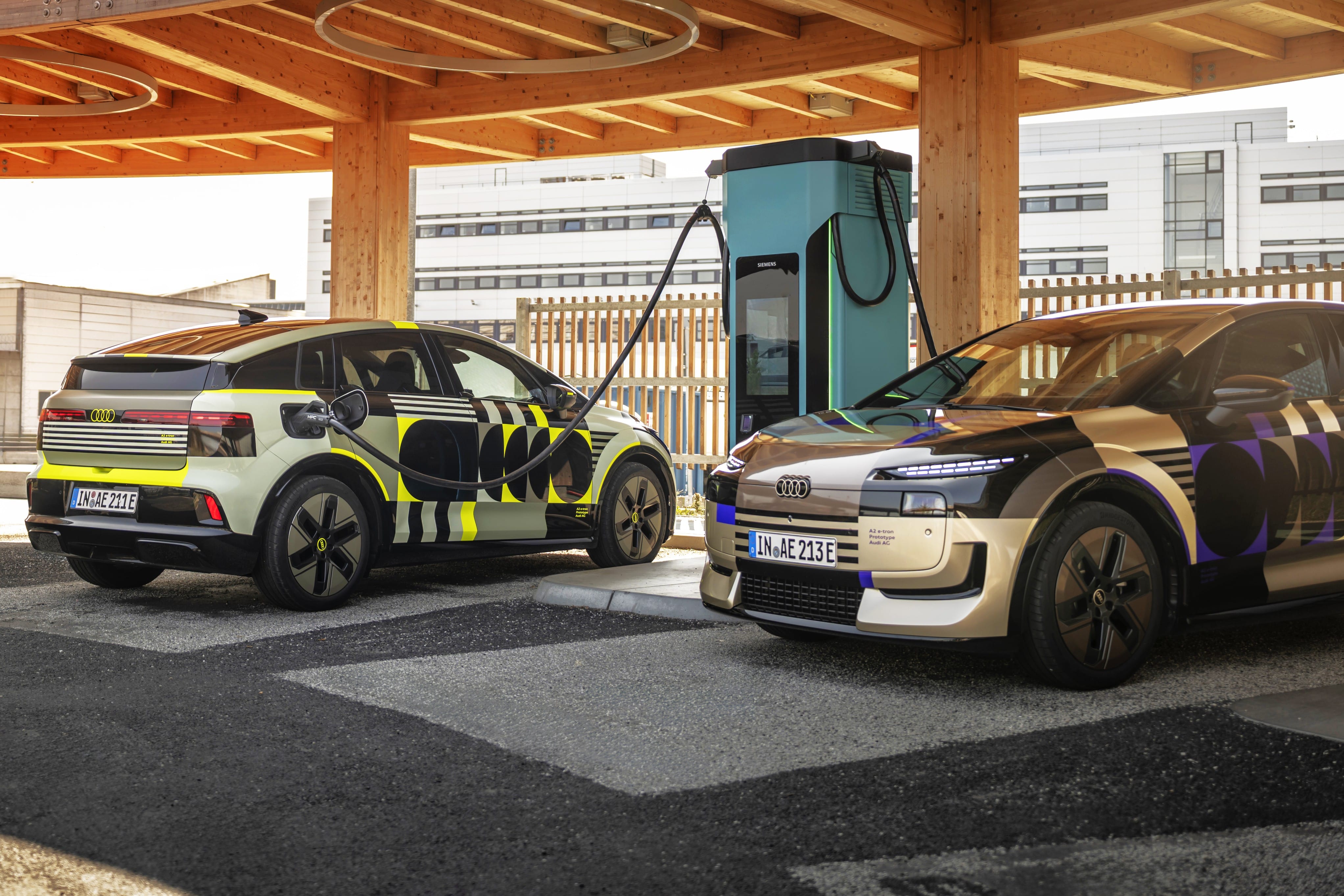
Prototypes of upcoming Audi A2 e-tron
Audi currently has four battery-electric model lines globally and expects to increase this to five by the end of the year, with some available in more than one body style. The company will, however, tailor the powertrain mix to individual regions. Plug-in hybrids will be particularly important in Europe, while the requirements of the US market will influence Audi’s future combustion-engine and PHEV portfolio, especially for SUVs.
In India, Audi’s immediate focus remains on petrol and electric vehicles. Diesel is not part of its current plan. The case for plug-in hybrids will depend partly on whether they receive any benefit under the India-EU FTA. New electric products are also planned for India.
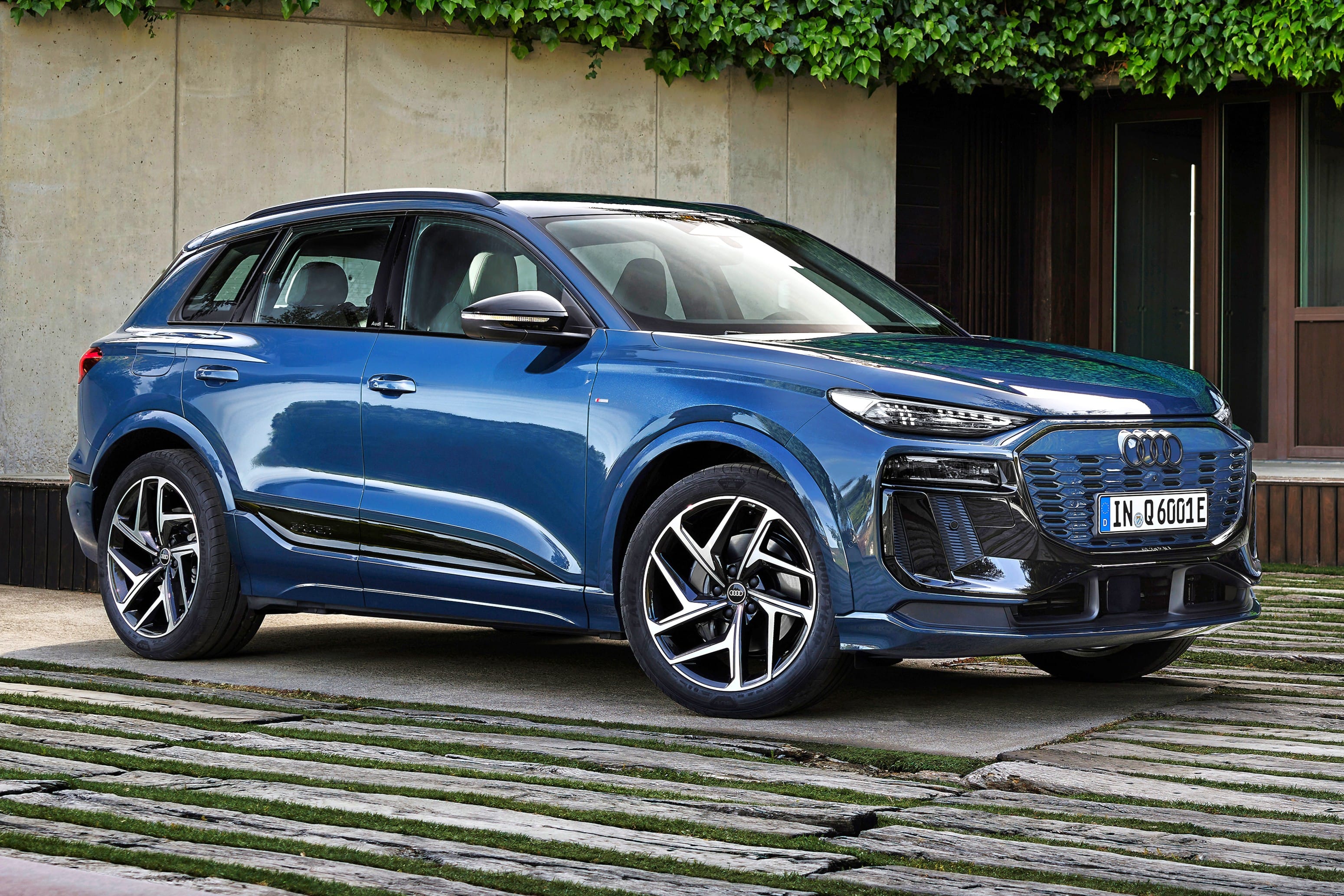
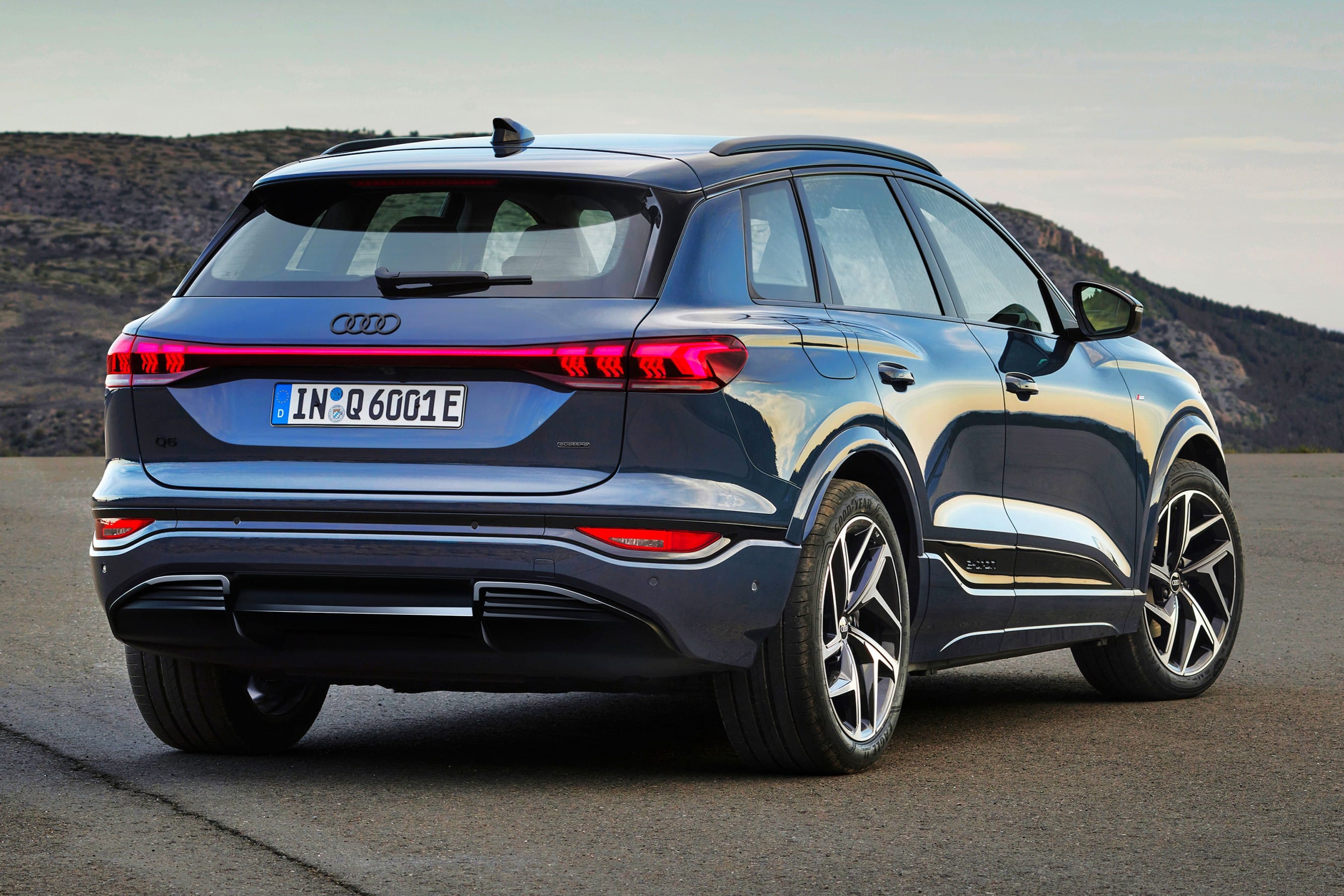
Audi Q6 e-tron
“From what I know, we also have decided to enter with new products in the electric segment in India,” Döllner said.
Audi has decided to assemble an electric vehicle in India, Autocar India learns, although the model and launch timing are still being worked out. The move from fully imported EVs to local assembly is now a question of when, rather than if.
The company was among the first luxury carmakers to enter India’s EV market with models such as the e-tron, e-tron Sportback, e-tron GT and Q8 e-tron. High import duties, however, restricted their reach and affected their resale-value proposition.
Audi Q6 e-tron
The Q6 e-tron is among the products being studied, but Audi has not decided which EV will be assembled in India. The selected model will need to offer the right combination of volume, pricing and suitability for local conditions.
Audi believes electric SUVs make more practical sense in India because their ground clearance is better suited to local road conditions. Sedans have not been ruled out, but SUVs offer a more practical proposition for battery-electric vehicles in the country.
Regional focus to shape future products
The broader powertrain approach is part of Döllner’s effort to make Audi more responsive to the requirements of individual regions.
“Audi has to act much more regional,” he said. “The times where we had a one size fits all, and we then bring it to China, just extend the wheelbase and do the same car, that doesn’t work anymore. We have to listen carefully to the markets.”
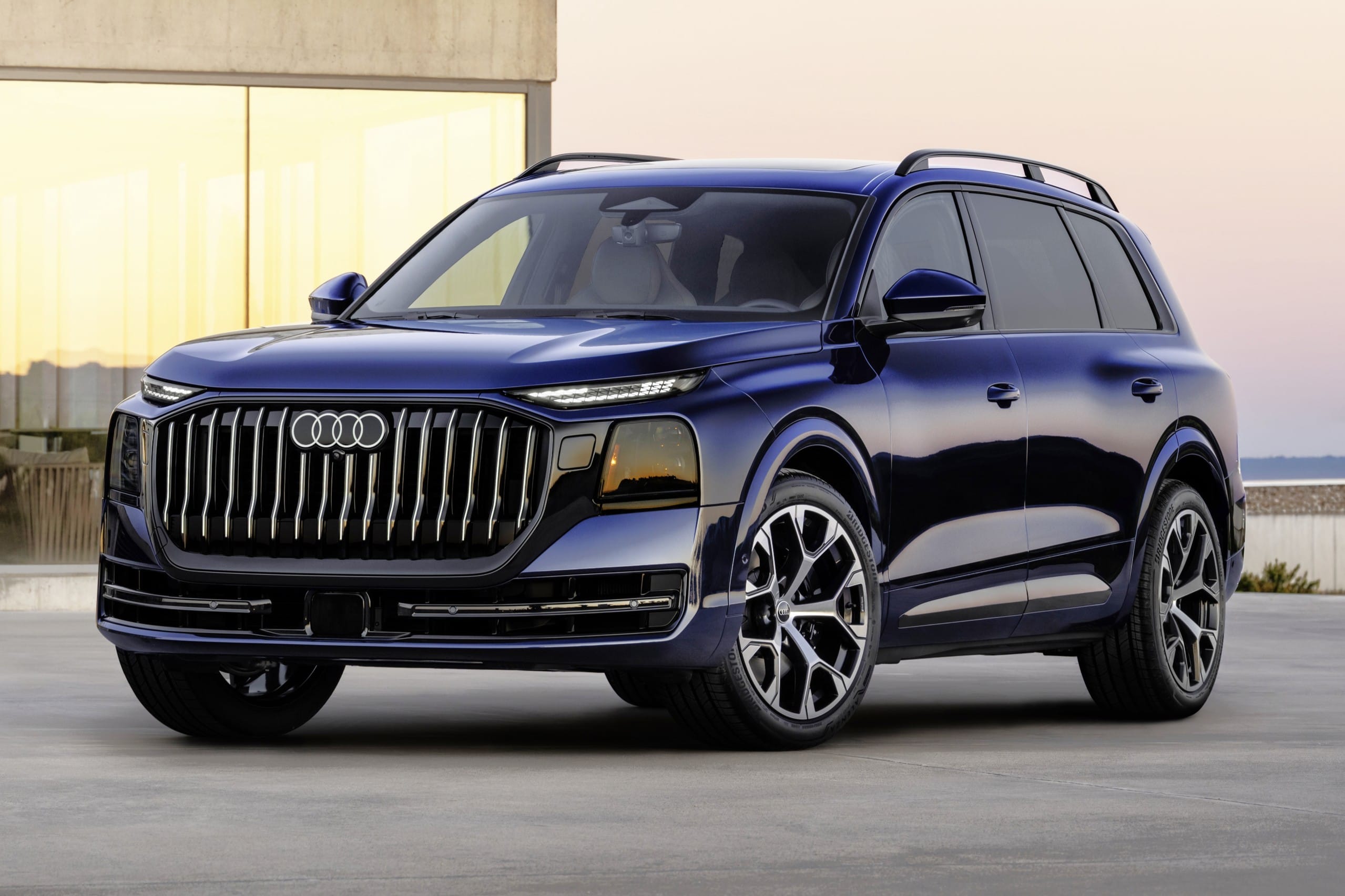
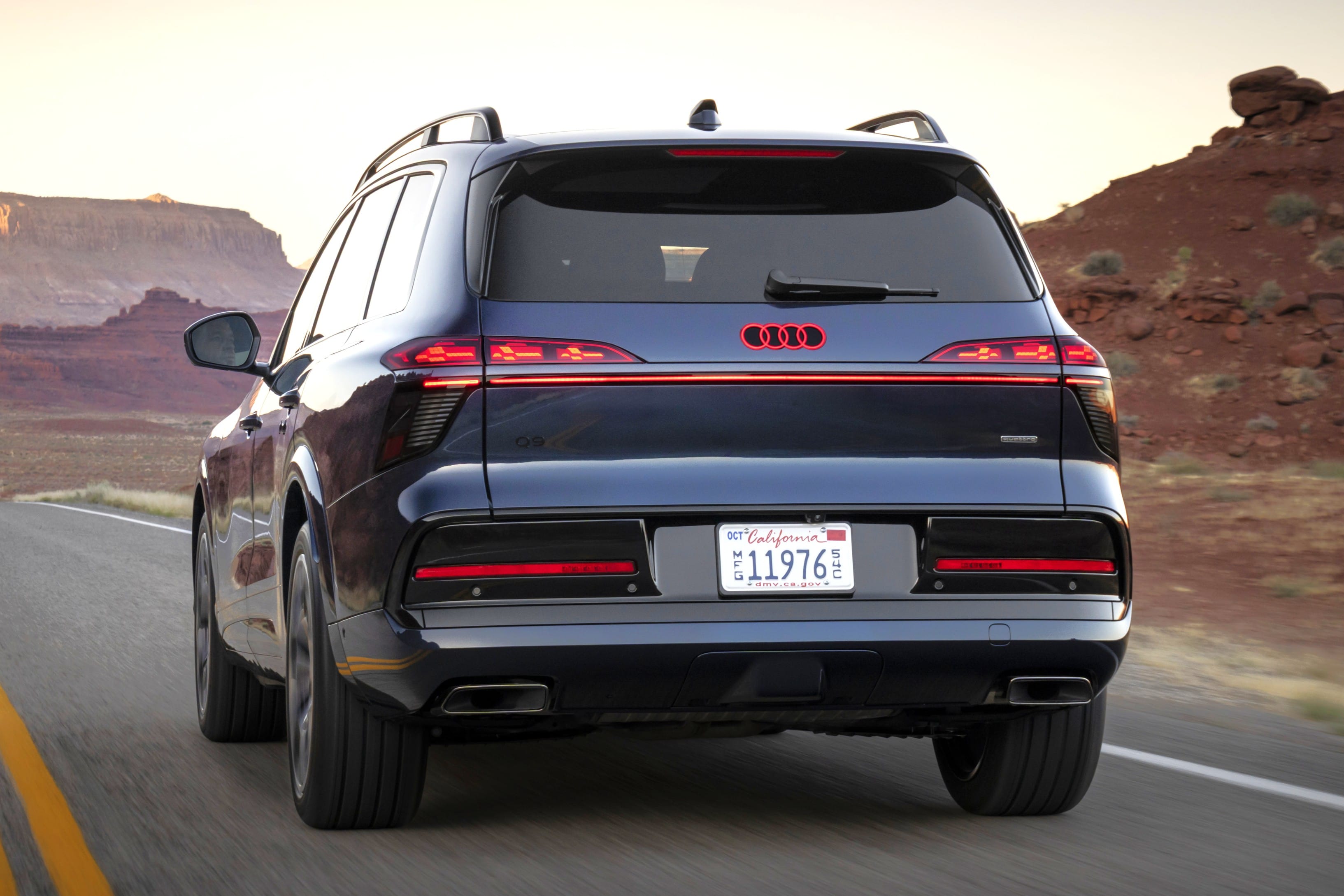
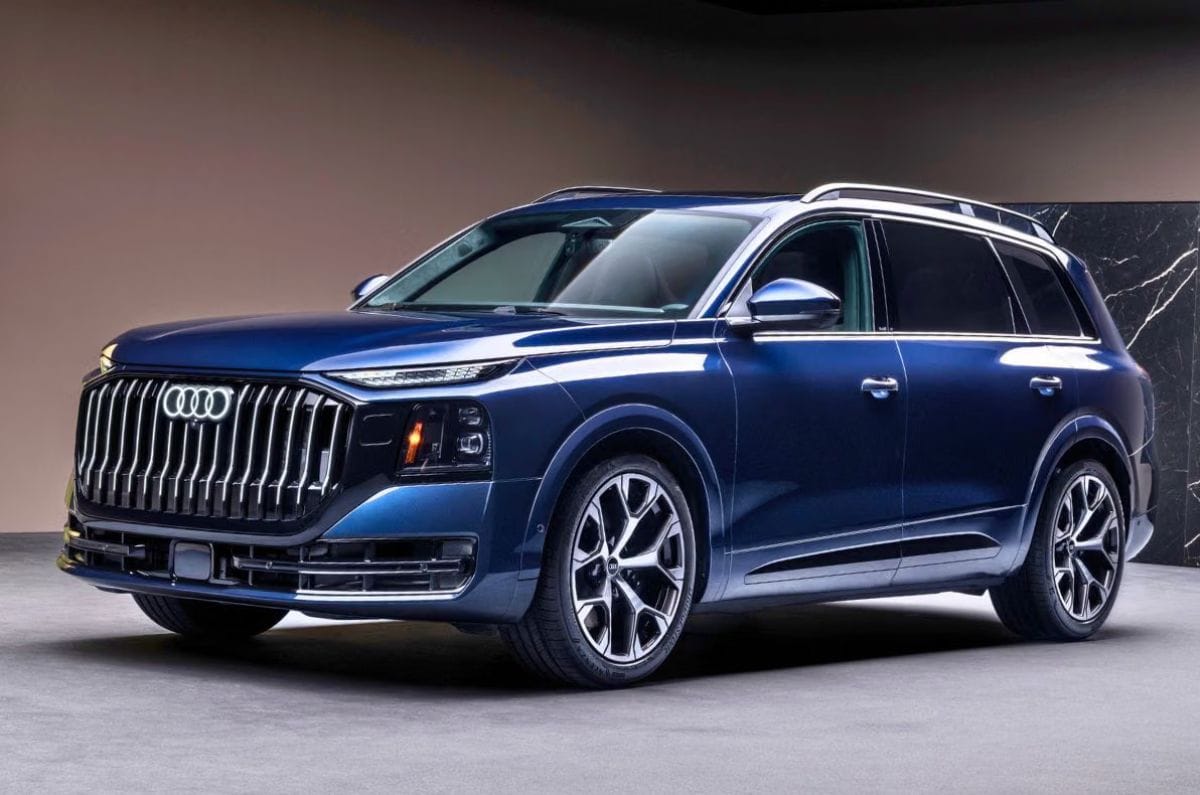
The Q9 is the first clear example of that approach. Conceived around the requirements of American customers, it will be the first Audi to make its market debut in the US.
Audi Q9
“The Q9 is a perfect proof point of a car. The biggest Audi we’ve ever built,” Döllner said. “That car would not be there without the American market.”
India does not yet generate the volumes required for Audi to develop country-specific models. Local requirements covering ground clearance, suspension, tyres, weather, dust and fuel quality are, however, fed into its global development process. The introduction of new models in India is also expected to move closer to their global launches, helping Audi benefit from the interest created when a vehicle is revealed internationally.
Döllner said the improvement in India’s manufacturing and automotive technology has changed how the country is viewed within the global industry.
Audi Q9
“India is also an excellent proof point. It’s really unbelievable what the car industry has developed in India and what level of perfection and technology products are delivered,” he said.
“In the past, there has been this strong European automotive industry, and the world has turned around. Now we have a very dynamic Chinese market, a growing and rising Indian automotive industry. The US is a story of its own.”
“What keeps me awake at night is if we are able to change fast enough,” Döllner said. “We have to speed up.”
Hero MotoCorp has confirmed that its first electric motorcycle will launch in 2027, expanding the company’s EV portfolio beyond its existing Vida scooter range.
Two platforms, UBEX and VXZ, will underpin the range
VXZ developed in collaboration with Zero Motorcycles
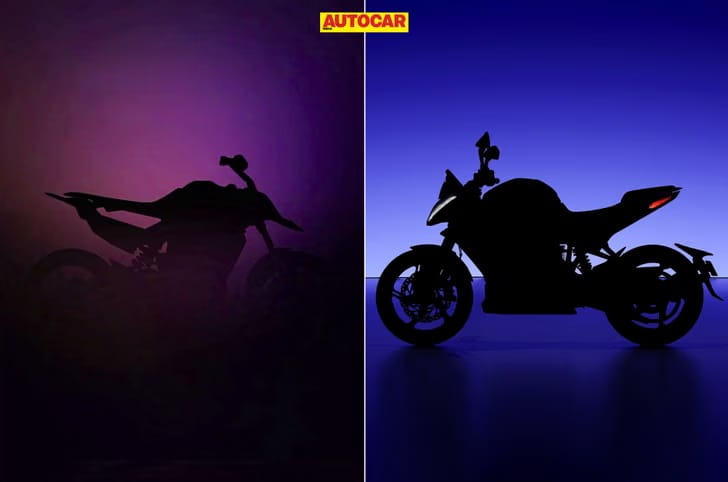
Hero MotoCorp electric motorcycle details
UBEX and VXZ are dedicated motorcycle platforms, not derived from the Vida scooter architecture.
The confirmation came from Kausalya Nandakumar, Chief Business Officer of Hero MotoCorp’s Emerging Mobility Business Unit, who told investors: “Not this year. We will be looking at products coming in from next year.” Hero MotoCorp CEO Harshavardhan Chitale added that the company is making steady progress on its electric motorcycle programme and would share more details in the coming months.
The upcoming electric motorcycles will be built on two dedicated platforms first shown as concepts at EICMA 2025. The first, codenamed UBEX, will underpin a street-naked motorcycle. The second, codenamed VXZ, is being developed in collaboration with US-based Zero Motorcycles and is positioned as a high-performance electric motorcycle for adventure-oriented buyers, a project for which design patents were recently filed in India.
Nandakumar confirmed that, despite the learnings carried over from the Vida scooter platform, both the UBEX and VXZ are entirely new motorcycle-specific architectures. “The motorcycle platform now caters to the needs of a motorcycle consumer, and therefore these are new platforms that we are developing with learnings from the scooter platform, but with technology that is suited to what a motorcycle consumer is actually looking for in terms of performance, rideability, gradeability, and range,” she said.
The electric motorcycle programme comes as Hero MotoCorp works to significantly scale its EV scooter business. The company plans to increase monthly Vida production capacity to 45,000 units in FY27, up from 15,000 units at the end of FY26.
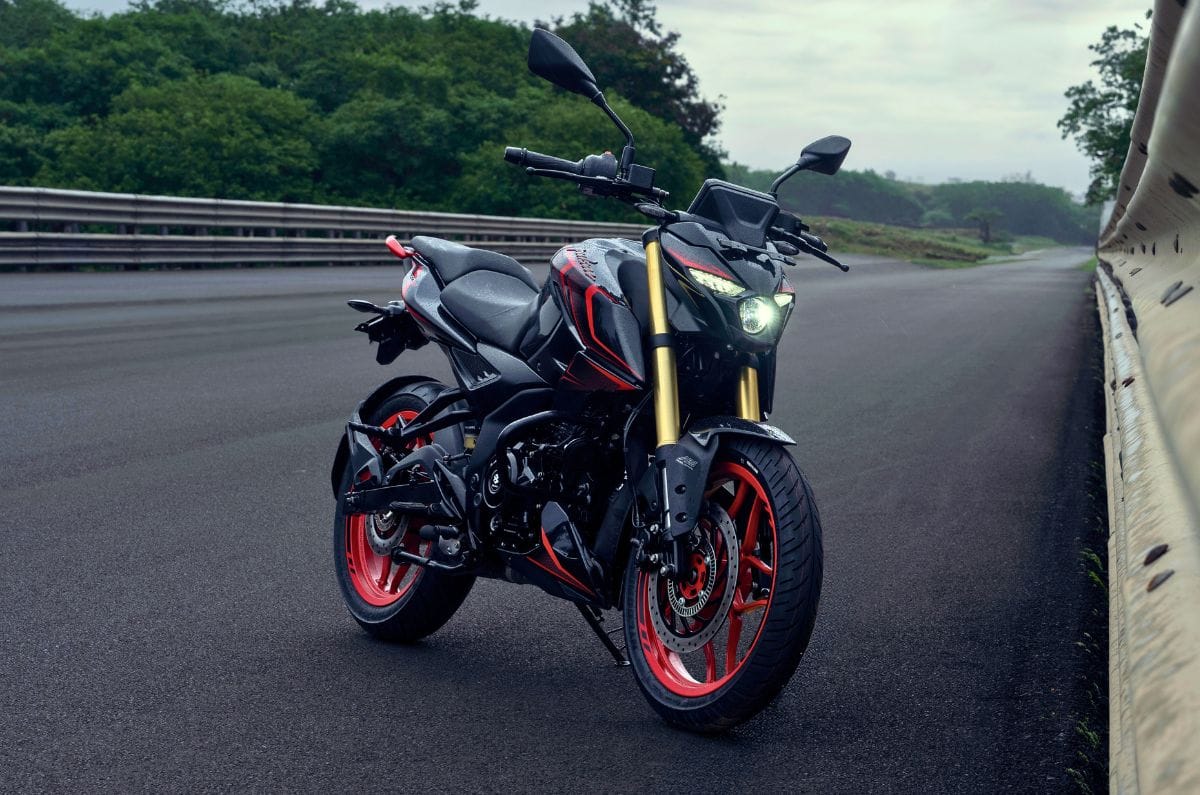
Bajaj Auto has expanded the Pulsar N160 range with the launch of the Pulsar N160 S and Pulsar N160 SS, priced at Rs 1.34 lakh and Rs 1.43 lakh (ex-showroom, Delhi), respectively. The standard Pulsar N160 will continue to be sold alongside the new variants. Compared to the outgoing N160 variants, the new N160 S is Rs 10,708 more expensive, while the flagship N160 SS commands a premium of Rs 14,089.
N160 S priced at Rs 1.34 lakh; N160 SS at Rs 1.43 lakh
New 165cc, 4-valve engine produces 18.5hp
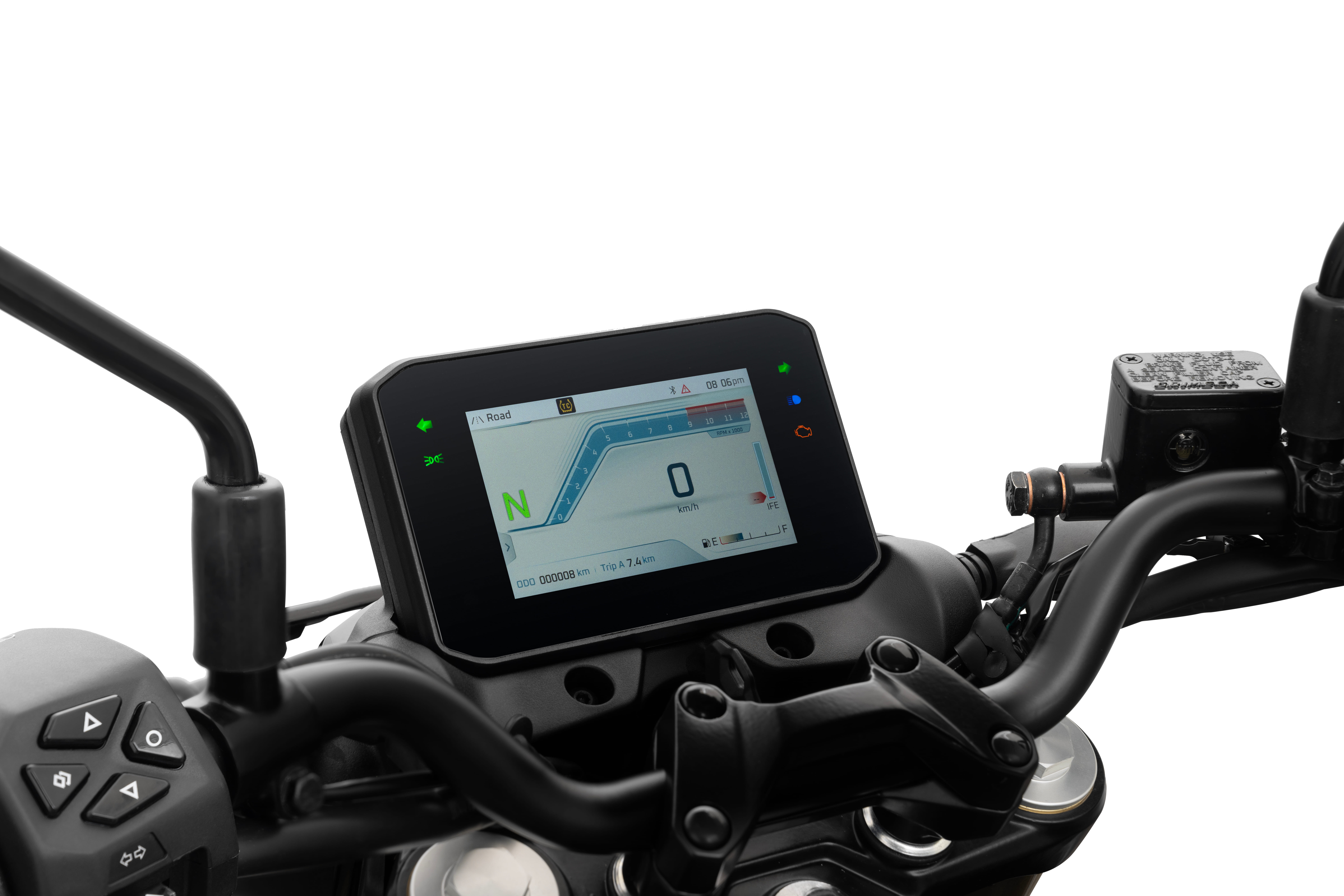
Gets electronic throttle, ride modes and TFT display
Bajaj Pulsar N160 S, N160 SS: what’s new?
The biggest update is the new 164.5cc, oil-cooled, single-cylinder, 4-valve engine, which produces 18.5PS at 9,500rpm and 14.4Nm at 8,000rpm. Compared to the outgoing 2-valve motor’s 16PS and 14.65Nm, power is up by 2.5PS, while torque drops marginally by 0.25Nm. The engine also switches from a mechanical to an electronic throttle body.
The electronic throttle enables Road, Rain, Sport and Off-road ride modes, along with Crawl Technology similar to what we see on KTM bikes, which allows the motorcycle to move at low speeds in higher gears with minimal clutch input. The flagship N160 SS additionally gets traction control.
Other mechanical changes include 37mm USD forks in place of the previous 33mm units and a larger 300mm front disc. The monoshock, 14-litre fuel tank, 1,348mm wheelbase, 165mm ground clearance, 795mm seat height and 151kg kerb weight remain unchanged.
The N160 SS becomes the first Bajaj motorcycle to get a 5-inch TFT display with Google Maps mirroring, while the N160 S continues with an LCD console. Other SS-exclusive additions include adjustable levers and Bluetooth plus Wi-Fi connectivity. Both new variants will be offered in Atlantic Blue, Pearl Metallic White and Brooklyn Black.
Audi is preparing a new plan for India built around a stronger product portfolio, greater local assembly and faster introduction of its global models, as the German luxury carmaker seeks to regain momentum in one of the world’s most promising automotive markets.
Global CEO Gernot Döllner said India is becoming increasingly important to Audi and the company is now working towards the right product and operating structure for the market. “We will see a substantial portfolio, but it has to be focused to be able to be successful in India,” Döllner told Autocar India in an exclusive interview. “Every successful strategy starts with products. Without products, it does not make sense.”
Audi’s renewal plan with focus on new products
The renewal will begin with the new-generation Q3 in the fourth quarter of 2026, followed by the A5 in the first half of 2027. The Q9 flagship SUV is also being evaluated for India, with work underway to assemble it locally. These three models could reach the market within around twelve months. Audi also plans to reduce the delay between global and Indian launches, which has left parts of its local range out of step with competitors in recent years.
The carmaker is targeting a doubling of its share of India’s luxury-car market from around 8-9 percent to 18-20 percent over the next three to five years.
The new-gen Q3 will be the first to arrive under Audi’s new model onslaught.
“India is an increasingly important market, and we have to be honest. We have been struggling to find the right setup in that market,” Döllner said. “I hope that we now, with the decisions that we have taken over the past years, are able to step by step find our position in the market. Trade agreements will help in the future, but we still have to clean up some things that we did wrong in the past.”
Audi sees the long-term potential but is still working out the volumes and cost structure needed to make the business viable. “We somehow still have not found the right complete volume and setup and business case behind that for the brand,” said Döllner.
Local assembly is only step one
Greater local content will be necessary for Audi to compete in India, where import duties and adverse currency movements have pushed up prices. “You will be only in the game if you have local content and you follow these rules that are implemented. That’s what we have to do,” Döllner said.
Locally assembled models are expected to account for around 90-95 percent of Audi’s future India business, Autocar India learns. Fully imported vehicles will largely be restricted to niche and brand-shaping models.
Audi currently assembles its core models at the Skoda Auto Volkswagen India facility in Chhatrapati Sambhajinagar. The EA888 2.0-litre petrol engine used across much of the range is also assembled in India. The company is working on the local assembly case for the Q9 and studying what would be required to assemble its 3.0-litre engine in India.
Audi is considering localising the 3.0-litre V6 for the Q9 in India.
The Q9 will sit above the Q7 and add a new flagship to Audi’s India portfolio. It has been developed with greater emphasis on rear-seat occupants and is expected to offer different seating configurations, an important consideration in India’s chauffeur-driven luxury segment. Deep component sourcing will take longer. The relatively small volumes generated by individual luxury models make it difficult to create a viable domestic supplier base for every part. Audi will widen local assembly first and increase local content where the volumes support it.
New-generation models are becoming more expensive because of additional technology and regulatory requirements. The stronger euro has compounded that increase by raising the cost of imported vehicles and parts.
“The very strong euro compared to the dollar and other currencies is really hitting us badly, especially in markets like India where, due to the big competition, the margins are quite critical,” Döllner said.
Audi does not plan to counter the cost increase by offering stripped-down variants. Its sales data over the past five years shows that Indian luxury-car buyers favour better-equipped versions. The top variant accounts for around 55 percent of sales, the middle version for 35 percent and the entry variant for just 10 percent.
The new Q3 and A5 will therefore be positioned competitively, but pricing alone will not be Audi’s play. The company believes buyers will pay for the latest technology and features if the product delivers enough value.
India-EU FTA opens the door for niche imports
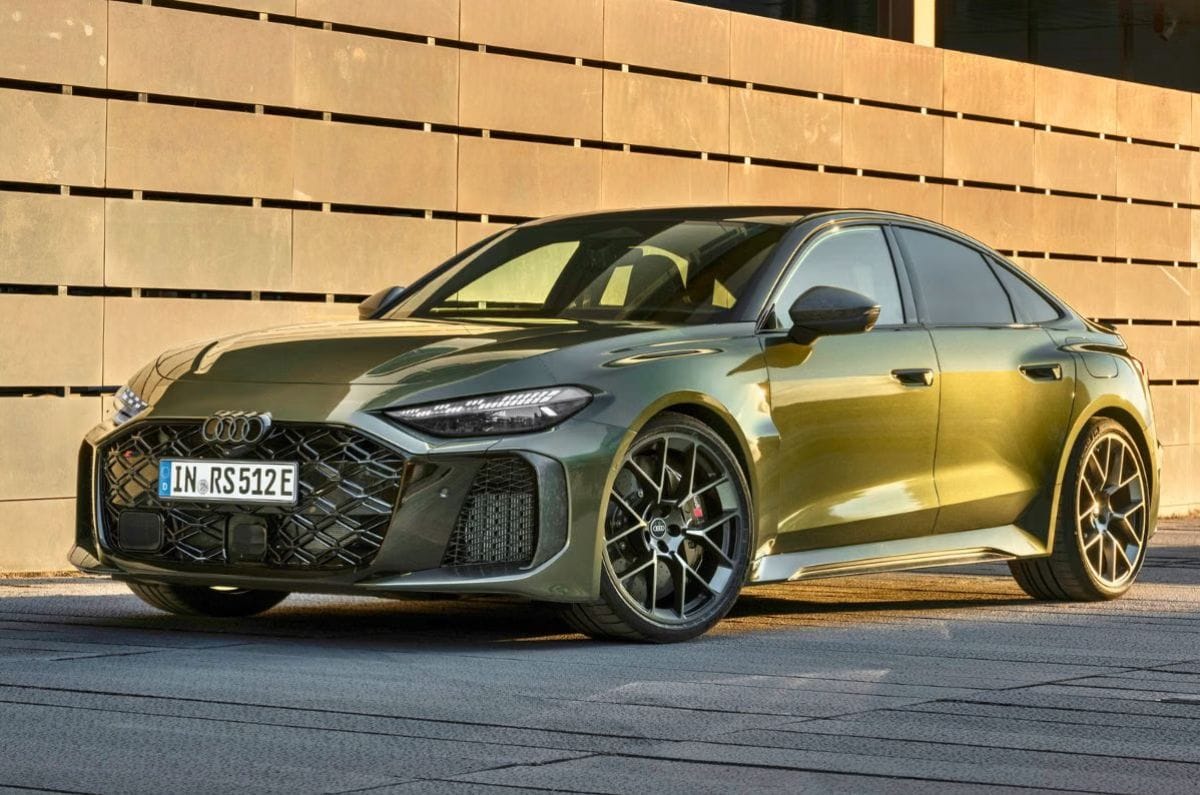
The RS5 is under consideration for India to be brought as a brand shaper.
The India-EU free trade agreement, expected within nine to twelve months, adds a second lever. Lower duties open the door to niche imports, what Audi India head Balbir Singh Dhillon calls “brand shapers” and “the cherry on the cake.” This could lift CBUs from 5 percent of the mix to perhaps 10. The RS5 is under consideration, though as a plug-in hybrid it sits in a regulatory grey zone: nobody yet knows whether PHEVs will qualify for concessional duties. Pure-ICE bruisers like the RS Q8 face no such ambiguity.
The India-EU FTA could allow Audi to introduce more niche and high-performance models. Imports, however, will remain a small part of the business, with locally assembled models continuing to drive volumes.
Even with a wider locally assembled range, Döllner expects profitability to remain challenging. “Even with the local content, the margin situation in India is not fun,” he said.
Indian Army Cyber Quest 2026: देश की साइबर सुरक्षा को मजबूत बनाने और साइबर दुनिया के खतरों से निपटने के लिए इंडियन आर्मी टेरियर साइबर क्वेस्ट 2026 का आयोजन किया जा रहा है। यह एक प्रतियोगिता है जिसमें छात्र, साइबर प्रोफेशनल, इनोवेटर्सऔर टेक्नोलॉजी के शौकीन हिस्सा ले सकेंगे। इस प्रतियोगिता का आयोजन साइबरपीस फाउंडेशन के साथ मिलकर टेरिटोरियल आर्मी करेगी। इस आयोजन में हिस्सा लेने के लिए इच्छुक और योग्य उम्मीदवार 20 अगस्त तक आधिकारिक पोर्टल के जरिए रजिस्टर कर सकते हैं।
इंडियन आर्मी टेरियर साइबर क्वेस्ट 2026 टाइमलाइन
रजिस्ट्रेशन : 30 जुलाई से 20 अगस्त, 2026
शॉर्टलिस्टिंग फेज : ऑनलाइन शॉर्टलिस्टिंग प्रोसेस 1 सितंबर से 10 सितंबर, 2026 तक चलेगा।
ग्रैंड फिनाले : कॉम्पिटिशन का ग्रैंड फिनाले 6 अक्टूबर से 8 अक्टूबर, 2026 तक होगा।
अवार्ड सेरेमनी : अवार्ड सेरेमनी 9 अक्टूबर, 2026 को नई दिल्ली में होगी।
अंतिम राउंड में चयनित उम्मीदवारों को आकर्षक इनाम और सर्टिफिकेट दिया जाएगा। साथ ही, उन्हें भारतीय सेवा के वरिष्ठ अधिकारियों और सरकारी अधिकारियों से मिलने का मौका मिलेगा। इस प्रतियोगिता के विजेता रक्षा संस्थानों का दौरा भी करेंगे।
Indian Army Terrier Cyber Quest 2026 – Registrations Open!
The #TerritorialArmy, in collaboration with #CyberPeace, invites students, innovators, cyber professionals and technology enthusiasts to participate in the Indian Army Terrier Cyber Quest 2026.
शॉर्टलिस्टिंग राउंड में सभी उम्मीदवार एक ऑनलाइन कैप्चर-द-फ्लैग (CTF) चैलेंज में हिस्सा लेंगे। इस राउंड में चयनित टीमें फिर 36 घंटे के लाइव फिनाले में आगे बढ़ेंगी। यहां वे एक कृत्रिम नेशनल इंफ्रास्ट्रक्चर सैंडबॉक्स में इंडियन आर्मी के लिए खास तौर से विकसित सॉल्यूशन पर काम करेंगी। फिनाले के दौरान, टीमें कमजोरियों की पहचान करेंगी, गलतियों को दर्ज करेंगी, और डोमेन में कमाए गए अपने साइबर सिक्योरिटी सर्टिफिकेशन या बैज के लिंक सबमिट करेंगी।
कौन हिस्सा ले सकता है ?
छात्र, साइबर सुरक्षा पेशेवर, एथिकल हैकर्स, सेना से जुड़े लोग और शोधकर्ता।
फॉर्मेट : एक पूरी तरह से ऑनलाइन सीटीएफ क्वालिफायर राउंड के बाद एक इन-पर्सन ग्रैंड फिनाले होगा। हर टीम में टीम लीडर समेत ज्यादा से ज्यादा तीन सदस्य हो सकते हैं।
स्कोरिंग : एक विशेषज्ञ पैनल ग्रैंड फिनाले के दौरान जमा की गई एंट्री का आकलन कमजोरियों की गंभीरता, सुलझाने का तरीका और जटिलता के आधार पर करेगा।
ग्रैंड फिनाले
टॉप 10 शॉर्टलिस्टेड टीमें नई दिल्ली में 36 घंटे के इन-पर्सन ग्रैंड फिनाले में मुकाबला करेंगी। सभी प्रतिभागी रियलिस्टिक डमी डेटा का इस्तेमाल करके एक खासतौर से तैयार सिस्टम स्टैक पर लाइव कमजोरी तलाशेंगे और दर्ज करेंगे। पहचानी गई वल्नरेबिलिटीज का उनकी गंभीरता, मूलता और जटिलता के आधार पर मूल्यांकन किया जाएगा। एक विशेषज्ञ पैनल खोजों को सत्यापित करेगा और फाइनल स्कोर तय करेगा। टॉप तीन टीमों को उनके पूरे प्रदर्शन के आधार पर विजेता घोषित किया जाएगा।
मेडल और सर्टिफिकेट
टेरिटोरियल आर्मी प्रतियोगिता में उम्मीदवारों के योगदान और उपलब्धियों के लिए उन्हें मेडल और सर्टिफिकेट देगी। प्रतिभागियों को टेरिटोरियल आर्मी के साथ काम करने, रक्षा विशेषज्ञों के साथ काम करने, राष्ट्रीय सुरक्षा इकोसिस्टम में योगदान देने और वरिष्ठ सरकारी और सेना के अधिकारियों के साथ बातचीत करने का मौका मिलेगा।
विजेताओं का सम्मान
इस प्रतियोगिता के विजेताओं को भारत सरकार के एक वरिष्ठ अधिकारी द्वारा सम्मानित किया जाएगा और उन्हें खास डिफेंस एस्टैब्लिशमेंट्स में जाने का भी मौका मिलेगा।
RRP Electronics Ltd ने इलेक्ट्रॉनिक्स मैन्युफैक्चरिंग सर्विसेज (EMS) कंपनी Vital Electronics Pvt Ltd के रणनीतिक अधिग्रहण के लिए समझौता ज्ञापन (MoU) और टर्म शीट पर हस्ताक्षर किए हैं। कंपनी का कहना है कि यह कदम भारत में एक इंटीग्रेटेड सेमीकंडक्टर और इलेक्ट्रॉनिक्स मैन्युफैक्चरिंग इकोसिस्टम बनाने की दिशा में बड़ा कदम है।
सेमीकंडक्टर से इलेक्ट्रॉनिक सिस्टम तक बढ़ेगा कारोबार
RRP Electronics का दावा है कि इस अधिग्रहण के बाद उसकी OSAT (Outsourced Semiconductor Assembly and Test) और ATMP (Assembly, Testing, Marking and Packaging) क्षमताएं और मजबूत होंगी। कंपनी अब सिर्फ सेमीकंडक्टर पैकेजिंग तक सीमित नहीं रहेगी, बल्कि पूरे इलेक्ट्रॉनिक सिस्टम के निर्माण में भी अपनी मौजूदगी बढ़ाएगी।
Vital Electronics क्या करती है?
Vital Electronics एक इलेक्ट्रॉनिक्स मैन्युफैक्चरिंग सर्विसेज (EMS) कंपनी है। कंपनी Printed Circuit Board Assembly (PCBA), Surface Mount Technology (SMT), इलेक्ट्रोमैकेनिकल असेंबली, सिस्टम इंटीग्रेशन, टेस्टिंग, स्ट्रैटेजिक सोर्सिंग और बॉक्स-बिल्ड सॉल्यूशंस जैसी एंड-टू-एंड मैन्युफैक्चरिंग सेवाएं देती है।
ग्राहकों को मिलेगा वन-स्टॉप सॉल्यूशन
कंपनी के मुताबिक, अधिग्रहण के बाद RRP सेमीकंडक्टर पैकेजिंग से लेकर पूरी तरह तैयार इलेक्ट्रॉनिक प्रोडक्ट तक की सेवाएं दे सकेगी। उसका कहना है कि Vital Electronics उसके बनाए चिप्स को PCB पर लगाएगी और डिफेंस, ऑटोमोबाइल, इंडस्ट्रियल, टेलीकॉम, कंज्यूमर इलेक्ट्रॉनिक्स समेत कई सेक्टर के लिए तैयार इलेक्ट्रॉनिक सिस्टम बनाएगी।
ऑर्डर बुक और ग्रोथ पर रहेगा फोकस
कंपनी के मुताबिक, इस अधिग्रहण के बाद उसकी ऑर्डर बुक में करीब 90 करोड़ रुपये का रेवेन्यू दिखाई दे रहा है। साथ ही अगले तीन वर्षों में कारोबार की ग्रोथ को लेकर भी कंपनी ने सकारात्मक संकेत दिए हैं।
चार चरणों में होगा अधिग्रहण
RRP Electronics ने बताया कि वह चार चरणों में Vital Electronics की 100% हिस्सेदारी खरीदेगी। कंपनी का लक्ष्य मार्च 2027 तक 50% हिस्सेदारी और मार्च 2028 तक पूरा अधिग्रहण करने का है। हालांकि, यह तय माइलस्टोन पूरे होने और जरूरी नियामकीय मंजूरियों पर निर्भर करेगा। अधिग्रहण पूरा होने के बाद कंपनी, जरूरी मंजूरियां मिलने पर, Vital Electronics का विलय RRP Group की किसी लिस्टेड कंपनी में भी कर सकती है।
Disclaimer: यहां मुहैया जानकारी सिर्फ सूचना के लिए दी जा रही है। यहां बताना जरूरी है कि मार्केट में निवेश बाजार जोखिमों के अधीन है। निवेशक के तौर पर पैसा लगाने से पहले हमेशा एक्सपर्ट से सलाह लें। मनीकंट्रोल की तरफ से किसी को भी पैसा लगाने की यहां कभी भी सलाह नहीं दी जाती है।