Vivo S2 Vs Nothing Phone 4a: Vivo S2 को भारत में आधिकारिक तौर पर लॉन्च कर दिया गया है। यह फोन प्रीमियम मिड-रेंज स्मार्टफोन सेगमेंट में आया है, जहां पहले से ही कंपटीशन काफी कड़ा है। इसका मुकाबला Nothing Phone 4a जैसे स्मार्टफोन से होगा, जिसने अपने शानदार डिजाइन और कैमरा फीचर्स के दम पर बाजार में अपनी अलग पहचान बनाई है।
Vivo S2 Vs Nothing Phone 4a: डिस्प्ले, परफॉर्मेंस और कैमरा
Vivo S2 में कंपनी ने 6.83-इंच का 1.5K AMOLED डिस्प्ले दिया है, जो 120Hz रिफ्रेश रेट और 3,000 निट्स तक की पीक ब्राइटनेस को सपोर्ट करता है। वहीं, Nothing Phone 4a में थोड़ा छोटा 6.78-इंच AMOLED पैनल मिलता है। इसमें भी 120Hz रिफ्रेश रेट का सपोर्ट है, लेकिन इसकी पीक ब्राइटनेस 4,500 निट्स तक जाती है, यानी कागज पर यह Vivo S2 से ज्यादा ब्राइट नजर आता है।
परफॉर्मेंस की बात करें तो, Vivo S2 में MediaTek Dimensity 7360 Turbo प्रोसेसर दिया गया है, जबकि Nothing Phone 4a Qualcomm Snapdragon 7s Gen 4 चिपसेट के साथ आता है।
दोनों स्मार्टफोन में UFS 3.1 स्टोरेज मिलती है, लेकिन RAM के मामले में Nothing Phone 4a आगे है। इसमें 12GB तक RAM का विकल्प मिलता है, जबकि Vivo S2 में अधिकतम 8GB RAM दी गई है।
कैमरे के मामले में बड़ा अंतर
दोनों स्मार्टफोन के कैमरा सेटअप में काफी अंतर देखने को मिलता है। Vivo S2 में 50MP का प्राइमरी कैमरा दिया गया है, जिसके साथ एक अतिरिक्त सेंसर मिलता है। वहीं, सेल्फी और वीडियो कॉल के लिए इसमें 32MP का फ्रंट कैमरा दिया गया है, जो 4K वीडियो रिकॉर्डिंग को सपोर्ट करता है।
जबकि, Nothing Phone 4a कैमरा फीचर्स के मामले में ज्यादा एडवांस नजर आता है। इसमें 50MP का मेन कैमरा, 50MP का पेरिस्कोप टेलीफोटो कैमरा और 8MP का अल्ट्रावाइड लेंस दिया गया है। इसके अलावा, सेल्फी के लिए इसमें 32MP का फ्रंट कैमरा मिलता है।
यानी कैमरा सेटअप की बात करें तो Nothing Phone 4a में ज्यादा कैमरा विकल्प मिलते हैं, जबकि Vivo S2 का फोकस मुख्य कैमरा और सेल्फी एक्सपीरियंस पर है।
Vivo S2 Vs Nothing Phone 4a: बैटरी, सॉफ्टवेयर और कीमत
Vivo S2 में 7050mAh की बड़ी बैटरी है, जो 44W फास्ट चार्जिंग, रिवर्स चार्जिंग और बायपास चार्जिंग को सपोर्ट करती है। वहीं, Nothing Phone 4a में 5400mAh की बैटरी है, जो 50W वायर्ड चार्जिंग और 7.5W रिवर्स वायर्ड चार्जिंग को सपोर्ट करती है।
सॉफ्टवेयर की बात करें तो, दोनों डिवाइस Android 16 के साथ लॉन्च होंगे और इनमें तीन बड़े Android अपडेट मिलने का वादा किया गया है। Vivo S2 में OriginOS 6 मिलता है, जबकि Nothing Phone 4a कंपनी के अपने Nothing OS 4.1 पर चलता है।
अगर आप Apple यजूर हैं और नया फोन खरीदने की सोच रहे हैं तो, आपके लिए खुशखबरी है। दरअसल, Flipkart पर iPhone 17 अभी एक्सचेंज और पेमेंट ऑफर के साथ काफी कम प्रभावी कीमत पर मिल रहा है। हालांकि, इसके 256GB वाले मॉडल की लिस्टेड कीमत ₹82,900 है, लेकिन योग्य खरीदार एक्सचेंज ऑफर और उपलब्ध डील्स का फायदा उठाकर इसकी प्रभावी कीमत को ₹52,850 तक कम कर सकते हैं।
कैसे iPhone 17 मिल रहा है ₹52,850 में?
लिस्टिंग के अनुसार, सबसे ज्यादा बचत Flipkart के एक्सचेंज प्रोग्राम से होती है। Apple iPhone 15 एक्सचेंज करने पर ग्राहकों को ₹30,000 तक का एक्सचेंज फायदा मिल सकता है, जिससे इसकी असल कीमत ₹82,900 से घटकर ₹52,900 हो जाती है। इसके अलावा, Flipkart ₹50 का Paytm UPI कैशबैक भी दे रहा है, जिससे फाइनल कीमत ₹52,850 हो जाती है।
हालांकि, एक्सचेंज की फाइनल वैल्यू पुराने स्मार्टफोन की कंडीशन, उम्र और काम करने की क्षमता पर निर्भर करती है। जिन डिवाइस की स्क्रीन टूटी हुई है या जिनमें हार्डवेयर की समस्या है, उनके लिए एक्सचेंज की रकम कम हो सकती है।
इसके अलावा, जो ग्राहक एक साथ पूरा भुगतान नहीं करना चाहते, उनके लिए Flipkart नो-कॉस्ट EMI का विकल्प भी दे रहा है। इसके तहत योग्य ग्राहक 12 महीने तक हर महीने ₹4,408 की EMI पर iPhone 17 खरीद सकते हैं।
Apple iPhone 17 के स्पेसिफिकेशन्स
स्पेसिफिकेश की बात करें तो, iPhone 17 में 6.3-इंच का OLED डिस्प्ले दिया गया है। यह स्मार्टफोन Apple के A19 चिपसेट पर चलता है। इसके अलावा, इस वेरिएंट में 256GB की ऑनबोर्ड स्टोरेज मिलती है।
फोटोग्राफी के लिए, Apple ने इस स्मार्टफोन में 48MP + 48MP का डुअल रियर कैमरा सेटअप दिया है, जबकि सेल्फी और वीडियो कॉल के लिए 18MP का फ्रंट कैमरा है।
बता दें कि यह हैंडसेट Apple के लेटेस्ट सॉफ्टवेयर पर चलता है और इसमें फोटोग्राफी, परफॉर्मेंस और रोजाना के कामों के लिए कई खास फीचर्स दिए गए हैं। इसके साथ ही Apple की एक साल की लिमिटेड वारंटी भी मिलती है।
क्या आपको इस डील पर विचार करना चाहिए?
जो यूजर्स iPhone 15 से iPhone 17 पर अपग्रेड करने की सोच रहे हैं, उनके लिए यह एक्सचेंज ऑफर फायदेमंद साबित हो सकता है। इसकी मदद से iPhone 17 की कीमत काफी कम हो जाती है और यह अपनी सामान्य बिक्री कीमत के मुकाबले ज्यादा किफायती नजर आता है।
हालांकि, ध्यान रखें कि सबसे ज्यादा एक्सचेंज वैल्यू तभी मिलेगी, जब आपका पुराना फोन अच्छी कंडीशन में हो और सभी जरूरी शर्तों को पूरा करता हो। फोन की स्क्रीन, बैटरी और डिवाइस की स्थिति के आधार पर एक्सचेंज कीमत कम या ज्यादा हो सकती है।
वहीं, खरीदारी पूरी करने से पहले Flipkart के चेकआउट पेज पर एक्सचेंज वैल्यू, बैंक ऑफर की पात्रता और EMI से जुड़ी शर्तों को जरूर चेक कर लें, क्योंकि ऐसे ऑफर्स समय के साथ बदलते रहते हैं।
Vivo ने भारत में अपना नया स्मार्टफोन Vivo S2 आधिकारिक तौर पर लॉन्च कर दिया है। यह फोन कंपनी की फ्लैगशिप X-सीरीज के नीचे रखा गया है। इस फोन में आपको कर्व्ड AMOLED डिस्प्ले, बड़ी 7050mAh बैटरी और MediaTek का नया Dimensity 7360-Turbo प्रोसेसर दिया गया है। अब आइए इस फोन की कीमत, स्पेसिफिकेशन, लॉन्च ऑफर और उपलब्धता से जुड़ी सभी जानकारी के बारे में जानते हैं।
Vivo S2 के स्पेसिफिकेशन्स और फीचर्स
चीनी कंपनी Vivo S2 में 6.83-इंच का 1.5K 3D कर्व्ड AMOLED डिस्प्ले है, जो 120Hz रिफ्रेश रेट, HDR10+ और 3,000 निट्स तक की लोकल पीक ब्राइटनेस को सपोर्ट करता है। इस स्मार्टफोन में 4nm प्रोसेस पर बना MediaTek Dimensity 7360-Turbo चिपसेट दिया गया है, साथ ही इसमें 8GB RAM और 256GB तक का स्टोरेज ऑप्शन मिलता है। इसके अलावा, इस हैंडसेट में 44W सपोर्ट वाली 7050mAh की बैटरी है और यह Android 16 पर आधारित OriginOS 6 पर चलता है।
कैमरे की बात करें तो, इस फोन में 50MP का Sony प्राइमरी रियर कैमरा और 32MP का फ्रंट कैमरा दिया गया है। दोनों कैमरे 4K वीडियो रिकॉर्डिंग को सपोर्ट करते हैं। कैमरे के अन्य फीचर्स में AI Erase 2.0, पोर्ट्रेट मोड, नाइट मोड, सुपरमून, डुअल व्यू वीडियो, टाइम-लैप्स और प्रो मोड शामिल हैं।
चीन की यह टेक कंपनी अपने इस हैंडसेट में IP68 और IP69 रेटिंग, मिलिट्री-ग्रेड ड्यूरेबिलिटी, स्टीरियो स्पीकर, Google Gemini इंटीग्रेशन, Circle to Search, AI Smart Call Assistant, AI Captions, Super Documents, Private Space और Vivo Office Kit जैसे फीचर्स भी देती है।
Vivo S2 की कीमत, ऑफर, कलर और उपलब्धता
भारत में Vivo S2 Silk White, Sapphire Blue और Regal Bronze कलर ऑप्शन में उपलब्ध है। इसके 8GB + 128GB वेरिएंट की कीमत ₹39,999 है, जबकि 8GB + 256GB वर्जन की कीमत ₹49,999 है। इसकी बिक्री 11 अगस्त से Vivo के ऑफिशियल ऑनलाइन स्टोर, Flipkart, Amazon और देश भर के ऑथराइज्ड रिटेल आउटलेट्स पर शुरू होगी।
लॉन्च ऑफर के तहत, इच्छुक ग्राहक चुनिंदा बैंक कार्ड पर 10% तक का इंस्टेंट कैशबैक, एक्सचेंज बोनस, डिस्काउंटेड V-शील्ड प्रोटेक्शन प्लान, एक साल की एक्सटेंडेड वारंटी और Jio के फायदे पा सकते हैं। वहीं, इन फायदों में 18 महीने के लिए 5TB क्लाउड स्टोरेज और Google Gemini Pro का एक्सेस शामिल है।
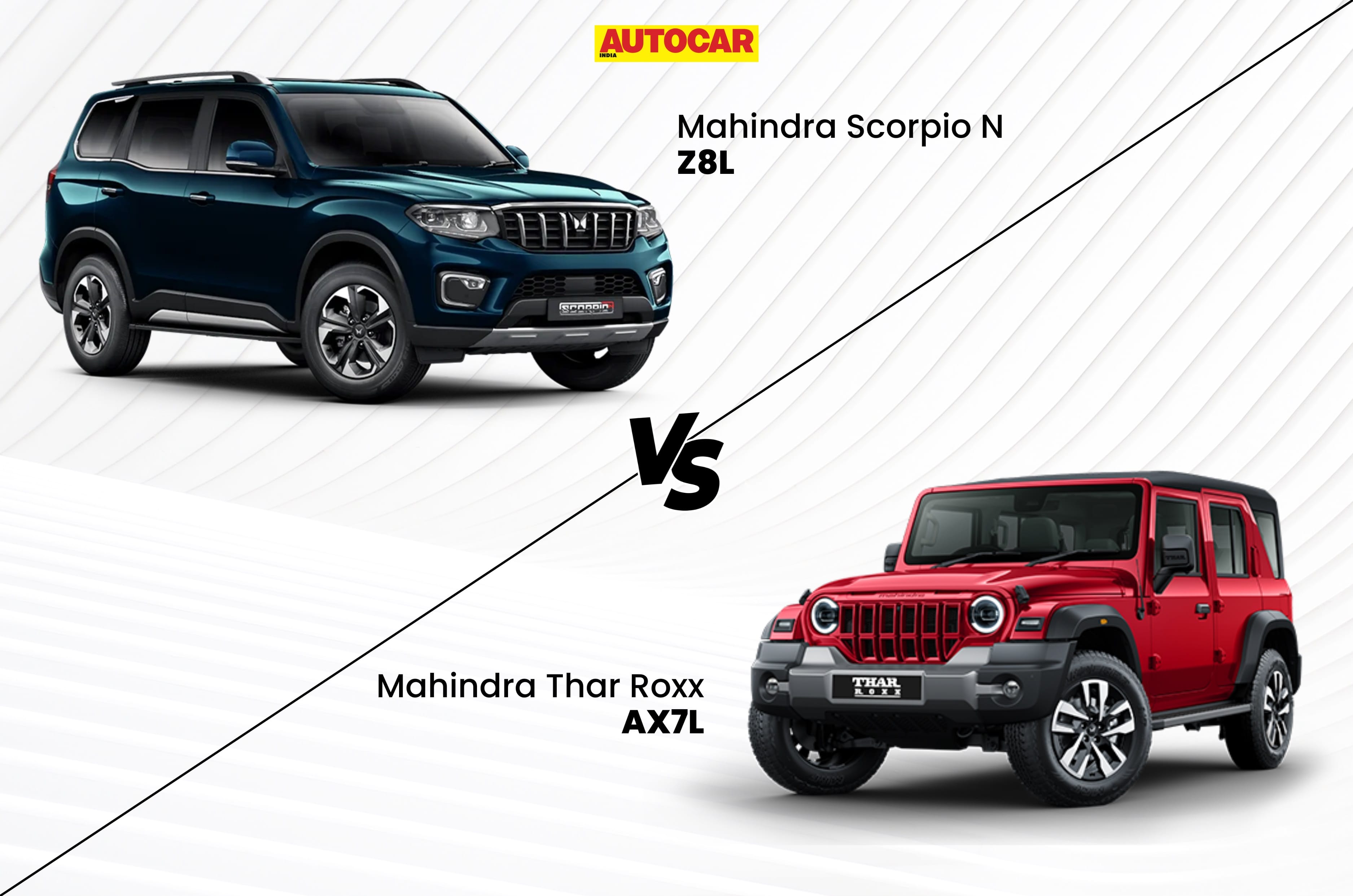
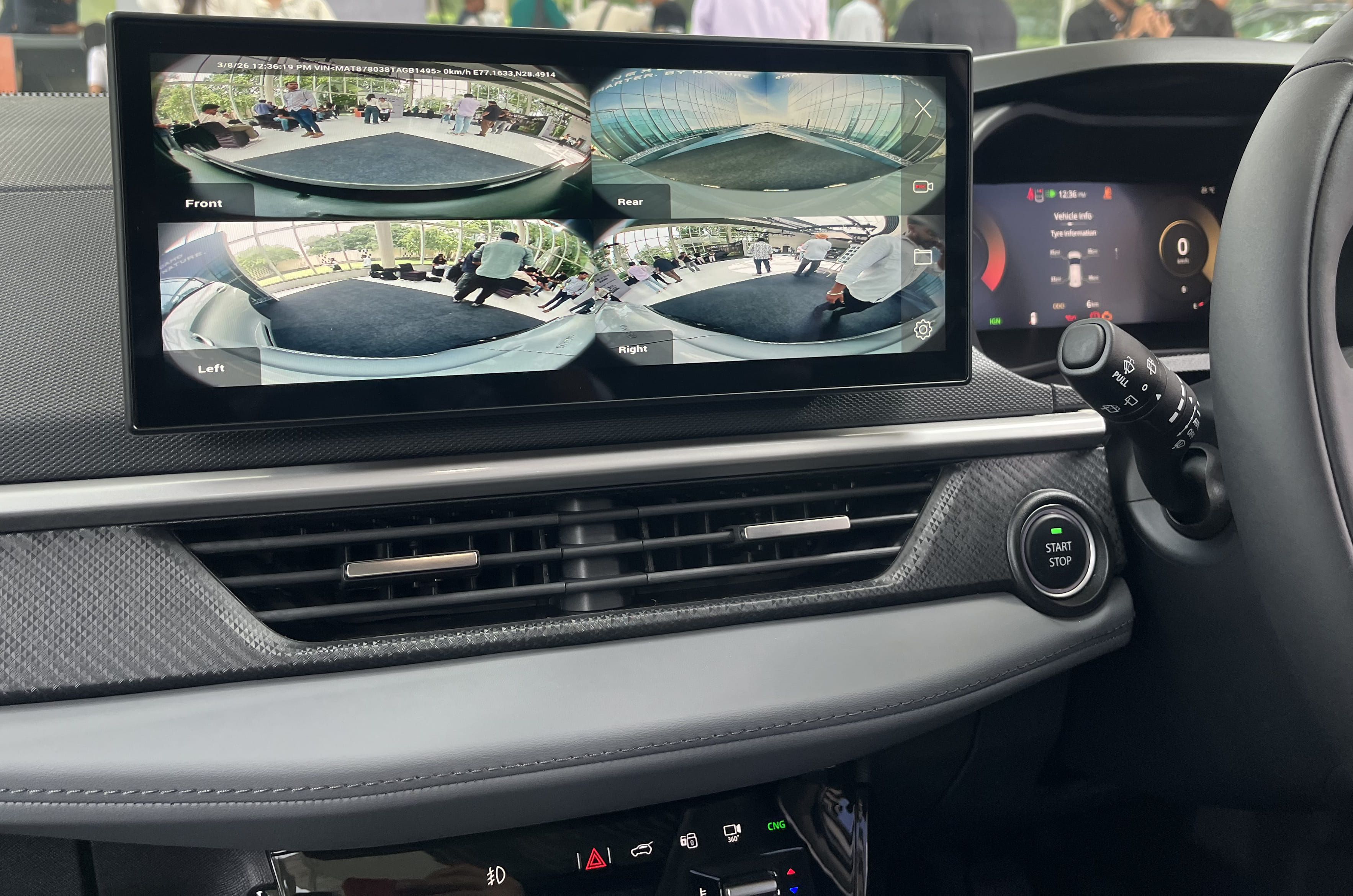
Mahindra recently launched the 2026 Scorpio N, introducing a handful of changes, including new rims, a larger touchscreen, a fresh driver’s display, and a 540-degree camera, while retaining the same powertrain and drivetrain options. It is priced from Rs 13.69 lakh to Rs 25.49 lakh (ex-showroom). Its prices are similar to those of the Thar Roxx’s, which also offers the same powertrain and drivetrain options. So, if you are looking for a Mahindra SUV at around Rs 25 lakh, should you choose the top-spec Mahindra Scorpio N Z8L or the Thar Roxx AX7L? We find out.
2026 Mahindra Scorpio N vs Thar Roxx: Dimensions
Scorpio N is larger and offers more boot space; Thar Roxx has better ground clearance
Mahindra Scorpio N vs Thar Roxx: Dimensions and other specifications
Scorpio N
Thar Roxx
Difference
Length (mm)
4,662
4,428
+234
Width (mm)
1,917
1,870
+47
Height (mm)
1,857
1,923
-66
Wheelbase (mm)
2,750
2,850
-100
Ground clearance (mm)
187
226
-39
Boot space (litres)
786*
447
+339
No. of seats (mm)
6 or 7
5
–
*786 litres of boot space is with the third row folded (with 5 seats up).
The Mahindra Scorpio N is significantly longer compared to the Thar Roxx, and it is also slightly wider. The Thar Roxx, on the other hand, has a larger wheelbase and is also taller than the Scorpio N.
The Scorpio N offers a larger boot with the third row folded. Notably, the Scorpio N is offered with either 6 or 7 seats, the former asking a premium over the latter, while the Thar Roxx is strictly a 5-seater.
2026 Mahindra Scorpio N Z8L vs Thar Roxx AX7L: Powertrain
Both Mahindra SUVs get the same powertrain options, but with slightly different tunes
Top-spec Mahindra Scorpio N vs Thar Roxx: Powertrain options
Scorpio N Z8L*
Thar Roxx AX7L^
Engine
2.0L TP | 2.2L D
2.0L TP | 2.2L D
Power (hp)
203 | 175
177 | 152-175
Torque (Nm)
370-380 | 370-400
380 | 330-400
Transmission
6MT, 6AT | 6MT, 6AT
6AT | 6MT, 6AT
Drivetrain
RWD | RWD, 4WD
RWD | RWD, 4WD
*Scorpio N’s direct-injection turbo-petrol produces 203hp, 370Nm with MT, and 203hp, 380Nm with AT; diesel engine produces 175hp, 370Nm with MT, 175hp, 400Nm with AT.
^Thar Roxx’s direct-injection turbo-petrol engine produces 152hp,300Nm with MT, and 175hp, 400Nm with AT.
Both top-spec Mahindra Scorpio N Z8L and Thar Roxx AX7 are offered with a choice between a 2.0-litre direct-injection turbo-petrol engine and a 2.2-litre diesel engine. However, these engines are offered in different states of tune, with varying power and torque outputs, and the Scorpio N’s select powertrains are slightly more powerful than the Thar Roxx’s.
The Scorpio N’s petrol-AT produces 28hp more than the Thar Roxx. Notably, the Thar Roxx AX7L is not offered with a petrol-manual option. The Scorpio N’s diesel-MT produces 23hp and 40Nm more than the Thar Roxx, while with the diesel-AT both SUVs offer 175hp and 400Nm.
The diesel engines on both SUVs are available with both rear-wheel-drive (RWD) and four-wheel-drive (4WD) setups with both manual and automatic variants, while the petrol engines are only offered with only a RWD setup.
2026 Mahindra Scorpio N Z8L vs Thar Roxx AX7L: Exterior
Thar Roxx AX7L has bigger rims, but Scorpio N Z8L offers roof rails
Mahindra Scorpio N Z8L vs Thar Roxx AX7L: Exterior
Scorpio N Z8L
Thar Roxx AX7L
Headlights
Auto LED
Auto LED
Taillights
Wraparound LED
Wraparound LED
DRLs
LED
LED
Front fog lamps
LED
LED
Wheels
18-inch
19-inch
Powered ORVMs
Yes
Yes
Roof rails
Yes
No
Sharkfin antenna
Yes
No
Colour
Mono-tone
Dual-tone
Top-spec trims of both SUVs are offered with all-LED lighting. The differences, however, are larger 19-inch alloy wheels on the Mahindra Thar Roxx AX7L, and roof rails on the Scorpio N Z8L. The Scorpio N has a sharkfin antenna, while the Thar Roxx’s antenna is placed on the front left fender.
The top-spec Scorpio N is offered with monotone hues only, while the Thar Roxx is available only in dual-tone shades.
2026 Mahindra Scorpio N Z8L vs Thar Roxx AX7L: Interior, features
Scorpio N Z8L offers larger infotainment, more speakers and dual-zone AC
Mahindra Scorpio N Z8L vs Thar Roxx AX7L: Interior and features
Scorpio N Z8L
Thar Roxx AX7L
Driver’s display
10.25-inch
10.25-inch
Infotainment screen
12.30-inch
10.25-inch
Android Auto, Apple CarPlay
Wireless
Wireless
Audio system
12-speaker Sony
8-speaker Harman Kardon
On-board navigation
Yes
Yes
Sunroof
Panoramic
Panoramic
Powered tailgate
No
No
Climate control
Dual-zone
Single-zone
Seat upholstery
Leatherette
Leatherette
Steering wheel adjustment
Tilt
Tilt
Wireless phone charger
Yes, with cooling
Yes
Driver seat adjustment
6-way
6-way
Co-driver’s seat adjustment
–
–
Front seat features
Ventilation
Ventilation
Rear window sunshade
No
No
The Scorpio N Z8L offers a larger 12.3-inch touchscreen infotainment system paired with a 12-speaker Sony sound system compared to the Thar Roxx AX7L’s 10.25-inch unit with an 8-speaker Harman Kardon sound system. The Scorpio N is also equipped with dual-zone climate control and a wireless phone charger with cooling, while the Thar Roxx gets basic single-zone automatic climate control and misses out on the cooling function for the wireless phone charger.
Everything else is identical on both SUVs, including a panoramic sunroof, a 10.25-inch driver’s display, a 6-way powered driver’s seat, front seat ventilation, and a tilt-adjustable steering wheel. Both SUVs also show adventure statistics including a compass, roll and pitch and an altimeter.
2026 Mahindra Scorpio N Z8L vs Thar Roxx AX7L: Driving tech
Scorpio N Z8L comes with more terrain modes than the Thar Roxx AX7L
Mahindra Scorpio N Z8L vs Thar Roxx AX7L: Driving technology
Scorpio N Z8L
Thar Roxx AX7L
Drive modes (RWD only)
Zip, Zap, Zoom
Zip, Zoom
Terrain modes (4WD only)
Normal, Snow, Mud & Ruts, Sand
Snow, Sand, Mud
Shift-on-fly 4WD
Yes
Yes
Electronic locking differential
4WD only
4WD only
Paddle shifters
AT only
AT only
Cruise control
Adaptive
Adaptive
Drive modes on the Scorpio N are offered only with the diesel-RWD variants, while even the petrol variants of the Thar Roxx get this suite. However, the Scorpio N gets an additional ‘Sand’ terrain mode missing on the Thar Roxx. Both SUVs, however, get a shift-on-fly 4WD system and an electronic locking differential, enhancing grip on slippery terrains.
2026 Mahindra Scorpio N Z8L vs Thar Roxx AX7L: Safety
Safety features are similar, save for a 540-degree camera on Scorpio N Z8L
Mahindra Scorpio N Z8L vs Thar Roxx AX7L: Safety features
Scorpio N Z8L
Thar Roxx AX7L
Airbags
6
6
ADAS
Level-2
Level-2
Camera setup
540-degree*
360-degree
Parking sensors
Front and rear
Front and rear
Electronic parking brake
Yes
Yes
All-wheel disc brakes
Yes
Yes
TPMS
Yes
Yes
IRVM
Auto-dimming
Auto-dimming
Rear wiper, washer
Yes
Yes
Hill start assist
Yes
Yes
Hill descent control
Yes
Yes
ESC
Yes
Yes
Traction control
Yes
Yes
*The 540-degree camera setup includes an under-bonnet display.
Except for a 540-degree camera setup on the Scorpio N Z8L, which shows the view under the SUV’s bonnet, all other safety features are identical to both SUVs. These include 6 airbags, Level-2 advanced driver assistance system (ADAS), front and rear parking sensors, a tyre pressure monitoring system (TPMS), and hill start and hold assists.
2026 Mahindra Scorpio N Z8L vs Thar Roxx AX7L: Prices
The Thar Roxx comes at a lower price compared to the top-spec Scorpio N
Mahindra Scorpio N Z8L vs Thar Roxx AX7L: Variant-wise ex-showroom price (Rs, lakh)
Scorpio N Z8L
Thar Roxx AX7L
Petrol MT
21.31-21.69
–
Petrol AT
22.87-23.05
20
Diesel MT
21.99-22.47
19.52
Diesel AT
23.49-23.80
20.78
Diesel MT 4WD
24.25
22.12
Diesel AT 4WD
25.49
22.53
The Mahindra Scorpio N Z8L is more expensive than the Thar Roxx AX7L in all powertrain configurations by over Rs 2 lakh. However, it is offered with an additional third row, which can accommodate more passengers. On the other hand, the Mahindra Thar Roxx is derived from a hardcore off-roader and is a good recreational vehicle while also serving urban buyers with its tech-loaded suite. However, the Scorpio N, despite being pricier, is a more practical option that packs in all the necessary off-roading tech and offers an additional third row, making it a good value-for-money SUV in its class.
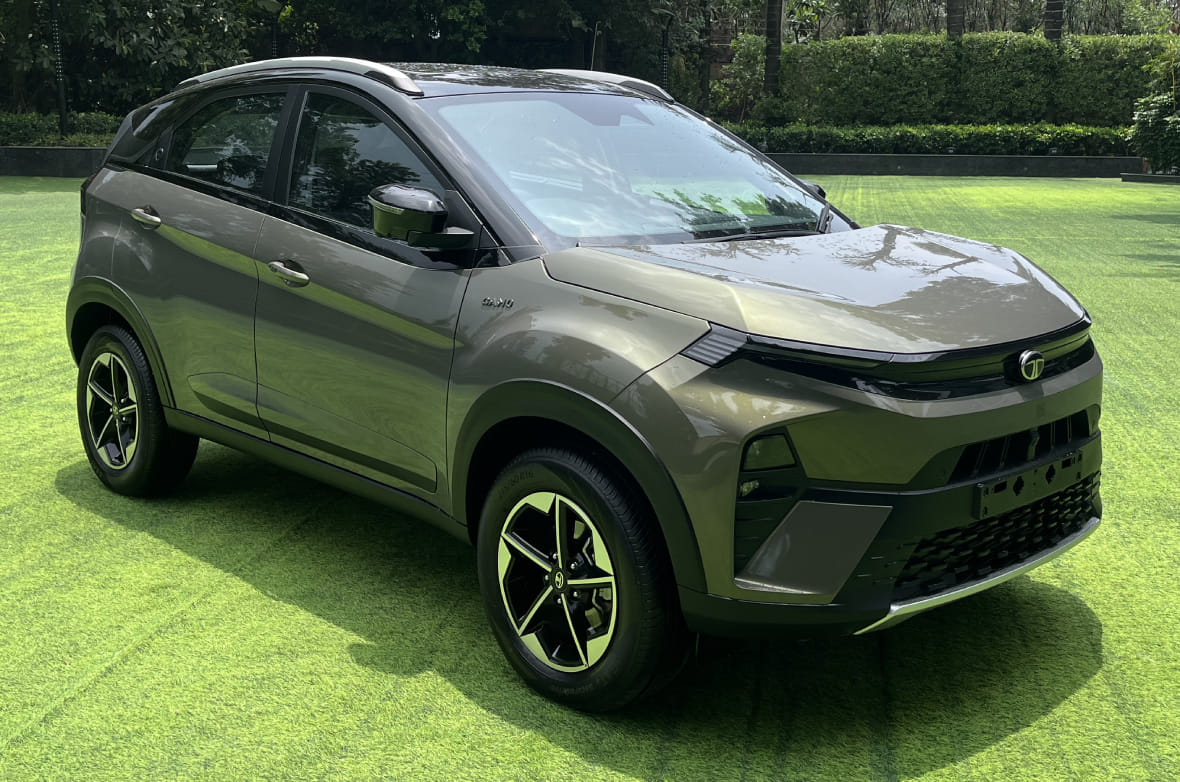
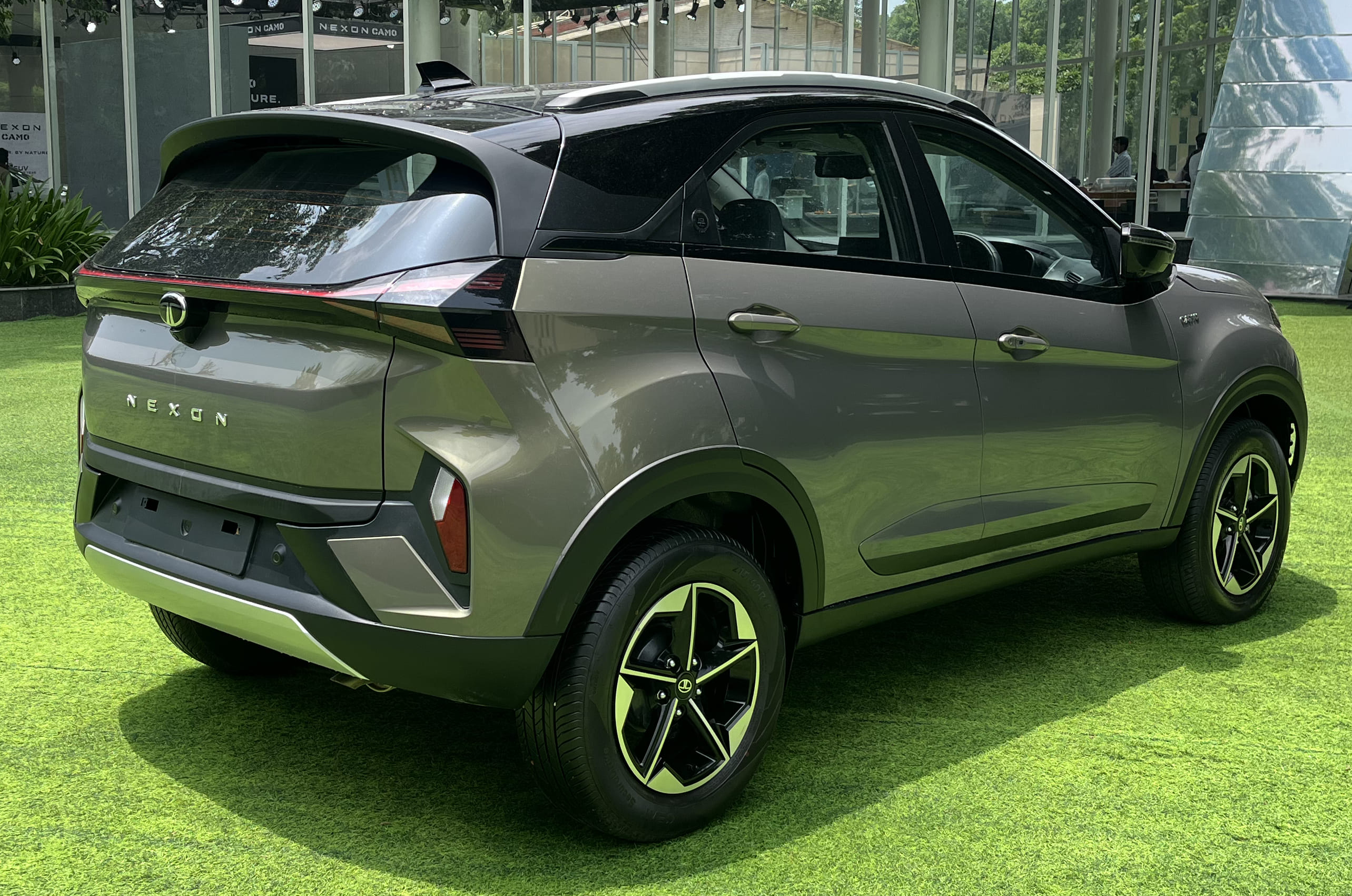
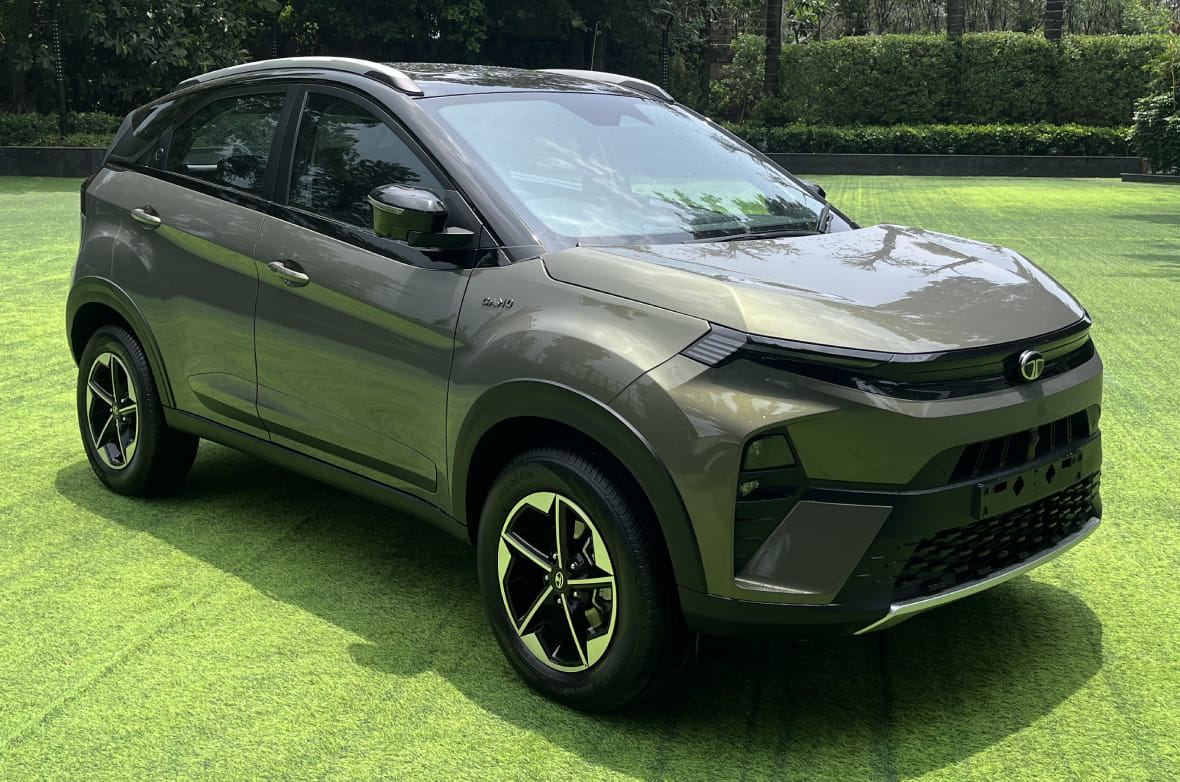
Tata Motors has launched the Nexon Camo Edition at a starting price of Rs 9.99 lakh (ex-showroom). Available for a limited period, the special edition is based on the Creative and higher trims and adds exclusive exterior colours, Camo-themed detailing, a larger infotainment display and an integrated dashcam while retaining the existing petrol, diesel and CNG engine options.
Available across 5 trims, depending on the powertrain
Exclusive Munnar Mist and Coorg Cloud paint finishes
The Nexon Camo Edition is priced from Rs 9.99 lakh to Rs 13.94 lakh (ex-showroom) and is available across Creative, Creative+ S, Creative+ PS, Fearless+ PS and Fearless+ A PS personas, depending on the powertrain. It continues to rival the Maruti Brezza, Hyundai Venue, Kia Sonet, Mahindra XUV 3XO, Skoda Kylaq and Kia Syros.
Tata Nexon Camo Edition: What’s new?
The CAMO Edition introduces two exclusive exterior colours: Munnar Mist and Coorg Cloud, along with Camo badging on the front fenders and ‘Camo’ perforation on the front-seat headrests.
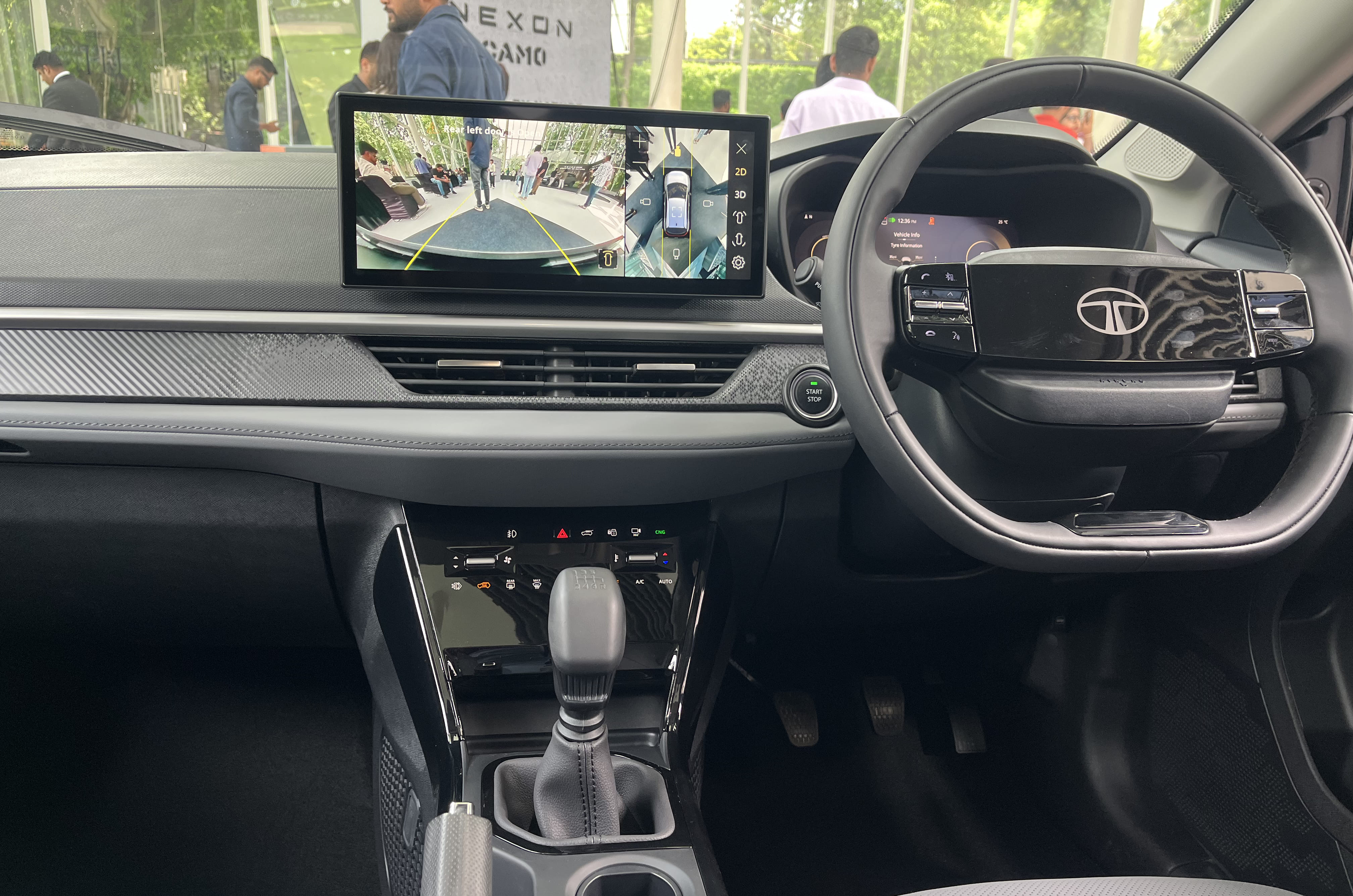
The biggest change inside is the addition of Tata’s 12.3-inch Harman touchscreen infotainment system, replacing the 10.25-inch unit offered on the corresponding variants of the standard Nexon. The 10.25-inch digital instrument cluster is carried over. An integrated dashcam that works with the 360-degree camera system has also been added.
Apart from the Camo-specific additions, the Nexon continues with features such as a panoramic sunroof, ventilated front seats, a JBL nine-speaker audio system, wireless Android Auto and Apple CarPlay, a wireless charger, connected car technology, a 360-degree camera with a blind-view monitor and advanced driver assistance systems (ADAS), depending on the variant.
The Camo Edition is available with the Nexon’s existing 1.2-litre turbo-petrol, 1.5-litre diesel and 1.2-litre turbo-petrol CNG engines. Outputs remain unchanged at 120hp and 170Nm for the petrol, 115hp and 260Nm for the diesel and 100hp and 170Nm in CNG mode. Transmission options include a 6-speed manual, an AMT and a 7-speed dual-clutch automatic, depending on the engine and variant.
Tata Motors has launched the Nexon Camo Edition at a starting price of Rs 9.99 lakh (ex-showroom). Available for a limited period, the special edition is based on the Creative and higher trims, and adds exclusive exterior colours, Camo-themed detailing, a larger infotainment display and an integrated dashcam, while retaining the existing petrol, diesel and CNG engine options.
Available across 5 trims, depending on the powertrain
Exclusive Munnar Mist and Coorg Cloud paint finishes
New 12.3-inch touchscreen and integrated dashcam
Tata Nexon Camo Edition: what’s new?
The CAMO Edition introduces two exclusive exterior colours: Munnar Mist and Coorg Cloud, along with Camo badging on the front fenders and ‘Camo’ perforation on the front seat headrests.
The biggest change inside is the addition of Tata’s 12.3-inch Harman touchscreen infotainment system, replacing the 10.25-inch unit offered on the corresponding variants of the standard Nexon. The 10.25-inch digital instrument cluster is carried over. An integrated dashcam, which works with the 360-degree camera system, has also been added.
Apart from the Camo-specific additions, the Nexon continues with features such as a panoramic sunroof, ventilated front seats, a JBL nine-speaker audio system, wireless Android Auto and Apple CarPlay, a wireless charger, connected car technology, a 360-degree camera with blind view monitor and ADAS, depending on the variant.
The Camo Edition is available with the Nexon’s existing 1.2-litre turbo-petrol, 1.5-litre diesel and 1.2-litre turbo-petrol CNG engines. Outputs remain unchanged at 120hp and 170Nm for the petrol, 115hp and 260Nm for the diesel and 100hp and 170Nm in CNG mode. Transmission options include a 6-speed manual, AMT and 7-speed dual-clutch automatic, depending on the engine and variant.
Tata Nexon Camo Edition: price and rivals
The Nexon Camo Edition is priced from Rs 9.99 lakh (ex-showroom) and is available across Creative, Creative+ S, Creative+ PS, Fearless+ PS and Fearless+ A PS personas, depending on the powertrain. It continues to rival the Maruti Brezza, Hyundai Venue, Kia Sonet, Mahindra XUV 3XO, Skoda Kylaq and Kia Syros.
The Ministry of Road Transport and Highways (MoRTH) has proposed making Vehicle-to-Vehicle (V2V) communication systems mandatory on all newly manufactured vehicles from October 1, 2028. According to the draft notification, the mandate will apply to L-, M- and N-category vehicles, which include two-wheelers, passenger vehicles and commercial vehicles. The proposal seeks to amend the Central Motor Vehicles Rules (CMVR), 1989.
AIS-230 standard introduced for V2V systems
Will use On-Board Units operating between 5.875GHz-5.925GHz
Public consultation open for 30 days
MoRTH proposes phased rollout of Vehicle-to-Vehicle communication systems
MoRTH’s draft notification proposes a phased rollout of V2V communication systems. Manufacturers voluntarily offering the technology from October 1, 2027, will have to ensure they comply with AIS-230, the new Automotive Industry Standard for V2V communication systems. If approved in its current form, the fitment of V2V communication systems will become mandatory for all newly manufactured L-, M- and N-category vehicles from October 1, 2028.
The Automotive Industry Standard lays down the minimum technical, functional, performance, environmental and cybersecurity requirements for V2V communication systems. These include radio performance, receiver sensitivity and selectivity, Global Navigation Satellite System (GNSS) and positioning requirements, electrical and power-supply requirements, electromagnetic interference and compatibility, cybersecurity and communication security, and performance requirements for road safety applications.
Furthermore, the standard specifies the use of factory-fitted On-Board Units (OBUs) based on Cellular Vehicle-to-Everything (C-V2X) technology operating in the 5.875GHz to 5.925GHz frequency band. The Department of Telecommunications exempted the use of this spectrum from licensing requirements through a notification issued on June 10, 2026.
The standard also defines safety applications such as Emergency Brake Alert, Forward Collision Warning, Wrong-way Driving Alert and Emergency Vehicle Alert, enabling vehicles to exchange real-time information and warn drivers of potential hazards. The draft notification has been opened for public consultation for 30 days, following which the ministry will review the comments received before issuing the final notification.
What is Vehicle-to-Vehicle (V2V) communication?
The technology enables vehicles equipped with V2V communication systems to wirelessly exchange real-time information such as speed, position, direction and acceleration. While conventional Advanced Driver Assistance Systems (ADAS) rely on cameras, radars, other onboard sensors and driver inputs, V2V allows vehicles to communicate directly with one another using Cellular Vehicle-to-Everything (C-V2X) technology.
This enables quicker detection of potential hazards that may not yet be visible to the driver and, according to the ministry, “is therefore expected to complement ADAS and support proactive accident prevention, connected mobility and future intelligent transport applications.” The ministry also says the technology can provide warnings for situations involving sudden braking, forward-collision risks, unsafe lane changes and approaching emergency vehicles.
Challenges on the implementation of V2V communication systems
While the proposal marks a major step towards introducing V2V communication systems in India, it’s not without challenges. Automakers not only need to integrate and validate these systems across various models in their line-up but also ensure they work as intended between vehicles made by different manufacturers.
In terms of costs, earlier estimates had suggested the On-Board Units (OBUs) could add around Rs 5,000 to Rs 7,000 to the cost of each vehicle, although the latest draft notification doesn’t explore the cost angle of integrating V2V technology. With connected-vehicle technologies, there will also be a need for robust cybersecurity measures, while importance must also be given to other factors such as data protection and user privacy.
When first announcing plans to introduce V2V technology earlier this year, Union Road Transport and Highways Minister Nitin Gadkari said that it would allow drivers to “talk to each other like pilots.” However, despite being under development globally for more than two decades, widespread adoption of the technology remains limited.
WhatsApp Account Under Review: भारत में सोमवार रात कई WhatsApp यूजर्स को अचानक बड़ी परेशानी का सामना करना पड़ा। मैसेजिंग ऐप ने कई अकाउंट्स को बिना किसी पहले से चेतावनी दिए 24 घंटे के लिए ‘रिव्यू’ (समीक्षा) में डाल दिया। जिसकी वजह से यूजर्स WhatsApp के कई जरूरी फीचर्स का इस्तेमाल नहीं कर सके।
इस समस्या की पहली शिकायत रात करीब 8 बजे (IST) सामने आई। कई यूजर्स ने बताया कि बिना किसी चेतावनी या जानकारी के उनके अकाउंट पर “Under Review” का मैसेज दिखने लगा। अचानक आई इस दिक्कत से परेशान यूजर्स ने सोशल मीडिया का रुख किया और WhatsApp से जवाब व मदद की मांग शुरू कर दी।
यूजर्स को ऐप पर एक मैसेज दिखा: “अकाउंट रिव्यू में है। अनुरोध की तारीख: 3 अगस्त 2026। आपके अकाउंट की गतिविधि और डिवाइस की जानकारी की जांच की जा रही है ताकि यह पक्का किया जा सके कि यह हमारी सेवा की शर्तों का पालन करता है। हम आम तौर पर 24 घंटे के अंदर आपको नतीजे के बारे में बता देंगे।”
इसके साथ ही स्क्रीन पर WhatsApp का सुरक्षित और जिम्मेदारी से इस्तेमाल करने से जुड़ी जानकारी भी दी गई थी। वहीं, चोरी हुए फोन और अकाउंट्स की सुरक्षा से संबंधित मदद और जरूरी जानकारी के लिंक भी उपलब्ध कराए गए थे।
यूजर्स ने अचानक अकाउंट बंद होने की शिकायत की
कई यूजर्स ने दावा किया कि ऑफिशियल WhatsApp ऐप का इस्तेमाल करने के बावजूद उनके अकाउंट अचानक बंद कर दिए गए।
एक यूजर ने सोशल मीडिया प्लेटफॉर्म X पर लिखा, “मेरा WhatsApp अकाउंट बिना किसी वजह के बंद कर दिया गया है। मैंने अपील तो कर दी है, लेकिन रिव्यू पेज पर सिर्फ एक आम मैसेज दिख रहा है कि ‘आमतौर पर 24 घंटे के अंदर रिव्यू किया जाएगा।’ कृपया मेरी तुरंत मदद करें।”
सलोनी नाम की एक और यूजर ने कहा, “बिना किसी चेतावनी के मेरा WhatsApp अकाउंट अचानक बंद कर दिया गया। मैं सिर्फ ऑफिशियल ऐप का इस्तेमाल करती हूं और मेरा काम WhatsApp पर ही निर्भर है। कृपया मदद करें। यह बिल्कुल भी जरूरी नहीं था।”
रिव्यू के दौरान WhatsApp के फीचर्स के इस्तेमाल पर लगी अस्थायी रोक से उन यूजर्स को परेशानी हुई जो पर्सनल और प्रोफेशनल बातचीत के लिए इस प्लेटफॉर्म पर निर्भर हैं।
Whatsapp ने क्या कहा?
इस मामले पर WhatsApp के प्रवक्ता ने PTI से कहा, “हम हमेशा उन लोगों पर नजर रखते हैं जो हमारी सेवा का गलत इस्तेमाल करने की कोशिश करते हैं। दूसरे यूजर्स की सुरक्षा के लिए ऐसे अकाउंट्स पर कार्रवाई की जाती है। हालांकि, कभी-कभी हमसे गलती भी हो जाती है। अगर ऐसा होता है, तो हम उसे जितनी जल्दी हो सके ठीक करने की कोशिश करते हैं, ताकि लोग फिर से बिना किसी परेशानी के WhatsApp पर चैट कर सकें।”
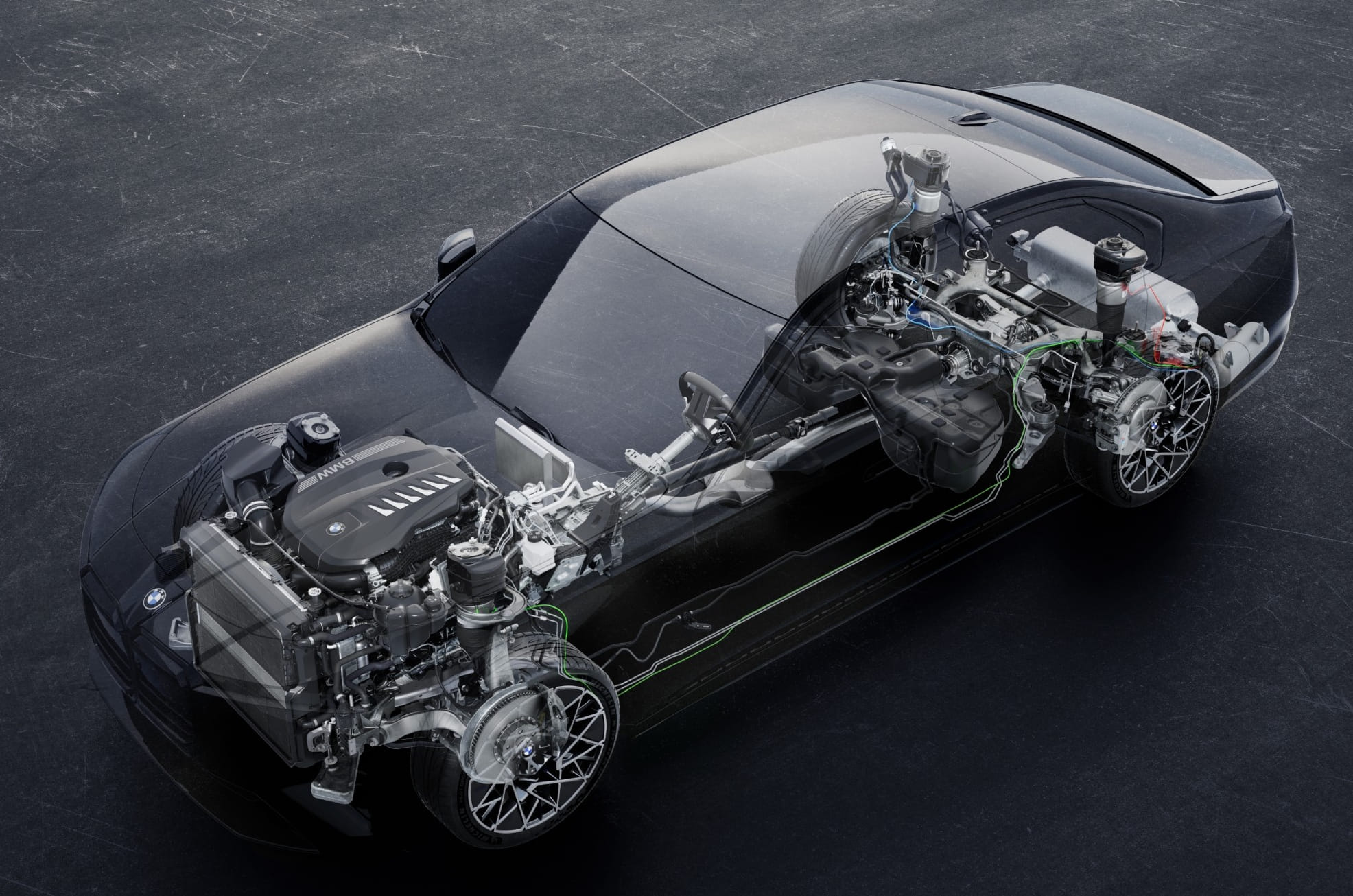
BMW’s flagship 7 Series and i7 luxury sedans are set to receive a mid-lifecycle facelift in India with refreshed styling, a comprehensively redesigned cabin, and upgraded petrol, diesel and electric powertrains. This mid-cycle update also introduces interior elements from BMW’s upcoming Neue Klasse models, including the new Panoramic iDrive display and rhomboidal infotainment touchscreen. With bookings now open ahead of their launch, here’s everything you need to know.
1. What will the BMW 7 Series and i7 facelift look like?
Sharper styling with subtle design revisions
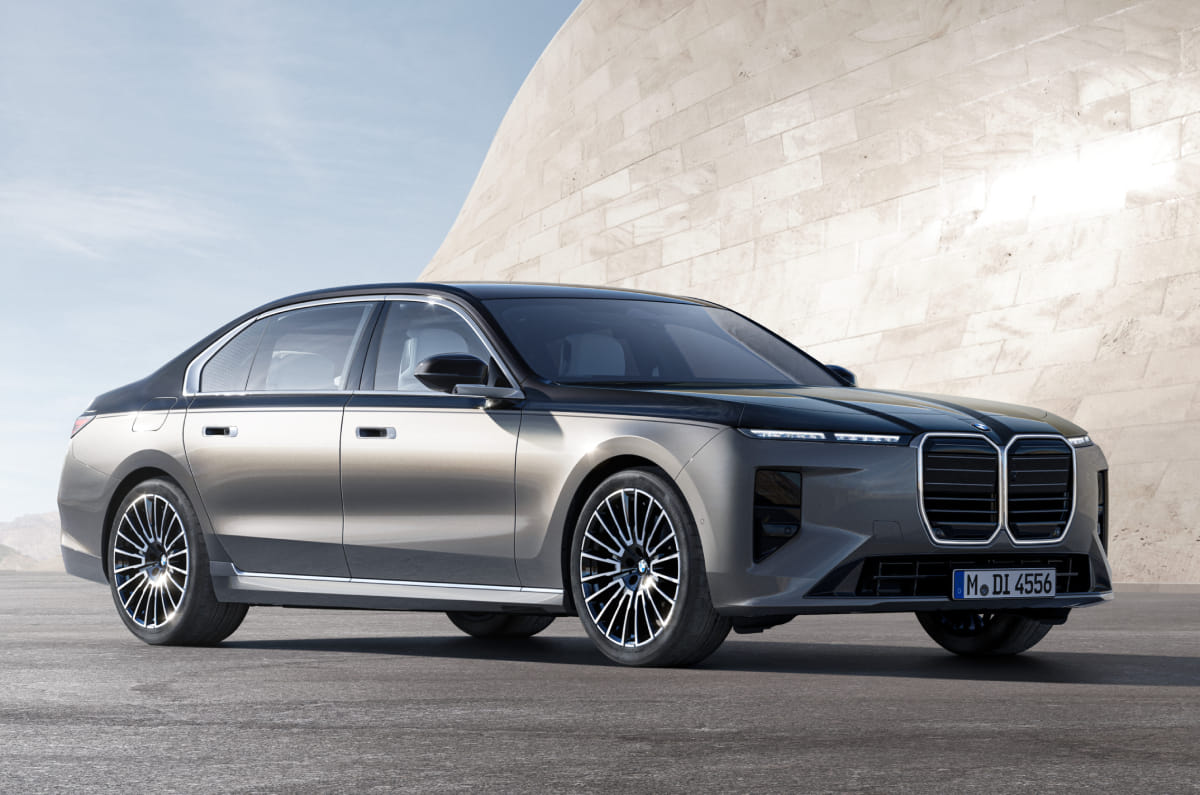
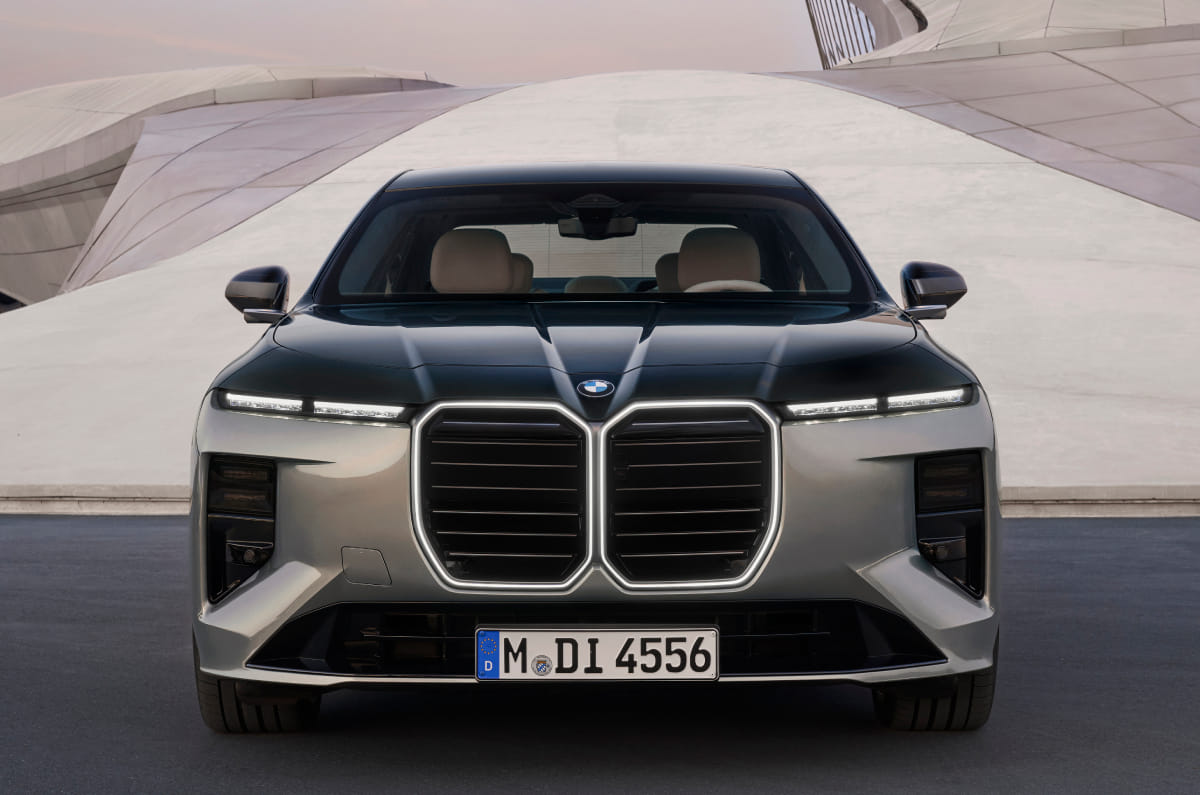
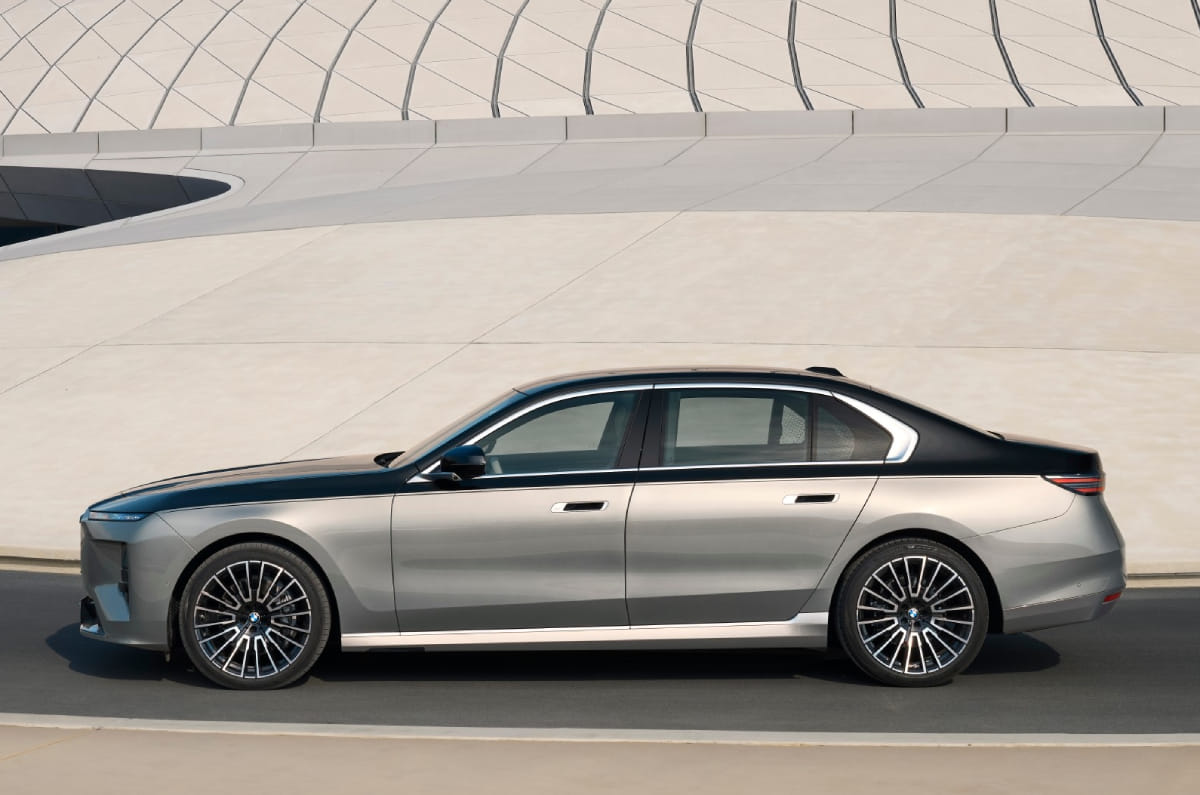
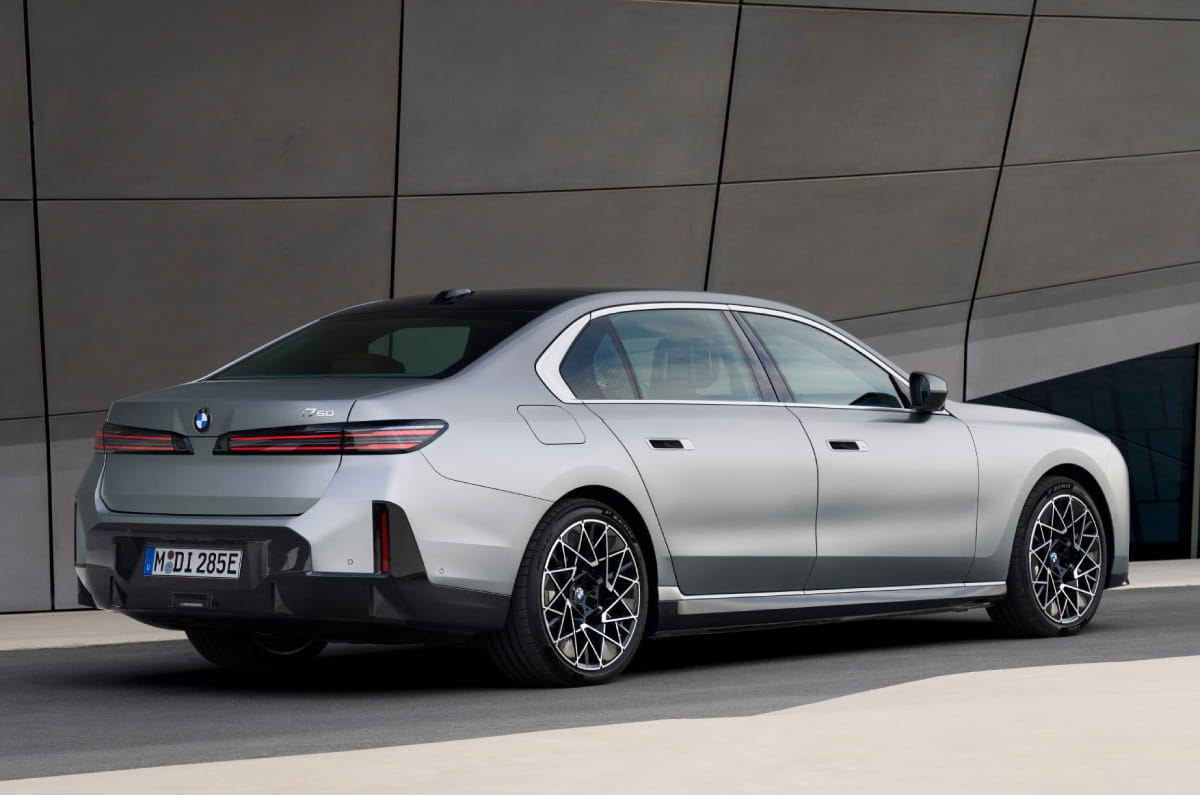
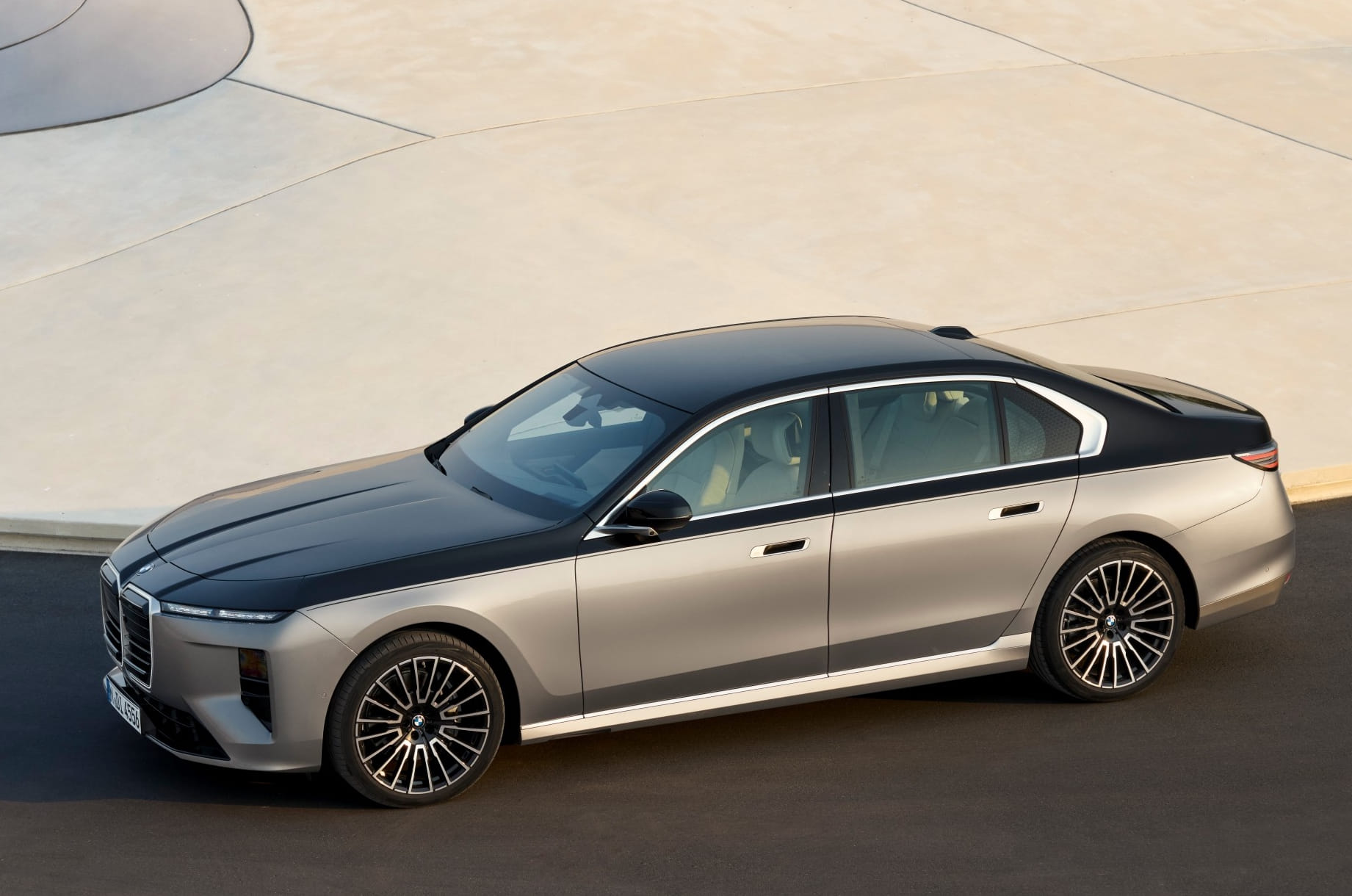
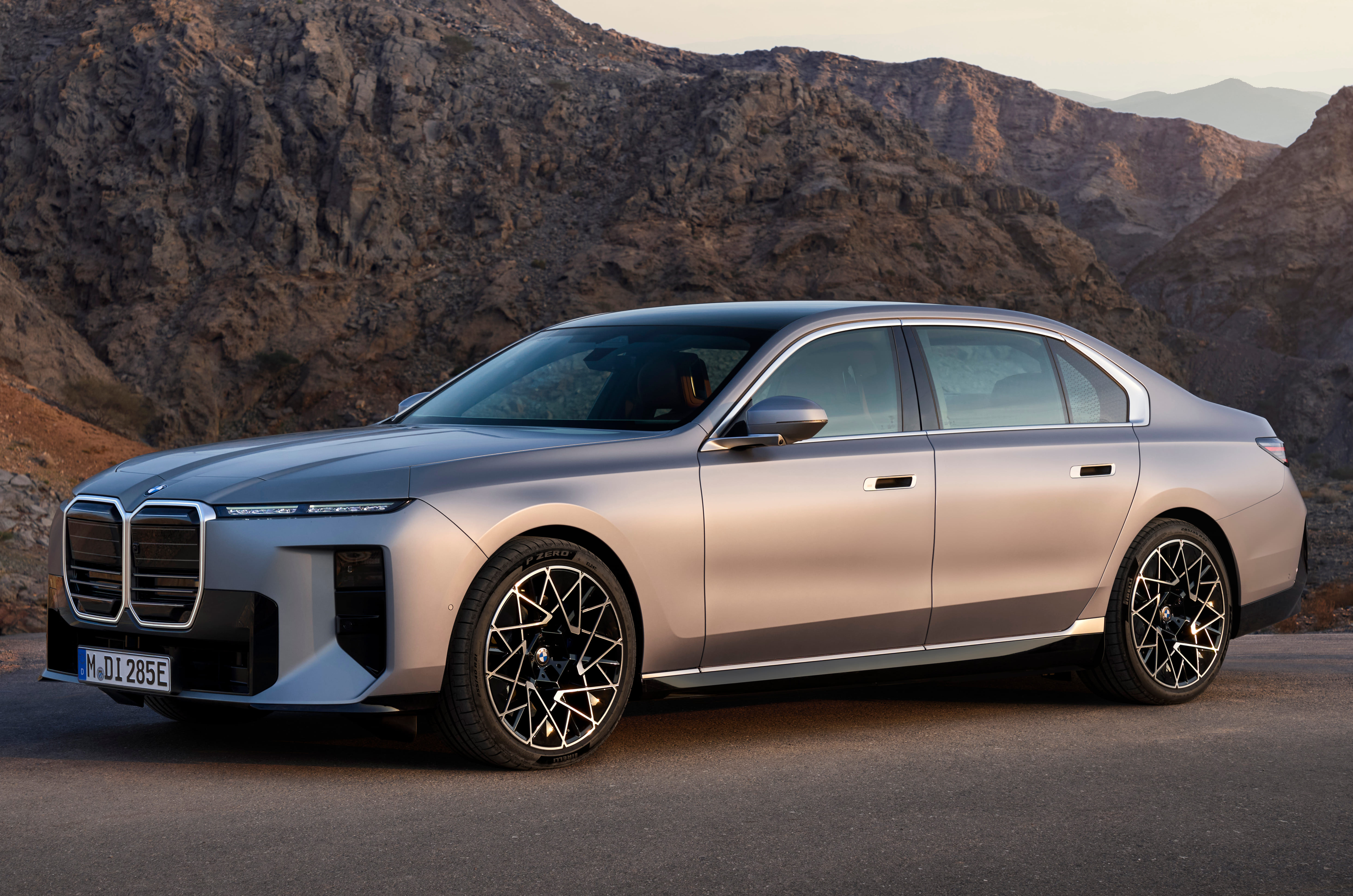
The facelift retains the overall silhouette of the current 7 Series but introduces several styling changes. Up front, it gets a redesigned illuminated kidney grille and revised split LED headlamps. The slim upper lighting elements house the daytime running lights, while the main headlamp units sit lower down in the bumper.
Viewed from the side, the 7 Series continues its clean and elegant design. It retains flush-fitting door handles that blend neatly into the bodywork. BMW has also introduced a new alloy-wheel design with the facelift. Another interesting detail is the embossed ‘7’ on the B-pillar, which becomes visible when both doors on the same side are opened.
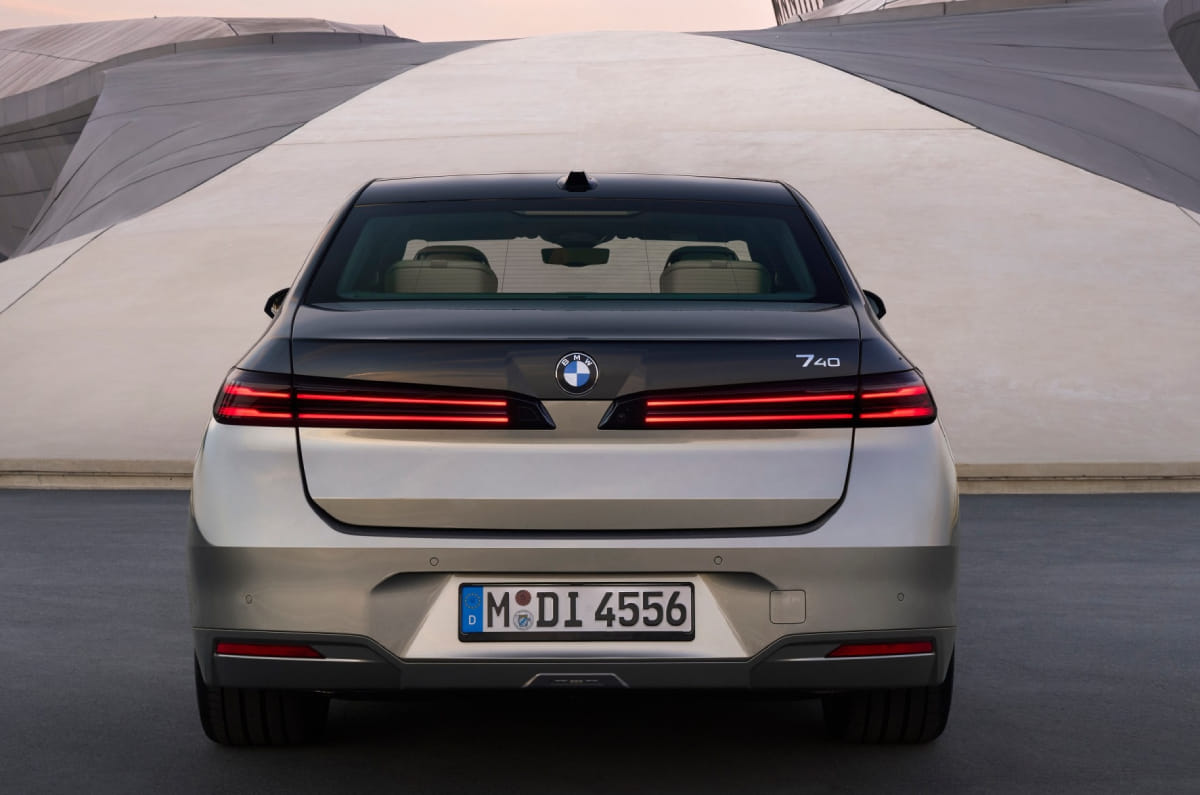
At the rear, slimmer tail-lamps extend further into the tailgate and feature smoked lenses with chrome detailing, while the bumper has been redesigned with a diffuser-style insert.
2. What’s new in the interior of the BMW 7 Series and i7 facelift?
Redesigned dashboard with BMW’s latest Panoramic iDrive
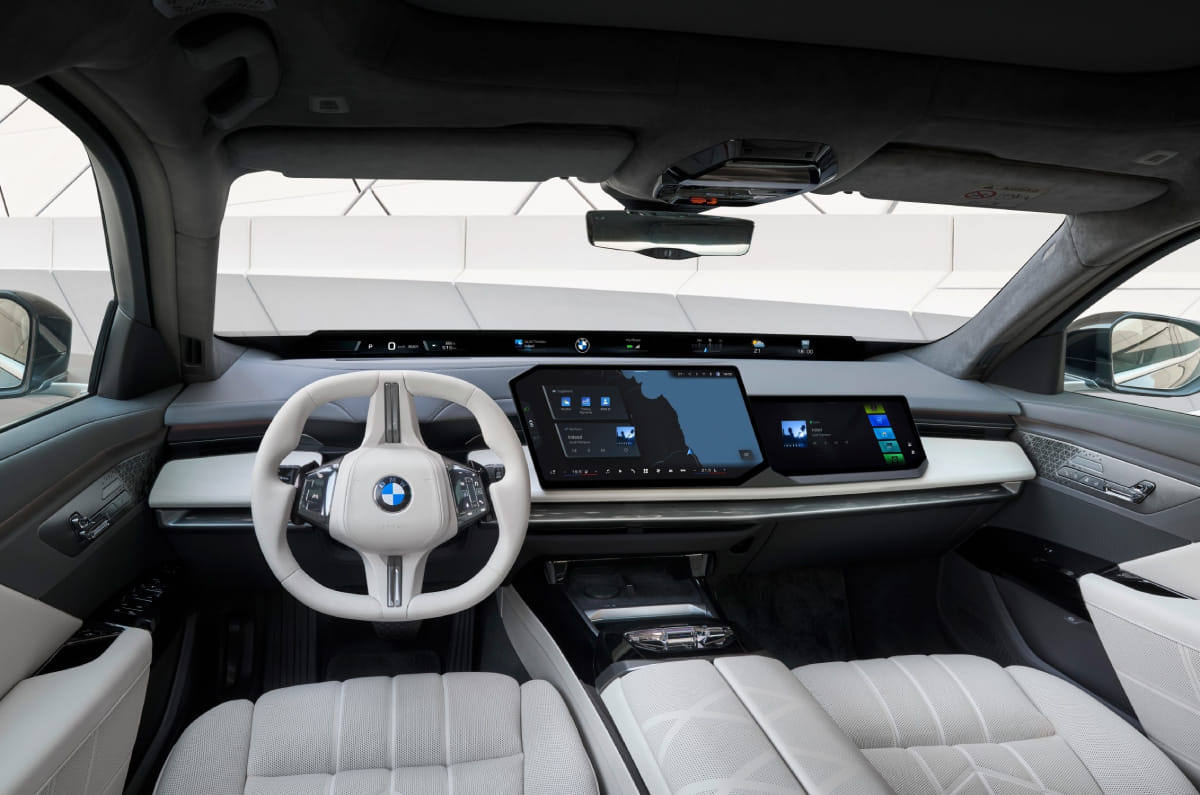
The biggest changes are inside. The facelift introduces BMW’s new Panoramic iDrive, replacing the conventional digital instrument cluster with a full-width projection display at the base of the windscreen. It works alongside a new 17.9-inch central touchscreen and a 14.6-inch front passenger display, both running the latest BMW Operating System X which supports over-the-air updates, wireless Apple CarPlay and Android Auto, and features improved voice controls.
BMW has also introduced a new four-spoke steering wheel and a redesigned ambient lighting system that spans the width of the dashboard, extends to the rear speaker grilles and features additional lighting behind the front seats.
As standard, the seats come with electric adjustment, heating, ventilation, massage, lumbar support and heated armrests. The front passenger seat can also slide fully forward to create additional legroom for the passenger seated behind.
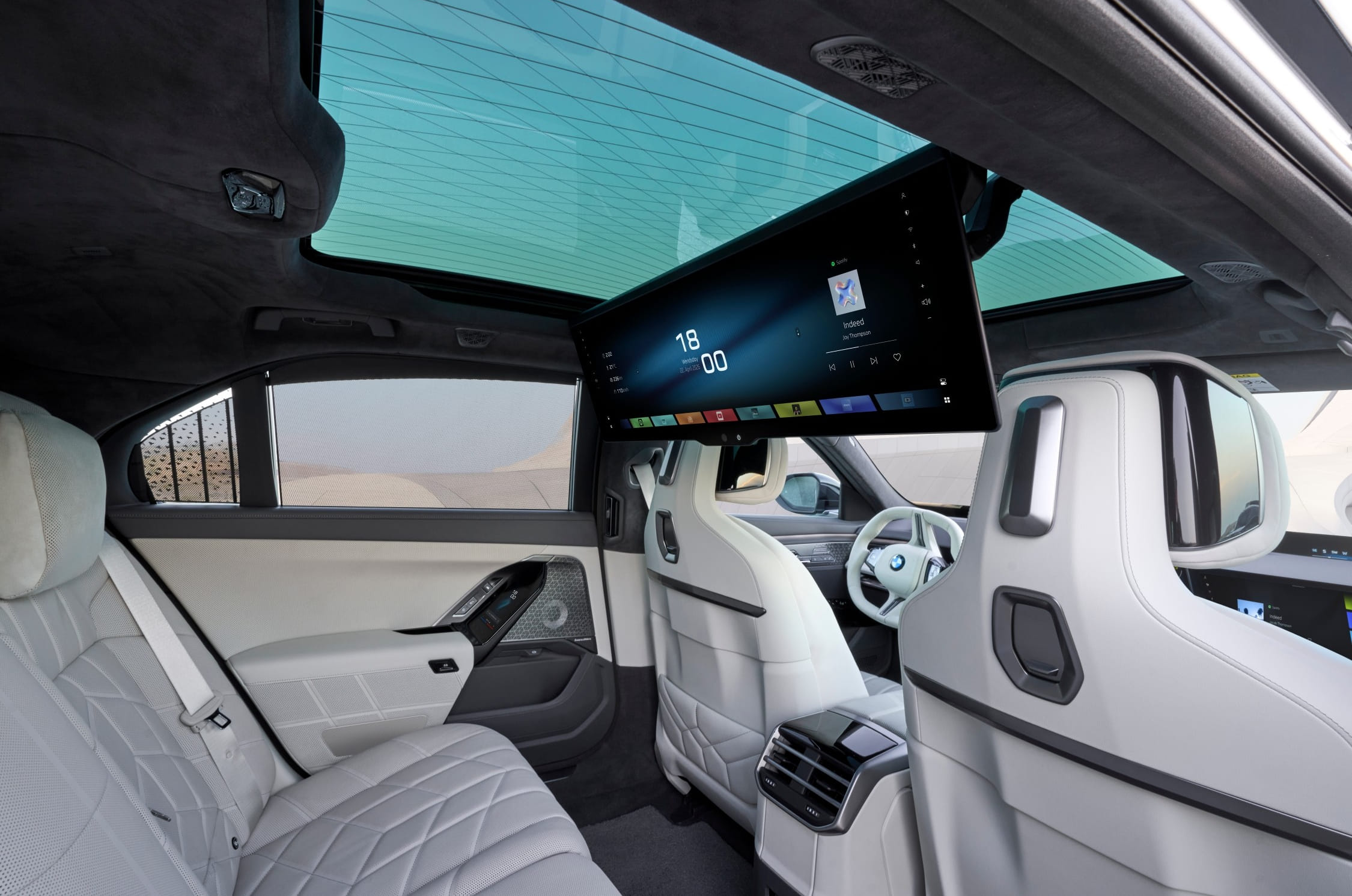
Rear-seat entertainment has also been upgraded. The Theatre Screen, optional in international markets, is now a 31.3-inch 8K touchscreen that supports video calls, streaming and gaming. The displays integrated into the rear doors have also been updated, allowing passengers to reposition the Theatre Screen, adjust its viewing angle and control other cabin functions. BMW has also revised the automatic doors with better-positioned open and close buttons.
3. Which powertrain options will the BMW 7 Series and i7 Lci get?
Petrol, diesel and electric powertrains receive updates
The facelifted 7 Series continues with 3.0-litre inline-six petrol and diesel mild-hybrid engines, both paired with an 8-speed automatic gearbox and all-wheel drive. The 740i develops 400hp and 580Nm, up by 19hp and 60Nm, while the 740d now makes 313hp and 670Nm, an increase of 27hp and 20Nm over the outgoing model.
The all-electric i7 also receives updates. The i7 xDrive50 replaces the earlier eDrive50 and now gets dual-motor all-wheel drive along with a larger 112.4kWh battery, replacing the earlier 101.7kWh unit. Output rises to 455hp and 660Nm. The range-topping i7 M70 xDrive also benefits from the larger battery, with outputs increasing to 680hp (from 650hp) and up to 1,100Nm (from 1,015Nm).
4. Will BMW launch the plug-in hybrid 7 Series in India
Yet to be confirmed
BMW i7 60 xDrive
Internationally, the 7 Series facelift is also available with plug-in hybrid powertrains, including the 750e xDrive and M760e xDrive. It remains to be seen whether BMW will introduce either variant in India, especially since its key rival, the new Mercedes-Benz S-Class, is already available with a plug-in hybrid powertrain.
5. How much will the BMW 7 Series and i7 facelift cost?
Prices expected to increase slightly
The current BMW 7 Series is priced at Rs 1.85 crore (ex-showroom) for both the petrol and diesel variants, while the i7 is priced between Rs 2.10 crore and Rs 2.58 crore. Given the additional technology, revised styling and powertrain upgrades, BMW is expected to increase prices slightly for both models.
6. Which cars will the BMW 7 Series and i7 facelift rival?
The 7 Series ‘LCI’ facelift will continue to rival the Mercedes-Benz S-Class in the flagship luxury sedan segment. Meanwhile, the i7 will compete with electric luxury sedans in the same price bracket.
7. When will the BMW 7 Series and i7 facelift launch in India
Bookings are now open
BMW i7 60 xDrive
BMW has started accepting bookings for the 7 Series and i7 facelift through its dealerships across India, with customers also able to register their interest via the BMW India website. The company is yet to announce an official launch date, although the refreshed luxury sedans are expected to arrive in the coming months.
International-spec BMW 7 Series shown for representative purposes only.
अगर आप Samsung के फोन में दिलचस्पी रखते हैं तो, यह खबर आपके लिए अच्छी साबित हो सकती है। दरअसल, साउथ कोरिया की इस टेक कंपनी ने भारत में आज अपना Galaxy F70 Pro 5G लॉन्च कर दिया है। यह स्मार्टफोन Galaxy F70 लाइनअप का दूसरा मॉडल है। इससे पहले इस इस लाइनअप में Galaxy F70e 5G को लॉन्च किया गया था। Samsung ने इस हैंडसेट में AMOLED डिस्प्ले, Galaxy AI फीचर्स, 50MP का प्राइमरी कैमरा और 6000mAh की बैटरी दी है। अब आइए Samsung के इस नए 5G स्मार्टफोन के फीचर्स, स्पेसिफिकेशन और कीमत के बारे में डिटेल में जानते हैं।
Samsung Galaxy F70 Pro 5G के स्पेसिफिकेशन्स और फीचर्स
कोरियन कंपनी Samsung ने Galaxy F70 Pro 5G को 6.7-इंच के Full HD+ Super AMOLED डिस्प्ले के साथ पेश किया है, जिसमें 120Hz रिफ्रेश रेट और Corning Gorilla Glass Victus+ की सुरक्षा दी गई है। यह हैंडसेट Qualcomm के Snapdragon 6 Gen 3 चिपसेट पर चलता है और इसमें 8GB तक LPDDR5X RAM और 256GB UFS 3.1 स्टोरेज मिलता है।
कैमरे की बात करें तो, Samsung ने इस डिवाइस में Optical Image Stabilisation (OIS) वाला 50MP का प्राइमरी कैमरा दिया है, साथ ही इसमें 5MP का अल्ट्रा-वाइड कैमरा और 2MP का मैक्रो सेंसर भी है। वहीं, सेल्फी और वीडियो कॉल के लिए इसमें 12MP का फ्रंट कैमरा दिया गया है, जो HDR सपोर्ट के साथ आता है।
Galaxy F70 Pro 5G में कई Galaxy AI फीचर्स भी हैं, जैसे Circle to Search, Gemini वॉइस असिस्टेंट, AI वॉइस ट्रांसक्रिप्शन, Direct Voicemail और Now Bar। सॉफ्टवेयर की बात करें तो यह स्मार्टफोन Android 16 पर आधारित One UI 8.5 के साथ आता है। कंपनी का दावा है कि Galaxy F70 Pro 5G को 6 साल तक Android OS अपडेट और 6 साल तक सिक्योरिटी अपडेट मिलेंगे। इसके अलावा, पावर बैकअप के लिए फोन में 6000mAh की बड़ी बैटरी दी गई है, जो 45W वायर्ड फास्ट चार्जिंग को सपोर्ट करती है।
Samsung Galaxy F70 Pro 5G: भारत में कीमत, ऑफर और उपलब्धता
साउथ कोरिया की टेक कंपनी ने Galaxy F70 Pro 5G को 6GB + 128GB वेरिएंट के लिए ₹25,999 की शुरुआती कीमत पर लॉन्च किया है। वहीं, 8GB + 128GB मॉडल की कीमत ₹29,999 और 8GB + 256GB वर्जन की कीमत ₹34,999 रखी गई है। शुरुआती ऑफर के तहत, Samsung का कहना है कि इच्छुक ग्राहक इस स्मार्टफोन को ₹23,999 की प्रभावी शुरुआती कीमत पर खरीद सकते हैं। यह हैंडसेट Alpha Black और Aura Green कलर ऑप्शन में आता है। इसके साथ ही यह डिवाइस Samsung India ऑनलाइन स्टोर और Flipkart पर उपलब्ध होगा।