केरल में दिल दहला देने वाला हादसा: खड़े ट्रक से टकराई तेज रफ्तार कार, इंजीनियरिंग के 8 छात्रों की मौत

केरल में दिल दहला देने वाला हादसा: खड़े ट्रक से टकराई तेज रफ्तार कार, इंजीनियरिंग के 8 छात्रों की मौत

Kerala Road Accident

केरल के त्रिशूर जिले में राष्ट्रीय राजमार्ग पर एक भीषण सड़क हादसे में तमिलनाडु के एक इंजीनियरिंग कॉलेज के 8 छात्रों की मौत हो गई। कार सड़क किनारे खड़ी लॉरी से जा टकराई थी। 7 लोगों की मौके पर ही मौत हो गई, जबकि एक घायल अस्पताल में इलाज के दौरान दम तोड़ गया।


यह हादसा आधी रात के करीब पनामबिकुन्नु सेंटर के पास हुआ। इसके तुरंत बाद राहत और बचाव कार्य शुरू हुआ। मीडिया खबरों के अनुसार, कार में सवार लोग तमिलनाडु के डिंडीगुल स्थित एक इंजीनियरिंग कॉलेज के छात्र थे। घटनास्थल से डिंडीगुल के पीएसएनए इंजीनियरिंग कॉलेज के एक छात्र का पहचान पत्र बरामद हुआ है।


बताया जा रहा है कि छात्रों से भरी कार गुरुवायूर से कोडुंगल्लूर की ओर जा रही थी। तभी सड़क पर चल रहे निर्माण कार्य के कारण उसी दिशा में खड़ी लॉरी से उसकी जोरदार टक्कर हो गई। टक्कर से कार बुरी तरह क्षतिग्रस्त हो गई और उसमें सवार लोगों को बाहर निकालने के लिए गाड़ी को काटकर खोलना पड़ा। 

Poco X8 और X8 Power भारत में लॉन्च, 10,000mAh बैटरी और 100W चार्जिंग ने खींचा ध्यान

Poco X8 Power को आखिरकार भारतीय बाजार में इसके बेस वेरिएंट, Poco X8 के साथ लॉन्च कर दिया गया है। Power वेरिएंट में दो कलर ऑप्शन और एक बड़ी 10000mAh की बैटरी मिलती है। दोनों फोन में लेदर फिनिश वाला बैक पैनल और चौकोर आकार का कैमरा मॉड्यूल दिया गया है। अब आइए, हाल ही में लॉन्च हुए इन दोनों फोन के बारे में वे सभी बातें जानते हैं जो आपको पता होनी चाहिए।

Poco X8 Power, Poco X8 की भारत में कीमत

Poco X8 भारतीय बाजार में ₹29,999 की शुरुआती कीमत पर उपलब्ध है, जबकि Poco X8 Power ₹35,999 की शुरुआती कीमत पर मिल रहा है। कंपनी फिलहाल दोनों फोन पर ₹2,000 का डिस्काउंट दे रही है। इसके अलावा ₹1,000 का एक्सचेंज बोनस भी मिलेगा। इन ऑफर्स के बाद Poco X8 की प्रभावी कीमत ₹26,999 और Poco X8 Power की ₹32,999 हो जाएगी।

बता दें कि दोनों फोन की बिक्री 11 सितंबर 2026 से शुरू होगी। कलर ऑप्शन की बात करें तो, Poco X8 Power को Black और Yellow कलर में खरीदा जा सकेगा। वहीं, Poco X8 को Fiery Orange, Frost White और Black में उपलब्ध होगा।

Poco X8 Power, Poco X8 के स्पेसिफिकेशन्स और कैमरा

दोनों डिवाइस में 6.83-इंच का 1.5K AMOLED डिस्प्ले है, जिसमें 120Hz रिफ्रेश रेट और 3500 निट्स की पीक ब्राइटनेस मिलती है। Poco X8 में Snapdragon 6s Gen 4 प्रोसेसर है, जबकि X8 Power में Snapdragon 6 Gen 5 प्रोसेसर दिया गया है। इनके पैनल Gorilla Glass Victus 2 से सुरक्षित हैं। बैटरी की बात करें तो, Poco X8 में 9000mAh की बैटरी है, जो 67W वायर्ड और 22.5W चार्जिंग को सपोर्ट करती है। इसके अलावा, Poco X8 Power में 10000mAh की बैटरी है, जो 100W वायर्ड और 27W रिवर्स चार्जिंग सपोर्ट के साथ आती है। दोनों फोन Android 16 ऑपरेटिंग सिस्टम पर चलते हैं और इनमें HyperOS 3 स्किन दी गई है।

कैमरे की बात करें तो, Poco X8 में डुअल रियर कैमरा सेटअप है, जिसमें ऑप्टिकल इमेज स्टेबिलाइजेशन (OIS) वाला 50MP का प्राइमरी कैमरा और 2MP का कैमरा शामिल है। वहीं, X8 Power में ऑप्टिकल इमेज स्टेबिलाइजेशन (OIS) वाला 50MP का प्राइमरी सेंसर और 8MP का अल्ट्रा-वाइड-एंगल कैमरा दिया गया है। सेल्फी और वीडियो कॉल के लिए, X8 में 16MP का फ्रंट कैमरा है, जबकि X8 Power में 32MP का फ्रंट कैमरा दिया गया है।

यह भी पढ़ें: iQOO 16 जल्द ही नए Samsung डिस्प्ले के साथ होगा लॉन्च, जिसमें मिलेगी iPhone Ultra जैसी टेक्नोलॉजी

Oppo Find X10 भारत में मचाएगा तहलका! BIS सर्टिफिकेशन पर दिखा फोन, फीचर्स भी हुए लीक

Oppo अपनी लेटेस्ट फ्लैगशिप, Oppo Find X10 सीरीज को ग्लोबल मार्केट में लाने के लिए पूरी तरह तैयार है। खास बात यह है कि Oppo Find X10 पहले ही BIS सर्टिफिकेशन वेबसाइट पर दिख चुका है, जिसका मतलब है कि यह डिवाइस भारत में लॉन्च होने के लिए तैयार हो रहा है। इसके अलावा, Oppo Find X10 Pro Max भी थाईलैंड के NBTC डेटाबेस पर सामने आया है और इसे TUV मंजूरी भी मिल गई है।

इस सीरीज के भारत-स्पेसिफिक वेरिएंट की बात करें, तो Oppo Find X10 का मॉडल नंबर CPH2911 है। सीरीज के Pro वेरिएंट के बारे में अफवाहें हैं कि कंपनी इसे सिर्फ चीन तक ही सीमित रखेगी। हालांकि, अभी तक Oppo Find X10 Pro Max के भारत में उपलब्ध होने की भी पुष्टि नहीं हुई है। तो चलिए अब, लीक, अफवाहों और अनुमानों के आधार पर इस फोन के बारे में जो भी जानकारी मिली है वह यहां हम आपको बताते हैं।

Oppo Find X10 सीरीज के अनुमानित स्पेसिफिकेशन्स

Oppo Find X10 में 6.59-इंच का 1.5K डिस्प्ले और बहुत पतले बेजेल्स होने की उम्मीद है। इसके अलावा, इस डिवाइस में MediaTek Dimensity 9600 सीरीज या Dimensity 9500 Plus चिपसेट हो सकता है, साथ ही 12GB RAM और 256GB इंटरनल स्टोरेज भी मिल सकती है। इसके कई RAM और स्टोरेज वेरिएंट्स भी आ सकते हैं। ऐसी भी खबरें हैं कि इस फोन में 8000mAh की बैटरी होगी और यह 80W वायर्ड और 50W वायरलेस चार्जिंग को सपोर्ट करेगा। यह Android 17 ऑपरेटिंग सिस्टम पर आधारित होगा और इसमें ColorOS स्किन होगी।

कैमरे की बात करें तो, Oppo Find X10 में ट्रिपल रियर कैमरा सेटअप होगा, जिसमें 200MP का पेरिस्कोप सेंसर, 200MP का प्राइमरी सेंसर और 50MP का अल्ट्रा-वाइड-एंगल सेंसर शामिल होगा। सेल्फी और वीडियो कॉल के लिए, इस डिवाइस में 50MP का फ्रंट कैमरा भी हो सकता है। अभी तक डिवाइस की कीमत के बारे में कोई जानकारी नहीं मिली है। उम्मीद है कि Oppo की ओर से आधिकारिक घोषणा होने पर ही इस बारे में और जानकारी मिल पाएगी।

यह भी पढ़ें: iPhone Ultra होगा अब तक का सबसे महंगा iPhone! कीमत और फीचर्स ऑनलाइन लीक

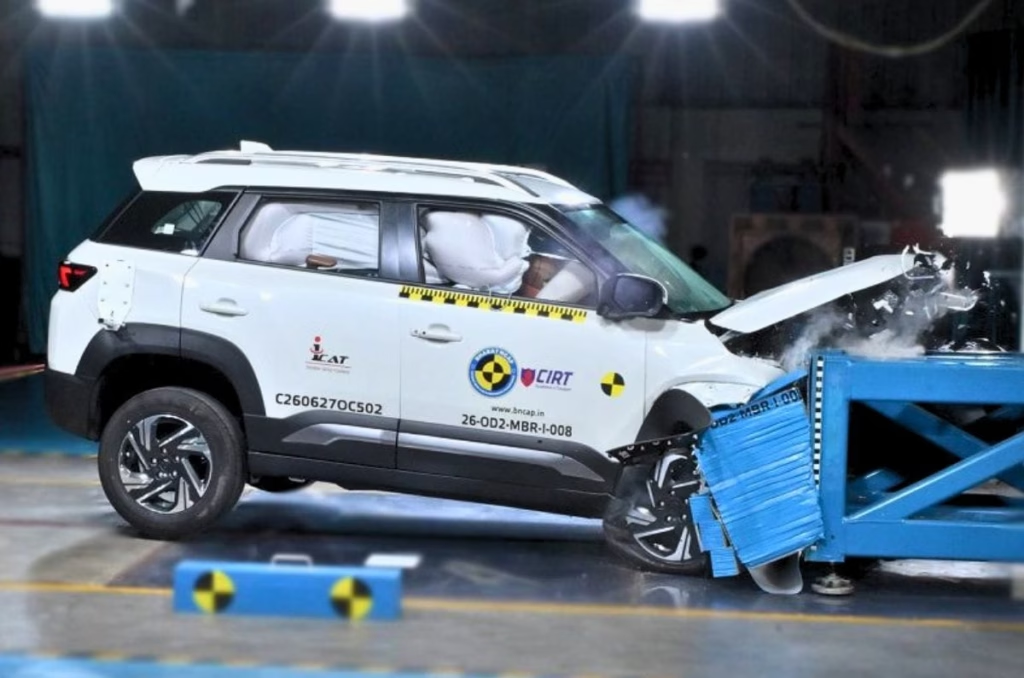
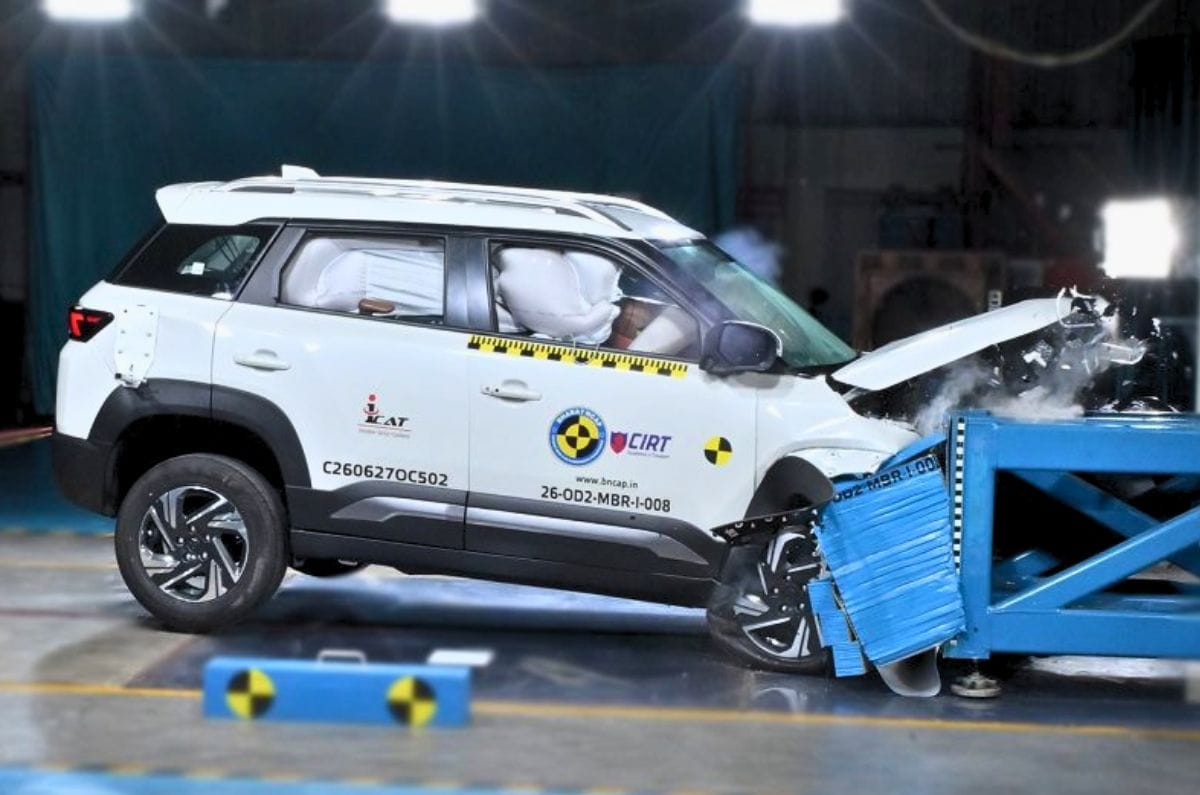
Bharat NCAP 2.0 to come into effect from October 2027: Gadkari

Bharat NCAP 2.0 to come into effect from October 2027: Gadkari

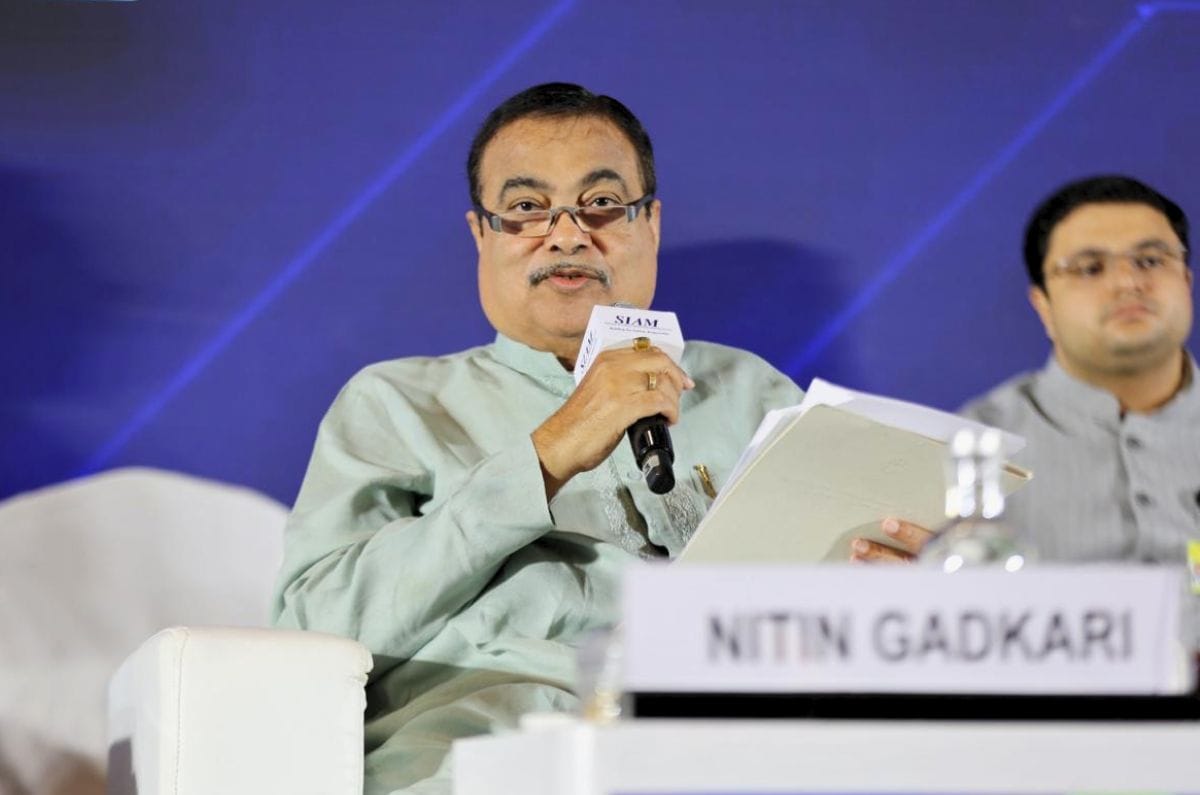
At the 66th SIAM Annual Convention, Union Minister of Road Transport and Highways, Nitin Gadkari, revealed that the government is preparing for the second phase of Bharat NCAP that’s set to take effect from October 2027. The new phase of the BNCAP, Gadkari said, is planned to broaden the vehicle assessment programme to areas such as crash avoidance, pedestrian safety and post-crash response.

  1. Entire crash chain will be evaluated, expanding beyond occupant protection
  2. Gadkari invited manufacturers to submit suggestions based on global safety practices

Bharat NCAP 2.0 plans: What was revealed?

“Entire crash chain” to be evaluated with the Bharat NCAP 2.0 programme 

“We are going ahead with making Bharat NCAP 2. This is a very important program [which will be] valid from October 2027,” said Gadkari while addressing the SIAM convention. The next phase is expected to assess a wider range of safety parameters. “We are going to evaluate the entire crash chain,” he added while identifying three broad areas – avoiding a crash, pedestrian protection, and post-crash evacuation and care – rather than focusing only on how vehicles protect occupants during a crash.

Image source: @siamindia on X

The ministry will also look at new safety technologies available globally as well as solutions being developed by Indian start-ups. Gadkari also invited vehicle manufacturers to submit suggestions based on their research, technical experience and safety practices followed in other markets “If you have any good suggestions, don’t hesitate, come to us”, he said.

Notified draft rules from MoRTH in November 2025 proposed 100-point evaluation criteria

In November 2025, MoRTH proposed new rules for the next phase of Bharat NCAP under AIS-197 (Revision 1), aimed at making the car safety testing programme more detailed and stricter. Under the proposed system, cars would receive a score out of 100 based on five areas: crash protection (55 points), protection for pedestrians and other vulnerable road users (20 points), safe driving features (10 points), accident avoidance technology (10 points), and post-crash safety (5 points).

The requirements for a 5-star safety rating would also become tougher. From 2027, a car would need to score at least 70 out of 100 to receive 5 stars, while from 2029, the minimum score would increase to 80 points.

The proposal also calls for more crash tests. In addition to the existing tests, cars would have to undergo a 50kph full-width frontal crash test, a 32kph oblique pole impact test and a 50kph rear-impact test. The speed of the existing side-pole test would also increase from 29kph to 32kph. Another major change is that cars would need to offer curtain airbags and electronic stability control (ESC) as standard to qualify for a star rating.

Redmi 17 5G की भारत में एंट्री, Snapdragon 4 Gen 5 प्रोसेसर और 7,900mAh बैटरी के साथ

Redmi ने गुरुवार को भारत में अपना नया Redmi 17 5G स्मार्टफोन लॉन्च कर दिया है। इस फोन को Amazon और कंपनी के अधिकृत आउटलेट्स से खरीदा जा सकेगा। ग्लोबल वेरिएंट की तरह भारत में भी यह स्मार्टफोन तीन अलग-अलग कलर ऑप्शन में उपलब्ध होगा। आइए जानते हैं Redmi 17 5G की कीमत और इसके स्पेसिफिकेशंस के बारे में।

भारत में Redmi 17 5G की कीमत

Redmi 17 5G के 6GB RAM + 128GB स्टोरेज वाले मॉडल की शुरुआती कीमत ₹39,999 है। वहीं, 8GB RAM + 128GB स्टोरेज वाले मॉडल की कीमत ₹41,999 है। खास बात यह है कि कंपनी ने दोनों मॉडल्स की नेट इफेक्टिव कीमत क्रमशः ₹23,999 और ₹26,999 तय की है।

यह फोन भारत में 10 सितंबर 2026 से Amazon और Xiaomi के अधिकृत आउटलेट्स के जरिए खरीदा जा सकेगा। Redmi 17 5G को Absolute Black, Endless Blue और Eternal Orange जैसे तीन कलर ऑप्शन में पेश किया गया है।

Redmi 17 5G के स्पेसिफिकेशन्स

Redmi 17 5G में डुअल-सिम स्लॉट है और यह Android 16 पर आधारित HyperOS3 पर चलता है। इस हैंडसेट में 6.9-इंच का HD+ डिस्प्ले होगा, जिसका रिफ्रेश रेट 120Hz तक और पीक ब्राइटनेस 825 निट्स होगी।

पावर की बात करें तो, इस स्मार्टफोन में Qualcomm का ऑक्टा-कोर Snapdragon 4 Gen 5 चिप है, जो 4nm प्रोसेस पर बना है। इसमें Adreno GPU के साथ 8GB तक LPDDR4x RAM और 256GB तक UFS 2.2 ऑनबोर्ड स्टोरेज भी मिलता है, जिसे माइक्रो-SD कार्ड से 2TB तक बढ़ाया जा सकता है।

फोटोग्राफी के लिए, इस हैंडसेट में डुअल रियर कैमरा सेटअप है, जिसमें f/1.8 अपर्चर वाला 50MP का मेन सेंसर और एक सेकेंडरी कैमरा शामिल है। सेल्फी के लिए, स्मार्टफोन में f/2.05 अपर्चर वाला 8MP का कैमरा दिया गया है।

Redmi 17 5G में 7,900mAh की बैटरी है और यह 45W वायर्ड फास्ट चार्जिंग और 22.5W रिवर्स वायर्ड चार्जिंग को सपोर्ट करता है। इस डिवाइस का साइज 170.12×78.42×8.8mm है। कनेक्टिविटी के लिए, Redmi 17 5G में 5G और 4G LTE नेटवर्क के साथ डुअल-बैंड Wi-Fi, Bluetooth, NFC, GPS और USB Type-C पोर्ट की सुविधा है। इसमें 3.5mm हेडफोन जैक भी दिया गया है।

यह भी पढ़ें: iPhone 18 Pro और 18 Pro Max की प्री-ऑर्डर डेट लीक! 12 सितंबर से शुरू हो सकती है बुकिंग, 48MP ट्रिपल कैमरा समेत मिलेंगे ये फीचर्स

Hyundai compact EV to debut by end of 2026

Hyundai compact EV to debut by end of 2026

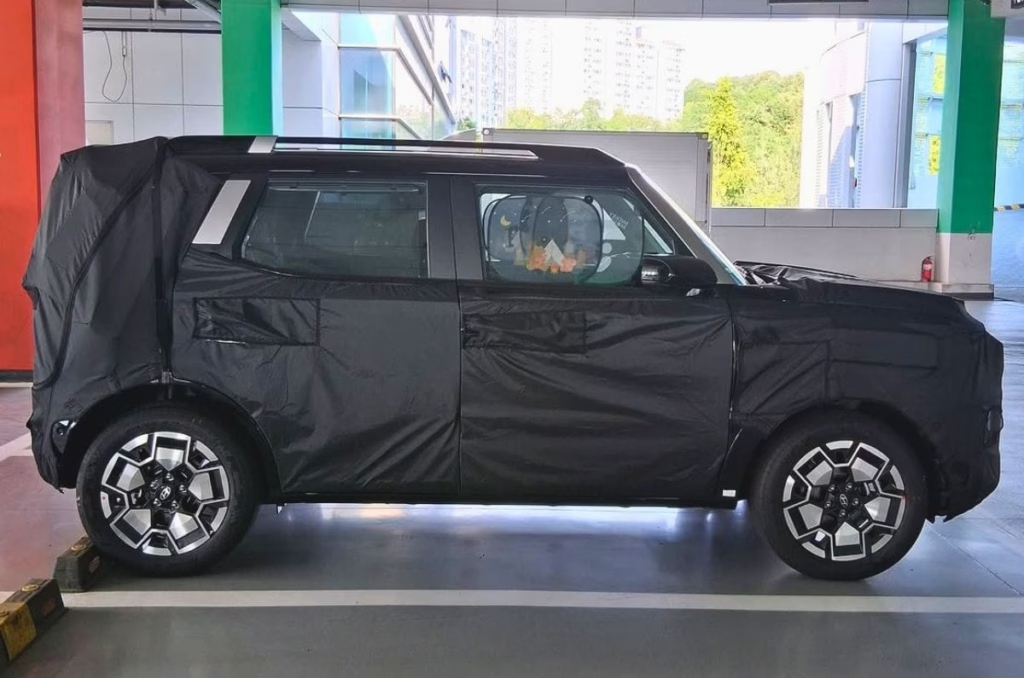
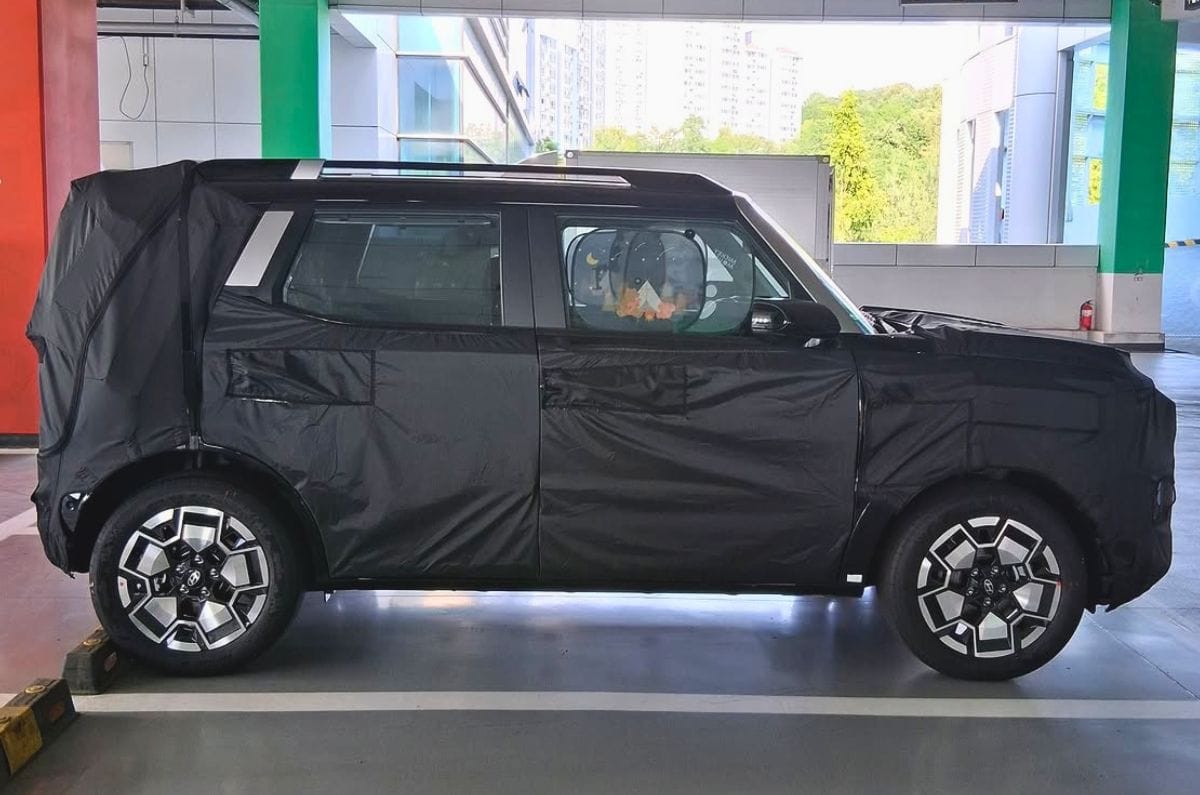
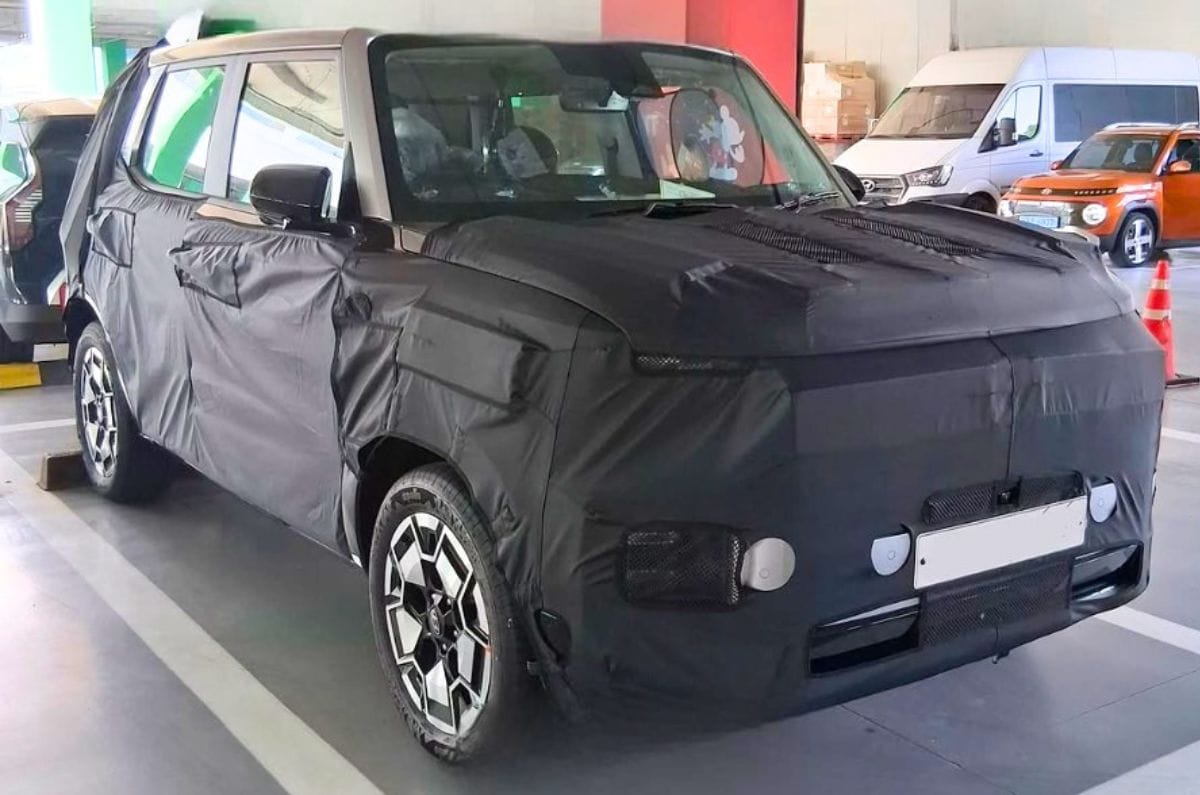
At its 2026 CEO Investor Day, Hyundai revealed plans to debut its made-in-India compact electric SUV by March 2027. However, Tarun Garg, Managing Director and CEO of Hyundai Motor India, in an interaction with our sister publication Autocar Professional, confirmed the EV will debut earlier than that, by the end of 2026. Garg also said that the EV will initially use battery cells from Svolt, before moving to its original plan to source them from Exide. 

  1. To be built on the E-GMP (K) platform that underpins the Inster EV
  2. Will rival the Tata Nexon EV, Mahindra XUV 3XO EV and Kia Syros EV

Hyundai has also revealed it expects EVs to account for more than 7 percent of its domestic sales within the next year. In FY26 (April 2025 to March 2026), EVs accounted for a 1 percent share of total Hyundai sales in the country, a figure similar to FY25 (April 2024 to March 2025).

Upcoming Hyundai compact EV: More details

Svolt to supply battery cells initially, after Exide flagged production delays earlier

Image source: @joonsun_erin on Instagram

The upcoming compact EV will initially use Svolt battery cells. “We are already ready with the new EV using Svolt cells. Otherwise, the programme could have been delayed, and we did not want to delay the vehicle,” Garg said to Autocar Professional. However, Hyundai subsequently plans to source locally produced cells through its association with Exide, as was originally planned. Notably, Exide revealed in August 2026 that battery production is delayed and that they would not be able to supply components by FY27 (by March 2027). 

Will be underpinned by the Inster’s E-GMP (K) platform

The upcoming compact EV, codenamed HE1i, will be underpinned by the E-GMP (K) platform, also used by the internationally available Inster EV. It will be offered in two versions: standard range and long range, but exact specifications are under wraps. For context, the Inster EV is also available in standard and long-range versions, with 42kWh and 45kWh batteries, respectively, offering a WLTP-claimed range of up to 355km.

Hyundai has also confirmed that the new compact EV will get a ‘next-generation infotainment system’, which could be the Pleos Connect infotainment system seen on several new-age Hyundai models now, and a ‘Level 2 assisted driving technology’. It will be manufactured at Hyundai’s Sriperumbudur facility in Tamil Nadu. Upon launch, it will lock horns with the Tata Nexon EV, Mahindra XUV 3XO EV and Kia Syros EV. 

With inputs from Ketan Thakkar and Hormazd Sorabjee

EVs could improve dealer customer retention, says Hero MotoCorp CBO

EVs could improve dealer customer retention, says Hero MotoCorp CBO

Electric two-wheelers could help dealers retain more customers even as they reduce the need for traditional servicing, according to Hero MotoCorp’s chief business officer, Ashutosh Varma.

  1. EVs are currently complementing, rather than replacing, ICE two-wheelers, says Hero MotoCorp
  2. EV service retention could reach 85-90 percent
  3. Software-based services could create new revenue opportunities for dealers

EVs could improve service retention

Dealer revenue set to evolve

Speaking at a FADA conclave, Varma said the current growth of the ICE two-wheeler market suggests EVs are complementing conventional motorcycles and scooters rather than replacing them.

“The way the ICE business seems to be growing, it doesn’t seem like EVs are substituting ICE sales. It’s just like complementing ICE sales,” he said.

One of the potential benefits for dealers could be higher customer retention. Varma said average retention in the ICE business is around 60 percent, while EVs could push this considerably higher.

“In EVs it nudges us to move even further, possibly 85-90 percent,” he said.

While EVs have fewer mechanical components and generally require less routine maintenance than ICE vehicles, a higher proportion of EV owners returning to authorised workshops could help offset some of the reduction in conventional service and parts revenue.

Varma also pointed to software as another potential source of income for dealers. Manufacturers are increasingly offering modular, paid software and technology features, giving dealerships an opportunity to earn from services beyond traditional workshop jobs.

The revenue mix for dealerships is therefore likely to change as EVs become more common, rather than simply declining because vehicles need less mechanical servicing.

“The nature of revenues as you go forward will continue to evolve,” Varma said. “There are new avenues that will continue to emerge and EVs is an excellent example.”

iPhone 18 Pro और 18 Pro Max की प्री-ऑर्डर डेट लीक! 12 सितंबर से शुरू हो सकती है बुकिंग, 48MP ट्रिपल कैमरा समेत मिलेंगे ये फीचर्स

Apple का सितंबर इवेंट, जिसका नाम “Surprise and Shine” है, 9 सितंबर 2026 को होने वाला है। यह इवेंट भारत में इंडियन स्टैंडर्ड टाइम (IST) के अनुसार रात 10:30 बजे शुरू होगा। इस दिन तीन नए फोन देखने को मिल सकते हैं: iPhone 18, iPhone 18 Pro और iPhone Ultra (Apple का पहला फोल्ड होने वाला फोन)। हाल ही में लीक हुई जानकारी से iPhone 18 Pro और iPhone 18 Pro Max के प्री-ऑर्डर की तारीख का पता चला है। यहां इनके बारे में, साथ ही इनके स्पेसिफिकेशन और कैमरा के बारे में पूरी जानकारी दी गई है।

Apple iPhone 18 Pro के प्री-ऑर्डर की डेट

Macwelt की एक रिपोर्ट के अनुसार, Apple प्री-ऑर्डर में एक दिन की देरी करेगा और शनिवार, 12 सितंबर 2026 से ऑर्डर लेना शुरू करेगा। ऐसा इसलिए होगा, क्योंकि 11 सितंबर का दिन अमेरिका में याद और शोक का दिन होता है। Apple शुरू होने का समय भी बदल सकता है। आम तौर पर शाम 5:30 बजे (IST) प्री-ऑर्डर शुरू होते हैं, लेकिन इस बार इनके 12 सितंबर को आधी रात (PT के अनुसार) और भारत में दोपहर लगभग 12:30 बजे शुरू होने की उम्मीद है।

Apple प्री-ऑर्डर शुरू करने का समय भी बदल सकता है। आमतौर पर प्री-ऑर्डर शाम 5:30 बजे (IST) शुरू होते हैं, लेकिन इस बार 12 सितंबर को PT के हिसाब से आधी रात से प्री-ऑर्डर शुरू होने की उम्मीद है। भारत में यह समय करीब दोपहर 12:30 बजे (IST) हो सकता है।

Apple iPhone 18 Pro के स्पेसिफिकेशन्स (अनुमानित)

Apple iPhone 18 Pro में 120Hz रिफ्रेश रेट वाला 6.3-इंच का OLED डिस्प्ले हो सकता है। इसमें 2nm प्रोसेस पर बना Apple A20 Pro चिपसेट इस्तेमाल किया जा सकता है। लीक से पता चलता है कि यह चिपसेट परफॉर्मेंस में 15% तेज होगा और लगभग 30% बेहतर एनर्जी एफिशिएंसी देगा। इस हैंडसेट में MagSafe वायरलेस चार्जिंग सपोर्ट के साथ 5100mAh की बैटरी भी मिल सकती है।

कैमरा की बात करें तो, Apple iPhone 18 Pro में ट्रिपल रियर कैमरा सेटअप हो सकता है, जिसमें 48MP का प्राइमरी शूटर, 48MP का अल्ट्रा-वाइड-एंगल सेंसर और 48MP का टेलीफोटो सेंसर शामिल होगा। इसके फ्रंट में सेल्फी और वीडियो कॉल के लिए 18MP का कैमरा हो सकता है।

यह भी पढ़ें: Redmi 17 5G और Note 17 Pro की कीमतें भारत में लीक, जानें क्या मिलेगा खास

Ather aims for a larger market presence with the Konarc

Ather aims for a larger market presence with the Konarc
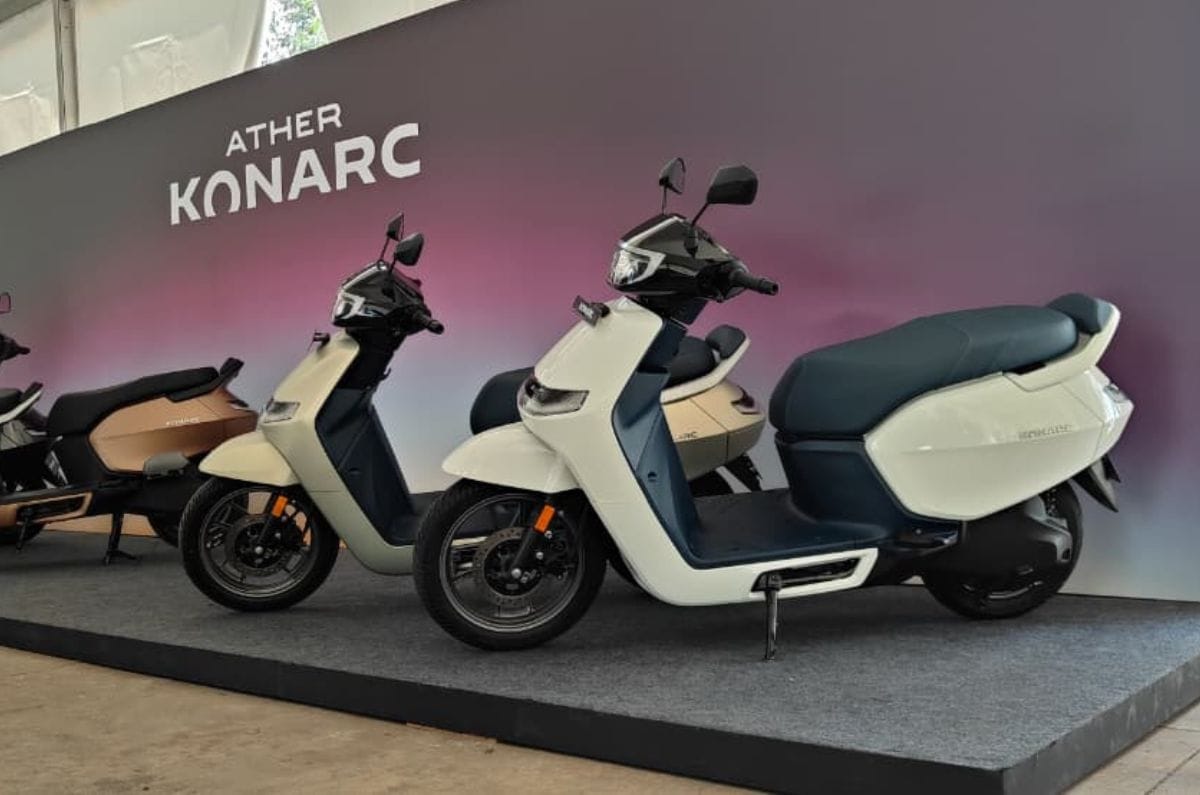
An outside image showing the Ather Konarc after the launch

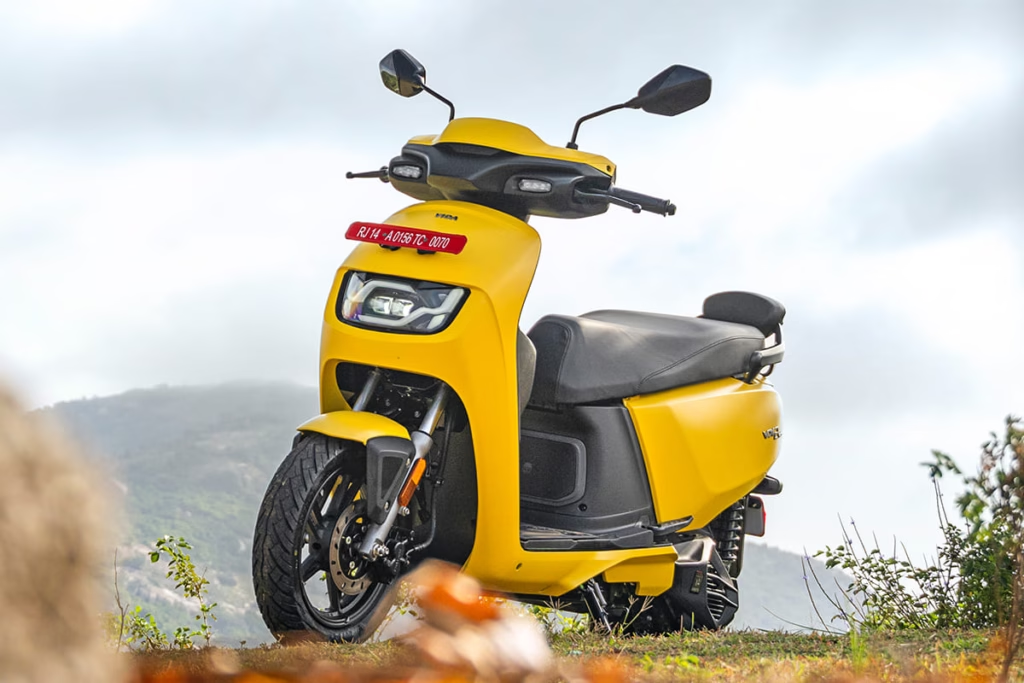
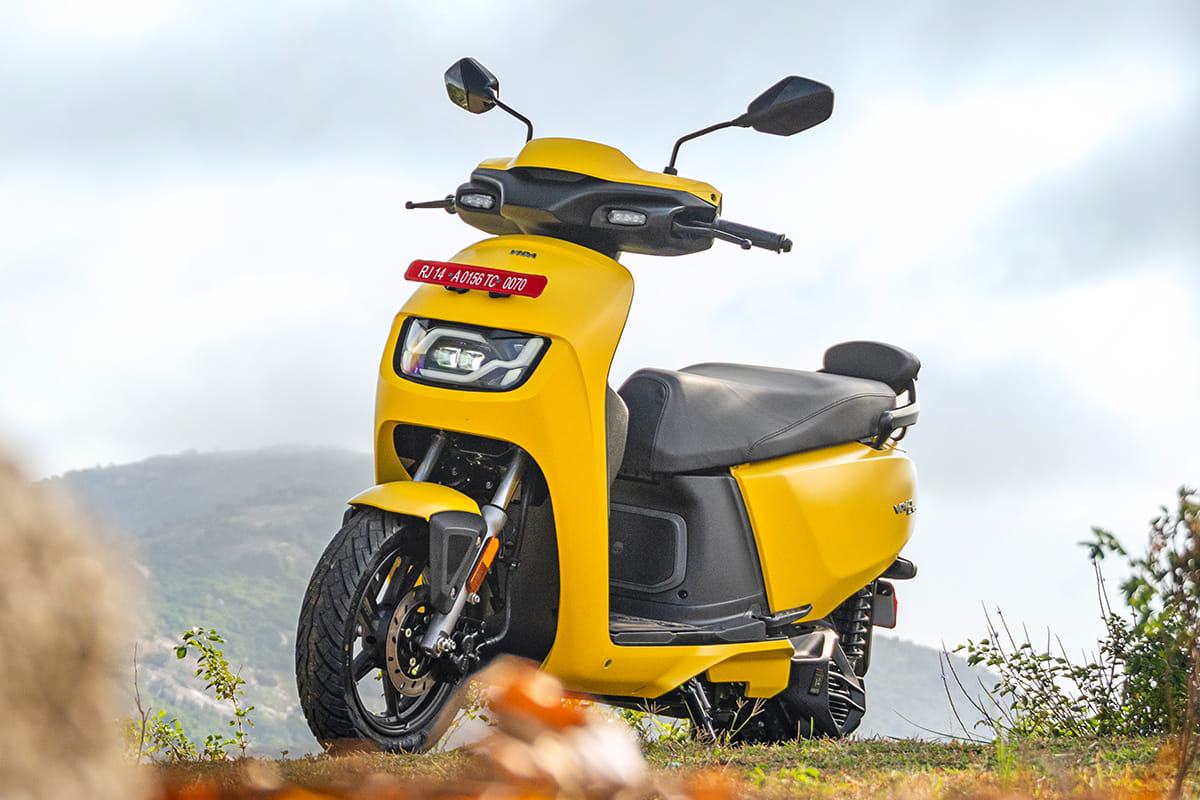
Ather‘s new scooter Konarc is a broader bet for the electric two-wheeler maker to move beyond the relatively narrow customer base it has built around its technology-led products and compete for a larger share of India’s mainstream electric scooter market. Konarc is the first product on Ather’s new EL platform, which the company says was developed with safety, serviceability and scale in mind.

  1. Six different Konarcs with two available starting September
  2. Konarc doubles the service interval compared to a typical scooter
  3. AtherNode and True Health to help with charging and resale, respectively

Konarc is built to be serviced faster and less frequent

Ather says EV priorities have changed with times

The Konarc will be offered across S and Z lines. The 100km Konarc S is priced at Rs 99,999, while the 125km and 161km versions cost Rs 1.22 lakh and Rs 1.45 lakh respectively. Prices for the 200km S and the two Z variants have not been announced. The rollout will start with the S 125 and S 161 variants from September 21, followed by the 100km version in the first quarter of 2027. The Z line is scheduled for the second quarter of 2027, and the 200km S will follow in the third quarter. Once all Konarc variants are rolled out over the next year, Ather expects to have an option for 80-90 percent of the scooter market.

Ather’s own assessment is that the questions surrounding EVs have changed. Ather co-founder and CEO Tarun Mehta said that when the company started, customers asked whether an electric scooter was powerful enough, reliable enough, or even practical. As adoption has grown, the questions have become more conventional: where to charge, how safe is the battery, how long it will last, how the vehicle will be serviced and what happens when it has to be eventually sold. The company wants to solve for the three main concerns: service, charging, and resale value for its EV scooters.

Serviceability is one of the areas where Ather says the EL platform is intended to deliver an advantage. The Konarc’s service interval is 10,000 km (vs 5,000 km for most other scooters), while the number of service checkpoints has also been reduced. In a demonstration during the launch, the motor and transmission assembly was removed in 38 seconds and put back in 1 minute 33 seconds. Mehta acknowledged that service centres would not necessarily replicate these times, but said the architecture was designed to make servicing simpler.

Charging network has also been improved

Ather is solving for public and residential charging

Konarc owners will of course have access to Ather’s existing network of about 6,000 public fast chargers known as Ather Grid. The company, however, sees apartment complexes as the next charging bottleneck. To solve that, it has built AtherNode, a new residential charging system, which uses a building’s common electricity supply to serve individual parking spaces. It manages the available load, queues vehicles, and generates separate bills for residents. This could allow housing societies to add more charging points without immediately upgrading their transformers. Ather plans to introduce the system in six cities from December, beginning with Bengaluru. The Konarc itself gets a 450W onboard charger and supports combined charging; which means that it can be paired with an external 450W charger to refill the battery at 900W.

Ather True Health to help with resale value

The company remains committed to its software first approach

With the Konarc, Ather has attempted to put more conventional attributes of a mass-market scooter alongside the technology it has developed over several years. The company is wanting to solve not only the product problem, but also some of the ownership concerns that could prevent customers from switching from petrol scooters. As the third prong on that front, Ather has introduced True Health on its app, a digital report covering the battery, motor, charger, dashboard, service history and wear components for eligible scooters more than three years old. Owners can view the condition of major components, the battery’s state of health and an estimated resale value. Such a company-verified report could give buyers and sellers a better basis for arriving at a price.

Finally, the company expects software adoption to remain strong even as it moves into a more mainstream segment. For example, in Madhya Pradesh, the adoption rate for AtherStack Pro initially stood at about 40 percent, but eventually crossed 88 percent with the number of stores increasing. The Konarc is Ather’s aim at a much broader part of the market, but that means competing not only with other electric scooter makers, but also with established petrol scooter brands. It remains to be seen whether the company’s push to improve serviceability, charging, and resale value will ease that challenge.

With inputs from Nayan Jain and Stephen Raj Antony.

 

सुंदर पिचाई का फ्यूचर मंत्र! तकनीक बदलेगी, लेकिन इंसान पर भरोसा करना न छोड़े

टेक्नोलॉजी की दुनिया में हर दिन कुछ नया आता रहता है। कभी नया फोन लॉन्च होता है, तो कभी किसी ऐप या सॉफ्टवेयर में नया फीचर जुड़ जाता है। ऐसे बदलाव हमारी रोजमर्रा की जिंदगी को आसान बनाते हैं। लेकिन इनके पीछे सिर्फ मशीनों का कमाल नहीं होता, बल्कि इन्हें बनाने और इस्तेमाल करने वाले लोगों की सोच भी बहुत मायने रखती है। सुंदर पिचाई टेक्नोलॉजी के फ्यूचर को लेकर काफी पॉजिटिव सोच रखते हैं। उनका मानना है कि टेक्निक हमारी जिंदगी को बेहतर बना सकती है, लेकिन इसके लिए लोगों की सोच और सही फैसले भी जरूरी हैं। यानी उनका भरोसा सिर्फ टेक्नोलॉजी पर नहीं, बल्कि उन लोगों पर भी है जो इसे बनाते हैं और सही तरीके से इस्तेमाल करते हैं।


sundar


सुंदर पिचाई का आज का विचार-

मैं आशावादी हूं, इसलिए नहीं कि मुझे टेक्नोलॉजी पर भरोसा है, बल्कि इसलिए कि मुझे लोगों पर भरोसा है।


लोगों पर भरोसा करें

सुंदर पिचाई के इस विचार का मतलब है कि फ्यूचर को लेकर उनका भरोसा सिर्फ टेक्नोलॉजी पर नहीं है। मशीनें काम को तेज कर सकती हैं, सॉफ्टवेयर कई चीजों को अपने आप कर सकता है और AI कुछ ही सेकंड में जवाब दे सकता है। लेकिन सही फैसला लेना अभी भी इंसान के हाथ में है। कौन-सी परेशानी हल करनी है, किसी जवाब पर भरोसा करना है या नहीं और टेक्नोलॉजी का इस्तेमाल किस तरह करना है, यह इंसान ही तय करता है।


अपने फैसले खुद लें

नई टेक्नोलॉजी आने के बाद हर कोई उसे एक ही तरीके से इस्तेमाल नहीं करता। कंपनियां तय करती हैं कि उन्हें कौन-सा सिस्टम अपनाना है, एम्पलॉई देखते हैं कि वह उनके काम को कैसे आसान बना सकता है और कस्टमर तय करते हैं कि कौन-सा प्रोडक्ट लंबे समय तक चलेगा। वहीं गवर्नमेंट और दूसरी ऑर्गेनाइजेशन यह तय करती हैं कि किसी टेक्निक के इस्तेमाल के लिए कौन से नियम होने चाहिए।

टेक्नोलॉजी कई ऐसे काम कर सकती है, जिनमें पहले काफी समय और मेहनत लगती थी। इससे काम करने का तरीका जरूर बदल रहा है, लेकिन इसका मतलब यह नहीं है कि इंसानों की जरूरत खत्म हो जाएगी। किसी को यह तय करना होगा कि काम कैसे किया जाए, नतीजा सही है या नहीं और गलती होने पर क्या कदम उठाना है। बातचीत करना, परेशानी को समझना, सही फैसला लेना और दूसरों के साथ मिलकर काम करना जैसी खूबियां आज भी जरूरी हैं।


नई चीजें सीखते रहे

टेक्नोलॉजी लगातार बदल रही है, इसलिए एक ही सिस्टम या टूल को हमेशा के लिए सीख लेना काफी नहीं है। आज जो सॉफ्टवेयर काम का है, हो सकता है कुछ समय बाद उसकी जगह कोई नया टूल ले ले। ऐसे में नई चीजों को सीखने और जरूरत के हिसाब से खुद को बदलने की आदत काफी काम आती है। शुरुआत में किसी नई टेक्नोलॉजी को समझने में परेशानी हो सकती है, लेकिन गलतियों से सीखकर धीरे-धीरे बेहतर हुआ जा सकता है।


AI इनफार्मेशन सोच-समझकर अपनाएं

पिचाई की बात का मतलब यह नहीं है कि टेक्नोलॉजी से जुड़ी हर चीज अच्छी ही होगी। AI गलत जानकारी दे सकता है, ऑटोमेशन से कुछ नौकरियों पर असर पड़ सकता है और डिजिटल टेक्नोलॉजी से प्राइवेसी जैसे सवाल भी खड़े हो सकते हैं। इसलिए नई टेक्निक को अपनाते समय सिर्फ उसके फायदे देखना सही नहीं है। यह भी समझना जरूरी है कि इसे किसने बनाया, इसका इस्तेमाल कौन कर रहा है, इससे किसे फायदा हो रहा है और इसकी वजह से किन लोगों को परेशानी हो सकती है।


टेक्नोलॉजी लगातार बदल रही है, इसलिए जरूरी है कि हम भी नई चीजों के साथ खुद को बदलते रहें। हर नई टेक्निक को बिना सोचे अपनाने के बजाय यह समझना बेहतर है कि वह हमारे लिए कितनी काम की है। खुली सोच और सीखने की आदत के साथ हम आने वाले बदलावों को आसानी से अपना सकते हैं।