Gold Silver Prices Today: दिल्ली सर्राफा बाजार में 13 अक्तूबर को लगातार दूसरे दिन सोने में गिरावट आई। यह 400 रुपये गिरकर 1,56,600 रुपये प्रति 10 ग्राम पर बंद हुआ। चांदी में भी गिरावट देखने को मिली। अंतरराष्ट्रीय बाजार में सोने में हल्की तेजी थी, जबकि चांदी पर दबाव था।
चांदी में 500 रुपये की गिरावट
दिल्ली सर्राफा बाजार में चांदी 500 रुपये गिरकर 2,26,000 रुपये प्रति किलोग्राम पर रही। सोने और चांदी की कीमतों पर रुपये में मजबूती का असर पड़ा। बीते दो सत्रों में रुपये में 1.5 फीसदी की मजबूती आई है। रुपये में मजबूती से गोल्ड के आयात की लागत घट जाती है। इसका असर इसके घरेलू प्राइस पर पड़ता है।
अंतरराष्ट्रीय बाजार में भी गिरी चांदी
अंतरराष्ट्रीय बाजार में सोना 0.03 फीसदी चढ़कर 4,172 डॉलर प्रति औंस पर चल रहा था। सिल्वर 0.97 फीसदी गिरकर 59,60 डॉलर प्रति औंस पर चल रहा था। क्रूड ऑयल की कीमतों में हल्की कमजोरी देखने को मिली। हालांकि, ब्रेंट क्रूड अब भी 105 डॉलर प्रति बैरल से ऊपर बना हुआ है।
क्रूड ऑयल 100 डॉलर के ऊपर
क्रूड ऑयल की कीमतें लगातार 100 डॉलर प्रति बैरल से ऊपर बनी हुई है। इससे अमेरिका सहित दूसरे देशों में महंगाई तेजी से बढ़ने का डर है। इस महीने के आखिर में अमेरिकी केंद्रीय बैंक फेडरल रिजर्व की मॉनेटरी पॉलिसी आने वाली है। बुलियन मार्केट की नजरें फेड के फैसले पर लगी हैं। अगर फेड इंटरेस्ट रेट बढ़ाता है तो इसका खराब असर सोने की कीमतों पर पड़ सकता है।
इस साल की शुरुआत में सोने और चांदी की कीमतें रिकॉर्ड ऊंचाई पर पहुंच गई थीं। उसके बाद उनमें तेज गिरावट आई। फरवरी के अंत में अमेरिका और ईरान के बीच शुरू लड़ाई ने सोने और चांदी पर दबाव और बढ़ा दिया। तब से सोने और चांदी की कीमतें सीमित दायरे में चढ़ और उतर रही हैं।
Gold Silver Outlook: सोने और चांदी की कीमतों में 13 अक्टूबर को स्थिरता देखने को मिली। अमेरिका के महंगाई के अहम आंकड़ों से पहले अमेरिकी डॉलर, ब्याज दरों की उम्मीदों और कच्चे तेल की कीमतों पर बाजार की नजर है। मल्टी कमोडिटी एक्सचेंज (MCX) पर, दिसंबर के सोने के वायदा (futures) का भाव ₹1.49 लाख प्रति 10 ग्राम था, जिसमें 0.01% की गिरावट आई। दिसंबर डिलीवरी के लिए चांदी के वायदा का कारोबार ₹2.22 लाख प्रति किलोग्राम पर हुआ, जिसमें 0.05% की गिरावट देखी गई।
अंतरराष्ट्रीय स्तर पर, सोने और चांदी की कीमतों में उतार-चढ़ाव देखा गया है क्योंकि बाज़ार अमेरिकी ब्याज दरों के भविष्य पर फिर से विचार कर रहे हैं। हालांकि ब्याज दरों में तुरंत बढ़ोतरी की उम्मीदें कम होने से बुलियन (सोने-चांदी) को सहारा मिल सकता है, लेकिन बॉन्ड यील्ड का बढ़ना और डॉलर का मजबूत होना अभी भी बड़ी चुनौतियां बनी हुई हैं।
लेमन (Lemonn) में रिसर्च हेड गौरव गर्ग ने कहा कि अंतरराष्ट्रीय बाज़ारों में सोने और चांदी की कीमतों में बढ़त हो रही है, हालांकि मजबूत अमेरिकी डॉलर और अमेरिकी फेडरल रिजर्व की ब्याज दरों को लेकर अनिश्चितता आगे की बढ़त को सीमित कर सकती है।
उन्होंने कहा कि निवेशक महंगाई और फेड के अगले नीतिगत कदमों के बारे में नए संकेतों के लिए अमेरिका के कंज्यूमर प्राइस इंडेक्स (CPI) और प्रोड्यूसर प्राइस इंडेक्स (PPI) के आंकड़ों का इंतज़ार कर रहे हैं।
कीमतों में उतार-चढ़ाव क्यों?
सोने और चांदी से कोई ब्याज आय नहीं मिलती है। जब बॉन्ड यील्ड बढ़ती है या बाज़ार को उम्मीद होती है कि ब्याज दरें ऊंची बनी रहेंगी, तो निवेशक ब्याज देने वाली संपत्तियों को ज़्यादा आकर्षक मान सकते हैं, जिससे बुलियन की कीमतों पर दबाव पड़ता है। इसके विपरीत, डॉलर का कमजोर होना और ब्याज दरों के कम रहने की उम्मीदें कीमती धातुओं को सहारा दे सकती हैं।
वेंचुरा (Ventura) में कमोडिटी हेड एन एस रामास्वामी ने कहा कि सोने की कीमतों में उतार-चढ़ाव बना हुआ है, क्योंकि कमजोर पेरोल आंकड़ों के बाद बाज़ार में अक्टूबर में अमेरिकी फेडरल रिजर्व द्वारा ब्याज दरें बढ़ाने की उम्मीदें कम हो गई हैं। उन्होंने कहा कि साल के आखिर में और 2027 की पहली छमाही में ऊंची ब्याज दरों की उम्मीदें कीमतों पर असर डाल सकती हैं।
जियोपॉलिटिकल तनाव भी ऊर्जा की कीमतों पर असर डालकर बुलियन को प्रभावित कर रहे हैं। रामास्वामी ने कहा कि कच्चे तेल की ऊंची कीमतें महंगाई की चिंताओं और ऊंची ब्याज दरों की उम्मीदों को और बढ़ा सकती हैं, जिससे सोने के लिए निकट भविष्य में चुनौतीपूर्ण माहौल बन सकता है। ब्रिकवर्क रेटिंग्स में रिसर्च हेड, राजीव शरण ने कहा कि सोने की कीमतों पर सिर्फ़ जियोपॉलिटिकल घटनाओं के बजाय कच्चे तेल और अमेरिकी ब्याज दरों में बदलाव का ज़्यादा असर पड़ रहा है। उन्होंने कहा कि कीमतों में और गिरावट आने पर त्योहारों के मौसम से पहले खरीदारी बढ़ सकती है।
निवेशकों को आगे किस चीज़ पर नजर रखनी चाहिए?
अमेरिकी महंगाई के आंकड़े बुलियन (सोने-चांदी) की कीमतों के लिए निकट भविष्य में एक अहम कारक हैं। उम्मीद से ज़्यादा महंगाई से ब्याज दरें बढ़ने की उम्मीदें मज़बूत हो सकती हैं, जबकि कम महंगाई के आंकड़े मॉनेटरी टाइटनिंग (मौद्रिक सख्ती) की चिंताओं को कम करके कीमतों को सहारा दे सकते हैं।
Giottus.com के CEO विक्रम सुब्बुराज ने कहा कि सोने और चांदी के लिए निकट भविष्य का आउटलुक सतर्कता वाला बना हुआ है। उन्होंने अमेरिकी डॉलर, बॉन्ड यील्ड और महंगाई के आंकड़ों को नज़र रखने के लिए अहम कारक बताया। साथ ही, उन्होंने कहा कि करेंसी में उतार-चढ़ाव भी घरेलू बुलियन की कीमतों पर असर डालते हैं क्योंकि भारत अपना ज़्यादातर सोना और चांदी आयात करता है।
भारतीय खरीदारों के लिए, कमज़ोर रुपया आयातित बुलियन को महंगा बना सकता है, भले ही अंतरराष्ट्रीय कीमतें स्थिर हों या गिर रही हों। घरेलू कीमतें आयात शुल्क और स्थानीय मांग से भी प्रभावित होती हैं।
क्या त्योहारों का मौसम सोने को मिलेगा सहारा
धनतेरस और दिवाली से पहले गहनों की खरीदारी से घरेलू सोने की मांग को सहारा मिल सकता है, हालांकि रिटेल खरीदारी से कीमतों में तुरंत बढ़ोतरी हो ज़रूरी नहीं है।
रामास्वामी को उम्मीद है कि दिवाली से पहले सोना ₹1.50 लाख से ₹1.65 लाख प्रति 10 ग्राम के दायरे में ट्रेड करेगा, और त्योहारों की मांग के पीक समय के बाद इसमें कंसोलिडेशन (स्थिरता) हो सकता है। यह बाज़ार का एक अनुमानित आउटलुक है, न कि कीमतों की गारंटी वाली रेंज।
VT मार्केट्स के प्रिंसिपल एनालिस्ट डैनियल मुंडे ने कहा कि गोल्ड एक्सचेंज-ट्रेडेड फंड्स (ETFs) में साप्ताहिक निवेश से पता चलता है कि कुछ निवेशक कीमतों में गिरावट का इस्तेमाल अपनी पोजीशन बनाने और अनिश्चितता से बचाव (हेजिंग) के लिए कर रहे हैं। हालांकि, उन्होंने चेतावनी दी कि महंगाई के मज़बूत आंकड़े और ब्याज दरें बढ़ने की नई उम्मीदें रिकवरी को धीमा कर सकती हैं।
निवेशकों के लिए, शॉर्ट-टर्म रिबाउंड (अल्पकालिक उछाल) और दिशा में लगातार बदलाव के बीच का अंतर समझना ज़रूरी है। डॉलर, अमेरिकी ट्रेजरी यील्ड, महंगाई के आंकड़े, कच्चा तेल और निवेश का प्रवाह यह तय करने में मदद करेंगे कि सोना और चांदी रिकवर कर सकते हैं या दबाव में रहेंगे।
(डिस्क्लेमर: मनीकंट्रोल.कॉम पर दिए गए विचार एक्सपर्ट के अपने निजी विचार होते हैं। वेबसाइट या मैनेजमेंट इसके लिए उत्तरदाई नहीं है। यूजर्स को मनी कंट्रोल की सलाह है कि कोई भी निवेश निर्णय लेने से पहले सार्टिफाइड एक्सपर्ट की सलाह लें।
Gold- Silver price: घरेलू बाजार में सोने और चांदी की कीमतों में गिरावट देखी गई, क्योंकि डॉलर के मज़बूत होने का असर कीमती धातुओं पर पड़ा। ग्लोबल मार्केट में, कॉमेक्स (Comex) पर सोने के फ़्यूचर्स $4,200 प्रति औंस के आस-पास ट्रेड कर रहे थे, जबकि चांदी $60.50 प्रति औंस के आस-पास ट्रेड कर रही थी। घरेलू बाज़ार में, मल्टी कमोडिटी एक्सचेंज (MCX) पर सोने के फ़्यूचर्स खबर लिखे जाने के समय ₹1,49,450 प्रति 10 ग्राम के आस-पास ट्रेड कर रहे थे, जबकि चांदी के फ़्यूचर्स ₹2,22,650 प्रति किलोग्राम के आस-पास ट्रेड कर रहे थे।
मज़बूत शुरुआत के बाद सोने में गिरावट
सोने के फ़्यूचर्स की शुरुआत तेज़ी के साथ हुई। MCX पर, बेंचमार्क दिसंबर गोल्ड कॉन्ट्रैक्ट ₹110 की बढ़त के साथ ₹1,49,653 प्रति 10 ग्राम पर खुला। पिछली क्लोजिंग ₹1,49,543 थी।
हालांकि, खबर लिखे जाने के समय, यह कॉन्ट्रैक्ट ₹73 की गिरावट के साथ ₹1,49,470 पर ट्रेड कर रहा था। सोने के फ़्यूचर्स ने इस साल की शुरुआत में ₹1,80,779 प्रति 10 ग्राम का उच्चतम स्तर छुआ था।
चांदी की चमक पड़ी फीकी
चांदी के फ़्यूचर्स भी मामूली बढ़त के साथ खुले। MCX पर, बेंचमार्क दिसंबर सिल्वर कॉन्ट्रैक्ट ₹28 की बढ़त के साथ ₹2,22,905 प्रति किलोग्राम पर खुला। पिछली क्लोजिंग ₹2,22,877 थी। खबर लिखे जाने के समय, यह कॉन्ट्रैक्ट ₹224 की गिरावट के साथ ₹2,22,653 पर ट्रेड कर रहा था।चांदी के फ़्यूचर्स ने इस साल की शुरुआत में ₹4,20,048 प्रति किलोग्राम का उच्चतम स्तर छुआ था।
ग्लोबल मार्केट में सोना चढ़ा, चांदी में नरमी
इंटरनेशनल मार्केट में सोने के फ़्यूचर्स तेज़ी के साथ ट्रेड कर रहे थे, जबकि चांदी में मामूली गिरावट थी।कॉमेक्स पर, सोना $4,195.50 प्रति औंस पर खुला। पिछली क्लोजिंग कीमत $4,190.60 थी। खबर लिखे जाने के समय, यह $15.10 की बढ़त के साथ $4,205.70 प्रति औंस पर ट्रेड कर रहा था। इस साल की शुरुआत में सोने की कीमतें $5,586.20 प्रति औंस के उच्चतम स्तर पर पहुंच गई थीं।
कोमेक्स (Comex) सिल्वर फ्यूचर्स $60.55 प्रति औंस पर खुले। पिछली क्लोजिंग कीमत $60.51 थी। यह खबर लिखे जाने के समय, चांदी $0.03 गिरकर $60.48 प्रति औंस पर ट्रेड कर रही थी। इस साल की शुरुआत में चांदी की कीमतें $121.79 प्रति औंस के उच्चतम स्तर पर पहुंच गई थीं।
अब क्या बनाए निवेश ऱणनीति
केडिया एडवाइजरी के डायरेक्टर अजय केडिया के अनुसार, तकनीकी रूप से सोने में नई बिकवाली का दबाव देखा जा रहा था। ओपन इंटरेस्ट 5.82 प्रतिशत बढ़कर 17,065 कॉन्ट्रैक्ट हो गया, जबकि कीमतें ₹1,956 गिर गई। सोने को ₹1,48,605 पर सपोर्ट मिल सकता है, और उसके बाद ₹1,47,665 पर। रेजिस्टेंस ₹1,51,040 पर देखा जा रहा है। अगर कीमतें इस स्तर से ऊपर बनी रहती हैं, तो सोना ₹1,52,535 की ओर बढ़ सकता है। हालांकि, सपोर्ट से नीचे जाने पर गिरावट और गहरी हो सकती है। तकनीकी नजरिए से चांदी में भी नई बिकवाली का दबाव देखा जा रहा था। ओपन इंटरेस्ट 4.24 प्रतिशत बढ़कर 17,605 कॉन्ट्रैक्ट हो गया, जबकि कीमतें ₹2,878 गिर गईं।
चांदी को ₹2,21,735 पर सपोर्ट मिल सकता है, और उसके बाद ₹2,20,585 पर। रेजिस्टेंस ₹2,24,950 पर देखा जा रहा है। अगर कीमतें इस स्तर से ऊपर बनी रहती हैं, तो चांदी ₹2,27,015 की ओर बढ़ सकती है। सपोर्ट से नीचे जाने पर मौजूदा गिरावट का ट्रेंड और मजबूत हो सकता है।
(डिस्क्लेमर: मनीकंट्रोल.कॉम पर दिए गए विचार एक्सपर्ट के अपने निजी विचार होते हैं। वेबसाइट या मैनेजमेंट इसके लिए उत्तरदाई नहीं है। यूजर्स को मनी कंट्रोल की सलाह है कि कोई भी निवेश निर्णय लेने से पहले सार्टिफाइड एक्सपर्ट की सलाह लें।
Silver Price Today: हफ्ते के दूसरे दिन भी चांदी की कीमतो में गिरावट देखने को मिली। दिल्ली के सर्राफा बाजार में चांदी की कीमत गिरकर 2,26,500 रुपये प्रति किलोग्राम (सभी टैक्स सहित) रह गई। उधर गुडरिटर्न्स के मुताबिक चांदी की कीमत 2,40,000 रुपये प्रति किलो हो गई।
आज बाजार ओपन होने से पहले तक मल्टी कमोडिटी एक्सचेंज (MCX) पर चांदी का वायदा भाव 1.24% घटकर यानी 2805 रुपये गिरावट के साथ 2,22,950 रुपये प्रति किलो हो गया। जबकि पिछले कारोबारी सत्र में चांदी 2,25,755 रुपये प्रति किलो पर बंद हुई थी। बुलियंस के मुताबिक चांदी की कीमत 2,23,280 रुपये किलो हो गई। जबकि अंतरराष्ट्रीय बाजार में 60.37 डॉलर प्रति औंस हो गई।
औद्योगिक मांग, अंतरराष्ट्रीय बाजार में हलचल और अमेरिकी डॉलर के मुकाबले रुपये की कीमत में उतार-चढ़ाव, ये सभी घरेलू स्तर पर चांदी की कीमतों को प्रभावित कर सकते हैं। स्थानीय बाज़ार की स्थितियों के आधार पर अलग-अलग शहरों में कीमतें अलग-अलग हो सकती हैं।
आइए 13 अक्टूबर को भारत के प्रमुख शहरों में चांदी की ताजा कीमतों पर एक नज़र डालते हैं
शहर
1 किलो चांदी का भाव
दिल्ली
₹ 2,39,900
मुंबई
₹ 2,39,900
कोलकाता
₹2,39,900
चेन्नई
₹2,44,900
लखनऊ
₹2,39,900
पटना
₹2,39,900
जयपुर
₹2,39,900
अहमदाबाद
₹2,39,900
पुणे
₹2,39,900
बेंगलुरु
₹2,39,900
हैदराबाद
₹2,39,900
भोपाल
₹2,39,900
चंडीगढ़
₹2,39,900
नोएडा
₹2,39,900
गुरुग्राम
₹2,39,900
चांदी में गिरावट क्यों
डॉलर मजबूत होने की वजह से चांदी की कीमतों में ज्यादा तेजी नहीं आ पा रही है। वहीं, कच्चे तेल की ऊंची कीमतों और पश्चिम एशिया में बढ़ते तनाव के कारण महंगाई को लेकर चिंता बनी हुई है। अब निवेशकों की नजर अमेरिका के महंगाई के आंकड़ों पर है, जिनसे यह संकेत मिलेगा कि अमेरिकी फेडरल रिजर्व आगे ब्याज दरों में क्या बदलाव कर सकता है।
अमेरिकी डॉलर इंडेक्स करीब 18 महीने के ऊंचे स्तर पर है, जिससे सोने और चांदी की कीमतों में तेजी सीमित हो रही है। सोने और चांदी की कीमतों पर डॉलर और अमेरिकी बॉन्ड की ब्याज दरों का सीधा असर पड़ता है। डॉलर मजबूत होने पर दूसरे देशों के खरीदारों के लिए सोना महंगा हो जाता है। वहीं, ब्याज दरें बढ़ने पर निवेशक सोने के बजाय ऐसे विकल्पों में पैसा लगाना पसंद कर सकते हैं, जिनसे ब्याज मिलता है।
दूसरी ओर, पश्चिम एशिया में तनाव और कच्चे तेल की बढ़ती कीमतें भी बाजार को प्रभावित कर रही हैं। ब्रेंट क्रूड करीब 105 डॉलर प्रति बैरल के पार पहुंच गया, जो दो सप्ताह के ऊंचे स्तर के करीब है। तेल महंगा होने से महंगाई बढ़ने का खतरा रहता है। ऐसे में अमेरिकी फेडरल रिजर्व ब्याज दरों में कटौती करने में देरी कर सकता है।
अब कहां रखें नजर
आने वाले दिनों में अमेरिका के महंगाई के आंकड़े, फेडरल रिजर्व के बयान, डॉलर की चाल और अमेरिकी बॉन्ड की ब्याज दरें सोने-चांदी की दिशा तय करने में अहम भूमिका निभाएंगी। एक्सपर्ट्स का कहना है कि पिछले सप्ताह फेडरल रिजर्व के सख्त रुख, मजबूत डॉलर और अमेरिकी बॉन्ड की ऊंची ब्याज दरों से सोने-चांदी पर दबाव पड़ा था। हालांकि, ईरान के साथ बातचीत में प्रगति से जुड़ी टिप्पणियों के बाद तेल की कीमतों और महंगाई को लेकर चिंता कुछ कम हुई, जिससे बाजार के माहौल में सुधार आया।
(डिस्क्लेमर: मनीकंट्रोल.कॉम पर दिए गए विचार एक्सपर्ट के अपने निजी विचार होते हैं। वेबसाइट या मैनेजमेंट इसके लिए उत्तरदाई नहीं है। यूजर्स को मनी कंट्रोल की सलाह है कि कोई भी निवेश निर्णय लेने से पहले सार्टिफाइड एक्सपर्ट की सलाह लें।
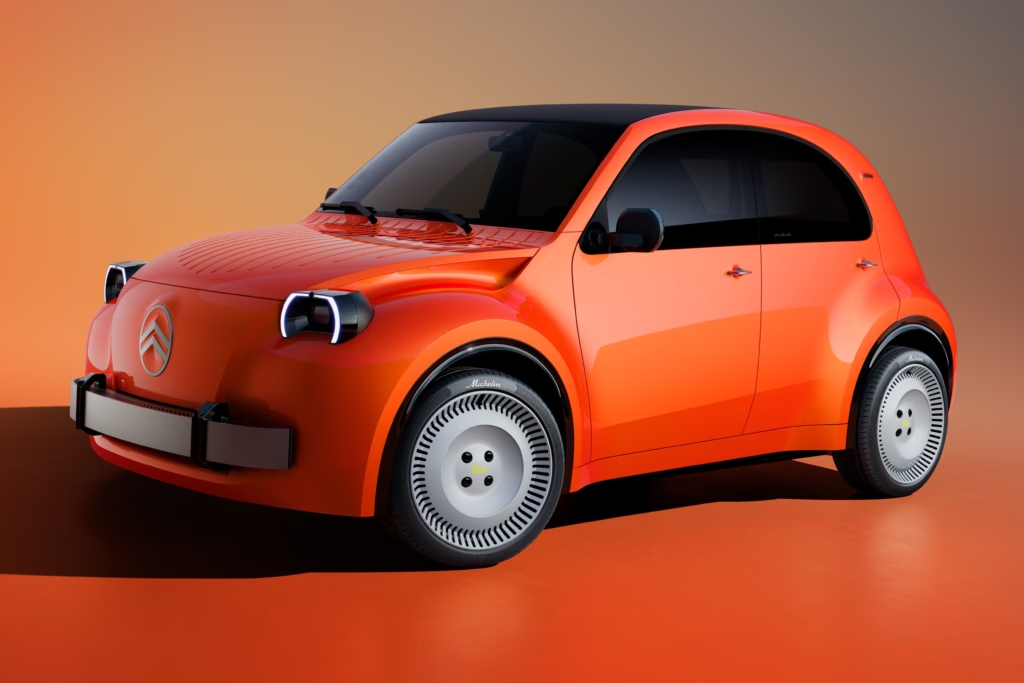
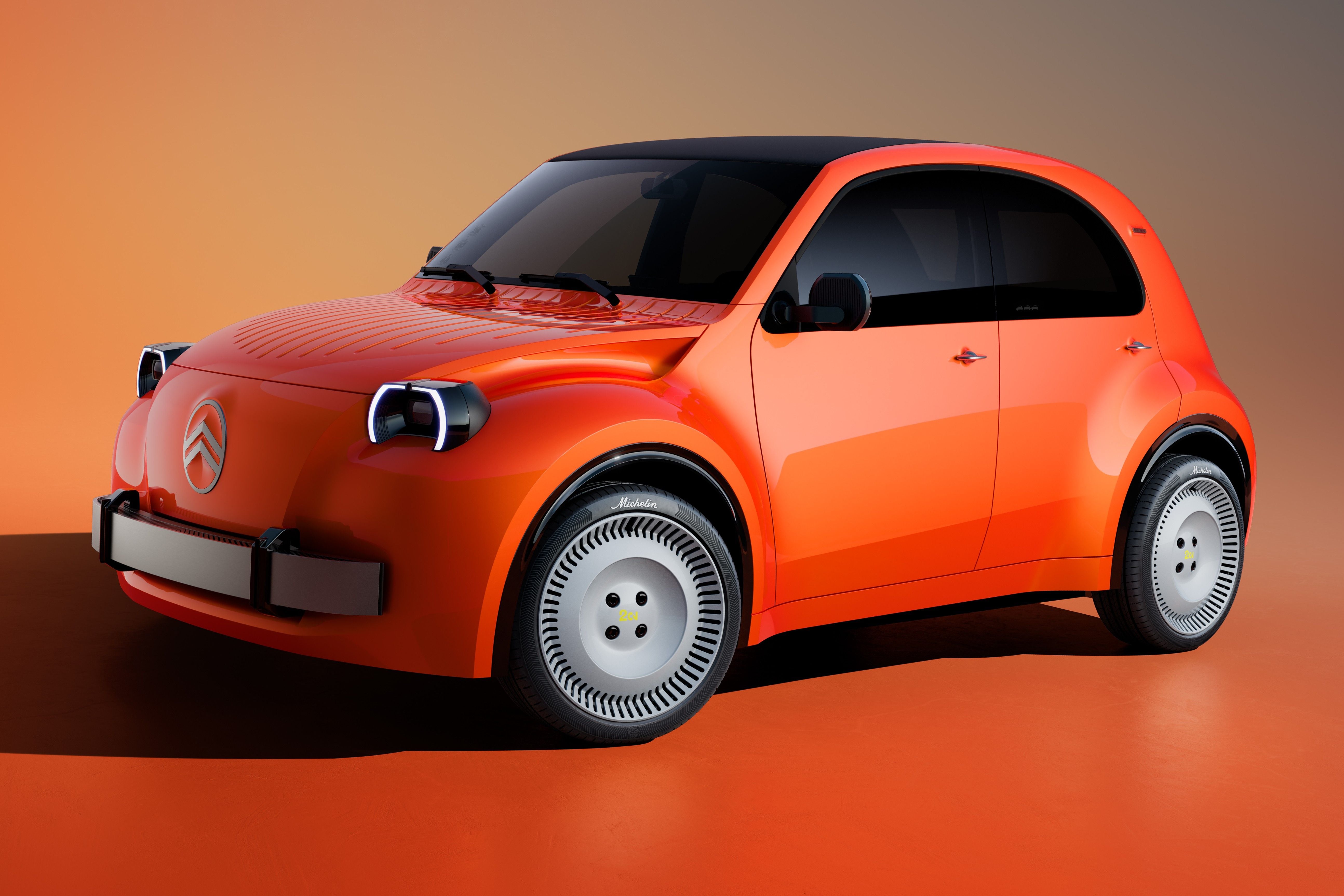
Citroen has unveiled the 2 CV concept at the 2026 Paris Motor Show. The 2 CV concept is a neo-retro take on the original Citroen 2 CV, an iconic nameplate in the carmaker’s lineup. Notably, the nameplate returns at the Paris Motor Show 78 years after the original 2 CV was showcased in 1948. The Citroen 2 CV concept previews a small electric hatchback that’s due in 2028 with a starting price of 15,000 Euros.
Production-spec version due in 2028; to sit between Ami and C3.
Takes design cues from the original 2 CV with a modern twist.
Quirky interior gets bench seats and does without a dashboard and centre console.
Citroen 2 CV concept: All you need to know
The production-spec 2CV will sit between the Ami and C3 hatchback in Citroens global portfolio. At 3.76 metres, the 2 CV concept is shorter than the original model. Additionally, Citroen is aiming for a sub-1-tonne weight in order to utilise a “cost-effective battery with range tailored for everyday use and low running costs.”
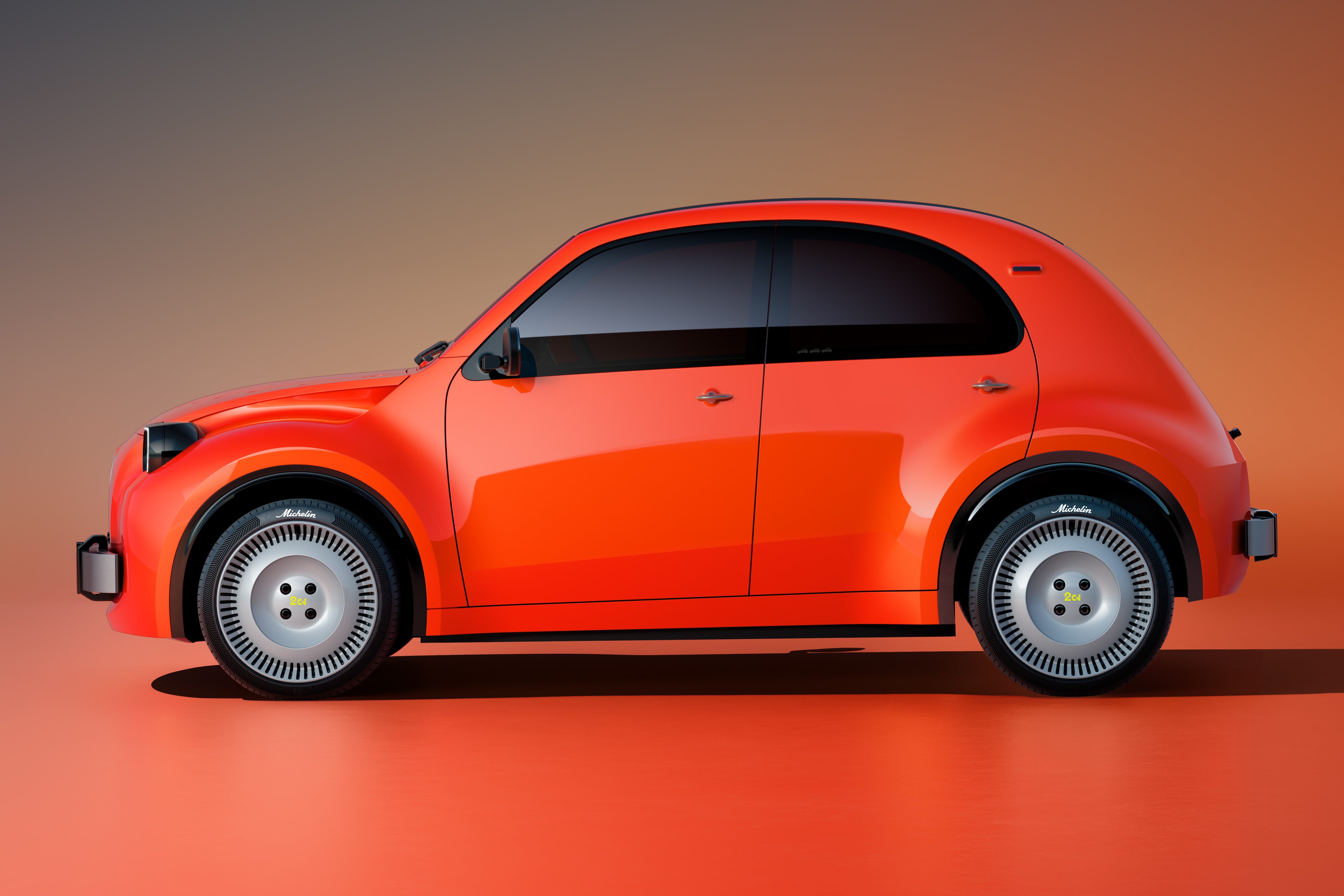
The 2 CV concept’s design takes inspiration from the circular design cues of the original model. At the front are LED headlamps surrounded by semi-circular DRL signatures, a blanked-off grille with the Citroen badge and a ridge pattern on the bonnet. The numbers 48, 90, and 26 inscribed on the windscreen refer to the years 1948, 1990, and 2026, which mark the original model’s launch, end of production, and new concept unveiling, respectively. When viewed head-on, the V-shaped design of the bonnet and the thick silver strip are elements reminiscent of the older 2 CV. In profile, there’s a curved roofline that smoothly integrates into the rear section, rounded-off wheel arches with a gloss-black finish, and C-pillar-mounted turn indicators.
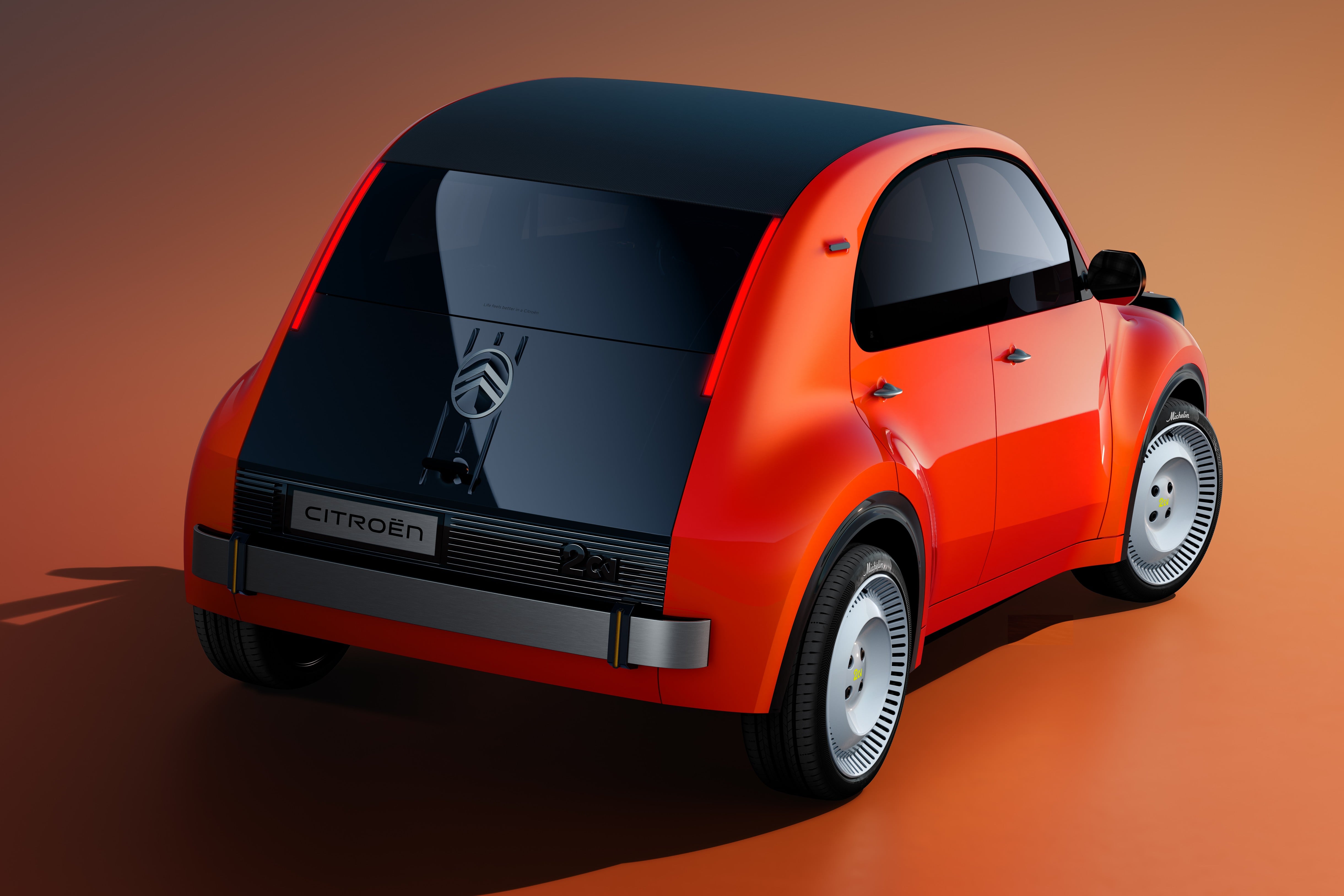
The 18-inch steel wheels have a design inspired by the original 2 CV, and the tyre sidewalls feature Michelin branding and the Citroen chevron pattern. Michelin has developed a technology dubbed ‘universal digital twin of the tyre’ that Citroen says helps the vehicle’s behaviour to adapt to its environment and monitor tyre condition continuously. At the rear is a black tailgate that extends towards the bumper like the older 2CV, three horizontal stripes, a short overhang, a tailgate handle, LED lights on either side of the tailgate, and a number plate with the 2 CV’s international nicknames on it. Like the front, there’s a thick silver strip here as well.
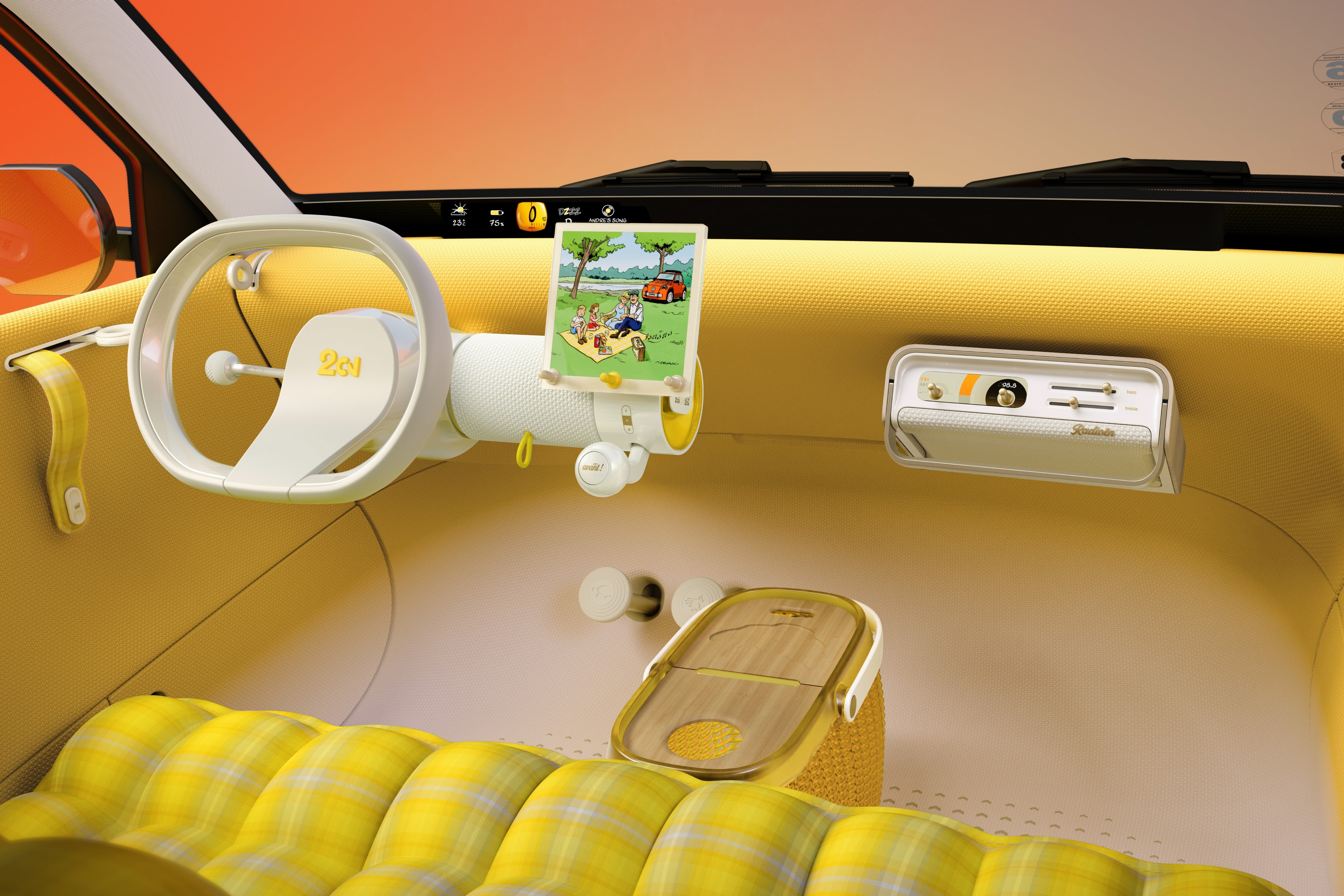
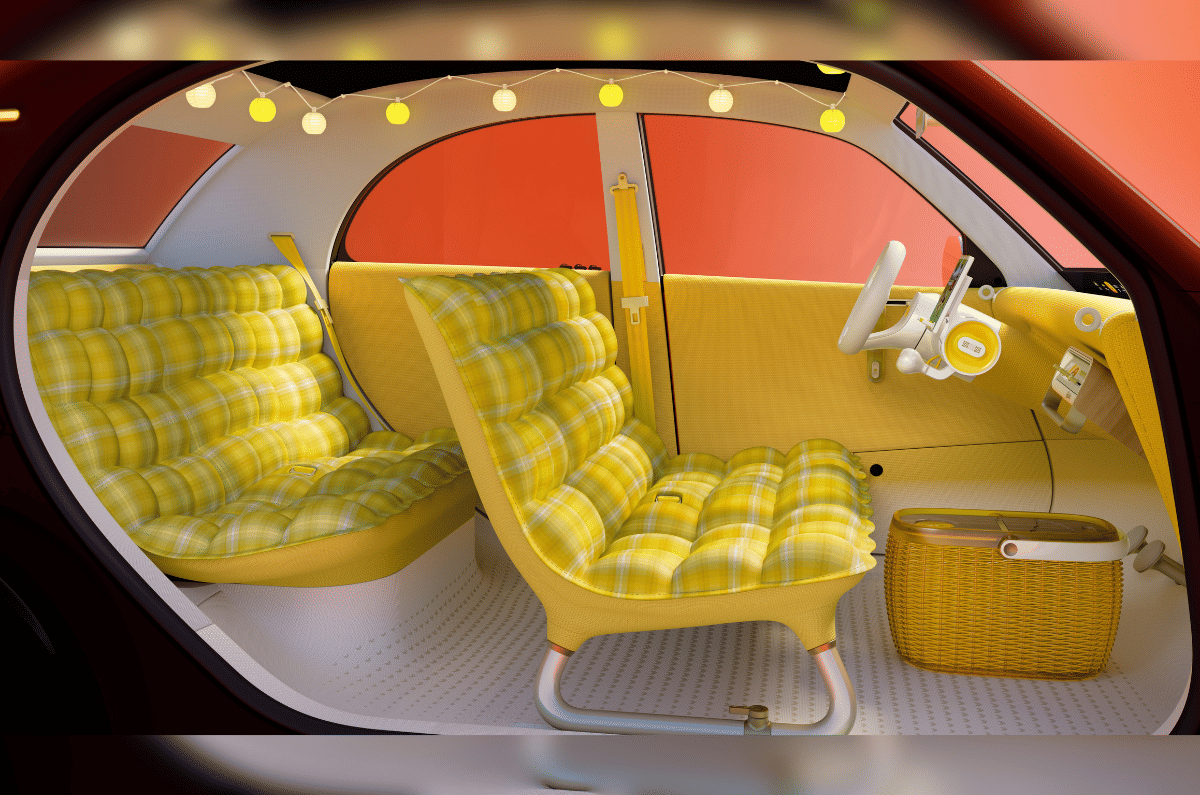
The interior gets a lively white and yellow theme, while the floor, dashboard, and door panels have a fabric finish with a texture that takes inspiration from cane basketry, and the bench-type seats are wrapped in a Tartan yellow upholstery. The 2 CV concept employs a cabin design that’s devoid of a traditional dashboard, increasing the sense of space. In place of the dashboard is a single cylindrical structure, on which is a single-spoke steering wheel, a single control lever, and an 8-inch touchscreen with comic book-inspired graphics and toggle switches under it.
You get a digital driver’s display below the windscreen, a removable 3D-printed storage basket instead of a centre console, and straps for door handles. Additionally, there’s a fabric sunroof and ‘Radioën’, a radio unit that can be detached and used as a speaker. Interesting details include a rabbit and tortoise inscription on the accelerator and brake pedals.
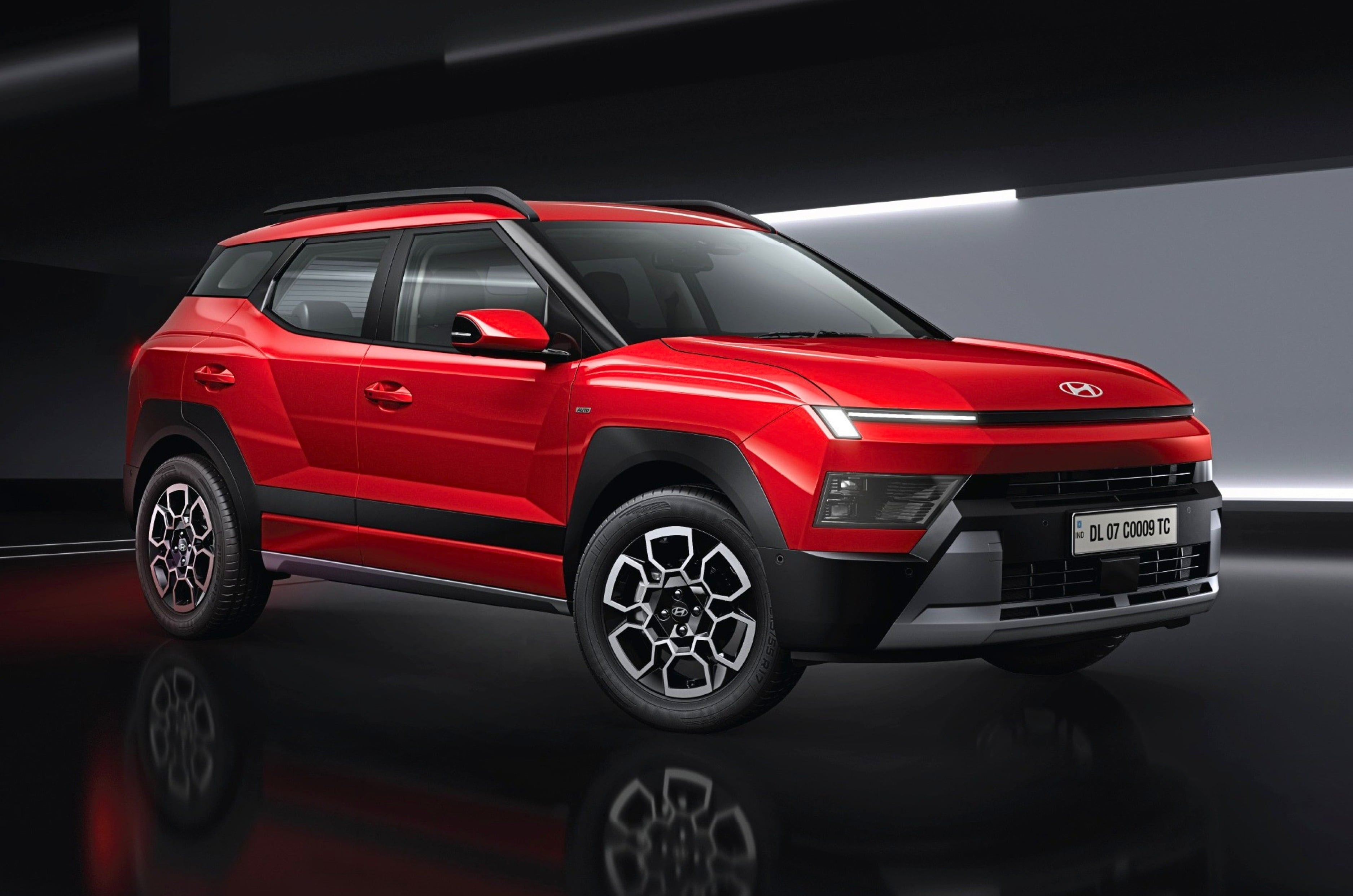
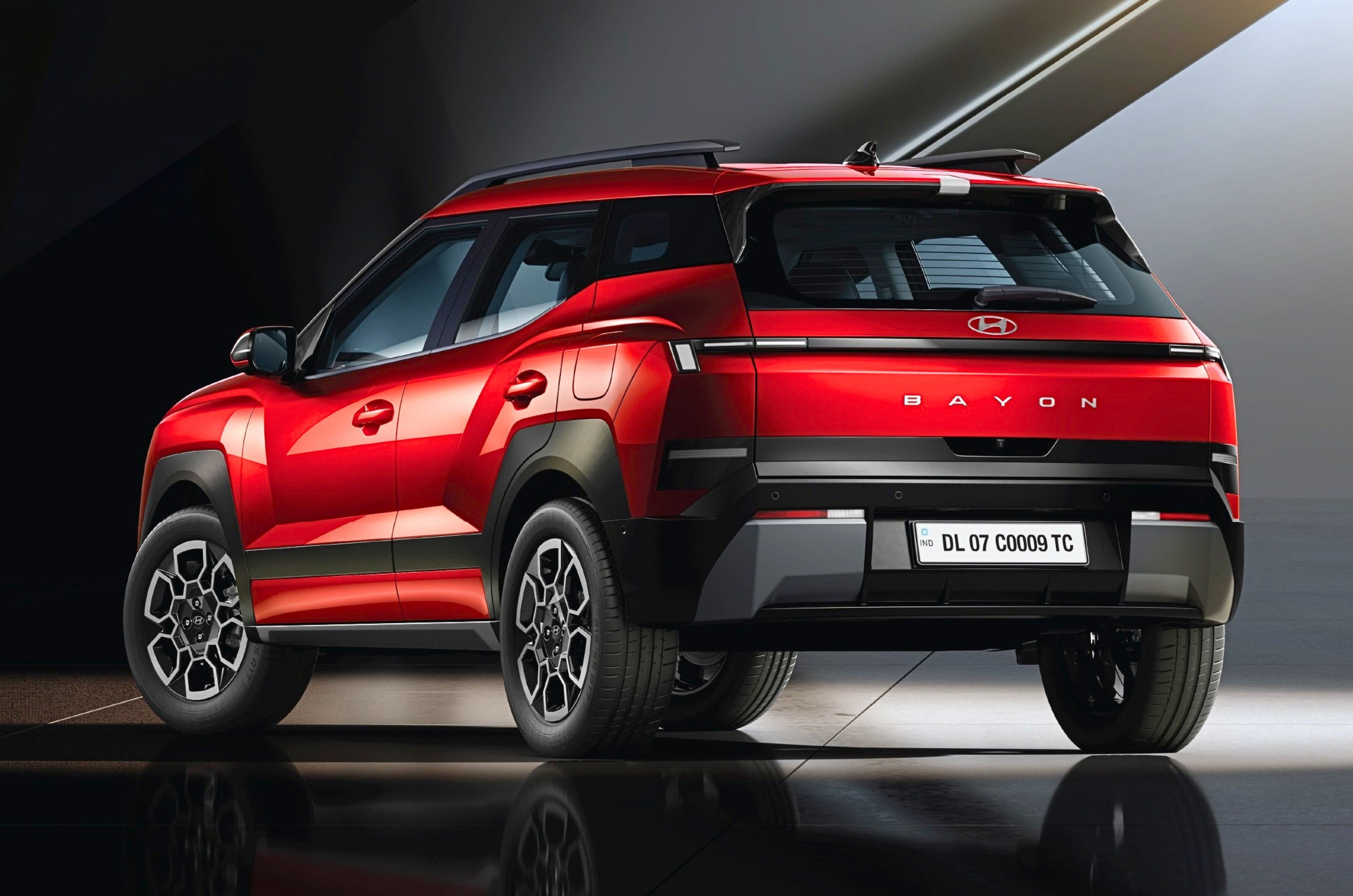
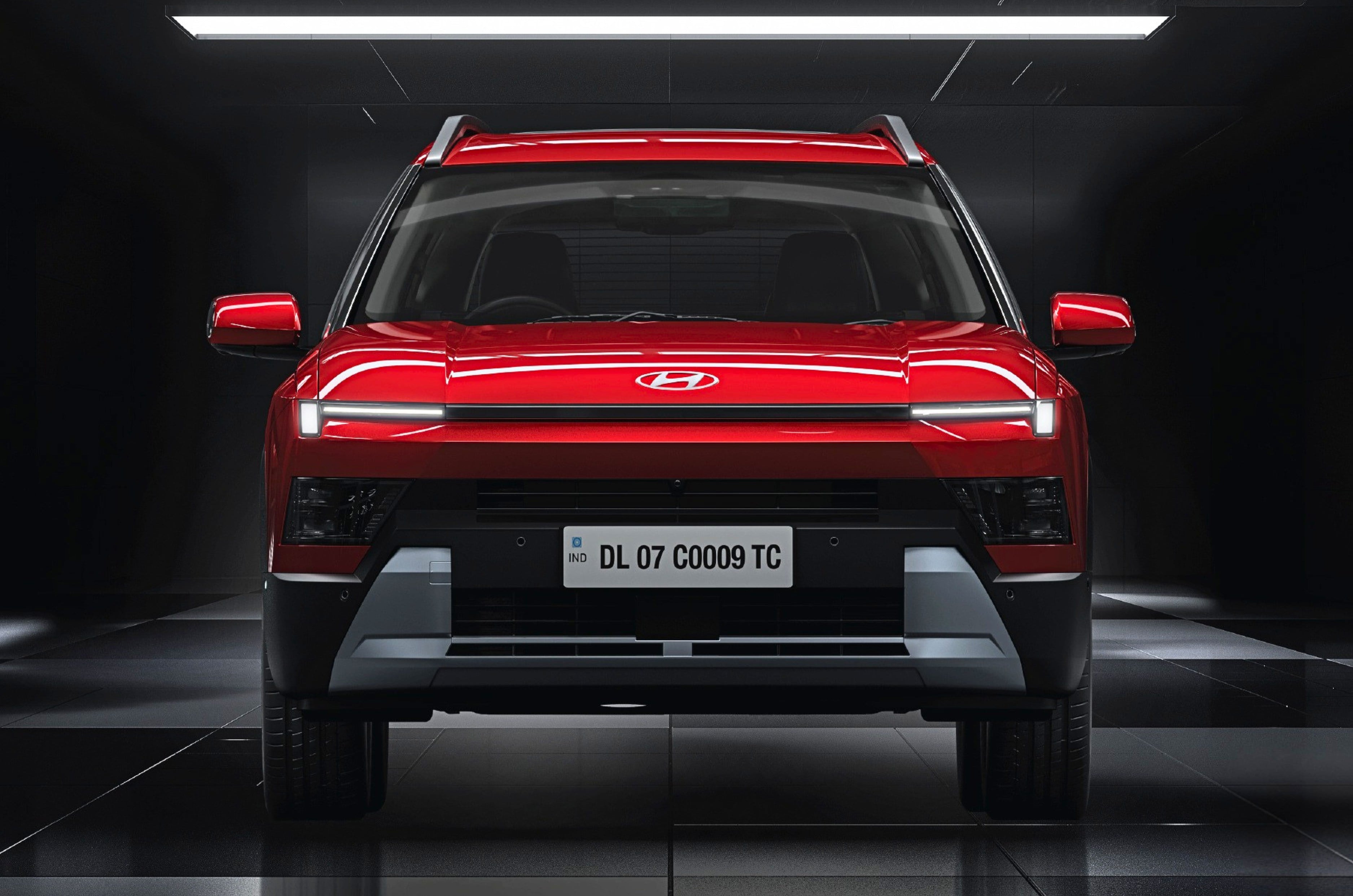
Hyundai has fully revealed the new Bayon midsize SUV ahead of its price announcement on October 26. The Bayon will be positioned between the Venue and Creta in Hyundai’s SUV lineup and is squarely meant to take on the Maruti Victoris. It gets Hyundai’s latest ‘Art of Steel’ design language, a new interior shared with the Brazil-spec i20 and will come powered by a 1.5-litre petrol engine at launch. Bookings for the new Hyundai Bayon have commenced today.
First Hyundai in India to get Generative AI voice assistance
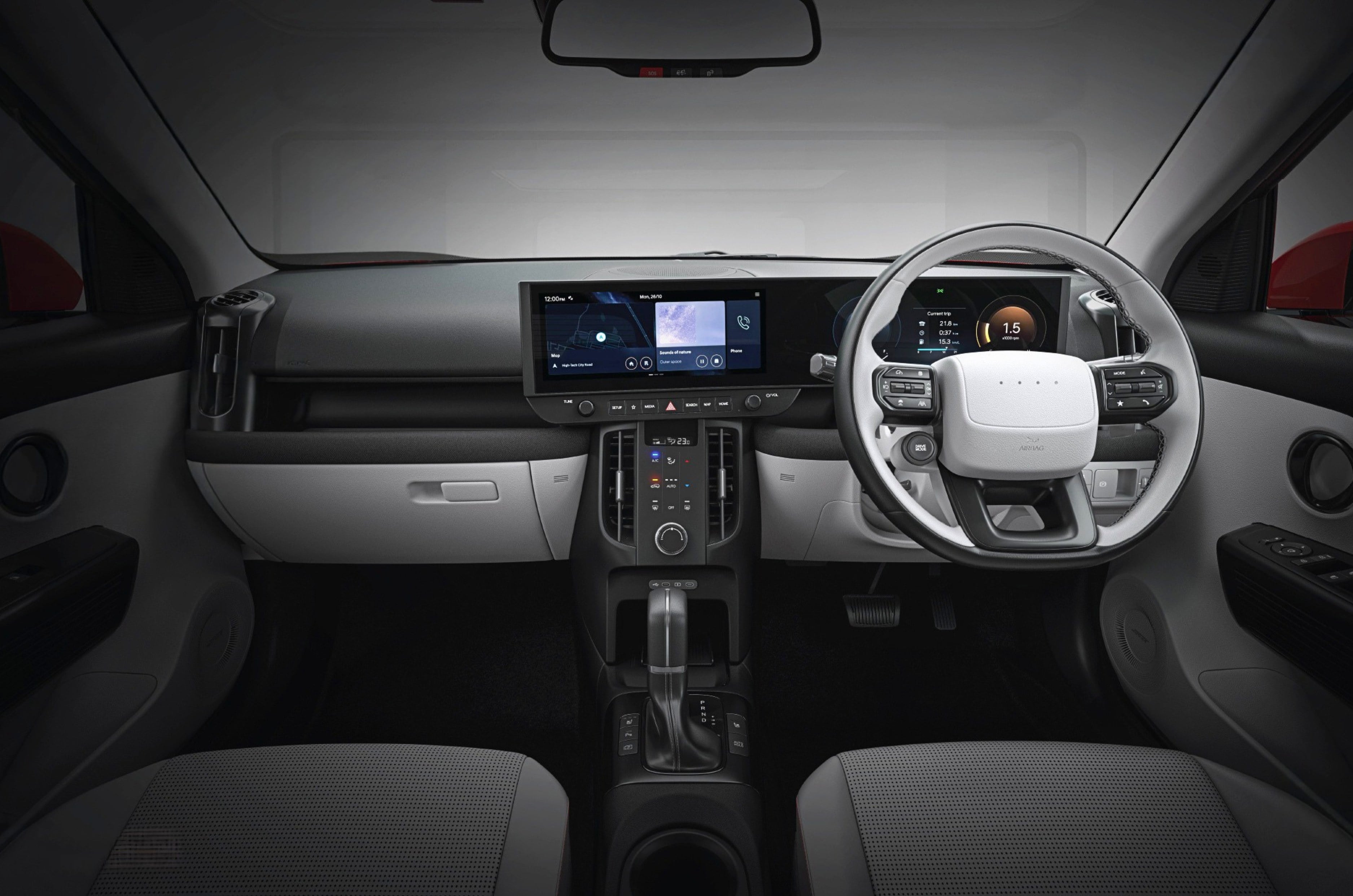
Interior gets dual 12.3-inch displays for instrumentation and infotainment
1.5-litre petrol engine gets 6-speed MT and CVT gearbox options
Hyundai Bayon exterior design
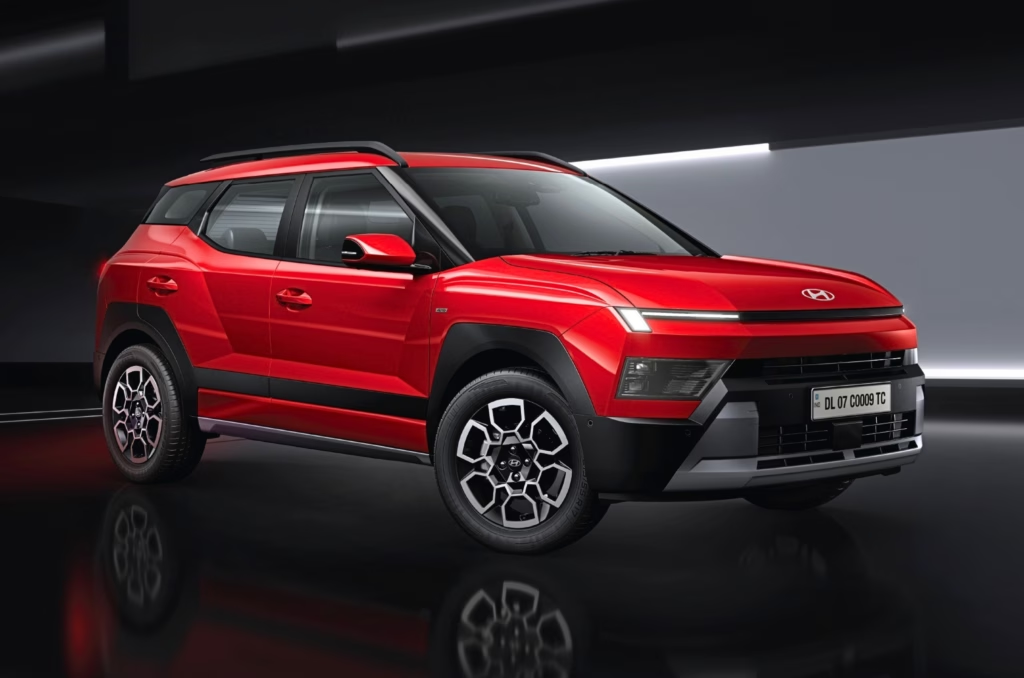
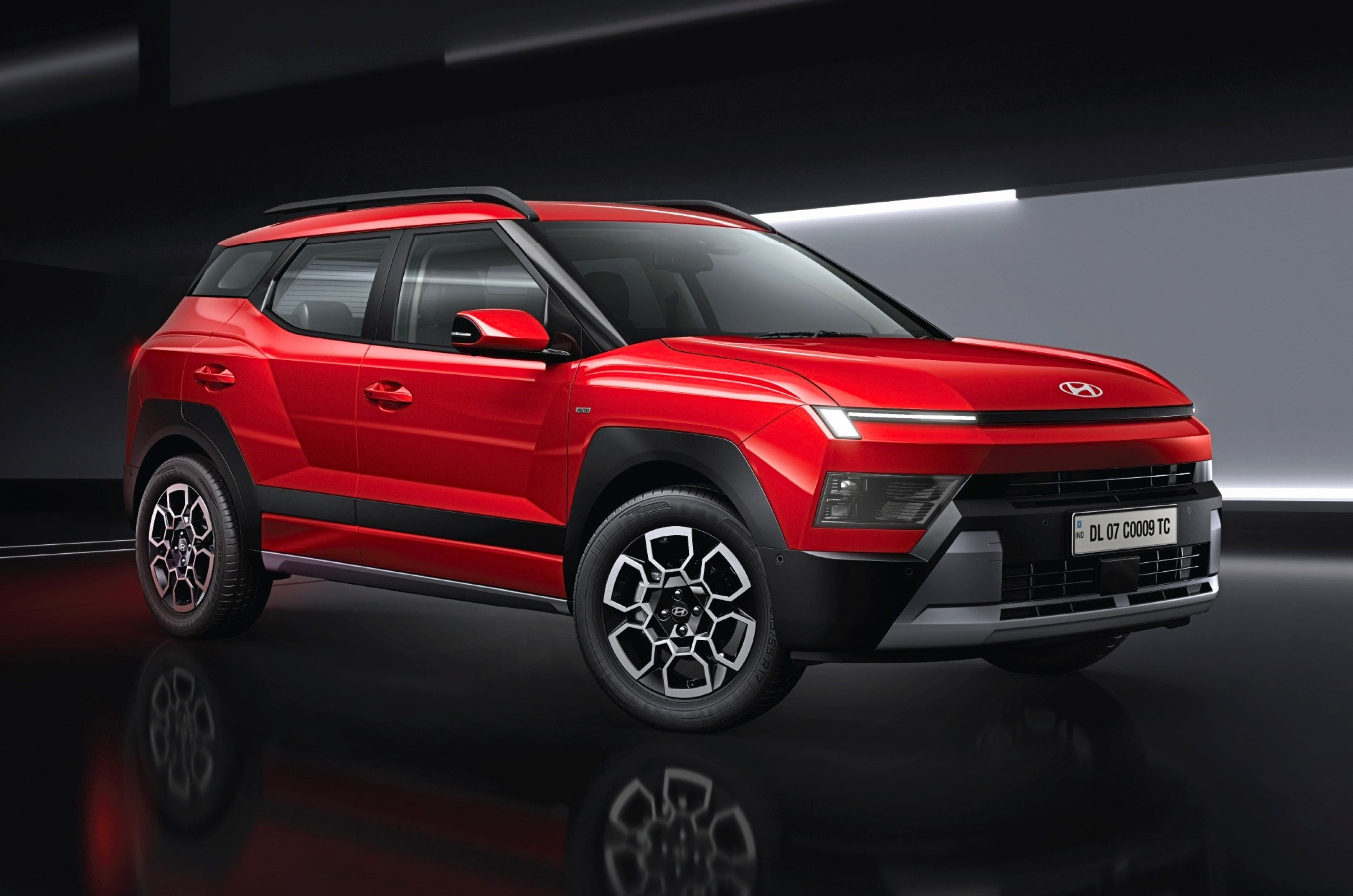
The Bayon gets Hyundai’s latest ‘Art of Steel’ design language, and from certain angles, looks very much like a scaled-down Tucson that was recently revealed for the North American market. Although Hyundai hasn’t revealed the exact dimensions yet, it’s expected to measure just a tad more than 4 meters, thereby slotting below the 4.3-meter Creta.
Up front, the layered fascia sports a split headlamp setup, with the LED DRLs positioned in a slim black trim on the leading edge of the bonnet. The DRLs also resemble Hyundai’s ‘H’ motif split in half – this one doesn’t get a full-width LED light band, as is very much the trend these days. Meanwhile, the bumper houses the main headlamp unit and chunky cladding finished in black and silver.
The Bayon perhaps looks the most distinctive in profile, with its flared wheel arches and sharp character lines adding quite a lot of visual muscle. There’s generous use of cladding over the wheel arches and the petal-style alloy wheels also look quite stylish. Hyundai has also opted for traditional pull-type door handles instead of flush-fitting units and the gloss-black treatment for the pillars creates a nice floating effect for the roof.
At the rear, the Bayon gets a slim black band housing very sleek tail lamps and there’s ‘Bayon’ spelt bold and centre on the tail gate. There’s also a pronounced roof spoiler, while the bumper gets a dual-tone black and silver treatment housing some more lighting elements. Overall, the Bayon has a crossover-ish look rather a boxy, upright SUV.
Hyundai Bayon interior and features
The layered dashboard sports a twin 12.3-inch connected screen setup and a central dropdown panel housing the HVAC controls – it also seems to have physical dials and knobs, which is always a welcome sight. We can also spot a wireless charging pad at the base of the vertically oriented centre console.
The steering wheel with Hyundai’s four-dot motif, the vertical AC vents flanking the centre panel and even the door pads look very similar to those on the new i20. It also gets steering-mounted paddle shifters, and like all Hyundais, expect it to be properly kitted out with convenience and safety features.
Hyundai Bayon expected powertrain options
At launch, Hyundai is offering the Bayon with the tried and tested 115hp/144Nm 1.5-litre, four-cylinder naturally aspirated petrol engine that powers the Creta. It will come with manual and CVT gearbox options. And while Hyundai hasn’t confirmed it yet, a CNG version is also expected to be added to the lineup at a later stage, likely with an underbody tank, making the Bayon the first Hyundai model over four metres long to be powered by CNG.
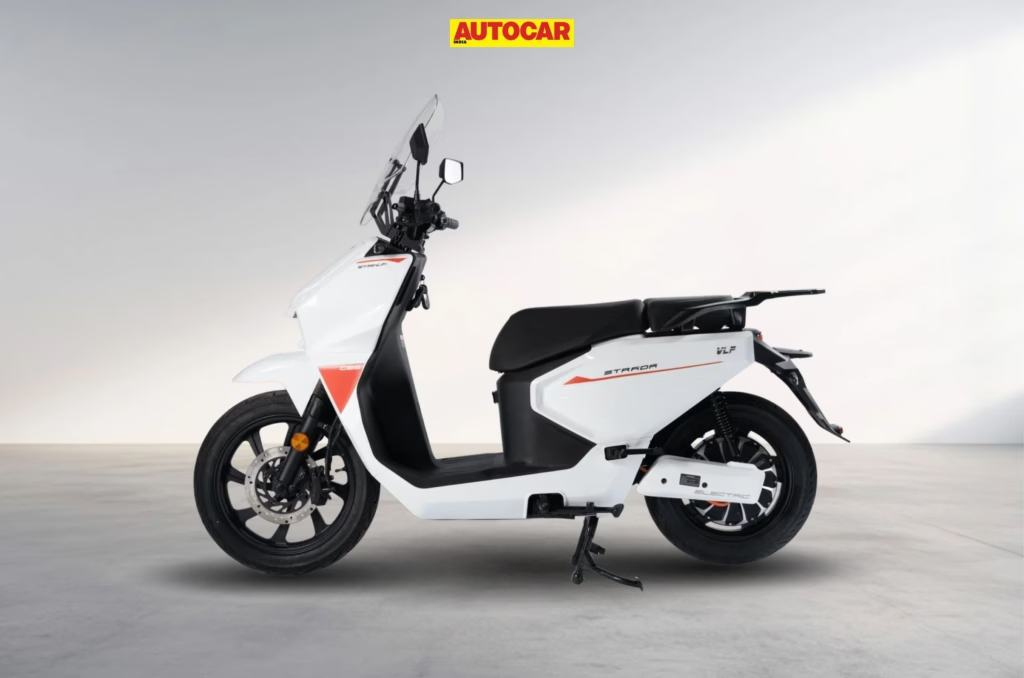
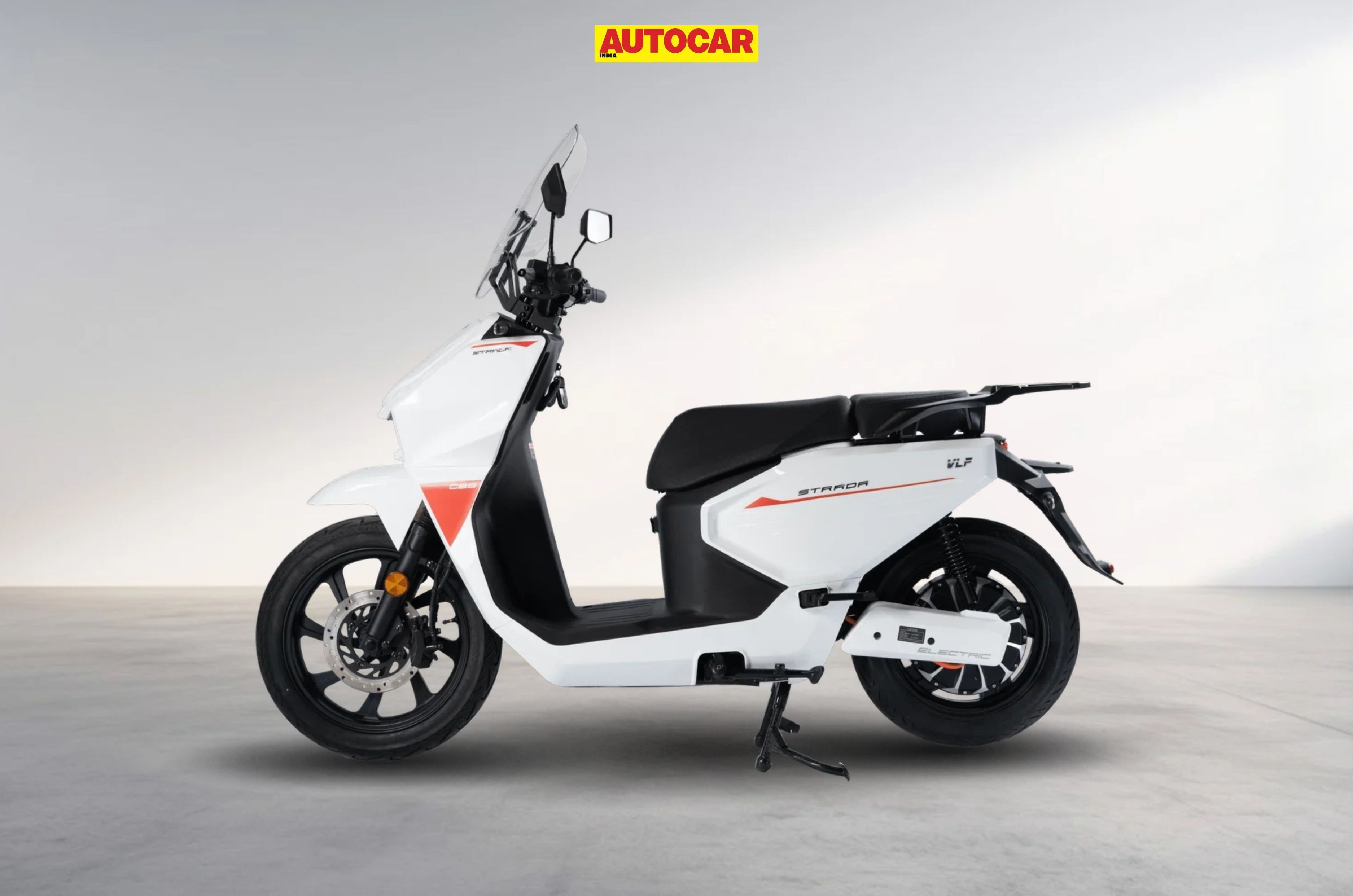
VLF (or Velocifero) is a brand with Italian heritage but manufactures its scooters in Zhejiang, China. Kolhapur-based Motohaus brought VLF to India in 2024 and manages sales and service in the country. The company has introduced a new electric scooter named Strada in two variants, priced at Rs 1.20 lakh and Rs 1.55 lakh, meant to replace the Tennis, its first launch in India.
City variant has a 2.16kWh removable battery
Max variant has two removable units with 4.32kWh total capacity
Rated top speed is 85kph in the top Sport ride mode
Bookings are open for Rs 999 for the City and for Rs 1,999 for the Max
VLF Strada details
Two variants and a shared 4.8kW BLDC motor
The Strada has two variants, City and Max, both of which share a BLDC, hub-mounted motor with 4.8kW peak power and 34Nm of peak torque; rated power is 3kW. The base City variant has a single 2.16kWh removable LFP battery, and the Max variant doubles that to two batteries with a total capacity of 4.32kWh. Both the motor and the battery units are rated for IP67 ingress protection. There are three ride modes on offer: Eco, City and Sport. Depending on the ride mode, the top speed varies as well. Eco tops out at 45kph, City at 65kph and Sport at 85kph.
The IDC range is 130km for City and 250km for Max. VLF claims the single battery system can charge from 20-100 percent in three hours, and the same takes six hours for both batteries. The company hasn’t specified the charging speed to achieve these times, nor has it mentioned the wattage of the bundled charger. We’re currently awaiting clarifications on the same.
VLF has designed the Strada with a sporty look, but the scooter’s dimensions should make it accessible to most people. It has a split-seat configuration with a seat height of 780mm without compromising on the ground clearance, which is a healthy 175mm. VLF has listed the kerb weight of the scooter at a surprisingly light 98kg, and this is likely for the City variant with the smaller battery pack. The Max variant should weigh notably more. Front and rear suspension units are par for the course, with a 31mm telescopic fork and a preload-adjustable twin shock.
Tyre size is an area where the Strada stands out, quite literally, with a 16-inch front wheel and a 14-inch rear. In the scooter segment, most options tend to stick to 10-14-inch tyres, and therefore this is certainly an interesting move from VLF. Larger tyre sizes are associated with more stable rides as well, so it remains to be seen how the Strada does on that front. Stopping the scooter are a 240mm front disc and a 220mm rear disc. There’s no ABS, but a combined braking system (CBS) is standard.
Features include a 5-inch TFT display, all-LED lighting with dual-projector headlights, an integrated windshield, a keyless ignition system and an integrated luggage rack. There are four colour options on offer: Carbonio Black, Luna White, Titanio Grey and Urbano Silver. VLF also showcases pictures of a pannier mounted on the rack, so it’s likely that an accessory line-up is on the cards.
Priced at Rs 1.20 lakh for the City variant and Rs 1.55 lakh for the Max variant, the VLF Strada is a rival to established models such as the TVS iQube 2.2 (Rs 1.16 lakh), TVS Orbiter V1 (Rs 1.01 lakh), Chetak C2501 (Rs 99,802), Ather Konarc (Rs 99,999) and Vida VX2 Go 2.2 (Rs 99,999). VLF Strada is already available on Motohaus’s Indian website, with bookings open for Rs 999 for City and Rs 1,999 for Max.
Silver vs Gold Prices: सोना और चांदी दोनों पिछले कुछ महीनों से दबाव में हैं। हालांकि, हालिया गिरावट में चांदी को ज्यादा नुकसान हुआ है। चांदी में गिरावट का अंदाजा इस बात से लगाया जा सकता है कि 29 जनवरी को 121 डॉलर प्रति औंस का रिकॉर्ड स्तर छूने के बाद यह करीब 50% टूट चुकी है। इसके मुकाबले सोना अपने शिखर से करीब 25% नीचे है। यानी हालिया गिरावट में चांदी पर सोने के मुकाबले दोगुना दबाव पड़ा है।
हालांकि लंबी अवधि की तस्वीर अलग है। पिछले एक साल में चांदी ने 23.80% रिटर्न दिया, जबकि सोने का रिटर्न 3.81% रहा। पांच साल में चांदी 167.71% और सोना 138.77% चढ़ा। दस साल में भी चांदी ने 249.72% रिटर्न दिया, जबकि सोने का रिटर्न 233.98% रहा।
Silver vs Gold: अलग-अलग अवधि में रिटर्न
अवधि
चांदी का रिटर्न
सोने का रिटर्न
बेहतर प्रदर्शन
1 महीना
-8.14%
-3.83%
सोना
6 महीने
-20.14%
-12.19%
सोना
इस साल अब तक
-16.53%
-3.14%
सोना
1 साल
0.238
0.0381
चांदी
5 साल
1.6771
1.3877
चांदी
10 साल
2.4972
2.3398
चांदी
सोर्स: TradingView, 9 अक्टूबर तक।
चांदी में ज्यादा गिरावट क्यों?
सोने की तुलना में चांदी की कीमतों में ज्यादा उतार-चढ़ाव आता है। इसकी बड़ी वजह है कि चांदी का इस्तेमाल निवेश के साथ-साथ इंडस्ट्रियल प्रोडक्शन में भी होता है। इलेक्ट्रॉनिक्स, इलेक्ट्रिक गाड़ियों और सोलर पैनल जैसे क्षेत्रों में इसकी मांग रहती है। इसलिए ग्लोबल इकोनॉमी की रफ्तार धीमी होने की आशंका चांदी पर ज्यादा असर डालती है।
Augmont की चीफ रिसर्च ऑफिसर डॉ. रेनीशा चैनानी के मुताबिक, चांदी में पहले तेज तेजी आई थी। इसके बाद निवेशकों की बिकवाली और मार्जिन बढ़ने से गिरावट तेज हुई। सोलर सेक्टर में चांदी की खपत घटने की आशंका भी कीमतों पर दबाव बना रही है।
सोने को केंद्रीय बैंकों का सहारा
सोने को दुनिया भर के केंद्रीय बैंकों की खरीदारी से सपोर्ट मिलता है। पिछले तीन वर्षों में केंद्रीय बैंकों ने औसतन हर साल 1,000 टन से ज्यादा सोना खरीदा है। चांदी को इस तरह का संस्थागत सहारा नहीं मिलता।
इसके अलावा, चांदी का बाजार सोने के मुकाबले छोटा है। इसलिए कम मात्रा में बिकवाली भी इसकी कीमतों में बड़ा उतार-चढ़ाव ला सकती है।
चांदी की कीमतों पर आगे क्या असर पड़ेगा?
J.P. Morgan ने चांदी की औसत कीमत का अनुमान 84 डॉलर प्रति औंस से घटाकर 70 डॉलर कर दिया है। रिपोर्ट के मुताबिक, सोलर सेक्टर में मांग घटने से चांदी की खपत प्रभावित हो सकती है। Silver Institute ने भी 2026 में इलेक्ट्रिकल और इलेक्ट्रॉनिक्स सेक्टर से चांदी की मांग में करीब 10% गिरावट का अनुमान लगाया है।
अहर महंगाई, ऊंची बॉन्ड यील्ड और कमजोर औद्योगिक मांग का दबाव बना रहा, तो चांदी में और गिरावट मुमकिन है। वहीं, इन परिस्थितियों में सुधार आने पर चांदी में तेज रिकवरी भी देखने को मिल सकती है।
Disclaimer: मनीकंट्रोल.कॉम पर दिए गए सलाह या विचार एक्सपर्ट/ब्रोकरेज फर्म के अपने निजी विचार होते हैं। वेबसाइट या मैनेजमेंट इसके लिए उत्तरदायी नहीं है। यूजर्स को मनीकंट्रोल की सलाह है कि कोई भी निवेश निर्णय लेने से पहले हमेशा सर्टिफाइड एक्सपर्ट की सलाह लें।
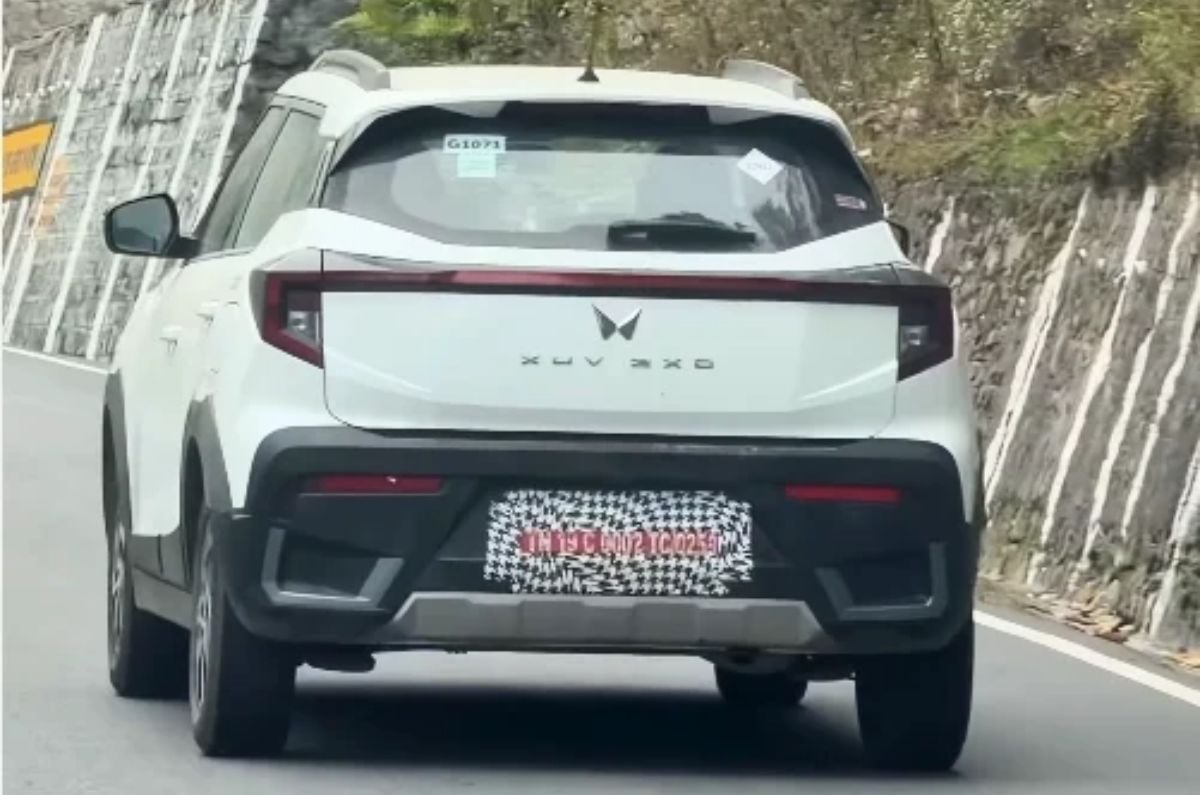
Six months after our report on the development of the Mahindra XUV 3XO CNG first surfaced, a test mule has been spied on public roads. The spotting comes just days before the car’s official debut on October 15, 2026, giving us a first look some of its design details.
The exterior holds few tells to set it apart from the non-CNG variants
The test mule spotted was almost entirely undisguised, as seen in these spy images. However, they mainly show us the rear of the XUV 3XO CNG. A few design elements shared with the non-CNG variants of the XUV 3XO include the ‘XUV 3XO’ branding, roof rails, rear spoiler, connected tail-lamps, and the chunky black bumper with a silver skid plate and static reflectors. What’s new here, though, is the ‘CNG’ sticker on the rear windscreen.
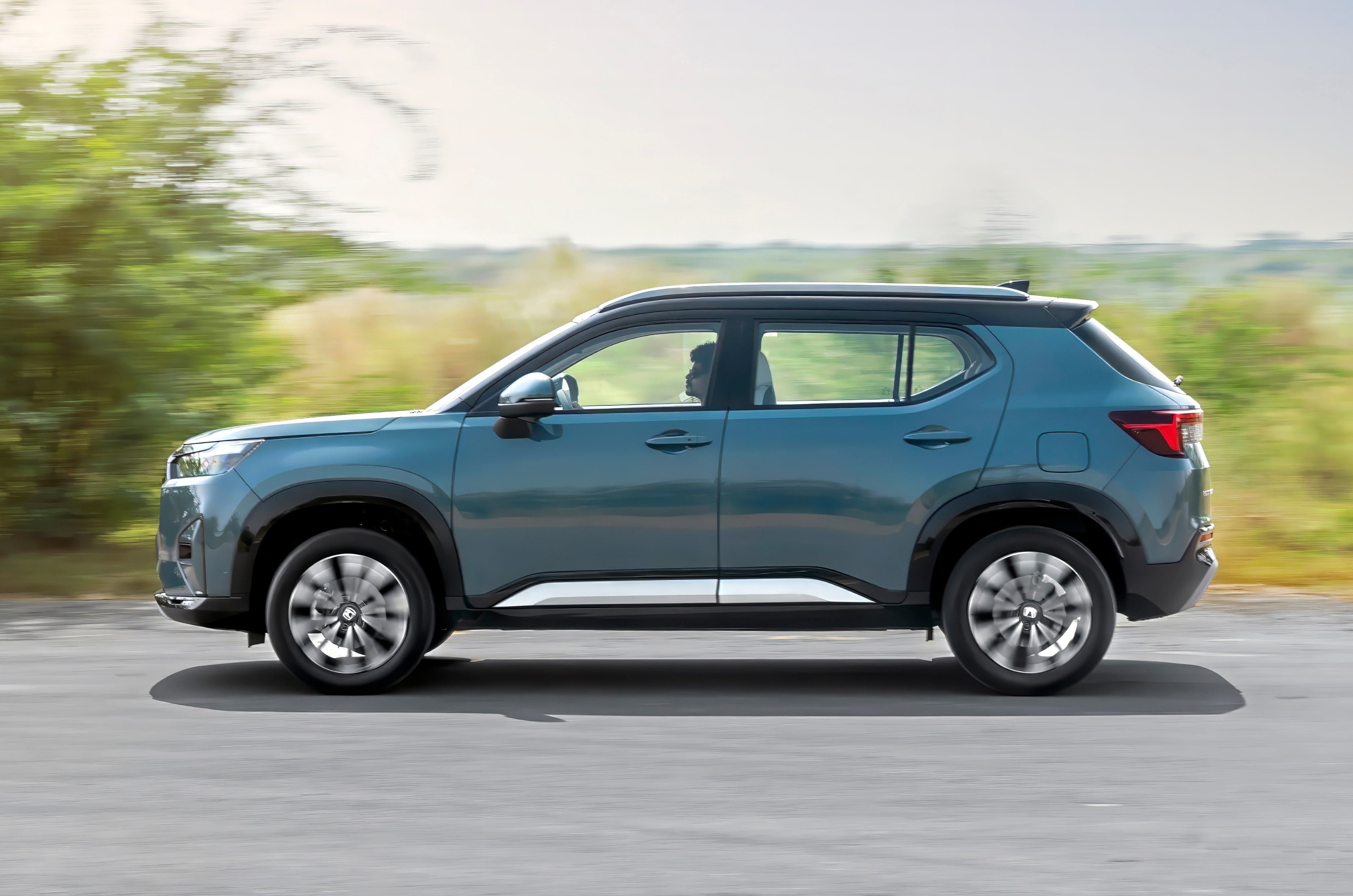
The midsize SUV space is now more competitive than ever. Just the last few months have seen new launches in the form of the Tata Sierra, Renault Duster, Nissan Tekton and the facelifts of the Volkswagen Taigun and Skoda Kushaq. Then there are the venerable Kia Seltos and the Hyundai Creta, the latter of which is set to receive a new-gen model next year, and an all-new entrant, the Hyundai Bayon, is about to join the ranks.Powertrain choices have been expanding too; diesel continues to be popular, turbo petrols add a dose of excitement, CNG is fast becoming the high-mileage option and there’s electrification in the form of hybrids and full EVs.So in a bid to keep it relevant, Honda has updated its midsize SUV contender, the Elevate, and here’s how it all comes together.
Design and engineering – 8/10
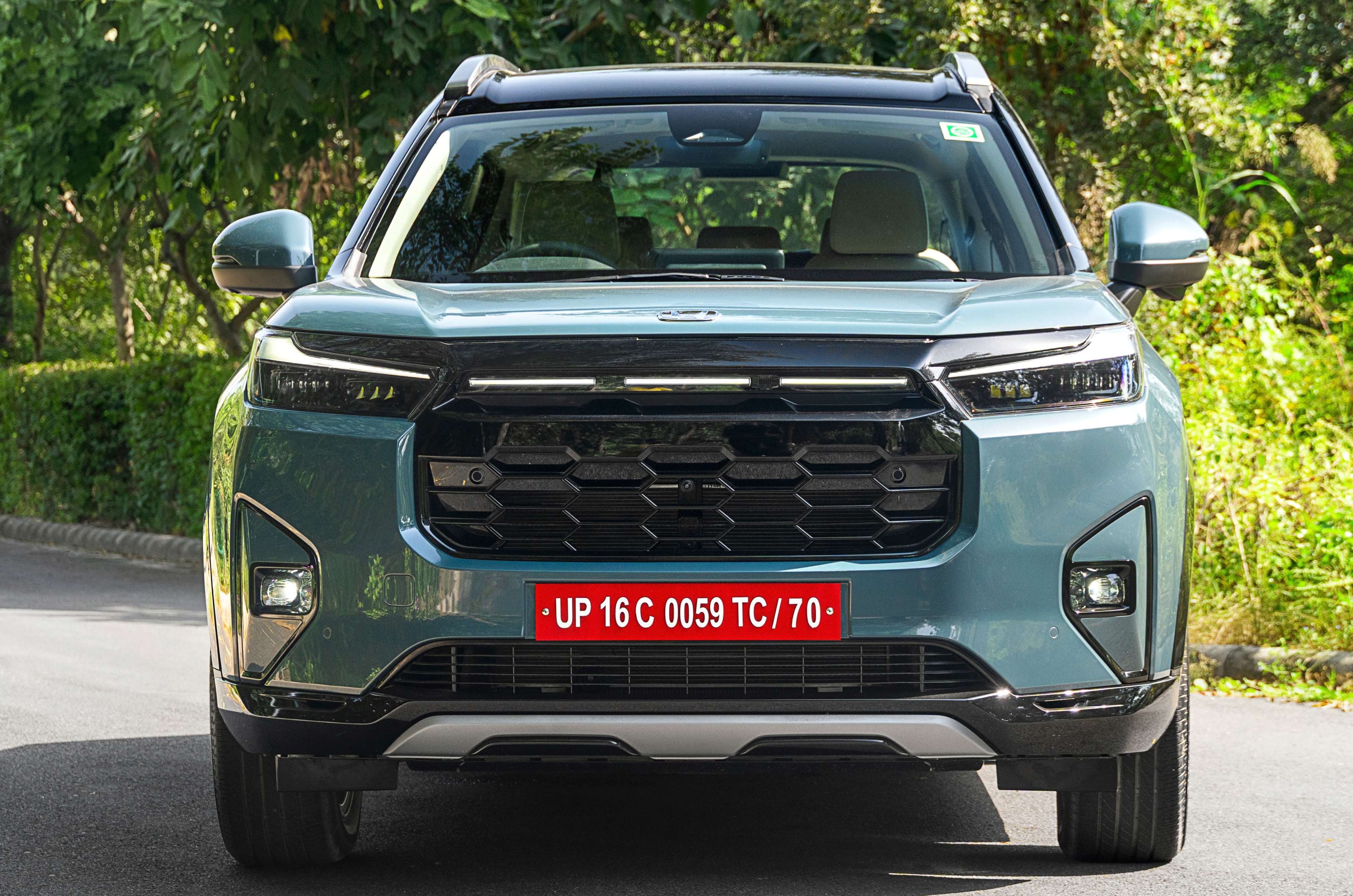
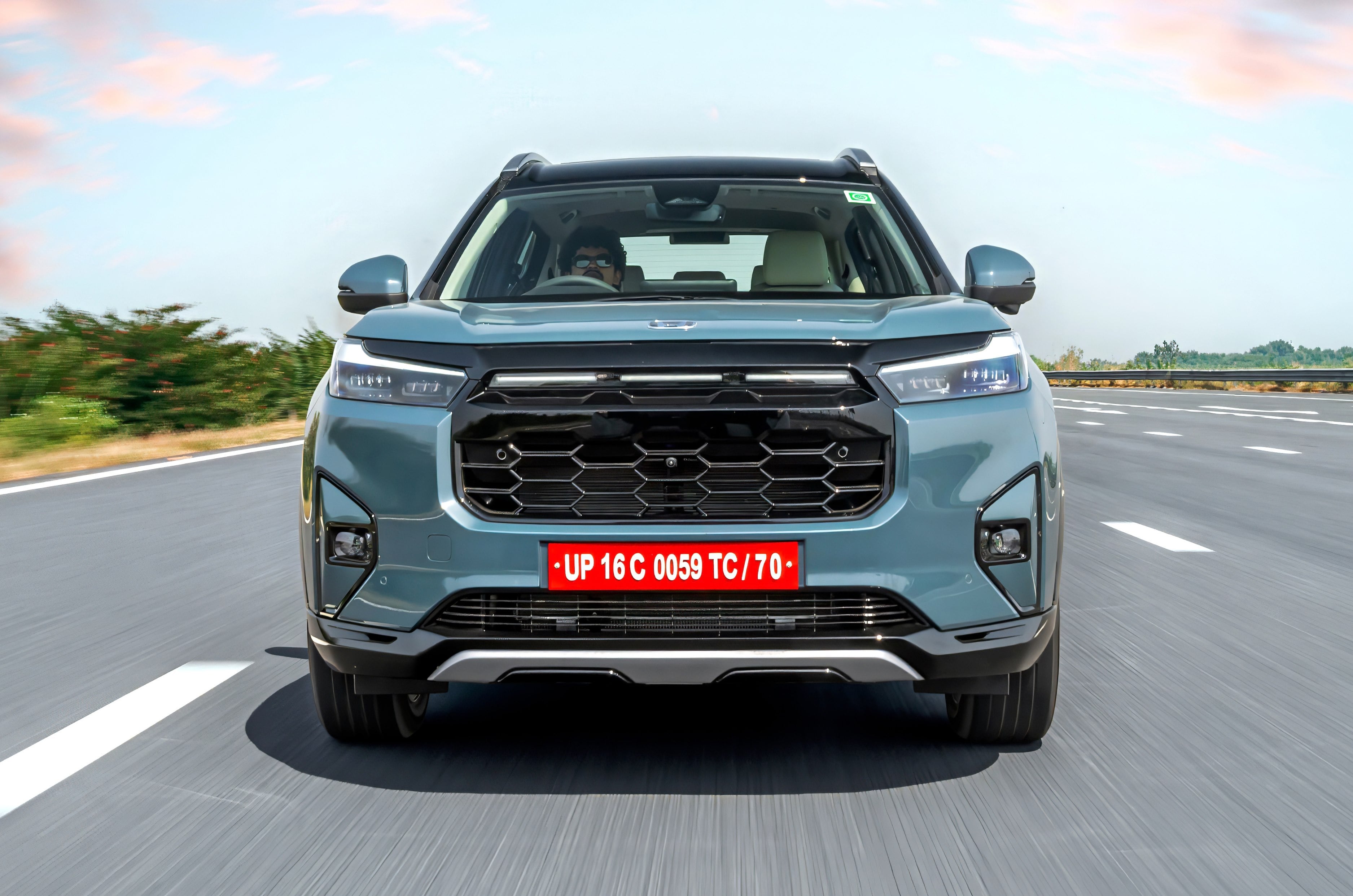
Features a new gloss black grille with a honeycomb pattern and a segmented LED light bar.
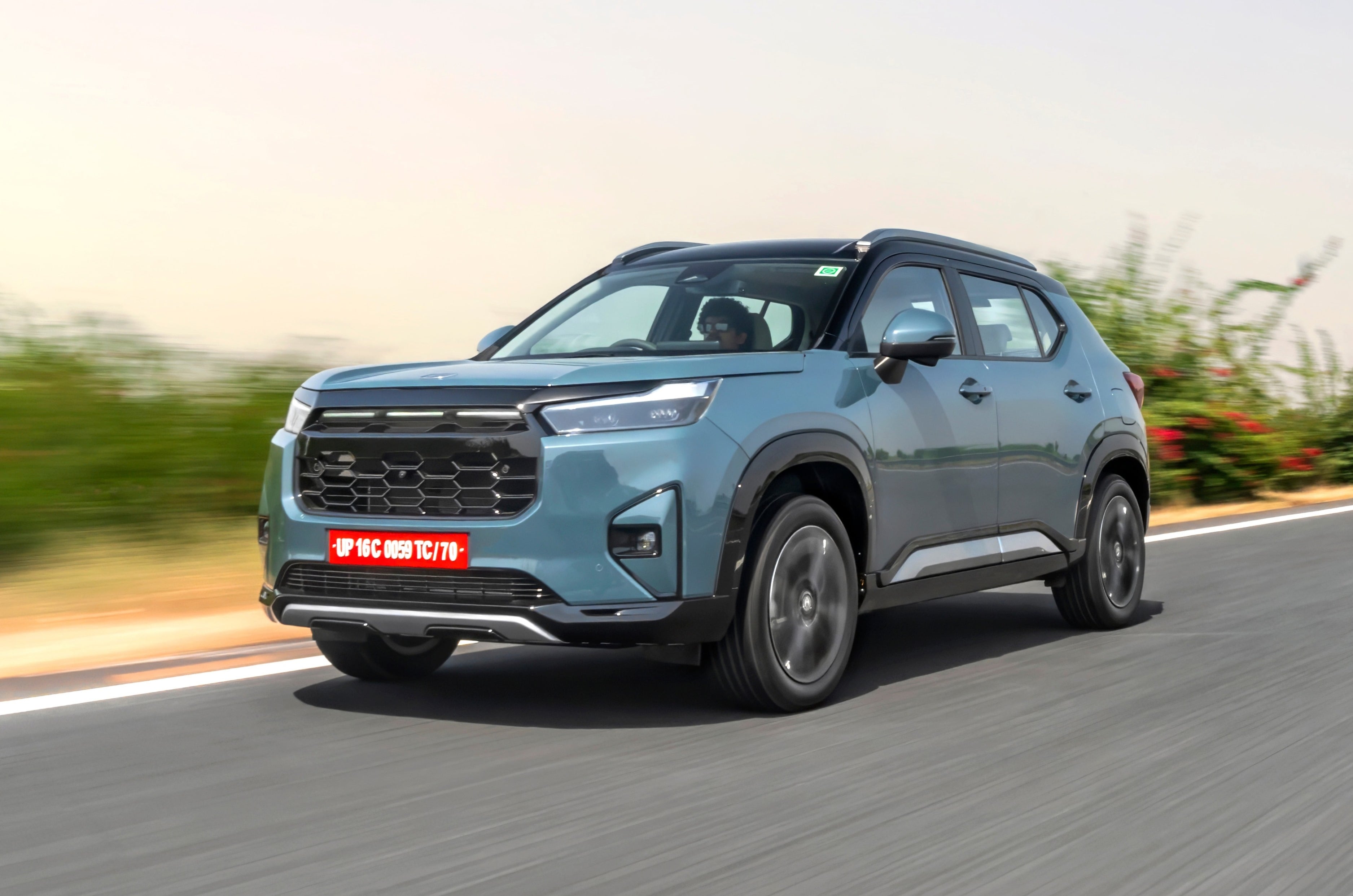
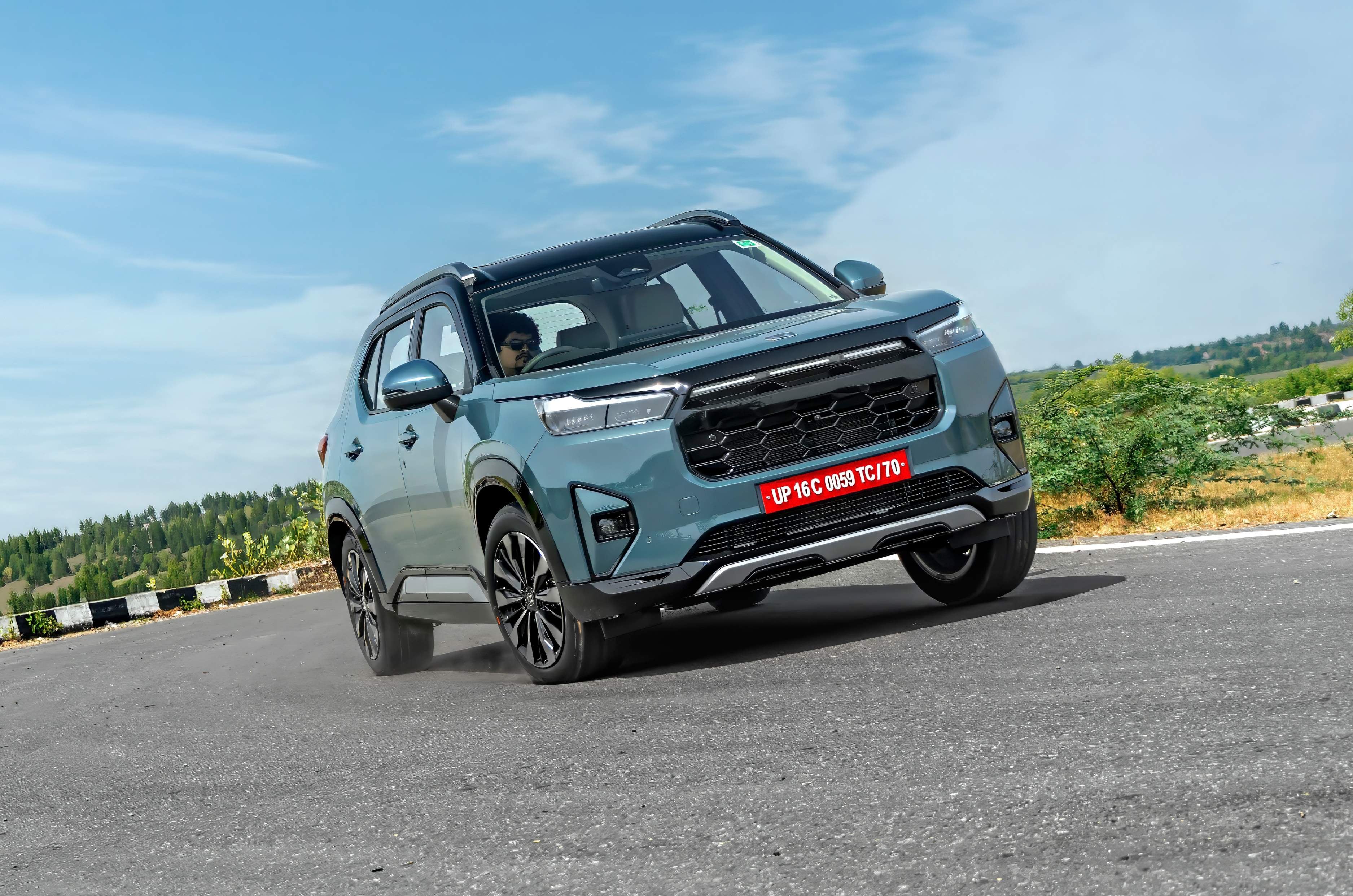
Honda has given the Elevate a subtle design update, but the changes are effective enough to give the SUV a fresher, more contemporary look without straying far from the original design. The biggest revisions are concentrated at the front end, where a new segmented LED light strip links the LED headlamps and the thick chrome band above them has been replaced with gloss black trim. The front grille gets a revised mesh pattern and a gloss-black finish, lending the front end a slightly sportier, more butch appearance. The Honda badge now sits on the bonnet rather than within the grille, while the fog-lamp housings are now finished in body colour instead of black for a cleaner look.
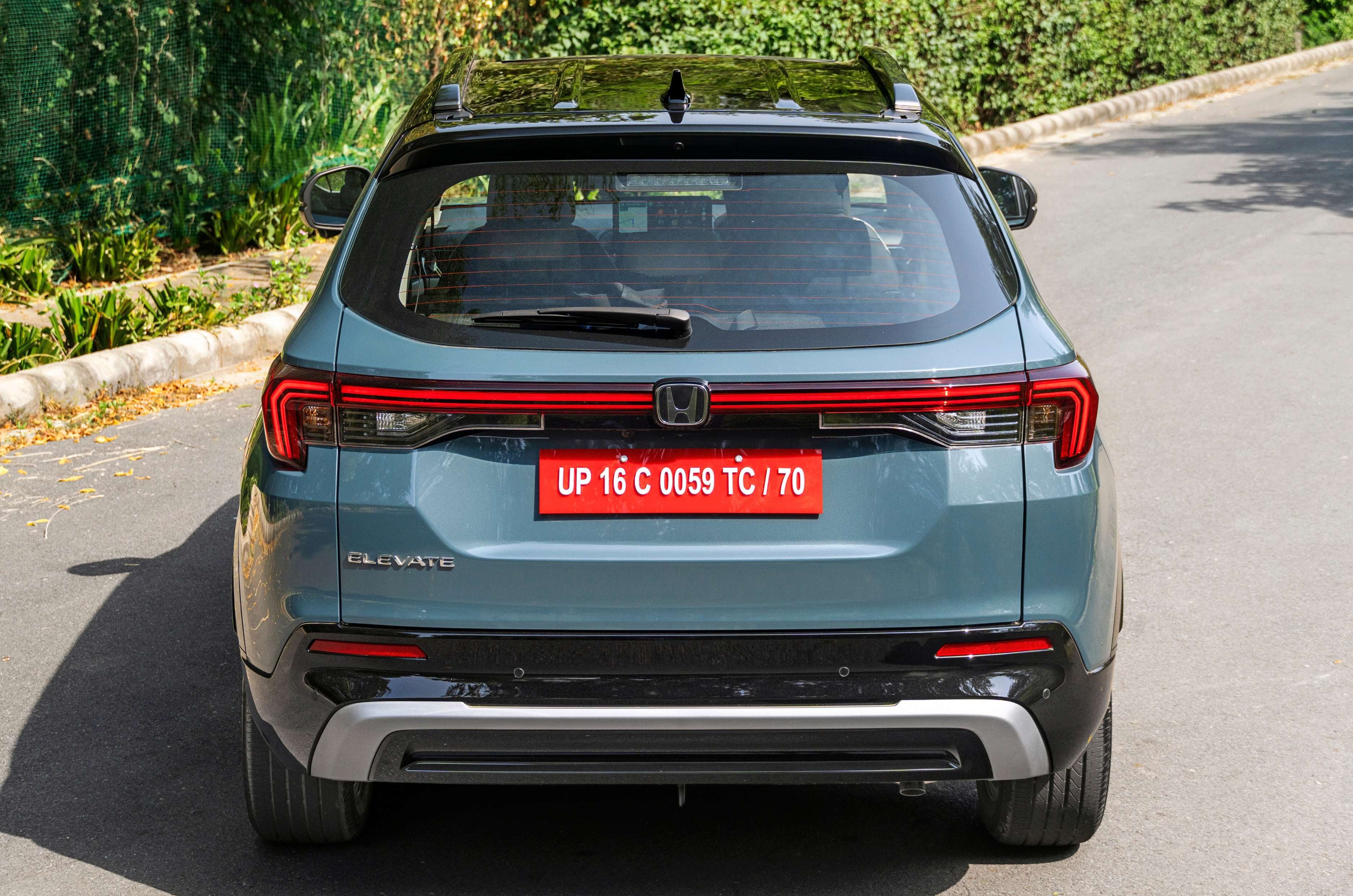
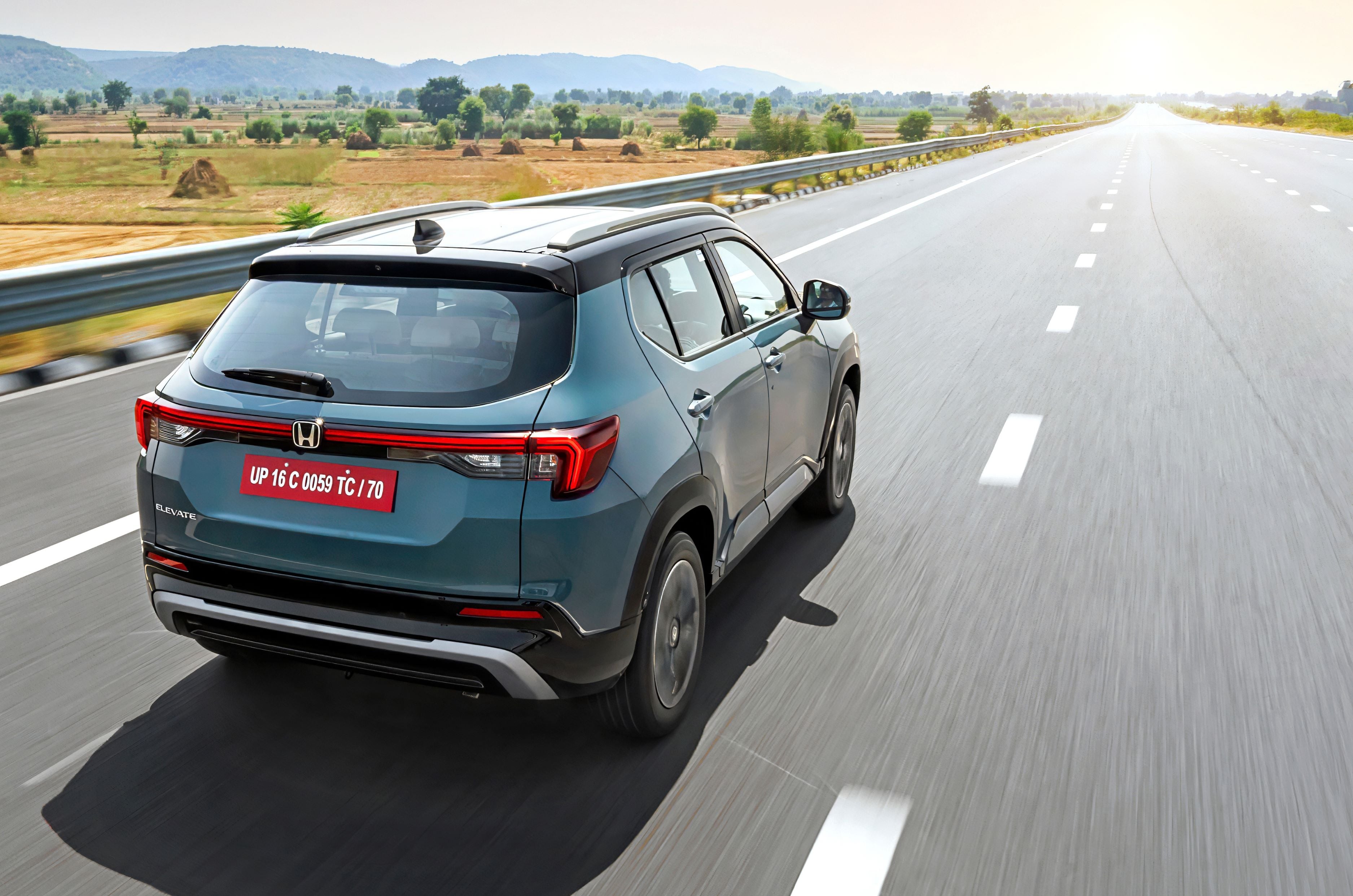
New LED light bar now connects the tail-lamps, giving it a more cohesive appearance.
It’ll take a keen eye to spot the changes along the sides as they’re limited to a new gloss black body cladding instead of a matte finish, silver coloured inserts in the cladding on the doors instead of body colour and a darker finish for the 17-inch alloy wheels which continue with the same design. At the rear, the facelift introduces a new LED light bar that connects the tail-lamps, giving the tailgate a wider, more cohesive appearance, particularly after dark. Rounding off the updates is a new Nordic Forest Pearl paint shade, as you can see in the pictures here.
As for dimensions, it continues to measure 4.3 metres in length, nearly 1.8 metres in width and just over 1.6 metres in height. It’s based on the City platform, but gets a stretched 2650mm wheelbase, wider tracks front and rear and a substantial 220mm of ground clearance.
Interior space and comfort – 8/10
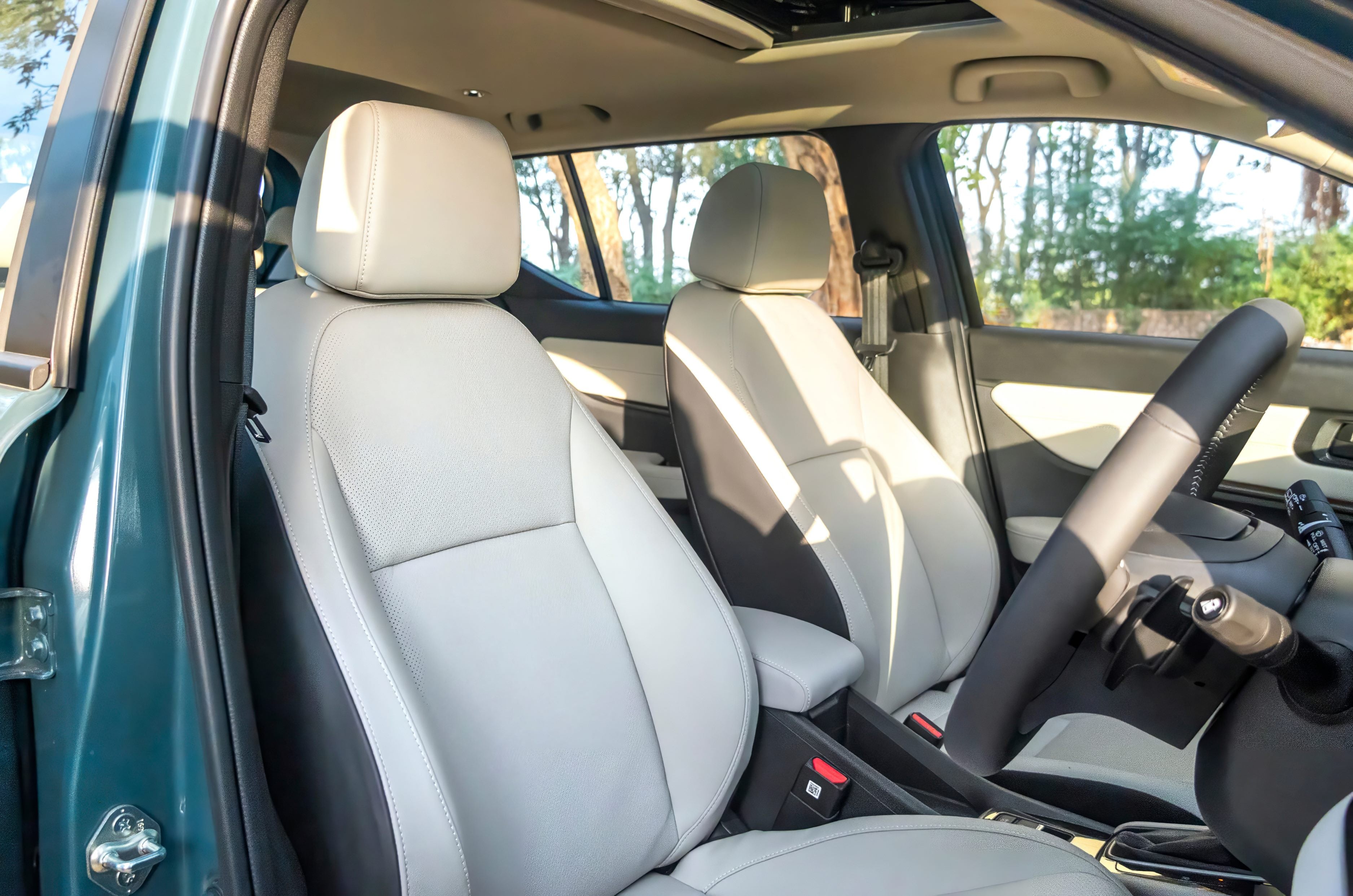
The cabin gets more substantial updates than the exterior, with the changes aimed at improving comfort and perceived quality. To start off, there’s a new ivory and black dual-tone upholstery theme that enhances the sense of space inside and is perhaps more neutral than the tan upholstery earlier. It will be tough to clean though, thankfully there is the option of all-black upholstery with the ‘Black’ edition Elevate.
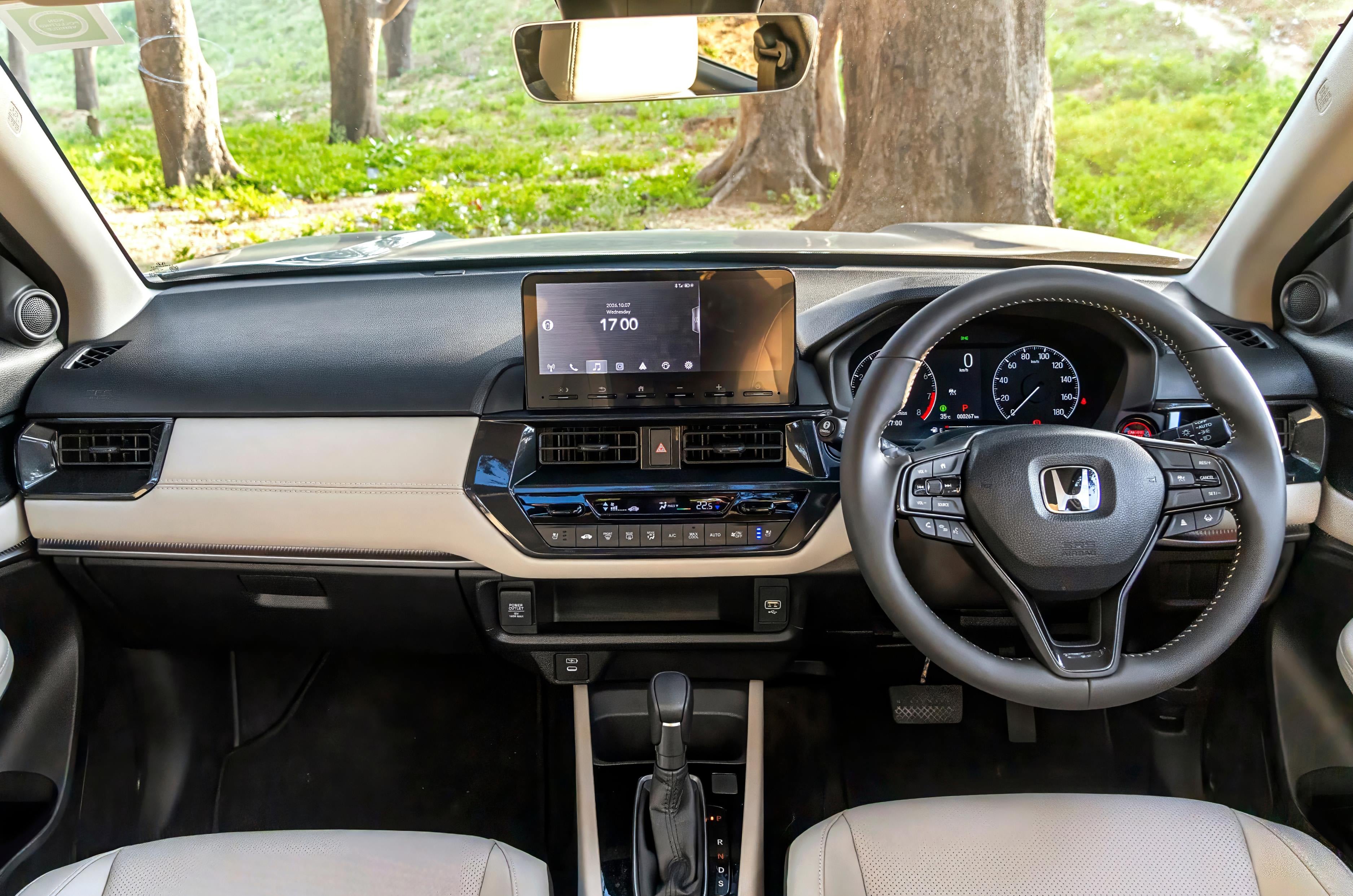
Upholstery is now ivory and black with a new leatherette panel on the dash; cabin remains practical and feels well-built.
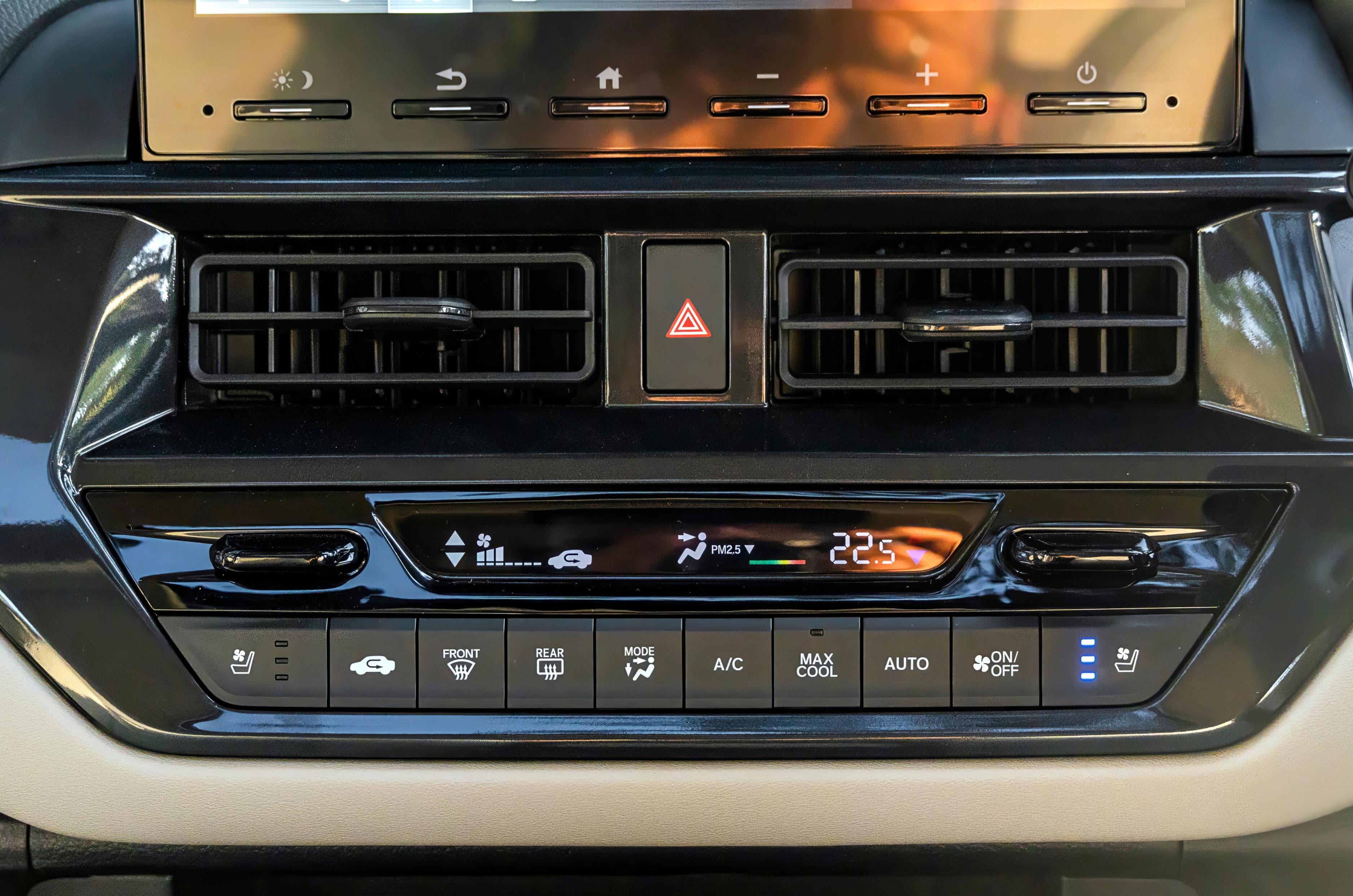
The dashboard has been revised too, with more white leatherette padding and stitching replacing the outgoing model’s faux wood trim, and the AC controls have been revised, now housing the seat ventilation buttons. Honda has even updated the roofliner fabric which looks and feels much nicer than the older woven roofliner. All of this gives the cabin a fresher look, although the overall layout remains familiar.
Front seats remain comfortable and now feature ventilation and power adjustment.
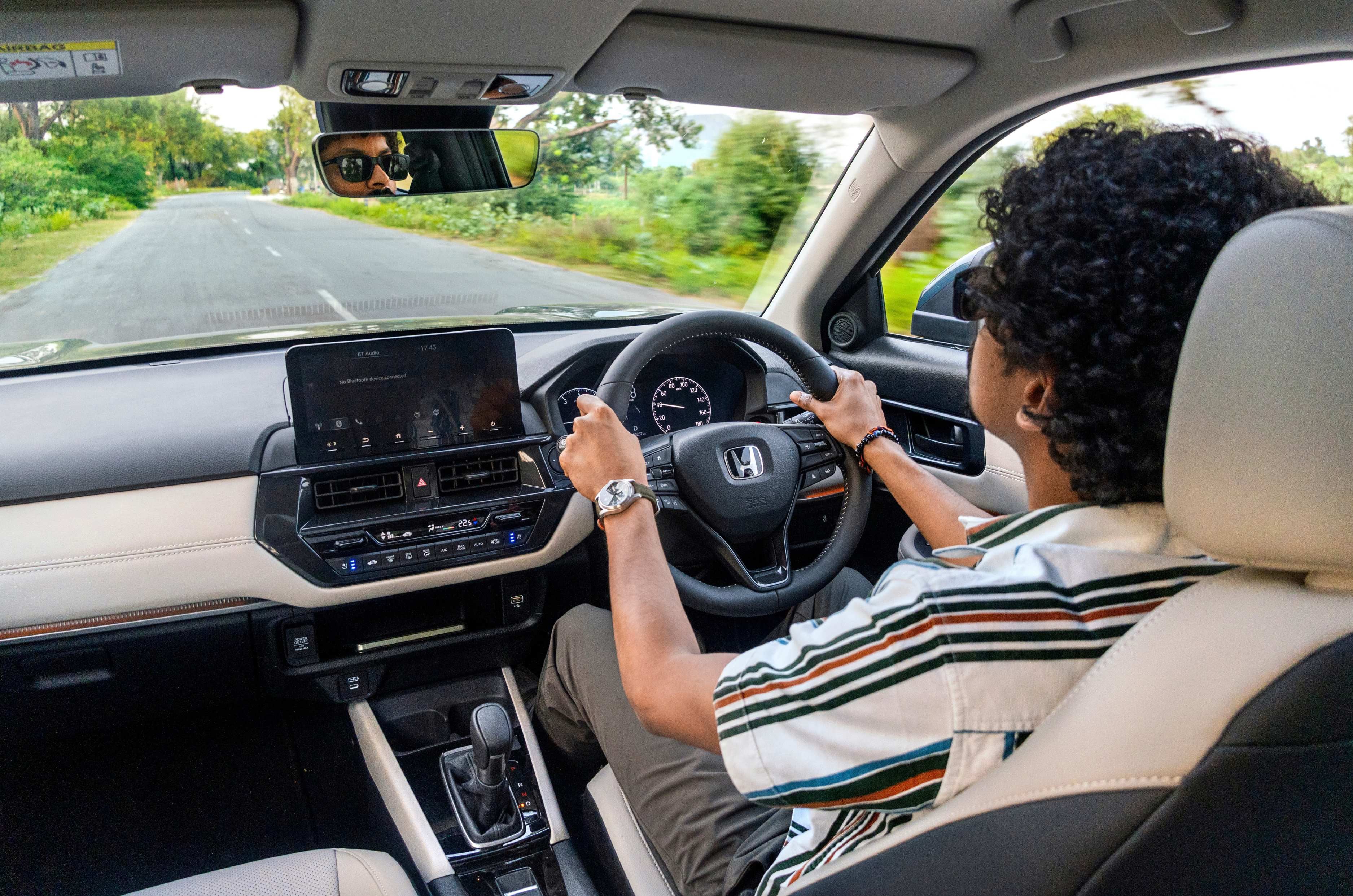
Ergonomics remain a strong point, with the Elevate offering a commanding driving position and supportive front seats that make it easy to get comfortable behind the wheel. The lumbar support, however, might feel excessive for some and taller people may find underthigh support a bit lacking.
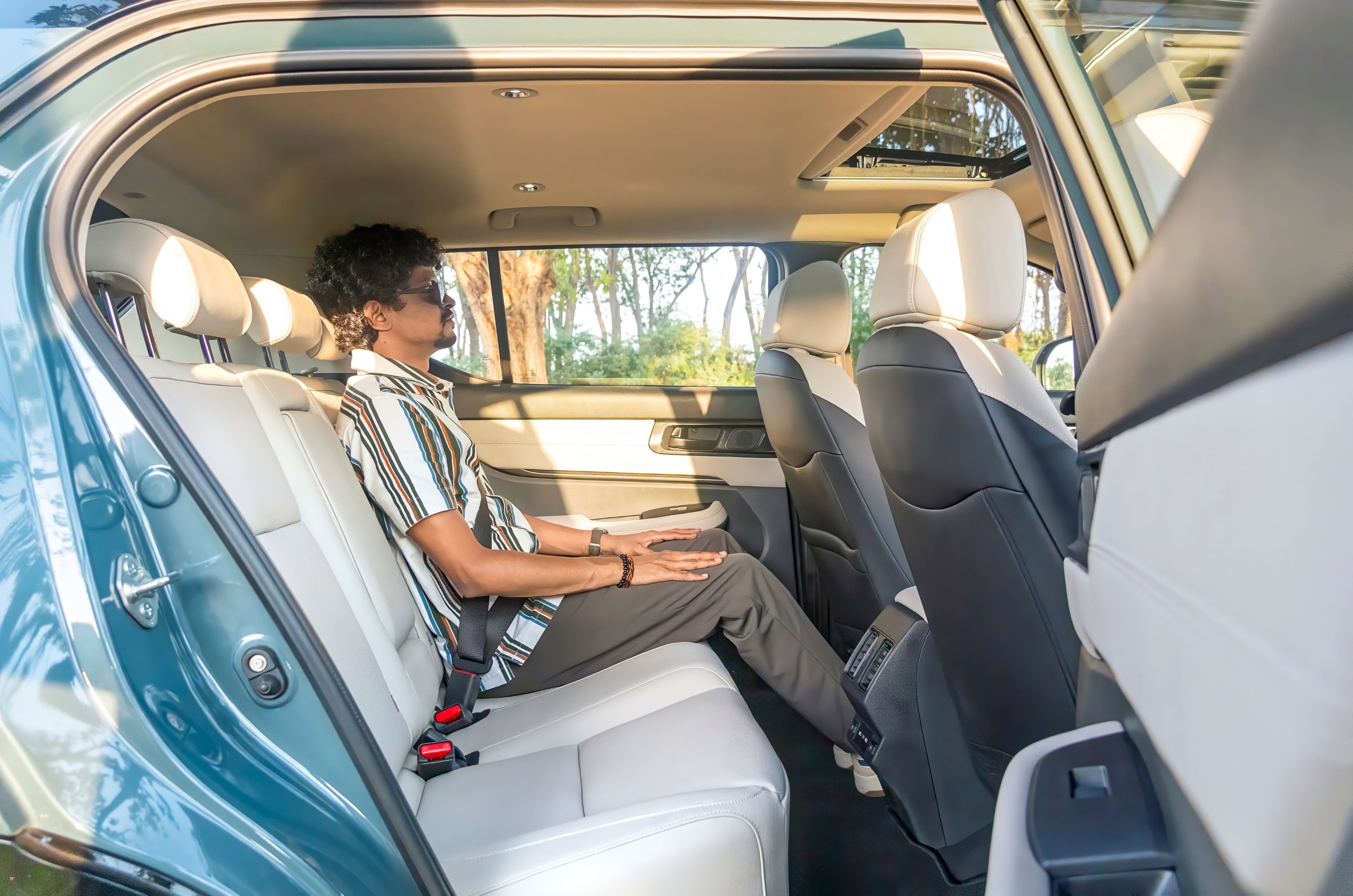
Ample headroom and kneeroom but best for two adults thanks to the narrow width and raised centre seat.
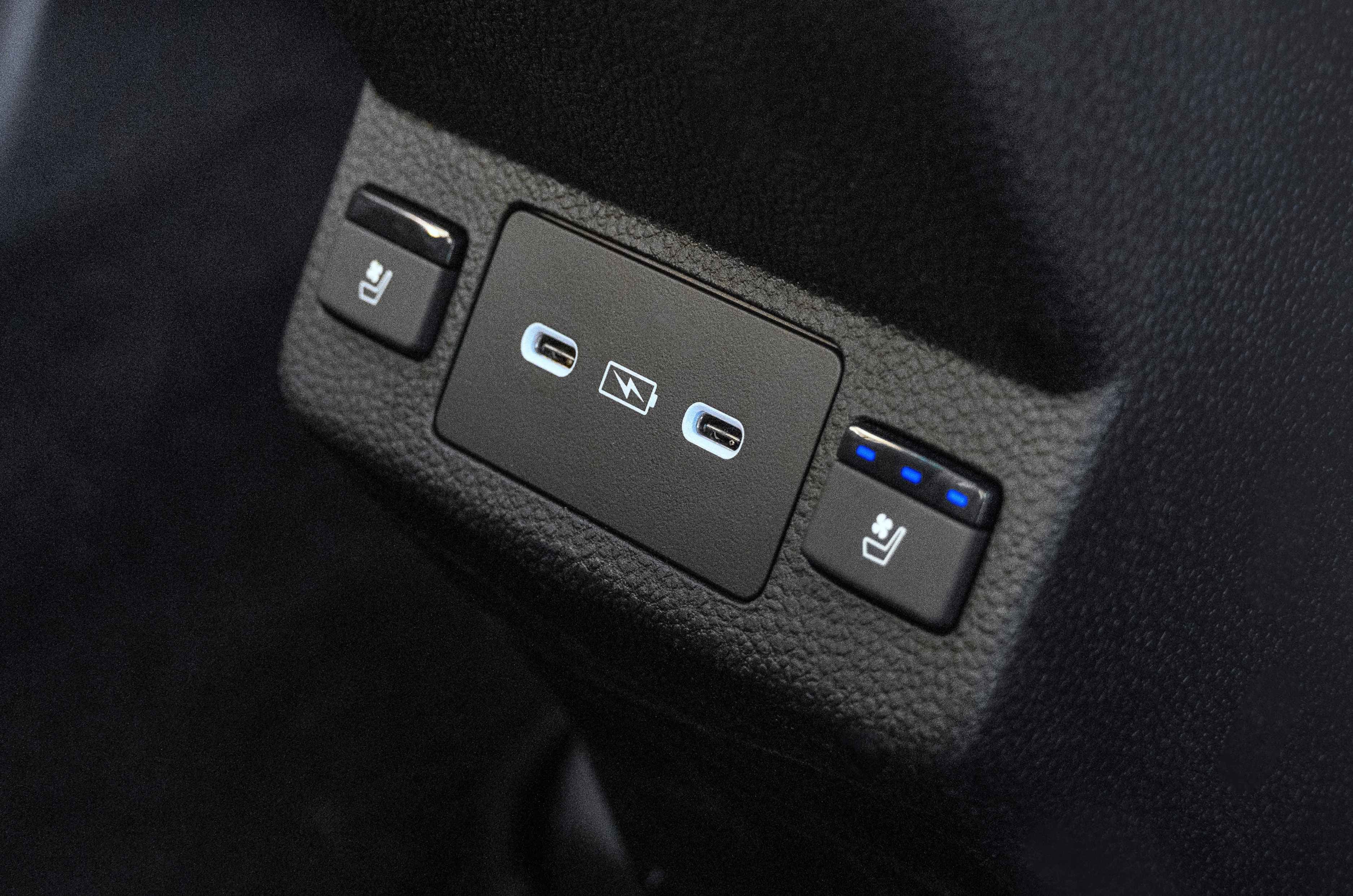
At the rear, space is generous, with plenty of kneeroom and headroom making it a very comfy place for two adults. However, fitting a third passenger will be tight thanks to the cabin’s limited width and raised centre seat. There are no sunblinds either, but Honda has added an adjustable headrest and a three-point seatbelt for the centre passenger, which was an omission earlier. Features back here include dedicated AC vents, USB charging ports, a fold down centre armrest with cupholders, new capacitive-touch LED reading lamps and the most prominent, seat ventilation.
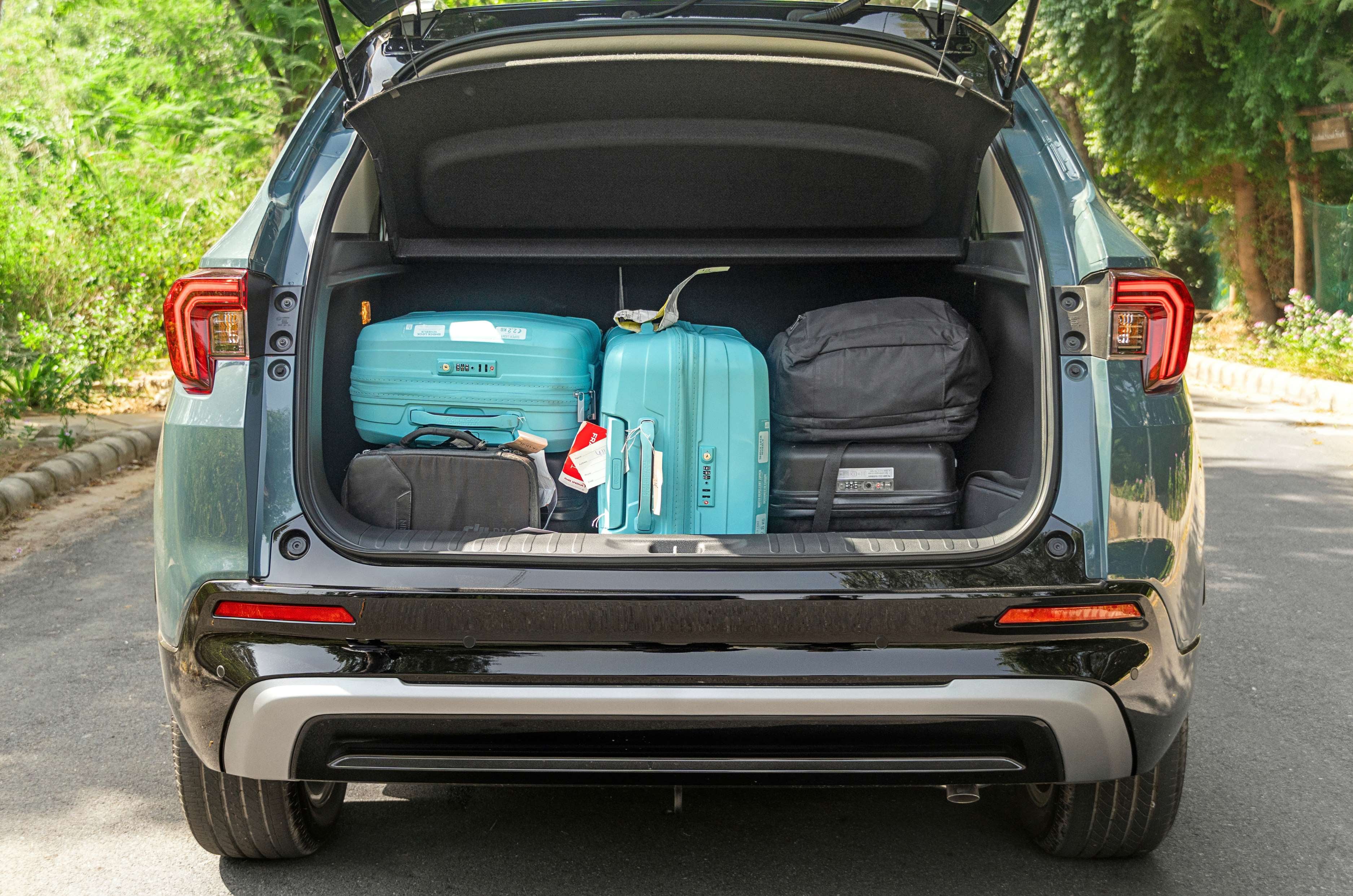
428-litre boot can fit in more than the number suggests; continues to feature a spare tyre under the boot floor.
Practicality, meanwhile, remains a strength, with the Elevate offering ample storage spaces throughout the cabin. The boot is also a substantial 458-litres and can pack in much more than the number would suggest. What’s also nice is that it continues to get a spare tyre under the boot floor.
Features and safety – 8/10
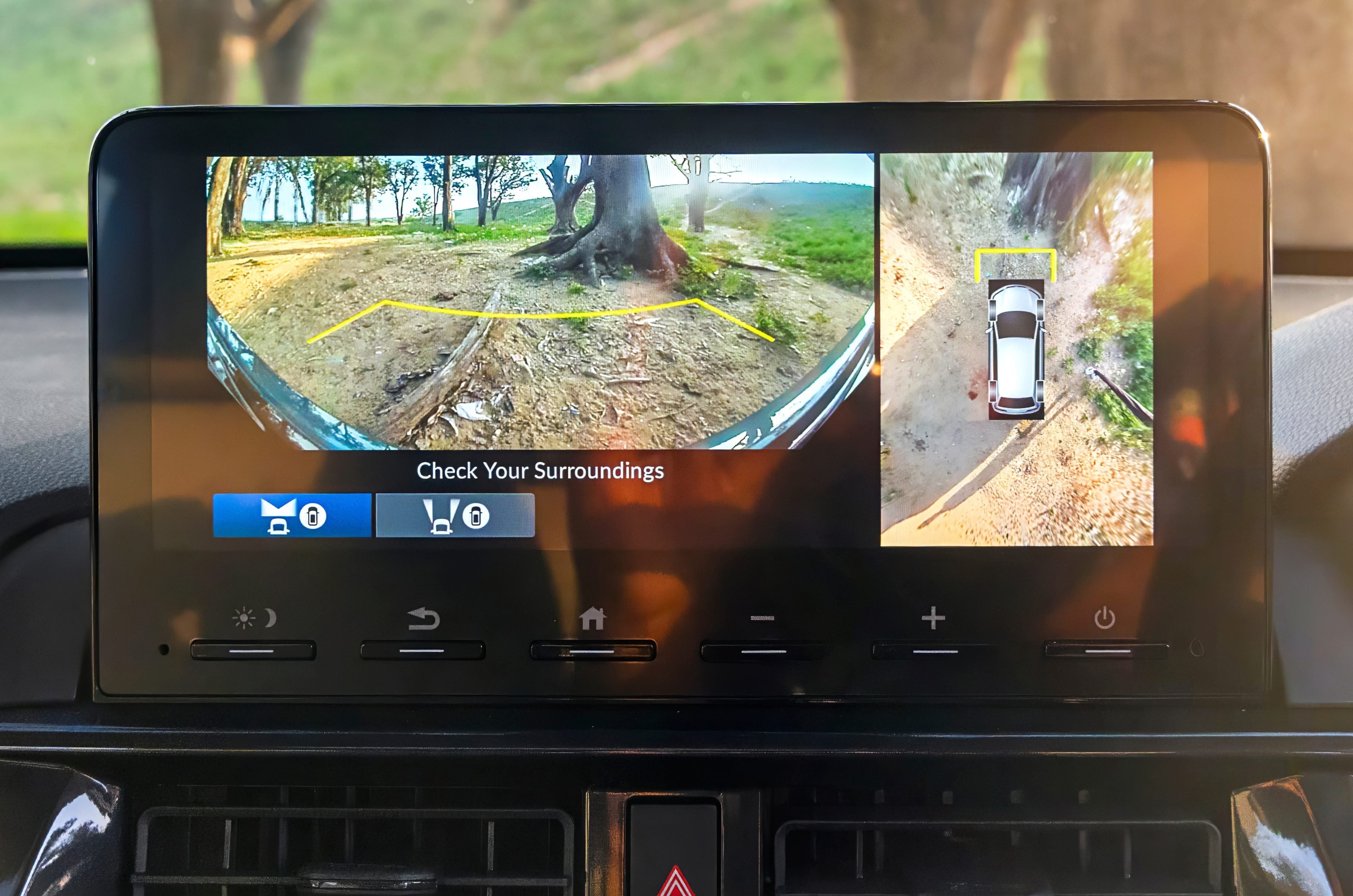
360-degree parking camera is a helpful addition but has limited angles of view and a small display on the screen.
The Elevate facelift addresses some of the key equipment gaps in the outgoing model, bringing a more comprehensive feature set to the table. In terms of safety features, there’s now a 360-degree camera (its display on the screen is quite small though, with limited angles of view), which works alongside the existing ‘LaneWatch’ camera, though curiously this feature is still only for the left hand side.
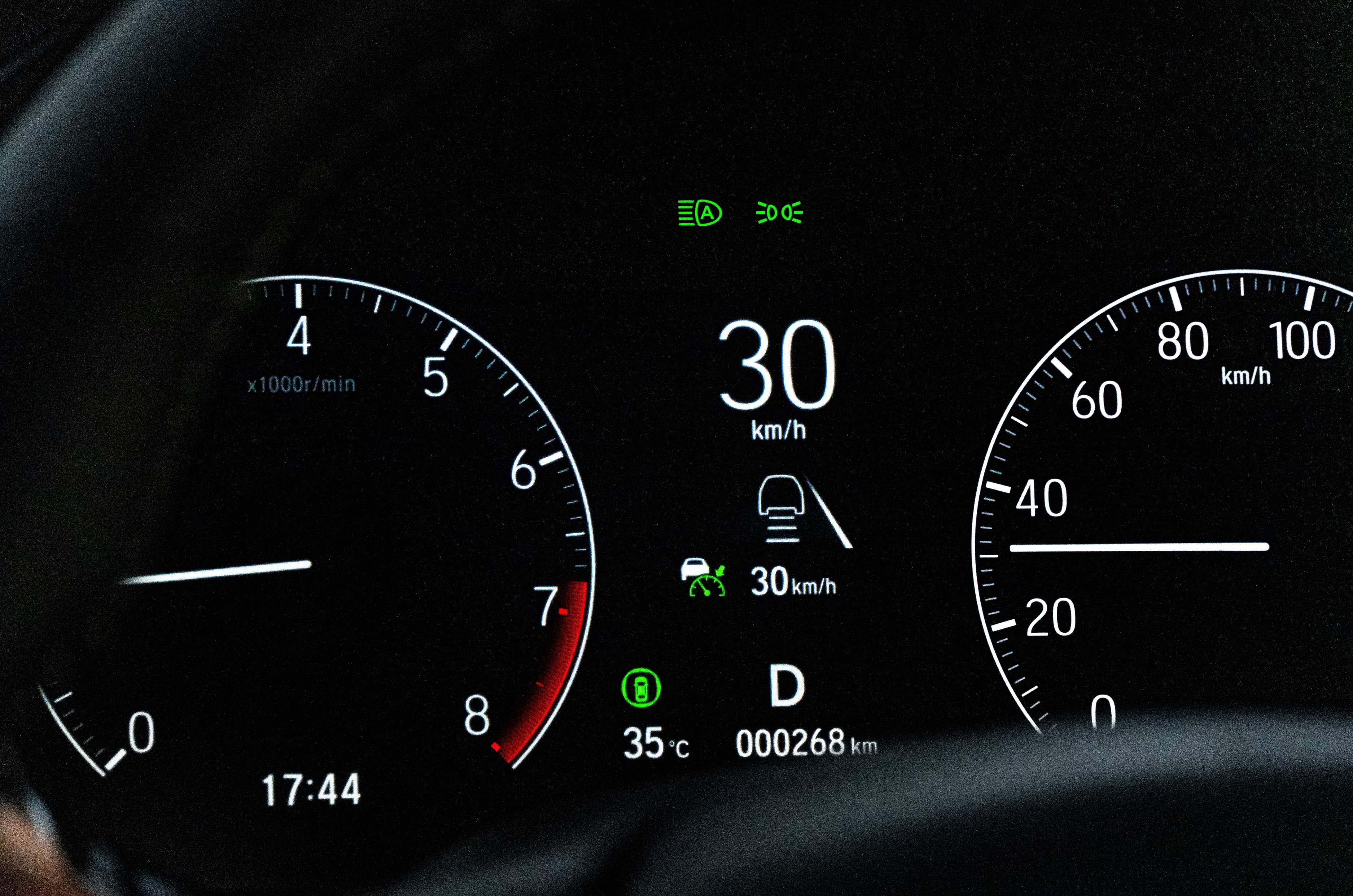
ADAS suite now packs in a useful low-speed follow function for the adaptive cruise control.
Front parking sensors have also been added to make parking and manoeuvring in tight gaps easier. However, the CVT variants get even more safety kit in the form of an electronic parking brake with auto hold function, rear disc brakes and the addition of a low-speed follow function for the adaptive cruise control, which is useful in stop-and-go traffic.
Rear-seat ventilation is a first-in-segment, but it’s only available in the top-spec ZX+ trim.
As for comfort and convenience features, the most important additions are the ventilated front and rear seats, the latter which is a segment-first. Though they take some time to cool effectively, it has enhanced the Elevate’s cabin comfort. Then there’s powered front seats – 8-way for the driver and 4-way for the passenger – ambient lighting and a PM2.5 air purifier. Other than that, much of the existing equipment has been carried over unchanged.
AC controls have been revised with new buttons for seat ventilation; now features an air purifier too.
There’s a 10.25-inch infotainment touchscreen with wireless smartphone integration (though its software and feature set still feel basic at best), semi-digital instrument cluster, a single-pane sunroof, wireless phone charger, six airbags, ESC, traction control, camera-based ADAS tech including auto emergency braking, lane keep assist and more. Still however, there are some features missing that rivals offer like a dual-zone for the auto climate control, panoramic sunroof and powered tailgate.
Powertrain and refinement – 8/10
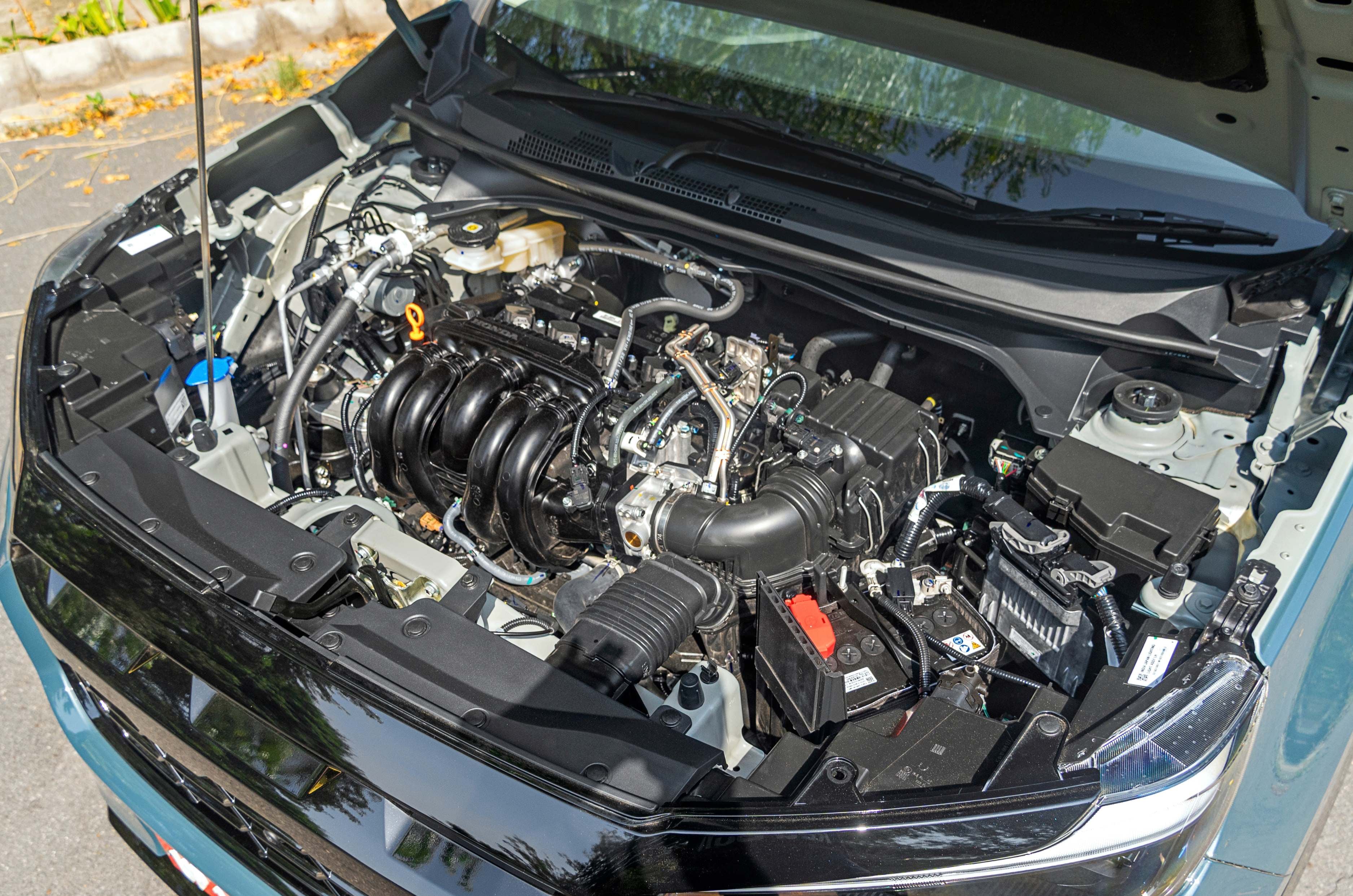
121hp, free-revving, naturally aspirated 1.5 petrol remains the only engine option with the Elevate.
There have been no changes under the hood of the Honda Elevate. It still continues to be powered by a 1.5-litre, four-cylinder, naturally aspirated petrol engine that produces 121hp and 145Nm. Gearbox options remain unchanged too, with a 6-speed manual and a 7-step CVT automatic, and we got to sample the latter. However, the engine has been future-proofed and is now WLTP emissions norms compliant while already being E20 fuel compatible.
This i-VTEC engine still impresses however. Throttle response is immediate, with no noticeable delay, making the engine feel sharp and eager. As before, the naturally aspirated motor pulls cleanly from idle all the way to the redline, in a smooth and progressive manner. However, it feels most energetic higher up the rev range, where it feels at its most potent too.
The 7-step CVT works well as an automatic, making light work of everyday commuting with its smooth operation. Paddle shifters with pre-set ratio points also give it some resemblance to a conventional automatic, allowing you to have greater control. However, push the throttle hard and the familiar ‘rubber band’ effect becomes apparent, with the engine holding on to high revs for extended periods, which doesn’t make for a relaxed driving experience. In this respect, Hyundai and Kia’s chain-driven CVT feels a bit smoother and more responsive than this belt-driven one.
As for performance, we managed a 0-100kph time of 11.89sec with the pre-facelift Elevate CVT and you can expect this facelifted model to be in the same ballpark. Expectedly, the manual does a quicker 10.82sec time to 100kph.
However, like before the lack of powertrain options is disappointing. In a time when rivals are offering diesels, turbo petrols, strong hybrids and CNGs, the Elevate has to soldier on with a solitary, naturally-aspirated petrol engine which restricts its appeal.
It feels quieter than before but there’s still prominent engine and road noise filtering into the cabin, especially on highways.
Honda has also worked on improving the Elevate’s noise insulation, an area where the existing model lacked. The company claims better isolation from both engine and road noise, but that has worked only to a small extent, in our experience. It feels quieter than before but there’s still prominent engine and road noise filtering into the cabin, especially at highway speeds, and there’s definitely more room for improvement here.
Fuel efficiency – 7/10
Given our short test drive, we didn’t subject the Elevate facelift to our real-world mileage tests. For reference though, the pre-facelift Elevate CVT did 8.60kpl in the city and 13.10kpl on the highway while the Elevate MT managed 8.7kpl in the city and 13.30kpl out on the highway. The Elevate CVT misses out on an Eco drive mode and auto start/stop, which certainly affects its fuel efficiency.
Ride comfort and handling – 8/10
Despite being a high-riding SUV, the Elevate feels remarkably composed on the move.
As before, the Honda Elevate continues to impress with its ride and handling balance. Despite being a tall riding SUV, it feels remarkably composed on the move. Suspension damping, though on the firmer side, is well judged and does a good job of ironing out road imperfections. It’s only when you’re travelling at triple digit speeds on an undulating highway is where you’ll notice quite a bit of vertical movement in the rear seat. But apart from that, the Elevate feels planted on the road.
Body roll is also well contained for a tall SUV, making it predictable around bends.
The steering is accurate and light at slow speeds, which helps with manoeuvrability, but it picks up weight progressively which is reassuring. Body roll is also well contained for a tall SUV and as such, it’s predictable around bends. As for the brakes, the CVT has gained rear discs but that hasn’t made a noticeable difference. Braking performance, like before, remains strong with a nice, progressive feel.
Value for money and verdict – 7/10
With this facelift, Honda has addressed some of the Elevate’s earlier shortcomings with some much-needed features and the updated look and feel inside the cabin. However, some drawbacks still remain like the lack of powertrain options and the below-par sound insulation.
It remains a sensible, practical midsize SUV that continues to prioritise the essentials over outright novelty.
What the Elevate continues to get right, though, are the fundamentals. It continues to offer a comfortable and practical cabin, a responsive engine and a well-sorted ride and handling package. Add to that the design refresh and the fairly expansive features list, and the Elevate facelift feels more rounded than before. Priced from Rs 11.80 lakh to Rs 18.40 lakh (ex-showroom), it’s still very competitively priced, though the new top ZX+ variant is up there with the heavy hitters.
Ultimately, the Elevate remains a sensible, practical midsize SUV that continues to prioritise the essentials over outright novelty. As a result, the Elevate facelift represents a great option for buyers who value comfort, everyday usability, reliability and the peace of mind associated with the Honda badge.