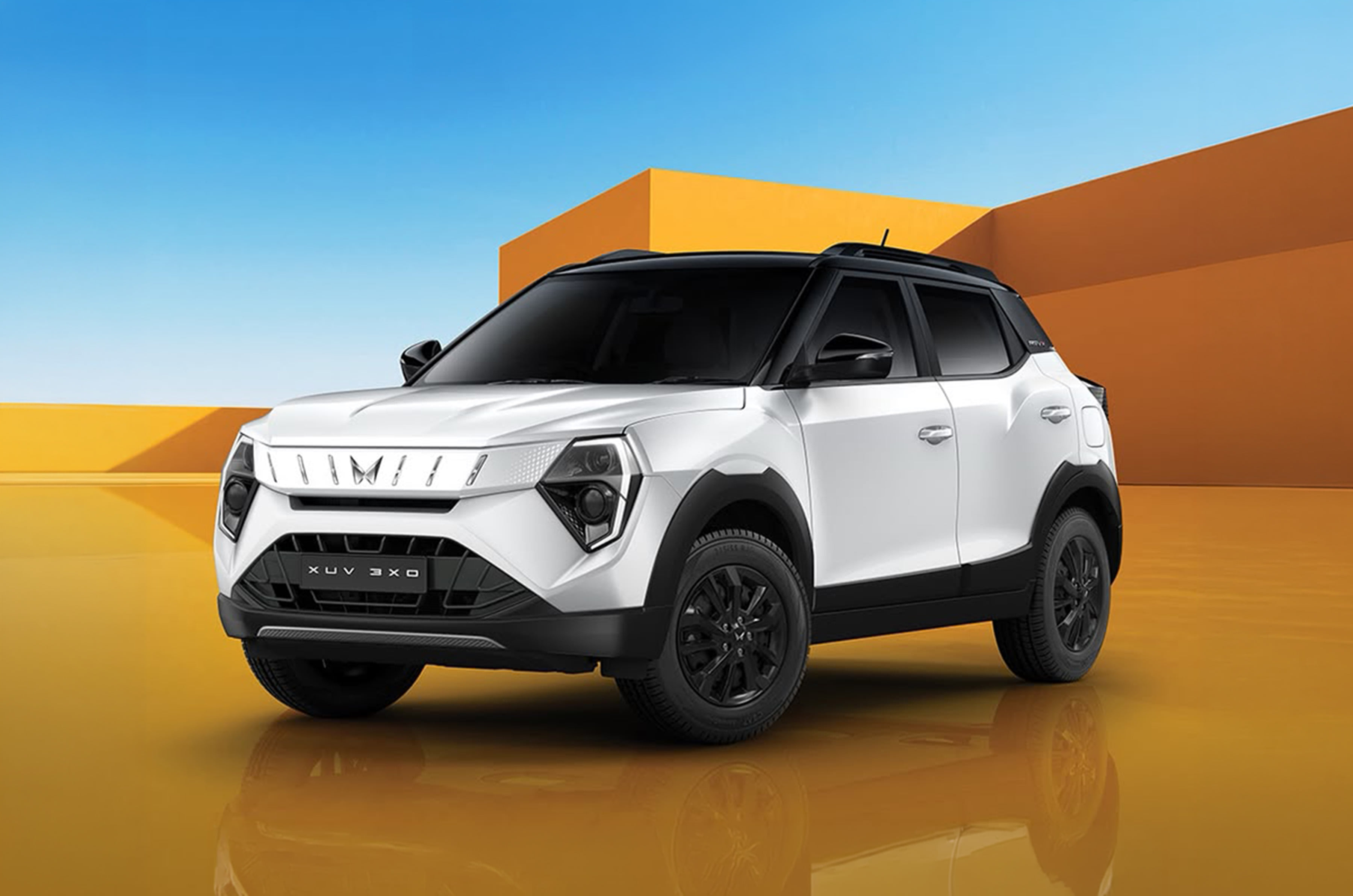
Mahindra XUV 3XO CNG: Mahindra कल, 15 अक्टूबर 2026 को भारत में XUV 3XO CNG लॉन्च करेगी। यह लॉन्च त्योहारों के मौसम से ठीक पहले हो रहा है और XUV 3XO में दिलचस्पी रखने वाले ग्राहकों को चुनने के लिए ज्यादा पावरट्रेन ऑप्शन देता है। जानकारी के लिए बता दें कि यह कॉम्पैक्ट SUV पहले से ही दो टर्बो-पेट्रोल इंजन, एक डीजल इंजन और एक इलेक्ट्रिक पावरट्रेन के साथ उपलब्ध है। नया फैक्ट्री-फिटेड CNG ऑप्शन ज्यादा फ्यूल-एफिशिएंट ऑप्शन के तौर पर लाइनअप में शामिल होगा। कार बनाने वाली कंपनी ने हाल ही में XUV 3XO CNG को पेश किया था। अब आइए जानते हैं Mahindra की इस नई CNG SUV में क्या कुछ खास मिलने वाला है।
Mahindra XUV 3XO CNG: डिजाइन
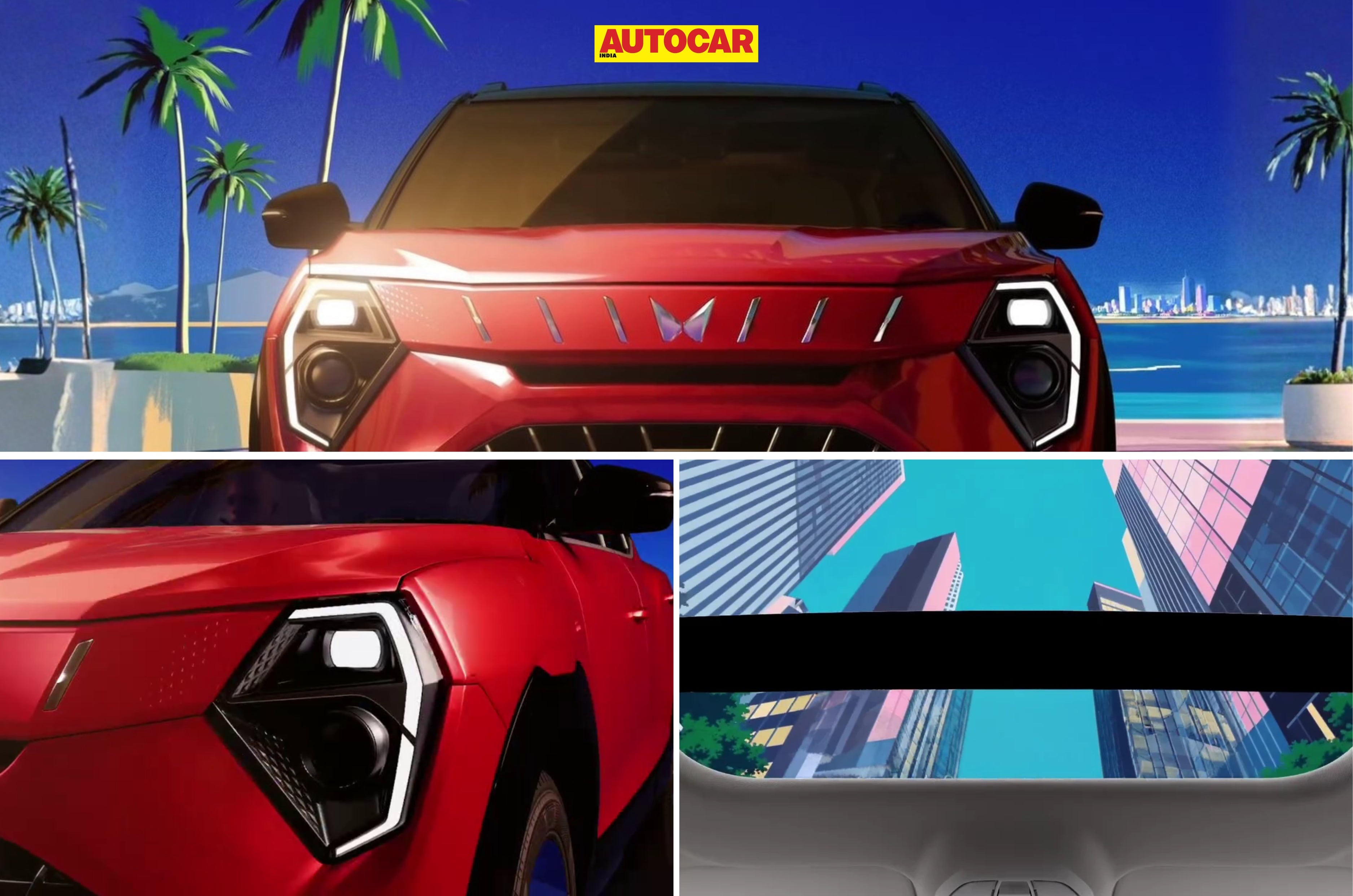
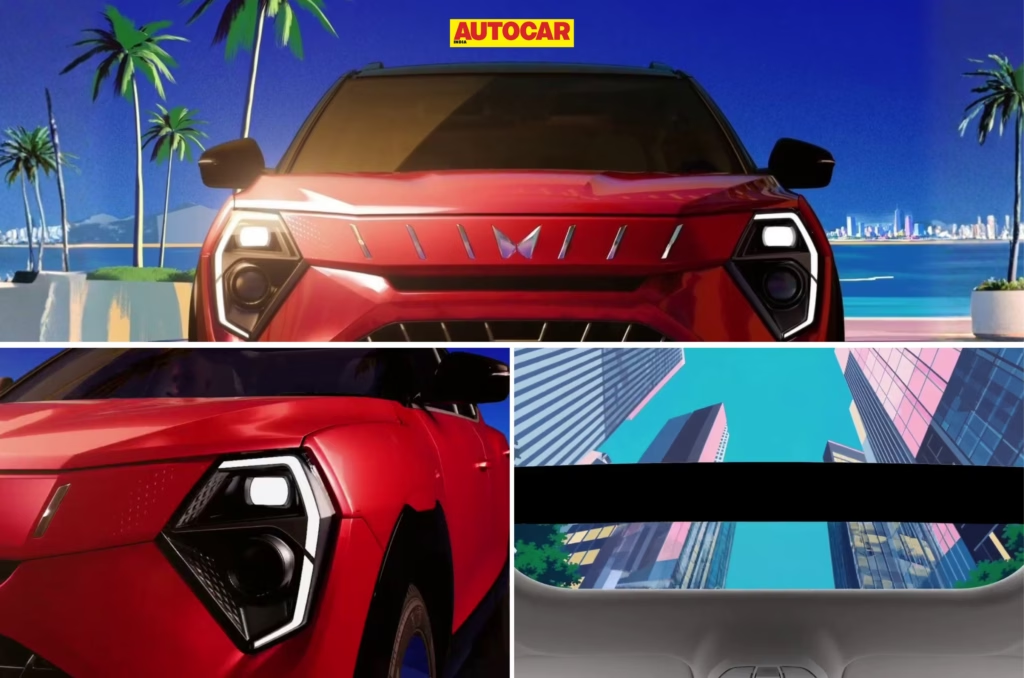
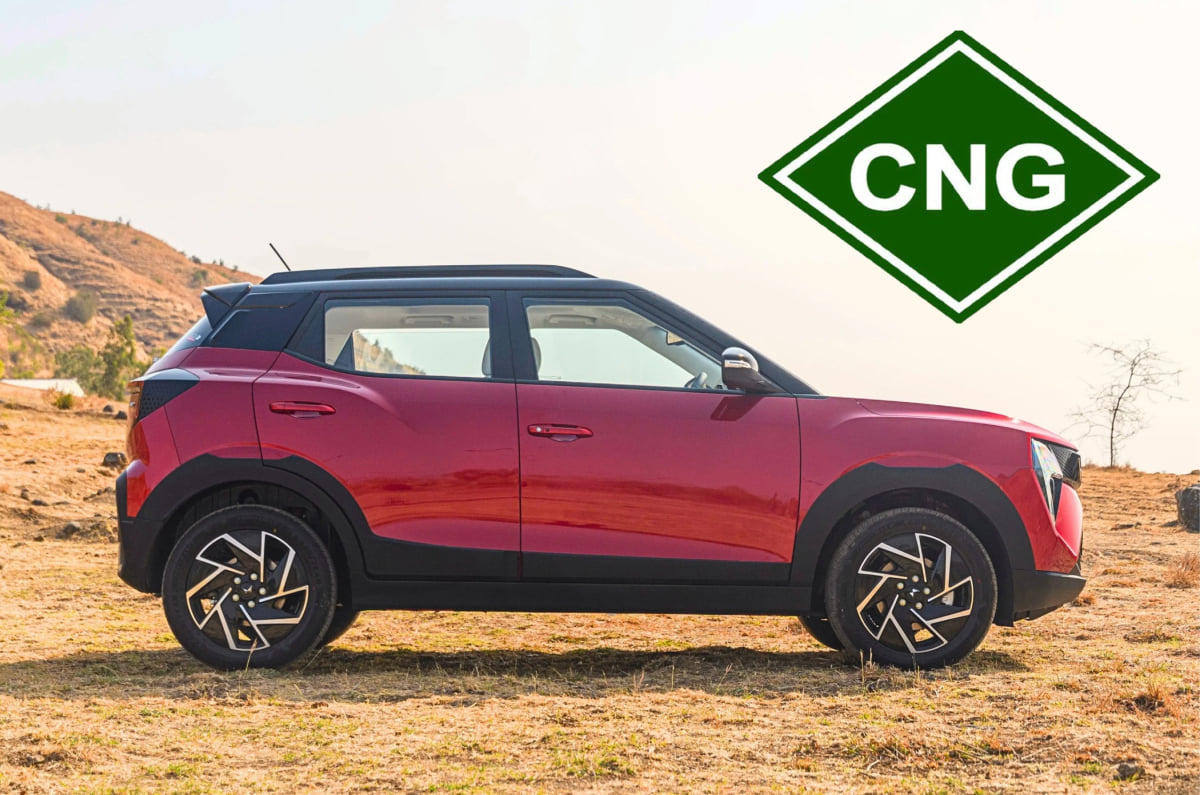
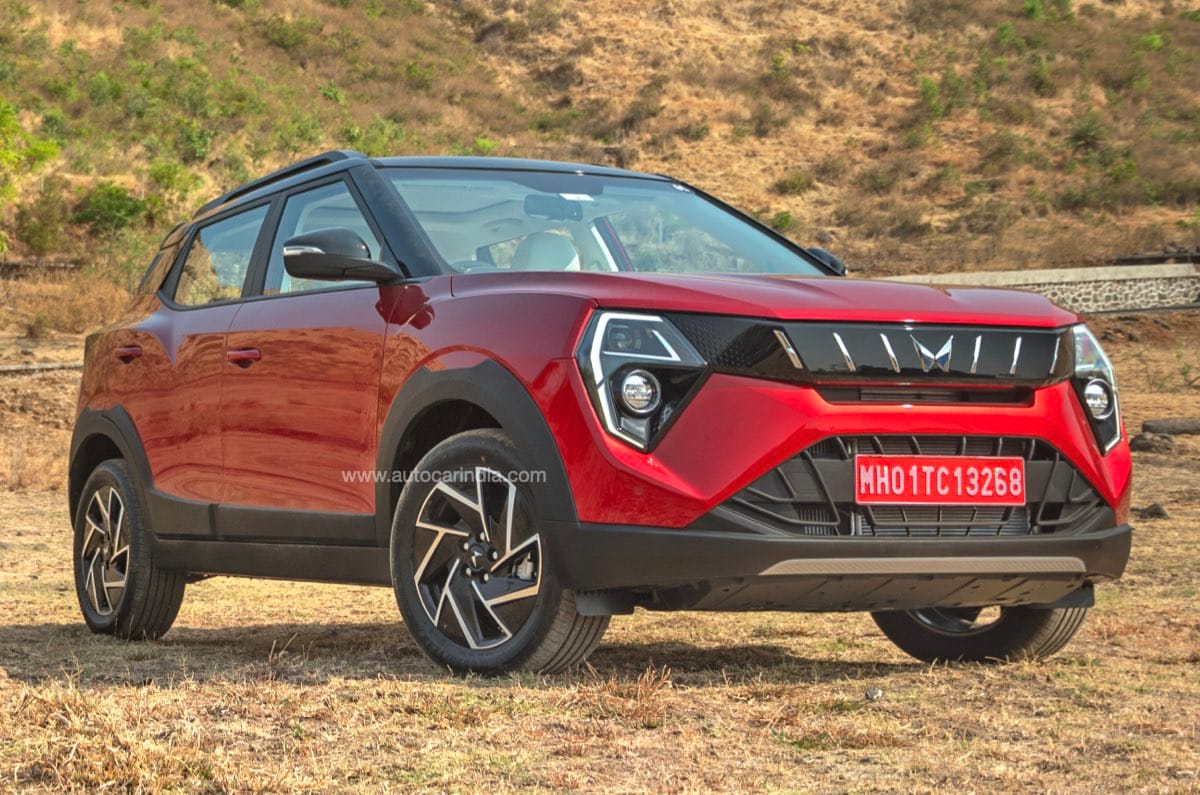
Mahindra XUV 3XO के CNG मॉडल का डिजाइन मौजूदा पेट्रोल और डीजल वेरिएंट जैसा ही रहने की उम्मीद है। हालांकि, CNG किट की वजह से इसमें कुछ बदलाव देखने को मिल सकते हैं। कंपनी ने हाल ही में जारी टीजर में SUV को लाल रंग में दिखाया है।
इसका फ्रंट लुक SUV के मौजूदा REVX वेरिएंट जैसा नजर आता है। गाड़ी के डिजाइन में Mahindra के Twin Peaks लोगो के आसपास मेटल फिनिश दी गई है। वहीं, दोनों हेडलैंप के बीच बॉडी के रंग वाला पैनल और पीछे कनेक्टेड टेललैंप सेटअप मिलता है।
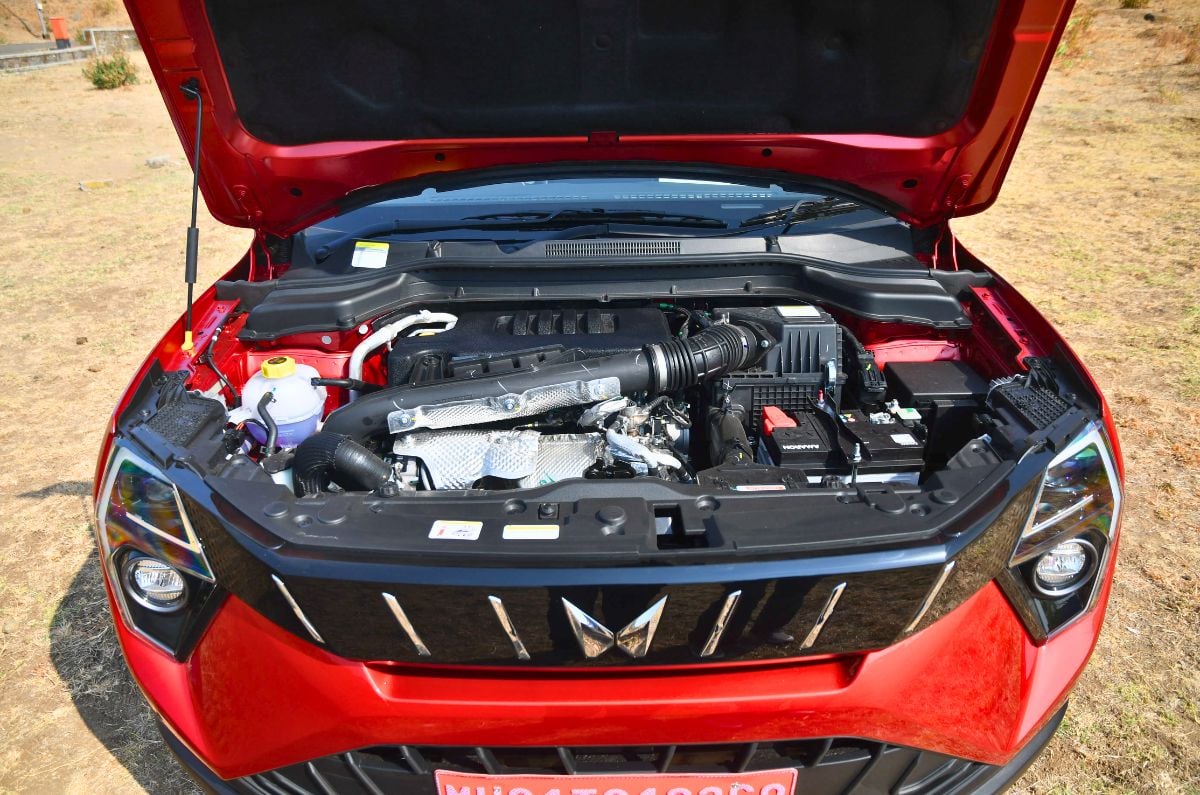
फिलहाल कंपनी ने यह जानकारी नहीं दी है कि CNG सिलेंडर को गाड़ी में किस तरह लगाया जाएगा। सिलेंडर की जगह से बूट स्पेस यानी सामान रखने की जगह पर कितना असर पड़ेगा, यह भी अभी साफ नहीं है।
Mahindra XUV 3XO CNG: फीचर्स
फीचर्स की बात करें, तो Mahindra XUV 3XO के CNG मॉडल में मौजूदा पेट्रोल और डीजल वेरिएंट जैसे फीचर्स मिलने की उम्मीद है। कंपनी ने टीजर में इसमें पैनोरमिक सनरूफ की झलक दिखाई है। इससे कम खर्च में गाड़ी चलाने के साथ प्रीमियम फीचर्स चाहने वाले ग्राहकों के लिए यह SUV एक अच्छा विकल्प बन सकती है।
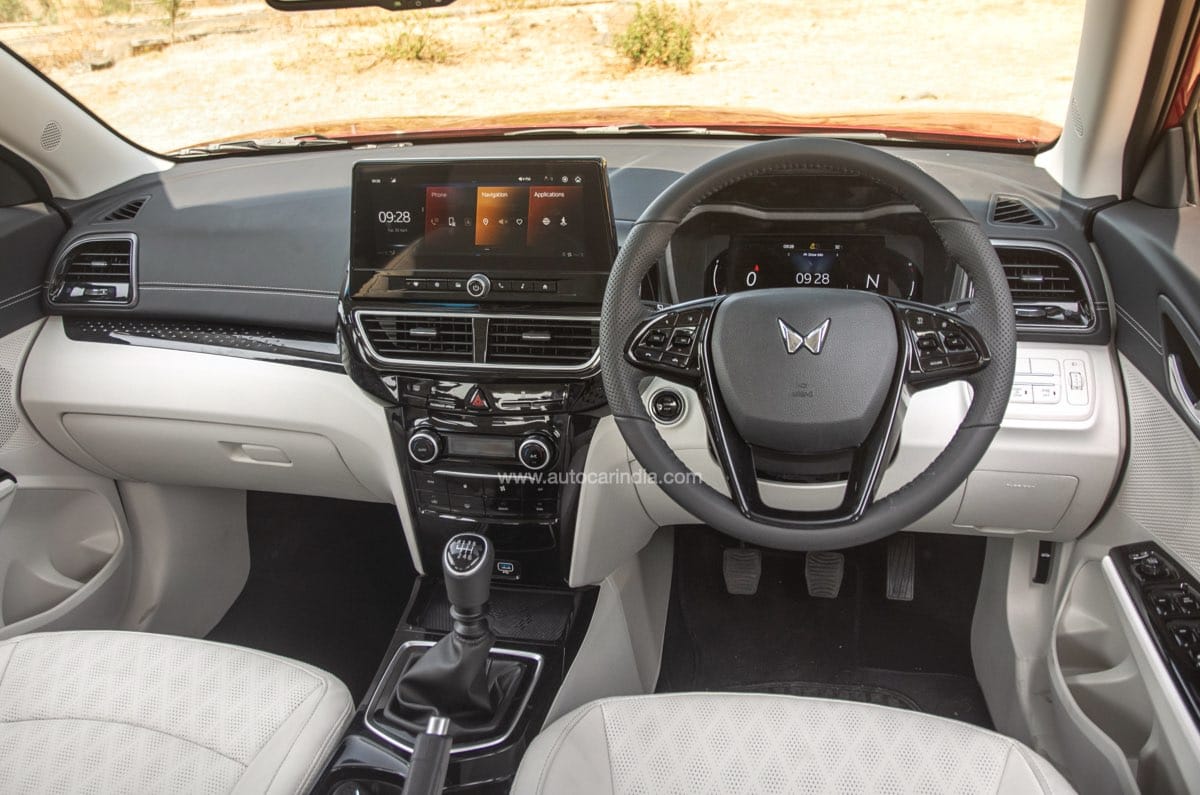
इसके अलावा, इसमें डिजिटल इंस्ट्रूमेंट क्लस्टर, 10.25 इंच की टचस्क्रीन इंफोटेनमेंट सिस्टम, पावर एडजस्ट होने वाली ड्राइवर सीट और डुअल-जोन क्लाइमेट कंट्रोल जैसे फीचर्स भी मिल सकते हैं। हालांकि, इन सभी फीचर्स की आधिकारिक पुष्टि लॉन्च के समय ही होगी।
Mahindra XUV 3XO CNG: पावरट्रेन
XUV 3XO CNG में 1.2-लीटर MPFI टर्बो-पेट्रोल इंजन के साथ फैक्ट्री-फिटेड किट मिलने की उम्मीद है। इस इंजन का मौजूदा पेट्रोल वर्जन 111hp की पावर और 200Nm का टॉर्क देता है। अभी CNG की पावर, ट्रांसमिशन ऑप्शन या माइलेज के बारे में कोई पक्की जानकारी नहीं है।
Mahindra XUV 3XO CNG: कीमत
उम्मीद है कि XUV 3XO CNG की कीमत पेट्रोल वेरिएंट्स से थोड़ी ज्यादा होगी। अभी XUV 3XO रेंज की शुरुआती कीमत 7.79 लाख रुपये (एक्स-शोरूम) है। वेरिएंट और फीचर्स के आधार पर, CNG मॉडल की कीमत लगभग 50,000 रुपये से 1 लाख रुपये तक ज्यादा हो सकती है।
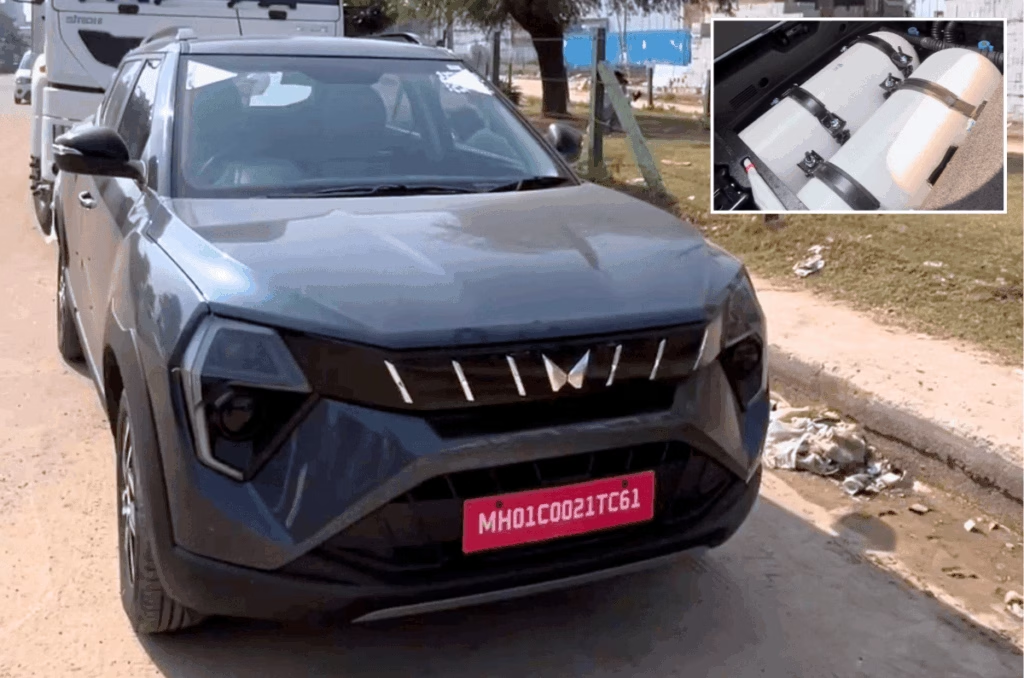
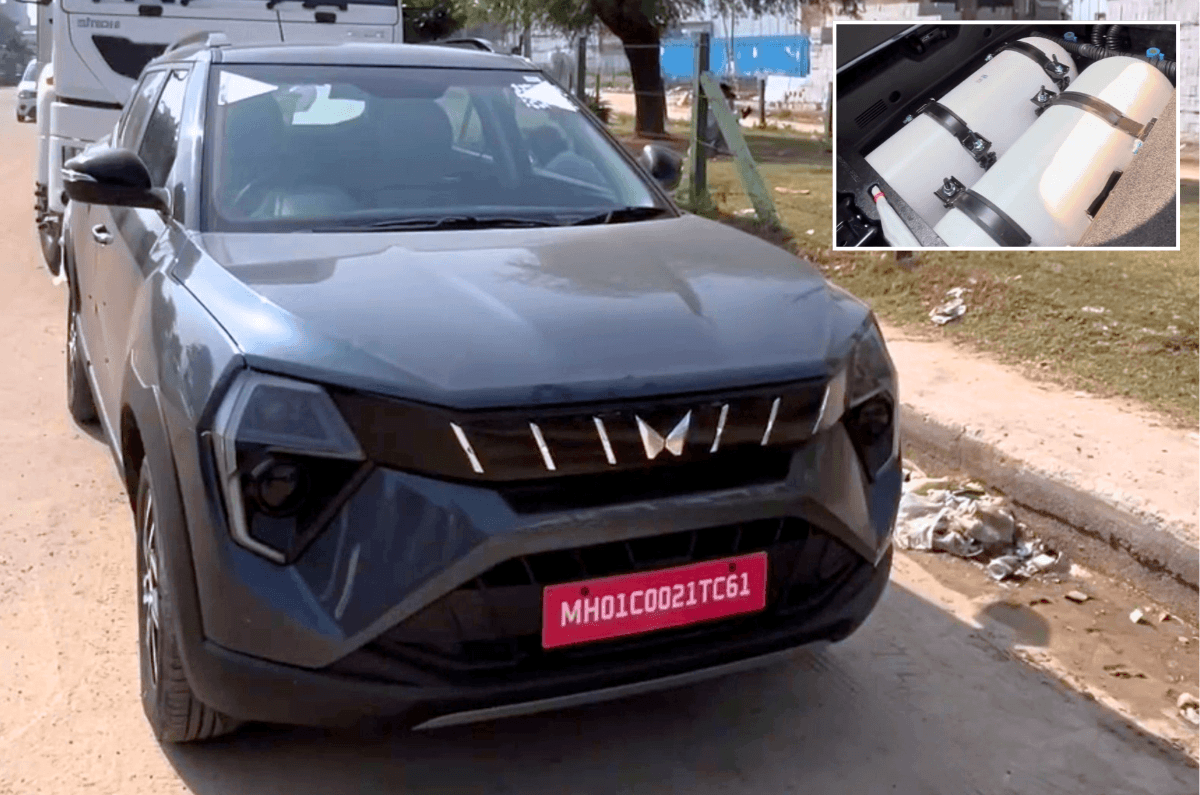
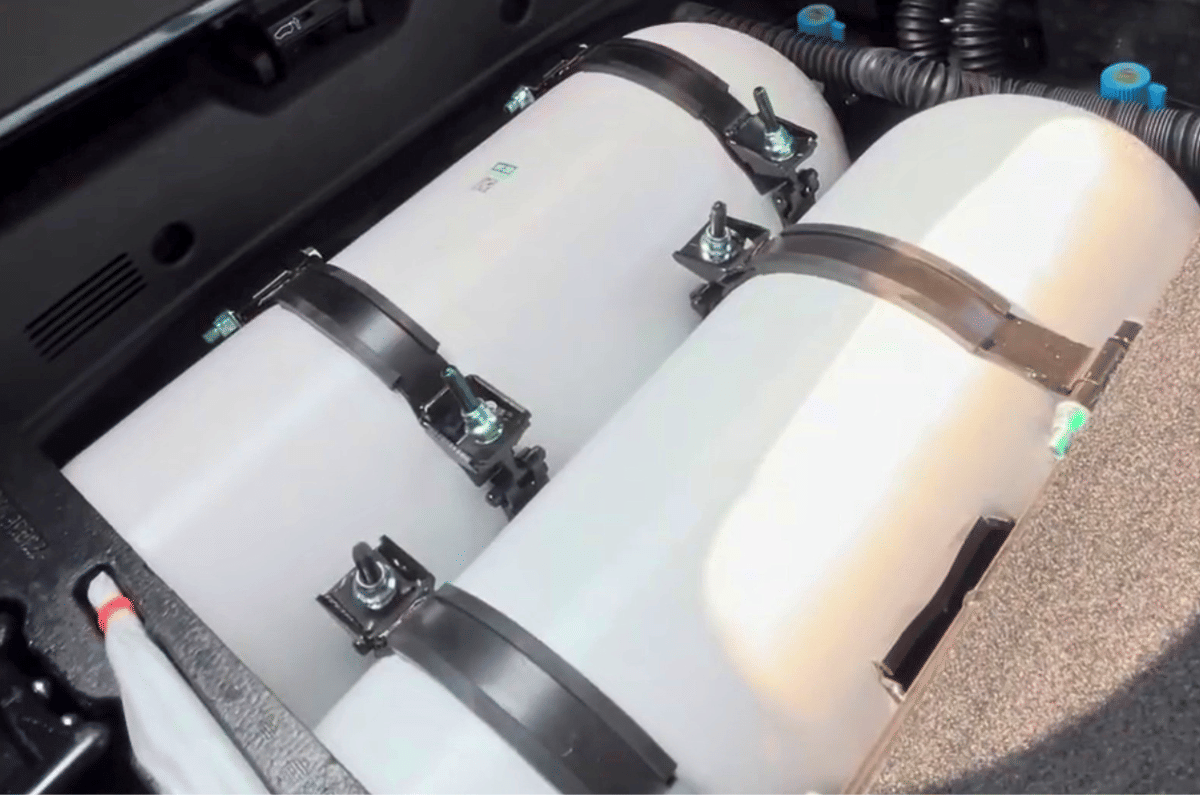
The Mahindra XUV 3XO has been spied with a dual-cylinder tank setup, an arrangement that is aimed to take up less boot space; 3XO has the smallest boot in the compact SUV segment. This sighting comes a day ahead of the SUV’s launch tomorrow. CNG will be the fourth powertrain option, alongside petrol, diesel and electric, giving Mahindra’s most affordable SUV one of the widest powertrain line-ups in the segment, along with the Tata Nexon.
Mahindra XUV 3XO CNG spy shot details
Between the 1.2-litre MPFI (multi-point fuel injection) turbo-petrol and 1.2-litre direct-injection (DI) turbo-petrol engine options of the 3XO, a CNG kit is likely to be offered with the former, and exact specifications are yet to be disclosed. MPFI engines are relatively cheaper to manufacture and simpler to adapt for CNG, since fuel is injected into the intake manifold. Doing the same with a DI engine is more complex and expensive.
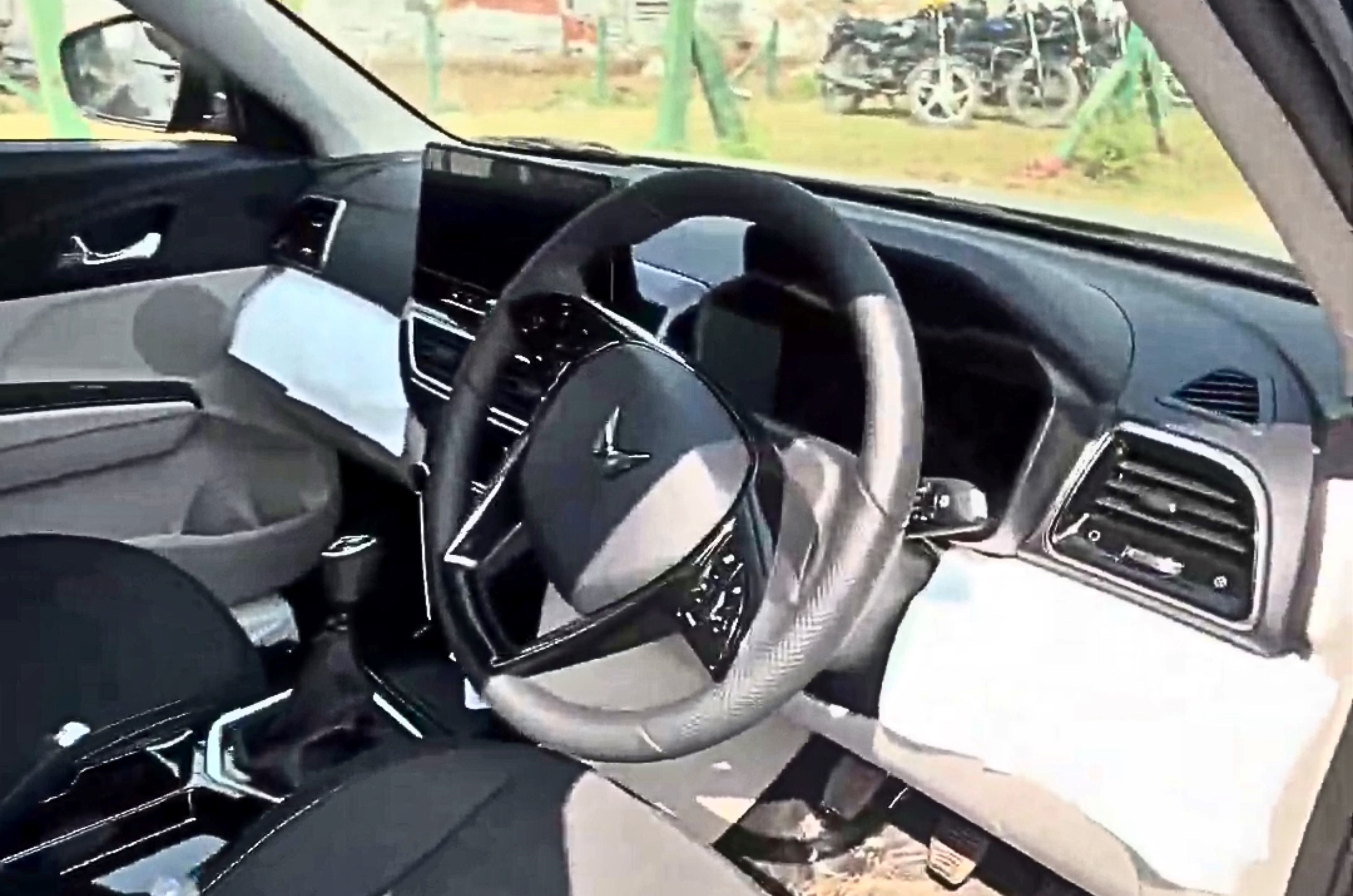
Interestingly, the spied vehicle had dual-tone alloy wheels, suggesting that Mahindra may offer the CNG option even in the higher trims. It’s interior is unlikely to receive any changes, and depending on the trim, features such as a 10.25-inch touchscreen, a 10.25 inch digital driver’s display, steering-mounted controls and more could be on offer.
A recent teaser of the 3XO CNG featured a body coloured front grille, something that is offered in the RevX range, and LED DRLs, LED headlights and a panoramic sunroof.
Scope of CNG in compact SUV segment
CNG has become increasingly popular in India. A CNG option could help boost XUV 3XO sales, and also help the carmaker meet the stricter CAFE III norms that come into effect in April 2027. This is especially important because a large part of Mahindra’s sales comes from diesel models. Along with EVs, CNG models will be key to balancing the CO2 emissions from its diesel range. In the past, Mahindra has offered this fuel option on some of its commercial pickup range, as well as via conversion kits for the erstwhile Logan and Verito.
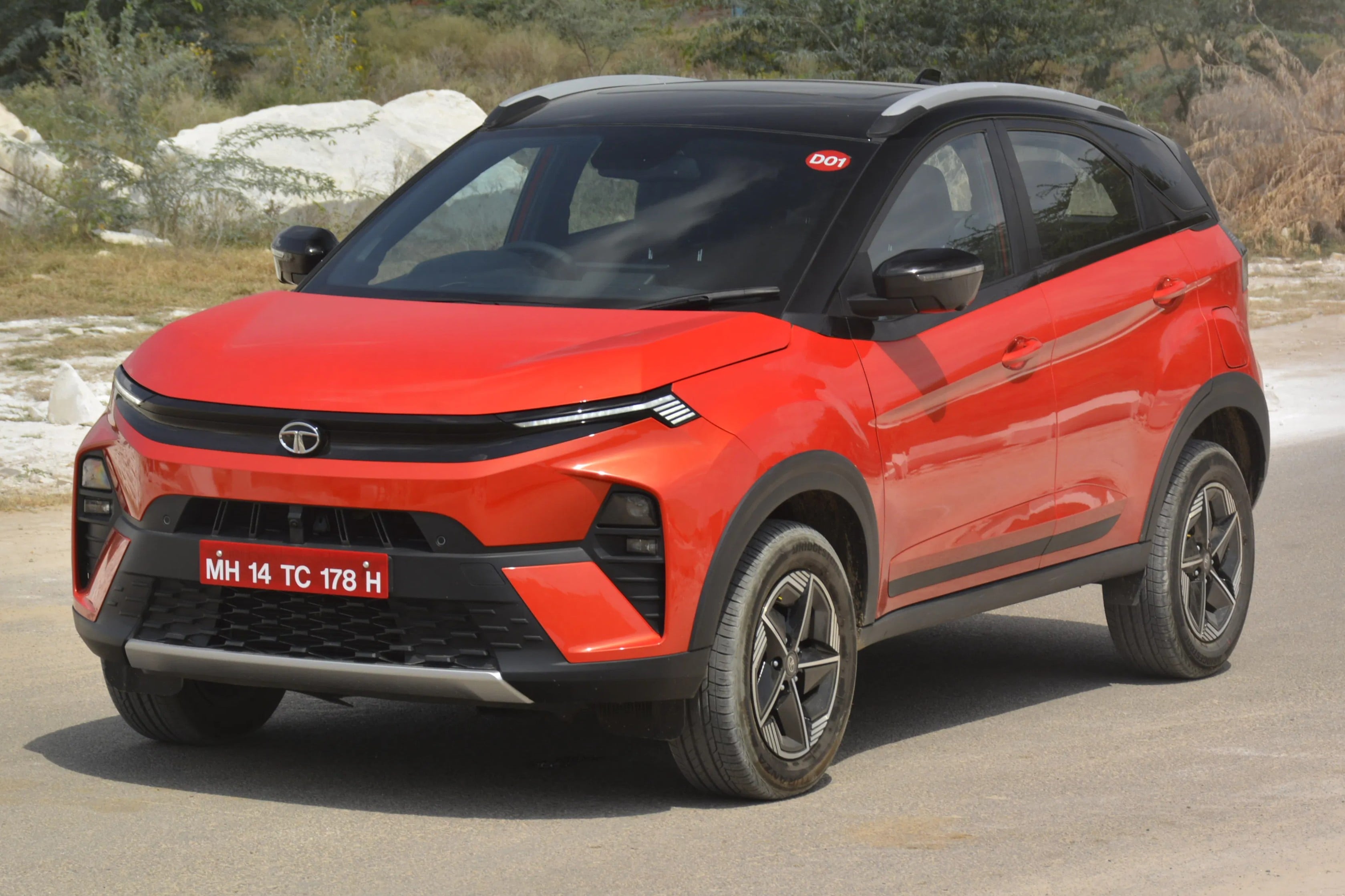
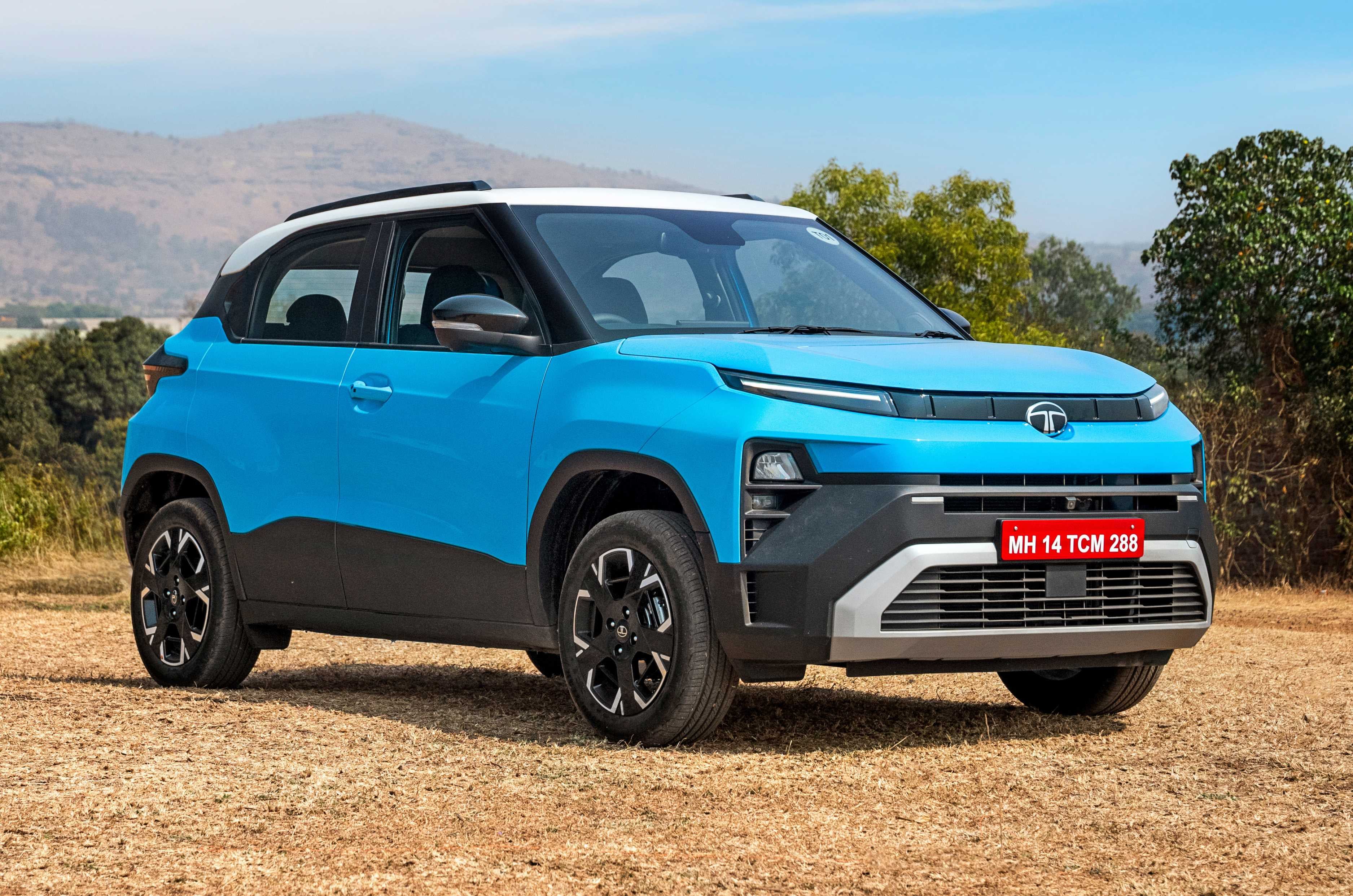
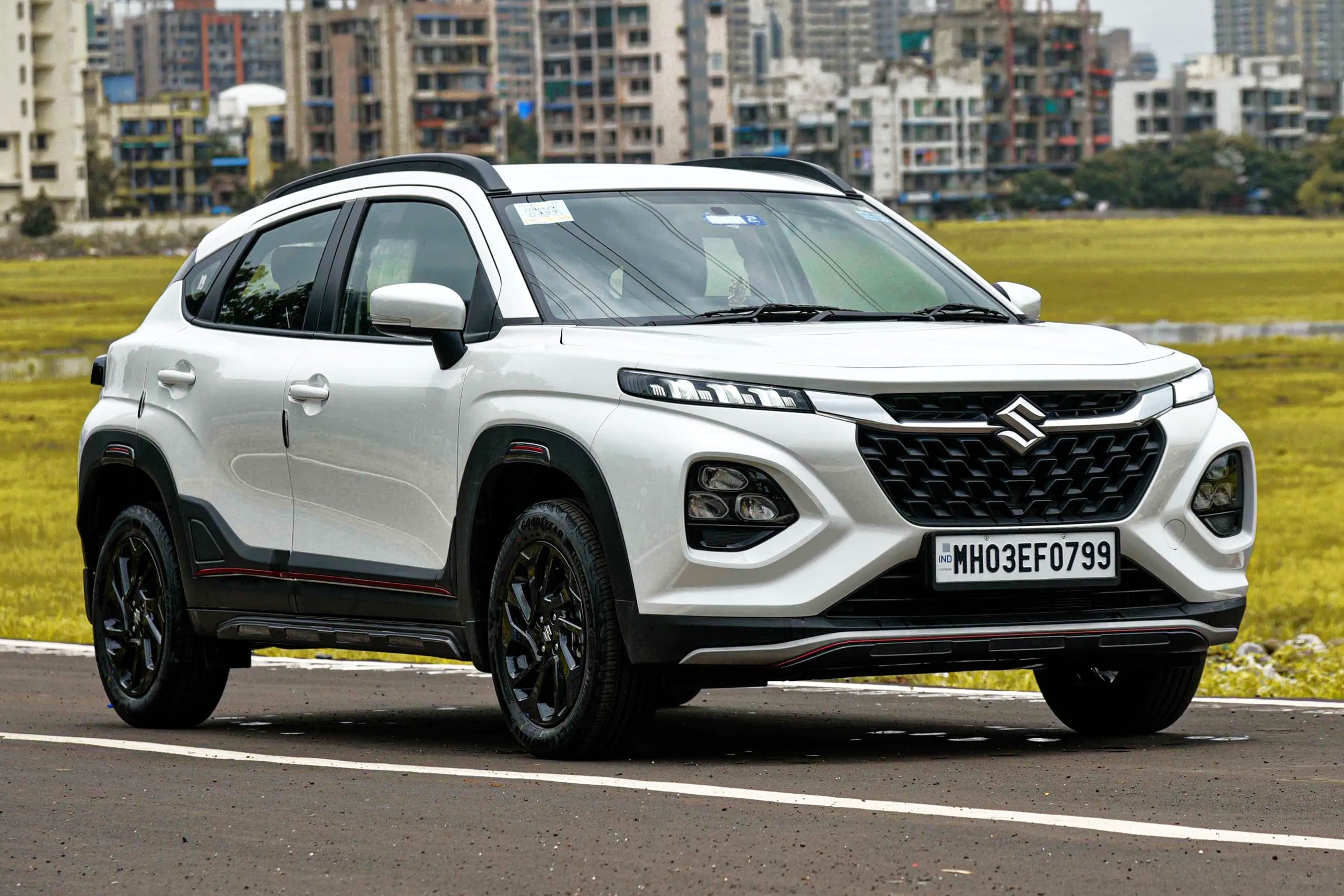
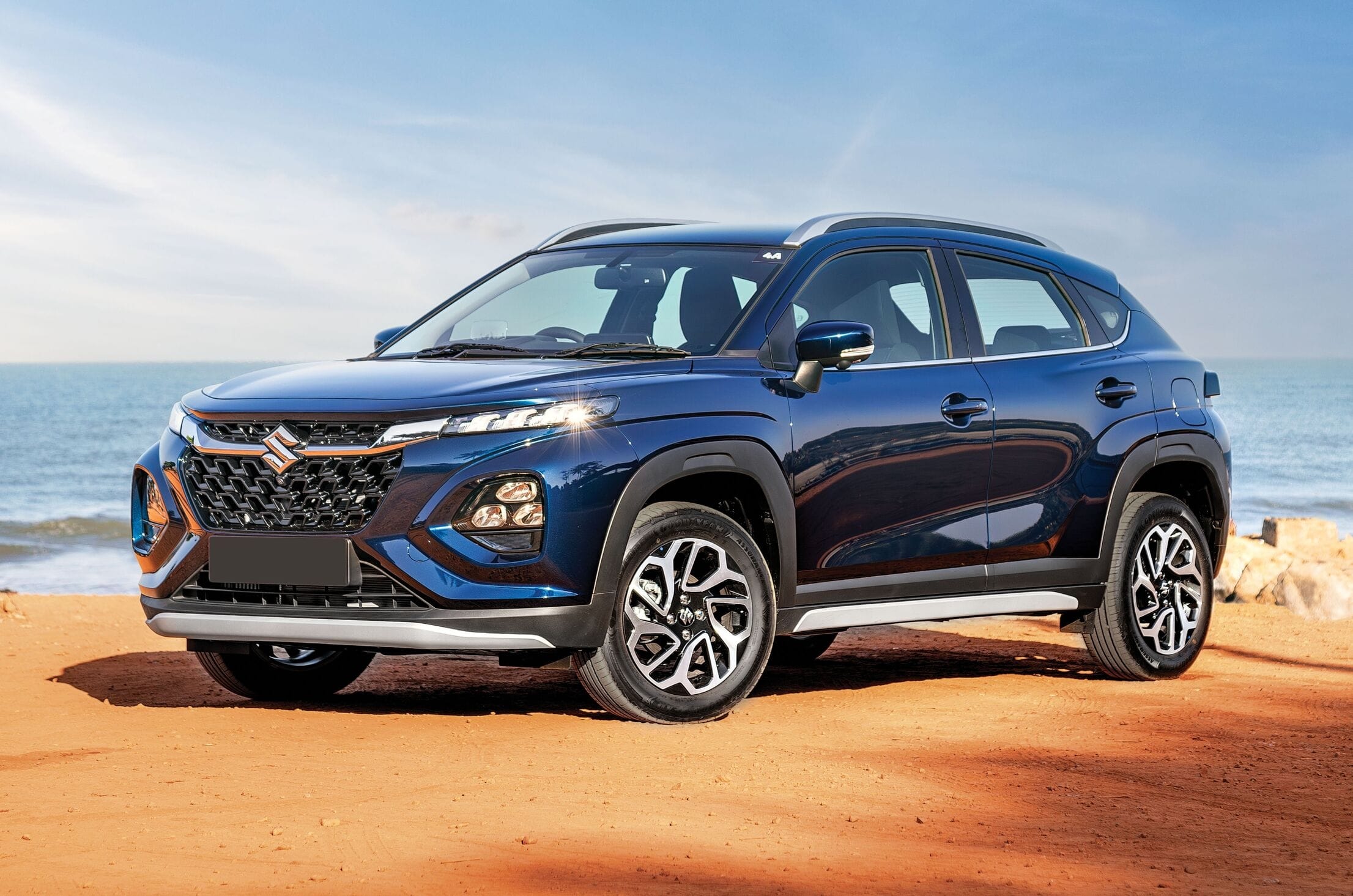
In addition to the Nexon, the XUV 3XO CNG will face competition from models like the Maruti Brezza and the Fronx. We expect the CNG version to command a premium of about Rs 1 lakh over the equivalent petrol trim.
Mahindra will debut a CNG the variant of the XUV 3XO on October 15, expanding its compact SUV’s powertrain line-up to four options. The CNG version will join the existing petrol, diesel and electric variants, making it the third compact SUV in India to offer a CNG option, alongside the Maruti Suzuki Brezza and Tata Nexon. The teaser offers a first look at the XUV 3XO CNG’s exterior and interior.
Mahindra XUV 3XO CNG: Expected powertrain
The XUV 3XO CNG is expected to use the 1.2-litre turbo-petrol engine with multi-point fuel injection (MPFI), which produces 111hp and 200Nm in the petrol version. The petrol-powered XUV 3XO is available with six-speed manual and automatic gearboxes. Transmission options for the CNG version, along with details of the CNG tank and its placement, are likely to be revealed closer to launch.
Mahindra XUV 3XO CNG: exterior and interior
The teaser shows a body-coloured panel between the headlamps, with slim metallic inserts flanking the Mahindra Twin Peaks logo. The closed-off grille design resembles the RevX range, which suggests Mahindra could be offering the CNG powertrain with the RevX range. The teaser also confirms a panoramic sunroof.
Other exterior details are expected to remain largely unchanged from the standard XUV 3XO.
September 2026 saw the Maruti Suzuki Baleno top the best-selling cars list with 25,392 units dispatched, a 93 percent increase year on year. The Tata Nexon and Punch ranked second and third, respectively, with over 20,000 units each. Combined dispatches of the top 10 models rose 15.5 percent to 1,91,332 units. Maruti Suzuki had six models on the list, followed by Tata Motors with two, and Hyundai and Mahindra with one each.
Top 10 best-selling cars in September 2026
Rank
Model
Sep 2026 sales (units)
Aug 2026 sales (units)
Sep 2025 sales (units)
MoM change (%)
YoY change (%)
1
Maruti Baleno
25,392
15,376
13,173
+61
+93
2
Tata Nexon
20,456
18,431
22,573
+11
-9
3
Tata Punch
20,333
21,320
15,891
-5
+28
4
Maruti Fronx
19,282
18,730
13,767
+3
+40
5
Maruti Wagon R
18,835
20,180
15,388
-7
+22
6
Maruti Dzire
17,754
18,418
20,038
-4
-11
7
Hyundai Creta
17,657
16,288
18,861
+8
-6
8
Maruti Swift
17,399
19,832
15,547
-12
+12
9
Mahindra Scorpio
17,313
15,576
18,372
+11
-6
10
Maruti Ertiga
16,911
18,516
12,115
-9
+40
1. Maruti Suzuki Baleno
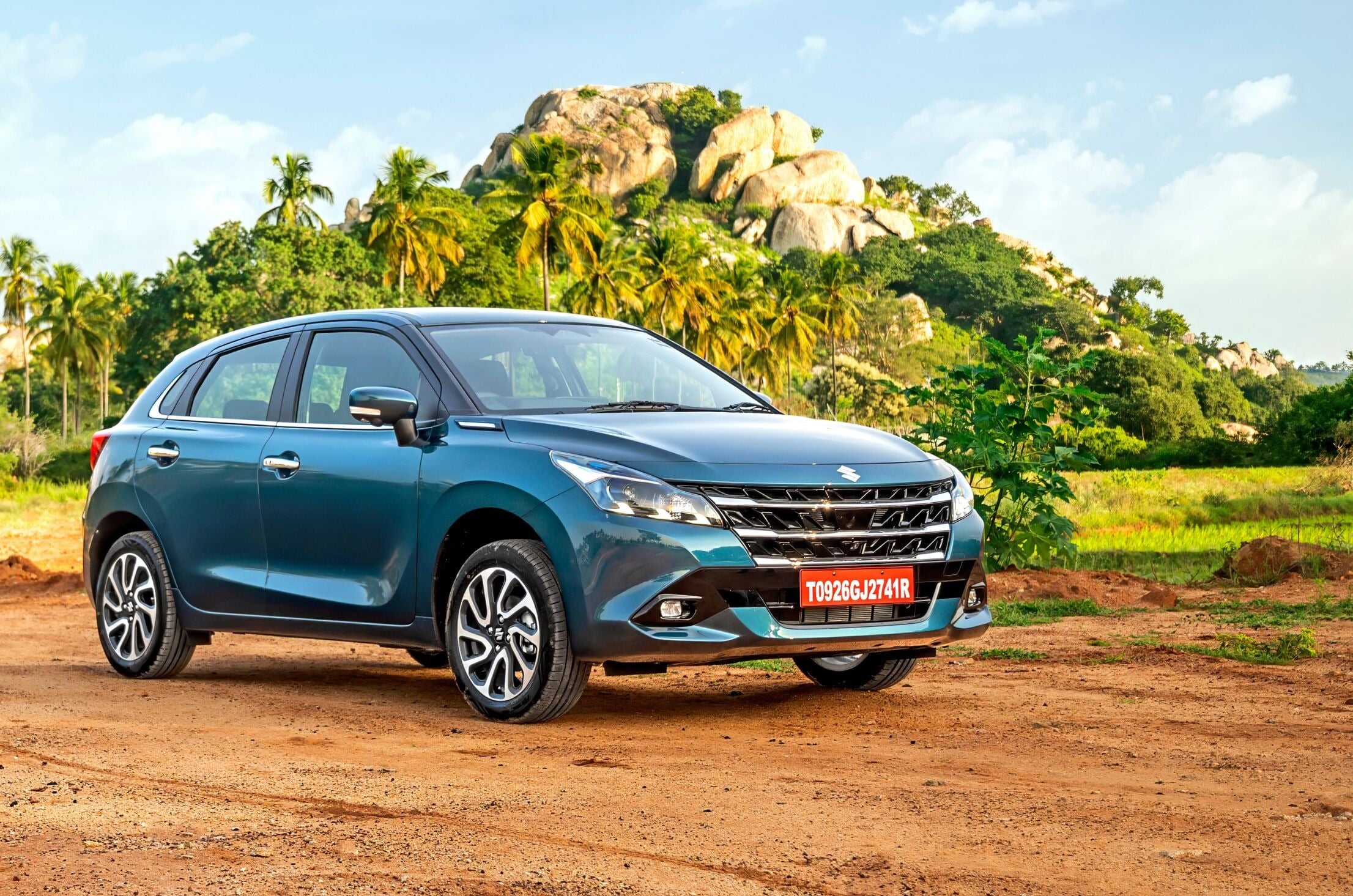
The Maruti Suzuki Baleno topped the September 2026 sales rankings with 25,392 units, compared with 13,173 units in September 2025. Its dispatches increased 93 percent year on year, the highest growth rate among the 10 models. The premium hatchback recently received a facelift and is sold through Maruti Suzuki’s Nexa dealership network. It rivals the Hyundai i20, Tata Altroz and Toyota Glanza. The Baleno is priced between Rs 5.99 lakh and Rs 9.99 lakh.
2. Tata Nexon
The Tata Nexon, including the Nexon EV, recorded 20,456 units in September 2026, down 9 percent from 22,573 units in the same month last year. It finished second, just 123 units ahead of the Punch. The Nexon is available with petrol, diesel, CNG and electric powertrains. It rivals the Maruti Suzuki Brezza, Hyundai Venue, Kia Sonet and Mahindra XUV 3XO and is priced from Rs 7.40 lakh to Rs 14.52 lakh for the ICE powered Nexon, while the Nexon EV starts at Rs 12.49 lakh and goes up to 17.89 lakh.
3. Tata Punch
The Tata Punch, including the Punch EV, recorded 20,333 units in September 2026, up 28 percent from 15,891 units a year earlier. It ranked third in the overall list, with the Nexon finishing narrowly ahead. Tata’s smallest SUV is offered with multiple powertrain options, while its compact dimensions and ride-and-handling balance remain key strengths. The Punch rivals the Hyundai Exter and Citroen C3 and is priced from Rs 5.75 lakh to Rs 10.77 lakh. The Punch EV meanwhile is priced from Rs 9.79 lakh to Rs 12.99 lakh.
4. Maruti Suzuki Fronx
The Maruti Suzuki Fronx ranked fourth in September 2026 with 19,282 units, compared with 13,767 units in September 2025. Its dispatches increased 40 percent year on year. The Fronx’s crossover styling, comfortable cabin and fuel-efficient powertrains continue to support demand, although it lacks some popular features. It rivals the Nissan Magnite and Renault Kiger and is priced between Rs 6.85 lakh and Rs 11.84 lakh.
5. Maruti Suzuki Wagon R
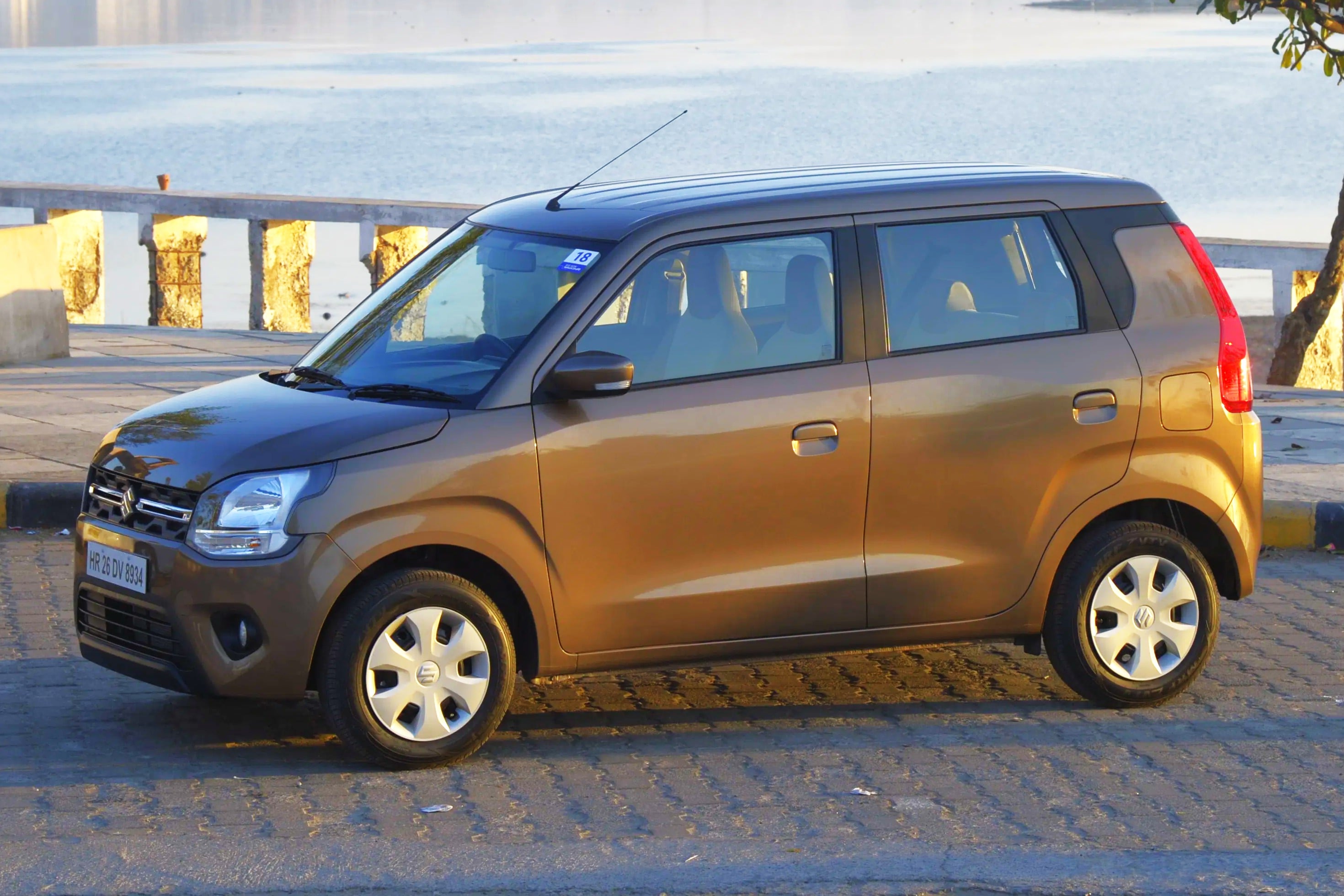
The Maruti Suzuki Wagon R recorded 18,835 units in September 2026, up 22 percent from 15,388 units in the same month last year. It finished fifth in the rankings. Its spacious cabin, ease of driving and low running costs remain key strengths, although its light build and limited highway ability are drawbacks. The Wagon R rivals the Tata Tiago and Citroen C3 and is priced between Rs 4.99 lakh and Rs 7.24 lakh.
6. Maruti Suzuki Dzire
The Maruti Suzuki Dzire recorded 17,754 units in September 2026, down 11 percent from 20,038 units in September 2025. It ranked sixth and was the only sedan in the top 10. Strong fleet demand, fuel efficiency and a well-balanced ride and handling setup continue to support the compact sedan’s volumes. The Dzire rivals the Hyundai Aura, Honda Amaze and Tata Tigor and is priced between Rs 6.31 lakh and Rs 9.41 lakh.
7. Hyundai Creta
The Hyundai Creta, including the Creta Electric, recorded 17,657 units in September 2026, a 6 percent decline from 18,861 units in the year-ago month. It was the only Hyundai model in the top 10, finishing seventh. A roomy cabin, multiple powertrain options and a long feature list continue to attract buyers, although the top variants are expensive and some interior plastics could be better. The Creta rivals the Kia Seltos, Maruti Suzuki Grand Vitara, Toyota Urban Cruiser Hyryder, Honda Elevate and Tata Sierra. It is priced between Rs 10.91 lakh and Rs 20.14 lakh.
8. Maruti Suzuki Swift
The Maruti Suzuki Swift recorded 17,399 units in September 2026, up 12 percent from 15,547 units a year earlier. It finished eighth and was one of three Maruti Suzuki hatchbacks in the top 10. Its high fuel efficiency, light controls and easy-to-drive nature continue to support demand, although the top variants are priced close to the more premium Baleno. The Swift rivals the Hyundai Grand i10 Nios and Tata Tiago and is priced between Rs 5.84 lakh and Rs 8.74 lakh.
9. Mahindra Scorpio
The Mahindra Scorpio, combining the Scorpio N and Scorpio Classic, recorded 17,313 units in September 2026. This was down 6 percent from 18,372 units in September 2025, placing it ninth. The Scorpio nameplate remains popular for its strong engines, rugged character and off-road ability. However, the third-row seating is cramped and the luggage area is not particularly practical. The Scorpio N rivals the Tata Safari, Hyundai Alcazar and Mahindra XUV 7XO and is priced from Rs 13.69 lakh to Rs 25.49 lakh.
10. Maruti Suzuki Ertiga
The Maruti Suzuki Ertiga completed the top 10 with 16,911 units in September 2026, up 40 percent from 12,115 units in the same month last year. It was the sixth Maruti Suzuki model in the rankings. The Ertiga continues to hold the title of India’s highest-selling MPV. Its practical cabin, strong fuel efficiency and value-for-money positioning attract both private and fleet buyers, although it misses out on some features offered by rivals. It is priced from Rs 8.90 lakh to Rs 13.04 lakh and rivals the Kia Carens and Toyota Rumion.
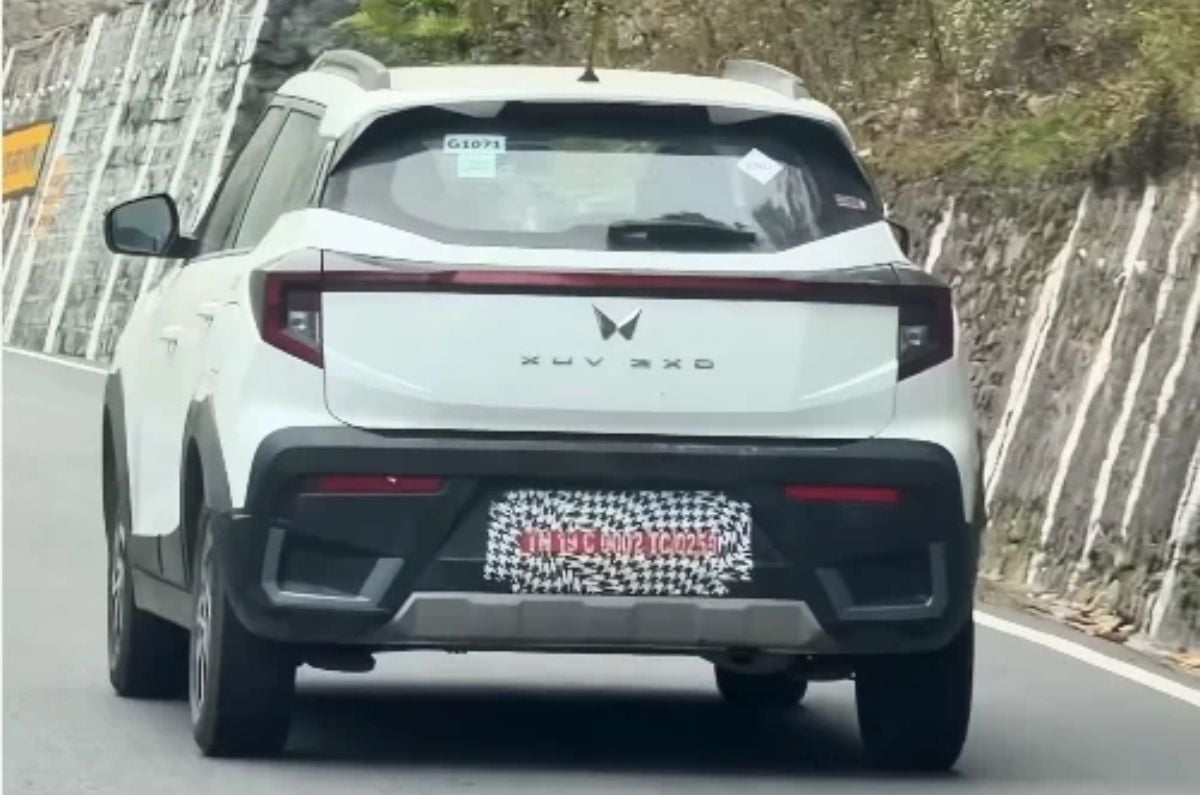
Six months after our report on the development of the Mahindra XUV 3XO CNG first surfaced, a test mule has been spied on public roads. The spotting comes just days before the car’s official debut on October 15, 2026, giving us a first look some of its design details.
The exterior holds few tells to set it apart from the non-CNG variants
The test mule spotted was almost entirely undisguised, as seen in these spy images. However, they mainly show us the rear of the XUV 3XO CNG. A few design elements shared with the non-CNG variants of the XUV 3XO include the ‘XUV 3XO’ branding, roof rails, rear spoiler, connected tail-lamps, and the chunky black bumper with a silver skid plate and static reflectors. What’s new here, though, is the ‘CNG’ sticker on the rear windscreen.
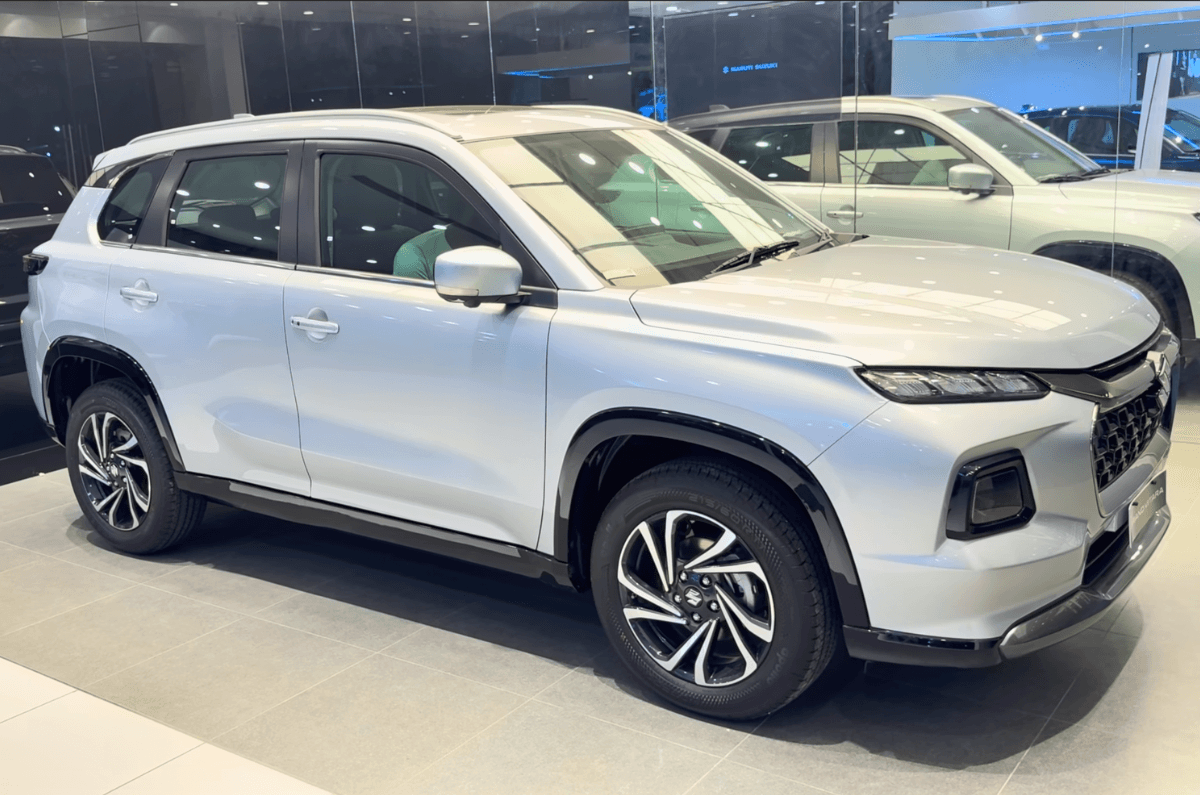
Maruti Suzuki has revealed the offers applicable to its Nexa cars in October. The Grand Vitara receives the highest benefits of up to Rs 1.36 lakh, followed by the Invicto, XL6, Jimny, e Vitara and Fronx. However, there are no benefits on the recently launched Baleno facelift. Let us now take a closer look at these offers.
Note: Offers may vary by city, dealership and stock availability. Please check with your nearest Maruti Nexa dealership for the exact figures. The pre-Navratri booking offer is applicable from October 1 to 10. The exchange offer considered here is for cars up to 10 years old, while the additional exchange offer applies to cars up to 6 years old.
Maruti Grand Vitara October 2026 offers
Up to Rs 1.36 lakh
Pre-2025 Maruti Grand Vitara.
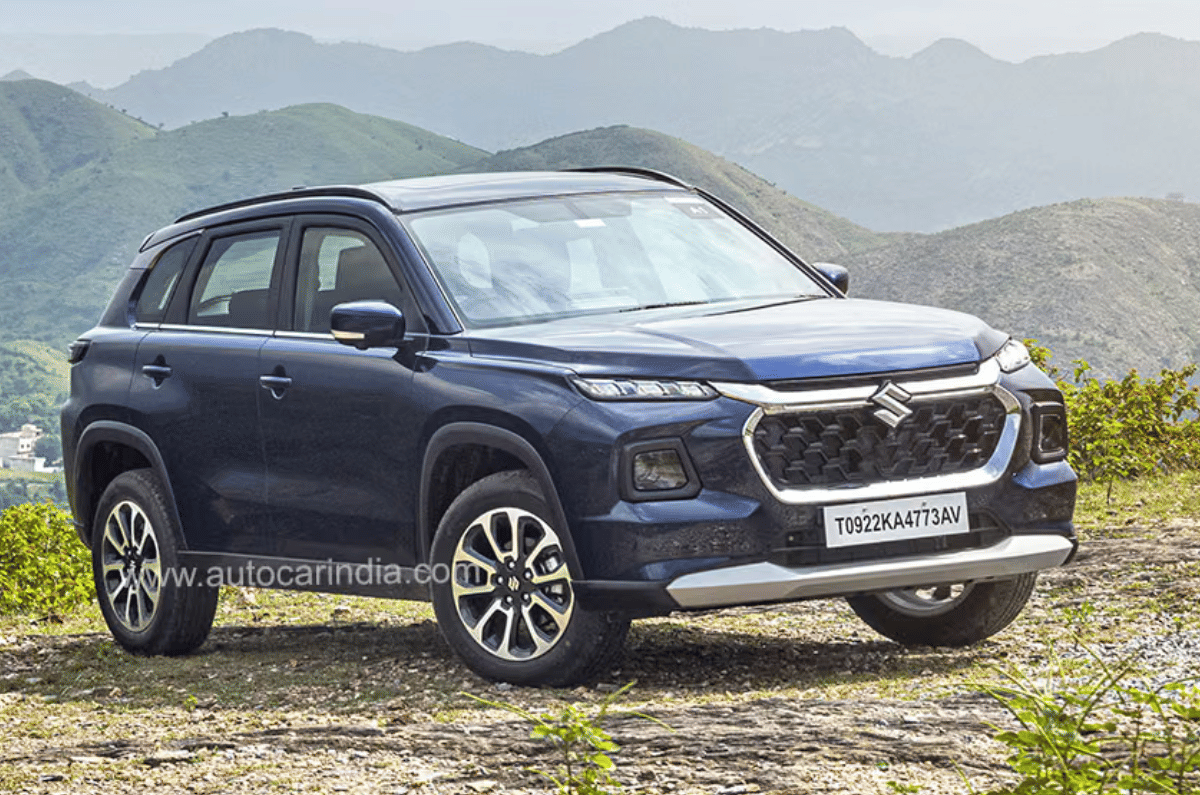
The Maruti Grand Vitara gets offers of up to Rs 1.36 lakh this month. Its Sigma petrol MT variant gets the highest total benefit of up to Rs 1.36 lakh, including a cash discount of Rs 35,000, a pre-Navratri booking offer of Rs 11,000, exchange benefit of Rs 30,000, an additional exchange bonus of Rs 25,000, a loyalty bonus of Rs 20,000 and corporate offer of Rs 15,000.
The Delta petrol MT and AT variants get offers of up to Rs 1.26 lakh, while the Zeta and Alpha petrol variants, along with the AWD variants, get benefits of Rs 1.15 lakh plus a five-year extended warranty. All strong-hybrid variants get benefits worth up to Rs 1.20 lakh, along with zero road tax of up to Rs 1.85 lakh and a five-year extended warranty. Lastly, the Delta CNG gets benefits of up to Rs 1 lakh, while the Zeta CNG gets up to Rs 90,000.
Maruti has priced the Grand Vitara from Rs 10.77 lakh to Rs 19.62 lakh, and it rivals midsize SUVs like the Hyundai Creta, Tata Sierra, Kia Seltos, Renault Duster and more.
Maruti Invicto October 2026 offers
Up to Rs 95,000
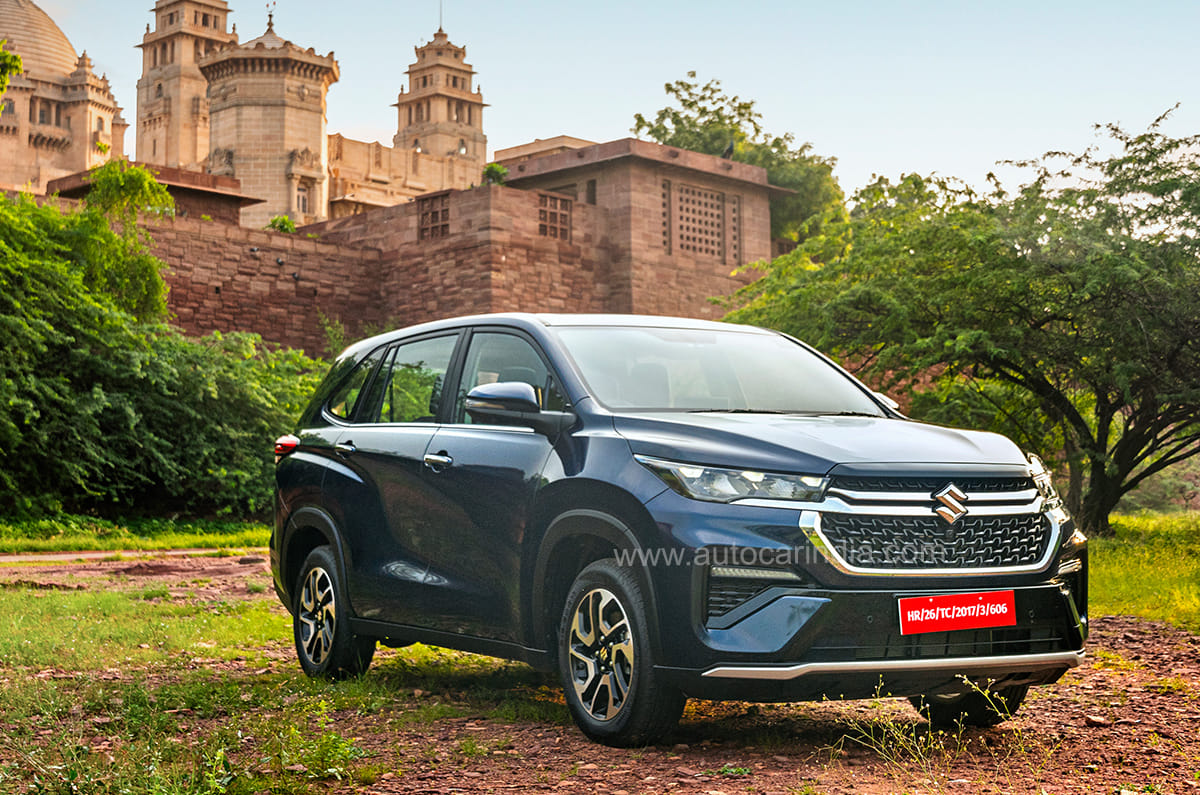
Next in line is the Maruti Invicto, with offers of up to Rs 95,000. These are available across all variants of the MPV, and include an exchange benefit of Rs 50,000, a loyalty bonus of Rs 30,000 and a corporate offer of Rs 15,000. However, there are no consumer offer, pre-Navratri booking offer and additional exchange bonus available on the Invicto.
The Maruti Invicto, priced from Rs 25.02 lakh to Rs 28.71 lakh, locks horns with the Toyota Innova Hycross.
Maruti XL6 October 2026 offers
Up to Rs 61,000
The Maruti XL6 gets offers of up to Rs 61,000. Petrol MT and AT variants get a cash discount of Rs 20,000, a pre-Navratri booking offer of Rs 11,000, an exchange benefit of Rs 20,000 and an additional exchange bonus of Rs 10,000. CNG variants get a maximum benefit of Rs 50,000, comprising a cash discount of Rs 20,000, an exchange benefit of Rs 20,000 and an additional exchange bonus of Rs 10,000.
Prices for the Maruti XL6 range from Rs 11.62 lakh to Rs 14.52 lakh, and the MPV rivals the Kia Carens Clavis and Toyota Rumion.
Maruti Jimny October 2026 offers
Up to Rs 35,000
Unlike the models so far which get multiple offers, the Maruti Jimny is available with just a cash discount of Rs 35,000 across all variants. No exchange, pre-Navratri booking, additional exchange bonus, loyalty and corporate offers are on offer this month with the SUV.
The Jimny’s prices range between Rs 12.59 lakh and Rs 14.52 lakh, and it competes with the Mahindra Thar OG and Force Gurkha 3-door.
Maruti e Vitara October 2026 offers
Up to Rs 30,000
The Maruti e Vitara, the carmaker’s sole EV offering, gets offers of up to Rs 30,000 this month, along with a free charger and its home installation. Available across all variants, the offer includes an exchange benefit of Rs 30,000. There are no consumer, pre-Navratri booking, additional exchange bonus, loyalty, scrappage or corporate offers this month.
The e Vitara is priced between Rs 16.19 lakh and Rs 19.99 lakh, and it rivals the likes of the Hyundai Creta Electric, Vinfast VF6, Mahindra BE 6 and more.
Maruti Fronx October 2026 offers
Up to Rs 27,100
Rounding off this list is the Maruti Fronx, with offers of up to Rs 27,100 in October 2026. The 1.0-litre turbo-petrol variants get the highest benefit, including a consumer offer of Rs 5,000, a pre-Navratri booking offer of Rs 7,100, an exchange benefit of Rs 10,000 and an additional exchange bonus of Rs 5,000.
The 1.2-litre petrol variants get up to Rs 22,100, comprising the pre-Navratri booking, exchange and additional exchange bonus benefits. The 1.2-litre petrol-CNG variants get the lowest benefit of Rs 15,000, through exchange and additional exchange bonus offers.
Prices for the Maruti Fronx range from Rs 6.9 lakh to Rs 11.89 lakh, and it serves as an alternative to compact SUVs like the Tata Nexon, Hyundai Venue, Kia Sonet, Mahindra XUV 3XO and more.
Ex-showroom prices mentioned above are as on October 7, 2026.
Kia has rolled out a range of benefits across its India line-up for October 2026, including cash discounts, exchange and scrappage offers, loyalty benefits and corporate discounts. The offers vary by model, variant and powertrain, with select cars also getting additional benefits such as an extended warranty. Here is a model-wise breakdown of Kia’s October offers.
Disclaimer: Offers/benefits may vary by city and are subject to stock availability. Buyers are advised to check with their local dealer for exact figures.
Kia Carnival discounts in October 2026
Up to Rs 1.70 lakh off
The Kia Carnival gets the highest benefits in Kia’s October 2026 offer programme, with savings of up to Rs 1.70 lakh. The package comprises a Rs 1 lakh exchange offer, Rs 20,000 scrappage benefit and corporate benefits of up to Rs 50,000.
Kia’s flagship MPV focuses on rear-seat comfort and space, making it a compelling choice among chauffeur-driven buyers. Priced from Rs 59.65 lakh, the Carnival does not have a direct rival, although the MG M9 is positioned in a similar price bracket.
Kia Carens Clavis discounts in October 2026
Up to Rs 95,000 off
The Kia Carens Clavis gets benefits of up to Rs 95,000 on its ICE variants, excluding the CNG version. The offer comprises a Rs 10,000 cash discount, Rs 30,000 exchange benefit, Rs 20,000 loyalty benefit, Rs 20,000 scrappage benefit and corporate benefits of up to Rs 15,000.
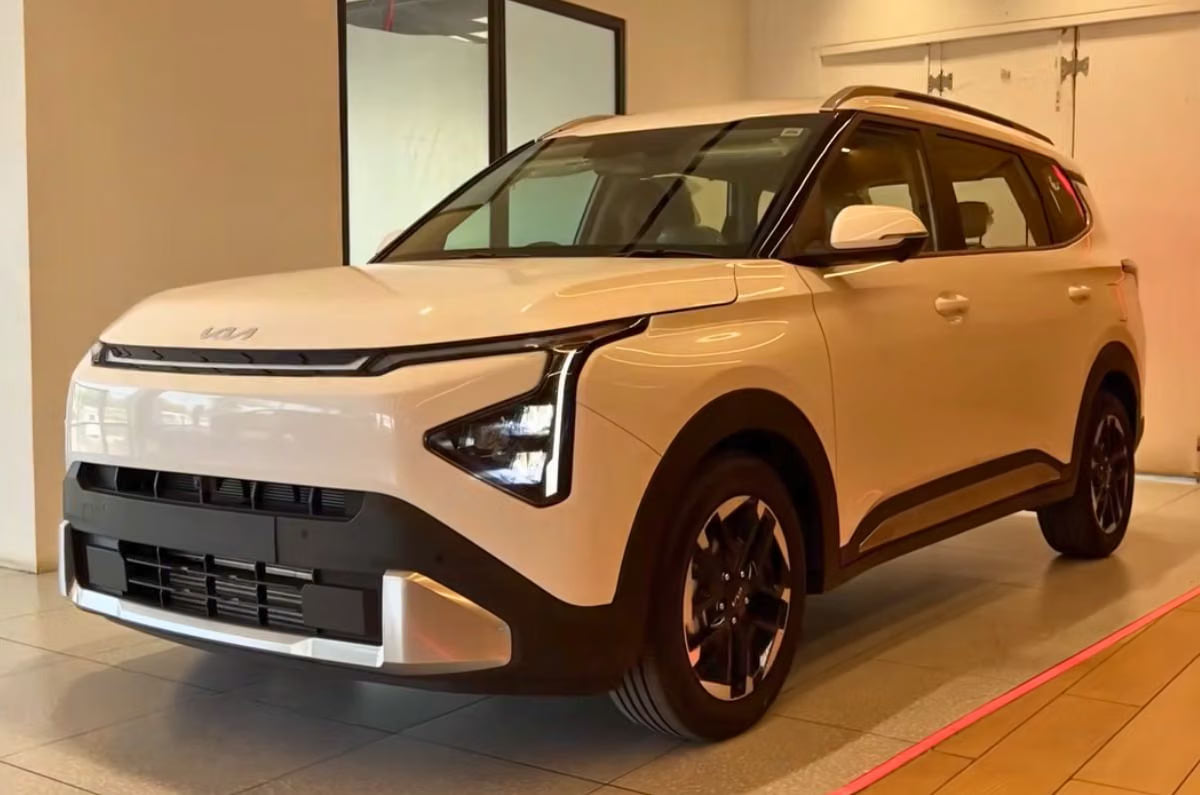
The Clavis is available in six- and seven-seat configurations, with naturally aspirated petrol, turbo-petrol, CNG and diesel engine options. Prices range from Rs 11.39 lakh to Rs 21.79 lakh, ex-showroom. It is sold alongside the older Carens, which remains the lower-priced option in Kia’s MPV line-up. The Clavis rivals MPVs such as the Maruti Suzuki XL6 and Toyota Rumion, while its price also overlaps with larger three-row SUVs such as the Hyundai Alcazar and Tata Safari.
Kia Carens Clavis EV discounts in October 2026
Up to Rs 75,000 off
The Carens Clavis EV gets benefits of up to Rs 75,000 across its range. The offer includes a Rs 20,000 exchange benefit, Rs 20,000 loyalty benefit, Rs 20,000 scrappage benefit and corporate benefits of up to Rs 15,000. No cash is available for the Clavis EV this month.
The electric MPV offers a practical, well-finished cabin and strong performance even under load. However, it is significantly more expensive than the ICE-powered Clavis. The Clavis EV is priced between Rs 18.04 lakh and Rs 25 lakh, ex-showroom. It rivals the BYD eMax 7 and VinFast VF MPV 7.
Kia Sonet discounts in October 2026
Up to Rs 65,000 off
Benefits on the Kia Sonet vary by powertrain and variant. The naturally-aspirated petrol 1.2-litre HTK (O) gets the highest benefits of up to Rs 65,000, comprising a Rs 15,000 cash discount, Rs 20,000 exchange benefit, Rs 15,000 scrappage benefit and corporate benefits of up to Rs 15,000. The Sonet diesel , turbo-petrol and naturally-aspirated variants get benefits of up to Rs 50,000.
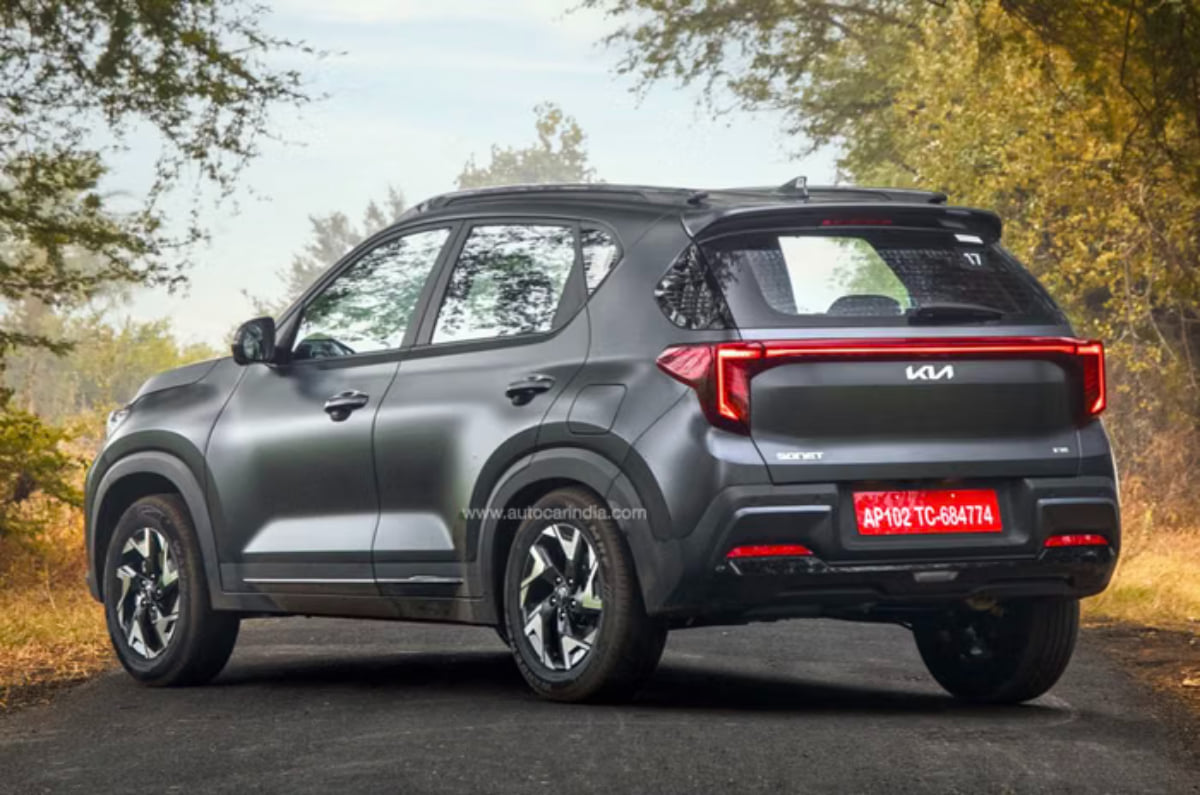
The compact SUV offers a long equipment list and multiple engine options. However, rear-seat space is limited and higher variants can get expensive. A rival to the Maruti Suzuki Brezza, Tata Nexon, Skoda Kylaq, Hyundai Venue and Mahindra XUV 3XO, the Sonet is priced between Rs 7.41 lakh and Rs 14.27 lakh.
Kia Syros discounts in October 2026
Up to Rs 55,000 off
The Kia Syros gets benefits of up to Rs 55,000 on its ICE variants. The offer includes a Rs 20,000 exchange benefit, Rs 20,000 scrappage benefit and corporate benefits of up to Rs 15,000. Kia is also offering a free extended warranty with the Syros.
The Syros stands out for its stylish cabin and spacious rear seats, although NVH levels in both petrol and diesel variants remain high. The Kia Syros’ rivals include the Tata Nexon, Mahindra XUV 3XO, Maruti Suzuki Brezza, Skoda Kylaq and Hyundai Venue. It is priced from Rs 8.42 lakh to Rs 15.82 lakh.
Kia Carens discounts in October 2026
Up to Rs 45,000 off
The Kia Carens, excluding CNG variants, gets benefits of up to Rs 45,000. These comprise a Rs 10,000 exchange benefit, Rs 20,000 scrappage benefit and corporate benefits of up to Rs 15,000. The Carens CNG gets a Rs 20,000 scrappage benefit.
The Carens offers a spacious cabin, good practicality and a generous feature list. However, diesel performance under full load is not particularly strong, and the petrol engine is not very fuel-efficient. The Carens is priced between Rs 11.02 lakh and Rs 12.88 lakh, ex-showroom, it rivals the Toyota Rumion and Maruti Suzuki Ertiga.
Kia Seltos discounts in October 2026
Up to Rs 40,000 off
The Kia Seltos gets benefits of up to Rs 40,000 across its range. These comprise a Rs 20,000 loyalty benefit and Rs 20,000 scrappage benefit. There is no cash discount or exchange benefit for the Seltos this month.
The midsize SUV combines a comfortable ride with good handling and a strong turbo-petrol engine option. However, some rivals offer a more comprehensive feature list, and the diesel engine lacks punch. The Seltos rivals the Hyundai Creta, Tata Sierra, Maruti Grand Vitara, Toyota Urban Cruiser Hyryder, Volkswagen Taigun, Skoda Kushaq, Renault Duster and MG Astor. Its prices range from Rs 11 lakh to Rs 21.82 lakh.
Kia Sorento discounts in October 2026
Up to Rs 40,000 off
The recently launched Kia Sorento gets benefits of up to Rs 40,000 across its range. The offer comprises a Rs 20,000 loyalty benefit and Rs 20,000 scrappage benefit.
The Sorento is Kia’s flagship three-row SUV in India and is offered with a 2.2-litre diesel engine or a 1.6-litre turbo-petrol strong-hybrid powertrain. Prices range from Rs 27.99 lakh to Rs 40.39 lakh. It competes with SUVs including the Jeep Meridian, Skoda Kodiaq and Volkswagen Tayron.
Mahindra launched the XUV 3XO in April 2024 as the facelifted version of the XUV300, with a redesigned exterior and interior, and new convenience and safety features. Over the years, the manufacturer has rejigged the variant-wise feature distribution and has added RevX trims to keep it relevant in the highly contested compact SUV space. Currently, the XUV 3XO is being offered in 11 trims and with 3 engine options. Among these, which variant should you choose? Let us find out.
Mahindra XUV 3XO powertrain options and prices
Available in 11 trims, offered with two turbo-petrol and a diesel engine option
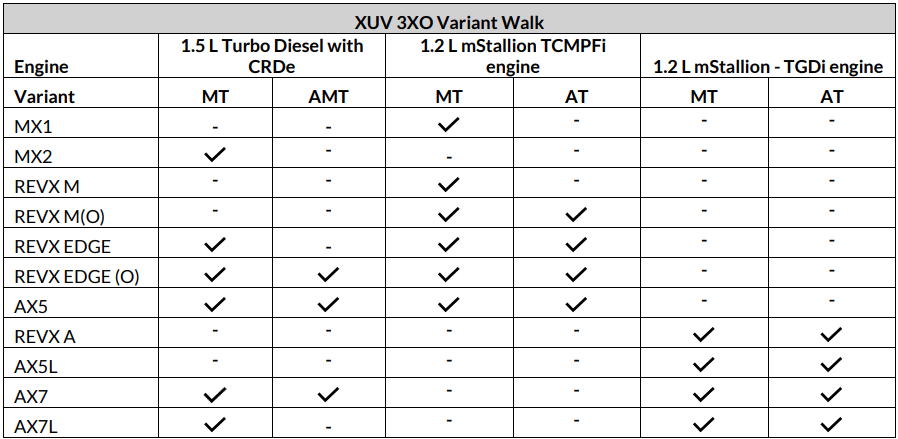
Mahindra offers the XUV 3XO with two turbo-petrol engines and a diesel mill. These include a 1.2-litre MPFi turbo-petrol engine producing 111hp and 200Nm, a 1.2-litre TGDi turbo-petrol engine producing 131hp and 230Nm, and a 1.5-litre diesel engine producing 117hp and 300Nm. Both turbo-petrol engines are offered with a choice between a 6-speed manual and a 6-speed torque converter automatic transmission (AT). The diesel engine is paired with either a 6-speed manual or a 6-speed automated manual transmission (AMT).
Here are the powertrain-wise prices of the Mahindra XUV 3XO:
Mahindra XUV 3XO variant-wise ex-showroom prices (in Rs, lakh)
Turbo-petrol MT
Turbo-petrol AT
Diesel MT
Diesel AMT
MX1
7.79
–
–
–
MX2
–
–
9.36
–
RevX M
8.59
–
–
–
RevX M (O)
9.09
9.99
–
–
RevX Edge
9.39
10.59
10.59
–
RevX Edge (O)
9.89
11.09
11.09
11.91
AX5
10.30
11.88
11.40
12.20
RevX A
11.28
12.40
–
–
AX5L
12.03
13.28
–
–
AX7
12.20
13.34
13.04
13.80
AX7L
13.33
15.04
14.08
–
In the Mahindra XUV 3XO lineup, the more potent 131hp 1.2-litre TGDi turbo-petrol engine is offered only with the higher-spec RevX A, AX5L, AX7 and AX7L trims. The other lower-spec trims are offered with the 111hp 1.2-litre MPFi turbo-petrol engine.
Mahindra XUV 3XO colour options
Offered in 8 exterior hues, all of which are offered in dual-tone options too
Mahindra XUV 3XO Tango Red colour option.
The Mahindra XUV 3XO is offered in eight colour options: Citrine Yellow, Deep Forest, Dune Beige, Everest White, Galaxy Grey, Nebula Blue, Stealth Black, and Tango Red. All these colours are also offered in a dual-tone shade featuring either a Stealth Black or a Galvano Grey roof. Among these hues, only the Everest White, Galaxy Grey, Tango Red, Nebula Blue, and Stealth Black are being offered with the RevX trims.
Mahindra XUV 3XO variant-wise features
The top-spec AX7L’s dashboard image is shown for representational purposes only.
All four power windows with one-touch down on the driver-side window
USB Type-C charging ports for front and rear passengers
12V charging socket for front passengers
Front centre armrest with integrated storage space
Adjustable headrests on 2nd row (except middle passenger seat)
60:40 split rear seat
Auto engine start/stop
6 airbags
Rear parking sensors
Height-adjustable seatbelts for front passengers
ISOFIX child seat anchorages
Electronic stability control (ESC)
MX2
Price: Rs 9.36 lakh
Powertrain: 117hp diesel MT
Features over MX1
10.25-inch infotainment touchscreen
Wired Android Auto and Apple CarPlay
4-speaker sound system
Steering-mounted audio controls
Keyless entry
Follow-me-home headlight function
USB Type-A port for front passengers
RevX M
Price: Rs 8.59 lakh
Powertrain: 111hp turbo petrol MT
Features over MX2
Height-adjustable driver seat (manual)
Black leatherette seat upholstery
Black wheel covers on 16-inch steel wheels
Rear centre armrest with cupholders
Adjustable headrest for 2nd row middle passenger seat
Body coloured or Gunmetal Grey grille
Dual-tone roof
RevX M (O)
Price: Rs 9.09 lakh to Rs 9.99 lakh
Powertrain: 111hp turbo petrol MT/AT, 117hp diesel-MT
Features over RevX M
Single-pane sunroof
RevX Edge
Price: Rs 9.39 lakh to Rs 10.59 lakh
Powertrain: 111hp turbo petrol MT/AT
Features over RevX M
Wireless Android Auto and wired Apple CarPlay
Rear parking camera
Cruise control
RevX Edge (O)
Price: Rs 9.89 lakh to Rs 11.09 lakh
Powertrain: 111hp turbo petrol MT/AT, 117hp diesel-MT/AMT
Features over RevX Edge
Panoramic sunroof
Push-button start/stop
Electrically folding ORVMs
Auto headlights and wipers
Passive keyless entry
Roof rails
AX5
Price: Rs 10.30 lakh to Rs 12.20 lakh
Powertrain: 111hp turbo petrol MT/AT, 117hp diesel-MT/AMT
Features over MX2
10.25-inch digital instrument cluster
10.25-inch infotainment touchscreen
Wireless Android Auto and Apple CarPlay
6-speaker sound system
Connected car technology with built-in navigation
Dual-zone automatic climate control
Single-pane sunroof
Rear parking camera
Tyre pressure monitoring system (TPMS)
Auto projector LED headlights and LED DRLs
Connected LED taillights
Rear wiper and washers
Automatic wipers
Rear defogger
Passive keyless entry
Push-button start/stop
Electrically folding ORVMs
Height-adjustable driver’s seat (manual)
Rear centre armrest with cupholders
Leatherette-wrapped steering wheel and gear lever
One-touch up function for driver-side power window
RevX A
Price: Rs 11.28 lakh to Rs 12.40 lakh
Powertrain: 131hp TGDi turbo petrol MT/AT
Features over AX5
Panoramic sunroof
Dolby Atmos surround-sound support
16-inch black alloy wheels
Black leatherette seat upholstery
Body coloured or Gunmetal Grey grille
Dual-tone roof
AX5L
Price: Rs 12.03 lakh to Rs 13.28 lakh
Powertrain: 131hp TGDi turbo petrol MT/AT
Features over AX5
Level 2 advanced driver assistance system (ADAS)
360-degree camera with blind-spot monitor
Wireless phone charger
Auto-dimming inside rearview mirror (IRVM)
Electronic parking brake with auto-hold function
Cooled glovebox
Dolby Atmos surround-sound support
AX7
Price: Rs 12.20 lakh to Rs 13.80 lakh
Powertrain: 131hp TGDi turbo petrol MT/AT, 117hp diesel MT/AMT
Features over AX5
Panoramic sunroof
Wireless phone charger
Harman Kardon sound system with an amplifier and a subwoofer
Front LED fog lights
17-inch dual-tone alloy wheels
Front parking sensors
Cooled and illuminated glovebox
Dolby Atmos surround-sound support
Soft-touch leatherette elements on dashboard and door trims
AX7L
Price: Rs 13.33 lakh to Rs 14.08 lakh
Powertrain: 131hp TGDi turbo petrol MT/AT, 117hp diesel MT
Features over AX7
Level 2 ADAS
360-degree camera with blind-spot assist
Electronic parking brake with auto-hold function
Which variant of the Mahindra XUV 3XO should you buy?
AX5L is recommended, but the RevX Edge (O) is a good option for budget buyers
The Mahindra XUV 3XO’s higher-spec AX5L offers a fine balance between value for money and a loaded feature list. The most significant feature misses in this trim include a panoramic sunroof and a Harman Kardon sound system, but it is still loaded with modern-day features. However, if you want a diesel engine, the AX7 is the option to go for, which also equips it with features missing on the AX5L. If you are on a budget, the mid-spec RevX Edge (O) is the most value-for-money trim in the SUV’s lineup.
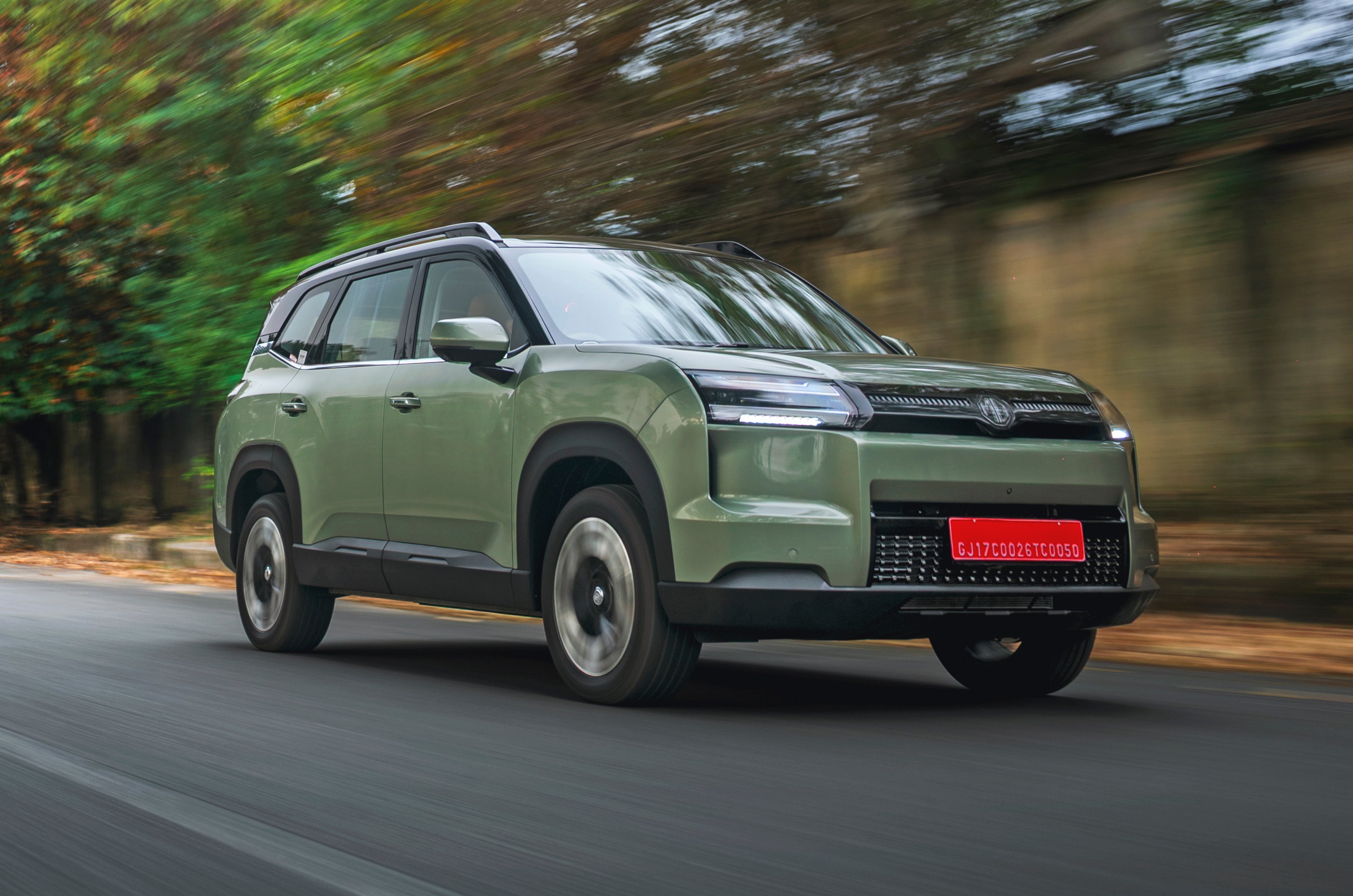
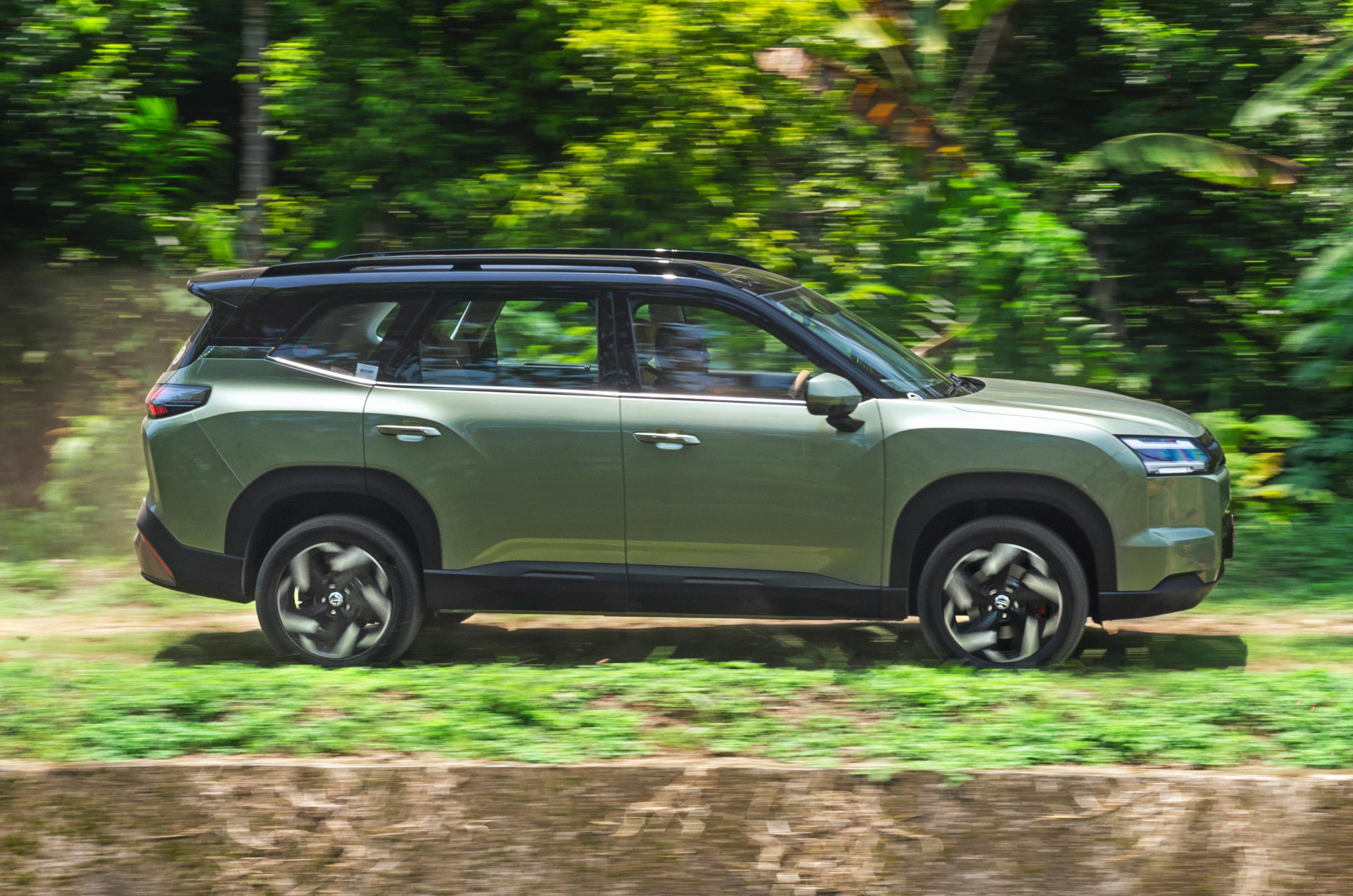
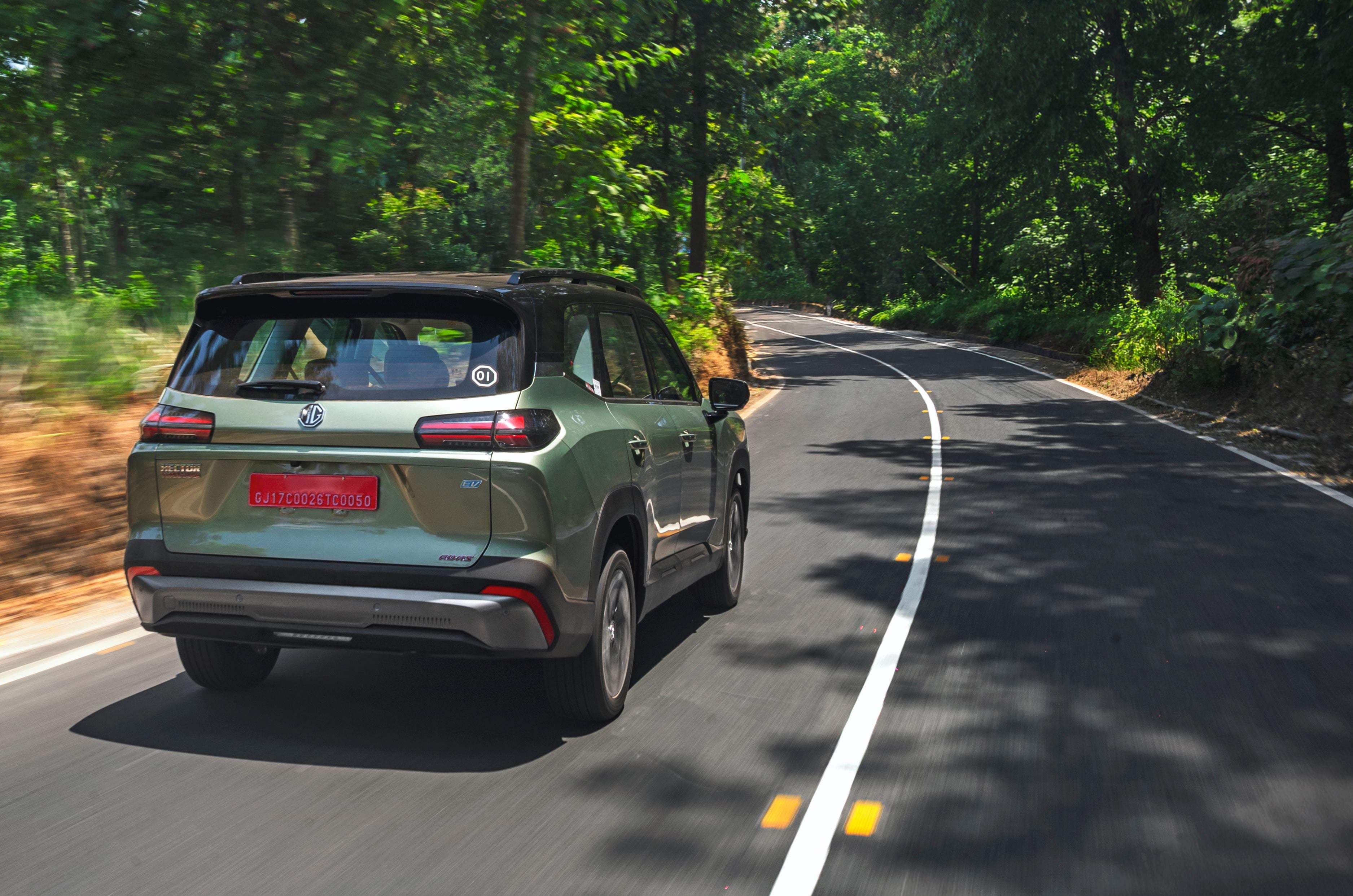
The Hector Tomahawk EV (alongside the PHEV) is the first MG model based on the brand’s new ADAPT platform, and costs from Rs 19.49 lakh to Rs 22.99 lakh (ex-showroom). The MG Hector Tomahawk EV is priced more competitively than the Hyundai Creta Electric while also seating up to seven occupants. There’s also the Kia Clavis EV, which costs about the same as the Tomahawk, but that’s an MPV. All that said, let’s start with the positives of this MG SUV first.
Reasons to buy the MG Hector Tomahawk EV
Spacious and premium interiors
Three rows of seats and an accommodating boot make this a practical family hauler
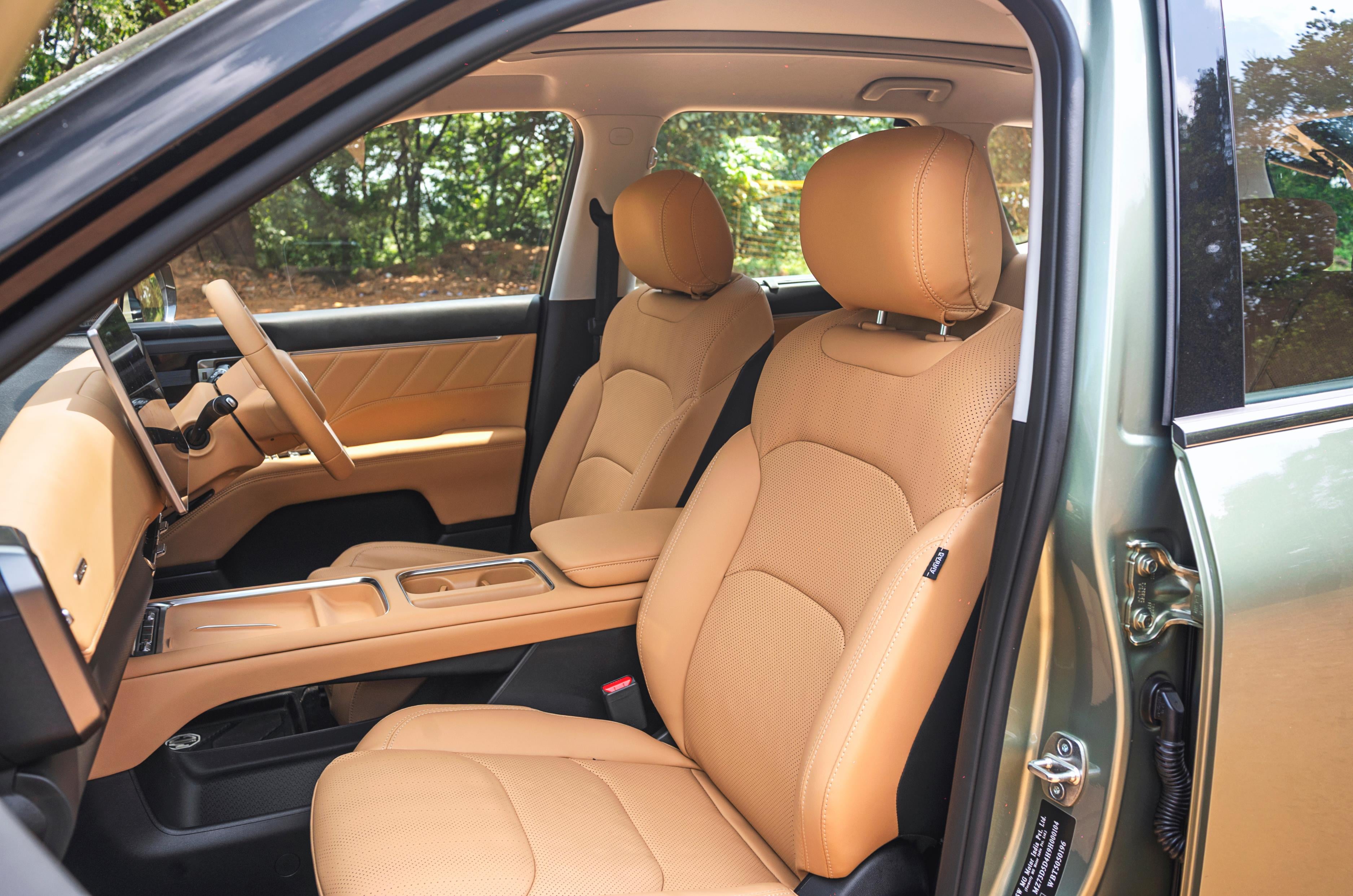
The cushioning of the wide front seats of the Hector Tomahawk EV feels comfortable even on long journeys. These seats are ventilated for added comfort, while the driver’s seat also gets a memory function for added convenience. In-cabin storage comes in the form of large door pockets and plenty of cubbies in the centre console. The Hector Tomahawk’s long wheelbase means there’s more than enough legroom for second-row passengers – these seats also recline for added comfort.
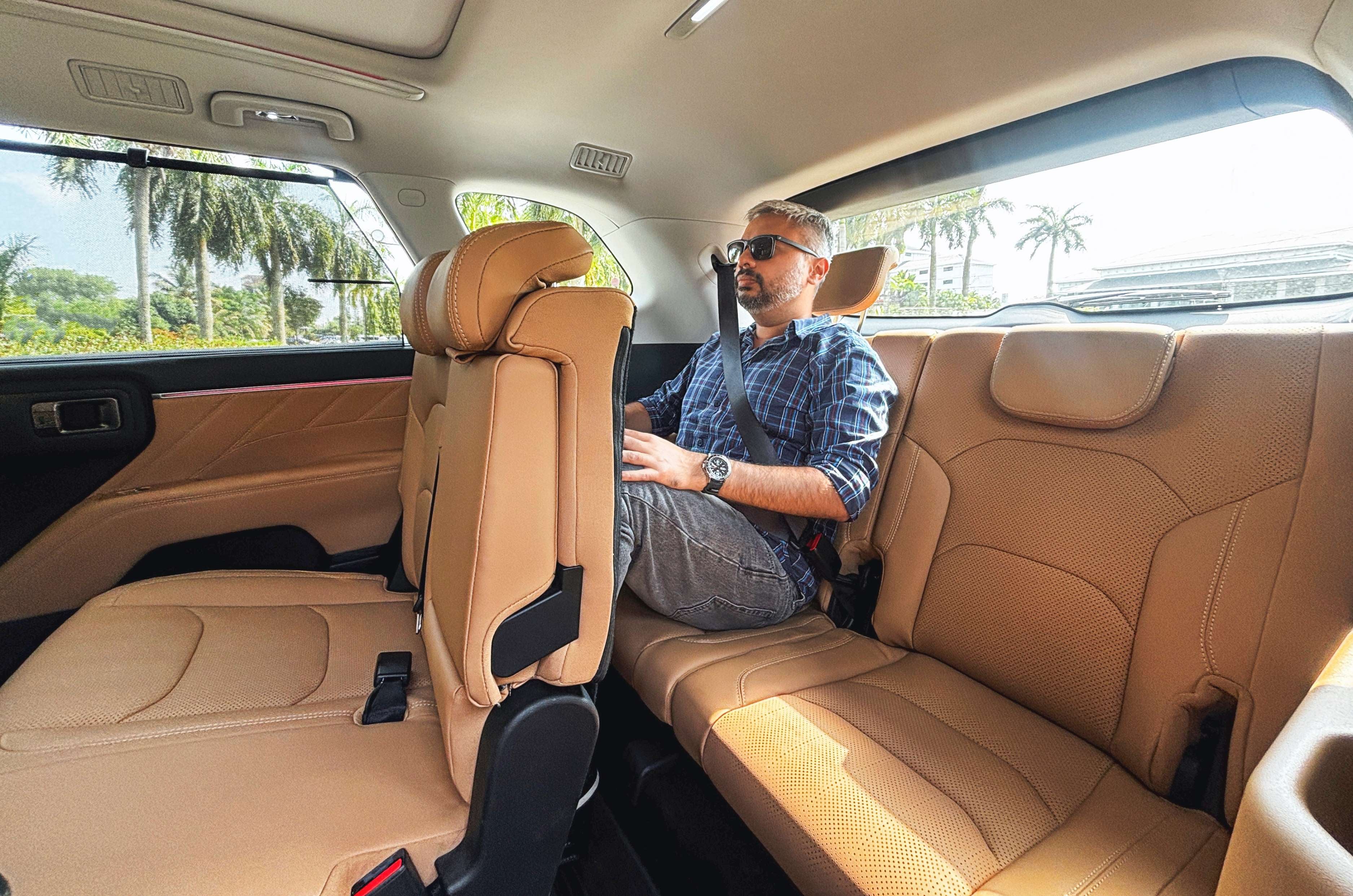
The inclusion of a centre armrest with cupholders, sunblinds, AC vents, USB ports and adjustable headrests make this a nice place to be. Accessing the third row from here is easy and fairly straightforward, courtesy of the sliding second row with its ‘one-touch tumble’ function and a large walk-through gap in the middle. While not the roomiest, last-minute jaunts won’t be an issue as there’s plenty of headroom on offer, and this third row is not devoid of AC vents or LED roof lights.
Even with the third row up, the Hector Tomahawk EV’s boot stands at 192 litres. This is enough to accommodate a couple of carry-on bags without much fuss. If you’re serious about carrying cargo, folding down those last seats will liberate 528 litres worth of space. The two-tone beige-and-black interior’s minimalistic design gets a generous splattering of soft-touch materials, and the good fit-and-finish further extends the premium appeal of this cabin.
Brimming with modern features
This MG SUV offers more than enough equipment to keep everyone on-board entertained
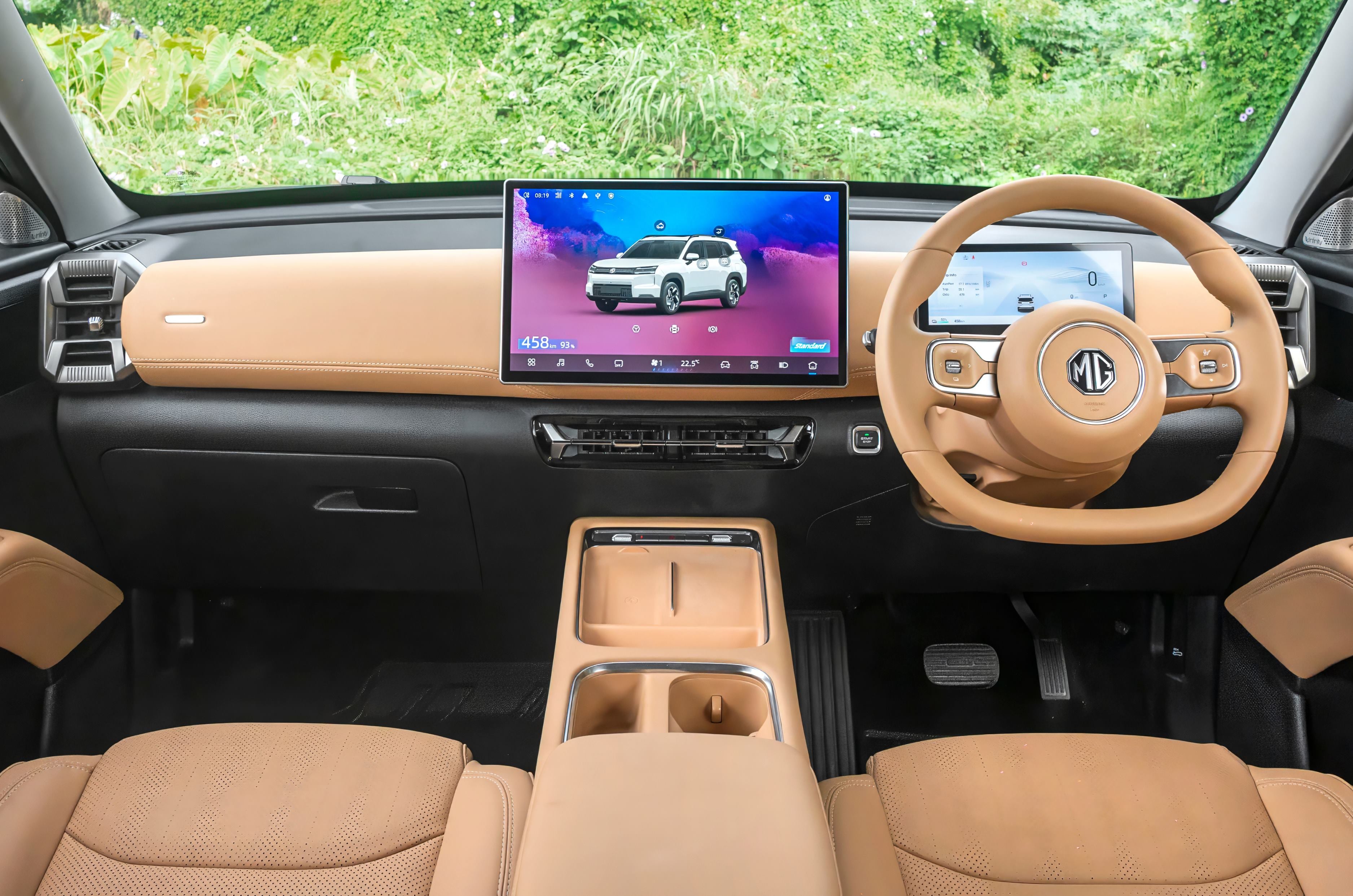
Taking centre stage on the dashboard is a 15.6-inch infotainment touchscreen, the user interface of which looks clean at first glance. The graphics are crisp and performance is snappy, too. MG has also added swipe-based gesture controls to make it easier to manipulate everyday functions such as adjusting the climate control system or the audio settings. The infotainment system comes with 6 mood-based ambient settings, wireless Apple CarPlay and Android Auto, AI-powered karaoke and multi-lingual voice commands.
Furthering the on-board experience is the well-integrated 256-colour ambient lighting system, a 10-speaker Infinity audio system (which sounds great), and crisp-looking 360-degree cameras. There’s also a ‘Custom’ mode for those who wish to tweak the power output and regen braking in 10-percent increments. The Level-2 ADAS suite of the MG Hector Tomahawk EV is comprehensive enough, while the regenerative braking system uses one of its sensors to automatically adjust regen levels in real-time based on traffic conditions.
Easy to drive
The large size of the Hector Tomahawk EV doesn’t make it a handful in the city
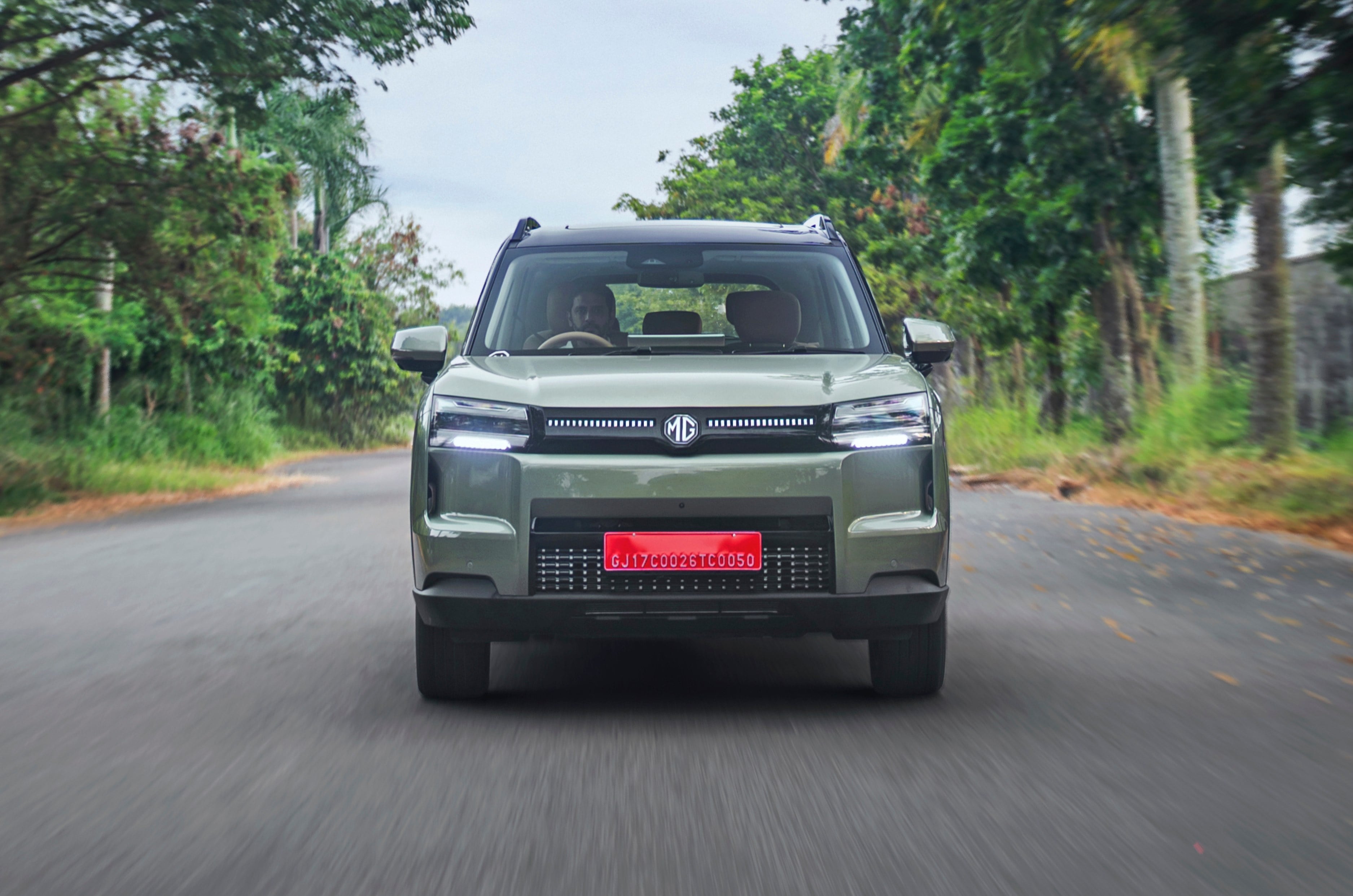
A commanding seating position, combined with the light steering and excellent all-around visibility, makes driving the MG Hector Tomahawk EV around town a manageable affair. Finding a suitable driving position is fairly easy too, thanks to the adjustable steering (for reach and rake) and the electrically adjustable driver’s seat. The Tomahawk EV also controls its body movements decently, feeling more mature than any MG EV before it. Finally, the brakes are good, too.
Reasons to not buy the MG Hector Tomahawk EV
Noisy suspension
The Tomahawk’s suspension can get audible over bad patches
While noises from the powertrain, tyres and wind are barely noticeable in this cabin, the same cannot be said about the Hector Tomahawk EV’s suspension. Going over bad roads, you will hear it working fairly easily, which takes away some of the premium feel of the cabin.
Non-linear power delivery
The Tomahawk EV’s powertrain lacks the linearity offered by rivals
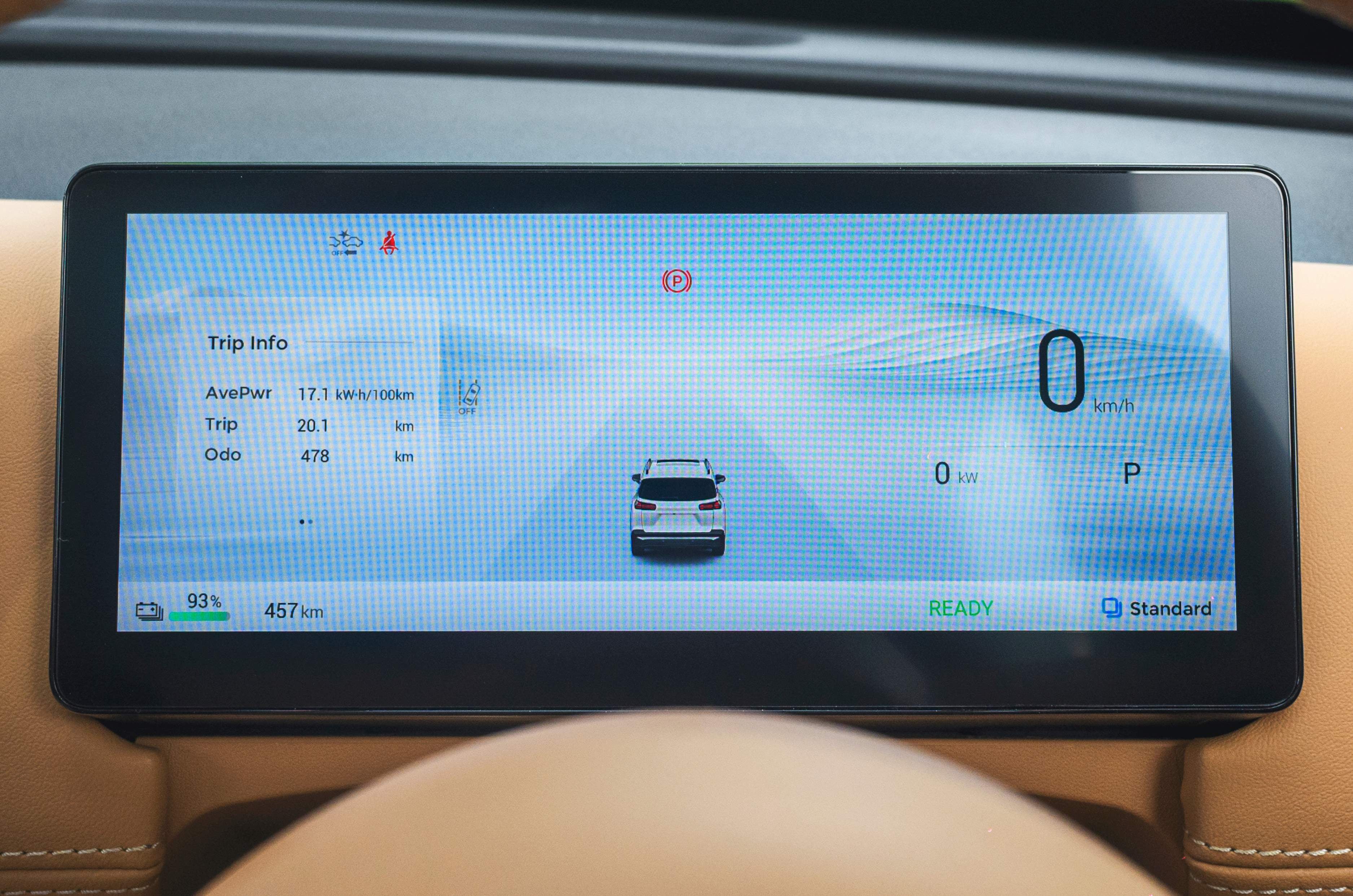
The poor calibration of the electric powertrain of the MG Hector Tomahawk EV means that it may not be ideal for new drivers. ‘Standard’ drive mode dulls the response to prods from your right foot ever so slightly, with firmer throttle application resulting in torque steer due to a sudden surge in power reaching the front wheels. Trying to accelerate hard in ‘Sport’ mode will easily overwhelm the tyres up front – linearity in power delivery is missing.
Too much reliance on the touchscreen
Almost everything is routed through the massive infotainment screen
It might be sharp and responsive, but burying almost every major function and feature in the infotainment head unit gets distracting. The labyrinth of menus and sub-menus means that you will have to take your eyes off the road for using any of this SUV’s comprehensive feature set. Its sheer size also results in the touchscreen catching reflections, causing further distractions while driving.
As for the 8.8-inch digital driver’s display, its real-estate could have been used better. While sharpness isn’t a problem, but that positive is overshadowed by the small fonts used for information read-outs. This can make reading most details on this display difficult.
Mahindra has expanded the XUV 3XO RevX line-up with a new RevX Edge trim. Priced from Rs 9.39 lakh (ex-showroom), the RevX Edge essentially makes a few features more accessible from higher up in the trim lineup. Mahindra has also expanded the powertrain lineup on the RevX range, now offering it with a diesel engine and a more affordable 1.2-litre turbo-petrol automatic variant. Let’s look at all the updates in closer detail.
Here’s a look the prices (ex-showroom) of the newly introduced variants:
Trim
Petrol-MT
Petrol-AT
Diesel-MT
Diesel-AMT
RevX M(O)
Rs 9.99 lakh
RevX Edge
Rs 9.39 lakh
Rs 10.59 lakh
Rs 10.59 lakh
RevX Edge (O)
Rs 9.89 lakh
Rs 11.09 lakh
Rs 11.09 lakh
Rs 11.91 lakh
Mahindra XUV 3XO RevX Edge: what’s new?
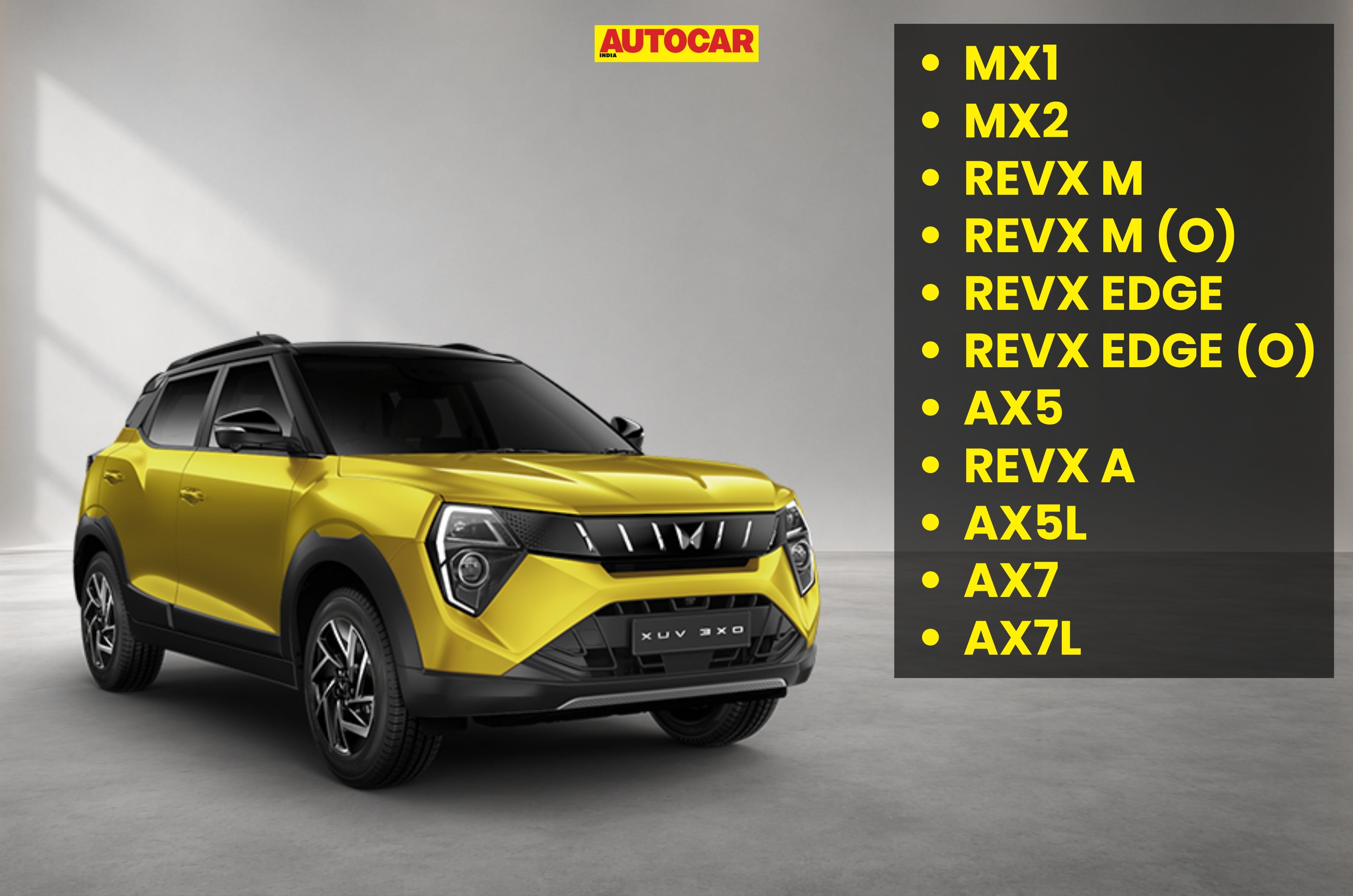
The new RevX Edge and RevX Edge (O) trims sit above the previously launched RevX M and RevX M (O) trims. Overall, the new Edge trims are positioned bang in the centre of the XUV 3XO lineup. The XUV 3XO is now available in a total of 11 trims: MX1, MX2, RevX M, RevX M (O), RevX Edge, Rev X Edge (O), AX5, RevX A, AX5L, AX7, AX7L. Meanwhile, the previously available MX2 Pro, MX3 and MX3 pro trim have been discontinued.
Over the RevX M (O) trim, the new RevX Edge adds 10.25-inch touchscreen with wireless Apple CarPlay and Android Auto, a rearview camera, a Type C USB port and cruise control. The Rev X Edge (O) further adds a panoramic sunroof, roof rails, electrically foldable ORVMs, auto headlamps and wipers, remote entry and push button start.
As before, the RevX trims continue to be set apart from the regular trims with a dual-tone paint shade, a body-coloured grille and blacked-out alloy wheels.
Safety features such as 6 airbags, ESC, ISOFIX child-seat mounts, reverse parking sensors, three-point seat belts and seat-belt reminders for all passengers are standard across the entire XUV 3XO range.
Mahindra XUV 3XO RevX Edge powertrain options
When the RevX trims were introduced last year, it was made available with the 111hp, 1.2-litre turbo-petrol and the 131hp, 1.2-litre TGDi turbo-petrol engines. Now, Mahindra has expanded the powertrain lineup to also include the 117hp, 1.5-litre diesel engine with manual and AMT gearboxes, but the RevX trims are no longer with the 131hp, TGDi turbo-petrol engine.
Here’s a look at the full variant spread of the updated XUV 3XO lineup