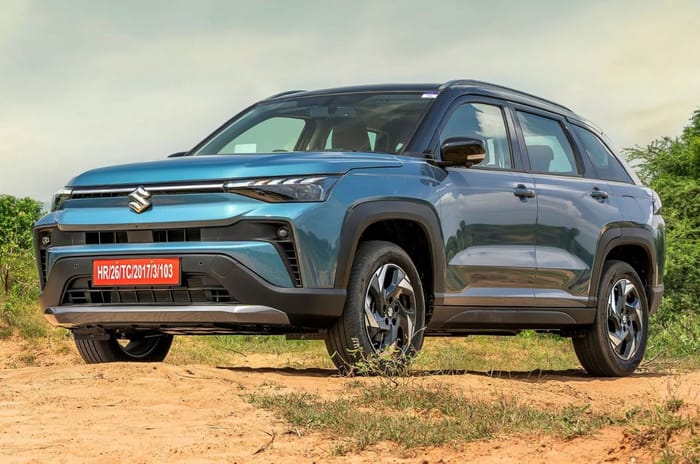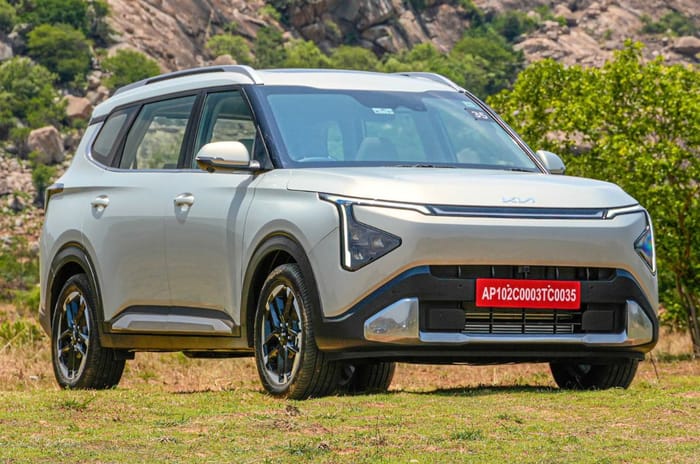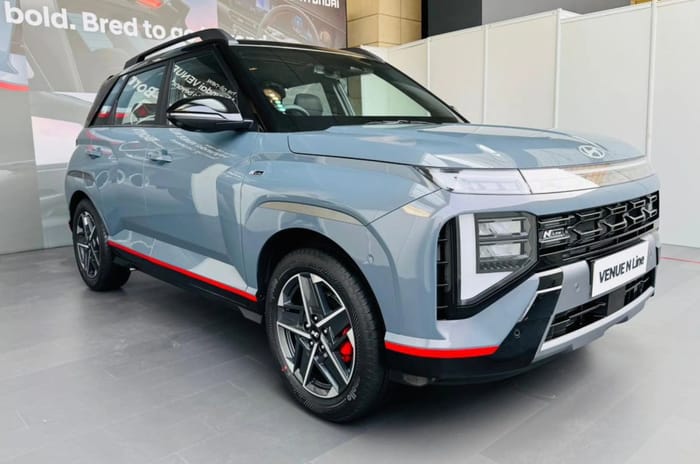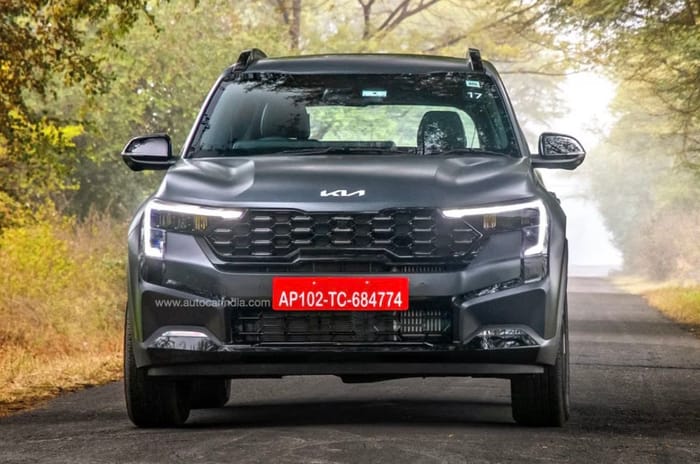
3 Reasons to buy the Mahindra XUV 3XO and 2 reasons not to

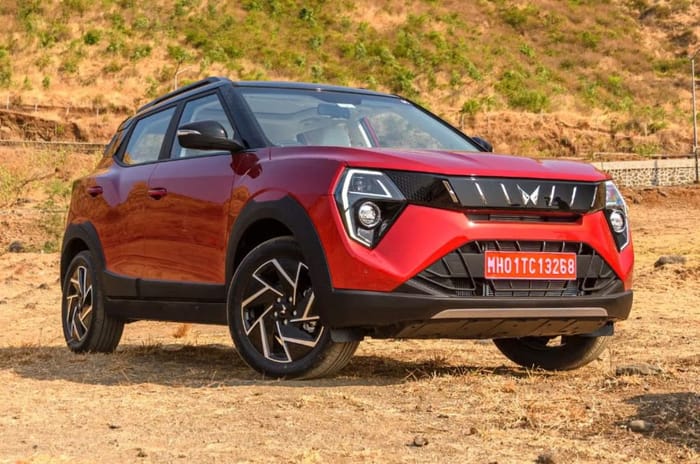
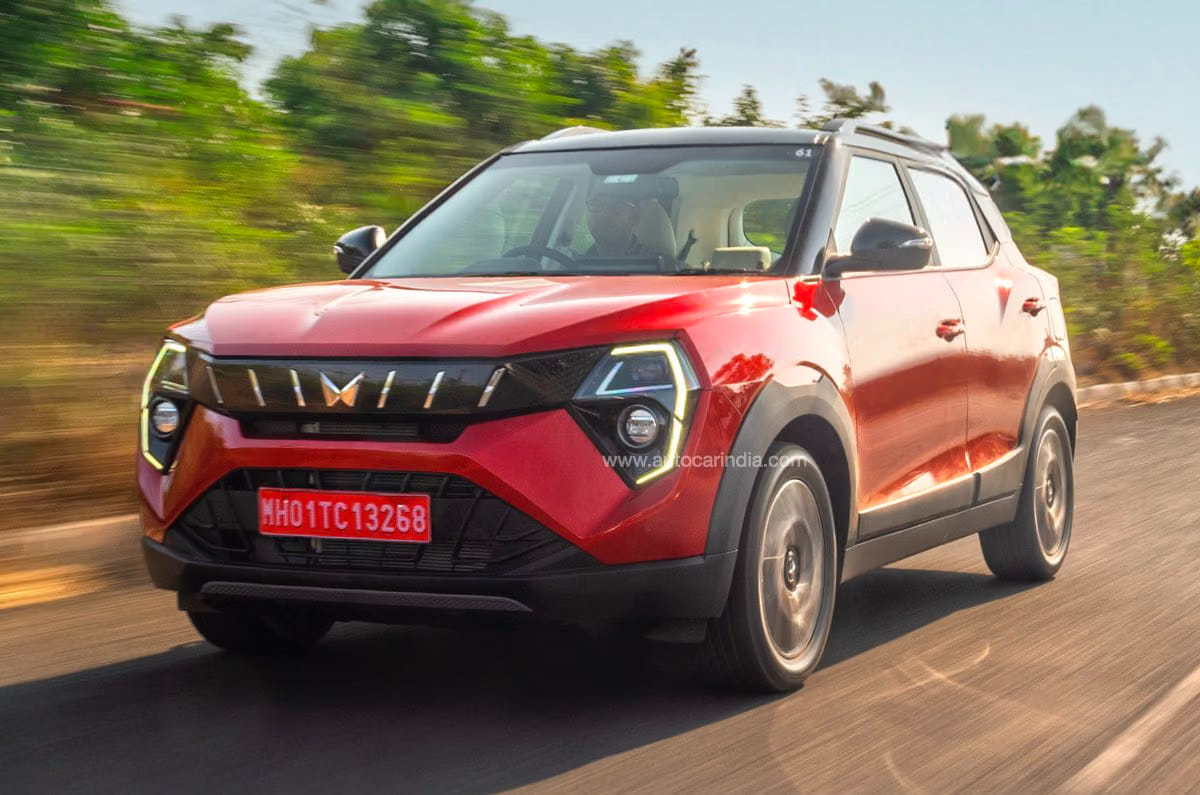
Mahindra XUV 3XO front quarter tracking

Introduced in 2024, the XUV 3XO debuted as Mahindra’s replacement for the XUV 300 in the compact SUV segment. In fact, this SUV was the first Mahindra model to have the ‘XO’ lettering in its name, a naming convention later adopted for the XUV 7XO. The XUV 3XO comes with a radical exterior, a premium interior and is powered by potent engine options. If you’re considering buying the XUV 3XO, we’ve listed reasons to go for it along with its limitations, so you can decide to look elsewhere.

Reasons to buy the Mahindra XUV 3XO

Upmarket Interior quality
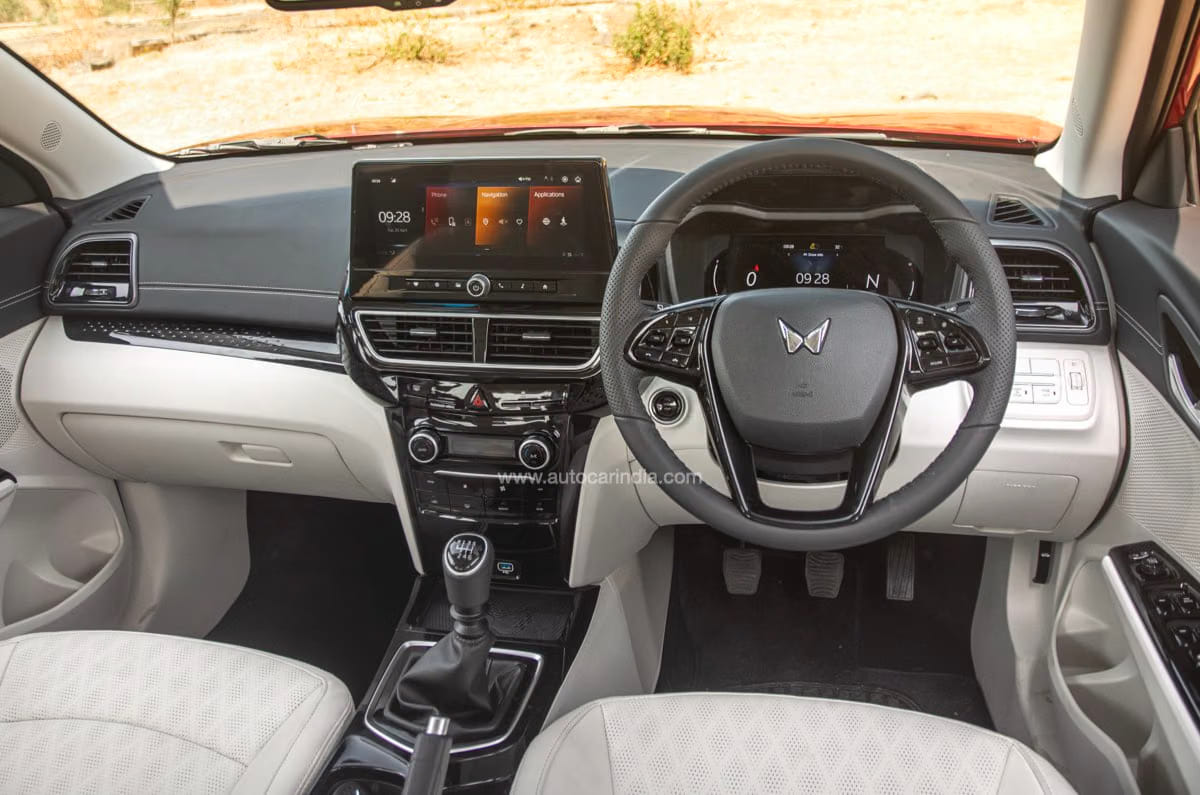
Though its interior may lack panache when compared to rivals, quality and feel, on the other hand, are up there at the top. Top-end versions come with soft-touch leatherette material on the dashboard and door trims, and the perforated leatherette seats feel quite upmarket. Even cabin bits like the leather-wrapped steering wheel, window switches, and wiper and light stalks look like they belong in a pricier car.

Strong engines
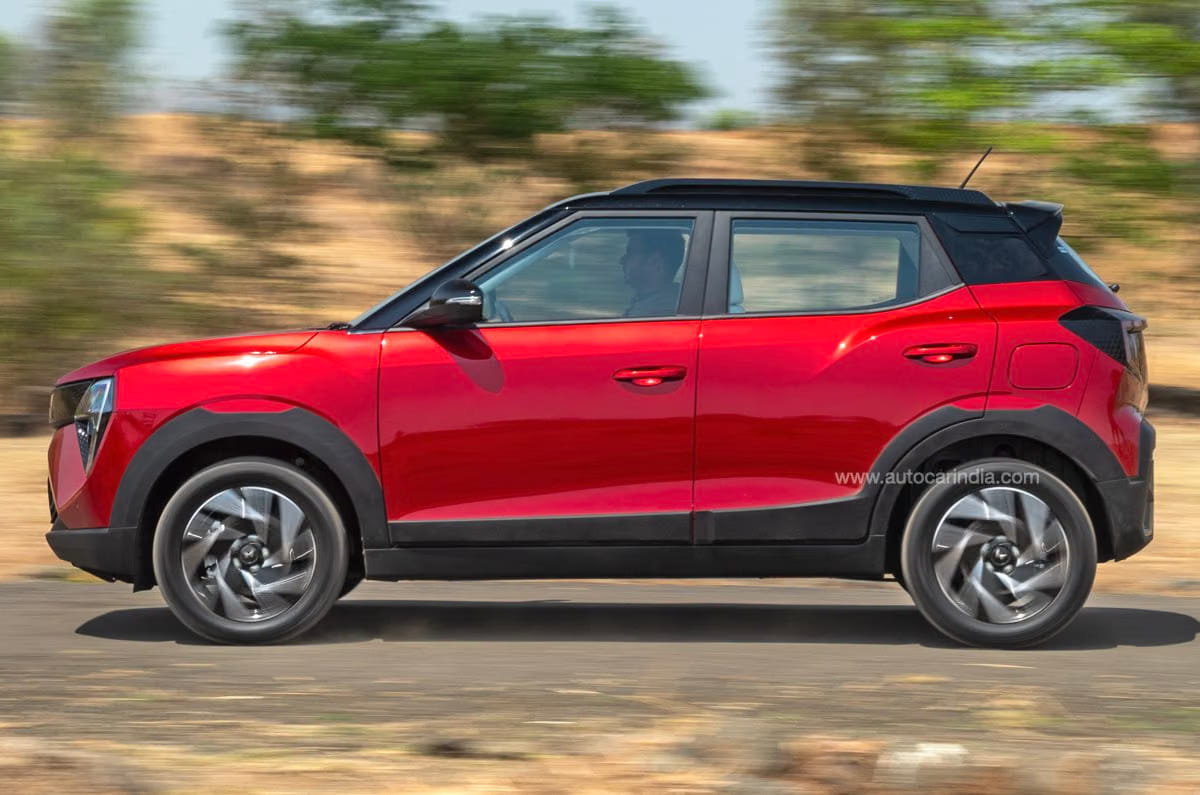
The Mahindra XUV 3XO is offered with three engine choices. There’s a 1.2-litre turbo-petrol engine producing 111hp and 200Nm, a 1.2-litre direct-injection turbo-petrol unit developing 131hp and 230Nm, and a 1.5-litre turbo-diesel churning 117hp and 300Nm. The latter two options are the most powerful in their respective segments. A six-speed manual is standard on all engines, while the turbo-petrol can also be paired to a 6-speed torque converter automatic, and the diesel can be mated with a 6-speed AMT.

The XUV 3XO feels at its best when paired with the direct-injection turbo-petrol. With 131hp on tap, power is quickly accessible, and the mid-range punch is pleasing. Its 230Nm torque figure (250Nm in overboost) is way ahead of its rivals and performance is on par with pricier SUVs. Refinement levels are remarkable for a three-cylinder engine and noise levels are kept in check. 

Like the petrol, the diesel mill is refined as well, while turbo-lag is well contained at low speeds. Performance feels effortless when getting to cruising speeds. While power isn’t instantaneous, the engine itself feels responsive throughout the power band, and the 300Nm torque comes in handy especially on the highway.

Long feature list 
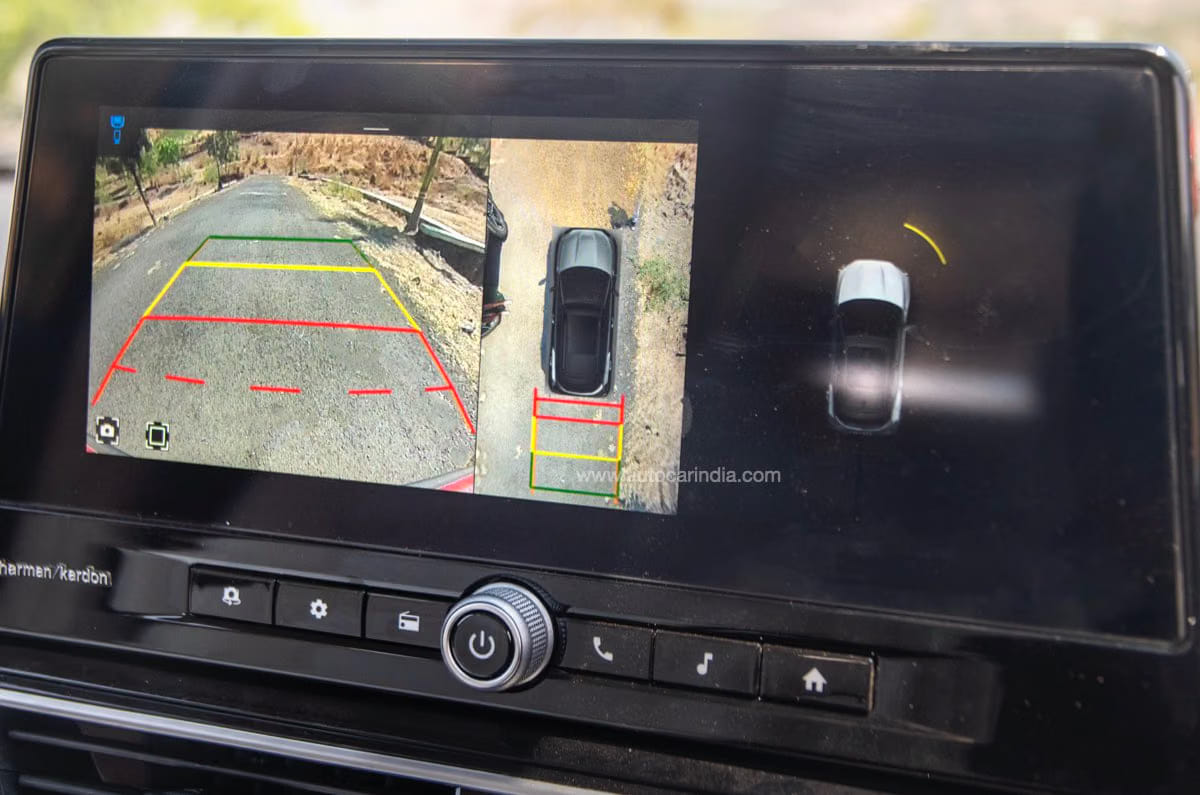
High-end trims of the Mahindra XUV 3XO come equipped with features to the brim. These include dual 10.25-inch screens for the infotainment and digital driver’s display, wireless Apple CarPlay and Android Auto, a panoramic sunroof, 7-speaker Harman Kardon audio system, dual-zone climate control (segment-only), connected car tech, wireless phone charger, drive and steering modes. 

As far as safety is concerned, top-spec versions come with level 2 ADAS, a 360-degree camera, front parking sensors, an auto-dimming IRVM, an electronic parking brake with auto hold, and blind-spot detection.

Reasons to not buy the Mahindra XUV 3XO

Low boot space
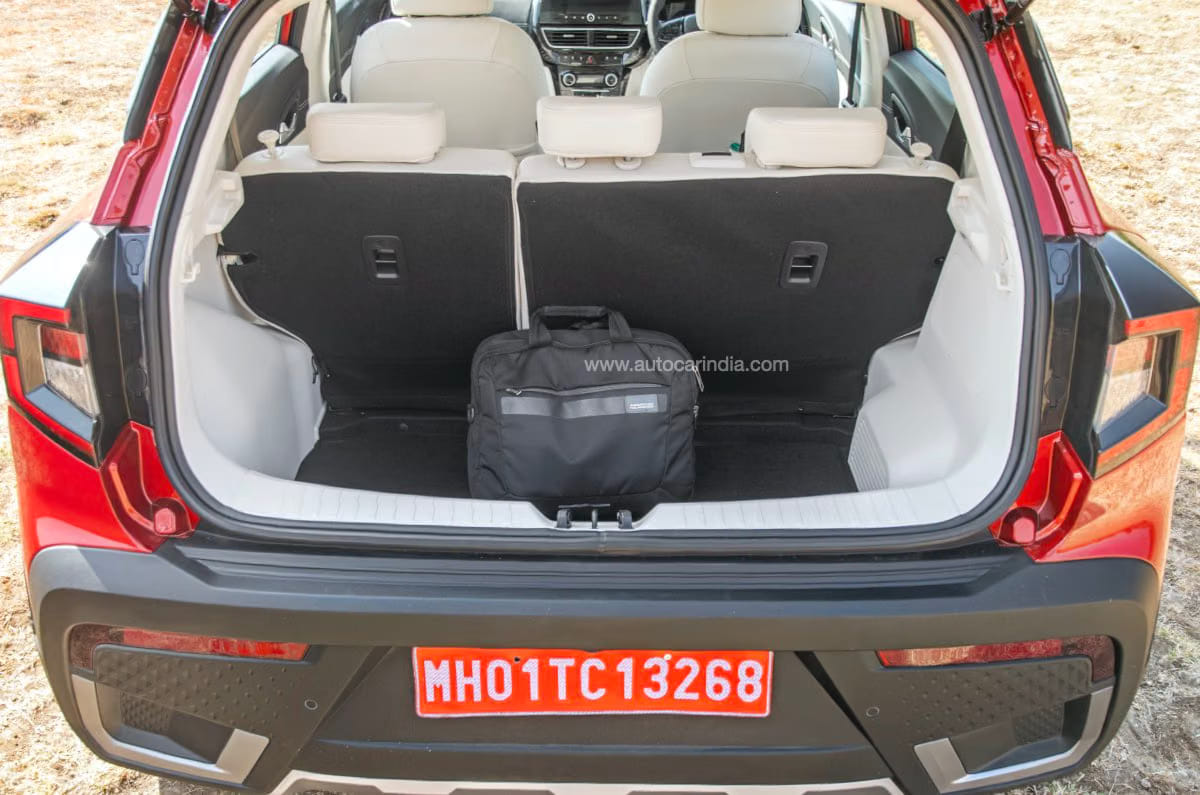
While the XUV 3XO scores well for rear space and practical in-cabin storage spaces, the same can’t be said for the boot space. With a capacity of 295 litres, it has the smallest boot among its core rivals. Additionally, the low floor and high loading lip make it difficult to put things in and out of the boot.

Expensive top-end variants

Top-end versions of the Mahindra XUV 3XO are quite pricey. With prices of the top-most AX7 L trim ranging from Rs 13.32 lakh to Rs 15.04 lakh with turbo-petrol and diesel engines, you’ve entered mid-size SUV territory. At that price point, one may find a larger, more spacious mid-size SUV in mid-spec guise.

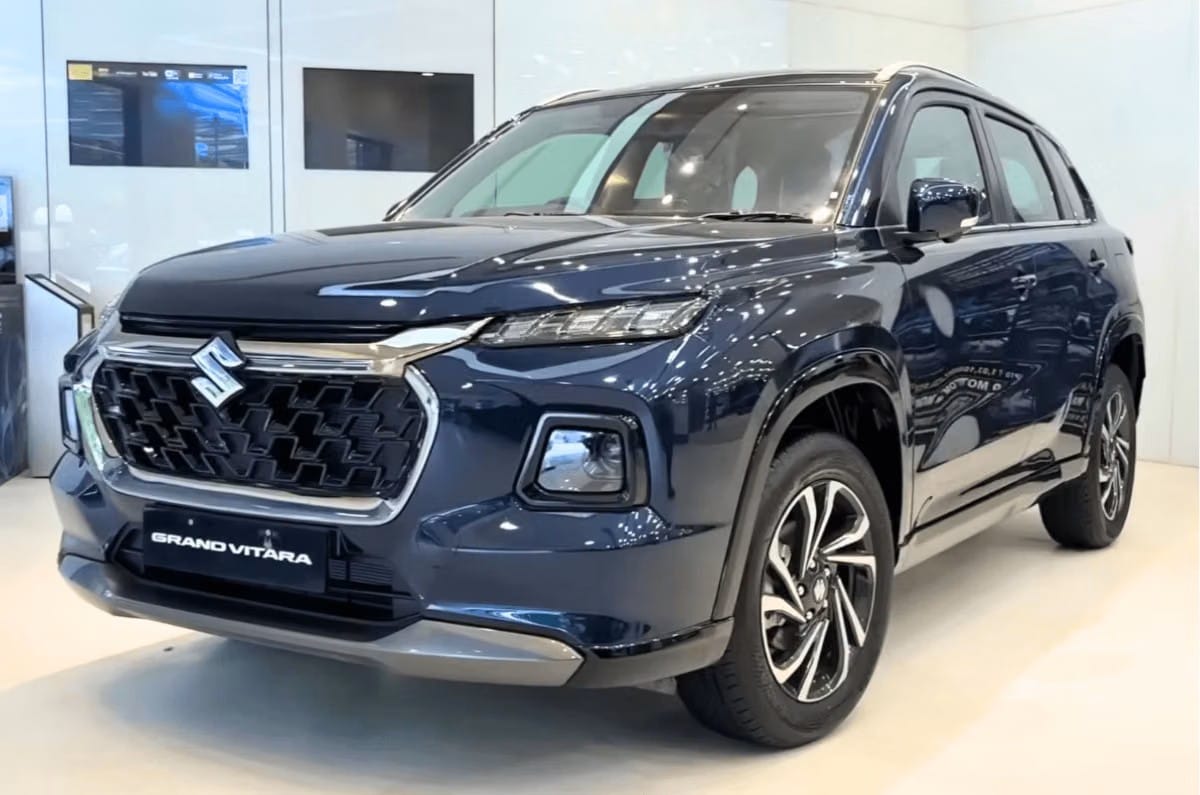
Benefits of up to Rs 1.30 lakh on Maruti Grand Vitara in August 2026

Maruti Grand Vitara

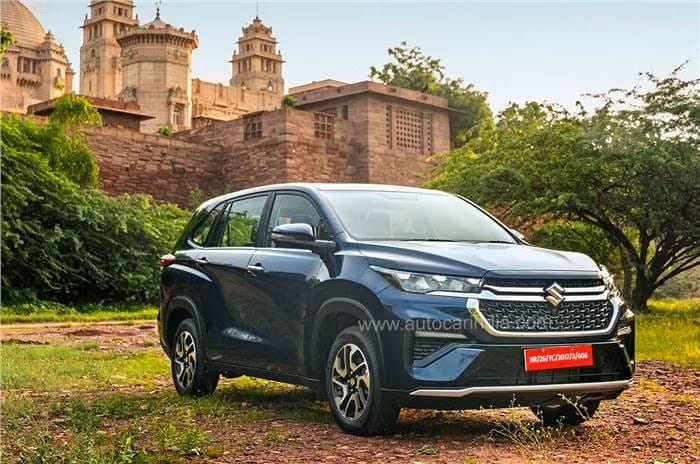
Maruti Suzuki is offering discounts across its Nexa line-up in August 2026. The offers include cash discounts, exchange or scrappage bonuses, loyalty upgrade benefits and institutional discounts, depending on the model and variant. The highest benefits this month are available on the Invicto, while the Grand Vitara, XL6, Jimny, Baleno and Fronx also receive offers.

Disclaimer: Offers may vary by city and are subject to stock availability. Check with your nearest dealer for exact details.

Maruti Invicto discounts in August 2026

Up to Rs 1.55 lakh off

The Invicto attracts the highest discounts in the Nexa range this month, with benefits of up to Rs 1.55 lakh. These include a Rs 55,000 cash discount, an exchange bonus of up to Rs 50,000 or a Rs 50,000 scrappage bonus, a Rs 30,000 loyalty bonus and a Rs 20,000 institutional discount.

Priced between Rs 24.97 lakh and Rs 28.61 lakh, the Invicto is Maruti Suzuki’s flagship MPV and rivals the Toyota Innova Hycross.

Maruti Grand Vitara discounts in August 2026

Up to Rs 1.30 lakh off

The Grand Vitara Sigma petrol receives the highest discounts of up to Rs 1.30 lakh. Delta petrol variants are available with benefits of up to Rs 1.20 lakh, while Zeta, Alpha and AWD variants get offers worth Rs 1.20 lakh, along with a complimentary five-year extended warranty.

Strong hybrid variants also receive plenty of benefits, totaling up to Rs 1.25 lakh along with zero road tax (worth up to Rs 1.85 lakh in Delhi), a five-year extended warranty. The benefits comprise of an exchange bonus of up to Rs 75,000 or a Rs 45,000 scrappage bonus, a Rs 30,000 loyalty upgrade bonus and a Rs 20,000 institutional discount. Delta CNG variants get benefits of up to Rs 1.05 lakh, while Zeta CNG variants receive up to Rs 95,000.

The Grand Vitara is priced from Rs 10.77 lakh to Rs 19.57 lakh and rivals the Hyundai Creta, Kia Seltos, Honda Elevate, Toyota Hyryder and Tata Sierra.

Maruti XL6 discounts in August 2026

Up to Rs 50,000 off

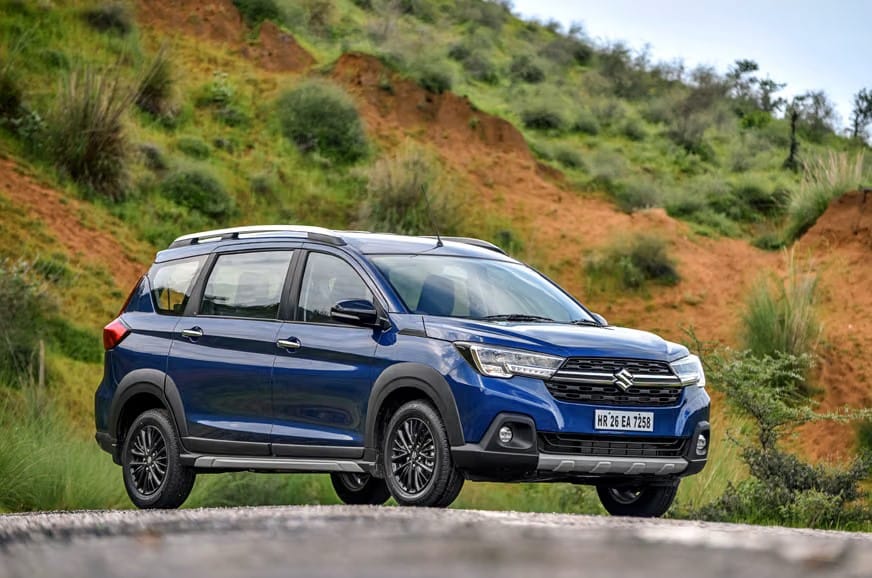
Petrol and CNG variants of the XL6 are available with benefits of up to Rs 50,000. The offer comprises a Rs 20,000 cash discount, an exchange bonus of up to Rs 30,000 or a Rs 15,000 scrappage bonus, and a Rs 10,000 institutional discount. The XL6 is priced between Rs 11.57 lakh and Rs 14.37 lakh and serves as the premium six-seat sibling to the Ertiga.

Maruti Jimny discounts in August 2026

Up to Rs 35,000 off

All variants of the Jimny are available with a Rs 35,000 cash discount this month. No exchange, scrappage, loyalty or institutional benefits are being offered. The Jimny is priced between Rs 12.39 lakh and Rs 14.37 lakh and rivals the Mahindra Thar and Force Gurkha.

Maruti Baleno discounts in August 2026

Up to Rs 30,000 off

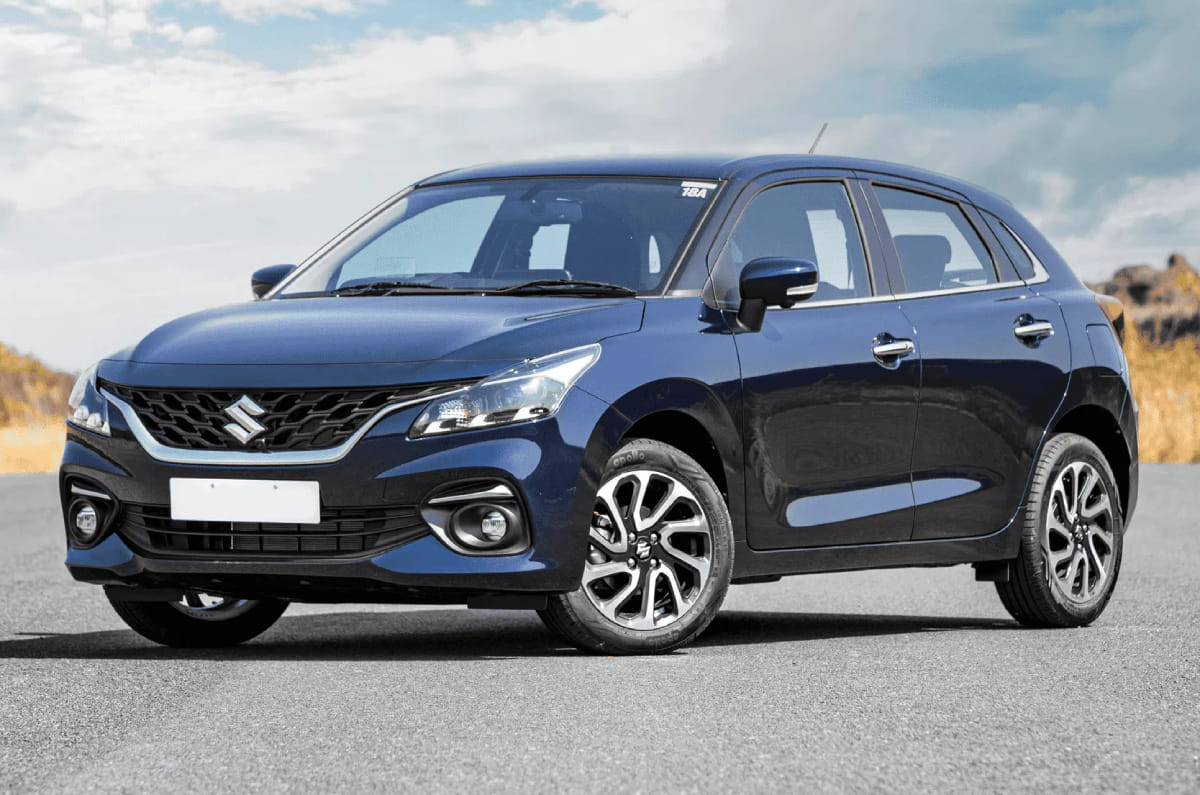
Petrol manual and AMT variants of the Baleno receive benefits of up to Rs 30,000, while CNG variants are available with discounts of up to Rs 25,000. Petrol variants get a Rs 5,000 cash discount, an exchange bonus of up to Rs 25,000 or a Rs 10,000 scrappage bonus, while CNG variants miss out on the cash offer but receive the same exchange or scrappage benefits. Priced between Rs 5.99 lakh and Rs 9.17 lakh, the Baleno rivals premium hatchbacks such as the Hyundai i20 and Tata Altroz.

Maruti Fronx discounts in August 2026

Up to Rs 20,000 off

The turbo-petrol Fronx gets the highest discounts this month, with benefits of up to Rs 20,000. Petrol and CNG variants are available with offers of up to Rs 15,000. Turbo variants additionally receive a Rs 5,000 cash discount, while all variants are eligible for an exchange bonus of up to Rs 15,000 or a Rs 10,000 scrappage bonus, along with a Rs 5,000 institutional discount. The Fronx is priced from Rs 6.85 lakh to Rs 11.84 lakh and rivals the Toyota Taisor, Tata Nexon, Hyundai Venue, Kia Sonet, Mahindra XUV 3XO and Nissan Magnite.
All prices are ex-showroom, India.
Tata Nexon Camo Edition launched at Rs 9.99 lakh

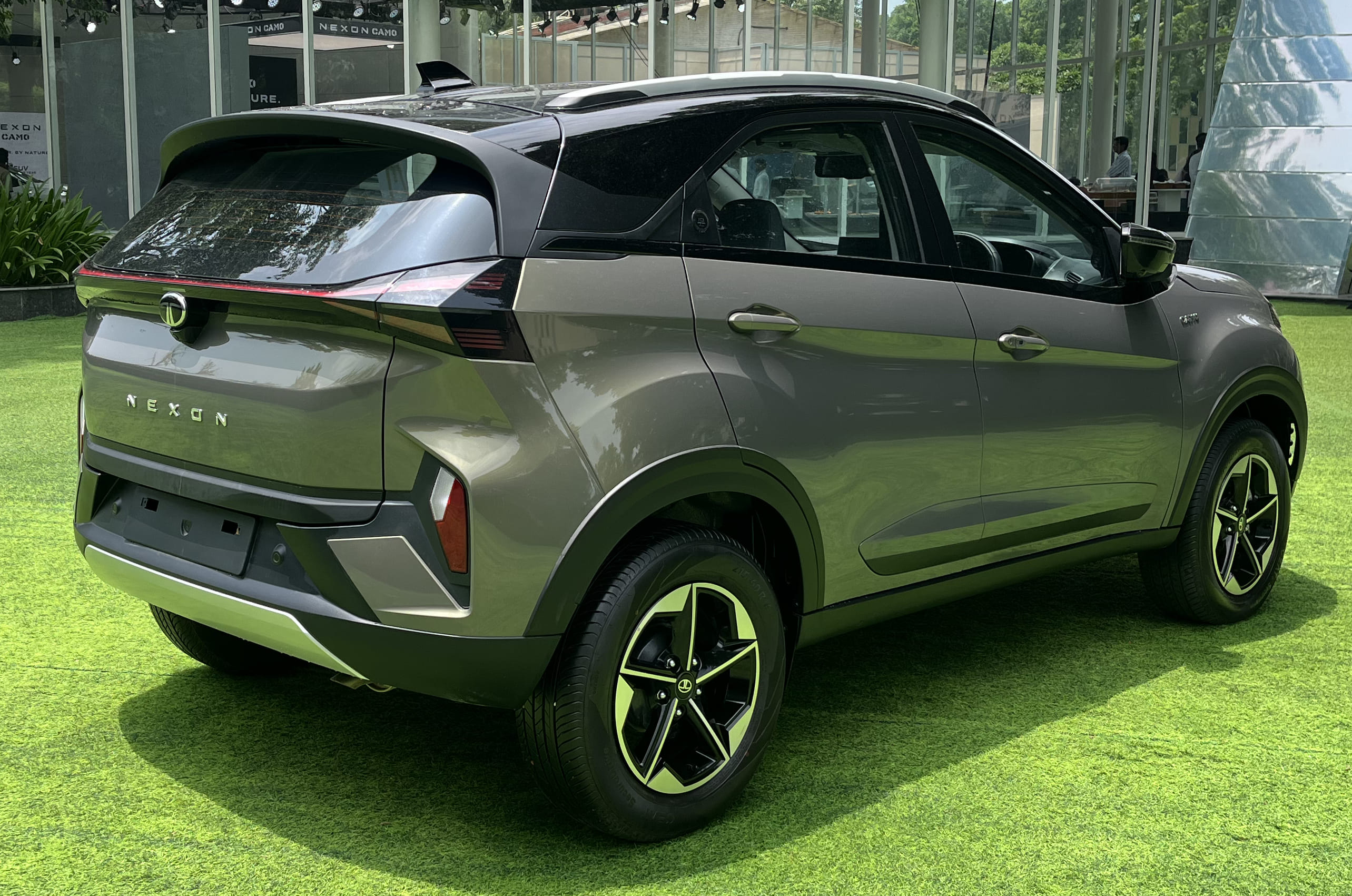
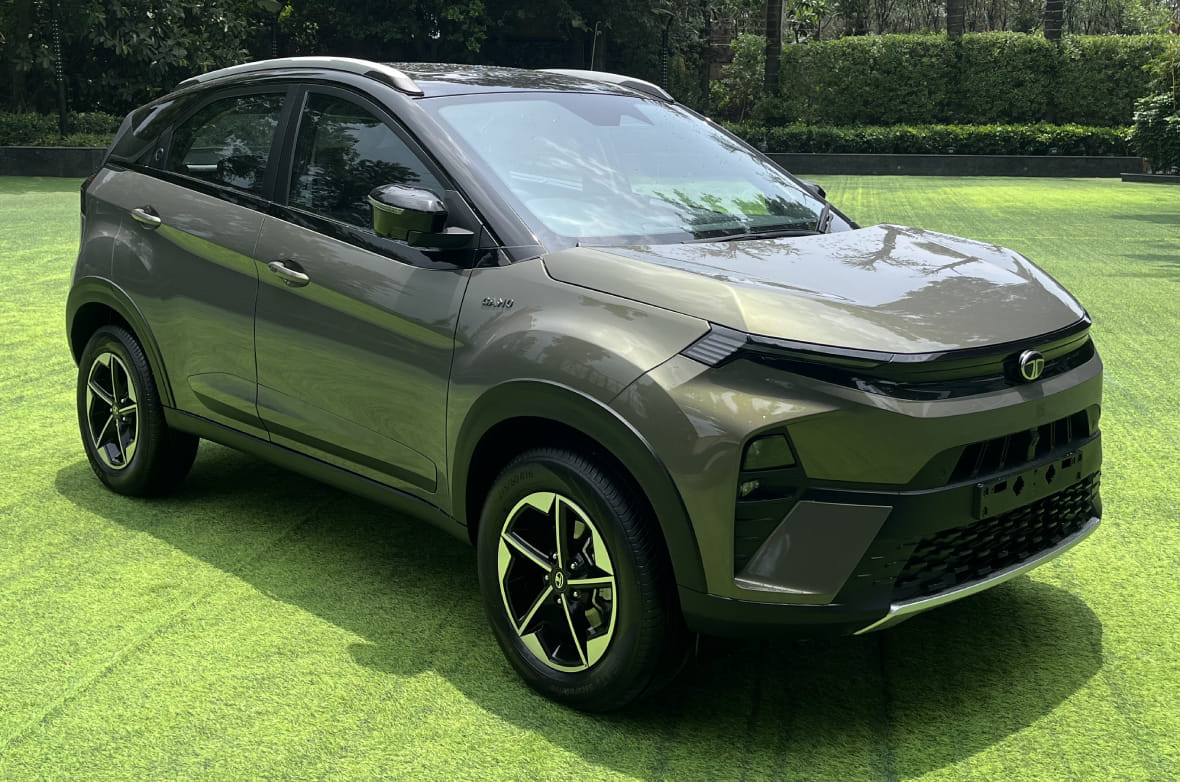
Nexon camo

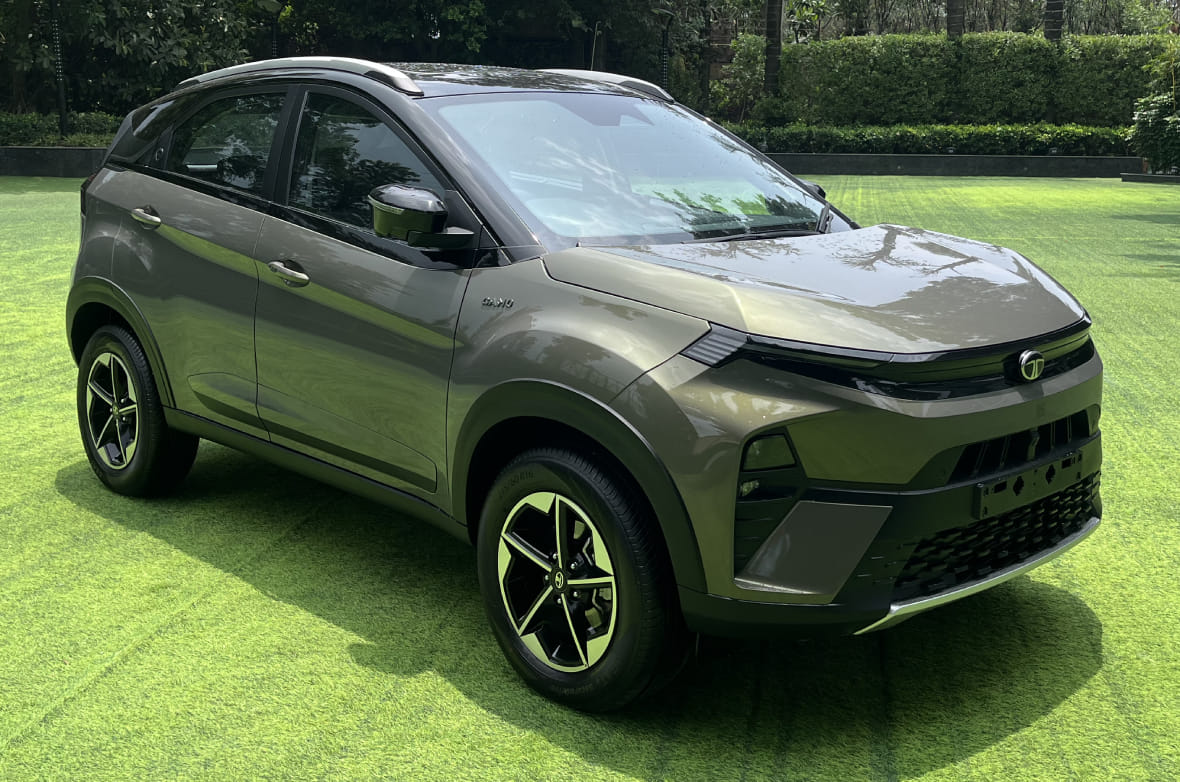
Tata Motors has launched the Nexon Camo Edition at a starting price of Rs 9.99 lakh (ex-showroom). Available for a limited period, the special edition is based on the Creative and higher trims and adds exclusive exterior colours, Camo-themed detailing, a larger infotainment display and an integrated dashcam while retaining the existing petrol, diesel and CNG engine options.

  1. Available across 5 trims, depending on the powertrain
  2. Exclusive Munnar Mist and Coorg Cloud paint finishes
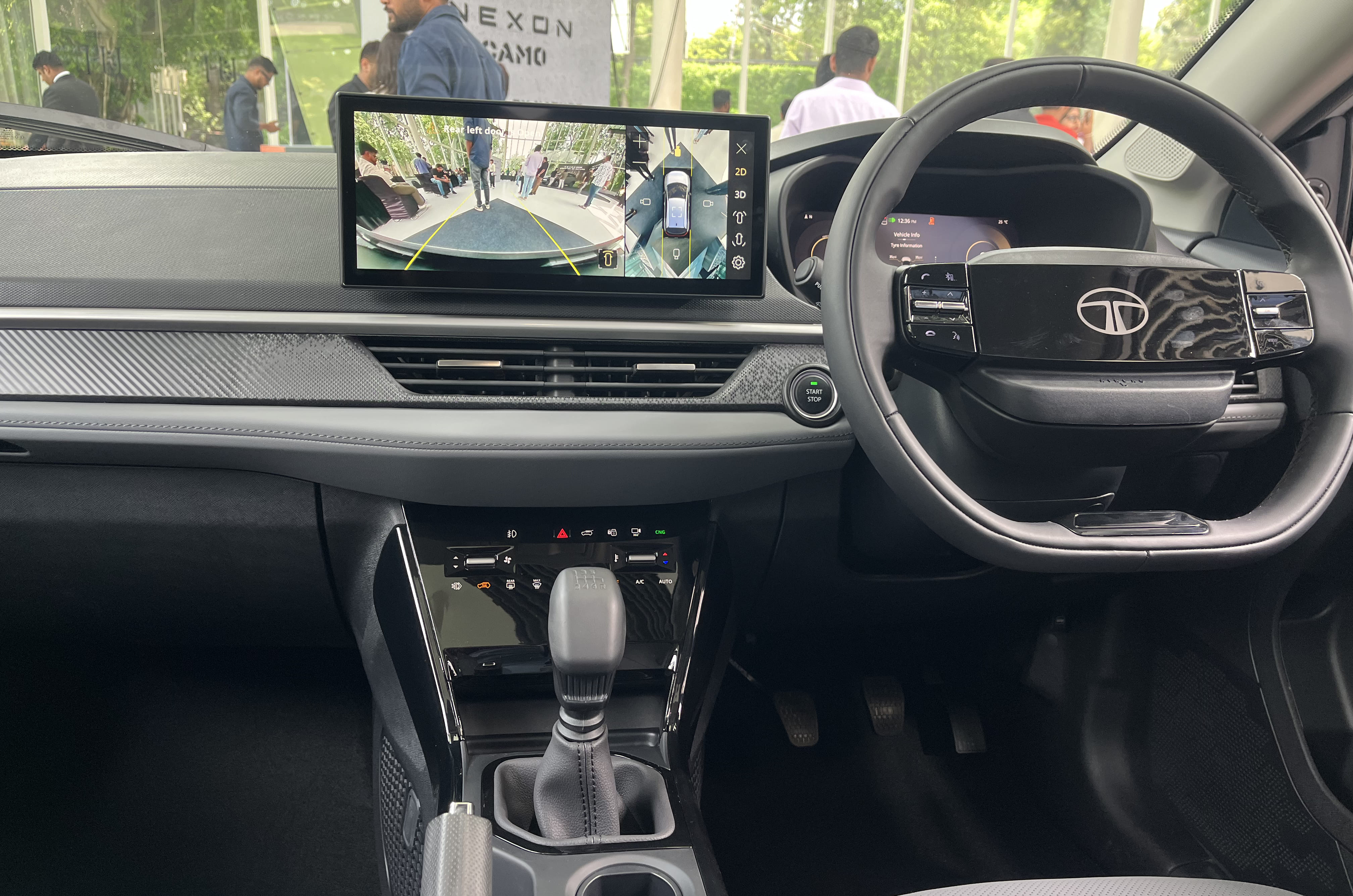
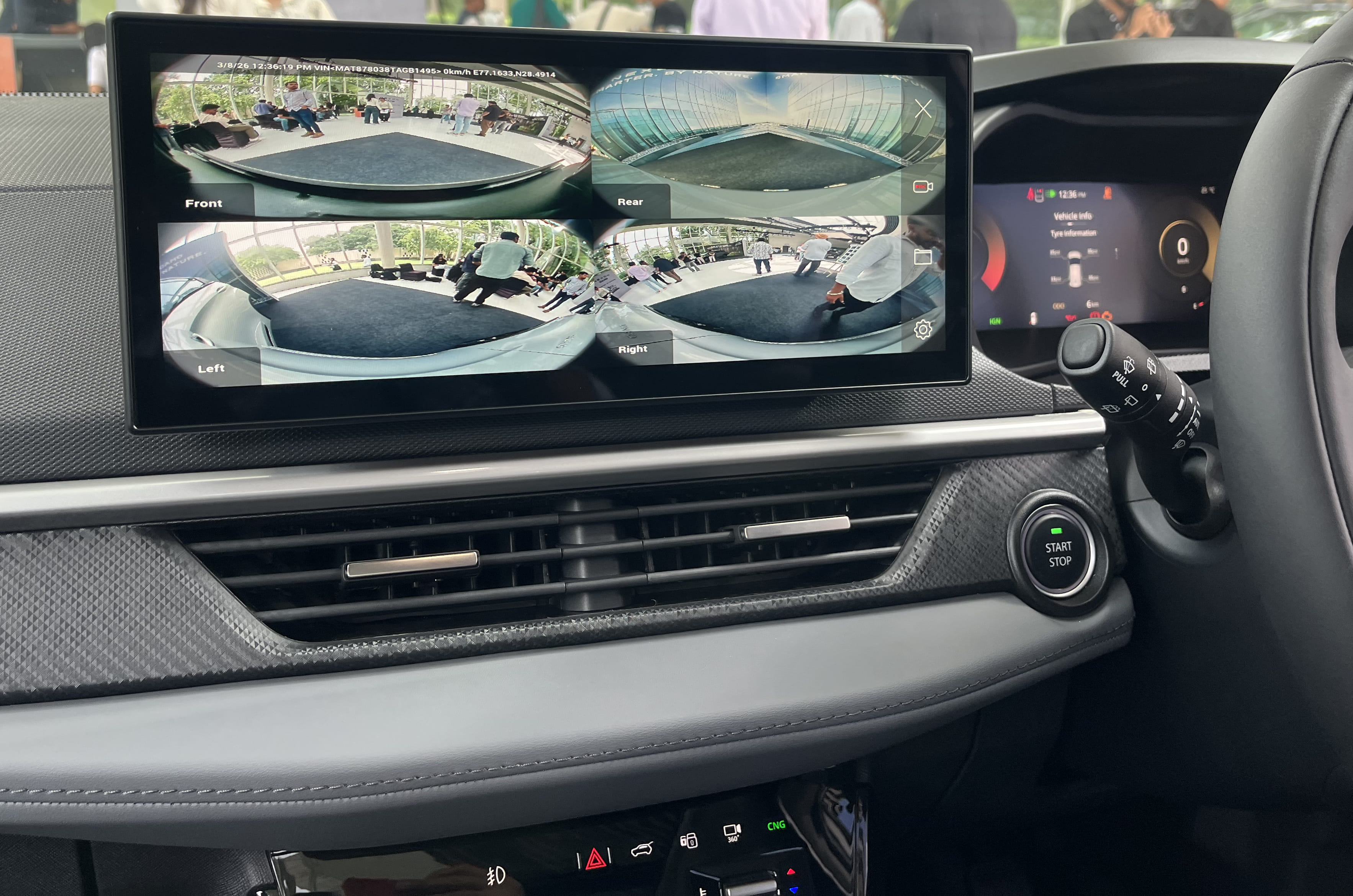
  3. New 12.3-inch touchscreen and integrated dashcam

Tata Nexon Camo Edition: Price and rivals

Tata Nexon Camo edition prices (Ex-showroom, Rs lakh)
VariantPetrol MTPetrol AMTPetrol DCADiesel MTDiesel AMTCNG MT
Creative Camo 9.9911.0911.5911.5412.1411.39
Creative + S Camo 10.6411.34–11.7912.4411.69
Creative + PS Camo 11.64–12.79––12.59
Fearless + PS Camo 12.59––––13.54
Fearless + A PS Camo ––13.94–––

The Nexon Camo Edition is priced from Rs 9.99 lakh to Rs 13.94 lakh (ex-showroom) and is available across Creative, Creative+ S, Creative+ PS, Fearless+ PS and Fearless+ A PS personas, depending on the powertrain. It continues to rival the Maruti Brezza, Hyundai Venue, Kia Sonet, Mahindra XUV 3XO, Skoda Kylaq and Kia Syros.

Tata Nexon Camo Edition: What’s new?

The CAMO Edition introduces two exclusive exterior colours: Munnar Mist and Coorg Cloud, along with Camo badging on the front fenders and ‘Camo’ perforation on the front-seat headrests.

The biggest change inside is the addition of Tata’s 12.3-inch Harman touchscreen infotainment system, replacing the 10.25-inch unit offered on the corresponding variants of the standard Nexon. The 10.25-inch digital instrument cluster is carried over. An integrated dashcam that works with the 360-degree camera system has also been added.

Apart from the Camo-specific additions, the Nexon continues with features such as a panoramic sunroof, ventilated front seats, a JBL nine-speaker audio system, wireless Android Auto and Apple CarPlay, a wireless charger, connected car technology, a 360-degree camera with a blind-view monitor and advanced driver assistance systems (ADAS), depending on the variant.

The Camo Edition is available with the Nexon’s existing 1.2-litre turbo-petrol, 1.5-litre diesel and 1.2-litre turbo-petrol CNG engines. Outputs remain unchanged at 120hp and 170Nm for the petrol, 115hp and 260Nm for the diesel and 100hp and 170Nm in CNG mode. Transmission options include a 6-speed manual, an AMT and a 7-speed dual-clutch automatic, depending on the engine and variant.

Tata Nexon Camo Edition launched at Rs 9.99 lakh

Nexon Camo

Tata Motors has launched the Nexon Camo Edition at a starting price of Rs 9.99 lakh (ex-showroom). Available for a limited period, the special edition is based on the Creative and higher trims, and adds exclusive exterior colours, Camo-themed detailing, a larger infotainment display and an integrated dashcam, while retaining the existing petrol, diesel and CNG engine options.

  1. Available across 5 trims, depending on the powertrain
  2. Exclusive Munnar Mist and Coorg Cloud paint finishes
  3. New 12.3-inch touchscreen and integrated dashcam

Tata Nexon Camo Edition: what’s new?

The CAMO Edition introduces two exclusive exterior colours: Munnar Mist and Coorg Cloud, along with Camo badging on the front fenders and ‘Camo’ perforation on the front seat headrests.

The biggest change inside is the addition of Tata’s 12.3-inch Harman touchscreen infotainment system, replacing the 10.25-inch unit offered on the corresponding variants of the standard Nexon. The 10.25-inch digital instrument cluster is carried over. An integrated dashcam, which works with the 360-degree camera system, has also been added.

Apart from the Camo-specific additions, the Nexon continues with features such as a panoramic sunroof, ventilated front seats, a JBL nine-speaker audio system, wireless Android Auto and Apple CarPlay, a wireless charger, connected car technology, a 360-degree camera with blind view monitor and ADAS, depending on the variant.

The Camo Edition is available with the Nexon’s existing 1.2-litre turbo-petrol, 1.5-litre diesel and 1.2-litre turbo-petrol CNG engines. Outputs remain unchanged at 120hp and 170Nm for the petrol, 115hp and 260Nm for the diesel and 100hp and 170Nm in CNG mode. Transmission options include a 6-speed manual, AMT and 7-speed dual-clutch automatic, depending on the engine and variant.

Tata Nexon Camo Edition: price and rivals

The Nexon Camo Edition is priced from Rs 9.99 lakh (ex-showroom) and is available across Creative, Creative+ S, Creative+ PS, Fearless+ PS and Fearless+ A PS personas, depending on the powertrain. It continues to rival the Maruti Brezza, Hyundai Venue, Kia Sonet, Mahindra XUV 3XO, Skoda Kylaq and Kia Syros.

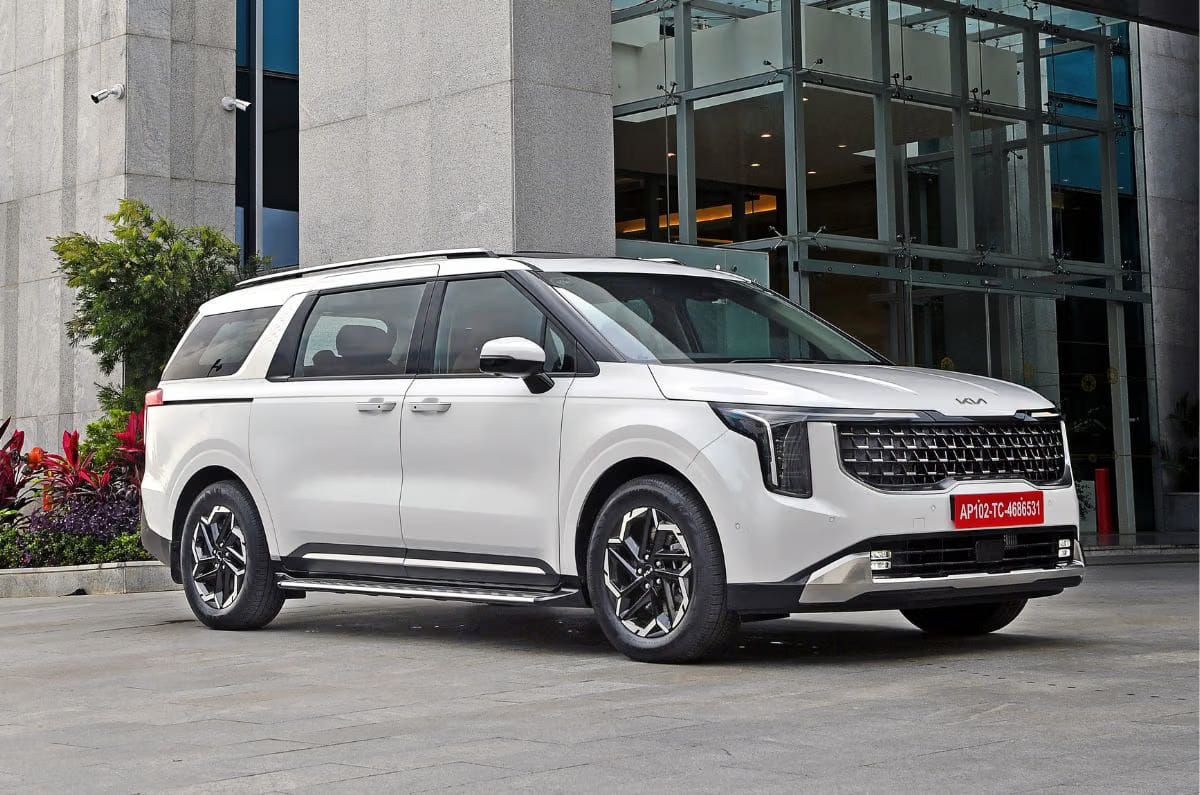
Kia Carens Clavis gets benefits of up to Rs 1.2 lakh in August 2026

Kia Carens Clavis front quarter static

With the newly launched Syros EV and the flagship Sorento SUV inbound, Kia India has been strengthening its presence in our market. At the same time, the Korean carmaker is providing appealing offers on select models currently across its lineup in August 2026. Except for the EV6 and EV9, the remaining models in Kia’s portfolio get cash discounts, exchange or scrappage offers, and corporate benefits. 

Disclaimer: Offers/benefits may vary by city and are subject to stock availability. Buyers are advised to check with their local dealer for exact figures.

Kia Carens Clavis offers in August 2026

Benefits of up to Rs 1.2 lakh 

The Carens Clavis MPV is available with benefits of up to Rs 1.2 lakh. MY26 models get a cash discount of Rs 10,000, a loyalty benefit of Rs 20,000, a corporate offer of up to Rs 15,000 and either an exchange or scrappage bonus of up to Rs 30,000. 

However, MY25 models of the Clavis get up to Rs 75,000 cash discount, and have the same loyalty, exchange/scrappage benefits as the MY26 models, but miss out on a corporate offer. Moreover, only MY25 turbo-petrol variants of the MPV get free extended warranty coverage. Priced from Rs 11.27 lakh to Rs 21.67 lakh, it rivals the likes of the Maruti XL6. 

Kia Carnival offers in August 2026 

Benefits of up to Rs 1.5 lakh

At up to Rs 1.5 lakh, the Carnival receives the highest benefits among all Kia models this month. MY26 versions either an exchange or scrappage offer of up to Rs 1 lakh, and a corporate offer of up to Rs 50,000, while MY25 versions get only a scrappage offer of Rs 20,000. The Carnival is Kia’s most expensive ICE model in our market and is priced at Rs 59.65 lakh.

Kia Carens Clavis EV offers in August 2026

Benefits of up to Rs 55,000 

The all-electric counterpart of the Carens Clavis is offered with benefits of up to Rs 55,000. MY26 versions of the Carens Clavis EV are eligible for a loyalty benefit and corporate offer of Rs 20,0000 and up to Rs 15,000, respectively. Additionally, it’s also available with either a scrappage or exchange offer of Rs 20,000. For MY25 models, only the extended range (ER) variants come with loyalty and scrappage benefits of Rs 20,000 each. Currently, the most affordable electric MPV in our market, it has a price range of Rs 18.04 lakh to Rs 25 lakh. It is Kia’s answer to the BYD e MAX 7 and an MPV alternative to the likes of the Mahindra XEV 9S.

Kia Syros offers in August 2026

Benefits of up to Rs 50,000

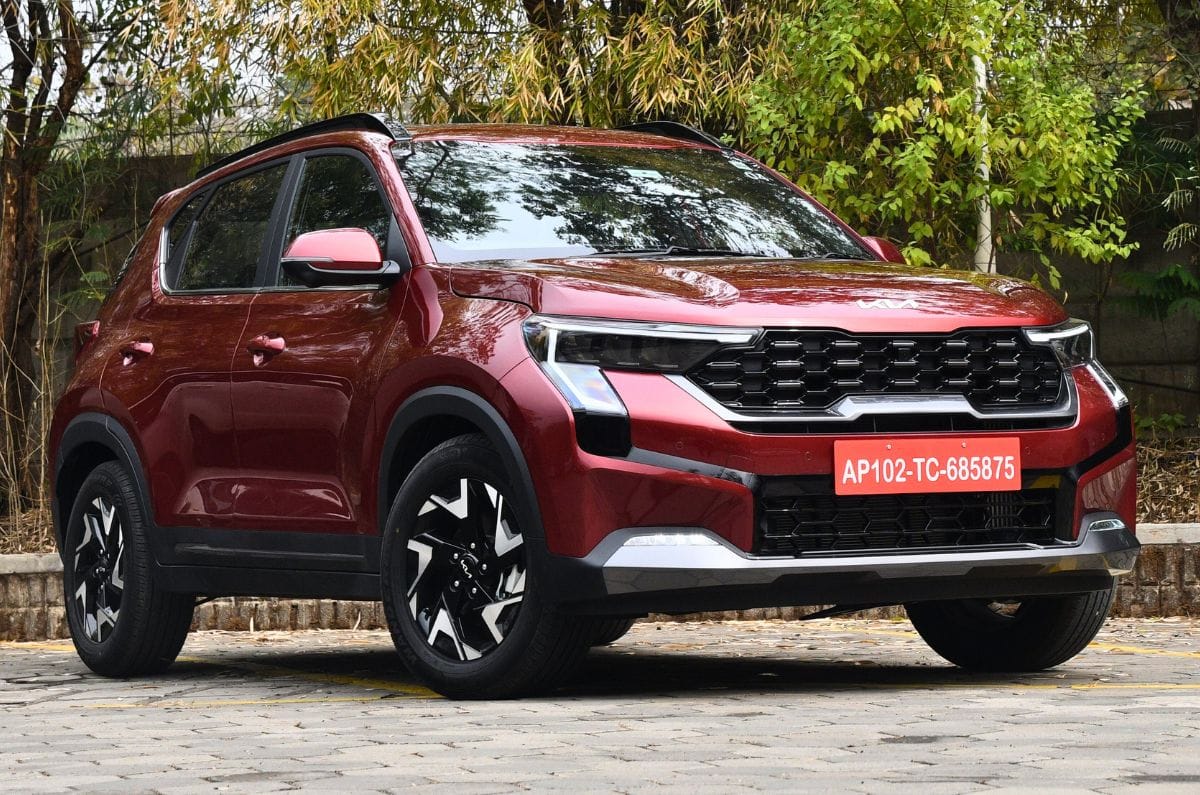
The Syros compact SUV is available with benefits of up to Rs 50,000. The new MY26 model gets a cash discount of up to Rs 10,000, a corporate offer of up to Rs 15,000 and either an exchange or scrappage offer of Rs 20,000. On the other hand, MY25 versions get an exchange or scrappage offer of up to Rs 50,000. Like the Carens Clavis, even the Syros gets free extended warranty. It has a price range of Rs 8.42 lakh to Rs 15.82 lakh, and takes on the likes of the Mahindra XUV 3XO, Hyundai Venue, and Maruti Brezza.

Kia Sonet offers in August 2026

Benefits of up to Rs 45,000

The most affordable Kia offering in India, the Sonet is offered with benefits of up to Rs 45,000. For MY26 models, you get a cash discount of up to Rs 10,000, a corporate offer of up to Rs 15,000, and either an exchange or scrappage benefit of up to Rs 20,000, while MY25 versions of the Sonet only get a scrappage offer. Priced from Rs 7.41 lakh to Rs 14.37 lakh, it takes on rivals like the Skoda Kushaq, Tata Nexon, and contenders alongside the Syros.

Kia Seltos offers in August 2026 

Benefits of up to Rs 40,000

The second-generation Seltos, which was introduced earlier this year, is available with benefits of up to Rs 40,000. These include a loyalty benefit and scrappage bonus of Rs 20,000 each. 

Meanwhile, the first-generation Seltos only gets a scrappage offer. The second-generation Seltos is priced from Rs 11 lakh and up to Rs 21.82 lakh. The Seltos is Kia’s contender in the mid-size SUV space, which consists of rivals like the Hyundai Creta, Volkswagen Taigun, Renault Duster, Tata Sierra, Skoda Kushaq, MG Astor, Citroen Aircross, Maruti Victoris and Grand Vitara.

Kia Carens offers in August 2026

Benefits of up to Rs 35,000

The budget Kia Carens MPV is offered with benefits up to Rs 35,000. MY26 models get a corporate offer of up to Rs 15,000 and either a scrappage or exchange bonus of up to Rs 20,000. On the other hand, MY25 versions get only a scrappage offer. The Carens rivals the Maruti Ertiga and Toyota Rumion, while its price ranges between Rs 11.02 lakh and Rs 12.88 lakh. 

All prices are ex-showroom, India

Top 10 cars with front parking sensors under Rs 20 lakh

Top 10 cars with front parking sensors under Rs 20 lakh

While pretty basic in their operation, parking sensors alleviate the strain involved when space is at a premium. Once the dominion of premium models, front parking sensors have now found their way into more affordable ones. We have listed the top 10 cars that get parking sensors at the front as well, and that too at an ex-showroom price of under Rs 20 lakh.

10. Kia Carens Clavis EV

Prices start at Rs 18.04 lakh

Kia Carens Clavis EV front

All variants of the 7-seat Kia Carens Clavis EV get front parking sensors. However, we are only considering the HTK+ and HTX E, since the rest are priced above Rs 20 lakh. These trims are offered with a 42kWh battery pack with an MIDC-claimed range of 404km. The single electric motor of the Clavis EV generates 133hp, while charging the battery from 10-80 percent takes 39 minutes when plugged into a 100kWh DC fast-charger.

Variants

Prices (Rs, lakh)

HTK+

18.04

HTX E

20.00

9. Maruti Suzuki Victoris

Prices start at Rs 15.39 lakh

Maruti Suzuki Victoris front

The Maruti Suzuki Victoris gets front parking sensors, but only on the ZXI Plus and the top-spec ZXI Plus (O), priced at Rs 19.99 lakh. These are available with manual and automatic transmissions, petrol and strong-hybrid options, and in front-wheel drive or all-wheel drive configurations. The naturally aspirated (NA) 1.5-litre engine of the Victoris manages 103hp, whereas the strong-hybrid’s powertrain achieves a combined output of 116hp.

Variant range

Price range (Rs, lakh)

ZXI Plus – ZXI Plus (O)

15.39 – 19.99

*Dual-tone options cost around Rs 14,500 more

8. Kia Carens Clavis

Prices start at Rs 15.28 lakh

Kia Carens Clavis front

Front parking sensors are on the equipment list for the HTK+, HTK+ (O), HTX, GTX, and HTX (O) trims. The latter costs Rs 19.96 lakh, with higher trims breaching our stipulated Rs 20 lakh price cut-off. Like its EV sibling, the Carens Clavis is also a 7-seater. Kia is offering three 1.5-litre engines: a 115hp petrol, a 160hp turbo-petrol with direct injection, and a 116hp turbo-diesel. Transmissions include a 6-speed manual, a 6-speed torque converter automatic (AT) and a 7-speed dual-clutch automatic (DCT).

Variant range

Price range (Rs, lakh)

HTK+ – HTX (O)

15.28 – 19.96

7. Hyundai Venue

Prices start at Rs 14.65 lakh

New Hyundai Venue N Line front

The second-gen Hyundai Venue adds front parking sensors to its already lengthy list of features. However, it is only the range-topping Venue HX10 and Venue N Line N10 variants of Hyundai’s compact SUV that get this nifty addition. The top-spec trim has a 1.5-litre turbo-diesel engine with 116hp, and costs Rs 15.65 lakh.

The HX10 also gets a 1.0-litre direct injection turbo-petrol with 120hp, which is shared with the N Line’s N10 trim. The diesel mill’s gearbox options are a 6-speed manual and a 6-speed torque converter automatic, whilst the petrol engine gets the manual and 7-speed DCT options.

Variants

Prices (Rs, lakh)

HX10 Turbo-Petrol (DCT)

14.65

HX10 Diesel (AT)

15.65

N Line N10 (DCT)

15.49

*Dual-tone options cost an additional Rs 18,000

6. Kia Seltos

Prices start at Rs 14.52 lakh

Kia Seltos front quarter

The entry-level HTE, HTE (O) and HTK trims of the Kia Seltos come equipped only with rear parking sensors. To get them on the front as well, you’ll need to step up to the HTK (O) at the bare minimum. Keeping our sub-20-lakh budget, the most expensive Seltos trims with front parking sensors are the GTX (A) and X-Line. Depending on the trim level, the Seltos can be had with one of three 1.5-litre engines and one of five gearboxes. For an in-depth look at those, click here.

Variant range

Price range (Rs, lakh)

HTK (O) – X-Line

14.52 – 20.00

5. Kia Sonet

Prices start at Rs 13.76 lakh

Only the top-two trims of the Kia Sonet get front parking sensors, and these are the GTX+ and X-Line. These trims are only available with the 120hp, 1.0-litre direct injection turbo-petrol engine and 116hp, 1.5-litre turbo-diesel mill. Transmission choices with these trims are a 7-speed DCT and 6-speed AT, respectively. For more information on the Kia Sonet, check out our detailed review.

Variant range

Price range (Rs, lakh)

GTX+ – X-Line

13.76 – 14.37

4. Hyundai Verna

Prices start at Rs 13.20 lakh

Hyundai Verna front quarter

Buyers of the HX6, HX6+, HX8 and HX10 trims of the Hyundai Verna will benefit from having front parking sensors. The midsize sedan’s range-topping HX10 trim is priced at Rs 18.26 lakh. There are two 1.5-litre petrol mills; the naturally aspirated unit produces 115hp, with the direct injection turbo-petrol motor making 160hp. While both engines get a 6-speed manual as standard, the NA can be had with an IVT (Intelligent Variable Transmission). However, only the turbo-petrol variants get the 7-speed DCT.

Variant range

Price range (Rs, lakh)

HX6 – HX10

13.20 – 18.26

3. Mahindra XUV 3XO

Prices start at Rs 12.20 lakh

Only the AX7 and AX7 Luxury variants of the Mahindra XUV 3XO get front parking sensors, with the latter costing Rs 15.04 lakh. The sub-4-metre SUV gets a 1.2-litre MPFI (multi-point fuel injection) and 1.2-litre direct injection turbo-petrol engines producing 111hp and 131hp. A 1.5-litre turbo-diesel engine with 117hp is also available, mated to a 6-speed manual or a 6-speed AMT (automated manual transmission). The petrol versions get a 6-speed manual and a 6-speed torque converter automatic.

Variants

Prices (Rs, lakh)

AX7

12.20

AX7 Luxury

15.04

2. Tata Nexon

Prices start at Rs 11.40 lakh

The most affordable Tata Nexon variant with front parking sensors is the Creative + PS. Meanwhile, the most expensive Fearless + A PS costs Rs 13.70 lakh. Tata’s popular compact SUV is available with petrol, diesel and CNG options.

The petrol and CNG versions use a 1.2-litre turbocharged engine with up to 120hp, while the 1.5-litre diesel mill produces 115hp. The transmission choices encompass a 6-speed manual, a 6-speed AMT and a 7-speed DCT.

Variant range

Price range (Rs, lakh)

Creative + PS – Fearless + A PS

11.40 – 13.70

*Dark Edition costs around Rs 18,300 on top of the Dual Tone option

1. Renault Triber

Prices start at Rs 8.05 lakh

The most affordable car with front parking sensors is the Renault Triber. Only the top-end Emotion trim of this three-row MPV gets this feature, and the range tops out at Rs 8.53 lakh. The Triber is powered by a 1.0-litre three-cylinder petrol engine that produces 72hp and 96Nm. While there is only one engine option, buyers can choose between a 5-speed manual or a 5-speed AMT.

Variant

Price (Rs, lakh)

Emotion

8.05-8.53

*Dual-tone options cost an additional Rs 21,000

All prices are ex-showroom.

Also read

Top 5 most affordable cars with hill hold feature

Top 10 most affordable ADAS cars in India

Tata Nexon vs Mahindra XUV 3XO petrol automatic: Real world mileage compared

Tata Nexon vs Mahindra XUV 3XO turbo-petrol automatic comparison

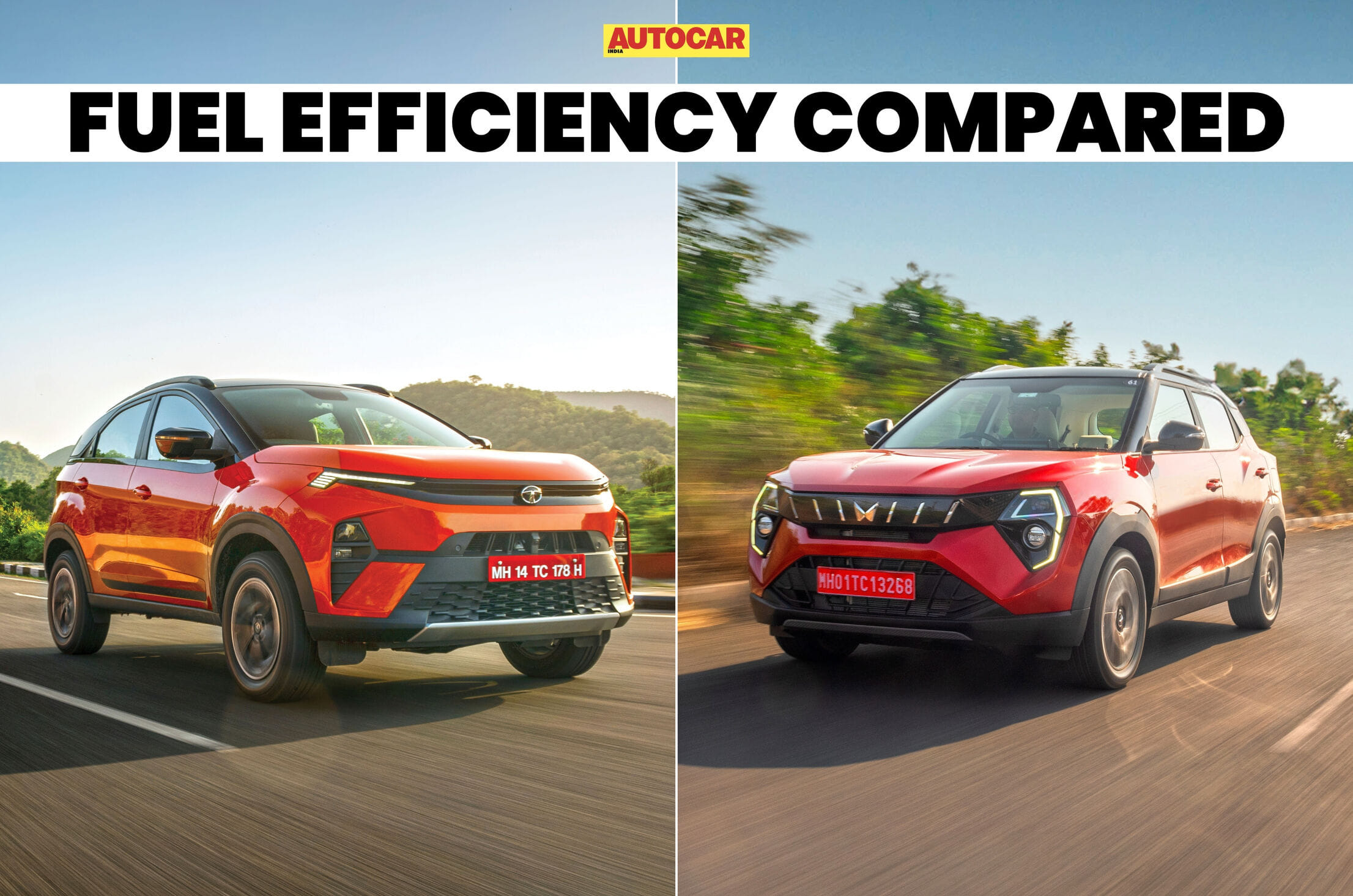
The Tata Nexon and Mahindra XUV 3XO offer buyers two types of turbo-petrol engines. All turbo-petrol versions of the Nexon use multi-point fuel injection (MPFI), with lower trims being mated to an AMT (automated manual transmission) gearbox, while higher trims use a dual-clutch automatic (DCT) gearbox. Meanwhile, all turbo-petrol versions of the XUV 3XO feature a 6-speed torque converter automatic transmission (AT), with gasoline direct injection (GDI) only reserved for the top-spec version. So, if you want the convenience of a proper automatic gearbox plus the performance associated with a turbo-petrol engine without sacrificing fuel economy, which of these two cars should you consider?

Explore full specs, features and a price breakdown in our Nexon vs XUV 3XO comparison.

Tata Nexon vs Mahindra XUV 3XO turbo-petrol automatic: Specifications

While torque spread is comparable in both, the XUV 3XO has a distinct power advantage

Tata Nexon vs Mahindra XUV 3XO automatic: Specifications


Tata Nexon

Mahindra XUV 3XO

Engine

3 cyl, petrol

3 cyl, petrol

Displacement (cc)

1199

1197

Power (hp)

120 (5,500rpm)

131 (5,000rpm)

Torque (Nm)

170 (1,750-4,000rpm)

230 (1,500-3750rpm)

Gearbox

7-speed DCT

6-speed AT

Fuel tank (litres)

44

42

At first glance, the turbo-petrol engines powering the Nexon and XUV 3XO look identical, as both are three-cylinder units with a displacement of 1.2 litres. Since the GDI system typically allows a more complete combustion of fuel, it benefits include more power and better fuel economy over a similar-sized MPFI system.

The XUV 3XO’s direct injection turbo-petrol setup offers 11hp and 60Nm more than its equivalent Nexon version. However, peak torque of these engines is spread out over an identical range of 2,250rpm. The Tata SUV features a 7-speed dual-clutch automatic transmission (DCT), while the top-spec XUV 3XO petrol comes mated to a 6-speed torque converter automatic transmission (AT). Also, the fuel tank of the Tata SUV has a slightly higher capacity, by two litres. 

Tata Nexon vs Mahindra XUV 3XO turbo-petrol automatic: Real-world fuel efficiency

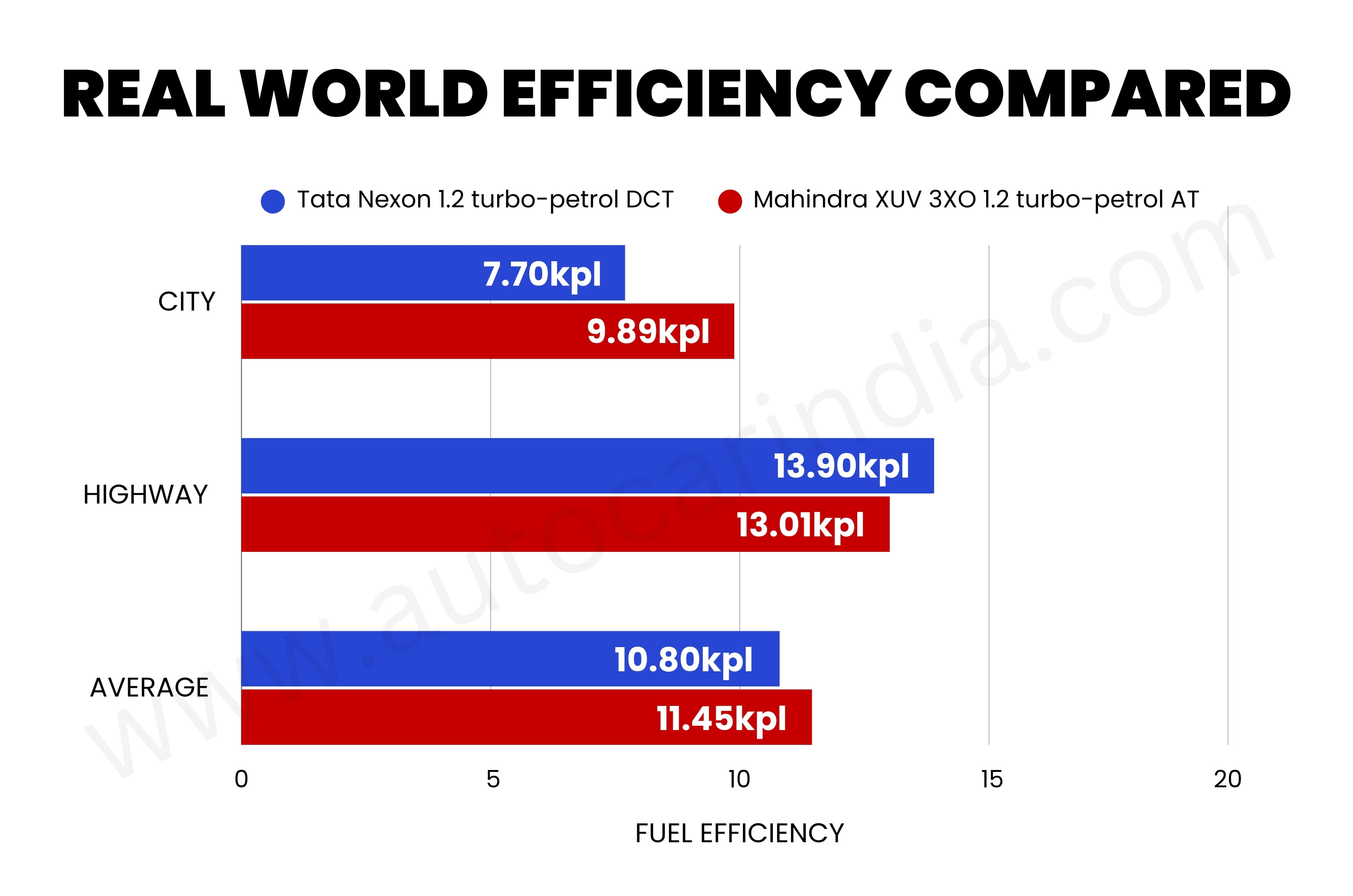
Despite having the punchier engine, the XUV 3XO’s fuel economy is better than the Nexon

Tata Nexon vs Mahindra XUV 3XO automatic: Real-world mileage


Tata Nexon

Mahindra XUV 3XO

Tested city mileage (kpl)

7.70

9.89

Tested highway mileage (kpl)

13.90

13.01

Tested average mileage (kpl)

10.80

11.45

The Tata Nexon returned an average that was 0.65kpl poorer than the Mahindra XUV 3XO. Its low mileage of 7.70kpl in city conditions meant that, even with a higher fuel economy of 13.90kpl on the highway, the Nexon’s overall efficiency still lagged behind the XUV 3XO. The efficiency gains of the Nexon on the highway was helped by the extra ratio in its DCT. Compared to the XUV 3XO’s torque convert AT with six ratios, the Nexon’s 7-speed gearbox allows its engine to spin at a more leisurely speed as you pick up pace.

Tata Nexon vs Mahindra XUV 3XO turbo-petrol automatic comparison chart

In the city, the XUV 3XO had a clear lead over the Nexon, achieving a real-world fuel economy that was higher by 2.19kpl. The Mahindra XUV 3XO’s direct fuel-injection technology allows petrol to be introduced into the engine in a highly measured and precise manner. This reduces fuel consumption and improves combustion when compared to a similarly sized but MPFI-equipped turbo-petrol engine, like in the Nexon.

Tata Nexon vs Mahindra XUV 3XO turbo-petrol automatic: Prices

Tata Nexon vs Mahindra XUV 3XO turbo-petrol automatic prices


Tata Nexon

Mahindra XUV 3XO

Price range (in Rs, lakh)

11.35-13.70

13.28-15.04

The turbo-petrol-automatic variants of both the Tata Nexon and Mahindra XUV 3XO are available in three trim levels. For cost-conscious buyers, the most affordable Nexon with this powertrain setup comes in Rs 1.93 lakh cheaper than a comparable XUV 3XO. This price delta continues to the mid-spec trim as well, where the Mahindra is pricier by Rs 79,000. At the top-end, the XUV 3XO’s turbo-petrol automatic variant costs Rs 1.34 lakh more than the equivalent Nexon. One of the reasons for the XUV 3XO’s higher price is is its direct-injection fuel system, which costs more than a comparable MPFI unit. 

Autocar India’s fuel efficiency testing

Before our real-world fuel efficiency tests, we fill our test cars’ tanks to the brim and maintain tyre pressures based on the manufacturer’s recommendations. These cars are driven in fixed city and highway loops in and around Navi Mumbai, and we maintain certain average speeds. Throughout the tests, there is only one person in each car, running the air conditioner and other electricals, such as the audio system, indicators and wipers, when required, just like a regular user would. Periodic driver swaps further neutralise variations in driver patterns. At the end of each cycle, we calculate efficiency by filling the tanks to full again.

Prices are ex-showroom, India.

Also read

Tata Harrier vs MG Hector petrol automatic: Real world mileage compared

Tata Nexon vs Mahindra XUV 3XO: Real world diesel efficiency compared

Hyundai to launch Bayon-based midsize SUV this festive season

Hyundai Bayon based SUV

Tarun Garg, MD and CEO of Hyundai India, confirmed on the company’s Q1 FY27 earnings call that the brand will launch a new mid-size SUV during the festive season. Following this, the brand will also launch a new compact electric SUV within this fiscal year.

  1. New mid-size SUV likely to offer an underbody-mounted CNG kit.
  2. Compact electric SUV to sit on a new architecture and utilise Exide batteries.

New Hyundai mid-size SUV: What do we know so far?

To sit below the Creta and likely offer petrol and CNG powertrains 

Before the next-generation Creta debuts in 2027, Hyundai will introduce another product in the mid-size SUV space during the festive season to strengthen its presence. This SUV (codename: Bc4i) will utilise the Bayon crossover’s platform that’s sold abroad. It will measure around 4.18 metres in length, suggesting that it would be positioned below the Creta.

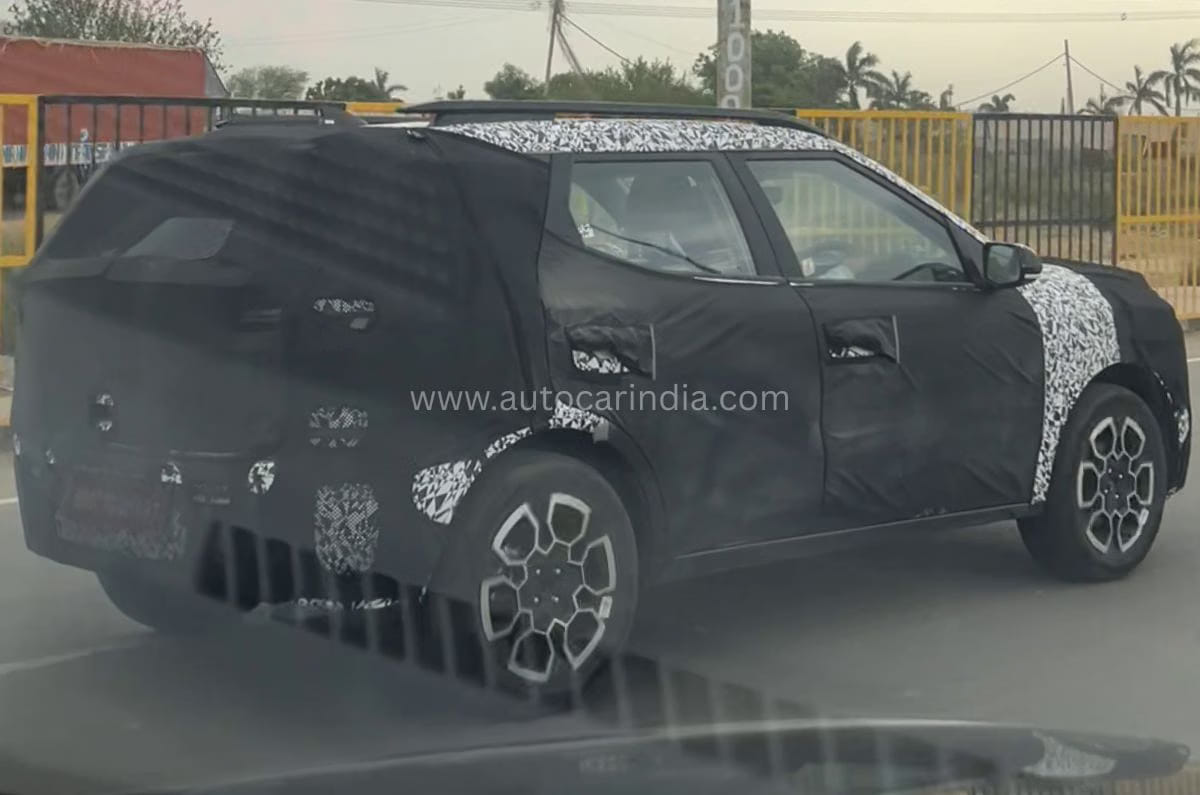
Heavily camouflaged mules of this mid-size SUV have been spied abroad and on our roads, giving a glimpse of what it could look like. Prototypes were spotted with a crossover-esque design, roof rails, dual-tone alloys, split lamp design, rising windowline and all-wheel disc brakes. While the interior has not been spied yet, Hyundai is likely to load it up with features and advanced driver assistance systems (ADAS).

The model will be powered by a 1.5-litre naturally aspirated engine, our sources indicate. This engine already powers the Creta and can be paired with either a manual or CVT gearbox. Additionally, Hyundai is expected to pair a CNG kit with this engine, making it the first CNG-powered model above 4 metres in its lineup. The kit would be fitted to its underbody, like the Maruti Victoris, but also have a spare wheel, unlike the Maruti.

With a second contender in the mid-size SUV segment, Hyundai is taking a similar approach to Maruti Suzuki, which has the Victoris and Grand Vitara in this space. While this SUV will come with economical powertrains and occupy the lower rung, the new-gen Creta sitting above it will come with wider powertrain options, including a hybrid. 

New Hyundai compact electric SUV: What to expect?

Expected to rival the likes of the Kia Syros EV, Tata Nexon EV, and Mahindra XUV 3XO EV

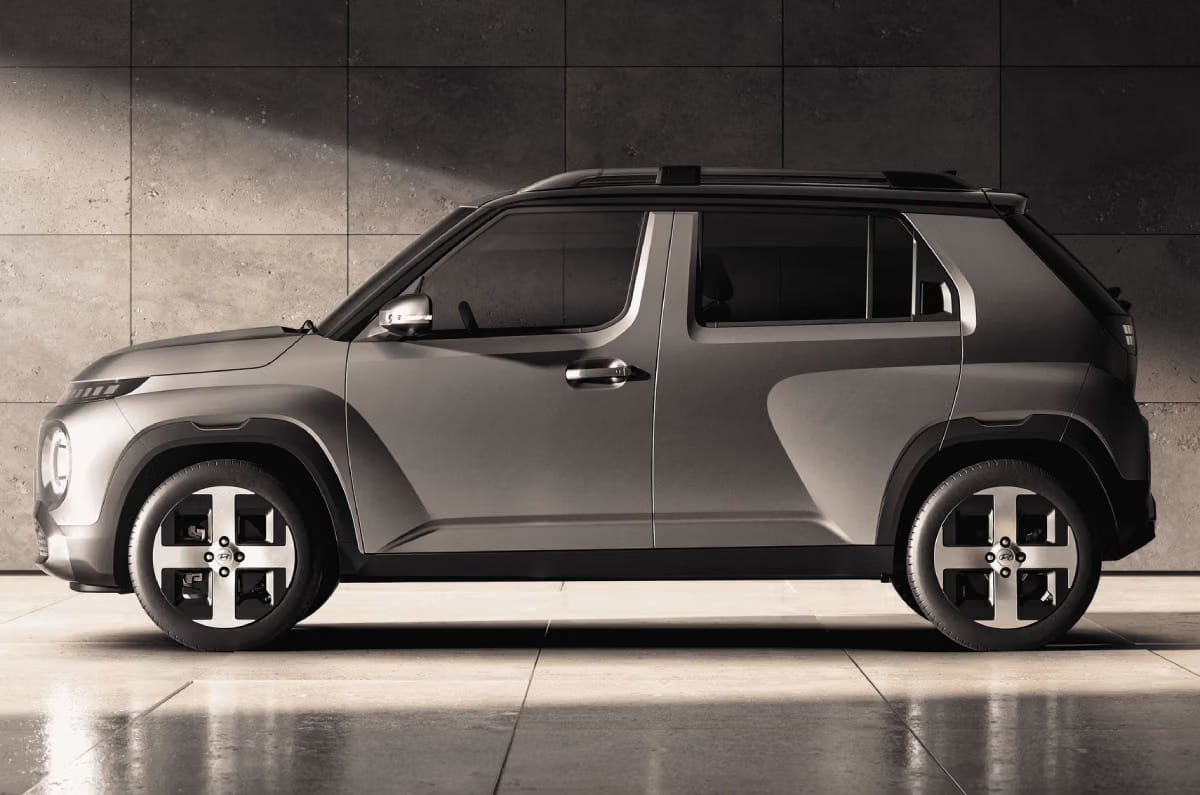
Hyundai Inster used for representation

Following the mid-size SUVs’ launch, Hyundai will also introduce a challenger in the growing compact electric SUV space. The arrival of this SUV was first announced back in 2025, when the carmaker stated that it would be localised and “designed, engineered and built in India for Indian customers.”

During the earnings call, the brand confirmed that the EV would be built on a new architecture rather than being an EV counterpart of the Venue. Codenamed HE1i, it is expected to sit on the E-GMP (K) platform, which is also utilised by the Inster sold abroad. It will be produced at the carmaker’s Sriperumbudur facility in Tamil Nadu and use localised batteries from Exide. The eSUV will be offered in standard range and long range versions. While specifications are yet to be confirmed for this model, for reference, the Euro-spec Inster is offered with 42kWh (standard range) and 49kWh (long range) battery packs with WLTP ranges of 300km and 355km respectively.

With inputs from Mugdha Mishra

Skoda Kylaq vs Mahindra XUV 3XO drag race: lights out

Skoda-Kylaq-vs-Mahindra-XUV-3XO

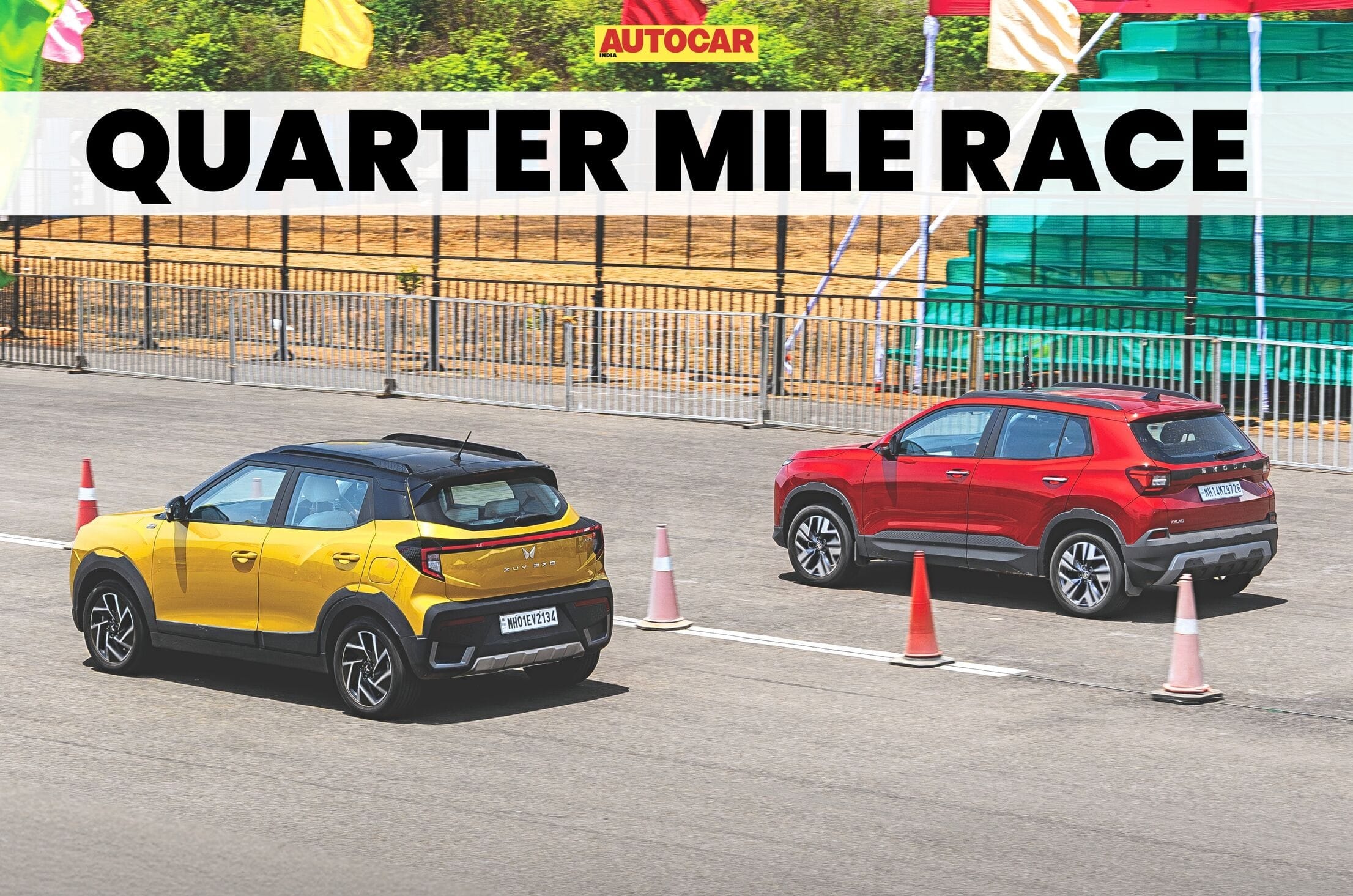
There’s no simpler way to compare one car’s performance to another than with a head-to-head quarter-mile race. In this edition of Autocar India’s quarter-mile racing series, we line up some exciting head-to-head contests, beginning with the compact SUV segment. We’ve brought together what are arguably the two most exciting offerings in this segment – the Skoda Kylaq and the Mahindra XUV 3XO – for a battle down the airstrip. 

Skoda Kylaq vs Mahindra XUV 3XO specifications   

Skoda Kylaq vs Mahindra XUV 3XO AT: Engine specifications


Skoda Kylaq TGDi AT

Mahindra XUV 3XO TGDi AT

Engine

3 cyls, turbo-petrol

3 cyls, turbo-petrol

Displacement (cc)

999

1197

Power (hp)

116

130

Torque (Nm)

178

230

Kerb weight (kg)

1,255

1,410

Power-to-weight (hp per tonne)

92.43

92.13

Torque-to-weight (Nm per tonne)

141.83

163

Gearbox

6-speed torque converter

6-speed torque converter

Both the Skoda Kylaq and the Mahindra XUV 3XO use 3-cylinder direct injection, turbo-petrol engines and 6-speed torque converter auto gearboxes. However, the latter has a slight advantage with bigger displacement, and likewise also produces more power and torque – 16hp and 52Nm more than the former. On the flip side, the XUV 3XO is 156kgs heavier. Will that have a bearing on the final results? Let’s find out. 

Skoda Kylaq vs Mahindra XUV 3XO drag race 

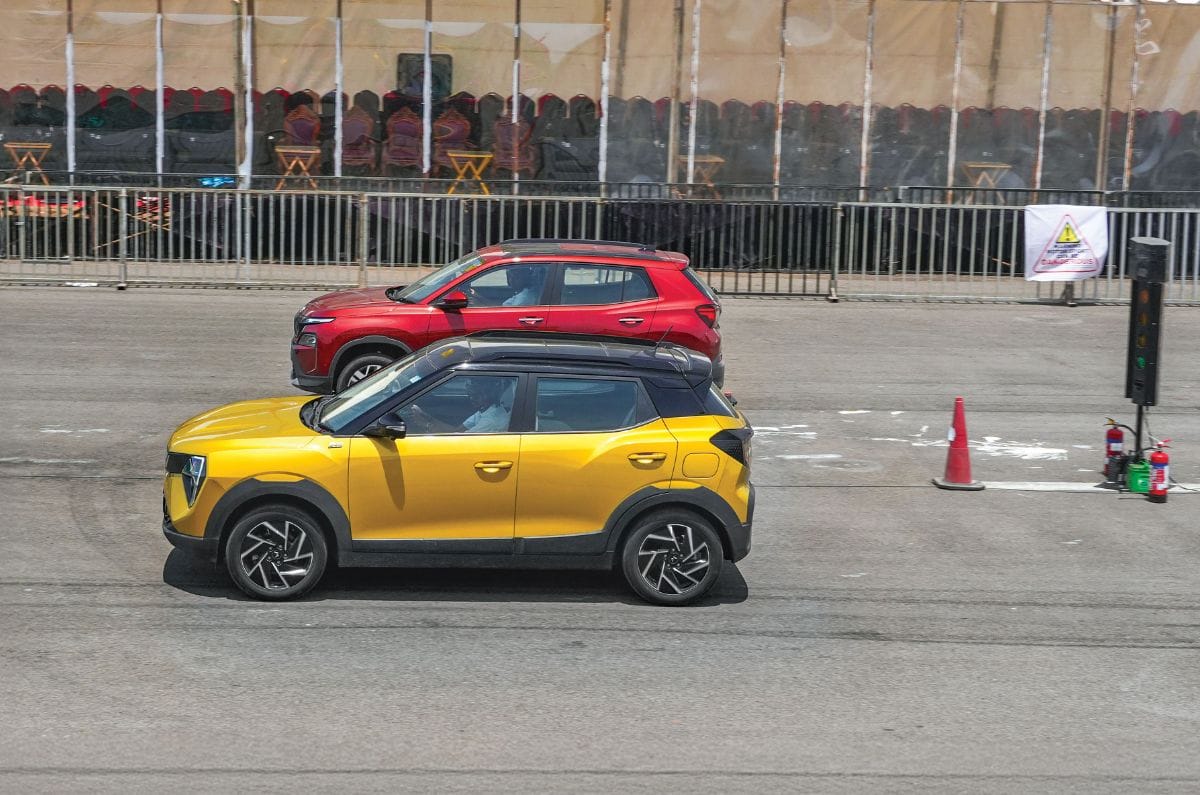
In both races, the Mahindra got off the line better. 
Skoda Kylaq vs Mahindra XUV 3XO AT: drag race times
 Skoda Kylaq TGDi ATMahindra XUV 3XO TGDi AT
Race 118.21 seconds 17.23 seconds 
Race 217.95 seconds17.78 seconds 

The Mahindra XUV 3XO is the most powerful compact SUV on sale currently, while the Skoda Kylaq is one of the most fun to drive. But on the drag strip, it pans out as you’d expect. With the XUV 3XO in its sportiest ‘Zoom’ drive mode, it launches without much drama and gets the jump on the Kylaq. And then, given its power advantage, it holds on to that lead till the finish line in Race 1, recording a time over half a second quicker than the Skoda. 

In Race 2, both compact SUVs launch in sync, but the XUV 3XO yet again manages to pull a lead and stay in the lead till the finish line. Its time, however, was slower than in Race 1 because of a tiny bit of hesitation from the gearbox during launch, while the Kylaq improved on its timing from Race 1. 

Autocar India’s testing standards

Before we conduct our performance tests, we check and maintain tyre pressures based on the manufacturer’s recommendation and ensure the car has a full tank of fuel. The car is then tested in a controlled environment, and the data is collected via highly accurate GPS-based timing equipment.

With inputs from Saptarshi Mondal 

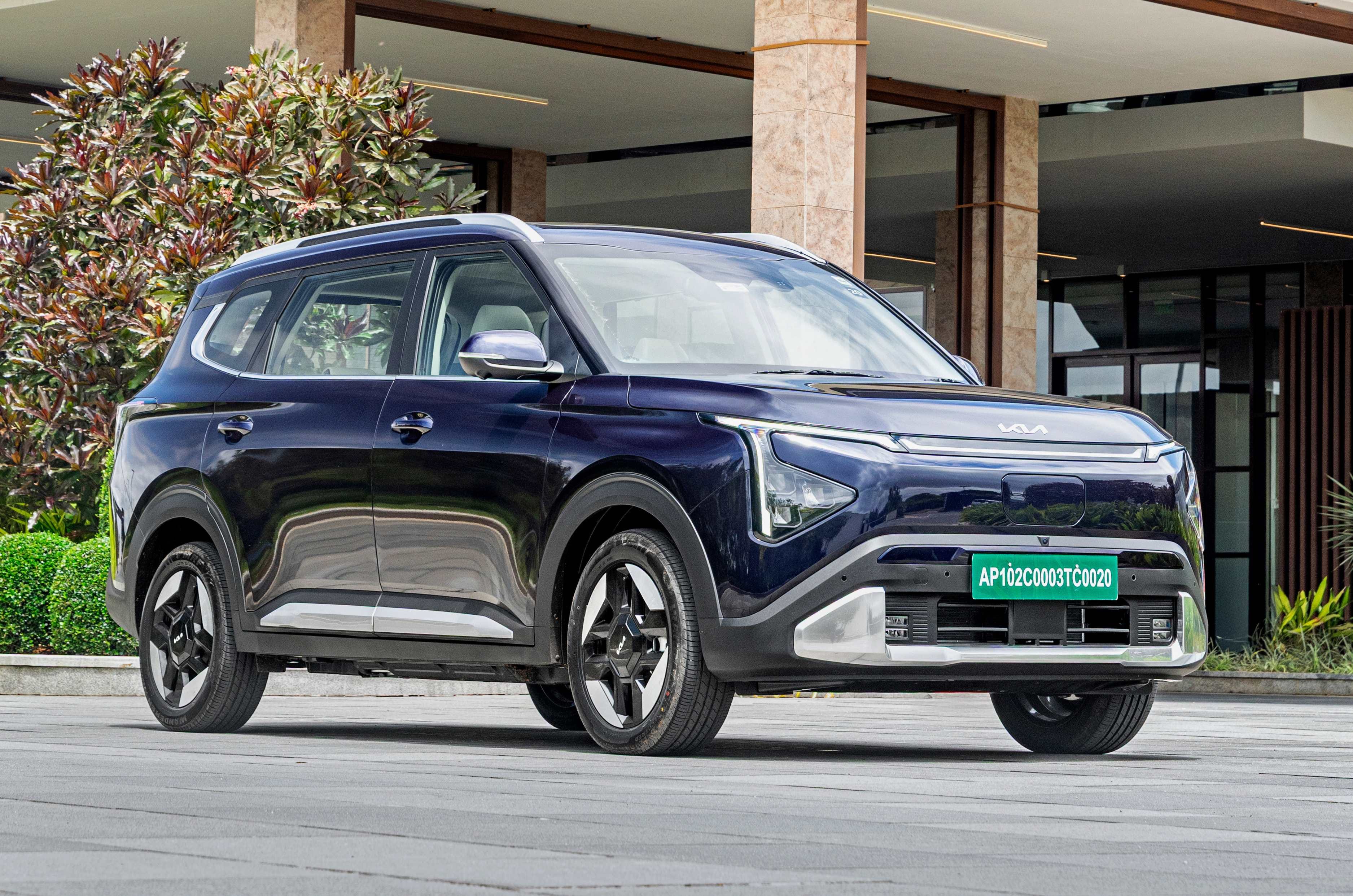
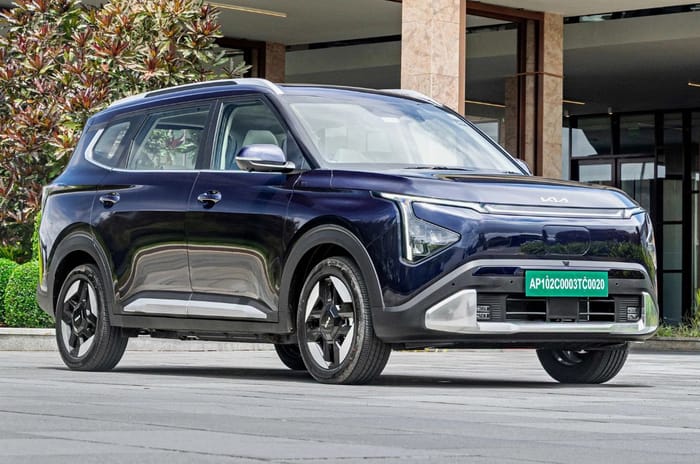
3 reasons to buy the Kia Syros EV and 2 not to

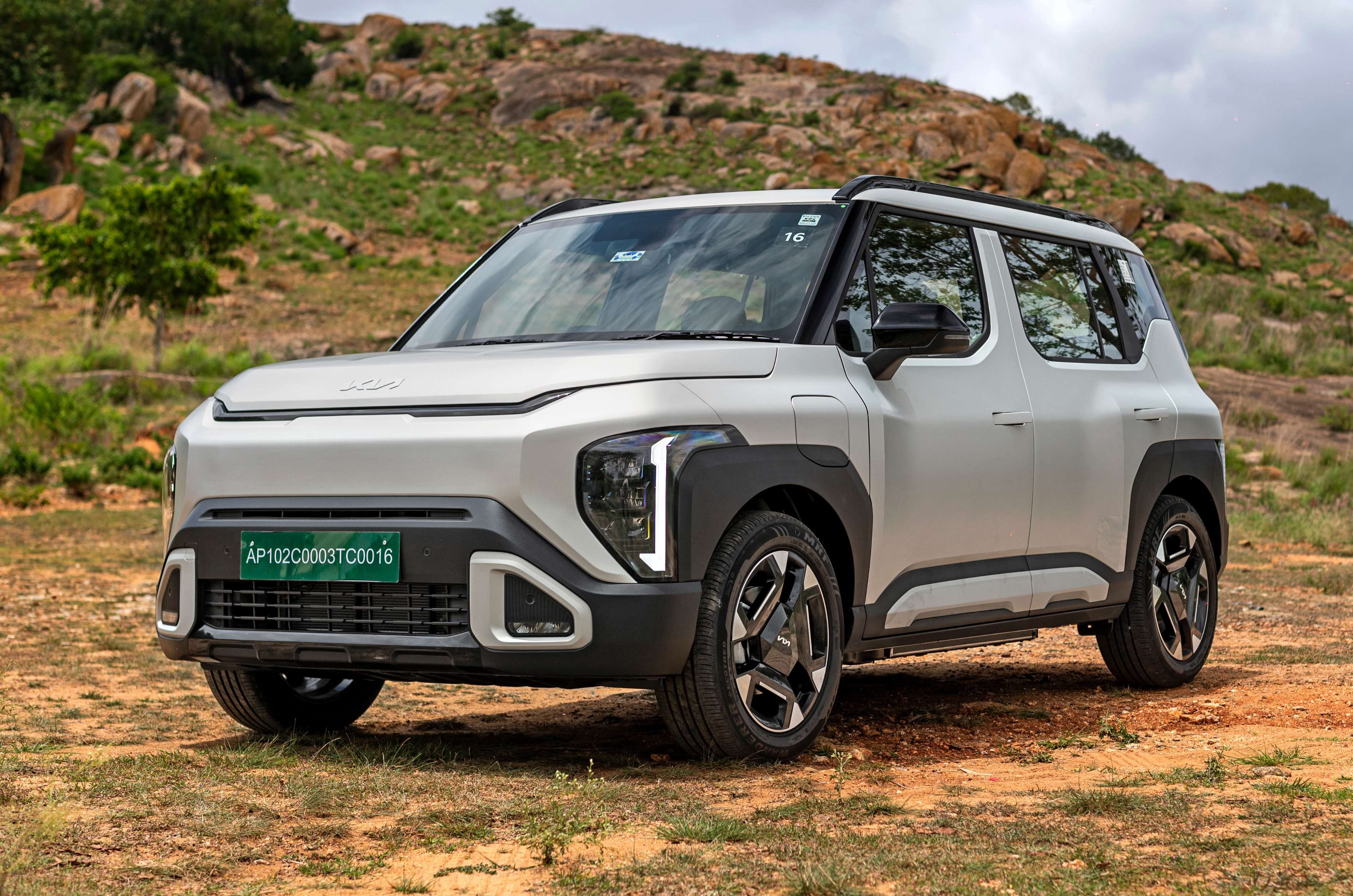
Kia Syros EV

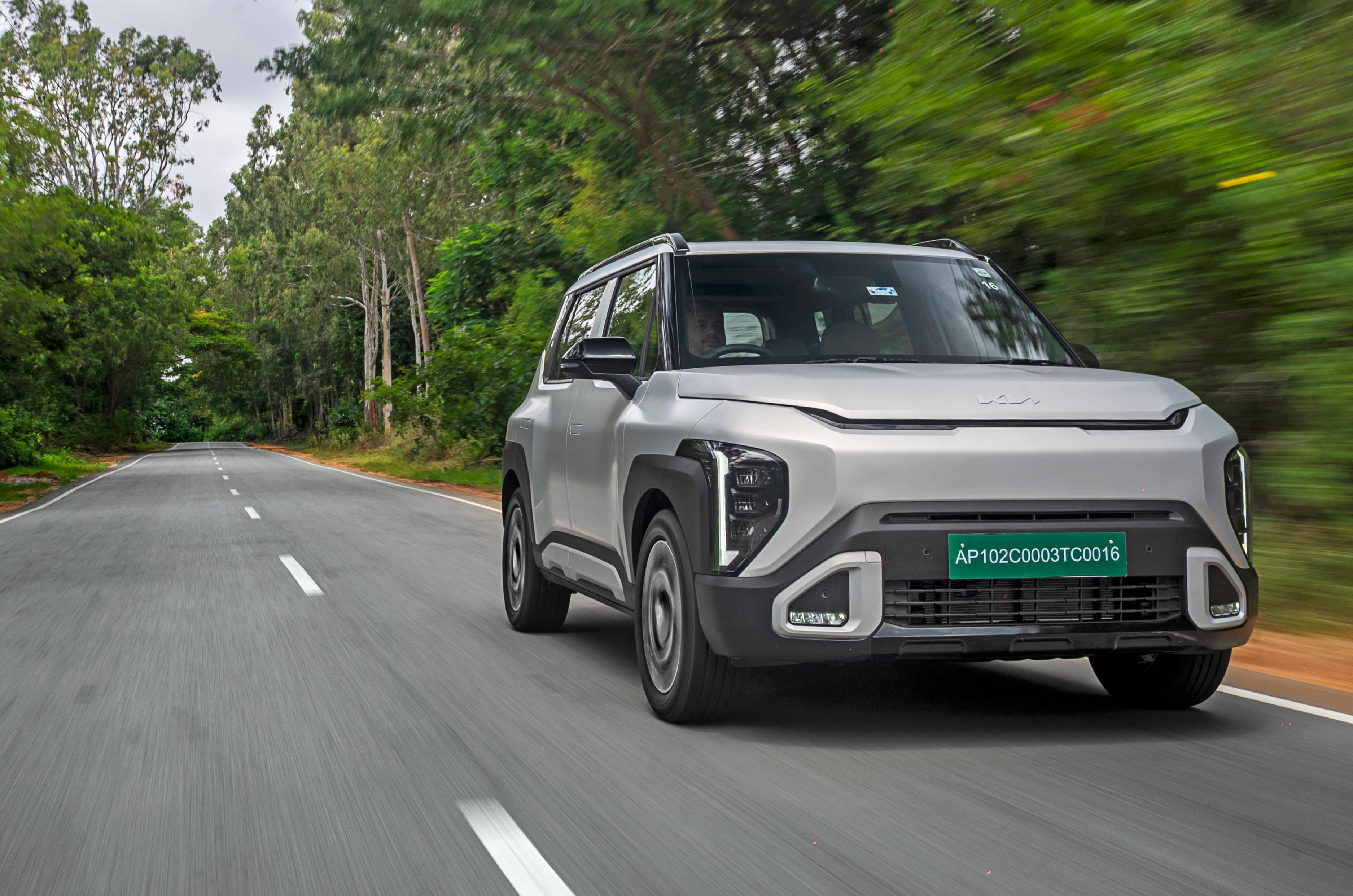
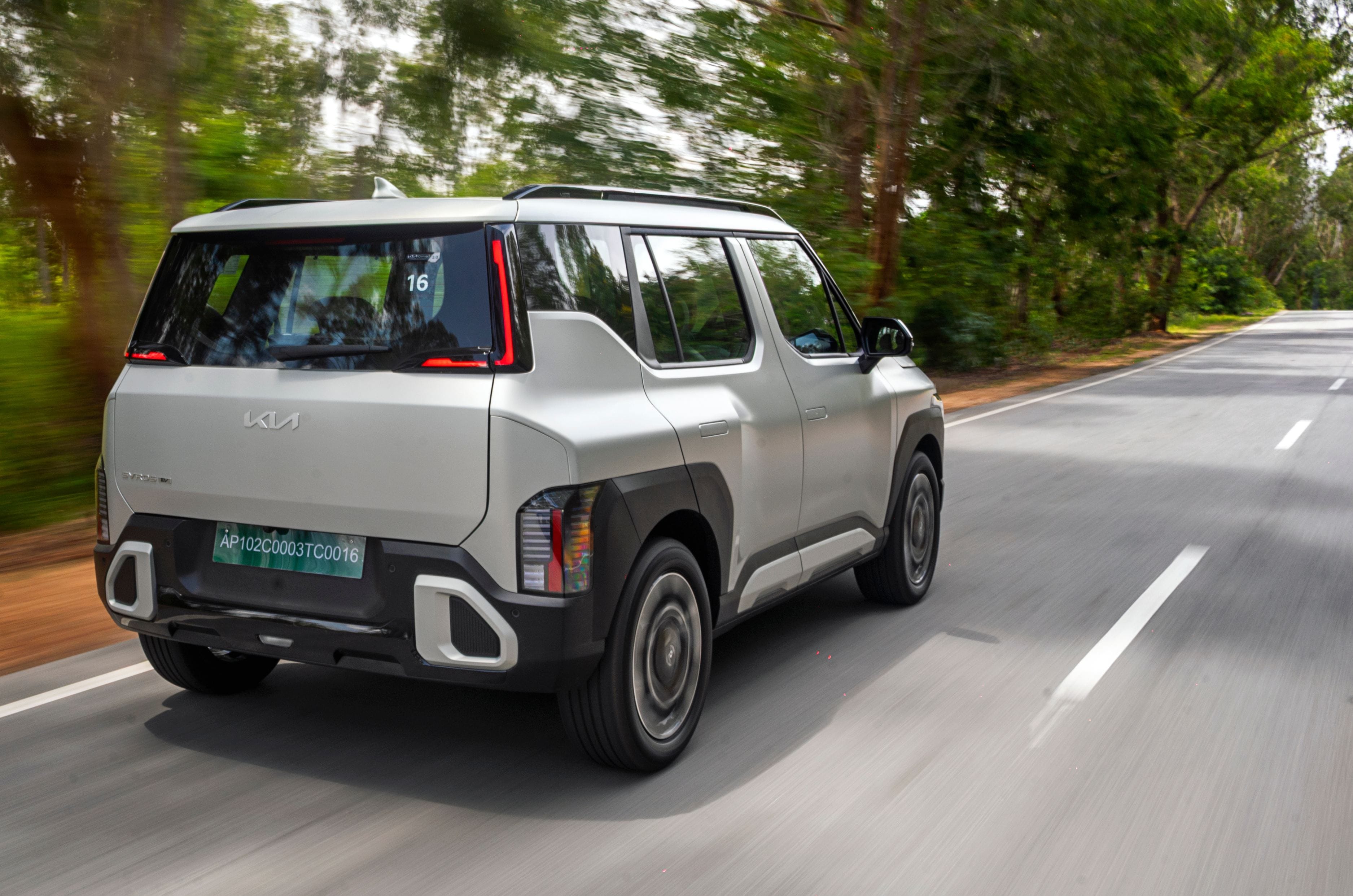
After the Carens Clavis EV, the Kia Syros EV is the carmaker’s second mass-market zero-emission vehicle in India. The electric Syros rivals the Mahindra XUV 3XO EV and the Tata Nexon EV, and we recently got behind the wheel to find out what it does well and where it falls short. If you are planning to bring this Kia EV home, here are three reasons to consider it and two reasons why you may want to think again.

Pros

Impressive performance and range

First, let’s discuss some numbers. The Kia Syros EV is offered with two battery pack options: 42kWh and 51.4kWh. Both power a front axle-mounted electric motor, producing 135hp with the smaller battery and 171hp with the larger unit. Torque remains the same at 255Nm for both versions.

Kia Syros EV performance

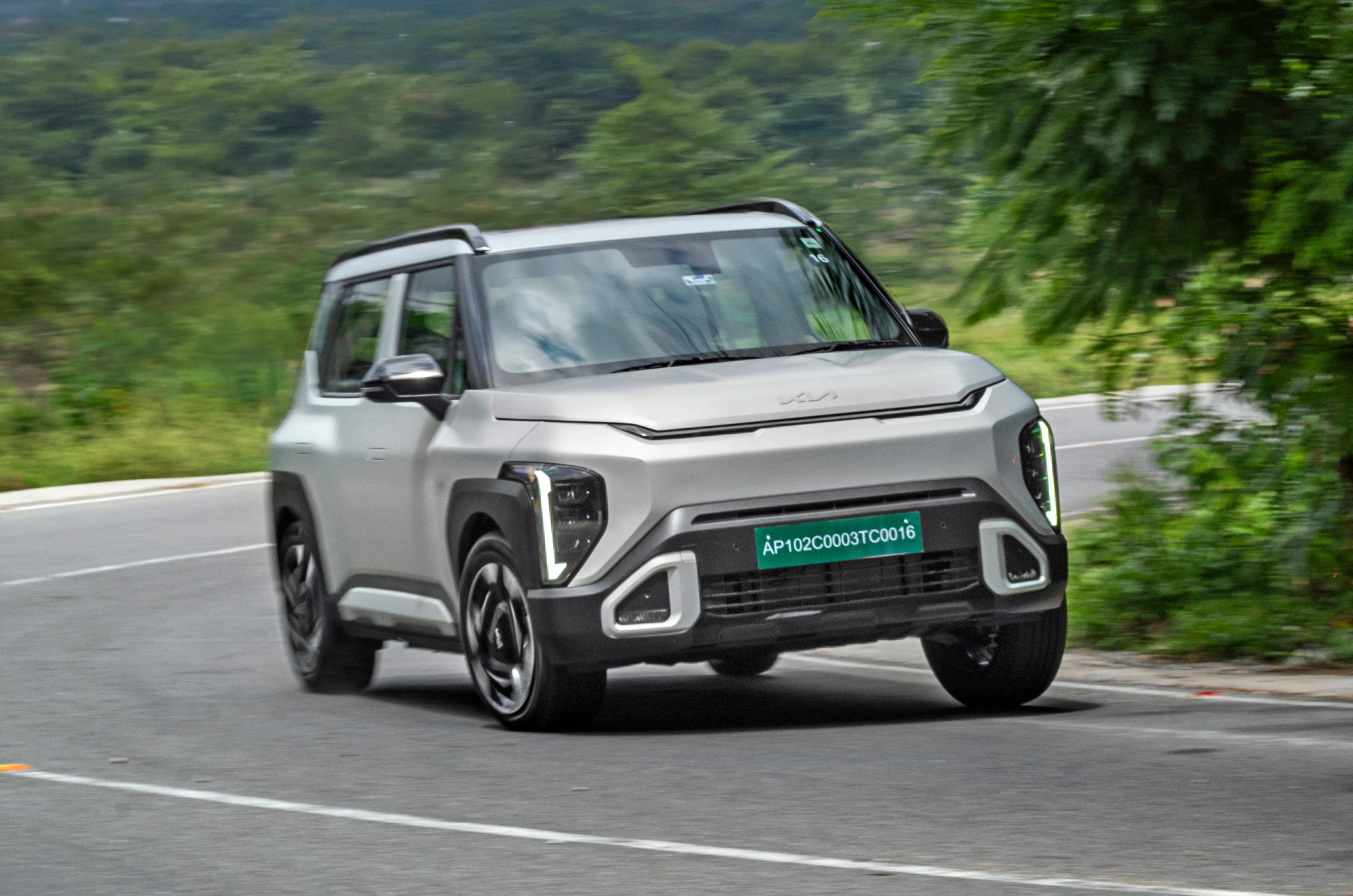
We drove the 51.4kWh version, which Kia claims can sprint from 0-100kph in 8.1 seconds. In our experience, performance was brisk. The EV comes with Eco, Normal and Sport drive modes, and throttle response becomes a little sharper as you move through them. Initial response across modes is linear, though there is a strong shove as you press the throttle further. Even in Eco and Normal, overtaking is effortless, and there is rarely a need to switch to Sport for a quick pass.

Kia Syros EV performance

The MIDC range is 526km for the 51.4kWh battery pack and 443km for the 42kWh unit. While our short drive wasn’t enough to verify these figures, the larger battery should comfortably deliver around 400km of real-world range on a single charge.

Spacious and practical cabin

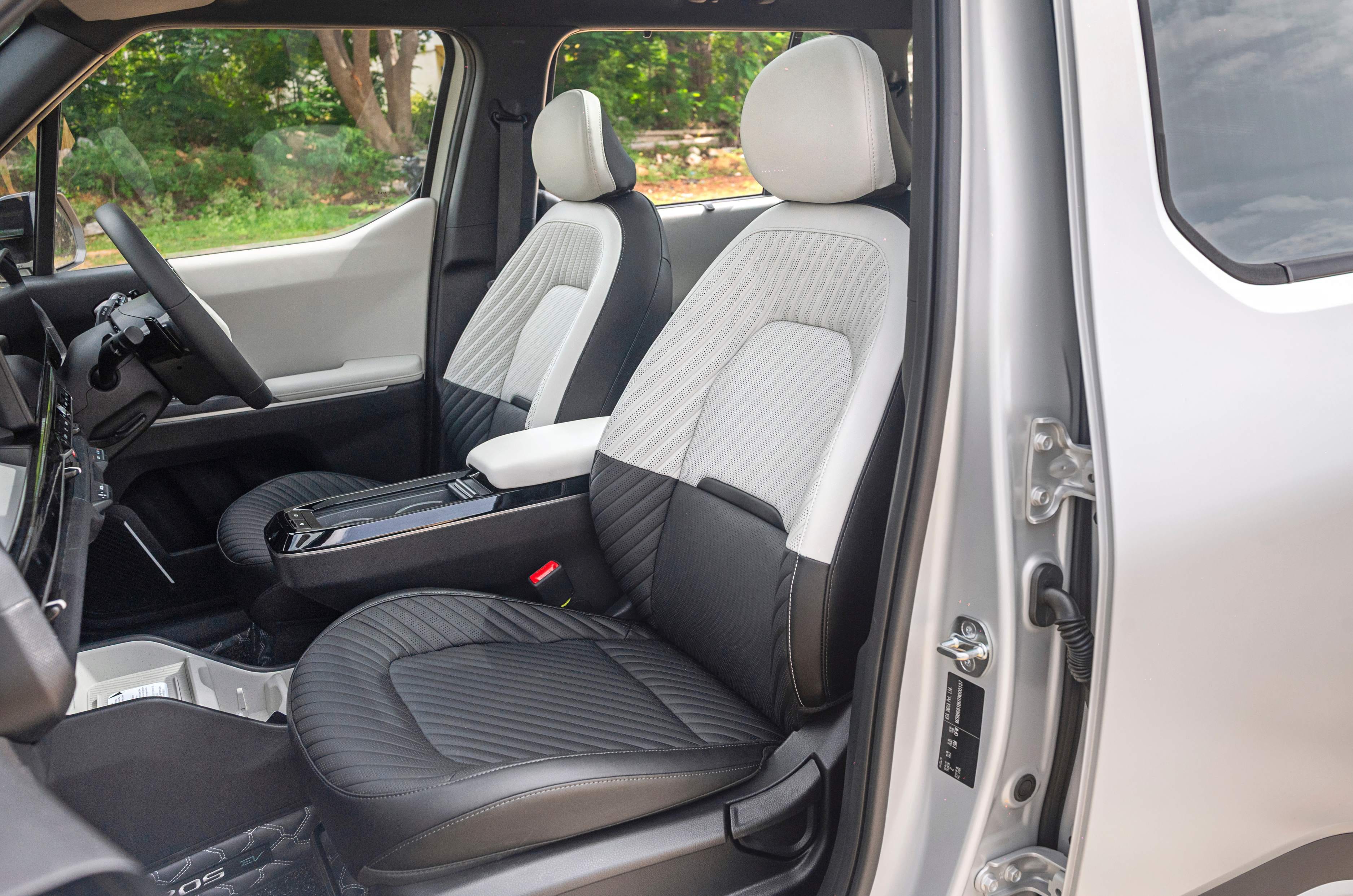
Like the ICE version, the Syros EV offers plenty of space for passengers. Since the drive selector is placed on the steering column, Kia has redesigned the centre console to create more storage space. Its upper section gets a small storage area below the armrest and two cup holders with a sliding cover. The console’s lower section offers a larger storage space for a bag, another cup holder and a wireless phone charger. Also, the front door pockets are large enough to hold a couple of bottles and an umbrella.

Kia Syros EV seats

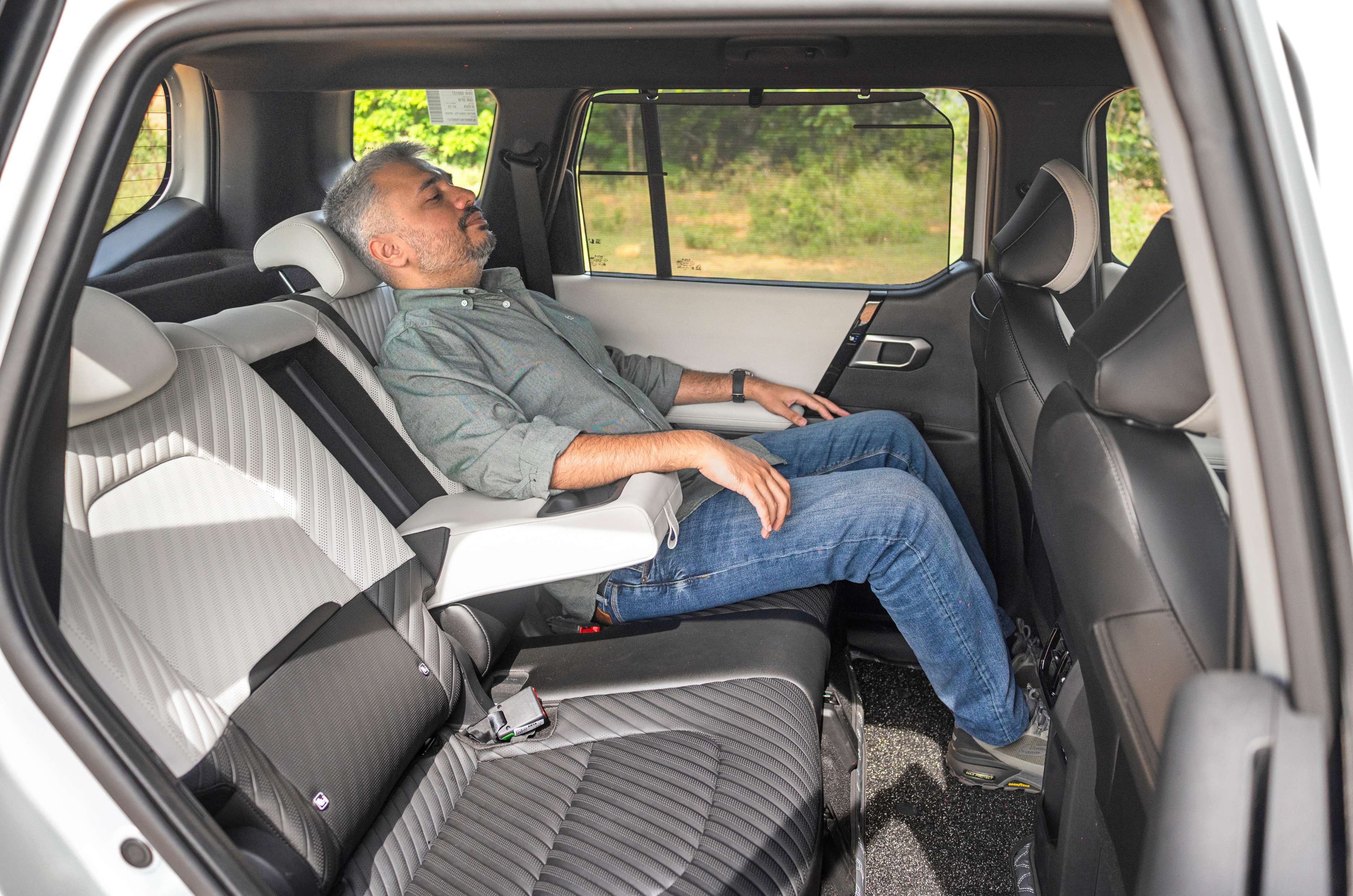
The front seats are comfortable and supportive, and the rear-seat space continues to be one of the compact SUV’s biggest strengths, with plenty of room all around. The battery pack raises the floor slightly, but sliding the rear bench backwards makes it much more comfortable. The EV’s flat floor is another advantage, and rear-seat ventilation (for the base) has been carried over from the ICE version.

Kia Syros EV seats

The boot space remains unchanged at 390 litres with the rear seat pushed back and 465 litres with it slid forward. Rear seats can also be folded to carry larger items, and being an EV, it also offers a 16-litre frunk (front boot).

Feature-packed

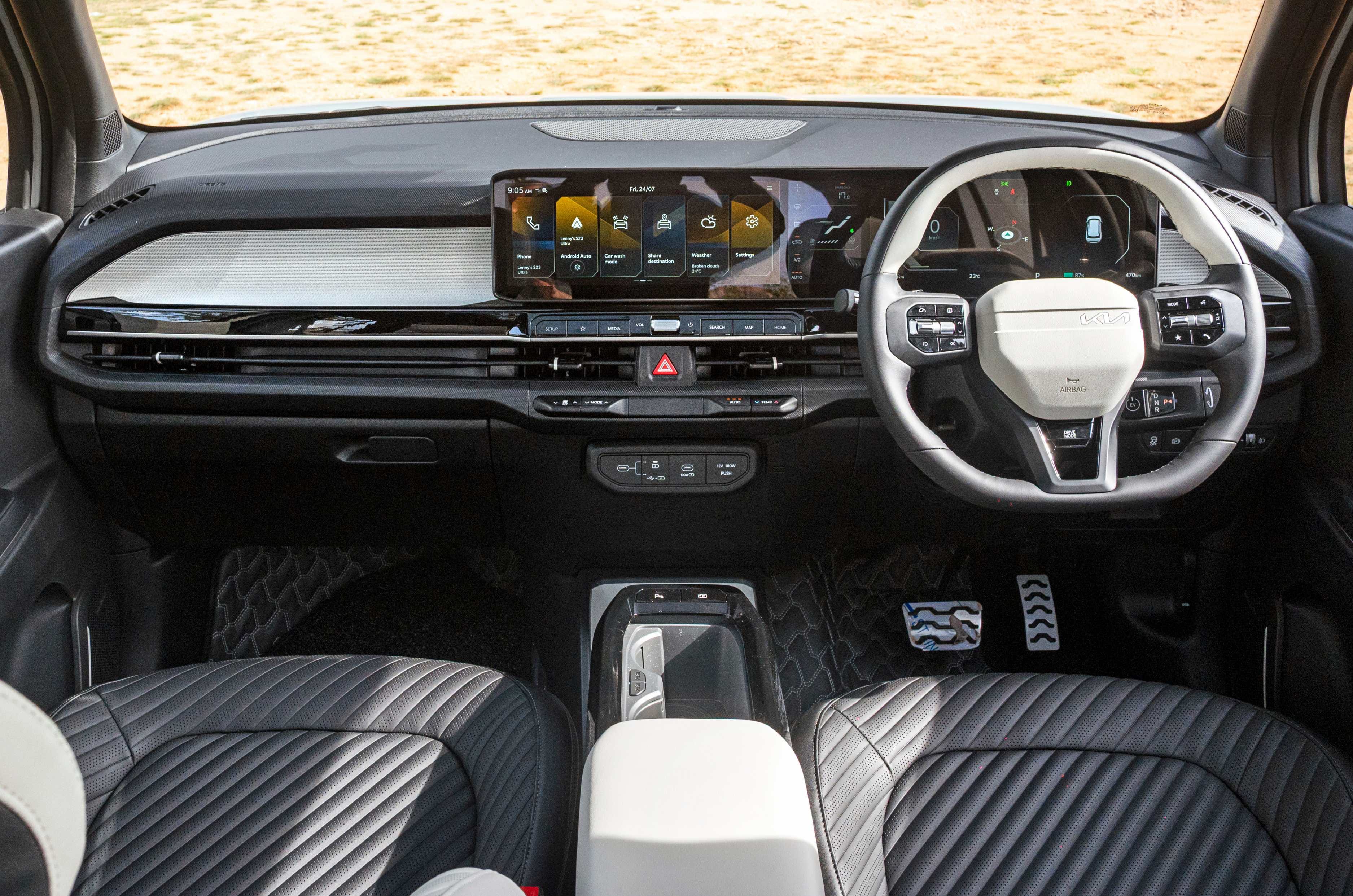
Kia Syros EV dashboard

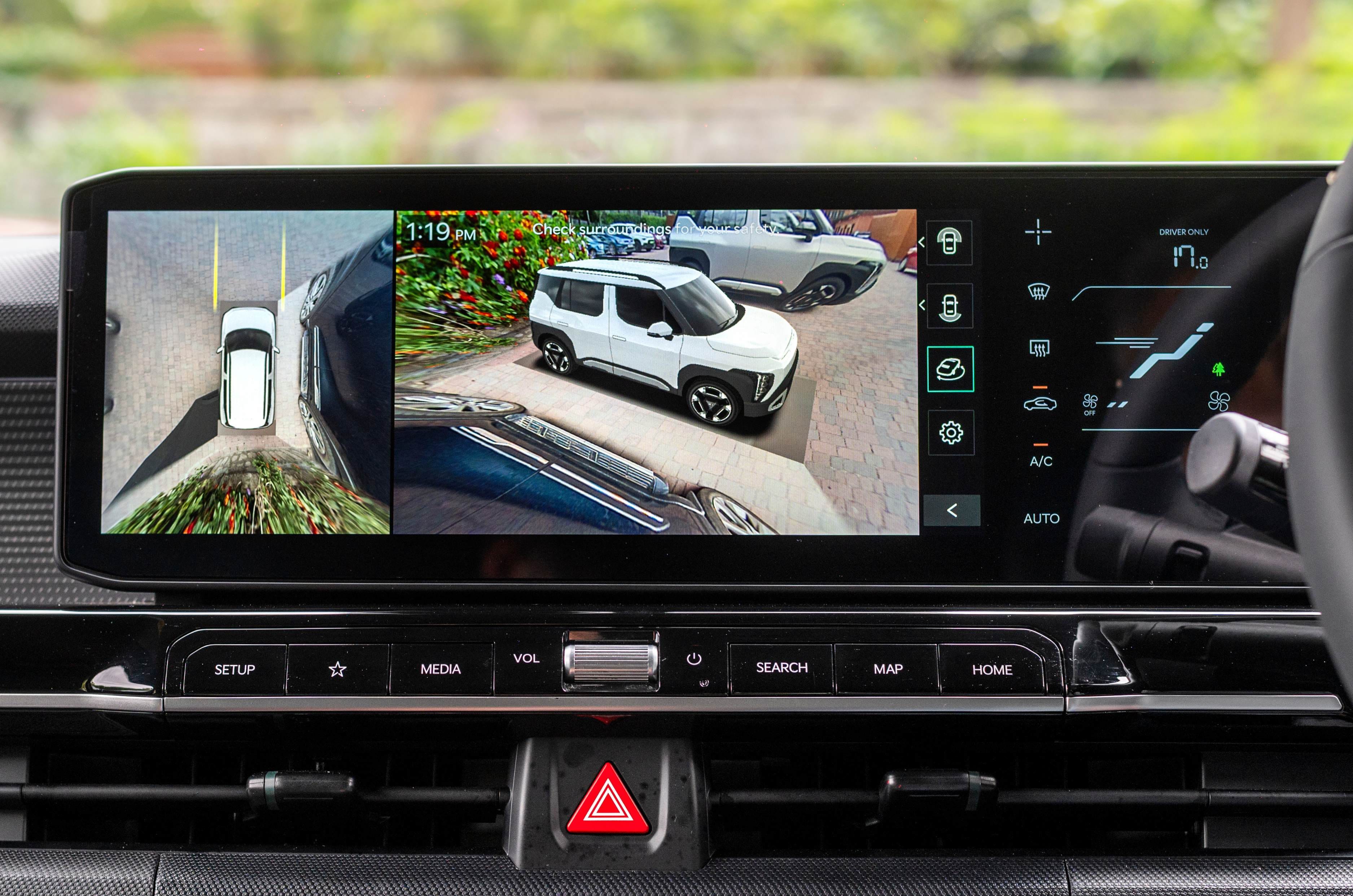
The EV gets Kia’s Trinity Panoramic Display, which includes two 12.3-inch screens for infotainment and the driver’s display, along with a 5-inch screen for the climate control. Wireless Android Auto and Apple CarPlay are offered, while the top trims also feature an eight-speaker Harman Kardon sound system. To pamper occupants at the back, AC vents and sunblinds are standard across the range. The household-style three-pin socket in the back seat is exclusive to the top-spec X-Line trim.

As for safety, the Syros EV comes with six airbags, all-wheel disc brakes, tyre-pressure monitoring and Isofix child-seat mounts as standard. The X-Line trim also gets a 360-degree camera and an ADAS (advanced driver assistance systems) suite with features such as adaptive cruise control with stop-and-go, lane-keep assist, forward and rear collision avoidance and a blind-spot camera. Notably, the ICE version no longer gets ADAS.

At the time of writing, the Syros EV has not yet received an official crash-safety rating. However, since the ICE version has already earned a 5-star Bharat NCAP crash-safety rating, the EV is expected to achieve a similar result.

Cons

Body roll through the corners

Kia Syros EV in the corners

The ride on the Syros EV is slightly more absorbent than the ICE version, although there is still an underlying firmness. This helps keep the car stable, but because it is tall and narrow, there is noticeable body roll around the corners.

Pricey at the top end

The Kia Syros EV is priced from Rs 13.5 lakh for the 42kWh version, while the 51.4kWh Extended Range starts at Rs 17 lakh. The fully loaded X-Line trim is priced at Rs 20 lakh. At this price, it competes with the Tata Nexon EV (Rs 12.49 lakh-17.49 lakh) and Mahindra XUV 3XO EV (Rs 13.89 lakh-14.69 lakh) compact SUVs, as well as larger EVs such as the MG Windsor EV (Rs 14.7 lakh-19 lakh) and Maruti e Vitara (Rs 15.99 lakh-19.99 lakh).

Kia Syros EV X-Line
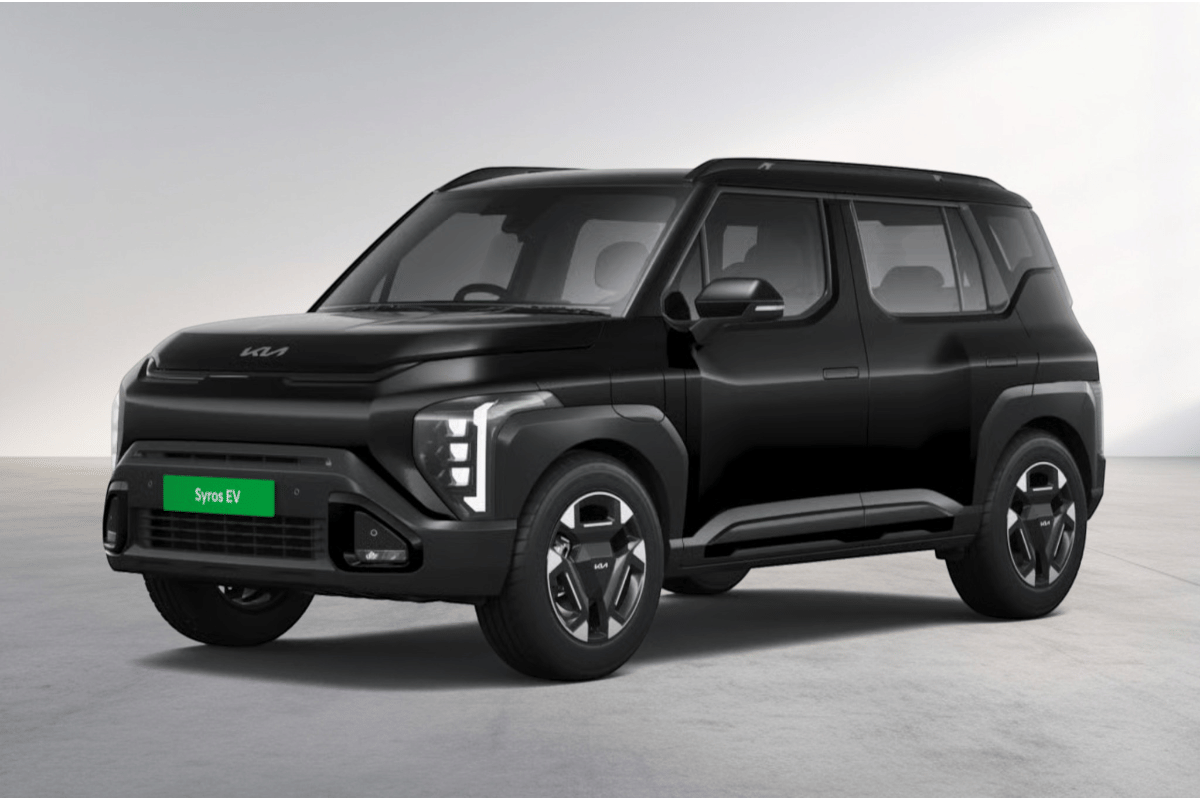
Top-spec Kia Syros X-Line.

The 42kWh version does offer strong value for money, but the larger 51.4kWh Extended Range version is a tougher sell. It costs noticeably more than its direct rivals and even overlaps with higher-battery versions of the MG Windsor EV and Maruti e Vitara. While the Syros EV has several strengths, many buyers may want a bigger SUV for similar money. Kia’s Battery-as-a-Service (BaaS) scheme lowers the upfront purchase cost, but similar plans are also available with the MG and Maruti EVs.

Ex-showroom prices mentioned above are as of July 30, 2026.