3 reasons to buy the Nissan Tekton and 3 to avoid it

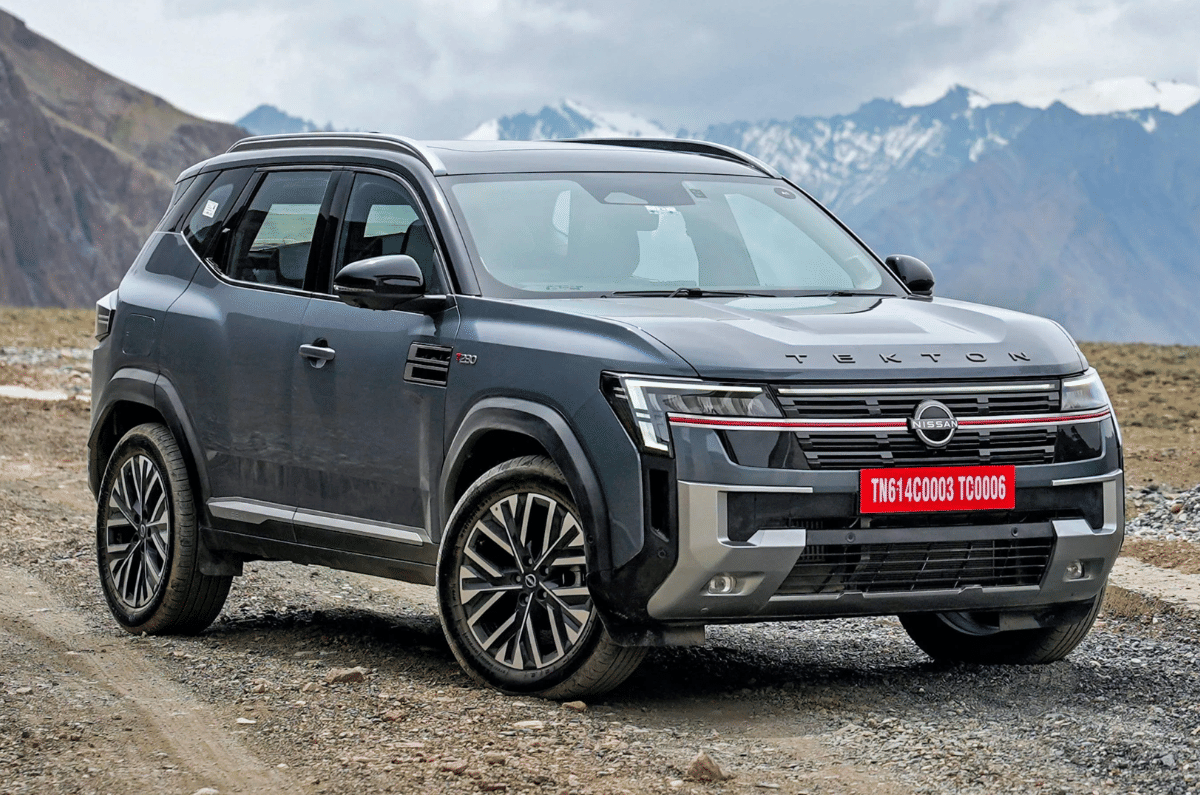
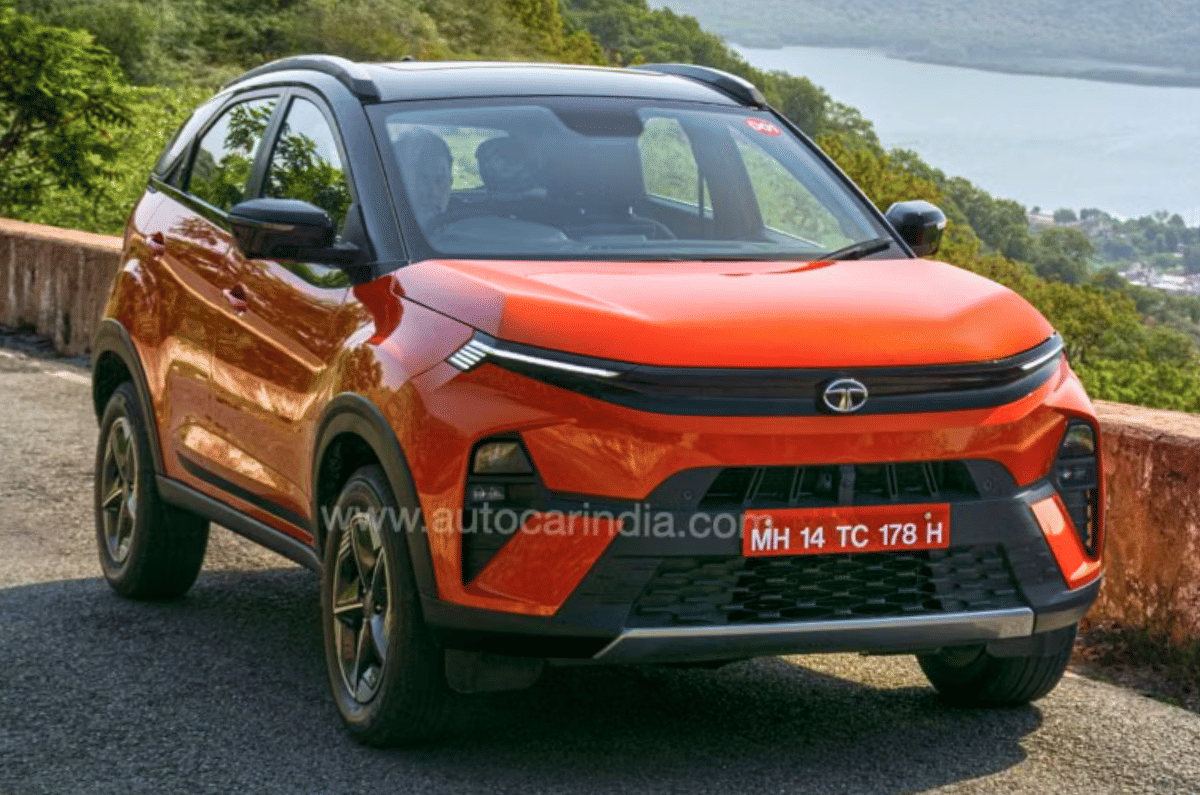
Nissan Tekton front three quarter

The Nissan Tekton joined the ever-ballooning midsize SUV segment in July 2026, becoming the third model in the Japanese brand’s India line-up. Priced between Rs 10.49 lakh and Rs 18.59 lakh (ex-showroom), the Tekton is Nissan’s flagship offering in the country. As a direct alternative to its platform sibling, the Renault Duster, does the Tekton offer compelling reasons for you to seriously consider it? Let’s find out.

Reasons to buy the Nissan Tekton

Polished dynamics

The Tekton strikes a great balance between ride and handling

Nissan Tekton front three quarter tracking

If you are someone who loves getting behind the wheel of your midsize SUV but doesn’t want the ride quality to be compromised, the Nissan Tekton is a worthy candidate. Even hitting large potholes does not unsettle this SUV, merely registering in your ears. The ride remains supple and forgiving, absorbing road imperfections without complaints. There’s also no underlying, uncomfortable firmness to the Tekton’s ride at city speeds either.

Nissan Tekton cornering

Once you get going, you realise that the Tekton likes changing directions – its eagerness to turn does not come at the cost of uncontained body roll. The ‘Light’ and ‘Heavy’ steering modes work as intended, making the wheel feelsome and precise. Then there are the brakes, which offer plenty of stopping power, while the pedal itself feels natural too. All of these factors inspire confidence and let you push the Tekton a bit more. 

Well-designed and tech-rich cabin

Stepping inside the Tekton reveals a premium-looking and well-equipped space

Nissan Tekton interiorCombined with the classy-looking leatherette padding on the dash and door pads, plus the burgundy, gold and light cream colour scheme, the interior of the top-spec Nissan Tekton looks upmarket. The driving position is great and provides excellent all-round visibility, while the seats themselves are comfy enough to be occupied even over long-distance drives.

Nissan Tekton rear seats

Apart from good under-thigh support and backrest angle, the rear seats offer plenty of space under the front seats, allowing the outer two occupants to stretch out and get comfortable. Furthermore, those at the back have access to USB charging ports, a centre armrest with cup holders and AC vents, with higher variants also benefiting from a panoramic sunroof.

Nissan Tekton digital instrument cluster

The well-designed digital instrument cluster with its multiple display modes is easy to figure out and use on the move. Coming in handy is tech such as powered front seats with ventilation, wireless Apple CarPlay and Android Auto, built-in Google apps and voice assistance, dual-zone climate control and Level 2 ADAS. Sorted ergonomics make reaching various switchgear and controls an easy affair. There are enough storage cubbies on offer, too.

Spacious boot

The Tekton’s boot can handle family outings or airport pickups

Nissan Tekton boot space

The square shape of the Nissan Tekton’s boot makes it easy to load cargo. Moreover, its 518-litre luggage capacity is the best in the segment – whether you are planning a long road trip or have to shuttle to and from the airport, space won’t be a constraining factor. What’s even more impressive here is that the Tekton’s boot also houses a full-size spare wheel. This alleviates concerns surrounding a flat tyre, should you encounter one.

Reasons not to buy the Nissan Tekton

Sub-par engine performance

Base engine isn’t apt enough, while the larger engine isn’t ideal either

The base 100hp 1.0-litre turbo-petrol engine featuring multi-point fuel injection lacks grunt and isn’t particularly refined, with usable power only good enough for city commutes. The turbo lag is evident till you go past 3,000rpm, requiring the driver to shift gears regularly to keep the engine on the boil. The 6-speed manual transmission (MT) on duty gets shorter gearing to help matters, but you’ll need to slip the clutch to tackle steep inclines, which will be an inconvenience. The gear shifts aren’t as slick as those of a comparable Hyundai Creta or a Kia Seltos.

Nissan Tekton 1.3 engine

Moving up to the larger, 163hp 1.3-litre turbo-petrol engine with direct injection doesn’t alleviate all of the issues either. Despite this engine’s higher output than the smaller mill, its weak bottom end can leave the Tekton struggling to get up and go on steep inclines, especially with the engine stop-start function enabled. While it offers more refinement and performance, there’s still noticeable turbo lag below 2,500rpm.

Nissan Tekton DCT gearbox

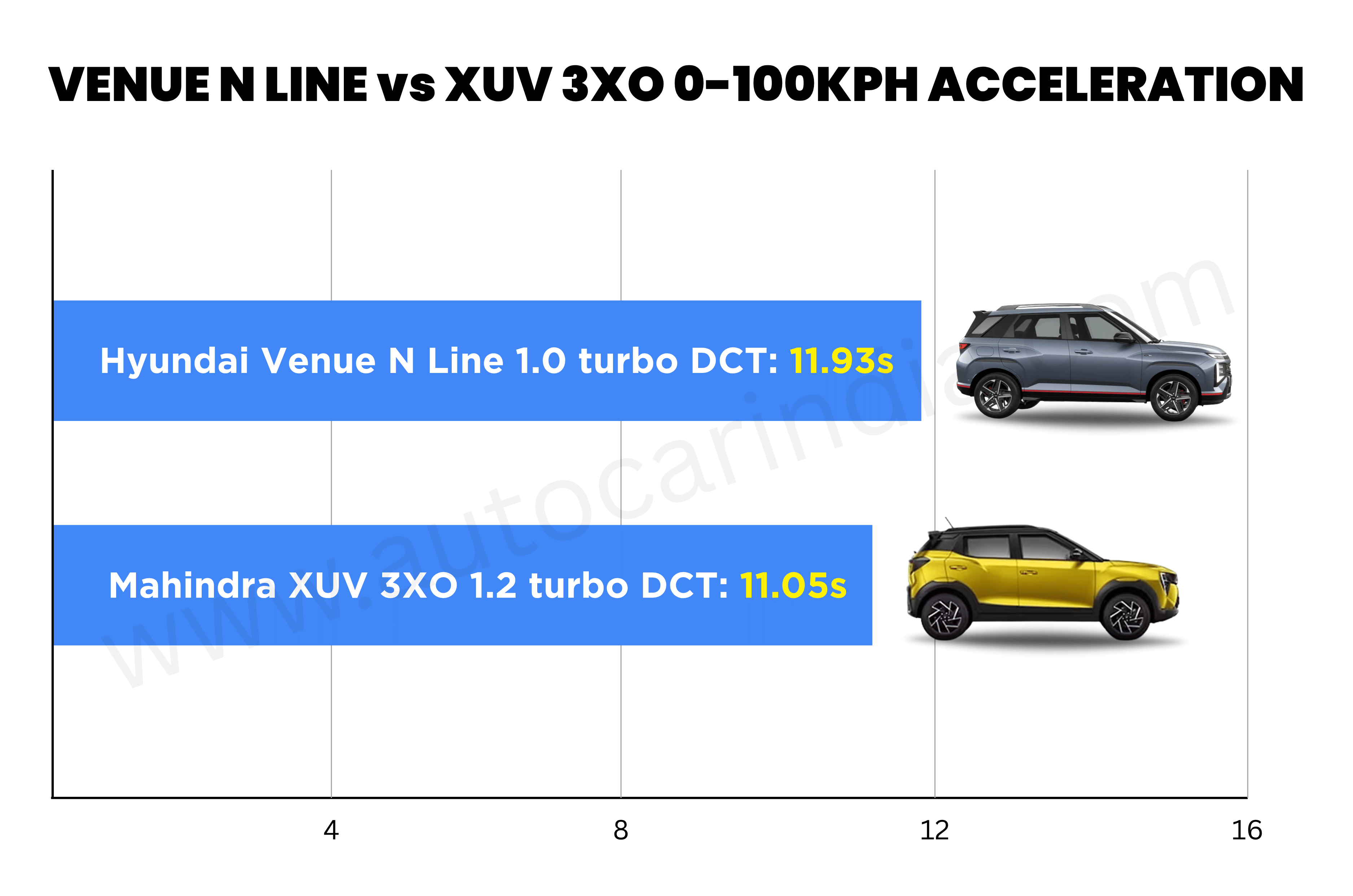
The 6-speed dual-clutch transmission (DCT) shifts between cogs smoothly, but its responses aren’t as quick as one might expect from the type. It upshifts early, perhaps in a bid to boost efficiency, but this makes it feel less responsive. This means you’ll have to take manual control by using the paddleshifters if you want to execute an overtake in a hurry. There’s also no Sport mode to quicken gear shifts – only Comfort and Eco modes are provided. While we are yet to put the Tekton through our rigorous performance tests, the performance on hand is unlikely to impress some buyers.

Lacklustre fuel economy

The Tekton will not be setting mileage benchmarks in the segment

Since the powertrain is mechanically identical to the Duster’s, the fuel economy of the Nissan Tekton in the real world is unlikely to impress. For reference, the Duster with the 1.0-litre engine and 6-speed MT returned 10.98kpl. Meanwhile, the 1.3-litre version recorded 10.47kpl and 10.64kpl with the DCT and MT gearboxes, respectively.

Some features lack execution

Nissan Tekton 360-degree camera

The Nissan Tekton has a few shortcomings when it comes to the quality of some of its features. The 360-degree camera system, for instance, is lacking in outright resolution, which hampers its usability under certain conditions. While the ADAS suite is comprehensive, the lane-keep assist isn’t good at keeping the SUV centred in a lane. Even the adaptive cruise control has its shortcomings – it doesn’t accelerate the Tekton back to its set speed once the traffic starts moving.

Also read

3 reasons to buy the Mahindra XUV 3XO and 2 to skip it

Tata Tiago vs Hyundai Grand i10 Nios performance compared

Kia Syros EV launched at Rs 13.49 lakh

Kia Syros EV launched

The Kia Syros EV has been launched in India with prices ranging between Rs 13.49 lakh and Rs 19.99 lakh (ex-showroom). It’s also available with BaaS, under which prices start at Rs 7.99 lakh, and Rs 3.3 is charged additionally for per kilometre of usage. This is Kia’s most affordable EV in India, and the brand’s second mass-market EV offering after the Carens Clavis. It is, however, more expensive than its direct rivals, the Tata Nexon EV and Mahindra XUV 3XO EV. 


Maruti Suzuki Brezza Facelift कल होगी लॉन्च, नए डिजाइन, 360° कैमरा और 10.1-इंच टचस्क्रीन के साथ

Maruti Suzuki Brezza Facelift: Maruti Suzuki कल Brezza का फेसलिफ्ट वर्जन लॉन्च करने वाली है और यह अपडेटेड कॉम्पैक्ट SUV डीलरशिप पर पहुंचनी भी शुरू हो गई है। फिलहाल, नई Brezza की बुकिंग पहले से शुरू हो चुकी है और सोशल मीडिया पर डीलरशिप से इसकी कई तस्वीरें और वीडियो भी सामने आए हैं। इससे साफ है कि नई Brezza अपने नए लुक और ज्यादा फीचर्स वाले केबिन के साथ अब मार्केट में लॉन्च होने के लिए पूरी तरह तैयार है।

एक्सटीरियर में बदलाव

पहले लीक हुई तस्वीरों के आधार पर, नई Brezza Facelift का जाना-पहचाना सीधा स्टांस (upright stance) बरकरार रखा गया है, इसलिए पहली नजर में यह काफी हद तक Brezza जैसी ही दिखेगी। ज्यादातर दिखाई देने वाले बदलाव सामने की तरफ हैं, जहां Maruti Suzuki ने एक नई ग्रिल और नए डिज़ाइन वाला बंपर दिया है। इसके अलावा, हेडलैंप और DRLs के डिजाइन में भी थोड़ा बदलाव किया गया है।

वहीं साइड से देखने पर, SUV में नए अलॉय व्हील डिजाइन मिलने की उम्मीद है, जबकि पीछे की तरफ बंपर और टेल-लैंप के अंदरूनी हिस्सों में मामूली बदलाव हो सकते हैं। इसके अलावा, कनेक्टेड LED टेल लैंप की भी चर्चा हो रही है, हालांकि इस बारे में अभी कोई पक्की जानकारी नहीं है।

केबिन में बदलाव

नई Maruti Suzuki Brezza Facelift के इंटीरियर में पहले के मुकाबले ज्यादा बदलाव देखने को मिलेंगे। कंपनी ने सेंटर कंसोल का डिजाइन अपडेट किया है और इसमें कई नए कंफर्ट और कन्वीनियंस फीचर्स जोड़े हैं, ताकि यह कॉम्पैक्ट SUV सेगमेंट में और ज्यादा प्रतिस्पर्धी बन सके।

नए Brezza Facelift में ऑटो-डिमिंग IRVM, सनग्लास होल्डर, ऑटोमैटिक क्लाइमेट कंट्रोल, स्टोरेज के साथ नए डिजाइन का सेंटर आर्मरेस्ट, माउंटेड कंट्रोल्स वाला रीच और रेक-एडजस्टेबल स्टीयरिंग व्हील, 360-डिग्री कैमरा, वायरलेस चार्जिंग पैड और फ्रंट पार्किंग सेंसर्स जैसे फीचर्स शामिल होने की उम्मीद है।

इस फेसलिफ्ट में सबसे बड़ा बदलाव 10.1 इंच का नया टचस्क्रीन इंफोटेनमेंट सिस्टम हो सकता है, जिसमें इन-बिल्ट ऐप्स और Amazon Alexa सपोर्ट मिलेगा। इसके अलावा, वेंटिलेटेड फ्रंट सीटें भी मिलने की संभावना है, जो खासकर गर्म इलाकों में रहने वाले ग्राहकों के लिए काफी उपयोगी फीचर साबित हो सकती हैं।

इंजन और पावरट्रेन विकल्प

नई Brezza में तीन तरह के इंजन विकल्प मिलने की उम्मीद है। इनमें 1.5-लीटर नैचुरली एस्पिरेटेड K15C पेट्रोल इंजन (जो 103 hp की पावर और 139 Nm का टॉर्क देता है), 1.0-लीटर टर्बो-पेट्रोल इंजन (जो 110 hp की पावर और 170 Nm का टॉर्क देता है) और एक CNG वेरिएंट शामिल हैं।

ट्रांसमिशन की बात करें तो, पेट्रोल वेरिएंट में 6-स्पीड मैनुअल और टॉर्क कन्वर्टर ऑटोमैटिक गियरबॉक्स का विकल्प मिल सकता है। वहीं, CNG मॉडल केवल मैनुअल गियरबॉक्स के साथ आएगा। इसके अलावा, CNG वेरिएंट में अंडरबॉडी-माउंटेड CNG टैंक मिलने की संभावना है। इससे बूट स्पेस पहले के मुकाबले ज्यादा मिलेगा और कार की उपयोगिता भी बेहतर होगी।

बुकिंग और पोजिशनिंग

नई Brezza Facelift की बुकिंग 11,000 रुपये की टोकन राशि के साथ पहले ही शुरू हो चुकी है और यह SUV पूरे भारत में एरीना डीलरशिप के जरिए बेची जाएगी। मार्केट में नई Brezza का मुकाबला Tata Nexon, Mahindra XUV 3XO, Hyundai Venue और इस सेगमेंट की अन्य कॉम्पैक्ट SUVs से होगा।

यह भी पढ़ें: Suzuki SV-7GX ग्लोबली लॉन्च, मिलेगा 645cc V-Twin इंजन और V-Strom 650 वाला भरोसा

3 reasons to buy the Kia Carens Clavis and 3 reasons not to

Kia Carens Clavis Front Quarter

Kia is one of the few automakers in India that has three MPVs in its line-up, with the most popular one being the Carens Clavis. This is a segment that’s witnessed growth in the past couple of years, supporting the Korean brand’s focus on selling multiple MPVs. Built on the same K2 platform as the Carens, the Clavis is aimed at buyers who want more premium styling and feature set spread across more variants and trim levels. Here are some facts to keep in mind before a Carens Clavis.

Reasons to buy the Kia Carens Clavis

Spacious & well-equipped cabin

One of the strongest suits of the Carens Clavis is its tech-rich and practical interior

Kia Carens Clavis third row

Whether you get the 6-seater or 7-seater version of the Kia Carens Clavis, space isn’t an issue. A one-touch tumble & fold feature means that getting into the third row is pretty straight-forward. This last row also has enough room to accommodate two adults without fuss while also providing dedicated AC vents, USB ports, headrests and three-point seatbelts. With 216 litres of boot space, you can easily store several soft bags.

Kia Carens Clavis second row

The 6-seater version gets captain seats for the second row that not only look premium but also get individual armrests for extra comfort. There’s no dearth of headroom and kneeroom for the middle-row occupants. Depending on the trim level, this row also benefits from the two-pane panoramic sunroof, blower control, sunblinds, tray table, and air purifier. A manually operated ‘boss’ mode liberates even more room for the occupant seated behind the co-driver’s seat. Passengers will have no trouble with ingress or egress as second-row accessibility is good.

Kia Carens Clavis ADAS settings

Practicality up front comes from ventilated seats, cooled cupholders and a wireless charger. The dual 12.3-inch screens are high-resolution units that enable a clean and smooth user experience. Some of the other feature highlights here include the 8-speaker Bose audio system, 64-colour ambient lighting system, leatherette upholstery, dashcam, and Level 2 ADAS (Advanced Driver-Assistance Systems). The latter is well-calibrated for our erratic road conditions, particularly functions such as blind-spot monitoring, lane-keeping assist and rear cross-traffic alert.

Powertrain options galore

The Carens Clavis is offered with three engine options four transmission choices

Kia Carens Clavis turbo-petrol engine

Under the bonnet of the Kia Carens Clavis can be one of three engines: a 1.5-litre naturally aspirated four-cylinder petrol, 1.5-litre direct-injected turbo-petrol, or a 1.5-litre four-cylinder turbo-diesel. A 6-speed manual gearbox is offered with all them. The turbo-petrol mill is also available with a 6-speed iMT (intelligent manual transmission) and a 7-speed DCT (dual-clutch automatic transmission). Meanwhile, the oil burner can be mated to a 6-speed AT (automatic transmission). The only diesel option in the segment, this Kia MPV’s 1.5-litre turbo-diesel engine can return 15-16kpl on highway runs.

Good ride and high-speed stability

This MPV rewards drivers with relaxed driving manners

Kia Carens Clavis side tracking

The 17-inch wheels on the top-spec turbo-petrol variants allow for a pliant-enough ride, with the diesel variants featuring 16-inch rims actually feeling supple. Regardless of the wheel size, the Carens Clavis feels surefooted on the road, staying planted even as speeds rise. The bigger wheels make this MPV take corners decently compared to the variants with the smaller wheels, but this is only true if it’s driven sedately.

Reasons not to buy the Kia Carens Clavis

Not for enthusiastic drivers

Lacklustre powertrains and noticeable body-roll relegates this Kia to sedate driving roles

While the 1.5-litre turbo-petrol engine produces 160hp and 253Nm, it lacks excitement. Pushing it past 4,200rpm does not result in quicker gain of pace, but it instead leads to the engine’s coarse note nearing redline to enter the cabin. The 7-speed DCT, meanwhile, isn’t smooth in the city where it hesitates to shift between lower cogs – this is a gearbox that doesn’t like being rushed.

Kia Carens Clavis front tracking

The Carens Clavis with the diesel engine and 6-speed AT is also good at cruising long distances at highway speeds. However, this oil burner could’ve done with more punch – the issue becoming really noticeable when driving on uphill slopes with a full house. With most of the weight being transferred to the rear, and this being a front-wheel drive (FWD) car, there isn’t enough oomph to pull the Carens Clavis up inclines with ease. This lack of power, combined with the slow downshifts of the automatic gearbox, means that quick overtakes will require some planning.

If you enjoy taking corners with enthusiasm, then the Carens Clavis isn’t for you. The body-roll is especially noticeable in the variants with the 16-inch wheels due to their smaller-section tyres. While the body-roll is less evident in the cars with the 17-inch wheels, taking a corner with any hint of aggressive will lead to body-roll. 

Unintuitive touch-enabled buttons

This issue plagues the top trims of the Carens Clavis

Kia Carens Clavis touch-sensitive HVAC panel

Top trims of the Kia Carens Clavis get a switchable, touch-sensitive panel to operate the car’s HVAC and infotainment systems. Not only is there an issue with reflections catching you out while trying to use this panel, but you could accidentally press the wrong button or control. This can be distracting whilst driving as you’ll have to look away from the road in order to use most of the controls on this panel. Meanwhile, lower trims get easy-to-use physical switchgear for these functions.

Gets pricey quickly

Top variants are far more expensive than rivals

Kia Carens Clavis Rear Quarter

The range-topping variants of the Kia Carens Clavis cost well over Rs 20 lakh, with even mid-spec variants priced north of Rs 15 lakh. When compared to rivals such as the Maruti Suzuki XL6, this makes the Caren Clavis up to Rs 7.14 lakh.

Prices are ex-showroom, India

Also read

3 reasons to buy the Mahindra XUV 3XO and 2 to skip it

All you need to know about Mercedes-AMG E 53 before India launch

Maruti Suzuki Brezza Facelift 24 जुलाई को होगी लॉन्च, मिलेंगे E20 पेट्रोल के अनुकूल 2 इंजन और दमदार फीचर्स

क्या आप एक मिड साइज SUV लेने की सोच रहे हैं? अगर हां, तो Maruti Suzuki India आपके लिए एक बजट फ्रेंडली कार पेश करने जा रही है। दरअसल, देश की सबसे बड़ी कार निर्माता कंपनी 24 जुलाई को Brezza का नया फेसलिफ्ट वर्जन लॉन्च करेगी। नए अवतार में आने वाली इस SUV में कई डिजाइन और टेक्नोलॉजी अपडेट्स के साथ नए पावरट्रेन विकल्प भी देखने को मिल सकते हैं।

साल 2016 में लॉन्च होने के बाद से ही Brezza भारत में सबसे ज्यादा बिकने वाली SUVs में शामिल रही है। अब तक इस SUV की 14 लाख से ज्यादा यूनिट्स बिक ​​चुकी हैं, जिससे यह Maruti Suzuki के SUV पोर्टफोलियो में एक अहम मॉडल बन गई है।

बता दें कि पिछले हफ्ते Maruti Suzuki ने Brezza की बुकिंग शुरू कर दी थी। ग्राहक इस नए वर्जन को कंपनी की वेबसाइट या डीलरशिप के जरिए 11,000 रुपये की टोकन राशि देकर बुक कर सकते हैं।

किन SUV से है मुकाबला?

Maruti Suzuki Brezza अभी अपनी दूसरी जेनरेशन में है, जो 2022 में आई थी। पिछले कुछ सालों में, इसे अपने सबसे बड़े कॉम्पिटिटर Tata Nexon से कड़ी टक्कर मिली है, जो कॉम्पैक्ट SUV सेगमेंट में सबसे आगे रही है। इस सेगमेंट में Hyundai Venue, Kia Sonet और Mahindra XUV 3XO जैसे दमदार मॉडल भी मौजूद हैं।

इंजन और पावरट्रेन

अगर हम कॉम्पैक्ट SUV सेगमेंट में Brezza के कॉम्पिटिटर को देखें, तो वे न सिर्फ पावरट्रेन के मामले में ज्यादा ऑप्शन देते हैं, बल्कि उनमें कई शानदार फीचर्स भी मिलते हैं। ऐसे में, मॉडल को नया बनाए रखने और बिक्री को लगातार जारी रखने के लिए एक फेसलिफ्ट की जरूरत है।

फिलहाल, Brezza में अभी 1.5-लीटर नैचुरली-एस्पिरेटेड पेट्रोल इंजन मिलता है, जो ज्यादा से ज्यादा 103 PS की पावर और 139 Nm का पीक टॉर्क देता है। इस इंजन के साथ 5-स्पीड मैनुअल ट्रांसमिशन या 6-स्पीड ऑटोमैटिक टॉर्क कन्वर्टर का ऑप्शन मिलता है। इसमें 5-स्पीड MT के साथ CNG का ऑप्शन (88 PS और 121 Nm) भी उपलब्ध है। उम्मीद है कि Brezza फेसलिफ्ट में ये सभी ऑप्शन बने रहेंगे।

इस SUV में सबसे बड़ा बदलाव 1.0-लीटर टर्बो पेट्रोल इंजन का जुड़ना होगा। यह वही इंजन है जो अभी Maruti Suzuki Fronx में इस्तेमाल हो रहा है, जिसमें 100 PS की मैक्सिमम पावर और 148 Nm का पीक टॉर्क मिलता है। उम्मीद है कि टर्बो पेट्रोल इंजन के साथ 6-स्पीड मैनुअल गियरबॉक्स मिलेगा और इसमें ऑटोमैटिक ट्रांसमिशन का ऑप्शन नहीं होगा। ऐसा शायद कीमत को कंट्रोल में रखने के लिए किया जा सकता है।

1.5-लीटर नैचुरली-एस्पिरेटेड पेट्रोल और 1.0-लीटर टर्बो पेट्रोल, दोनों इंजन E20 पेट्रोल के अनुकूल होंगे।

इसके अलावा, टर्बो पेट्रोल इंजन अपनी परफॉर्मेंस के लिए जाने जाते हैं, न कि ज्यादा माइलेज के लिए। यह बात Maruti Suzuki की उस खासियत से कुछ हद तक अलग है, जिसके लिए कंपनी ईंधन की ज्यादा बचत करने वाली कारों के लिए जानी जाती है।

फीचर्स

फीचर्स की बात करें तो, मारुति सुजुकी की कारें इस मामले में सेगमेंट में सबसे आगे नहीं हैं। इसका मतलब यह नहीं है कि उनमें फीचर्स की कमी है। बस बात यह है कि कॉम्पैक्ट SUV सेगमेंट में दूसरी कंपनियां ज्यादा फीचर्स देती हैं।

हालांकि, Brezza फेसलिफ्ट के साथ इसमें बड़े बदलाव हो सकते हैं। उम्मीद है कि इसमें एडवांस्ड ड्राइवर असिस्टेंस सिस्टम (ADAS), पैनोरमिक सनरूफ, बड़ी टचस्क्रीन इंफोटेनमेंट स्क्रीन, आगे की तरफ वेंटिलेटेड सीटें, एम्बिएंट लाइटिंग और डुअल-टोन अलॉय व्हील्स जैसे फीचर्स मिलेंगे।

एक्सटीरियर और इंटीरियर स्पेसिफिकेशन्स

एक्सटीरियर डिजाइन की बात करें तो इसमें ज्यादा बड़े बदलाव की उम्मीद नहीं है। इसमें फ्रंट ग्रिल और बंपर में हल्के बदलाव किए जा सकते हैं, जबकि रियर बंपर में भी थोड़ा अपडेट देखने को मिल सकता है।

मुख्य बदलाव केबिन के अंदर किए जाएंगे, ताकि इन-कैबिन फीचर्स के मामले में Brezza फेसलिफ्ट अपने कॉम्पिटिटर्स को कड़ी टक्कर दे सके।

यह भी पढ़ें: Upcoming Auto Launches: नई कार या बाइक खरीदने का बना रहें प्लान? मार्केट में धमाल मचाने आ रही ये 6 नई गाड़ियां

Maruti Brezza facelift leaked ahead of launch

Maruti Suzuki Brezza facelift leaked

The updated Maruti Suzuki Brezza is one of the most anticipated new cars in the compact segment, and ahead of its launch on July 24, the new Brezza has been spied completely undisguised at a dealership stockyard. It gets subtle cosmetic updates on the outside, important feature upgrades on the inside, but most importantly, a brand-new engine option as well. 

  1. Brezza facelift to get new 1.0-litre turbo-petrol engine 
  2. Interior gets new 10.1-inch touchscreen, ventilated seats, ambient lighting 
  3. Bookings for the new Brezza are already underway 

Maruti Suzuki Brezza facelift exterior and interior updates 

This is the first mid-lifecycle update for the Brezza since the second-generation model was introduced in 2022, and the updates on the outside and rather minimal. The grille design has been slightly reworked and it gets a new golden finish as opposed to the grey coloured grille on the current car. It also gets a revised bumper with repositioned fog lamps housed within triangular surrounds. The headlamps and the LED DRLs, however, remain unchanged. In profile, the only notable update includes a new set of dual-tone alloy wheels, while the rear has remained largely unchanged. 

The Brezza will get a larger 10.1-inch touchscreen and revised HVAC controls. 

The interior sees more meaningful updates, with the highlight being the 10.1-inch infotainment screen that’s also seen on the Victoris. It also adds ambient lighting, front ventilated seats and revised switchgear for the HVAC controls (also shared with the Victoris). There’s also use of new gloss-black trim materials or the dashboard and door pads. On the safety front, the Brezza now gets front parking sensors and it is also expected to come with LEVEL 2 ADAS suite. 

Maruti Suzuki Brezza new engine and specs 

The biggest update on the Brezza is the addition of a new engine option. It now gets the 1.0-litre Boosterjet turbo-petrol engine from the Fronx. This 3-cylinder engine is expected to produce 110hp and 170Nm, meaning it will come in a higher state if tune than what it is offered with on the Fronx. Transmission options, however, will be limited to just a 6-speed manual gearbox. Crucially, this engine will finally allow the Brezza to qualify for the sub-4m tax slab. 

Other upgrades will include new alloys, ambient lighting and ventilated front seats. 

The new 1.0-litre turbo-petrol engine is expected to be offered alongside the existing 103hp, 1.5-litre naturally aspirated petrol engine. The CNG kit paired to this engine is also expected to continue, but it’s now expected to have the Victoris CNG-like underbody tank setup.

It will be interesting to see how Maruti prices the new Brezza. Despite the cosmetic and equipment upgrades, the 1.0-litre engine should help bring down the prices given that it finally qualifies for the sub-4m tax bracket. Whether it undercuts the existing Brezza or is priced roughly the same remains to be seen. For reference, the Brezza currently has an ex-showroom price of Rs 8.26 lakh to Rs 12.86 lakh. It will continue to take on rivals like the Hyundai Venue, Tata Nexon, Skoda Kylaq, Mahindra XUV 3XO, Kia Sonet and Syros.

3 reasons to buy the Mahindra XUV 3XO and 2 to skip it

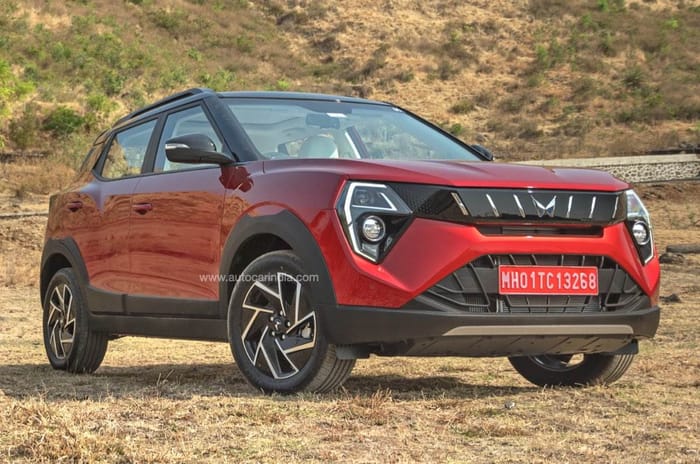
Mahindra XUV 3XO front quarter

In the crowded compact SUV segment, the XUV 3XO is among the few models that offers petrol and diesel engine options plus a variety of transmission choices. Mahindra brought the XUV 3XO to market in 2024 as a successor to the XUV300, and it’s the home-grown automaker’s smallest SUV. If you’re interested in buying the Mahindra XUV 3XO which, for reference, is priced between Rs 7.79 lakh and Rs 15.04 lakh (ex-showroom), here are its key pros and cons you must consider.

Reasons to buy the Mahindra XUV 3XO

Punchy powerplants

The direct-injection turbo-petrol and turbo-diesel engines allow strong performance

The XUV 3XO’s 1.2-litre direct-injection turbo-petrol engine pushes out 131hp and up to 250Nm of torque. Despite being a three-cylinder engine, this ‘mStallion’ unit is noticeably refined and provides power with eagerness. This eagerness can be a bit tricky to manage at low speeds, but the Zip, Zap and Zoom drive modes come in handy to help fine-tune the driving experience. The mid-range power delivery of this petrol engine is good, too. Then there’s the Aisin-sourced 6-speed torque converter automatic gearbox, which operates smoothly and shifts in a timely manner.

Mahindra XUV 3XO front tracking

For those who prefer an oil burner, there’s the 1.5-litre four-cylinder turbo-diesel engine. It produces 117hp and 300Nm of torque – the latter being the highest in the segment. There’s also no hint of turbocharger lag even at low speeds. While refinement is just about decent, this diesel unit’s ample power is spread well throughout the rev range. This, along with a 6-speed AMT (automated manual transmission) gearbox, makes long-distance cruising on the highway a relaxing experience. Meanwhile, the base engine option of the XUV 3XO is an 115hp, 1.2-litree three-cylinder turbo-petrol engine with multi-point fuel injection.

Gifted handler

The XUV 3XO can handle paved and unpaved surfaces without breaking a sweat

Mahindra XUV 3XO side tracking

The Mahindra XUV 3XO not only has pace on its side, its confidence-inspiring brakes mean that it’s also adept at dropping anchors at a moment’s notice. The XUV 3XO’s suspension is a bit firm, but it still manages to take on bad roads with verve – there’s a feeling of toughness to this SUV that inspires confidence no matter the surface condition.

Mahindra XUV 3XO cornering

The suspension also provides enough travel and there’s no issue with ground clearance either. This sense of surefootedness comes to the fore when you tackle corners, and even though the steering isn’t that precise, there’s plenty of grip on offer.

Premium interior, lengthy equipment list

Although rivals have caught on, the XUV 3XO’s interior is modern and well-equipped

Mahindra XUV 3XO interior

The dual-tone interior theme of the Mahindra XUV 3XO looks premium and sports soft-touch materials as well. The perforated leather-wrapped steering wheel feels upmarket to hold, while other touchpoints such as the steering-mounted stalks and power-window switches on the doors feel just as nice to use. Where he front seats can feel narrow for some, the rear ones are spacious and comfortable even if you choose to carry three adults there.

Mahindra XUV 3XO rear seats

The rear seats are well-padded, whilst kneeroom and footroom aren’t lacking either. Adding to the convenience at the back are the AC vents, a centre armrest with cupholders, and two charging ports. Features included on higher variants are a 65W fast charger at the front, wireless Android Auto and Apple CarPlay, a wireless charging tray, dual-zone automatic climate control, a Harman Kardon premium audio system, Dolby Atmos, a panoramic sunroof, a cooled glovebox, 360-degreem camera, an electric parking brake with auto hold, and a Level 2 ADAS (Advanced Driver Assistance Systems) suite.

Reasons to not buy the Mahindra XUV 3XO

Limited cargo space

This isn’t the SUV for you if you haul loads of luggage regularly

Mahindra XUV 3XO boot

Users can find hauling luggage in or out of the XUV 3XO’s boot tiresome because of the low boot floor and high loading lip. And while there’s 295 litres of cargo space, this is far lower than what most rivals offer in this segment. The lack of a parcel shelf also means that any items you do store in this boot will remain visible to those peeking in.

Pricey top variants

The XUV 3XO is one of the most expensive cars in the segment

Mahindra XUV 3XO rear quarter

The Mahindra XUV 3XO’s top variants are some of the most expensive offerings in the compact SUV segment. And while the Hyundai Venue’s range-topping variants are pricier still, they pack even more features and the car itself is newer than the XUV 3XO.

Also read

3 reasons to buy the Kia Sonet, 2 reasons not to

Tata Harrier vs MG Hector petrol automatic: Real world mileage compared
4.6 करोड़ रुपये की Ferrari Amalfi Spider भारत में लॉन्च, 3.3 सेकंड में पकड़ लेगी 100kmph की रफ्तार

Ferrari India ने अपनी नई Amalfi Spider की बुकिंग लेना शुरू कर दिया है। यह कार कंपनी की Amalfi Grand Tourer का कन्वर्टिबल वर्जन है। मार्च में ग्लोबल लॉन्च के ठीक चार महीने बाद आ रही इस कार की कीमत, ऑप्शन जोड़ने से पहले 4.6 करोड़ रुपये है। Ferrari Amalfi Spider में वही 3.9 लीटर ट्विन-टर्बो V8 इंजन दिया गया है, जो इसके कूपे मॉडल में मिलता है। यह इंजन 640 hp की पावर और 760 Nm का टॉर्क देता है। इसमें पावर को पीछे के पहियों तक पहुंचाने के लिए 8-स्पीड डुअल-क्लच गियरबॉक्स दिया गया है।

भारतीय ग्राहकों के लिए यह कार एक लग्जरी और परफॉर्मेंस का उदाहरण ज्यादा है, क्योंकि इसकी कीमत ज्यादातर लग्जरी कार खरीदारों के बजट से काफी ऊपर है। हालांकि, इससे यह जरूर पता चलता है कि Ferrari भारत को एक महत्वपूर्ण बाजार मान रही है और यहां ग्लोबल लॉन्च के करीब ही अपनी कारें पेश कर रही है।

कीमत और पोजिशनिंग

Amalfi Spider, Amalfi Grand Tourer का कन्वर्टिबल वर्जन है और जाहिर है कि इसकी कीमत इसके हार्ड-टॉप मॉडल से ज्यादा है। इसकी कीमत Amalfi Coupe से ₹52 लाख ज्यादा है, जो अभी ₹4.08 करोड़ में मिल रही है। खरीदारों को इस कार में लंबी दूरी के सफर में आराम और दमदार परफॉर्मेंस दोनों का शानदार अनुभव मिलेगा। इसके अलावा, ओपन-टॉप ड्राइविंग का मजा और अपनी पसंद के मुताबिक कार को कस्टमाइज कराने का विकल्प भी मिलेगा।

इंजन, परफॉर्मेंस

Amalfi Spider में जाना-पहचाना 3.9-लीटर ट्विन-टर्बो V8 इंजन लगा है, जो 640 hp की पावर और 760 Nm का टॉर्क देता है। यह पावर 8-स्पीड डुअल-क्लच ऑटोमैटिक गियरबॉक्स के जरिए सिर्फ पिछले पहियों तक पहुंचती है। Ferrari का दावा है कि यह कार 0 से 100 kmph की रफ्तार सिर्फ 3.3 सेकंड में पकड़ लेती है और इसकी टॉप स्पीड 320 kmph है। हालांकि, कन्वर्टिबल डिजाइन की वजह से यह कार Coupe मॉडल से 86 kg भारी है, लेकिन इसके बावजूद इसकी परफॉर्मेंस लगभग Amalfi Coupe जैसी ही दमदार बनी हुई है।

डिजाइन

दिखने में, Spider Coupe के स्लीक आकार जैसा ही है, लेकिन इसमें सबसे बड़ा फर्क इसकी फोल्ड होने वाली फैब्रिक रूफ है। यह रूफ 60 kmph तक की रफ्तार पर 13.5 सेकंड में खुल या बंद हो जाती है और यह चार कलर ऑप्शन में उपलब्ध है।

Ferrari का दावा है कि Amalfi Spider की पांच-लेयर (Five-Layer) फैब्रिक रूफ इस तरह तैयार की गई है कि कार के अंदर शोर, वाइब्रेशन और झटके लगभग हार्ड-टॉप मॉडल जितनी ही कम महसूस होती हैं। इसके अलावा, पीछे की सीटों के पीछे खास विंड डिफ्लेक्टर लगाए गए हैं, जो खुली छत के साथ ड्राइविंग के दौरान हवा के शोर को कम करने में मदद करते हैं। इससे लंबी यात्रा भी ज्यादा आरामदायक बनती है। Ferrari ने इस कार के लिए Rosso Tramonto नाम का एक एक्सक्लूसिव एक्सटीरियर (बाहरी) शेड भी पेश किया है, जिससे Amalfi Spider की पहचान बाकी मॉडलों से अलग नजर आती है।

इंटीरियर और फीचर्स

Ferrari Amalfi Spider का इंटीरियर काफी हद तक Amalfi Coupe जैसा ही है। इसमें 2+2 सीटिंग लेआउट दिया गया है, यानी आगे दो और पीछे दो सीटें मिलती हैं। कार का केबिन पूरी तरह ड्राइवर को ध्यान में रखकर डिजाइन किया गया है।

फीचर्स की बात करें तो इसमें 10.25 इंच का टचस्क्रीन इंफोटेनमेंट सिस्टम, 8.8 इंच का पैसेंजर डिस्प्ले और 15.6 इंच का डिजिटल ड्राइवर डिस्प्ले मिलता है। इसके अलावा, कार में पावर्ड स्पोर्ट्स सीट्स, तीन-स्पोक स्टीयरिंग व्हील (जिस पर कई फिजिकल कंट्रोल दिए गए हैं), स्टाइलिश AC वेंट्स और एल्यूमिनियम फिनिश सेंटर टनल दी गई है, जो इसे ‘ग्रैंड टूरर’ होने का अहसास कराते हैं।

टेक्नोलॉजी और आराम के मामले में, Amalfi Spider में वायरलेस Apple CarPlay और Android Auto, कनेक्टेड कार फीचर्स, ADAS, एडेप्टिव क्रूज कंट्रोल, ऑटोमैटिक क्लाइमेट कंट्रोल और वायरलेस चार्जिंग पैड जैसे फीचर्स मिलते हैं। रूफ बंद होने पर इसका बूट स्पेस 255 लीटर और रूफ हटने पर 172 लीटर होता है, जो कन्वर्टिबल सुपरकार के हिसाब से काफी प्रैक्टिकल है।

Ferrari इस कार में सीटों की अपहोल्स्ट्री, इंटीरियर ट्रिम और कलर स्कीम को अपनी पसंद के अनुसार कस्टमाइज कराने का विकल्प भी देती है, जिससे ग्राहक अपनी पसंद के मुताबिक एक अलग और खास Amalfi Spider तैयार कर सकते हैं।

यह भी पढ़ें: Kia Syros EV से उठा पर्दा और बुकिंग शुरू, 526KM की रेंज से Nexon EV और Mahindra XUV 3XO EV को देगी टक्कर! जानिए बाकी फीचर्स

All you need to know about the upcoming Kia Syros EV

Kia Syros EV front quarter static

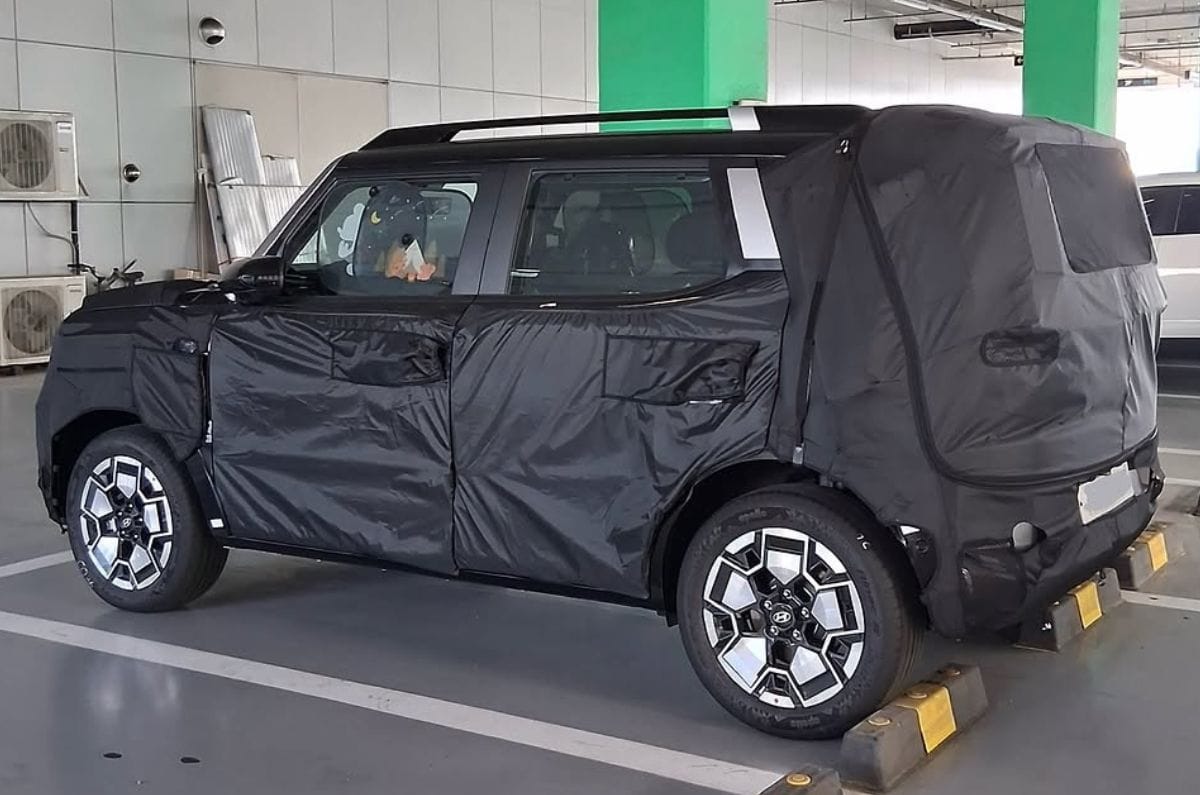
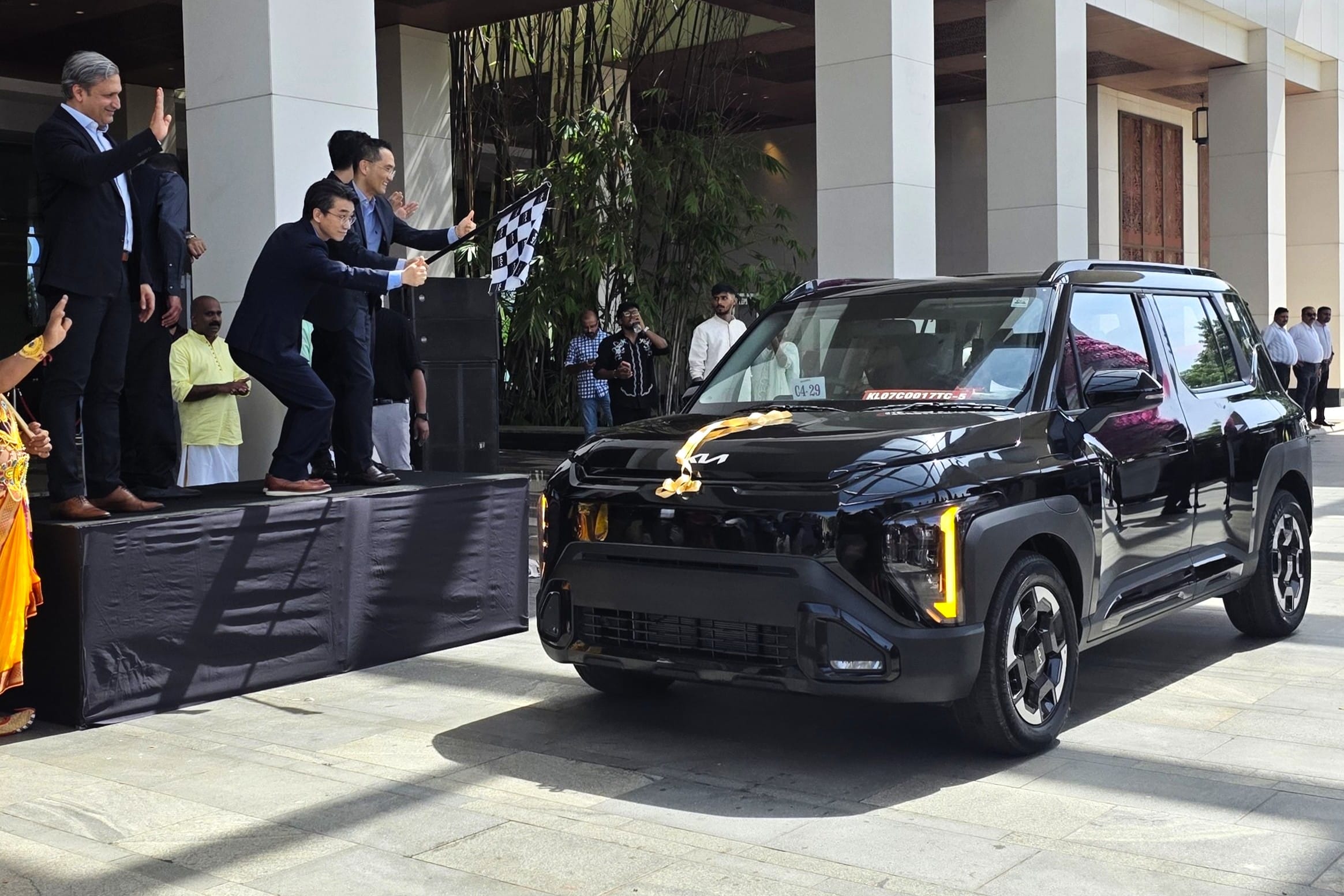
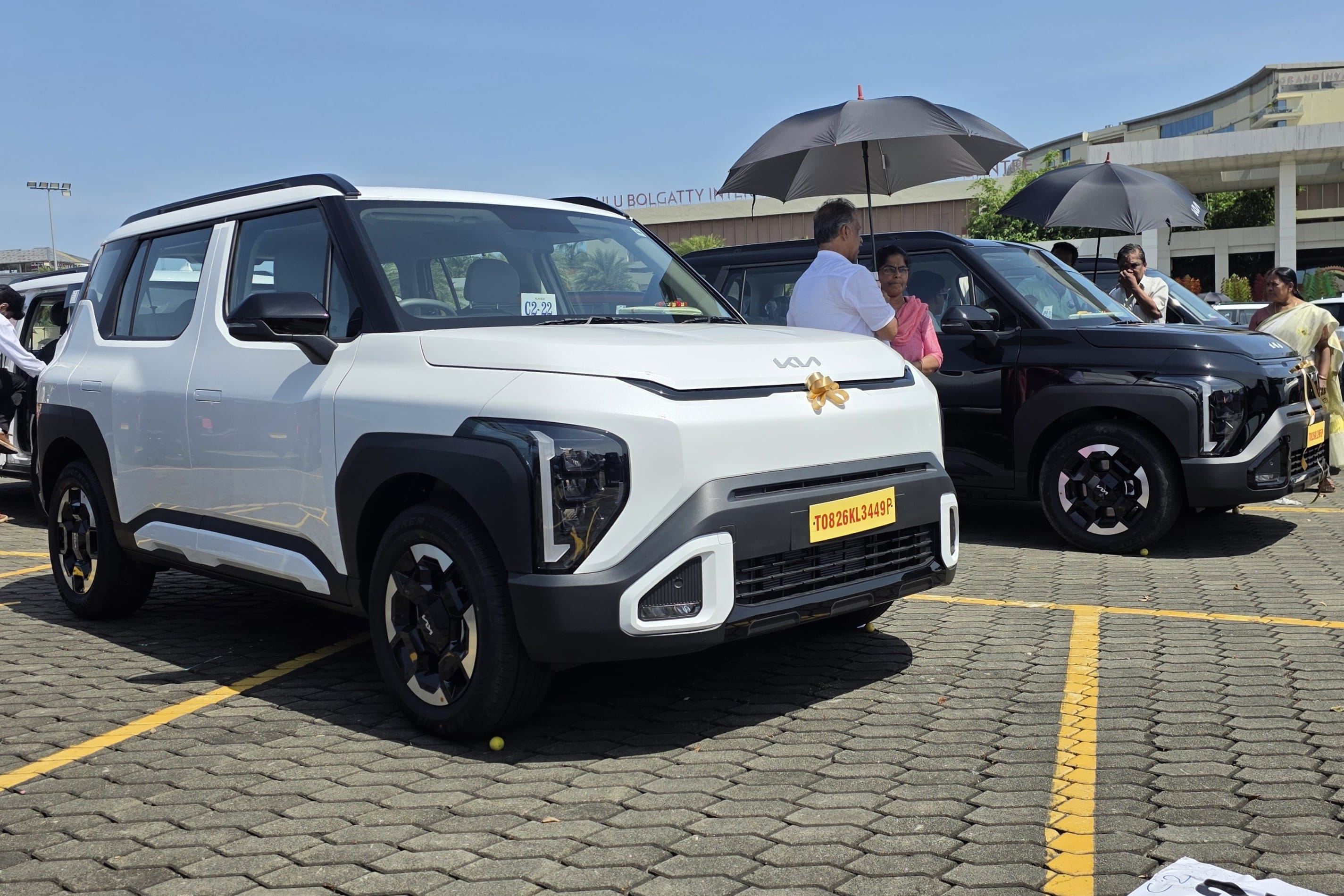
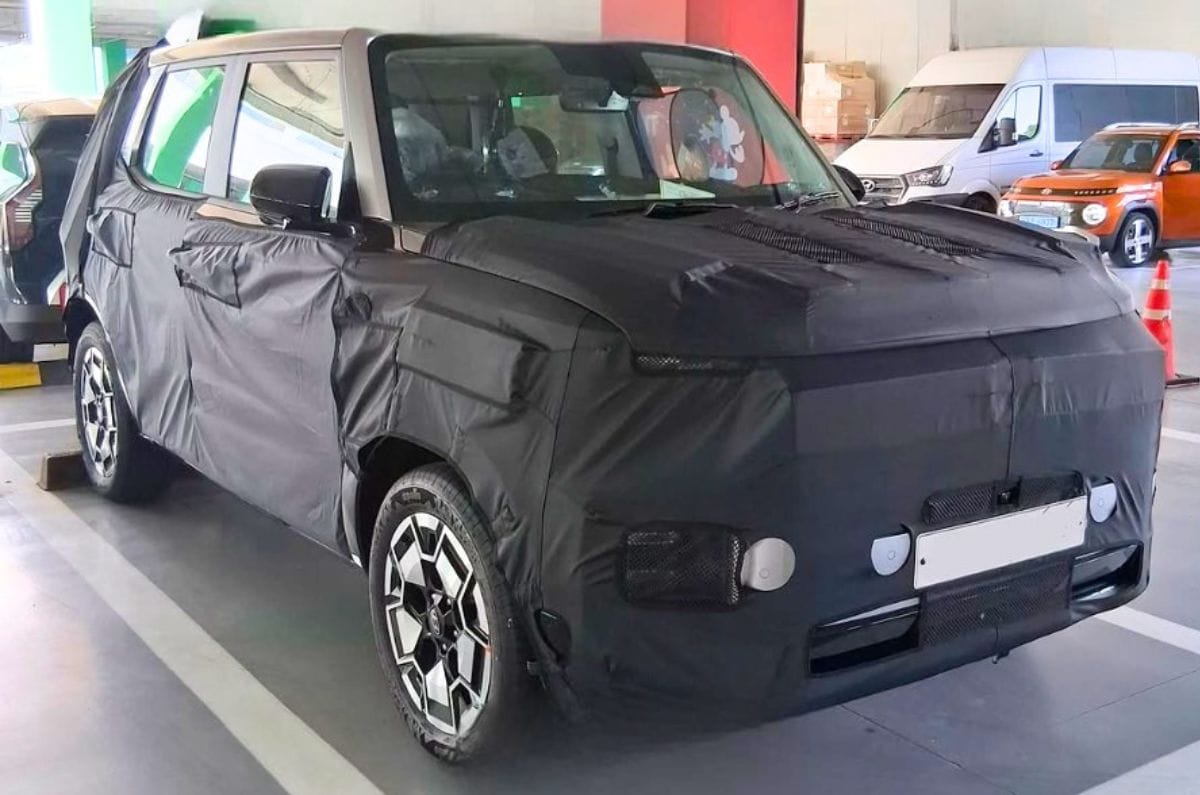
Kia is aiming at the growing compact electric SUV segment with the upcoming Syros EV, set to be its second mass-market electric model for India. The Syros EV utilises the same K1 platform as its ICE-powered counterpart. Bookings for the Syros EV are already open ahead of its launch, scheduled for the end of July 2026. In this article, we answer everything that you need to know about the Syros EV.
1. What battery pack options does the Kia Syros EV offer, and how much power does its motor produce?

The Kia Syros EV offers the same 42kWh and 51.4kWh battery packs that do duty in the Kia Carens Clavis EV and the Hyundai Creta Electric. Both are mated to a front-mounted motor. In the 42kWh guise, the motor delivers 135hp and 255Nm, but in the 51.4kWh guise, power is bumped to 171hp, while torque remains the same. The 51.4kWh battery pack and its 171hp motor make it the model with the largest battery pack and the most powerful motor in the class. Kia claims a 0-100kph sprint in 8.1 seconds with the 51.4kWh version.

2. What is the claimed range of the Kia Syros EV?

The ARAI-rated range is 443km for the 42kWh battery pack and 543km for the larger 51.4kWh unit. Not only does the Syros EV have a higher claimed range than the Clavis EV and the Creta Electric, but its 543km figure is also the highest in the compact electric SUV segment.

3. What charging speeds does the Kia Syros EV support, and how long does it take to charge?

The Kia Syros EV supports up to 11kW AC charging speeds, while DC charging is capped at 100kW. A 10-100 percent top-up for the 42kWh version takes 6 hours with the 7.4kW charger and 4 hours with the 11kW unit. In the 51.4kWh guise, the same takes 7 hours and 15 minutes with a 7.4kW charger and 4 hours and 50 minutes with an 11kW charger. Kia also claims that with a 100kW DC fast charger, both batteries can charge from 10 to 80 percent in 39 minutes.

4. How different is the Kia Syros EV from the ICE Syros on the outside and inside?

The Kia Syros EV may look largely similar to the ICE Syros, but it comes with a charging flap on the front fender, EV badging at the rear and a different set of alloy wheels that give it some distinction. Apart from these differences, it retains the overall tall-boy silhouette, front and rear bumper designs and lighting elements found on its combustion-powered counterpart.

Inside, the dashboard layout remains the same as the ICE Syros, but there are some revisions to the centre console, which is high-set and features storage spaces and retractable cup holders. Also, the drive select lever has shifted to the steering wheel column.

5. What features does the Kia Syros EV come with?

For starters, the Kia Syros EV retains its ICE counterpart’s unique sliding and reclining rear seat with a ventilation function for the seat base. It also gets features such as dual 12.3-inch screens, a 5-inch HVAC control screen, wireless Apple CarPlay and Android Auto, a wireless charging pad, an 8-speaker Harman Kardon sound system, a panoramic sunroof, 64-colour ambient lighting and rear sunshades.

6. What does the Kia Syros EV offer over the ICE-powered Syros?

Apart from having EV-specific features such as a 16-litre frunk, regenerative braking, a virtual engine sound system and vehicle-to-load (V2L) functionality, it gets Level 2 ADAS, automatic flush door handles, a 360-degree camera setup, a dual-camera dashcam, a digital key, puddle lamps, multi-colour ambient lighting and metal pedals over the ICE-powered Syros.

7. What is the expected price of the Kia Syros EV?

The Kia Syros EV is expected to be priced from Rs 15 lakh to Rs 20 lakh, ex-showroom. It will take on the Mahindra XUV 3XO EV and the segment-reigning Tata Nexon EV, among others.