Rupee Falls: रुपया जल्द ही डॉलर के मुकाबले 97 तक गिर सकता है। अगर 97 का स्तर टूट गया, तो यह 98.5 से 99 तक भी जा सकता है। यह अनुमान Kotak Securities के करेंसी, कमोडिटी और इंटरेस्ट रेट डेरिवेटिव्स रिसर्च हेड अनिंद्य बनर्जी ने दिया है।
बनर्जी के मुताबिक रुपये पर कई तरफ से दबाव है। विदेशी निवेशकों की बिकवाली बढ़ी है। इंपोर्ट महंगा हुआ है। ग्लोबल यील्ड भी ऊंची है। इन सबका असर रुपये पर दिख रहा है। उन्होंने कहा कि भारत की आर्थिक स्थिति अभी भी मजबूत है। लेकिन ग्लोबल हालात रुपये के लिए मुश्किल पैदा कर रहे हैं।
FPI की बिकवाली से दबाव
इस महीने अब तक विदेशी निवेशक करीब 6.1 अरब डॉलर के भारतीय शेयर बेच चुके हैं। बनर्जी के मुताबिक पिछले दो महीनों में आया करीब 90% विदेशी निवेश अब वापस निकल चुका है।
हाल में FCNR(B) के जरिए भी पैसा आया है। लेकिन इससे रुपये को तुरंत फायदा नहीं मिला। इसका बड़ा हिस्सा सीधे बाजार में जाने के बजाय RBI के फॉरेन एक्सचेंज रिजर्व में गया है।
अगर रुपये पर दबाव और बढ़ा, तो RBI बाजार में अपना दखल बढ़ा सकता है। बनर्जी के मुताबिक ग्लोबल दबाव के कारण रुपया कमजोर बना हुआ है। ऐसे में 97 का स्तर जल्द दिख सकता है। इसके टूटने पर रुपया और गिर सकता है।
कच्चा तेल भी बढ़ा रहा चिंता
बनर्जी का कहना है कि रुपये पर कच्चे तेल का दबाव भी है। इसे सिर्फ Brent के फ्यूचर्स भाव से नहीं समझना चाहिए। स्पॉट क्रूड, फ्रेट और रिफाइंड प्रोडक्ट्स की कीमत भी मायने रखती है।
डीजल और एविएशन फ्यूल की कीमतें भी ऊंची हैं। दुनियाभर में रिफाइनरी से जुड़ी दिक्कतों के कारण इनकी कीमतों पर दबाव है। इससे भारत का इंपोर्ट बिल बढ़ सकता है। महंगा ईंधन महंगाई बढ़ा सकता है। इससे कारोबार और आम लोगों की लागत भी बढ़ती है। इसका असर रुपये पर भी पड़ सकता है।
RBI बढ़ा सकता है ब्याज दर
बनर्जी को आने वाले महीनों में RBI से ब्याज दर बढ़ाने की उम्मीद है। उन्हें एक से ज्यादा रेट हाइक की संभावना दिखती है। दिसंबर में भी दर बढ़ सकती है।
हालांकि, उनका कहना है कि RBI सिर्फ अमेरिकी फेड के फैसले को देखकर दरें नहीं बढ़ाएगा। घरेलू महंगाई RBI के लिए ज्यादा अहम रहेगी। महंगाई को ध्यान में रखने के बाद पॉजिटिव रियल इंटरेस्ट रेट बनाए रखना भी RBI का फोकस रहेगा।
US बॉन्ड यील्ड भी परेशानी
अमेरिका में लंबी अवधि के बॉन्ड की यील्ड तेजी से बढ़ी है। खासकर 10 साल और उससे ज्यादा अवधि वाले बॉन्ड पर दबाव है। इसे ग्लोबल मार्केट के लिए बड़ी चिंता माना जा रहा है।
बनर्जी के मुताबिक बड़ी अमेरिकी टेक कंपनियों की उधारी भी फंड की मांग बढ़ा रही है। इससे लंबी अवधि की यील्ड ऊंची रह सकती है।
जब तक कच्चे तेल और रिफाइंड प्रोडक्ट्स की कीमतें कम नहीं होतीं, ग्लोबल यील्ड पर दबाव बना रह सकता है। लंबे समय तक ऊंची यील्ड और महंगी कमोडिटी से ग्लोबल ग्रोथ और वित्तीय बाजारों पर भी दबाव पड़ सकता है।
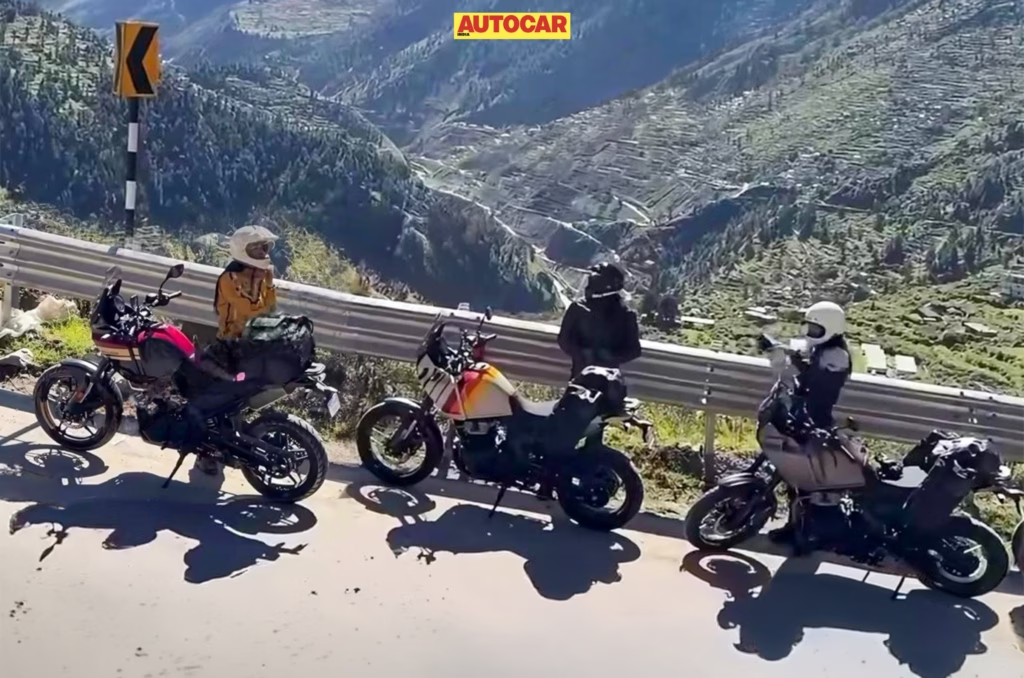
The Himalayan 440 wasn’t the only new motorcycle we saw during Royal Enfield’s Himalayan Base camp (HBC) event in the first week of September. The brand also showcased a non-camouflaged version of the Himalayan 750 that revealed many key details about it, like the fact that it will be the first Royal Enfield to have Cruise control. At the time, we also reported that we expect it to launch at EICMA 2026. Now, the Himalayan 750 has been spotted in more colours, tacitly indicating that an EICMA launch is imminent.
Himalayan 750 spotted in Red, White, and Grey colours for the first time
Royal Enfield could offer tubeless spoke rims as accessories
Still runs on 19/17 wheels; 21/17 or 21/18 version might happen later
Royal Enfield Himalayan 750: What’s new?
New colours, and possibly optional tubeless spoke rims
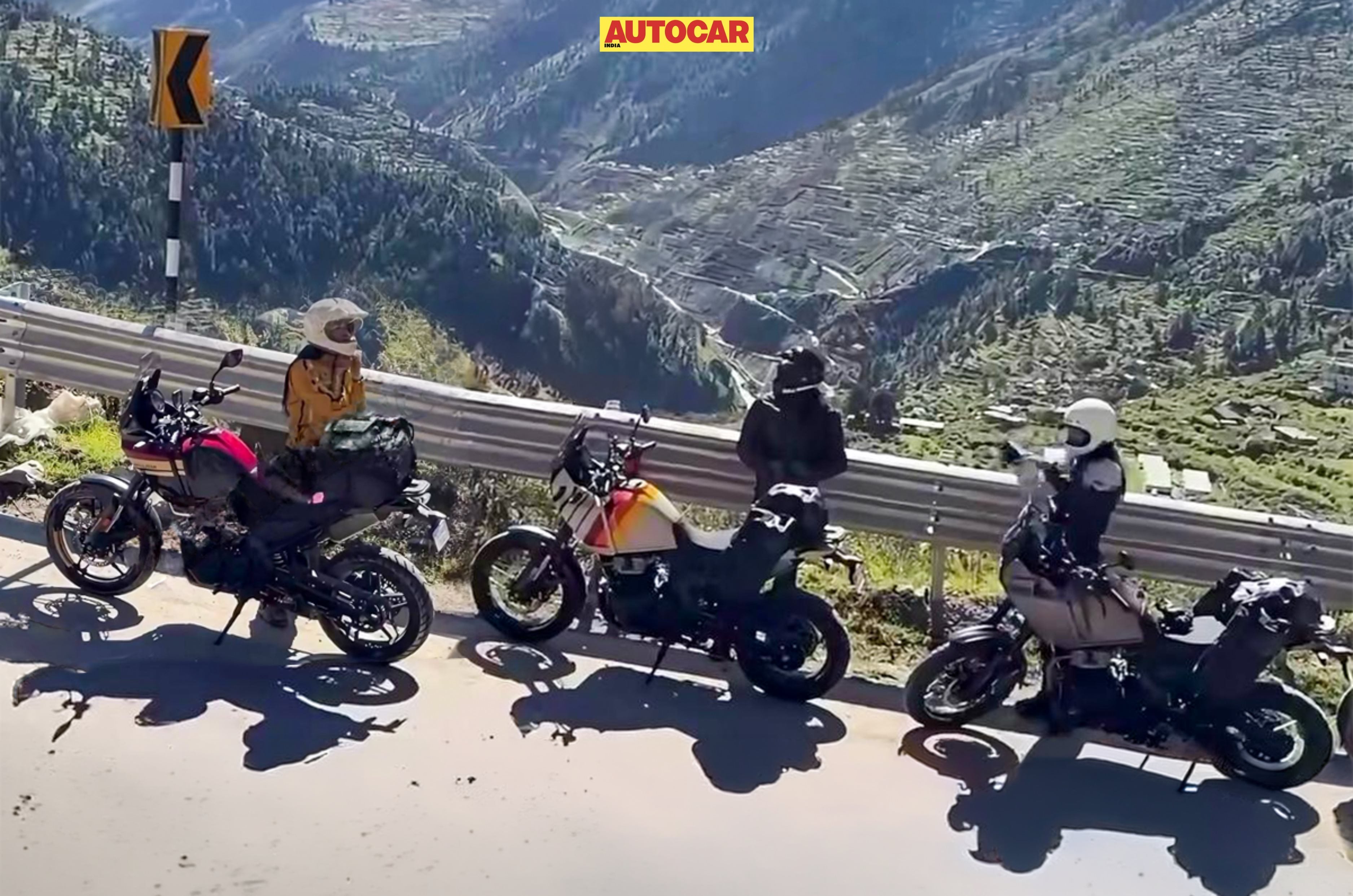
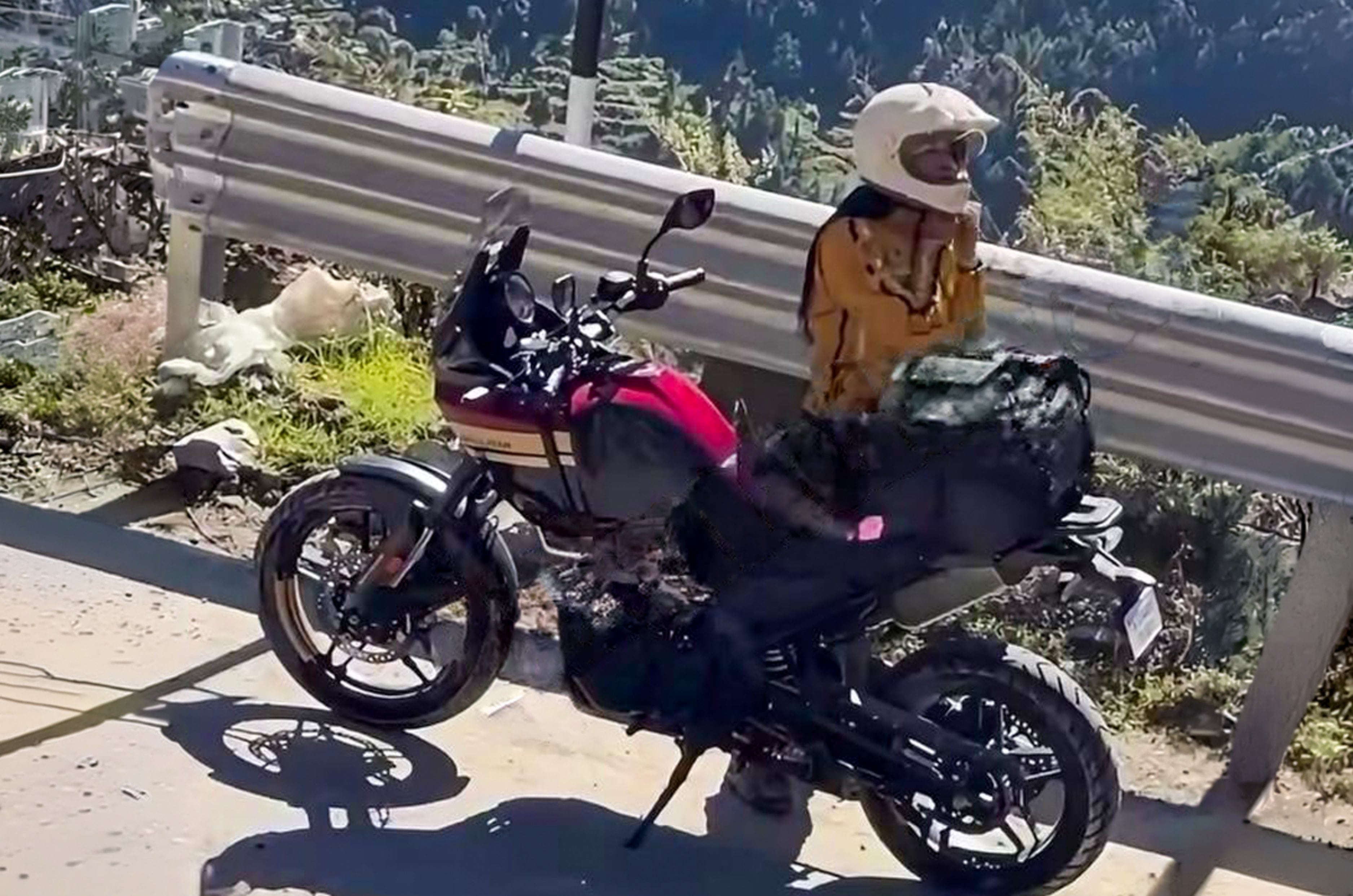
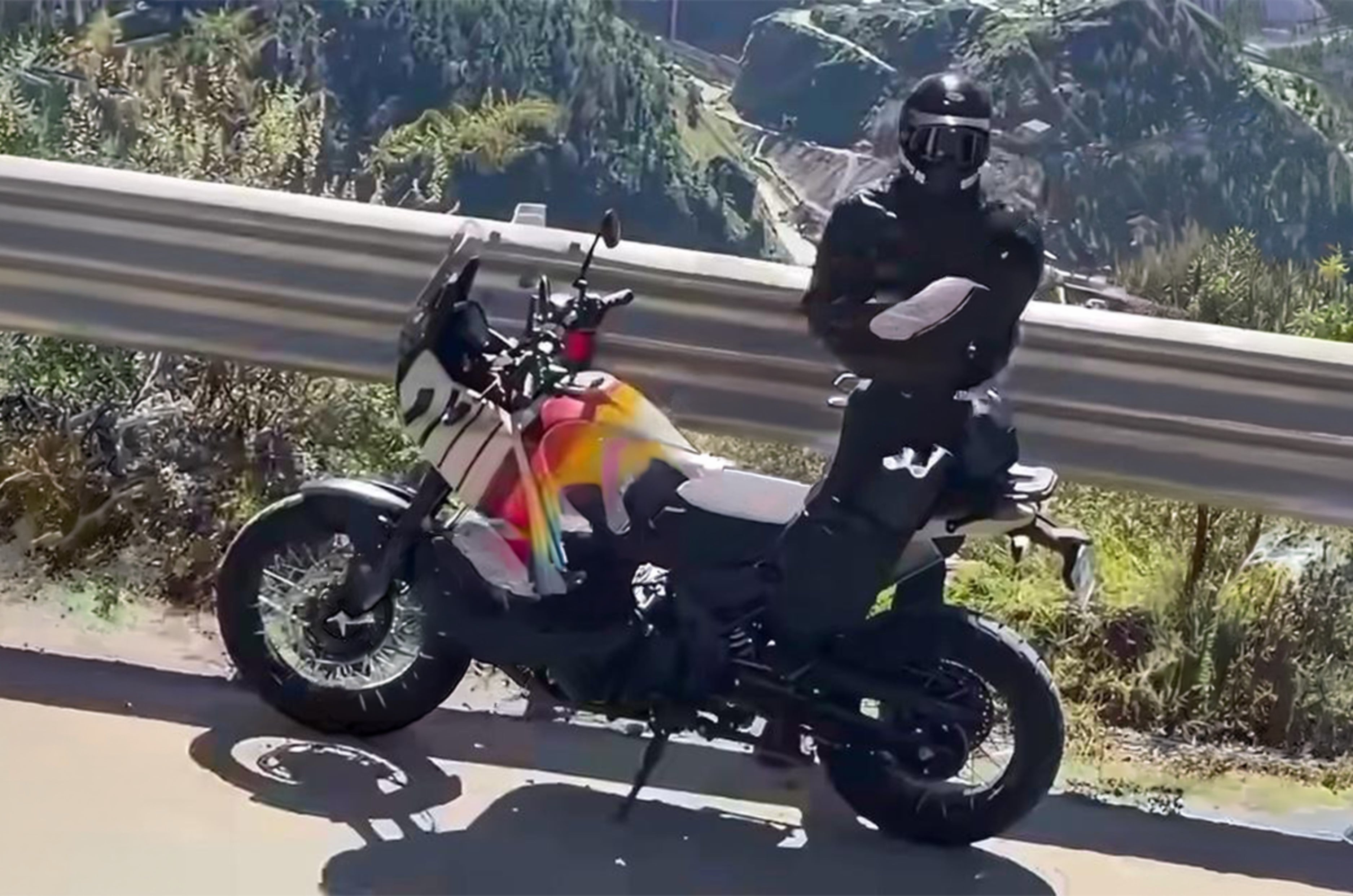
This certainly isn’t the first time we’re seeing the Himalayan 750. We first saw a prototype-looking version of it in EICMA 2025. Since then, it’s been spotted multiple other times being tested with the last instance at HBC giving us the closest look yet. However, we had been seeing the motorcycle either camouflaged, or in black. Thankfully, it looks like Royal Enfield is intent on continuing their interesting colour choices for the Himalayan 750 too. Presumably spotted during a shoot (judging by the attire and the gear used by the riders), we see three new colours: Red, White, and Grey(or Silver). There’s another motorcycle just outside the frame which could be the Black colour that we’ve already seen. These could end up being the four colour options for the Himalayan 750.
Another key change that we’ve noticed is – and it’s something fans of Royal Enfield’s heritage would love – is that two out of the three motorcycles in the pictures sport tubeless spoke wheels. Until now, we’ve only seen the Himalayan 750 with alloy rims. However, it’s likely that Royal Enfield will reserve the tubeless spoke rims as additional accessories, or just offer them as standard with the top-most variant. The Himalayan 450, for example, only offers the tubeless rims with the top Mana Black variant; on all the other colours, they are currently available as accessories for an additional Rs 15,990. The wheel sizes still appear to be 19/17-inches front/rear, which could either mean that Royal Enfield intends to position the Himalayan 750 as more of a tourer, or it might have an off-road focused version of the 750 with 21/17 (or 18-inch) front/rear wheel setup in the works for later. The Himalayan 440 and 450 run on 21/17 front/rear wheels, for context.
You can check out the full list of features that the biggest Himalayan is poised to get from our earlier story, if you’d like further information on what to expect. Currently, the Super Meteor 650 is the most expensive Royal Enfield at Rs 4.40 lakh and we’d expect the Himalayan 750 to become the new flagship offering from the brand when it’s launched; and we still expect it to launch at EICMA 2026, slated to happen in November.
Gold outlook: घरेलू मार्केट में सोने-चांदी की कीमतों में गुरुवार 1 अक्टूबर को तेजी देखने को मिली। अमेरिकी ब्याज दरों पर बाजार के नजरिए और भारत में आने वाले त्योहारों और शादी-ब्याह के सीजन को देखते हुए इन दोनों कीमती धातुओं की कीमतों में इजाफा हुआ। मल्टी कमोडिटी एक्सचेंज (MCX) पर, दिसंबर के सोने के वायदा सौदे 0.51% बढ़कर ₹1.49 लाख प्रति 10 ग्राम पर कारोबार कर रहे थे, जबकि दिसंबर के चांदी के वायदा सौदे 0.40% बढ़कर ₹2.24 लाख प्रति किलोग्राम पर थे।
हाल के दिनों में सोने की कीमतों पर दबाव बना हुआ है क्योंकि अमेरिकी ट्रेजरी यील्ड (yields) में बढ़ोतरी और डॉलर के मजबूत होने से जियोपॉलिटिकल अनिश्चितता और महंगाई की चिंताओं से मिलने वाला सहारा बेअसर हो गया है।
वेंचुरा में कमोडिटी प्रमुख एनएस रामास्वामी ने कहा कि सोना अभी इन विपरीत ताकतों के बीच फंसा हुआ है, जिसमें ऊंची यील्ड से बिना रिटर्न (non-yielding) वाली संपत्ति को रखने की अवसर लागत (opportunity cost) बढ़ रही है।
उन्होंने कहा कि फेडरल रिजर्व का ब्याज दरों पर फैसला और आने वाले अमेरिकी पेरोल डेटा सोने की निकट भविष्य की चाल के लिए महत्वपूर्ण हैं। रामास्वामी के अनुसार, सोने ने ब्याज दरों में कटौती की उम्मीद से मिलने वाला प्रीमियम कुछ हद तक खो दिया है, लेकिन केंद्रीय बैंकों की खरीद और गोल्ड ETF में निवेश के प्रवाह से इसे संरचनात्मक समर्थन मिल रहा है।
कीमतों में हालिया गिरावट (correction) ने फिजिकल डिमांड (असली सोने की मांग) पर भी ध्यान खींचा है, क्योंकि भारत में त्योहारों और शादी-ब्याह का मुख्य सीजन शुरू हो रहा है।
त्योहारी सीजन में 15-20% बढ़ सकती है खरीदारी
कामा ज्वैलरी के एमडी कॉलिन शाह ने कहा कि धनतेरस और दिवाली के दौरान त्योहारों की मांग ऐतिहासिक रूप से काफी मजबूत रही है क्योंकि सोना खरीदने से सांस्कृतिक महत्व जुड़ा होता है। हालांकि, ऊंची कीमतों के कारण उपभोक्ता सोने की खरीद की मात्रा में बदलाव कर सकते हैं।
शाह के अनुसार, उपभोक्ता हल्की और आधुनिक डिजाइन वाली ज्वैलरी की ओर बढ़ रहे हैं जो उनके तय घरेलू बजट में फिट बैठती है। उन्होंने पुराने सोने के बदले नया सोना लेने (exchange) के बढ़ते चलन पर भी जोर दिया, जिससे खरीदार अपनी मौजूदा ज्वैलरी को रीसाइकिल करके नई ज्वैलरी ले सकते हैं।
शादी-ब्याह से जुड़ी खरीदारी से भी मांग को सपोर्ट मिलने की उम्मीद है। शाह ने औसत खरीद मूल्य (ticket size) ₹1.5 लाख से ₹3 लाख के बीच बताया और उम्मीद जताई कि त्योहारों के मुख्य सीजन के दौरान इसमें 15-20% की बढ़ोतरी हो सकती है, जैसा कि पिछले साल हुआ था।
चांदी पर क्या बनाए रणनीति
इस बीच, हालिया गिरावट के बाद चांदी की कीमतों में भी सुधार हुआ है। रिद्धि-सिद्धि बुलियन लिमिटेड के मैनेजिंग डायरेक्टर और इंडिया बुलियन एंड ज्वैलर्स एसोसिएशन के प्रेसिडेंट पृथ्वीराज कोठारी ने कहा कि डॉलर के मजबूत होने और ट्रेजरी यील्ड बढ़ने से सोने और चांदी पर दबाव पड़ा है।
चांदी की कीमतों में काफी उतार-चढ़ाव बना हुआ है, क्योंकि इसकी कीमत पर निवेश की मांग और औद्योगिक इस्तेमाल, दोनों का असर पड़ता है।
भारतीय खरीदारों के लिए रुपये की चाल भी अहम रहेगी। लेमन (Lemonn) के रिसर्च हेड गौरव गर्ग ने कहा कि रुपया कमजोर होने से घरेलू कमोडिटी की कीमतें ऊंची बनी हुई हैं, भले ही ग्लोबल कीमतें बदल रही हों।
आगे चलकर, कीमती धातुओं की कीमतें US में ब्याज दरों के आउटलुक, ट्रेजरी यील्ड, डॉलर और जियोपॉलिटिकल हालात के प्रति संवेदनशील बनी रह सकती हैं, जबकि भारत में धनतेरस, दिवाली और शादी-ब्याह का सीजन फिजिकल डिमांड को सहारा दे सकता है।
(डिस्क्लेमर: मनीकंट्रोल.कॉम पर दिए गए विचार एक्सपर्ट के अपने निजी विचार होते हैं। वेबसाइट या मैनेजमेंट इसके लिए उत्तरदाई नहीं है। यूजर्स को मनी कंट्रोल की सलाह है कि कोई भी निवेश निर्णय लेने से पहले सार्टिफाइड एक्सपर्ट की सलाह लें।
Market Insight : बाजार US बॉन्ड यील्ड और कच्चे तेल की आग में झुलसता दिख रहा है। आज निफ्टी 6 महीने के निचले स्तरों पर पहुंच गया है। यह 22400 के आसपास कारोबार कर रहा है। बैंक निफ्टी भी दिन की ऊंचाई से 800 प्वाइंट फिसला है। मिडकैप और स्मॉलकैप में भी भारी बिकवाली। आज की गिरावट में निवेशकों के 8.5 लाख करोड़ रुपए डूब गए हैं। क्रूड 100 डॉलर तो 10 साल की US बॉन्ड यील्ड 5.33% पर है। निफ्टी ऑटो आज का सबसे बड़ा लूजर है। यह 4 फीसदी से ज्यादा टूटा है। कमजोर बिक्री आंकड़े से बजाज ऑटो 8 फीसदी गिरा है। M&M, मारुति और एस्कॉर्ट 52 हफ्तों के निचले स्तर पर हैं।
ऑटो के बाद रियल्टी और कंज्यूमर ड्यूरेबल्स में तेज गिरावट आई है दोनों इंडेक्स करीब दो फीसदी नीचे हैं। उधर मेटल, फार्मा, केमिकल, सीमेंट शेयरों का भी बुरा हाल है। लेकिन चुनिंदा IT और इंश्योरेंस में मजबूती है।
ऐसे में मार्केट टेक्निकल पर चर्चा करते हुए कोटक सिक्योरिटीज (Kotak Securities) के इक्विटी रिसर्च हेड श्रीकांत चौहान ने कहा कि बाजार के प्लेसमेंट की बात करें तो निफ्टी ने 23,000 के अहम लेवल को तोड़ दिया है। जब तक निफ्टी इसको रीगेन नहीं करेगा तब तक मार्केट प्रेशर में रहेगा। अगर मार्केट निफ्टी 22500 के लेवल को भी तोड़ता है तो इस लेवल के नीचे हमें एक बार 22,150 तक की गिरावट नजर आ सकती जो इसका पिछला लो भी है। हमें आमतौर पर देखने को मिलता है कि जब मार्केट में नेगेटिव न्यूज़ फ्लो की इंटेंसिटी बढ़ती है तो मार्केट प्रीवियस स्लो को या तो रिटेस्ट करता है या फिर इसको ब्रेक भी करने की कोशिश करता है। इस समय बाजार में यही स्थिति दिख रही है। ऐसे में निफ्टी के 22500 को तोड़ कर 22150 तक गिरने की संभावना बनी हुई है। लेकिन अगर 22500 का लेवल बच गया तो एक छोटा सा पुलबैक देखने मिल सकता है क्योंकि मार्केट ओवरसोल्ड है। लेकिन अभी के लिए सलाह यही होगी कि 22500 के नीचे शॉर्ट कीजिए। 22600 का स्टॉप लॉस रखें और 22150 के टारगेट्स रखें।
श्रीकांत चौहान के पसंदीदा शेयर
अपने पसंदीदा शेयरों पर बात करते हुए श्रीकांत चौहान ने कहा कि भारत हैवी इलेक्ट्रिकल्स का शेयर अच्छा लग रहा है। अक्सर देखने को मिला है कि खराब बाजार में यह शेयर तेजी से गिरता है। लेकिन इस बार ऐसा नहीं हुआ। कमजोर बाजार में भी इस शेयर ने काफी अच्छी रिलेटिव स्ट्रेंथ दिखाई है। अभी यह शेयर 420-422 रुपए के आसपास ट्रेड कर रहा है। यह स्टॉक वापस से एक बार 440 रुपए तक जा सकता है। इसमें 410 रुपए के स्टॉप लॉस के साथ खरीदारी करें। इसमें स्टॉक स्पेसिफिक न्यूज़ भी है और स्टॉक का फॉर्मेशन भी अच्छा है। ऐसे में बीएचएल को लॉन्ग करें।
वहीं, ट्रेंट में इनकी बिकवाली करने की सलाह है। कंपनी के बिजनेस अपडेट आने वाले हैं। उसके बाद इसमें और भी वीकनेस आ सकती है। ऑटो शेयरों की तरह की बिजनेस अपडेट के बाद ट्रेंट में गिरावट आ सकती है। अभी यह शेयर 2606-2610 रुपए के करीब ट्रेड कर रहा है। इस शेयर में बिकवाली करें। 2630 रुपए के स्टॉप लॉस के साथ इसमें 2550 रुपए के टारगेट के लिए बिकवाली करें। इसे करेंट लेवल से शॉर्ट करना है।
बैंक शेयरों पर बात करते हुए श्रीकांत चौहान ने कहा कि HDFC Bank अट्रैक्टिवली लग रहा है। करंट लेवल्स HDFC Bank में खरीदारी करनी चाहिए। ये स्टॉक धीरे-धीरे वापस से ₹800 तक के लेवल्स भी दिखा सकता है। हायर बॉटम की पॉसिबिलिटी है। यह अभी 713 रुपए के करीब ट्रेड कर रहा है। लेकिन स्टॉप लॉस थोड़ा बड़ा रखना पड़ेगा क्योंकि मार्केट वोलेटाइल है और मार्केट में प्रेशर है। ऐसे केस में स्टॉप लॉस रखिए 680 रुपए का और करंट लेवल से HDFC बैंक को खरीदिए। इस पर थोड़ा पोजीशनल व्यू बनाइए। अगर पुलबक मिल जाता है और न्यूज़ फ्लो अगर सपोर्टिव हो जाता है तो यह स्टॉक वापस से 700 से लेकर 800 रुपए तक के लेवल्स दिखा सकता है।
डिस्क्लेमर: मनीकंट्रोल.कॉम पर दिए गए विचार एक्सपर्ट के अपने निजी विचार होते हैं। वेबसाइट या मैनेजमेंट इसके लिए उत्तरदाई नहीं है। यूजर्स को मनी कंट्रोल की सलाह है कि कोई भी निवेश निर्णय लेने से पहले सर्टिफाइड एक्सपर्ट की सलाह लें।
Silver Gold Price Today : एमसीएक्स पर सोने का अक्टूबर वायदा 1,904 रुपए यानी 1.30 फीसदी की बढ़त के साथ 148,021 रुपए पर दिख रहा है। वहीं, सिल्वर का दिसंबर वायदा 2,544 रुपए यानी 1.11 फीसदी की बढ़त के साथ 226,190 रुपए पर दिख रहा है। केडिया एडवाइजरी का कहना है कि आज सोने की ट्रेडिंग रेंज 147470-151880 है। महंगाई उम्मीद से कम रहने के कारण सोने की कीमतों में बढ़त हुई है। इससे यह उम्मीद मजबूत हुई कि फेडरल रिजर्व ब्याज दरों में कोई बदलाव नहीं करेगा। US का हेडलाइन PCE प्राइस इंडेक्स महीने-दर-महीने 0.3% बढ़ा है, जबकि खाने-पीने की चीज़ों और एनर्जी को छोड़कर कोर PCE में 0.2% की बढ़ोतरी हुई है। शुक्रवार को आने वाली सरकारी रोज़गार रिपोर्ट में पेरोल में 90,000 की बढ़ोतरी दिखने की उम्मीद है। जुलाई में हांगकांग के ज़रिए चीन का नेट गोल्ड इंपोर्ट जून के मुकाबले लगभग 11% और साल-दर-साल आधार पर 28% बढ़ा है।
केडिया एडवाइजरी की MCX गोल्ड दिसंबर फ्यूचर्स में 150000 रुपए के आसपास, 151000 रुपए के स्टॉप-लॉस के साथ, 148500-147500 रुपए के टारगेट को लिए खरीदारी की सलाह है।
ICICI डायरेक्ट की राय है कि मज़बूत अमेरिकी डॉलर और बढ़ती ट्रेजरी यील्ड के दबाव में, स्पॉट गोल्ड के $4,200 के लेवल के पास रुकावट का सामना करने और $4,100 की ओर गिरने की उम्मीद है। एनर्जी की वजह से लगातार बनी हुई महंगाई और बॉन्ड यील्ड में बढ़ोतरी से कीमतों पर दबाव पड़ने की संभावना है। इसके अलावा,अमेरिका और ईरान के बीच बातचीत में बहुत कम प्रगति होने से तेल की कीमतें ऊंची बनी रहेंगी और बड़े सेंट्रल बैंकों को सख्त मॉनेटरी पॉलिसी अपनाने के लिए मजबूर होना पड़ेगा।
दूसरी ओर सेंट्रल बैंको की भारी खरीदारी और ETF में बेहतर निवेश से बुलियन की कीमतों को सहारा मिलेगा। इस बीच,शुक्रवार को आने वाली US जॉब रिपोर्ट पर सबकी नजरें होंगी,जिससे US लेबर मार्केट की मजबूती के बारे में और साफ जानकारी मिल सकती है।
MCX गोल्ड दिसंबर के लिए ₹152,000 के आस-पास रेजिस्टेंस दिख रहा है। इसके ₹148,000-₹147,000 के लेवल तक गिरने की उम्मीद है। MCX सिल्वर दिसंबर के ₹221,000 और ₹228,000 के लेवल के बीच बने रहने की उम्मीद है। अगर यह ₹221,000 से नीचे जाता है,तो इसमें ₹218,000 के लेवल तक गिरावट आ सकती है।
डिस्क्लेमर: मनीकंट्रोल.कॉम पर दिए गए विचार एक्सपर्ट के अपने निजी विचार होते हैं। वेबसाइट या मैनेजमेंट इसके लिए उत्तरदाई नहीं है। यूजर्स को मनी कंट्रोल की सलाह है कि कोई भी निवेश निर्णय लेने से पहले सर्टिफाइड एक्सपर्ट की सलाह लें।
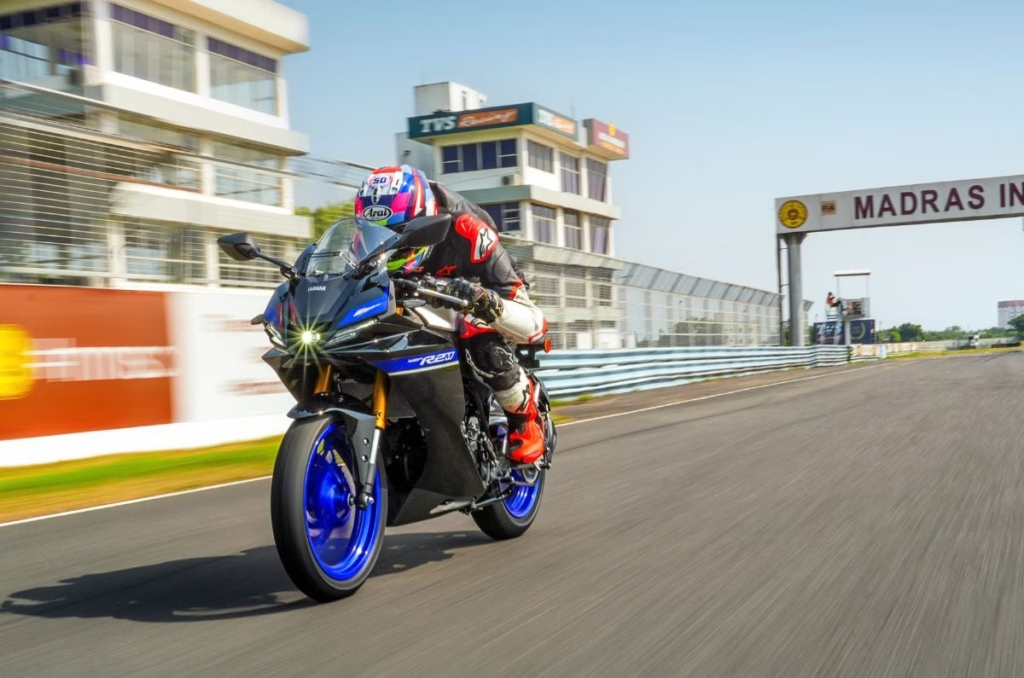
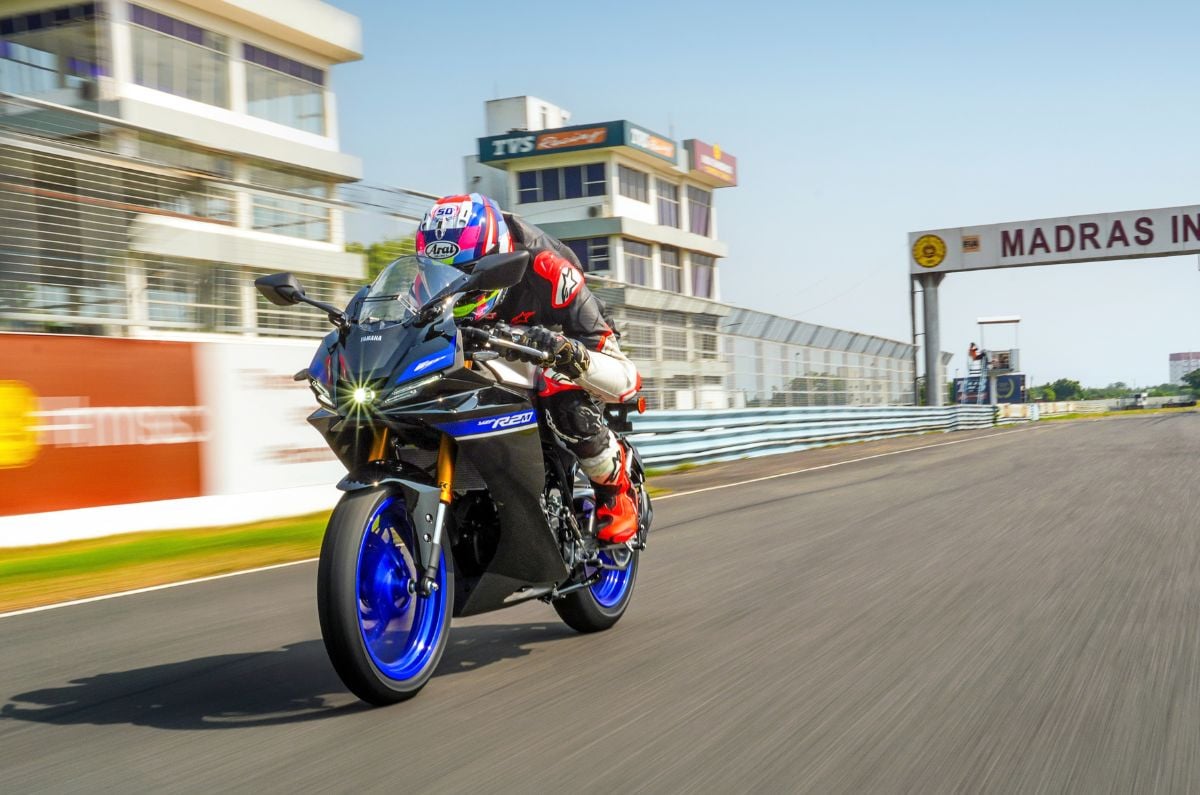
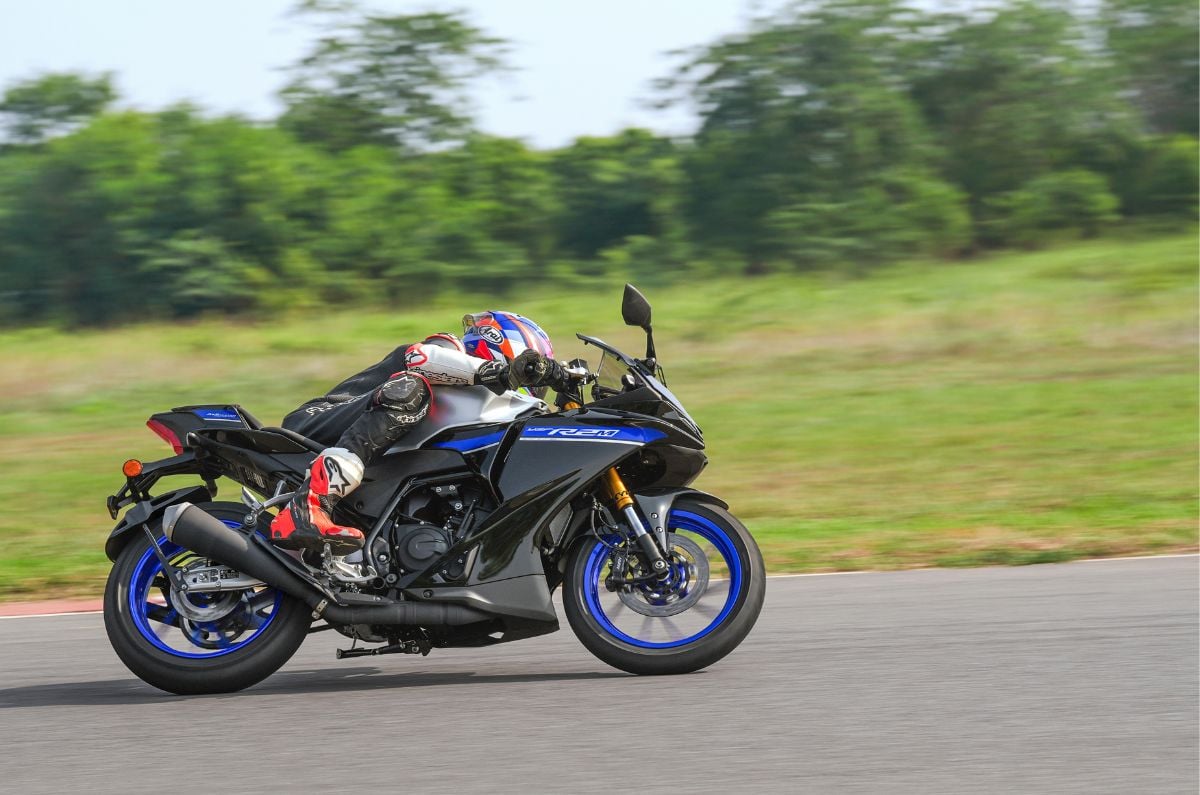
The internet has expressed considerable concern in the month following the launch of the new R2, that it has lost some of the key elements that made the R15 such a standout. While I agree that the lack of the deltabox frame and the removal of the variable valve timing system, don’t make for great viewing on a spec sheet, they also don’t dictate what makes for a great riding experience. Yamaha recently gave us a brief chance to experience the R2 on the Madras International Circuit and, I’m happy to confirm that that authentic Yamaha R experience is still very much intact.
Yamaha R2 Riding position and Seat height – 8/10
Slightly more accessible than the R15
Specifications
Values
Seat height
810 mm
Adjustable seat height
No
Wheelbase
1340 mm
Ground Clearance
170 mm
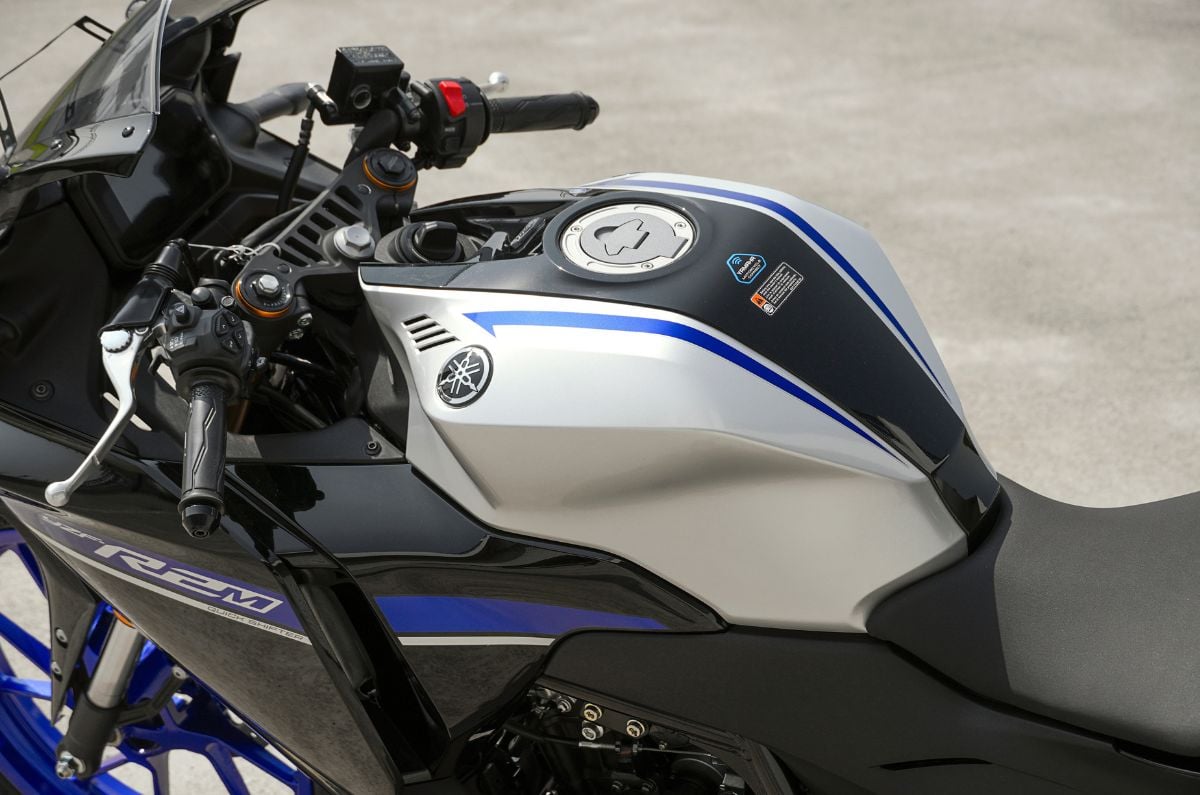
The familiar Yamaha feeling set in from the moment we swung a leg over the bike. The ergos have been tweaked very slightly, but the overall riding position is still very similar to the R15. The biggest difference for me was that the tank looks and feels bigger. Shorter riders will be pleased that the seat height has been reduced from 815mm to 810mm, but tall riders won’t feel horribly hemmed in either. I’m 6’1” and while I certainly won’t call it spacious, there was just enough room for me to get into a full race crouch.
In the pitlane, the engine felt very similar with a soft response at the accelerator at low revs. The bike now has ride-by-wire which has unlocked three riding modes as well as a custom mode where accelerator response and TC level (3 levels) can be set. Given that we had just 15 minutes of track time, I left it in Sport mode and had no issues – throttle response was smooth and predictable and TC didn’t get intrusive in the short time we had.
Yamaha R2 Engine and Performance – 9/10
Surprisingly refined high-end!
Specifications
Values
Engine Displacement
204 cc
Cooling
Liquid Cooled
Engine Type
1 cylinder
Max Engine Power
26.5 PS @ 10000 rpm
Max Engine Torque
19.1 Nm @ 8000 rpm
Number of Gears
6
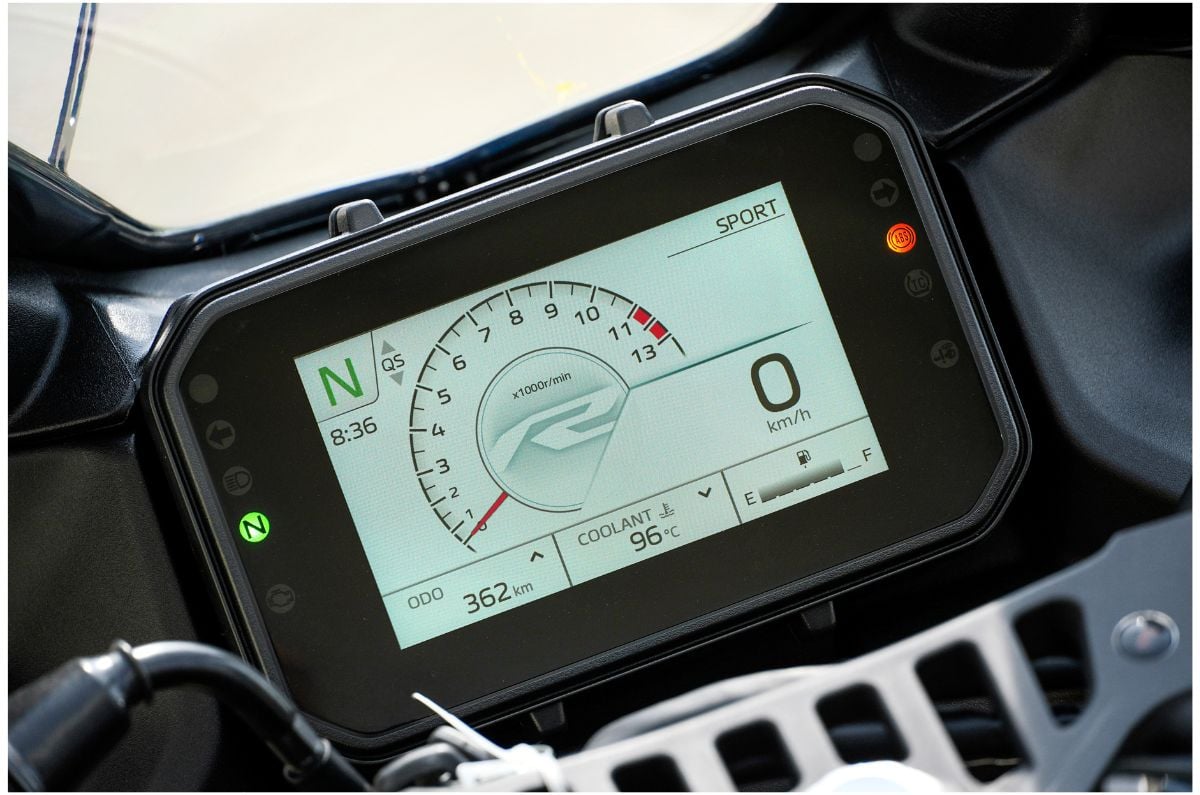
While there’s no VVA, this new 204cc single-cylinder DOHC engine still loves to rev and it still has an exciting “switch on” moment at around 7,000rpm. From what I could tell on the cool down lap, the engine is tractable, but the bottom end does feel quite weak. With the throttle wide open, the engine starts to pull at around 6,000rpm and really picks up once the digital needle on the 5-inch TFT display crosses the 7,000rpm mark. The segment leading 26.5hp peak power figure comes in at 10,000rpm, but the engine spins up all the way to 11,000rpm.
Performance is a big step ahead of the R15 and I’m quite sure this will be quicker than its 200cc rivals while potentially being quicker than a few 250s as well. I saw just over 140kph on the track in 6th gear and top speed should be somewhere between 155-160kph on the display. This performance edge is fair to expect given that the R2 weighs a good deal less than its rivals (more on that later), but what was a surprise was the high rpm refinement.
You start to feel a buzz at around 7,000rpm and this becomes very noticeable in the bars, fuel tank and footpegs at the upper-most reaches of the rev band. We’re keen to observe how this translates to the road riding experience, especially since it was never a concern on the R15.
Yamaha R2 Chassis and Handling – 9/10
(Almost) nothing has changed
Specifications
Values
Chassis type
Backbone frame, High-tensile steel
Front Suspension Type
Telescopic Upside Down Fork (USD Fork), 37.0 mm
Front Suspension Adjustability
Yes
Rear Suspension Type
Linked-Type Monocross Suspension
Rear Suspension Adjustability
Yes
Handling wise, I’m pleased to report that this is a very capable, light, agile and sweetnatured sportbike, much like its younger sibling. While Yamaha does call this new chassis a tubular diamond frame, it’s nothing like what you’ll find on a commuter motorcycle and is a comprehensive thing with almost trellis-like reinforcing members along the side. Perhaps a professional racer might be able to tell any stiffness differences to the Deltabox in the R15, but as far as I’m concerned, this is a fabulous handler and is exactly what I’d expect from a small Yamaha sportbike.
Weighing in at 149kg (150kg for the M we were riding) the R2 still feels like a delightful light and flickable motorcycle, but you will notice the 9kg difference to an R15 when ridden back to back, particularly at a GoKart track. Just like an R15, it never feels nervous or skittish and you can trust the bike to respond as expected.
Yamaha R2 Tyres and brakes – 7/10
Need better feedback
Specifications
Values
Front Tyre Size
100/80-17 M/C 52S
Rear Tyre Size
140/70R17 M/C 66H
Front Disc/Drum Size
282 mm
Rear Disc/Drum Size
220 mm
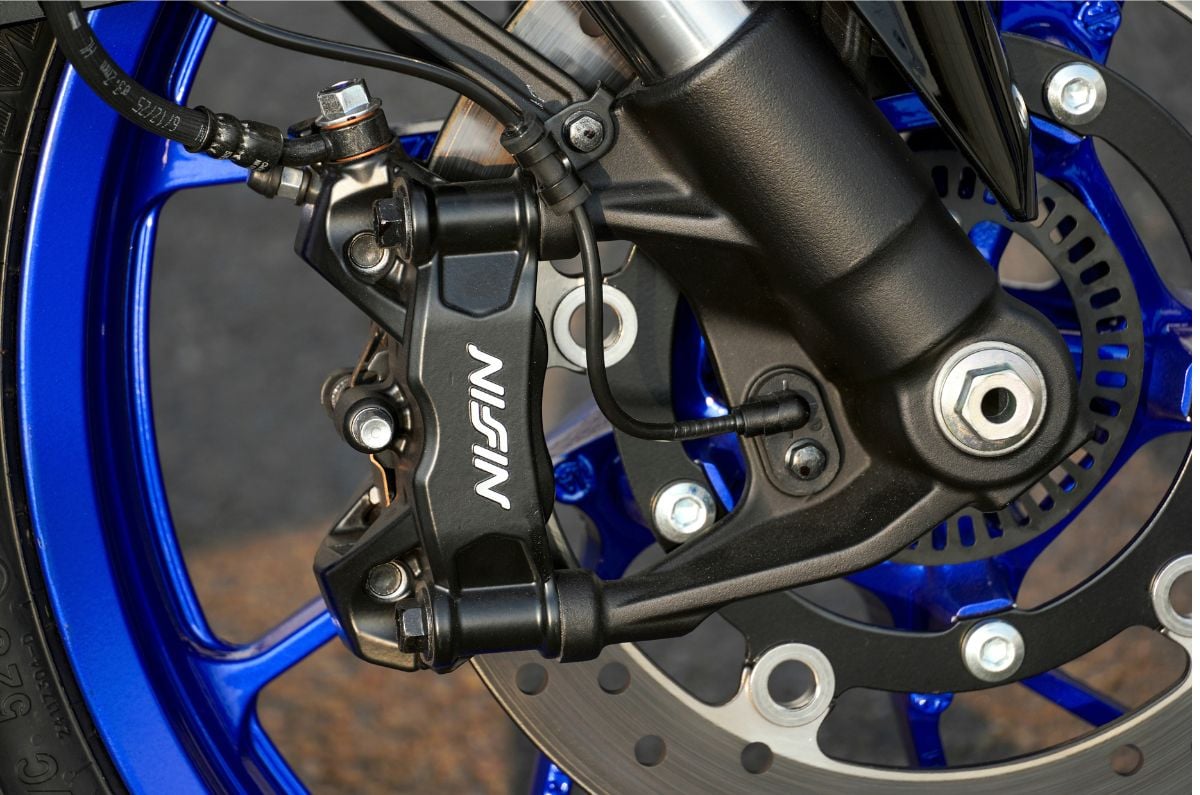
Where the trust factor can improve is in the tyres. The R2 uses the same MRF tyres as the R15 and while they were adequate on track (I lowered the pressures by about 6PSI), they didn’t give me the confidence to search for the limits of adhesion. The front brake also has a similarly spongy feel to the R15, even with that new radial front caliper. While it’s a sensation you need to get used to, the actual stopping performance is fine and I never felt doubt when braking into corners.
The main dynamics-related complaint I had was that there was some ABS intrusion in hard braking zones, and there’s not much you can do about that, short of pulling a fuse to deactivate the system. The intrusion wasn’t excessive, but it could become more problematic if we had more time to ride over the day, which would have meant an increased pace.
Yamaha R2 Design and Quality – 8/10
Covers the basics and then some
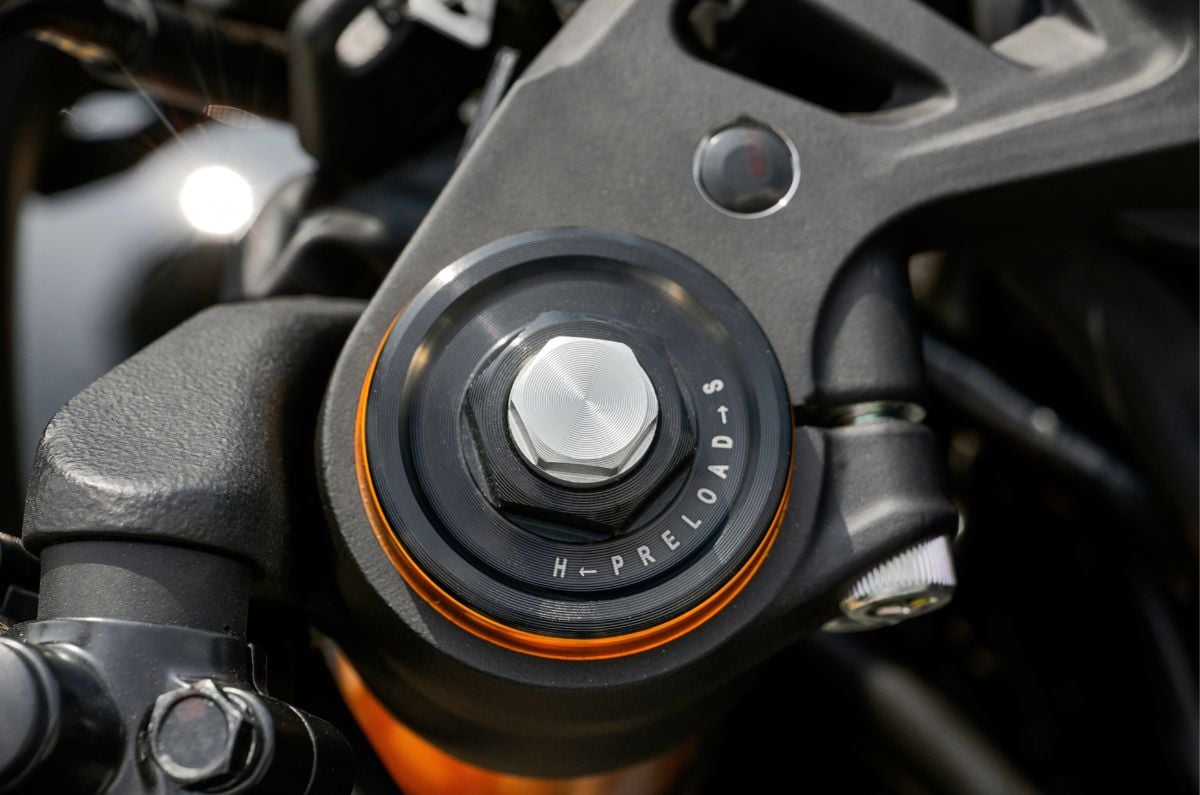
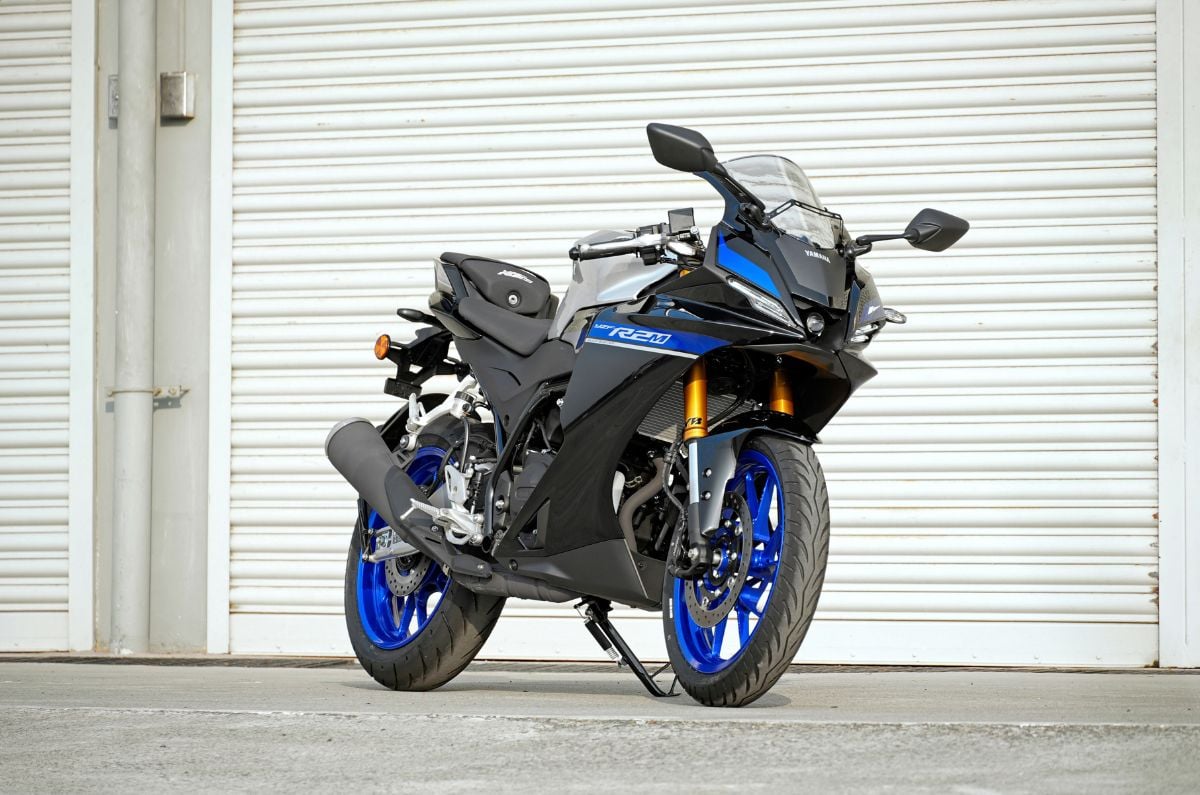
By now you’ve gauged that this is a very similar bike to its younger sibling in the way it feels and that’s a good thing. However, I wish it didn’t look so similar to the R15 and that does seem like a lost opportunity because it takes a trained eye to distinguish this bike as the new one. Quality and finish levels are pleasingly high with the switchgear being pleasant to look at and use. The bike is quite well specced too, with all variants getting a 5-inch TFT display. The mid variant adds a bi-directional quickshifter while the top M version brings in adjustable levers, preload adjustable front suspension, keyless start/steering lock and a unique paint scheme.
Yamaha R2 Price and Verdict – 8/10
A welcome addition
Yamaha R sportbikes have always been expensive and the R2 is no exception. At Rs 2.3-2.53 lakh ex-showroom it commands the kind of money that can get you much more powerful premium motorcycles like the Guerilla 450 Apex and Triumph Tracker 400. It’s very good at what it does, but I think it should have been a little more affordable.
Nevertheless, the R2 is a welcome addition to the Yamaha line-up in India and more bikes will follow on this platform. That being said, we hope to see more action from Yamaha in the locally manufactured premium bike space, because the step up from the R15 is too small and Yamaha is likely to continue to lose many of its existing R15 customers once they are ready to upgrade to a bigger motorcycle.
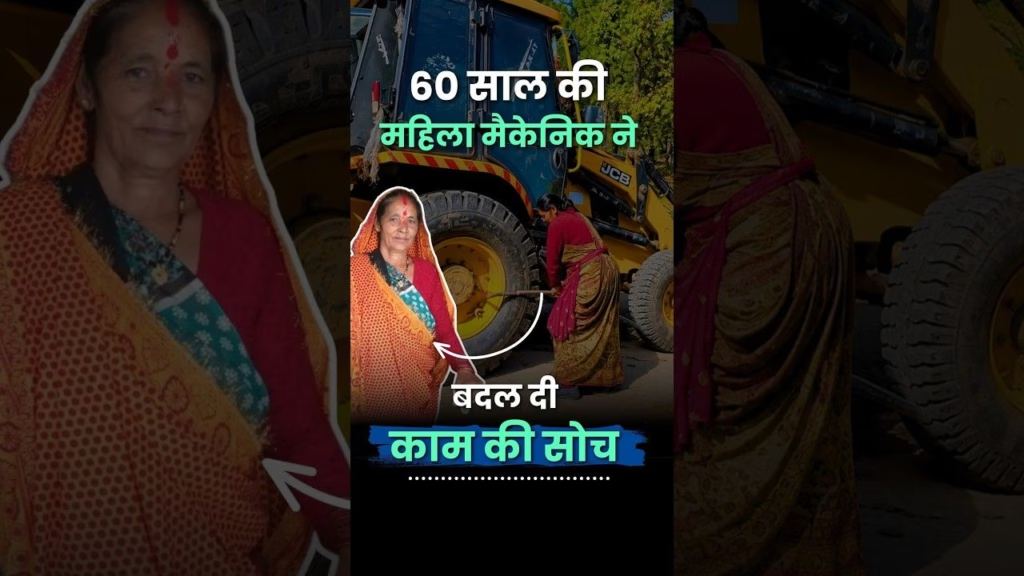
F60 साल की उम्र में जब ज्यादातर लोग आराम की जिंदगी की ओर बढ़ते हैं, नैनीताल की कमला नेगी आज भी ट्रक, डंपर, बस और JCB जैसे भारी वाहनों के टायर रिपेयर करती हैं। 26 सालों से इस काम से जुड़ी कमला नेगी ने न सिर्फ लोगों की सोच बदली, बल्कि यह भी दिखाया कि किसी काम की कोई उम्र या जेंडर नहीं होता।
@nainital_iron_lady
60 की उम्र में JCB के टायर रिपेयर करती हैं नैनीताल की ‘Iron Lady’ कमला नेगी | Kamla Negi | Iron Lady | Uttarakhand | Woman Mechanic
(60 year old woman mechanic, female truck tyre mechanic, Kamla Negi Iron Lady, woman tyre repair mechanic, Nainital woman mechanic, Uttarakhand woman mechanic, female mechanic in India, woman repairing truck and JCB tyres, women breaking stereotypes, Role Reset)
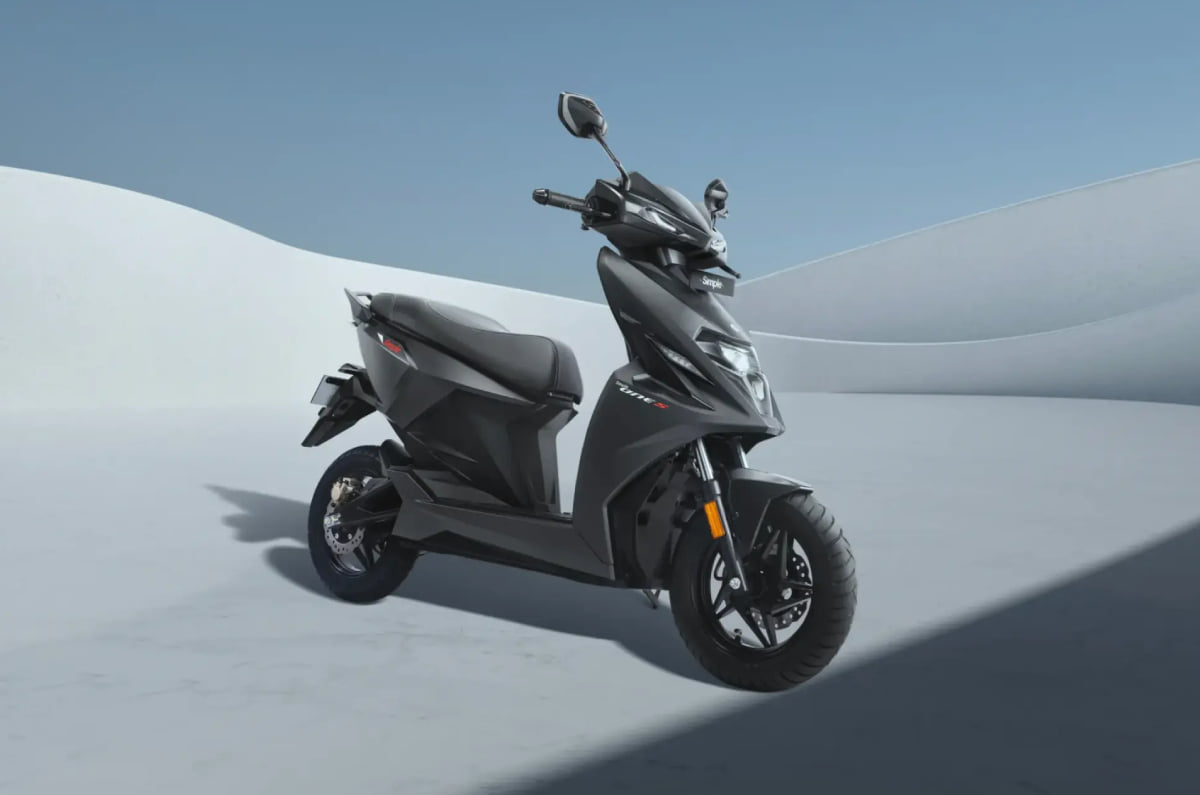
Simple Energy has discontinued the OneS electric scooter, phasing it out in favour of the recently launched Wave family scooter range. The company confirmed the decision, saying the Wave, which was launched last month with prices starting from Rs 1.10 lakh, is a purpose-built product for the segment the OneS served, and that buyers in that price band would naturally move towards it.
Simple OneS discontinued; Wave to serve the same buyer segment
OneS featured a 3.7kWh battery and 190km IDC range
Existing OneS owners will continue to receive full service, warranty and spare-parts support
Simple OneS discontinuation details
Company cites portfolio consolidation and Wave’s stronger fit for the segment
In its statement, Simple Energy said: “With the launch of the Simple Wave, we now have a product purpose-built for the segment OneS served, one where most buyers are families looking for a practical, reliable everyday scooter. Our market research showed that Wave meets those needs more completely, and that customers in this price band would naturally move towards it. Consolidating our portfolio around Wave lets us focus our engineering, manufacturing and retail efforts where they deliver the most value to our customers. Existing OneS owners will continue to receive full service, warranty and spare-parts support across our network.”
The OneS was launched as part of the Simple One Gen 2 range at the start of the year at Rs 1.40 lakh, using a 6.4kW motor producing 52Nm and a 3.7kWh battery offering a claimed IDC range of 190km. At the time, it was the most accessible model in the Simple lineup, sitting below the One and Ultra variants. The Wave, which effectively now takes its place, starts at Rs 1.10 lakh for the base Wave S 2.2 variant and goes up to Rs 1.90 lakh for the Wave+, offering a wider range of battery and feature options across six variants.
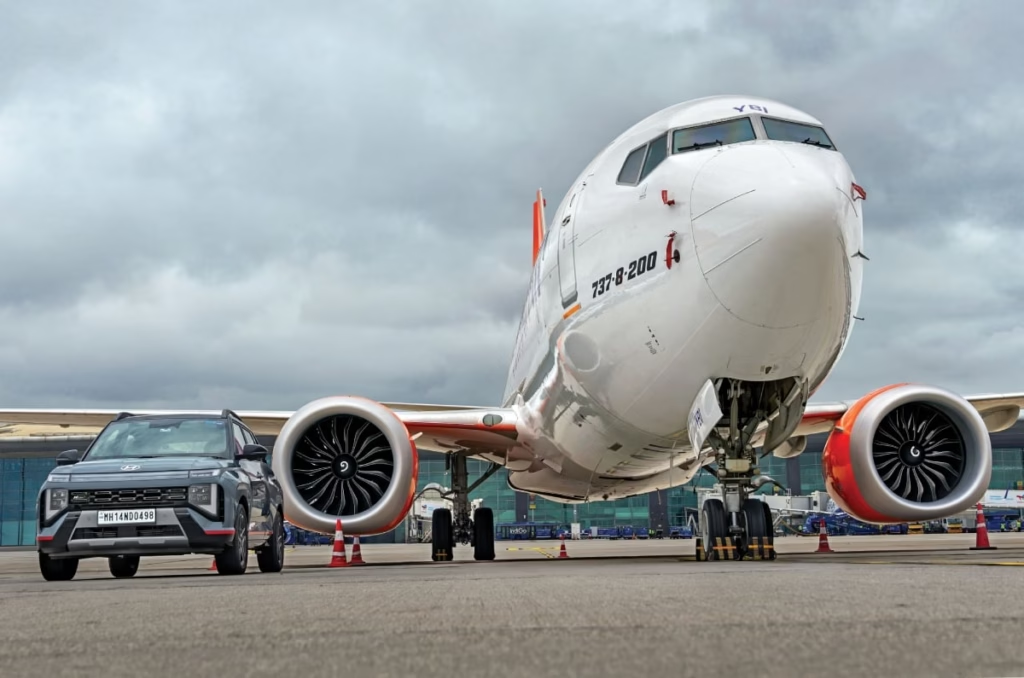
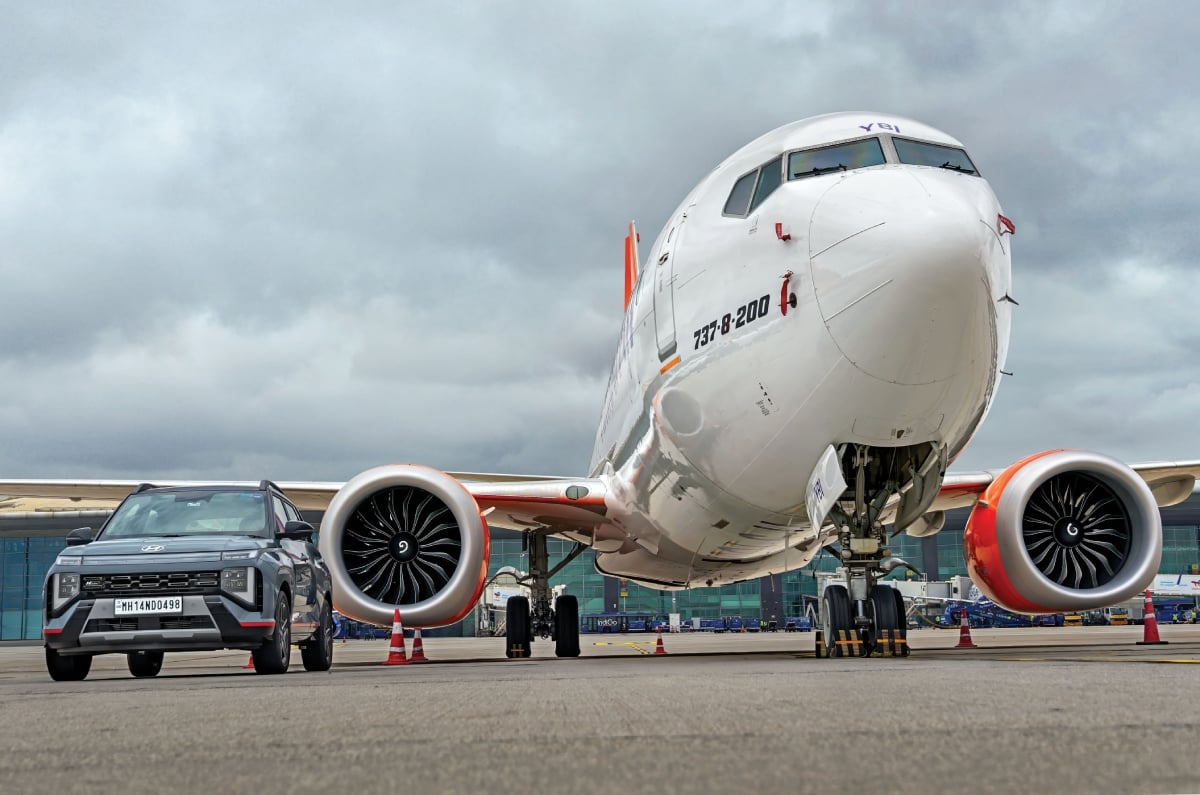
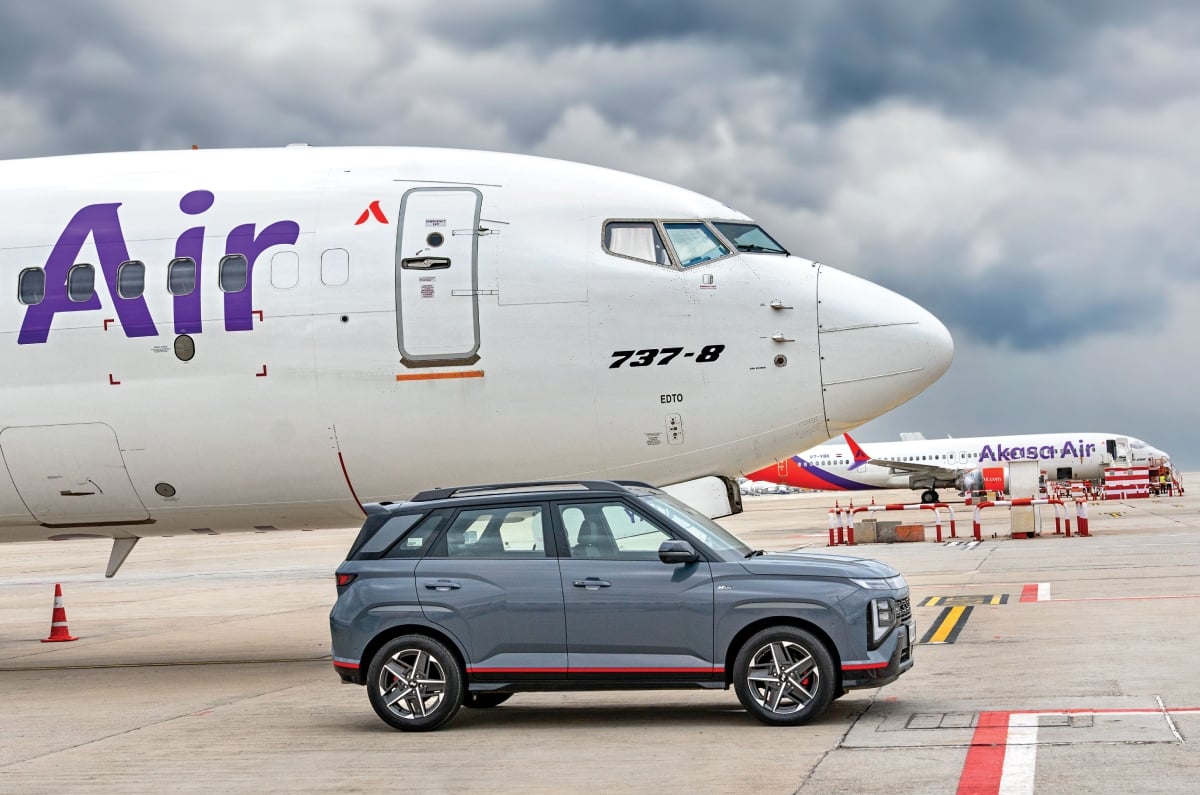
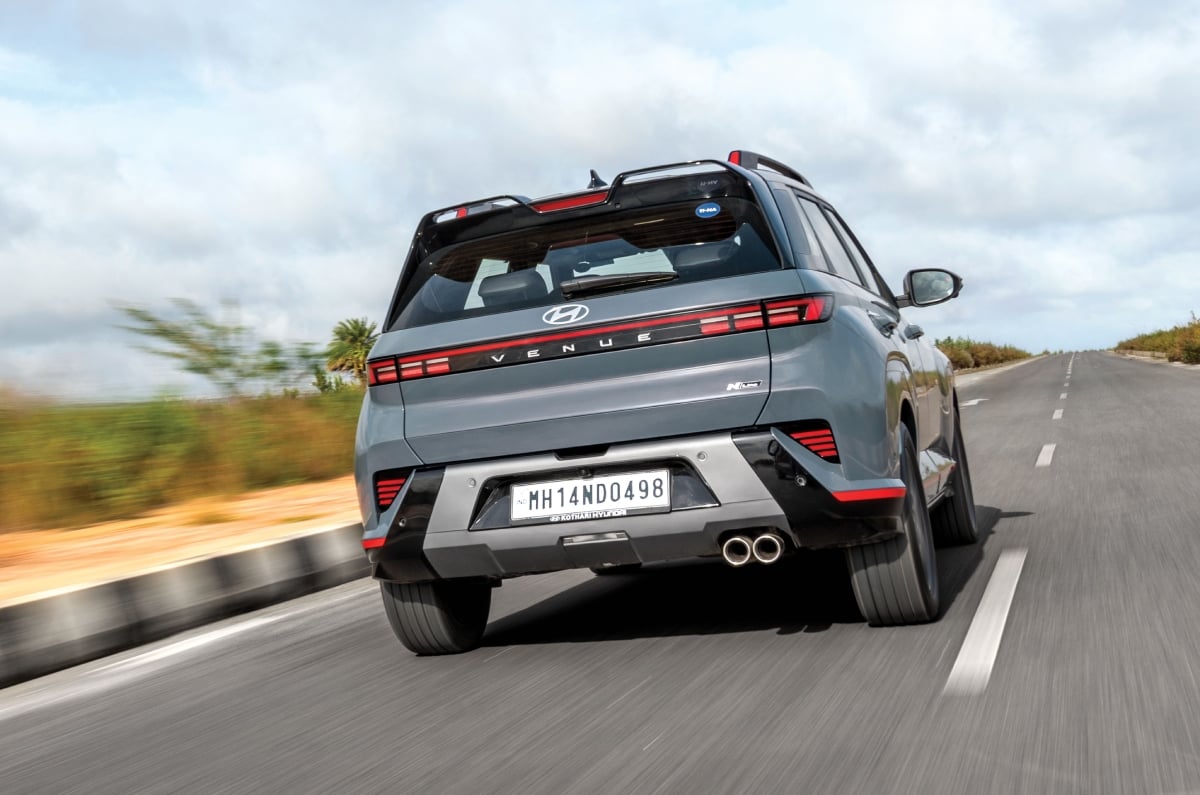
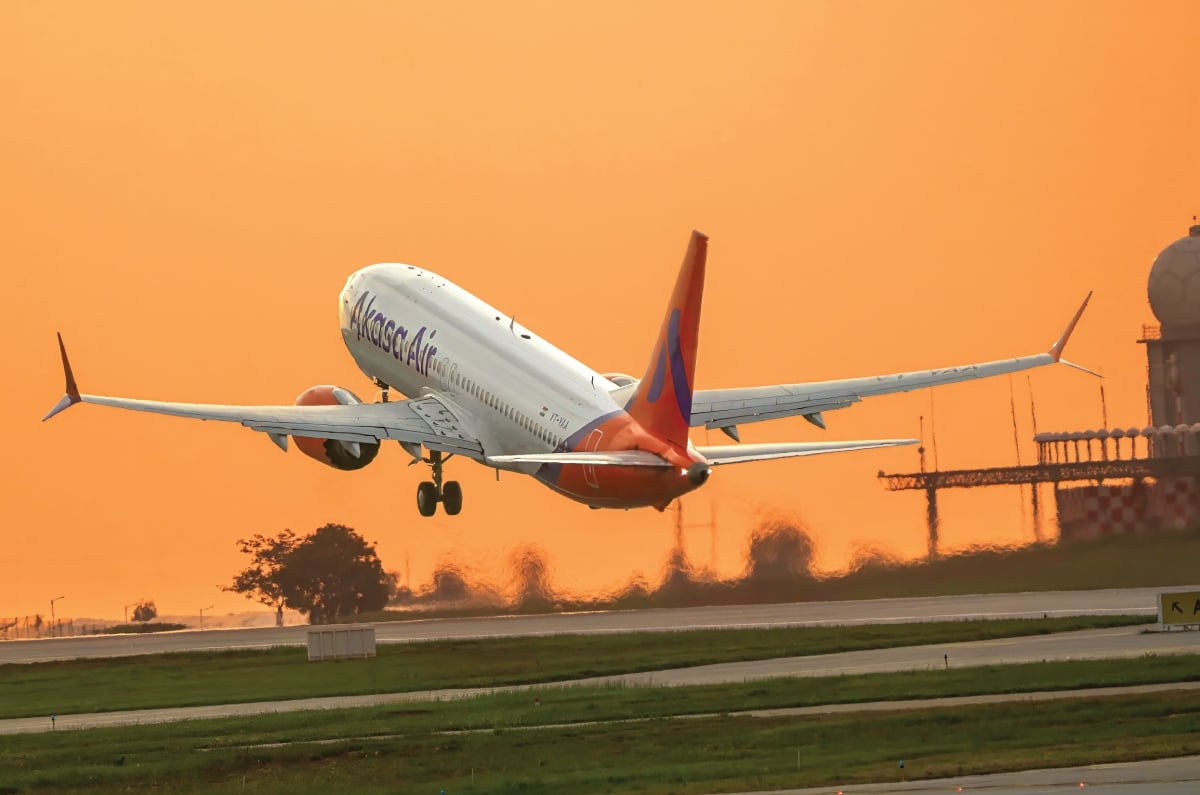
A Hyundai Venue N Line runs down a well-lined access road, its sensors alive. Off to the left overhead, an Akasa Boeing 737 Max makes its way down gracefully, flaps extended, ready to land. Both machines are bristling with technology that allows them to operate with a degree of independence once unthinkable. The car can keep itself within a lane, regulate speed in relation to the car ahead, and brake in emergencies. The aircraft can fly itself across continents, execute complex routes, and even land in zero visibility. Welcome to the new world where machines are self-aware and can operate for long stretches on their own.
Today, we dive deep into tech and compare how Advanced Driver Assistance Systems (ADAS), found in modern cars like the Hyundai Venue work, and juxtapose them against how advanced autopilot systems on airliners like the Boeing 737 Max function. Want to know how this Hyundai Venue senses lane markings, what it picks up, how it processes the data, makes a decision and executes a steering manoeuvre to keep the car within the lane, or how aircraft like the Boeing 737 Max are programmed to fly themselves and how they can even land automatically? Read on; there’s plenty of fascinating tech ahead.
Sensor fusion
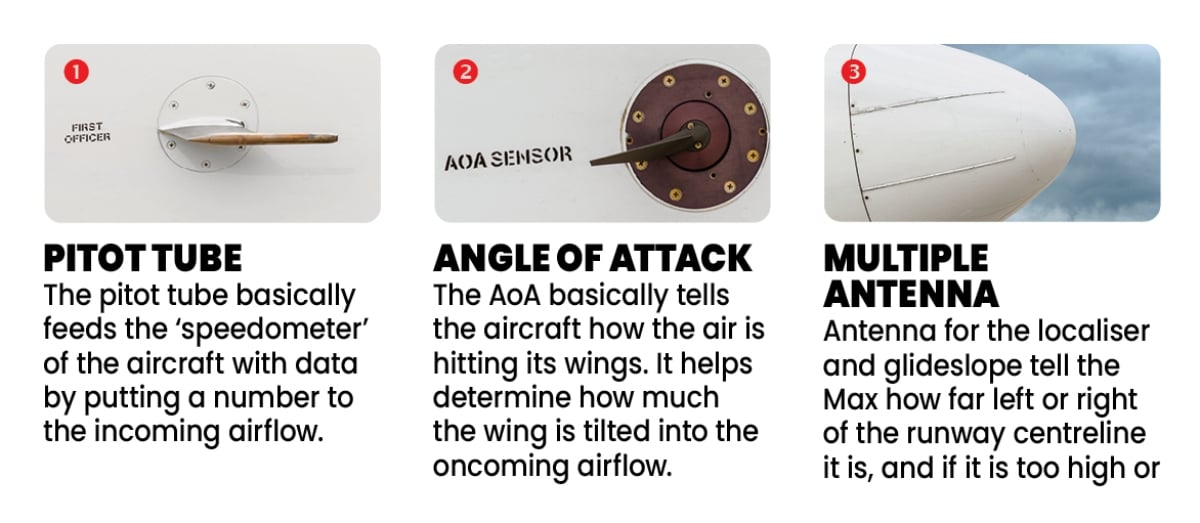
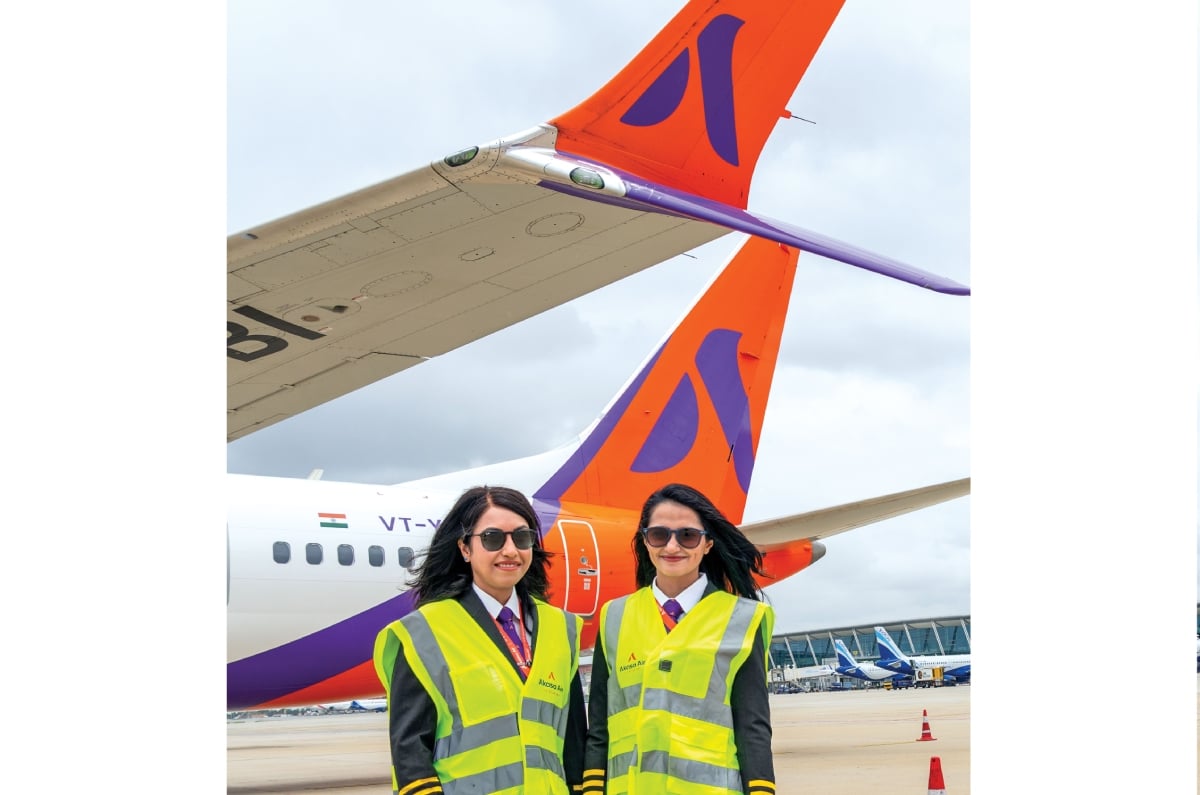
Walk around the attractive-looking Akasa 737 Max, now one of forty-three, and you notice the nose of the aircraft bristling with sensors. It’s from where a vast majority of the data for the Autopilot is collected. Showing me around and explaining things is Captain Svetlana from Akasa. First up, the speed sensors – elbow-shaped pitot tubes that stick out at an angle. This tube helps measure the airflow and, hence, the speed of the aircraft. For accuracy, this speed data is correlated with the static port, mounted flush on the side of the aircraft, which measures the real atmospheric pressure at the height the aircraft is flying.
Then there’s the AOA or Angle Of Attack sensor that basically tells you how the air is hitting the wings or how much the wing is tilted into the oncoming airflow. This is essential to know just how much lift the wing is making and how close the aircraft is to stall.
Then, inside the nose cone, apart from the weather radar, are antennas for the localiser and glideslope. Both pick up radio beams sent from transmitters positioned near the runway. The localiser tells the aircraft how far left or right of the runway centreline it is, and the glideslope tells if the aircraft is too high or too low. Together, they give the aircraft a complete three-dimensional picture of the ideal path to the runway. They feed data to the Instrument Landing System (ILS) and are what lets a 737 Max line up and descend precisely even when visibility is poor.
Further back are a pair of TCAS antennas, one on the belly and one on the top. They listen for nearby transponders (that also help flightradar24 funtion) to keep the aircraft clear of traffic.
Capt. Svetlana and Capt. Sanaya help us get to grips with how the autopilot on the 737 Max functions.
Positioning is done with the help of a GPS antenna on the roof. Another system, known as the Inertial Reference System, uses laser gyroscopes bolted to the airframe to sense every turn the aircraft makes. It uses accelerometers that sense every change in speed. A computer fuses the two, continuously tracking exactly how far and in which direction it’s travelled from a known starting point, which is set by the pilots at the gate.
Road and track
Though this is a high-tech and complex system, functionality is slick and smooth.
Now swap the open skies for chaotic tarmac. Here, the Venue N Line’s ADAS Level 2 suite runs off far fewer sensors or data points. The difference, however, is that the car actually ‘sees’ what is ahead, correlating data from the radar and the high-resolution camera into a single picture. Sensor fusion is essential on both the 737 and the Venue. What’s different is that the reactions of the car have to be immediate, and that means Smart Sense on the Venue not only has to process gigabytes of data every second, it also has to be ready with, say, a braking solution in milliseconds, just in case that petulant biker cuts across the Venue’s nose.
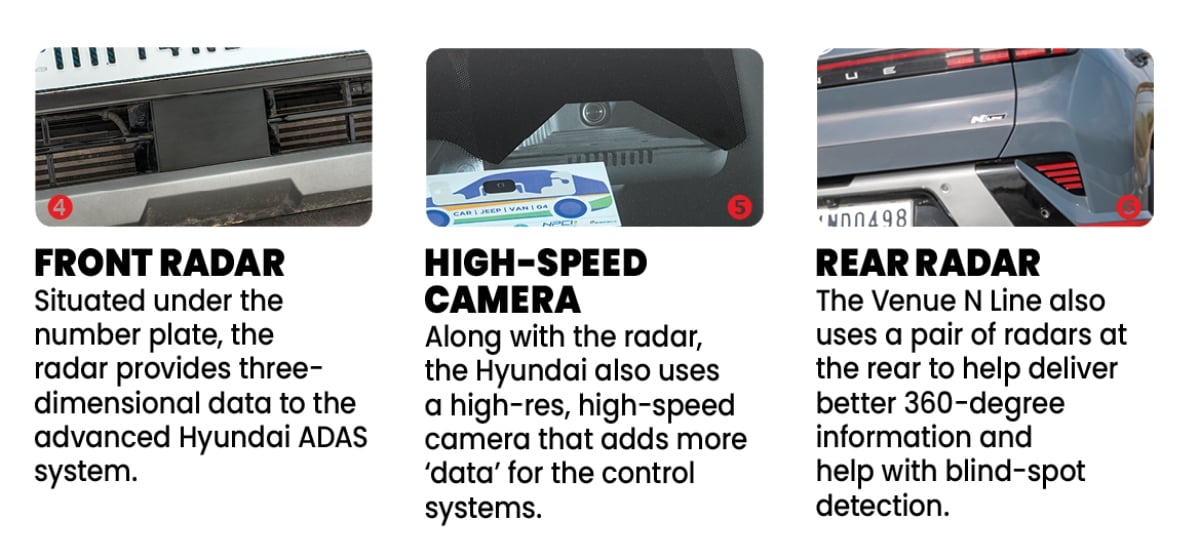
One of the primary sensors is the radar. Located behind the black square plastic panel under the number plate up front, it acts as a measuring tape, constantly tracking the exact distance and closing speed of the car ahead. Similar to a fruit bat, the radar sends out bursts of high-frequency radio waves (or chirps) that vary between 10,000-50,000 bursts per second. Just as important is how quickly the data is processed and passed on, which provides enough sharpness and resolution to differentiate between shapes ahead. This data is used by the Forward Collision-Avoidance Assist (FCA) to stop the Venue often before human reflexes can even respond to danger. In addition, the system uses a pair of rear-mounted radars, ultrasonic sensors and parking and proximity cameras for a more secure 360-degree ‘picture’.
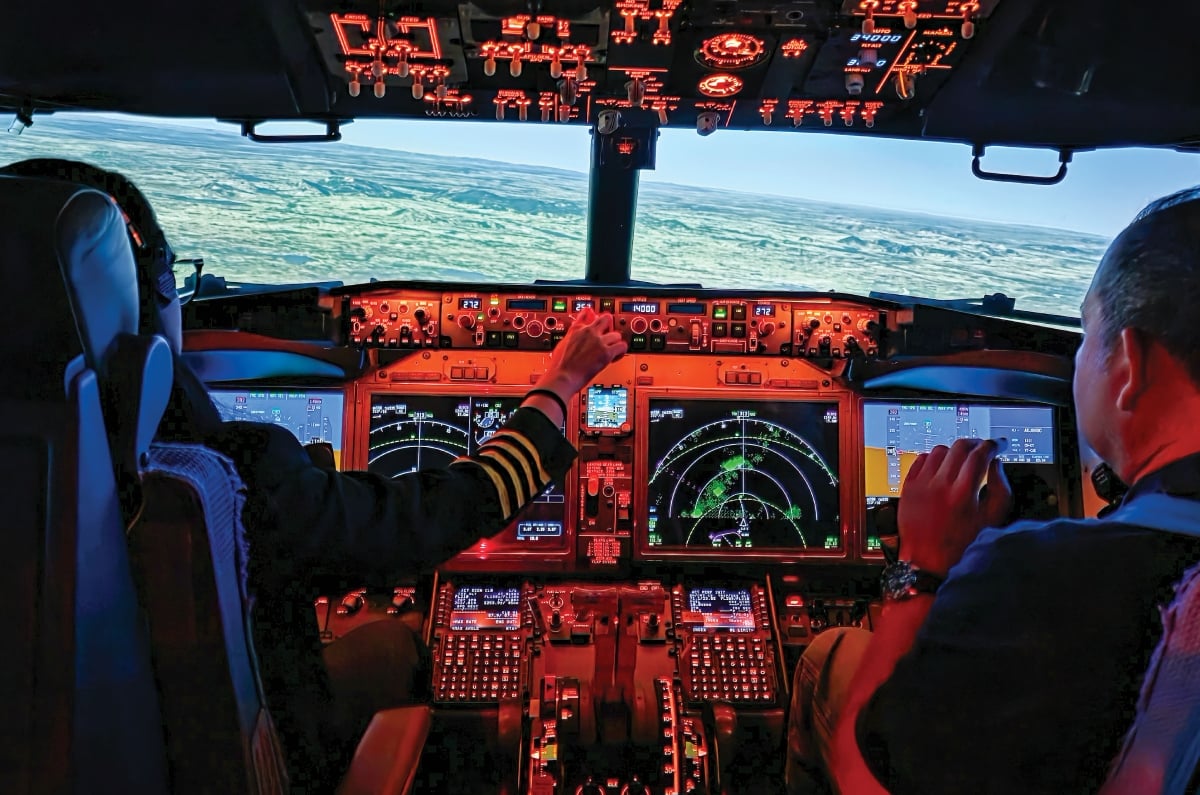
Captain Sanaya adjusts the heading knob in the sim, the aircraft reacts in real time without disengaging the system.
The other important data source is a high-resolution, high-speed camera at the top of the windshield. While its primary job is to look for lane markings and obstacles, it also works along with the radar up front, sharing the workload. The camera, for example, sees every detail but lacks depth perception (or 3D vision), and a radar tracks distance but cannot see the same amount of detail as the camera. The camera sends data via a special, automotive application-optimised CMOS sensor, similar to the one on your Sony mirrorless camera that also has a high dynamic range (for bright lights). Hyundai’s system can even detect faded lines with its edge-detection, texture-tracking, and colour-reading systems. Hyundai’s SmartSense also integrates Artificial Intelligence (AI) and Machine Learning. So, instead of using rigid “if-then” decision-making software, it uses embedded neural networking to interpret real-time sensor data.
Together, these systems form a nervous system that feeds into the car’s brain, which then nudges the steering, modulates throttle, or applies brakes. Unlike aviation, redundancy is limited. A sensor failure usually hands control back to the driver, who remains the ultimate fallback.
Steering wheels and yokes
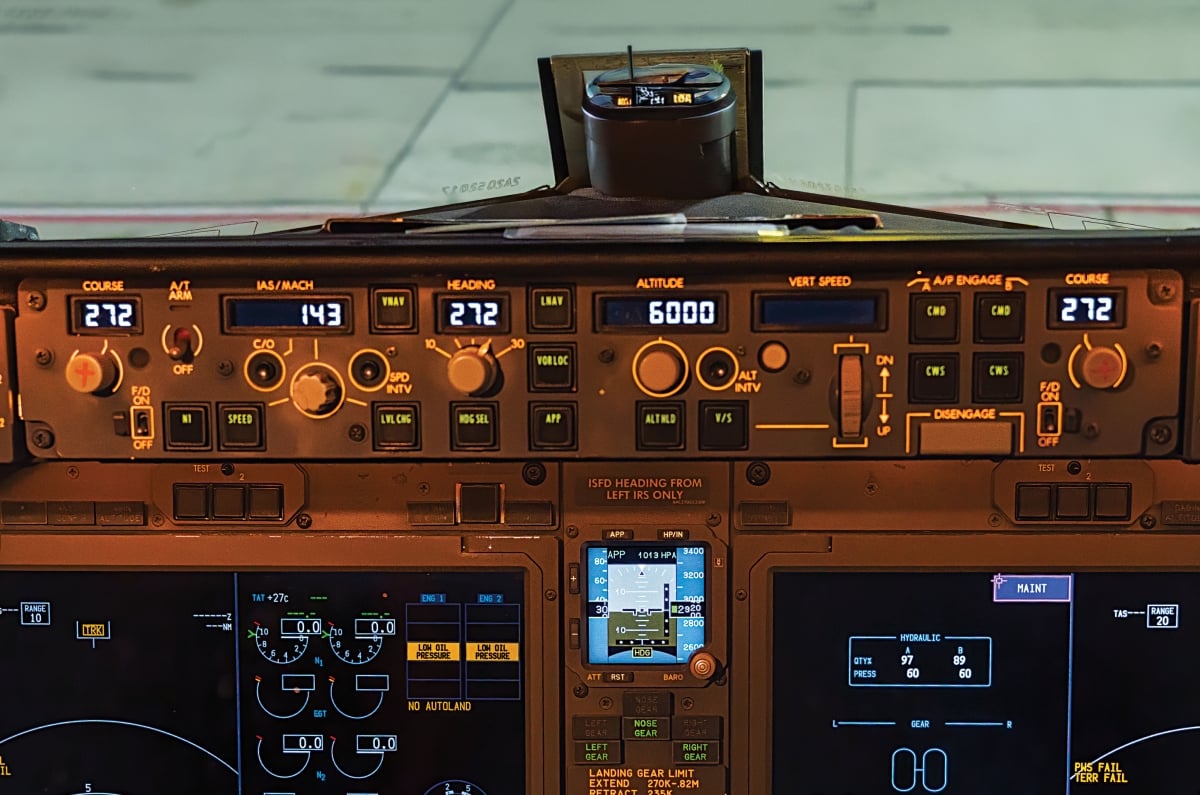
Hit ‘A/P Engage’ on mode control panel to activate autopilot; course, speed, heading and altitude are also adjustable here.
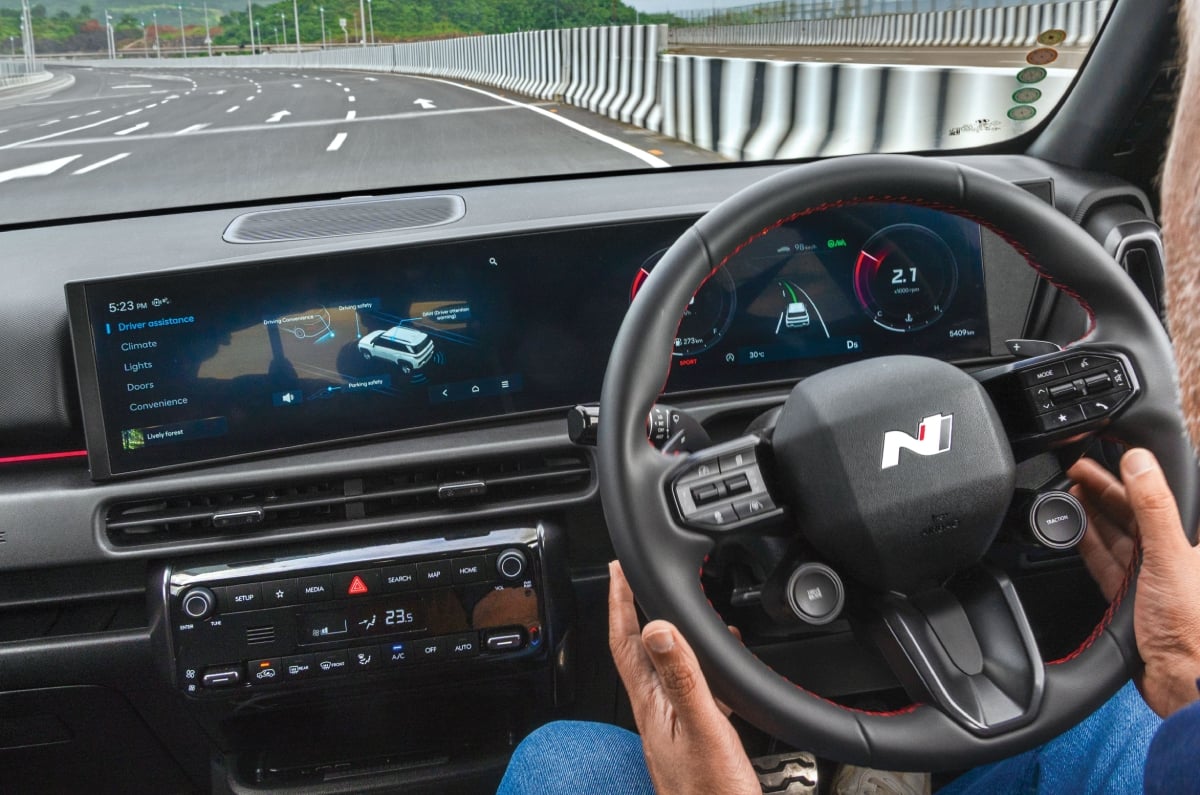
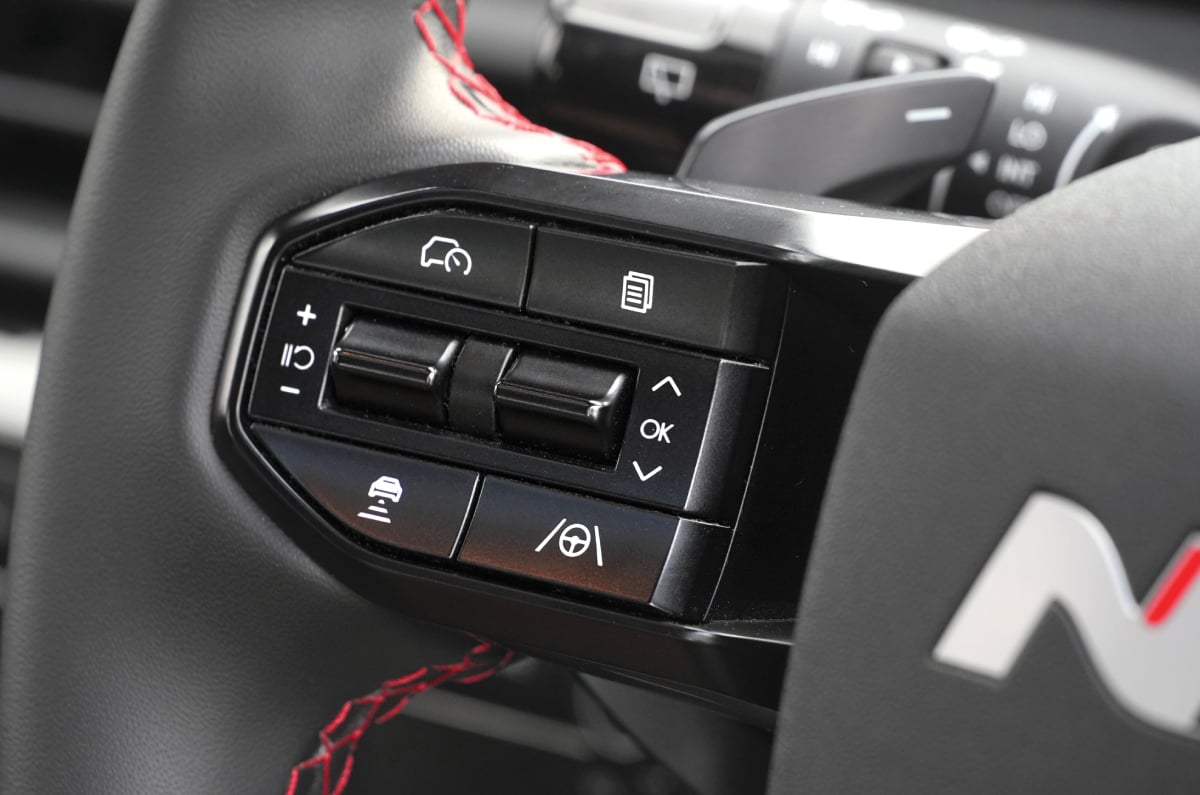
Once behind the wheel of the Venue, engaging the ADAS is seamless. You need to be above 30kph and on a well-lined road. To engage the system, you have to zoom into the left spoke of the steering wheel. Here you find the four buttons that help activate and operate the system. The first activates the Smart Cruise Control, the second allows you to increase or decrease the speed you want to run at, the third helps you set the desired safe distance to the car ahead and the fourth activates Lane Keep Assist (LKA).
Tyre pressure essential here too.
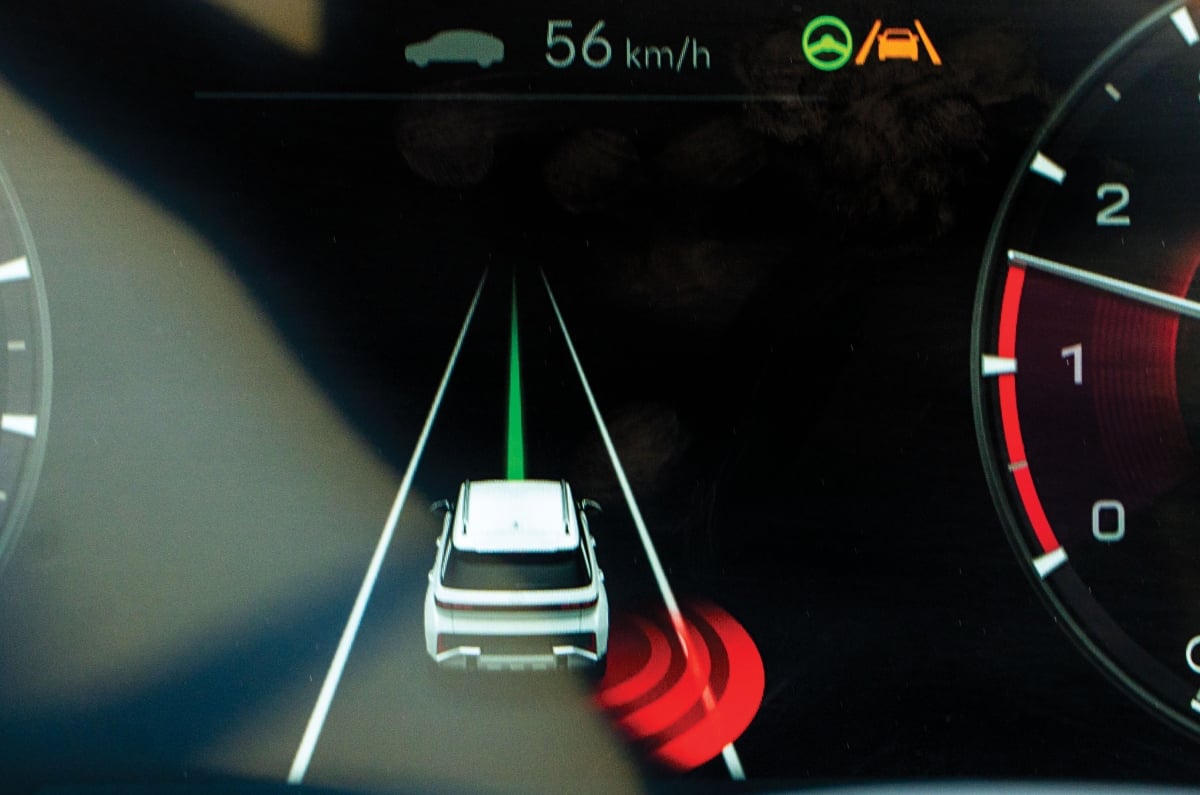
Activating LKA for me comes first, and you do this when you are running in a lane on a well-marked road. You know the system is engaged when the green steering icon lights up on the instrument panel and the car icon shows it running between the lines. Then you engage the smart cruise control and set the speed you want to run at, stepping off the accelerator simultaneously. The display on the instrument cluster lights up with the speed set, and you also get a horizontal bar showing the distance to the car ahead; which can be adjusted by the button with the distance icon.
Unseen by the driver and passengers in the car, the camera immediately begins scanning lane markings, and radar modules measure the distance to the vehicle ahead. The steering wheel then nudges itself gently to follow curves, while the throttle and brakes modulate to maintain speed and distance. The system makes split‑second decisions to help keep you out of harm’s way.
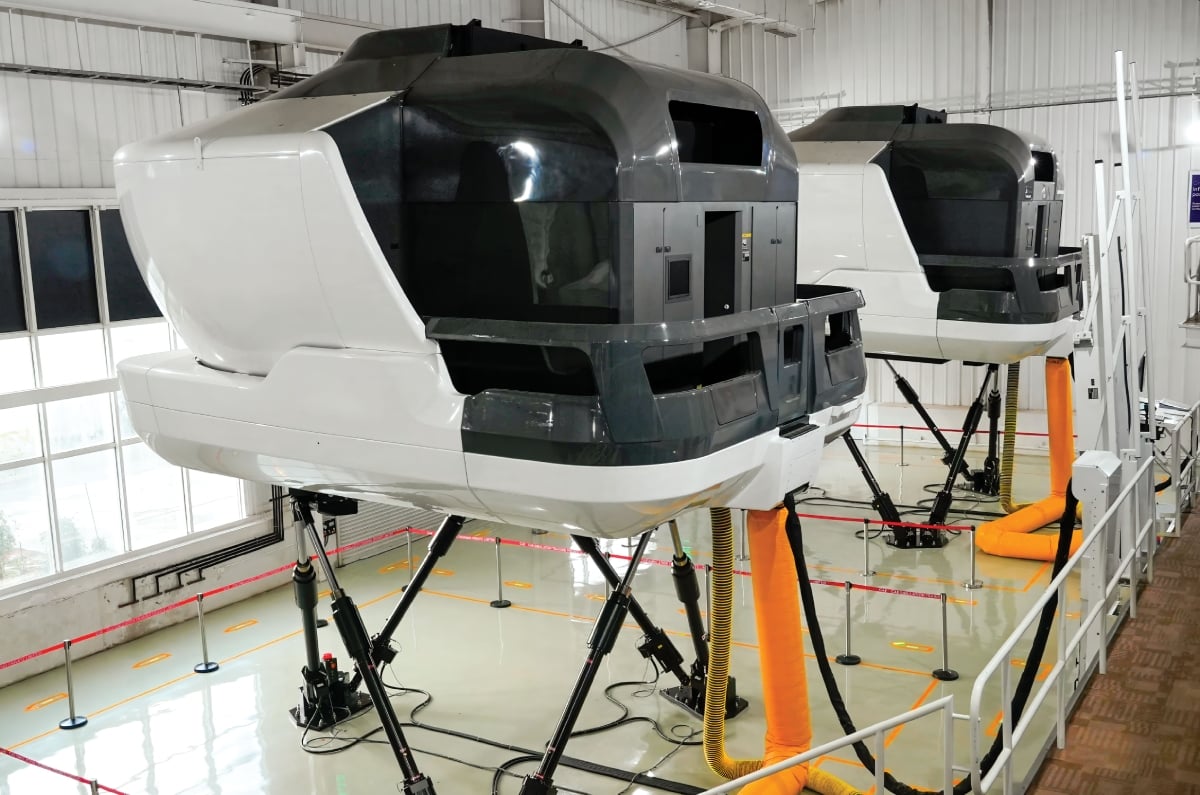
We took the assistance of the full-fledged 737 Max simulator that pilots train on to help us understand the systems better.
Climbing into the Akasa Boeing 737 Max cockpit is an immediate sensory overload. Hundreds of buttons, switches, levers and dials just overwhelm you. They are ahead of you, to your left, your right, and even above. There are, in fact, so many switches, buttons and dials above, I have to duck-walk in. And I’m not exactly Joel Garner or Kareem Abdul-Jabbar. Once seated, I slide the seat to the left and forward by depressing a lever, no powered seats here. And forget about comparing screen size, this is a proper ‘glass cockpit’ with wall-to-wall screens. My feet rest on the pedals that work the rudder in the tail, and ahead of me is Boeing’s famous yoke; unlike a regular joystick, you bank by turning the semi-circular bit of the ‘wheel’.
In contrast to our chaotic driving environment, the autopilot in the 737 Max operates on different principles. The environment is structured and regulated. There are no sudden jaywalkers or rogue bikers at thirty‑five thousand feet. So, unlike the Venue, the 737 doesn’t use optical cameras to see where it’s going. It doesn’t need to look for lanes or lines at 800kph. Instead, it relies on a combination of GPS, Inertial Reference Systems, antennas and sensors in the aircraft’s nose and cheek to get a fix on the exact heading, speed and altitude.
Driver’s display shows detailed ADAS information.
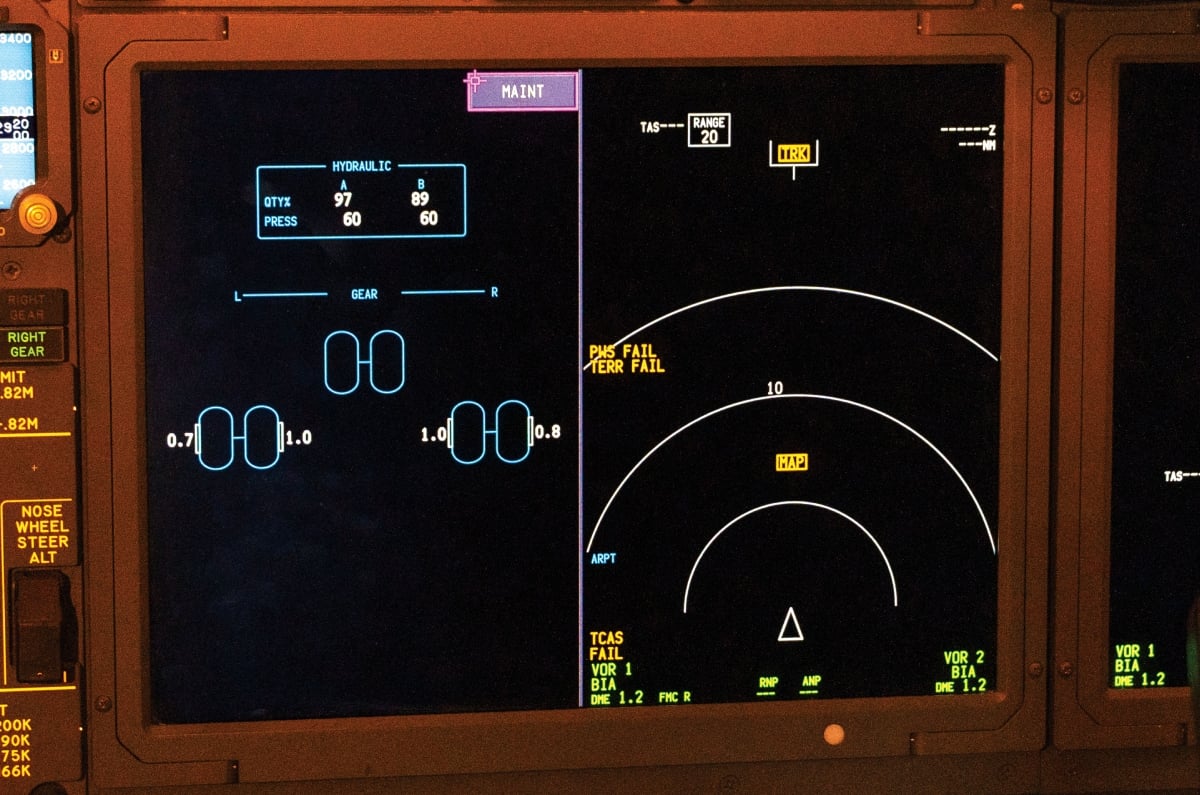
After taking a good look at the real cockpit and understanding some of the controls that help initiate the autopilot sequence, we shift to a full-scale moving platform simulator used to train airline pilots around the world. The cockpit is identical, down to the last detail, and here we have Captain Sanaya Chothia to help us conduct a simulated flight. Can’t help noticing, the 737 also has a tyre pressure monitor; of course, it does.
First up, a full-bore take off in the sim, Capt. Sanaya working the rudder pedals to keep the aircraft running down the centre line. Wow, this feels real, the sound, the visuals, the motion all combined. What a thing! After climbing out, we take a quick look at the sequence used to initiate the autopilot, most of the steps done on the long horizontal panel that sits between the pilots, directly in their line of vision. The first step involves checking if the auto throttle is engaged, and then all the pilot needs to do is press a single button on the autopilot panel. Unlike ADAS, the route the aircraft has to take is already pre-programmed into the navigation computer, a fairly long and detailed process. The speed, the height, the course, the heading, everything. And the autopilot just follows this.
The buttons that initiate ADAS are all placed here.
Once the system is initiated, the throttles move on their own, adjusting thrust; the yoke makes deliberate corrections and the screens display the aircraft banking smoothly along its GPS track. As the flight progresses, pilots can keep the aircraft on autopilot and make plenty of alterations to the route, either to avoid weather, get a more direct route or as directed by Air Traffic Control. There are knobs on the panel to alter course, speed, heading and altitude, with even the rate of descent and ascent adjustable.
We even execute an autoland, where the aircraft lands itself. The Instrument Landing System frequency is first inputted into the Multi-Mode navigation panel, the final approach course is set for the runway on the Mode Control or autopilot panel (272 for runway 27 in this case), and then the APP or approach mode is selected once the aircraft is positioned correctly. Doing this arms the localiser and glideslope systems that, as we’ve mentioned earlier, have their sensors in the nose cone. Seeing the aircraft adjust, manoeuvre, manage its path, height and distance, and land itself is an eye-opener. What an incredible piece of technology!
Level 2 ADAS on the Hyundai Venue N Line integrates data from all its sensors for a smooth, seamless drive.
What’s fascinating is that both systems have boundaries. In aviation, autopilot is trusted to fly for hours, even land. Pilots monitor, manage and intervene when necessary, but the system is designed to shoulder the bulk of the workload. Take offs, however, are always manual. In cars, ADAS is an assistant with a much narrower scope. It reduces fatigue, takes a load off the driver and adds a safety net, but ultimately the driver is always on call at short notice and is the one in control.
Sharing the workload
Modern aircraft like this Akasa 737 Max can get onto autopilot soon after take off.
Similar in execution but very different in how they function, ADAS and Autopilot both overlap but also exist in isolation. One is designed to keep you from bumping into a hatchback on the Western Express Highway, while the other is designed to guide an 80-tonne metal tube across oceans. Both are glimpses into a future where machines will shoulder more of the burden of control and blow us away with the technology on offer. But for now, if you step into an aircraft, know that while autopilot may be doing a bulk of the flying, a pilot is always watching, and when you engage ADAS to ease your commute, keep your eyes on the road, your hands on the wheel.
Silver Gold Price Today : घरेलू बाजार में सोने-चांदी में आज बढ़त के साथ कारोबार होता दिख रहा है। 11.25 बजे के आसपास एमसीएक्स पर गोल्ड का अक्टूबर वायदा 1,018 रुपए यानी 0.70 फीसदी की बढ़त के साथ 147,250 रुपए पर कारोबार कर रहा था। वहीं, चांदी का दिसंबर वायदा 915 रुपए यानी 0.41 फीसदी की तेजी के साथ 226,365 रुपए पर नजर आ रहा था। अमेरिका और ईरान के बीच जारी जियोपॉलिटिकल अनिश्चितता के चलते आज भारत के रिटेल मार्केट में सोने की कीमत बढ़ गई है।
उधर बुधवार को इंटरनेशनल मार्केट में सोने की कीमतों में गिरावट आई और मंथली लॉस की ओर बढ़ता दिख रहा है। ब्याज दरें बढ़ने की उम्मीदों का असर मार्केट सेंटीमेंट पर पड़ा है। साथ ही,इन्वेस्टर्स फेडरल रिजर्व के अगले पॉलिसी फैसले के बारे में अंदाजा लगाने के लिए US के महंगाई के आंकड़ों पर नजरें बनाए हुए हैं। इंटरनेशनल मार्केट में स्पॉट गोल्ड 0.2% गिरकर $4,170.63 प्रति औंस पर आ गया और इस महीने अब तक इसमें 6% से ज़्यादा की गिरावट आई है।
Giottus.com के CEO विक्रम सुब्बुराज का कहना है कि MCX पर अक्टूबर का गोल्ड फ्यूचर्स 29 सितंबर को ₹1,46,247 प्रति 10 ग्राम पर बंद हुआ,जो ₹557 या 0.38% कम था। 28 सितंबर को इस कॉन्ट्रैक्ट में 2.7% की गिरावट आई थी। मंगलवार के कारोबार में दिसंबर कॉन्ट्रैक्ट का गोल्ड लगभग ₹1,48,766 पर था। दिसंबर का सिल्वर कॉन्ट्रैक्ट लगभग ₹2,25,945 पर था,जिसमें 0.91% की गिरावट आई थी। यह गिरावट काफी तेज़ रही है। सोना सितंबर के मध्य में लगभग ₹1.54 लाख प्रति 10 ग्राम से गिरकर लगभग ₹1.46 लाख पर आ गया है।
उन्होंने आगे कहा कि यूएस फेड के हालिया बयानों से कुछ राहत मिली है। न्यूयॉर्क फेड के प्रेसिडेंट जॉन विलियम्स ने कहा है कि ब्याज दरों में और बढ़ोतरी की कोई जल्दबाजी नहीं है। नतीजतन, बाज़ार ने अक्टूबर में दरों की बढ़ोतरी की संभावना को पहले के लगभग 70% से घटाकर लगभग 50% कर दिया है। भारतीय निवेशकों के लिए सोने-चांदी में उतार-चढ़ाव ज़्यादा रहने की संभावना है। रुपया भी अहम होगा क्योंकि करेंसी की कमजोरी घरेलू बाजार में सोने-चांदी की कीमतों को सहारा दे सकती है।
कमोडिटी में कमाई वाले कॉल
कमोडिटी में कमाई वाले कॉल के लिए आज हमारे साथ हैं Kedia Advisory के अजय केडिया। आज इनकी गोल्ड और सिल्वर में खरीदारी की सलाह है। गोल्ड में इनकी 147000 रुपए के आसपास, 146000 रुपए के स्टॉप-लॉस के साथ, 150000 रुपए के टारगेट के लिए खरीदारी की सलाह है। वहीं,सिल्वर में इनकी 224000 रुपए के आसपास, 222000 रुपए के स्टॉप-लॉस के साथ, 228000 रुपए के टारगेट के लिए खरीदारी की सलाह है।
डिस्क्लेमर: मनीकंट्रोल.कॉम पर दिए गए विचार एक्सपर्ट के अपने निजी विचार होते हैं। वेबसाइट या मैनेजमेंट इसके लिए उत्तरदाई नहीं है। यूजर्स को मनी कंट्रोल की सलाह है कि कोई भी निवेश निर्णय लेने से पहले सर्टिफाइड एक्सपर्ट की सलाह लें।