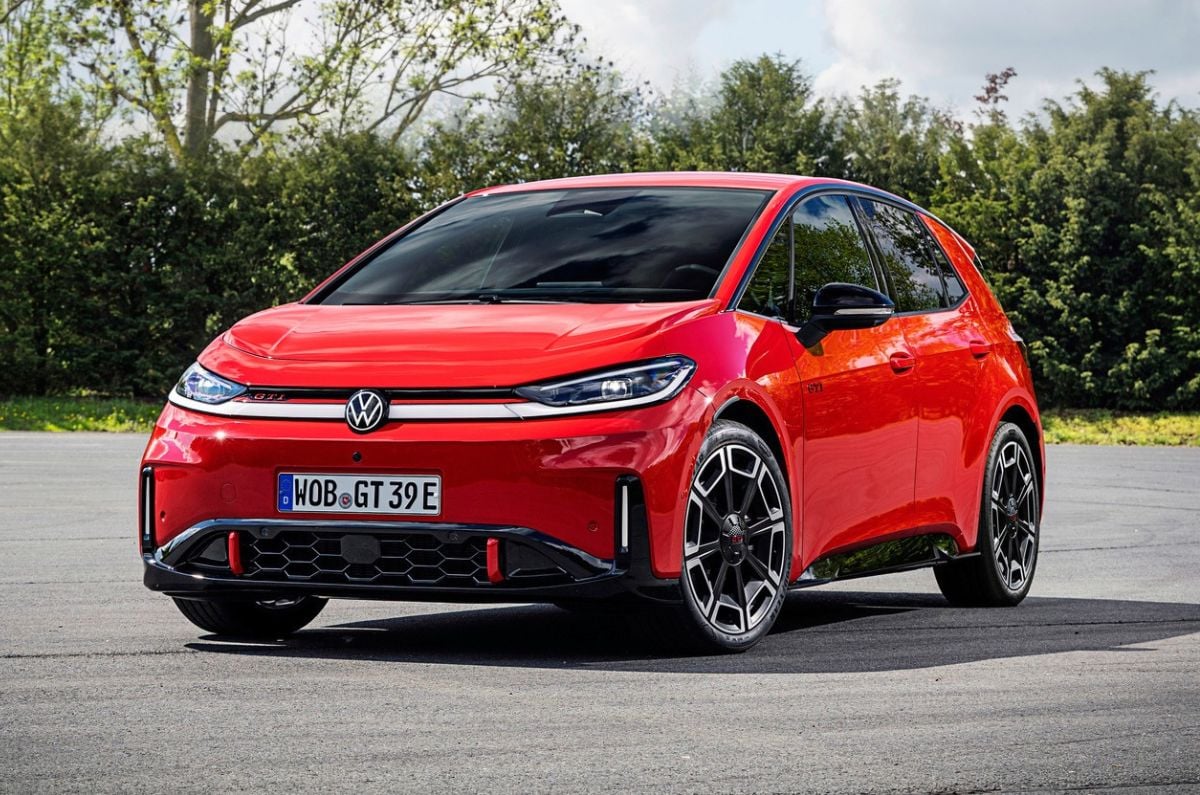
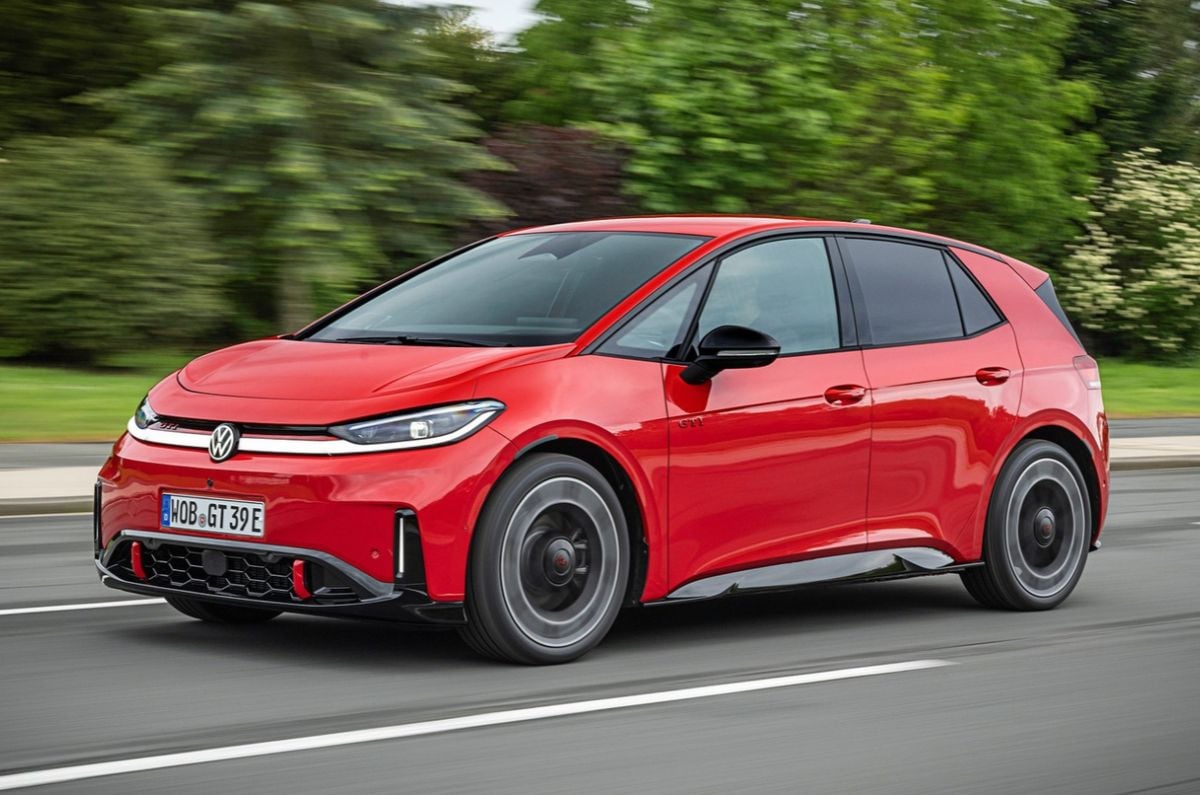
The Volkswagen ID.3 now gets a GTI version with 326hp, making this the most powerful series-production VW with the GTI badge. It’s also the first GTI model to get rear-wheel drive. Customer bookings will begin in early 2027, and the GTI version offers unique design elements and features as compared to the regular ID.3 Neo on which it’s based. The unveiling of this high-performance version of the ID.3 also marks 50 years since the ‘GTI’ nameplate’s debut in 1976.
79kWh battery pack supports DC charging up to 183kW.
0-100kph in a claimed 5.6 seconds.
Gets vertical LED elements, gloss-black accents and Wörthersee wheels.
Sport seats with check pattern, red stripes on the dash and 12 o’clock steering marking.
Volkswagen ID.3 GTI powertrain
The first fully electric GTI gets all of the ID.3’s performance-enhancing features as standard
The Volkswagen ID.3 GTI is equipped a 79kWh lithium-ion battery pack that’s available with the range-topping variant of the regular ID 3 Neo as standard. This energises a single rear-mounted electric motor that generates 326hp and 545Nm of torque, enabling a 0-100kph sprint in a claimed 5.6 seconds.
The top speed of the ID.3 GTI is electronically limited to 200kph. Eco, Comfort, Sport and Individual drive modes aside, the ID.3 GTI gets launch control, progressive steering and adaptive dampers as standard, too. Supporting DC fast charging of up to 183kW, Volkswagen says that the 79kWh battery pack of this ID.3 can be topped up from 10-80 percent in around 29 minutes.
Starting at Rs 79.60 lakh, the i5 LWB eDrive 35L M Sport variant costs Rs 3 lakh more than its petrol-powered 530Li M Sport sibling. Within the BMW i5 line-up in India, the i5 LWB slots below the range-topping standard-wheelbase i5 M60 xDrive, which costs Rs 39.90 lakh more. Here are some of the main pros and cons of the BMW i5 LWB.
Reasons to buy the BMW i5 LWB
More wheelbase equals more interior space
Carrying four occupants in the i5 LWB will be a breeze
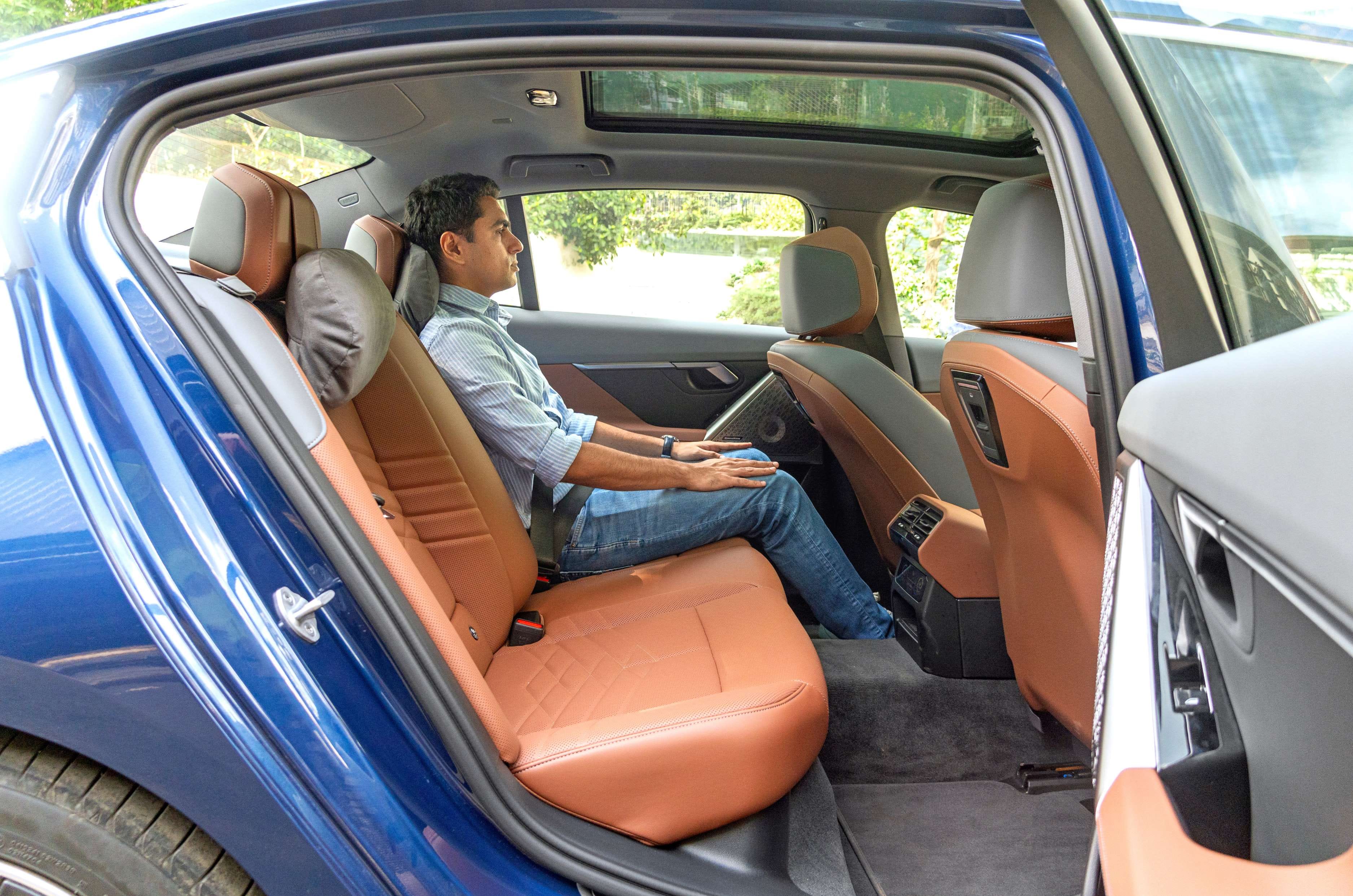
The additional 110mm gained between the front and rear wheels of the BMW i5 LWB over the standard-wheelbase i5 means that space on the inside isn’t on short supply. Despite lacking the manually adjustable thigh support feature found in earlier 5 Series models, the ventilated front seats of the i5 LWB feel really comfortable and supportive. There’s also plenty of legroom at the back, with the long wheelbase allowing occupants to stretch out and relax – perfect for the chauffeur-driven. Furthermore, the contouring of the rear bench provides the outer occupants with a true sense of luxury.
Plush ride
Bad roads will not pose a problem for the BMW i5 LWB
While the i5 LWB gets larger (20-inch) alloy wheels shod with lower-profile tyres when compared to the petrol-powered 5 Series LWB, it adds a rear air suspension system. This helps make the i5 LWB’s ride plush as it absorbs bad roads in its stride, ensuring occupants don’t get tossed around. The raised ground clearance (by 18mm) of the i5 LWB means that driving over poor surfaces and speed bumps even with four occupants onboard remains a relatively stress-free experience.
Brimming with tech
The long-wheelbase i5 offers plenty in the way of modern-day equipment
Adaptive LED headlamps and a powered boot aside, the BMW i5 LWB comes with a fixed panoramic glass roof with integrated LEDs, multi-colour ambient lighting, a four-zone climate control system, and dual curved displays powered by the BMW OS 8.5. There’s also the My BMW app, wireless Apple CarPlay & Android Auto, an immersive 17-speaker Bowers & Wilkins audio system, an onboard camera enabling selfies, and wireless charging pads for the front- & rear-seat occupants.
The catalogue of the long-wheelbase i5 also includes adaptive cruise control, auto-emergency braking, active steering assist, cross-traffic alert, automatic parking assistance, etc. The i5 LWB’s useful feature set adds multiple regenerative braking settings – there’s Adaptive, High, Mid and Low settings. Finally, the dedicated one-pedal ‘B’ mode allows the EV to be brought to a complete halt without touching the brake pedal.
Reasons to not buy the BMW i5 LWB
Missing rear-seat features
BMW could have offered more in the way of conveniences for rear-seat passengers
The outer rear seats of the BMW i5 LWB cannot be adjusted for recline, and the protruding head cushions aren’t as comfortable as those in a Mercedes-Benz E-Class. The battery pack, along with the tall central tunnel on the floor, results in a raised seating position, especially impacting headroom for the rear-centre passenger. While the i5 LWB misses out on a head-up display, it’ll be the lack of rear sunblinds, a ‘boss’ mode for the front-passenger seat, dedicated rear audio controls and soft-close doors that chauffeur-driven buyers will come to miss.
Compromised boot
The boot space of the i5 LWB isn’t as accommodaing as the combustion-powered 5 Series
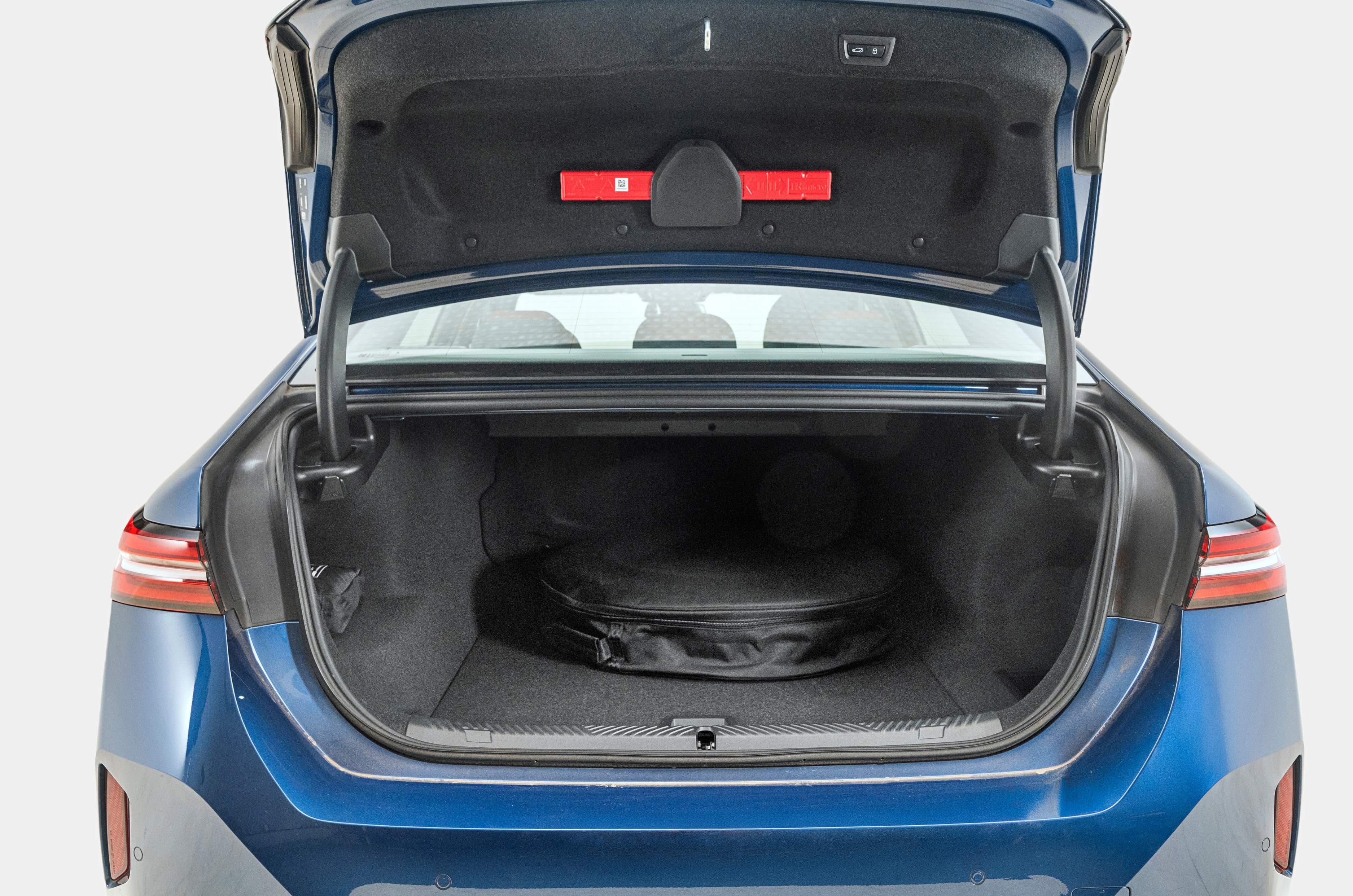
When it comes to carrying cargo, buyers of the BMW i5 LWB will be left a little disappointed. While the 500-litre capacity is comparable to that of the combustion-powered 5 Series LWB, the space-saver spare wheel is placed in the boot rather than tucked underneath it. This eats into valuable cargo room, which could otherwise have been used to accommodate more luggage.
Not BMW enough when behind the wheel
The electric 5 Series is not the most engaging 5 Series to drive
The electric powertrain of the i5 LWB offers enough poke up to 100kph, while feeling smooth and responsive to inputs. However, not only did we find the i5 LWB to be a touch slower from 0-100kph but also in our 20-80kph and 40-100kph acceleration tests than the 530Li. Then there’s the brake pedal, which lacks feel, while the transition from regenerative braking to mechanical braking also doesn’t feel natural.
BMW has managed to achieve a perfect 50:50 weight distribution with the i5 LWB, but the higher ground clearance and softer suspension setup has resulted in this fully electric 5 Series feeling less engaging to drive. Those with a verve for driving will notice the lack of precision and sharpness that’s usually associated with a 5 Series.
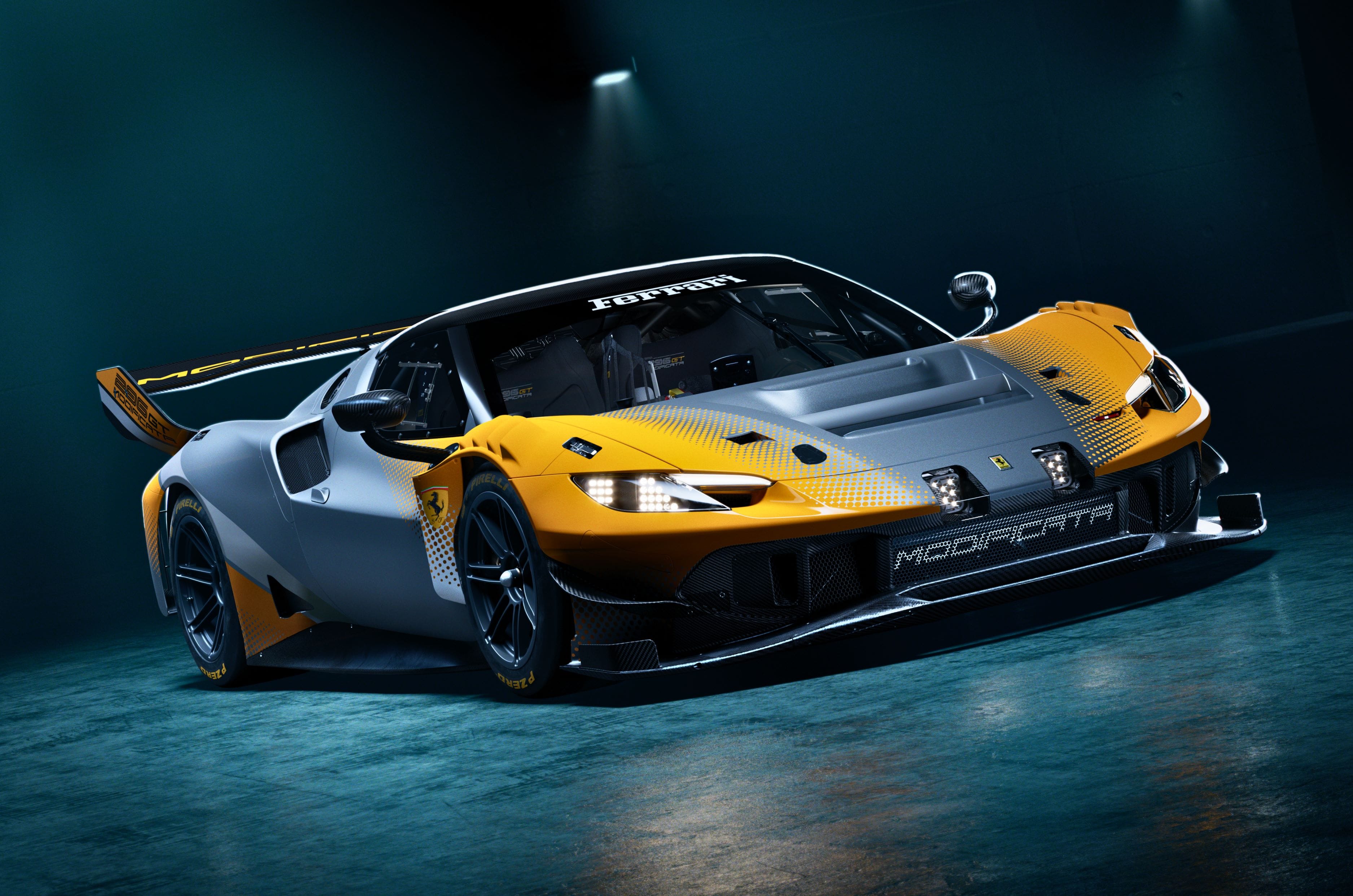
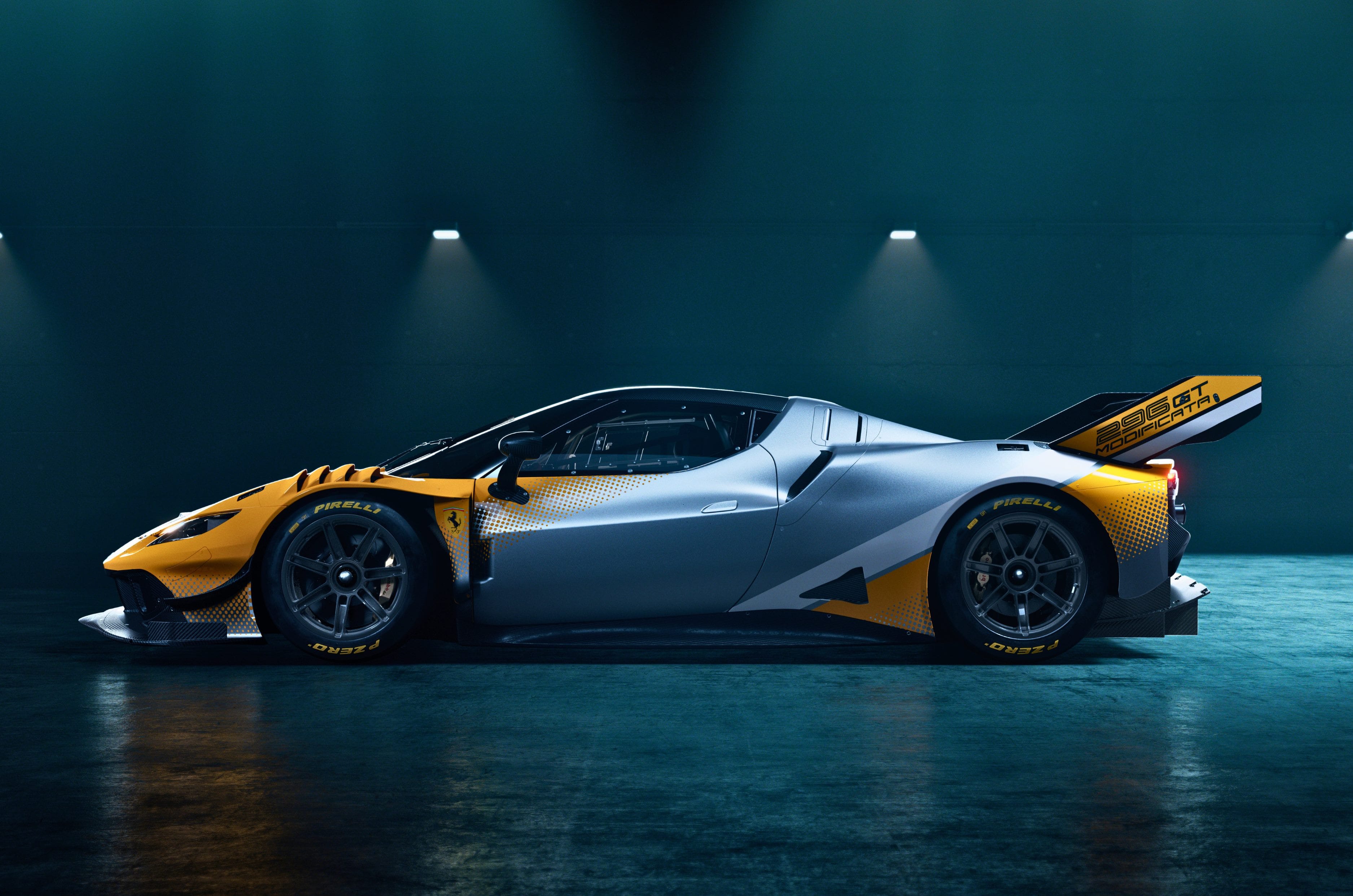
Ferrari has pulled the wraps off the 296 GT Modificata, a track-only special based on the 296 GT3 Evo race car. Touted as the most extreme version of the 296 yet, the Modificata takes the lessons learned from Ferrari’s GT3 racing programme and applies them to a machine that isn’t restricted by FIA or IMSA GT3 regulations.
It’s much the same formula as seen in the 488 GT Modificata and 499P Modificata. The 296 GT Modificata is being produced in “extremely limited numbers” for members of Ferrari’s Club Competizioni GT track experience programme. The membership includes two years, or 12 rounds, of participation in the customer racing series.
Ferrari 296 GT Modificata powertrain and performance
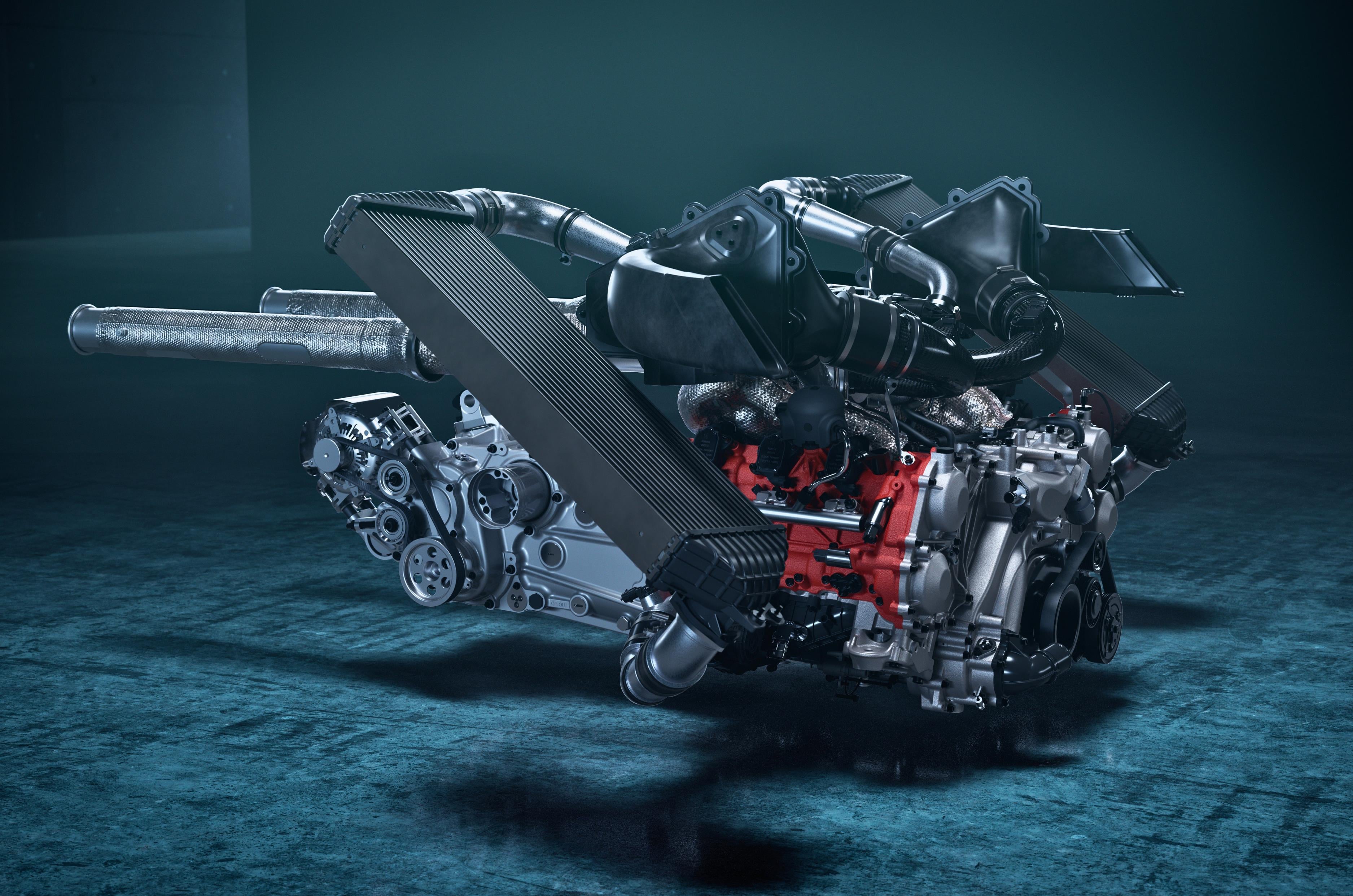
The 296 GT Modificata uses the GT3 Evo’s 3.0-litre twin-turbo V6, which doesn’t feature the plug-in hybrid system found in the road-going 296 GTB. Ferrari has upgraded the engine with new connecting rods and camshafts, along with revising the air intake, intercoolers, turbochargers, and exhaust system. These changes raise the engine’s redline from 8,000rpm to 8,500rpm, while total output increases to 730hp (130hp more than the 296 GT3 Evo) and 800Nm. The engine is mated to a 6-speed sequential gearbox with revised gear ratios.
Ferrari has upgraded the braking system with new front discs and additional cooling hardware designed to allow the brakes to be used more aggressively during extended track sessions. Speaking of which, Ferrari says the 296 GT Modificata can lap the Fiorano test track in 1 minute and 11 seconds – three seconds faster than the 296 GT3 Evo.
Ferrari 296 GT Modificata exterior
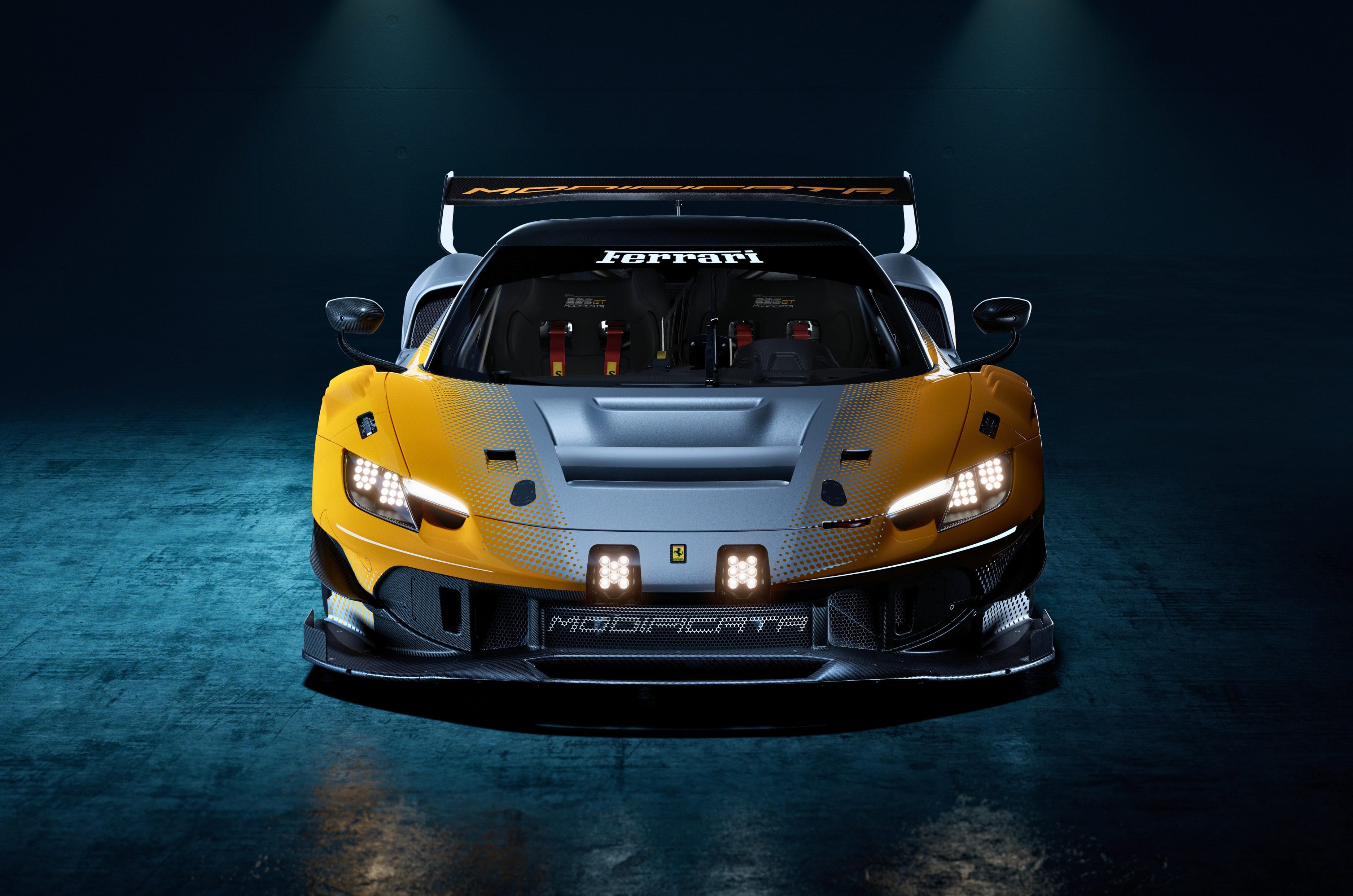
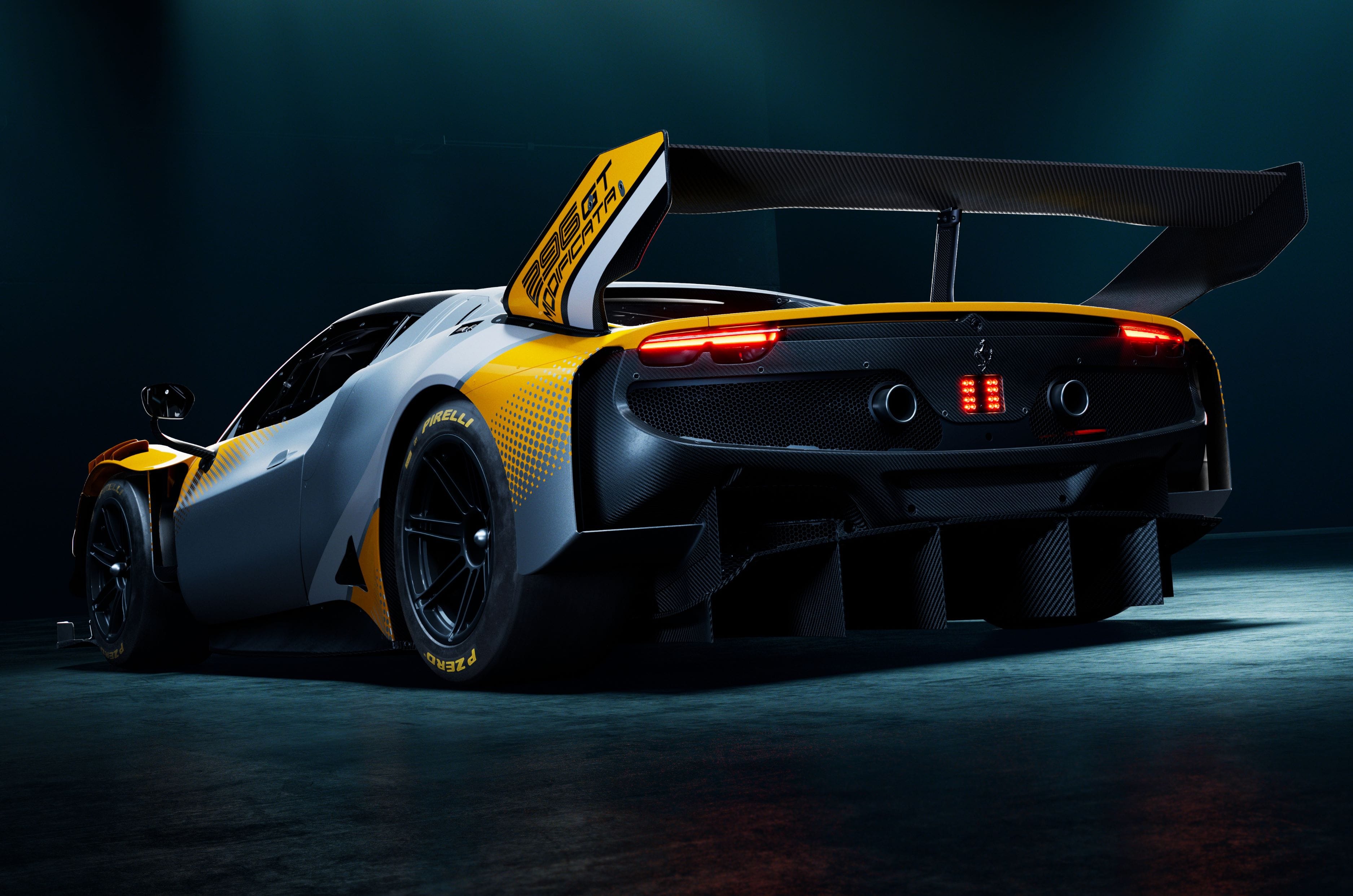
The 296 GT Modificata gets a heavily revised aerodynamic body kit, which includes a new front splitter, a redesigned engine cover, more heavily sculpted surfaces, and a large fixed rear wing. There are larger air intakes on the front to meet the engine’s increased cooling requirements, as well as ‘Modificata’ painted into the grille. Like with the 296 GT3 Evo, the Modificata sports fitments like driving lights, bumper canards, bonnet latches, front fender air ducts, and more.
Over to the side, the 296 GT Modificata comes with 18-inch wheels shod in Pirelli P Zero rubber, while at the rear, it gets a thoroughly updated rear wing that includes a new centre pylon, a 5mm Gurney flap, and endplates. The exhaust tips are also of a completely new design for the 296 GT Modificata, while the massive rear diffuser is barely unchanged from the one on the GT3 Evo.
Ferrari 296 GT Modificata interior
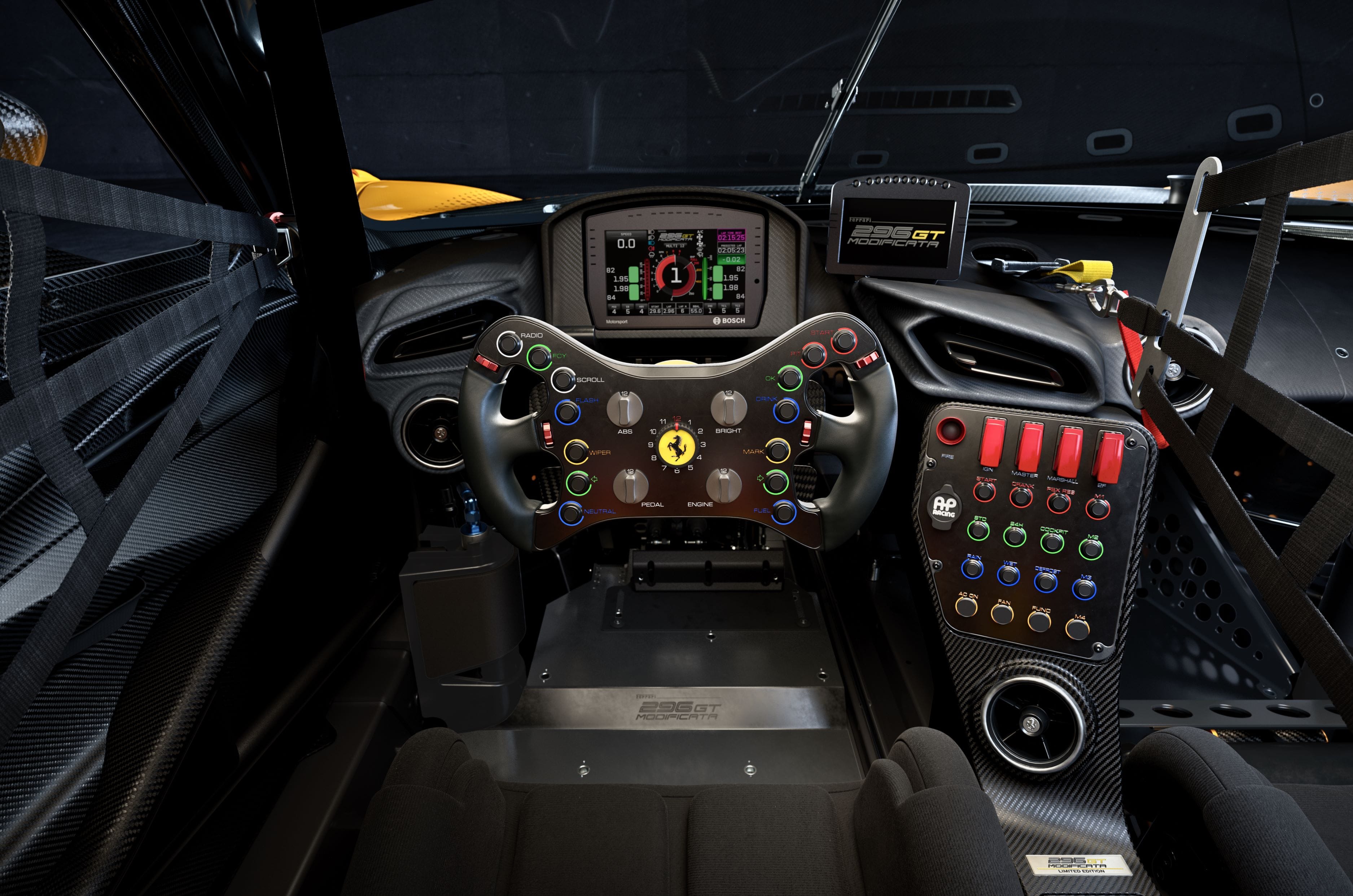
Inside, the 296 GT Modificata is expectedly designed around track use, so it features racing bucket seats with harnesses, a pared-back dashboard full of switches and buttons, and a motorsport-derived steering wheel. Unlike the single-seat GT3 Evo race car, the 296 GT Modificata has a two-seat layout, allowing owners to take a passenger or driving coach along. To help both occupants communicate, Ferrari has included an intercom system.
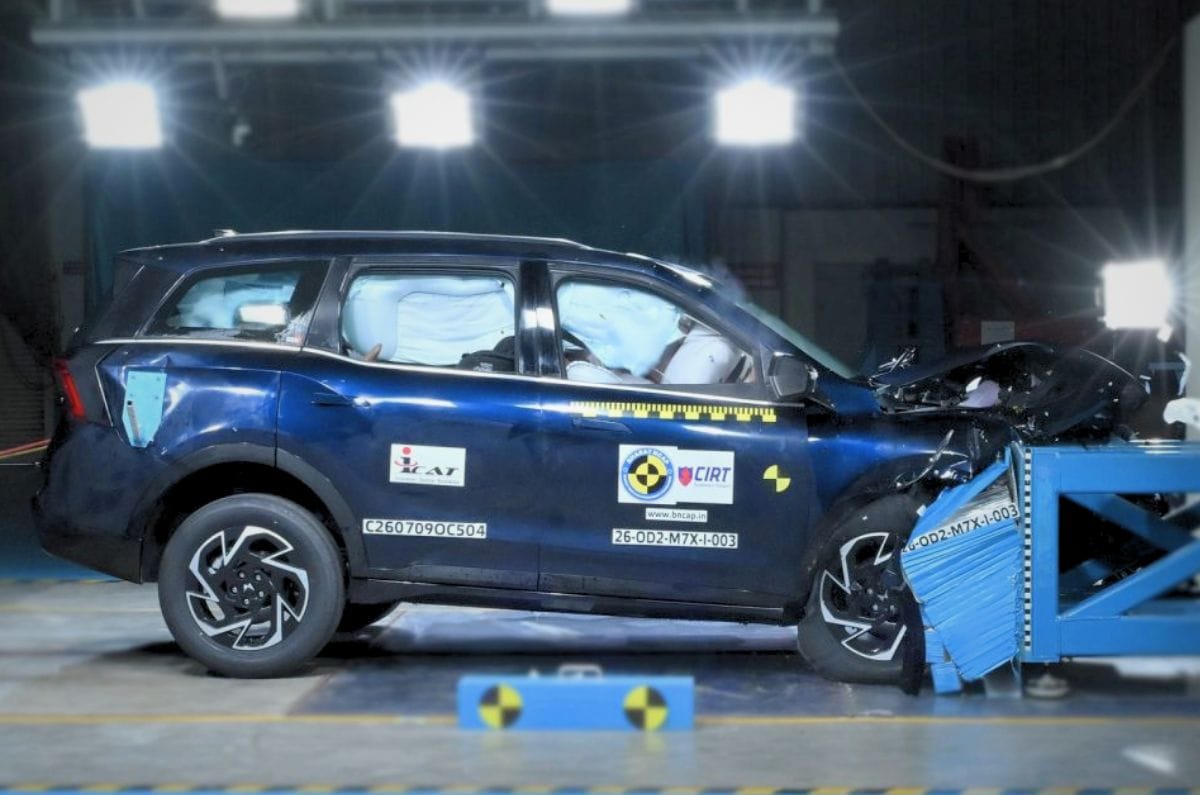
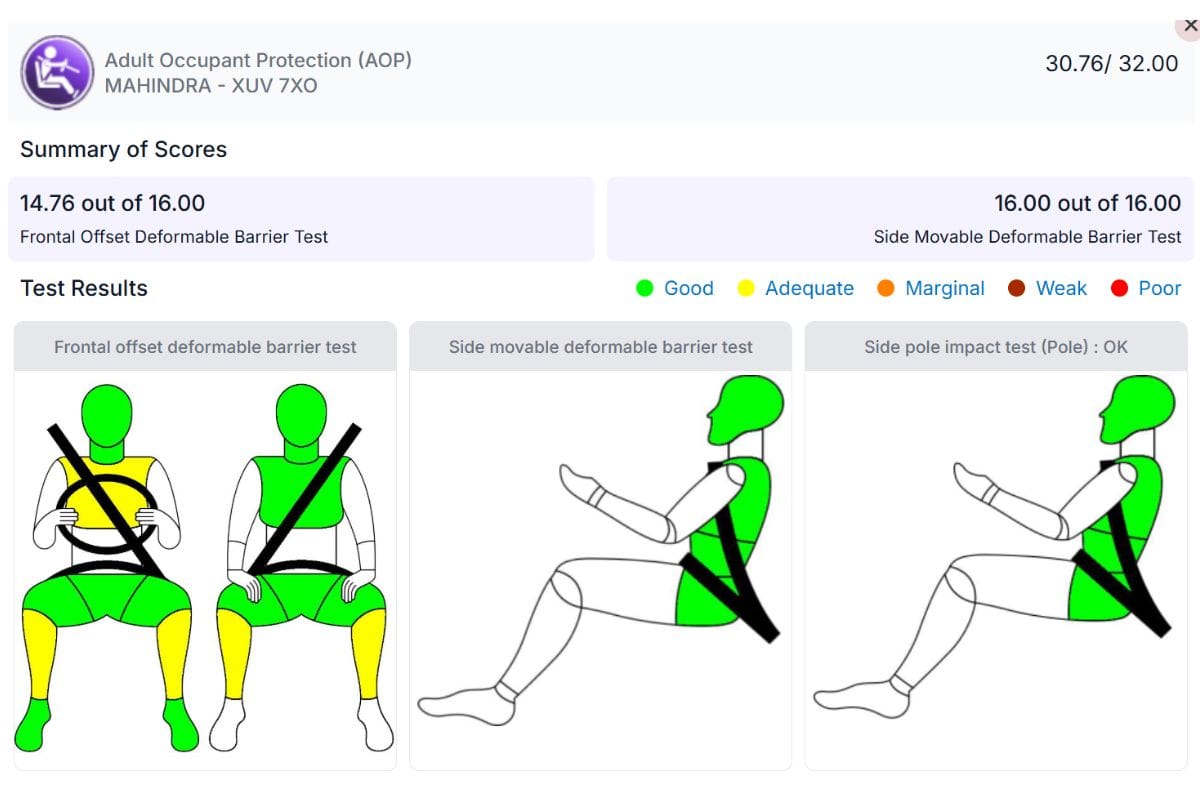
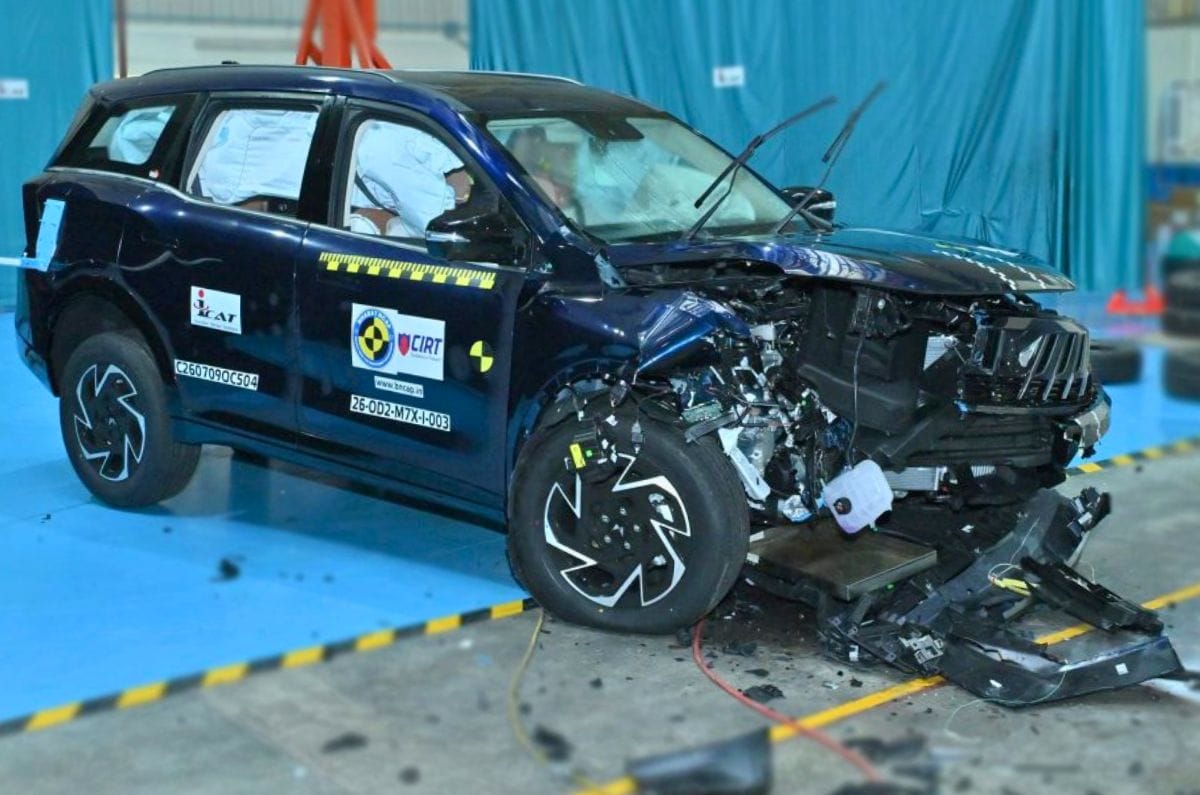
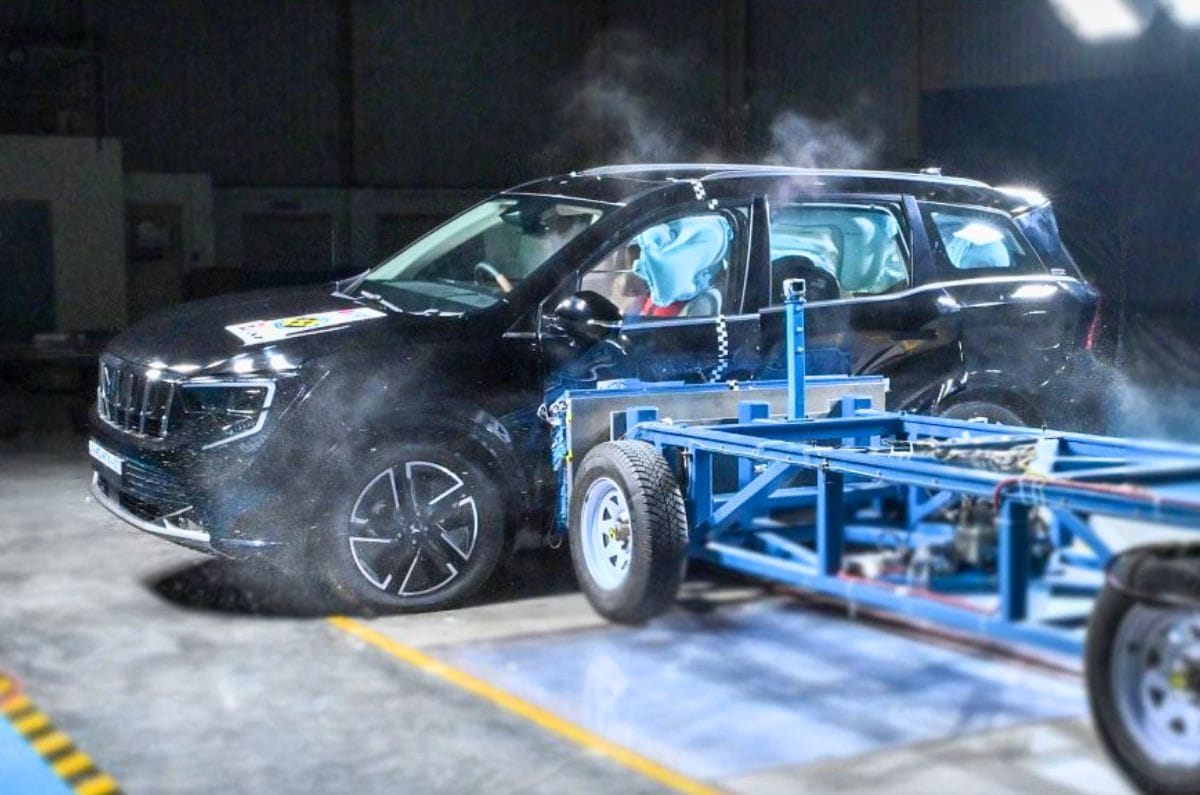
The Mahindra XUV 7XO has received a 5-star safety rating from Bharat NCAP for both adult and child occupant protection. It scored 30.76 out of 32 points in the Adult Occupant Protection (AOP) test and 44.97 out of 49 points in the Child Occupant Protection (COP) test. Bharat NCAP tested the 7-seater AX7 diesel-automatic FWD and AWD variants, but the 5-star safety rating applies to all variants of the XUV 7XO.
In the frontal offset deformable barrier test, the driver’s head, neck, pelvis, thighs and feet received ‘good’ protection, while protection to the chest and tibia was ‘adequate’. Except for the co-driver’s tibiae, which received ‘adequate’ protection, all other critical parts received ‘good’ protection.
In the side-movable deformable barrier test, all critical parts of the passenger, including head, chest, abdomen and pelvis, received ‘good’ protection. In the side pole impact test (pole), the verdict was ‘OK’.
For the COP tests, the child seats of both the 18-month-old and 3-year-old dummies in the XUV 7XO were rearward-facing. The test report suggests that the frontal crash test on the 18-month-old dummy resulted in 7.97 points out of 8, while the 3-year-old dummy received a full 8 out of 8 points. Both dummies, however, scored a full 4 out of 4 points in the side crash test.
This reduction of 0.03 points resulted in the Mahindra XUV 7XO achieving 23.97 out of 24 points in the dynamic child protection score. It further received a CRS installation score of 12 out of 12, but lost 4 points in the vehicle assessment score, resulting in an overall score of 44.97 out of 49 points.
Mahindra used the 7-seater AX7 diesel-automatic FWD and AWD variants to conduct the crash test. The results apply to all SUV variants. Standard safety features on the XUV 7XO include 6 airbags, hill-hold and hill-descent assists, ISOFIX child seat anchorages, traction control and ESC. Higher variants also get a 360-degree camera, Level 2 advanced driver assistance systems (ADAS), and a tyre pressure monitoring system (TPMS).
Notably, the pre-facelift model, called the XUV700, was crash-tested in 2021 by Global NCAP and received a 5-star safety rating for AOP and a lower 4-star rating for COP.
In the first half of 2026, BMW sold nearly 2,400 EVs in India, with the entry-level iX1 and flagship i7 accounting for the bulk of those volumes. Now, BMW has introduced an all-new electric long-wheelbase sedan to bridge the sizable gap between the two. Meet the BMW i5 eDrive35L, the electric counterpart to the 5 Series sedan.
The i5 nameplate isn’t new to India. BMW launched the imported, performance-focused i5 M60 here back in 2024. However, that was a niche offering. This new version is expected to appeal to a much wider audience. Being locally assembled, the i5 eDrive35L is priced at Rs 79.60 lakh, commanding a premium of Rs 3 lakh over its petrol-powered sibling. In this review, we find out what it’s like to live with.
BMW i5 LWB Exterior Design and Engineering – 8/10
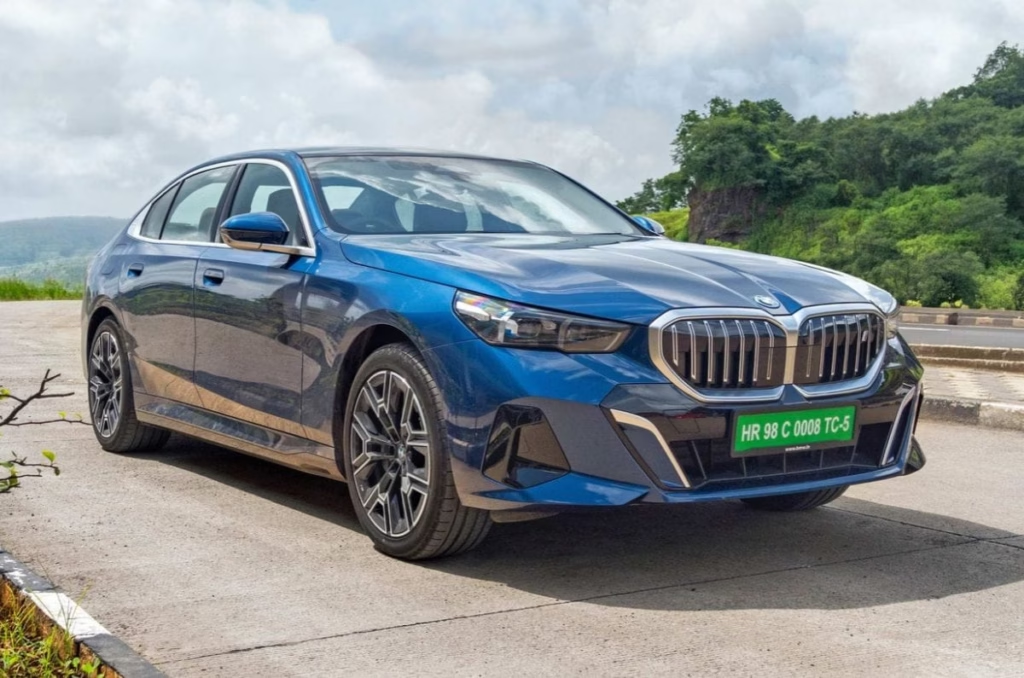
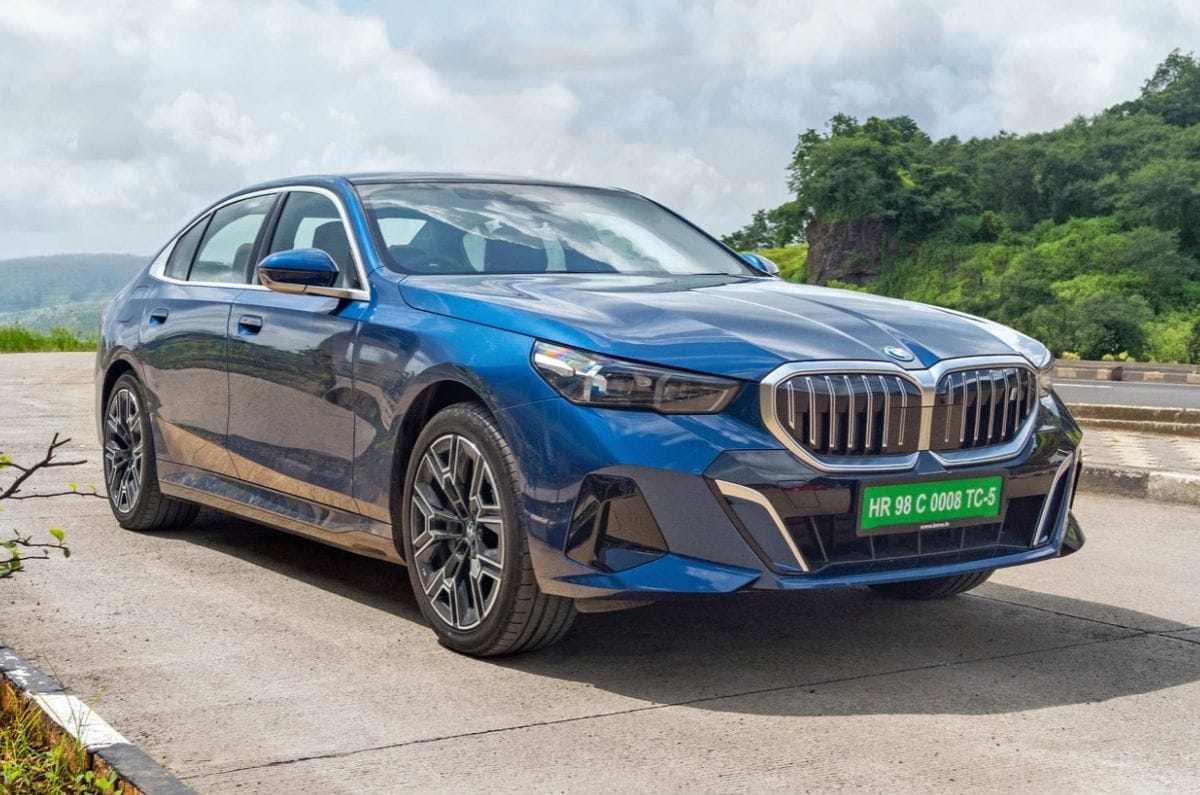
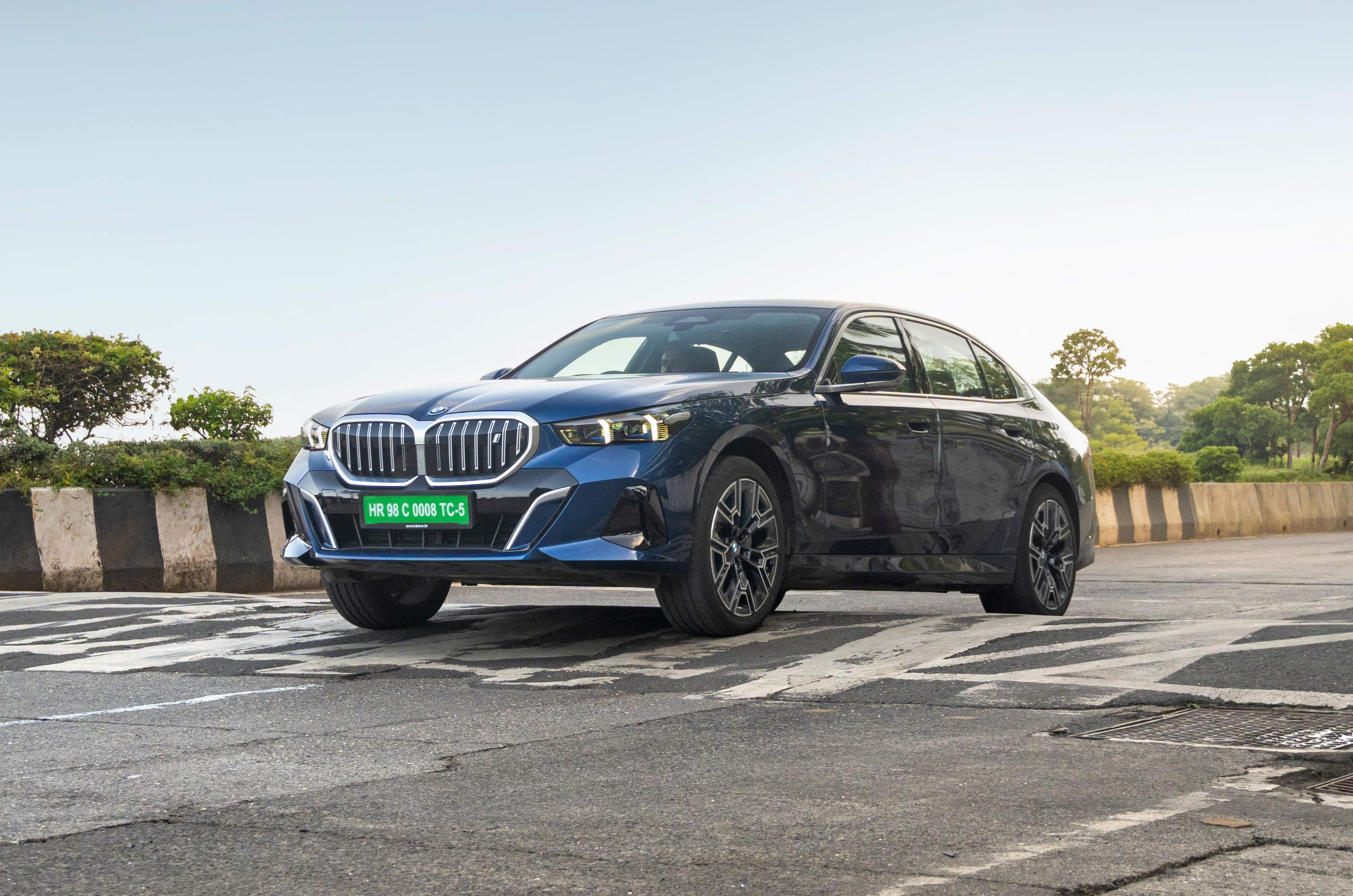
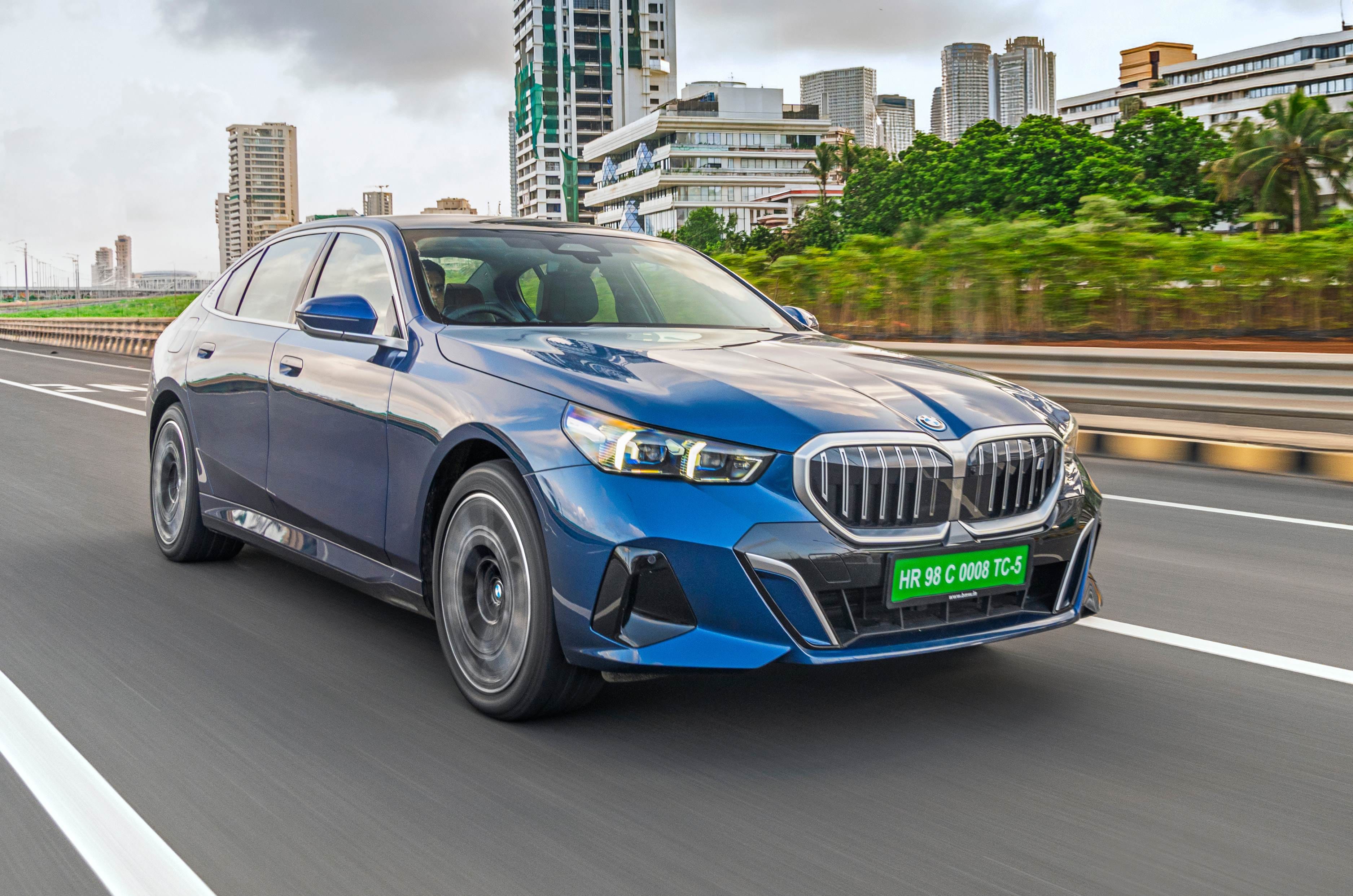
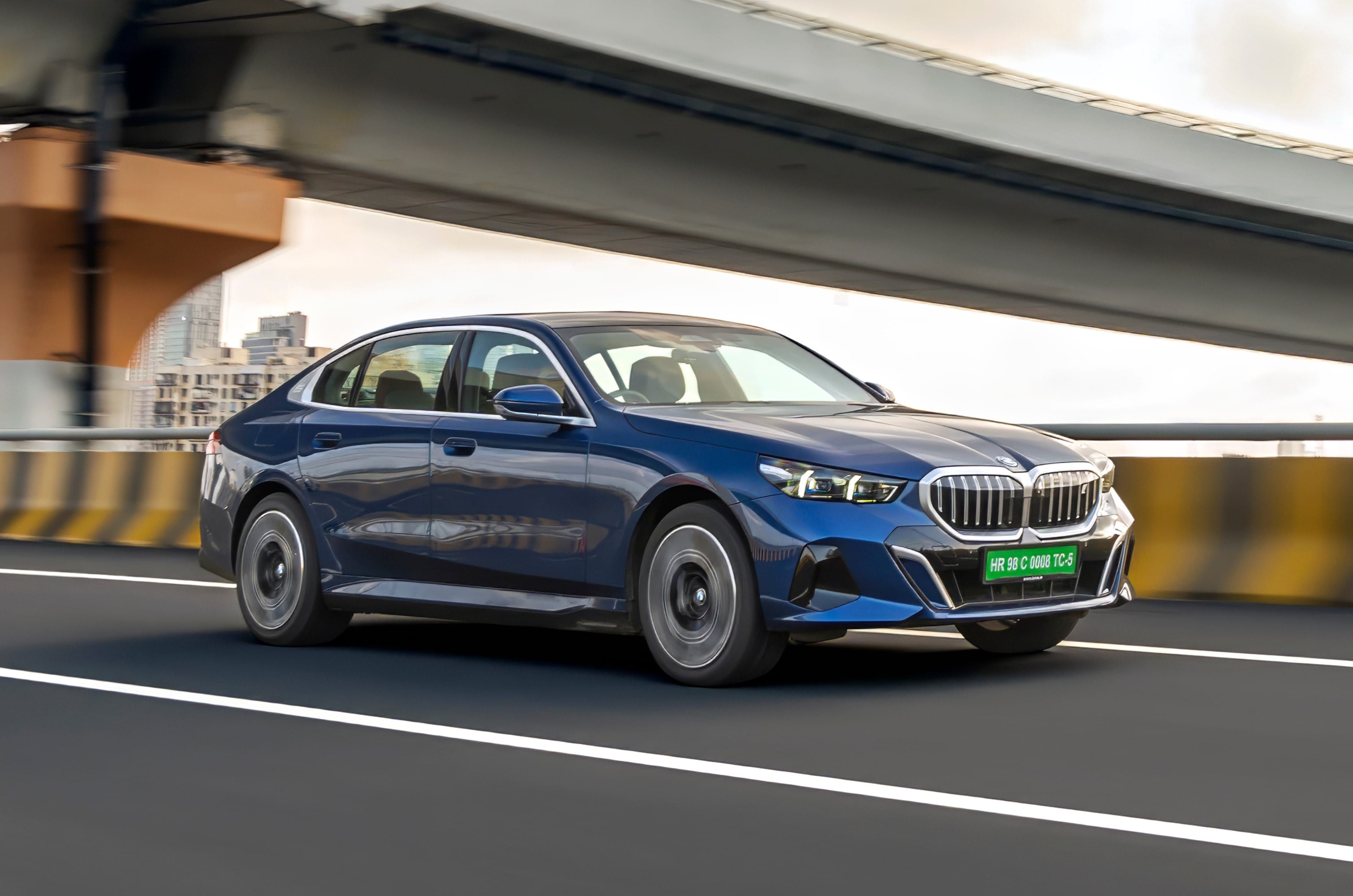
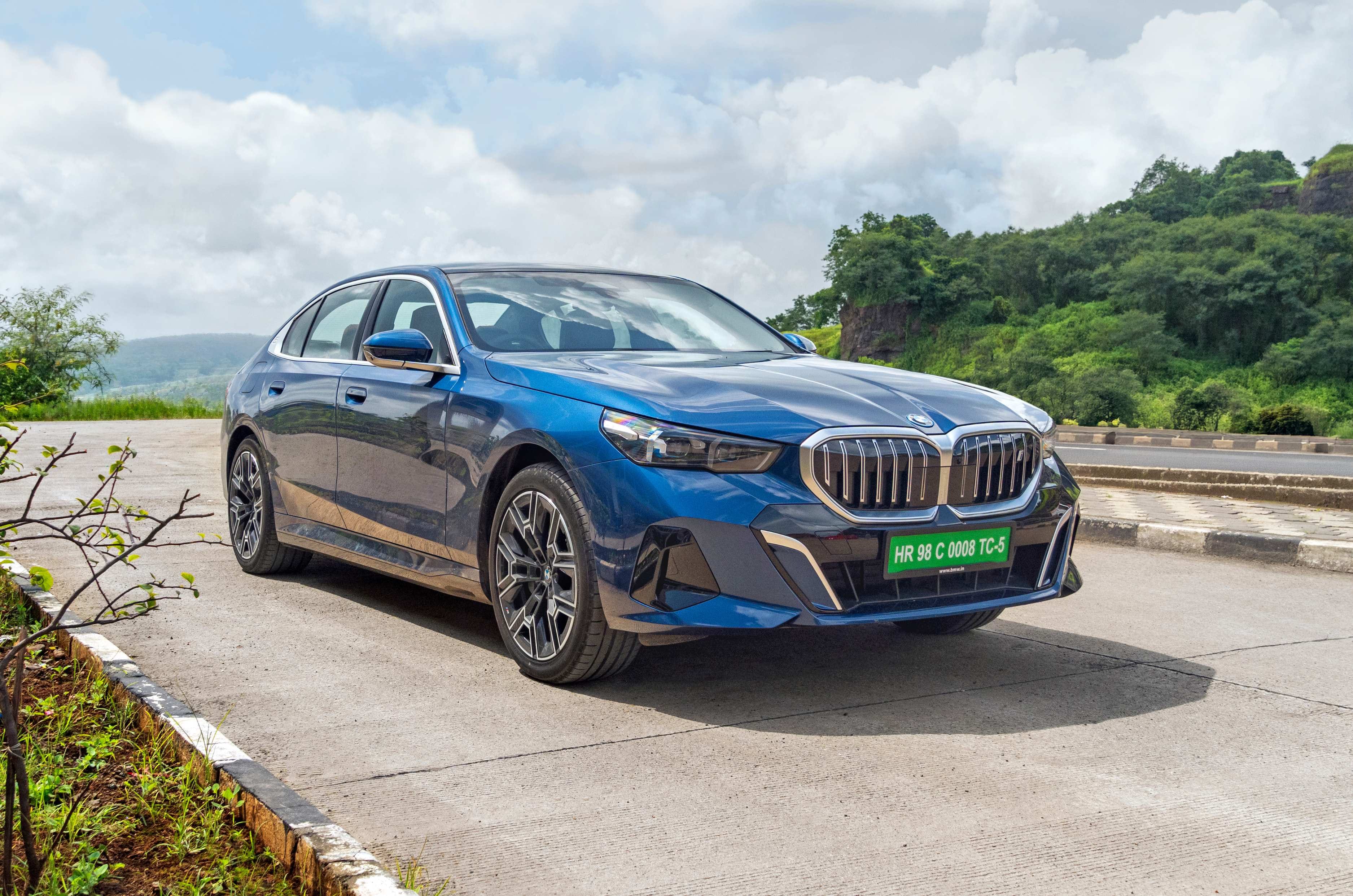
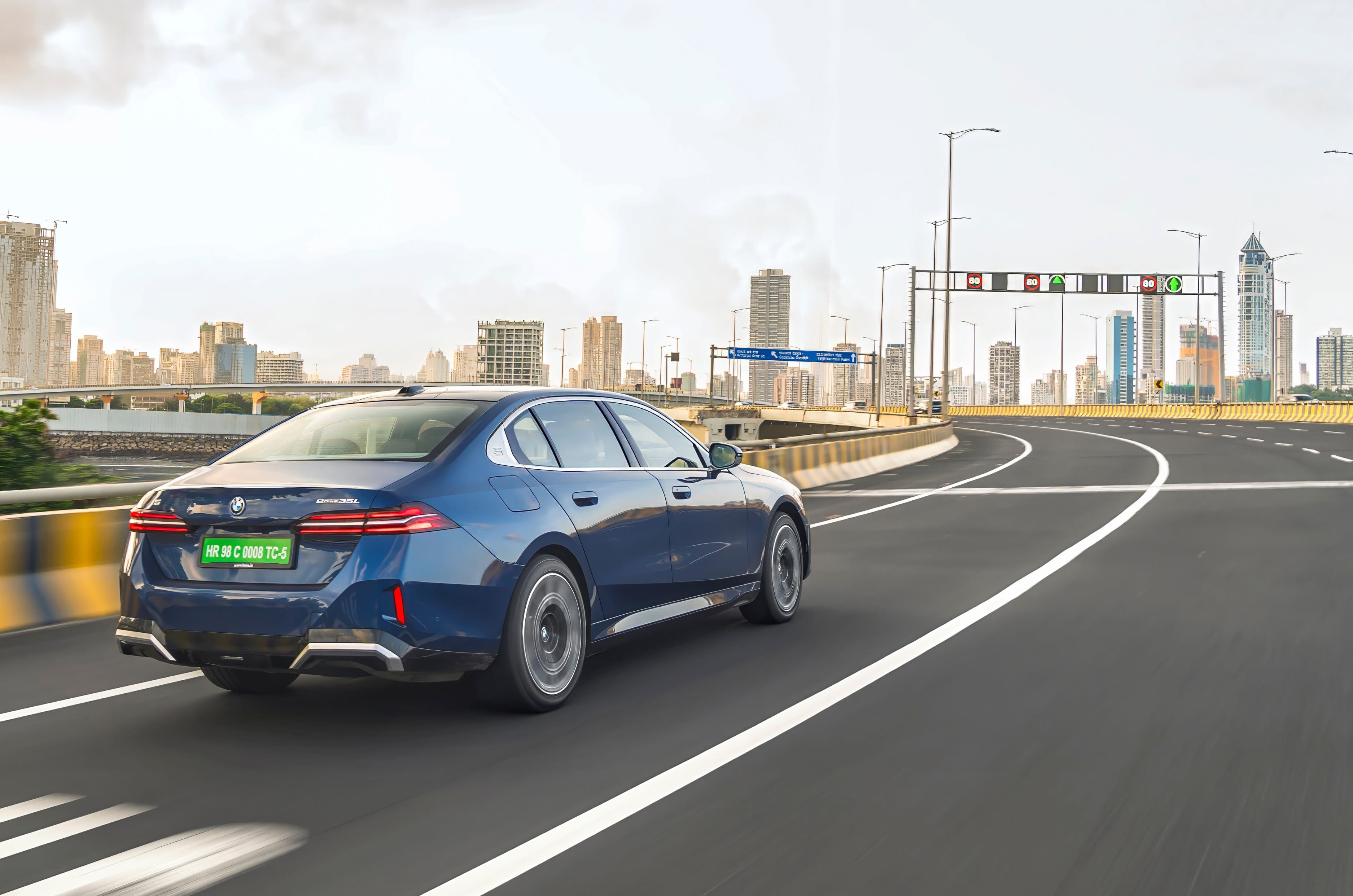
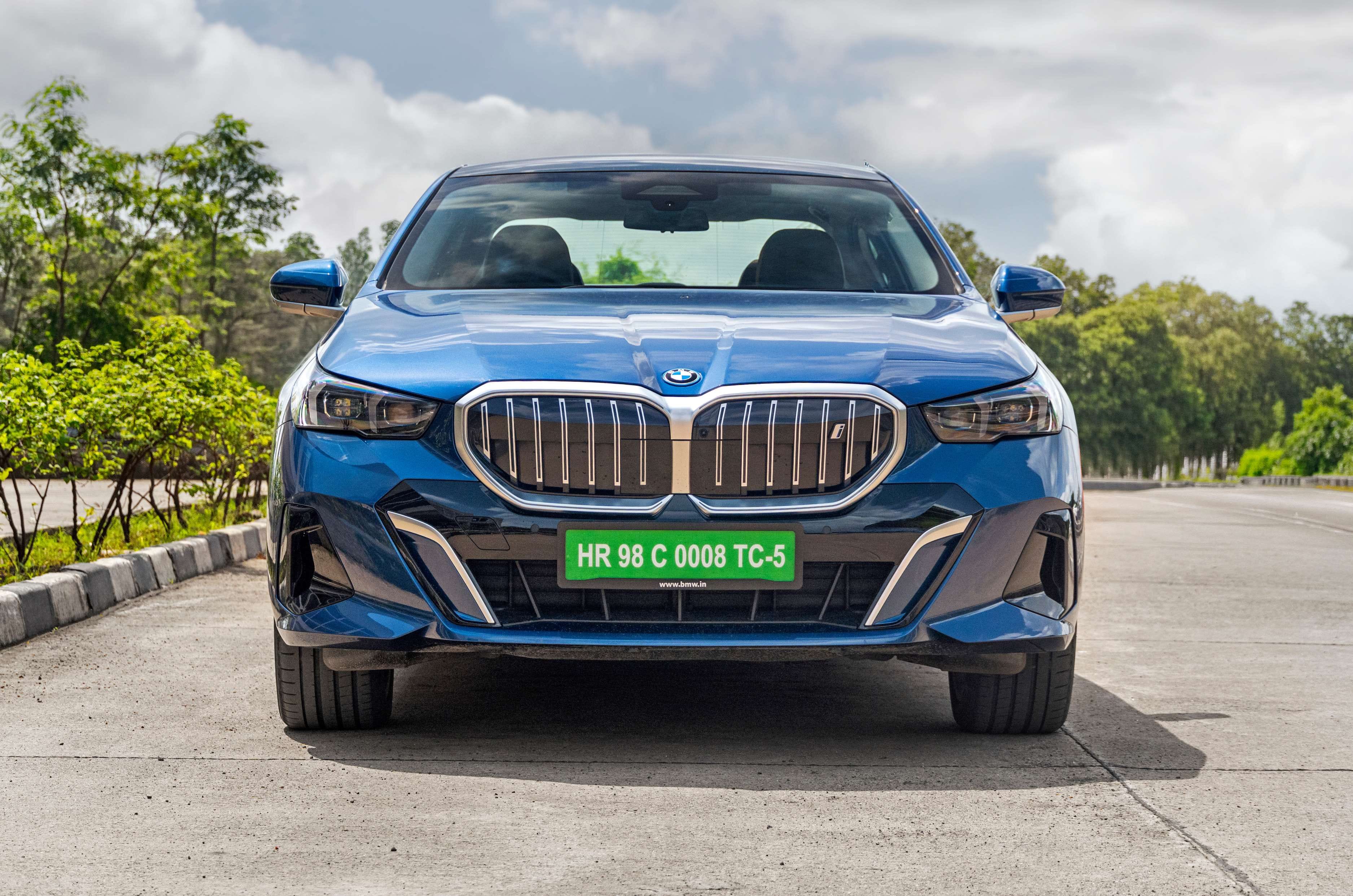
An ‘i’ badge on the grille along with its green number plate differentiate it from its petrol sibling
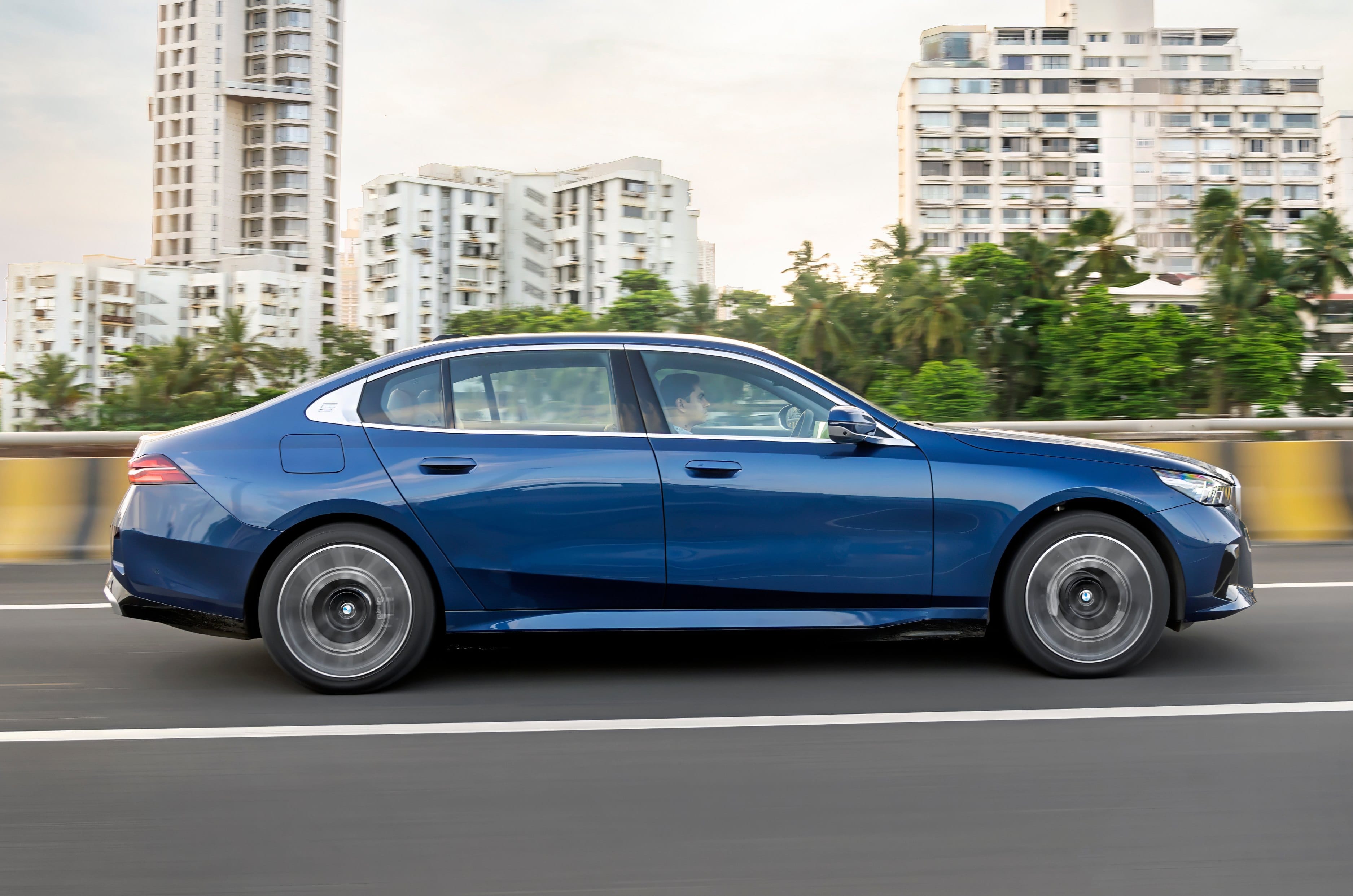
Compared to the international version, this i5’s wheelbase has been stretched by 110mm to 3,105mm, while overall length now stands at 5,175mm. Interestingly, the 5 Series is larger than its chief rival, the Mercedes-Benz E-Class, in every dimension.
As for styling, this generation of the 5 Series has been around since 2024 and much like most modern BMW designs, it’s something that grows on you with time. That said, there’s no denying that it’s a polarising design. The numerous cuts, heavy surfacing and intricate detailing make it look busy and excessive to some eyes.
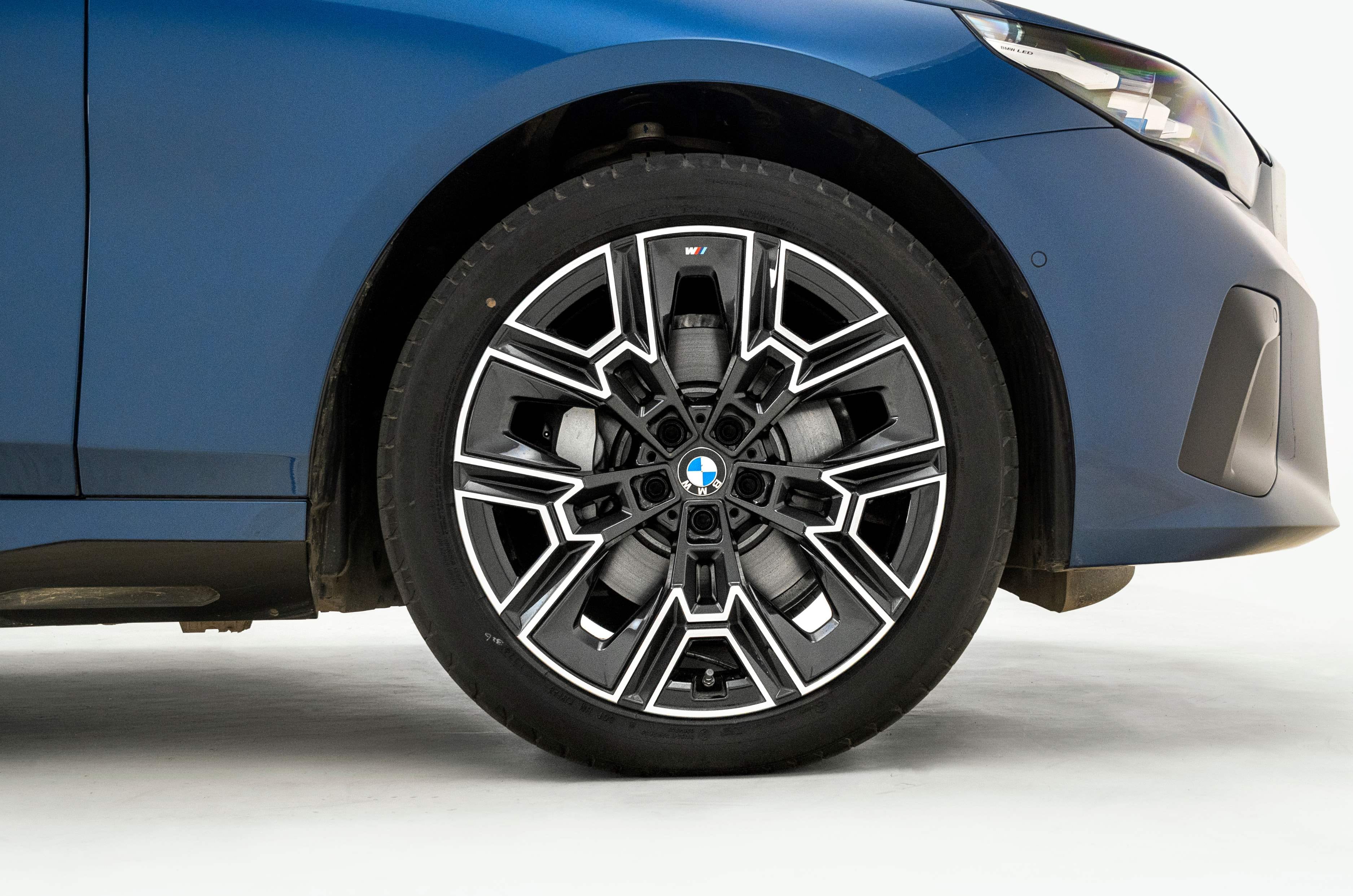
Gets large 20-inch alloys which look far more proportionate than the 18-inch wheels initially available with the 530Li.
Differentiating the i5 from its petrol-powered counterpart are an ‘i’ logo on the grille and larger 20-inch alloy wheels. The latter look far more proportionate than the 18-inch wheels initially offered on the 530Li. At the rear, the only distinguishing elements are the i5 and eDrive35L badges, apart from the obvious giveaway – the green number plate.
BMW i5 LWB Interior Space and Comfort – 9/10
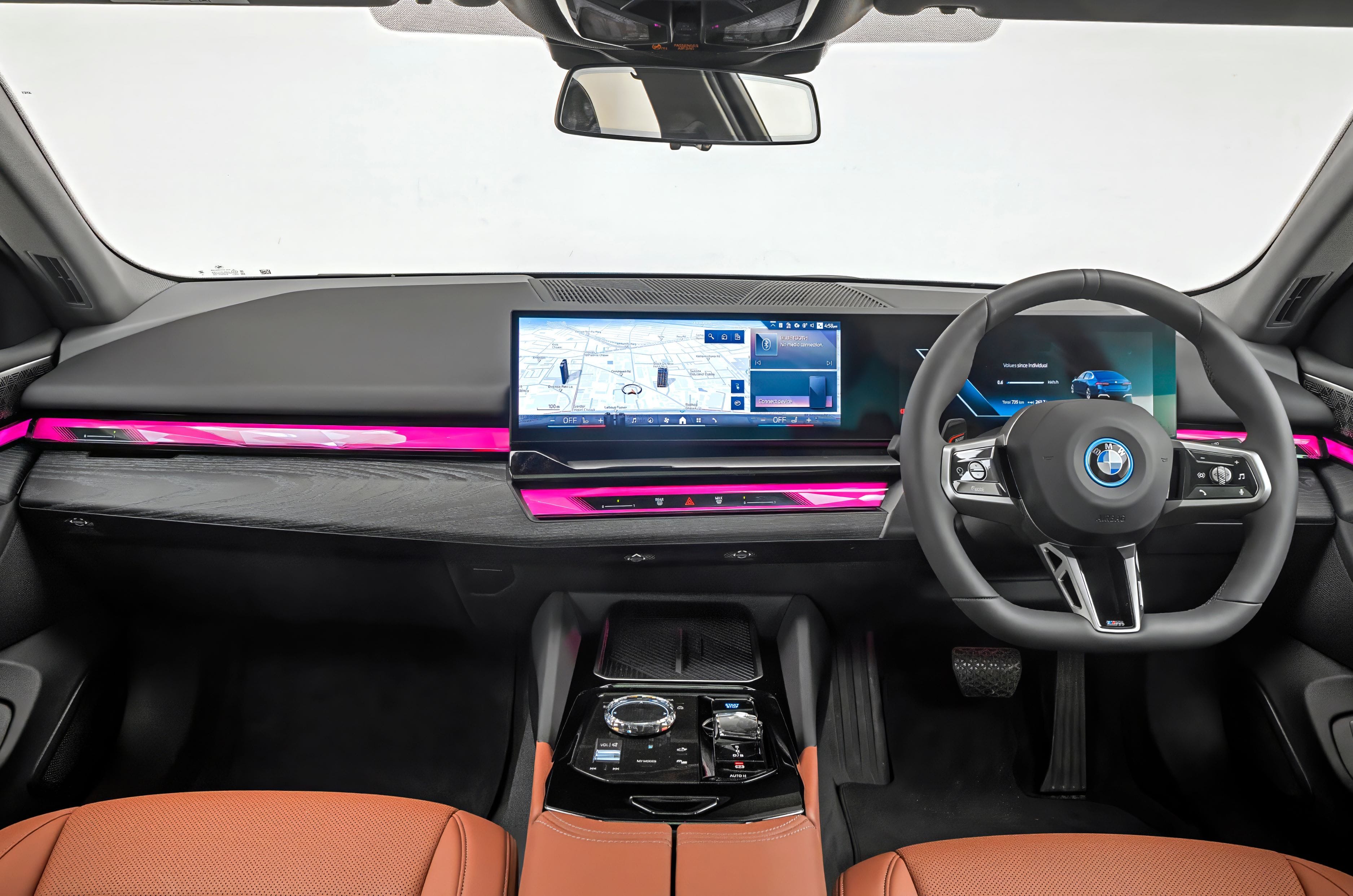
Dash is dominated by BMW’s twin curved screens, a flat-bottomed steering wheel and generous ambient lighting.
Step inside and the dashboard is dominated by BMW’s twin curved-screen setup, complemented by a flat-bottomed steering wheel, generous ambient lighting, and a tasteful mix of open-pore wood trim and silver inlays. The crystalline drive selector, rotary infotainment controller and volume roller on the centre console add a welcome sense of occasion.
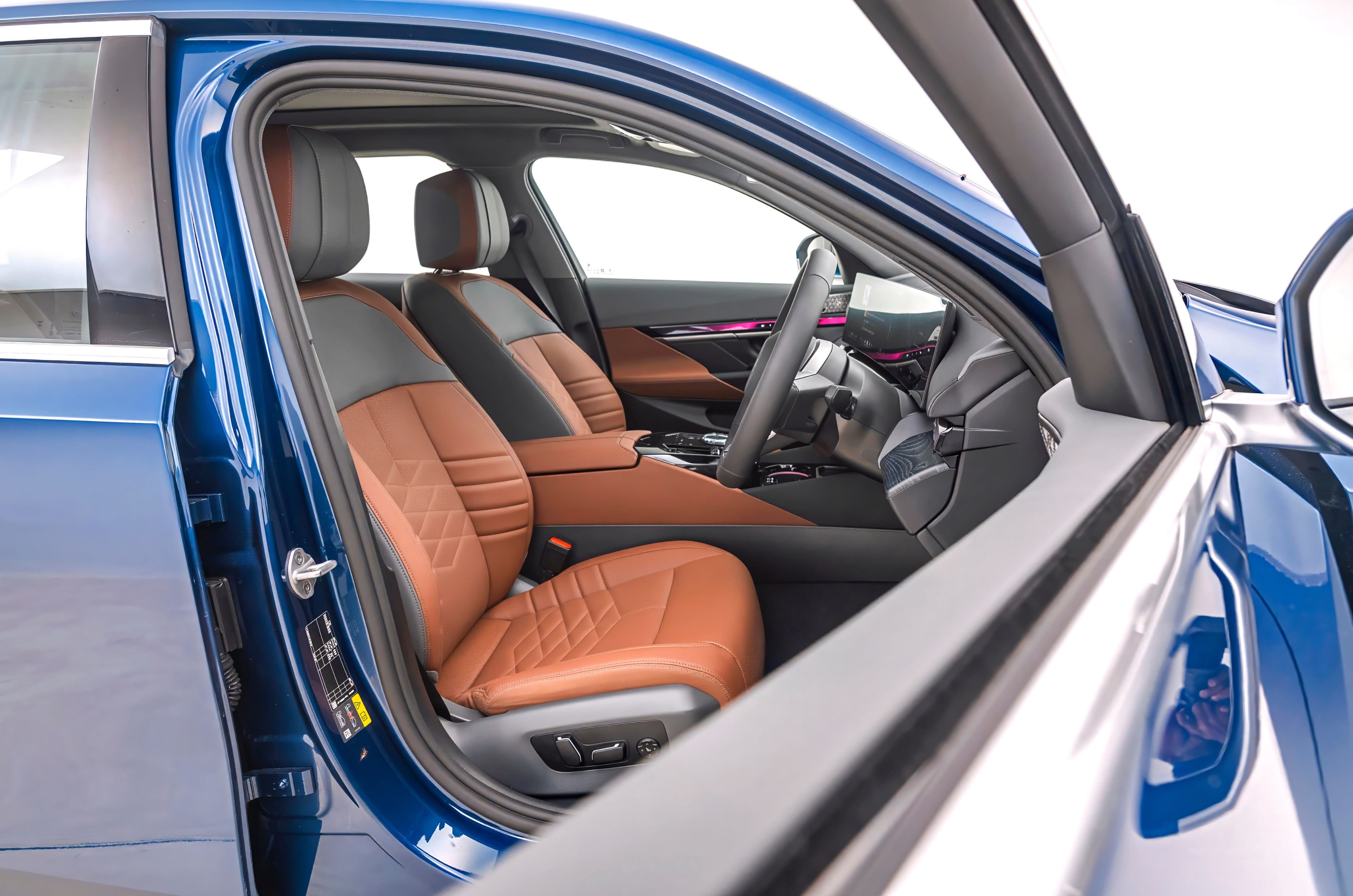
Those familiar with older 5 Series models will quickly notice the absence of the manually adjustable thigh support for the front seats. That aside, the seats themselves are exceptionally comfortable and supportive, and they also feature ventilation.
The seats are exceptionally comfortable and supportive, and they also feature ventilation.
Being the long-wheelbase version, the i5 benefits from an additional 4.3 inches of wheelbase compared to the international model, resulting in noticeably more rear legroom. Sure, the floor sits higher than in the ICE version, but this remains a very comfortable place to be for chauffeur-driven buyers. The rear bench is well contoured and, with just two occupants, delivers a genuinely luxurious experience. Some may find the pillows a little excessive, and they aren’t quite as comfortable as the integrated units in the E-Class. Speaking of which, unlike the Mercedes, the i5’s rear seat doesn’t recline, and there are arguably too few indulgent touches to truly cater to chauffeur-driven buyers.
A bit knees-up, but the rear seat feels luxurious; however, there are too few amenities for chauffeur-driven buyers.
The middle seat is considerably less accommodating. The raised seat base compromises headroom, the backrest is firm, and the tall central tunnel further detracts from comfort for a third passenger.
Boot space is rated at 500 litres, which is broadly similar to the ICE 5 Series. However, while the spare wheel is neatly tucked beneath the boot floor in the petrol version, it sits on the boot floor in the i5, significantly compromising usable luggage space.
The spare wheel sits on the boot floor, significantly compromising usable luggage space.
BMW i5 LWB Features and Safety – 8/10
The i5 eDrive35L comes generously equipped. Highlights include 20-inch alloy wheels, adaptive LED headlamps, powered and ventilated front seats, four-zone climate control, wireless charging pads for both front and rear occupants, a panoramic fixed glass roof, ambient lighting and a powered boot lid.
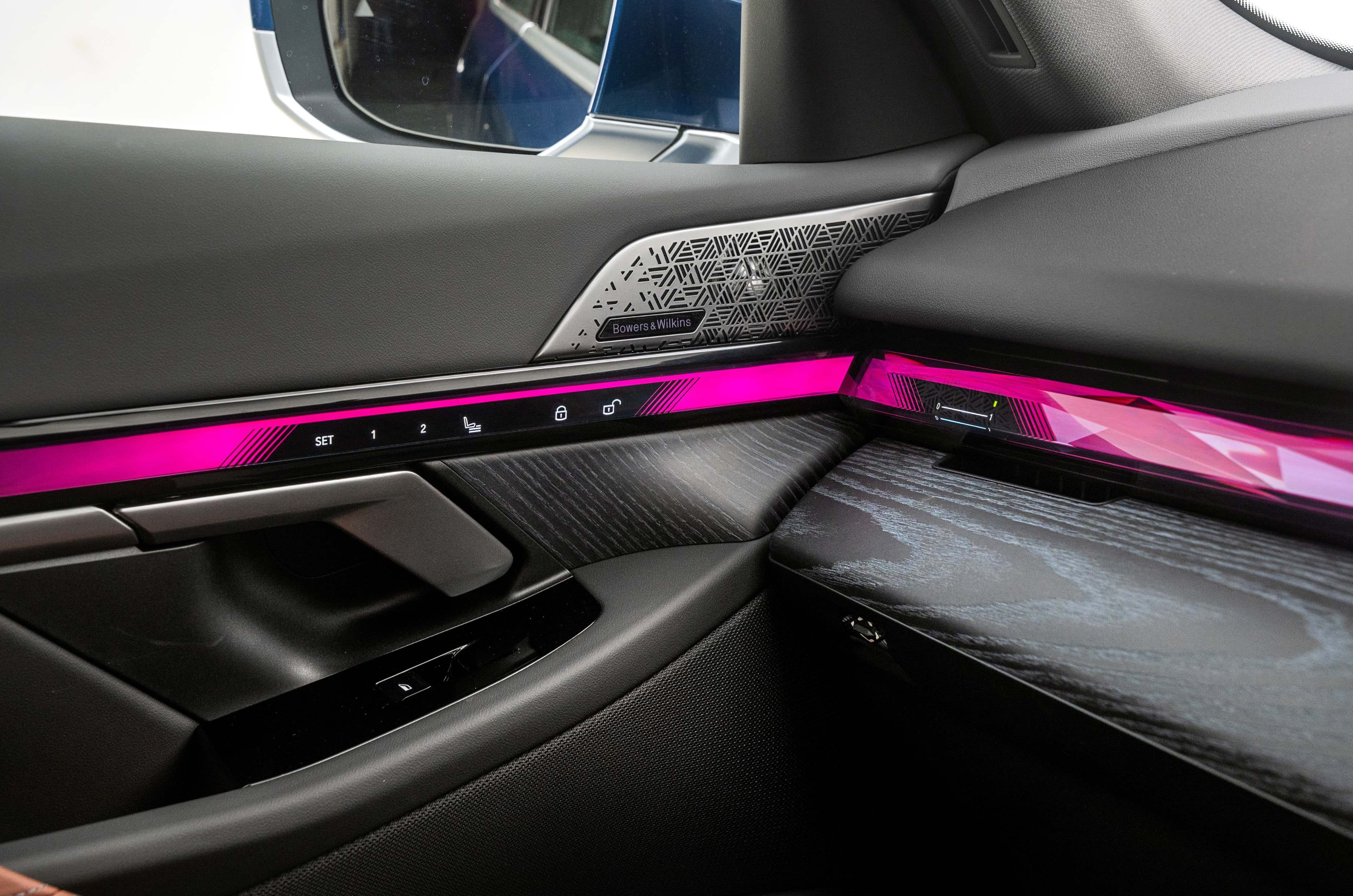
Audiophiles will particularly appreciate the superb 17-speaker, 655W Bowers & Wilkins audio system.
The curved touchscreen and digital instrument cluster look suitably futuristic, although the user experience isn’t the most intuitive due to the number of menus and sub-menus. On the plus side, the 360-degree camera offers excellent clarity. Audiophiles will particularly appreciate the superb 17-speaker, 655W Bowers & Wilkins audio system.
The i5 also gets a comprehensive suite of driver assistance features, including adaptive cruise control, lane-keeping assist and autonomous emergency braking.
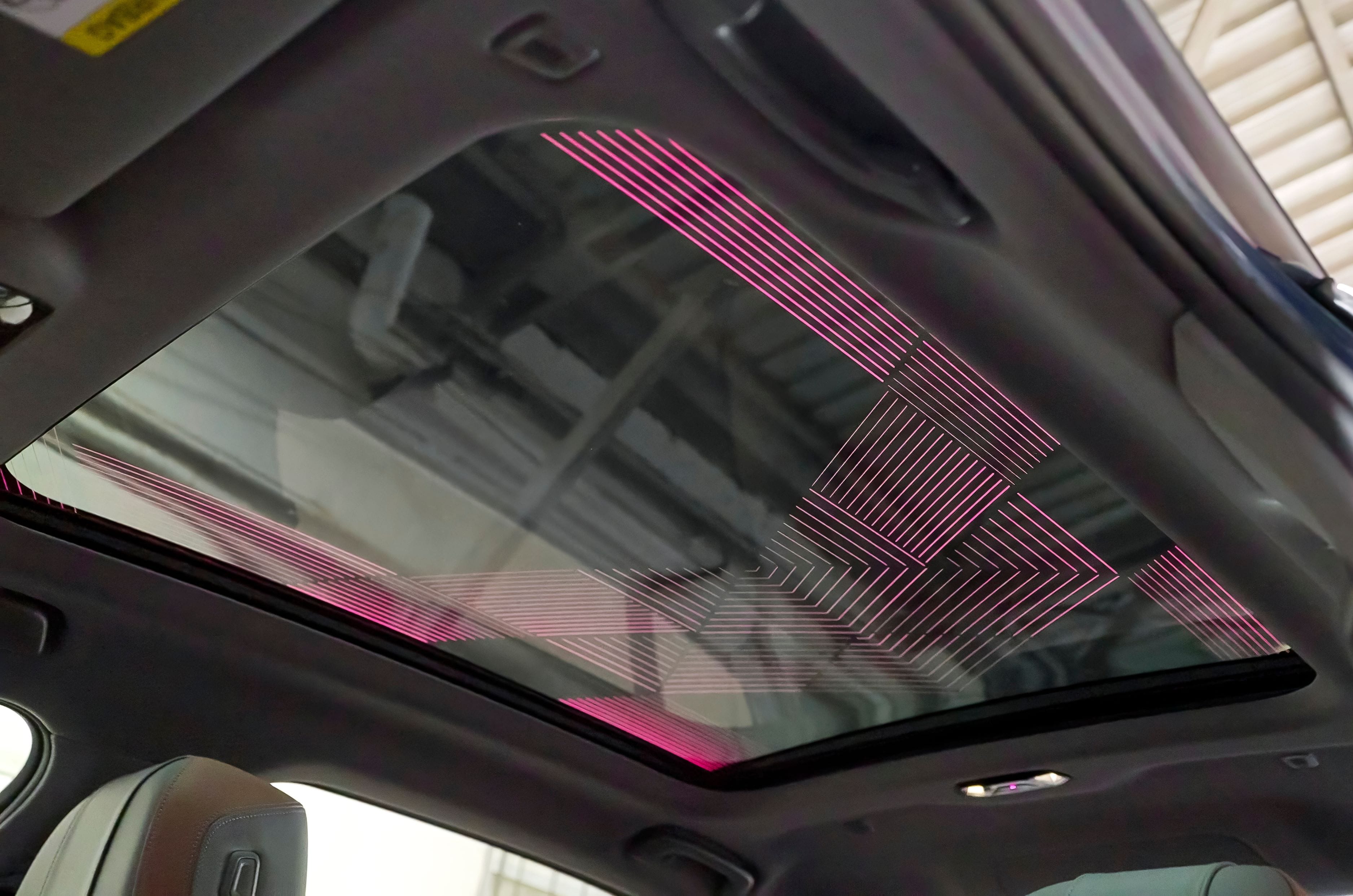
Its fixed panoramic glass roof has unique embedded LED lighting.
However, there are a few omissions that chauffeur-driven buyers may find difficult to overlook. A head-up display is absent, while smaller but genuinely useful features such as rear window sunshades, reclining rear seats, soft-close doors, a boss mode for the front passenger seat and rear-seat audio controls are all missing.
BMW i5 LWB Performance and Refinement – 8/10
The rear-wheel-drive i5 eDrive35L uses a single electric motor producing 272hp and 410Nm, figures that are remarkably similar to the mild-hybrid 530Li. However, the way it delivers its performance is entirely different. With peak torque available instantly, responses are smooth, effortless and distinctly EV-like. There are multiple drive modes on offer, each altering throttle response. Sport sharpens reactions noticeably, while Efficient is the most relaxed and efficiency-focused setting.
Retains a 50:50 weight distribution and RWD layout, but it has lost the sharpness and precision of earlier generations of the 5 Series.
BMW claims a 0-100kph time of 6.7 seconds, although our best run yielded 6.99 seconds. Interestingly, the 530Li is marginally quicker, recording 6.45 seconds for the same sprint, and it is also slightly faster in our 20-80kph and 40-100kph acceleration tests.
The i5’s top speed is rated at 195kph, although acceleration begins to taper off noticeably beyond 100kph. In short, acceleration isn’t neck-snappingly quick, but there’s more than enough performance to keep things entertaining within legal limits.
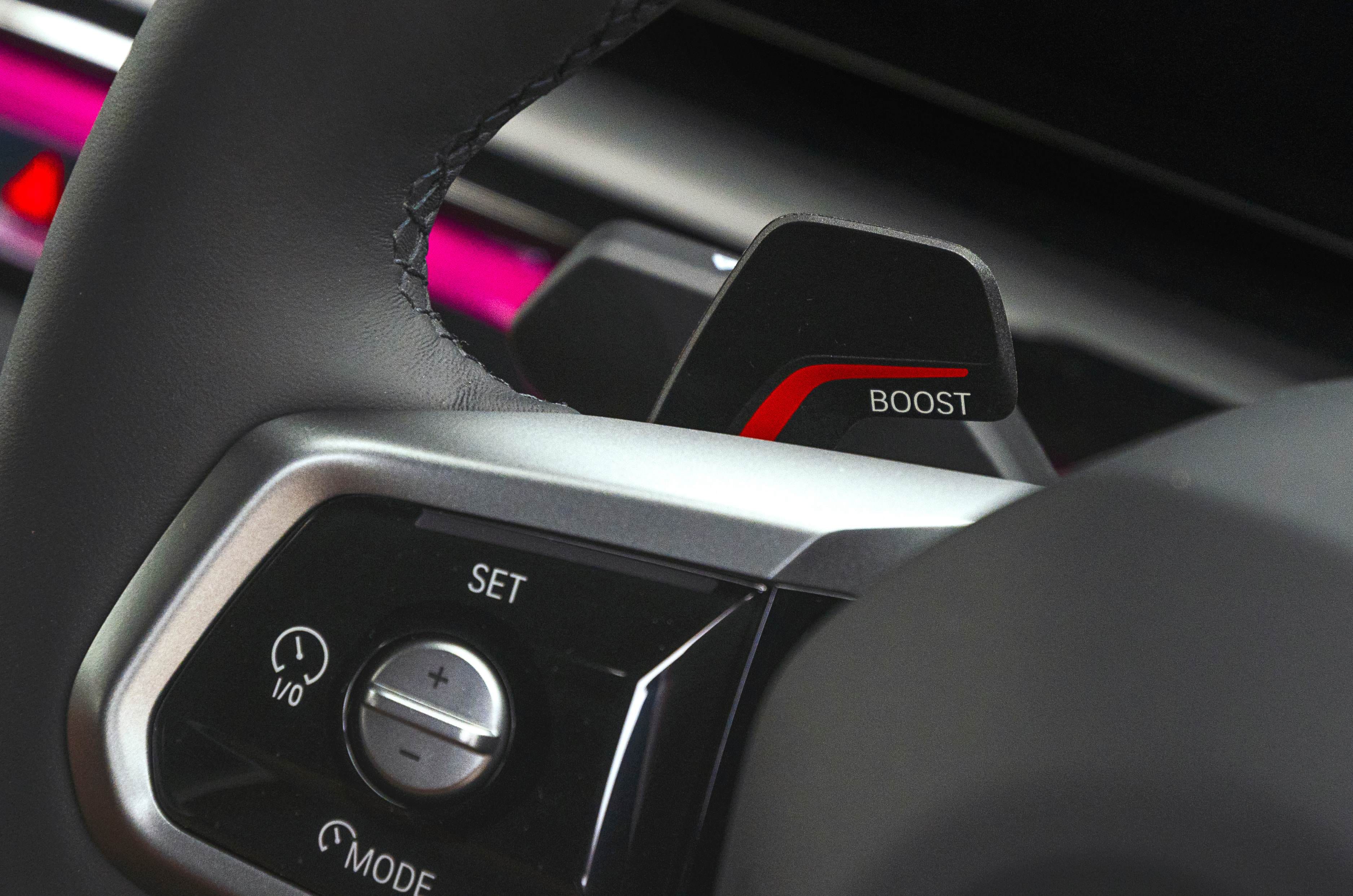
Boost function unlocks the motor’s full potential for 10 seconds. If your’re already in Sport mode, it barely makes any difference.
The i5 also offers multiple regenerative braking settings, including Adaptive, High, Mid and Low. Of these, Adaptive stands out for its excellent calibration, intelligently varying regeneration and coasting based on traffic and road conditions. There’s also a dedicated one-pedal ‘B’ mode, selectable via the drive selector. It delivers regeneration comparable to the High setting but, unlike it, can bring the car to a complete stop without requiring any brake pedal input.
Braking performance itself is strong, although keen drivers may wish for a little more feel from the pedal. The transition between regenerative and mechanical braking leaves it feeling somewhat numb.
BMW i5 LWB Range and Efficiency – 6/10
BMW claims the i5’s 81.6kWh battery (net capacity is 76.3kWh) can deliver a range of up to 669km, a figure that appears rather optimistic. In our real-world range tests, the i5 eDrive35L returned an average efficiency of 5.06km/kWh, translating to an estimated range of 386km. It’s worth noting that the car was driven in its most efficiency-focused ‘Efficient’ mode throughout the test, with regenerative braking set to Adaptive.
We also connected the battery to a 60kW DC fast charger, where it took 47 minutes to charge from 20-80 percent state of charge. BMW additionally supplies a complimentary AC wallbox charger along with installation.
BMW i5 LWB Ride Comfort and Handling – 8/10
Ground clearance has been increased by 18mm compared to the international version; hence, it clears most speedbreakers easily.
With every successive generation, the 5 Series has become softer and more comfort-focused, and the i5 is arguably the most luxurious iteration yet. Despite riding on larger 20-inch wheels with lower-profile tyres than the petrol-powered 530Li, ride quality is seriously impressive. The i5 feels plush and remarkably absorbent over typical urban roads. Notably, it also benefits from rear air suspension, a feature absent on the 530Li.
In addition to the extended wheelbase, BMW has increased ground clearance by 18mm compared to the global standard-wheelbase model. The result is a luxury sedan that’s far better suited to Indian conditions. Even with four occupants on board, the i5 clears most speed breakers without drama. As a luxury car, then, it unquestionably gets the fundamentals right.
With a plush ride and increased ground clearance, the i5 is far better suited to Indian conditions.
However, the softer suspension setup and increased ground clearance have diluted some of the driver-focused character that defined earlier generations of the 5 Series. While it retains a near-perfect 50:50 weight distribution and rear-wheel-drive layout, there’s no escaping the fact that, in prioritising comfort and practicality, BMW has sacrificed a measure of the sharpness and precision that once made the 5 Series a benchmark for driving enthusiasts.
BMW i5 LWB Price and Verdict – 8/10
At Rs 79.60 lakh, the locally assembled i5 LWB has all the ingredients to become BMW India’s next EV success story alongside the iX1. With the i5 eDrive35L, BMW continues its successful long-wheelbase formula, maximising cabin space while building upon the strengths of the petrol-powered 5 Series, with which it shares much of its cabin, equipment and overall character. Buyers can also opt for extended warranty and prepaid maintenance packages of up to 10 years, in addition to the standard eight-year battery warranty.
Generous cabin space, comfy seats, a plush ride, and effortless performance make the i5 eDrive35L a compelling electric luxury sedan
That said, much like its petrol-powered sibling, some of the traditional 5 Series driving feel has been diluted. It also misses a few feel-good features, particularly those aimed at rear-seat occupants. More importantly, the spare wheel’s placement on the boot floor significantly compromises luggage-carrying ability.
So, is it worth paying the Rs 3 lakh premium over the petrol-powered 5 Series? The answer largely depends on your usage. The i5 eDrive35L makes sense for buyers registering it under a company name, thanks to the higher depreciation benefits available for EVs. It also suits those who cover significant distances and can take advantage of lower running costs. Generous cabin space, comfortable seats, a plush ride, respectable range and effortless performance make the i5 eDrive35L a compelling electric luxury sedan for buyers shopping in this segment.
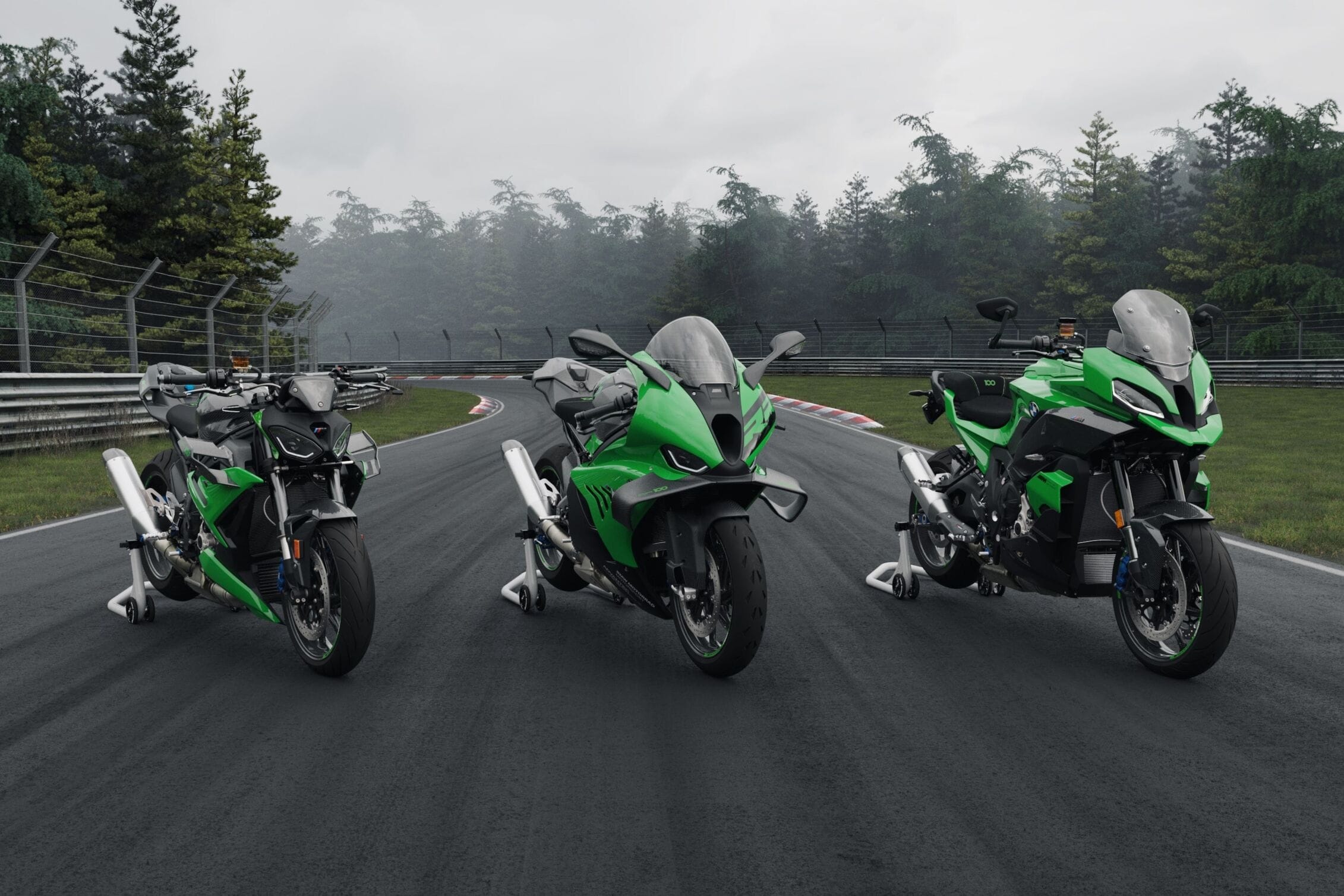
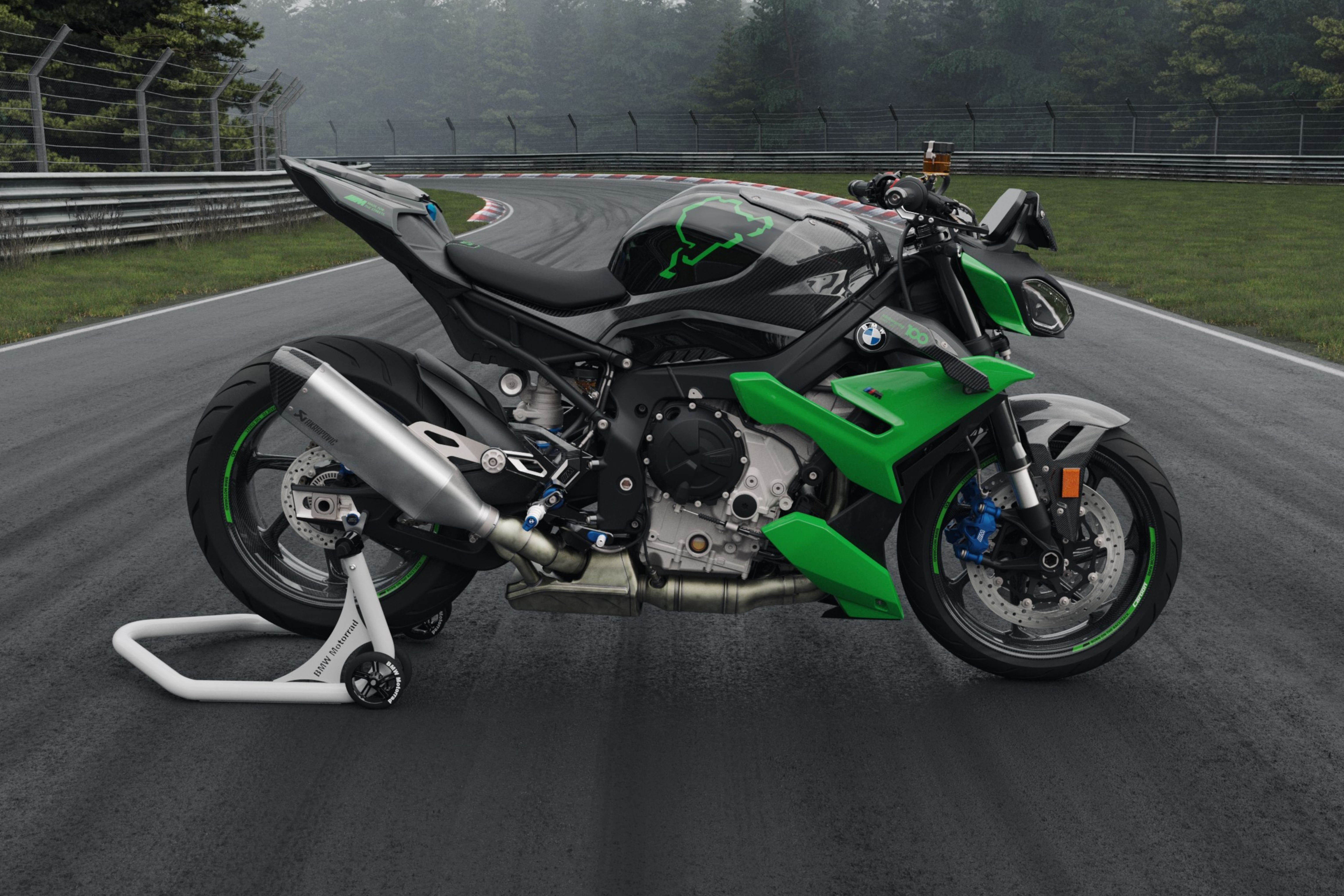
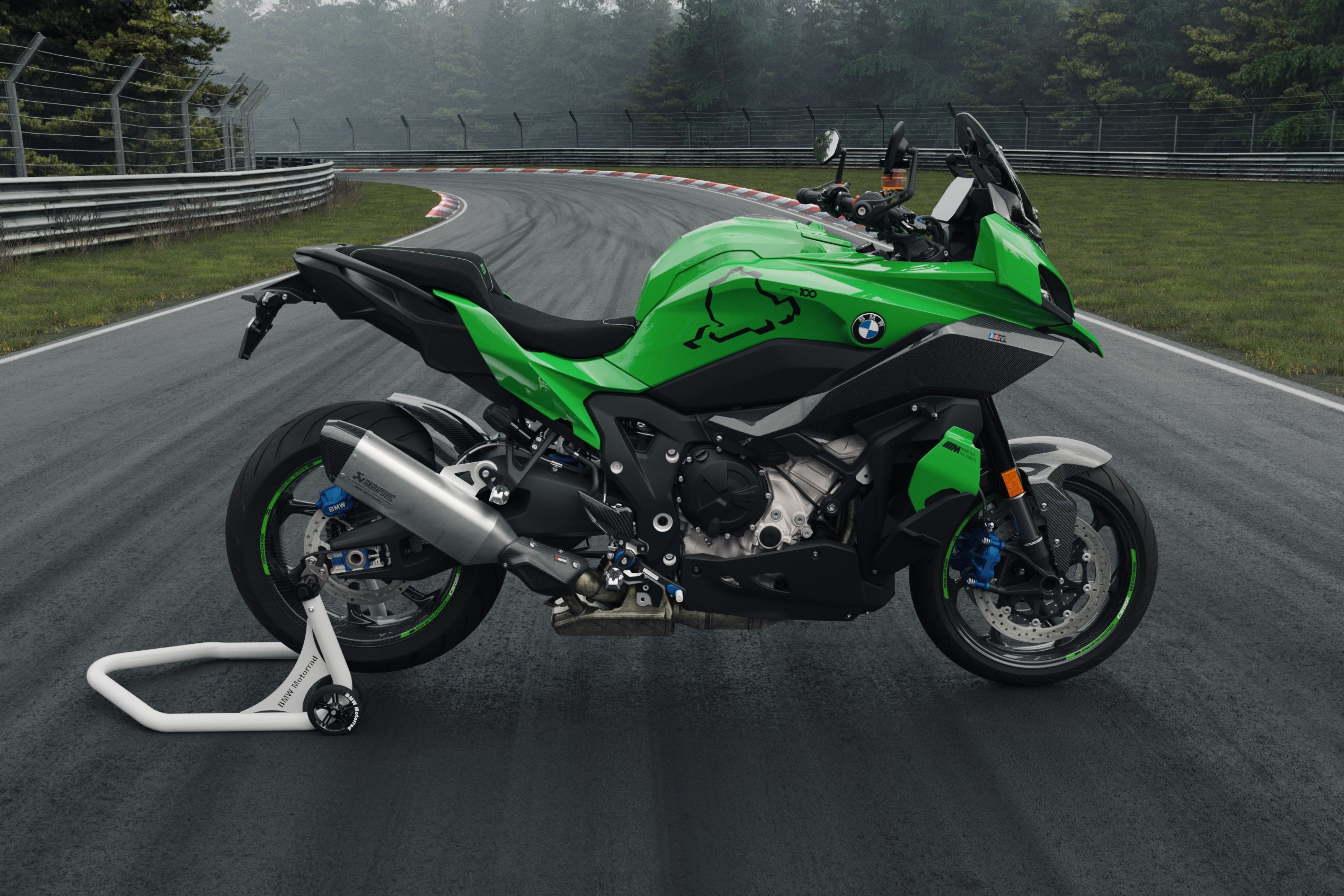
The special-edition motorcycles have been developed in collaboration with BMW M and feature an exclusive Nürburgring green colour scheme, along with styling and equipment inspired by the German racetrack. The M 1000 RR, M 1000 R and M 1000 XR 100 Jahre Nürburgring editions will each be limited to just 100 units worldwide. All three models are scheduled to arrive in late 2027.
Each of these motorcycles are limited to 100 units worldwide.
They all feature an exclusive Nürburgring green colour scheme.
Pricing not yet revealed.
Nürburgring-inspired styling
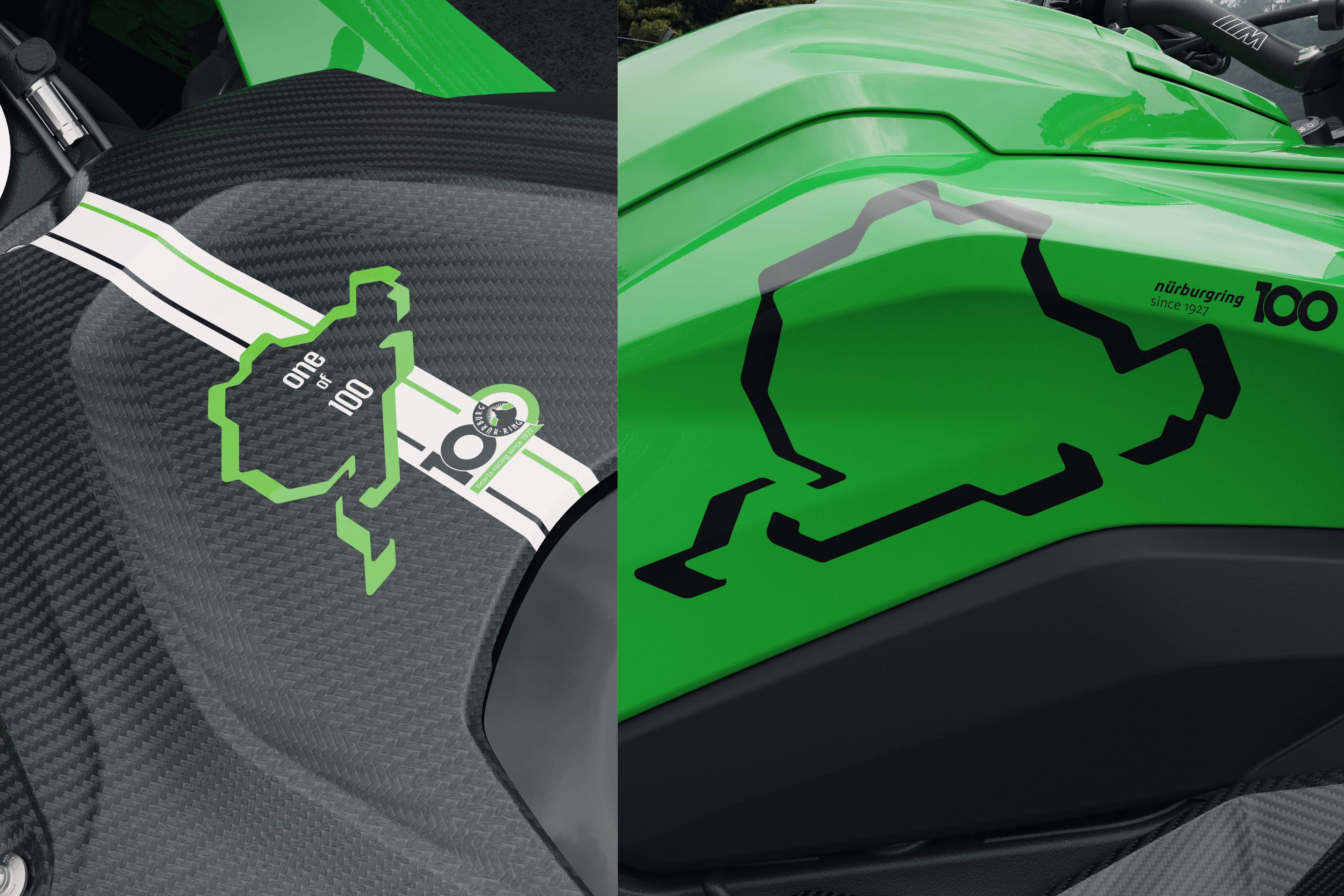
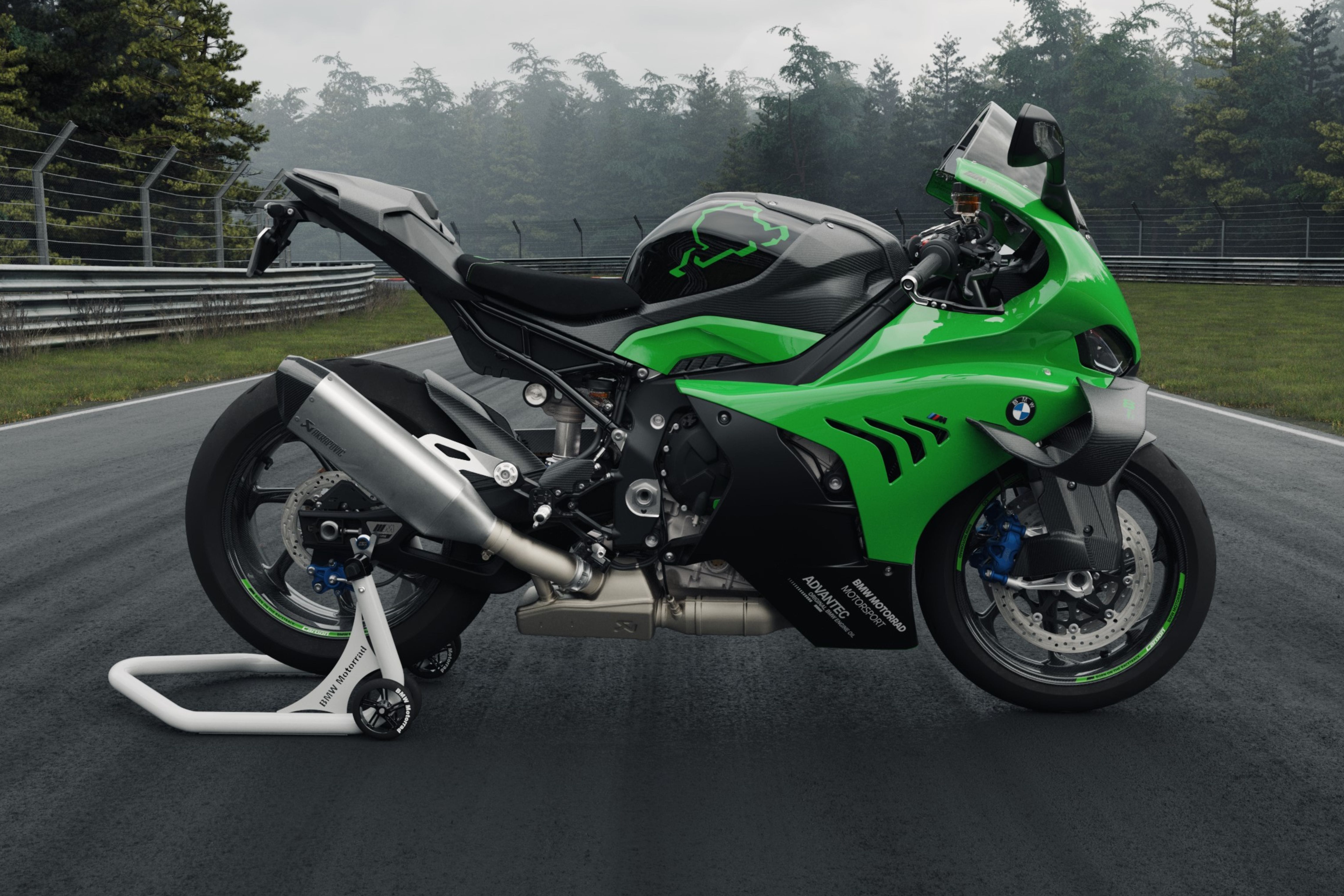
The three motorcycles share a number of exclusive design details, including a silhouette of the Nürburgring’s Nordschleife on the fuel tank, an anniversary design on the airbox cover and black rear frames and swingarms. They also feature seats with an Alcantara look and ‘100’ embroidery, along with carbon wheels finished with Nürburgring green graphics.
The special editions come with a certificate of authenticity, an M Track package as standard and a Nürburgring anniversary motorcycle mat. A rear assembly stand with a mounting pin is also included.
M 1000 RR Nürburgring Edition
The M 1000 RR 100 Jahre Nürburgring is the most track-focused motorcycle of the three. The model’s engine has competed in the World Superbike and FIM Endurance World Championship, while its aerodynamic package is designed to aid high-speed track riding. This edition also comes with the M Cover kit as standard, further emphasising its track-focused character.
M 1000 R Nürburgring Edition
The M 1000 R 100 Jahre Nürburgring brings the same limited-edition treatment to BMW’s performance naked. The bike combines a high-performance engine, race-developed chassis and electronic assistance systems with the exclusive Nürburgring colour scheme. Like the M 1000 RR, it gets the M Cover kit as standard, allowing owners to prepare the motorcycle for track use.
M 1000 XR Nürburgring Edition
The M 1000 XR 100 Jahre Nürburgring is the touring-oriented member of the trio. It combines the model’s long-distance ergonomics with performance-focused technology and the special-edition design details. BMW Motorrad says the motorcycle is designed to offer strong performance over long distances, while retaining the capability to tackle demanding racetracks such as the Nürburgring’s 12.9-mile Nordschleife.
Availability
Each of the three Nürburgring editions will be limited to 100 motorcycles worldwide. BMW Motorrad has not announced pricing or confirmed whether any of these special editions will be offered in India. The motorcycles are expected to arrive in late 2027.
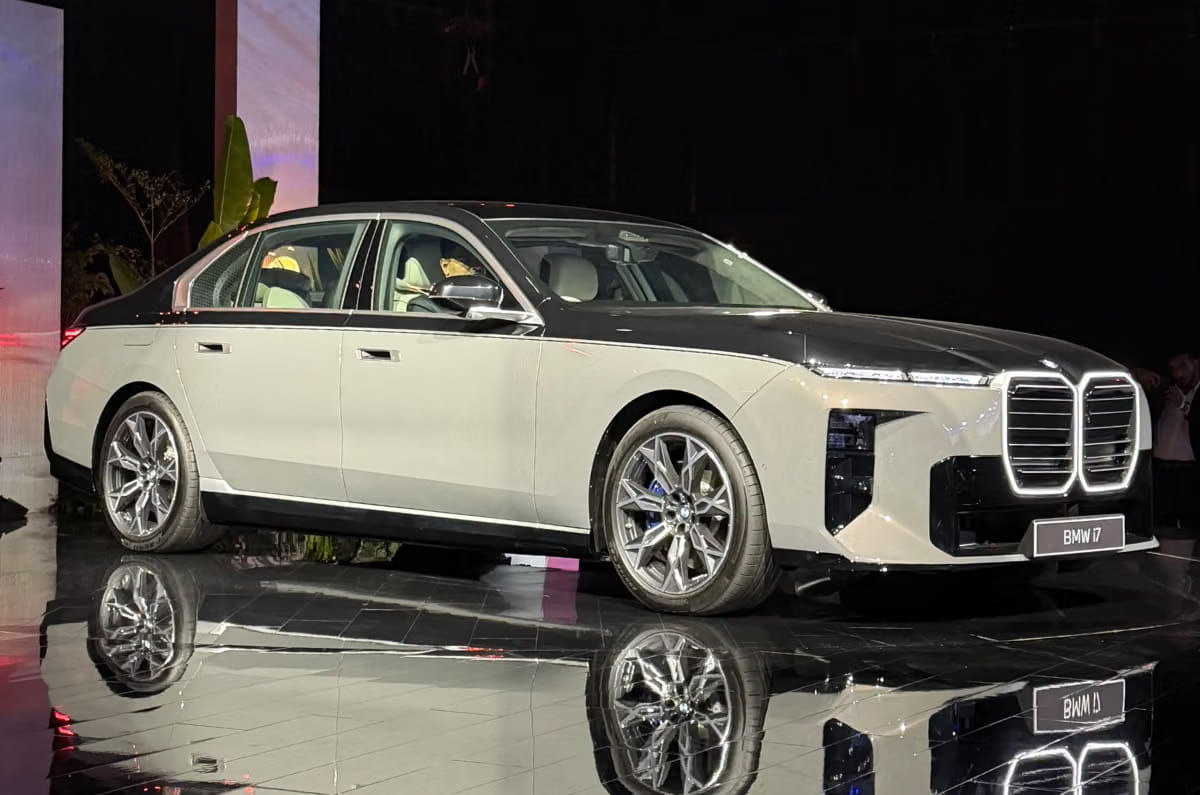
BMW has launched the facelifted i7 in India at Rs 1.95 crore for the 50 xDrive M Sport, while the M70 xDrive costs Rs 2.65 crore. Both get a 112.5kWh battery and updated electric powertrains. The 50 xDrive makes 455hp and 600Nm, with a claimed 728km WLTP range, while the M70 produces 680hp and up to 1,100Nm, with a claimed range of 686km. The facelift brings revised front and rear styling, along with a redesigned cabin featuring BMW’s Panoramic Vision display, a 17.9-inch touchscreen and a 14.6-inch passenger display. The 31.3-inch rear Theatre Screen, powered seats and powered doors continue. The 50 xDrive is locally assembled, while the M70 is imported.
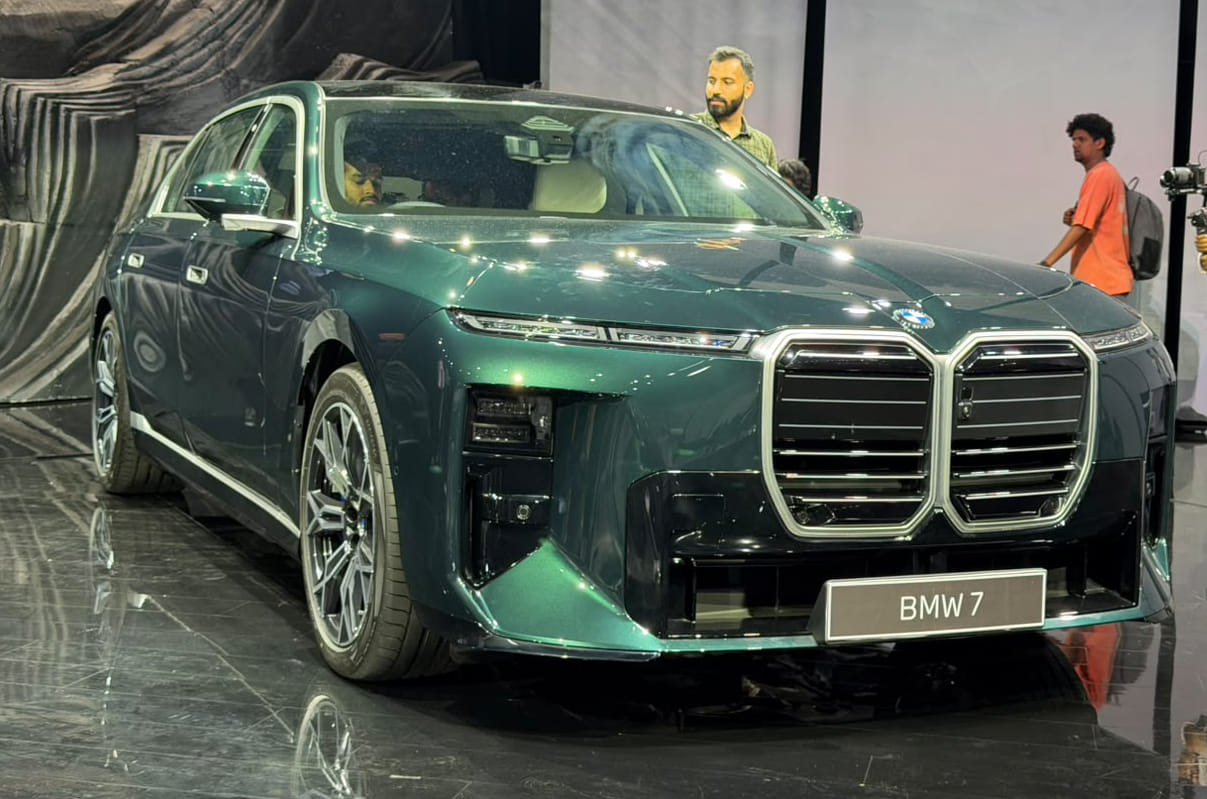
BMW has launched the facelifted 7 Series in India at Rs 1.95 crore. The updated sedan gets revised styling, a redesigned cabin and a 3.0-litre turbo-petrol engine with a 48V mild-hybrid system. The India-spec 7 Series is now offered only as the petrol-powered 740, with the diesel version dropped. Inside, the biggest change is BMW’s new display layout, comprising a 17.9-inch central touchscreen, 14.6-inch passenger display and a full-width Panoramic Vision display. Other highlights include powered, heated, ventilated and massaging seats, a 31.3-inch 8K rear screen and four-zone climate control.
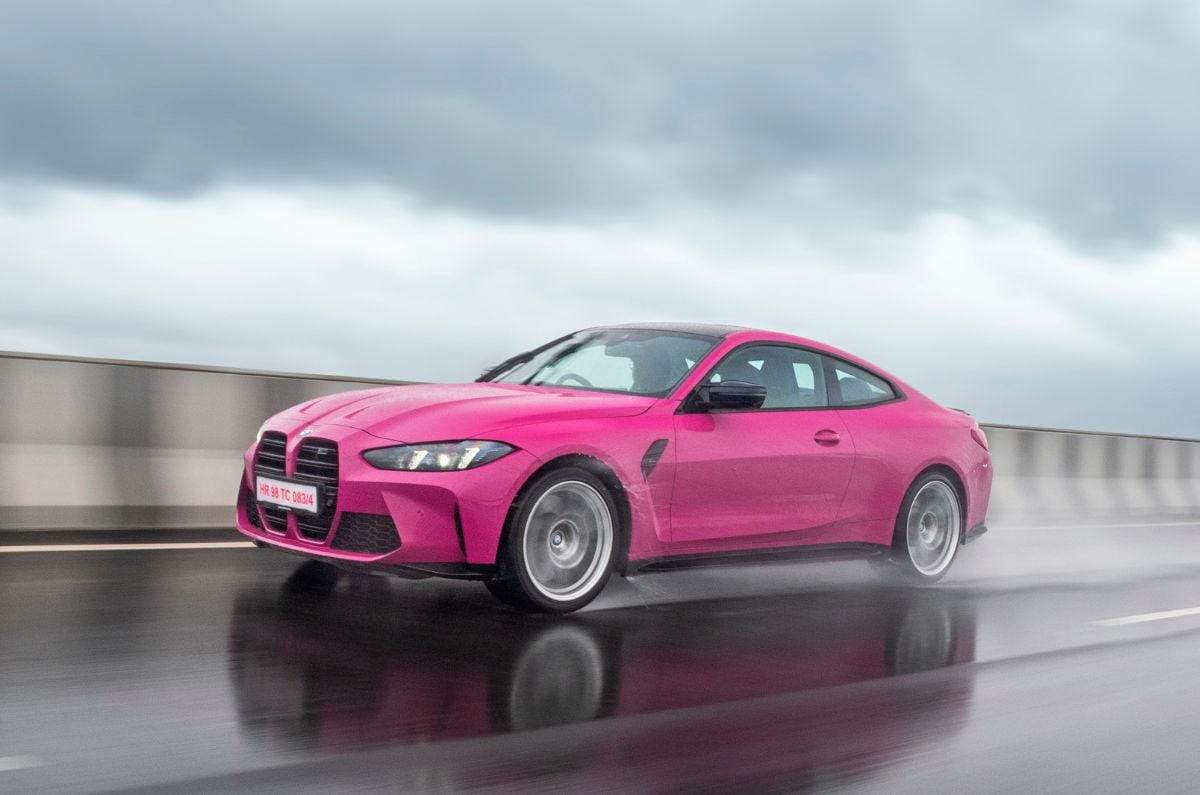
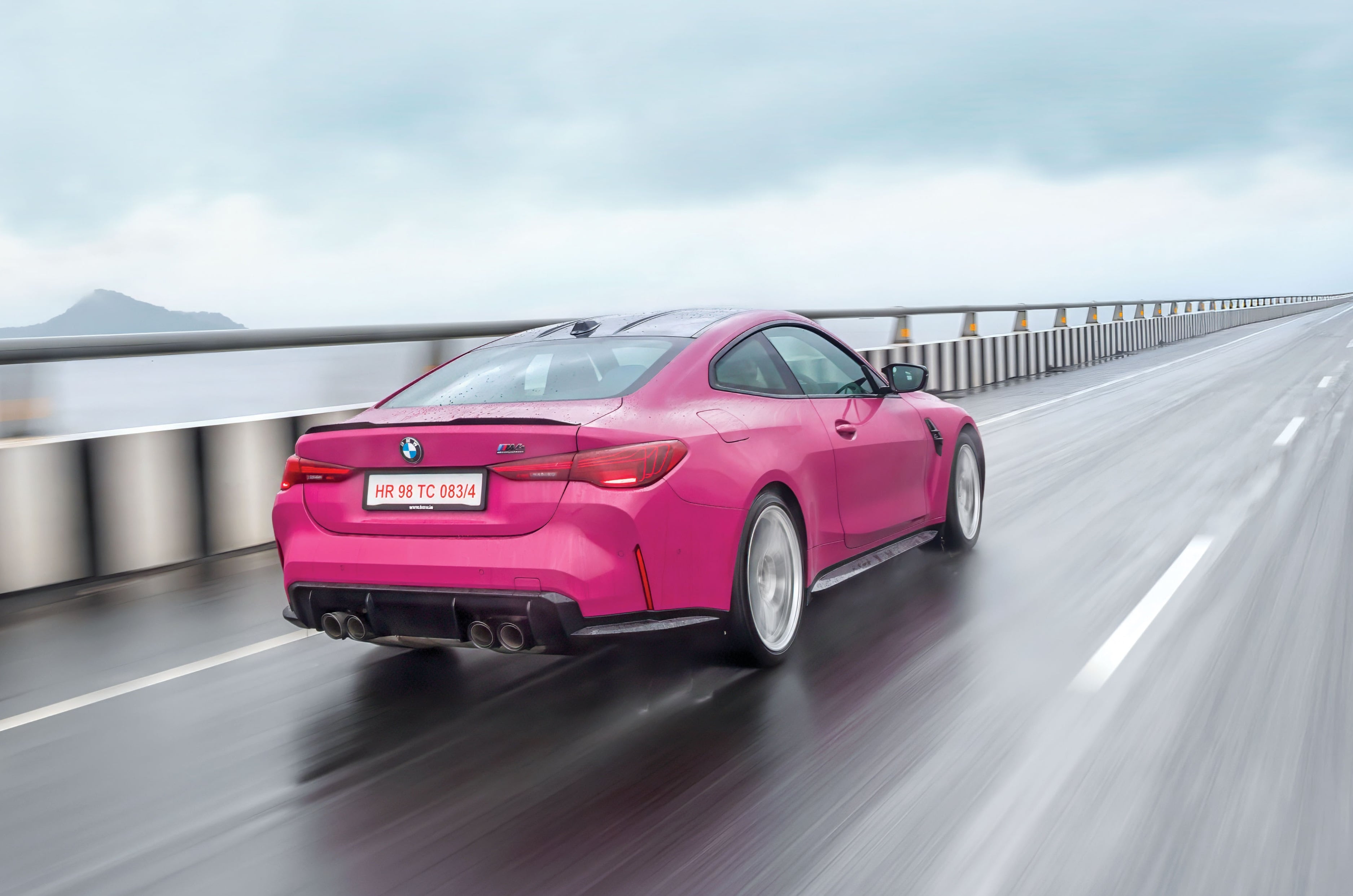
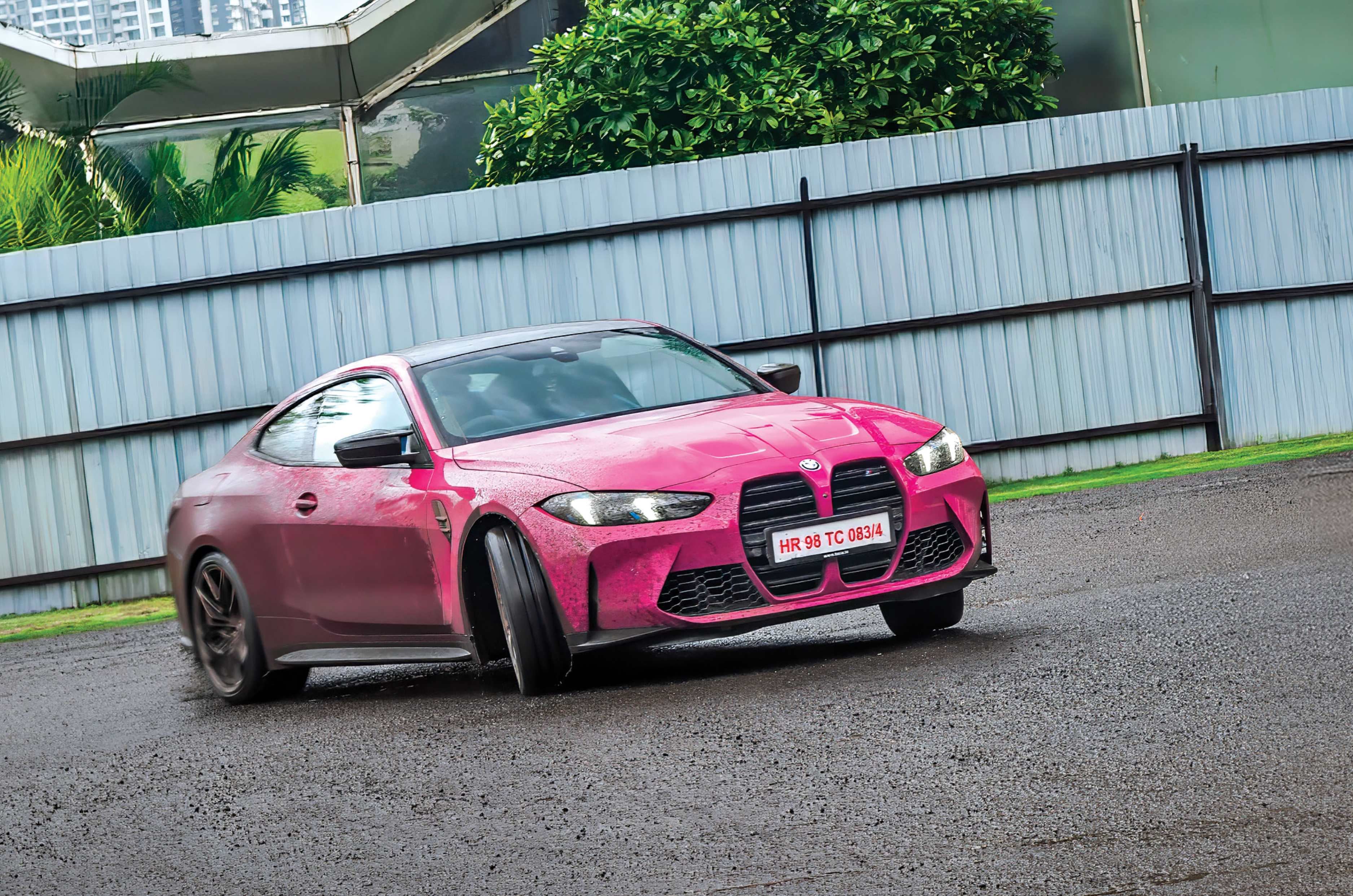
This G82-gen BMW M4 that you see has been on sale internationally since 2020, it came to India in 2022, and it even received a facelift (LCI or Life Cycle Impulse in BMW speak) a few years back. Yet, somehow, we never got a chance to drive it on Indian tarmac all these years. Now, however, we’ve finally spent some meaningful time with the BMW M4 Competition on home turf to see what it’s like.
BMW M4 Competition exterior design and engineering – 8/10
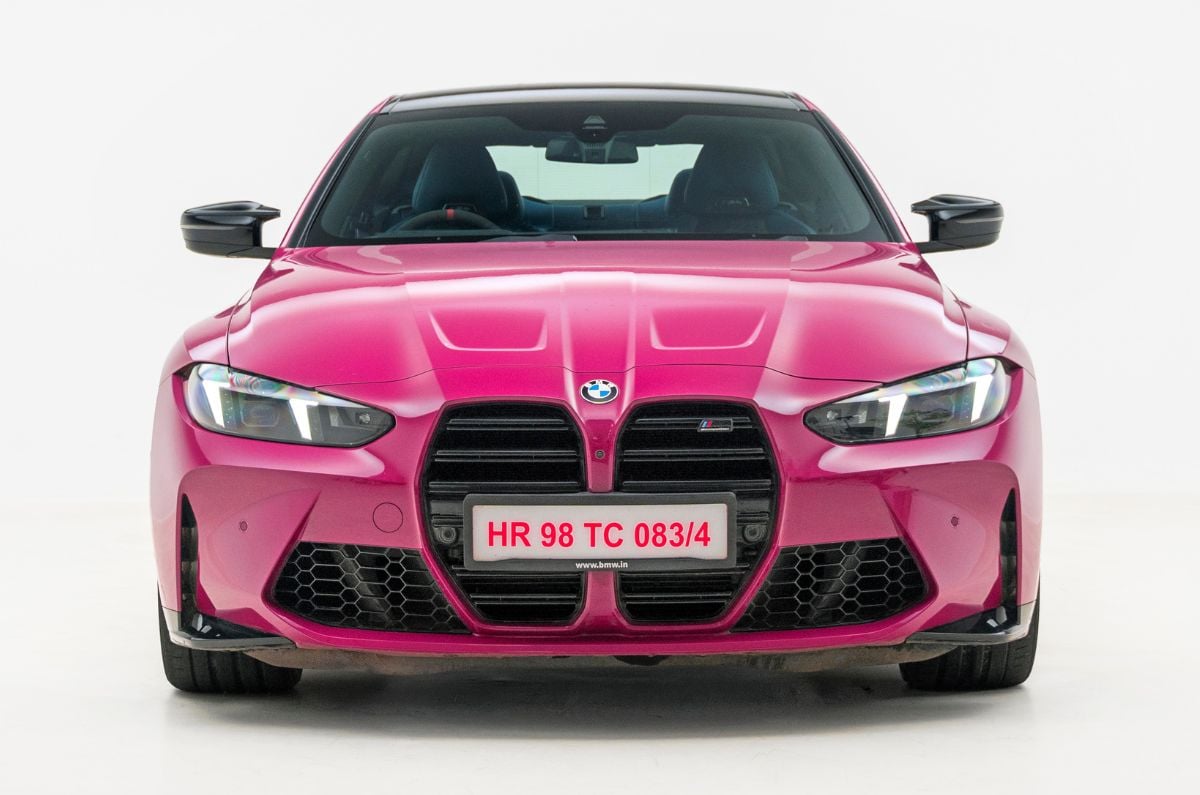
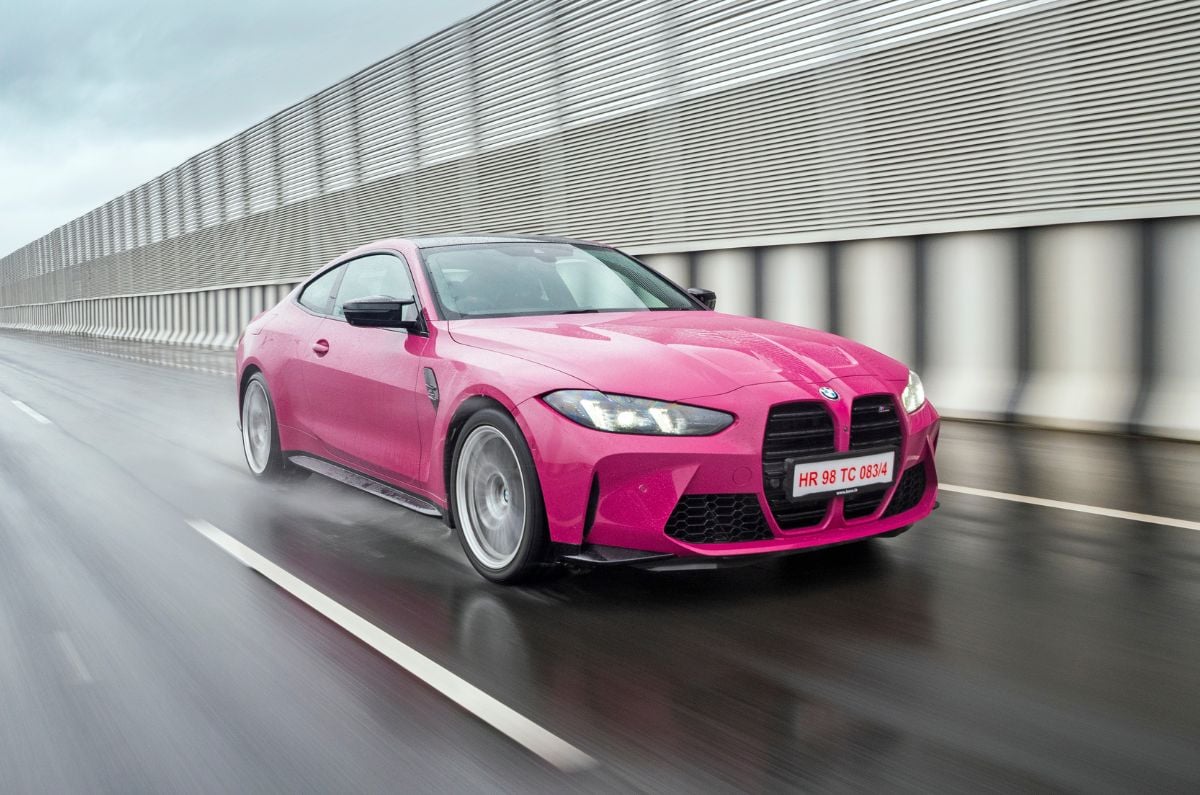
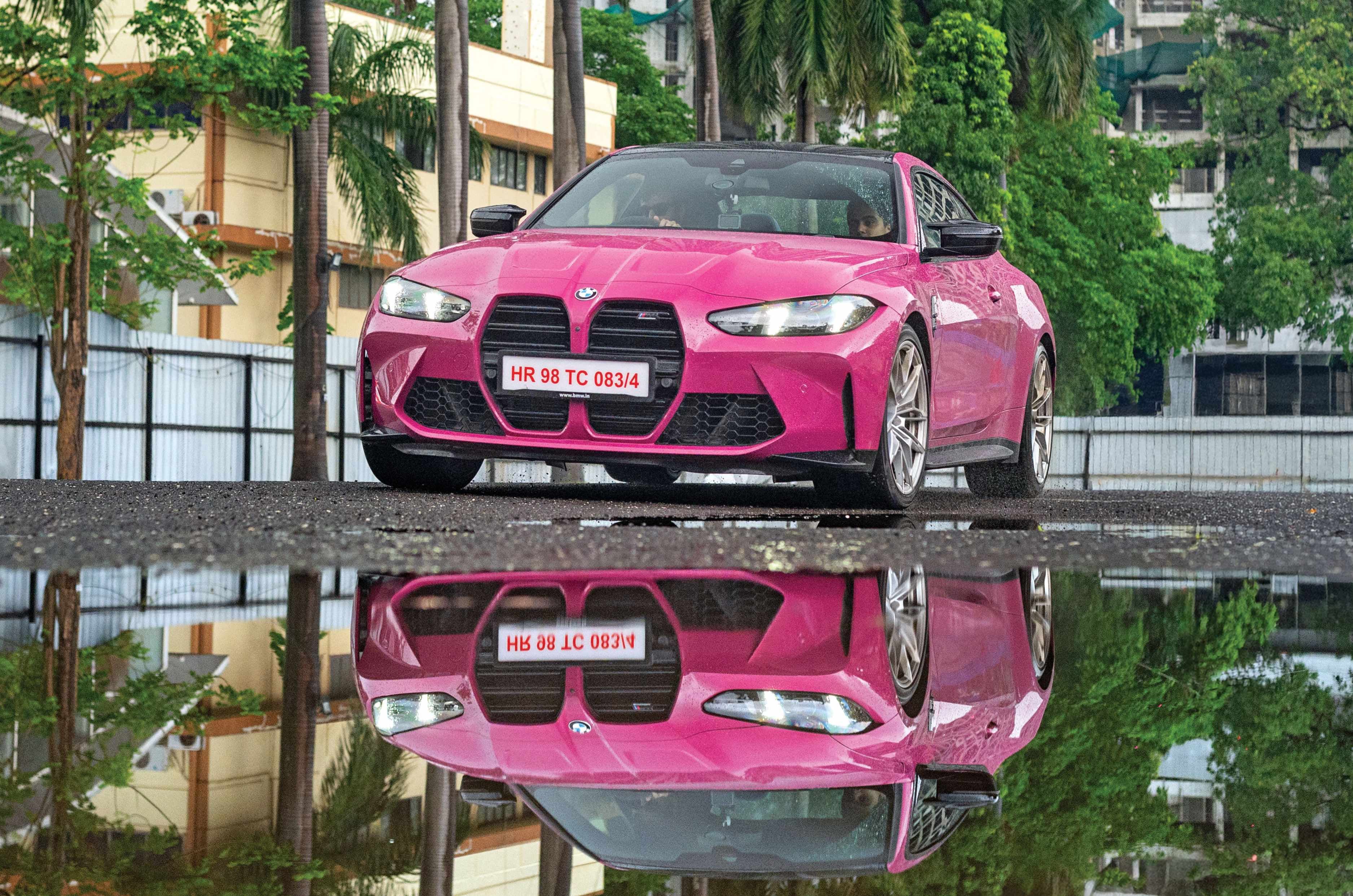
Whether you like it or not, the huge kidney grille gives it an imposing road presence.
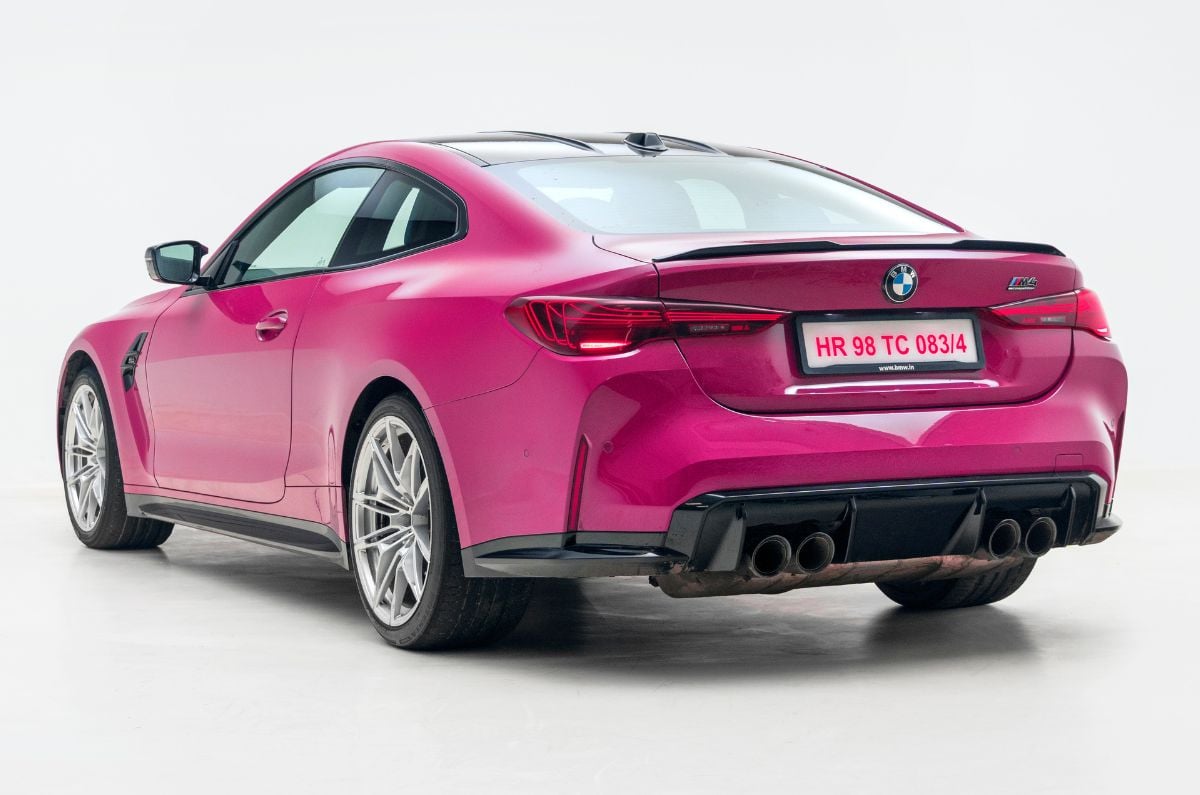
The BMW M4 Competition remains one of those cars that gets people talking before they’ve even heard it start. The enormous kidney grille is still the defining feature, and whether you like it or not, it gives the M4 a face that is impossible to mistake for anything else. The rest of the design is far more cohesive, with a long bonnet, heavily sculpted surfaces, flared wheel arches and a low, wide stance. At the rear, the quad exhausts, bootlip spoiler and prominent diffuser just add more drama to the design.
There’s serious engineering behind the visual drama, too. The M4 gets M-specific suspension hardware and aluminium suspension components, while the near-50:50 weight distribution helps give it the balance expected of an M car. And unlike all previous M3s and M4s, this one gets BMW’s M xDrive all-wheel-drive system, and it rides on staggered 19-inch front and 20-inch rear wheels.
Quad exhausts is an M signature and this LCI also gets beautifully detailed Laser LED taillights.
At 4,801mm long and 1,887mm wide, it’s a substantial car, and at 1,850kg, it’s certainly not light. But BMW has worked hard to keep the mass low and central, like with the use of a carbon-fibre roof, for example.
BMW M4 Competition interior space and comfort – 8/10
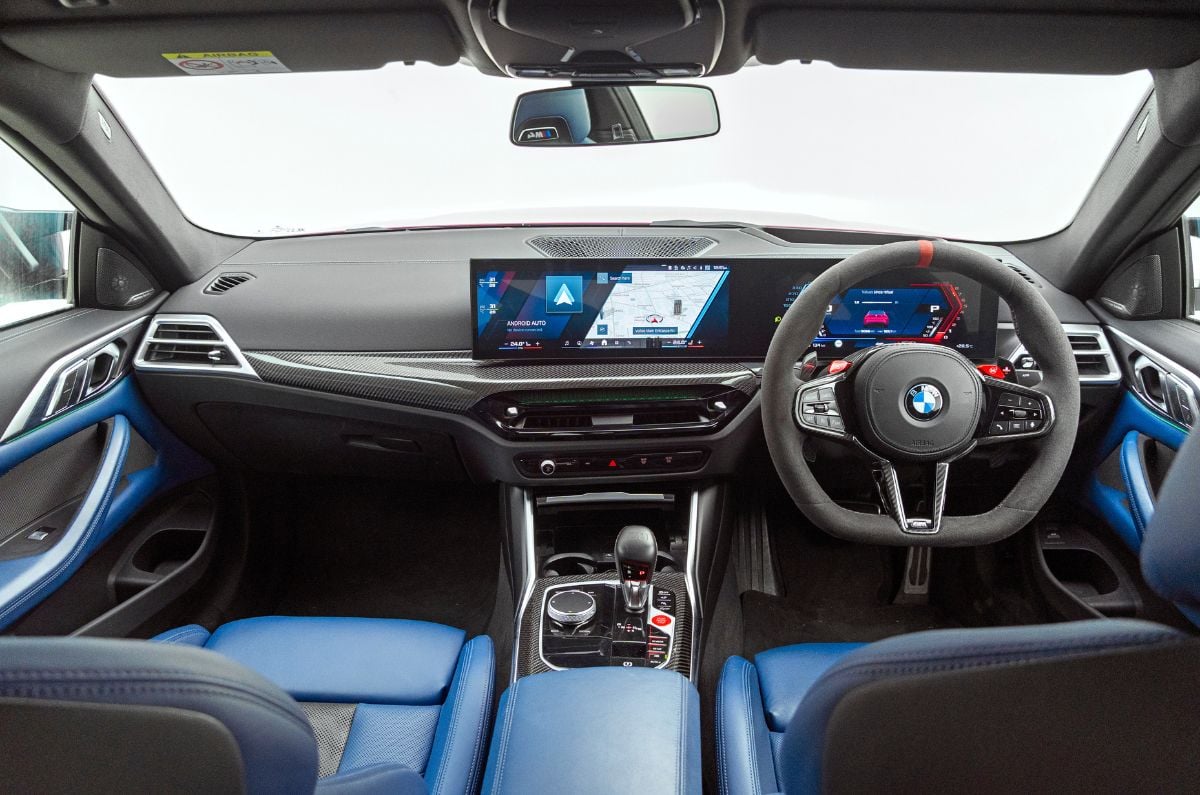
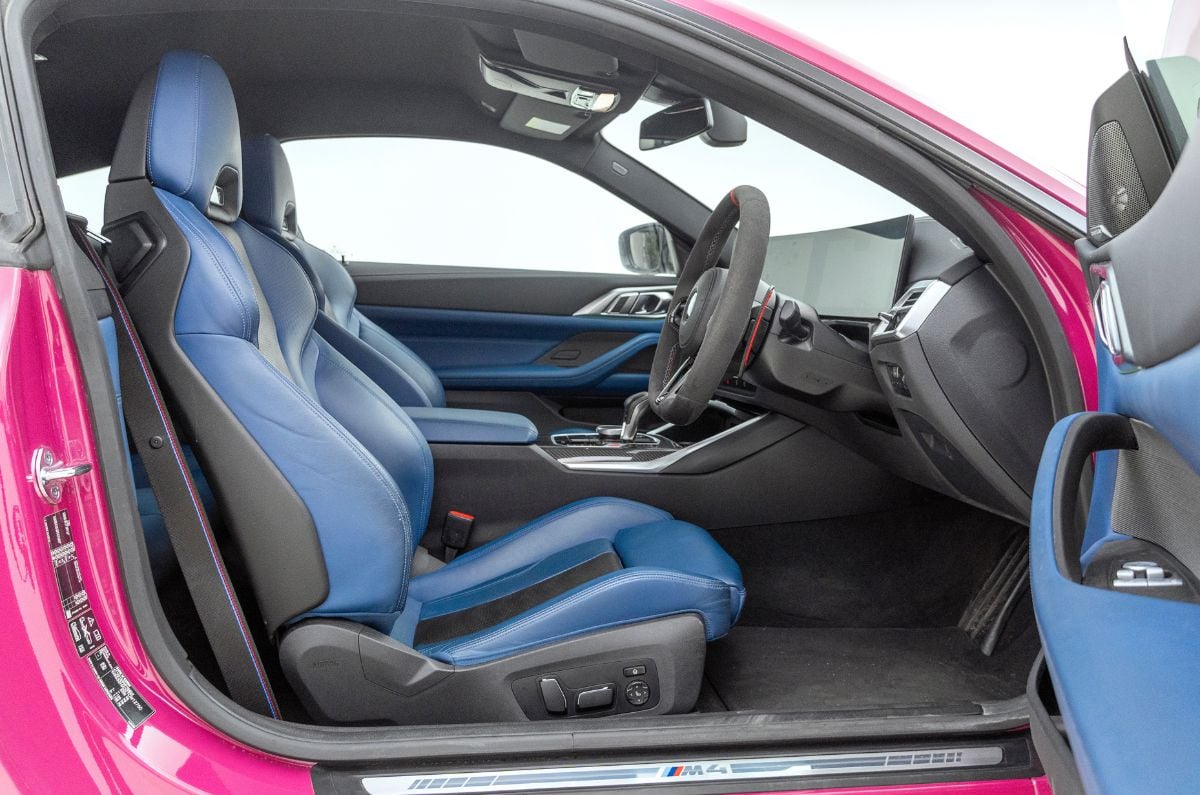
High-quality, driver-focused cabin is a mix of leather, carbon fibre and Alcantara.
The M4’s cabin is a good example of how far modern M cars have moved from being purely performance machines. There’s plenty of everyday usability here, but the driving position still feels special. You sit low, the steering wheel is perfectly positioned, and the large front seats are supportive and comfortable, and hold you securely when you start driving enthusiastically.
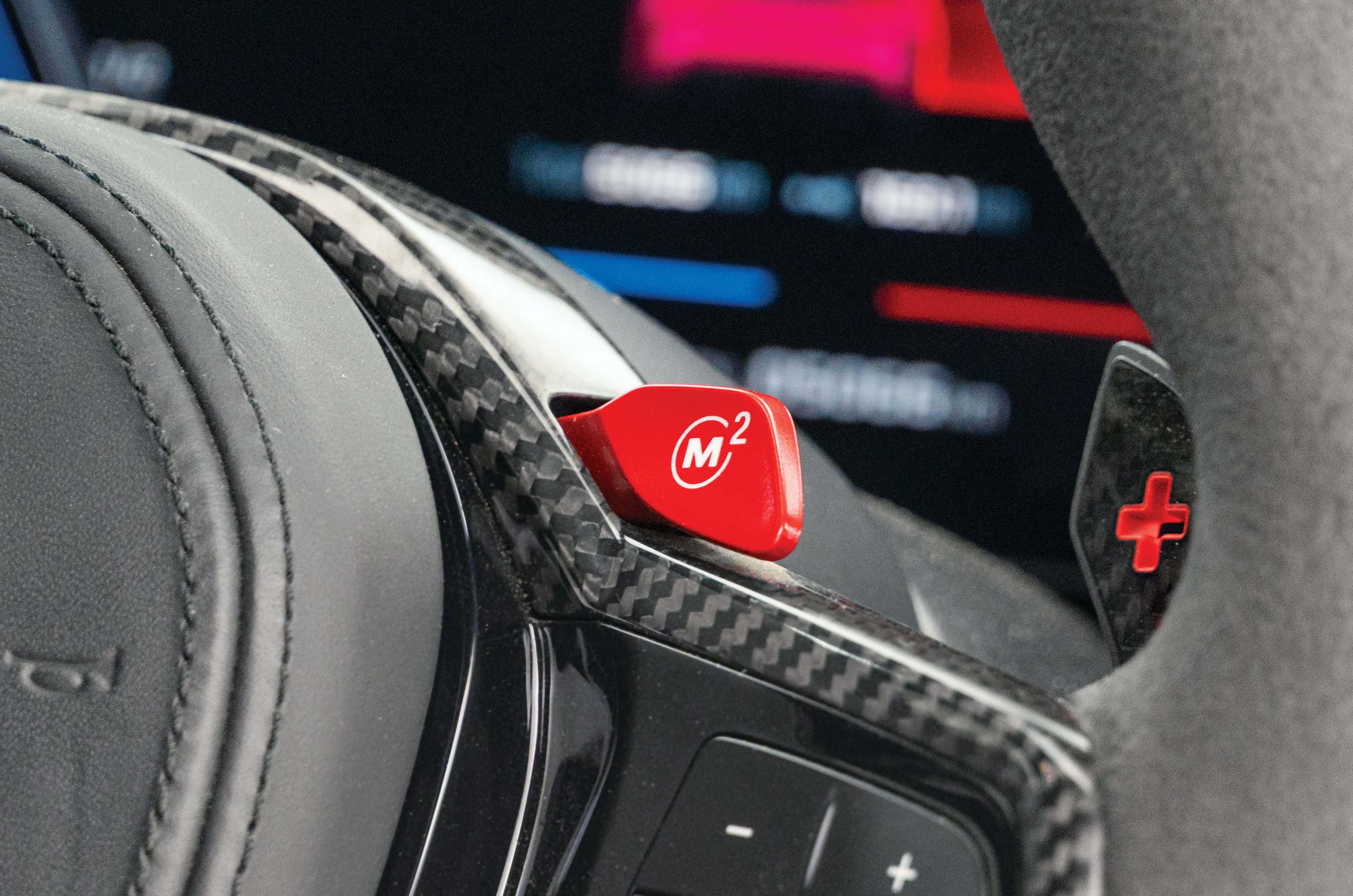
The dashboard follows BMW’s familiar layout, dominated by the curved display, while M-specific details like carbon-fibre trim throughout, M colours on the seatbelts and the red M1 and M2 buttons give the cabin enough visual distinction.
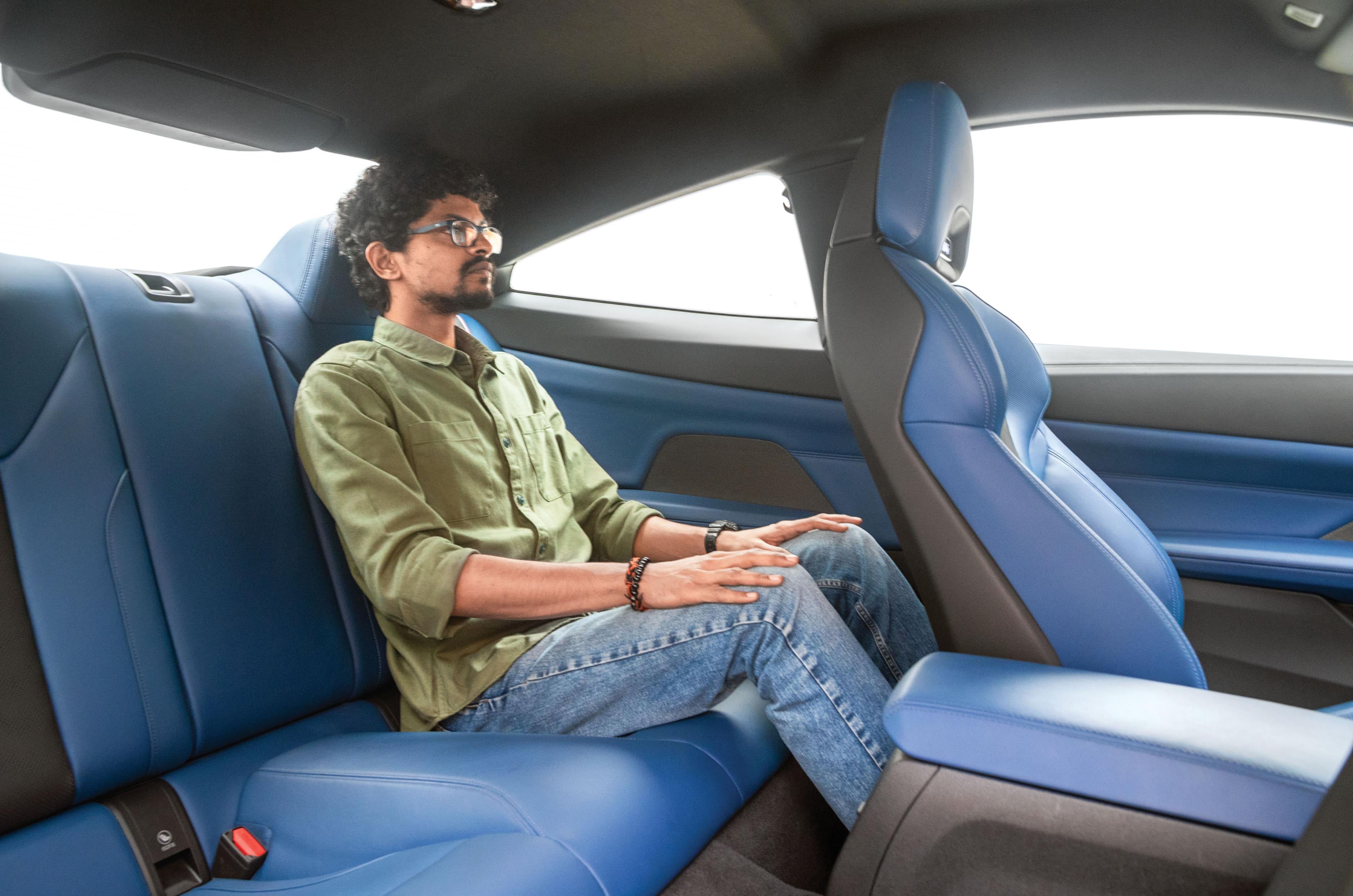
Access to the rear is tricky, though it’s a reasonably spacious place to be.
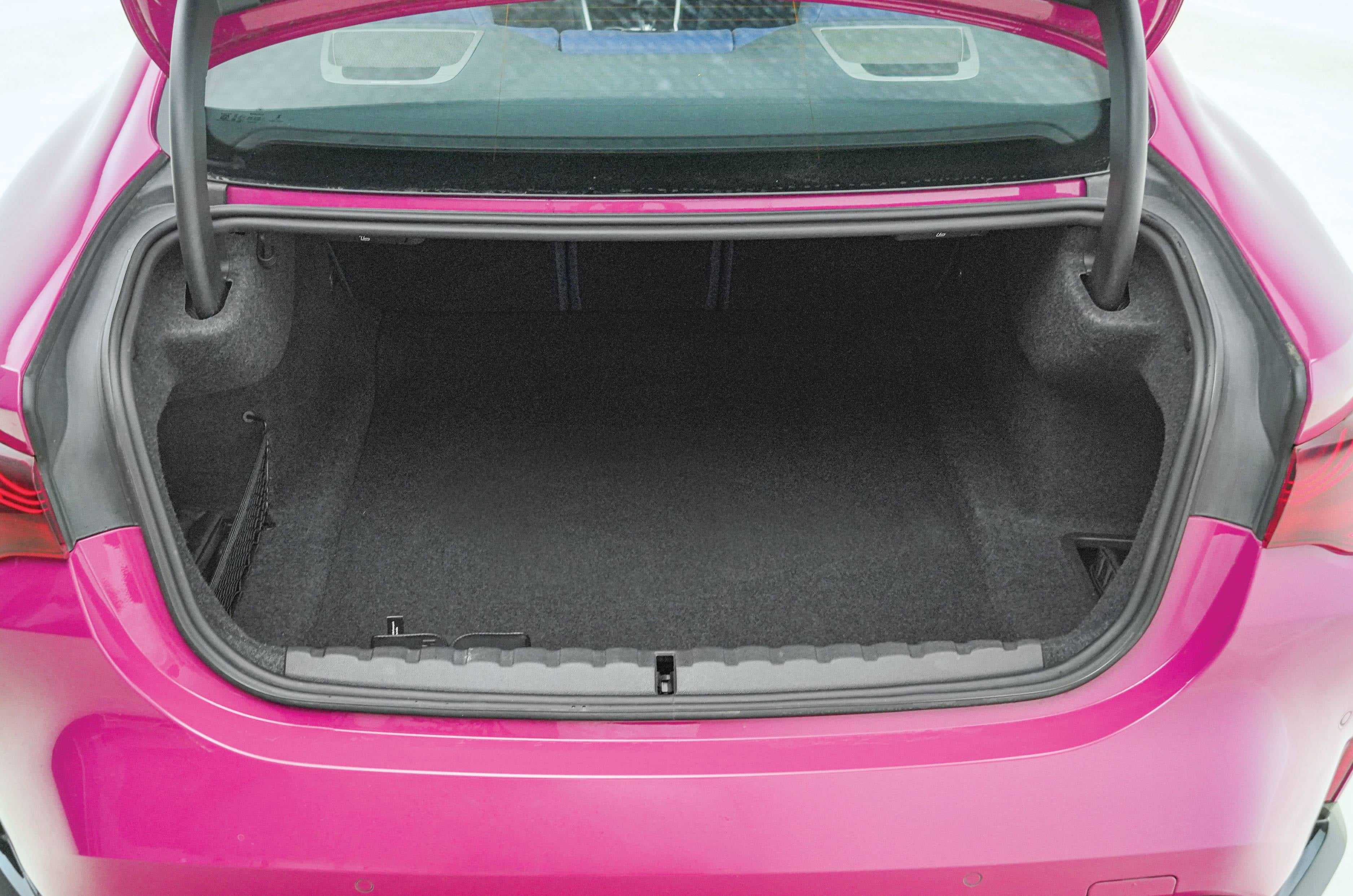
The coupe body does limit rear-seat access and space, but the back seats are still surprisingly usable, and not merely for show. There’s also a 440-litre boot, which means the M4 can manage luggage for a weekend away without too much hassle. That combination of usable cabin room and decent boot space is one of the car’s biggest strengths; very few cars with this level of performance are this practical.
440-litre boot can easily swallow up your luggage for the weekend.
It’s also relatively easy to live with in everyday conditions. The visibility is manageable, the controls are familiar and, at low speeds, the M4 is far more relaxed than its appearance suggests.
BMW M4 Competition features and safety – 8/10
The M4 Competition gets the technology expected of a modern BMW, but the really interesting equipment is the hardware and software designed to make its performance accessible.
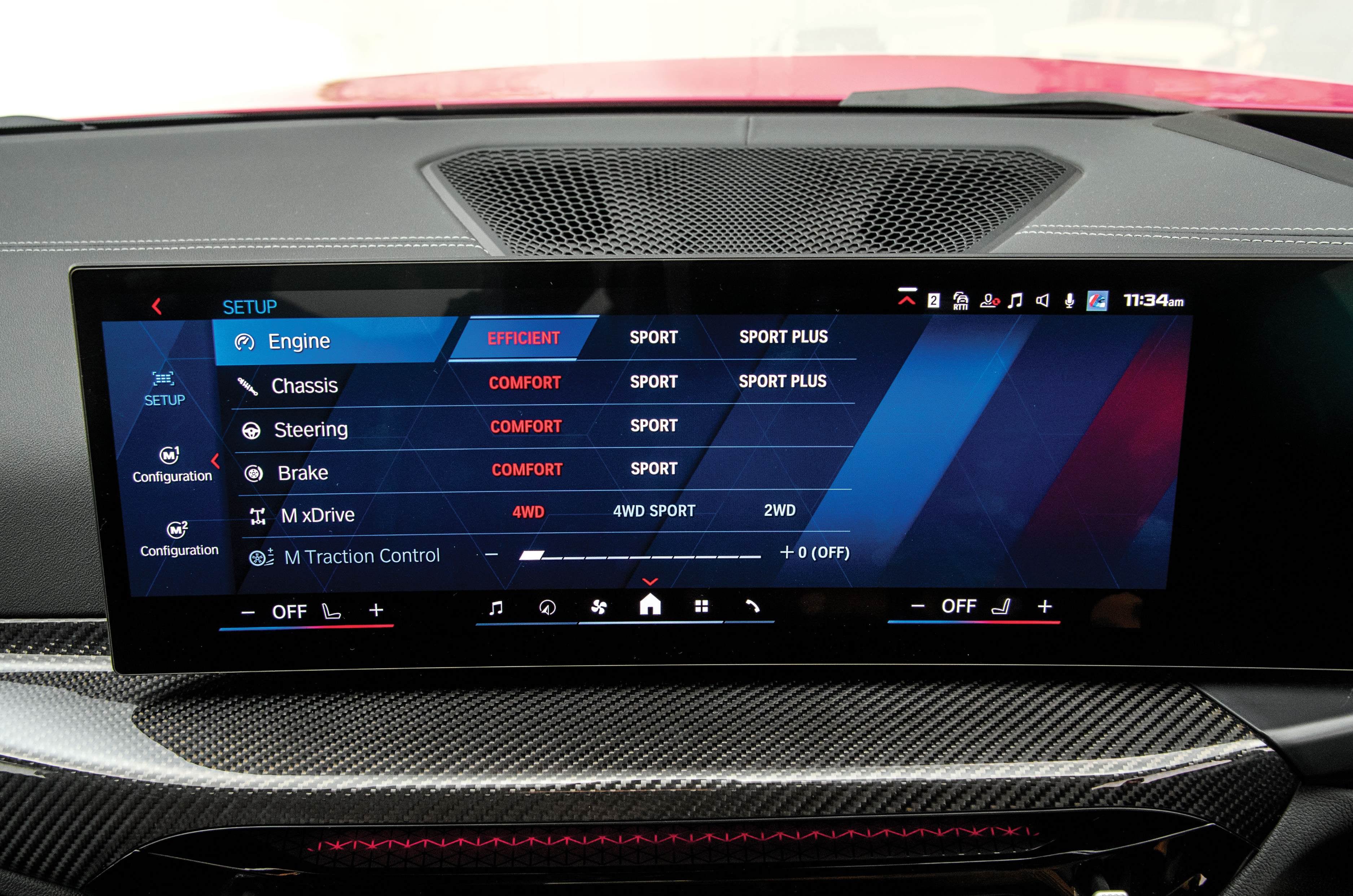
M1 and M2 buttons are shortcuts for your preferred, pre-selected drive settings.
The adaptive M suspension can be adjusted through Comfort, Sport and Sport Plus settings, allowing the car to switch between everyday usability and sharper responses. M Drive lets you save preferred combinations of chassis, steering, engine and transmission settings, and these preferred settings can be designated to the M1 and M2 buttons on the chunky steering wheel.
Then there’s the more serious performance tech. The M4 gets a selectable rear-wheel-drive mode, which essentially allows you to turn the all-wheel-drive M4 into a rear-driven machine, while the M Drift Analyser adds another layer of entertainment for those inclined to explore the car’s limits in a controlled environment. While it’s nice to have this level of customisation, some may find configuring it a bit too confusing and overwhelming.
The screen is crisp, but navigating through the sub-menus gets confusing.
And that’s the case with the touchscreen as well. It’s super-crisp, slick to the touch and has M-coloured themes, which look quite cool, but the myriad apps and sub-menus are confusing to operate, to say the least. And that problem is amplified when you’re trying to make adjustments on the move.
Front seats are large, supportive and feature ventilation too.
There’s a three-zone climate control, powered and ventilated front seats, a HUD, a Harman/Kardon sound system, wireless smartphone integration, a wireless charger, a curved display, and so much more. So, the M4 isn’t lacking in the areas that matter for everyday use.
As for safety, there are multiple airbags, ADAS tech, stability and braking systems and electronic assistance systems working in the background, although in a car like this, it’s the multiple drive modes and traction systems that are arguably the more important features.
BMW M4 Competition powertrain and performance – 9/10
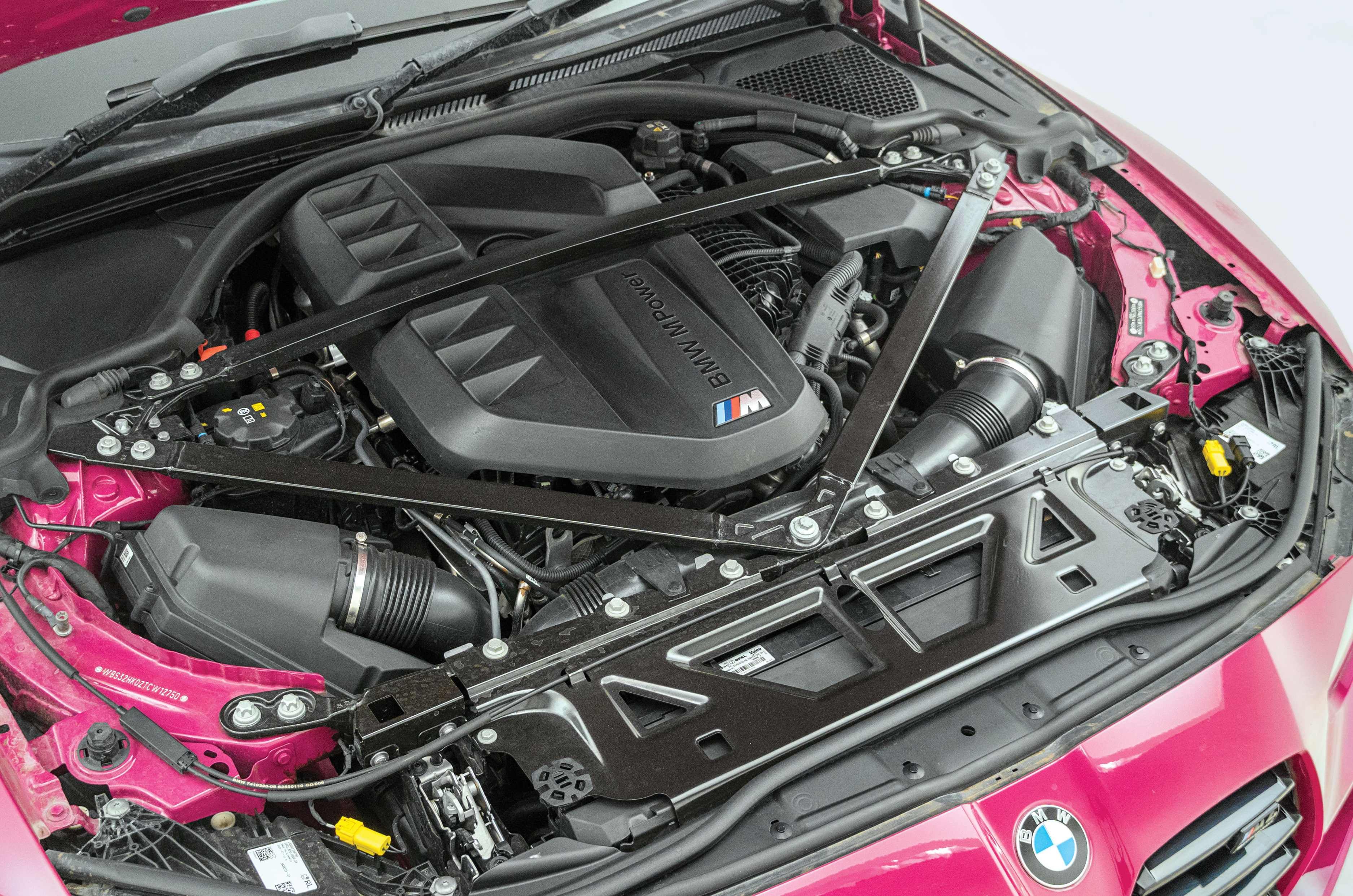
530hp, twin-turbo, straight-six pulls relentlessly and sounds good too.
The M4 Competition’s 3.0-litre twin-turbocharged S58 straight-six is the real star of the show, however. In this form, it develops 530hp and 650Nm and sends power through an 8-speed torque converter automatic to all four wheels, and BMW claims 0-100kph in 3.5sec.
What makes the engine so impressive isn’t just the numbers, but the way it delivers them. There’s almost none of the old-fashioned turbo lag here. Instead, power builds in an almost naturally aspirated fashion, with the engine pulling strongly through the rev range. It’s linear, responsive and keeps pulling hard all the way till the redline.
Be it drifting or touring, the M4 is up for both.
The gearbox is smooth when left to its own devices and can be calibrated to shift much more aggressively when you start driving harder. It can occasionally feel less urgent than you might expect, especially in comparison to the last-gen M4’s DCT, but the sheer performance of the engine means there’s never any shortage of pulling power.
The all-wheel-drive setup also makes it devastatingly effective when you have the space to exploit it, and it doesn’t scare you like the older rear-wheel-drive M4. The best part is that it doesn’t feel like a car that needs to be driven at ten-tenths to be entertaining. More importantly, the M4 doesn’t compromise everyday usability simply because it is so performance-focused. Driven gently, the drivetrain can be remarkably civilised.
The ride is compliant enough to make long distance travel feasible.
There’s also a pleasing authenticity to the engine note. It may not have the theatrical soundtrack of some older M cars, but the straight-six’s sound is sufficiently characterful without relying heavily on artificial enhancement.
BMW M4 Competition fuel efficiency – 6/10
Fuel economy, expectedly, isn’t the M4’s strongest suit, but the 59-litre fuel tank gives it enough range to be usable as a long-distance car, although enthusiastic driving will inevitably bring that figure down considerably.
BMW M4 Competition ride comfort and handling – 8/10
At city speeds, the M4 can be surprisingly subdued. The steering is light, and there’s little indication of the aggression that lies underneath. The ride, though, even with the adaptive dampers set to Comfort, is firm, and sharp bumps do filter through to the cabin.
What’s impressive is how effectively BMW disguises the M4’s 1,850kg mass. It is a heavy car, but it rarely feels unwieldy when you’re attacking a sequence of corners. There is a bit of understeer, but there’s virtually no body roll, making it feel agile. The M4’s grip is immense, and the xDrive system allows you to put down its considerable power remarkably effectively. Yet, it isn’t simply a point-and-shoot machine. The adjustable traction control and rear-wheel-drive mode (or even the semi-lenient ‘AWD Sport’ mode) allow considerably more freedom, revealing the car’s playful side that isn’t immediately apparent in normal driving.
Rear wheel drive mode and adjustable traction settings allow for some proper tail out fun.
The electric power steering isn’t as feelsome as the hydraulic-steering M cars of old, but the accuracy is excellent. The M4 goes precisely where you point it, and the chassis remains composed even when you begin to carry serious speed. It’s decently capable at dealing with speed breakers too, as long as you take them slow and the large ones at an angle. Road noise, however, does become apparent at higher speeds over concrete surfaces.
The M4 really has a dual personality. Around town, it can be relaxed and relatively easy to live with; on an open road, it becomes seriously fast and agile. The ride is not plush or comfy, but it is compliant enough to make long-distance driving feasible.
BMW M4 Competition value for money and verdict – 8/10
As far as fast, versatile coupes go, there’s few better than the M4 Competition.
At Rs 1.60 crore (ex-showroom, before options), the M4 Competition is a difficult car to categorise, with no real direct rivals, and that is precisely why it works so well. It has the performance to keep up with exotic sports cars, yet it retains usable rear seats, a decent boot, and it is easy enough to be driven every day.
The polarising styling remains subjective, the ride quality is stiff and the infotainment interface is unintuitive. But once you find an open road, those shortcomings simply melt away. What you’re left with is a very capable all-rounder. The 530hp straight-six provides devastating performance without being difficult to manage, the all-wheel-drive system provides great traction and a useful safety net, and it has enough adjustability to keep even the most experienced driver entertained. Fast, practical, hugely capable and remarkably usable, that versatility is ultimately what makes the M4 Competition such a compelling performance car.
It’s not every day that a new brand enters the Indian market, but by the end of this year, we’ll have two – JSW and Denza. Last month, we exclusively reported on Denza’s intention to enter India, and now we bring you all the additional juicy details.
A little bit about the brand first. Founded in May 2010 as a joint venture between BYD and Daimler AG (now Mercedes-Benz Group AG), the company announced its brand name ‘Denza’ two years later. Mercedes has since exited the partnership, and in 2022, BYD repositioned the brand and is generally concentrating its efforts at the higher end of the market.
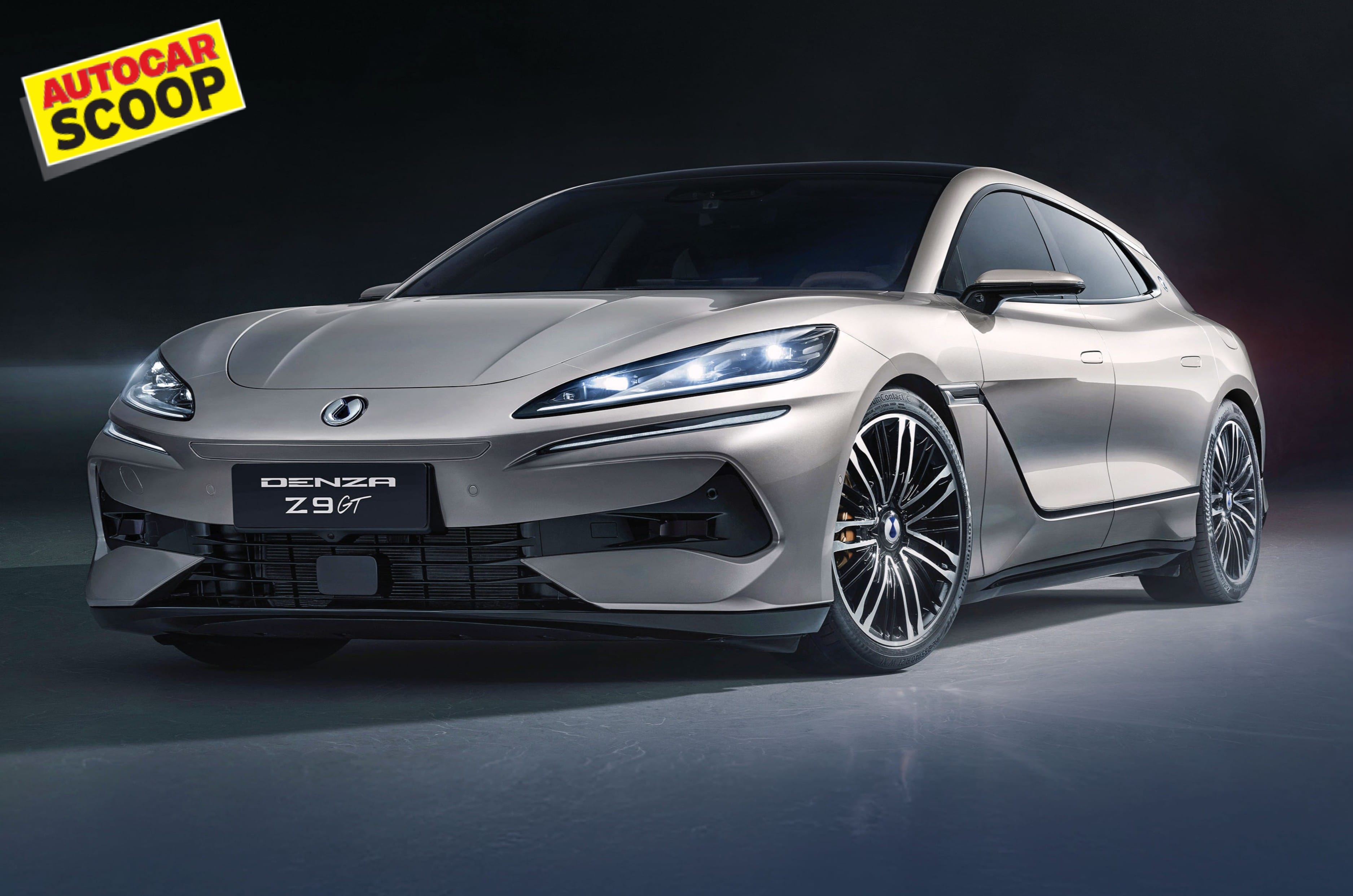
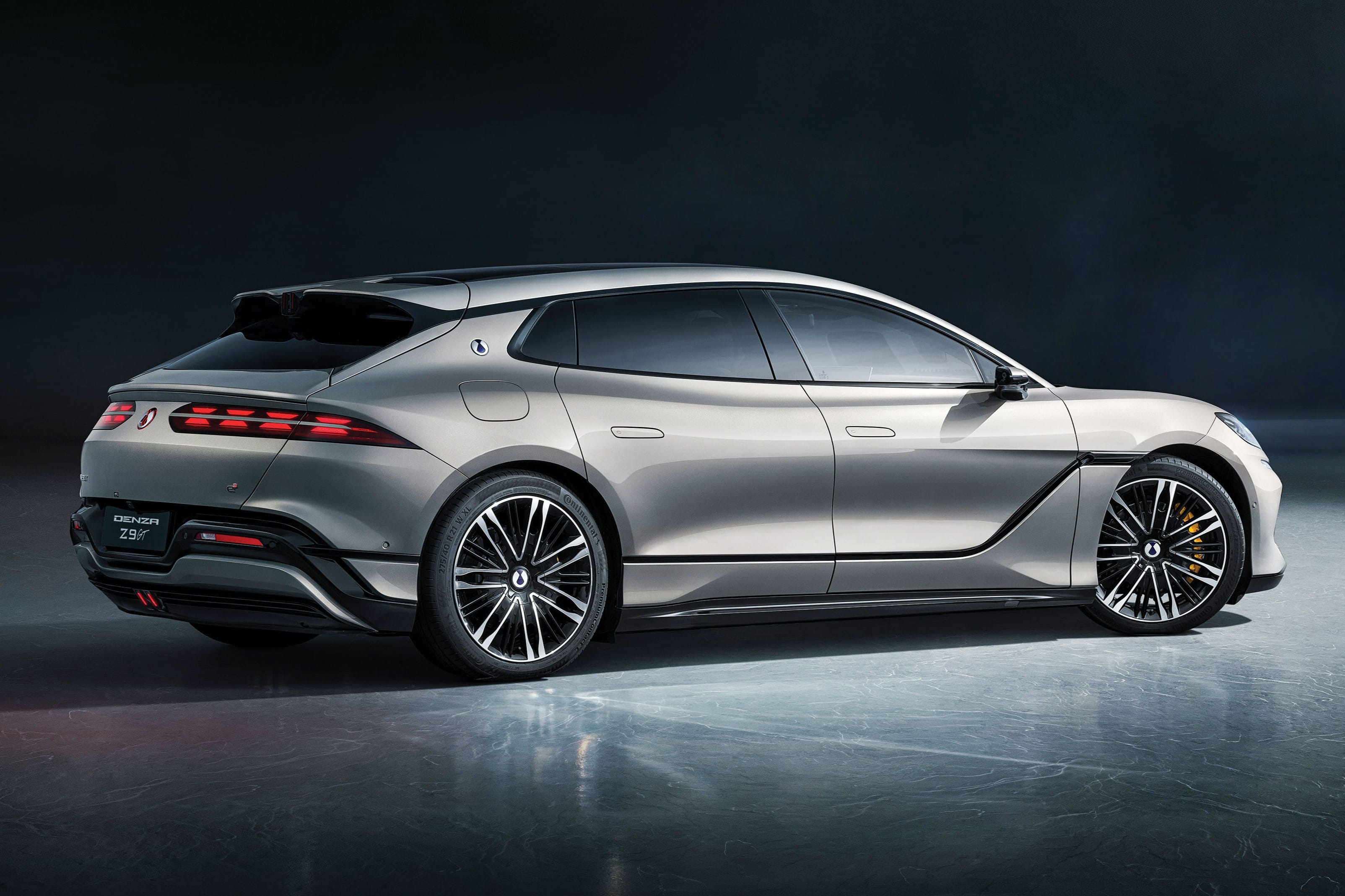
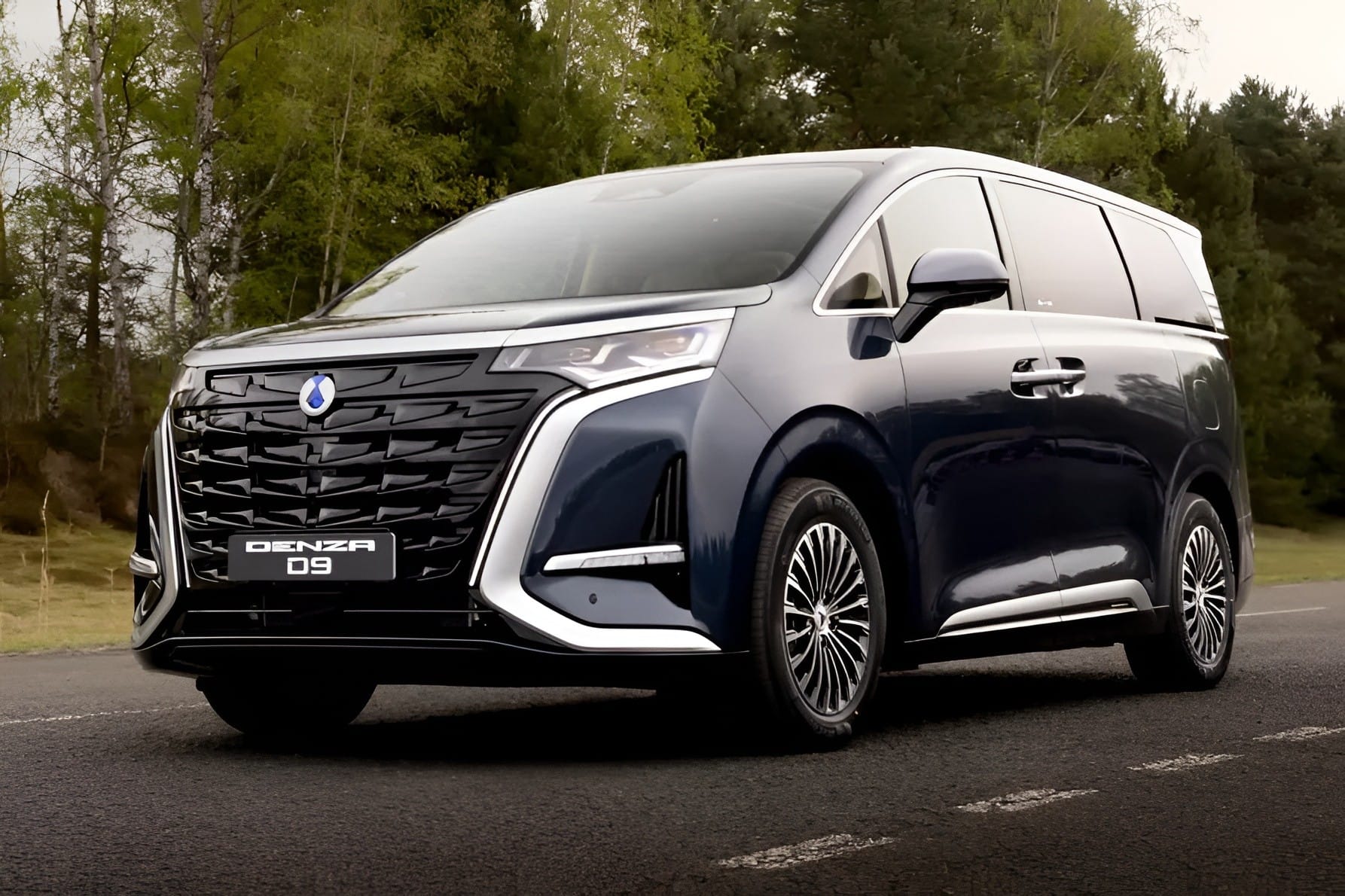
In India, Denza will be positioned above BYD’s existing portfolio, with products at around Rs 80 lakh and above, while BYD will occupy the Rs 20 to Rs 80 lakh space. Leading Denza’s charge will be two models, the Z9 GT high-performance fastback and the D9 luxury MPV. Both will be brought in as completely built-up units.
The Z9 GT is Denza’s take on a fastback or, as the company puts it, a shooting brake with four-door practicality. It has both EV and PHEV options globally, but for India, we’ll get just the electric version, and its numbers are staggering. It weighs 2.9 tonnes, puts out a colossal 1,156hp from three electric motors (one at the front and two at the rear), that propel it from 0-100kph in 2.7sec and on to a top speed of 270kph. The only modest number is the range, which stands at 600km on the combined WLTP cycle. Charging, though, is super quick, with the company’s 1,500kW Flash ultra-fast charging that can take the GT’s 122.5kWh battery from 10 to 97 percent in just nine minutes. It stops at 97 percent to preserve the life of the battery. Expect to pay premium pricing for this level of performance, though; the GT would retail in India somewhere in the Rs 1.2 to 1.5 crore mark.
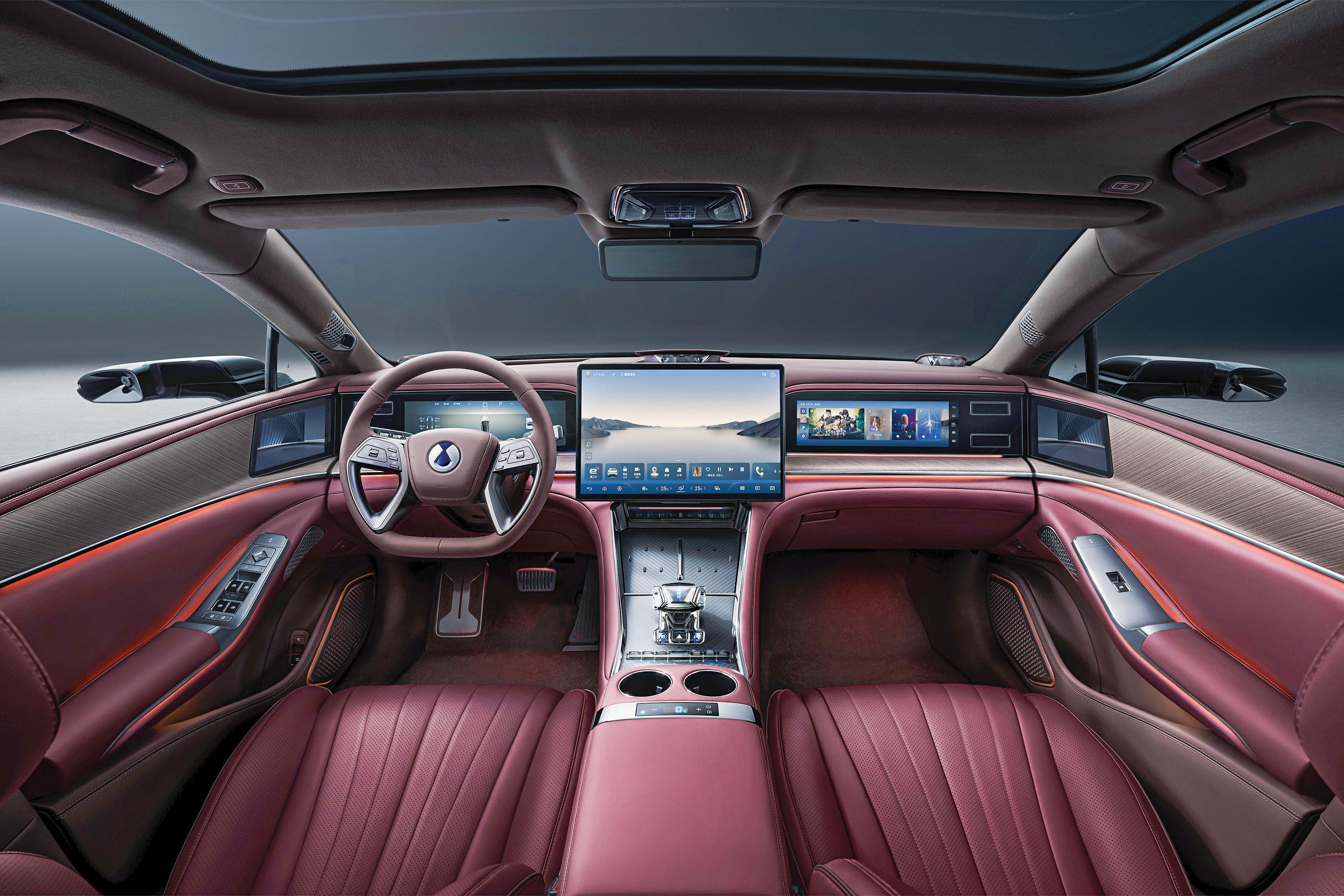
Five screens dominate dash; flank screens are for outside rear-view camera feed.
Here too, there’s a cell-to-body construction that integrates the blade cells directly into the vehicle structure, plus rear-wheel steering with a sideways crab-crawl ability, buttons to open and close power doors and, of course, Level 2+ ADAS. Inside, the GT seats five and pampers the four outer passengers with adjustable under-thigh support, heating, cooling, and massage functions, and the rear seats also recline. As with so many EVs today, the dashboard is dominated by screens, five in total, with two on the flanks for the outside rear-view ‘mirror’ camera feed.
Denza D9: Vellfire Challenger
The D9 MPV is available with electric or plug-in hybrid power globally too. For India, it’s the EV that will arrive, and in front-wheel-drive form. Expect prices at around the Rs 80 lakh mark, positioning the D9 above the MG M9 but below the Toyota Vellfire.
Power stands at 313hp and 360Nm of torque, and it’s fed by a 103kWh blade cell battery. Claimed range is 520km on the combined WLTP cycle, while charging speed peaks at 200kW on a DC fast charger.
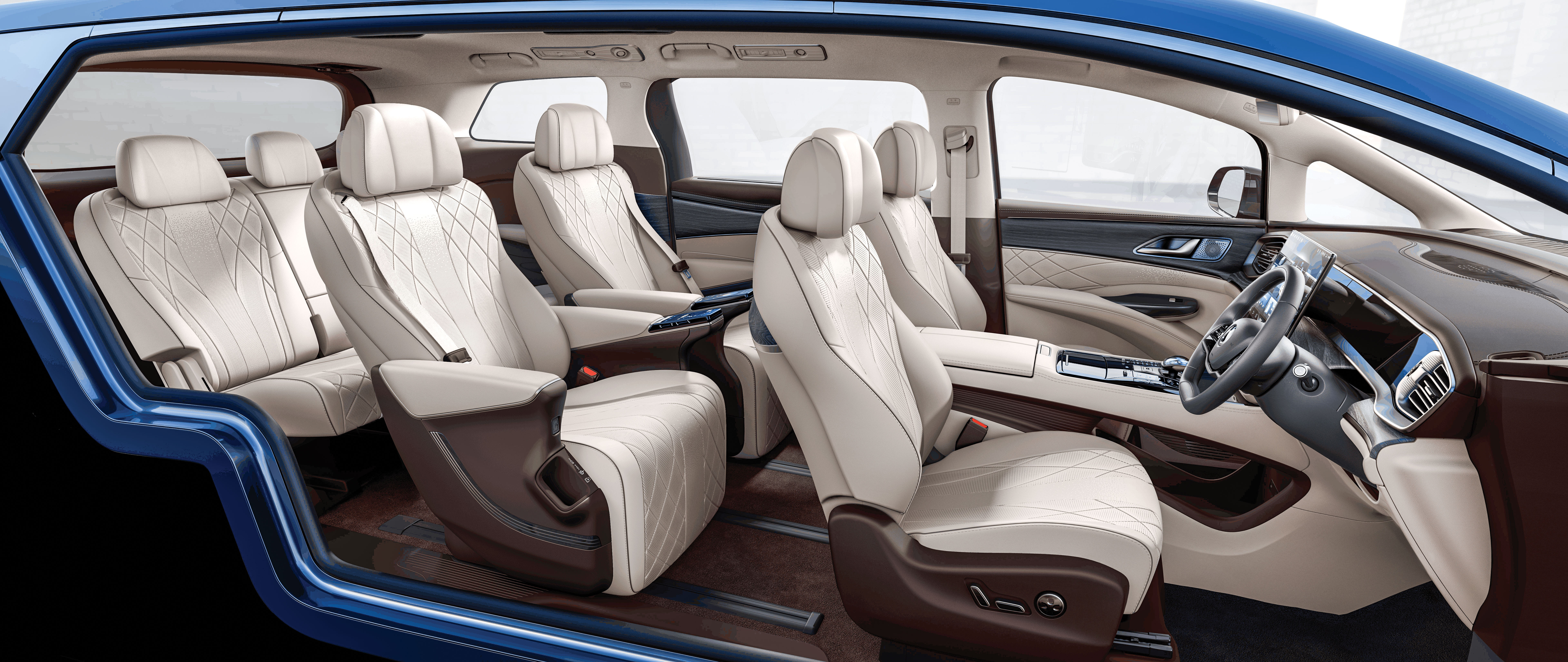
The seating configuration is 2+2+3 with the centre captain seats offering full power adjustment, heating, ventilation and massagers, along with armrest-integrated control pads. Middle-row occupants also enjoy fold-out tables and extendable leg-rests. Other creature comforts include a three-zone climate control, premium Dynaudio sound system and full leather upholstery.
Middle row the place to be with fully powered individual loungers that feature heating, ventilation, massagers, leg rests, and a fold-out table.
The D9 also features BYD’s cell-to-body construction that helps reduce weight and increase body rigidity. The luxury MPV also comes with an active body control system that, the company says, eliminates fore-aft pitching motion to keep the cabin flat during “nose-up” acceleration and “nose-down” braking forces.
Where does Denza fit in India’s automotive landscape?
The name Denza is an invented one and loosely translates to ‘rising power’ or ‘gathering momentum’, and that is what BYD will be hoping for in India. Hamstrung by the Indian government’s restrictions around Chinese investments, BYD – the world’s largest EV manufacturer – has not been able to grow. Its proposed $1 billion investment, along with a local partner, to scale up its small semi-knocked-down (SKD) plant in Tamil Nadu has been slowed by Press Note 3 – a 2020 policy that requires foreign investments from countries sharing a land border with India to get prior state approval.
Thus, given the limited playing field it’s been put into, getting into niches like luxury MPVs is a smart move from BYD. The segment accounts for about 2,000 units a year and is seeing rising customer interest and growth, attracting players like the Toyota Vellfire, the Lexus LM and Mercedes V-Class. The D9, then, has competitors to contend with, while the Z9 GT sits in a smaller niche, with just the Porsche Taycan as a similar rival. It’s likely to sell fewer numbers but will serve as a technology showcase and a brand shaper.
Interestingly, Denza will be retailed through exclusive showrooms separate from BYD. This may seem odd given the limited volumes, at least in the short term, but our sources tell us the company wants to provide Denza customers with a highly personalised shopping experience. The premium positioning will limit its network to larger cities; launch likely to be in the Delhi-NCR and Mumbai regions only. For BYD, though, it plans to scale up, thus keeping the two brands separated allow each to focus on their distinct goals.
So far, BYD India has managed a decent start and enjoys an awareness much higher than its actual market volume, enviable for a new brand. That’s all thanks to products that deliver consistently, with innovative tech like the famed blade cells. For Denza, though, the company also needs to build a high level of desirability, because at the upper end of the luxury spectrum, badge value accounts for nearly as much as, if not more than, engineering prowess itself, and that is what the company seems to be setting out to do.