Range Rover SV gets new bespoke dual-tone paint options

Range Rover SV gets new bespoke dual-tone paint options
Range Rover

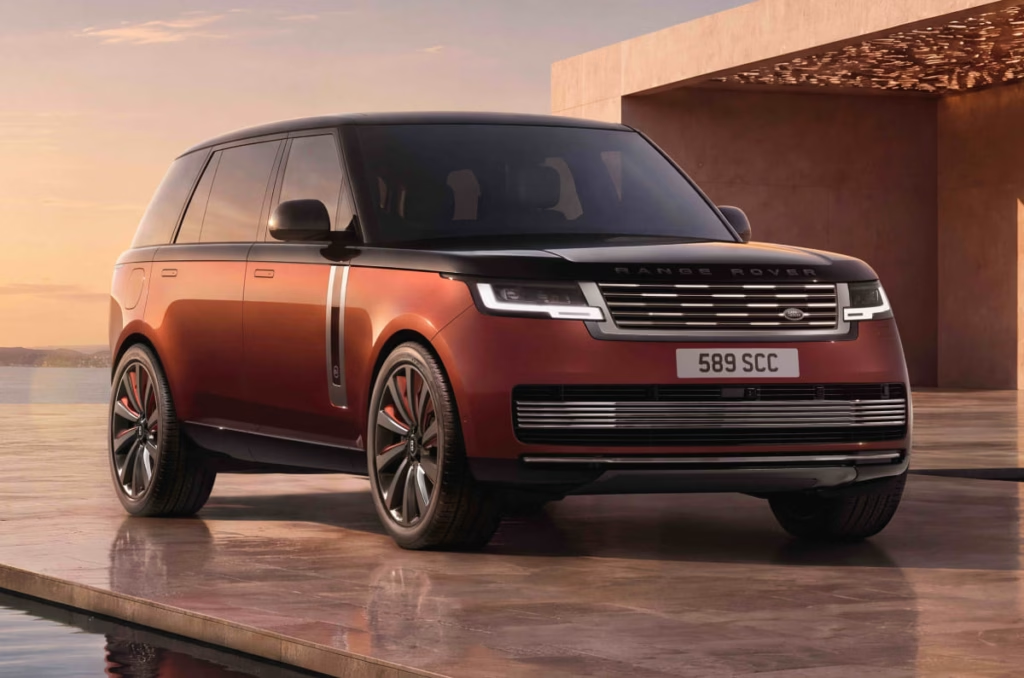
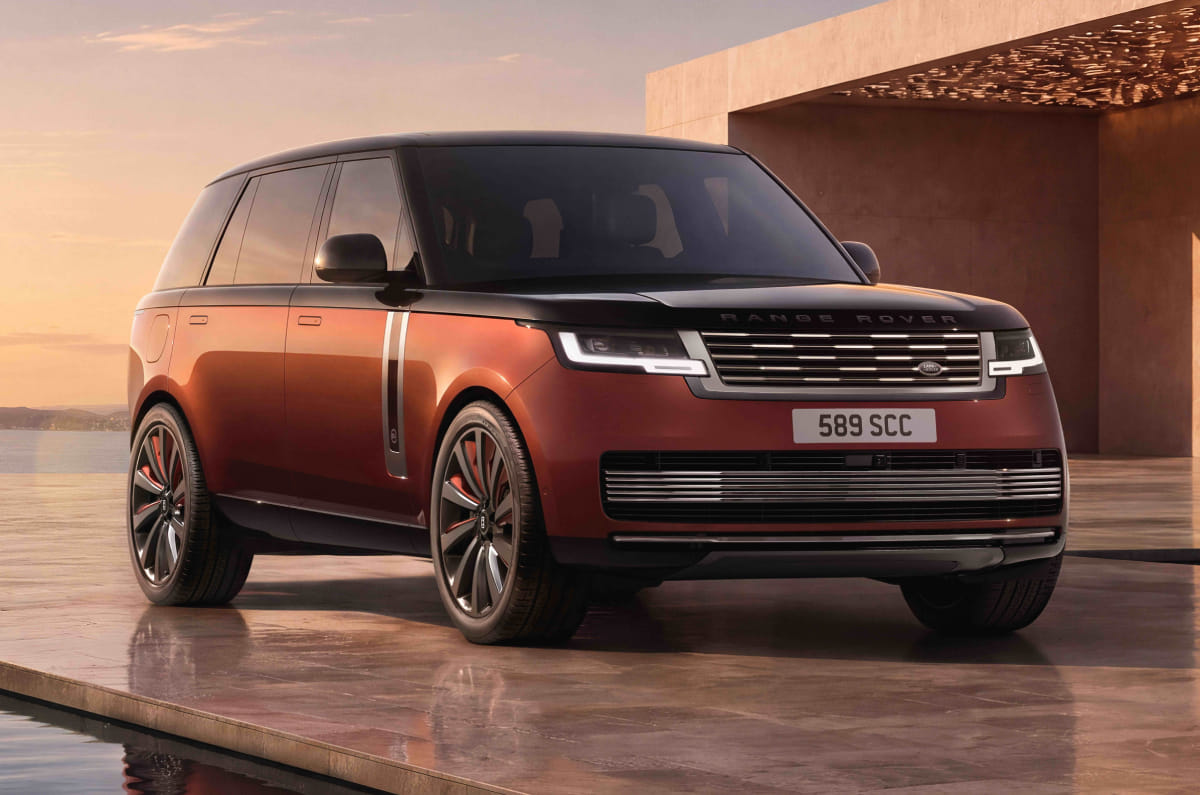
Range Rover has introduced a new Duo-Tone Fade paint finish through its Bespoke service. It uses two exterior colours that gradually blend from the roof and bonnet into the body sides and rear. The finish is available exclusively for the Range Rover SV. Range Rover has not announced a specific price for the paint option.

Range Rover SV Bespoke paint options

Four Duo-Tone Fade combinations are available: Velvet Depths, Sunstone Lustre, Ashen Amaranthine and Nacre Allure. Each is paired with a dual-tone interior. 

Velvet Depths combines Obsidian with Sunrise Copper, while Sunstone Lustre pairs Obsidian with Tourmaline Brown. Ashen Amaranthine combines Obsidian with Amethyst, and Nacre Allure uses Obsidian with British Racing Green.

The finish is created using multiple layers of paint. The base colour is applied first, followed by the second colour, which is then blended into the base to create the fade. The process involves hand preparation and precision application, with the materials and colour combinations tested for compatibility.

Range Rover SV: What is it?

The Range Rover SV is the performance-focused version of the Range Rover and is available with both petrol and electric powertrains. The petrol version uses a 4.4-litre twin-turbo V8 mild-hybrid producing 537hp and 750Nm, while the electric version has a claimed range of up to 600km.

The SV gets features including a 13.1-inch infotainment touchscreen, 13.7-inch digital driver’s display, 13.1-inch rear entertainment screens, heated steering wheel, powered rear sunblinds, four-zone climate control, head-up display, ambient lighting, 360-degree camera and air purifier. All seats are electrically adjustable and get heating, ventilation, massage and memory functions.

Range Rover also offers the SV Bespoke service, which allows customers to customise the exterior and interior of their SUV.

Vinfast VF6, VF9 facelift previewed with India design patent

Vinfast VF6, VF9 facelift previewed with India design patent

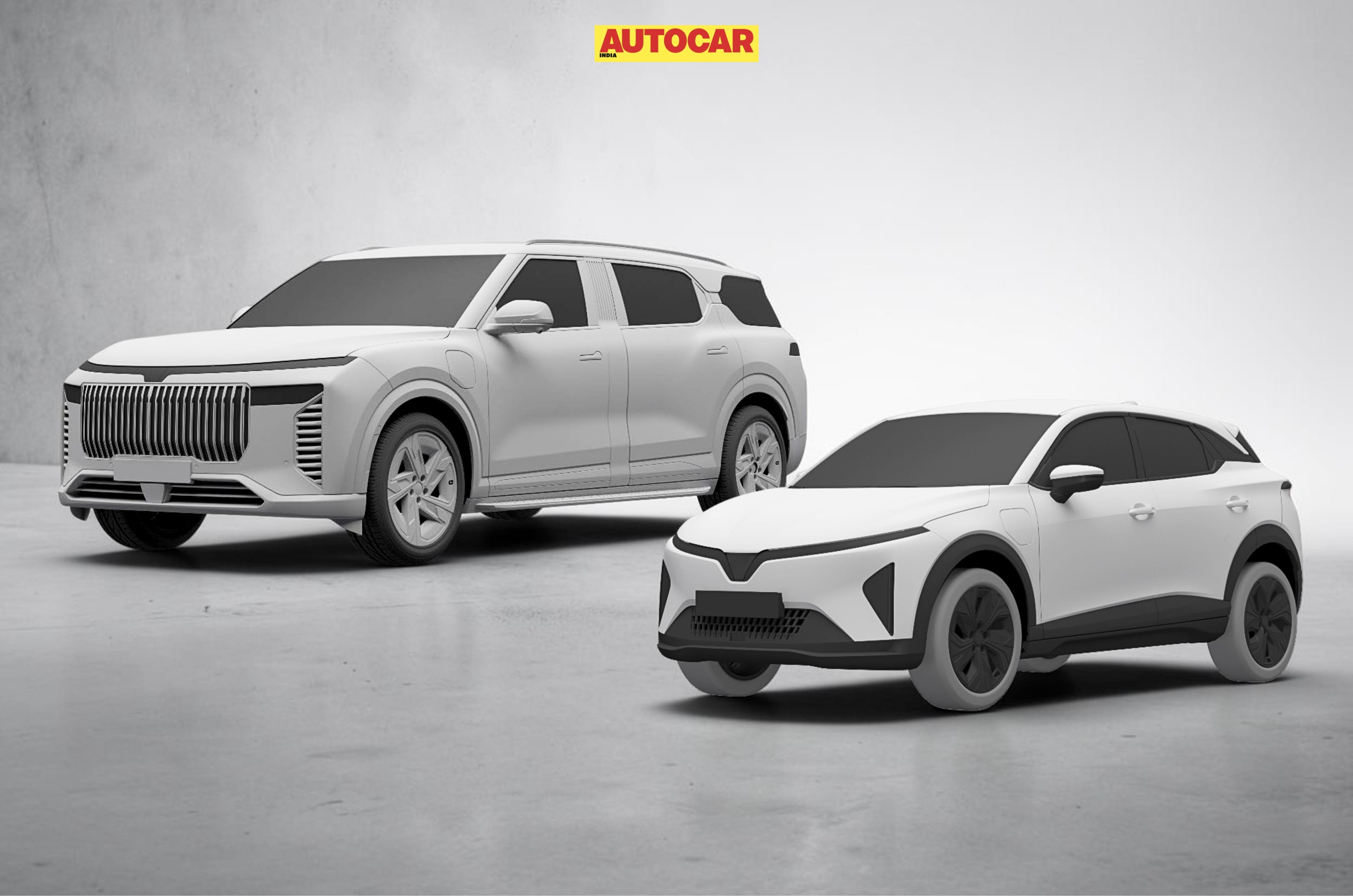
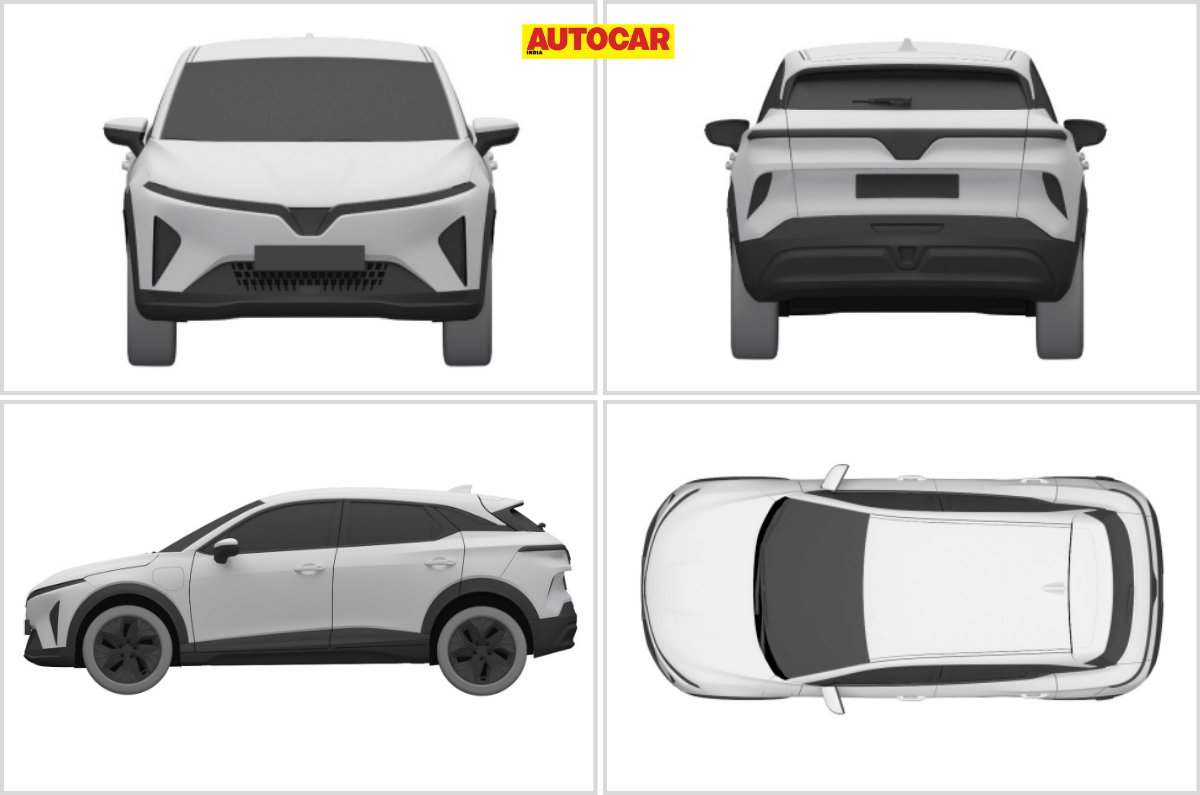
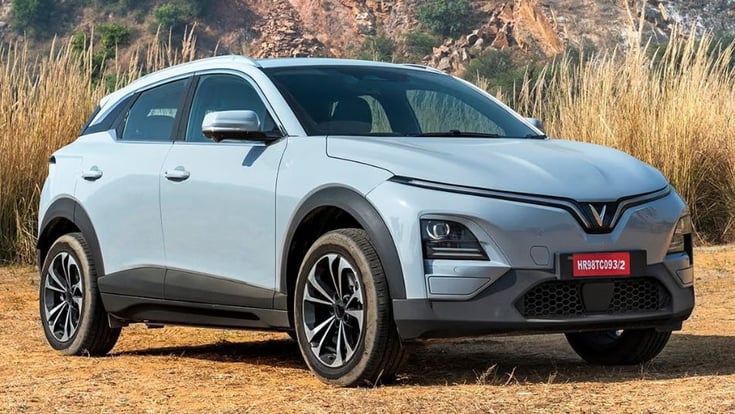
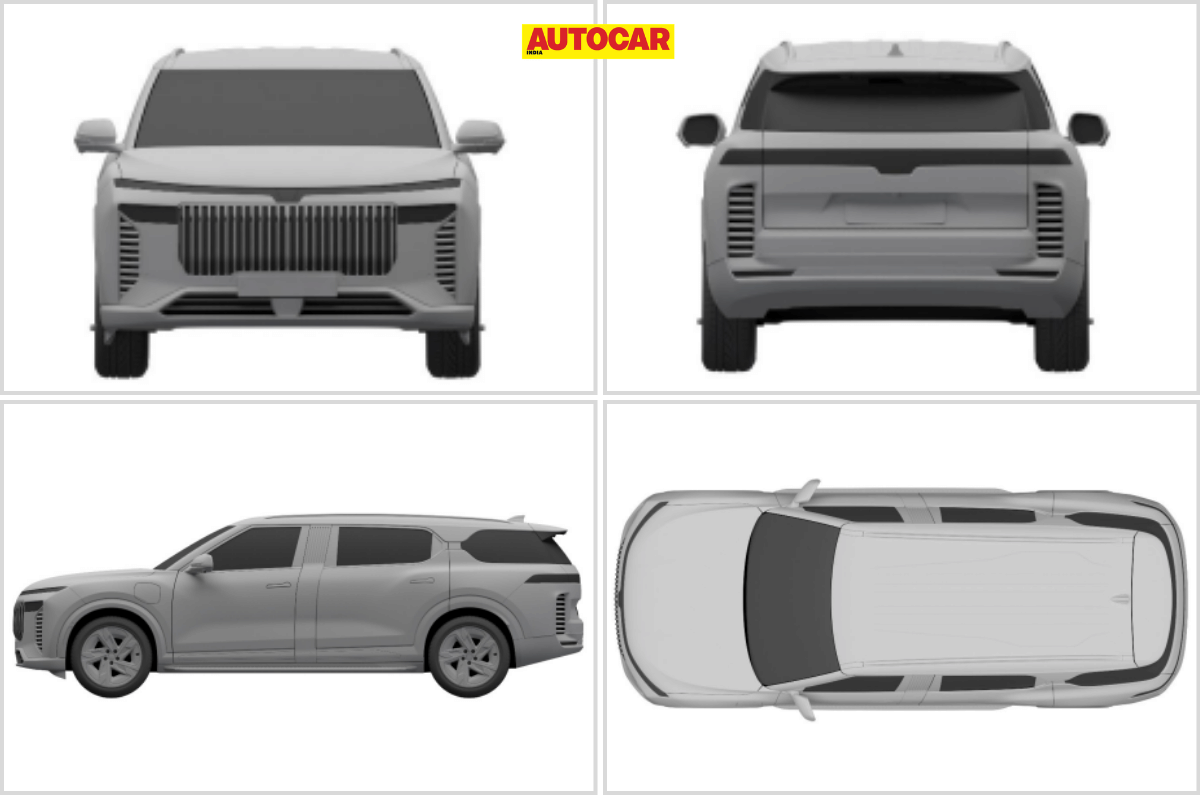
Vinfast has filed design patents for the VF6 and VF9 facelifts in India, offering a glimpse of the exterior design of the two electric SUVs. The patents suggest that the facelifted VF6 could get new lighting elements. More notably, Vinfast has also patented the VF9 in India, even though the flagship electric SUV is not currently sold here. While there is no confirmation of an India launch, the design patent filing could indicate that Vinfast is considering bringing the facelifted VF9 to the country.

  1. VF6 facelift sports new lighting elements and redesigned alloy wheels
  2. Facelifted VF9 includes a redesigned front end with vertical grille slats

Vinfast VF6 facelift

Redesigned housings for headlights, and rear turn indicators and reverse lamps can be seen

One of the most noticeable changes to the VF6 facelift in the design patents is the lighting. The headlight looks sleeker and appears to feature vertically stacked lighting elements, while the LED light bars at the front and rear seem largely unchanged. The lighting elements underneath the taillight bar, which houses the turn indicators and reverse lamp, appear to be redesigned. The bumpers also look similar to those on the current model, although the facelift could get redesigned 18-inch alloy wheels.

Vinfast VF6 front quarter static image
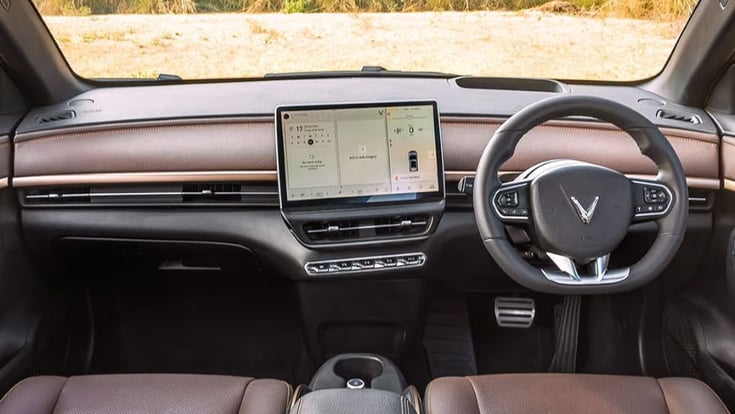
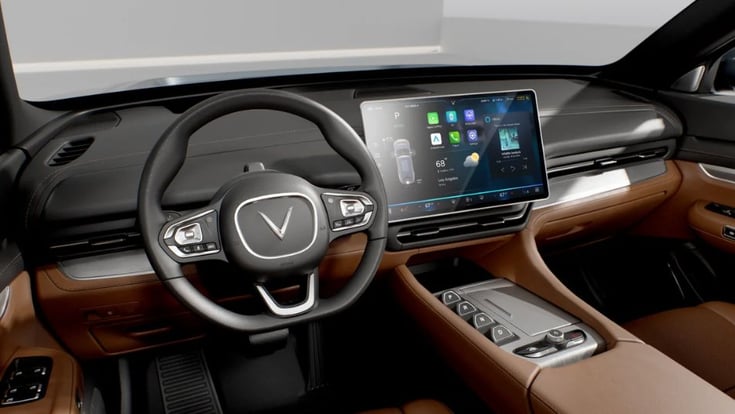
Vinfast VF6 dashboard mage
 

Current VF6’s exterior and interior design.

The design patent does not reveal the interior or any other changes to the specifications. The current VF6 features a 12.9-inch touchscreen infotainment system, an 8-speaker sound system, a head-up display (HUD) for instrumentation, 8-way powered driver’s seat, ventilated front seats and dual-zone automatic climate control with rear vents. Safety equipment includes Level 2 ADAS, ISOFIX child-seat anchorages and a 360-degree camera with blind-spot monitoring.

The current Vinfast VF6 is available with a 59.6kWh battery pack powering either a 177hp or 204hp front axle-mounted (FWD) electric motor. It has a claimed range of up to 468km.

Vinfast VF9 facelift

Gets a lot of vertical slats in the front and rear

The Vinfast VF9 facelift gets a redesigned front end, with the familiar full-width LED light signature sitting above a larger grille with vertical slats. The headlights appear lower and more recessed, while the bumper gets prominent vertical air intakes. At the rear, the bumper gets new vertical detailing, while the tailgate and LED light signature remain largely unchanged. A new multi-spoke alloy-wheel design also appears to be part of the update, although the overall side profile remains unchanged.

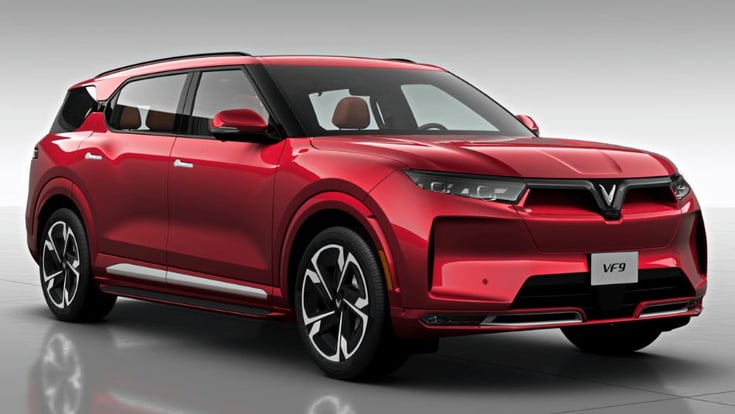
Vinfast VF9 front quarter static image
Vinfast VF9 dashboard mage
 

Current US-spec VF9’s exterior and interior design.

In the international markets, the VF9 gets a three-row cabin with six- and seven-seat layouts, with the former featuring second-row captain’s chairs. Features include a 15.6-inch touchscreen, HUD, ventilated and massaging front seats, panoramic sunroof, dual-zone automatic climate control and a 13-speaker sound system. It gets a 123kWh battery pack paired with dual electric motors producing 402hp and 620Nm. It has an all-wheel-drive (AWD) setup and a WLTP-claimed range of up to 626km.

The VF6 is already on sale in India, and it could come with a facelift in the coming times. However, there is no official confirmation regarding the same. It could command a premium over the current model’s Rs 18.19 lakh to Rs 20.09 lakh price range.  As mentioned earlier, Vinfast has not officially confirmed whether the VF9 will be launched in India, but if it does, it could be priced at around Rs 50 lakh.

Prices are ex-showroom, India. 

6 upgrades Maruti Baleno facelift gets over its predecessor

6 upgrades Maruti Baleno facelift gets over its predecessor

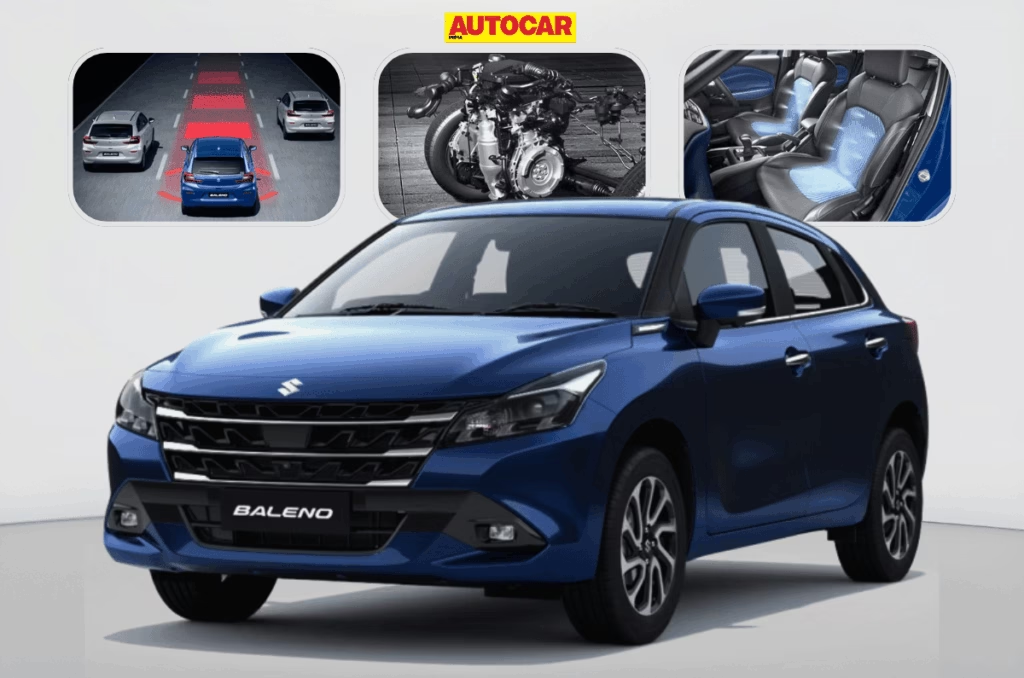
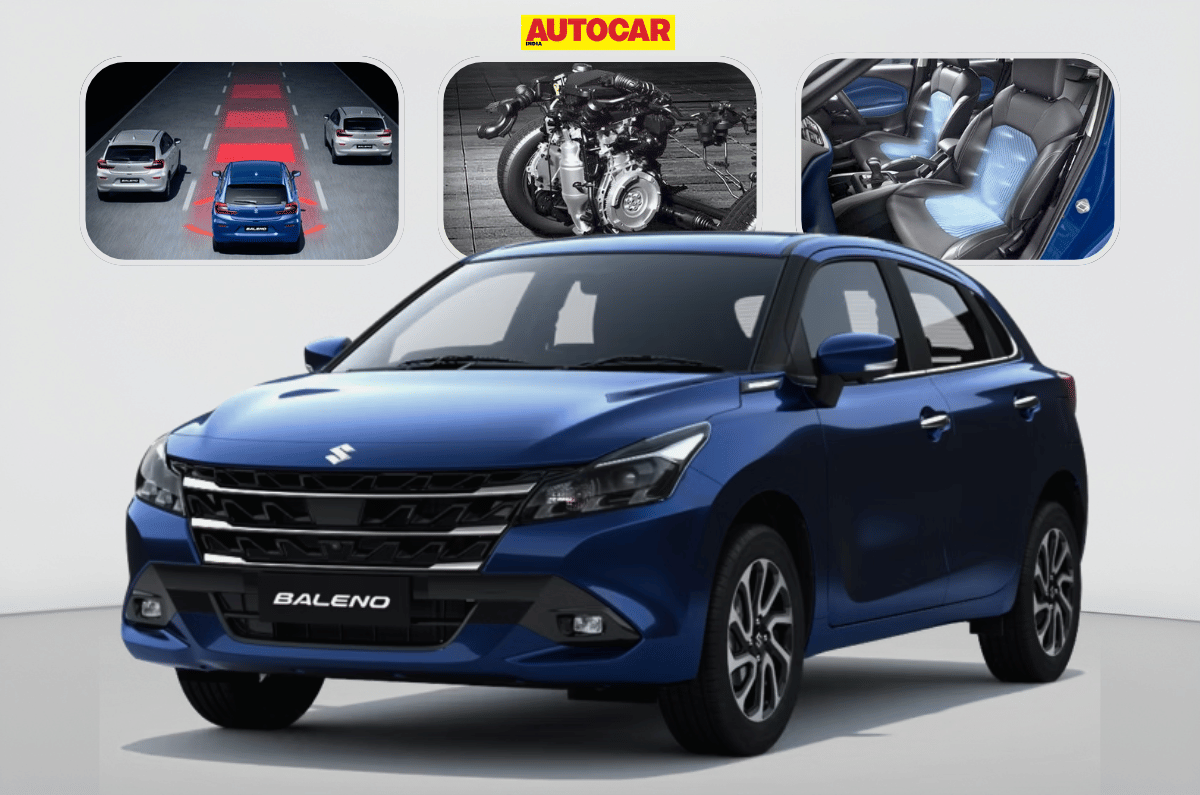
The Maruti Baleno facelift has been launched with prices starting at Rs 6.10 lakh (ex-showroom). It is offered in five trims: Sigma, Delta, Zeta, Alpha and Alpha (O), although Maruti is yet to reveal the full variant-wise pricing. The facelifted Baleno gets an updated fascia along with several functional additions. Here’s a look at these new features:

1.2-litre 3-cylinder ‘Z12E’ petrol engine

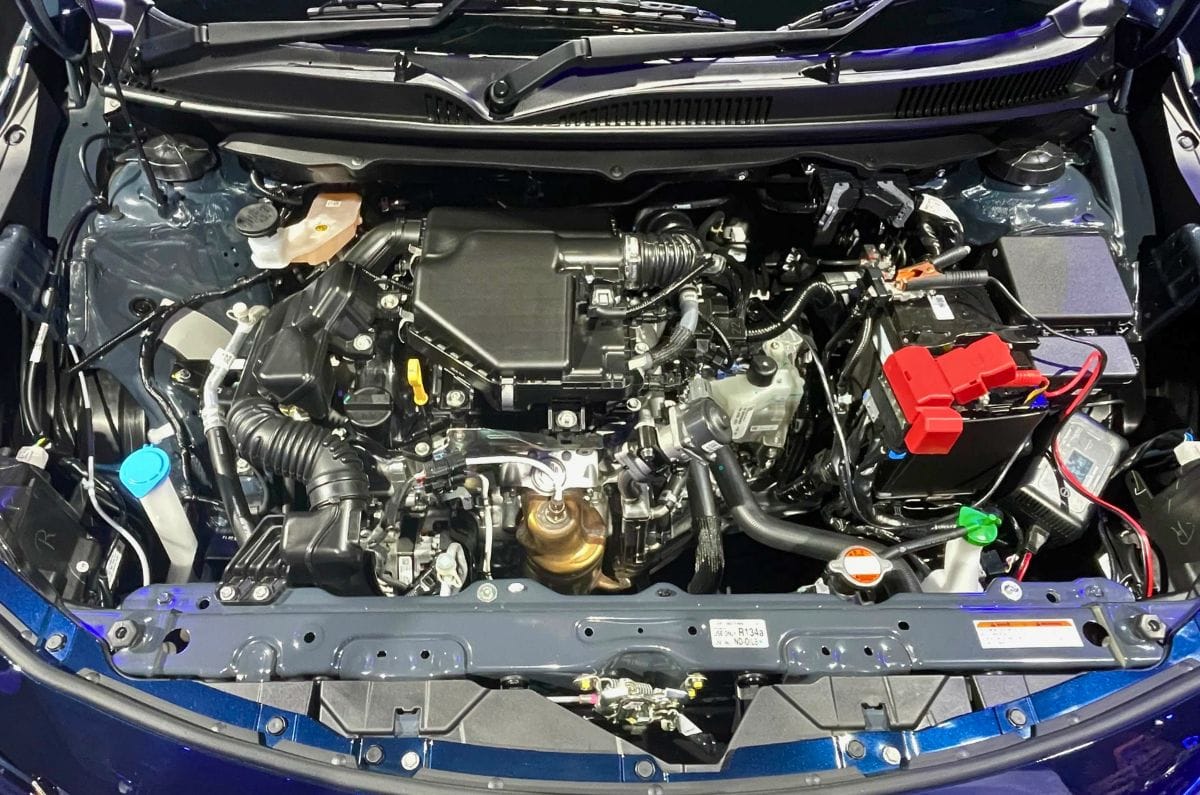
Gets the same engine as the Swift and Dzire

With the facelifted model, Maruti has replaced the older model’s K12N four-cylinder engine with a new Z12E 1.2-litre, three-cylinder naturally aspirated petrol engine producing 83hp and 112Nm. It is paired with either a 5-speed manual or a 5-speed automated manual gearbox (AMT), and is the same engine that powers the Swift and Dzire. While it makes 7hp and 1Nm less than the outgoing engine, fuel efficiency has improved to 23.80kpl with the MT (up by 1.45kpl) and 24.77kpl with the AMT (up by 1.83kpl).

The 1.2-litre engine is also available with CNG in the mid-spec Delta and Zeta trims, only with the manual gearbox. In this guise, it produces 70hp and 102Nm and delivers a claimed 33.61km per kg, which is 3km per kg more than the previous model. 

Level 2 ADAS

Third Maruti model to come with an ADAS suite

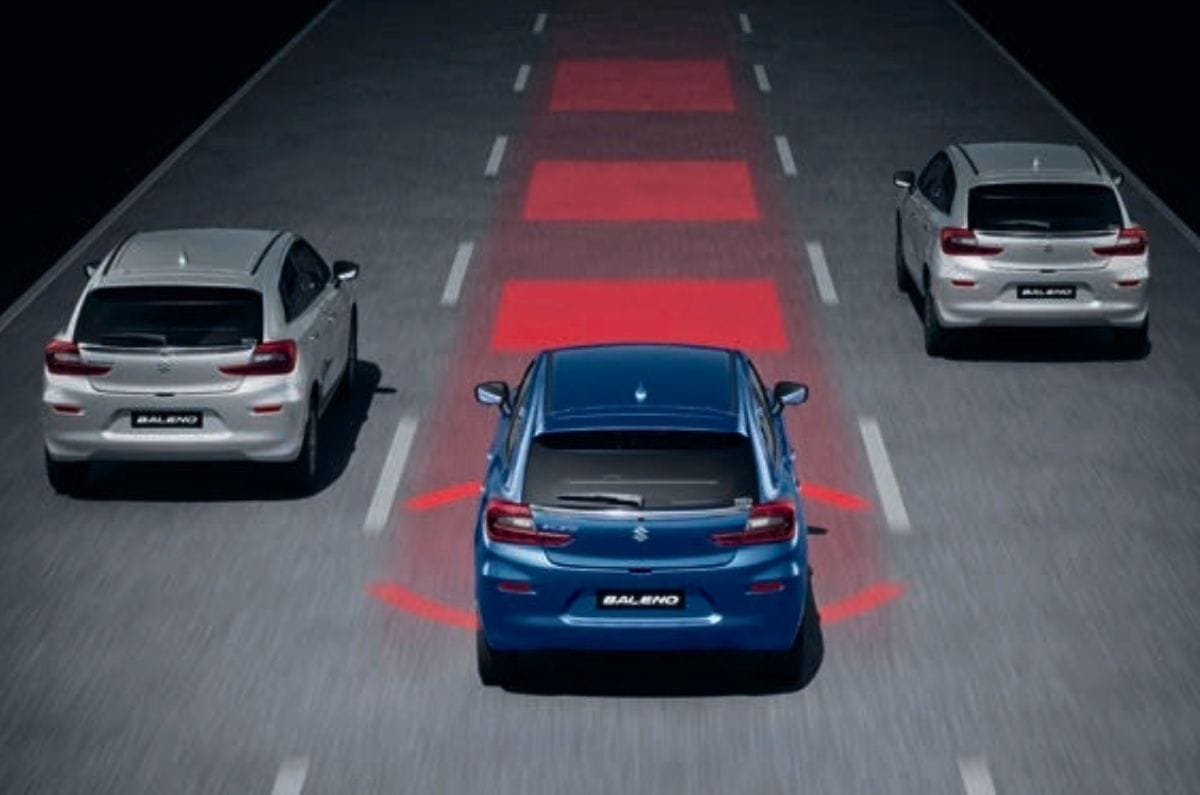
The Maruti Baleno is offered with a Level 2 advanced driver assistance system (ADAS) suite, making it the only car in its segment to offer the technology. The suite includes features such as adaptive cruise control, automatic emergency braking, lane keep assist and high-beam assist. It is available only on the top-spec Alpha (O) trim. With the addition of ADAS, the Baleno becomes the third Maruti model in India to offer the technology, after the Victoris and e Vitara.

Ventilated front seats

Only car in the segment currently to offer this feature

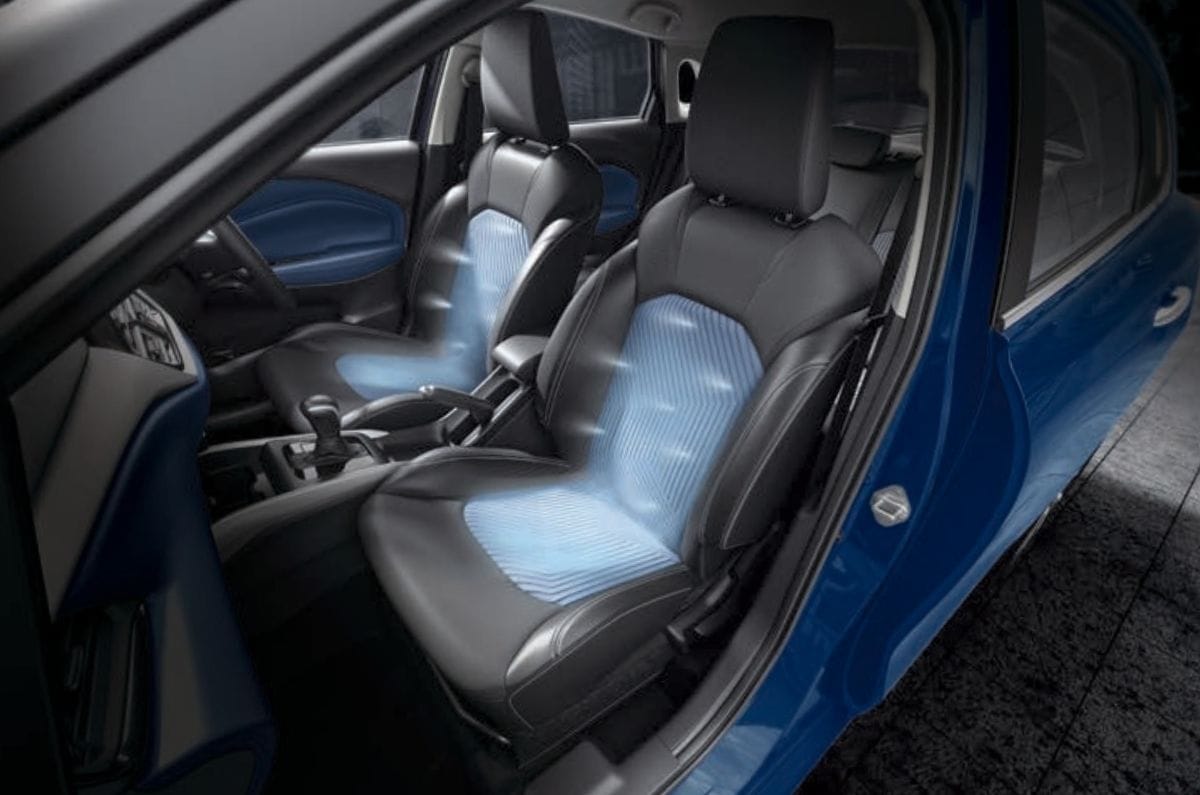
Ventilated seats have become an important feature in India, particularly given the country’s hot and humid climate. The Maruti Baleno gets them on the higher-spec Alpha and Alpha (O) trims, making it the only car in its segment to offer the feature. The Tata Altroz Racer also offered ventilated seats, but it was discontinued in 2025 and was not carried over to the facelifted Altroz.

Wireless phone charger

Zeta, Alpha and Alpha(O) trims are offered with this feature

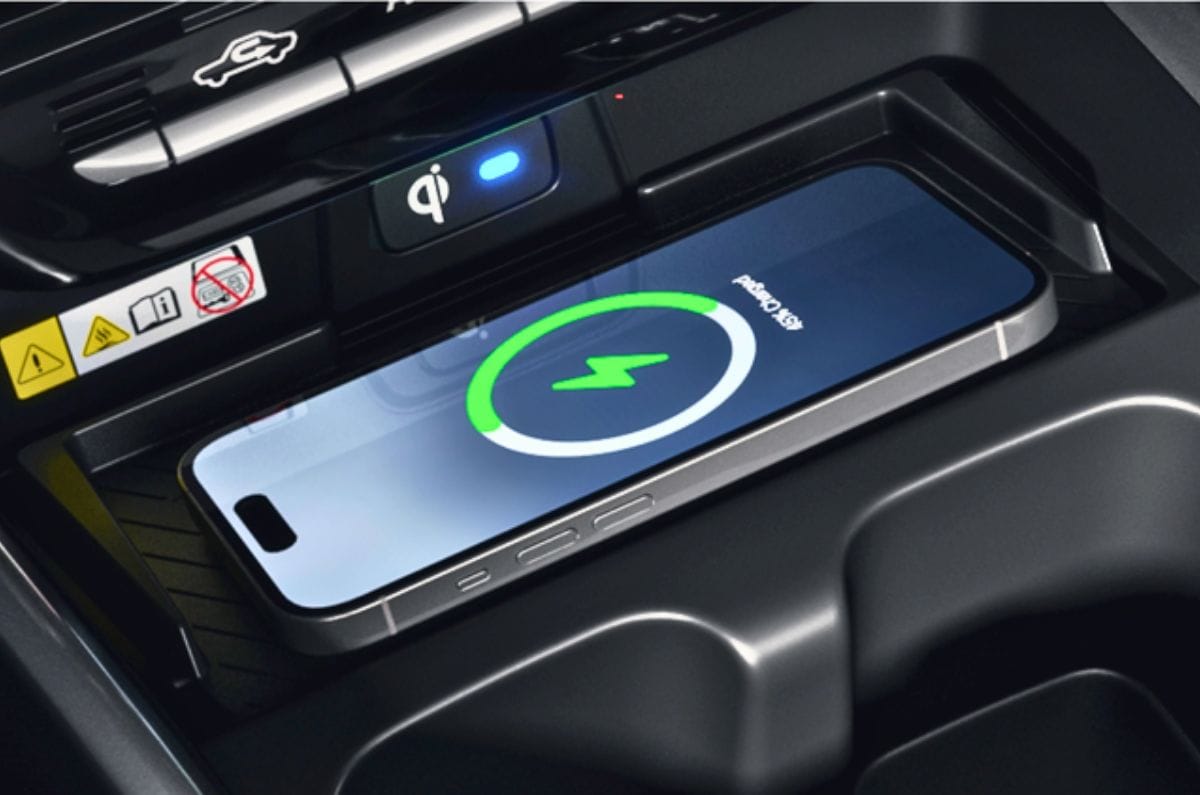
The Maruti Baleno facelift is also equipped with a wireless phone charger with a cooling function that helps keep the phone cool while charging. It is offered from the mid-spec Zeta trim onwards.

Clairon sound system

Higher-spec Alpha and Alpha (O) trims get this sound system

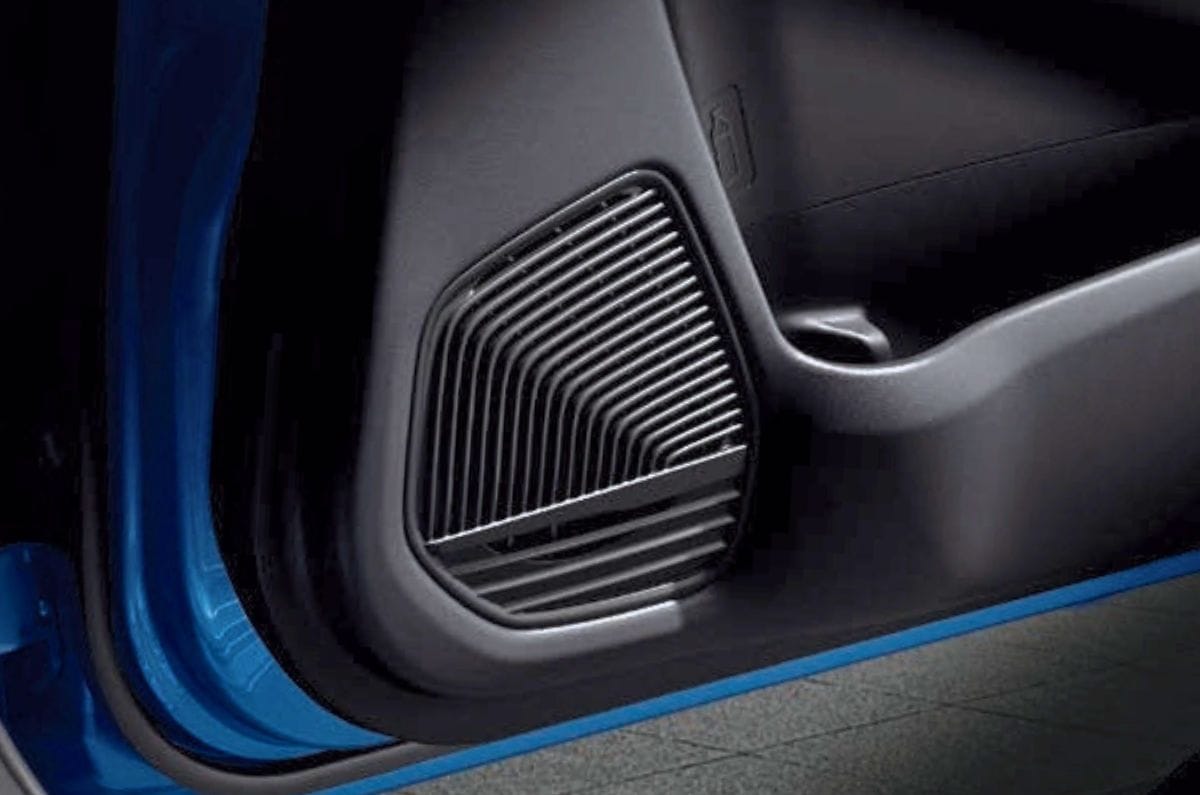
The Maruti Baleno facelift gets a new Clarion sound system with four speakers and two tweeters, offered on the higher-spec Alpha and Alpha (O) trims. The previous model also featured a four-speaker, two-tweeter setup on these trims, but it was not a branded unit.

Tyre pressure monitoring system

Offered with all trims except the base-spec Sigma

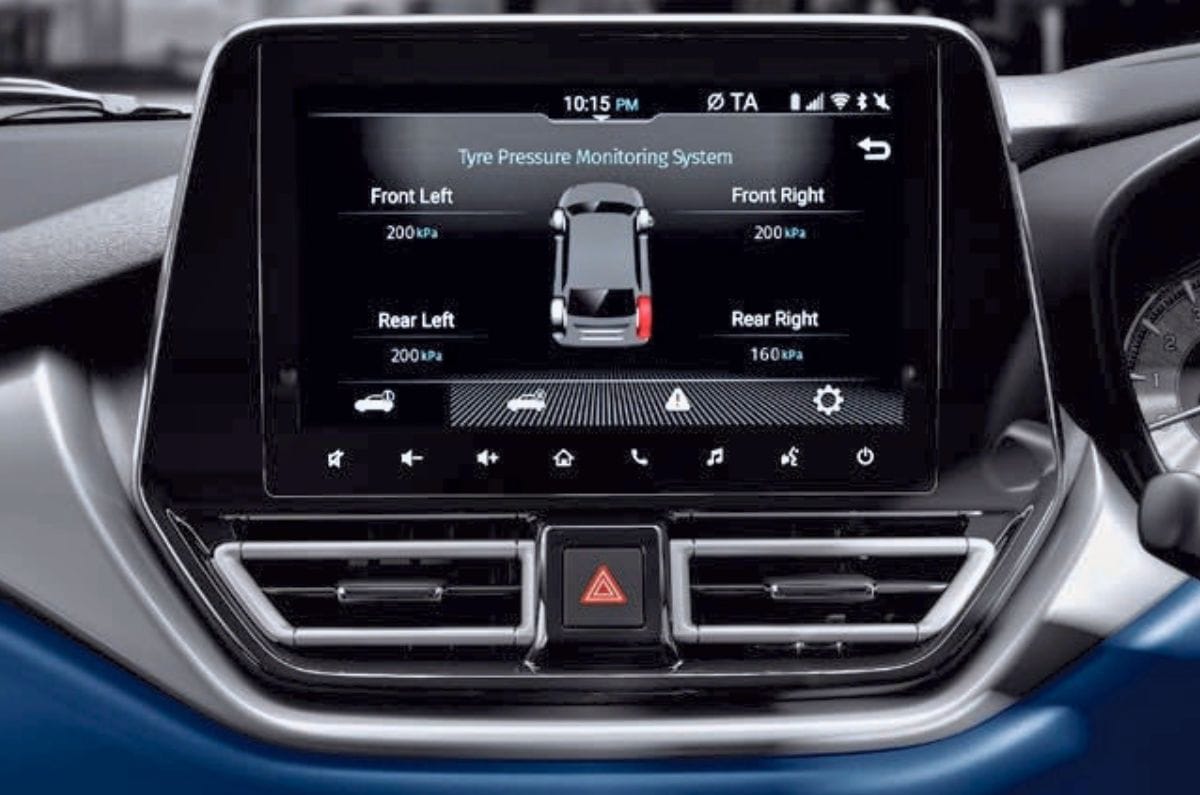
A tyre pressure monitoring system (TPMS) has become one of the most crucial safety features in cars today, and the Baleno facelift now gets it as a new addition. However, it is offered only from the Zeta trim onwards, leaving the base Delta without the feature.

As mentioned earlier, Maruti is yet to reveal the full variant-wise pricing of the Baleno facelift, which is expected to be announced soon. Once revealed, the pricing will give a clearer picture of how the facelifted premium hatchback stacks up against rivals such as the Tata Altroz, Hyundai i20 and Toyota Glanza.

All you need to know about the Kia Sorento

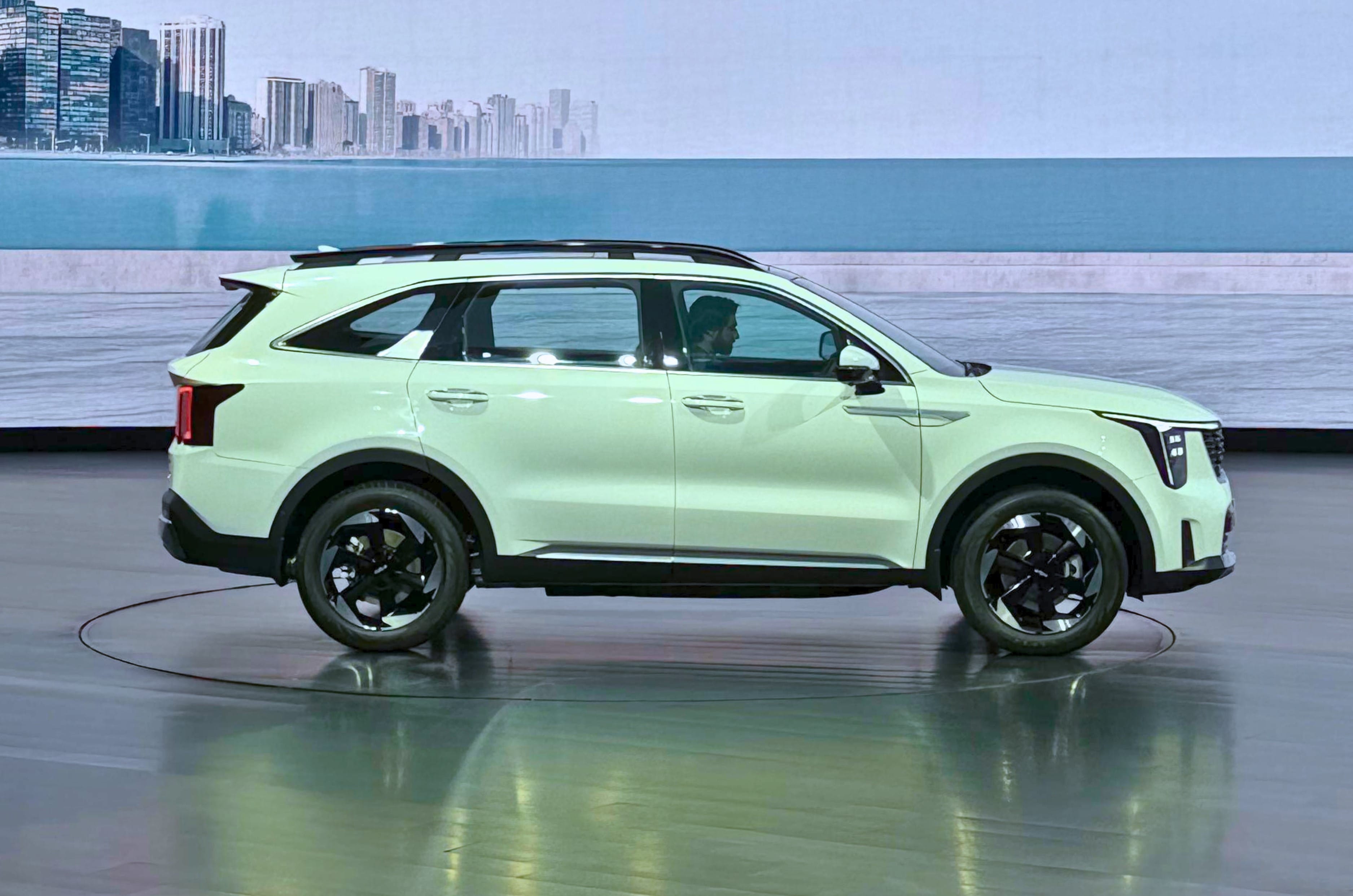
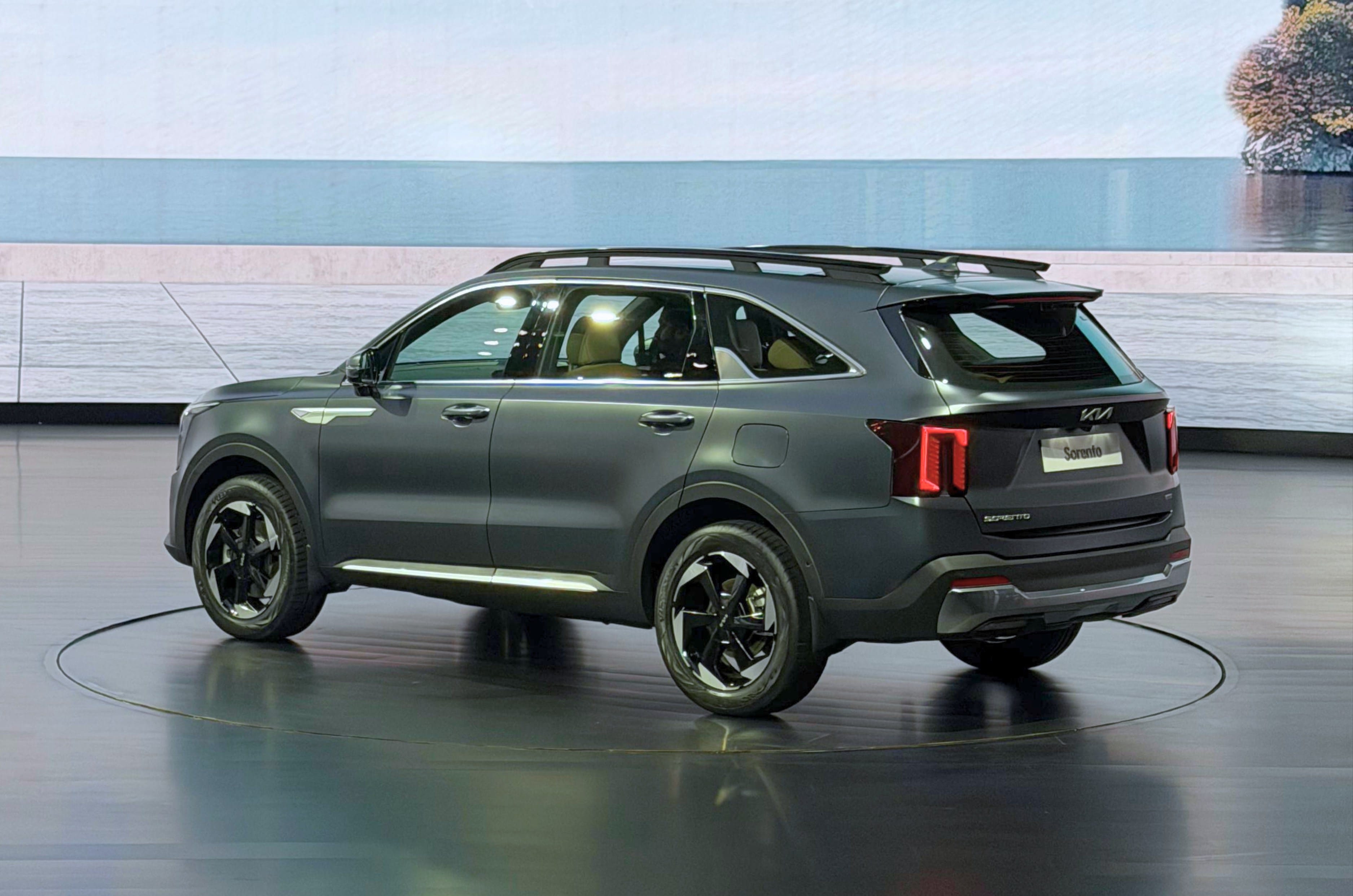
Kia Sorento front quarter static

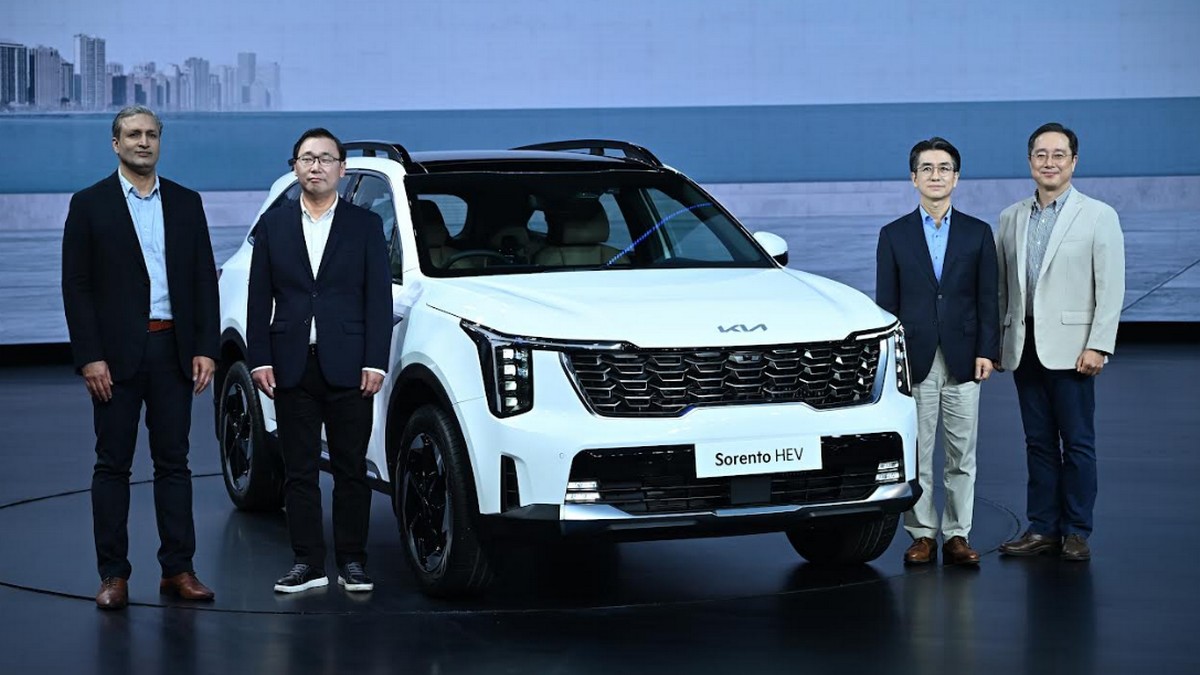
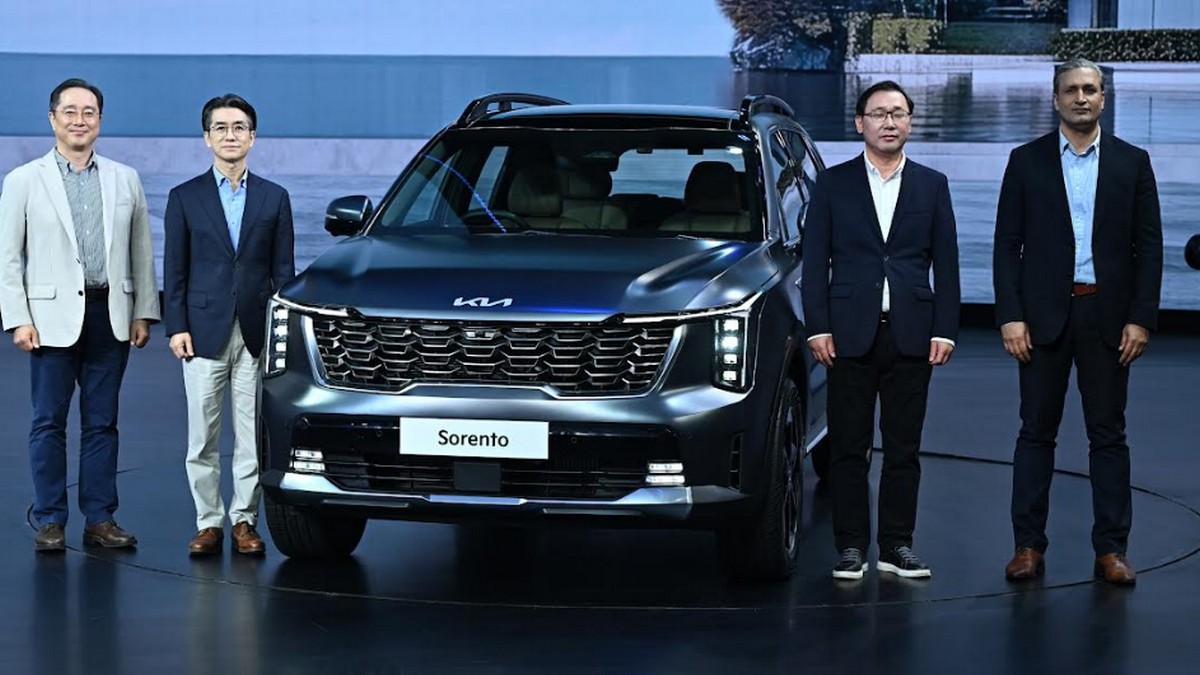
Kia has a new flagship ICE SUV in India in the form of the Sorento. The Korean carmaker has thrown quite a lot at it, offering it with a wide variant lineup with strong-hybrid and diesel engines, front wheel drive and all-wheel drive configurations, and both 6- and 7-seater configurations. In the executive SUV space, the Sorento finds itself in the company of the Skoda Kodiaq, Volkswagen Tayron and Jeep Meridian, and uniquely, it’s the only one to come with a strong-hybrid powertrain. If you have your eyes set on the Sorento, here’s everything you need to know about Kia’s latest three-row SUV. 

1. What’s the price range of the Kia Sorento?

2026 Kia Sorento variant-wise prices (in Rs lakh, introductory, ex-showroom)


Diesel 7-str

Diesel 6-str

Strong-hybrid 7-str

Strong-hybrid 6-str

HTE

27.99

–

29.49

–

HTE(O)

29.49

–

30.99

–

HTK

32.49

32.69

33.99

34.19

HTK(A)

33.49

33.69

34.99

35.19

HTX (AWD)

37.49

37.69

38.99

39.19

HTX(A) (AWD)

38.49

38.69

39.99

40.19

The Kia Sorento is priced between Rs 27.99 lakh and Rs 40.19 lakh (ex-showroom), and is available in as many as 20 different variants. More specifically speaking, the diesel range starts at Rs 27.99 lakh and goes up to Rs 38.69 lakh for the top-spec AWD variant. Meanwhile, the strong-hybrid range is priced from Rs 29.49 lakh and Rs 40.19 lakh (ex-showroom). 

On-road prices for the Sorento hybrid range between Rs 37.68 lakh and Rs 51.30 lakh in Delhi. Meanwhile, the diesel’s on-road price in Delhi ranges between Rs 35.81 lakh and Rs 49.42 lakh (ex-showroom). Do note on-road prices can vary depending on the city. 

2. What powertrains are available with the Kia Sorento?

The Sorento is available with two powertrain options – a 1.6-litre turbo-petrol strong hybrid and a 2.2-litre diesel engine. In the turbo-petrol strong hybrid version, the combustion engine produces 180hp and 265Nm while an electric motor produces an additional 65hp and 264Nm. Kia has, however, not revealed the battery size or the combined total output for this powertrain. The diesel, meanwhile, produces 193hp and 442Nm. The Sorento is, in fact, just one of two SUVs in this segment to offer a diesel engine, while the strong-hybrid is its novelty. 

Both powertrains are offered only with an automatic gearbox – 6-speed AT for the strong-hybrid and 8-speed DCT for the diesel. Both also get the option of front-wheel drive and all-wheel drive. Kia has, however, not revealed specific fuel efficiency figures for either powertrain yet. 

3. How big is the Kia Sorento

Kia Sorento vs rivals: Powertrain options


Kia Sorento 

Volkswagen Tayron 

Skoda Kodiaq

Jeep Meridian

Length (mm)

4,815

4,792

4,758 

4,769

Width (mm)

1,900

1,866

1,864

1,859

Height (mm)

1,785

1,665

1,679

1,698

Wheelbase (mm)

2,815

2,789

2,791

2,782

Ground clearance (mm)

TBC

TBC

192

214

Wheel size (inch)

18-19

19

18

18

The Sorento is the largest SUV in its segment in every parameter, which lends it quite an imposing stance on the road. It also has the longest wheelbase in its class, and offers the option 18-inch and 19-inch alloy wheels, depending on the trim. For 

4. What are the exterior and interior colour options available on the Sorento?

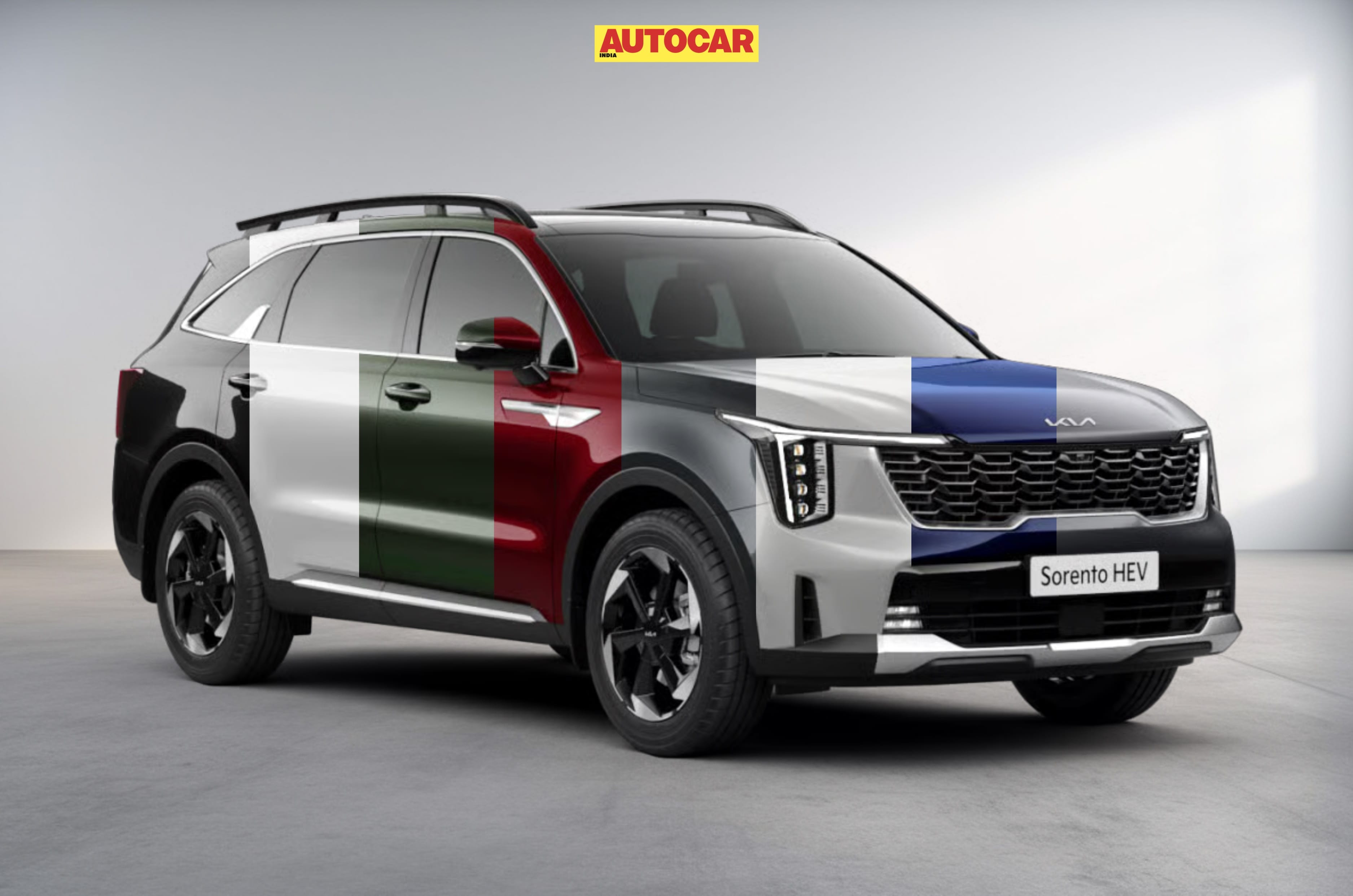
The Kia Sorento is offered with eight exterior colour options, including Aurora Black Pearl, Glacier White Pearl, Magma Red, Ivory Silver, Gravity Grey, Imperial Blue, Pewter Olive, and Dark Gun Metal. Among these, the Dark Gun Metal colour is offered on the top-spec HTX and HTX(A) trims, while all other options are available across the range. 

On the inside, Kia is offering two colour schemes: Smoky Black and Grey, and Premium Black and Olive Brown. The former is offered with the lower-spec HTE, HTK, HTE (O), HTK(A) trims, while the latter is available with the higher-spec HTX and HTX(A) trims. 

5. What are some of the standout features on the Sorento?

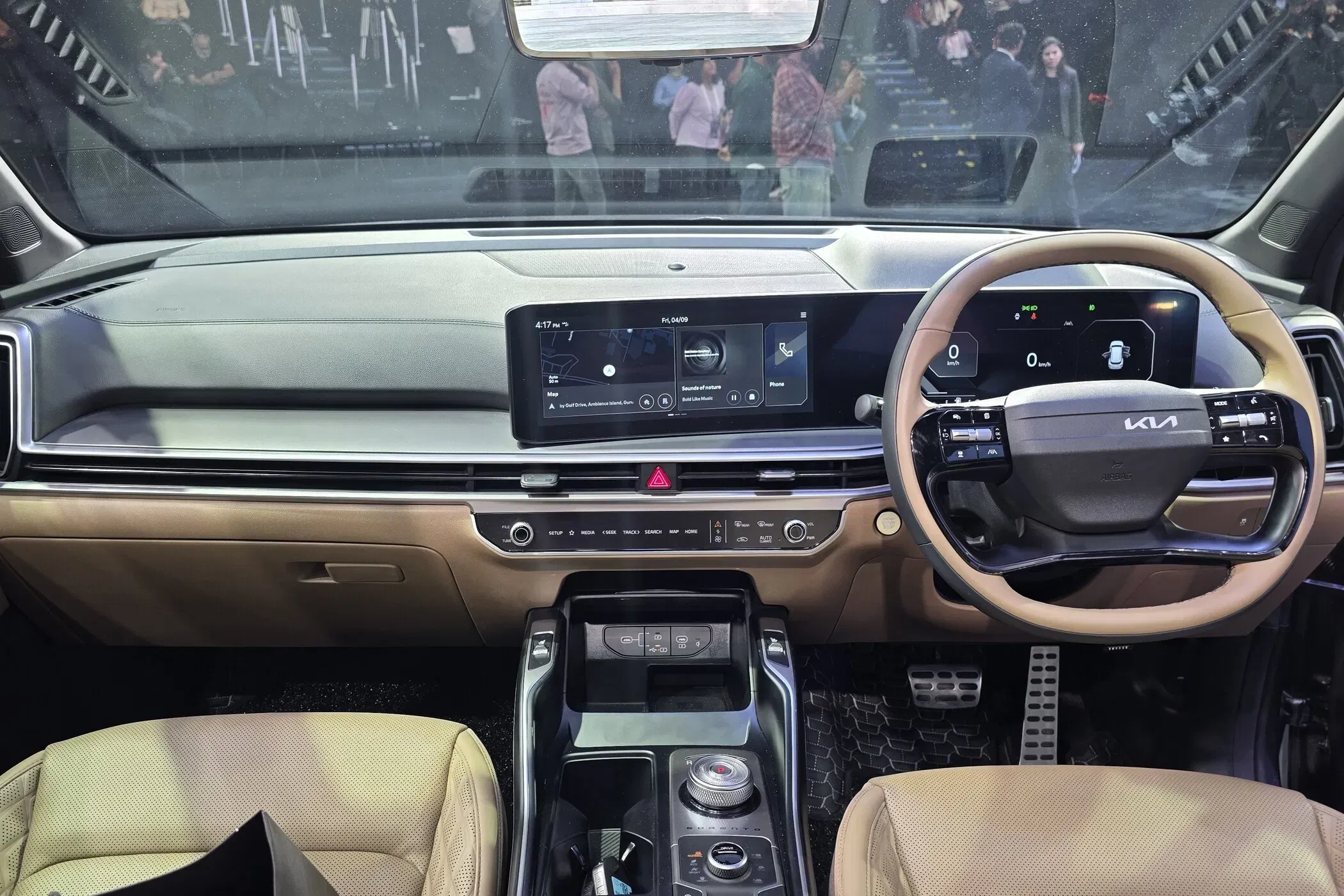
Like most Kia, the Sorento is absolutely loaded to gills, with the India-spec model even debut some features for the Sorento nameplate globally. There are two 12.3-inch screens for instrumentation and infotainment, the front seats are ventilated, have 10-way power adjustability and offer adjustable lumbar support. The co-driver’s seat has a boss mode to extend the middle-row space. The middle-row seats can be electronically folded, and the 6-seater version further offers middle-row seat ventilation.

Other features include a 12-speaker Bose sound system, a panoramic sunroof, dual-zone climate control, a head-up display (HUD) and a powered tailgate. Real-time generative AI is a first for any Sorento available globally. Safety features include 10 airbags, a digital inside rearview mirror (IRVM), a 360-degree camera, auto parking assistance, front and rear dashcams, a tyre-pressure monitoring system (TPMS) and Level 2+ advanced driver assistance systems (ADAS).

6. Which variant of the Kia Sorento should you buy?

With over 20 variants to choose from, the Sorento stretches a very wide price band across both its powertrain options. However, we’d recommend the mid-spec HTK variant which offers the most for your money. It misses out on the AWD system, but packs all the niceties such as the dual 12.3-inch screens, 12-speaker Bose sound system, 360-degree camera with blind-spot monitor, 64-colour ambient lighting, 19-inch alloys, leatherette upholstery, panoramic sunroof, powered tail gate, ventilated front seats and more. 

It does miss out on a digital IRVM, HUD, more electronic adjustment levels for the front seats, ventilated second-row seats and boss mode but none of these is a deal breaker. However, if you are on a budget, the one-over-base HTE(O) is the best value-for-money variant, offering a decently equipped feature suite for its price. 

3 reasons to buy the Lexus ES 500e and 2 to skip it

3 reasons to buy the Lexus ES 500e and 2 to skip it
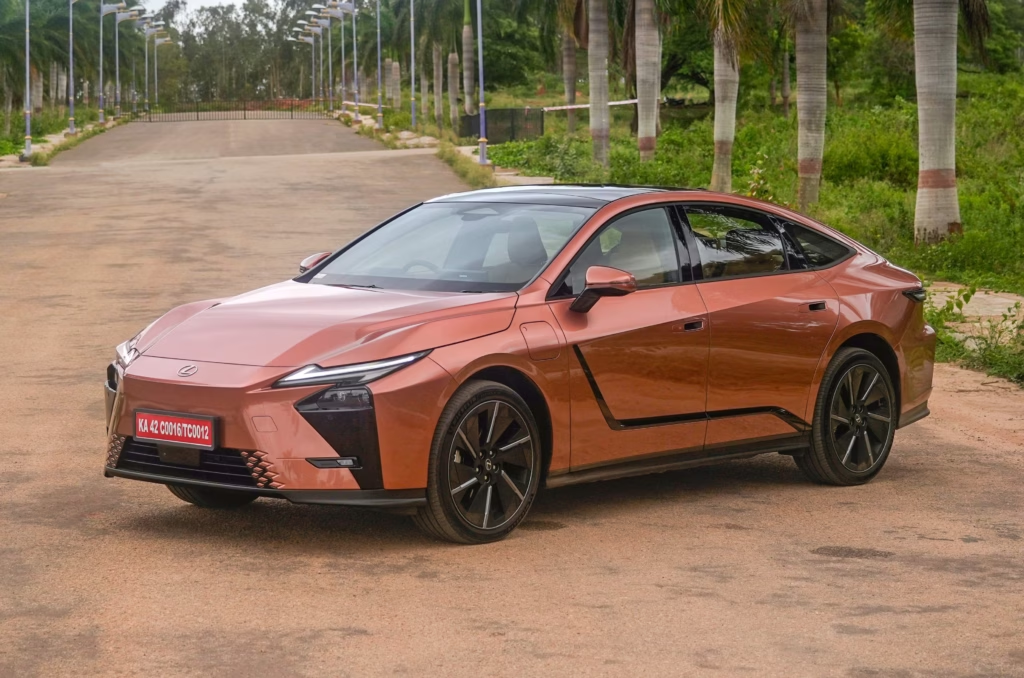
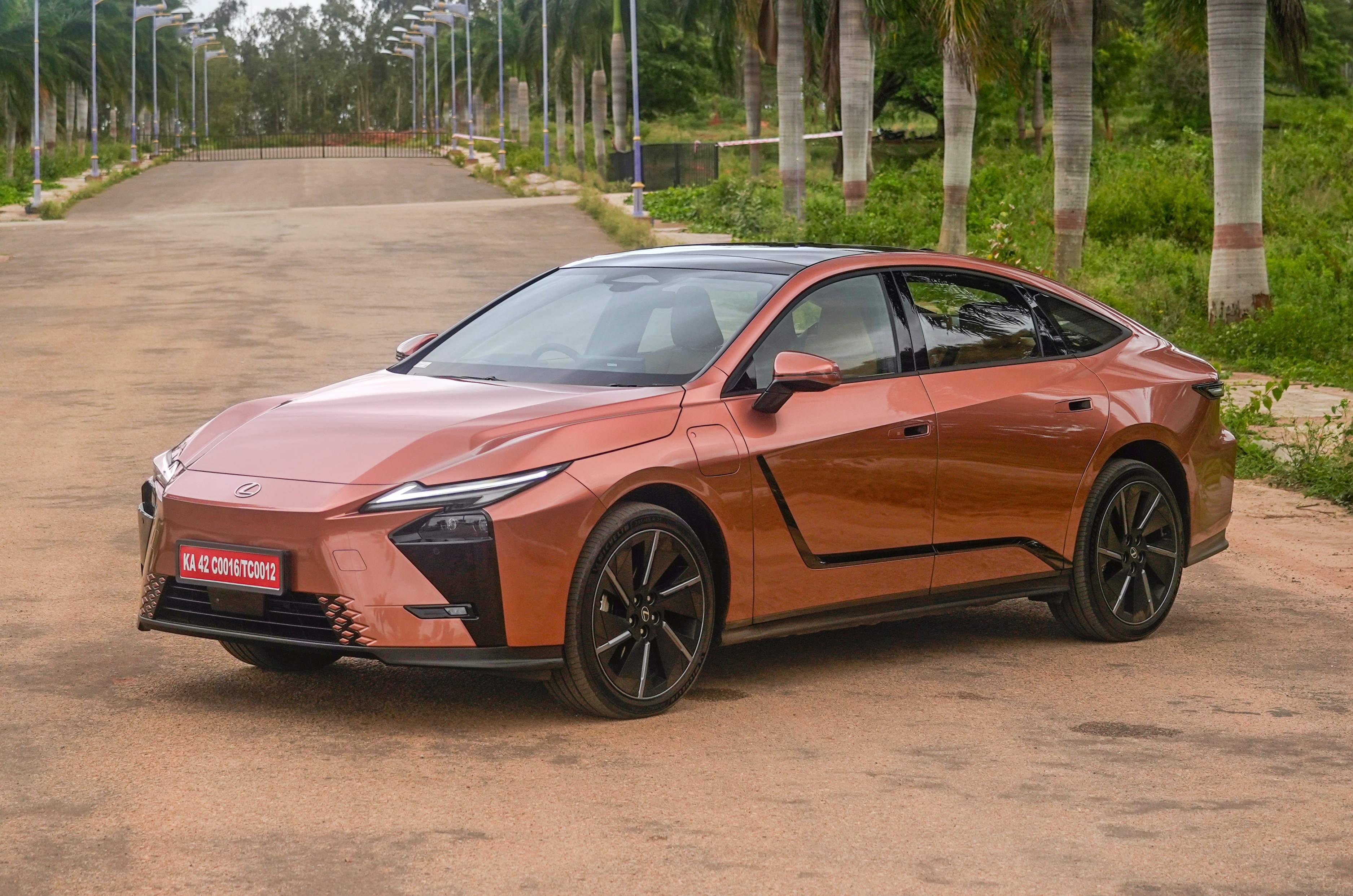
Lexus ES 500e

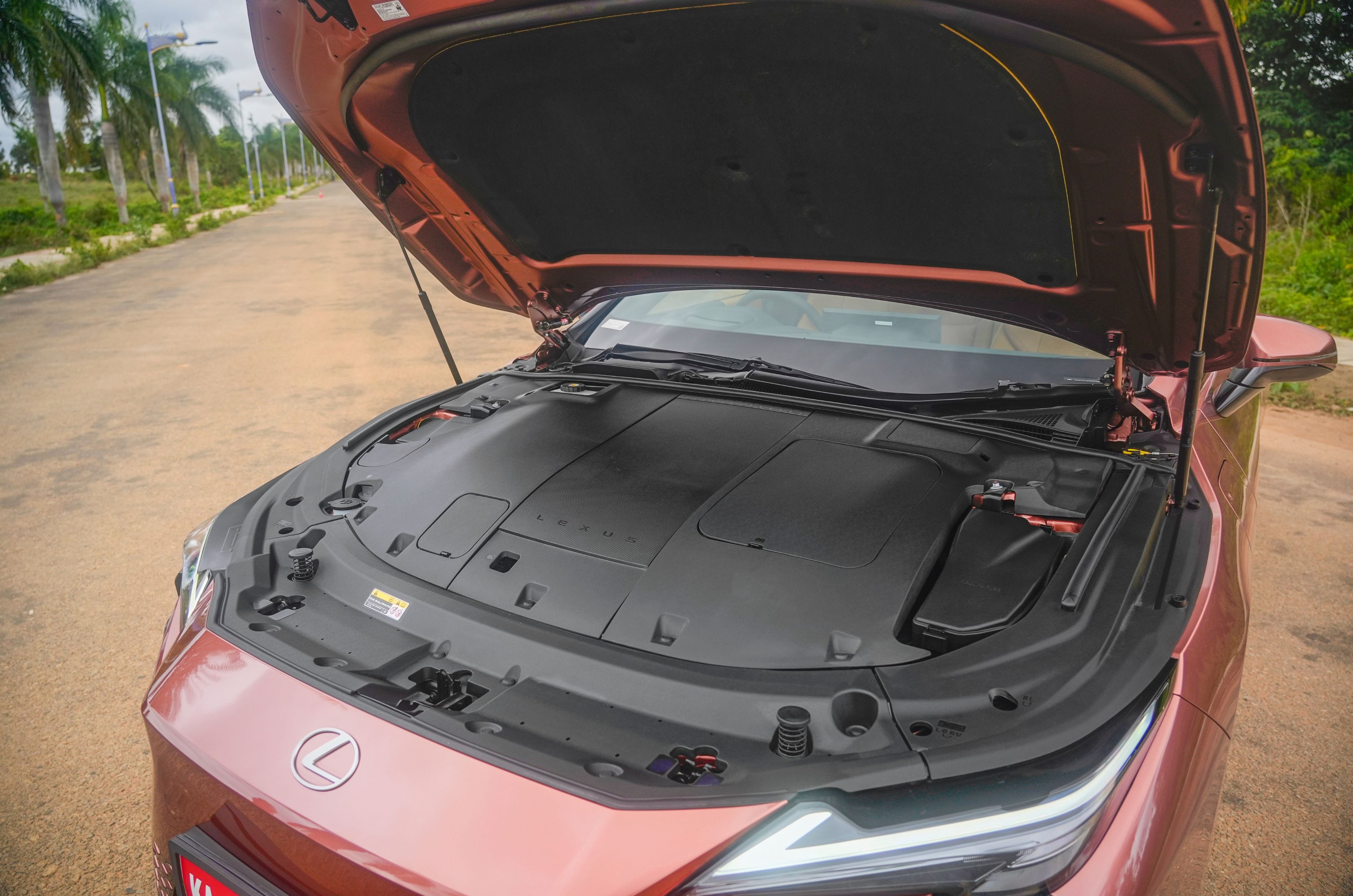
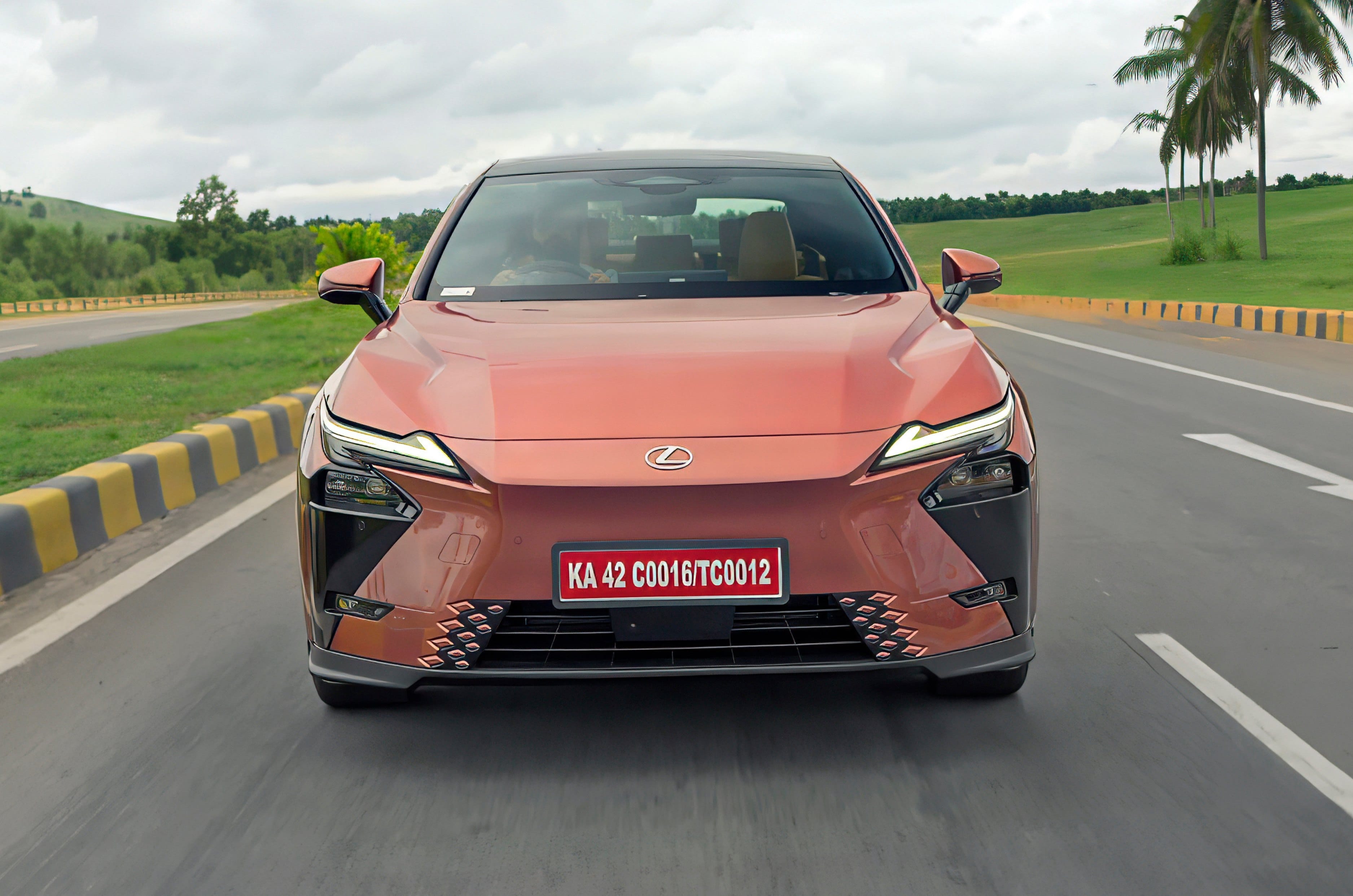
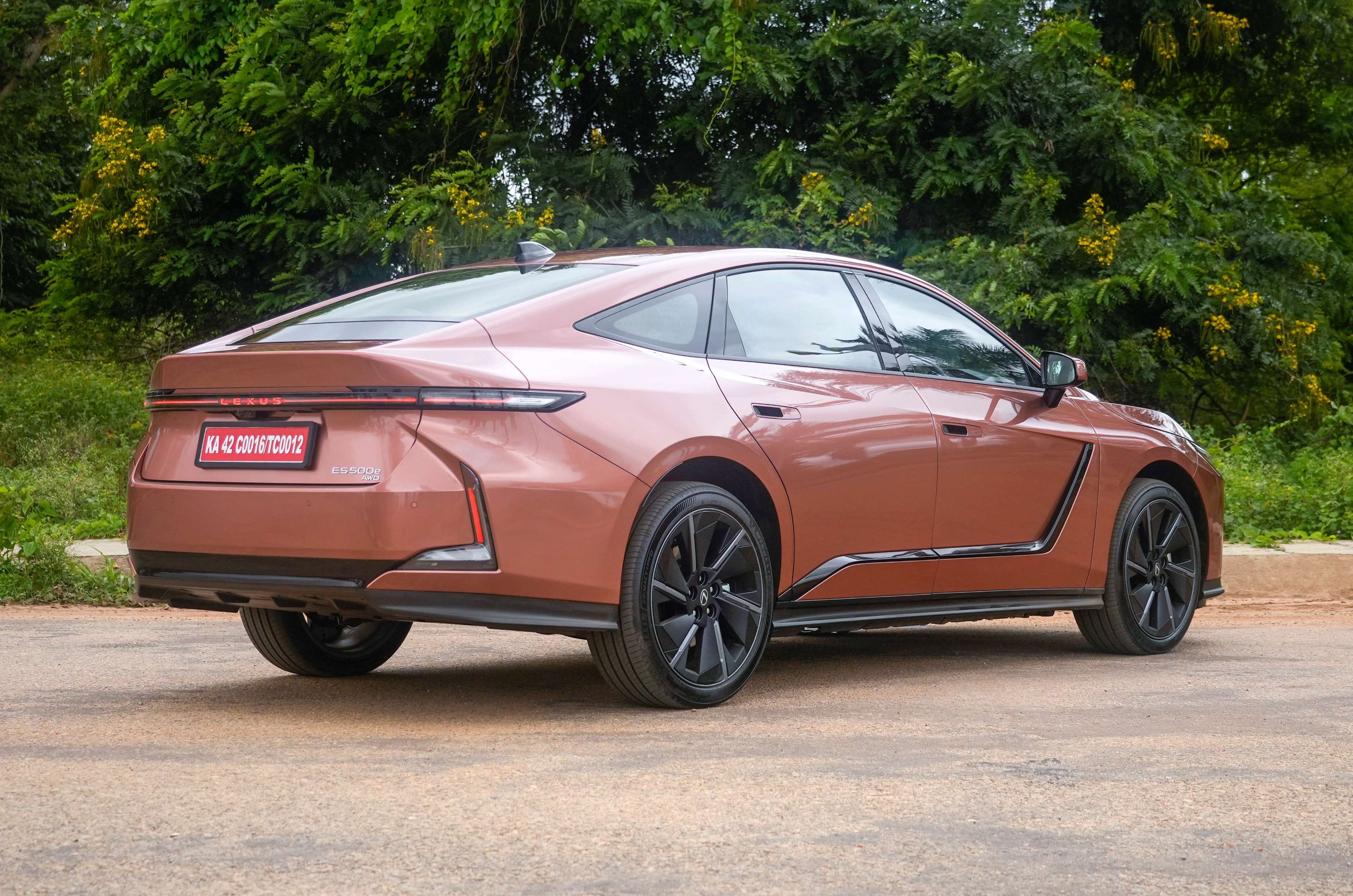
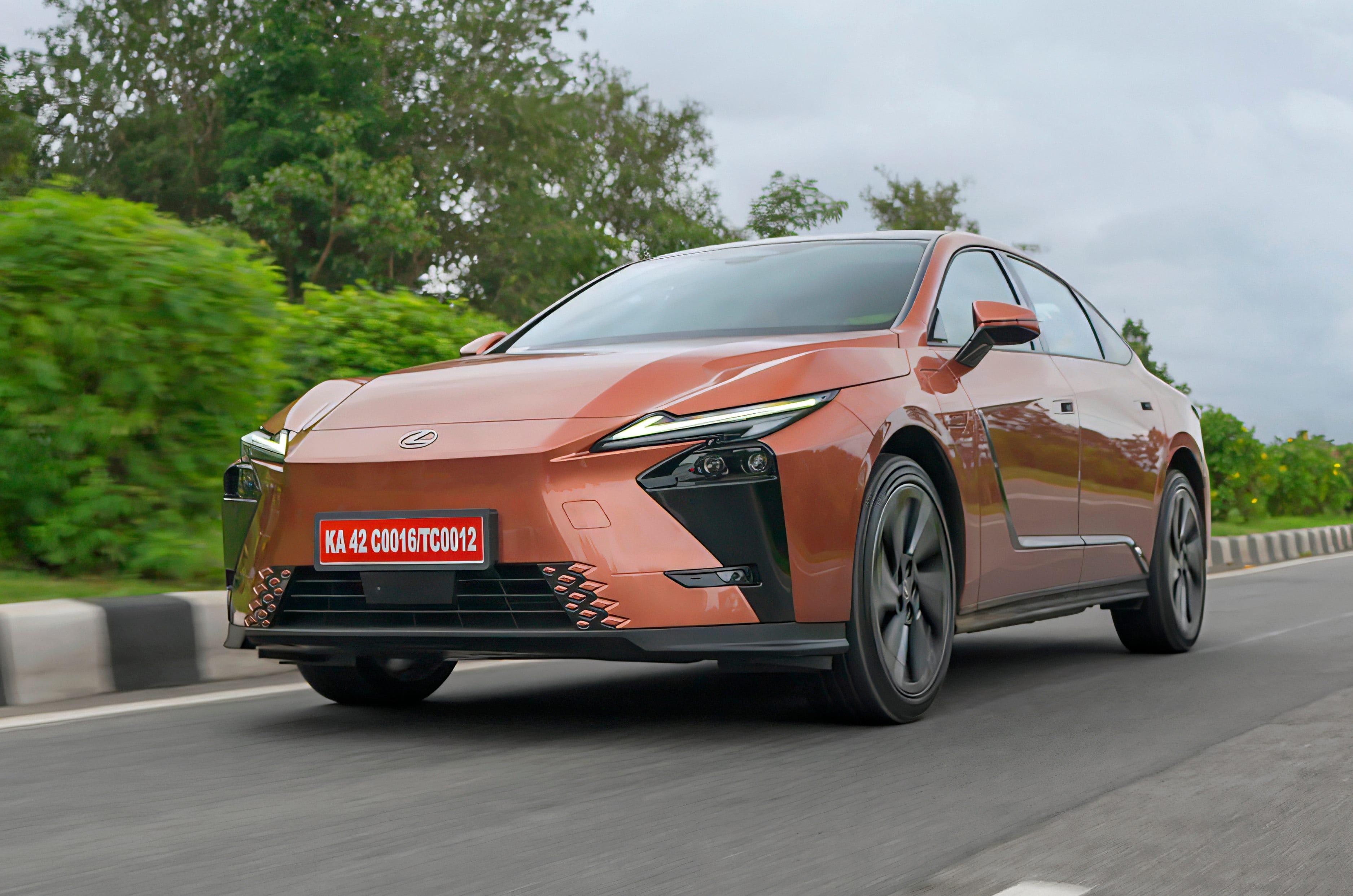
The Lexus ES 500e is the brand’s first all-electric model in India and is priced at Rs 91.20 lakh (ex-showroom). Its 74.68kWh battery powers two electric motors that produce a combined 343hp and 438Nm, with Lexus claiming a range of 580km. We’ve driven the ES 500e to see what works well and what doesn’t.

Pros

1. Smooth, linear power delivery

The ES 500e has 343hp and 438Nm from its dual-motor all-wheel-drive setup, but it doesn’t feel intimidating from behind the wheel. Power builds in one smooth, predictable surge, with a quick response that never feels abrupt. Even in Sport mode, the delivery remains easy to modulate, making the ES 500e feel more relaxed than its performance figures suggest.

2. Excellent refinement

This is one of the ES 500e’s strongest qualities. Lexus has done a good job of keeping wind, road and tyre noise out of the cabin, and even at highway speeds there is little more than a faint whoosh from the ORVMs. Combined with the quietness of the electric powertrain, it makes the ES 500e a particularly calm car to spend time in.

3. Spacious cabin

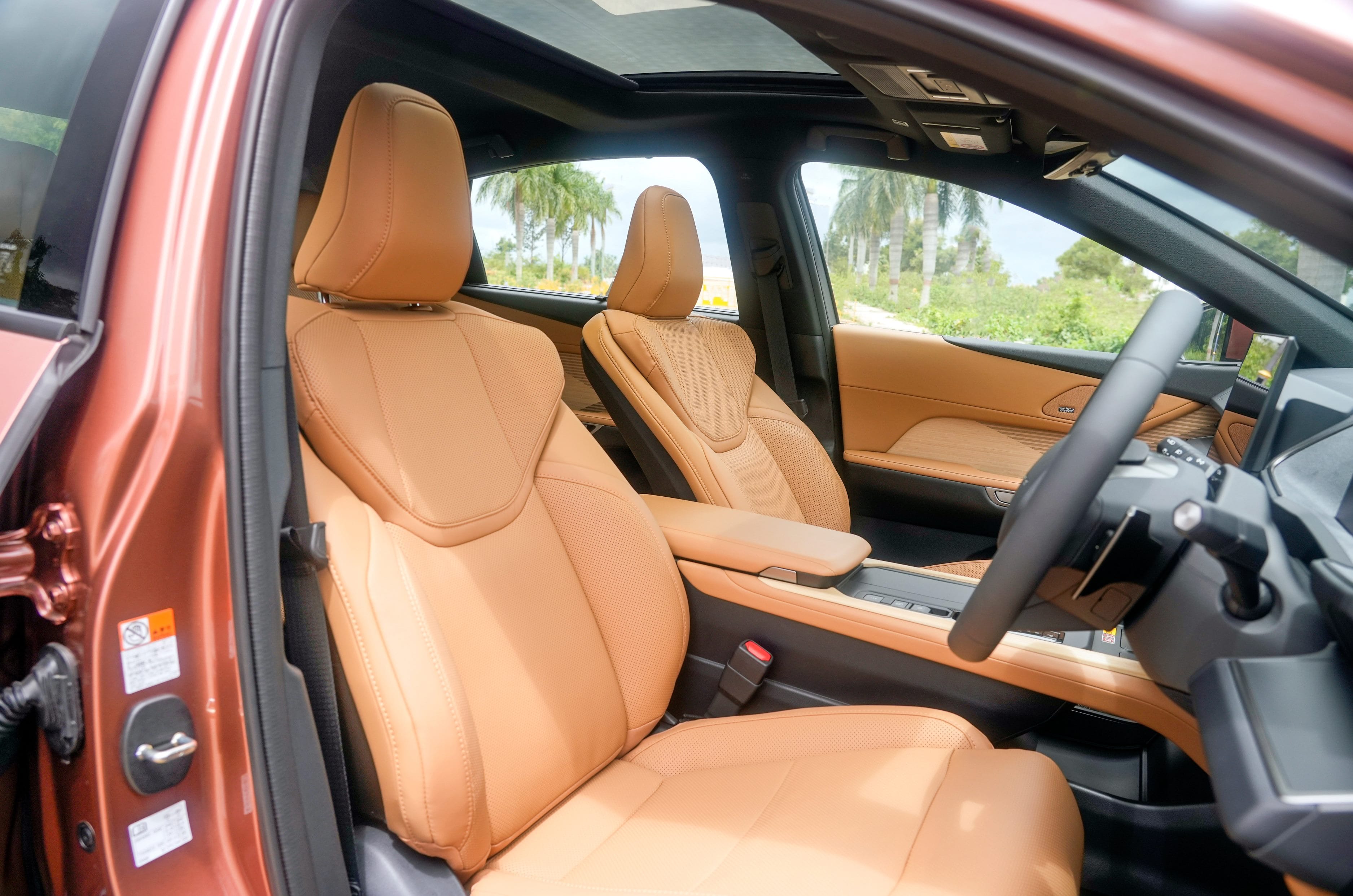
The ES 500e’s 5,145mm length and 2,950mm wheelbase translate into a roomy cabin, particularly for rear passengers. There is plenty of legroom and the seats themselves are well shaped and comfortable. The front seats also get heating and ventilation, adding to the car’s long-distance comfort.

Cons

1. Range

The 74.68kWh battery has a claimed WLTP range of 580km, but real-world numbers hover around the 380km mark. That is a sizeable gap and means long-distance journeys will need more planning, particularly when compared with what you might expect from a large luxury EV with this size of battery.

2. Ride quality

The ES 500e’s ride is firmer than the 350h, partly because of the changes made to handle the EV’s additional weight. The 21-inch wheels and relatively low-profile tyres compound the issue, with low-speed bumps and expansion joints making their presence felt in the cabin. It is more settled at highway speeds, but ride comfort is still not a strong point for a car of this size and price.

Kia Sorento में पहली बार Real-Time Generative AI और भी धांसू फीचर्स, जानिए कीमत

Kia Sorento में पहली बार Real-Time Generative AI और भी धांसू फीचर्स, जानिए कीमत

Kia Sorento 1

kia sorento launched : किआ इंडिया ने भारत के प्रीमियम थ्री-रो SUV सेगमेंट में कदम रखते हुए अपनी ग्लोबल SUV Kia Sorento को भारत में लॉन्च कर दिया है। इसकी शुरुआती एक्स-शोरूम कीमत ₹27.99 लाख रखी गई है। वहीं, इसका Hybrid मॉडल ₹29.99 लाख की शुरुआती कीमत पर उपलब्ध होगा।

Kia Sorento के साथ कंपनी ने भारत में पहली बार Hybrid पावरट्रेन पेश किया है। इसके अलावा, भारत-स्पेक Sorento में Kia AI Assistant भी पेश किया गया है, जिसमें रियल-टाइम Generative AI की क्षमता है। कंपनी के मुताबिक, यह तकनीक पहली बार वैश्विक स्तर पर Sorento में पेश की गई है। Kia Sorento की आधिकारिक डिलीवरी 4 सितंबर 2026 से देशभर में शुरू हो गई है।


भारत में पहली बार Hybrid पावरट्रेन


Kia Sorento को Hybrid और Diesel, दो पावरट्रेन विकल्पों के साथ पेश किया गया है। Hybrid मॉडल में Smartstream 1.6 Turbo GDI Hybrid इंजन मिलता है। इस इंजन से 180 PS की पावर और 265 Nm का टॉर्क मिलता है। इसके साथ 65 PS का इलेक्ट्रिक मोटर दिया गया है, जो 264 Nm का टॉर्क पैदा करता है। Hybrid पावरट्रेन को 6-स्पीड ऑटोमैटिक गियरबॉक्स से जोड़ा गया है।


दूसरा विकल्प Smartstream 2.2 Diesel इंजन है, जो 193 PS की पावर और 442 Nm का टॉर्क देता है। इसे 8-स्पीड Dual Clutch Transmission (8DCT) के साथ जोड़ा गया है। दोनों पावरट्रेन में Eco, Normal, Smart और Sport ड्राइव मोड दिए गए हैं।


Hybrid के साथ AWD का भी विकल्प


Kia Sorento अपने सेगमेंट की पहली SUV है जिसमें Hybrid पावरट्रेन के साथ All-Wheel Drive (AWD) का विकल्प दिया गया है। Hybrid और Diesel दोनों पावरट्रेन AWD के साथ उपलब्ध हैं। इनमें Snow, Sand और Mud जैसे Terrain Modes दिए गए हैं, जो अलग-अलग परिस्थितियों में बेहतर ट्रैक्शन और टॉर्क डिस्ट्रीब्यूशन में मदद करते हैं।


4,815 mm लंबी और 1,900 mm चौड़ी SUV


Sorento को Kia के ग्लोबल N3 प्लेटफॉर्म पर तैयार किया गया है। इसकी लंबाई 4,815 mm, चौड़ाई 1,900 mm, व्हीलबेस 2,815 mm और रूफ रेल्स के साथ ऊंचाई 1,785 mm है। कंपनी के अनुसार, यह अपने सेगमेंट की सबसे लंबी और चौड़ी SUV है। इसका बड़ा आकार तीनों रो में ज्यादा जगह उपलब्ध कराने में मदद करता है। SUV के फ्रंट में Kia Digital Tiger Face, Crystal Cube LED Projection Headlamps और Star Map LED DRLs दिए गए हैं। पीछे Star Map LED Tail Lamps मिलते हैं। इसके अलावा SUV में Satin Chrome फिनिश वाली फ्रंट और रियर स्किड प्लेट, Satin Chrome बेल्टलाइन और इंटीग्रेटेड रियर स्पॉयलर भी दिया गया है। Sorento में 18-इंच Sporty Crystal Cut Alloy Wheels और 19-इंच Premium Crystal Cut Alloy Wheels का विकल्प मिलता है।


प्रीमियम केबिन में 12.3-इंच के दो डिस्प्ले


Kia Sorento के केबिन को प्रीमियम और टेक्नोलॉजी से लैस बनाया गया है। इसमें Panoramic Curved Display Panel मिलता है, जिसमें 31.24 cm यानी 12.3-इंच HD Touchscreen Navigation Cockpit और 12.3-इंच HD Digital Instrument Cluster शामिल हैं। इसके साथ Windshield Head-Up Display और Advanced Digital IRVM दिया गया है। SUV में Smoky Black & Grey और टॉप HTX वेरिएंट में Black & Olive Brown इंटीरियर थीम का विकल्प मिलता है। इसमें Dual Pane Panoramic Sunroof और 64-कलर Ambient Mood Lighting भी दी गई है।


6 और 7-सीटर दोनों विकल्प


Kia Sorento को 6-सीटर और 7-सीटर कॉन्फिगरेशन में पेश किया गया है। पहली रो में 10-Way Power Driver और Co-Passenger Seats, Lumbar Adjustment, Relaxation Power Seats, Driver Seat Ergo Function और Integrated Memory System जैसे फीचर्स दिए गए हैं। Sorento की खासियत यह है कि इसमें पहली रो के अलावा दूसरी रो में भी Ventilated Seats मिलती हैं। सीटों में 3-स्टेप कूलिंग फंक्शन दिया गया है। 6-सीटर मॉडल में दूसरी रो में Captain Seats मिलती हैं, जबकि 7-सीटर मॉडल में 60:40 स्प्लिट रियर सीटें दी गई हैं। दोनों में Slide, Recline और Walk-in फंक्शन मिलता है।

 इसके अलावा 4-Way Power Boss Mode, Wing Type Headrests, तीसरी रो में 50:50 Split-Folding Seats और दूसरी-तीसरी रो के लिए Rear AC Vents दिए गए हैं।


Kia Sorento में पहली बार Real-Time Generative AI


Kia Sorento का सबसे बड़ा टेक्नोलॉजी अपडेट इसका Kia AI Assistant है। भारत-स्पेक Sorento में यह तकनीक पहली बार वैश्विक स्तर पर पेश की गई है। Kia AI Assistant रियल-टाइम सर्च पर आधारित जानकारी उपलब्ध कराता है। यह सामान्य बातचीत को समझने के साथ Follow-up Questions का जवाब भी दे सकता है। “Hey Kia” Wake Word के जरिए इसे हैंड्स-फ्री इस्तेमाल किया जा सकता है। यह चुनिंदा वाहन फंक्शंस, जैसे Air Conditioning और Windows को भी कंट्रोल कर सकता है।


इसके अलावा Sorento में:

  •  
  • Remote Vehicle Immobilization
  • Kia Connect 2.0 के 85+ कनेक्टेड कार फीचर्स
  • 30 कंट्रोलर्स के लिए OTA Software Updates
  • Digital Key 2.0
  • Wireless Android Auto
  • Wireless Apple CarPlay


जैसे फीचर्स मिलते हैं।


Disney, Marvel और Pixar थीम से कर सकेंगे कार को पर्सनलाइज


Kia ने पहली बार भारत में Personalized Display Themes भी पेश किए हैं। Sorento के Cluster और Infotainment सिस्टम में Disney, Marvel और Pixar पर आधारित कुल 9 थीम मिलेंगी। इन थीम के जरिए ग्राहक डैशबोर्ड के रंग, एनिमेशन और स्क्रीन लेआउट को अपनी पसंद के अनुसार बदल सकेंगे। दिसंबर 2026 से Kia Connect Store भी Sorento के लिए शुरू किया जाएगा। इसके जरिए ग्राहक चुनिंदा Feature-on-Demand सेवाओं को खरीद सकेंगे।


30 ADAS फीचर्स और 10 एयरबैग तक


सेफ्टी के मामले में भी Sorento को काफी एडवांस बनाया गया है। SUV में ADAS Level 2+ के 30 फीचर्स दिए गए हैं।


इनमें:


  • Forward Collision Warning
  • Forward Collision-Avoidance Assist
  • Lane Keeping Assist
  • Lane Following Assist
  • Highway Driving Assist
  • Smart Cruise Control
  • Blind Spot Collision Avoidance
  • Rear Cross Traffic Collision Avoidance
  • Safe Exit Warning
  • Remote Smart Parking Assist


जैसे फीचर्स शामिल हैं।


Kia का Robust 26 Standard Safety Package भी मिलता है। इसमें 7 एयरबैग स्टैंडर्ड हैं, जबकि टॉप वेरिएंट में अतिरिक्त Rear Side और Centre Side Airbags के साथ कुल 10 एयरबैग तक मिलते हैं।


इसके अलावा 360-डिग्री कैमरा, Blind View Monitor, 12 पार्किंग सेंसर, पांच रडार और Dynamic Guidelines वाला रियर कैमरा भी दिया गया है।


भारत में बनी, भारतीय ग्राहकों के हिसाब से तैयार


Kia Sorento का उत्पादन भारत में Kia India की अनंतपुर, आंध्र प्रदेश स्थित मैन्युफैक्चरिंग फैसिलिटी में किया गया है। कंपनी ने भारतीय सड़कों और ग्राहकों की जरूरतों को ध्यान में रखते हुए इसमें कई बदलाव किए हैं। इनमें India-specific grille detailing, Acoustic Windshield और Black High Glossy Bridge Type Roof Rails शामिल हैं। कंपनी का दावा है कि Acoustic Windshield, Door Trim Insulator और अन्य इंजीनियरिंग सुधारों की वजह से Sorento में बेहद शांत केबिन और बेहतर NVH प्रदर्शन मिलता है।


ये प्रमुख फीचर्स भी मिलेंगे


Kia Sorento में कई प्रीमियम और सेगमेंट-फर्स्ट फीचर्स दिए गए हैं, जिनमें शामिल हैं:


  • Smart Power Tailgate with Anti-Pinch
  • Dual Pane Panoramic Sunroof
  • Bose Premium Sound System with 12 Speakers
  • Smart Dashcam with Front & Rear Camera
  • Remote Smart Parking Assist
  • 220V Power Outlet
  • Digital IRVM
  • Head-Up Display
  • Wireless Smartphone Charger
  • Dual-Zone Automatic Climate Control
  • Tyre Pressure Monitoring System
  • Electronic Parking Brake with Auto Hold
  • Front और Rear Seat Side Airbags
  • Driver Knee Airbag
  • All-Wheel Disc Brakes
  • ISOFIX
  • Rear Occupant Alert
     

Kia Sorento की कीमत और वेरिएंट


Kia Sorento को तीन मुख्य ट्रिम्स और उनके Option Pack के साथ पेश किया गया है। Diesel 7-Seater की शुरुआती कीमत ₹27.99 लाख है, जबकि Hybrid 7-Seater की शुरुआती कीमत ₹29.49 लाख है। टॉप वेरिएंट में कीमत करीब ₹40.19 लाख एक्स-शोरूम तक जाती है।


प्रमुख कीमतें

  • पावरट्रेन सीटिंग शुरुआती कीमत टॉप कीमत
  • 2.2 Diesel 8DCT 7-सीटर ₹27.99 लाख ₹38.69 लाख
  • 2.2 Diesel 8DCT 6-सीटर ₹32.69 लाख ₹38.89 लाख
  • 1.6 Turbo Hybrid 6AT 7-सीटर ₹29.49 लाख ₹40.19 लाख
  • 1.6 Turbo Hybrid 6AT 6-सीटर ₹34.19 लाख ₹40.39 लाख
  • आठ एक्सटीरियर कलर का विकल्प


Kia Sorento को आठ मोनो-टोन एक्सटीरियर कलर में पेश किया गया है:


  • Glacier White Pearl
  • Gravity Gray
  • Imperial Blue
  • Magma Red
  • Pewter Olive
  • Ivory Silver Gloss
  • Aurora Black Pearl
  • Matte Dark Gun Metal


इसके अलावा पहली बार Kia India लाइन-अप में Black Line Trim भी पेश किया गया है। इसमें Kia और Sorento बैज, 19-इंच Premium Crystal Cut Alloy Wheels, Fender Garnish और Beltline सहित कई एक्सटीरियर एलिमेंट्स को ब्लैक फिनिश दी गई है।


4.8 मिलियन से ज्यादा ग्राहकों का भरोसा


Kia Sorento पिछले 24 वर्षों और चार पीढ़ियों के दौरान 132 देशों में 4.8 मिलियन से ज्यादा ग्राहकों तक पहुंच चुकी है। यही वजह है कि यह Kia की सबसे सफल ग्लोबल SUV नेमप्लेट में शामिल है। भारत में नई Sorento के साथ Kia ने पहली बार प्रीमियम थ्री-रो SUV सेगमेंट में कदम रखा है। Hybrid पावरट्रेन, AWD, ADAS Level 2+, 10 एयरबैग तक और Real-Time Generative AI वाला Kia AI Assistant इसे इस सेगमेंट की एक टेक्नोलॉजी-फोकस्ड SUV बनाते हैं।


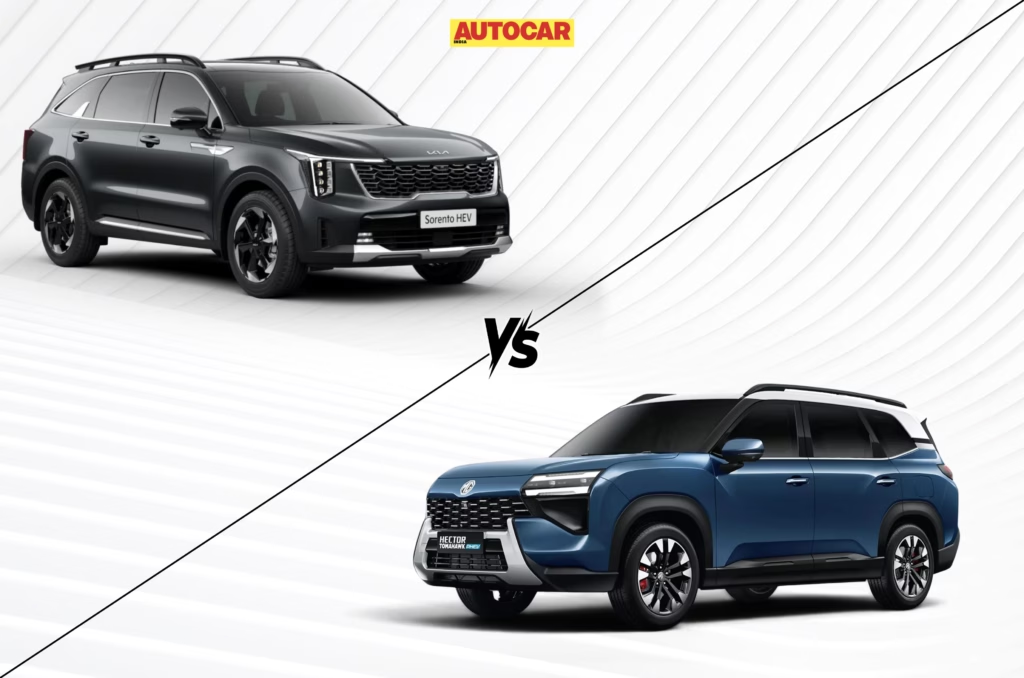
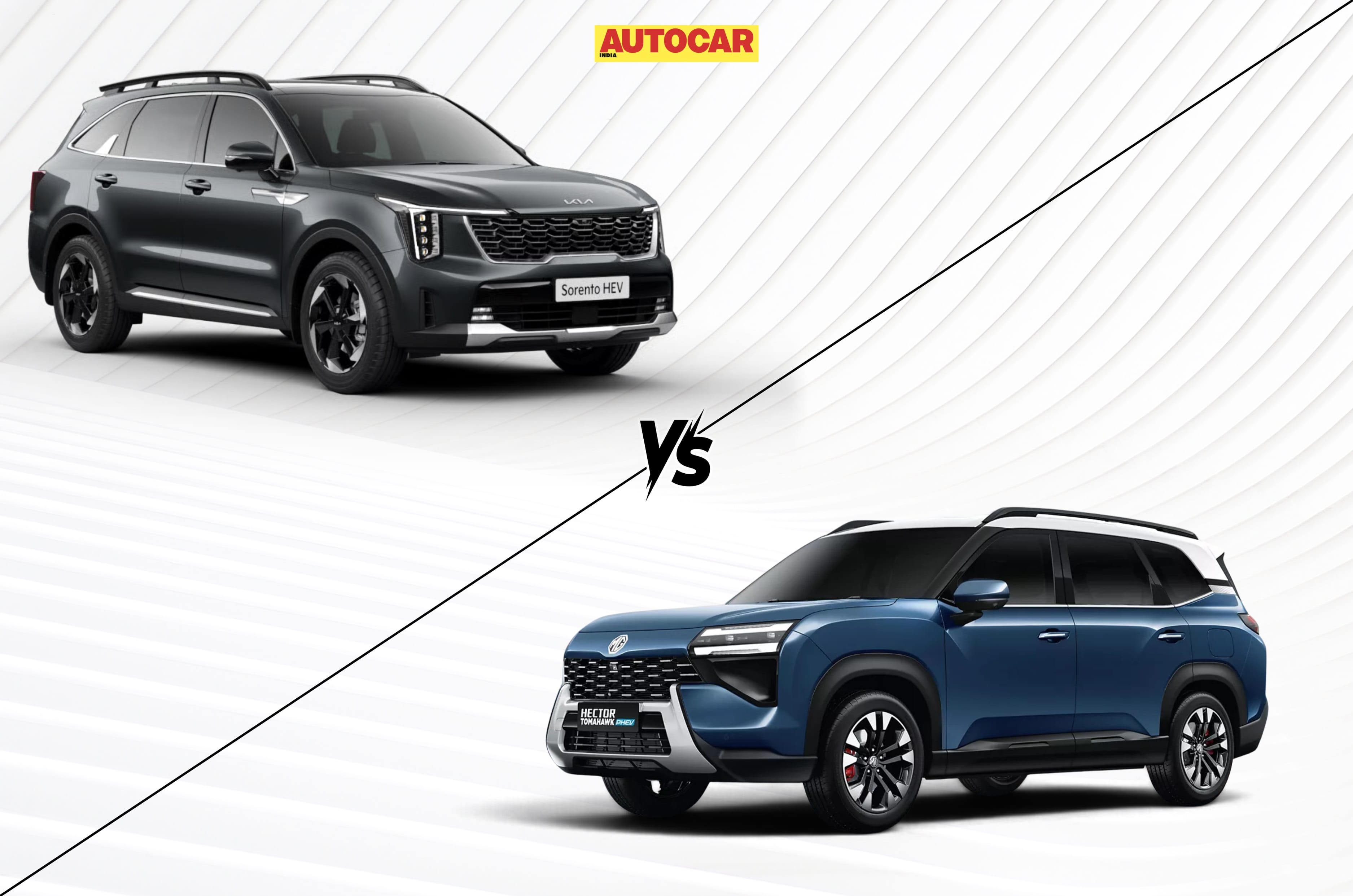
Kia Sorento hybrid vs MG Tomahawk PHEV: Specifications comparison

Kia Sorento hybrid vs MG Tomahawk PHEV: Specifications comparison
MG Hector Tomahawk PHEV and Kia Sorento PHEV quick comparison

Kia’s ICE (internal combustion engine) flagship SUV offering in India, the Sorento, is based on the Hyundai Motor Group’s N3 platform. While the Kia SUV is also available with a diesel powertrain, our focus will be on the strong hybrid version for this comparison. As its segment rival, the MG Hector Tomahawk PHEV (plug-in hybrid) is also a three-row SUV, and is built around the brand’s new ADAPT platform. Let’s have a quick look on how these SUVs compare in terms of their dimensions, powertrain specifications and prices.

Explore full specs, features and a price breakdown in our Kia Sorento hybrid vs MG Hector Tomahawk PHEV comparison.

Kia Sorento hybrid vs MG Hector Tomahawk PHEV: Dimensions

The Sorento has the overall size advantage over the Hector Tomahawk

Kia Sorento hybrid vs MG Hector Tomahawk PHEV dimensions


Kia Sorento hybrid

MG Hector Tomahawk PHEV

Length (mm)

4,815

4,745

Width (mm)

1,900

1,850

Height (mm)

1,785

1,770

Wheelbase (mm)

2,815

2,810

Boot space (litres)

179

192

Wheel size (inches)

18-19

18

Neither of these are small SUVs. However, the Kia Sorento hybrid is longer, wider and taller (and has a larger wheelbase) than the MG Hector Tomahawk PHEV. The Sorento hybrid can be had with 19-inch alloy wheels at the top end, while the Hector Tomahawk PHEV only gets 18-inch wheels. However, the MG SUV’s boot can accommodate an additional 13 litres worth of cargo behind its third row of seats.

Kia Sorento hybrid vs MG Hector Tomahawk PHEV: Powertrain

The MG comes with a plug-in hybrid system compared to the Kia’s strong-hybrid setup

Kia Sorento hybrid vs MG Hector Tomahawk PHEV powertrain options


Kia Sorento hybrid

MG Hector Tomahawk PHEV

Engine

1.6-litre turbocharged petrol

1.5-litre naturally aspirated petrol

Battery size

TBA

20.5kWh

Electric motor type

Permanent magnet synchronous motor

Permanent magnet synchronous motor

Drive configuration

FWD / AWD

FWD

Total system output

TBA

198hp, 230Nm

Transmission

6AT

DHT

0-100kph

TBA

9.0 seconds

Claimed mileage

TBA

50kpl

Fuel tank

67 litres

52 litres

AC charging

–

7.5 hrs at 3.3kW (10-100%)

DC fast charging

–

35 mins at 25kW (30-80%)

Unlike the Sorento’s strong-hybrid setup, where the battery can only be charged by the internal combustion engine, the battery pack of the Hector Tomahawk PHEV can also be topped up by plugging it into either a DC fast charger or a slower AC charger. The Hector Tomahawk’s plug-in hybrid system allows the car to be driven in pure-electric mode over a distance of up to 115km (claimed), with Kia yet to disclose the Sorento hybrid’s EV-only range. Depending on the state of charge (SoC) of its battery pack, the MG SUV can also be driven using different powertrain modes.

In series-hybrid mode, the engine charges the battery while the electric motor drives the wheels. Then there’s the parallel-hybrid mode, where the engine and electric motor both power the driven wheels. Finally, the Hector Tomahawk PHEV can also be driven in engine-only mode with no assistance from the electric motor. The Hector Tomahawk PHEV employs a naturally aspirated petrol engine running the Atkinson cycle, plus a relatively high-capacity battery pack and a single electric motor.

Under the bonnet of the India-spec Kia Sorento hybrid sits a punchier 1.6-litre four-cylinder turbo-petrol engine with direct injection, developing 180hp and 265Nm. There’s a compact battery pack and an electric motor whose output is rated at 65hp and 264Nm. Kia is yet to specify the combined output of this hybrid powertrain, alongside its mileage and performance figures. The Hector Tomahawk PHEV gets what MG calls a  “Dedicated Hybrid Transmission (DHT)”, while the Sorento hybrid is equipped with a conventional 6-speed automatic gearbox (AT). Furthermore, the Kia’s fuel tank can carry an additional 13 litres of petrol. The Kia Sorento hybrid gets Eco, Sport and Smart drive modes, along with Snow, Mud and Sand terrain modes. While the Sorento hybrid is available in both front-wheel drive (FWD) and all-wheel drive (AWD) configurations, the Hector Tomahawk PHEV is exclusively FWD.

Kia Sorento hybrid vs MG Hector Tomahawk PHEV: Prices

Where the pricier Sorento is available in four different trims, the MG is limited to just two

Kia Sorento hybrid vs MG Hector Tomahawk PHEV prices


Kia Sorento hybrid

MG Hector Tomahawk PHEV

Price range (In Rs, lakh)

29.49-40.19

25.70-27.79

Even the base-spec trim of the Kia Sorento hybrid costs Rs 3.79 lakh more than the entry-level MG Hector Tomahawk PHEV. On the higher end of the line-up, the Sorento hybrid with all-wheel drive costs a staggering Rs 12.40 lakh more than the fully loaded Hector Tomahawk PHEV (which is front-wheel drive only). While the Hector Tomahawk PHEV has a 7-seat configuration, the Sorento hybrid is also available in a 6-seat format with individual captain seats in the second row. The Kia also offers more power and also has a larger physical footprint. However, if you want the flexibility offered by a plug-in hybrid system and a long list of standard equipment at a lower asking price, then the MG Hector Tomahawk PHEV could be the right three-row mass-market hybrid SUV for you.

3 reasons to buy the Maruti Celerio and 3 reasons to avoid it

3 reasons to buy the Maruti Celerio and 3 reasons to avoid it
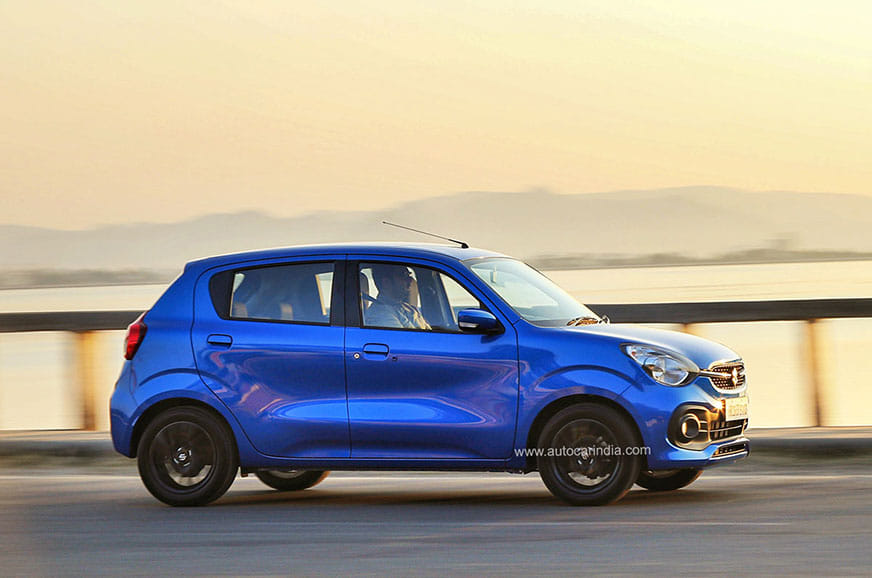
Maruti Celerio side static

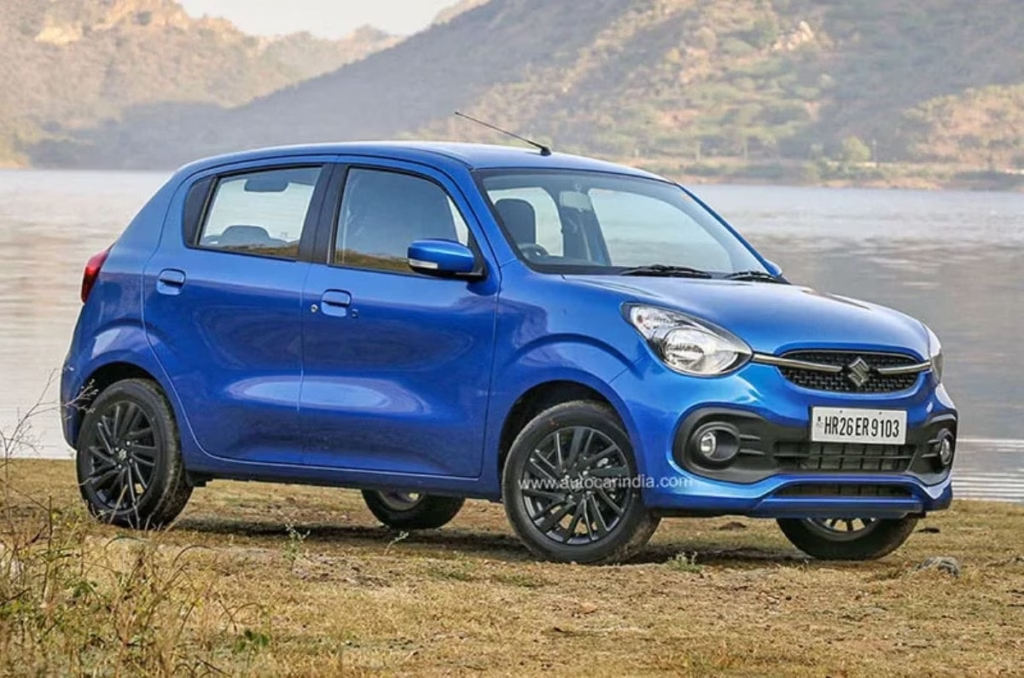
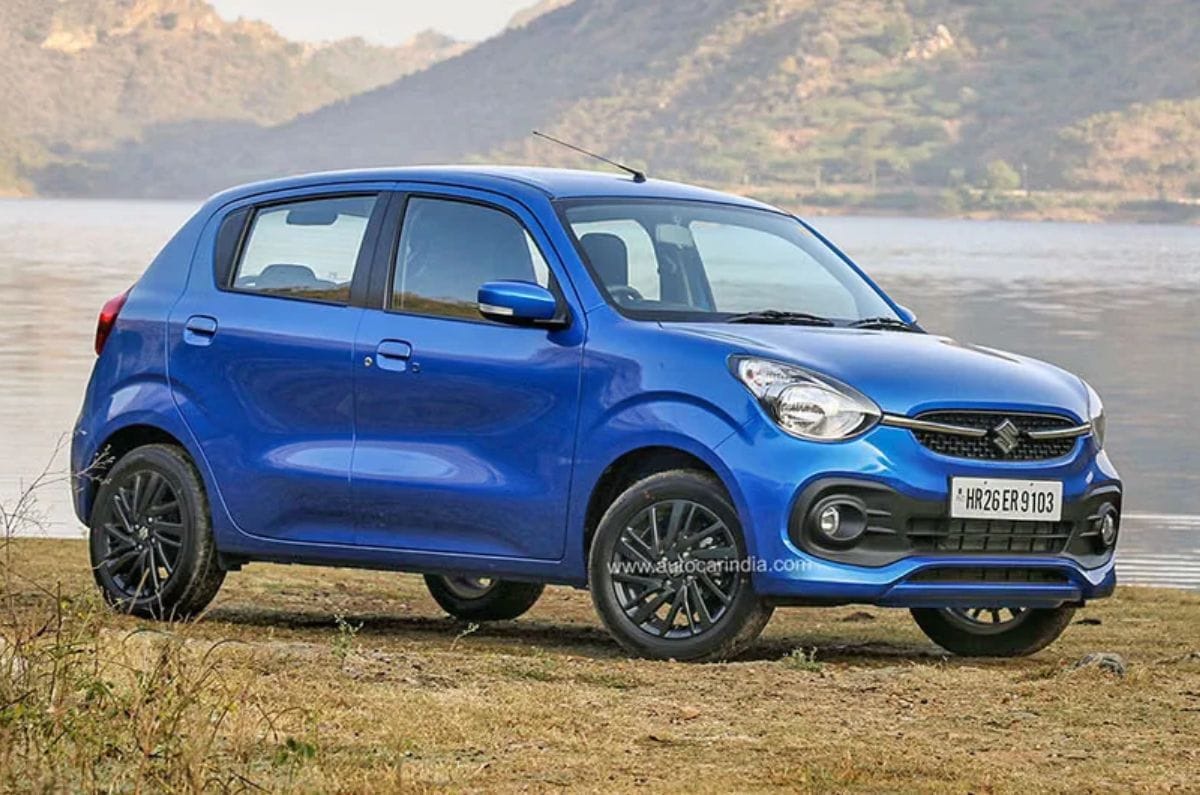
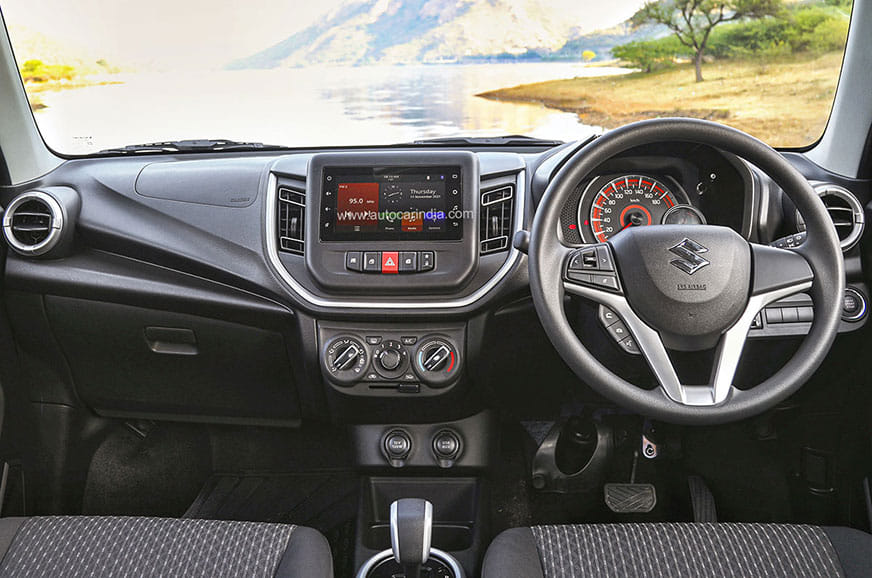
The Celerio is positioned between the cheaper Alto K10 and the even more popular Wagon R in Maruti Suzuki’s line-up. Priced between Rs 4.70 lakh and Rs 6.75 lakh (ex-showroom), the Celerio is available in petrol and CNG versions with manual and AMT gearbox options, just like its rivals. While the second-gen model arrived on the entry-level hatchback scene in 2021, it hasn’t received a single facelift in the following five years, placing it at a disadvantage over some of its competitors. This Heartect platform-based hatchback goes up against the likes of the new-gen Tata Tiago and its own stablemate, the Wagon R.

Reasons to buy the Maruti Celerio

City slicker

The Celerio’s urban-friendly demeanour is great for regular commutes

Maruti Celerio engine

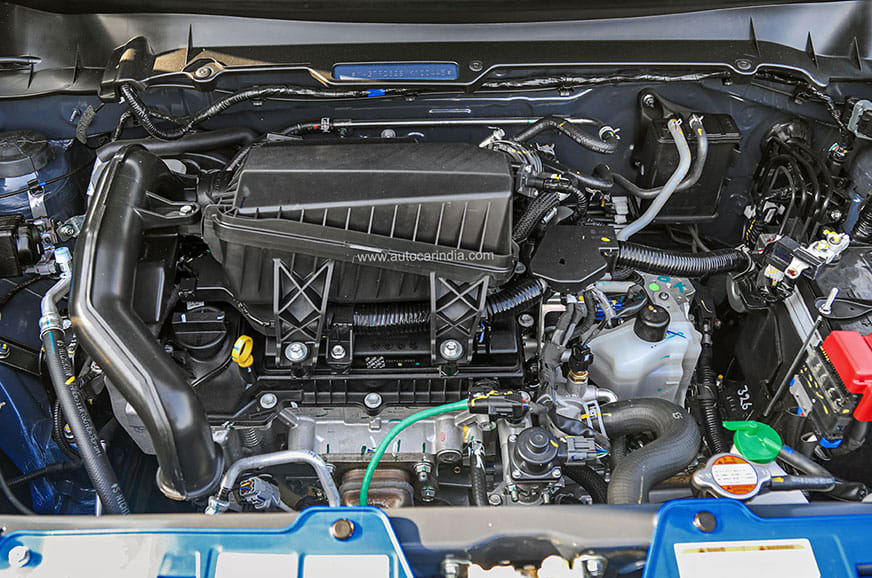
One of the factors making the Maruti Celerio a great urban runabout is its 1.0-litre three-cylinder engine. It builds power smoothly right from lower RPMs which, along with a slick 5-speed manual gearbox and a light clutch, make pottering around town an easy affair. Those seeking an even easier time commuting can pick the AMT (automated manual transmission), whose shifts are relatively smooth as far as AMTs go.

Maruti Celerio front tracking

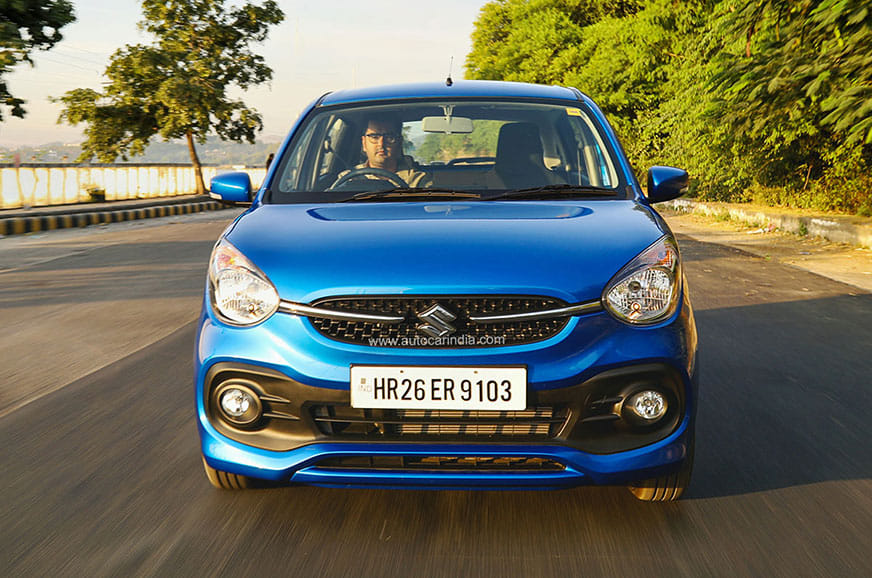
Helping matters further in the city is the plaint suspension, which soaks up bumps at lower speeds without much fuss. The light steering, tight turning radius and good front visibility also go a long way in helping you navigate compact parking spots and bustling city traffic. And despite its cost-friendly design, the height-adjustment feature for the driver’s seat means finding a suitable position isn’t too much of an issue.

Efficiency champ

This is Maruti Suzuki’s most frugal offering in the country

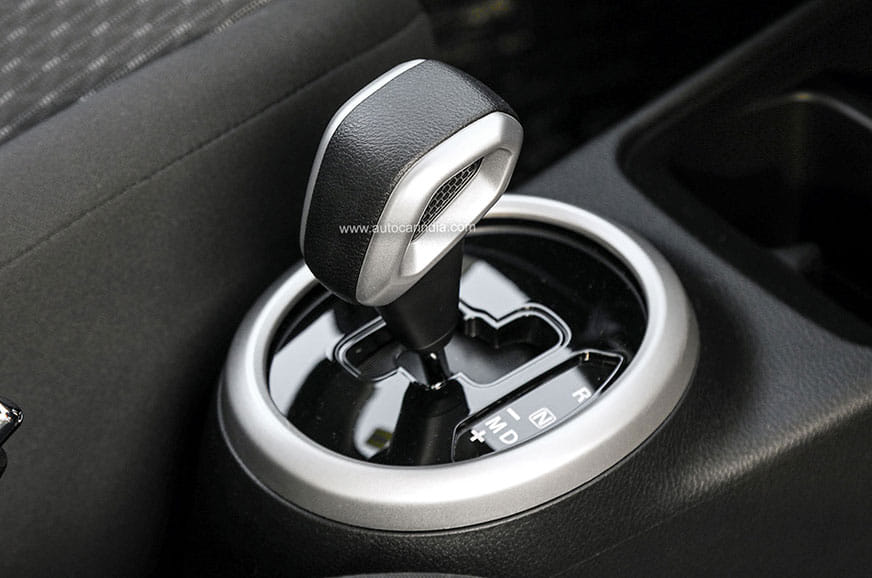
Maruti Celerio AMT gearbox

Not only is it easy to drive, but the Maruti Celerio will not have you complaining about fuel economy either. The petrol version with the 5-speed manual transmission has a claimed mileage of up to 25.24kpl, while the AMT option is rated at 26kpl – making the Celerio AMT the most fuel-efficient petrol car in the market. All variants of the Celerio come with an automatic engine stop-start function, further reducing fuel consumption. While this feature isn’t enabled when running on CNG (in VXi MT only), the claimed mileage of 34.43km/kg is better than that of the Maruti Wagon R CNG and the Renault Kwid CNG.

Roomy boot

The Celerio’s boot affords more space than some rivals

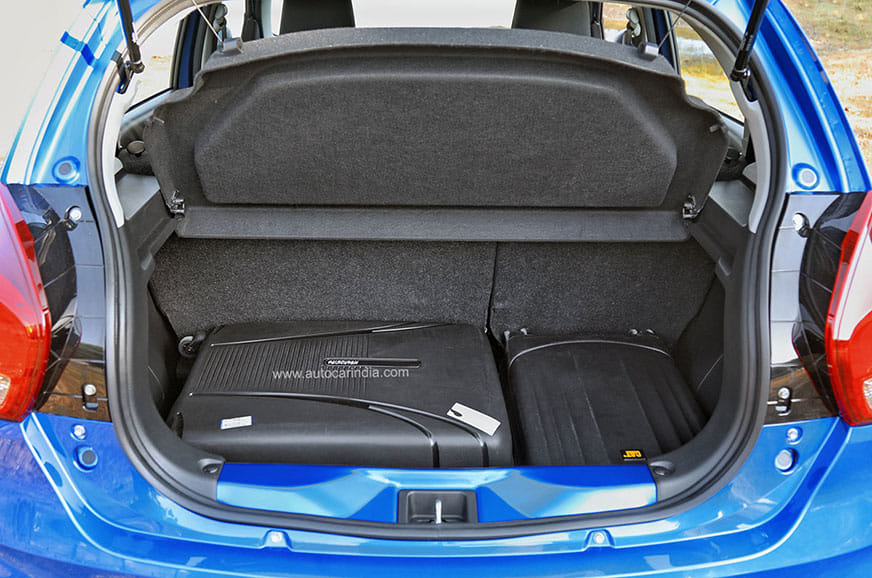
Maruti Celerio boot space

At 292 litres, the boot of the Maruti Celerio is bigger than those rivals such as the Tata Tiago and Renault Kwid. This is enough to accommodate two large suitcases and a couple of carry-on-sized bags, with still some room to spare. If you need even more space, the 60:40 split-folding rear seats will come in handy. On the other hand, the loading lip is high and relatively narrow, making loading or unloading heavier items cumbersome.

Reasons to avoid the Maruti Celerio

Ergonomic niggles

This interior has a few sore points that’ll take getting used to

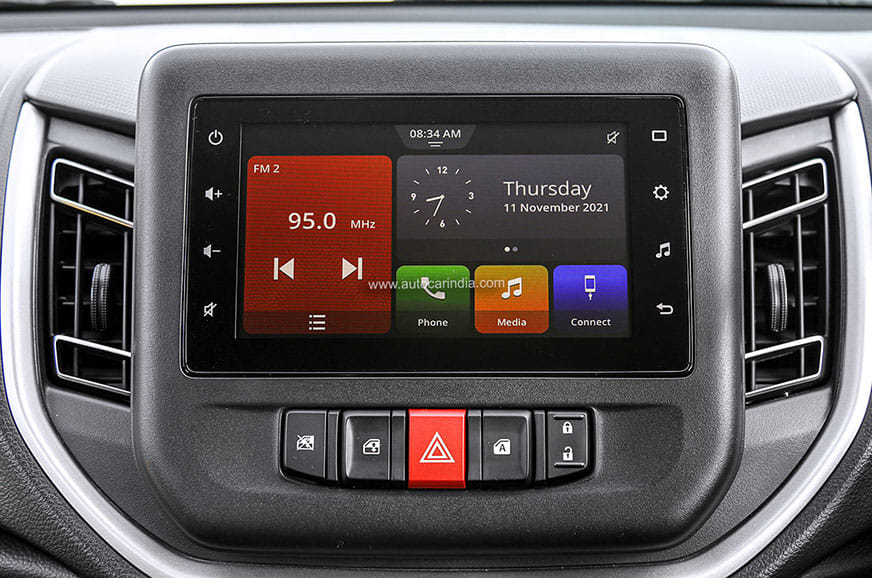
Maruti Celerio infotainment

Compared to most of its adversaries, the power window switches of the Maruti Celerio aren’t placed on the doors. The front ones are positioned on the dashboard, whilst the rear switches are found on the rear centre pedestal between the front seats. Buttons to operate the door and power-window locks are also on the dashboard. Then there are the thick A-pillars, which can obstruct your view at junctions and roundabouts.

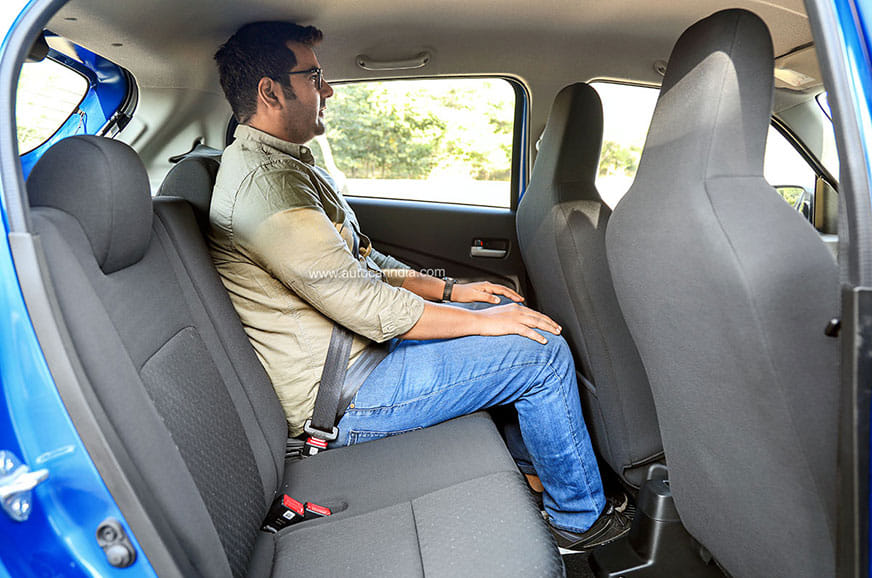
Maruti Celerio rear seats

The well-cushioned rear seats of the Celerio offer plenty of kneeroom for even taller occupants. However, headroom isn’t all that good, and the fixed headrests are positioned way too low to be effective. The angled design of these headrests also means that they poke into your back, which can be uncomfortable.

Unimpressive material quality and feature set

The Celerio’s cabin isn’t the most up-to-date in this segment

When compared to the new-gen Tata Tiago, the interior of the Maruti Celerio looks and feels a touch dated. There’s plenty of hard plastics which, even though are accompanied by shiny trim and a sculpted dashboard, feel pretty basic. The relatively simple design is backed by an equipment list that isn’t particularly competitive either.

Maruti Celerio interior

For instance, even the top trim level of the Celerio doesn’t come with a rearview camera. There’s also no automatic climate control system, while Apple CarPlay and Android Auto both require a wired connection. The touch-infotainment screen is a 7-inch unit, whereas a similarly priced Tata Tiago offers an 8-inch setup. On the outside, the Maruti Celerio gets the old-school ‘flip-up’ door handles.

Imperfect on a highway

This hatchback isn’t particularly meant to be driven hard or fast

Maruti Celerio side tracking

While it’s perfectly at home in the city, the Maruti Suzuki Celerio isn’t as good out on the open road. The lifeless steering aside, the body moves around enough – both of which robs you of confidence required to push the car any harder.

Also read

3 reasons to buy the Toyota Hyryder and 2 reasons not to

Mitsubishi Pajero: What’s changed from fourth to fifth-generation model

Tata Curvv Series X launched at Rs 9.9 lakh

Tata Curvv Series X launched at Rs 9.9 lakh
Curvv

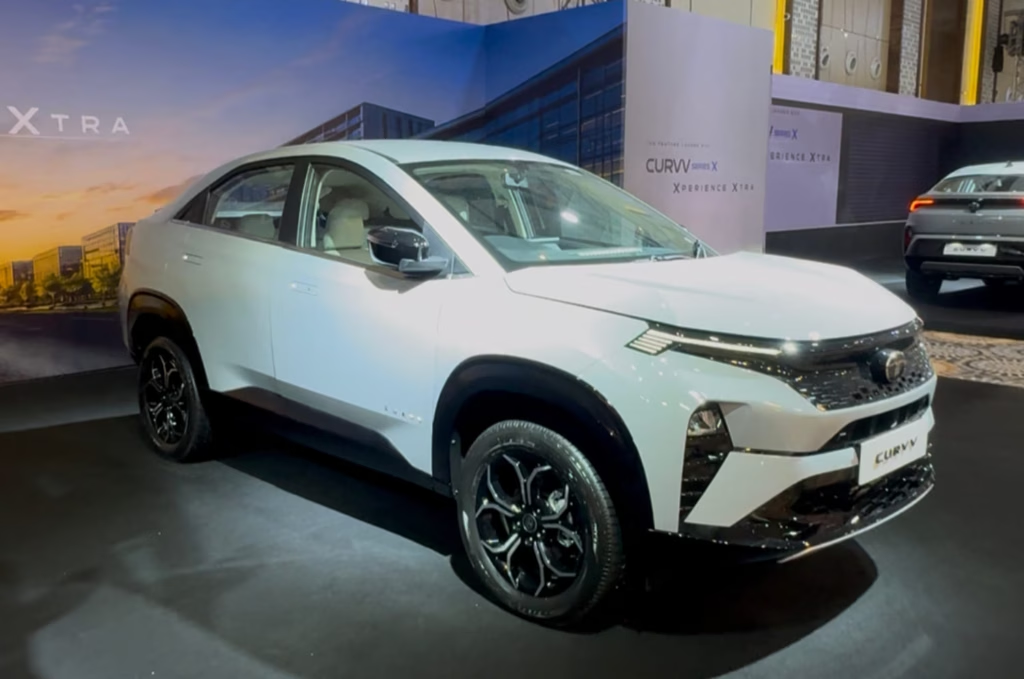
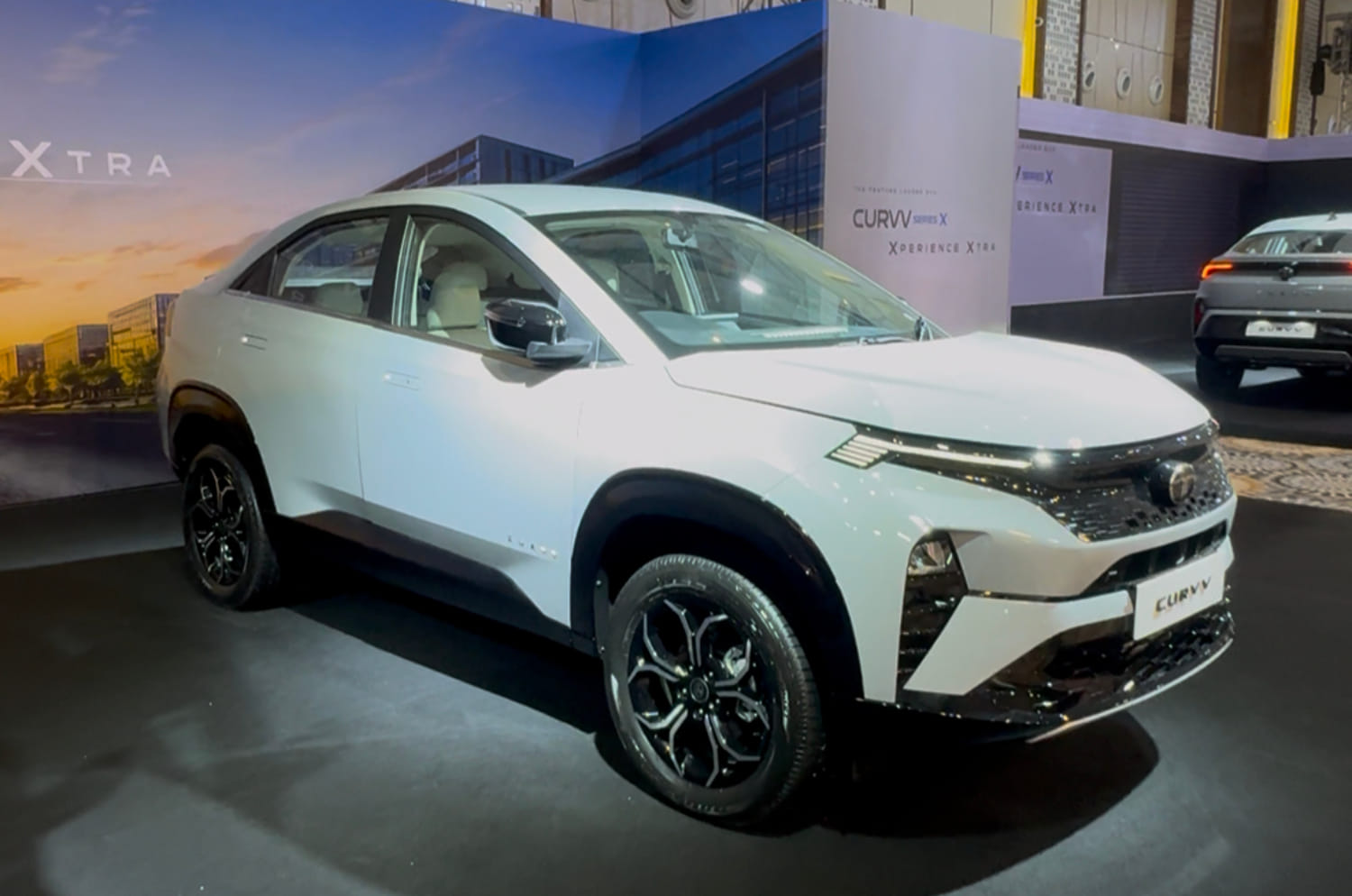
Tata Motors has introduced the Curvv Series X, with prices ranging from Rs 9.9 lakh to Rs 18.5 lakh (ex-showroom). The new range gets a reshuffled variant lineup, with features from higher variants moved to lower and mid-spec versions. Tata has also expanded the availability of the #DARK edition across the range, while the powertrain remains unchanged.

Tata Curvv Series X price

Tata Curvv Series X ex-showroom prices
VariantPrice
Smart XRs 9.9 lakh
Pure XRs 10.99 lakh
Pure X+Rs 11.79 lakh
Creative XRs 12.91 lakh
Accomplished XRs 13.99 lakh
Accomplished X+Rs 18.5 lakh

The Smart X is the most affordable variant in the lineup, priced Rs 14,000 higher than the previous base trim. The petrol-diesel price gap has been reduced to Rs 1.3 lakh from Rs 1.5 lakh previously, while the premium for the automatic gearbox has also come down to Rs 1.3 lakh from Rs 1.5 lakh.

Tata Curvv Series X interior and features

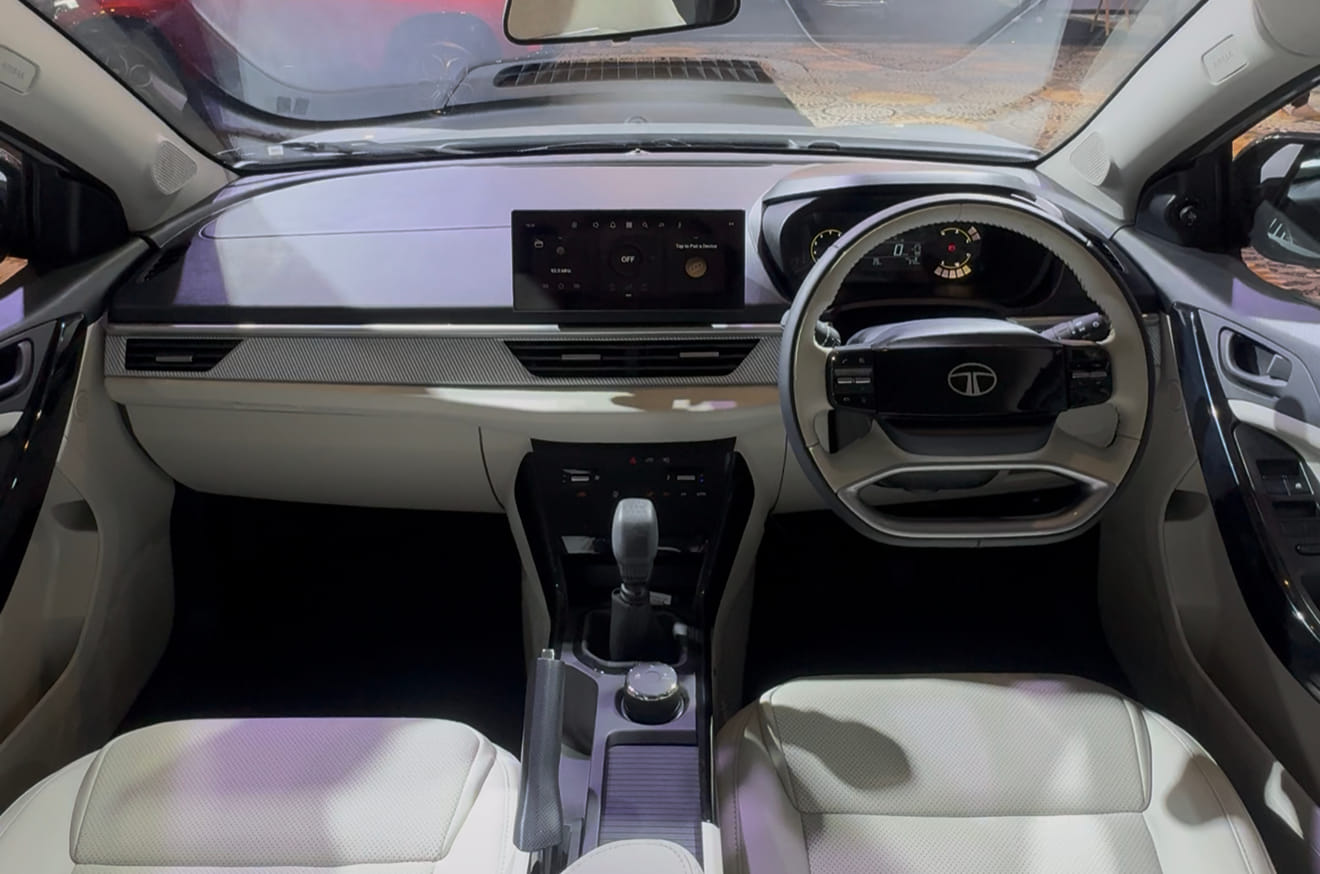
The Curvv Series X gets a 10.25-inch infotainment screen with wireless Android Auto and Apple CarPlay, automatic climate control, cruise control and a rear-view camera. It also gets a 10.25-inch digital cockpit, smart key with push-button start, front and rear USB ports, Wi-Fi connectivity and multiple drive modes.

The cabin gets a lighter interior theme with leatherette upholstery and leatherette finishes on the steering wheel, gear-shift knob and centre-console armrest. Rear passengers get dedicated AC vents, a rear armrest and reclining rear seats. The front seat-back is 10mm slimmer, while the rear seat has been moved 20mm rearwards and 10mm lower.

Other features include a panoramic sunroof, 360-degree 3D surround-view camera with a blind-view monitor, front parking assist, rain-sensing wipers and automatic headlamps. Safety equipment includes six airbags, ESP, hill-hold control, ABS with EBD and rear parking sensors.

Tata Curvv Series X exterior

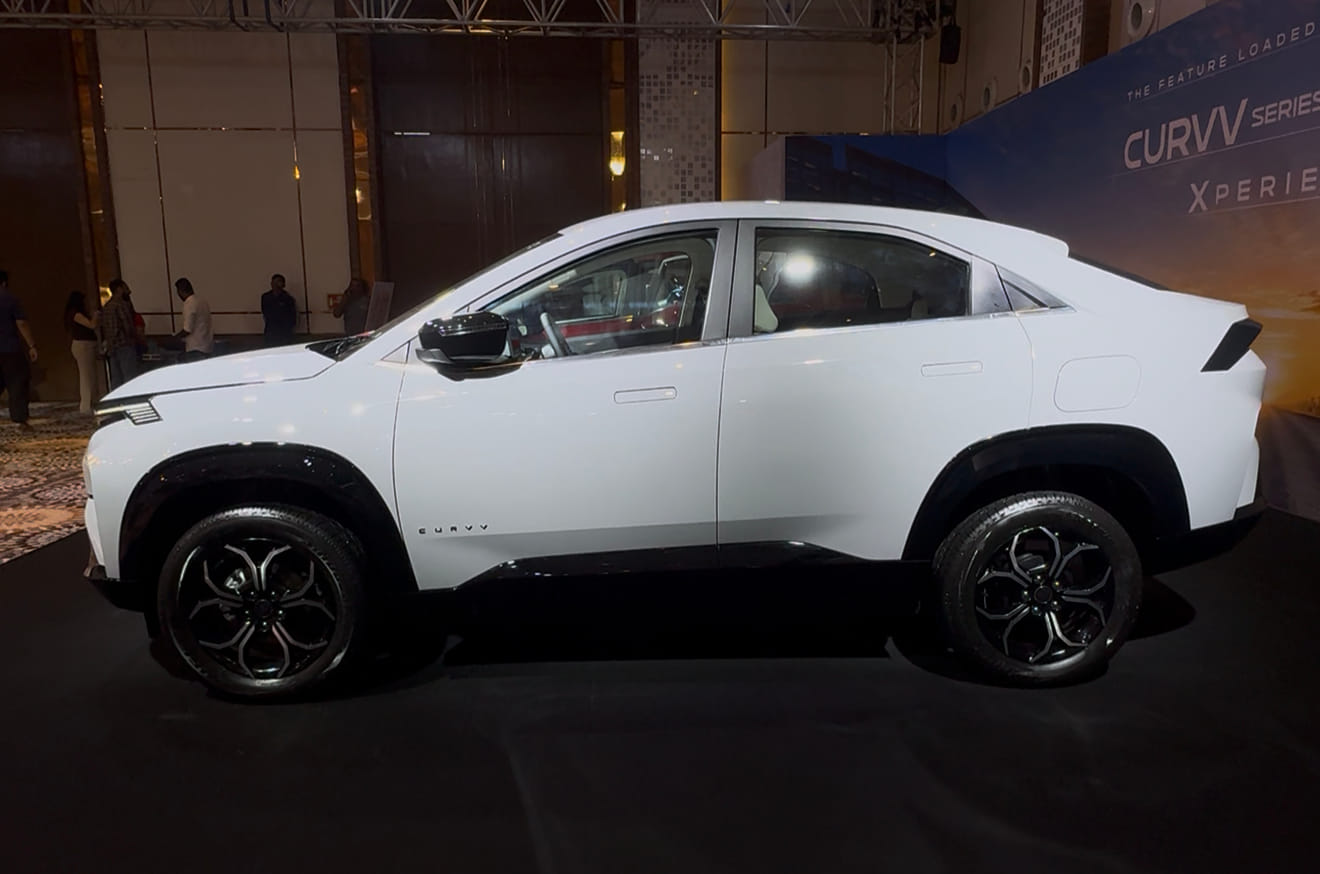
The Curvv Series X retains the SUV-coupe design of the existing model, with flush door handles, an illuminated four-spoke steering wheel, LED headlamps, DRLs and tail-lamps, and a rear spoiler. The Series X gets a black grille treatment in place of the earlier chrome finish. The #DARK edition is now available from lower down the range, with a blacked-out exterior and Obsidian-themed interior. It gets 17-inch diamond-cut alloy wheels, while higher versions offer 18-inchers.

Tata Curvv Series X powertrain 

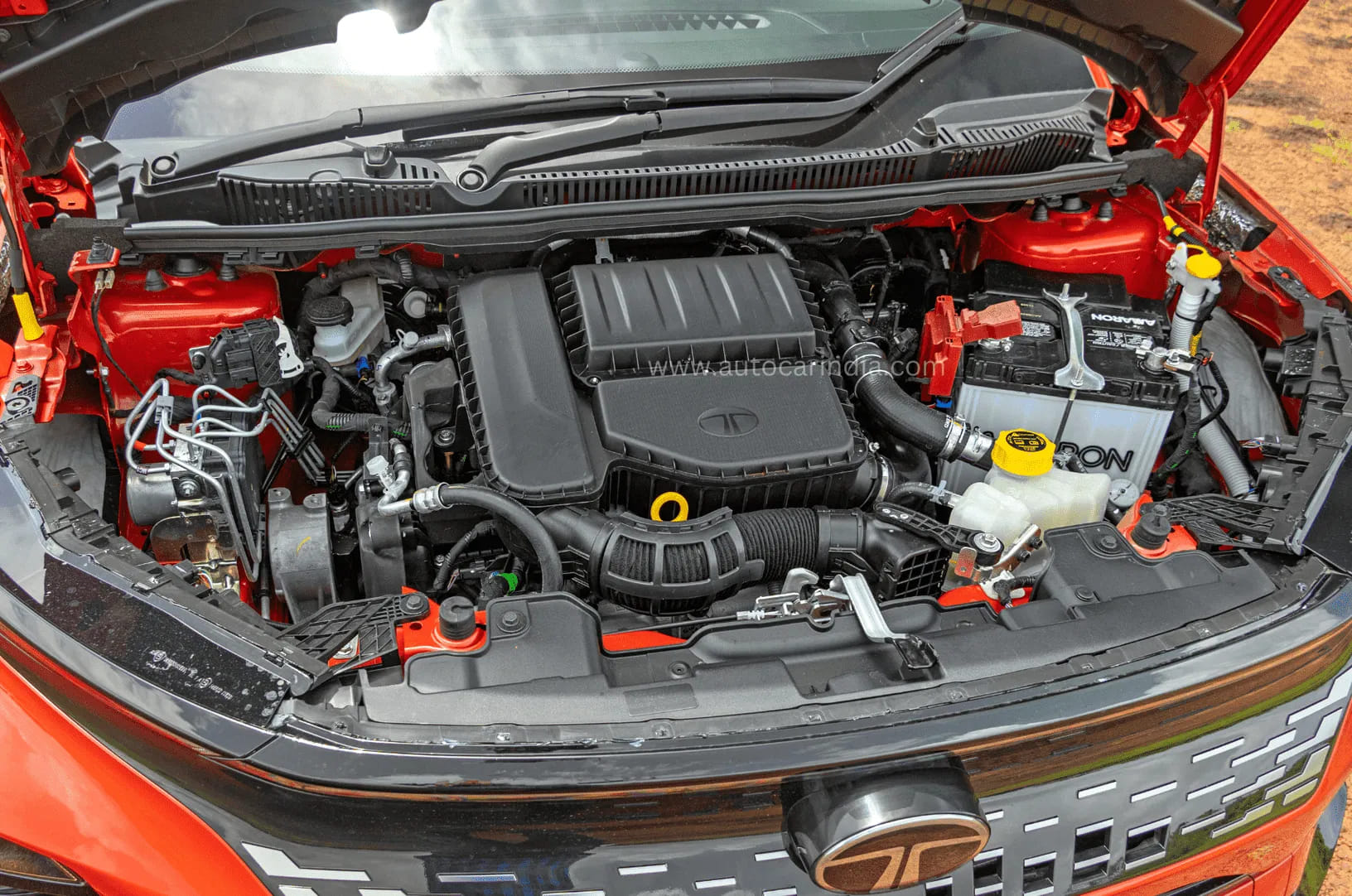
The Curvv Series X continues with three engine options: a 1.2-litre turbo-petrol producing 120hp and 170Nm, a 1.2-litre direct-injection turbo-petrol producing 125hp and 225Nm, and a 1.5-litre diesel producing 118hp and 260Nm.

The 1.2-litre turbo-petrol and 1.5-litre diesel are available with a 6-speed manual and 7-speed dual-clutch automatic, while the 1.2-litre direct-injection turbo-petrol is exclusive to the top-spec Accomplished X+ and is paired with the 7-speed DCA.

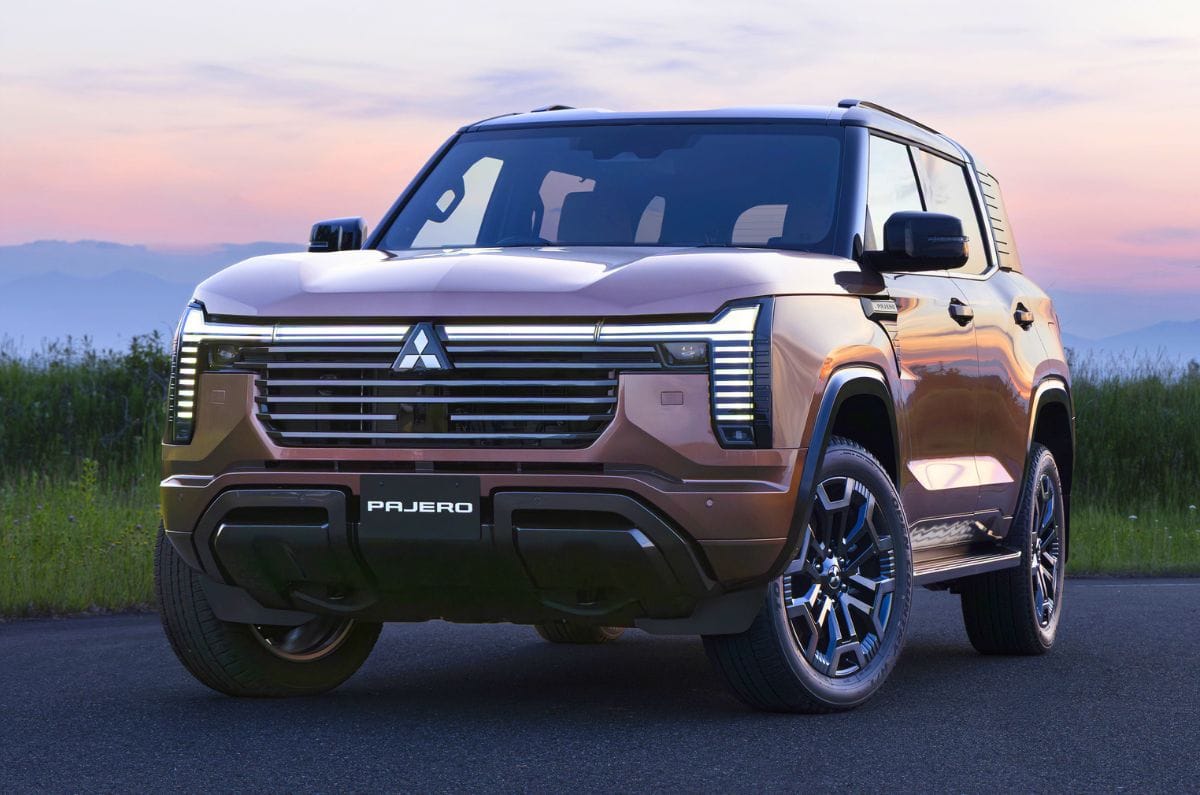
Fifth-gen Mitsubishi Pajero image gallery

Fifth-gen Mitsubishi Pajero image gallery
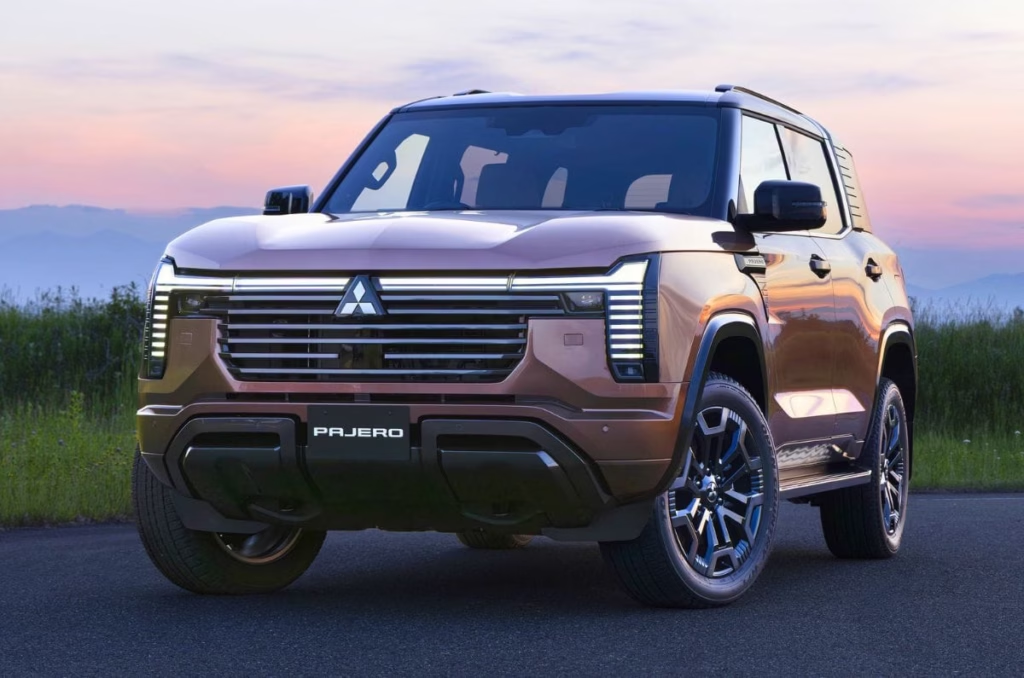
Fifth-gen Mitsubishi Pajero front quarter static

Mitsubishi has revealed the fifth-generation Pajero, marking a comeback for the SUV after it was discontinued globally in 2021. It is built on a ladder-frame chassis like the older Pajeros, and is offered with a 2.4-litre diesel engine mated to an 8-speed automatic transmission and a four-wheel-drive (4WD) system. It is around 5 metres long and has a 2,870mm wheelbase. Its exterior design has been revamped and modernised, but the upright stance has been retained. The interior looks clean and premium, with dual displays, leatherette upholstery on the 7 seats and all the major touchpoints of the SUV.