BMW i5 LWB vs Mercedes E-Class diesel: Specs, features and price compared

BMW i5 LWB vs Mercedes E-Class diesel: Specs, features and price compared
BMW i5 LWB vs Mercedes E-Class

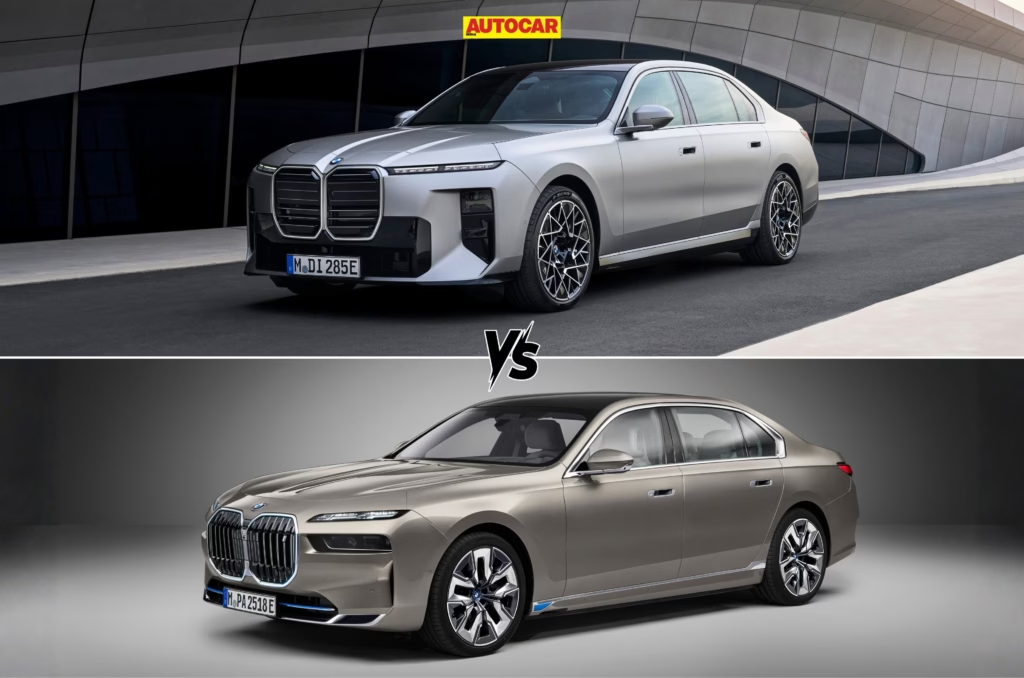
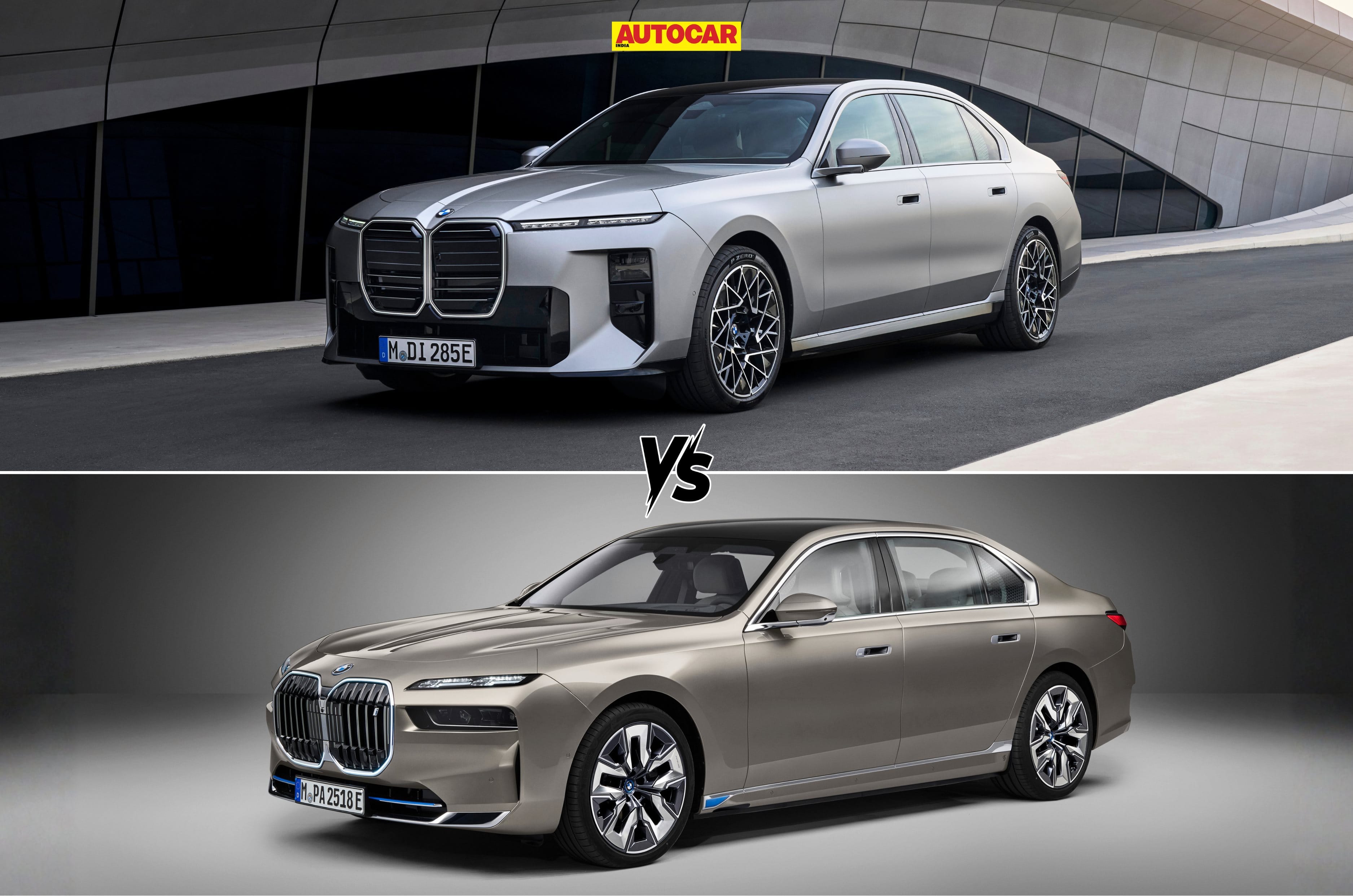
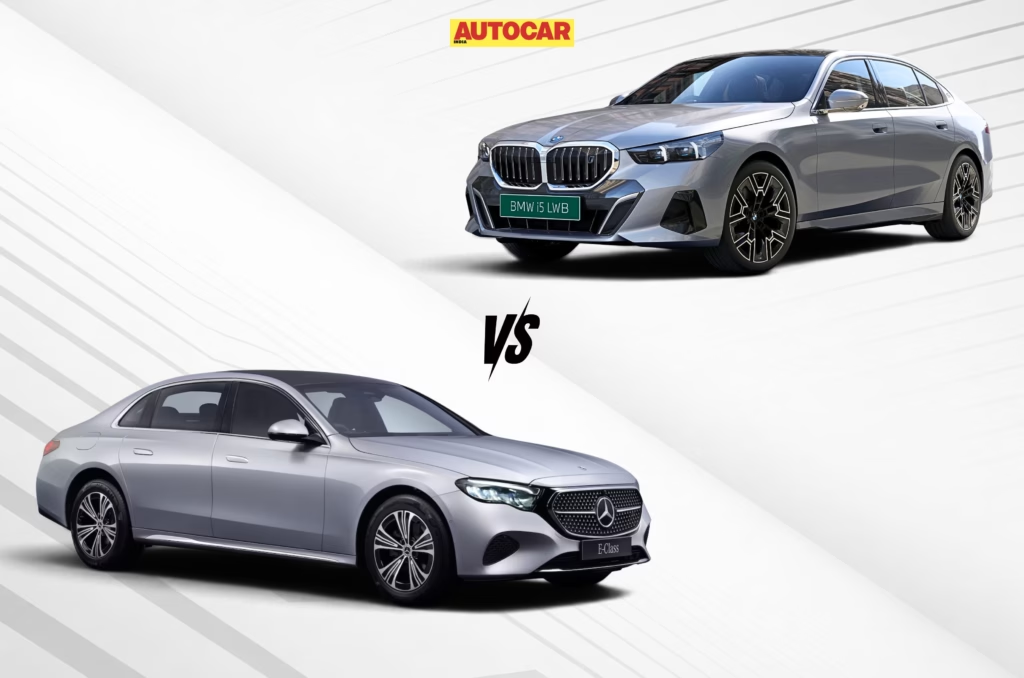
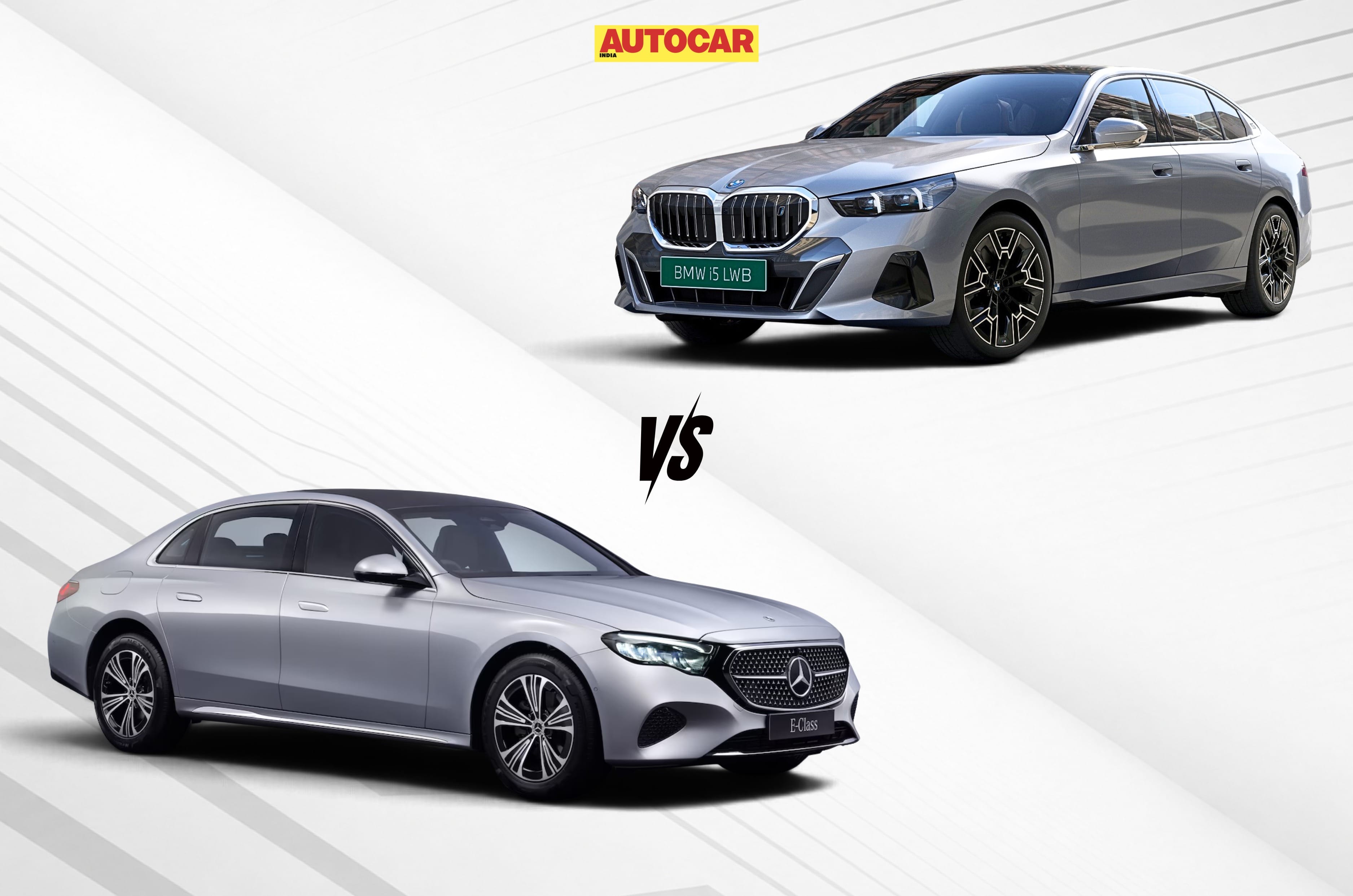
The BMW i5 LWB and Mercedes-Benz E 220d take different approaches to the luxury sedan. BMW no longer offers a diesel engine with the 5 Series in India, so for buyers with high annual running who want an efficient 5 Series, the electric i5 is the only option. The E-Class, meanwhile, continues to offer a diesel powertrain in the form of the E 220d, alongside petrol versions. Both are aimed at buyers seeking a spacious, chauffeur-friendly luxury sedan, but their powertrains make for very different ownership propositions. Here’s how they compare.

BMW i5 LWB vs Mercedes E-Class: Dimensions

i5 is wider, while length, height and wheelbase are similar

 BMW i5 LWBMercedes E 220d
Length5,175mm5,092mm
Width2,156mm1,880mm
Height1,520mm1,493mm
Wheelbase3,105mm3,094mm
Wheel size20-inch18-inch

The i5 LWB is significantly wider than the E-Class – by 276mm – while the two are fairly similar in length, height and wheelbase. The BMW also gets larger 20-inch wheels compared with the Mercedes’s 18-inch units.

Another point of difference is the suspension. The i5 LWB gets rear-axle air suspension, which should help with ride comfort, while the E 220d uses a steel setup with selective damping, which also does a great job of blunting sharp bumps and keeping the car as level as possible over cracks and ruts.

BMW i5 LWB vs Mercedes E-Class: Powertrain

i5 is quicker and more powerful; E 220d has more torque

 BMW i5 LWBMercedes E 220d
PowertrainSingle electric motor2.0-litre diesel + 48V mild hybrid
Power268hp197hp
Torque410Nm440Nm
TransmissionSingle-speed automatic9-speed automatic
Drive layoutRear-wheel driveRear-wheel drive
0-100kph6.7sec7.6sec
Battery81.6kWh–
Claimed range669km, MIDC–

The i5 has the clear advantage in power and acceleration, but the E 220d has more torque than its electric rival. The i5 should also be smoother, as expected of an EV, while the E-Class is exceptionally fuel efficient for a luxury sedan and can manage more than 800km on a full tank.

The i5 gets a large 81.6kWh battery pack and has a claimed MIDC range of 669km. Considering this figure, a real-world range of over 500km should be achievable, which is enough for highway runs. Longer journeys will still need to be planned around charging stops, whereas the E-Class does not face this limitation.

On paper, the i5 makes a strong case, particularly for buyers who primarily drive in the city and have access to charging. The E 220d, however, is better suited to those who regularly mix city driving with long highway journeys and want the convenience of quick refuelling.

BMW i5 LWB vs Mercedes E-Class: Exterior features

i5 gets adaptive LEDs; both have electric folding mirrors

 BMW i5 LWBMercedes E 220d
LED headlightsAdaptive LEDLED
LED DRLsYesYes
LED tail-lightsYesYes
Illuminated grilleYesNo
Powered ORVMsYesYes
Powered tail-gateYesYes
Door handles Flap typeFlush-fitting

In terms of exterior features, both sedans are similarly equipped. Both get LED headlights, LED daytime running lamps (DRLs), LED tail-lights, powered outside rearview mirrors (ORVMs) and a powered tailgate. The i5 LWB, however, gets adaptive LED headlights and an illuminated grille. The two also differ in their door-handle designs, with the i5 using flap-type handles and the E-Class getting flush-fitting units.

BMW i5 LWB vs Mercedes E-Class: Interior and features

i5 focuses on front-seat comfort, while the E-Class prioritises the rear

 BMW i5 LWBMercedes E 220d
Digital driver’s display12.3-inch12.3-inch
Central touchscreen14.9-inch14.4-inch
Passenger displayNo12.3-inch
Wireless Apple CarPlay/Android AutoYesYes
Four-zone climate controlYesYes
Front-seat ventilationYesNo
Rear-seat reclineNoUp to 36 degrees
Wireless chargingFront and rearFront and rear
Audio system17-speaker Bowers & Wilkins17-speaker Burmester 
Ambient lightingYesYes
Rear sunblindsNoYes
Panoramic sunroofYesYes
Electric seat adjustment from rearNoYes
Soft-close doors    NoYes

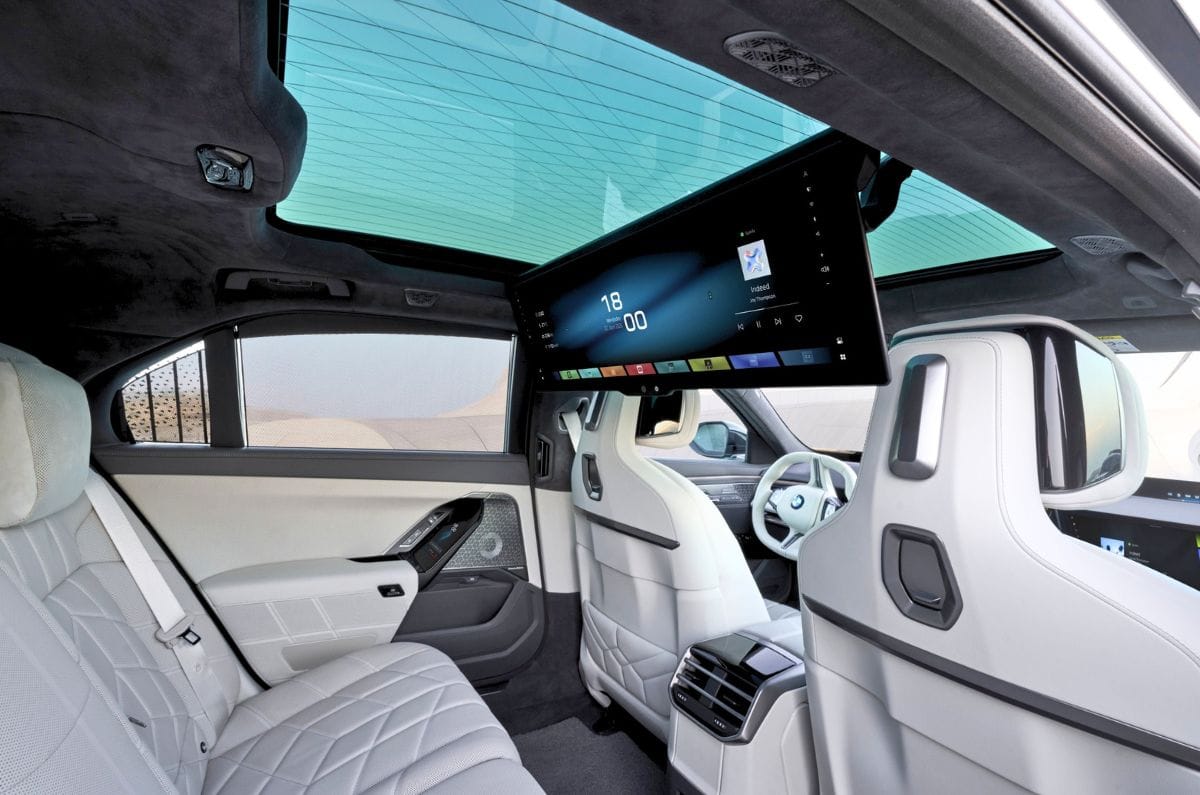
Both offer a similar baseline of luxury equipment, but their priorities differ. The i5 adds ventilated front seats and a larger central display, while the E 220d has a more comprehensive set of rear-seat features, including electric recline, sunblinds, soft-close doors and the ability to adjust the front passenger seat from the rear. For a chauffeur-driven buyer, that gives the Mercedes an advantage in rear-seat functionality.

BMW i5 LWB vs Mercedes E-Class: Safety features

Both get ADAS and 360-degree cameras

 BMW i5 LWBMercedes E 220d
Airbags88
360-degree cameraYesYes
Lane departure warningYesYes
Blind-spot monitoringYesYes
Automatic Emergency BrakingYesYes
Parking assistYesYes
TPMSYesYes
Auto holdYesYes

The two cars are closely matched on safety features, with both offering 8 airbags, lane departure warning, blind-spot monitoring, automatic emergency braking, 360-degree cameras and parking assistance.

BMW i5 LWB vs Mercedes E-Class: Prices

BMW i5 LWB is Rs 3.90 lakh cheaper

Price (ex-showroom)BMW i5 LWBMercedes E 220d
PriceRs 79.60 lakhRs 83.50 lakh

At Rs 79.60 lakh, the i5 LWB is Rs 3.90 lakh more affordable than the E 220d and is also cheaper than the petrol E-Class. Factoring in the lower running costs of an EV, particularly for buyers who can charge at home, the BMW makes a strong financial case.

BMW i5 LWB vs Mercedes E-Class: Verdict

On paper, the BMW i5 LWB is the stronger choice if outright performance, lower running costs and a more front-seat-focused cabin are priorities. It is more powerful, quicker and cheaper to buy, while home charging can make it substantially cheaper to run.

The Mercedes E 220d makes the stronger case for chauffeur-driven use, with a more rear-seat-focused cabin, along with the longer range and quicker refuelling of its diesel powertrain.
JSW Motors’ Jetour T2-based SUV to be called Combat

JSW Motors’ Jetour T2-based SUV to be called Combat
jsw combat jetour t2 scoop

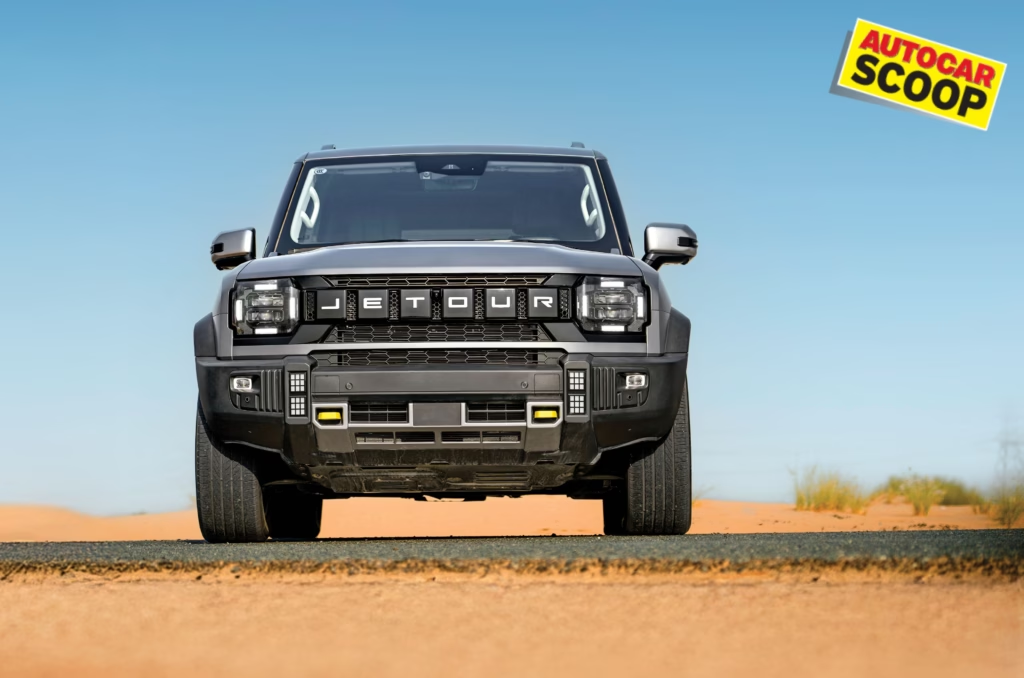
JSW Group’s homegrown automotive company, JSW Motors, will christen its debut model the “Combat,” we can exclusively report. The plug-in hybrid SUV will be based on the Chery Jetour T2, and is expected to launch in India during this festive season.

JSW Combat price expectation

We understand that JSW Motors is keen to price the Combat aggressively, possibly in the Rs 30 lakh-50 lakh (ex-showroom) range. The Combat would be the first 5-seater plug-in hybrid SUV in that range, and its closest rival would be the strong-hybrid Honda ZR-V. However, the rugged trappings of the Combat could also make it a worthwhile alternative to the venerable Toyota Fortuner, which is one of the most popular SUVs in this price band.

JSW Combat exterior and interior

The Combat is anticipated to retain the styling of the Jetour T2, albeit with subtle changes to the headlamps, grille, and bumpers, as well as JSW badging. It features boxy, upright proportions with squarish LED headlamps, chunky bumpers, generous cladding, 20-inch alloy wheels, roof rails, vertically oriented LED tail-lamps, and a bootlid-mounted spare wheel in a squircle-shaped cover.

Inside, the Combat will get a clean dashboard layout with a 15.6-inch infotainment touchscreen, a 10.6-inch digital driver’s display, and a four-spoke steering wheel (bearing JSW branding). As for features, the global-spec Jetour T2 packs a 12-speaker sound system, wireless Apple CarPlay and Android Auto, a panoramic sunroof, a 540-degree camera (360 degrees + underfloor view), powered and ventilated front seats, ambient lighting, adaptive cruise control, and more. Expect the JSW Combat to largely match this features list.

JSW Combat powertrain details

As noted previously, the Combat will get a plug-in hybrid powertrain that is likely to use a 1.5-litre direct-injection turbo-petrol engine working in tandem with two electric motors and an 18.4kWh battery. In the global-spec T2, this powertrain outputs a combined 360hp and 610Nm, which is routed to the front wheels via a 3-speed dedicated hybrid transmission. While the T2 is available in front-wheel drive and all-wheel drive guises globally, the Combat is expected to sport the former layout only.

The 18.4kWh battery delivers an NEDC-claimed all-electric range of 90km in the T2, and it can be charged from 30-100 percent in around 3 hours using a 6.6kW AC charger, and from 30-80 percent in 27 minutes using a 50kW DC outlet. Combined driving range is rated at 1,200km. The JSW Combat’s powertrain specifications are likely to be quite similar to those of this T2 spec.

Bajaj Pulsar 150 review: Familiar yet very different

 Bajaj Pulsar 150 review: Familiar yet very different

When the first Bajaj Pulsar 150 broke onto the scene in 2001, it shattered the mould of what was expected of an accessible yet sporty commuter motorcycle. This recipe saw such widespread success that nothing Bajaj brought out since has been able to replace it. Therefore, the company went back to the drawing board and has now brought out a new generation of Classic Pulsars, spearheaded by the 125 and 150. In this review, we’ll share what the larger one was like to ride. 

Bajaj Pulsar 150: What’s changed compared to before?

From the mechanicals to the tech, it is all-new

To start with, gone are the double-cradle frame and twin shock absorbers, replaced by a lighter and stiffer diamond frame and monoshock, respectively. Complementing the new chassis is a brand new motor. This engine started life as an engine from a similar displacement N model, but Bajaj has made certain changes to suit this application. The state of tune, various internals and the exhaust system are all different over here. 

The Pulsar 150, understandably, has the sprightlier performance of the two.

Unlike before, the motor is now used as a stressed member of the chassis, and Bajaj has also peppered in the learnings it has made from the N range. For starters, the gearbox now has shorter, more tractable ratios, and there’s also a low rpm assist function, which raises engine rpm slightly to reduce stalling when you’re crawling at a higher gear at low speeds. Furthermore, higher variants of the 150 also come equipped with an Integrated Starter Generator (ISG), which brings in silent start and a reasonably quick start/stop system. 

Pulsar 150 design and quality – 8/10

Looks uncannily similar to the older bike; feels very similar to sit on, too

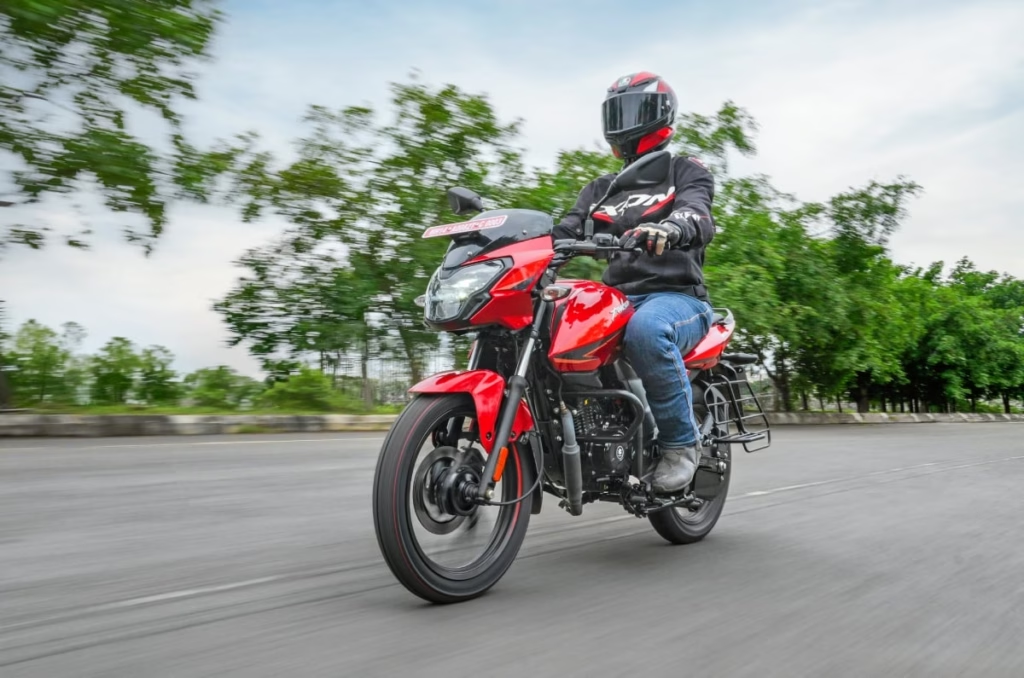
Considering how much has changed underneath, it’s especially commendable that the Pulsar 150 looks this similar to before. Bajaj’s design team has deliberately gone to great lengths to package everything neatly and retain the bike’s instantly recognisable silhouette. Pulsar hallmarks that people appreciate, like a ‘wolf eye’ headlight, a chunky tank, sharp tank extensions and a pointy tail, all continue, and you won’t be mistaking it for anything other than a classic Pulsar. There are no complaints when it comes to quality, and it’s as well-finished as you’d expect from a commuter bike today. 

Top variants come with a split seat.

Just like the near-unchanged design, the Pulsar 150’s ergonomics are almost the same as before – but that’s a good thing. You’re sat very neutrally, and the riding position is that of a textbook commuter with only slightly rearward pegs for the sporty touch that a Pulsar is known for. With a perch that’s just 795mm off the ground, the 150 strikes a nice chord by being friendly and approachable for both shorter folks and 6’1 Rishaad. To cater to the wants of different riders, Bajaj will sell you a Pulsar equipped with either a single piece seat or split seats. Both options are spacious – the single piece seat understandably more so – and decently padded, capable of accommodating two full-size people without them getting acquainted with each other too intimately. 

Pulsar 150 performance – 8/10

Has enough pep for city and highway duties, engine stalls a little too easily, though 

City traffic is where most Pulsar riders spend most of their time, so we did the same and found that the bike behaves exactly as you’d expect from a commuter. The motor has good low- and mid-range torque, and paired with the super light clutch, wading through the drudgery of traffic doesn’t feel too taxing. 

The new engine is also super smooth, and should you choose to venture out onto the highway, the Pulsar can do that as well. The upper limit of the 150’s comfortable cruising speed is 90-95kph in its top 5th gear, which is par for the course in this class. 

Engine

149.5cc, single-cylinder, air-oil cooled

Power

14hp at 8,000rpm

Torque

14.1Nm at 6,500rpm

Gearbox

5-speed

However, for all its strengths, the engine in the Pulsar 150 unit we were allotted displayed a tendency to stall a little too easily, and this happened on multiple occasions to both myself and Rishaad, who rode the bike. 

Pulsar 150 ride and handling – 8/10

Behaves predictably and handles all situations well

While the chassis is largely the same between the 125 and 150, one noteworthy difference is that the bigger one uses a fatter 33mm fork, compared to the 31mm unit on the smaller bike. Also, unlike the 125, the Pulsar 150 comes with the government-mandated safety net of single-channel ABS. All variants come with a 260mm disc brake at the front, paired with either a 230mm drum brake on the lowest variant or a 230mm disc on the higher two variants. 

Pulsar 150 behaves neutrally and predictably when subjected to a variety of riding conditions.

The best way to describe the new Pulsar 150’s handling is neutral and predictable. Neither does it feel as vague as the previous-gen model, nor does it feel as responsive as the N / NS models. The Classic Pulsar 150 retains its surefootedness in a straight line while introducing a newfound taut feeling when taking a corner. Its demeanour is predictable at all times, which is sure to inspire confidence in the varied sort of riders it will cater to. The brakes work well and bring the Pulsar to a stop in a quick fashion without much drama, although overenthusiastic usage will result in the rear locking up.

Fuel tank

14 litres

Seat height

785mm

Ground clearance

165mm

Kerb weight

141kg

Wheelbase

1,320mm

However, for all its strengths, the Pulsar 150 is not perfect, and there are some areas of improvement. The rear suspension feels slightly underdamped and springy, throwing you off the seat over larger road imperfections. The gearshifts, too, felt a little rubbery and vague, lacking a snick feel. 

Pulsar 150 features and safety – 8/10

Comes with a lot of tech-y features on the top two variants

Following today’s market trends, even a humble commuter like this one now packs a dollop of tech. This includes a USB-C charging port, 4 riding modes (Sport, Tour, Road and Rain), Bluetooth connectivity for the dash via Bajaj’s app, which brings in a host of functions, and you can even cast your phone’s screen onto the TFT display, although some of these functions are still not available yet and will be rolled out at a later date. 

Top variants also come with a colour TFT display and riding modes

To control the TFT display’s functions and switch between the riding modes on the top variants, you also have more comprehensive switchgear whereas the colour LCD dash on the lower variants is paired with a simpler switch cluster. Both displays are informative and well laid-out and bring an air of premiumness from the rider’s POV. Admittedly, most of these features aren’t going to add much value for most everyday riders but for the few that want their motorcycle to double up as a gadget, they’re there. 

Pulsar 150 price and verdict – 8/10

It suits its intended purpose quite well

Aside from a few small misses, the new Pulsar 150 is a lovely commuter, which comes in at a price point that is more or less in line with the competition today. Prices start at Rs 1.15 lakh and go up to Rs 1.23 lakh (ex-showroom, Delhi). Compared to the last-gen 150, this latest-gen Pulsar’s prices have gone up by Rs 4,000-Rs 6,000, which is a digestible amount considering the sheer scale of new components in use here. 

Given the huge demand for a bike that looks like a Classic Pulsar and the fact that this new-gen model is such a quantum leap ahead compared to the old ones while costing just a few thousand rupees more, Bajaj seems to have a winner on its hands.  

Bajaj Pulsar 125 review: VFM Pulsar reinvented

Bajaj Pulsar 125 review: VFM Pulsar reinvented
Bajaj Pulsar 125 tracking shot

The classic Pulsar 125 has always been the most affordable way into Bajaj Pulsar ownership and while the 2026 model might look largely the same as before, underneath, it is actually all new.

Bajaj Pulsar 125 what’s changed under the skin?

Everything from stem to stern is all-new

To start with, gone are the double-cradle frame and twin shock absorbers, replaced by a lighter and stiffer diamond frame and monoshock, respectively. Complementing the new chassis is a brand-new motor. This engine started life as an engine from an N model of a similar displacement, but Bajaj has made certain changes to suit this application. For instance, the new 124.58cc engine on the smaller Pulsar has the lightest crank inertia among its peers– claims Bajaj– and the company has saved 1.2kg here alone, compared to before. Speaking of weight, the 125 weighs 131kg with its 11 litre fuel tank brimmed.

Despite all under-the-skin changes, the Pulsars retain their traditional styling to cater to market demand.

The new engine is also used as a stressed member of the chassis, and Bajaj has also peppered in the learnings it has made from the N range over here. For starters, the gearbox now has shorter, more tractable ratios and there’s also a low-rpm assist function, which raises engine rpm slightly to reduce stalling when you’re crawling at a higher gear at low speeds. Furthermore, the Pulsar 125’s higher variants also come equipped with an Integrated Starter Generator (ISG) which brings in silent start and a reasonably quick start/stop system.

Bajaj Pulsar 125 Design and seating comfort – 8/10

Looks uncannily similar to the older bike; feels very similar to sit on too

Considering how much has changed underneath, it’s especially commendable that the Pulsars look so similar to before. Bajaj’s design team has deliberately gone to great lengths to package everything neatly and retain the bikes’ instantly recognizable silhouette.

Pulsar hallmarks like a ‘wolf eye’ headlight, chunky tank, sharp tank extensions and a pointy tail, all continue and you won’t be mistaking them for anything other than a classic Pulsar. Overall quality is quite nice for the price that the Pulsar 125 commands.

Lower variants come with a single-piece seat.

The seating position also echoes the near-unchanged design and you’re sat very neutrally with the riding position best described as that of a textbook commuter.The only difference is that the pegs are set slightly rearward for the sporty touch that Pulsars are known for. With a perch that’s just 795mm off the ground, the Pulsar 125 feels friendly and approachable for shorter folks as well as 5’11 me. 

Engine

124.6cc, single-cylinder, air-cooled

Power

12.1hp at 8,500rpm

Torque

11.4Nm at 6,500rpm

Gearbox

5-speed

To cater to the needs of different riders, Bajaj will sell you a bike equipped with either a single-piece seat or split seats, depending on the variant you buy. Both options are spacious and decently padded, capable of accommodating two full-size people without them getting acquainted with each other too intimately.

Bajaj Pulsar 125 Performance – 8/10

Engine is smooth and responsive; gearshifts can feel a little vague though

City traffic is where a majority of Pulsar riders spend their time, so we did the same and found that the bike behaves exactly as you’d expect from a commuter. The new engine is smooth with good low- and mid-range torque and paired with the super-light clutch, wading through the drudgery of traffic demands very little effort from the rider.

The Pulsar 125 behaves neutrally and predictably when subjected to a variety of riding conditions.

Even at highway speeds, the engine retains its smooth characteristics, and should you choose to venture out onto the highway, the Pulsar 125 is up for it. The upper limit of the 125’s comfortable cruising speed is 80-85kph in its top 5th gear, which is quite respectable considering the displacement.

The monoshock feels a little springy and underdamped; it can kick you off the seat over sharper and larger bumps.

Bajaj Pulsar 125 ride and handling – 8/10

Feels trustworthy and neutral

Coming to how the Pulsar behaves on the side of the tyre, the best way to describe it is neutral and predictable. Neither does it feel as flaccid as the previous-gen model, nor does it feel as agile as the N / NS models. The bike has a good sense of surefootedness, both around a corner as well as in a straight line, which is sure to inspire confidence in the varied sort of riders it will cater to.

Two full-size adults will fit comfortably.

The lowest variant of the 125 comes with a 130mm drum front brake whereas higher variants come with a 260mm disc brake, although there’s no ABS on offer here. All variants of the 125 come with a 130mm rear drum brake. The braking power is more than sufficient for the power on tap and the drum brake also works predictably.

Tyres (F/R)

80/100-17 / 100/90-17

Brakes (F/R)

260mm disc / 130mm drum

Suspension (F/R)

Telescopic fork / monoshock

However, for all its strengths, the Pulsar 125 is not perfect and there are some areas of improvement. The rear suspension feels slightly underdamped and springy, throwing you off the seat over larger road imperfections, and the gearshifts, too, felt a little rubbery and vague, lacking a snick feel.

With this generation change, the Pulsar 125 is now a substantial 15 kilos lighter than before.

Bajaj Pulsar 125 Features – 8/10

Higher variants have a lot of tech

Following today’s market trends, humble commuters like these now also pack a dollop of tech. This includes a USB-C charging port, 4 riding modes (Sport, Tour, Road and Rain), Bluetooth connectivity for the dash via Bajaj’s app, which brings in a host of functions, and you can even cast your phone’s screen onto the TFT display, although some of these functions are still not available yet, and will be rolled out at a later date.

Lower variants feature a negative colour LCD display.

To control the TFT display on the top variants, you also have more comprehensive switchgear, whereas the colour LCD dash on the lower variants is paired to a simpler switch cluster. Both displays are informative and well-laid-out and bring an air of premiumness to the rider’s POV. Admittedly, most of these features aren’t going to add much value for most everyday riders, but for the few that want their motorcycle to double up as a gadget, they’re there.

Bajaj Pulsar 125 Price and verdict – 8/10

It’s an accomplished commuter with very few misses

Aside from a few foibles, the new Pulsar 125 is a good commuter which comes in at a price point that is more or less in line with the competition today. Prices start at Rs 92,990 and top out at Rs 1.04 lakh (ex-showroom, Delhi). Compared to the bargain basement Pulsar 125 Neon, the 2026 bike’s price has risen quite significantly, but if you were to compare the actual Pulsar 125 base model, the increment is much smaller.

Given the huge demand for a bike that looks like a Classic Pulsar, and the fact that this new-gen model is such a quantum leap ahead compared to the old ones while costing just a few thousand rupees more, Bajaj seems to have a winner on its hands. 
 

2026 BMW 7 Series vs old model: Differences explained

2026 BMW 7 Series vs old model: Differences explained
BMW 7 Series vs old model

BMW has revealed the facelifted 7 Series, along with its electric counterpart, the i7. This mid-lifecycle update brings subtle changes to the exterior, but the bigger updates are inside, inspired by the brand’s latest Neue Klasse flair. There are also gains across powertrains, with improved outputs across the range. Here is a closer look at what has changed and how the updated BMW 7 Series compares with the outgoing model. 

Disclaimer: The image sliders below feature global-spec BMW i7 models.

2026 BMW 7 Series vs old model: Exterior design

BMW 7 Series facelift new
BMW 7 Series facelift old
 

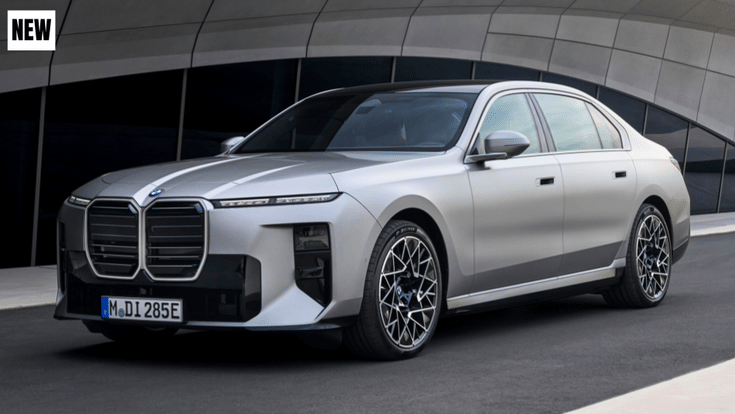
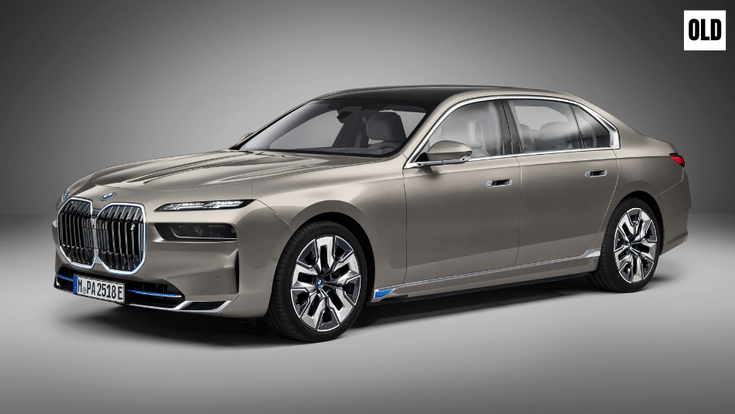
Unlike the predecessor that had the M-Sport package on certain variants, the 2026 7 Series gets it as standard. The facelifted 7 Series gets a much cleaner front end than the outgoing model. The biggest change is the updated illuminated kidney grille, which is now slimmer and more upright, and it also gets a new horizontal light graphic. While a split headlamp setup is carried over, the DRLs get a slimmer look, while the main headlamp units are now vertically stacked as opposed to the predecessor’s horizontal ones. The BMW badge on the bonnet is also new, larger, and finished in matte. BMW says the radar, camera, sensors, and washer nozzles are hidden inside the grille area, which helps keep the front uncluttered.

BMW 7 Series facelift side new
BMW 7 Series facelift old
 

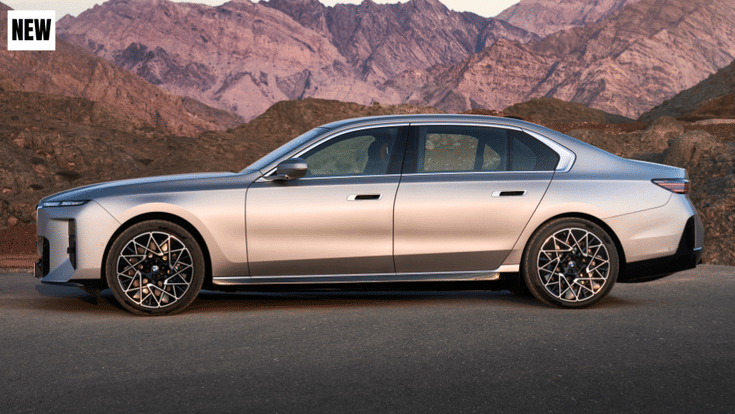
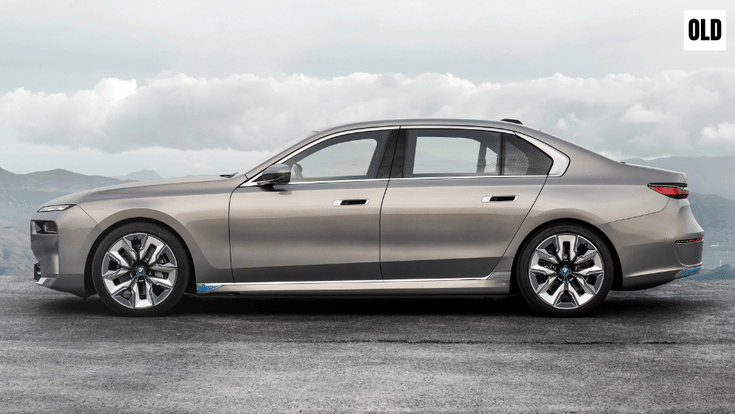
In profile, the facelift retains the clean and simple design. The door handles continue to be flush with the body, giving the surface a clean look. The trim around the handles is finished in Satin Aluminium, and the wheel design has been reworked. The B-pillar also has a visible embossed “7” when both doors on one side are opened. 

BMW 7 Series facelift new
BMW 7 Series facelift old
 

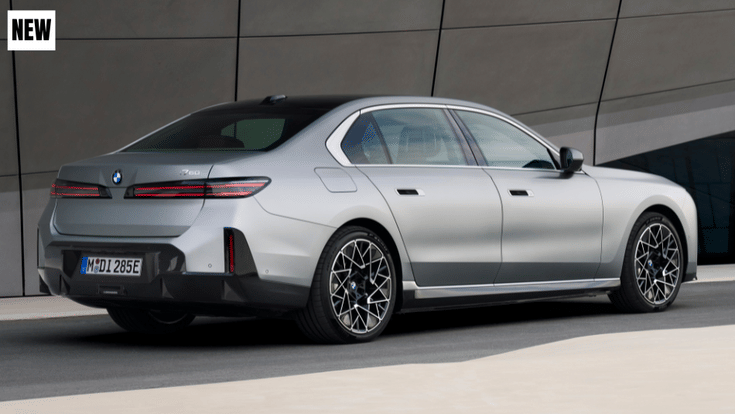
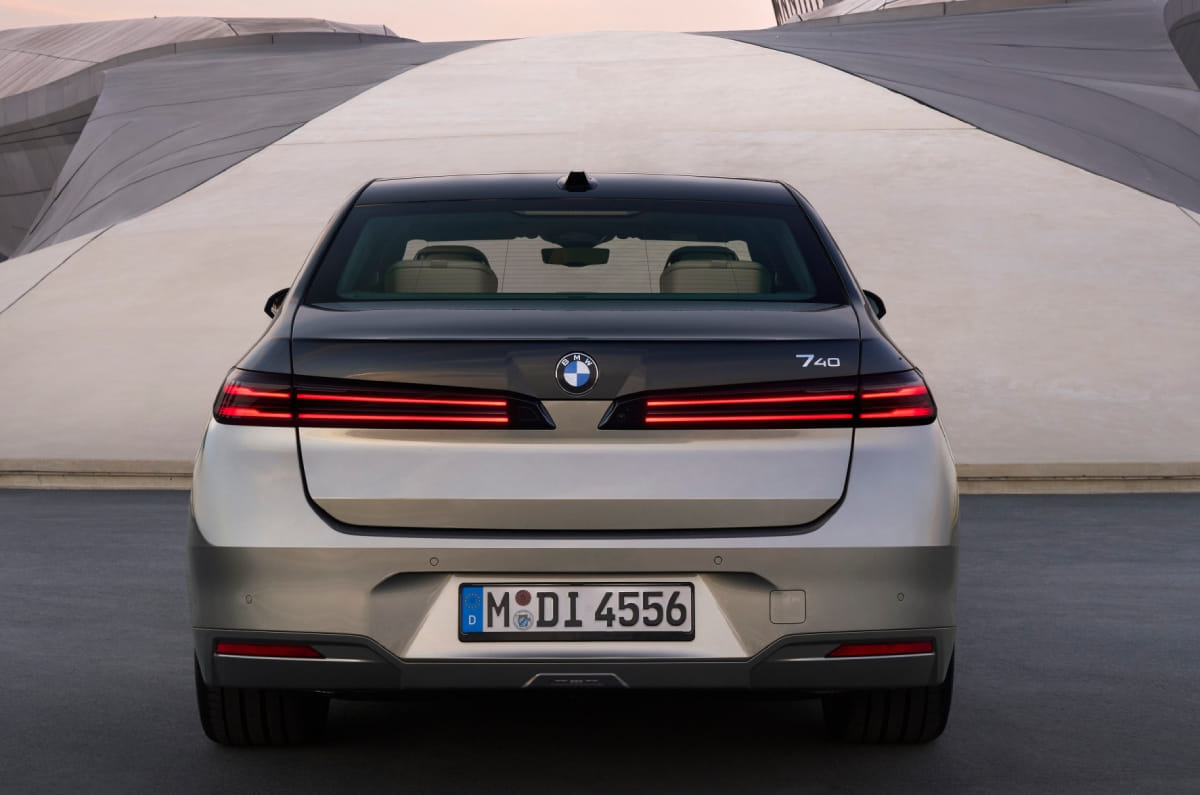
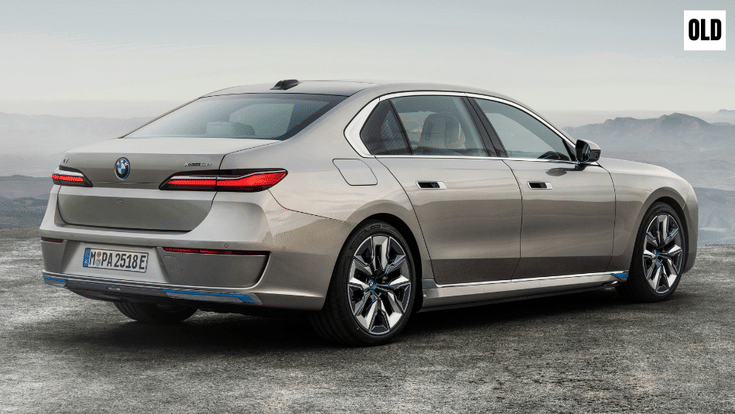
The rear gets new taillights, and this is one of the most obvious changes compared to the old model. They are slimmer, stretched further into the body, and give the car a wider look. BMW has also used chrome detailing inside the lamps and smoked glass for a darker finish. Like at the front, many of the technical bits, such as the boot release, rear camera, and washer nozzle, are tucked away. The rear bumper also gets a diffuser-like trim for a more modern look.

2026 BMW 7 Series vs old model: Interior and features

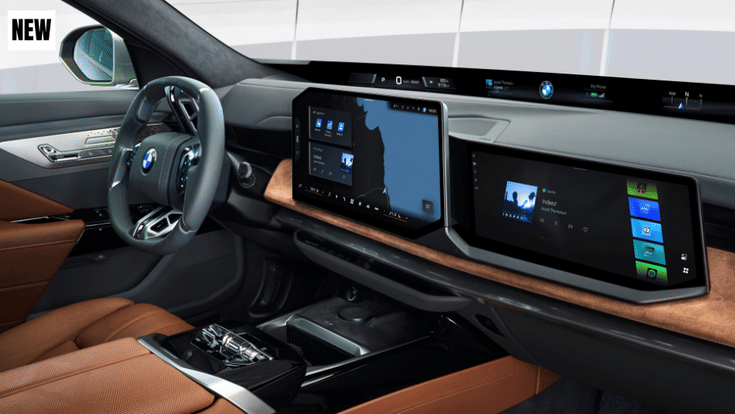
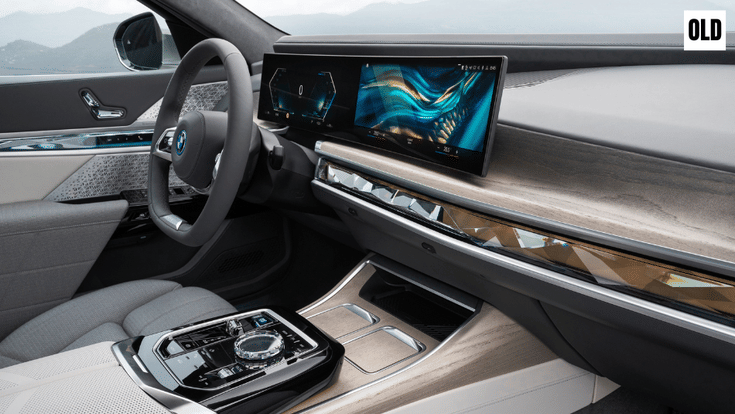
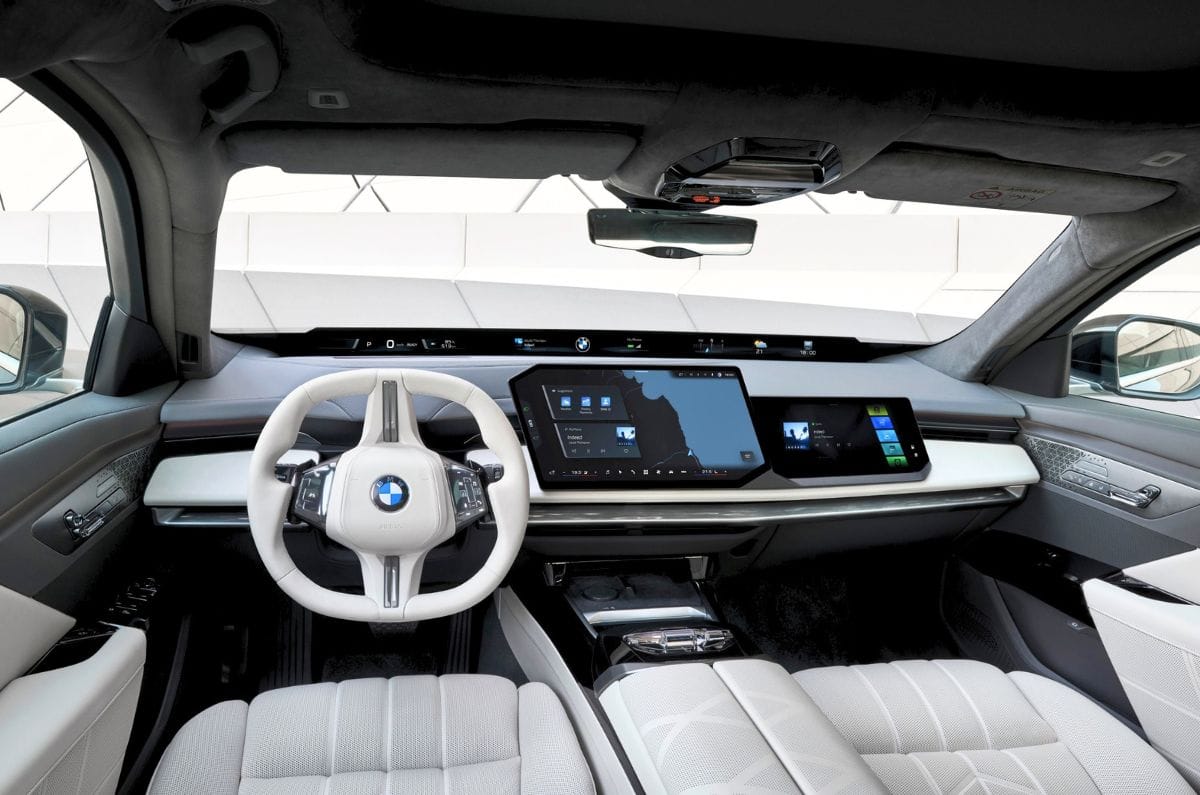
The facelifted 7 Series gets a 17.9-inch central touchscreen, a 14.6-inch front passenger display, and a projection across the full width of the windscreen’s base in contrast to its predecessor’s dual-screen setup. The touchscreen runs BMW’s Operating System X and supports over-the-air updates, wireless Apple CarPlay and Android Auto, and improved voice control. The four-spoke steering wheel is also new, inspired by classic BMW cars. The centre console has crystal-type controls for the engine start/stop button, gear selector, and volume control. There is also an illuminated cup holder and a smartphone tray with wireless charging.

BMW 7 Series facelift interior new
 

The 2026 7 Series comes with a Bowers & Wilkins Diamond Surround Sound System as standard, 4D audio, and Dolby Atmos. The carmaker has added a new lighting setup inside the car. There is a full-width ambient light strip across the cabin, lighting elements behind the front seats, illuminated rear-door speaker covers, and extra reading lights in the back. The optional panoramic glass roof also gets LED lighting with a graphic pattern. As per BMW, the lighting changes with the selected driving mode. 

As for interior trim choices, the regular 7 Series models come standard with a fine oak wood trim and are available with either a black-and-brown or black-and-white theme with leather-upholstered seats. Other options include carbon-fiber and cashmere trims. 

BMW 7 Series facelift interior new
BMW 7 Series facelift interior old
 

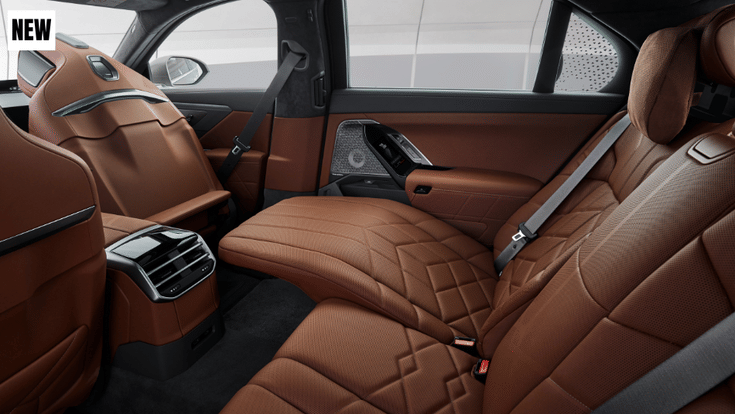
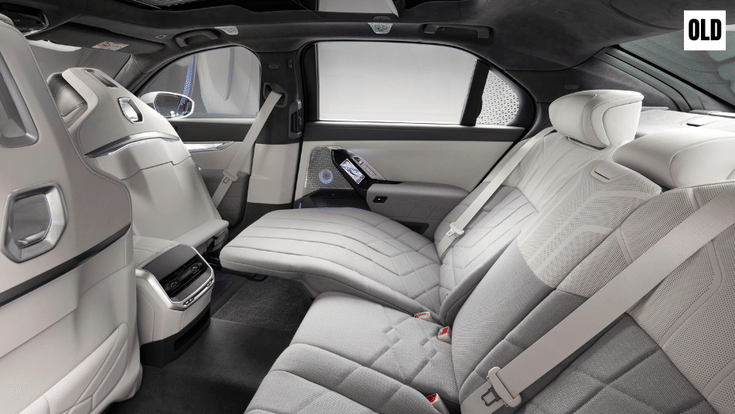
Standard seats come with electric adjustment, heating, massaging, armrest heating, lumbar support, and active ventilation. At the rear, BMW offers Executive Lounge Seating with a leg rest, a heated centre armrest and a more relaxed seating position. The front passenger seat can move fully forward to create more room for the rear passenger behind it. The rear gets a major update, too. The optional Theatre Screen is now a 31.3-inch 8K touchscreen and can be used for video calls, streaming, and gaming.  

The rear doors get updated screens that let passengers move these units, change the viewing angle, and control other functions. The facelift also brings new automatic doors with better-placed open and close buttons. BMW says they work with a touch of the flush-fitting handles and can even be operated through the My BMW app or voice commands. 

2026 BMW 7 Series facelift vs old model: Powertrains

7 Series petrol and diesel

7 Series old vs new: Powertrains

Variant740i M Sport (old)740 M Sport (new)
Engine3L inline-6 + 48V3L inline-6 + 48V
Power381hp400hp
Torque520Nm540Nm
Transmission8AT8AT
Drive layoutRWDRWD

With the facelift, the ICE-powered 7 Series has dropped the diesel engine and is now a petrol-only model. The new 740 does without the ‘i’ suffix and now makes 400hp and 540Nm, which is up by 19hp and 20Nm over the outgoing car. 

i7 EV

i7 old vs new: Powertrains

Variant50 eDrive (old)50 xDrive (new)M70 xDrive (old)M70 xDrive (new)
Battery101.7kWh112.4kWh101.7kWh112.4kWh
Motor power449hp455hp650hp680hp
Torque650Nm660Nm1,015Nmup to 1,100Nm
Drive layoutRWDAWDAWDAWD

For the electric i7, the biggest change is at the entry point. The old rear-wheel-drive 50 eDrive is gone, and BMW now offers a 50 xDrive with all-wheel drive instead. That variant now gets a bigger 112.4kWh battery, up from 101.7kWh, while power has risen only slightly from 449hp to 455hp and torque has gone up by 10Nm to 660Nm. The M70 xDrive also gets a similar battery upgrade. Power has increased by 30hp, from 650hp to 680hp, while torque has climbed from 1,015Nm to up to 1,100Nm.

2026 BMW 7 Series facelift launched at Rs 1.95 crore

2026 BMW 7 Series facelift launched at Rs 1.95 crore
2026 bmw 7 series on stage

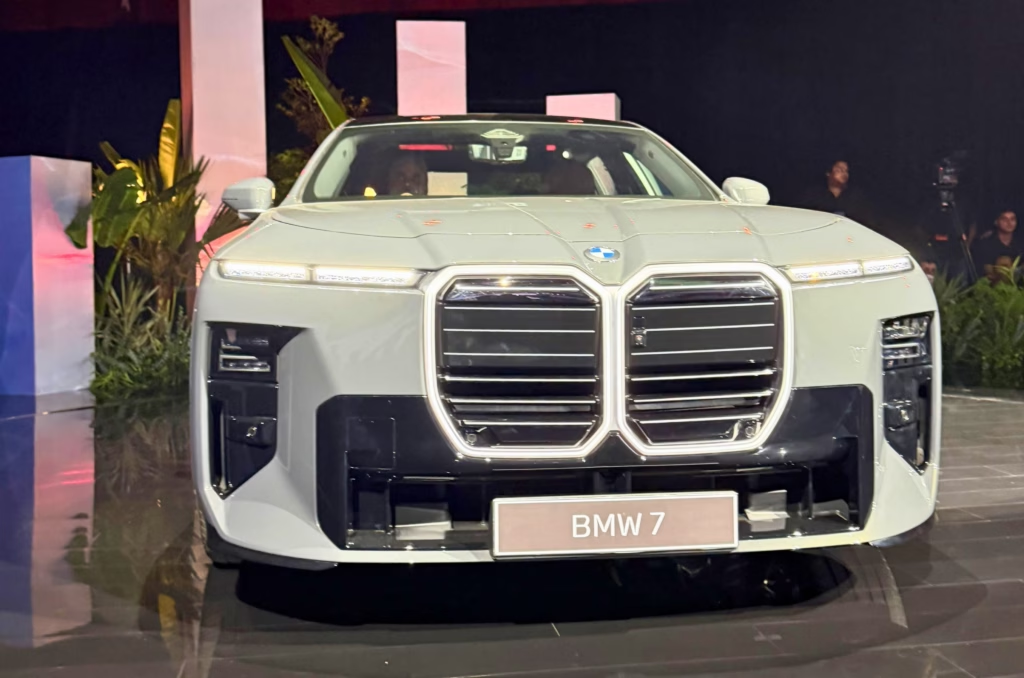
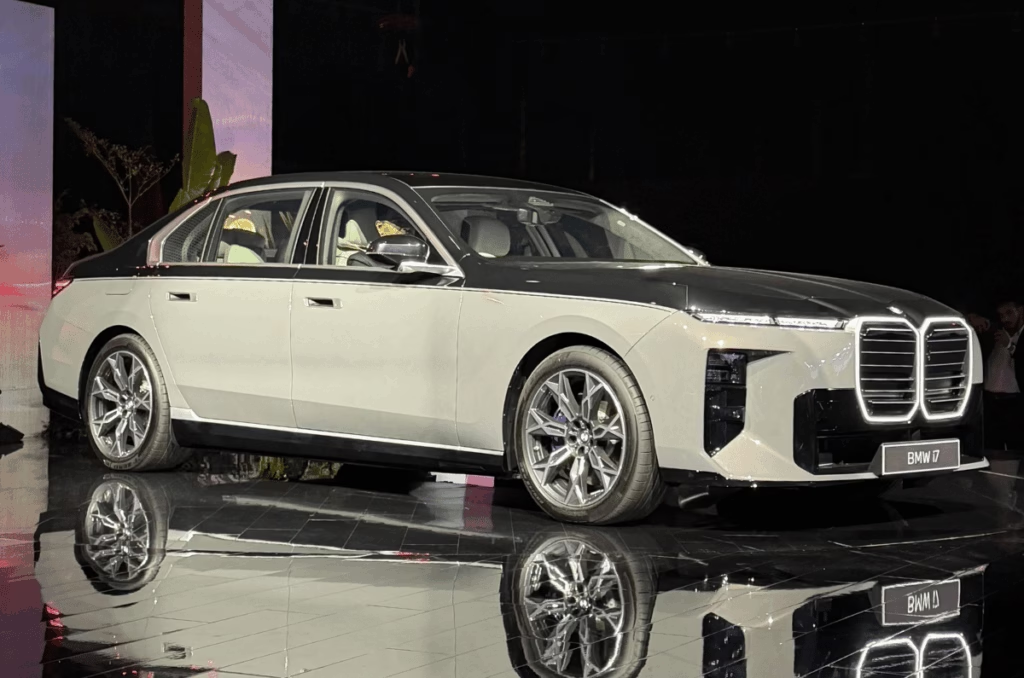
BMW has launched the 2026 7 Series facelift in India at a starting price of Rs 1.95 crore. Globally unveiled earlier this year, the 7 Series facelift brings a slew of changes to the flagship sedan’s exterior and interior, along with some powertrain upgrades. The 7 Series continues to rival the Mercedes-Benz S-Class, a facelift of which also went on sale in India a few months ago.

In addition to the ICE-powered 7 Series, BMW launched the luxury sedan’s updated all-electric counterpart, the i7, in eDrive50 and M70 guises. The 7 Series and i7 eDrive50 will be locally assembled at BMW’s Chennai plant.

2026 BMW 7 Series facelift price list

VariantPrice (Rs, crore)
7401.95

The ICE-powered 7 Series facelift is available in only one variant in India: the petrol-powered ‘740’. BMW has dropped the prior model’s ‘740d’ diesel version. Compared to the outgoing 7 Series, which was priced at Rs 1.85 crore, the facelift is pricier by Rs 10 lakh. Compared to the S-Class, which costs Rs 2.20 crore-2.38 crore, the 2026 7 Series is up to Rs 43 lakh more affordable.

2026 BMW 7 Series facelift exterior changes

The front end of the 7 Series facelift sees the most drastic changes, with a more slab-sided and imposing look. BMW has revised the split headlamps, with a slim pair of DRLs extending outwards from the top of the grille, and the main LED units relocated right above the redesigned vertical air intakes. The kidney grilles are now more squared-off and have horizontal slats, and continue to get an illuminated surround. Lastly, the air dam below the grille is much wider.

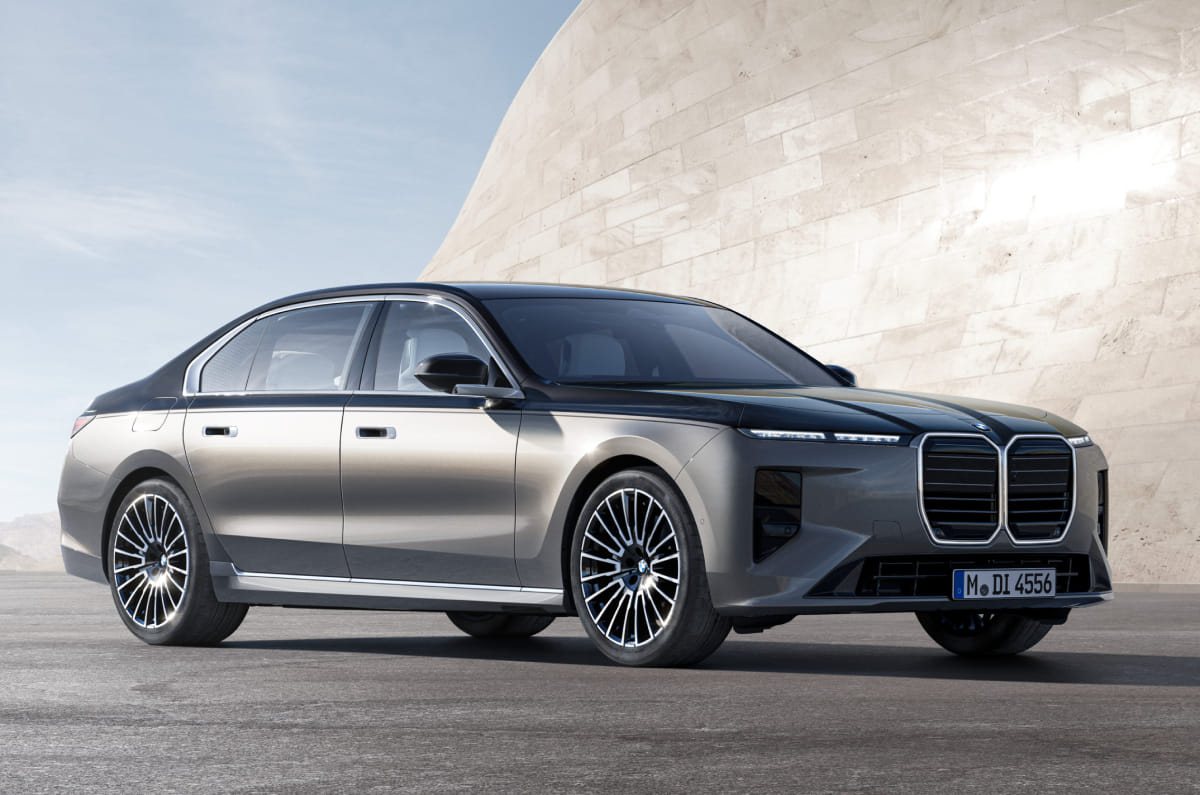
Over to the side, the 7 Series facelift gets updated side skirts and new alloy wheel designs – 20-inchers are fitted as standard, which can be optioned up to 22 inches. The rear end, meanwhile, features a pair of new wide LED tail-lamps and a smoother-looking bumper.

2026 BMW 7 Series facelift interior changes

On the inside, the 7 Series facelift has been updated to resemble BMW’s newer Neue Klasse models. The dashboard notably features a rhomboidal 17.9-inch infotainment touchscreen, a 14.6-inch passenger screen, a pillar-to-pillar Panoramic Vision display, and a four-spoke steering wheel. Lower down, the centre console has been redesigned with a larger storage space, fewer buttons, and a new cylindrical rotary drive selector.

As for features, the facelifted 7 Series packs an 18-speaker Bowers & Wilkins surround sound system, ambient lighting, powered doors, wireless Apple CarPlay and Android Auto, over-the-air updates, a fixed panoramic glass roof, Boss mode, powered leg rests, connected car tech, Level 2 ADAS, and powered, heated, ventilated, and massaging seats. Buyers can also opt for a 31.3-inch 8K rear entertainment screen and embedded LEDs for the fixed panoramic glass roof that sync up with the ambient lighting.

2026 BMW 7 Series facelift engine and gearbox

The 7 Series facelift carries forward the outgoing model’s 3.0-litre direct-injection turbo-petrol straight-six, which is mated to a 48-volt mild hybrid system. Thanks to internal upgrades, the 740 now produces up to 400hp and 540Nm – up 19hp and 20Nm over its predecessor. As noted previously, the 2026 7 Series facelift is not available with a diesel engine in India, even though the option is offered in some global markets.

An 8-speed torque converter automatic sends power to the rear wheels, enabling a claimed 0-100kph time of 5.4 seconds for the 740. Top speed is electronically limited to 250kph. Additionally, the 7 Series facelift packs rear-wheel steering and adaptive suspension.

All prices are ex-showroom, India.

2026 BMW i7 facelift launched at Rs 1.95 crore

2026 BMW i7 facelift launched at Rs 1.95 crore
BMW i7

BMW India has launched the 2026 i7 facelift at Rs 1.95 crore (eDrive 50 trim), ex-showroom. The range-topping M70 xDrive trim costs Rs 2.65 crore. With this year’s mid-lifecycle update, BMW’s flagship electric sedan gets powertrain upgrades, along with several exterior and interior design tweaks.

2026 BMW i7 facelift: Powertrain specs

The range-starting i7 eDrive 50 trim makes 455hp and 600Nm, accelerating from 0-100kph in 5.5 seconds and topping out at 210kph. It uses a 112.5kWh battery pack, allowing for a single charge range of 728km (WLTP rated). BMW claims that is an increase of 125km over the outgoing model.

The top-spec i7 M70 xDrive (all-wheel drive in BMW speak) makes higher outputs of 680hp, and 1,015Nm (in Sport mode) and 1,100Nm (with Sport Boost function). As a result, it does the sprint from rest to 100kph in just 3.8 seconds; top speed is 250kph. Range, however, stands at 686km (also WLTP).

With a 250kW DC fast charger, a 10-80 percent charge takes 28 minutes; BMW claims that a 10-minute charging top-up can add a range of 235km. Whereas, it takes about six hours to charge the battery from 0-100 percent with a 22kW AC charger. Both trims come with a complimentary wallbox charger with installation. It can be installed at home to enable charging at speeds of up to 22kW.

2026 BMW i7 facelift: Exterior highlights

The updated i7 sedan receives subtle styling revisions, though it carries over the overall design of the outgoing model. Part of the changes include a  more squared-off kidney grille with illuminated surrounds, revised LED headlamps and a new front bumper. Along the sides, BMW has introduced a new alloy wheel design while retaining the flush-fitting door handles. At the rear, the i7 gets new tail-lamps with smoked lenses, along with a redesigned tailgate and bumper.

Compared to the standard sedan, i7 M70 xDrive gets a larger front air intake. In addition to the grille, this trim also gets M badges on the Hofmeister kink of the side windows and on the outer edges of the rear lights. The M70 rides on 21-inch wheels.

2026 BMW i7 facelift: Interior features

The biggest changes are inside the cabin. Instead of a traditional driver’s display, the facelift gets BMW’s Panoramic Vision full-width projection at the windscreen’s base. The rhomboidal touchscreen in the centre measures 17.9 inches, and it runs the latest BMW Operating System X, supports over-the-air updates, wireless Apple CarPlay and Android Auto, and features improved voice controls. There’s a new passenger screen as well, and it measures 14.6 inches. 

Even the centre console has been redesigned with a more storage space, lesser buttons, and a new cylindrical rotary drive selector. BMW has also redesigned the dashboard, introduced a new four-spoke steering wheel like in its Neue Klasse models. 

As before, the i7 gets a massive 31.3-inch 8K Theatre Screen at the rear. Audio duties are taken care of by a Bowers & Wilkins surround sound system with Dolby Atmos. Powered doors have been retained as well. The panoramic glass roof can be specified with more than 40 LED lights. Other features include Boss mode, powered ottomans, connected car tech, Level 2 ADAS, and powered, heated, ventilated, and massaging seats. 

The 2026 BMW i7 eDrive 50 will be locally-assembled at the company’s Chennai plant, while the M70 xDrive version will arrive here as a fully imported model.

10 most affordable cars with ventilated seats

10 most affordable cars with ventilated seats
Most affordable cars with ventilated seats

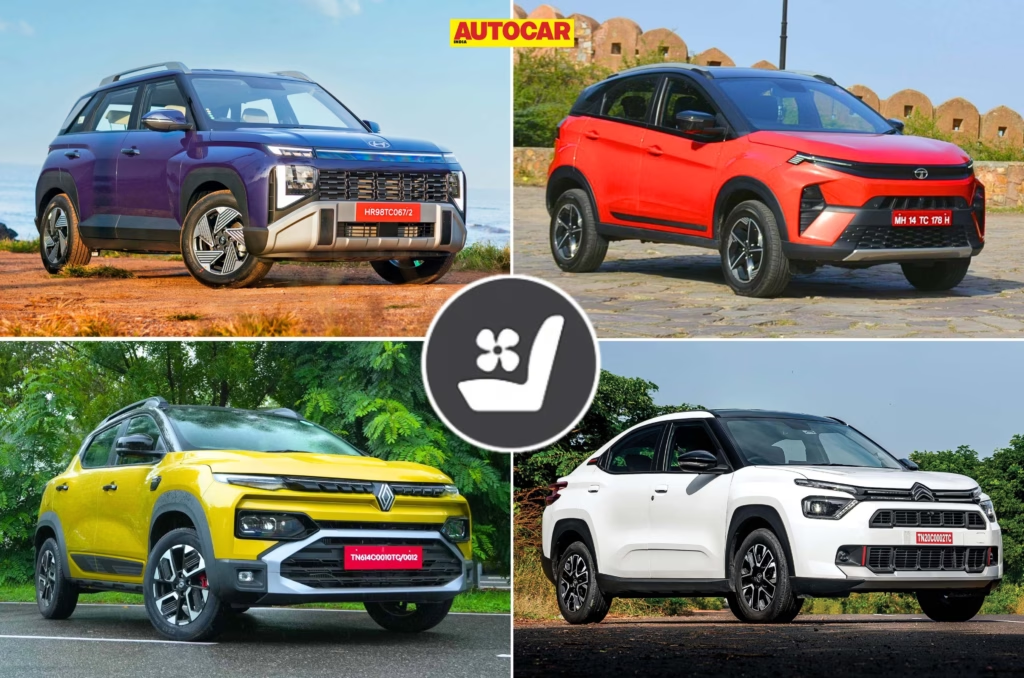
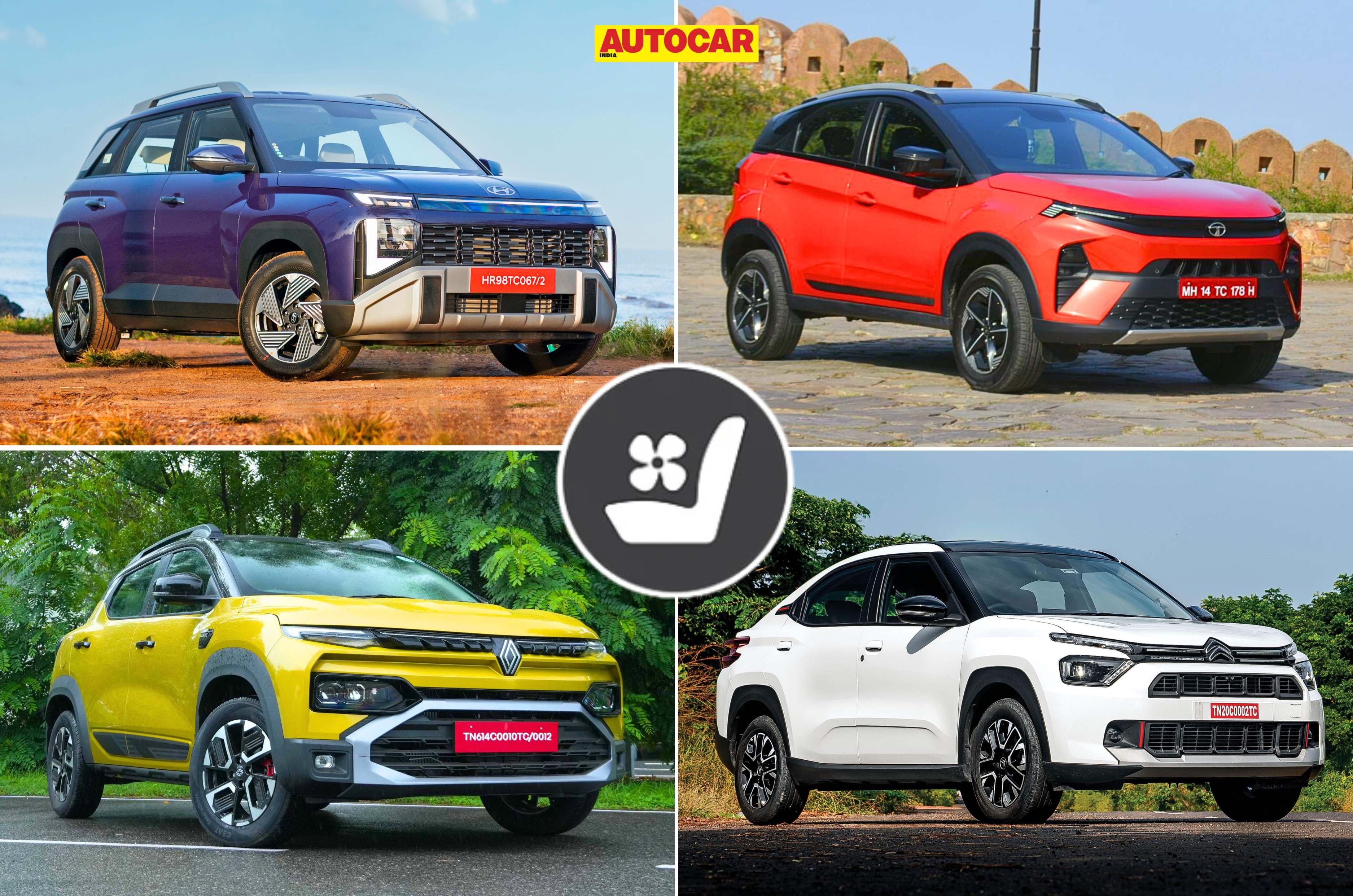
Ventilated seats are among the most desirable features car buyers look for and are especially useful in the summer. Having ventilated seats in your hatchback, sedan, MPV, or SUV can be advantageous for staying cool. Ten years ago, this feature was quite rare in the mass-market segment, with buyers needing to spend around Rs 30 lakh to get it. Today, however, there are plenty of SUVs and even a hatchback available with ventilated seats. So, here are the 10 most affordable cars on sale in India with ventilated seats.

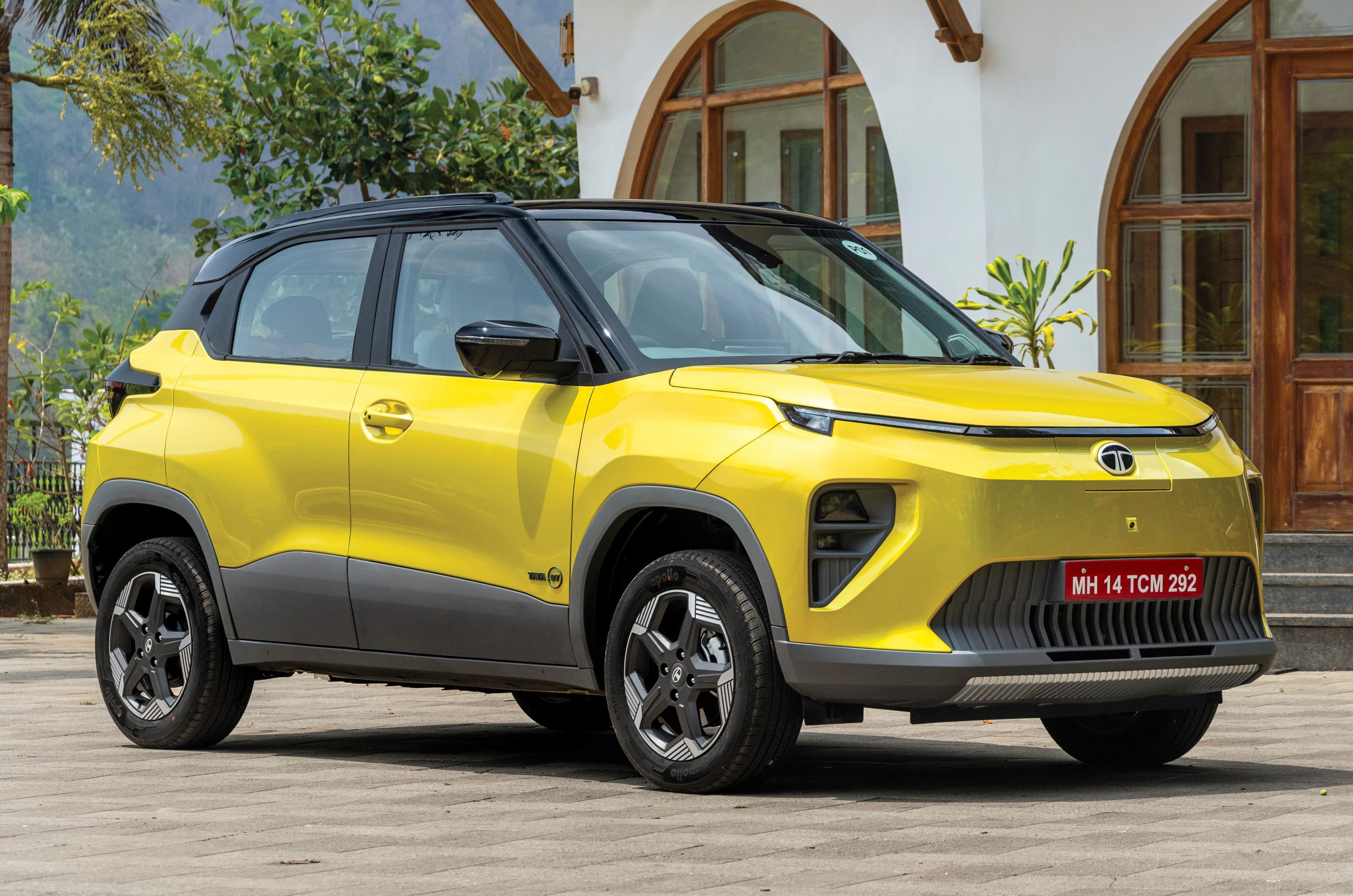
10. Tata Punch EV

Price: Rs 12.99 lakh

Tata’s smallest eSUV, the Punch EV, gets ventilated seats in its range-topping Empowered+ S 40 trim. The Tata Punch EV is offered with a choice between a 30kWh battery and a 40kWh pack, with respective claimed ranges of 365km and 468km. The Tata Punch EV is the most affordable EV on sale in India with such a convenience feature.

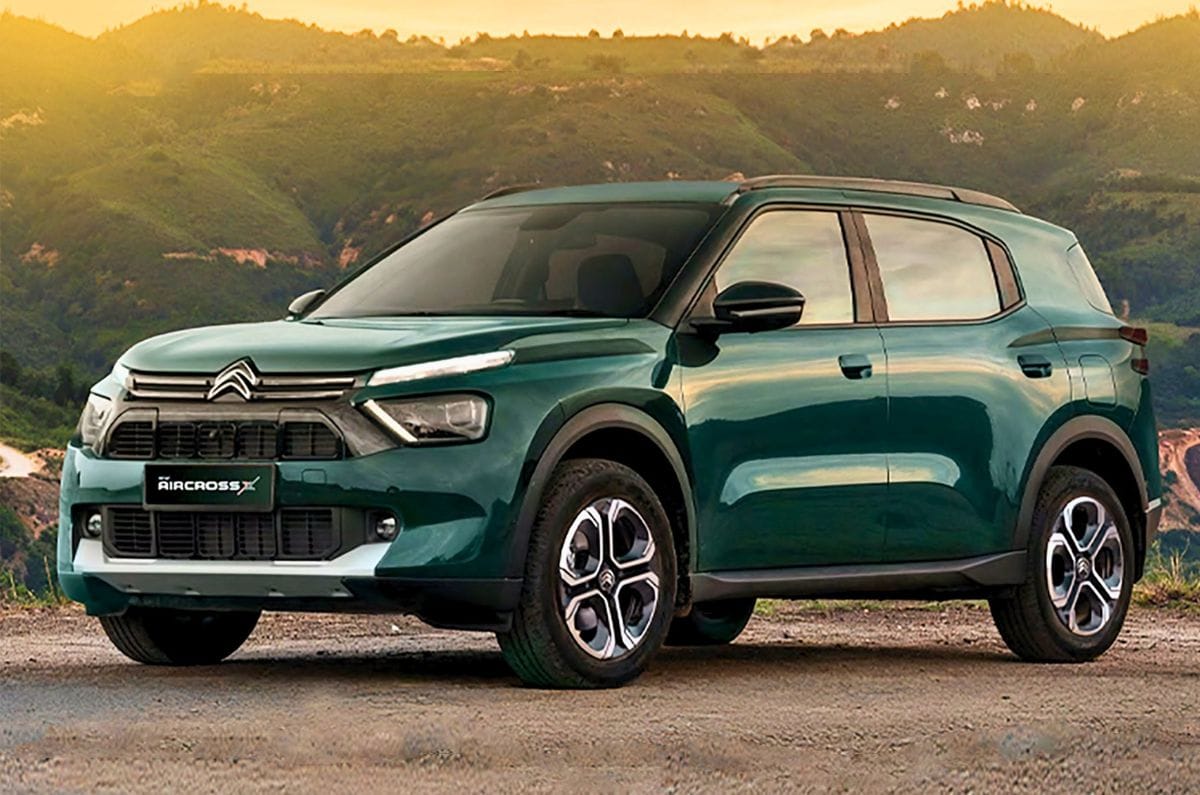
9. Citroen Aircross

Prices: Rs 11.62 lakh to Rs 14.52 lakh

In the Citroen Aircross, ventilated front seats are available only on the top-spec Max trim, offered with both 5- and 7-seater configurations. The Max trim is available both with an 82hp, 1.2-litre naturally aspirated petrol engine or a 110hp, 1.2-litre turbo-petrol engine, producing 110hp, and is offered with both manual and automatic transmissions. It’s not only the most affordable Citroen SUV with this feature, but also the cheapest midsize SUV in India with ventilated seats. 

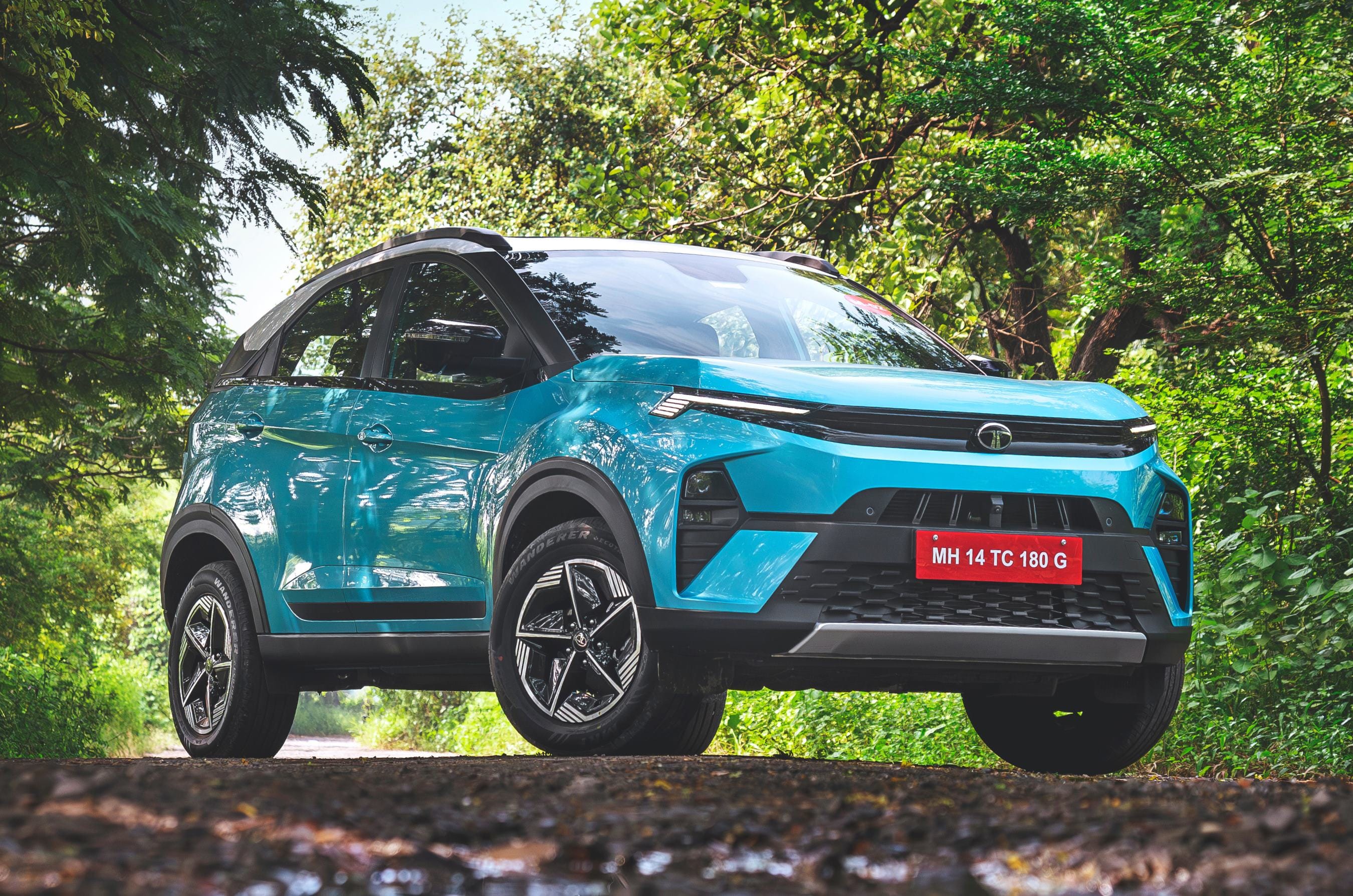
8. Tata Nexon

Prices: Rs 12.42 lakh to Rs 14.22 lakh

Ventilated front seats are available only on the top-spec Tata Nexon Fearless+ PS trim. Interestingly, a CNG option is also available in this trim, making it the most affordable CNG-powered model with cooled seats. The Nexon is available with a 120hp 1.2-litre turbo-petrol engine, a 100hp CNG-powered version of the three-cylinder turbocharged unit, and a 115hp 1.5-litre diesel engine. In its range-topping form, the petrol gets a 6-speed manual and 7-speed dual-clutch auto gearbox options, while the diesel gets 6-speed manual and AMT options.

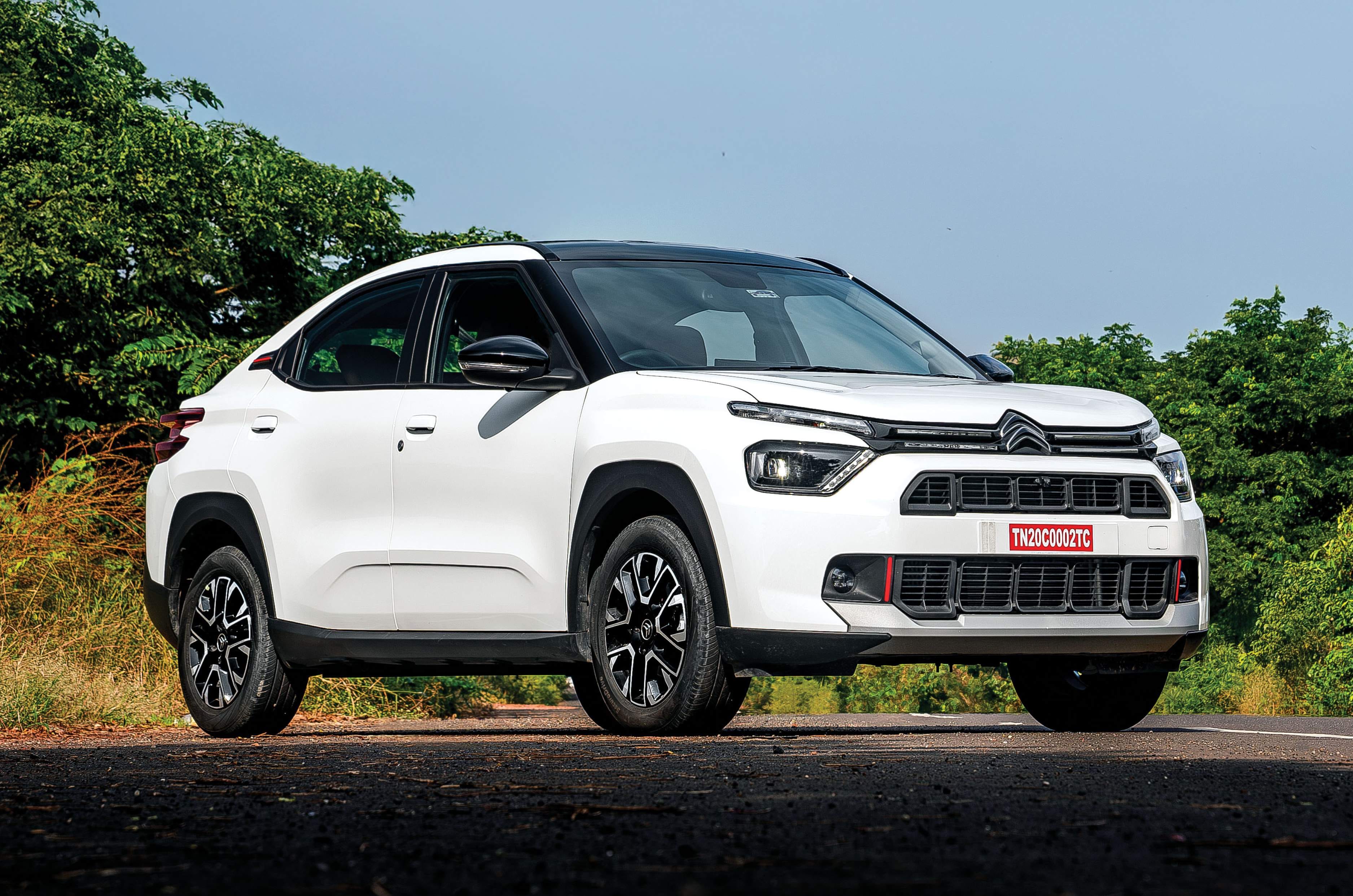
7. Citroen Basalt

Prices: Rs 11.34 lakh to Rs 13.90 lakh

Like the Aircross, the Citroen Basalt offers seat ventilation in the top-spec Max trim. This trim is available with either an 82 hp, 1.2-litre naturally aspirated engine with only a 5-speed manual transmission, or the 110hp, 1.2-litre turbo petrol engine, paired with a 6-speed manual or a 6-speed torque converter automatic gearbox option.

6. Hyundai Venue

Prices: Rs 11.91 lakh to Rs 15.51 lakh

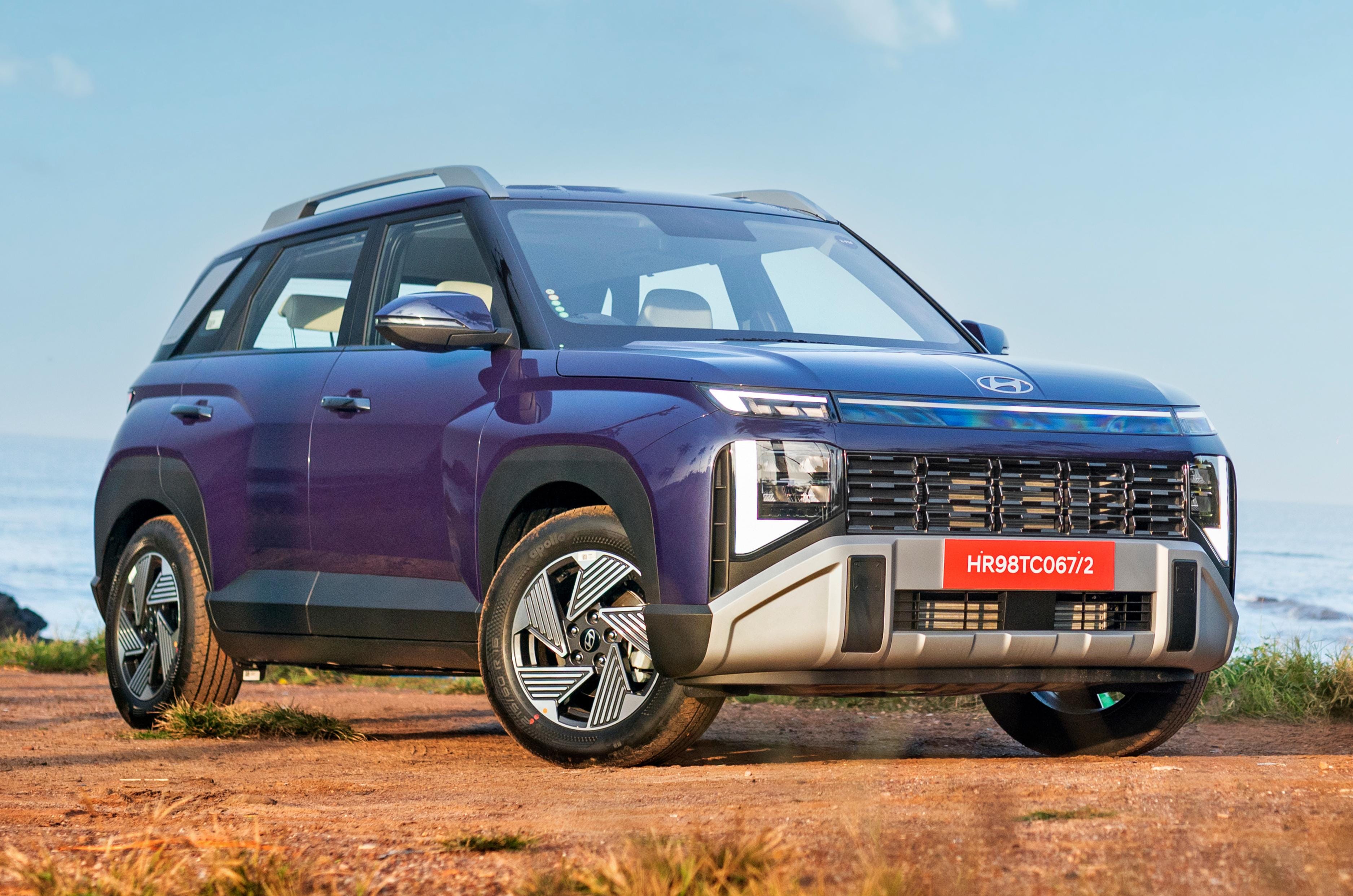
The newest car here, the second-gen Hyundai Venue, is available with ventilated front seats on the top-end HX8 and HX10 trims. The new Venue N Line’s N10 trim also gets cooled seats. These top trims are powered by either the 1.0-litre turbo-petrol or a 1.5-litre diesel mill. Transmission options include a 6-speed manual, a 7-speed DCT and a 6-speed torque-converter automatic. Some of the Venue’s notable features include Level 2 ADAS and twin 12.3-inch displays.

5. Kia Sonet

Prices: Rs 11.75 lakh to Rs 13.80 lakh

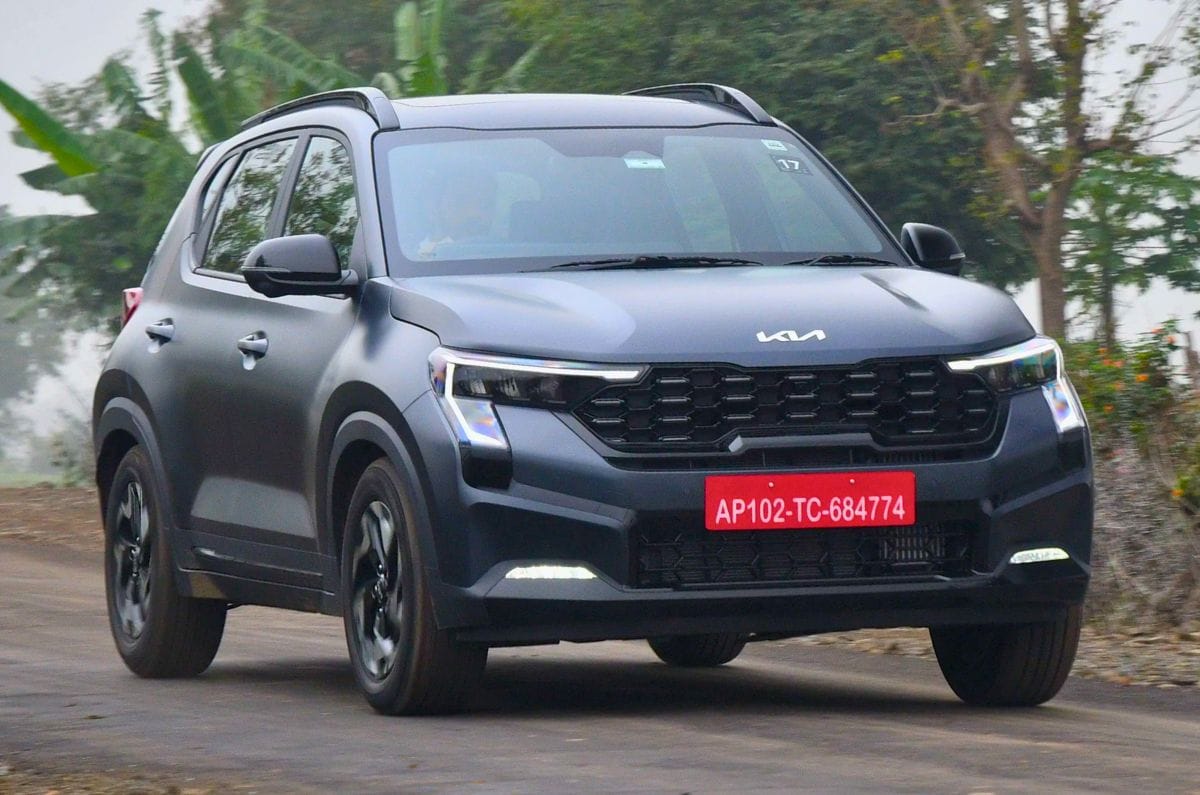
The Sonet is the most affordable Kia SUV that gets cooled front seats on the top-spec HTX, GTX+ and X-Line variants. These range-topping trims are available only with the 120hp, 1.0-litre turbo-petrol engine and the 116hp, 1.5-litre diesel unit; a 7-speed dual-clutch automatic transmission is offered on the Kia Sonet petrol, while the diesel is available with both a 6-speed manual and a 6-speed torque converter automatic gearbox. However, the HTX diesel-manual is not offered with ventilated seats, unlike the diesel-automatic variant.

4. Skoda Kylaq

Prices: Rs 11.75 lakh to Rs 12.99 lakh

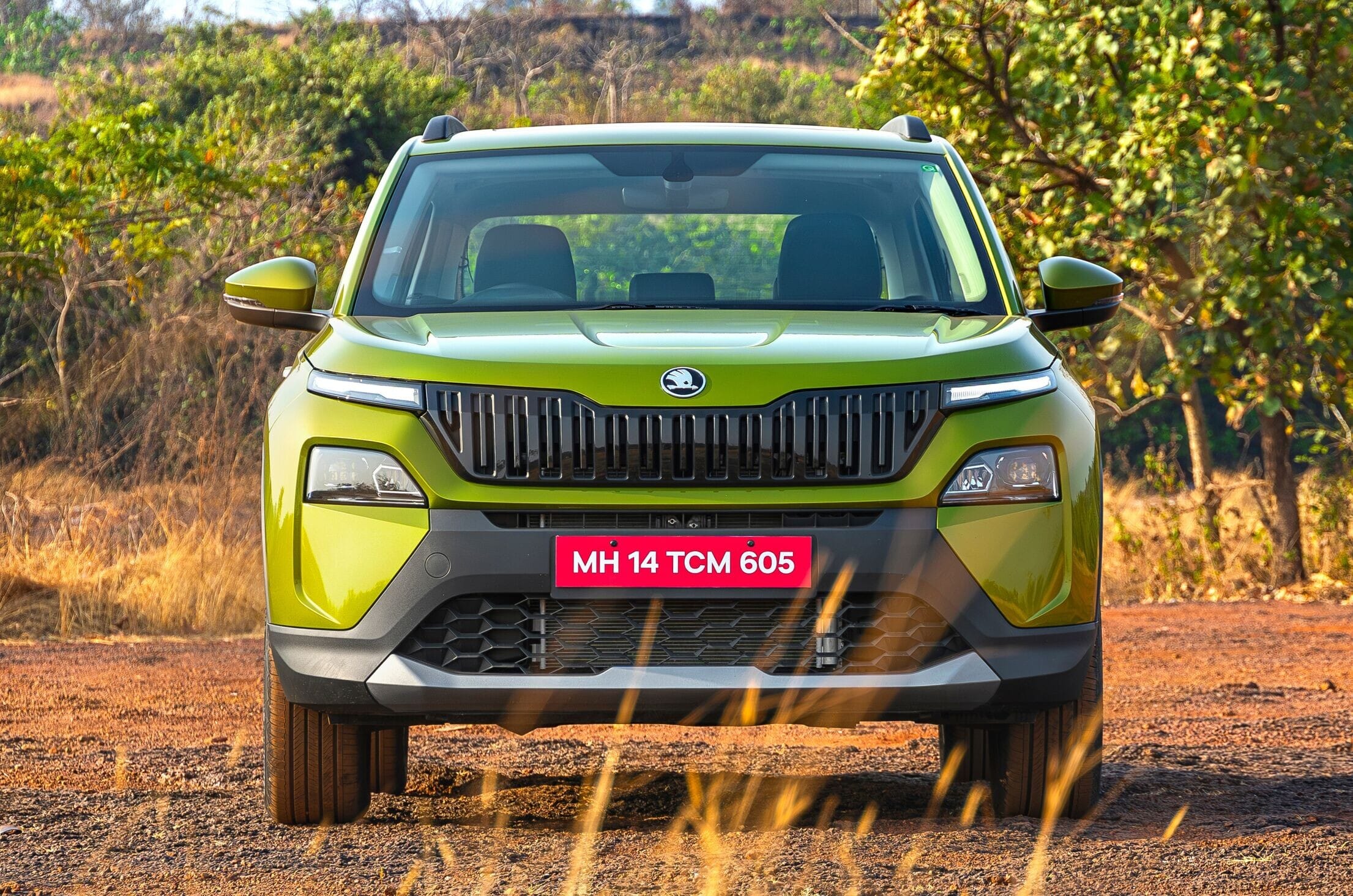
Skoda’s first compact SUV, the Kylaq, comes with ventilated front seats, but only on the higher-spec Prestige and Prestige+ trims. The Skoda Kylaq is powered by a 115hp, 1.0-litre turbo-petrol engine paired with a 6-speed manual or a 6-speed torque converter automatic gearbox.

3. Maruti Brezza

Prices: Rs 11.16 lakh to Rs 13.71 lakh

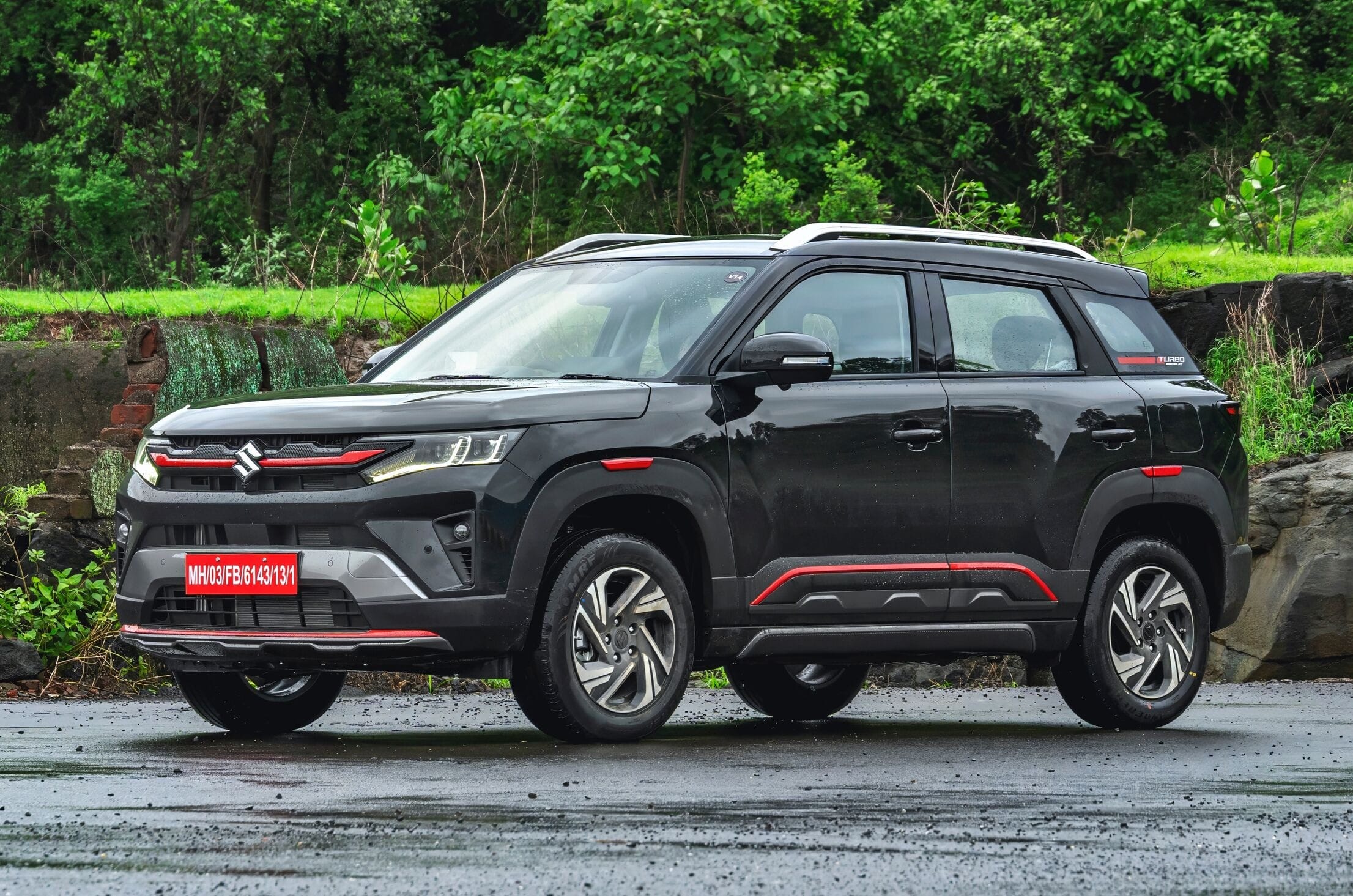
Maruti is offering the facelifted Brezza with ventilated front seats on the top-spec ZXi+ trim. It is offered both with a 110hp, 1.0-litre turbo-petrol engine and a 103hp, 1.5-litre petrol engine. In the ZXi+ trim, the turbo-petrol engine is offered with a 6-speed manual gearbox, while the larger petrol engine gets a 6-speed torque converter gearbox only.

2. Maruti Baleno

Prices: Rs 9.10 lakh to Rs 9.99 lakh

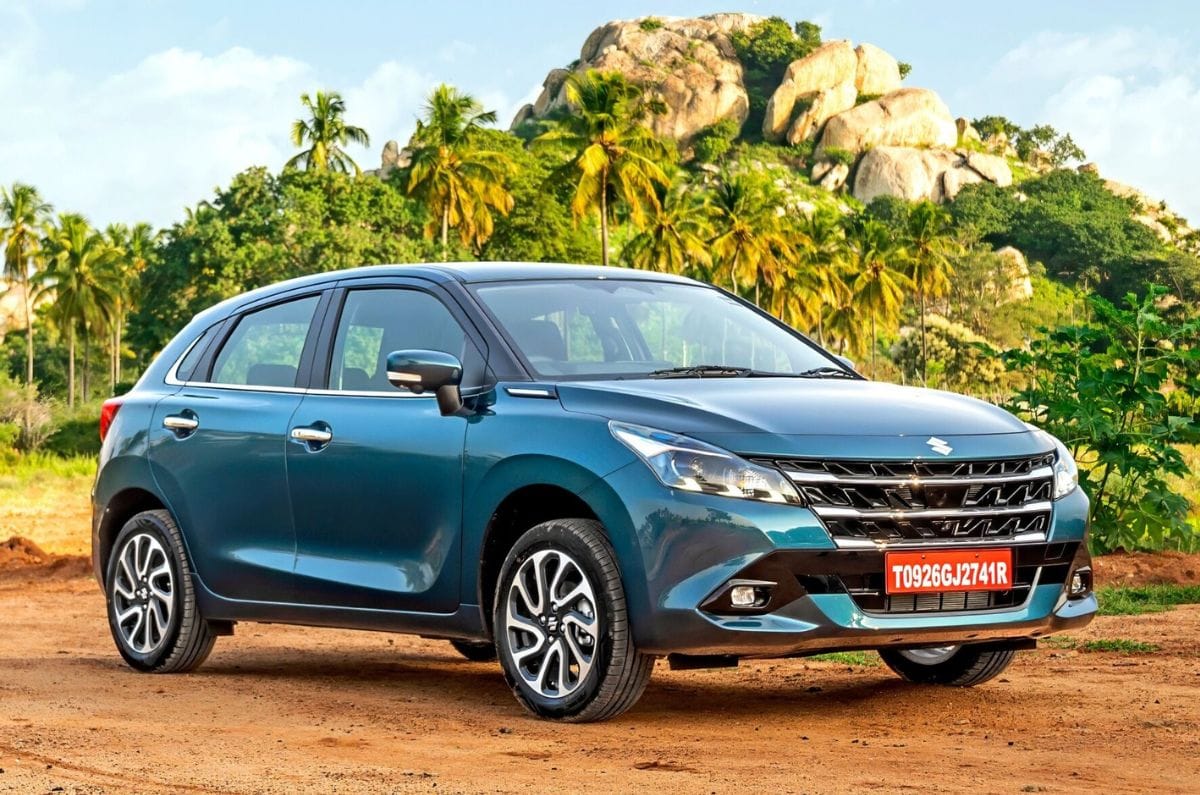
The Maruti Baleno is the only hatchback in India to be offered with ventilated front seats. It offers this feature on the Baleno’s Alpha and Alpha (O) trims, which are below Rs 10 lakh. However, this is not a segment-first feature, as the Tata Altroz Racer introduced it. However, this feature was removed from the Altroz with the 2025 facelift. The Alpha and Alpha (O) trims of the Baleno are offered with an 83hp, 1.2-litre 3-cylinder petrol engine, with a 5-speed manual or a 5-speed AMT option.

1. Renault Kiger

Prices: Rs 8.50 lakh to Rs 10.40 lakh

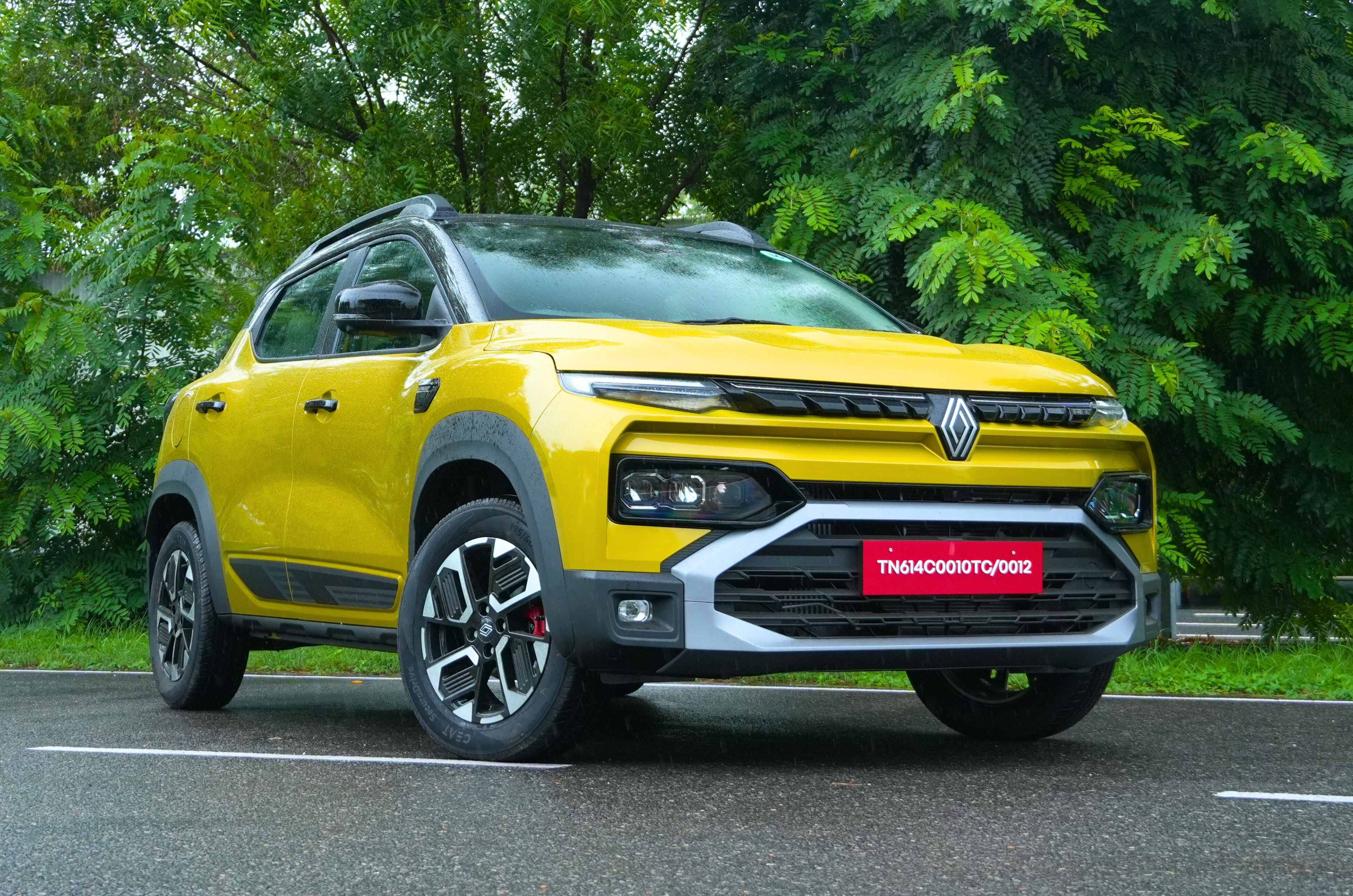
The Renault Kiger is the most affordable car in India with ventilated front seats, as it offers the feature at just Rs 8.50 lakh in the top-spec Emotion trim. In fact, it is also the only SUV under Rs 10 lakh to offer the convenience amenity. The Kiger’s Emotion trim is available with 72hp 1.0-litre petrol and 100hp, 1.0-litre turbo-petrol engine options; the former gets a 5-speed manual only, while the turbocharged unit has a CVT option too.

Prices are ex-showroom, India.

Royal Enfield Himalayan 440 accessory prices revealed

Royal Enfield Himalayan 440 accessory prices revealed

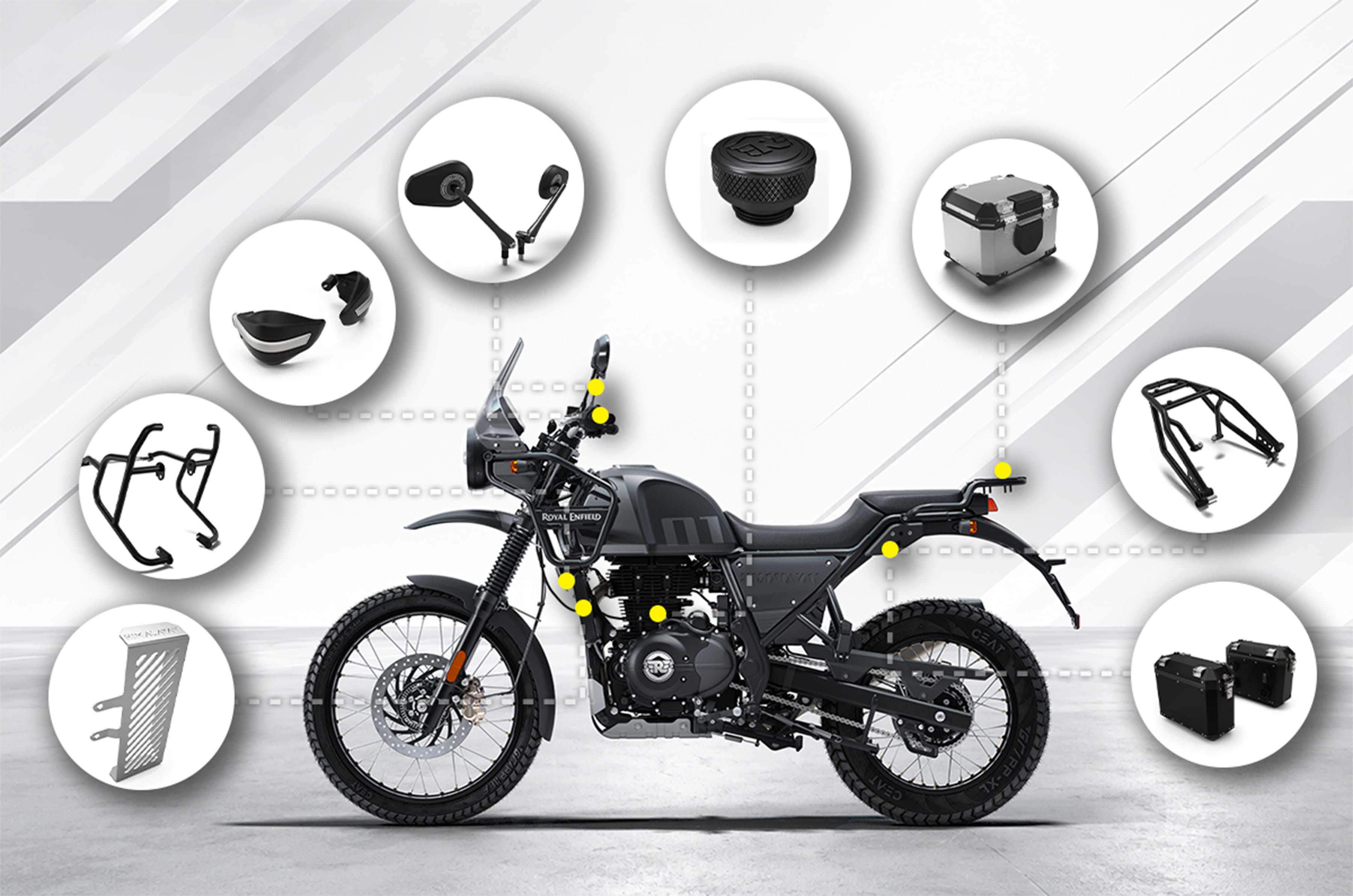
After launching the original air-oil/cooled Himalayan with an upsized 440cc engine at Rs 2.29 lakh, the brand has now revealed prices for the accessories of this adventure motorcycle and in typical Royal Enfield fashion – it’s quite an exhaustive accessory list. 

  1. The most affordable accessory is priced at Rs 1,010
  2. Touring mirror is priced at Rs 4,500
  3. A cumulative pricing of essential luggage carrying accessories comes up to Rs 62,070

Royal Enfield accessories list

Luggage carrying accessories

In most cases, a typical Himalayan owner aims to go the distance on this adventure motorcycle, and that generally requires carrying quite a lot of luggage. Royal Enfield offers a set of aluminium top boxes and panniers in silver and black. The former is priced at Rs 22,750, while the latter costs Rs 29,250.

In order to attach the pannier and top box, the bike requires a top-box rack and a side rack (Rs 3,750). The Himalayan comes standard with a top-box rack, but buyers can also opt for a more robust and larger top-box rack with additional plumbing to tether bungee cords. This is priced at Rs 3,900, while the top-box mount costs Rs 2,420.

The cumulative price of all the luggage-carrying accessories, including the robust top-box rack and pannier rack, adds up to around Rs 62,070.

Protective accessories

A tip-over on an adventure bike isn’t uncommon. After all, adventure riding involves taking your two-wheeler into uncharted territory. Protecting its components, and more importantly, the engine, is therefore important. Apart from the large, exaggerated aftermarket guards that the market is plagued with, Royal Enfield offers a few of its own. Thankfully, these are more utilitarian than ornate.

Starting with the most compact engine guard, this is one of the most discreet ways of protecting the engine. It attaches to the engine cover instead of jutting out like most guards do, and is priced at Rs 1,450. There’s another, larger engine guard (Rs 1,650) that juts out a bit more and will prevent the bike from dropping too low in the event of a fall.

Royal Enfield also offers an ‘Adventure’ engine guard that’s much larger and juts out quite a bit, offering more comprehensive protection. However, it looks visually bulky and will definitely add a few kilos to your Himalayan 450. It is priced at Rs 4,650.

Other protective accessories include an oil-cooler guard, available in two colours, priced at Rs 1,250. Royal Enfield also offers sliders (Rs 1,010), which are essentially 22mm tubes that can be fitted atop the guard, acting as the furthest point of contact. These can be easily replaced if scuffed, instead of having to replace the entire guard.

Convenience accessories

Stock Royal Enfield mirrors are notorious for coming loose over time. However, the touring mirrors are quite good and are available in two designs – round and tapered – priced at around Rs 4,500.

Another useful accessory is the touring rider and pillion seats, priced at Rs 1,995 and Rs 1,351, respectively.

Accessory

Price

Adventure Top-box

Rs 22,750

Adventure pannier set

Rs 29,250

Black top box rear rack

Rs 3,900

Silver Adventure Top Box mount

Rs 2,420

Pannier rack

Rs 3,750

Top Box waterproof inner bag

Rs 2,630

Adventure waterproof inner bag

Rs 2,950

Oil filler (Silver and Black)

Rs 1,070

Master Cylinder guard (Silver and Black)

Rs 1,070

Round touring mirrors 


Rs 4,500

Tapered touring mirrors

Rs 4,650

Touring rider seat

Rs 1,995

Touring pillion seat 

Rs 1,351

Black engine sliders

Rs 1,010

Black compact engine guard

Rs 1,450

Black large engine guard

Rs 1,650

Black Adventure engine guard

Rs 4,650

Oil cooler guard (Black and silver)


Rs 1,250

Water resistant Bike cover (blue and black)

Rs 1,130


All you need to know about BMW 7 Series, i7 facelifts before launch

All you need to know about BMW 7 Series, i7 facelifts before launch
All you need to know about BMW 7 Series, i7 facelifts before launch tomorrow

Launched in 2023, the seventh-generation BMW 7 Series and i7 are set to receive a facelift on September 11. The updated versions were unveiled internationally in April 2026 and feature revised exterior styling, a significantly updated cabin with Neue Klasse-inspired elements, and upgrades to both combustion and electric powertrains. Here’s everything you need to know about the new BMW 7 Series and i7 ahead of their launch tomorrow.

1. What are the expected prices of the BMW 7 Series, i7 facelifts?

Expected to have a significant hike over the outgoing model’s prices

International-spec model has been used for representative purposes only. 

The outgoing BMW 7 Series was priced at Rs 1.85 crore (ex-showroom) for both the petrol and diesel variants, while the i7 was priced between Rs 2.10 crore and Rs 2.58 crore. Owing to the updated styling, additional technology and powertrain changes, BMW is expected to increase the prices of both models by a considerable margin.

2. What powertrain options will the facelifted BMW 7 Series, i7 offer?

Expected to be offered with more powerful and newer versions of the same powertrains

BMW has not yet revealed the official powertrain details of the India-spec 7 Series and i7 facelifts. However, the international models give us an idea of what to expect in India.

International-spec model has been used for representative purposes only. 

In India, the 7 Series was offered with 740i and 740d powertrains. Internationally, the updated 740i is now called the 740 xDrive and uses the same 3.0-litre, six-cylinder turbo-petrol engine. It produces 400hp and 580Nm, up by 19hp and 60Nm. The 740d continues with its 3.0-litre, six-cylinder diesel engine and produces 313hp and 670Nm, up by 27hp and 20Nm.

The BMW i7 also gets updated powertrains. The eDrive50 is now called the 50 xDrive and switches from rear-wheel drive (RWD) to all-wheel drive (AWD). It gets a larger 112.4kWh battery from the previous 101.7kWh unit. Its dual-motor setup produces 445hp (3hp less) and 660Nm (10Nm more). Its claimed WLTP-claimed range is 727km, up by 103km. 

The i7 M70 xDrive also gets the larger 112.4kWh battery and continues with an AWD setup. It produces 680hp and 1,015Nm, 30hp more than before, while torque remains unchanged. Its claimed WLTP-claimed range has increased by 62km to 686km.

The India-spec 7 Series and i7 are expected to get the same powertrain specifications as the international models.

3. Will BMW offer the 7 Series facelift with a plug-in hybrid powertrain?

BMW is yet to reveal whether such a powertrain will be offered in India

BMW M760e xDrive shown for representative purposes only.

As mentioned earlier, BMW has not yet revealed the exact powertrain specifications for the 7 Series facelift. Internationally, the model is available with a plug-in hybrid (PHEV) powertrain. The 612hp, M760e xDrive is already available internationally, and 483hp, 750e xDrive variants are also expected to join the international lineup by 2027.
It remains to be seen whether BMW will bring a PHEV version of the 7 Series to India, especially since the Mercedes-Benz S-Class is already available with a plug-in hybrid powertrain in the country.

4. What exterior changes are expected on the BMW 7 Series, i7 facelifts?

Gets new lighting elements, redesigned bumpers, and fresh alloy wheels

International-spec model has been used for representative purposes only. 

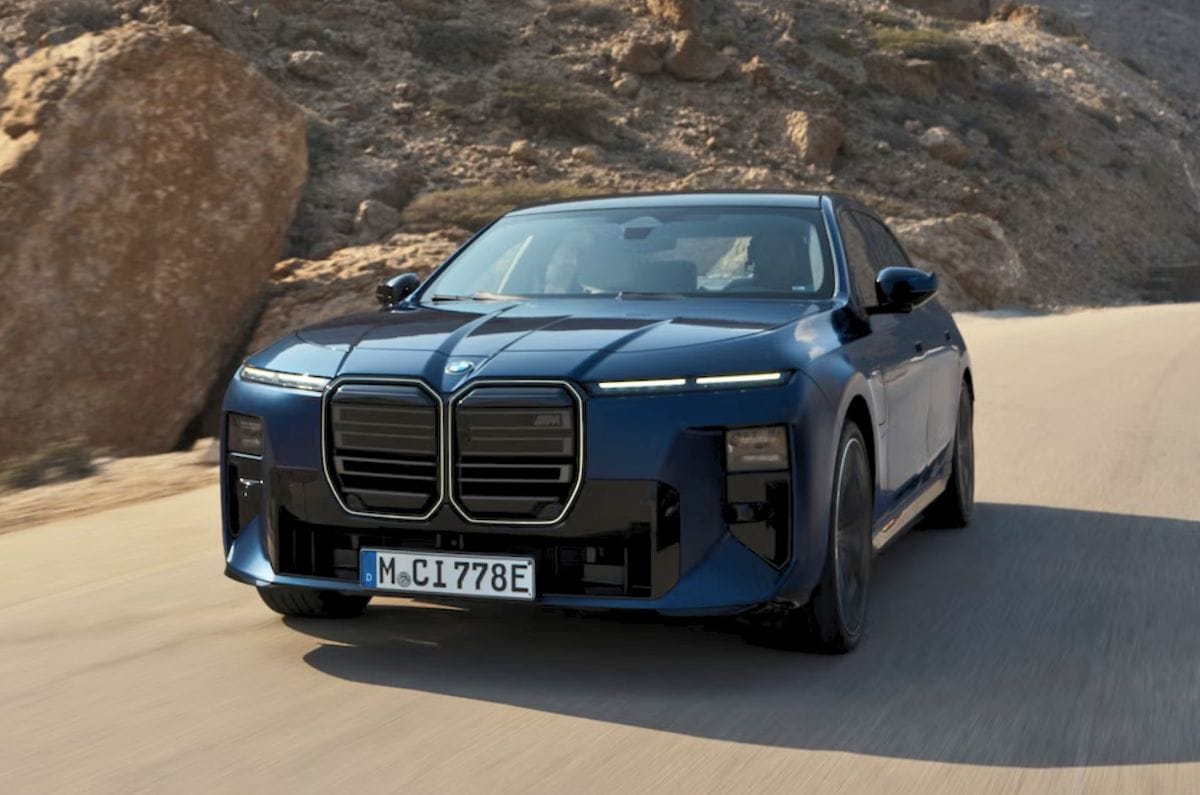
BMW has made subtle changes to the exterior design of the facelifted 7 Series and i7, while keeping the overall look largely unchanged. At the front, the cars get a boxier grille with new horizontal elements and an illuminated surround. The split LED headlights have also been updated, with slimmer LED DRLs at the top and vertically stacked headlights below.

International-spec model has been used for representative purposes only. 

The side profile remains mostly unchanged, apart from the updated alloy wheel designs. The flush-fitting door handles with illumination have been retained. At the rear, the wraparound taillights now feature new LED elements, while the bumper has been redesigned with a cleaner look and without the black trims seen on the previous model.

5. What interior changes are expected on the BMW 7 Series, i7 facelifts?

Gets BMW’s ‘Panoramic iDrive’ that replaces a traditional driver’s display

International-spec model has been used for representative purposes only. 

The facelifted 7 Series and i7 get most of their updates inside the cabin. The biggest change is BMW’s new Panoramic iDrive, which replaces the conventional digital instrument cluster with a full-width display at the base of the windscreen. A new 17.9-inch central touchscreen infotainment system and a 14.6-inch front passenger display, both running BMW’s latest Operating System X, are also on offer.

The facelift also gets a new four-spoke steering wheel and an updated ambient lighting system that runs across the dashboard, extends to the rear speaker grilles and adds lighting behind the front seats. The seats continue to offer electric adjustment, heating, ventilation, massage, lumbar support and heated armrests as standard. The front passenger seat can also move fully forward to provide more legroom for the passenger seated behind.

International-spec model has been used for representative purposes only. 

The optional rear-seat Theatre Screen has grown to 31.3 inches and now features an 8K resolution, with support for video calls, streaming and gaming. The screens in the rear doors have also been updated, allowing passengers to adjust the Theatre Screen’s position and viewing angle, as well as control other cabin functions. BMW has also revised the automatic door controls, with the open and close buttons moved to a more convenient position.

Prices are ex-showroom, India.