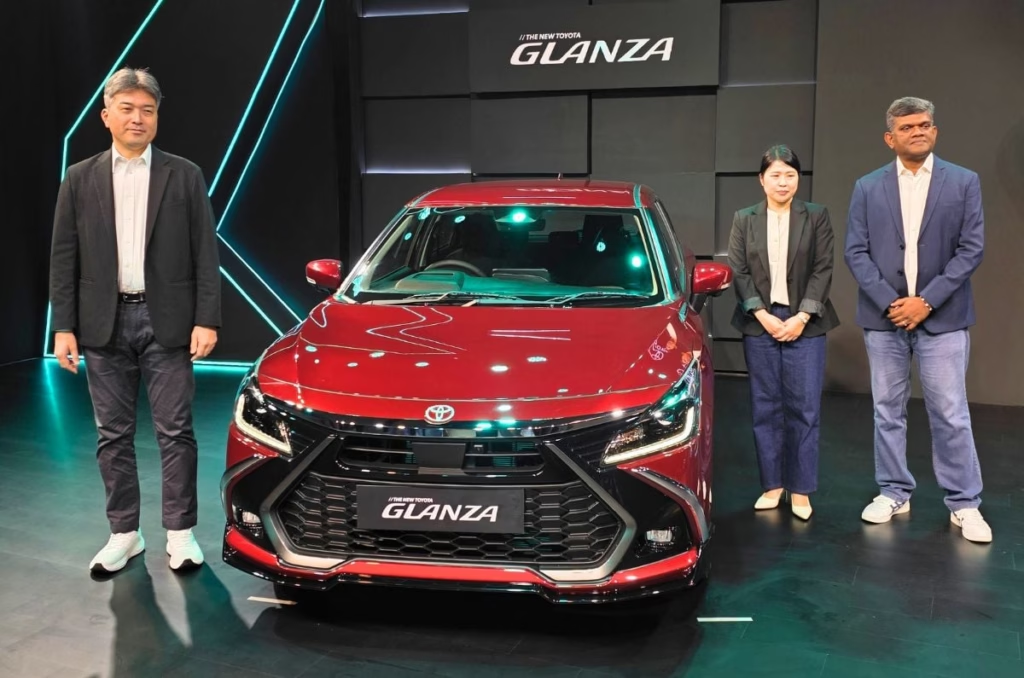
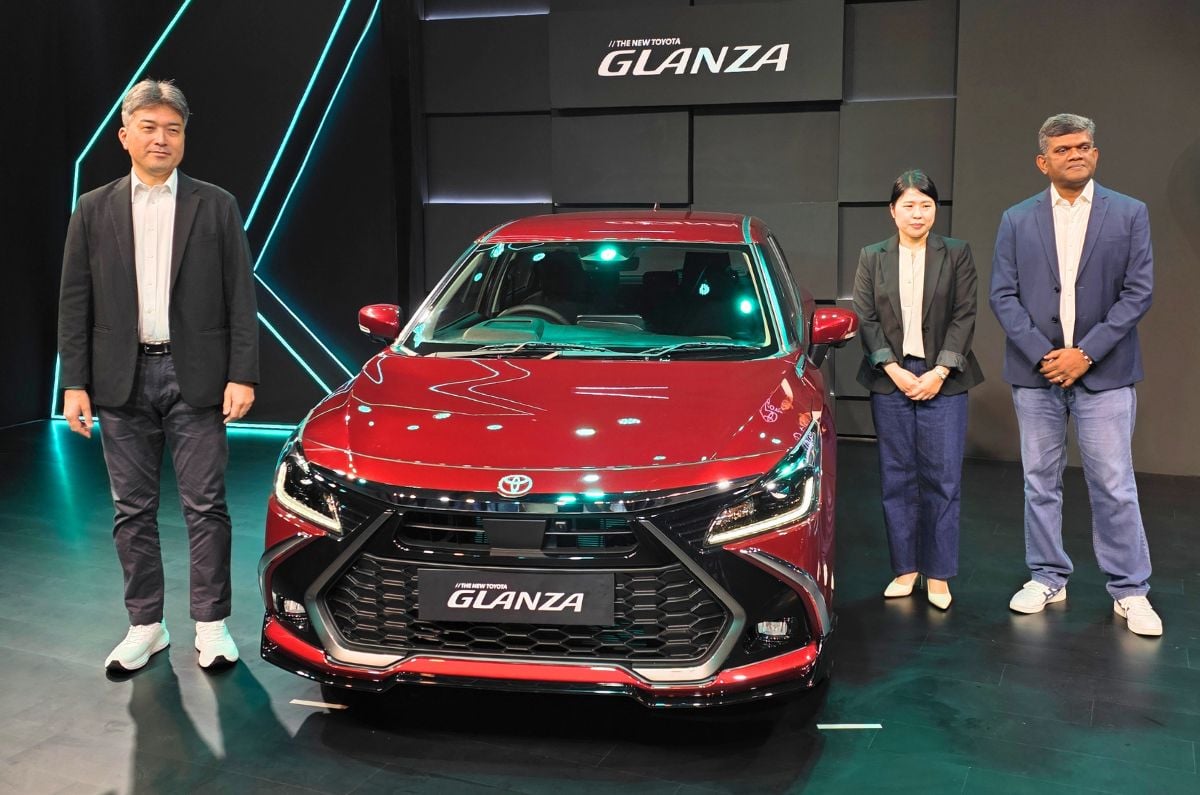
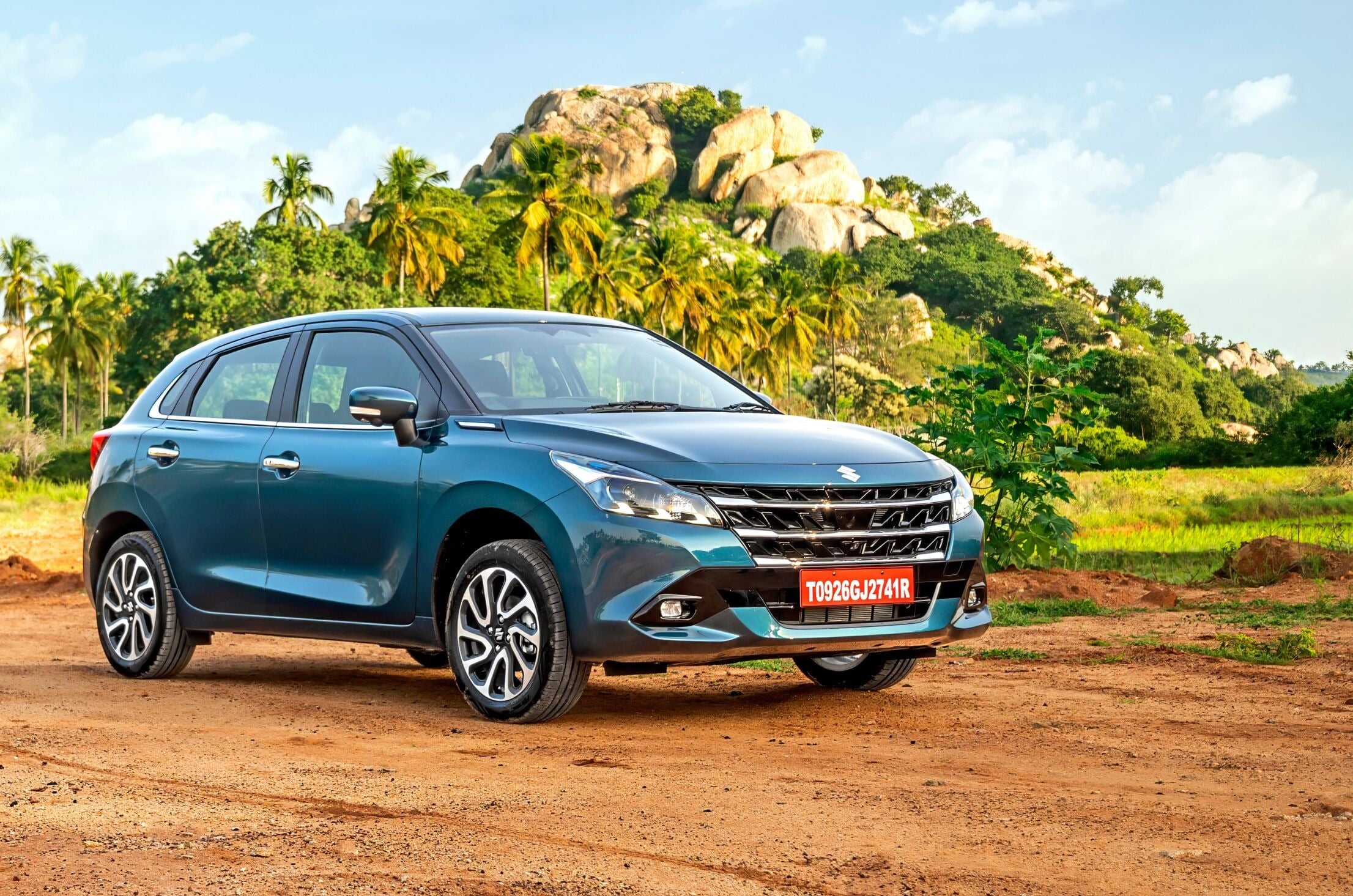
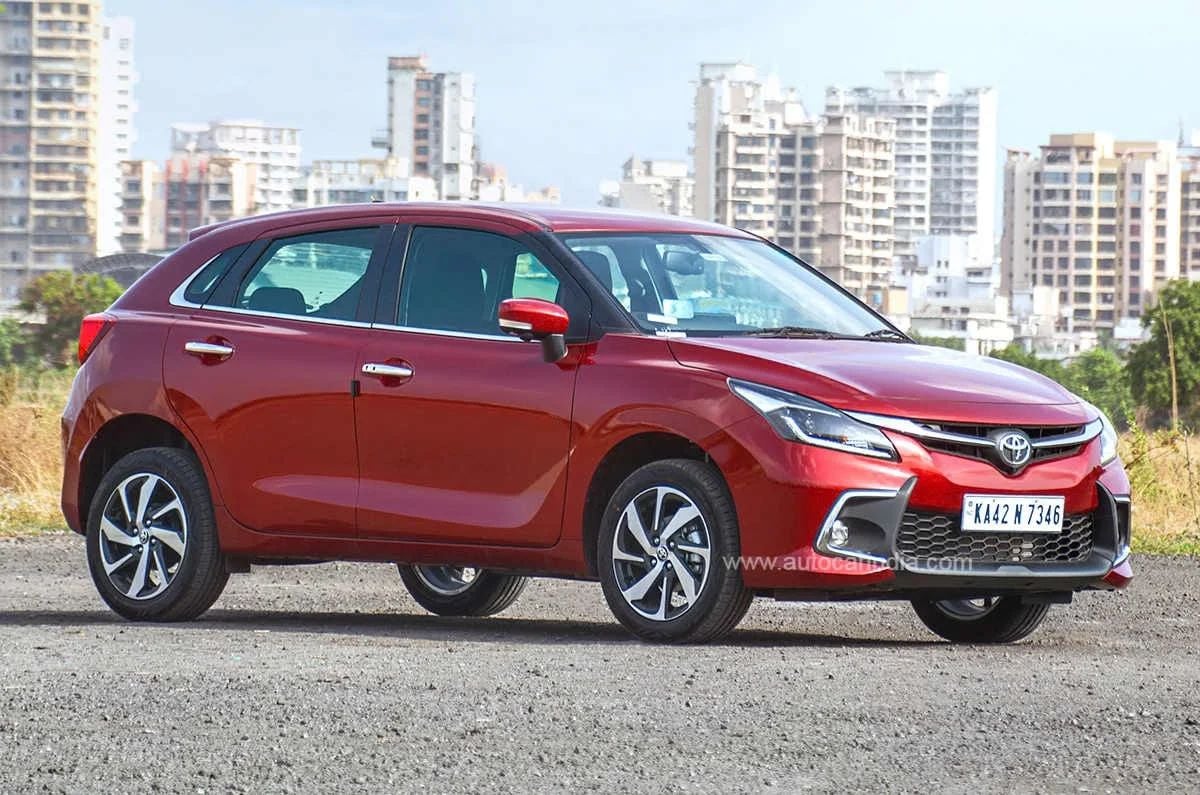
Toyota has launched the 2026 Glanza facelift in India, with prices starting from Rs 6.99 lakh (ex-showroom). It is being offered in five trims: E, S, G, V and V (O). In addition to a revised fascia, the 2026 Glanza gets a new 1.2-litre 3-cylinder petrol engine and fresh features like ventilated front seats, a wireless phone charger and an advanced driver assistance system (ADAS) suite.
Gets a revised fascia, new alloy wheel design, shark-fin antenna
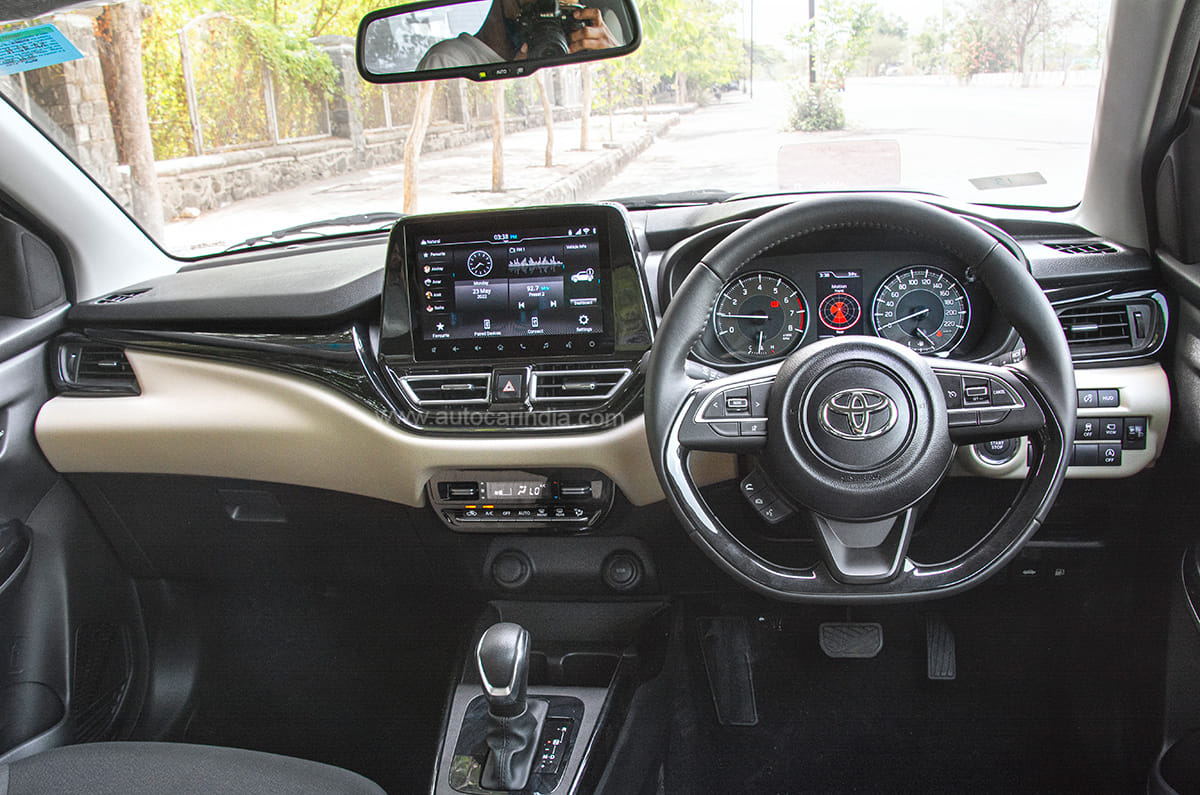
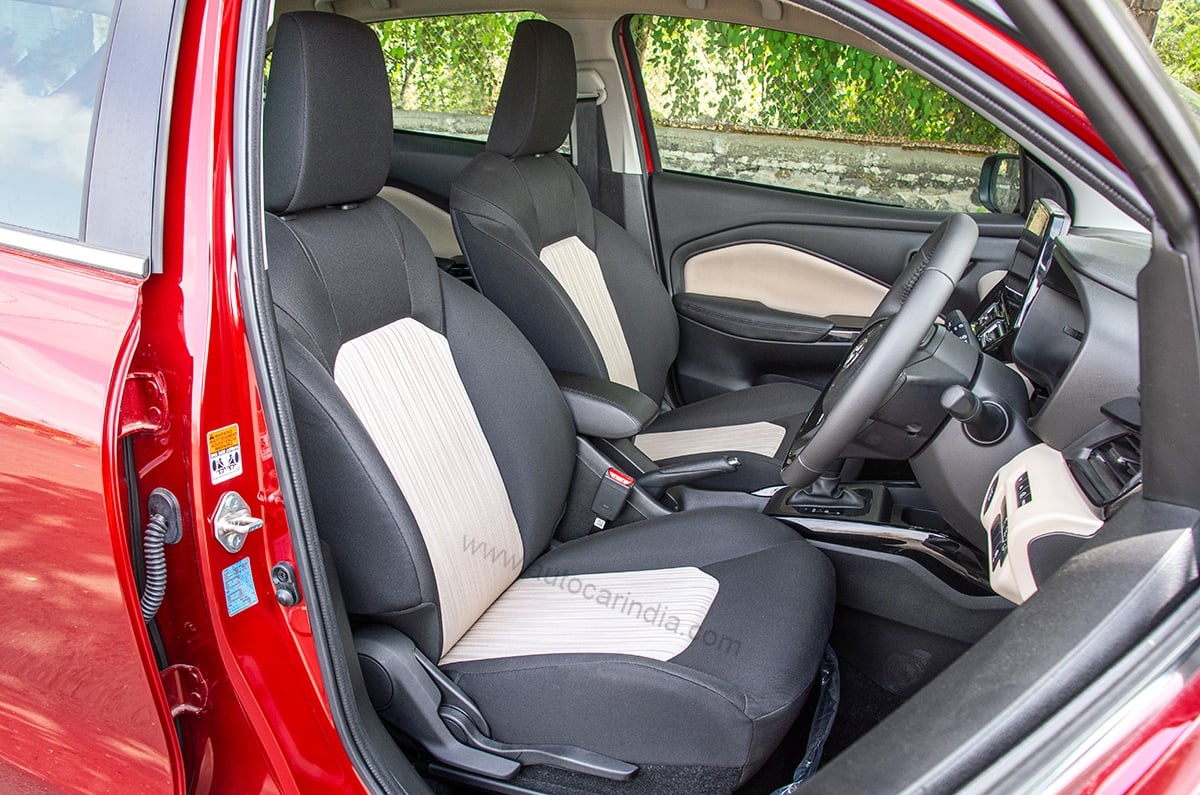
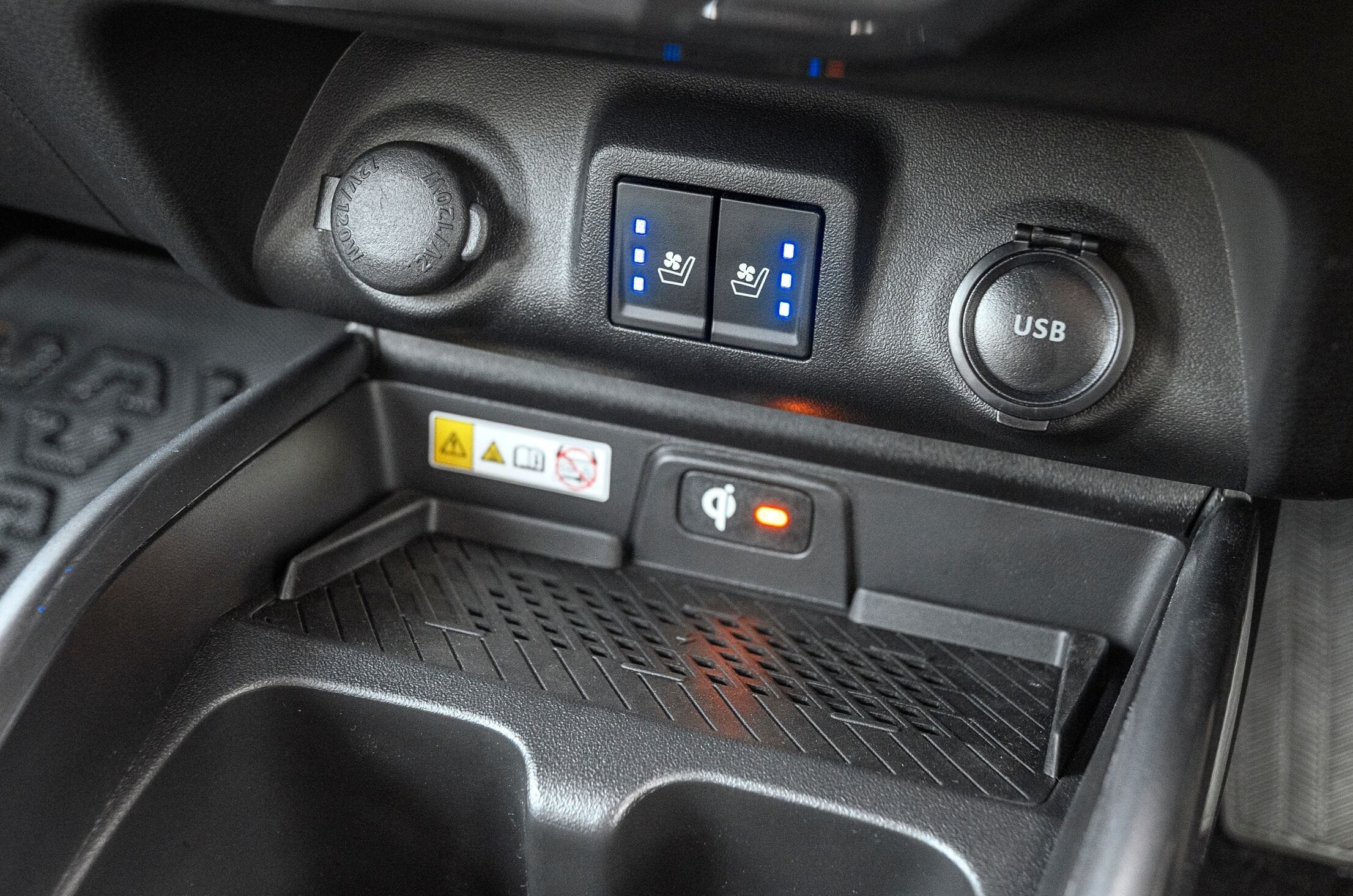
Dashboard is unchanged, and it gets additional features now
Powered by a new, more fuel-efficient 1.2-litre 3-cylinder engine
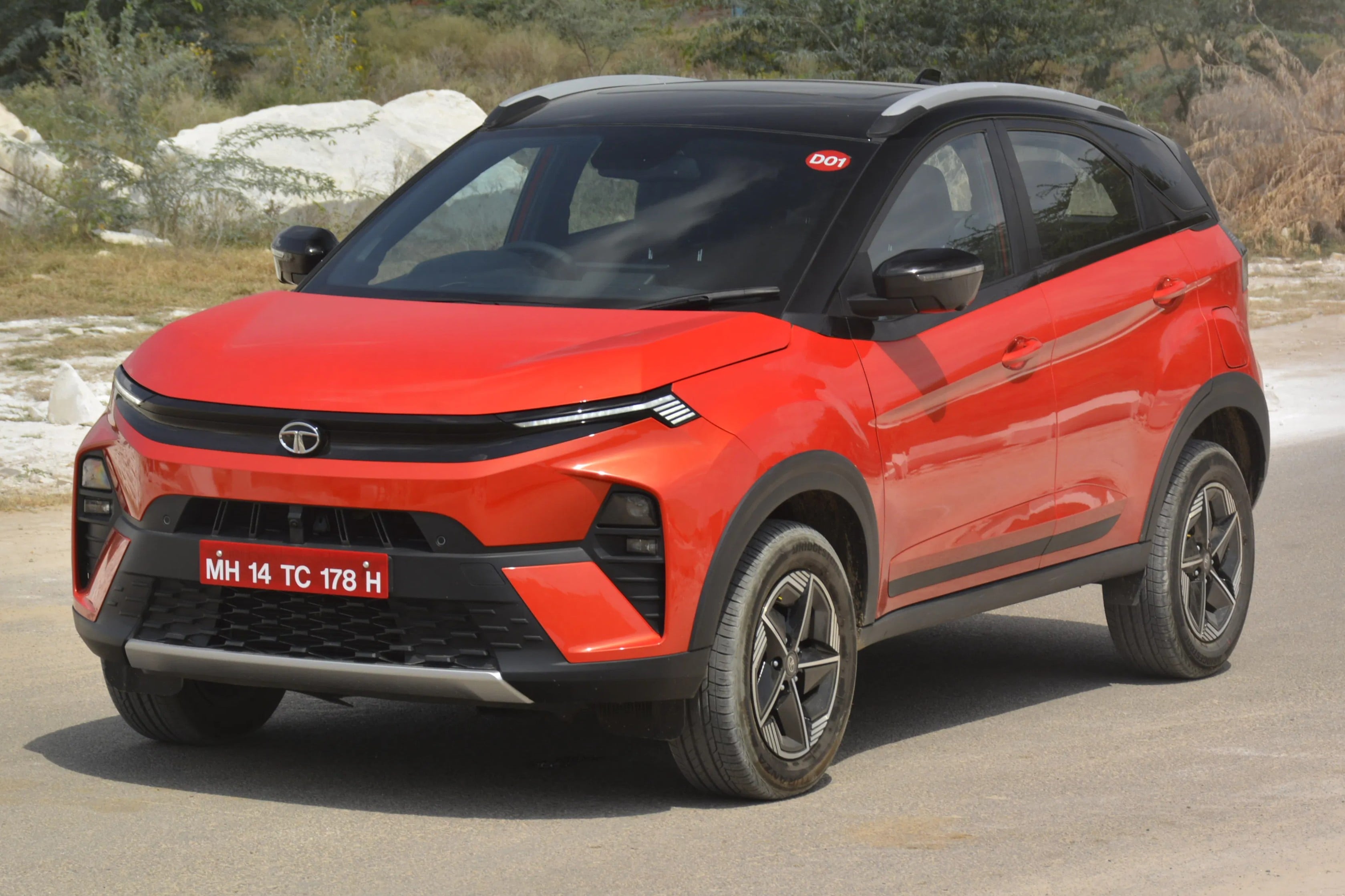
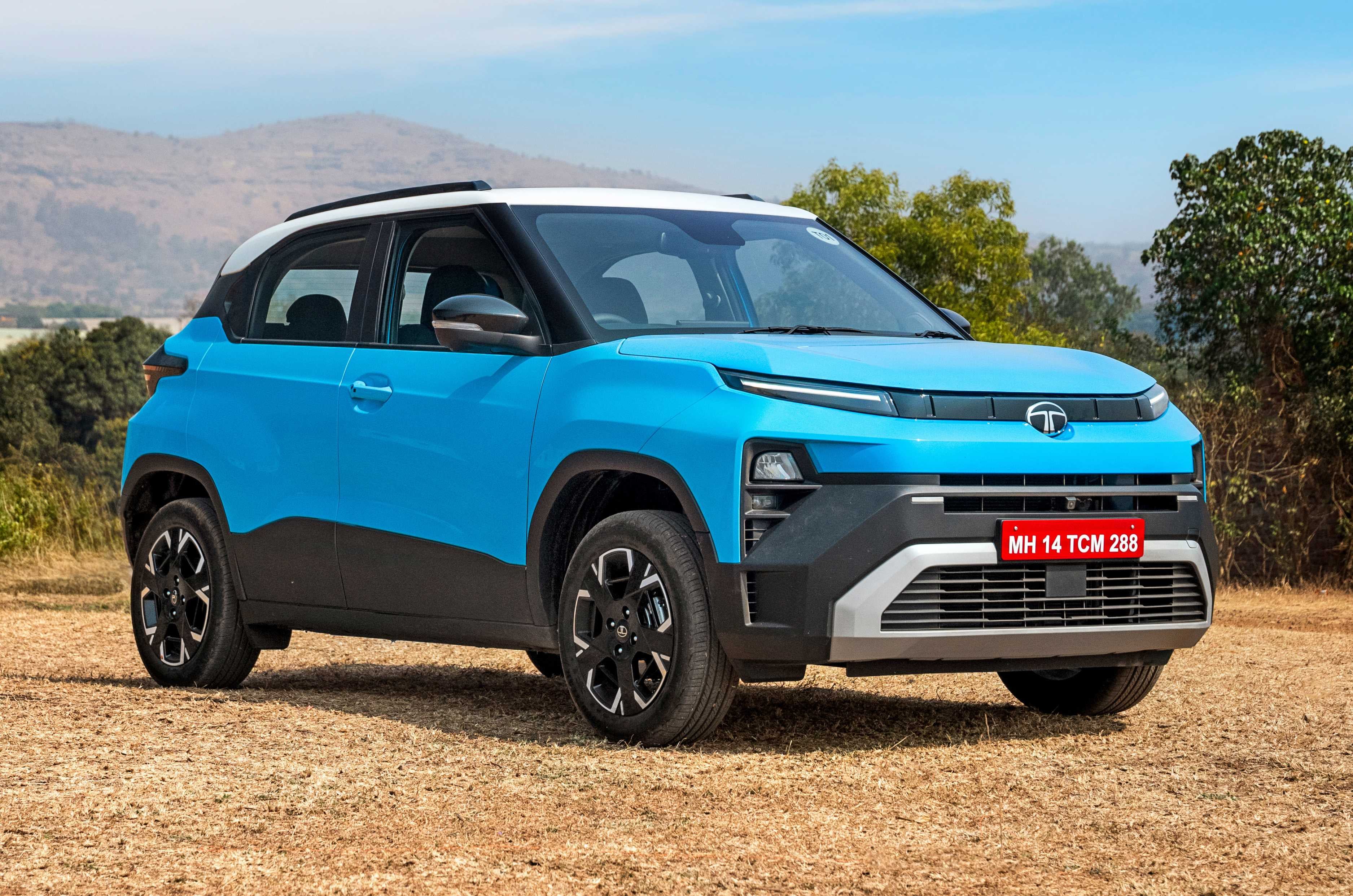
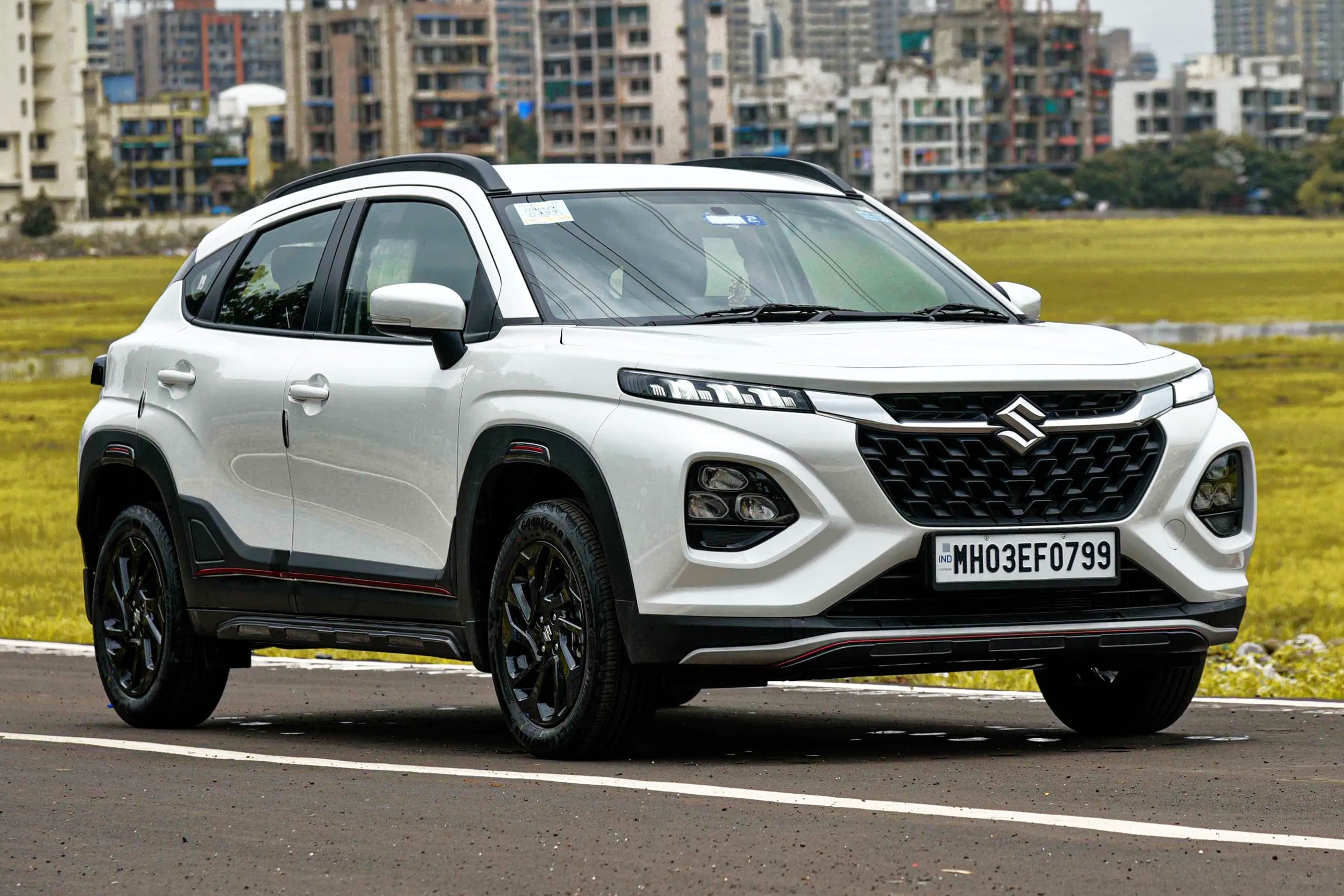
The Toyota Glanza facelift continues to lock horns with the Maruti Suzuki Baleno (Rs 5.99 lakh to Rs 9.99 lakh), Hyundai i20 and i20 N Line (Rs 6 lakh to Rs 11.64 lakh) and Tata Altroz (Rs 6 lakh to Rs 10.90 lakh).
2026 Toyota Glanza powertrain
A more fuel-efficient 3-cylinder engine replaces the older 4-cylinder unit
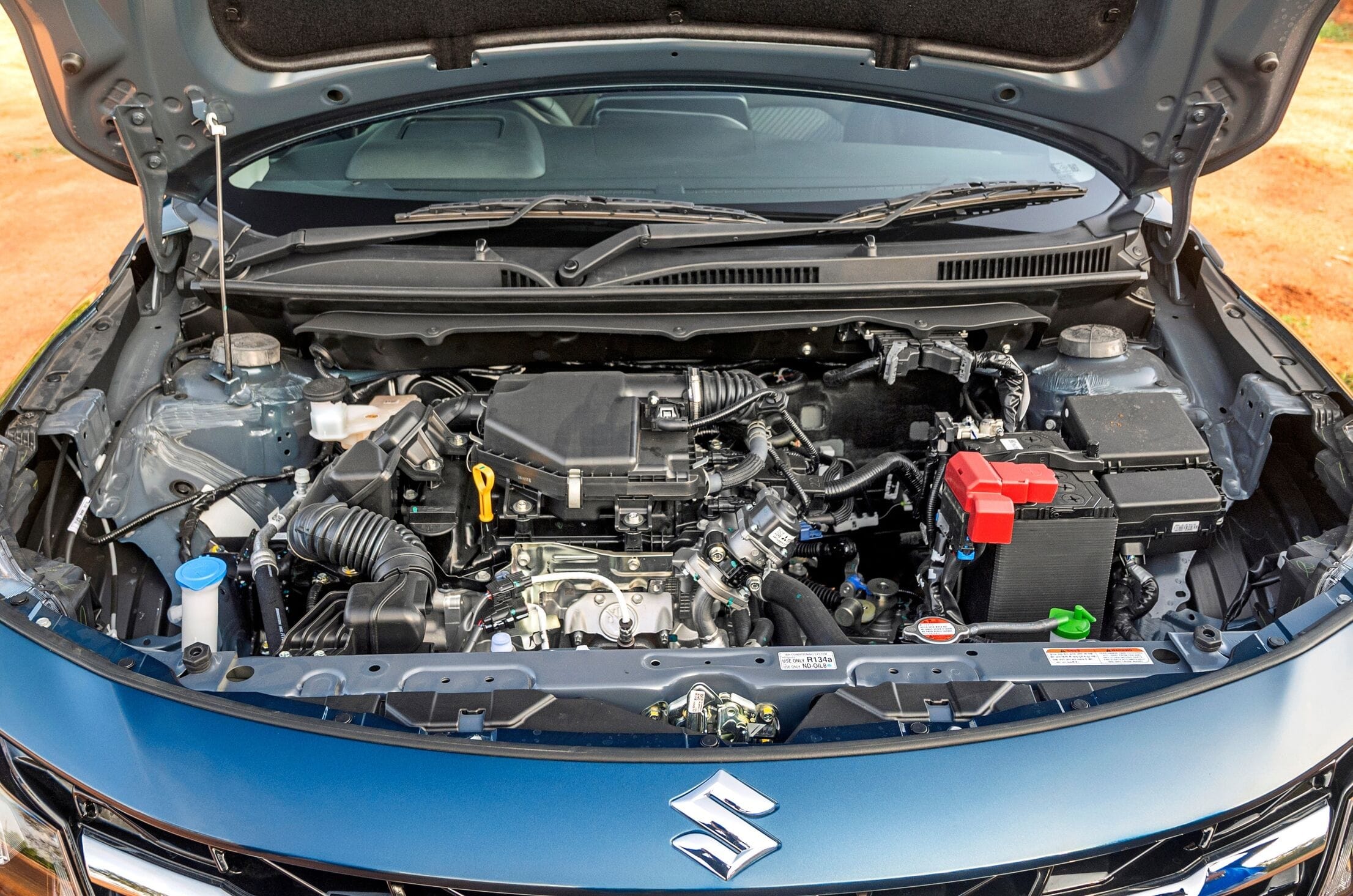
The 2026 Glanza is offered with a new Z12E 1.2-litre 3-cylinder naturally aspirated engine that runs on both petrol and CNG. In petrol mode, it produces 83hp and 112Nm and is available with a 5-speed manual or a 5-speed automated manual transmission (AMT). While the output figures are 7hp and 1Nm lower than the outgoing model’s 4-cylinder engine, fuel efficiency has increased slightly. The petrol engine also has an idle start/stop function that generally improves fuel efficiency.
In CNG mode, the same engine produces 70hp and 102Nm, and is also offered with both 5-speed MT and 5-speed AMT options. The output figures are 7hp less but 4.5Nm more, and it offers higher claimed mileage.
2026 Toyota Glanza exterior design
Has a new fascia with a larger grille, redesigned front fog lamps and new colours
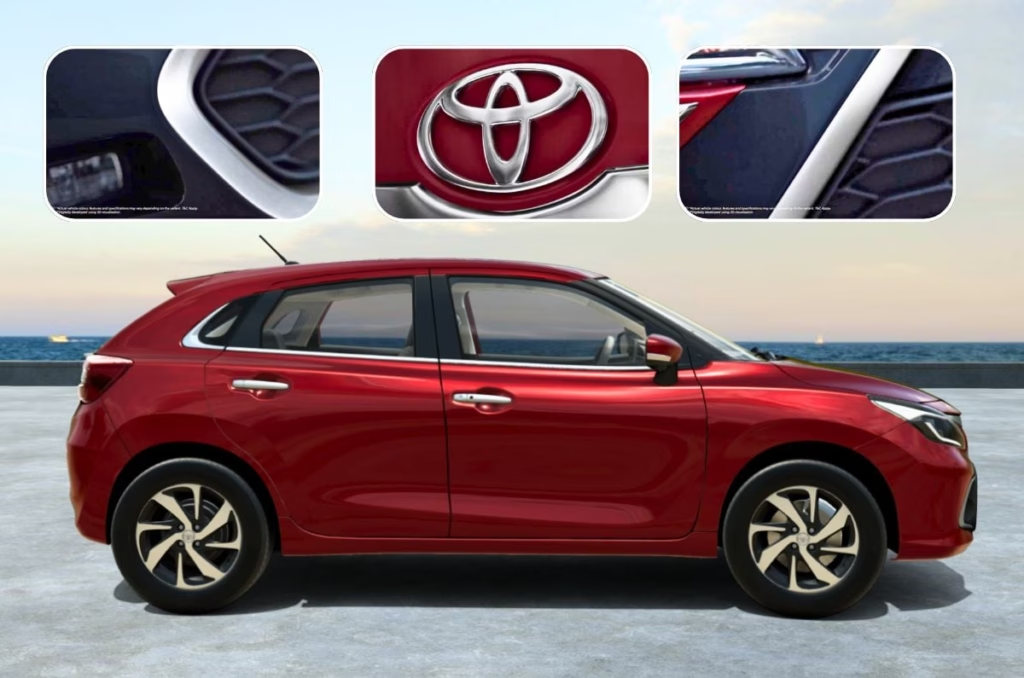
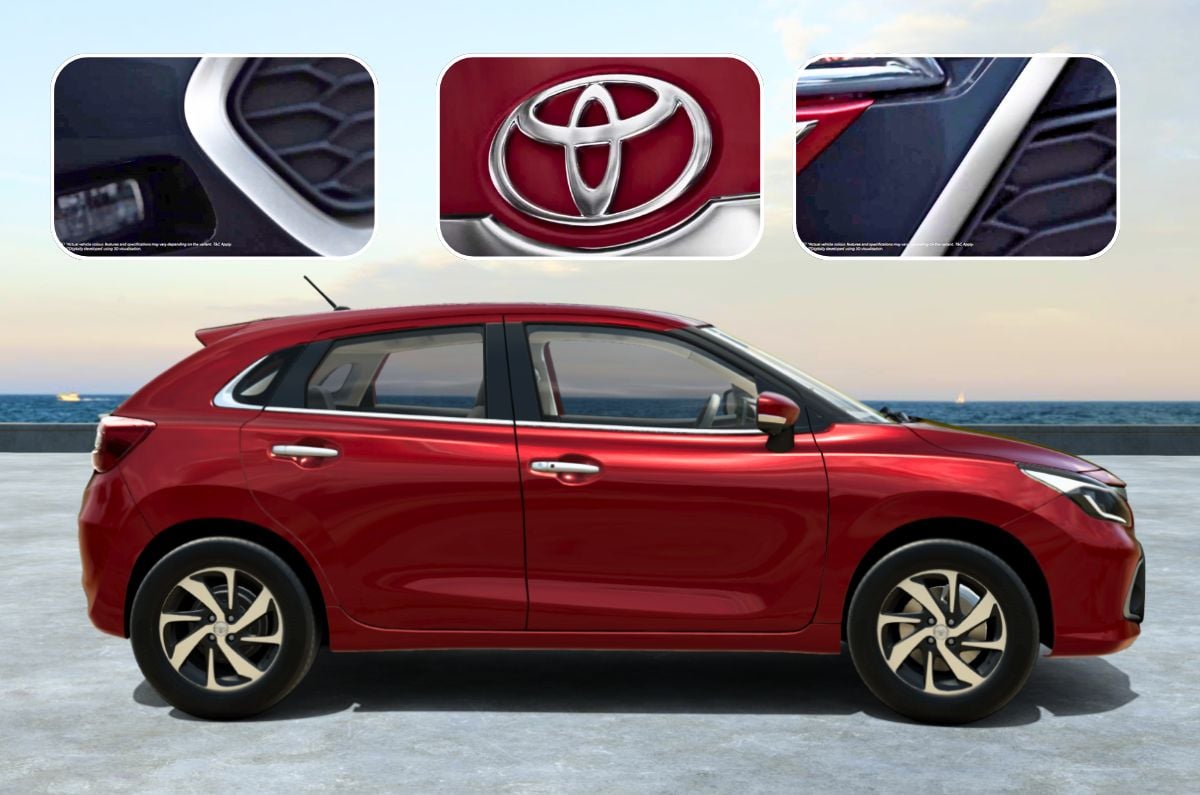
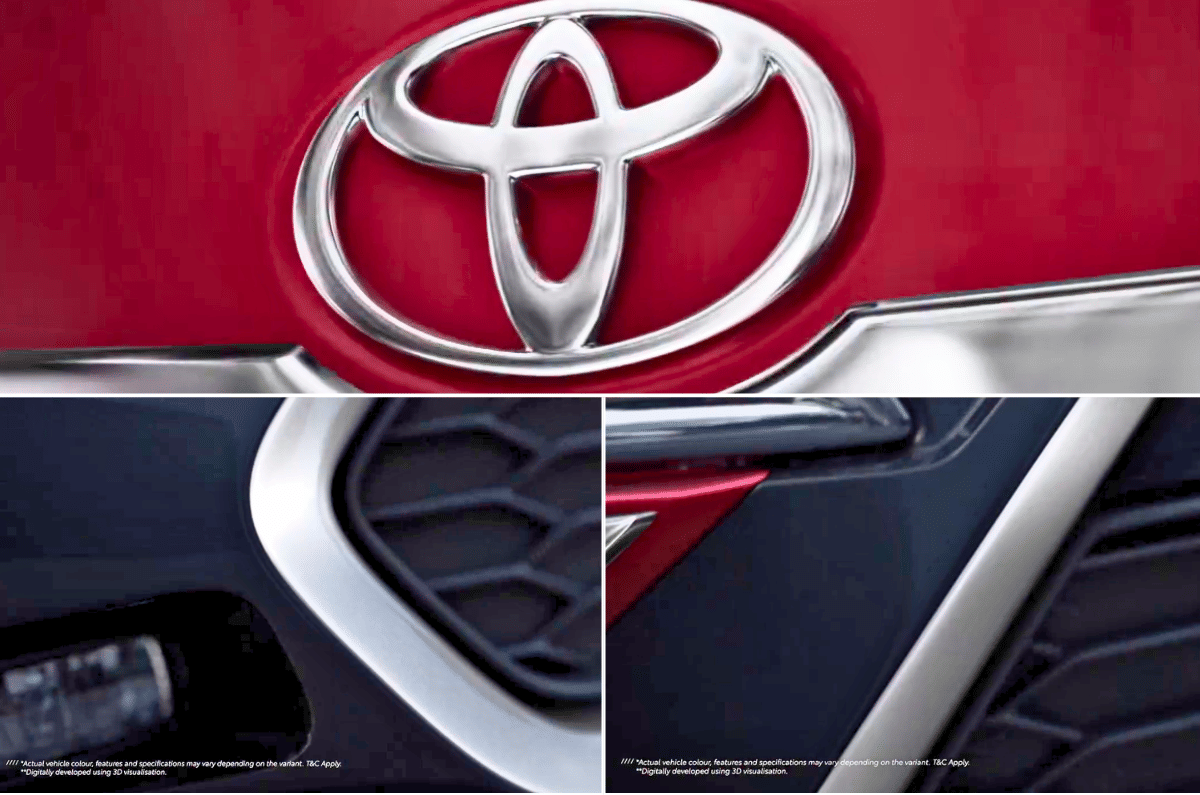
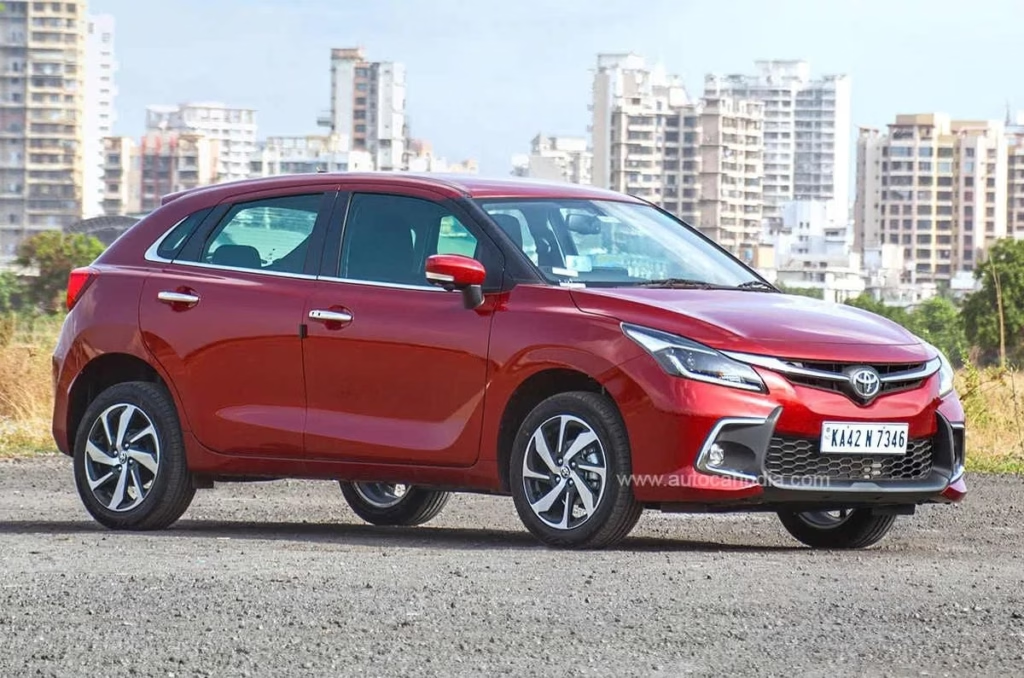
The 2026 Toyota Glanza gets a revised fascia, featuring a larger grille with chrome trims on both sides, and a radar module that enables ADAS features. The headlights are the same as the older model, but the LED fog lamps have been redesigned. The front Toyota logo has also been repositioned to the plastic trim underneath the bonnet. A new shark-fin antenna is also on offer, and two new exterior colours have been added.
In profile, it gets the same 16-inch alloy wheels and the chrome door handles and chrome window line trim also continue on the facelifted model. The rear design sees no changes as well. It continues with the wraparound LED taillights, a roof-mounted spoiler, and a rear wiper and washer.
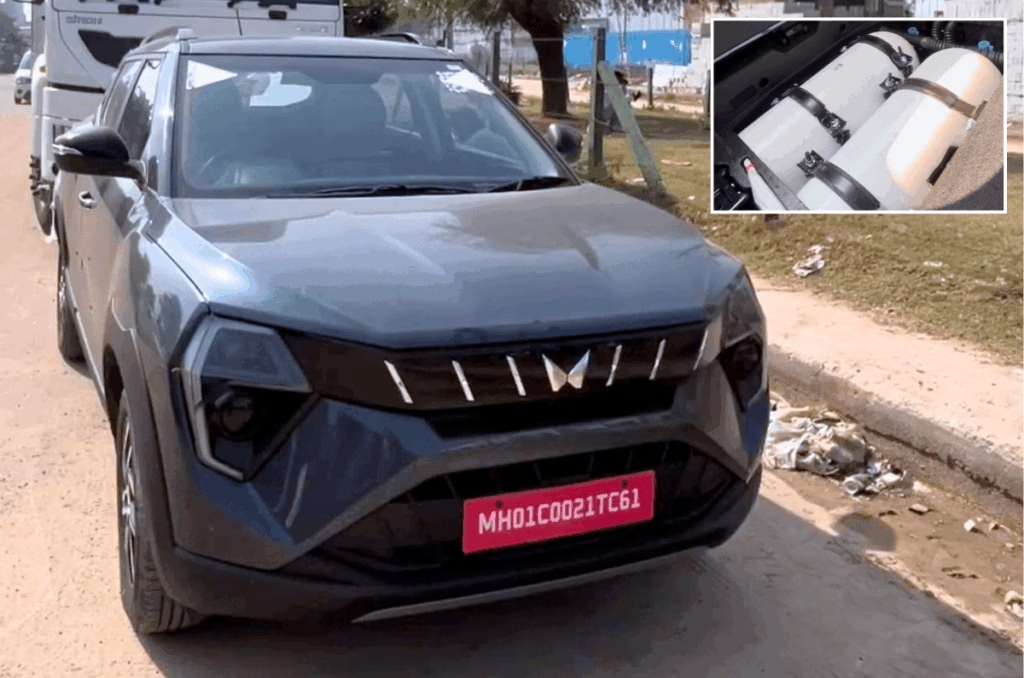
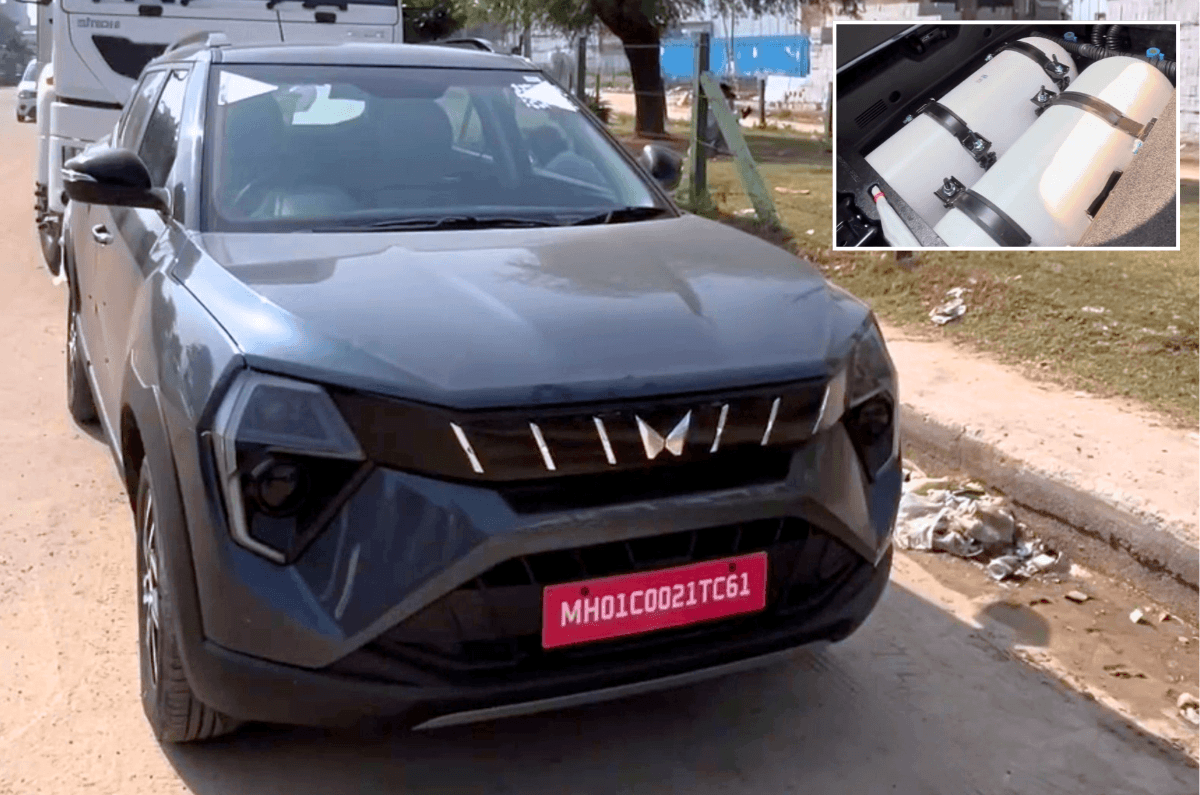
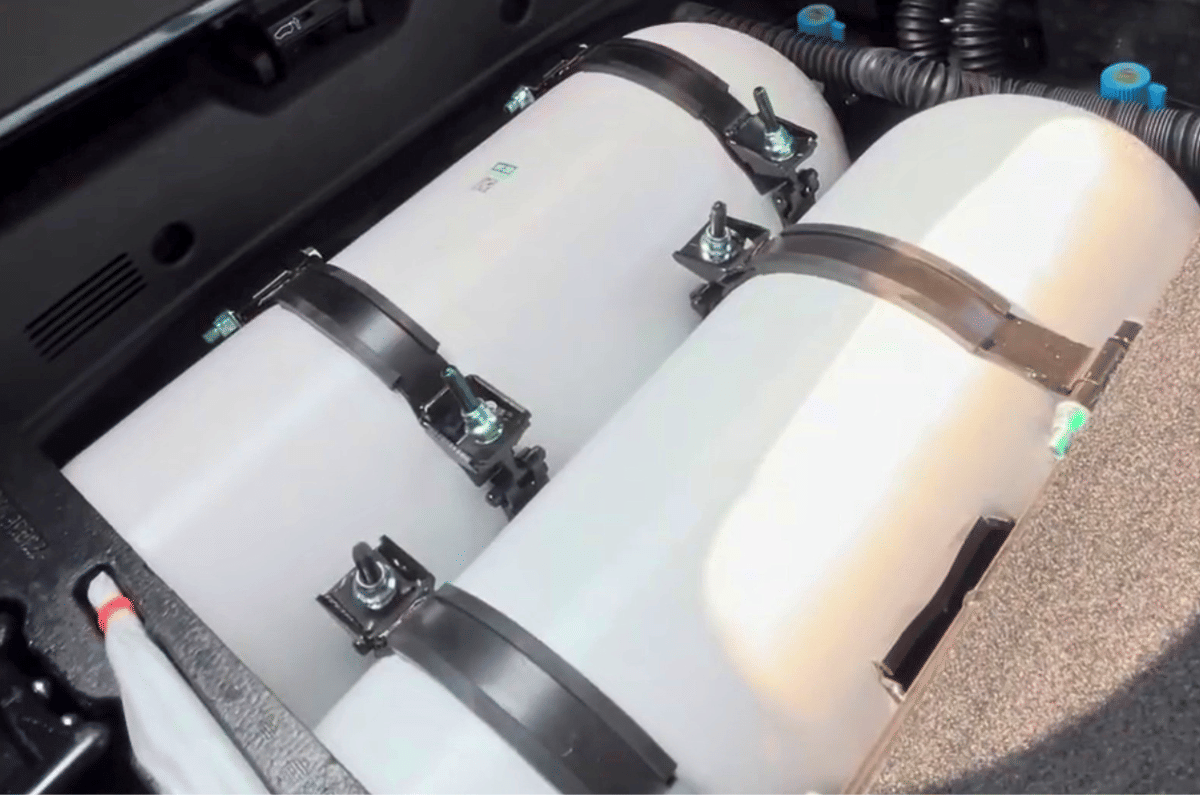
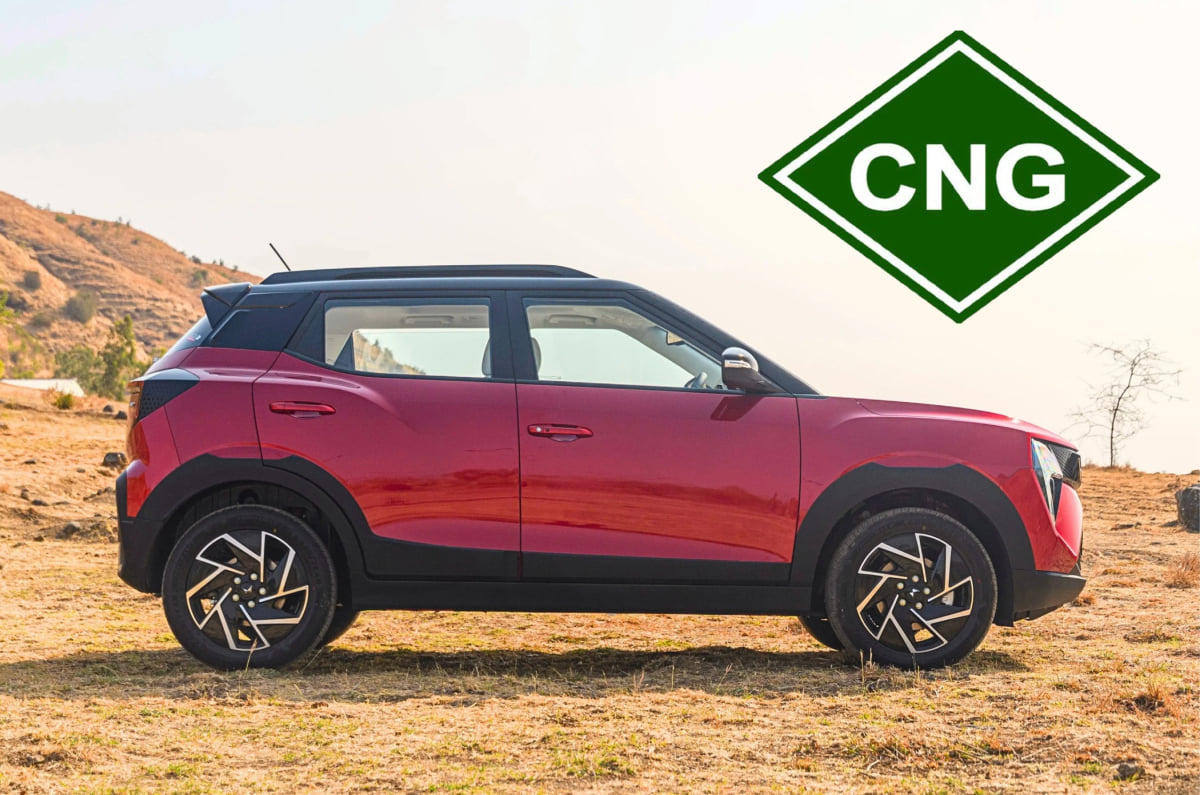
The Mahindra XUV 3XO has been spied with a dual-cylinder tank setup, an arrangement that is aimed to take up less boot space; 3XO has the smallest boot in the compact SUV segment. This sighting comes a day ahead of the SUV’s launch tomorrow. CNG will be the fourth powertrain option, alongside petrol, diesel and electric, giving Mahindra’s most affordable SUV one of the widest powertrain line-ups in the segment, along with the Tata Nexon.
Mahindra XUV 3XO CNG spy shot details
Between the 1.2-litre MPFI (multi-point fuel injection) turbo-petrol and 1.2-litre direct-injection (DI) turbo-petrol engine options of the 3XO, a CNG kit is likely to be offered with the former, and exact specifications are yet to be disclosed. MPFI engines are relatively cheaper to manufacture and simpler to adapt for CNG, since fuel is injected into the intake manifold. Doing the same with a DI engine is more complex and expensive.
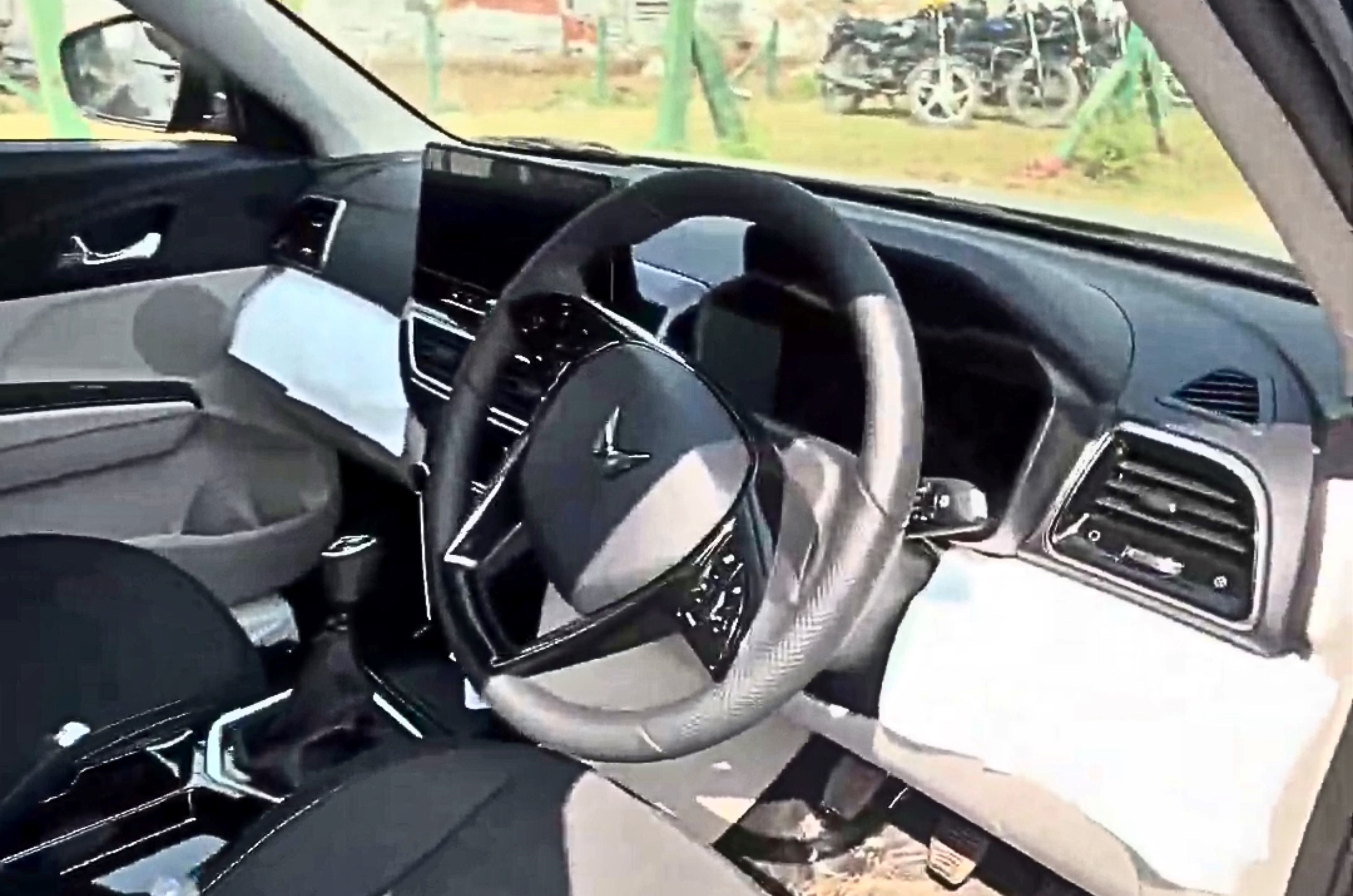
Interestingly, the spied vehicle had dual-tone alloy wheels, suggesting that Mahindra may offer the CNG option even in the higher trims. It’s interior is unlikely to receive any changes, and depending on the trim, features such as a 10.25-inch touchscreen, a 10.25 inch digital driver’s display, steering-mounted controls and more could be on offer.
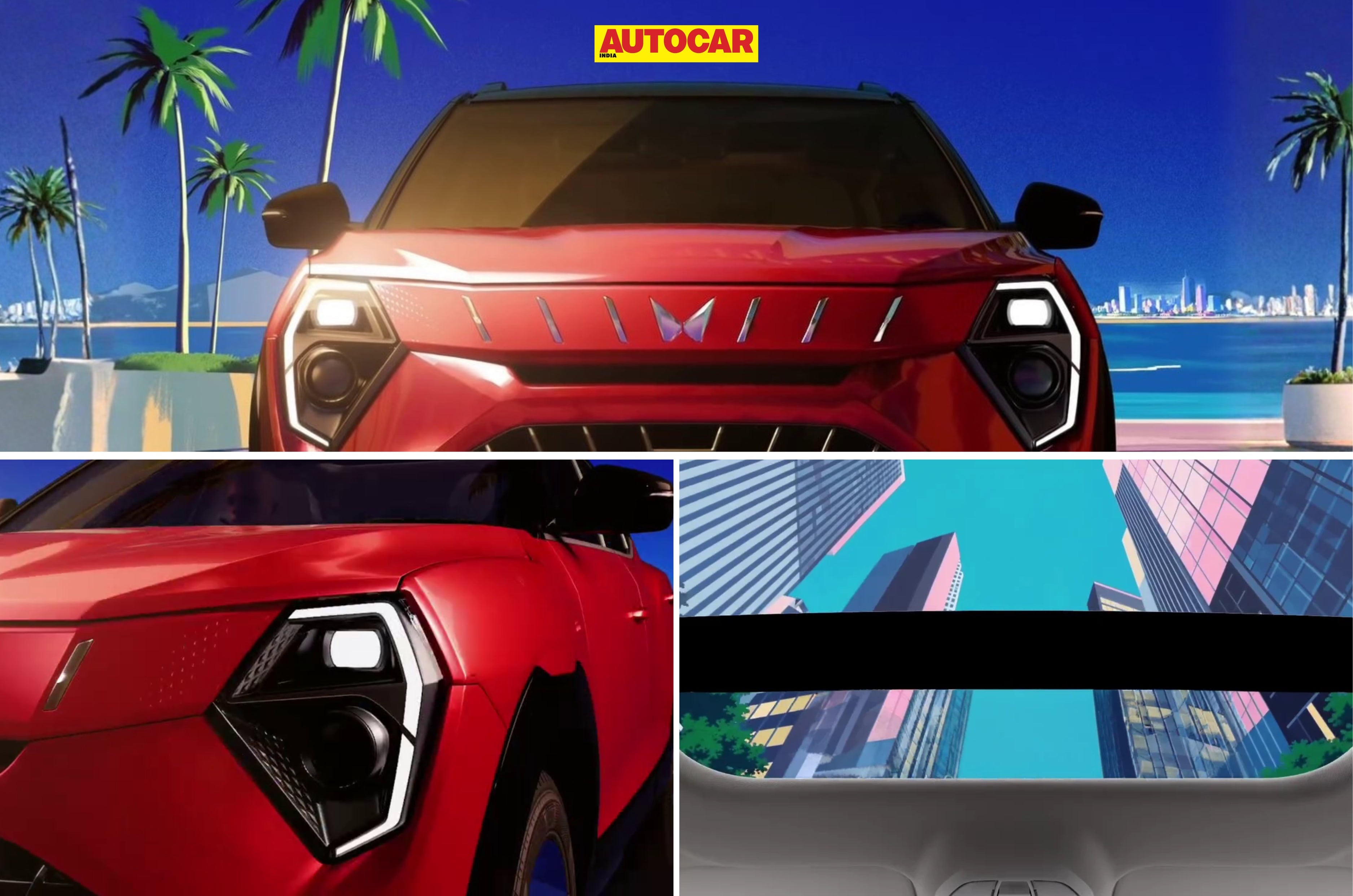
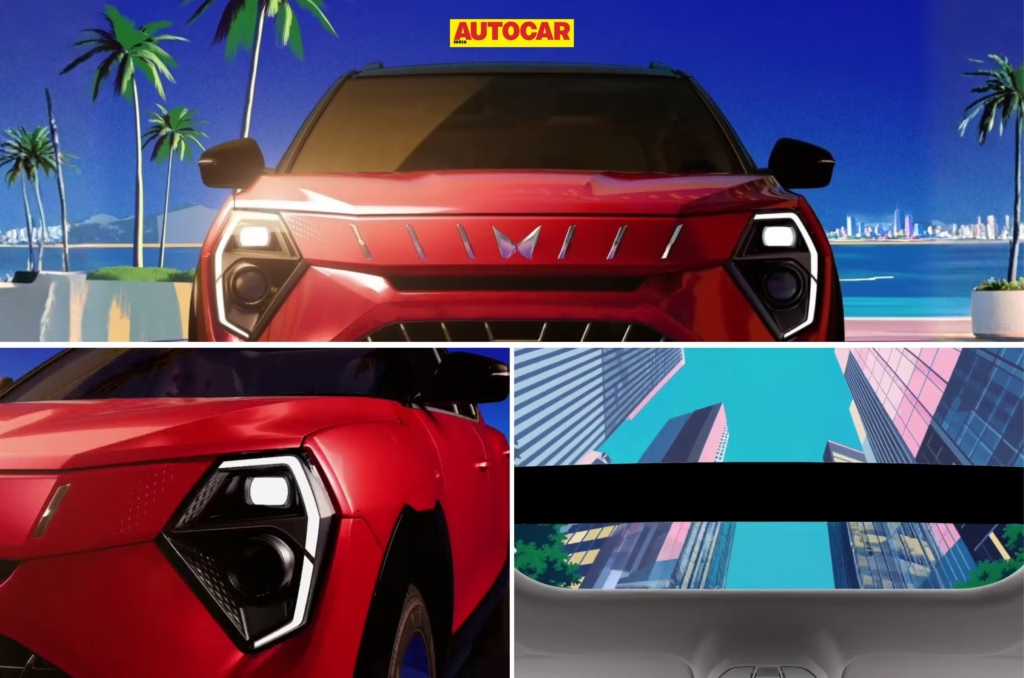
A recent teaser of the 3XO CNG featured a body coloured front grille, something that is offered in the RevX range, and LED DRLs, LED headlights and a panoramic sunroof.
Scope of CNG in compact SUV segment
CNG has become increasingly popular in India. A CNG option could help boost XUV 3XO sales, and also help the carmaker meet the stricter CAFE III norms that come into effect in April 2027. This is especially important because a large part of Mahindra’s sales comes from diesel models. Along with EVs, CNG models will be key to balancing the CO2 emissions from its diesel range. In the past, Mahindra has offered this fuel option on some of its commercial pickup range, as well as via conversion kits for the erstwhile Logan and Verito.
In addition to the Nexon, the XUV 3XO CNG will face competition from models like the Maruti Brezza and the Fronx. We expect the CNG version to command a premium of about Rs 1 lakh over the equivalent petrol trim.
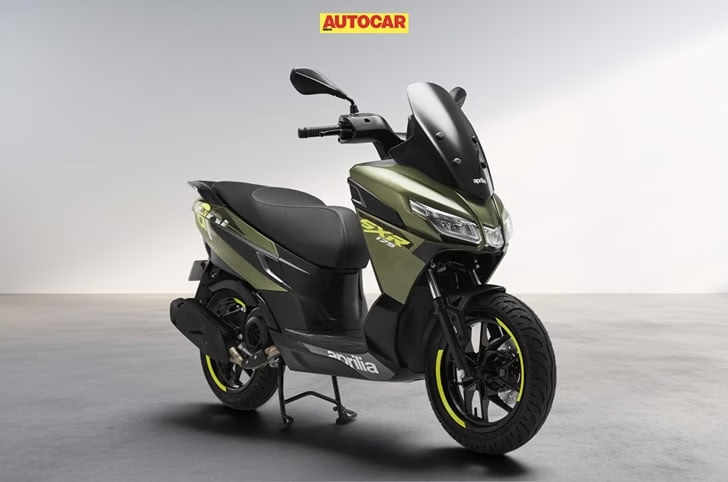
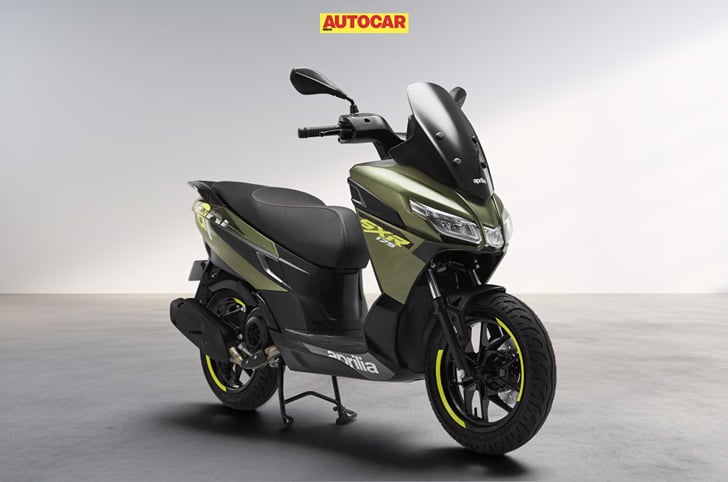
The Aprilia SXR GT 125 is the successor to the SXR 125, which was quietly discontinued in May this year. It shares its platform with the SR 125 hp-e and brings larger wheels and some additional features. Here are answers to some of the most commonly asked questions about it.
What is the difference between the SXR GT 125 and the SXR 125?
The SXR GT 125 replaces the now-discontinued SXR 125 as the brand’s entry-level maxi-scooter in our market. The most notable change is the move to 14-inch wheels, up from the 12-inch wheels on the older model. The SXR GT 125 also uses an updated 124.5cc engine and shares its platform with the current SR 125 hp-e.
What does the SXR GT 125 engine offer?
The SXR GT 125 is powered by a 124.5cc single-cylinder engine producing 10.6hp at 7,400rpm and 10.4Nm of torque at 6,200rpm. It meets BS6 OBD-II Stage B norms and is compatible with E20-blended fuel.
What features does the SXR GT 125 have?
The SXR GT 125 gets a 5-inch LCD instrument cluster and a combined braking system (CBS). In comparison, the SXR GT 175, which was launched alongside it, gets a TFT display with Bluetooth connectivity, turn-by-turn navigation and single-channel ABS.
What are the SXR GT 125 colour options?
The Aprilia SXR GT 125 is available in three colour options – Matte Black, Glossy Azzurro and Glossy White.
What is the SXR GT 125 price?
The Aprilia SXR GT 125 is priced at Rs 1.10 lakh and should be available at Aprilia dealerships nationwide. At this price point, the new SXR is about Rs 5,000 more expensive than the similarly styled Suzuki Burgman Street, which is priced at Rs 1.06 lakh.
Volvo is currently not considering plug-in-hybrid vehicles (PHEVs) in its India portfolio anytime soon, as it sees the current tax structure and uncertain customer interest as hurdles to their introduction. “The regulations are not conducive to plug-in hybrids,” Jyoti Malhotra, MD of Volvo Car India, told our sister publication Autocar Professional on the sidelines of the recent EX90 launch. He also added that Volvo’s India plans remain focused on mild hybrids and EVs for now.
GST on PHEVs is 40 percent, making them less competitive than BEVs with 5 percent GST
Volvo’s India strategy focuses on mild hybrids and BEVs for the foreseeable future
PHEVs could be introduced if customer demand, economics support their future viability
India’s tax structure makes PHEVs less competitive
In India, PHEVs attract a 40 percent GST rate (plus applicable cesses bringing total taxes even higher, up to 43 percent). In contrast, pure battery EVs (BEVs) face a 5 percent GST rate and no compensation cess.
Malhotra said current tax treatment favours BEVs and makes PHEVs less competitive. PHEVs combine an internal combustion engine (ICE) with an electric drivetrain comprising an electric motor and a rechargeable battery that can be charged externally. This dual-powertrain setup adds to the vehicle’s cost. The higher tax burden further affects the final price, making PHEVs less competitive against conventional ICE models and battery electric vehicles (BEVs).
Higher costs, customer willingness to pay remain key hurdles
Beyond taxation, customer willingness to pay remains a key factor in Volvo’s assessment. Malhotra said PHEVs would be more expensive than conventional ICE vehicles because they combine two powertrains and face a higher tax burden. “Are our customers ready to pay that cost is something we are watching very closely,” he added.
He also believes incentives under the third phase of Corporate Average Fuel Economy (CAFE) norms, slated to go into effect from April 2027, would not by themselves change the commercial case or the final purchase price. “I don’t think CAFE will bring much change to that. It is basically the tax structure,” he said.
Volvo’s India strategy remains focused on EVs, mild hybrids
Malhotra maintained that Volvo’s broader direction remained towards battery electric vehicles, even as the company adjusted the pace of its transition to reflect conditions in individual markets. “Our end goal is still the same, globally as well as in India, that we want to become an electric car company,” he said.
In India, Volvo offers mild-hybrid SUVs alongside BEVs, with electric cars accounting for nearly one in four vehicles it sells. The BEV portfolio includes EX30, EC40 and EX90 models, while the ICE models include the XC60 and XC90 SUVs, which come in a mild-hybrid avatar. Internationally, though, Volvo offers the XC60 and XC90 as PHEVs as well.
Malhotra said that mix also left the company well placed on CAFE compliance, allowing its powertrain decisions to be guided by market demand. Plug-in hybrids remain an option if customer demand and the economics support their introduction. “It’s not that we will bring it, but we can bring it if all things fall in place,” he added.
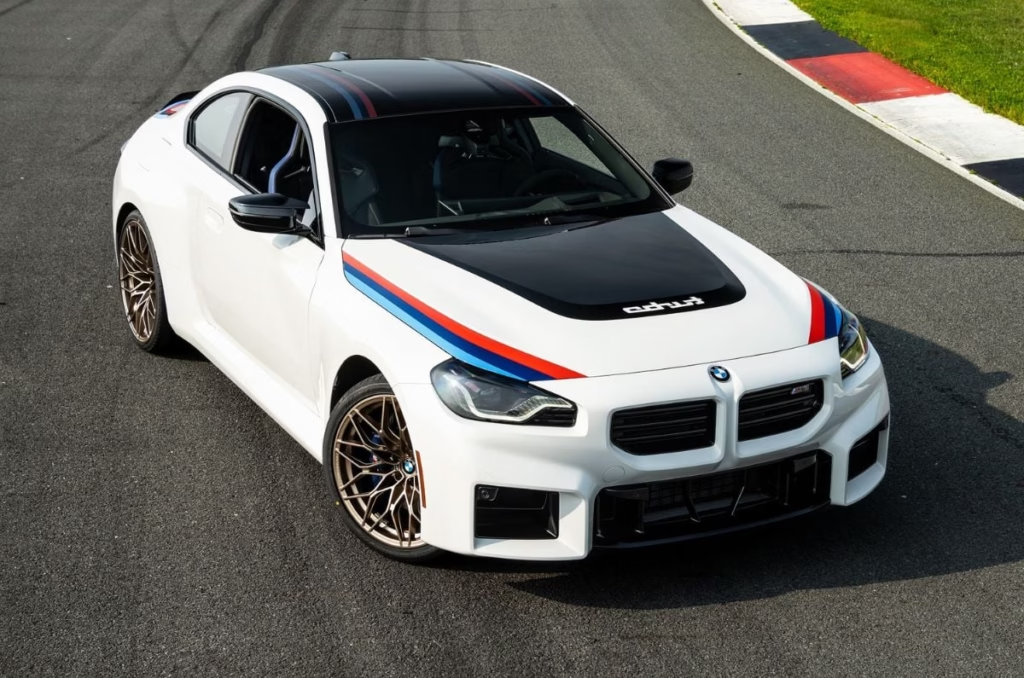
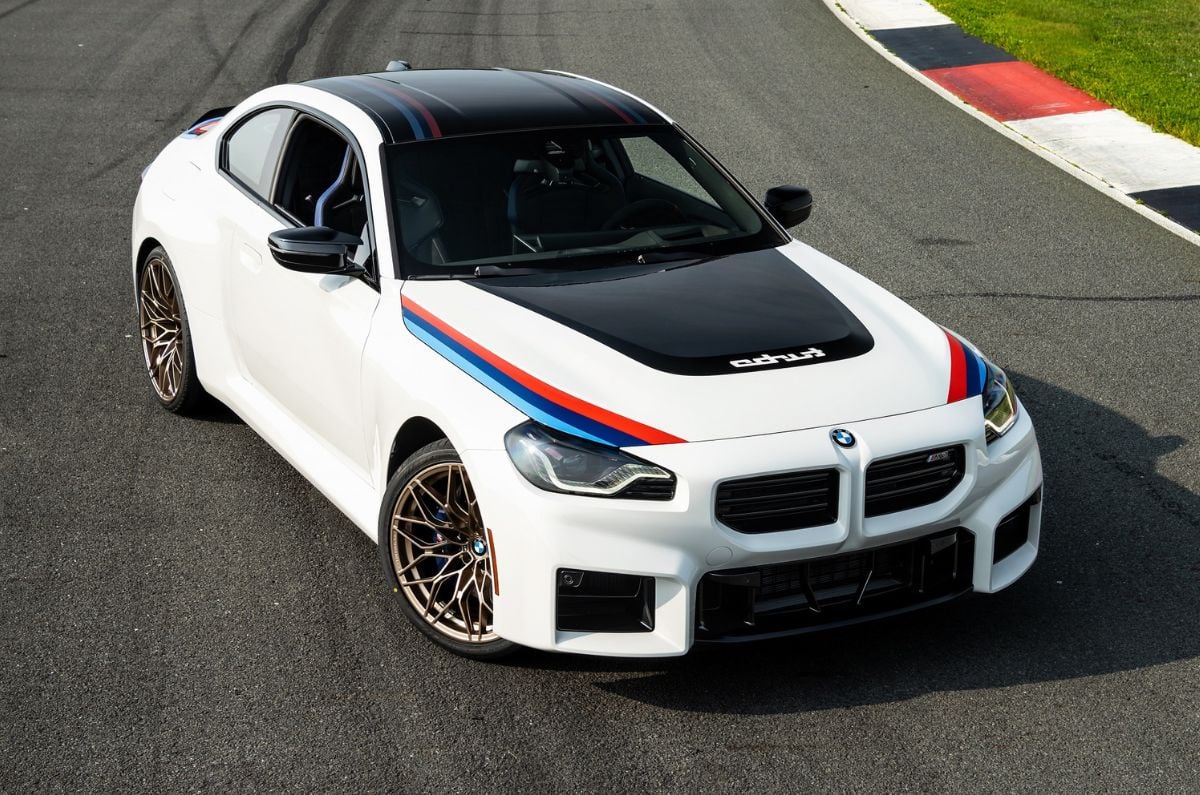
BMW has opened bookings for the limited-run M2 xDrive Turbo Edition in India. This ultra-exclusive model pays tribute to the BMW 2002 Turbo from 1973 which has a rather unique story in BMW’s history. More on that later, but the M2 xDrive Turbo Edition will be available in limited numbers in India with a first-come, first-served basis allocation. Expect prices to be announced in the coming weeks.
BMW M2 xDrive Turbo Edition: what is it paying tribute to?
This special-edition M2 pays tribute to the BMW 2002 Turbo sedan which was launched during the global oil crisis in 1973. At the time, it was the first series-production passenger car to use an exhaust gas turbocharger, something that has since defined the template for a lot of performance cars. The turbocharger, of course, was in the interest of reducing fuel consumption, but that doesn’t mean it was any slouch – with 170hp, 2.0-litre engine, a top-speed of 211kph and a 0-100kph time of 7.0 seconds, it was quite fast for its time. Well-kept examples of 2002 Turbo cost well over 100,000 Euros today, says BMW.
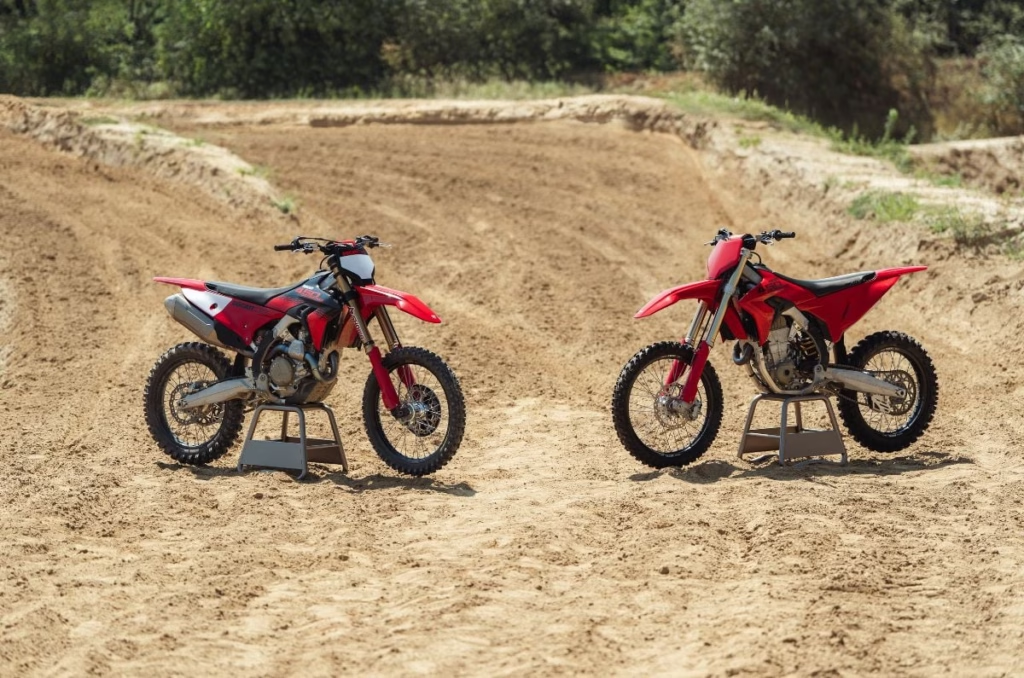
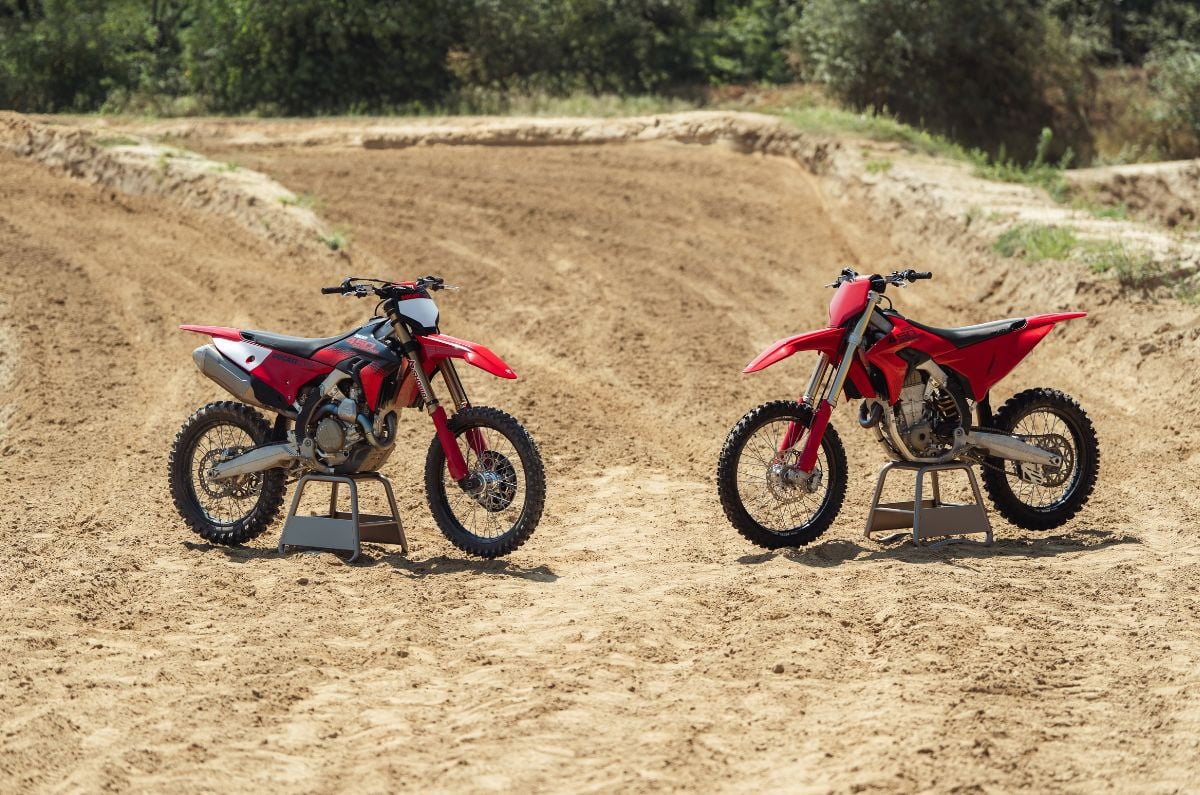
Closely following the reveal of the Desmo450 SM, Ducati has now unveiled the 2027 version of its first off-roader, the Desmo450 MX. Like earlier, there’s also a Desmo450 MX Factory version that gets a slightly different look with additional equipment over the standard model. The Borgo-Panigale manufacturer has also dropped the prices for both models, by up to GBP 2,400.
Desmo450 MX Factory gets additional accessories such as a sump guard and disc guard as standard
Both models have become cheaper compared to their 2026 versions
2027 Ducati Desmo450 MX and Factory: What’s new?
Changes aimed at better performance and durability
Starting with the standard model, Ducati has made changes throughout the motorcycle in order to improve functionality, performance and ergonomics. The rear sprocket has been changed to a larger 51-tooth version compared to the earlier 49-tooth one, in order to improve the rear wheel torque while exiting corners. Both the gear and the brake lever tips have also been changed to offer better ergonomics and allow for more ergonomic foot movement during gear shifts and braking. The company has also upgraded numerous other components for improved reliability. These are all nuanced changes and the most identifiable way to differentiate the 2027 model from the 2026 version is with a new livery that features black logos instead of white.
On the Desmo450 MX Factory version, Ducati has increased the equipment on offer, while trimming off 800gm from its kerb weight. Considering the Desmo450 MX weighs 104.8kg on an empty fuel tank, that number becomes all the more important for the Factory version. In addition to receiving all the standard model’s improvements, the factory model gets extra dark Kashima coating on its 49mm fork and monoshock, plus a titanium oxide (TiO) treatment for superior wear resistance. The factory model exclusively gets a full Akrapovic exhaust system, which is said to reduce the overall weight by 1.7kg. The triple clamp unit is also machined from a single billet, to reduce weight even further. Ducati has given the factory version a sump guard, a disc rotor guard, and an RK MXU chain with O-rings. In addition to these existing pieces of equipment, a holeshot device is also standard, allowing the rider to manage acceleration and stability better during starts.
Ducati has also brought the WiFi module to the Factory version, last seen on the Desmo450 SM, that enables predictive maintenance and customisation of the motorcycle’s two ride modes via the company’s X-Link mobile app. For 2027, the factory version also gets a new Ducati Corse livery, featuring the red and black Ducati logo.
The prices for both Desmo450 MX models have dropped significantly in Europe. The 2027 Desmo450 MX is priced at GBP 9,495 (Rs 12.02 lakh) and the 450 MX Factory at GBP 10,795 (Rs 13.67 lakh). That’s a GBP 1,750 (Rs 2.22 lakh) drop on the regular MX, and a GBP 2,400 (Rs 3.04 lakh) drop on the MX Factory compared to their respective 2026 versions. Both are already arriving at various European dealerships, with the rest of the world to follow. However, the USA won’t be one of them where the limited edition MY26 model will be available exclusively instead. In India, the 2026 Desmo450 MX is available for Rs 17.23 lakh (ex-showroom). Neither the 2027 Desmo450 MX nor the 2027 Desmo450 SM are available here yet, and it remains to be seen if our market also sees similar price revisions at launch.
Mahindra will debut a CNG the variant of the XUV 3XO on October 15, expanding its compact SUV’s powertrain line-up to four options. The CNG version will join the existing petrol, diesel and electric variants, making it the third compact SUV in India to offer a CNG option, alongside the Maruti Suzuki Brezza and Tata Nexon. The teaser offers a first look at the XUV 3XO CNG’s exterior and interior.
Mahindra XUV 3XO CNG: Expected powertrain
The XUV 3XO CNG is expected to use the 1.2-litre turbo-petrol engine with multi-point fuel injection (MPFI), which produces 111hp and 200Nm in the petrol version. The petrol-powered XUV 3XO is available with six-speed manual and automatic gearboxes. Transmission options for the CNG version, along with details of the CNG tank and its placement, are likely to be revealed closer to launch.
Mahindra XUV 3XO CNG: exterior and interior
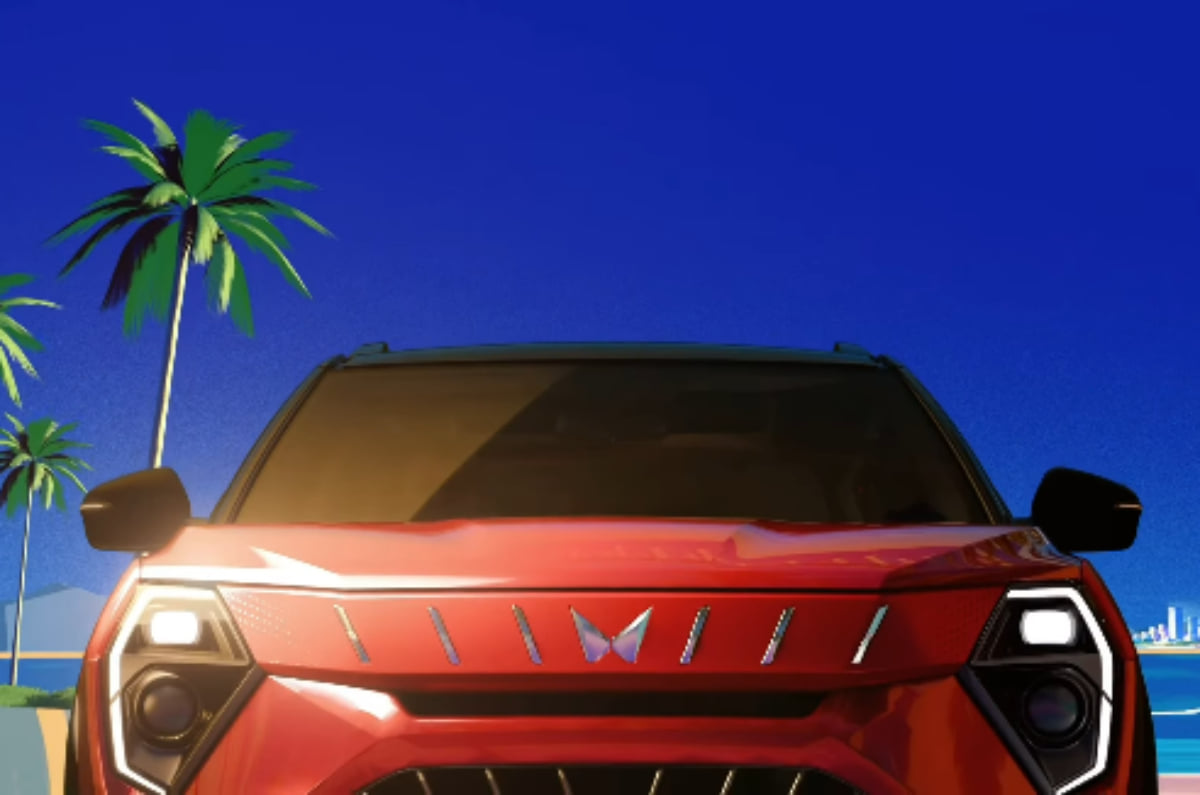
The teaser shows a body-coloured panel between the headlamps, with slim metallic inserts flanking the Mahindra Twin Peaks logo. The closed-off grille design resembles the RevX range, which suggests Mahindra could be offering the CNG powertrain with the RevX range. The teaser also confirms a panoramic sunroof.
Other exterior details are expected to remain largely unchanged from the standard XUV 3XO.
September 2026 saw the Maruti Suzuki Baleno top the best-selling cars list with 25,392 units dispatched, a 93 percent increase year on year. The Tata Nexon and Punch ranked second and third, respectively, with over 20,000 units each. Combined dispatches of the top 10 models rose 15.5 percent to 1,91,332 units. Maruti Suzuki had six models on the list, followed by Tata Motors with two, and Hyundai and Mahindra with one each.
Top 10 best-selling cars in September 2026
Rank
Model
Sep 2026 sales (units)
Aug 2026 sales (units)
Sep 2025 sales (units)
MoM change (%)
YoY change (%)
1
Maruti Baleno
25,392
15,376
13,173
+61
+93
2
Tata Nexon
20,456
18,431
22,573
+11
-9
3
Tata Punch
20,333
21,320
15,891
-5
+28
4
Maruti Fronx
19,282
18,730
13,767
+3
+40
5
Maruti Wagon R
18,835
20,180
15,388
-7
+22
6
Maruti Dzire
17,754
18,418
20,038
-4
-11
7
Hyundai Creta
17,657
16,288
18,861
+8
-6
8
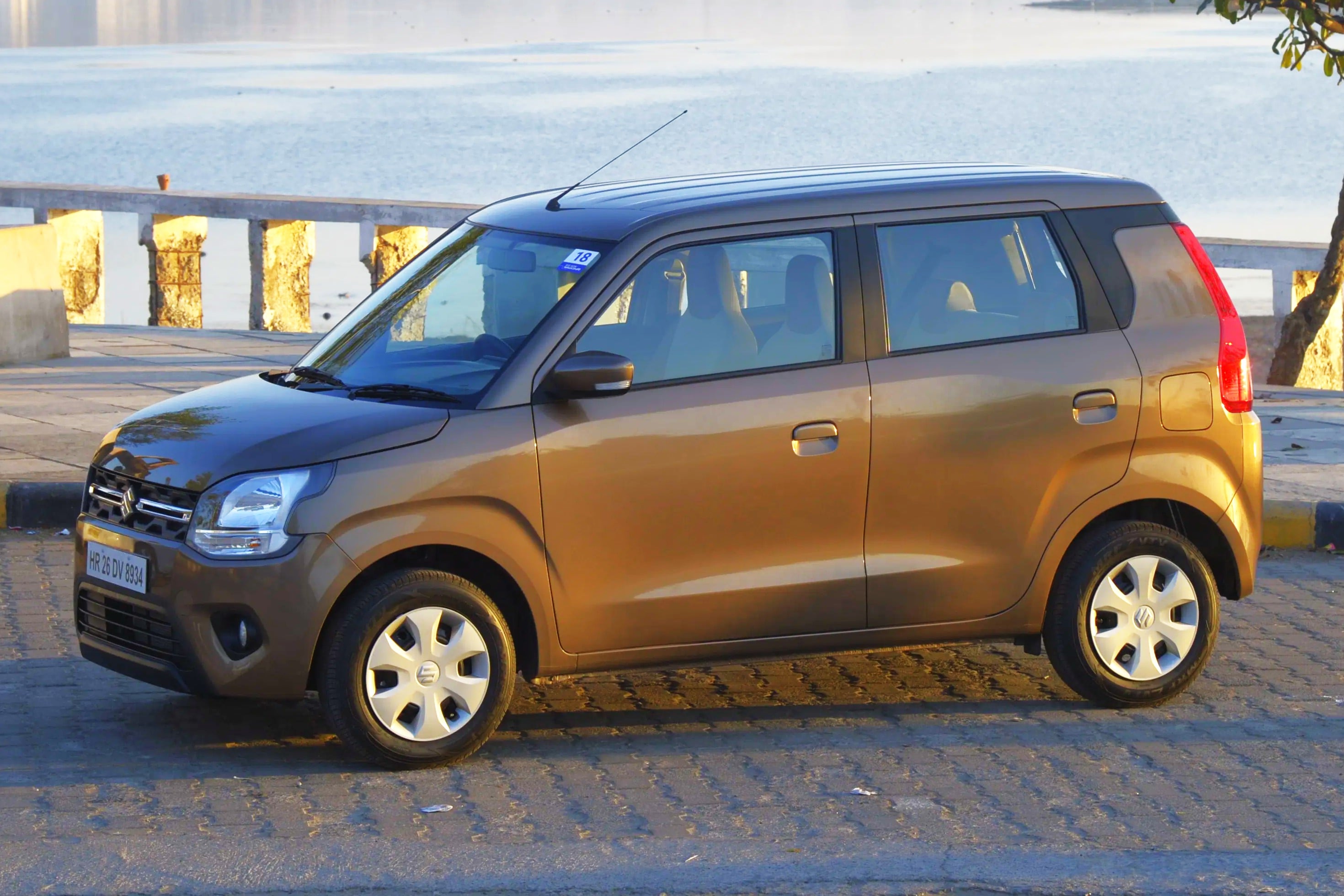
Maruti Swift
17,399
19,832
15,547
-12
+12
9
Mahindra Scorpio
17,313
15,576
18,372
+11
-6
10
Maruti Ertiga
16,911
18,516
12,115
-9
+40
1. Maruti Suzuki Baleno
The Maruti Suzuki Baleno topped the September 2026 sales rankings with 25,392 units, compared with 13,173 units in September 2025. Its dispatches increased 93 percent year on year, the highest growth rate among the 10 models. The premium hatchback recently received a facelift and is sold through Maruti Suzuki’s Nexa dealership network. It rivals the Hyundai i20, Tata Altroz and Toyota Glanza. The Baleno is priced between Rs 5.99 lakh and Rs 9.99 lakh.
2. Tata Nexon
The Tata Nexon, including the Nexon EV, recorded 20,456 units in September 2026, down 9 percent from 22,573 units in the same month last year. It finished second, just 123 units ahead of the Punch. The Nexon is available with petrol, diesel, CNG and electric powertrains. It rivals the Maruti Suzuki Brezza, Hyundai Venue, Kia Sonet and Mahindra XUV 3XO and is priced from Rs 7.40 lakh to Rs 14.52 lakh for the ICE powered Nexon, while the Nexon EV starts at Rs 12.49 lakh and goes up to 17.89 lakh.
3. Tata Punch
The Tata Punch, including the Punch EV, recorded 20,333 units in September 2026, up 28 percent from 15,891 units a year earlier. It ranked third in the overall list, with the Nexon finishing narrowly ahead. Tata’s smallest SUV is offered with multiple powertrain options, while its compact dimensions and ride-and-handling balance remain key strengths. The Punch rivals the Hyundai Exter and Citroen C3 and is priced from Rs 5.75 lakh to Rs 10.77 lakh. The Punch EV meanwhile is priced from Rs 9.79 lakh to Rs 12.99 lakh.
4. Maruti Suzuki Fronx
The Maruti Suzuki Fronx ranked fourth in September 2026 with 19,282 units, compared with 13,767 units in September 2025. Its dispatches increased 40 percent year on year. The Fronx’s crossover styling, comfortable cabin and fuel-efficient powertrains continue to support demand, although it lacks some popular features. It rivals the Nissan Magnite and Renault Kiger and is priced between Rs 6.85 lakh and Rs 11.84 lakh.
5. Maruti Suzuki Wagon R
The Maruti Suzuki Wagon R recorded 18,835 units in September 2026, up 22 percent from 15,388 units in the same month last year. It finished fifth in the rankings. Its spacious cabin, ease of driving and low running costs remain key strengths, although its light build and limited highway ability are drawbacks. The Wagon R rivals the Tata Tiago and Citroen C3 and is priced between Rs 4.99 lakh and Rs 7.24 lakh.
6. Maruti Suzuki Dzire
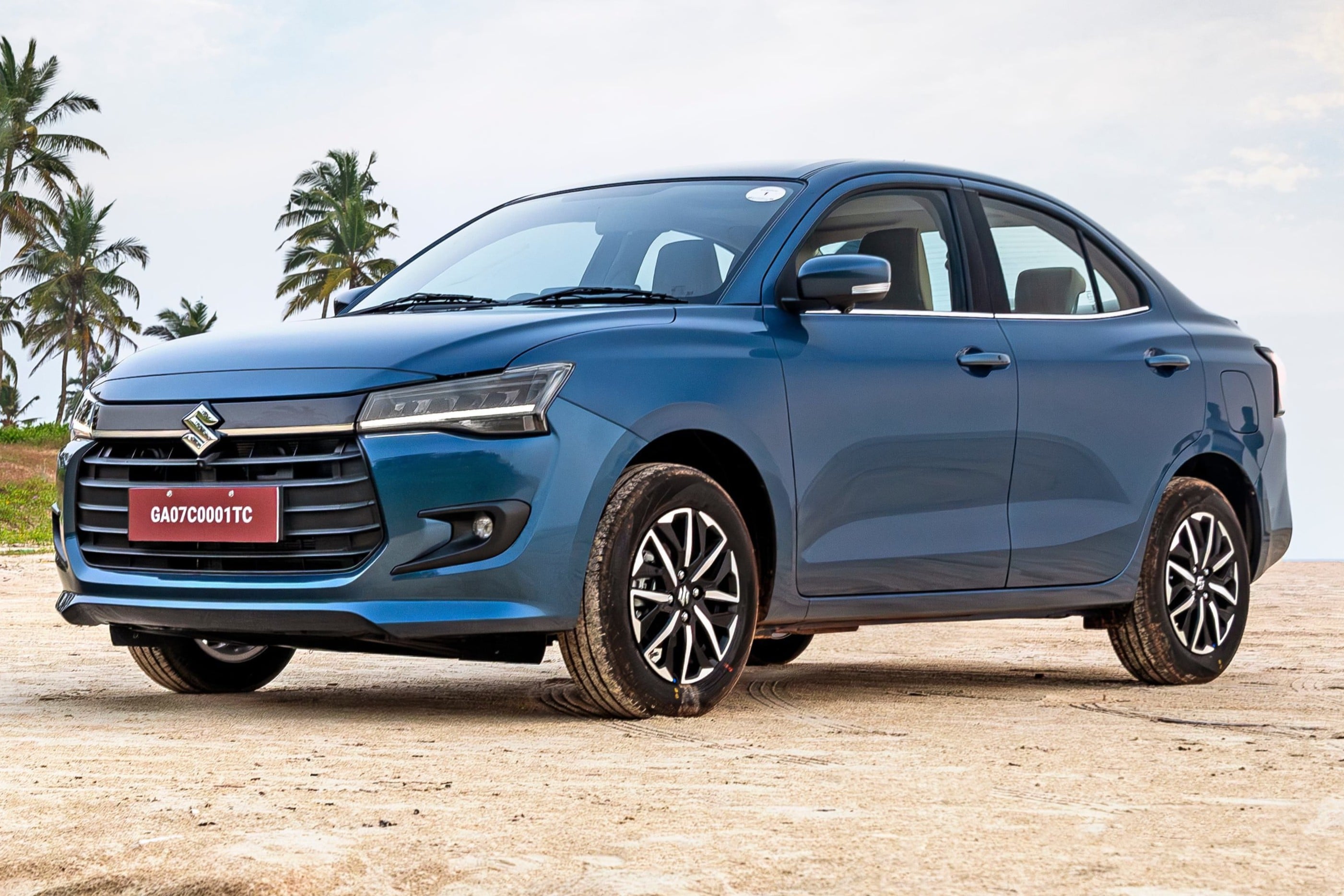
The Maruti Suzuki Dzire recorded 17,754 units in September 2026, down 11 percent from 20,038 units in September 2025. It ranked sixth and was the only sedan in the top 10. Strong fleet demand, fuel efficiency and a well-balanced ride and handling setup continue to support the compact sedan’s volumes. The Dzire rivals the Hyundai Aura, Honda Amaze and Tata Tigor and is priced between Rs 6.31 lakh and Rs 9.41 lakh.
7. Hyundai Creta
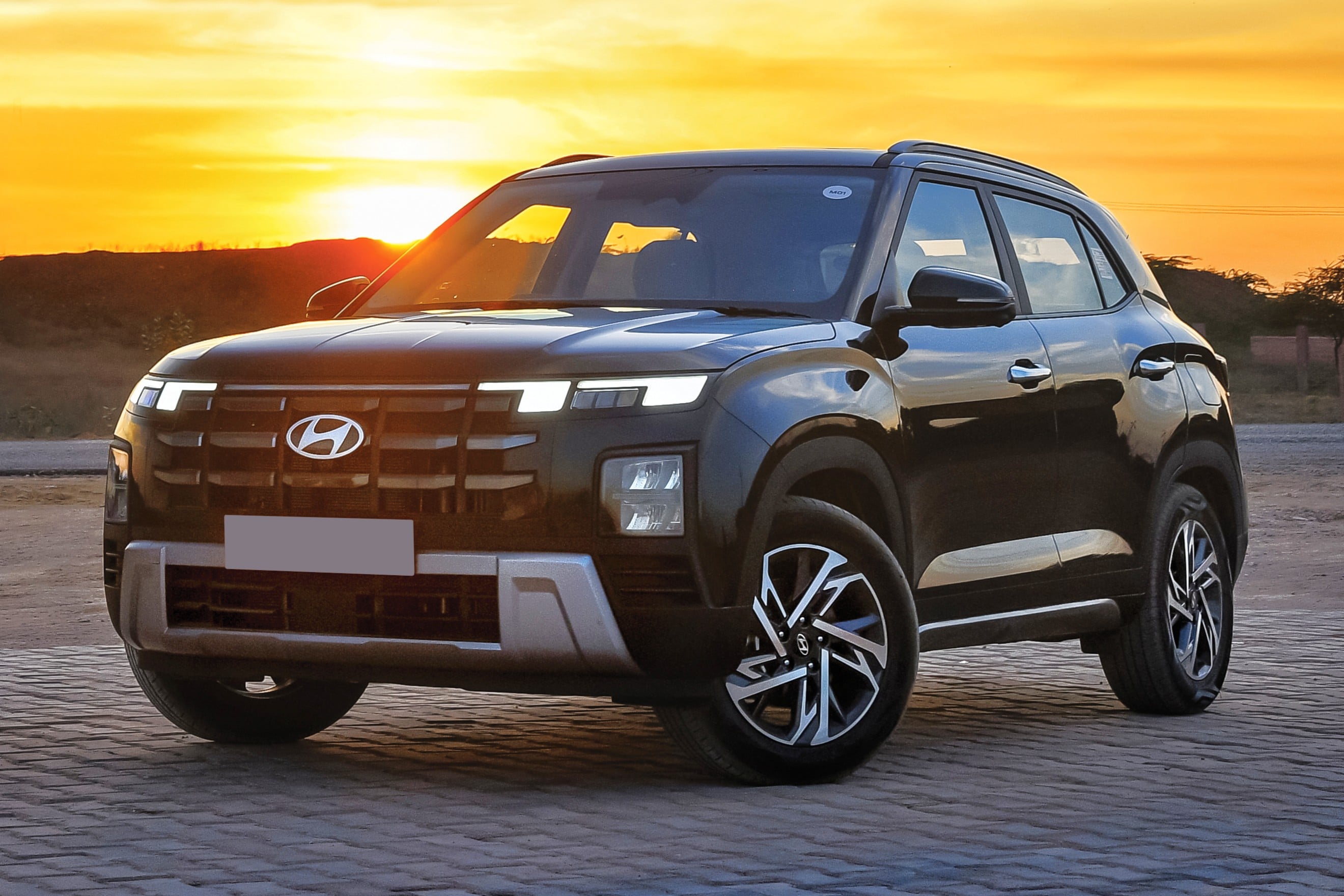
The Hyundai Creta, including the Creta Electric, recorded 17,657 units in September 2026, a 6 percent decline from 18,861 units in the year-ago month. It was the only Hyundai model in the top 10, finishing seventh. A roomy cabin, multiple powertrain options and a long feature list continue to attract buyers, although the top variants are expensive and some interior plastics could be better. The Creta rivals the Kia Seltos, Maruti Suzuki Grand Vitara, Toyota Urban Cruiser Hyryder, Honda Elevate and Tata Sierra. It is priced between Rs 10.91 lakh and Rs 20.14 lakh.
8. Maruti Suzuki Swift
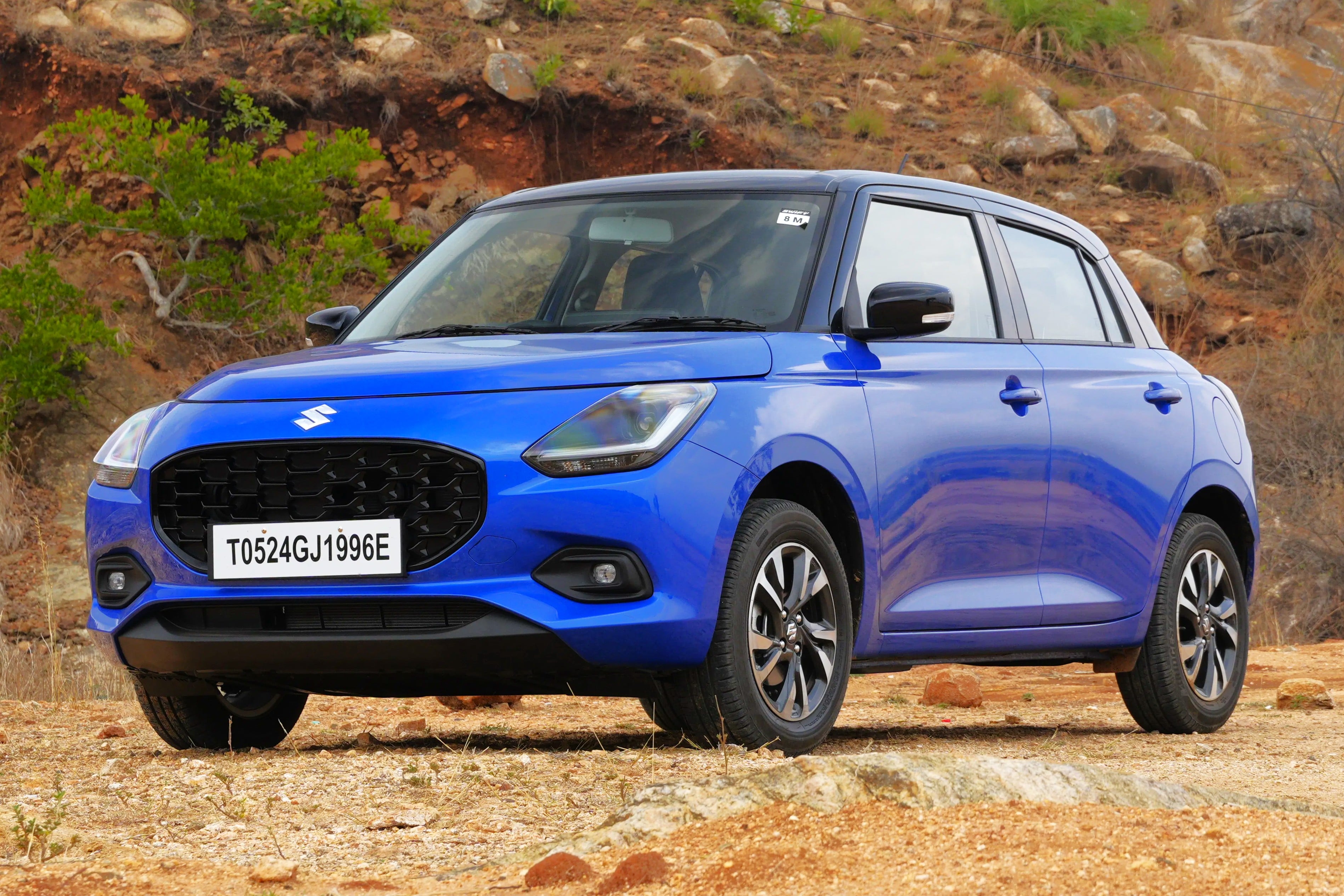
The Maruti Suzuki Swift recorded 17,399 units in September 2026, up 12 percent from 15,547 units a year earlier. It finished eighth and was one of three Maruti Suzuki hatchbacks in the top 10. Its high fuel efficiency, light controls and easy-to-drive nature continue to support demand, although the top variants are priced close to the more premium Baleno. The Swift rivals the Hyundai Grand i10 Nios and Tata Tiago and is priced between Rs 5.84 lakh and Rs 8.74 lakh.
9. Mahindra Scorpio
The Mahindra Scorpio, combining the Scorpio N and Scorpio Classic, recorded 17,313 units in September 2026. This was down 6 percent from 18,372 units in September 2025, placing it ninth. The Scorpio nameplate remains popular for its strong engines, rugged character and off-road ability. However, the third-row seating is cramped and the luggage area is not particularly practical. The Scorpio N rivals the Tata Safari, Hyundai Alcazar and Mahindra XUV 7XO and is priced from Rs 13.69 lakh to Rs 25.49 lakh.
10. Maruti Suzuki Ertiga
The Maruti Suzuki Ertiga completed the top 10 with 16,911 units in September 2026, up 40 percent from 12,115 units in the same month last year. It was the sixth Maruti Suzuki model in the rankings. The Ertiga continues to hold the title of India’s highest-selling MPV. Its practical cabin, strong fuel efficiency and value-for-money positioning attract both private and fleet buyers, although it misses out on some features offered by rivals. It is priced from Rs 8.90 lakh to Rs 13.04 lakh and rivals the Kia Carens and Toyota Rumion.
Toyota has teased the Glanza facelift for the first time ahead of its October 14 launch. The teaser shows glimpses of the facelifted Glanza’s fascia, while the rest of the design changes are under wraps. The Glanza facelift is also expected to get additional features and a new engine under the hood, similar to its badge-engineered Maruti Baleno sibling.
Teaser reveals a larger grille, revised fog lamps and a repositioned Toyota logo
Expected to be offered with additional features like ventilated seats, ADAS
Could get a new Z12E 3-cylinder petrol engine from the 2026 Maruti Baleno
Toyota Glanza facelift teased: What was seen?
Teaser reveals a larger grille and redesigned front fog lamps
The teaser shows the Glanza facelift with a large grille featuring honeycomb mesh and chrome strips on the sides. The Toyota logo has shifted from the grille to a body-coloured trim over it. There is a thick chrome strip under the logo spanning from one headlight to the other. The teaser video also shows the revised LED fog lamps.
Other elements, including the headlights with LED DRLs and the taillights, are expected to be similar to the outgoing model. The only other expected change on the outside could be the design for the 16-inch alloy wheels.
Toyota Glanza facelift: Other expected changes
Ventilated front seats, ADAS, wireless phone charger expected to be added
The pre-facelift Toyota Glanza’s dashboard is shown for representational purposes only.
While the interior design is expected to be similar to the outgoing model, the facelift could add new features like ventilated front seats, a wireless phone charger with cooling vents underneath it, and a Clarion sound system. On the safety front, a new advanced driver assistance system (ADAS) suite is expected to be offered.
New Z12E 3-cylinder petrol engine is expected to power it
The Maruti Baleno’s Z12E engine is shown for representational purposes only.
The Glanza facelift is expected to be offered with the Z12E 1.2-litre 3-cylinder naturally aspirated petrol engine that also does duty in the 2026 Baleno. The engine produces 83hp and 112Nm, which is 7hp and 1Nm less than the outgoing model’s K12N 4-cylinder petrol engine, but is more fuel efficient. A 70hp, 102Nm CNG option is also expected to be offered at launch.
Currently, the Glanza is offered with a choice between a 5-speed manual and a 5-speed automated manual transmission (AMT), which are expected to be carried over to the facelifted model. However, the CNG choice is available only with a manual transmission in the outgoing model, but the Baleno CNG is offered with an AMT option too. It will be interesting to see if Toyota offers an AMT option with the Glanza CNG.
With the facelift, the Toyota Glanza’s prices are expected to be rejigged from the current Rs 6.73 lakh to Rs 9.99 lakh range (ex-showroom). It will continue to rival the Maruti Baleno, Hyundai i20 and Tata Altroz.
Toyota is all set to launch the Glanza facelift on October 14, 2026, about a month after the launch of the 2026 Maruti Suzuki Baleno facelift. The Japanese automaker has released an official teaser, giving us a glimpse of the upcoming premium hatchback’s design. Here’s what you can expect from the 2026 Toyota Glanza facelift.
1. What will the 2026 Toyota Glanza facelift look like?
Official teaser shows the hatchback sporting a thoroughly revised front fascia
While the Japanese automaker is yet to fully reveal the 2026 Glanza facelift, the teaser gives us a decent glimpse of this hatchback’s front fascia. Understandably, there are some similarities between the upcoming Glanza and the updated Maruti Baleno. Like the latter, most of the changes to the outside are to be focused up front. This starts with the Toyota logo, which has been moved from the grille to the leading edge of the bonnet.
Another noticeable design cue on the front fascia of this facelift is the shiny garnish that extends down into the revised bumper. The circular fog lamps of the outgoing model have now been replaced by rectangular units, while the revised air-intake sports a hexagonal pattern. The 2026 Toyota Glanza facelift could also get an ADAS unit at the front like the updated Baleno. There could be new colour options, with dimensions of the upcoming Glanza facelift unlikely to change.
2. How different will the interior of the Toyota Glanza facelift be?
Cabin is likely to retain the familiar layout of the outgoing model
Pre-facelift Toyota Glanza’s interior shown for representational purposes.
Like the updated Baleno, the interior design and layout of the 2026 Toyota Glanza facelift are also expected to stay largely unchanged. This means that we can expect to find the same layered dashboard, plenty of physical switchgear, and a dash-top infotainment screen as in the pre-facelift model. What could be new are additional buttons on the steering wheel, tied to the expected ADAS feature.
3. What features are expected with the 2026 Toyota Glanza facelift?
Highlights with update could include Level 2 ADAS and ventilated front seats
Toyota could introduce the 2026 Glanza facelift with the set of new features that the updated Maruti Baleno received. This means niceties like ventilated front seats, a wireless charging pad with cooling, and an upgraded audio system could be made available on top trims. Features like the 9-inch touchscreen, automatic climate control and connected car tech are to be carried over.
The feature set is expected to be similar to that of the updated Maruti Baleno.
The upcoming Glanza facelift’s safety add-ons are likely to include Level 2 ADAS (advanced driver assistance systems) and a tyre-pressure monitoring system (TPMS). Like with the updated Baleno, the former’s functionalities would include adaptive cruise control with auto-emergency braking and lane-keep assist. Other safety features like the 360-degree camera, head-up display, hill-hold assist, stability control and 6 airbags could be retained as well.
4. What engine and gearbox will the Toyota Glanza facelift use?
A three-cylinder petrol engine is expected to replace the outgoing four-cylinder unit
A major change with the 2026 Toyota Glanza facelift is expected under the bonnet. The 1.2-litre four-cylinder K-series petrol engine from Maruti is to be replaced by the brand’s newer 1.2-litre three-cylinder Z-series unit. In the updated Baleno, this mill produces 83hp and 112Nm – down from 90hp and 113Nm developed by the older four-cylinder engine.
Powertrain options are expected to be the same as the 2026 Maruti Baleno.
Gearbox options are expected to remain the same, which means a 5-speed manual or a 5-speed AMT (automated manual transmission). Similar to the outgoing Glanza, the facelift is also expected to be available in CNG variants. The output figures for the Glanza CNG facelift could be comparable with its Maruti counterpart, where the output is 70hp and 102Nm. Fuel efficiency is expected to improve over the outgoing model, which for reference is rated at between 22.35kpl and 22.94kpl.
5. What is the expected price of the 2026 Toyota Glanza facelift?
The updates could lead to a bump in price over the outgoing model
Considering the feature additions and design updates, the upcoming Toyota Glanza facelift could be priced higher than its predecessor. For reference, the outgoing Glanza is priced between Rs 6.73 lakh and Rs 9.99 lakh (ex-showroom). The Toyota Glanza facelift will continue to compete against the Maruti Suzuki Baleno, Tata Altroz and Hyundai i20.